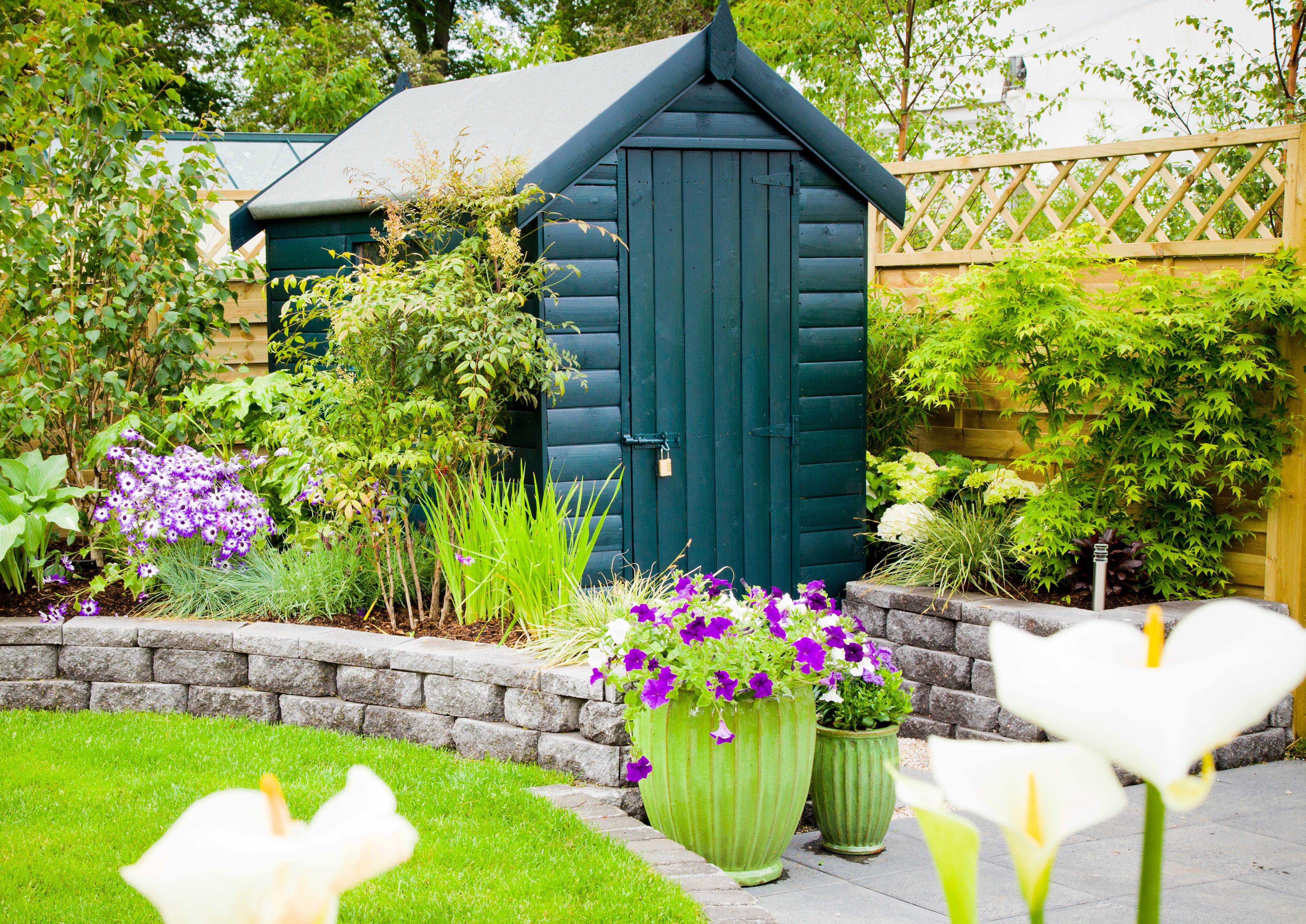
1/6
5 Things You Should NEVER Leave in Your Shed, According to an Expert
Sheds are often seen as convenient storage spaces, but experts advise against storing certain items due to safety concerns and potential damage to belongings. Gary McCoy, a Lowe’s store manager, highlights five categories of items that should never be left in a shed and suggests alternative storage solutions. These categories include paint and solvents, propane tanks, electronics and batteries, pet food, bird seed, or grass seed, and paper goods and fabric.
Paint and solvents, as well as caulk and adhesives, are susceptible to extreme temperatures. McCoy explains that these materials can freeze in cold weather or overheat and separate in high heat. To maintain their quality and prevent damage, he recommends storing them in temperature-controlled indoor environments. Suitable locations include utility closets, basements, or specialized garage cabinets designed to withstand varying temperatures, such as weatherproof options.
Propane tanks, commonly used for fire pits or grills, pose a significant fire hazard when stored in enclosed spaces like sheds. The risk stems from potential gas buildup, which can lead to dangerous situations. McCoy emphasizes that propane tanks should always be stored outdoors in a well-ventilated, shaded area. Additionally, they must be kept upright and away from any flammable materials to ensure safety.
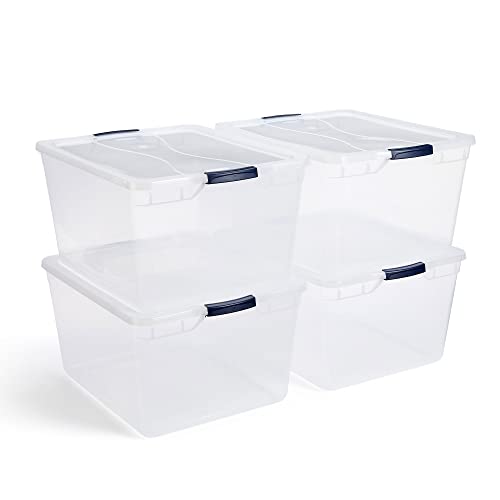
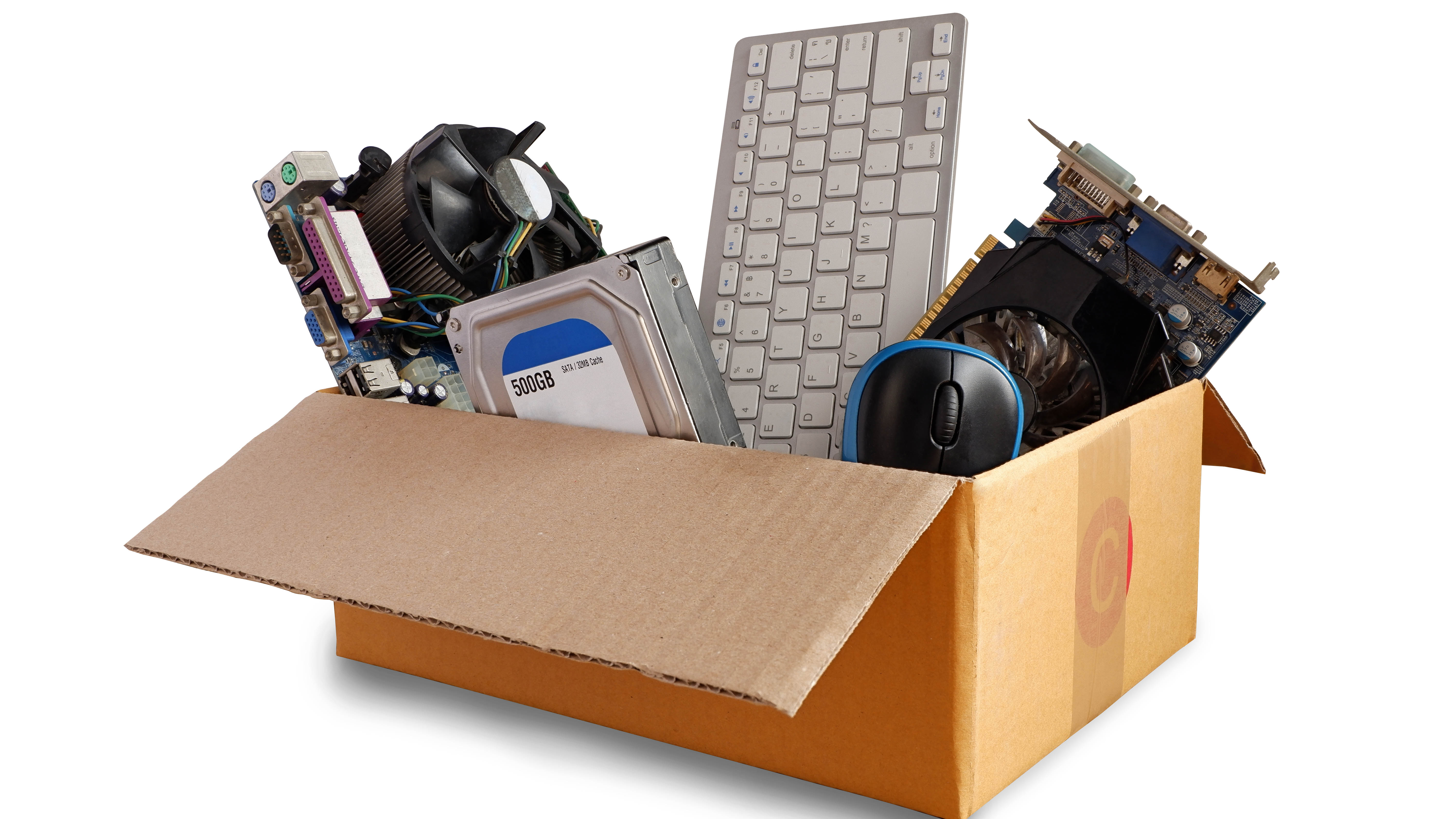
Electronics and batteries are vulnerable to environmental fluctuations within a shed. Moisture and temperature changes can cause internal components to corrode or become damaged. To protect these sensitive items, McCoy advises storing them indoors, ideally in sealed, moisture-resistant containers. Containers equipped with gasket seals are particularly effective at keeping out moisture and preserving the integrity of electronics and batteries.
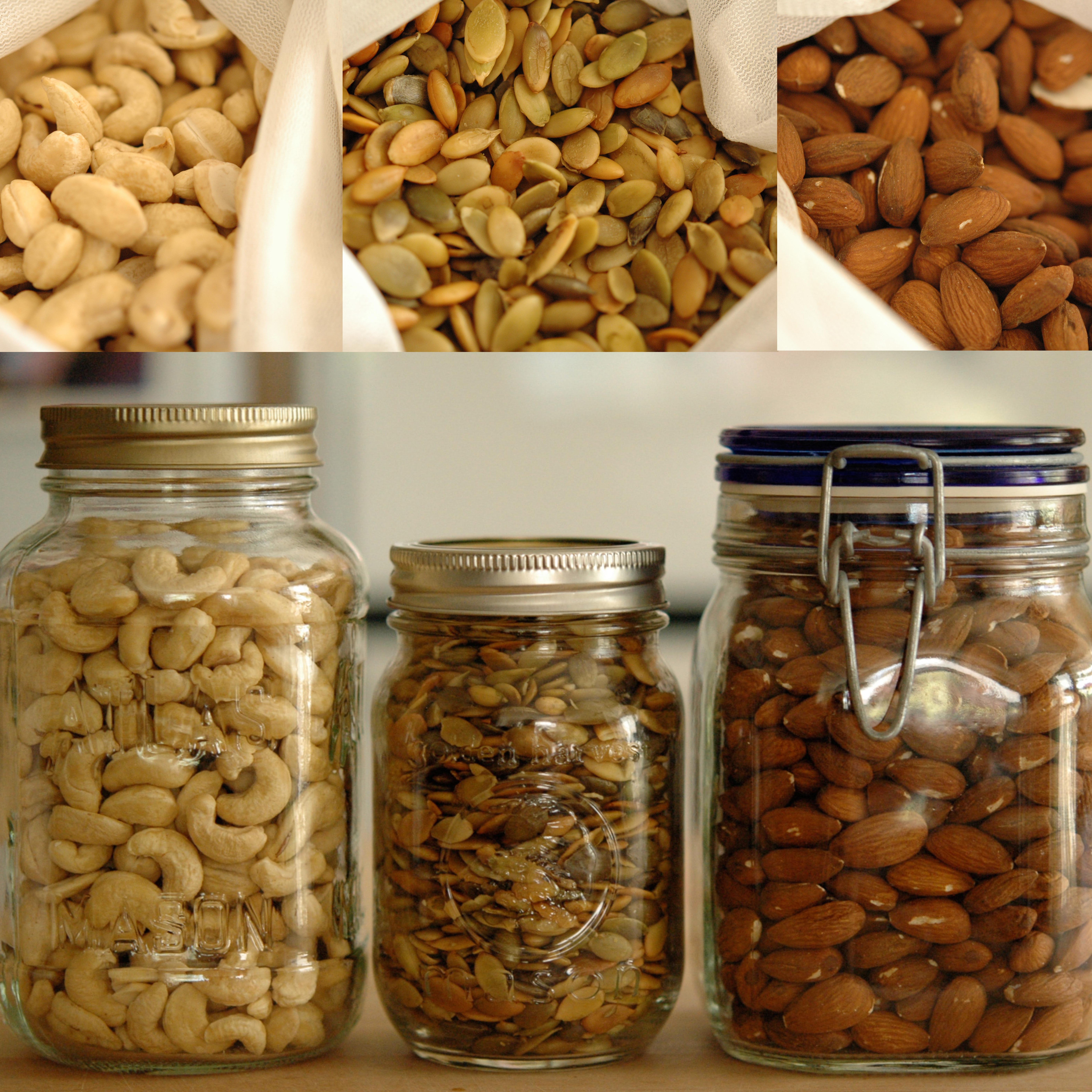
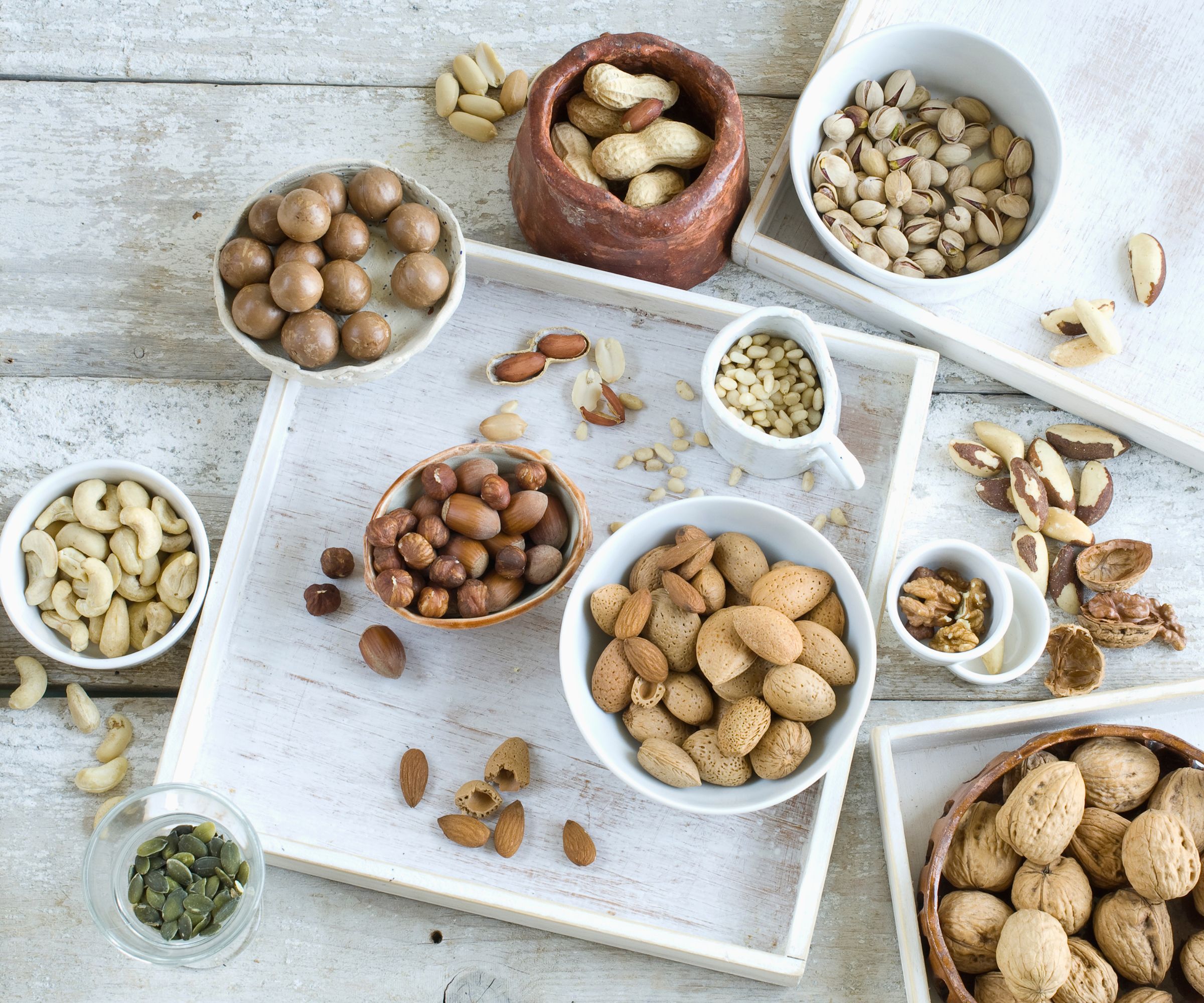
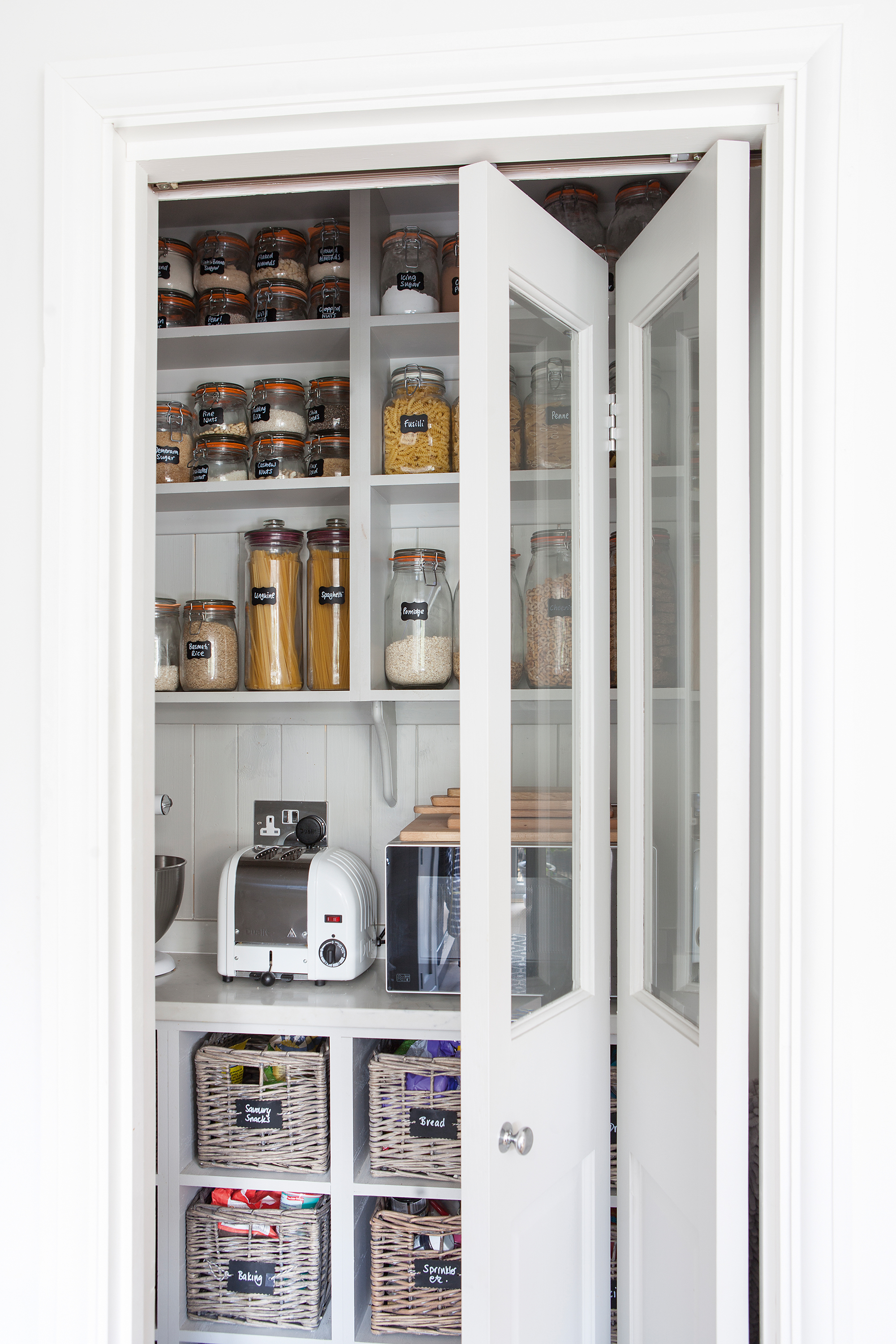
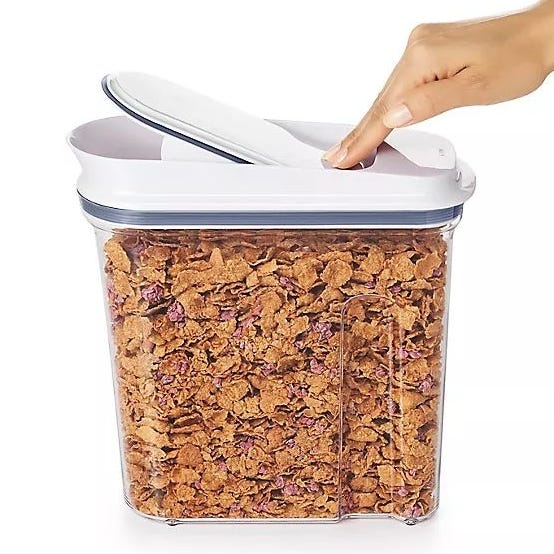
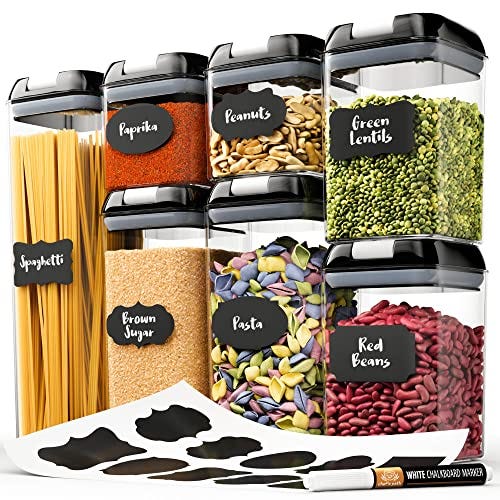
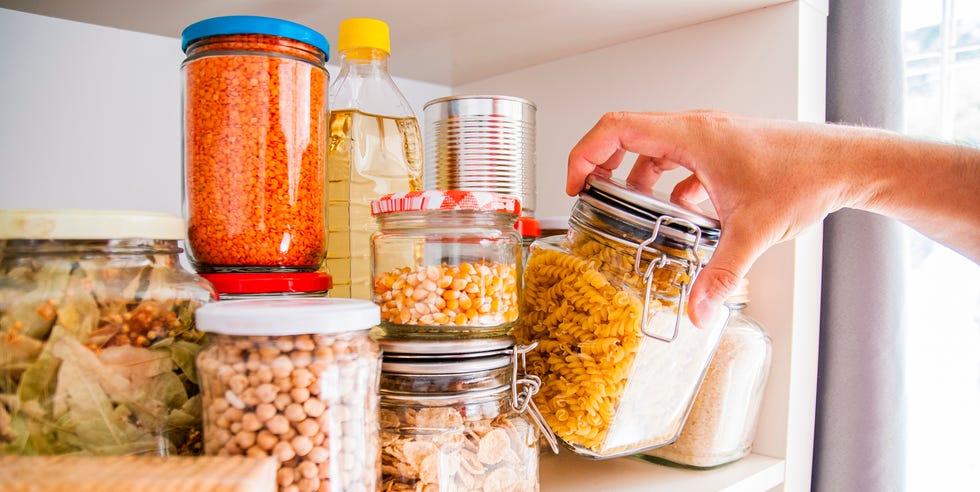
Storing pet food, bird seed, or grass seed in a shed can attract pests such as rodents and insects. These creatures can contaminate the food or seeds and potentially infest the shed itself. To prevent pest infestations, McCoy suggests moving these items to a garage or pantry. They should be kept in sealed metal or heavy-duty plastic containers with locking lids, which are designed to deter pests and maintain the freshness of the contents.
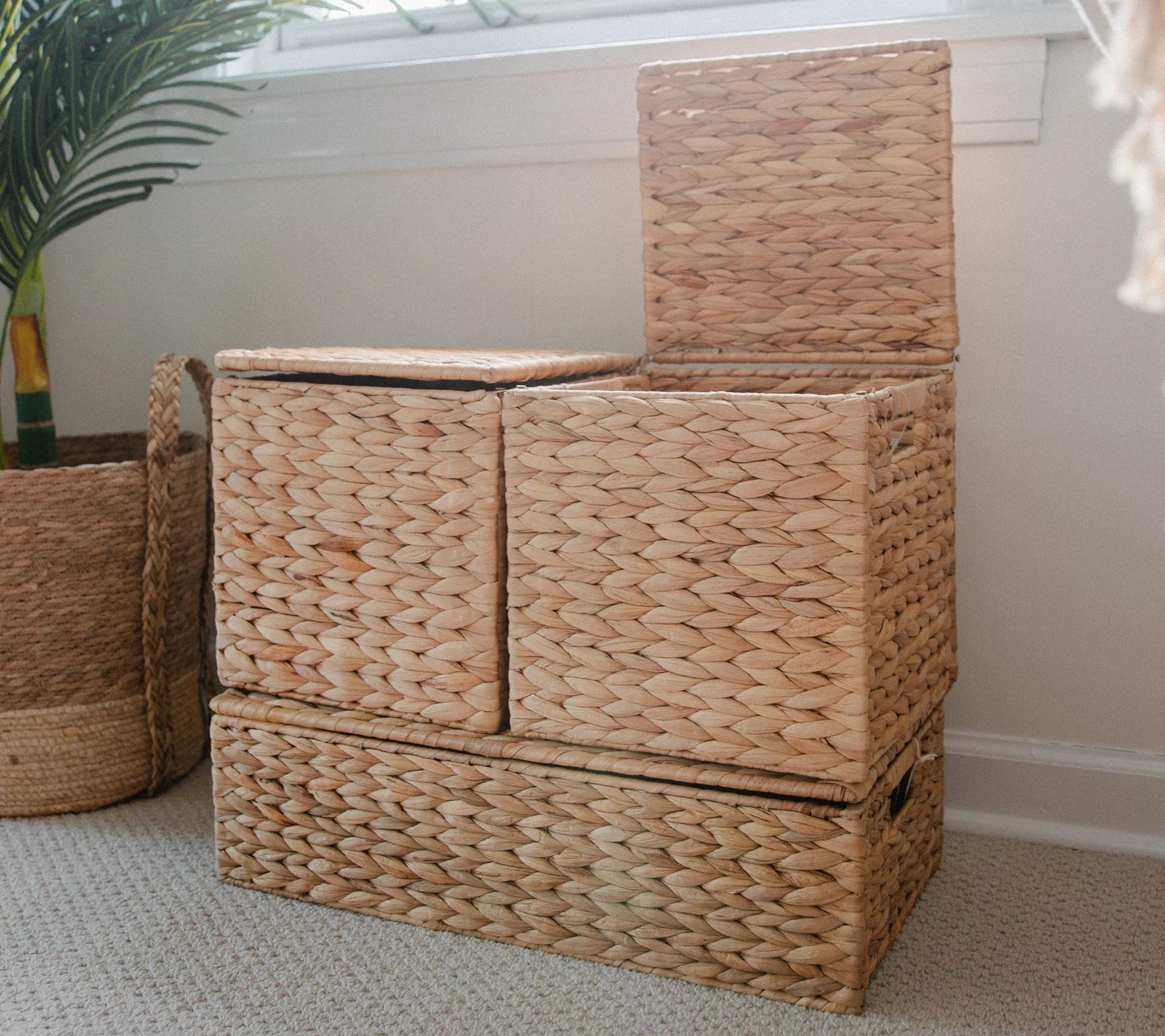
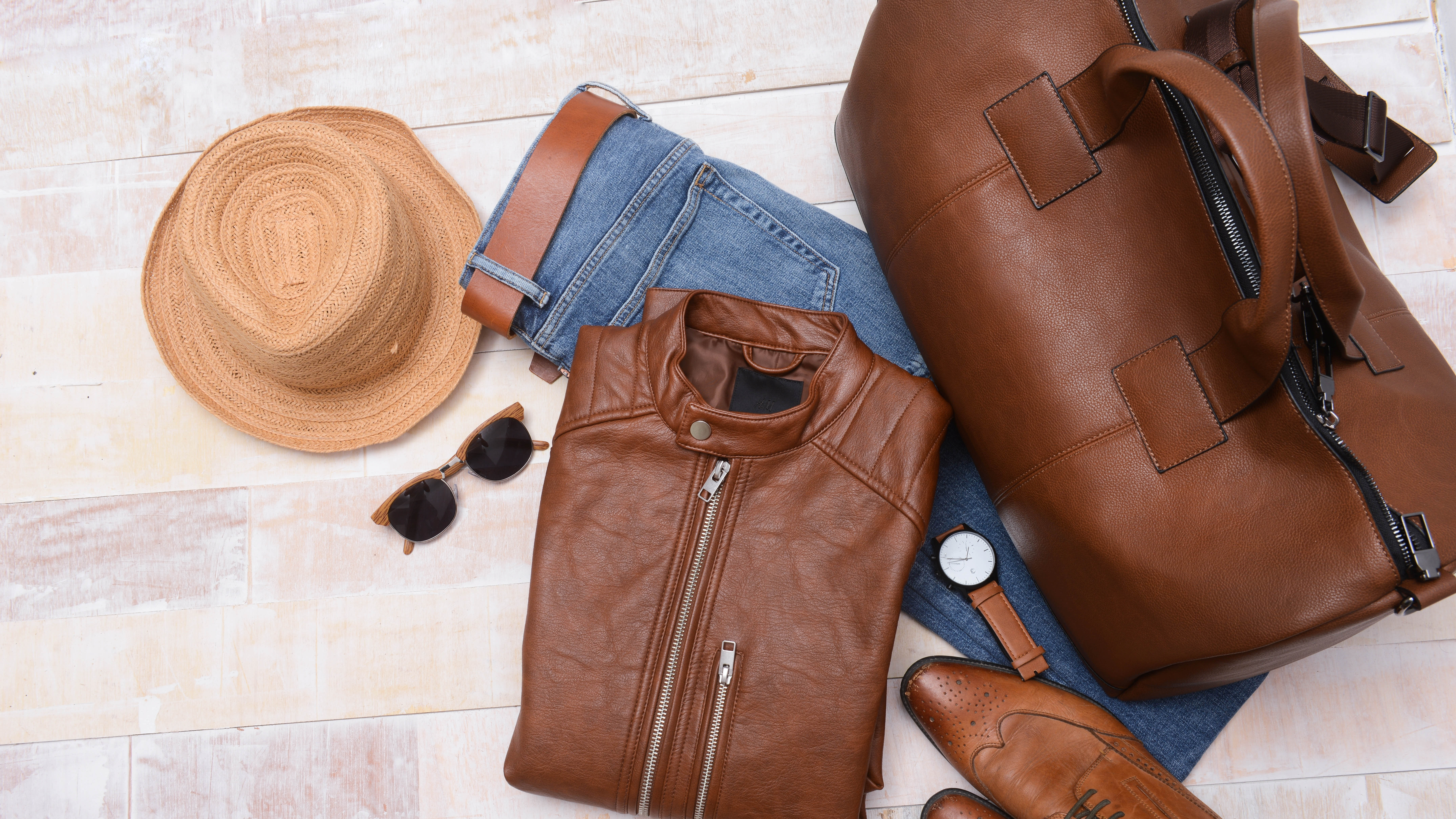
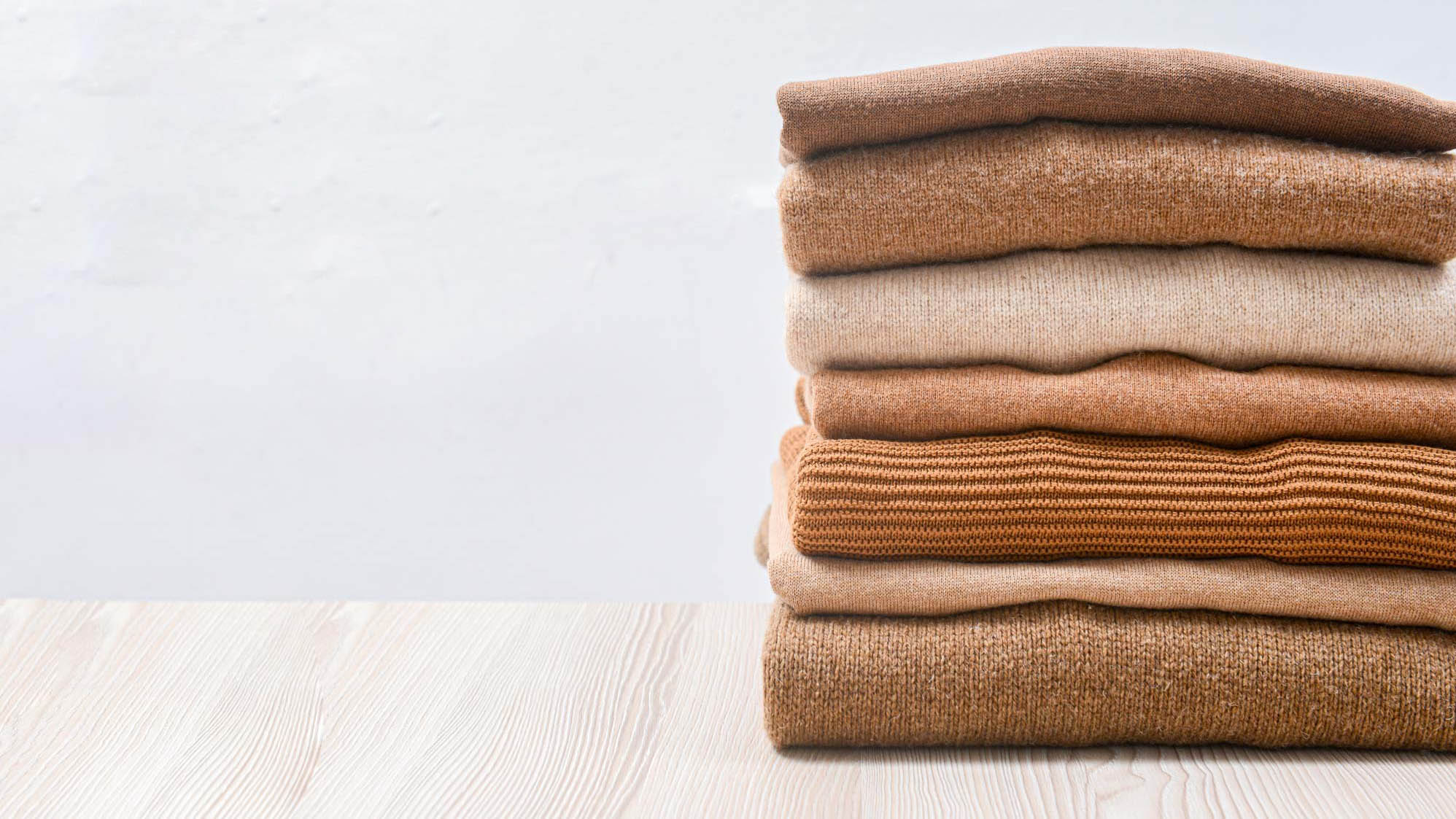
Finally, paper goods and fabric items like towels and rugs are highly susceptible to mold, mildew, and pest damage. Sheds often lack proper ventilation and climate control, creating an ideal environment for mold growth and attracting critters looking for nesting materials. McCoy recommends storing these items in extra closet space within the home or in sealed totes to protect them from environmental damage and pests.
#ShedStorage #HomeSafety #GardeningTips #HouseholdItems #PestControl #TemperatureControl #DIYStorage #HomeMaintenance #ExpertAdvice #ShedStorage #HomeSafety #GardeningTips #HouseholdItems #PestControl #TemperatureControl #DIYStorage #HomeMaintenance #ExpertAdvice
0 Kommentare insgesamt
 Noch keine Kommentare
Das könnte Ihnen auch gefallen
6 Things You Should NEVER Keep In Your Pantry, According To Pro Organizers & Chefs
Pros warn never to keep these 8 things in your pantry

8 things a professional organiser would never keep in a hallway – and you shouldn’t either
5 Things To Keep Out Of Your Mudroom

Never store these 6 things on open kitchen shelving, warn pro organisers
5 Outdated Types of Kitchen Storage Experts Are Urging You to Avoid

6 Things You Should Never Store in Your Laundry Room, According to Pro Organizers

8 Things In Your Pantry You Should Toss ASAP, According To Pro Organizers

Items to never store in an entryway, according to cleaning, organizing and interiors experts
6 Things You Should Never Store In Your Laundry Room, According To Experts
10 things decluttering experts won't keep in their kitchen cupboards
6 Things You Should Never Keep on Your Kitchen Counter

8 Things You Should Never Keep on Your Open Shelves, According to Designers

11 things you should never store in a pantry, according to experts

5 small entryway storage mistakes designers want you to stop making

7 things you should never store in plastic containers

15 things you should never store in your basement – and why
'Where there are hooks, people will always hang coats' – 8 things you should never store in your entryway to avoid it becoming a dumping ground
8 Things Experts Would Never Store Under the Bed (and Neither Should You!)

7 Items You Should Never Store In Kitchen Cabinets