1/2
What’s the Difference Between Interior and Exterior Paint?
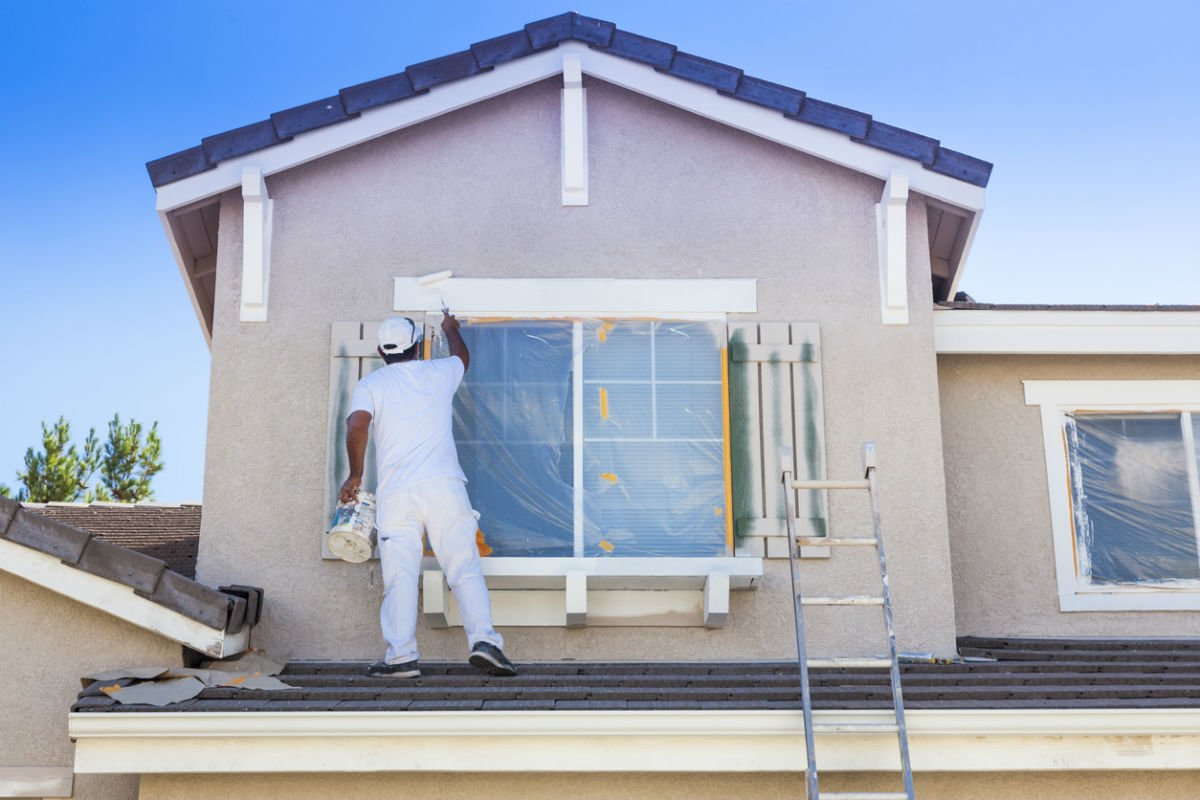
The article delves into the fundamental differences between interior and exterior paints, explaining why these formulations are distinct and should not be used interchangeably. Historically, house painting has been a human practice for millennia, dating back over 40,000 years to cave paintings. The modern paint industry gained significant traction in 1866 with the introduction of commercially produced paints by Sherwin, Williams & Co., followed by competitors like Benjamin Moore. While early paints were oil-based, contemporary options predominantly include water-based acrylics and latex paints, simplifying DIY painting tasks.
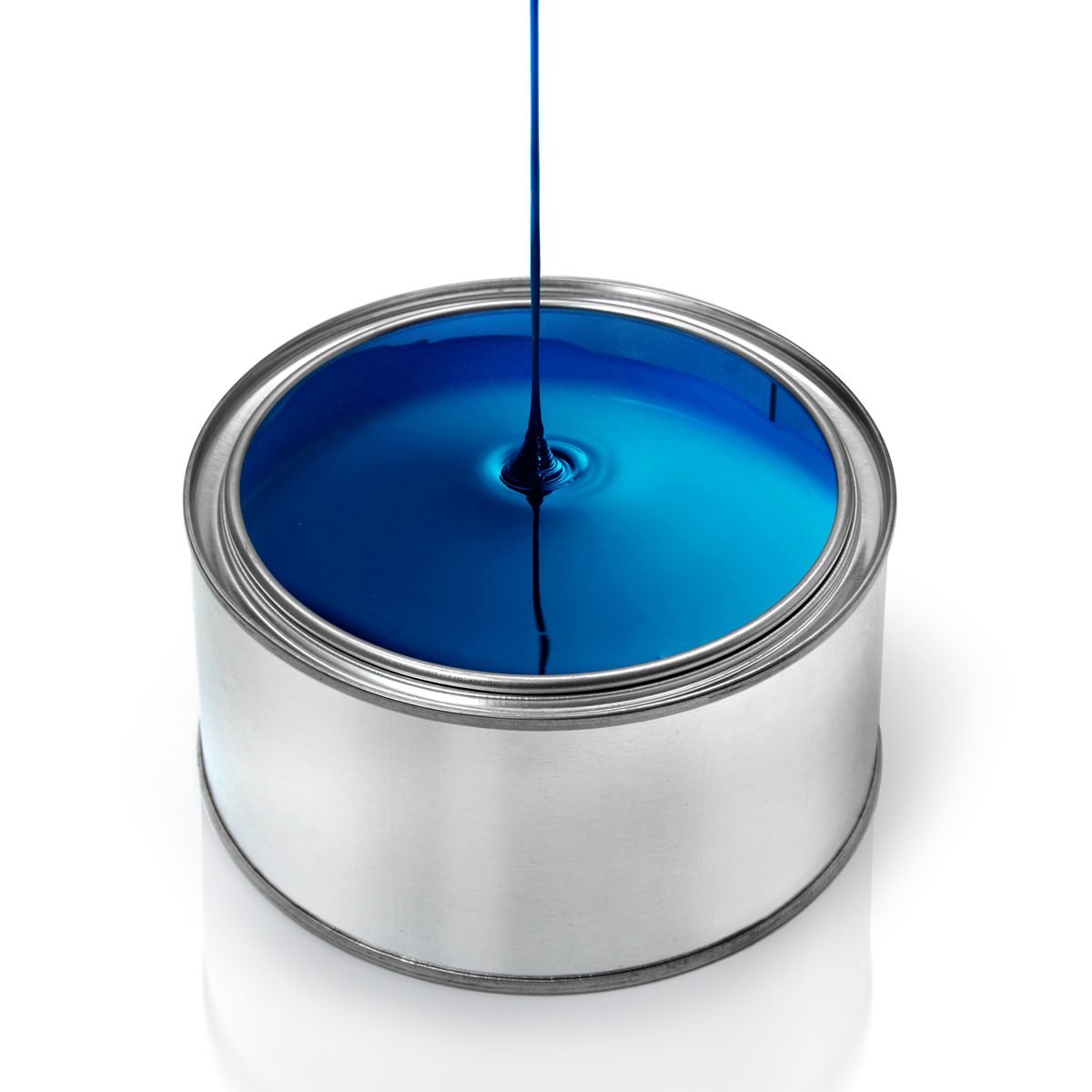
Mark Savino, a strategic remodeling advisor at YouthfulHome, outlines that paint is composed of four primary ingredients: solvents, pigment, resin, and additives. Solvents, which are typically water in acrylic and latex paints or turpentine/mineral spirits in oil-based paints, dissolve and combine the other components, evaporating as the paint dries. Pigments, sourced from plant, mineral, animal, or synthetic materials, impart color. Additives enhance paint performance and appearance, including thickeners, agents for different finishes (matte, satin, high-gloss), and fungicides for exterior applications. Resins are crucial for binding pigments and ensuring adhesion, with their flexibility varying based on whether the paint is for interior or exterior use.
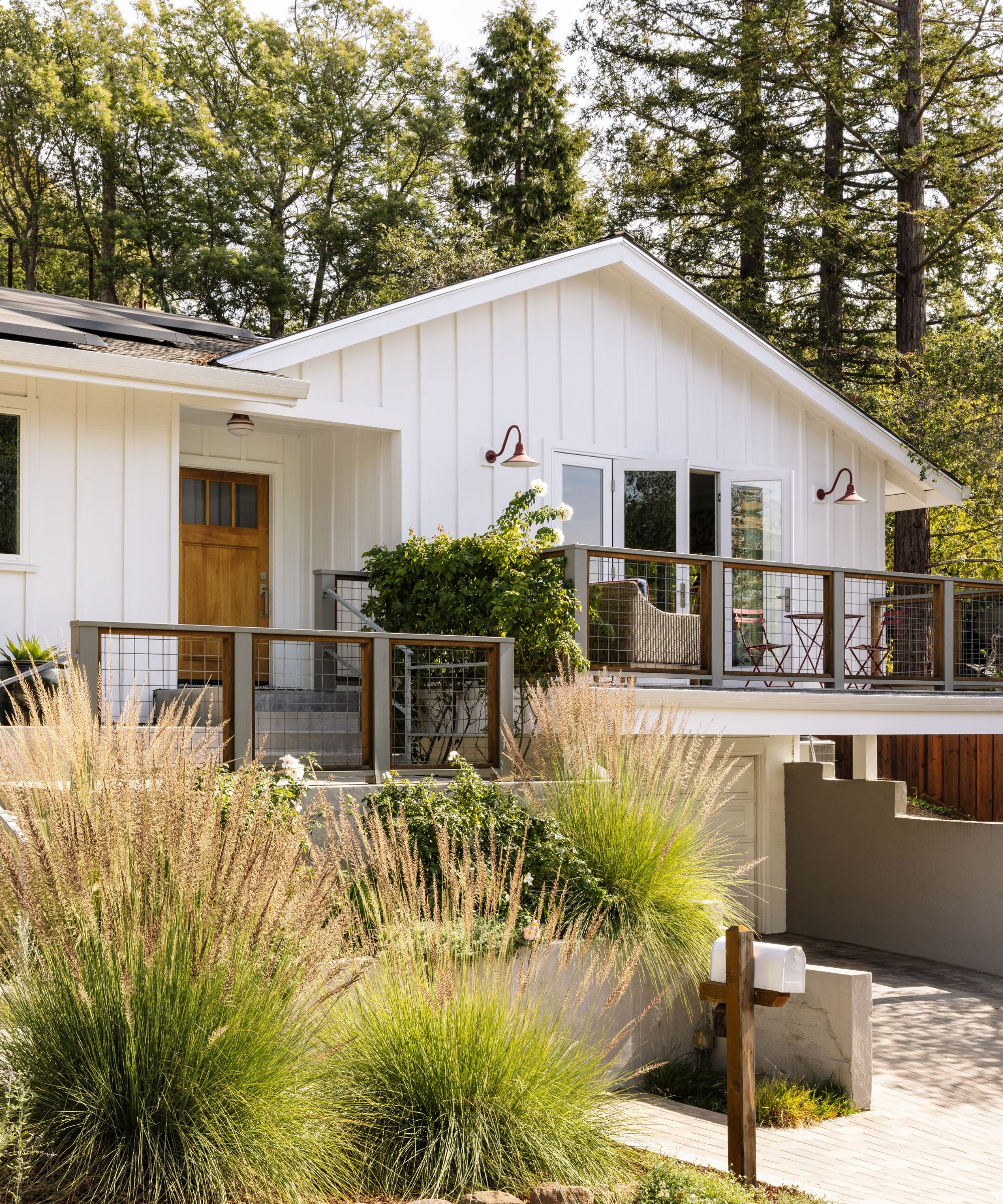
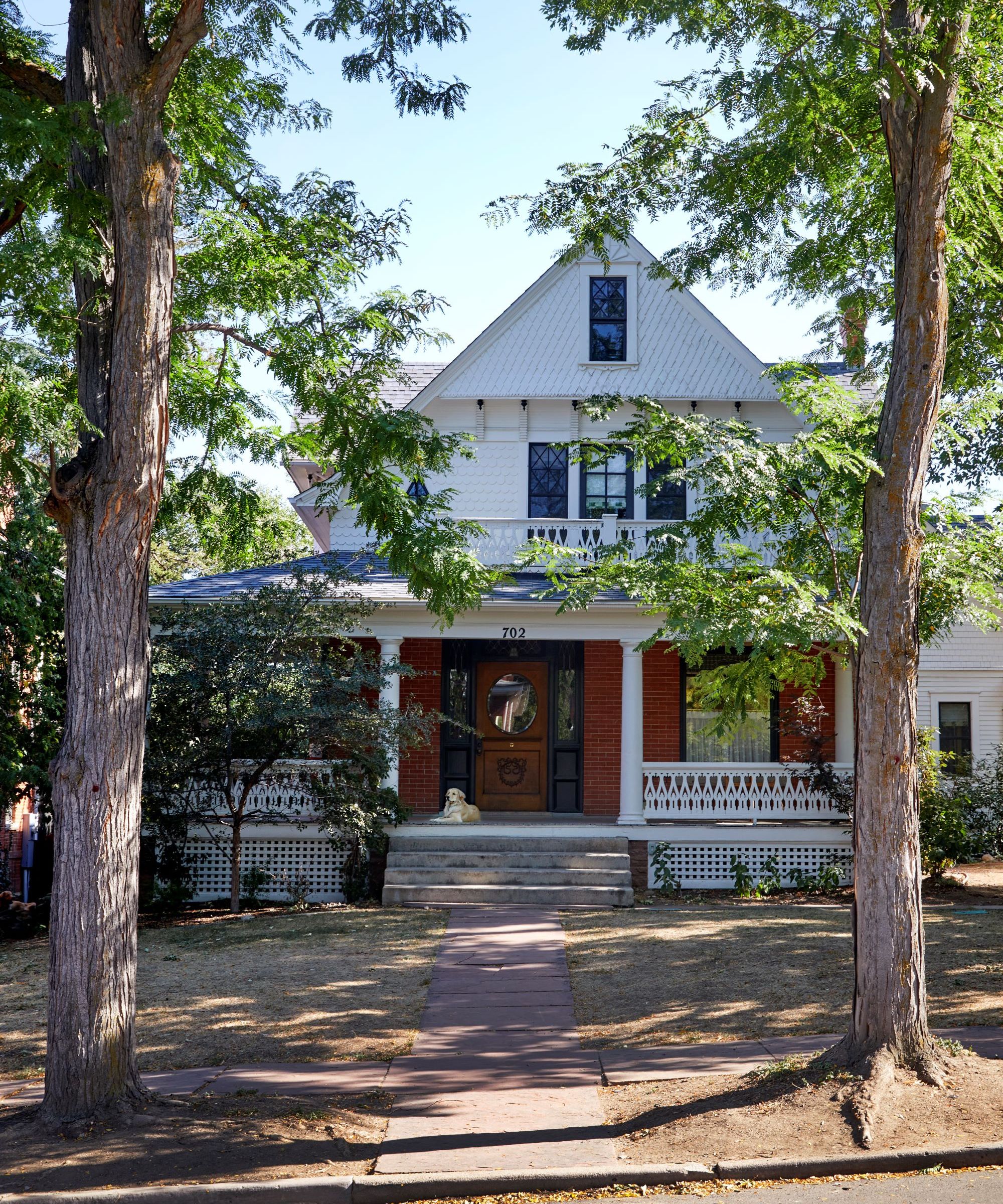
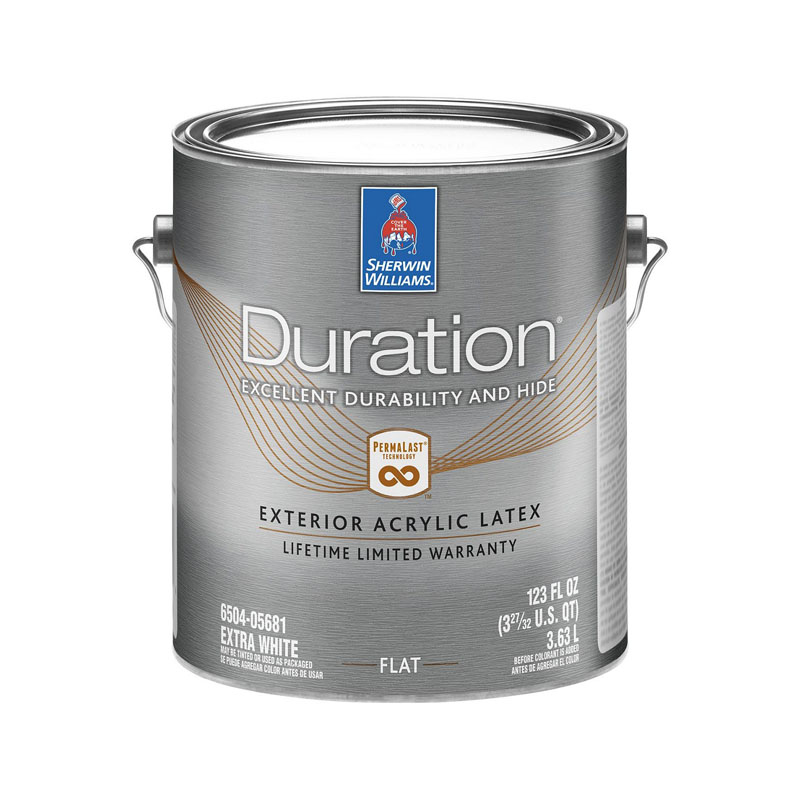
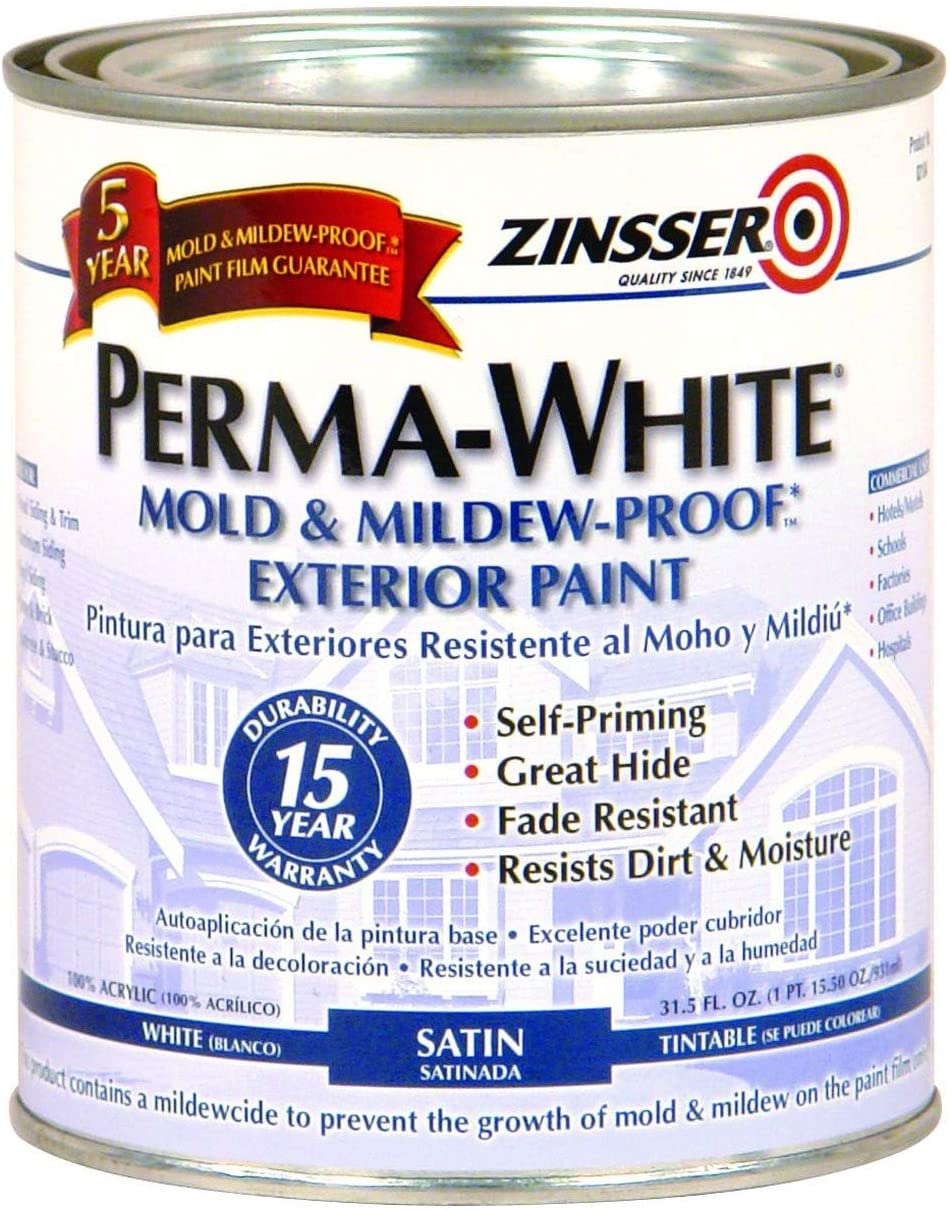
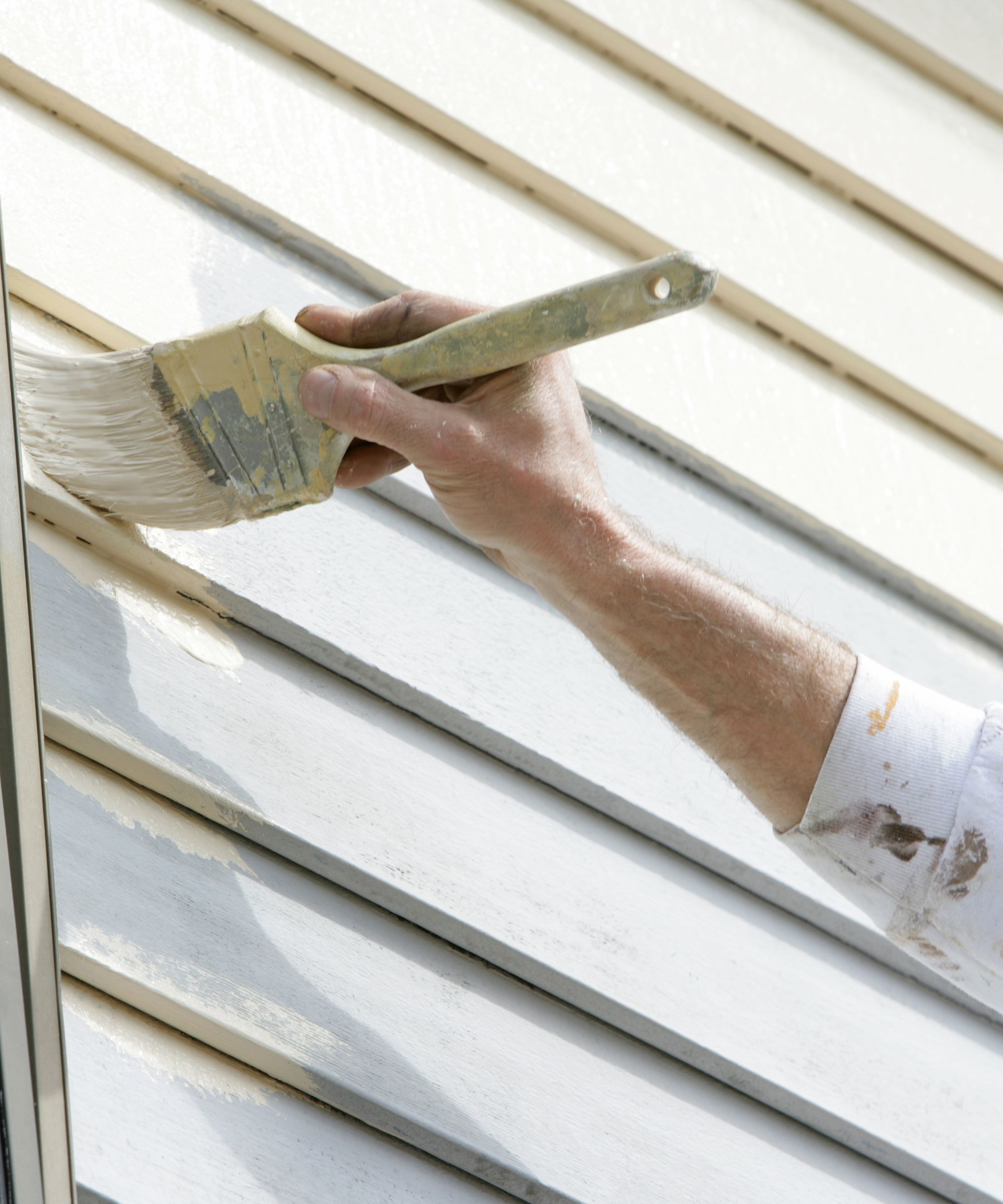
The primary distinction between interior and exterior paints lies in their resin types and additives. Exterior paints are engineered to endure harsh environmental conditions such as varying temperatures, UV radiation leading to fading, and mildew growth in damp environments. Their resins are more flexible, accommodating temperature-induced expansion and contraction, thus preventing cracking and peeling. Exterior paint additives specifically resist fading and mildew and promote adhesion to rough surfaces. These paints generally have higher levels of Volatile Organic Compounds (VOCs) compared to interior paints, and while some are oil-based, these are increasingly restricted due to their high ozone-depleting VOC emissions. Exterior paints also offer fewer finish options, typically limited to flat, semi-gloss, or gloss enamel.
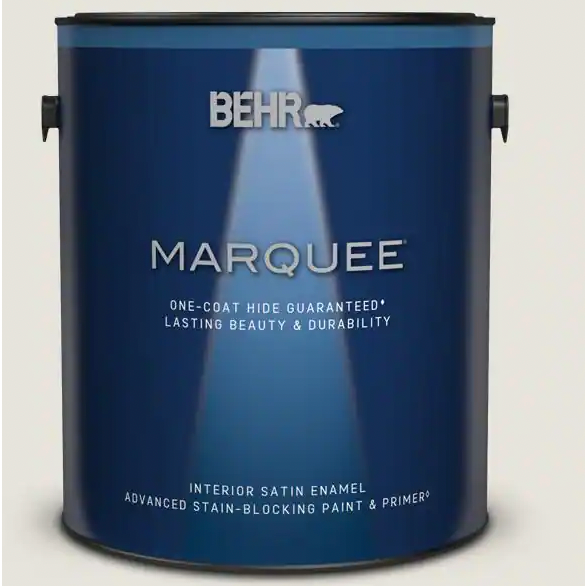
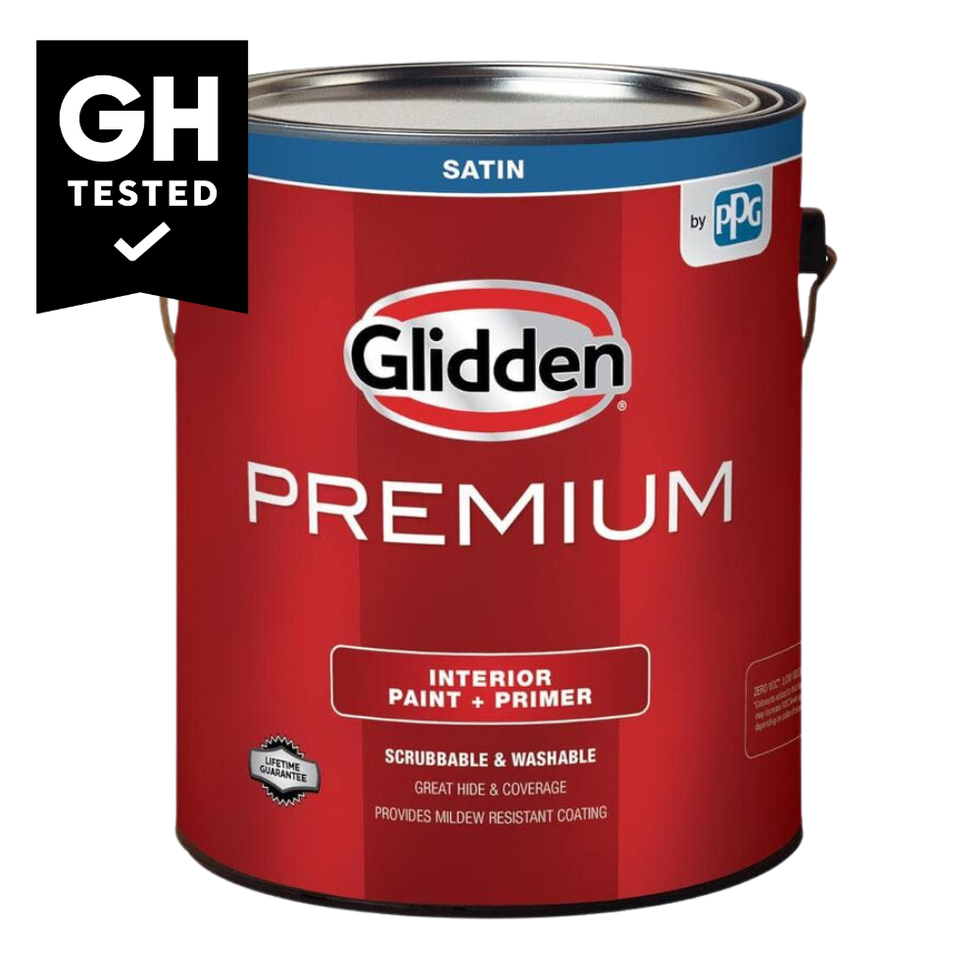
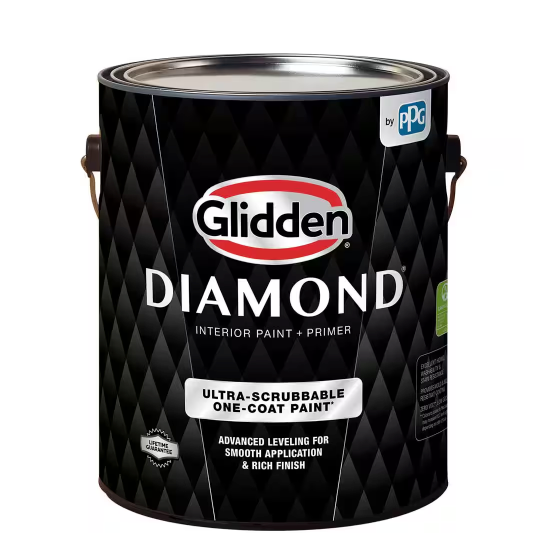
Conversely, interior paints are designed for indoor durability, focusing on resistance to scuffs and marks, and ease of cleaning. They feature more rigid resins that are less prone to scratching and can be cleaned with soap and water. Interior paints rarely include fungicides and are formulated to be low in VOCs. They offer a wider array of finishes, including matte, eggshell, satin, semi-gloss, and gloss, alongside various faux-finish effects. The article emphasizes that using interior paint outdoors or exterior paint indoors is ill-advised. Using exterior paint indoors can pose health risks due to higher VOCs and its rigid resins are unsuitable for interior surfaces. Conversely, interior paint used outdoors will have a short lifespan, as it cannot withstand environmental stressors and will crack and peel due to its rigid resins not allowing for proper expansion and contraction.
#InteriorPaint #ExteriorPaint #PaintComposition #VOCs #PaintFinishes #HomeImprovement #DIYPainting #BuildingMaterials #InteriorPaint #ExteriorPaint #PaintComposition #VOCs #PaintFinishes #HomeImprovement #DIYPainting #BuildingMaterials
0 Kommentare insgesamt
 Noch keine Kommentare
Das könnte Ihnen auch gefallen

Interior Paint


The Best Interior Paint | Reviews by Wirecutter
The Most Popular Paint Swatches Renovators Are Testing Out on Their Exteriors
Designers Reveal 7 Exterior Paint Colors They Always Use for Their Projects


Interior Paint: A Guide to Buying the Best Paints for Your Home


Interior Wood Paint
Ask the Carpenter: Is it OK to use exterior paint inside?
The Best Interior Paints, According to Expert Testing

Exterior Paint | Outdoor Painting & Decorating
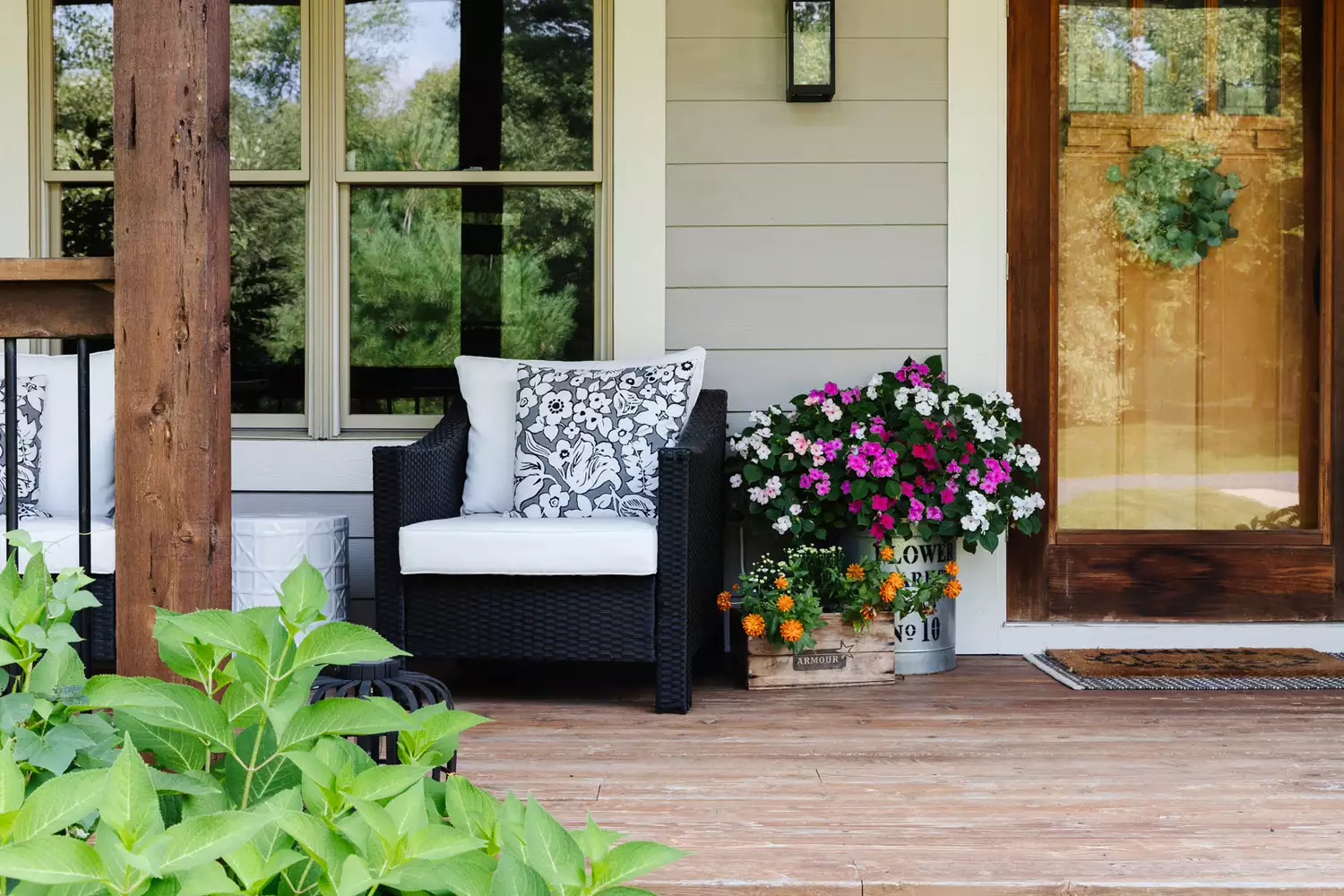
Can You Use Interior Paint Outside? Pros Say It's Not Worth Your Time — Here's Why
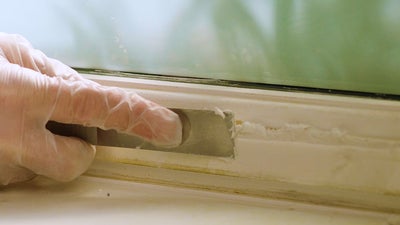
How to paint interior woodwork
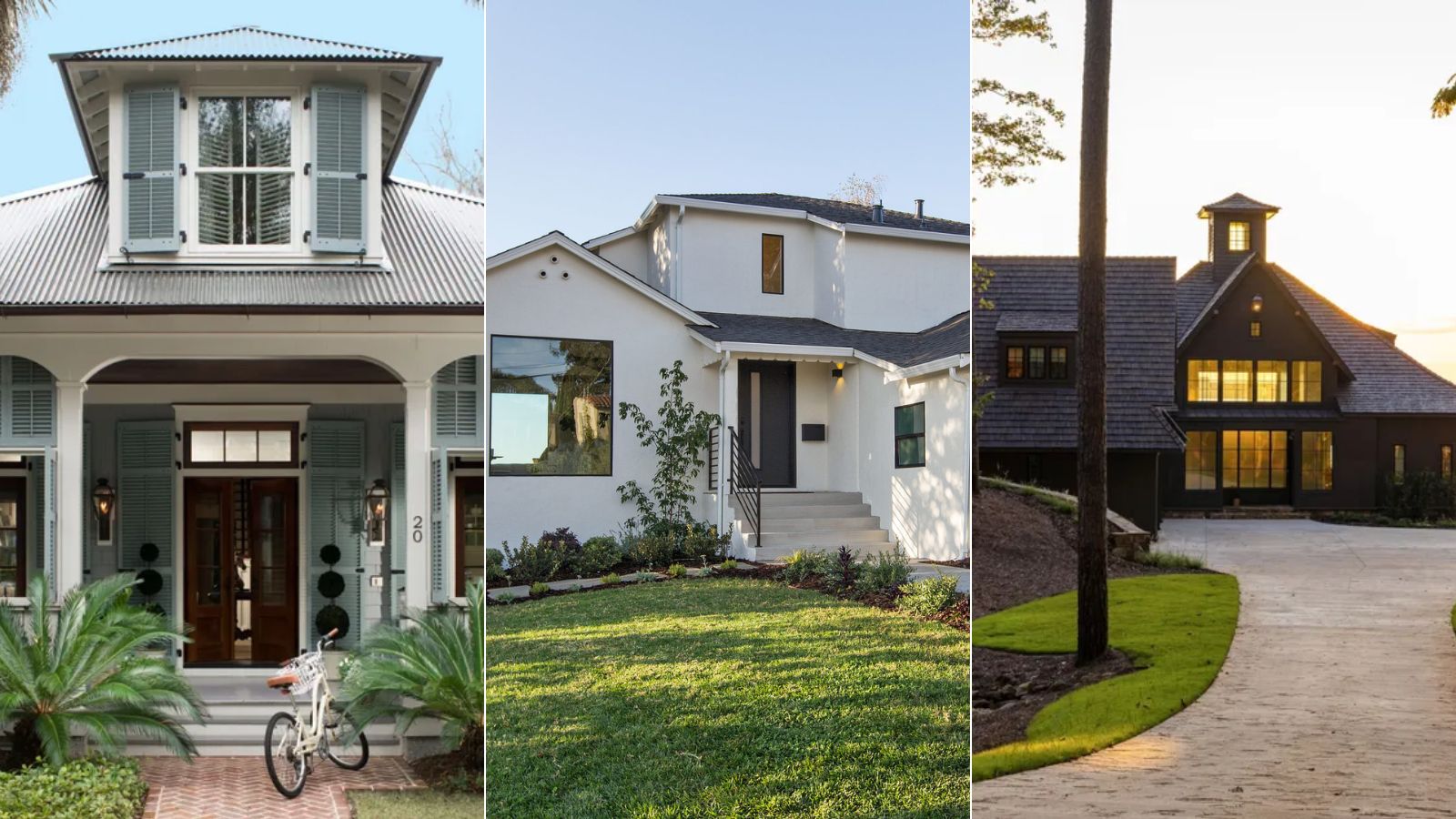
11 best colors for the exterior of your home, for a classic look year-long as suggested by experts

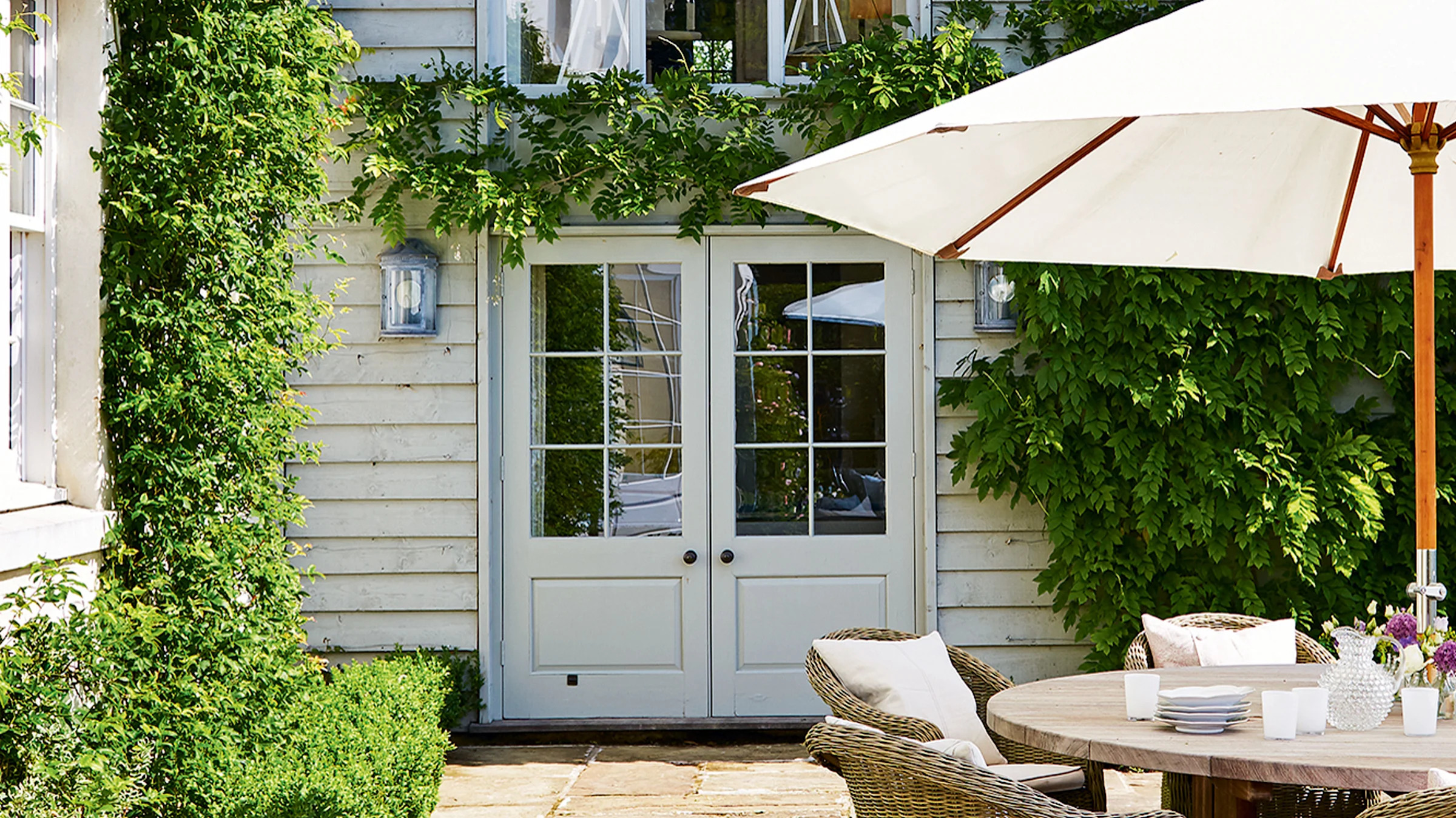
Can you use interior paint outside? Paint professionals give their expert verdict

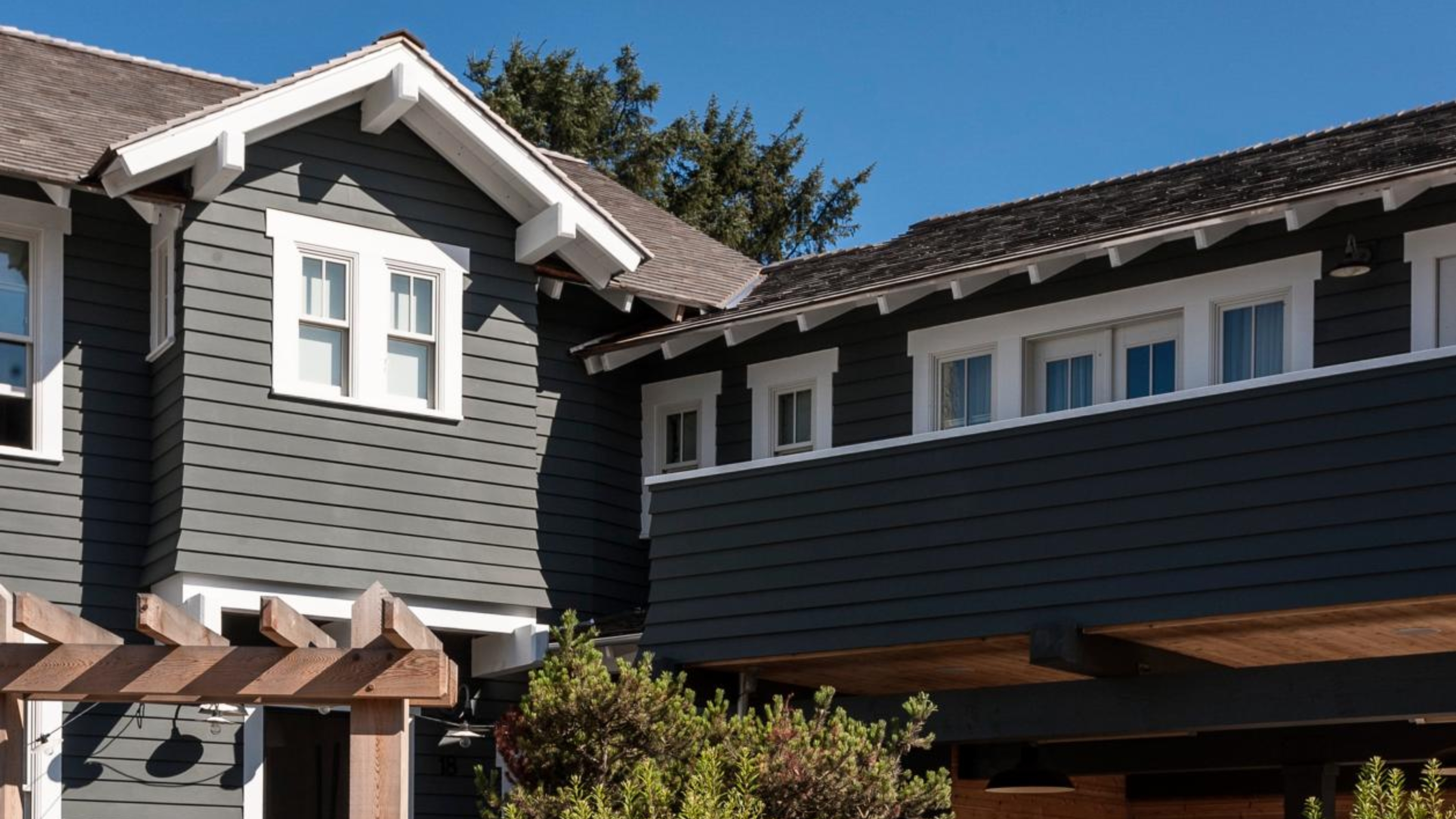
5 Exterior Paint Mistakes to Avoid If You Don't Want Your House to Become the Worst-Looking on the Street

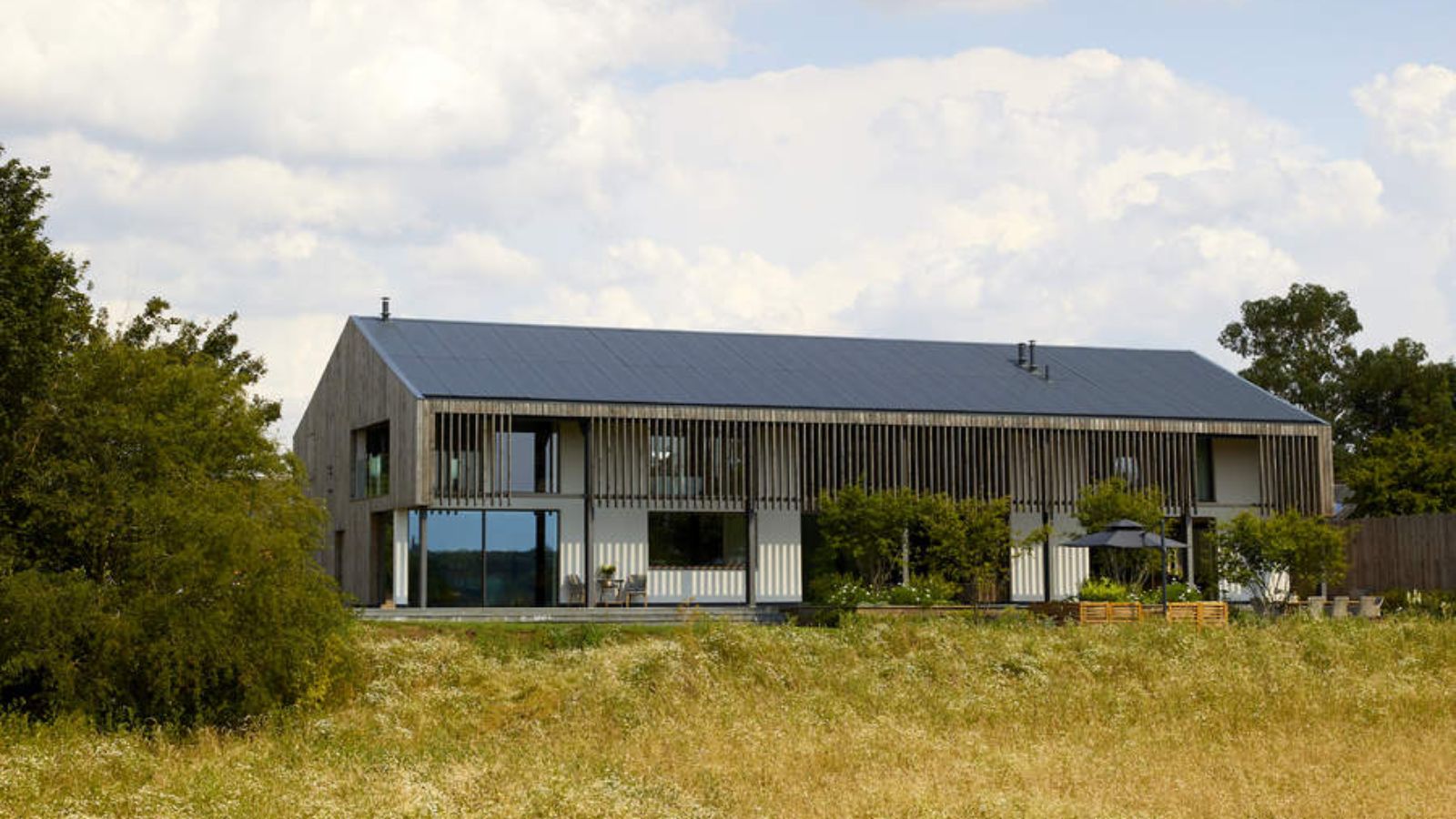
The best time to paint a house exterior, according to pros
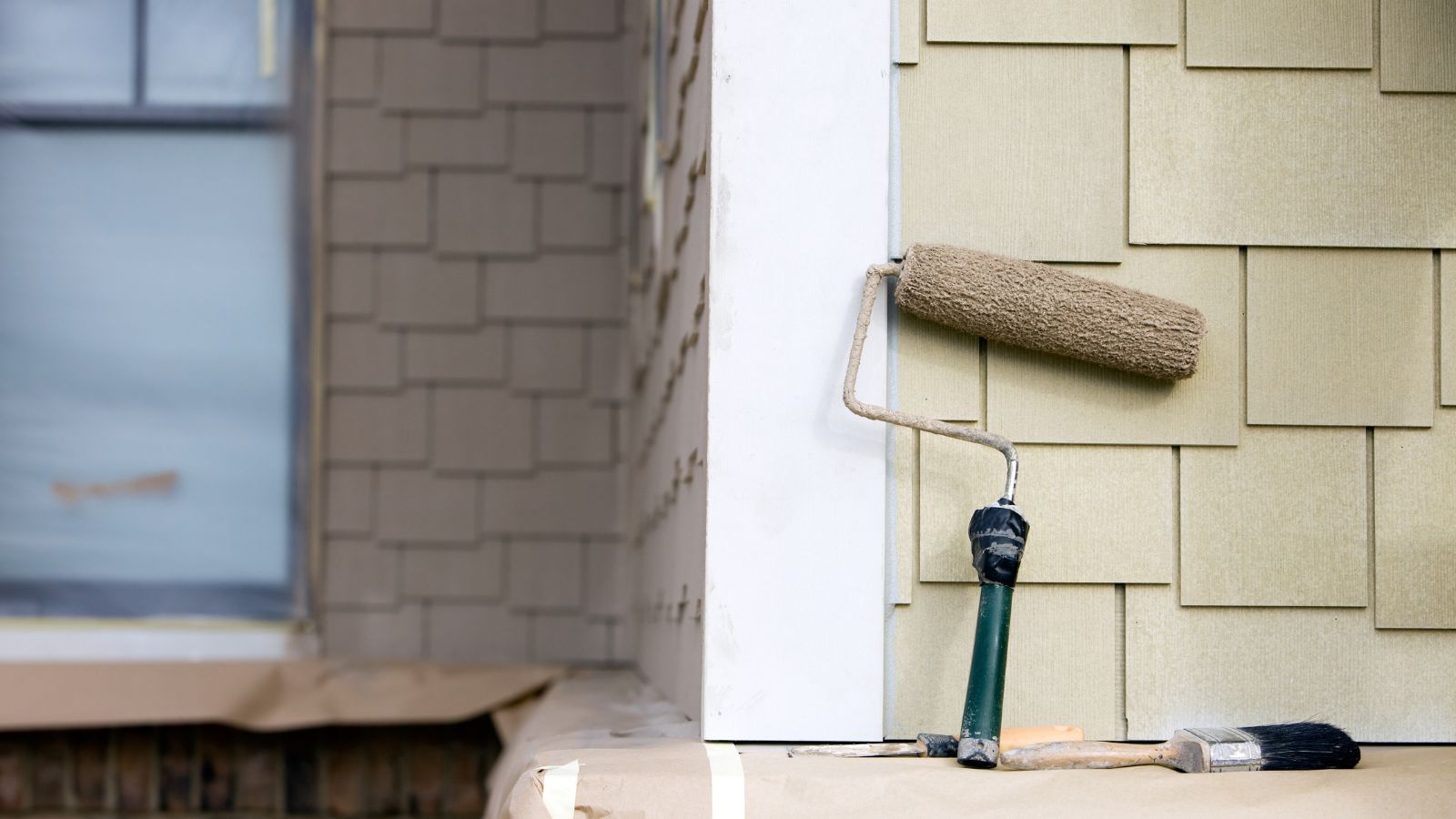
How often to paint a house – and three things that impact longevity
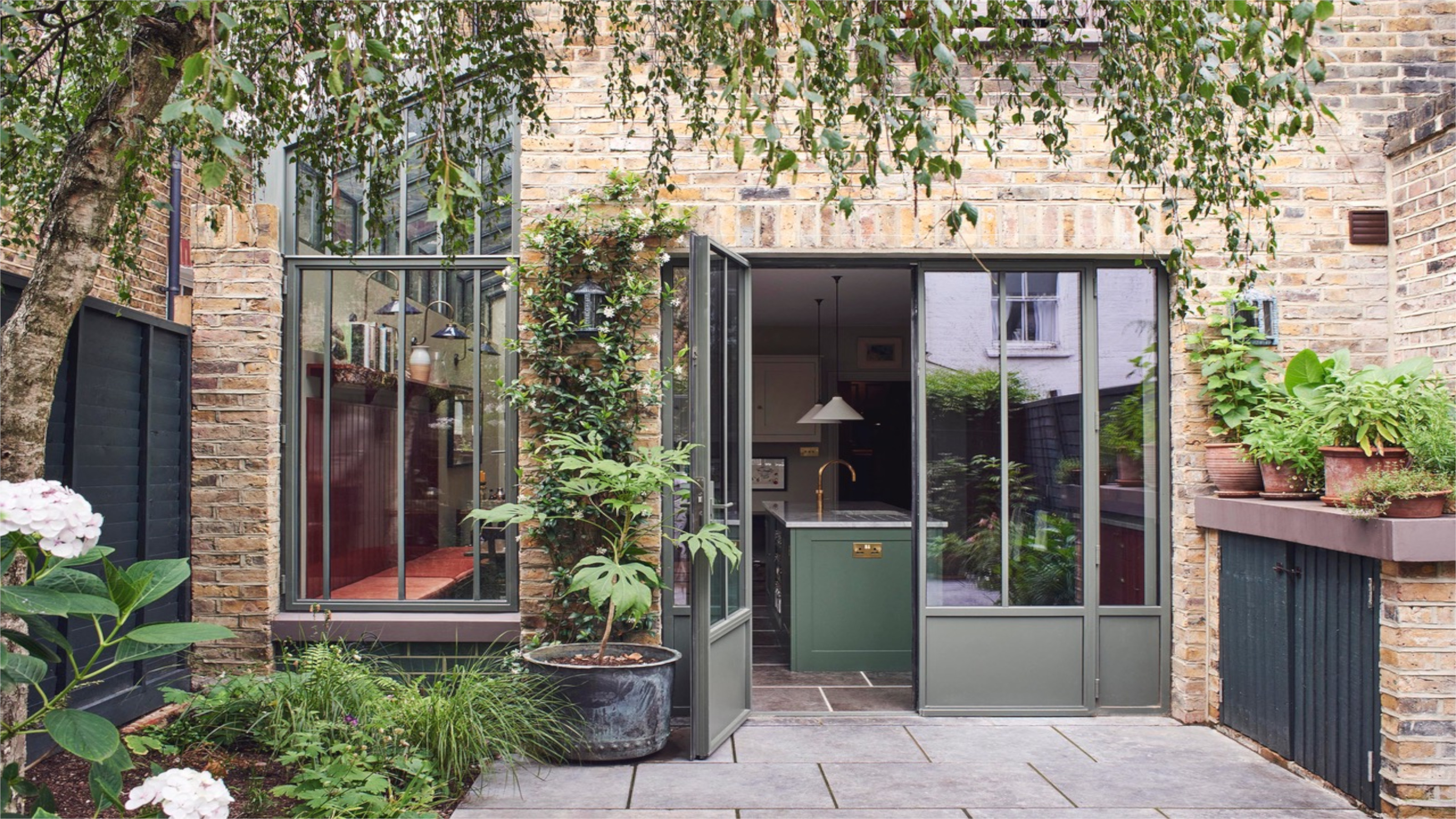
How to choose the best exterior paint for doors and windows
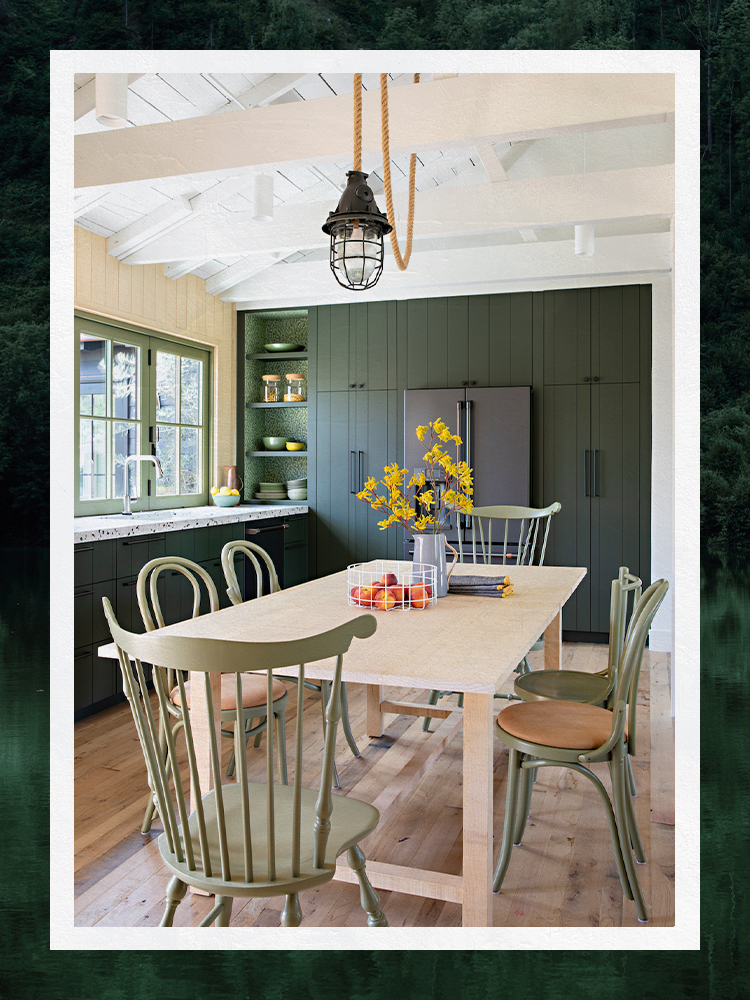
Designers Share Their Tried-and-True Shades From the Best Interior Paint Brands
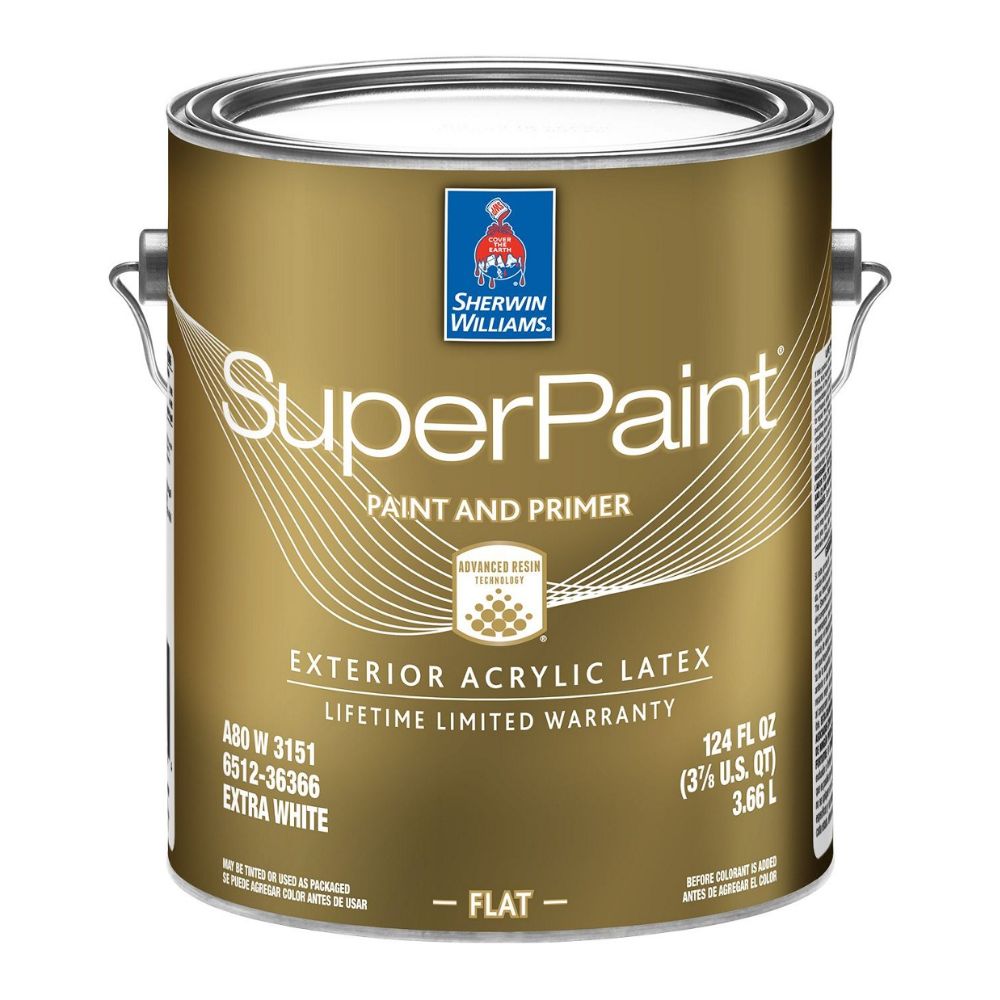
The Best Exterior Paints for Every Outdoor Surface

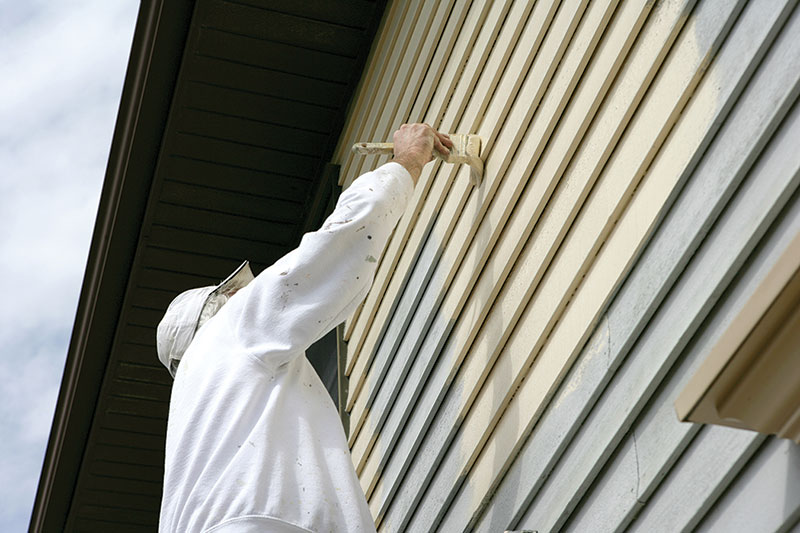
Professional Tips on Exterior Paint for Your Home