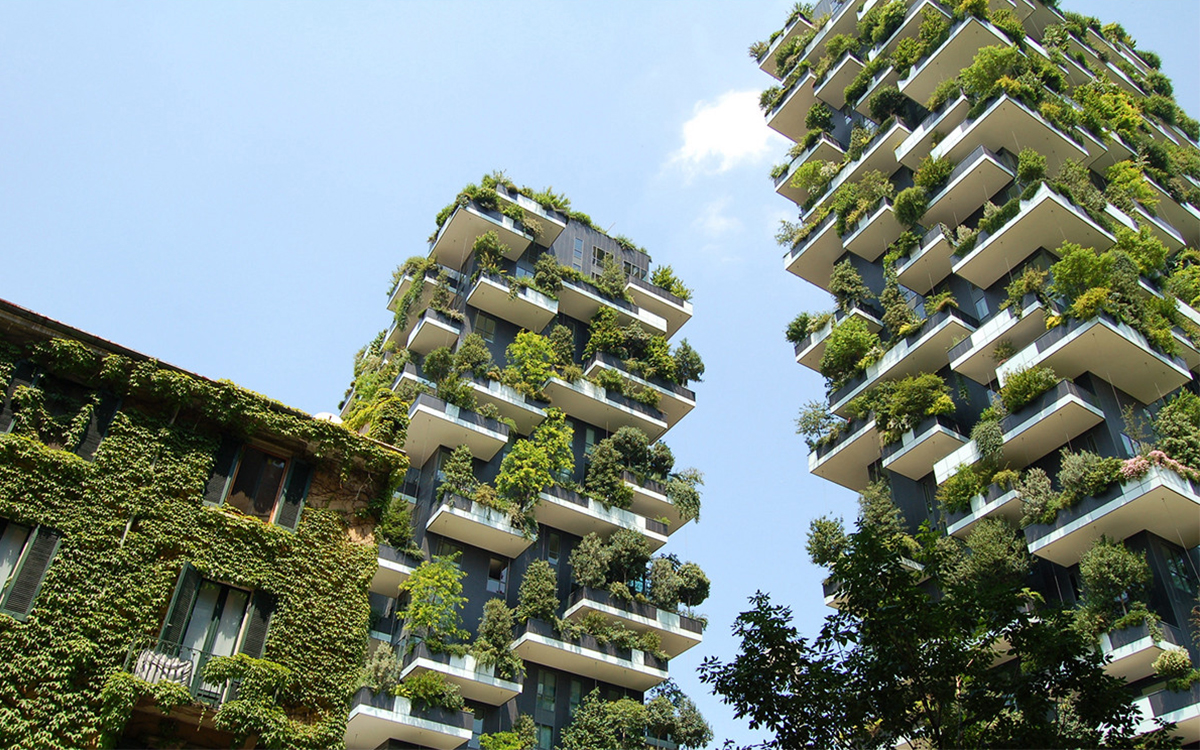
Vertical Gardening Is a Dead-Simple DIY Project That Any Space Can Handle
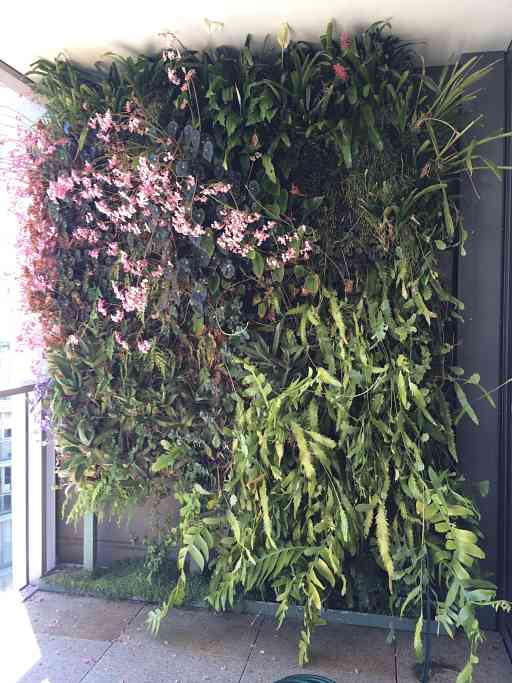
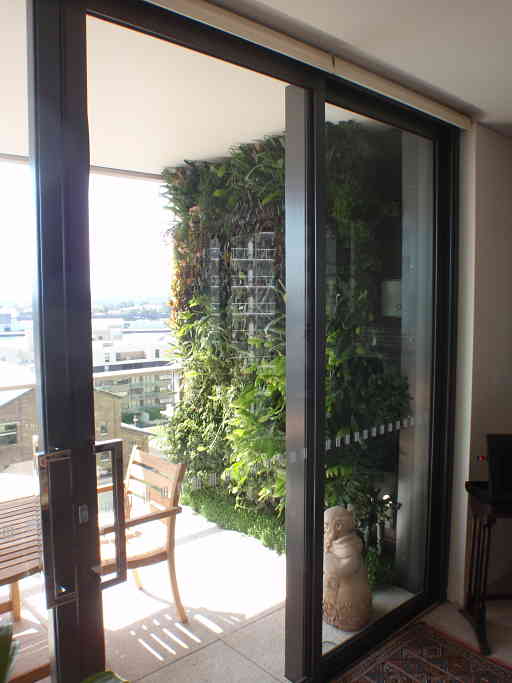
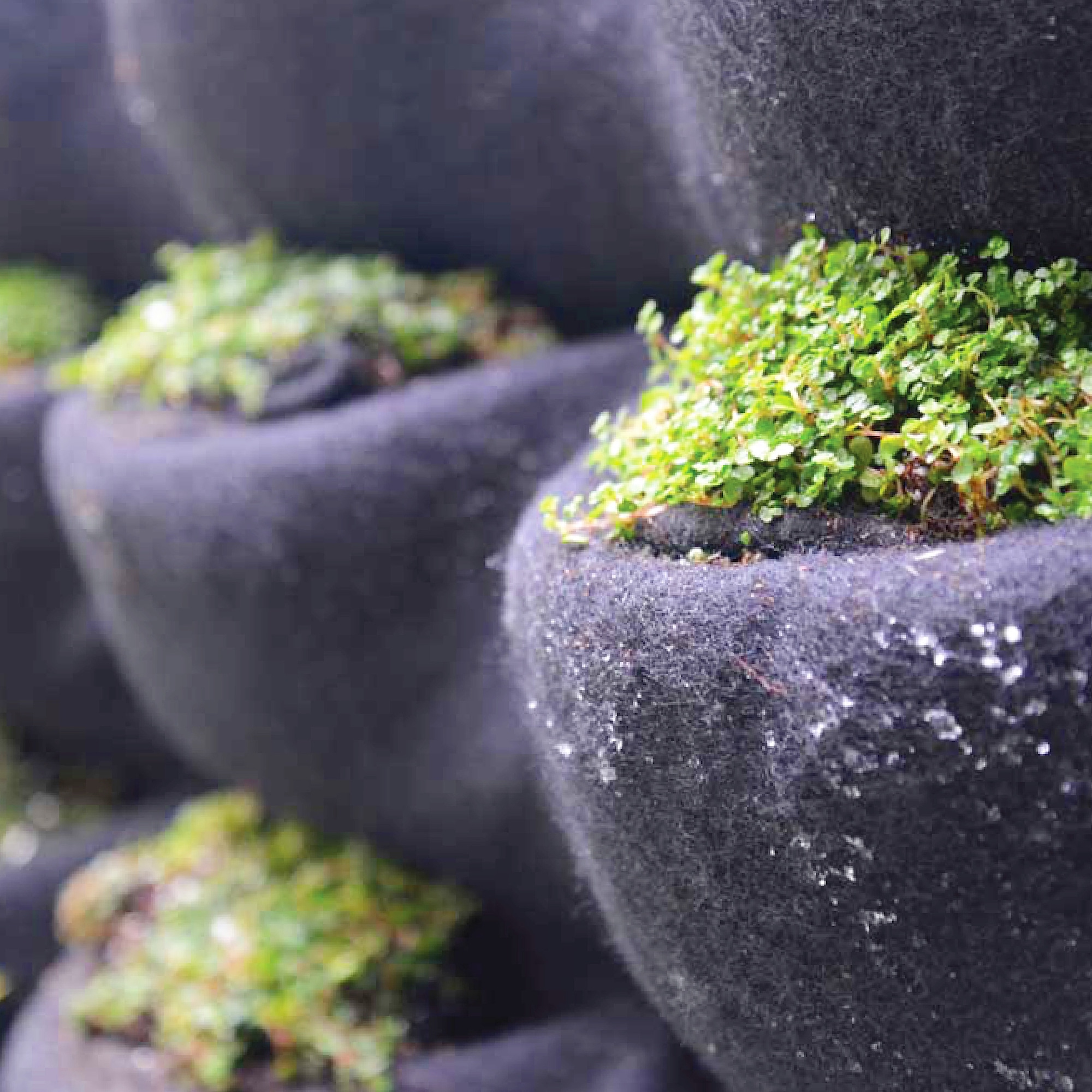
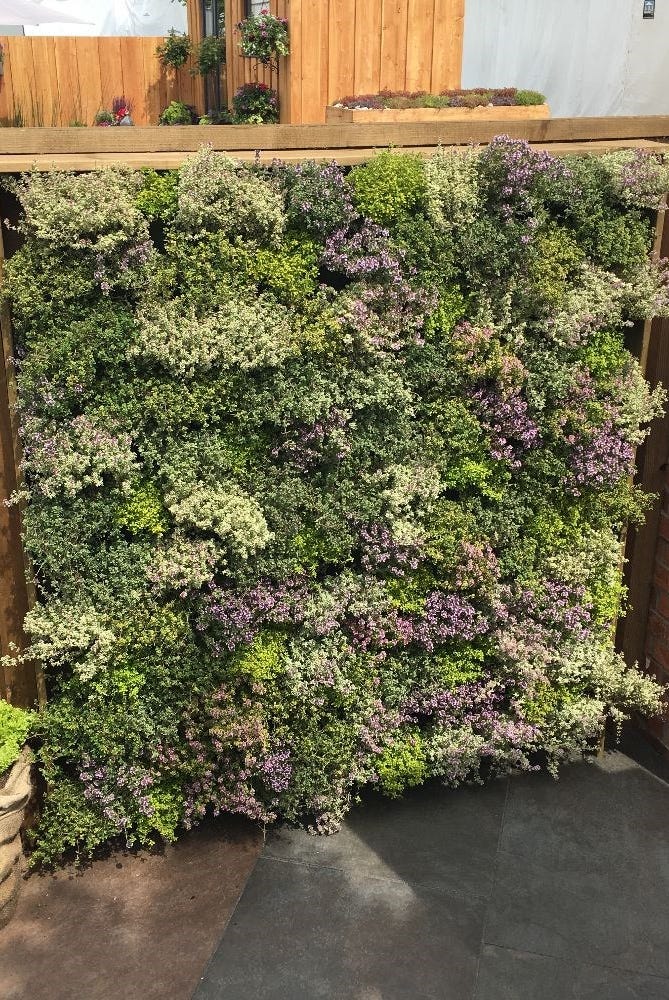
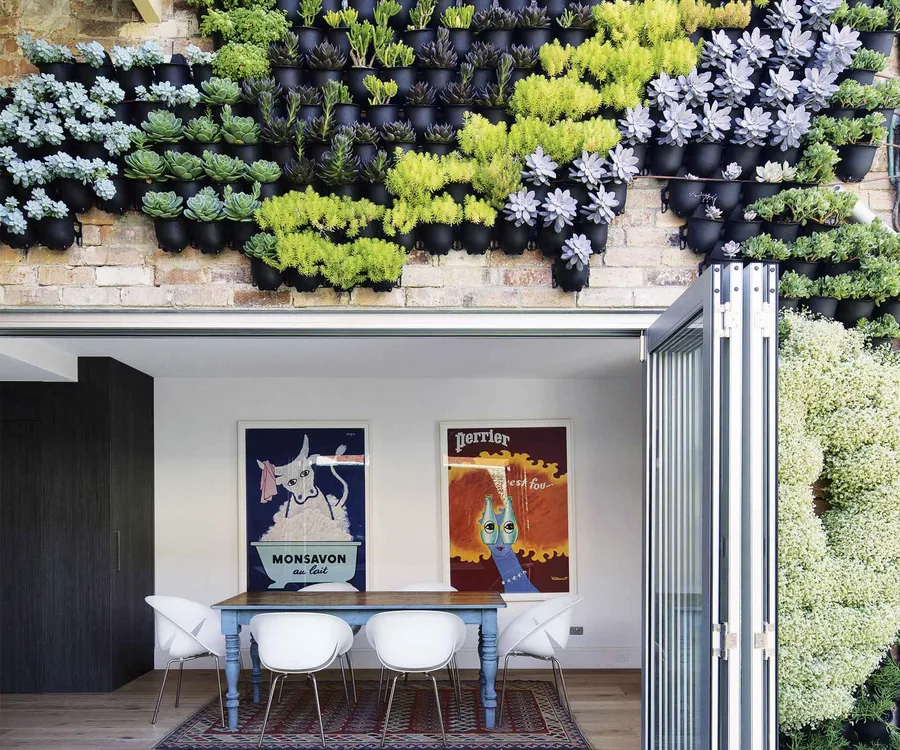
Vertical gardening, a method of growing plants on a vertically suspended panel, has gained significant traction since its inception. Patrick Blanc pioneered this concept in 1986 with his first vertical planting system at the Cité des Sciences et de l’Industrie in Paris. His system utilized a metal frame, PVC pipes, and felt pockets, mimicking cliff-growing mosses and enabling plants to thrive in a closed-circuit water supply. This innovation allowed plants to be cultivated directly on walls, an idea that initially received limited public attention but later flourished, leading to numerous installations globally, from art museums in Japan to office buildings in Spain and embassies in India.
Blanc's work aligns with 21st-century urban renewal trends, which emphasize integrating nature into cityscapes through innovative architectural designs, mixed-use public spaces, and green infrastructure like linear parks and renovated museums. Vertical gardens play a crucial role in reintroducing greenery into urban environments, appearing in diverse forms and locations. An notable example of Blanc's continued work is the Pérez Art Museum in Miami, where he designed a system that collects rainwater from the roof to irrigate the suspended columns. This project presented unique challenges due to varying light conditions, requiring the selection of specific plant species that could thrive in shaded areas.
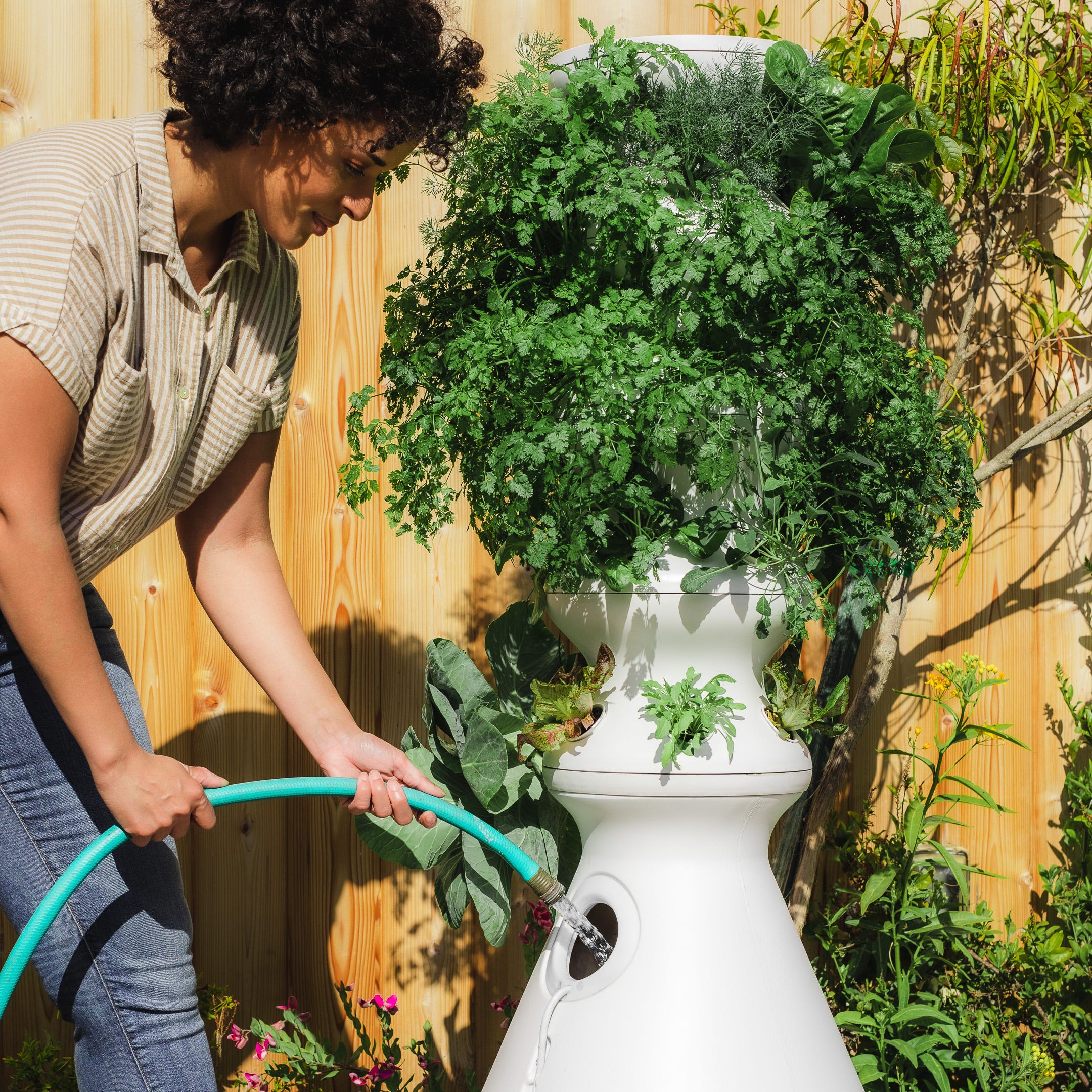
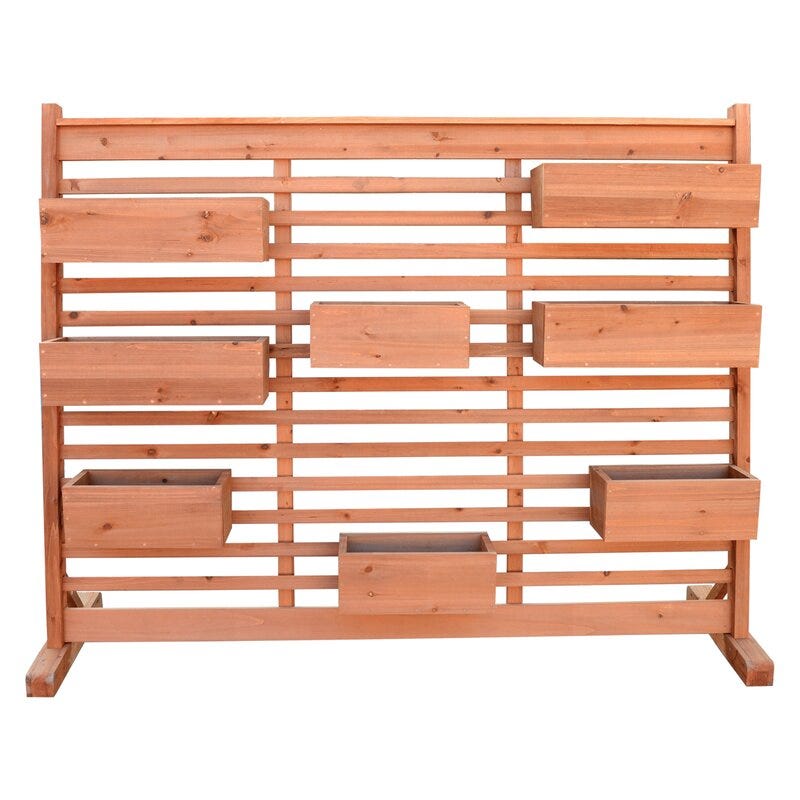
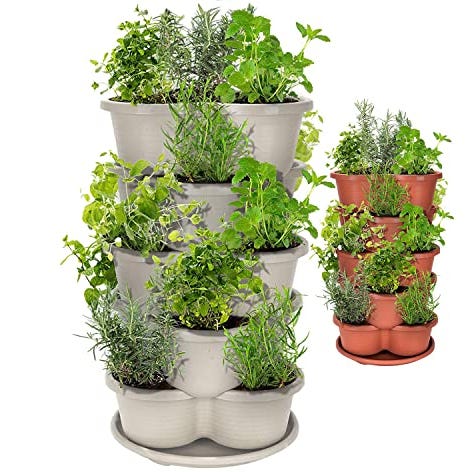
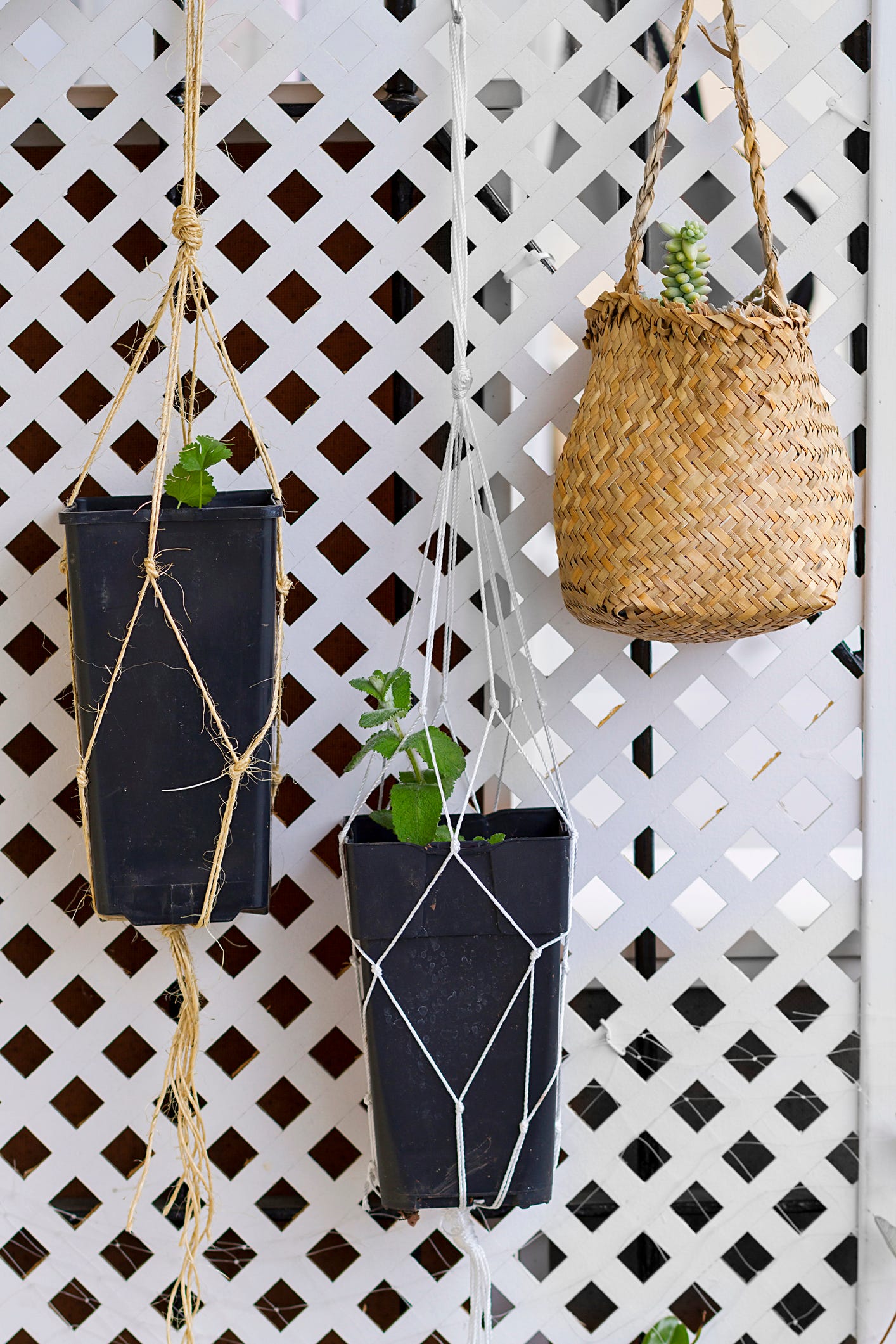
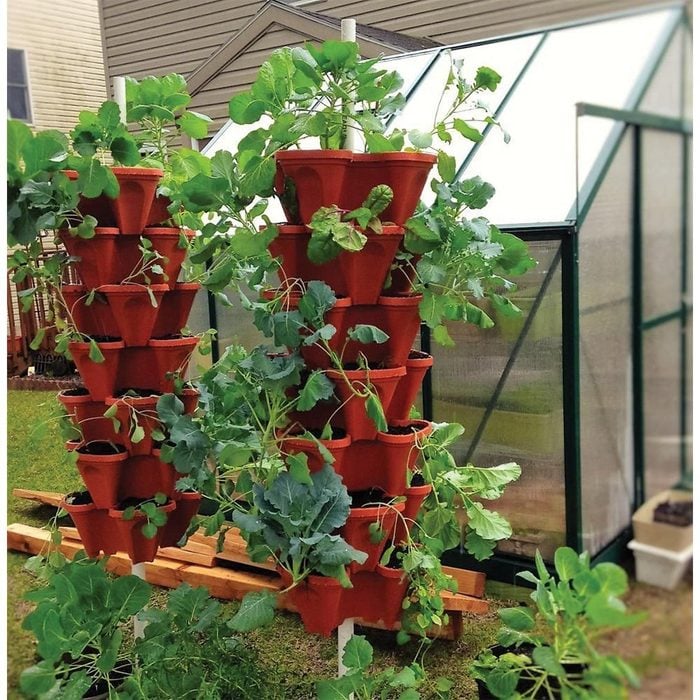
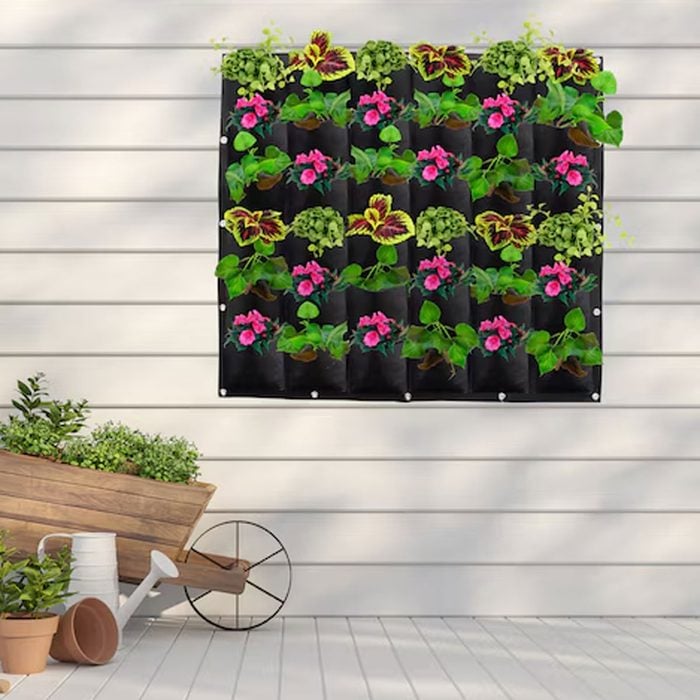
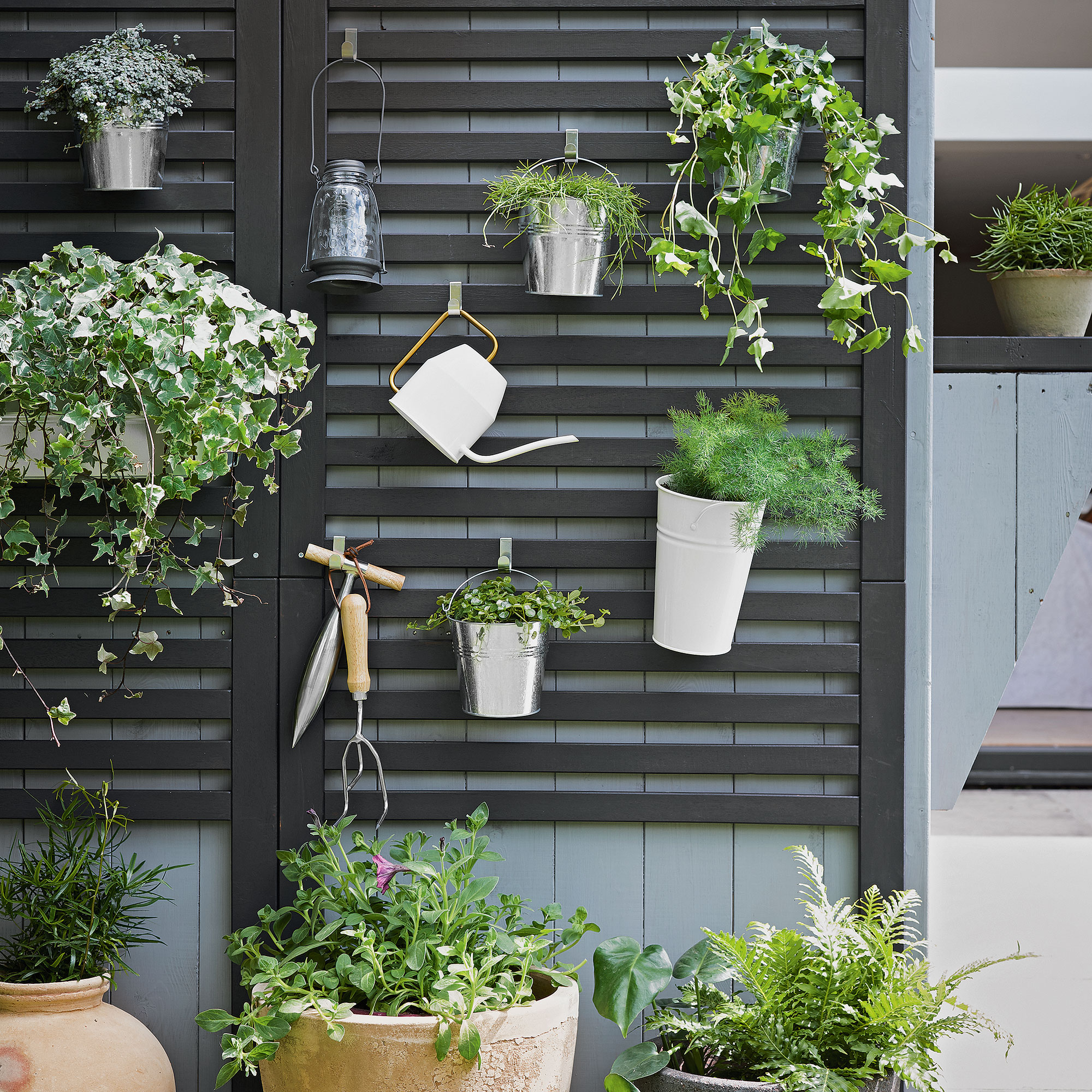
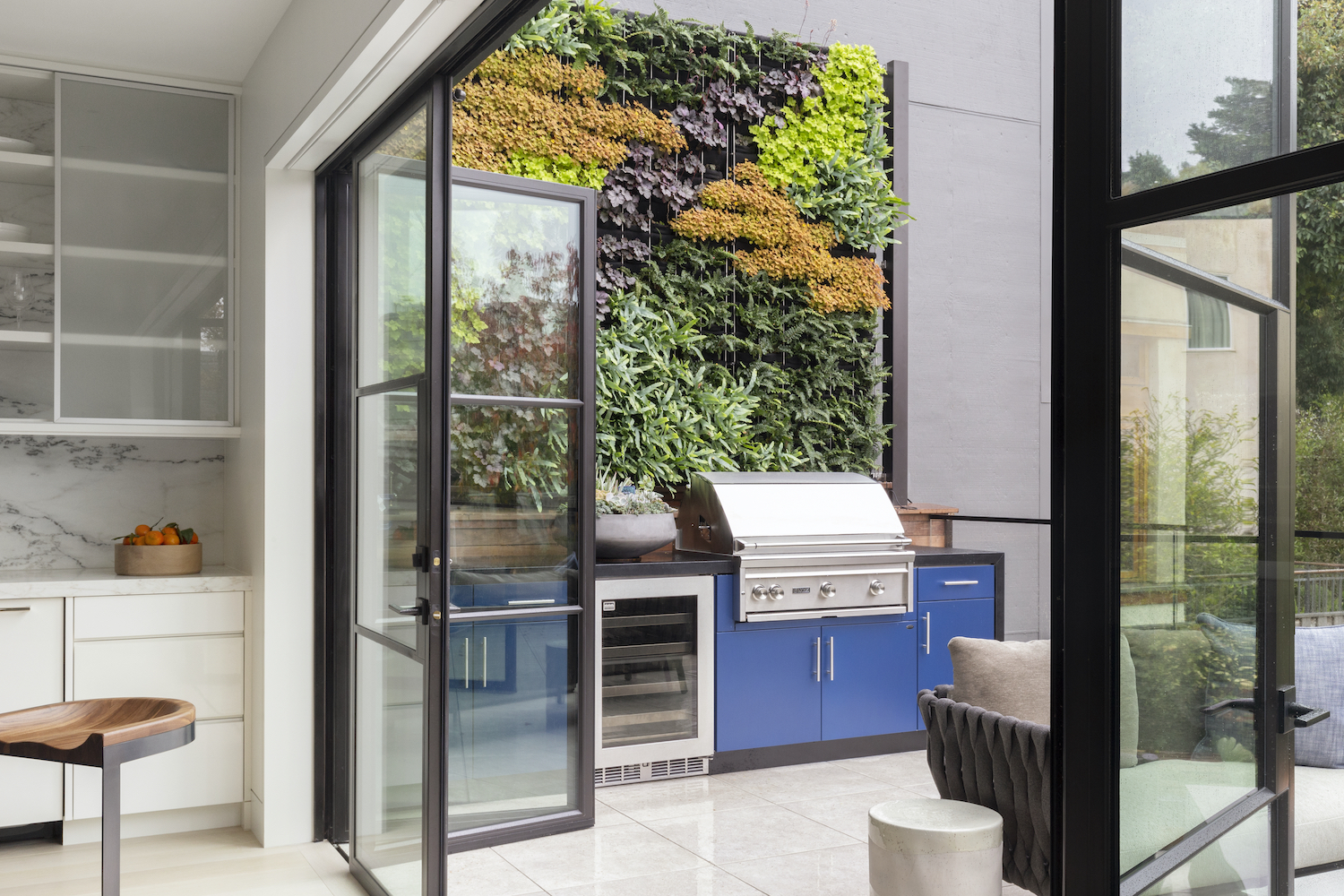
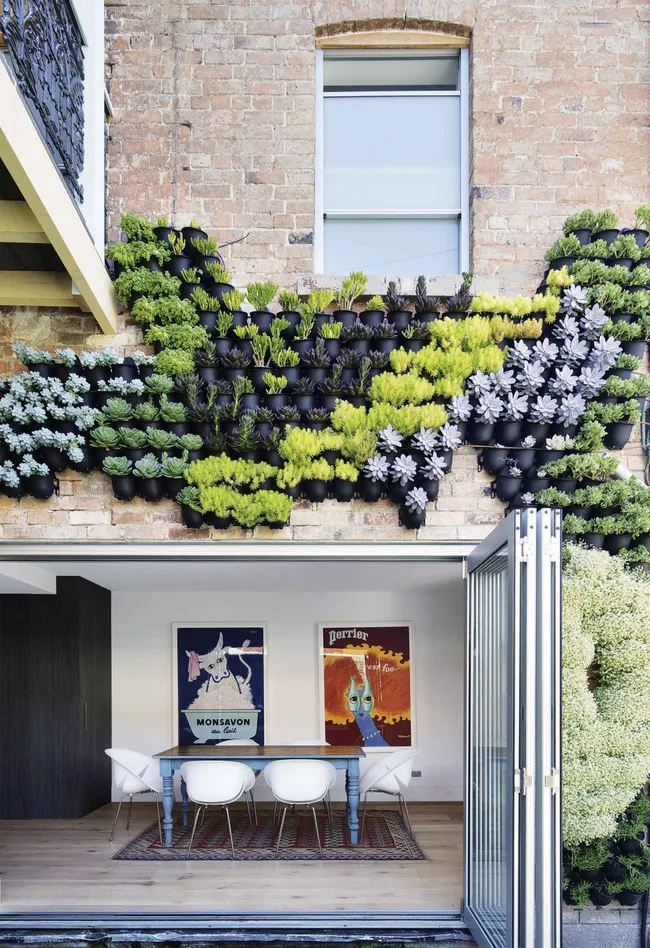
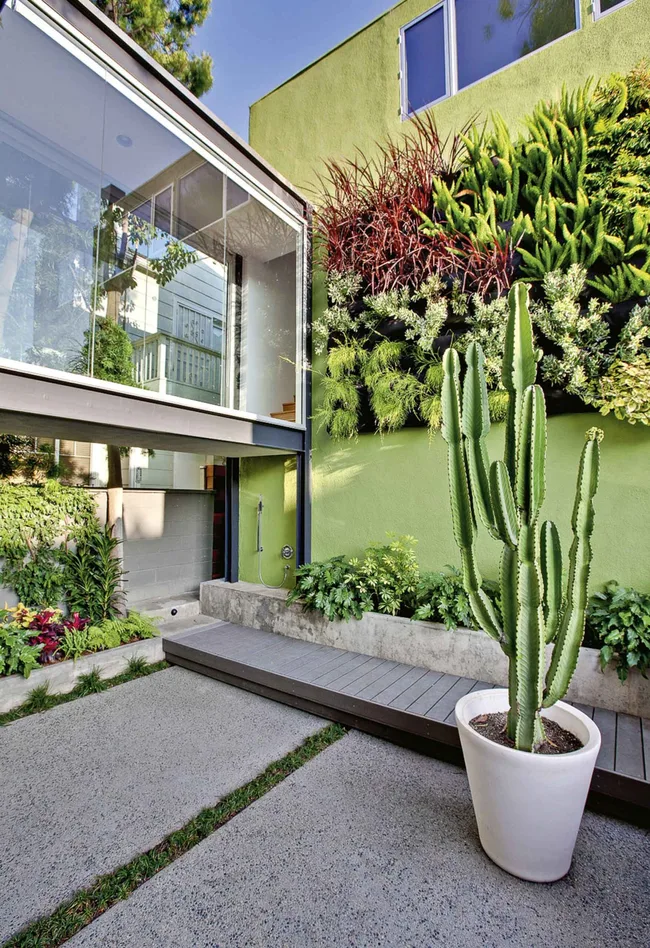
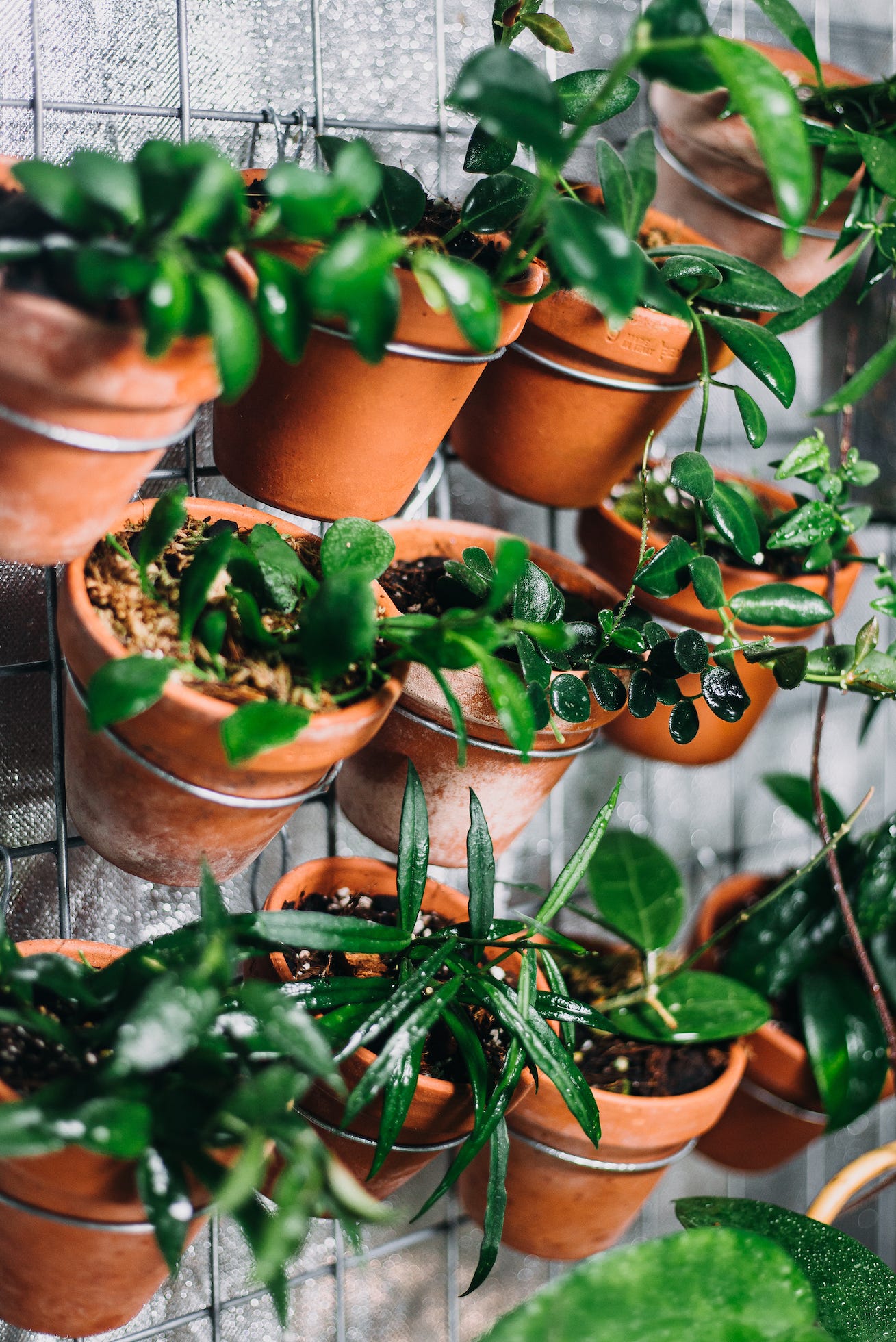
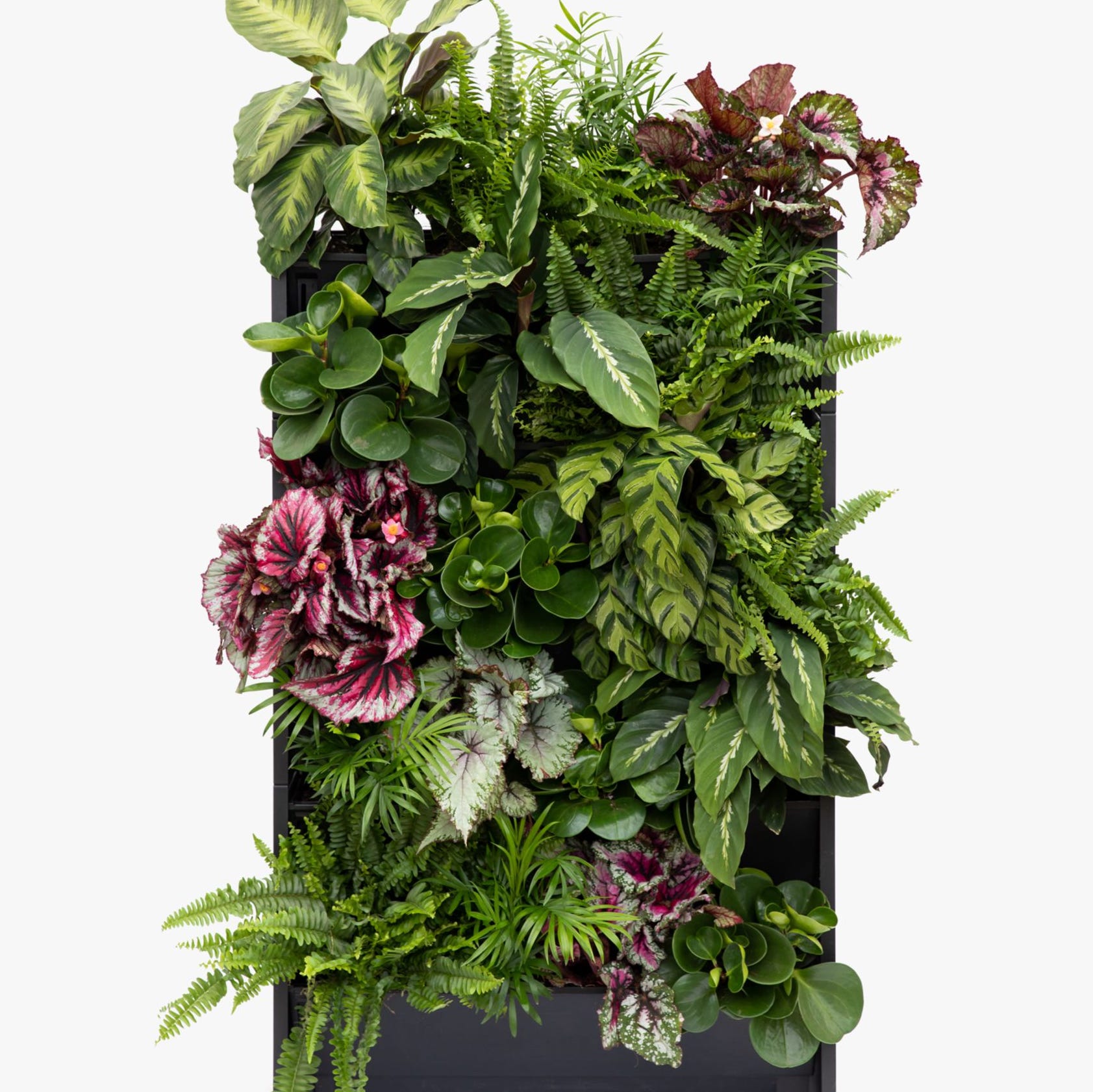
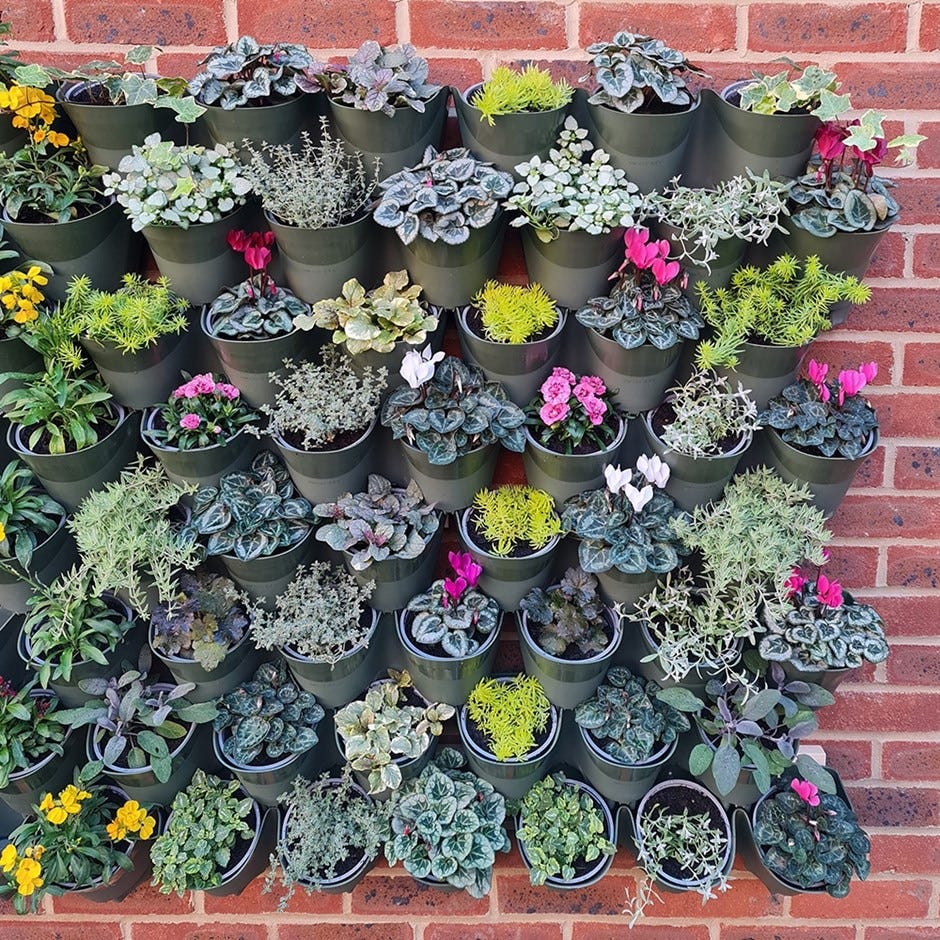
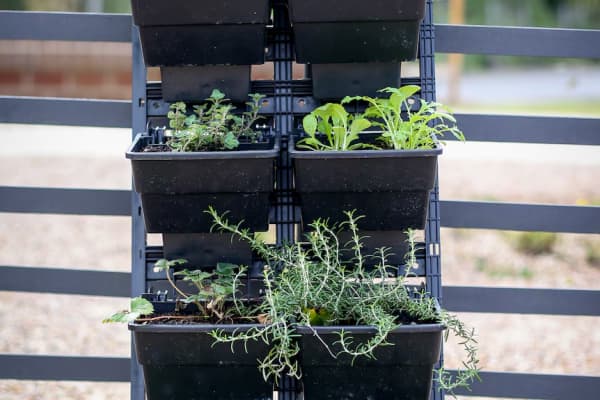
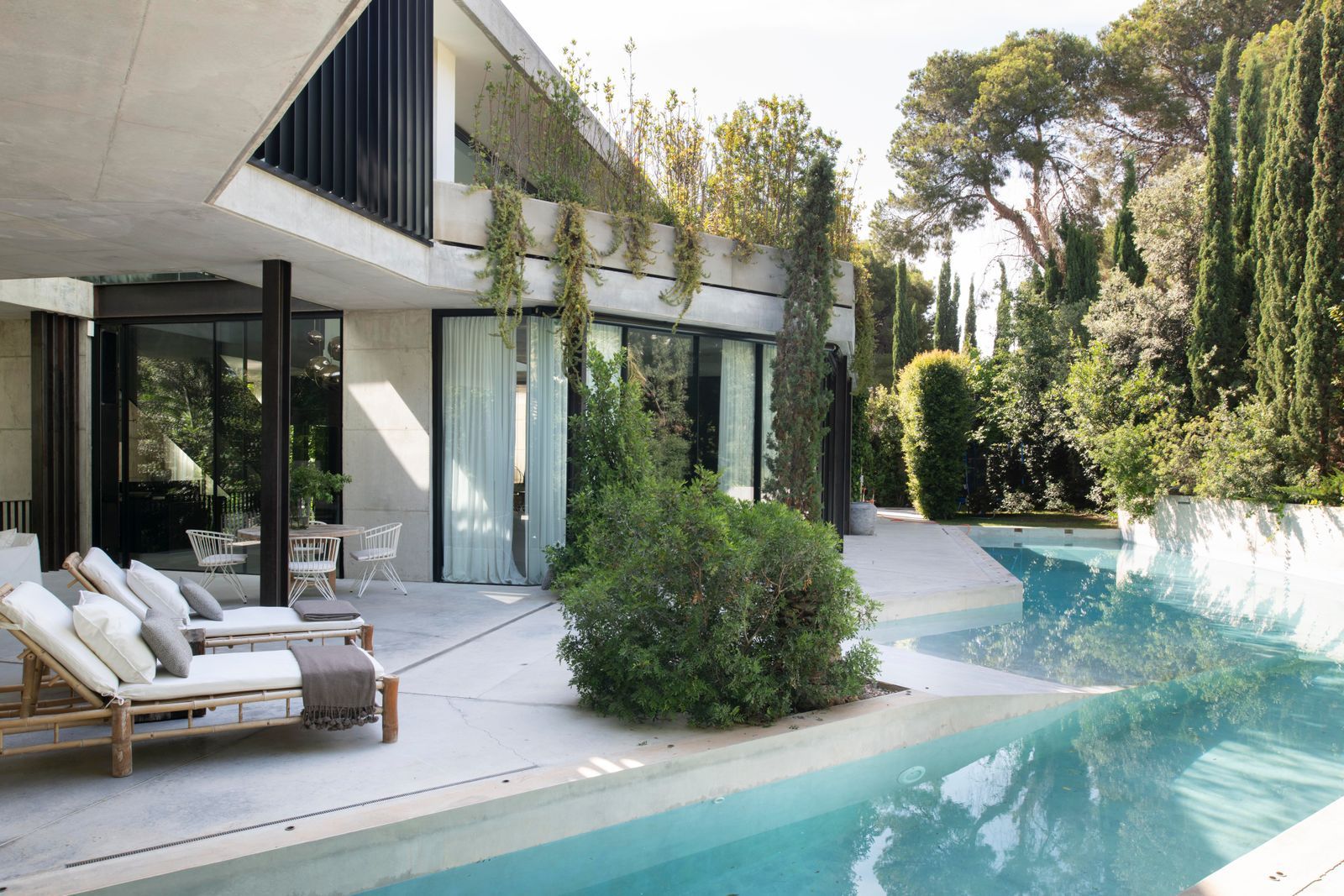
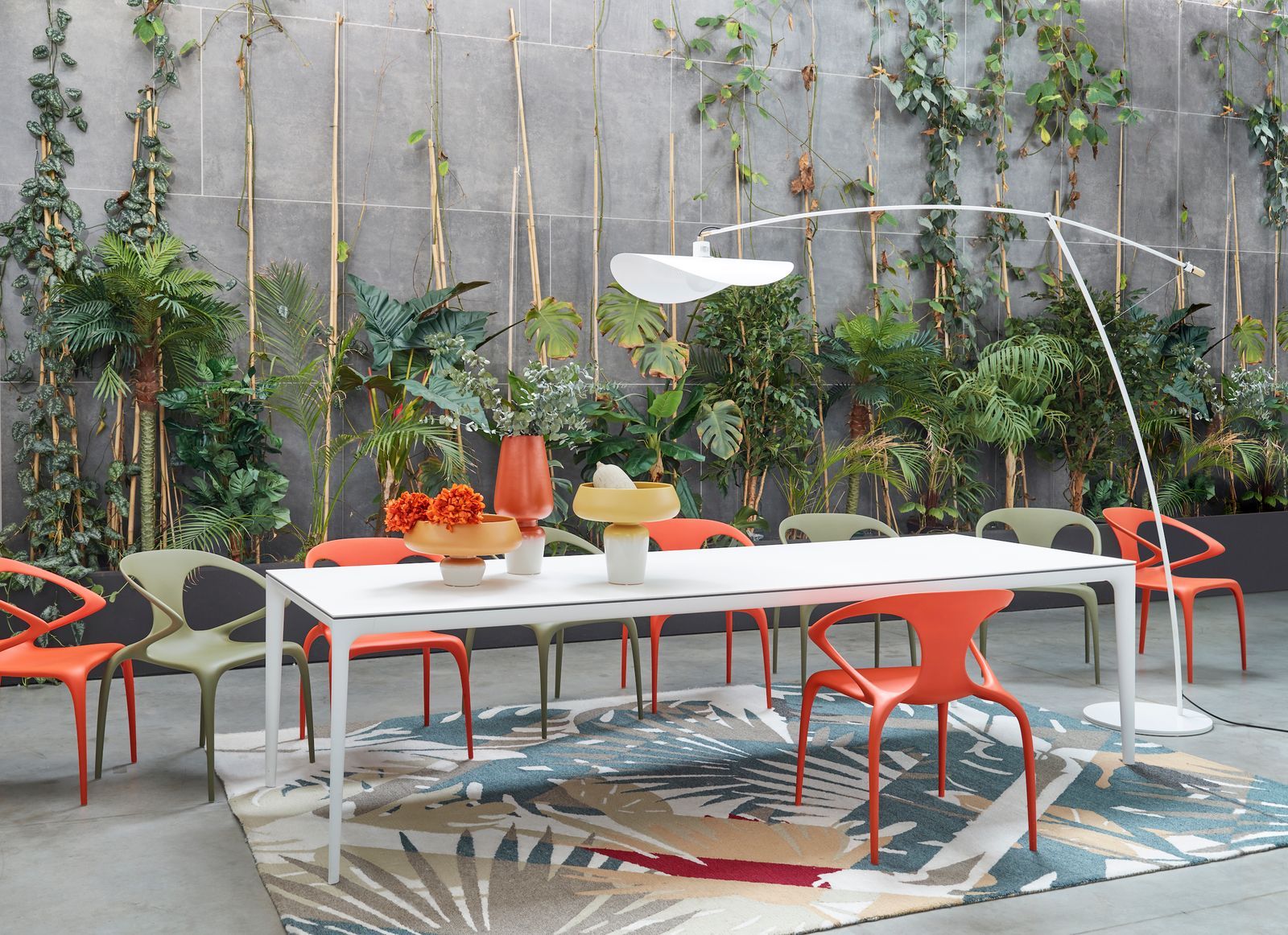
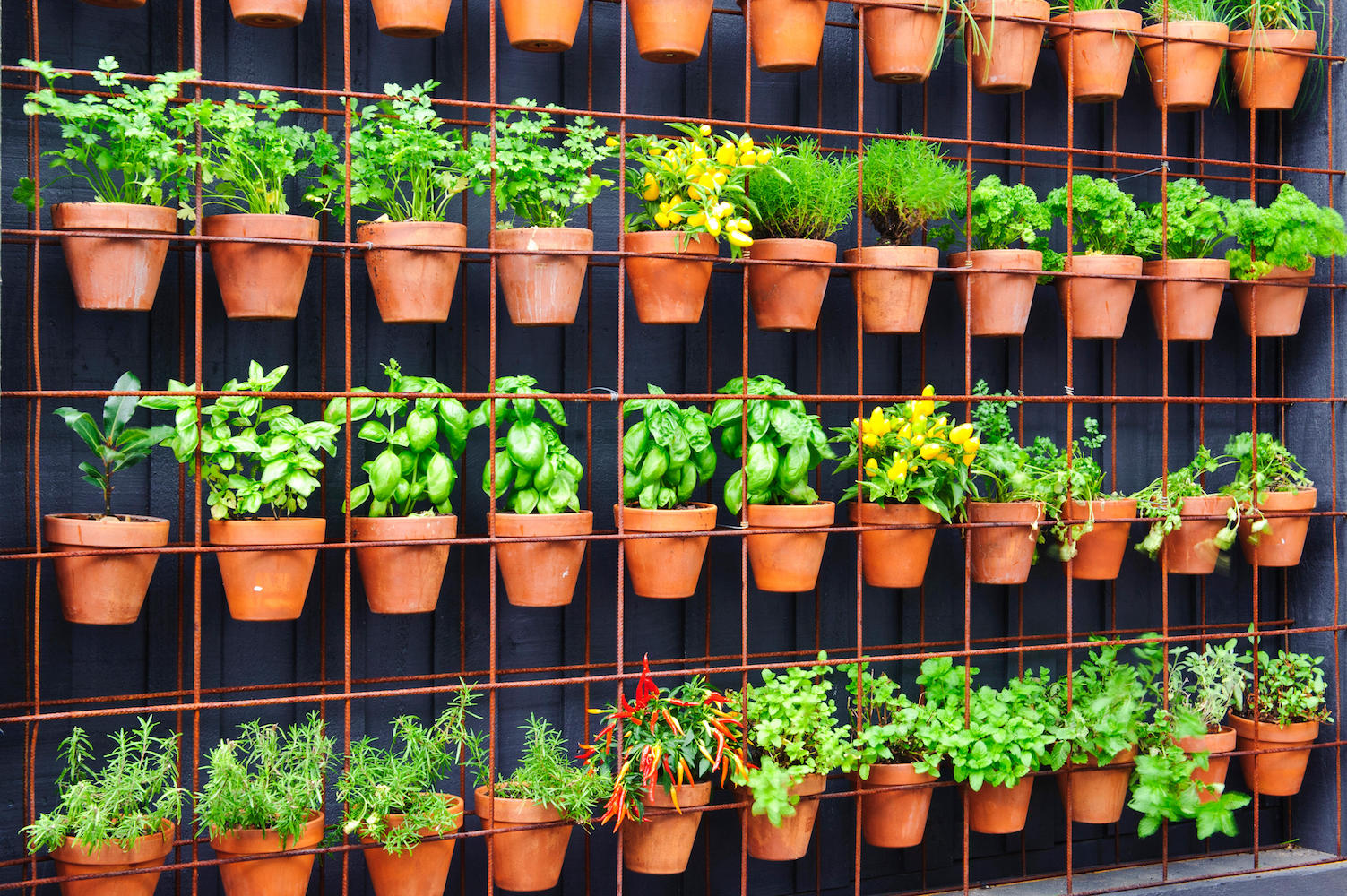
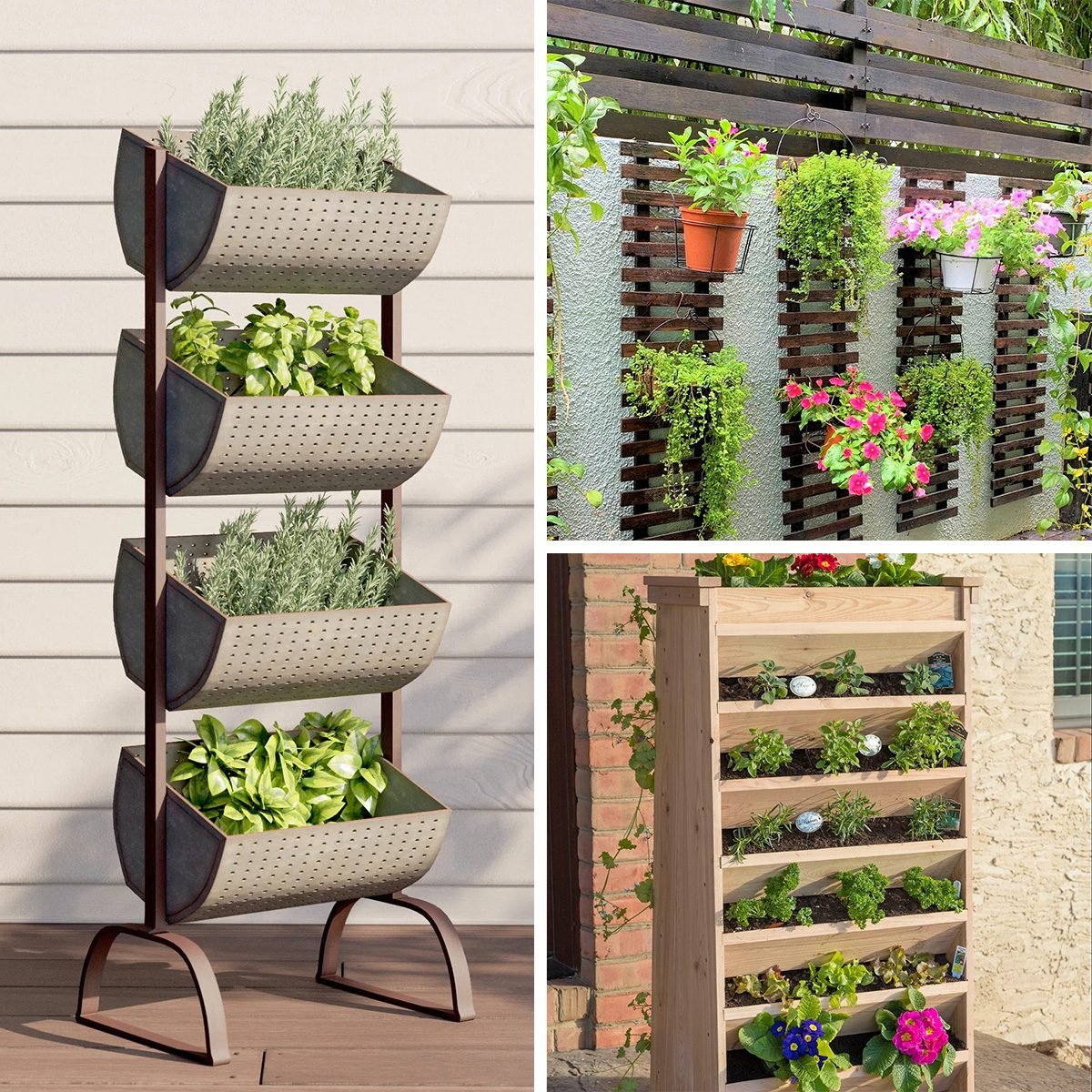
While Blanc's large-scale installations are impressive, vertical gardening is also accessible for home and office use, especially in urban settings with limited space. For those with small backyards, terraces, or rooftops interested in expanding their gardening skills beyond succulents, installing a personal vertical garden is a viable option. Several key considerations are essential for a successful vertical garden. First, choosing the right system is important, with options ranging from affordable seven-pocket systems that hang like closet organizers to more sophisticated solutions made from recycled materials or cedar, often incorporating drip irrigation and potting soil.
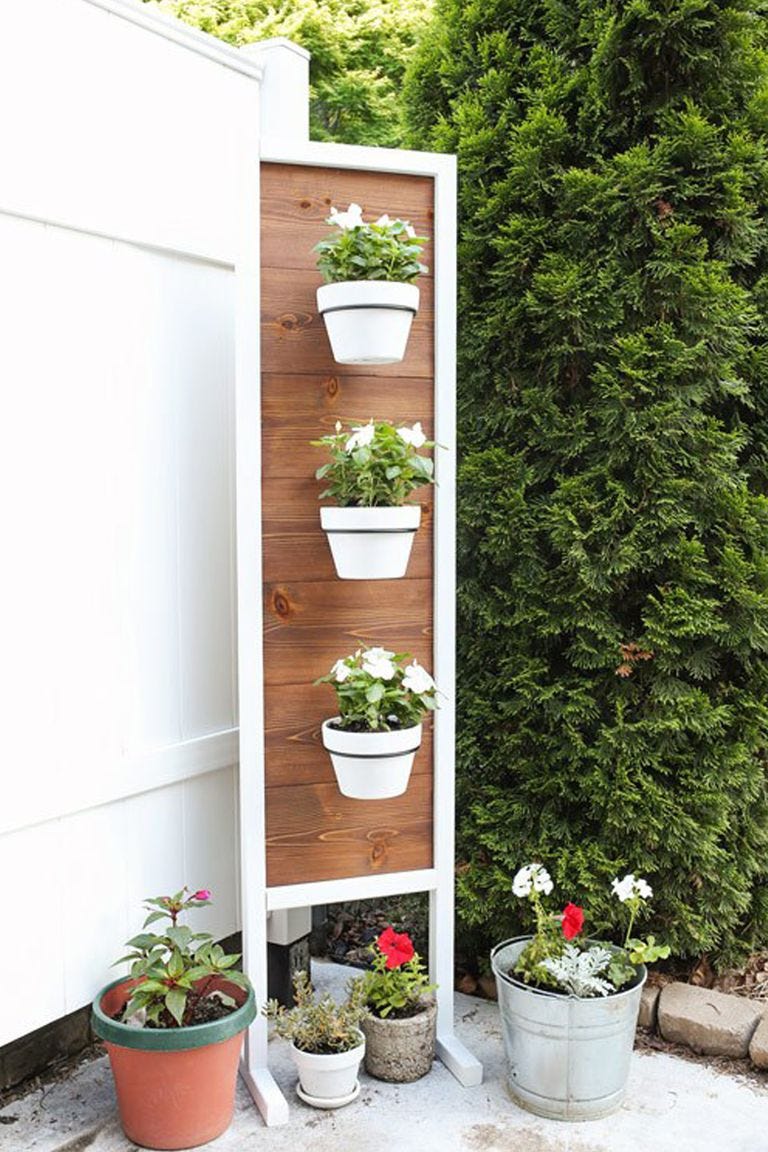
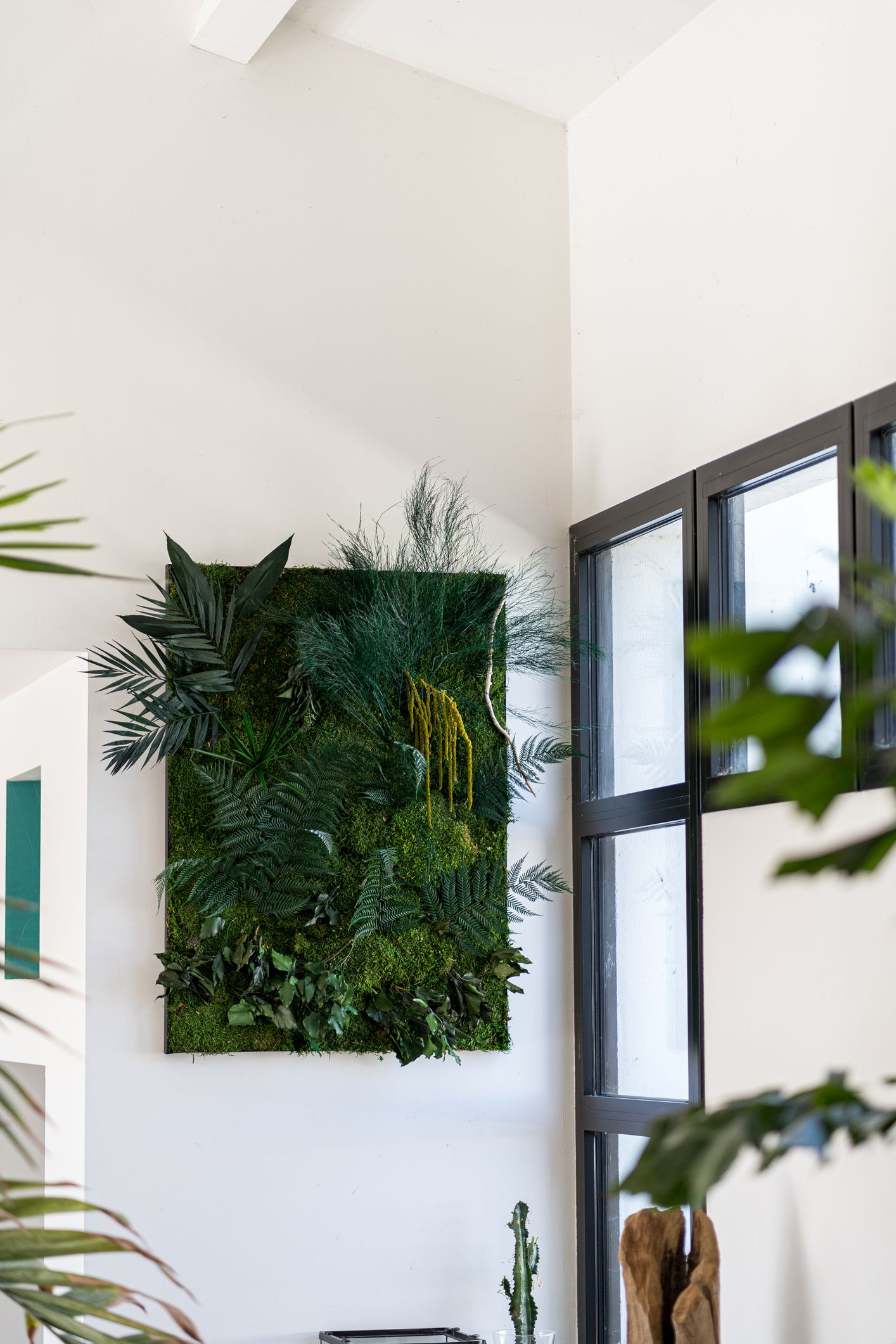
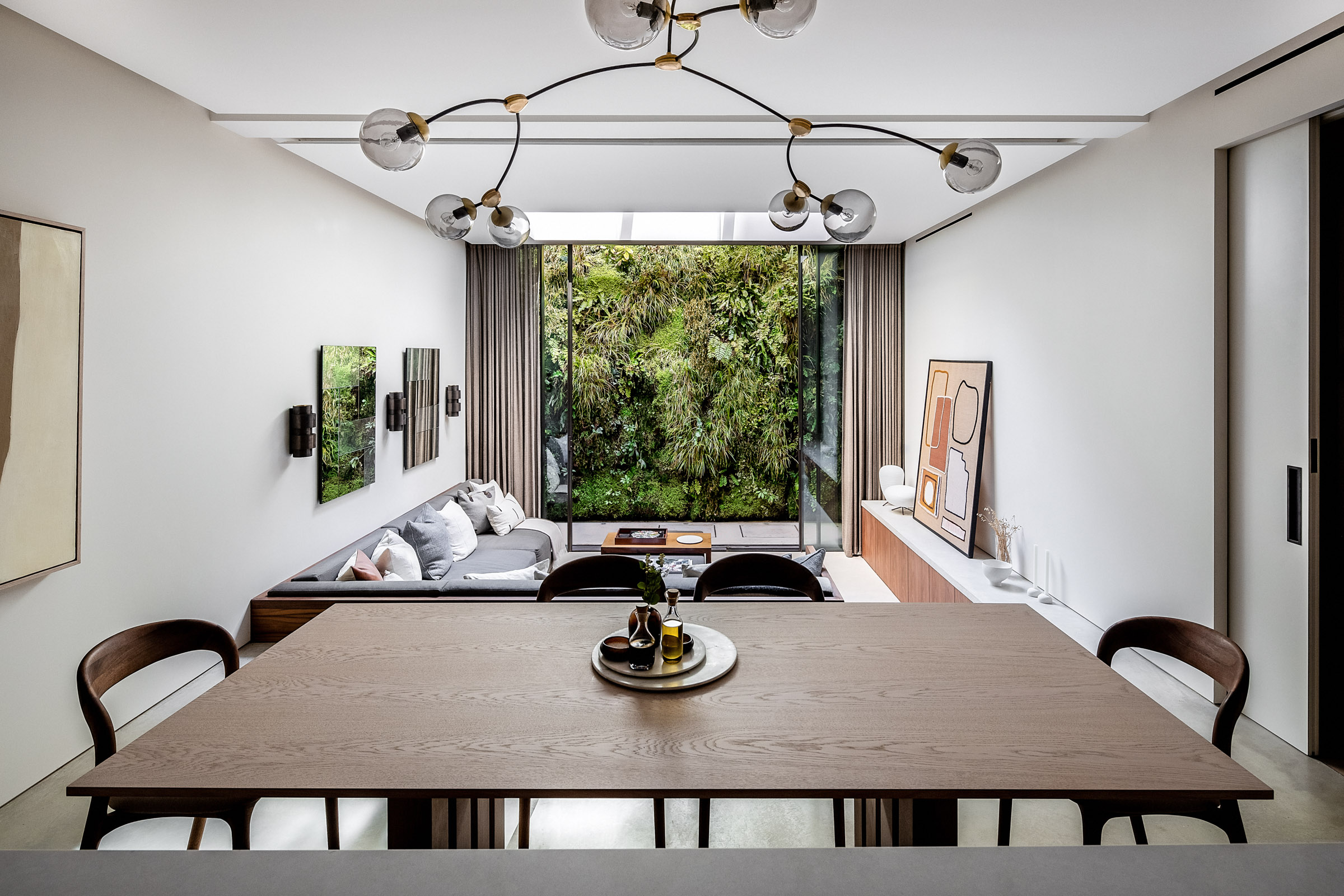
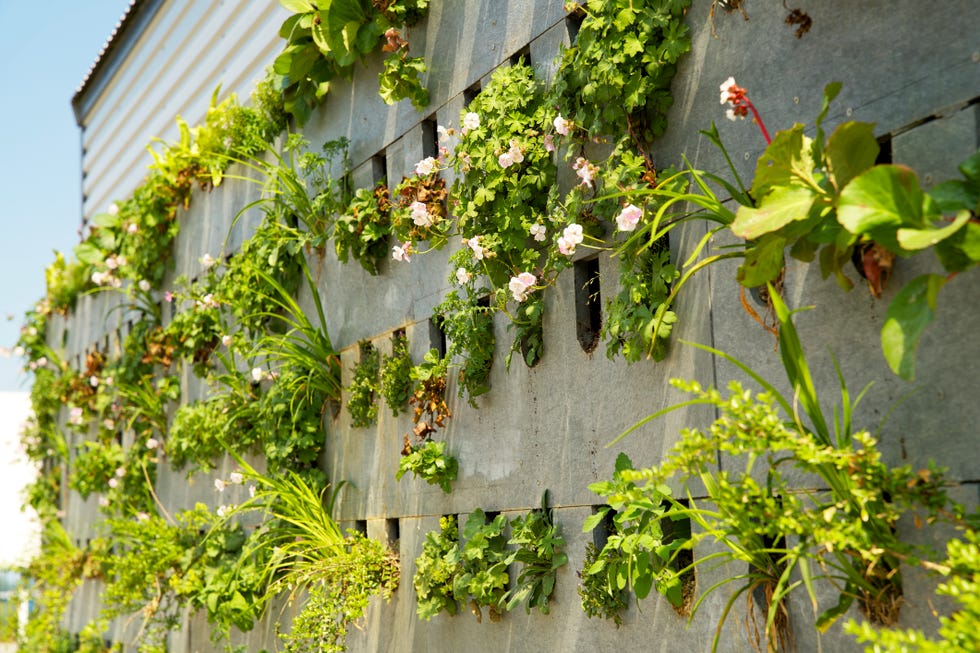
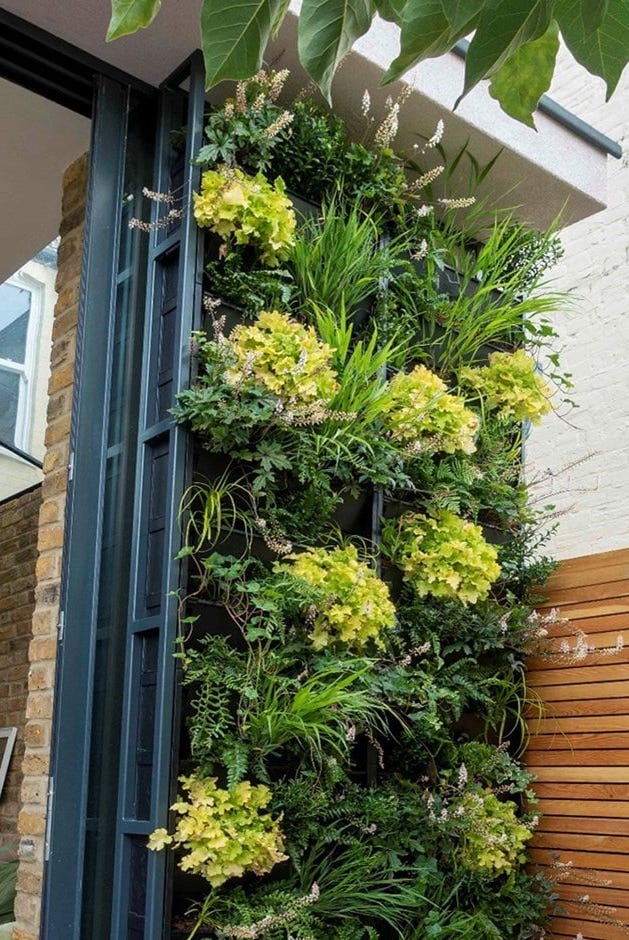
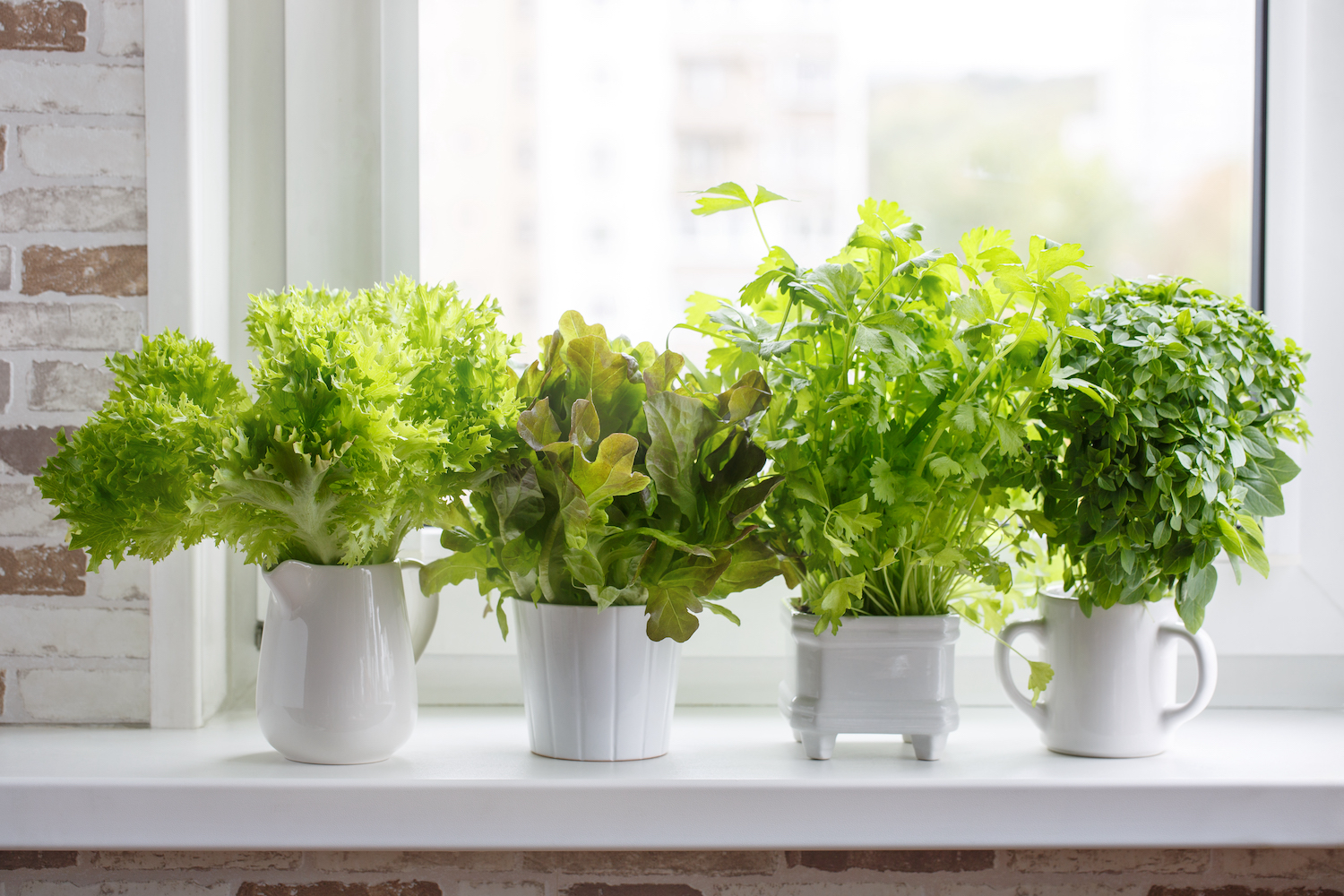
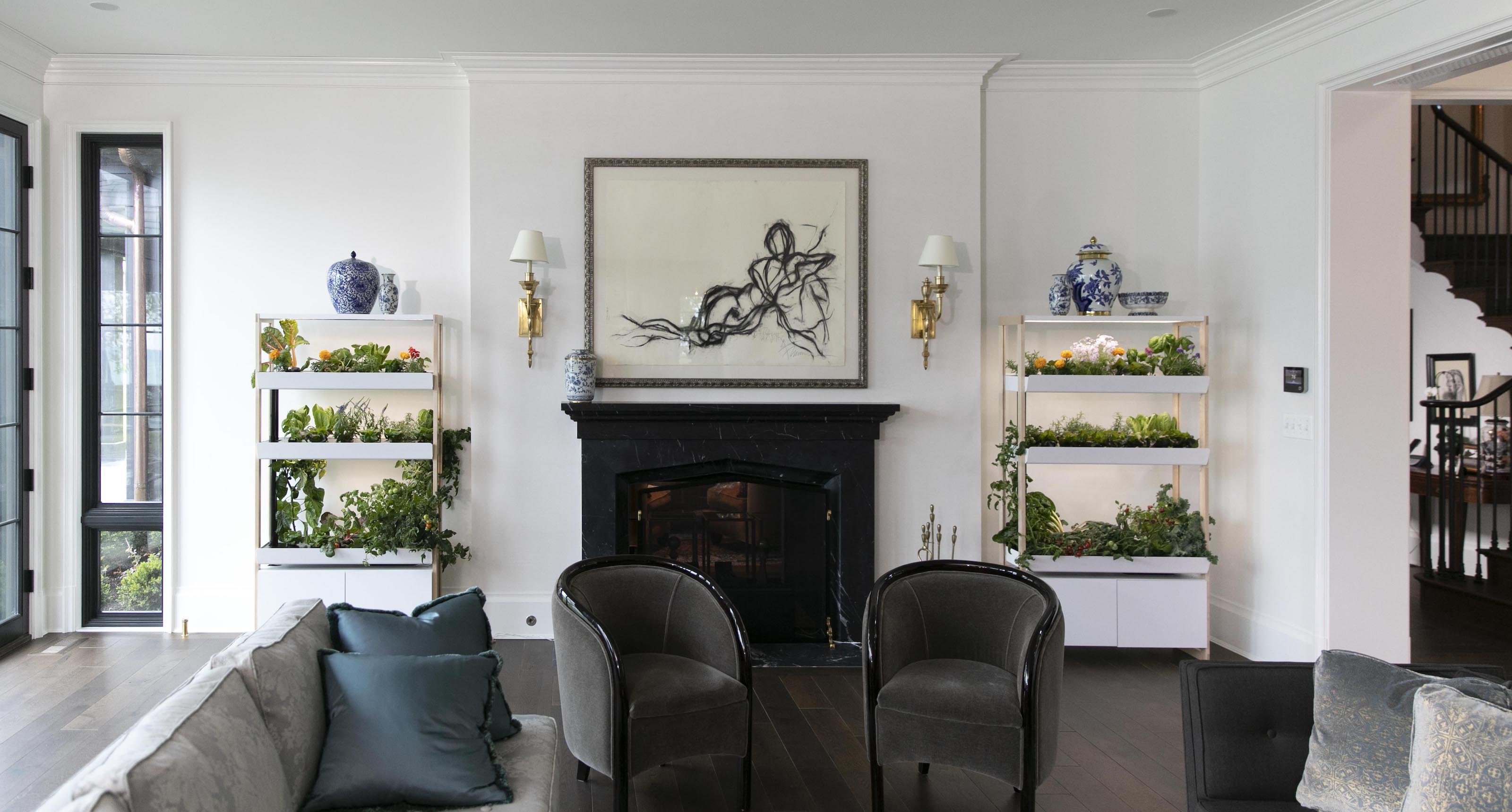
Second, the system must be assembled on a load-bearing structure, such as a fence or wall, as vertical gardens become heavy once plants grow and absorb water. This also offers aesthetic benefits, such as enhancing privacy and appearance. Third, ample sunlight is crucial, ideally around six hours per day, with south-facing orientations often being optimal. Plants requiring similar light levels should be grouped, and those needing more sun should be placed in higher pockets. Fourth, vertical gardens can be grown indoors, provided the room receives sufficient sunlight. Grow lights can supplement natural light, especially if the garden is used to block excessive sun exposure.
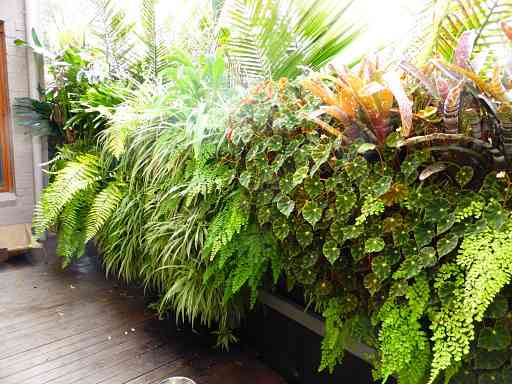
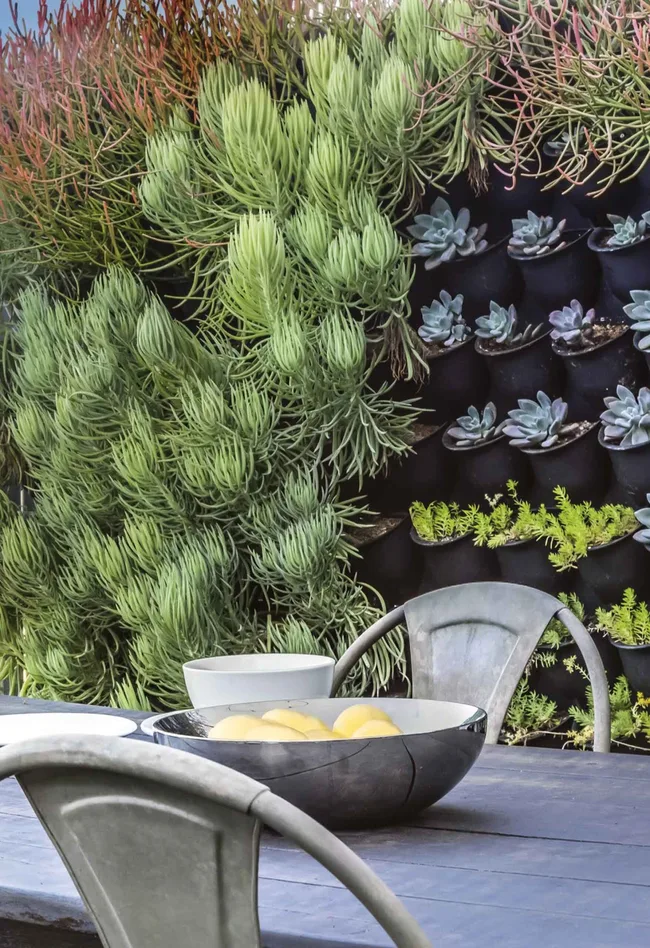
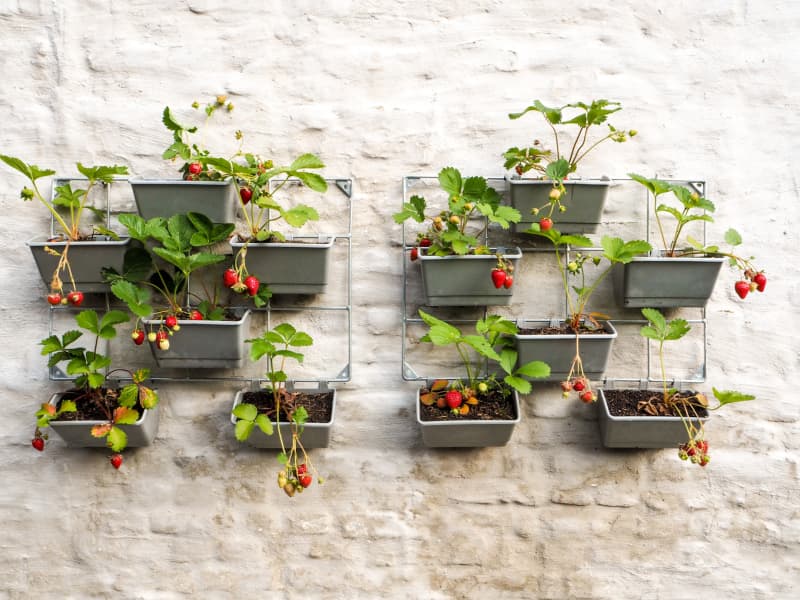
Fifth, selecting appropriate plants is diverse, including vines, ferns, succulents, herbs, fruits, and vegetables. Growing food items like strawberries, tomatoes, peppers, rosemary, and basil vertically can be particularly advantageous, keeping them at eye-level, away from pests, and reducing reliance on pesticides. Sixth, for those with DIY skills, building a vertical garden from scratch, using materials like cedar ladder planters, can be a rewarding alternative to purchasing pre-made systems. Finally, seasonal awareness is important; while seeds can be started indoors before the last frost, purchasing ready-to-go plants from a local nursery and planting them in potting soil is recommended for beginners, particularly later in the growing season.
#VerticalGardening #DIYProject #UrbanGardening #HomeDesign #SustainableLiving #PlantCare #GardeningTips #GreenLiving #InteriorDesign #VerticalGardening #DIYProject #UrbanGardening #HomeDesign #SustainableLiving #PlantCare #GardeningTips #GreenLiving #InteriorDesign
0 comment in total
 No comments yet
You may also like
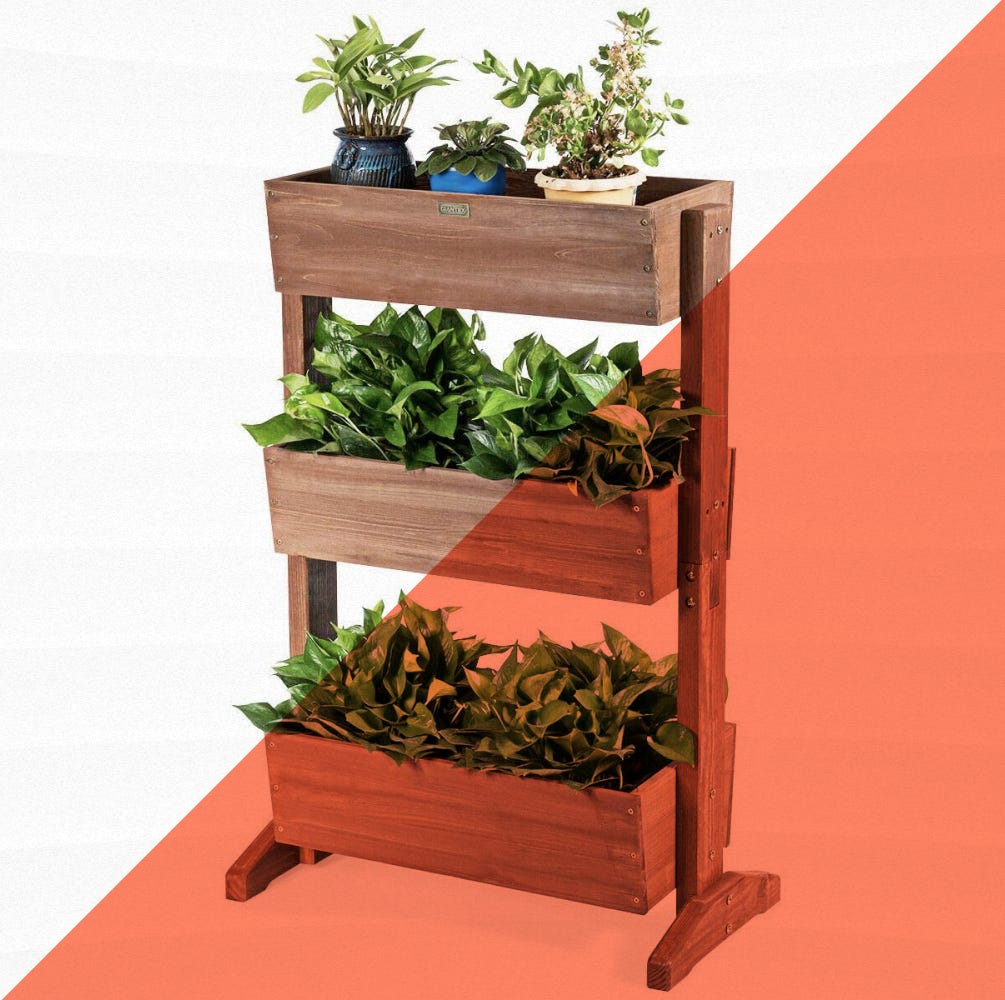
These Vertical Gardens Are a Plant Lover’s Dream

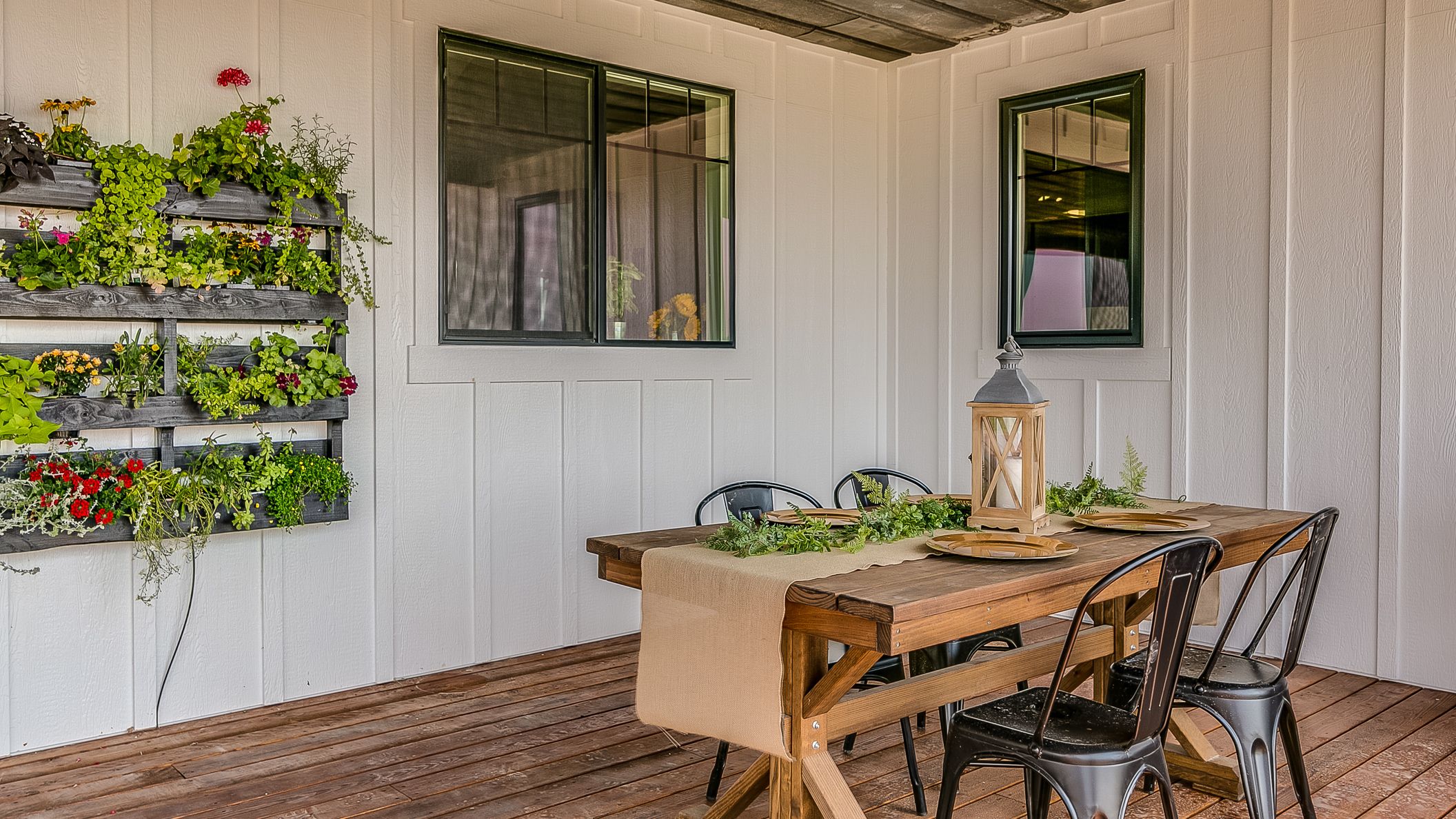
15 Vertical Garden Ideas, From Living Walls to Botanical Libraries

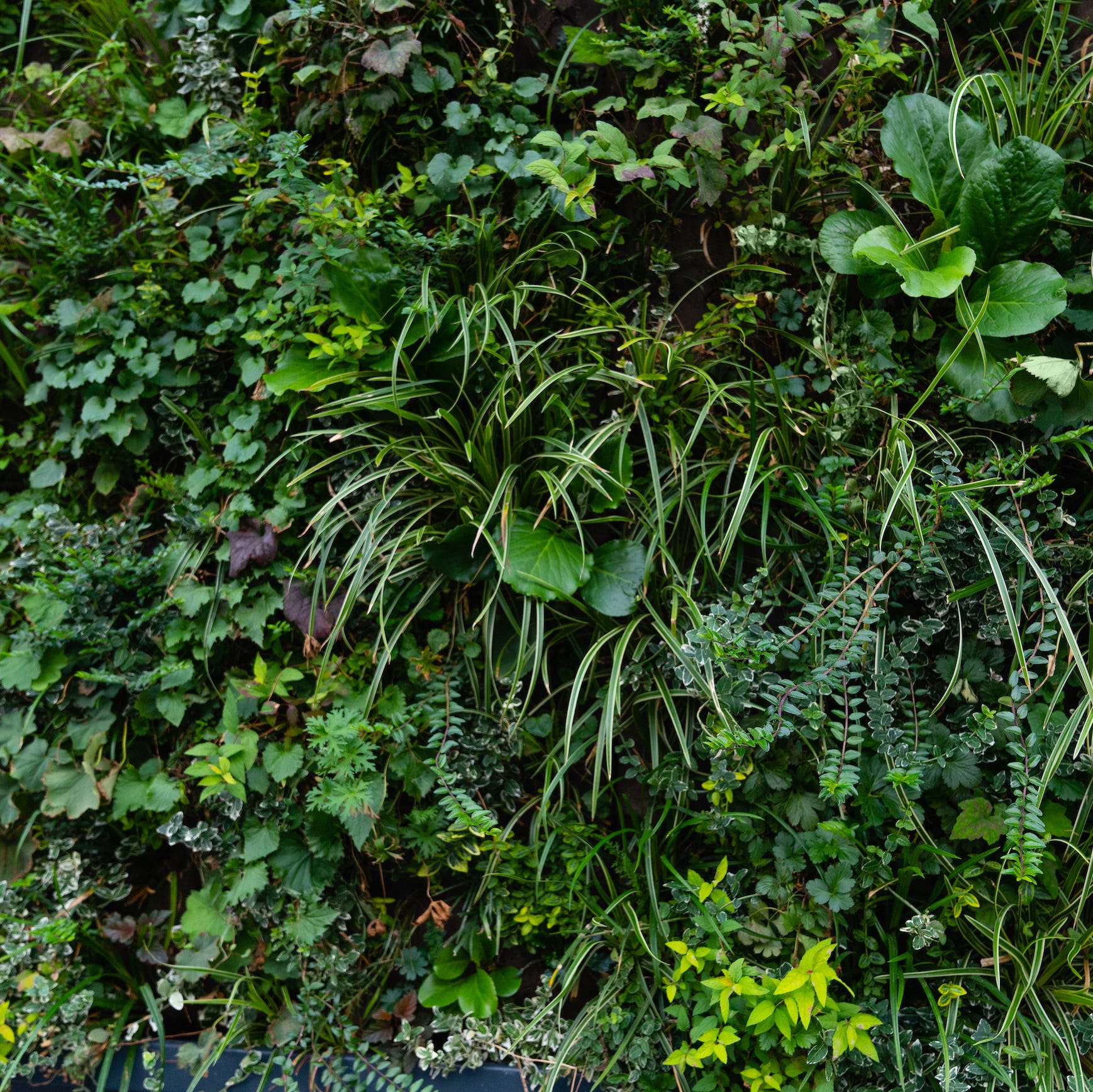
How to make a living wall that brings the outdoors in
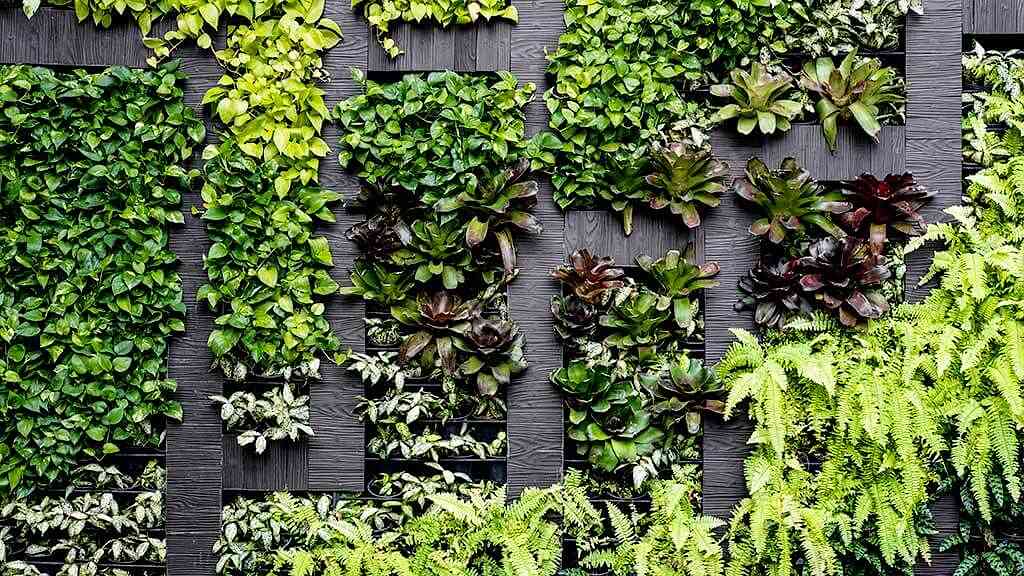
Maximize limited space with vertical gardens

How to grow a vertical garden at home
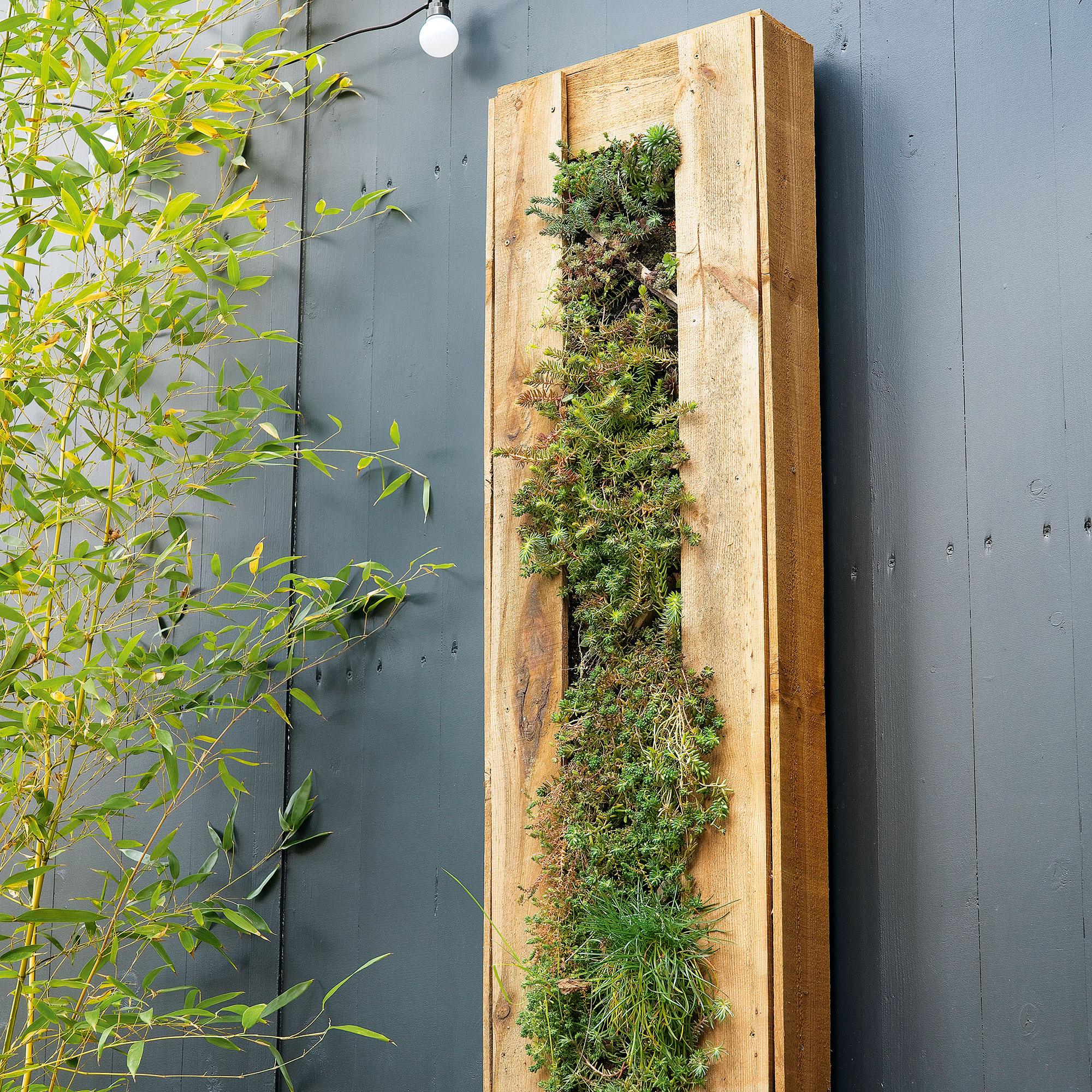
Living wall ideas to create a stylish vertical garden in your space
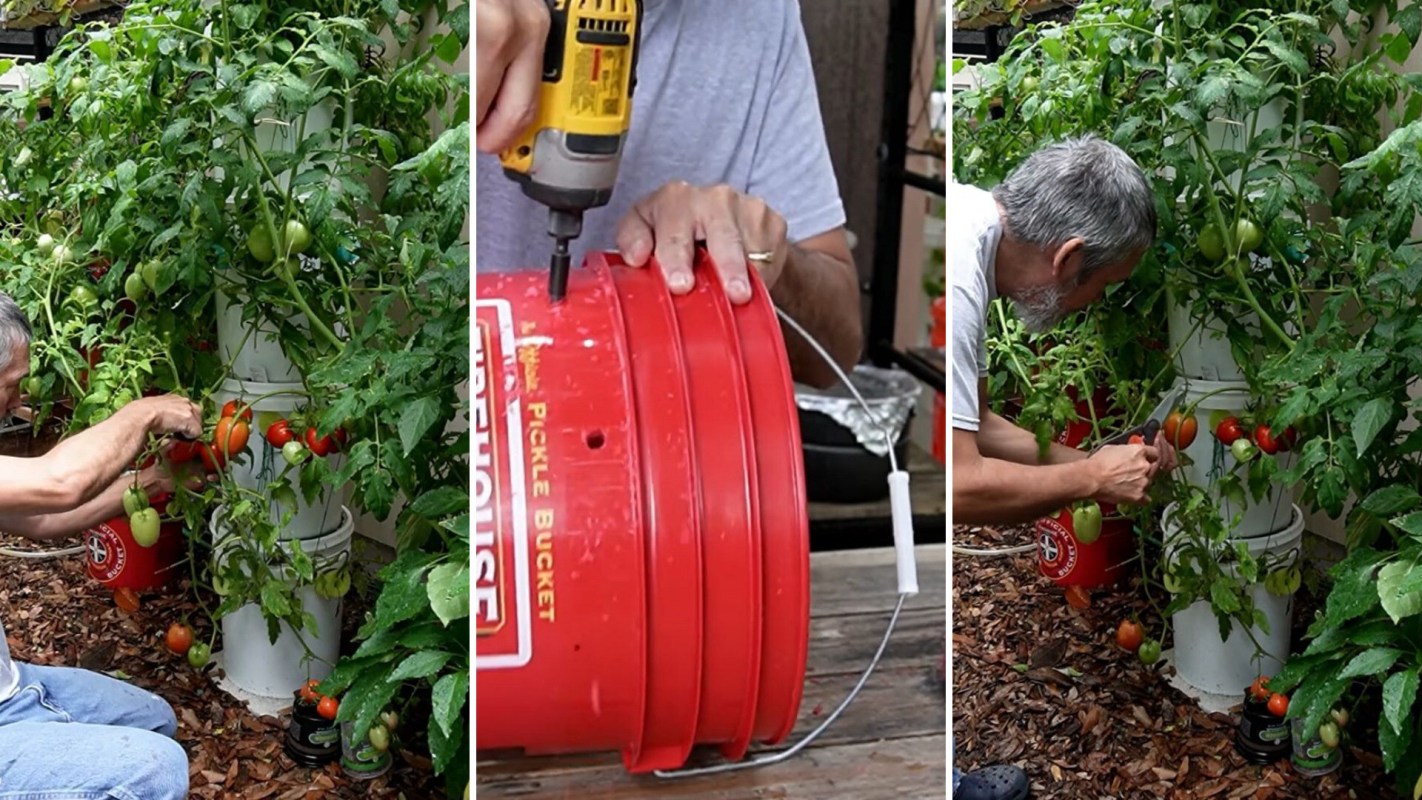
Hydroponics gardener shares money-saving hack for building vertical gardens: 'This is so creative'


Vertical Gardens: 10 mistakes to avoid, according to the experts

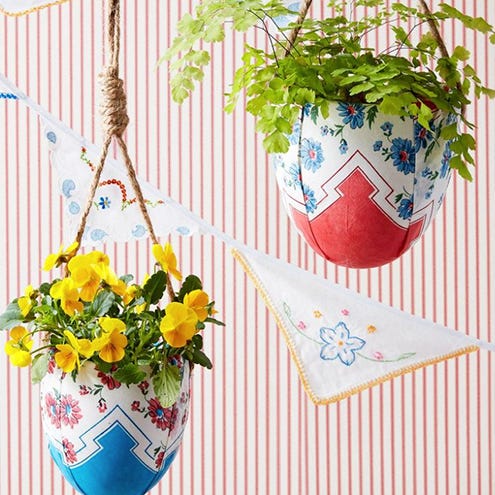
Here's How to Use an Old Shoe Organizer to Showcase Your Succulents

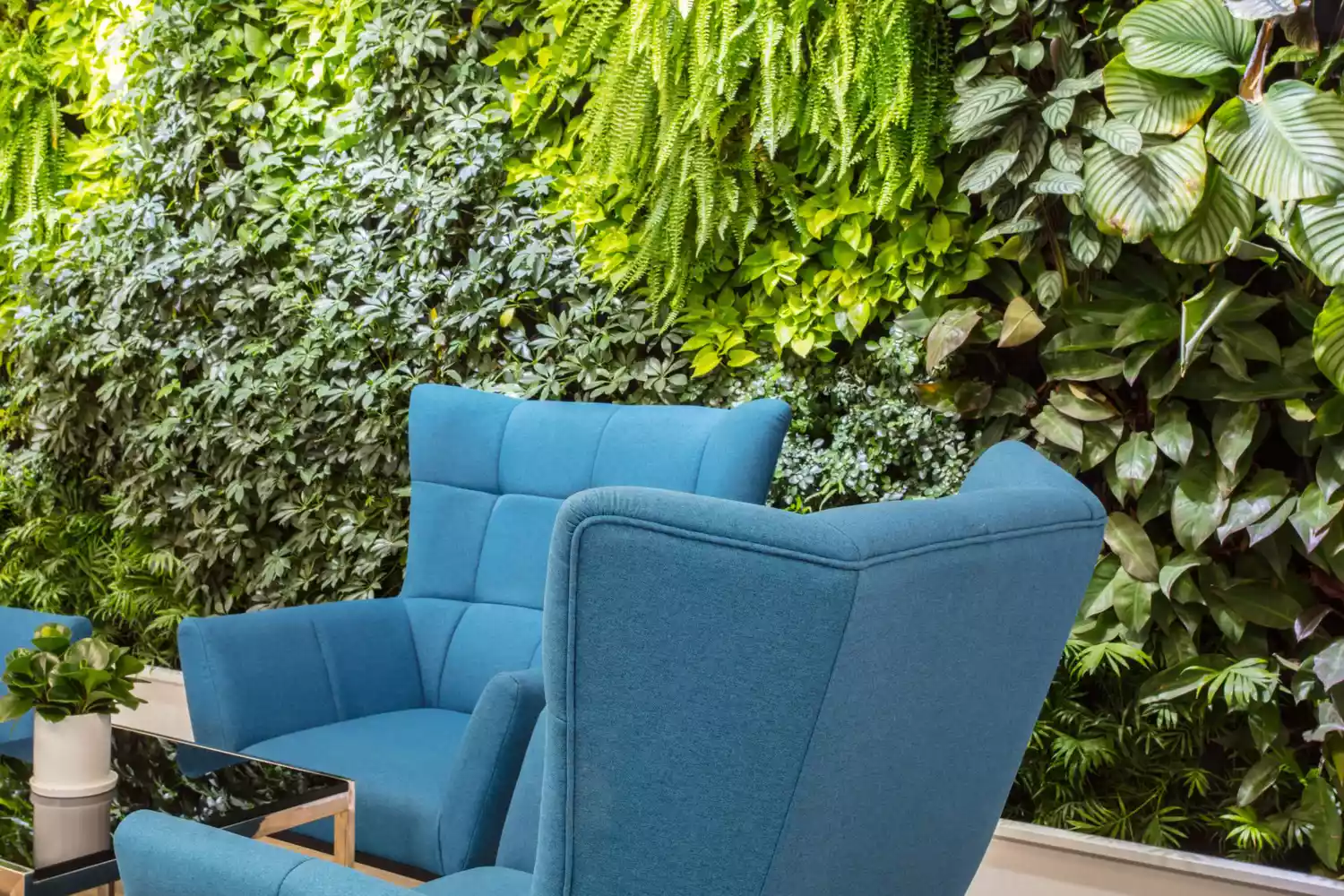
Vertical Gardens Are the Ideal Small-Space Solution—Here Are 12 Ideas to Get Started


How to create a plant wall in your garden
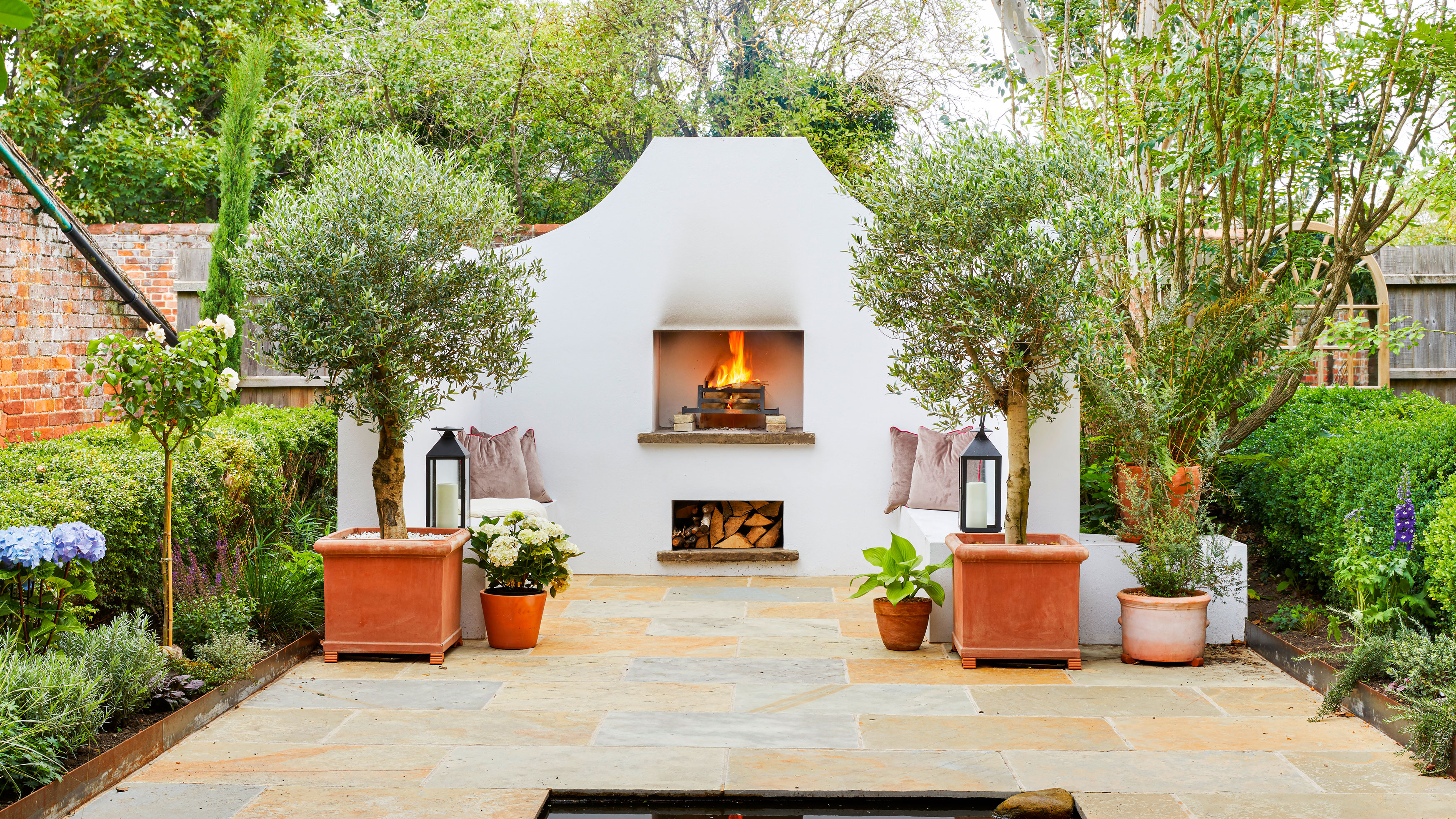
ALDI's $4.99 garden wall planter is back in stock for 2025

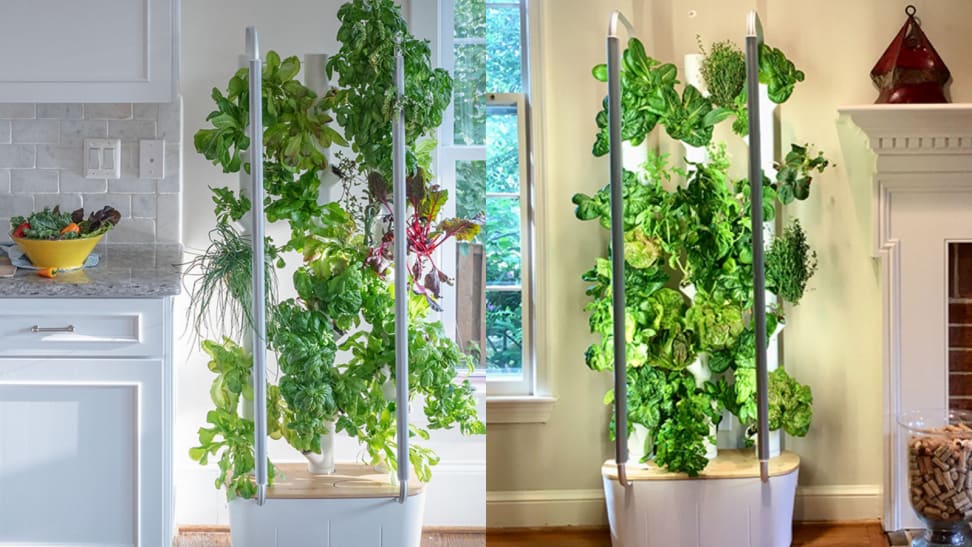
This vertical garden device makes indoor gardening possible


19 vertical garden ideas - landscape experts show how plants thrive in small spaces inside and outside the home

Short on space for a herb or veggie garden? Think vertically

10 indoor vegetable garden ideas - design experts on how to create decor that looks good enough to eat

10 Best Vertical Garden Planters

12 vertical garden ideas to inspire your own plant wall

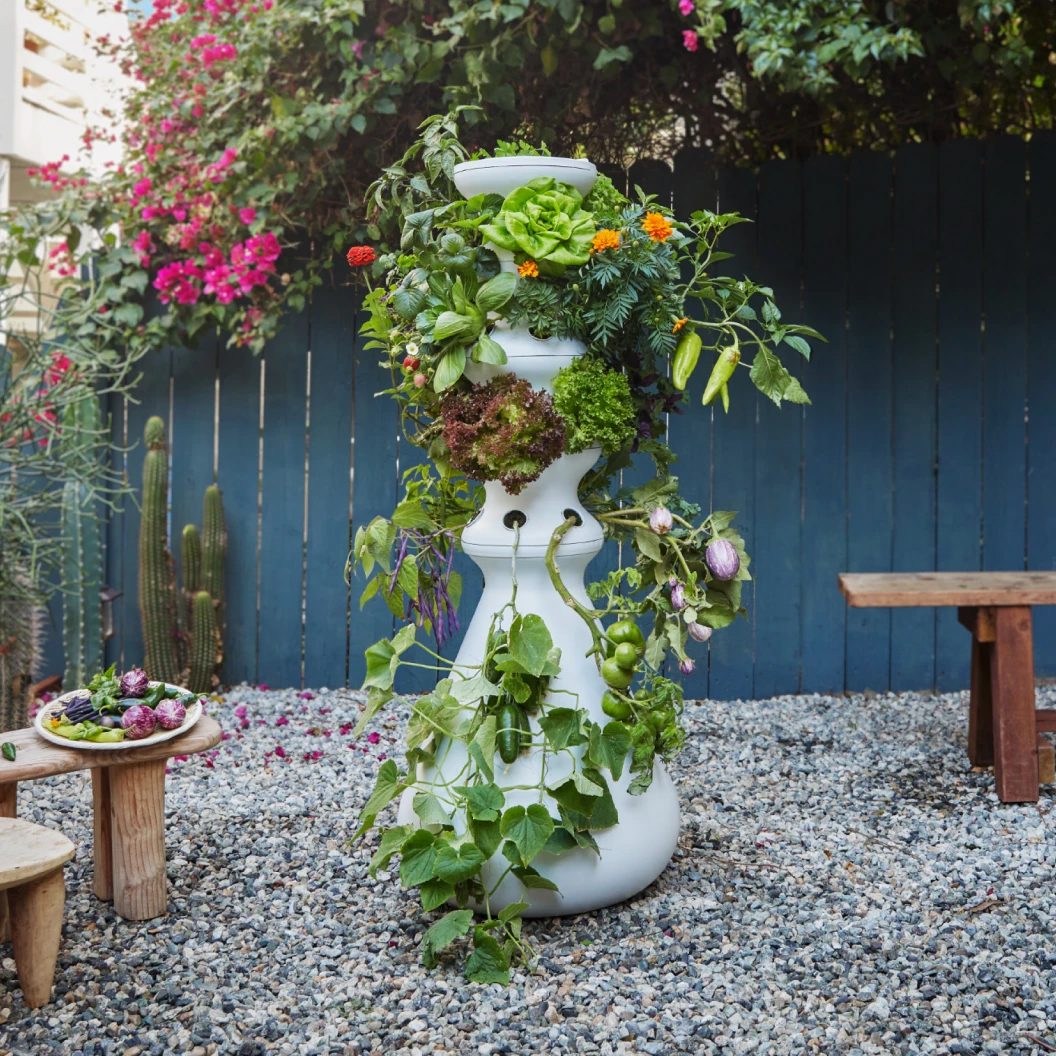
Lettuce Grow Farmstand Review: Is this Hydroponic Plant Stand Worth the Investment?
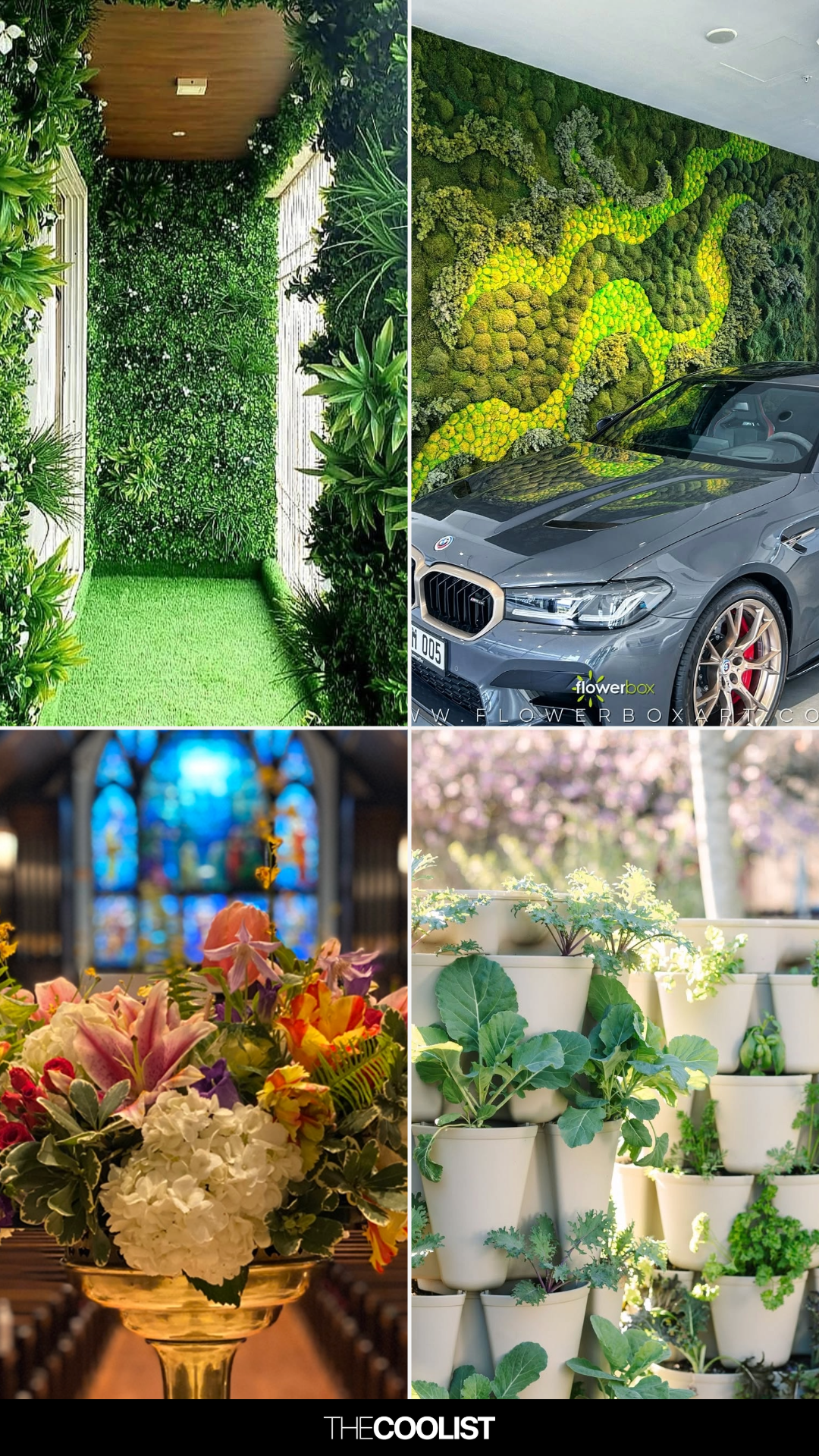
31 Inspiring Vertical Garden Ideas That Transform Bare Walls Instantly