1/4
Short on space for a herb or veggie garden? Think vertically
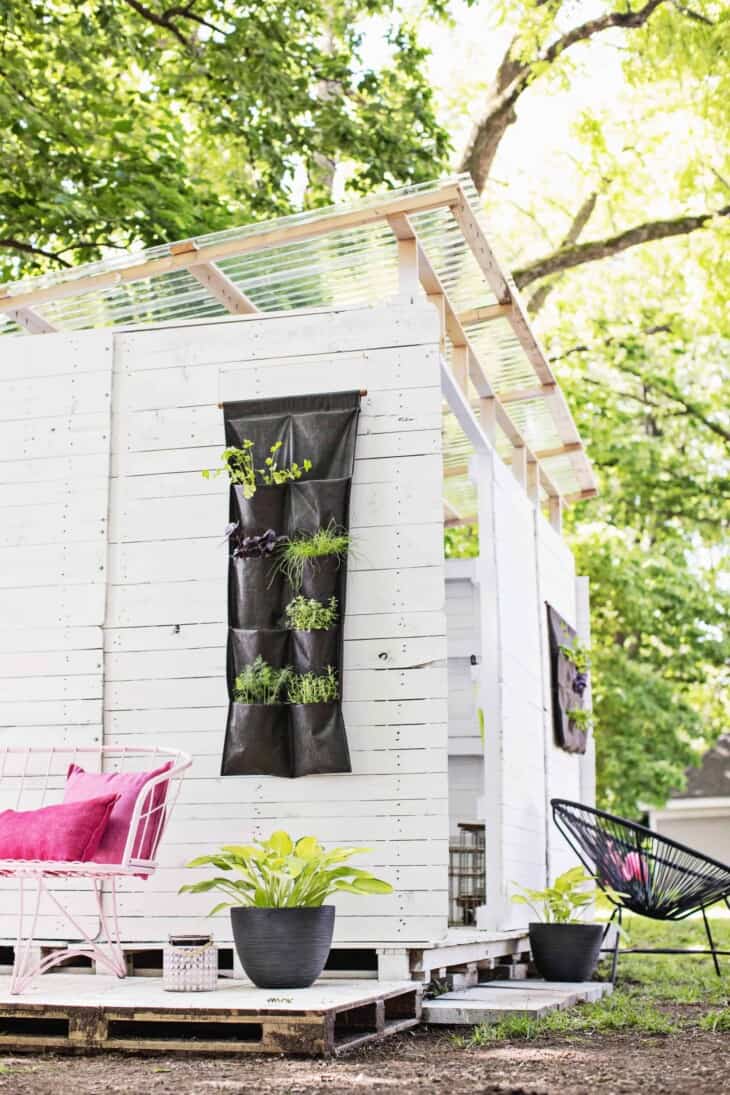
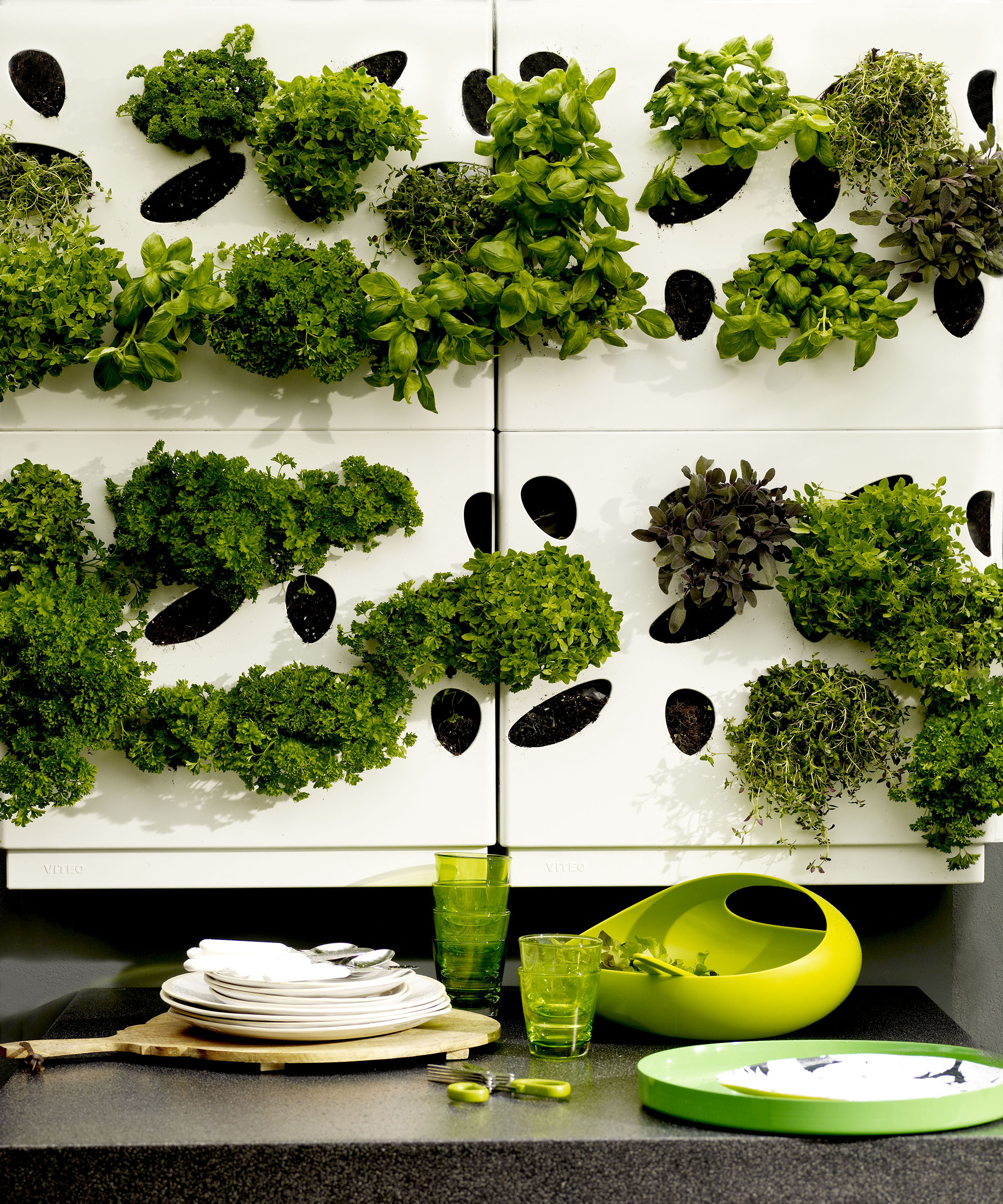
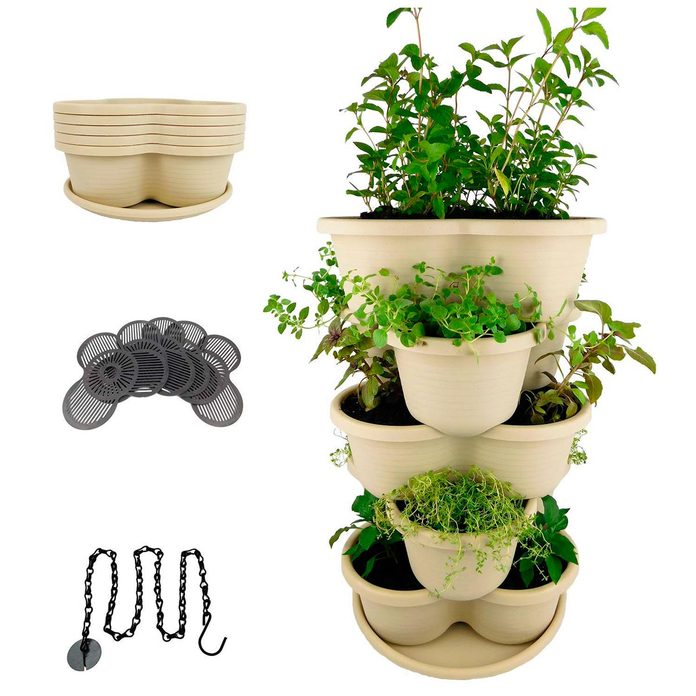
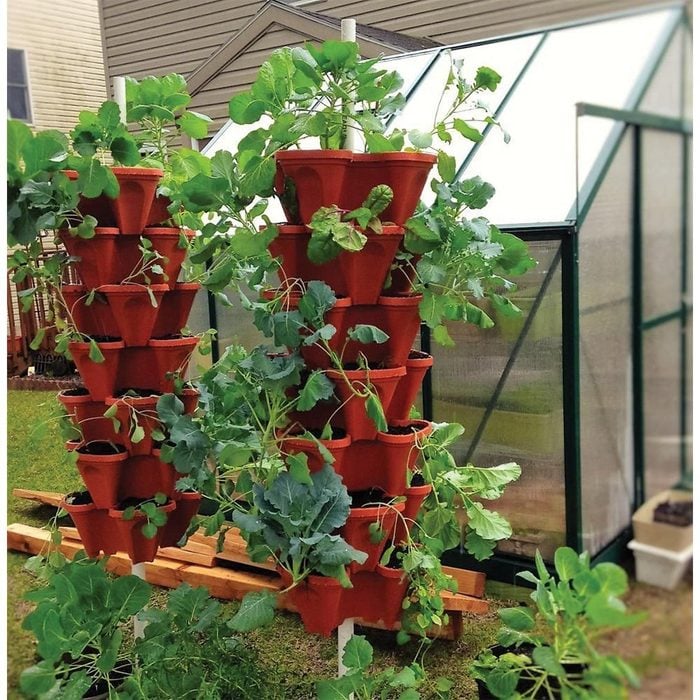
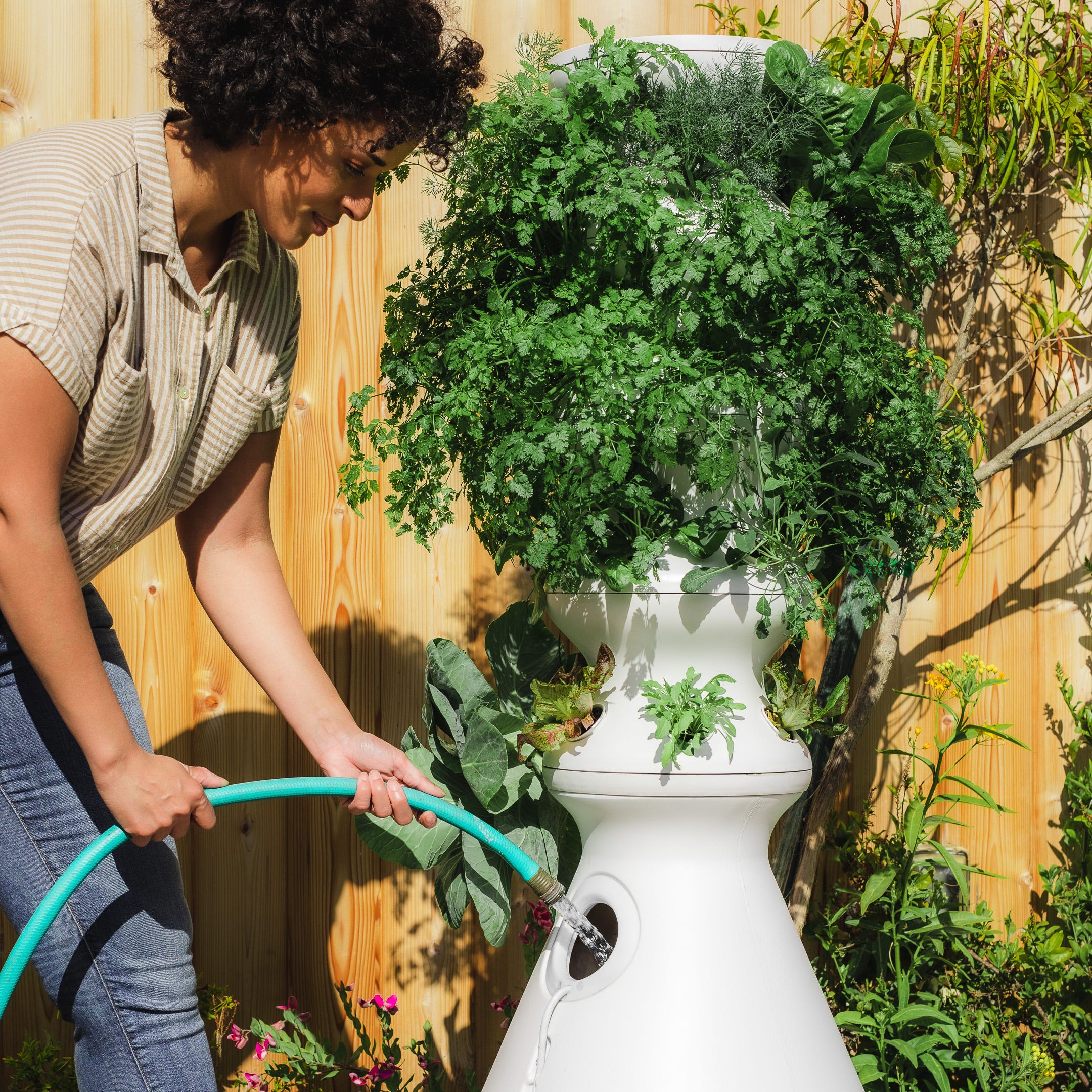
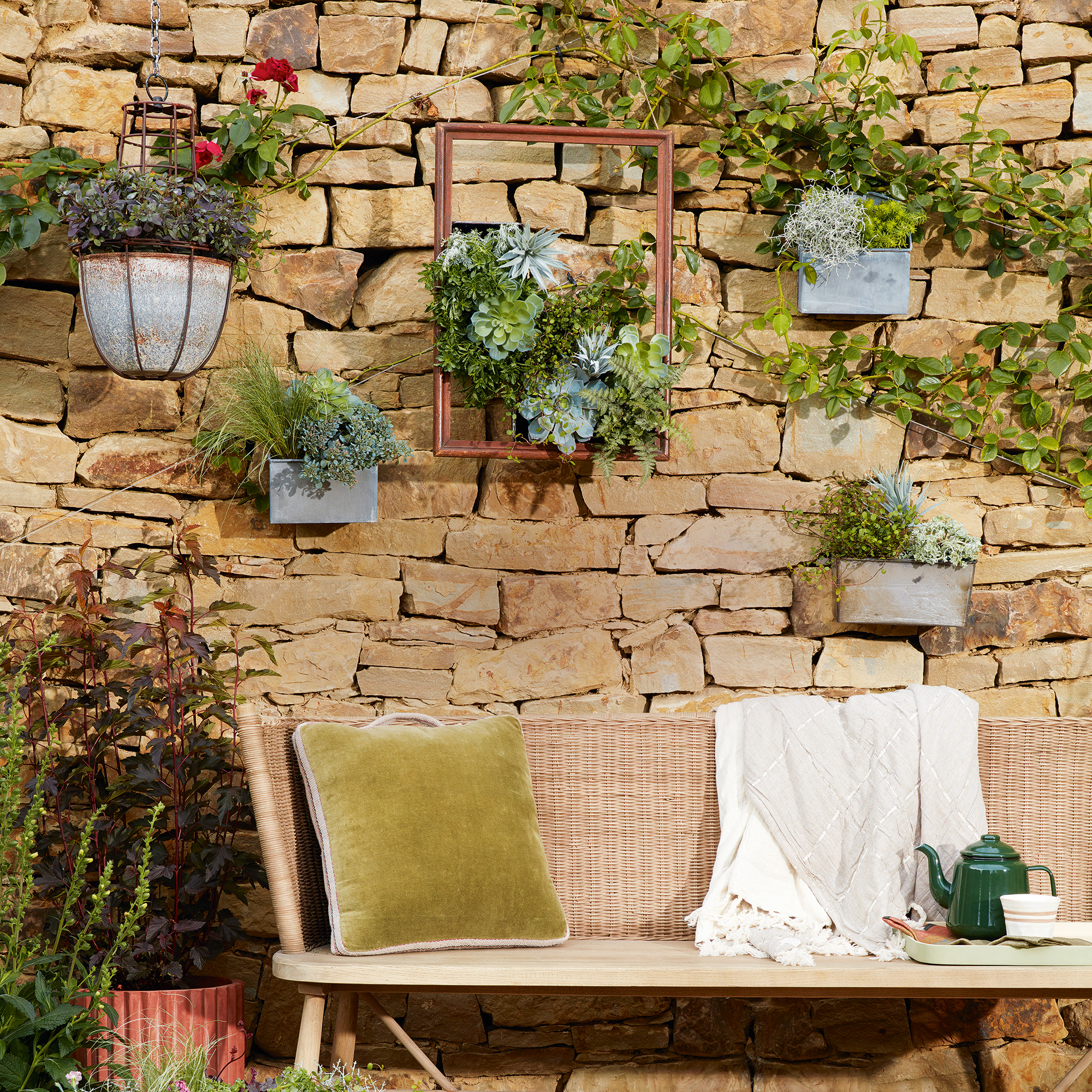
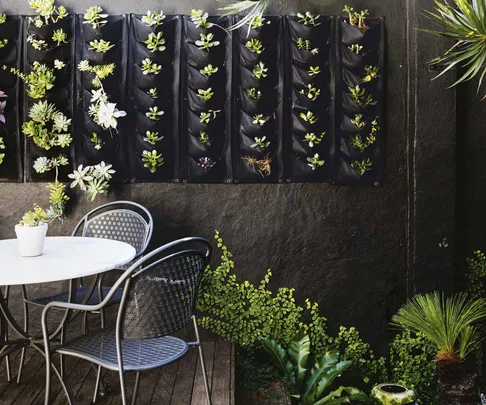
For individuals residing in apartments, homes with limited outdoor areas, or rental properties, cultivating a traditional vegetable garden often presents a challenge. However, this constraint can be overcome by adopting vertical gardening techniques, allowing for food production even in confined spaces. Horticulturalist Belinda Thackeray, manager of the Sydney City Farm for the City of Sydney's community greening program, emphasizes the significant impact of utilizing vertical space. Her primary advice for aspiring vertical gardeners is to thoroughly assess their available space, particularly focusing on sun exposure. Edible plants generally require a minimum of four hours of sunlight daily, with six hours being ideal. Thackeray also notes that reflective light can contribute to plant growth, and strategically placed plants can mitigate unwanted glare.
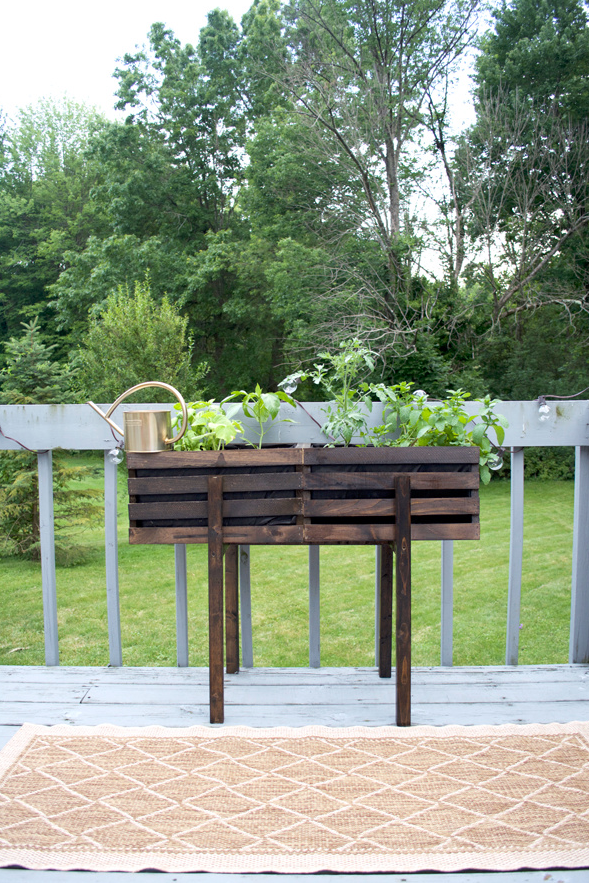
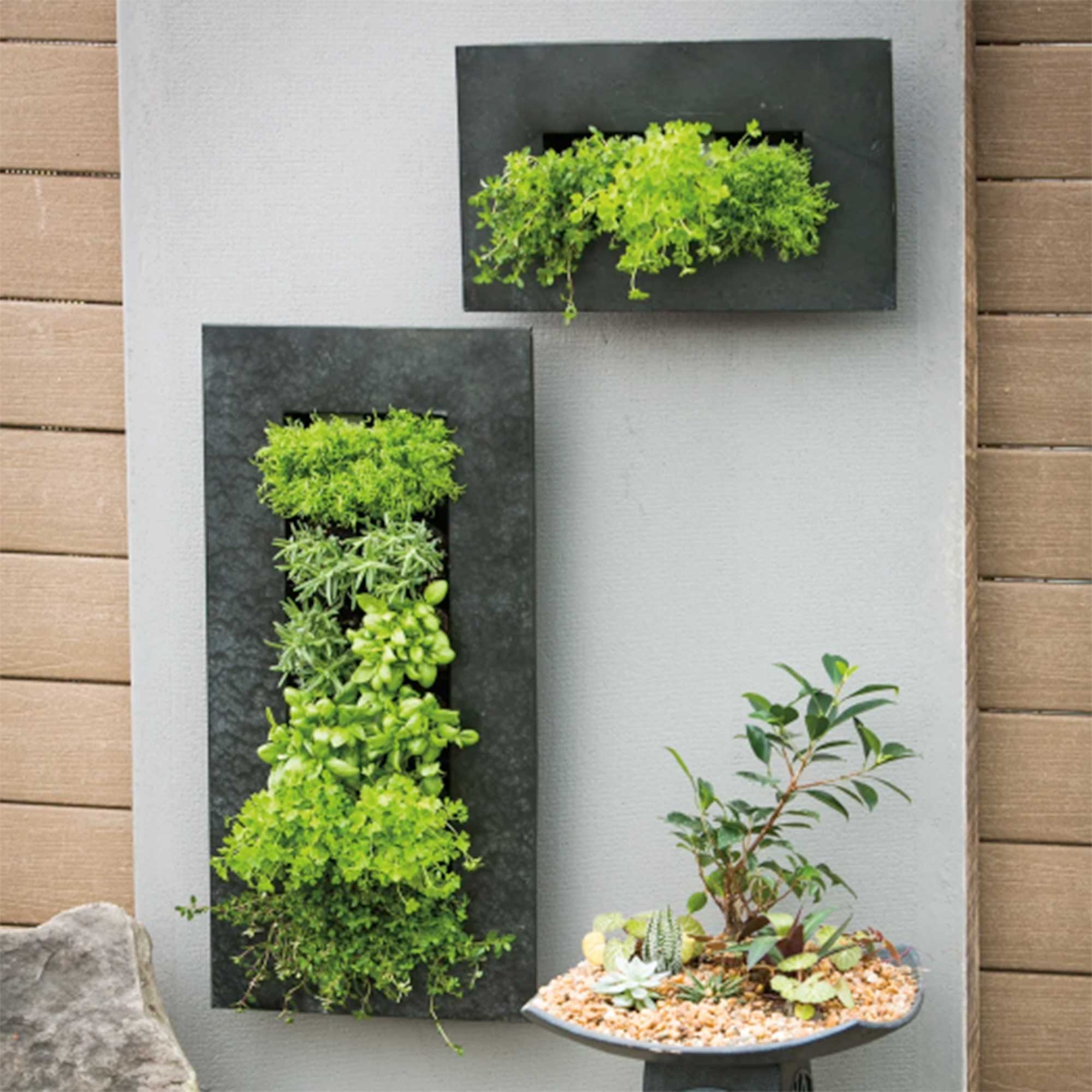
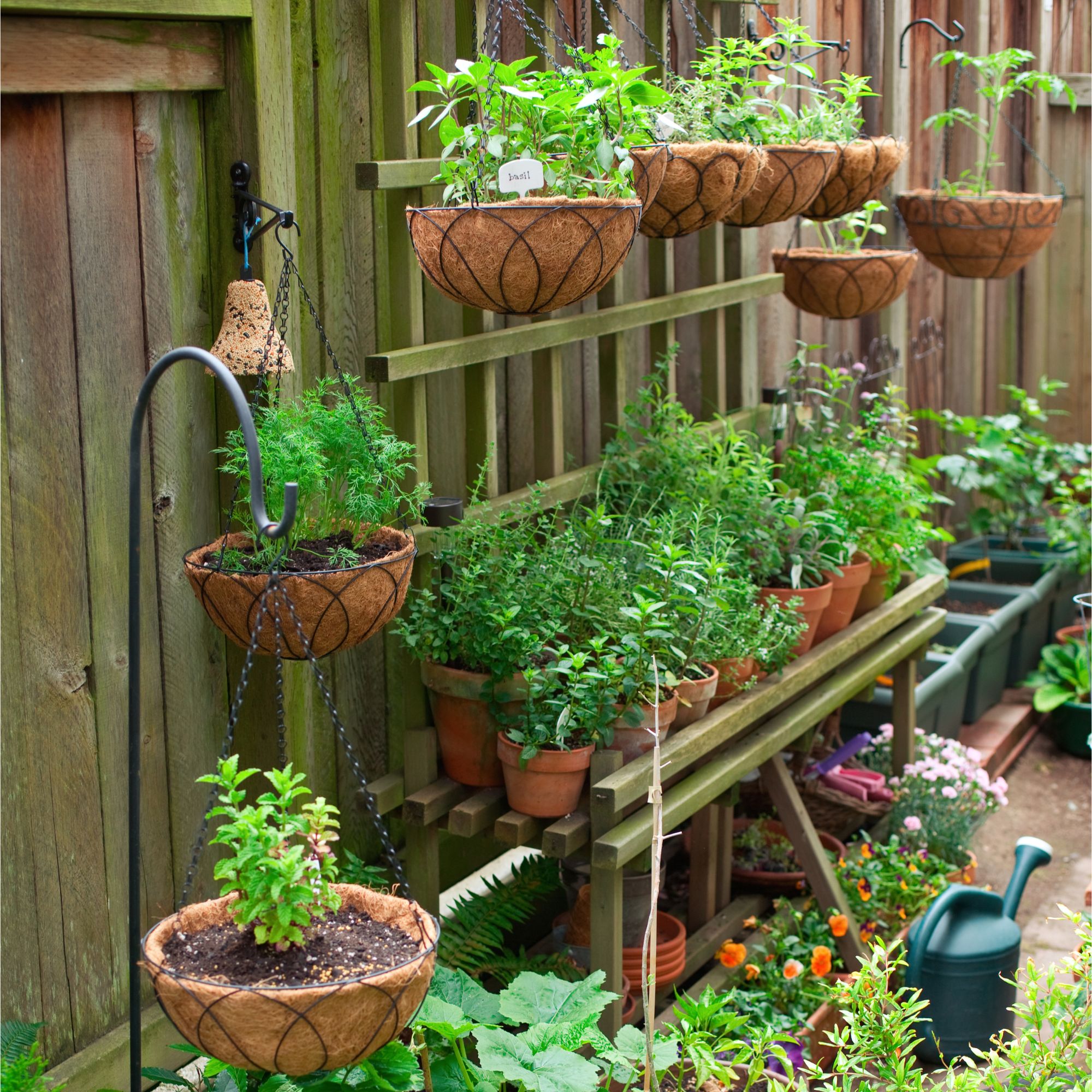
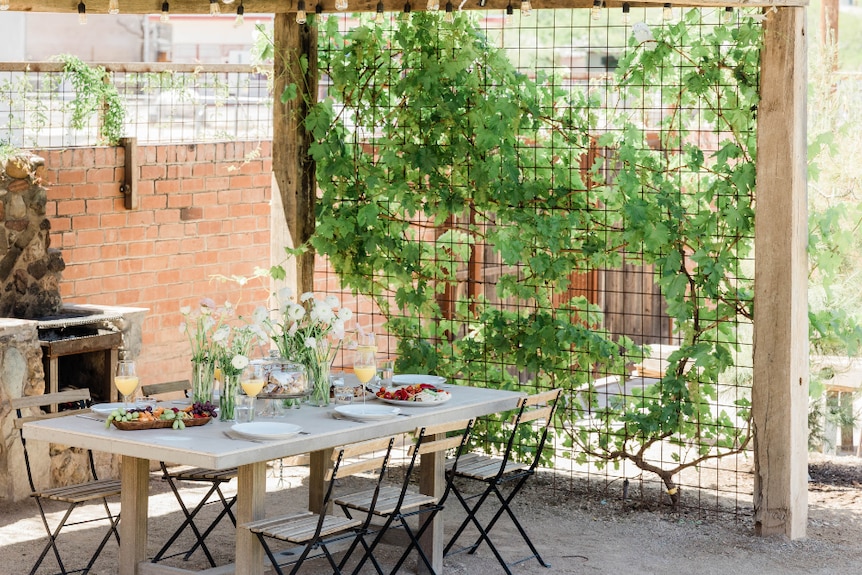
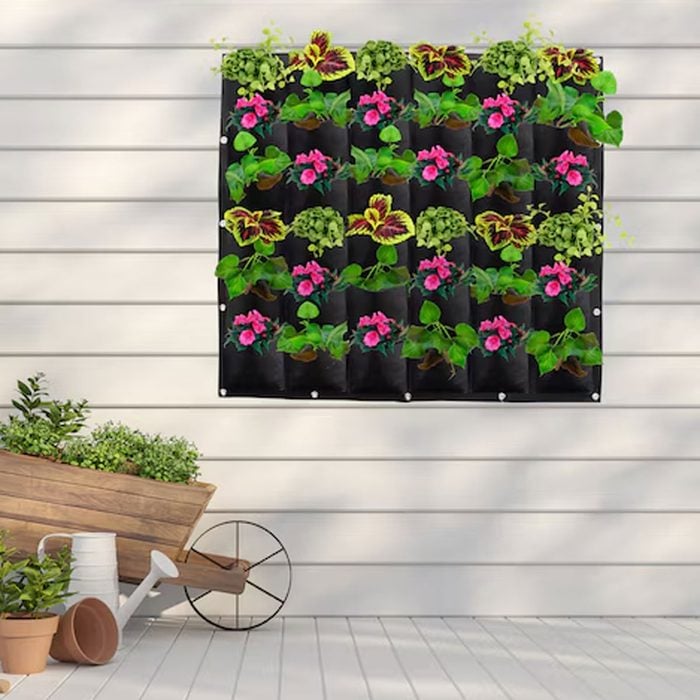
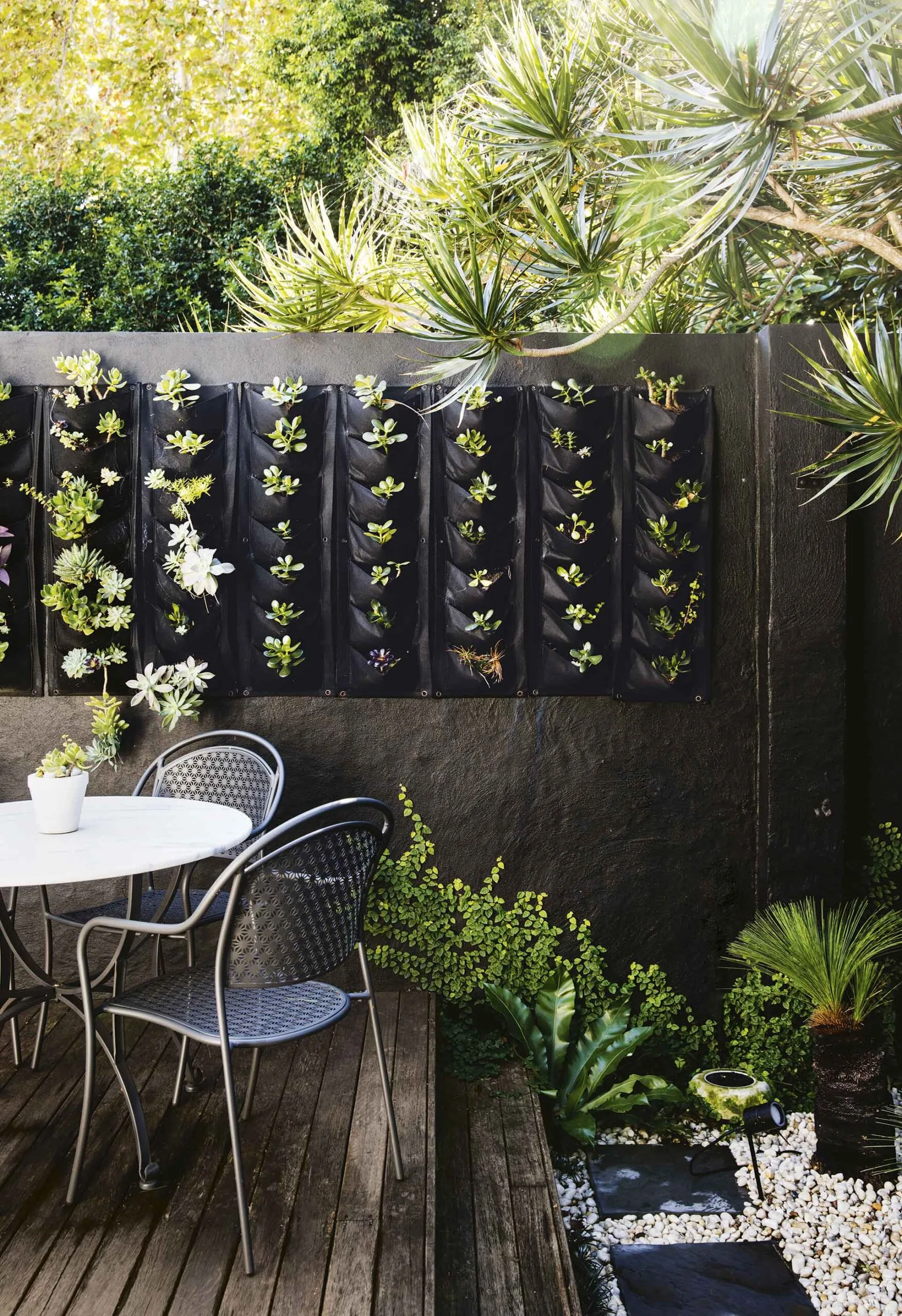
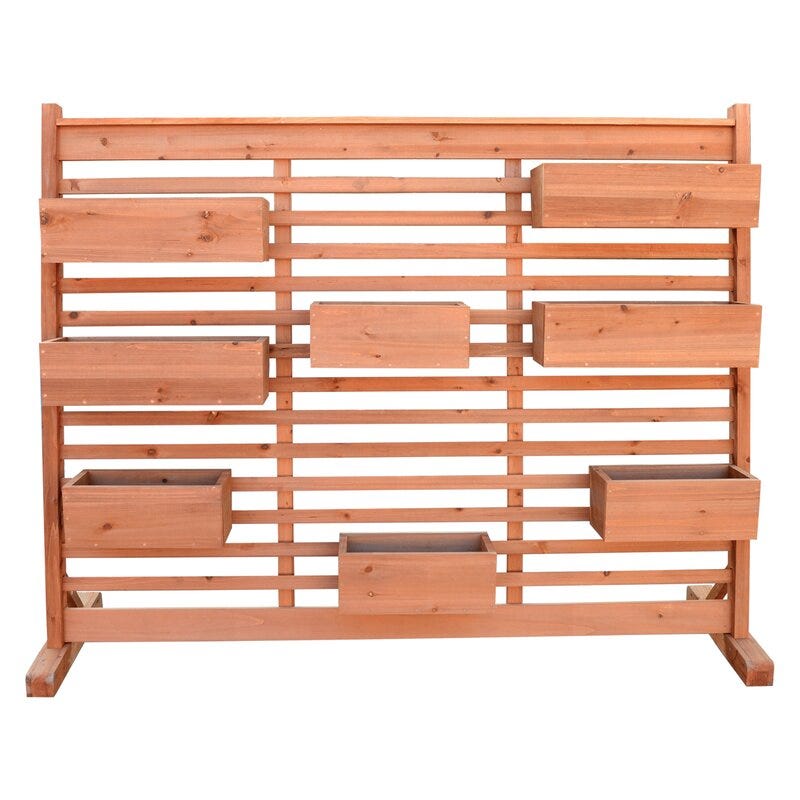
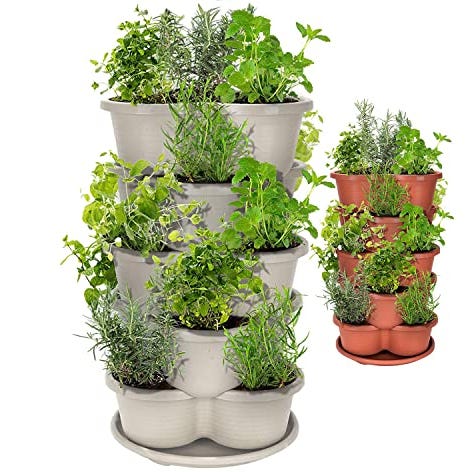
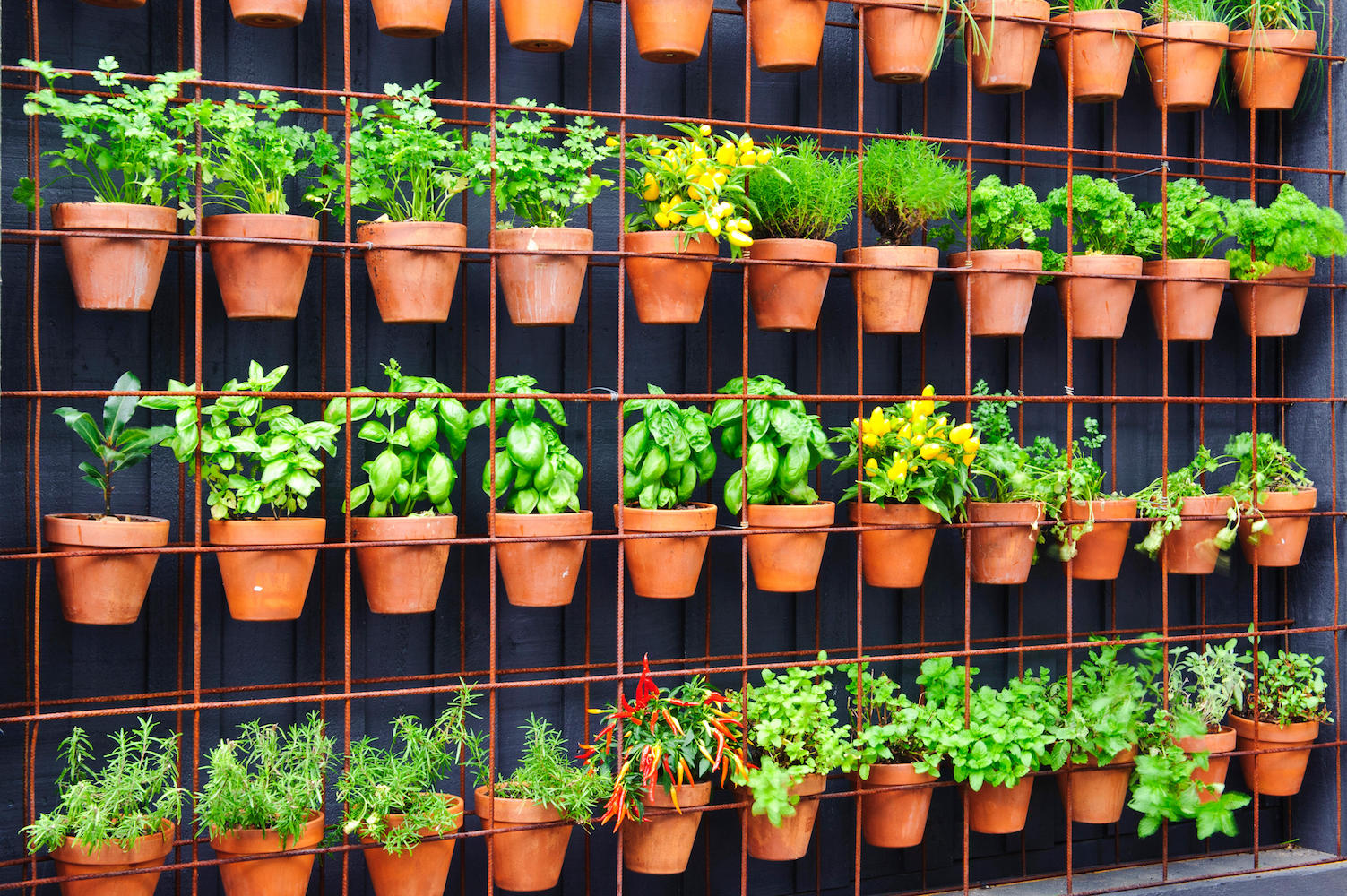
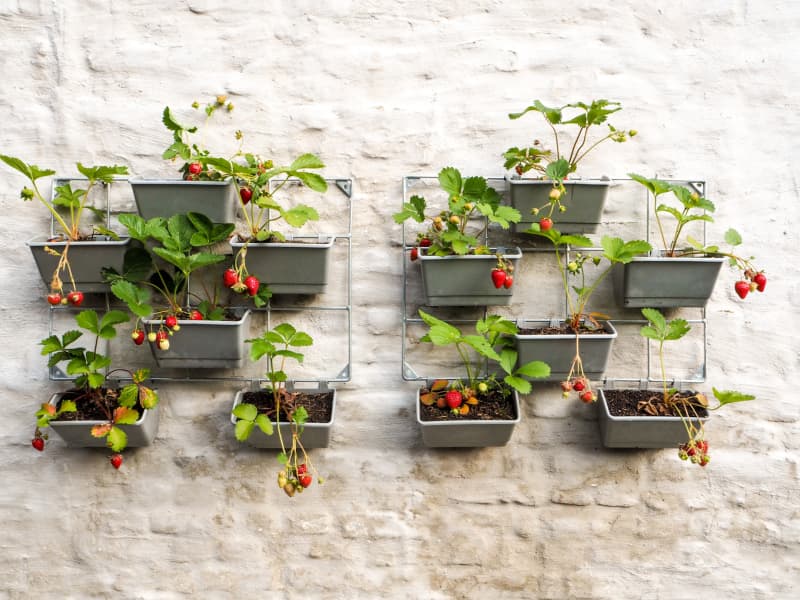
Urban gardener and content creator Kia Codd, based in Naarm/Melbourne, reinforces the importance of considering long-term sun exposure. She advises anticipating how the sun's path and direction will change throughout the year to ensure consistent light for the plants. When it comes to creating a vertical garden, thorough research is crucial due to the wide array of available options. While DIY solutions using materials like fabric pockets, wooden pallets, and other recycled items are possible, Thackeray suggests that modular systems offer greater longevity and flexibility, allowing for gradual expansion. Plant stands and hanging planters are also effective for maximizing vertical space. For renters, prioritizing easily dismantled and non-permanently fixed systems is recommended. Codd, for instance, created her herb garden using a wire frame that accommodates various planters, providing portability and adaptability to seasonal changes.
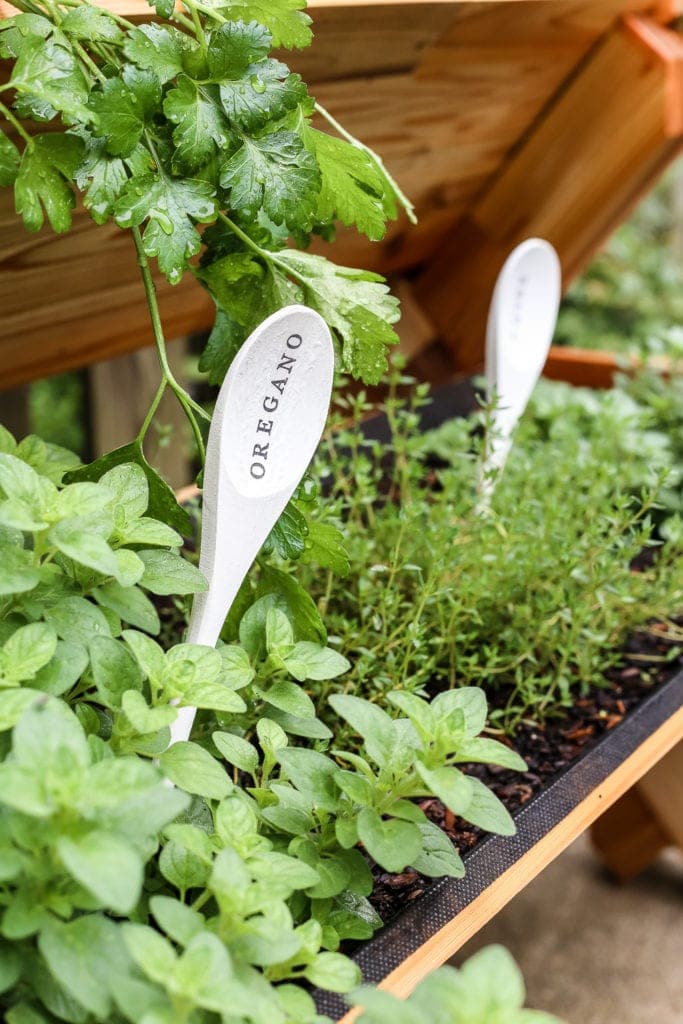
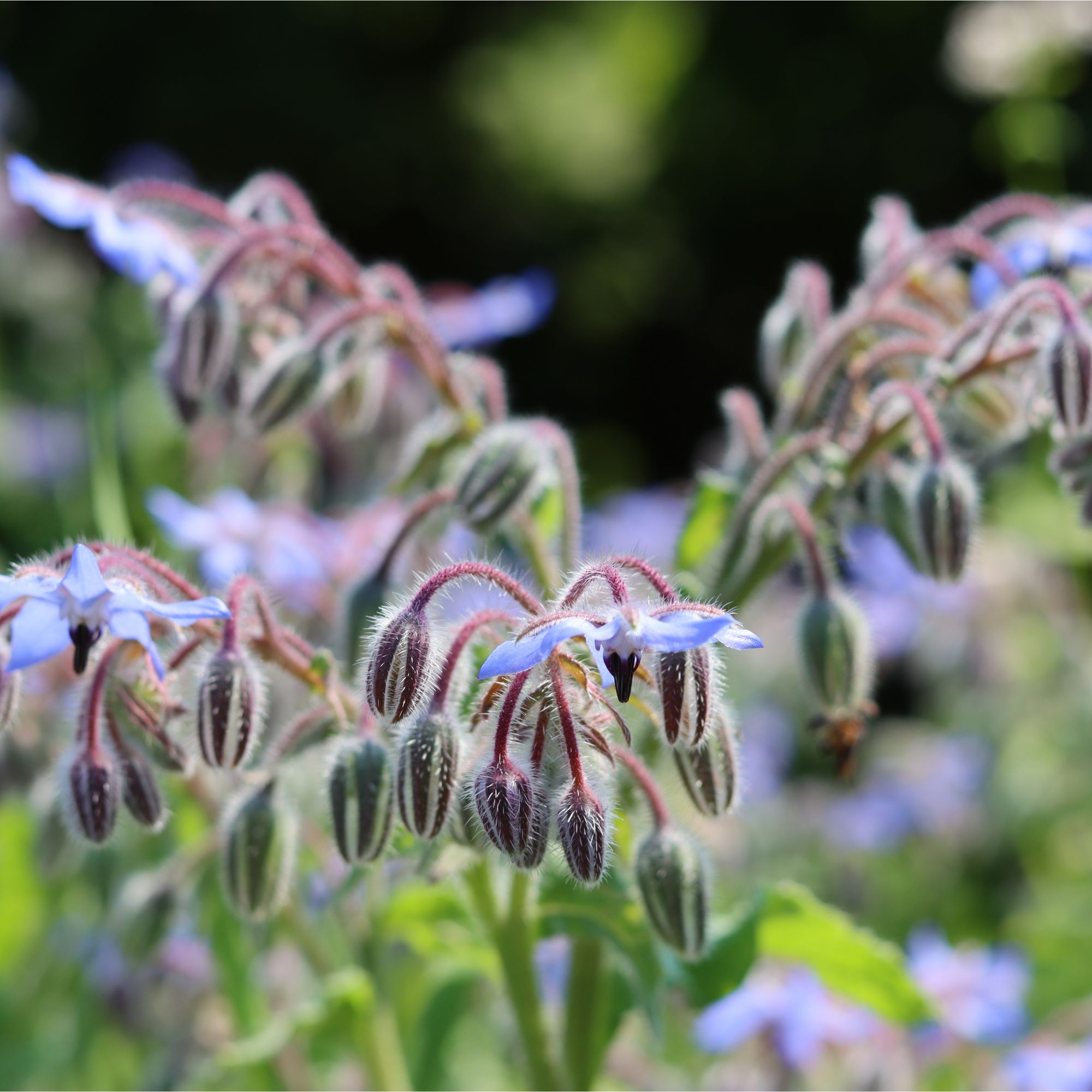
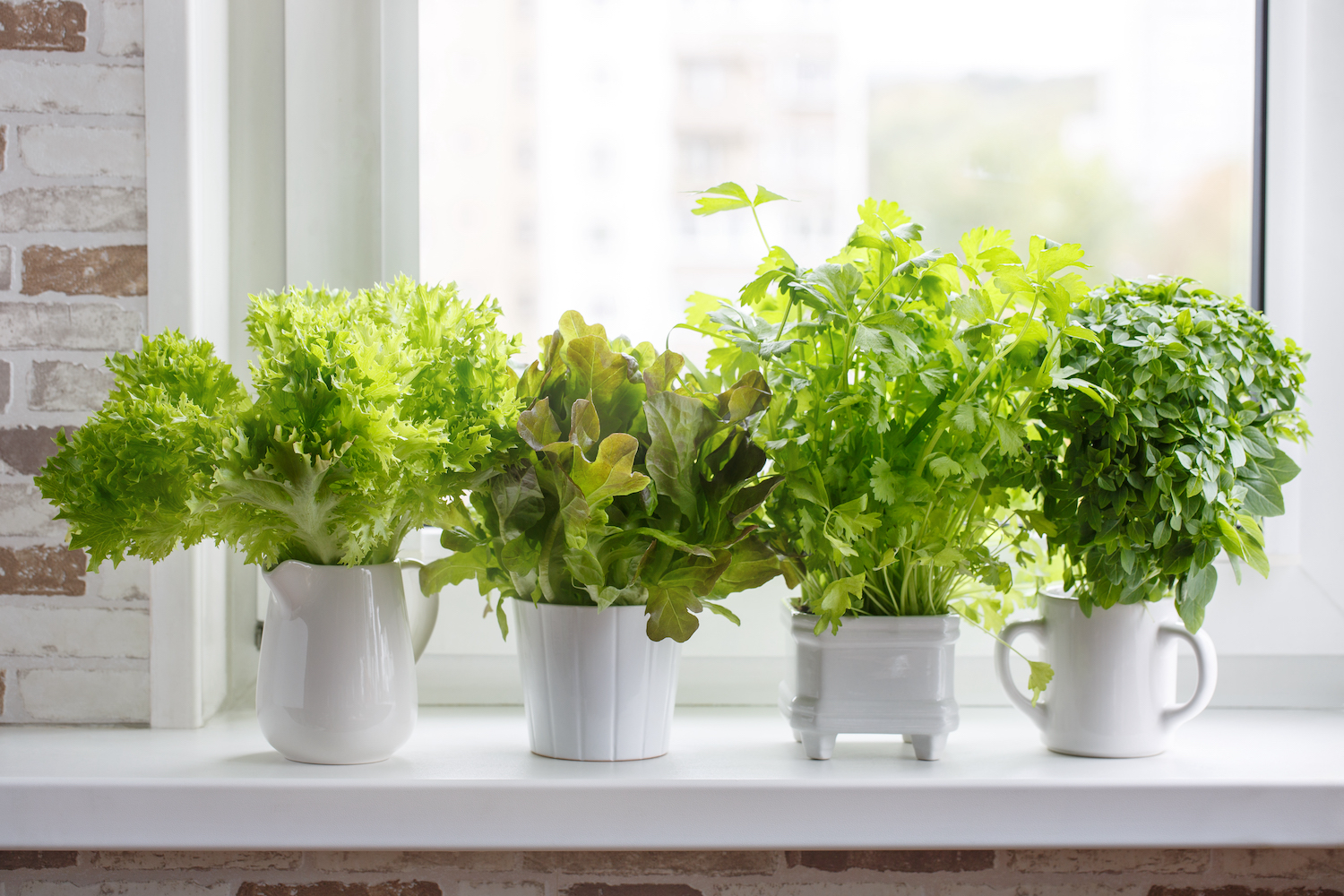
Regarding plant selection, Thackeray recommends plants with small root systems, which are well-suited for most vertical gardens. Herbs are an excellent choice, as are leafy greens, lettuces, strawberries, and certain types of tomatoes. She also advocates for incorporating flowers among edible plants to attract pollinating insects and enhance aesthetic appeal. Codd adds that larger containers with greater depth broaden planting possibilities, allowing for vegetables like tomatoes, carrots, potatoes, broccoli, and cauliflower, especially in the lower sections of vertical gardens. She advises checking online resources for specific plant depth requirements and ideal soil conditions.
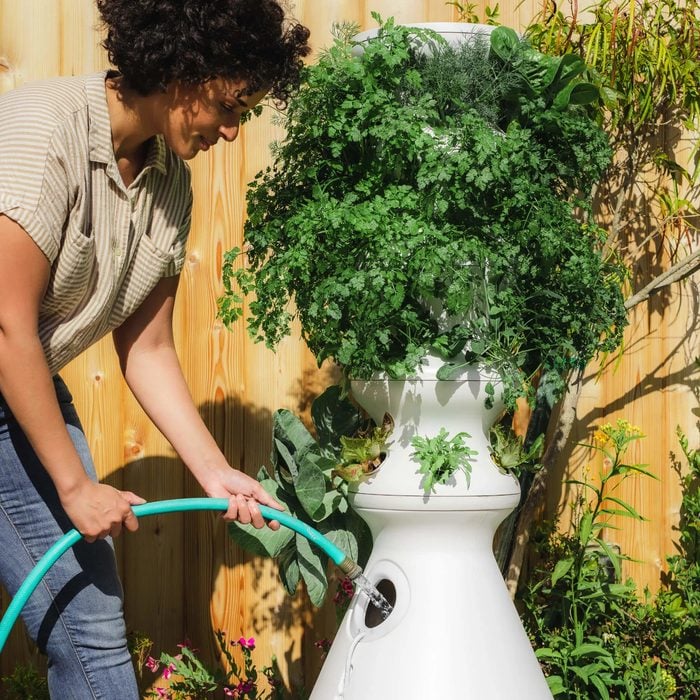
To avoid common vertical gardening mistakes, Codd highlights the importance of using appropriately sized containers and resisting the urge to overcrowd plants, recommending adherence to spacing guidelines. She also cautions against both overwatering and underwatering, noting that vertical gardens can be susceptible to either extreme. Her practice involves watering her herb garden daily in summer and less frequently in other seasons, checking soil moisture with her finger. Thackeray mentions that some vertical systems come with drip-feed watering systems, or gardeners can install their own with tap timers. However, she warns against constantly damp soil, which can foster fungal diseases, and advises preventing pooled or dripping water to avoid staining surfaces. Some systems incorporate drip trays for this purpose, or DIY solutions can be employed. Finally, both experts stress the importance of investing in good, relatively free-draining soil. For seasonal edible plants, Thackeray suggests renewing the soil before replanting or enriching it with compost or fertilizer.
#VerticalGardening #UrbanGardening #SmallSpaceGardening #HomeGardening #HerbGarden #VegetableGarden #SustainableLiving #DIYGarden #VerticalGardening #UrbanGardening #SmallSpaceGardening #HomeGardening #HerbGarden #VegetableGarden #SustainableLiving #DIYGarden
0 comment in total
 No comments yet
You may also like
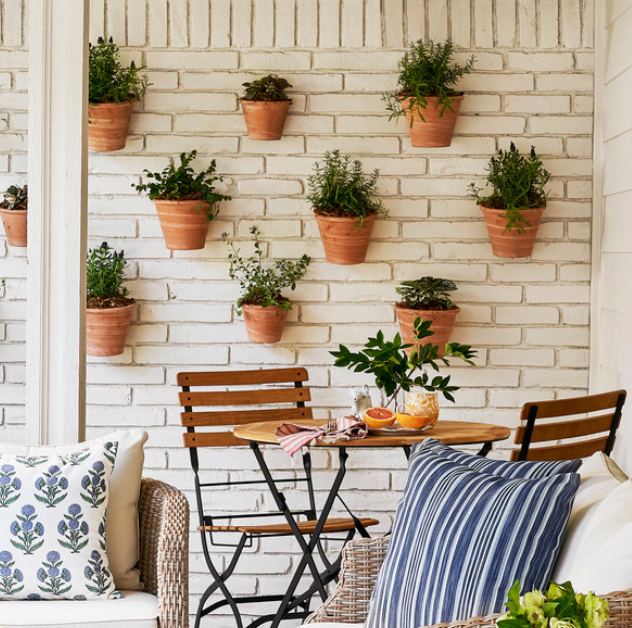
The Easiest DIY Herb Garden Ideas for Any Space

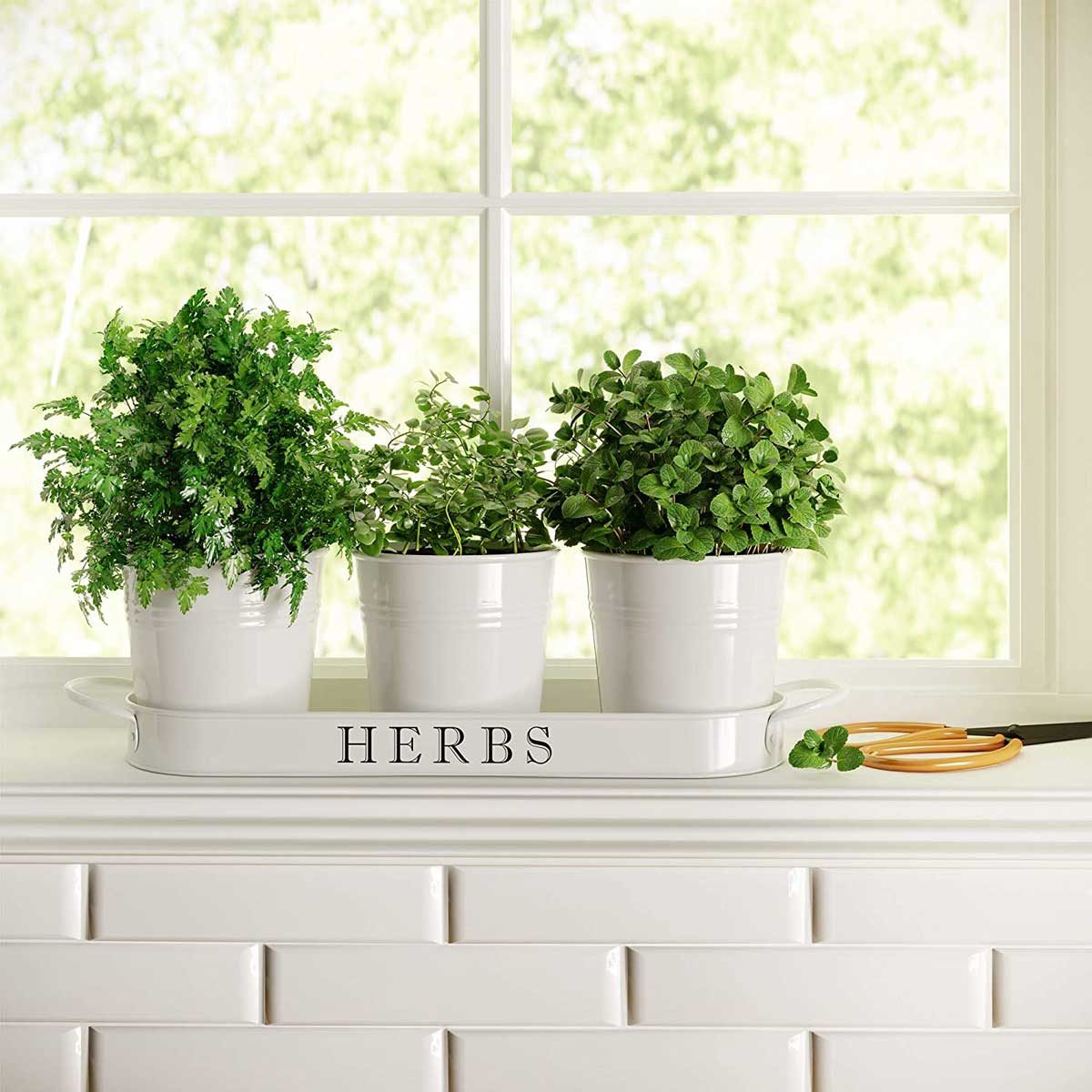
10 Best Herb Garden Planters and Kits of 2025

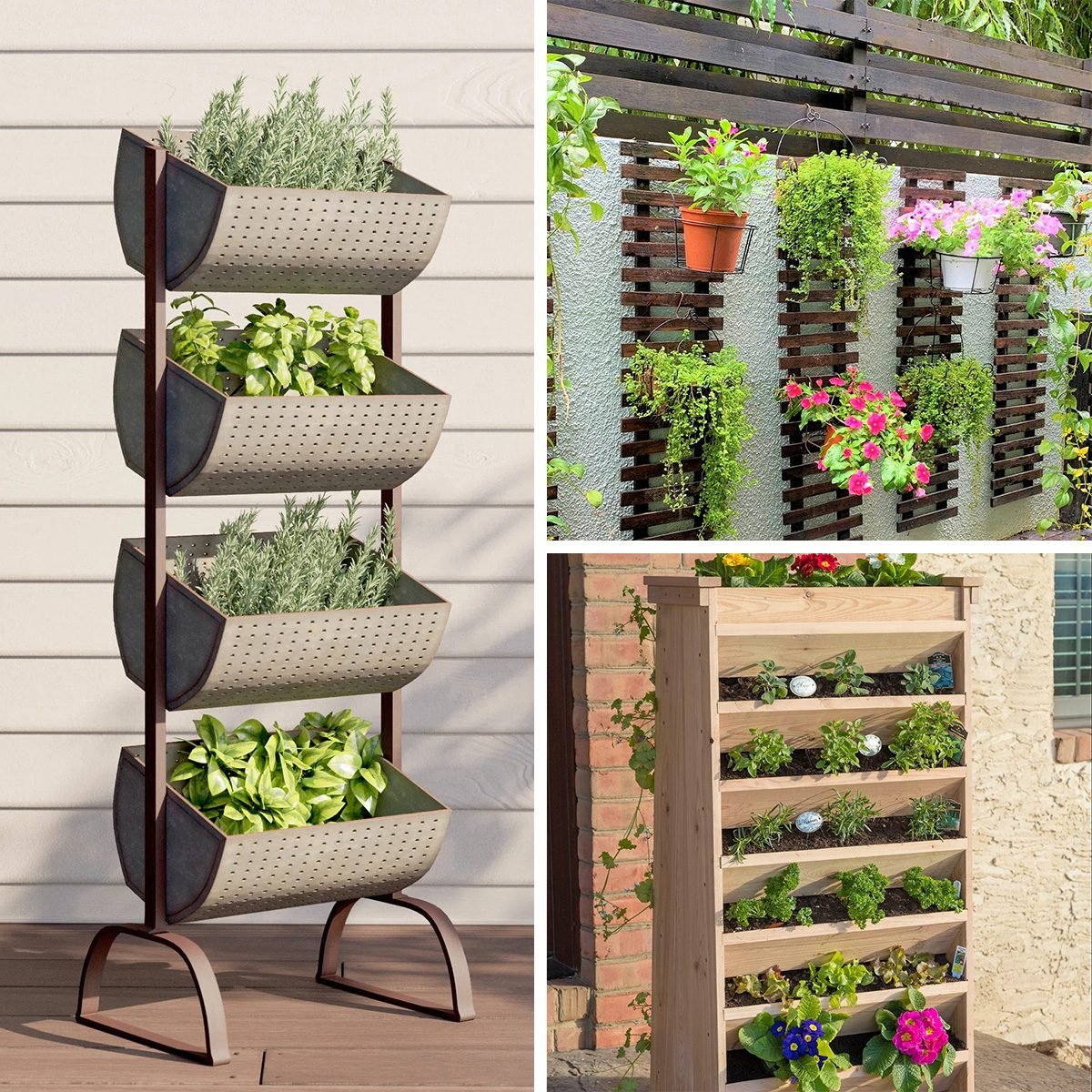
10 Best Vertical Garden Planters
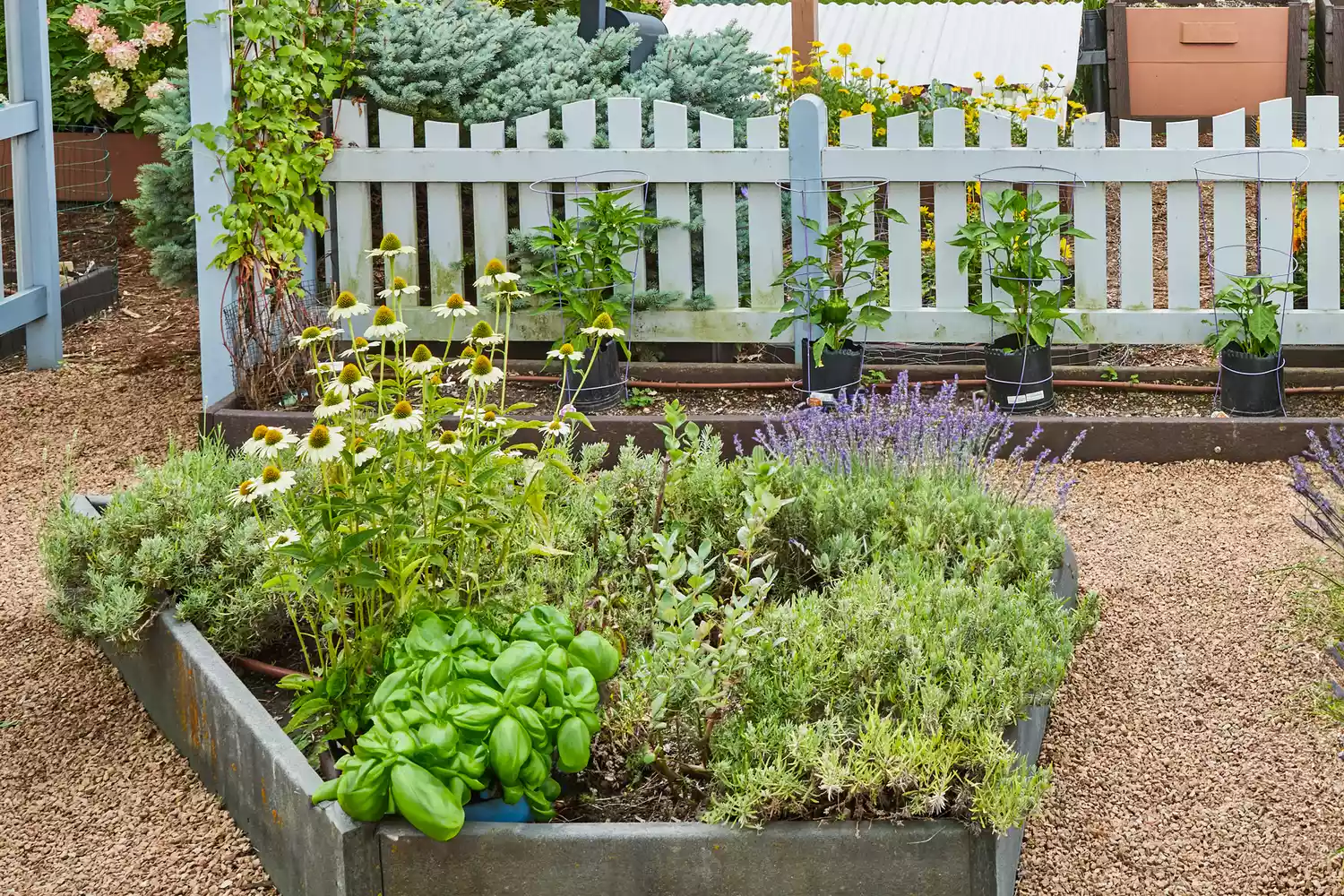
38 Clever Herb Garden Ideas for Indoor or Outdoor Spaces

Indoor herb garden ideas – how to display herbs artfully and practically in your home

These Indoor Herb Gardens Will Help You Save Space and Time in the Kitchen

9 of the best plants for vertical gardens

Nifty narrow garden ideas to make the most of a slender plot

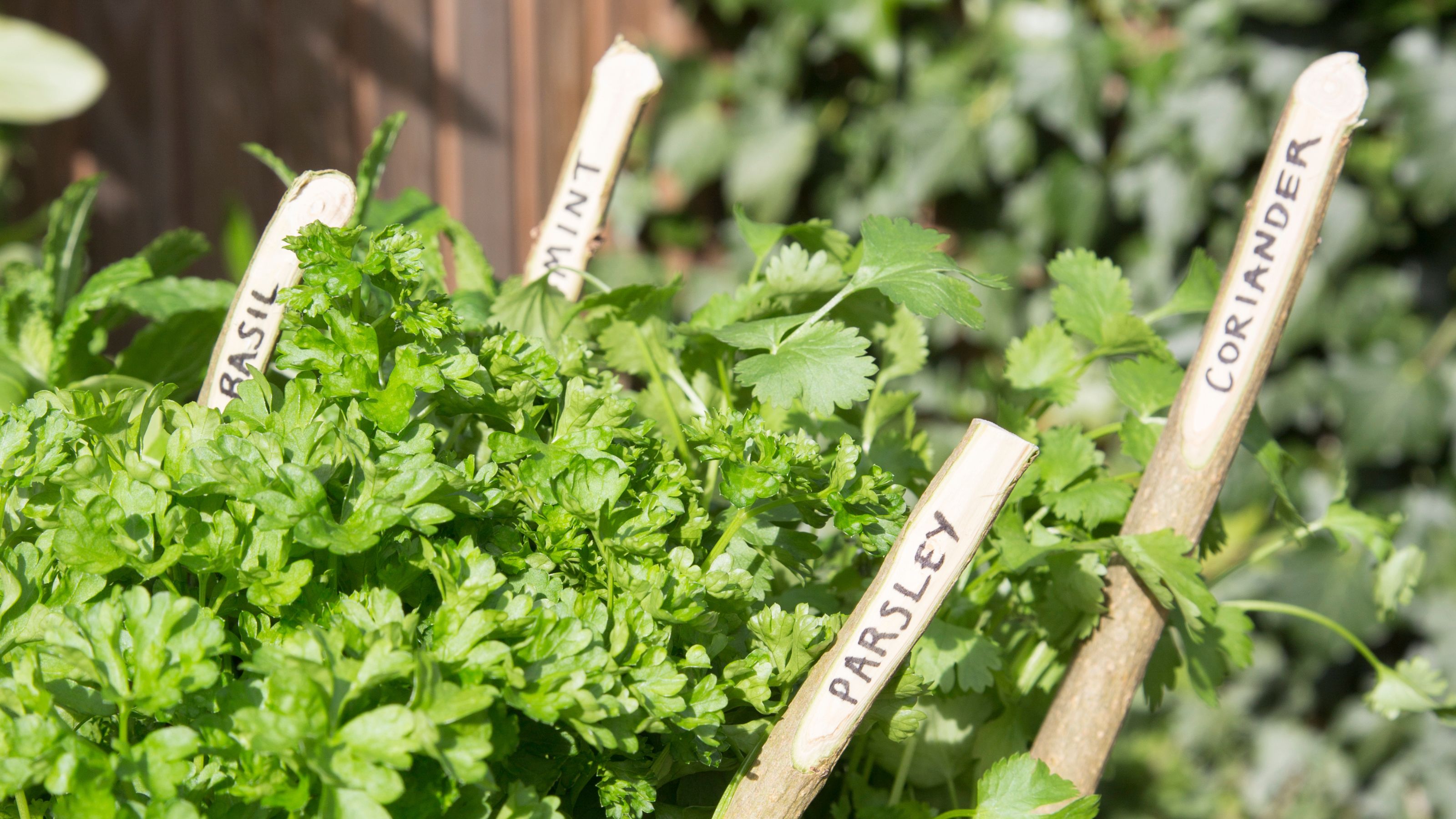
16 herb garden ideas for productive (and beautiful!) beds, borders and planters
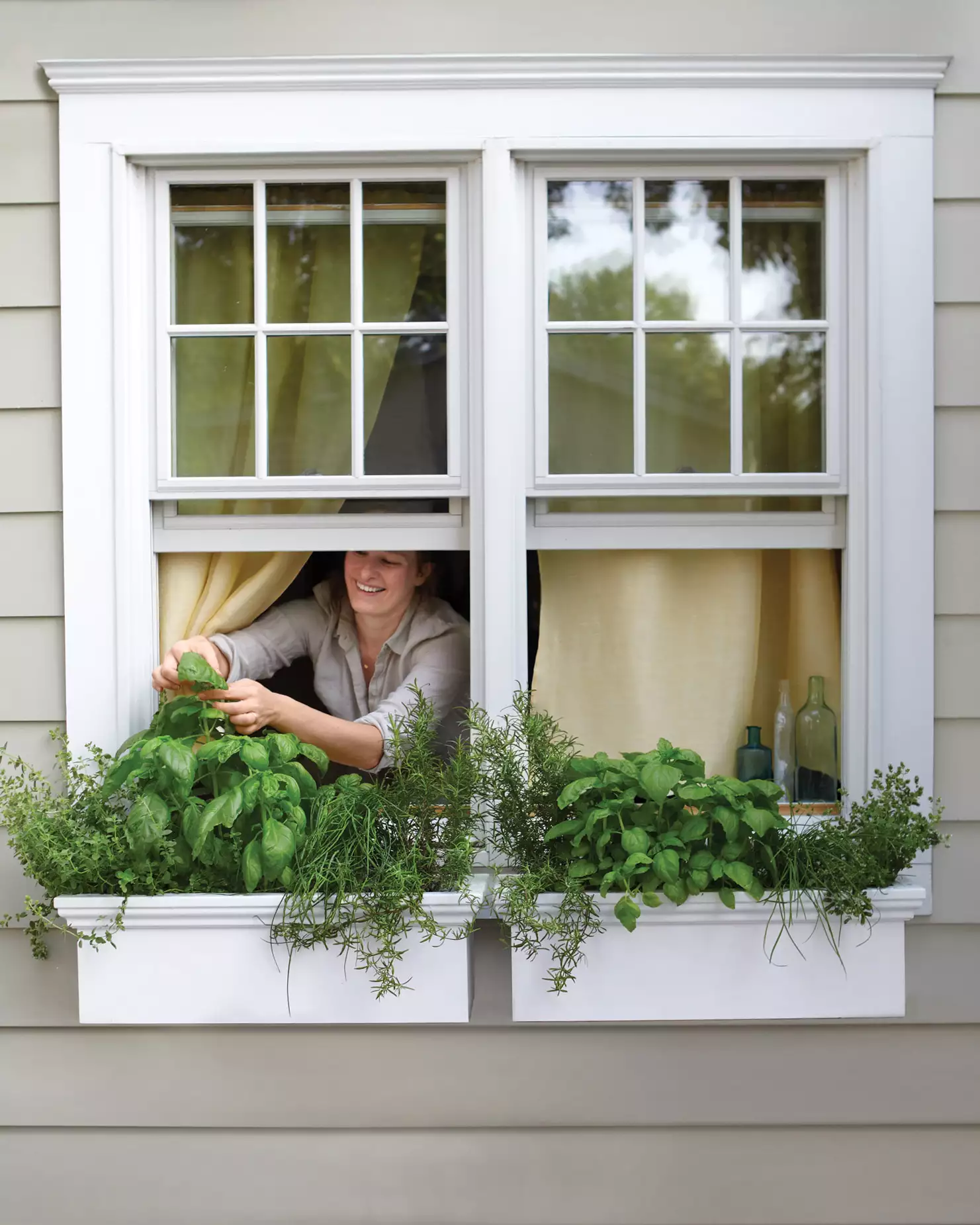
17 Small-Space Garden Ideas Perfect for Your Patio or Windowsill

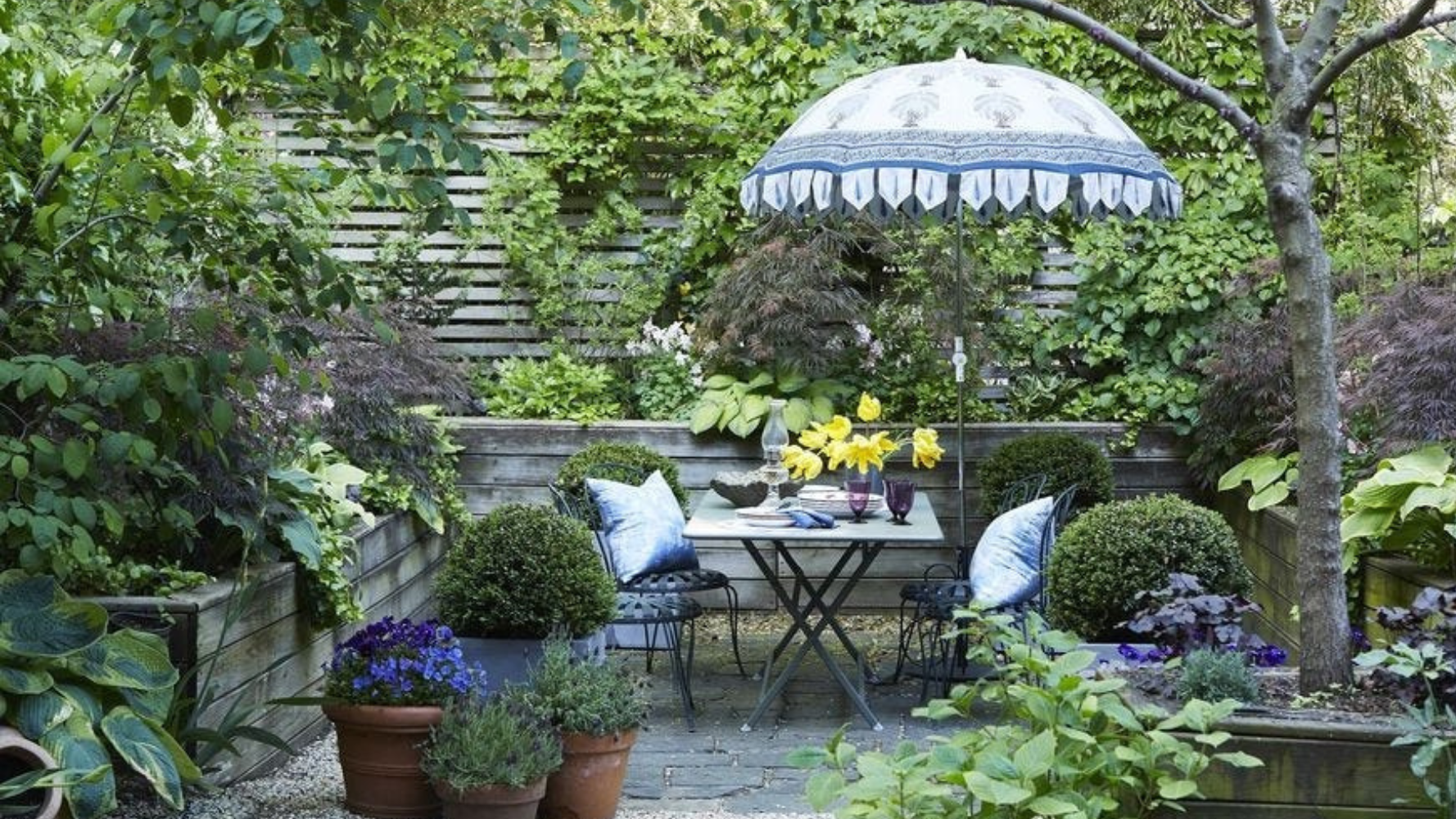
I Can’t Stop Thinking About These Enchanting Small Gardens

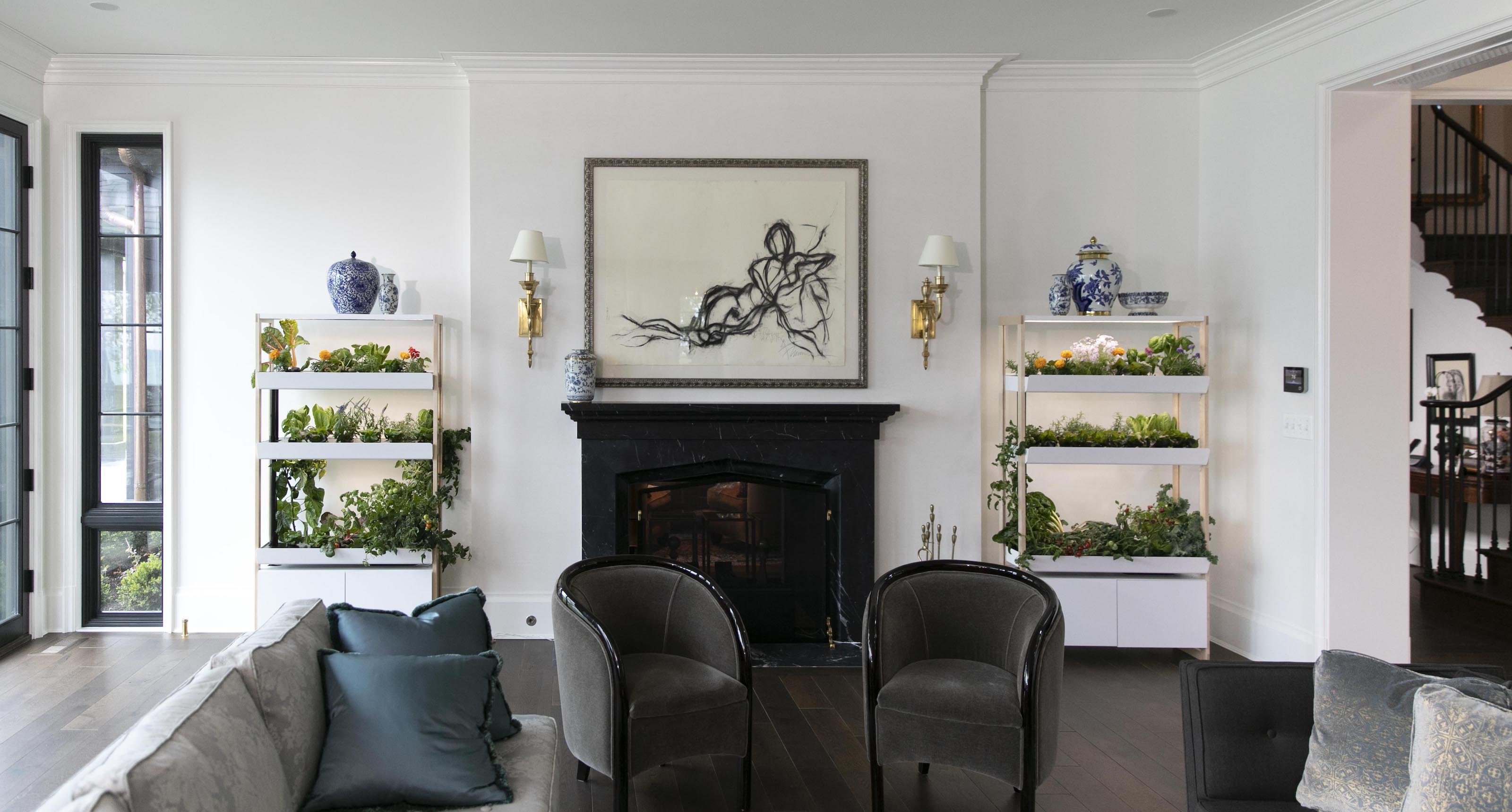
10 indoor vegetable garden ideas - design experts on how to create decor that looks good enough to eat

Maximize limited space with vertical gardens

How to create a balcony herb garden – for a floral and fragrant outside space
These Vertical Gardens Are a Plant Lover’s Dream

15 Vertical Garden Ideas, From Living Walls to Botanical Libraries

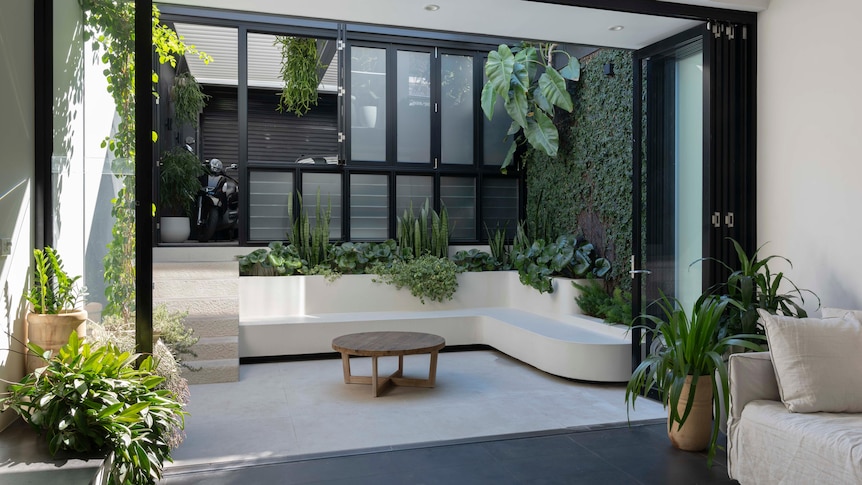
You don't need much space or sun to have a flourishing garden
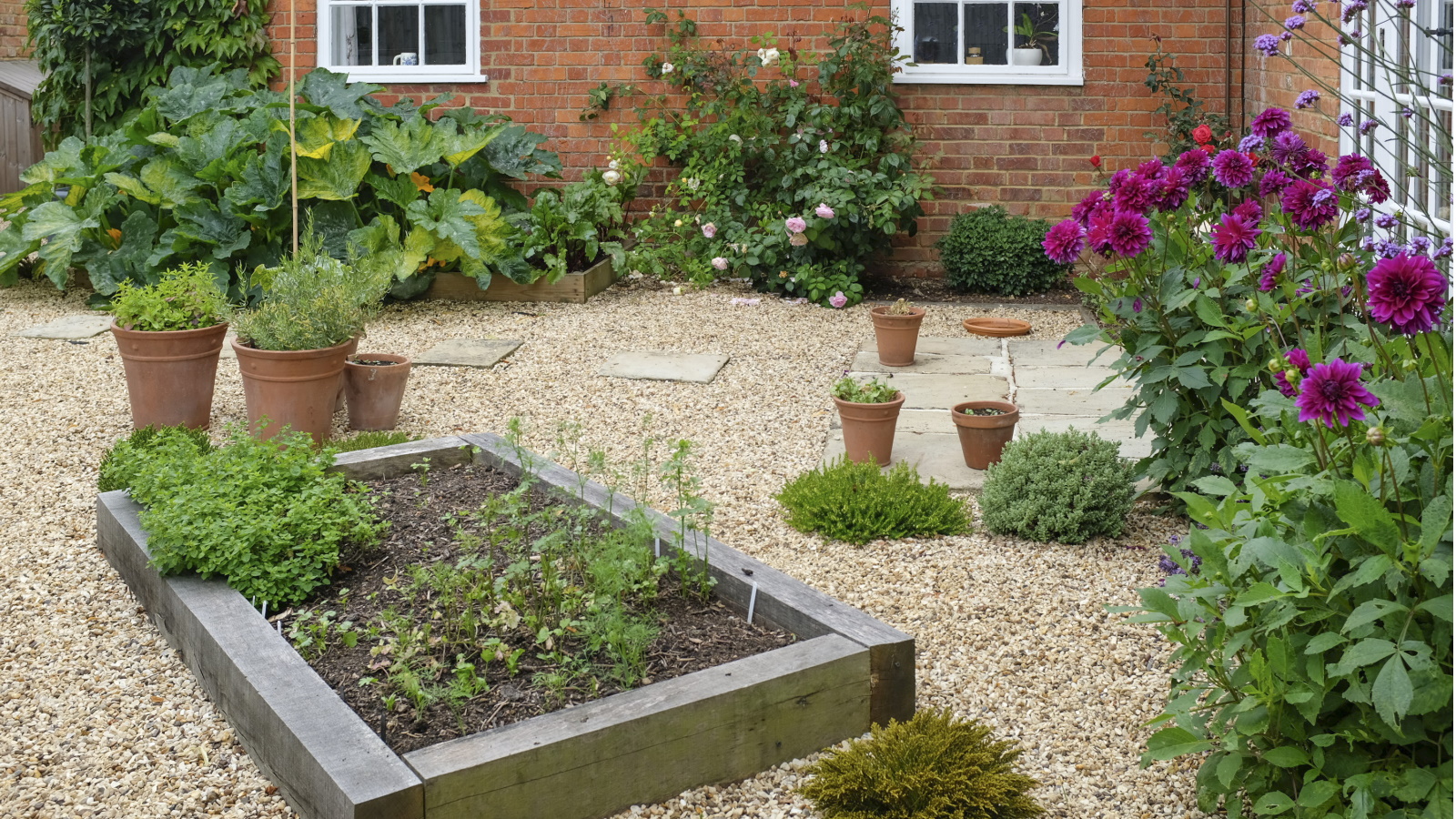
Patio vegetable garden ideas – 5 ways to grow your own in small outdoor living spaces
How to create an indoor garden when you’re short on space

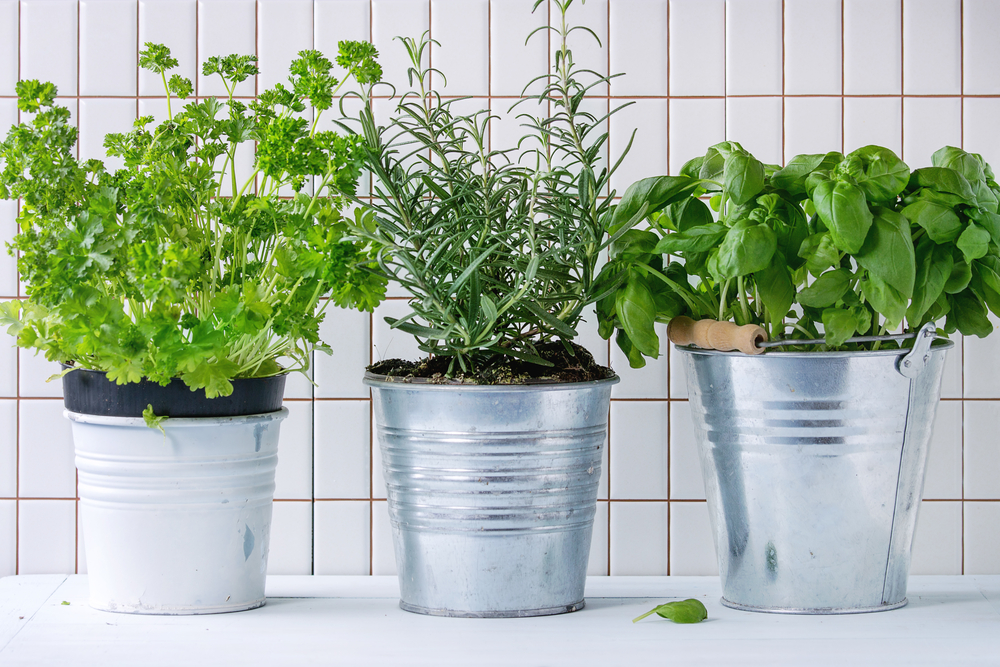
Starting an Herb Garden in a Small Apartment