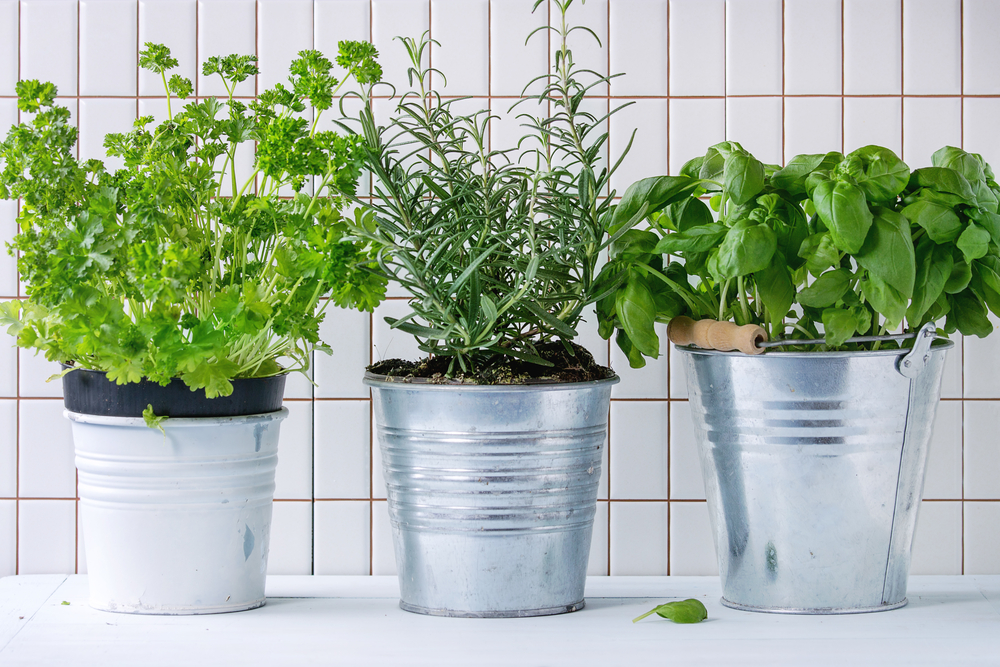
Starting an Herb Garden in a Small Apartment
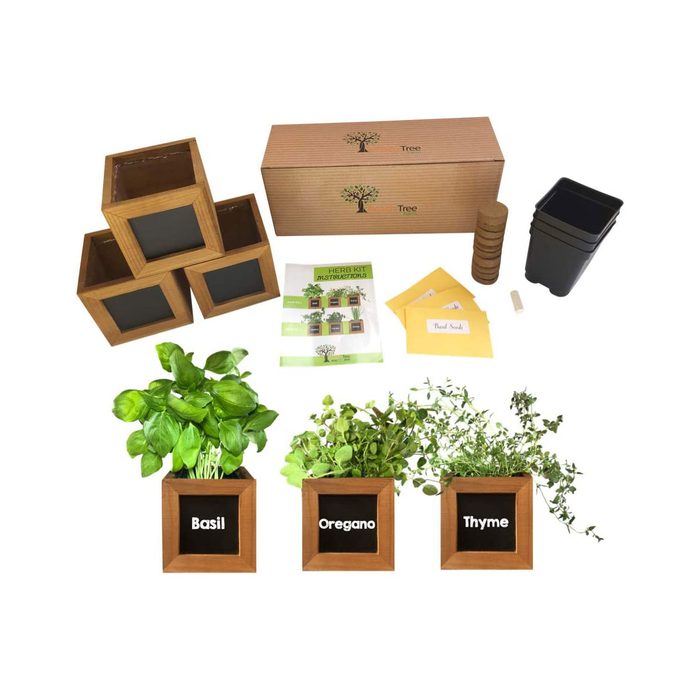
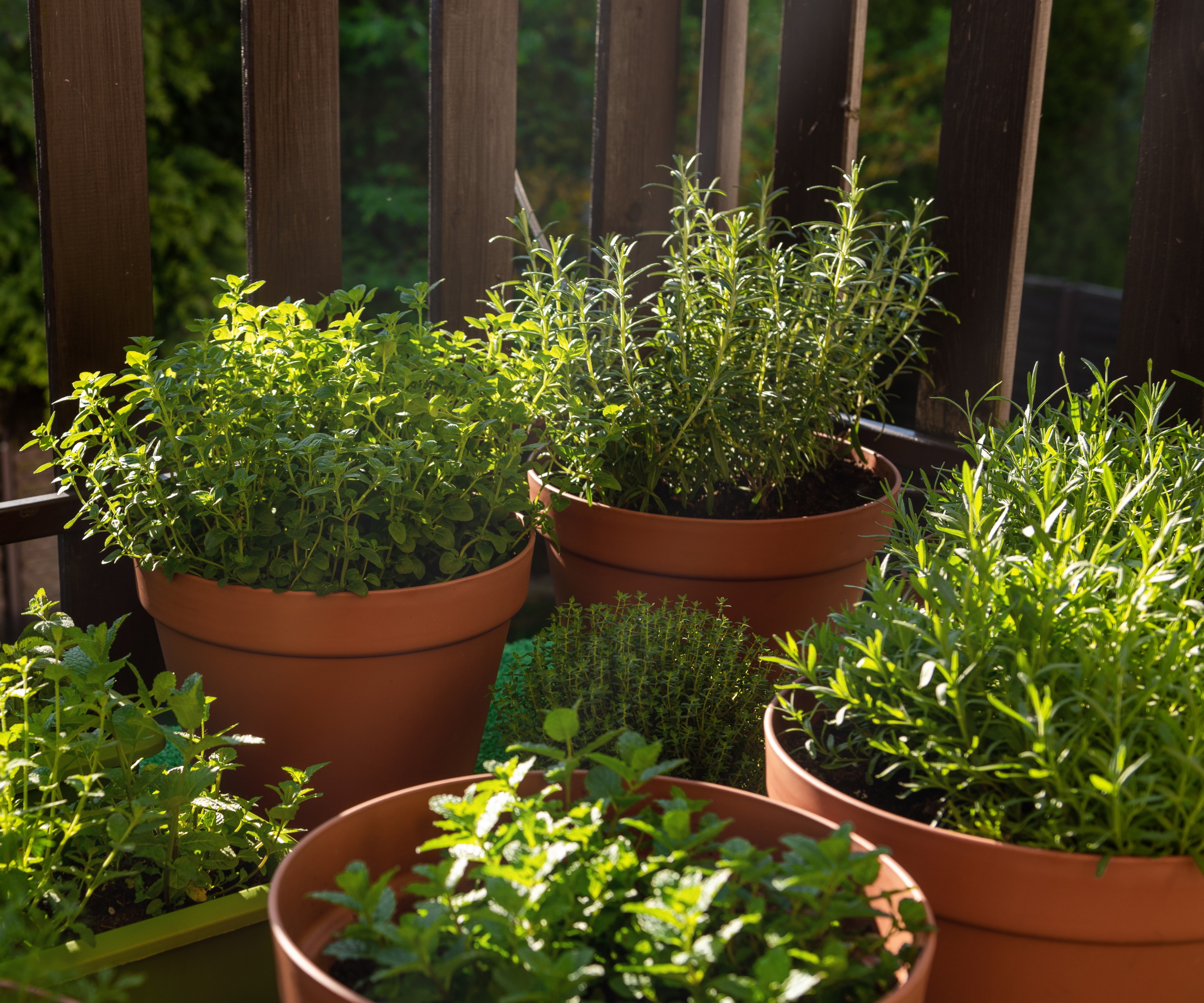
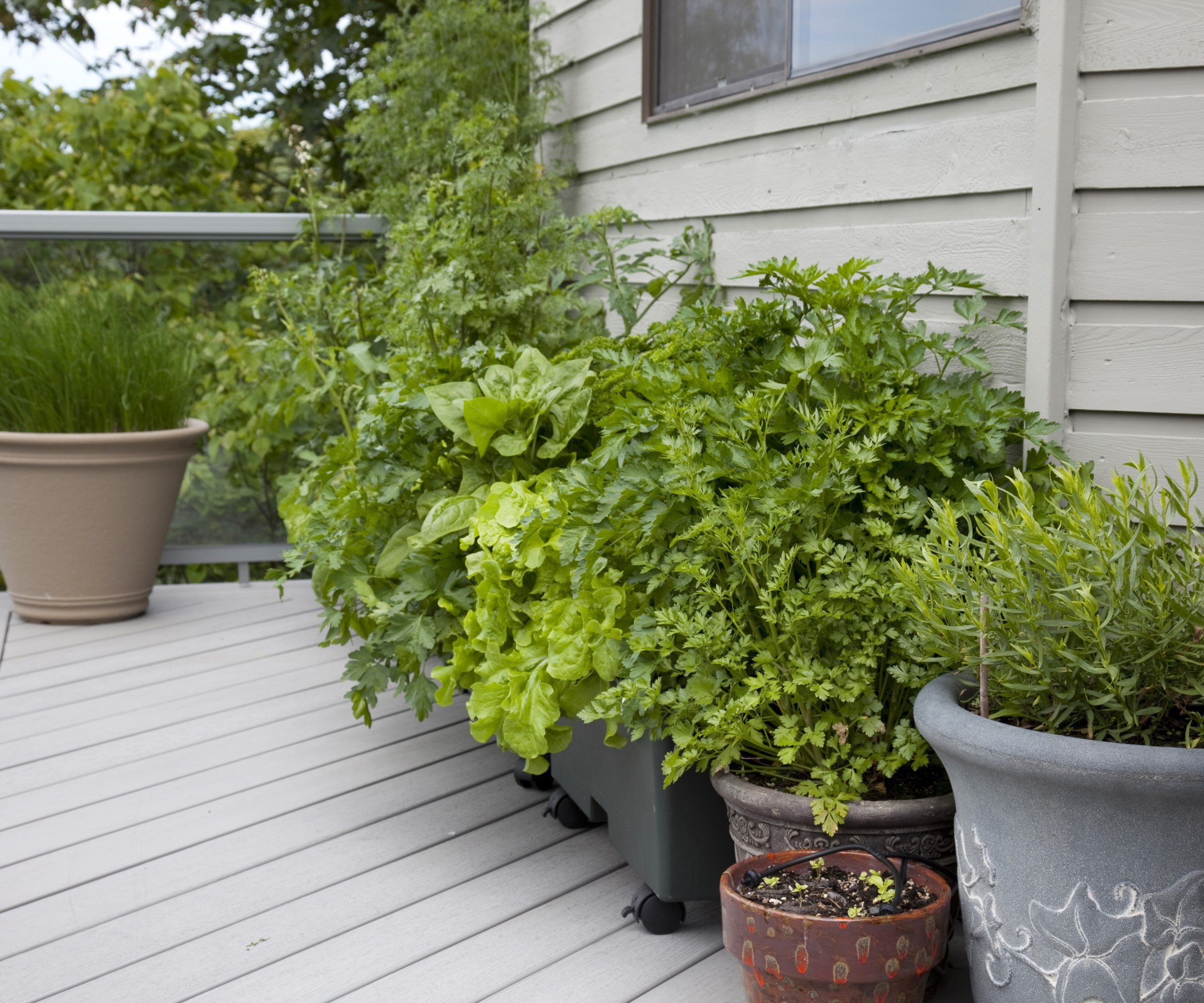
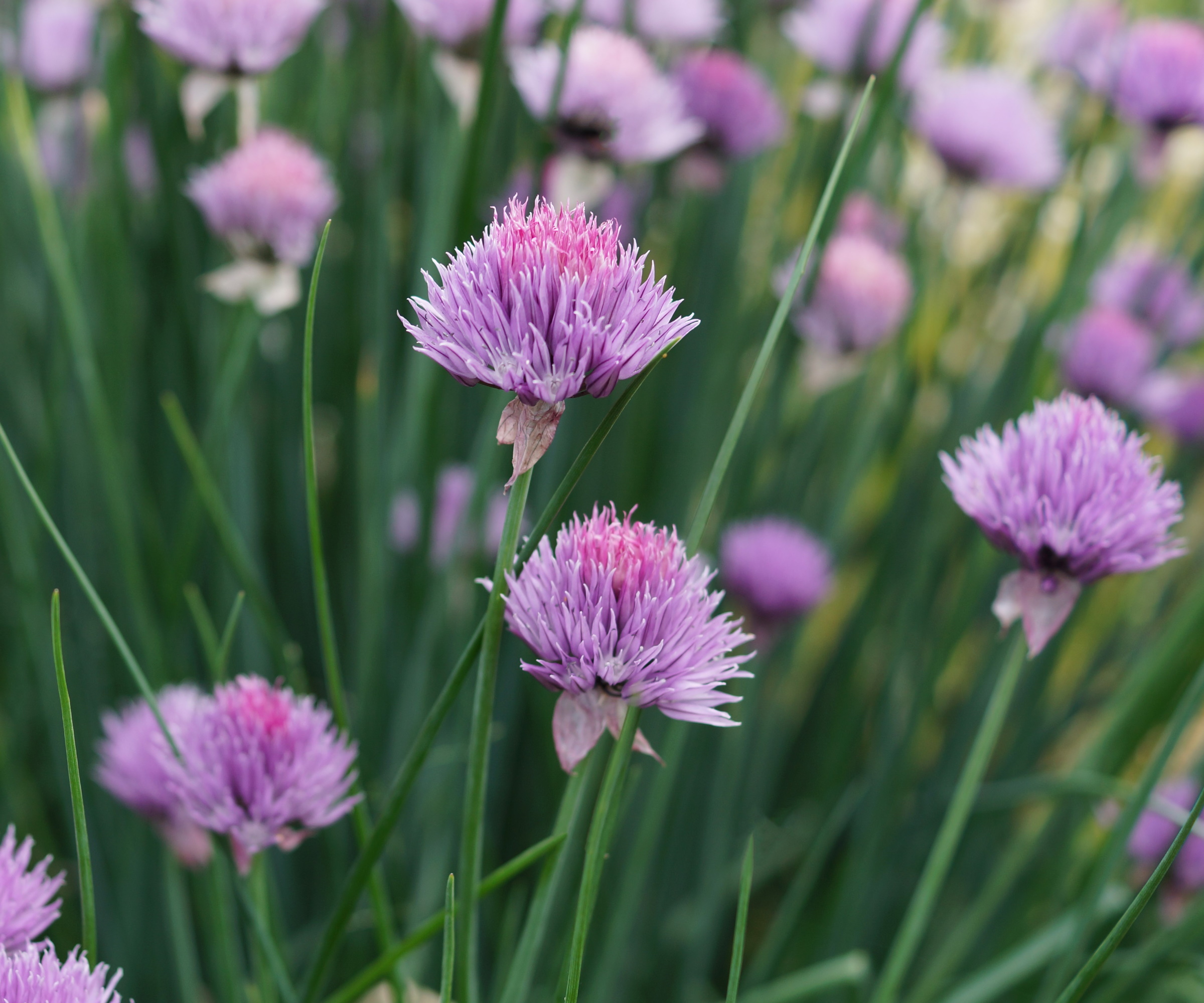
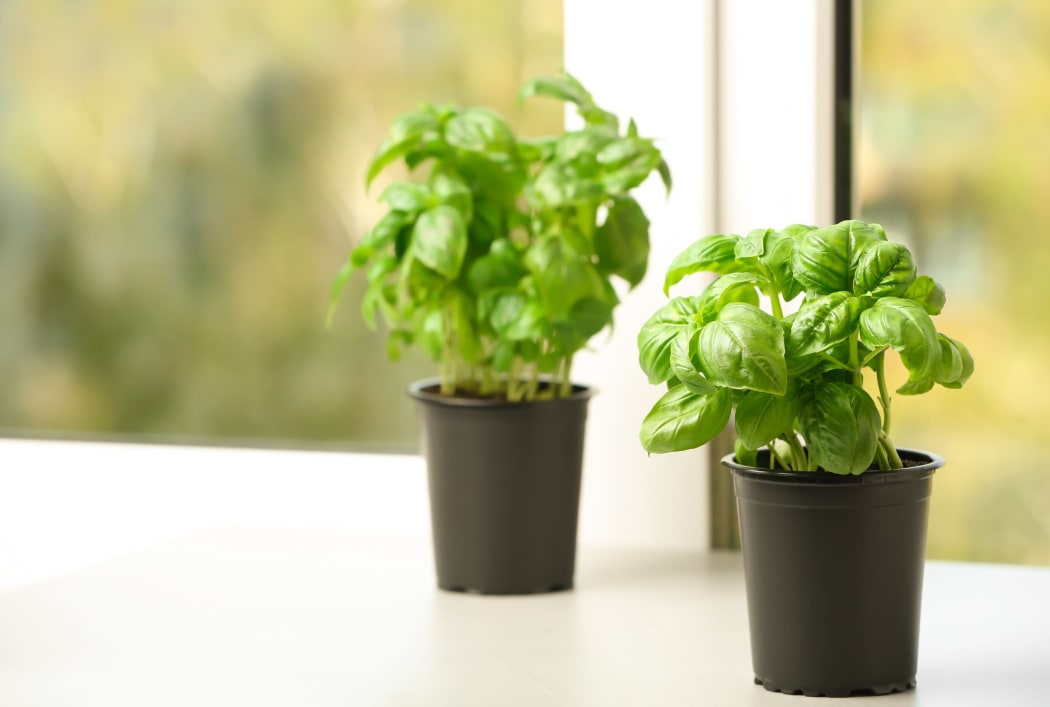
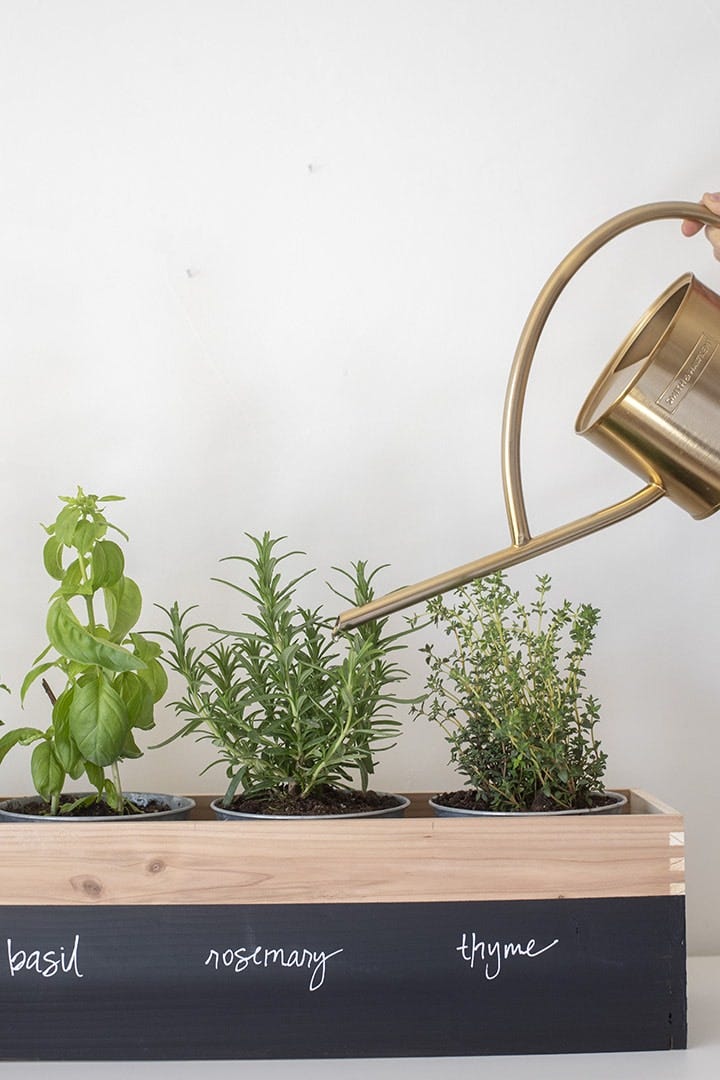
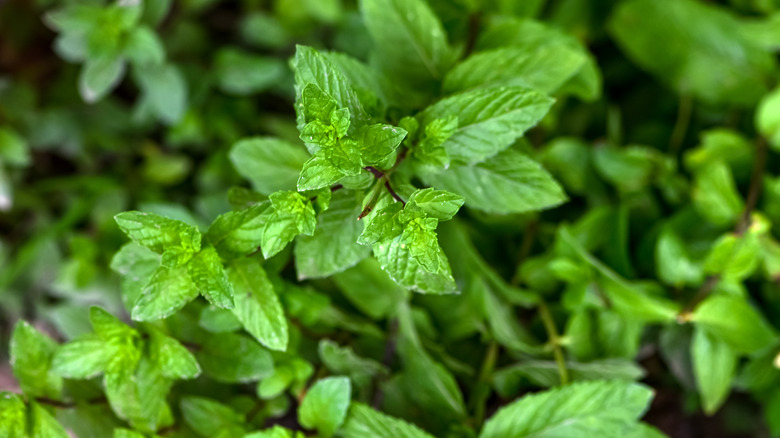
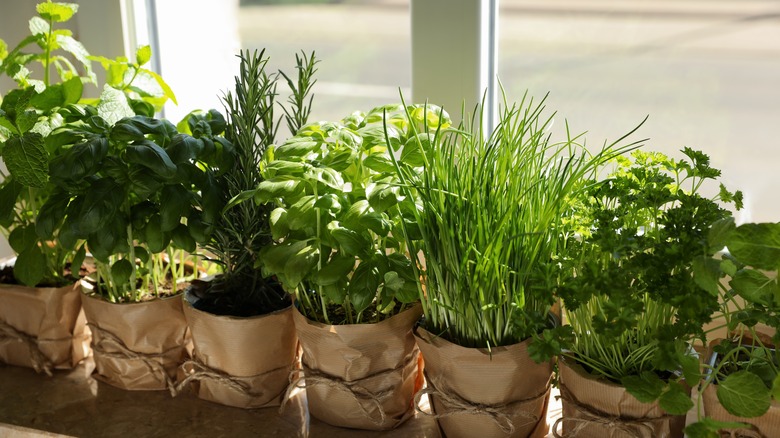
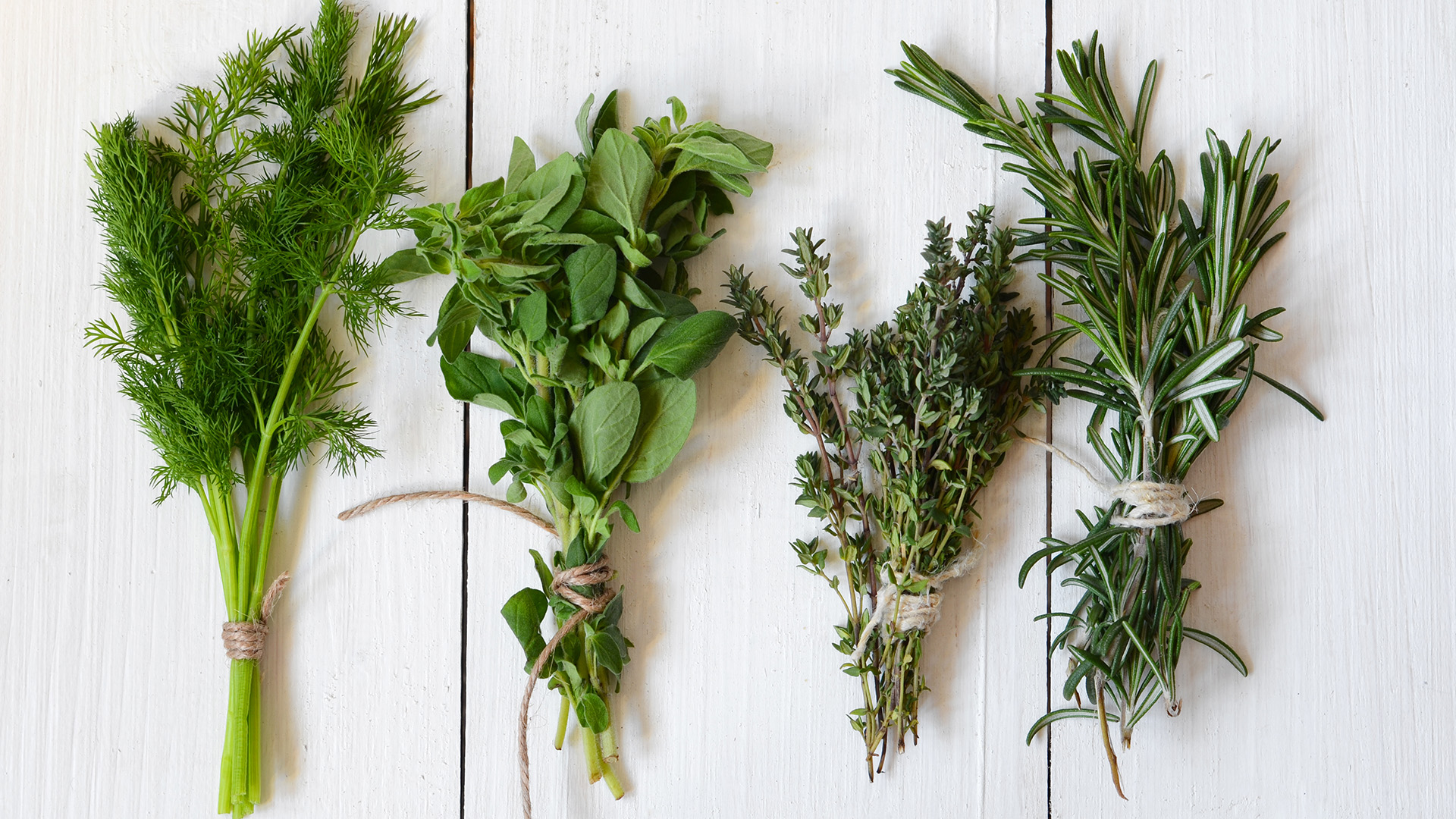
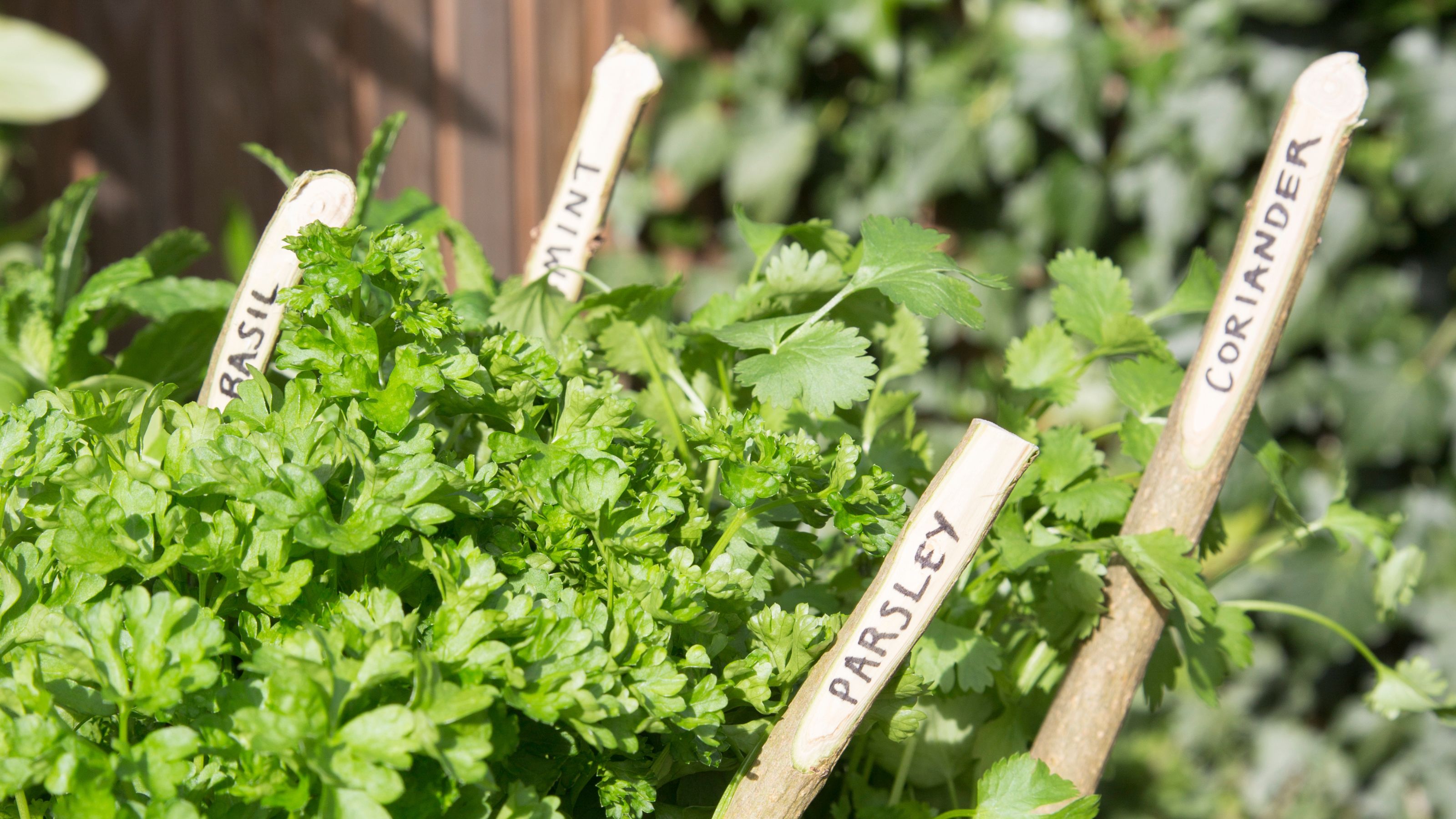
Cultivating an indoor herb garden is a practical approach to ensure a consistent supply of fresh culinary herbs throughout the year, even within the confines of a small apartment. The perception that limited space or insufficient natural light might hinder such an endeavor is unfounded, as effective strategies exist to overcome these challenges. The process begins with selecting suitable herbs, with popular choices including basil, chives, cilantro, dill, mint, oregano, parsley, rosemary, sage, and thyme. Each herb has specific care requirements regarding its propagation (from seeds, young plants, or cuttings) and growth patterns. For instance, mint thrives year-round, while basil requires more frequent replanting. Consideration for pets is also important, as some herbs can be toxic to animals. Researching recipes and storage methods for harvested herbs is recommended before starting.
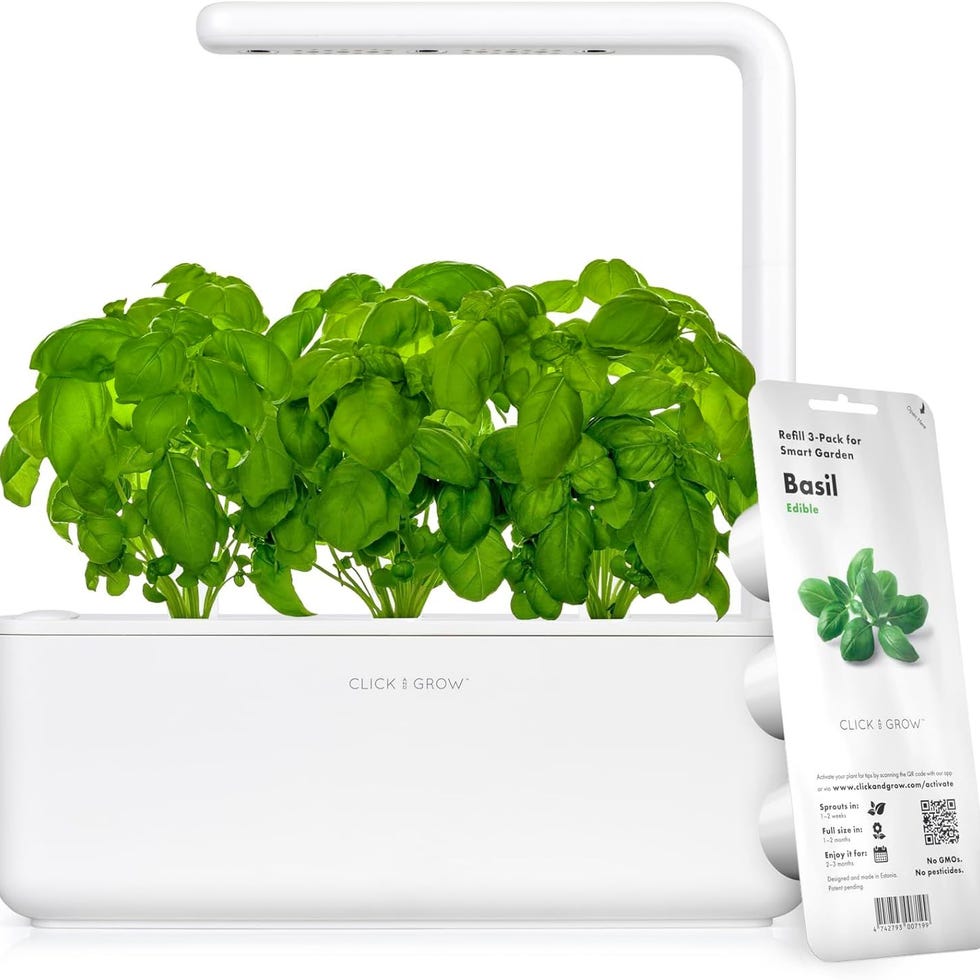
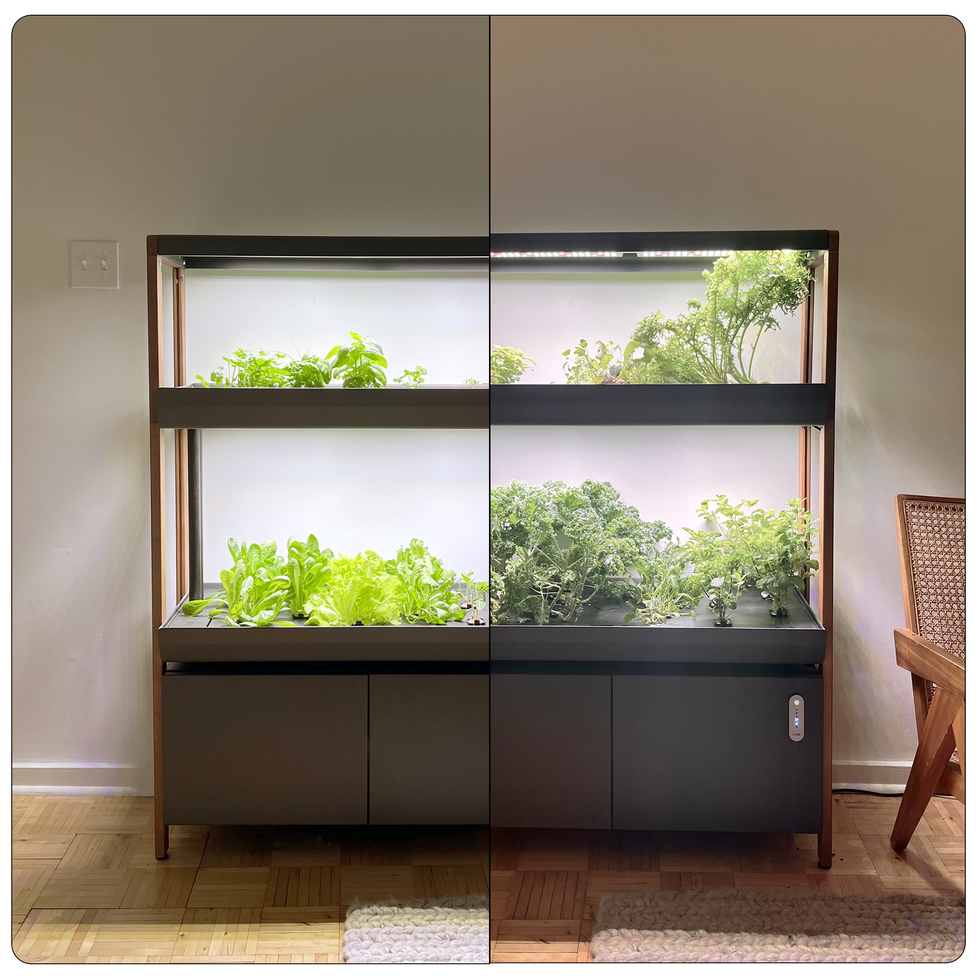
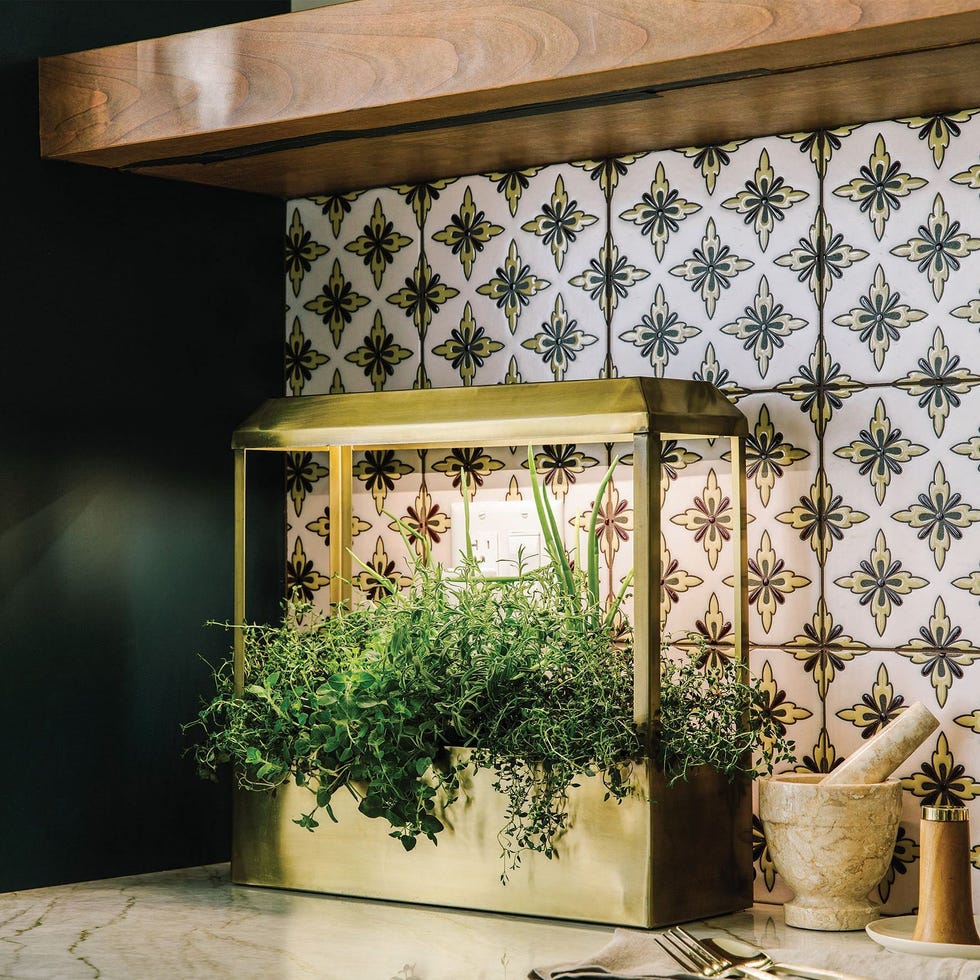
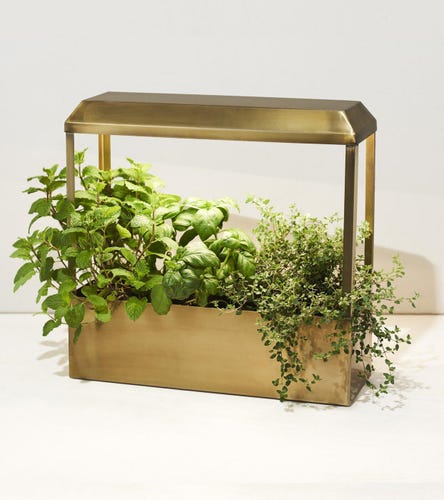
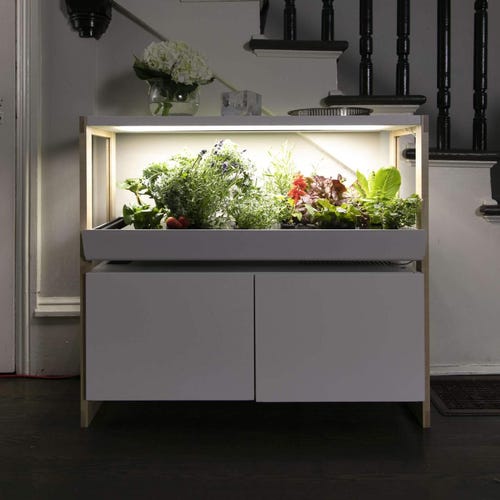
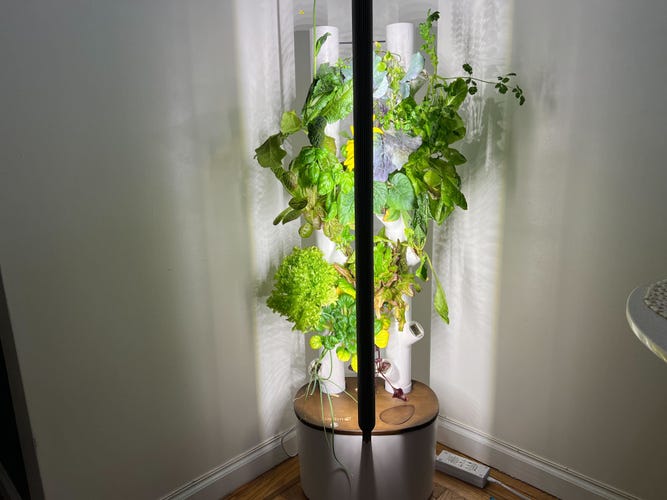
Indoor herb gardens offer flexibility in placement due to the availability of grow lights, which provide a full spectrum of light unlike typical household lighting. These lights often include built-in timers, can be plugged into standard outlets, and come in various forms such as floor lamps, table lamps, clip-on lights, or hanging fixtures. Some kits even combine self-watering systems with integrated grow lights. This technology allows for significant versatility in choosing a location within an apartment, making almost any area viable for an herb garden.
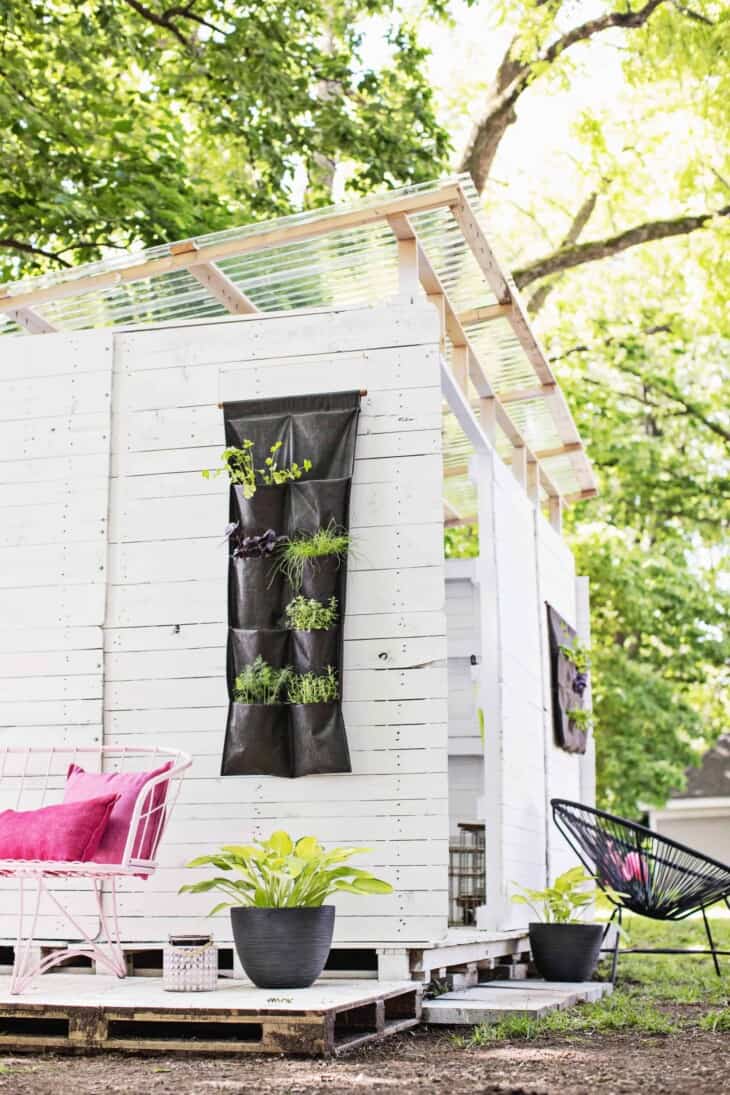
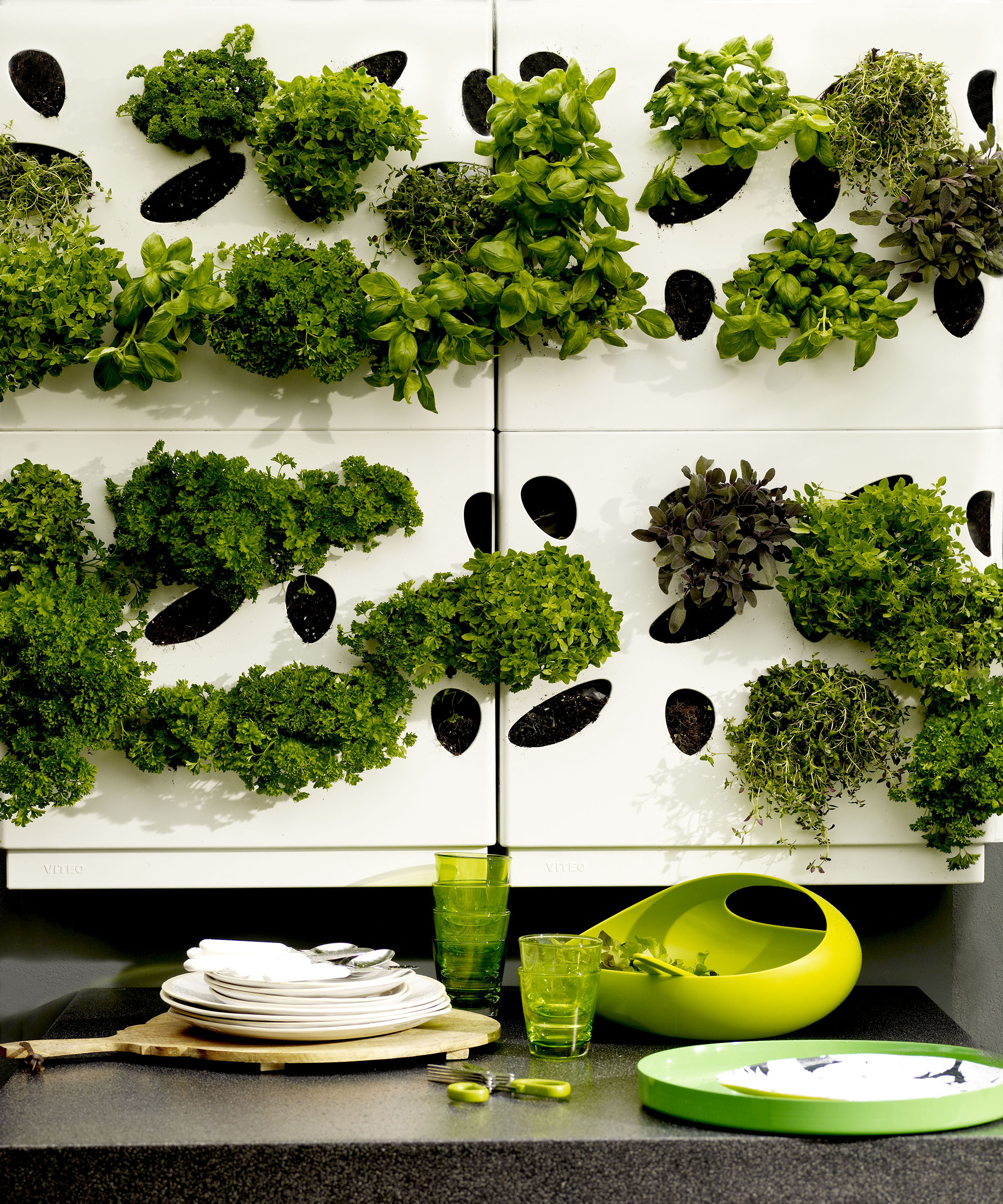
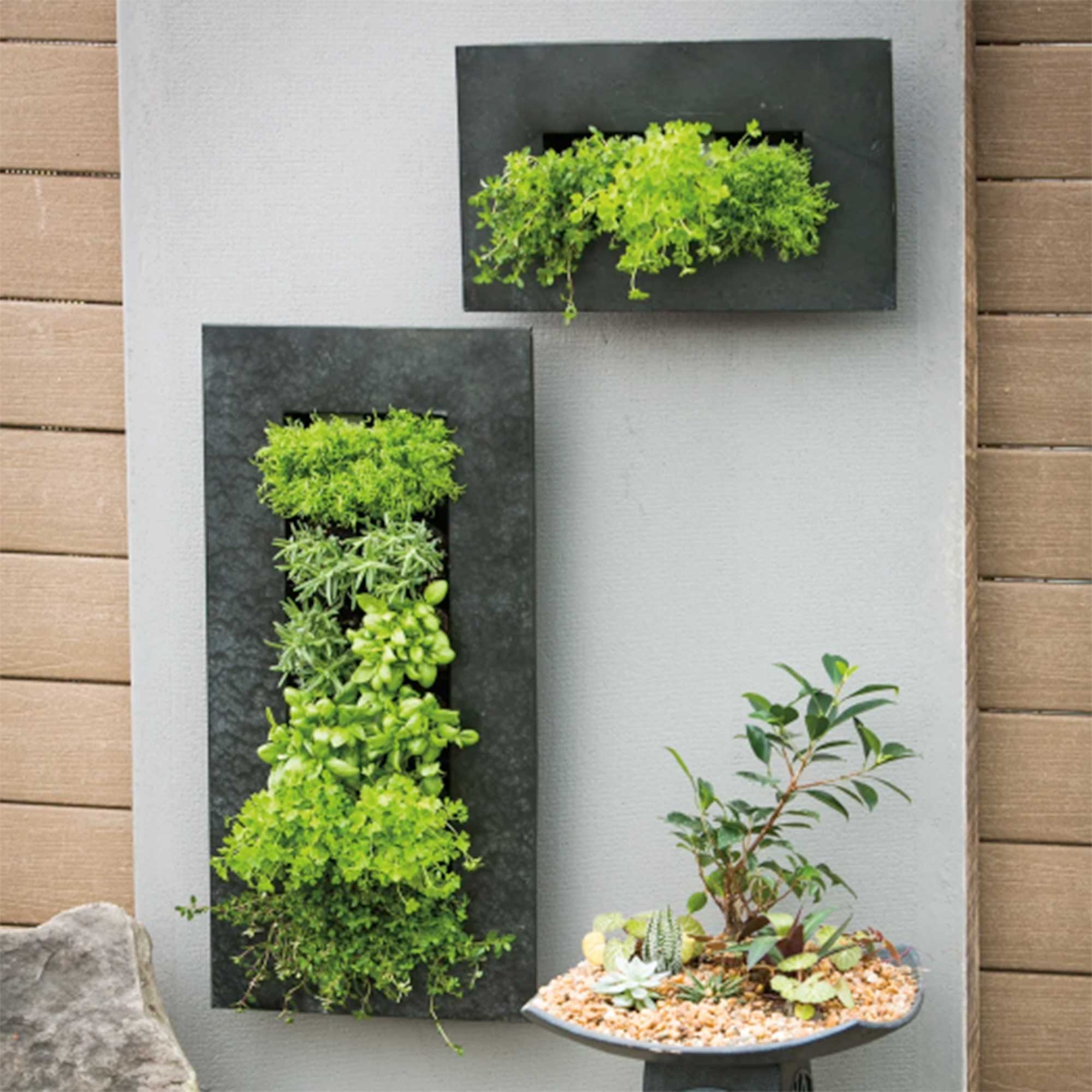
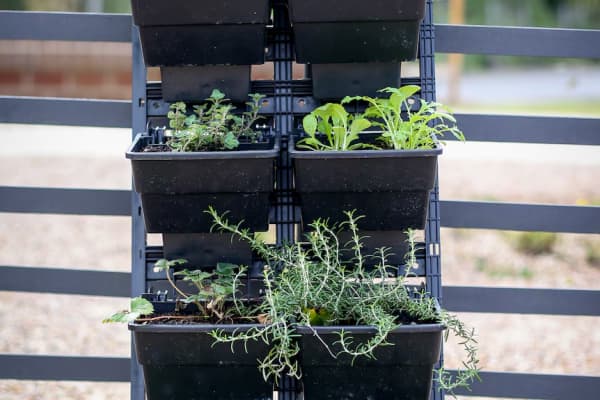
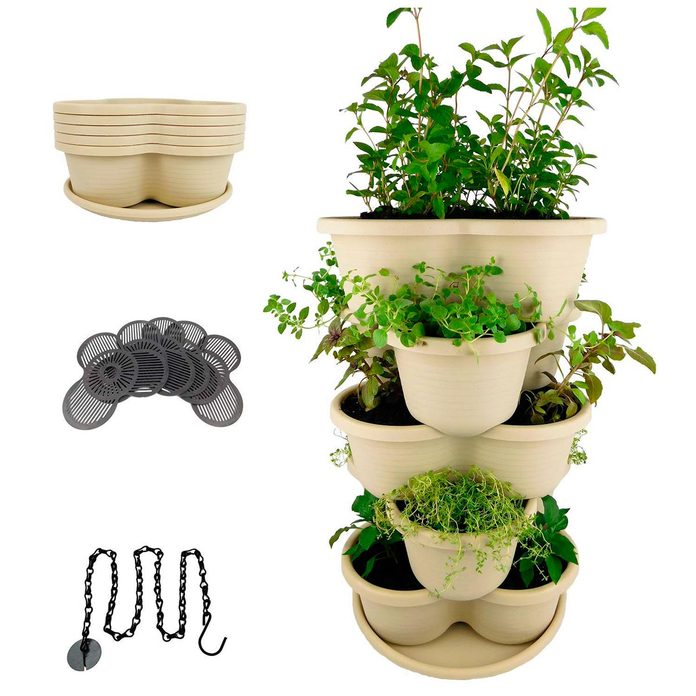
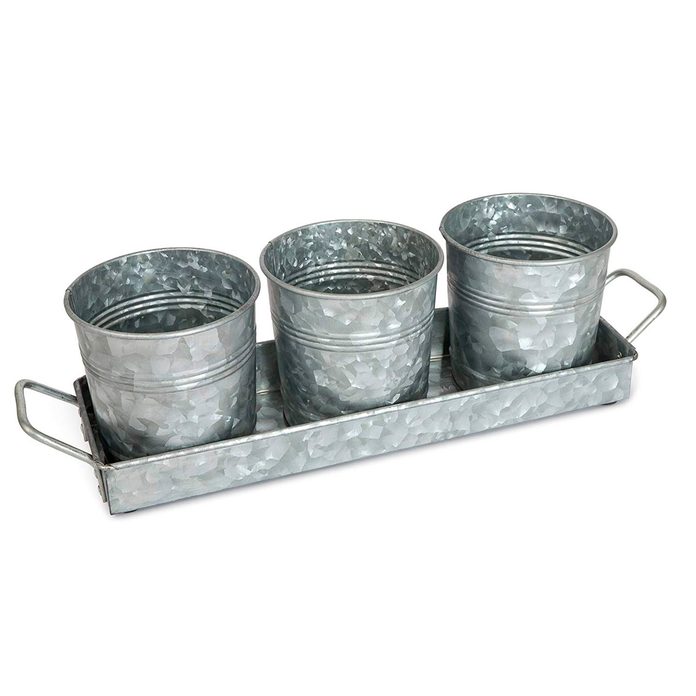
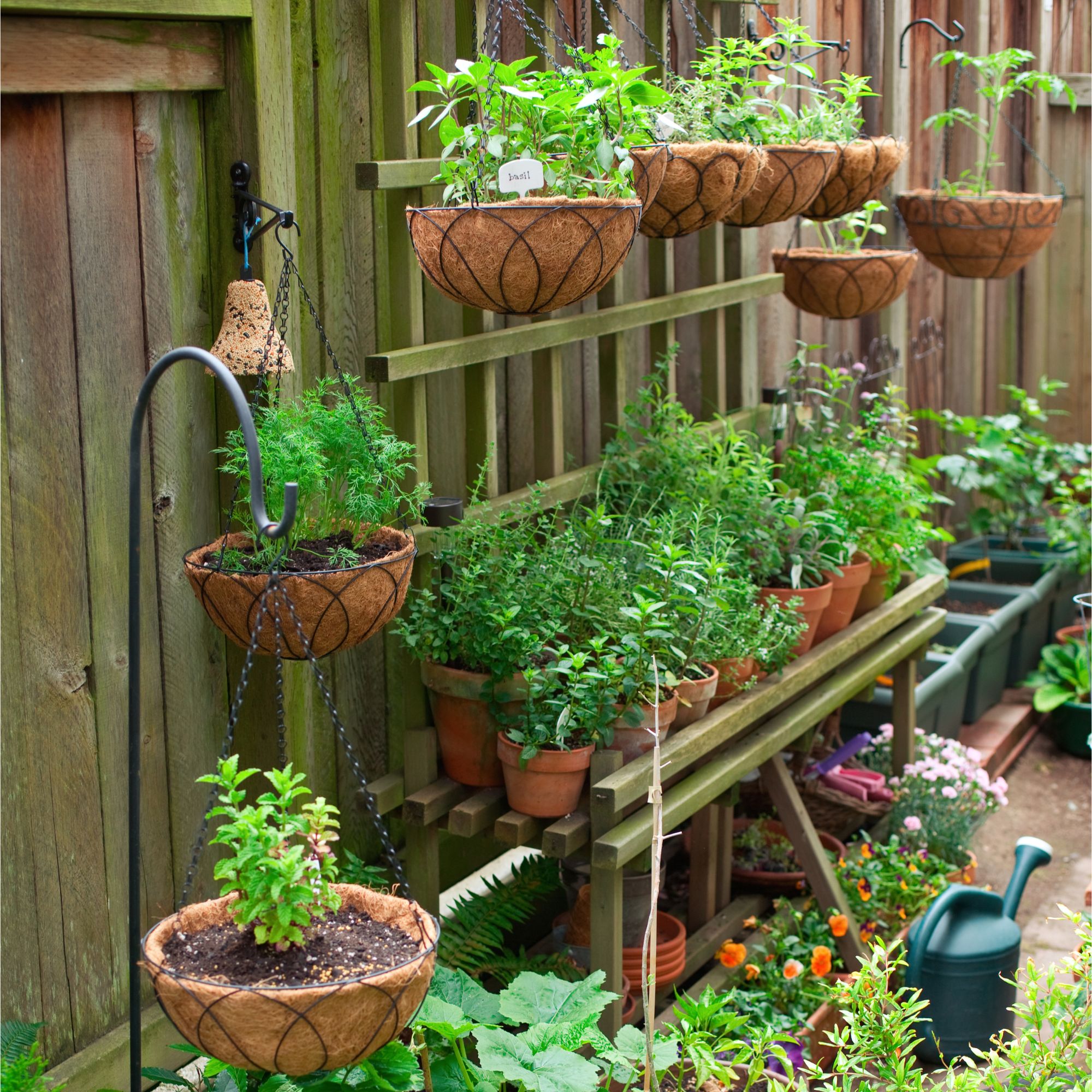
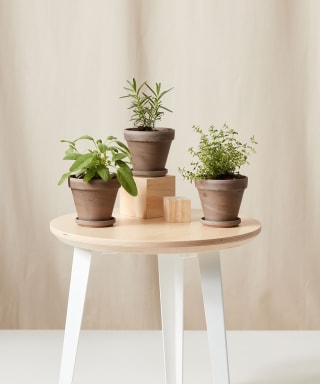
To address the premium on space in small apartments, several creative solutions can be employed. These include using suction-cup pots or shelves on windows, repurposing stepladders for plant display, hanging planters from wall hooks or ceilings, utilizing stools or tiered shelves near windows, or incorporating vertical garden frames. Wine-bottle grow kits also offer a compact and aesthetic option.
Maintaining the health of indoor herbs and ensuring a bountiful harvest depends on adhering to specific care guidelines for each plant. Light is a critical factor; most herbs require at least six hours of sunlight daily. South-facing windows typically offer the brightest natural light, while east and west-facing windows provide cooler, less consistent light. Grow lights are beneficial, especially during winter months with shorter daylight hours, and should generally be kept on for 12–16 hours daily. Regular watering is also essential, with a general guideline being to water when the top 1–2 inches of soil feel dry. Tracking watering frequency or using self-watering kits can prevent overwatering. Finally, vigilance against pests like spider mites and mealybugs, and diseases such as mildew and root rot, is necessary. Planting herbs in individual pots and avoiding overcrowding can help prevent these issues. These measures enable apartment dwellers to successfully cultivate and enjoy fresh herbs.
#HerbGarden #ApartmentLiving #IndoorGardening #HomeDecor #SmallSpaceSolutions #ContainerGardening #UrbanGardening #GrowLights #HerbGarden #ApartmentLiving #IndoorGardening #HomeDecor #SmallSpaceSolutions #ContainerGardening #UrbanGardening #GrowLights
0 comment in total
 No comments yet
You may also like
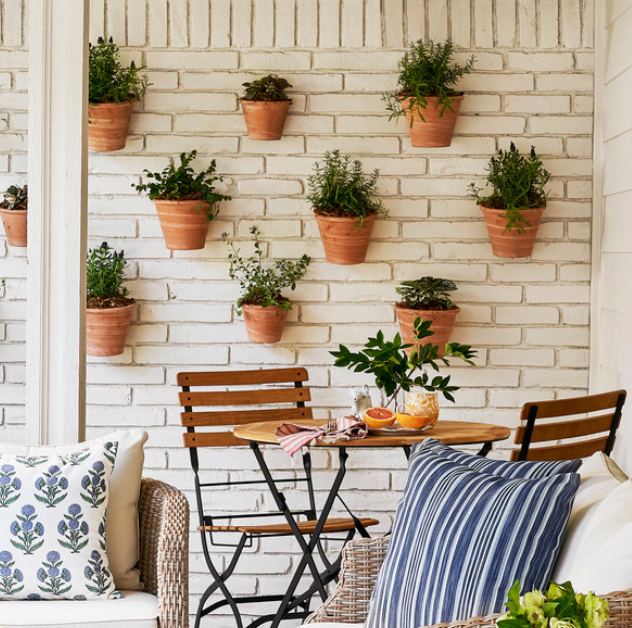
The Easiest DIY Herb Garden Ideas for Any Space

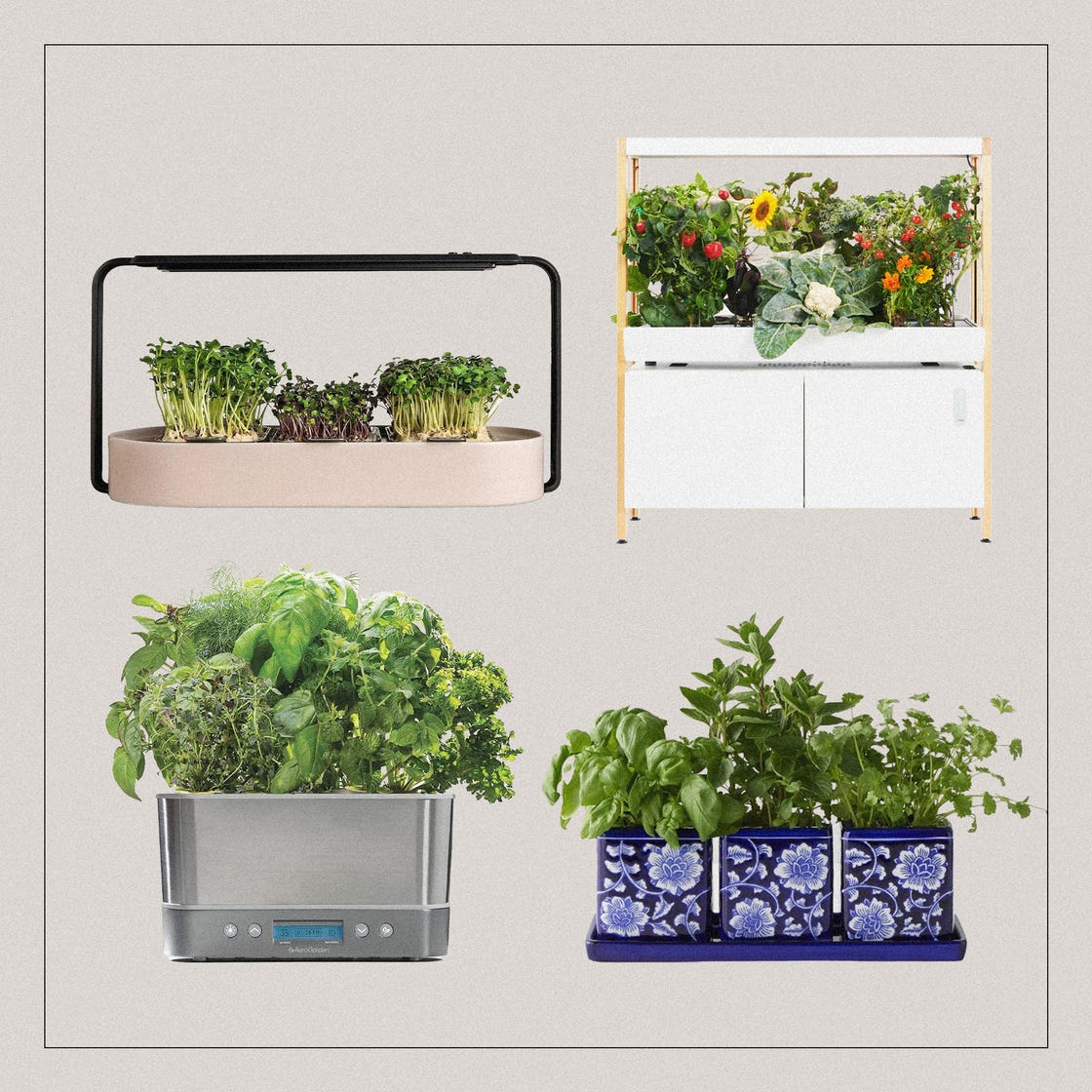
These Indoor Herb Gardens Will Help You Save Space and Time in the Kitchen

6 Plants That Professional Stagers Say Will Actually Help You Sell Your Home

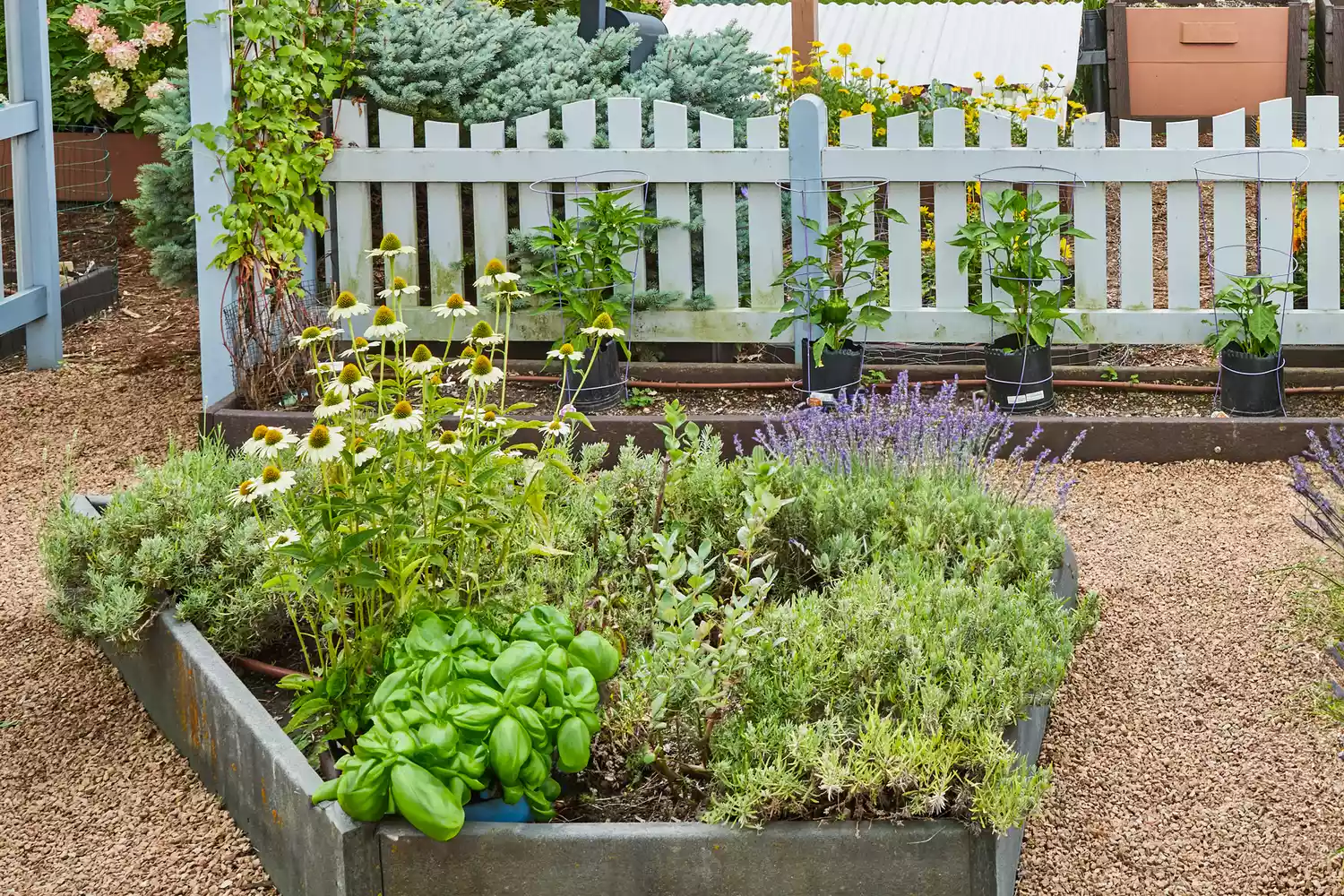
38 Clever Herb Garden Ideas for Indoor or Outdoor Spaces

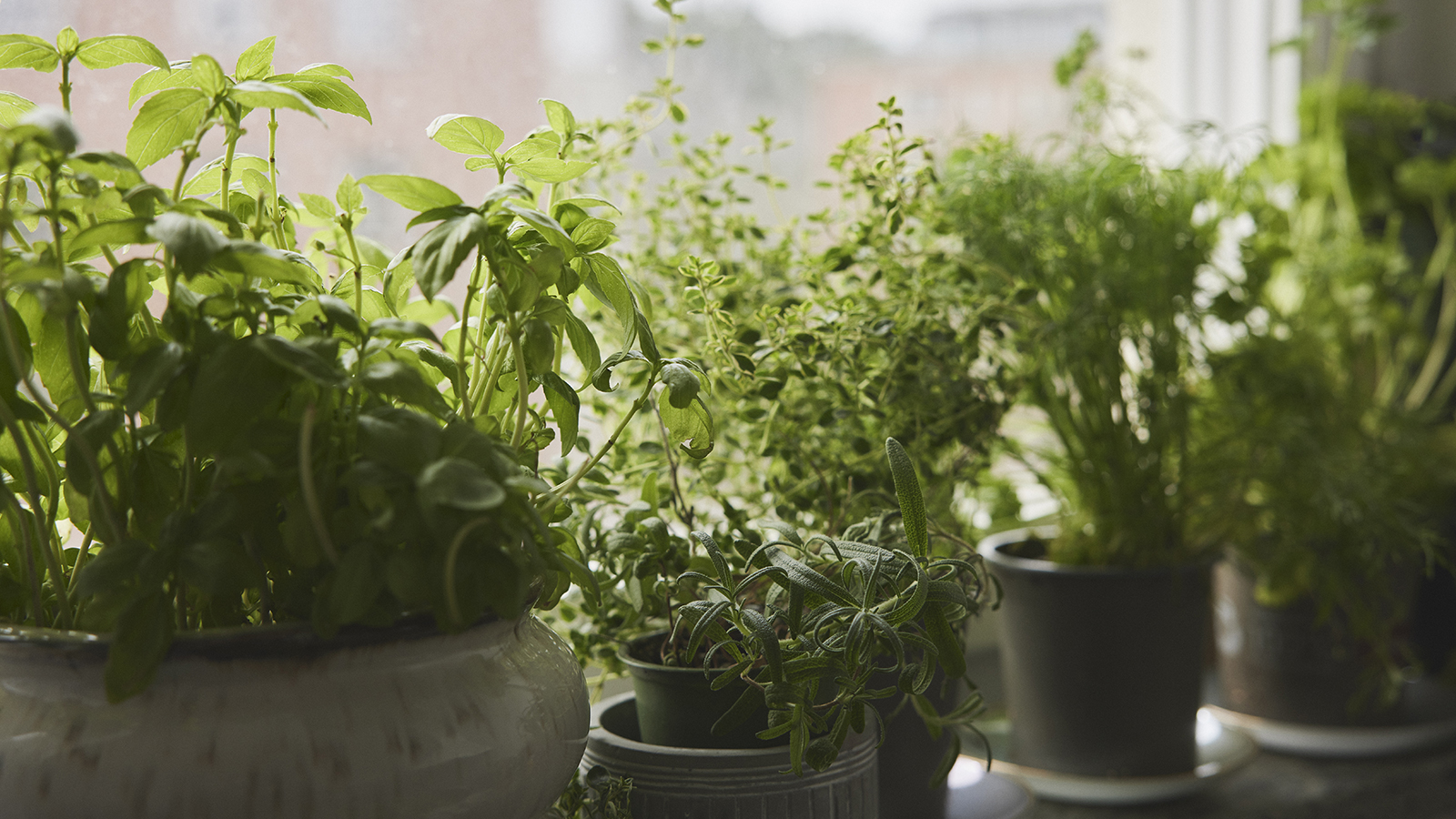
Indoor herb garden ideas – how to display herbs artfully and practically in your home

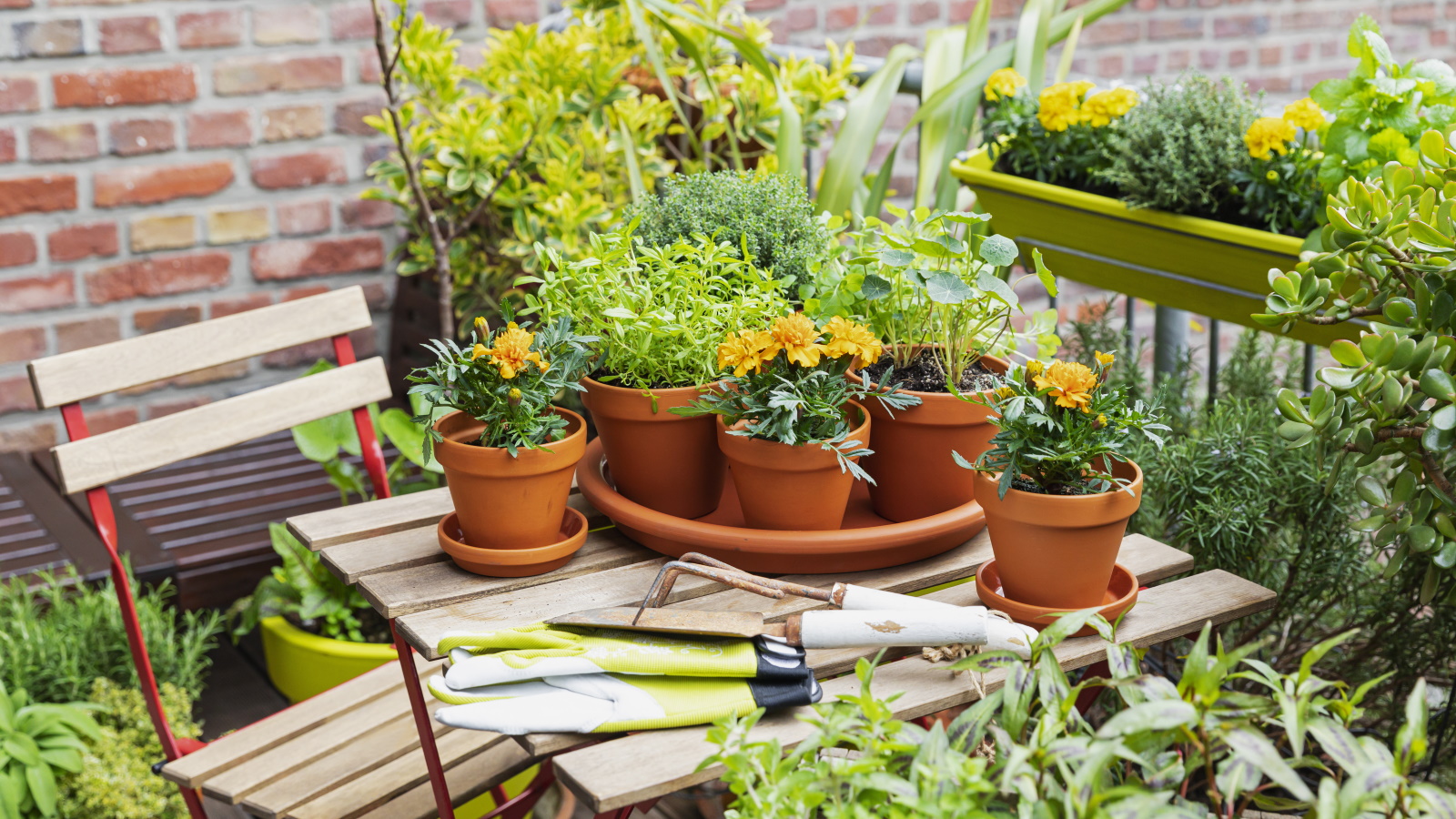
How to create a balcony herb garden – for a floral and fragrant outside space
13 Ways To Have Plants In A Small Apartment Or Other Living Space

Easy garden ideas – 34 low-maintenance ways to enhance your outdoor space
Short on space for a herb or veggie garden? Think vertically

Growing microgreens and herbs on your window sill
Best Indoor Smart Gardens for 2026

25 Houseplants Perfect For Your Kitchen Window
12 Hacks to Make Growing Your Own Herbs a Breeze
16 herb garden ideas for productive (and beautiful!) beds, borders and planters
7 Houseplants Minimalists Never Grow—They Just Get Too Unruly, Pros Say

11 best low-maintenance indoor plants

10 Best Herb Garden Planters and Kits of 2025

How to create an indoor garden when you’re short on space

Budget-Friendly Ways to Transform Your Small Garden Into a Dreamy Oasis

These Creative DIY Herb Garden Ideas Will Have You Cooking in No Time