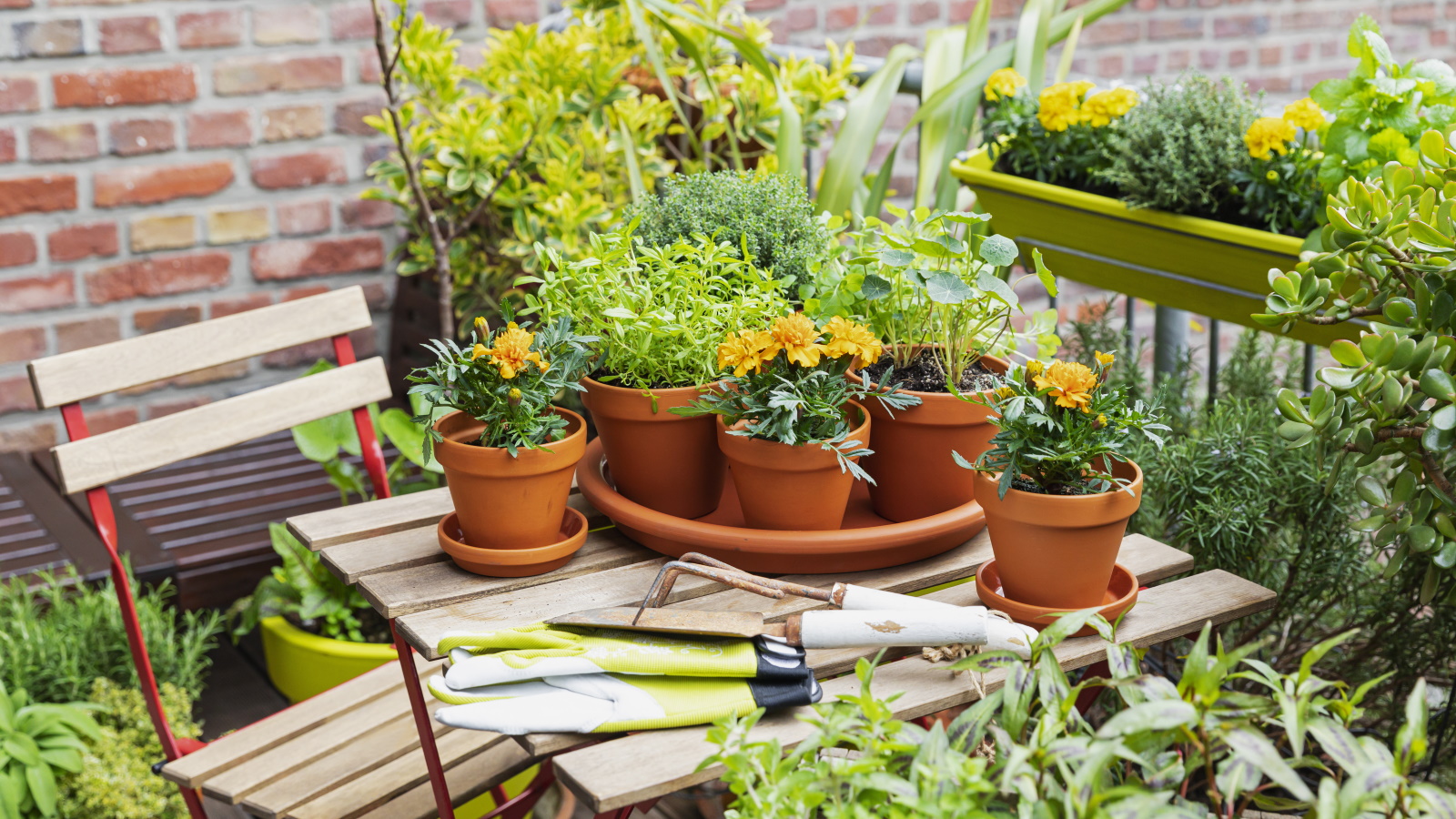
1/5
How to create a balcony herb garden – for a floral and fragrant outside space
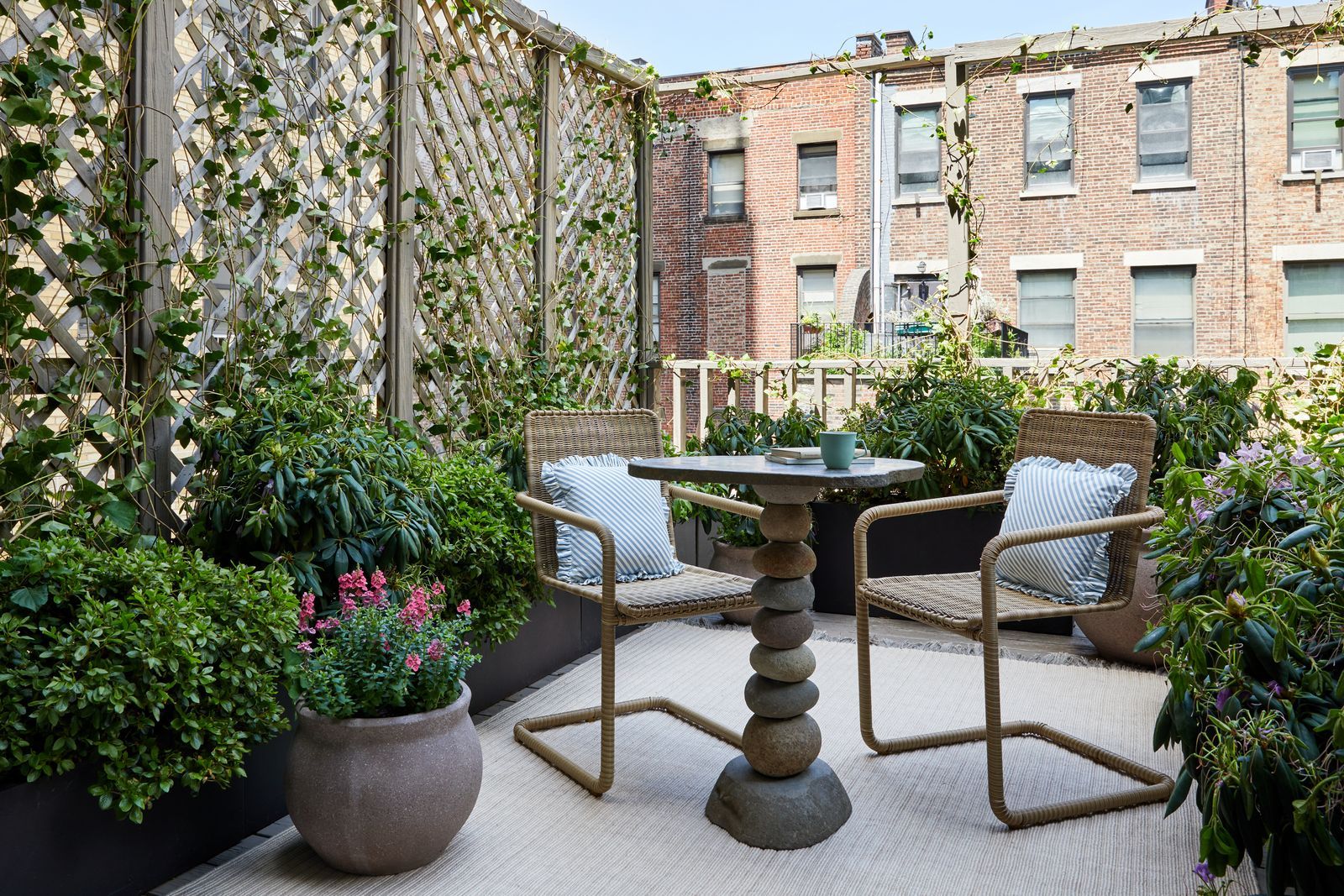
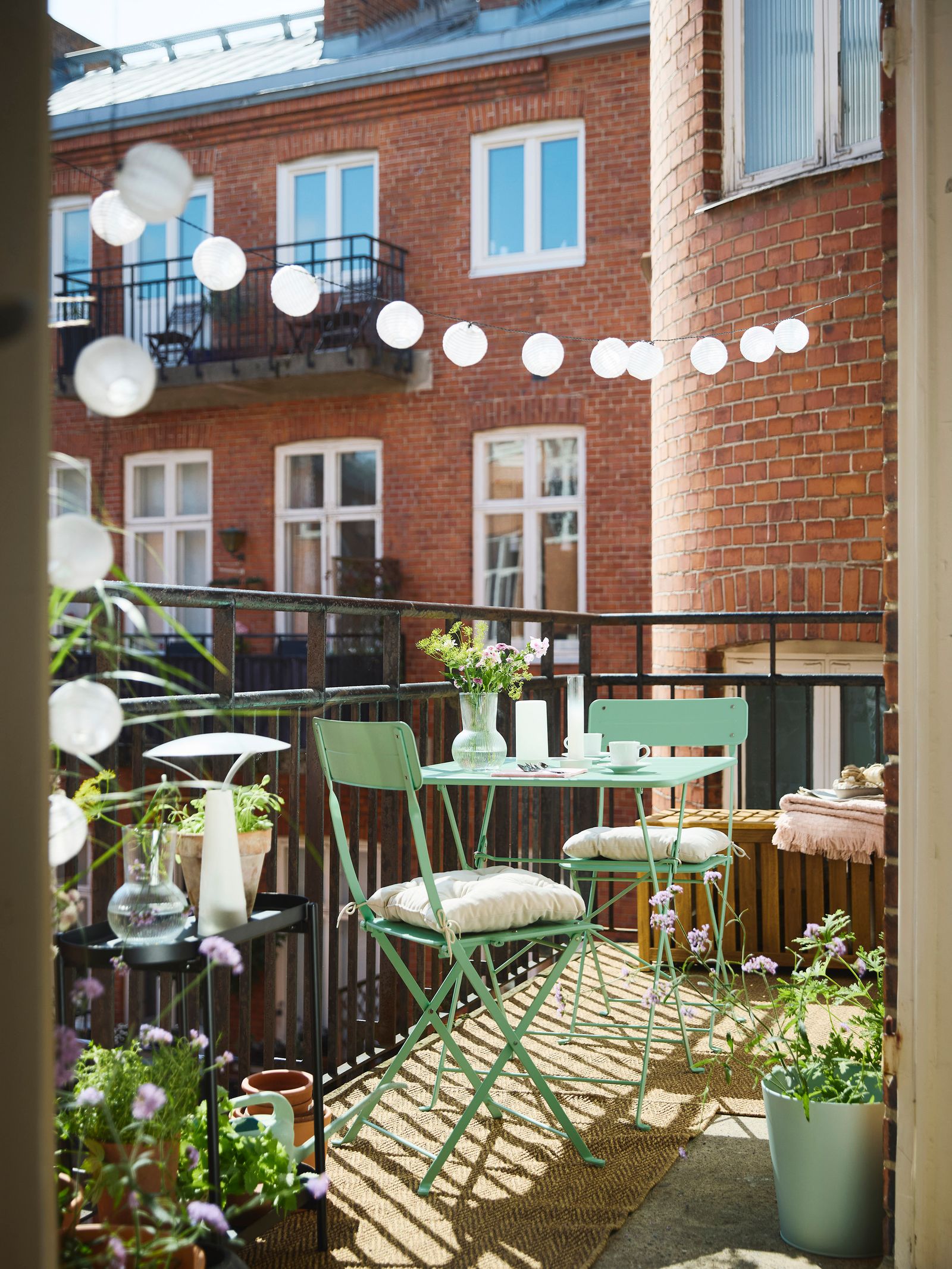
Cultivating a balcony herb garden is an excellent approach to growing fresh, aromatic, and culinary herbs, even when outdoor space is limited. This guide provides comprehensive advice for both novice and experienced gardeners on transforming a balcony, patio, or terrace into a thriving herb haven. It emphasizes the versatility of herbs, noting that many varieties exist that are suitable for diverse growing conditions, including full sun or shade, and possess various medicinal, culinary, and aromatic properties.
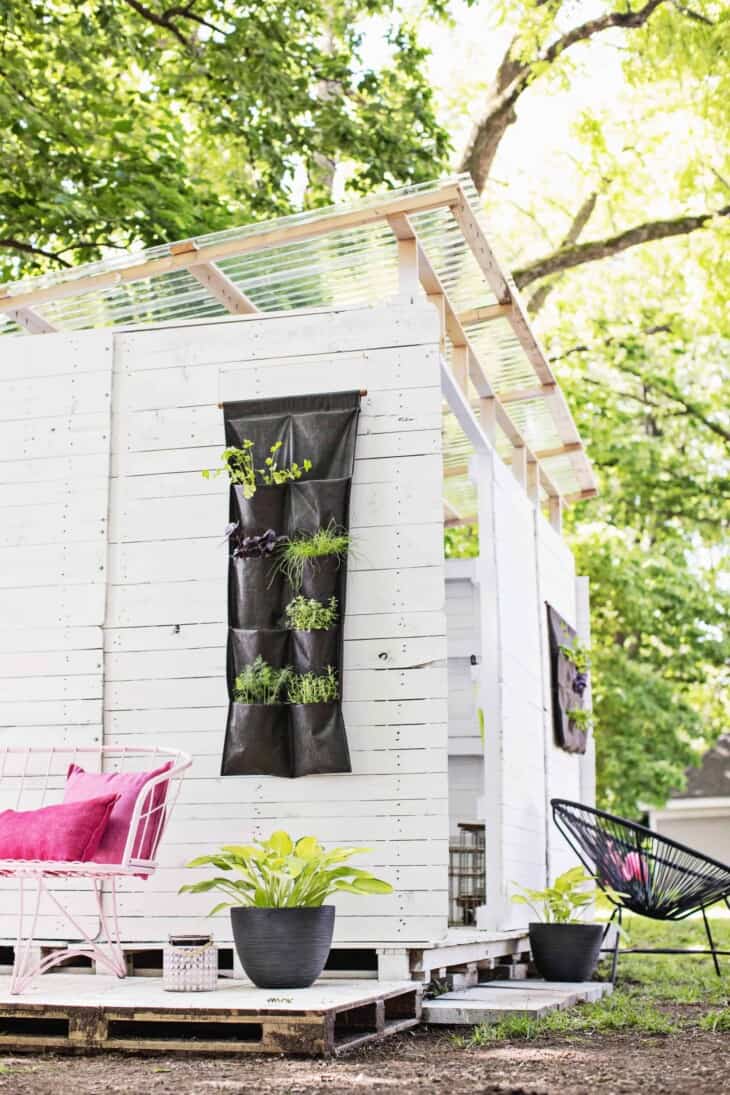
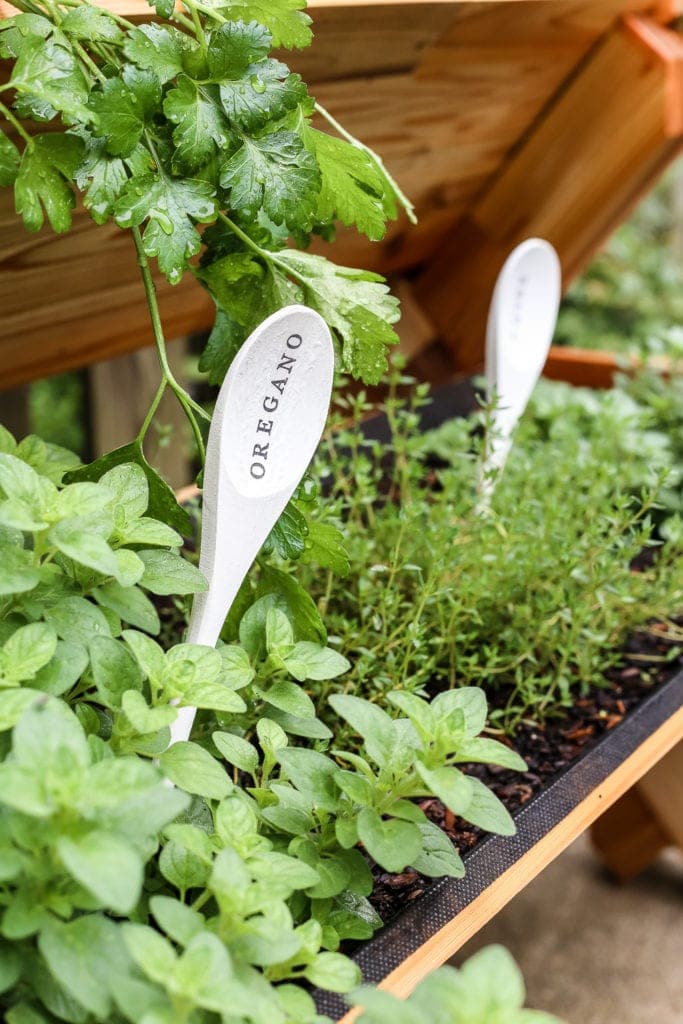
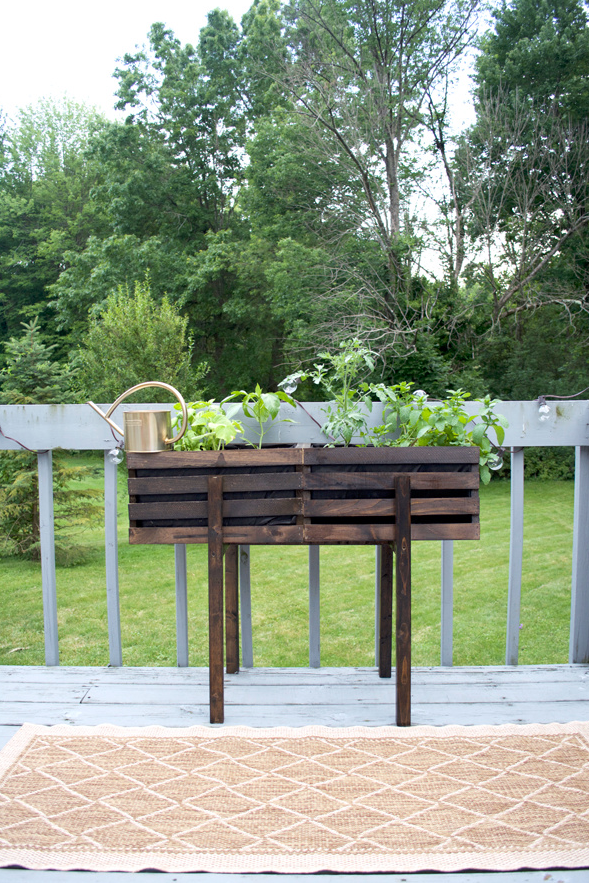
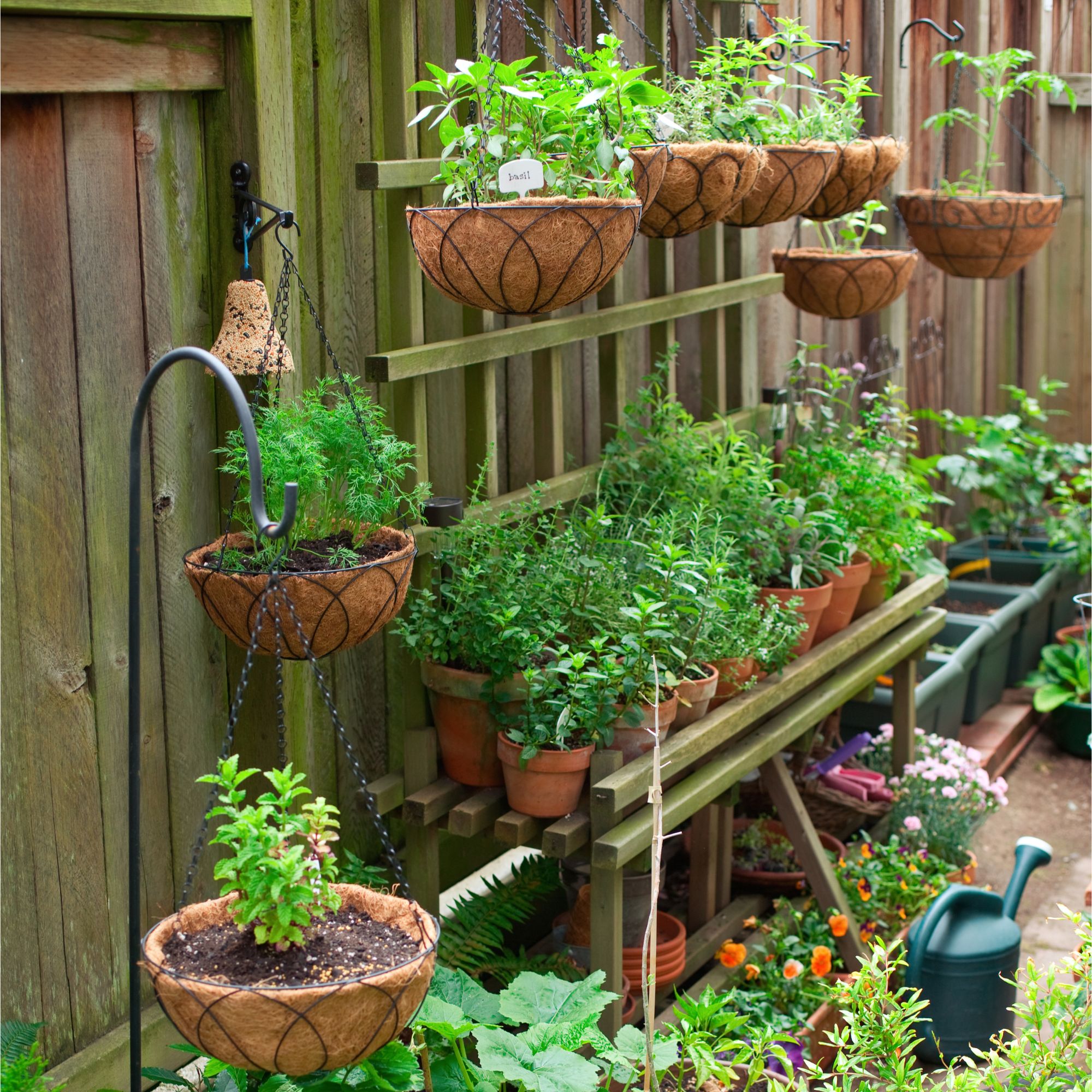
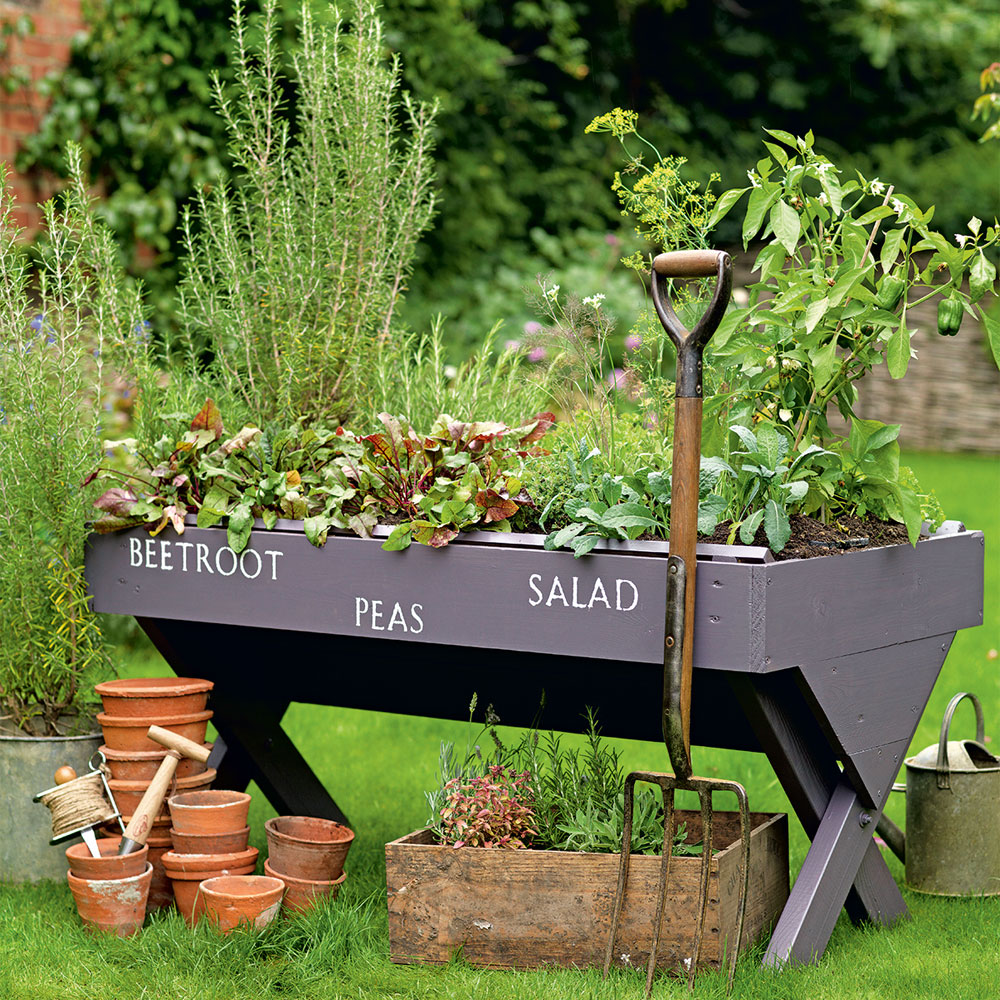
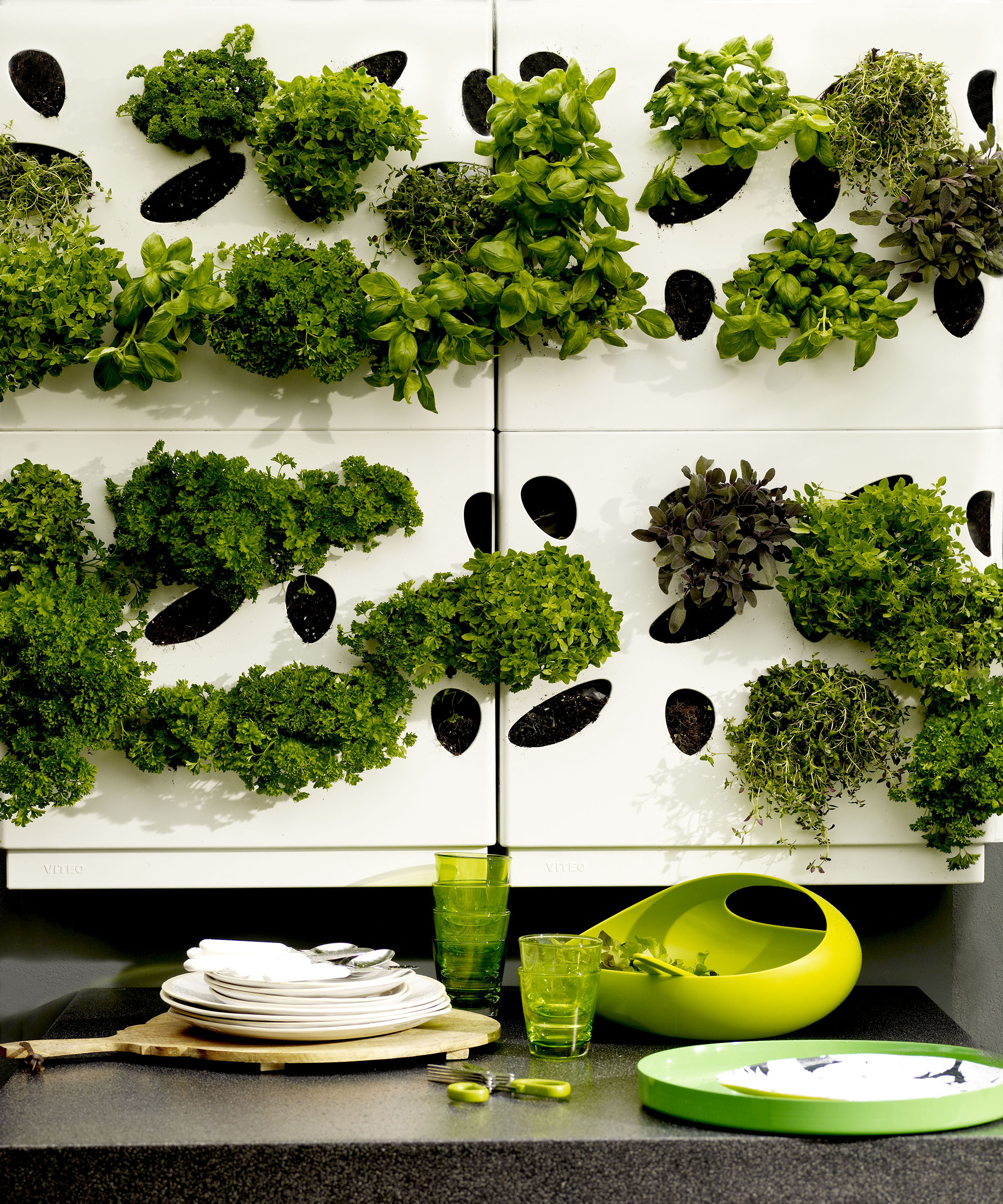
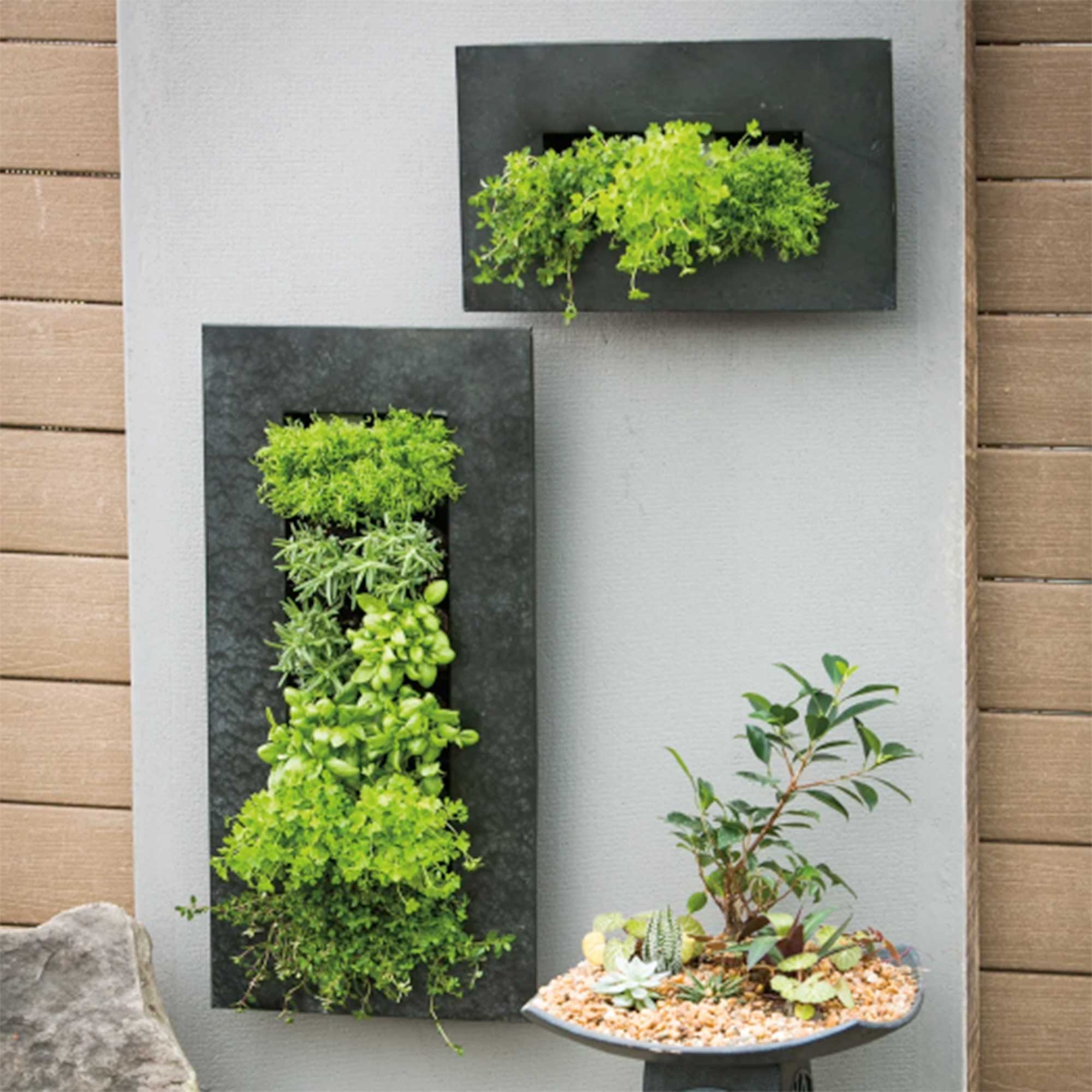
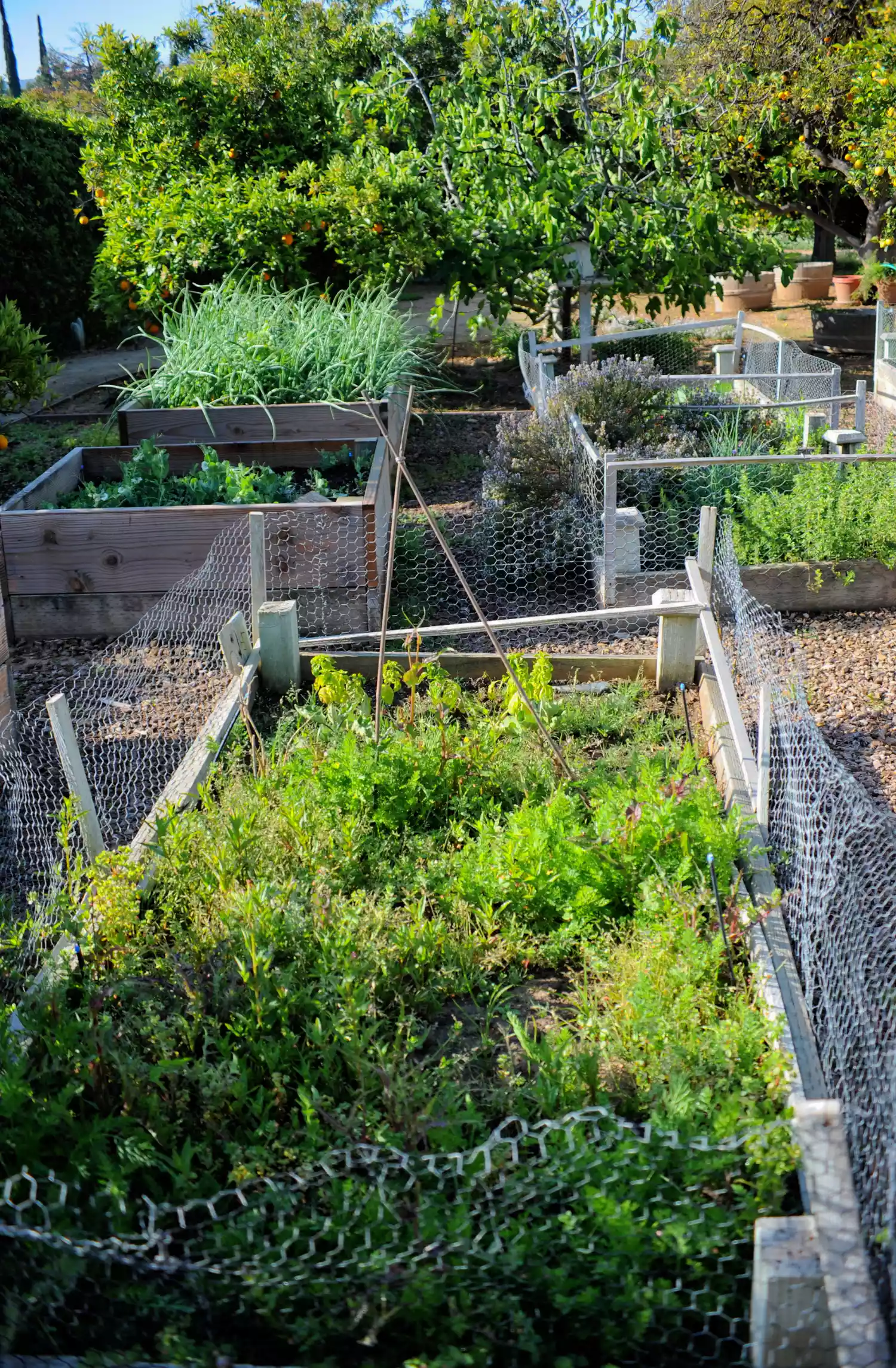
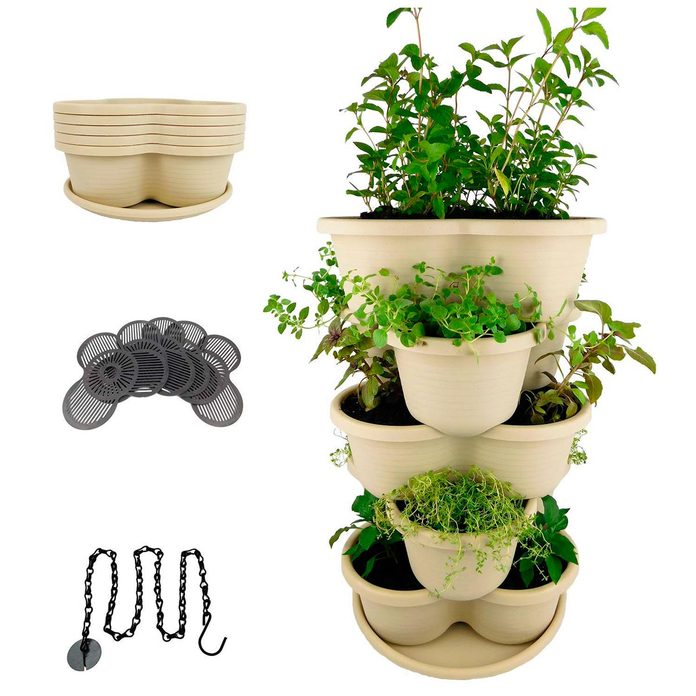
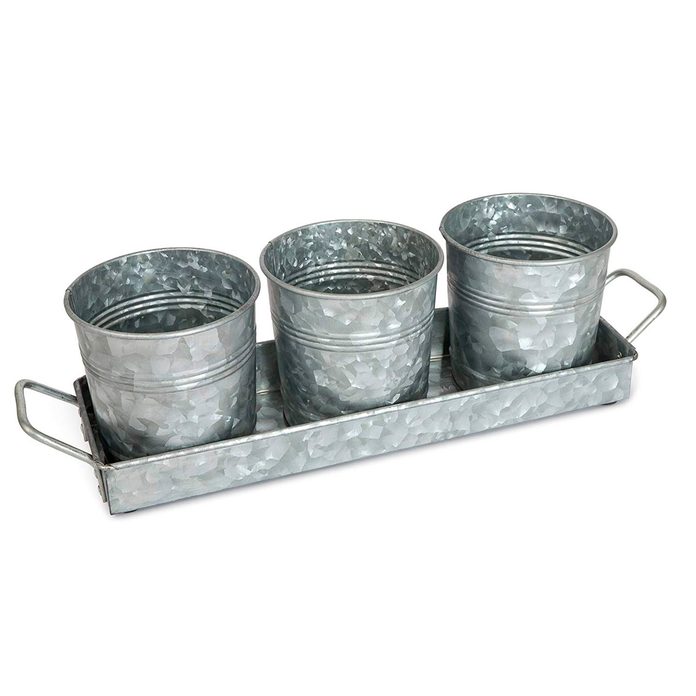
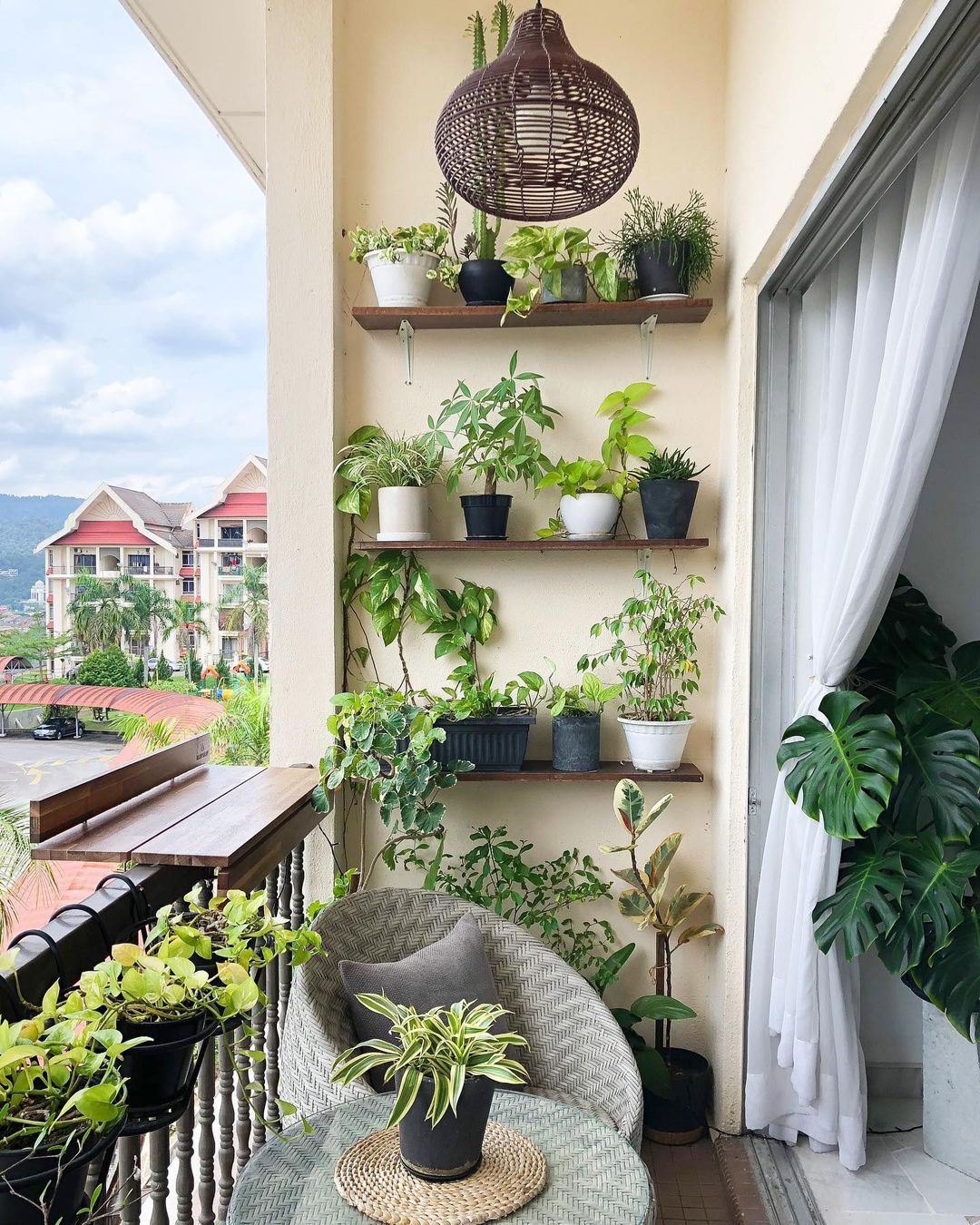
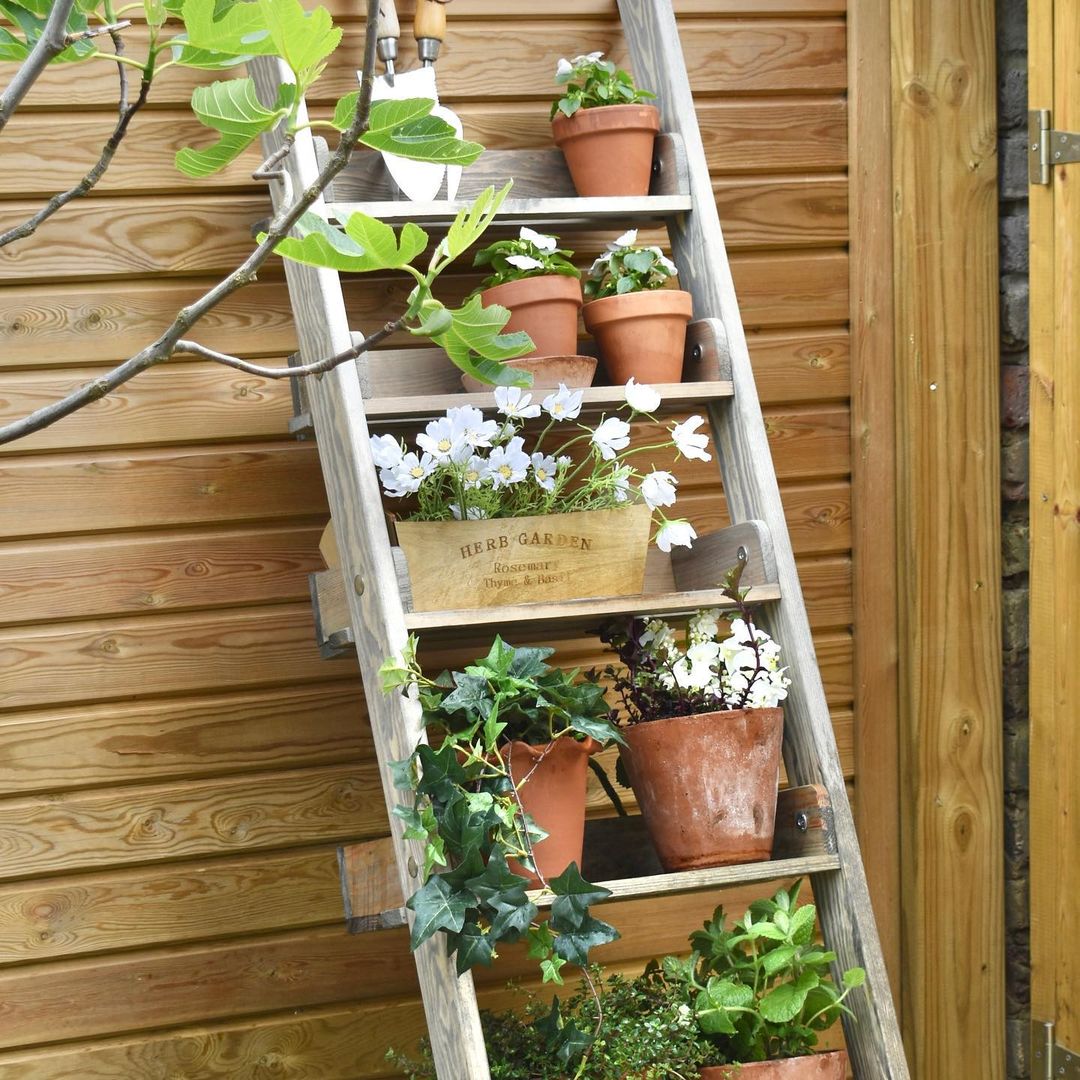
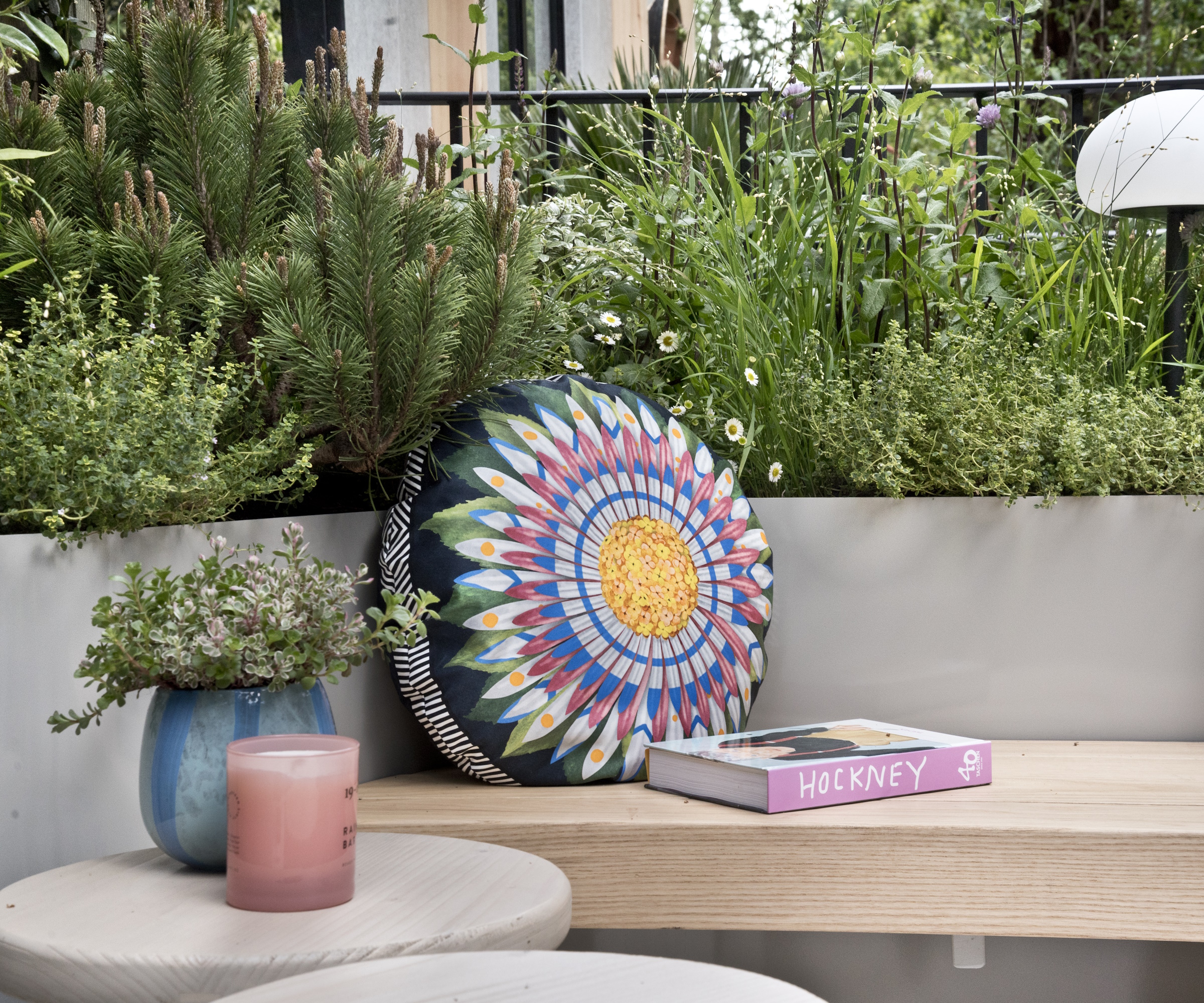
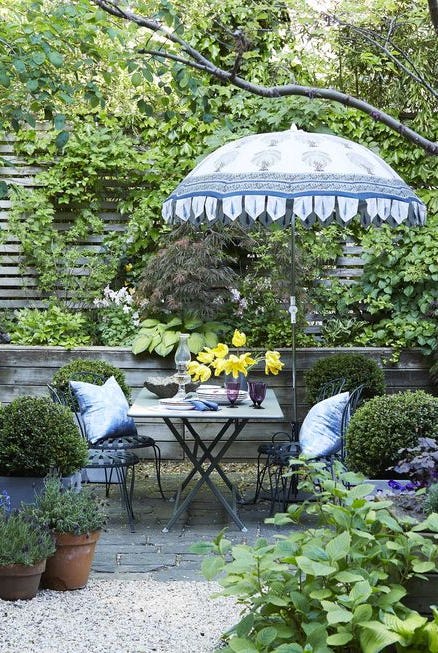
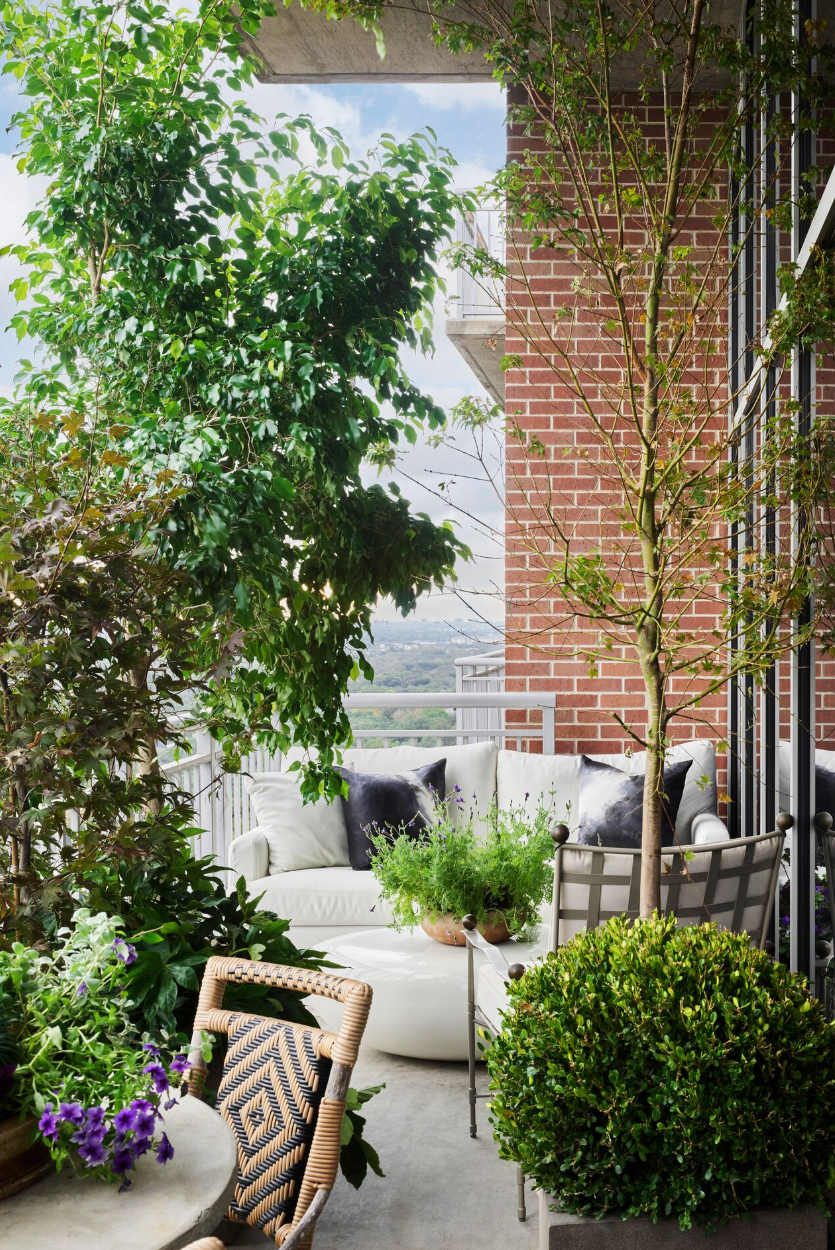
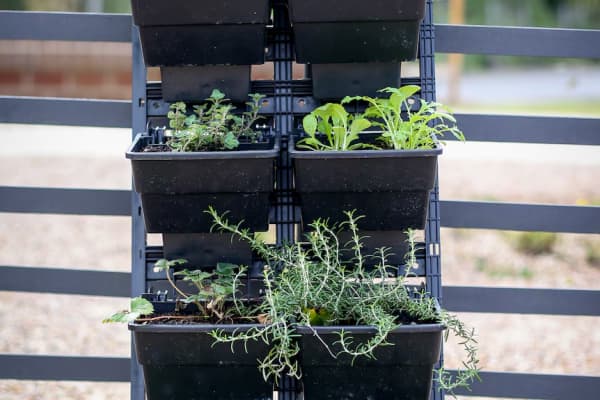
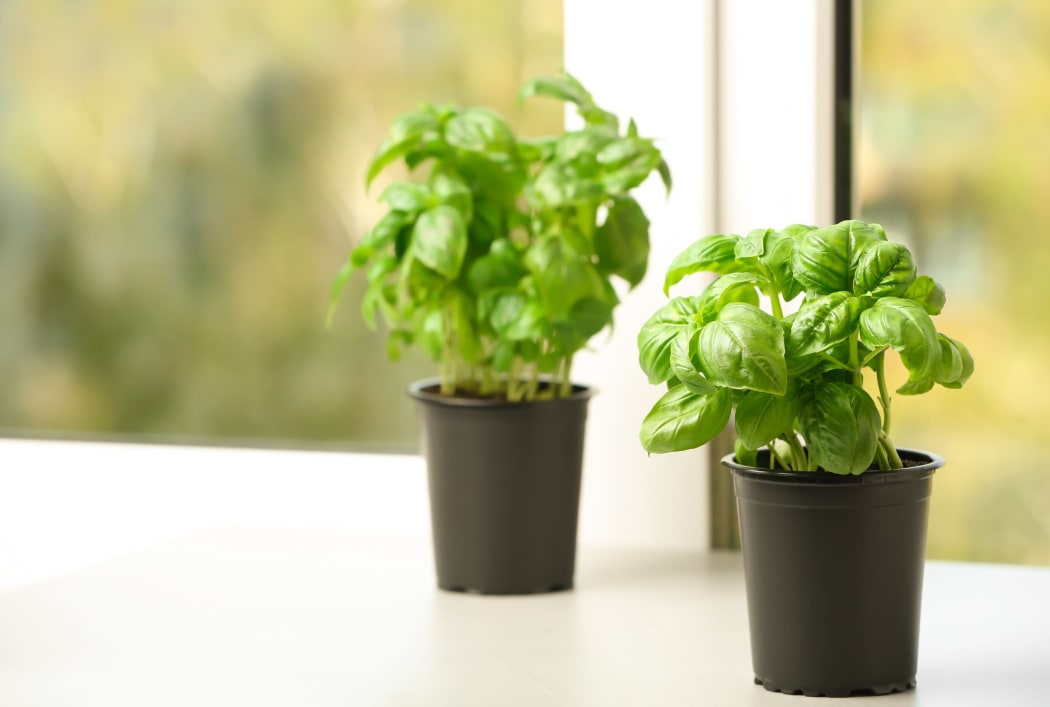
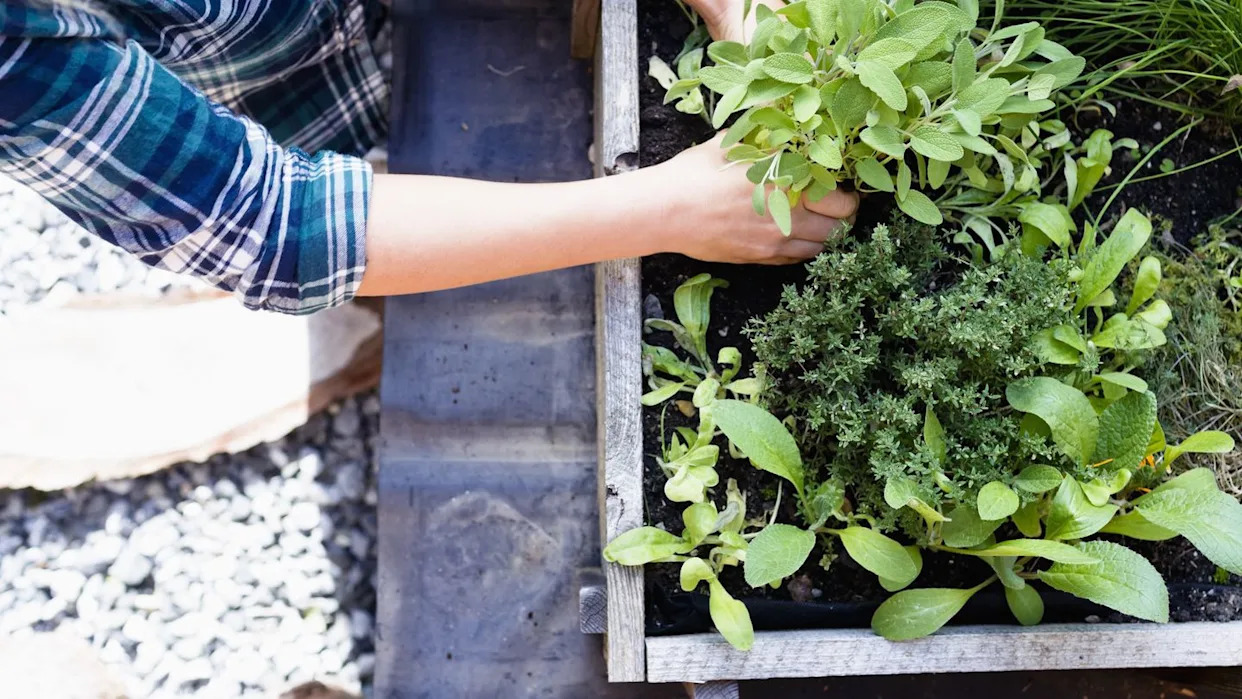
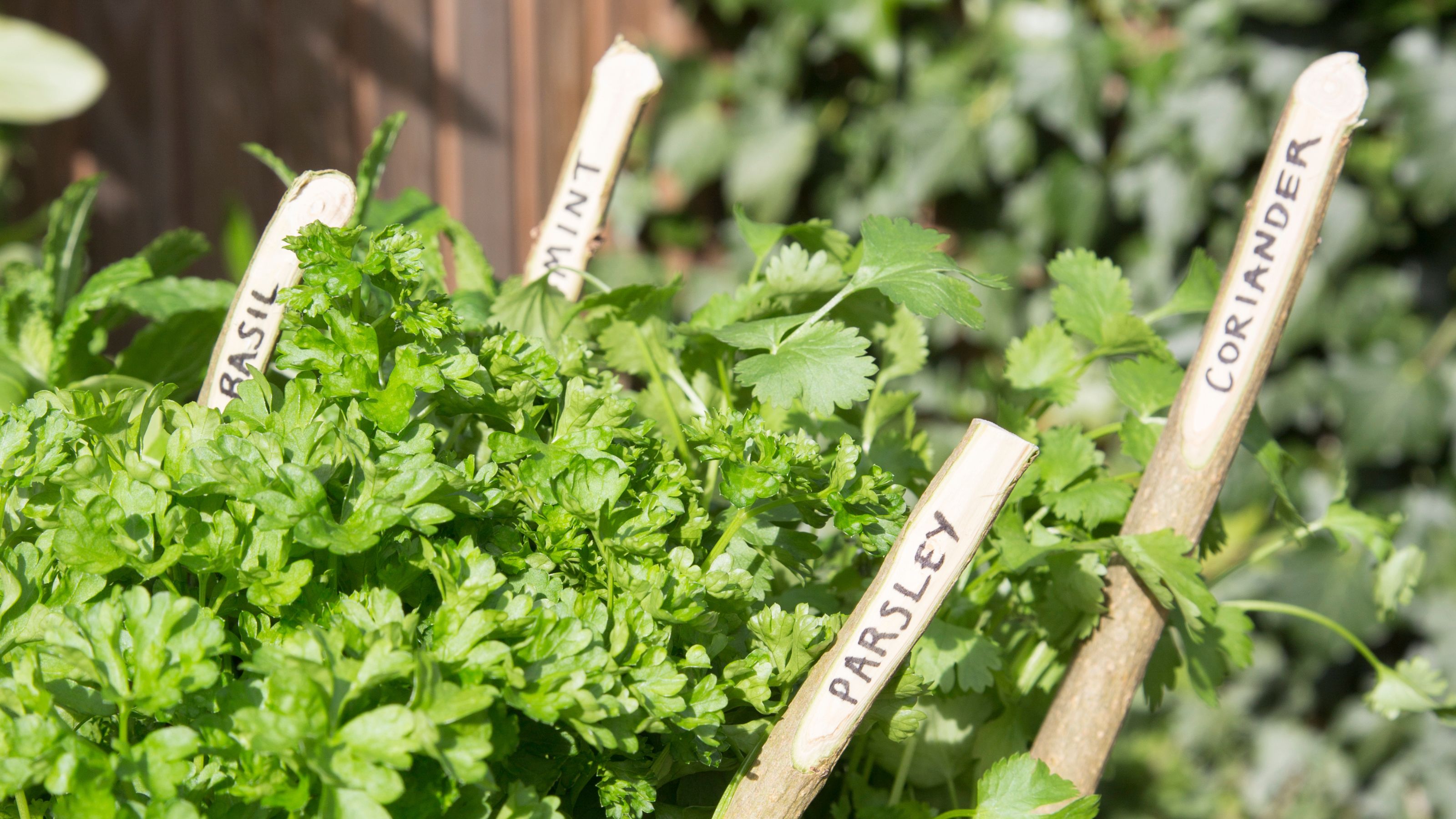
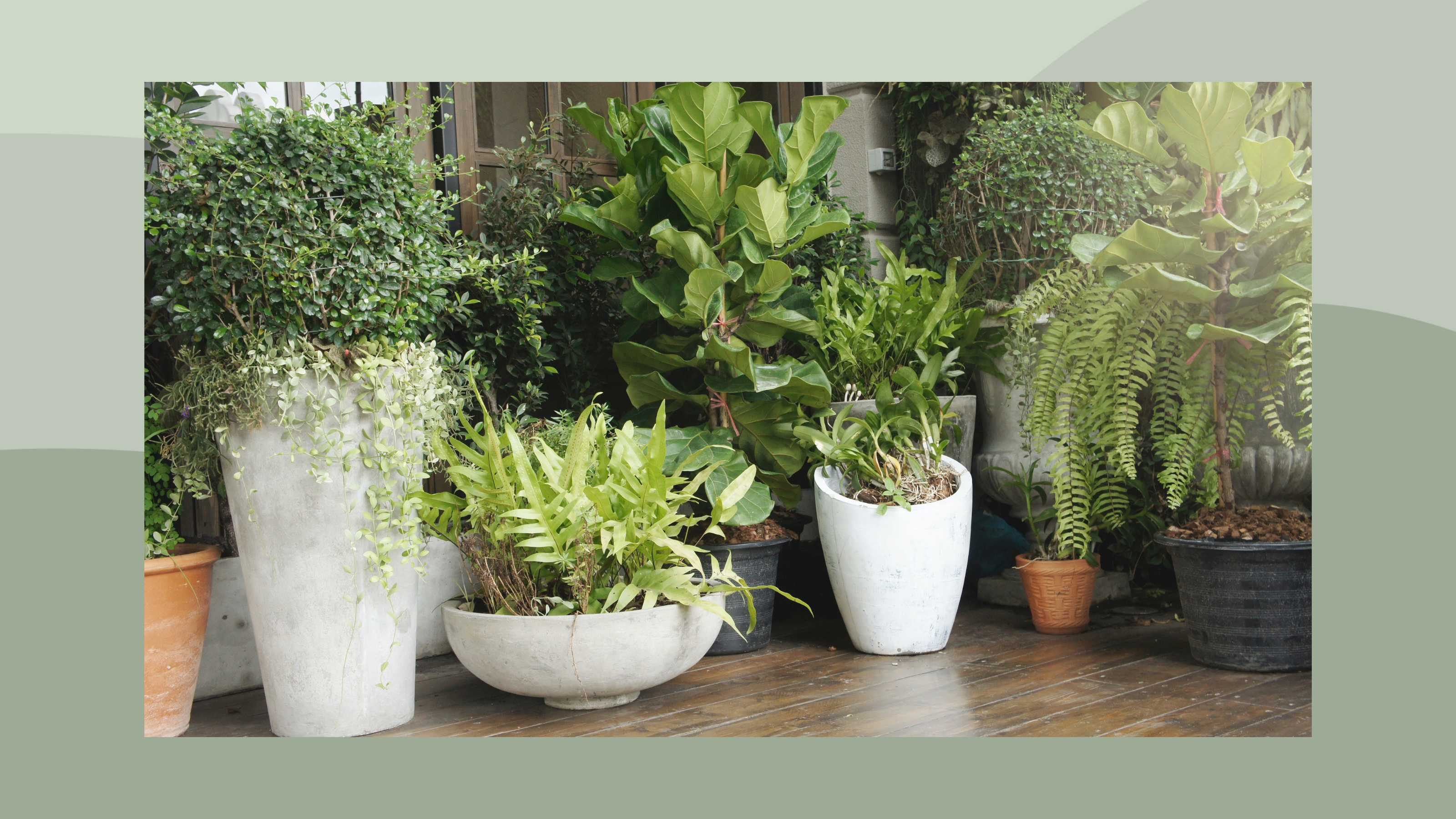
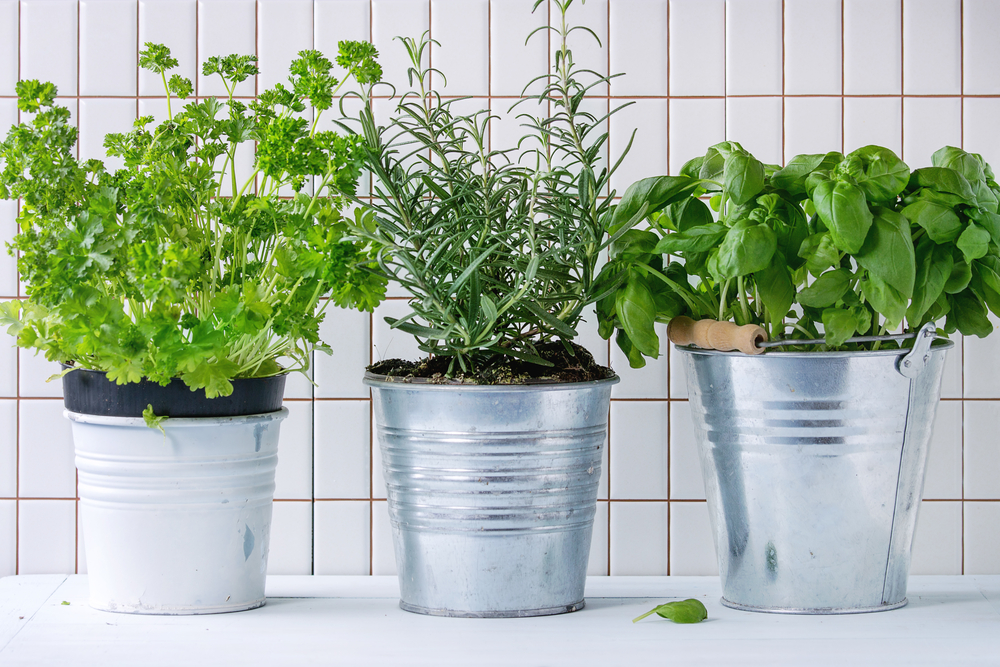
Before initiating a balcony herb garden, careful planning is crucial. This involves selecting appropriate pots, containers, and a variety of herbs and edible plants that will thrive in the specific space. Urban gardening expert Alexis Bumpers highlights the effectiveness of using pots and containers to cultivate different heights, foliage, floral colors, and tastes, thereby maximizing the use of limited outdoor areas. Key to successful small-space gardening is choosing bushy, compact, and dwarf varieties of plants. Recommended herbs include thyme, basil, oregano, cilantro, sage, and dill. Additionally, combining herbs with edible plants like strawberries, peppers, lettuce, and tomatoes is beneficial, as companion planting can deter pests and yield better results. Maximizing growing space can also involve integrating window boxes and vertical garden ideas, with various planters available for purchase.
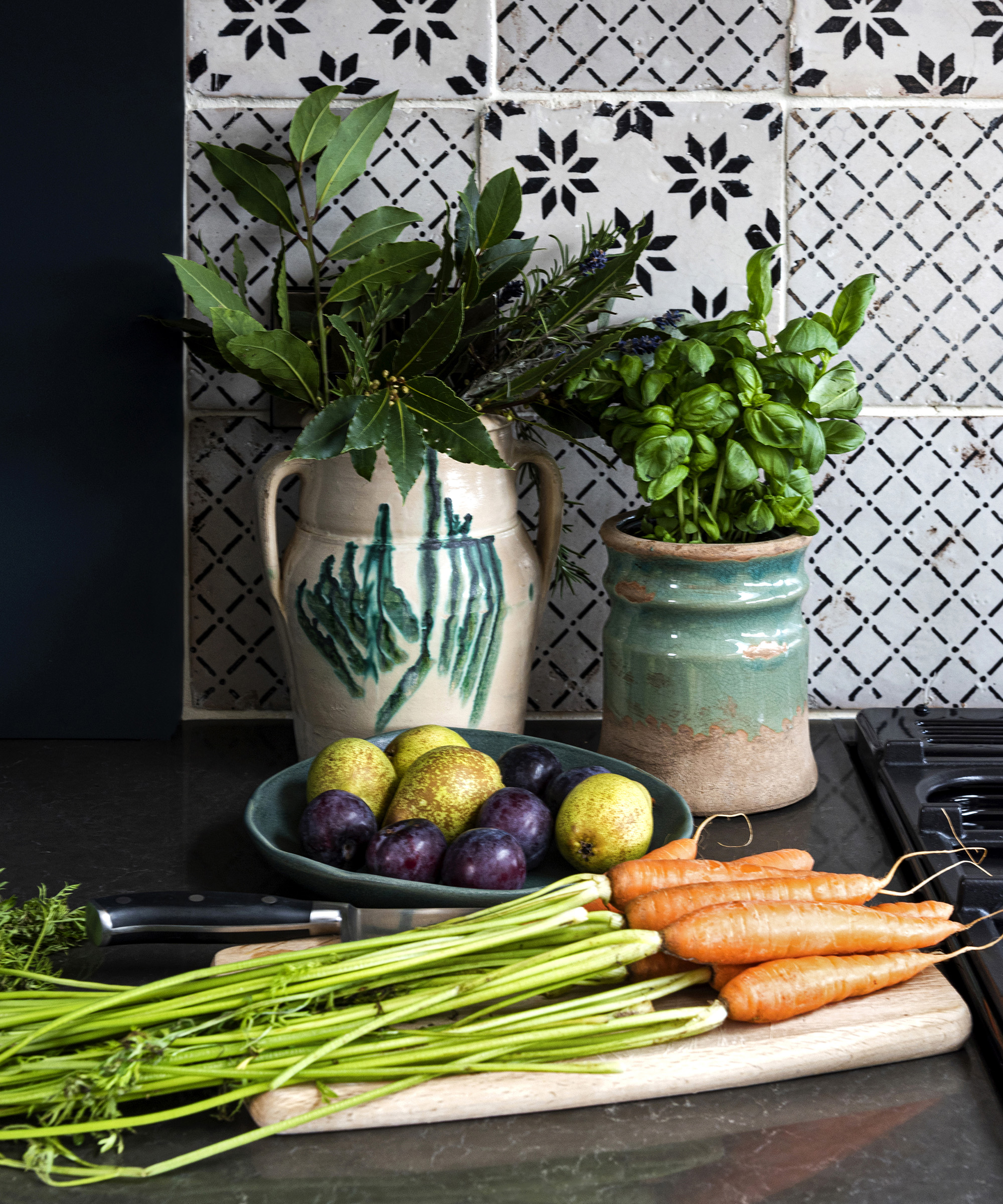
When selecting herbs, gardeners should consider the specific growing conditions of their location, guided by US hardiness zones, and their personal preferences. Grouping herbs with similar environmental needs, such as drought-tolerant plants like rosemary, sage, and oregano, which prefer sunny spots and minimal watering, ensures optimal growth. Incorporating a mix of evergreen crops, such as rosemary or bay, with deciduous plants like basil or chives, ensures year-round interest and fragrance. Including both foliage and flowering plants, such as evergreen bay with lavender varieties, further enhances the aesthetic appeal.
Lemon verbena, known for its lime green foliage and suitability for tea, can provide vertical interest, while chamomile, with its daisy-like flowers, is excellent for a herbaceous middle layer. Chives, a low-maintenance herb with a delicate onion-garlic flavor and attractive lilac-pink flowers, are also highly recommended for balcony gardens. When planting, using a high-quality potting mix with good drainage, supplemented with sand, grit, or perlite if needed, is essential. Consistent watering, especially during summer, is vital, with the general practice being to water when the top inch of soil feels dry. Fertilizing is also crucial for container-grown plants, as they rely entirely on external nutrients throughout the growing season.
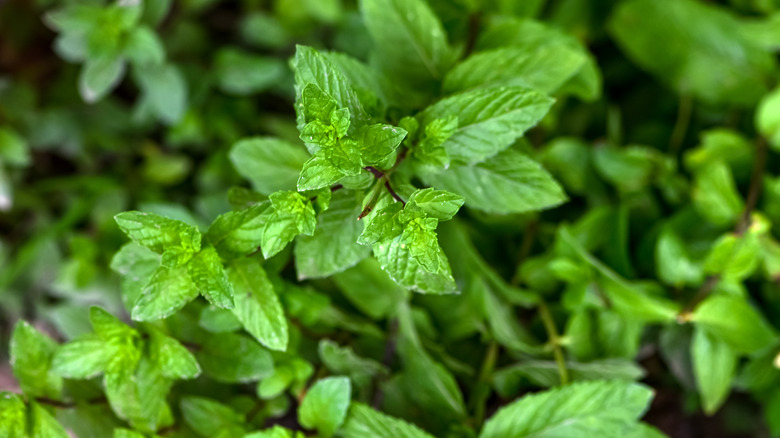
During winter, herbs can be protected from frost and snow by placing them against the exterior walls or near windows, where the warmth from the building creates a microclimate. For shaded balconies, mint and chives are good choices, though their flavor might be less intense, and bloom production might be lower compared to plants grown in full sun. Propagating herbs through cuttings or division is a cost-effective way to expand a collection, often achievable by obtaining cuttings from friends or existing plants. This practice contributes to a sustainable and ever-growing balcony herb garden, adding both beauty and utility to any small outdoor space.
#BalconyGardening #HerbGarden #ContainerGardening #UrbanGardening #PlantingIdeas #GardeningTips #SmallSpaceGardening #HomeGardens #OutdoorLiving #BalconyGardening #HerbGarden #ContainerGardening #UrbanGardening #PlantingIdeas #GardeningTips #SmallSpaceGardening #HomeGardens #OutdoorLiving
0 comment in total
 No comments yet
You may also like
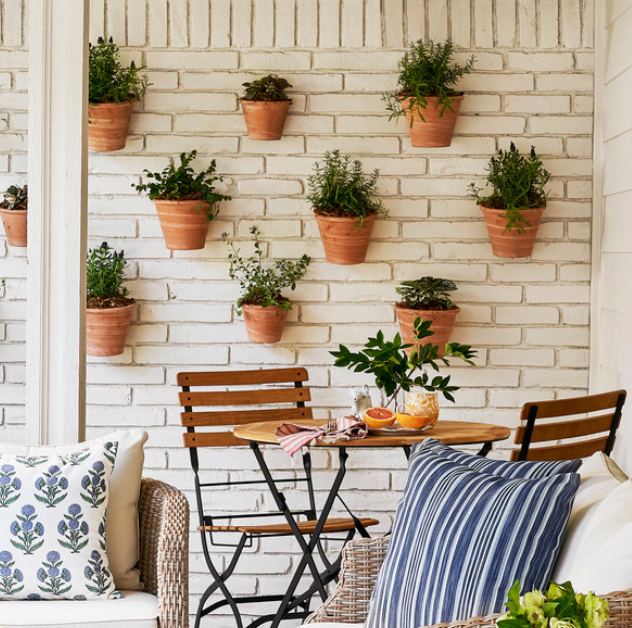
The Easiest DIY Herb Garden Ideas for Any Space

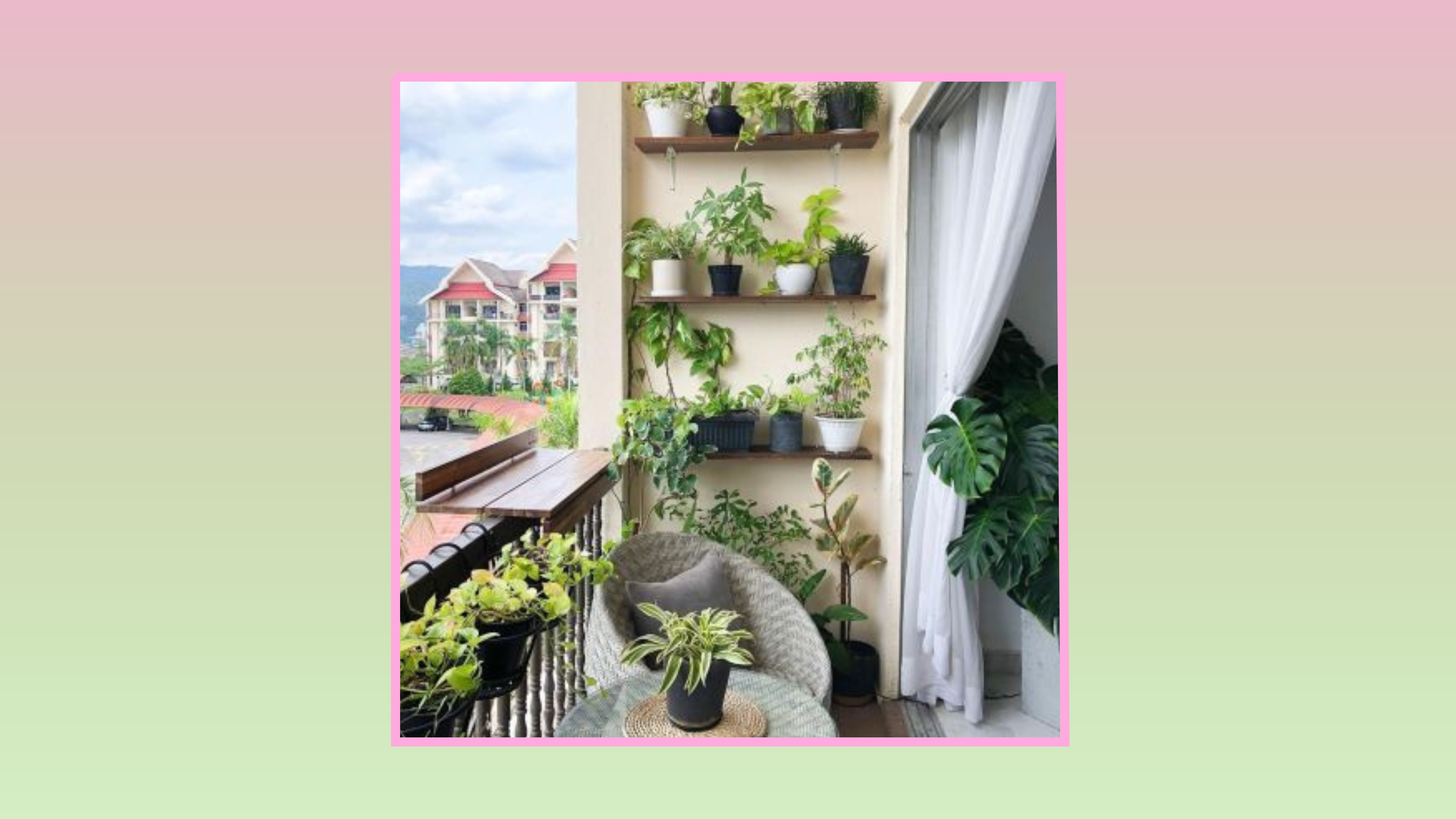
10 creative apartment garden ideas for your balcony or tiny patio

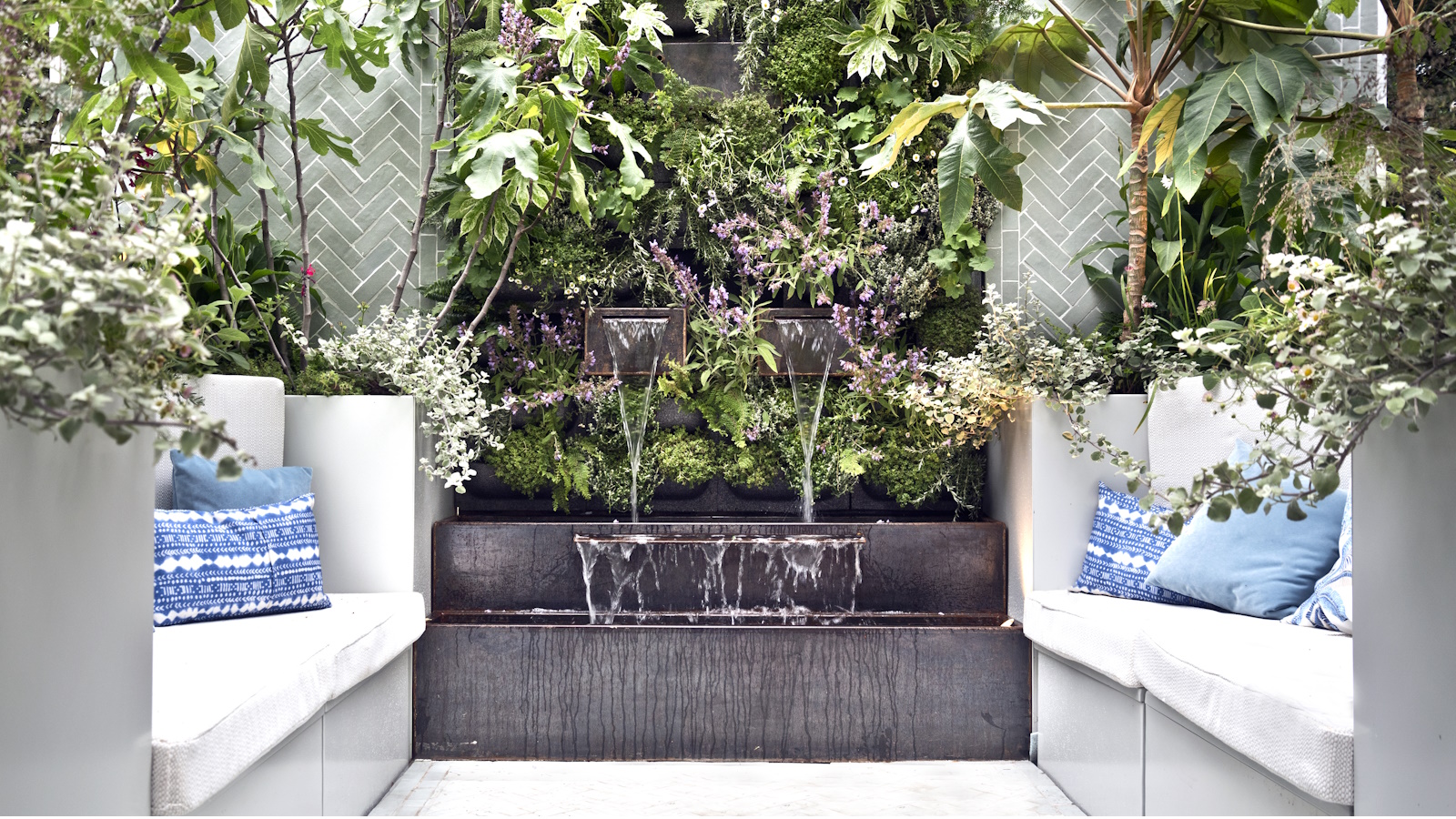
How to garden on a north-facing balcony – 3 ways to create a shady green oasis
These Creative DIY Herb Garden Ideas Will Have You Cooking in No Time
16 herb garden ideas for productive (and beautiful!) beds, borders and planters
The 5 best outdoor potted plants to grow on your balcony or tiny patio

Starting an Herb Garden in a Small Apartment

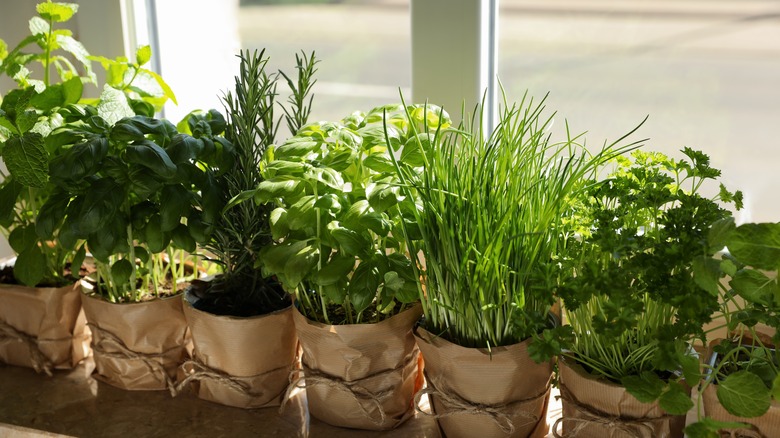
25 Houseplants Perfect For Your Kitchen Window
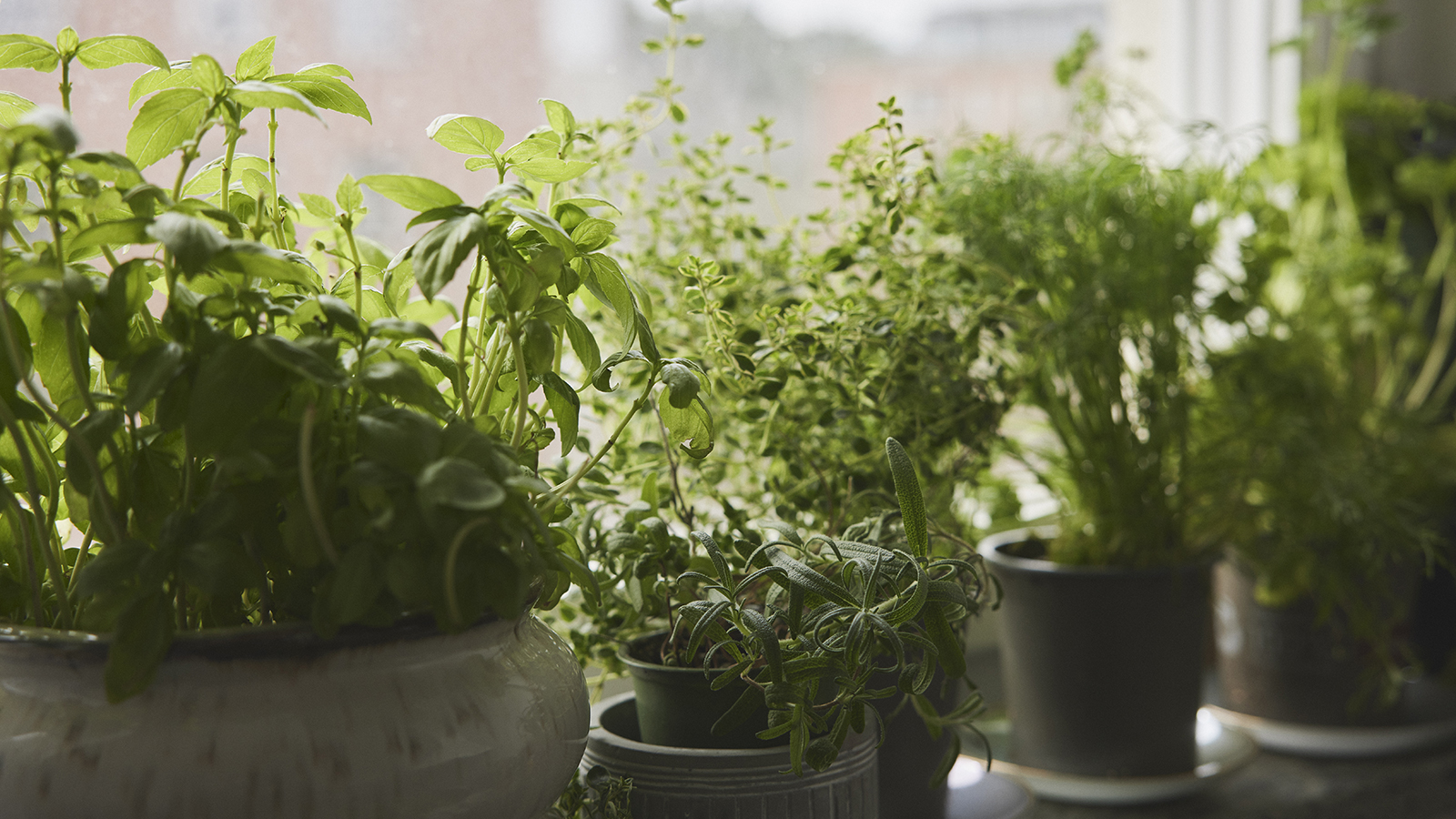
Indoor herb garden ideas – how to display herbs artfully and practically in your home
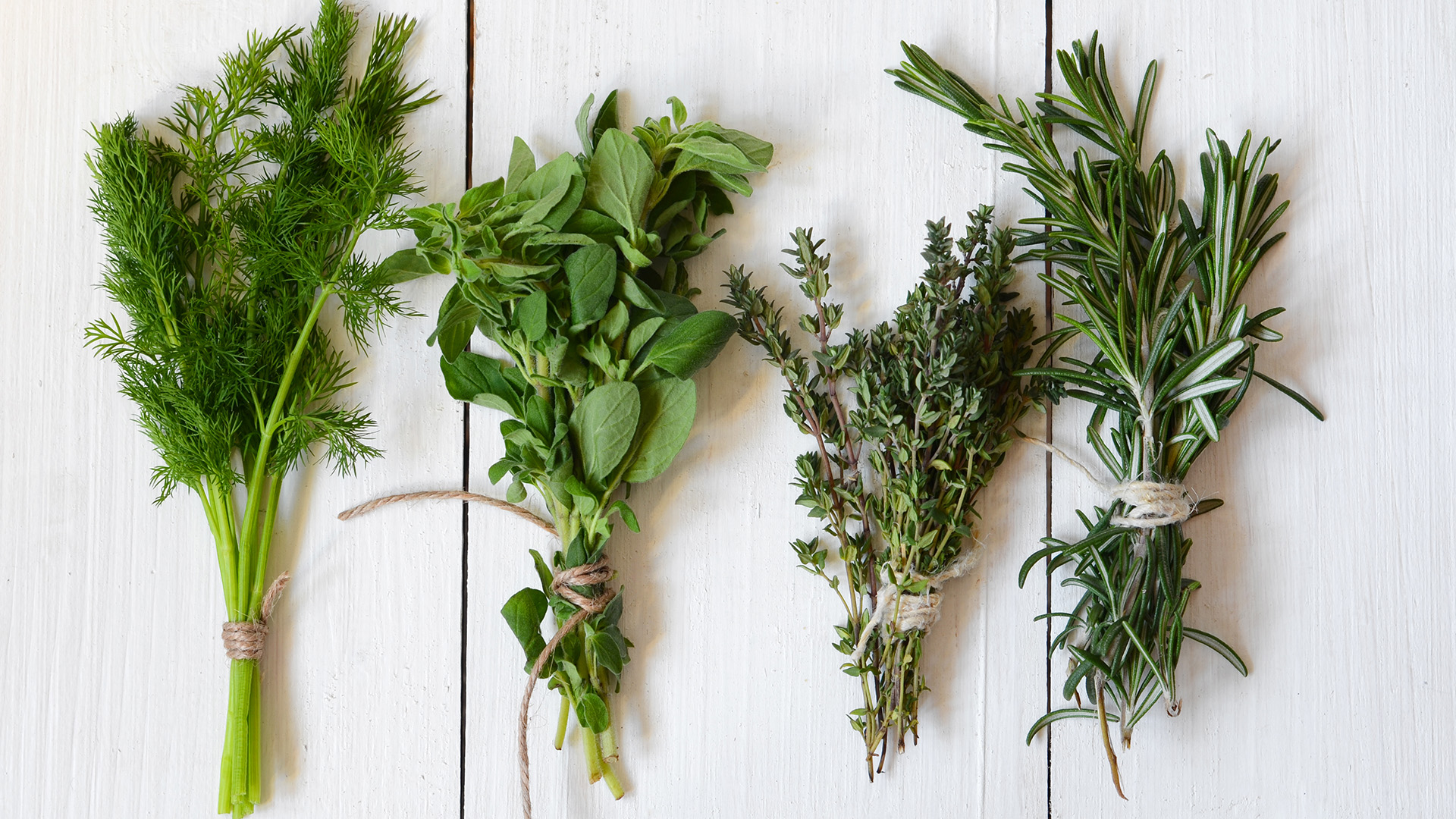
12 Hacks to Make Growing Your Own Herbs a Breeze
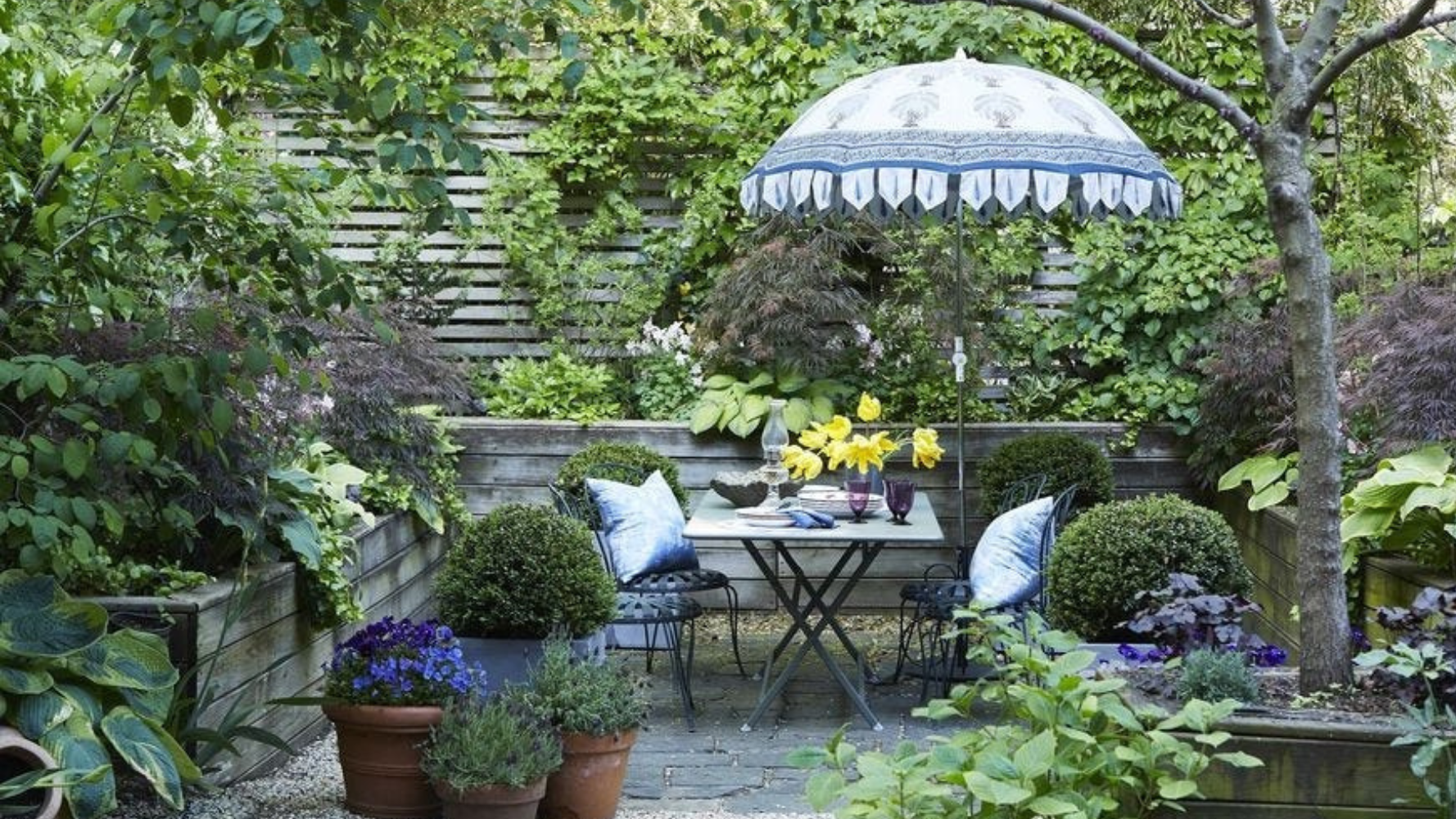
I Can’t Stop Thinking About These Enchanting Small Gardens

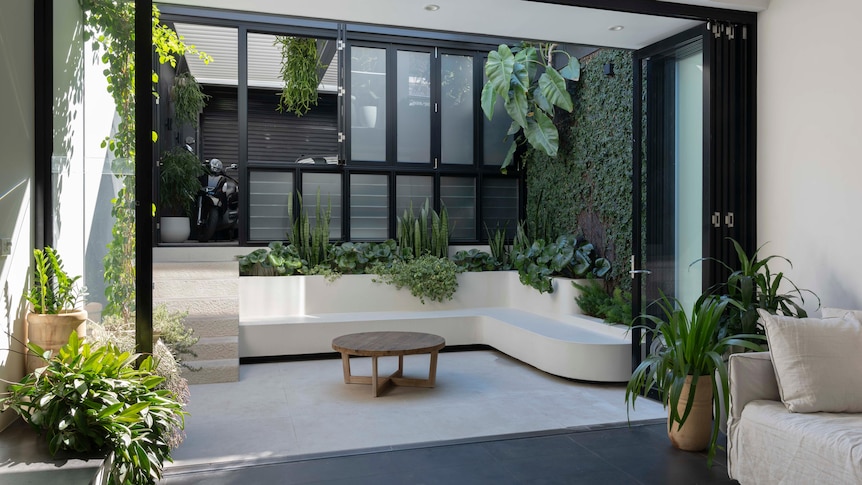
You don't need much space or sun to have a flourishing garden
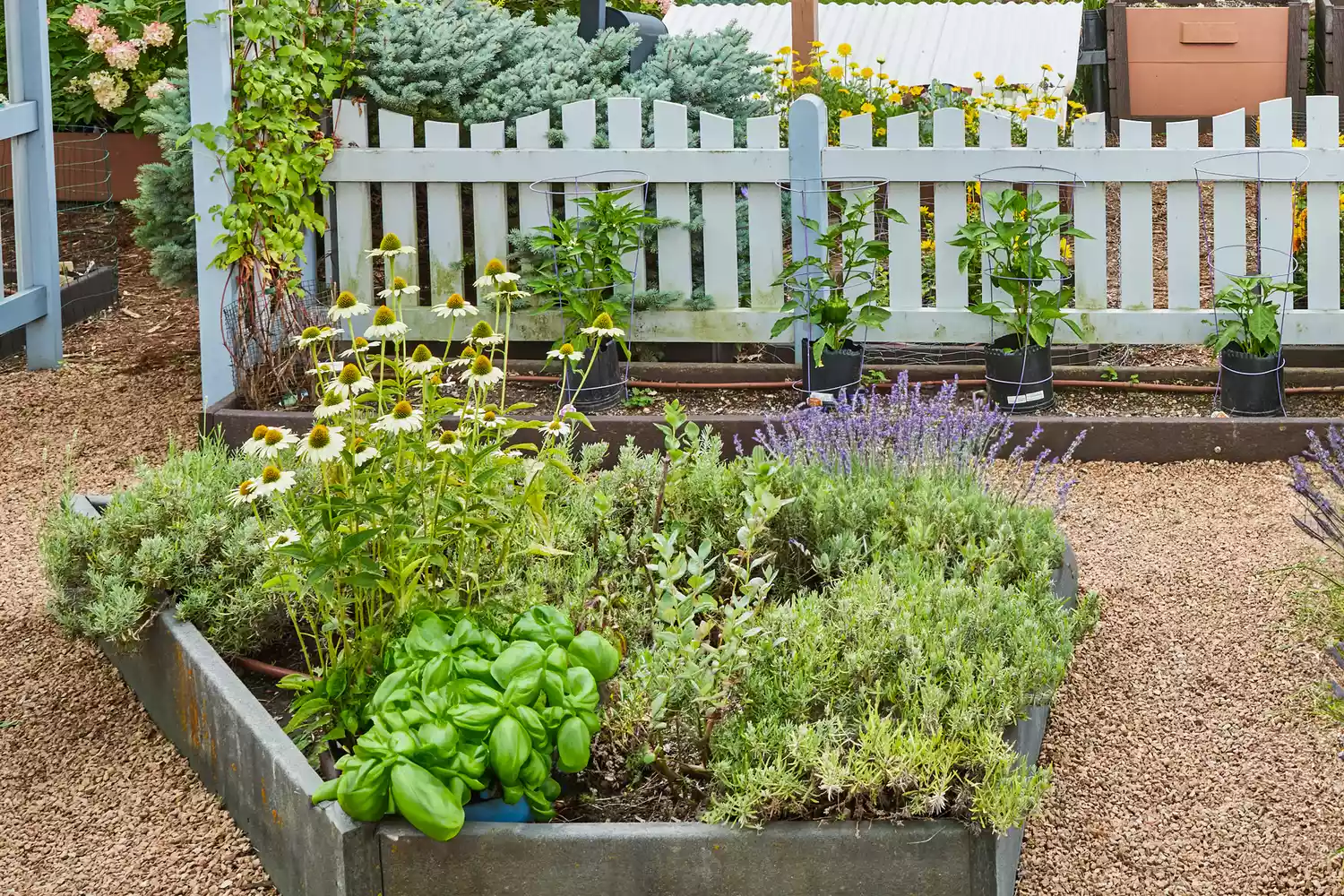
38 Clever Herb Garden Ideas for Indoor or Outdoor Spaces

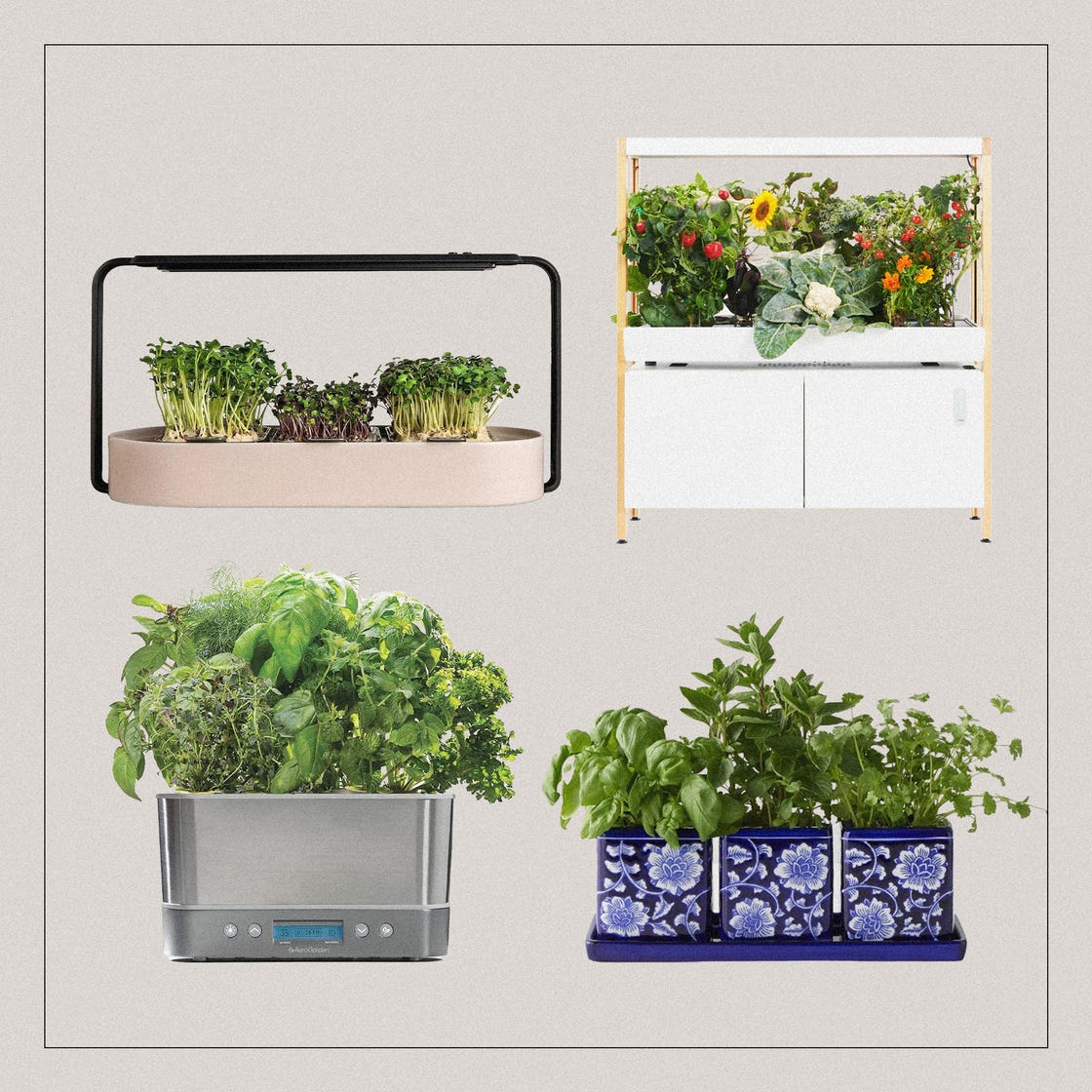
These Indoor Herb Gardens Will Help You Save Space and Time in the Kitchen

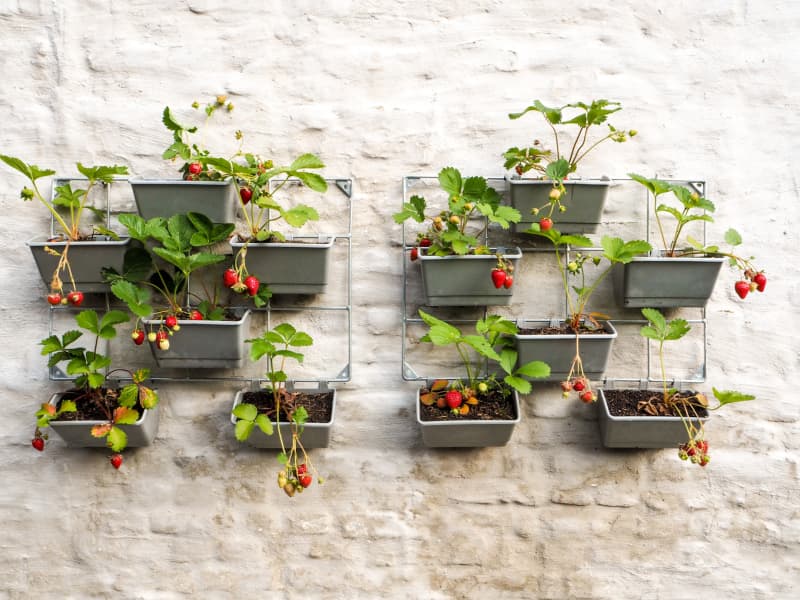
Short on space for a herb or veggie garden? Think vertically

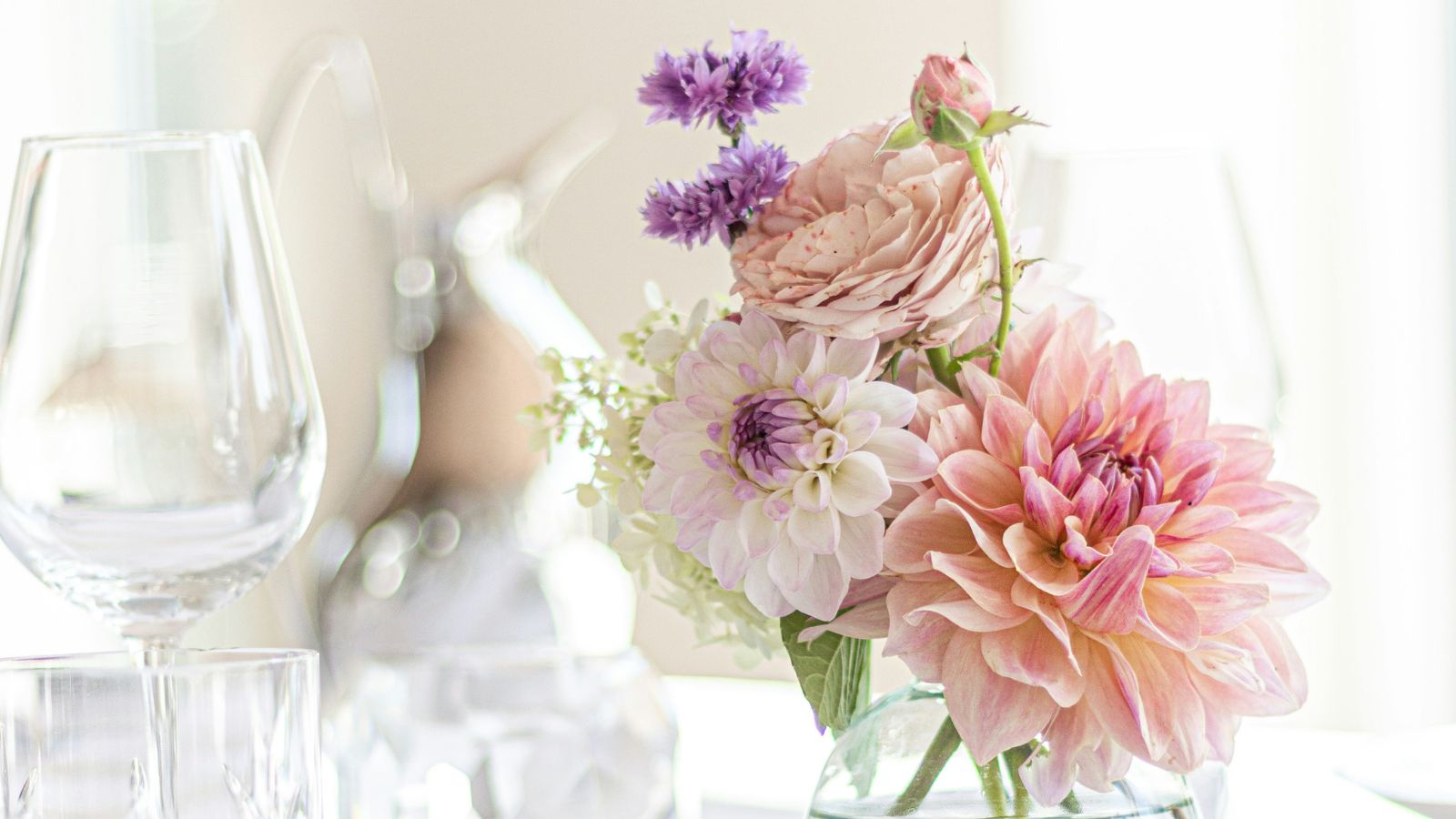
How to design a bud vase arrangement using wild flowers from your garden
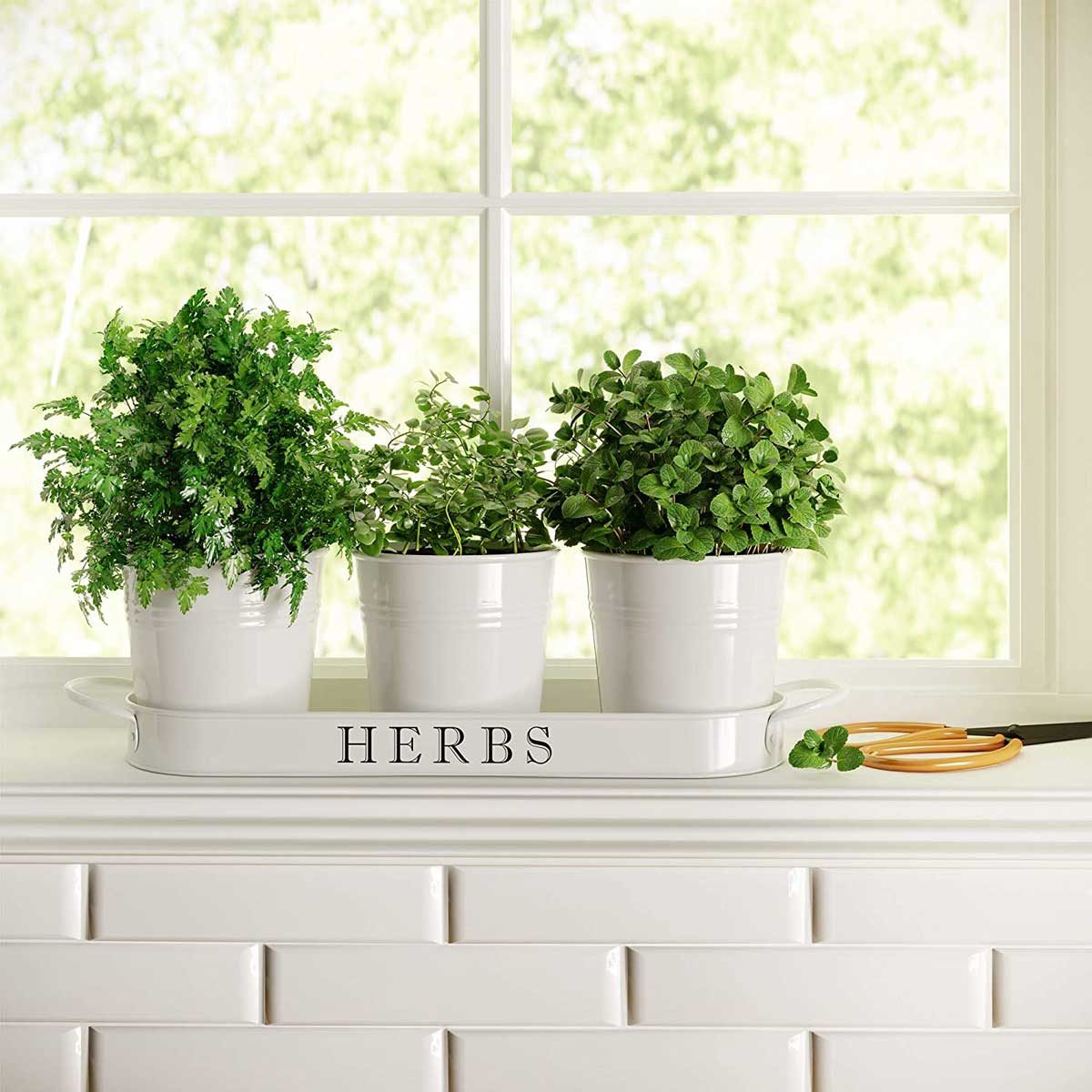
10 Best Herb Garden Planters and Kits of 2025

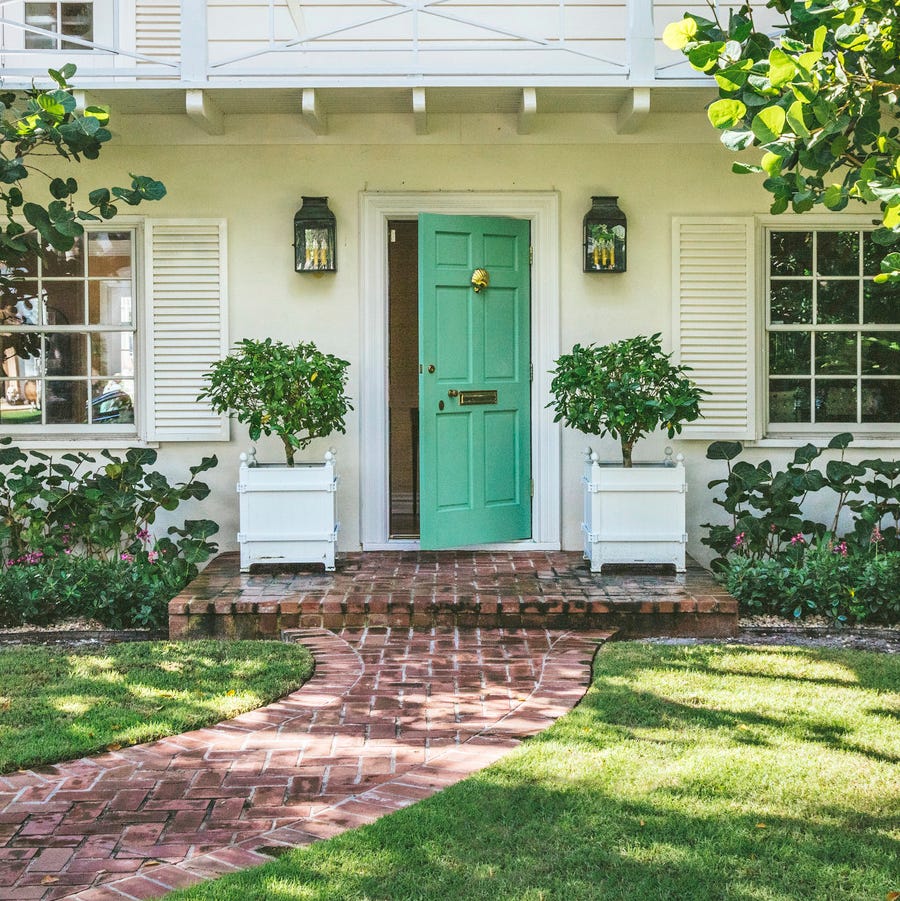
The Secret to a Stunning Entryway? It’s All About These Eye-Catching Plants

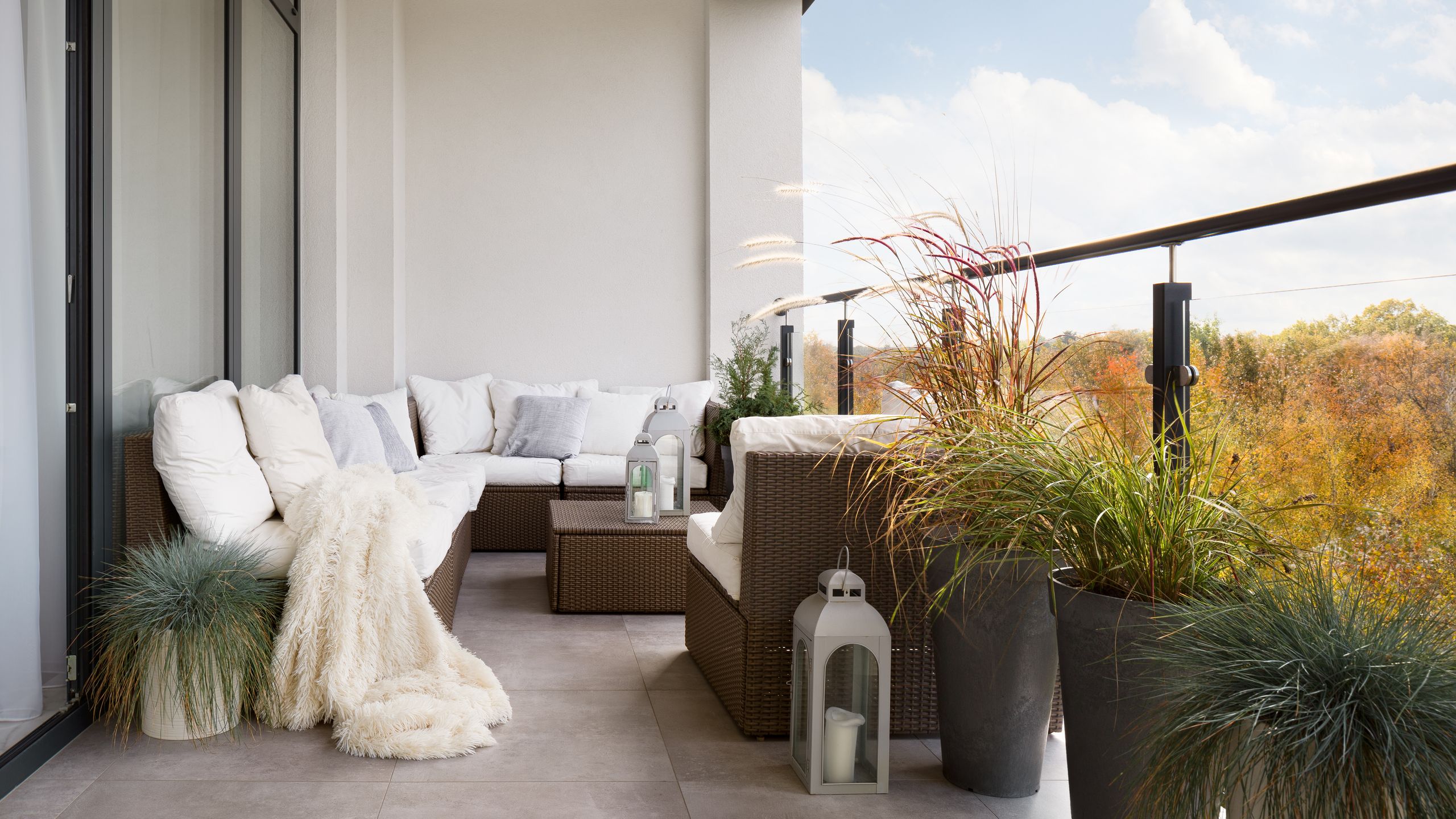
15 Creative Balcony Ideas to Inspire Your Alfresco Sanctuary

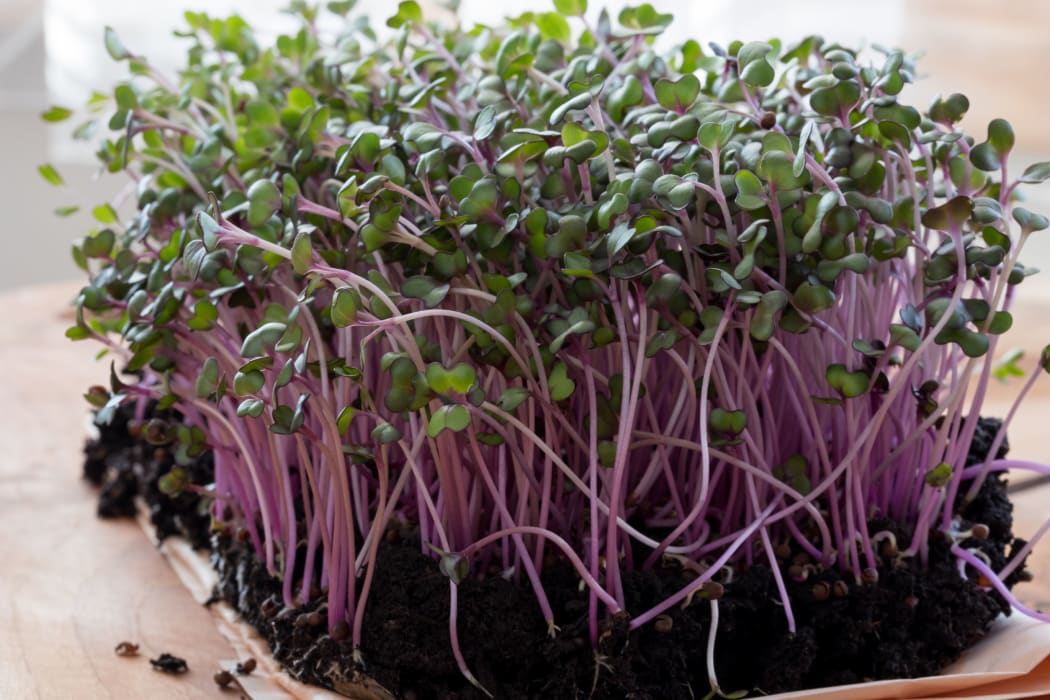
Growing microgreens and herbs on your window sill