1/2
Growing microgreens and herbs on your window sill
Many people desire to grow their own produce but lack the space for a traditional garden. This article provides practical advice for cultivating microgreens and herbs indoors, specifically on a window sill, a method suitable for urban dwellers or those with limited outdoor space. The focus is on ease of growth, minimal equipment, and the significant culinary benefits of these small plants.
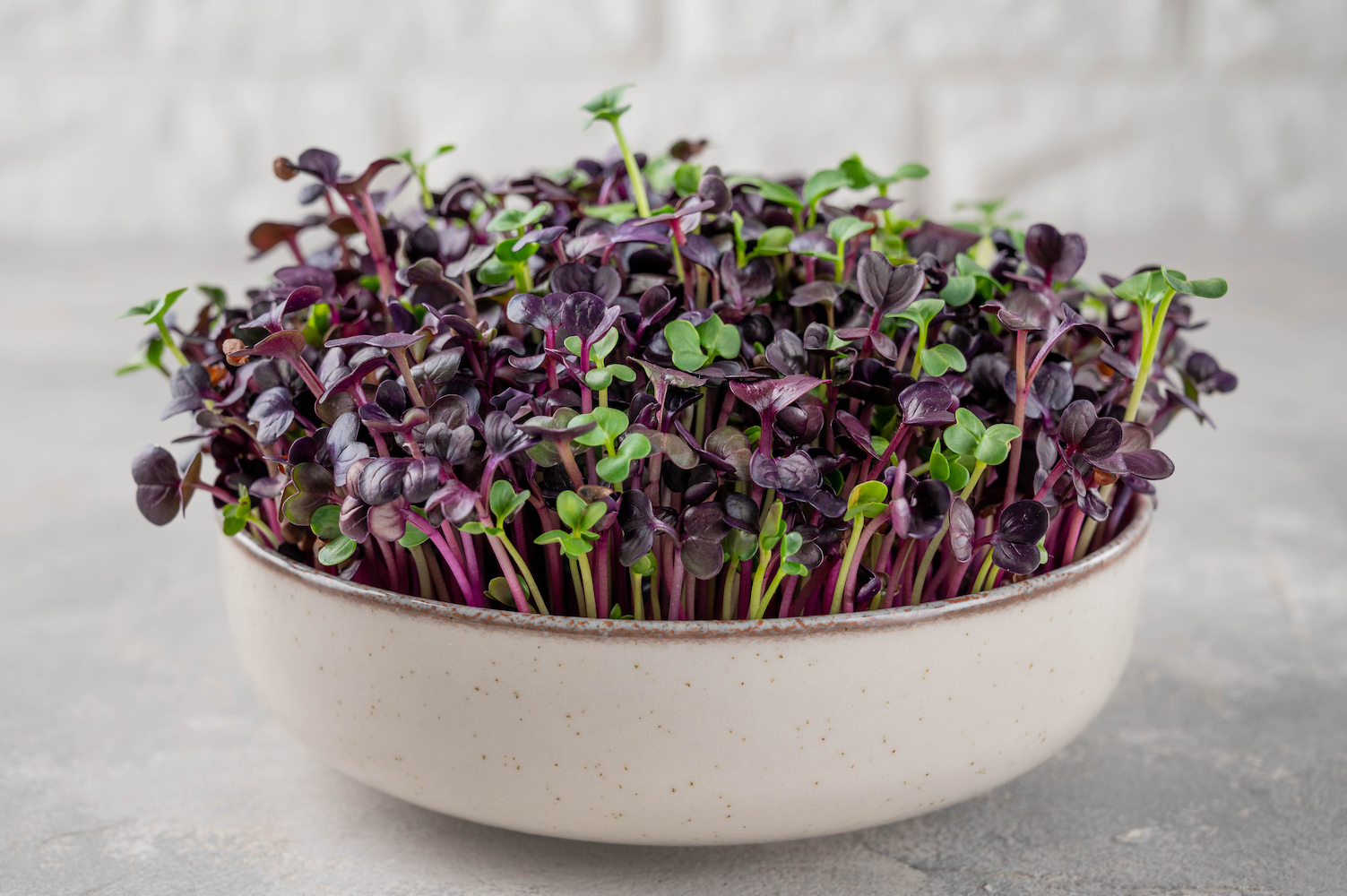
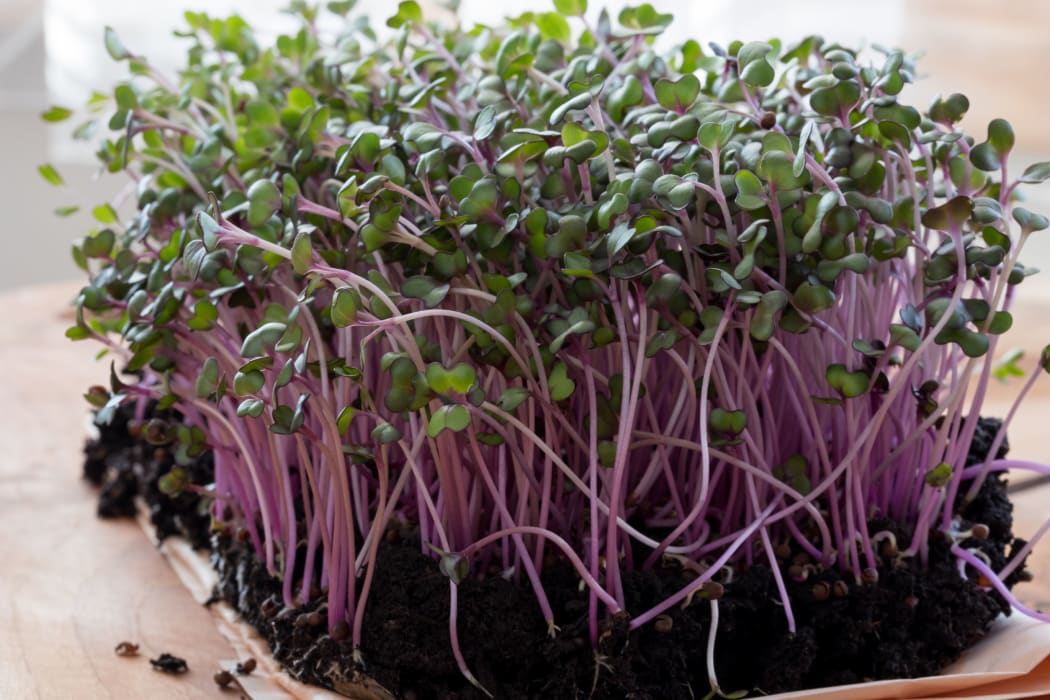
The article highlights microgreens as a particularly "foolproof" option for indoor gardening. The process is straightforward, requiring only a small container, approximately 5 to 10 cm of soil, and microgreen seeds. Everyday items like recycled ice cream, baked bean, spaghetti, or yogurt containers are suggested as suitable vessels. Any standard potting mix can be used. The key to successful microgreen growth is to sow seeds thickly, not aiming for individual plants but rather for dense sprouts. Maintaining consistent soil moisture is crucial, and a harvest can typically be expected within seven to fourteen days.
Various microgreen varieties are recommended for their flavor and ease of cultivation, including baby rocket, coriander, basil, chervil, beetroot, kale, mustard, and radish. An unusual suggestion is borage, which, when grown as a microgreen, offers a cucumber-like flavor. The primary appeal of microgreens lies in their concentrated flavor profile; a tiny sprout can deliver the full intensity of a mature plant, such as the peppery notes of radish or the distinct taste of coriander. These intense flavors make microgreens an excellent addition to a variety of dishes, enhancing both taste and presentation. The author, Lynda Hallinan, mentions that most well-known seed companies offer microgreen seeds and shares her personal preference for Yates rocket emeralds, noting their vibrant appearance and flavor, and suggesting they can be sown a week before an event for decorative use on dishes like bacon and egg pie.
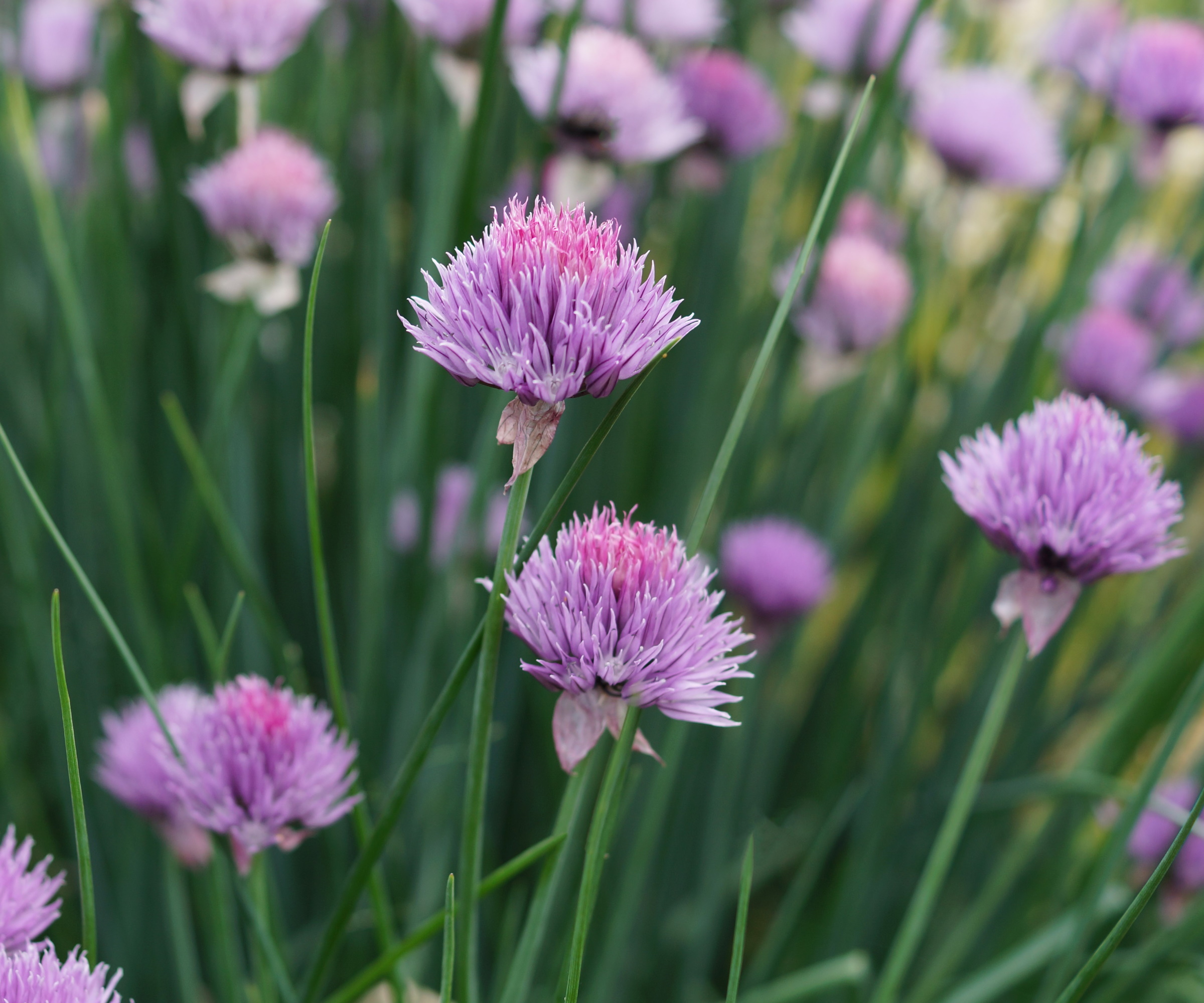
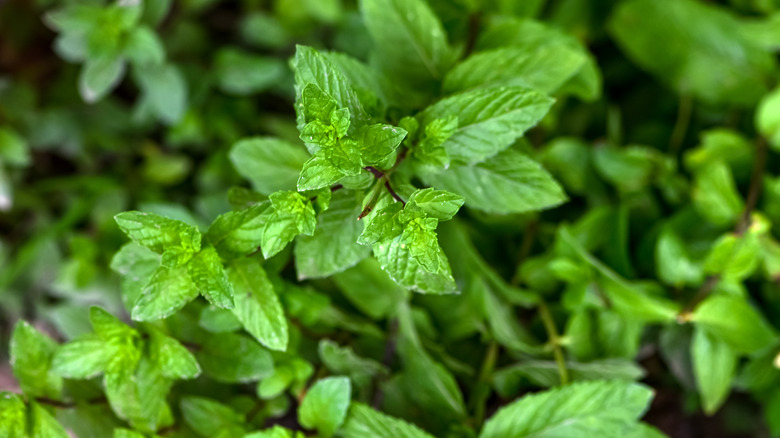
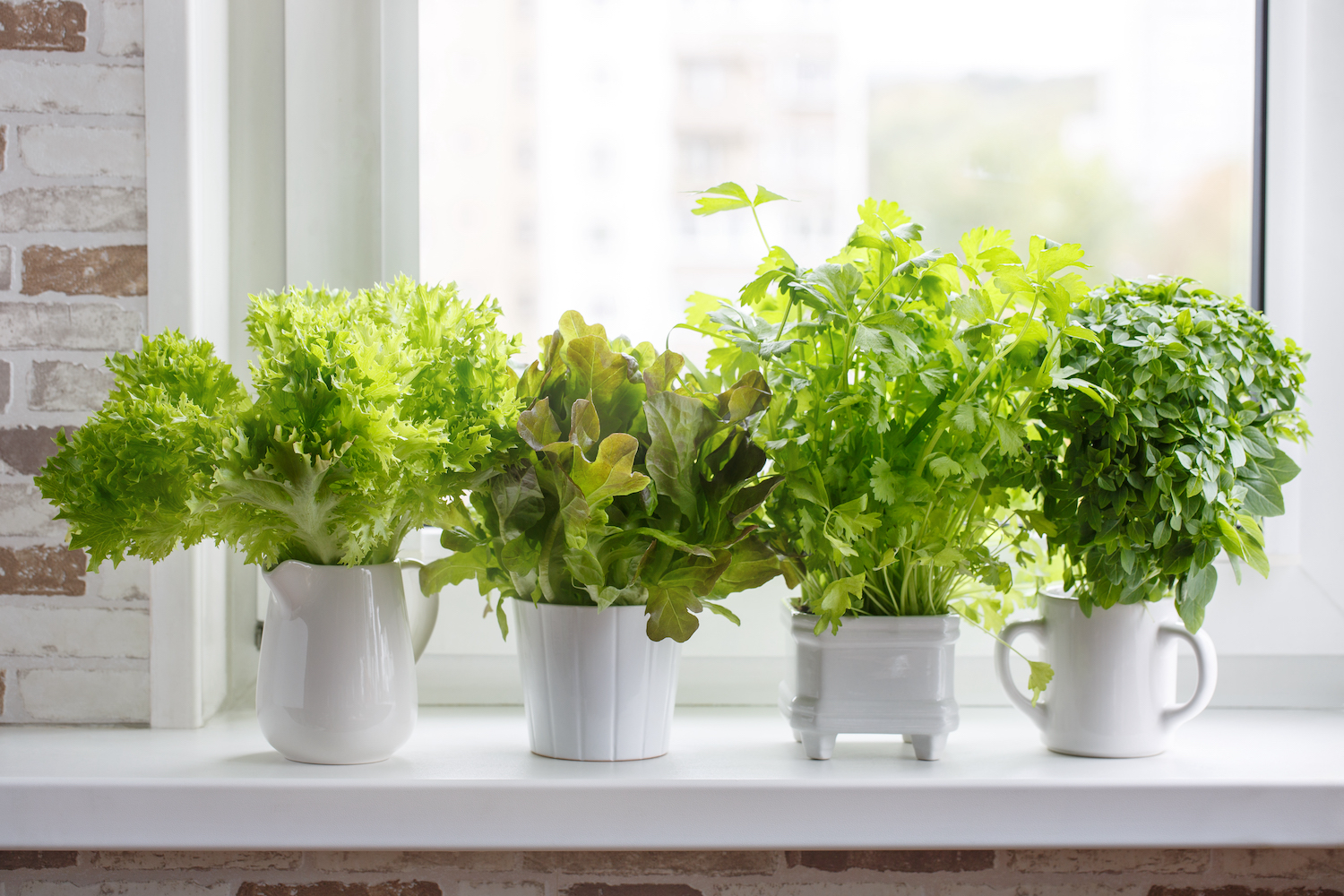
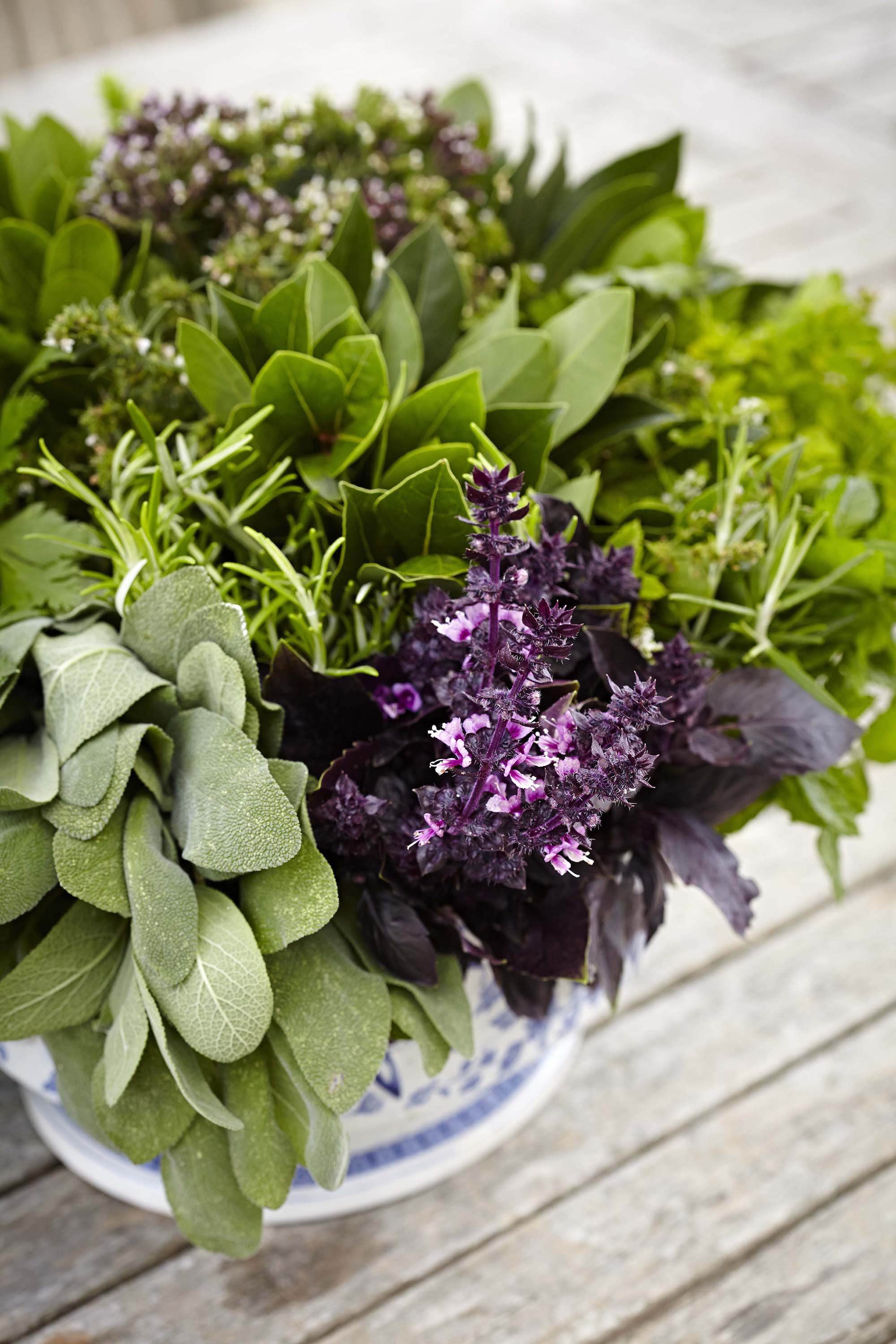
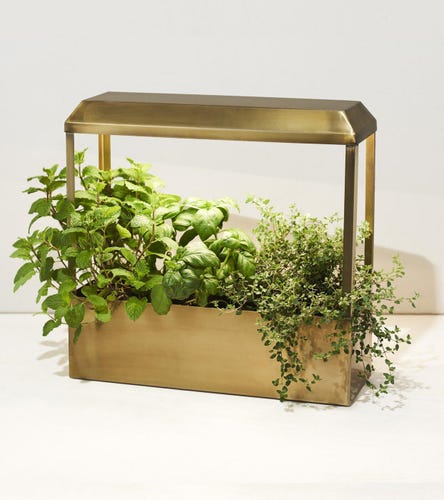
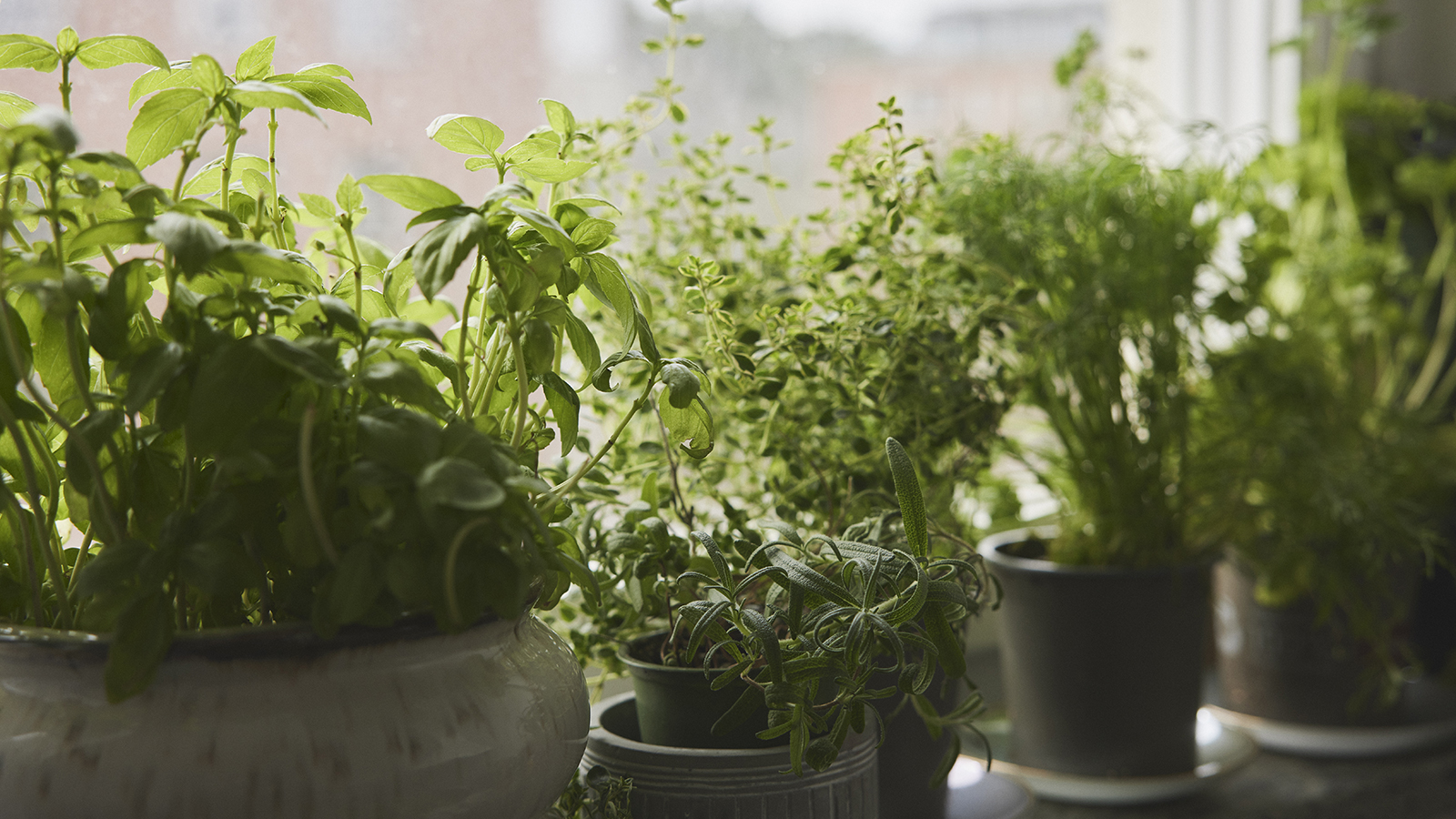
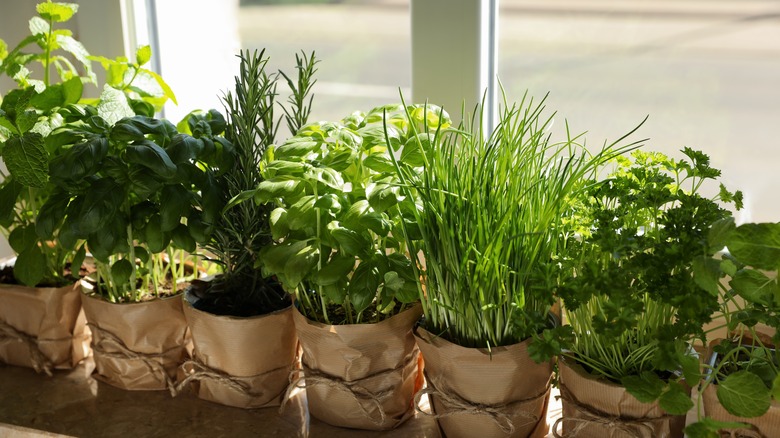
Beyond microgreens, the article also covers growing popular herbs like mint, basil, and chives on a window sill. A critical piece of advice for both microgreens and herbs is to avoid direct, all-day sunlight, as this can scorch the delicate plants. Instead, bright, indirect light is preferred. Indoor herbs can be susceptible to fungal diseases or mildew due to humidity, so ensuring good airflow is important. Despite their Mediterranean origins, herbs like rosemary and basil still require regular watering, especially during warmer periods, with a daily watering schedule recommended. For those interested in continuous harvesting, mini tubs of mesclun, an Italian seed mix, are suggested, allowing for repeated snipping from 14 to 21 days after planting. A specific lettuce variety, Salanova, a Dutch hybrid, is also mentioned for its high leaf count, offering more yield per plant, although it may be more expensive than other options. This comprehensive guide provides accessible methods for anyone to enjoy fresh, home-grown produce from their window sill.
#Microgreens #Herbs #WindowSillGardening #IndoorGardening #ContainerGardening #HomeGrownProduce #UrbanGardening #DIYGardening #FreshIngredients #Microgreens #Herbs #WindowSillGardening #IndoorGardening #ContainerGardening #HomeGrownProduce #UrbanGardening #DIYGardening #FreshIngredients
0 comment in total
 No comments yet
You may also like
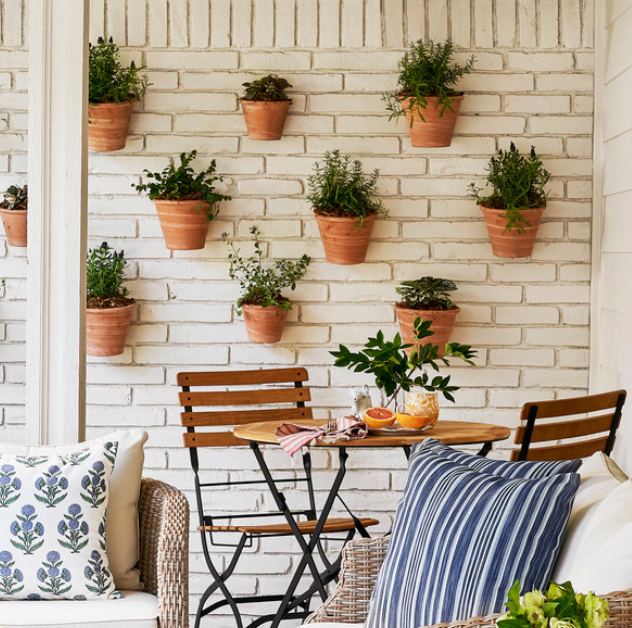
The Easiest DIY Herb Garden Ideas for Any Space

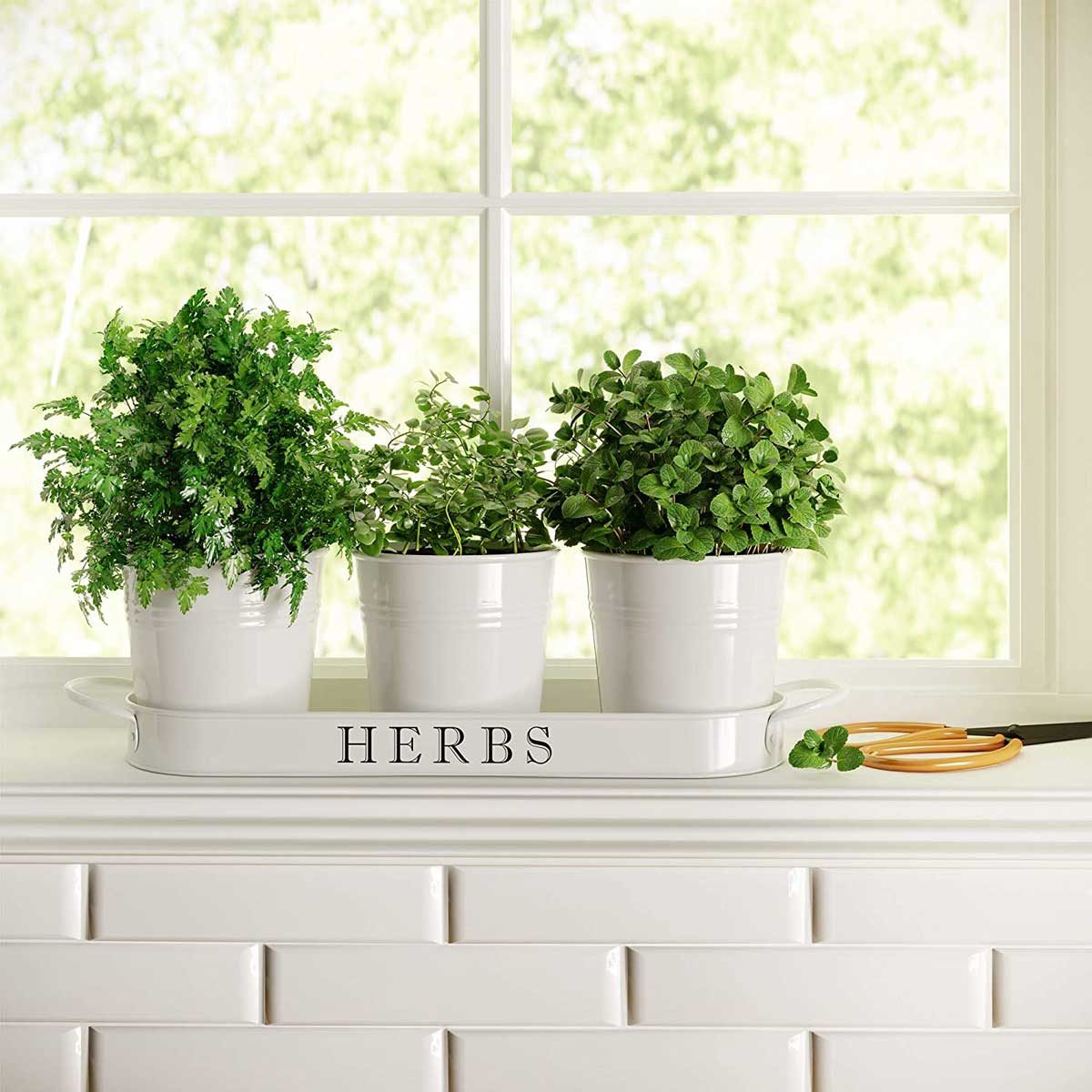
10 Best Herb Garden Planters and Kits of 2025

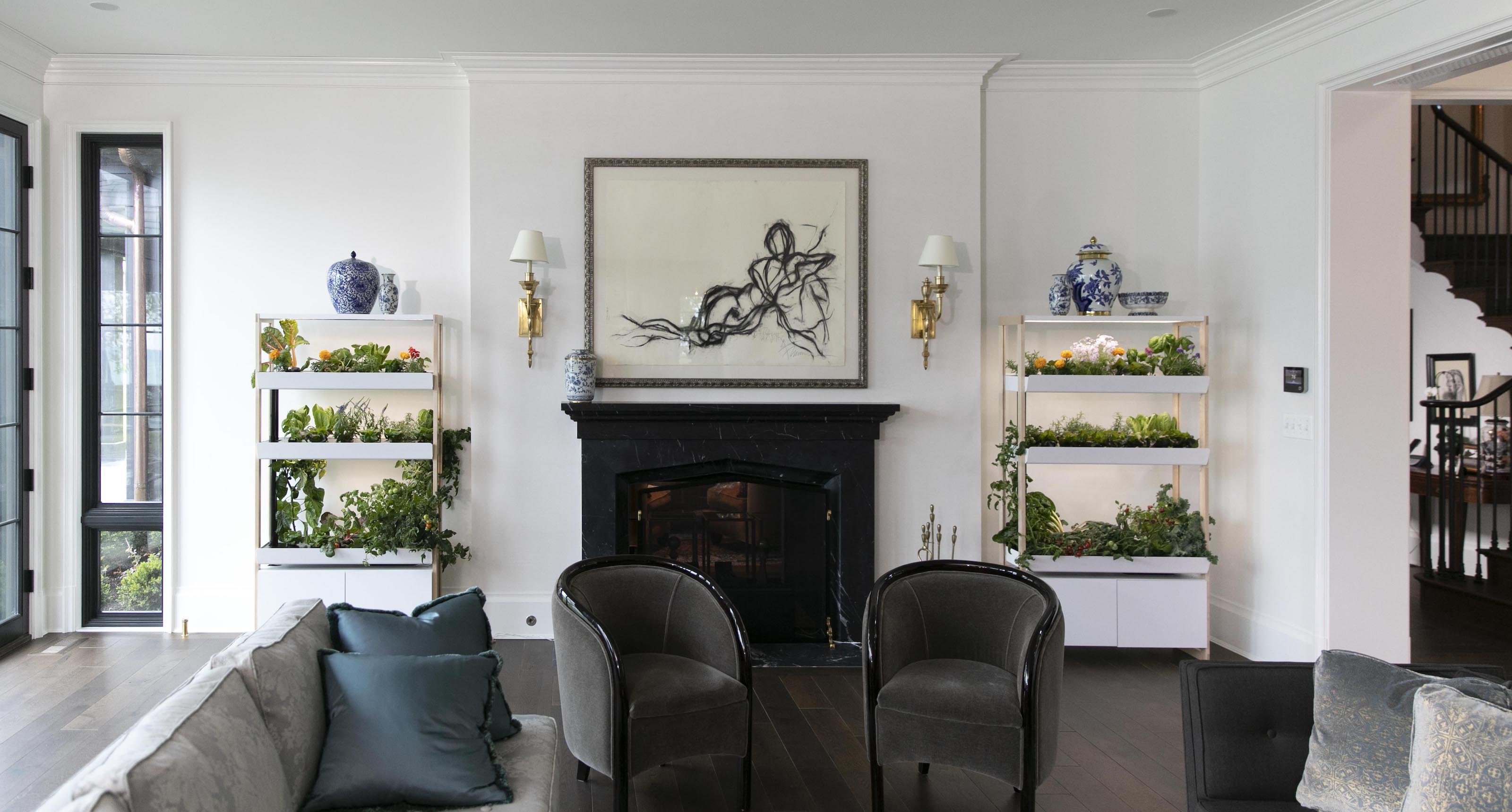
10 indoor vegetable garden ideas - design experts on how to create decor that looks good enough to eat

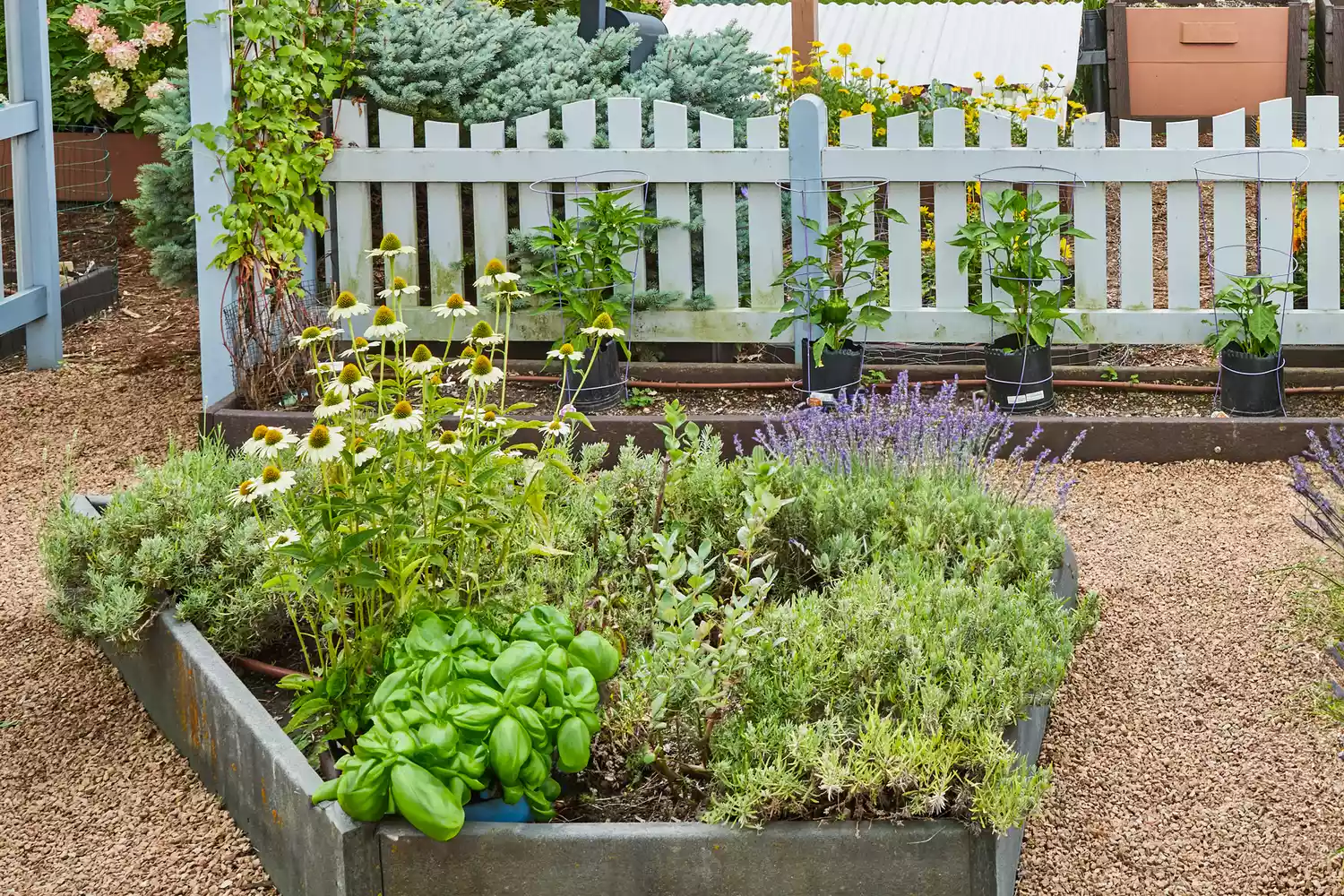
38 Clever Herb Garden Ideas for Indoor or Outdoor Spaces

Indoor herb garden ideas – how to display herbs artfully and practically in your home

21 Window Sill Decorating Ideas to Make the Most of Your Space

12 Hacks to Make Growing Your Own Herbs a Breeze
Patio vegetable garden ideas – 5 ways to grow your own in small outdoor living spaces
How to create a balcony herb garden – for a floral and fragrant outside space
Grow Herbs, Vegetables, Flowers, and More with Our Favorite Outdoor Planters

15 Plants Perfect For A South-Facing Window
Short on space for a herb or veggie garden? Think vertically
Starting an Herb Garden in a Small Apartment


6 Plants That Professional Stagers Say Will Actually Help You Sell Your Home
You don't need much space or sun to have a flourishing garden
Best Indoor Smart Gardens for 2026

25 Houseplants Perfect For Your Kitchen Window
The Secret to a Stunning Entryway? It’s All About These Eye-Catching Plants

15 window box ideas – perfect planting tips for floral interest in all seasons

Living wall systems: A space where veggies grow vertically