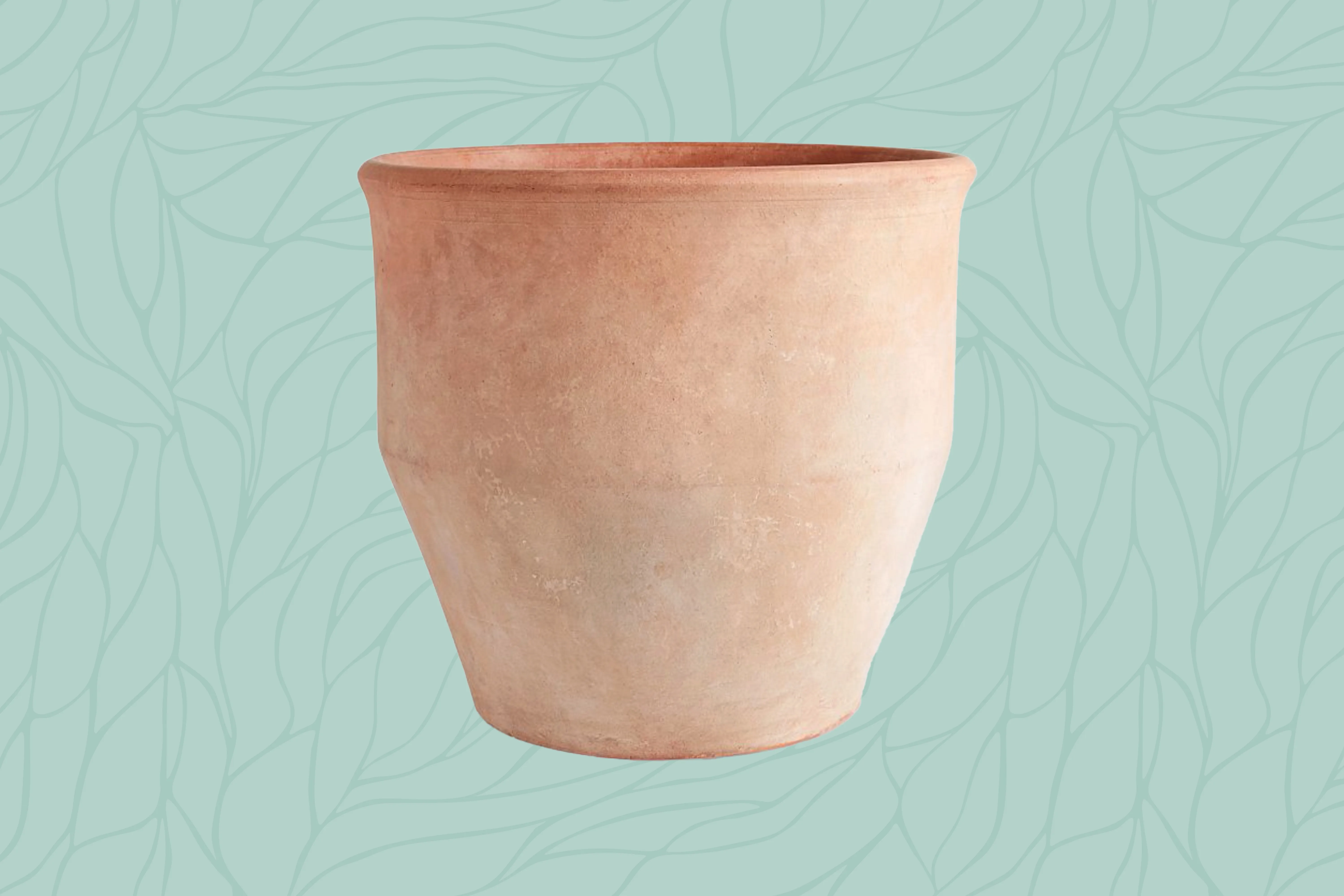
Grow Herbs, Vegetables, Flowers, and More with Our Favorite Outdoor Planters
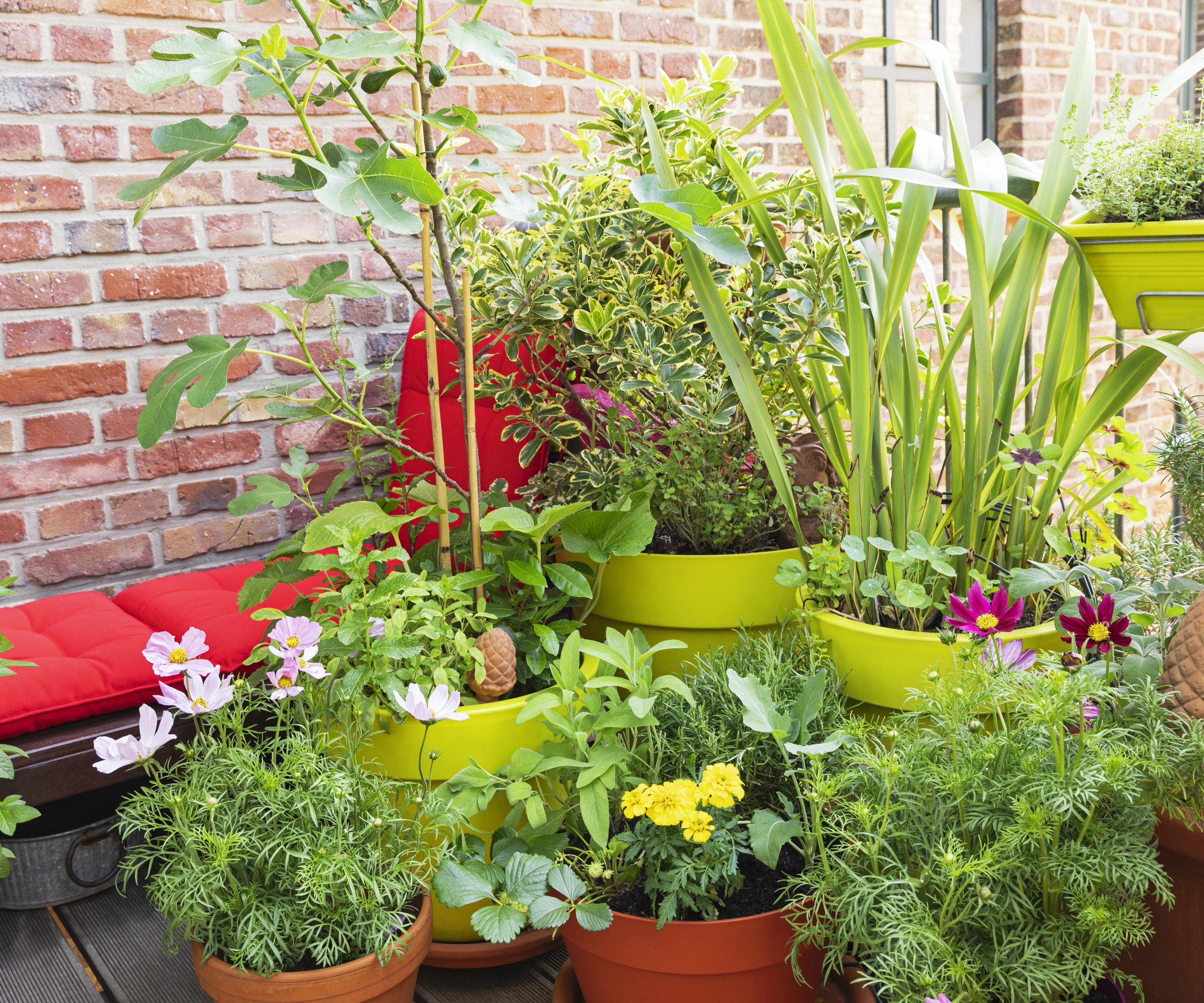
Selecting the appropriate outdoor planter is crucial for nurturing plants and enhancing outdoor aesthetics. Planters serve as extensions of the plants they hold, offering both visual appeal and a complementary element to the natural greenery or floral arrangements. When choosing an outdoor planter, it is important to consider how its style integrates with the existing outdoor decor and the specific needs of the plants. While some plants thrive in smaller containers, others require ample space for growth, necessitating a planter that can accommodate their future size.
Durability and weight are also significant factors. Lightweight materials like fabric or fiberglass are practical for planters that may need frequent relocation. Conversely, heavier planters made from materials such as concrete or metal are more suitable for areas prone to strong winds, ensuring stability. The selection process involves evaluating a range of materials, sizes, and styles, with drainage being a critical feature to prevent overwatering and root rot. Most planters, excluding porous fabric bags, should include drainage holes, which can be manually added if absent using appropriate drill bits for different materials like ceramic, terracotta, or metal.
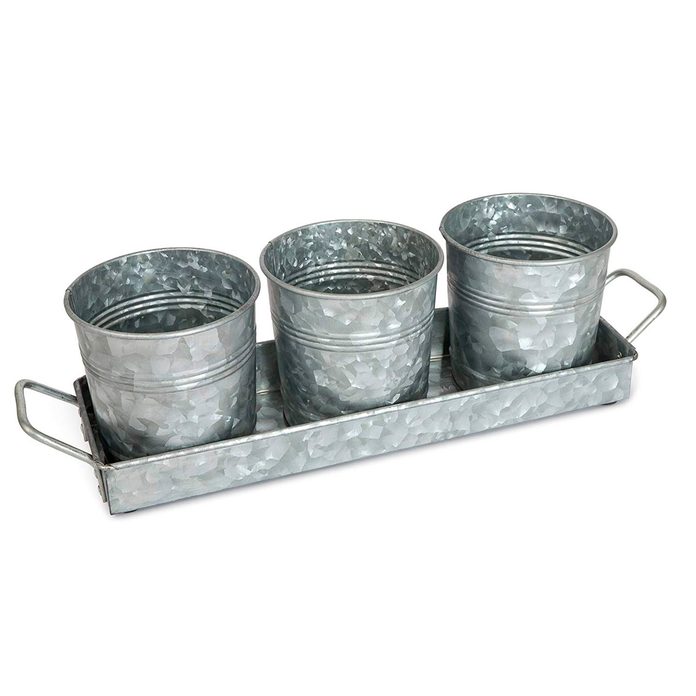
Various types of planters cater to diverse needs and preferences. For a blend of aesthetics and practicality, glazed ironstone planters offer the sophisticated appearance of ceramic with reduced weight and increased durability. Metal planters provide a contemporary look and are resistant to rust, making them suitable for year-round outdoor display. Concrete planters, often made from a lightweight concrete and fiberglass mix, offer a modern, sculptural element while being more manageable than traditional concrete. Fiberglass planters mimic the look of heavier materials like stone but are exceptionally light, facilitating easy movement.
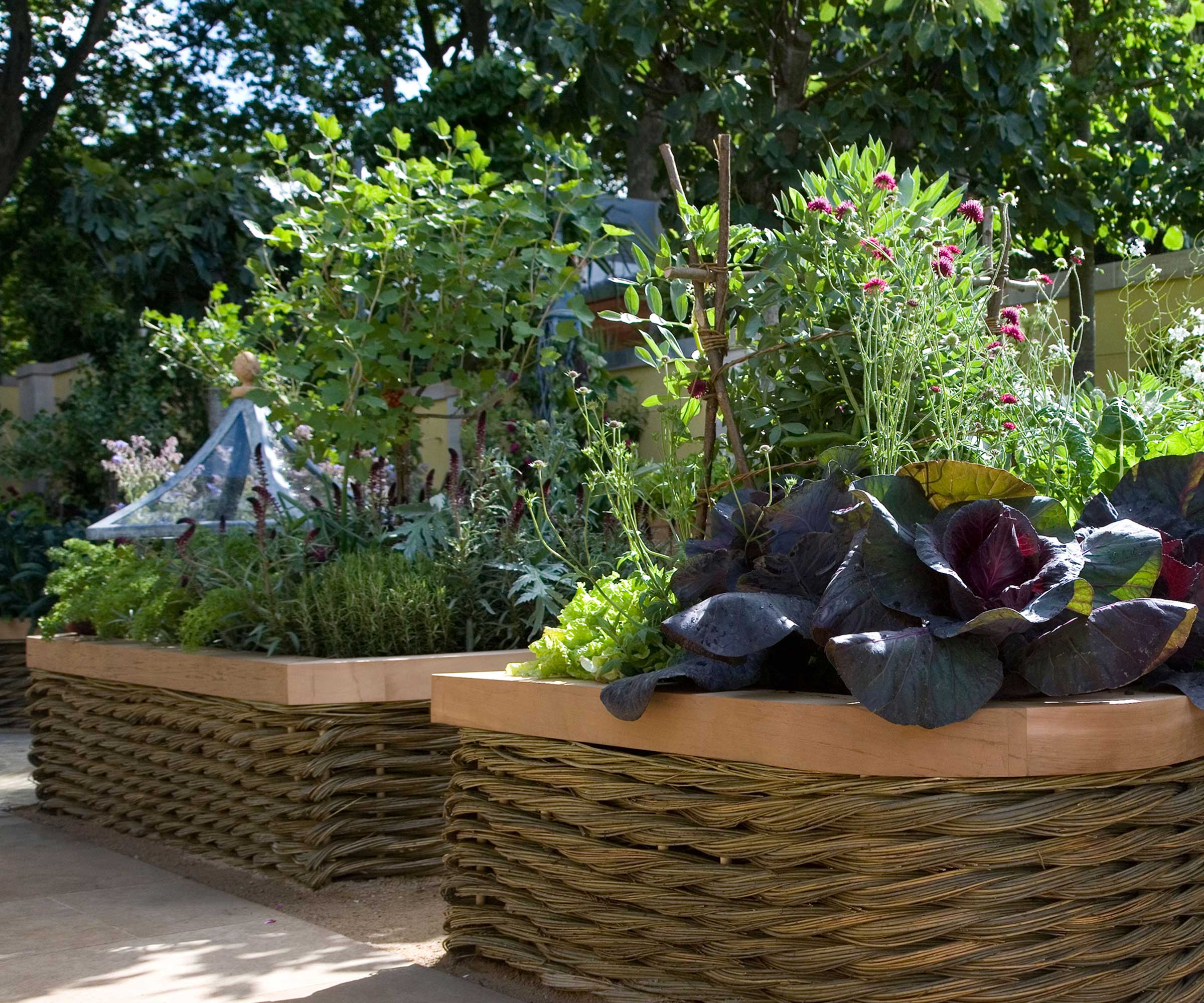
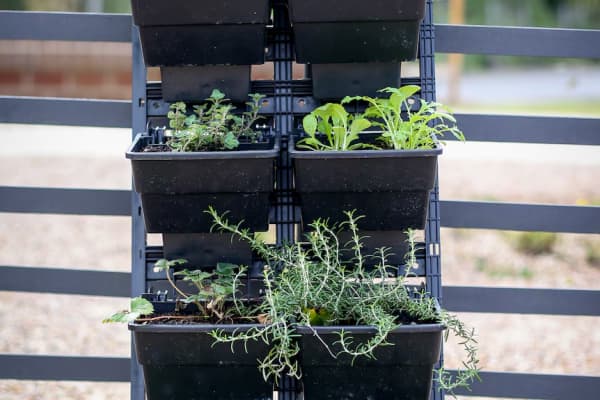
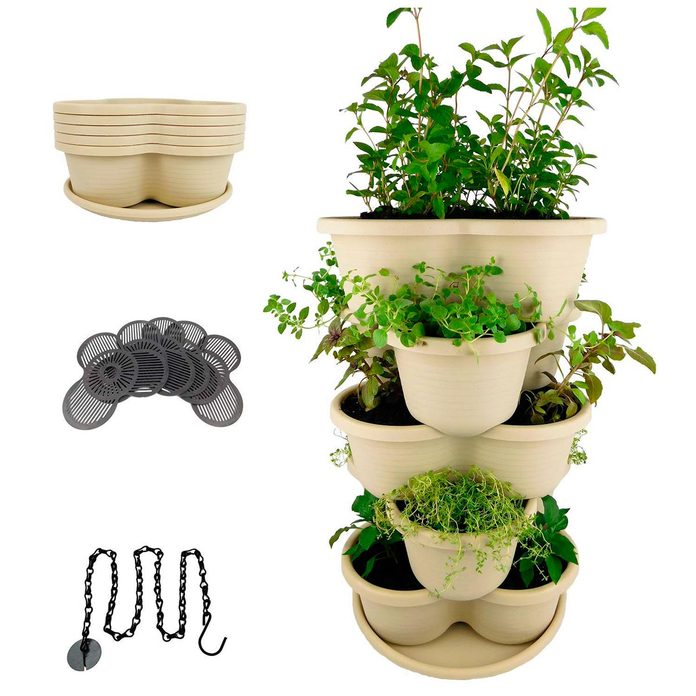
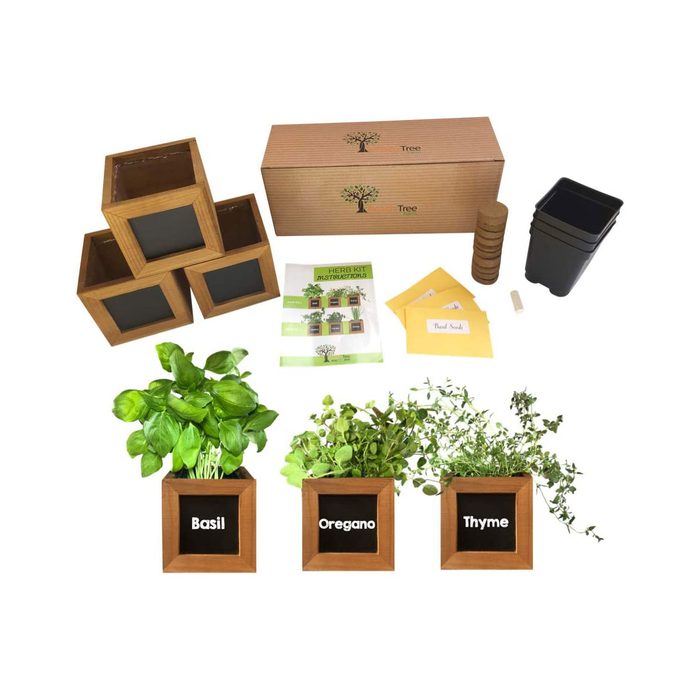
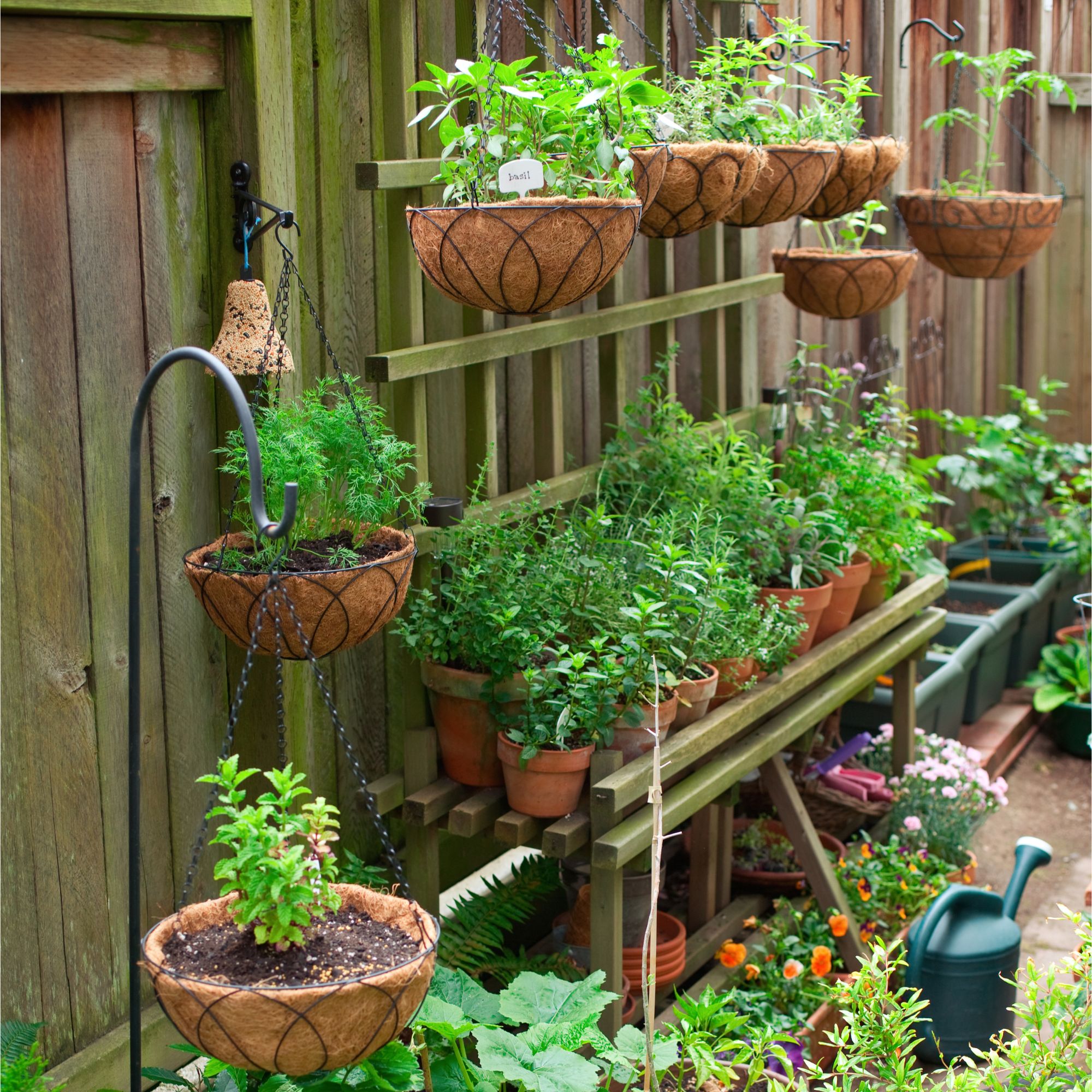
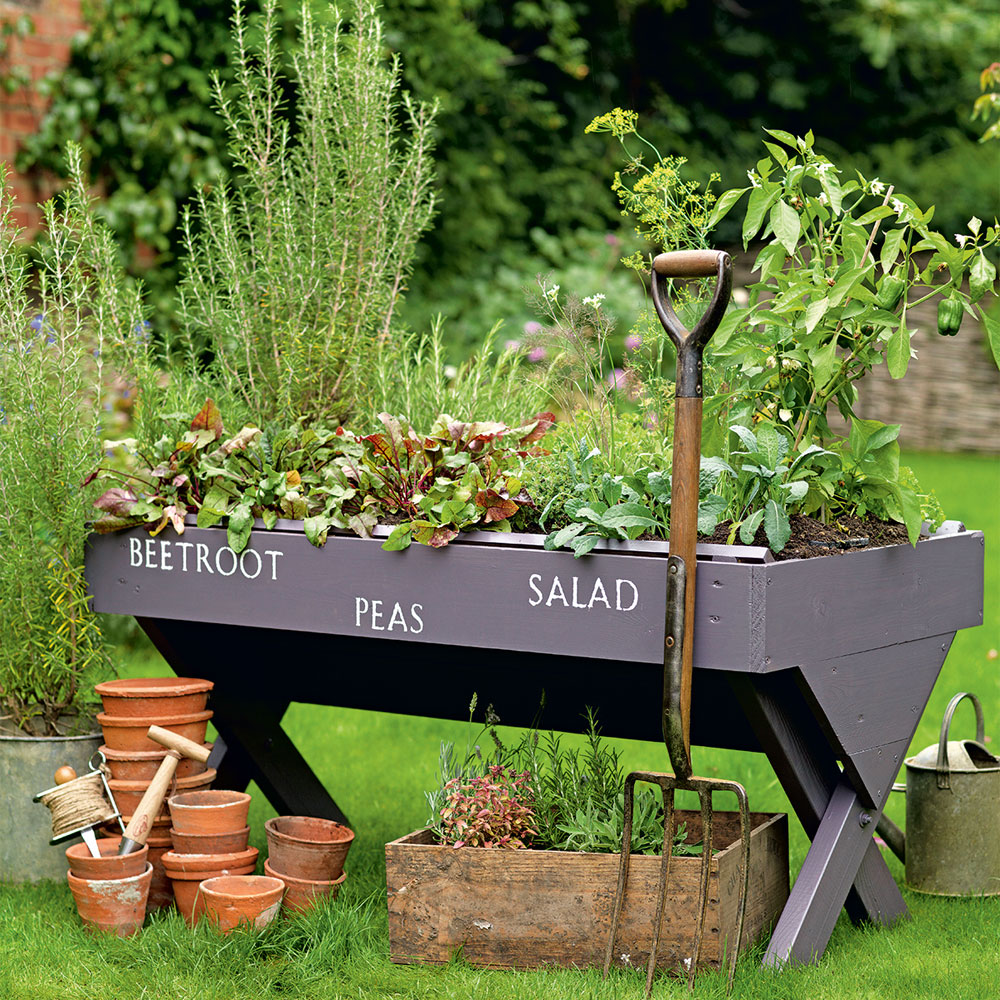
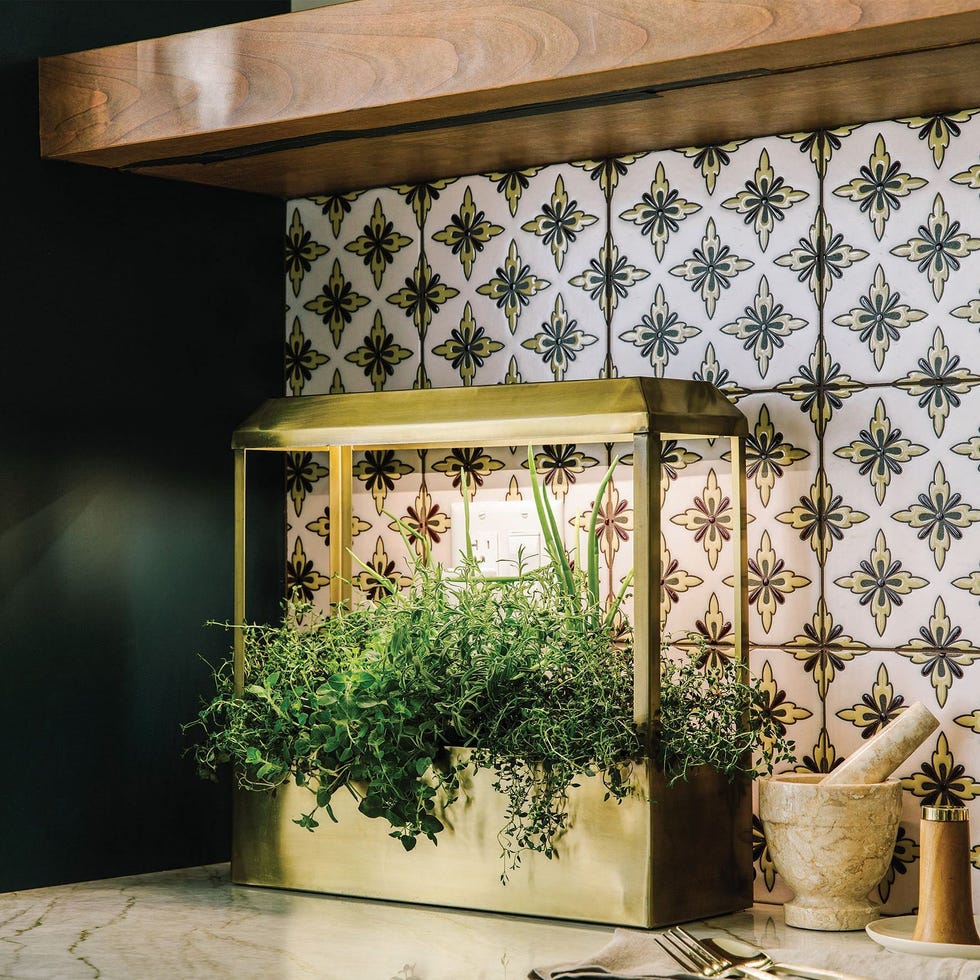
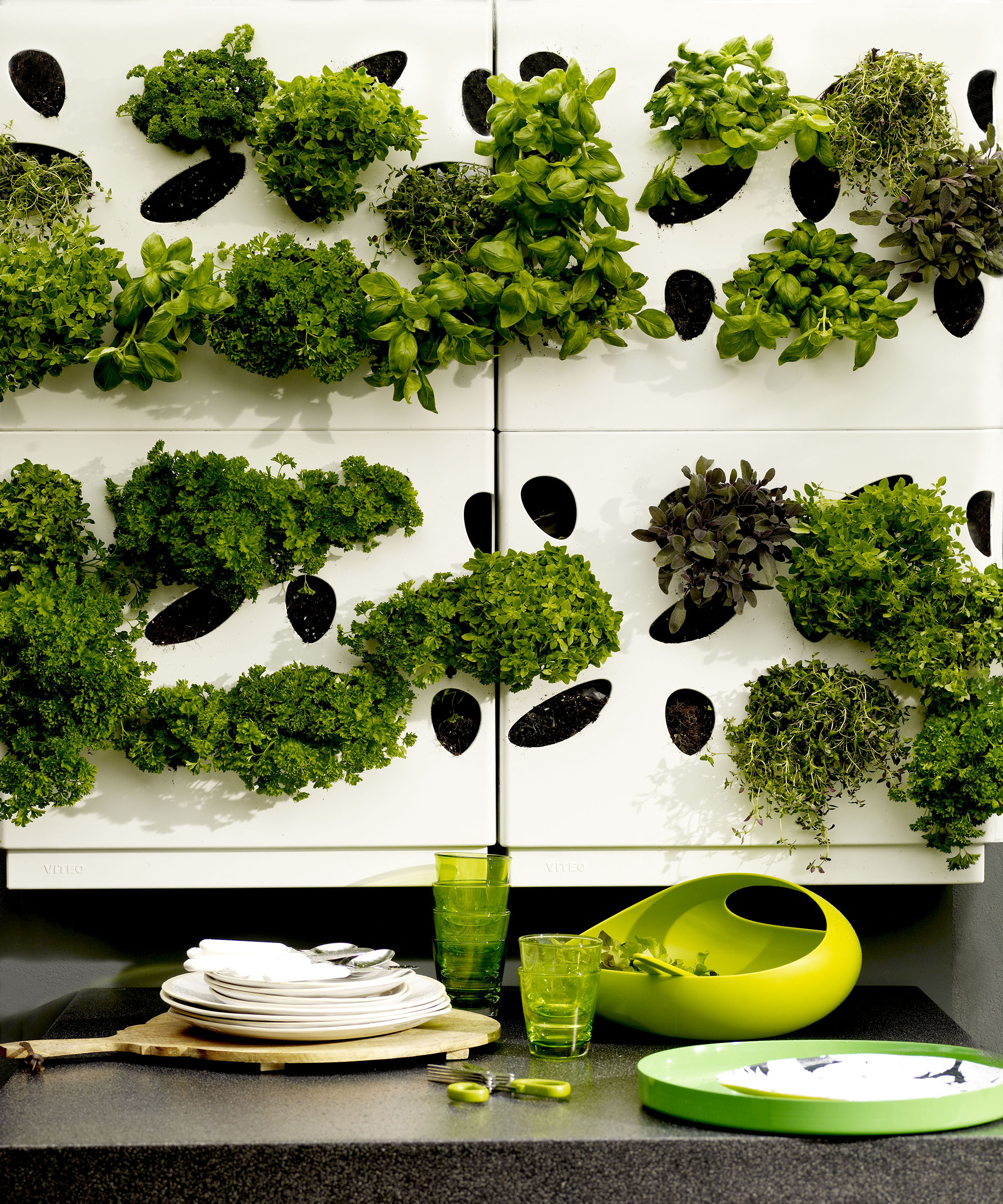
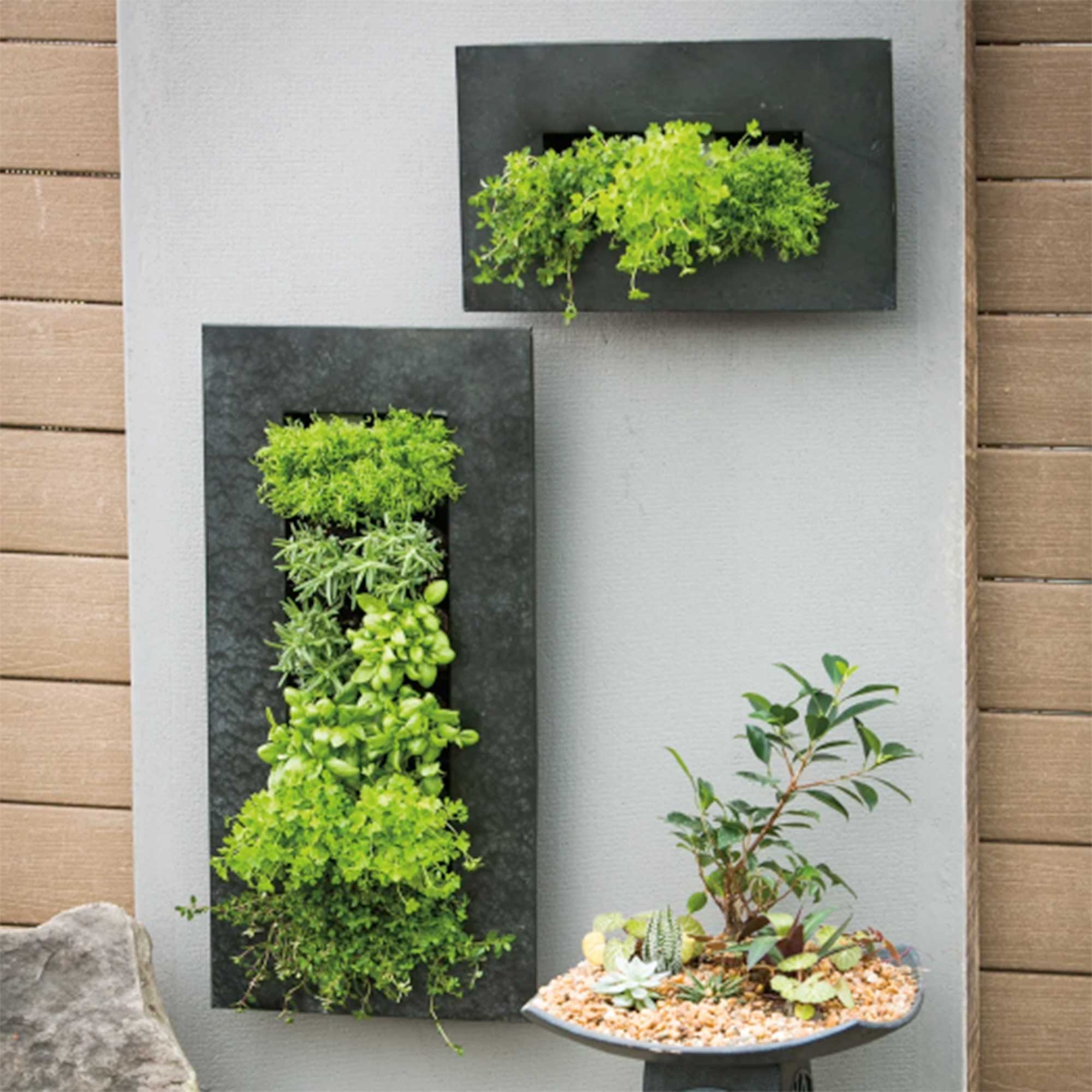
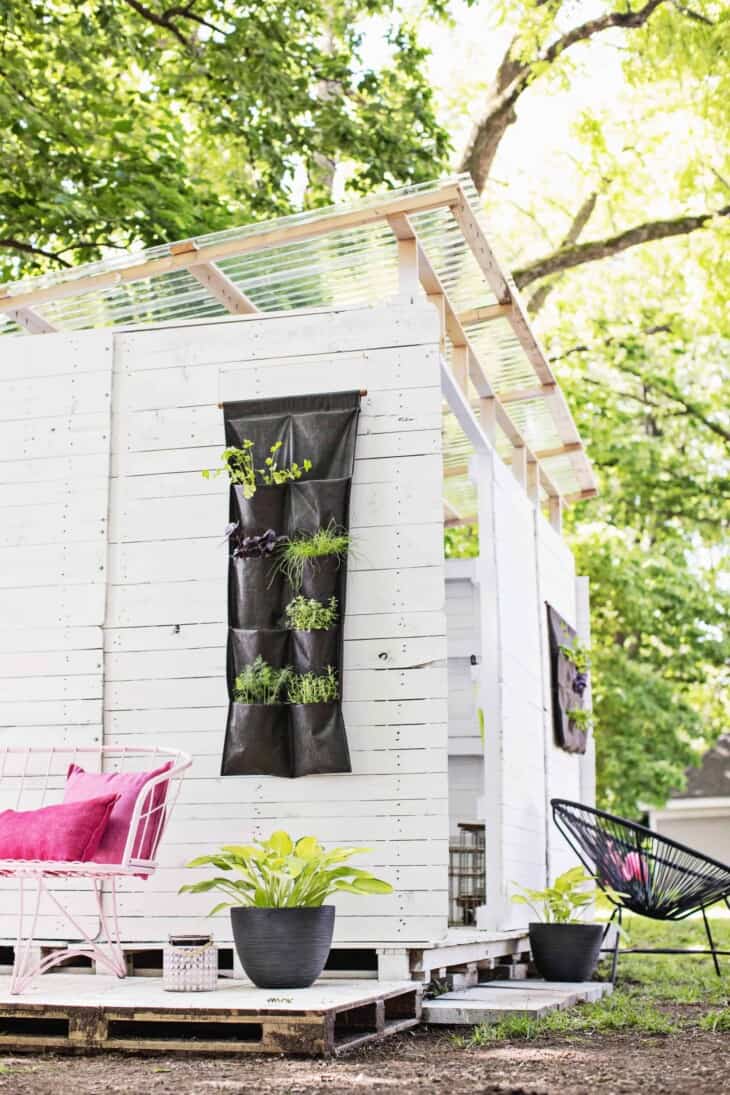
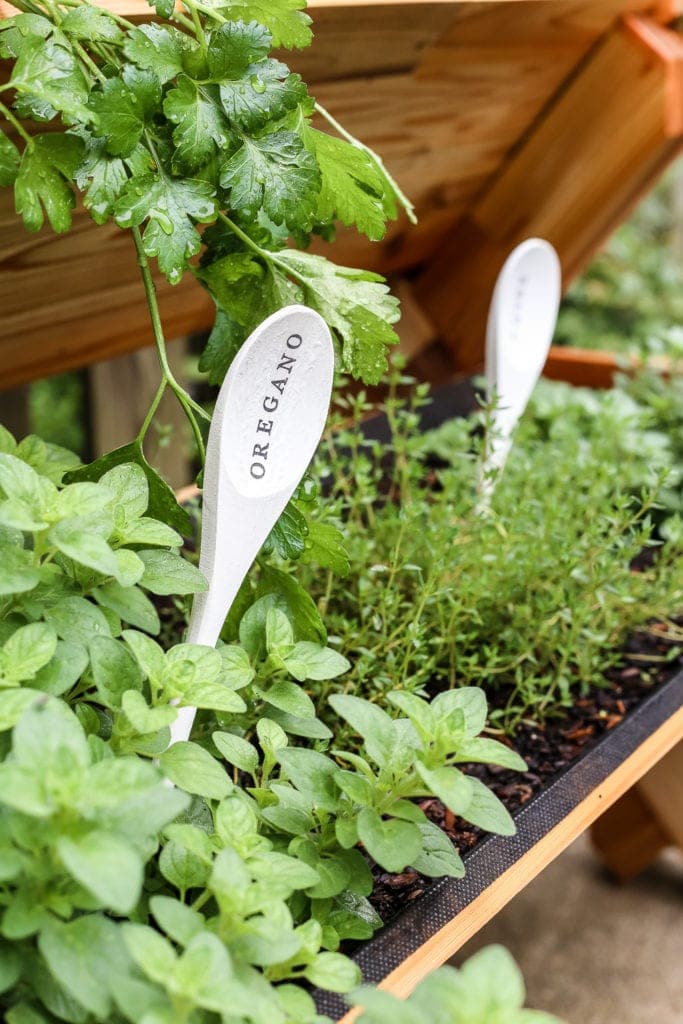
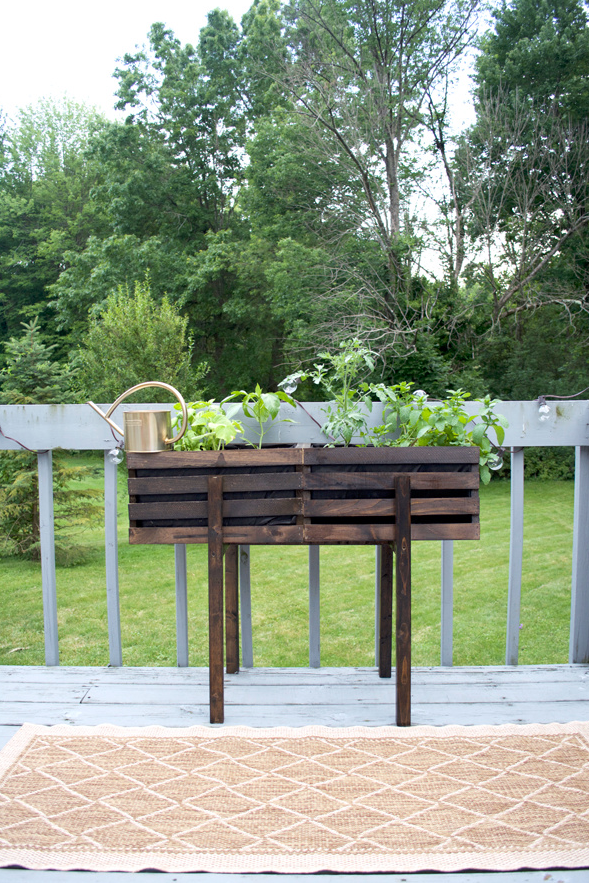
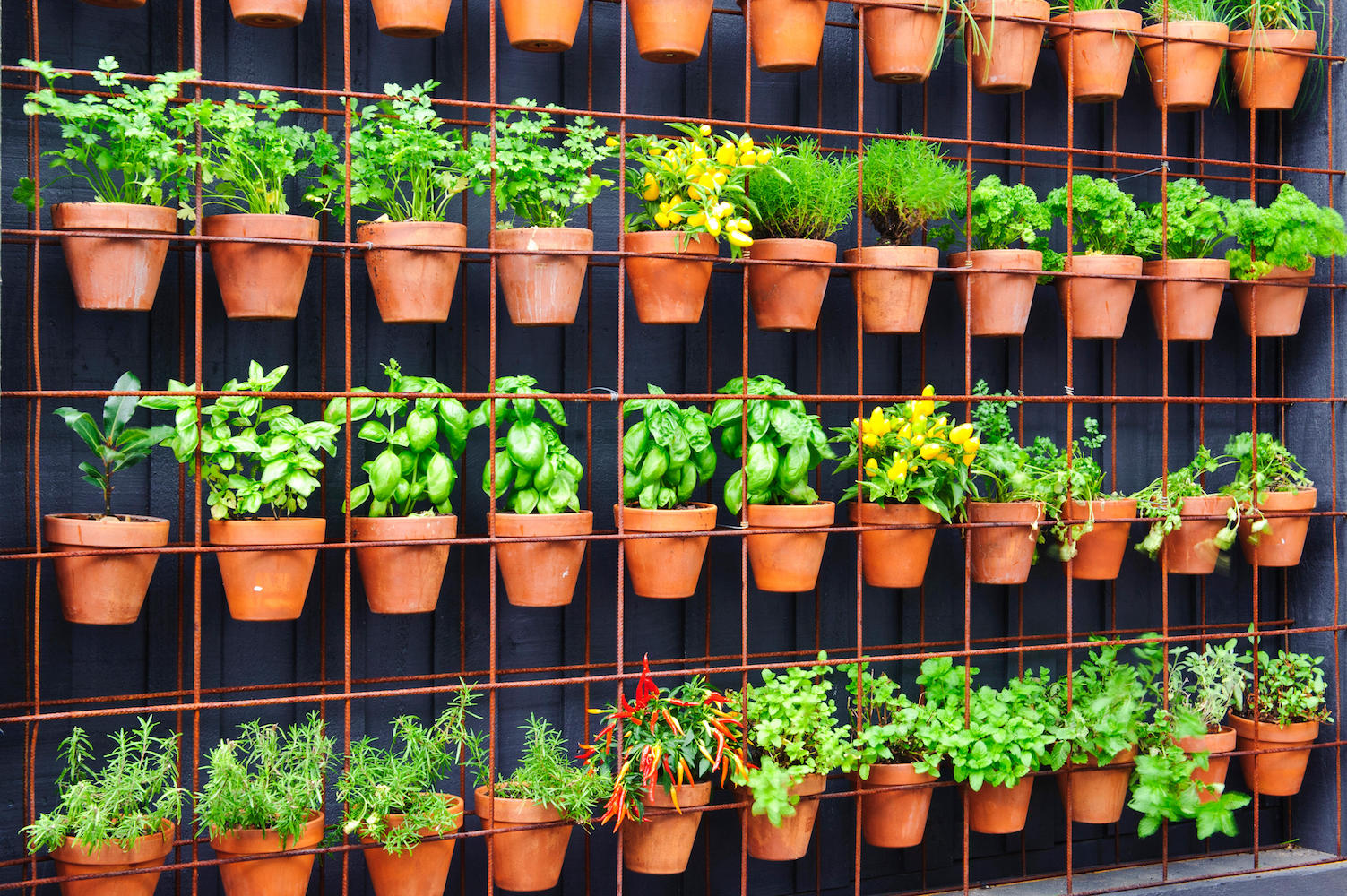
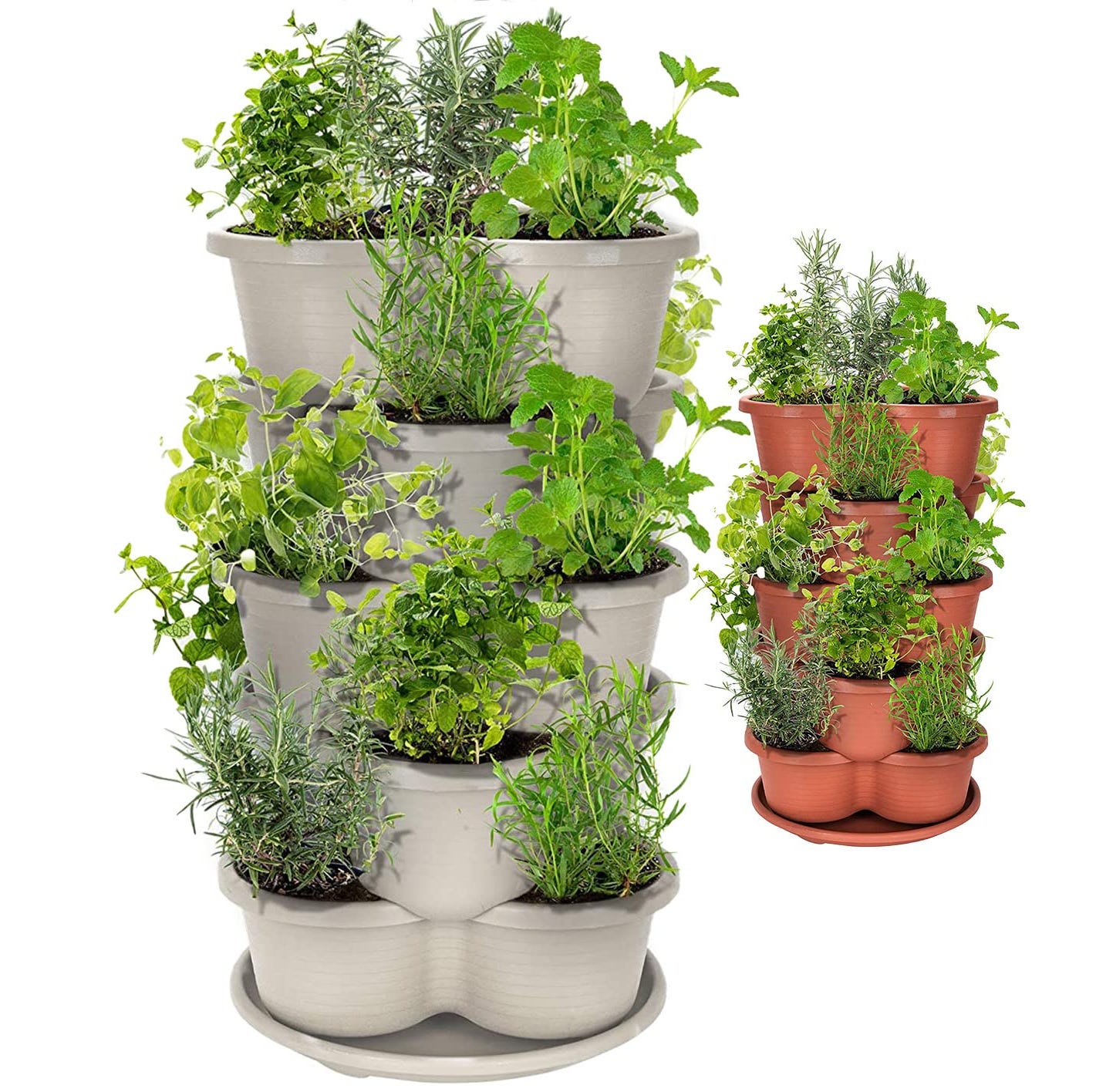
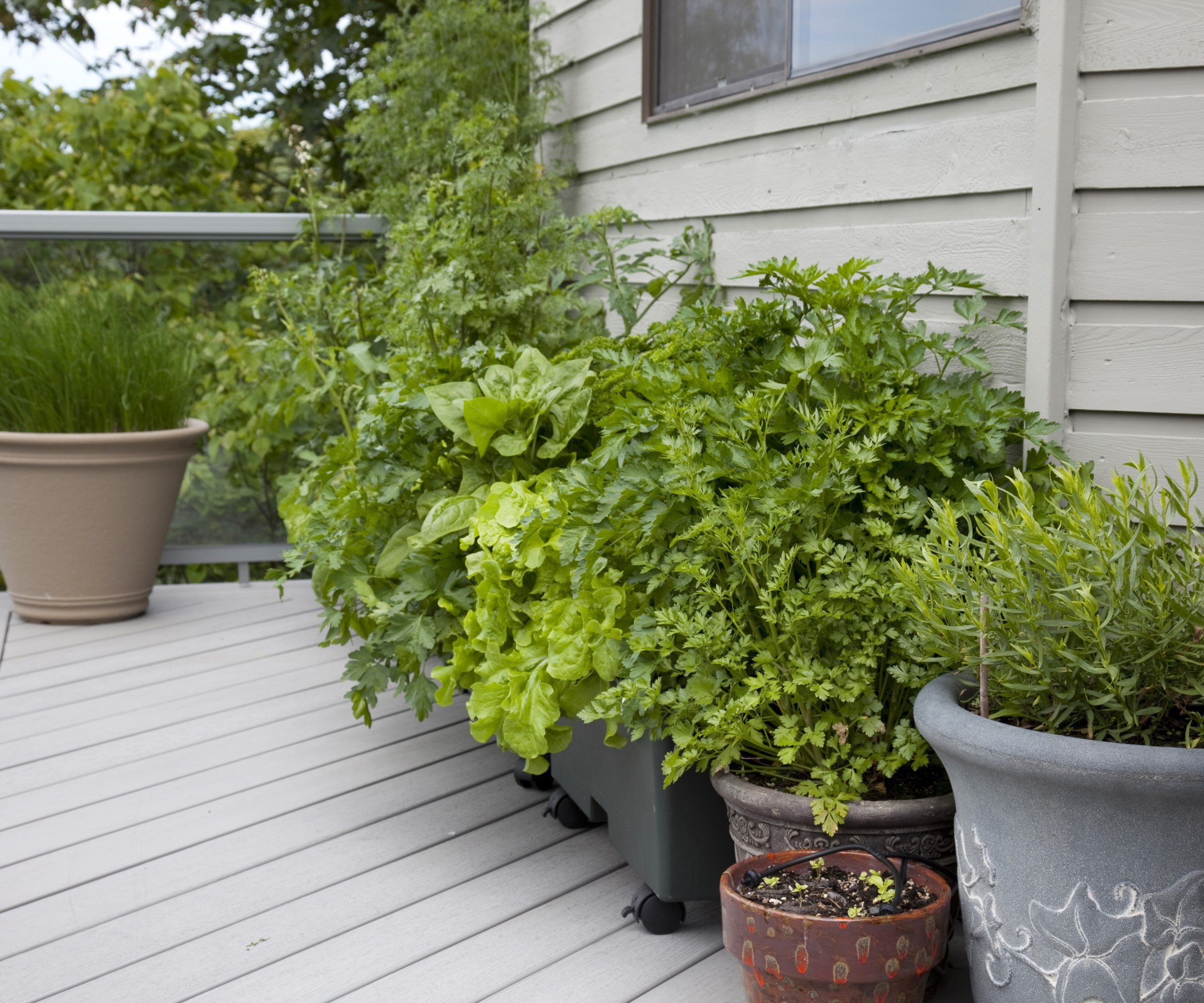
Large trough planters, constructed from composite materials, are ideal for creating privacy screens on decks or patios and are designed to withstand extreme temperatures. Hanging planters maximize vertical space, perfect for small areas, and are available in durable, weather-resistant composites. Wooden planters, particularly those with removable inserts, combine natural appeal with ease of maintenance and planting. Specialized planters, such as herb gardens with multiple compartments, facilitate organized growth, while fabric grow bags are excellent for vegetables due to their superior air circulation and drainage properties.
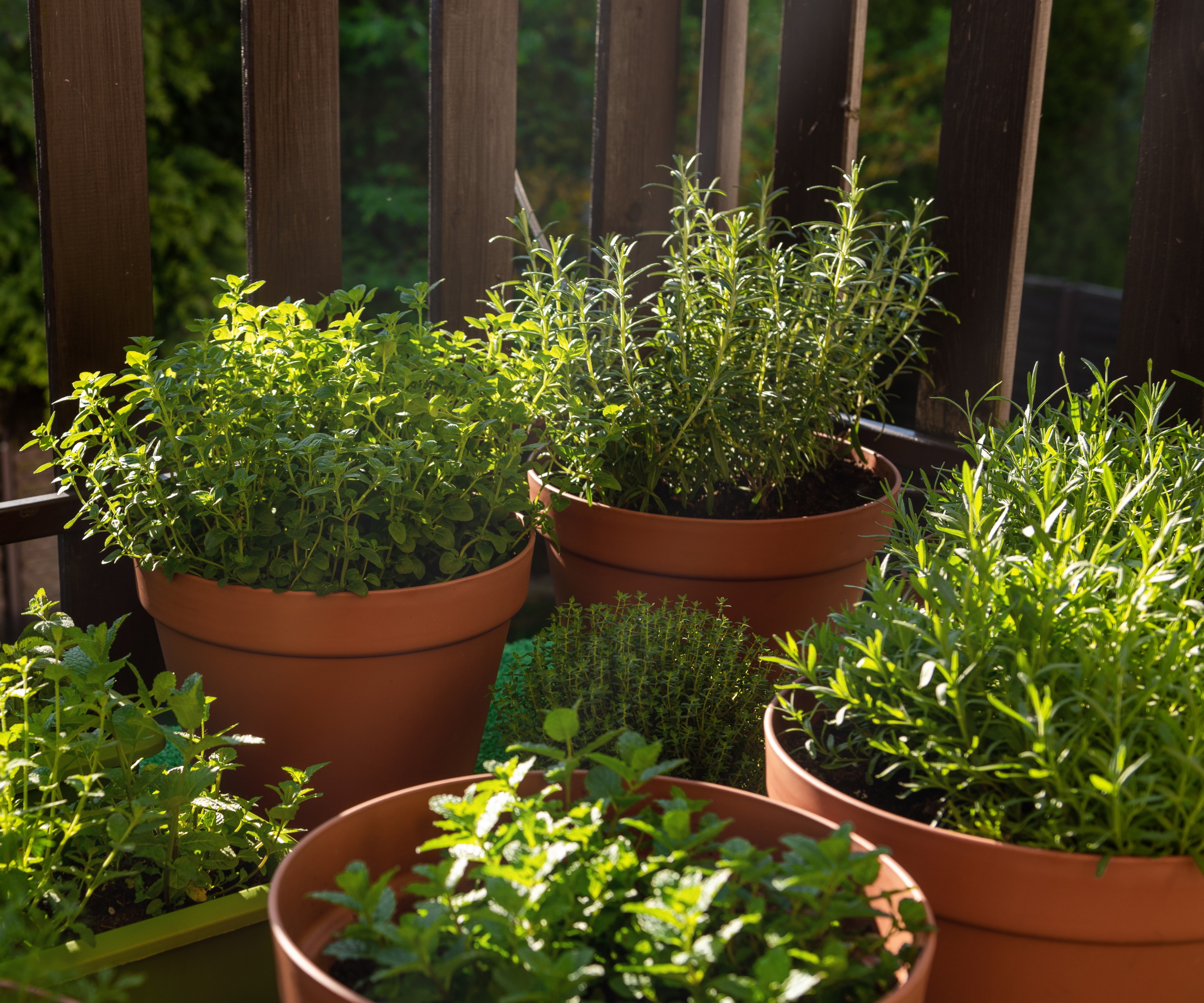
Terracotta planters, known for promoting airflow, are a classic choice, and modern variations offer elegant, antique finishes. Self-watering planters with built-in water level indicators are beneficial for gardeners who desire less frequent watering, offering convenience and plant health benefits. Budget-friendly ceramic options demonstrate that quality and style are accessible at various price points. Ultimately, the best outdoor planter depends on balancing aesthetic preferences, plant requirements, and environmental conditions, ensuring both plant vitality and a harmonious outdoor space.
#OutdoorPlanters #ContainerGardening #GardenDesign #PlantCare #HomeDecor #GardeningTools #MaterialSelection #Durability #SelfWatering #OutdoorPlanters #ContainerGardening #GardenDesign #PlantCare #HomeDecor #GardeningTools #MaterialSelection #Durability #SelfWatering
0 comment in total
 No comments yet
You may also like
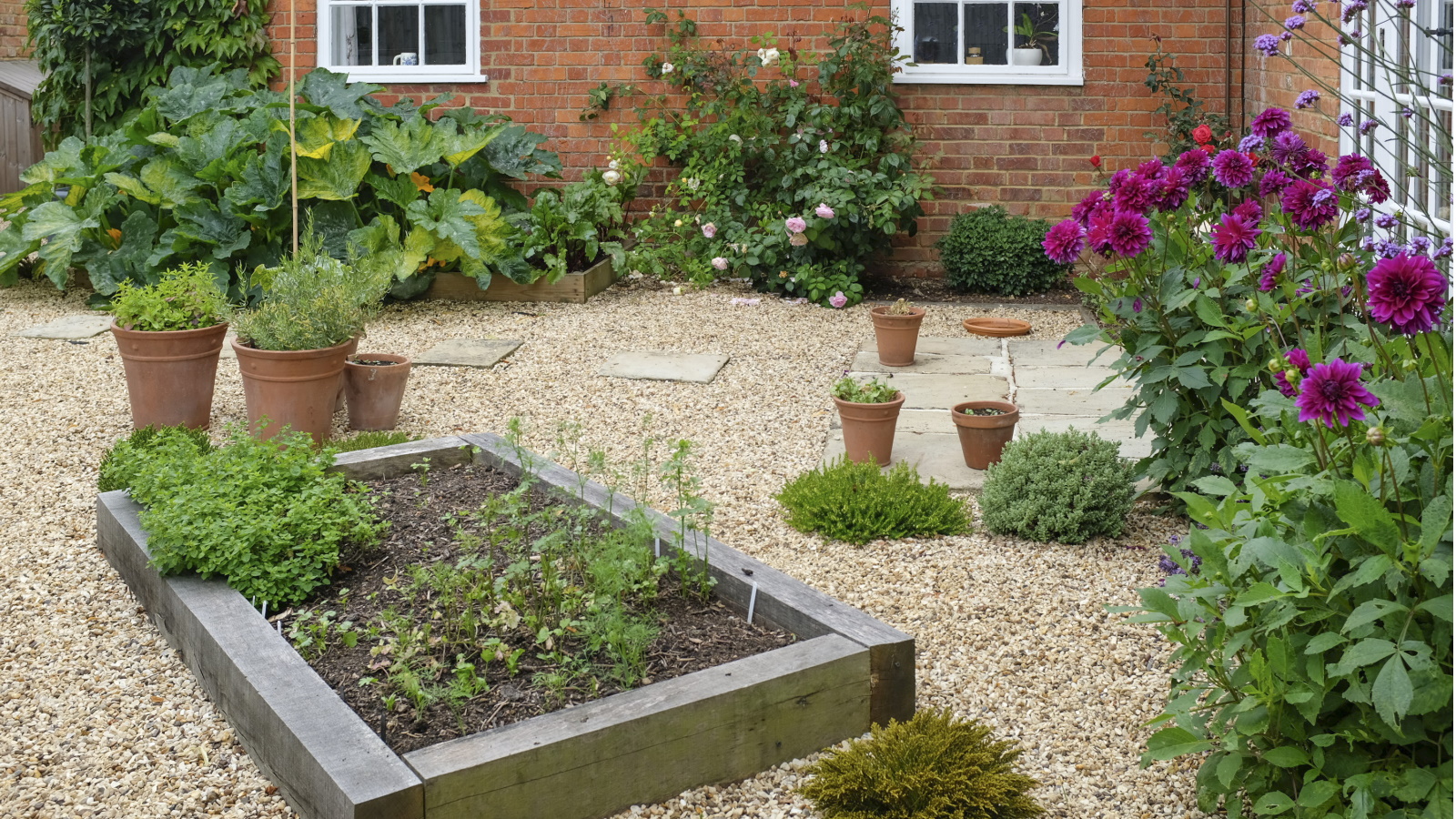
Patio vegetable garden ideas – 5 ways to grow your own in small outdoor living spaces

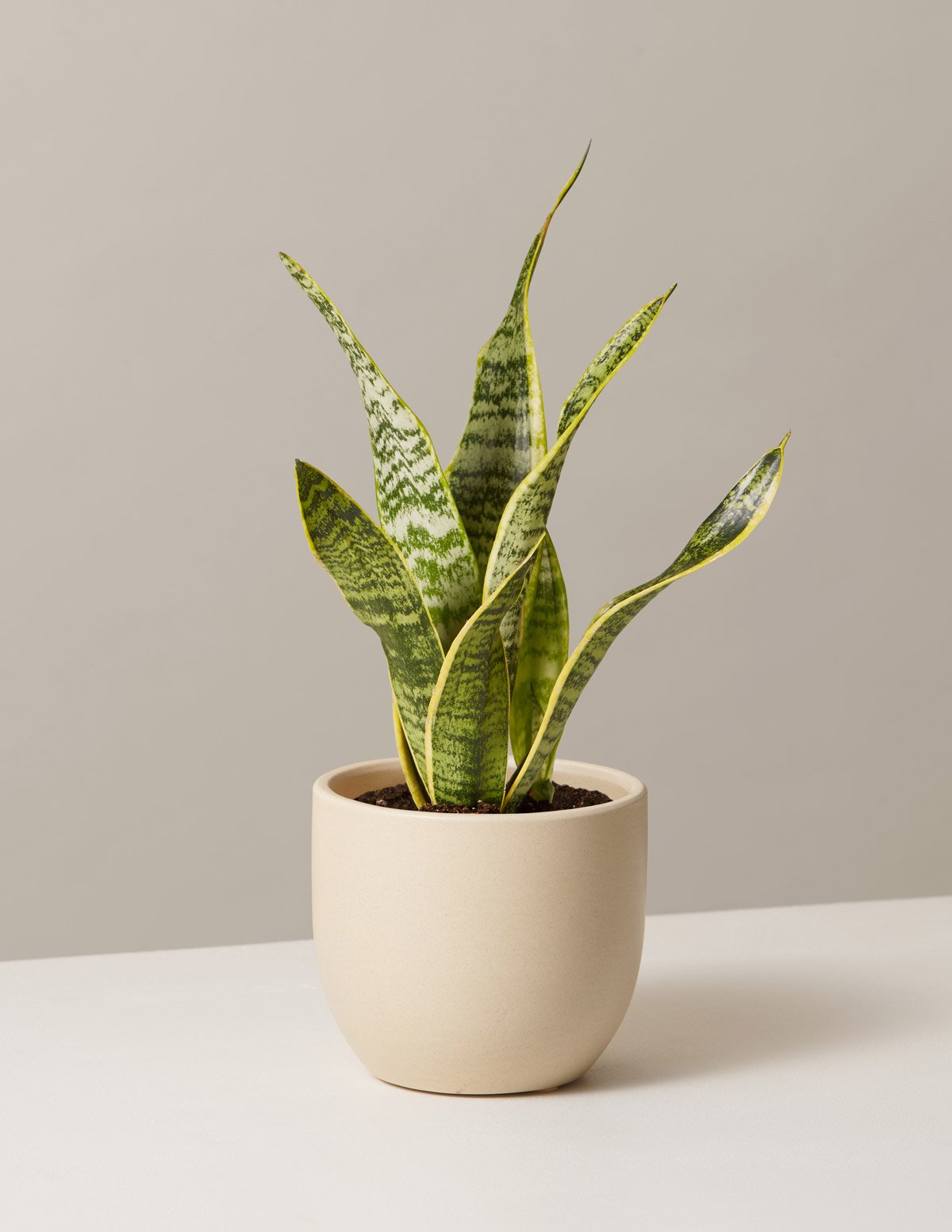
The Best Places to Buy Plants Online

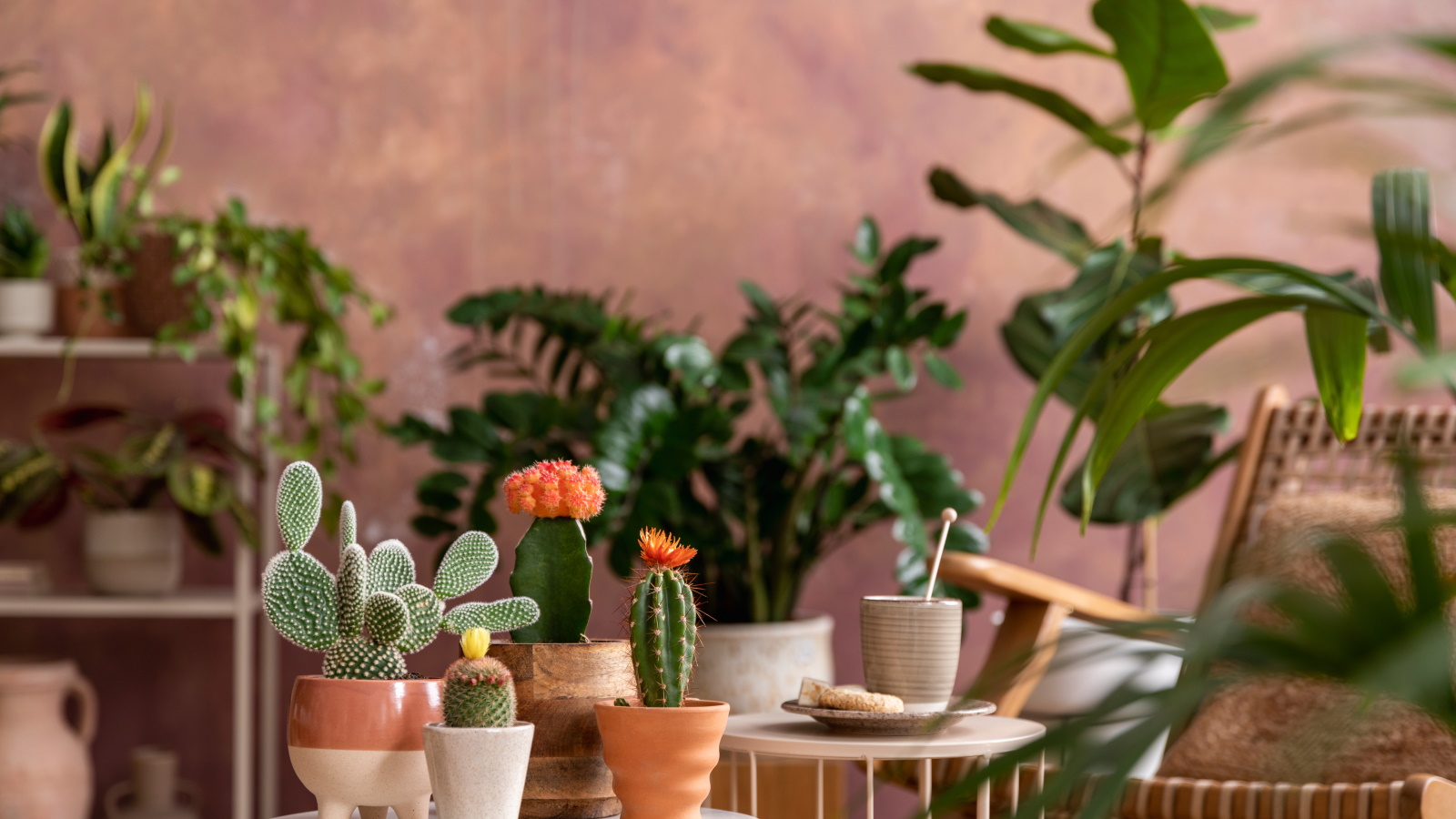
Indoor garden ideas: 9 ways to create a plant-filled haven
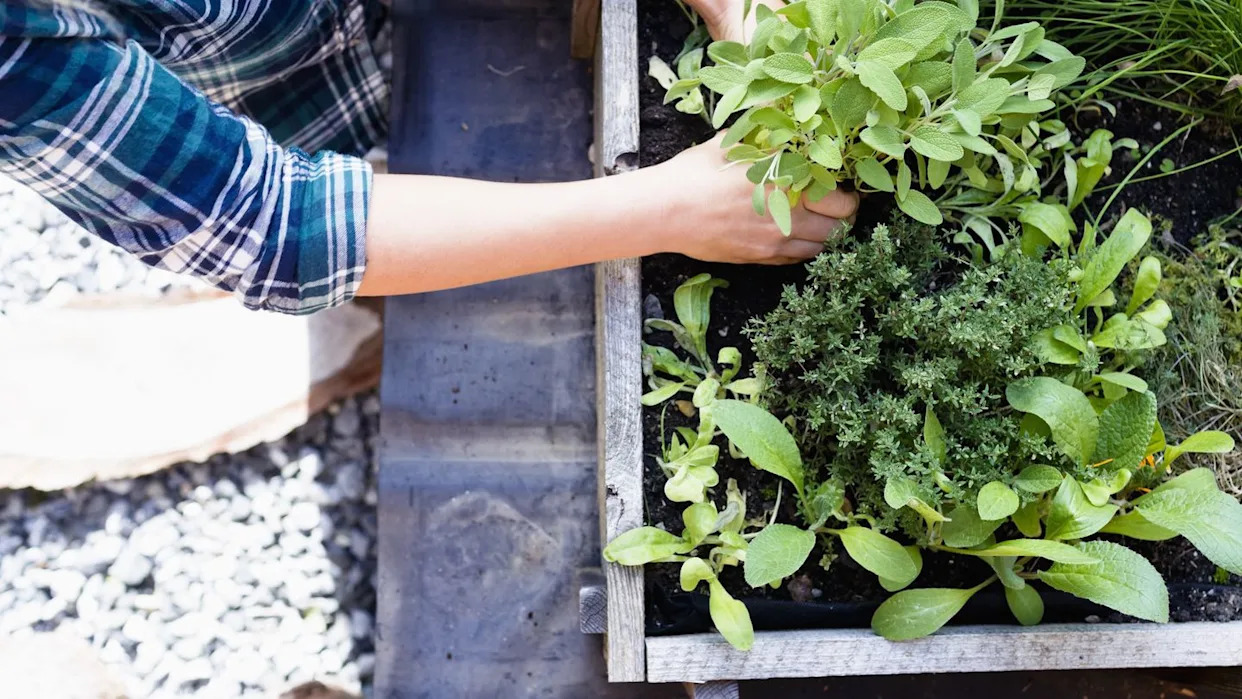
These Creative DIY Herb Garden Ideas Will Have You Cooking in No Time
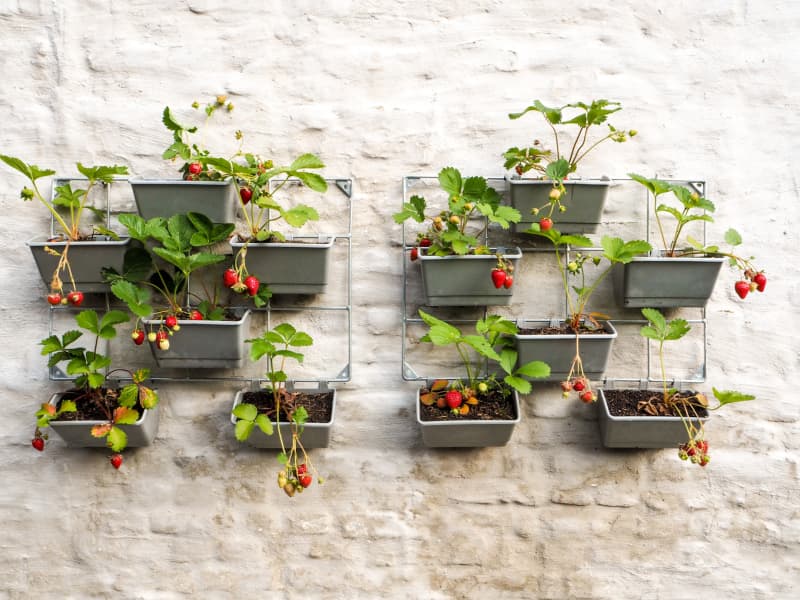
Short on space for a herb or veggie garden? Think vertically

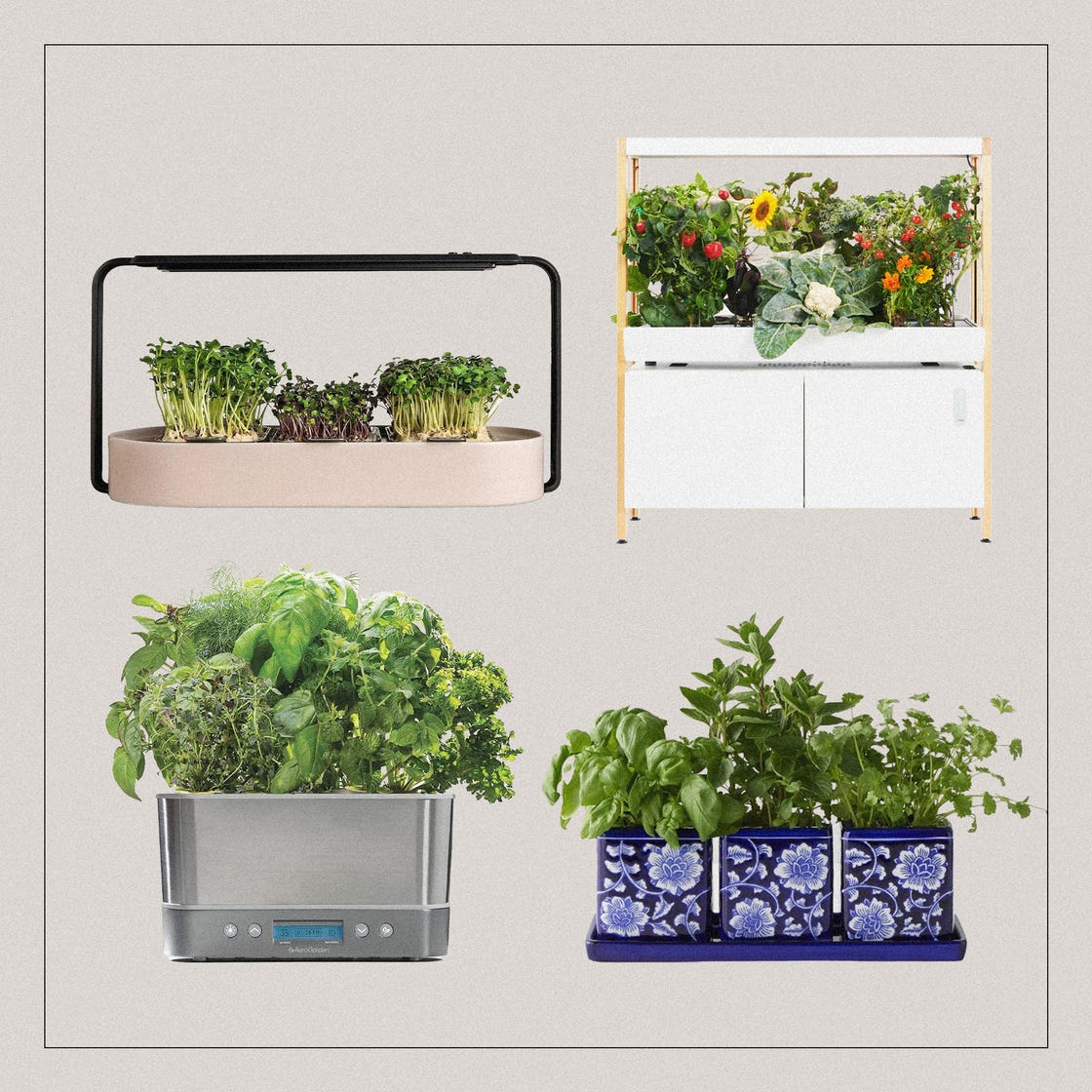
These Indoor Herb Gardens Will Help You Save Space and Time in the Kitchen

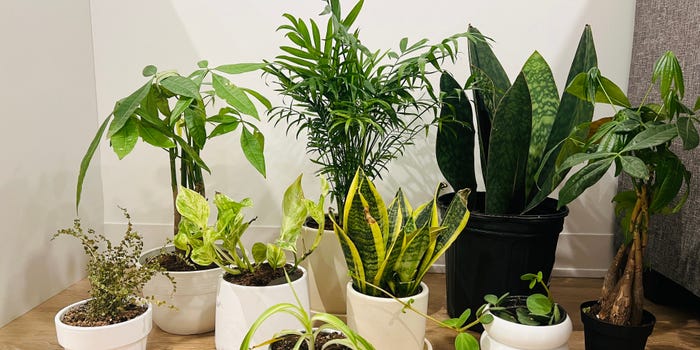
The 8 Best Places to Buy Indoor Plants in 2025
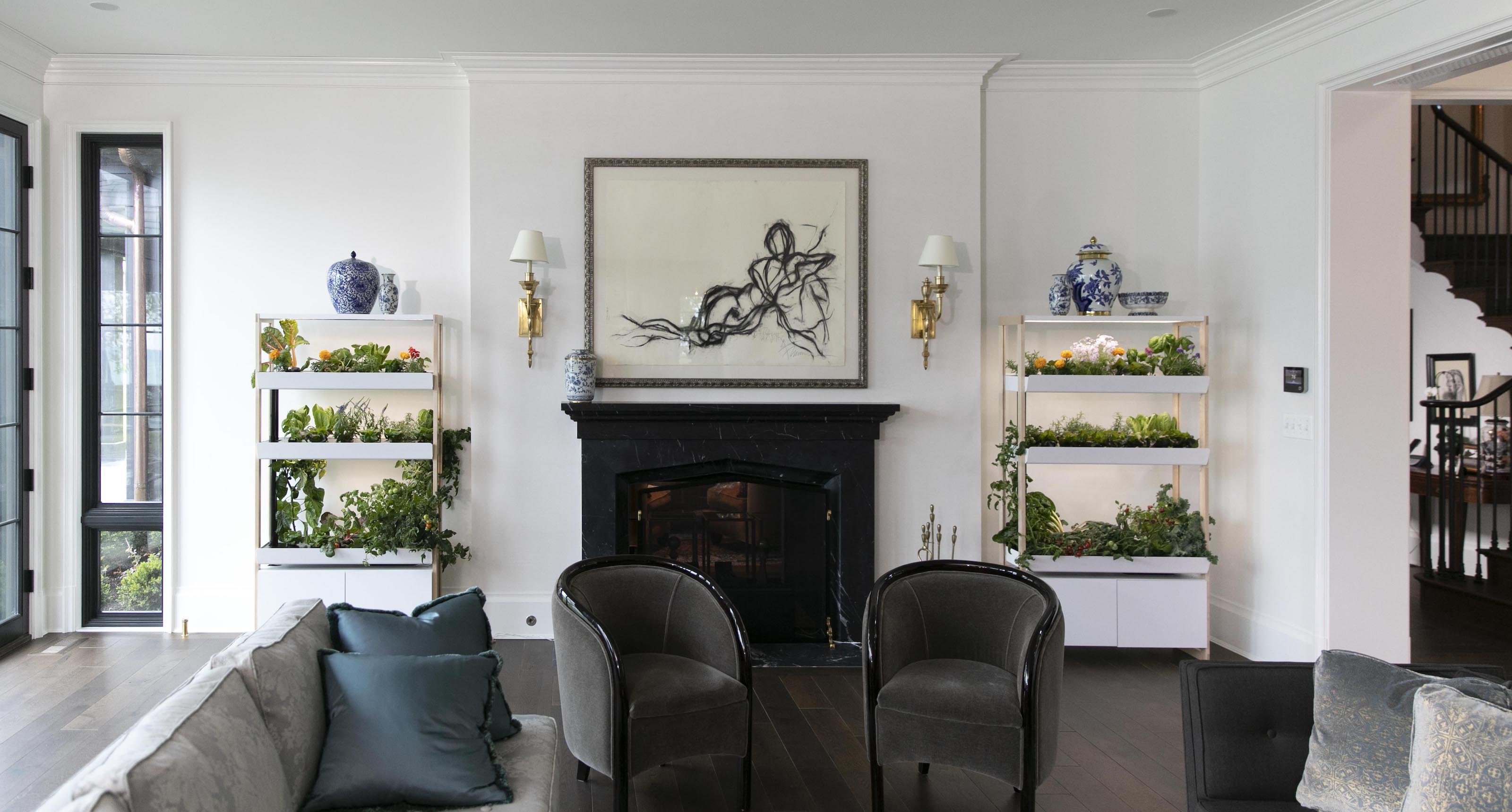
10 indoor vegetable garden ideas - design experts on how to create decor that looks good enough to eat

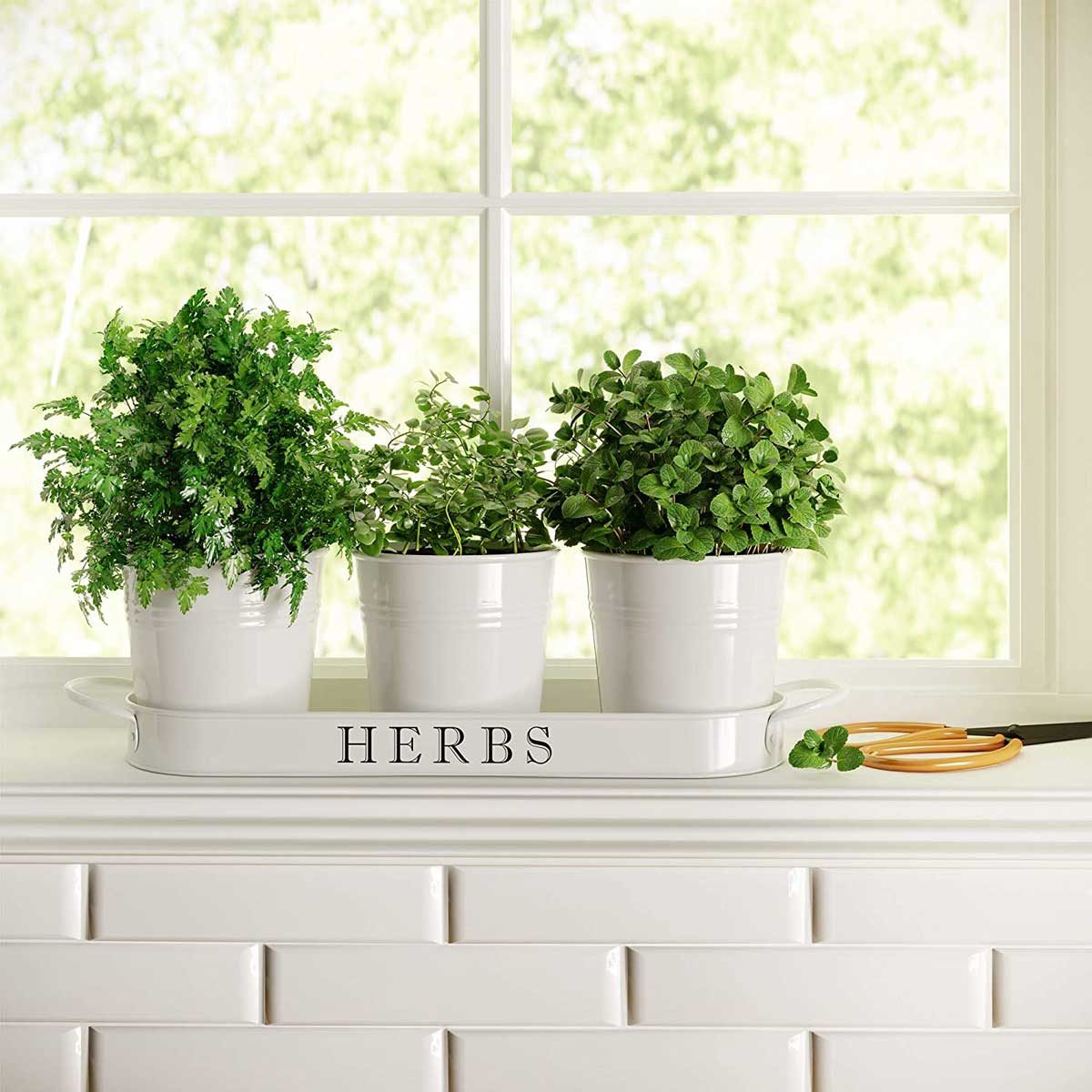
10 Best Herb Garden Planters and Kits of 2025

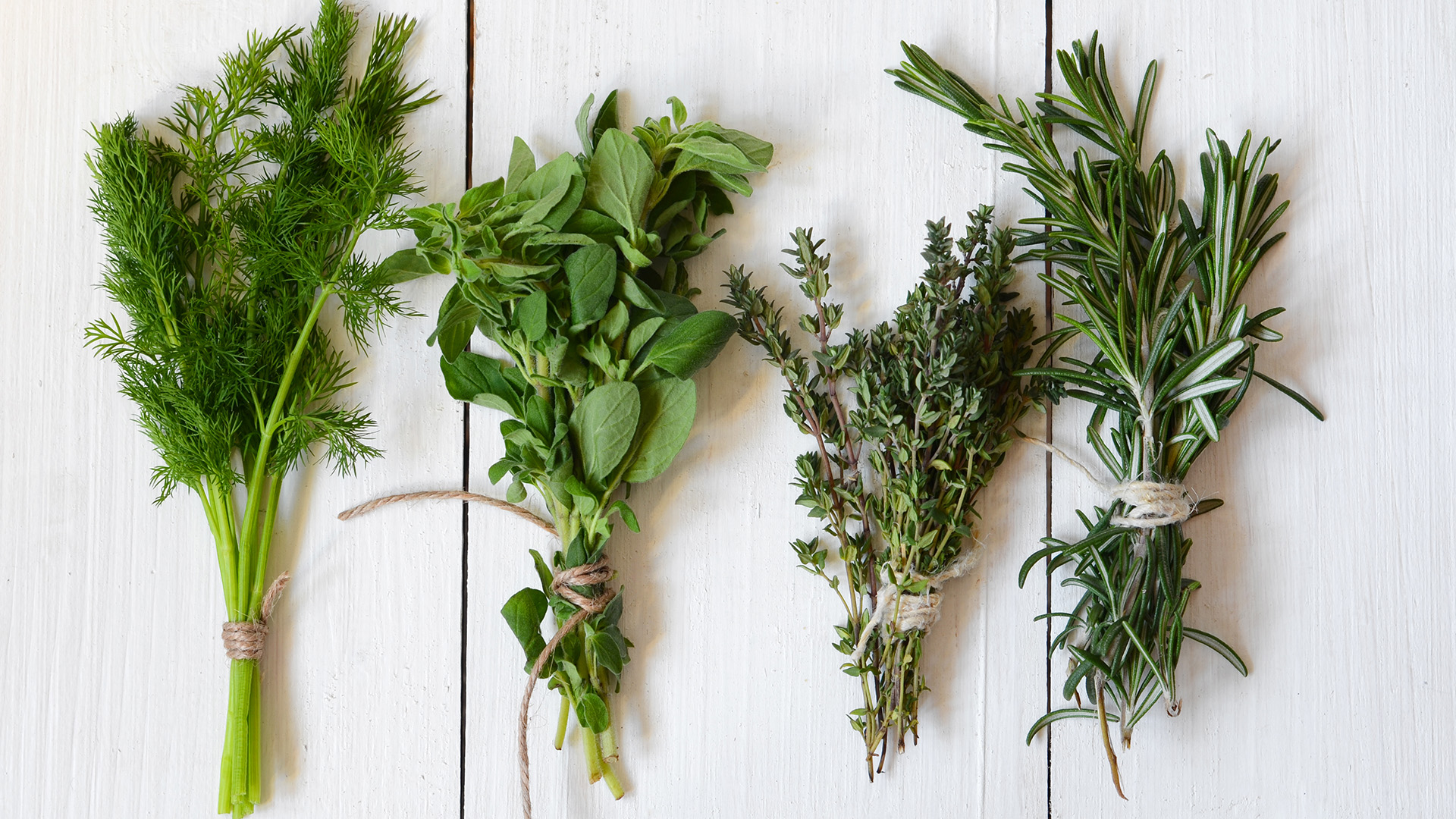
12 Hacks to Make Growing Your Own Herbs a Breeze
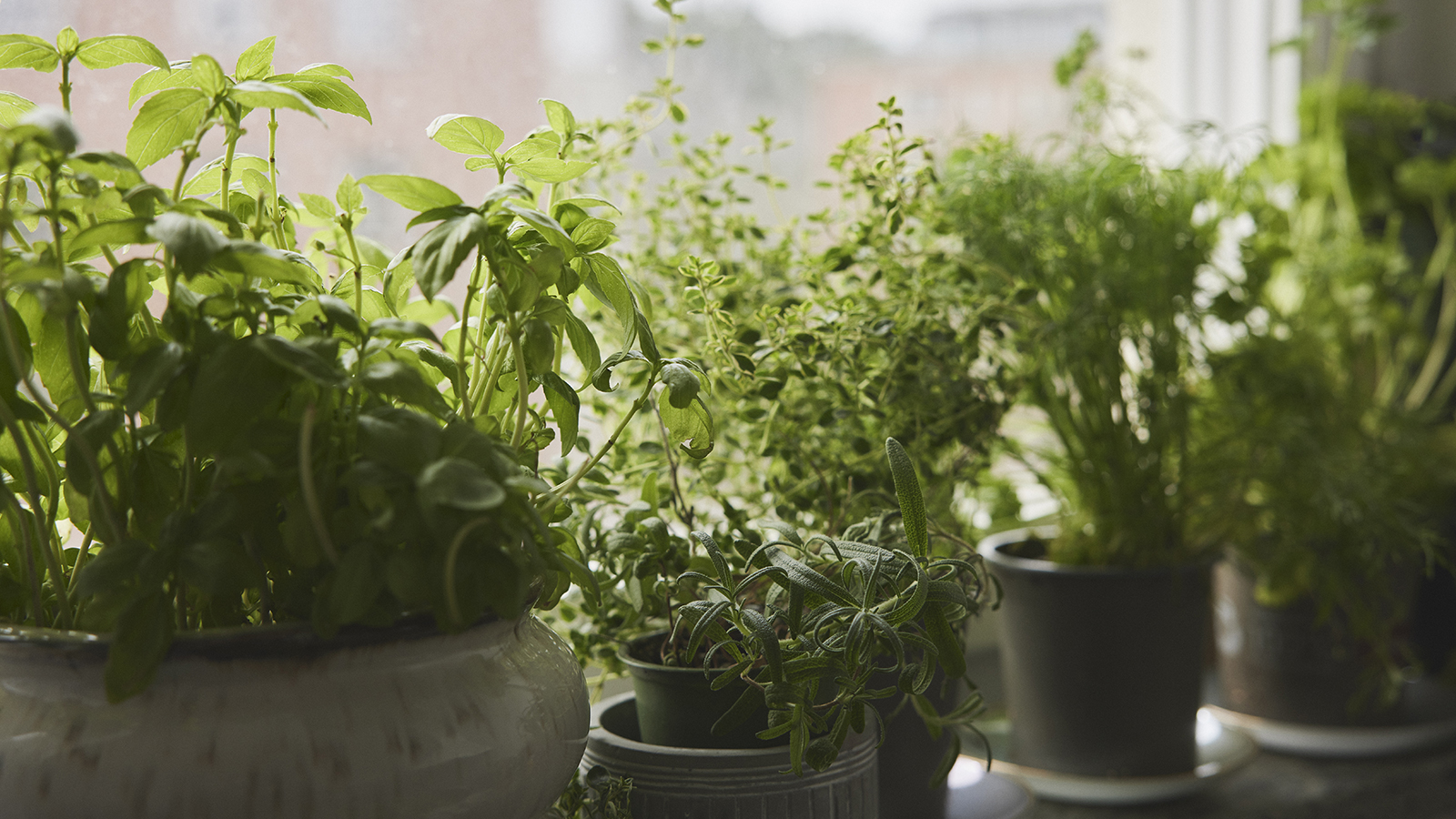
Indoor herb garden ideas – how to display herbs artfully and practically in your home
12 Best Indoor Herb Gardens, Tested and Reviewed

38 Clever Herb Garden Ideas for Indoor or Outdoor Spaces

12 best house plant delivery services for the most gorgeous greenery
The Secret to a Stunning Entryway? It’s All About These Eye-Catching Plants

How to create a balcony herb garden – for a floral and fragrant outside space
16 herb garden ideas for productive (and beautiful!) beds, borders and planters
Best places to buy plants for your home and garden in 2025

The Easiest DIY Herb Garden Ideas for Any Space
17 Small-Space Garden Ideas Perfect for Your Patio or Windowsill