12 Hacks to Make Growing Your Own Herbs a Breeze
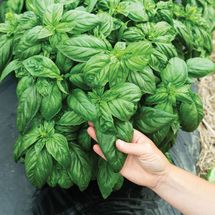
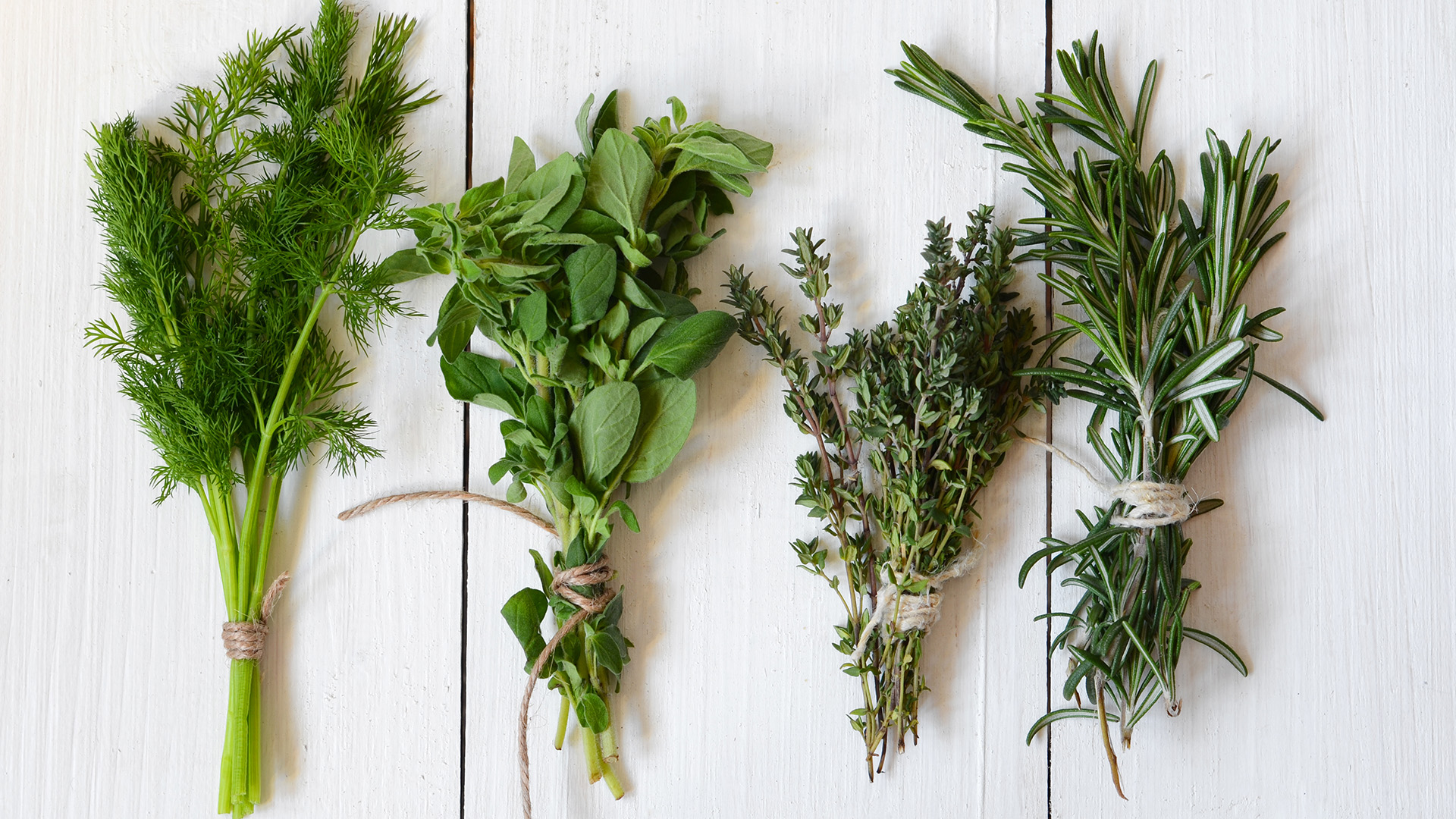
Growing herbs indoors can be a rewarding experience, even for those without a natural green thumb. While initial attempts, such as with basil, might lead to unexpected failures like over-watering or too much light, successful herb gardening is achievable with a few straightforward techniques. This guide compiles expert advice and practical hacks to simplify the process of cultivating and maintaining a thriving indoor herb garden.
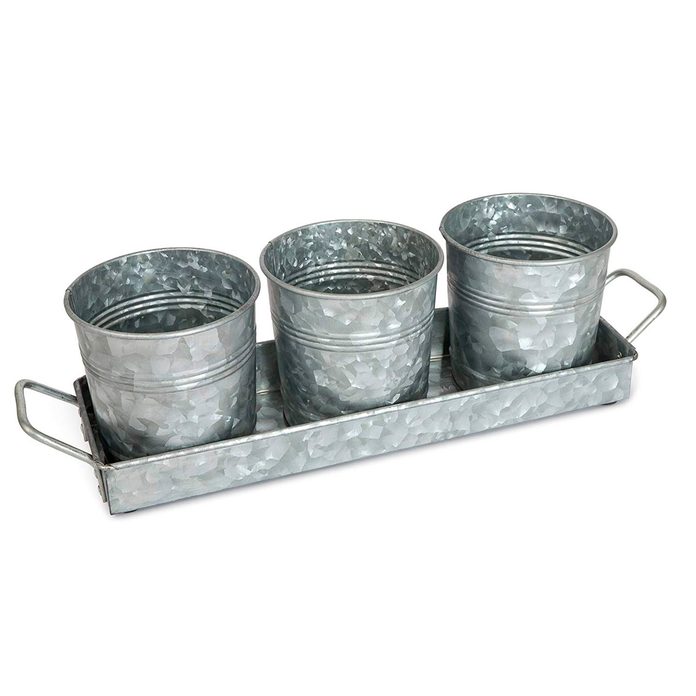
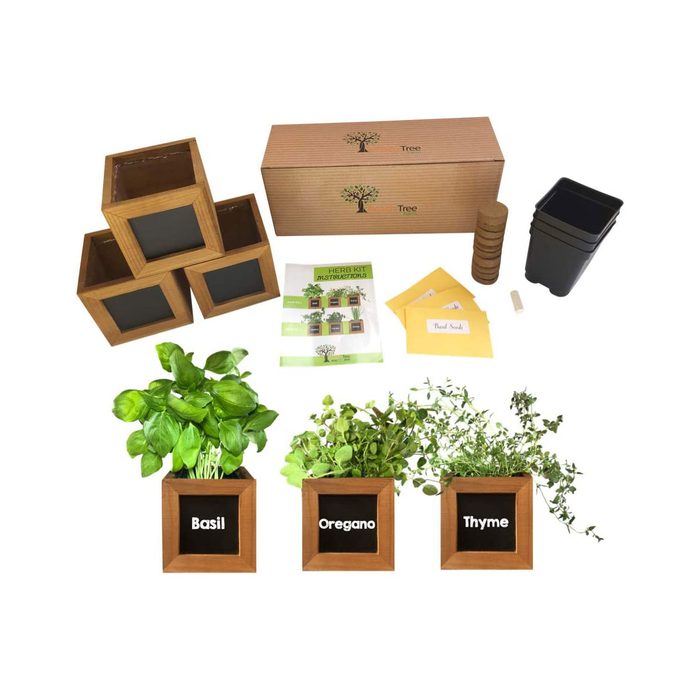
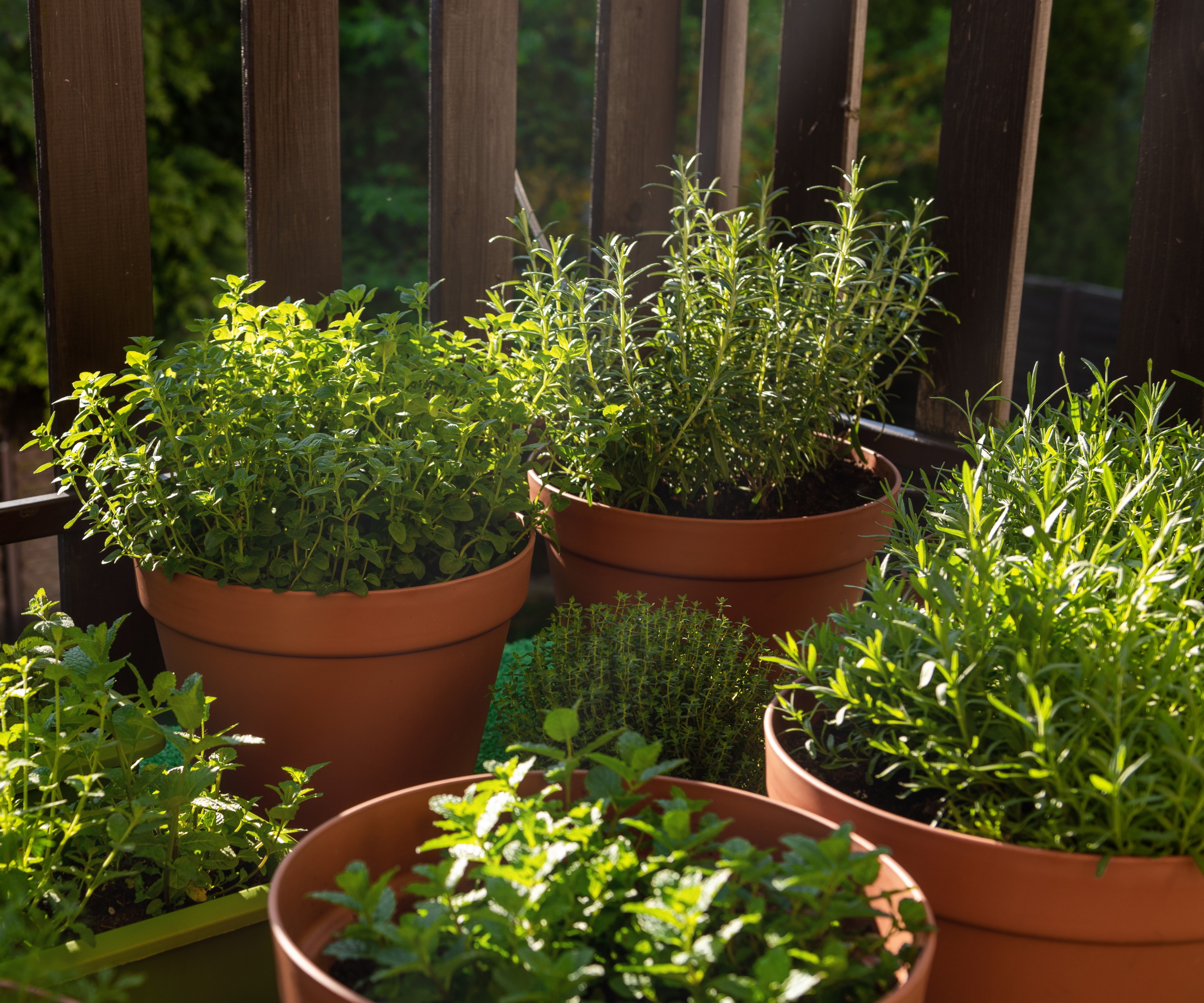
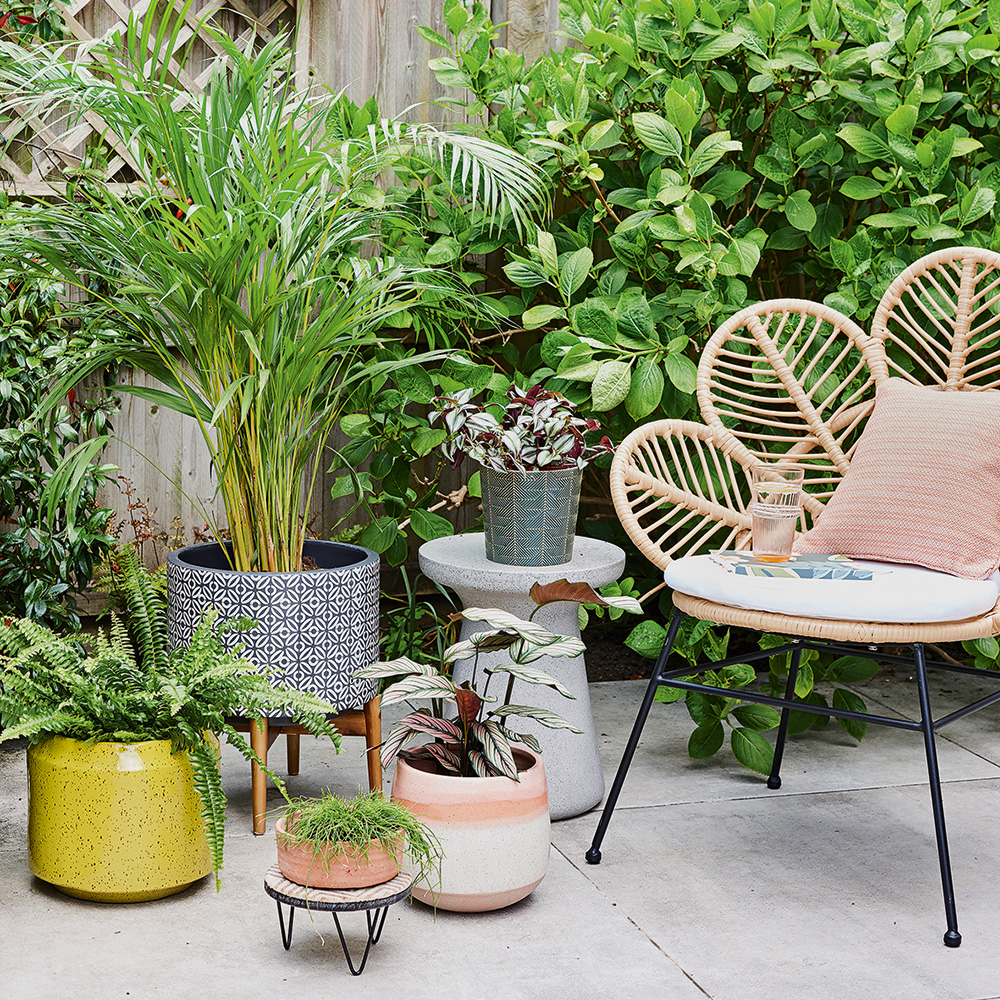
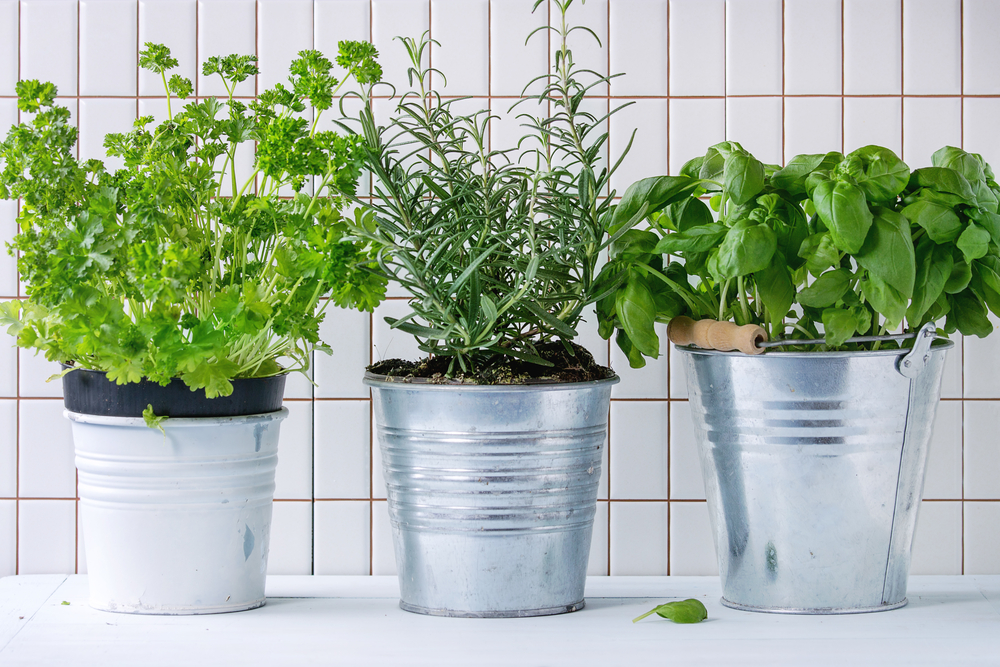
The journey to a successful indoor herb garden often begins not with seeds, but with established plants, or "starts." Purchasing pre-grown herbs from nurseries, farmers' markets, or even online platforms like Amazon saves time and energy, making the initial setup less daunting for beginners. Once you have your plants, proper drainage is paramount. Pots must have drainage holes to prevent waterlogging, which herbs dislike. For pots without pre-drilled holes, a power drill can create them. Ceramic or clay pots are recommended due to their porous nature, which promotes faster drying and better drainage compared to metal alternatives. If using metal pots, careful monitoring of watering is essential to avoid oversaturation.
Enhancing drainage can also be achieved by adding materials to the potting soil. Incorporating lava rocks at the bottom of pots before adding soil helps keep roots from sitting in excess moisture. Alternatively, coffee filters can be used to line the bottom of pots, acting as a slow-drip mechanism for drainage. The right potting soil is also crucial; yard dirt is not a suitable substitute.
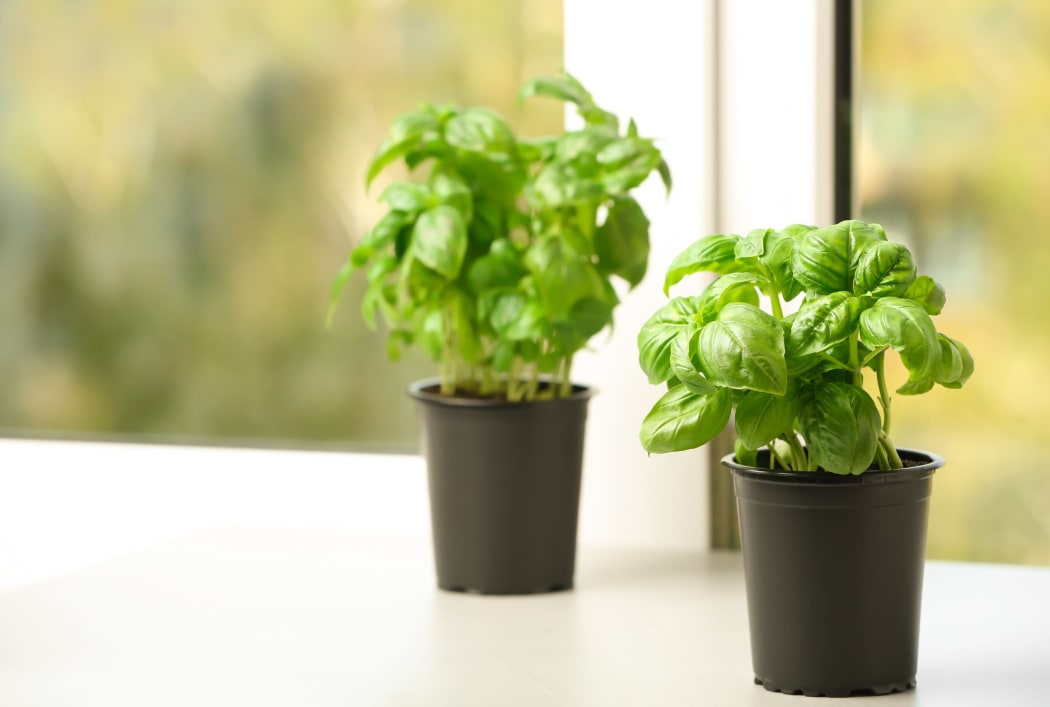
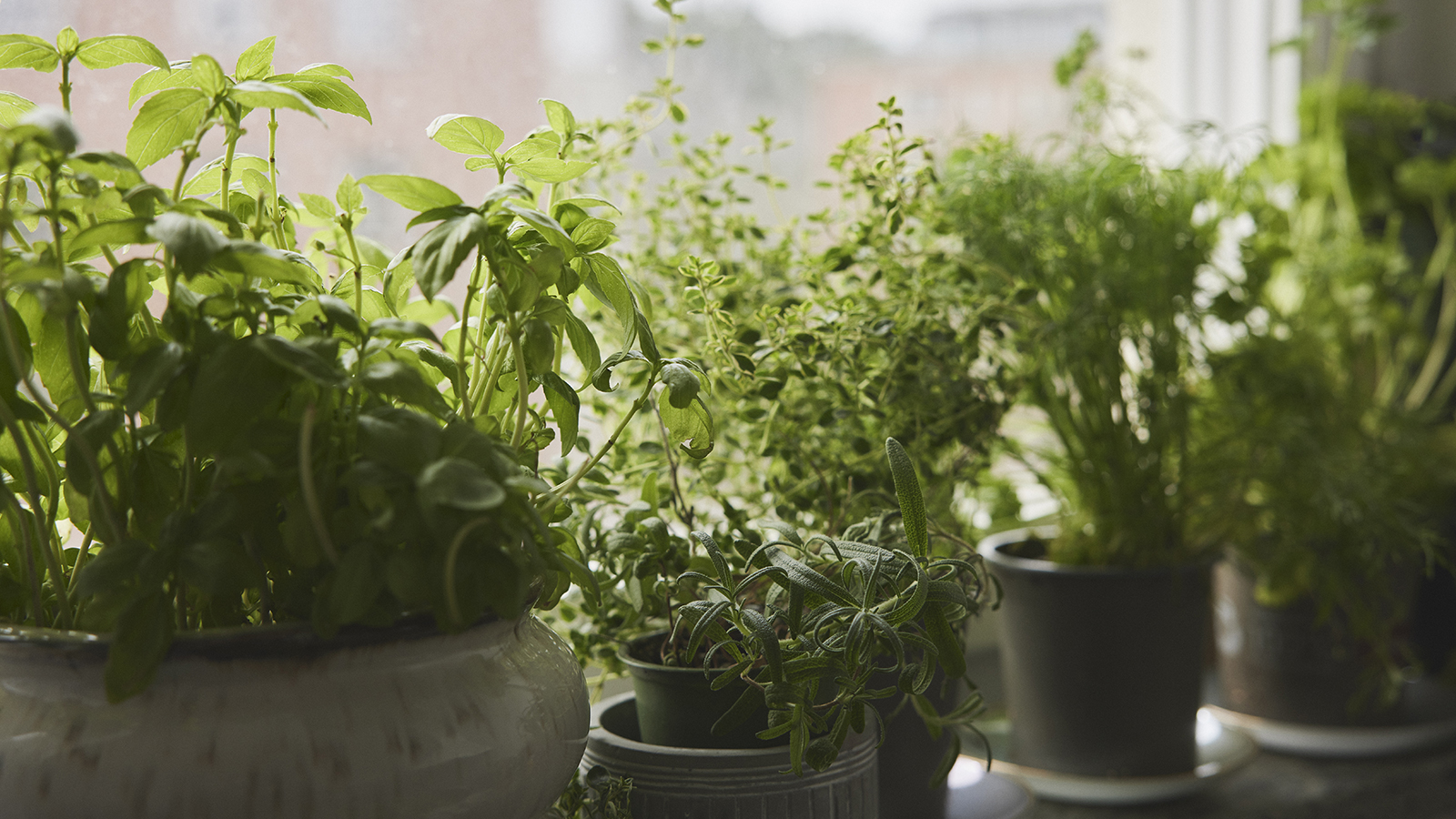
Light and air circulation are two fundamental environmental factors for herb growth. Most herbs thrive with five to eight hours of direct sunlight daily, making south-facing windows ideal. West or east-facing windows are also suitable, but north-facing windows typically do not provide sufficient light. A smartphone compass can assist in determining window orientation. Adequate air circulation, naturally provided outdoors, should also be considered indoors. Avoiding cramped corners for pots and occasionally opening windows can help ensure proper air flow.
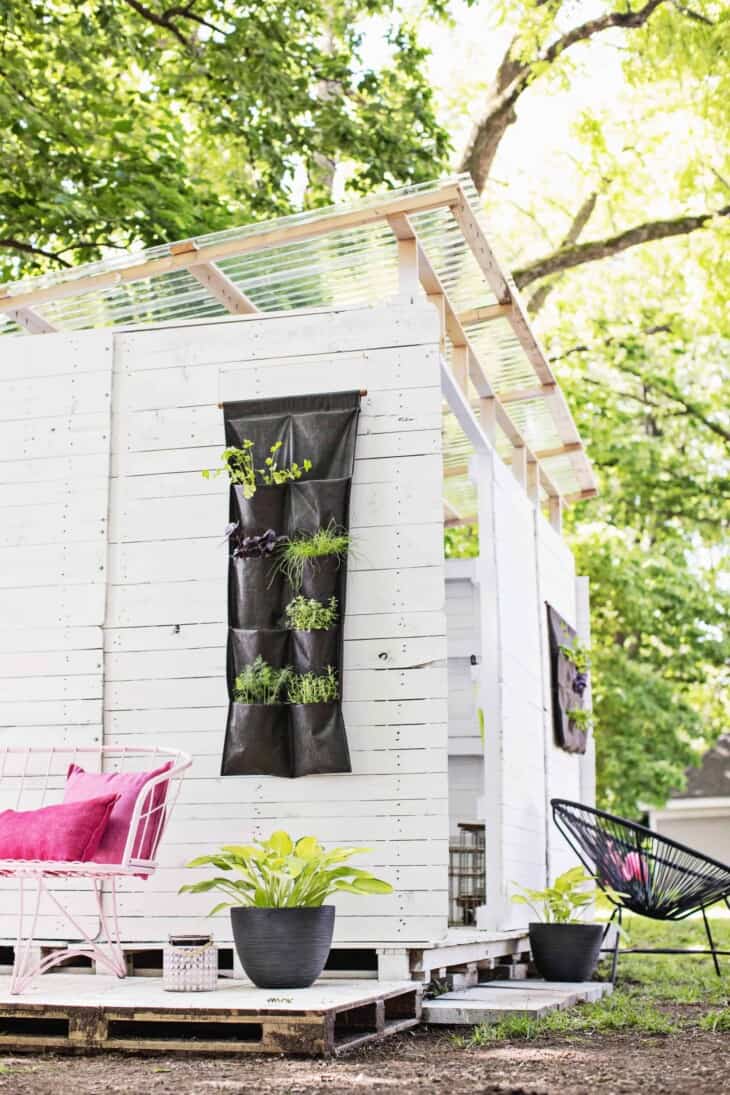
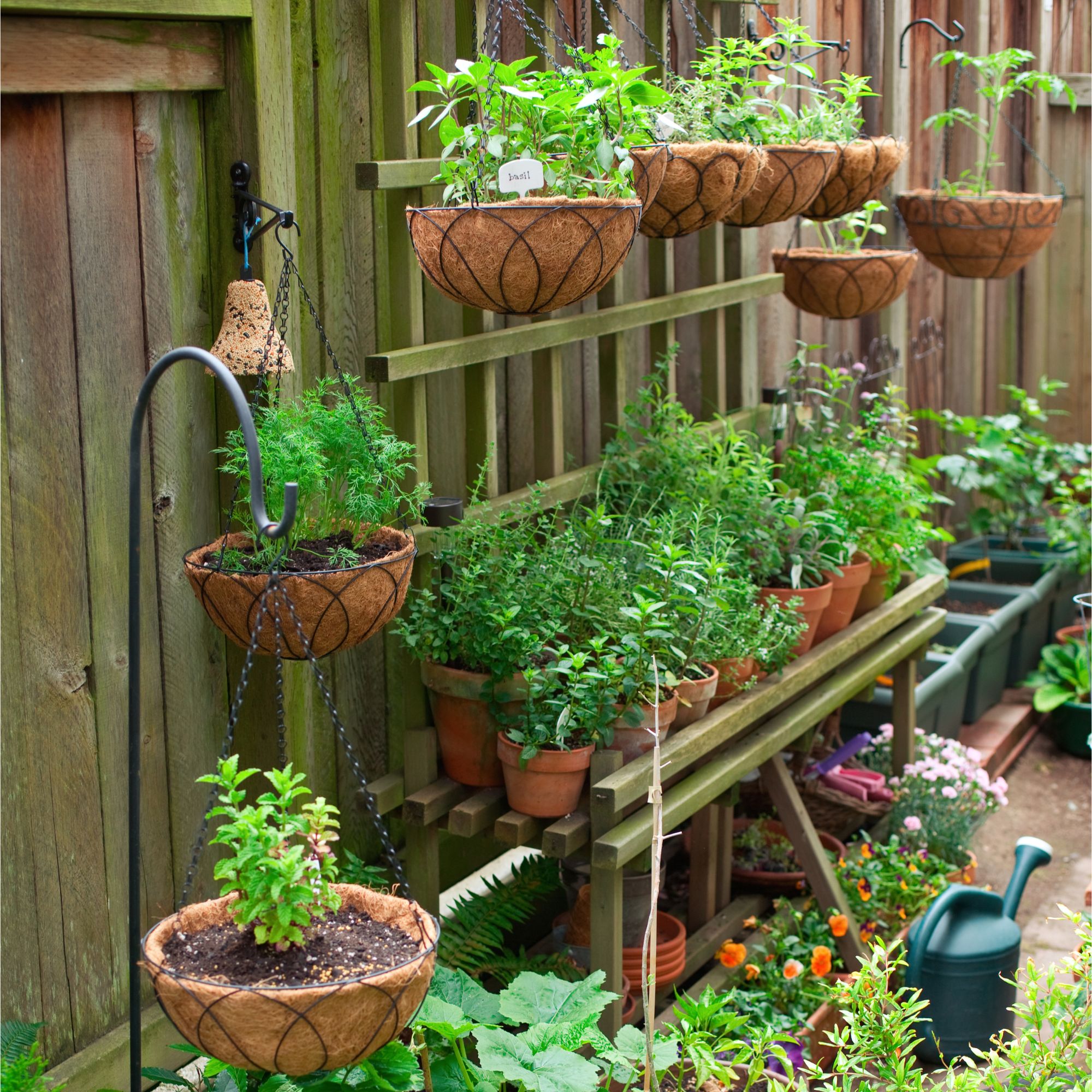
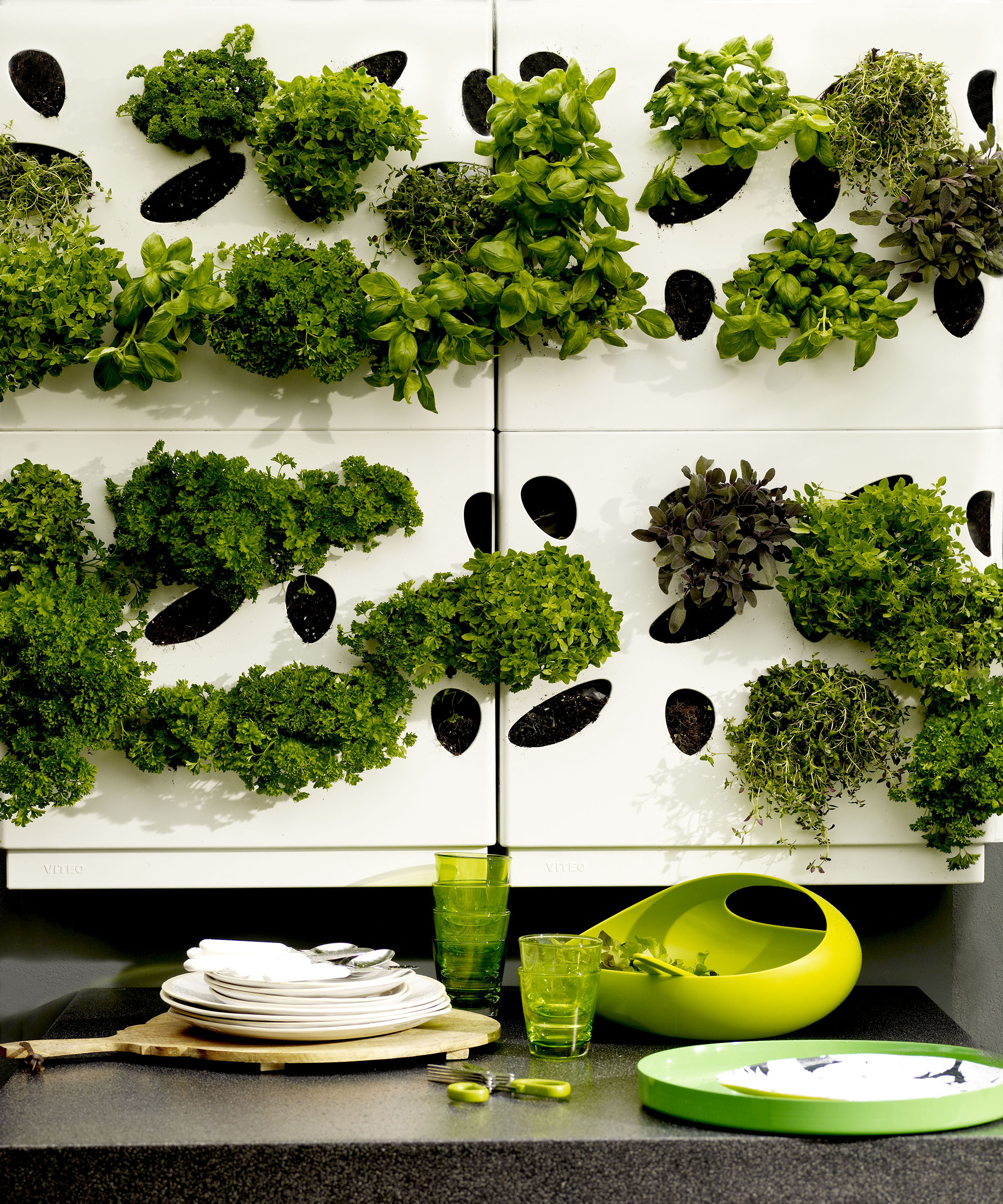
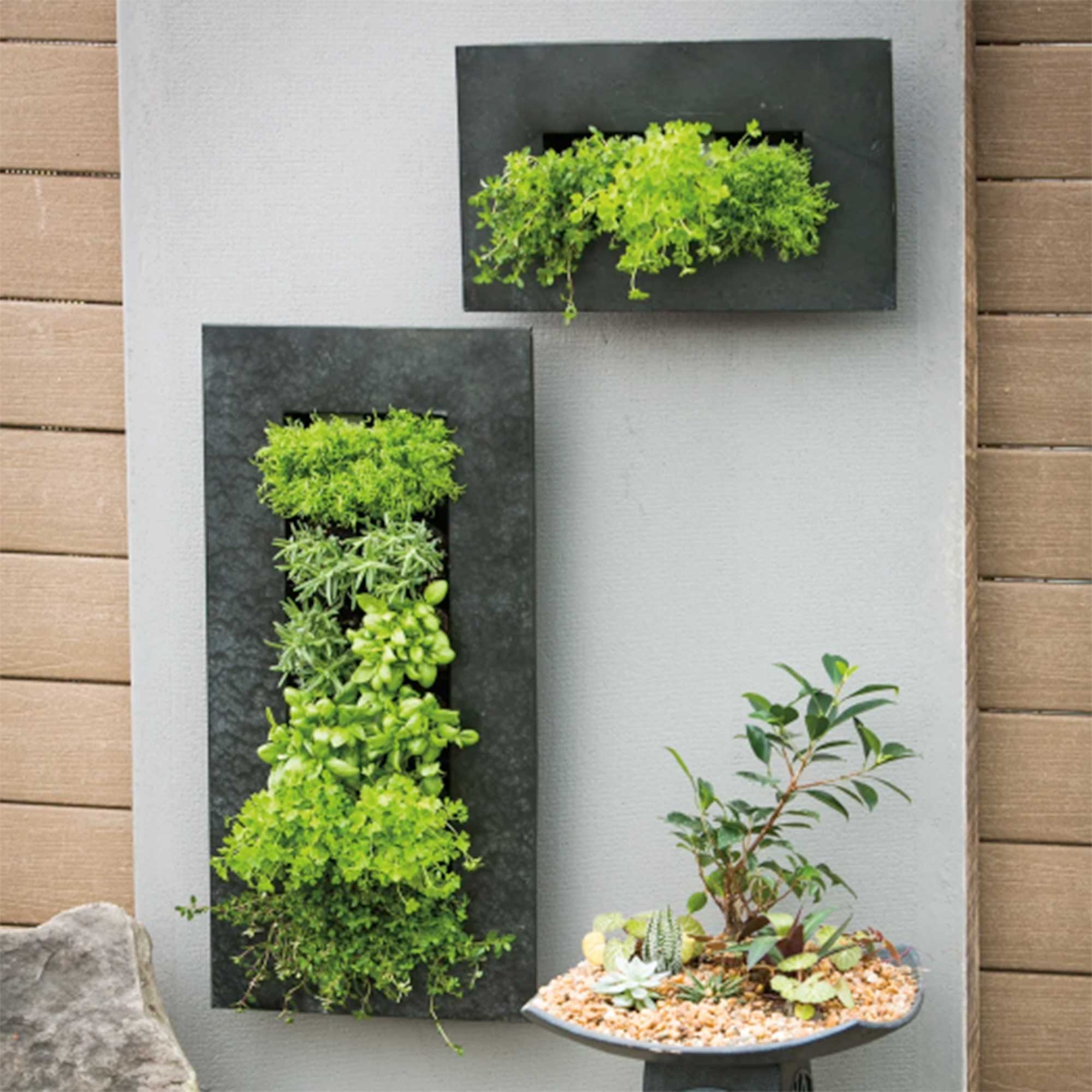
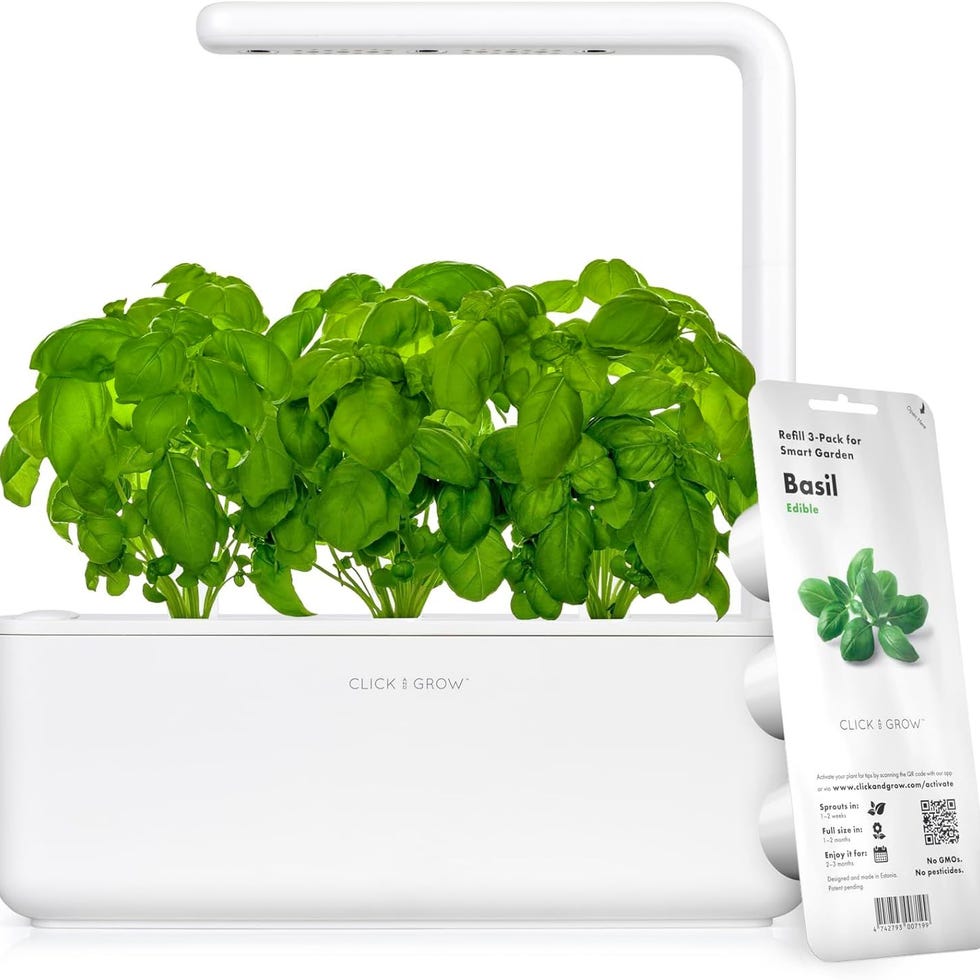
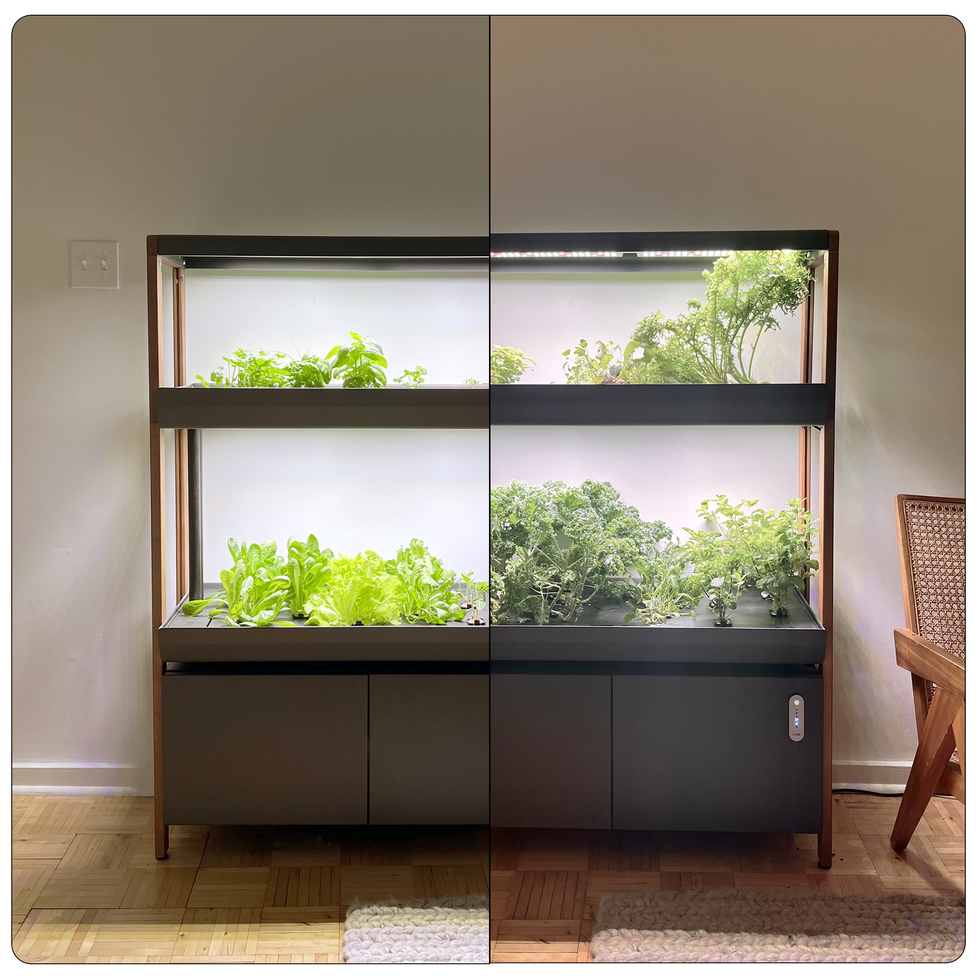
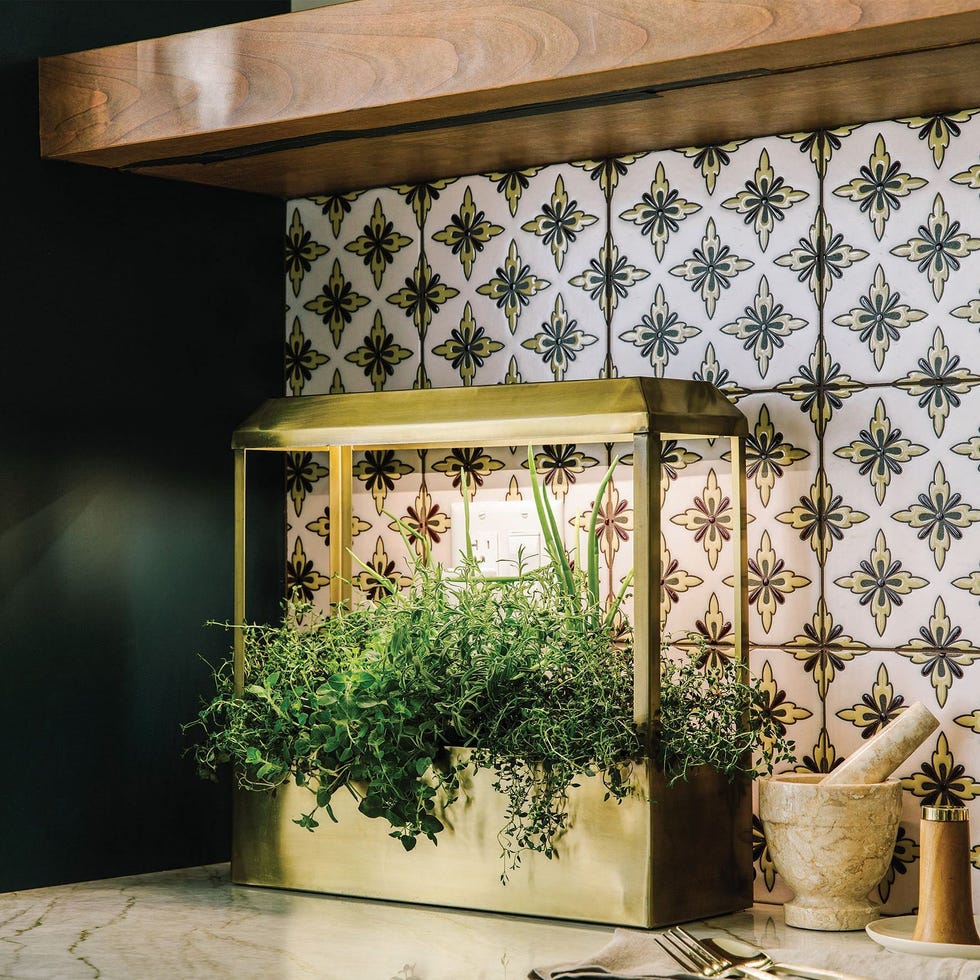
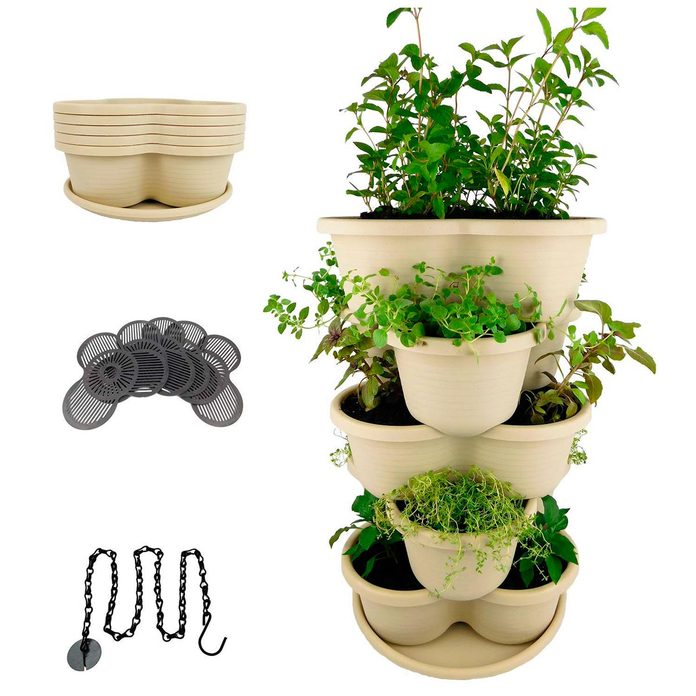
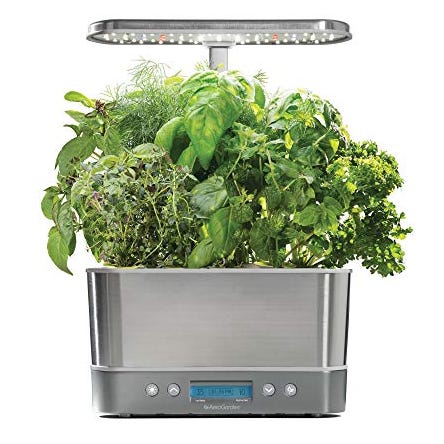
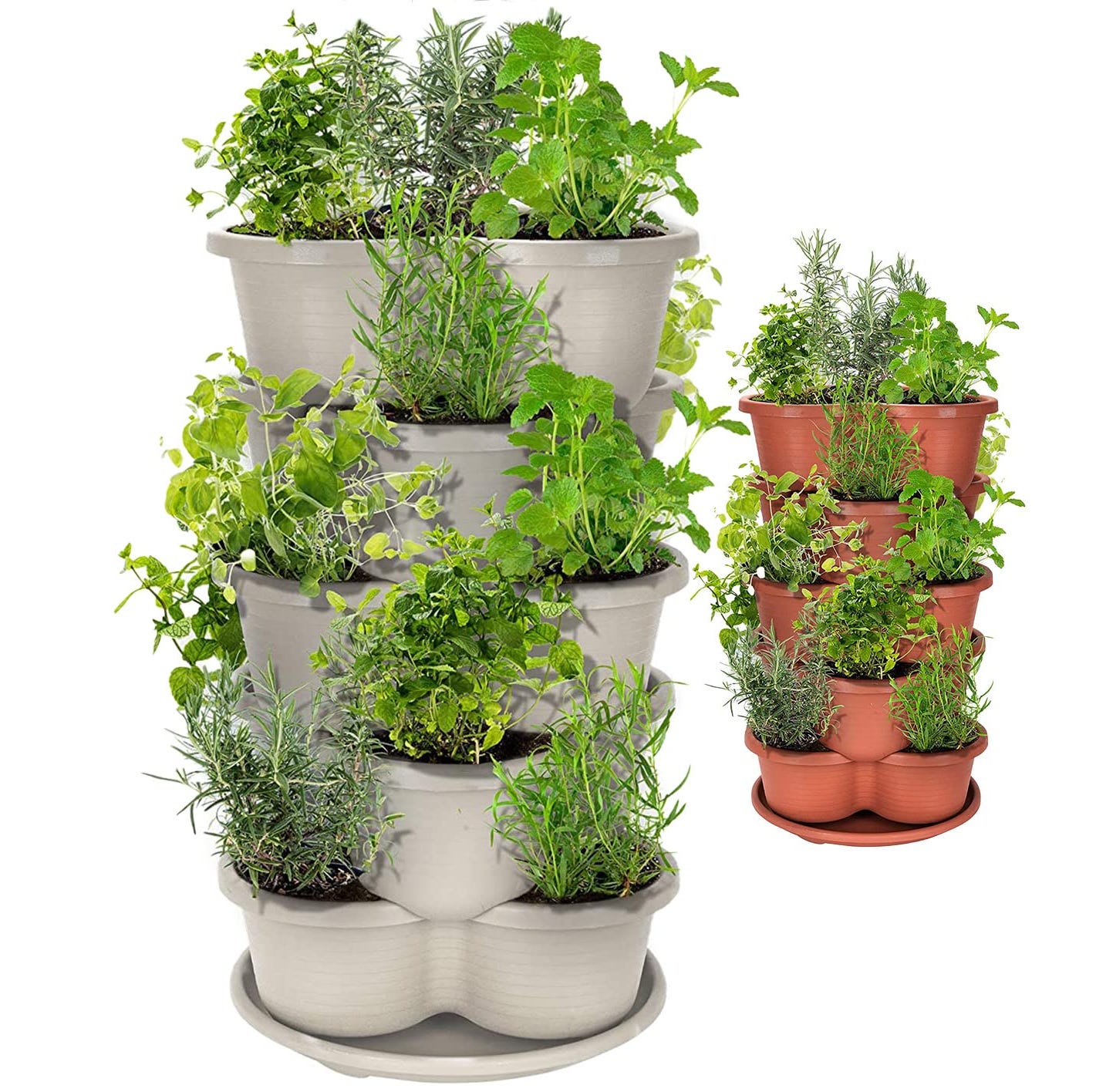
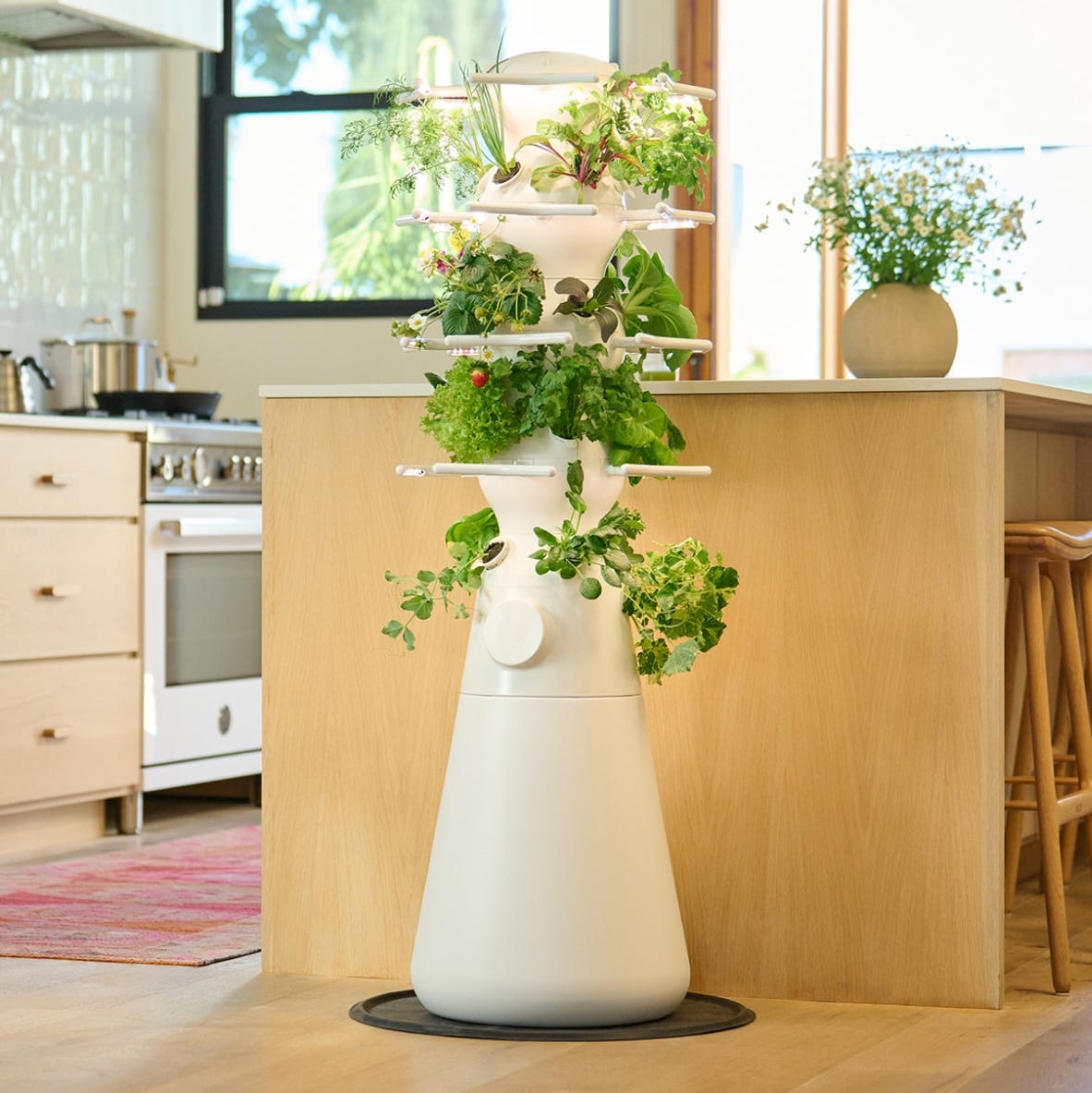
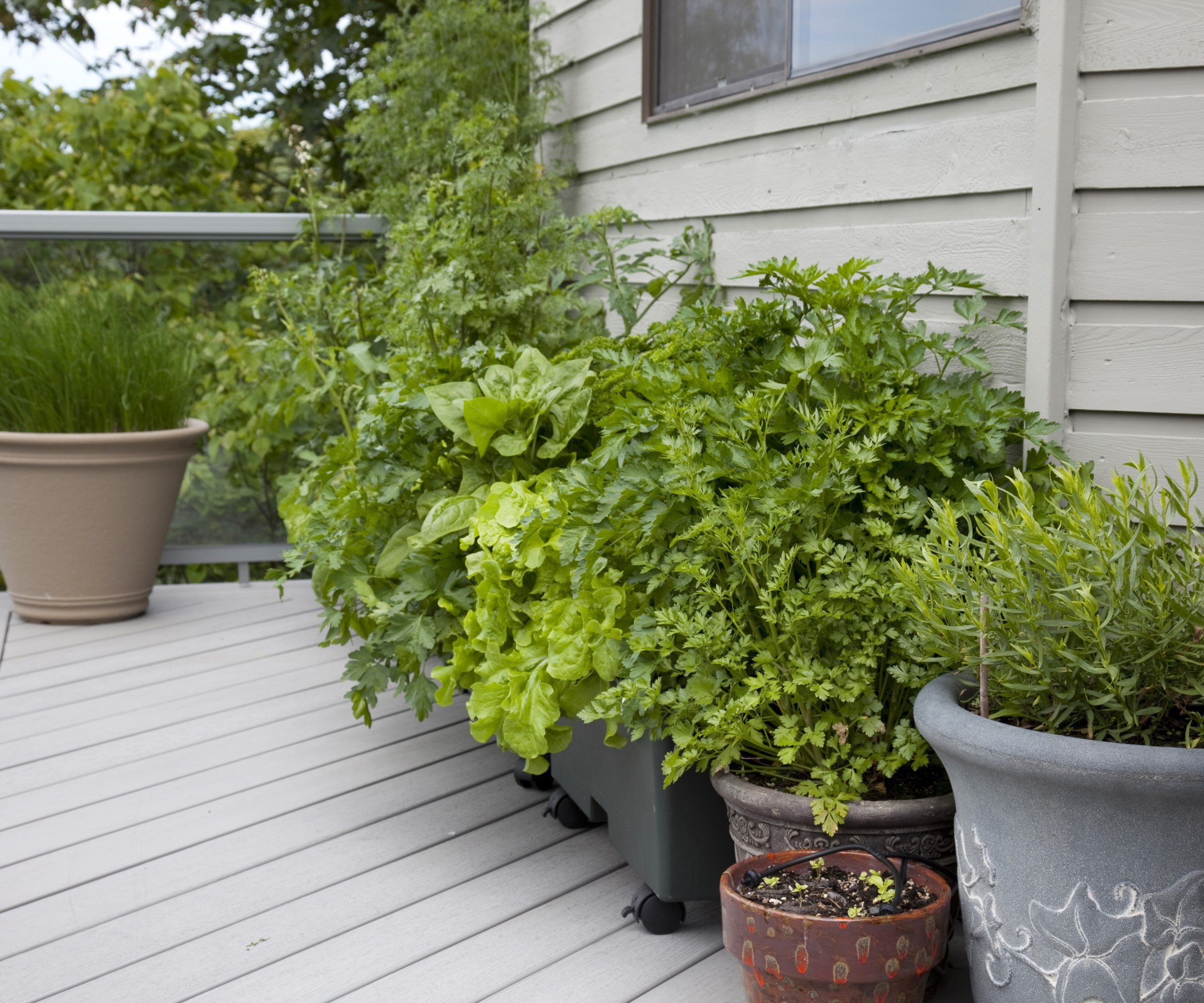
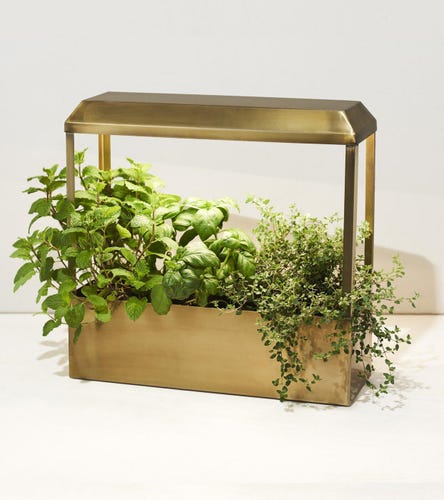
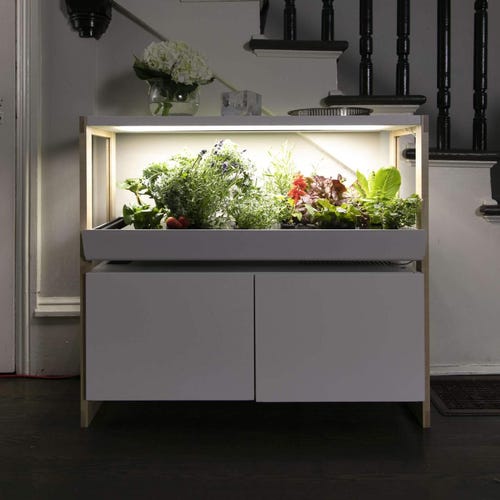
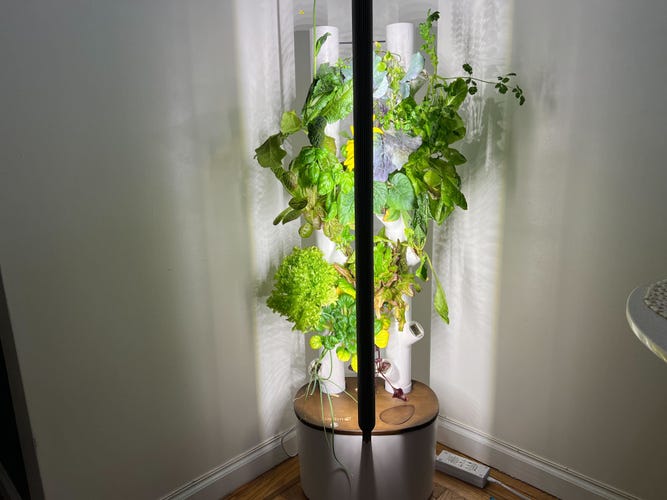
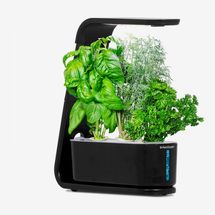
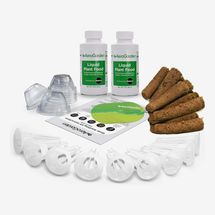
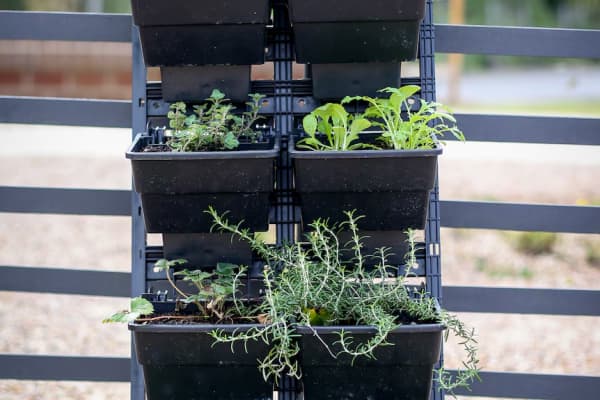
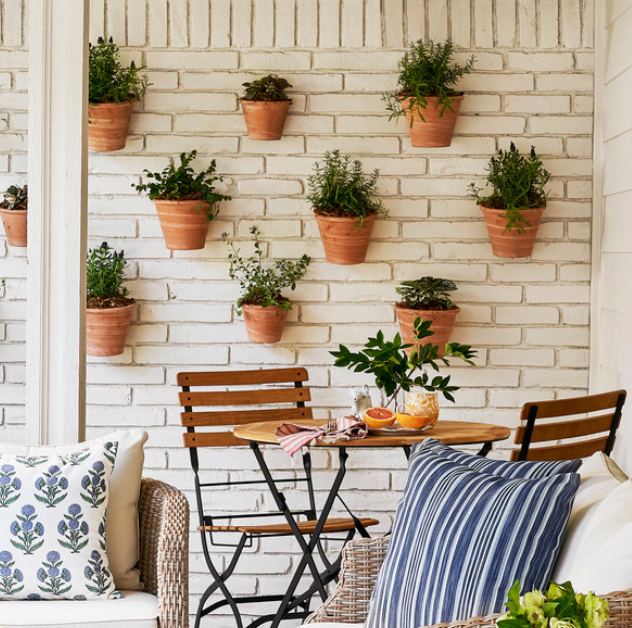
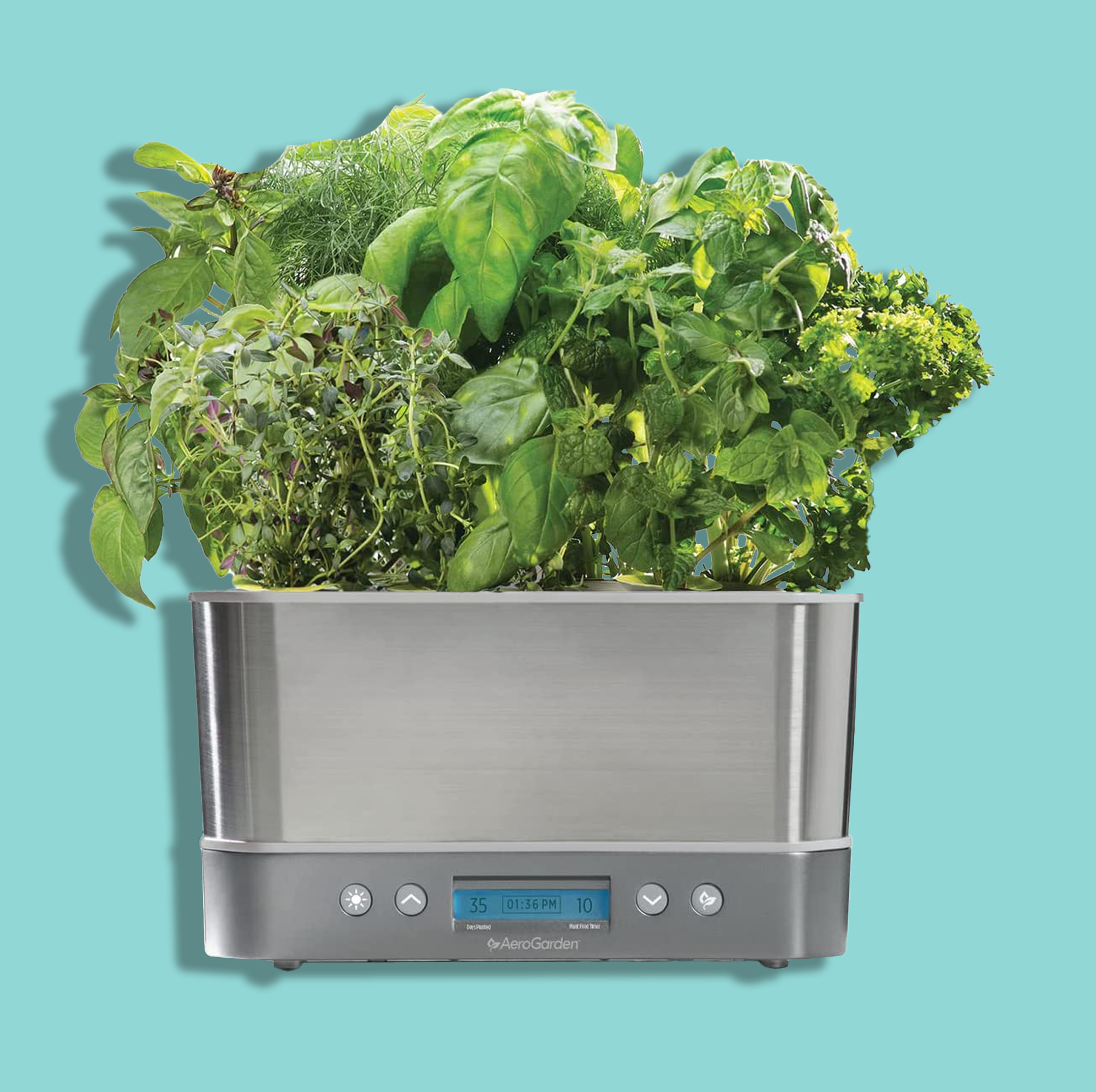
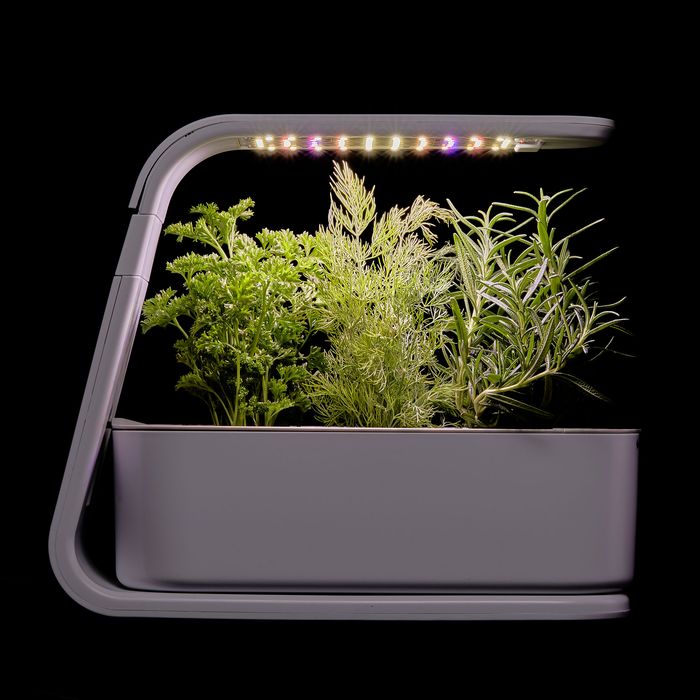
For those whose living spaces lack ideal conditions, technological solutions like Aerogardens offer an all-in-one environment with LED lights and automatic reminders for watering and feeding, often eliminating the need for soil. Creative space-saving solutions include hanging planters for sunny walls if windowsill space is limited. When growing multiple herbs, large ceramic planters are preferable, and selecting herbs with similar light and water requirements ensures compatibility. Beyond traditional planting, new plants can be propagated from old ones, such as garlic cloves, leeks, or onions grown in water. Certain herbs can even thrive entirely in water without soil, offering a lower-maintenance option for occasional use. Following these hacks can transform the challenge of indoor herb gardening into an enjoyable and successful endeavor.
#HerbGardening #IndoorPlants #GardeningTips #HomeDecor #PlantCare #DIYGarden #SustainableLiving #KitchenGarden #HerbGardening #IndoorPlants #GardeningTips #HomeDecor #PlantCare #DIYGarden #SustainableLiving #KitchenGarden
0 comment in total
 No comments yet
You may also like
The Easiest DIY Herb Garden Ideas for Any Space

10 Best Herb Garden Planters and Kits of 2025

Best Indoor Smart Gardens for 2026

Growing microgreens and herbs on your window sill

16 herb garden ideas for productive (and beautiful!) beds, borders and planters
12 Best Indoor Herb Gardens, Tested and Reviewed
Starting an Herb Garden in a Small Apartment

Indoor garden ideas: 9 ways to create a plant-filled haven

Indoor herb garden ideas – how to display herbs artfully and practically in your home
38 Clever Herb Garden Ideas for Indoor or Outdoor Spaces

The Very Best Indoor-Garden Kits
25 Houseplants Perfect For Your Kitchen Window
These Creative DIY Herb Garden Ideas Will Have You Cooking in No Time
How to create a balcony herb garden – for a floral and fragrant outside space
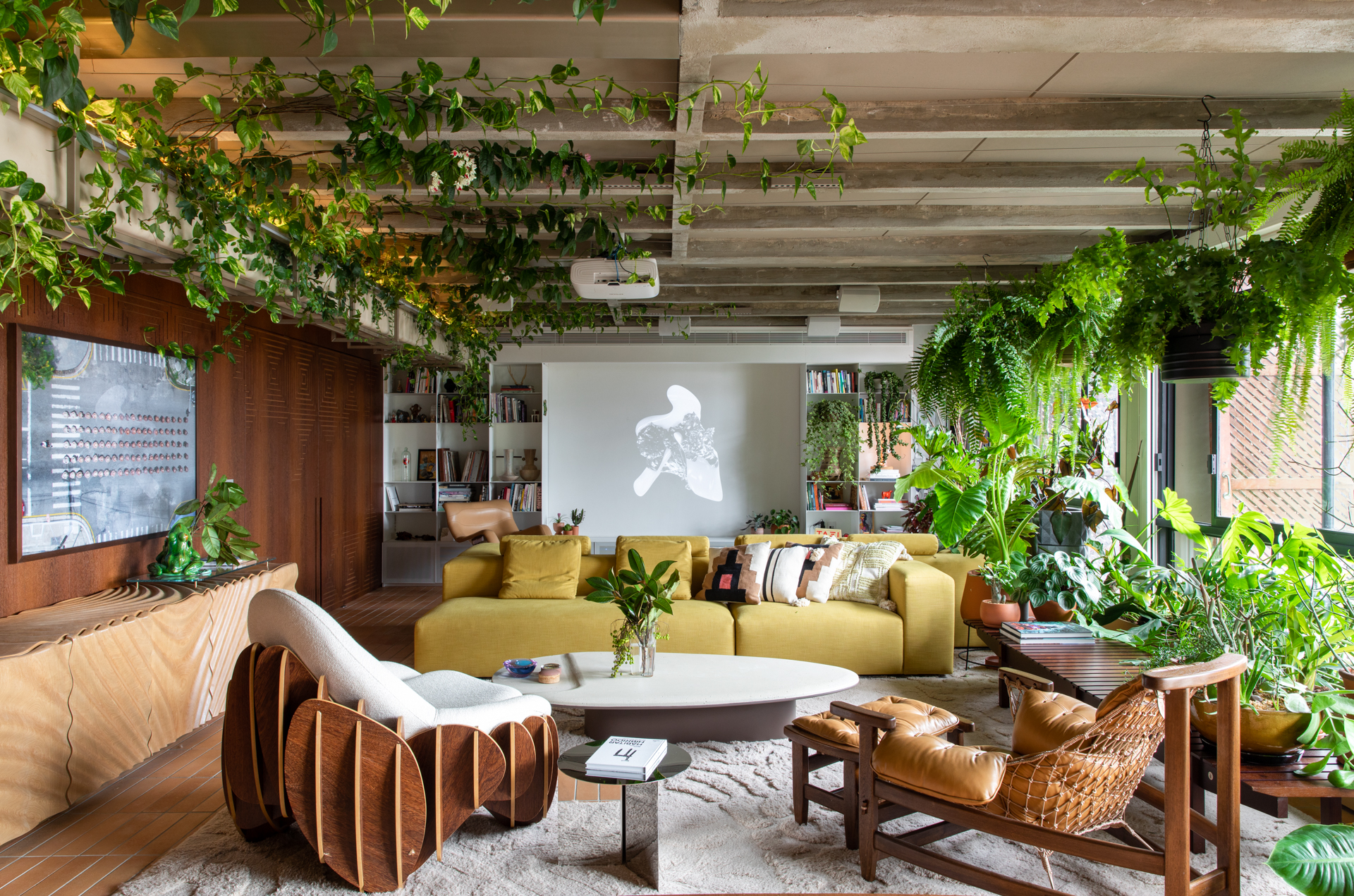
Indoor Garden Ideas —14 Ways To Live Amongst Greenery That Will Make Your Life Better

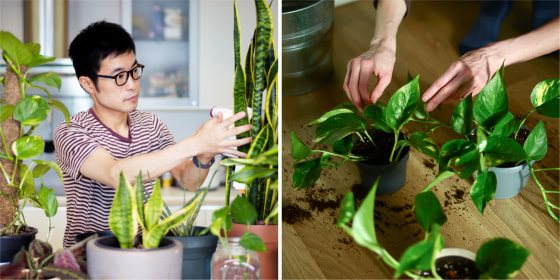
11 best low-maintenance indoor plants

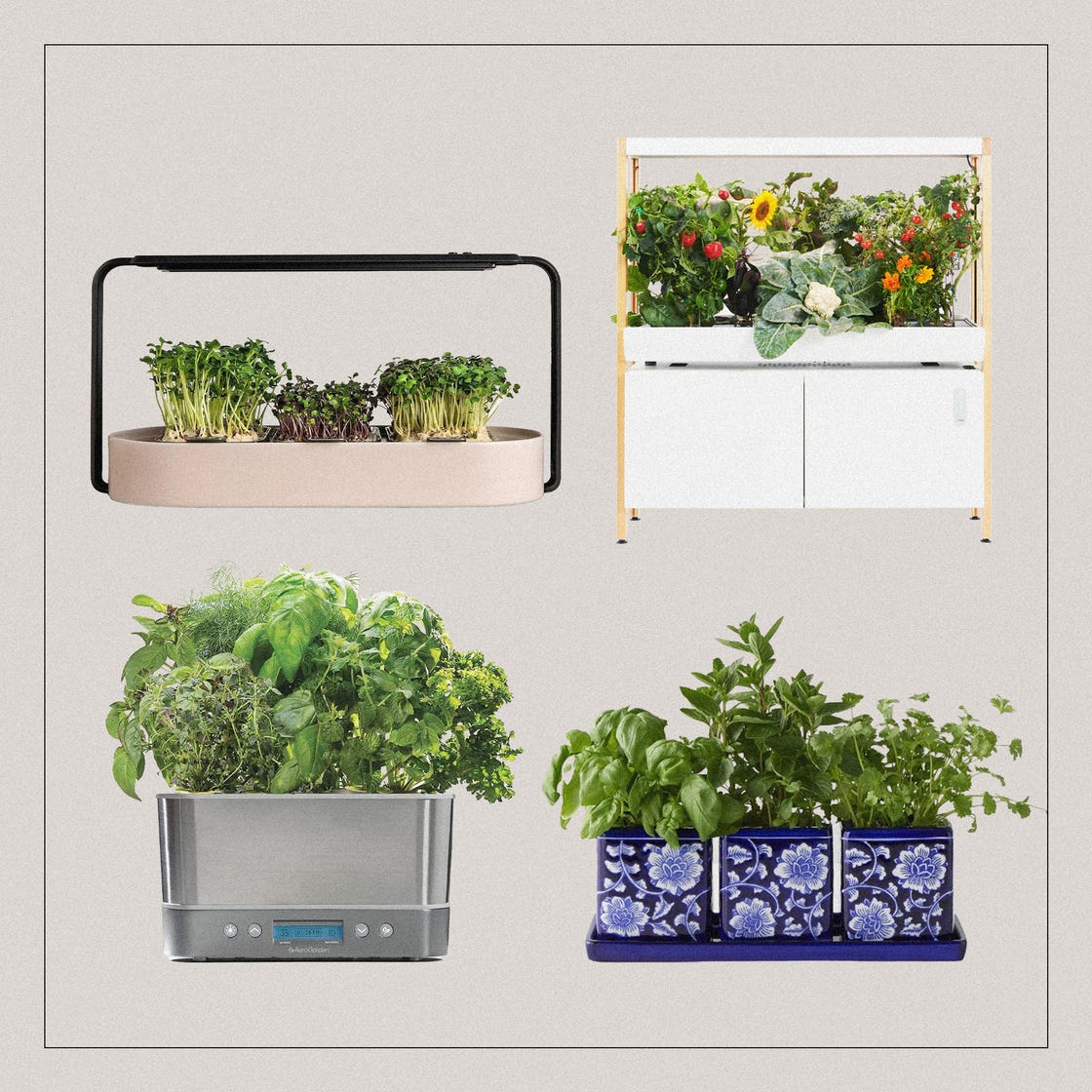
These Indoor Herb Gardens Will Help You Save Space and Time in the Kitchen

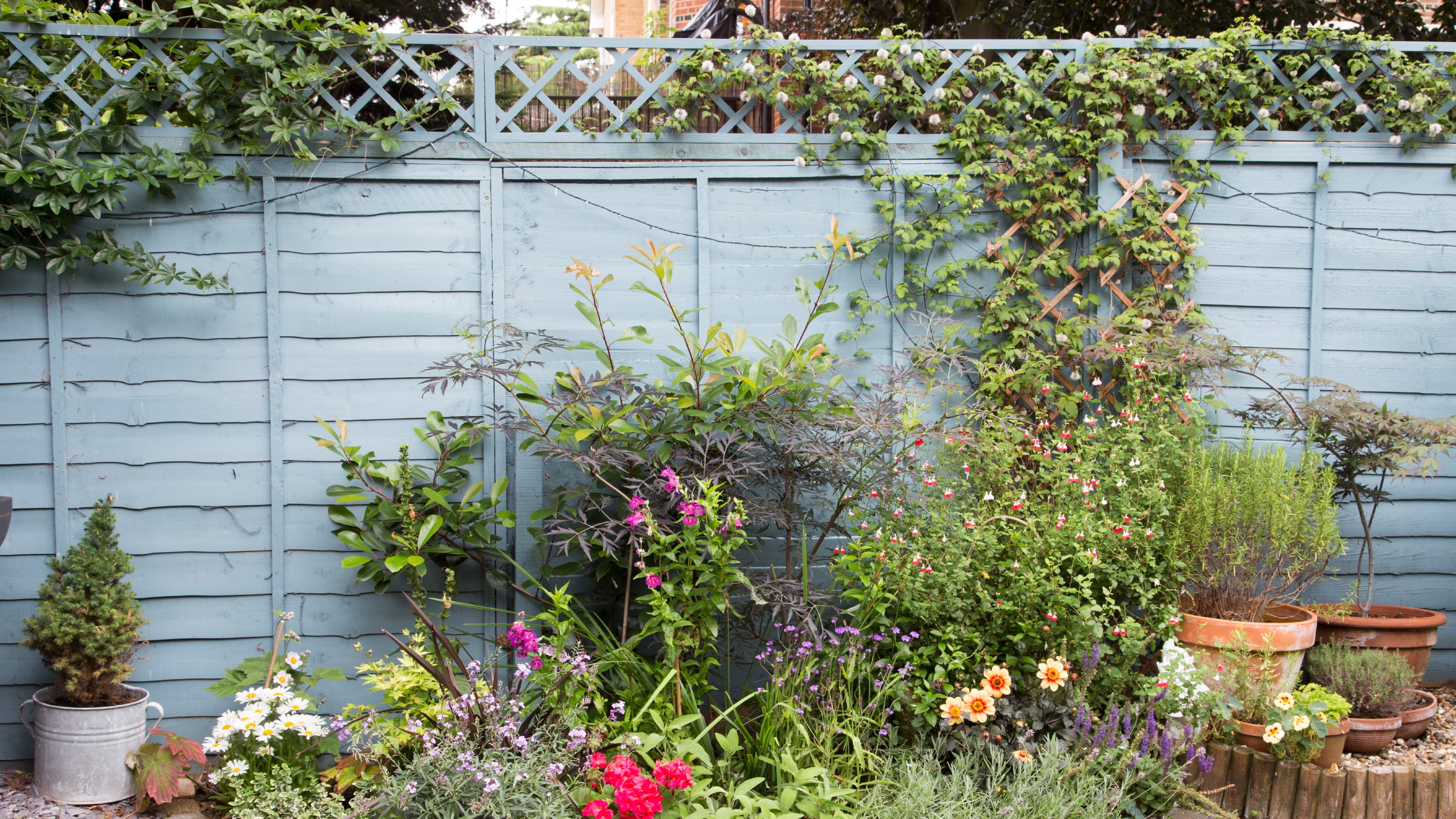
Easy garden ideas – 34 low-maintenance ways to enhance your outdoor space
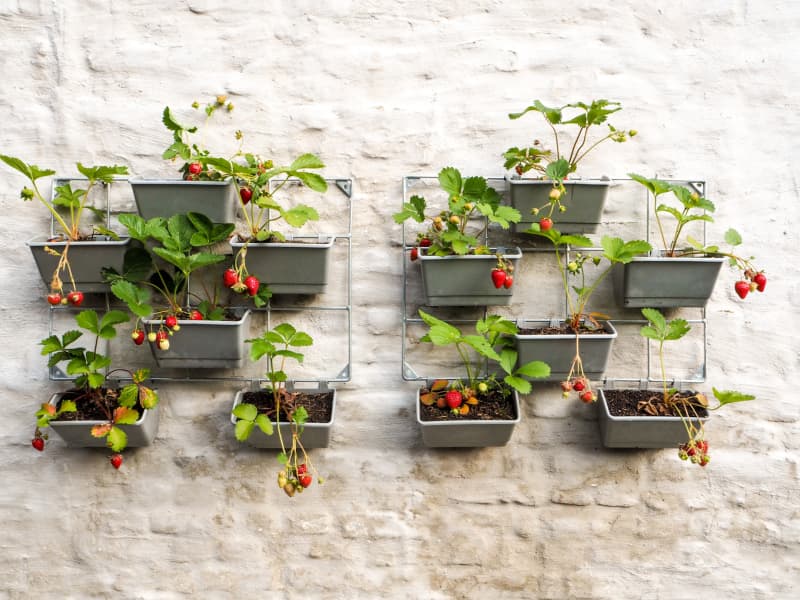
Short on space for a herb or veggie garden? Think vertically
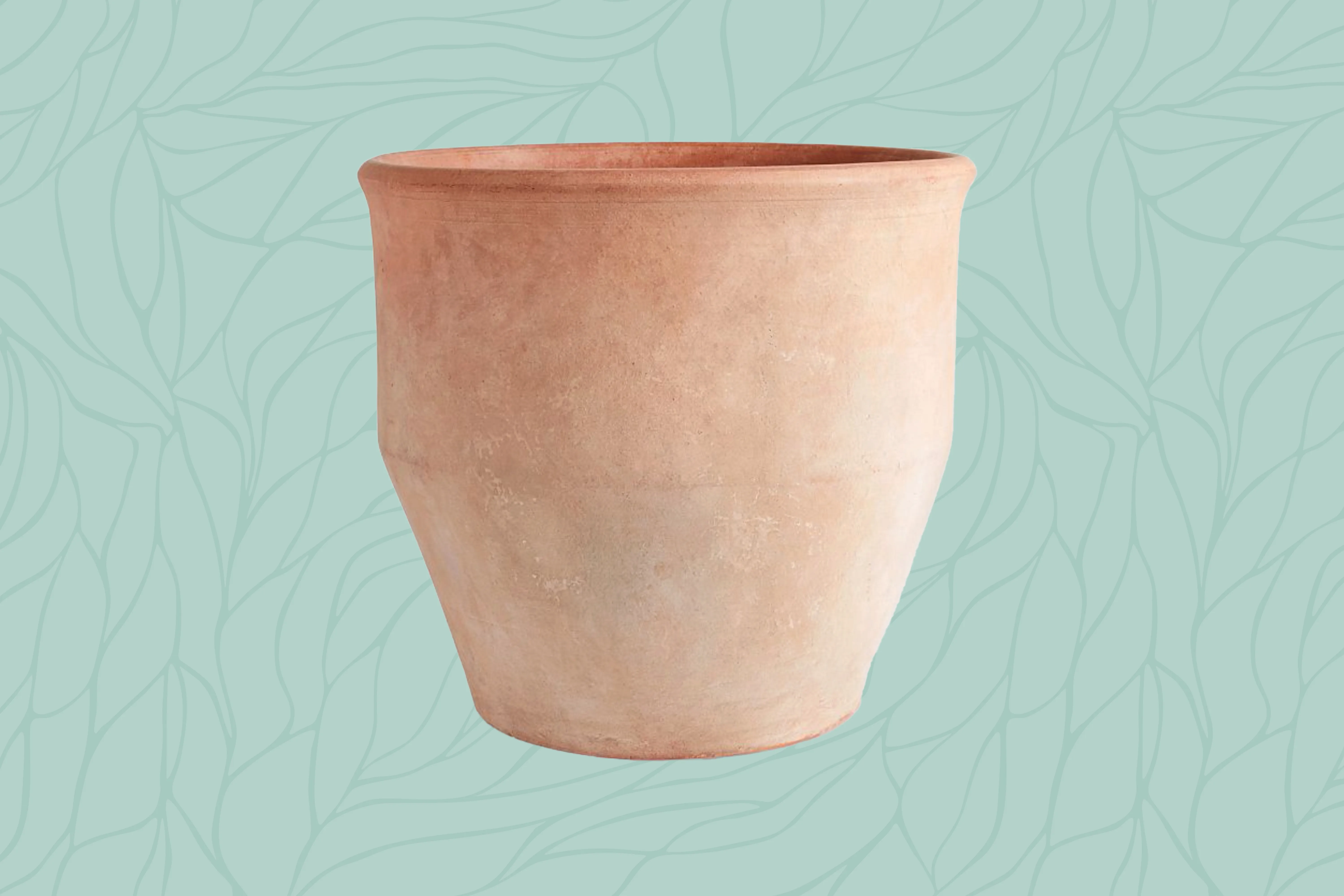
Grow Herbs, Vegetables, Flowers, and More with Our Favorite Outdoor Planters