Maximize limited space with vertical gardens
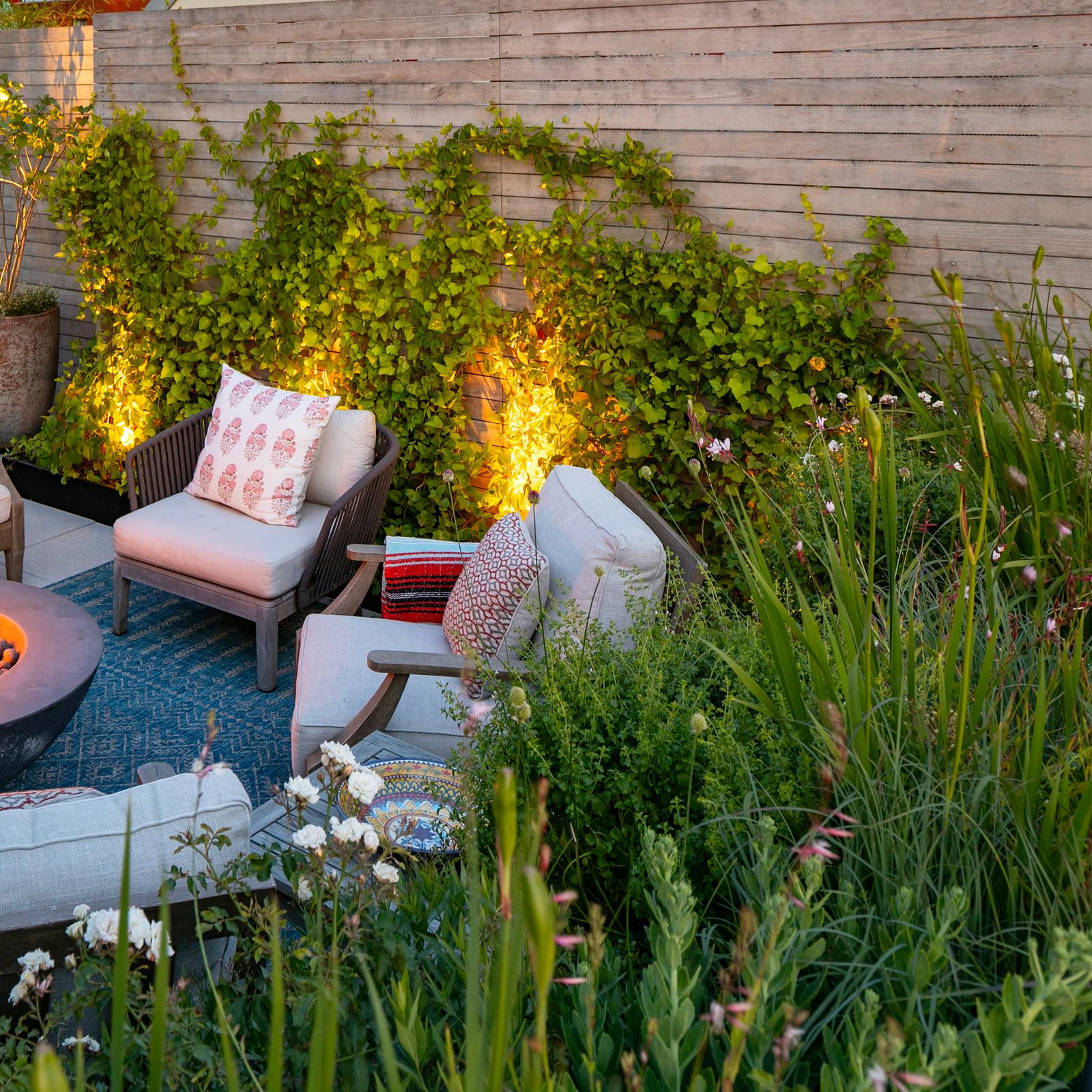
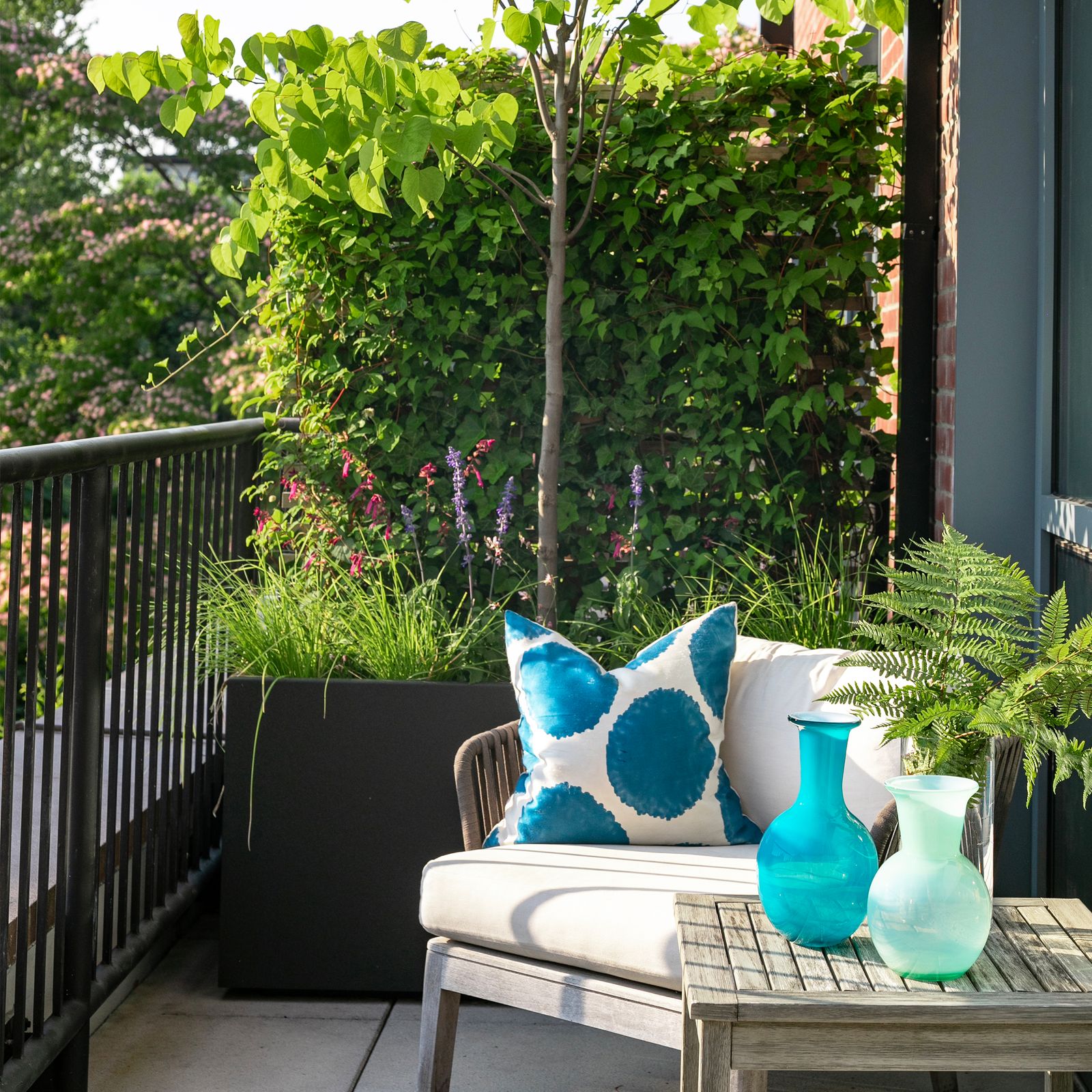
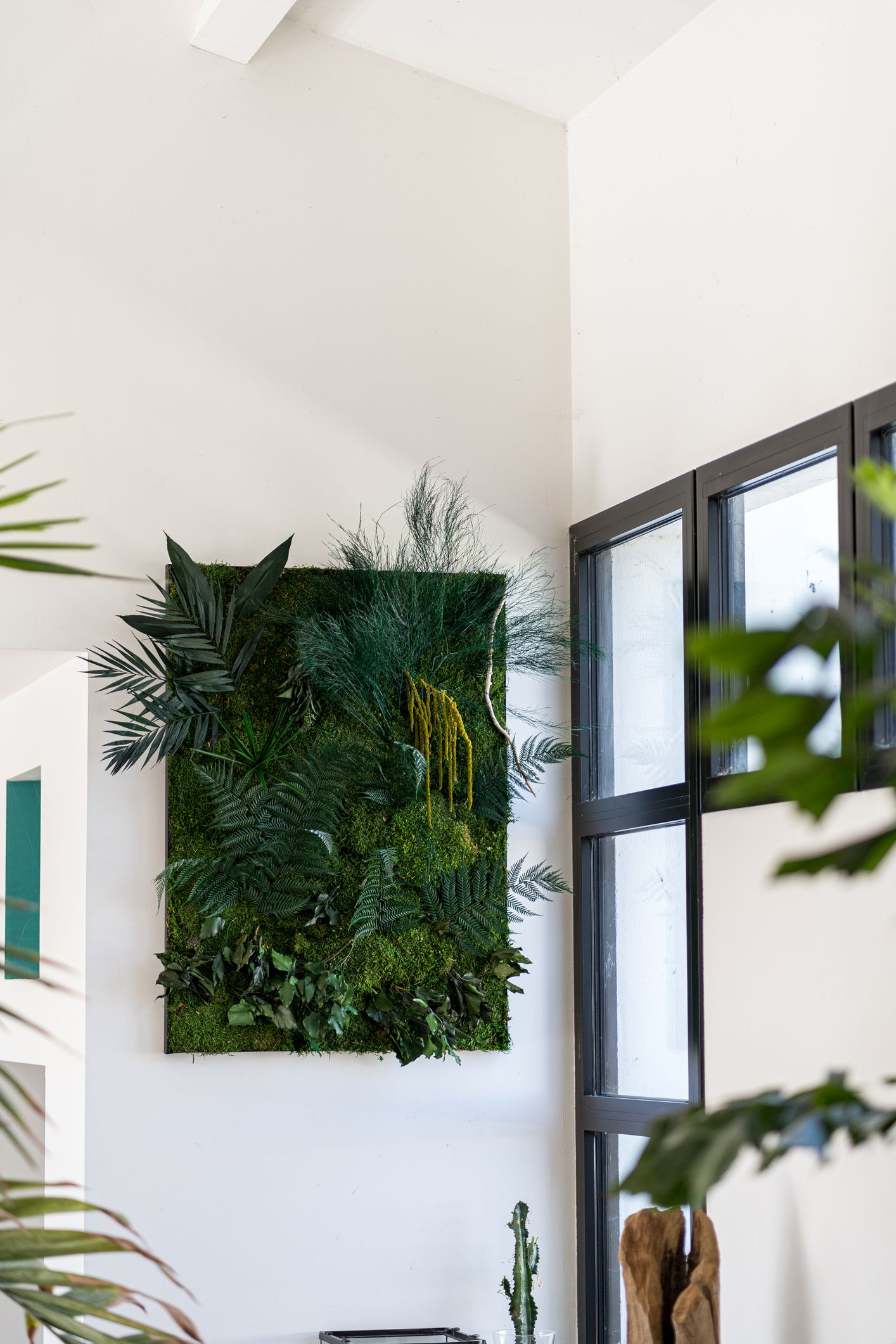
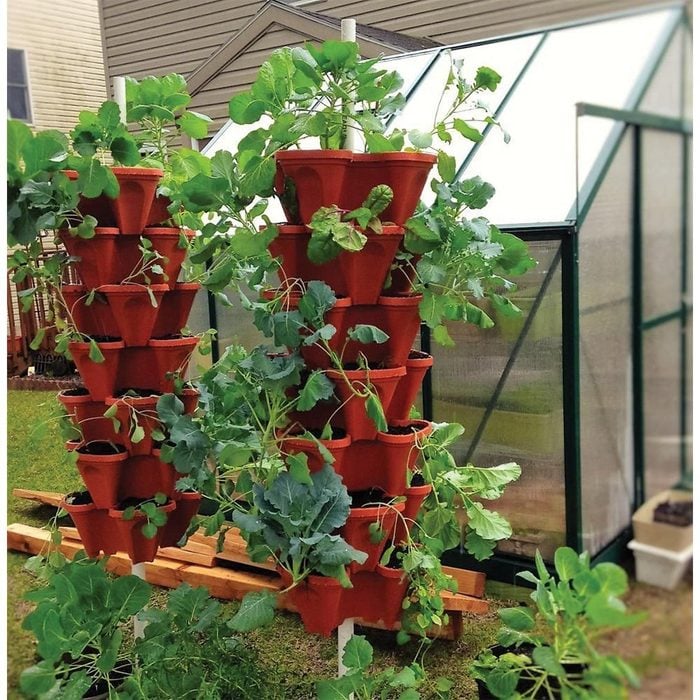
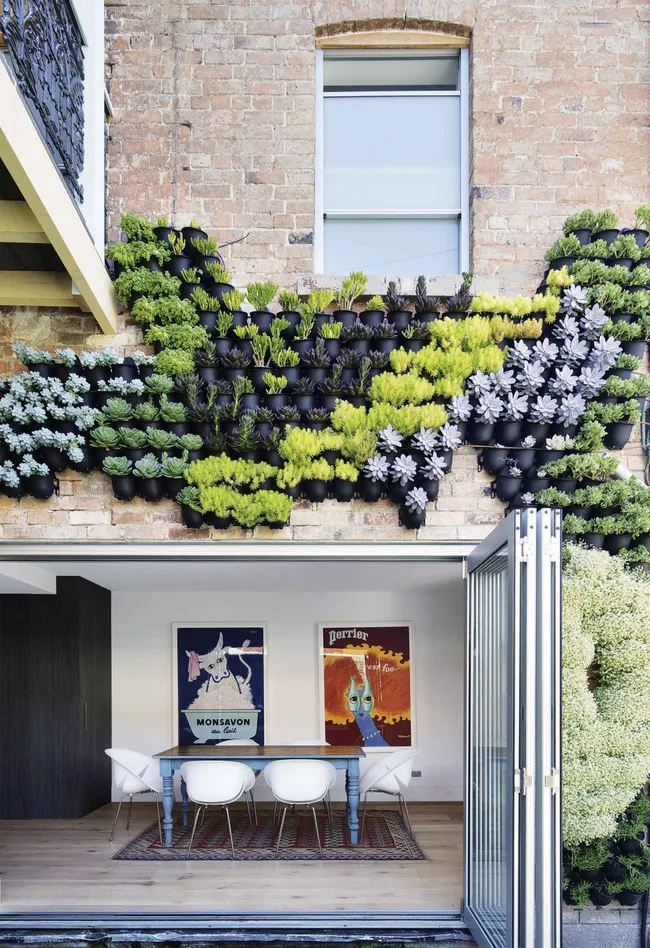
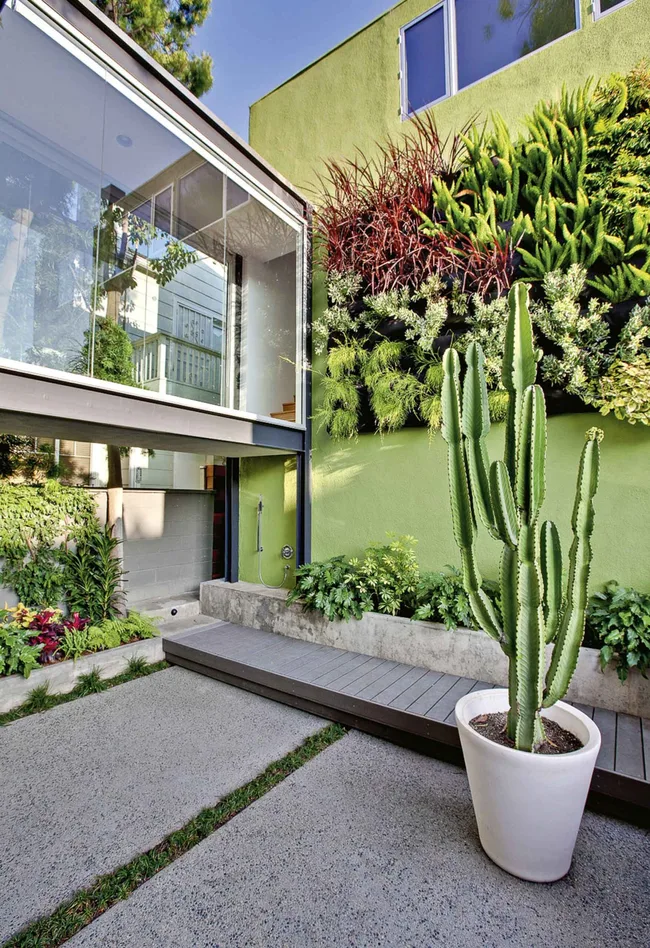
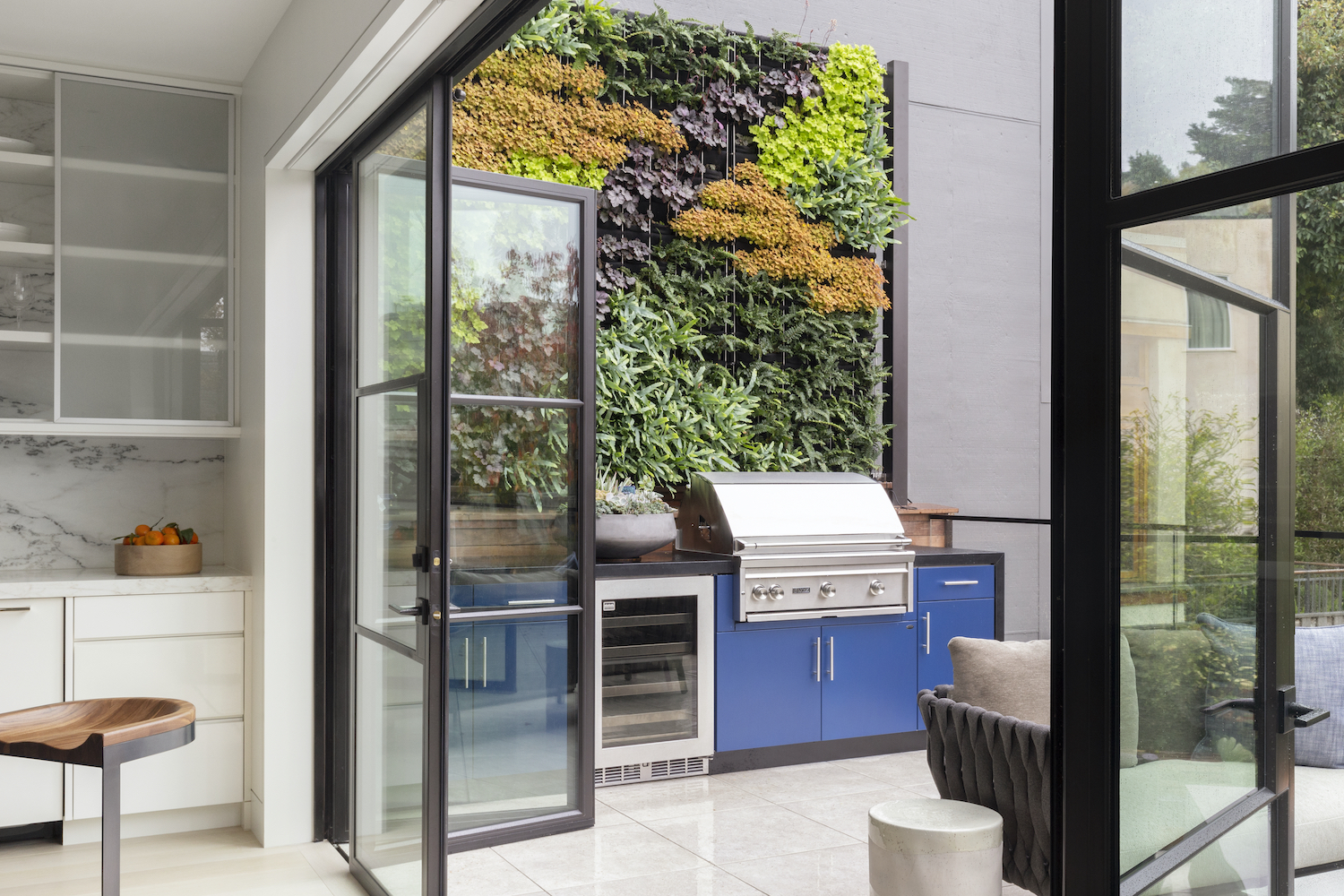
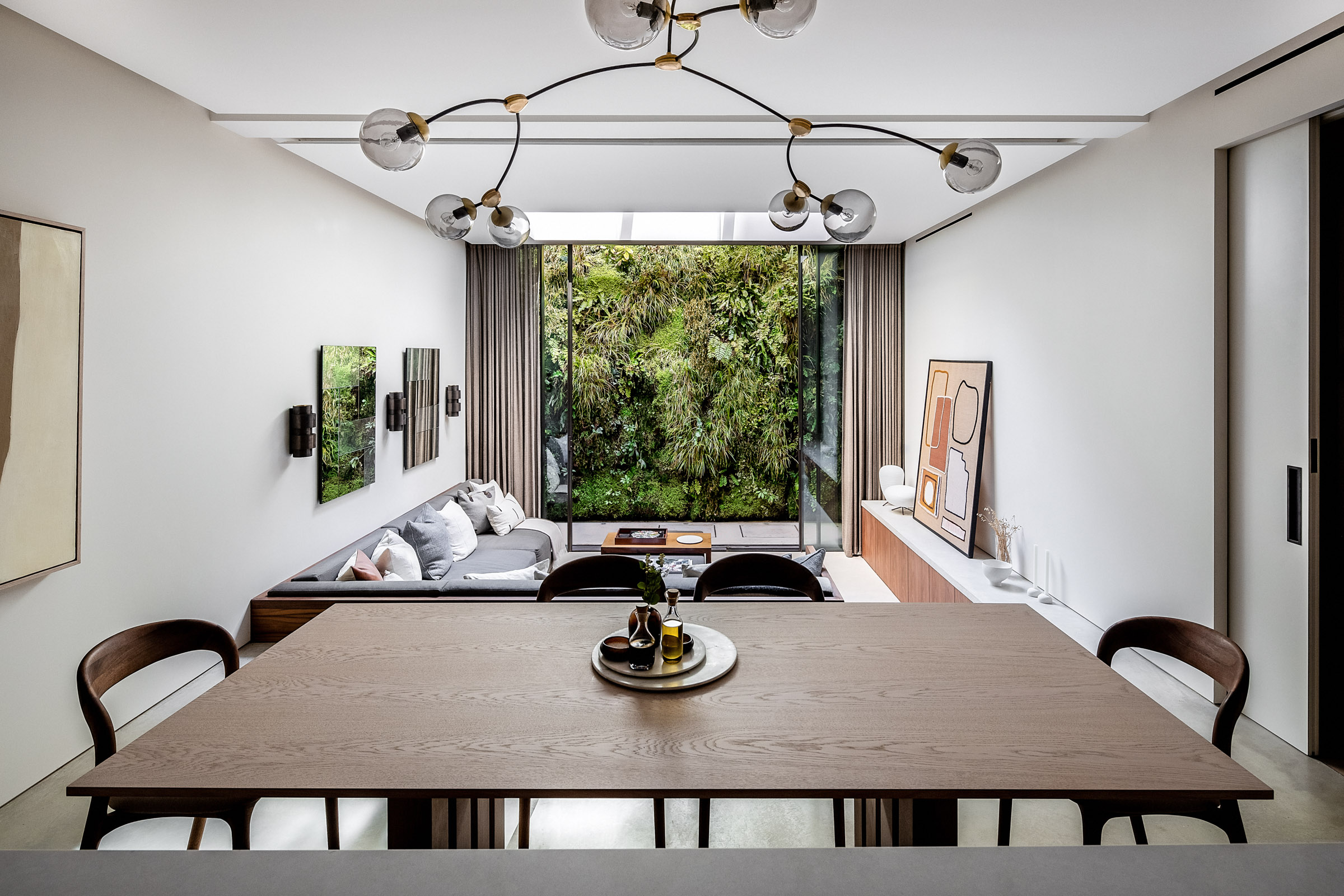
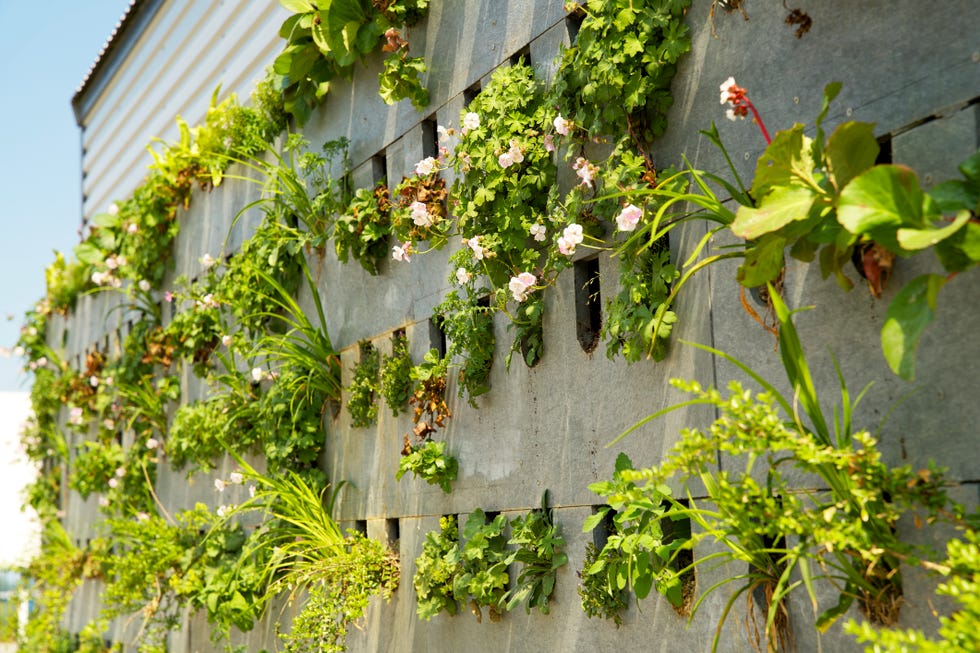
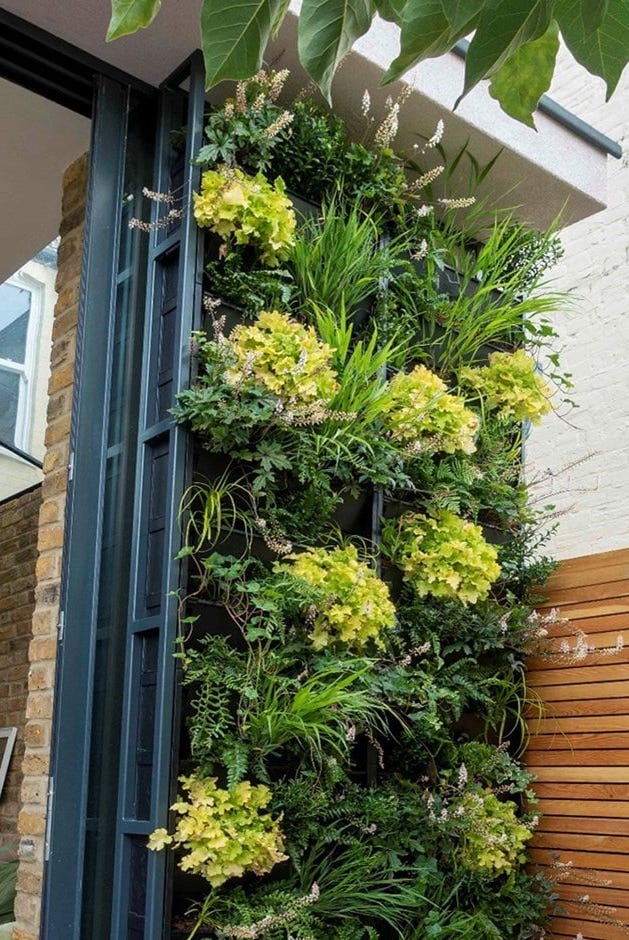
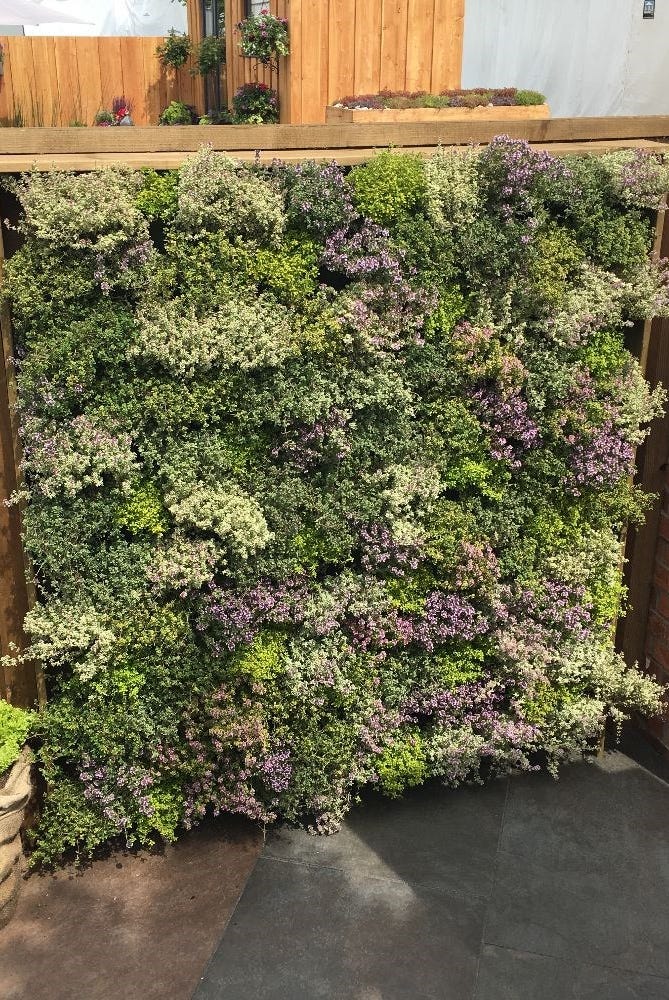
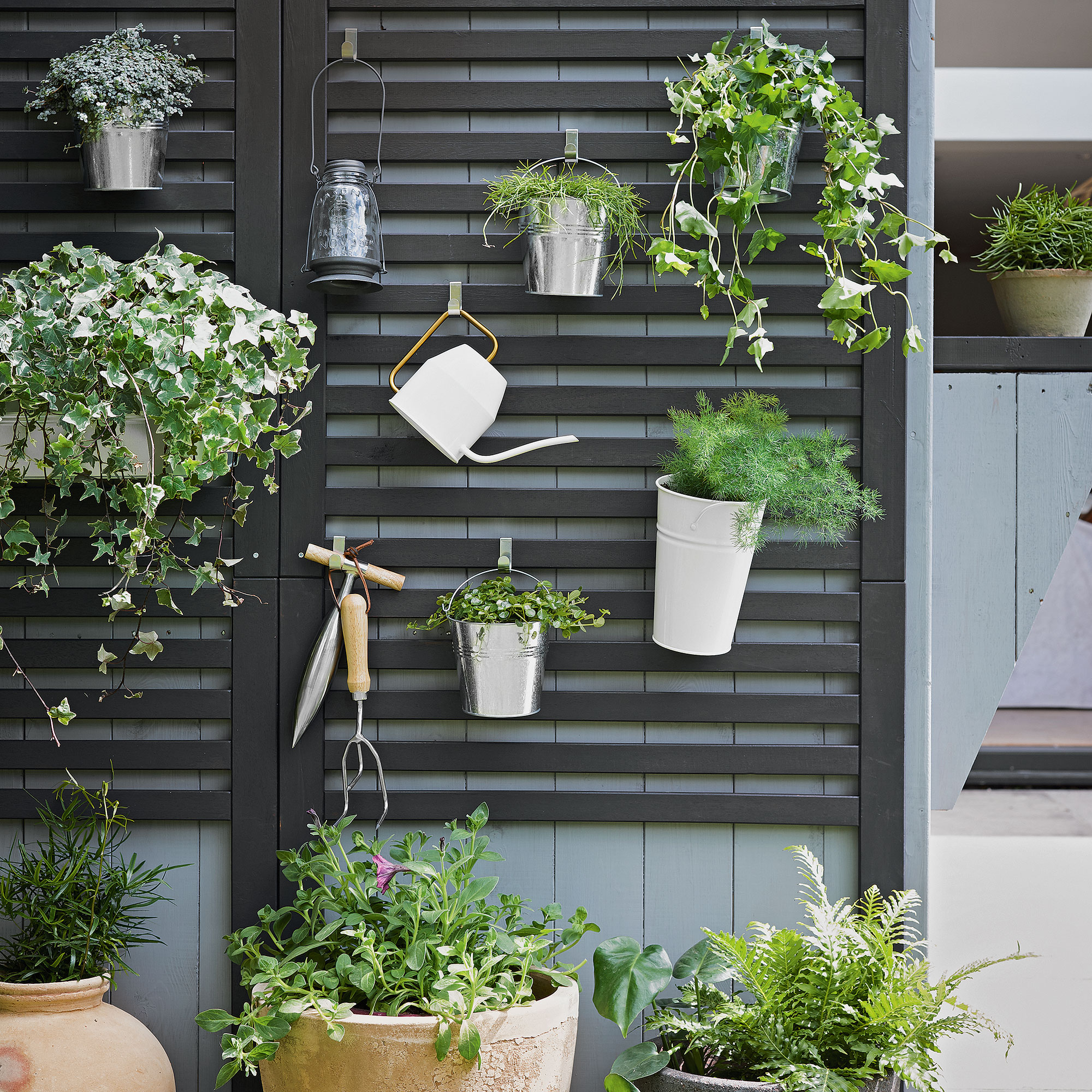
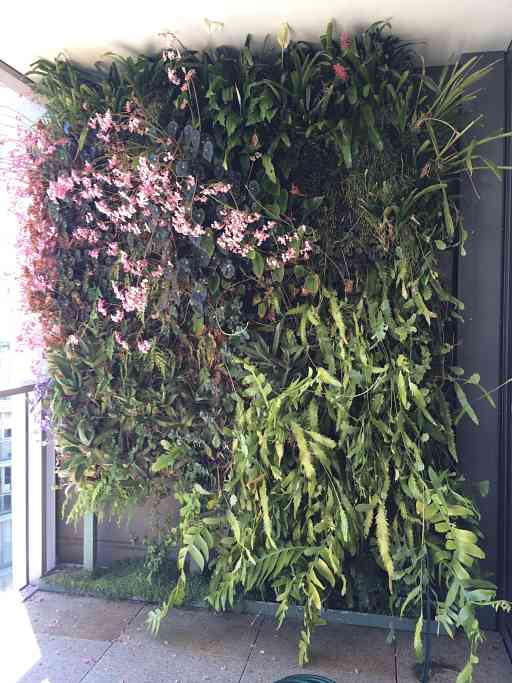
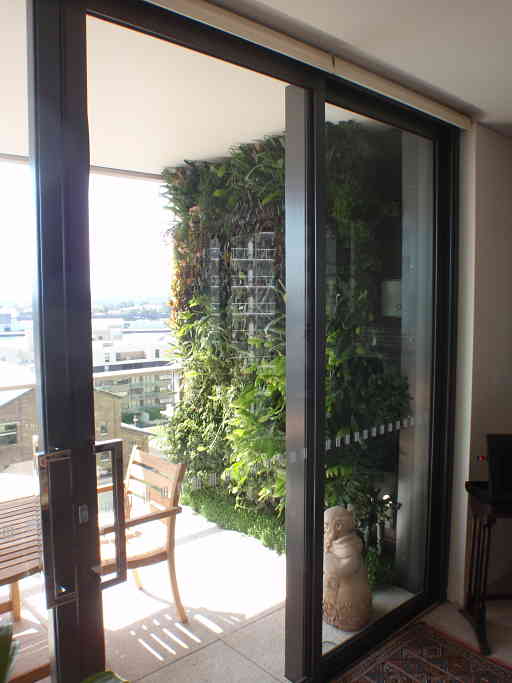
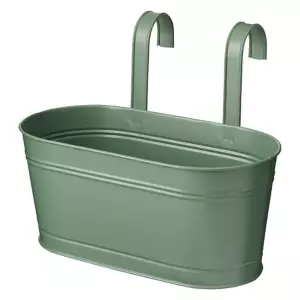
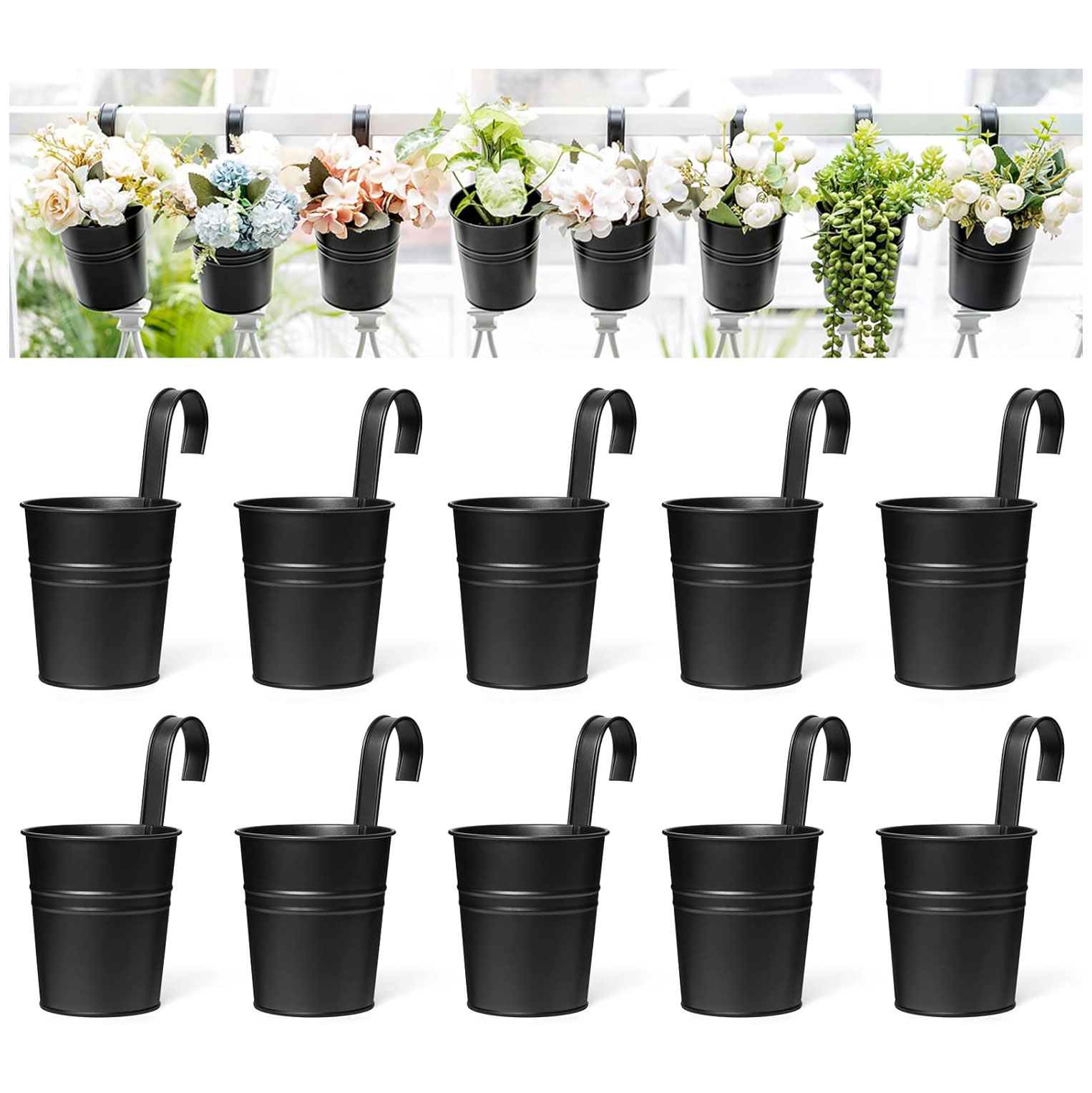
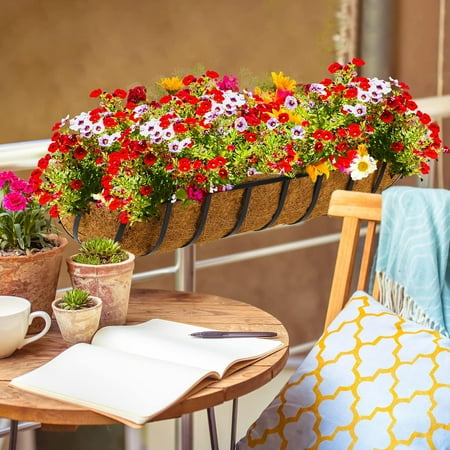
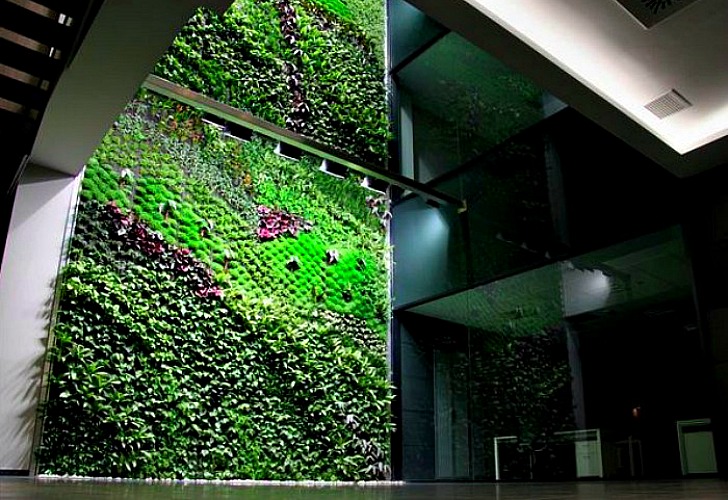
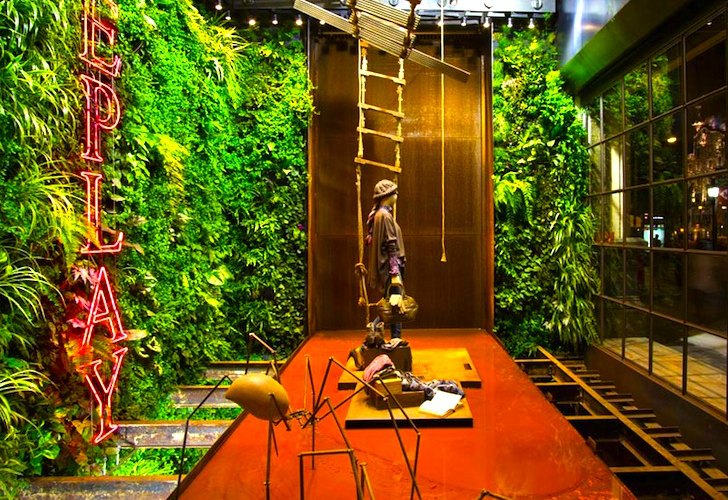
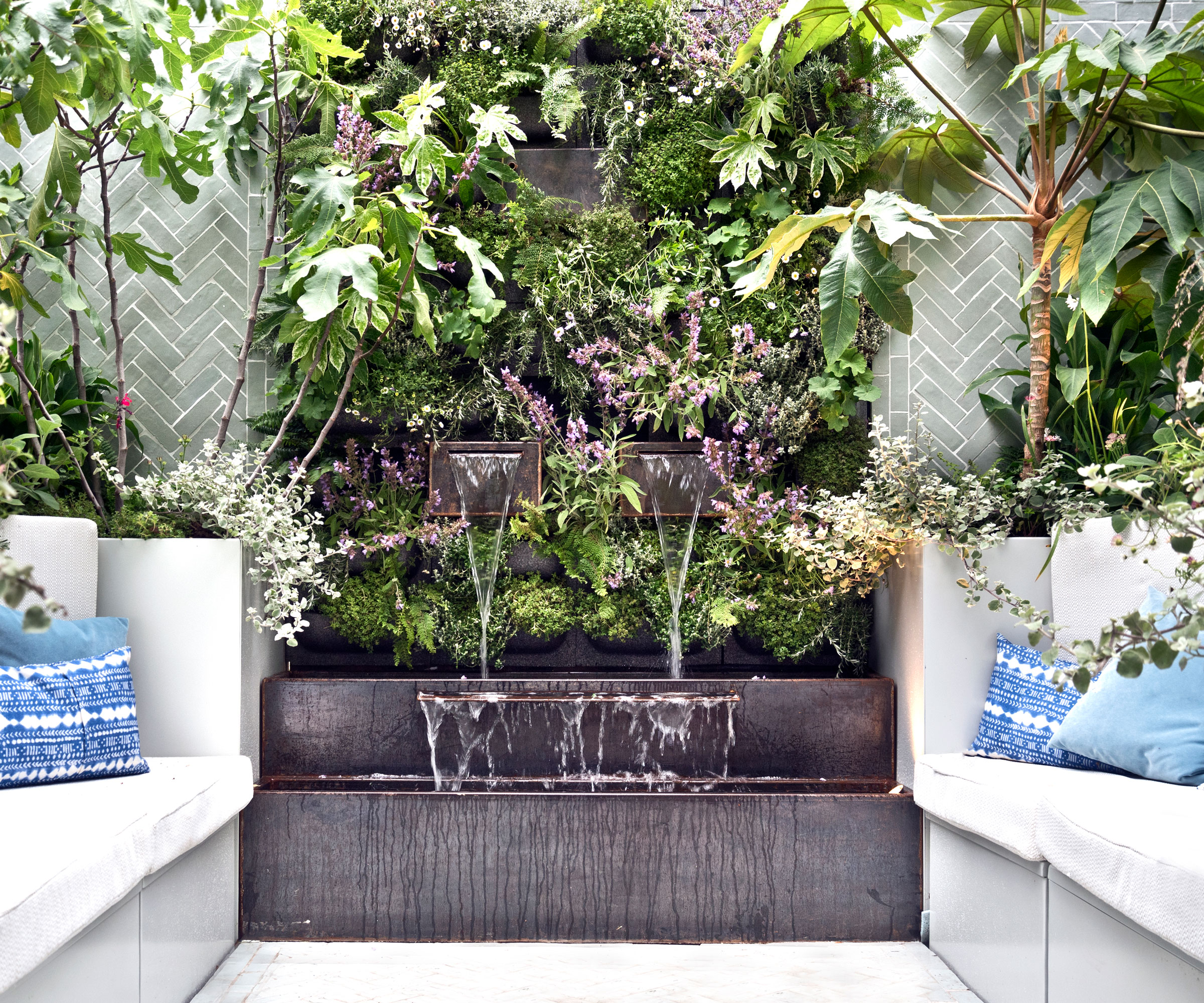
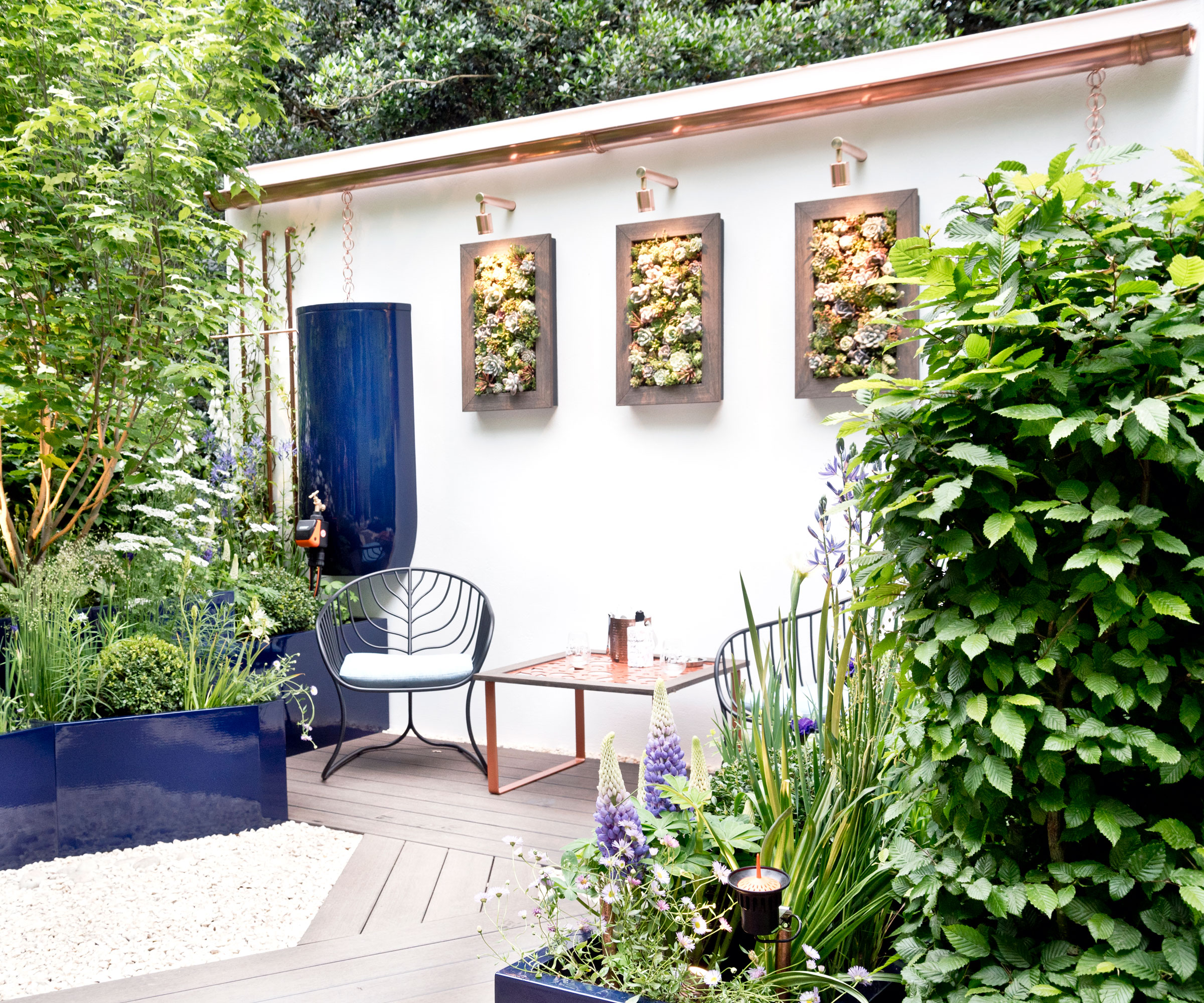
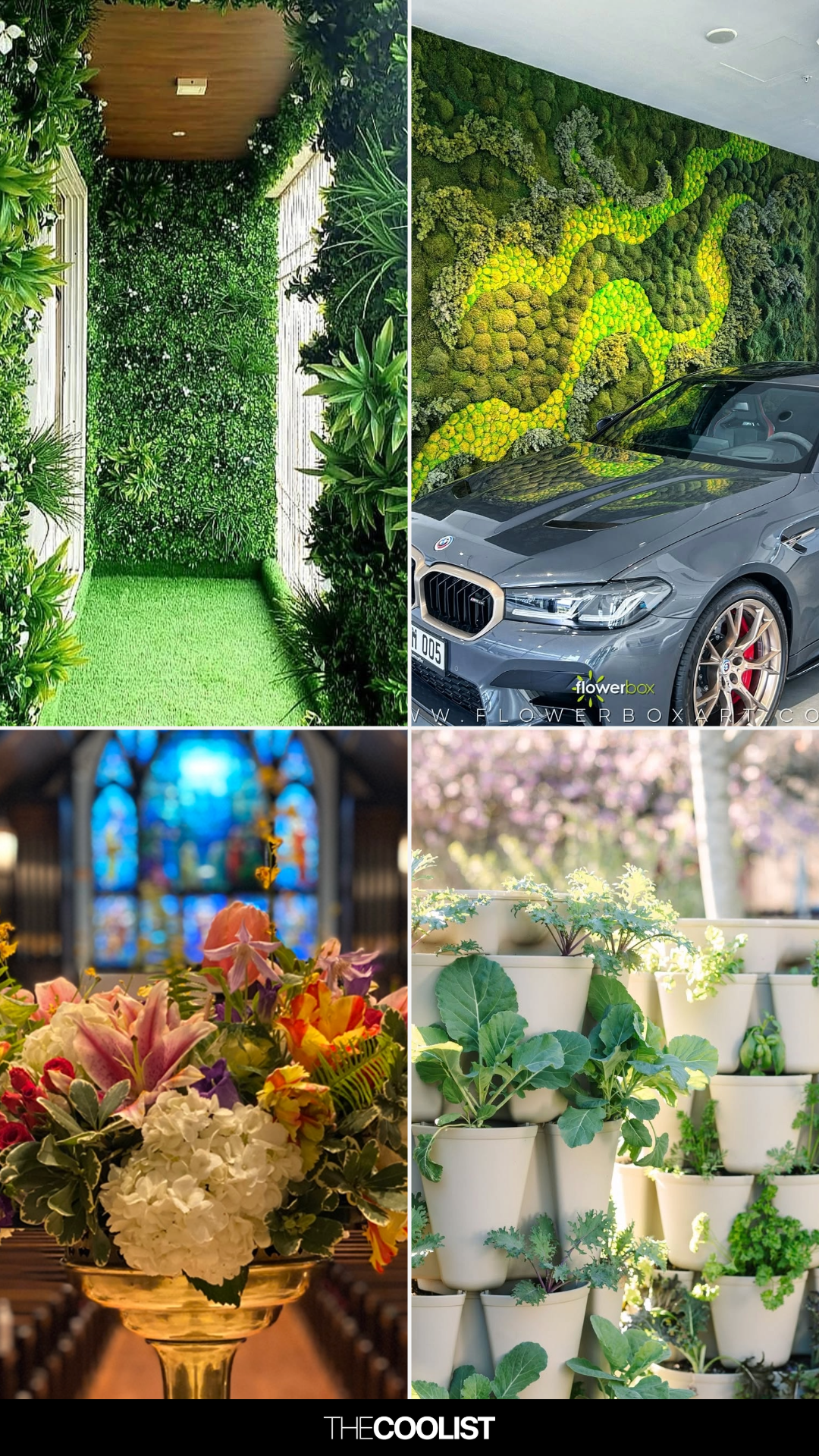
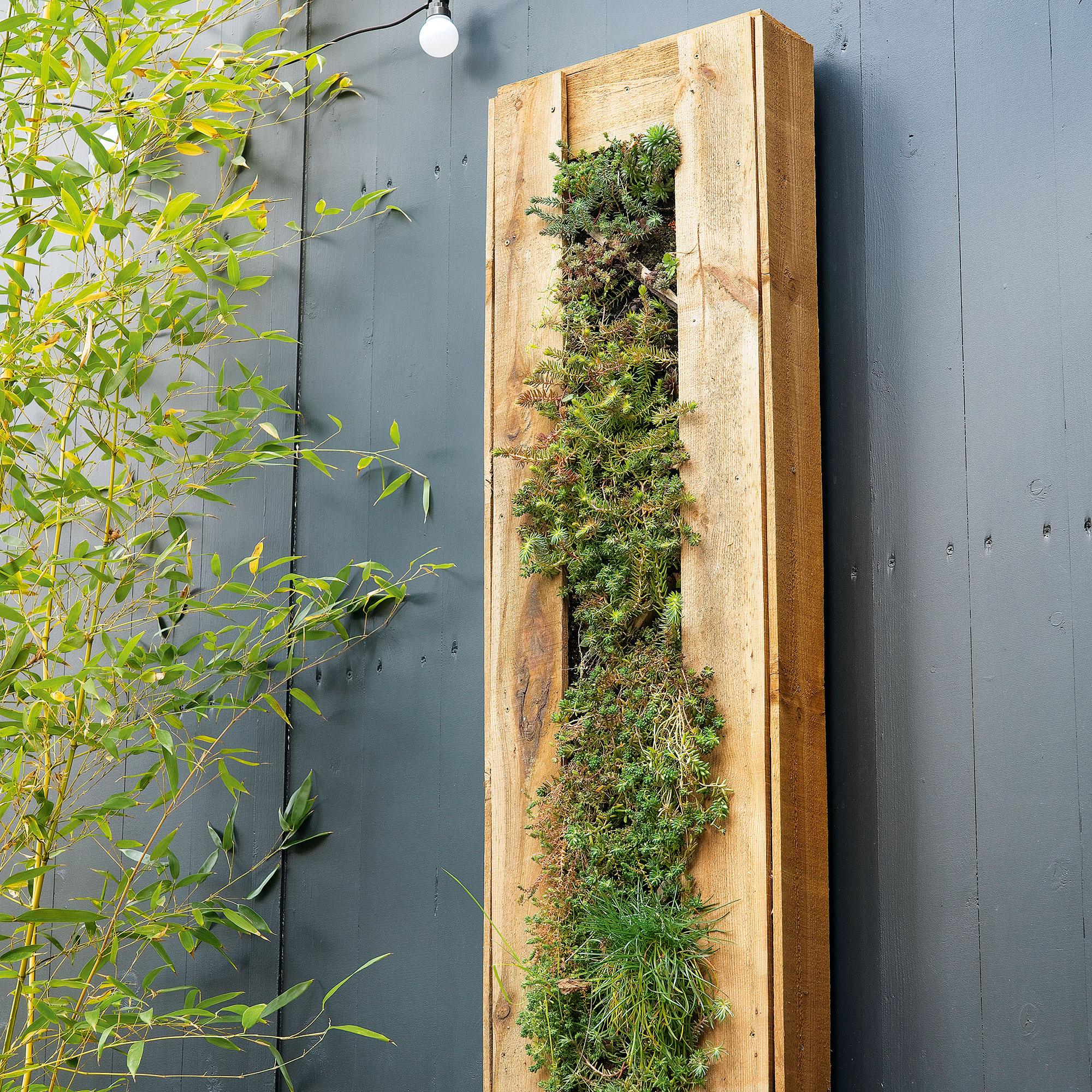
Vertical gardening, also known as living or “green” walls, is a growing trend in the United States, offering a solution for maximizing plant material in limited spaces. This technique involves growing plants in wall-mounted planter systems rather than in traditional in-ground gardens. The concept, which has been popular in Europe for decades, allows for the creation of intricate plant mosaics on walls, transforming otherwise uninspiring areas. These vertical gardens are particularly beneficial for small backyards, urban courtyards, and commercial properties, enabling the cultivation of edibles, aromatics, and pollinator-attracting plants in a compact footprint.
For landscape professionals considering offering vertical gardening as a service, the profit margin can range from 20 to 40 percent, depending on the plants chosen and the complexity of the design. However, there is a learning curve involved. Trevor Smith, lead designer for Land Escapes Design, emphasizes that successful vertical gardening requires understanding site-specific conditions, such as the amount of shade, sun, and wind exposure. Plants on the side of a building, for instance, may be exposed to intense heat, necessitating careful plant selection and adaptation. While living walls can thrive in warm climates, their feasibility in colder regions requires planning for winter dieback. Hardy perennials like sedum and grasses can go dormant and return, but some plants may not survive, leading to “holes” in the garden that require periodic replanting. Anticipating a 15 to 20 percent dieback is recommended.
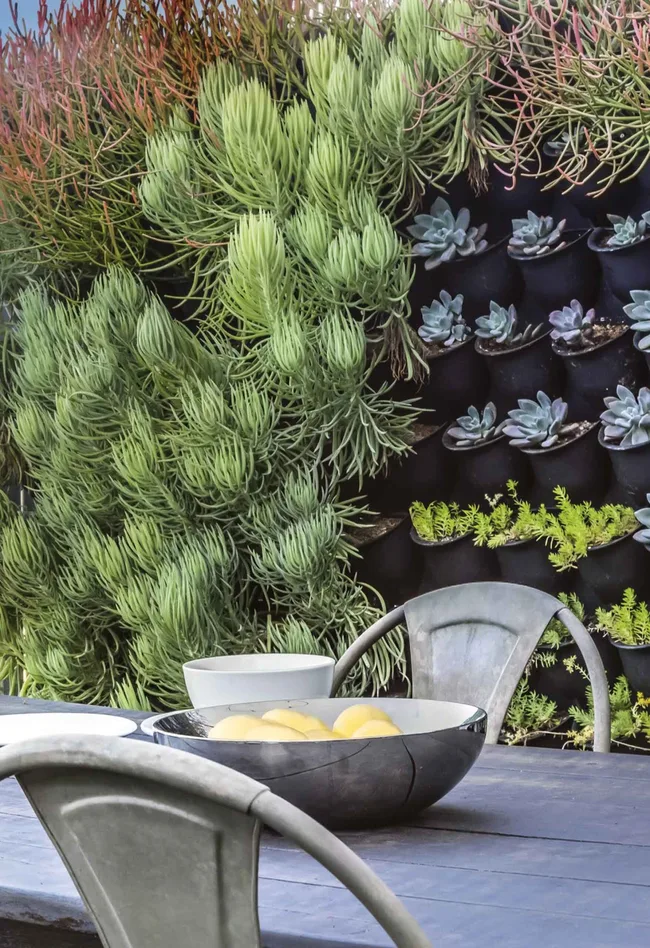
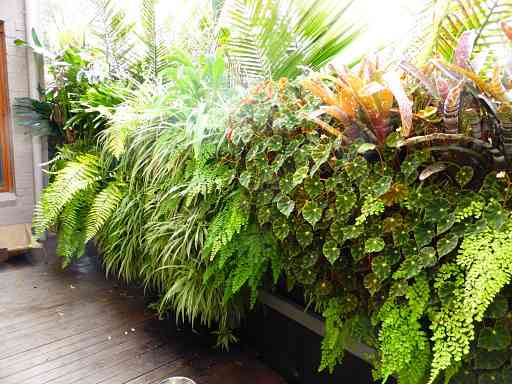
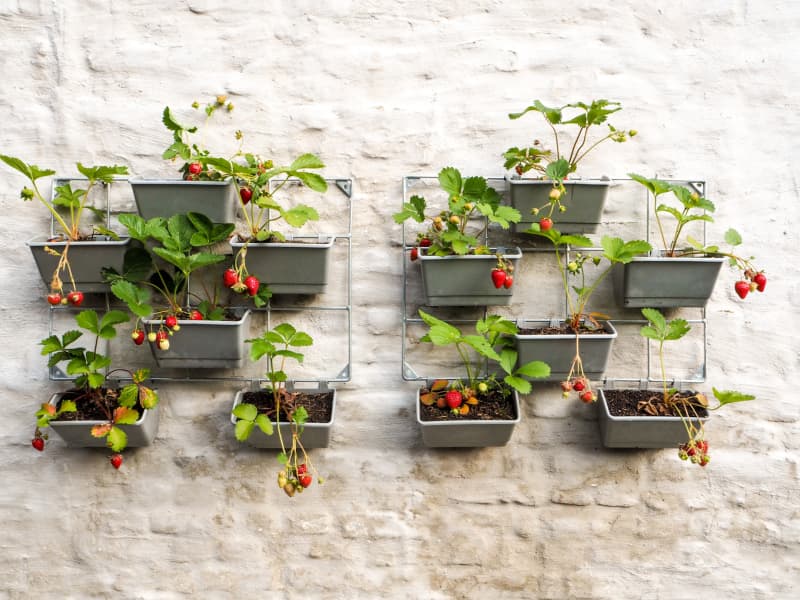
Not all plants are suitable for vertical gardens. Experience, such as that at the Atlanta Botanical Garden, shows that choosing the right plant for the right place is crucial. For example, an initial edible garden living wall at the Atlanta Botanical Garden was too shaded for many herbs, leading to the interplanting of more suitable perennials like dianthus. Over time, professionals can develop a list of plants that thrive in vertical systems, including hardy perennial herbs such as oregano, sage, and mint, as well as edibles like lettuce, strawberries, and Swiss chard in colder climates. Tropical plants like ferns are viable in warmer regions, and succulents, while striking, may need additional support due to their shallow root systems.
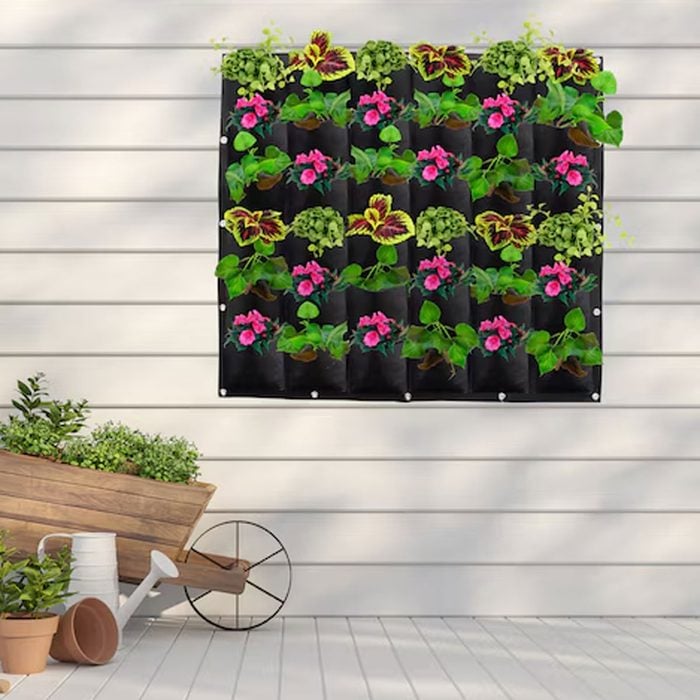
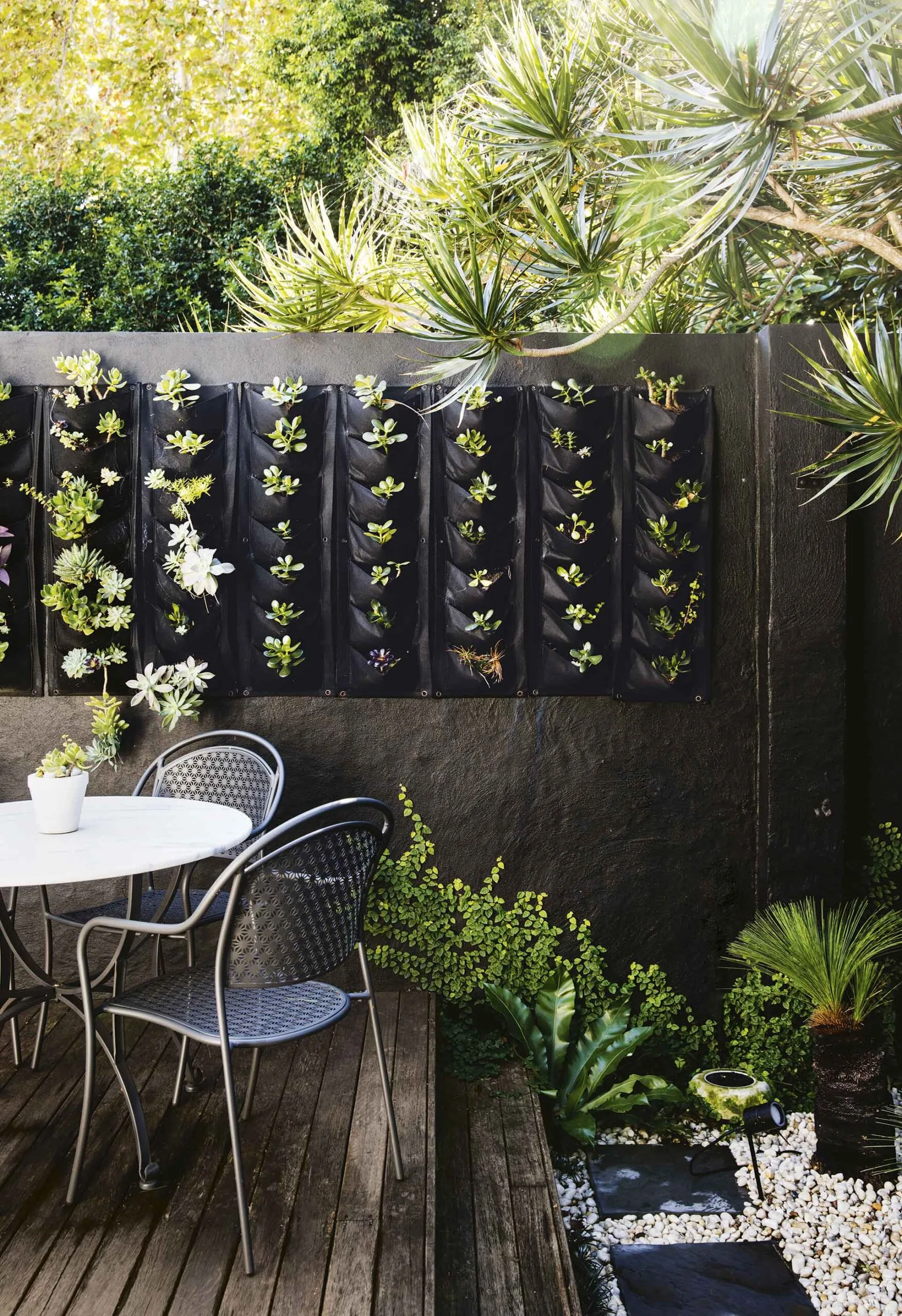
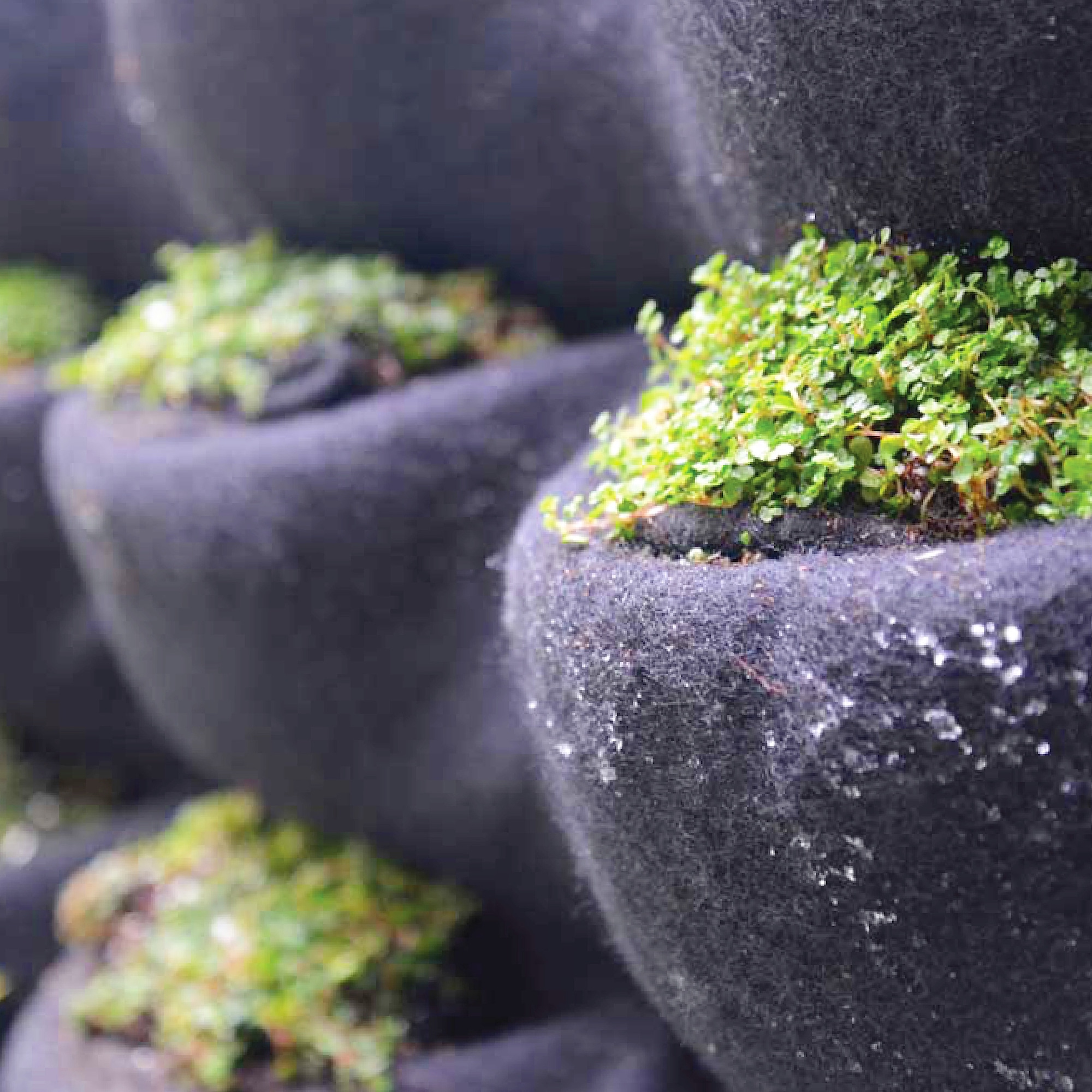
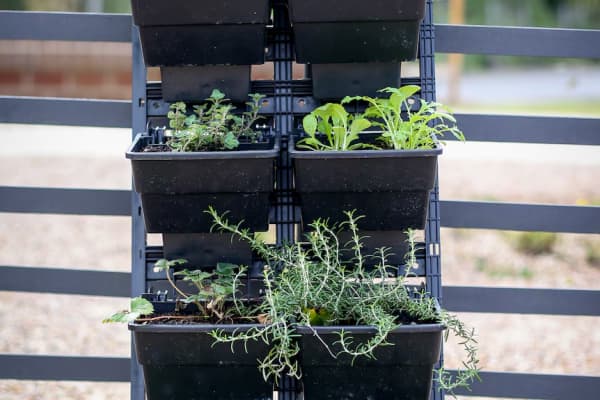
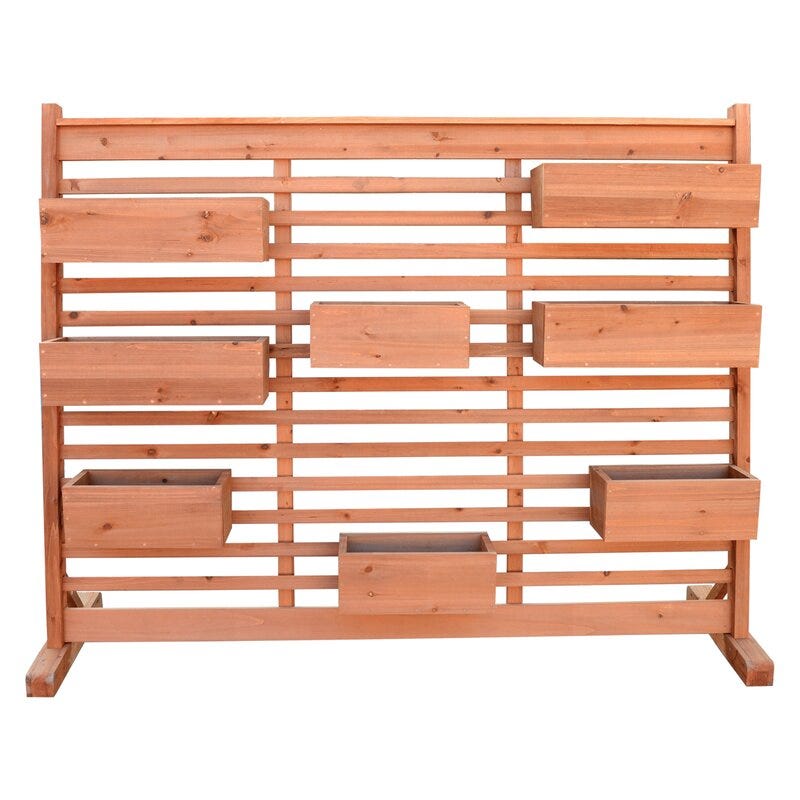
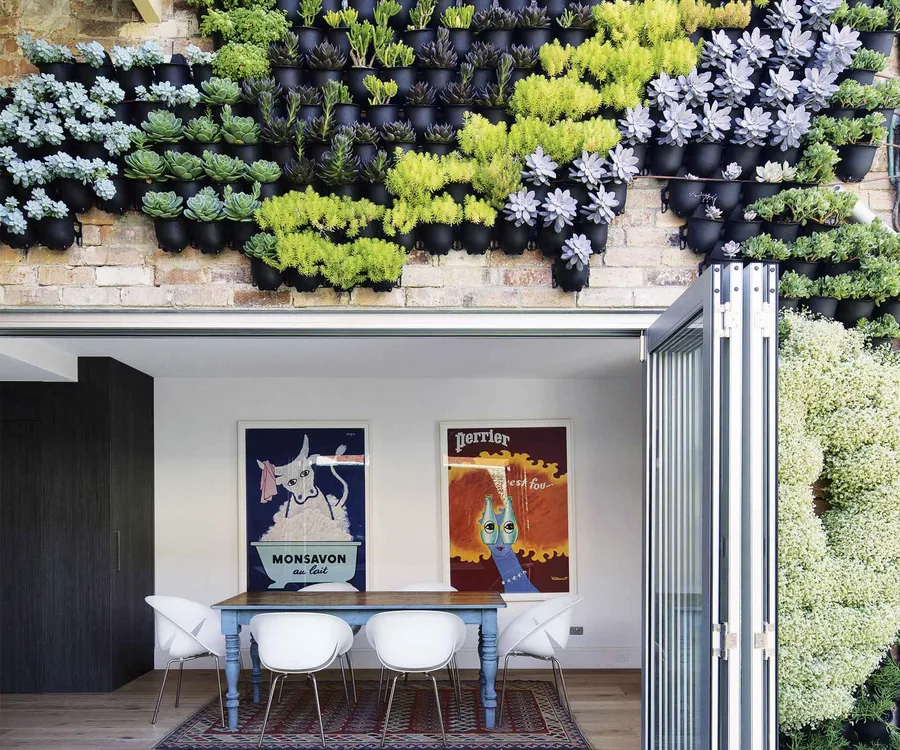
The choice of modular system is also significant. While DIY planters are an option, researching various commercially available modular systems is often more efficient. These systems typically consist of plastic planting boxes or grids that mount to a bracket system on a wall or fence, eventually becoming hidden by the growing plants. Other systems use fabric pockets, which remain visible. Attending trade shows, consulting manufacturers, and engaging with horticulturalists at botanical gardens with living walls can help professionals familiarize themselves with different options. For large-scale projects, consulting engineers or architects is essential to understand the structural implications of adding significant weight to a building.
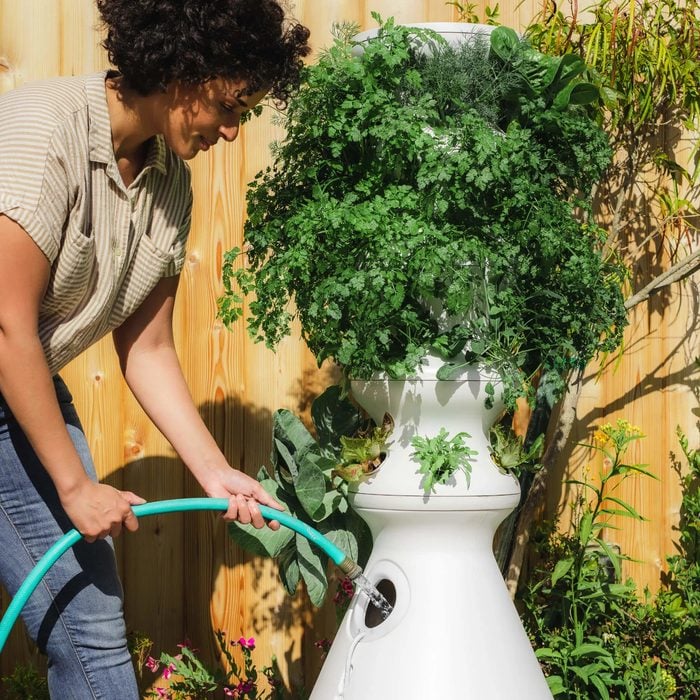
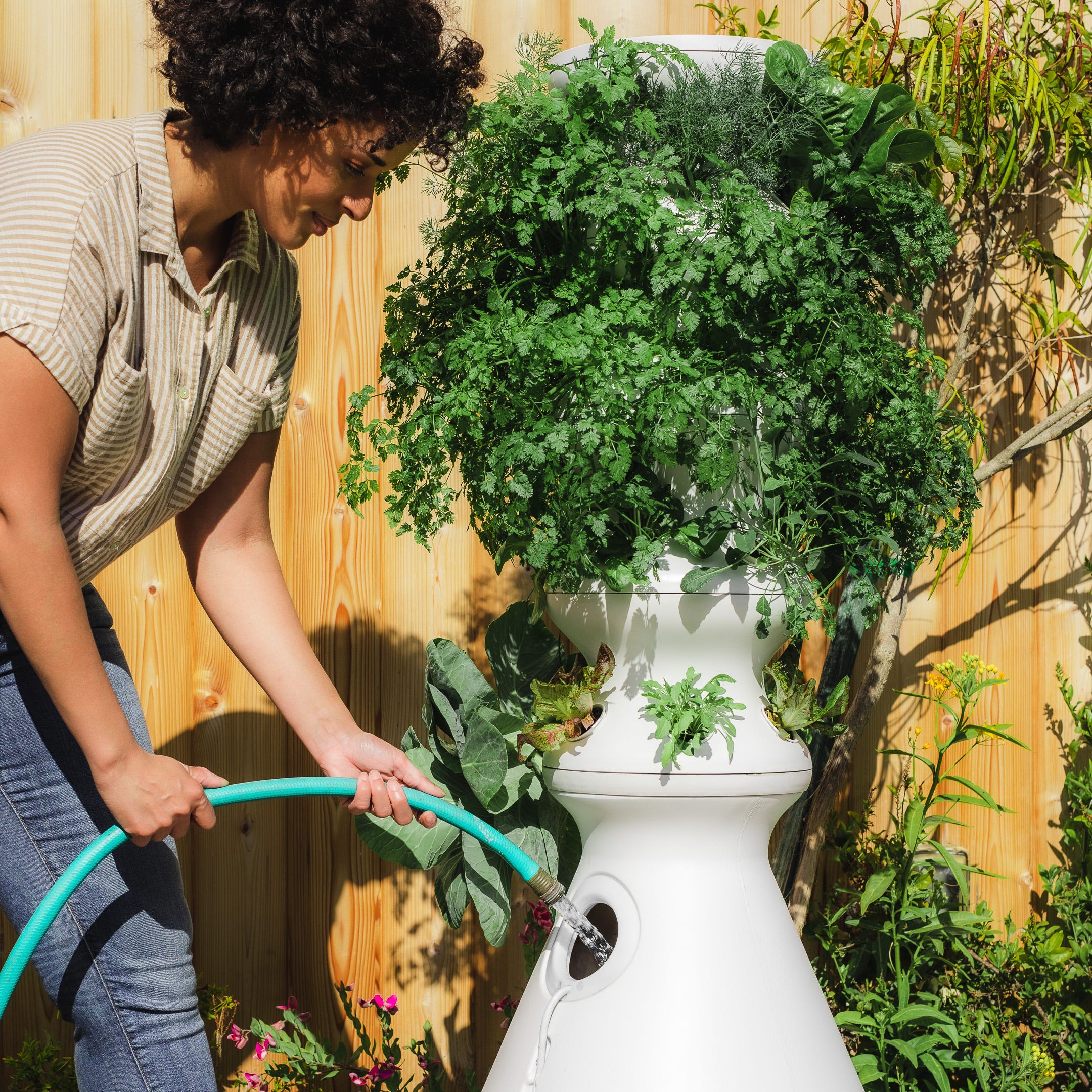
Irrigation is a critical component of vertical gardens. As plants mature, their root systems help secure them, but inadequate watering can cause soil to dry and contract, potentially dislodging plants. While hand-watering is possible, it is often impractical for larger applications. Most modular systems offer drip irrigation options that can be integrated into existing irrigation systems, typically with multiple zones to group plants with similar water needs. Regular fertilization, either through the irrigation system or as a foliar feed, is also recommended. Finally, ongoing maintenance is crucial for the success and longevity of vertical gardens. Many designers require maintenance contracts to ensure plant health, maintain quality, and provide a consistent income stream. Maintenance visits may range from weekly during establishment to bi-weekly or monthly, with more frequent visits needed for specific client needs, such as restaurants using herbs from their living walls. This hands-on approach ensures the artistic integrity and functionality of the vertical garden, protecting the designer's reputation and fostering client relationships for future projects.
#VerticalGardening #LivingWalls #GreenWalls #LandscapeDesign #UrbanGardening #PlantSelection #IrrigationSystems #GardenMaintenance #SpaceMaximization #VerticalGardening #LivingWalls #GreenWalls #LandscapeDesign #UrbanGardening #PlantSelection #IrrigationSystems #GardenMaintenance #SpaceMaximization
0 comment in total
 No comments yet
You may also like
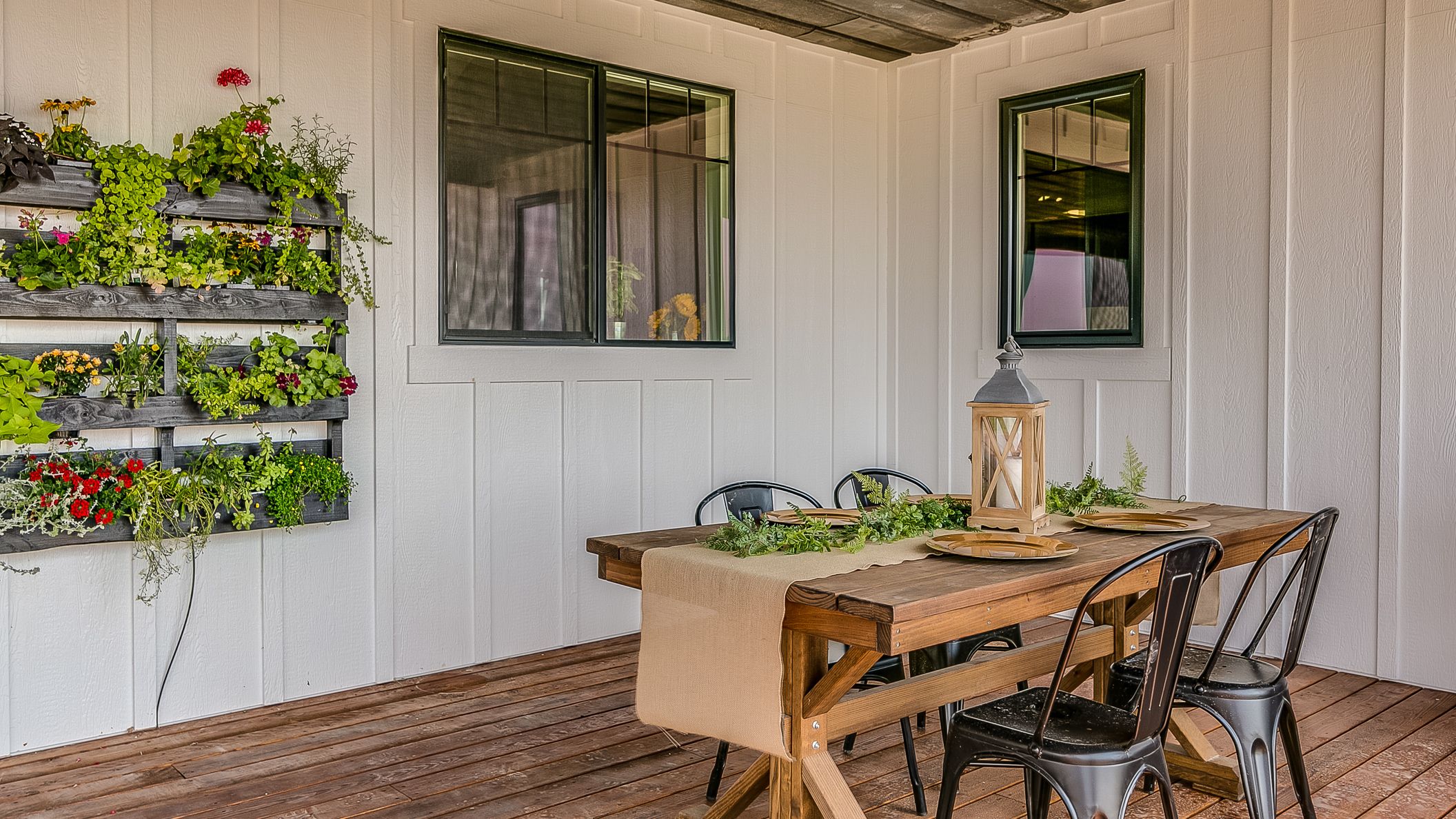
15 Vertical Garden Ideas, From Living Walls to Botanical Libraries


How to create a plant wall in your garden

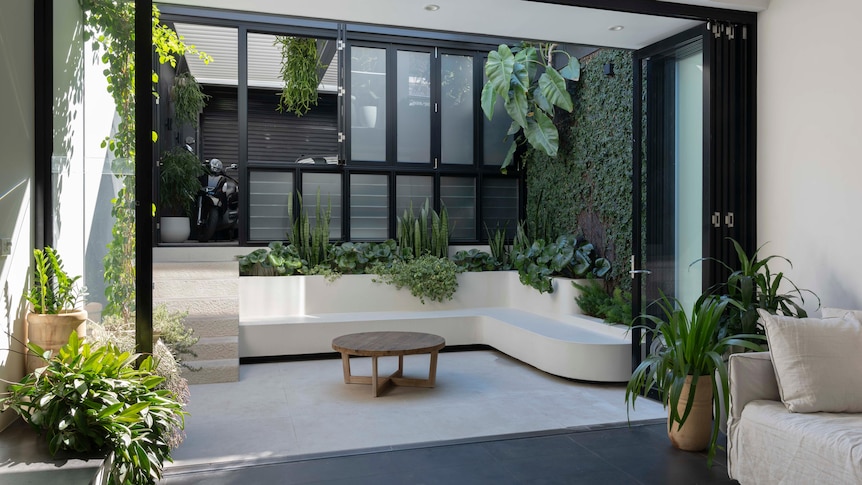
You don't need much space or sun to have a flourishing garden
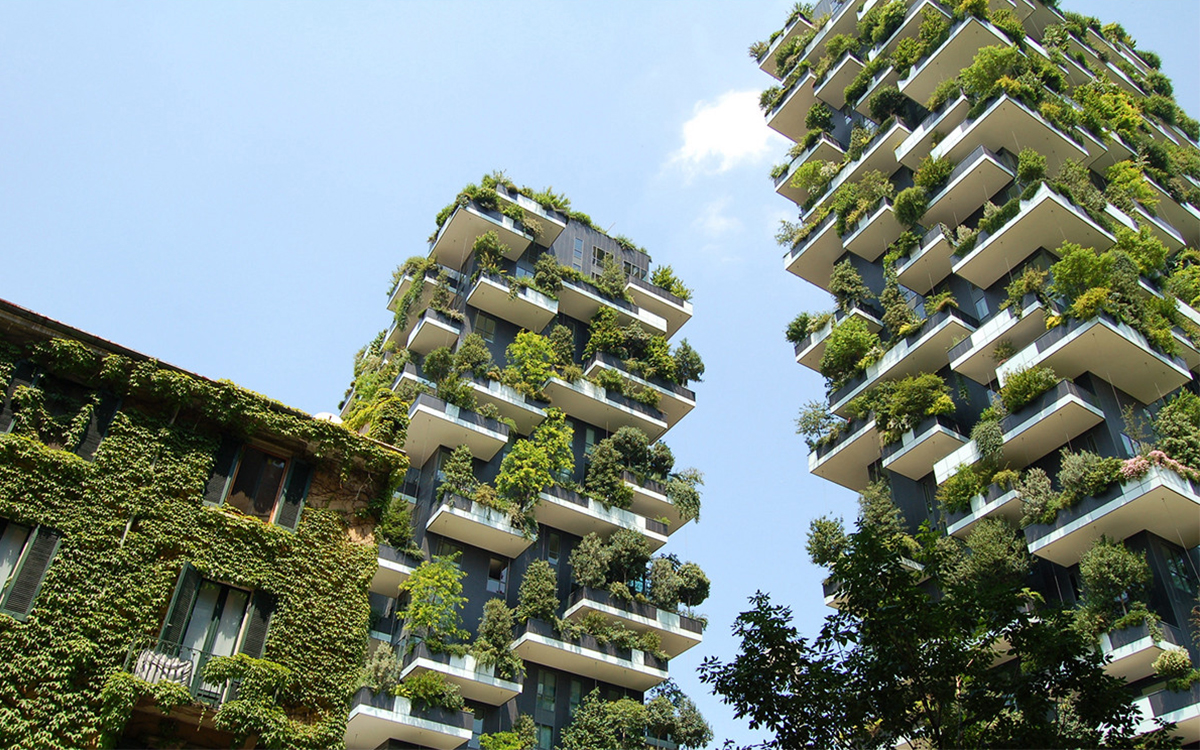
Vertical Gardening Is a Dead-Simple DIY Project That Any Space Can Handle

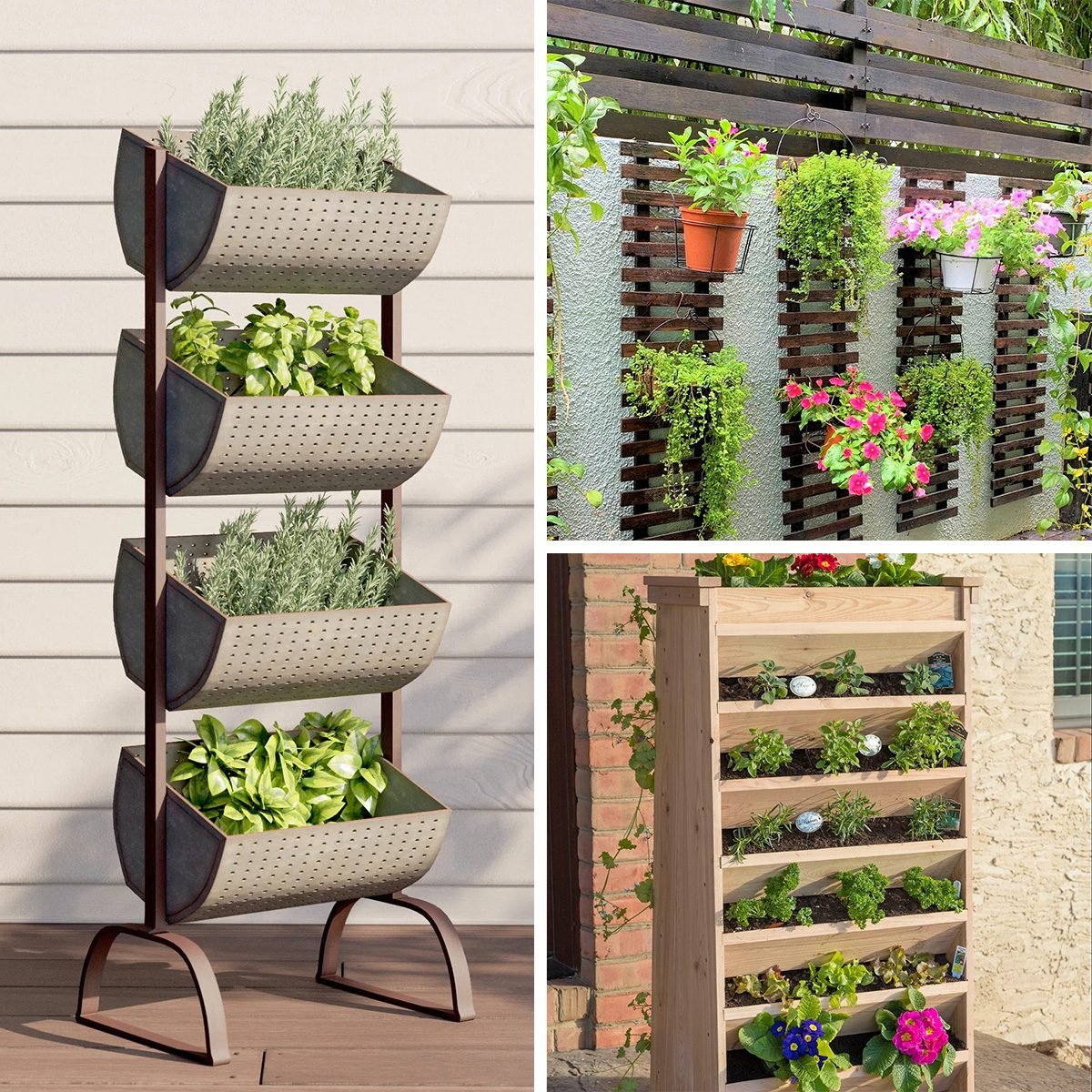
10 Best Vertical Garden Planters

Short on space for a herb or veggie garden? Think vertically

31 Inspiring Vertical Garden Ideas That Transform Bare Walls Instantly

6 Luscious Living Vertical Gardens That Bring A Breath Of Fresh Air Indoors

12 vertical garden ideas to inspire your own plant wall

Vertical Gardens Are the Ideal Small-Space Solution—Here Are 12 Ideas to Get Started

I Can’t Stop Thinking About These Enchanting Small Gardens

15 Urban Garden Ideas That Will Make Even Busy City Spaces Feel Like a Retreat

9 of the best plants for vertical gardens
These Vertical Gardens Are a Plant Lover’s Dream

How to grow a vertical garden at home
How to make a courtyard garden look bigger – 8 tips and tricks from the experts to utilize every inch of your city yard
19 vertical garden ideas - landscape experts show how plants thrive in small spaces inside and outside the home
Living wall ideas to create a stylish vertical garden in your space
ALDI's $4.99 garden wall planter is back in stock for 2025

This vertical garden device makes indoor gardening possible