1/2
Valentino’s L’Atelier Sonore and the Art of the Listening Room
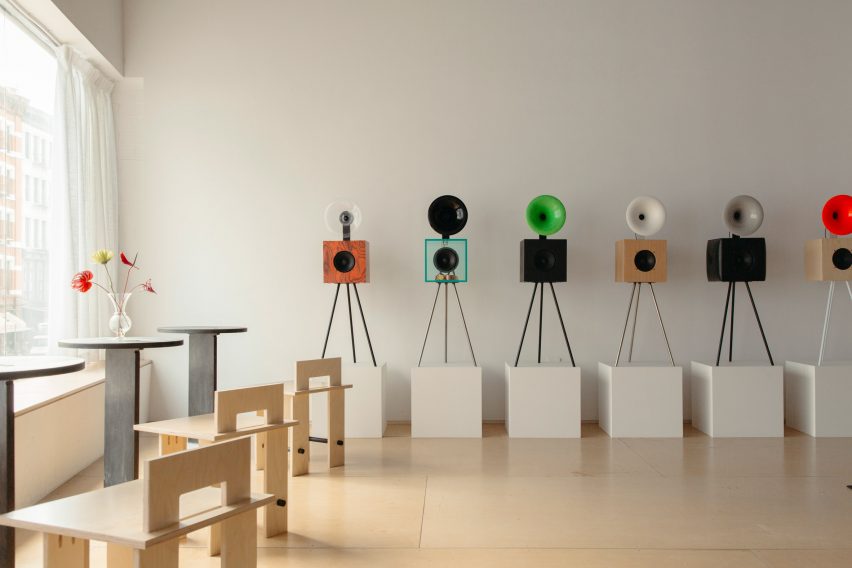
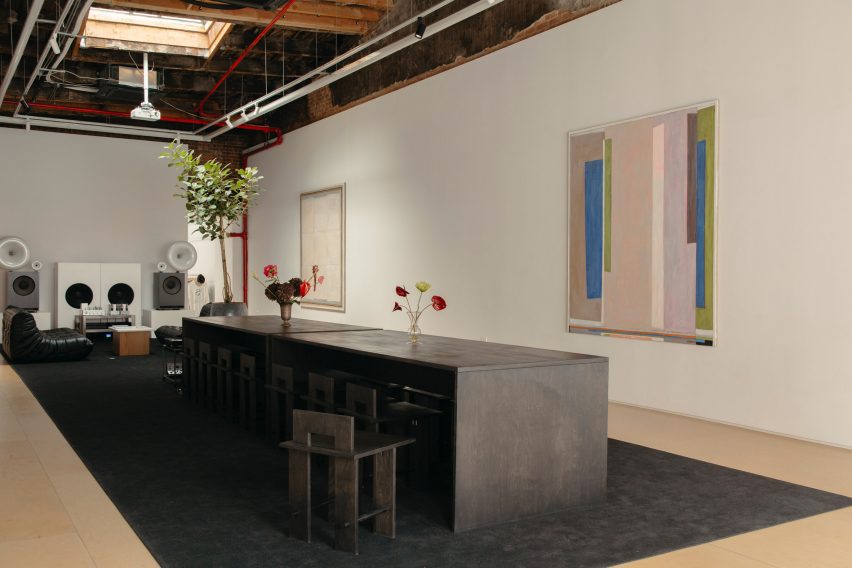
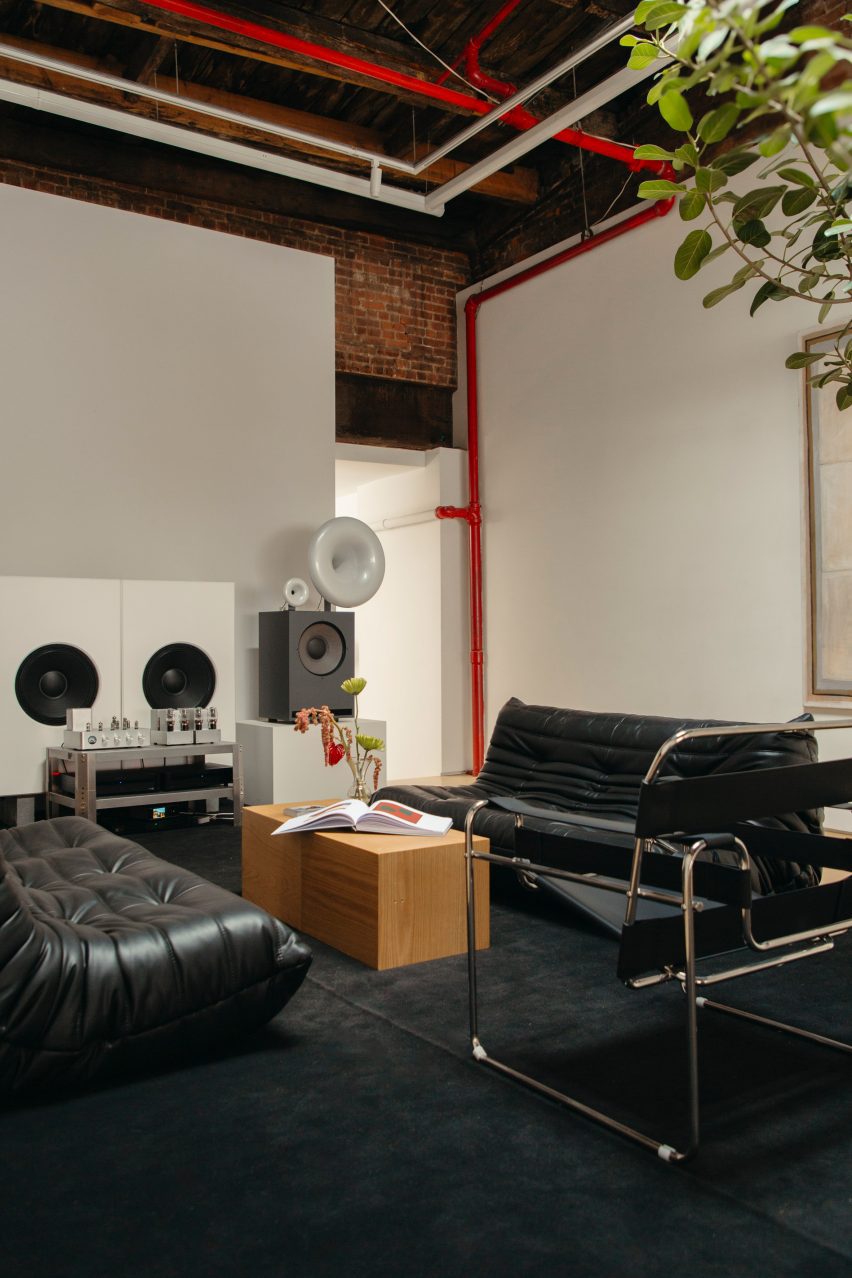
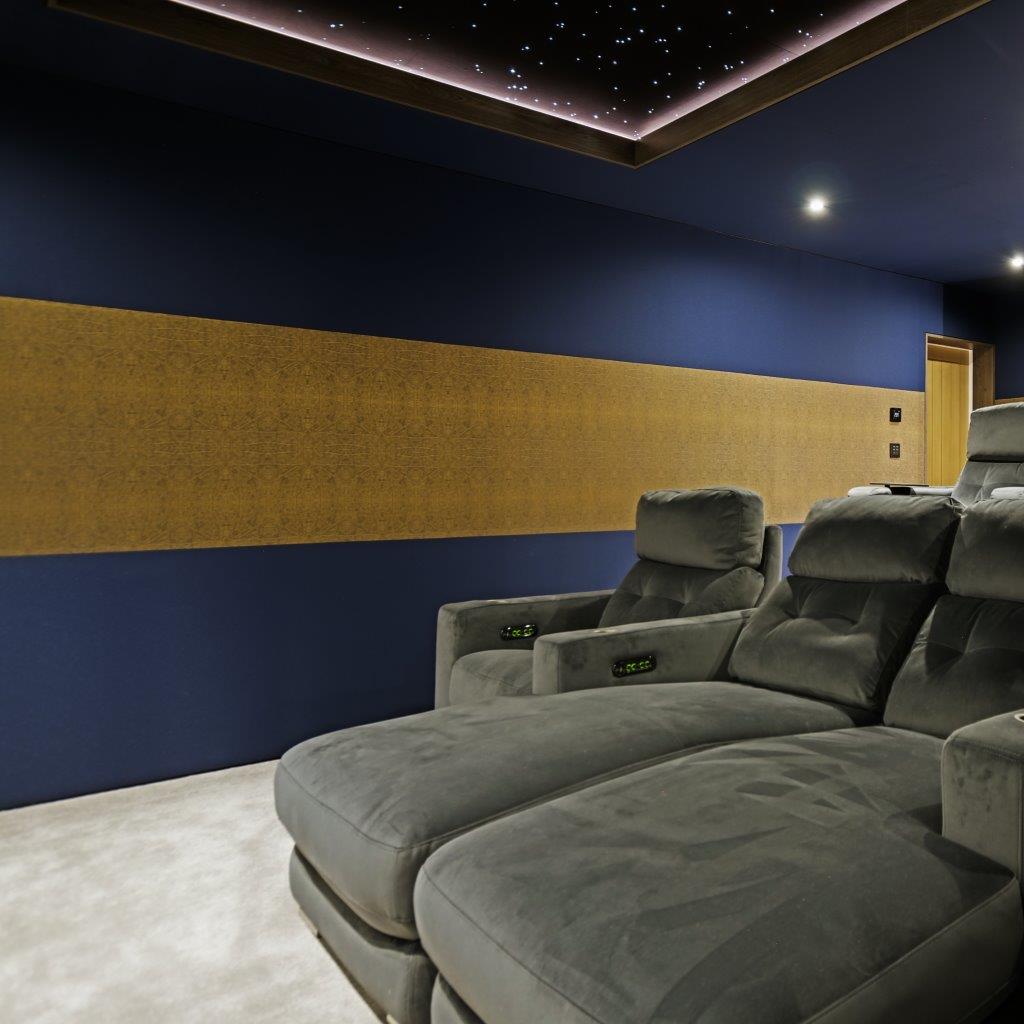
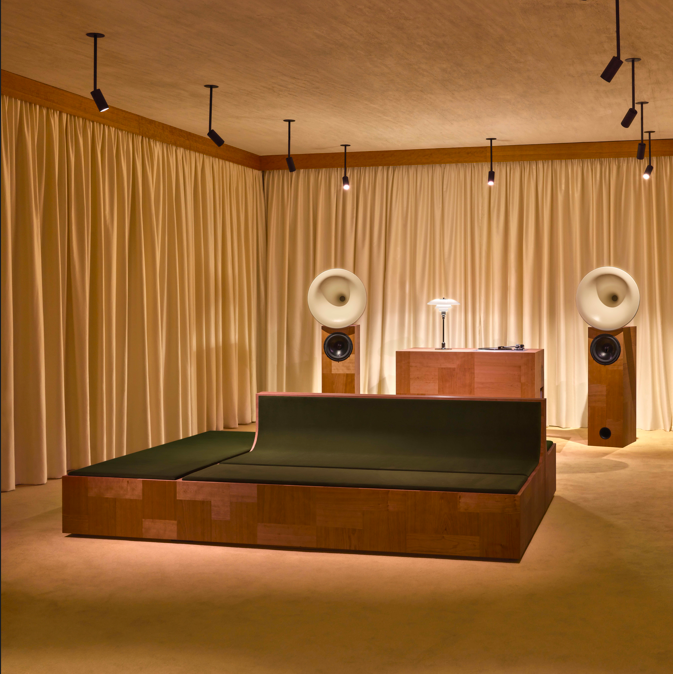
Valentino's creative director, Alessandro Michele, in collaboration with architect Francesco Lupia and the Italian cultural collective Terraforma, is launching an immersive sound experience called L'Atelier Sonore at the Madison Avenue Valentino flagship. This initiative is part of a growing trend of ultra-luxury, bespoke listening rooms designed to offer an optimized sonic experience. The installation, which features a custom sound system, a handcrafted multifunctional listening console, and modular velvet seating, will open to the public after a private 10-hour listening party and will run through August.
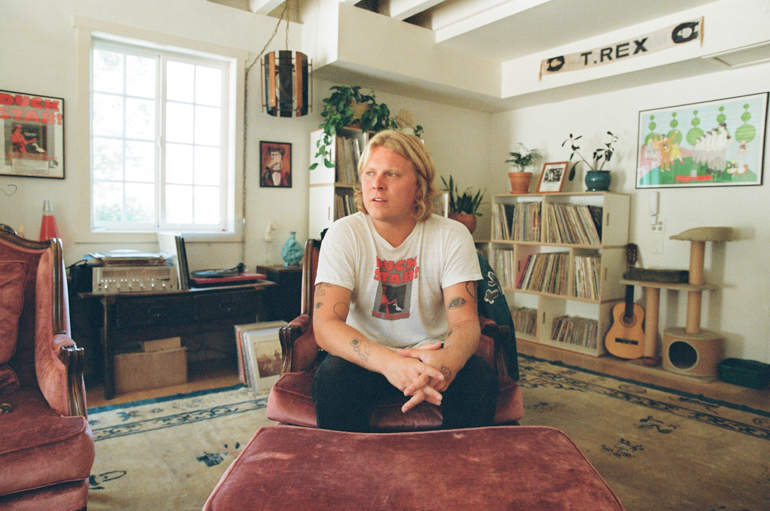
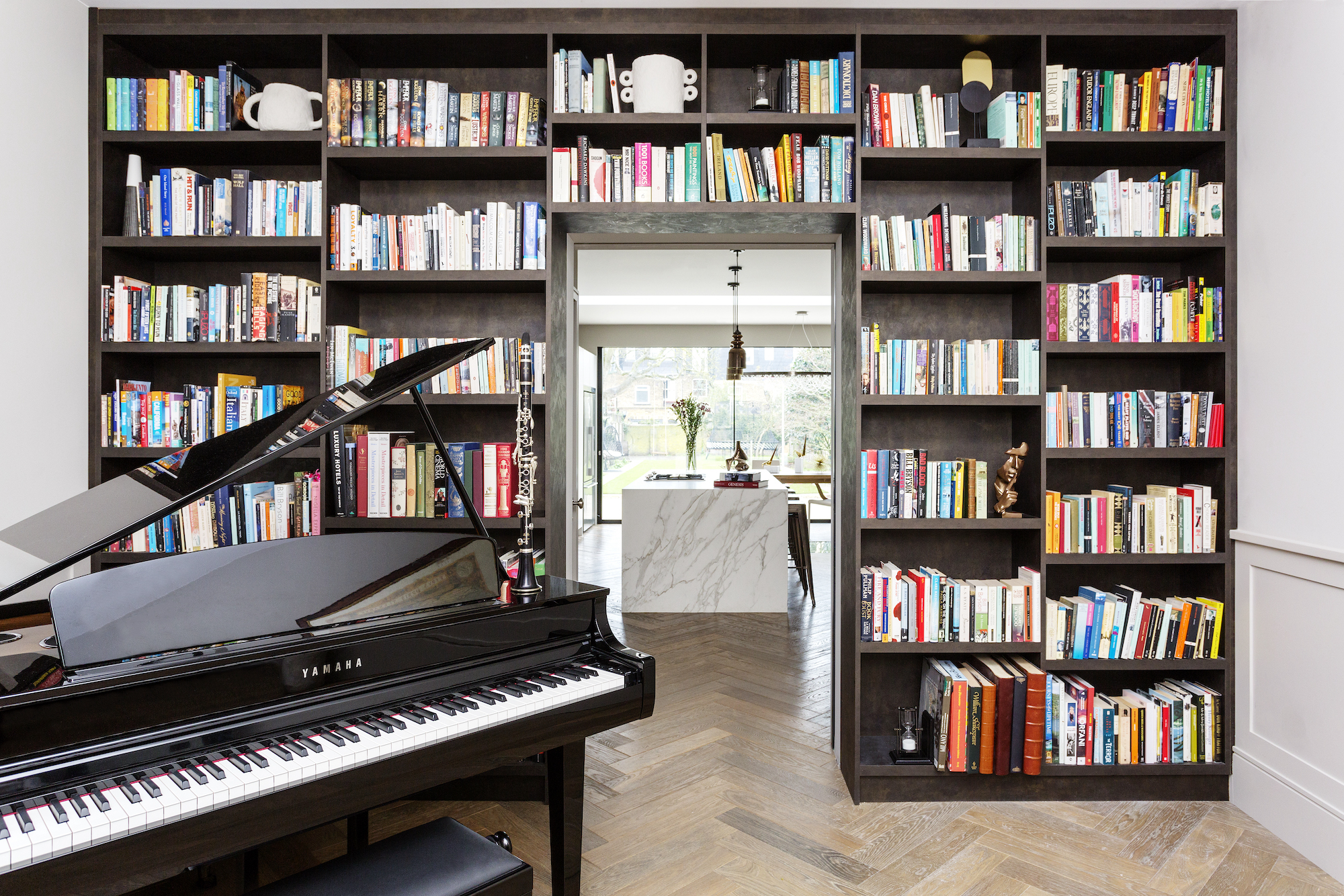
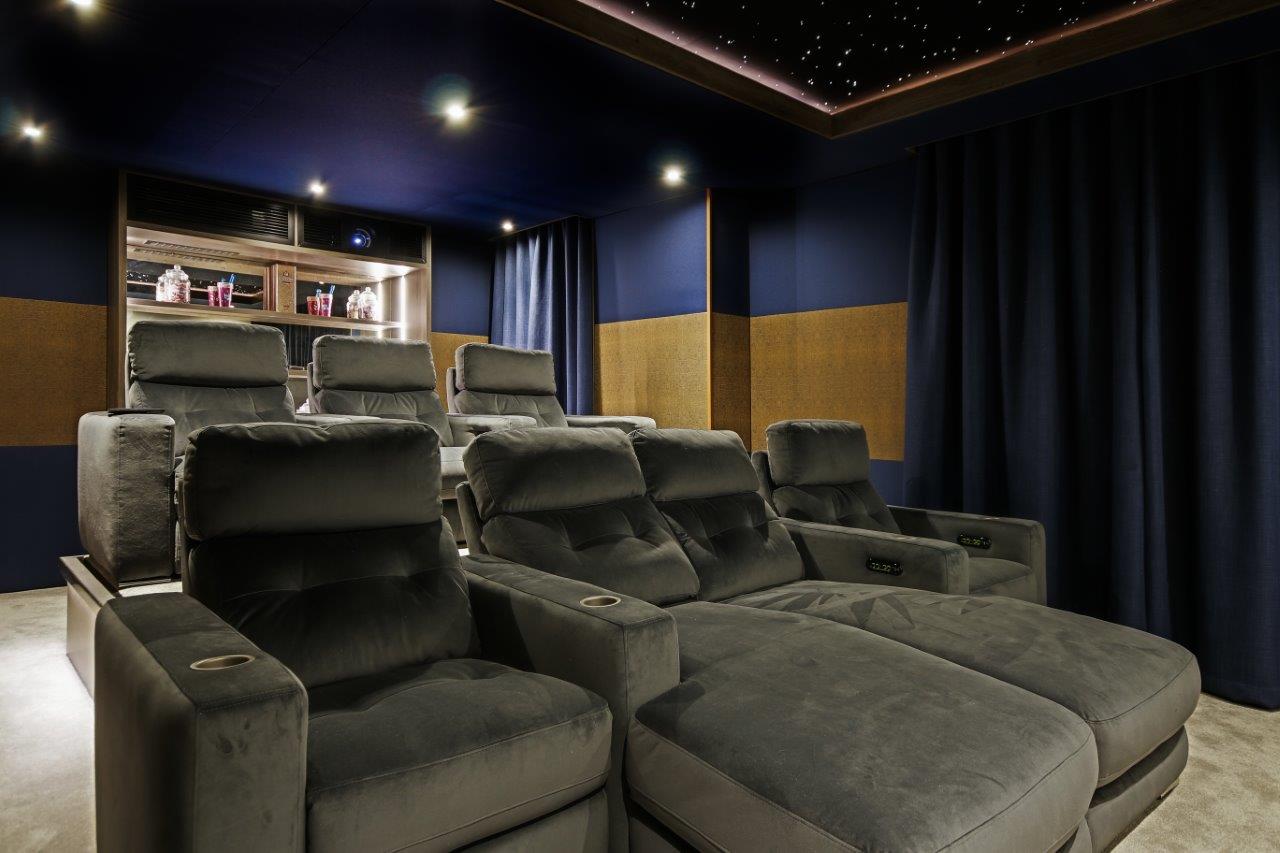
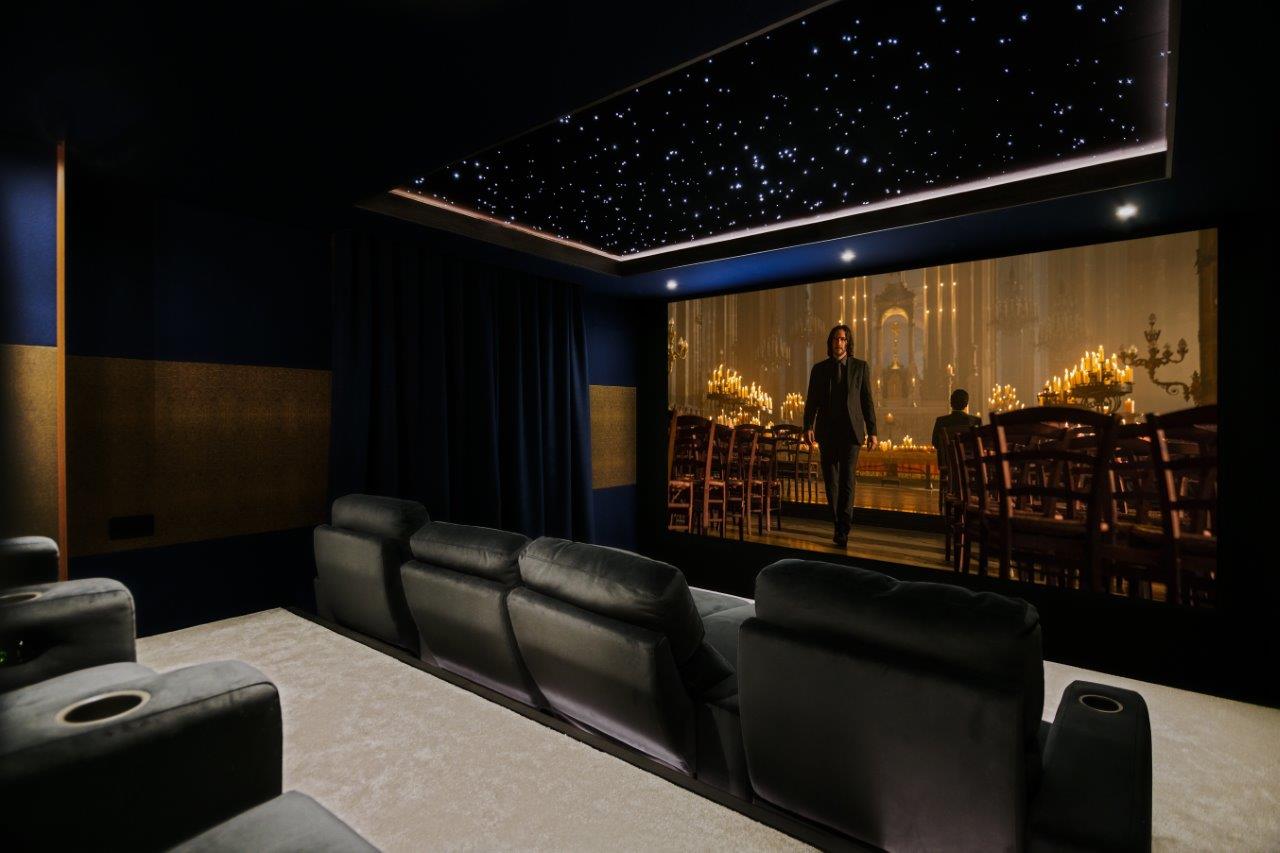
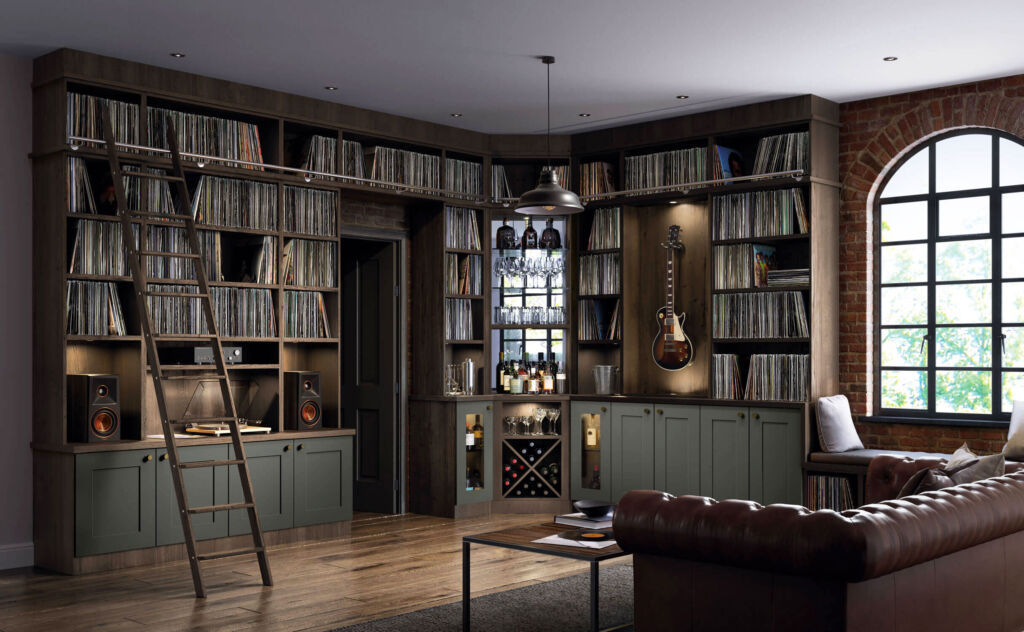
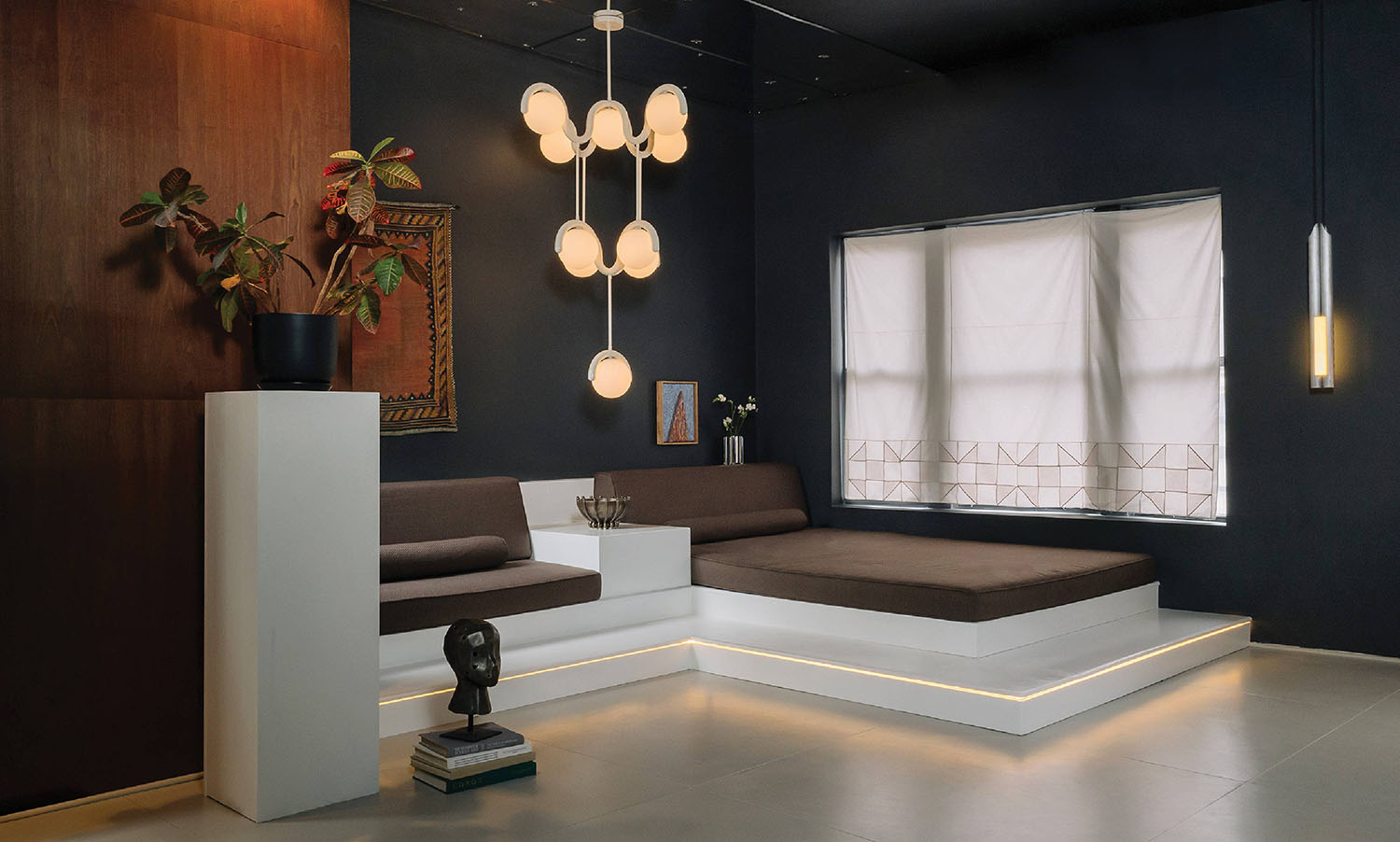
Listening rooms are specialized spaces engineered to enhance the quality of music from high-end sound systems. The primary goal is to amplify sound quality beyond mere volume, focusing on natural acoustics and minimizing external noise pollution while containing internal sound. These rooms evolve from concepts like traditional music store listening booths, moving beyond the audiophile niche to cater to anyone who appreciates an optimized music listening experience. The atmosphere in these rooms is typically relaxed, with comfortable seating and low lighting, designed to foster a deeper connection with the music.
The historical roots of the listening room trace back to post-World War II Japan, where economic conditions led to the repurposing of professional audio equipment into jazz cafés and dedicated listening spaces. This concept has seen a resurgence, with listening bars appearing in major global cities like Los Angeles, London, New York, and Berlin. Even hotels, such as The St. Augustine in Houston, are incorporating listening rooms into their designs to provide guests with unique relaxation experiences.
A crucial aspect of modern listening rooms is the integration of bespoke sound systems, which are custom-designed to fit the specific dimensions and acoustics of a room. This customization accounts for how room size and shape influence sound waves and listener perception. The article emphasizes that there is no single 'right' way to construct a listening room, as the ideal setup is highly individual and depends on personal preferences and the specific characteristics of the space.
For individuals considering building a listening room at home, the process begins by identifying one's listening goals, ranging from a perfectly calibrated audiophile sanctuary to a comfortable space with a good sound system. Sasha Frere-Jones's mnemonic device – 'corner, club, cathedral, and cocoon' – categorizes different listening environments based on their formality and ambient characteristics. After defining these goals, consulting sound experts is recommended to navigate the complexities of gear specifications and room acoustics. Resources for further study, such as guides on building listening rooms and avoiding noise pollution, are provided.
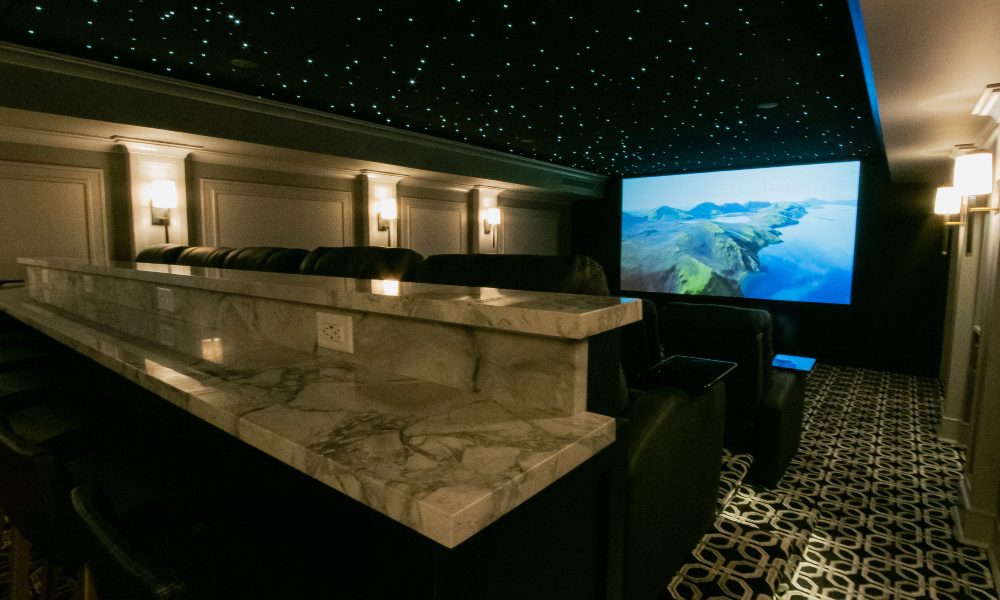
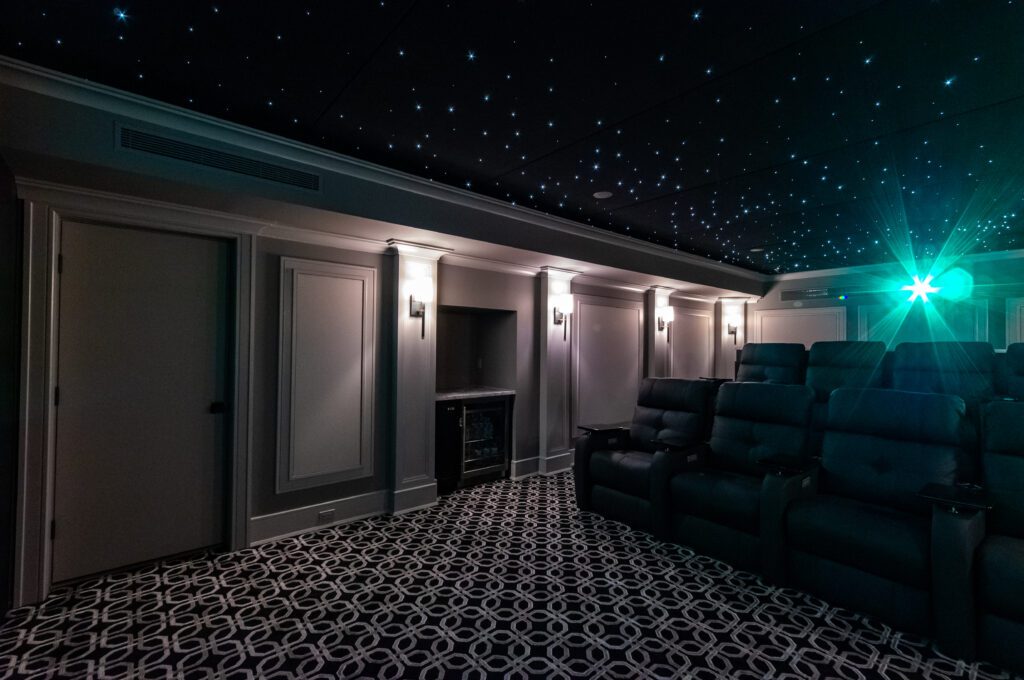
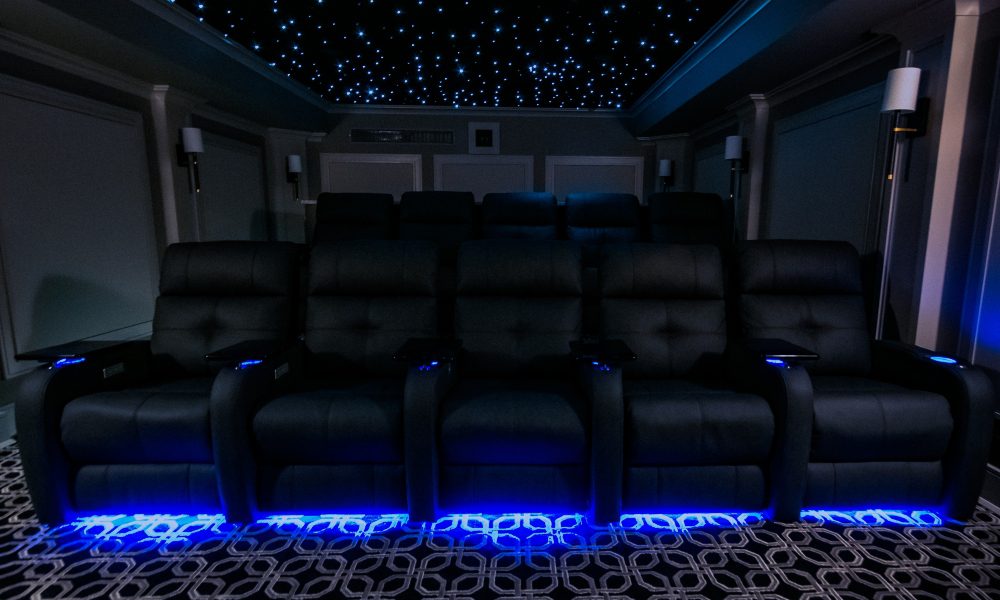
The final step involves consulting a contractor or specialty architect, particularly for those with limited space or specific acoustic requirements. Key construction elements to consider for minimizing reverberation and optimizing sound include flooring (solid floors are often preferred, with varied opinions on carpeting versus concrete), windows (which should be minimized or well-sealed and insulated), ceilings (where sound panels can be beneficial), and the strategic placement of doors. Lighting is often kept low to enhance the contemplative mood, and seating is chosen for comfort and ample provision, often with reclining options.
#ListeningRoom #HomeAudio #InteriorDesign #LuxuryHomes #AcousticDesign #SoundSystem #ArchitecturalDesign #HomeEntertainment #DesignTrends #ListeningRoom #HomeAudio #InteriorDesign #LuxuryHomes #AcousticDesign #SoundSystem #ArchitecturalDesign #HomeEntertainment #DesignTrends
0 comment in total
 No comments yet
You may also like
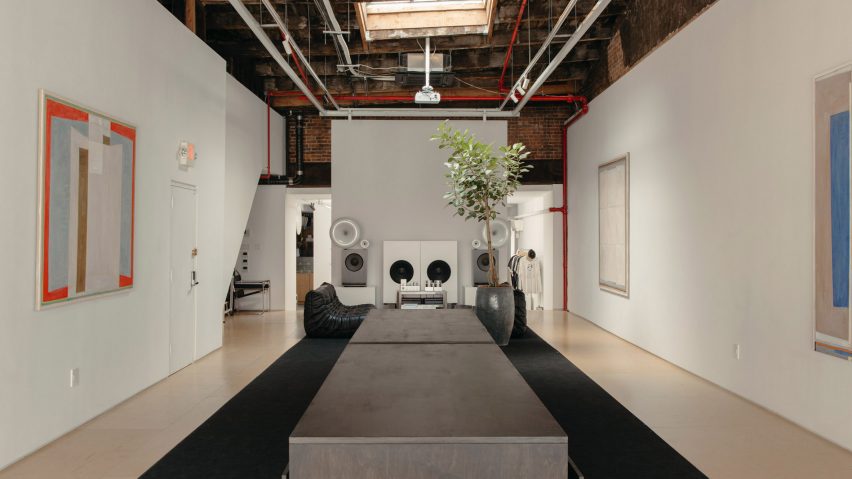
Silence Please creates "giant living room" for New York showroom and listening space
Room Within a Room: Acoustic Spaces That Adapt to Contemporary Needs


Meet the Artist Turning Her Obsession With Postmodern Furniture Into Music

Working environment has huge impact on artist creative process
The Interior Designers Making Podcast Studios Feel Just Like Home

Renting a recording studio space: Part 2 – Planning the room and some DIY design

The STUDIO

Products


LAD Design Collaborates on New Book That Provides an Intimate Look at Musicians in their Home Studios

The play of color and light

Audio Breakthroughs Focuses on Room Acoustics for Discreet Basement Theater


An LA-based creative's accidental path from music to furniture design

Expert Tips For Designing A Luxurious Home Cinema
Majestic Home Cinema By Cinema Rooms


How the sound in your home affects your mood

Smart Solutions Make This Sophisticated Conservatory Sing

Music room ideas – 10 ways to enhance musical creativity at home

A Bespoke Vinyl Room Or Home Library Will Bring Zen Into The Home

Open-plan living: 12 tips for overcoming the obstacles

Music in the Courtyard Returns to the Isabella Stewart Gardner Museum