Expert Tips For Designing A Luxurious Home Cinema
The rising popularity of home cinemas is primarily driven by the increasing accessibility of streaming services and the declining attendance at traditional cinemas. Many individuals are seeking the immersive experience of a movie theater within the comfort and convenience of their own homes. This shift is also influenced by the growing trend of 'bring-it-to-me' experiences, where people prefer to enjoy services and entertainment at home, mirroring the popularity of online shopping and food delivery. The cost-effectiveness of streaming compared to family outings to the cinema further contributes to this trend. Additionally, busy schedules often make it challenging for families to coordinate cinema visits, making home cinemas a practical alternative. There's also a move towards creating dedicated entertainment spaces, allowing main living areas to remain free for other activities like art display, design, and entertaining guests.
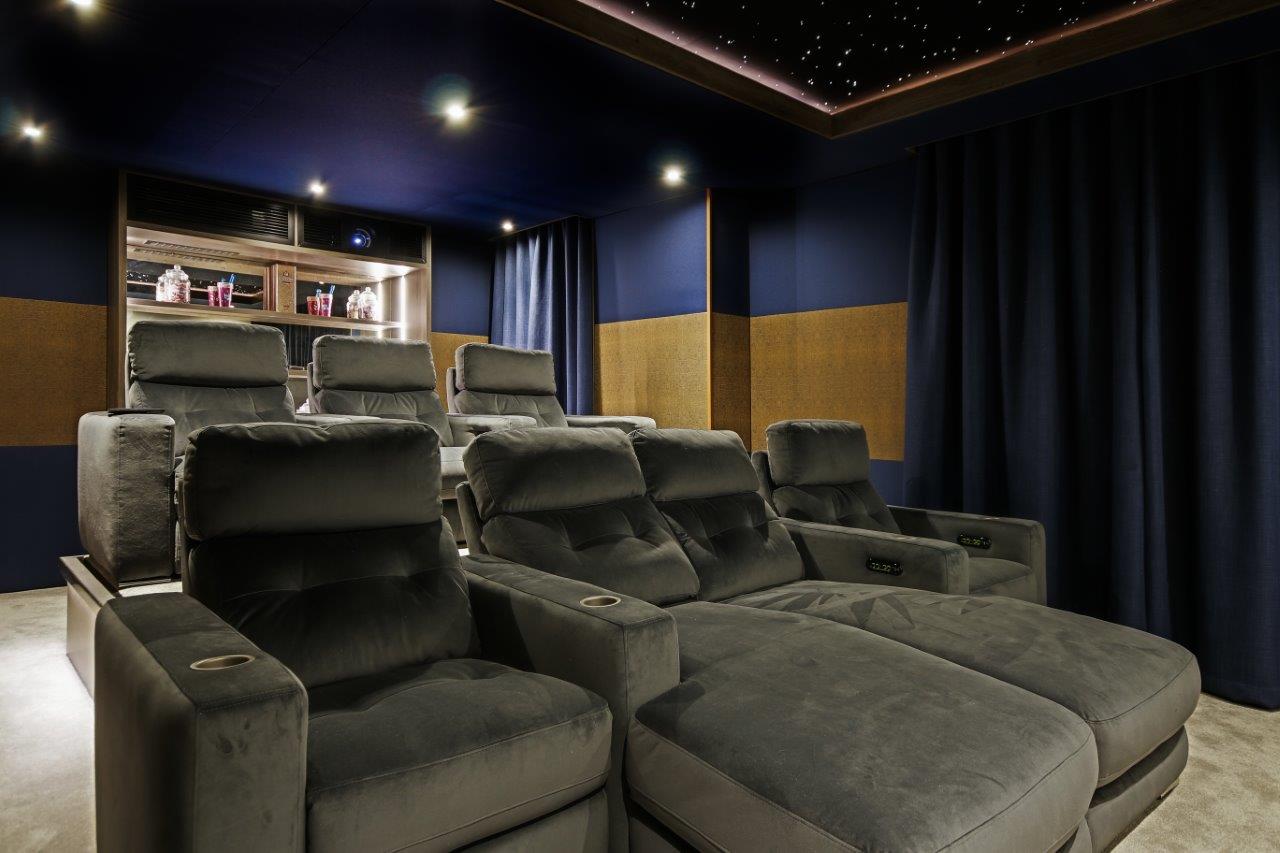
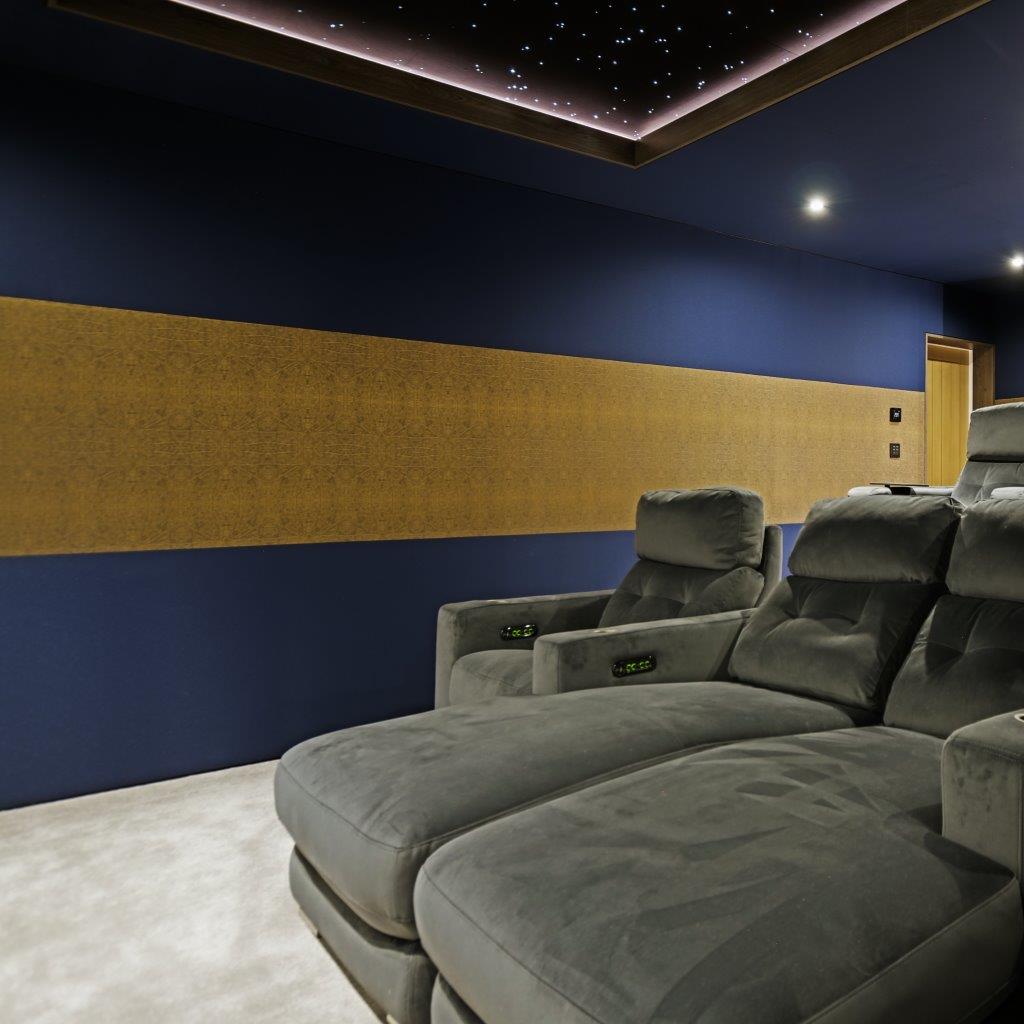
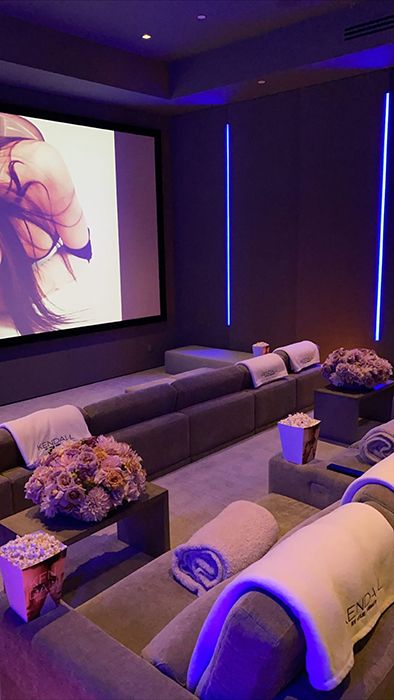
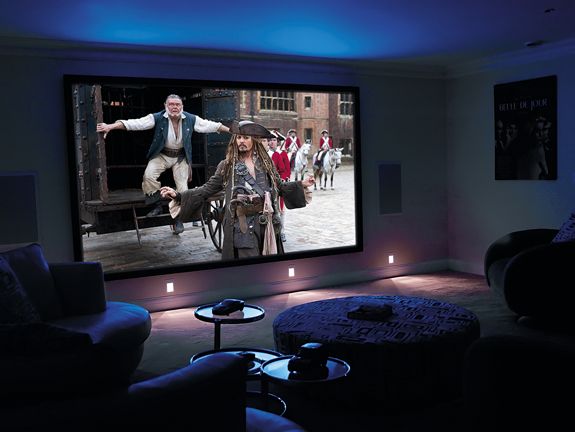
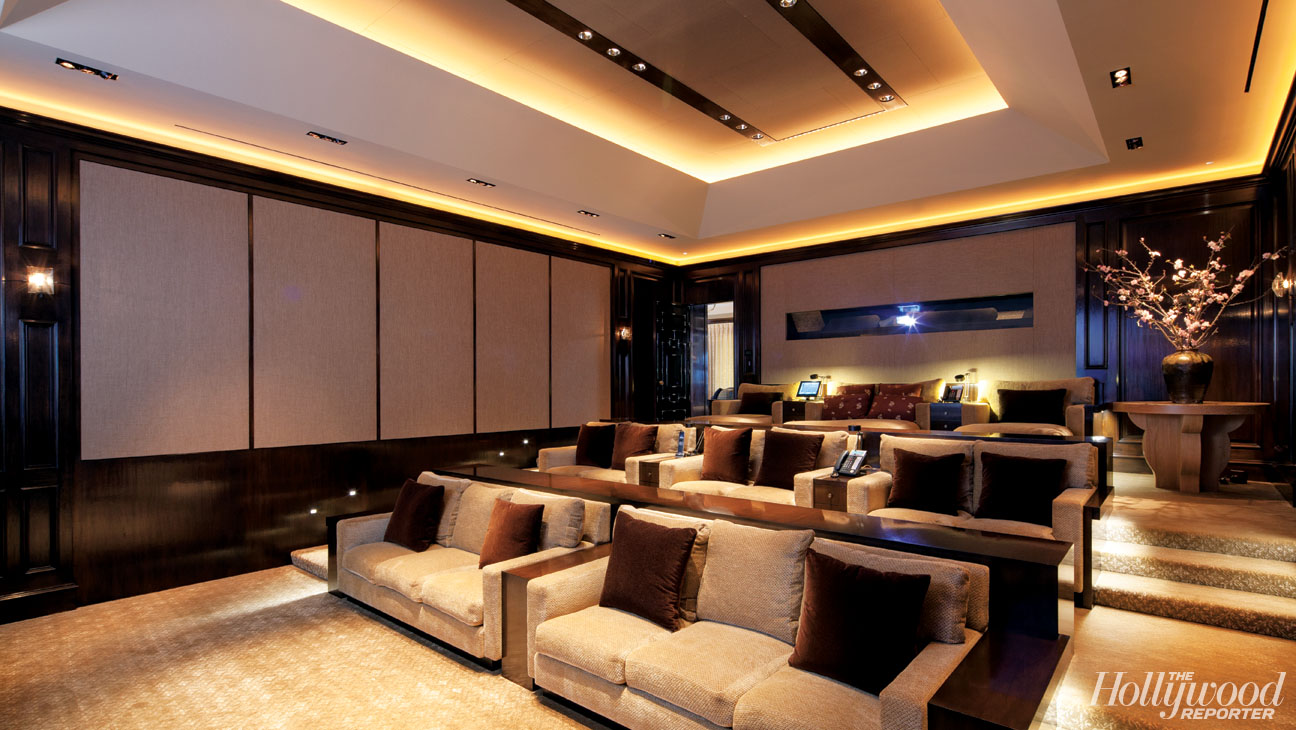
Selecting the right location is crucial for an optimal home cinema experience. Experts suggest that a basement or a windowless room is ideal due to their natural darkness and ease of acoustic isolation. The goal is to minimize natural light and external noise, making basements a common choice, though lofts and even garages can be converted, especially in areas with limited space like mews houses. The room's shape is also important, with rectangular spaces generally preferred over square ones for better acoustics and viewing angles. To replicate the luxurious comfort found in high-end cinemas, deep and comfortable seating with high-quality upholstery is essential. Moovia is a recommended brand for cinema-style recliner seating, known for its engineering and customizable designs, including materials, stitching, motorized headsets, and ambient lighting.
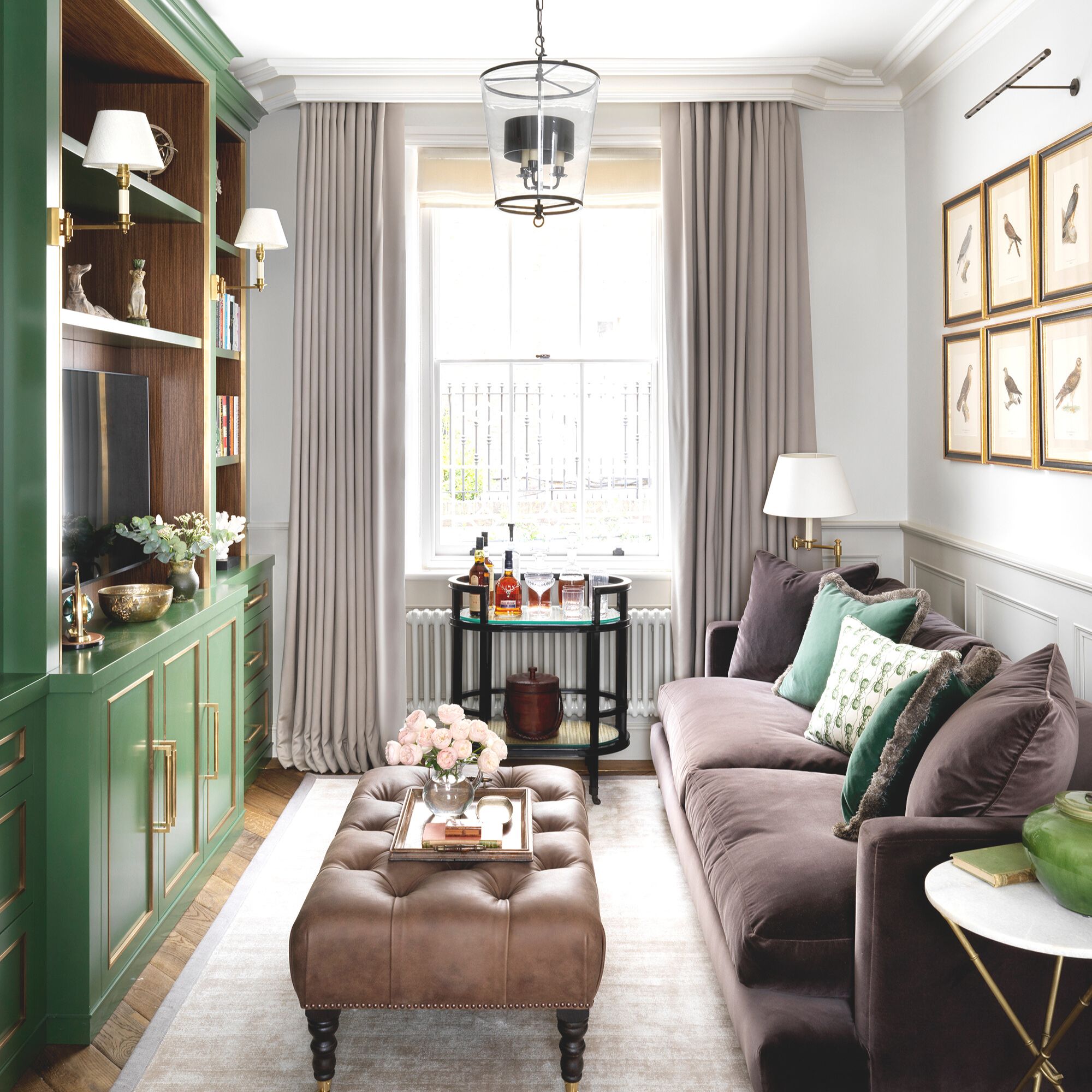
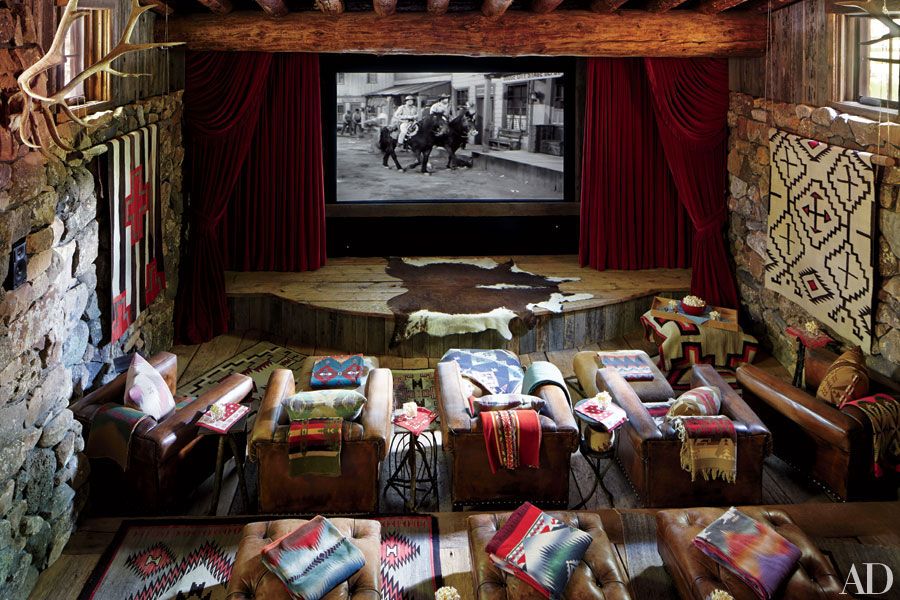
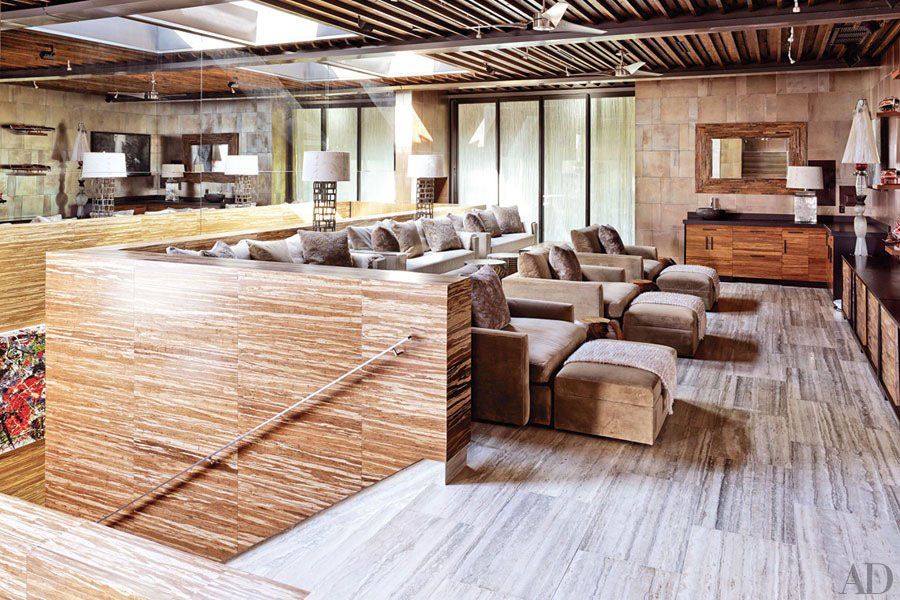
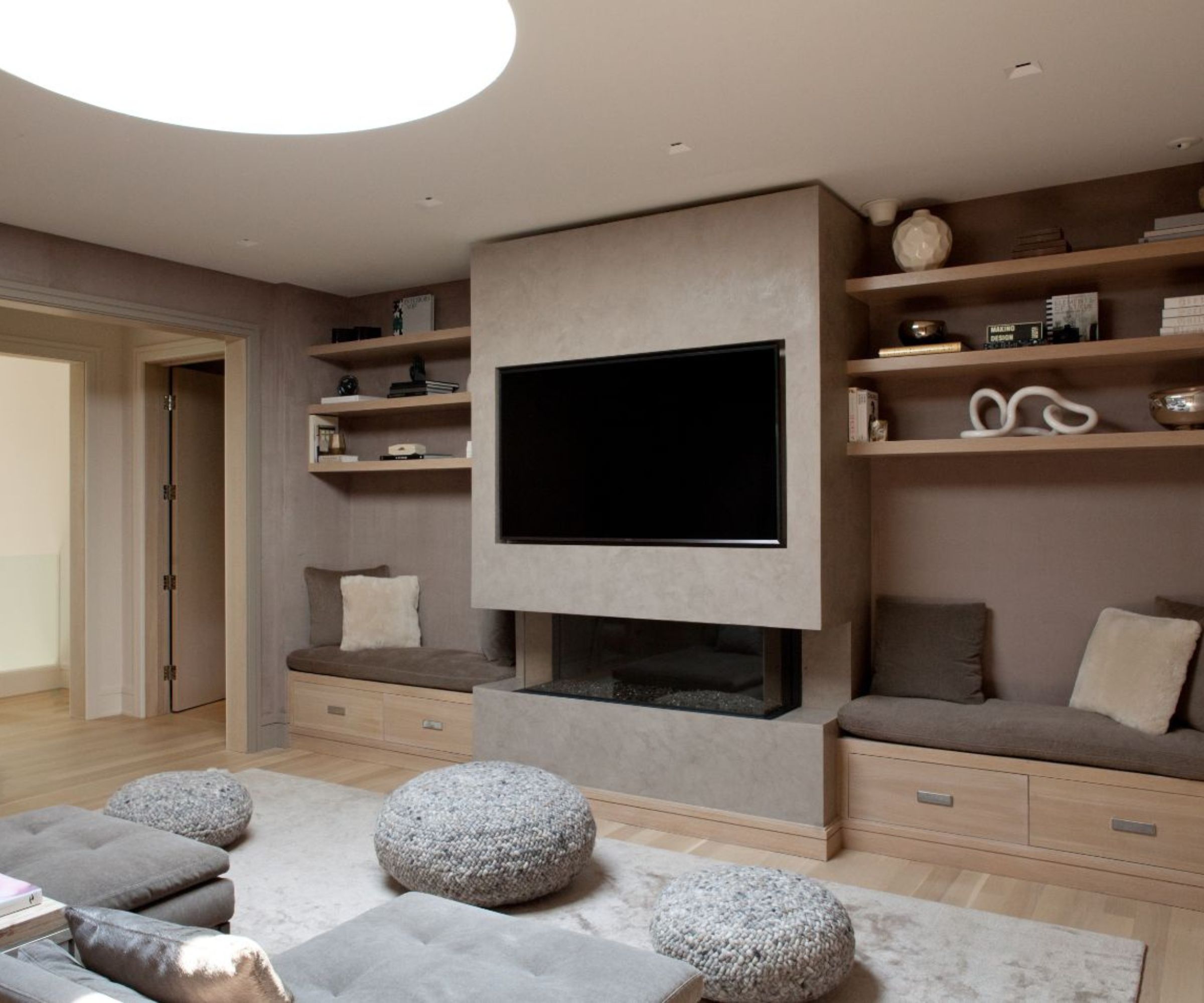
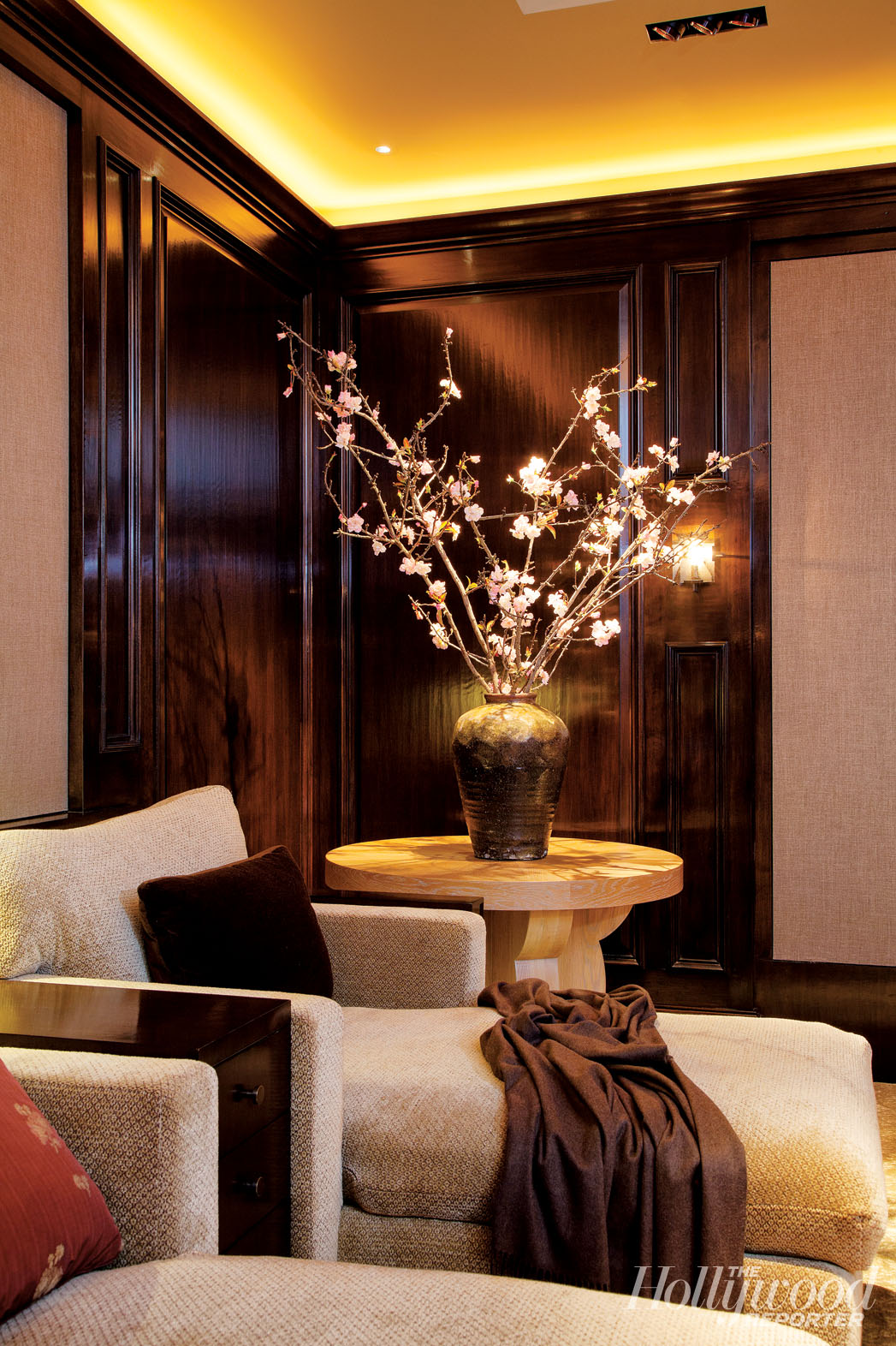
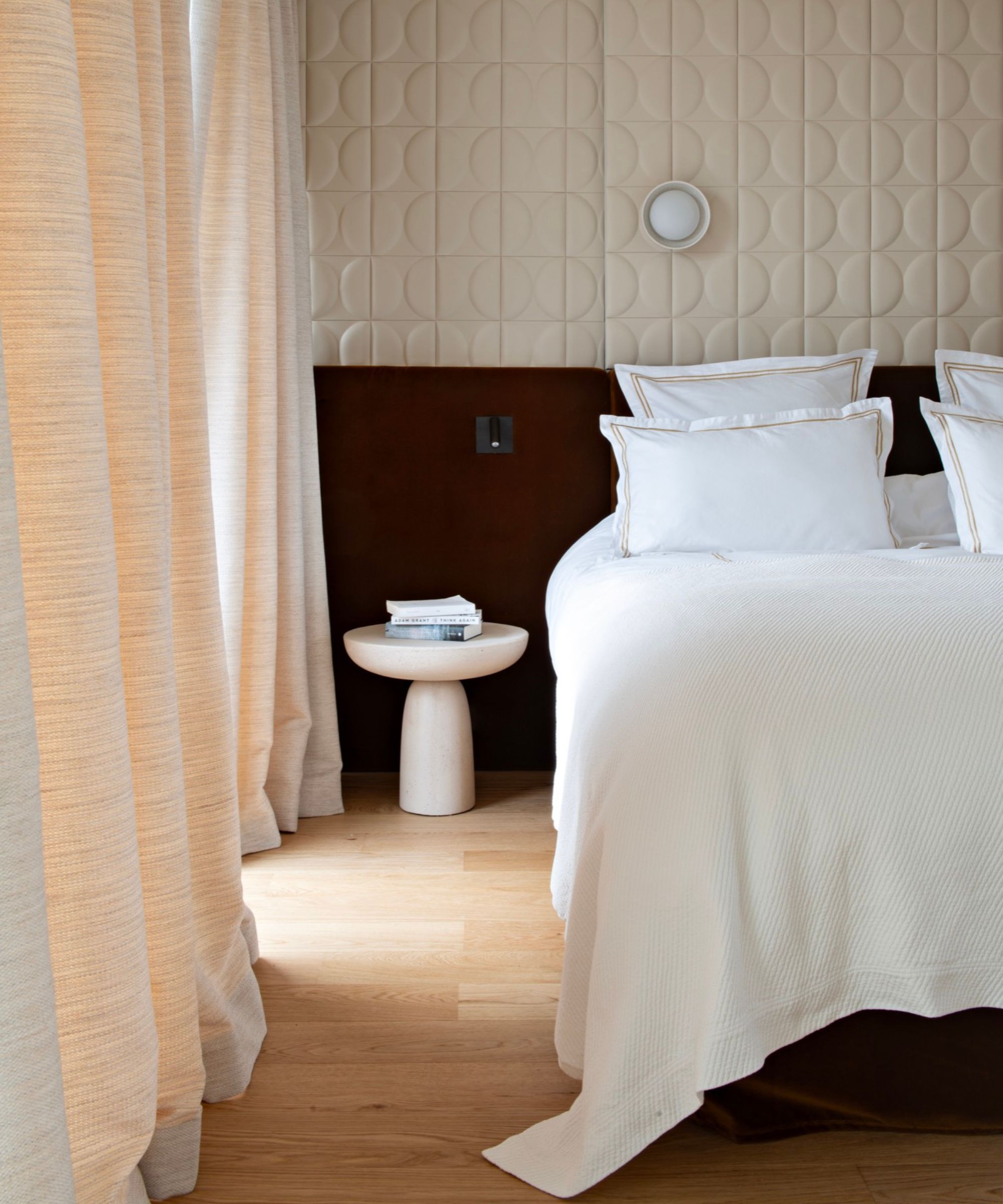
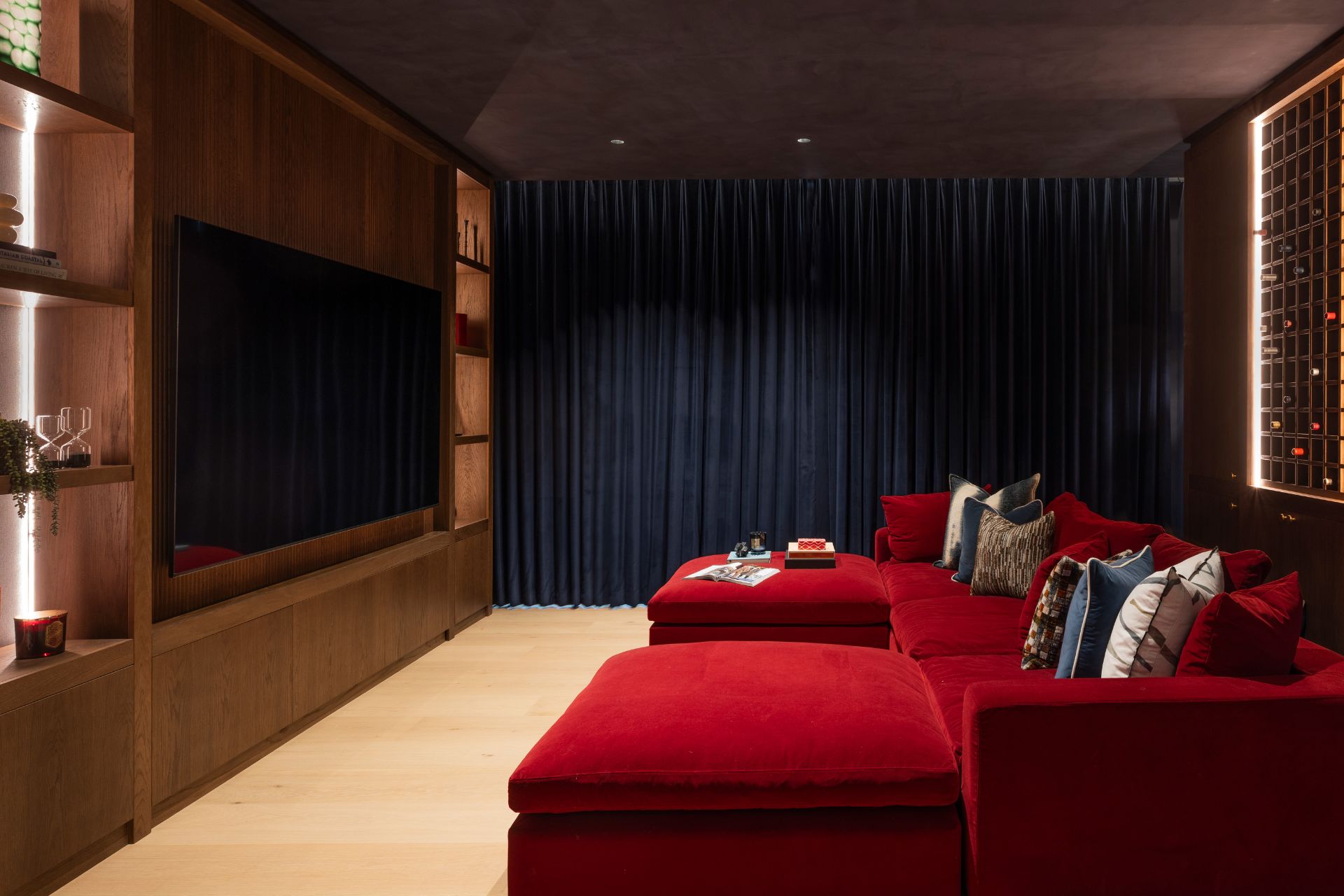
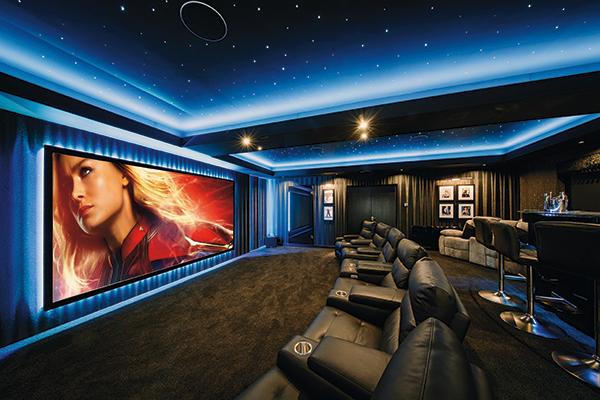
Designing the aesthetic of a home cinema involves layering. Upholstered seating, cushions, and ottomans contribute to comfort, while tactile finishes like velvet panels, textured wallpaper, or plush carpets create a cocooning atmosphere. Velvet, leather, or suede fabrics are often chosen, complemented by additional cushions and throws. To infuse a theatrical feel, incorporating elements of glamour, such as bronze trims, bespoke joinery, or statement lighting, is advised. Darker color palettes or color-drenching can enhance the dramatic ambiance, while acoustic finishes improve both sound quality and the overall atmosphere. Additional details like Art Deco finishes, vintage movie posters, a side bar, a mini-fridge, and a popcorn machine can further elevate the experience. Crucially, side tables for drinks and snacks are a practical consideration, ensuring convenience for viewers.
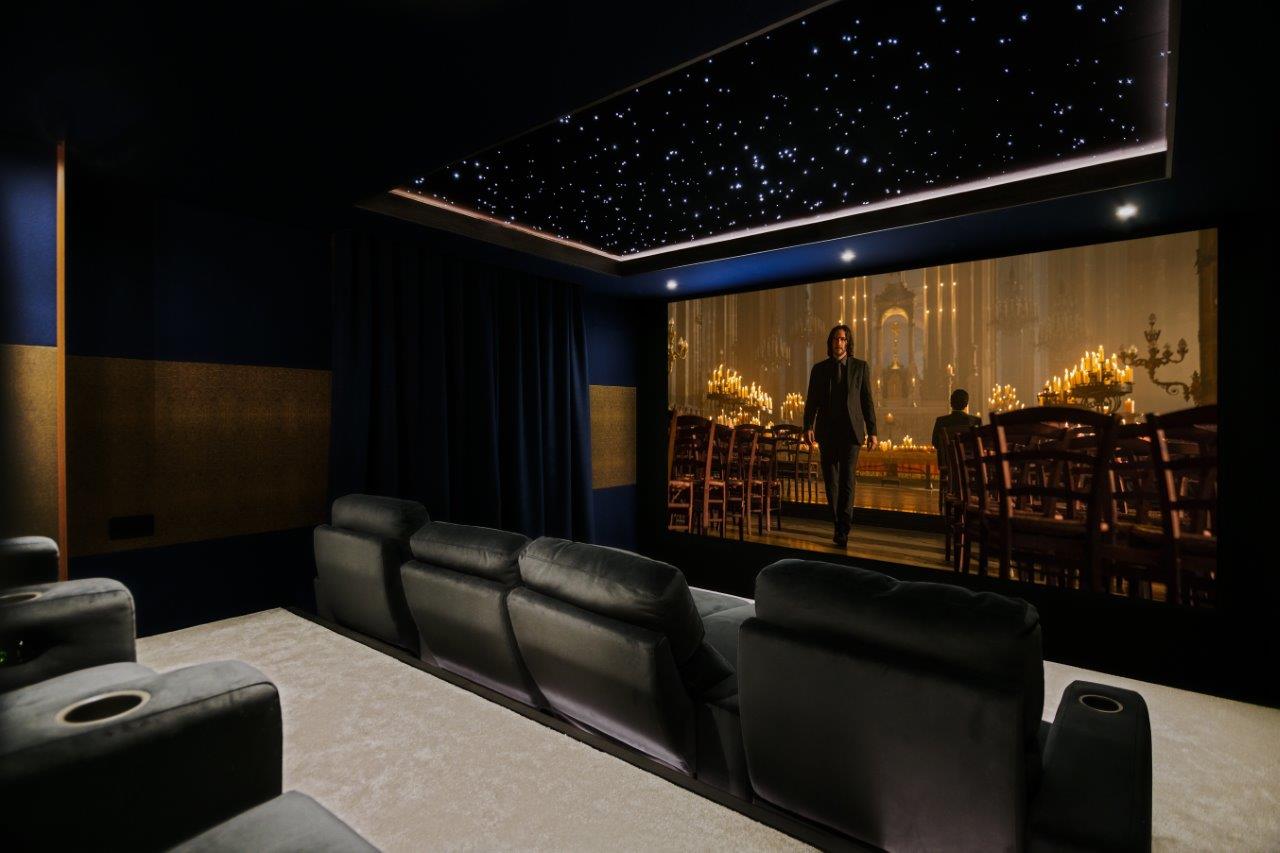
Several aspects are frequently overlooked in home cinema design. Ventilation and climate control are vital, as the equipment generates significant heat, and multiple occupants can further raise the room temperature. Therefore, a well-planned system to maintain coolness is essential. Acoustics are another critical element; proper acoustic treatment ensures crisp sound without echoes and prevents sound from disturbing other parts of the house. Acoustic wall panels can be integrated as both functional and decorative features. Lighting design is paramount and should be planned across multiple circuits, including soft perimeter lighting, step lights, and concealed LEDs, to allow for versatile mood setting. Lighting should be positioned to avoid glare and should never compete with the screen. Layered lighting, such as ceiling lights, wall sconces, and LED strip lighting around the screen or steps, is recommended, with a preference for warm-toned, dimmable options, ideally controlled by a smart system for ease of use.
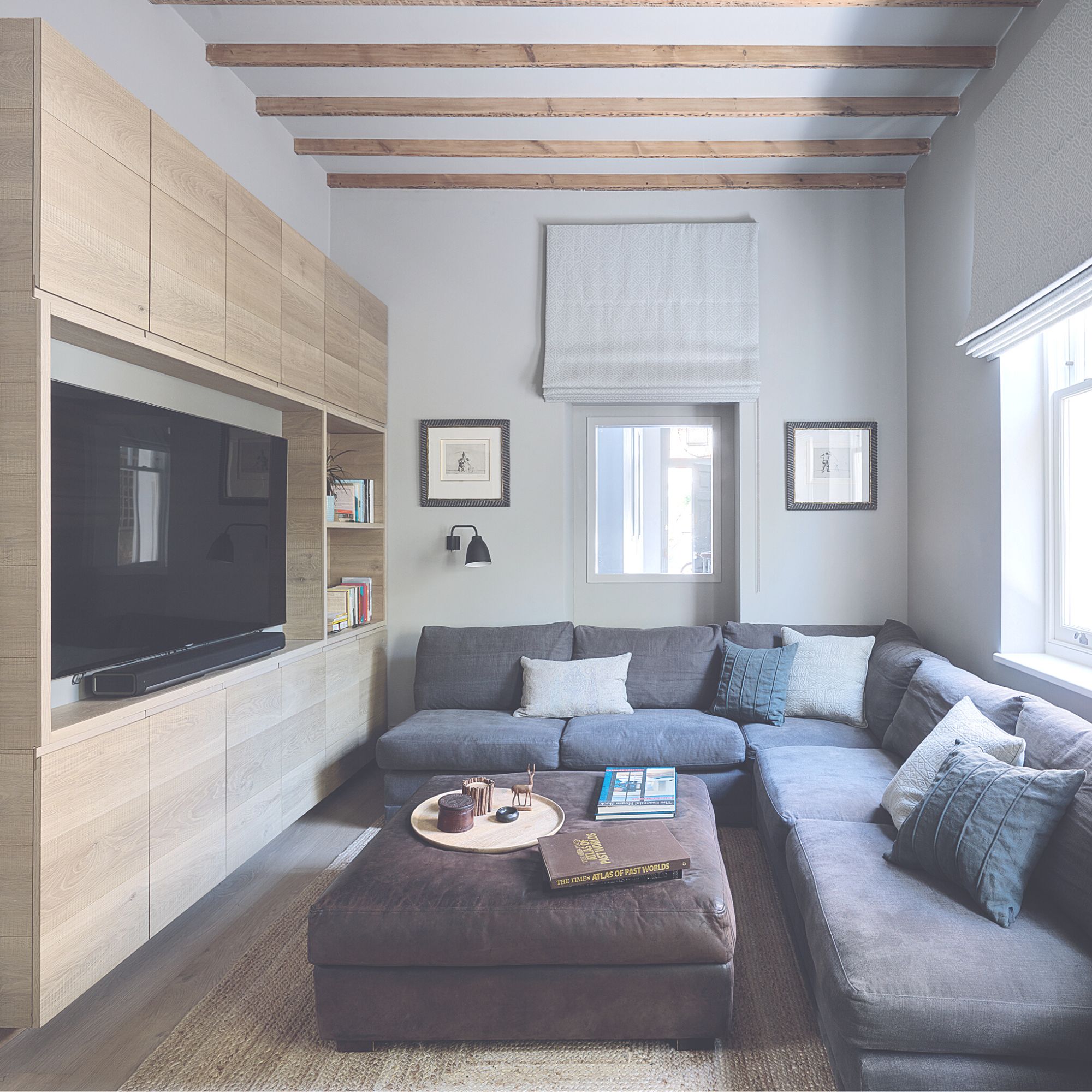
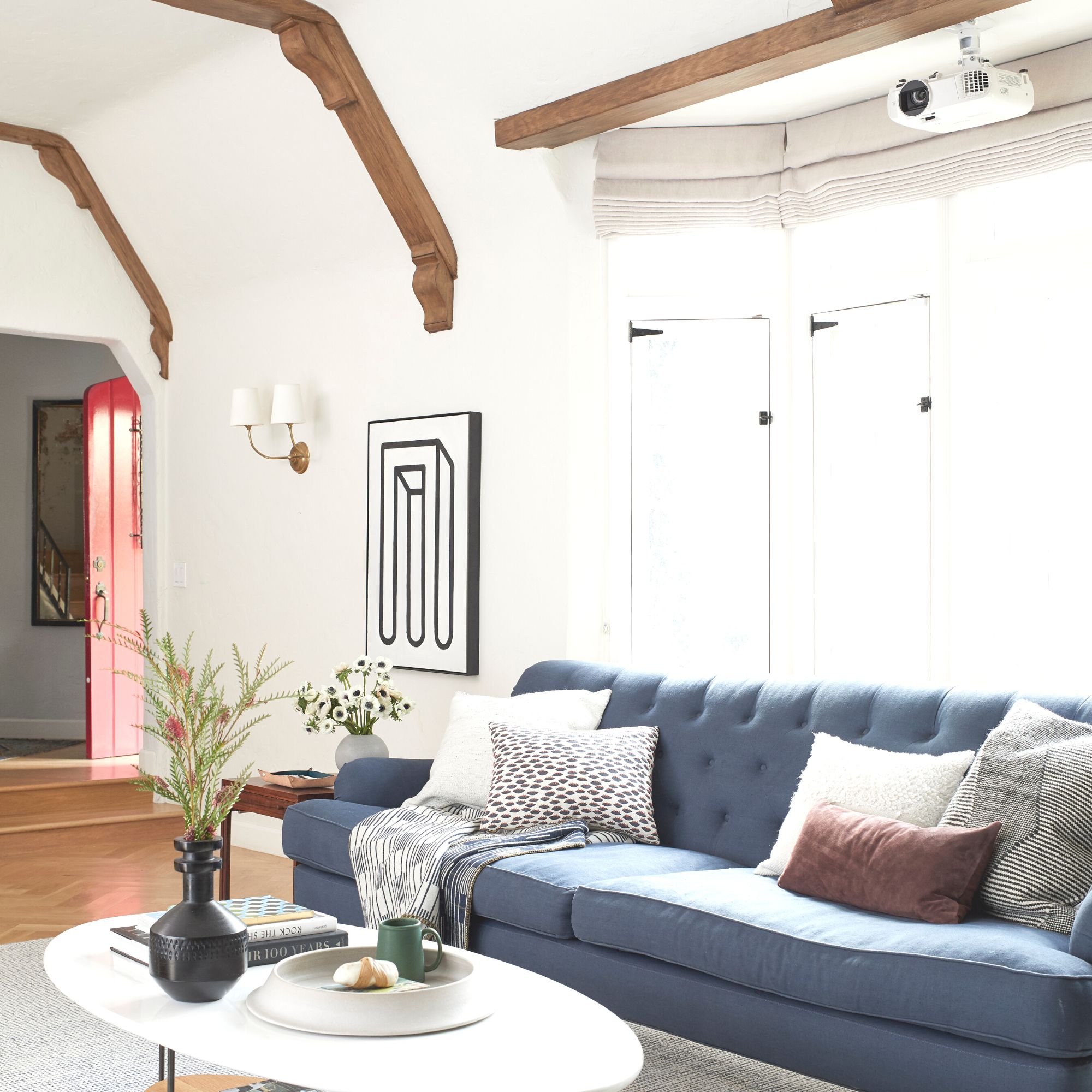
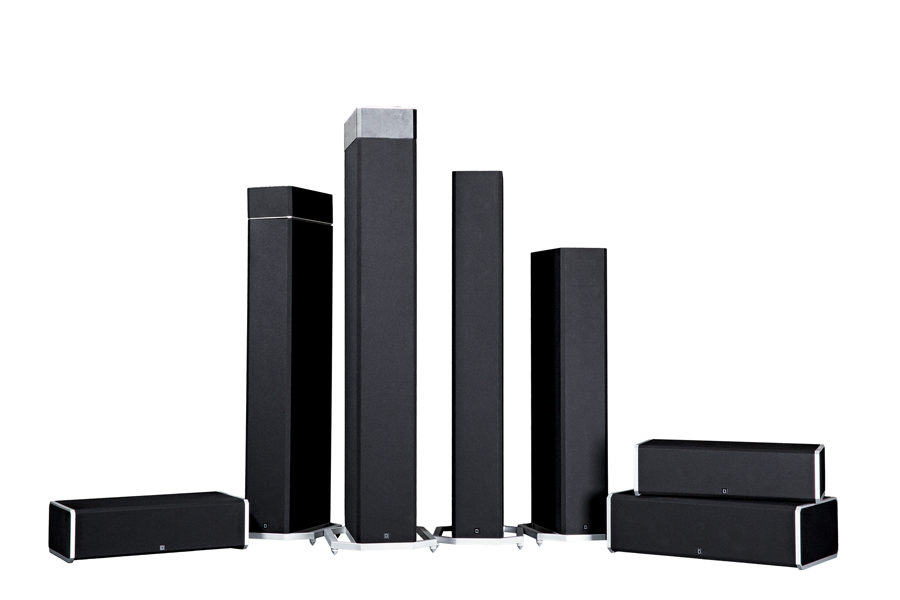
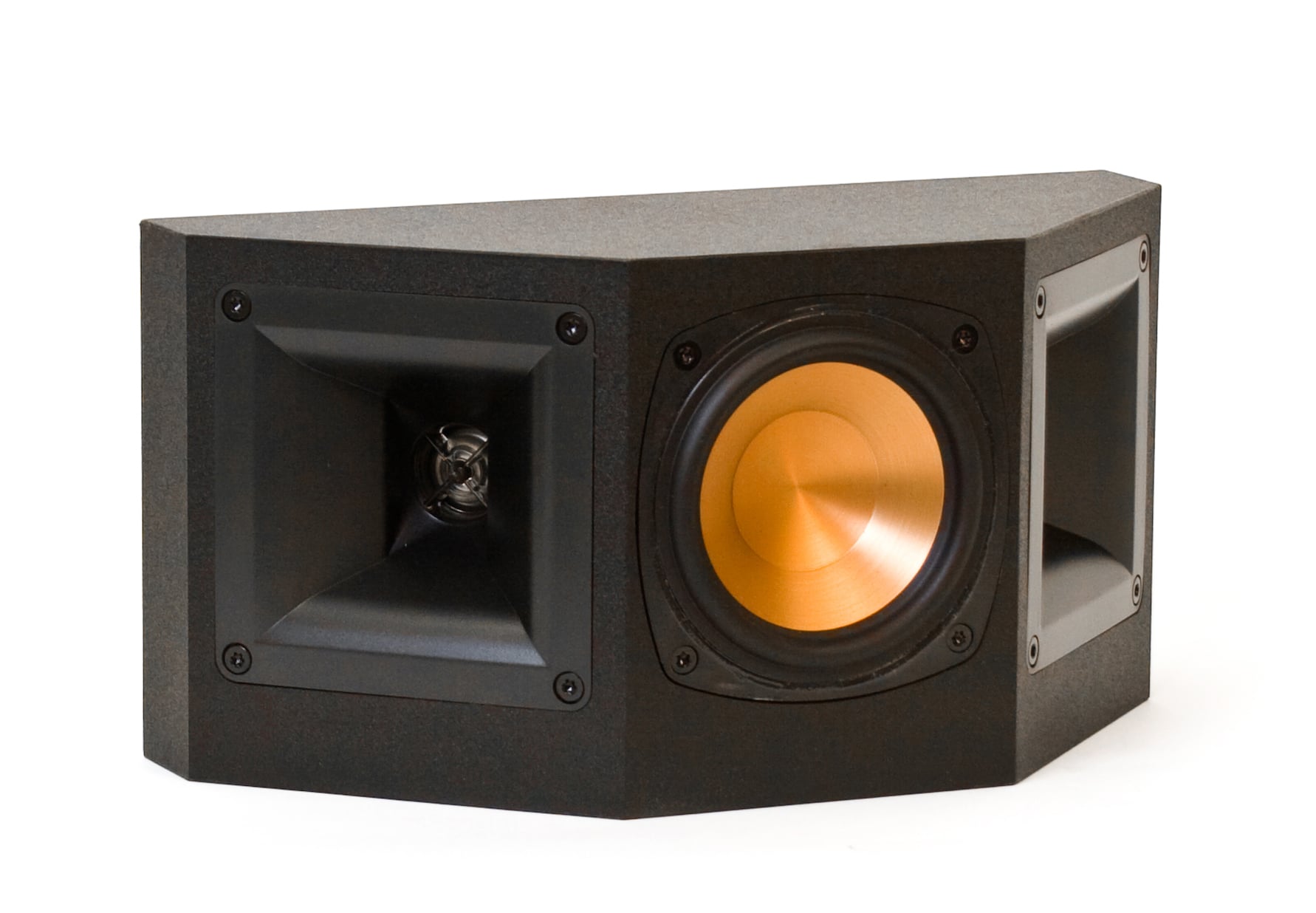
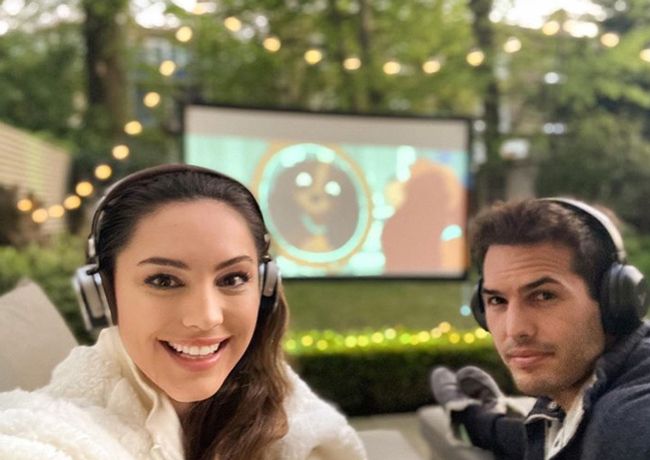
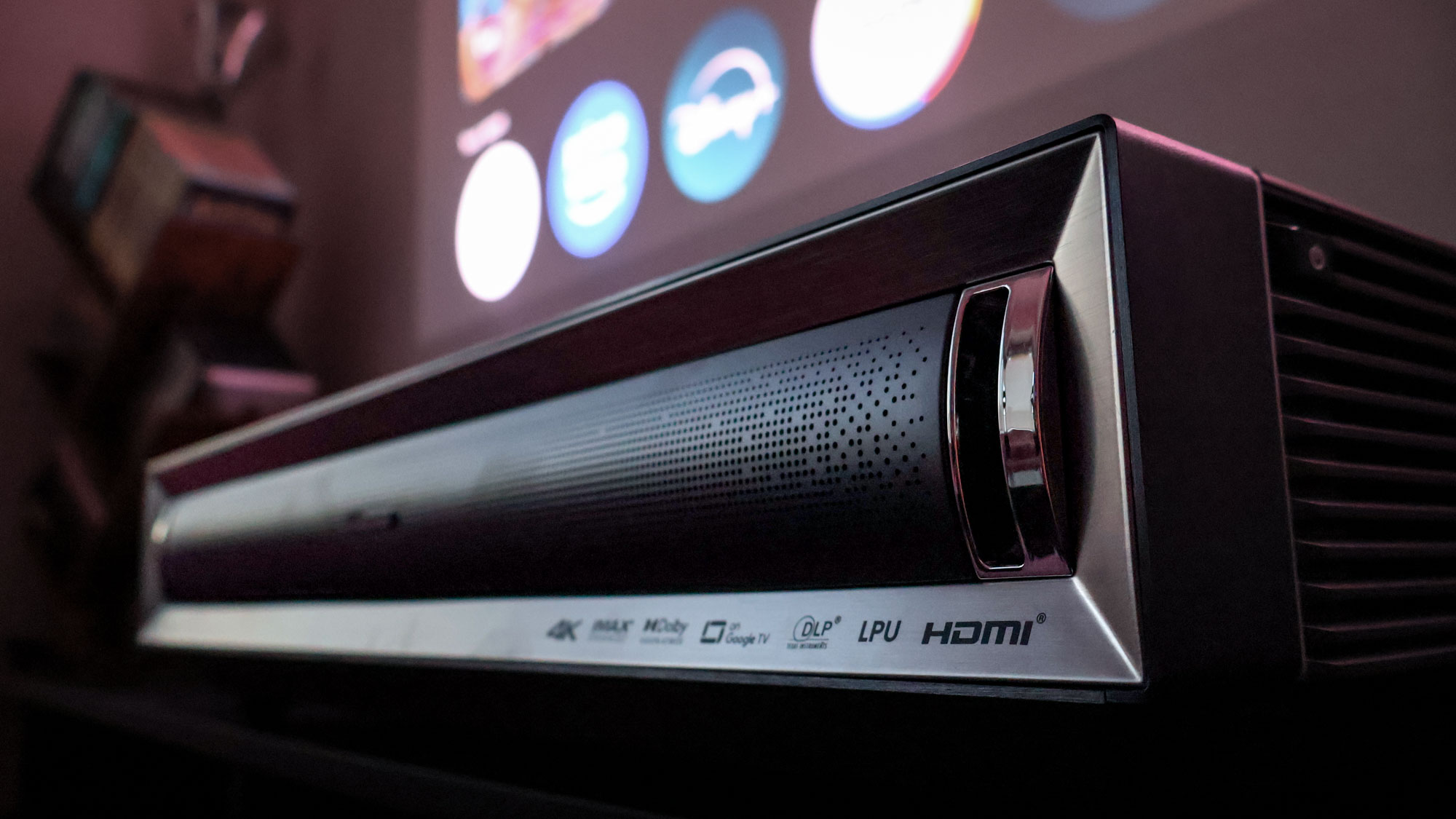
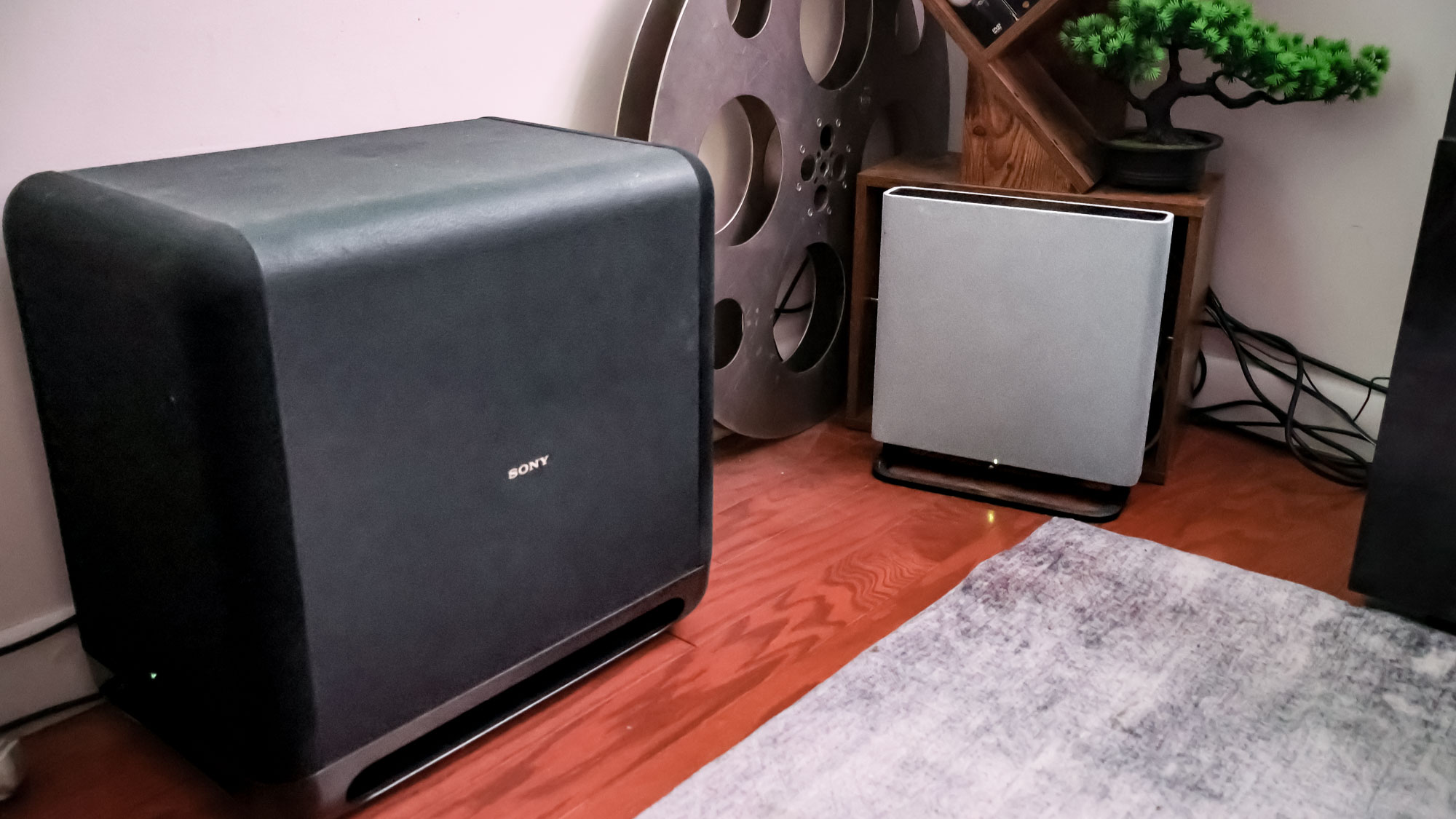
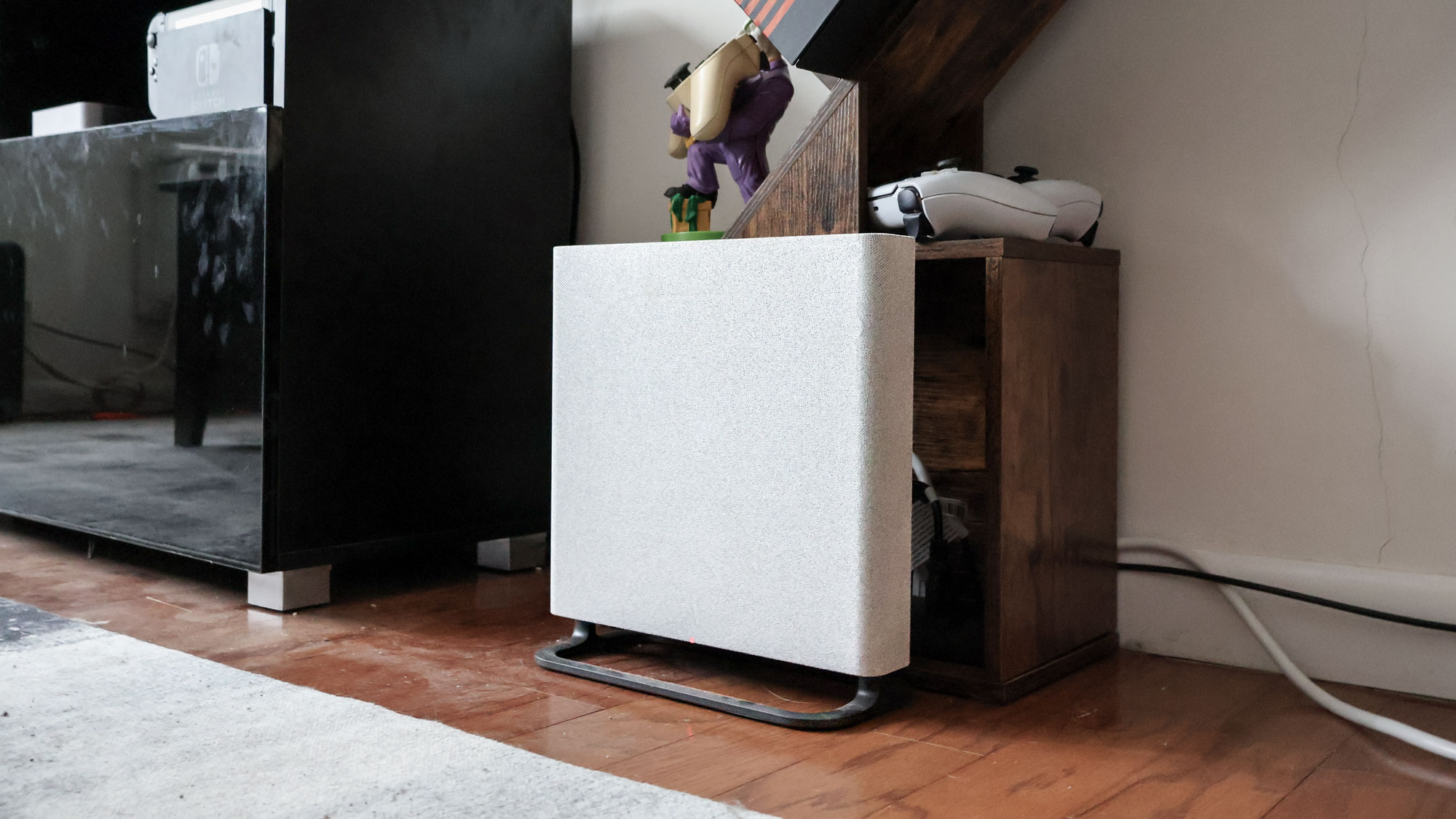
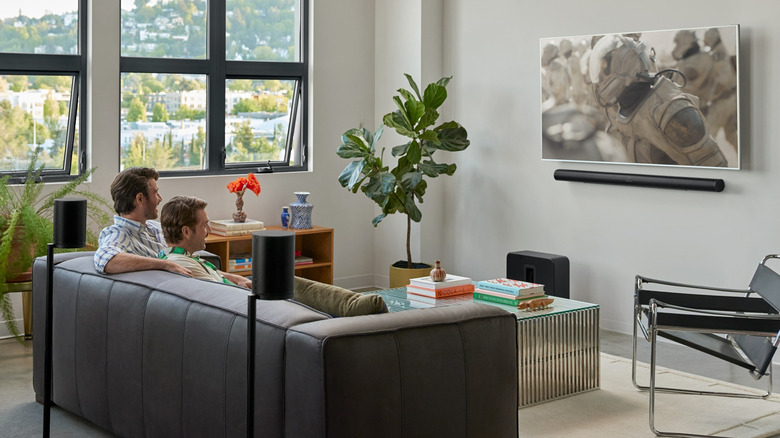
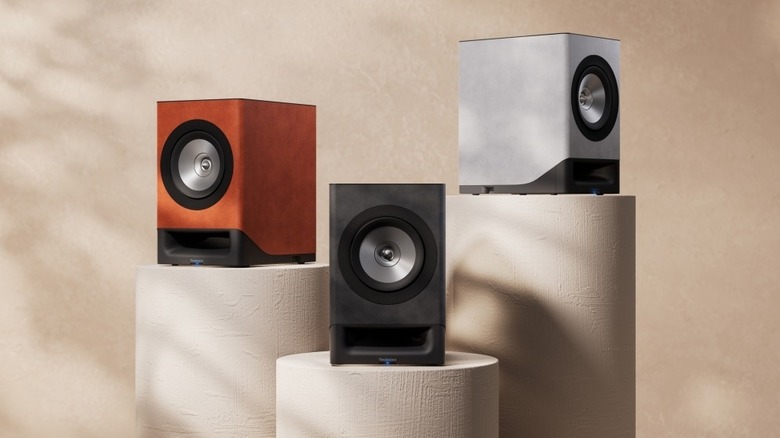
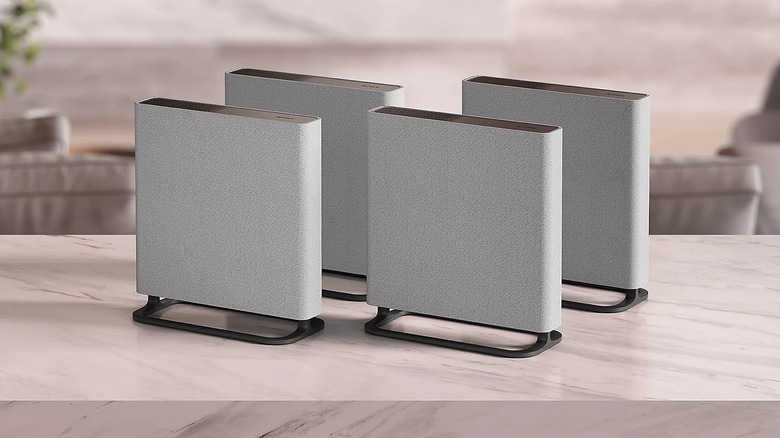
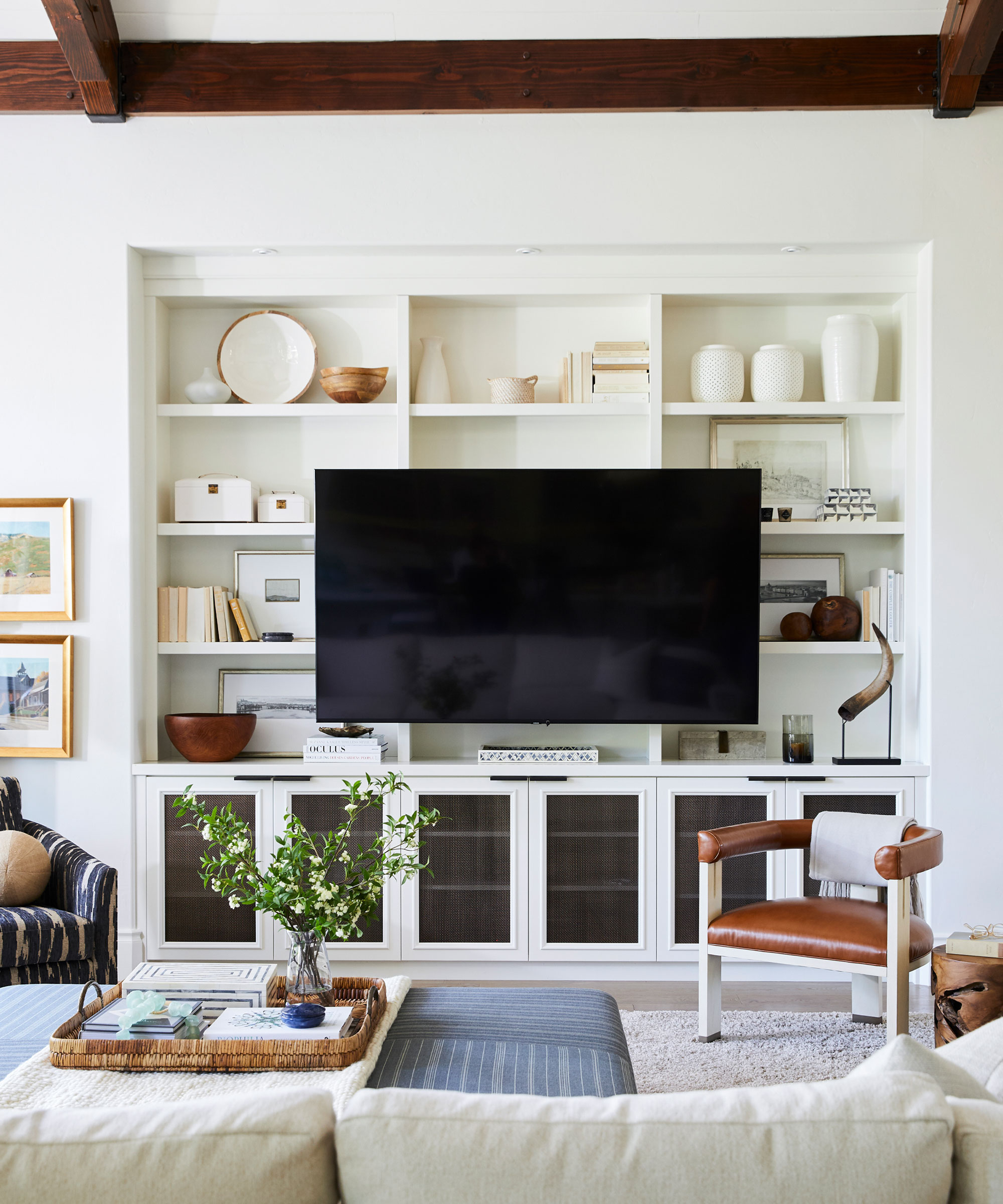
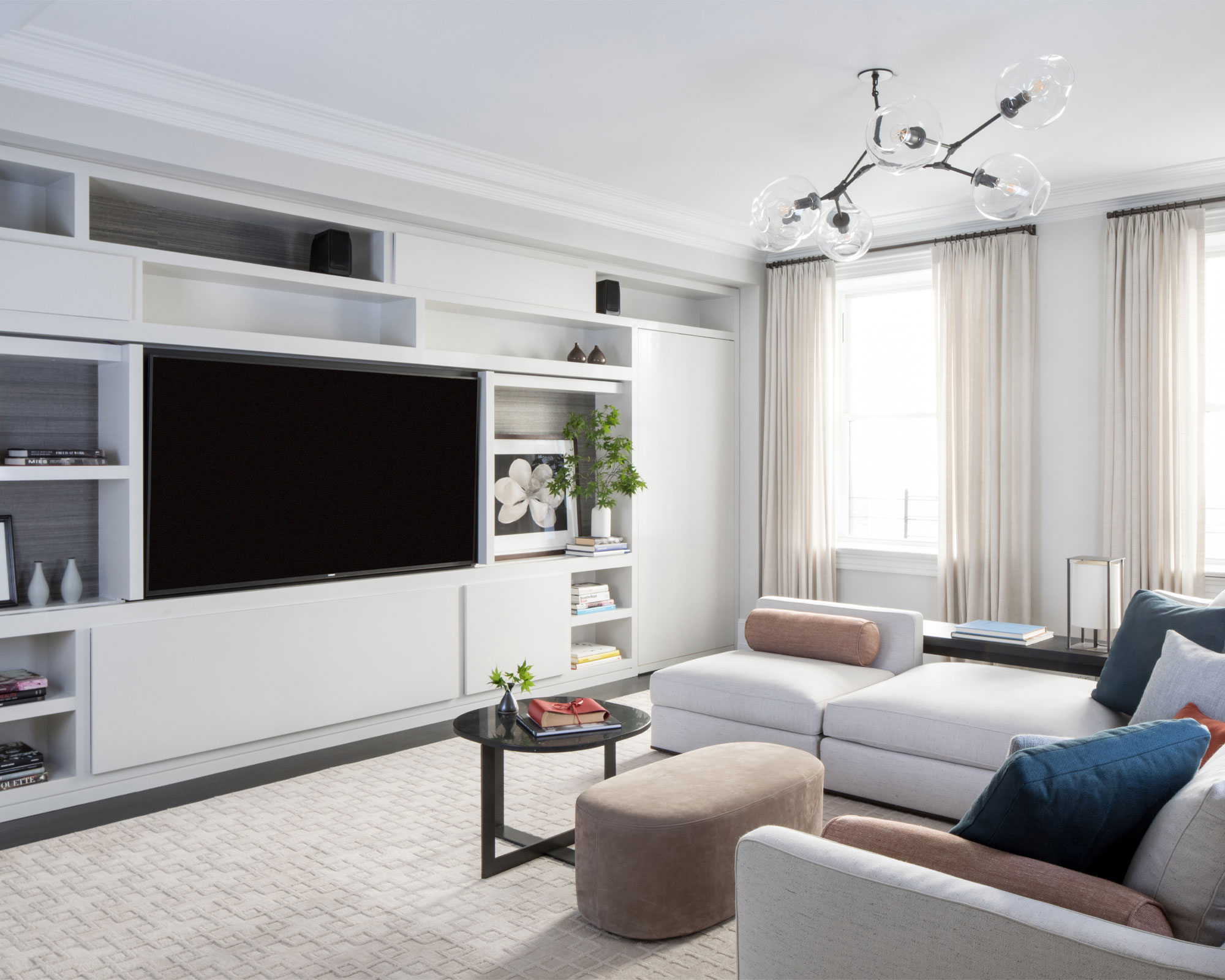
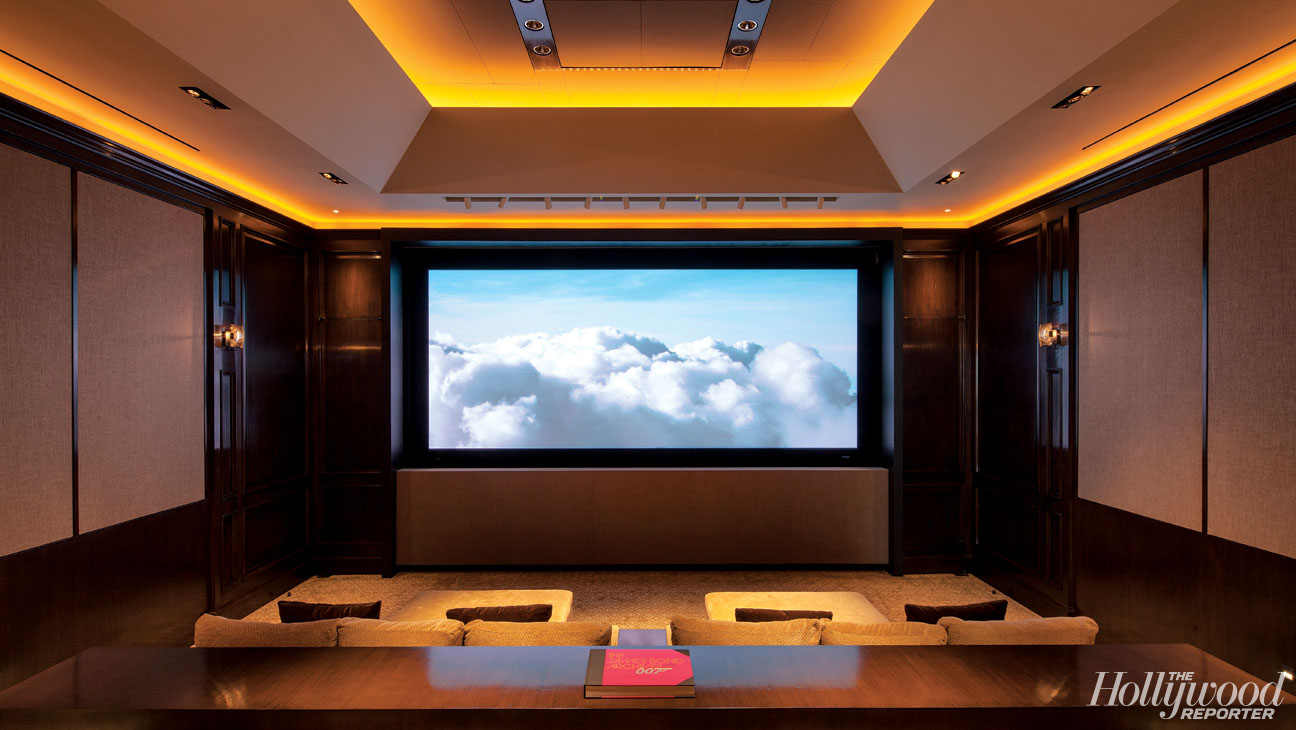
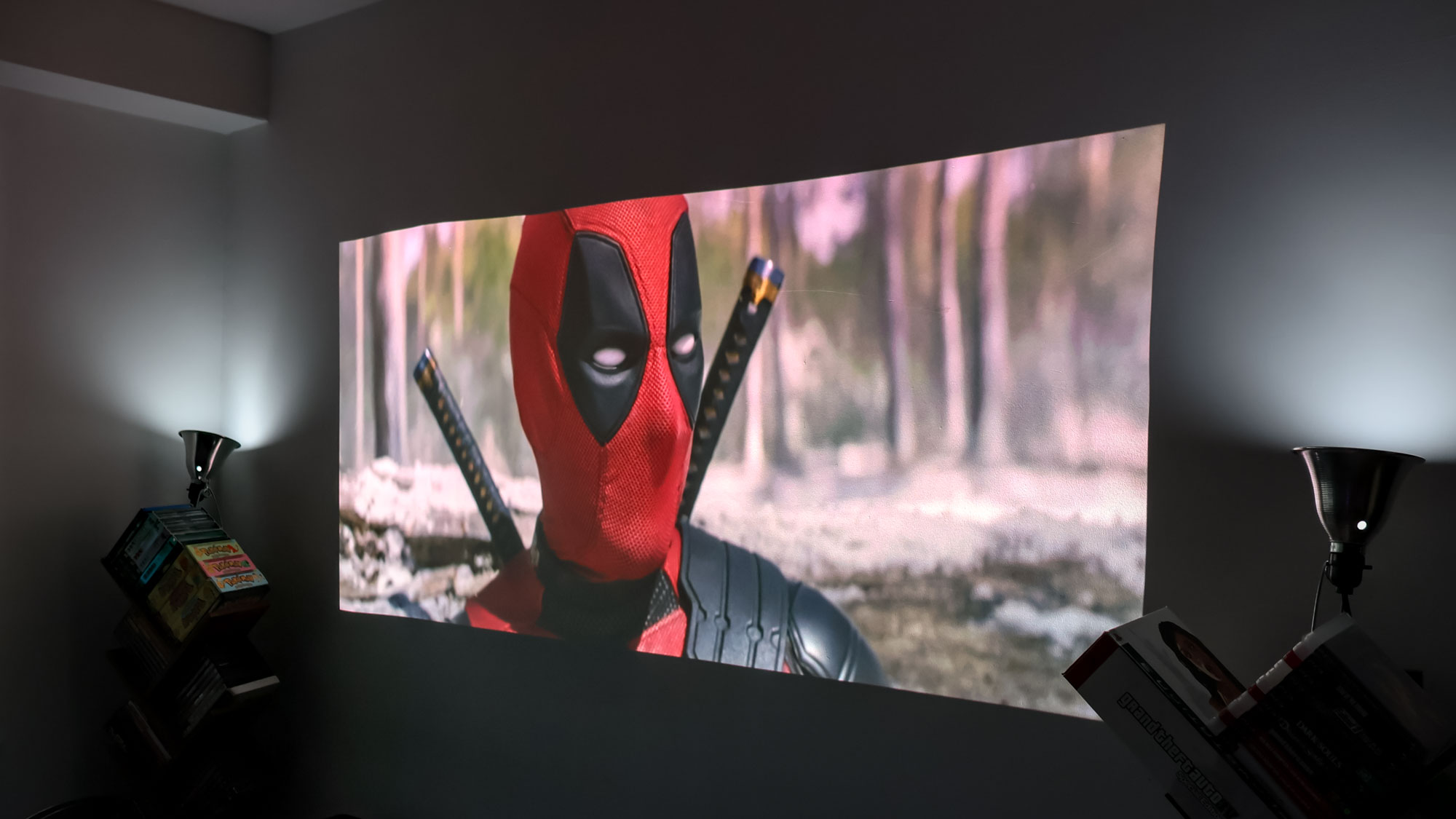
When it comes to technology, the choice between a projector and a TV screen depends on room size. Large, high-spec TVs are suggested for smaller rooms due to their superior brightness and clarity, while high-quality projectors with dedicated screens are ideal for larger, dedicated cinema rooms. For surround sound, a 7.1 system is recommended, though a good soundbar with a subwoofer can suffice in smaller spaces. L-Acoustics and Wisdom Audio are suggested brands for audio equipment. Regardless of the scale of the home cinema, it is advised to follow professional cinema guidelines and, if budget permits, consult with an AV specialist to ensure an optimal setup.
#HomeCinema #InteriorDesign #LuxuryLiving #HomeEntertainment #AudioVisual #SmartHome #ComfortDesign #AcousticTreatment #LightingDesign #HomeCinema #InteriorDesign #LuxuryLiving #HomeEntertainment #AudioVisual #SmartHome #ComfortDesign #AcousticTreatment #LightingDesign
0 comment in total
 No comments yet
You may also like
5 easy ways to turn a plain living room into a luxe cinema room

9 Movies With Stunning Interiors Every Design Lover Must See

Home cinema install: Underground retreat

Home cinema install: Synthesis of sound
17 Cozy Home Theater Ideas for Your Next Netflix Marathon

9 of the Most Stunning Examples of Interior Design in Movies
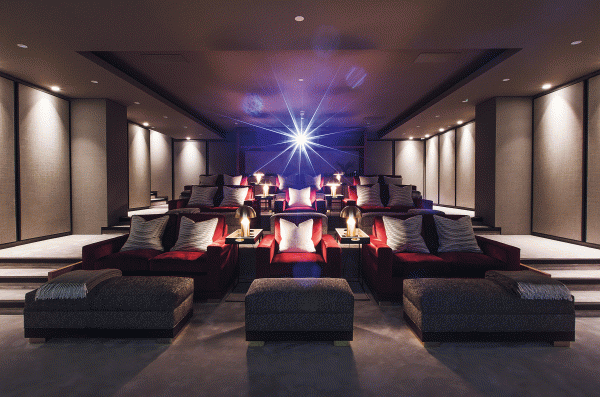
Home cinema install: XXL entertainment
These 7 Fantasy Bedrooms Are Inspired by Wes Anderson, Peter Jackson and More Star Directors
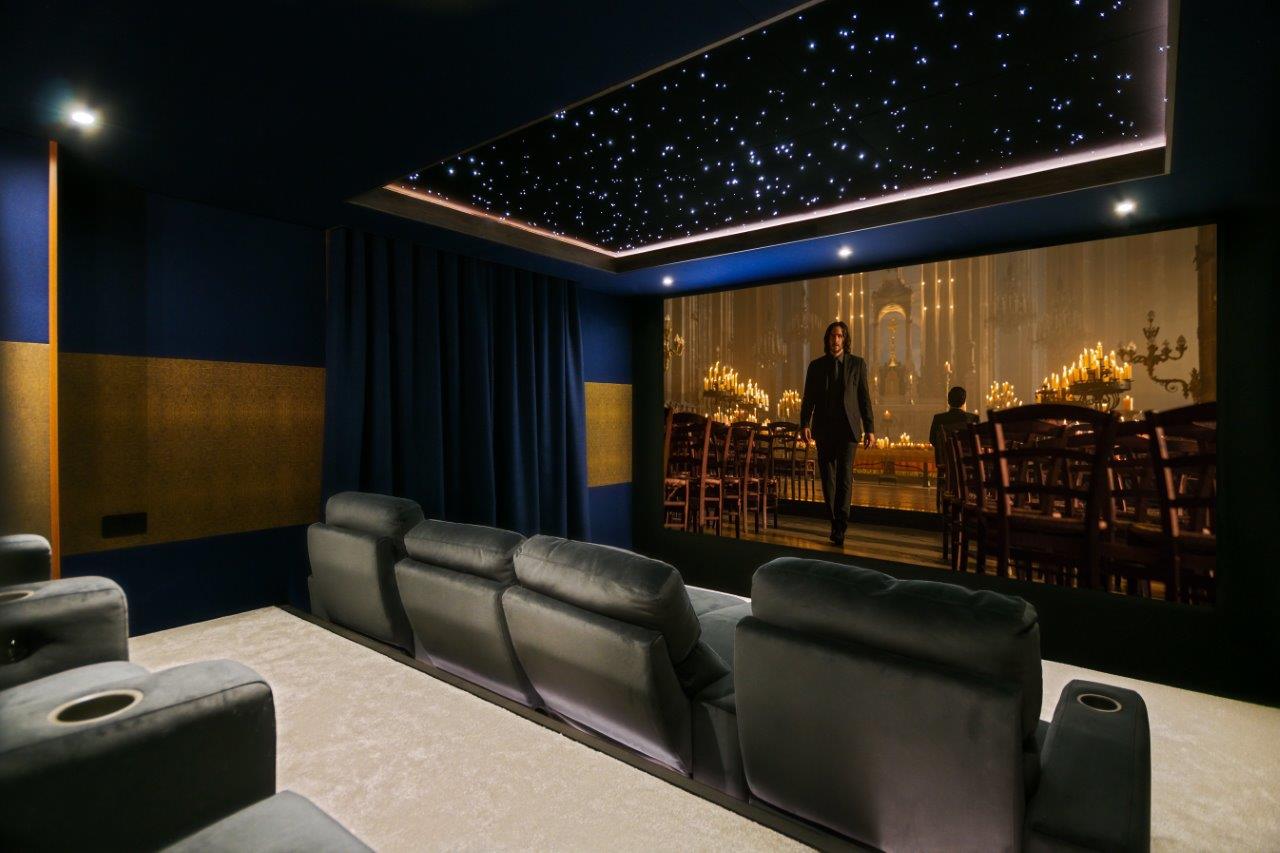
Majestic Home Cinema By Cinema Rooms

Home cinema install: Making movie Majik
The 10 Best Home Theater Systems For Cinephiles

Exclusive Portraits of Leslie Moonves’ Lavish Home Theater

Home cinema ideas and inspiration to up your movie nights

15 epic celebrity home cinemas: Victoria Beckham, Kylie Jenner, Peter Andre and more

I'm a professional TV reviewer, and these are the 11 items I bought for my dream home theater setup
Interior designers share their secrets to designing a bedroom like a 5-star luxury hotel room at home
FAQ: Set Up and Equipment Advice for Home Theater
I turned my living room into a movie theater — here's how

6 movie room storage ideas – for a more ordered and relaxing space

You wish you had this home theater in your basement