1/6
I turned my living room into a movie theater — here's how
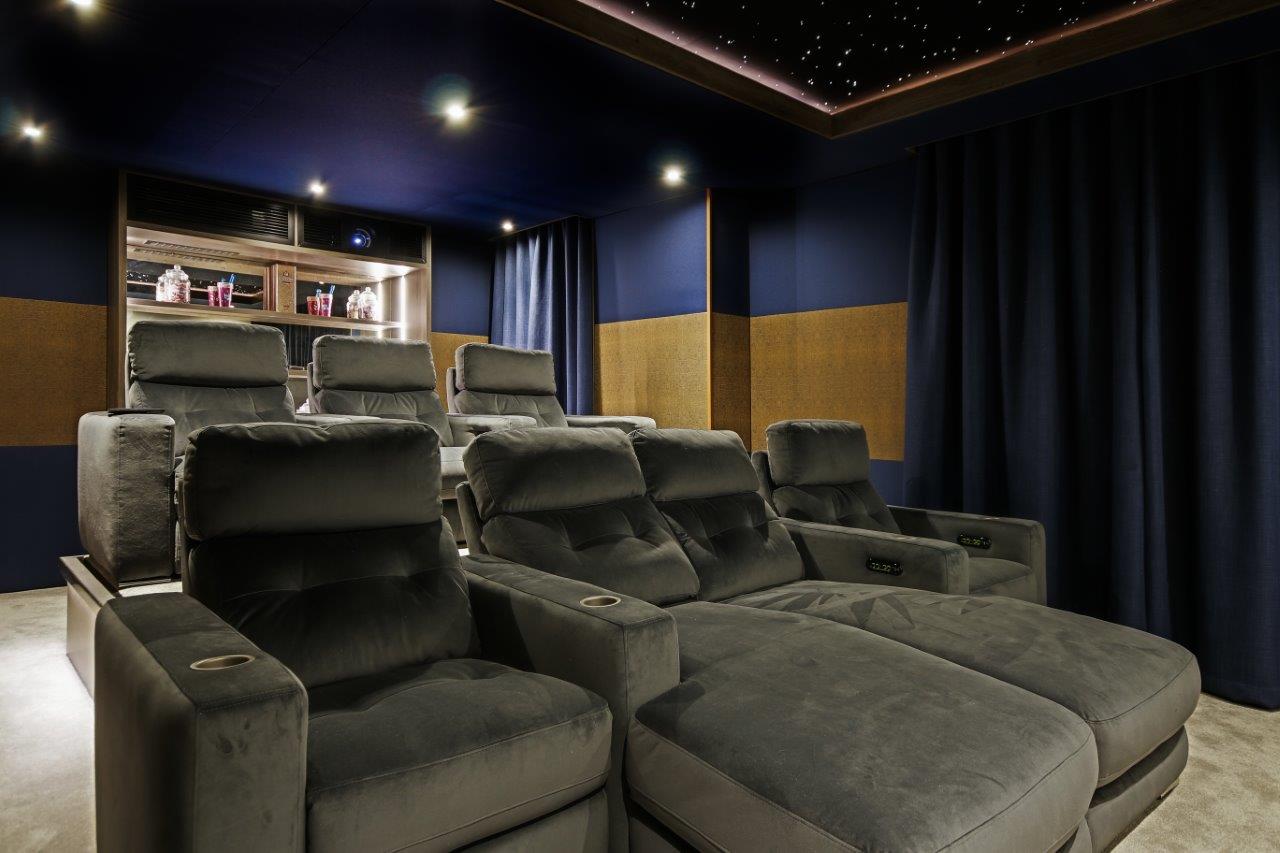
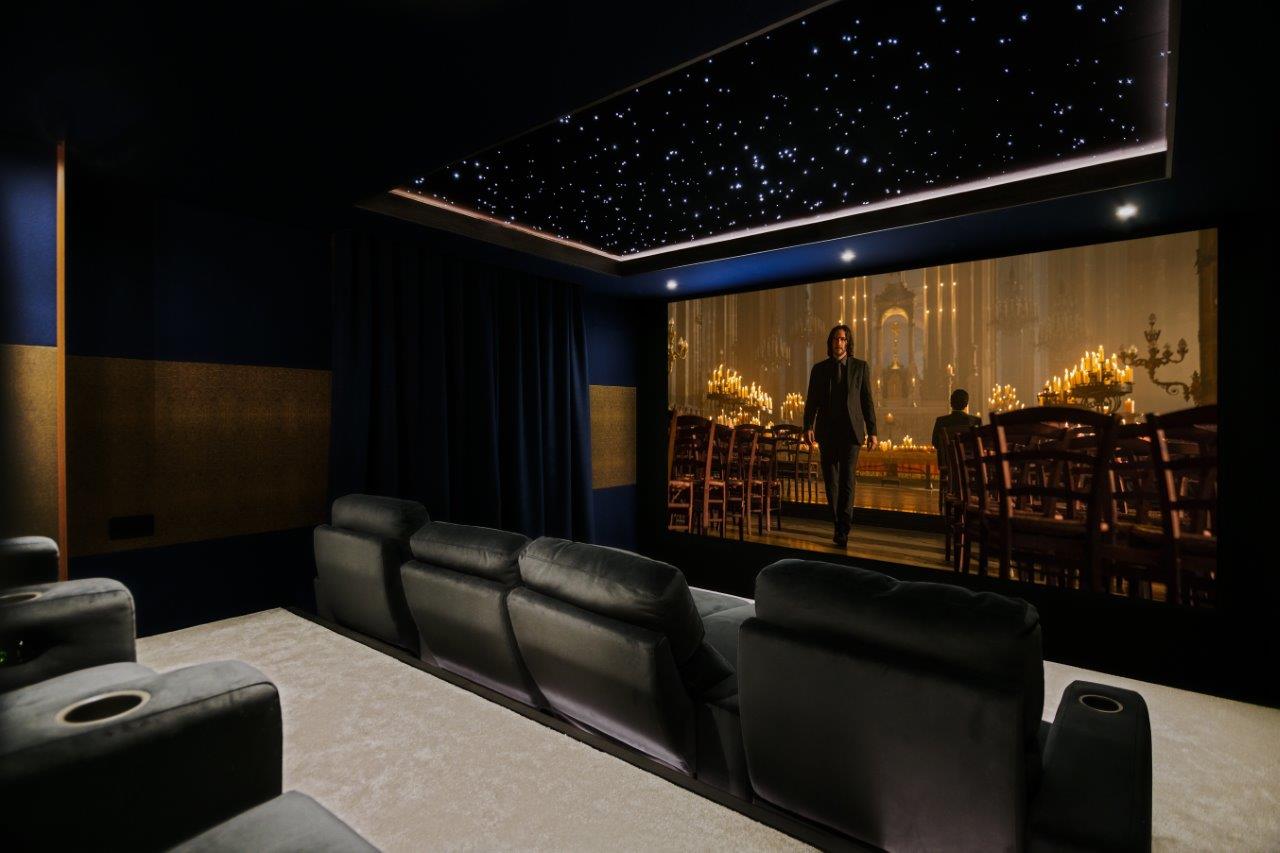
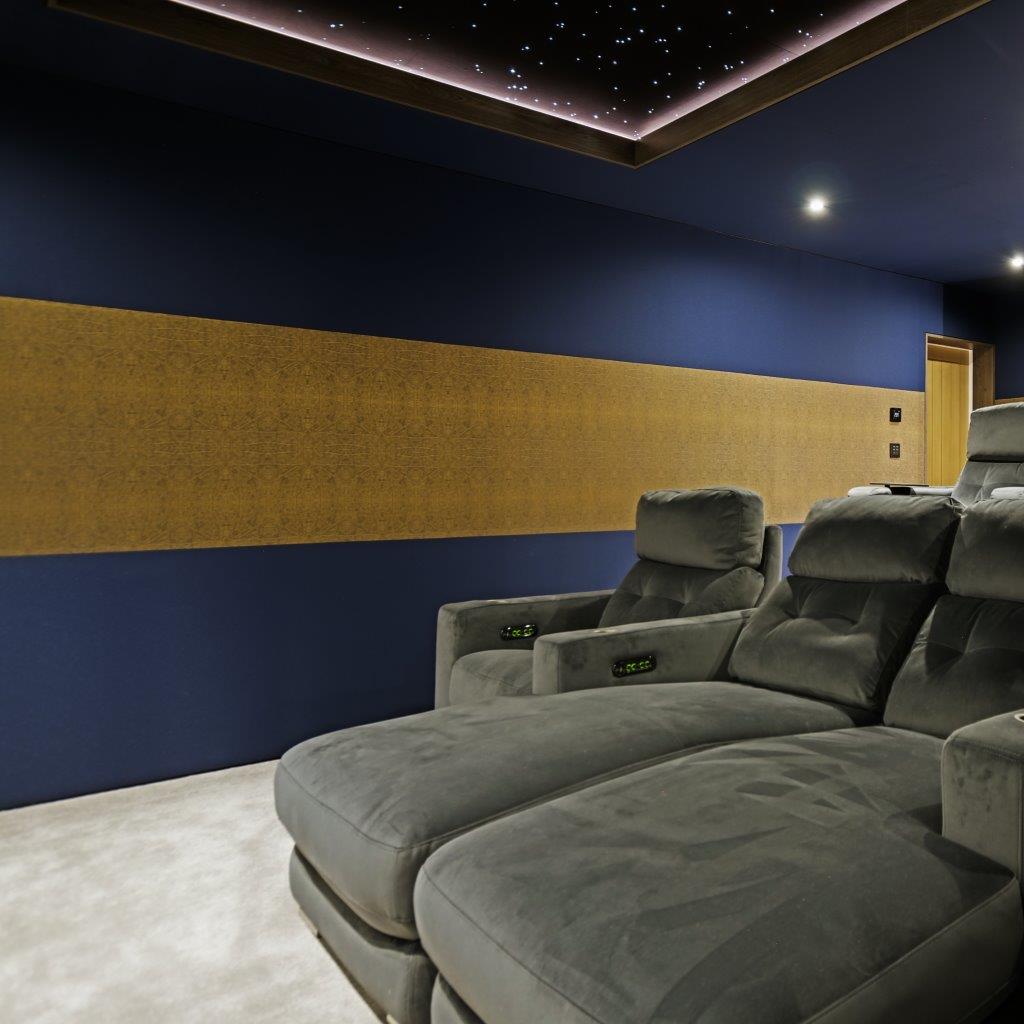
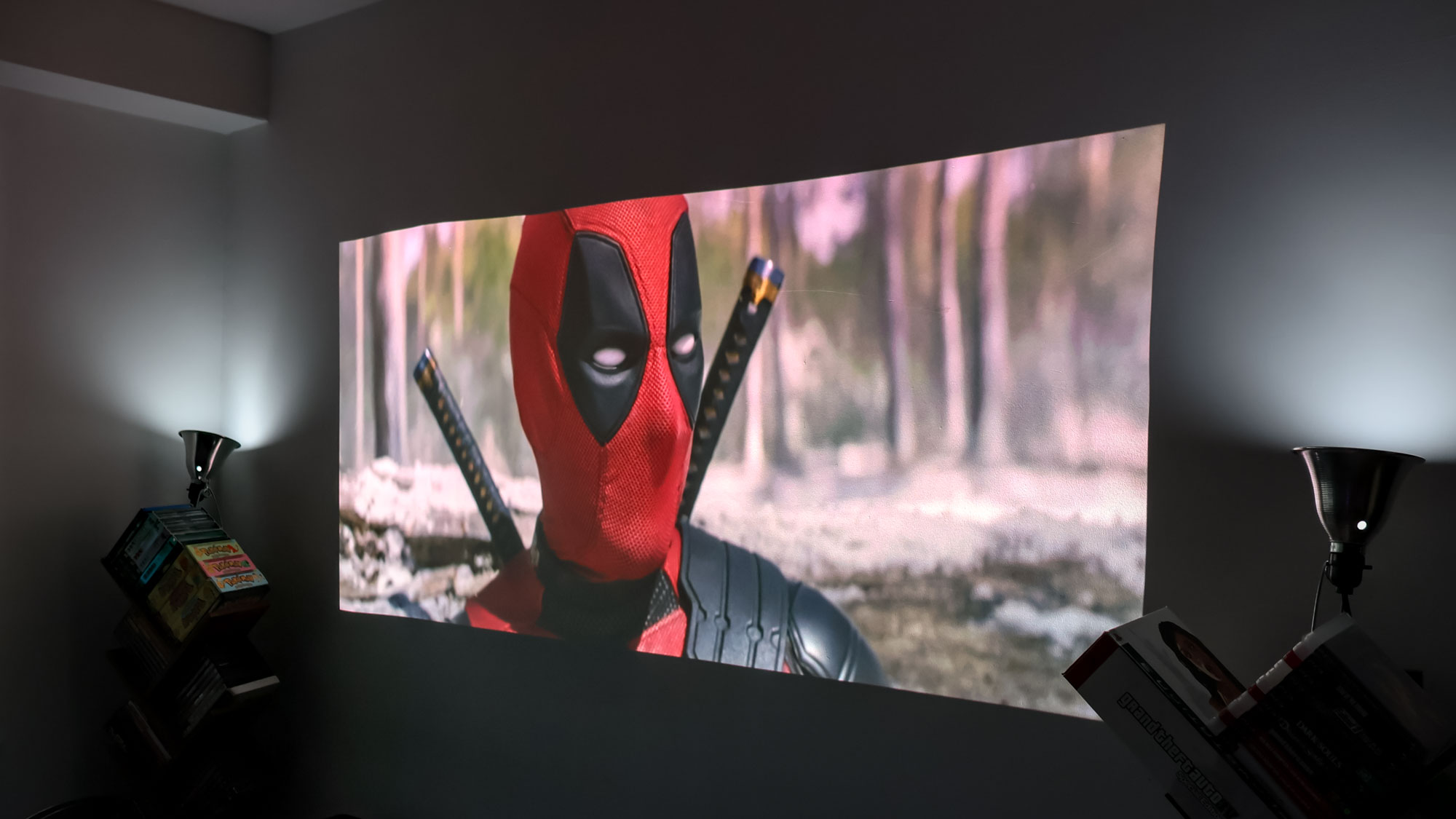
The author transformed their living room into a movie theater-like experience, focusing on three key elements: display, sound, and smart home integration. This endeavor, while not inexpensive, aimed to replicate the immersive qualities of a cinema without leaving the house. The author notes that this setup is likely the best strategy for most buyers seeking a high-quality home theater, though more premium options exist for those with higher budgets.
The first critical component discussed is the display. Instead of a traditional TV, the author recommends an Ultra Short Throw (UST) projector, specifically the Hisense PX3-Pro. This triple-laser projector can project an image up to 150 inches and is Xbox-certified, making it suitable for both movies and gaming. The author also advises pairing it with an Ambient Light Rejecting (ALR) screen, noting that affordable options are available on Amazon, alongside premium VividStorm models. For those who prefer a TV over a projector due to setup complexity or ambient light conditions, the 115-inch TCL QM89 Mini-LED TV or a 97-inch LG G4 OLED TV are suggested. For an unlimited budget, the 136-inch Hisense MicroLED TV is mentioned as the ultimate choice.
The second crucial element is the sound system. The author emphasizes the need for powerful, immersive audio that can be felt, likening it to a concert experience or being immersed in a movie scene. The chosen audio system is the Sony Bravia Theater Quad, connected to the Hisense PX3-Pro. Despite previous reservations about Sony's speaker system for other applications, the author finds it particularly well-suited for a projector setup, providing room-filling sound and supporting Dolby Atmos. The system consists of four wireless speakers and offers features like Sound Field Optimization and IMAX Enhanced mode. Alternative sound system recommendations include the Sonos Arc Ultra with E100 surround sound speakers and a Sonos Sub (or two), or the Bose Smart Ultra soundbar home cinema system, which includes two Bose Module 500s and two Surround Speaker 700s. The article highlights that while soundbars are an option, their placement can be challenging with UST projectors due to throw distance requirements.
The final aspect of the home cinema transformation involves smart home integration for lighting and ambient light control. Given that many modern TVs and projectors run on Google TV, Matter-enabled devices compatible with Google Home are recommended for a streamlined experience. For lighting, Cync GE A19 Smart LED light bulbs are suggested for their color and white hues, and compatibility with Alexa and Google Home. To manage ambient light, particularly crucial for projector performance, SmartWings motorized light-filtering roller shades are chosen. The author advises opting for a higher blackout percentage than initially considered (e.g., 60%) and ensuring they are Matter-enabled. A smart home controller, such as a Google Nest Hub, is also recommended for centralizing control of these devices, although it's not strictly necessary.
The total cost for this elaborate home theater setup is estimated to be over $5,000. The author concludes that while it's a significant investment, the enhanced immersive experience for HDR movies and intense gaming justifies the expense, impressing friends and family during movie nights. The article implies that a more budget-friendly setup might be explored in future discussions, acknowledging that this level of performance isn't for everyone.
#HomeTheater #Projectors #SoundSystems #SmartHome #DisplayTechnology #AudioVisual #EntertainmentSetup #USTProjector #HomeTheater #Projectors #SoundSystems #SmartHome #DisplayTechnology #AudioVisual #EntertainmentSetup #USTProjector
0 comment in total
 No comments yet
You may also like
5 easy ways to turn a plain living room into a luxe cinema room

Majestic Home Cinema By Cinema Rooms

How I Turned Our Guest Bedroom Into a Studio Kitchen

Reader's cinema: Car? Park it outside!

Easy Ways to Transform Your Living Room Into a Space You LOVE

I Completely Transformed My Media Center Using The Container Store’s Elfa Shelving
Home cinema install: Making movie Majik
Removable wallpaper apartment DIY: I transformed my living room in an afternoon
17 Cozy Home Theater Ideas for Your Next Netflix Marathon

Home cinema install: XXL entertainment
Before & after: see how a savvy IKEA shelving hack totally transformed this living room
Genius ways to integrate your TV into your living room | loveproperty.com

Home cinema ideas and inspiration to up your movie nights

I Had My Living Room Designed From Scratch During Quarantine
6 movie room storage ideas – for a more ordered and relaxing space

12 easy changes you can make to your living room to instantly elevate how it looks and feels


The Tablet Mount That Turns My Bed Into a Home Theater

8 Steps to Make Your Living Room Look Like a Nancy Meyers Movie

My virtual living room: Setting up a social VR space in the house
You wish you had this home theater in your basement