1/4
Meet the Artist Turning Her Obsession With Postmodern Furniture Into Music
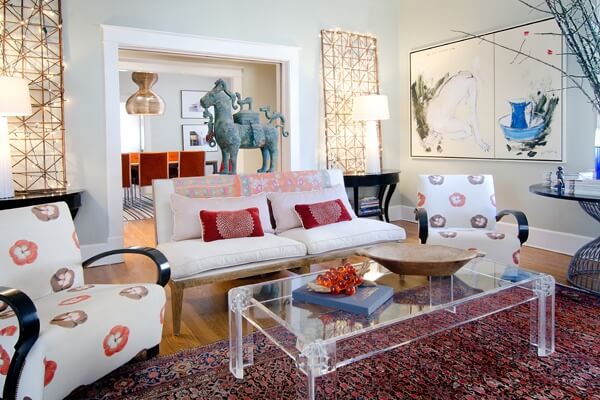
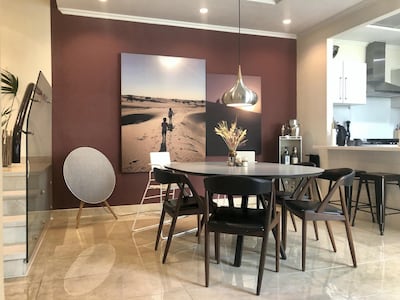
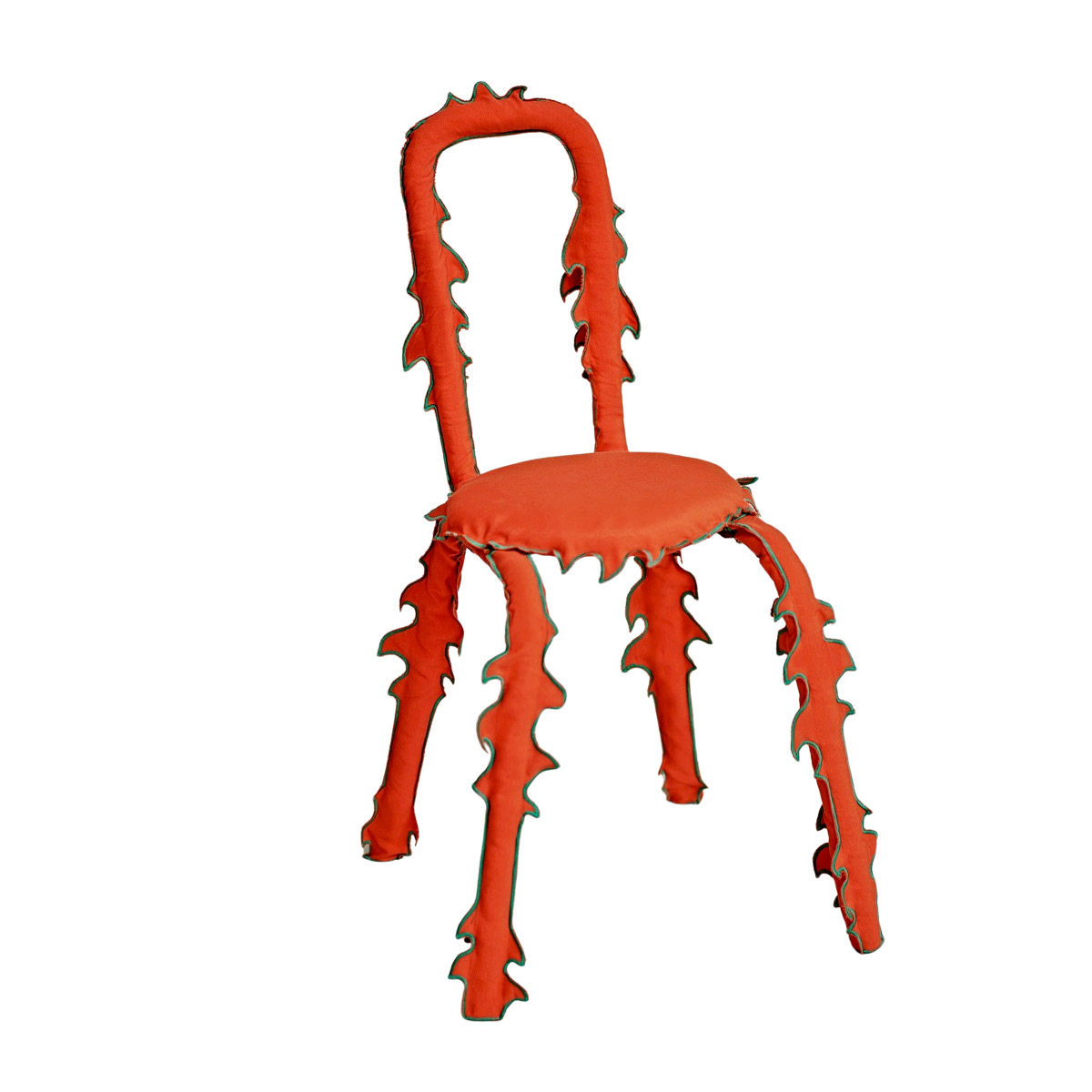
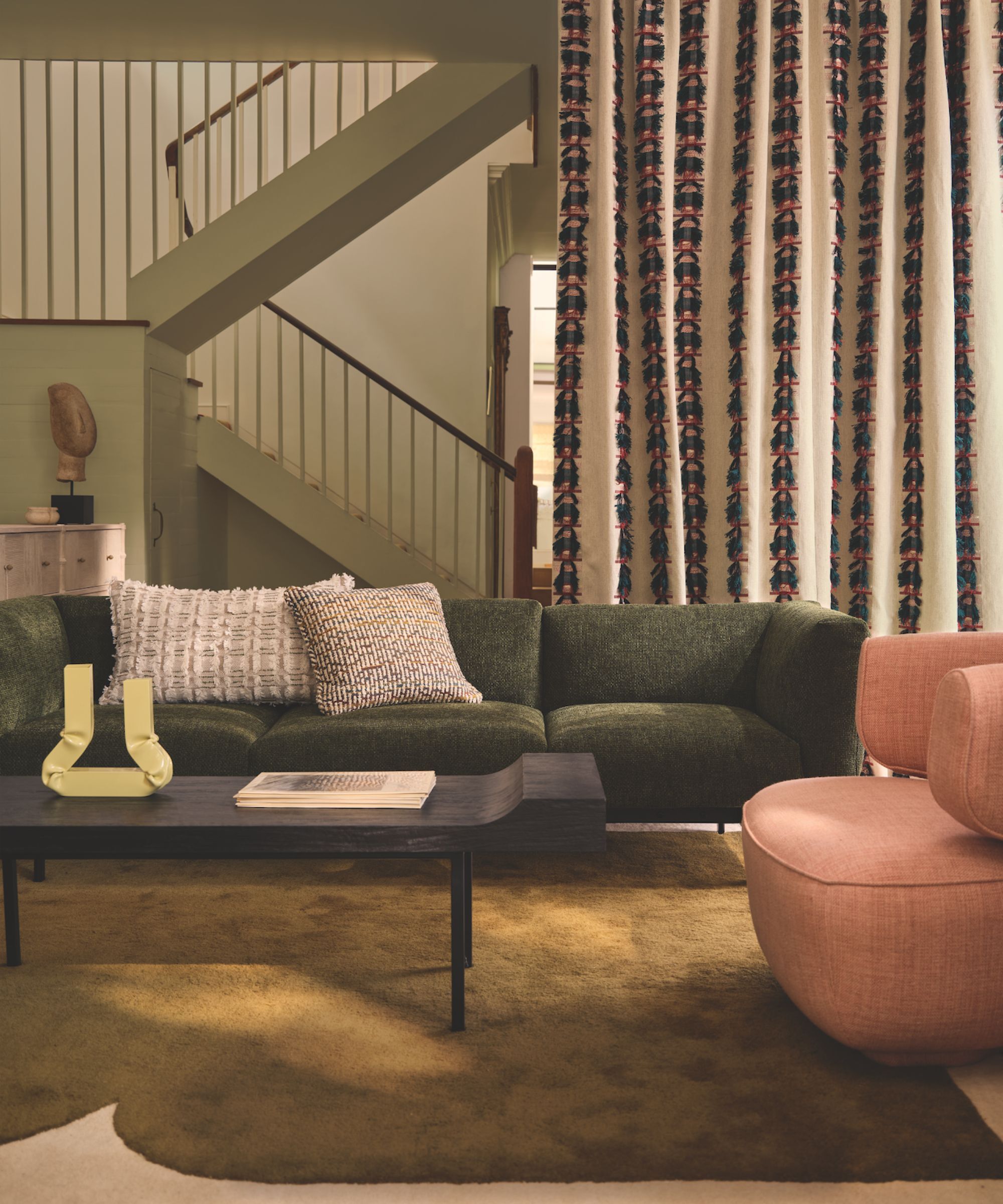
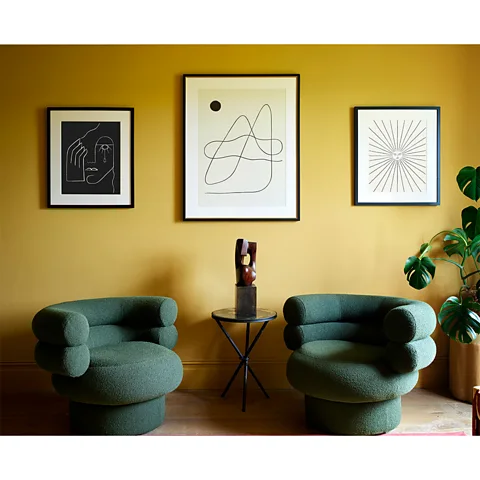
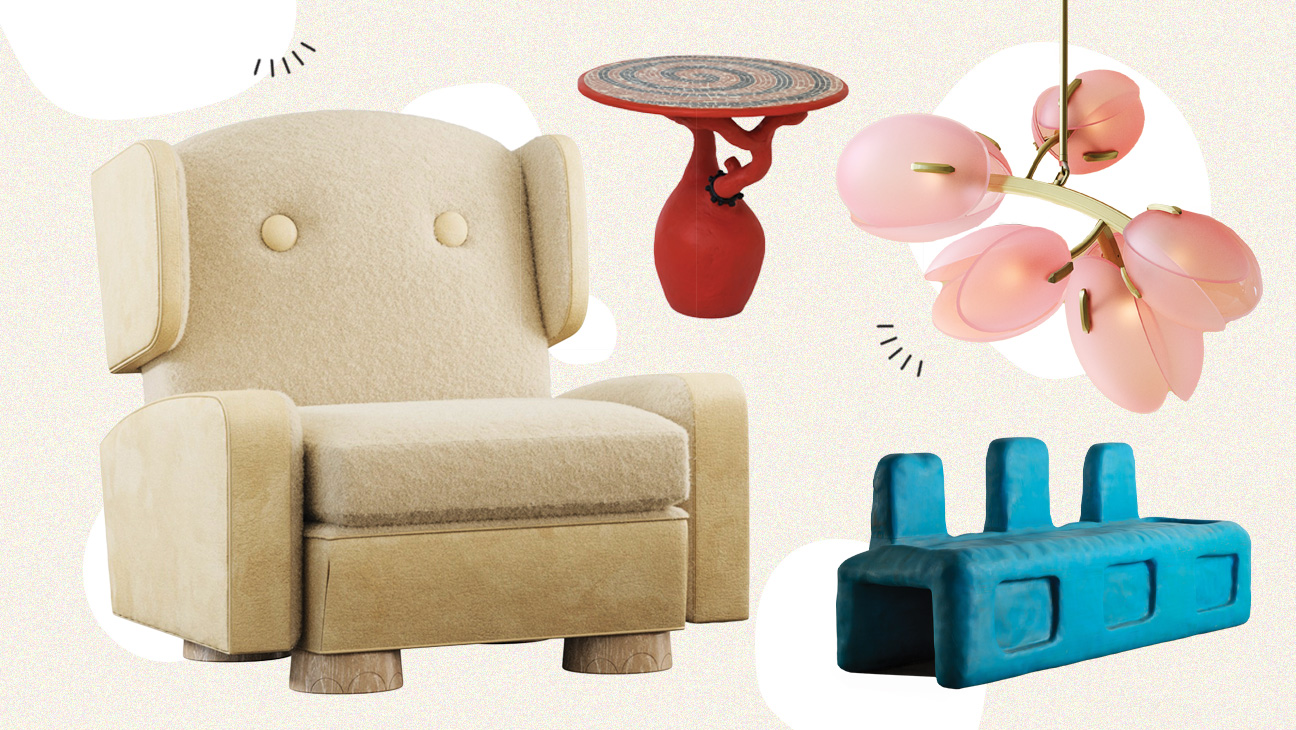
Pilar Zeta, an Argentinian-born, Portland-based artist, creates a distinct visual language she describes as a 'parallel universe,' influenced by Egypt, magic, and metaphysics. Her work spans various mediums, including album artwork for bands like Coldplay, live visuals for Katy Perry, and a past clothing brand named Holographic Universe. Zeta's aesthetic extends to her personal living space, which she shares with prolific producer Jimmy Edgar. Their home is characterized by colorful postmodern furniture, each piece meticulously placed, mirroring the objects in her virtual 3-D landscapes. These designs integrate decontextualized objects with classical human figures, rendered in swirling, soothing colors. This bold visual approach has now been translated into sound with her debut album, 'Moments of Reality,' which also aligns with her retro-inspired personal style.
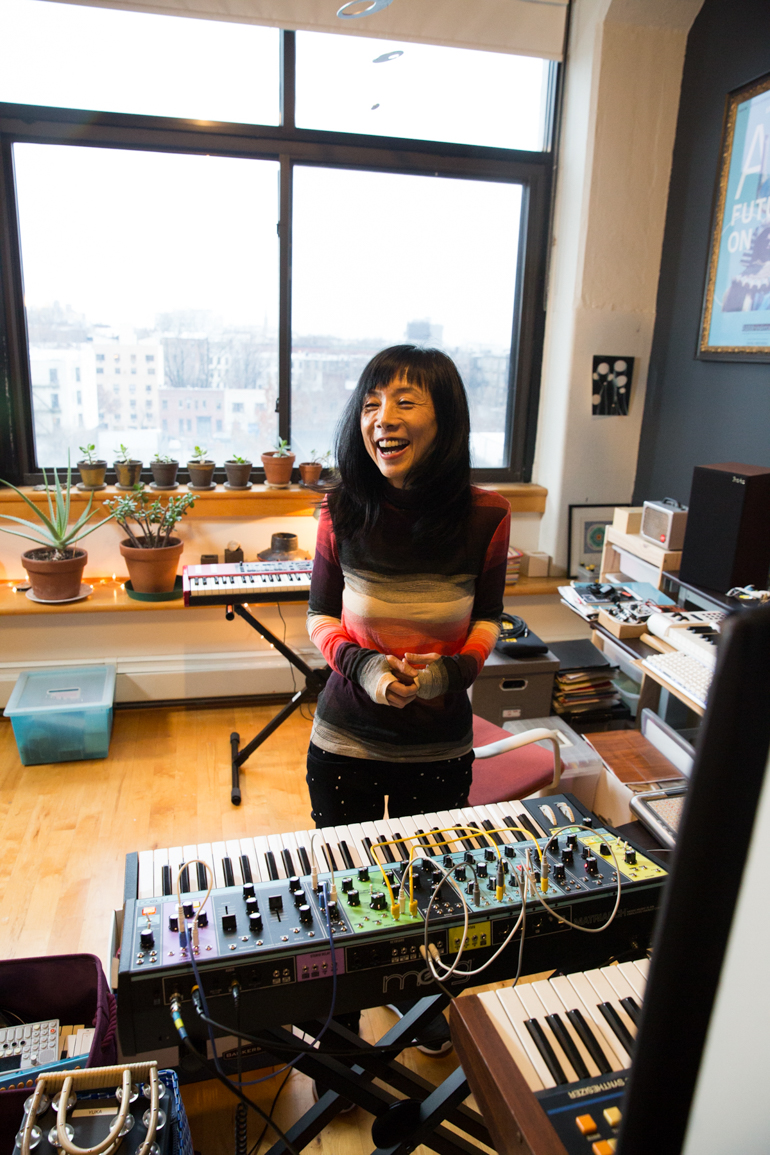
Zeta launched Ultramajic, an audiovisual project that functions as both a music label and an art collective, with Edgar in 2013. Edgar, a seasoned electronic music figure, brings his production skills and interest in the occult to the venture. Ultramajic's emphasis on distinctive album graphics stands out in the electronic music scene, where plain white sleeves are common. The label's visual language creates a vivid and unique world. Zeta’s journey into music began after moving into their Portland home. Surrounded by Edgar's music equipment, the idea emerged to translate her visual aesthetic into sound. They started collaborating, primarily using analog synths from the 1990s, resulting in an album that evokes a New Age atmosphere, combining futuristic elements with old-world mysticism, evident in the esoteric chants of the title track.
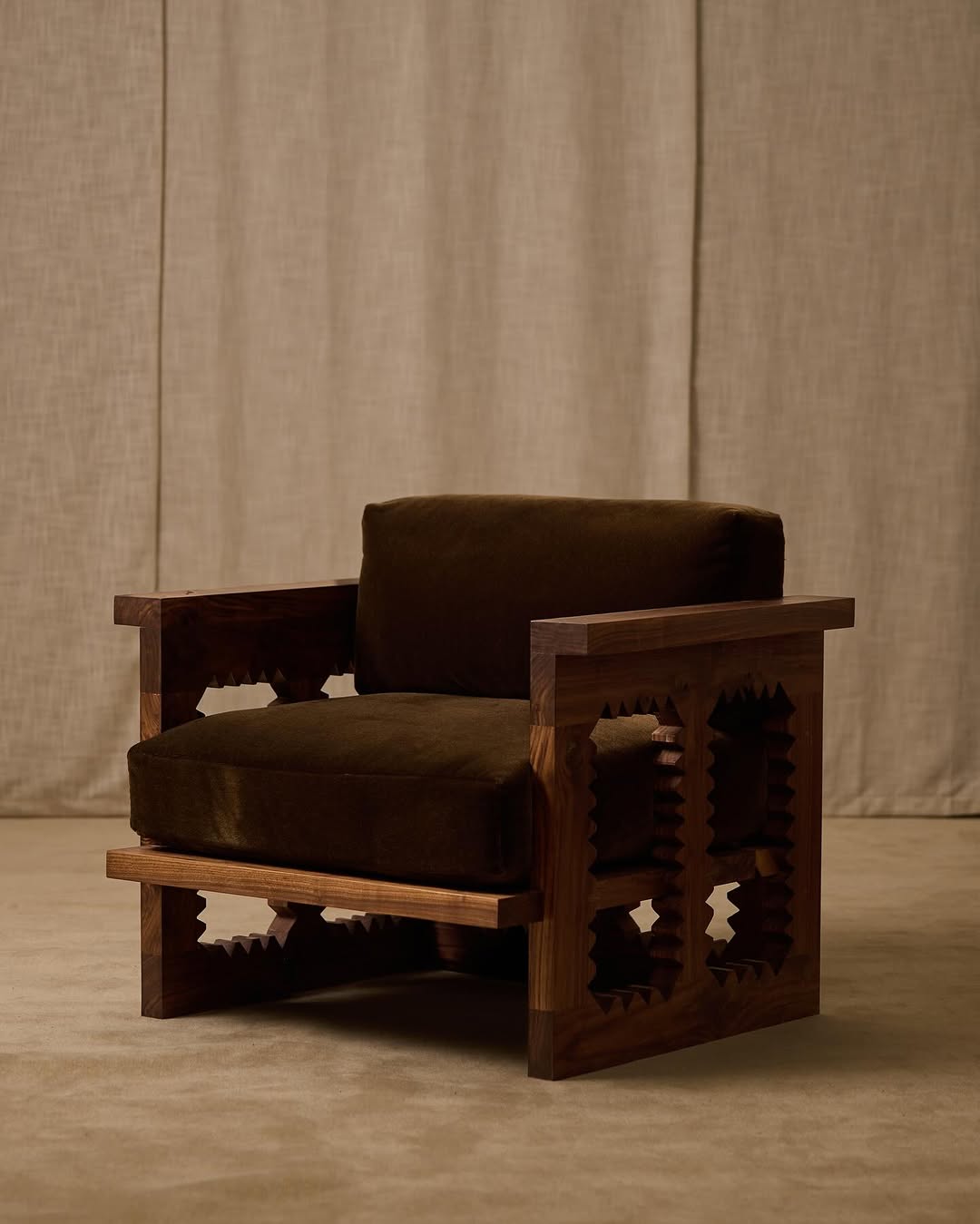
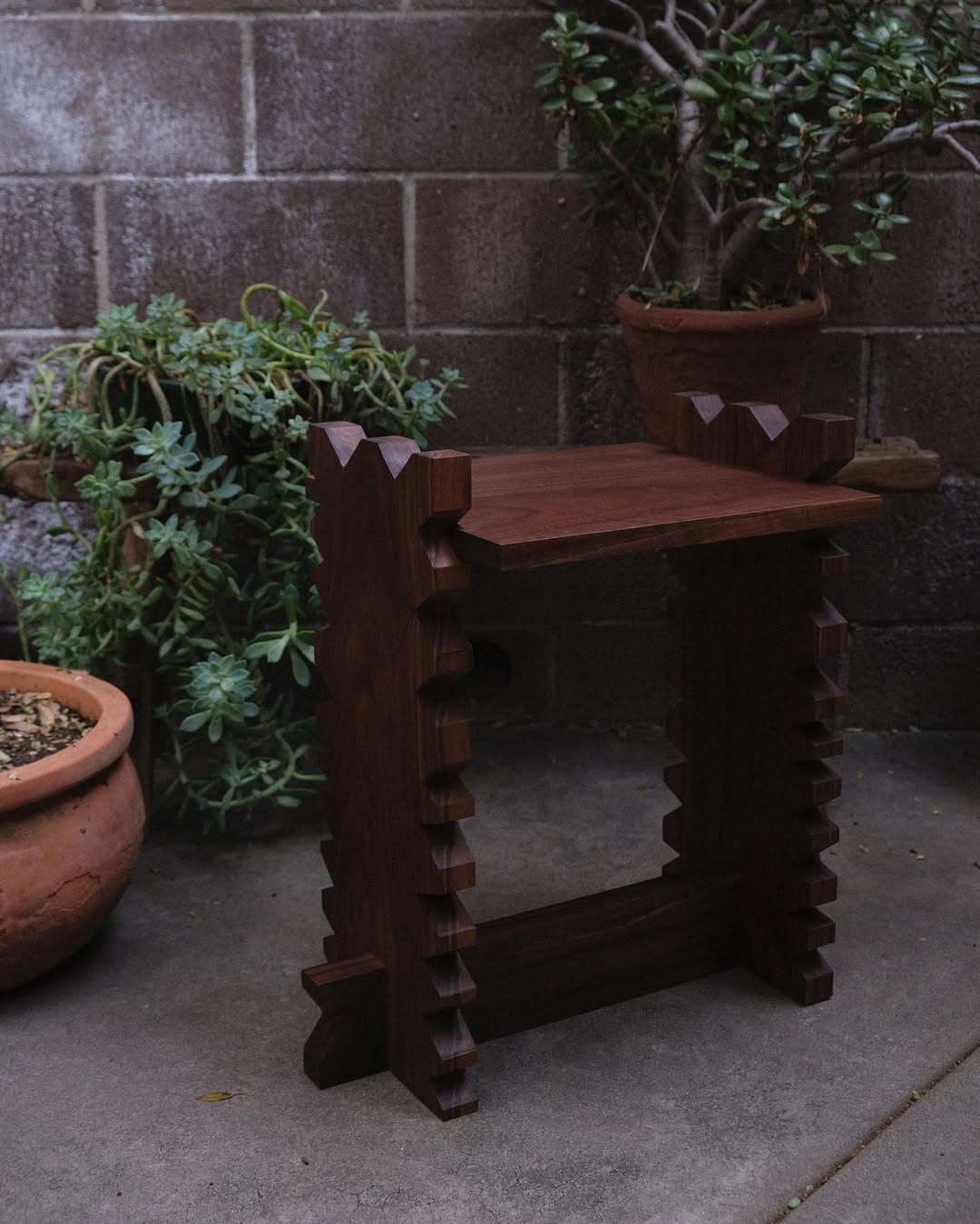
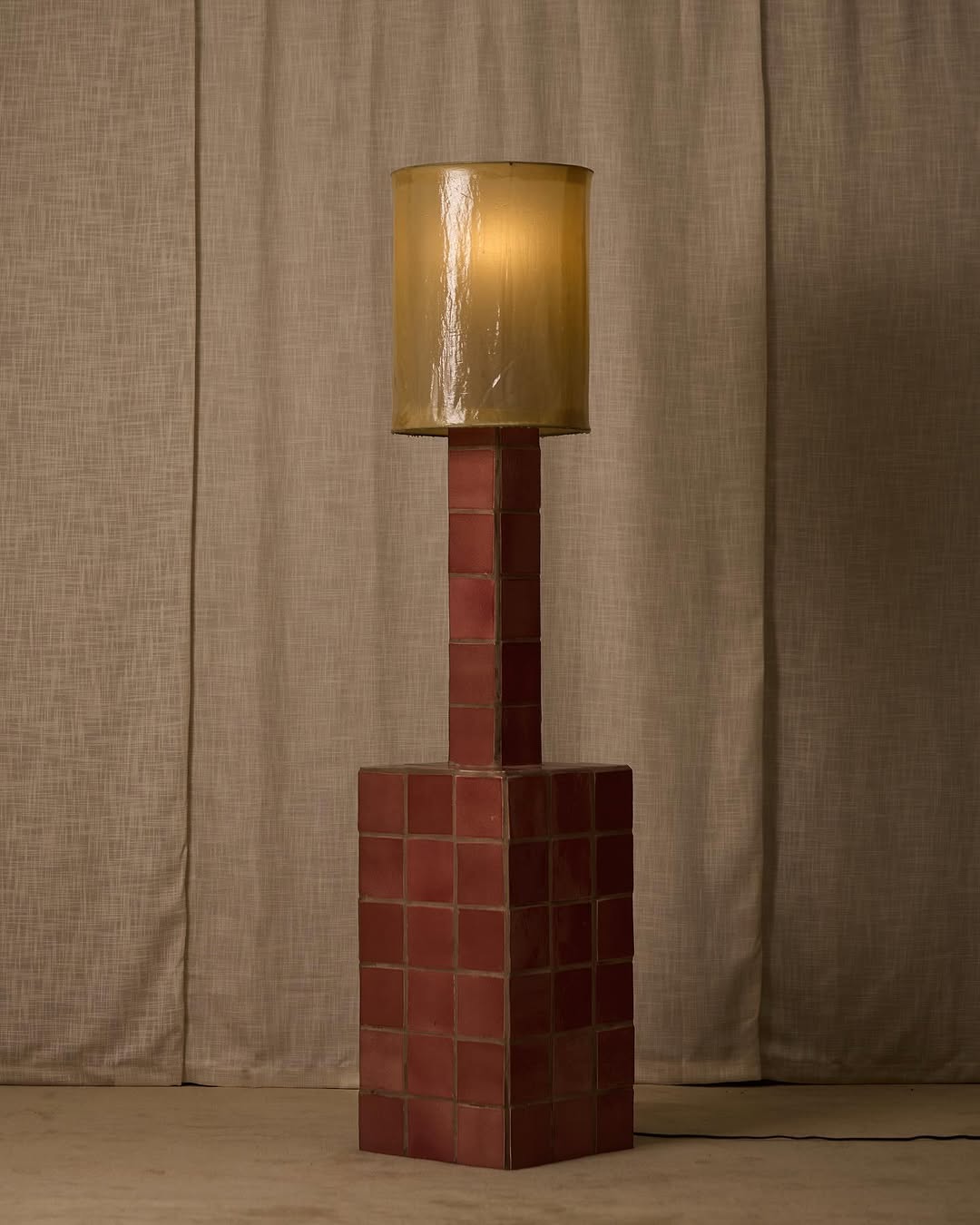
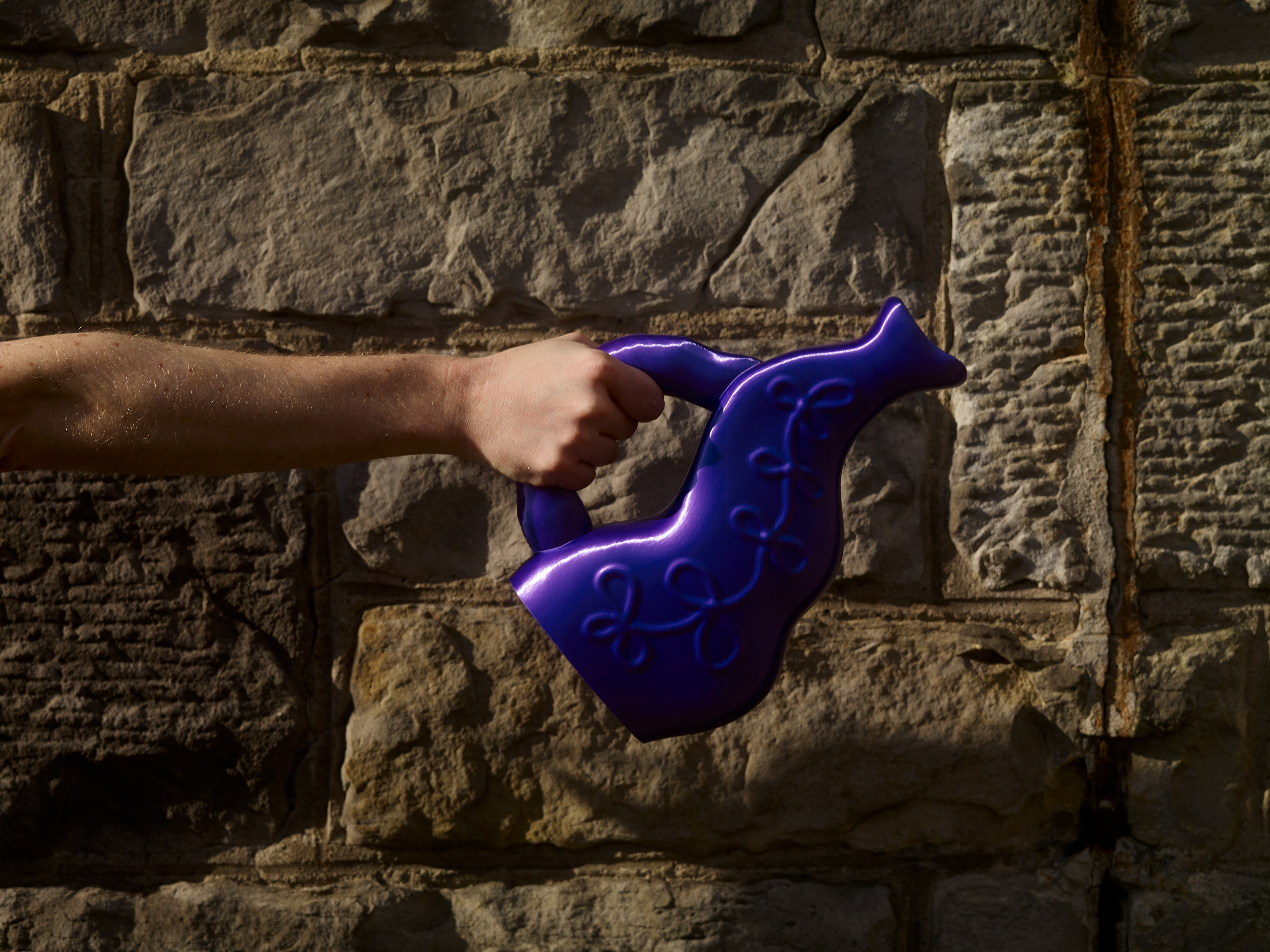
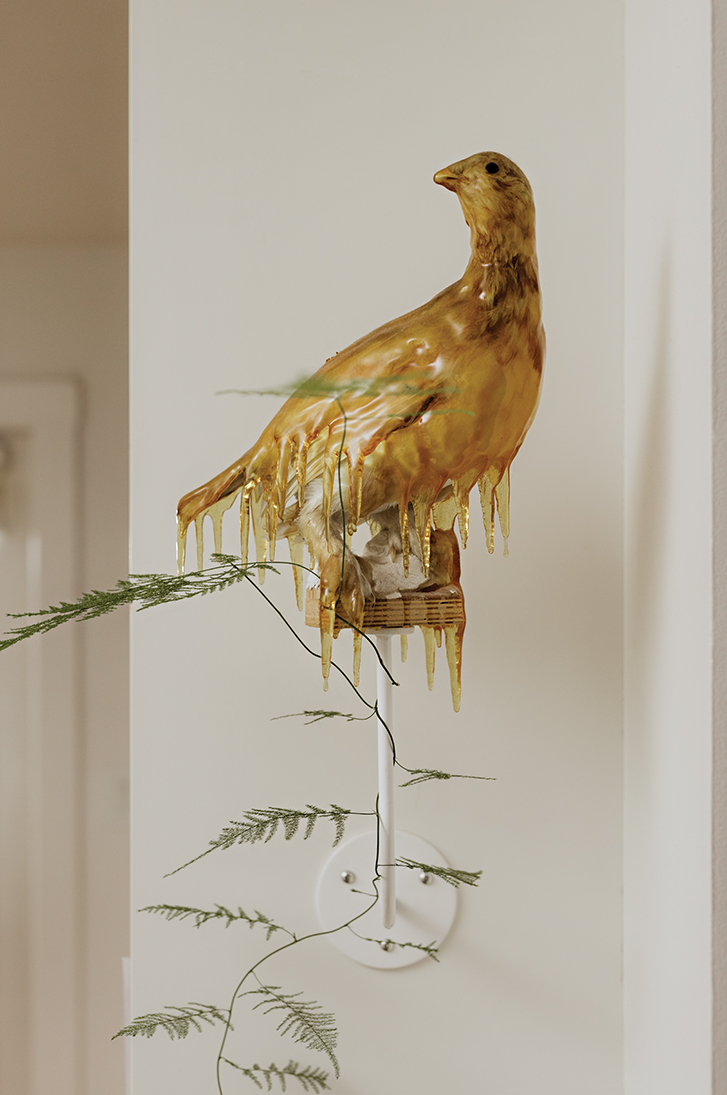
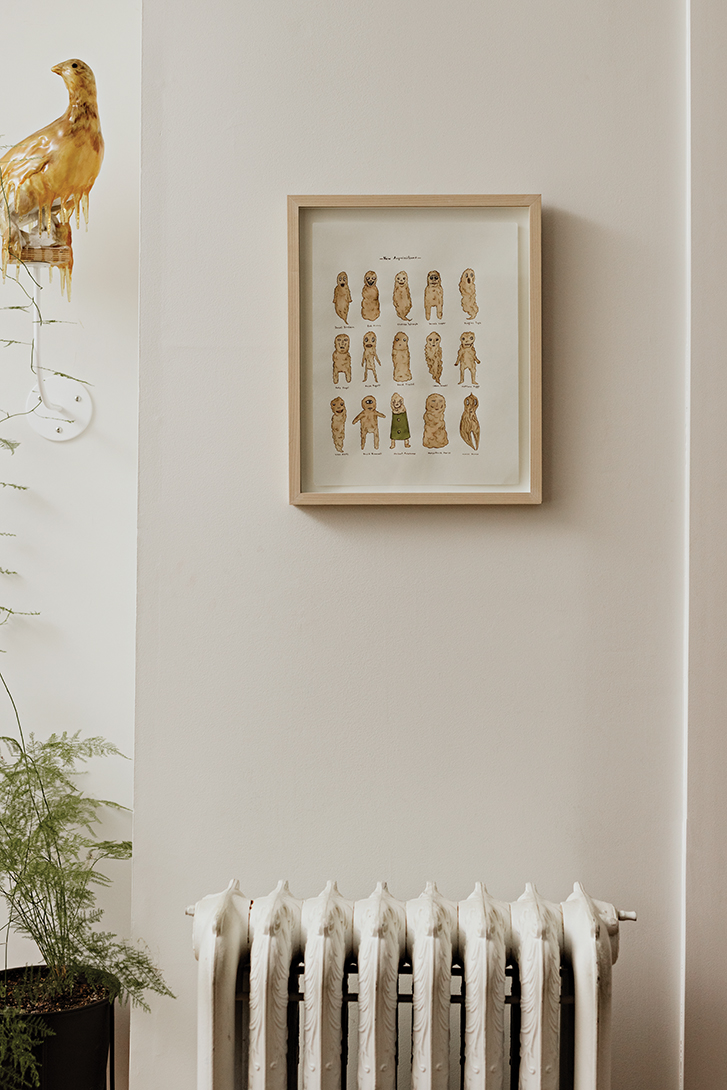
Her sound is inspired by Japanese musician Haruomi Hosono and the pioneering synth group Art of Noise, but also heavily by her fascination with postmodern furniture. This influence became particularly strong while she was redecorating her house during the album's creation. The seamless integration of her home decor and musical composition made the album artwork creation effortless. For instance, the album features a song titled “House of Memphis,” a nod to the influential design group. Zeta also created surreal objects, described as sculptures resembling appliances without conventional use, with each song on the album having a corresponding object.
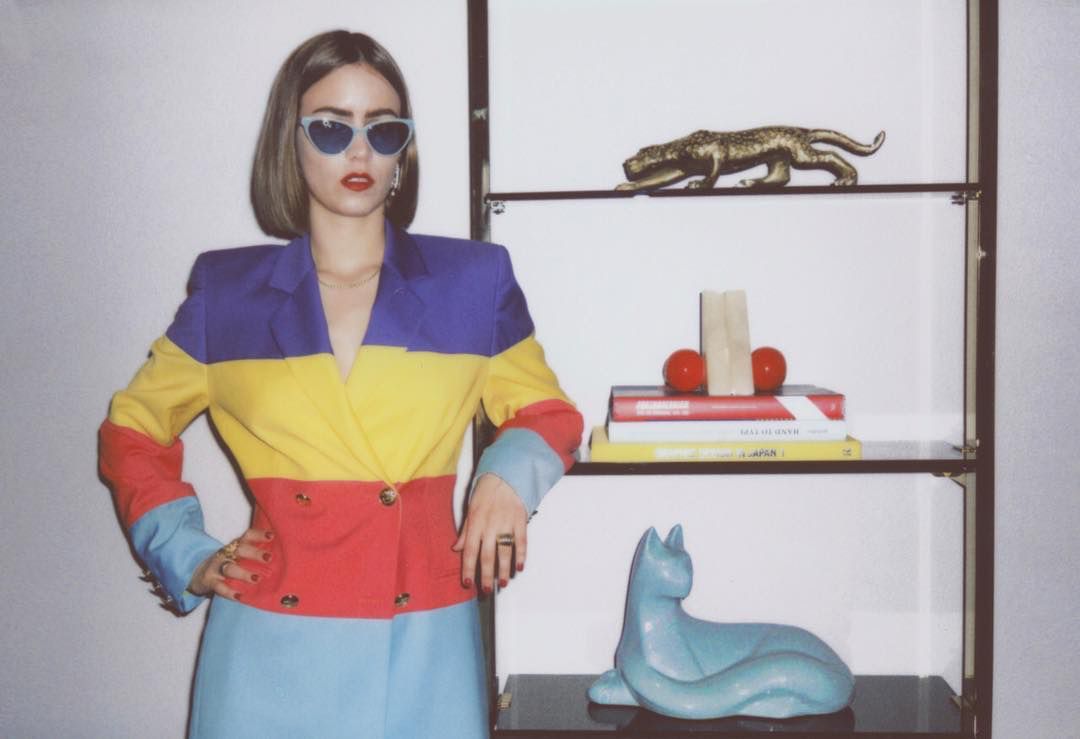
Zeta's artistic vision emphasizes cohesion across her art, music, and clothing. Her personal style, which she cultivates by collecting vintage clothing, particularly Escada from the 1980s, perfectly complements her colorful and angular design world. She frequently wears vibrant, color-blocked suits, matching her attire to her living environment. Zeta owns approximately 30 colorful suits, with a multicolored Escada suit being a favorite. For Zeta, incorporating color into her daily life is a vital ritual. She selects her clothing based on her mood, often beginning her day with ambient music and incense to foster a creative environment. This deliberate morning routine and colorful dressing significantly influence her daily outlook, a stark contrast to her younger days when she exclusively wore black. She believes that experimenting with color profoundly alters one's mood and perspective, transforming her into what she describes as a "rainbow," wearing colors constantly, even down to her socks.
#PilarZeta #PostmodernFurniture #ElectronicMusic #Ultramajic #VisualArt #EscadaStyle #ColorBlocking #ArtAndMusic #HomeDecor #PilarZeta #PostmodernFurniture #ElectronicMusic #Ultramajic #VisualArt #EscadaStyle #ColorBlocking #ArtAndMusic #HomeDecor
0 comment in total
 No comments yet
You may also like
An LA-based creative's accidental path from music to furniture design

Home & Design | Art + Soul
A Cool Furniture Designer Talks Style, Inspiration & More

The Pioneer Woman Just Dropped a Stunning New Furniture Collection That Includes Seating, Tables, & More

LAD Design Collaborates on New Book That Provides an Intimate Look at Musicians in their Home Studios

Petra Opens the Door to an Artistic Hardware Scene at NYCxDESIGN

The art of making a room soundproof: woman turns pictures and canvases into sound-absorbing decor
Inside the Modern Artisan Look Everyone’s Talking About: Where Craft Meets Contemporary Style

Music room ideas – 10 ways to enhance musical creativity at home
kim yun-hwan composes furniture pieces using hand-carved wooden shapes

15 future furniture and home decor design classics to invest in now
How to transform your home with art
Custom Modern Furnishings by Submaterial Studio
Products
Cuniform Stylist Expands Into Vintage and Sustainable Interior Design

Dancing lights: Lindsey Adelman’s studio reveals music video and new collection at New York’s Wright gallery
The Master of Minimalism Debuts a New Furniture Collection
An Engaging Interior: The Home of Rachel Gray
Home Tour: Inside the Kitsilano Home of Pyrrha Founders Danielle and Wade Papin
The Best Smile-Inducing New Furniture and Home Accessories