1/11
Room Within a Room: Acoustic Spaces That Adapt to Contemporary Needs
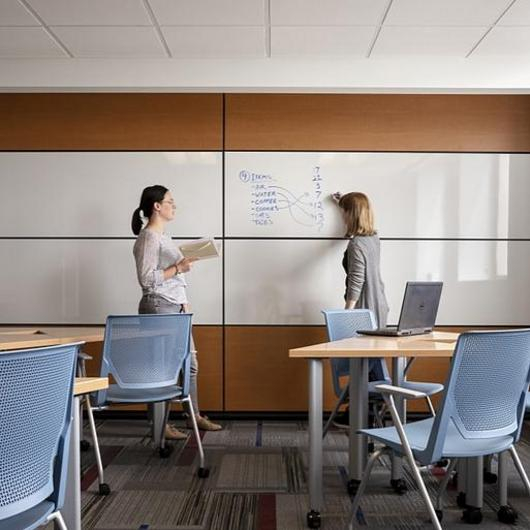
The nature of work and learning environments has significantly evolved, moving away from traditional, compartmentalized spaces towards open, collaborative layouts. While this shift promotes integration and creativity, it introduces new challenges such as increased distractions, sensory overload, and difficulty maintaining focus. These challenges highlight a fundamental architectural question: how can spaces simultaneously support connection and withdrawal, activity and silence?
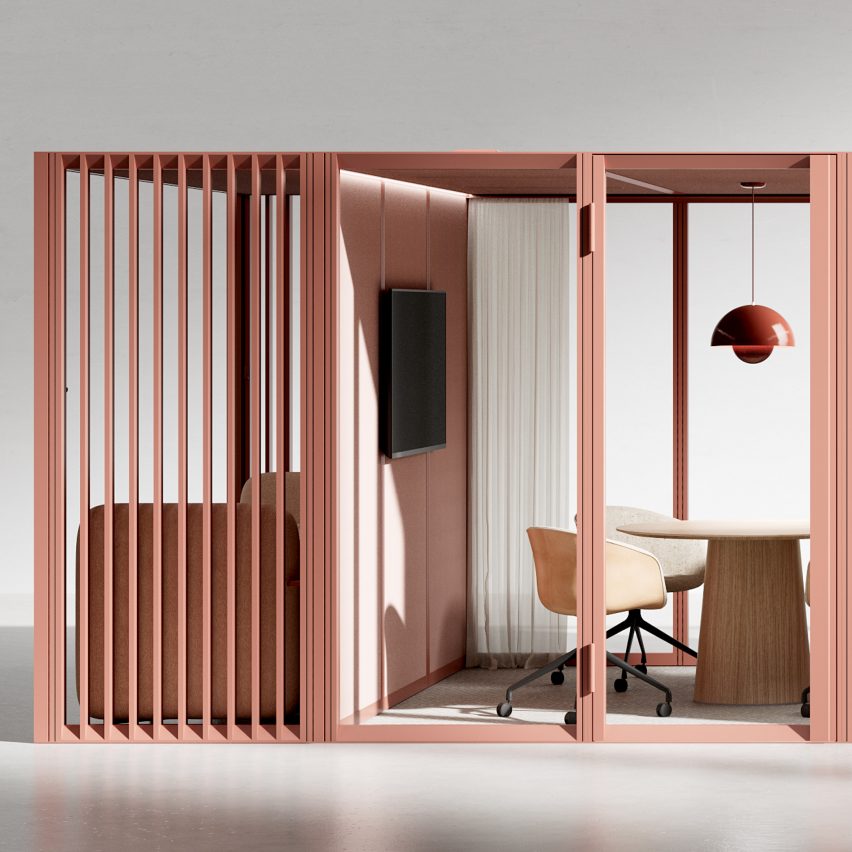
This inquiry resonates with the Japanese concept of *ma*, which emphasizes the significance of the interval or the space between elements in organizing and defining an environment. In architectural interior design, this concept can be realized through the creation of microenvironments that offer transitions, acoustic protection, and diverse functionalities within larger spaces. Addressing this, the Danish company DAMPA has developed DAMPA® Space, a modular system designed as an 'architectural piece of furniture.' This system creates temporary, flexible spaces for focused work or interaction within broader settings.
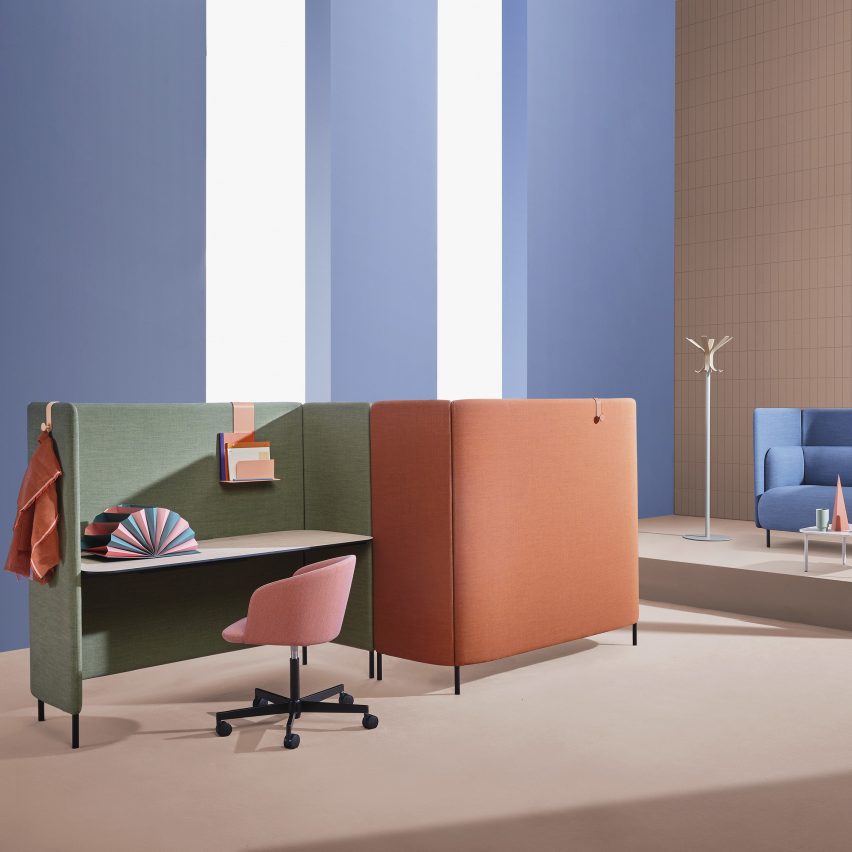
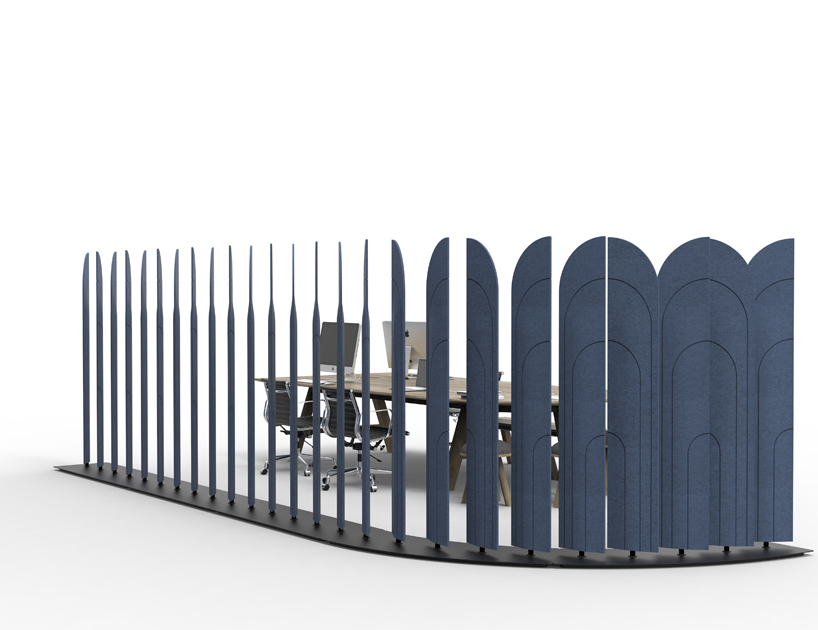
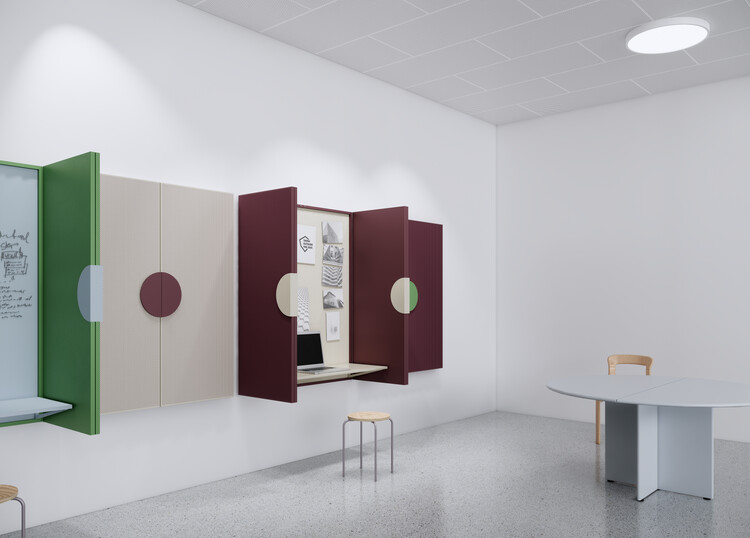
Developed in collaboration with architectural firms Kjaer & Richter and Holmris B8, DAMPA® Space consists of a wall-mounted structure that can be unfolded to form small niches, workstations, exhibition areas, or zones for introspection. According to Liv Bach Henriksen, Architect MAA and Head of Learning Environments at Kjaer & Richter, the primary goal was to create a product that not only enhances acoustics but also facilitates the design of 'rooms within rooms,' providing flexible shielding without dominating the overall space. This is particularly relevant in learning environments that require varied zones to accommodate diverse activities while fostering inclusion.
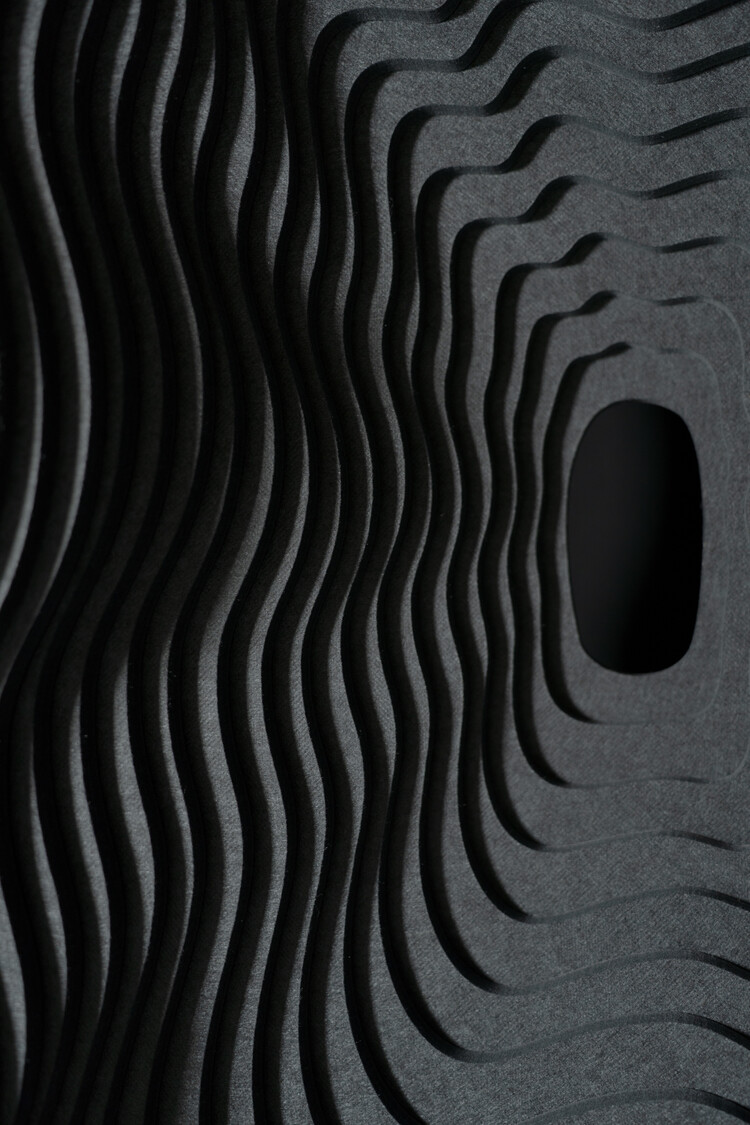
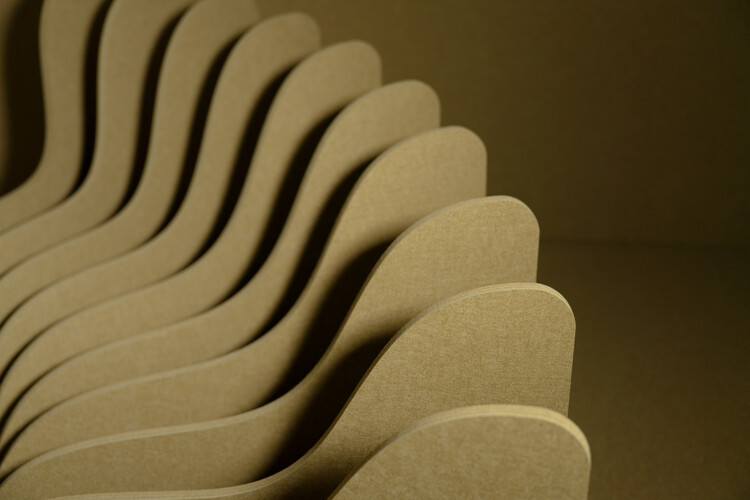
Constructively, DAMPA® Space utilizes curved metal panels with microperforations (Ø 4 mm, 40% open area) and a 30 mm stone wool core, drawing on the technical principles of the DAMPA® Silent Board system. This design achieves Class A sound absorption, with an αw rating of 0.95 (EN ISO 11654), representing the highest acoustic performance category. The system features a 2 mm steel structure, an 18 mm FSC-certified plywood desk, and an optional 6 mm FSC-certified bulletin board back panel for communication. All materials meet rigorous fire resistance standards (Class B-s1, d0 for metal components) and durability requirements (corrosion class B, EN 13964). Furthermore, the solution prioritizes sustainability through the use of recyclable aluminum and steel, along with demountable and reusable components, aligning with circular design principles.
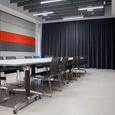
This high level of performance and flexibility makes the system particularly suitable for educational and professional environments. When unfolded, the panels offer both acoustic and visual shielding, and when not needed, they can be folded back to maintain an open and flexible space. This adaptability allows for continuous adjustment of space functions without compromising visual consistency or spatial unity. The effectiveness of DAMPA® Space was demonstrated at the Høje-Taastrup Culture & Community House, where it facilitated the creation of flexible small workspaces, empowering children with a sense of ownership while reducing acoustic and visual distractions.
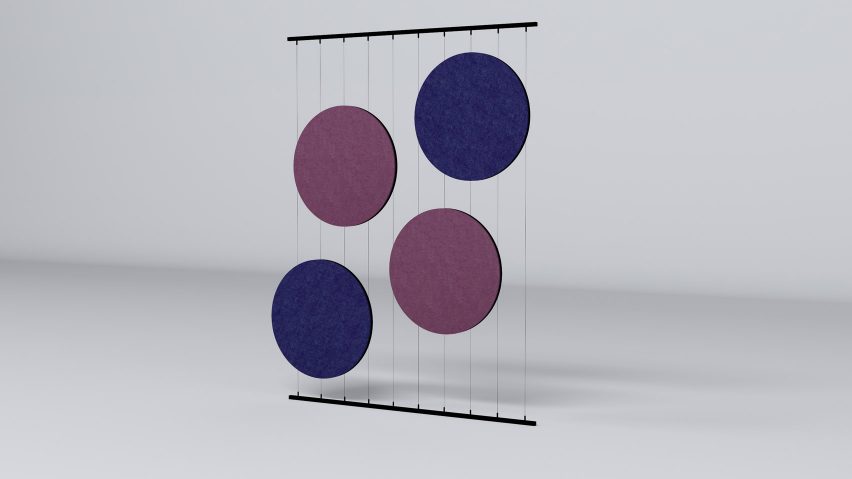
Beyond its technical and functional attributes, DAMPA® Space offers visual customization. Modules can be configured with various color combinations for metal elements and the back panel, allowing for seamless integration or the addition of vibrant character. Contrasting back panel colors can provide a different aesthetic experience when panels are opened. The carefully selected color palette enables numerous combinations and can even serve as a coding system for spatial navigation, transforming Space into both an acoustic tool and a design element. Ultimately, DAMPA® Space provides a technically sophisticated yet sensitive response to the demands of modern spaces by integrating high acoustic performance, functional mobility, and refined architectural aesthetics, effectively balancing openness and retreat, dynamism and pause, and sound and silence.
#AcousticComfort #FlexibleDesign #ModularArchitecture #InteriorDesign #WorkplaceDesign #EducationalSpaces #Sustainability #MaterialInnovation #SoundAbsorption #AcousticComfort #FlexibleDesign #ModularArchitecture #InteriorDesign #WorkplaceDesign #EducationalSpaces #Sustainability #MaterialInnovation #SoundAbsorption
0 comment in total
 No comments yet
You may also like
Silence Please creates "giant living room" for New York showroom and listening space
Six acoustic products that control noise levels in busy interiors
7 open plan living mistakes – what can go wrong and how to avoid it

Are Formal Living Rooms Obsolete? Not According to Top Design Experts

Open-plan living: 12 tips for overcoming the obstacles

Music room ideas – 10 ways to enhance musical creativity at home
Helios acoustic room divider by Jeffrey Ibañez for Impact Acoustic

Tempo’s modular wall and ceiling ‘baffle system’ offers infinite acoustic solutions


How the sound in your home affects your mood

alain gilles redesigns sound absorbing movable room partitions for buzzispace
How to divide open-concept spaces without adding walls
Skyfold Catalog

Valentino’s L’Atelier Sonore and the Art of the Listening Room

Renting a recording studio space: Part 2 – Planning the room and some DIY design

Ecophon
Sound Off, Color On: 4 Creative Ways to Integrate Colorful Acoustic Panels in Interiors
Audio Breakthroughs Focuses on Room Acoustics for Discreet Basement Theater

The Interior Designers Making Podcast Studios Feel Just Like Home

Vertically Folding Operable Walls – Classic™ Series from Skyfold
Expert Tips For Designing A Luxurious Home Cinema