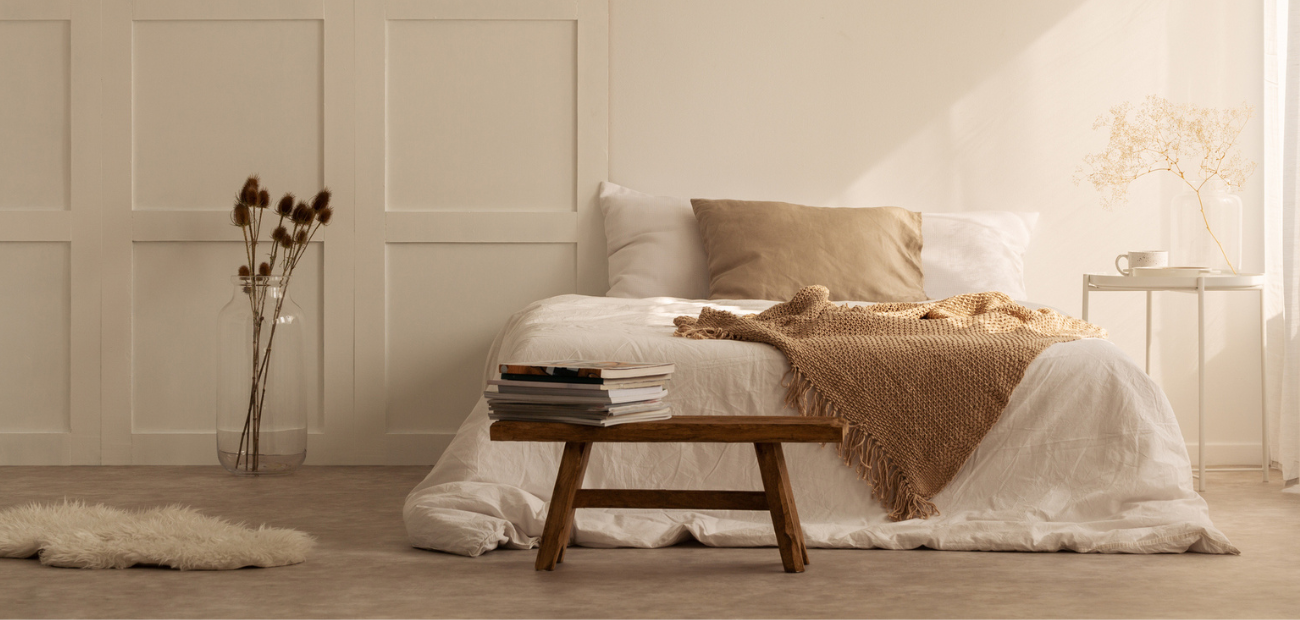
Sustainable Material Spotlight: Organic Cotton
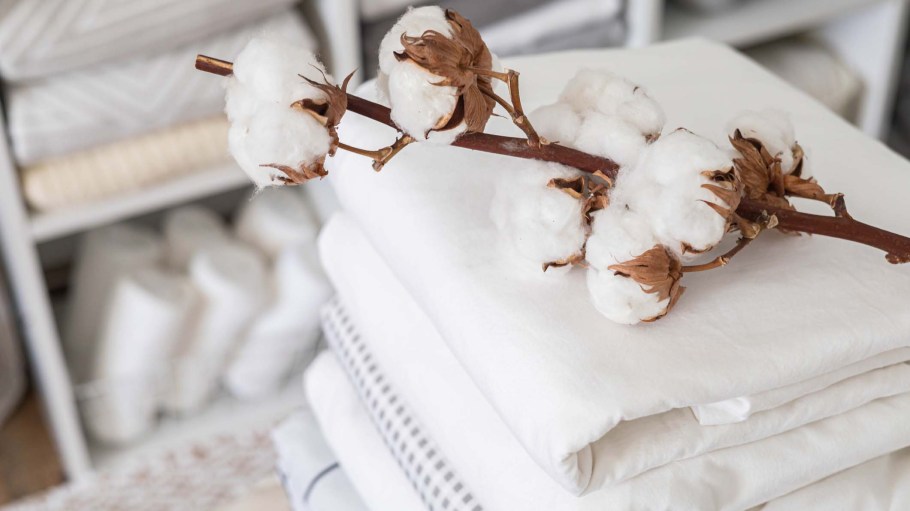
Organic cotton is highlighted as a sustainable material suitable for interior design projects, meeting the increasing client interest in sustainability. The article defines organic cotton by its cultivation methods, which exclude synthetic pesticides and fertilizers, and its efficient water usage compared to conventional cotton farming. Brooke Lang, owner of Brooke Lang Design, emphasizes these environmental benefits, noting that organic cotton offers a lower environmental impact, making it an attractive option for eco-conscious clients.
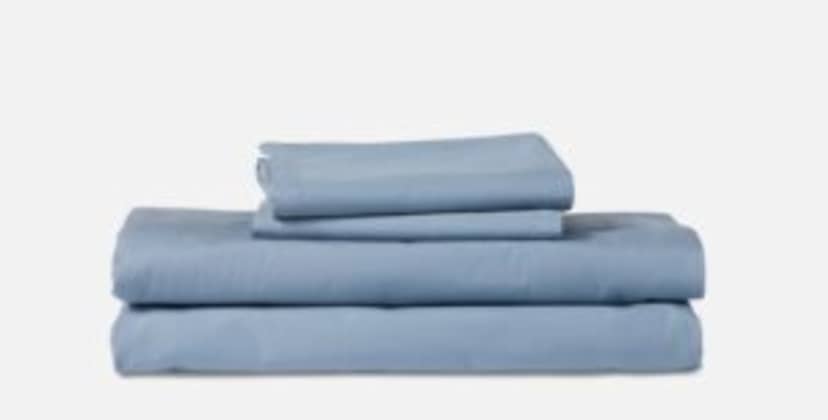
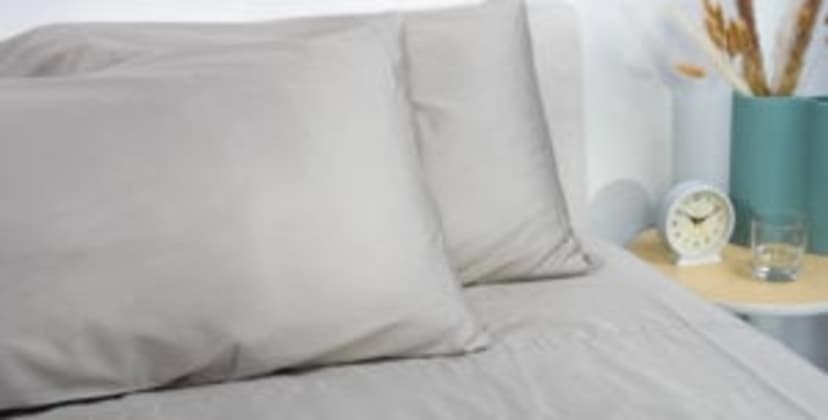
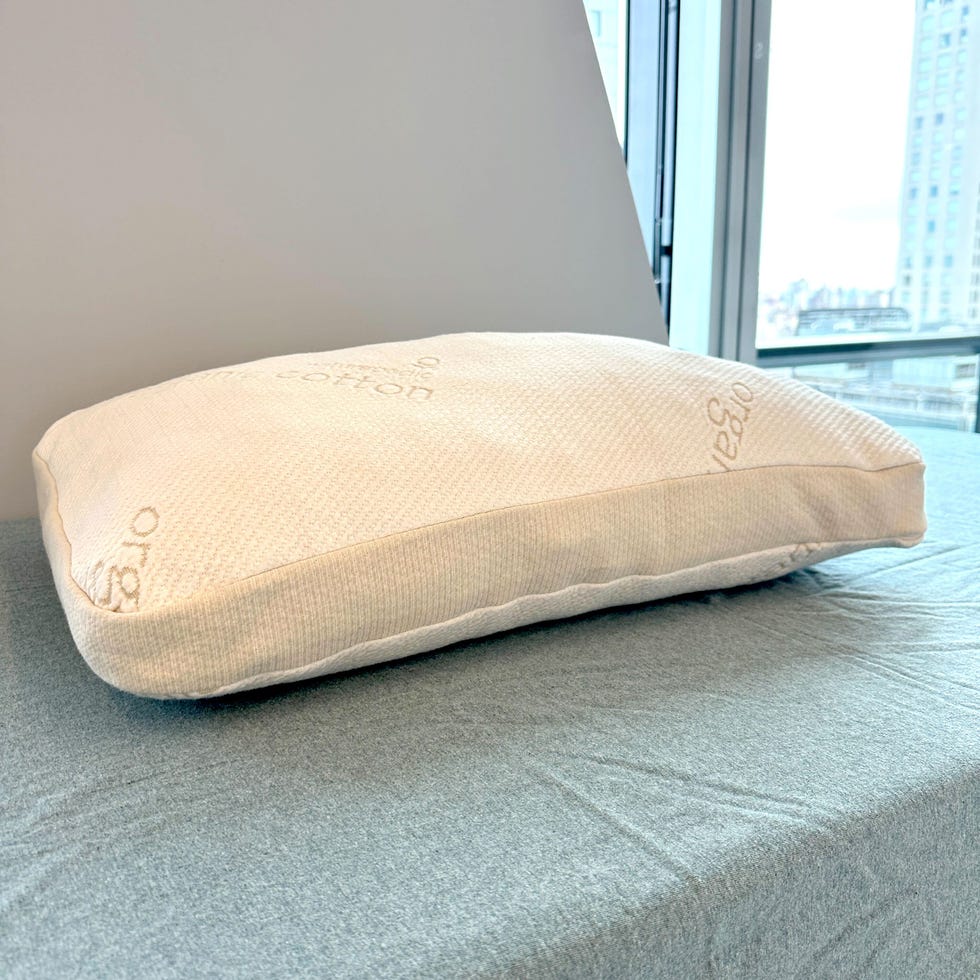
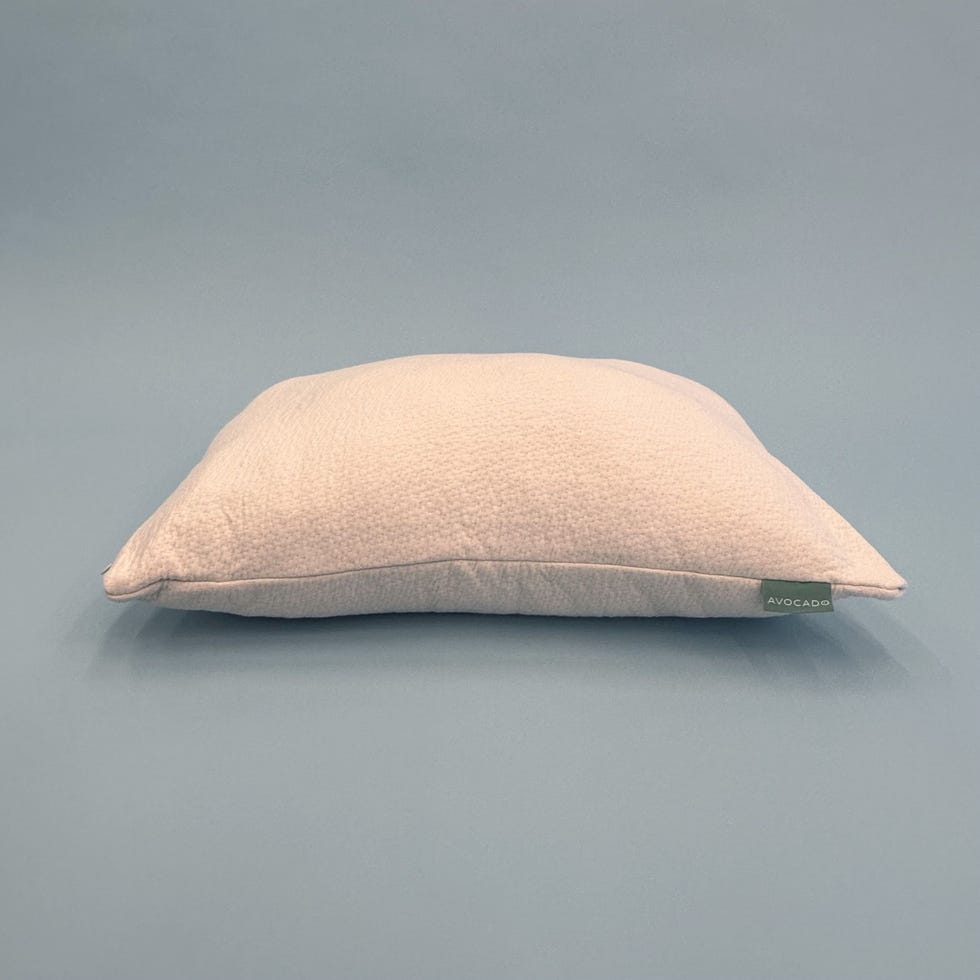
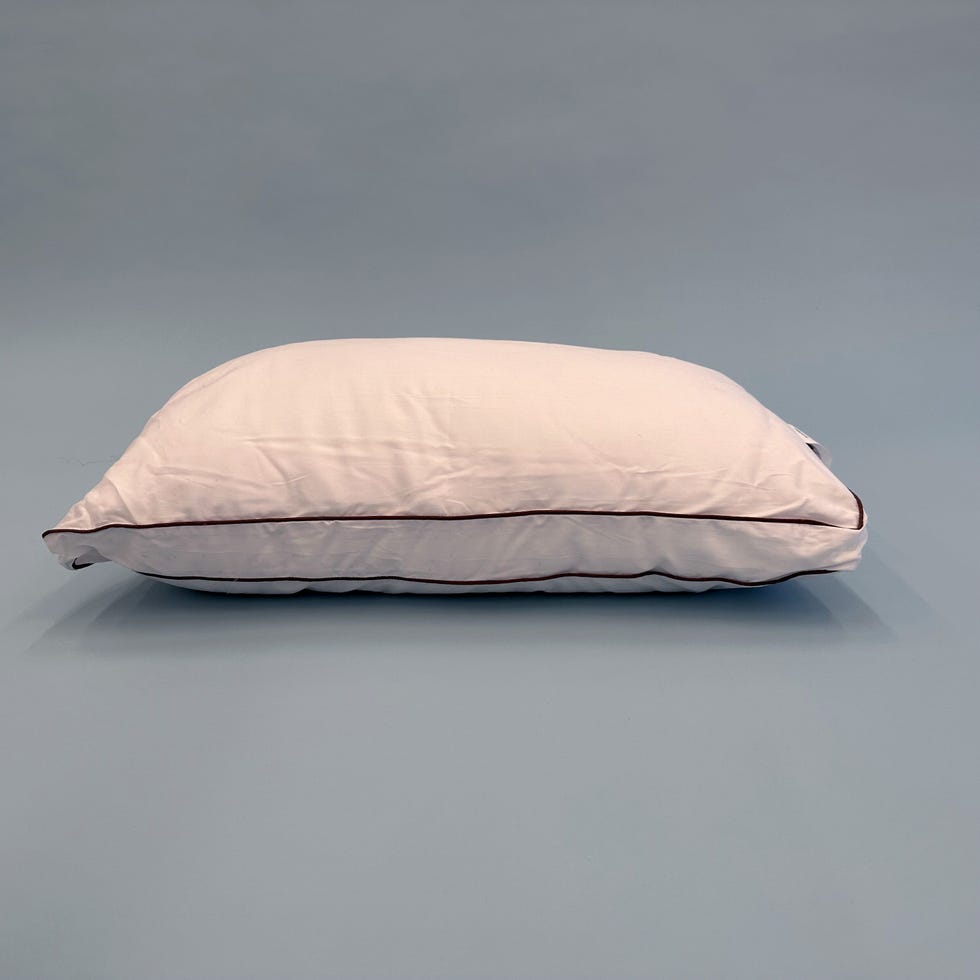
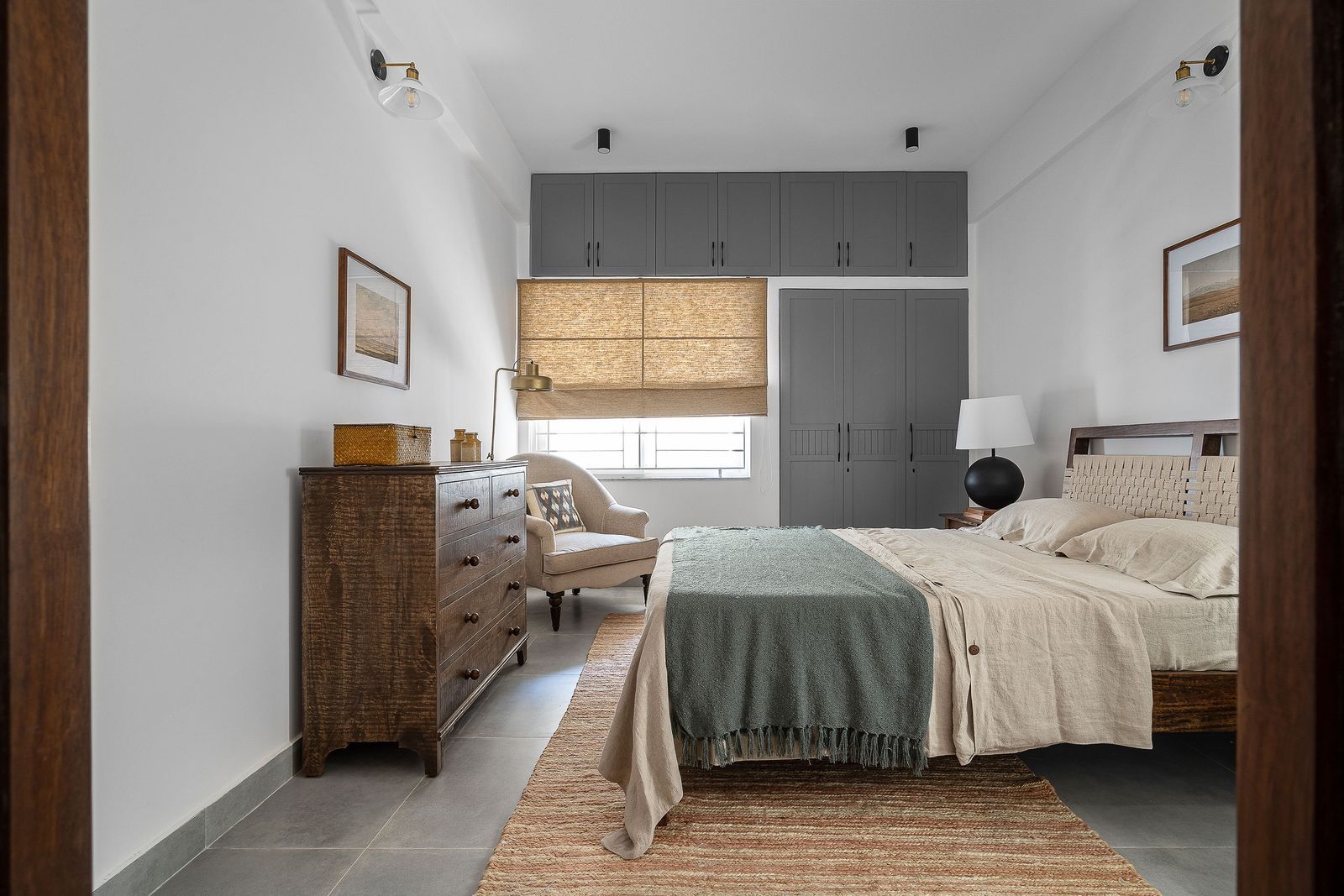
Organic cotton finds diverse applications in home design due to its natural properties, including softness and suitability for sensitive skin. The article details several ways to integrate organic cotton into residential spaces. For bedding, organic cotton sheets, duvet covers, and pillowcases are available in various colors and patterns. Lang notes that organic cotton bedding is softer and free from harmful chemicals. The ideal thread count for organic pima cotton sheets ranges from 200 to 400, while organic Egyptian cotton is most comfortable and durable with a thread count between 300 and 400.
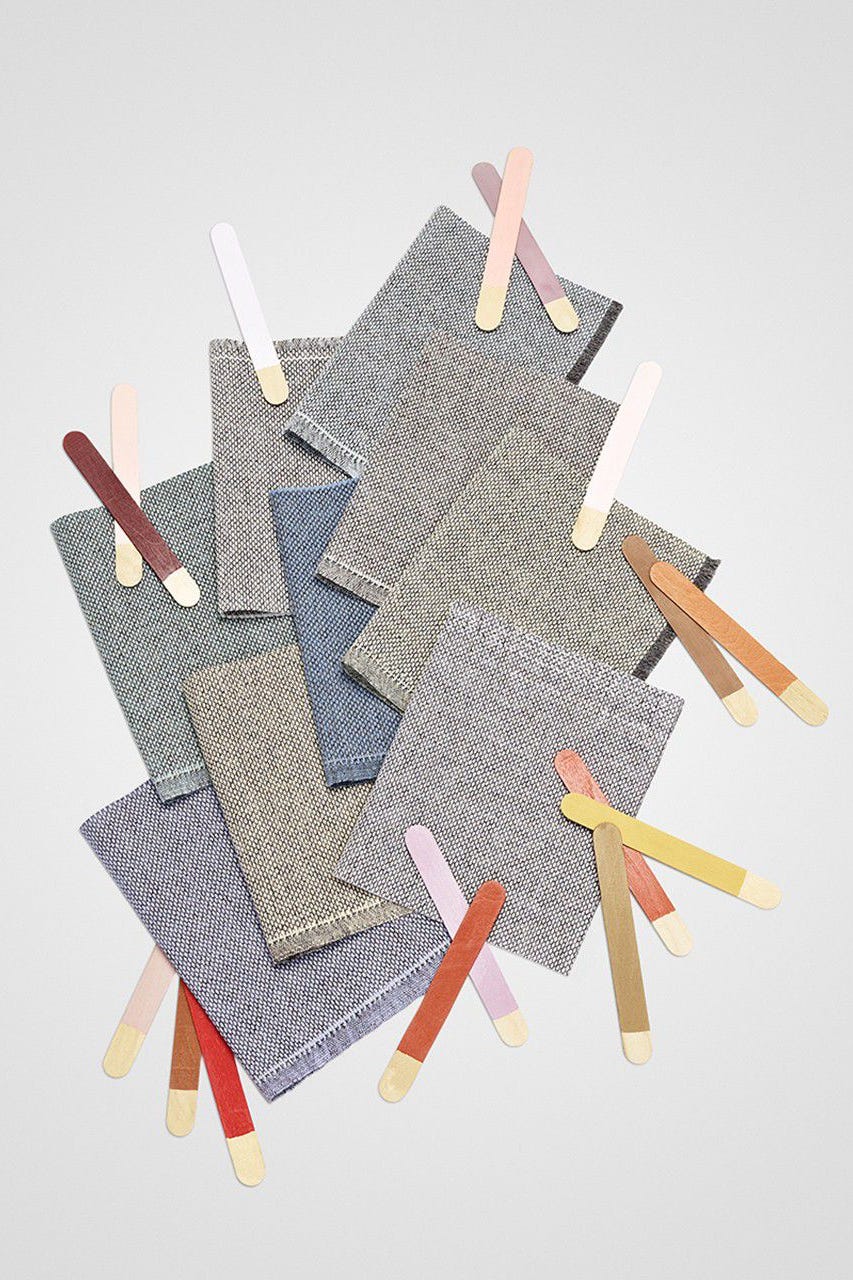
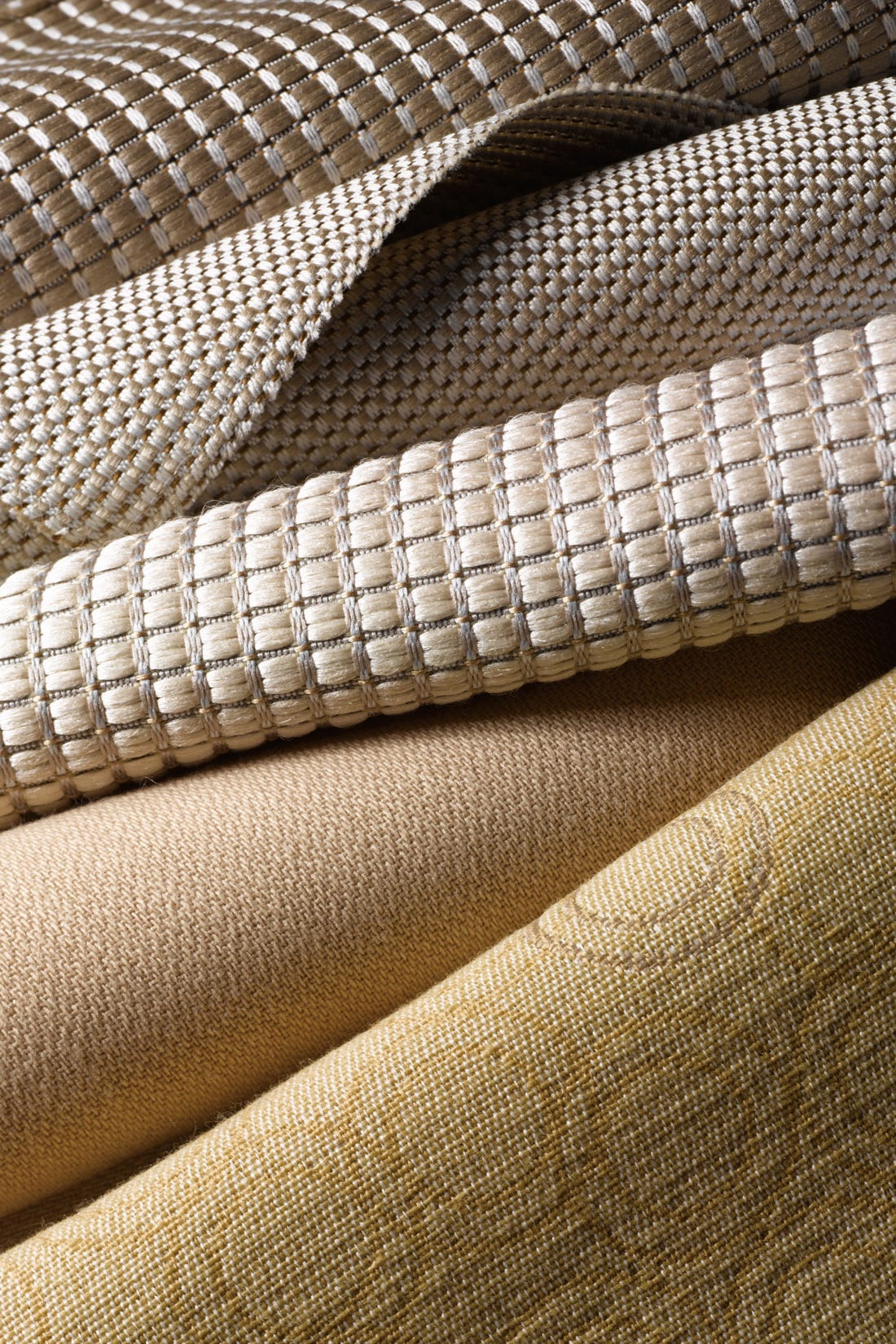
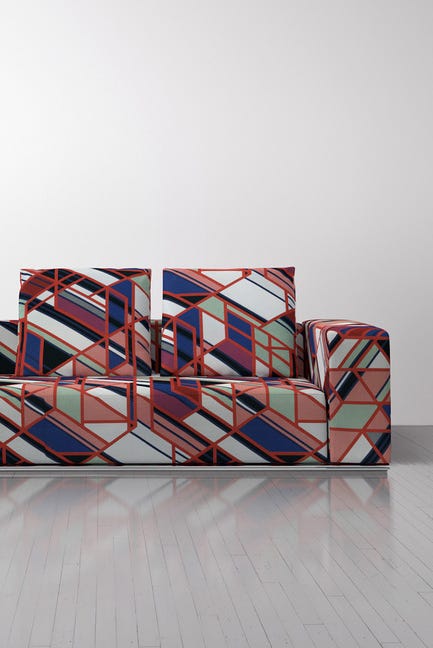
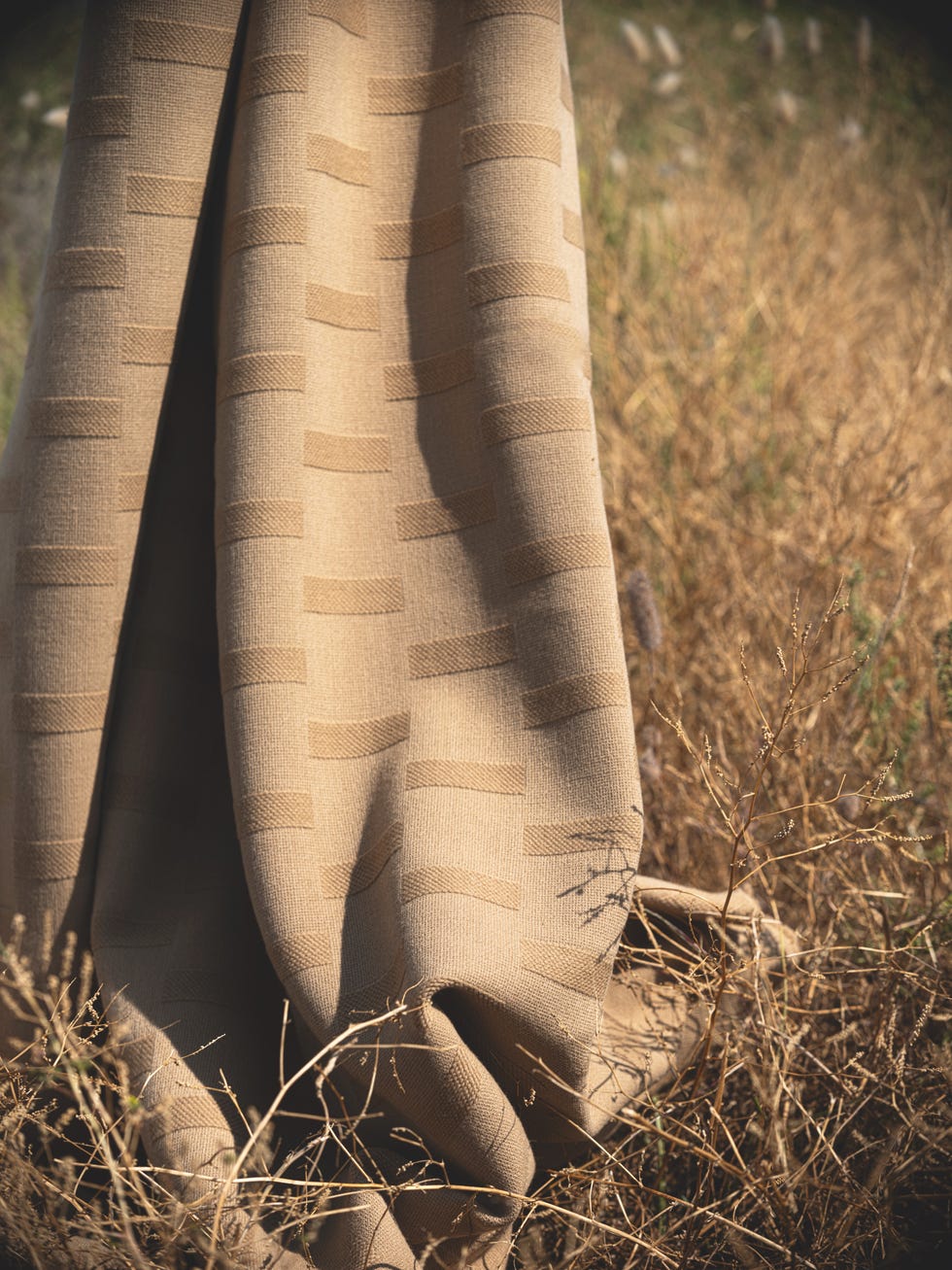
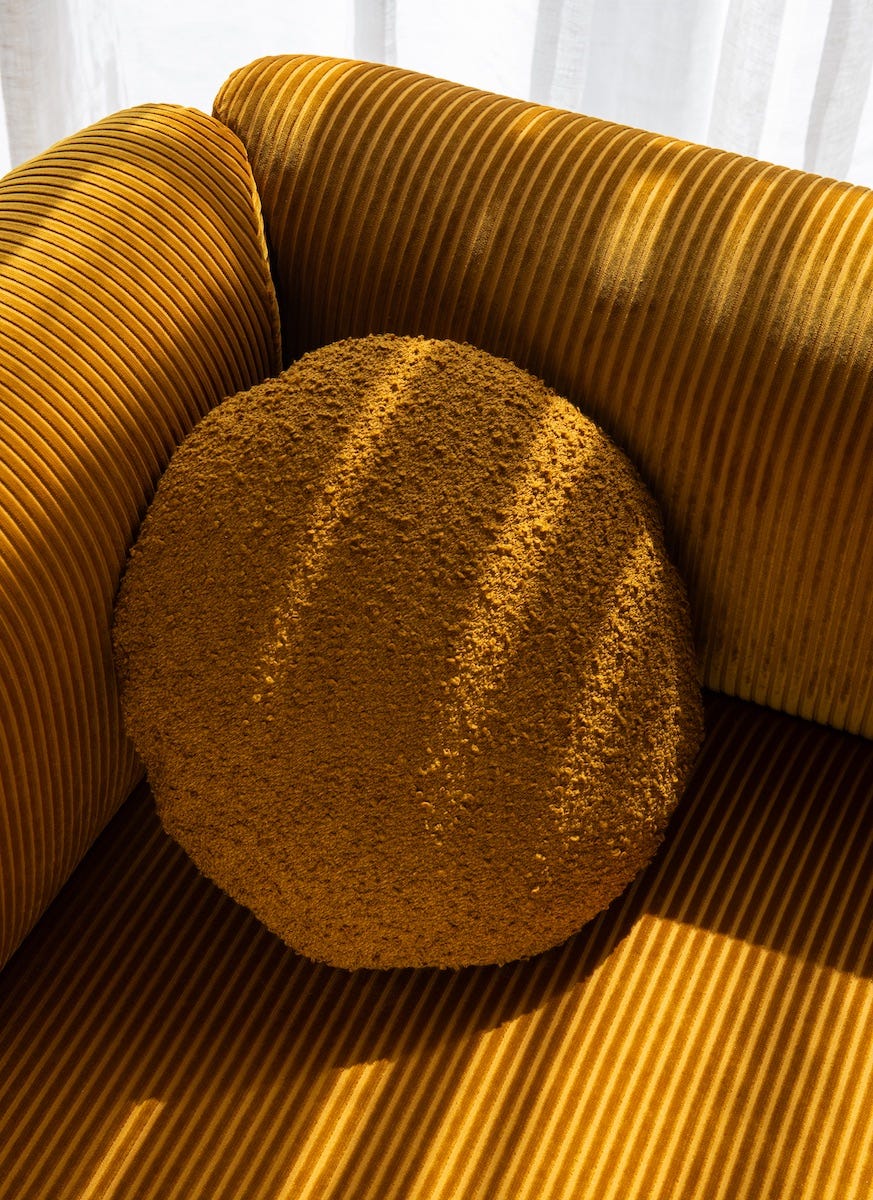
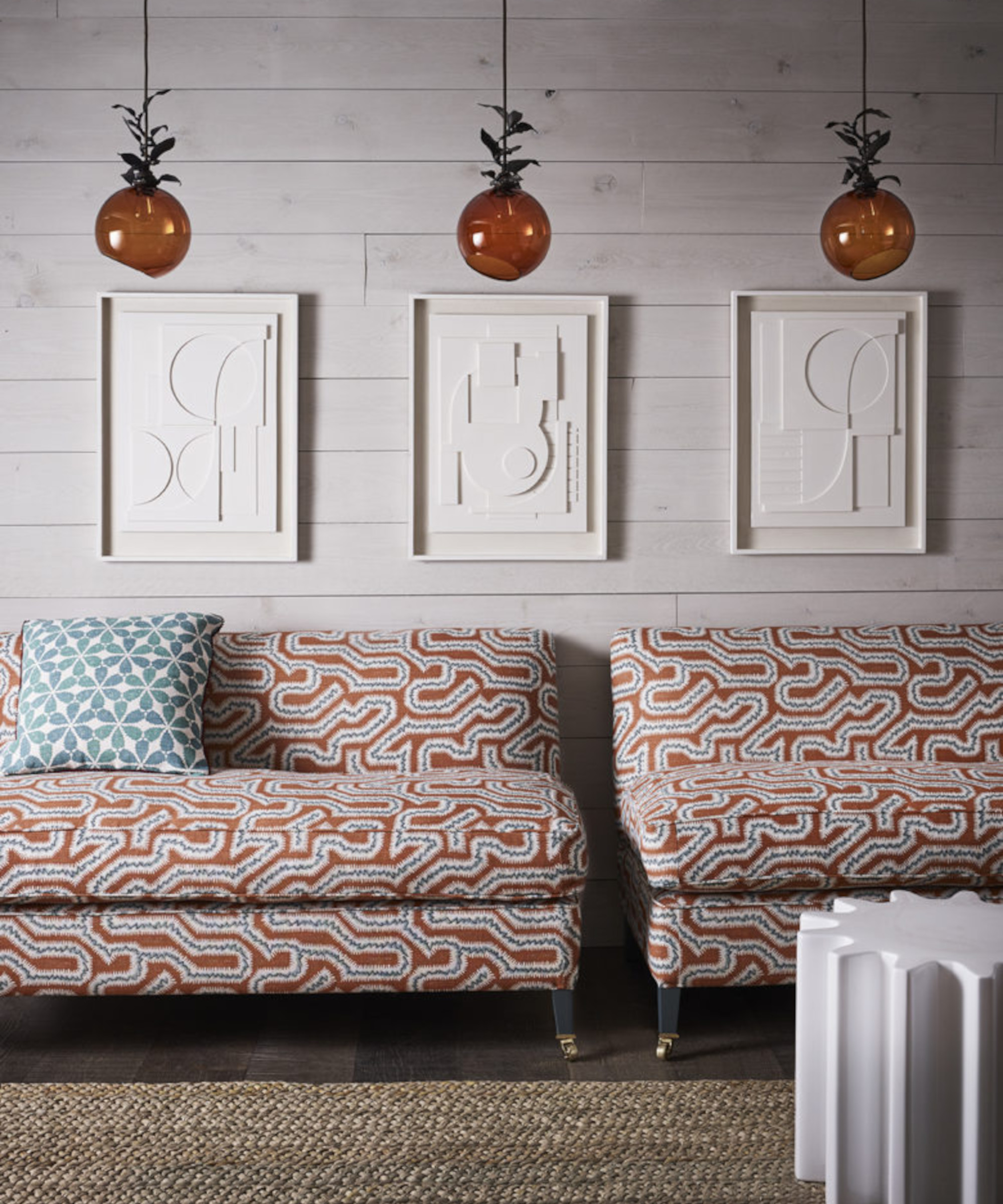
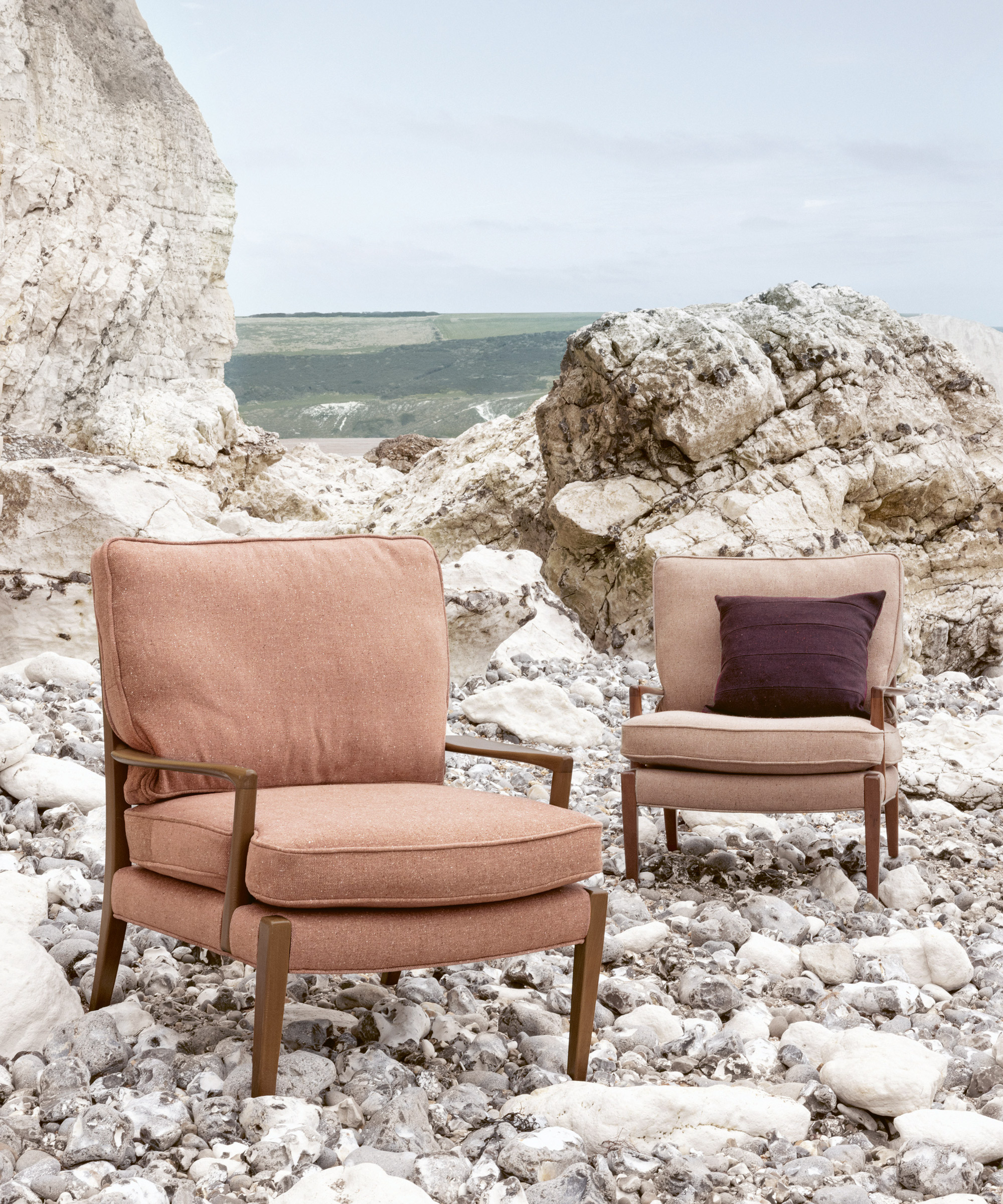
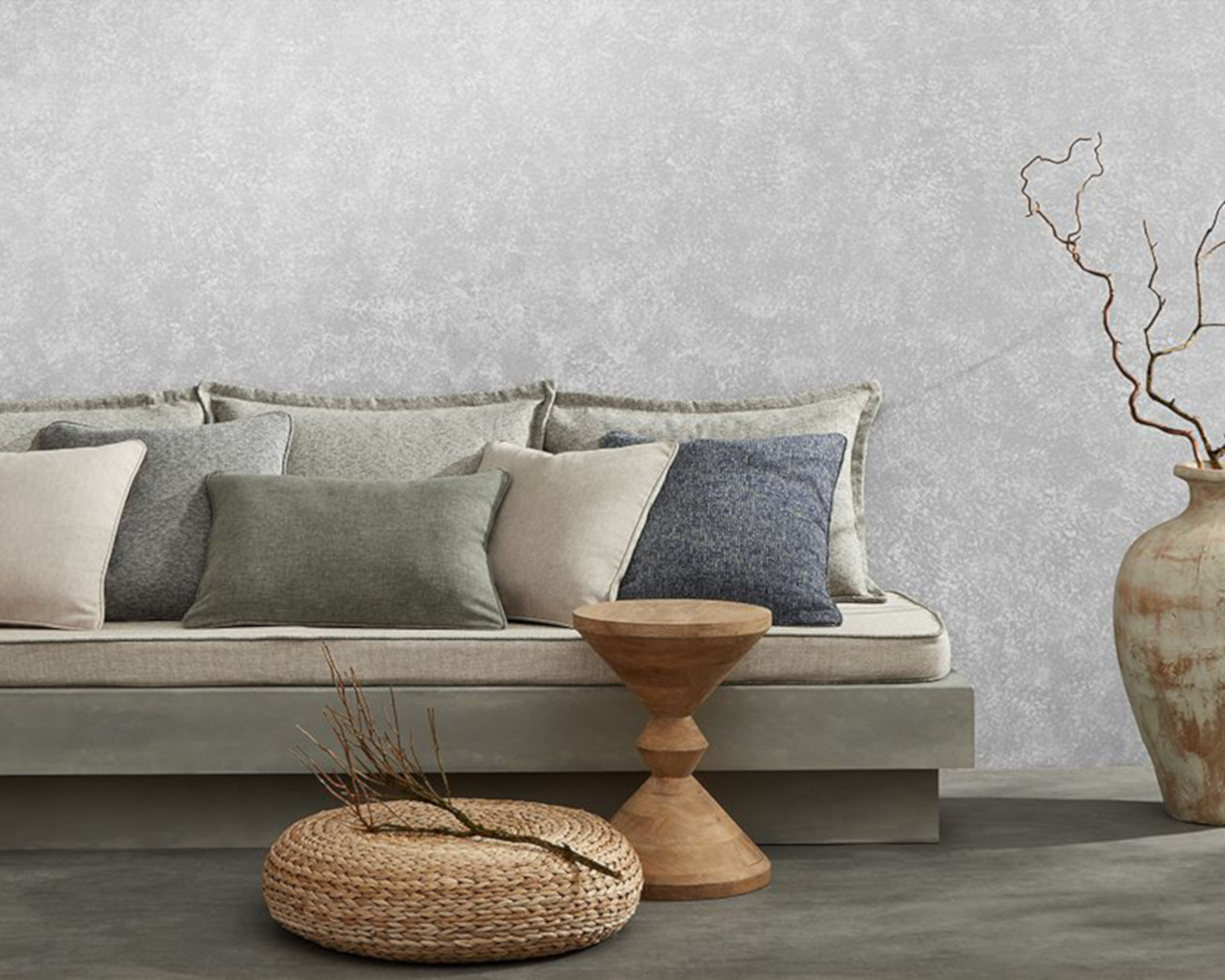
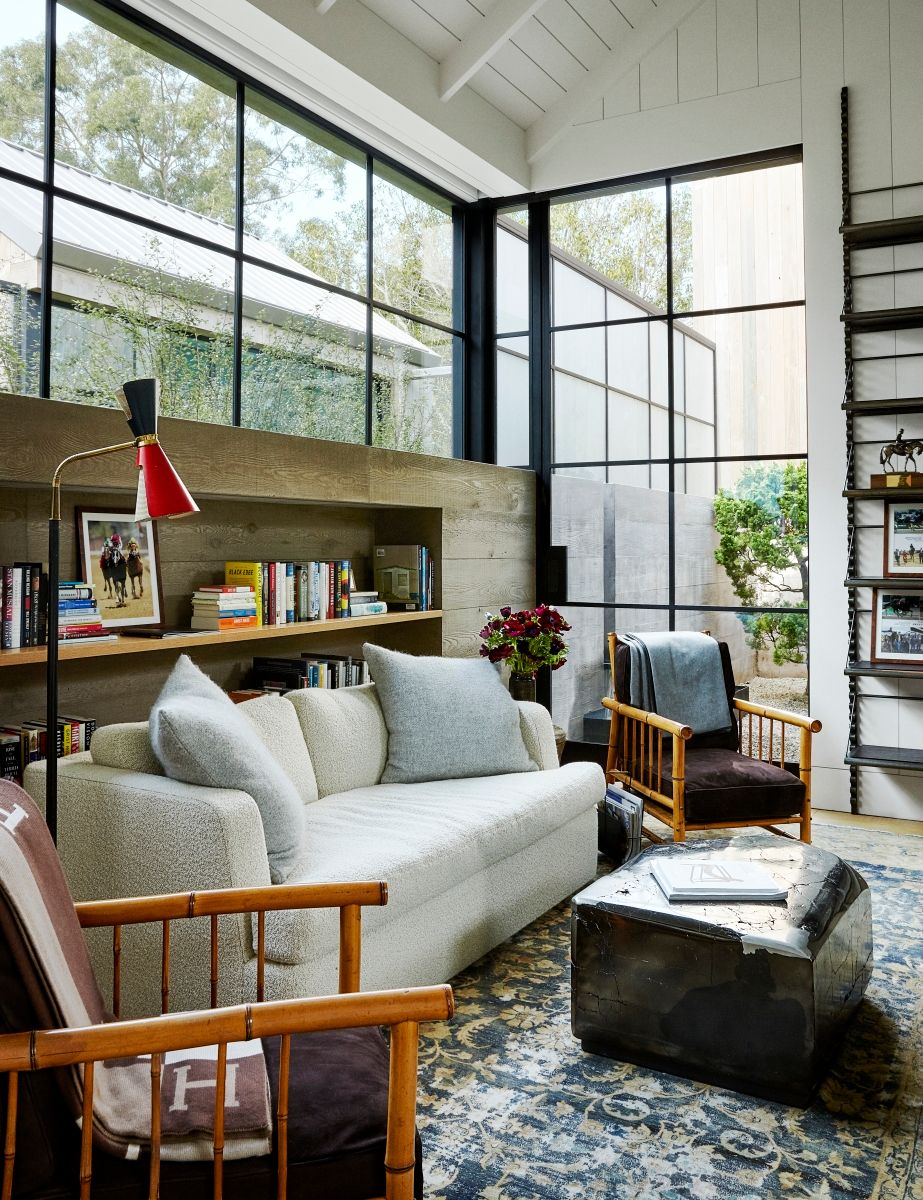
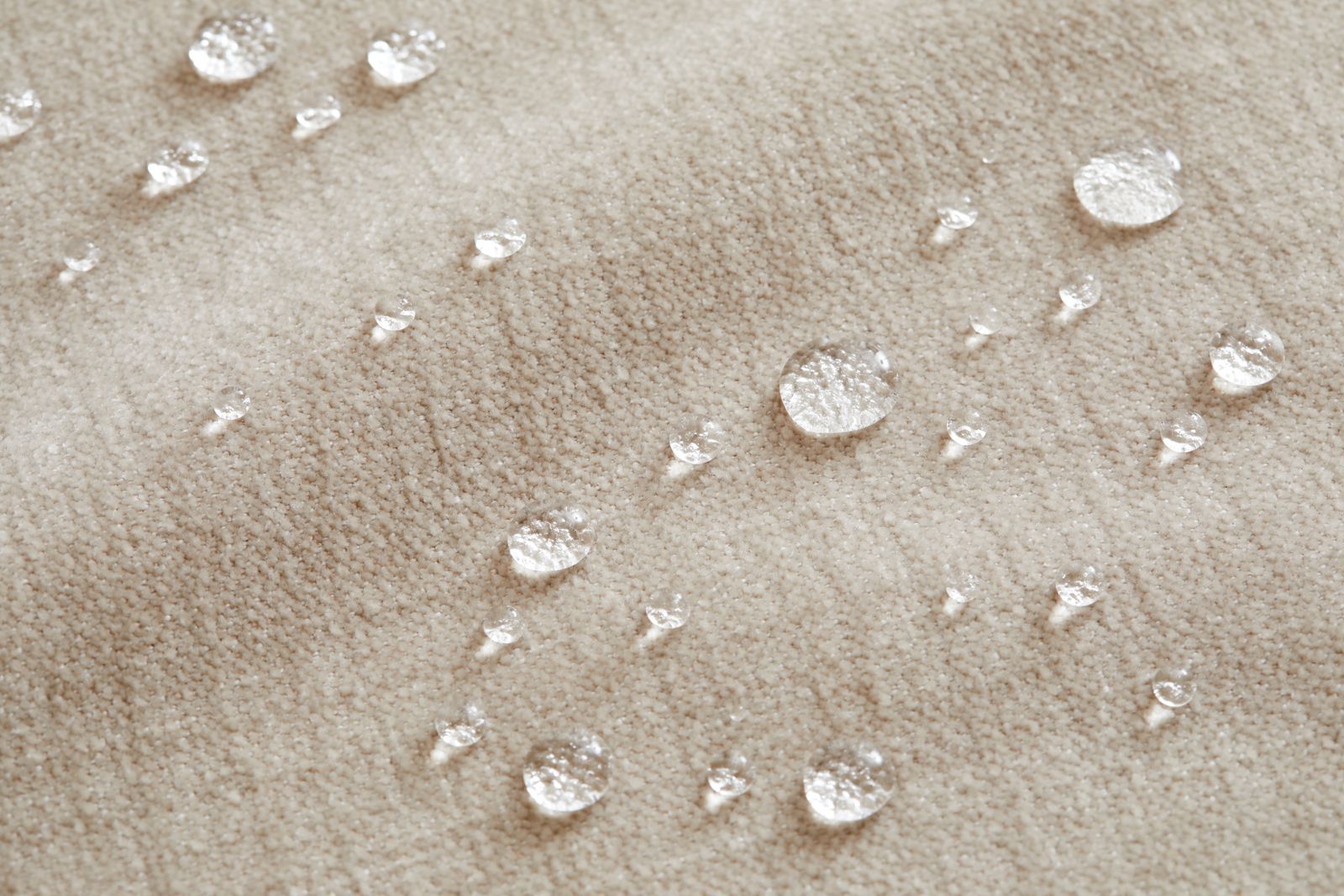
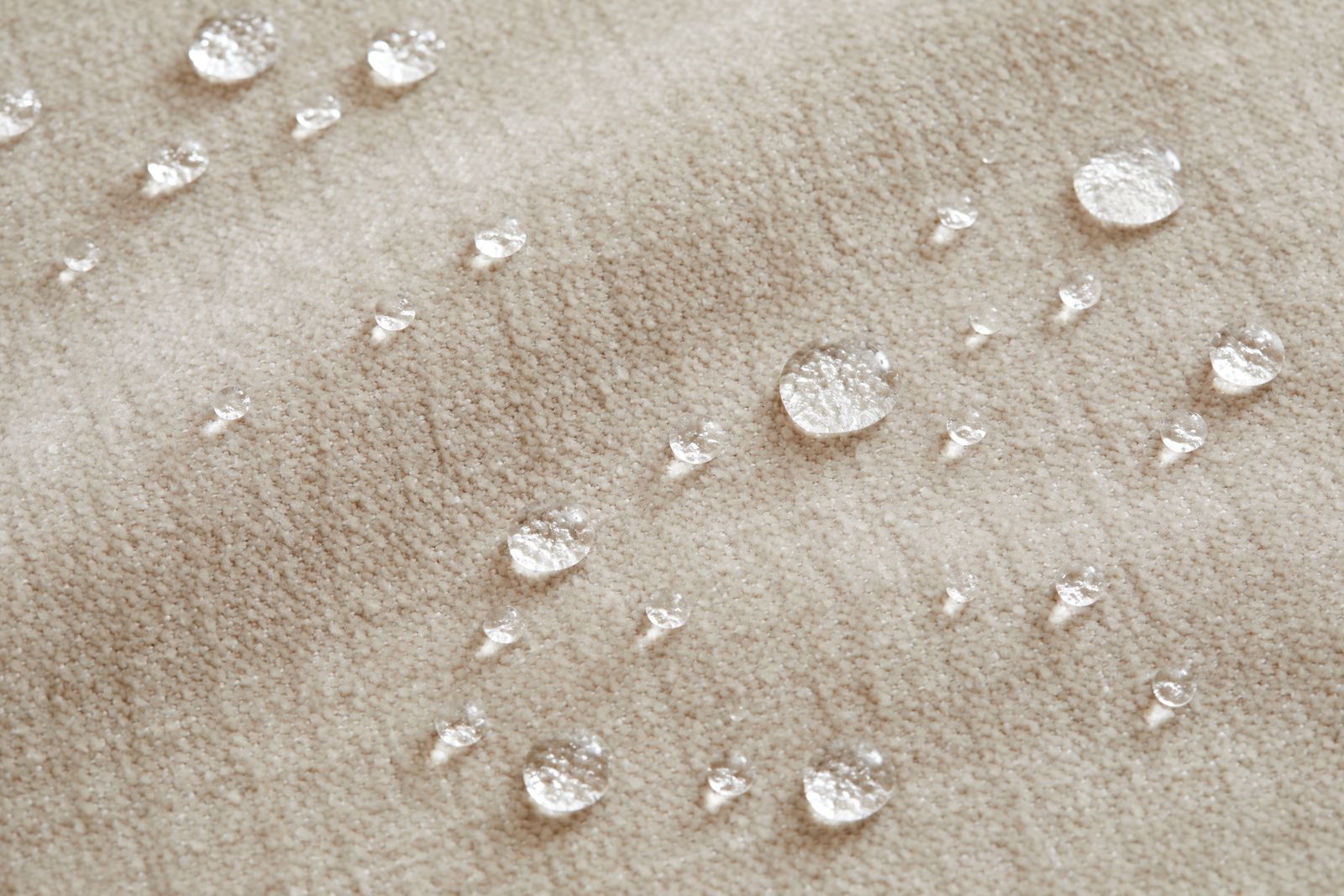
In terms of window treatments, cotton's dye-friendly nature allows for a wide selection of organic cotton curtains in different styles, patterns, and colors. Its strength and softness ensure a natural drape, and its washability is an added advantage. Organic cotton is also recommended for upholstery, particularly for households with children and pets, due to its durability and ease of cleaning. The material's versatility in weaving allows it to be transformed into various textures like twill, flannel, percale, and sateen, offering aesthetic flexibility.
For flooring, organic cotton rugs introduce a soft, eco-friendly texture to living spaces. The article provides a list of recommended brands for organic cotton rugs, including Grund for bath rugs, Revival for washable flatweave rugs, Fhygge for minimalist cotton and wool rugs, Loomy for biodegradable options, Hook & Loom for undyed rugs, and Under the Nile for zero-waste products made from clothing industry remnants. It is noted that while many organic cotton rugs are washable, some may require specific care due to dyes or delicate weaves.
To identify genuinely sustainable products, the article advises looking for Global Organic Textile Standard (GOTS) certification, which ensures textiles are made with organic raw materials and without hazardous chemicals. The United States has 35 GOTS-approved home textile suppliers. For ready-made organic cotton home goods, Brooke Lang suggests retailers such as Coyuchi, Boll & Branch, and Pottery Barn. The overall message encourages searching for companies specializing in sustainable and eco-friendly products that adhere to strict environmental criteria, making organic cotton a premier choice for sustainable interior design.
#OrganicCotton #SustainableDesign #HomeTextiles #InteriorDesign #EcoFriendly #FairHousing #GreenLiving #DesignTrends #OrganicCotton #SustainableDesign #HomeTextiles #InteriorDesign #EcoFriendly #FairHousing #GreenLiving #DesignTrends
0 comment in total
 No comments yet
You may also like
10 reasons to make natural-fiber textiles your go-to fabrics

Sebastian Cox reveals why sustainable fabrics are so important – and how to shop them

Rest Easy on One of Our Top-Tested Organic Pillows

Digitally printed silicone upholstery

These Fabric Manufacturers Are Planning to Save the World

Best Organic Sheets of 2025

Sustainable Material Spotlight: Reclaimed Wood
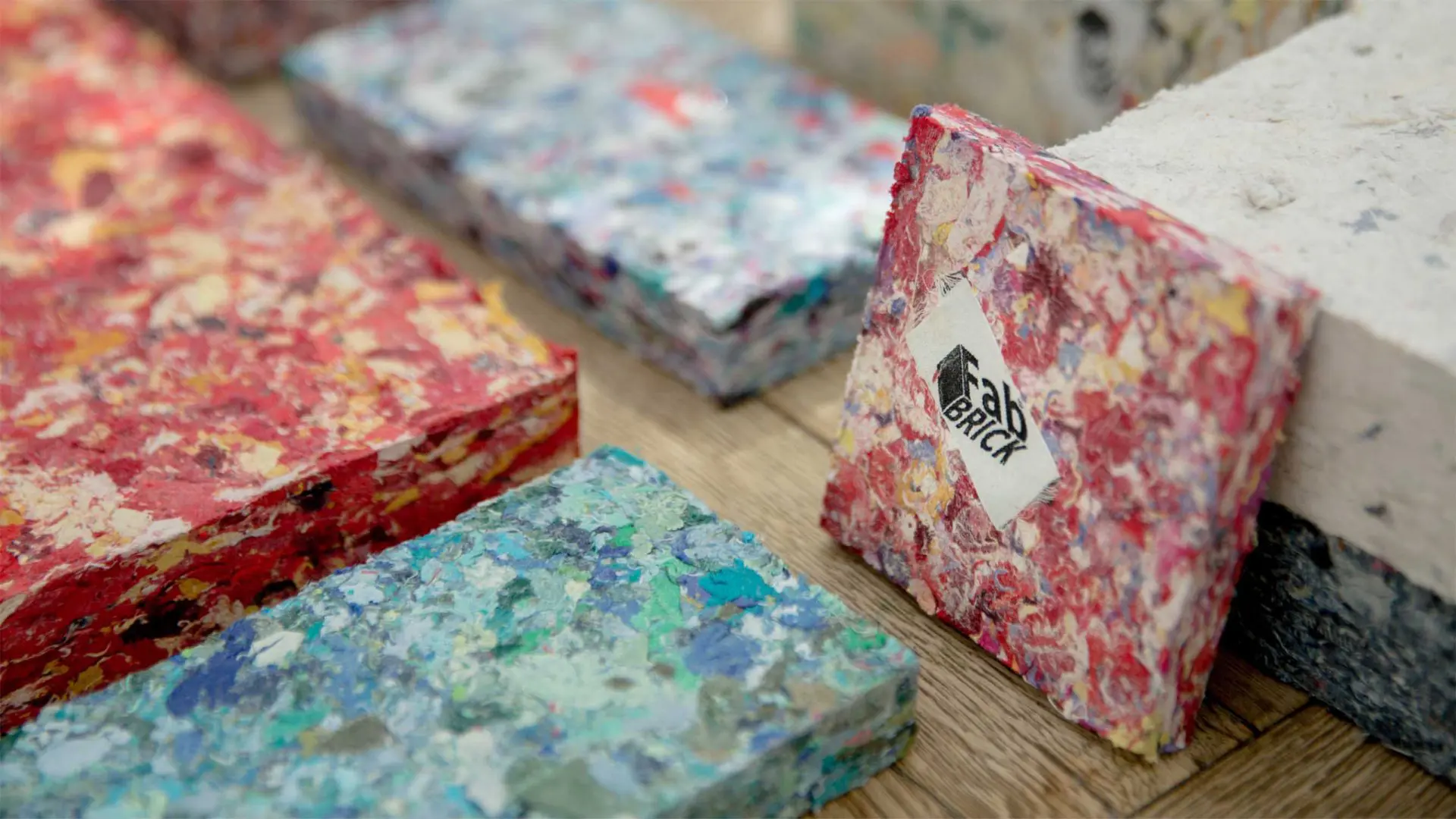
FabBRICK reinvents construction materials with recycled textile waste

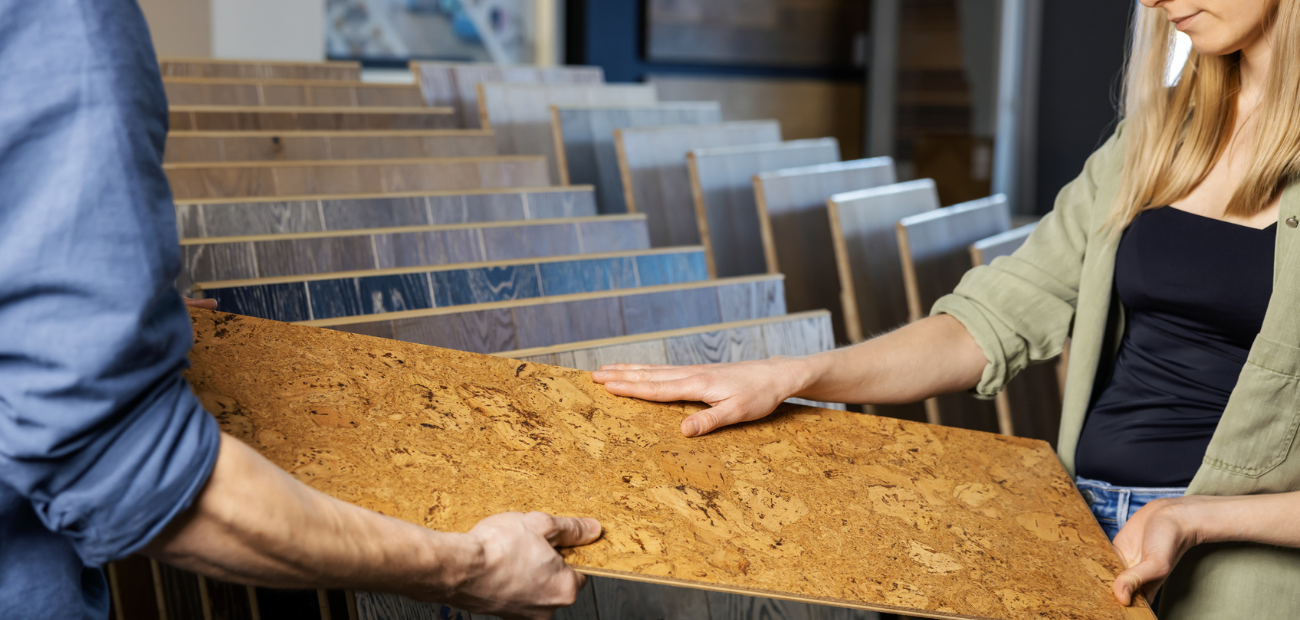
Sustainable Material Spotlight: Cork

Q&A with eco-dyed textile designer Joanne O'Rourke

Making the rounds

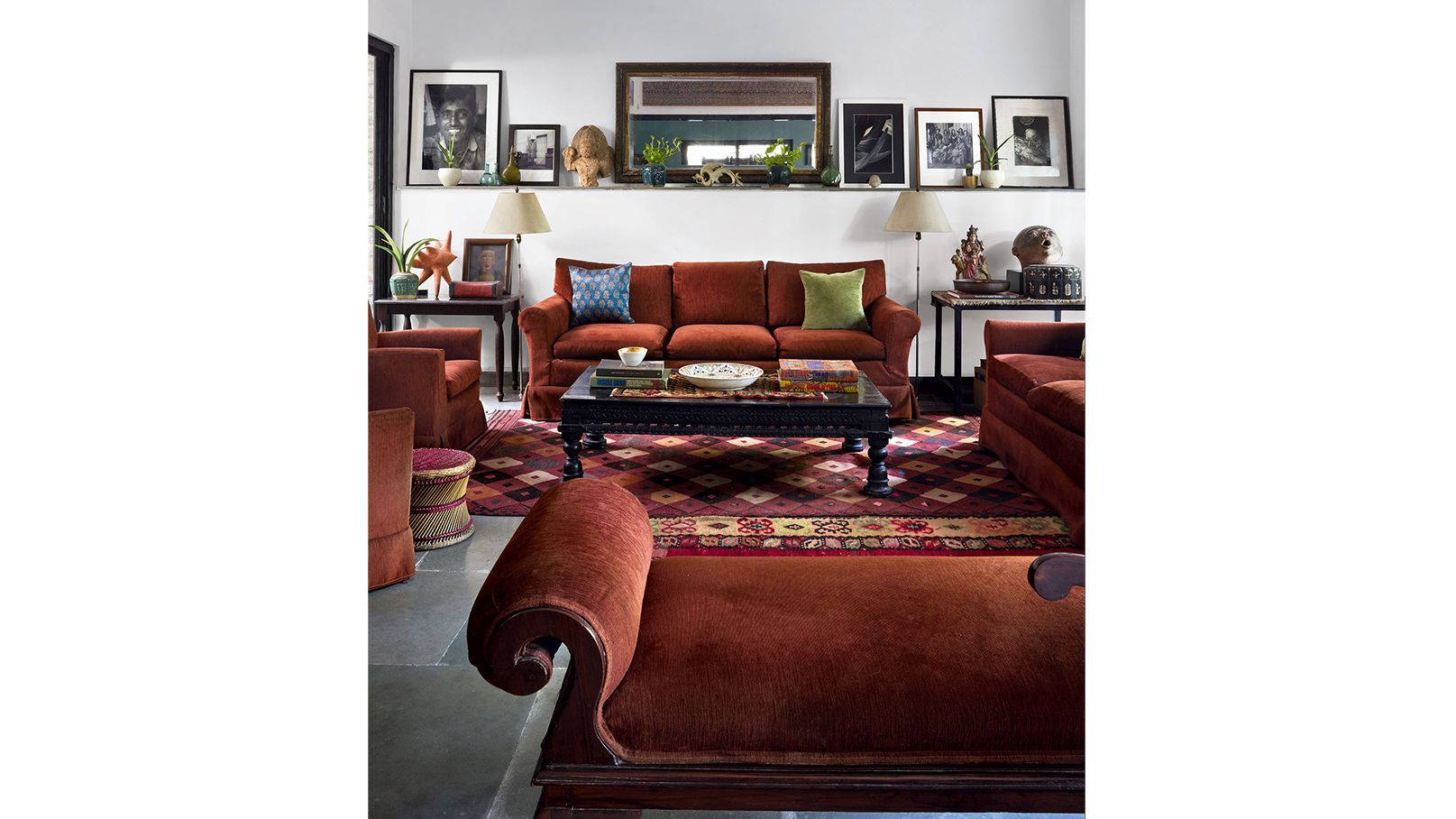
The 5 fabric trends ruling interiors now, according to the pros

Why Consumers Want the Look & Feel of Natural Fibers at Home

The 5 Fabric Trends Ruling Interiors Now, According to the Pros

Eco decor – 10 beautiful, sustainably-designed room ideas
How to shop sustainably for your home – 12 stylish ways to make a statement
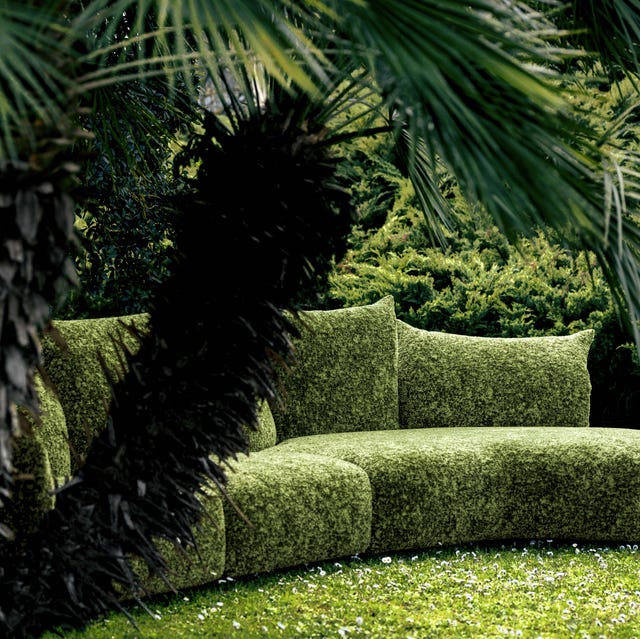
New Upholstery Fabrics as an Expression of Environmental Responsibility and Creativity
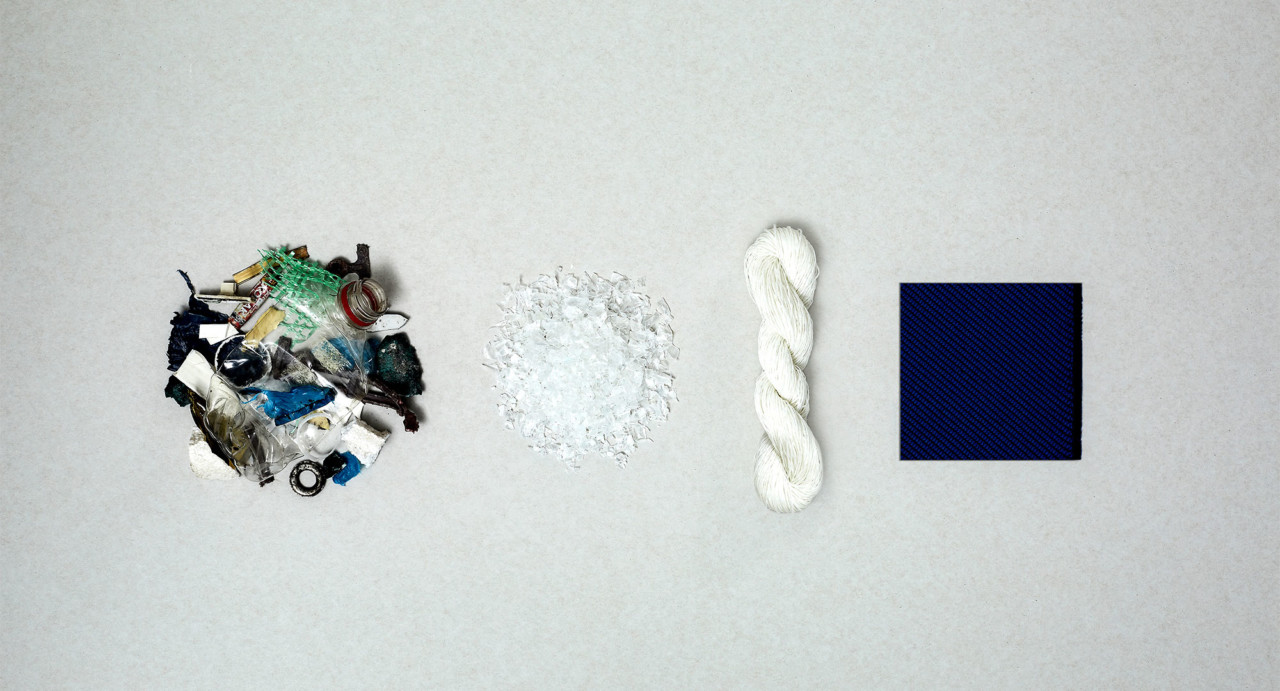
Camira + SEAQUAL Turn Ocean Plastic into Upholstery Fabric

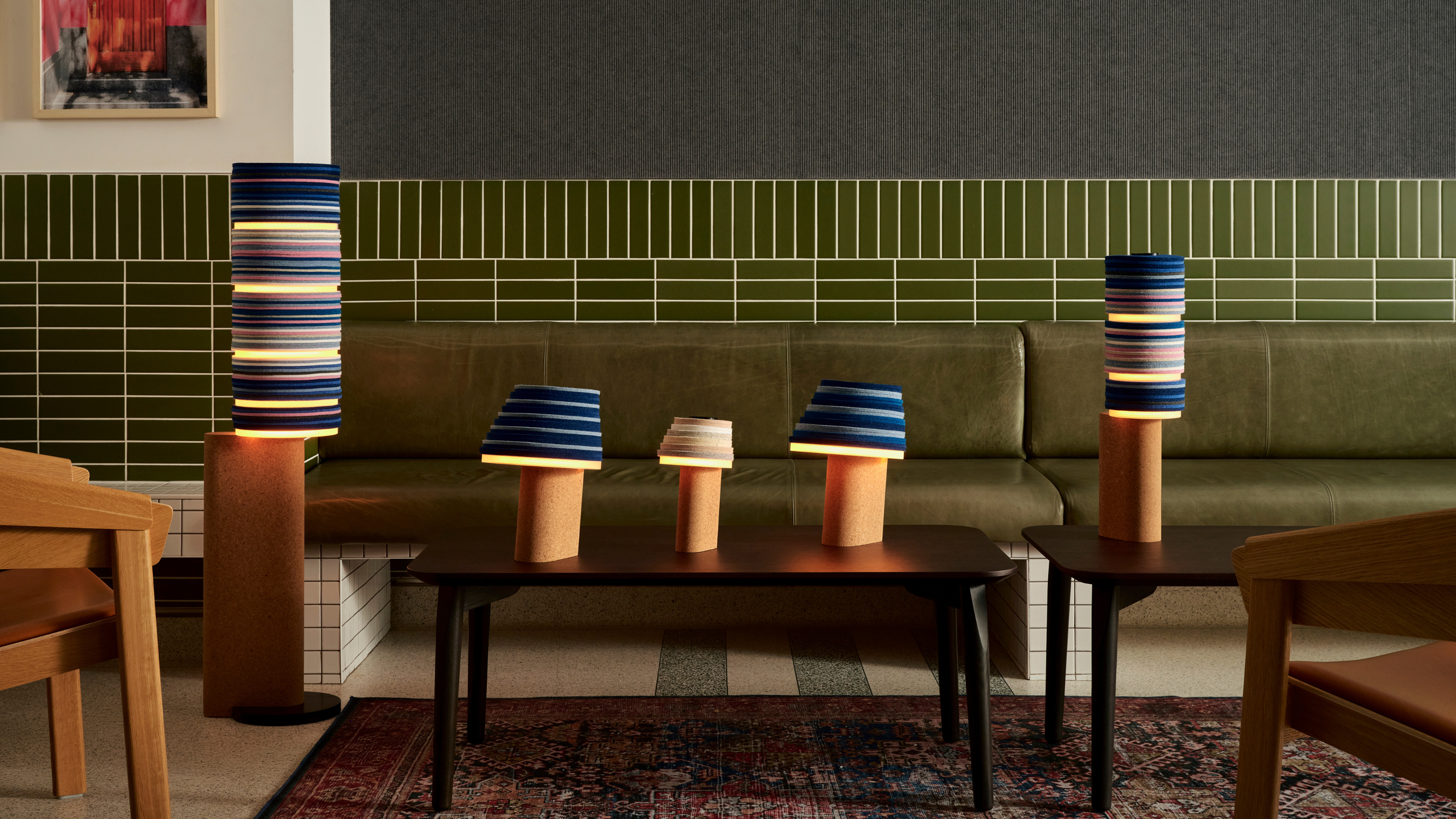
I'm Obsessed With These 7 Home Brands Doing Cool Things in the Sustainability Space


David Heiman | Sales Director | Agora