1/5
Making the rounds
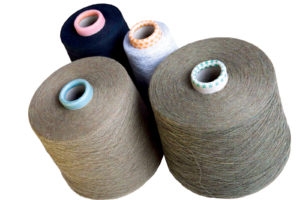
The textile industry is increasingly moving towards sustainable practices, specifically closed-loop recycling processes, which are transforming textile waste into new products. This shift, driven by technological advancements and rising raw material costs, is making environmental responsibility a profitable endeavor. Companies like Glen Raven Custom Fabrics LLC, Designtex, Unifi Inc., Victor Group Inc., Martex Fiber, and Leigh Fibers Inc. are at the forefront of this movement, converting textile waste into high-quality yarns and fabrics for various applications, including upholstery and automotive interiors.
John Gant of Glen Raven Custom Fabrics notes a significant change from 15 years ago when recycled fabric prototypes were largely ignored, to today, where such features are crucial, particularly in the upholstery market. Deidre Hoguet, Director of Sustainability and Material Exploration for Designtex, emphasizes that rising commodity raw material costs around 2000 pressured industries to find more sustainable and profitable solutions. Designtex, a subsidiary of Steelcase, started using yarn from its own accumulated fabric waste in 2012. This led to the collaborative Loop to Loop process in 2013 with Unifi Inc., Victor Group Inc., and Steelcase, which produced their first closed-loop product. Since then, Designtex has launched a second fabric, Hyphen, and Steelcase’s Surface Materials team introduced Redeem and Retrieve, all utilizing waste yarn from this recycling process. Four new styles in the Loop to Loop system were showcased at NeoCon in June.
Unifi, known for its Repreve® Textile Takeback Yarns, is expanding its waste collection and incorporating more recycled content into its products. Jay Hertwig, VP of Global Brand Sales, Marketing and Product Development, highlights the growing consumer demand for sustainable products, which perform comparably to those made from virgin materials. To meet this demand, Unifi broke ground in July on a $10 million expansion of its Repreve Recycling Center, which is expected to more than double its size by spring 2016. Victor Group’s Martin Bourque recalls earlier efforts to close the loop on polyester manufacturing that were limited by technology and market focus on cost over green products, but now sees a renewed interest in sustainable solutions.
Glen Raven’s Anderson, S.C., plant has recycled textile waste for decades, partnering with South Carolina Vocational Rehabilitation to sort scraps for conversion into fiber by Leigh Fibers Inc. These fibers, once used for industrial filtration, are now processed into high-quality yarn for new fabrics. Martex Fiber has recycled over a billion pounds of textile waste in the last decade, operating a fully closed-loop process. The company collects waste globally, reprocessing it into fibers for automotive, consumer, industrial, and ecological yarn spinning. Martex Fiber's Jimtex Yarns division specializes in producing yarns from textile waste blended with acrylic or polyester for strength and aesthetics, finding a rapidly growing market in furniture upholstery.
Paul Lehner, Chief Technology Officer at Leigh Fibers, emphasizes that while sustainability is a recent trend, his company has been recycling fiber for nearly a century. They have refocused efforts on end uses where recycled content is valued, noting that some market segments are willing to pay a premium for sustainable products, and corporations have mandates for purchasing such items. Leigh Fibers acquired ICE Recycling in 2014 to secure raw material, processing post-industrial waste and materials damaged by various incidents. The largest markets for their reprocessed fiber are automotive and furniture.
Companies like Designtex actively seek suppliers with sustainable products and operating principles, promoting industry standards for sustainable furnishings. Susan Lyons, president of Designtex, advocates for “co-opetition” in sustainability, preferring to compete on design and aesthetics rather than environmental efforts, encouraging the entire industry to become more sustainable. Companies are forming internal sustainability teams, with leadership buy-in being crucial, and engaging in external partnerships to share expertise and achieve collective goals. Unifi’s #TurnItGreen initiative aims to raise consumer awareness about recycling and products made from recycled materials. Glen Raven’s Recycle My Sunbrella program involves customers and homeowners in the recycling process, contributing to decorative Sunbrella fabrics. Martex Fiber offers waste-management training to its clients, helping them maximize the value of their waste streams. These initiatives highlight that sustainability is an ongoing, evolving process requiring continuous innovation and collaboration across the supply chain.
#TextileRecycling #ClosedLoopManufacturing #SustainableTextiles #EcoFriendlyProducts #TextileWasteManagement #UpholsteryFabrics #CircularEconomy #GreenInitiatives #CorporateSustainability #TextileRecycling #ClosedLoopManufacturing #SustainableTextiles #EcoFriendlyProducts #TextileWasteManagement #UpholsteryFabrics #CircularEconomy #GreenInitiatives #CorporateSustainability
 No comments yet
Let the good times roll!
In Top Form

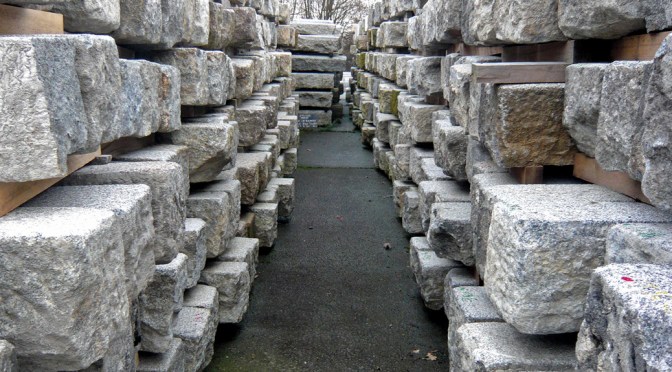
More Virtuous Circles

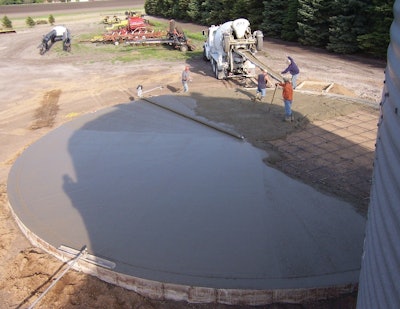
Completing a Circular Concrete Pour with a Roller Screed

Splish, Splash


Mixing, Matching and Getting It Right
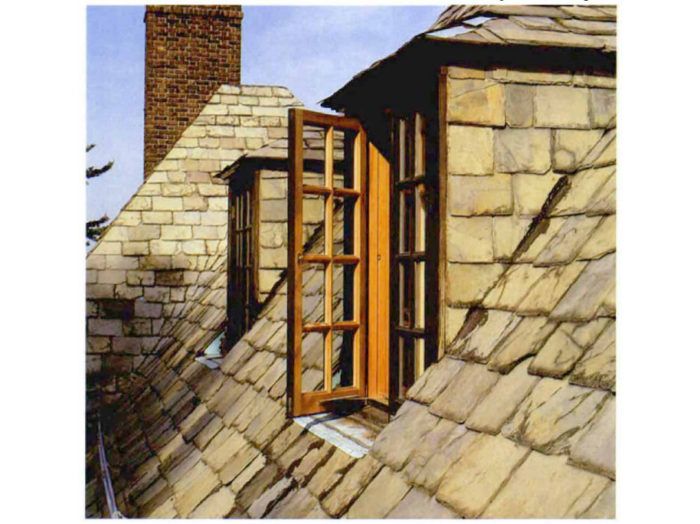
Cranking Out Casements


Going with the Flow

The Build Up