1/29
Rugs as Woven Memory: How Origin and Materiality Shape Interiors
Materials within architectural spaces extend beyond mere functional elements, serving as conduits for cultural and historical narratives. Architects and designers increasingly integrate local techniques, natural resources, and traditional crafts to infuse interiors with a sense of place and historical depth, moving beyond superficial aesthetics to create spaces that resonate with contemporary needs while honoring inherited knowledge. This approach involves a reinterpretation of traditional practices rather than a strict adherence to the past.
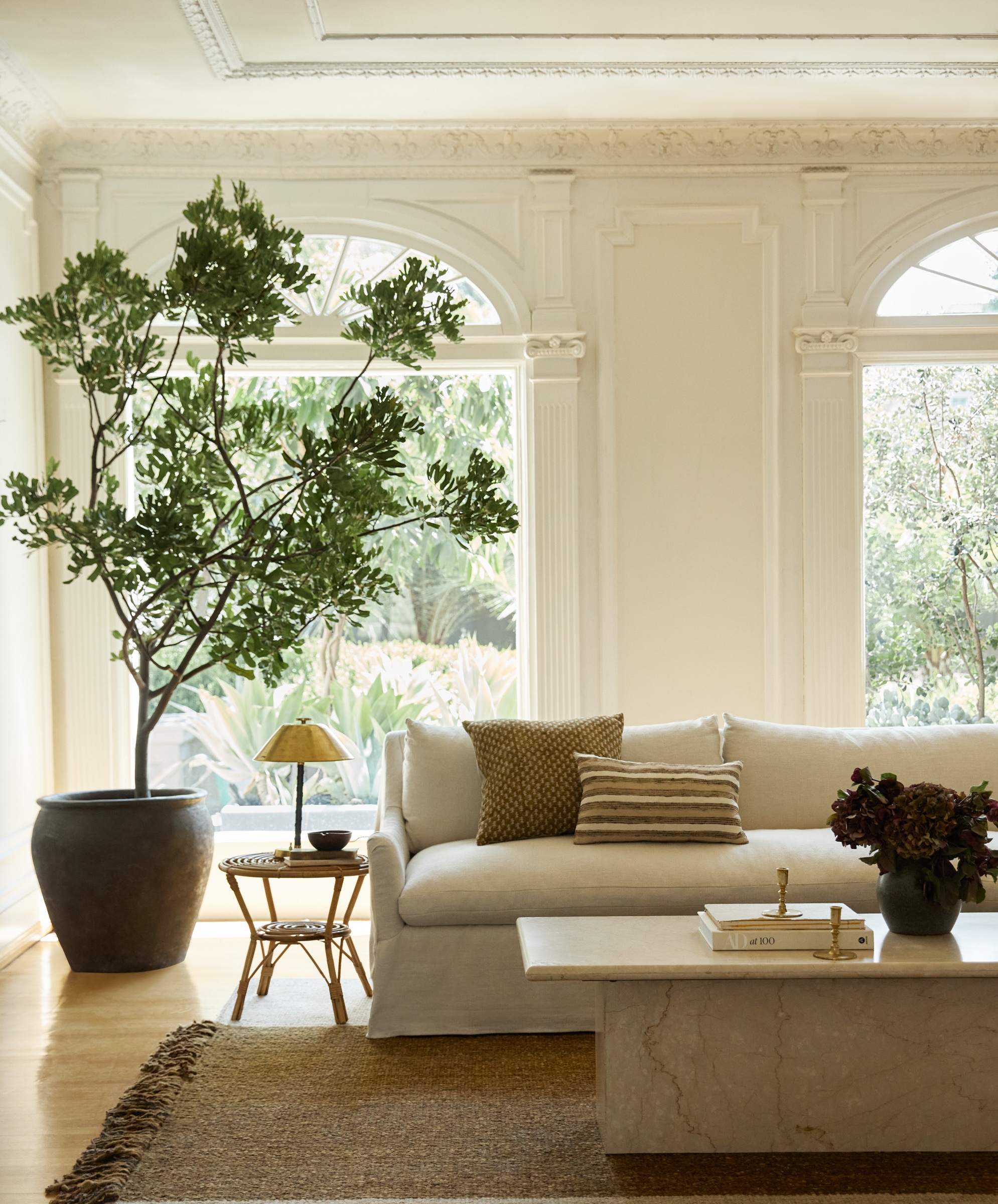
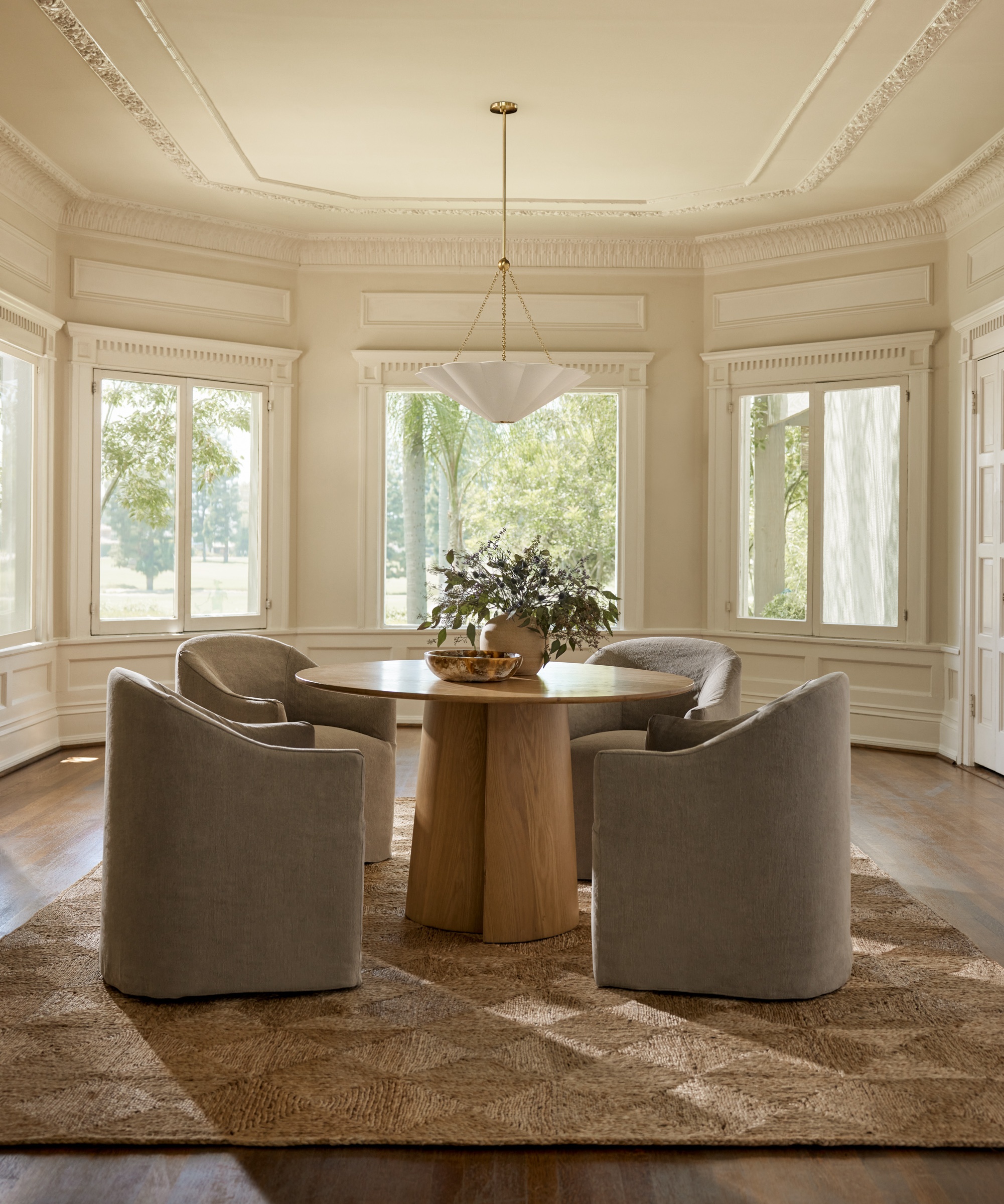
Natural materials such as stone, linen, jute, wool, and wood are central to this philosophy. These materials offer tactile qualities, durability, and deep cultural associations. Their visible aging processes highlight the passage of time and connect interiors to the landscapes from which they originate. Objects crafted from these materials, including furniture and rugs, play a crucial role in shaping interior environments. They define spatial zones, enhance acoustic properties, and introduce rich textures, while simultaneously preserving traditional skills and knowledge that might otherwise be lost.
The Alentejo region in Portugal exemplifies how everyday objects can embody memory and link interior spaces to their cultural and natural contexts. Known for its strong community and traditions, Alentejo’s architecture is characterized by practicality, with features like lime-plastered walls providing thermal comfort and objects designed for longevity. This pragmatic approach emphasizes durability and continuity, a philosophy mirrored by Portuguese rug manufacturer Ferreira de Sá.
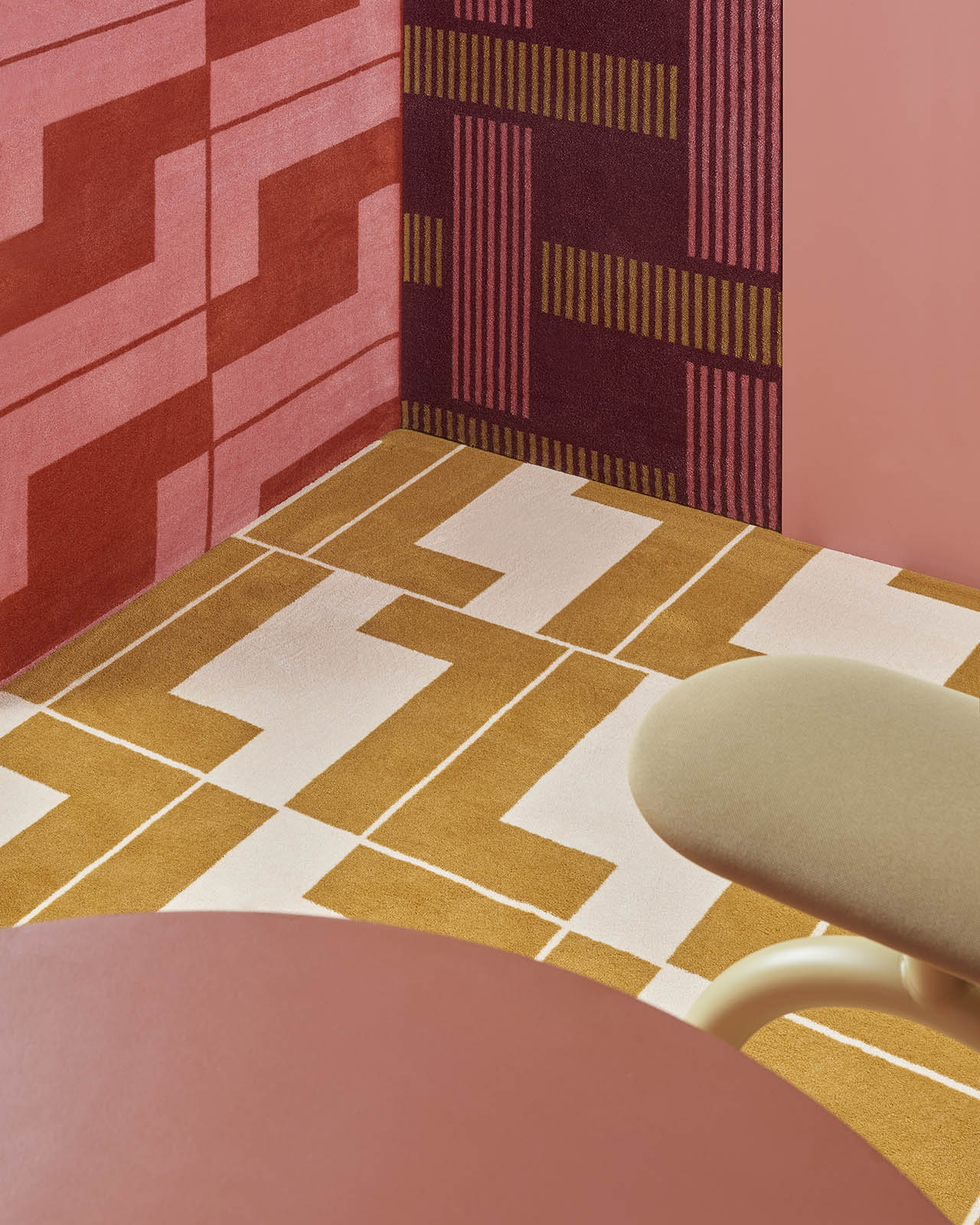
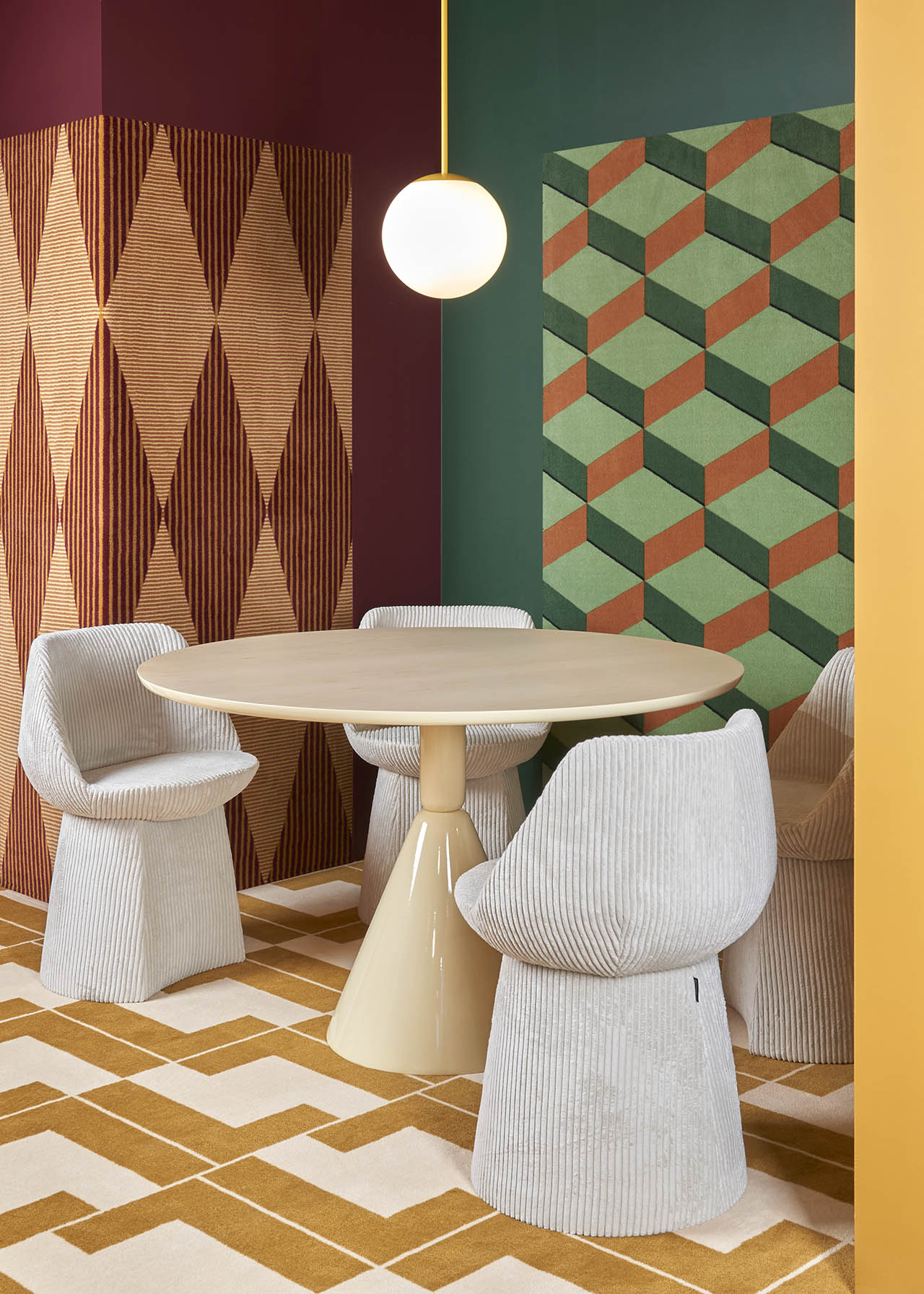
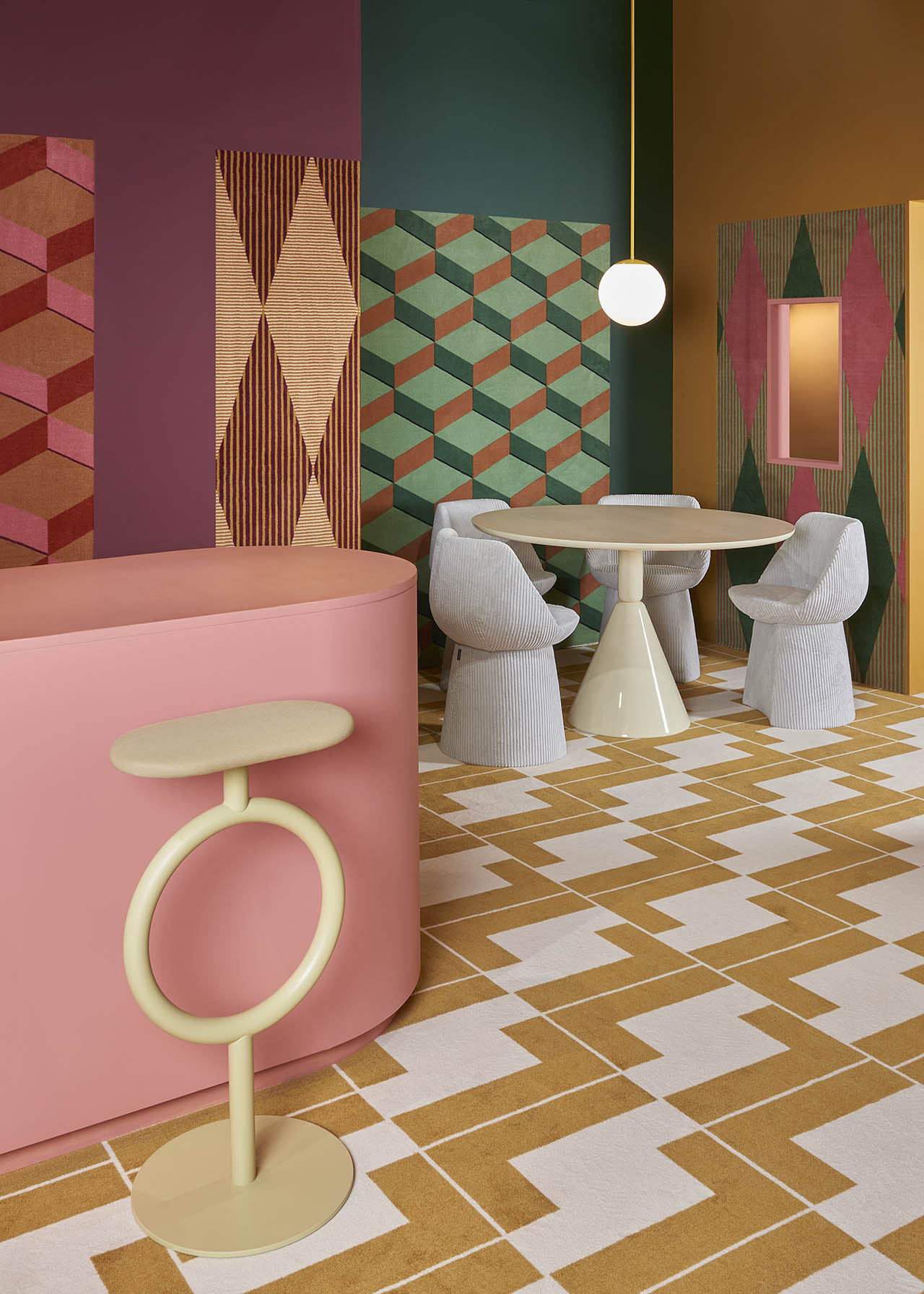
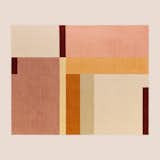
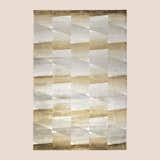
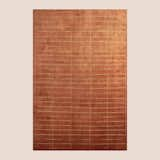
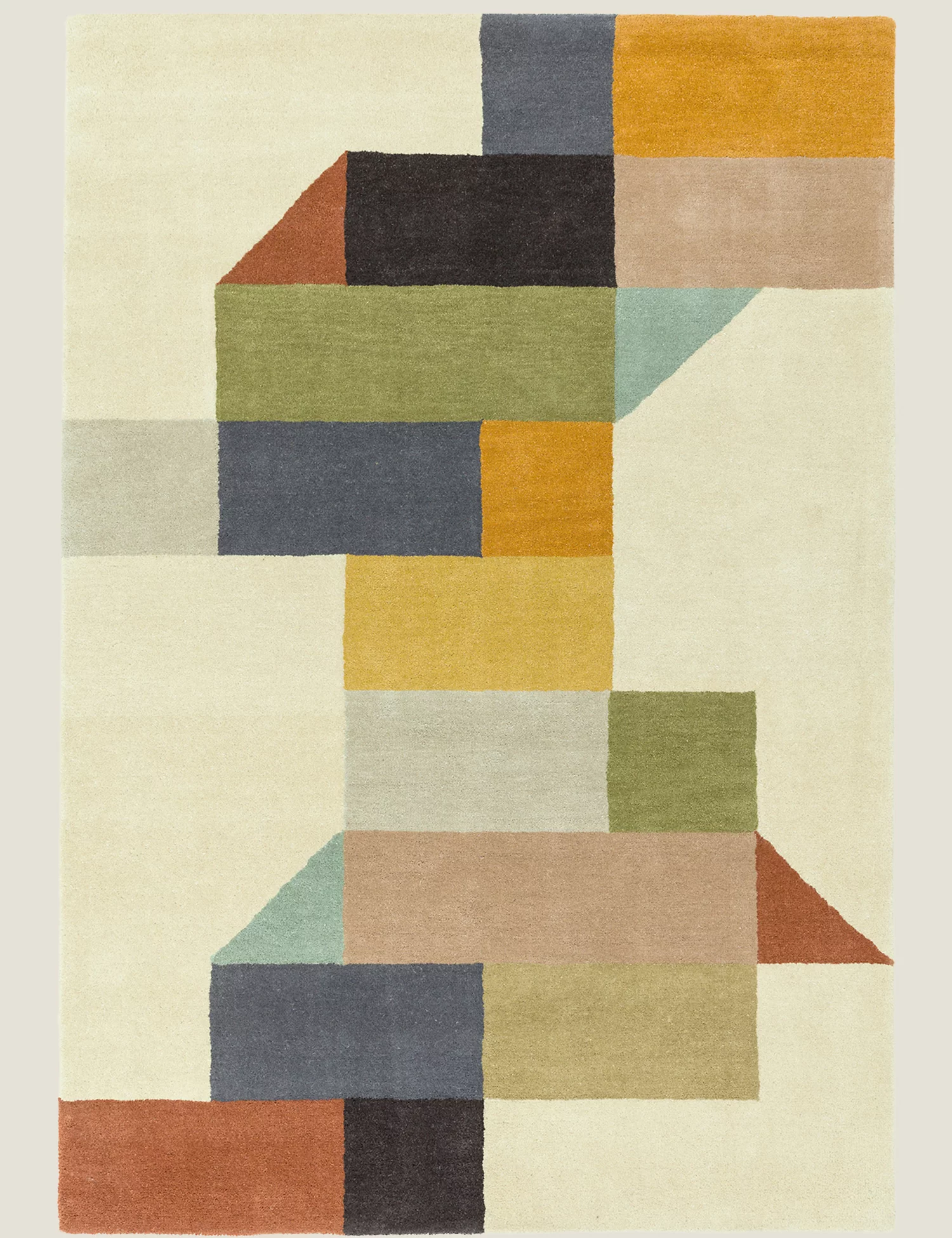
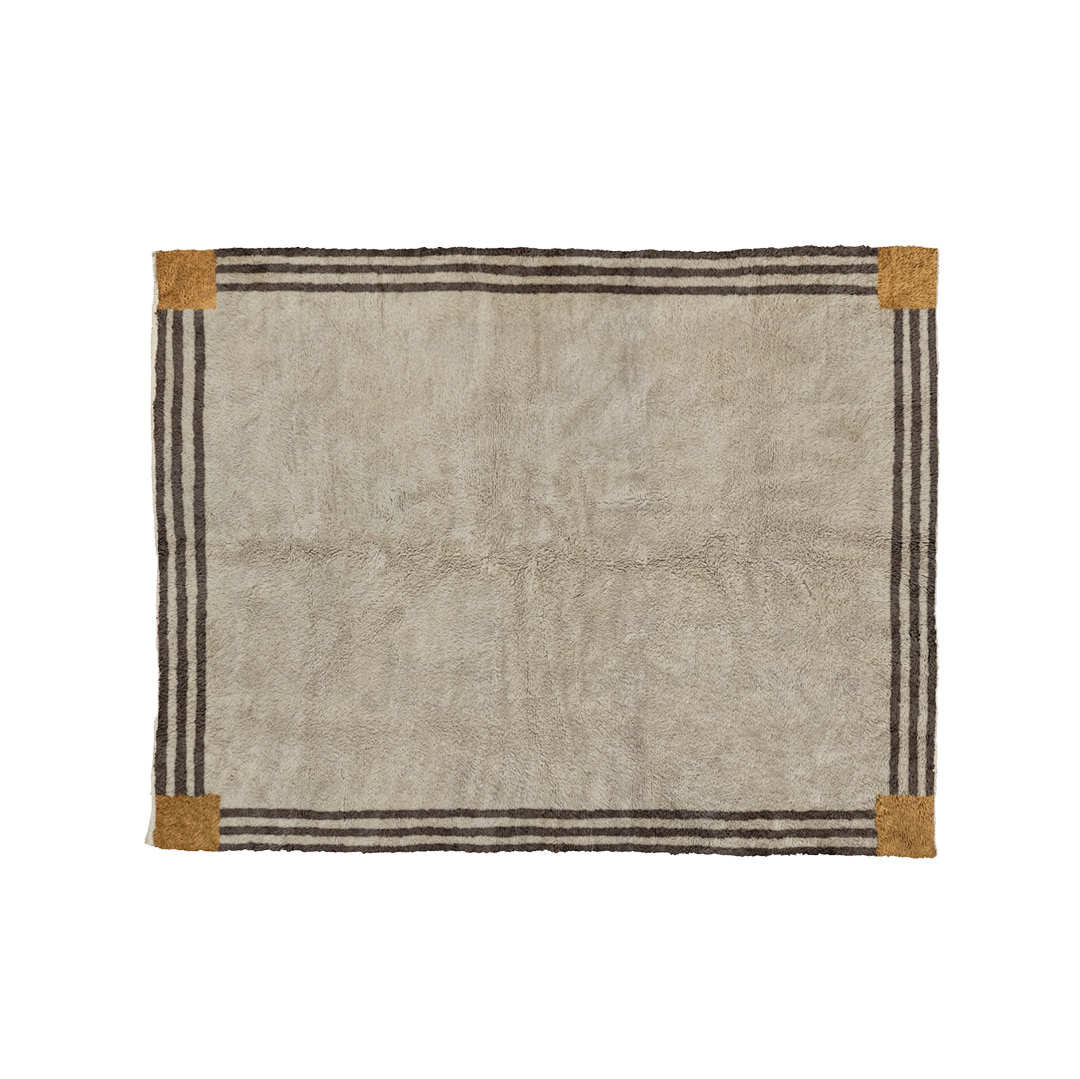
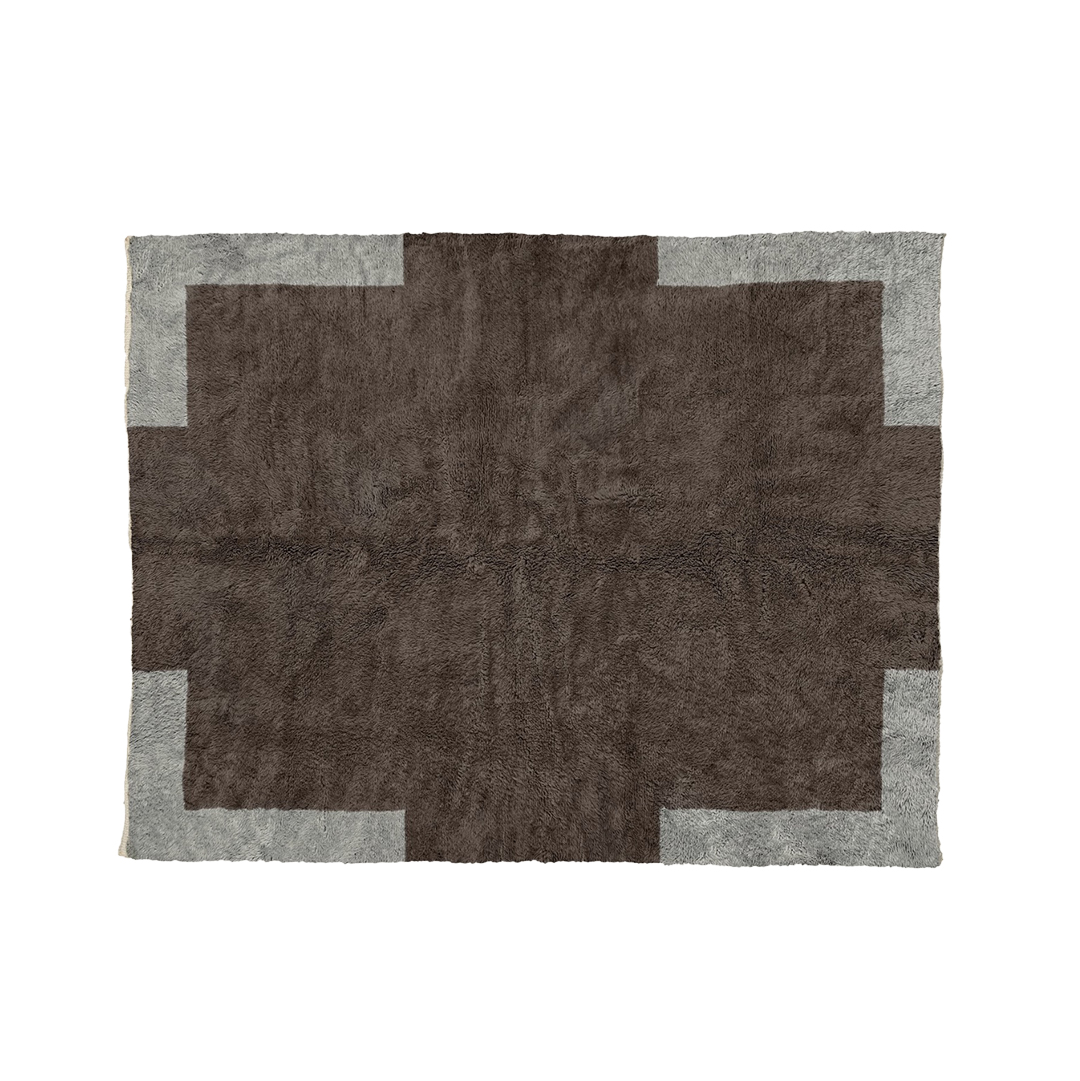
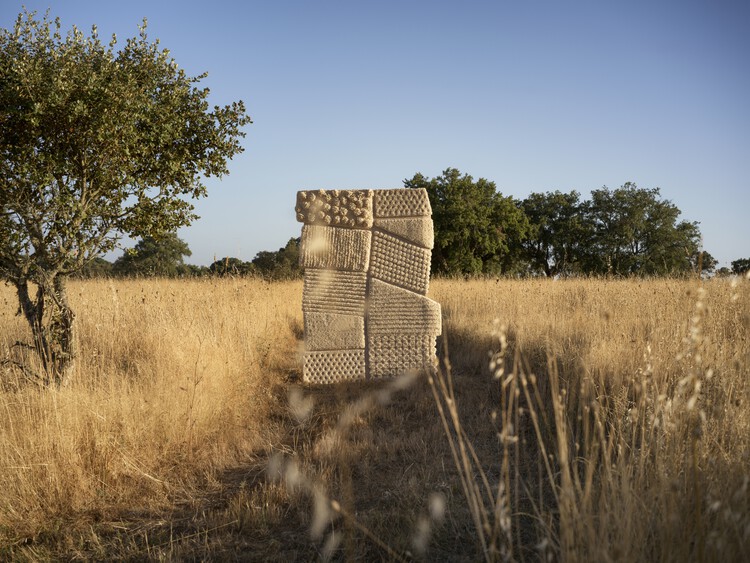
Ferreira de Sá's latest collection, ALÉM TEJO, draws inspiration from the Alentejo region, translating its essence—its memories, rhythms, textures, and patterns—into woven form. Established in 1946, the company combines innovation with Portuguese heritage. The collection features thirteen rugs, each reflecting a specific aspect of the region, from shadows and plowed fields to limewashed facades. These designs are realized through various traditional techniques, including tufting, hand-knotting, hand-weaving, and flatweave.
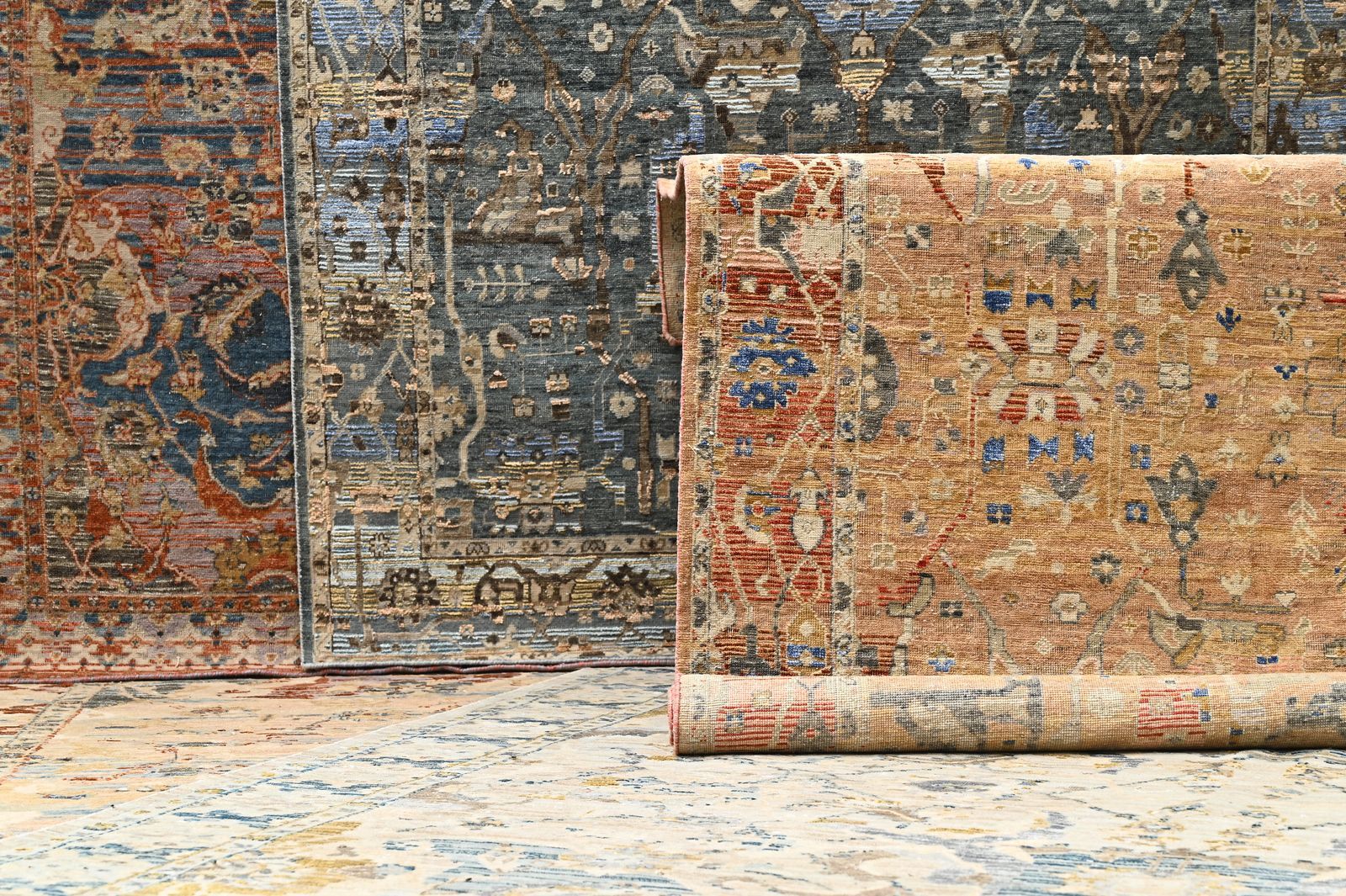
Each technique imparts a distinct character to the rugs. Tufted pieces like Sul, Alvorada, and Nisa create sculptural reliefs that interact with light, while Brisa and Sobreo utilize vertical patterns to evoke the textures of cork and rural architecture. The hand-knotted Solo rug, made from wool and jute, develops irregular surfaces that convey a sense of history and craftsmanship. Hand-woven Talha and Planura rugs feature quiet, balanced compositions, and flatweave rugs such as Cal and Bolotas simplify the process, reminiscent of the tactile surfaces of limewashed walls, acorns, and cork oak bark. Collectively, these rugs transcend their object status, becoming tangible expressions of the Alentejo region.
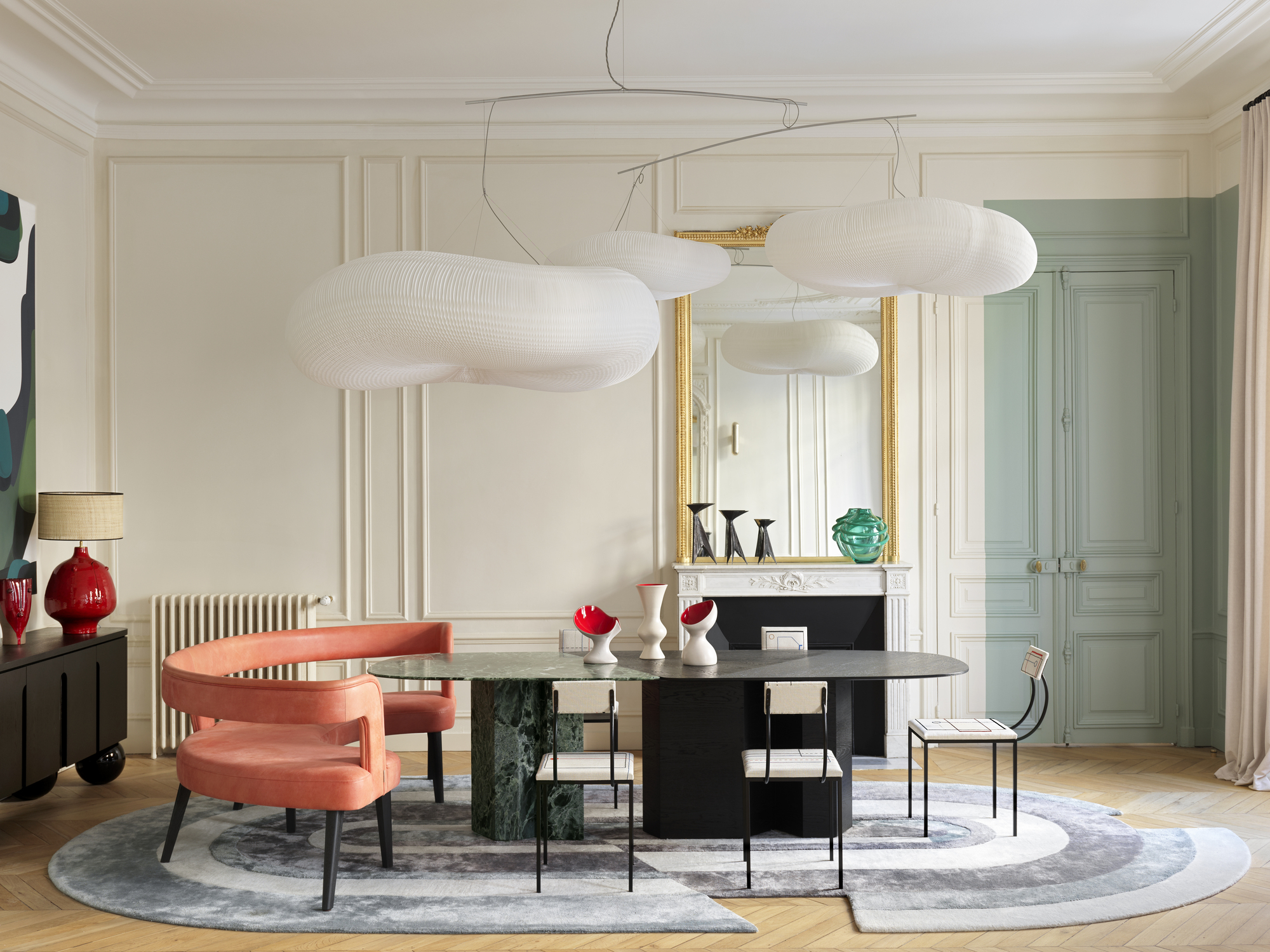
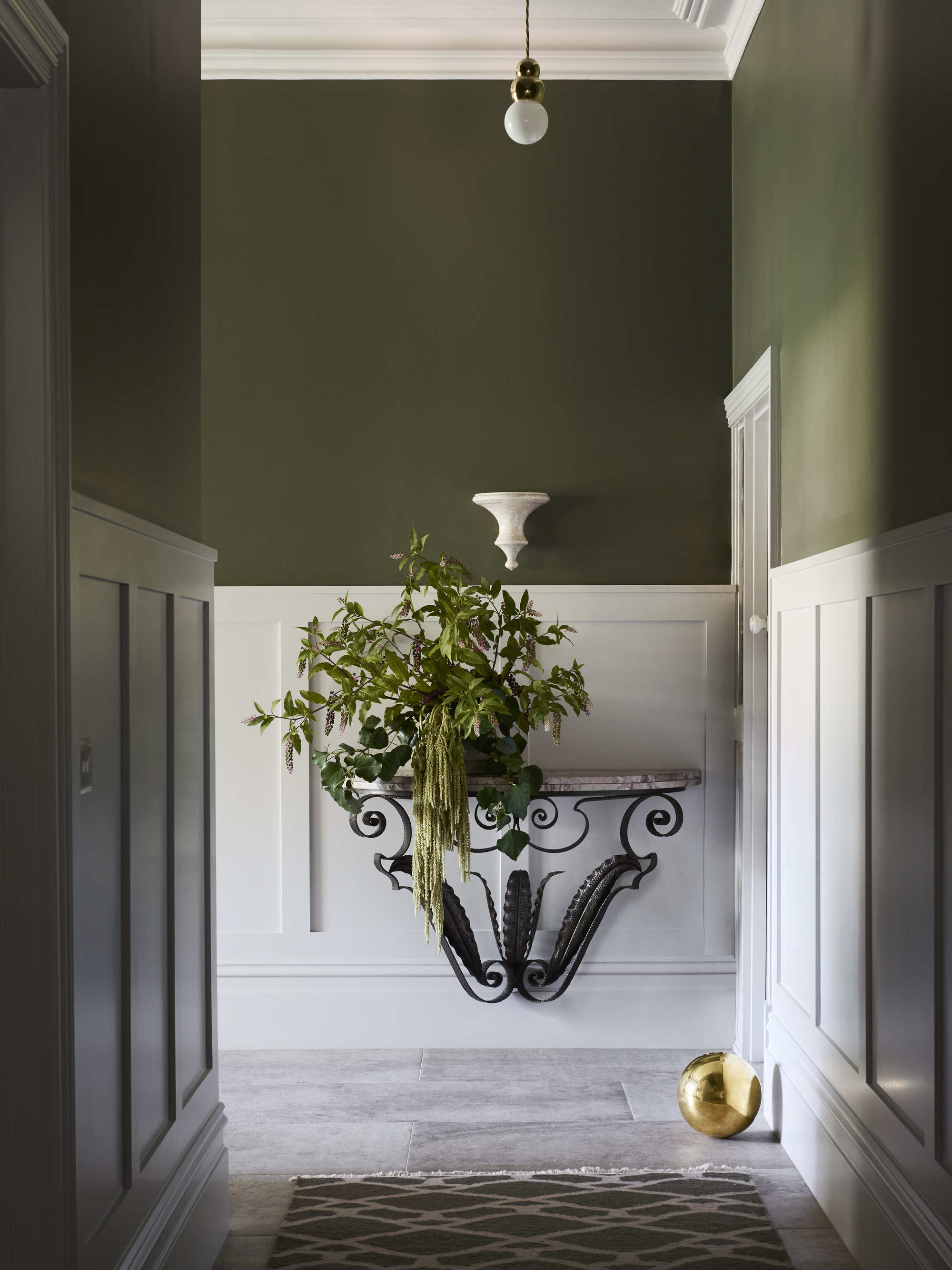
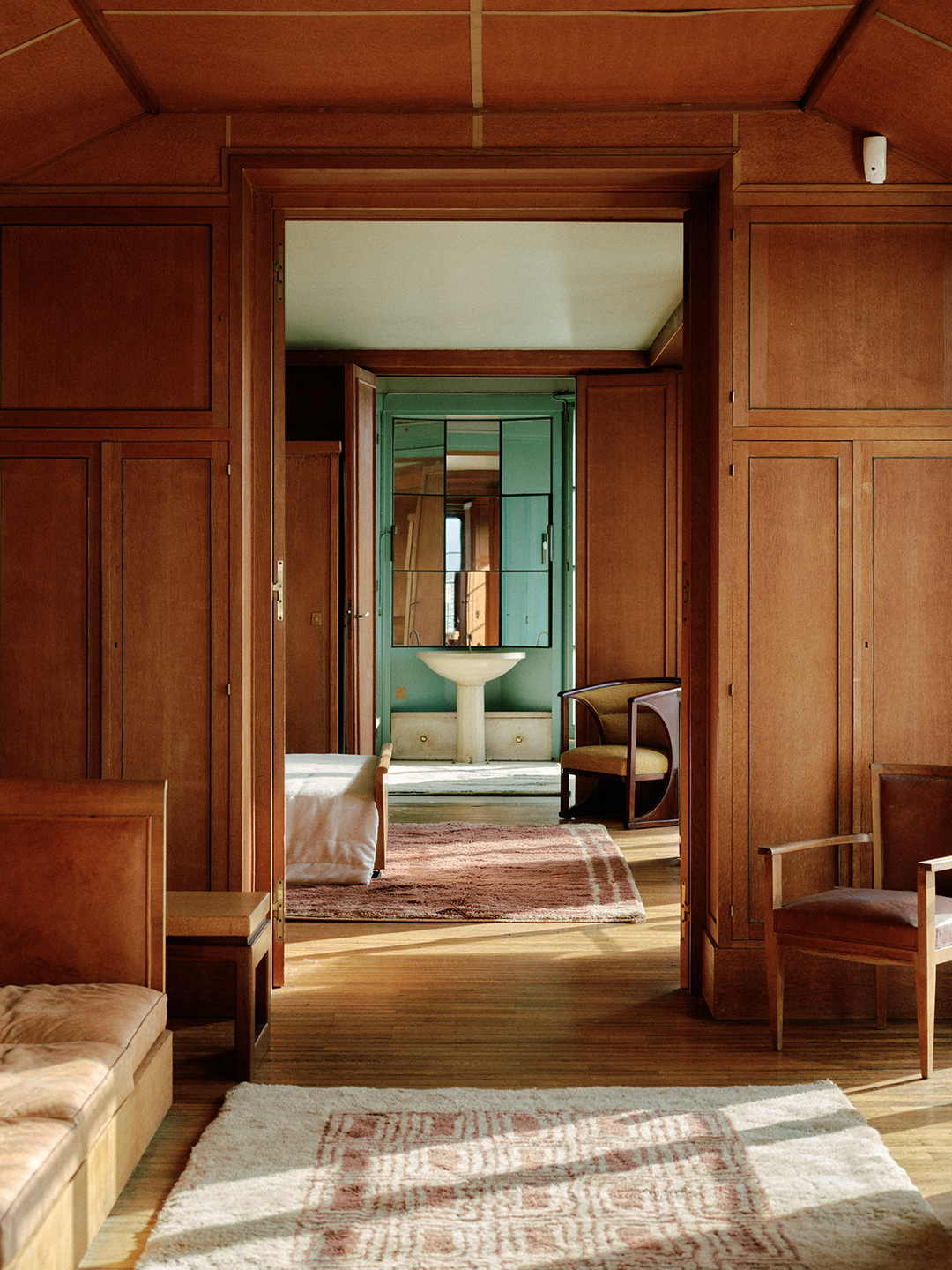
The rugs in the ALÉM TEJO collection balance contemporary design with regional memory. They function as either focal points or subtle background elements, with their technique, density, and color palette contributing to specific atmospheres. Made from undyed wool, jute, and linen, the collection emphasizes the natural origin of its materials. This selection ensures earthy tones emerge organically, resulting in minimally processed, renewable, and biodegradable products. These natural hues can introduce warmth to minimalist spaces, enrich modern interiors, and bring a renewed sense of calm to traditional settings, aligning with biophilic design principles by connecting indoor environments to nature. This approach fosters a slower pace and a deeper connection to the natural world.
For design professionals, this integration of tradition and materiality encourages a thoughtful consideration of how interiors can engage with memory and place. Rugs, alongside other architectural components, can influence movement, absorb sound, and create intimate moments. When grounded in traditional craftsmanship and material authenticity, they carry narratives that link spaces to broader cultural contexts. The ALÉM TEJO collection demonstrates that heritage is not static but a dynamic resource, allowing for continuity with the past while embracing new ideas, thus forging designs that connect past, present, and future.
#InteriorDesign #NaturalMaterials #Tradition #Handcraft #BiophilicDesign #Portugal #Textiles #Rugs #Materiality #CulturalHeritage #InteriorDesign #NaturalMaterials #Tradition #Handcraft #BiophilicDesign #Portugal #Textiles #Rugs #Materiality #CulturalHeritage
0 comment in total
 No comments yet
You may also like
Three design experts share their secrets for finding a new rug and carpet
Is your home feeling lifeless? 5 layering hacks to make the interiors warm and inviting | Hindustan Times

'They're not for every room' – designers say they'll never use a round rug in these 5 spaces, and neither should you


Zoë Feldman is in the mood for soft ivory bouclés, chocolate brown velvets and antique brass finishes

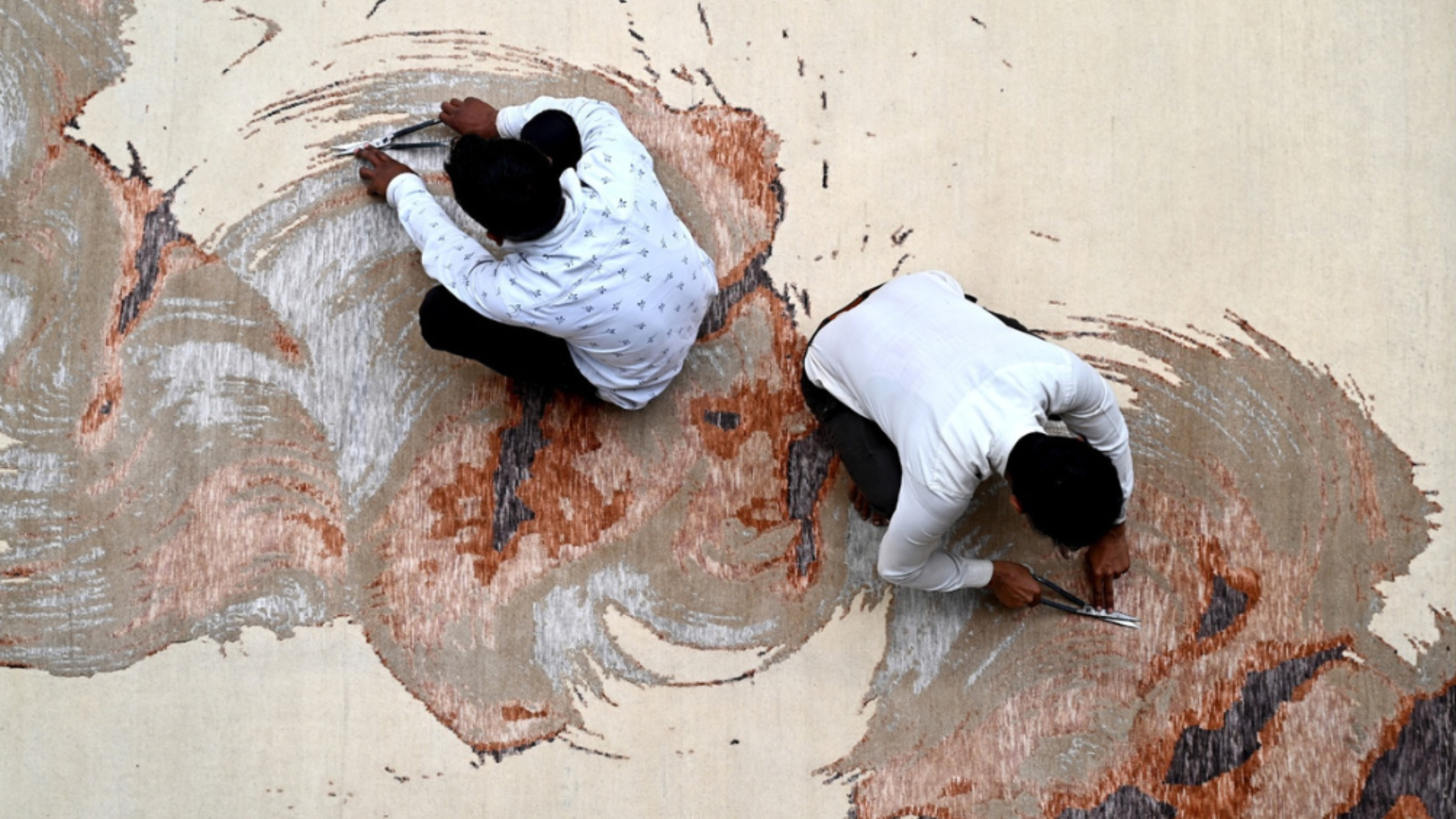
The Ambiente, Handcrafted Rugs

How to Create the Best Kind of Cozy Space: a Room That’s Like a Hug (Published 2024)
5 Living Room Rug Mistakes You’re Probably Making—And How To Fix Them, According To Designers
This is the single biggest rug mistake you can make, says Jake Arnold – and what to do instead


Room Feel Snug? It Might Be Your Rug. | Reviews by Wirecutter
Interiors | A tale through textures
9 ways to add texture to your home

The Best Rugs From Urban Outfitters
DFW Textile Sourcing Shares Their Top Five Tips For Choosing the Best Rug — From Lifestyle to Vintage Versus New

EMKO uses linen offcuts to create vibrant confetti pattern of Chaos rug
Looking for a New Rug or Even a Fabric Wall Piece? We’ve Got You Covered

The Edgy Detail We’re Spotting on the Best New Rugs Makes Them Borderline Art

Rug renaissance: Explosion of color, style
The Newstalgia Rug Collection Brings Us Back to the Future
Our homes editor's favourite rugs to update any space

Pattern perfection - 4 Oct 2023 - The English Home Magazine