1/13
mecanoo references the layout of dutch farmhouses for 'villa vught' in the netherlands
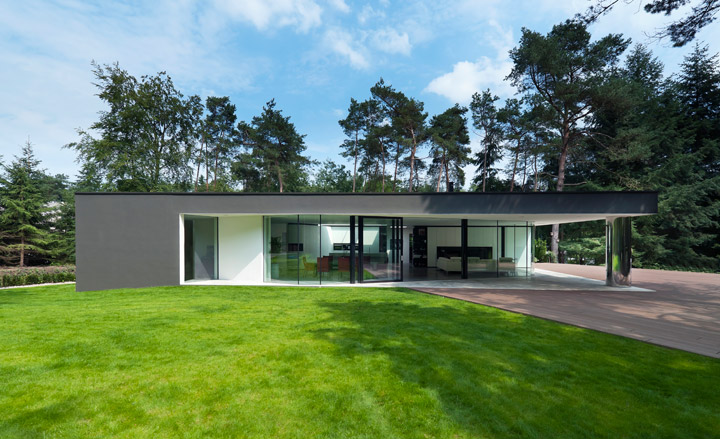
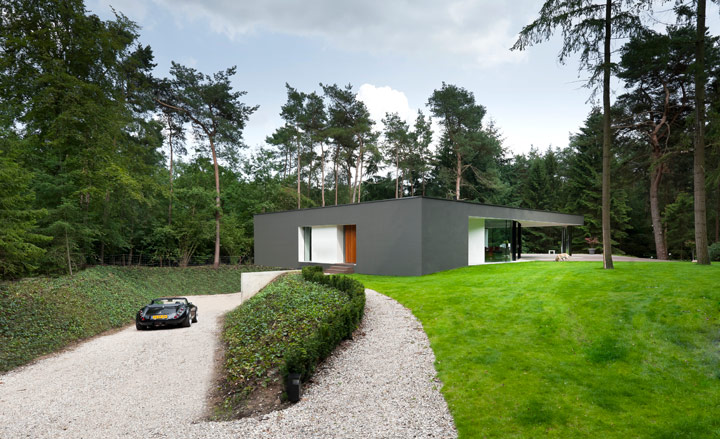
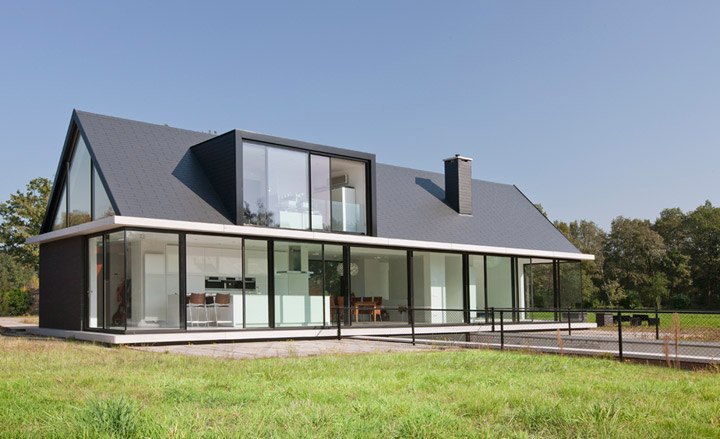
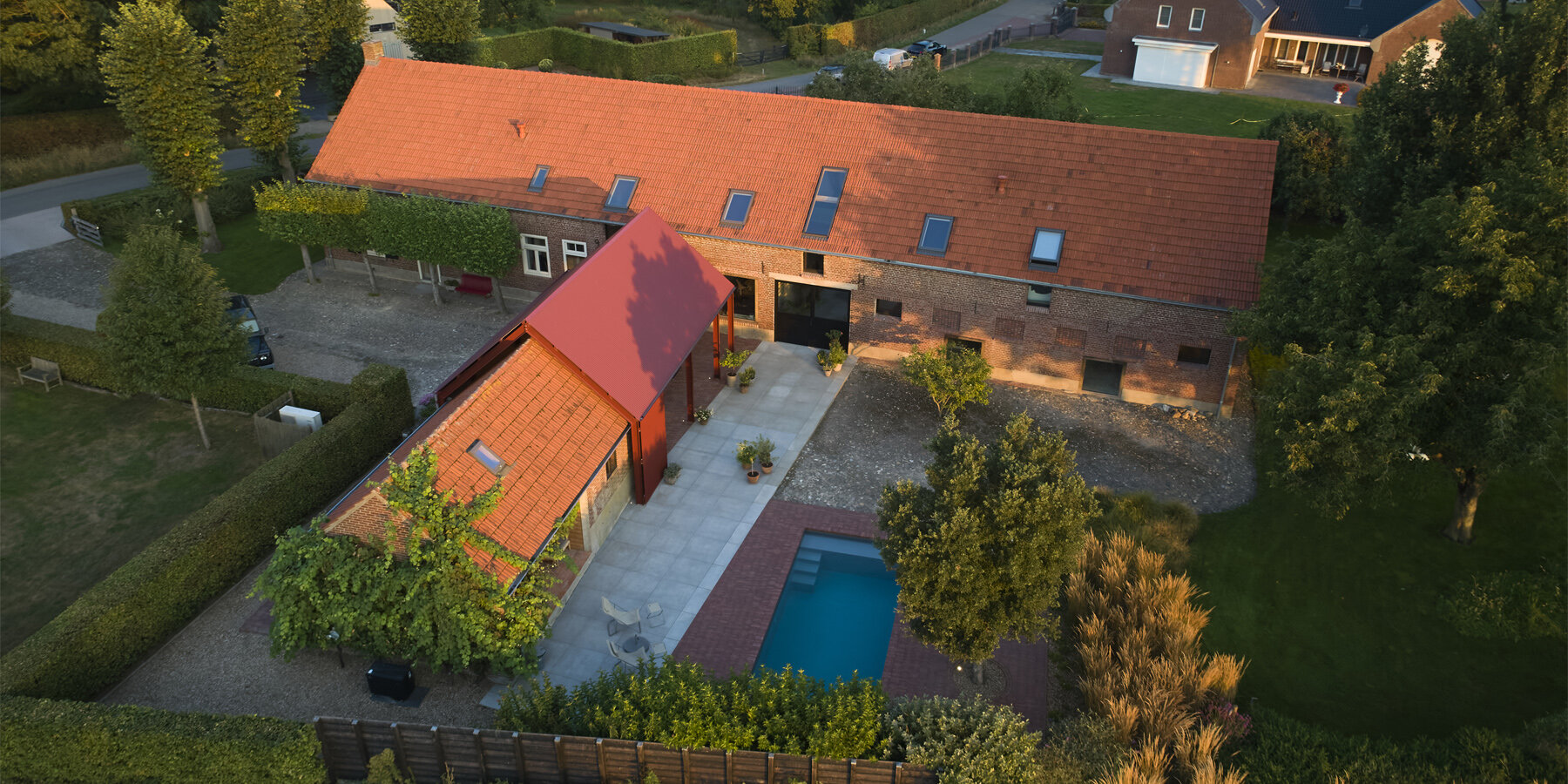
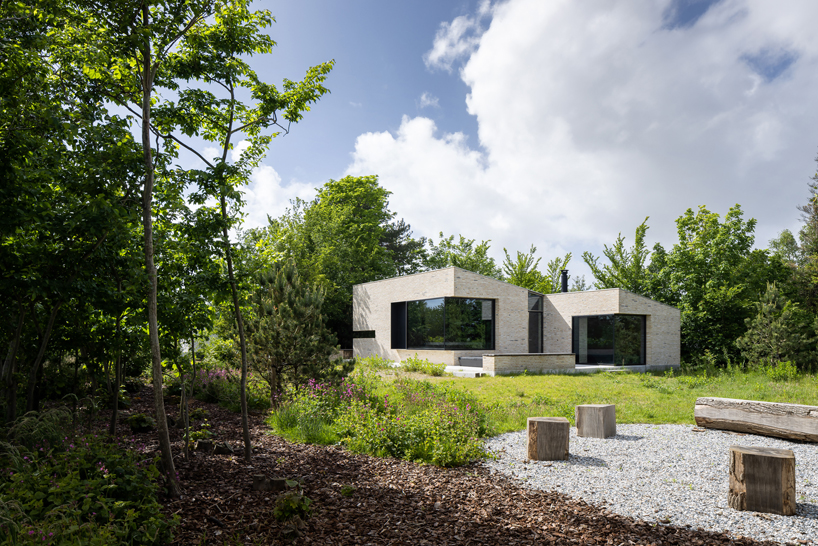
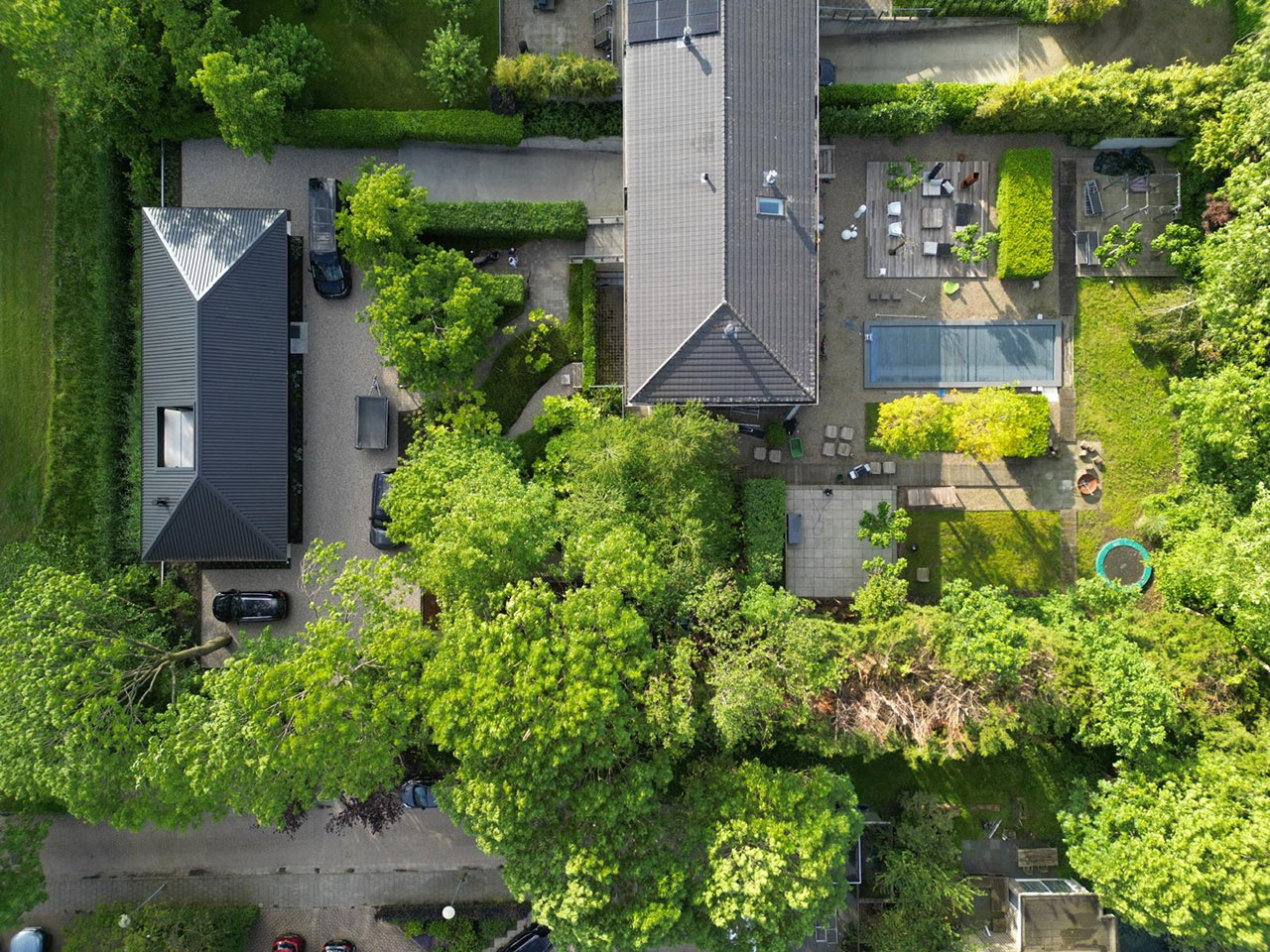
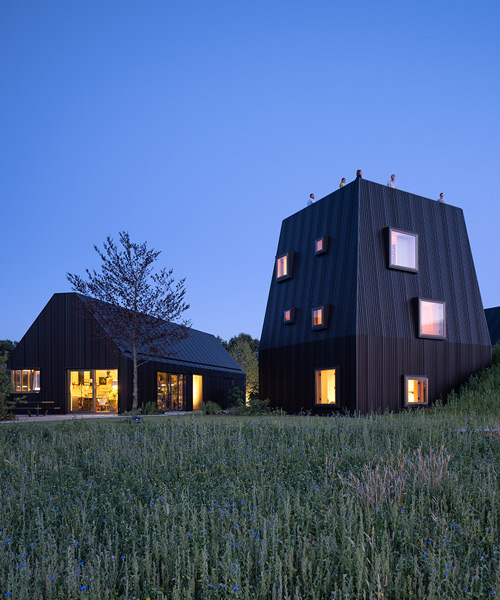
Mecanoo designed 'Villa Vught,' a remote residence in the Dutch countryside, by reinterpreting the traditional Dutch farm typology, known as the 'hoeve.' This traditional form consists of farmhouses and living quarters loosely arranged around a central courtyard, which provides a protected yet open space connected to the surrounding landscape. This spatial arrangement informed the villa's configuration, which distributes its functions across three distinct volumes, creating the impression of a small village.
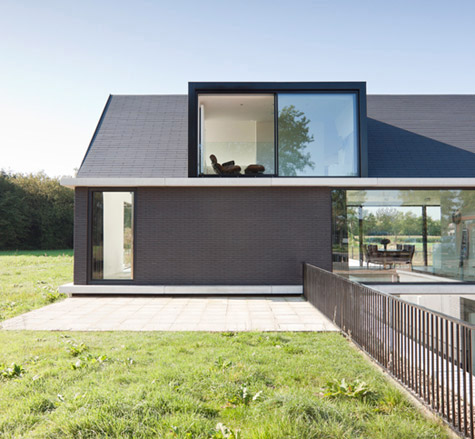
Two of these volumes are designed as gabled barns, seamlessly integrating with the gardens. The third, taller volume contrasts with these and offers expansive views of the surrounding landscape. This prominent structure houses the master bedroom on the ground floor, children's rooms on the upper floors, and a roof terrace, optimizing the scenic vistas.
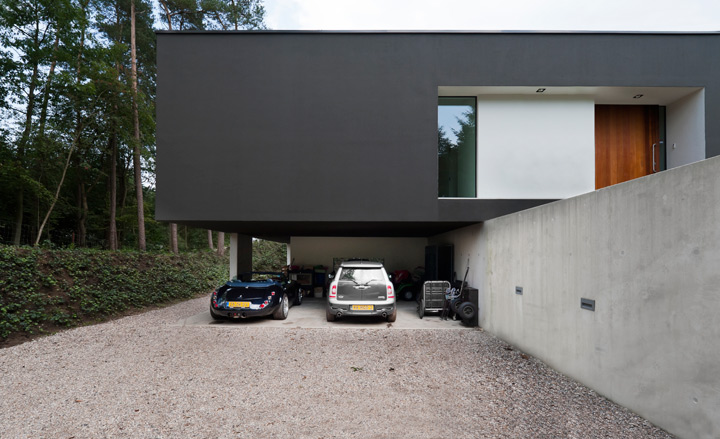
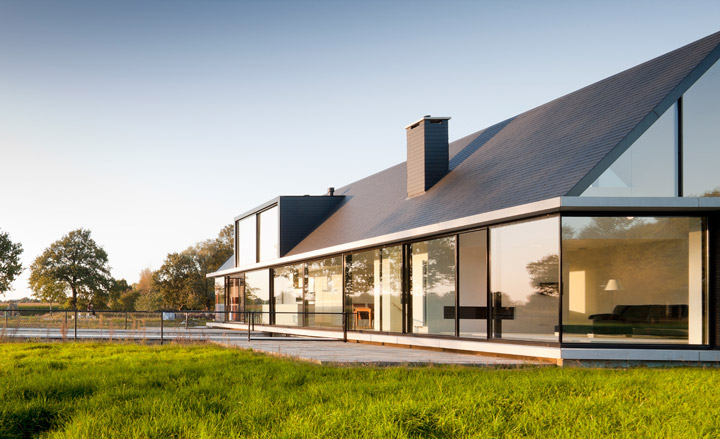
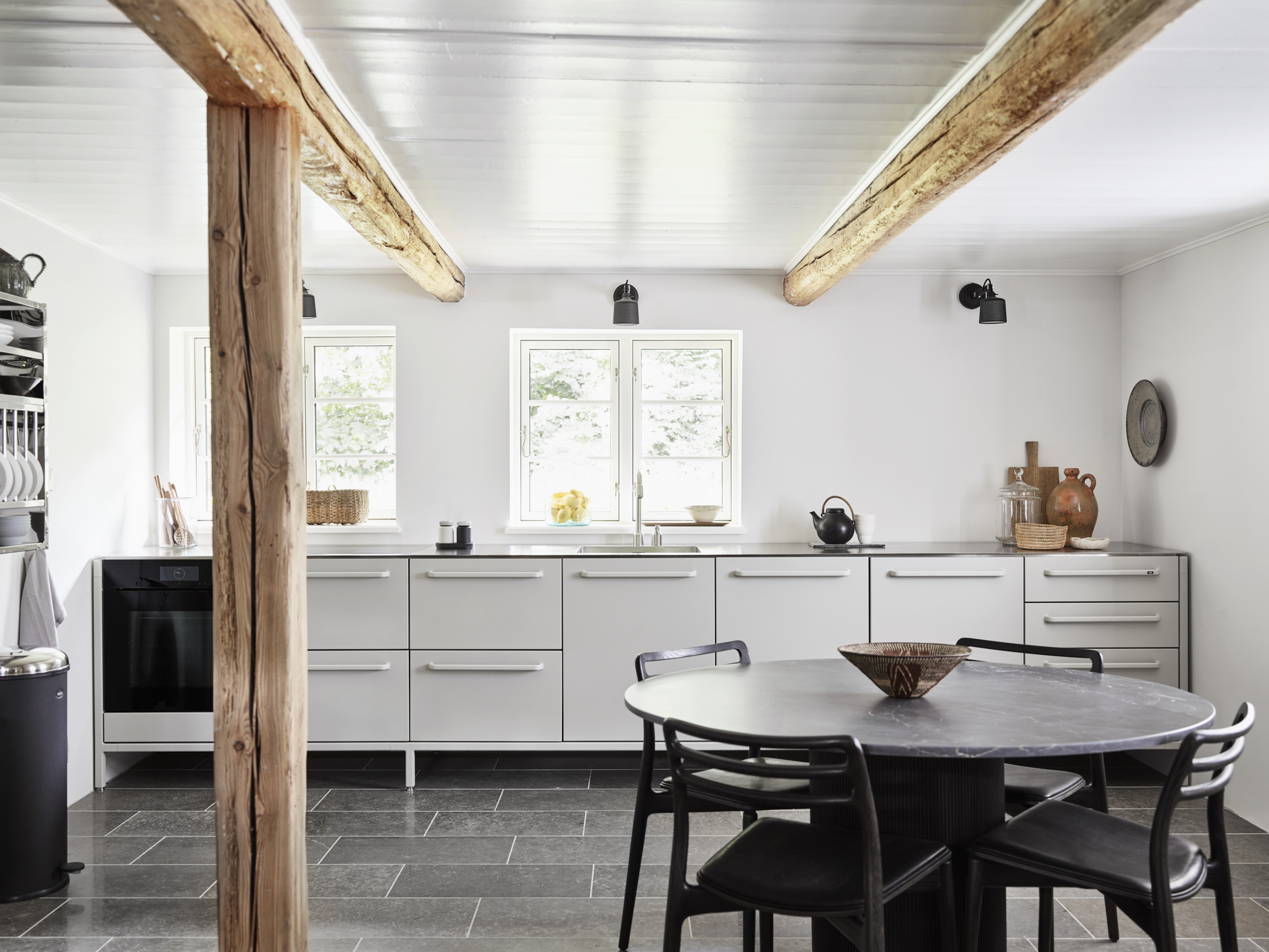
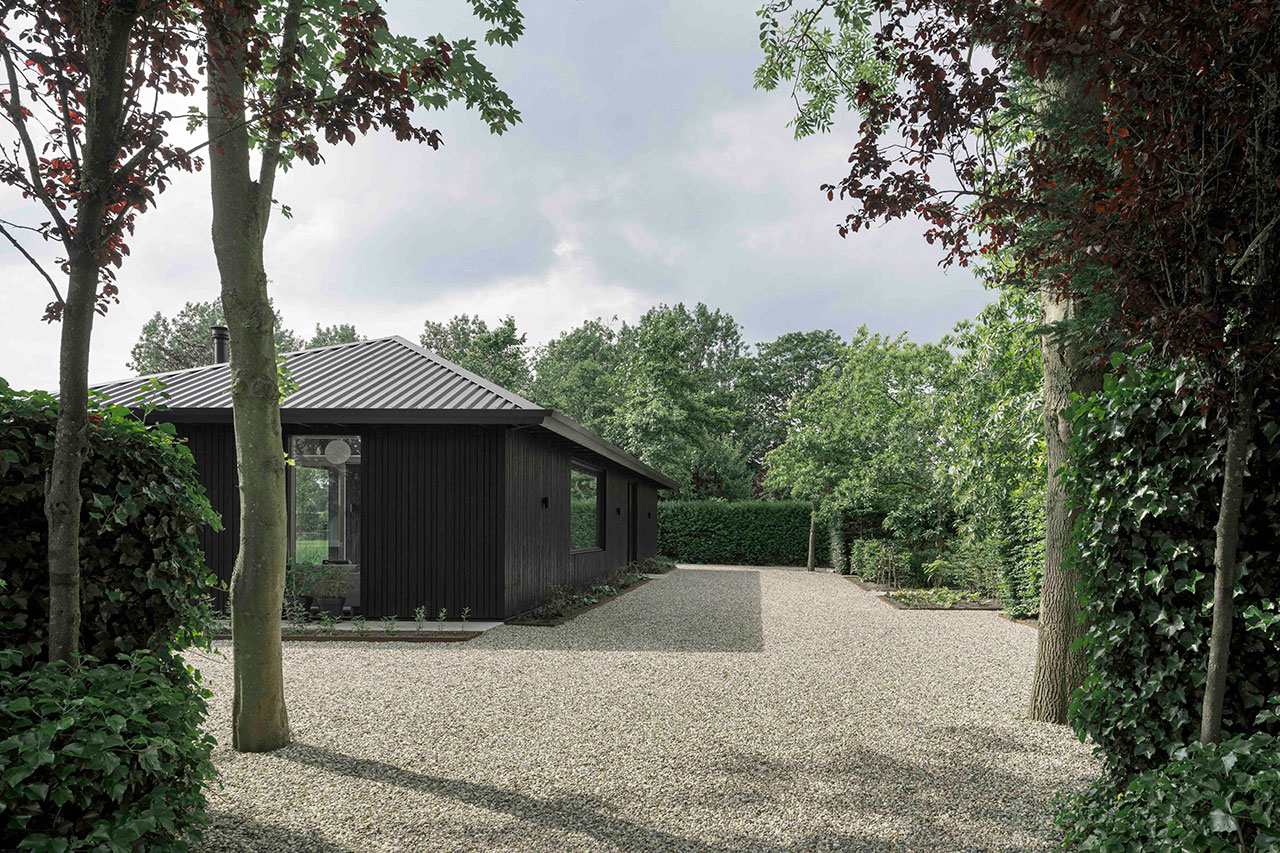
One of the barn-like volumes contains the main living areas, including a living room, a kitchen with a dining space, and a large veranda oriented towards the south-west. The first floor of this barn features a workspace and a playroom. The second barn is dedicated to a cooking studio, equipped to host up to 20 participants for culinary classes, workshops, and team-building activities, catering to the client's interests. Adjacent to the cooking studio are a garage, a storage area, and a guest suite located on the first floor.
The layout strategically connects the residential functions while preserving the detached character of a traditional farmstead. A half-sunken corridor, ingeniously concealed beneath a grass mound, creates a discreet link between the taller volume and the main living barn. In contrast, the barn housing the cooking studio and guesthouse remains completely detached, ensuring unobstructed sightlines from the central courtyard to the picturesque landscape.
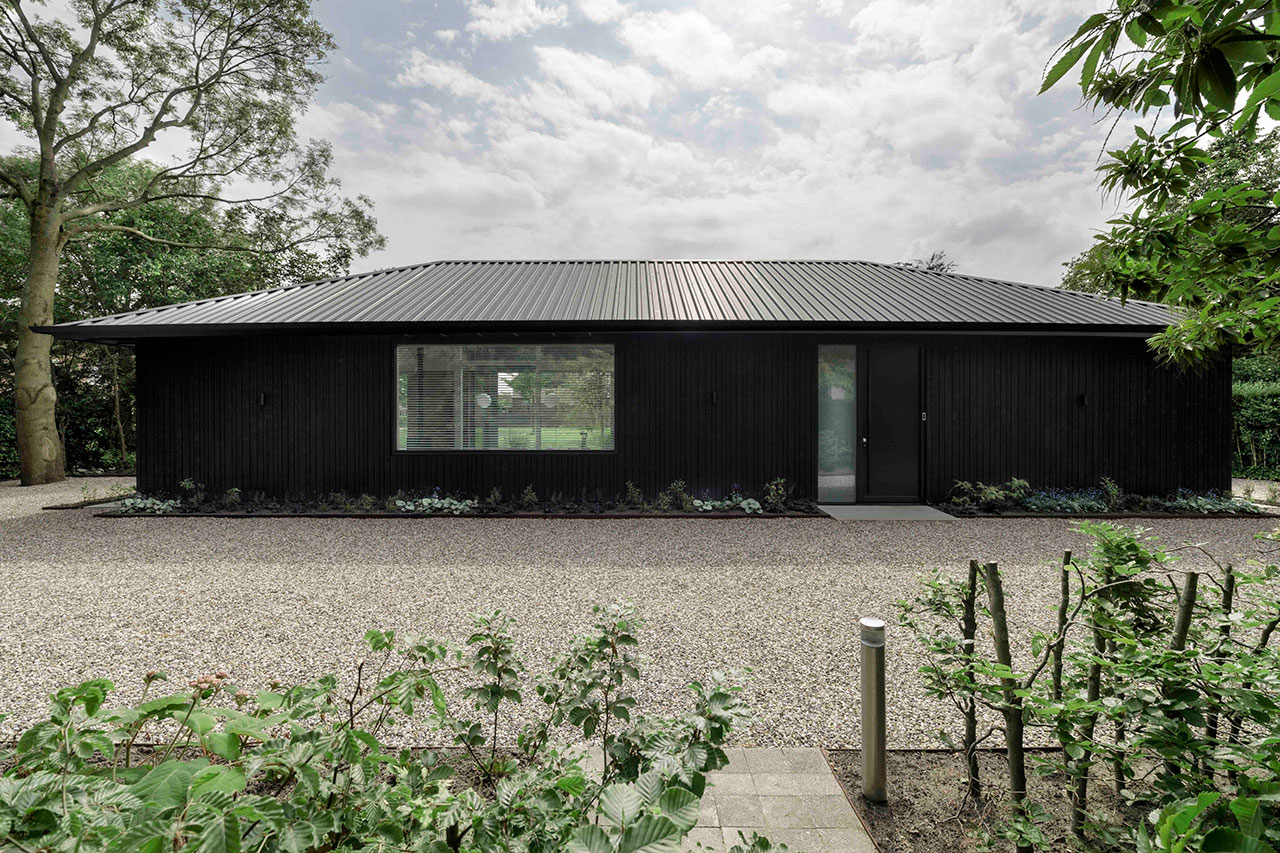
The architectural design of Villa Vught extends its homage to the farmstead typology through its construction and material choices. The exterior is clad in dark bronze anodized aluminum, profiled to mimic the corrugated iron roofs commonly found on nearby farm buildings. This cladding extends from the façade to the rooftop, creating a cohesive aesthetic. The window frames, traditionally brighter, feature a lighter bronze aluminum finish, providing subtle contrast.
Each building thoughtfully frames views of the adjacent farmlands, offering curated scenes of the natural environment. The interior and structural elements heavily feature wood, specifically cross-laminated timber for the structure and European silver fir for interior surfaces, chosen for its sustainability and warmth. The villa boasts an energy performance coefficient (EPC) of 0.26 and utilizes electric heat pumps for both heating and cooling, underscoring its commitment to energy efficiency. The project, designed between 2016 and 2018, was realized between 2018 and 2019, covering an area of 683 sqm.
#VillaVught #Mecanoo #DutchArchitecture #FarmhouseTypology #SustainableDesign #ResidentialArchitecture #CountrysideLiving #ArchitecturalDesign #Netherlands #VillaVught #Mecanoo #DutchArchitecture #FarmhouseTypology #SustainableDesign #ResidentialArchitecture #CountrysideLiving #ArchitecturalDesign #Netherlands
0 comment in total
 No comments yet
You may also like
Interactive floor plan: Villa Veth by 123DV Architects, Netherlands
Forest Home: A mid-century bungalow that was designed with R&R in mind
This Dutch Mansion Went from Disney Castle to Live-in Museum
Interactive floor plan: Villa Geldrop, Holland
An 18th-Century Farmhouse Revived by None Other Than the Founders of Hawkins New York

A “floating” greenhouse is inserted behind a renovated Belgian home

Vipp crafts the perfect minimalist countryside escape

corner window frames pierce through yellow brick holiday retreat in the netherlands
i29 Designs a Serene Multigenerational Home in the Netherlands

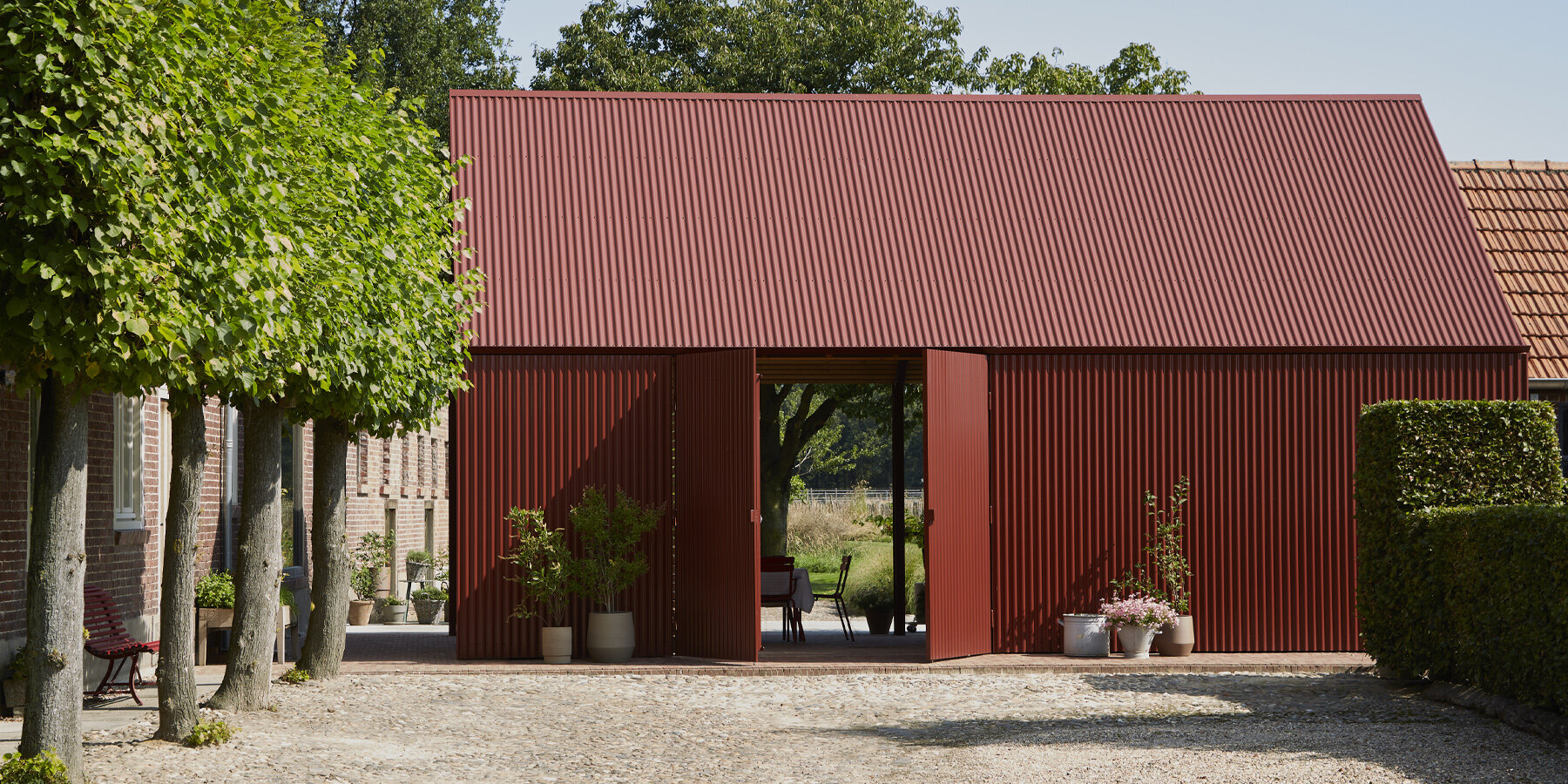
de nieuwe context's outdoor living space in the netherlands is a modern nod to rural sheds
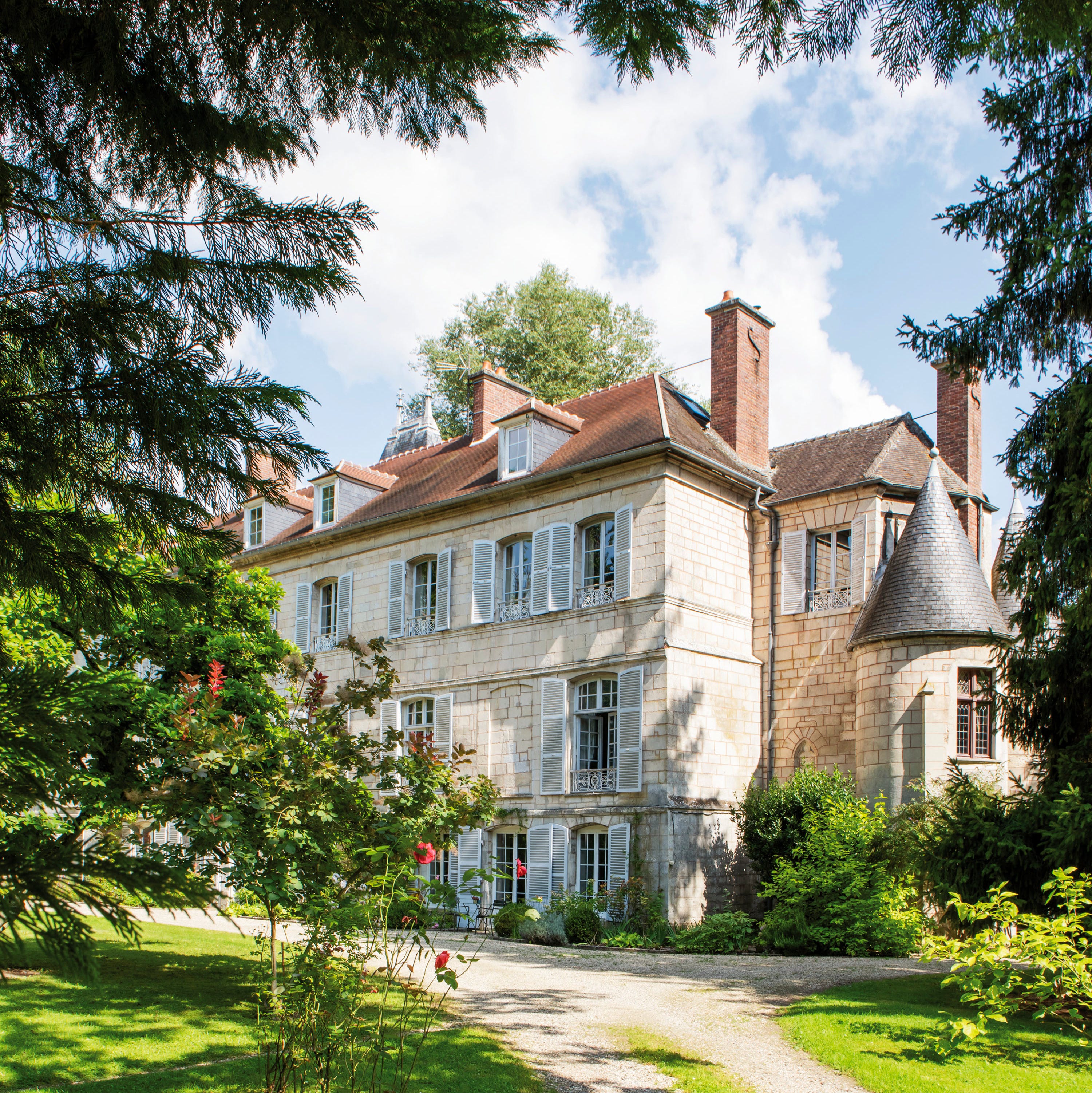
This Manor House Apartment Will Make You Fall in Love with the French Countryside

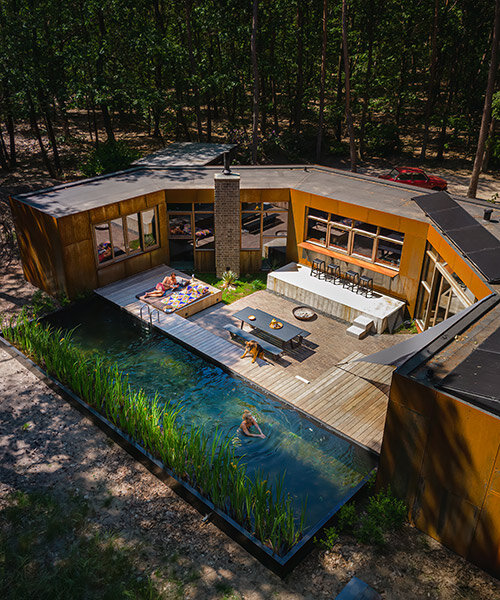
dutch studio getaway projects names its 'C house' after its unique floor plan

Completing Mies van der Rohe's Brick Country House

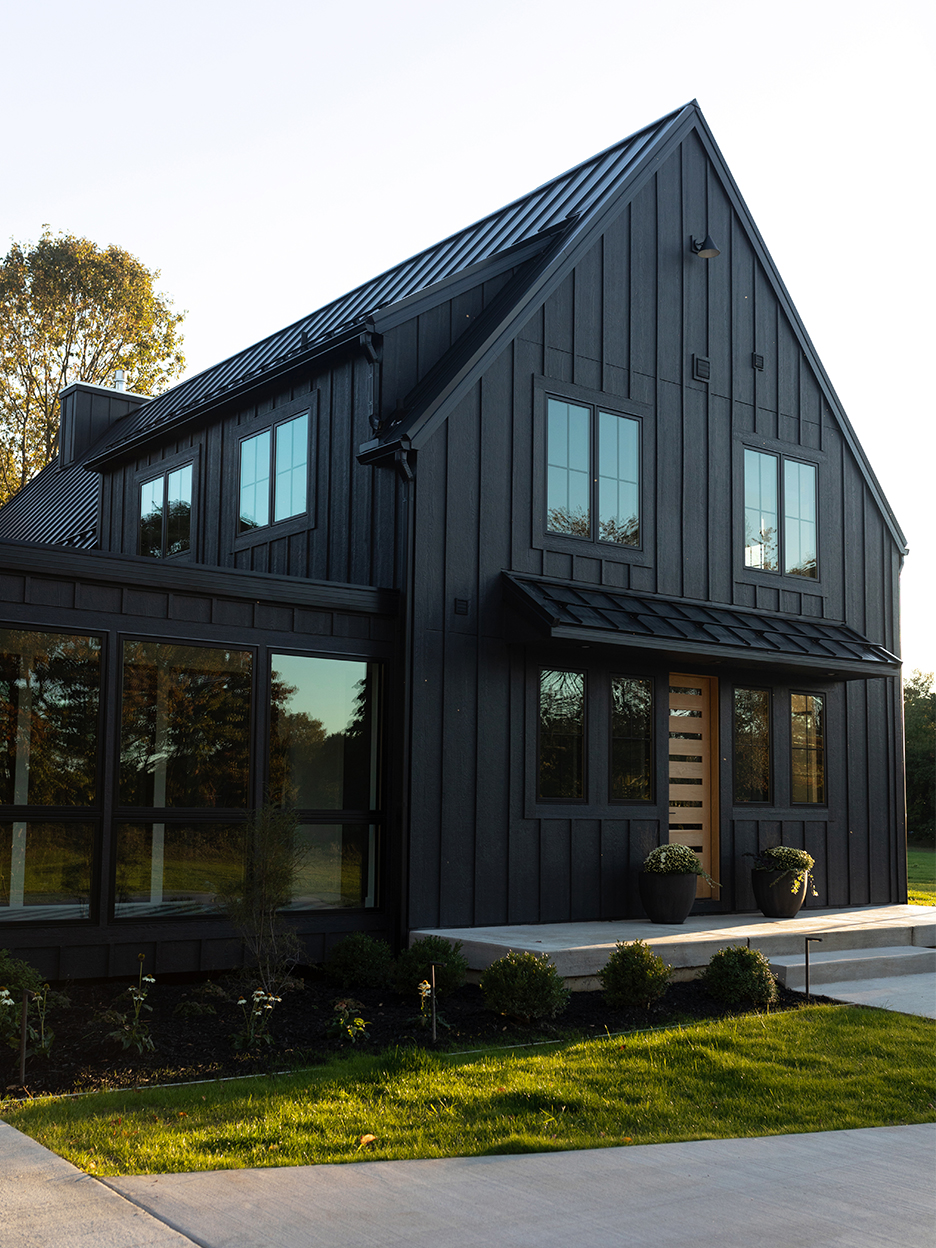
A Young Family’s Kalamazoo Home Has a Touch of Danish Farmhouse and a Hint of Circus