
1/5
Building an igloo on the Zugspitze
The article recounts a personal experience of building an igloo on Germany's highest mountain, the Zugspitze, offering insights into the process and the unique environment. The author, a DW reporter, embarks on this adventure with his son, Scott, highlighting the initial challenges of a crowded cable car journey contrasted with the breathtaking views and clear weather at the summit. The destination is an igloo village on the Zugspitze Plateau, where a hotel for paying guests is rebuilt each winter. The main objective is to construct a classical Inuit-style igloo, intended to be a romantic 'Love Nest' for future guests.
The construction begins with a large block of packed snow, the primary building material. The article emphasizes the importance of snow quality and quantity, noting that professionals use heavy-duty snow blowers to create densely packed snow blocks. For those without such equipment, muscle power and naturally good packing snow are essential. The altitude of 2700 meters makes physical labor challenging, with the thin air quickly causing breathlessness. The igloo village head, Jan Wernet, along with experienced helpers Wolfgang Rainer and Michael Elstner, guide the construction process. A crucial aspect of igloo building is selecting an appropriate location, ideally one with a nearby snow depot to minimize the effort of transporting heavy snow blocks, which can weigh up to 30 kilograms each. The chosen site, a hilltop with idyllic surroundings, is presented as an ideal spot for the construction.
The technical aspects of igloo construction are detailed. A stick placed at the center of the future igloo serves as a pivot for a string, used to calculate the interior size, shape, and the incline of the dome roof, ensuring structural integrity. The actual building involves manually heaving large snow blocks, approximately 80 cm long and 30 cm in depth and breadth, into place. These blocks are meticulously cut from packed snow using a chainsaw by Jan. Wolfgang then carefully fits them, beveling the edges with a snow saw to achieve the circular shape. Small gaps are filled with loose snow from both the inside and outside.
A significant and seemingly counter-intuitive step in the construction process is introduced after the second layer of blocks is laid. At this point, Wolfgang deliberately cuts through the newly placed blocks in a spiral pattern from top to bottom, partially dismantling the work. This action, initially surprising and appearing destructive, is explained as a critical technique to enhance the igloo's stability. This process of laying and spirally trimming layers continues until only a small opening remains at the top, which is then sealed with the final block. The entrance is later dug out, a task completed late at night. The finished igloo, stable and visually impressive, is then polished to prevent water seepage, preparing it for guests. The article concludes by mentioning the cost of staying in such an igloo and suggests various locations in the Alps and elsewhere where igloo-building courses are offered, or where one can simply enjoy the experience as a guest. The author and his son ultimately enjoy a night in a finished igloo, provided with warm sleeping bags, and savoring hot broth and cheese fondue in the main restaurant igloo.
#IglooBuilding #Zugspitze #WinterTravel #SnowConstruction #DIYArchitecture #GermanAlps #UniqueAccommodations #SnowAdventures #IglooBuilding #Zugspitze #WinterTravel #SnowConstruction #DIYArchitecture #GermanAlps #UniqueAccommodations #SnowAdventures
0 comment in total
 No comments yet
You may also like
16 Dreamy Ski Cabins We Wish We Were Holed Up In This Winter

12 Ski Chalets That Double As Winter Wonderlands

A ski factory’s chic loft home conversion

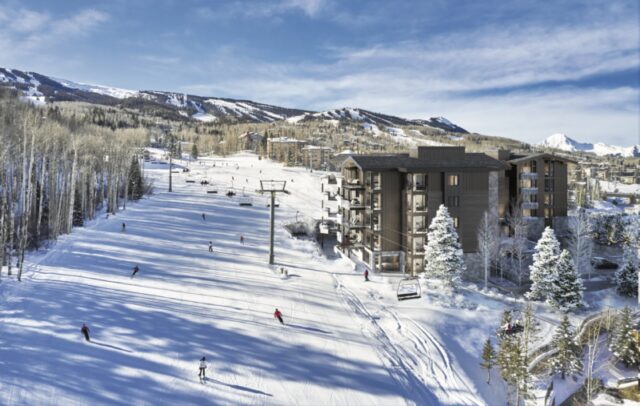
Aura Residence- Snowmass Base Village Colorado

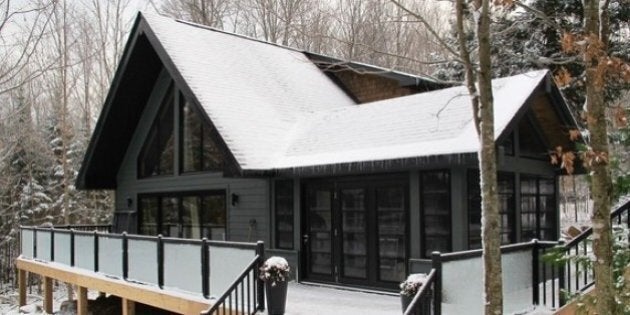
Building Our Cottage Snowroom...I Mean, Sunroom
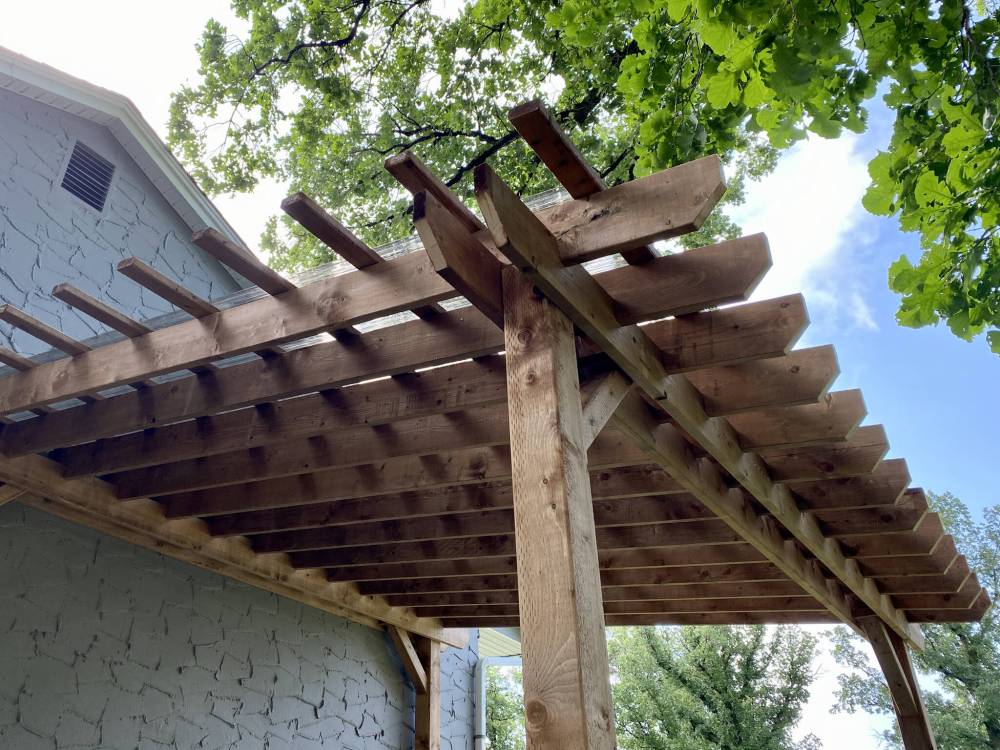
Nov 2022: The endless pergola summer

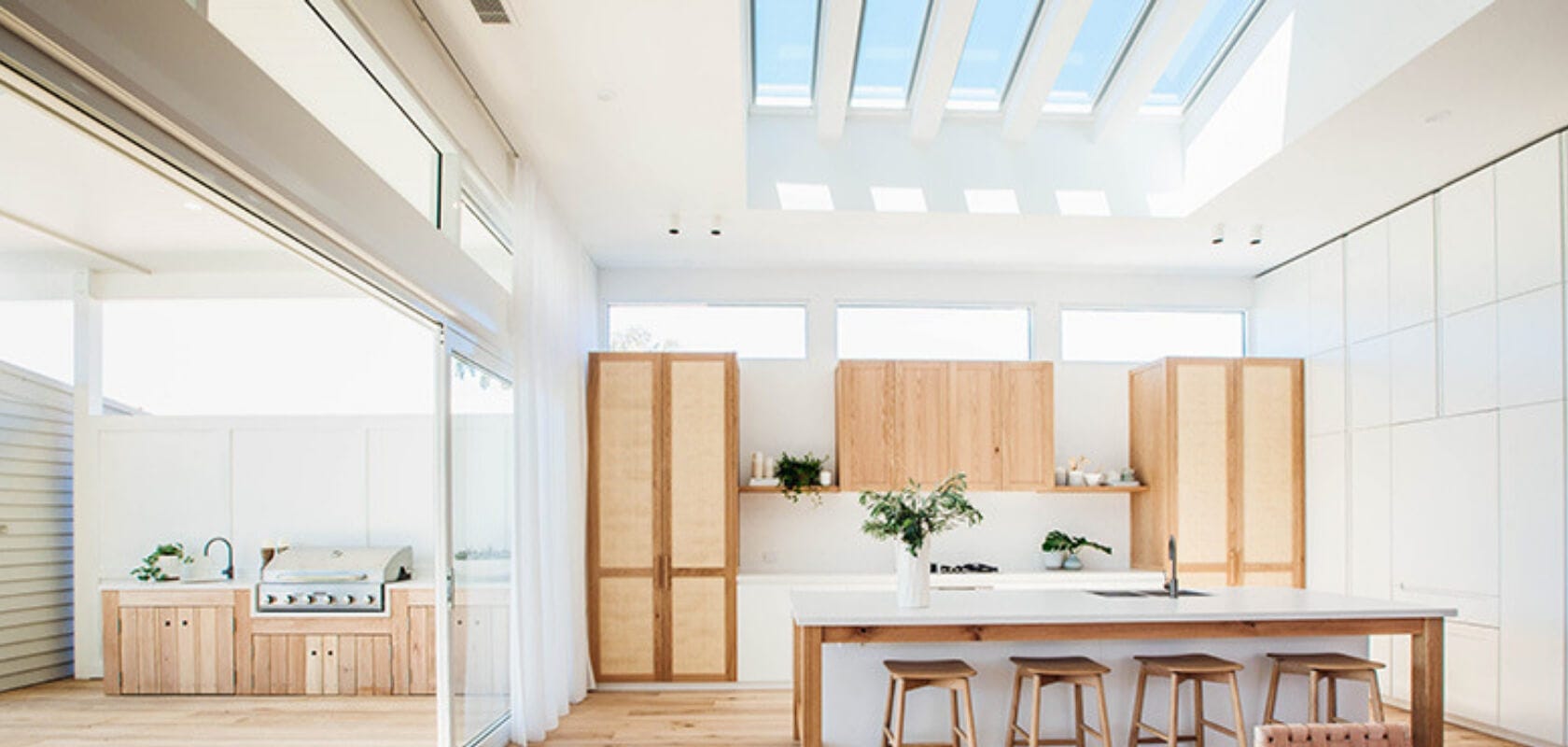
Raising the roof!
Pergola House / Entopos Architects

This Ski Cabin’s Spiral Stair Doubles as... a Woodburning Stove?
jagged wooden structure unfolds on top of ba holz house sitting along lake geneva
Ten gravity-defying homes that are raised up on stilts
This Prefab Cabin Is Light on the Land and Heavy on the Views
architect jan tyrpekl elevates this tiny 'zen house' on stilts in rural austria
An Outdated Swiss Chalet Is Treated to a Playful New Look
HiRes Concrete Slab in the Empa NEST Dübendorf
The Luxury Yurt Has Arrived

Kitzbühel Chalet offers alpine minimalism on the outskirts of the forest
Rammed-earth walls make up a beautiful retreat hidden in the Zhejiang mountains
Guemes Island Bunkhouse / SHED Architecture & Design
The Build Up