1/6
Best way to cut laminate flooring – 3 easy steps to install a perfect new floor
Installing new laminate flooring requires precision in cutting to ensure a seamless and professional finish. This guide outlines the essential tools, accurate measurement techniques, and effective cutting methods to achieve optimal results. Proper preparation with the right equipment is crucial; while a specialized laminate cutter is ideal, a multi-floor cutter offers versatility for various flooring types. For budget-conscious individuals, a handsaw can suffice, although power tools like a table saw or jigsaw are recommended for ease and accuracy, especially for complex cuts. Regardless of the tool chosen, ensuring laminate-friendly blades is vital to prevent chipping and achieve smooth edges.
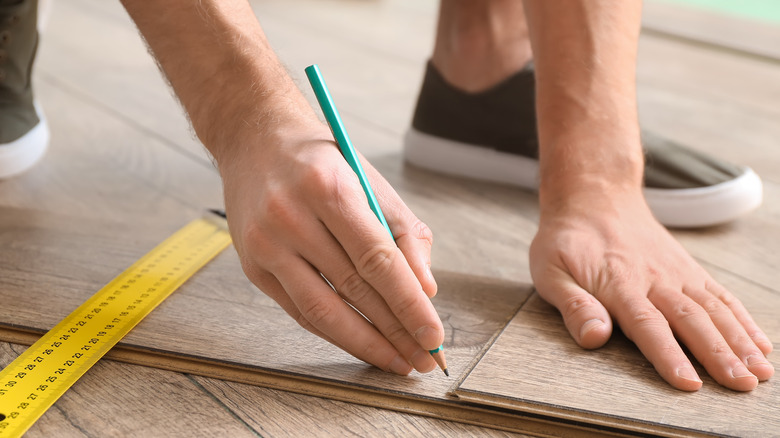
The initial step involves meticulous measurement, a critical phase that experts emphasize through the adage, "measure twice, cut once." This practice minimizes material waste and contributes significantly to the aesthetic quality of the installed floor. Marking measurements clearly with a pencil and using a clamp to secure the laminate during cutting further enhances accuracy and safety. The article highlights that the way laminate is cut can vary based on its format—strips, planks, or tiles—and how it will be laid out in the space.
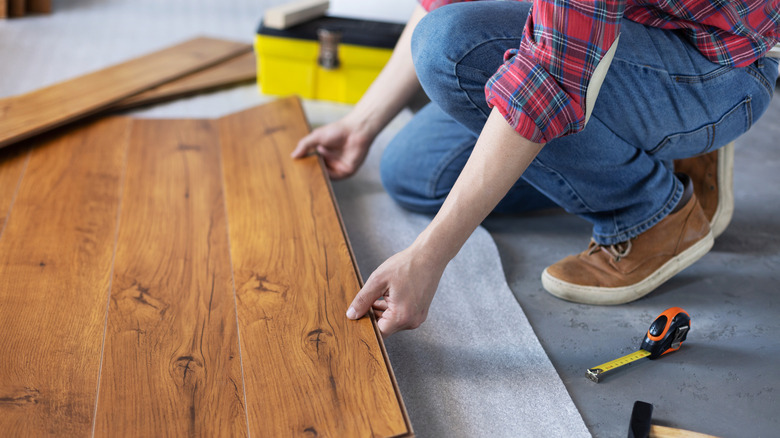
When cutting, the direction and shape of the cut boards are important considerations. Full planks are often suitable for long, open areas, but they can also create a spacious feel in smaller rooms. Mixing plank sizes can introduce unique design elements. For transitions between different rooms or flooring types, trimming laminate into thinner strips or using special transition pieces helps maintain flow. A key installation tip is to stagger the seams of the planks by at least one foot to avoid repetitive patterns and enhance structural stability. To prevent chipping or damage to the visible surface of the laminate during cutting, it is advised to cut the planks upside down, as the side touching the blade is more prone to imperfections.
The article also provides practical advice for addressing common issues that may arise during or after installation. For instance, methods for fixing laminate floor gaps are referenced, as are ways to avoid common cleaning mistakes that could damage the new flooring. This comprehensive approach ensures that not only is the installation process clear and efficient, but also that the homeowner is equipped with knowledge for long-term maintenance and problem-solving, contributing to the longevity and appearance of their laminate floor.
#LaminateFlooring #HomeImprovement #DIYFlooring #FlooringInstallation #LaminateCutter #MeasuringTechniques #CuttingTips #InteriorDesign #HomeMaintenance #LaminateFlooring #HomeImprovement #DIYFlooring #FlooringInstallation #LaminateCutter #MeasuringTechniques #CuttingTips #InteriorDesign #HomeMaintenance
0 comment in total
 No comments yet
You may also like
Learn How to Install Laminate Flooring Yourself

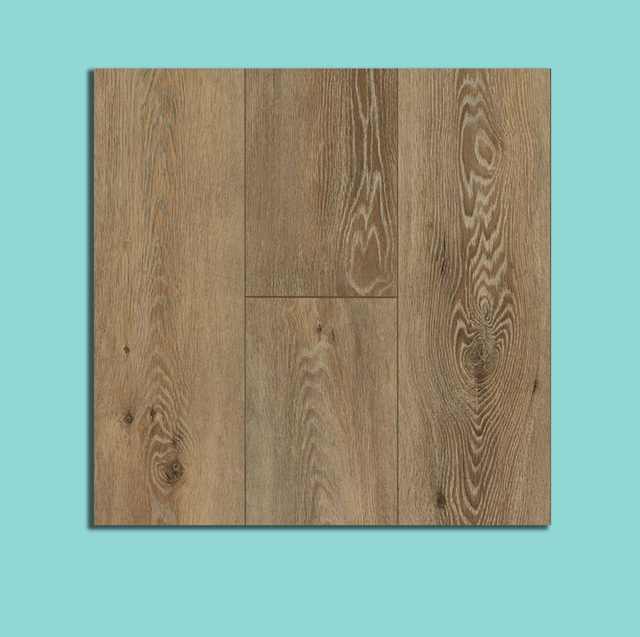
Our Home Experts Found the Best Laminate Flooring Options on the Market

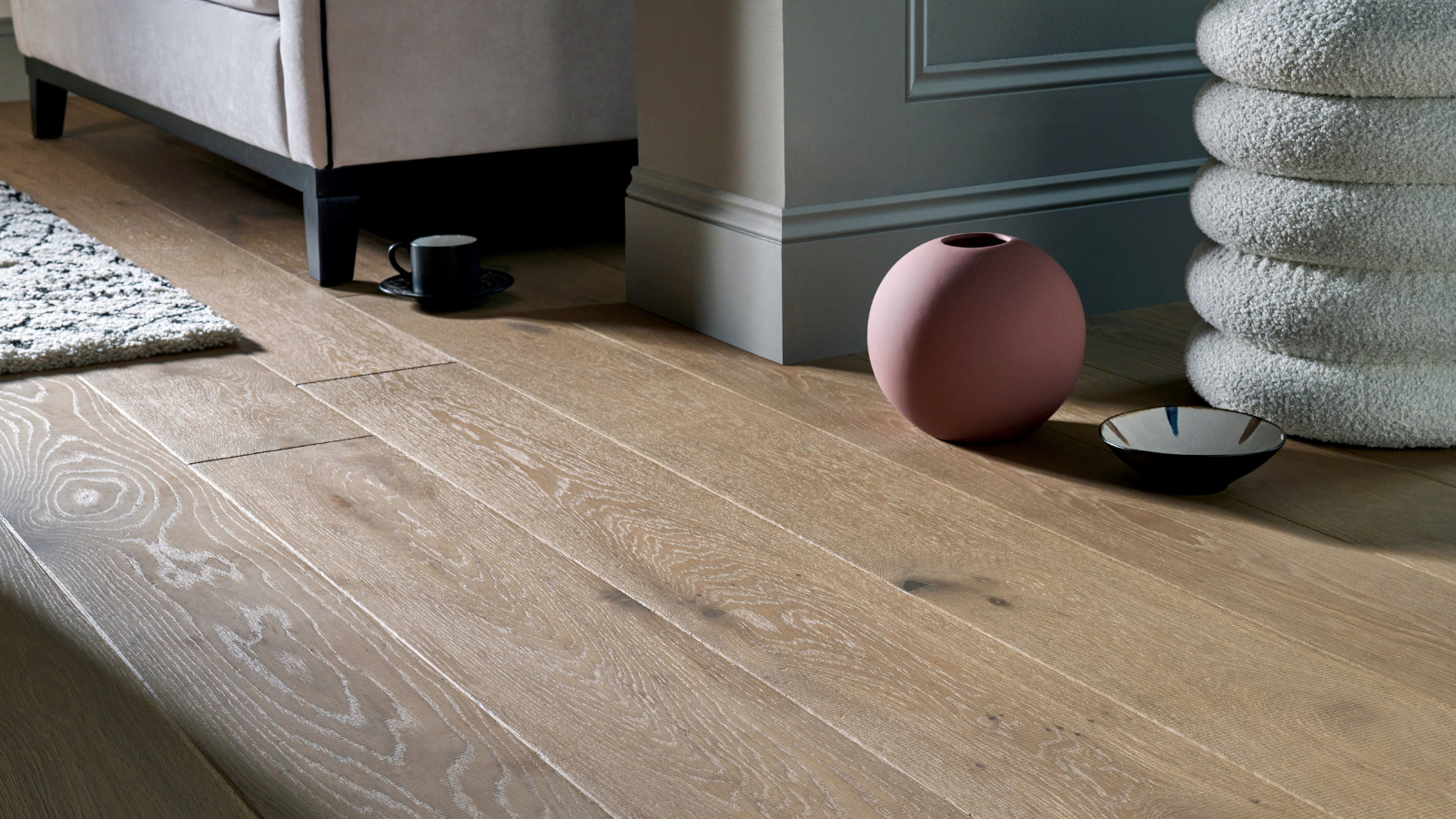
How to clean laminate floors for extra shine – and what to avoid to protect the floor's surface for years

Lambert Hardwood Flooring

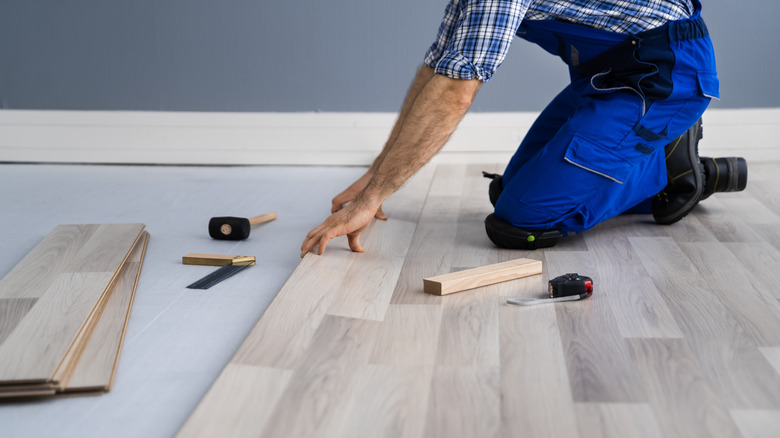
The Easiest Way To Install Laminate Flooring, According To An Expert

3 steps to cover ugly wood floors mid-home reno


Different Types of Wood Flooring and What to Consider Before Installing


Flooring Tools & Accessories


How to Lay Engineered Wood Flooring — 3 Tactics Experts Swear by for the Very Best Finish

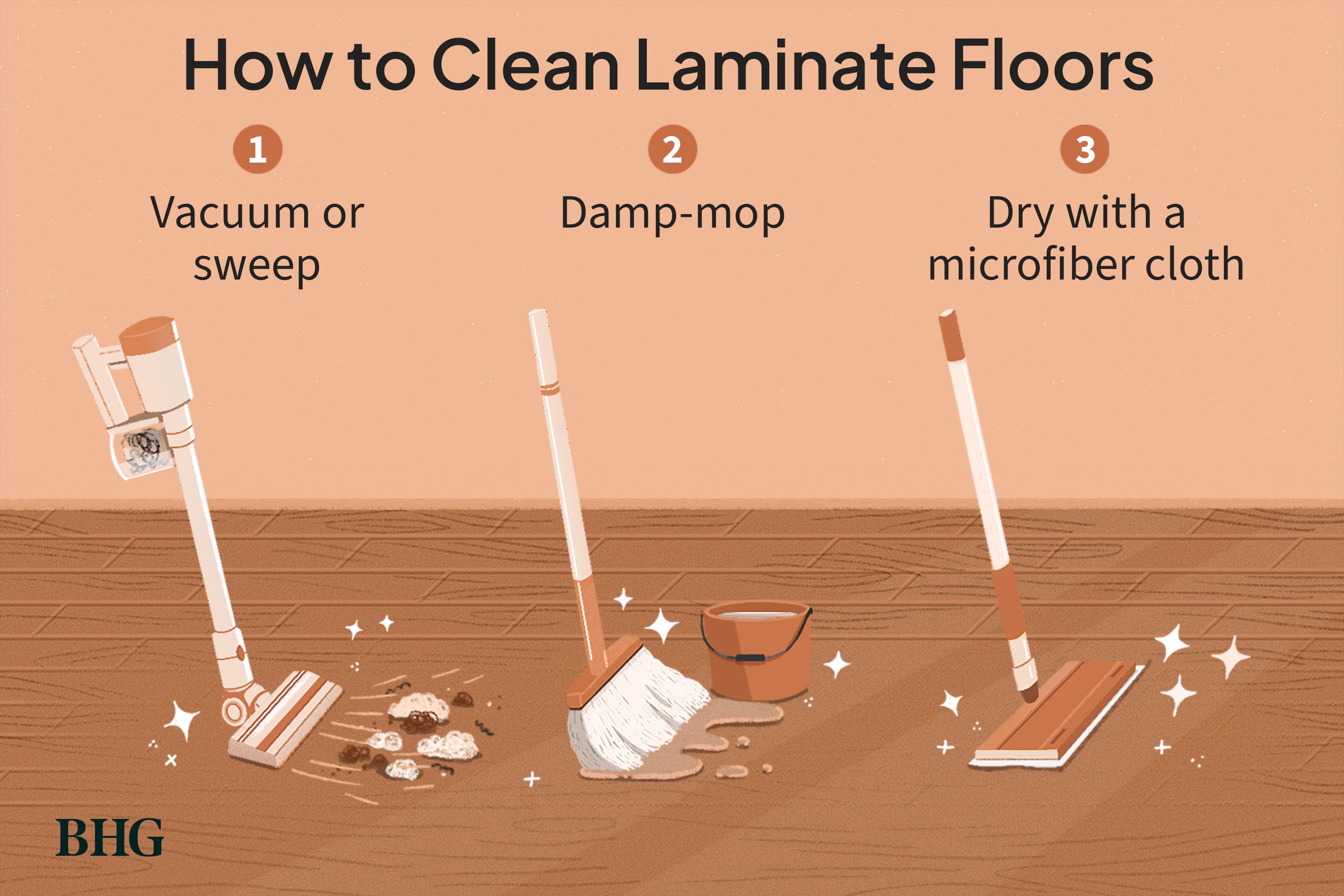
How to Clean Laminate Floors to Protect Their Shiny Finish
LL Flooring Boasts Hundreds of Flooring Choices—But Is It a Good Option for Homeowners?
The One Way You Should NEVER Clean Laminate Floors
From preparation to cutting, here's how to lay floor tiles
The Best Laminate Underlayment for Flooring

The 9 Best Laminate Flooring Options, Vetted
Can you put lino over tiles? You can, but experts urge you to proceed with caution if you want a flawless finish

Laminate Flooring
Laminate kitchen flooring ideas – expert advice and beautiful inspiration for this affordable flooring

All Flooring | Wood, Vinyl & Laminate Flooring

Laminate Countertops Aren’t All Bad—Here’s What To Know About the Surface