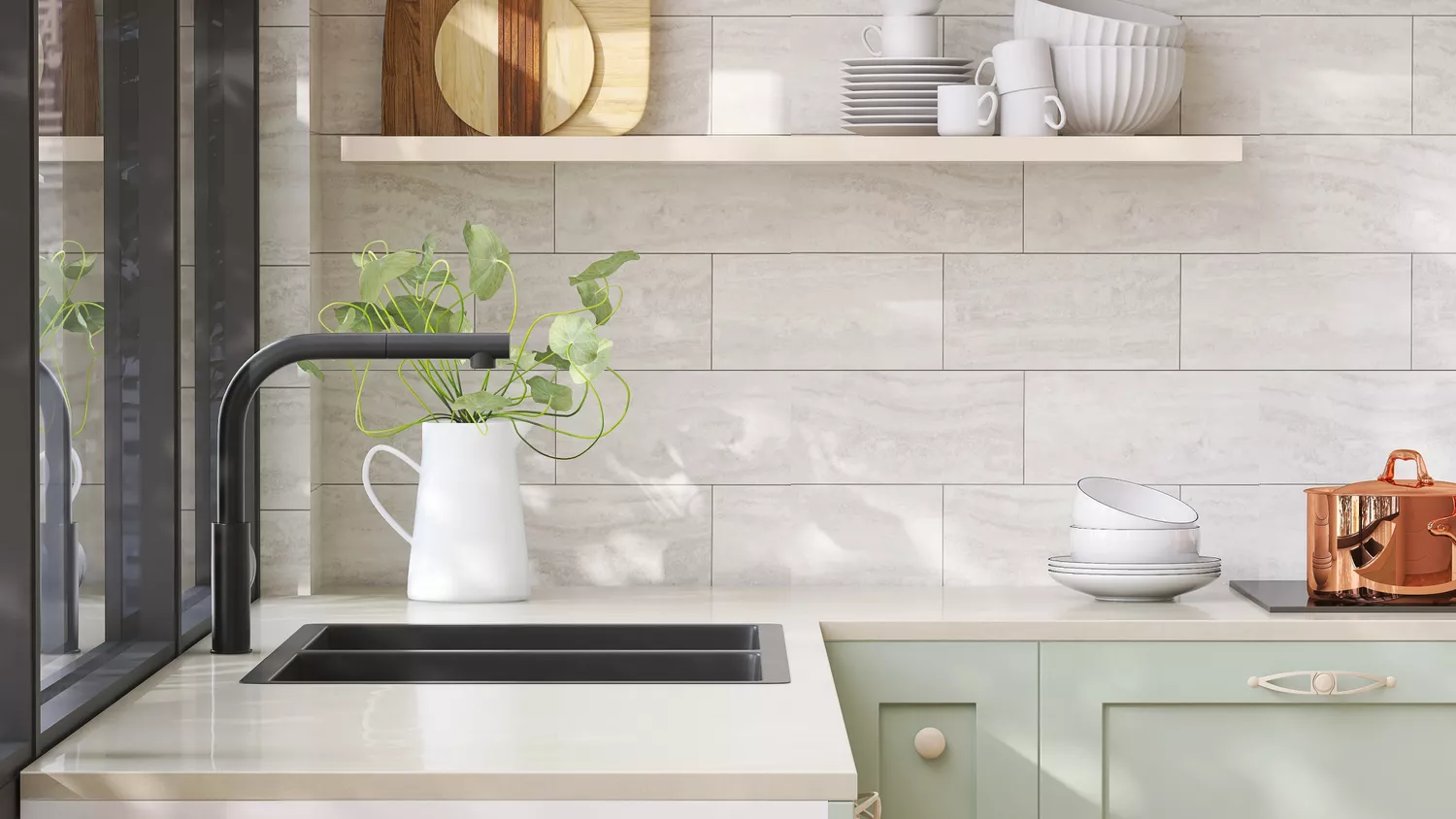
Laminate Countertops Aren’t All Bad—Here’s What To Know About the Surface
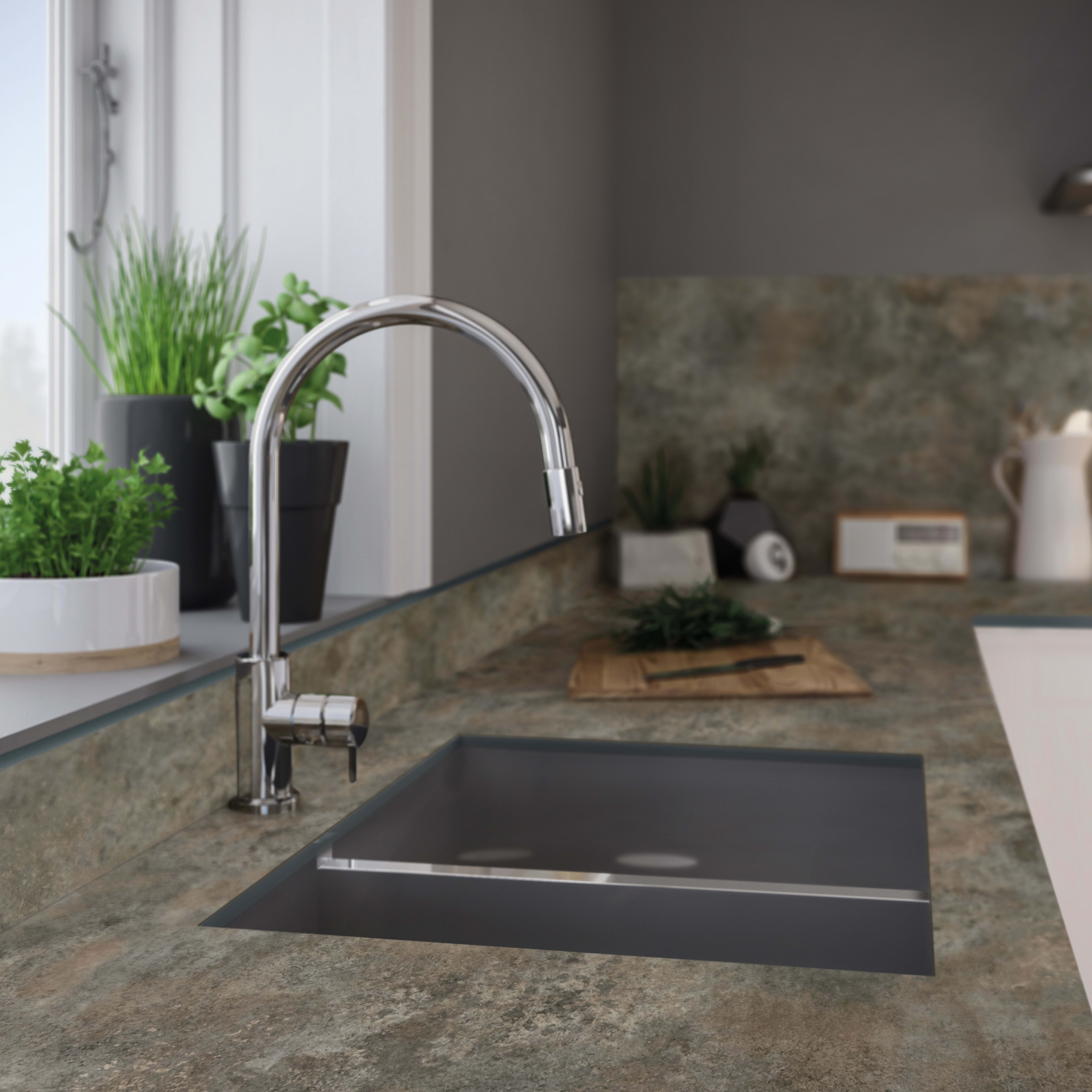
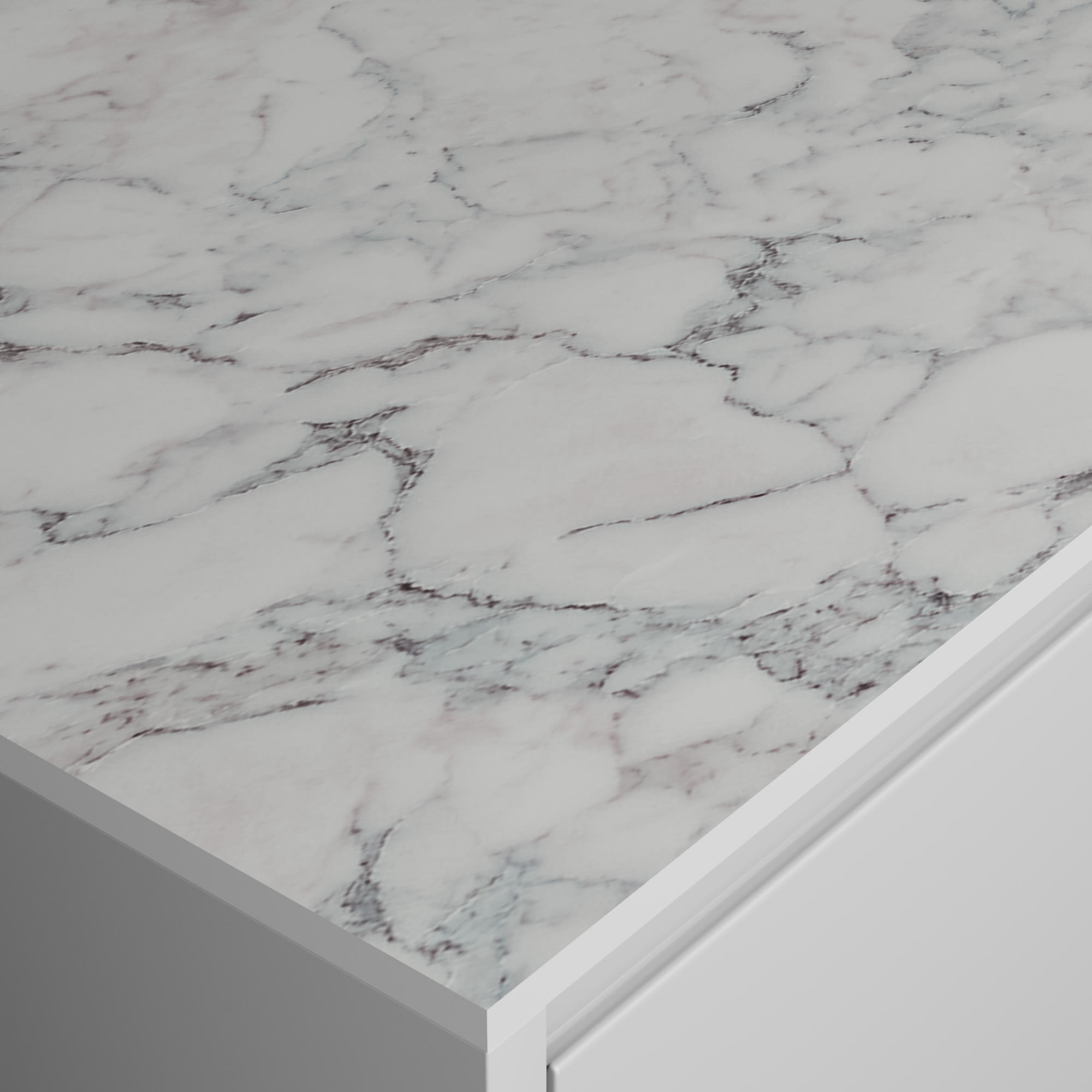
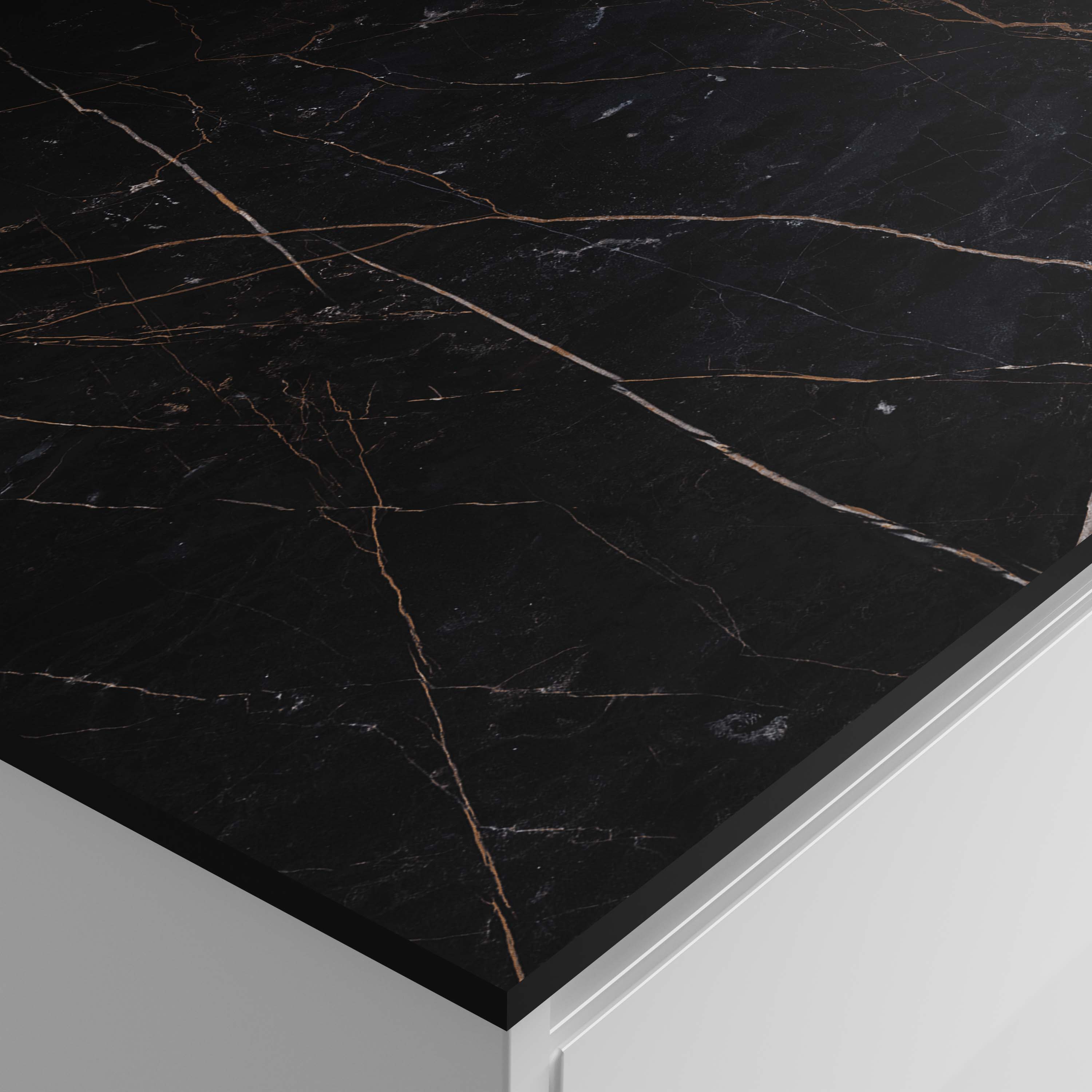
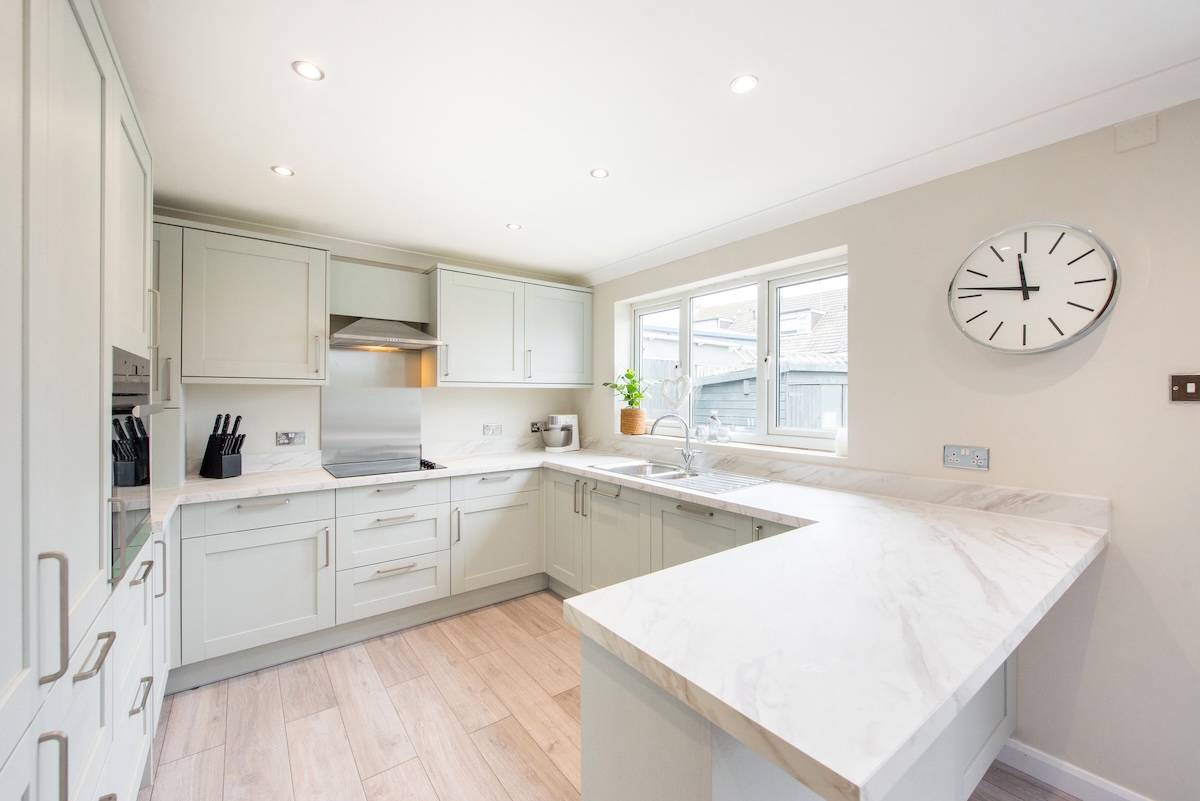
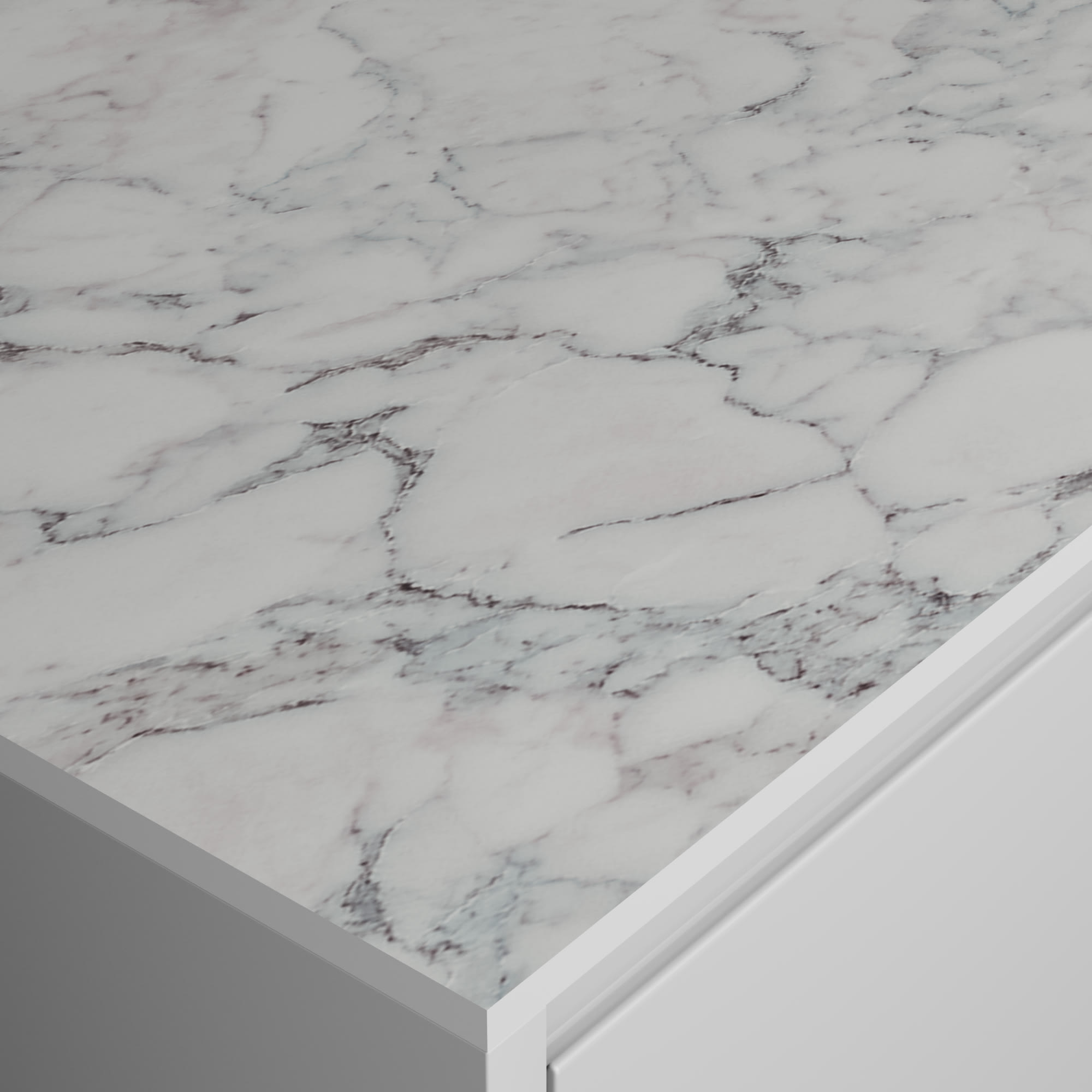
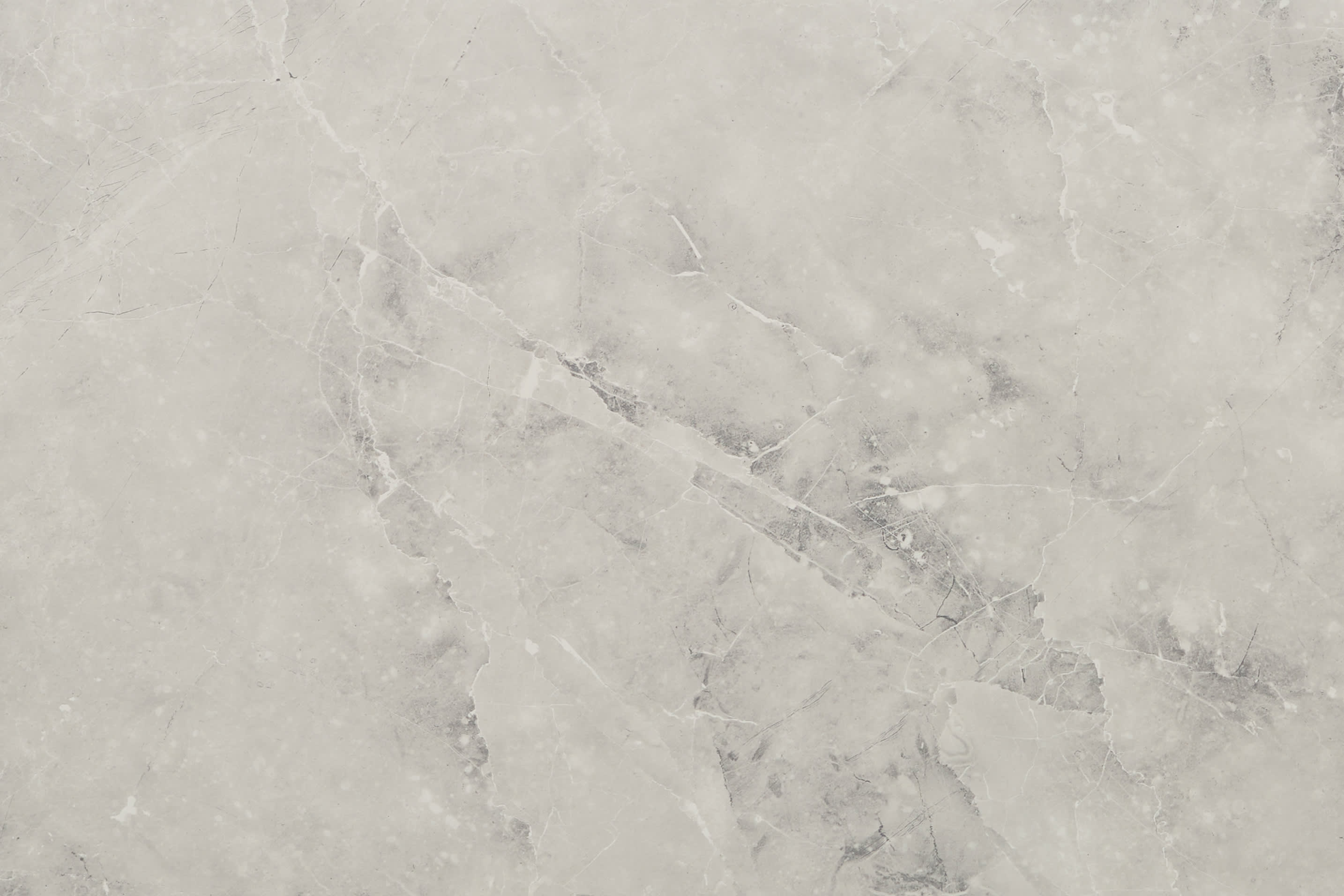
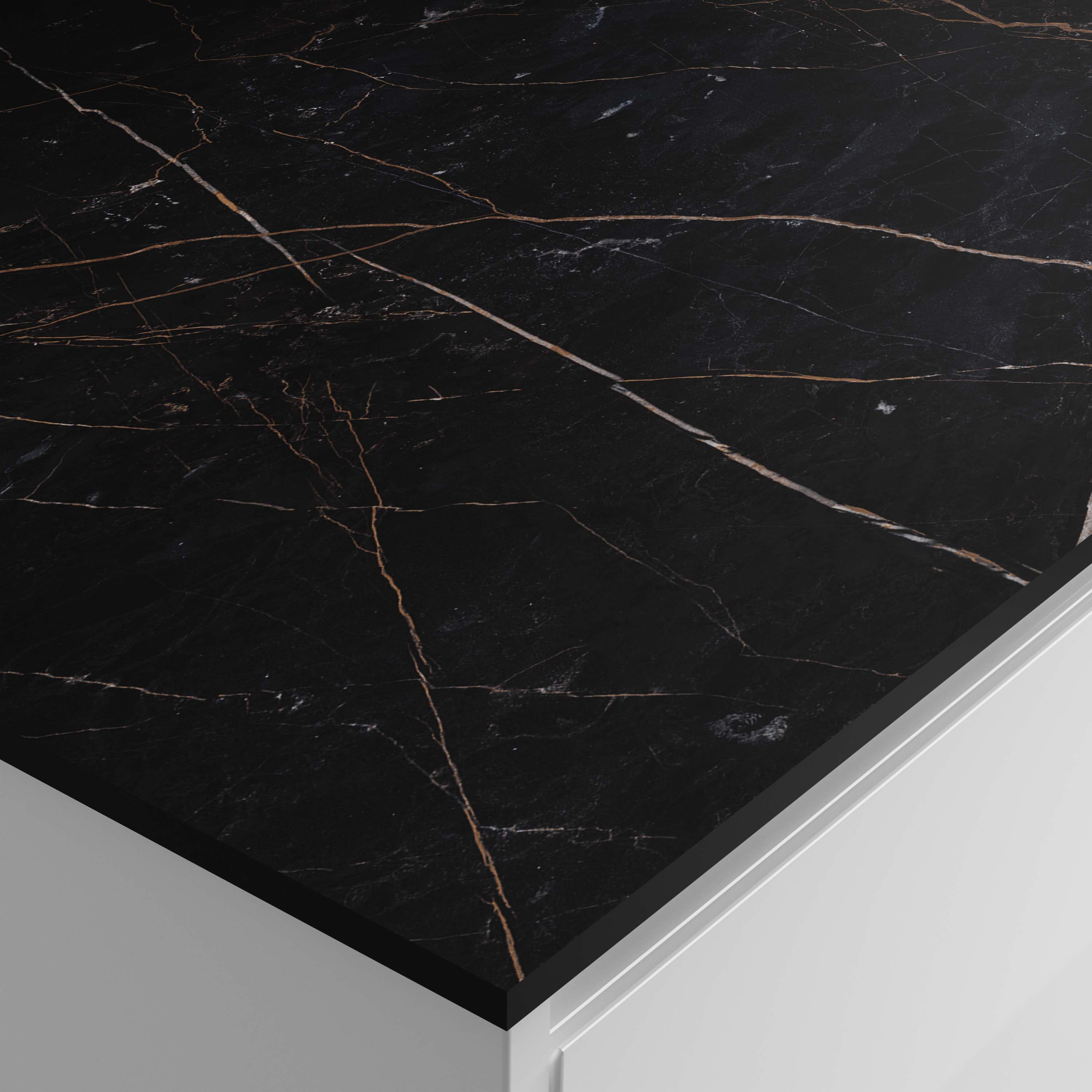
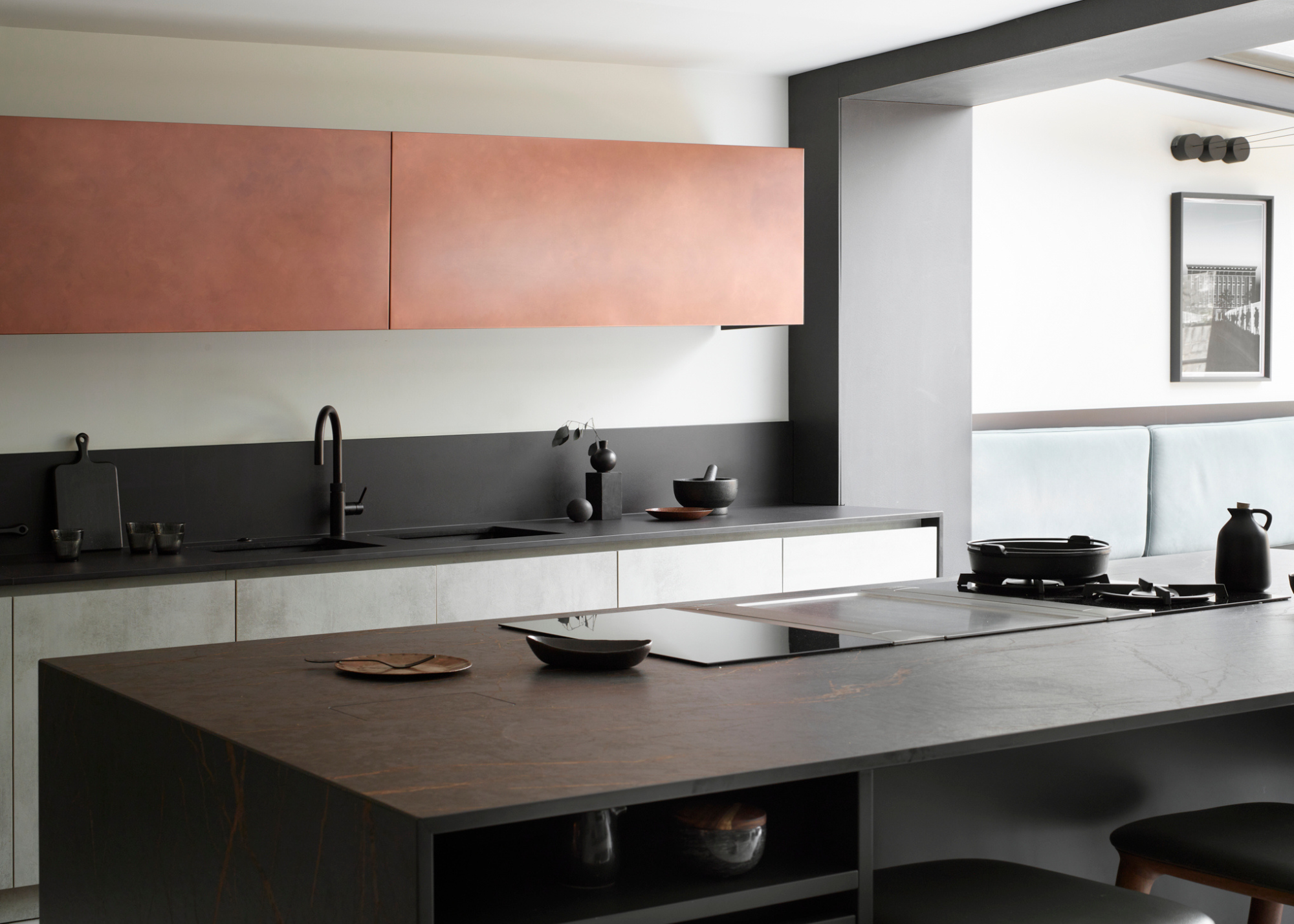
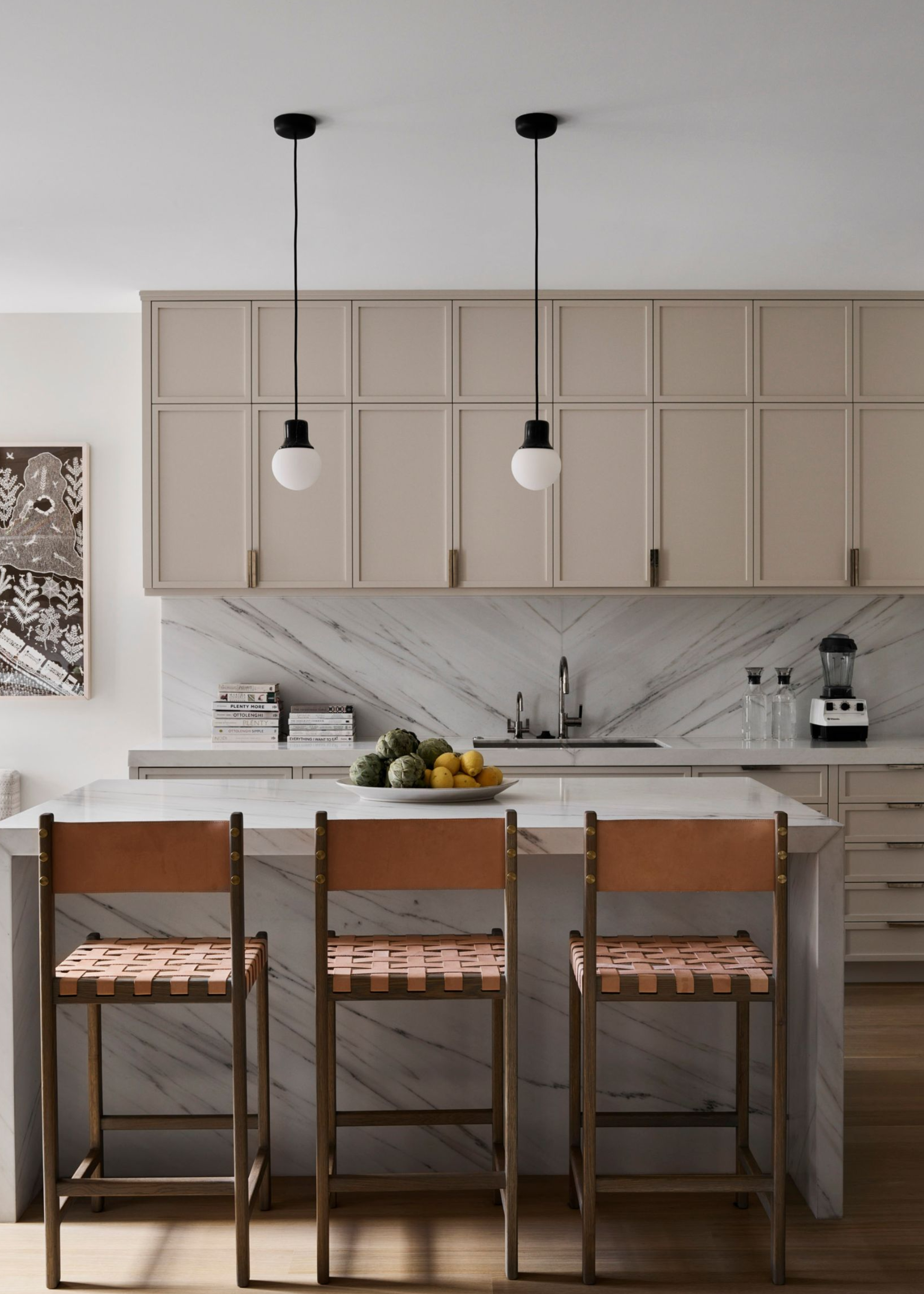
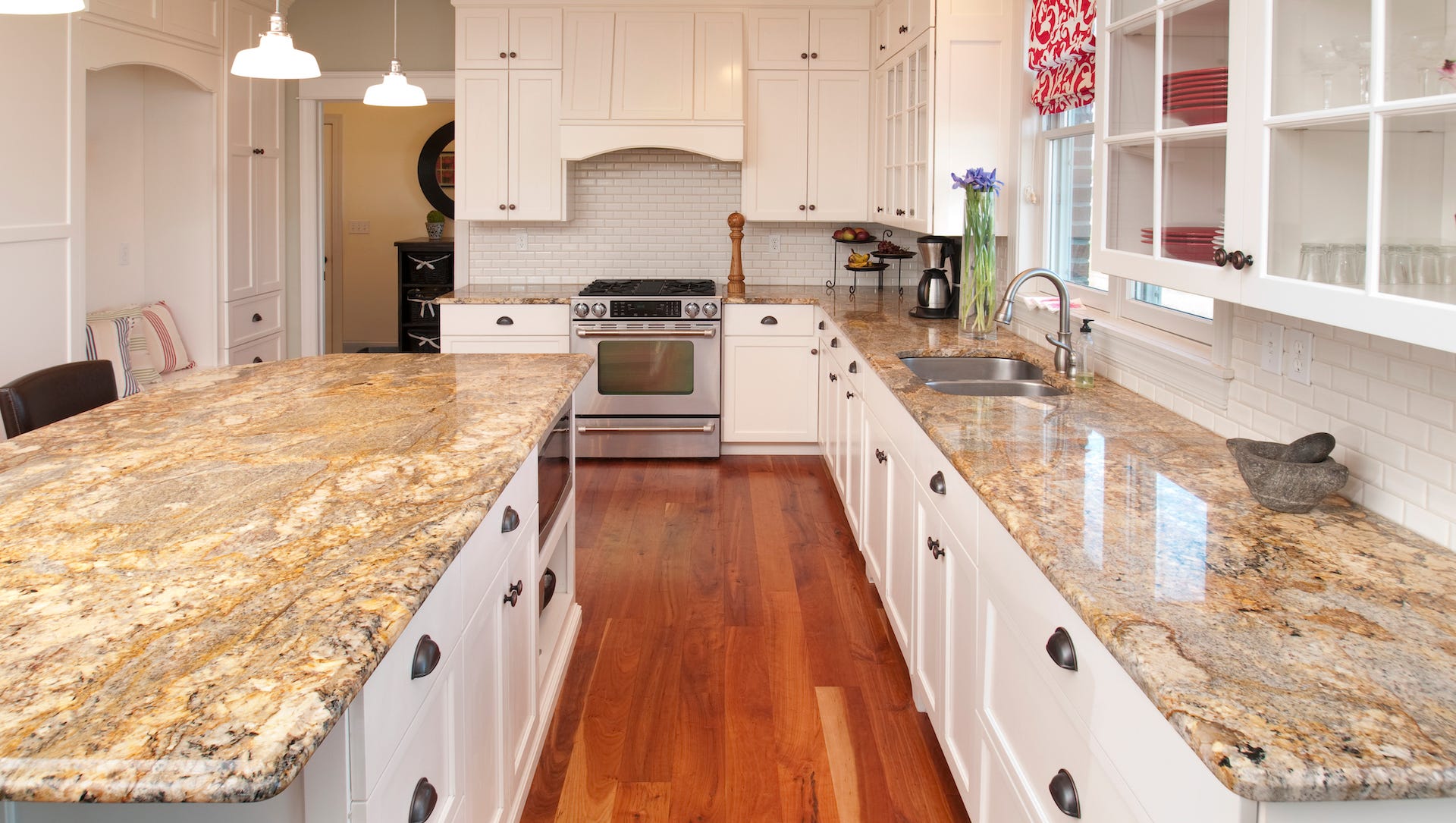
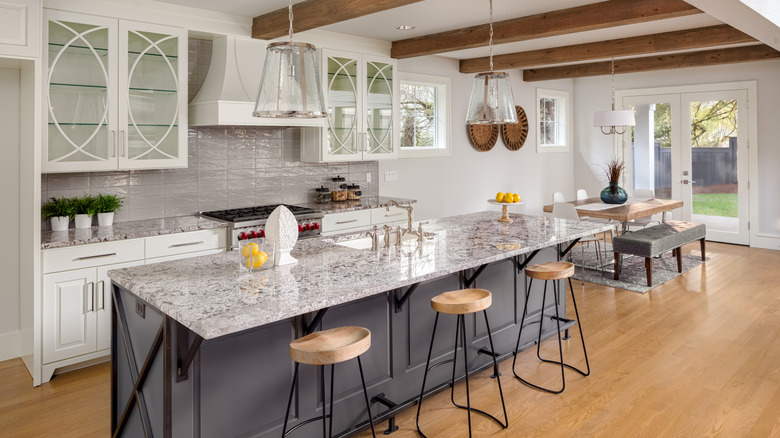
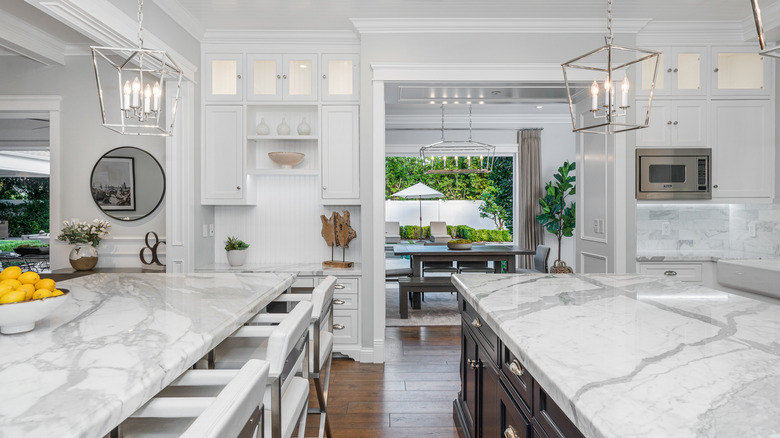
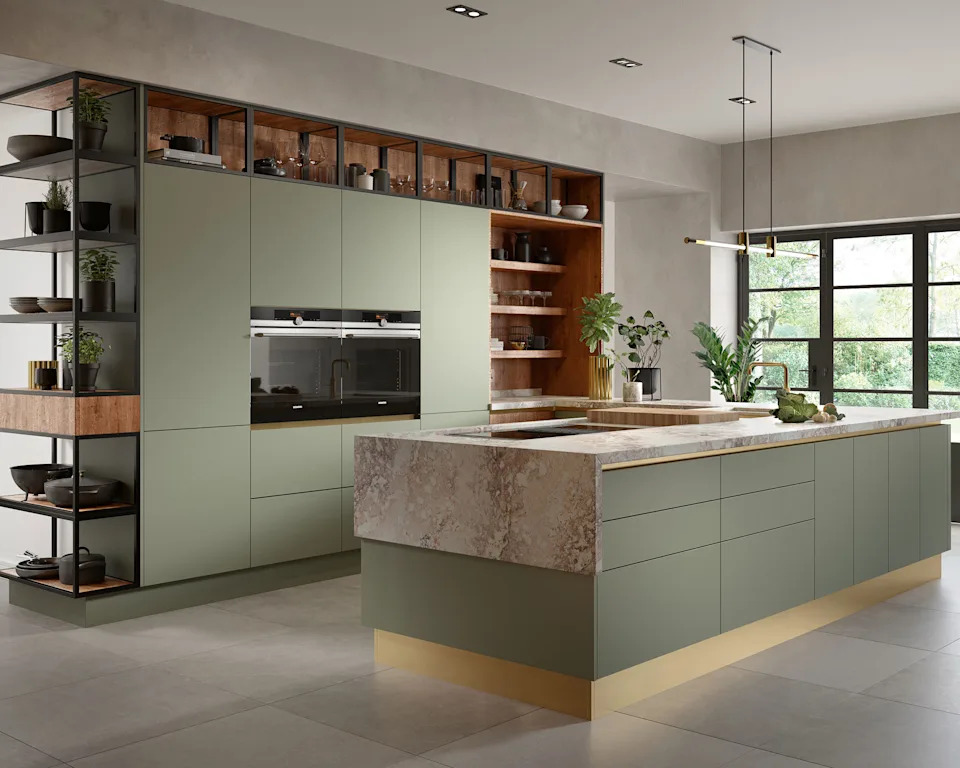
This article explores the suitability of laminate countertops for homes, providing insights from custom home builder Corbin Clay and The Home Depot's associate merchant of kitchen countertops, Bennett Ginburg. Once associated with dated kitchens, laminate countertops have undergone significant advancements in appearance and composition, now offering 3D or 'high-definition' textures that realistically mimic natural stone.
Laminate countertops consist of a thin layer of laminate material bonded to a core of particleboard or MDF. The laminate itself is composed of a protective top layer, a decorative paper layer (featuring printed patterns like stone or wood), and a balancing film for stability. This 'phenolic backer' facilitates easier application, allowing for instant adhesion with contact cement, unlike solid or wood veneers that require hours of clamping.
In terms of cost, laminate countertops are a budget-friendly option, ranging from $19 to $45 per square foot, with an average cost of $34 per square foot. This is considerably less expensive than solid surface ($64/sq ft), granite ($70/sq ft), quartz ($80/sq ft), and marble ($85/sq ft) countertops, making them an attractive choice for those on a tight budget. The expected lifespan of most laminate countertops is around 15 years, with high-quality, well-maintained versions lasting up to 20 years. While shorter than natural stone surfaces, this lifespan is comparable to butcher block countertops.
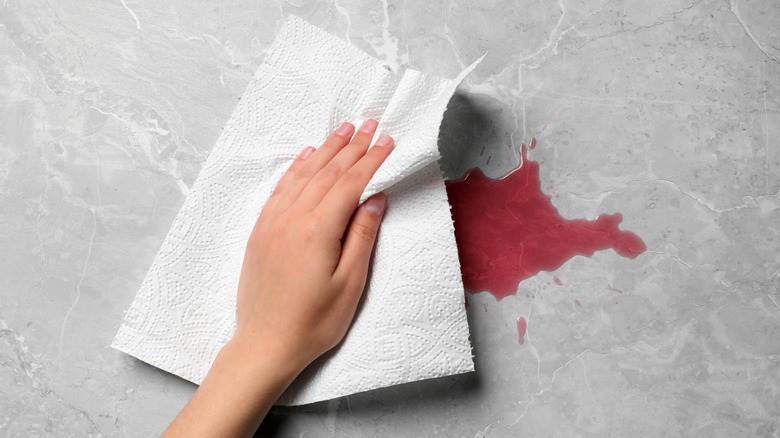
A key advantage of laminate is its low maintenance. Being man-made and non-porous, it does not require sealing or re-sealing, unlike wood and stone. Cleaning is simple, requiring only soap and warm water. Its non-porous nature also makes it resistant to stains and less likely to harbor bacteria or mold, promoting a hygienic kitchen and bathroom environment.
However, there are drawbacks. Laminate countertops are not as durable as real stone and are susceptible to damage from hot pots, pans, and sharp knives, as they can scorch or rip. Unlike wood, which can be sanded and repaired, damage to laminate is often permanent. Another significant con is its low resale value; homes with laminate countertops may sell for less compared to those with granite or quartz. This makes laminate a less desirable option if increasing home value for resale is a priority.
For those considering DIY installation, it is a feasible project, especially with pre-manufactured post-form countertops. The process involves measuring, turning off water and electricity, removing old countertops, dry fitting the new ones, attaching them to cabinets, installing the sink and stove top, and finally adding the backsplash. Specialized saw blades are recommended to prevent chipping during cutting. The entire installation can take anywhere from an hour to a full day, depending on the kitchen's size and complexity. While professional installation offers convenience and warranty, DIY can save significant costs.
#LaminateCountertops #HomeImprovement #KitchenDesign #DIYInstallation #CountertopMaterials #BudgetFriendly #HomeRenovation #InteriorDesign #KitchenRemodel #LaminateCountertops #HomeImprovement #KitchenDesign #DIYInstallation #CountertopMaterials #BudgetFriendly #HomeRenovation #InteriorDesign #KitchenRemodel
0 comment in total
 No comments yet
You may also like

Laminate Worktops

Kitchen Guidebook: 7 best kitchen laminates for the cabinets

Lava Stone Countertops — The Glossy Kitchen Surface To Know

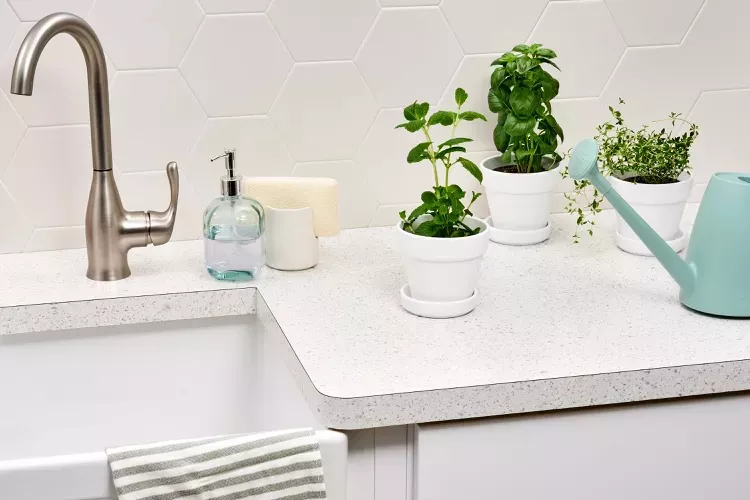
5 Clever Ways to Update Old Laminate Countertops (Without Spending a Ton)

The Best Countertop Materials for Every Type of Kitchen


All Kitchen worktops
20 Countertop Ideas That Will Instantly Make Your Kitchen Feel More Luxe

How To Pick The Perfect Countertop Material For Your Kitchen

From Natural Stone to Plastic Laminate, We're Helping You Choose the Best Countertop Material for Your Kitchen
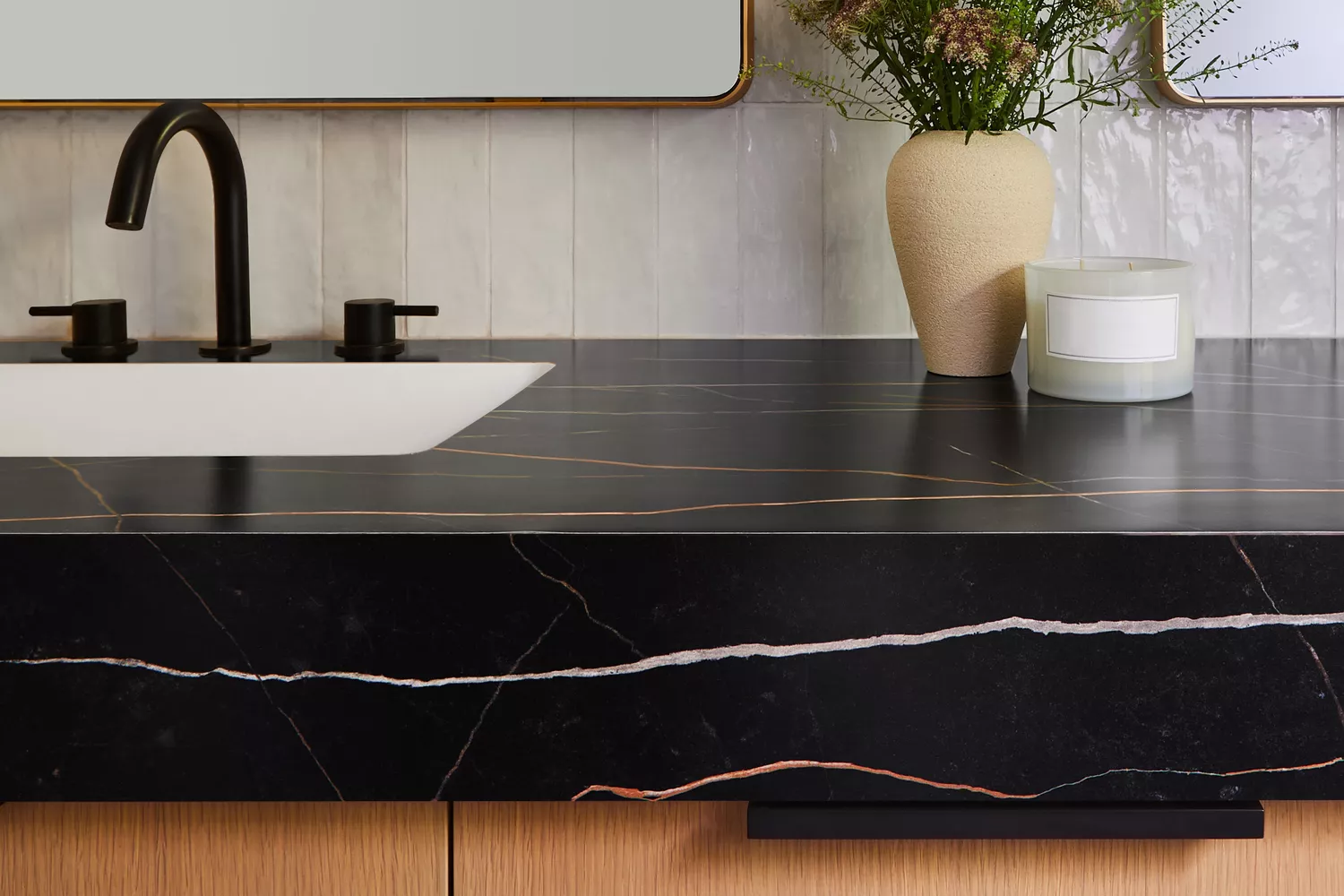
Laminate Countertops Are Making a Comeback—And Formica's New Line Proves It

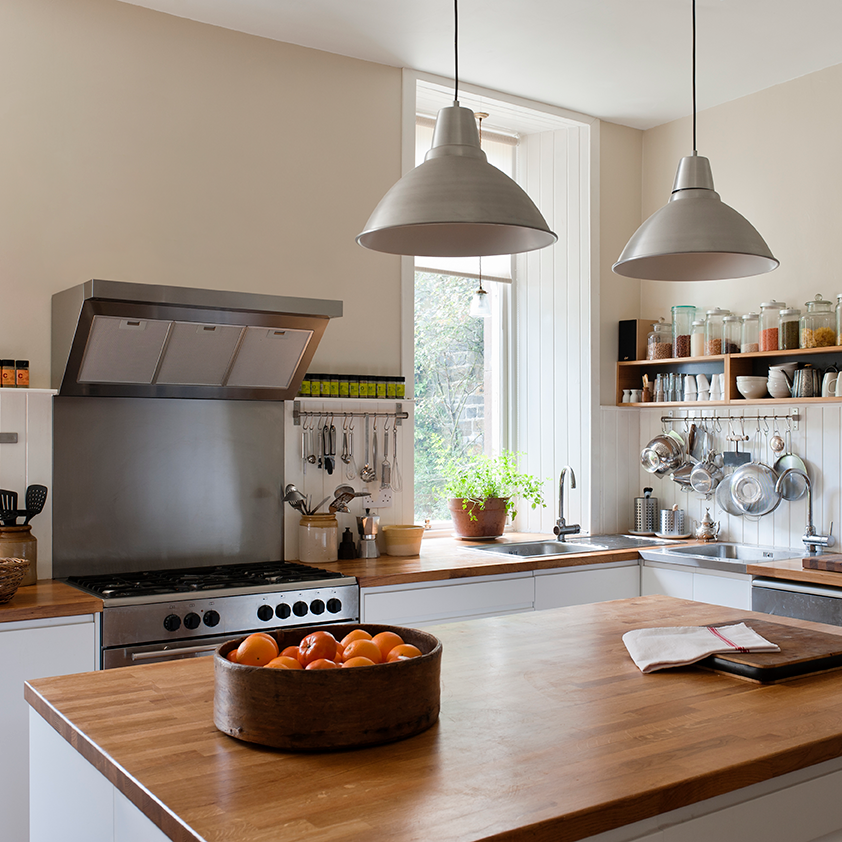
The Best Types of Kitchen Countertops

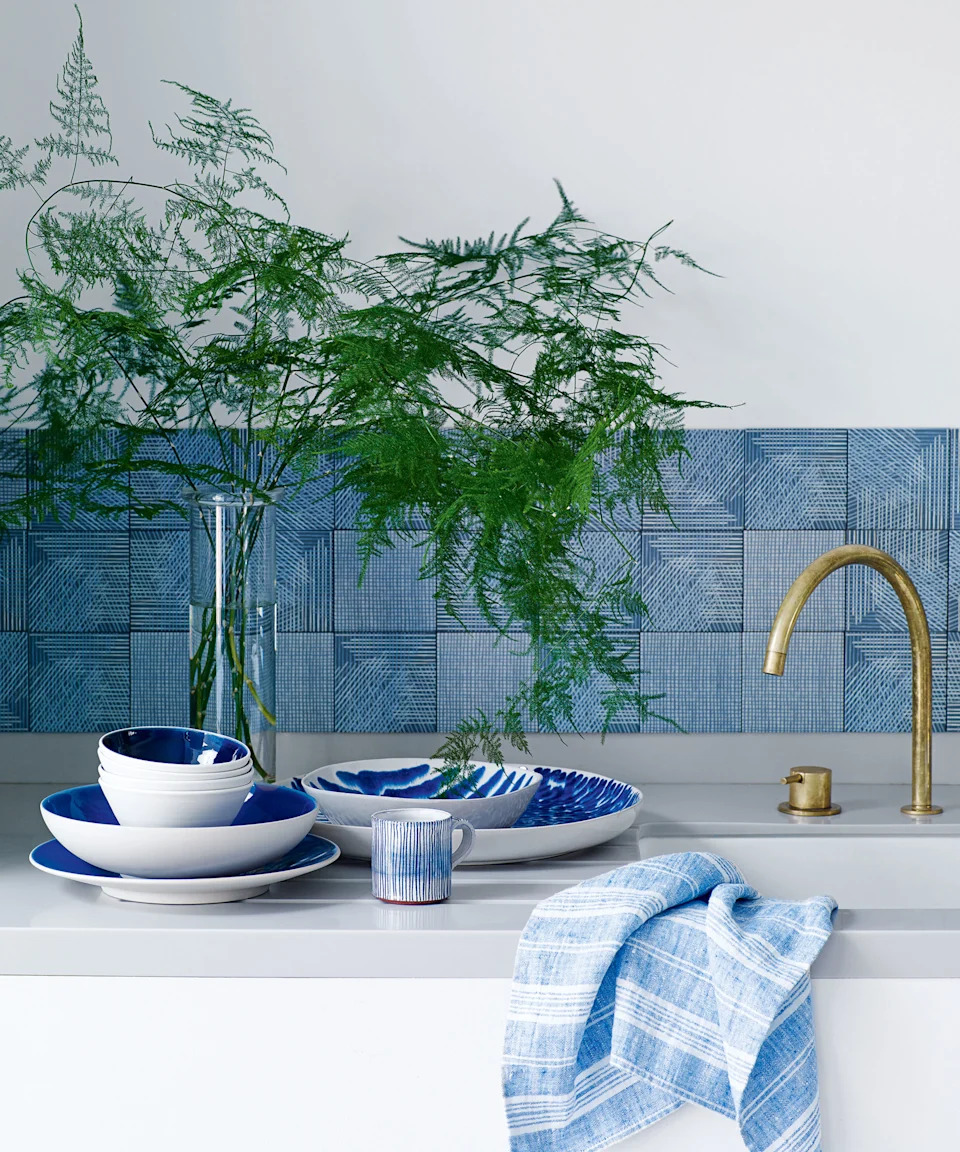
Kitchen countertop ideas – 14 worktops in marble, granite and composite materials
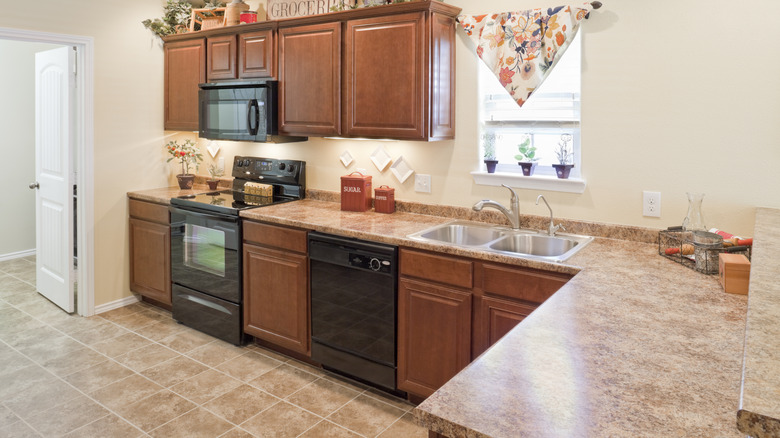
The Type Of Countertop The Property Brothers Warn To Avoid During A Kitchen Reno
I'm Calling It, Porcelain Is the Most Underrated Material for Countertops — These Are the Pros and Cons to Know

Countertop and solid surface trends: Texture, sustainability, and drama

Are wooden countertops right for your home – we explore the pros and cons

Why a 111-Year-Old Kitchen Countertop Material Is Suddenly Popular with Gen Z

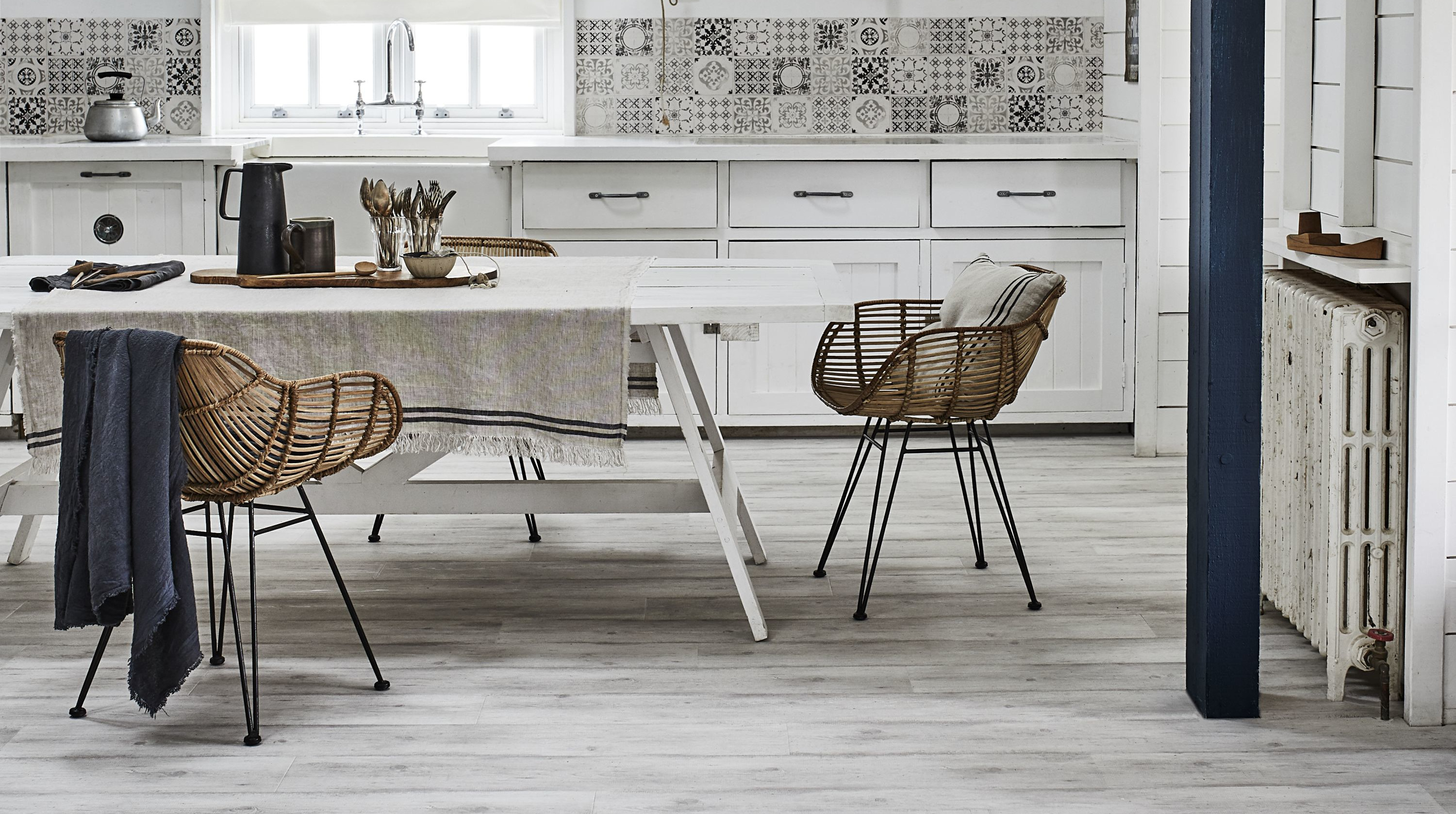
Laminate kitchen flooring ideas – expert advice and beautiful inspiration for this affordable flooring
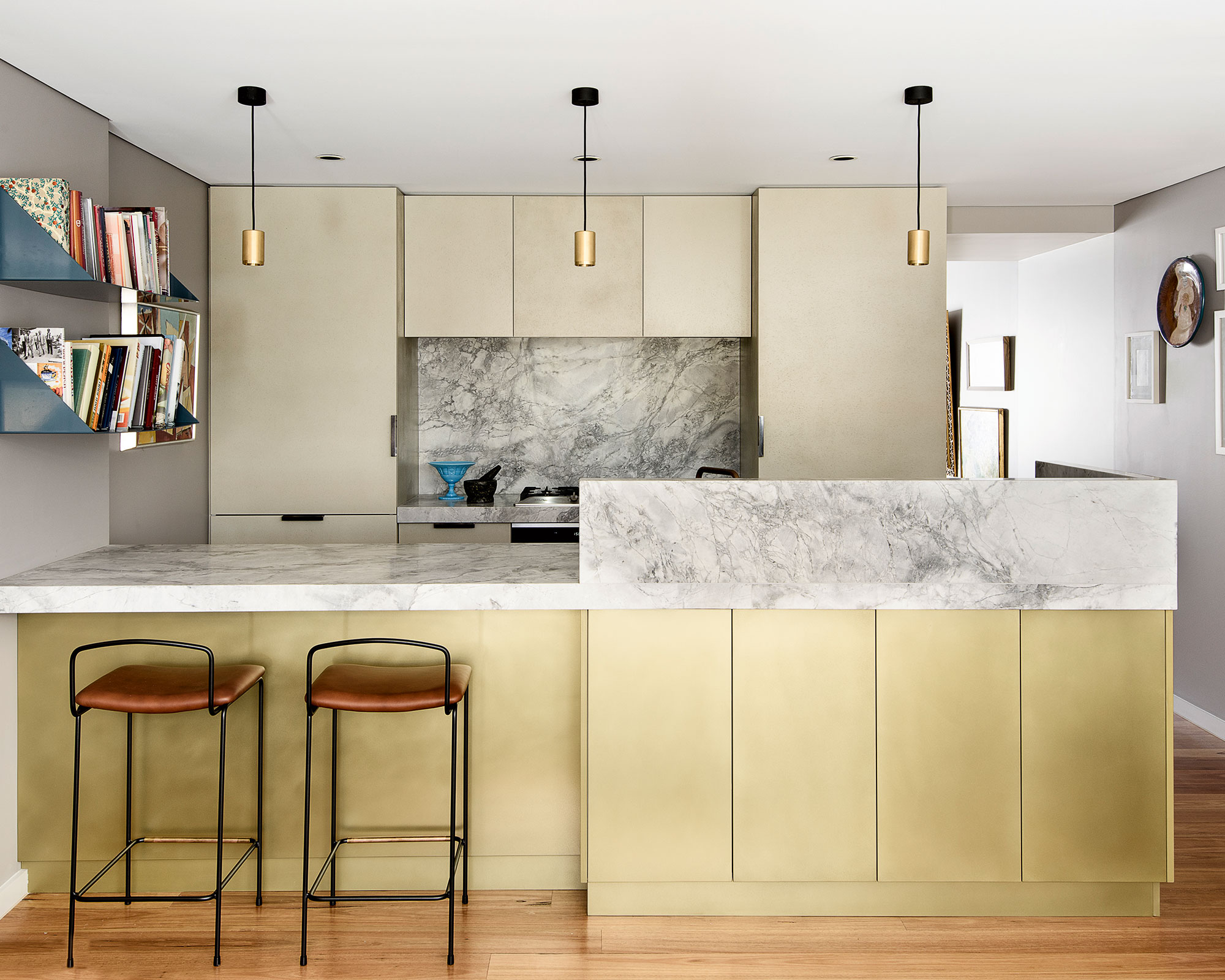
Kitchen countertop ideas – 21 worktops in marble, granite and composite materials
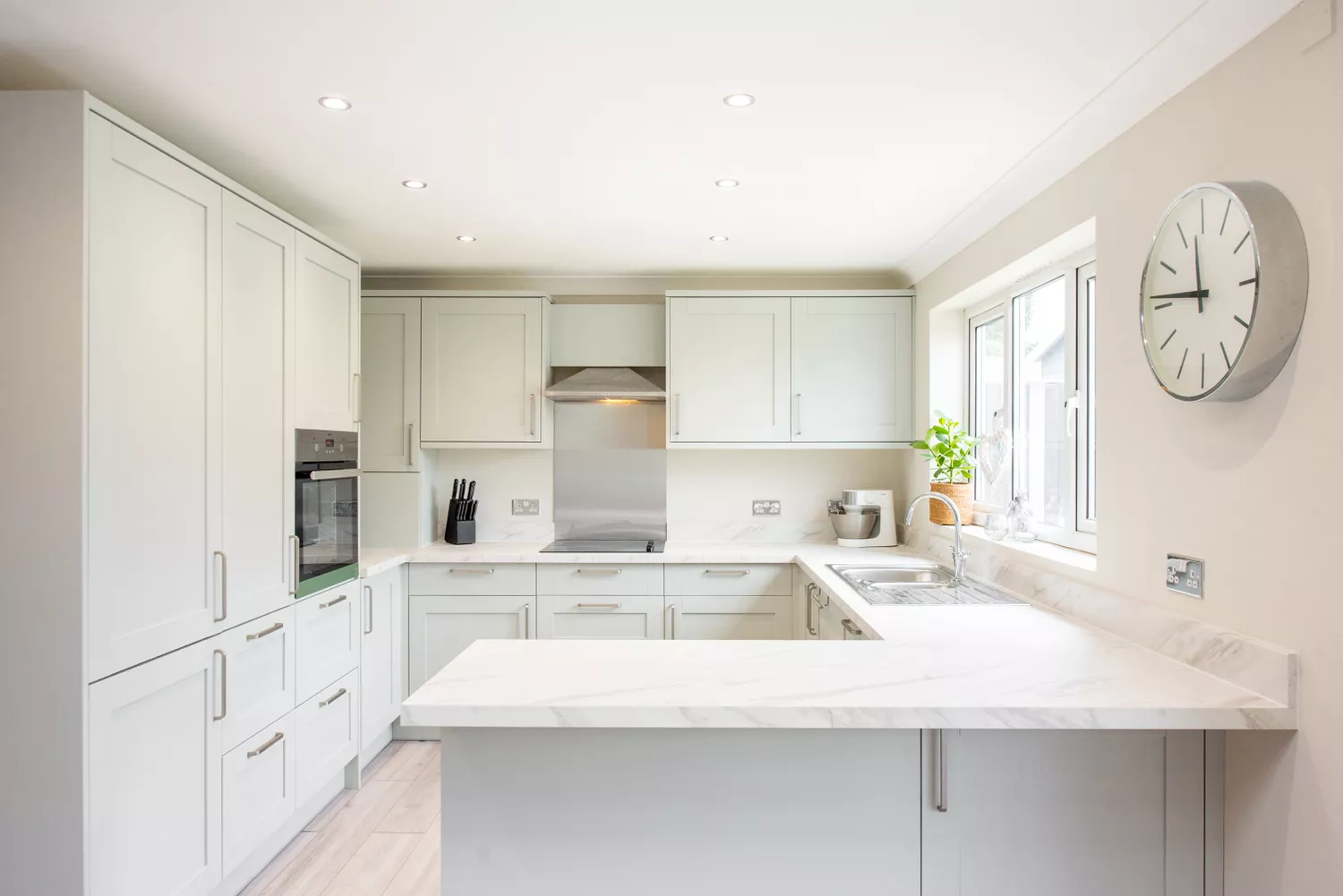
Don't Replace Your Laminate Countertops Yet—How to Repair Them to Extend Their Life