1/9
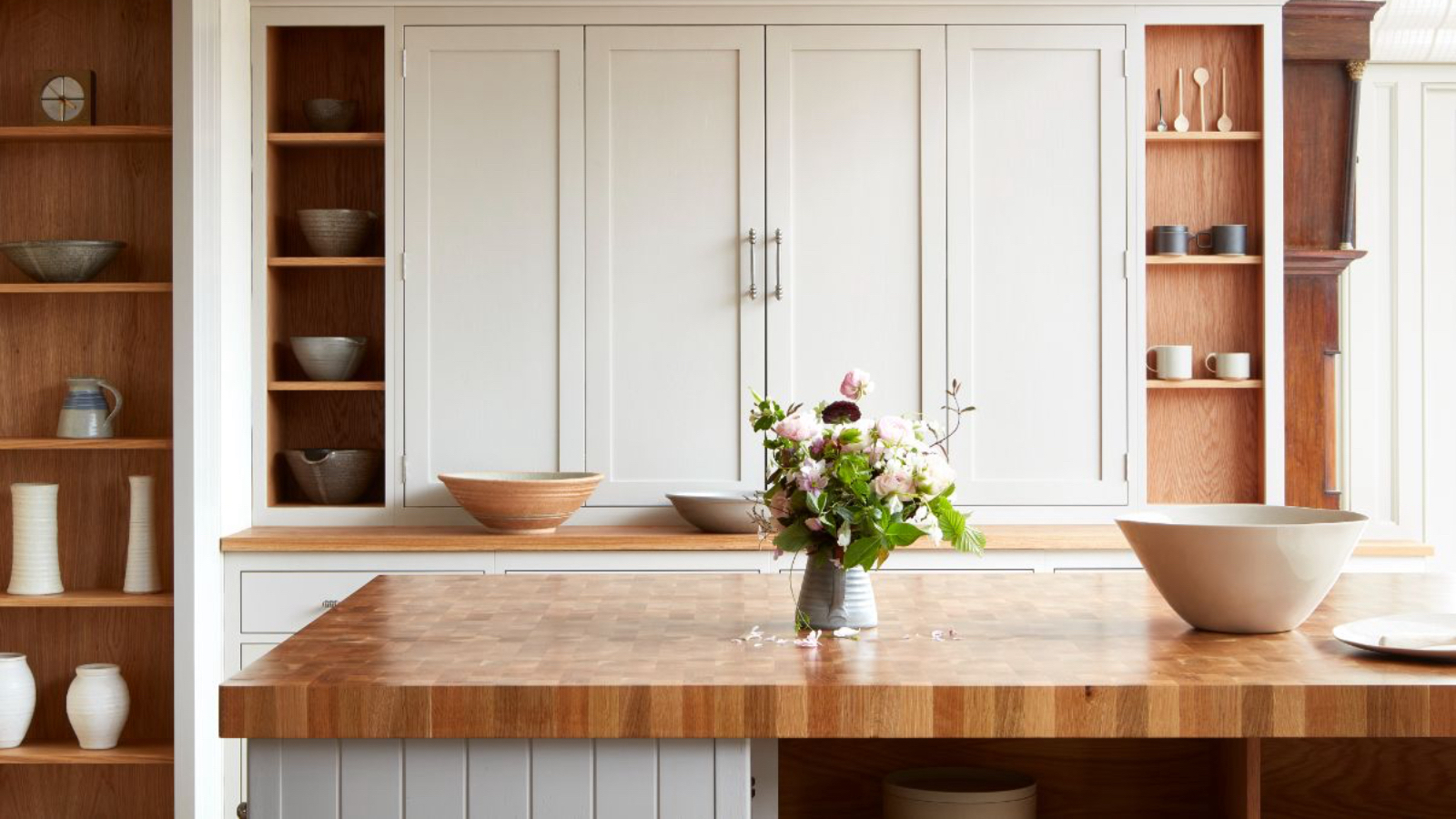
Are wooden countertops right for your home – we explore the pros and cons
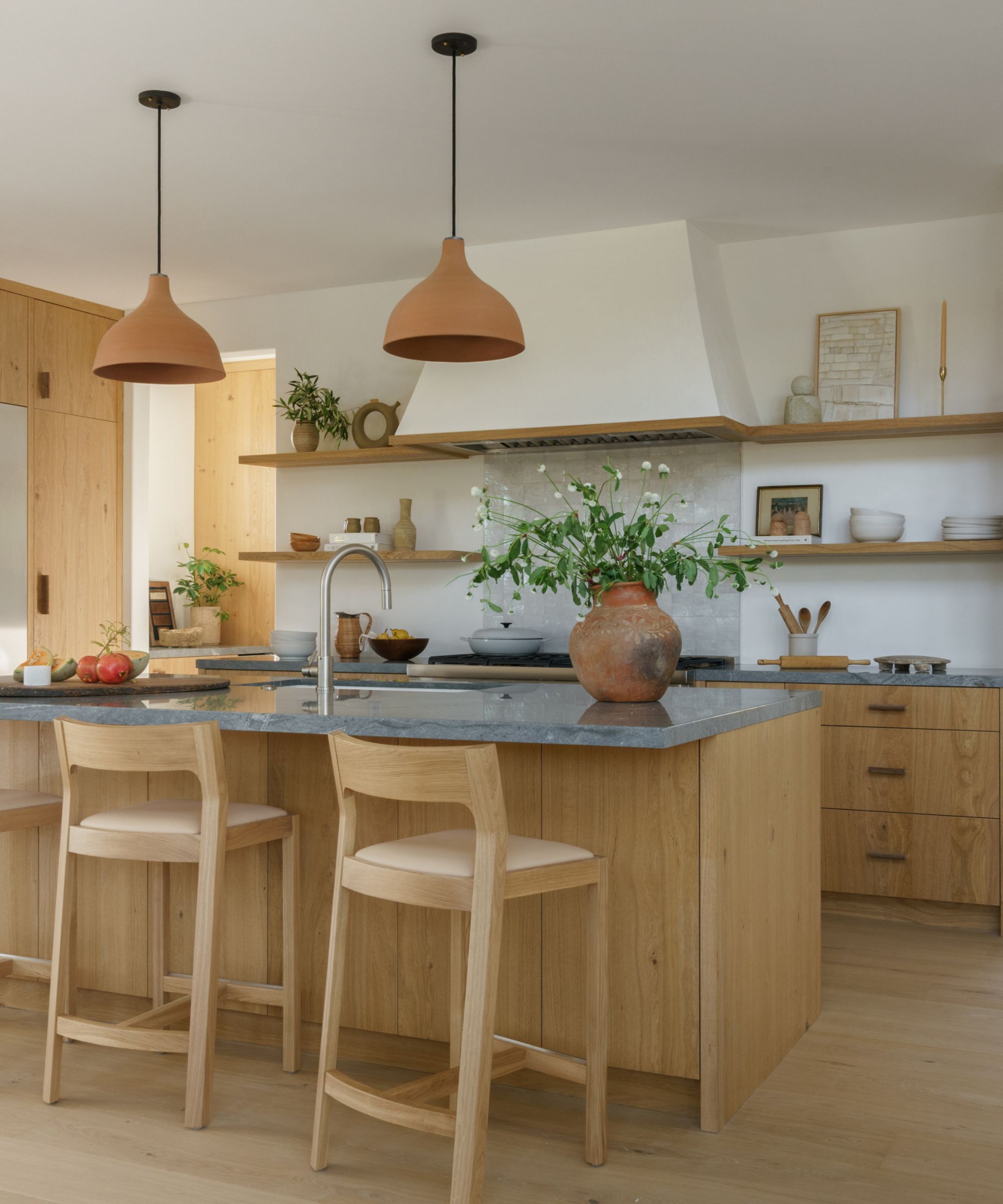
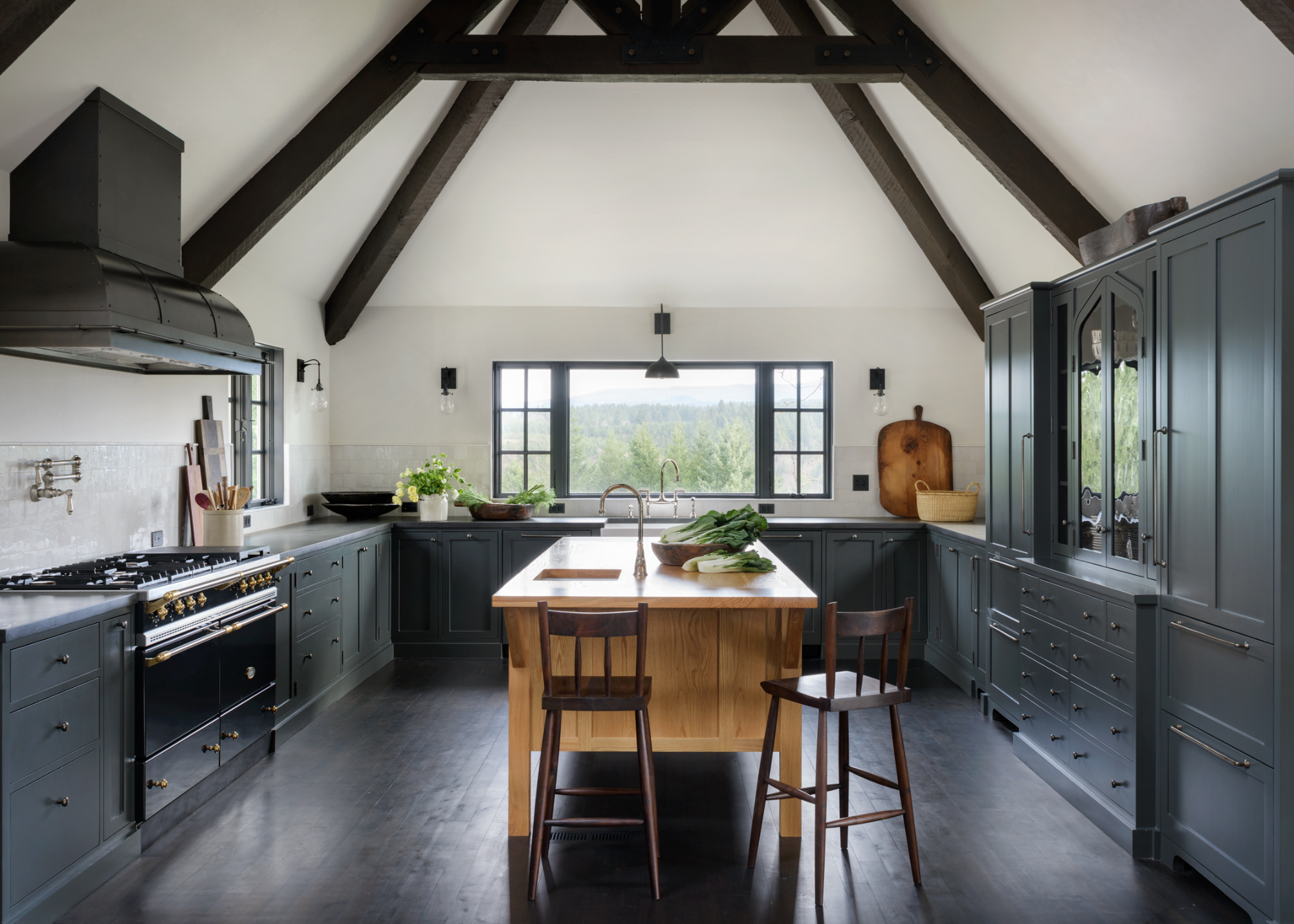
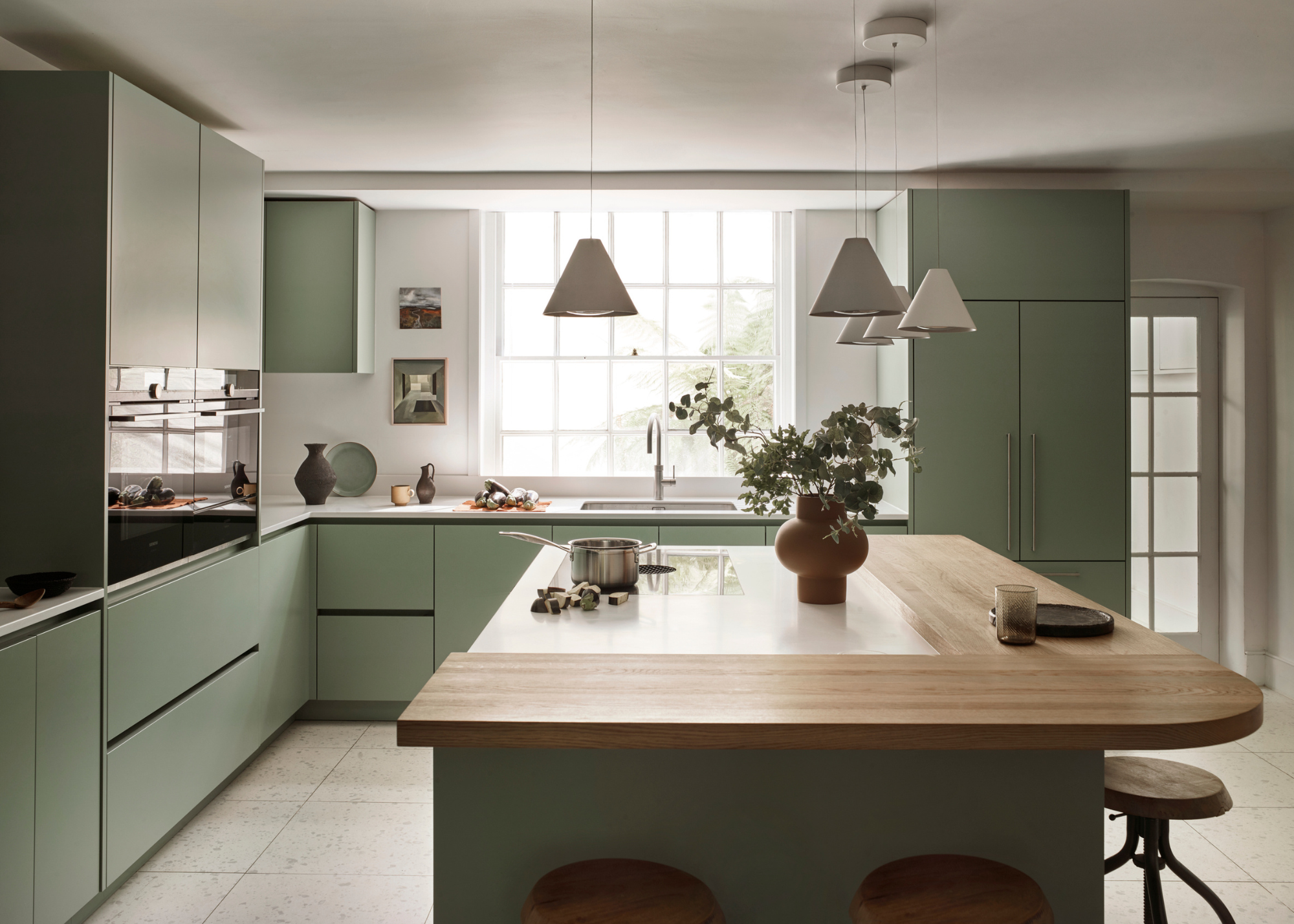
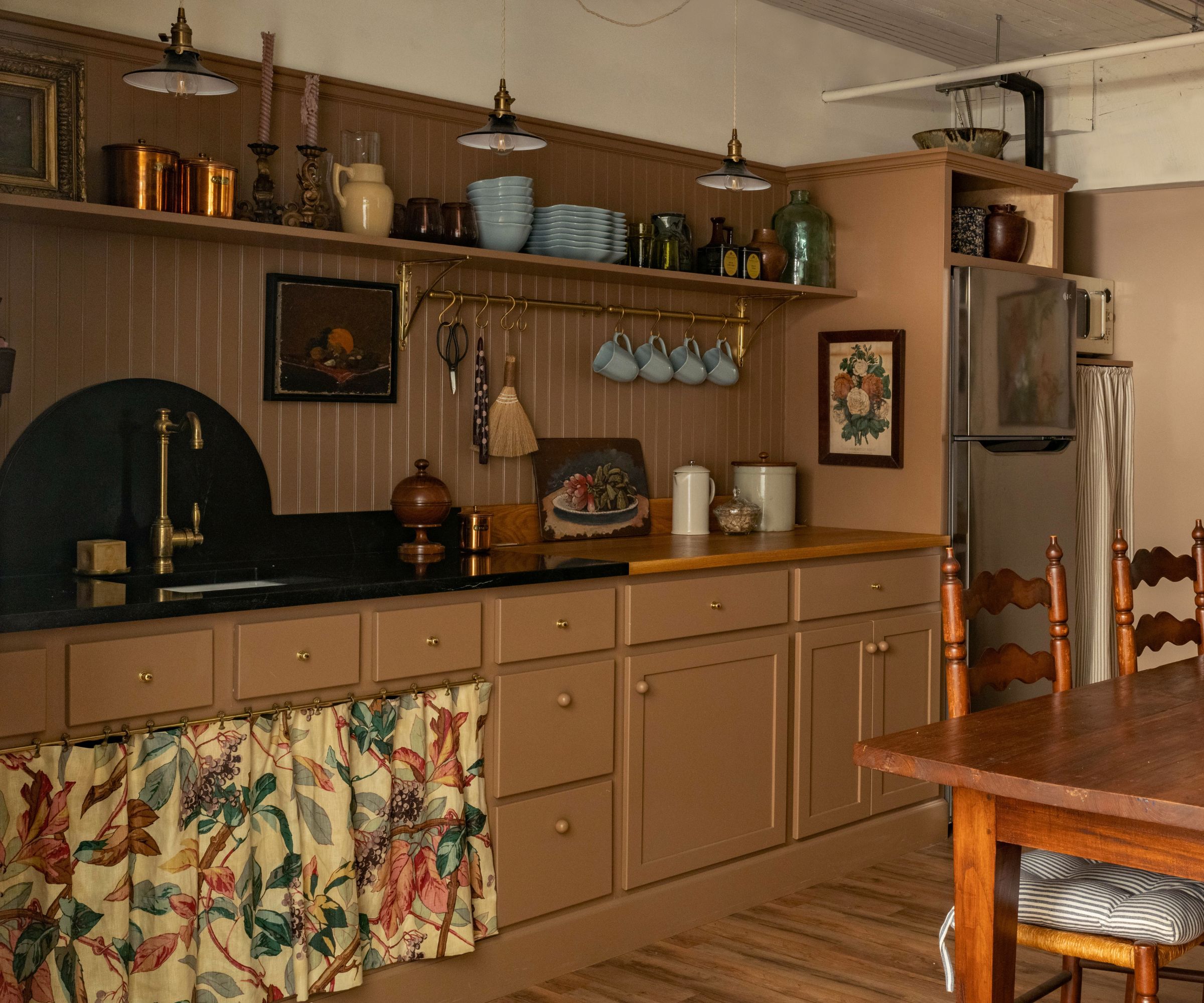
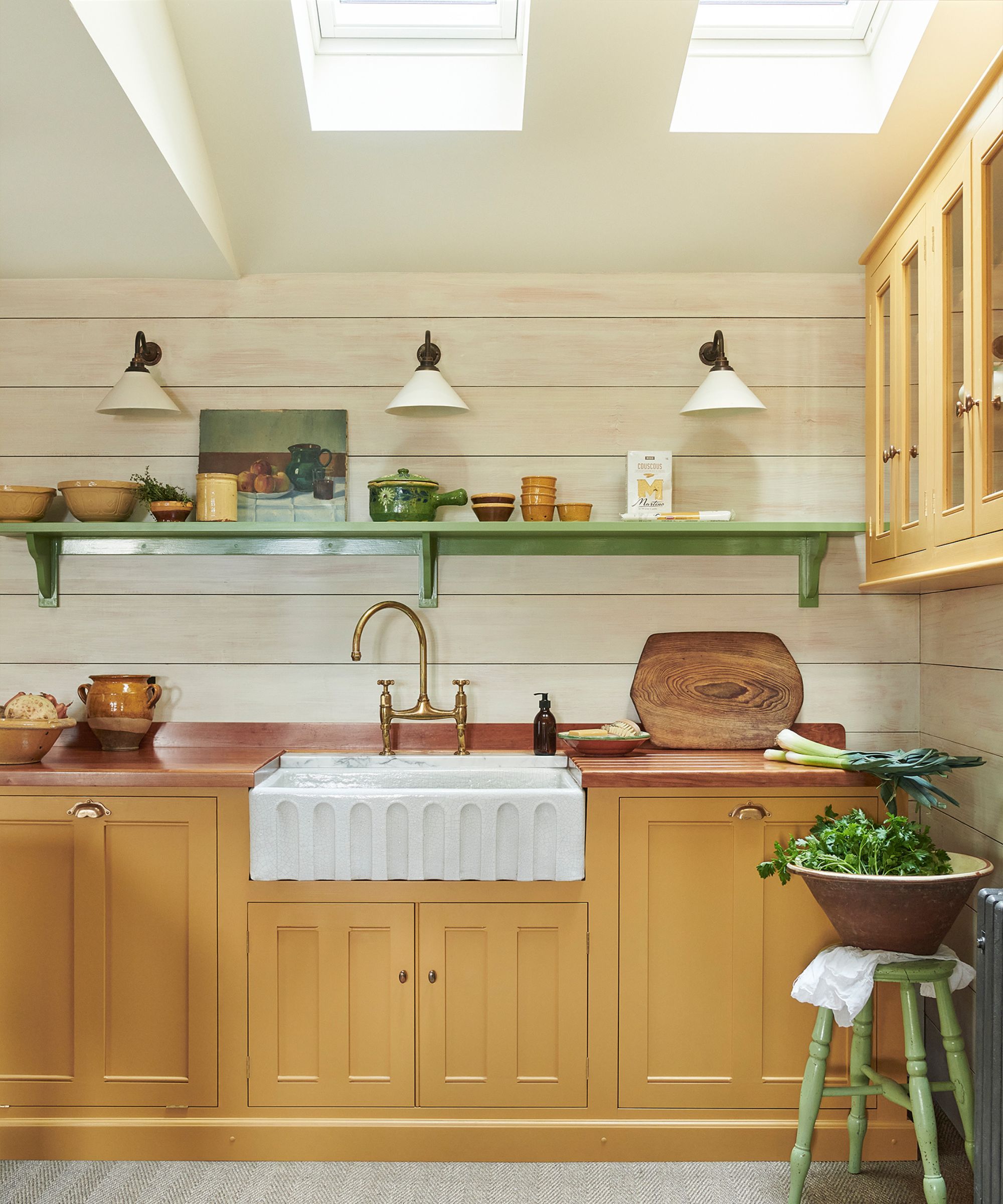
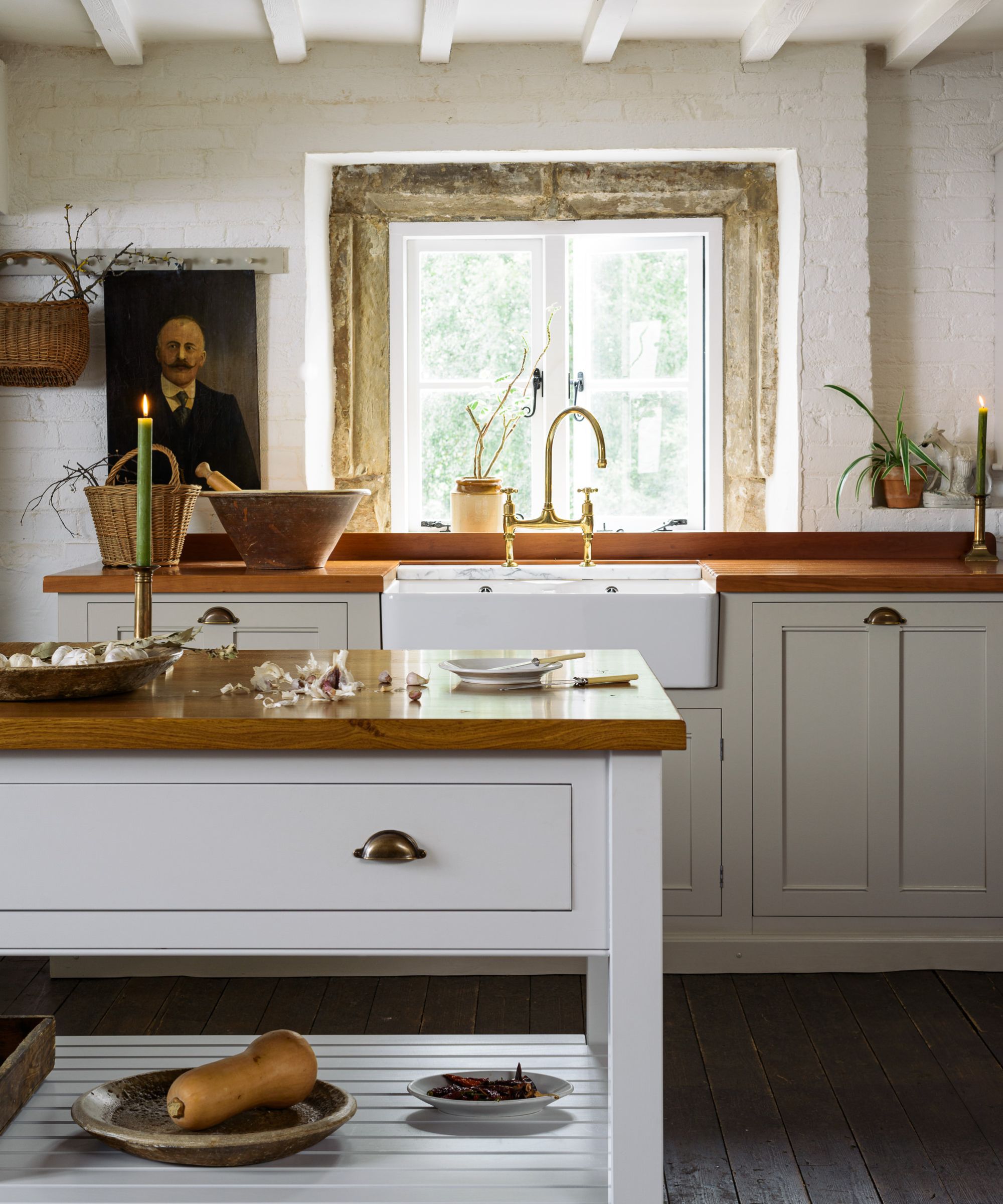
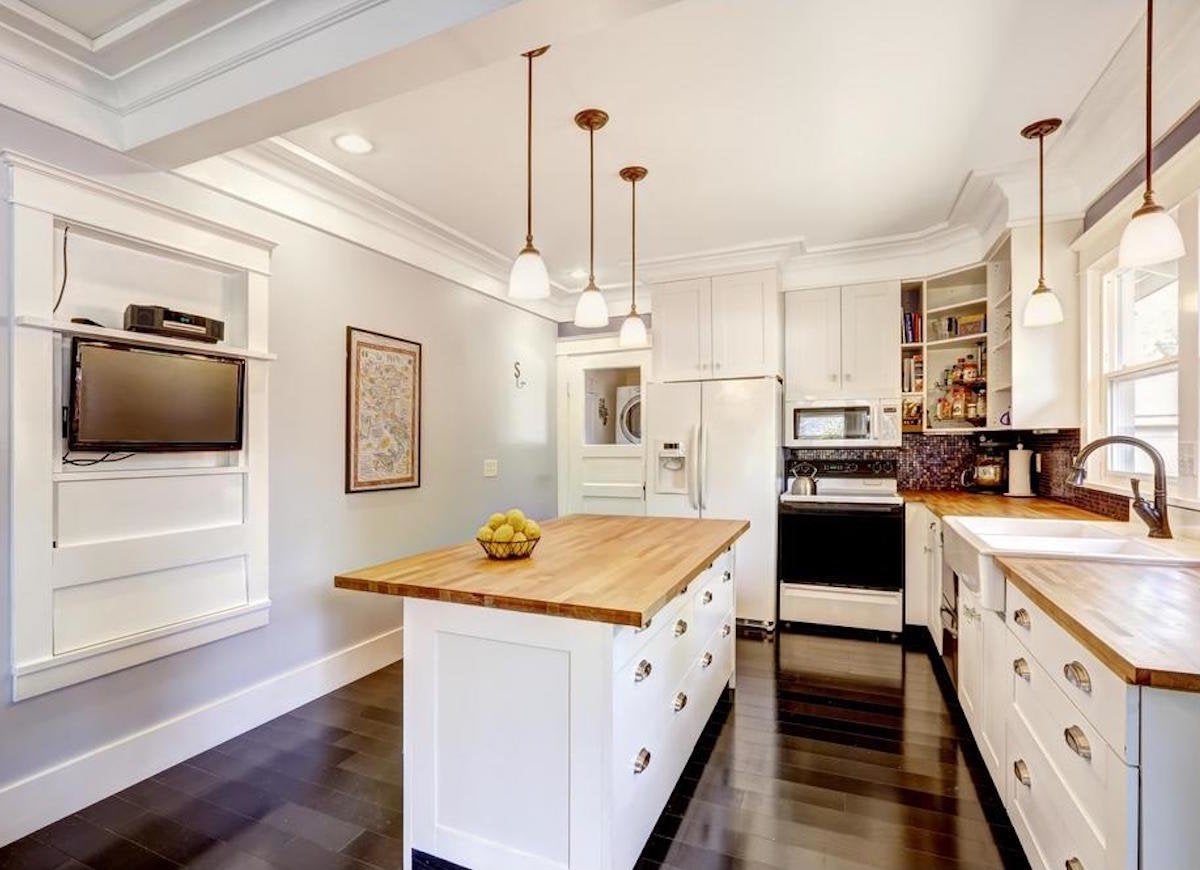
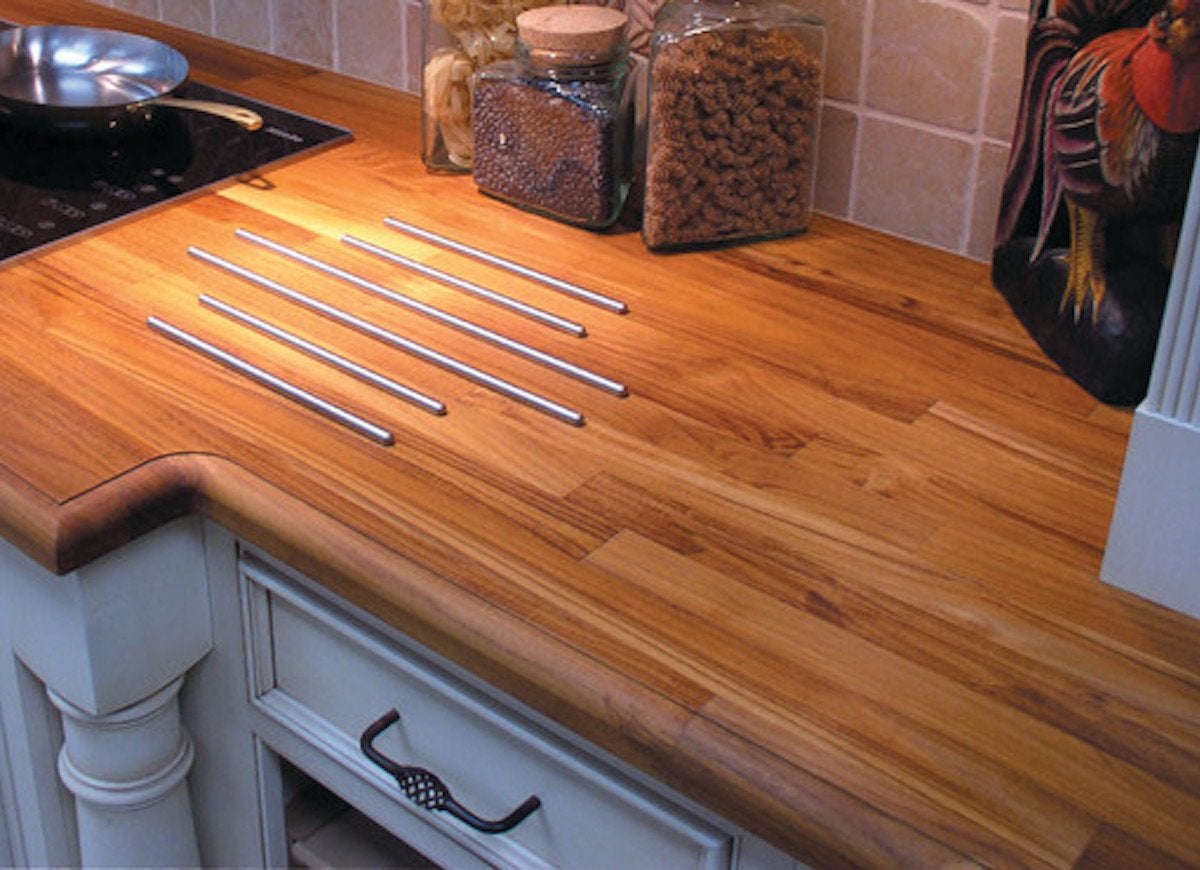
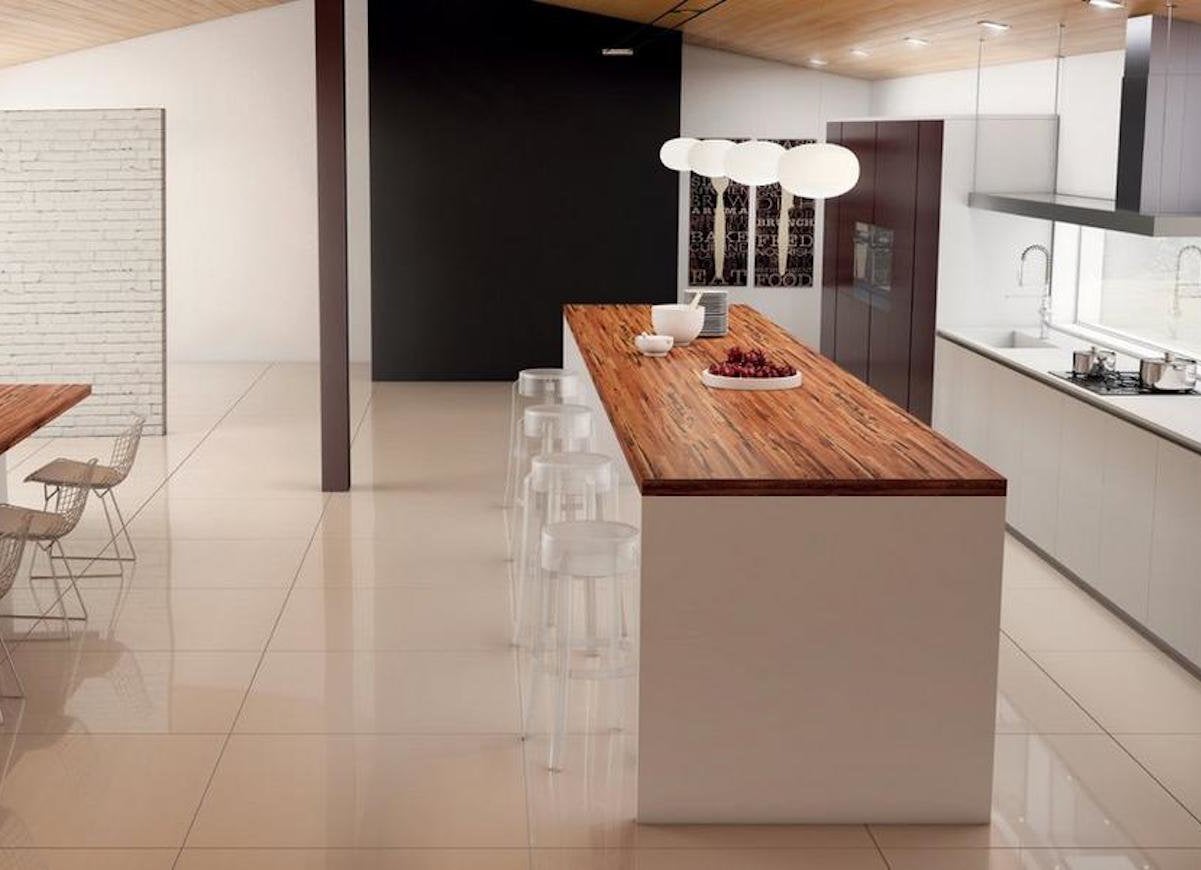
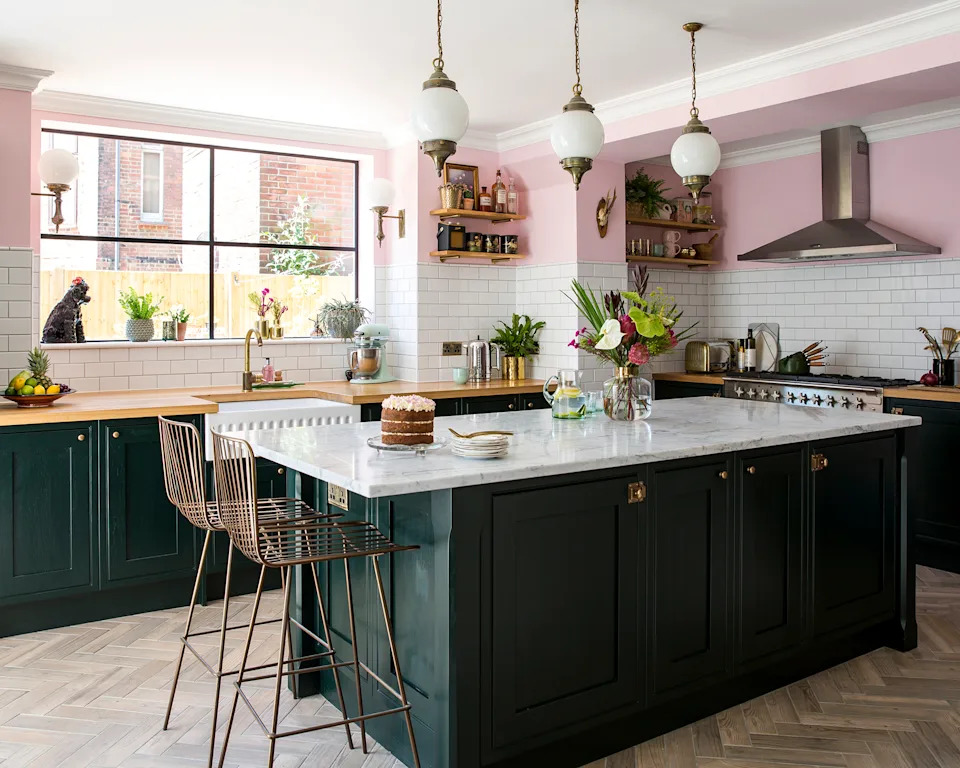
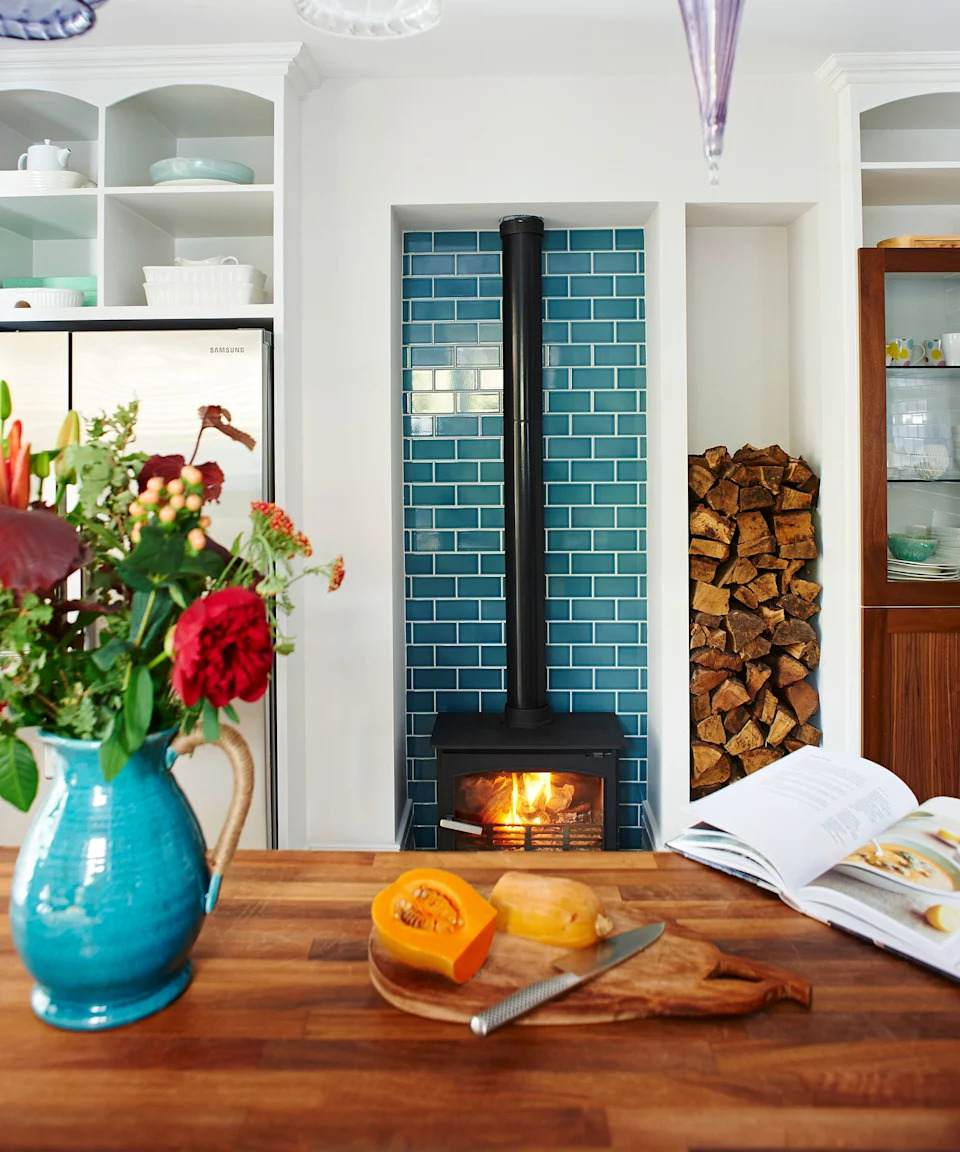
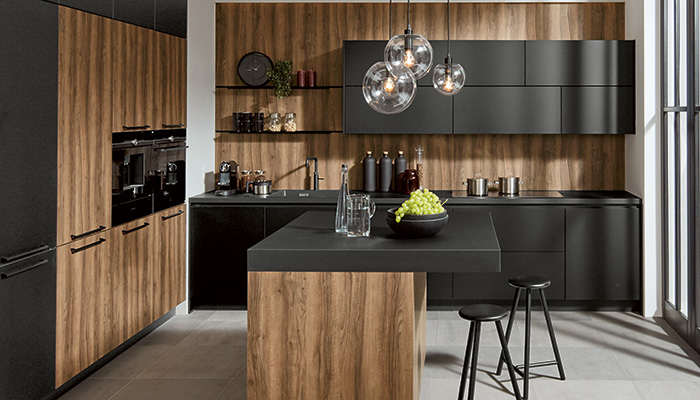
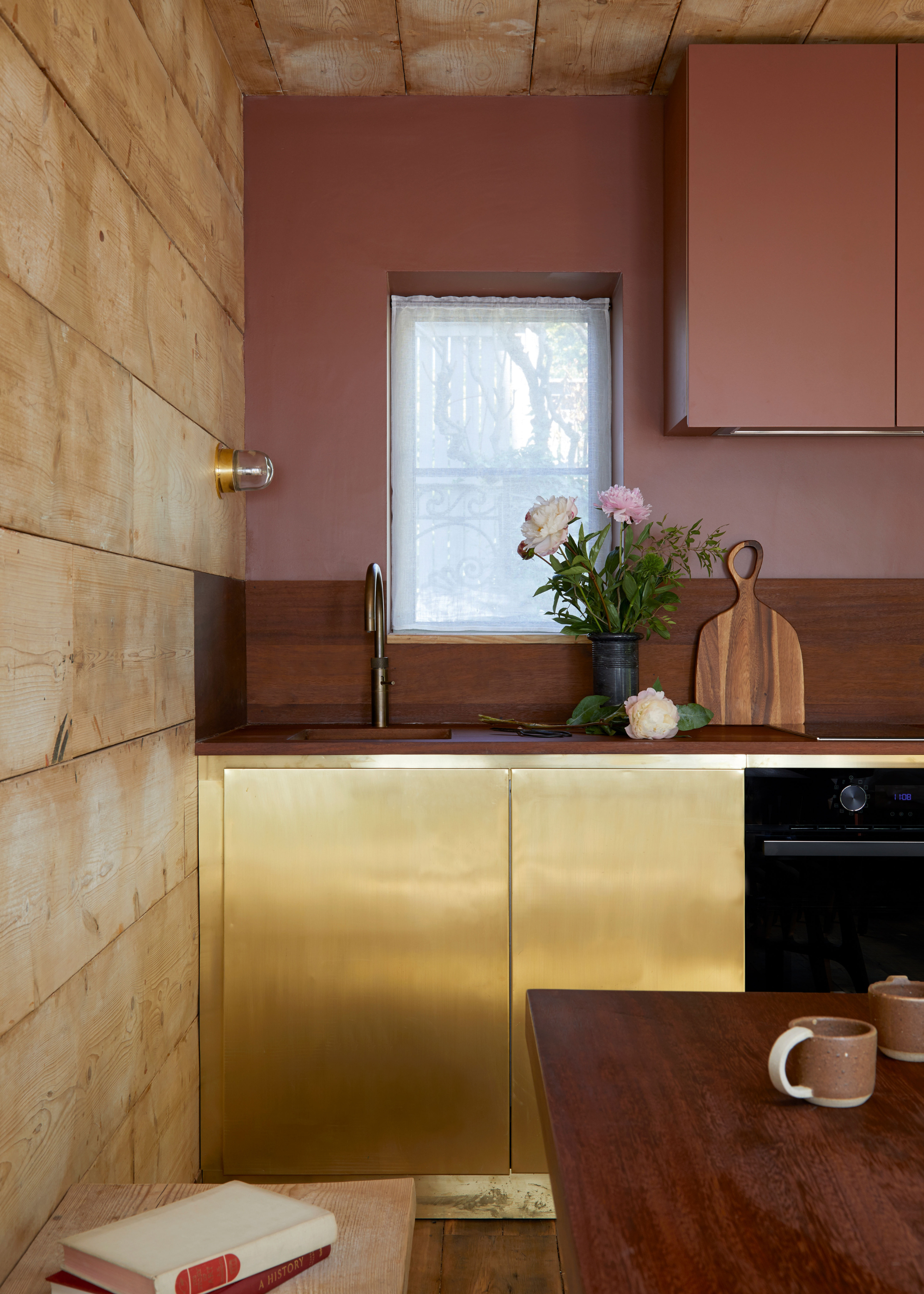
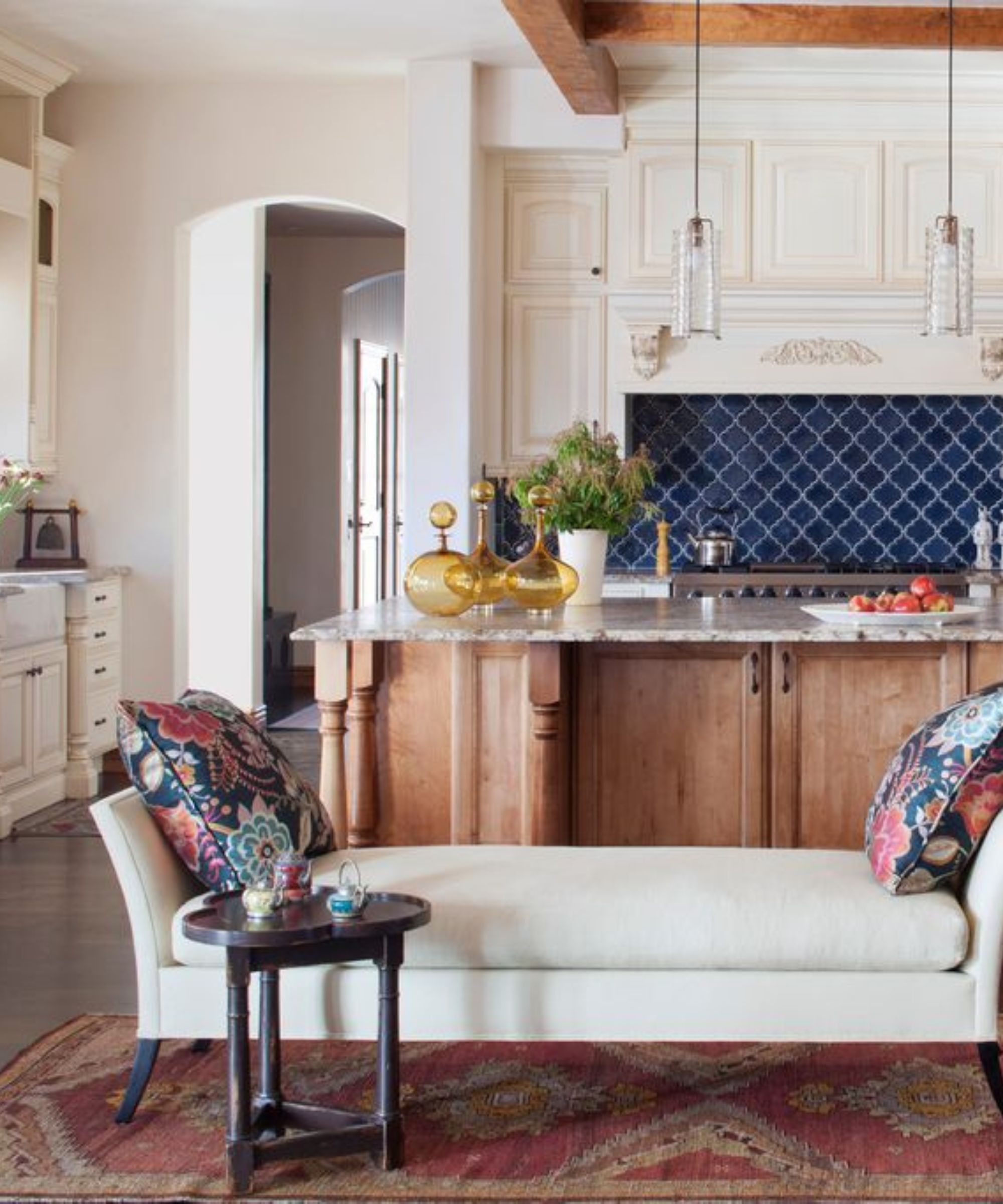
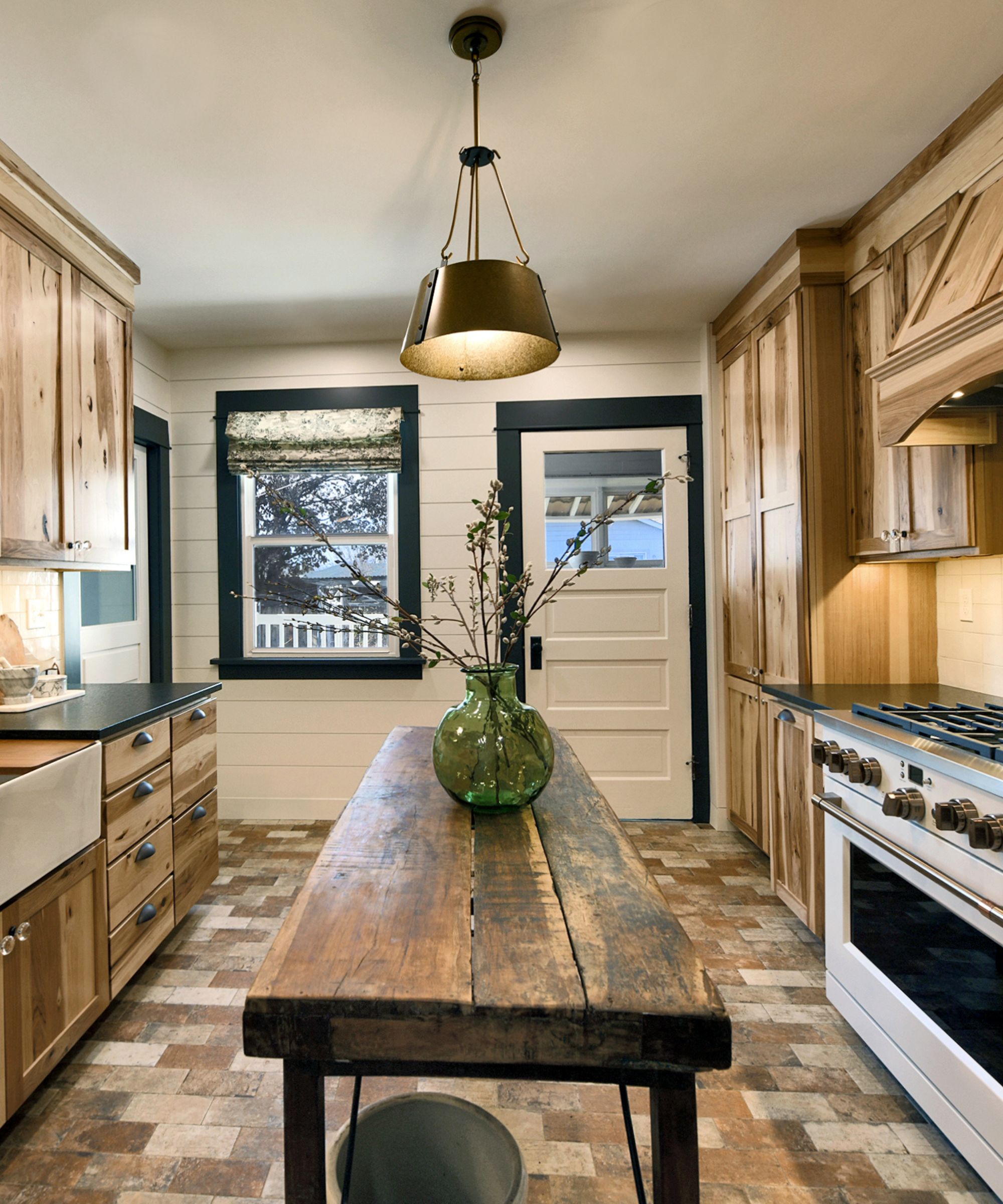
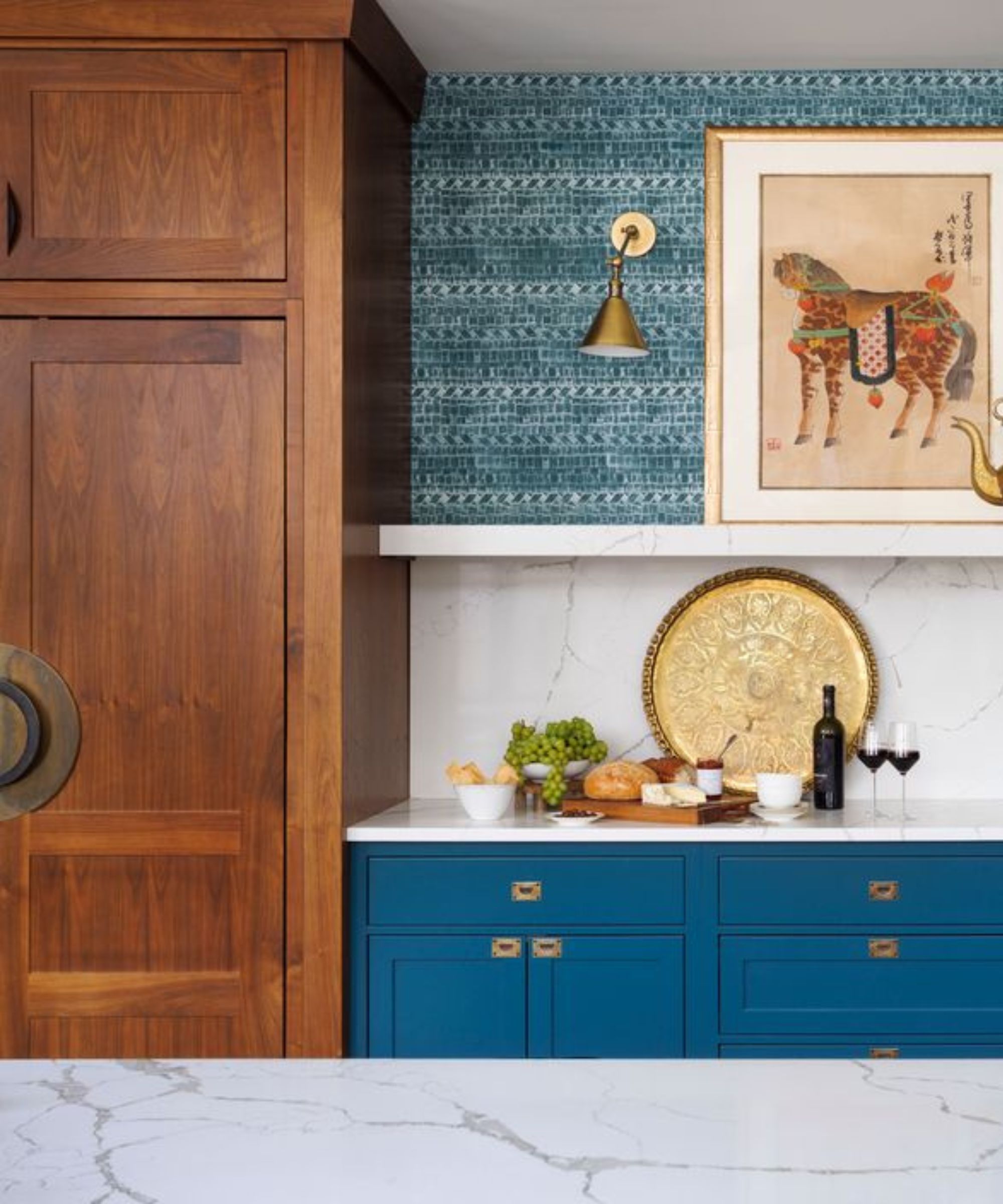
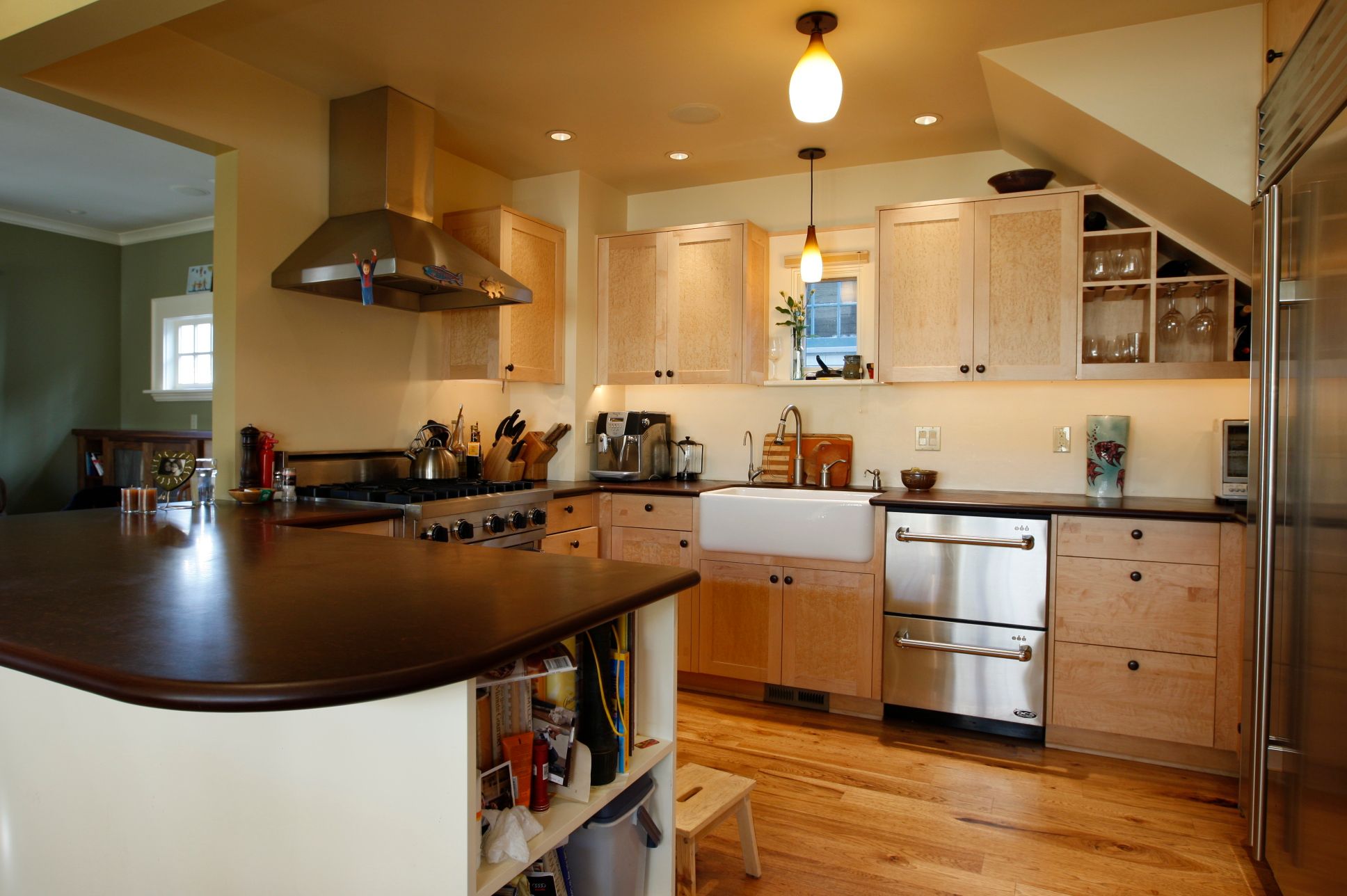
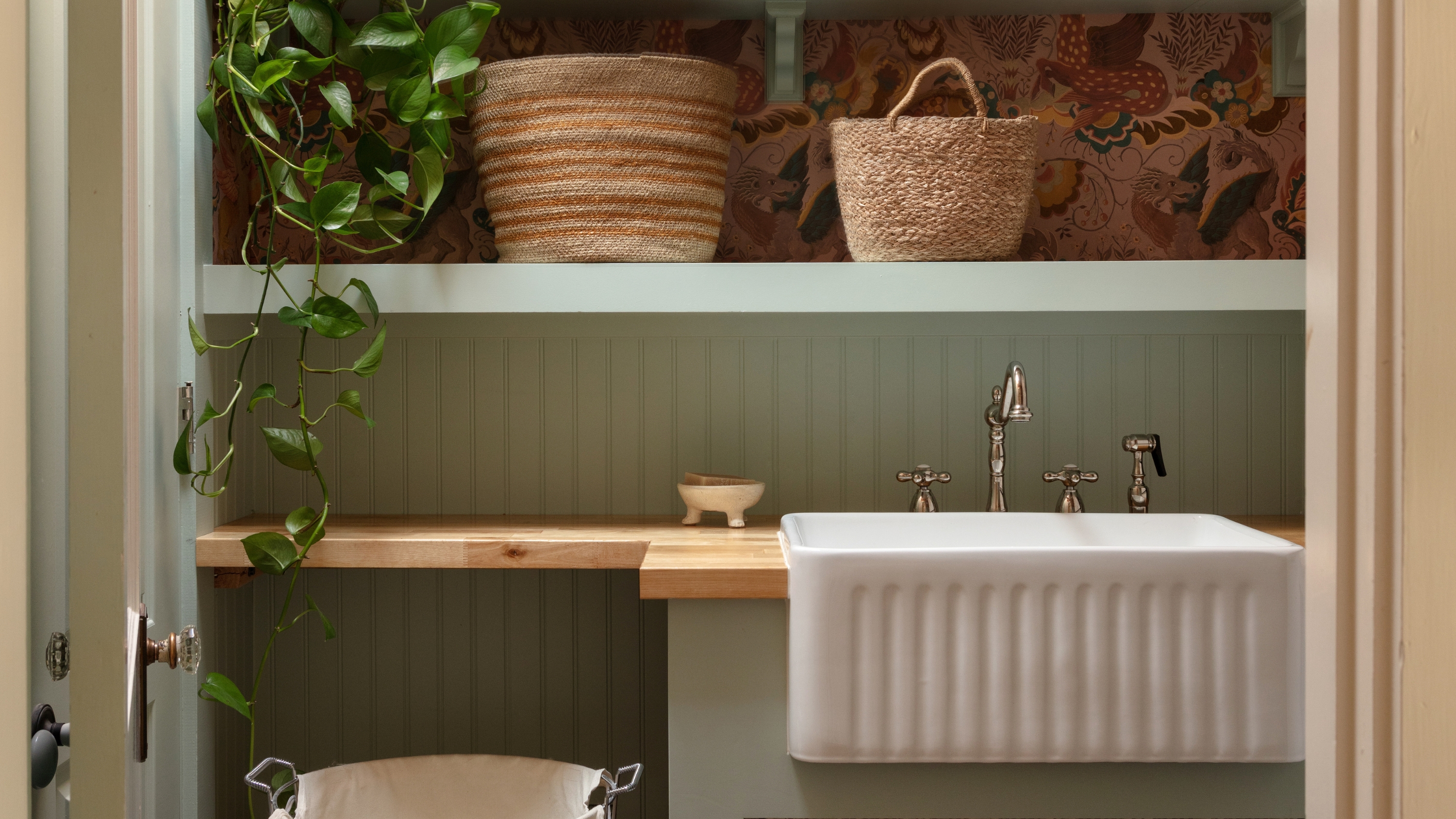
Wooden countertops offer a distinct aesthetic appeal and can provide a warm, natural feel to kitchens and bathrooms, integrating elements of biophilic design into the home. They are praised for their timeless style, which adapts well to both rustic and modern aesthetics, and their ability to bring the outdoors in, potentially having a calming effect. Wood counters are often more affordable than premium materials like marble or quartz, making them an attractive option for those seeking a luxurious look without the high cost, though they are slightly more expensive to install than laminate or tiled options. Additionally, wooden countertops are considered a sustainable choice, especially when sourced responsibly, and with proper maintenance, they can last for many years. Any damage such as scratches, dents, or discoloration can often be repaired through sanding and re-oiling, extending their lifespan and reducing the need for replacement. Contrary to a common misconception, some timbers like oak and pine possess natural antibacterial and antimicrobial properties, and close-grained hardwoods used for countertops are less permeable, thus preventing bacteria from taking hold. This makes them a hygienic option, provided they are correctly sealed and maintained.
Despite their advantages, wooden countertops come with several considerations. They require regular sealing to protect against water damage, warping, and staining, particularly in moisture-prone areas like kitchens and bathrooms. Food-safe oils like pure tung oil are recommended for kitchen surfaces, while polymer sealants or varnishes can be used in bathrooms for enhanced protection. Josh Kou from North Castle Hardwoods advises that countertops experiencing heavy use will need refinishing as they wear, a relatively simple process. Artem Kropovinsky, founder of Arsight, emphasizes the importance of promptly wiping up spills to prevent stains from acidic foods or chemicals. Furthermore, water should not be left to pool on wooden surfaces, especially around sinks, as this can reduce resilience and cause staining. Wood can also be susceptible to damage from knocks and scratches; therefore, it is advised not to use the countertop as a cutting board. However, minor damages can be rectified by sanding and re-oiling.
Installation of wooden countertops can be more complex and potentially more expensive than other materials. It requires precise leveling and appropriate sealing during the process to ensure durability. Ultimately, wooden countertops are best suited for individuals who appreciate natural beauty and are committed to regular maintenance. The constant care, including sealing, sanding, and gentle cleaning, is crucial for preserving their appearance and functionality. While they may not be ideal for those seeking low-maintenance surfaces, such as busy households with children, their sustainability, longevity, and timeless aesthetic offer significant benefits. Regular cleaning with mild detergent solutions and avoiding harsh chemicals are key to their upkeep. The choice between wooden and other countertop materials depends on individual preferences regarding aesthetics, budget, and willingness to undertake maintenance.
#WoodenCountertops #HomeDesign #KitchenDesign #BathroomDesign #SustainableMaterials #CountertopMaintenance #InteriorDesignTrends #BiophilicDesign #HomeImprovement #WoodenCountertops #HomeDesign #KitchenDesign #BathroomDesign #SustainableMaterials #CountertopMaintenance #InteriorDesignTrends #BiophilicDesign #HomeImprovement
0 comment in total
 No comments yet
You may also like
Are quartz countertops right for your home? We examine the pros and cons

Solid Wood Worktops

Kitchen countertop ideas – 21 worktops in marble, granite and composite materials
20 Countertop Ideas That Will Instantly Make Your Kitchen Feel More Luxe

What kitchen countertop should you pair with wood cabinets? 3 combinations designers always return to
The Best Countertop Materials for Every Type of Kitchen

Pros and Cons of Porcelain Countertops to Consider Before Your Next Reno, According to Experts

10 Kitchen Countertop Trends You'll See Everywhere This Year, According to Experts

What Color Kitchen Cabinets Actually Go Well With Wooden Countertops? Designers Share Their Perfect Pairings

The Pros And Cons Of Butcher Block Countertops
Kitchen countertop ideas – 14 worktops in marble, granite and composite materials
11 Countertop Ideas That You'll Find in the Best-Looking Kitchens
Natural or engineered? The pros and cons for the different types of kitchen-countertop materials
These are the 5 best colors to pair with a wooden kitchen countertop, according to interior designers
I Picked Quartz Countertops for My New Kitchen, but Was It the Right Choice? Experts Weigh Up the Pros and Cons
Are wooden cabinets outdated? Interior designers weigh in on whether to shut the door on this style

I'm Calling It, Porcelain Is the Most Underrated Material for Countertops — These Are the Pros and Cons to Know

12 Wow-Worthy Woods for Kitchen Countertops
Act natural: 10 wood effect kitchens that look like the real thing
Choose a countertop to love for years to come