1/4
What kitchen countertop should you pair with wood cabinets? 3 combinations designers always return to
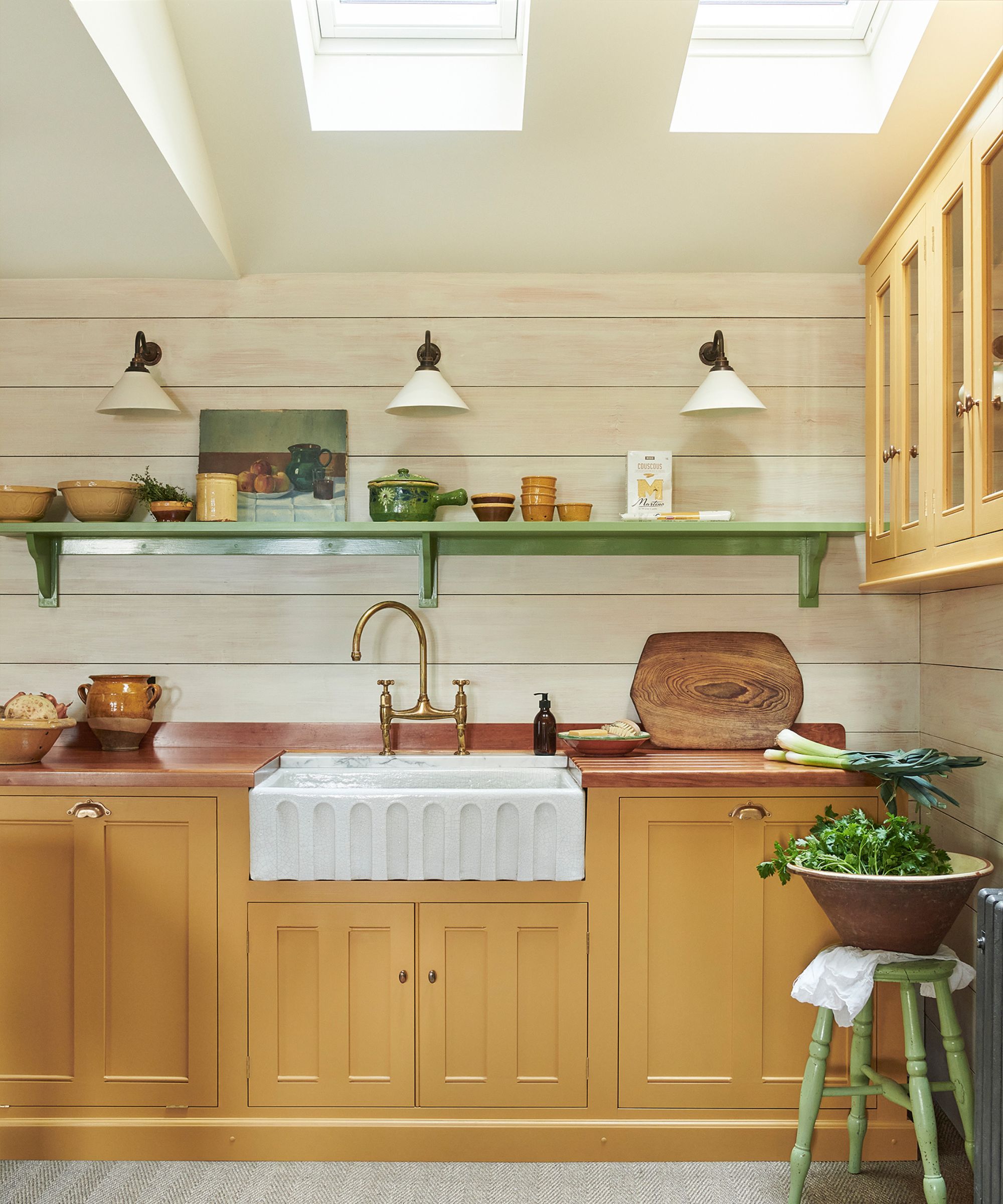
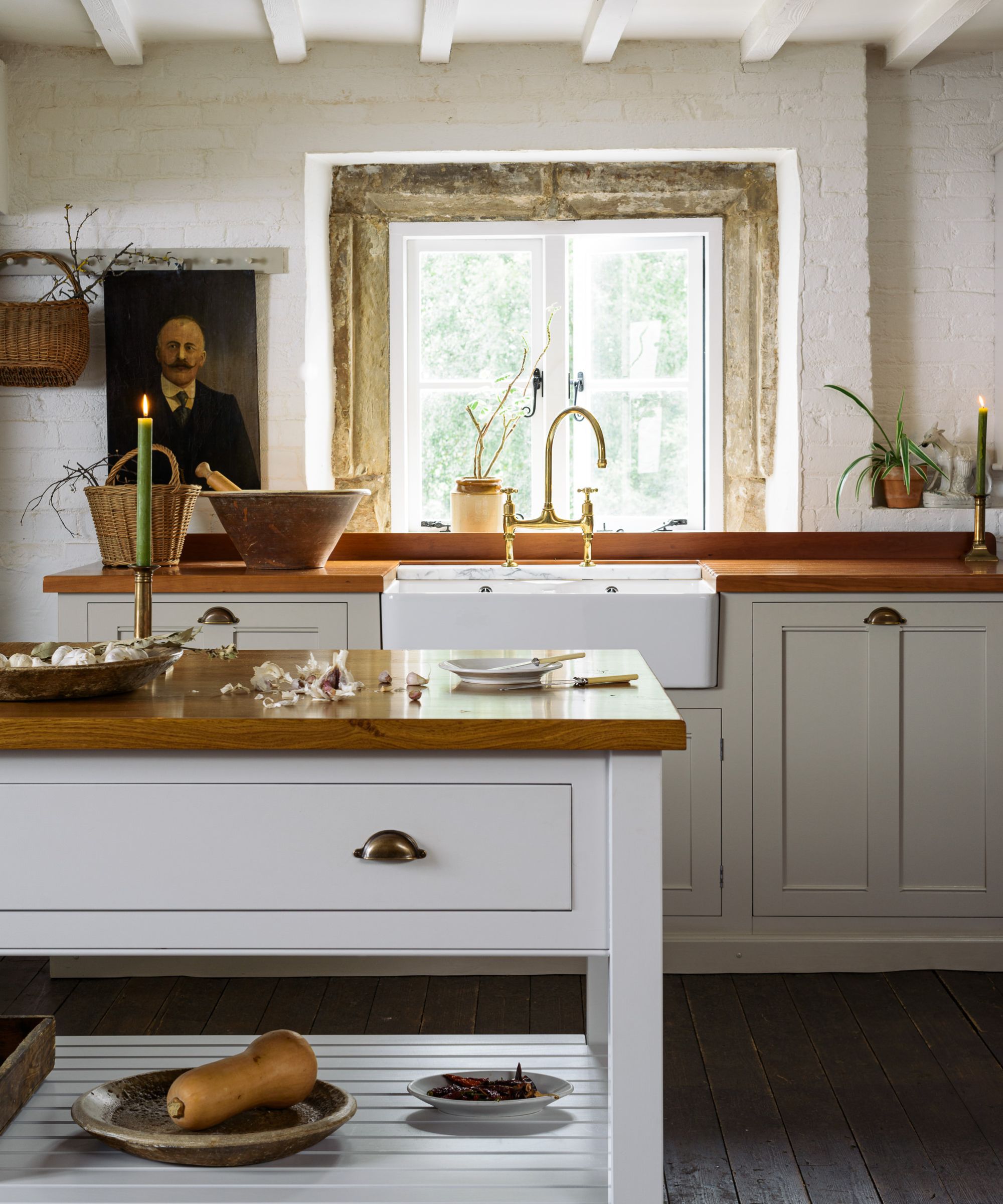
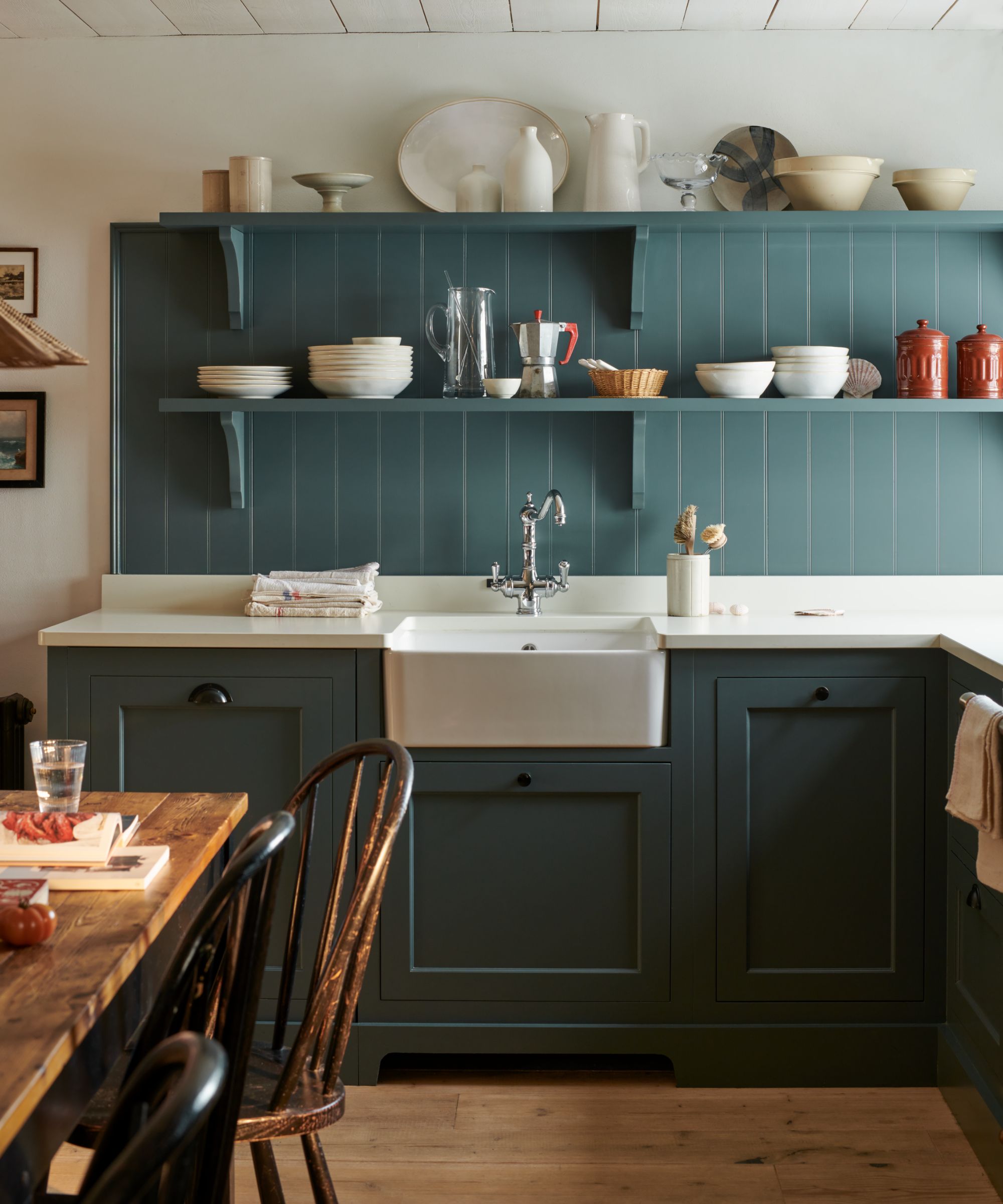
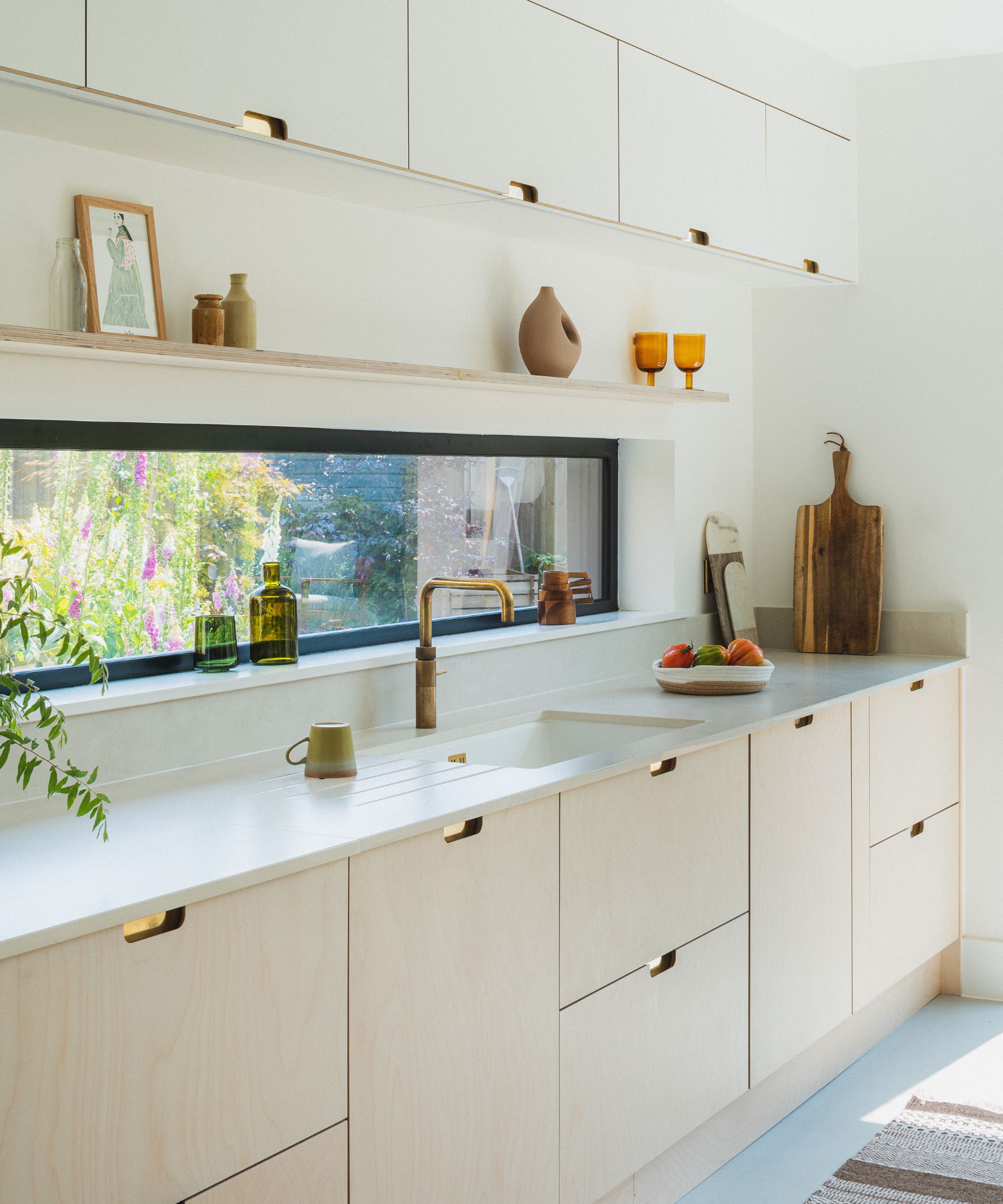
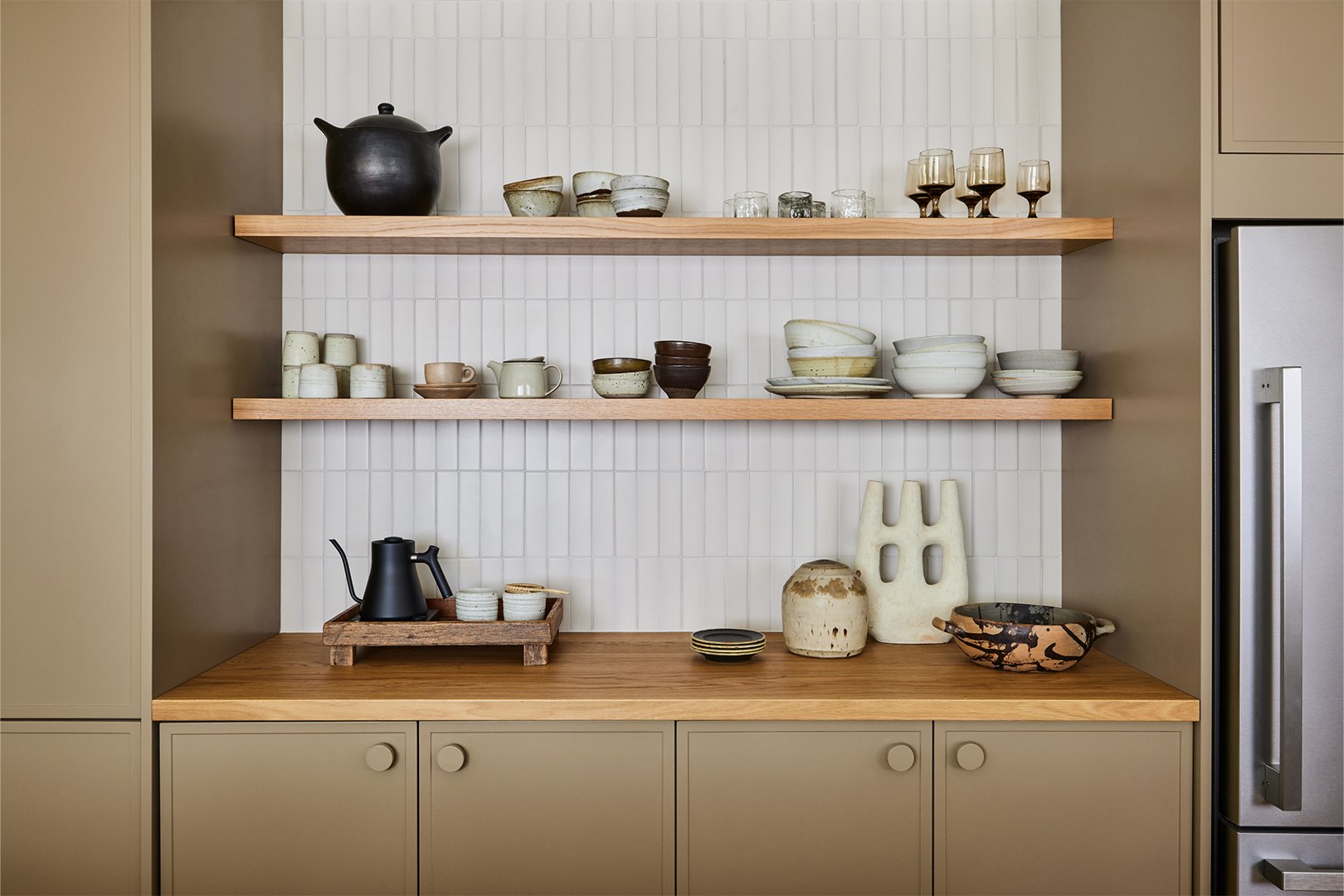
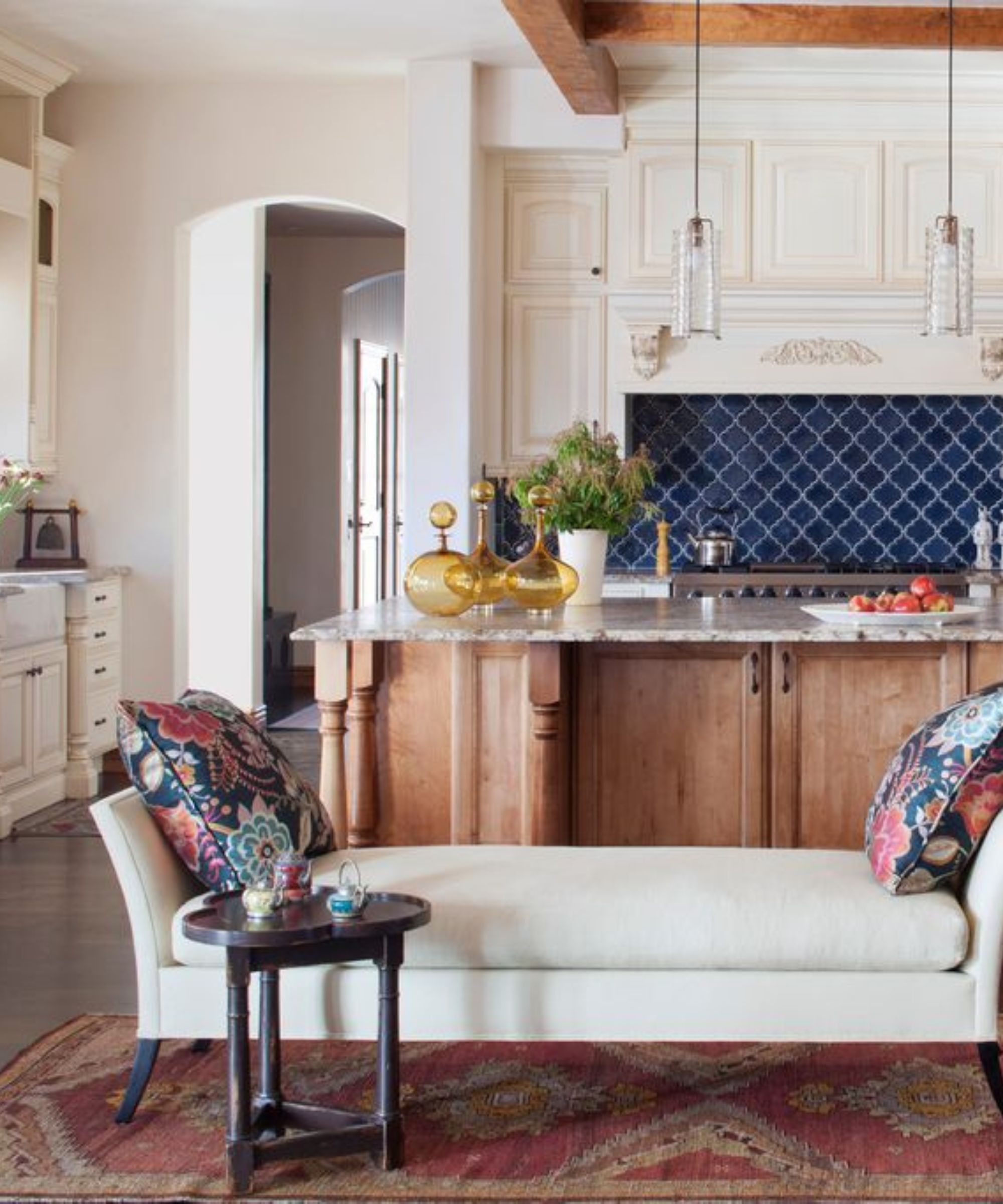
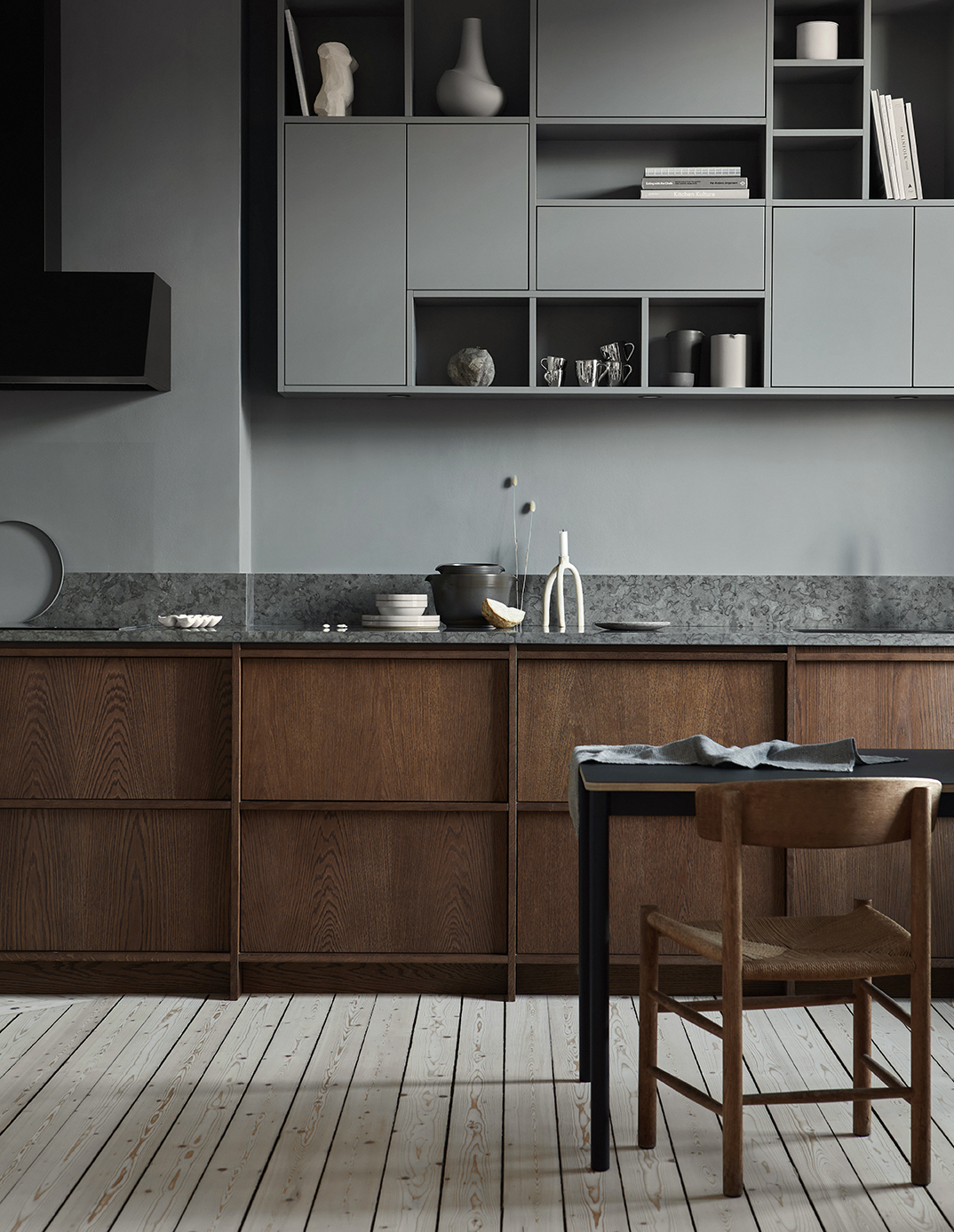
The resurgence of wood kitchens, encompassing both light, Scandi-style woods and darker tones like mahogany and walnut, presents a versatile yet challenging design decision when it comes to selecting complementary countertops. The choice of kitchen countertops significantly influences the overall aesthetic, determining whether the kitchen achieves an elevated or mismatched look. Design experts offer their preferred combinations for timeless wood kitchen schemes, providing options suitable for various styles and budgets.
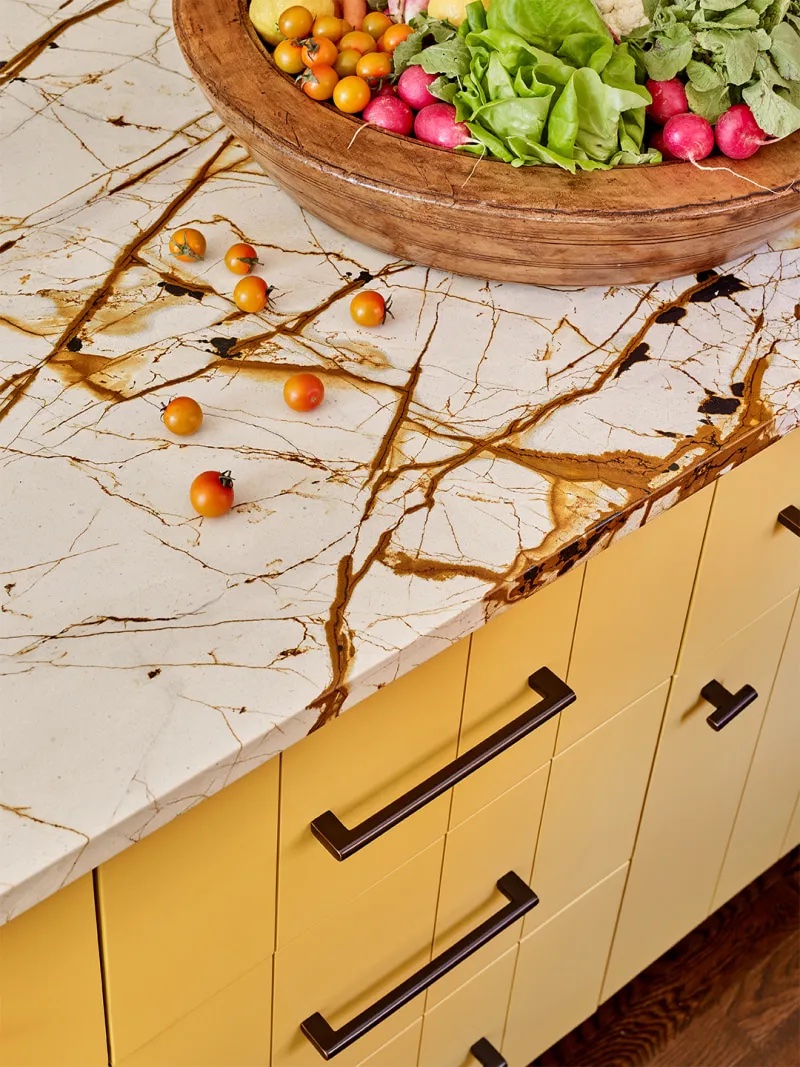
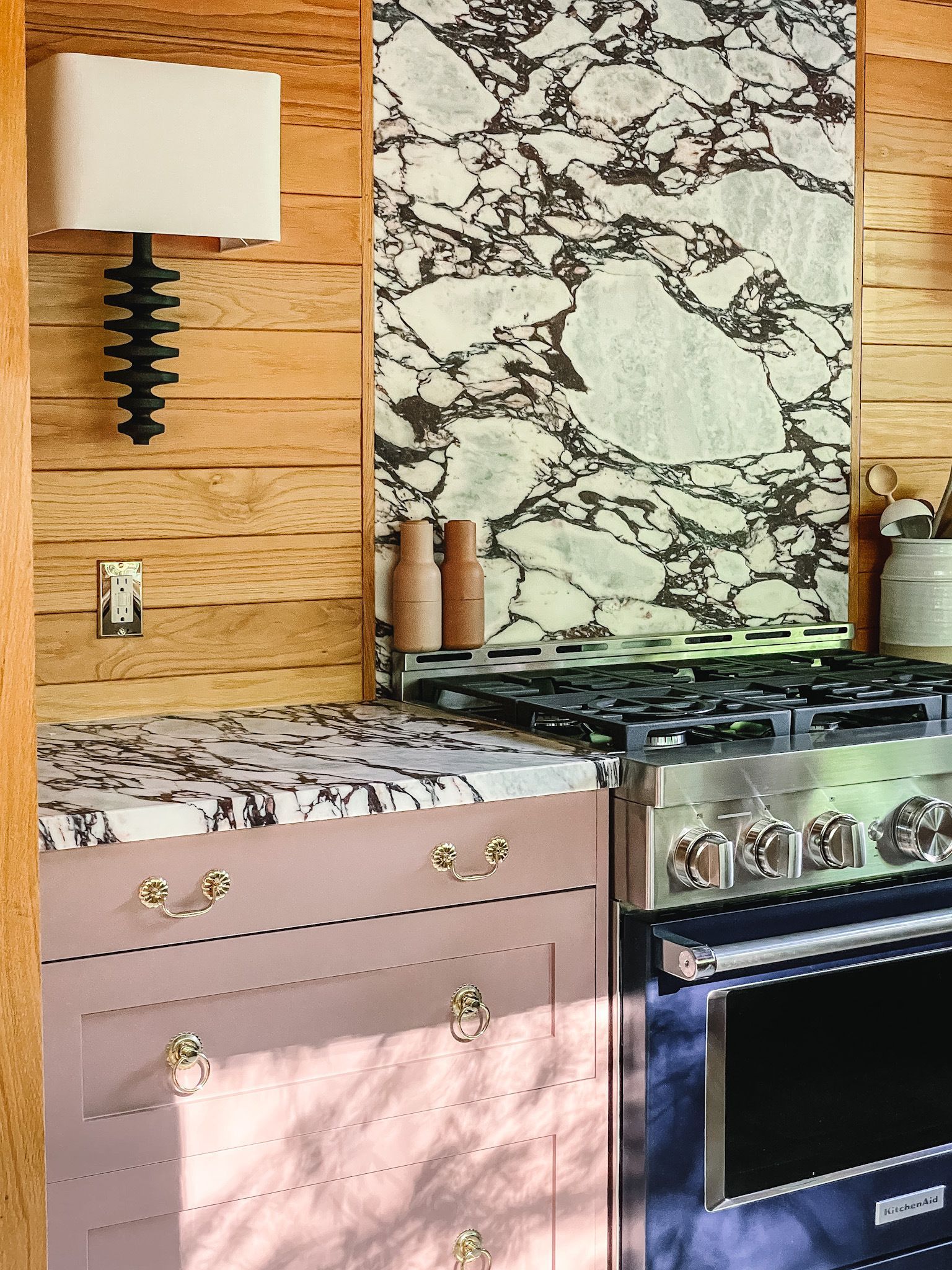
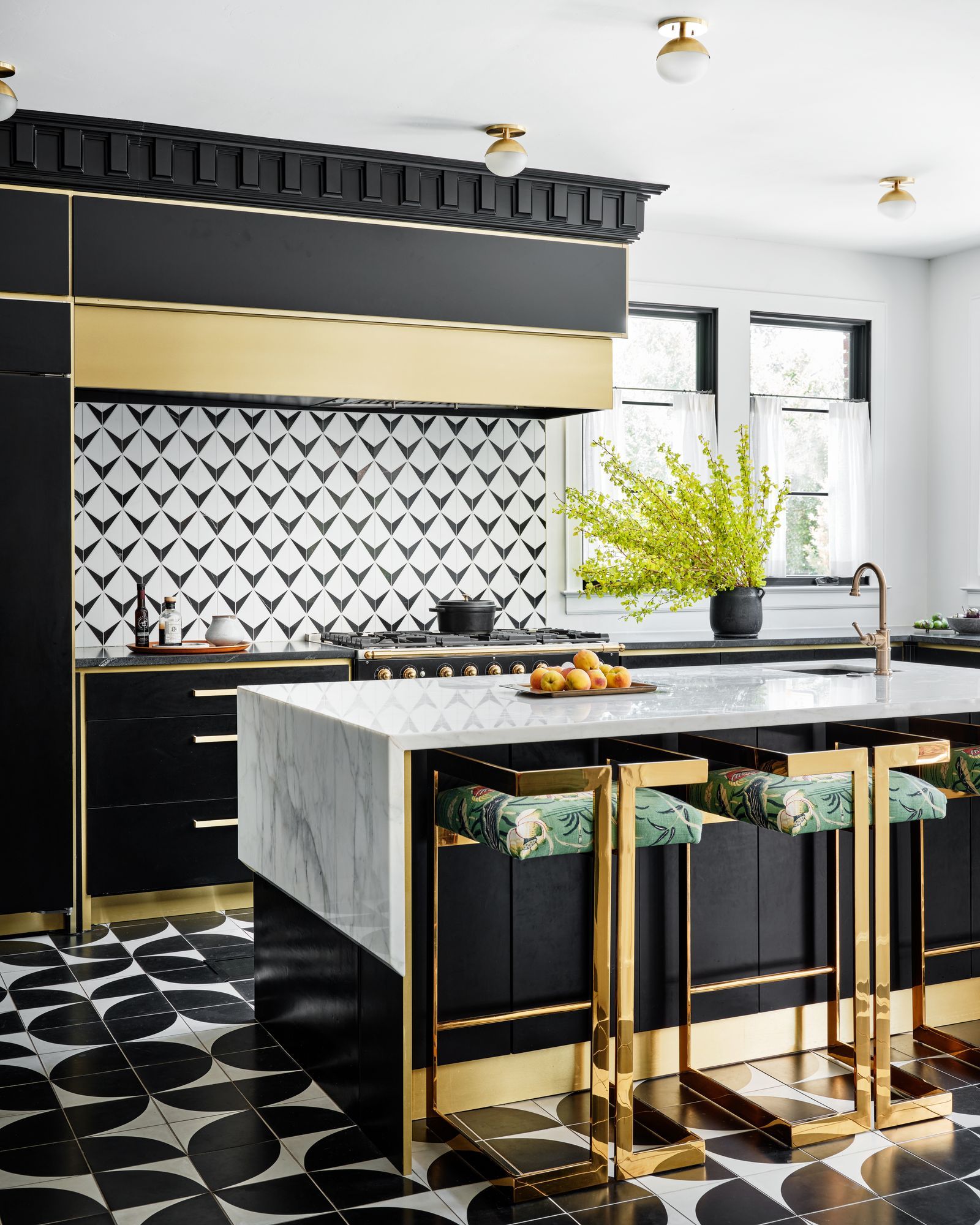
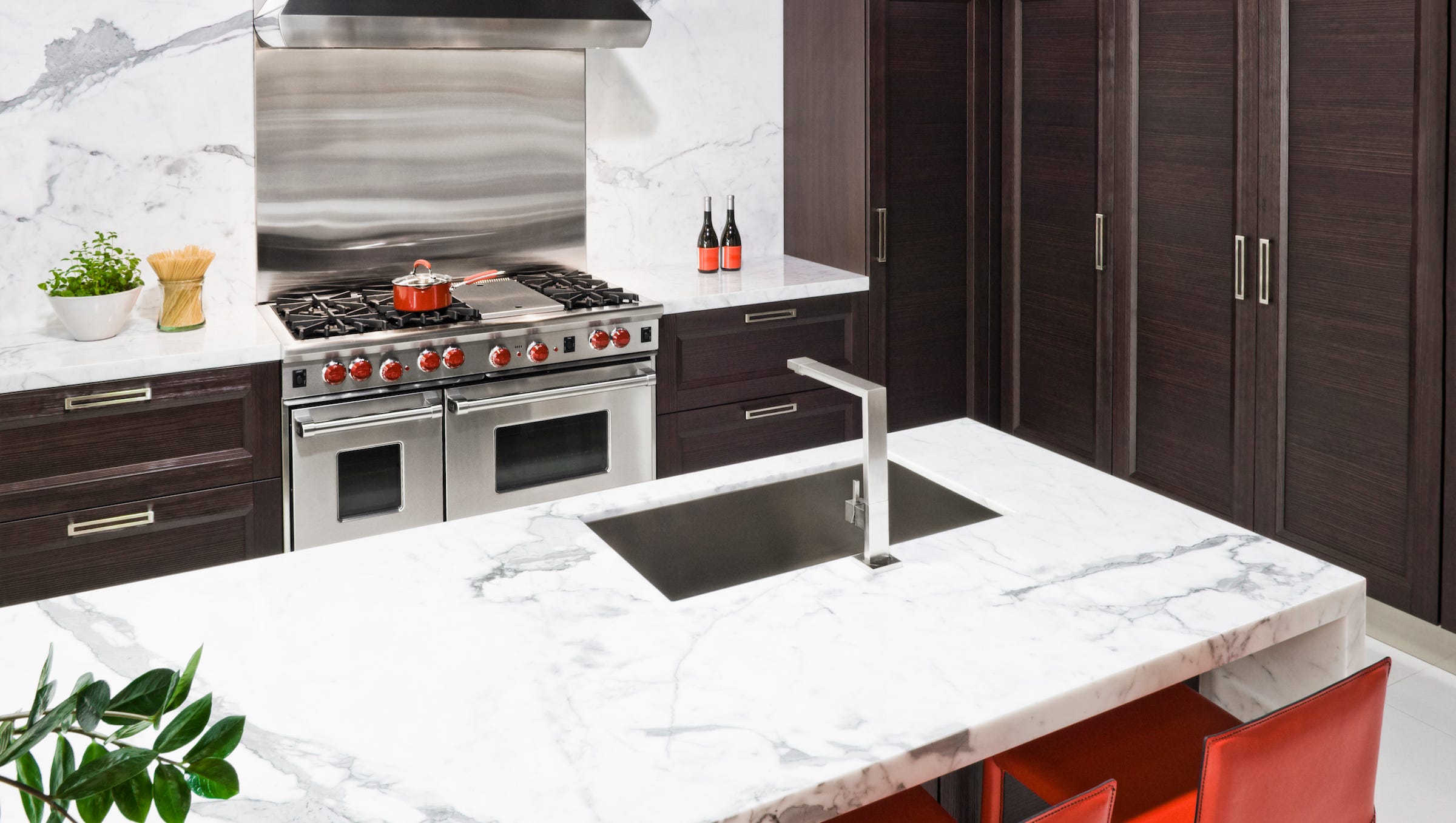
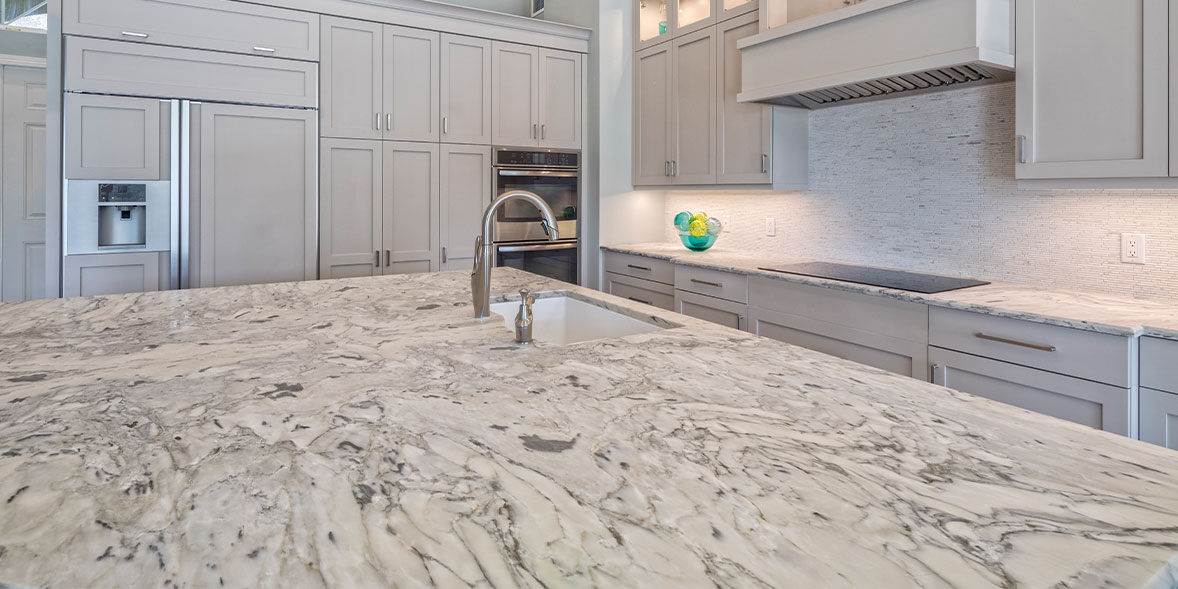
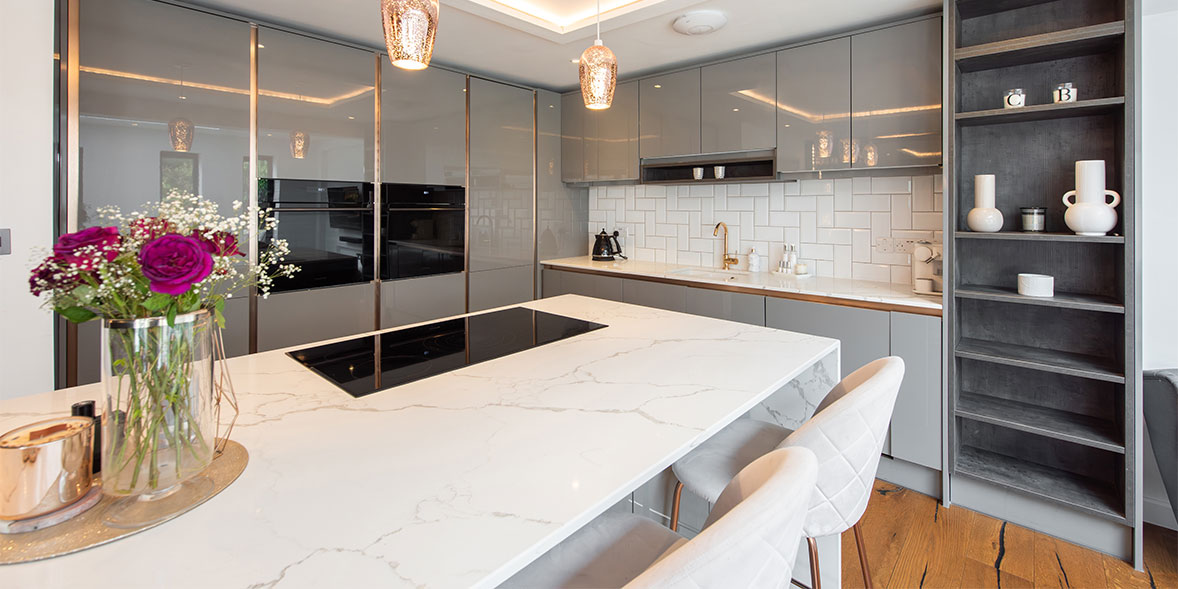
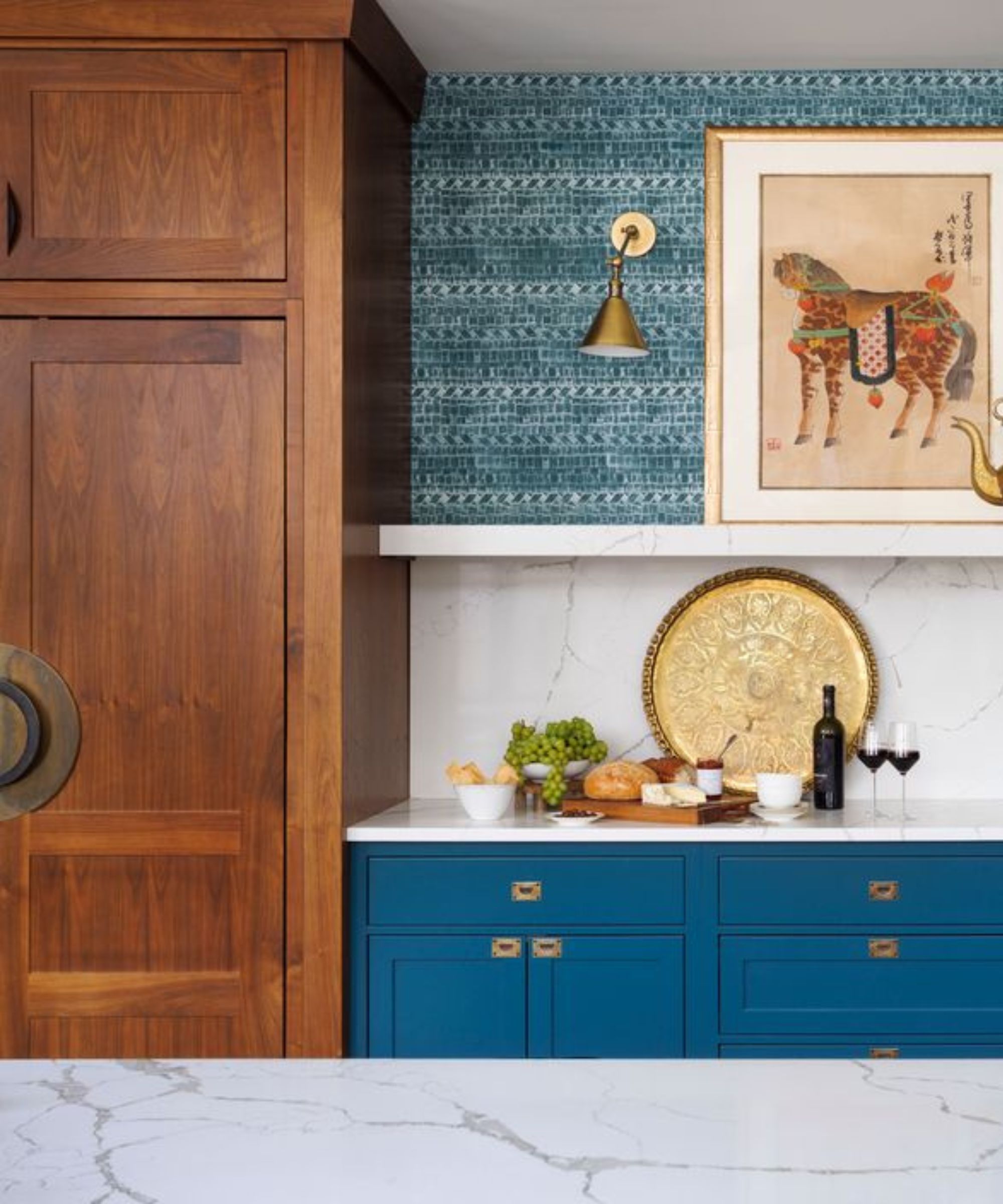
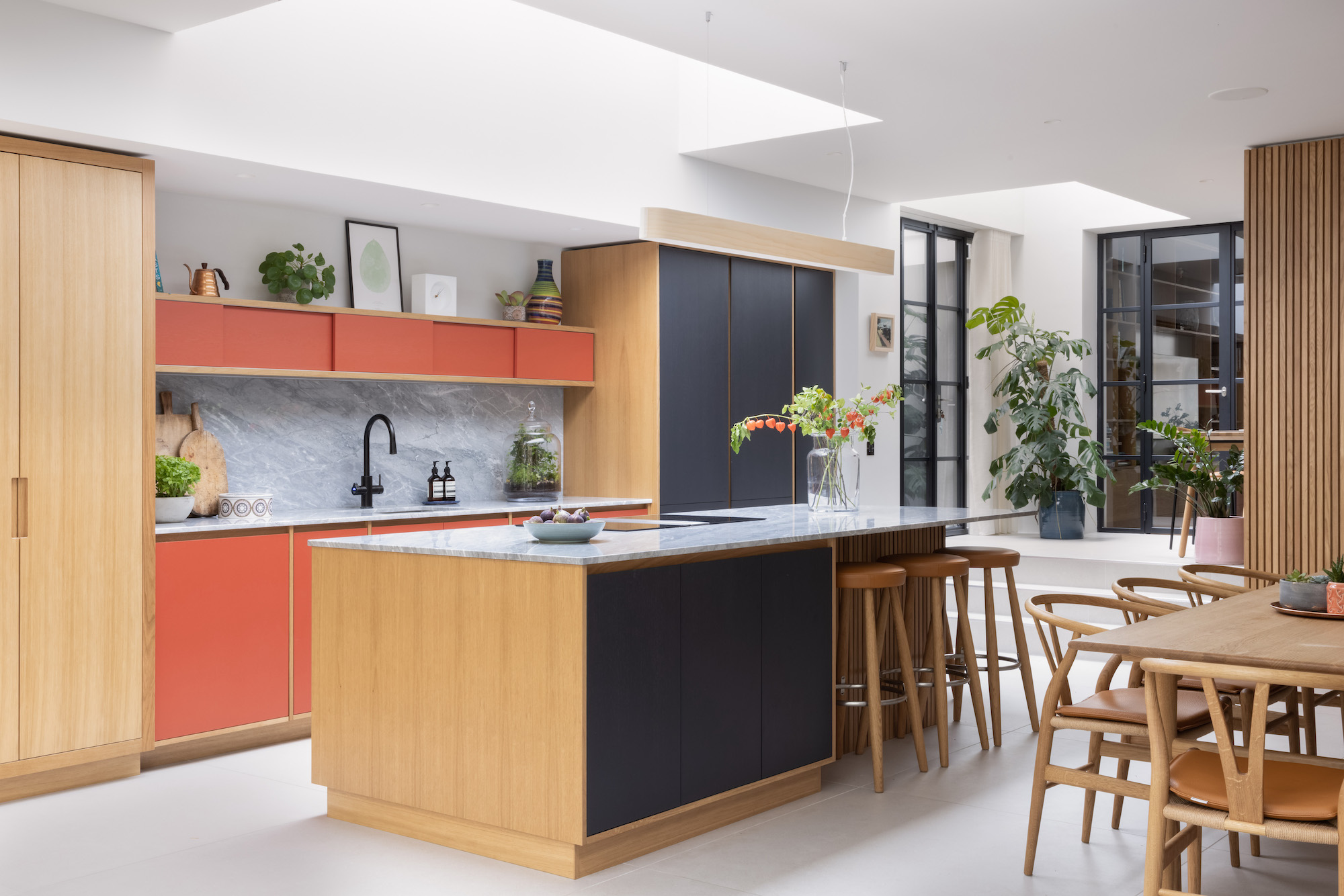
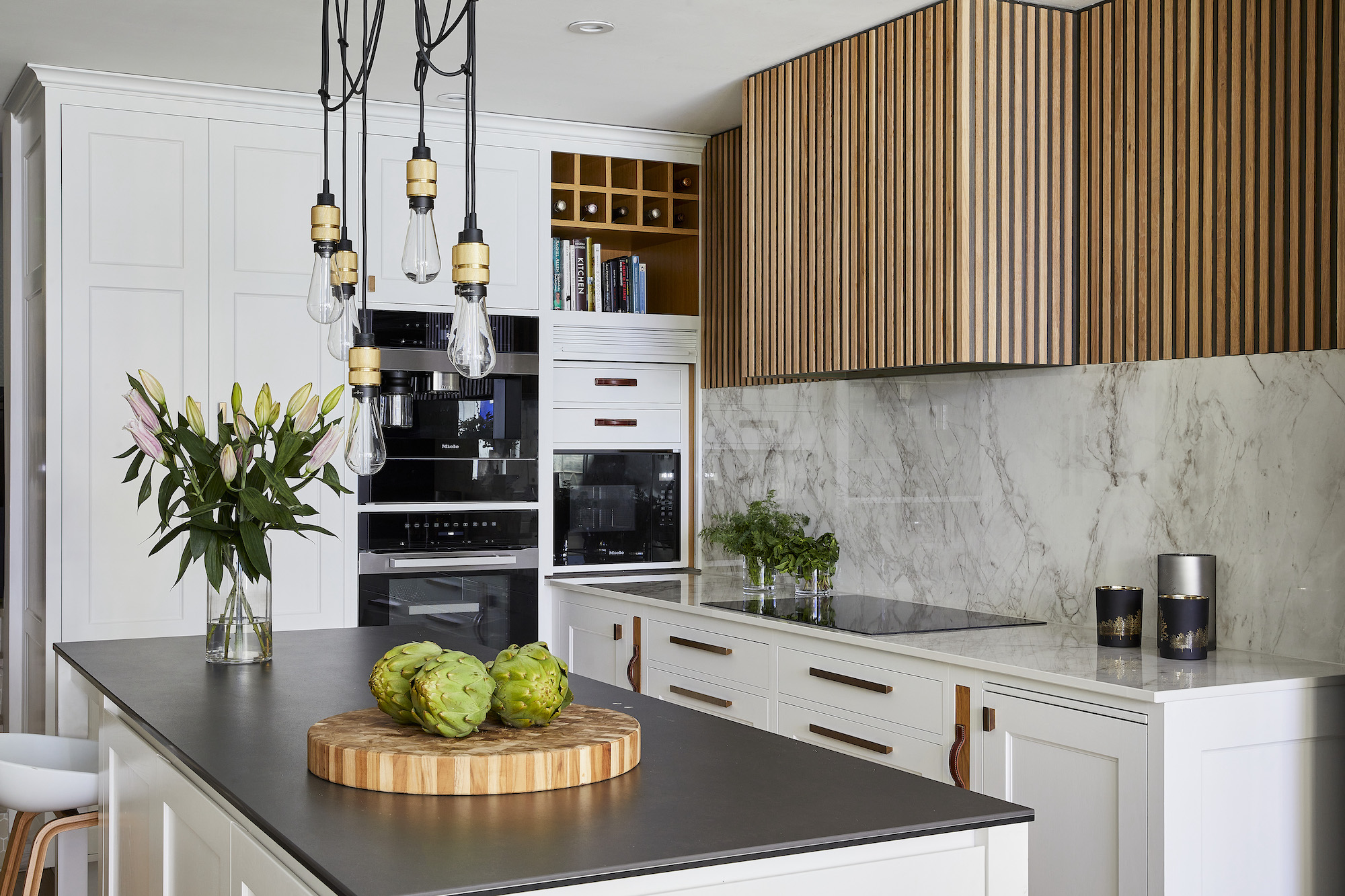
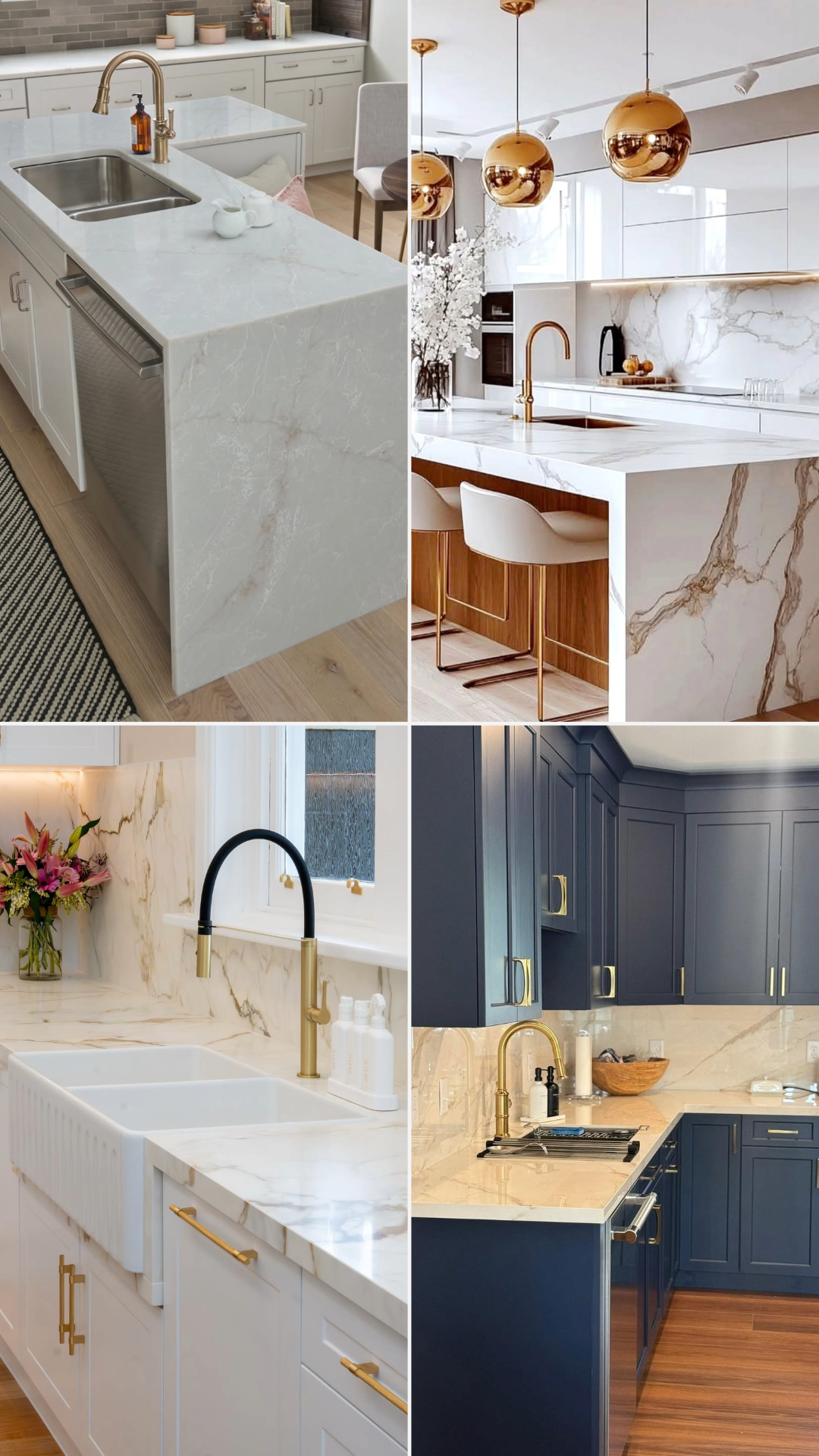
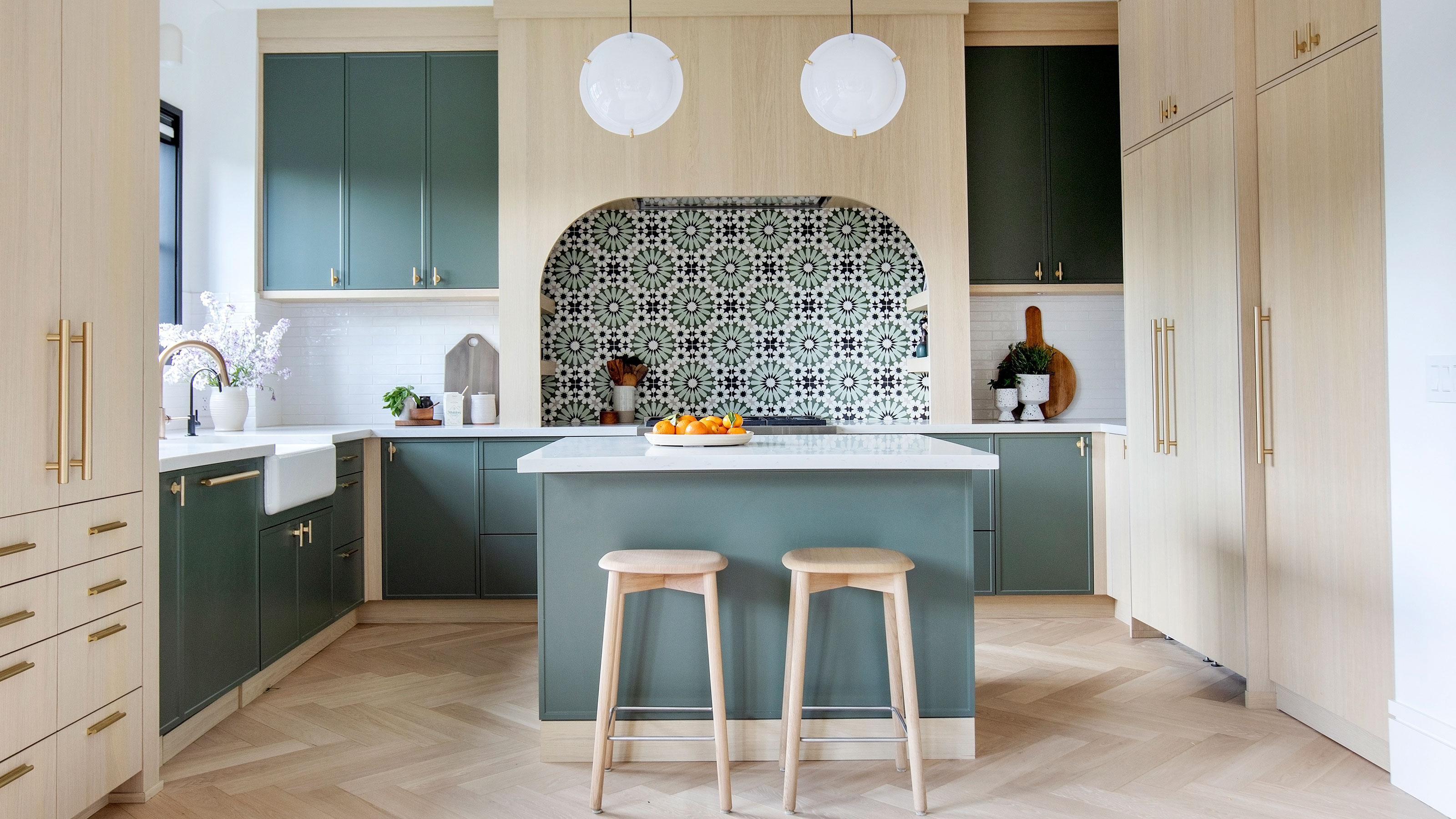
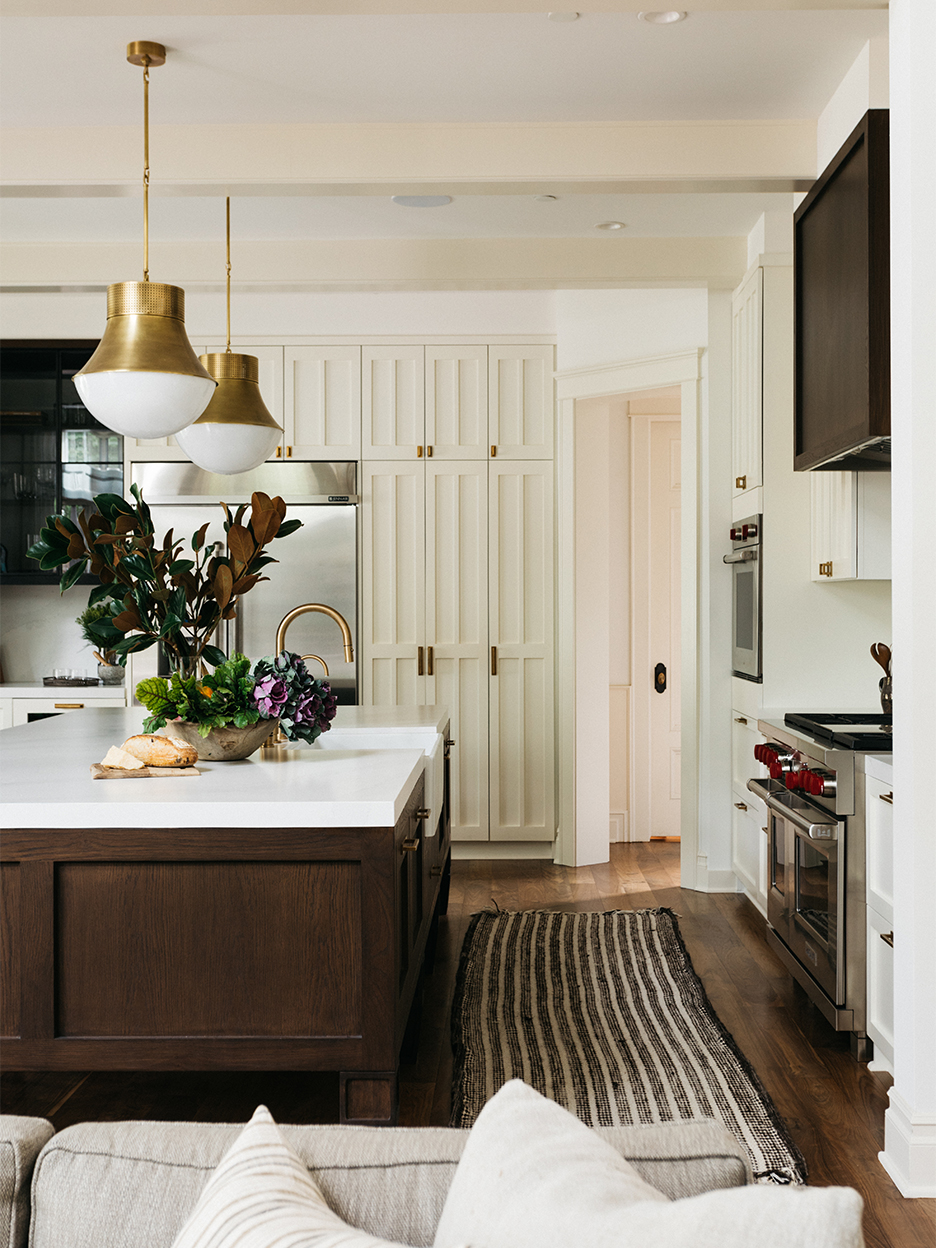
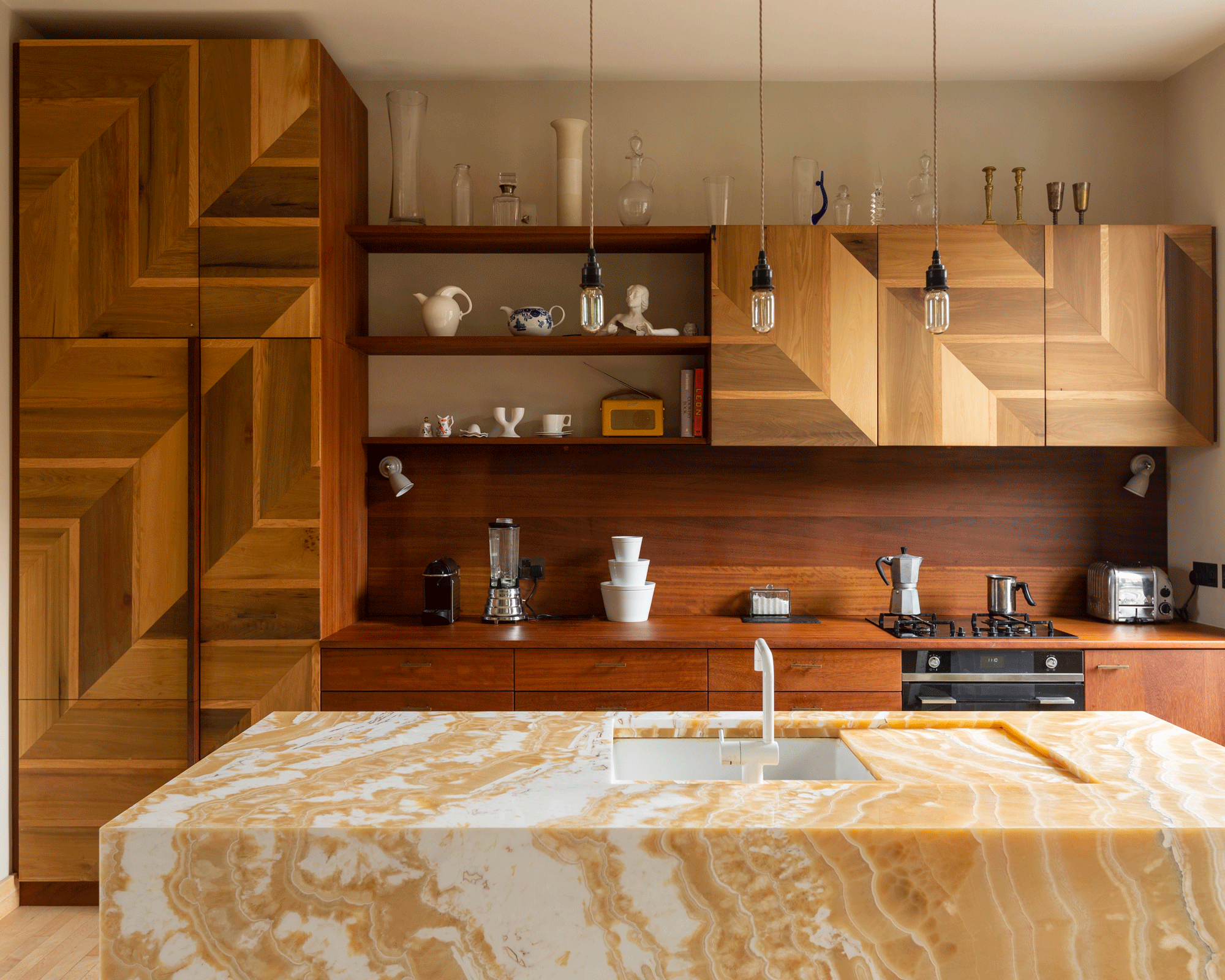
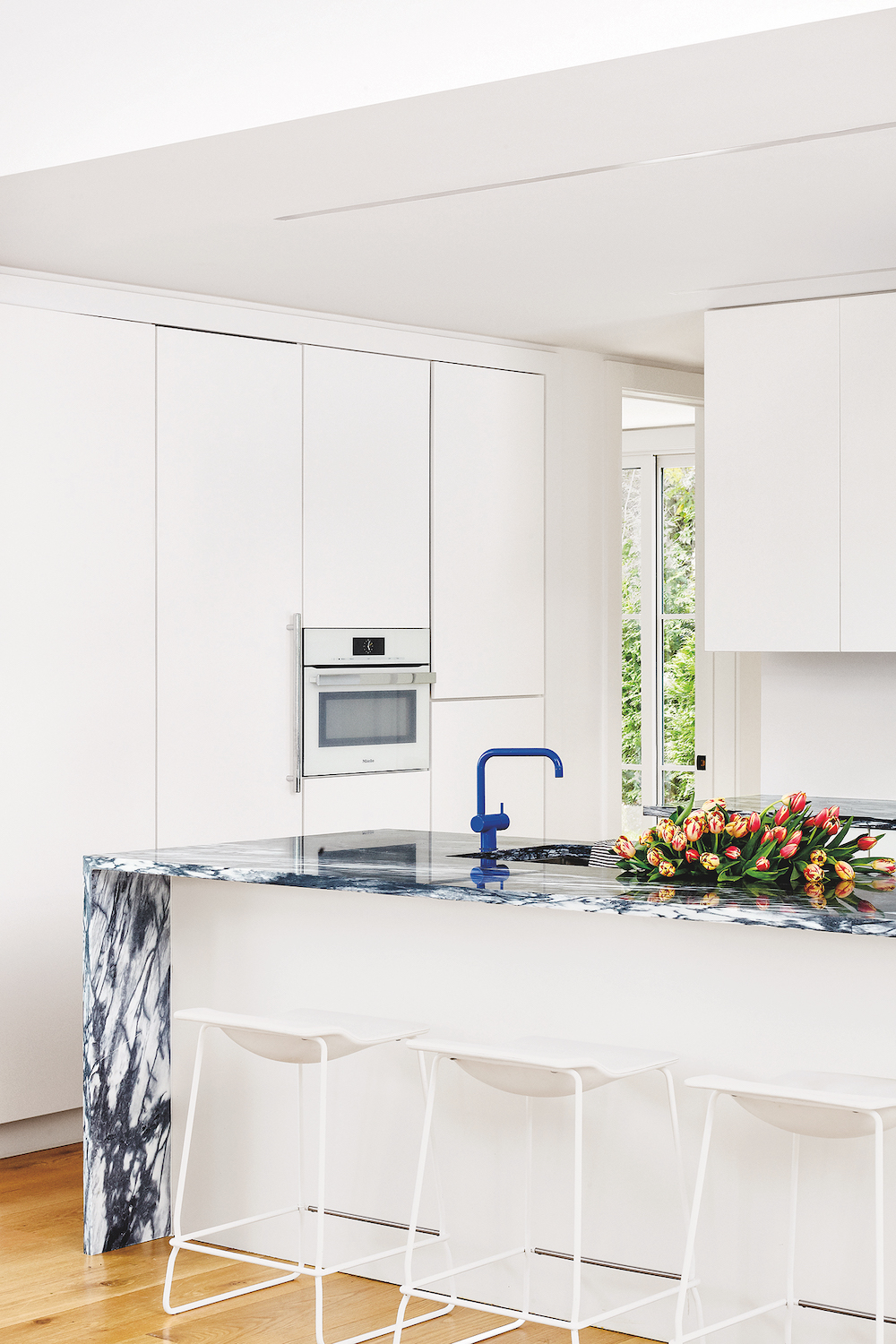
One classic and highly recommended pairing for wood kitchen cabinets, regardless of their tone, is a beautifully veined marble. This material adds a touch of luxury and durability. Lighter marbles, such as Carrara, enhance the natural warmth of the wood, while the darker veins in Calacatta marble introduce depth and intensity to the worktop. For those who appreciate the natural stone aesthetic but are concerned about maintenance, quartz is presented as an excellent alternative to marble, offering similar visual appeal without the susceptibility to staining, etching, and marking.
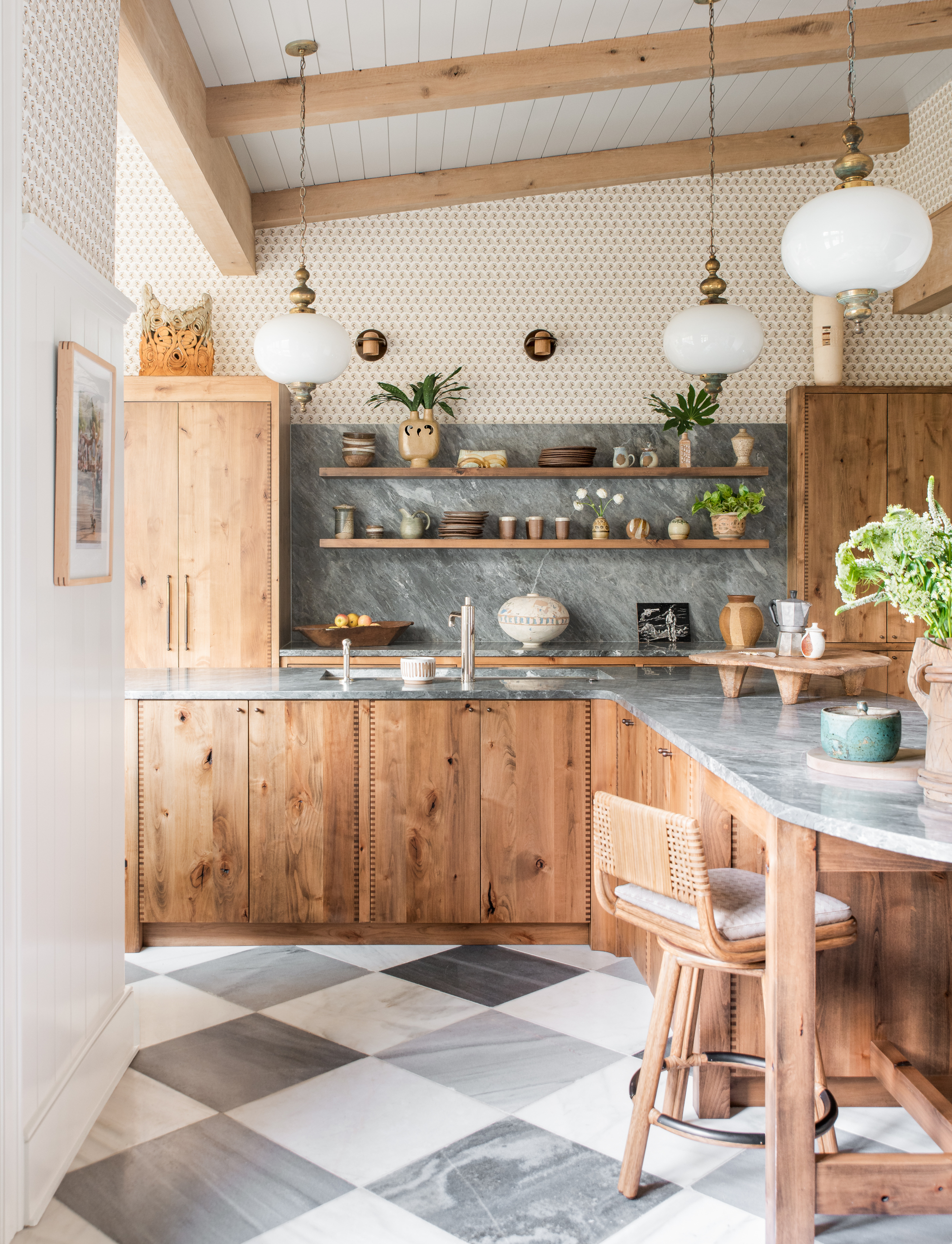
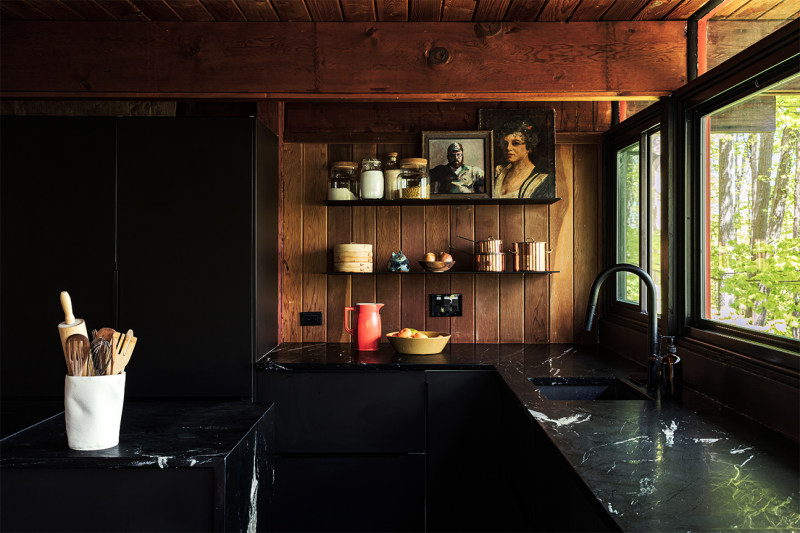
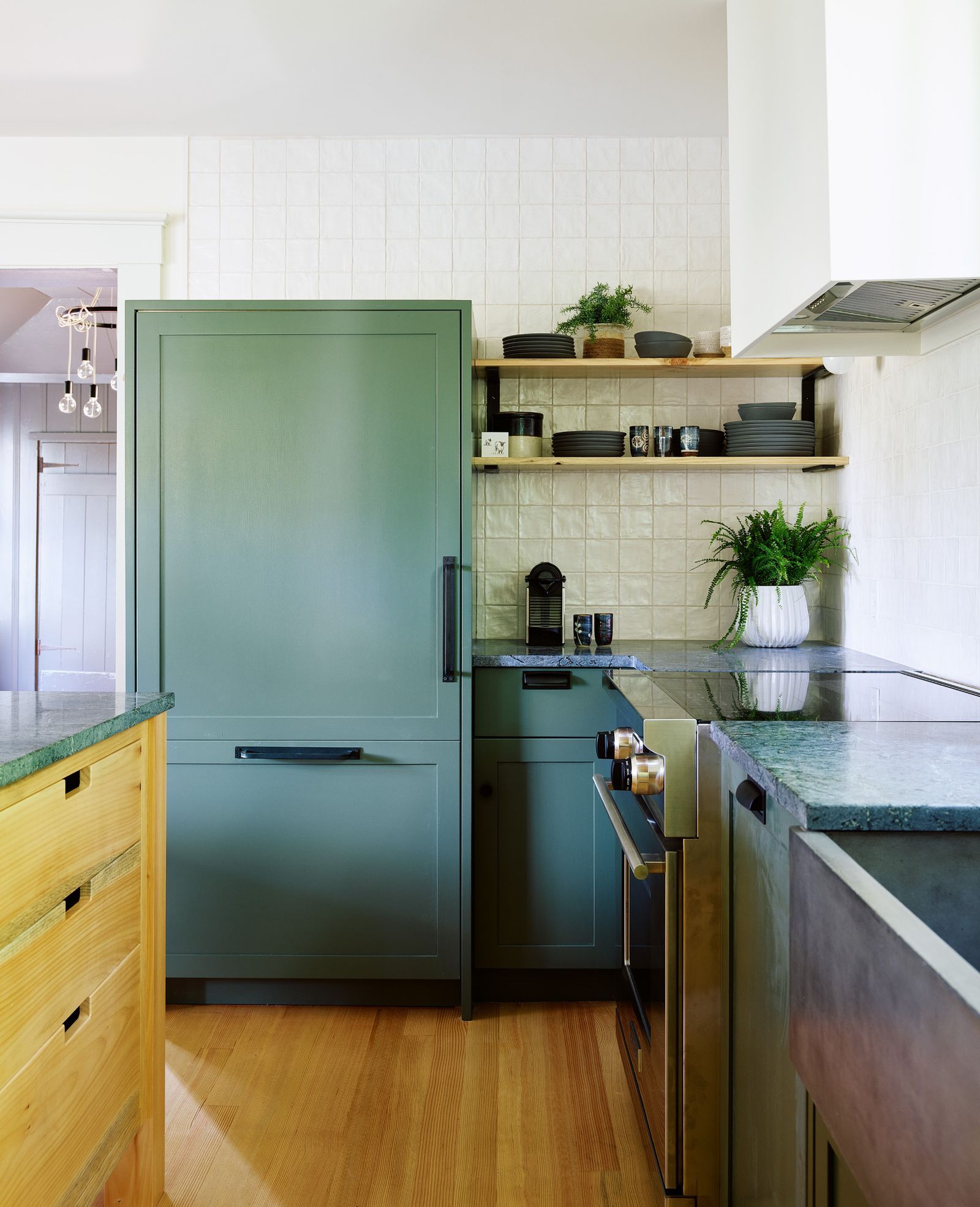
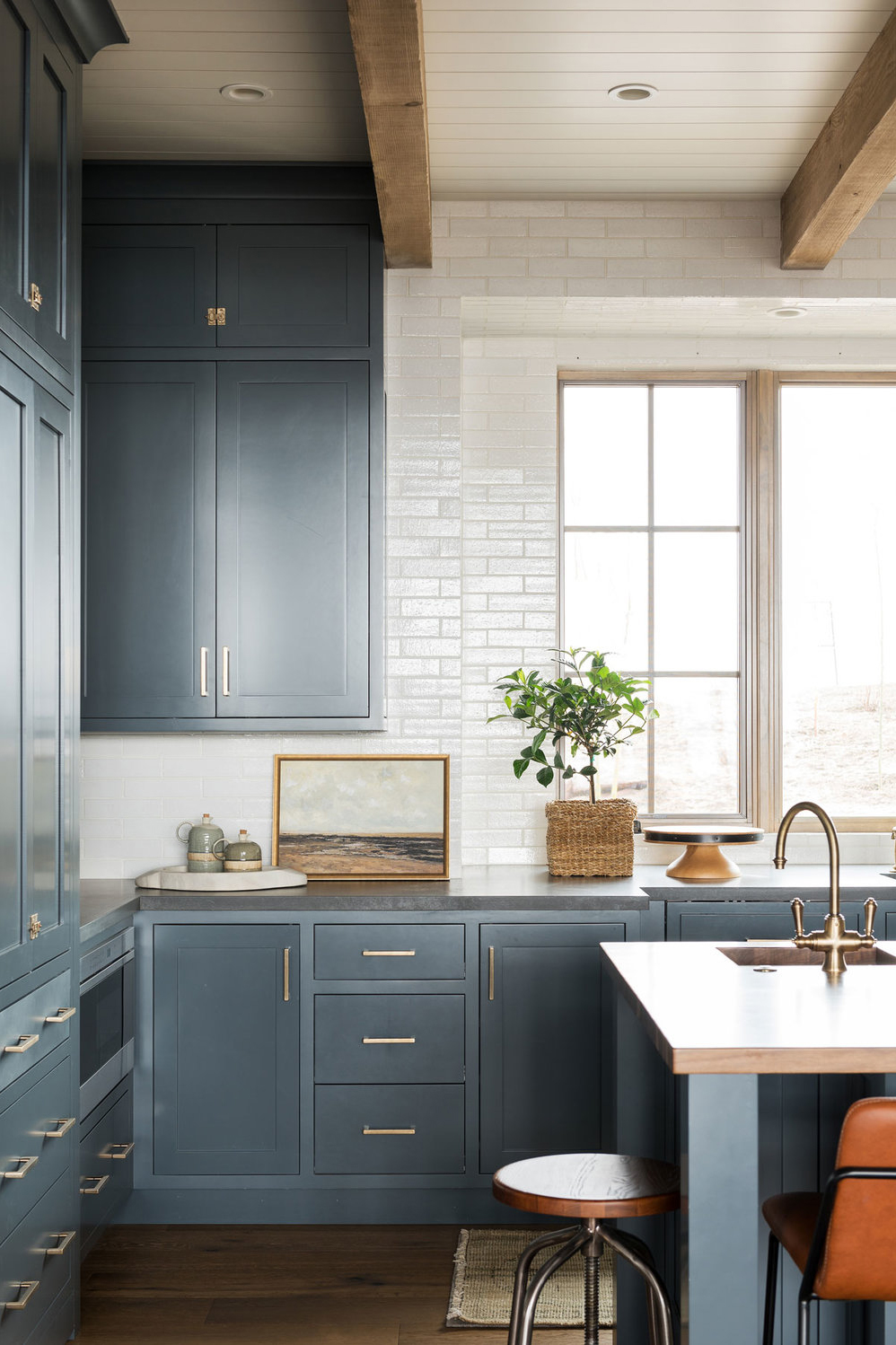
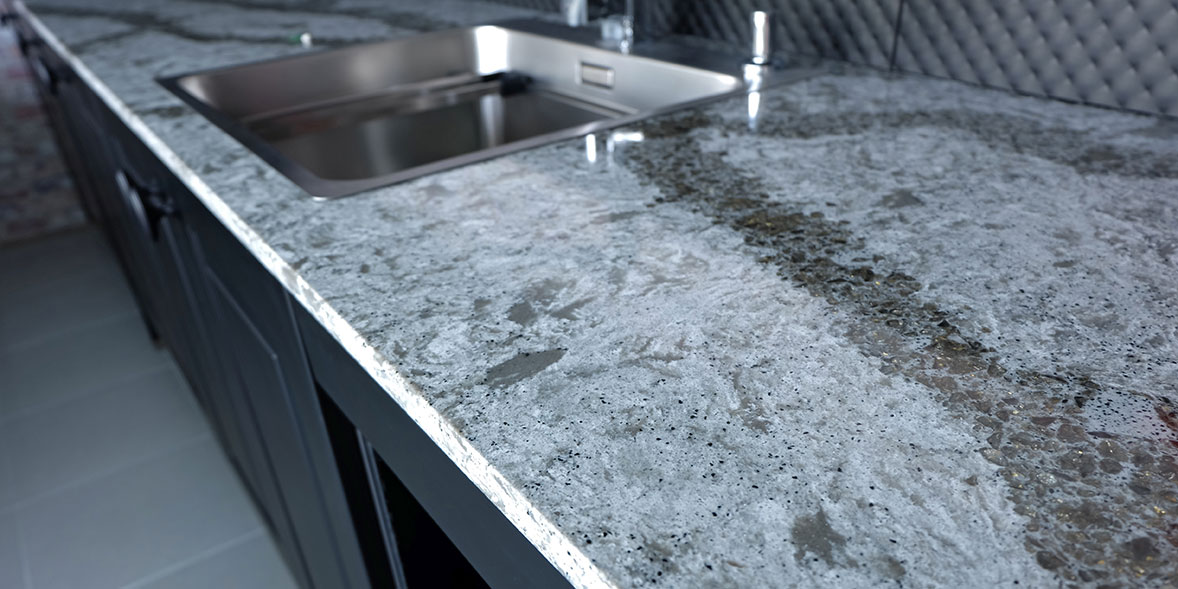
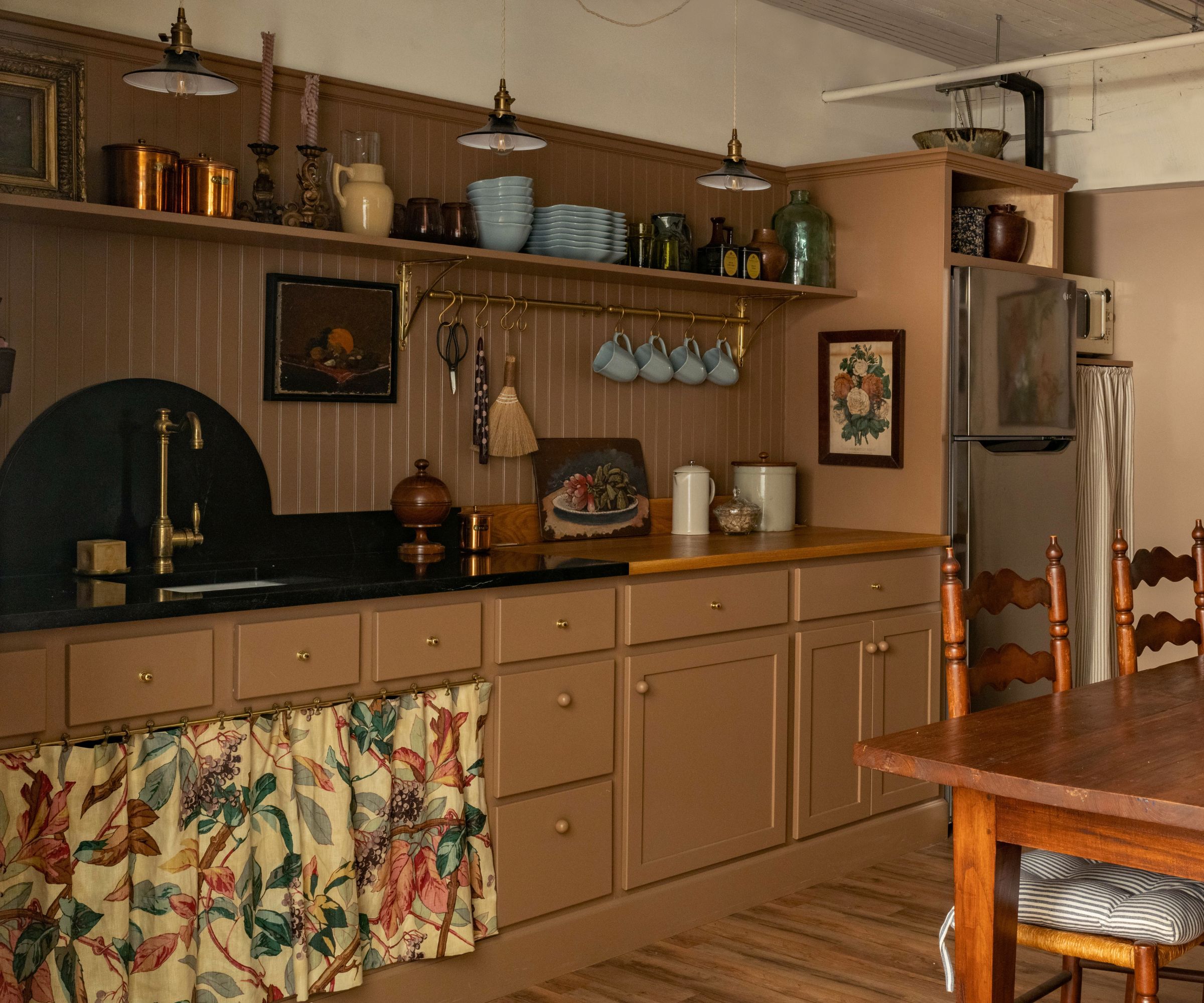
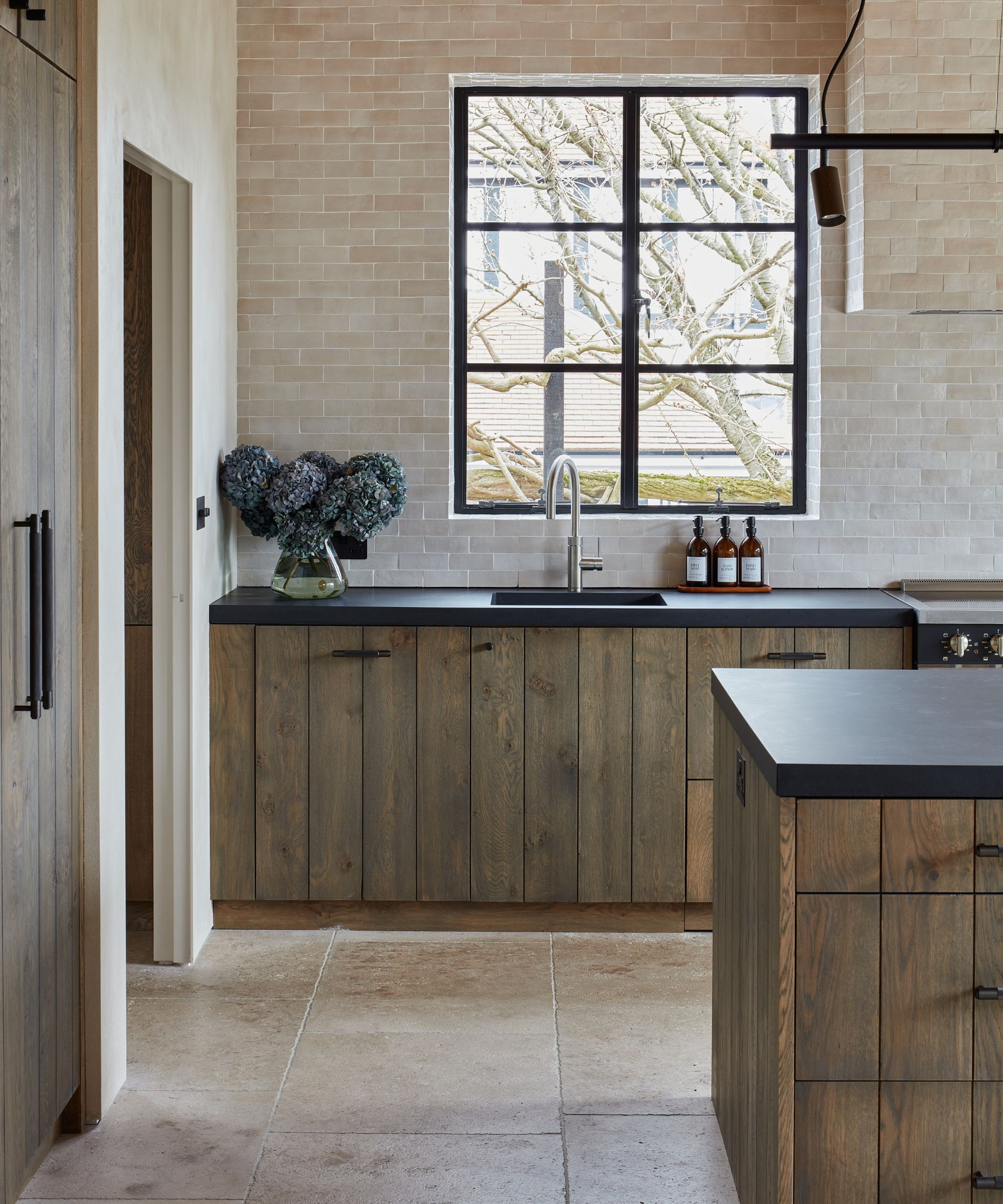
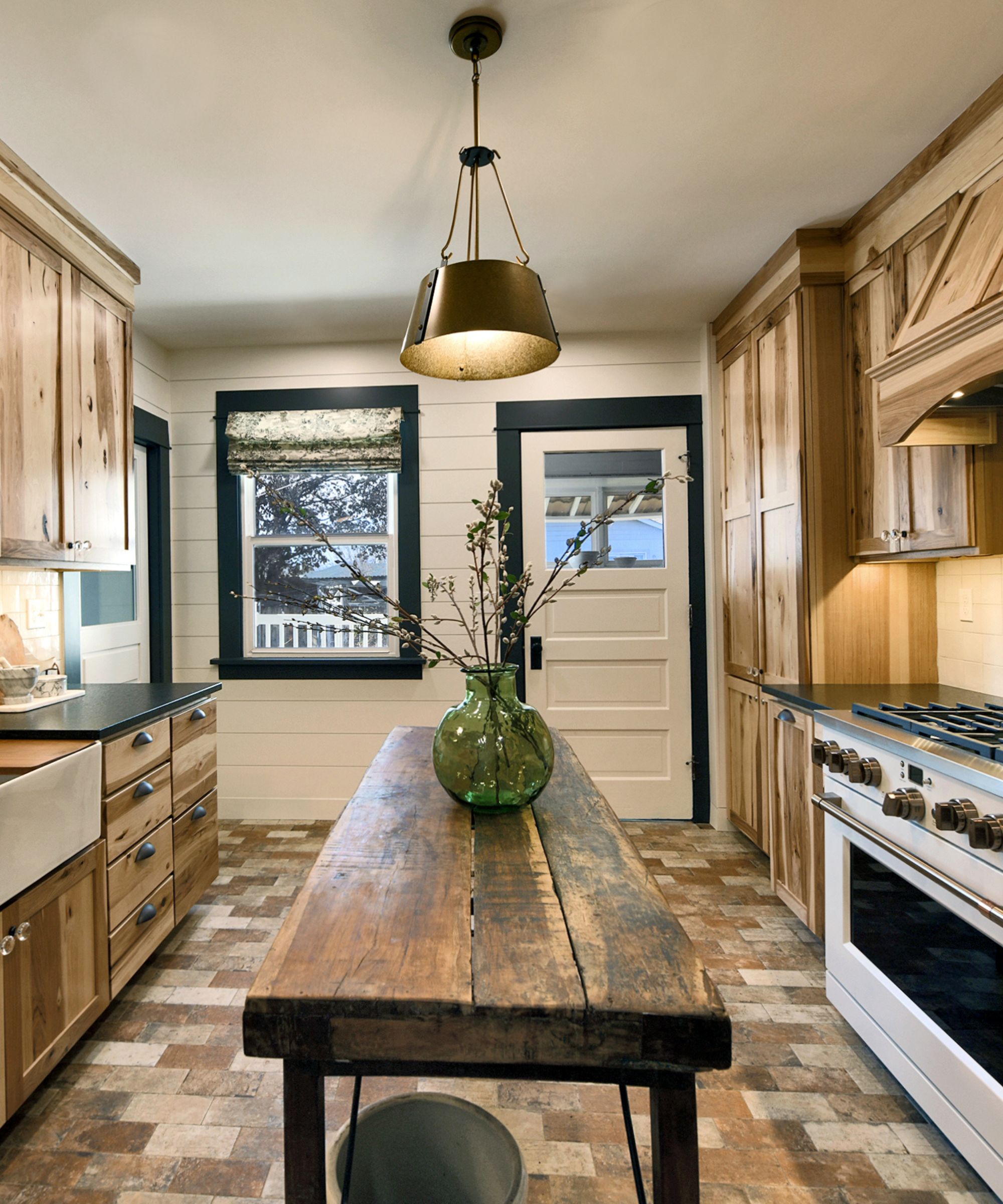
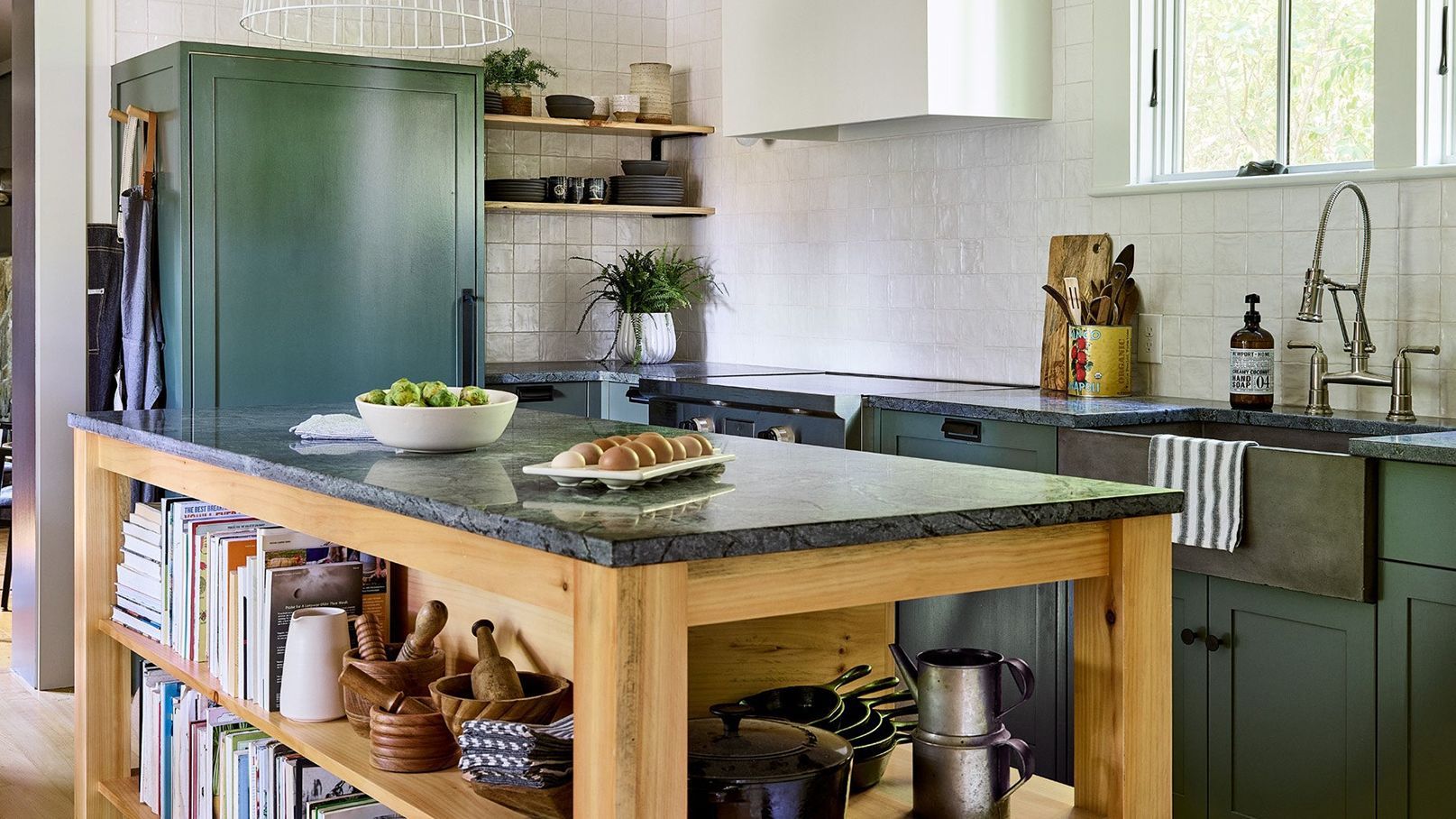
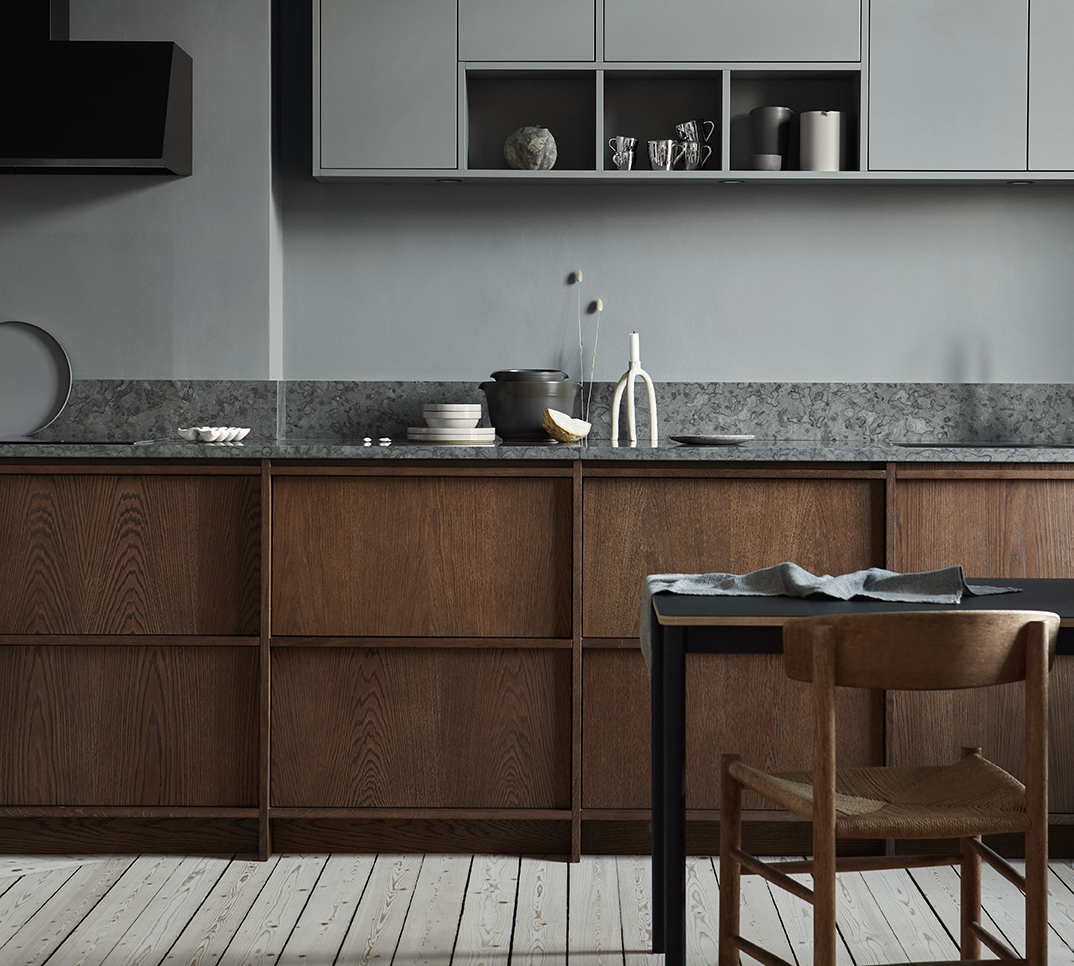
Another striking approach involves pairing dark countertops with lighter wood tones. This creates a visually arresting contrast in the kitchen design. Mor Krisher, head of product design for Caesarstone, advocates for dark countertops combined with natural woods like oak or walnut, complemented by metallic accents in brass, copper, or steel. This combination, particularly when using dark surfaces with light wooden cabinetry and flooring, helps maintain an open and neutral feel while allowing for the creation of cozy or dramatic atmospheres, especially beneficial in kitchens that are not exceptionally vast. Options for dark-toned materials include deeper marbles for a natural stone look or the increasingly popular and more affordable soapstone countertops.
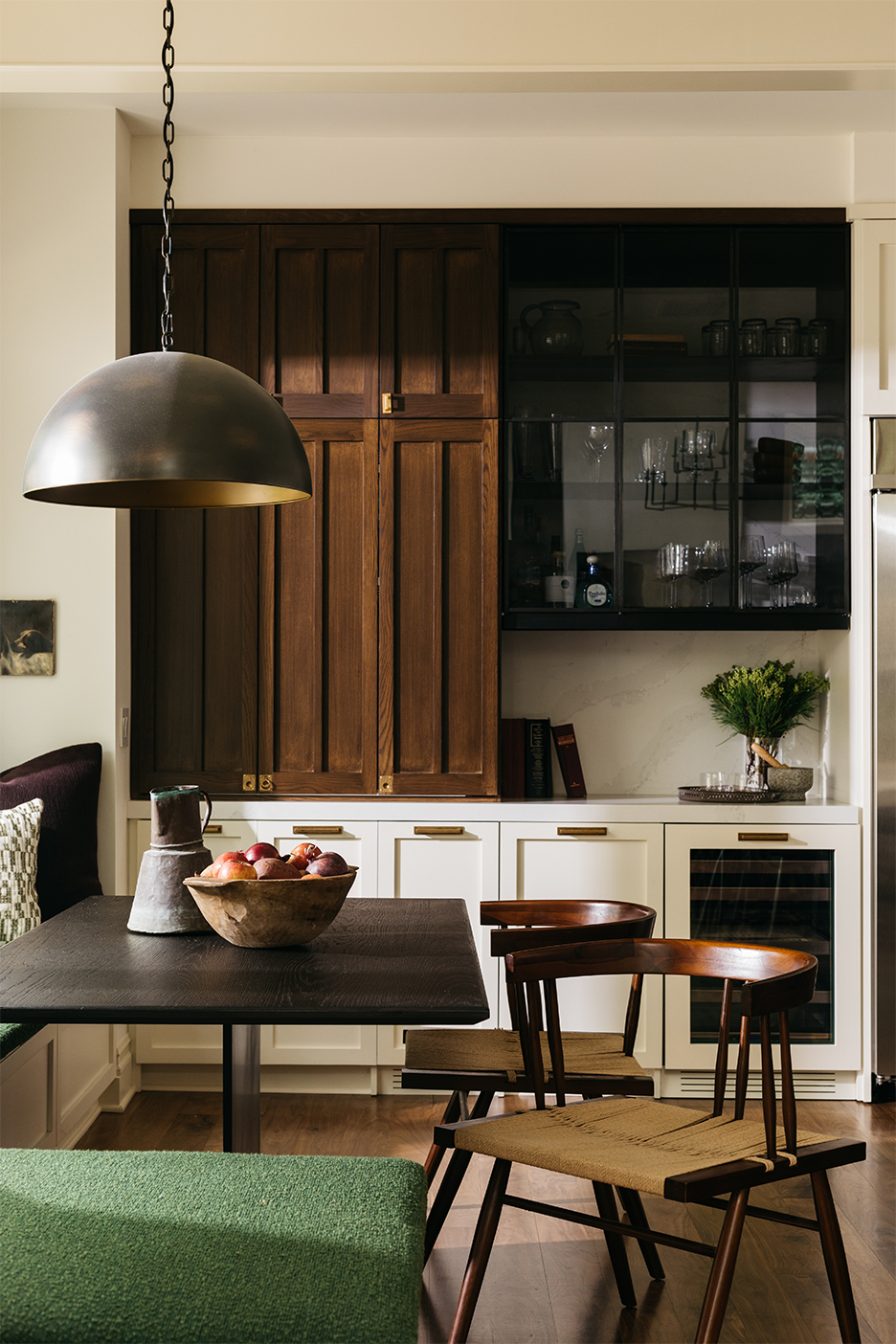
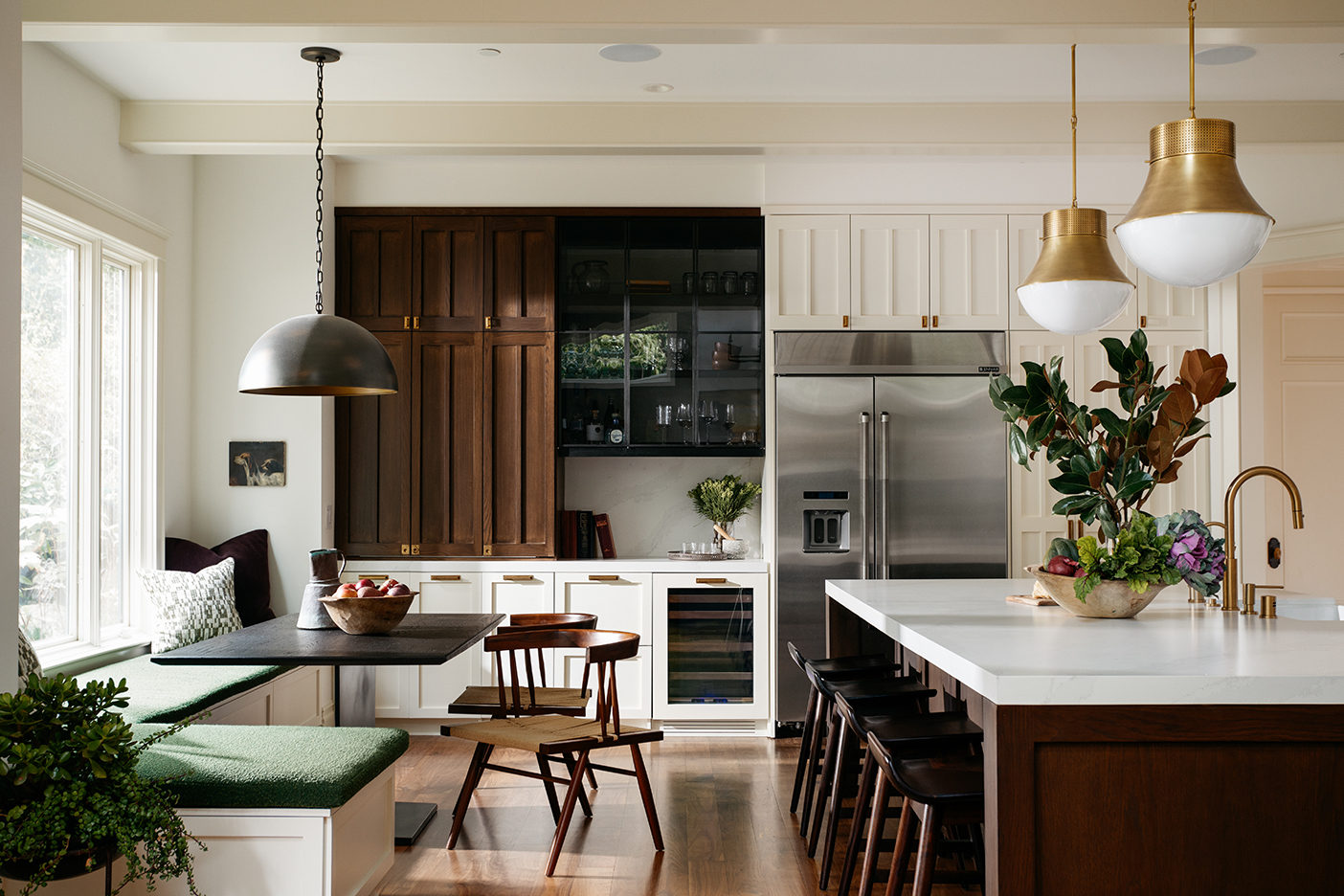
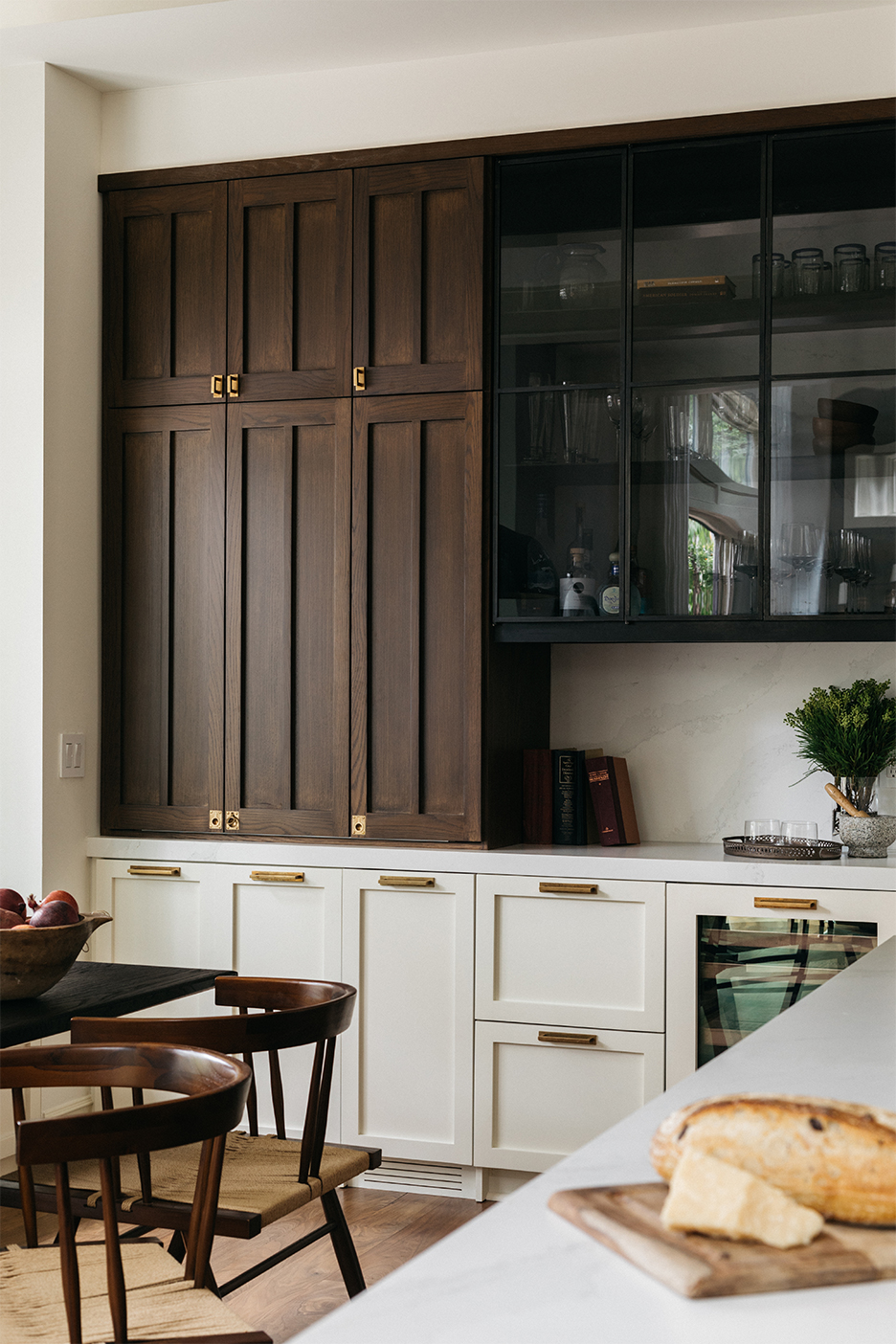
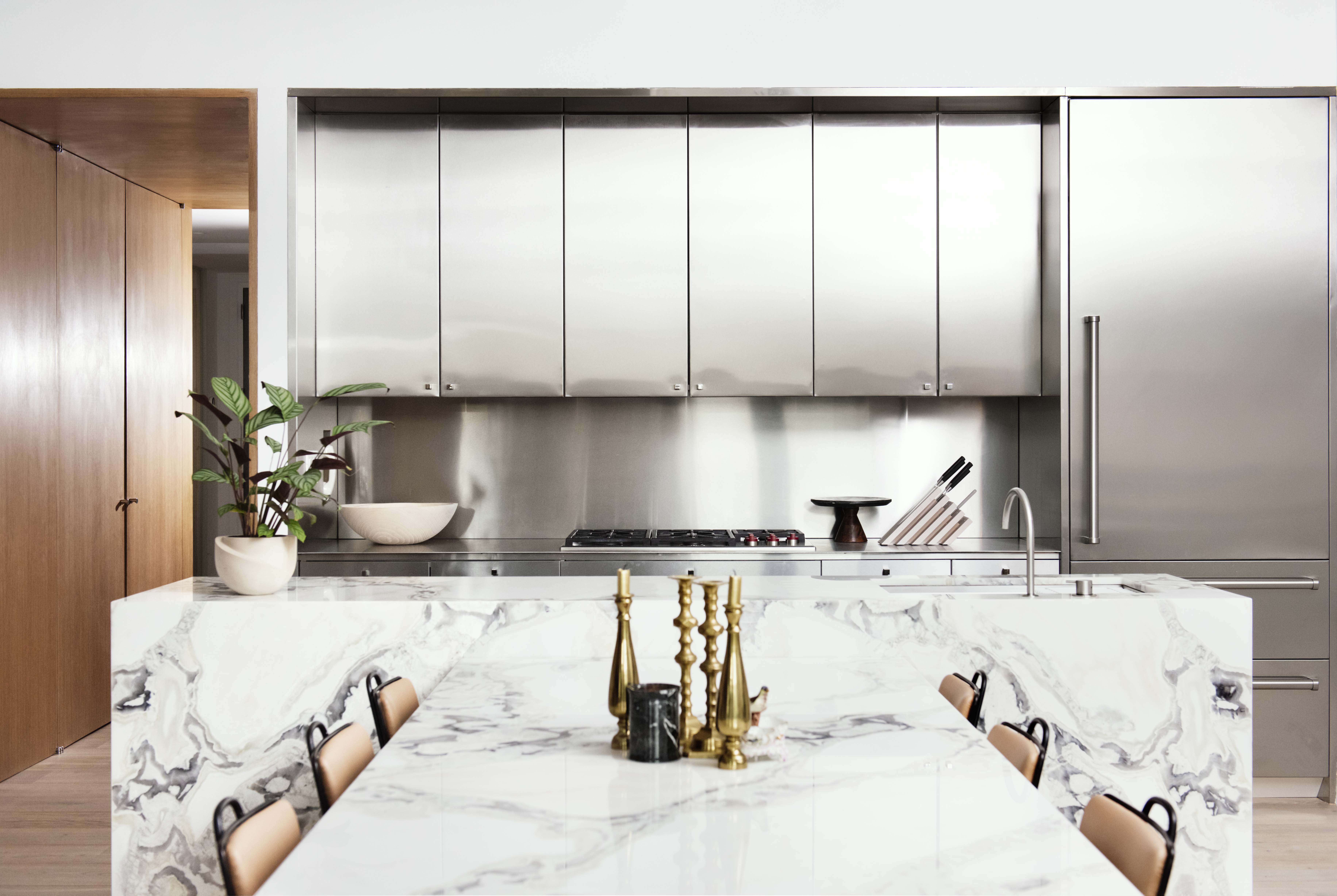
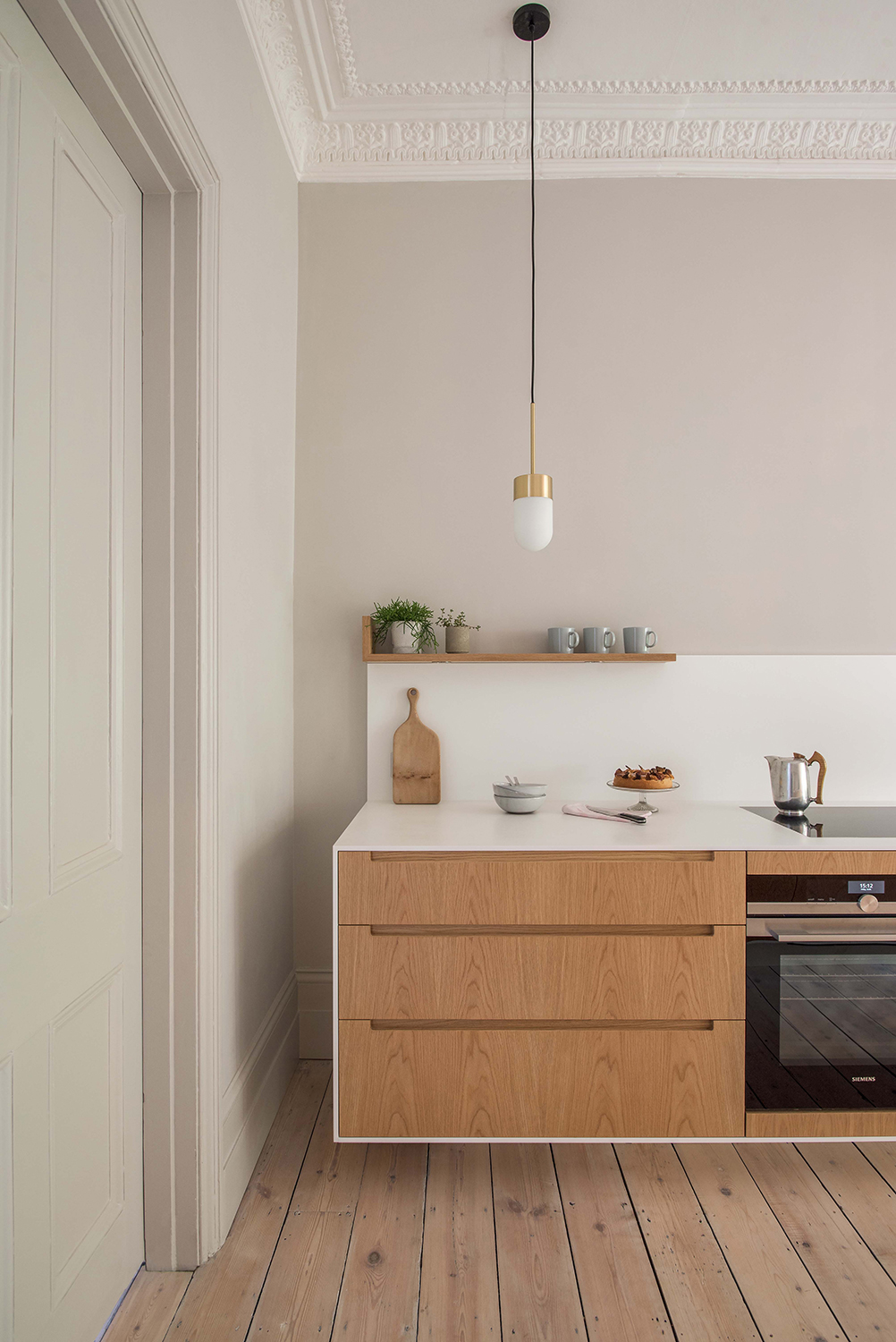
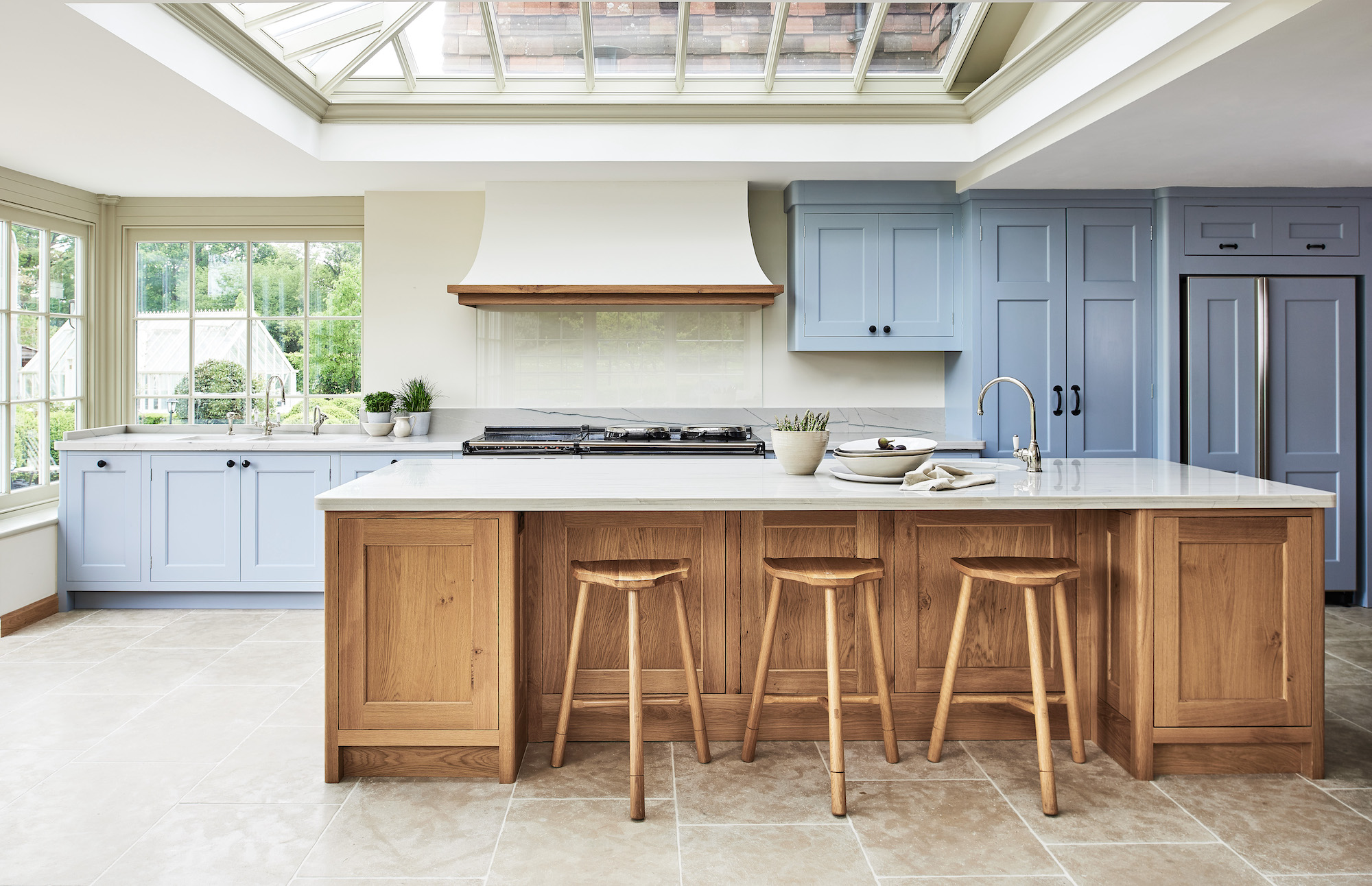
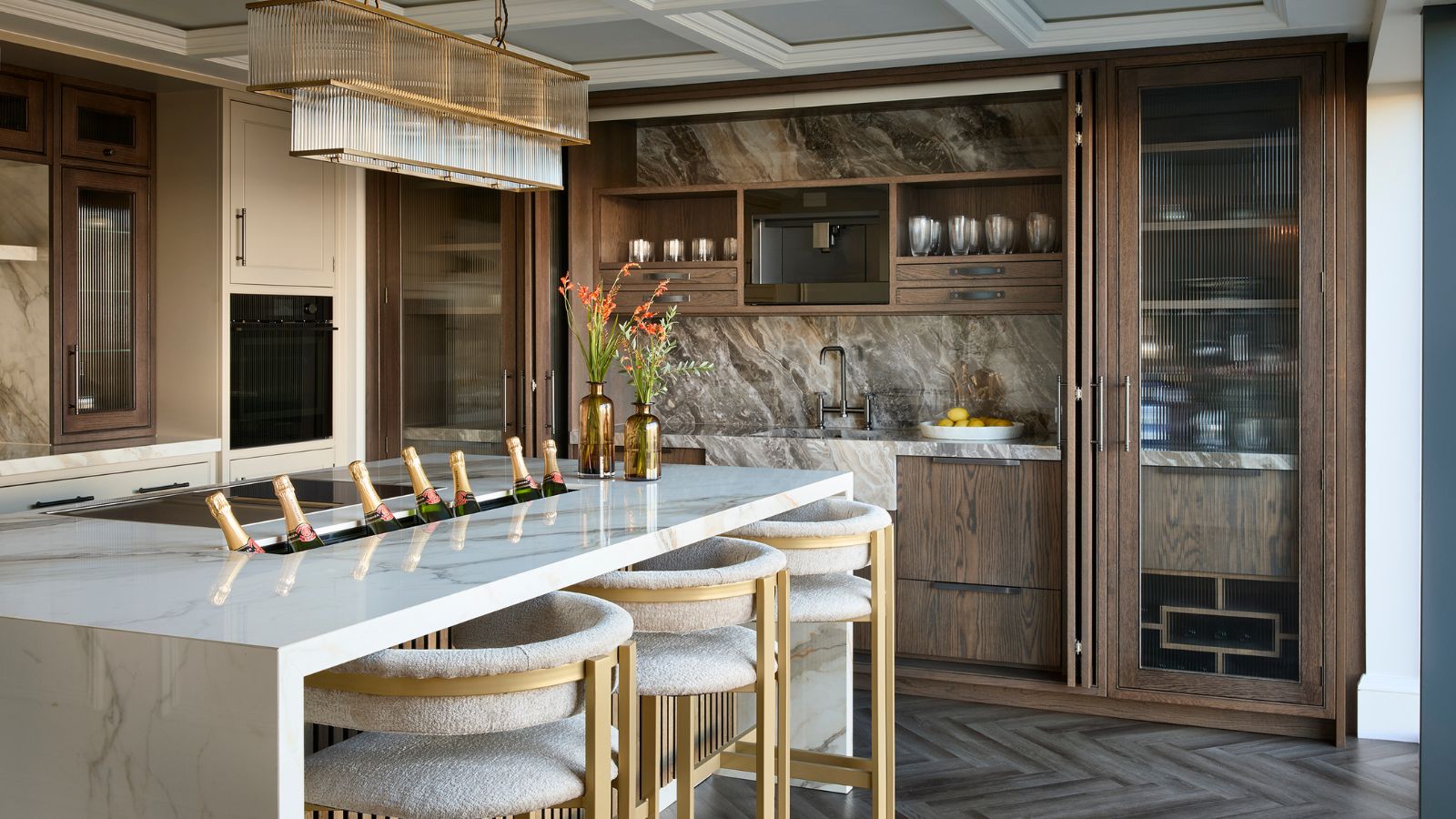
For kitchens that prioritize durability, such as busy family kitchens or those frequently used by avid chefs, porcelain emerges as a practical and aesthetic choice for countertops. Porcelain offers a balance of beauty and resilience, and it is generally more affordable than natural stone options. It also provides extensive versatility in terms of color and veining, allowing for personalized design statements. Richard Davonport, managing director at Davonport, suggests pairing rich woods with a lighter porcelain countertop, such as calacatta hermitage, to create a contrasting and brightening effect against darker wood cabinets. Porcelain's adaptability also allows for creative design elements like waterfall countertops.
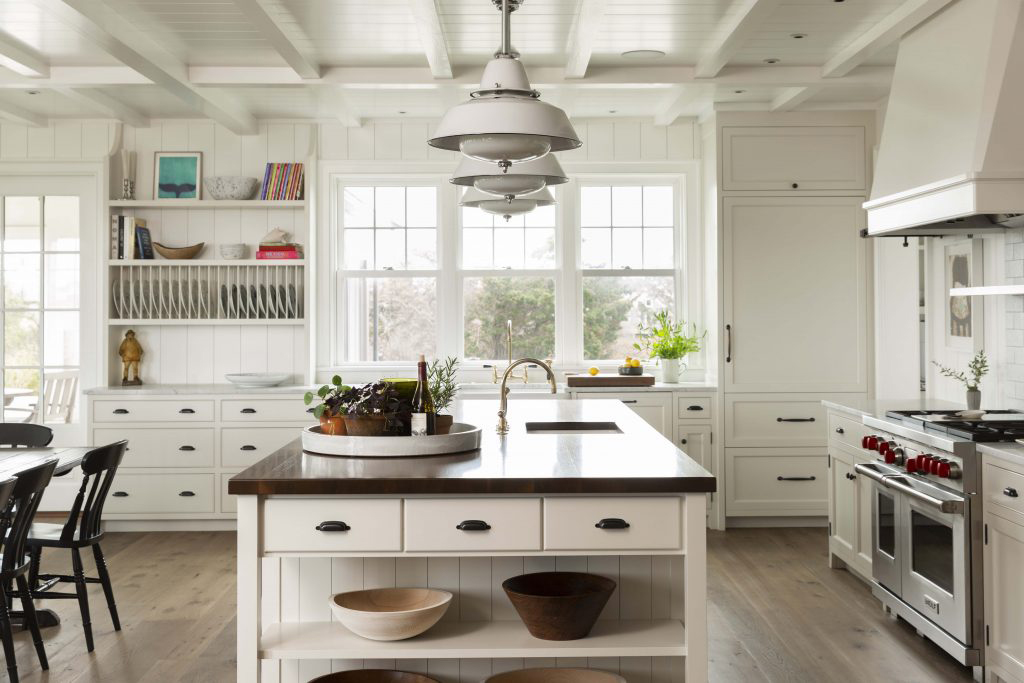
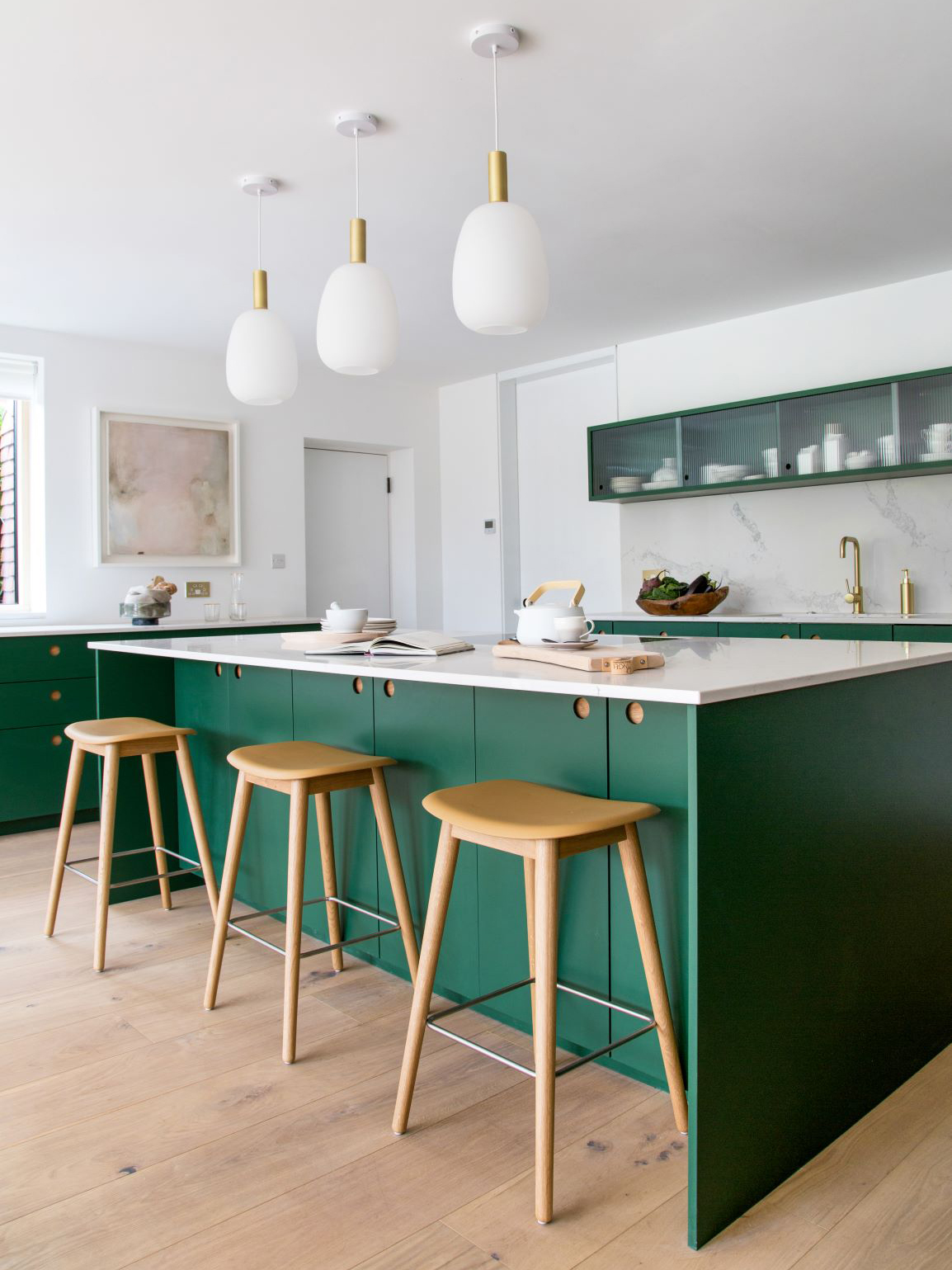
In summary, while there are no strict rules for pairing countertops with wood cabinets, designers generally advise combining light woods with darker countertops or marble, and complementing dark woods with lighter, contrasting shades. Wood cabinets essentially act as a neutral base, offering considerable freedom in selecting kitchen countertops to achieve a desired aesthetic and functional outcome.
#KitchenDesign #WoodKitchenCabinets #KitchenCountertops #InteriorDesign #MarbleCountertops #QuartzCountertops #PorcelainCountertops #KitchenTrends #HomeDecor #KitchenDesign #WoodKitchenCabinets #KitchenCountertops #InteriorDesign #MarbleCountertops #QuartzCountertops #PorcelainCountertops #KitchenTrends #HomeDecor
0 comment in total
 No comments yet
You may also like
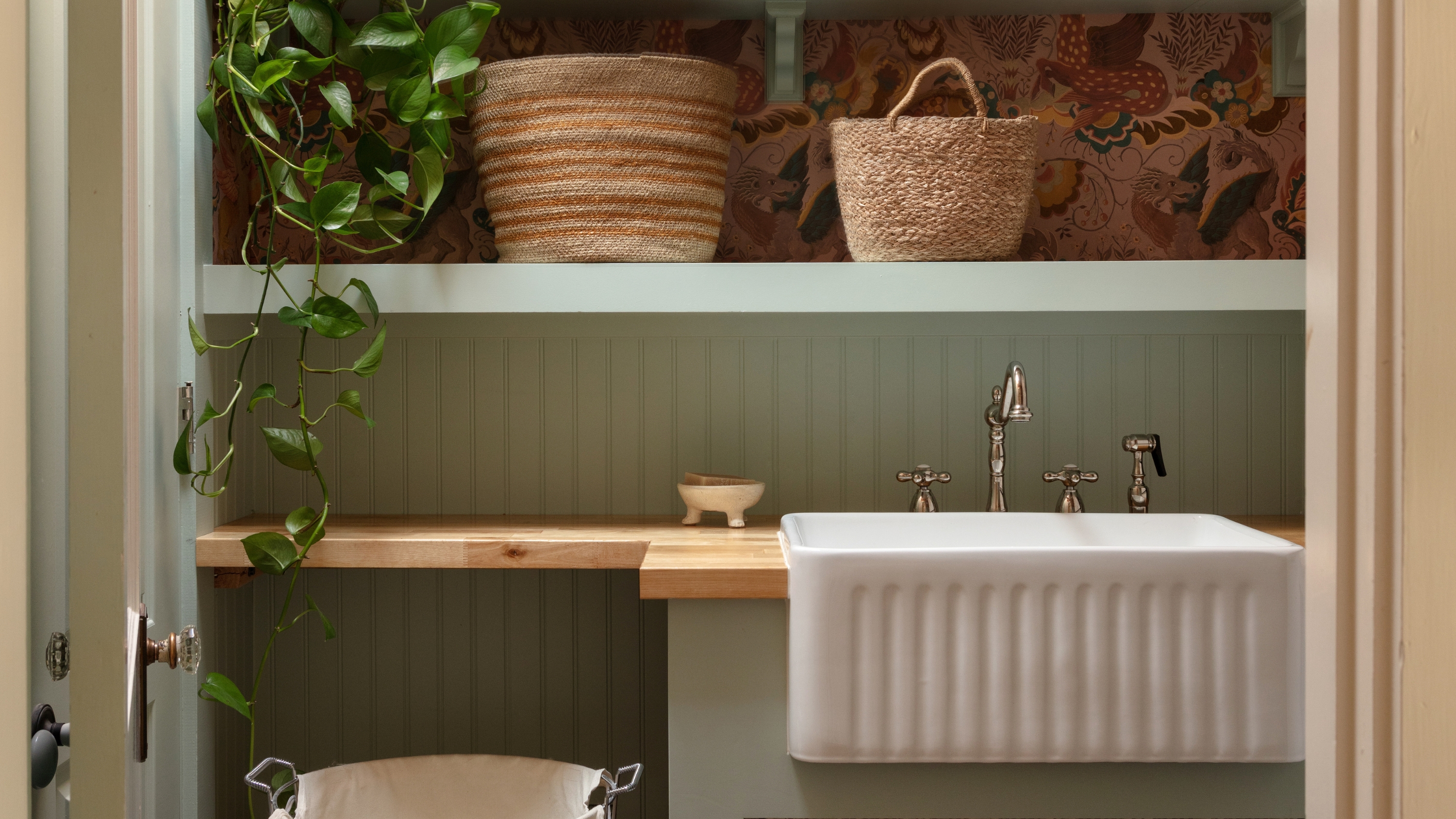
What Color Kitchen Cabinets Actually Go Well With Wooden Countertops? Designers Share Their Perfect Pairings

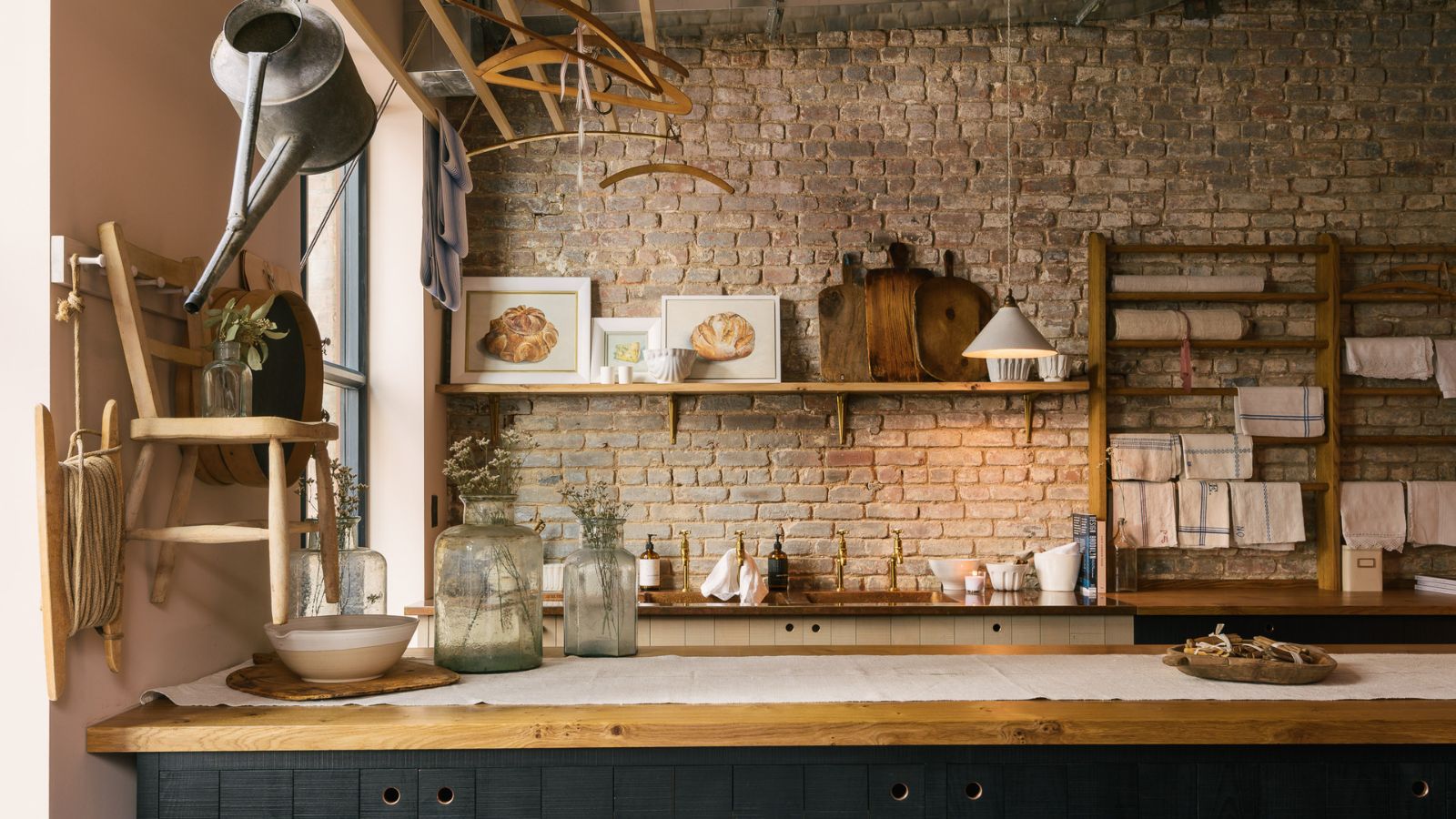
Kitchen cabinets and countertops: 13 combos that look good together

These are the 5 best colors to pair with a wooden kitchen countertop, according to interior designers
30 Kitchen Countertop Ideas You Should See Before Picking a Slab, Color, or Pattern
Designers weigh in on the best wooden kitchen cabinets for every style of kitchen
The Best Types of Kitchen Countertops

10 'Mix and Match' Cabinet Ideas That Will Make Your Kitchen Look So Much More Interesting

Wooden kitchen cabinet ideas - 8 designer approved looks
3 Kitchen Cabinet Styles Are Better Than 1—Give This Craftsman-Inspired Trio a Try

6 Kitchen Cabinet Trends You’ll See in 2024, According to Top Manufacturer

What are the best materials for kitchen cabinets? 6 designer-approved options to have on your radar
6 Best Wooden Kitchen Cabinets for Modern and Classic Homes (2025)
10 'Mix and Match' Cabinet Ideas That Will Make Your Kitchen Look So Much More Interesting

6 Kitchen Cabinet Options That Stack a Lot of Style
The Best Kitchen Cabinet Brands, According to Designers and DIYers
15 wood kitchen cabinet ideas – the best new ways to use timber
For Every Kitchen Cabinet Style, We Found the Perfect Countertop
How to choose the best kitchen worktops and cabinets
Are wooden cabinets outdated? Interior designers weigh in on whether to shut the door on this style

28 Wood Kitchen Ideas You’ll Want to See Before Choosing Cabinets, Shelves, or Flooring