1/5
How to design a formal living room – designer Emma Sims Hilditch's tricks for creating smart spaces
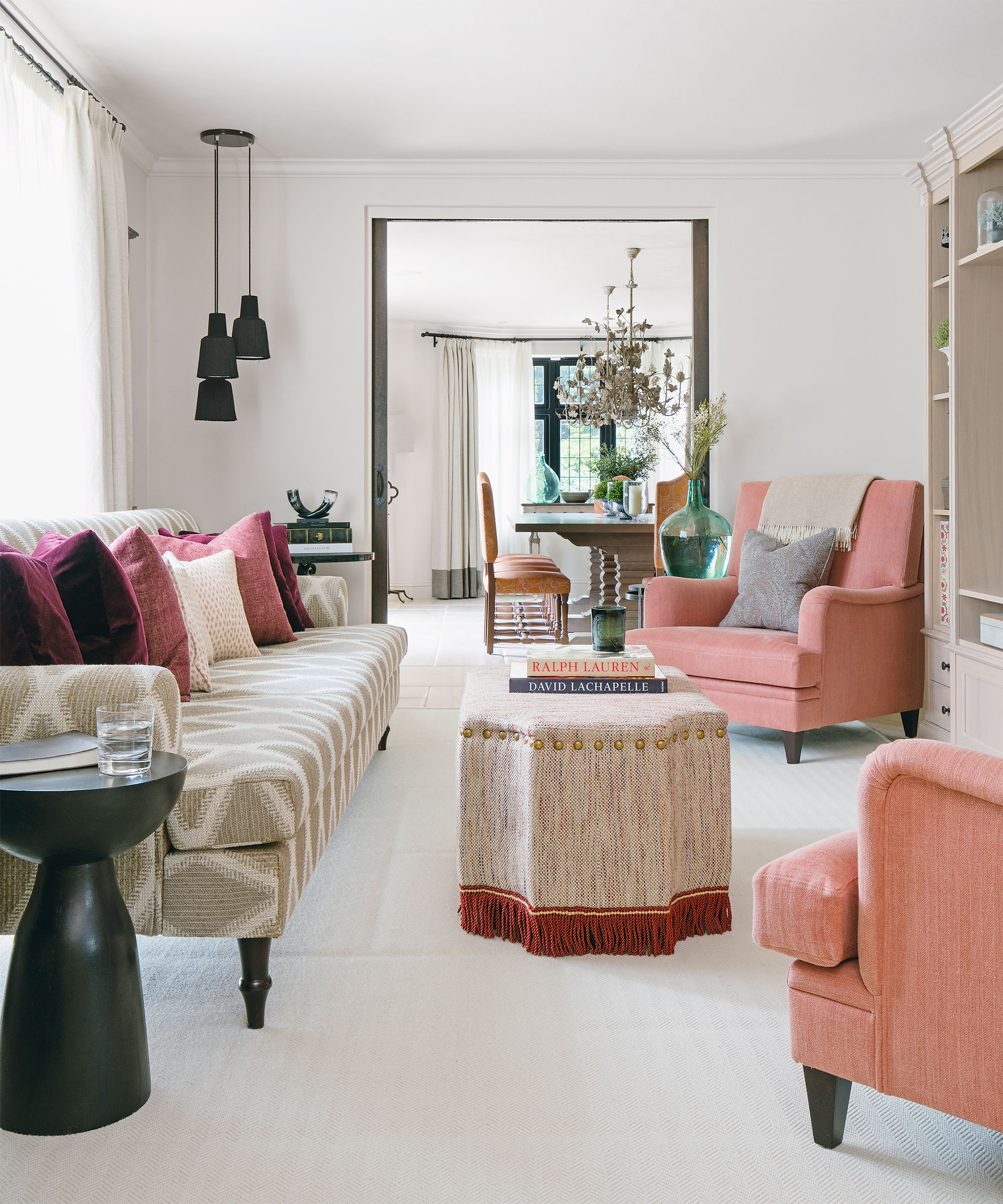
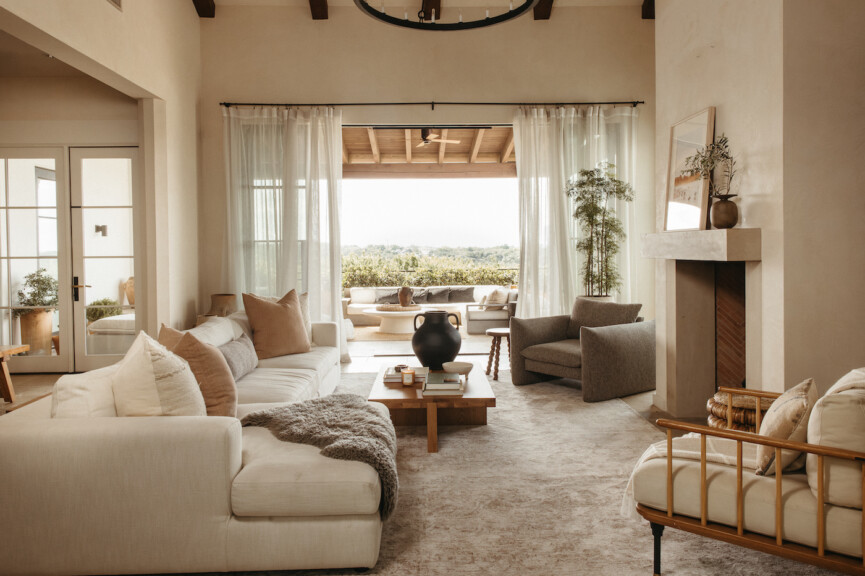
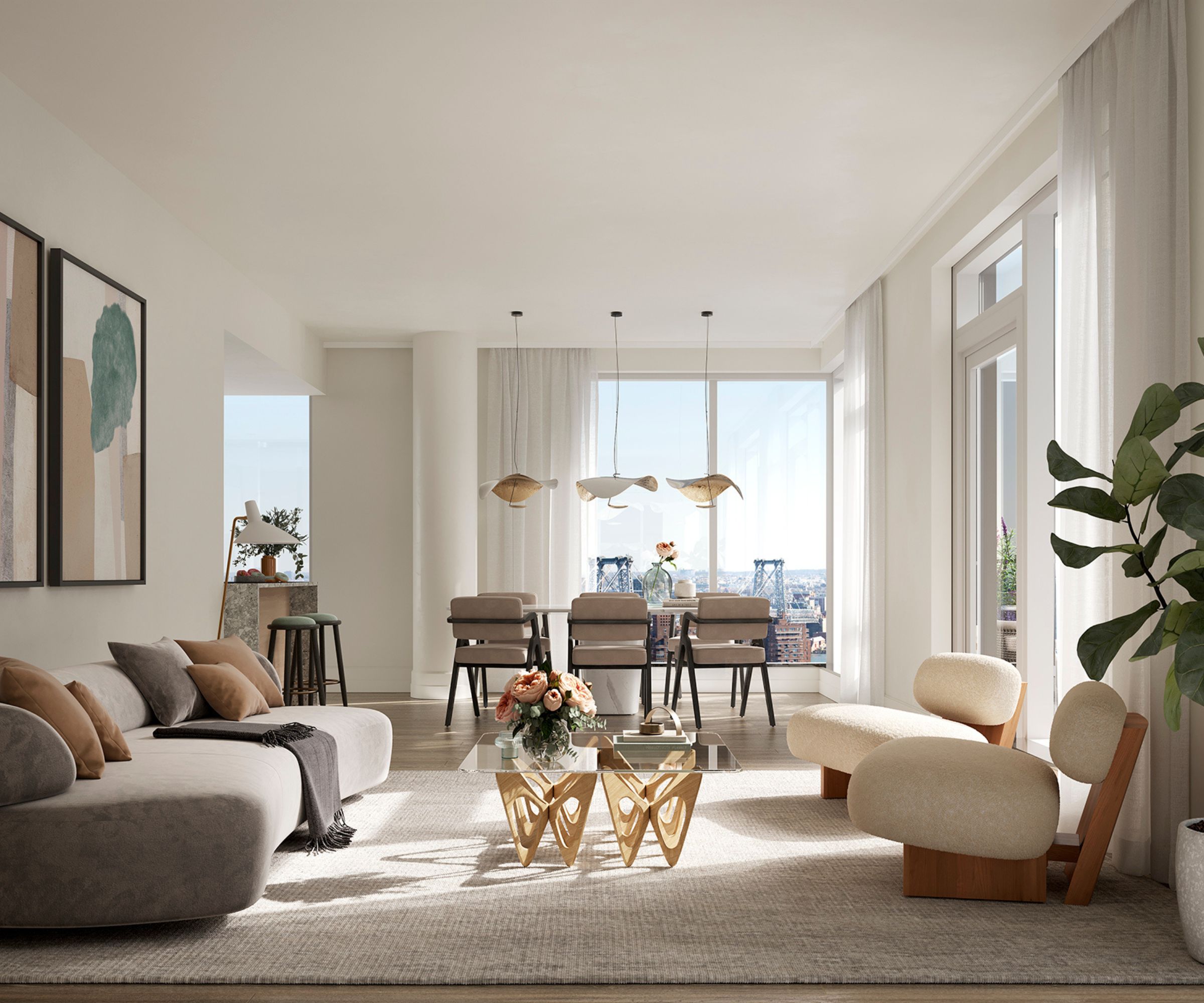
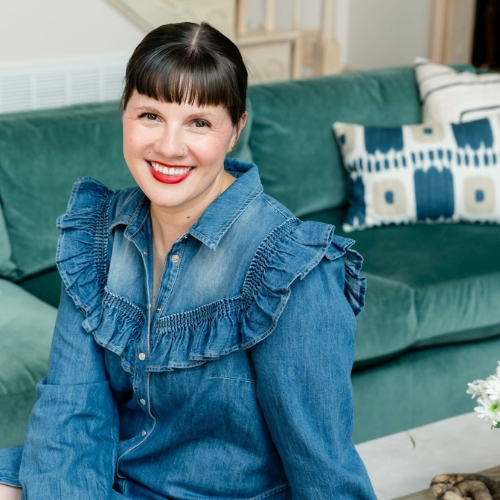
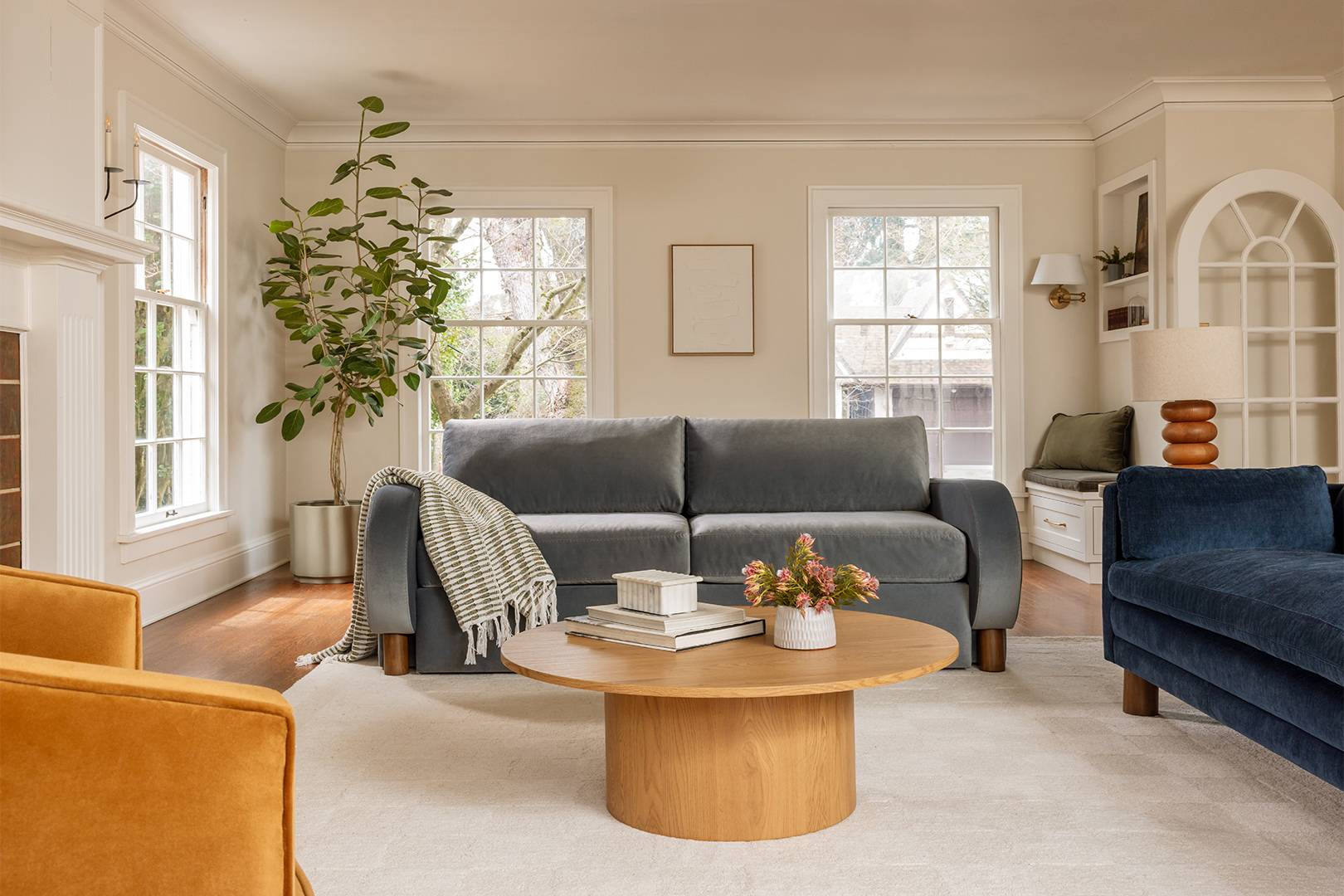
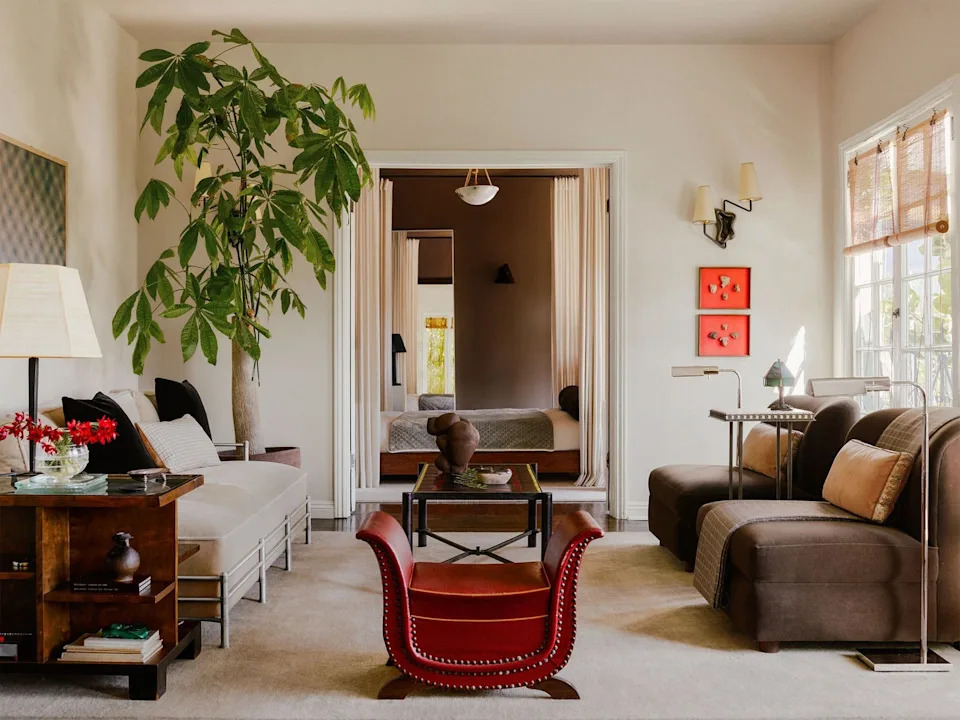
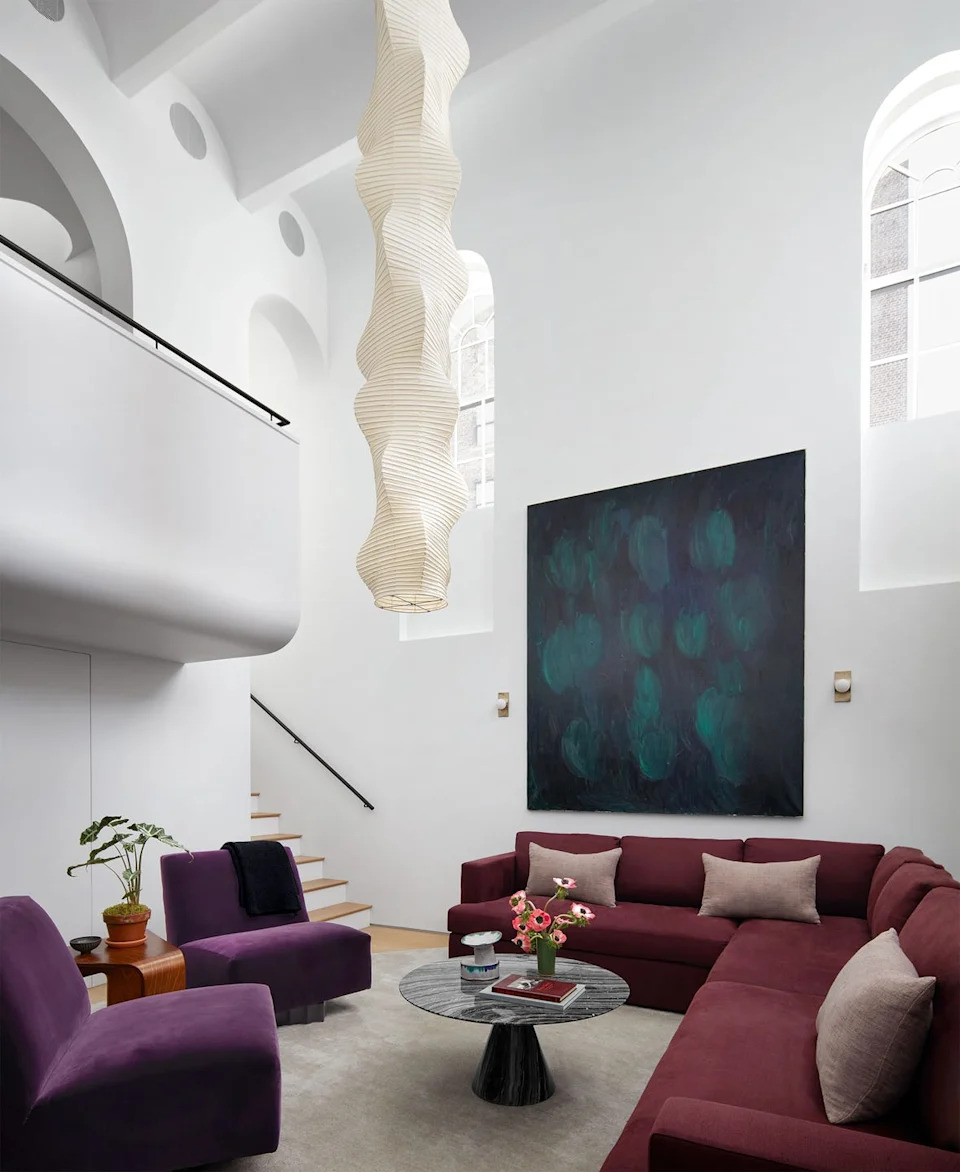
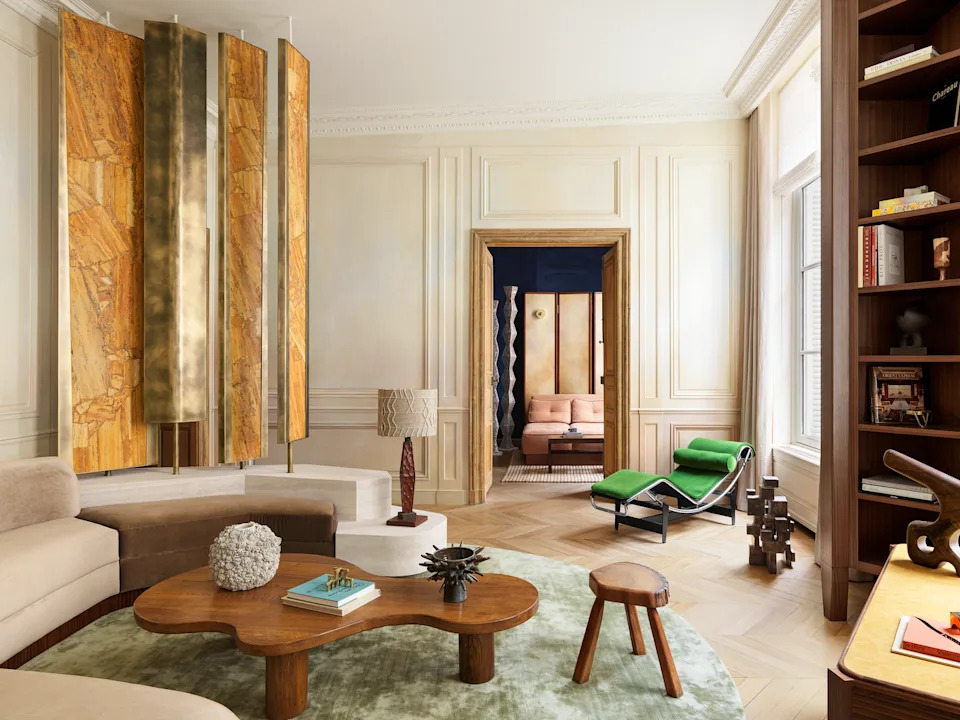
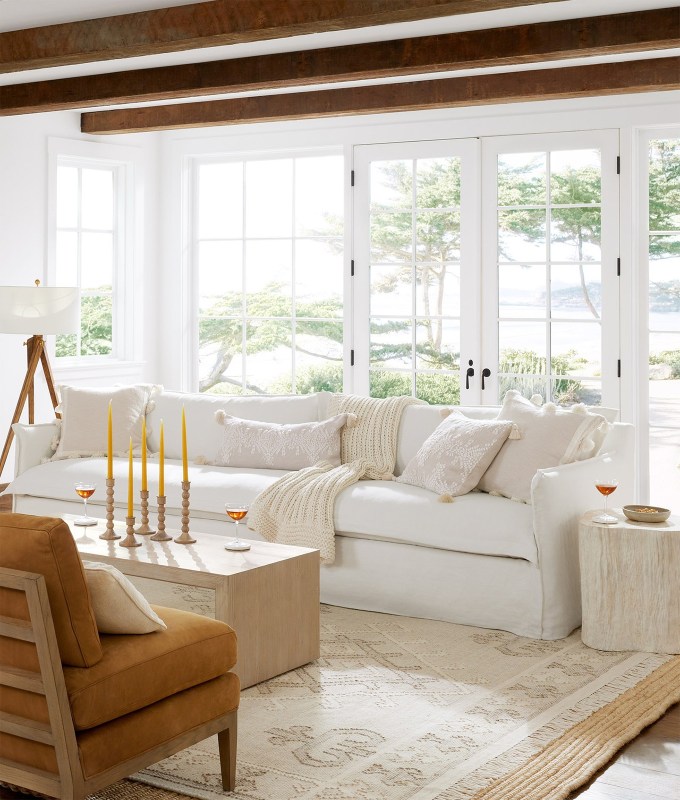
The article explores how to design a formal living room that feels both elegant and inviting, drawing on advice from interior designers, particularly Emma Sims Hilditch. A formal living room is traditionally a space reserved for guests and smart gatherings, distinct from an informal family room where daily activities take place. However, the modern approach emphasizes making these formal spaces usable and welcoming beyond special occasions, ensuring they reflect the owner's personality rather than appearing soulless. The design process often starts by considering traditional living room elements, including period architecture and the strategic use of antiques to achieve a timeless and characterful aesthetic.
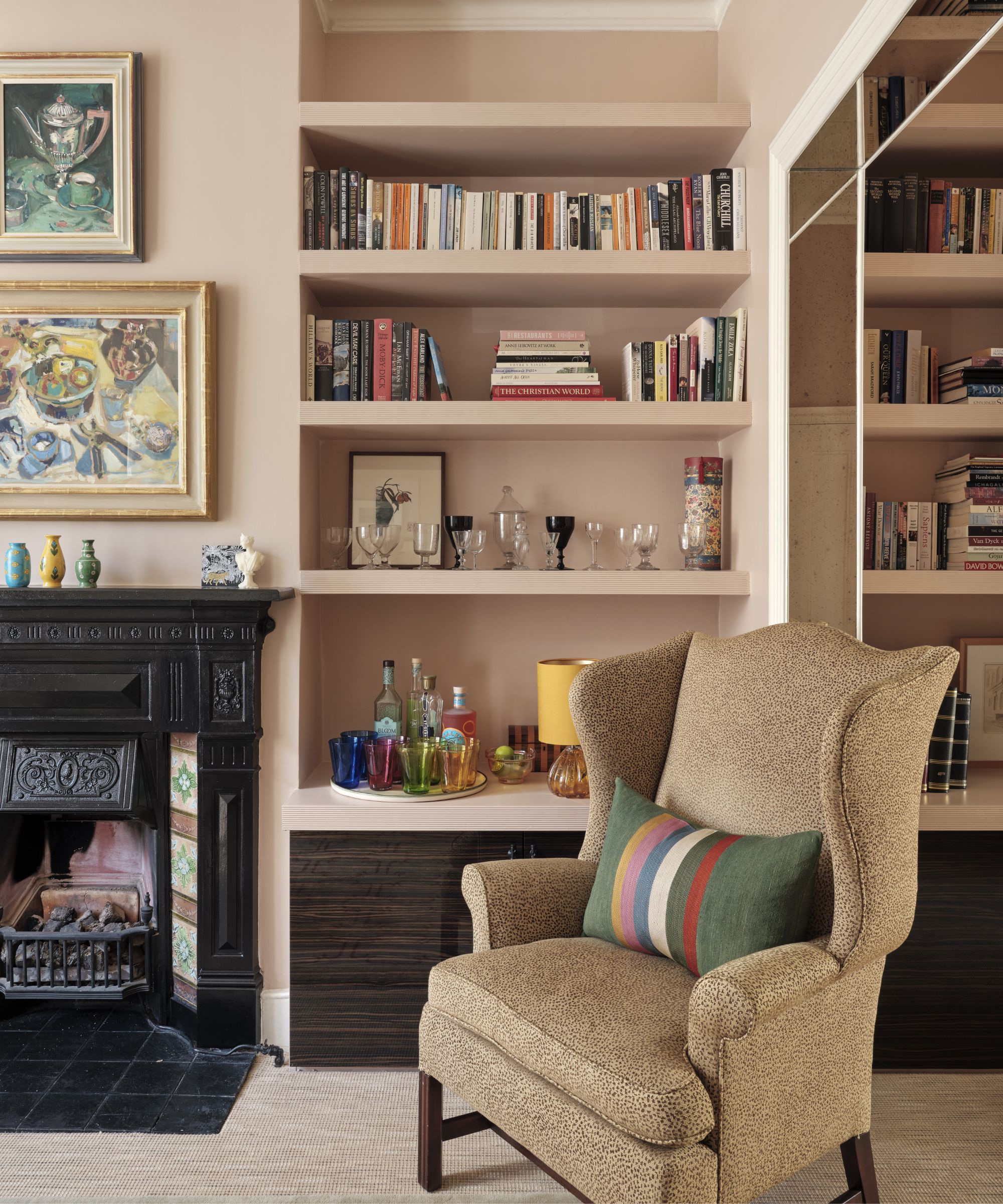
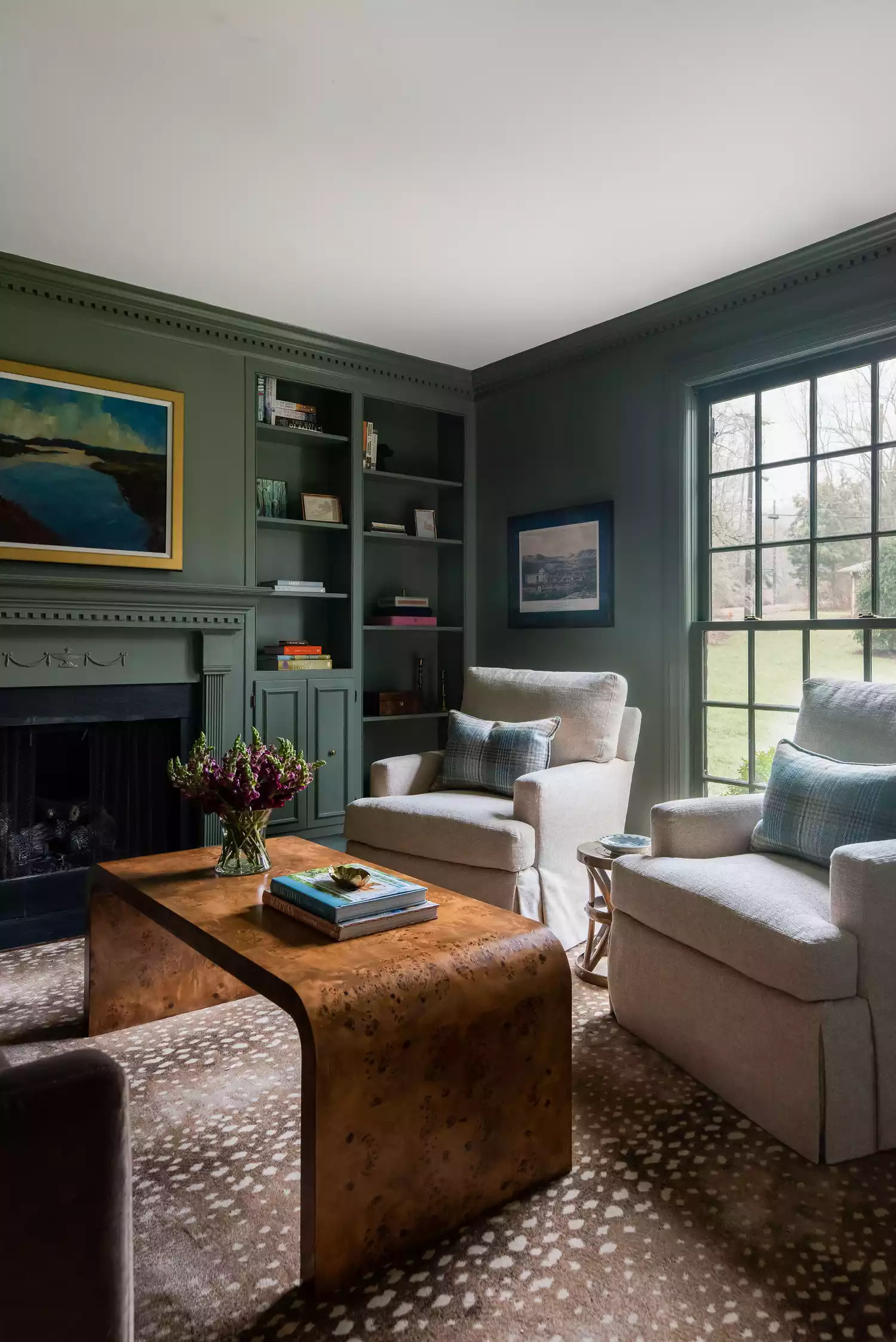
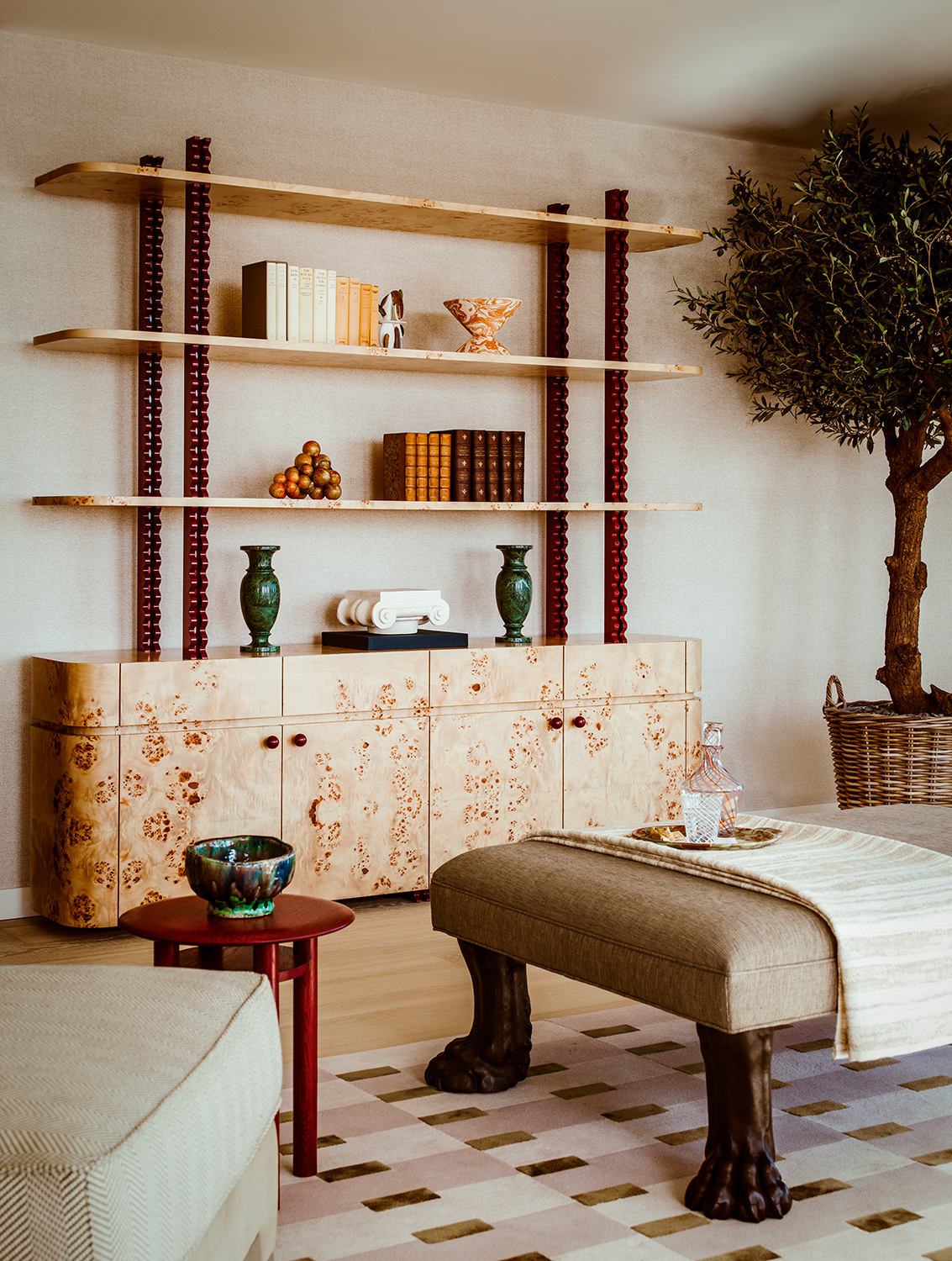
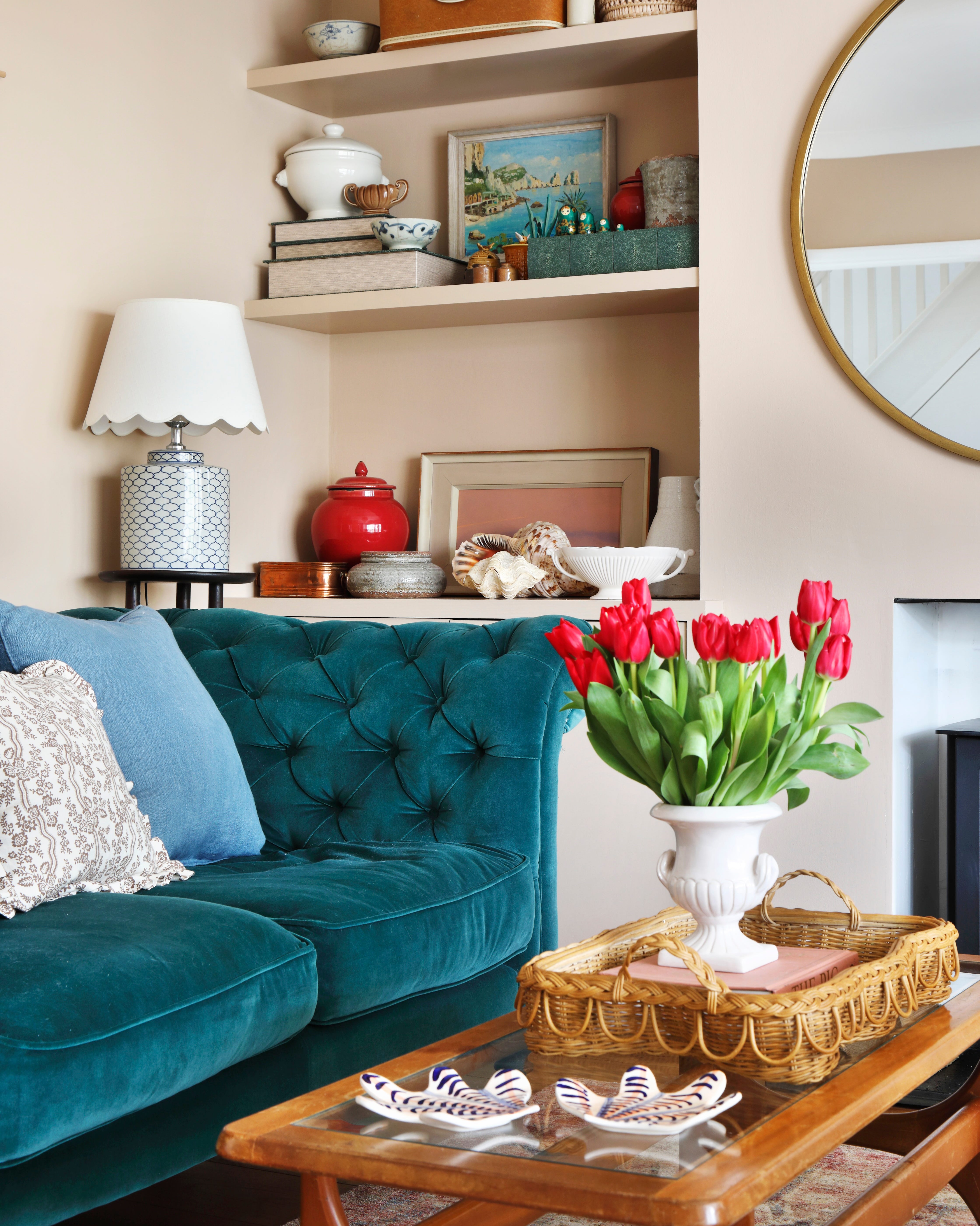
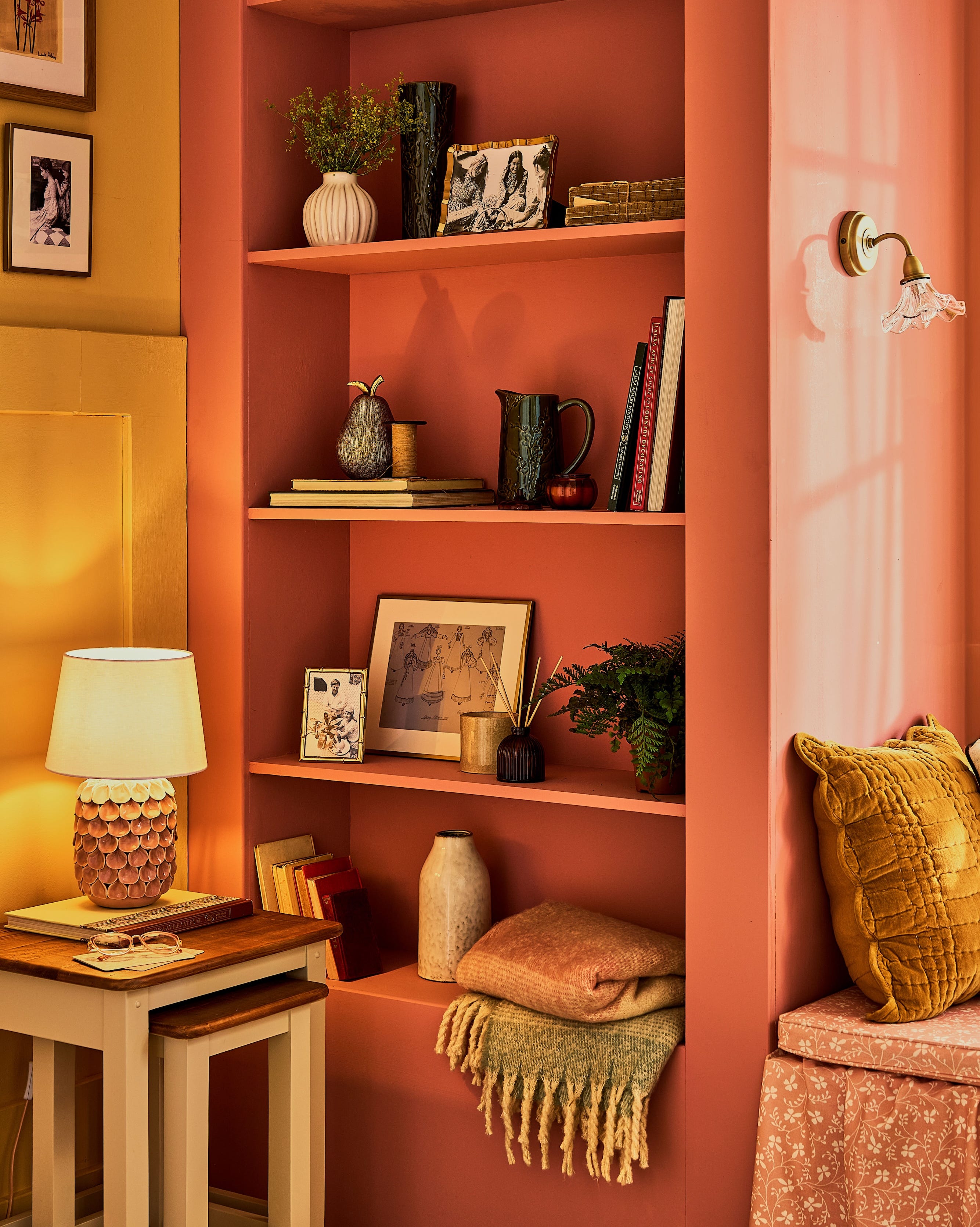
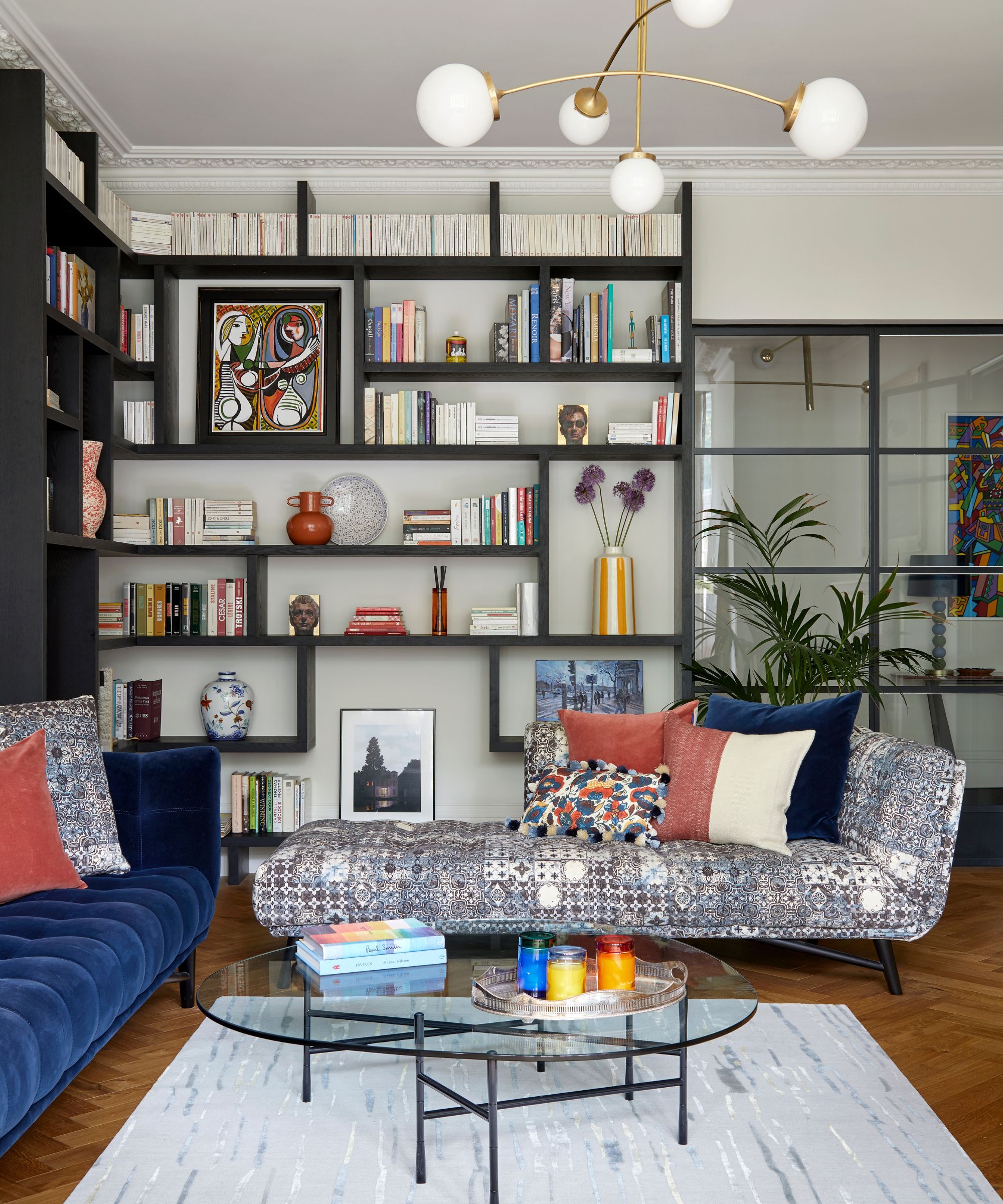
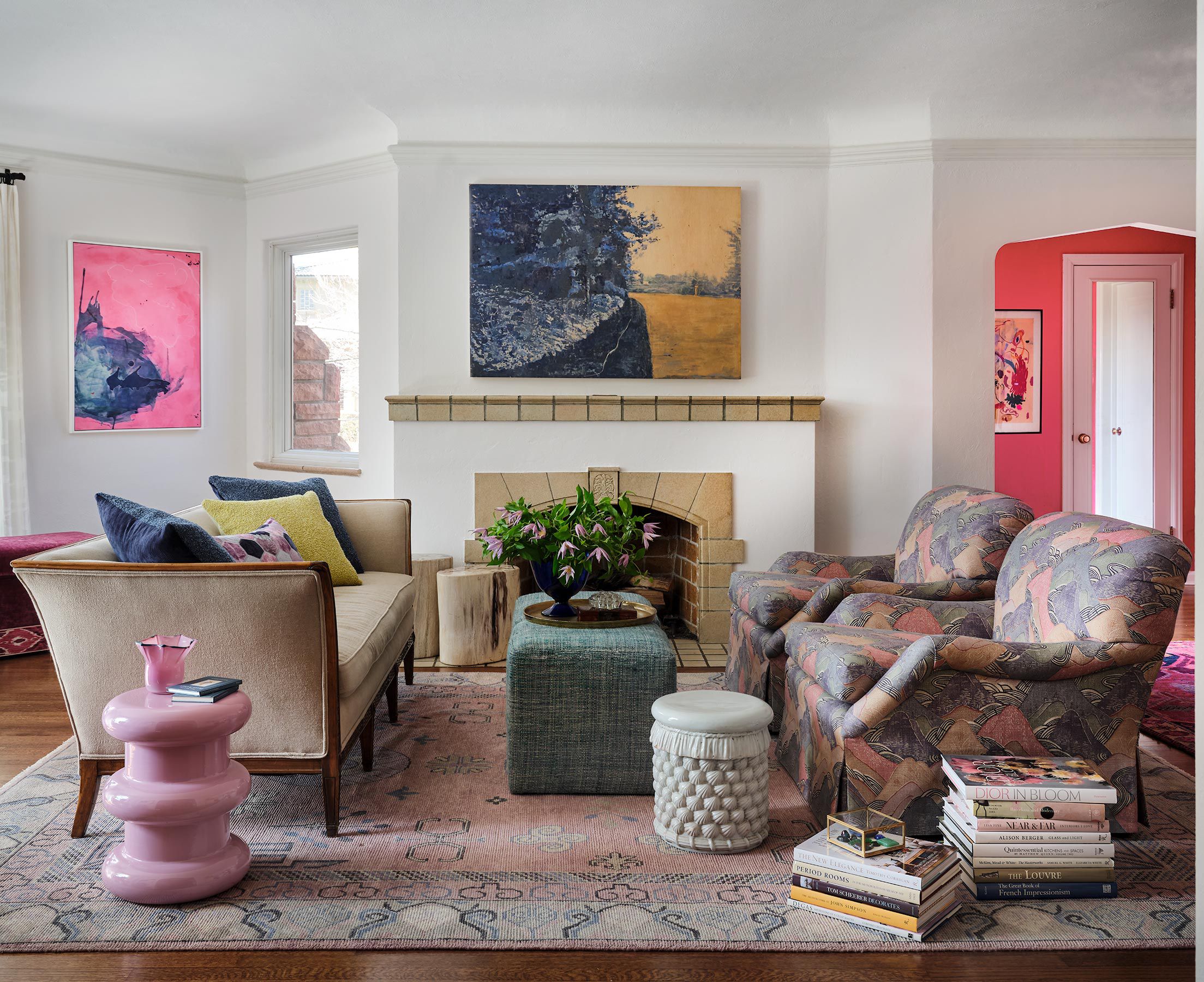
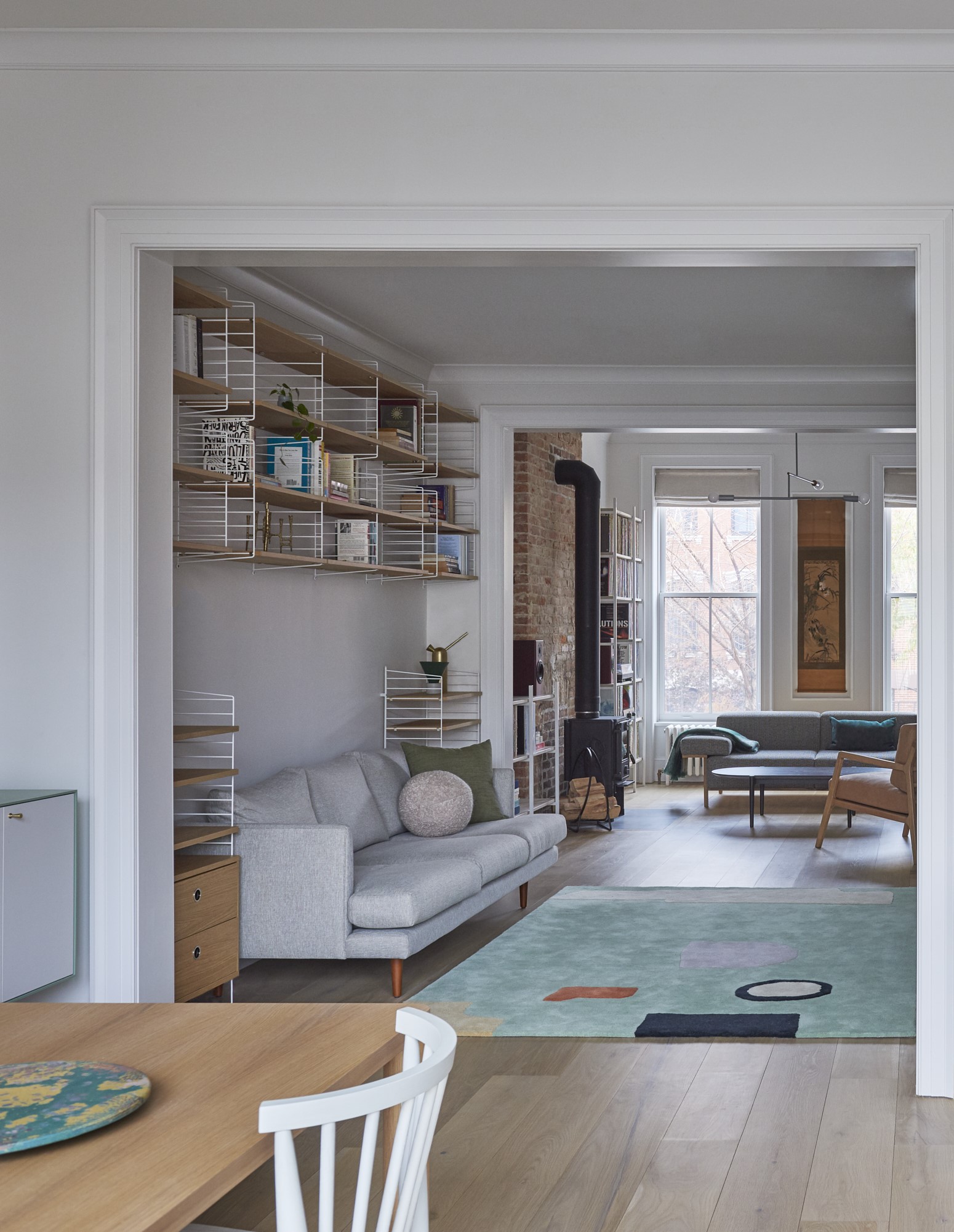
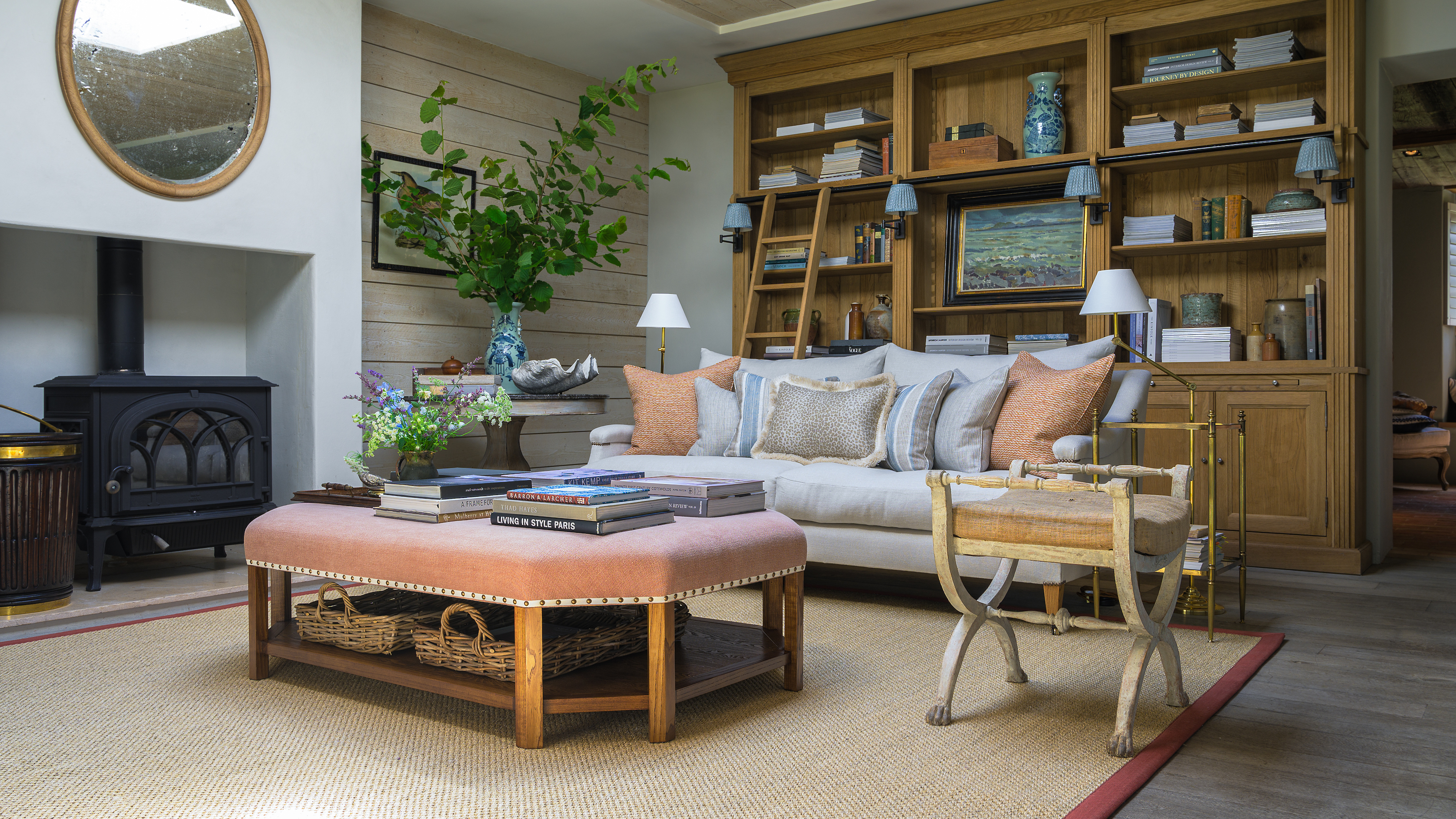
One key recommendation is to give a formal living room an everyday purpose. Emma Sims Hilditch highlights the challenge of decorating such a room so that it is regularly used, rather than only on 'high days and holidays.' She suggests that every formal reception room should possess an atmosphere that encourages frequent use. An example provided is incorporating home library ideas, where the textures and colors of books contribute to a more welcoming and characterful ambiance within the formal space. This strategy prevents the room from becoming a museum-like area and integrates it into the home's daily life.
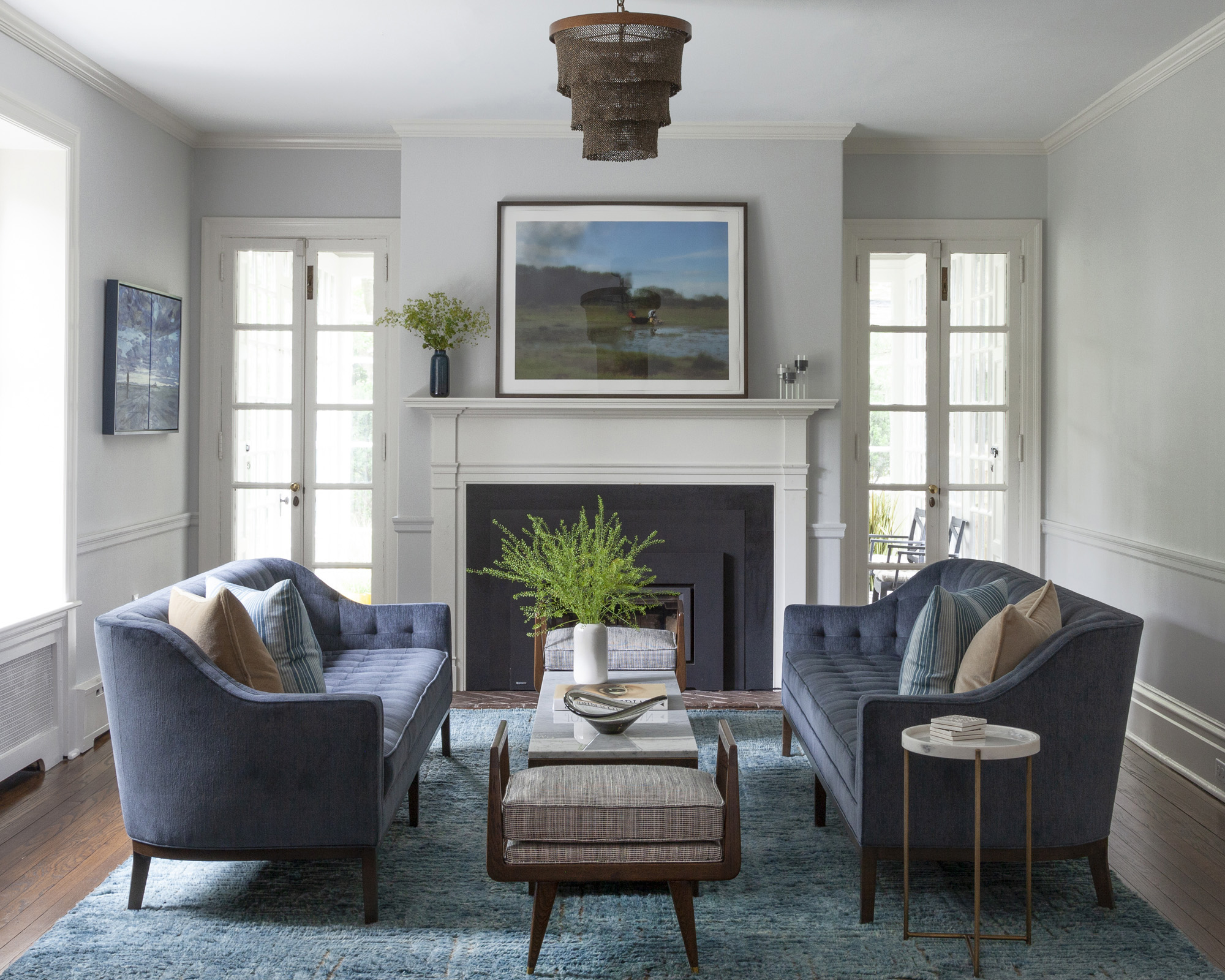
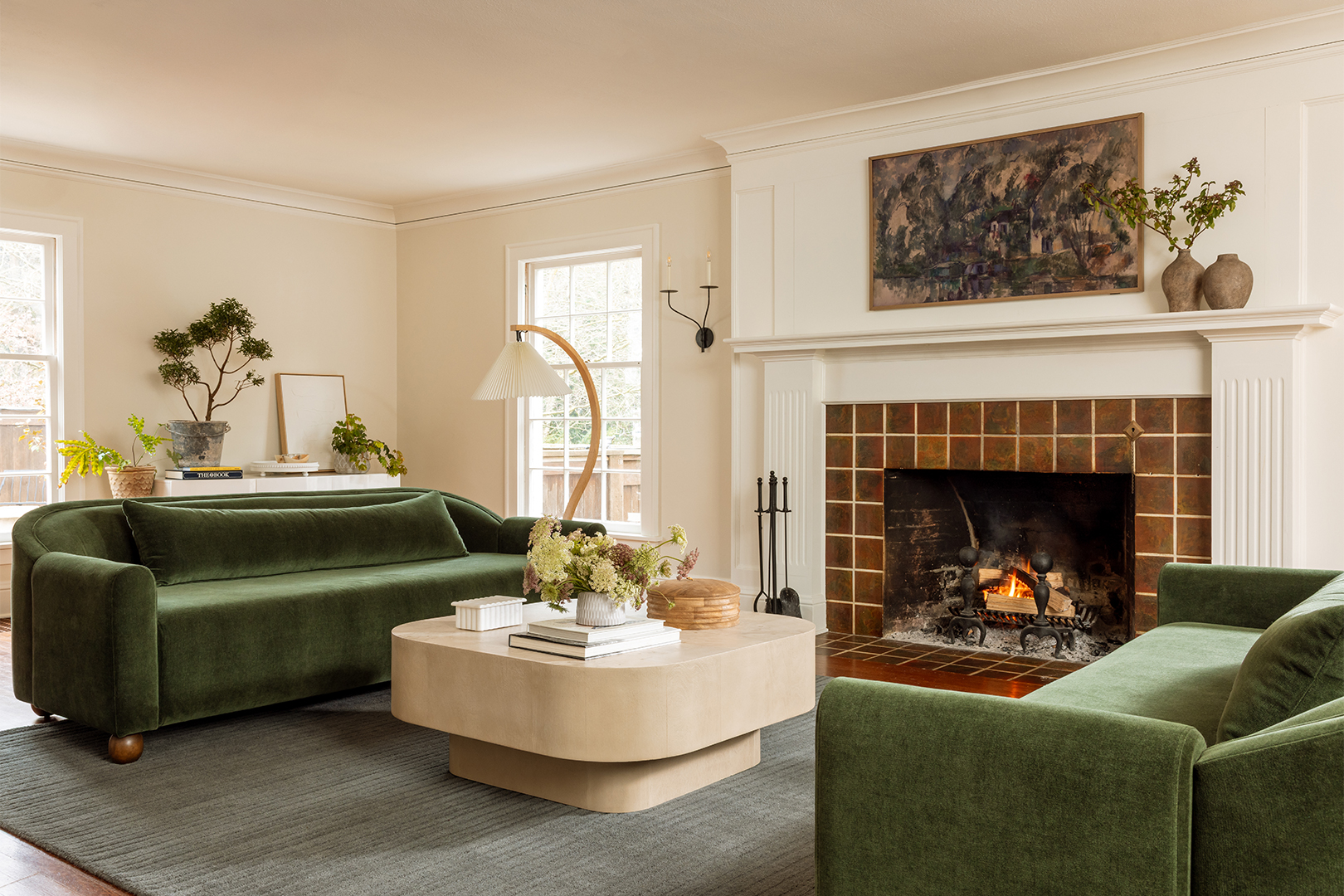
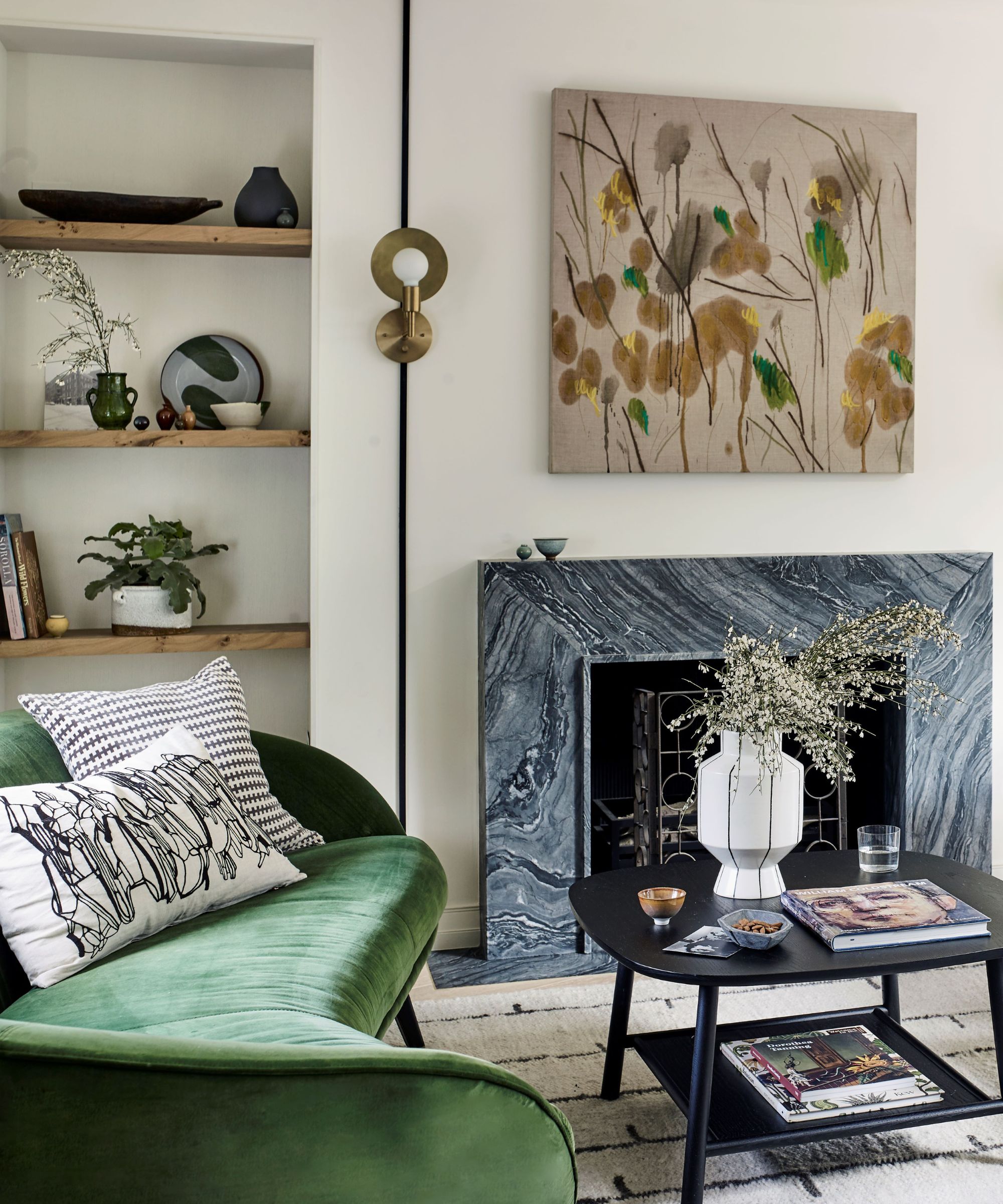
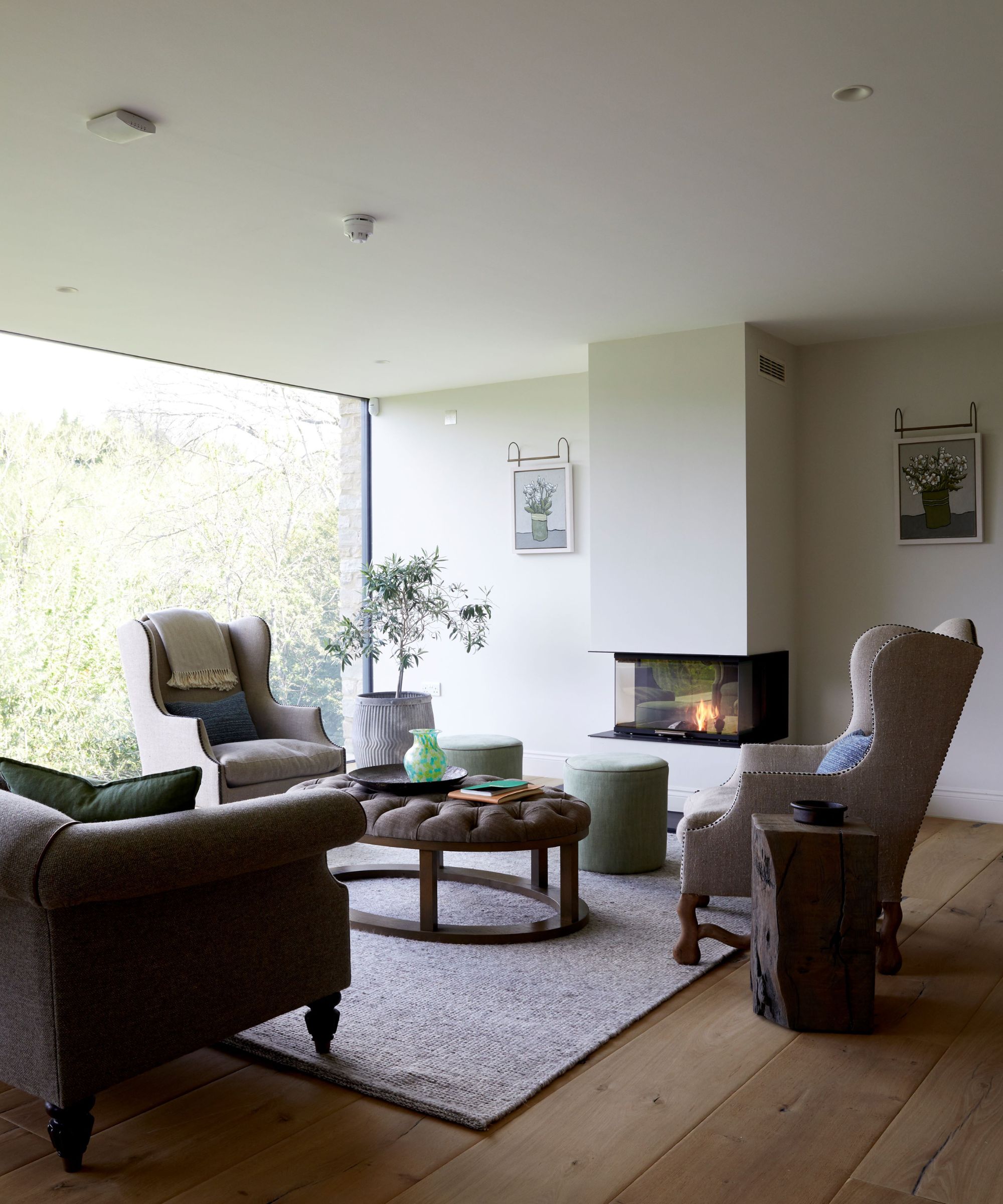
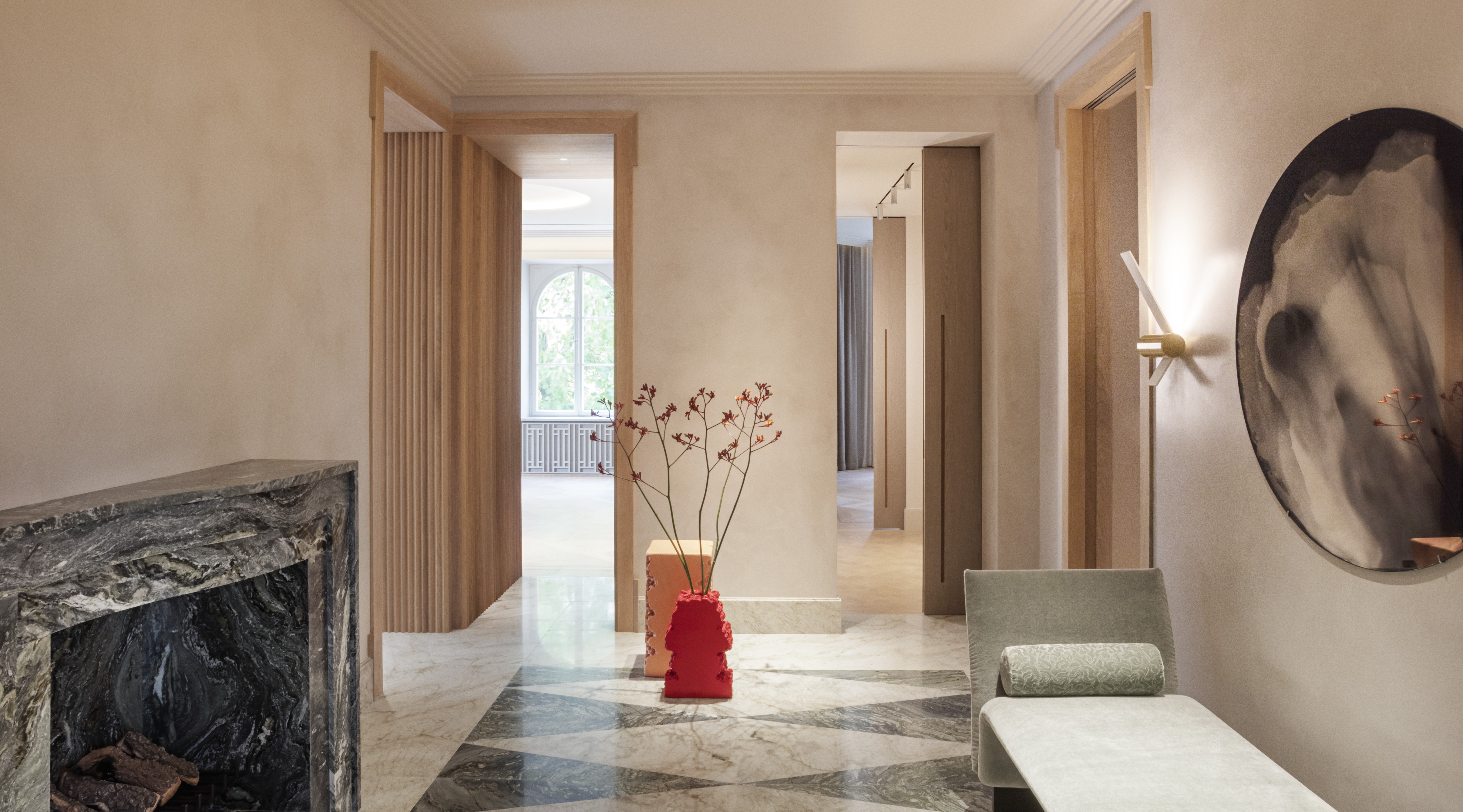
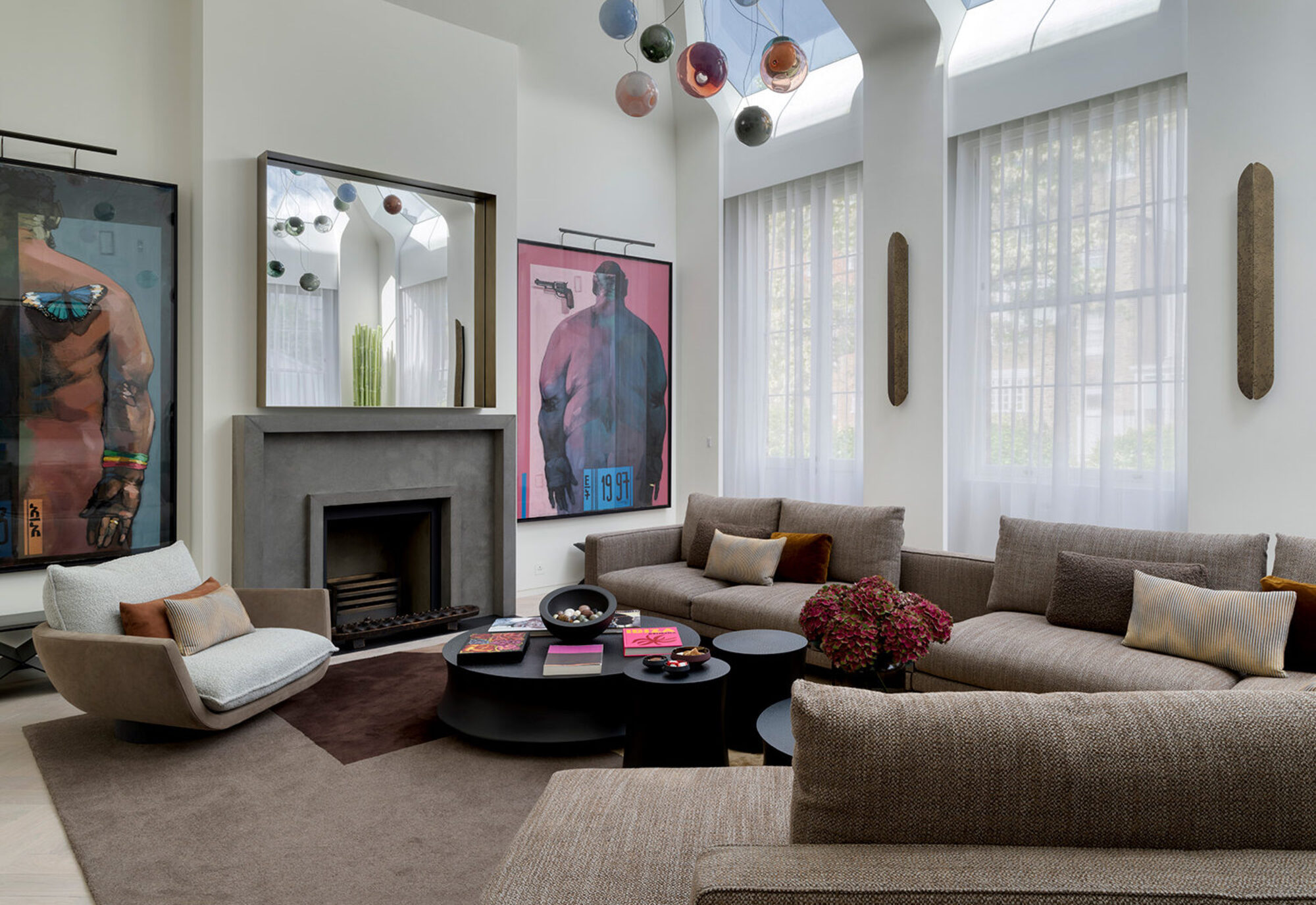
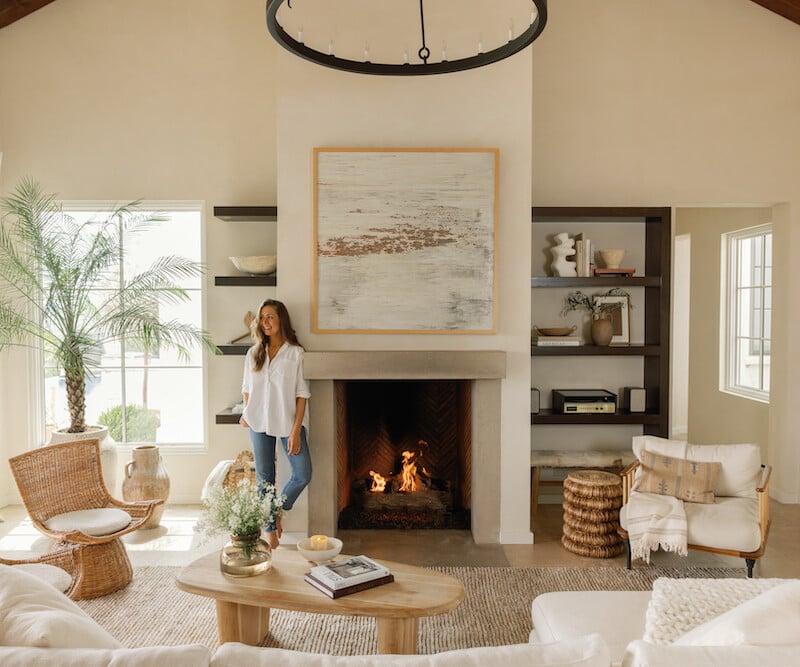
Another crucial element for enhancing warmth and invitingness is the addition of a fireplace. Emma Sims Hilditch emphasizes that a working fireplace is one of the easiest ways to create atmosphere. She shares her personal experience with a fake log gas fire in her London home's formal sitting room, noting that its absence would significantly reduce her inclination to use the space. This suggests that the visual and sensory comfort provided by a fireplace can transform a formal room from stark to appealing.
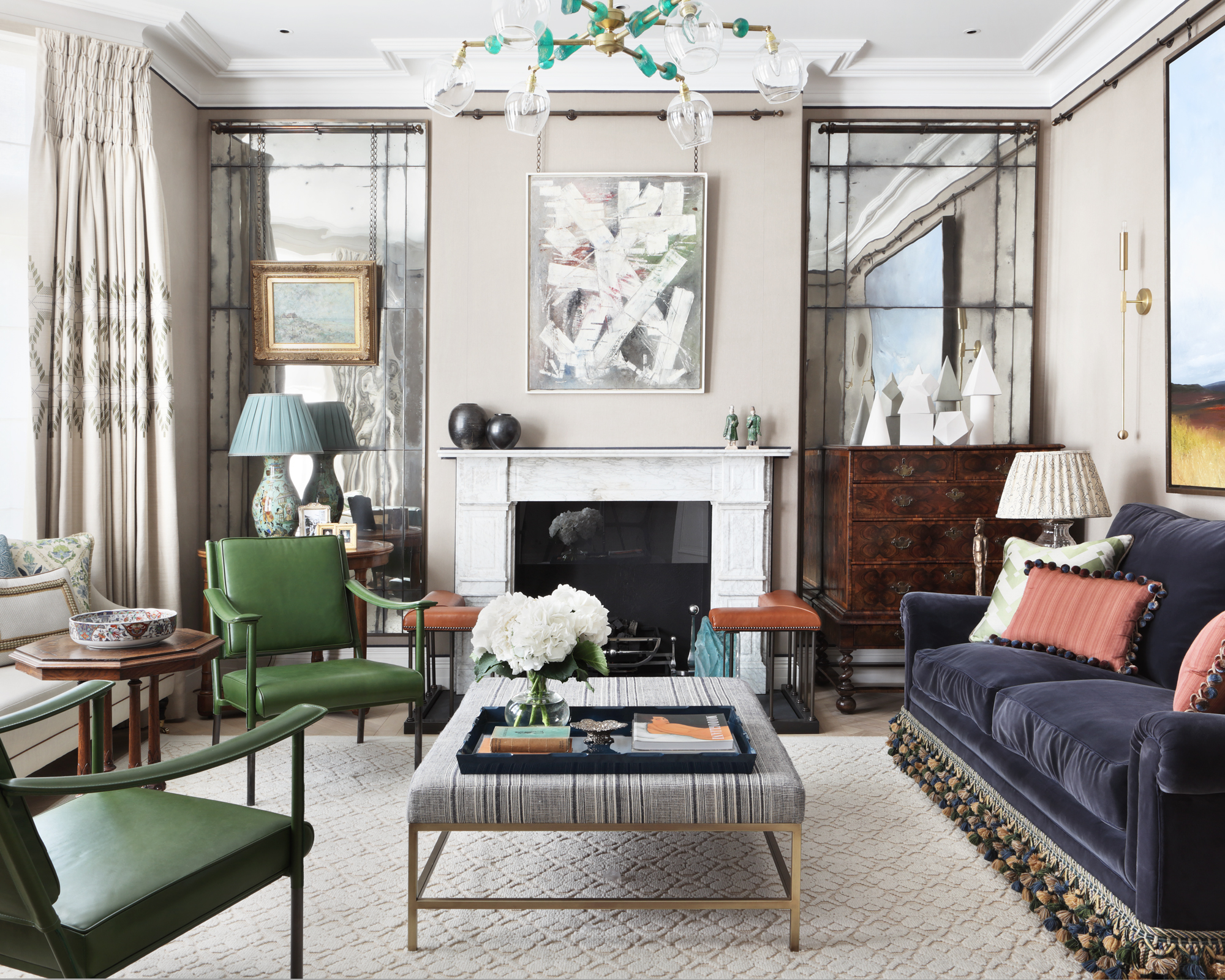
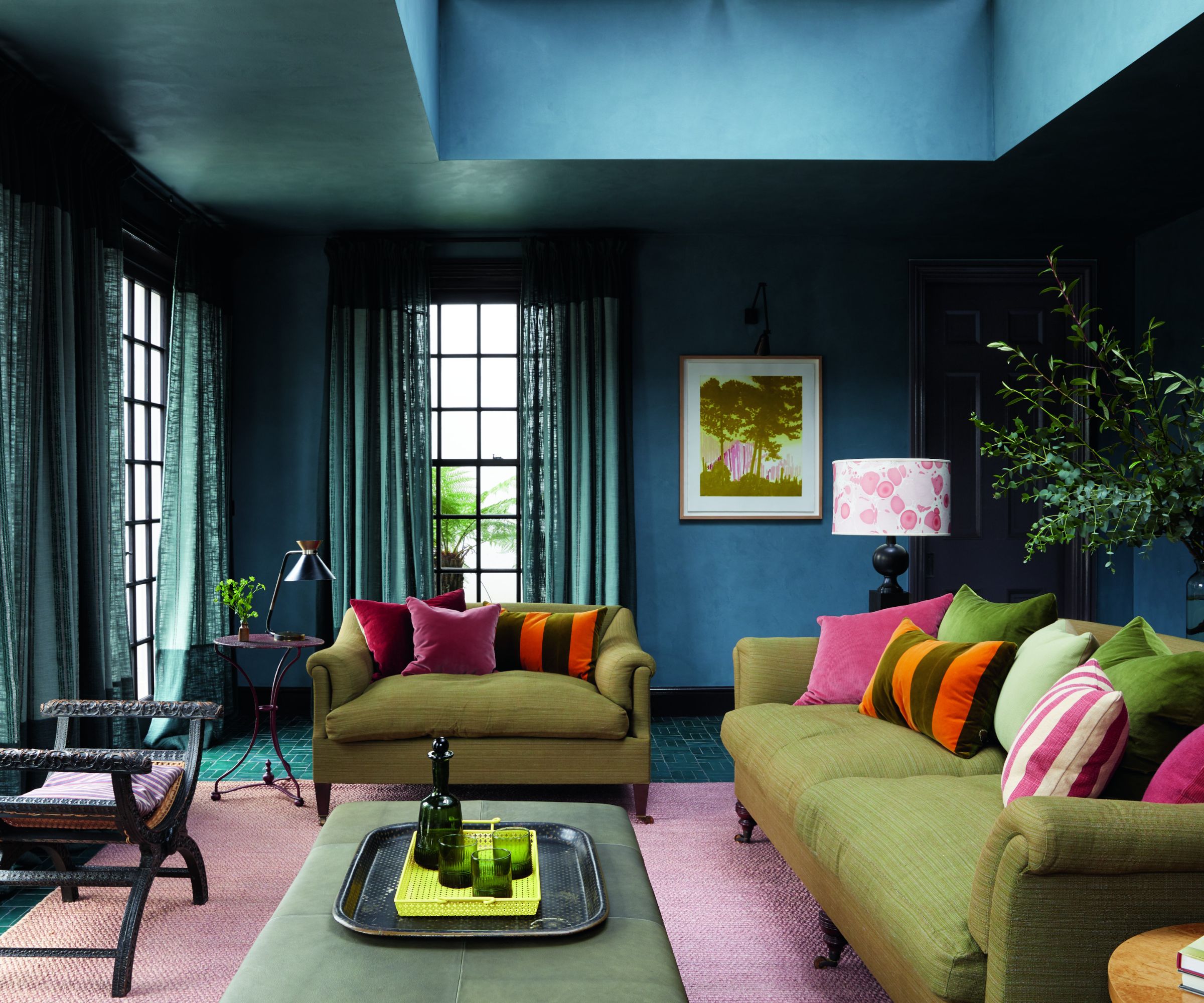
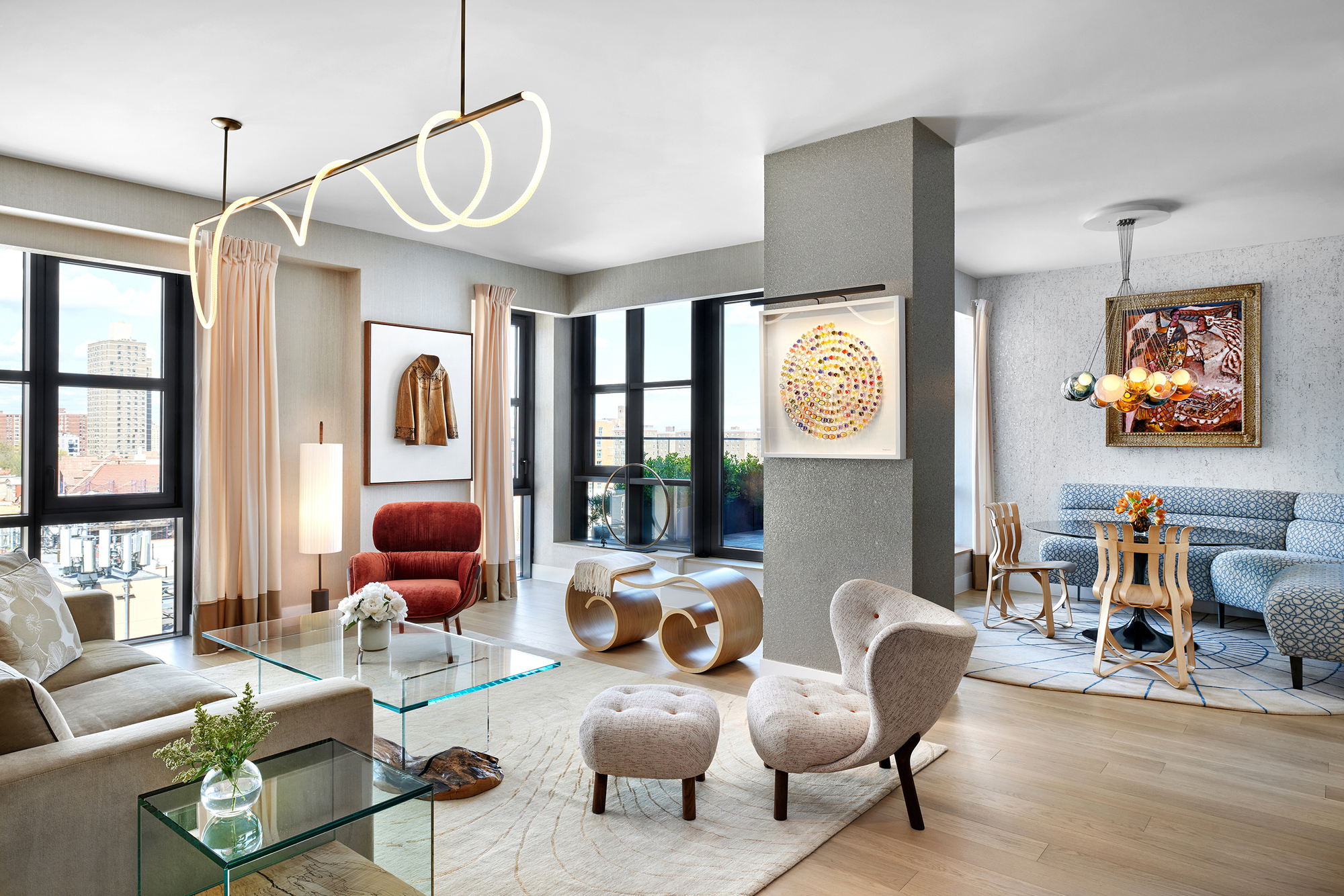
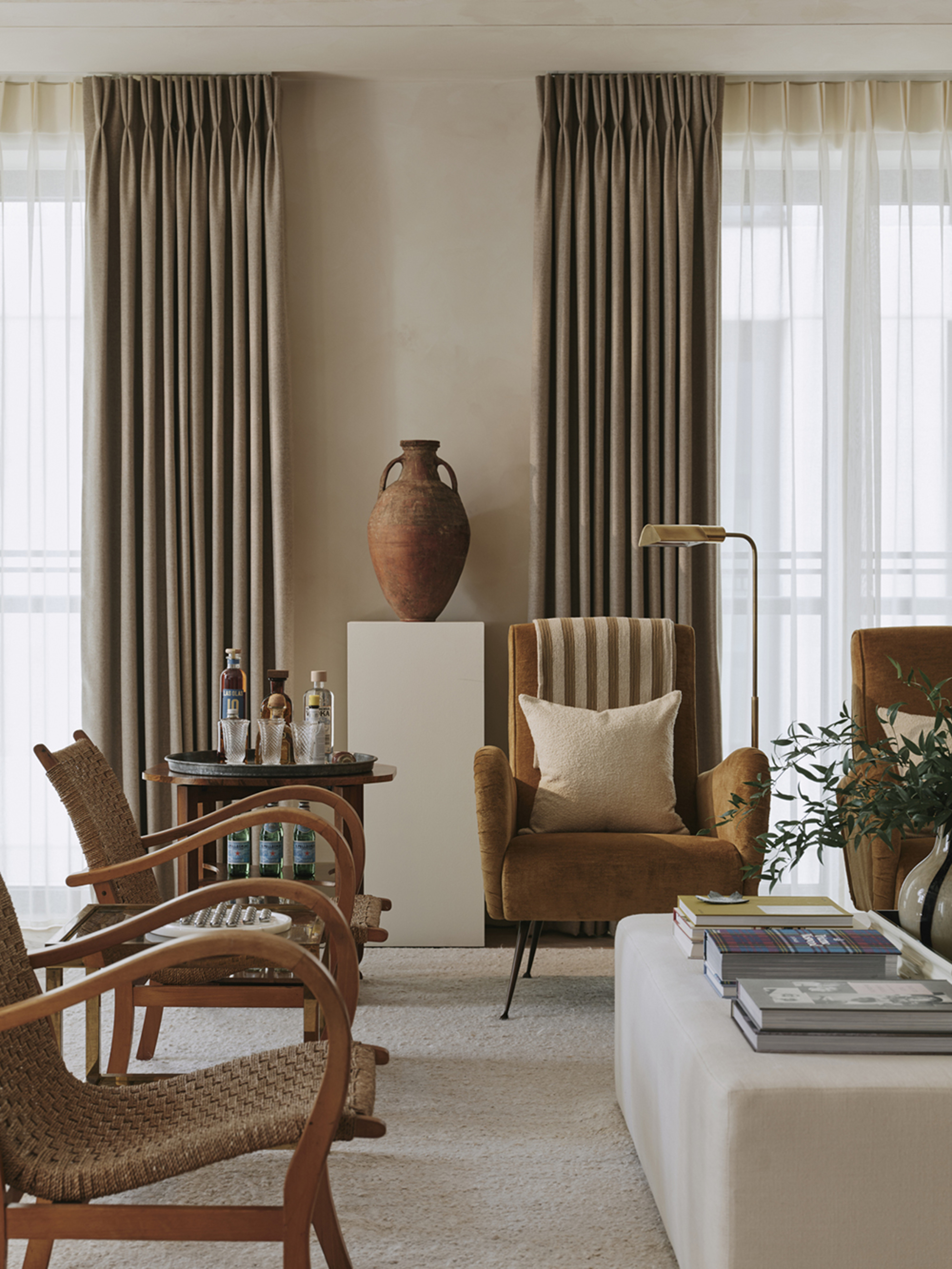
Window treatments also play a significant role in defining the atmosphere of a formal living room. The article advises rethinking these treatments to go beyond mere privacy or warmth. Instead, beautiful blinds, classic curtains, or custom-made shutters should contribute to making the space feel finished and inviting for relaxation and entertaining. Emma Sims Hilditch suggests prioritizing quality curtain making over expensive fabrics, advocating for handmade curtains with heavy interlining to achieve a luxurious feel, even with more affordable materials. This approach ensures that window dressings enhance the room's elegance and comfort.
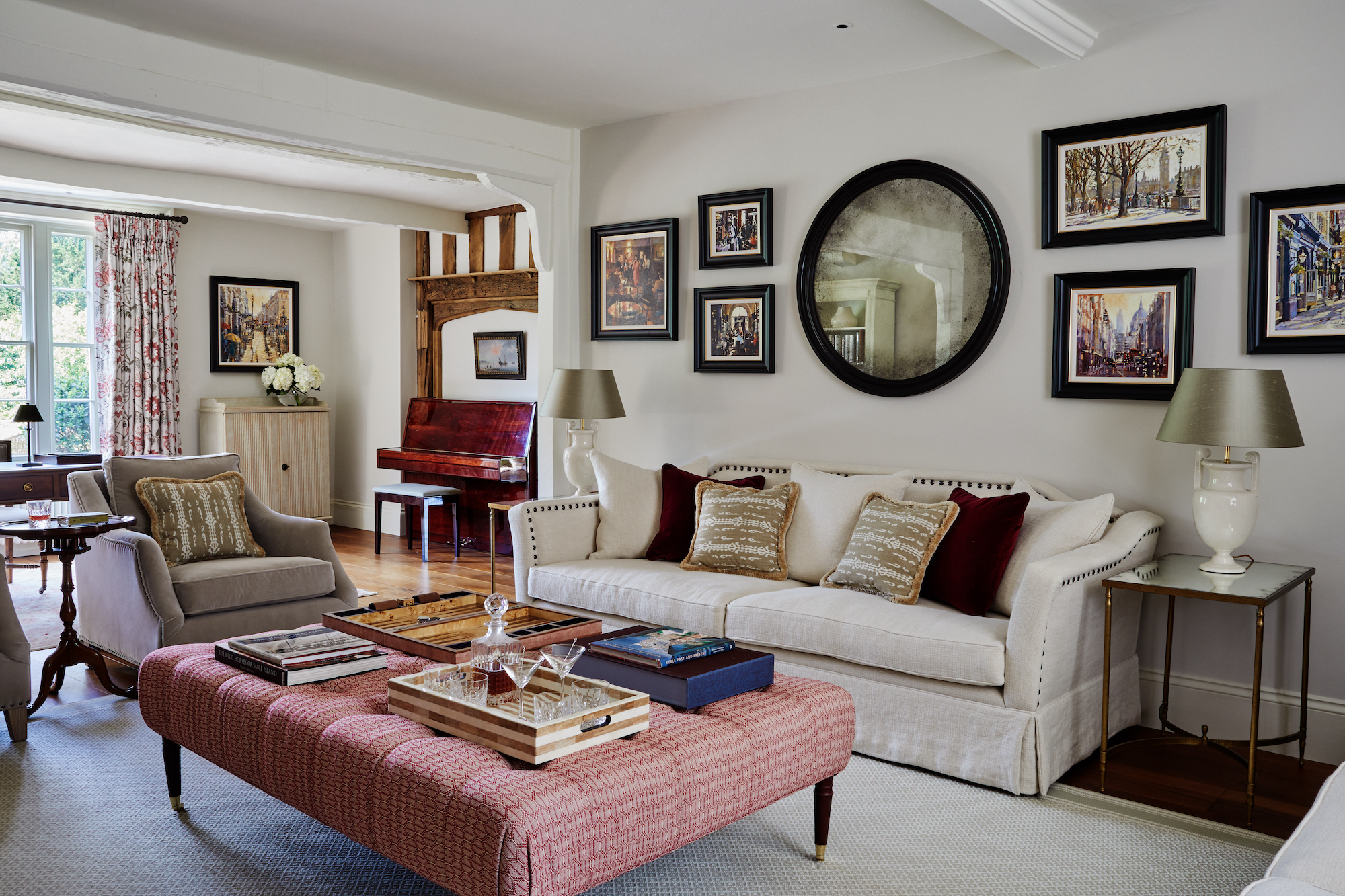
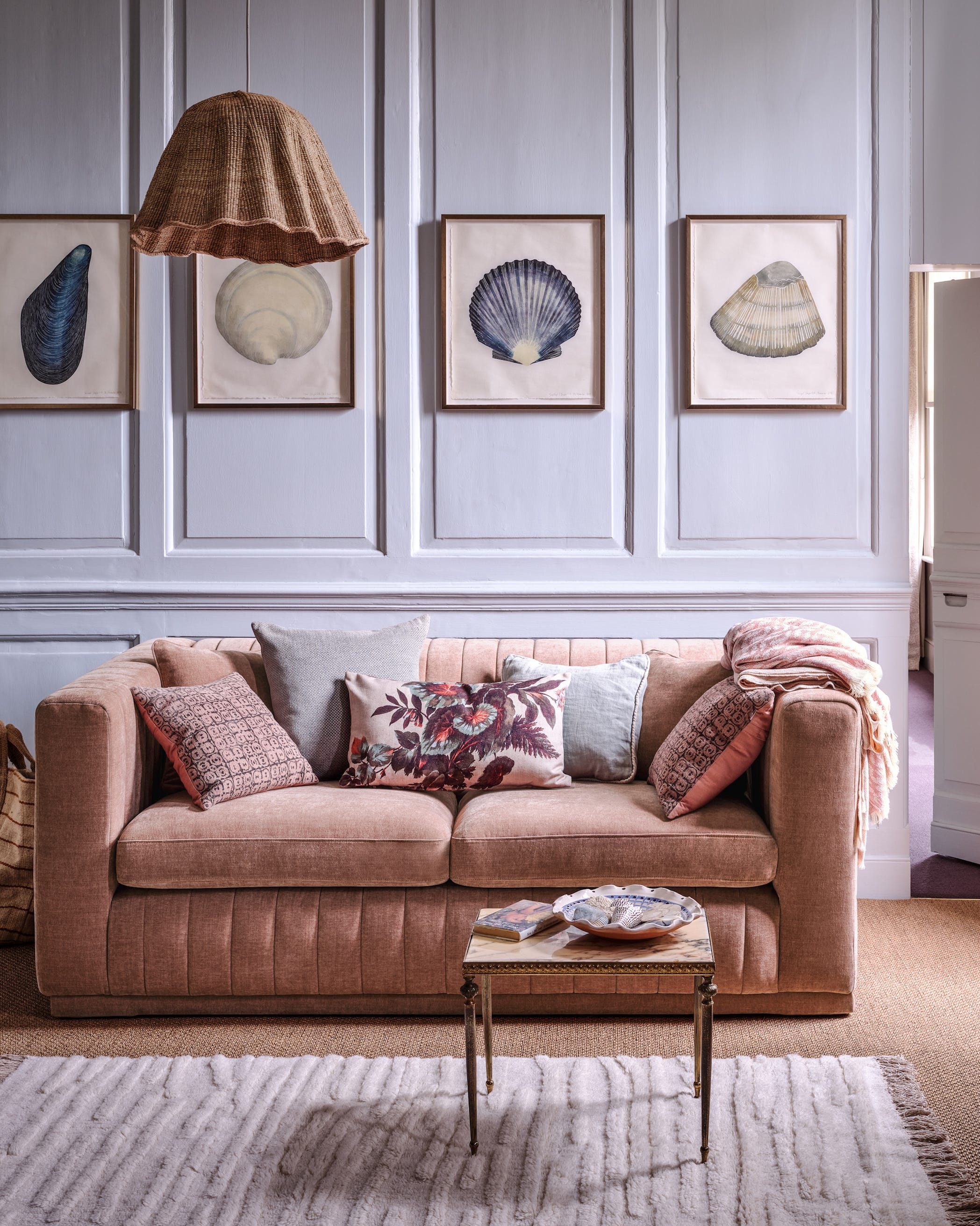
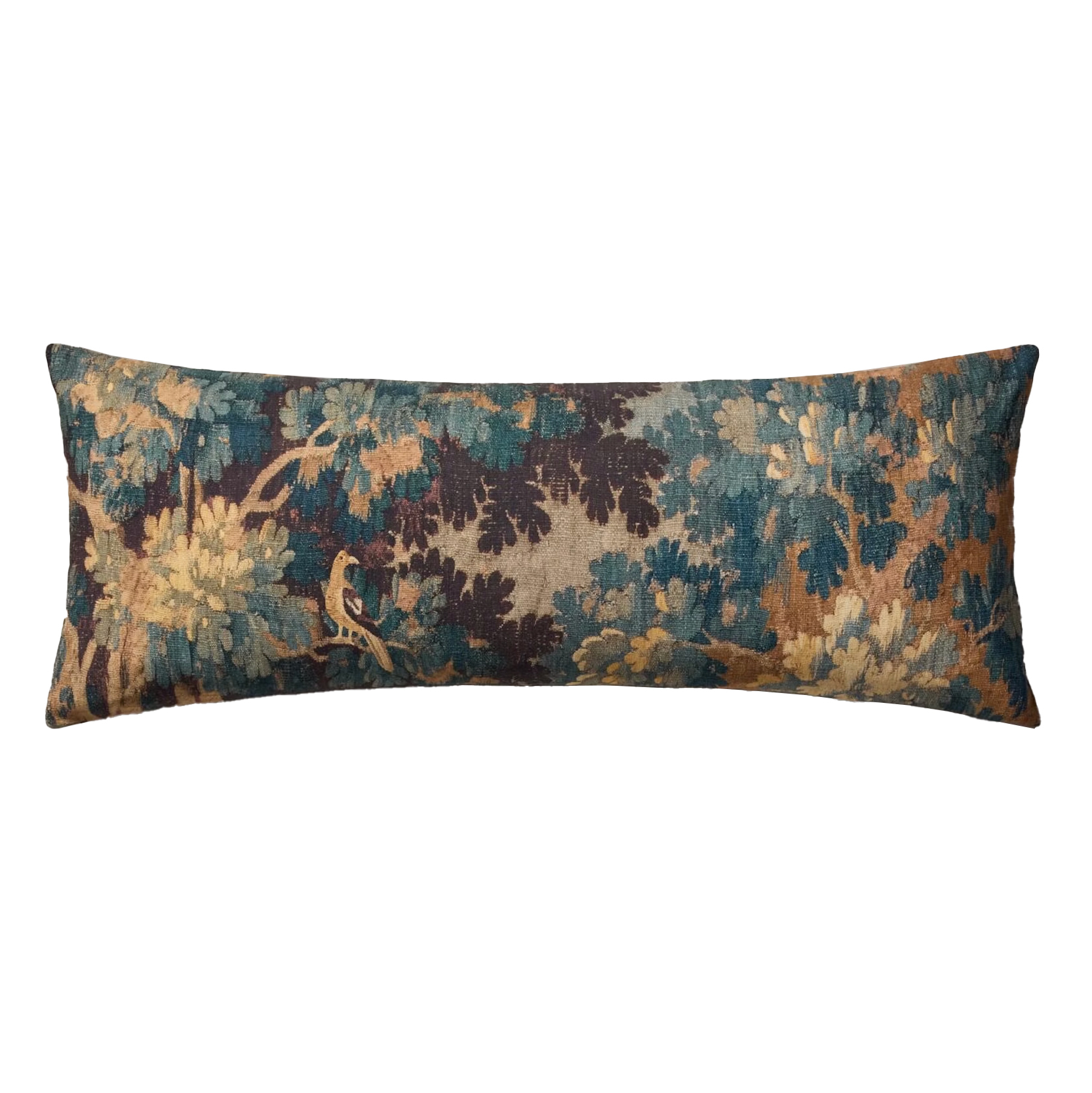
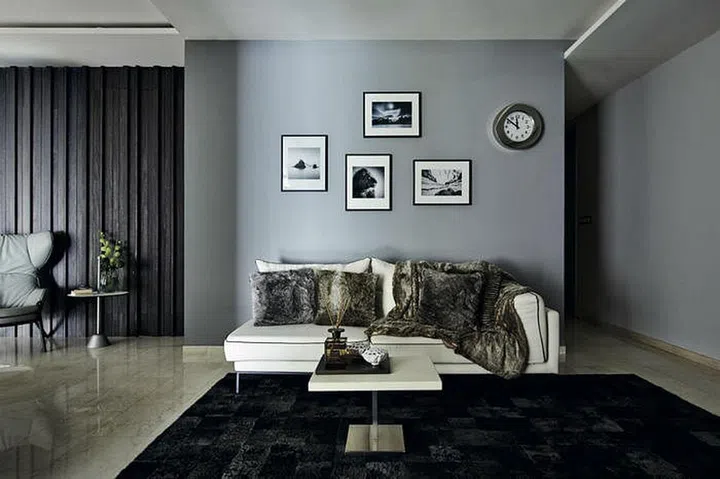
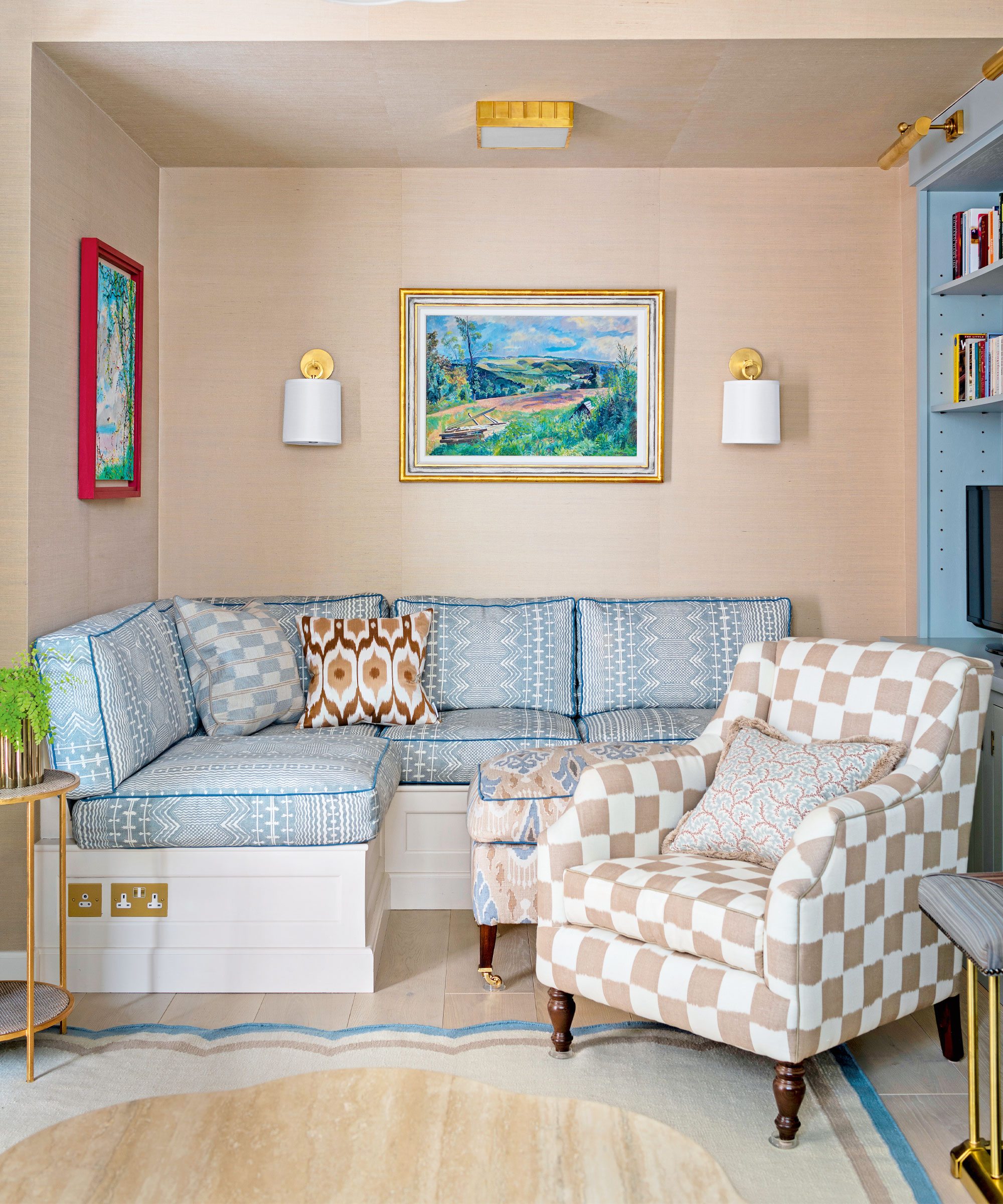
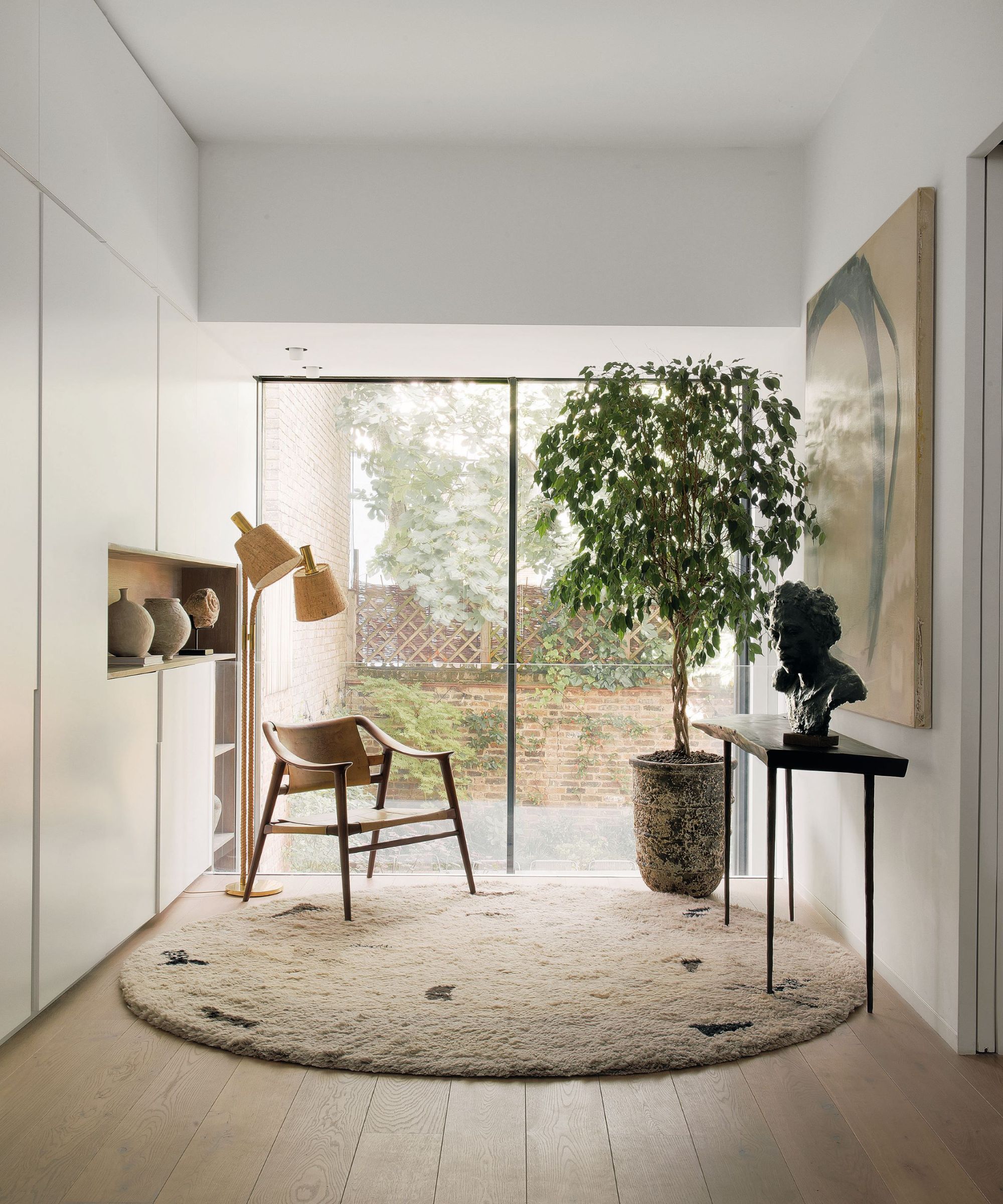
Finally, the strategic placement of art is presented as an essential component for completing a formal living room's design. Emma Sims Hilditch states that a room is unfinished without art, viewing it as a starting point for developing color schemes and themes, and as an avenue for personal expression. An unconventional yet effective tip involves framing antique textiles, such as crewel hand-embroidery, as an alternative to traditional paintings. This creative use of textiles adds a unique layer of depth and character, moving beyond conventional art choices to imbue the space with individuality and sophistication. The distinction between formal and informal living rooms is clarified, with formal spaces typically situated near the home's entryway for guests, while informal areas are usually deeper within the house and designed for family use. #InteriorDesign #FormalLivingRoom #EmmaSimsHilditch #HomeDecor #LuxuryInteriors #RoomDesign #AntiquesInDecor #FireplaceDesign #WindowTreatments
0 comment in total
 No comments yet
You may also like
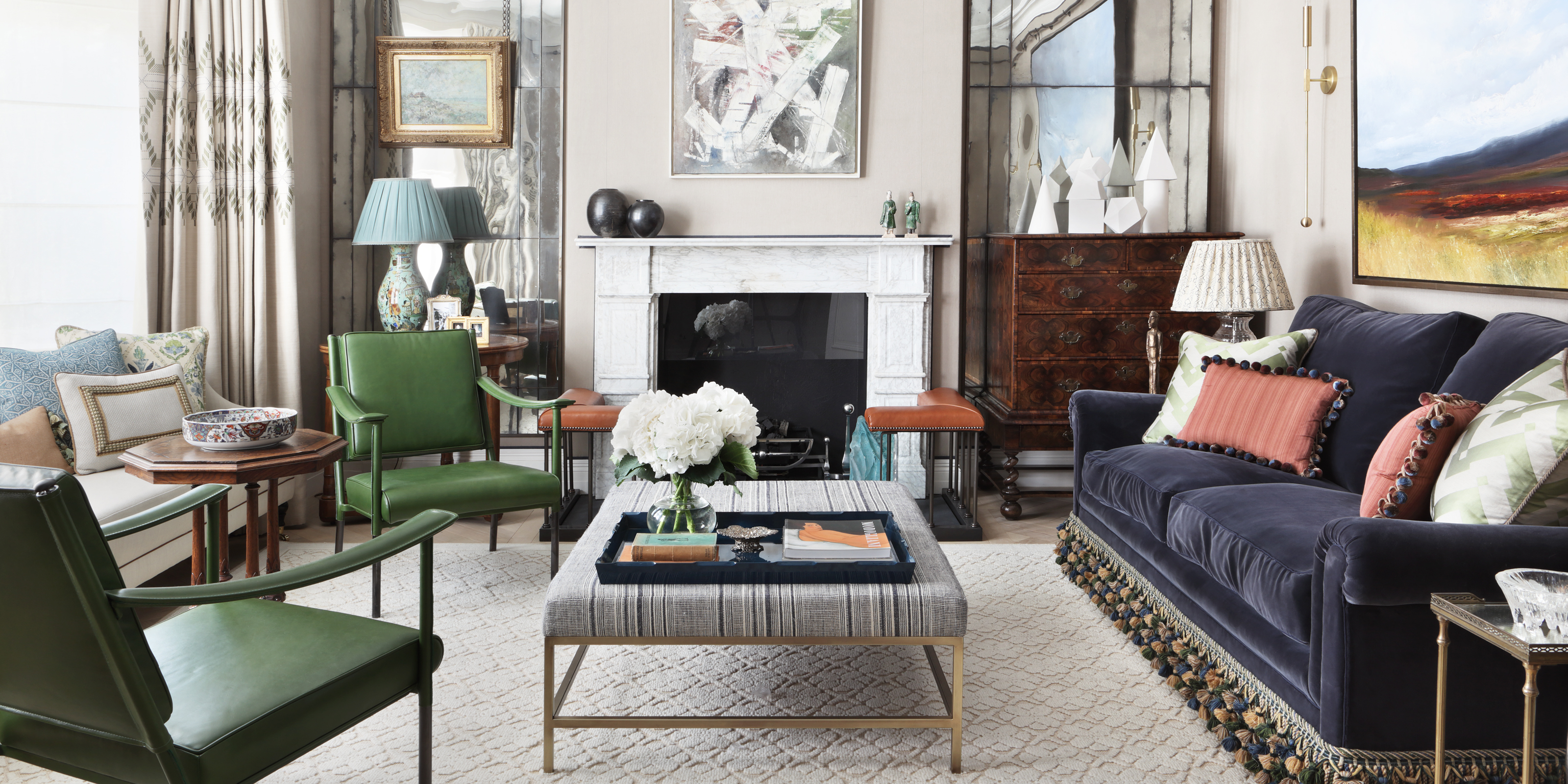
Formal living room ideas – 10 tips for an elegant sitting room

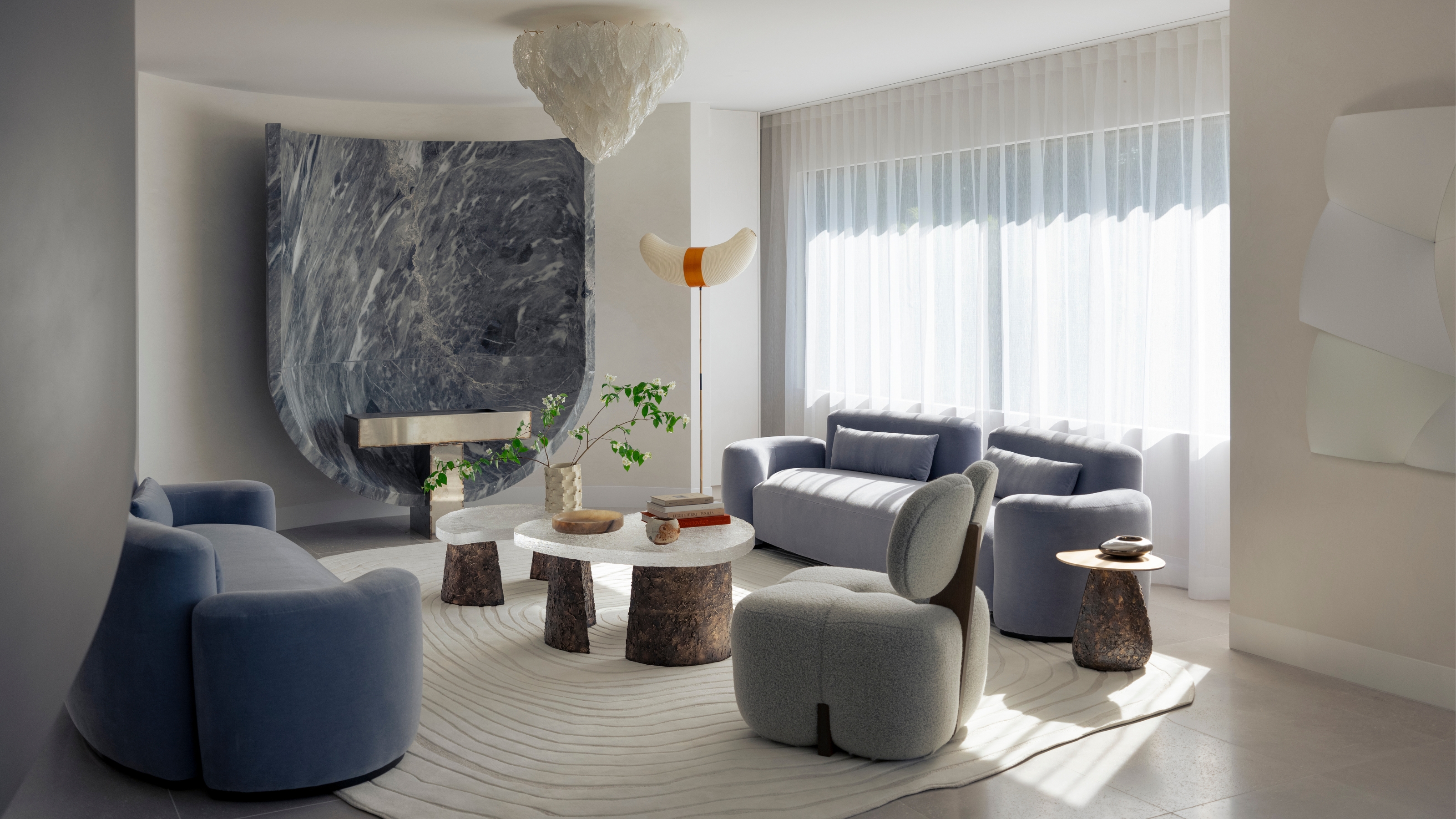
If You Don't Know the '18-Inch Seating Rule', It's What Could Be Making Your Living Room Feel Cramped, Unwelcoming, and Uncomfortable

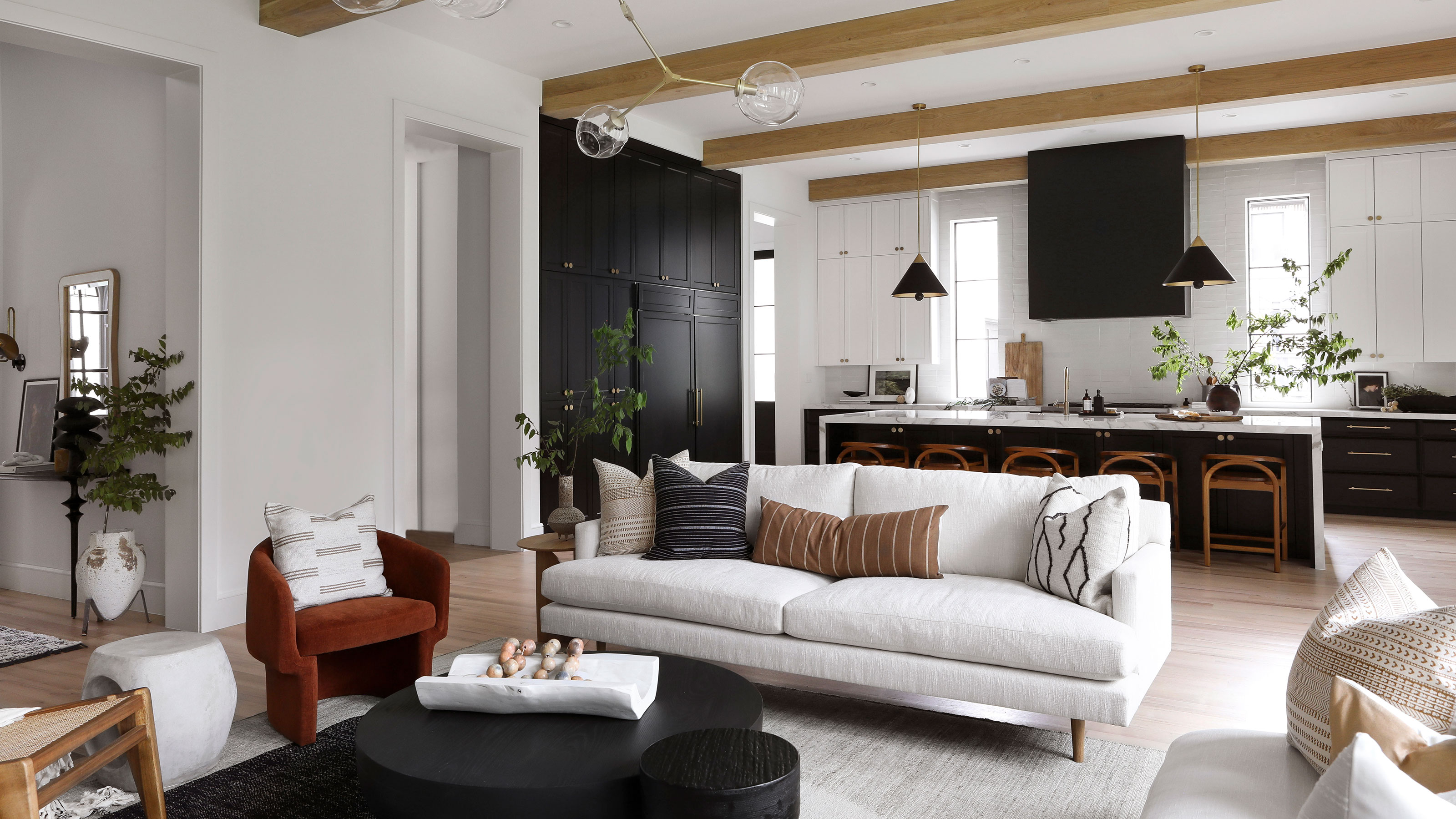
6 failsafe formulas designers always follow when planning a living room
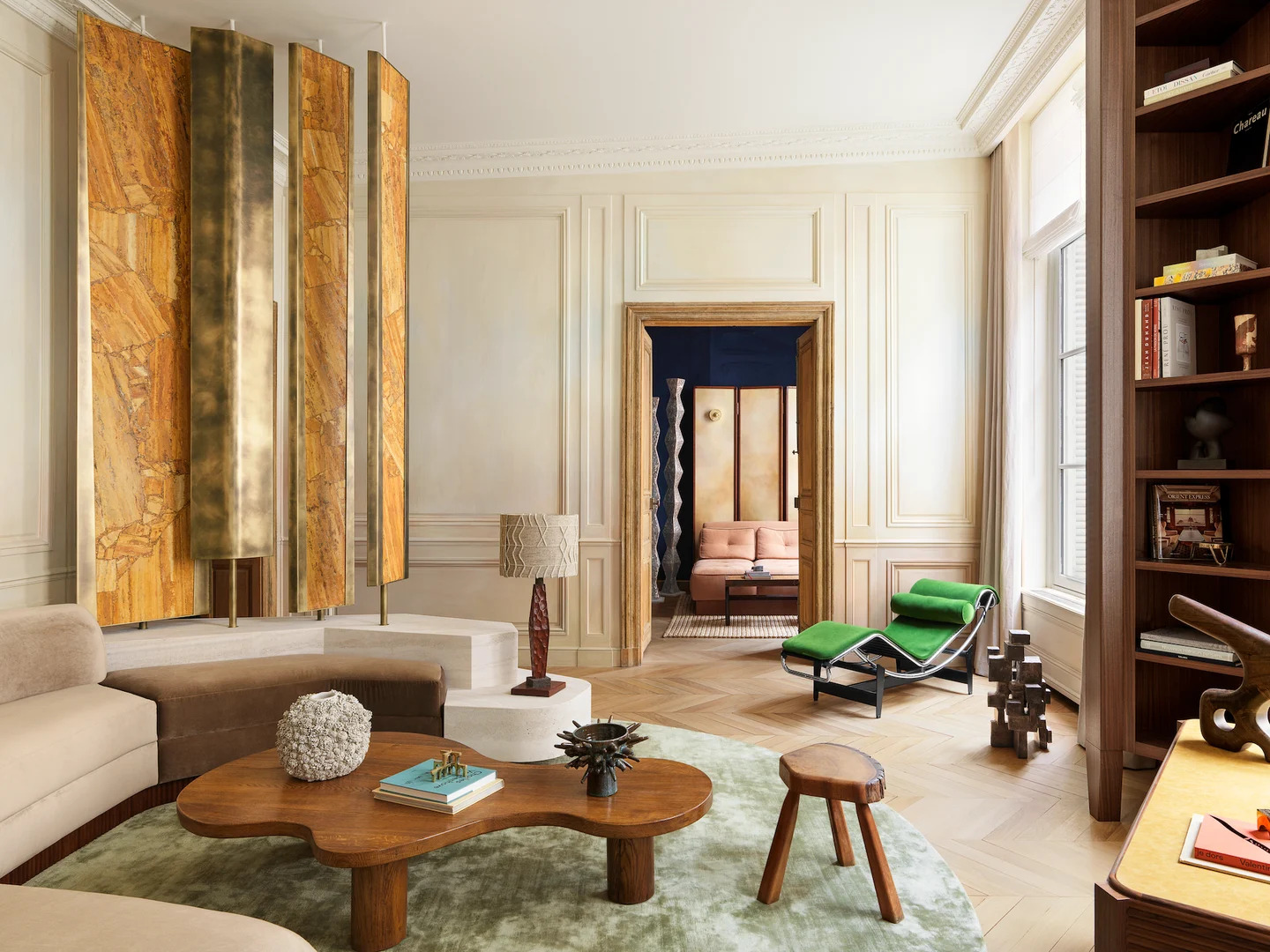
Looking to Redo Your Living Room? Start with These Designer-Approved Ideas

Should living room furniture be the same height? Experts give their verdict
5 Living Room Design Mistakes You Didn't Know You Were Making

Are Formal Living Rooms Obsolete? Not According to Top Design Experts

How to elevate your 'pass-through room' - experts make more of that unloved space you're ignoring
How to Fix the Most Common Living Room Layout Mistakes

Are Formal Living Rooms Out of Style? We Asked Designers How to Make Them Feel Modern

Designers swear these 8 living room layout hacks will instantly elevate your space, no matter what the size
9 Times Designers Made Awkward Living Rooms Work — And the Secrets Behind How They Did It
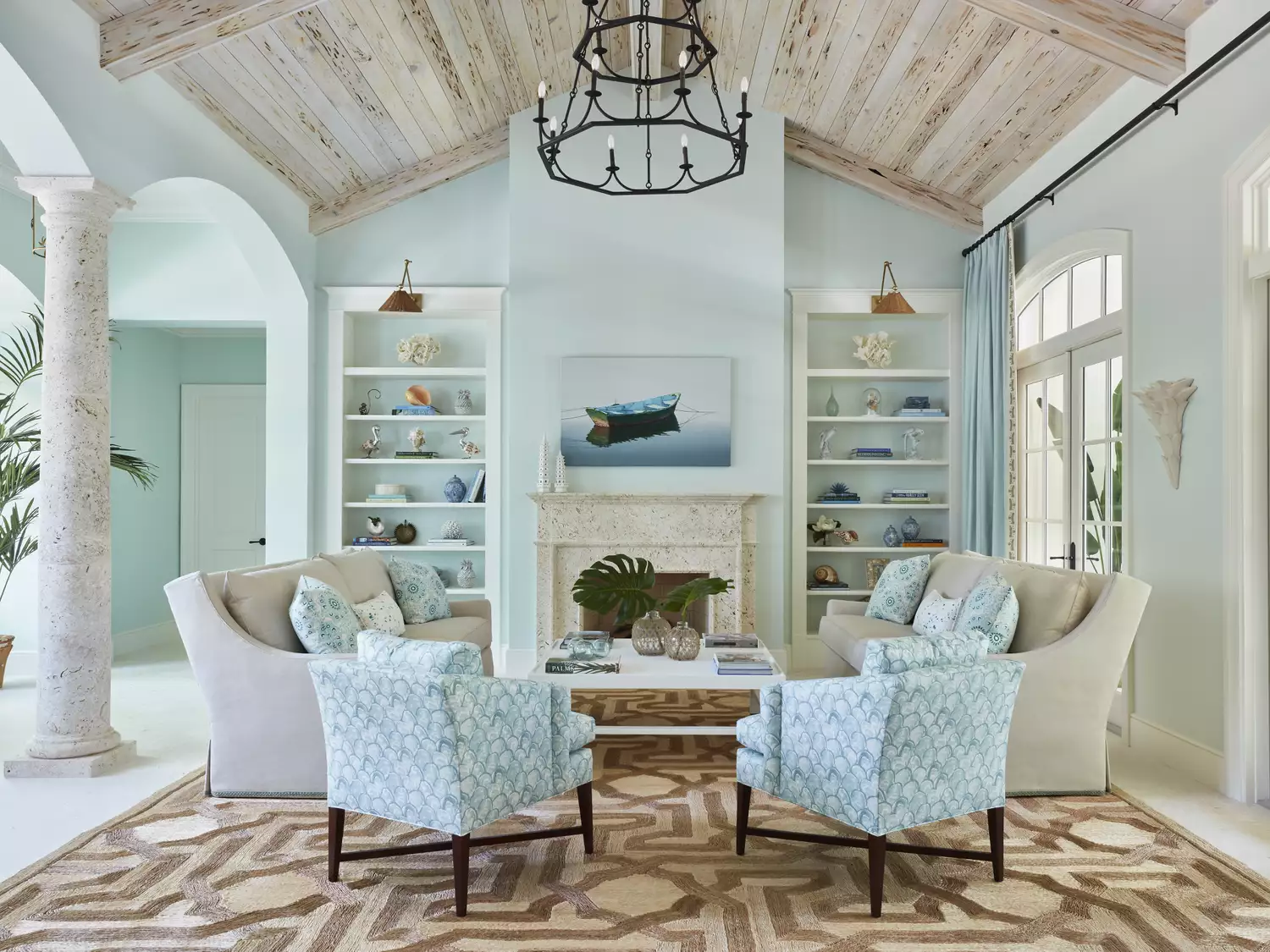
50 Formal Living Room Ideas That Aren't Stuffy
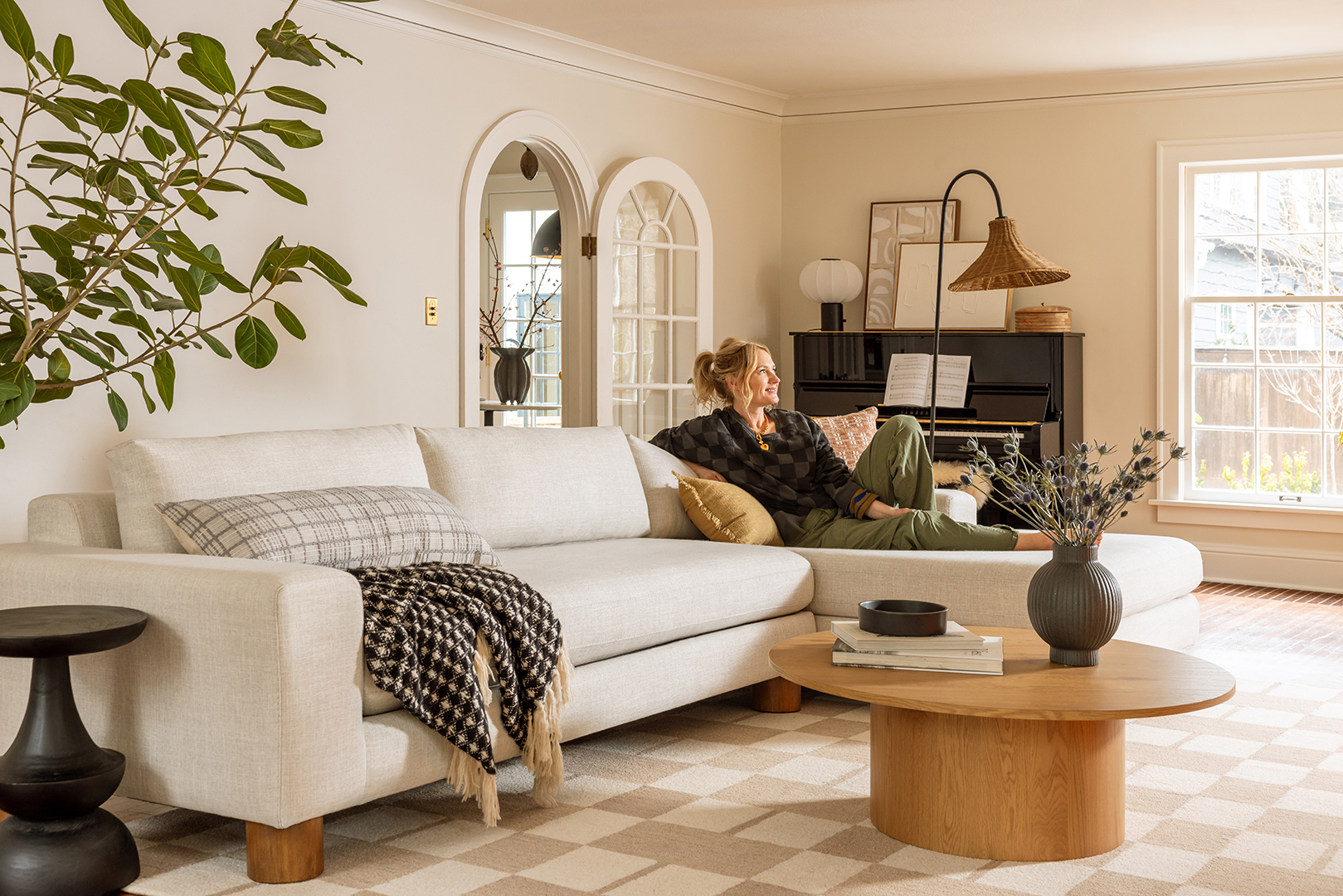
The Biggest Living Room Design Mistake Emily Henderson Sees People Make

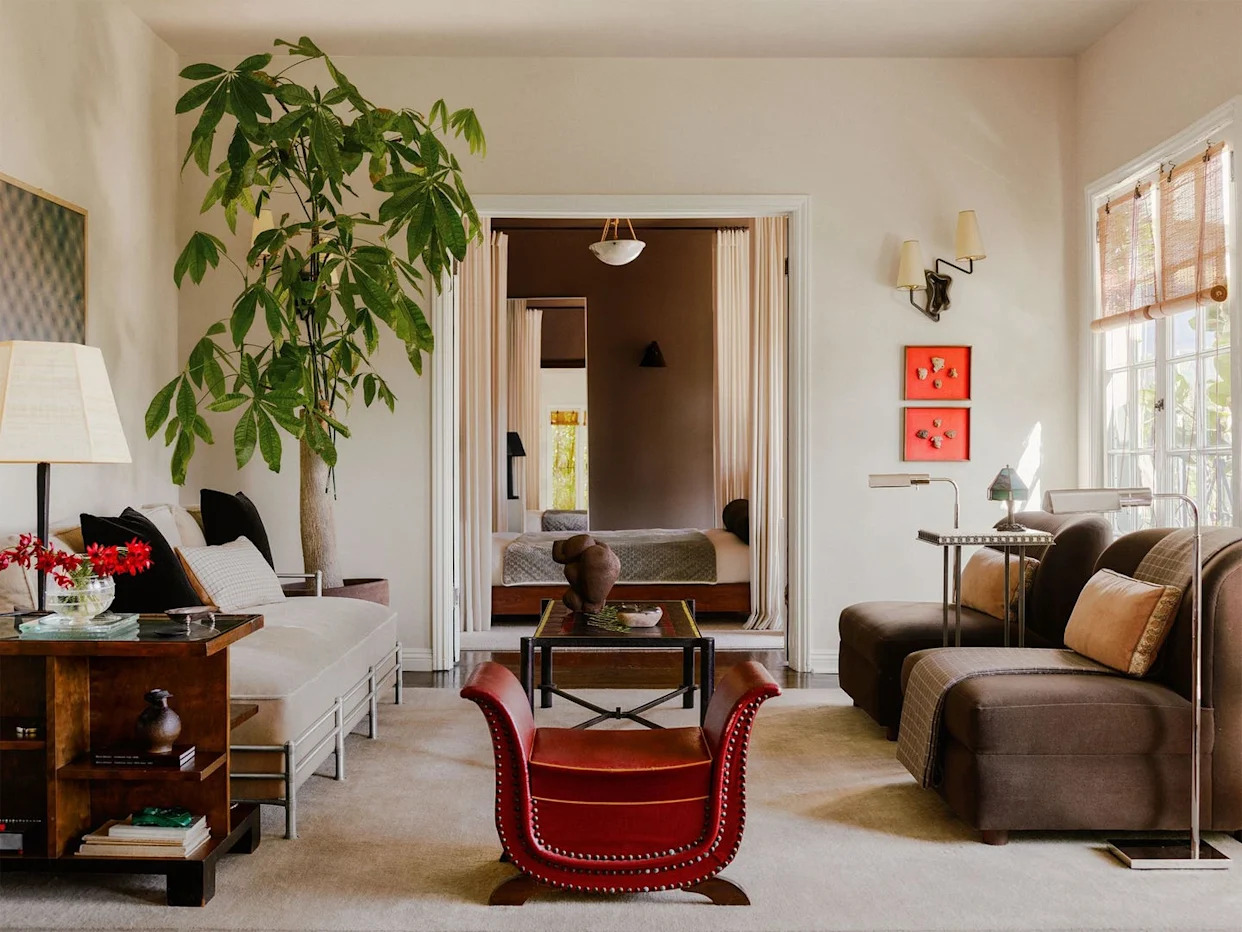
Why Formal Living Rooms Will Be Back in 2025, According to Design Experts
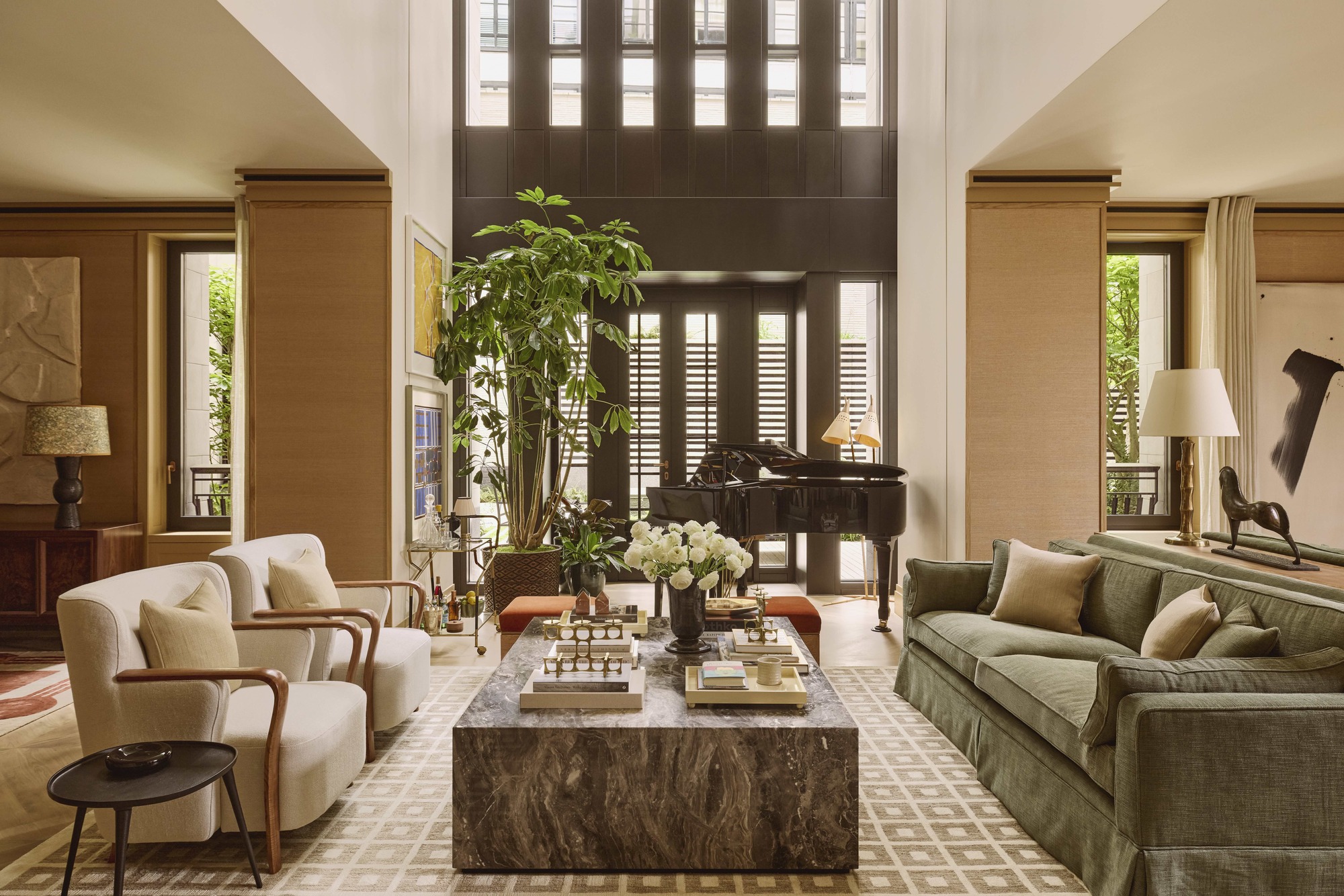
5 Genius Ways Interior Designers Know How to Adapt Your Living Room’s Layout When You’re Hosting a Lot of People
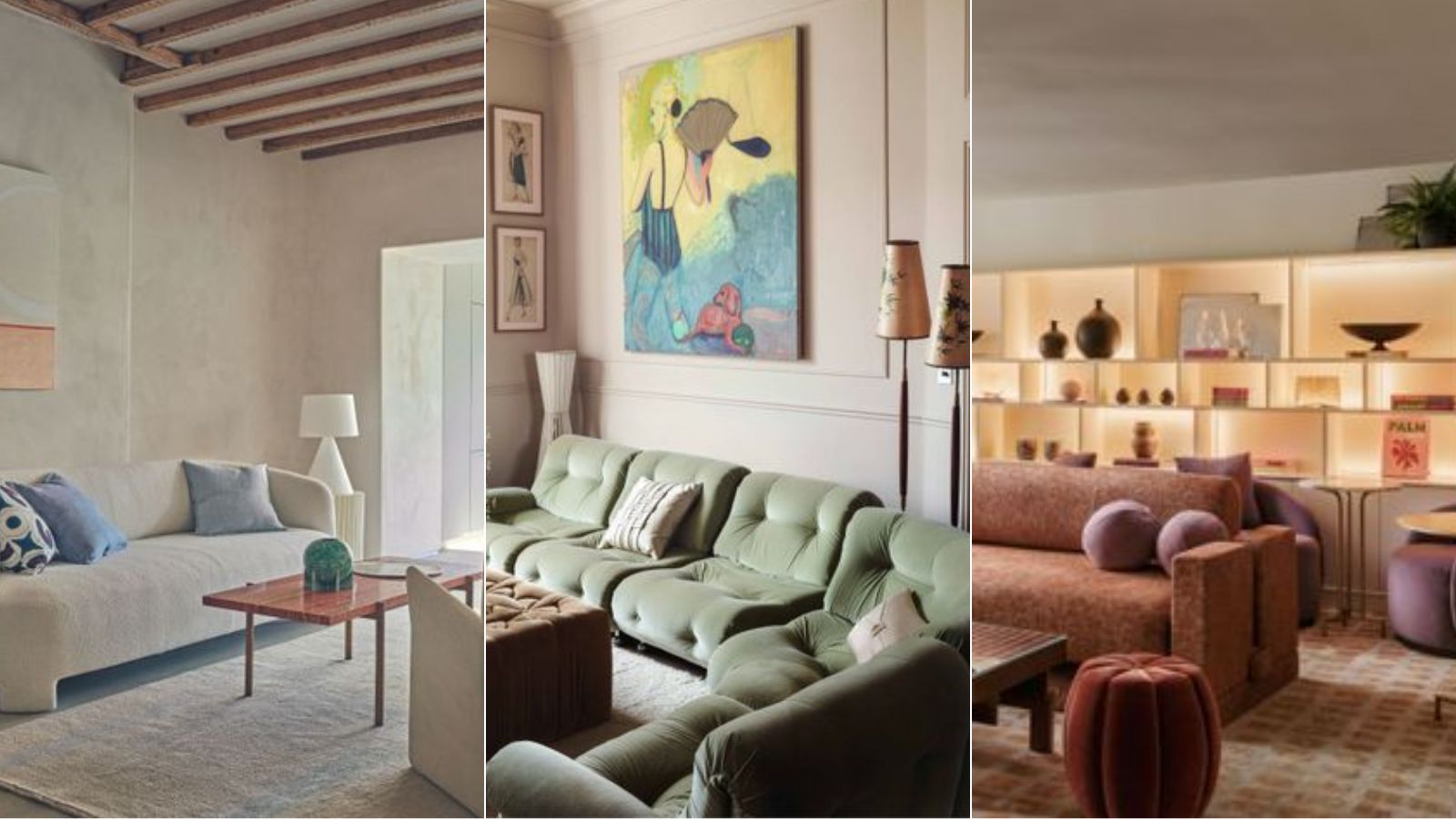
Dream living room upgrades homeowners always come to regret – according to the experts
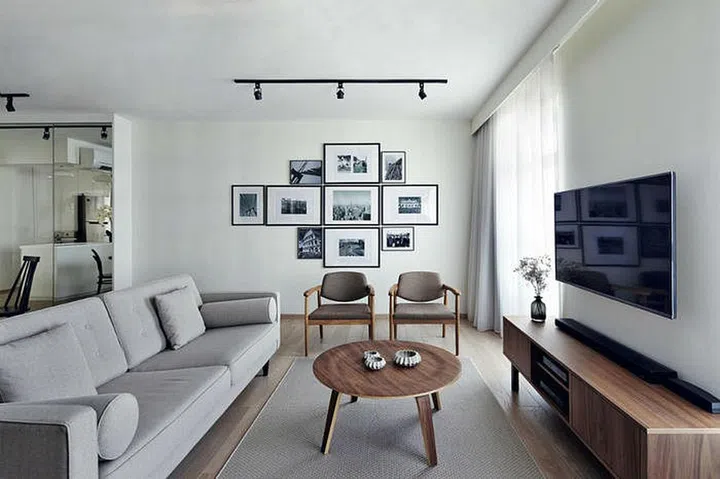
Living room design ideas: 11 ways to furnish and decorate your space
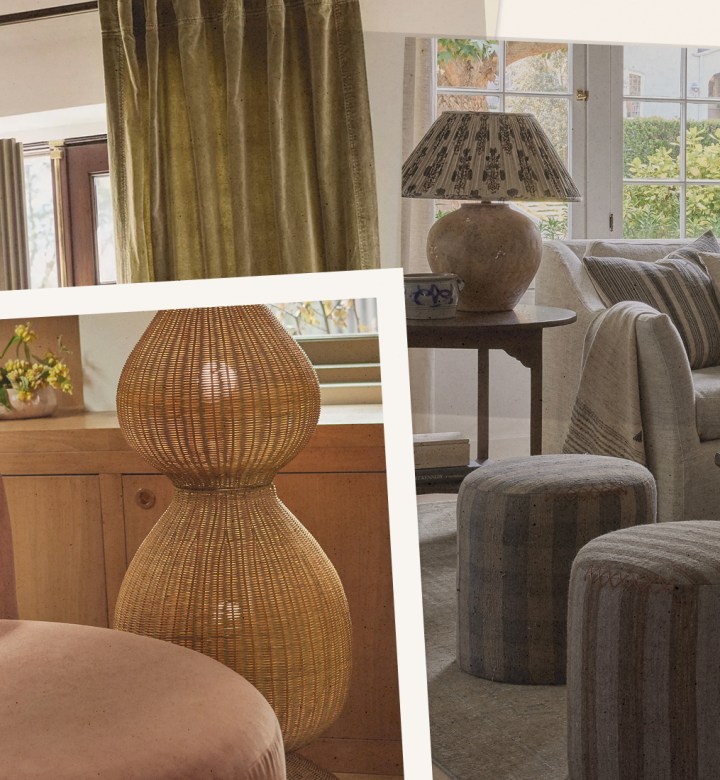
The 5 Rules of Decorating a Living Room in 2025 (Don’t Worry—They’ll Still Hold Up in 2030)

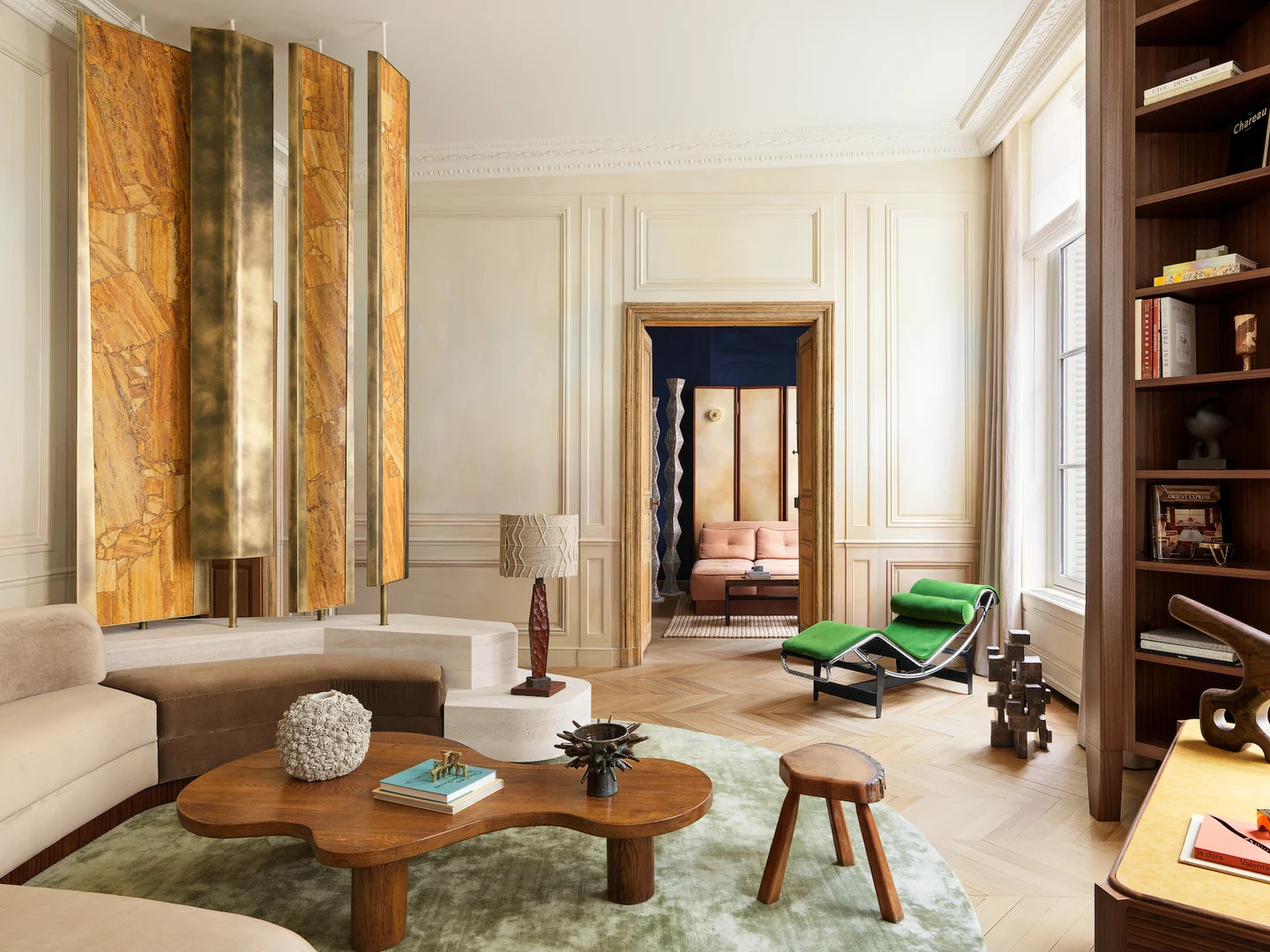
Looking to Redo Your Living Room? Start with These Designer-Approved Ideas