1/11
Formal living room ideas – 10 tips for an elegant sitting room
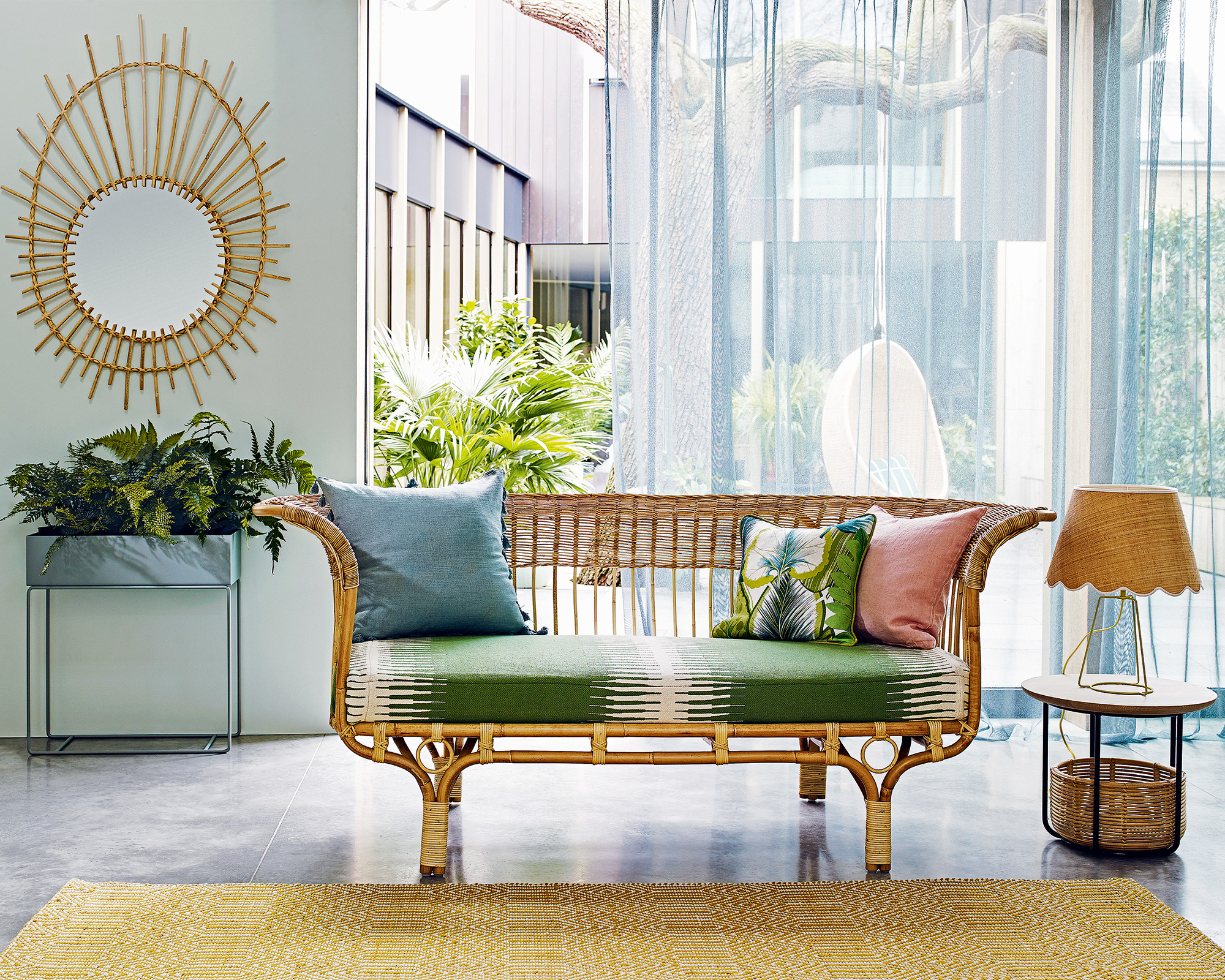
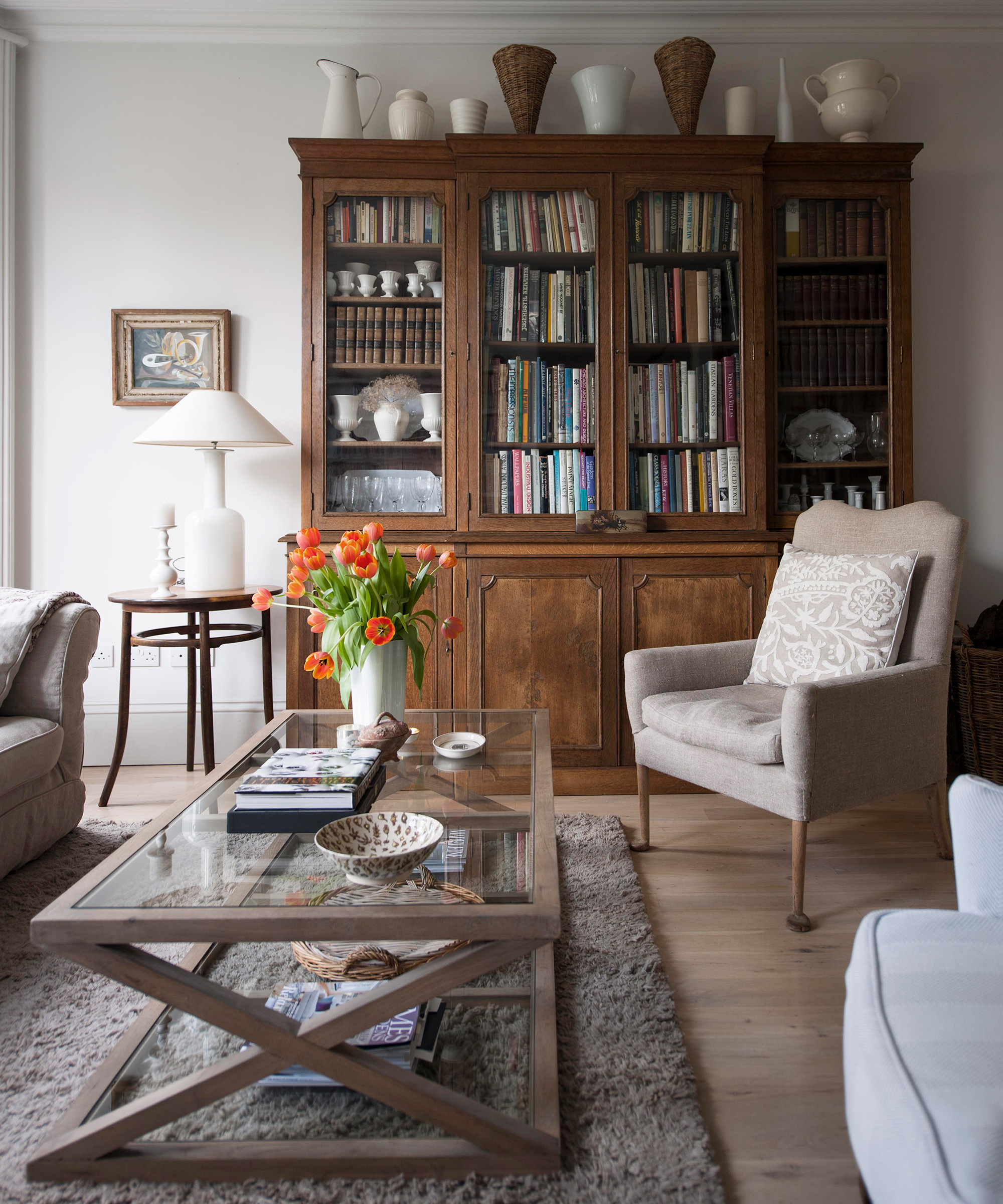
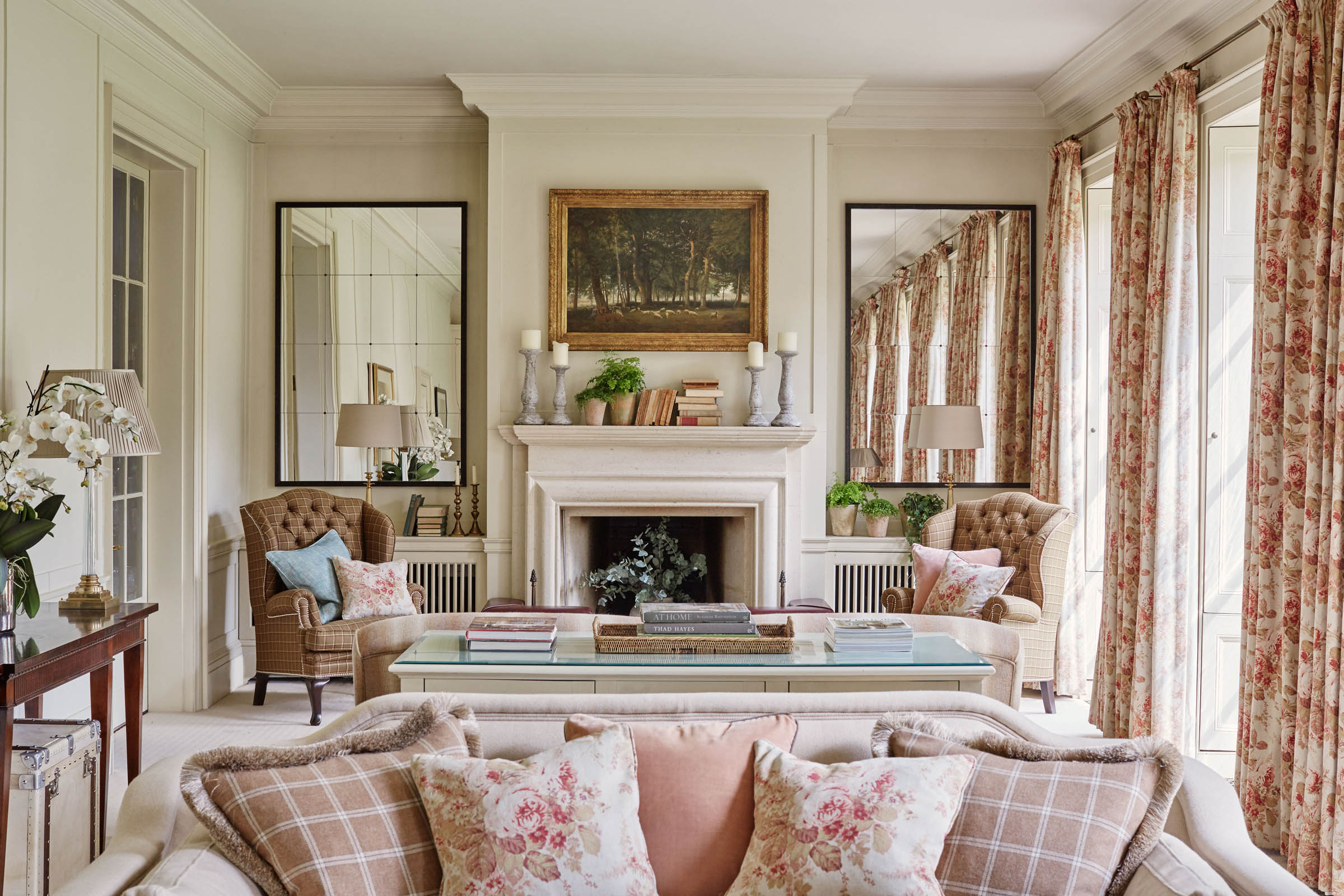
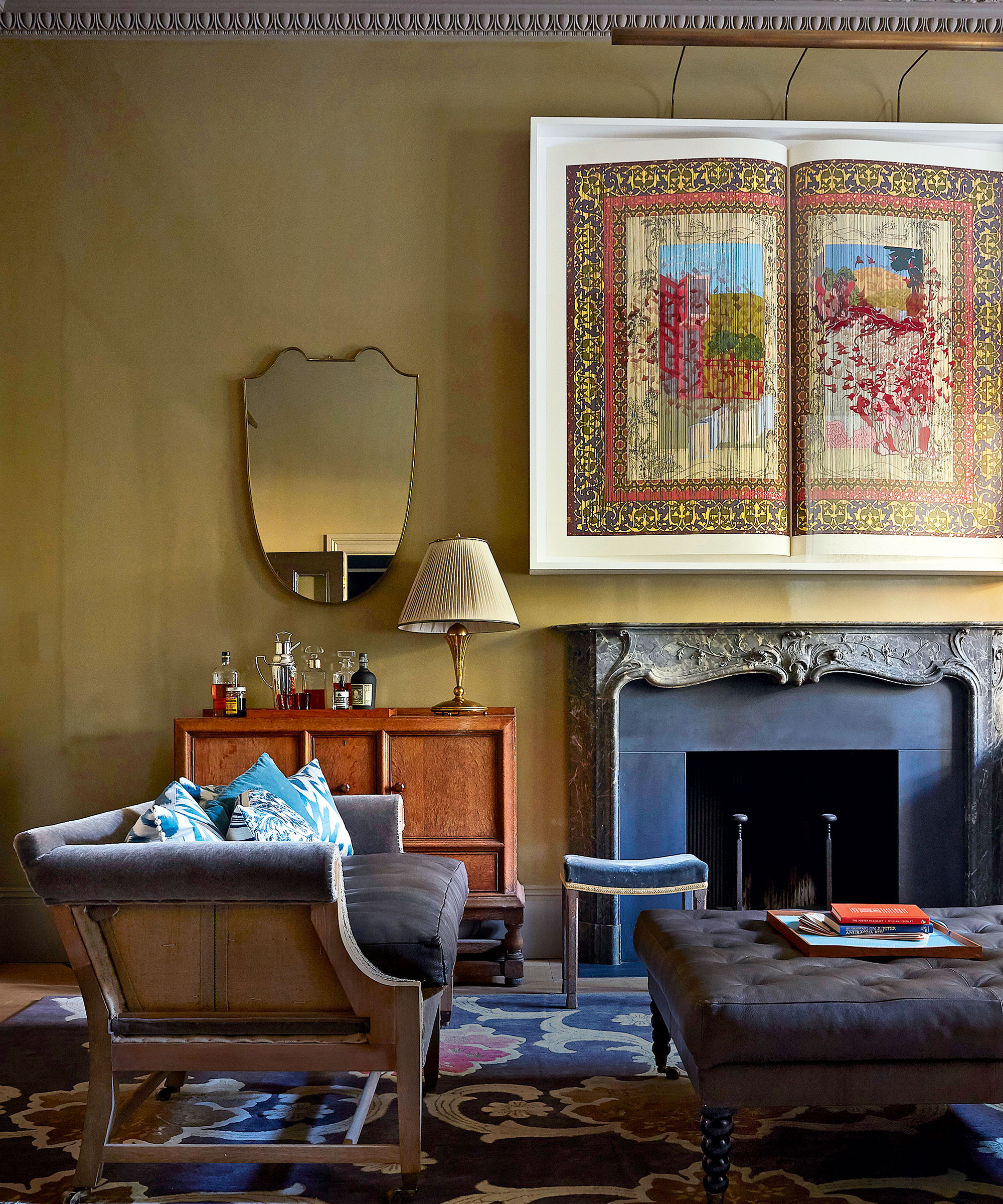
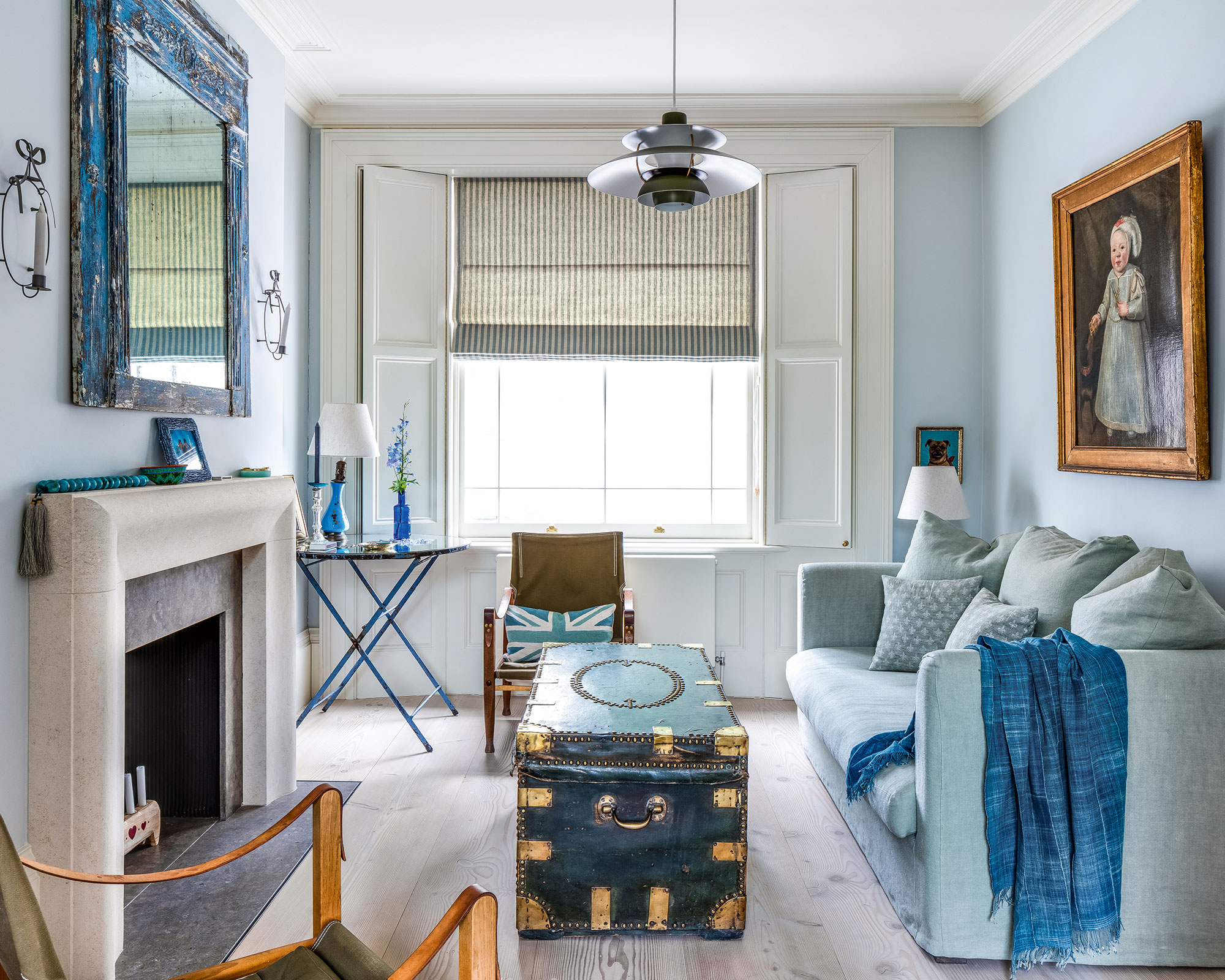
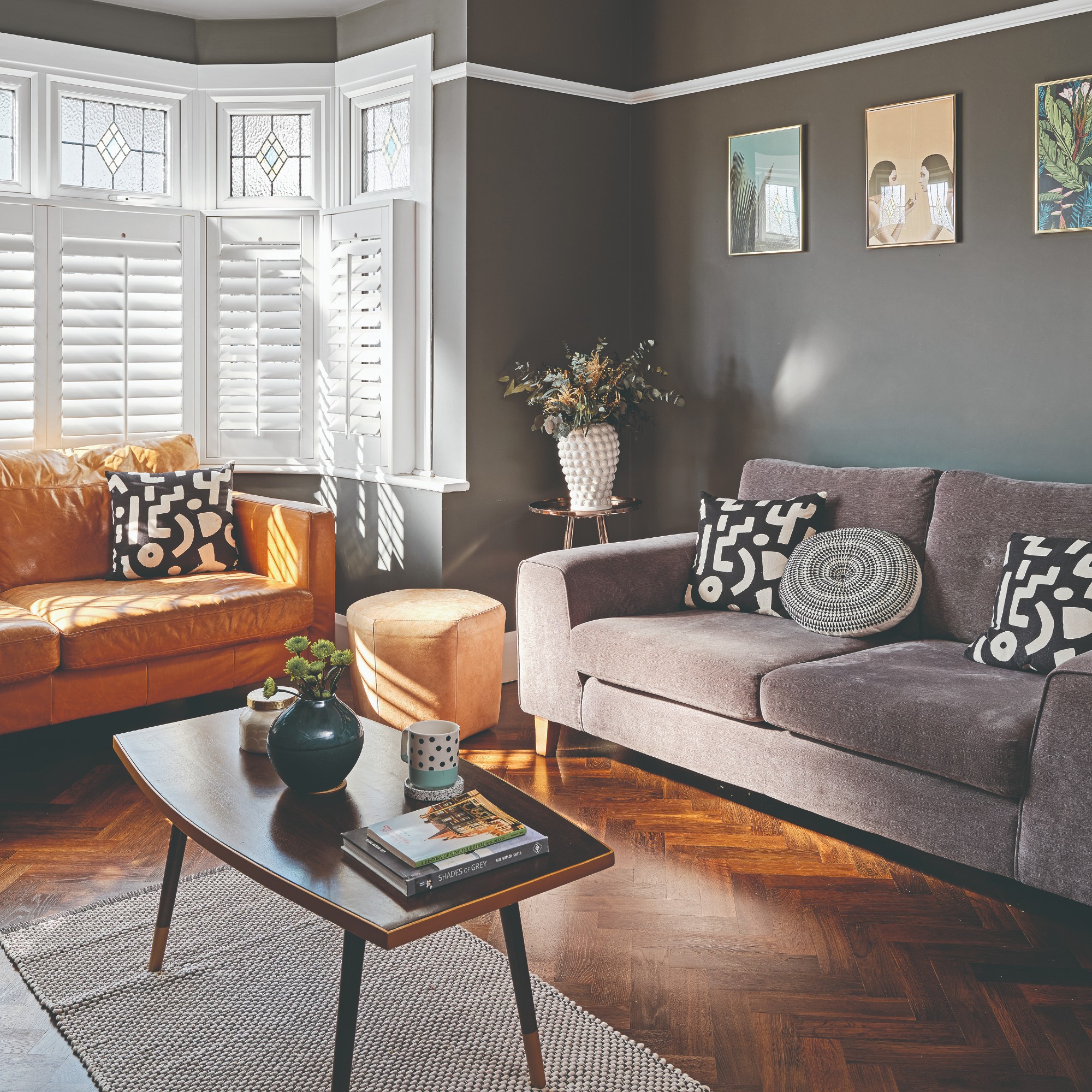
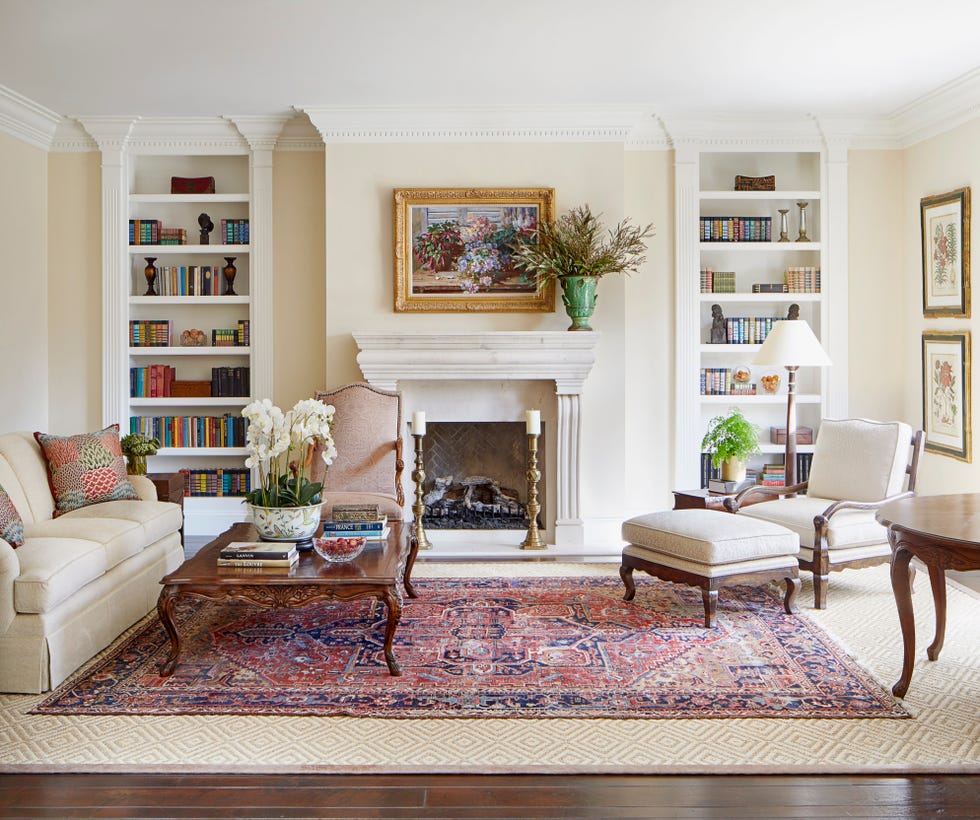
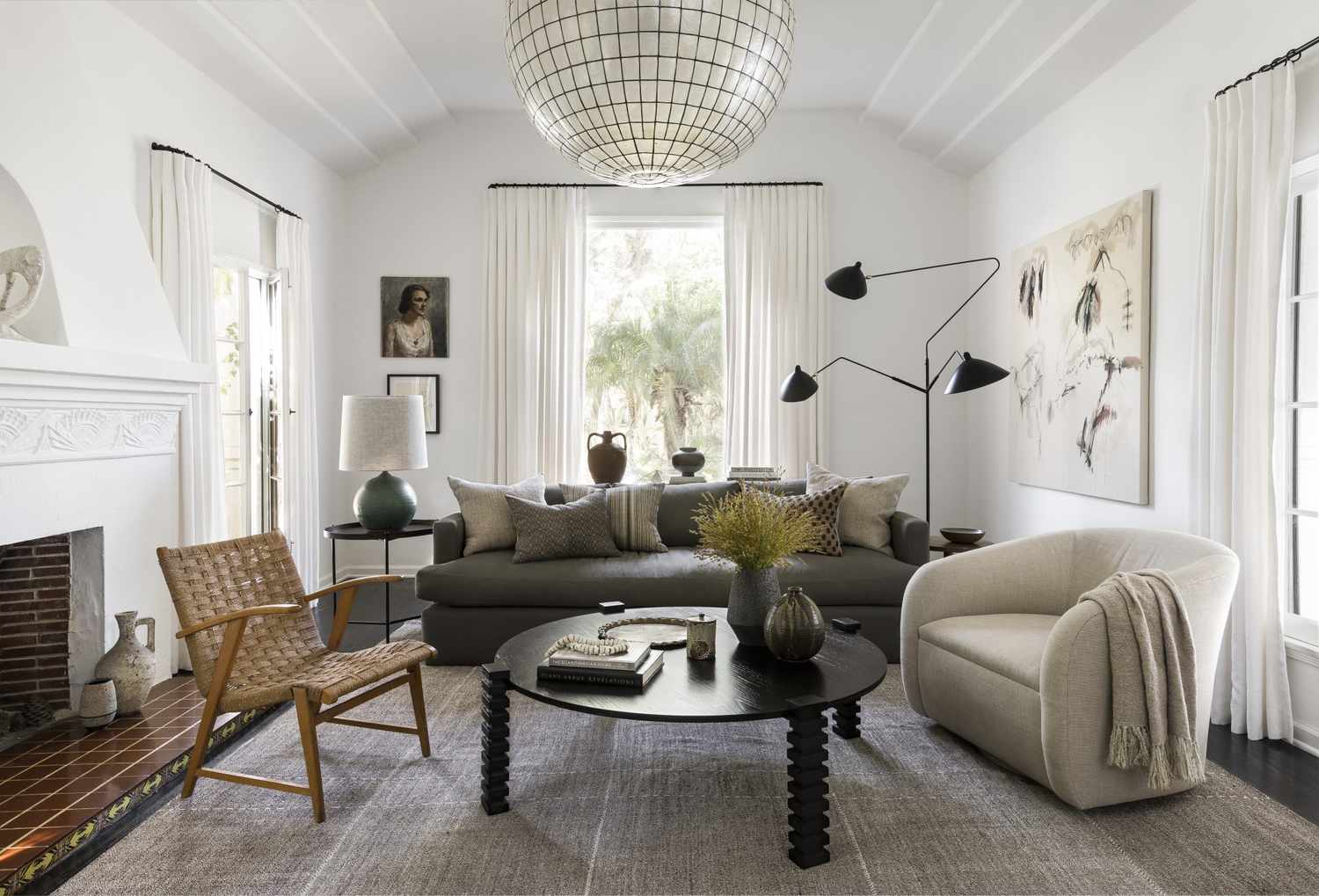
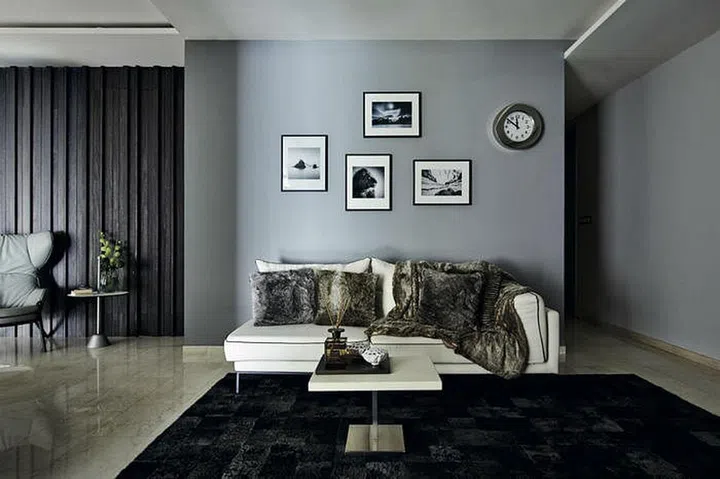
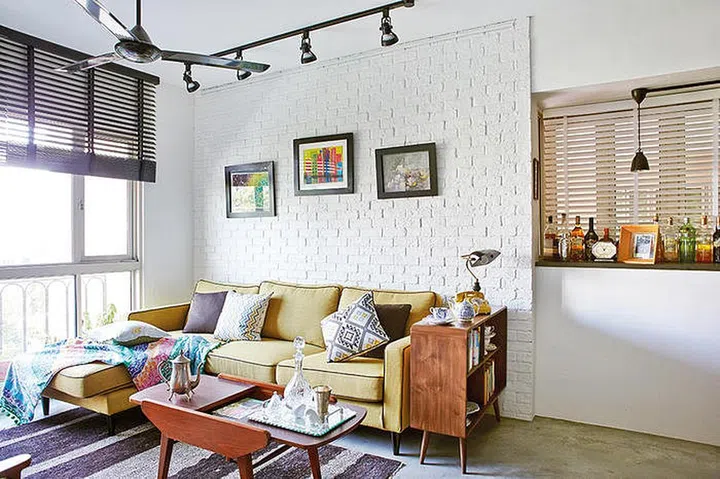
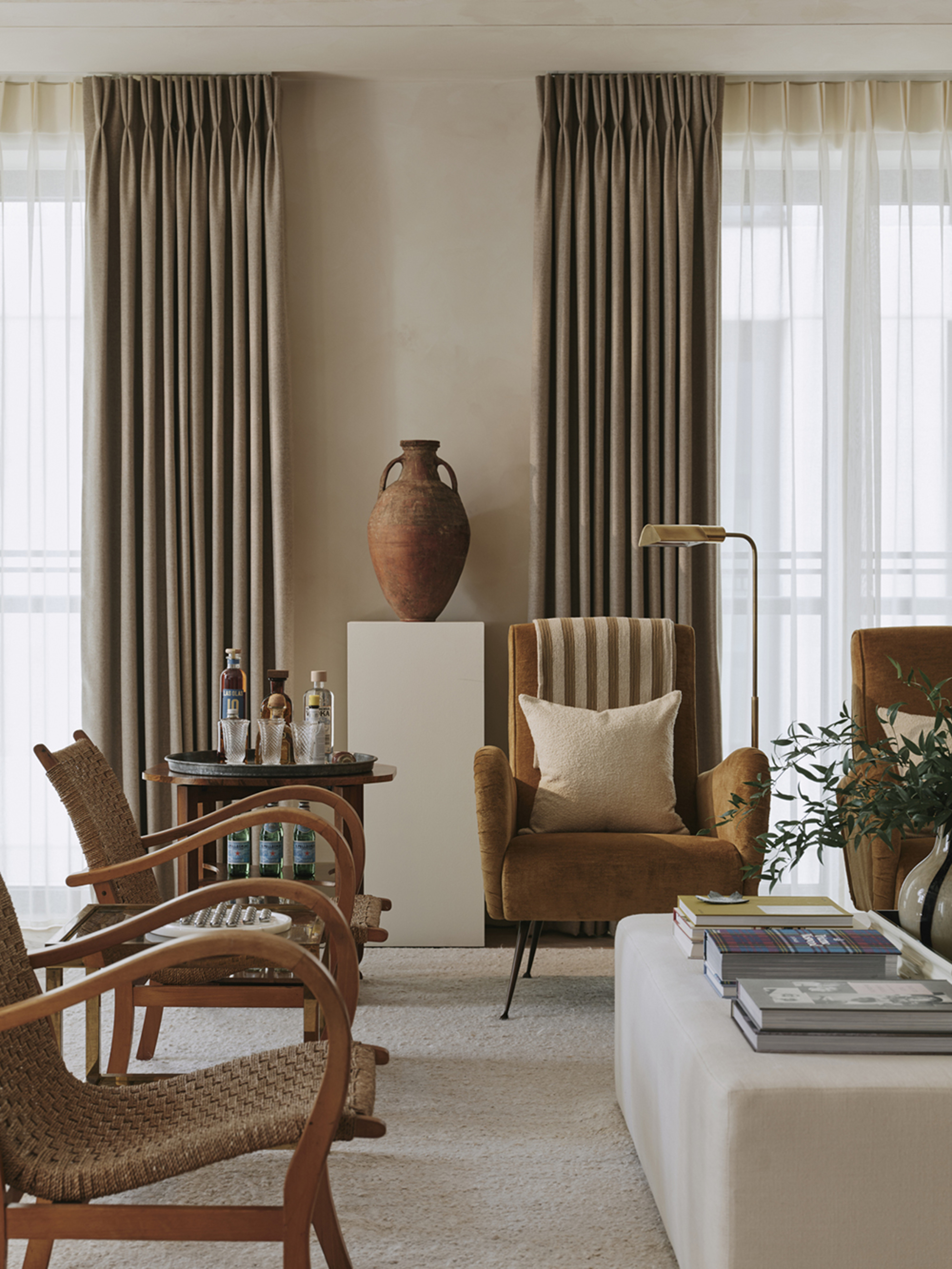
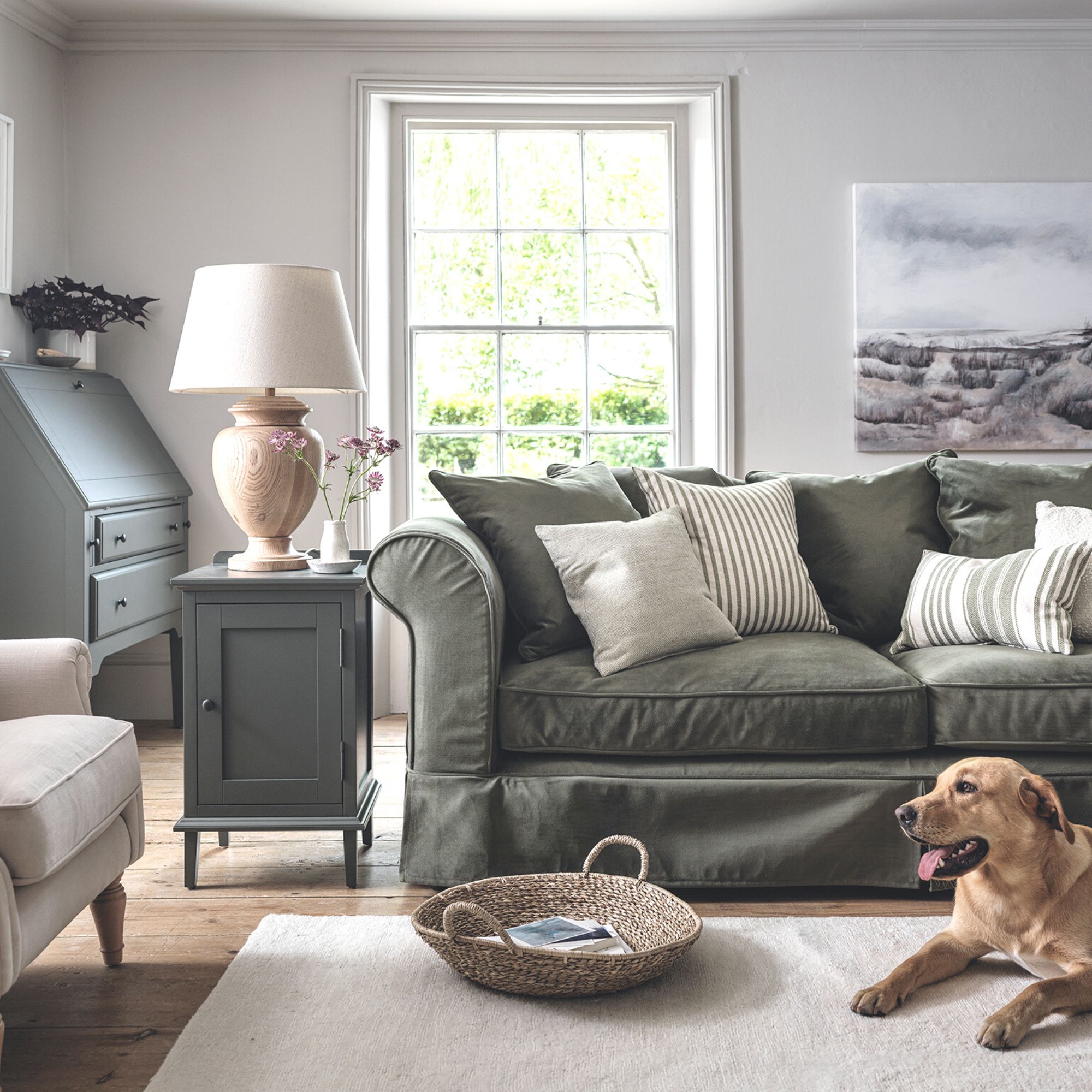
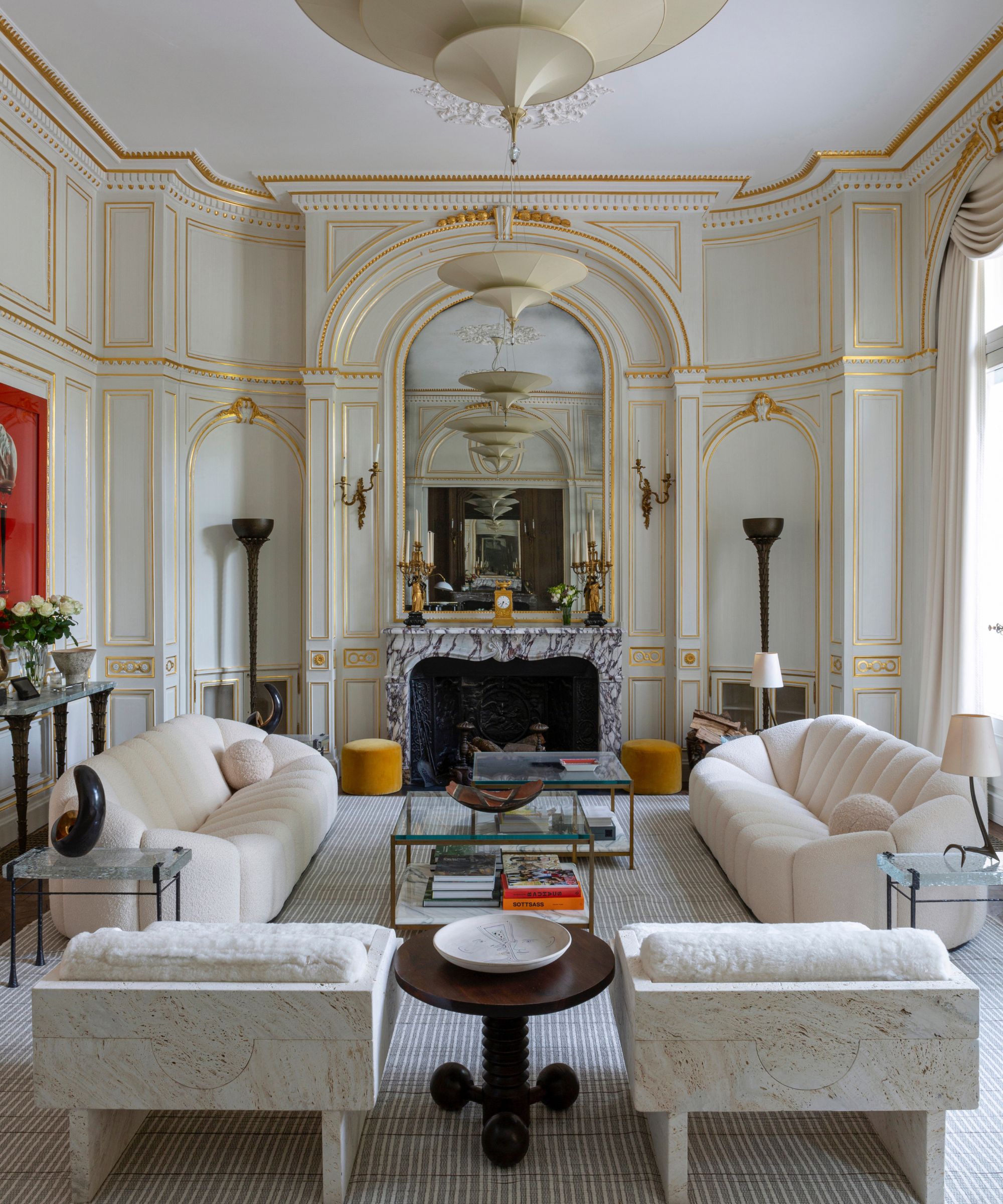
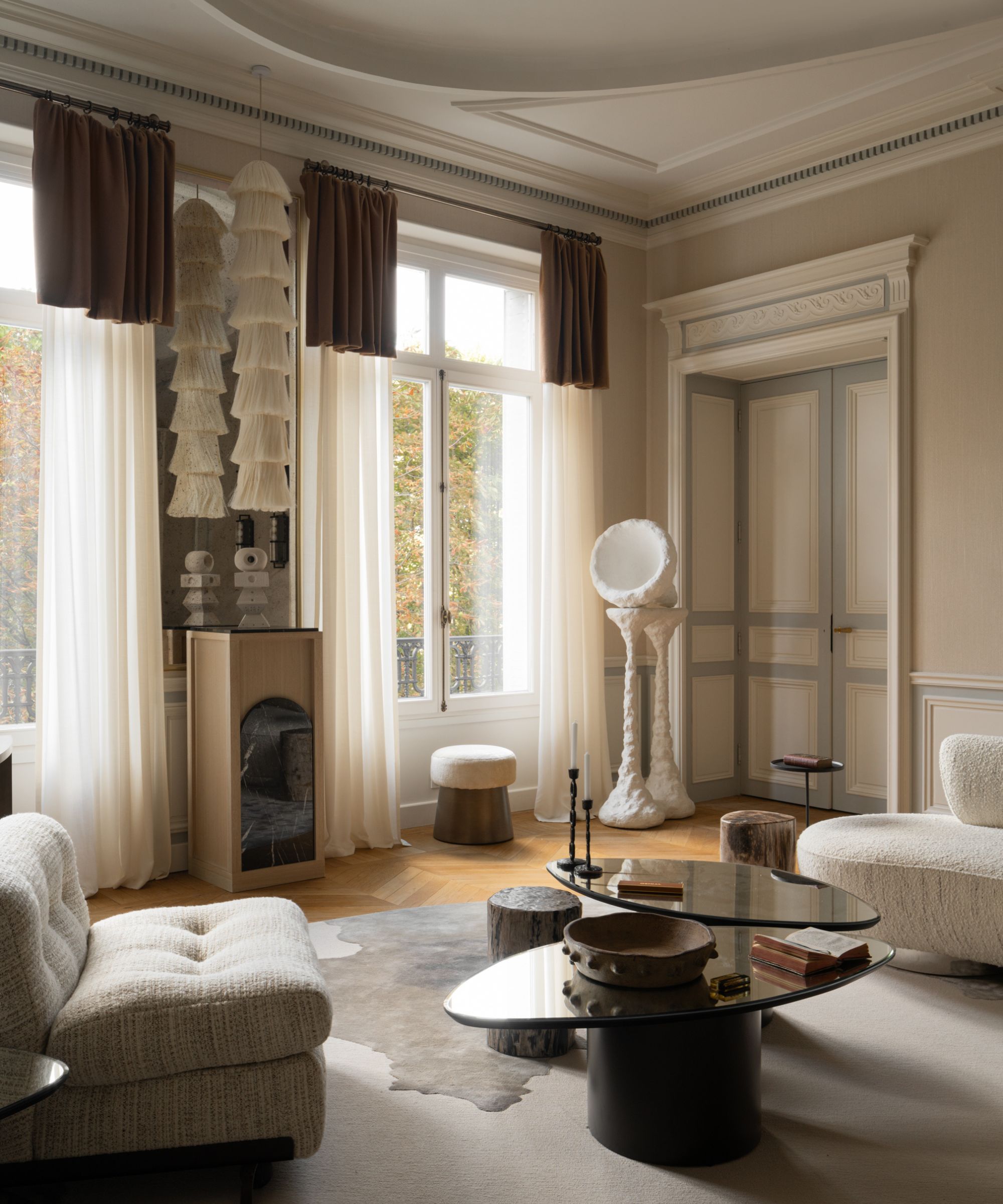
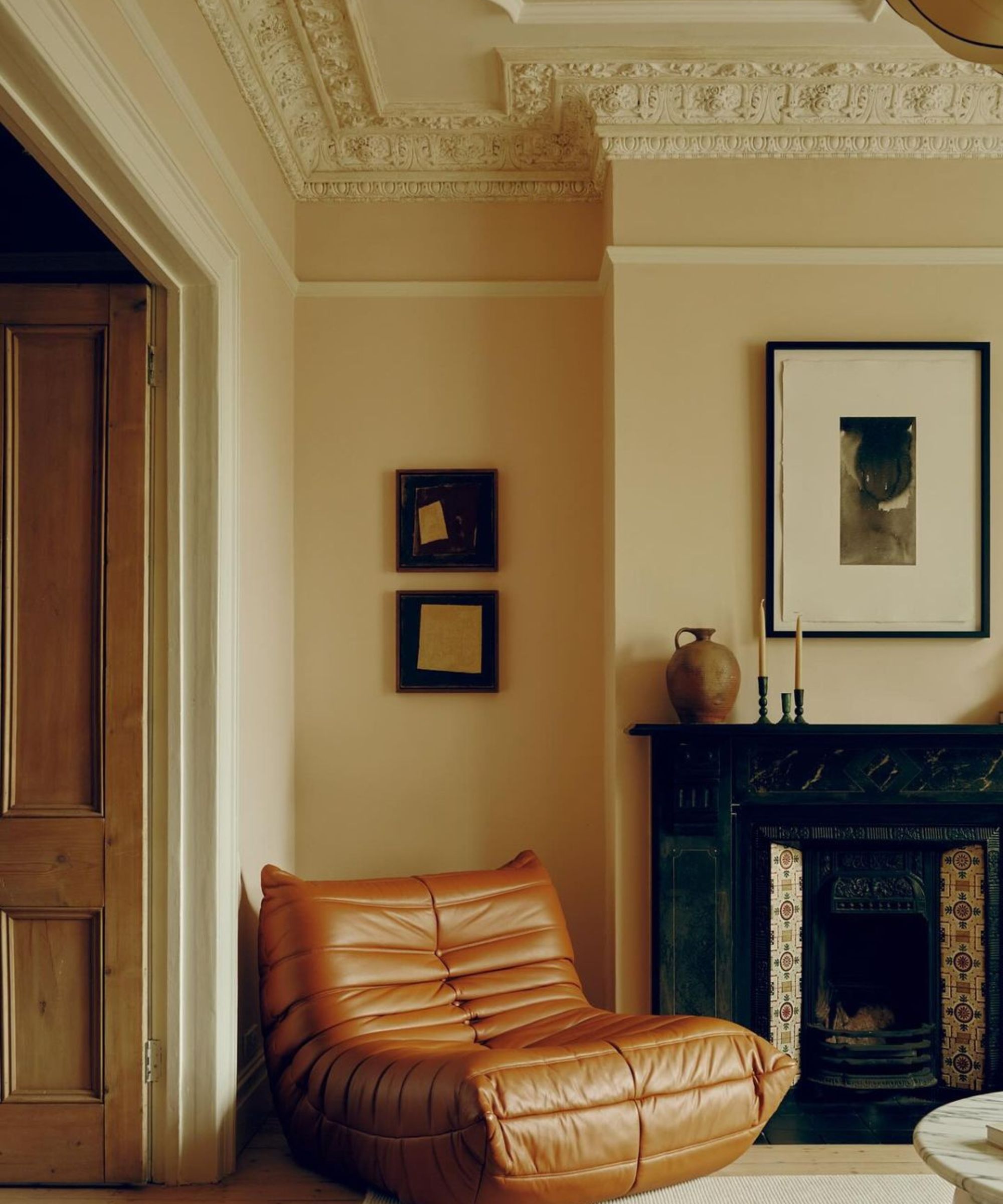
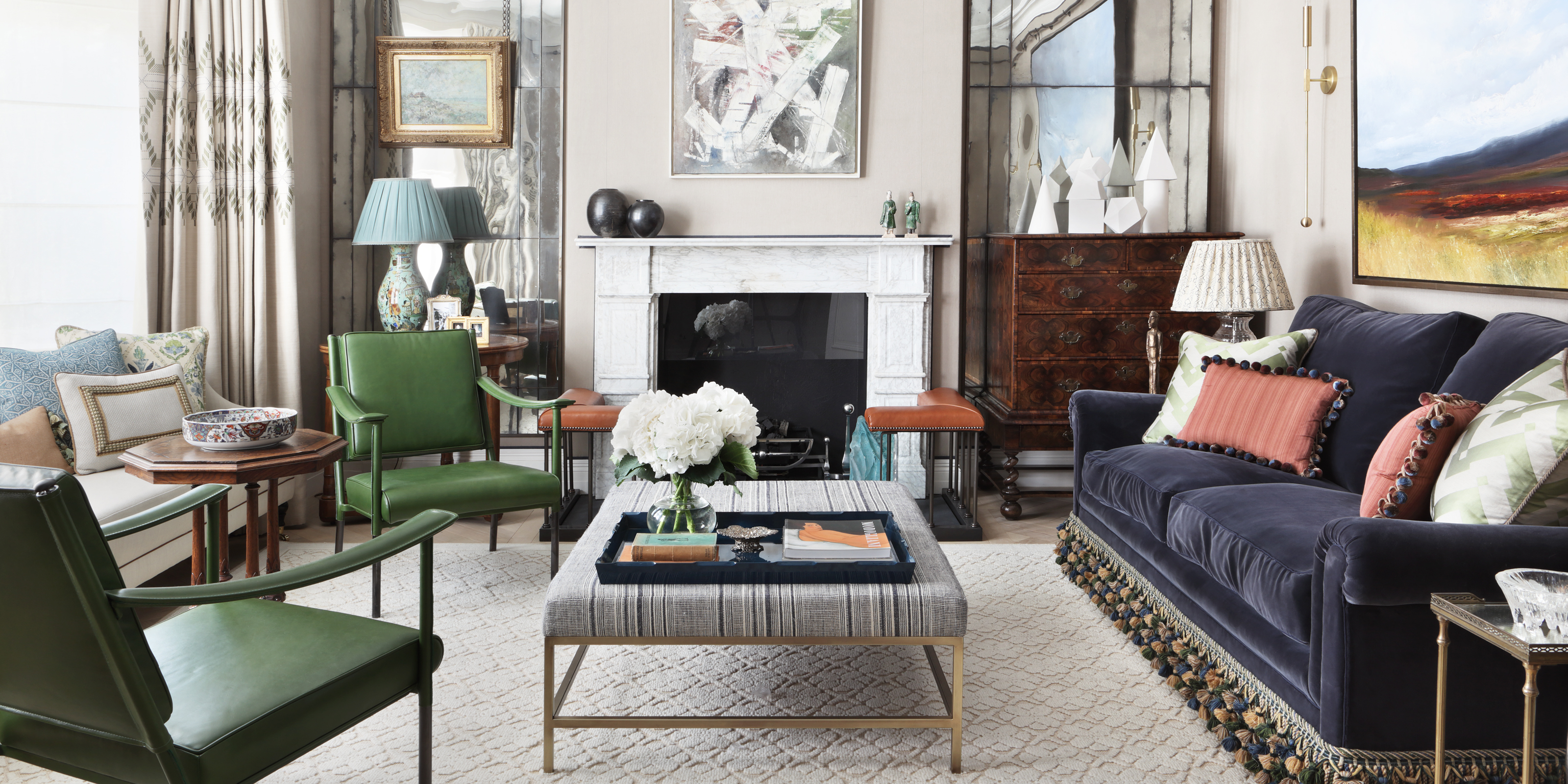
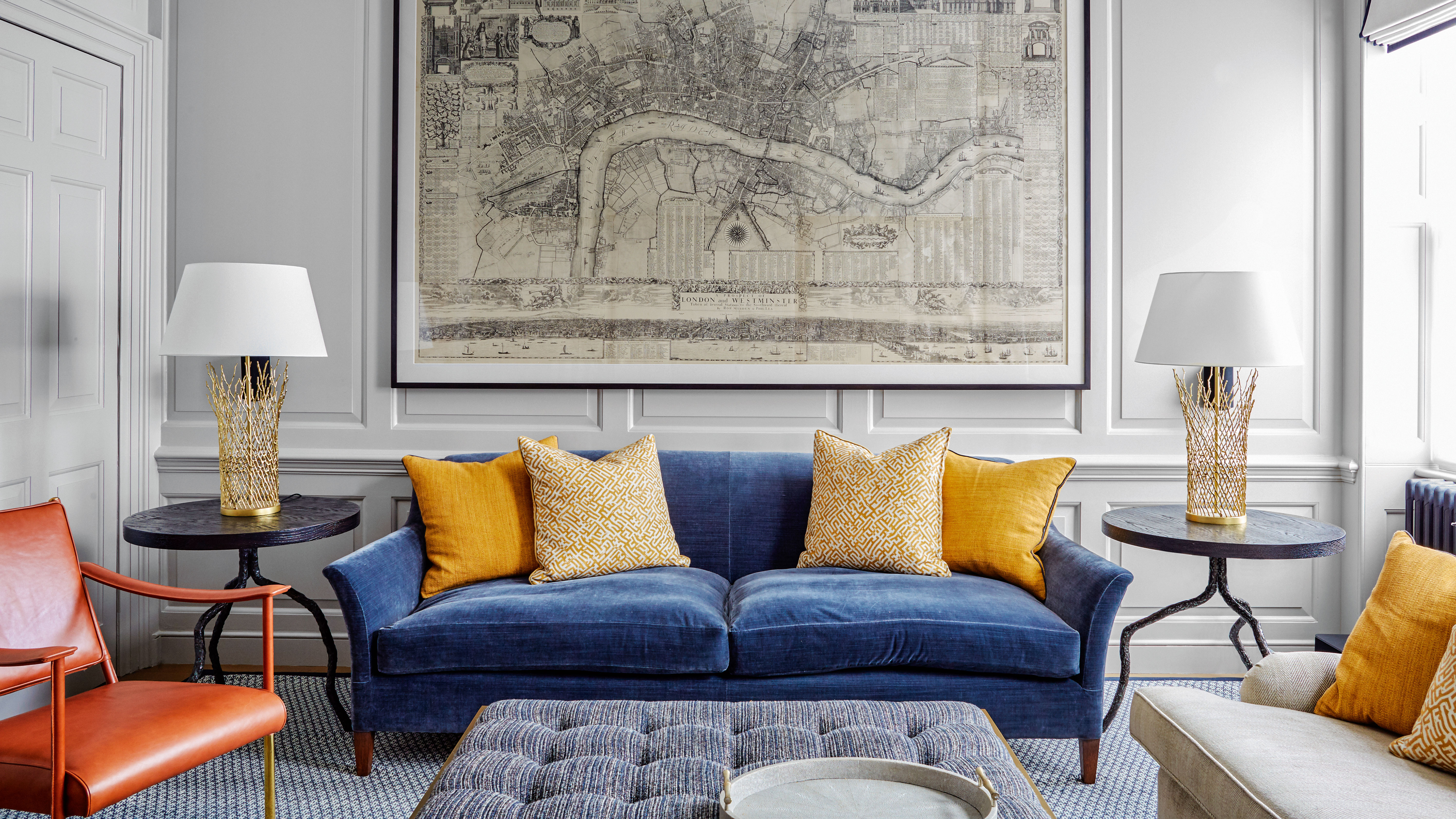
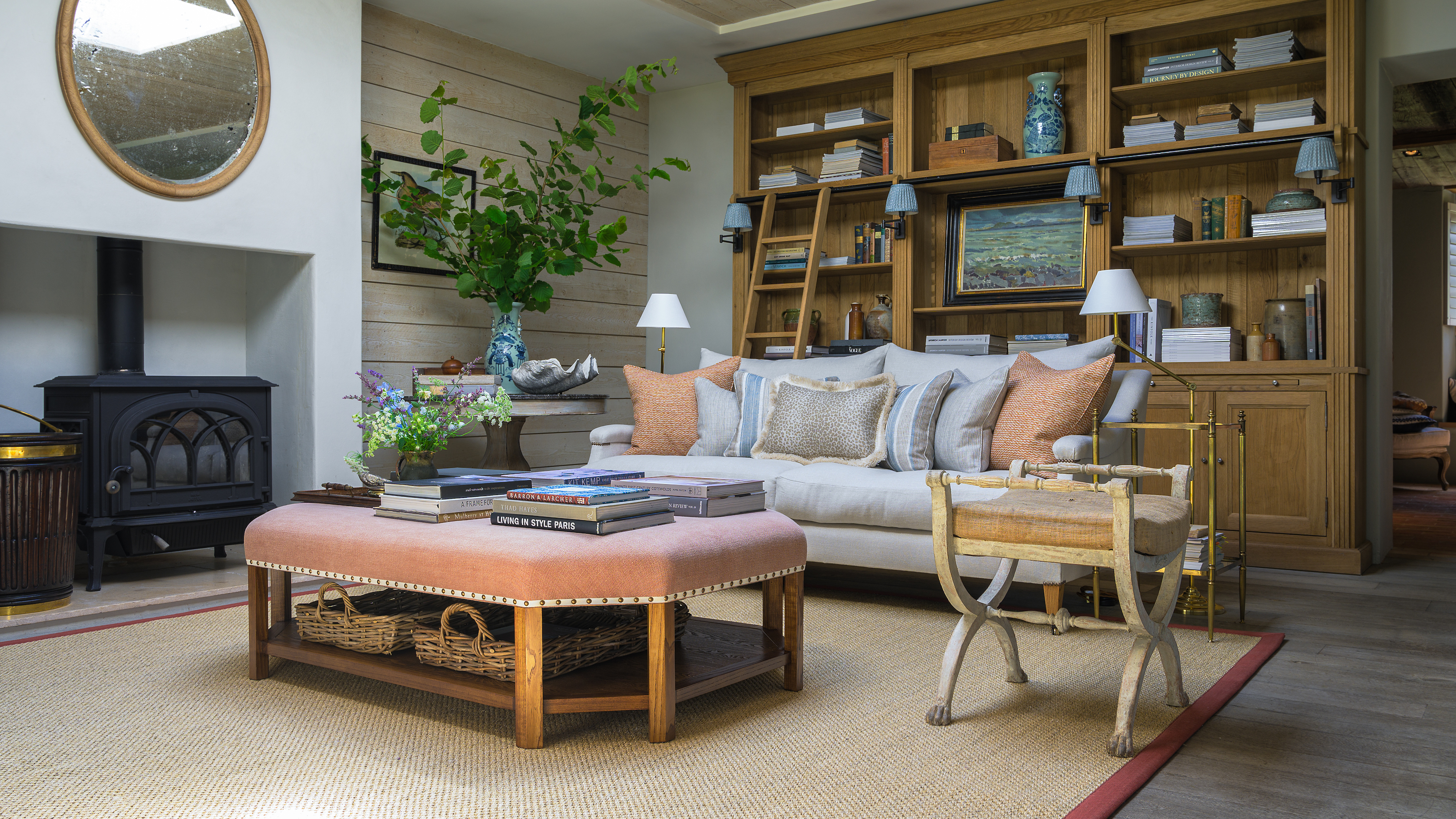
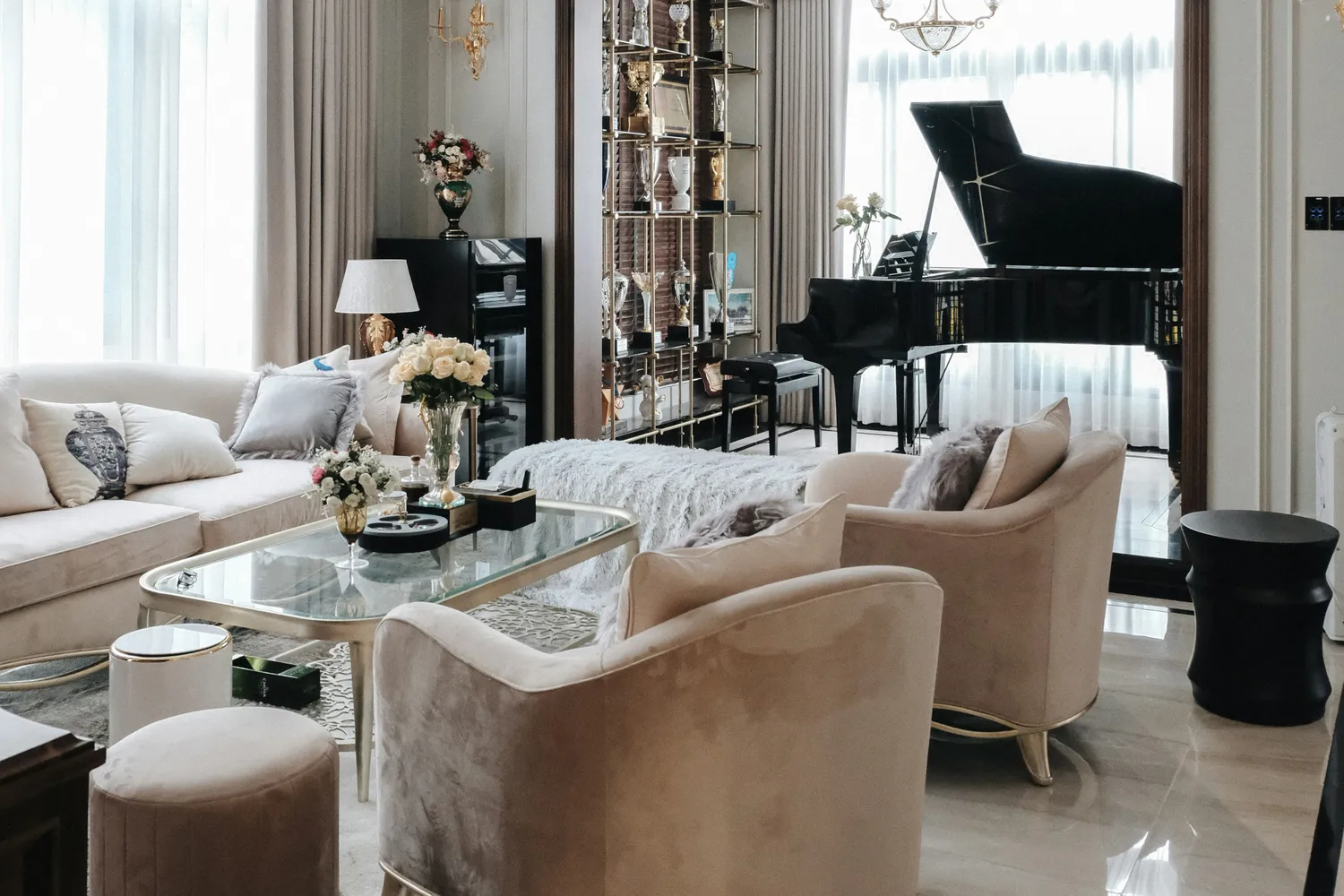
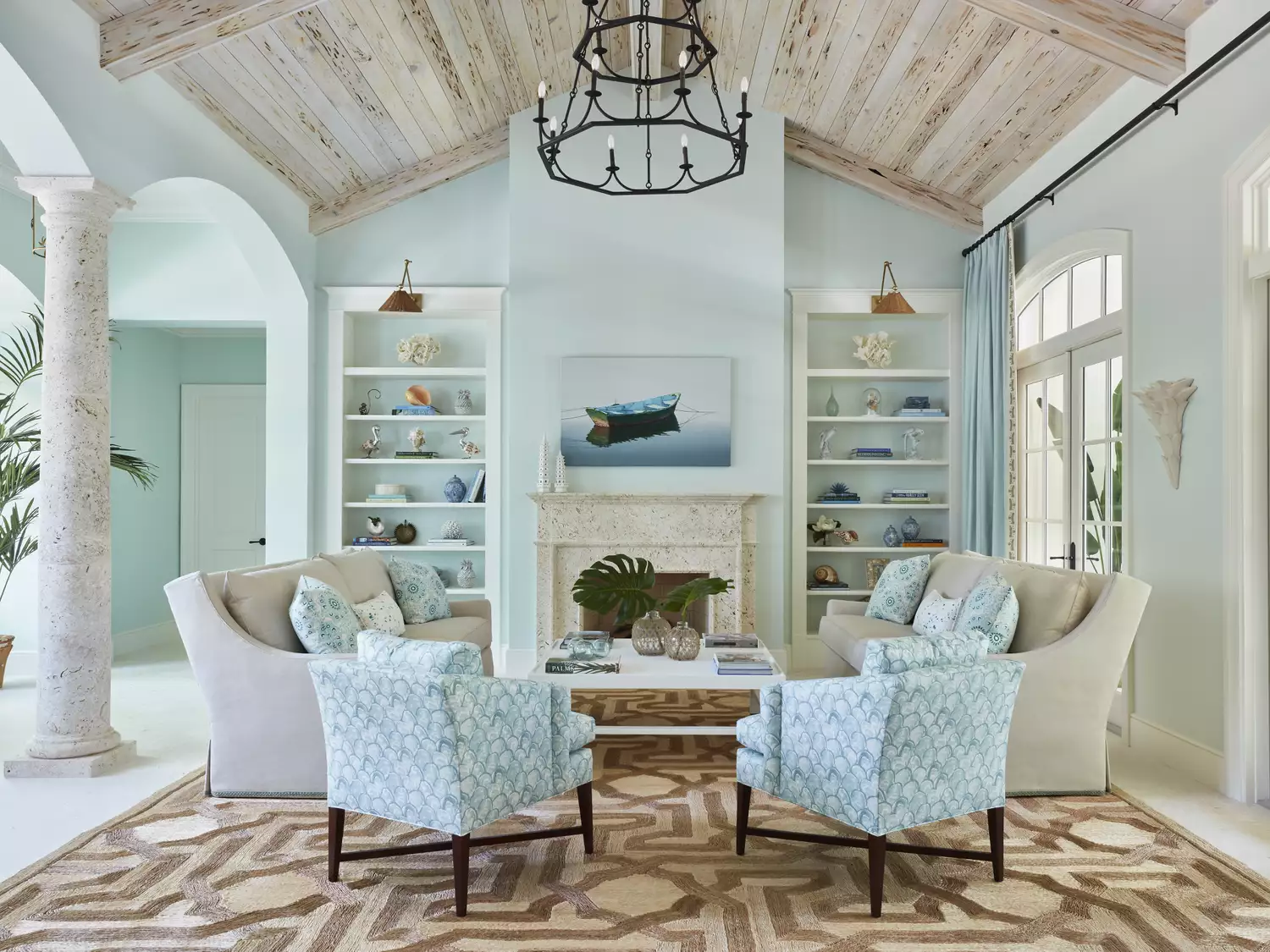
Creating a formal living room that is both elegant and welcoming requires careful consideration of design elements that prioritize form over everyday function. The objective is to make guests feel special and celebrated. Distinguishing a formal sitting room from a casual family room begins with furniture choices. Sofas with higher seats, upright backs, and detailed designs are preferred for formal settings, contrasting with lower, L-shaped couches suitable for lounging. An excellent strategy for formal living rooms is to blend antique furniture with contemporary styling. This approach leverages the historical charm of older pieces, such as a grandmother's rocking chair or a Chinese wedding cabinet, integrating them with modern design elements to create a unique and character-rich space. Vintage and collectible accessories further contribute to this depth, preventing the room from feeling lifeless or merely on-trend.
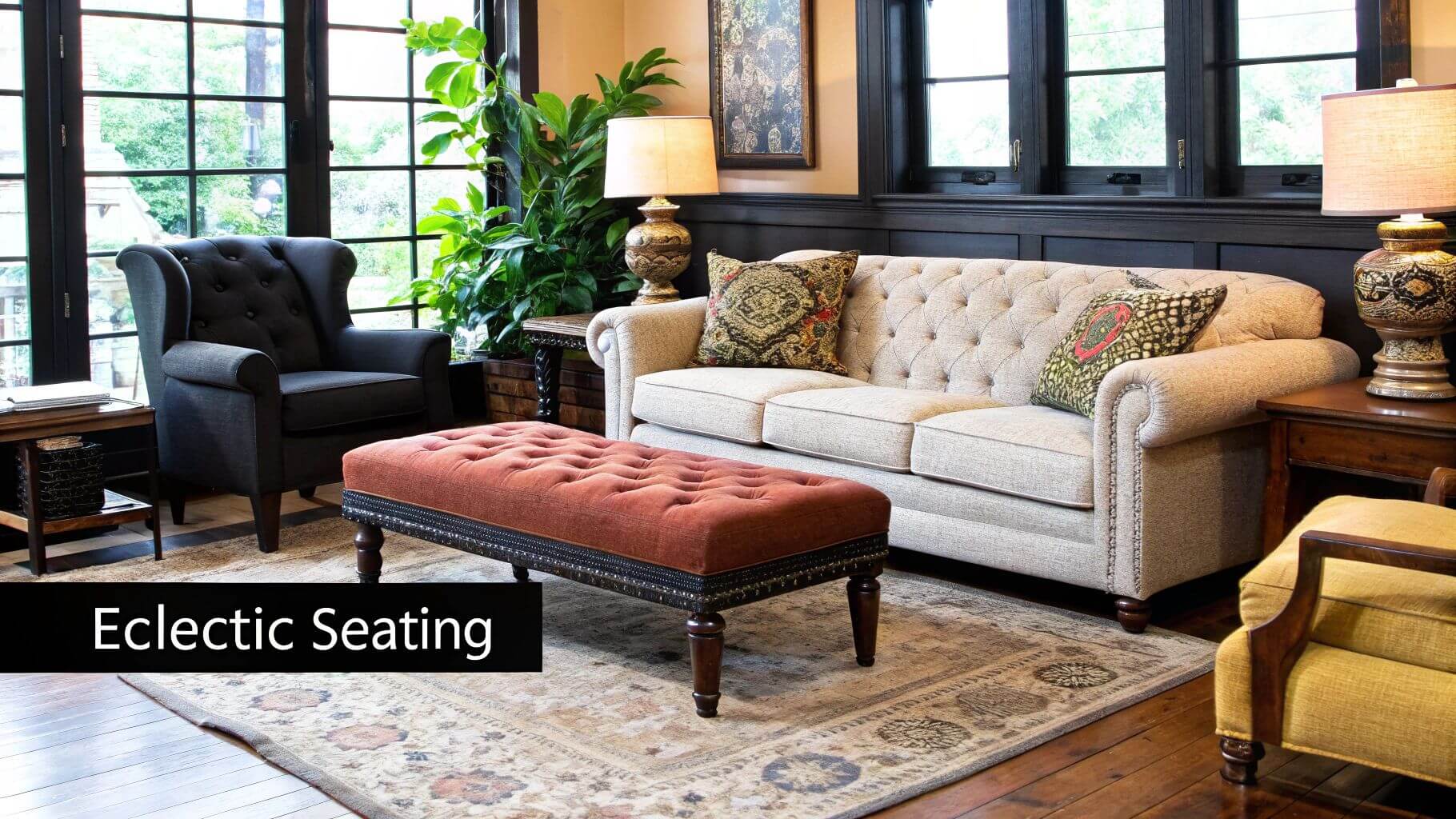

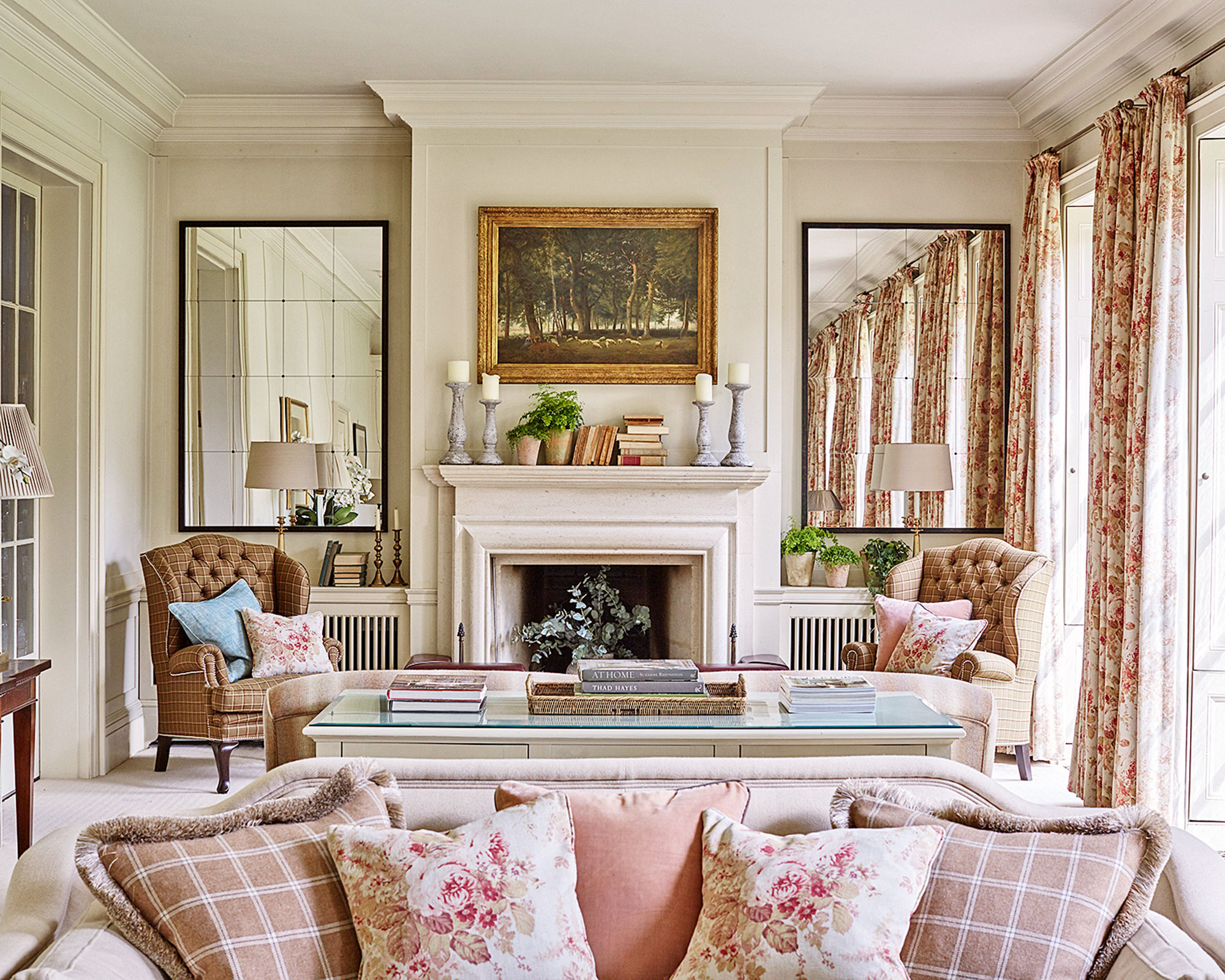
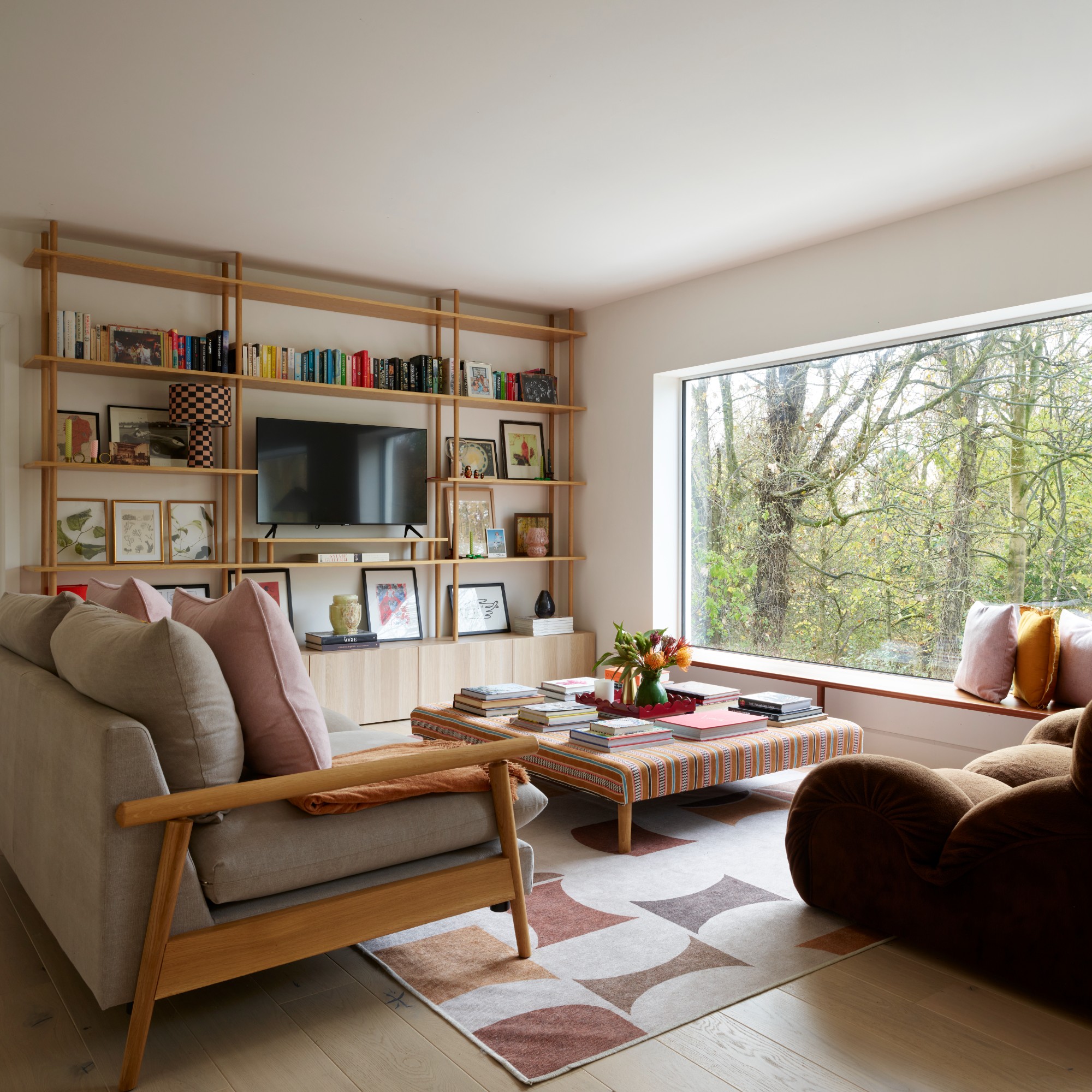
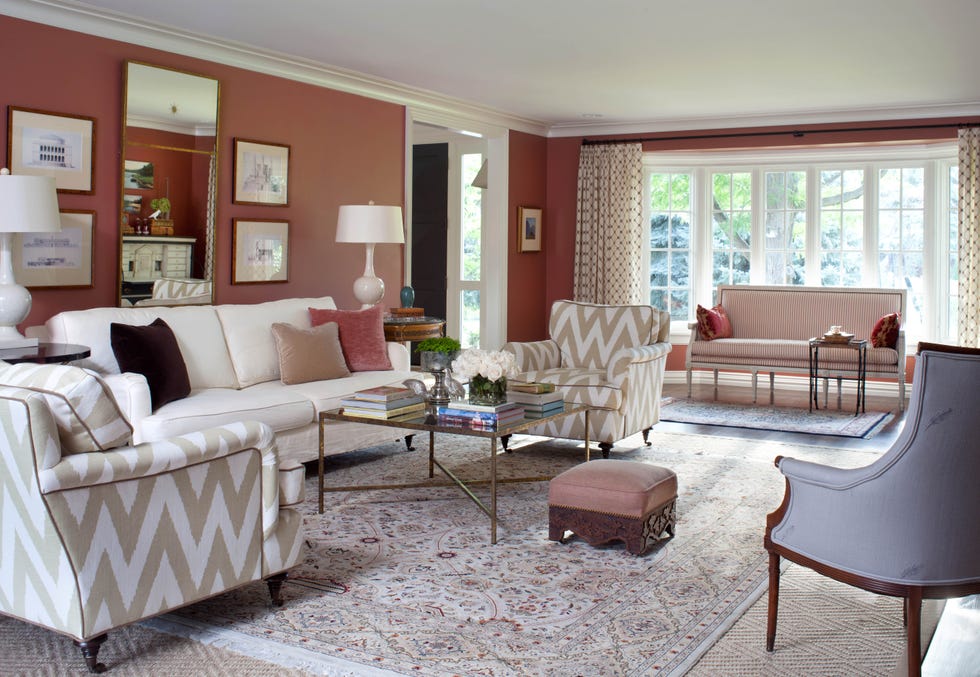
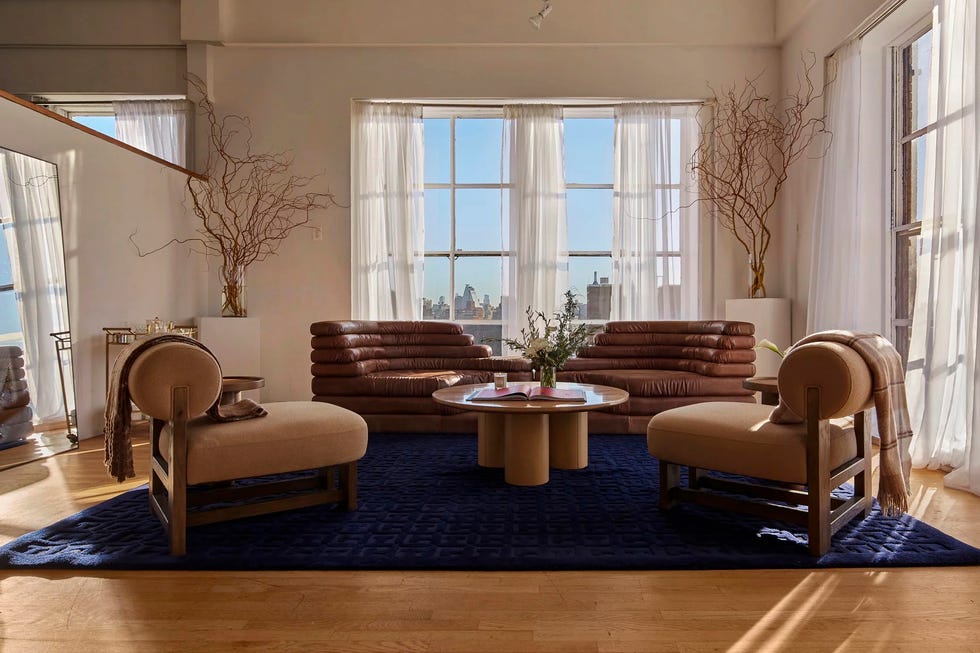
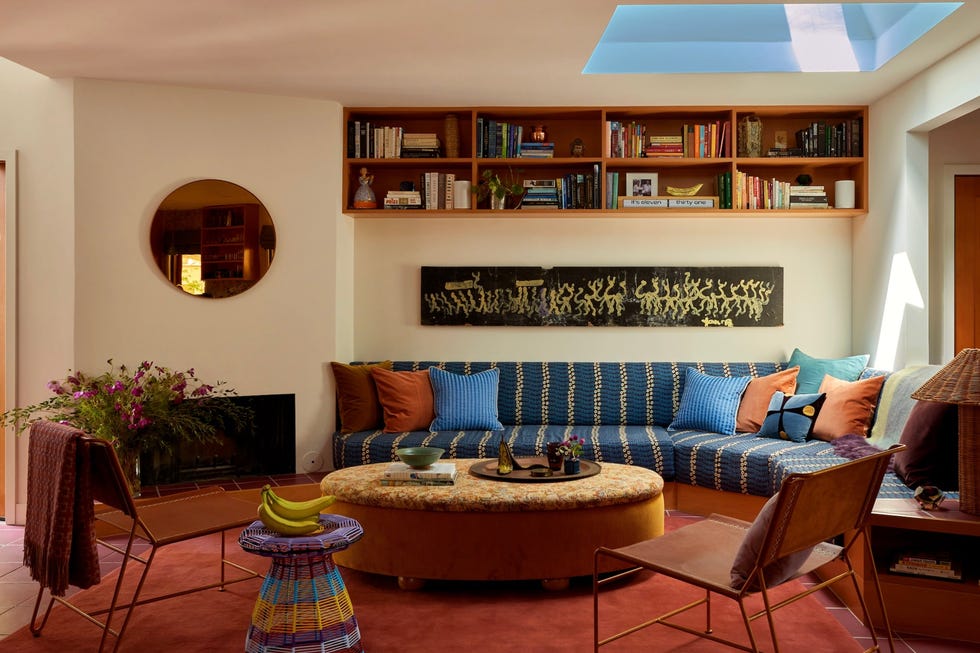
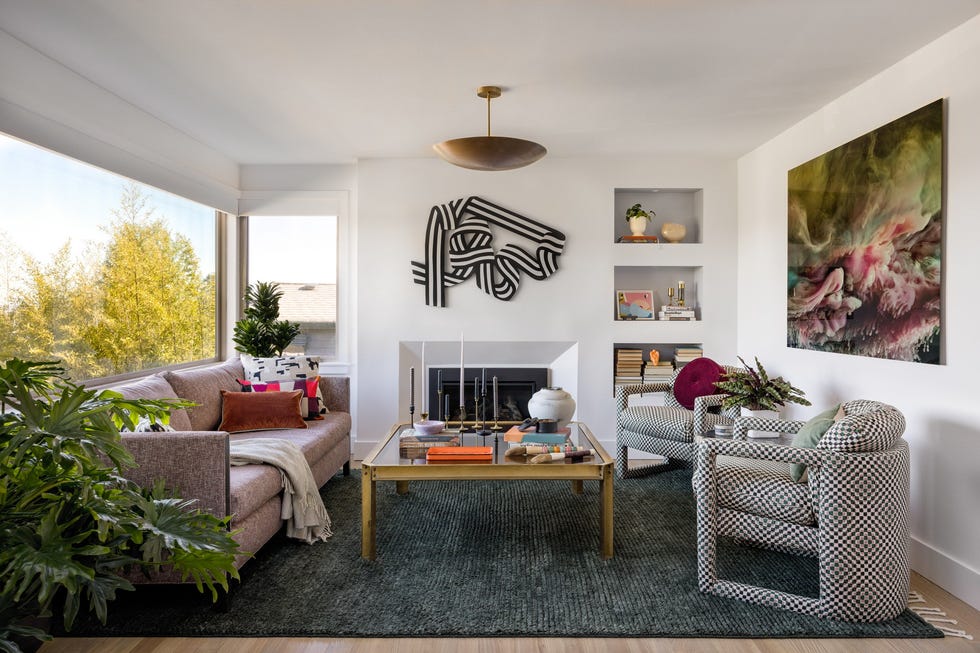
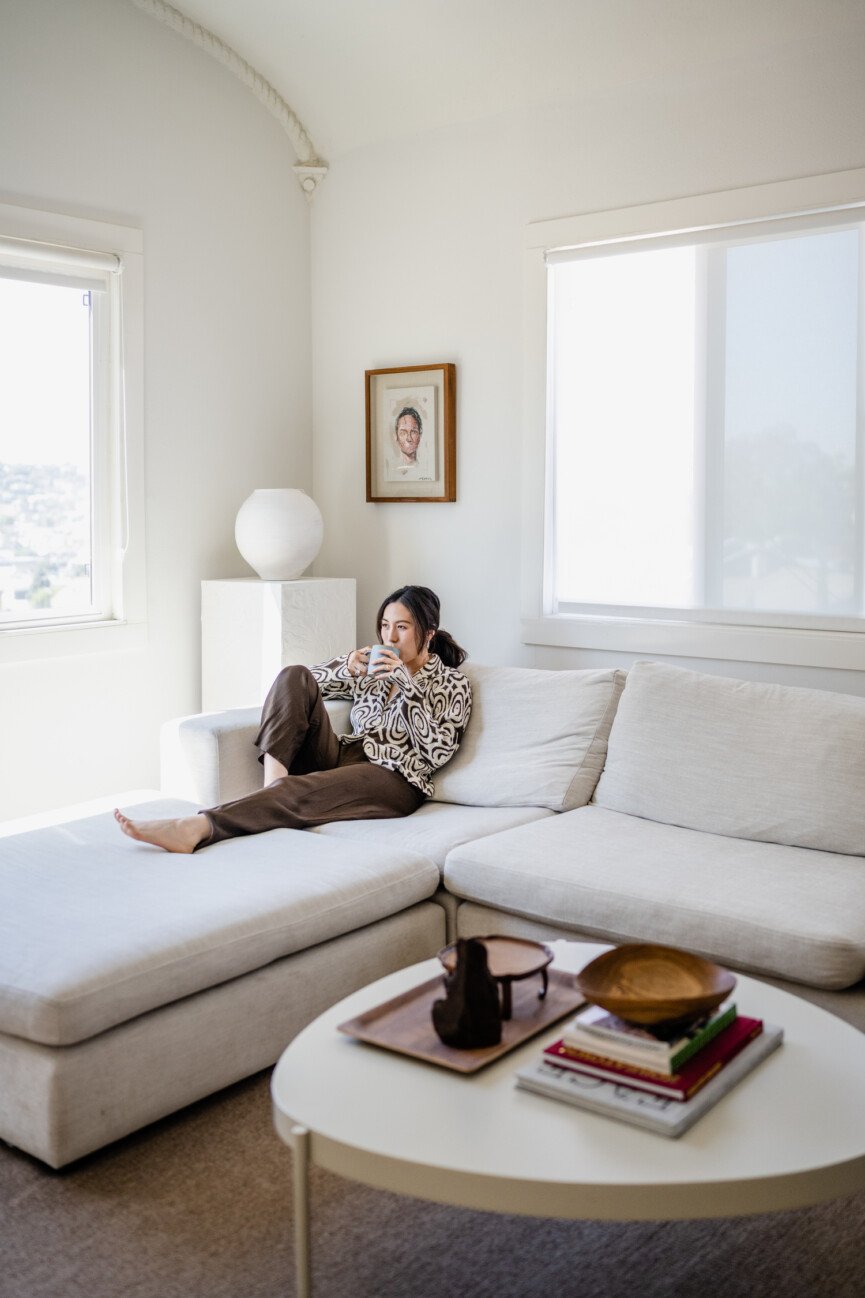
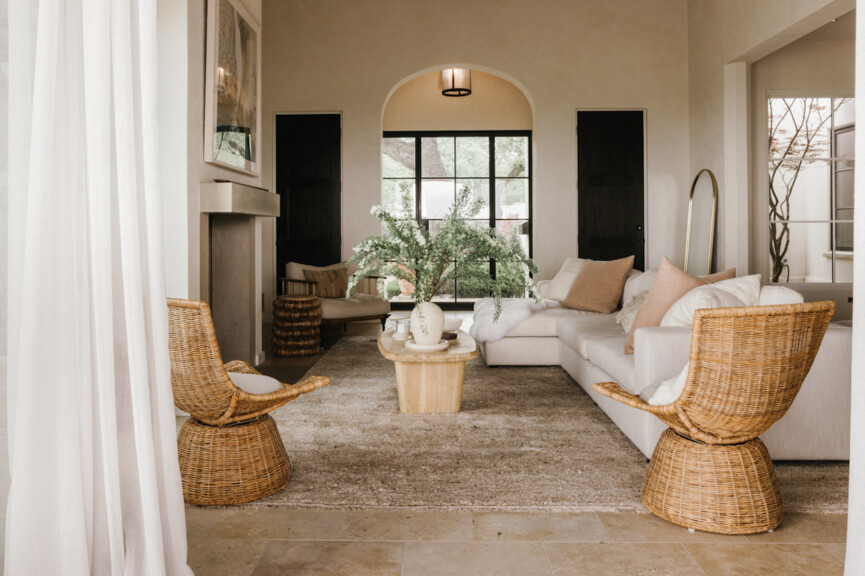
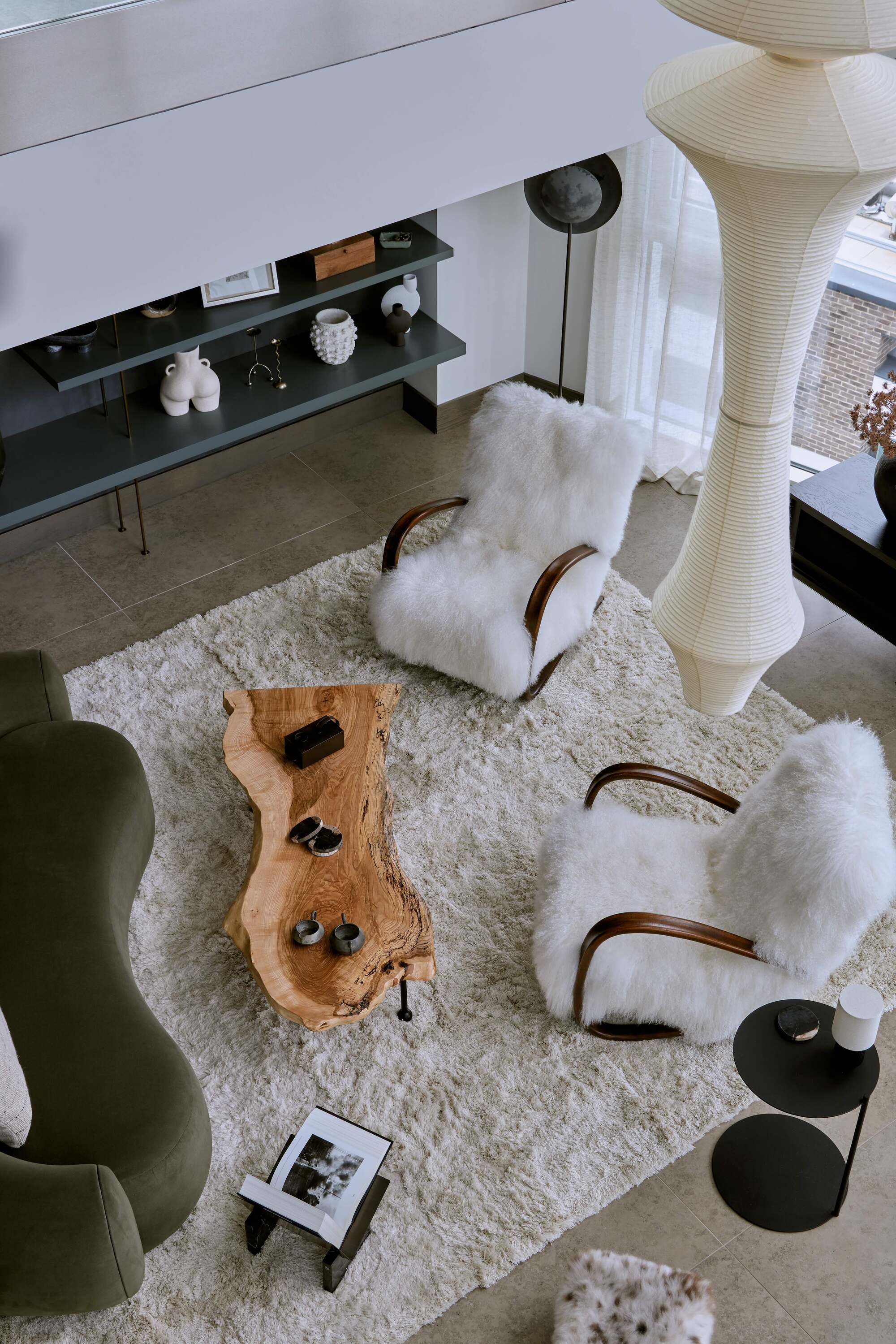
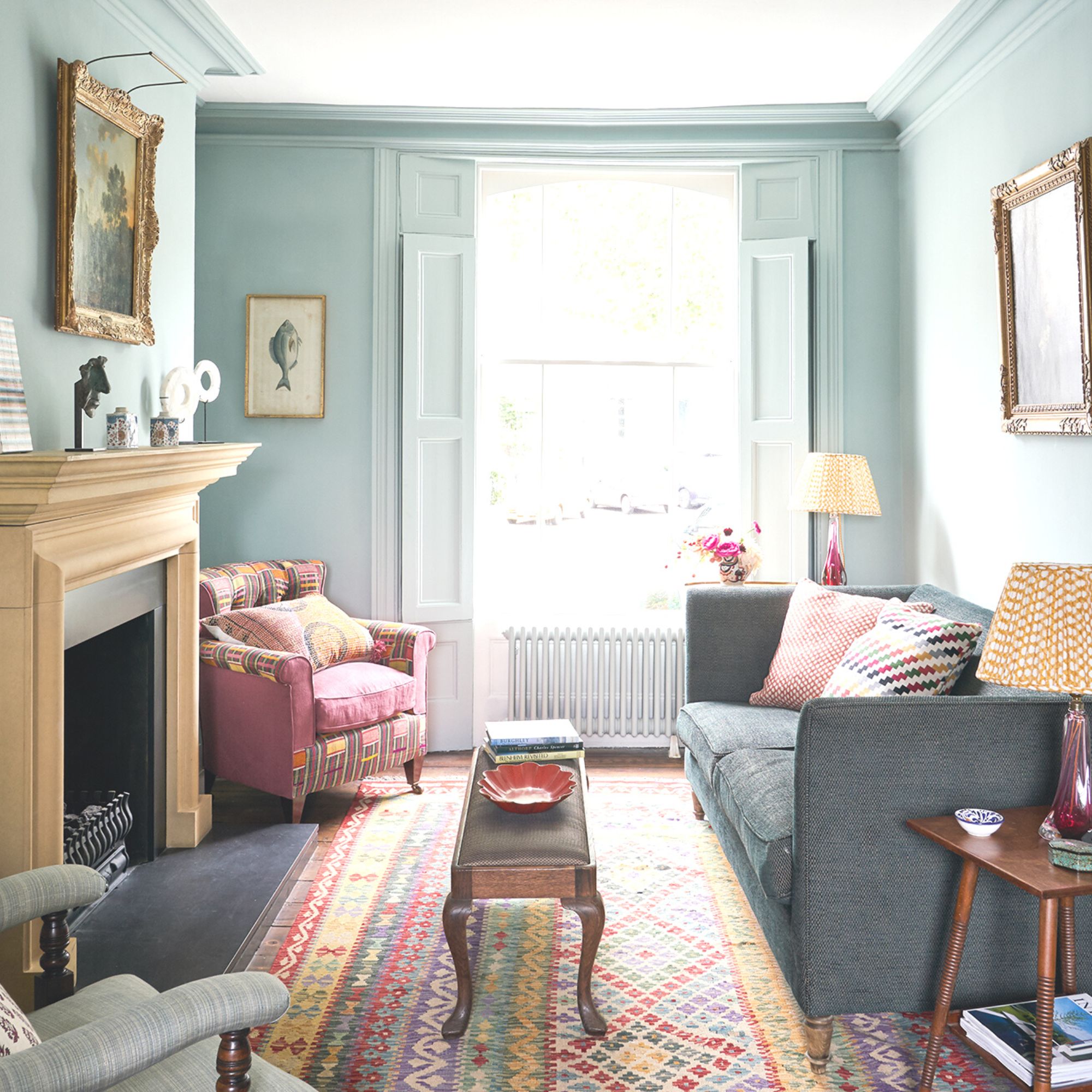
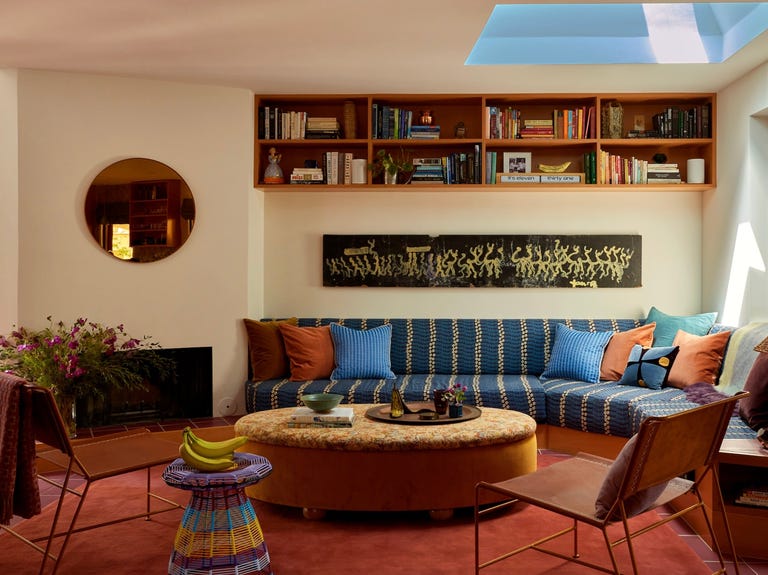
Providing a diverse assortment of seating is crucial for accommodating various guests and levels of formality. A well-designed formal living room should feel vibrant whether hosting a few individuals or a larger group. This can be achieved by incorporating a mix of seating options, such as a main sofa, curved armchairs, accent chairs, and even quirky stools or ottomans that can be easily moved. This variety ensures comfort and encourages conversation, allowing guests to find their preferred spot. Individuality in design is also highly valued, as a home should tell a story that reflects the homeowner's personality, the house's history, or its surrounding area. Incorporating unique items, whether inherited art or classical architectural features, imbues the space with soul and character, differentiating it from other homes.
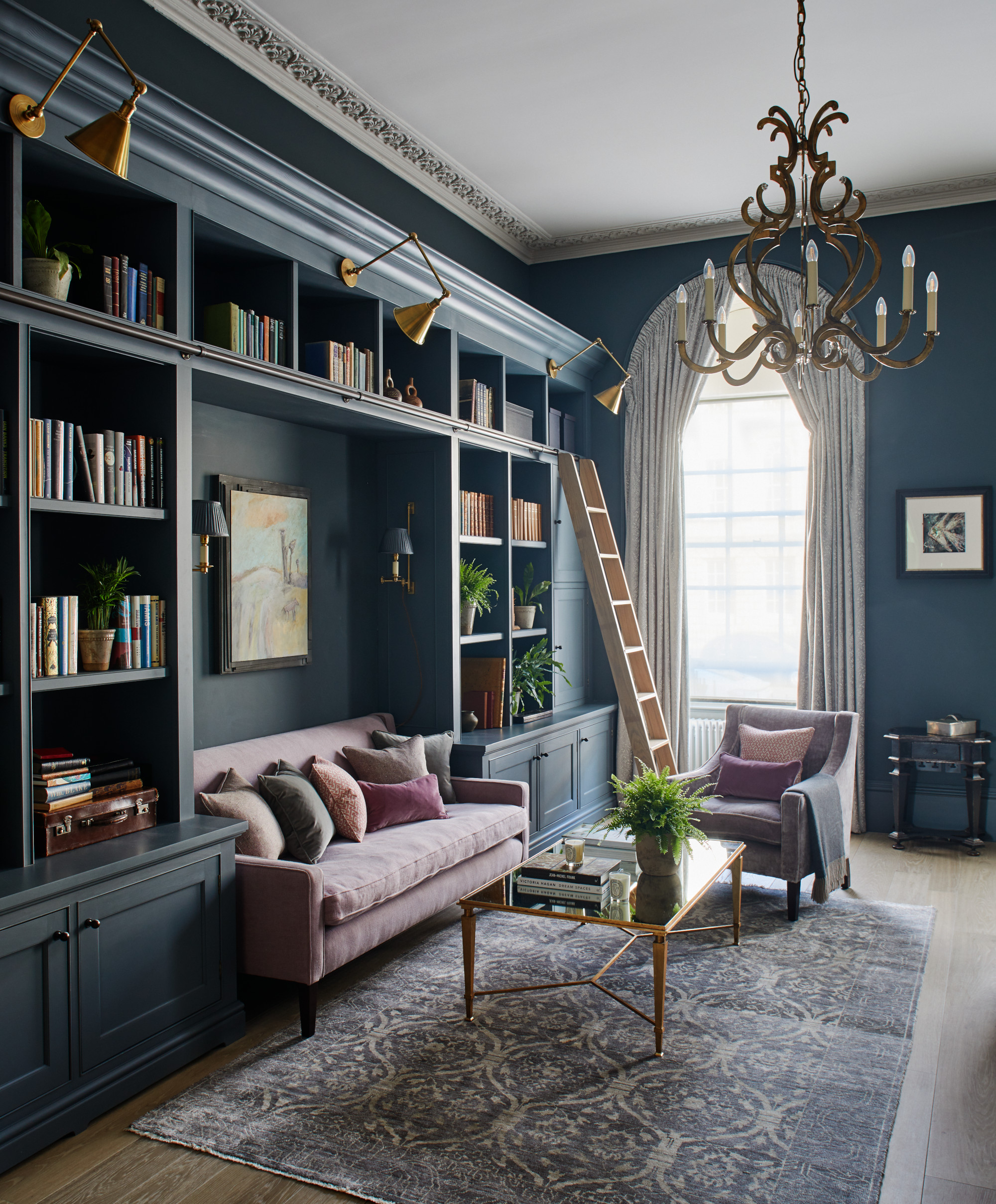
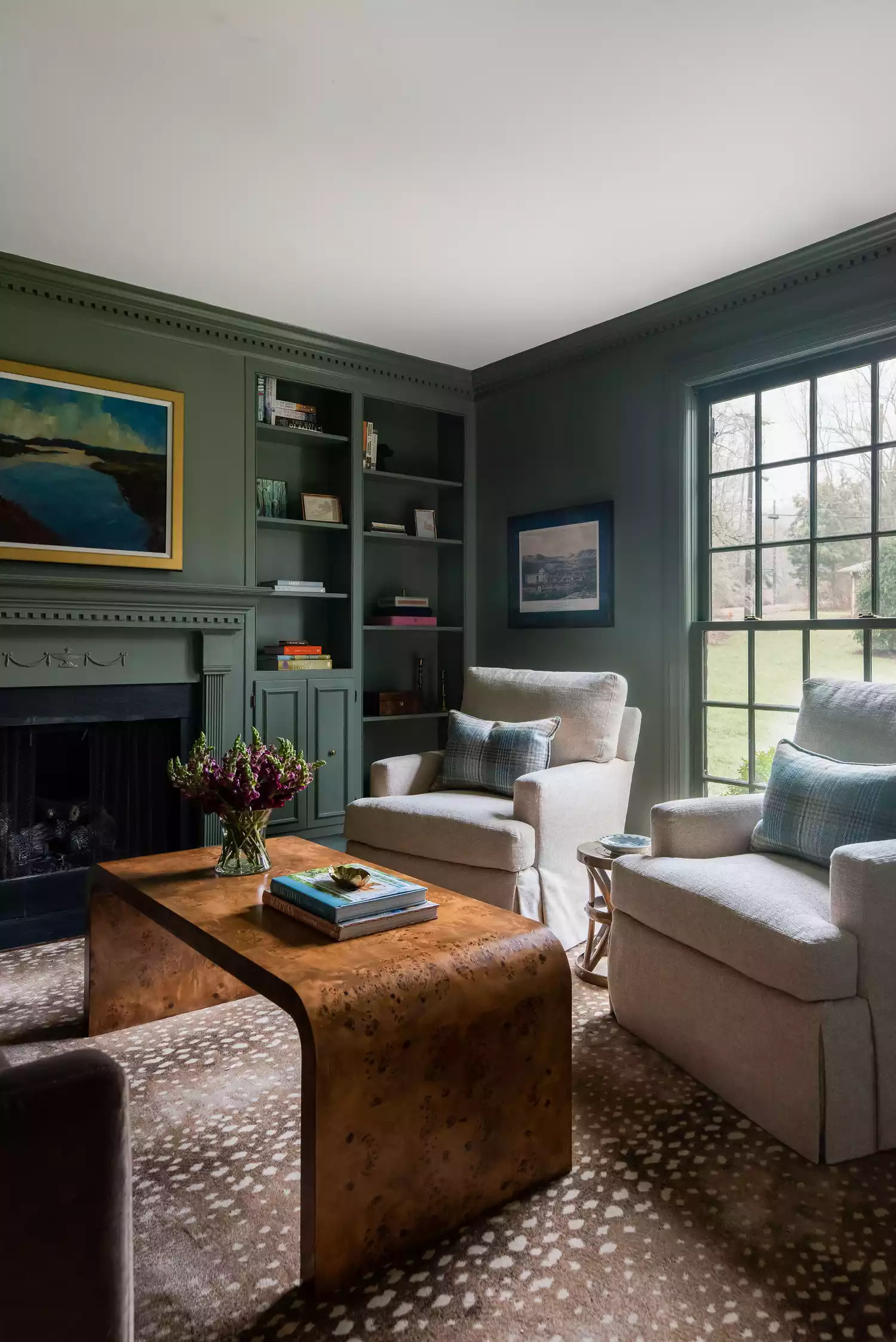
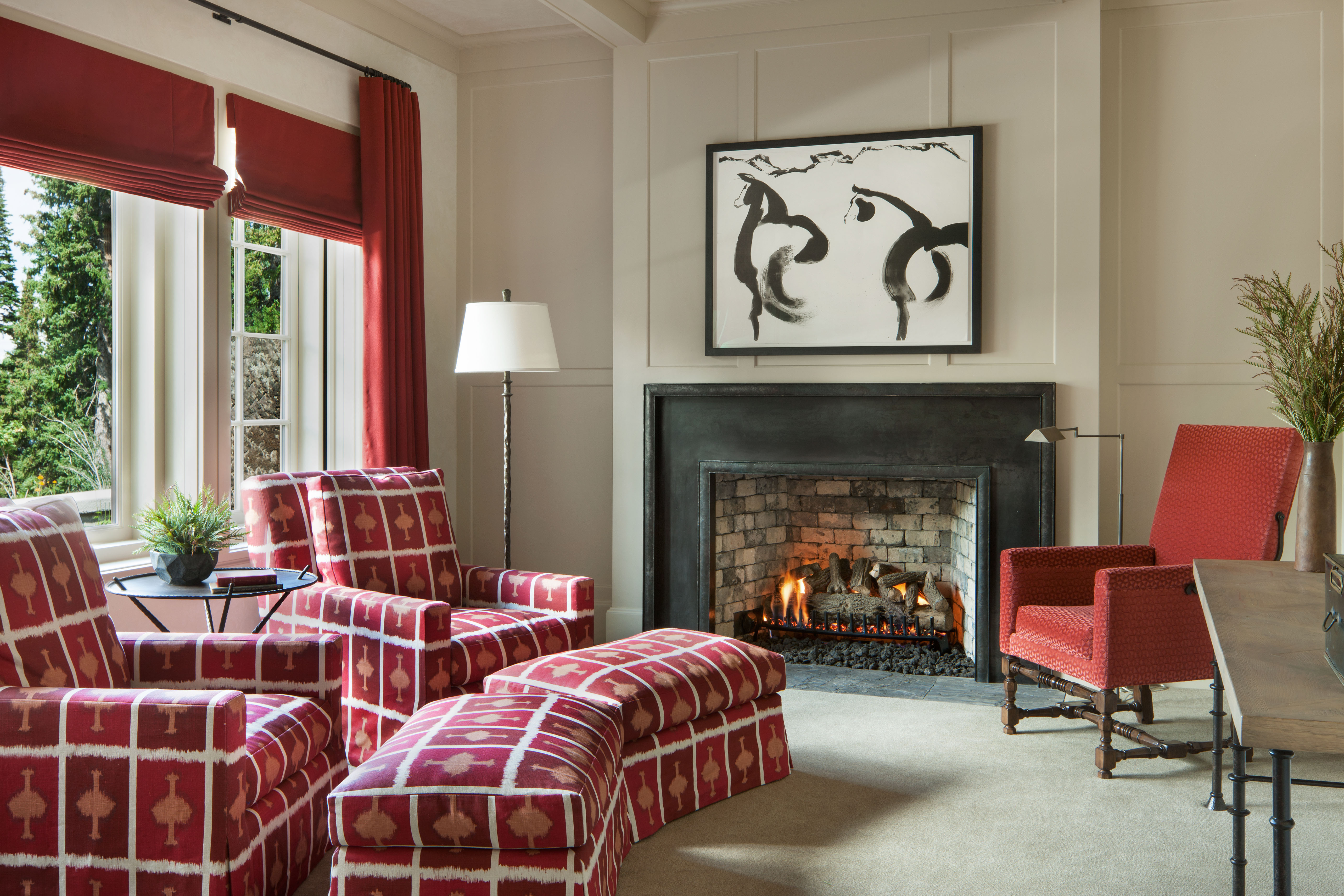
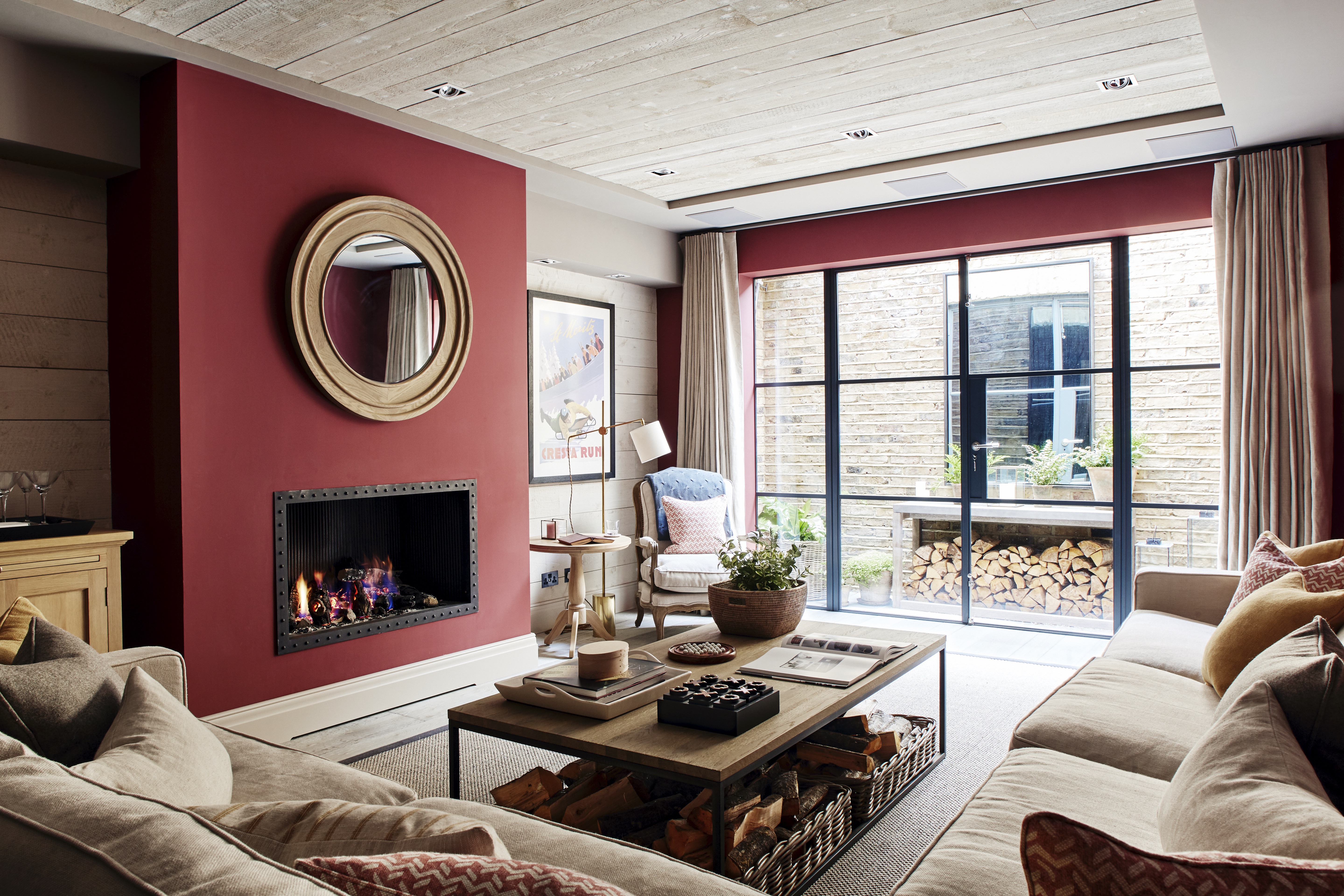
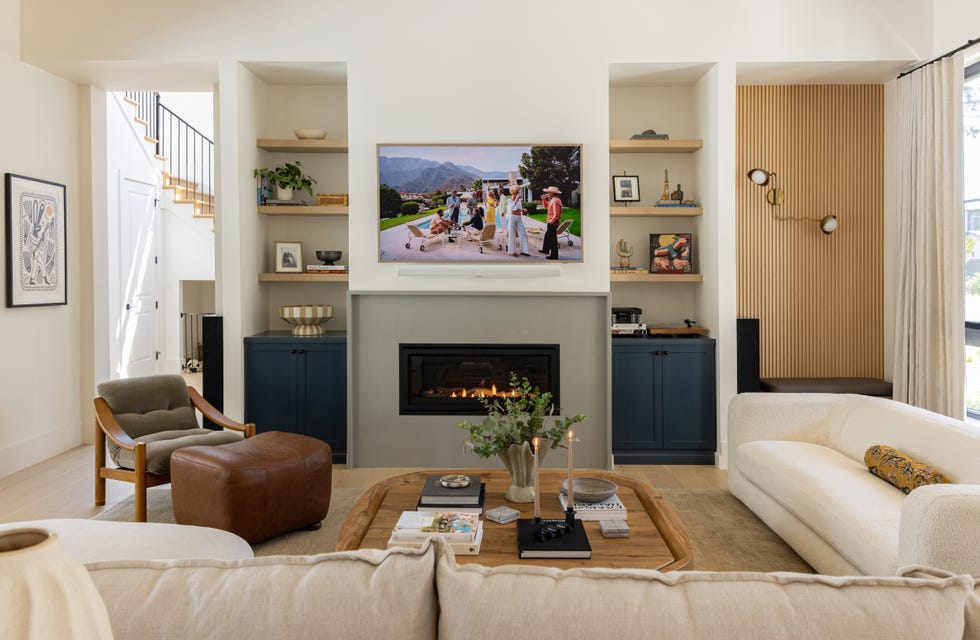
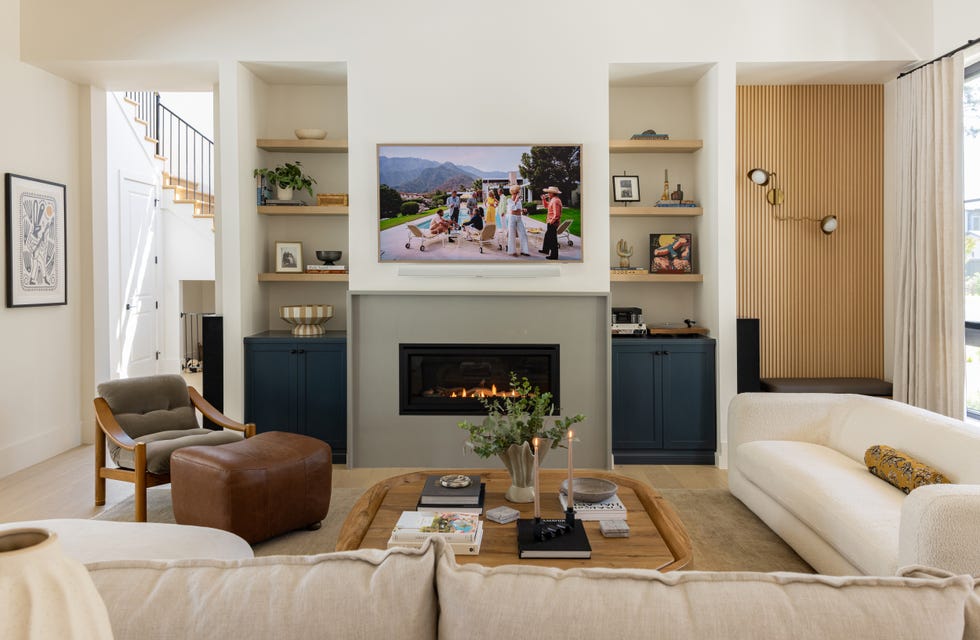
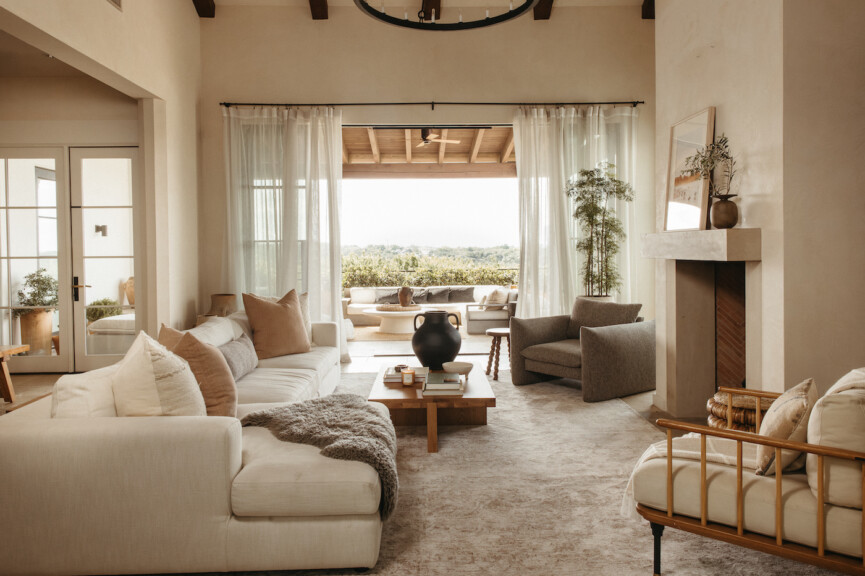
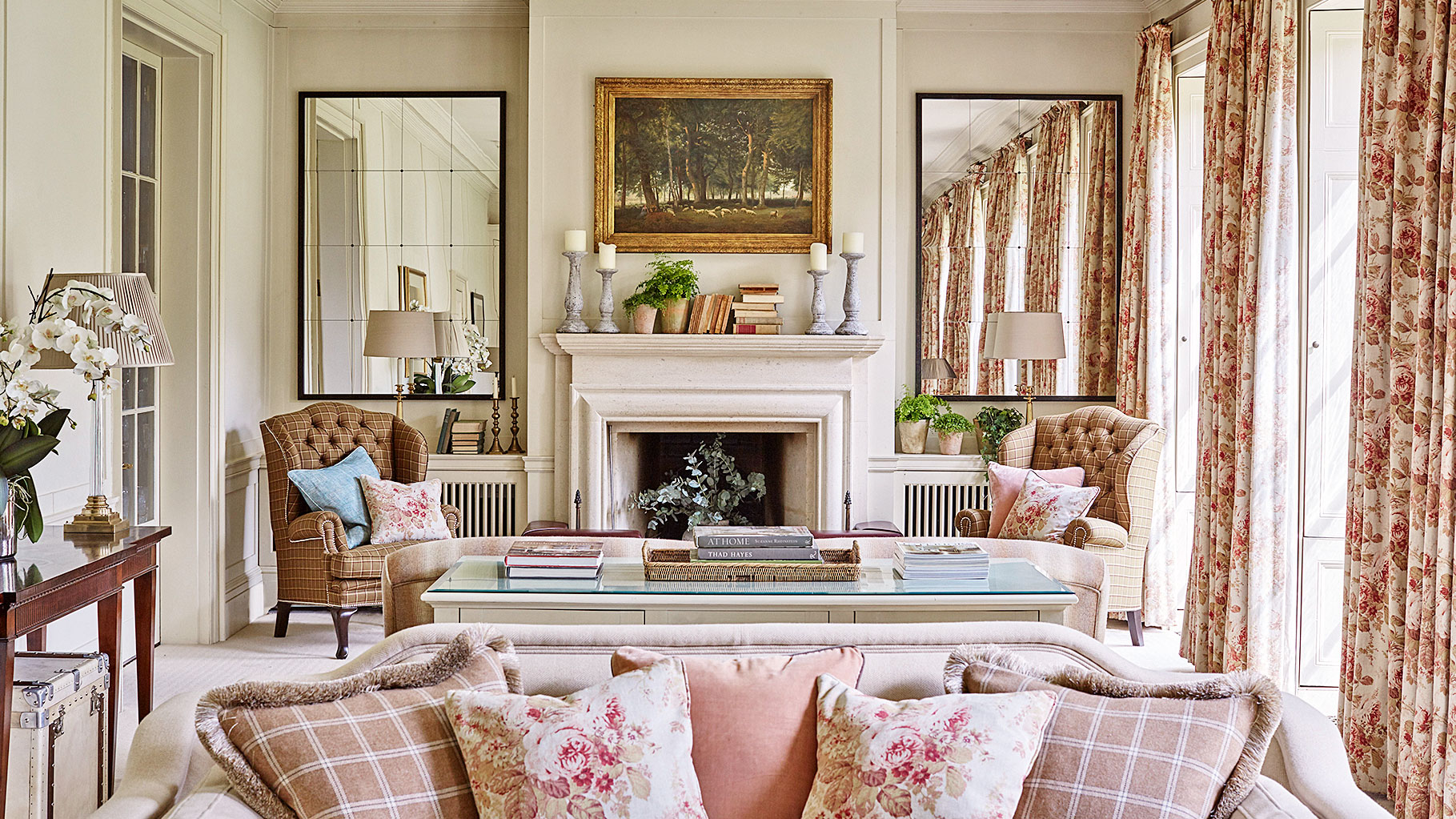
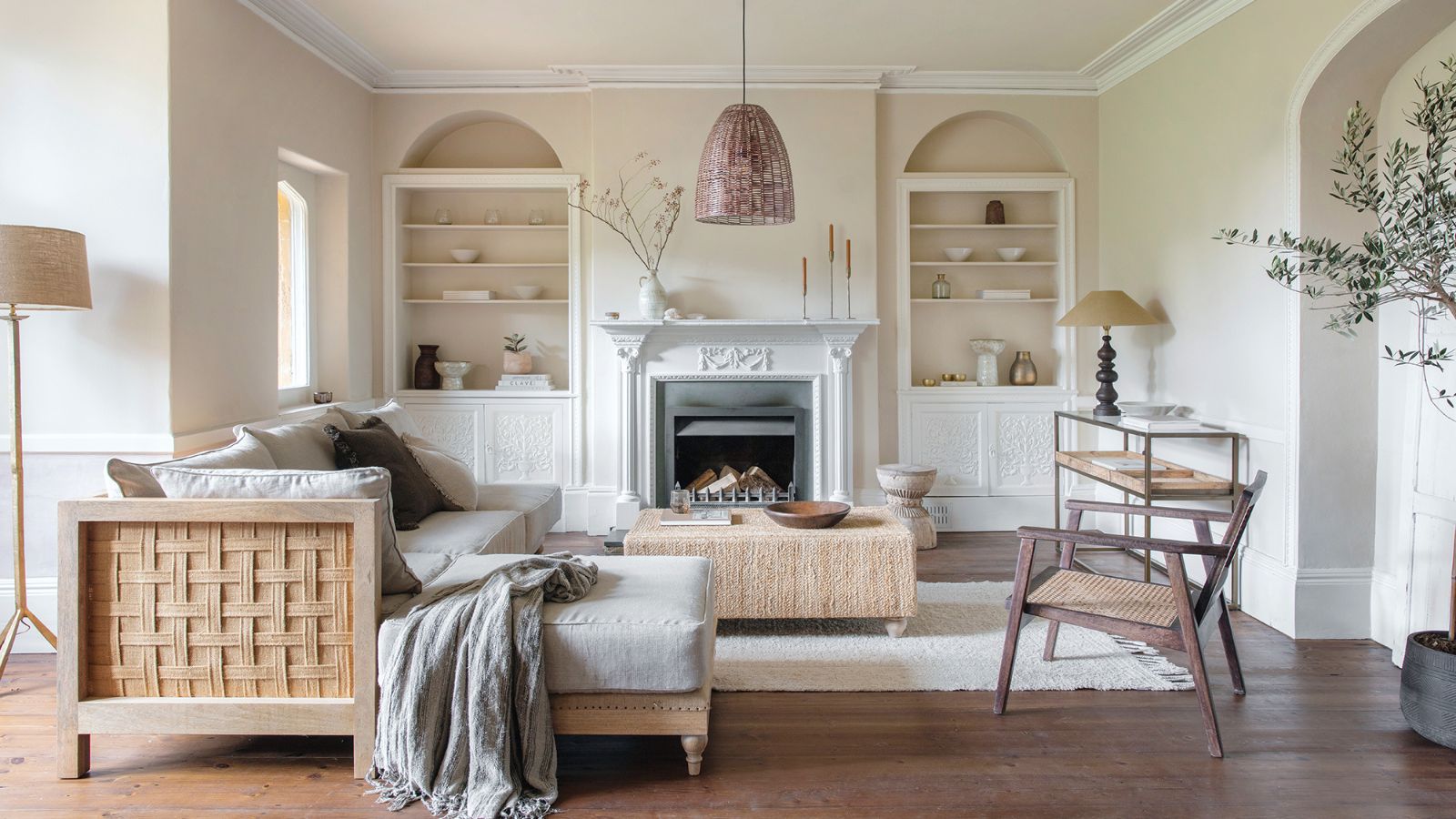
The fireplace often serves as a natural focal point in a formal living room, and designing the layout around it creates a timelessly welcoming atmosphere. The choice between a restored antique fireplace and a custom-designed one should align with the home's period and the desired aesthetic. In a formal setting, omitting or cleverly disguising a television is recommended to maintain an atmosphere conducive to conversation and intellectual stimulation. A home library, integrated into the formal living area, offers an alternative form of entertainment and a refined way to display personal tastes and interests through a curated book collection.
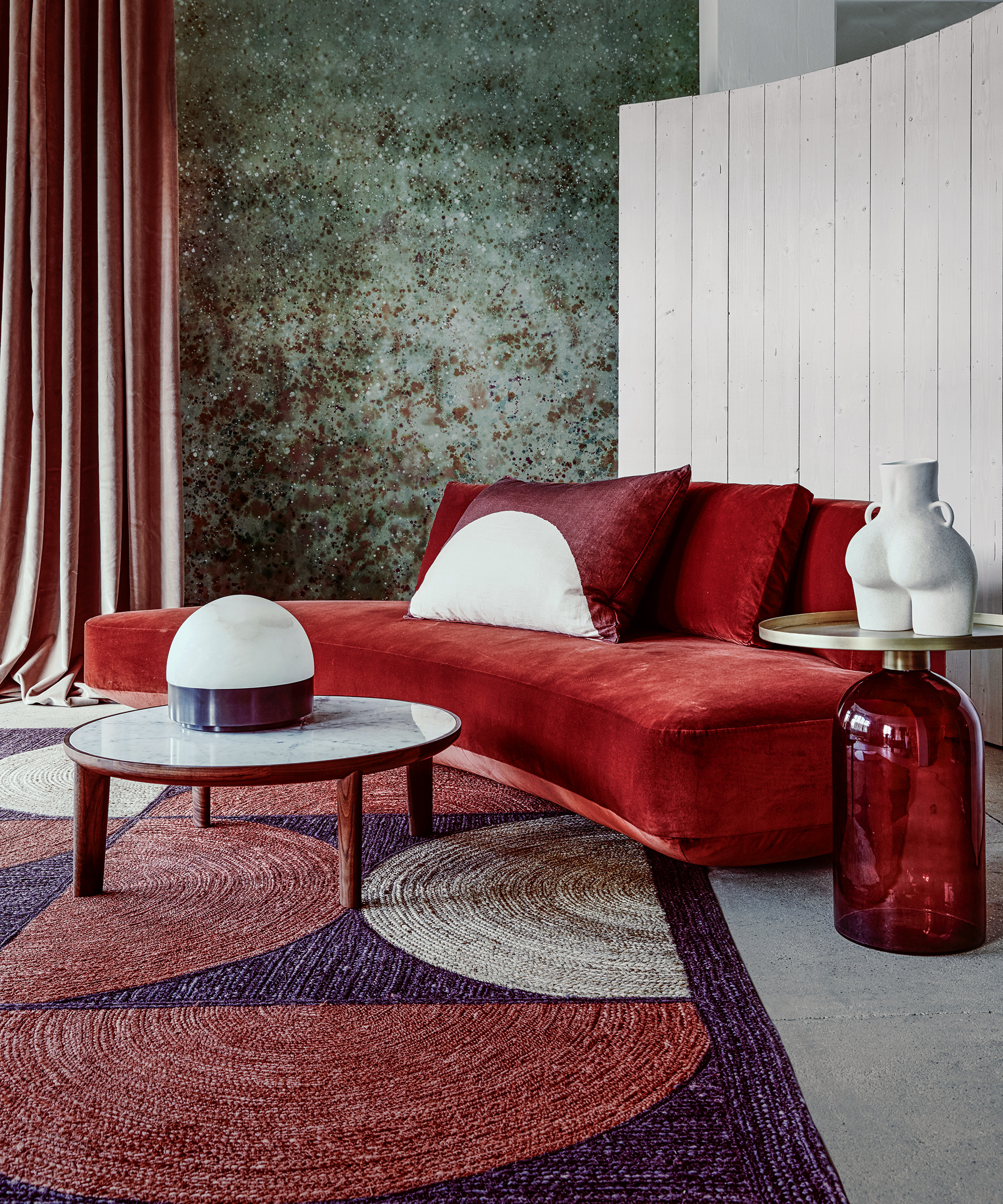
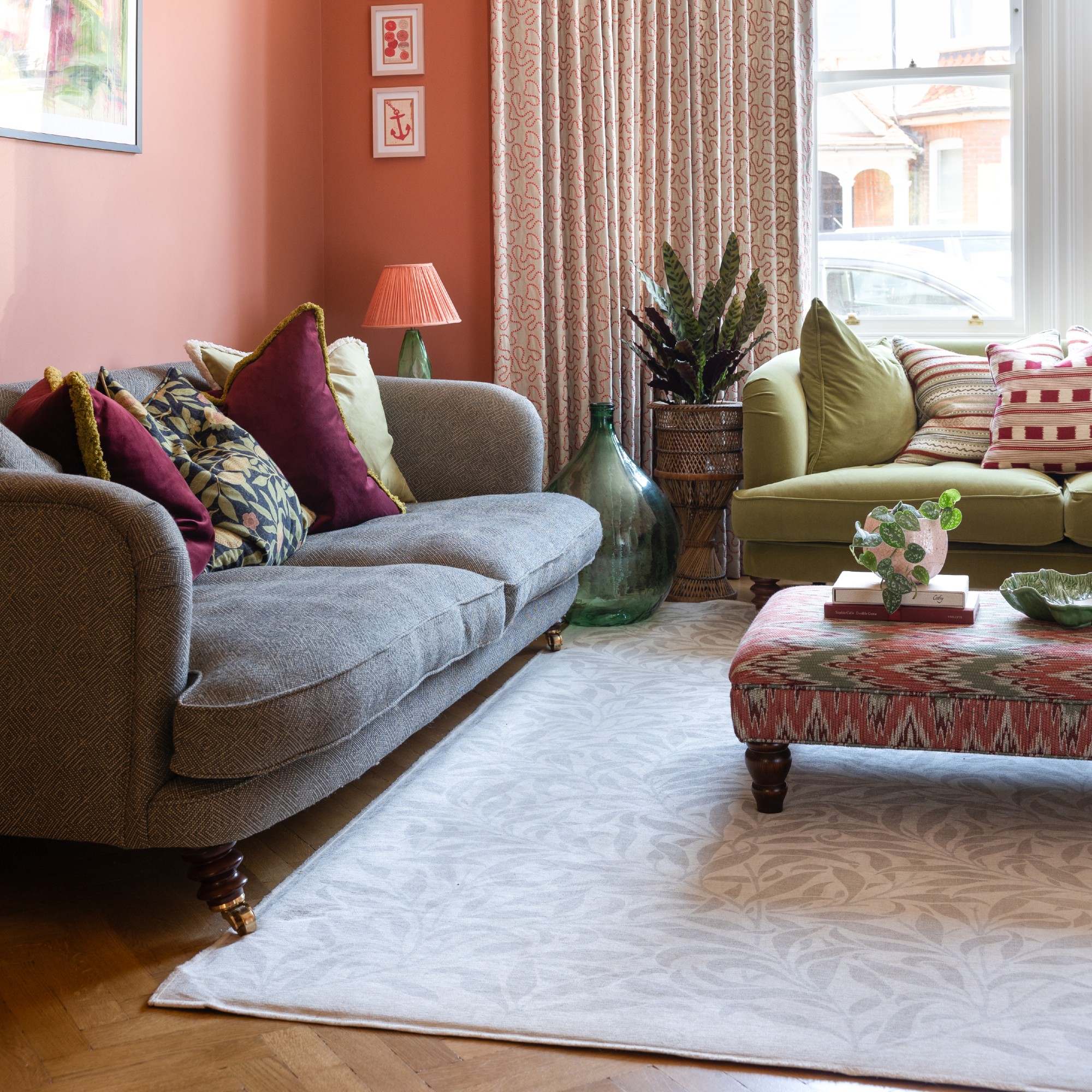
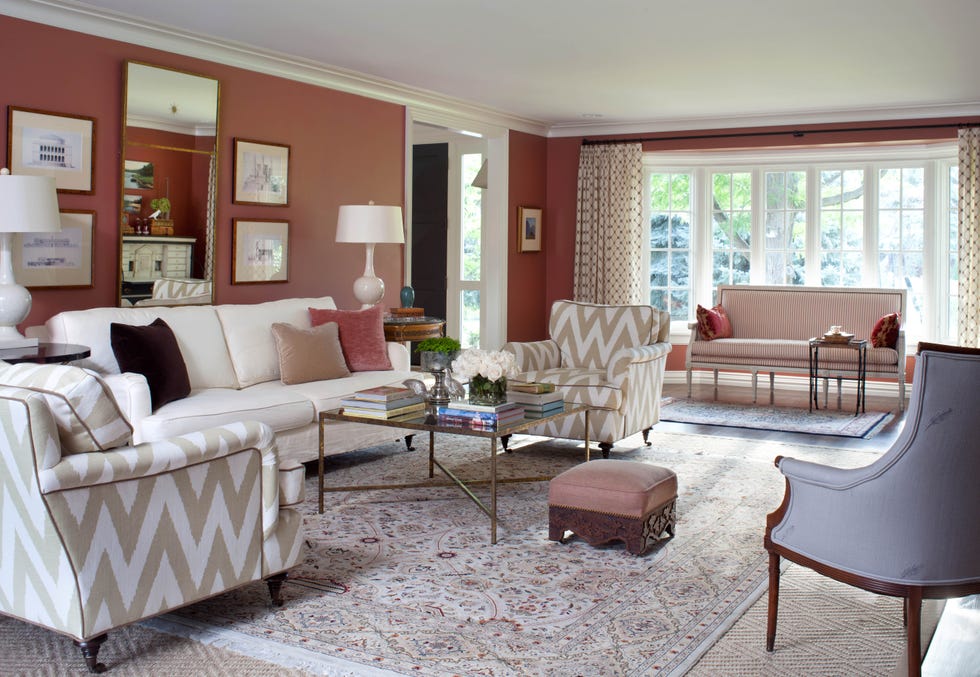
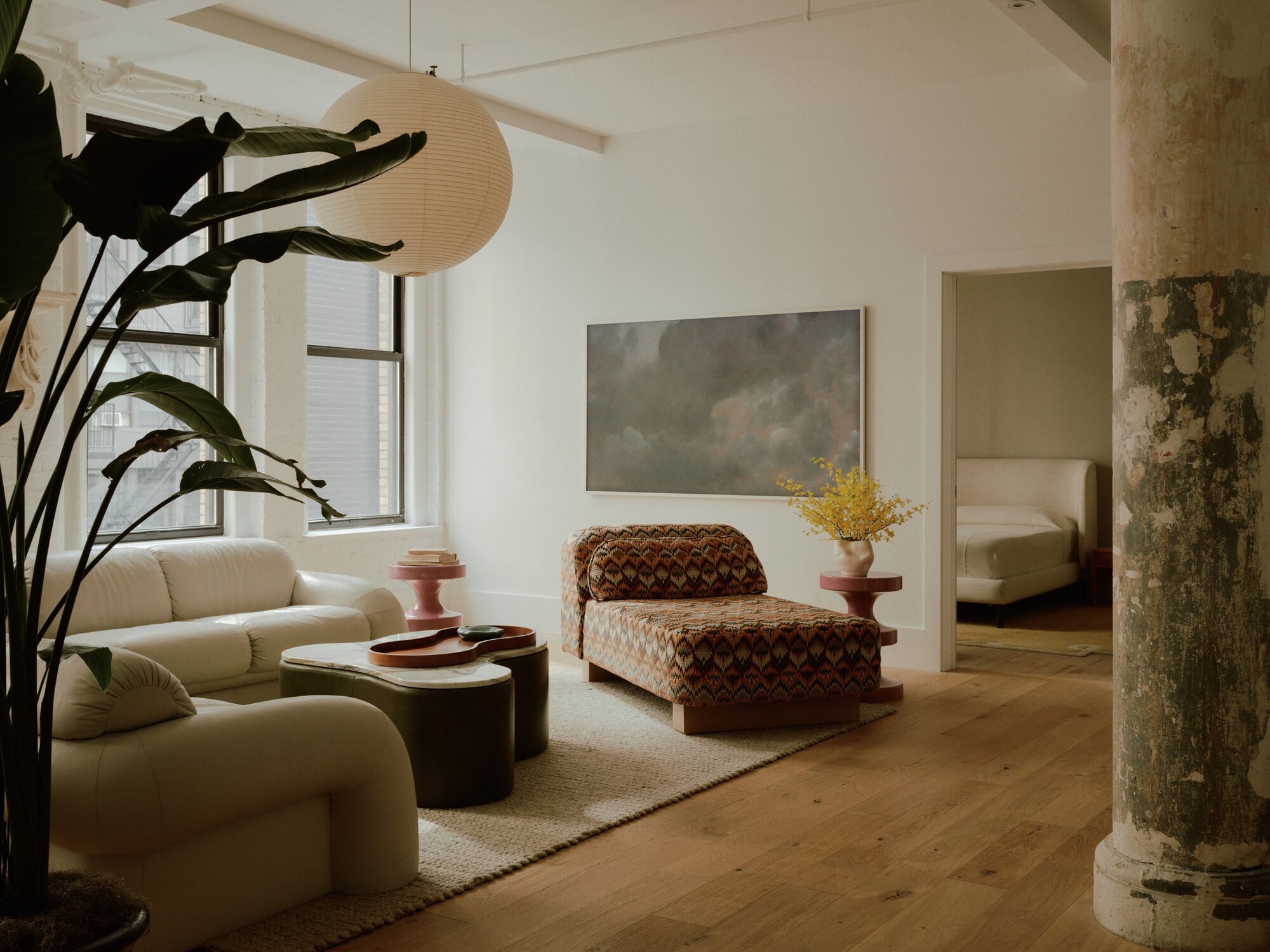
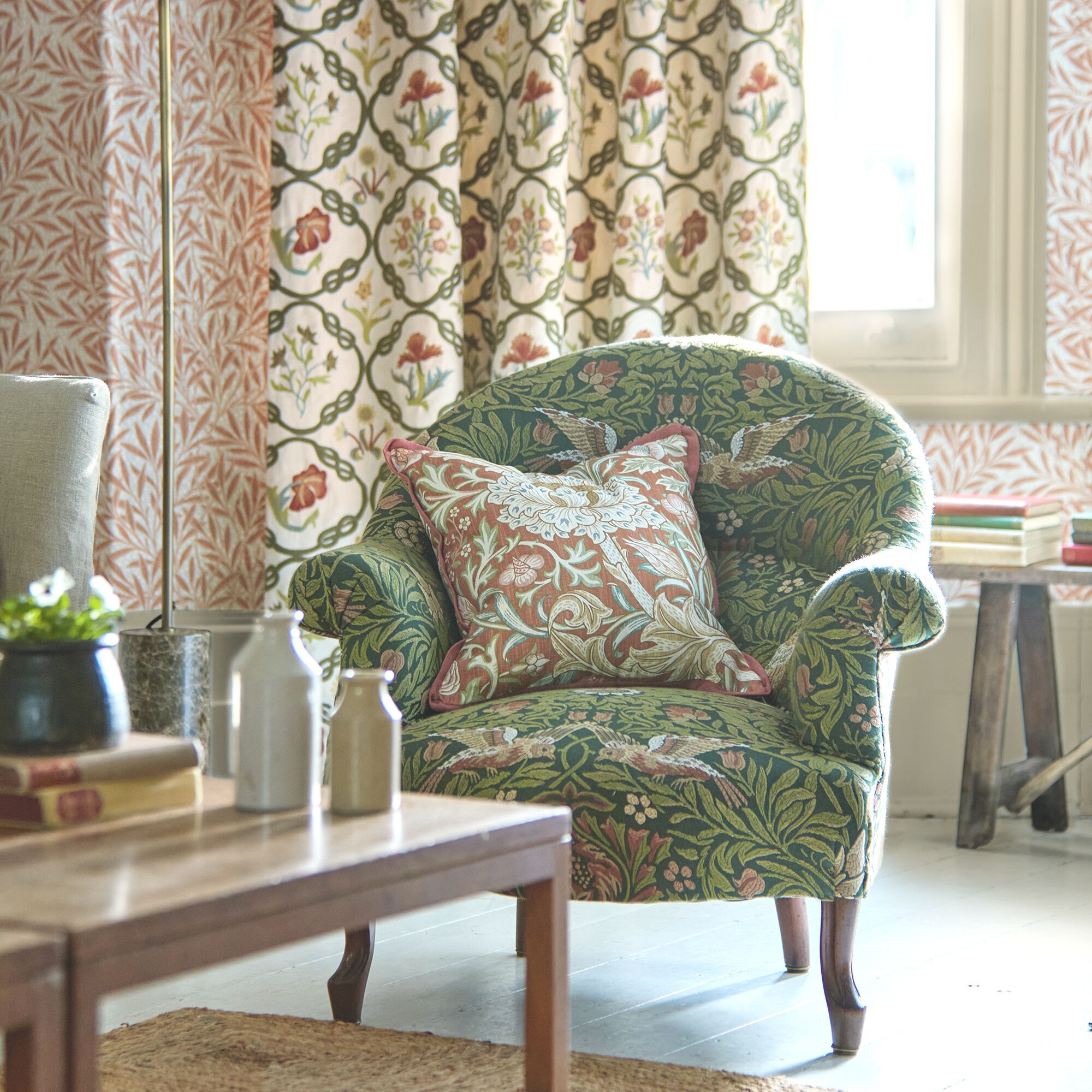
Art plays a significant role in adding character and personality to a room that cannot be achieved solely through materials and colors. For art enthusiasts, placing cherished pieces prominently in the formal living room allows guests to appreciate them, often inspiring the room's color scheme. Purposeful curtains also enhance visual interest and elegance. Luxurious fabrics, thoughtful patterns, and color choices for curtains can frame the space, adding a touch of sophistication. A statement sofa, chosen for its exciting design rather than just comfort, can act as a central anchor, creating a stylish and inviting seating area. Finally, replacing cozy carpets with a large-scale rug balances comfort with restraint. A rug defines the seating area, prevents the space from feeling overly soft, and is often easier to clean than wall-to-wall carpeting, addressing practical concerns without compromising elegance.
#FormalLivingRoom #InteriorDesign #ElegantSittingRoom #AntiqueFurniture #ContemporaryStyling #SeatingArrangement #FireplaceFocus #HomeLibrary #StatementSofa #FormalLivingRoom #InteriorDesign #ElegantSittingRoom #AntiqueFurniture #ContemporaryStyling #SeatingArrangement #FireplaceFocus #HomeLibrary #StatementSofa
0 comment in total
 No comments yet
You may also like
10 Luxury Living Room Seating Ideas for 2025

10 fabulous formal dining rooms

The Best Way to Arrange Living Room Seating

35 Formal Dining Room Ideas That Deliver Drama and Elegance

Living room seating ideas – the essential design rules for sofa and chair layouts and trends
Luxury living room ideas – 10 essential design rules for creating a luxury lounge
18 Living Room Décor Ideas to Create an Inviting, Functional Space
5 Genius Ways Interior Designers Know How to Adapt Your Living Room’s Layout When You’re Hosting a Lot of People
How to design a formal living room – designer Emma Sims Hilditch's tricks for creating smart spaces
Are Formal Living Rooms Out of Style? We Asked Designers How to Make Them Feel Modern

Designers Say This Is the "Perfect" Living Room Seating Arrangement

Period living room ideas and expert tips to help you decorate to perfection
50 Formal Living Room Ideas That Aren't Stuffy
‘It makes your living room feel more connected and comfortable’ – the 4-inch seating rule is the trick interior designers have been using for years
Living room design ideas: 11 ways to furnish and decorate your space
5 dated living room layouts to always avoid and what designers are doing instead for 2025
Red living room ideas – 10 atmospheric and elegant designs
Designers Cracked the Code on the Perfect Living Room Seating Arrangement

How to Fix the Most Common Living Room Layout Mistakes

Living Room Decor Ideas and Inspiration