




1/11
Living room seating ideas – the essential design rules for sofa and chair layouts and trends
Effective living room seating arrangements are crucial for creating a comfortable, functional, and aesthetically pleasing space, catering to relaxation, entertainment, and social interaction. This guide provides ten key strategies for optimizing living room seating, addressing both practical layouts and emerging design trends.
One significant trend involves embracing curves in living room seating. Sculptural and curvaceous designs are gaining popularity, offering versatility for both traditional and contemporary interiors. These shapes can make smaller rooms appear larger and contribute to a softer, more inviting aesthetic. They also enhance ergonomics and maximize space utilization.
The resurgence of natural materials is another notable trend. Rattan and cane furniture, reminiscent of 1970s rustic charm, are being incorporated into modern homes. These pieces, often paired with tan leather and raw woods, complement spring pastels and earthy greens, adding texture and a retro yet contemporary feel. Similarly, woven materials, once confined to conservatories, are now central to living room design, emphasizing texture and offering a unique, eclectic look when combined with clashing colors and patterns.
Antiques play a vital role in adding character and history to a living room. Integrating antique seating pieces can create a sense of connection to the past and provide unique focal points, especially given their recent surge in popularity. This approach allows for a personalized space that tells a story.
Strategic placement of furniture is paramount. It is advisable to pull living room seating away from the walls to avoid a 'bowling alley' effect, especially in smaller rooms. Arranging sofas and chairs at an angle creates depth and promotes intimate conversation, making the space feel more inviting for both informal gatherings and entertaining. Proportion is also key; seating should be selected to match the room's size, preventing an overcrowded or narrow feel.
Creating a focal point with seating can define the room's design. If a room lacks a natural centerpiece, a pair of distinct patterned chairs can serve this purpose. Coordinating one of the colors from the chair fabric with wall paint or curtain fabric ensures a unified and cohesive scheme.
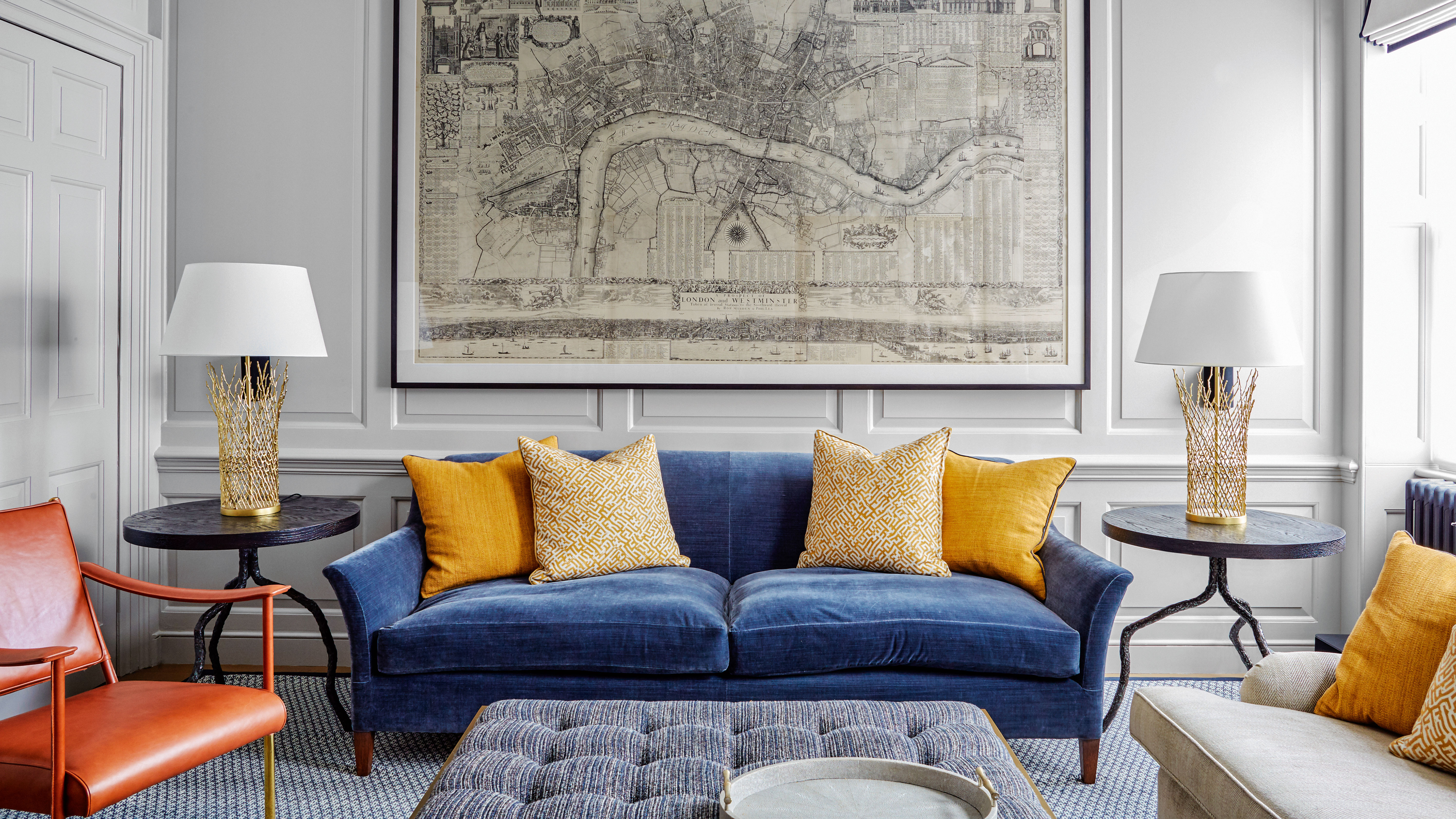
Symmetry is a foundational principle for achieving a formal and balanced living room. Incorporating matching pairs of armchairs and side tables contributes to a structured and aesthetically pleasing environment. Investing in good quality sofas and armchairs is essential for comfort and durability, whether dealing with ample space or a compact living area. Cushions should be positioned smartly rather than scattered to maintain an elegant appearance.
Fabric choices offer another opportunity for design innovation. Instead of uniform upholstery, mixing different fabrics, shapes, colors, and textures across sofas and armchairs adds dynamic interest and character. For instance, combining a plain fabric sofa with striped or plaid armchairs can create visual appeal.
Finally, enhancing conversational flow is a critical consideration for living room layouts. Seating should be arranged in groups to facilitate easy interaction among guests. Attention to scale and balancing different seating heights ensures that everyone is comfortably positioned at a similar level. These strategies collectively contribute to designing a living room that is both functional and inviting.
#LivingRoomDesign #SeatingArrangements #InteriorDesignTrends #FurniturePlacement #CurvedFurniture #RattanFurniture #AntiqueDecor #SymmetryInDesign #FabricSelection #HomeDecor #LivingRoomDesign #SeatingArrangements #InteriorDesignTrends #FurniturePlacement #CurvedFurniture #RattanFurniture #AntiqueDecor #SymmetryInDesign #FabricSelection #HomeDecor
 No comments yet