1/8
If You Don't Know the '18-Inch Seating Rule', It's What Could Be Making Your Living Room Feel Cramped, Unwelcoming, and Uncomfortable
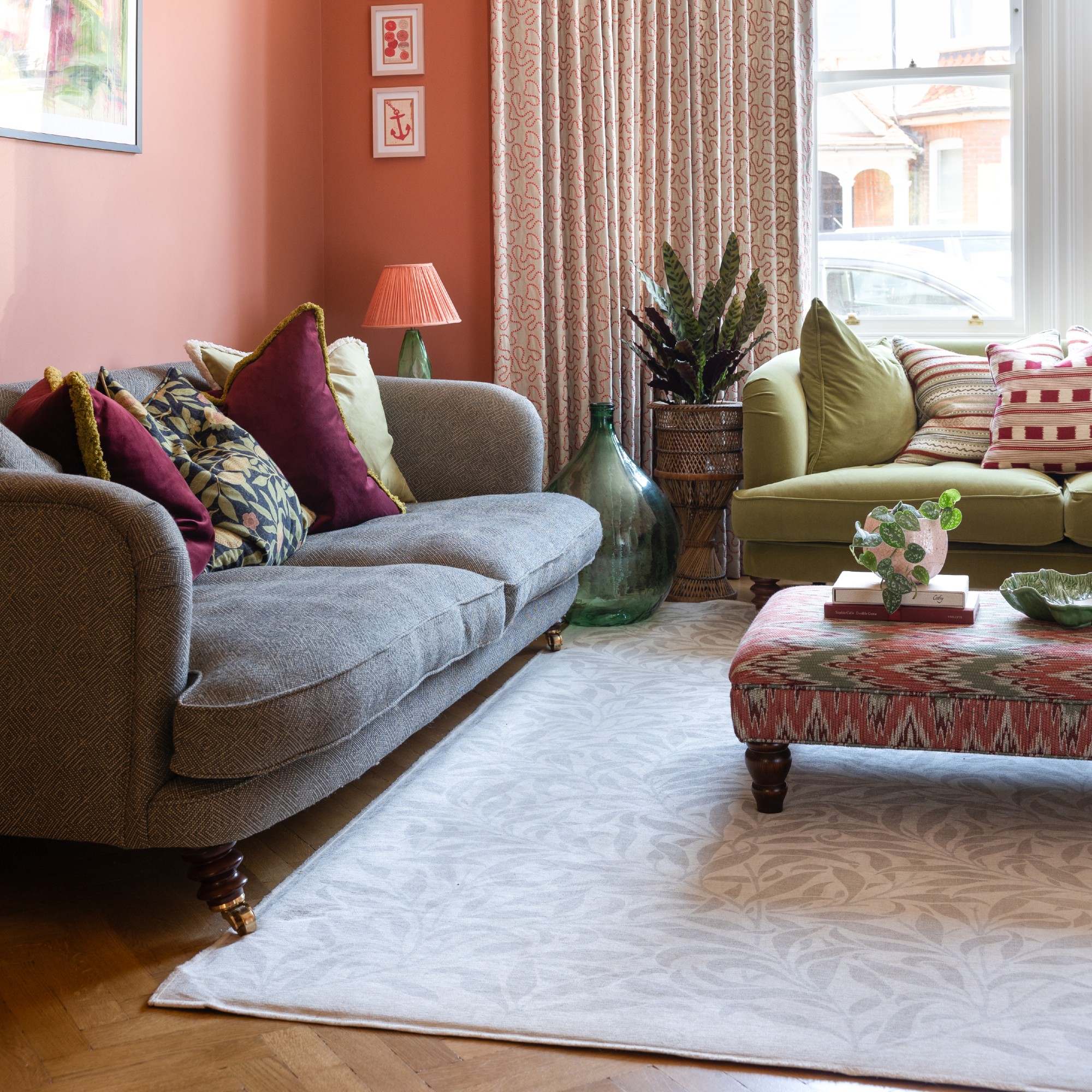
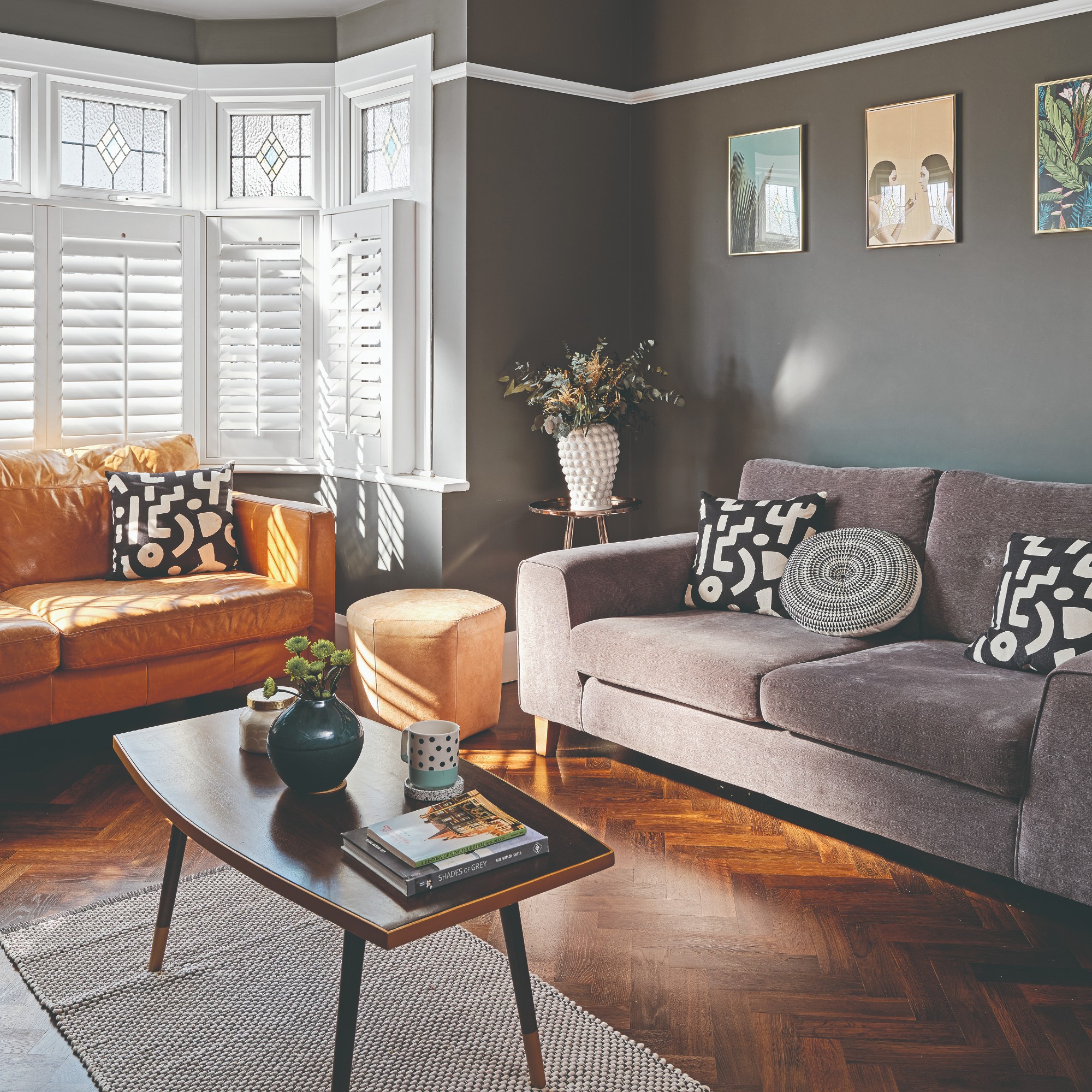
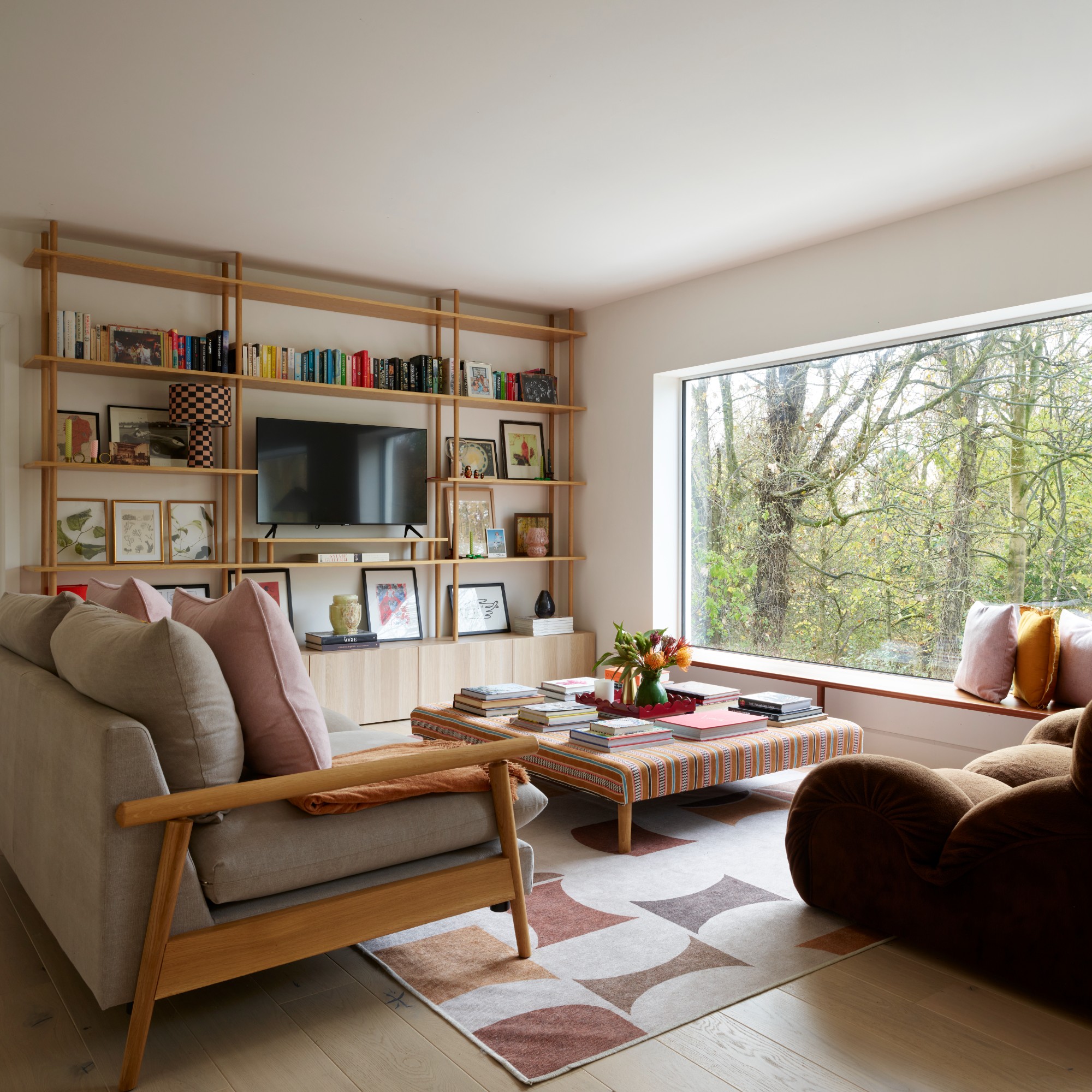
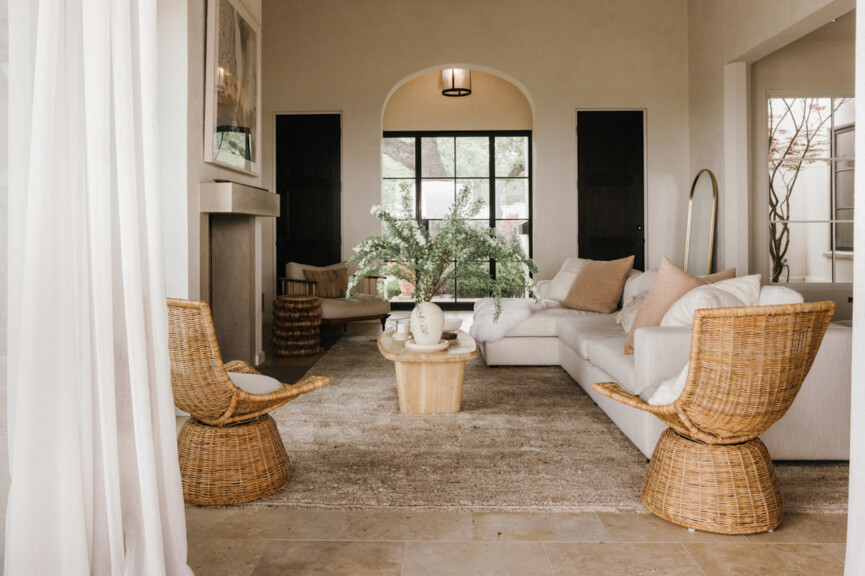
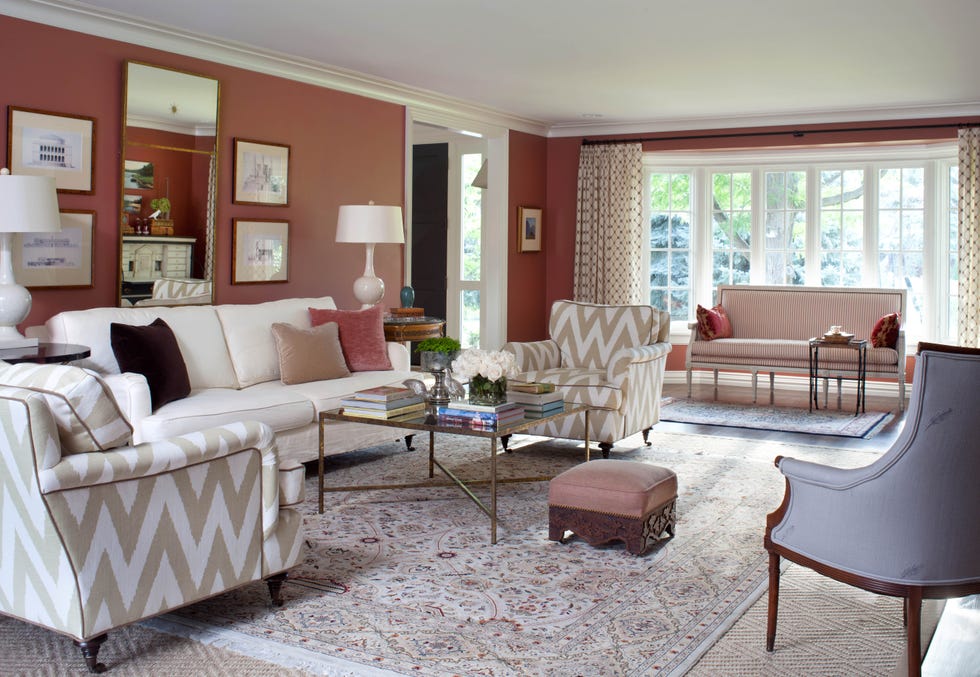
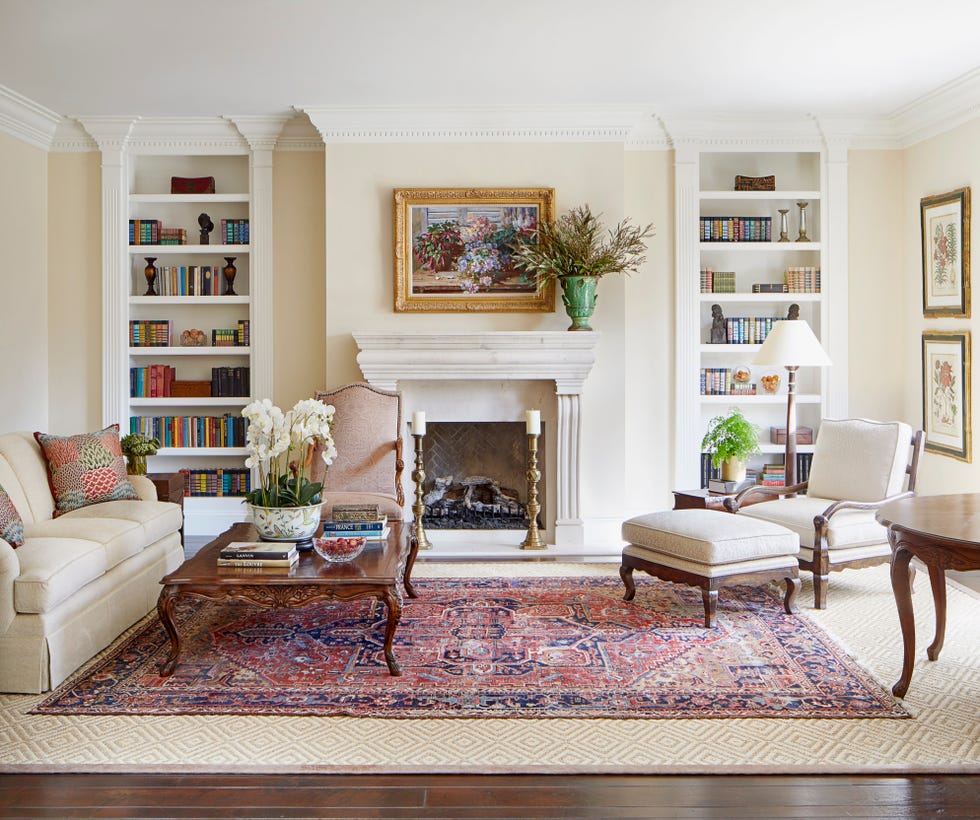
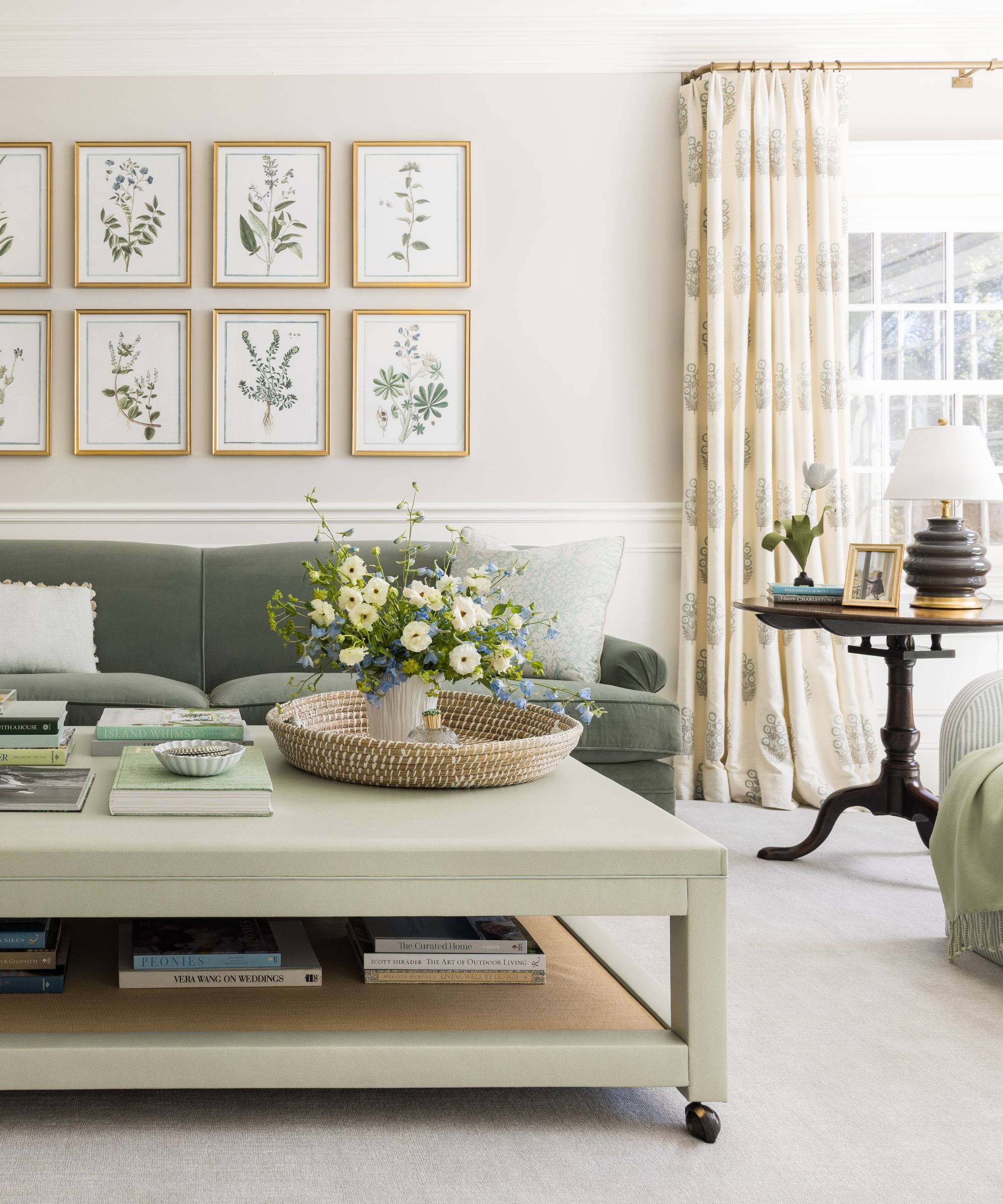
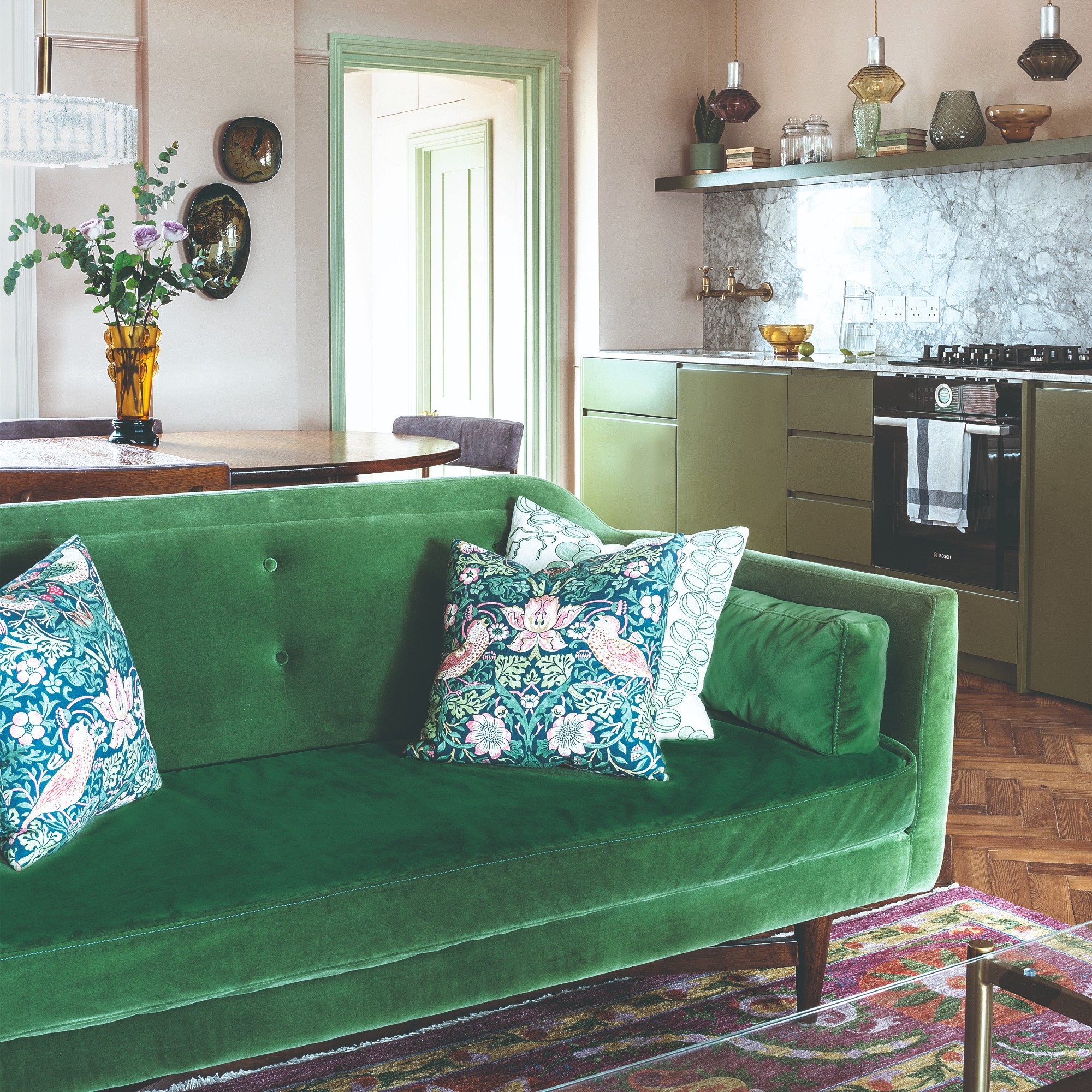
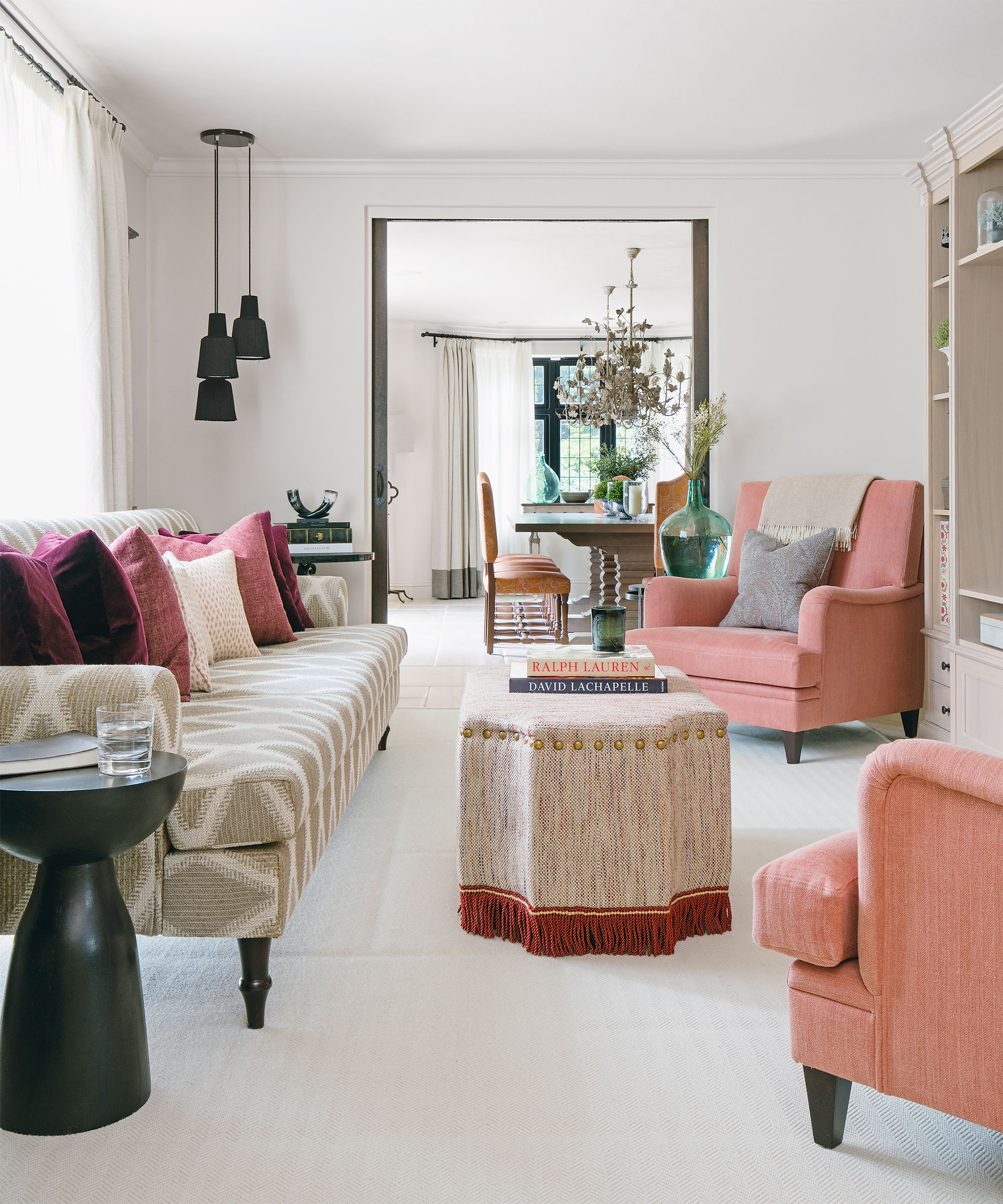
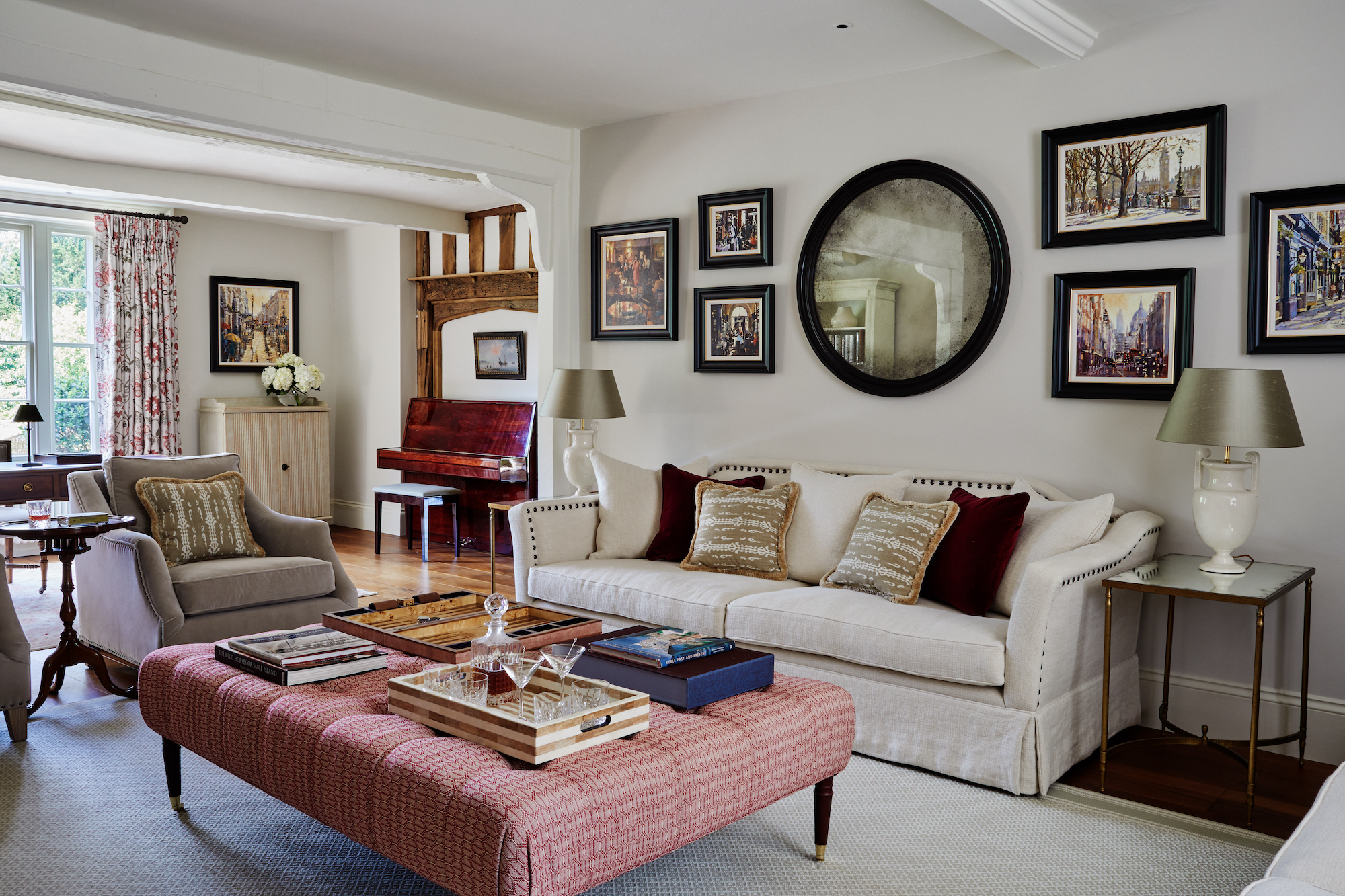
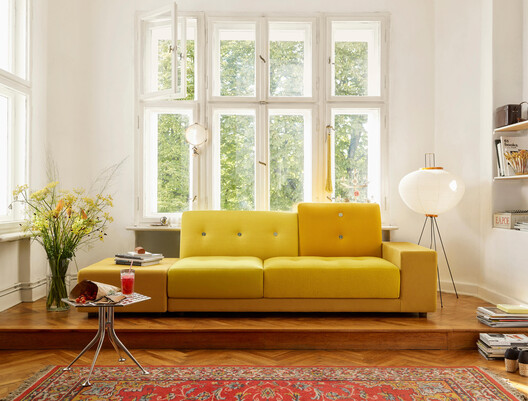
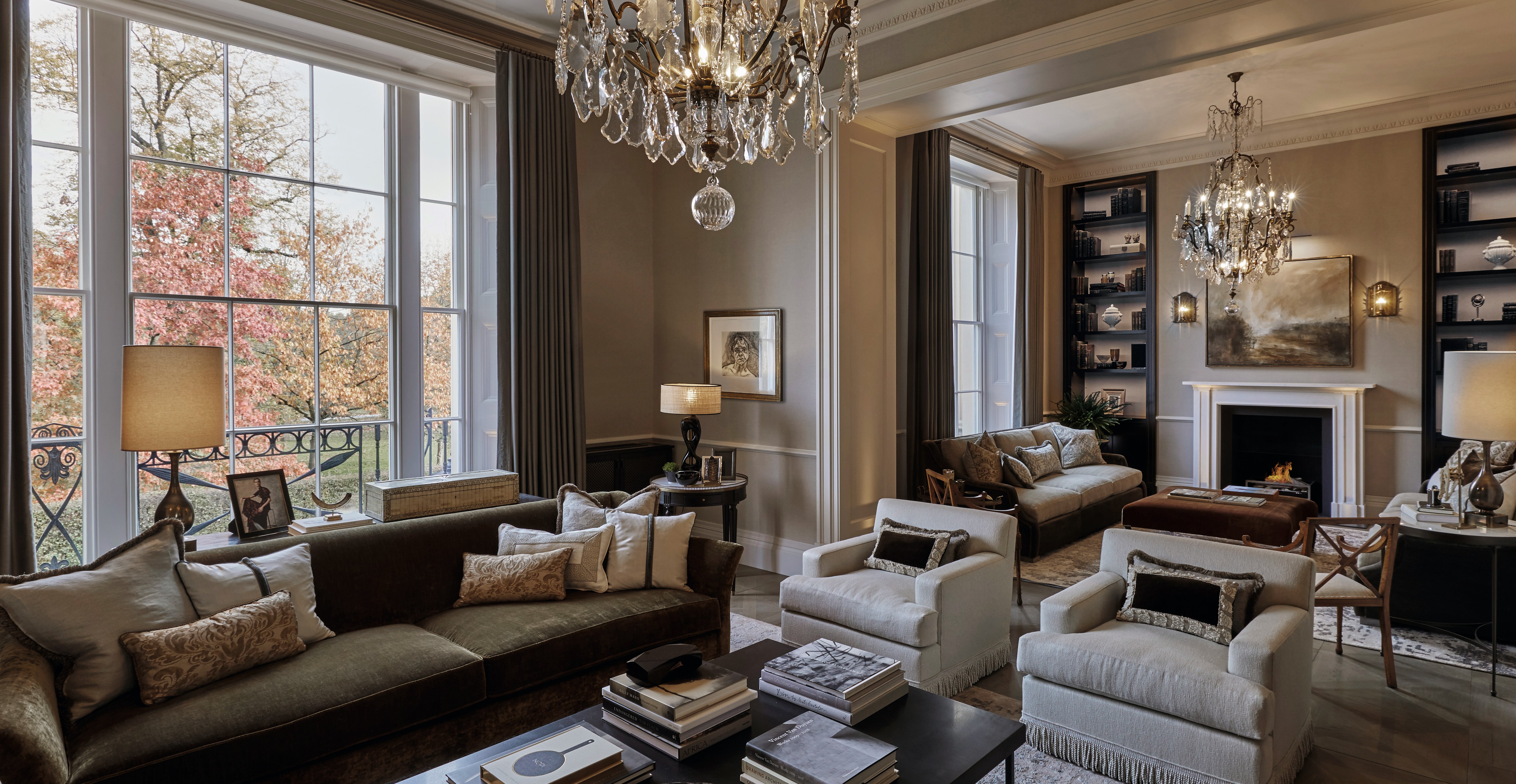
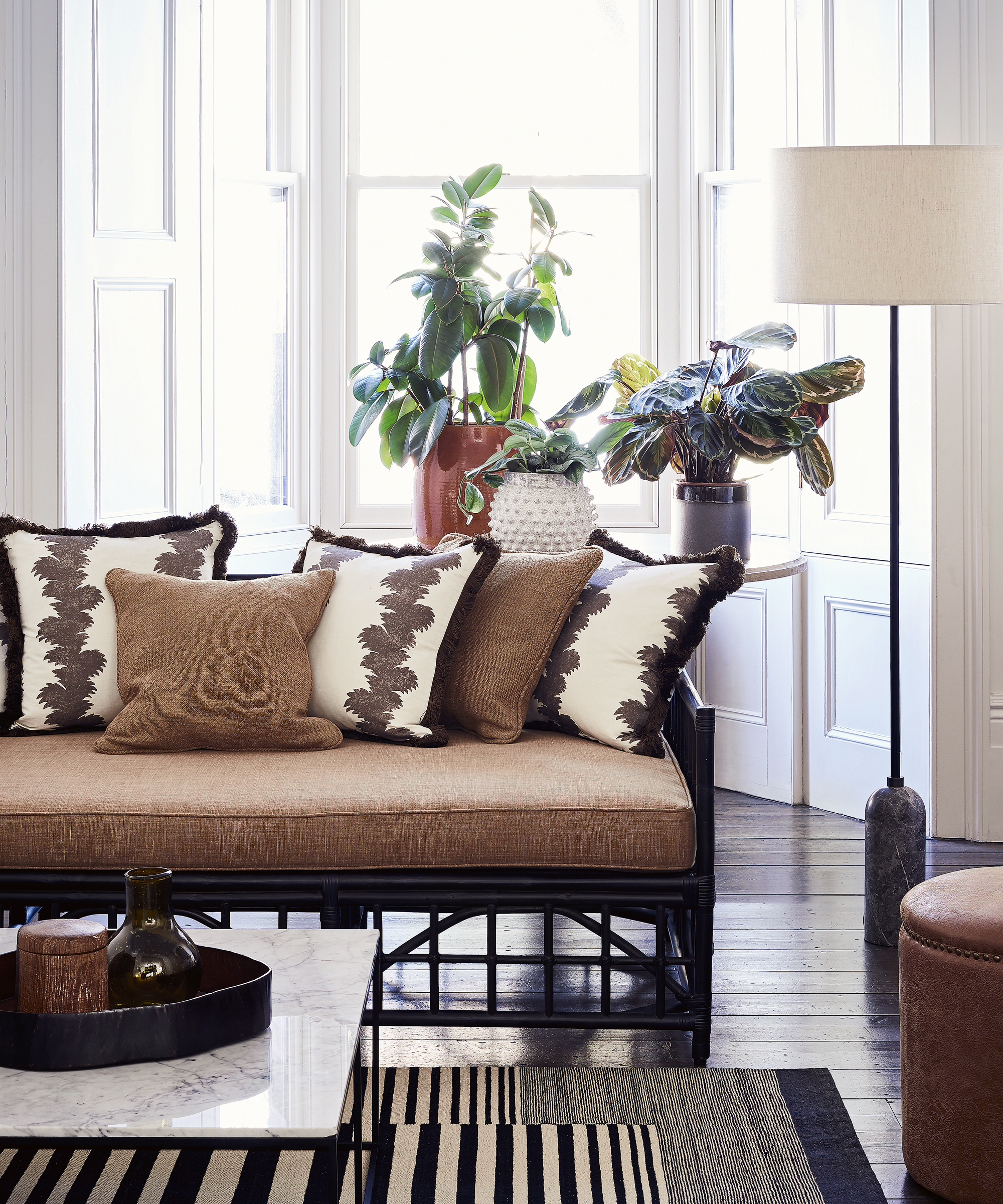
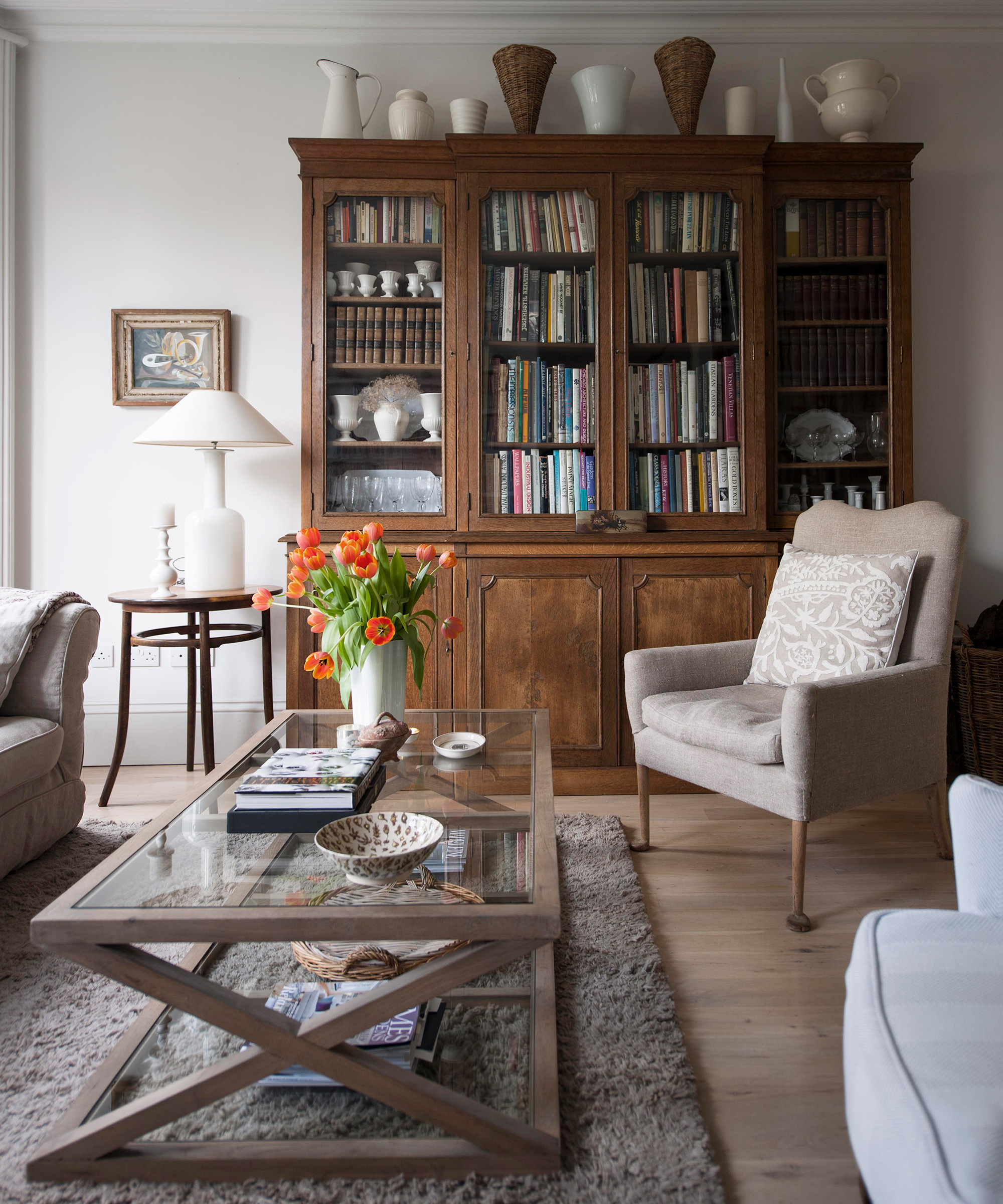
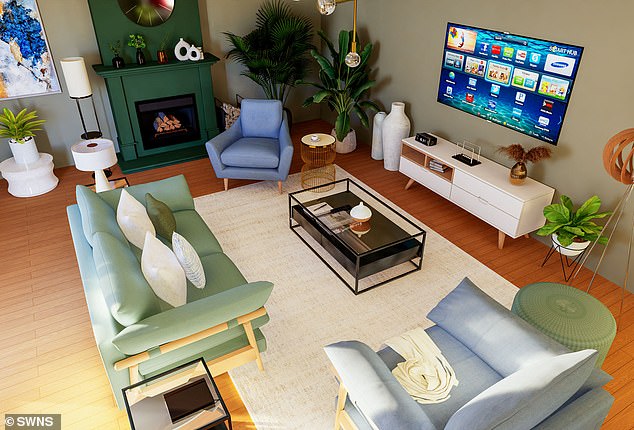
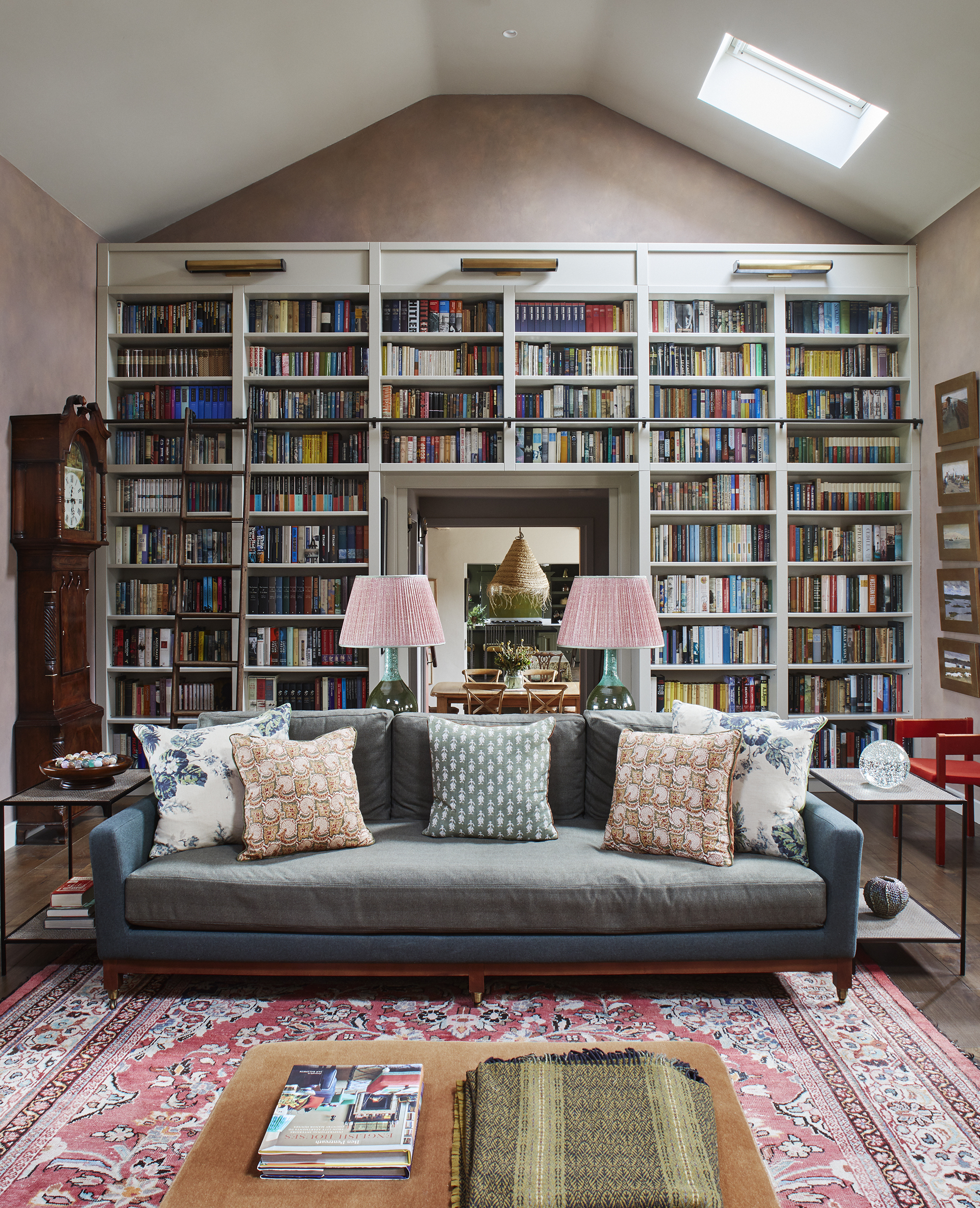
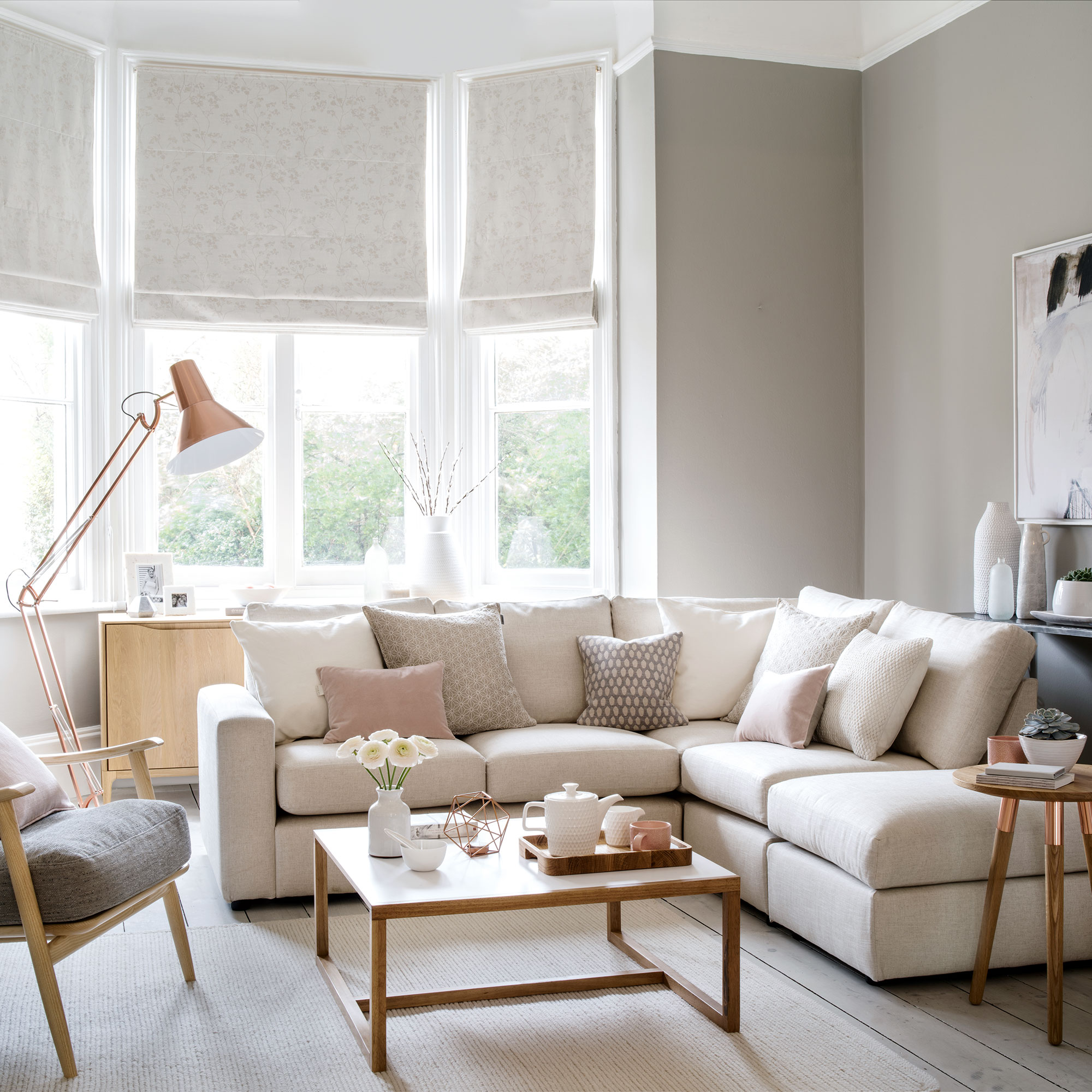
The '18-inch seating rule' is a fundamental principle in interior design, particularly important for optimizing comfort and functionality in living rooms. This rule dictates the ideal distance between a sofa and a coffee table, aiming to prevent the space from feeling either cramped or disconnected. According to interior design experts like Lesley Myrick, founder of Lesley Myrick Interiors, this rule is rooted in human ergonomics, specifically accounting for natural reach and movement. It ensures that occupants can comfortably access items on the coffee table without straining, while also providing ample space for movement and circulation within the living area.
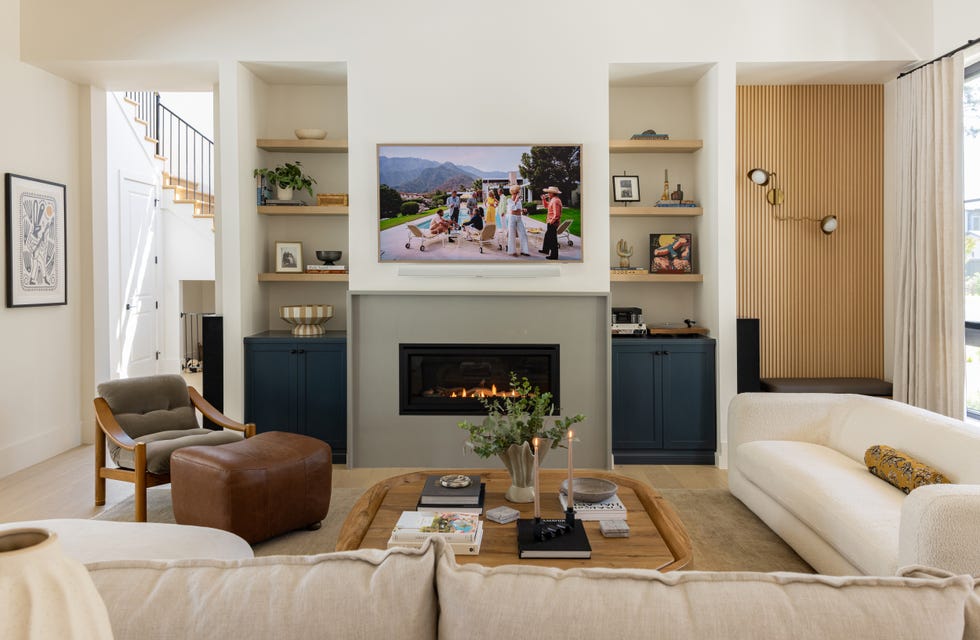
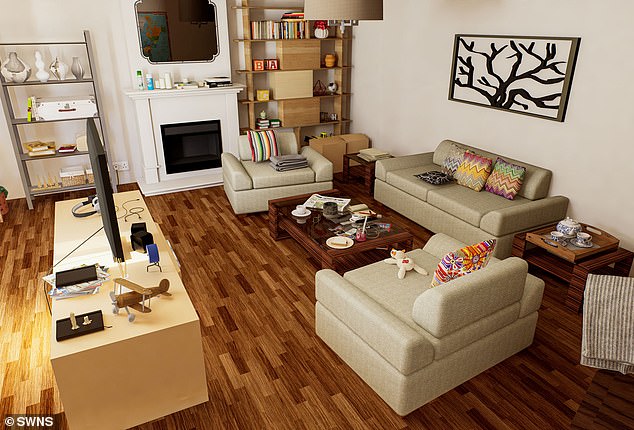
The application of the 18-inch rule is crucial for creating an inviting and user-friendly living room. If a coffee table is positioned too close to the sofa, it can restrict legroom and make the seating area feel confined and uncomfortable. Conversely, if the coffee table is too far away, it becomes impractical for holding drinks, books, or remote controls, diminishing its utility and making the overall layout seem disjointed. The 18-inch distance strikes a balance, promoting both convenience and a sense of openness.
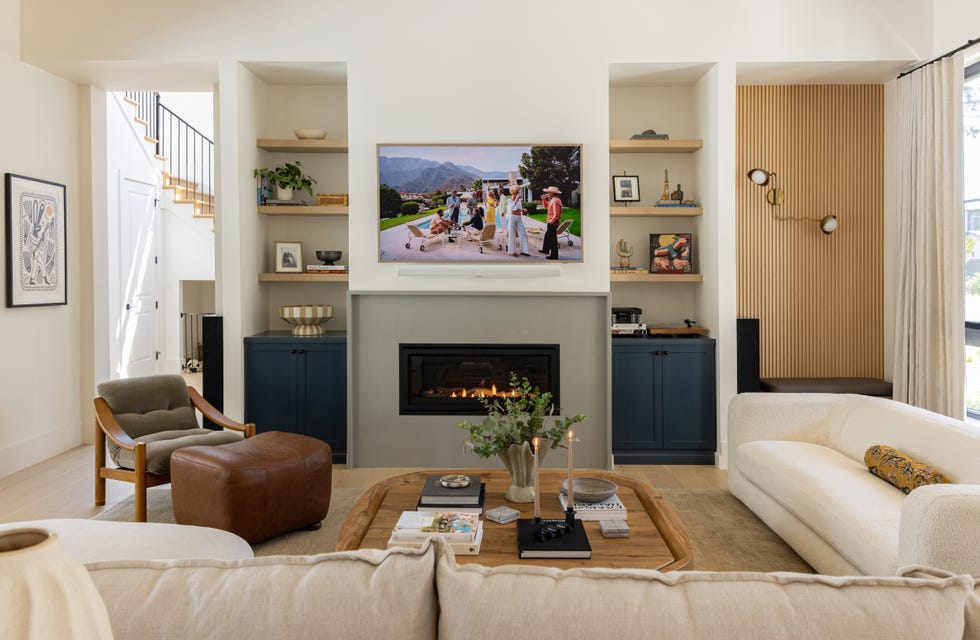
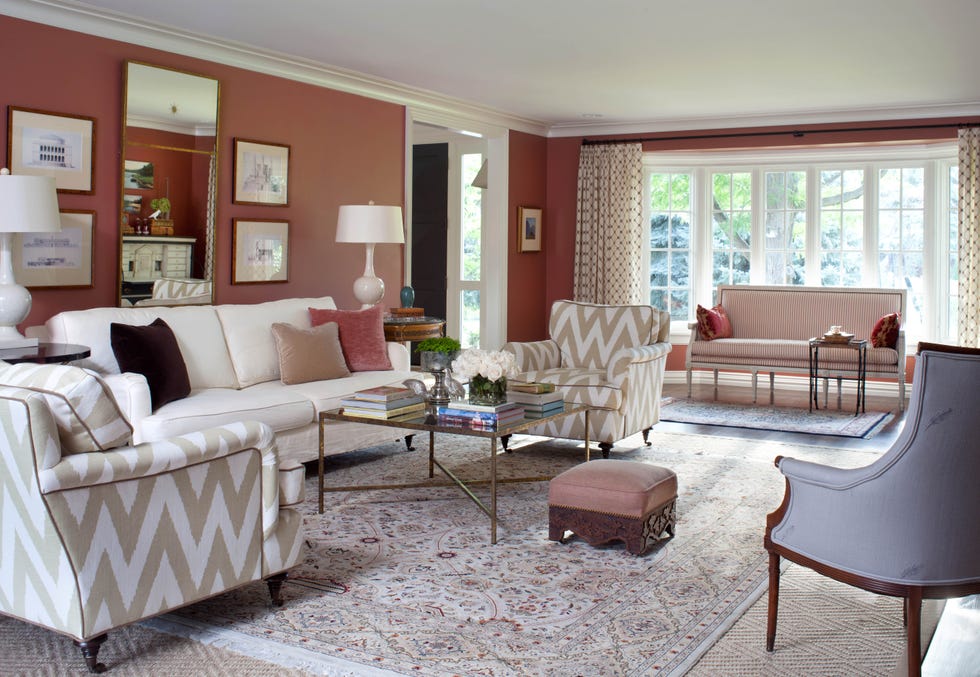
To implement this rule, the primary step involves establishing the sofa's placement, often considering principles like Feng Shui for harmonious energy flow. Once the sofa is positioned, the coffee table and any accent seating can be arranged relative to it. This approach is particularly beneficial in small living room layouts, where efficient use of space is paramount. By adhering to the 18-inch guideline, designers can maximize both comfort and functionality in compact areas, preventing common issues such as awkward layouts or a lack of flow.
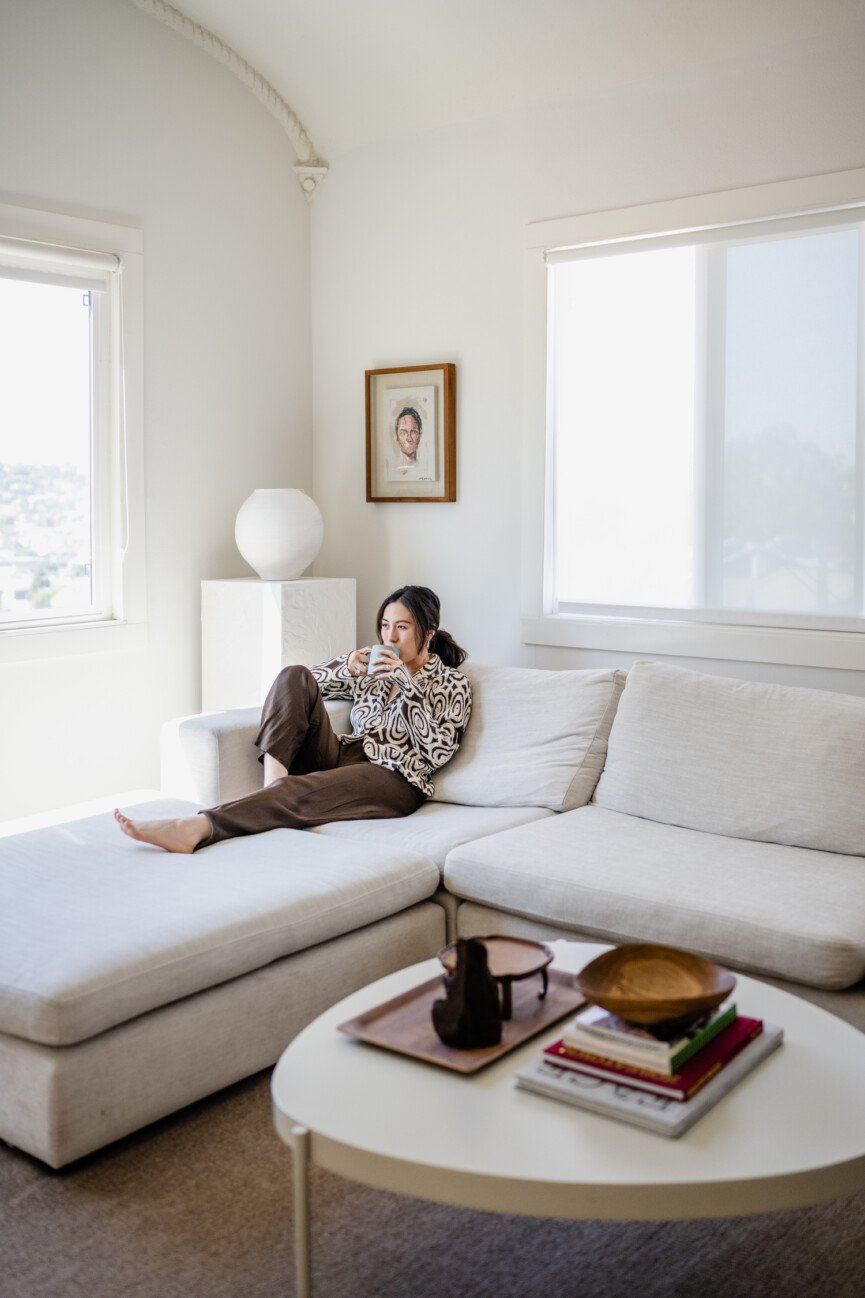
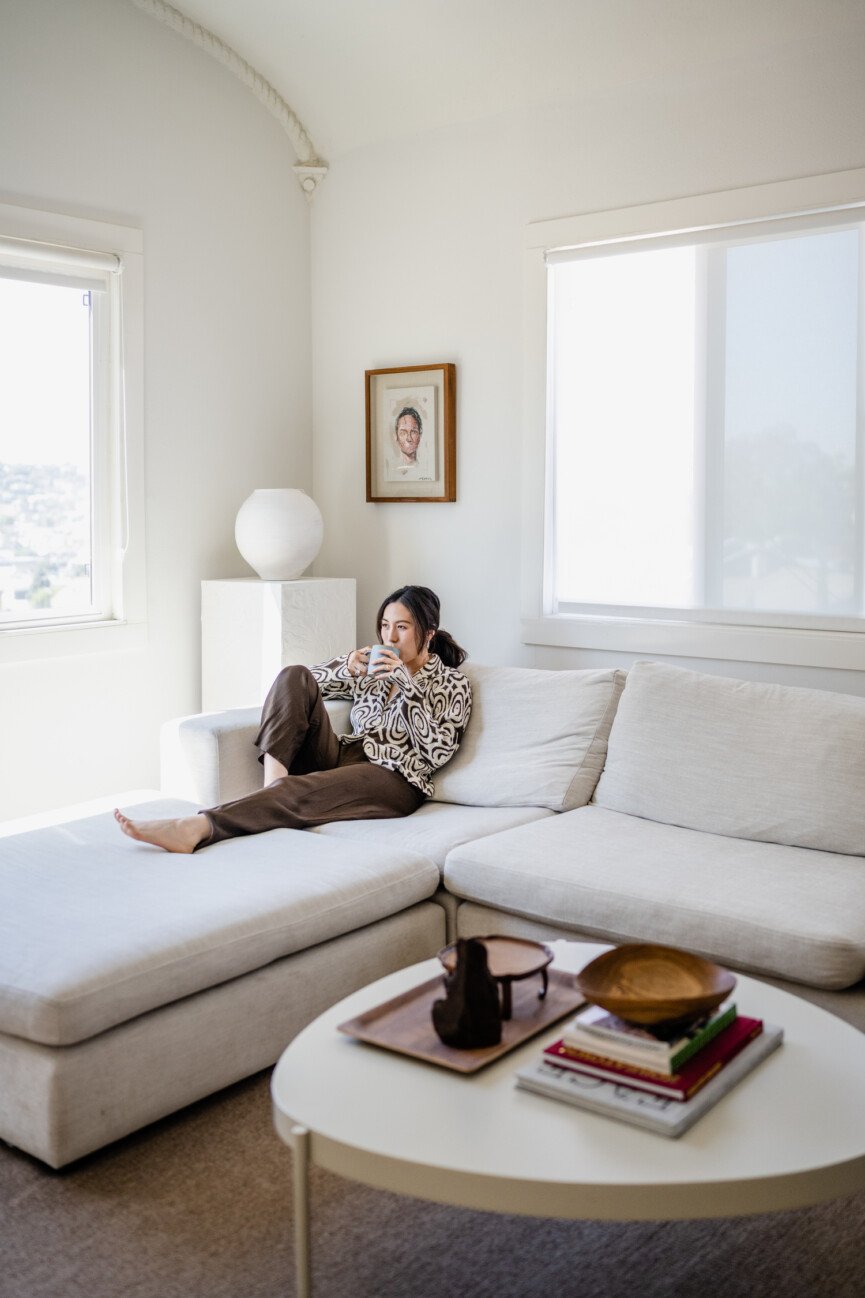
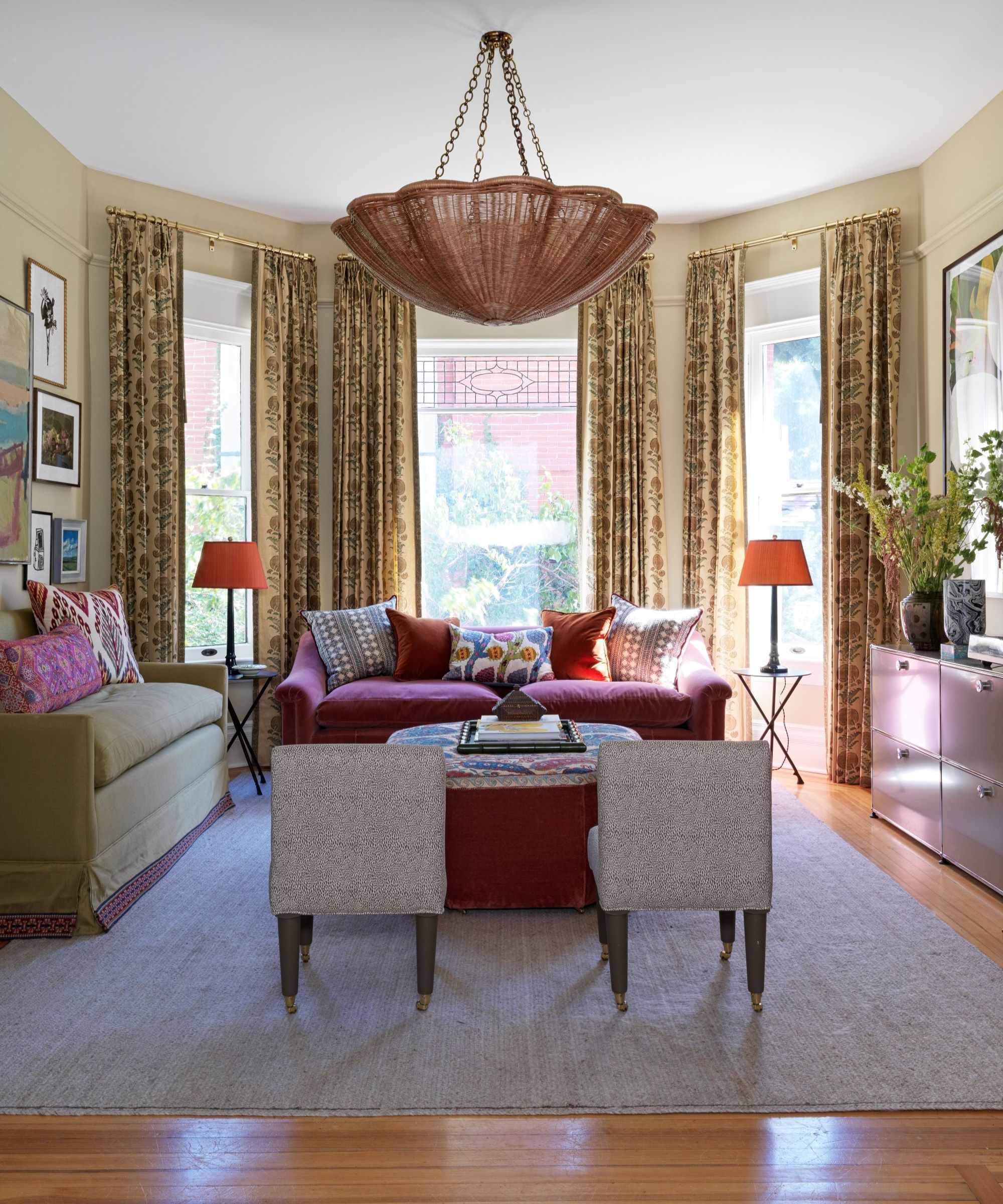
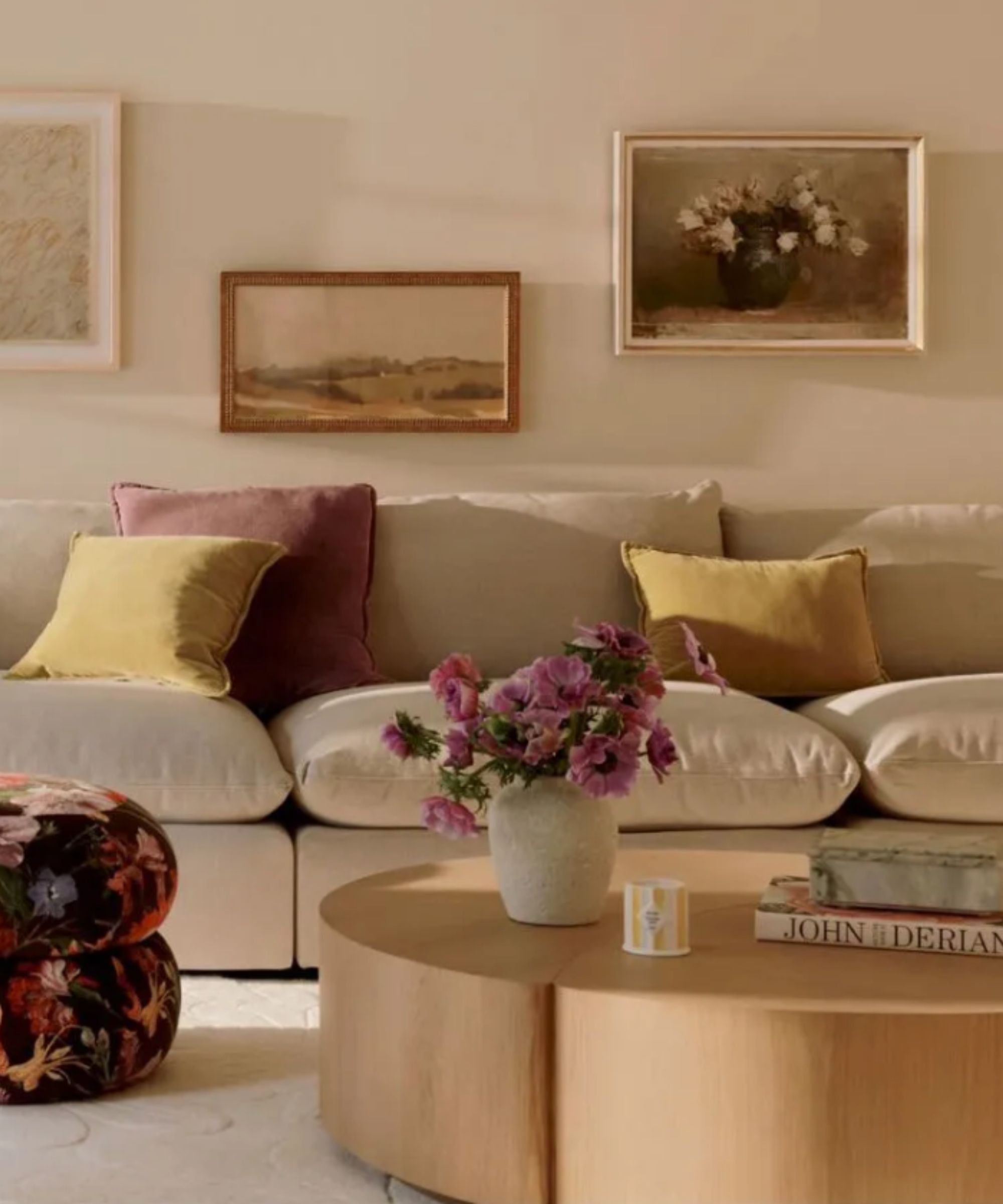
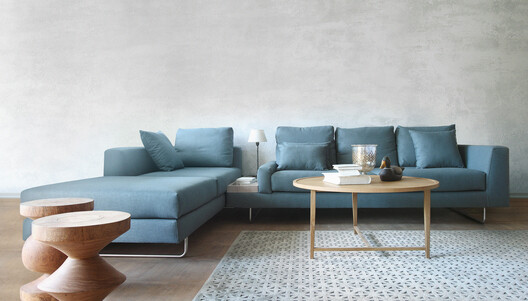
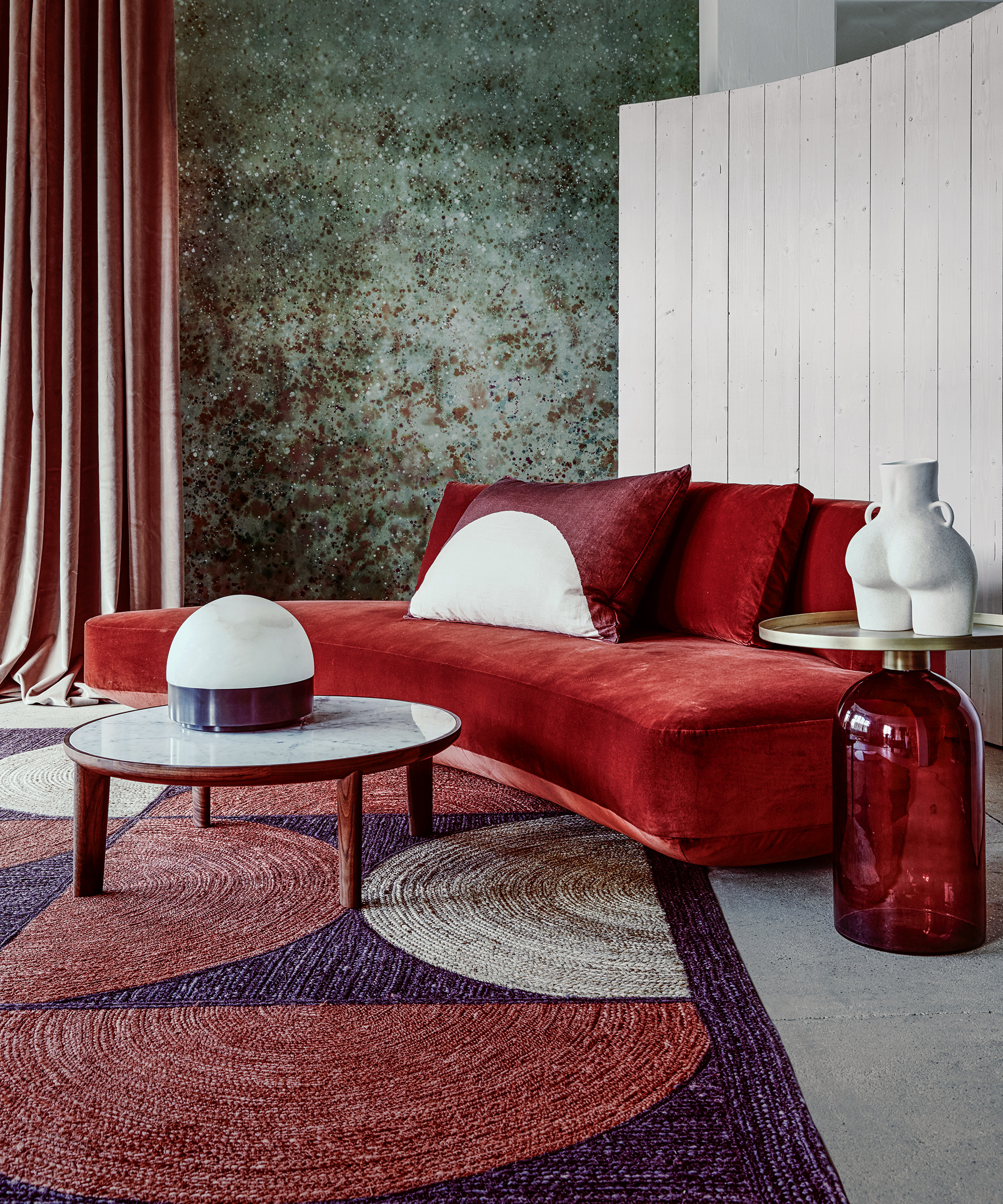
However, the 18-inch rule is not universally rigid. It primarily applies to the relationship between a sofa and a coffee table. Other furniture pieces, such as side tables or lamps, typically only need to be within arm's reach. Furthermore, the rule can be adjusted based on the specific design elements and dimensions of a room. For instance, with oval or round coffee tables, designers might place them slightly closer to the sofa. The curved edges of these tables tend to feel less intrusive, allowing for a tighter center spacing without compromising the overall sense of openness.
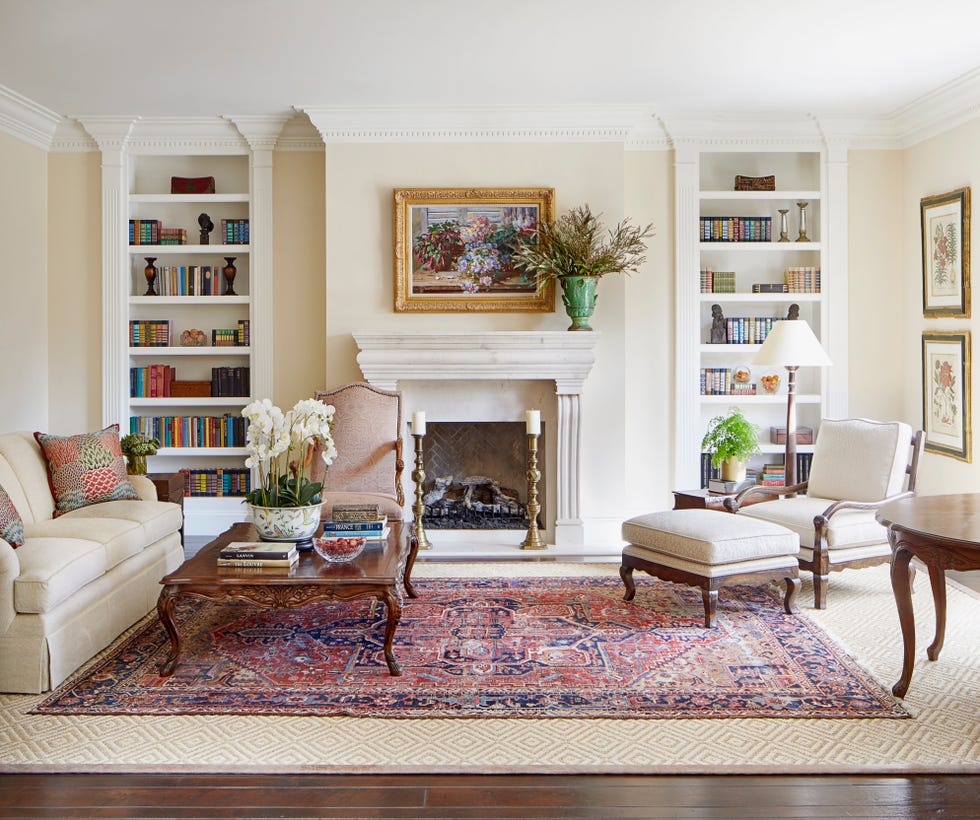
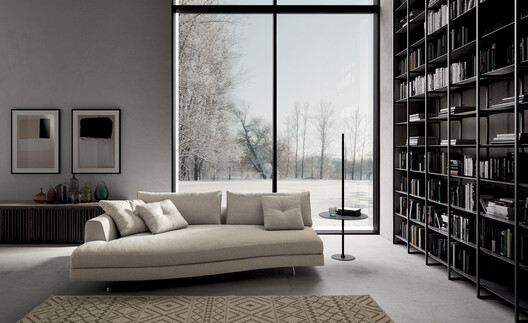
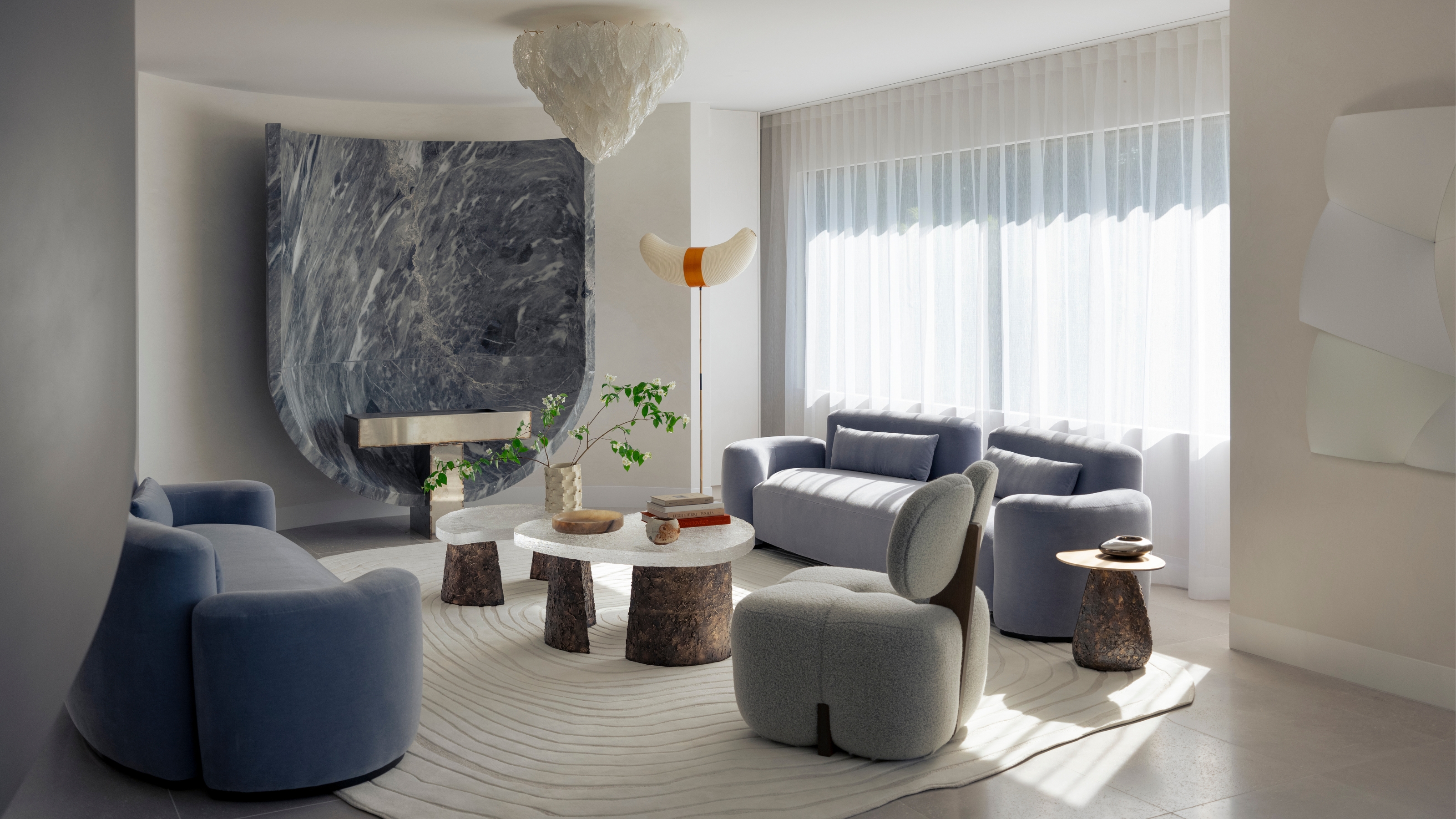
Moreover, unconventional furniture shapes, such as curved sofas or nesting coffee tables, may require more creative spacing solutions. The size of the room also plays a role in adapting the rule; a smaller apartment might benefit from a slightly reduced gap of around 15 inches, while a more expansive room could comfortably accommodate a larger distance of 20 inches. Jennifer Jones, principal designer at Niche Interiors, highlights that while 18 inches serves as a minimum, providing more space in larger rooms can enhance the overall comfort and aesthetic appeal. The ultimate goal is to achieve a distance that feels natural and allows occupants to reach the coffee table effortlessly from a seated position, thereby creating a well-proportioned and comfortable living environment. Several design handbooks, such as "Human Dimension and Interior Space: a Source Book of Design Reference Standards" and "The Interior Design Handbook," provide comprehensive insights into furniture measurements and layouts, supporting the effective application of such spatial rules in residential design.
#LivingRoomDesign #InteriorDesignRules #FurniturePlacement #CoffeeTableStyling #SpatialPlanning #HomeComfort #ErgonomicsInDesign #DecorTips #DesignAdvice #LivingRoomDesign #InteriorDesignRules #FurniturePlacement #CoffeeTableStyling #SpatialPlanning #HomeComfort #ErgonomicsInDesign #DecorTips #DesignAdvice
0 comment in total
 No comments yet
You may also like
‘It makes your living room feel more connected and comfortable’ – the 4-inch seating rule is the trick interior designers have been using for years
A guide to living room clearances, measurements, and spacing
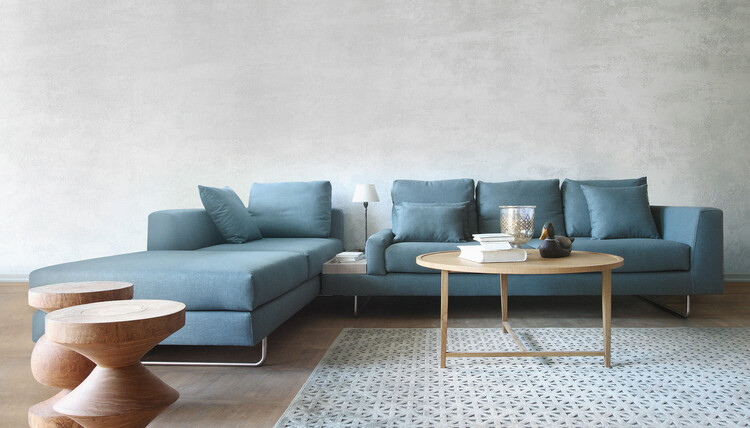
The Science of Sitting: 6 Rules for Choosing a Comfortable Sofa

My Favorite Designer Swears By the “4-Inch” Rule for Seating in Every Room of the House

Designers Say This Is the #1 Living Room Mistake Everyone Makes

The Best Way to Arrange Living Room Seating

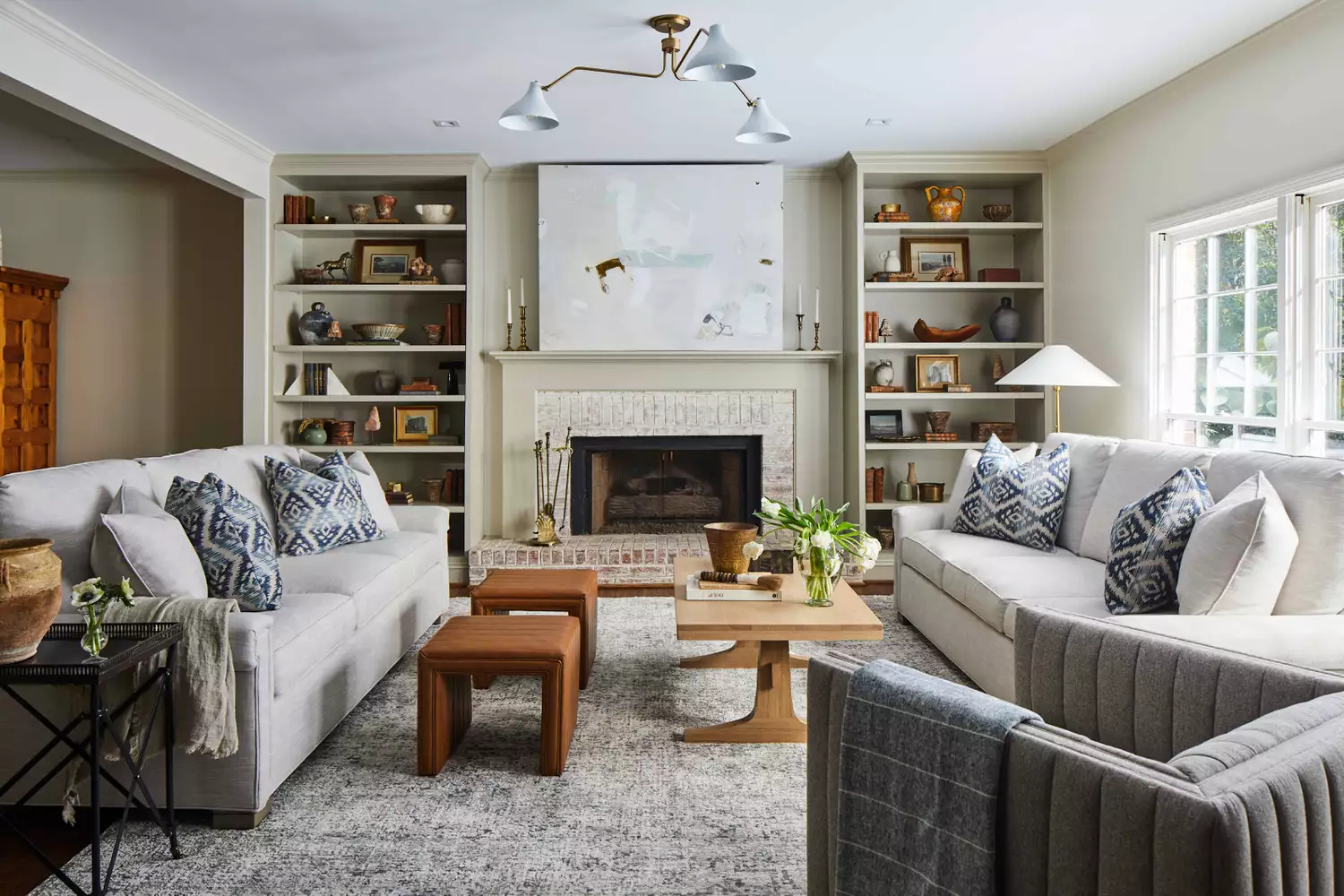
11 Living Room Layout Mistakes Designers Want You To Stop Making
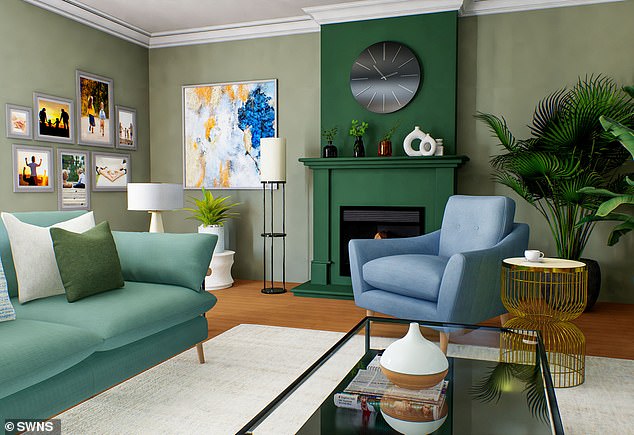
Are YOU guilty of these living room layout mistakes? Decor expert reveals the 8 sins people make
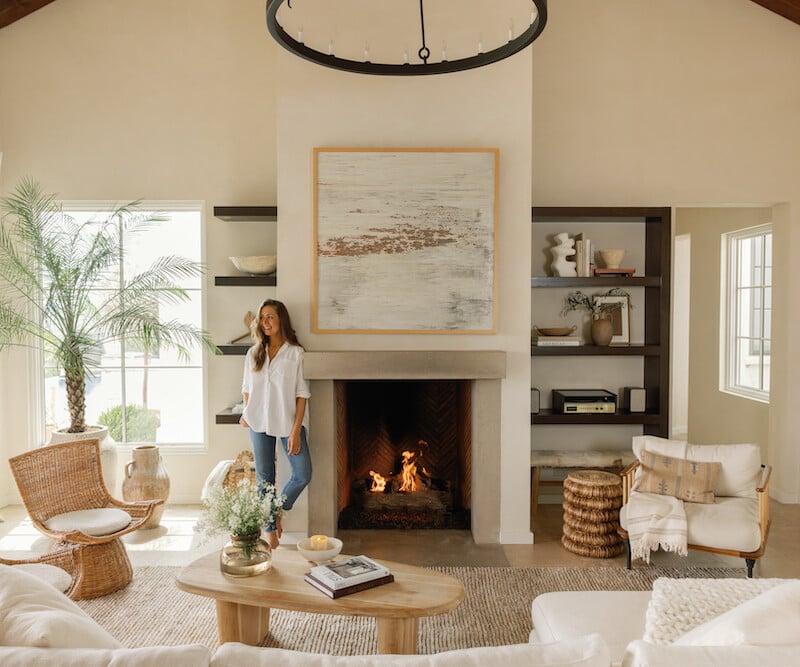
How to Fix the Most Common Living Room Layout Mistakes
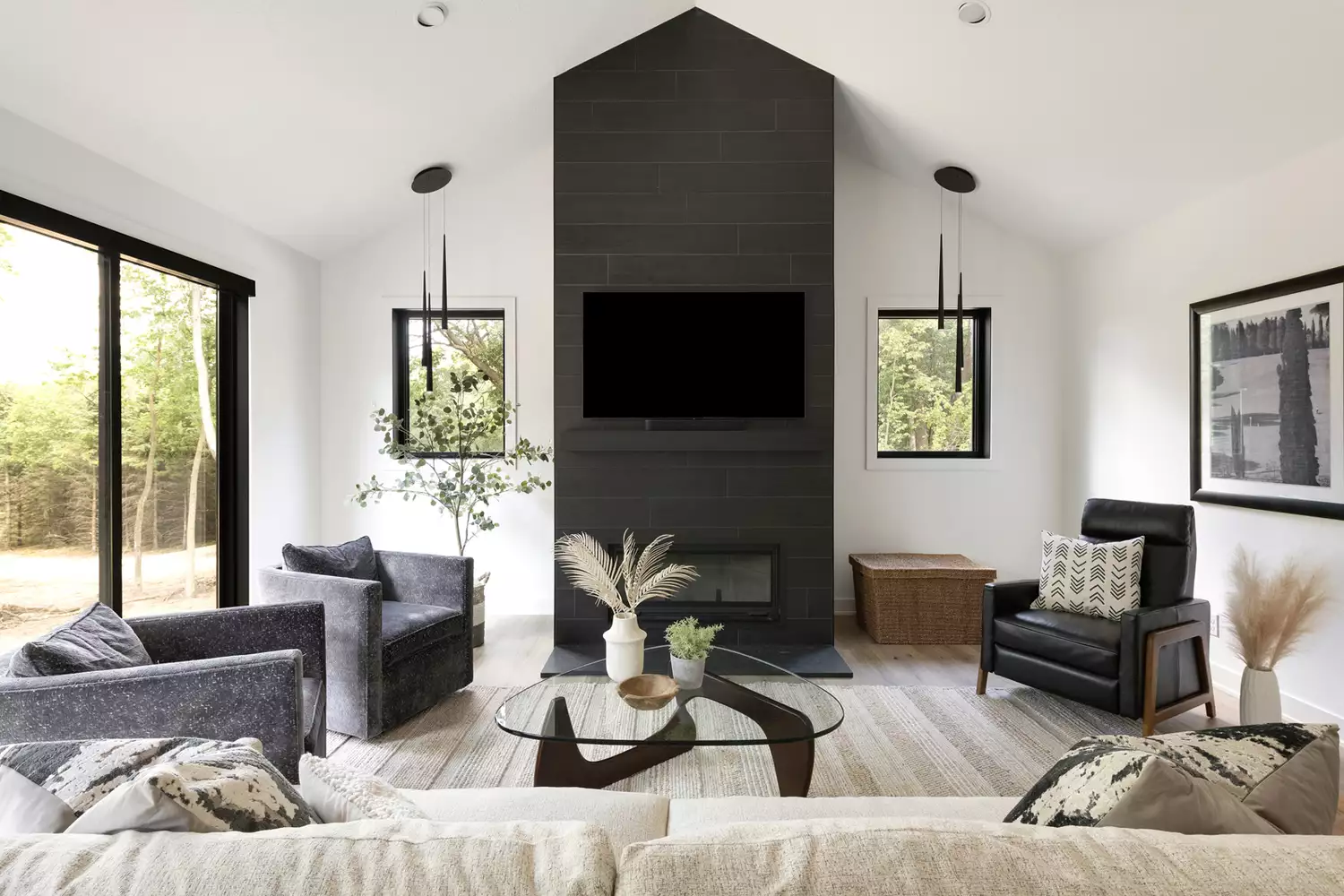
7 Things That Always Make Your Living Room Feel Cramped, According to Designers

It's One of These 7 Sofa Layout Mistakes That Is Killing the "Flow" in Your Living Room
The ideal area rug sizes for a living room – 5 expert rules to follow

Why Your Room Feels 'Off'—6 Designer Rules for Perfecting Furniture Scale and Proportion
The 4-inch seating rule is the secret to a sociable kitchen – here's how to use this design principle in a cooking space
The 10 commandments for arranging living room furniture, according to this top designer
4 rules interior designers always use to plan the perfect living room layout - these tried-and-tested tricks work every time
Designers Cracked the Code on the Perfect Living Room Seating Arrangement

Should living room furniture be the same height? Experts give their verdict
Living room seating ideas – the essential design rules for sofa and chair layouts and trends
7 Living Room Decorating Mistakes You Should Never Make