1/10
6 failsafe formulas designers always follow when planning a living room
Designing a living room effectively can be more complex than it initially appears, often leading to common pitfalls such as overcrowding with furniture, awkward layouts, or inadequate lighting. This article offers six foundational strategies that interior designers consistently employ to create timeless, functional, and aesthetically pleasing living spaces. These strategies ensure a successful living room design that caters to both comfort and practicality.
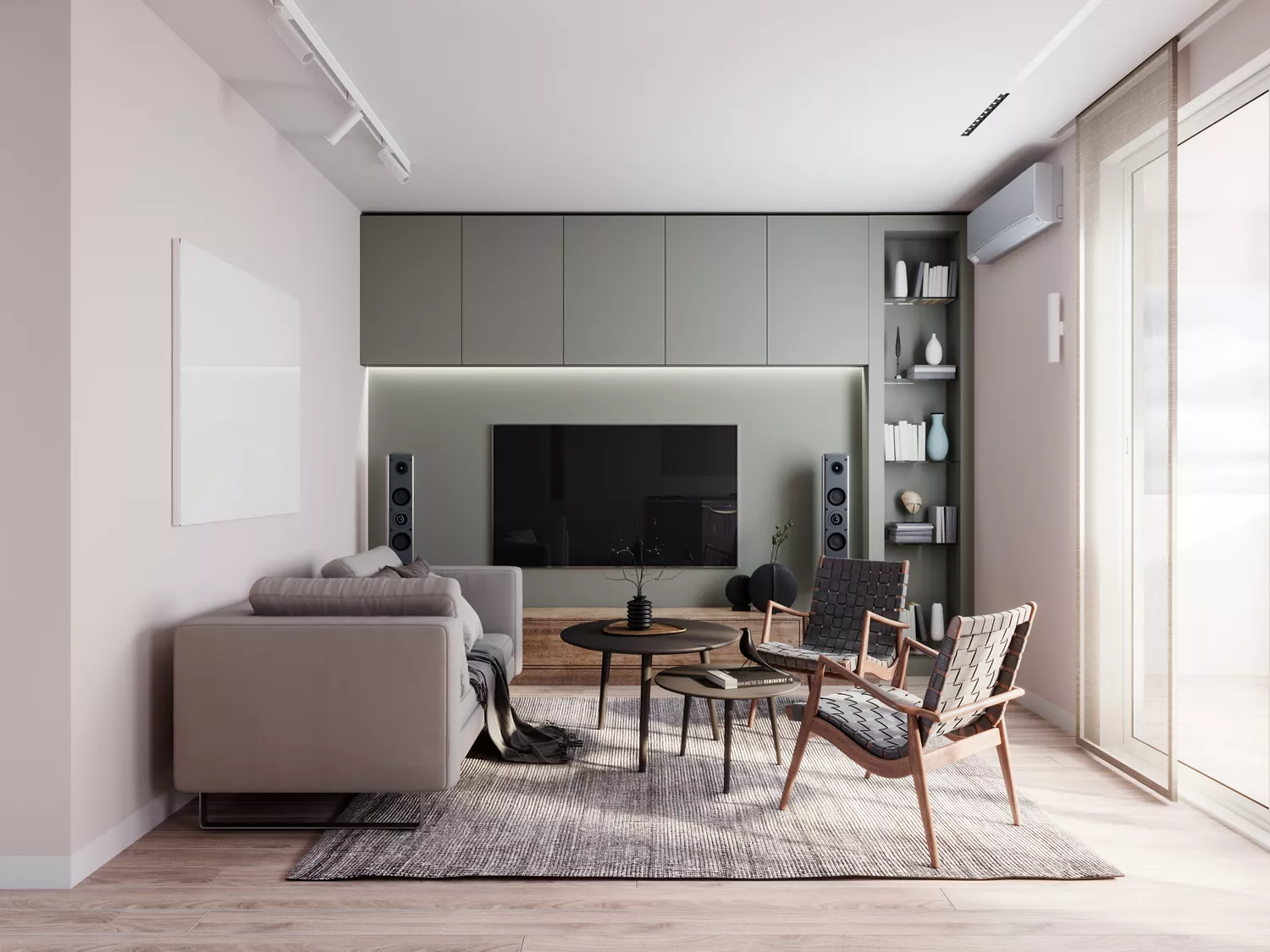
The first principle emphasizes defining the room's functions before any decorative considerations. Interior experts stress that a living room is often a multi-functional space, serving as a hub for social gatherings, relaxation, and even work. Therefore, every element, from versatile furniture to layered lighting and adequate storage, must be chosen with its practical use in mind. This initial step involves asking key questions about how the space will be utilized, whether as a formal sitting room, a family relaxation area, or a combination with dedicated zones for reading or group activities. Measuring the room and sketching potential layouts to accommodate these demands is crucial for effective planning.
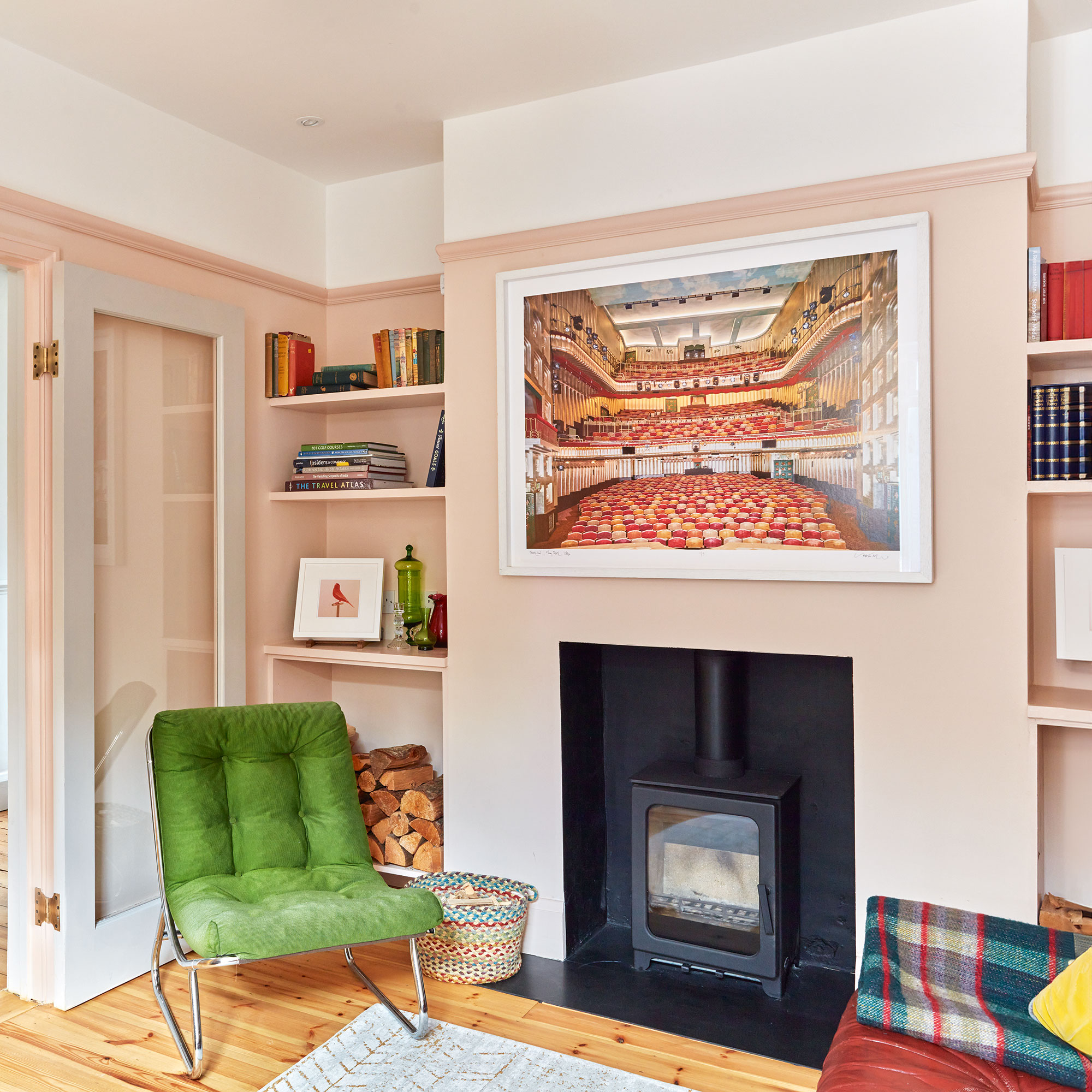
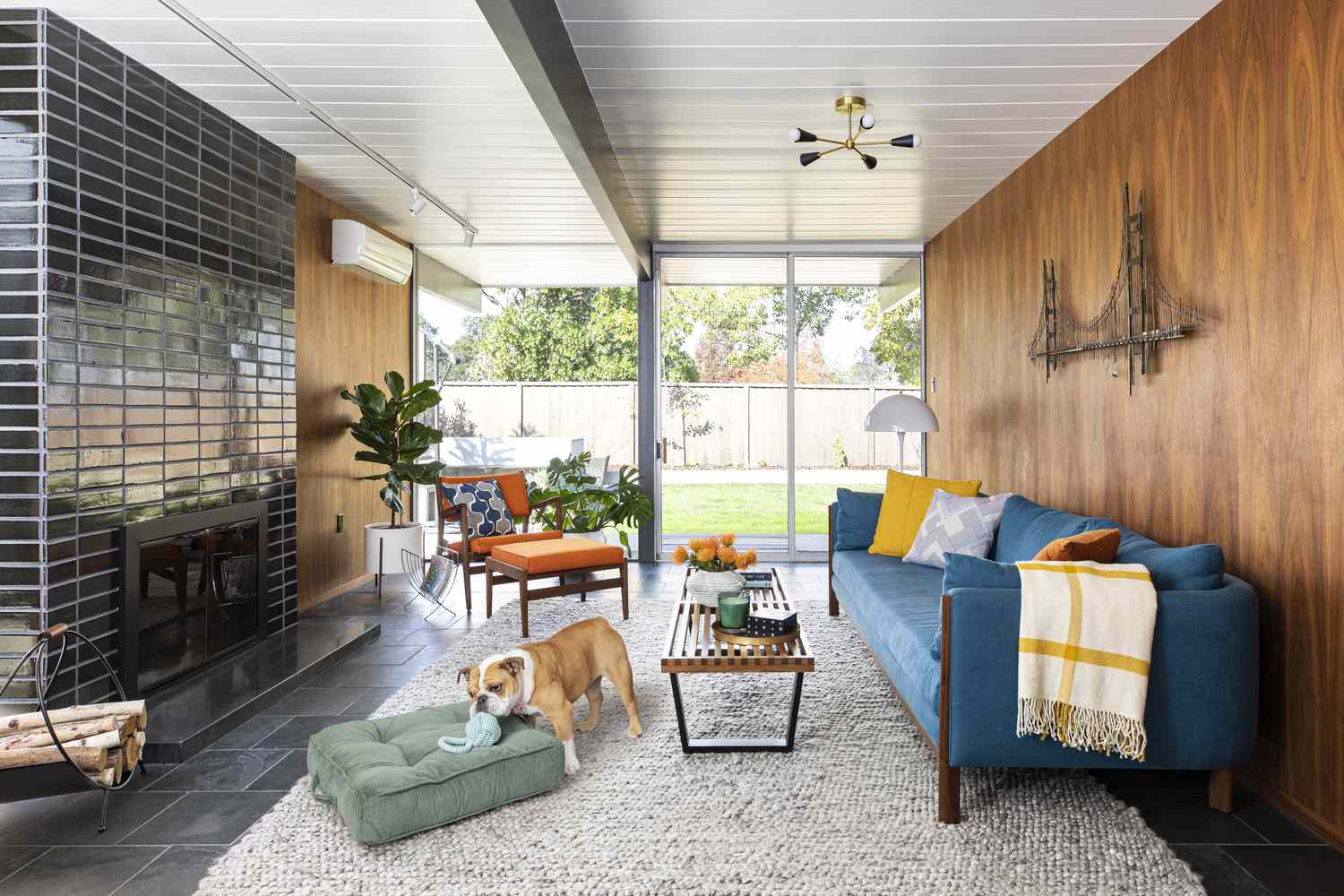
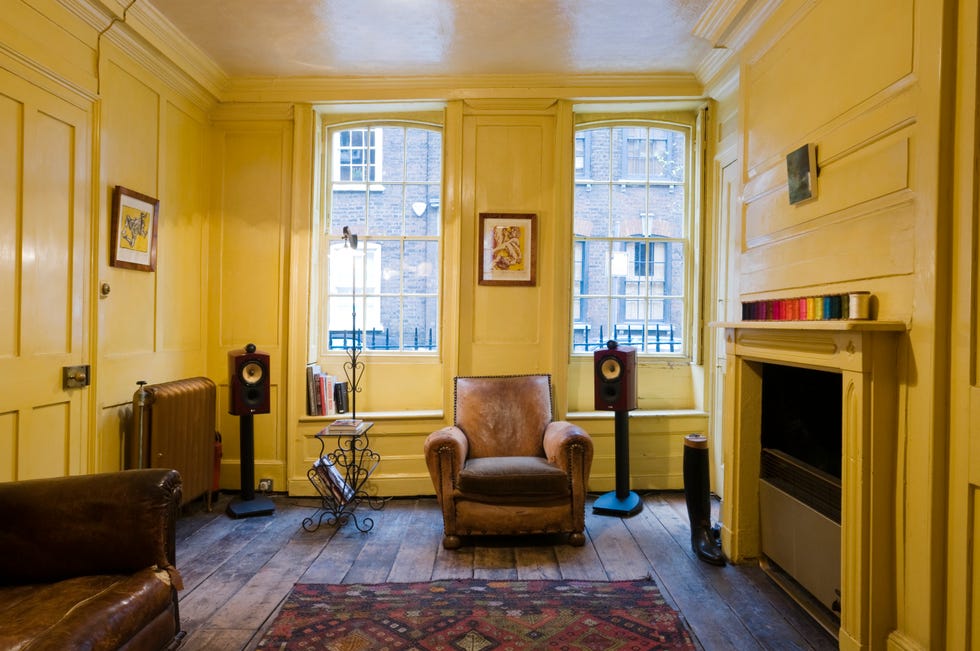
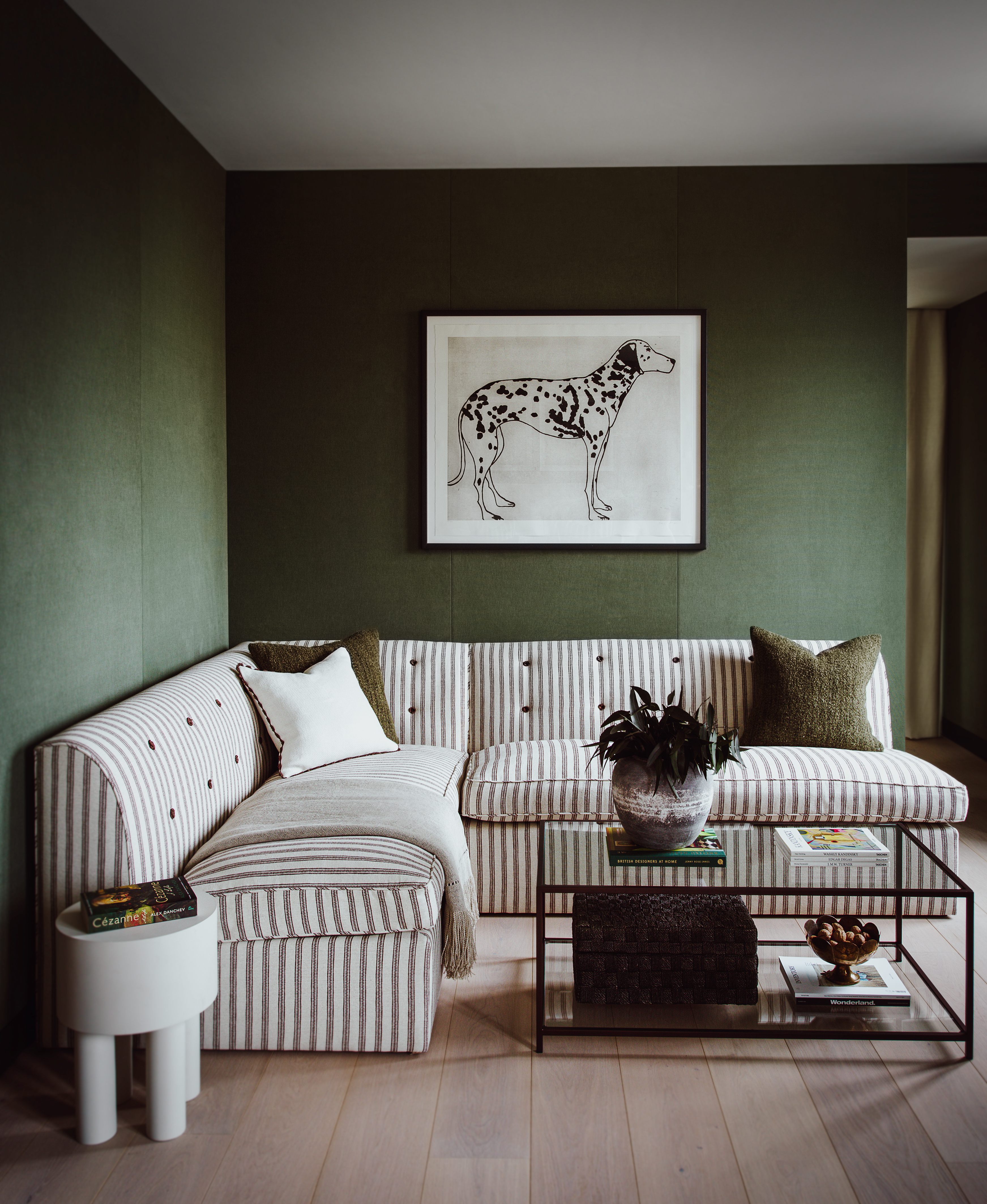
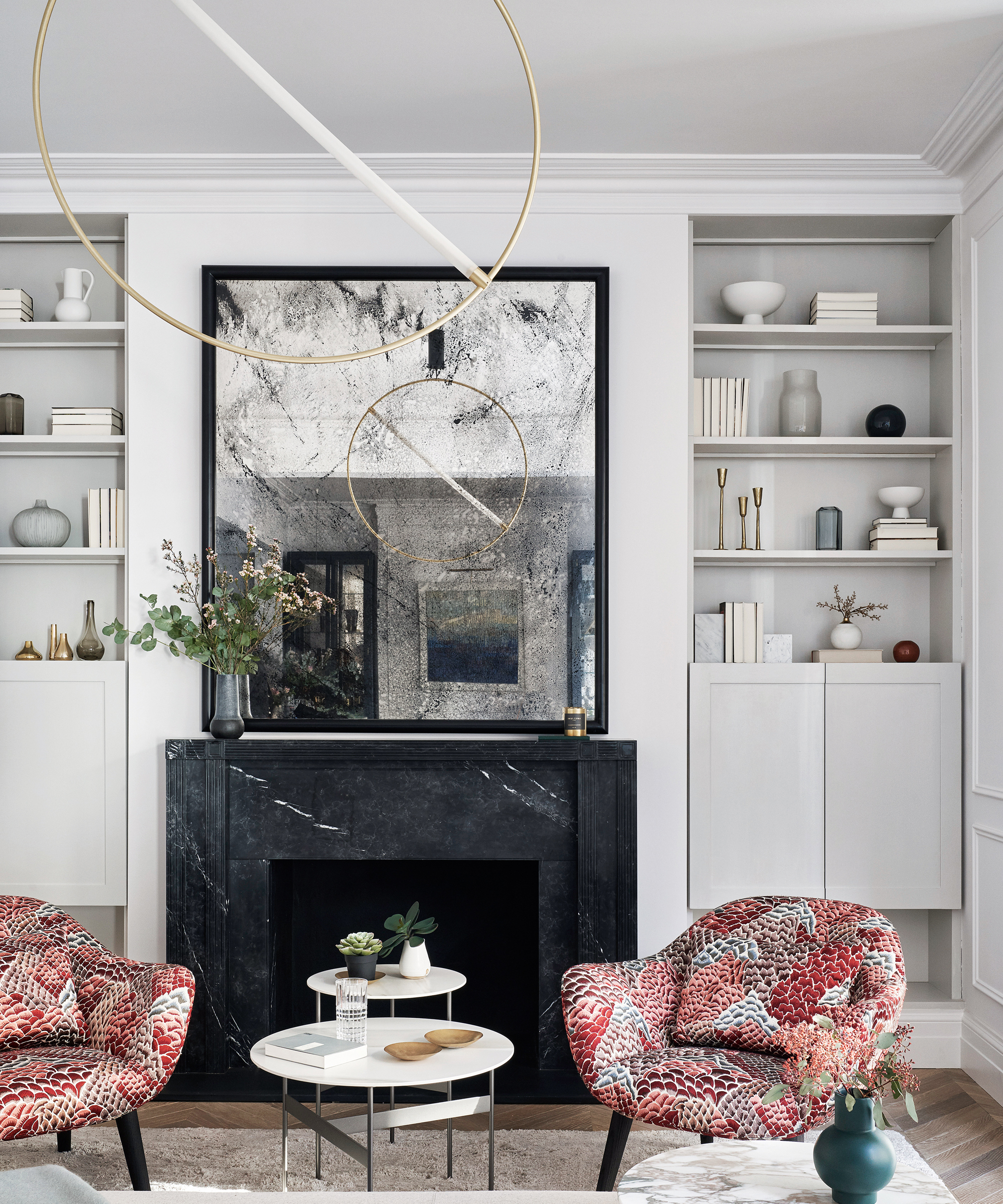
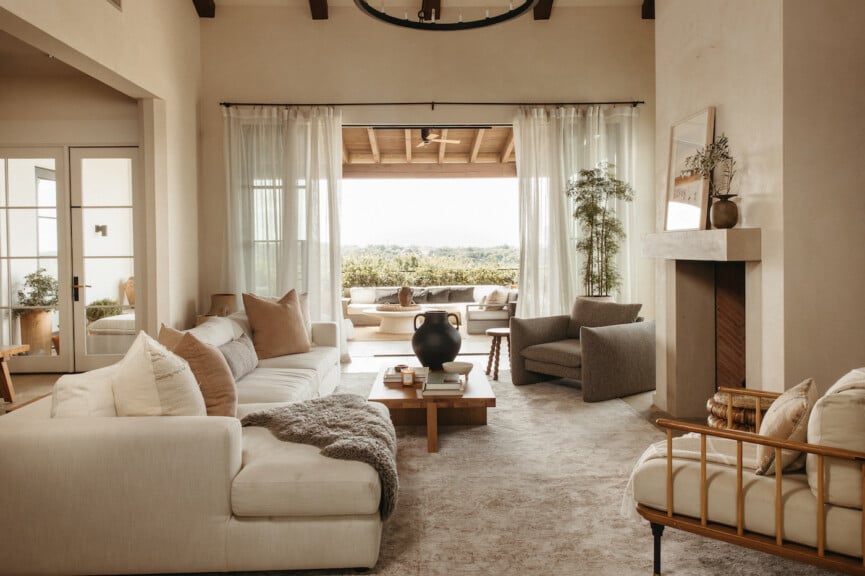
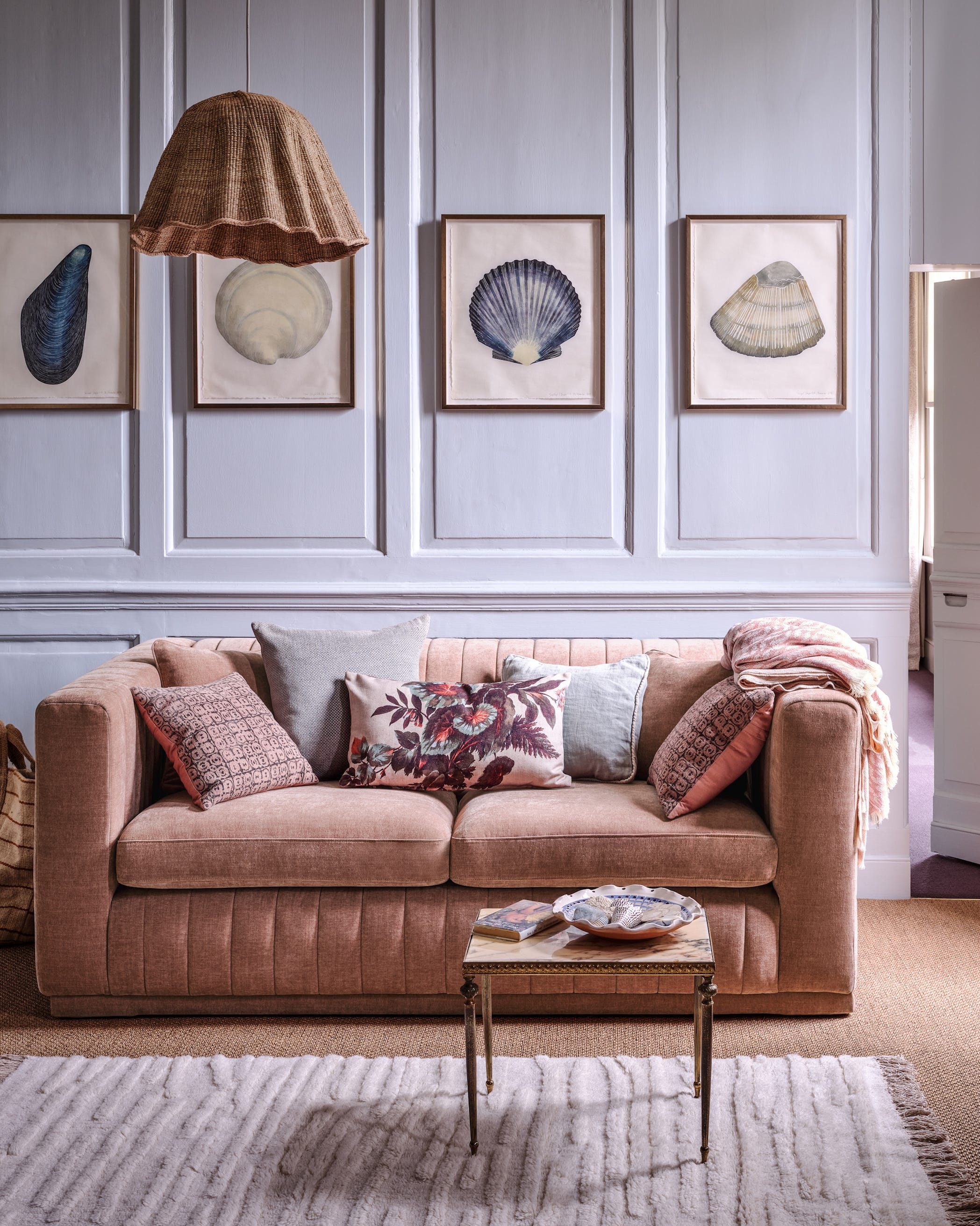
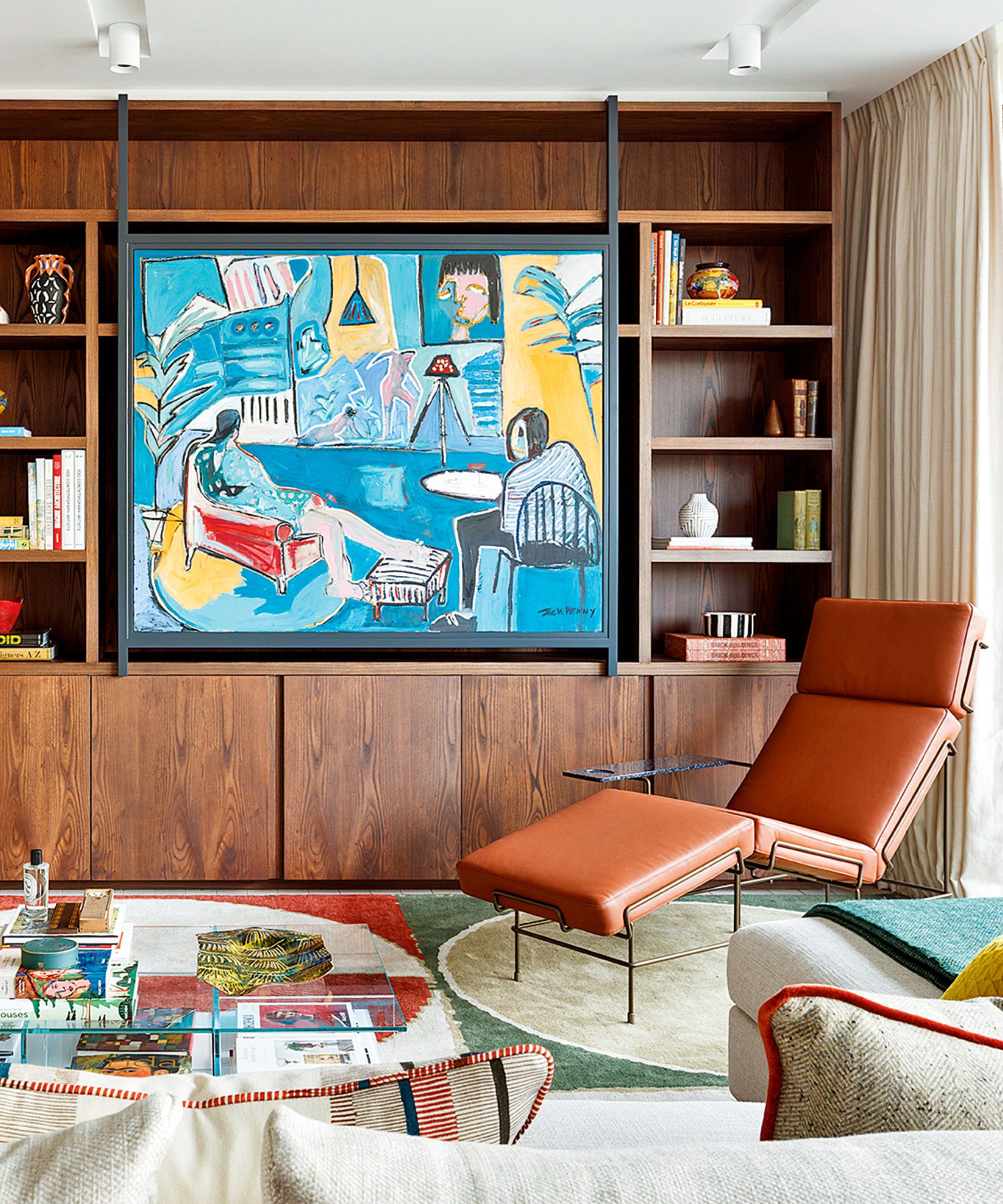
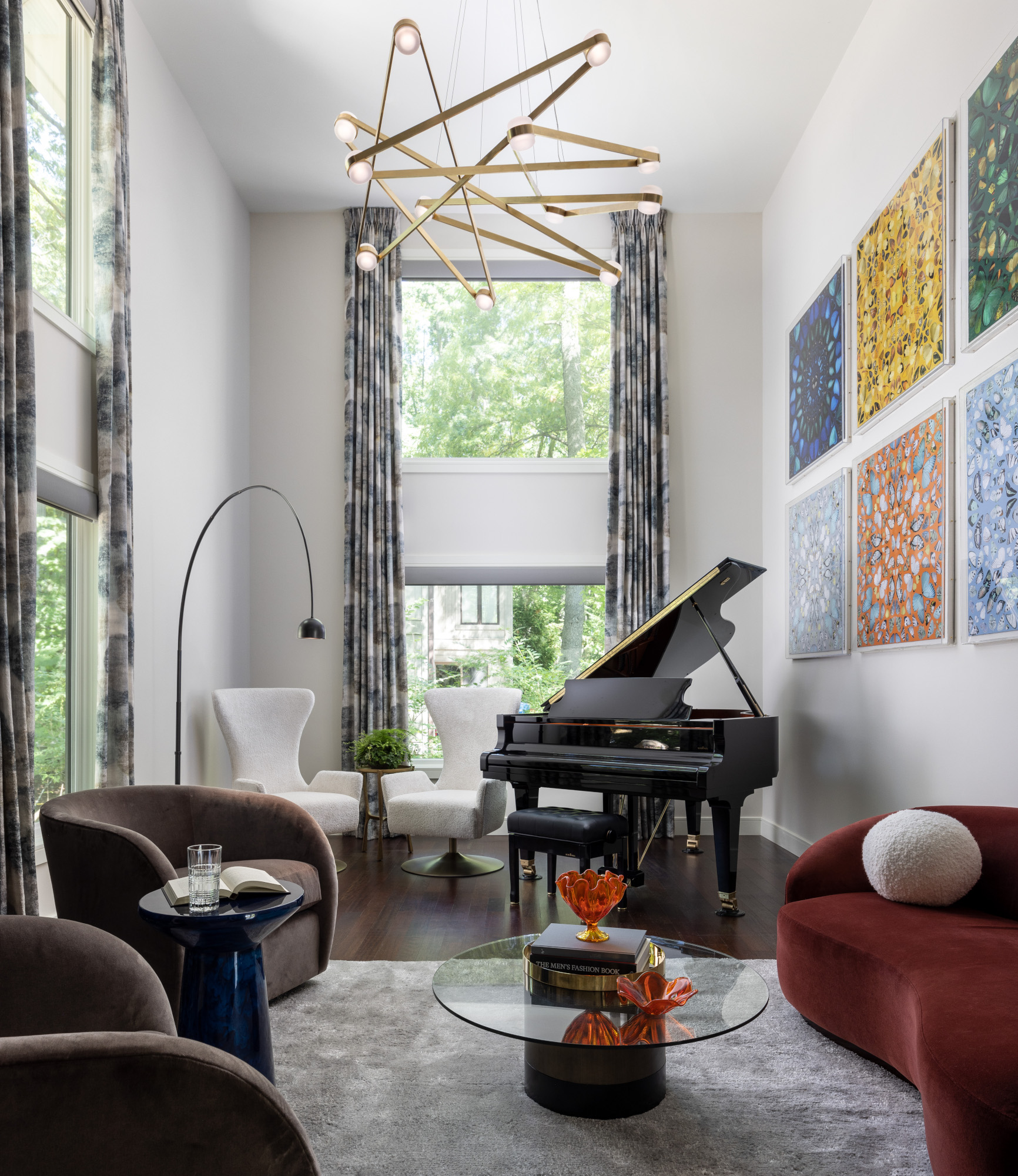
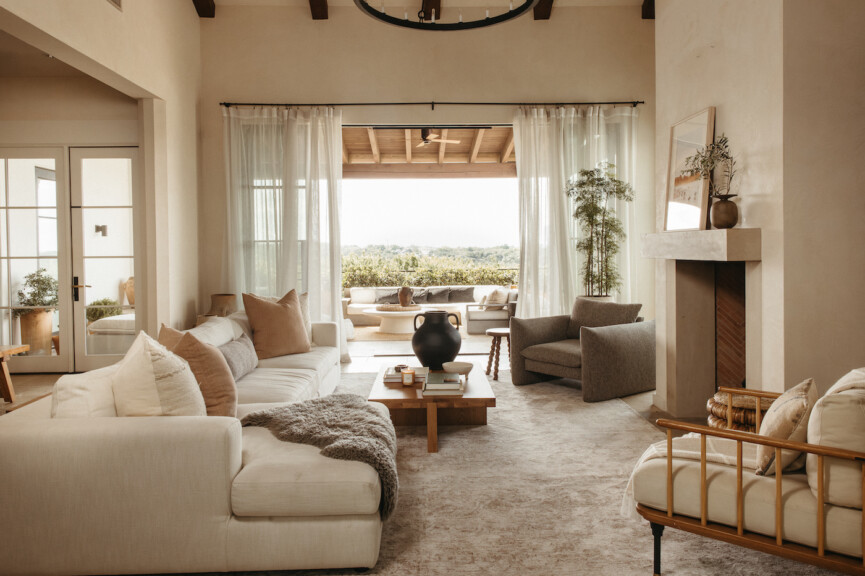
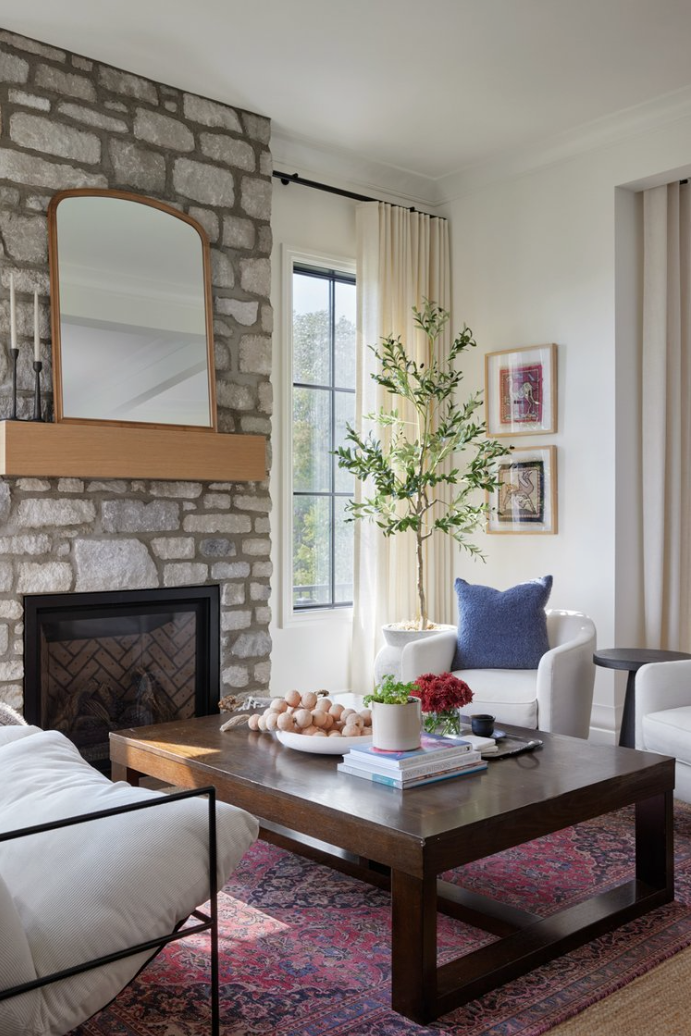
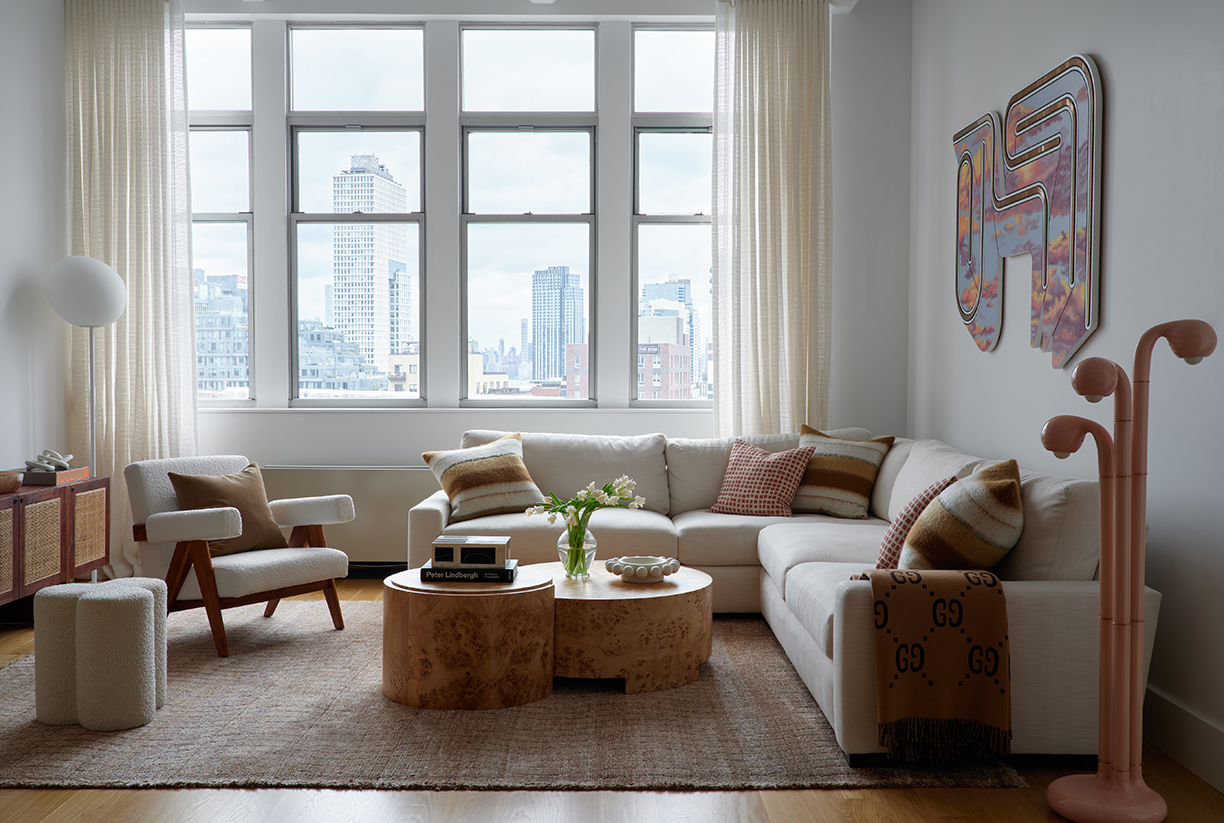
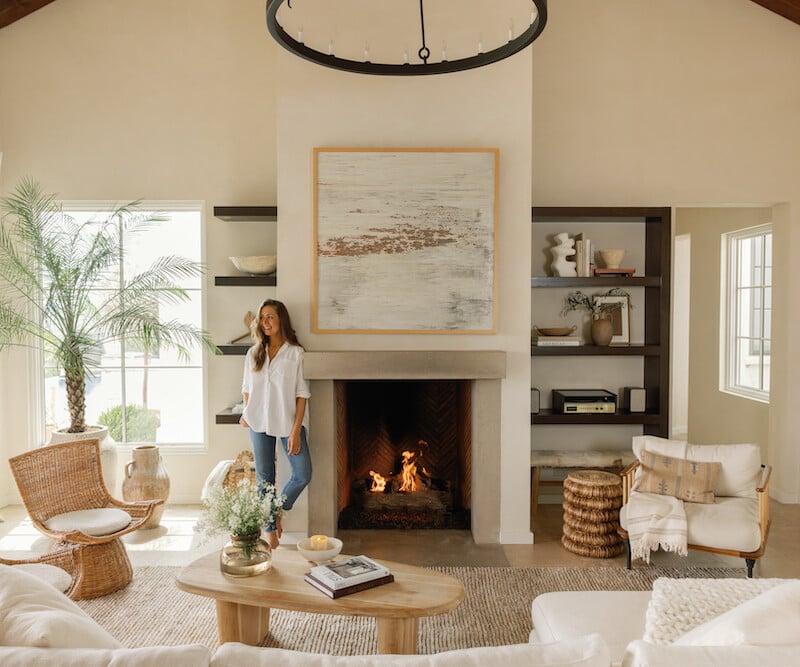
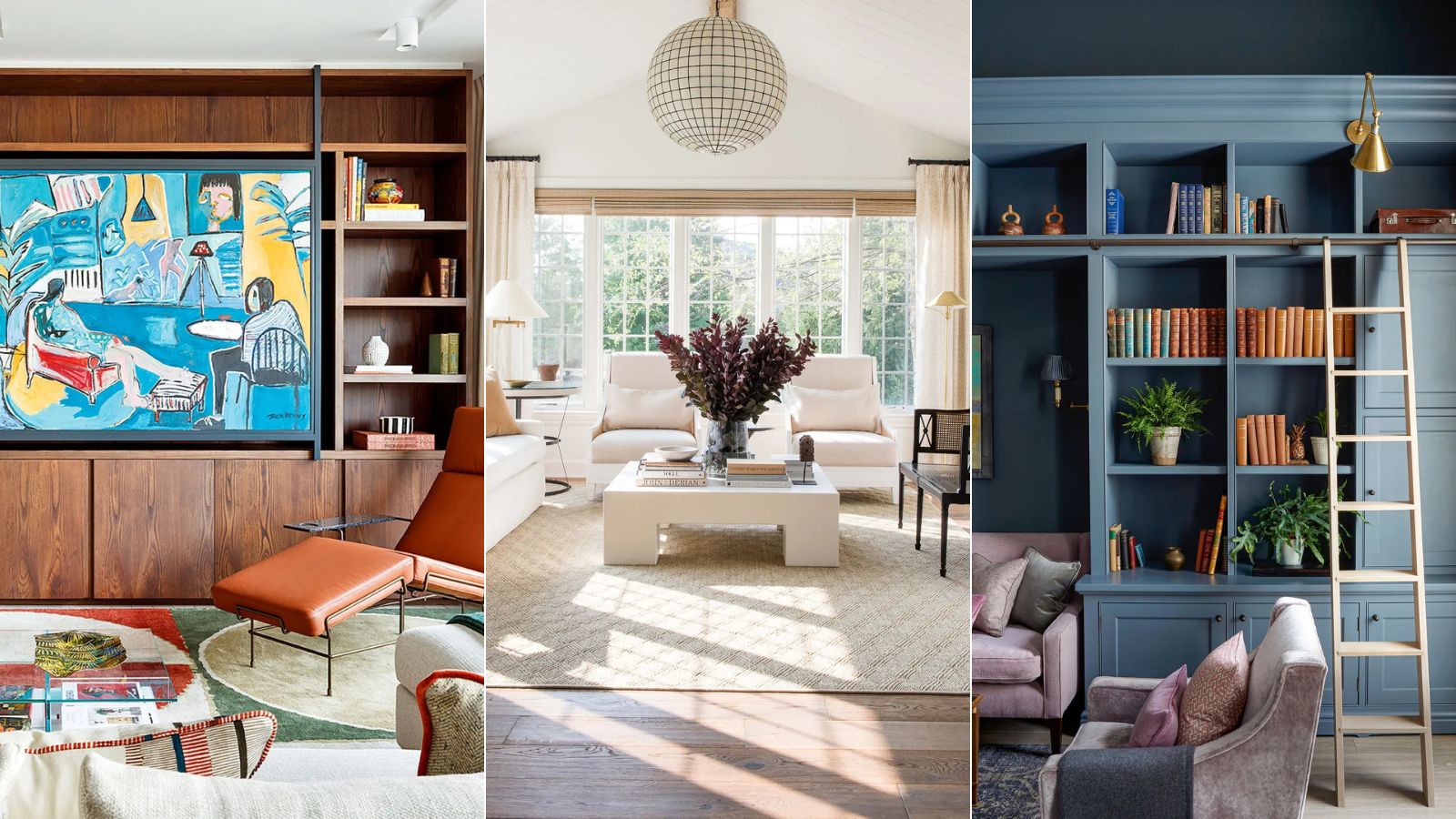
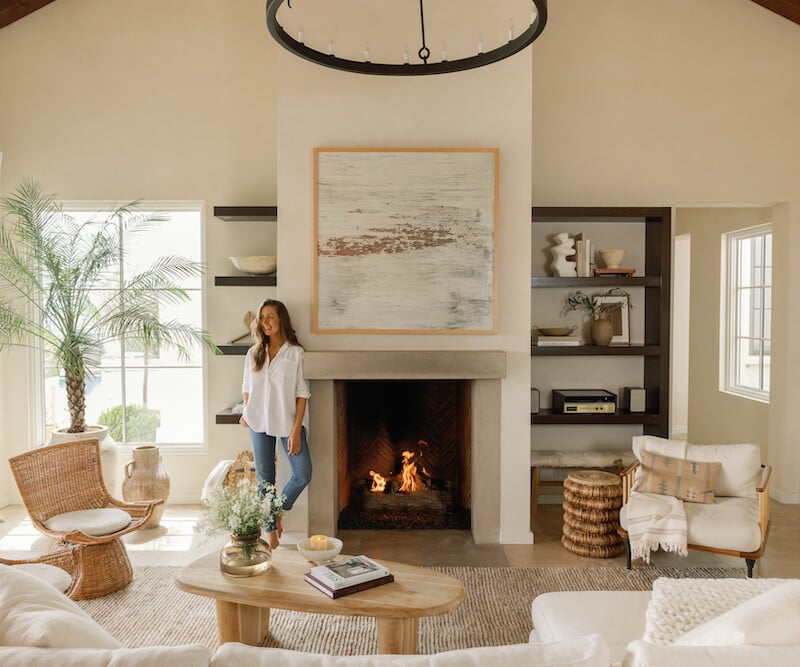
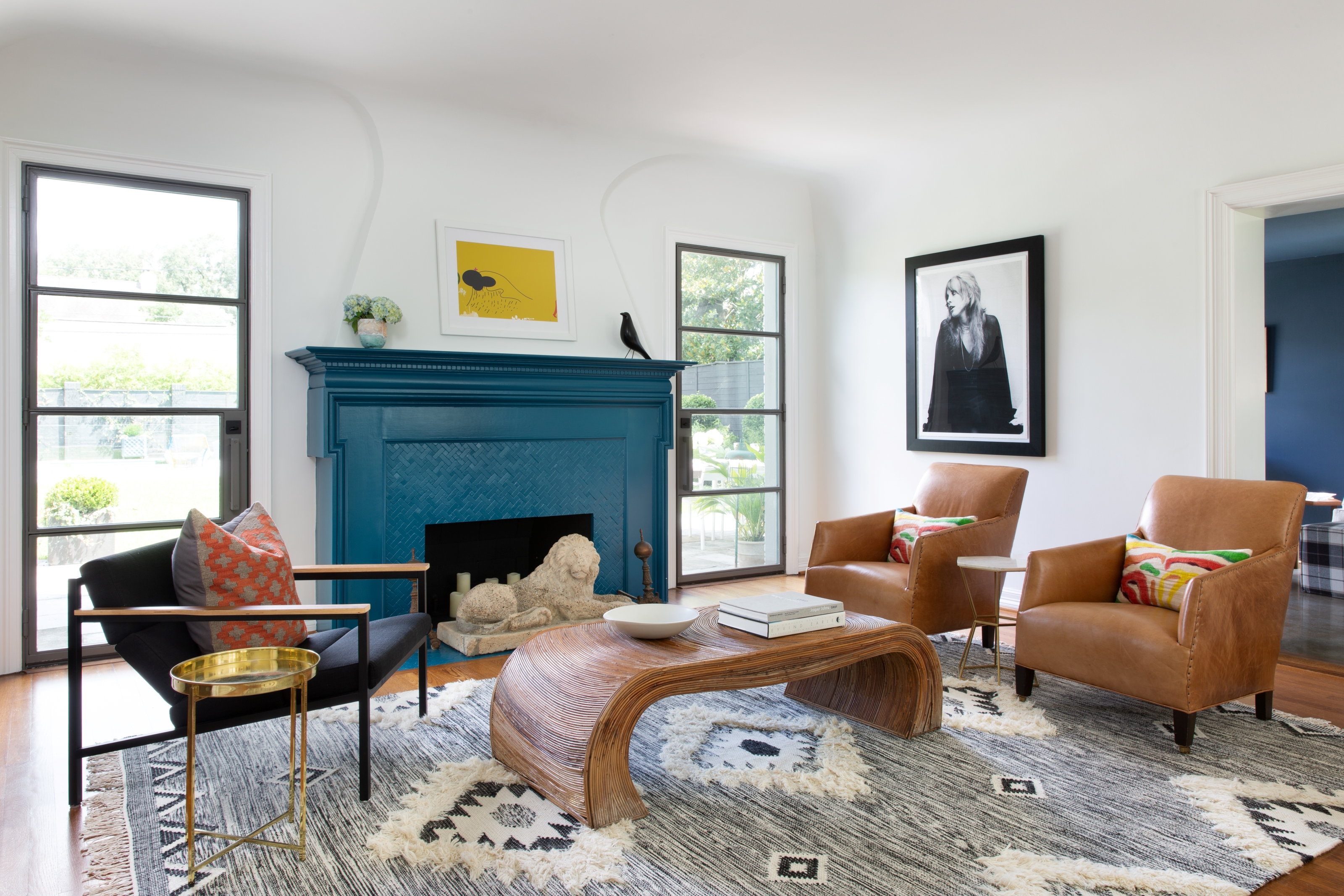
Secondly, establishing a main focal point is essential for guiding furniture arrangement and enhancing the room's balance and flow. This focal point could be a fireplace, a piece of art, or a striking view. Designers recommend positioning primary furniture, such as a sofa, to face this feature, thereby creating a natural gathering spot and making a statement based on the homeowner's preferences. The focal point helps to anchor the room and provides a central element around which the rest of the design can coalesce.
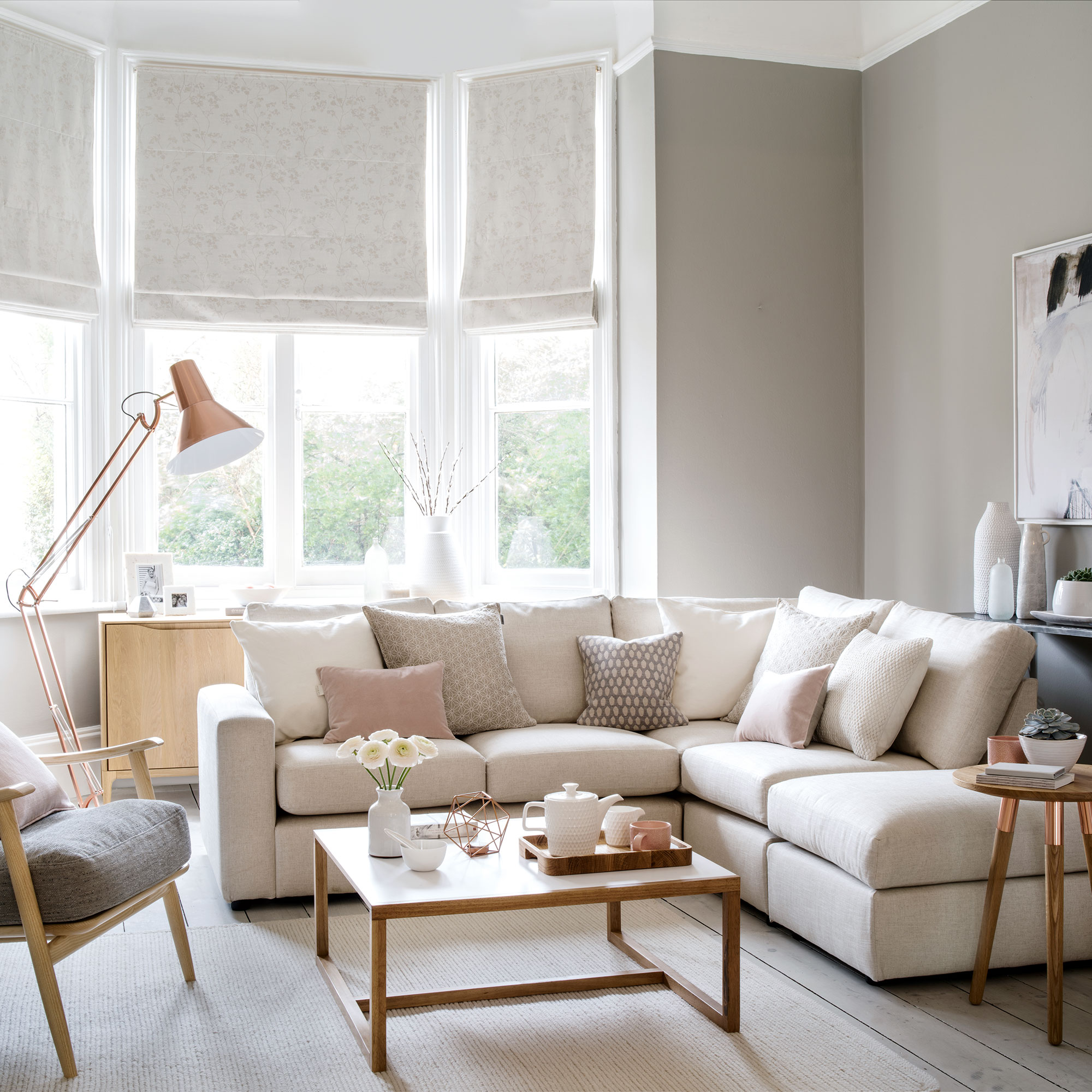
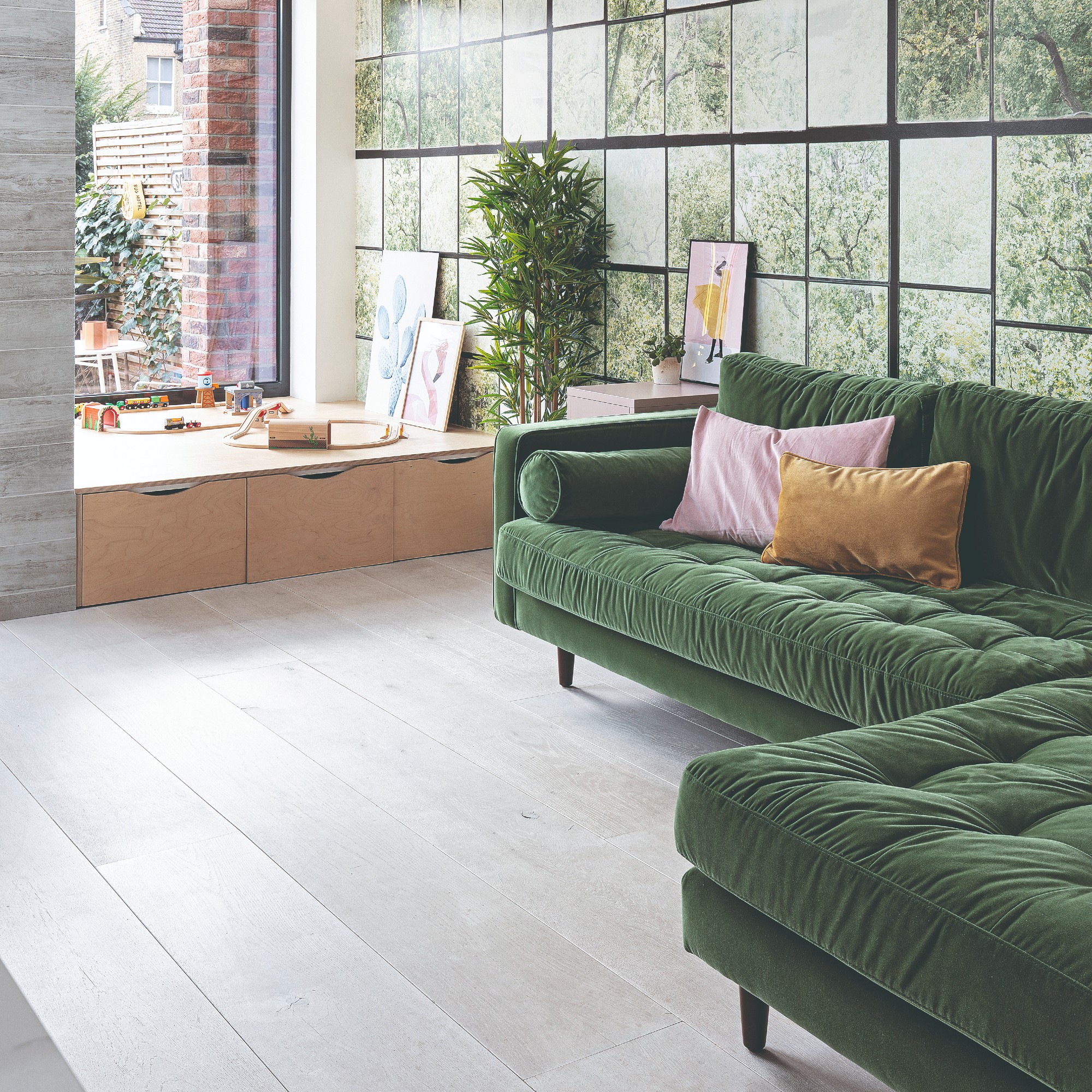
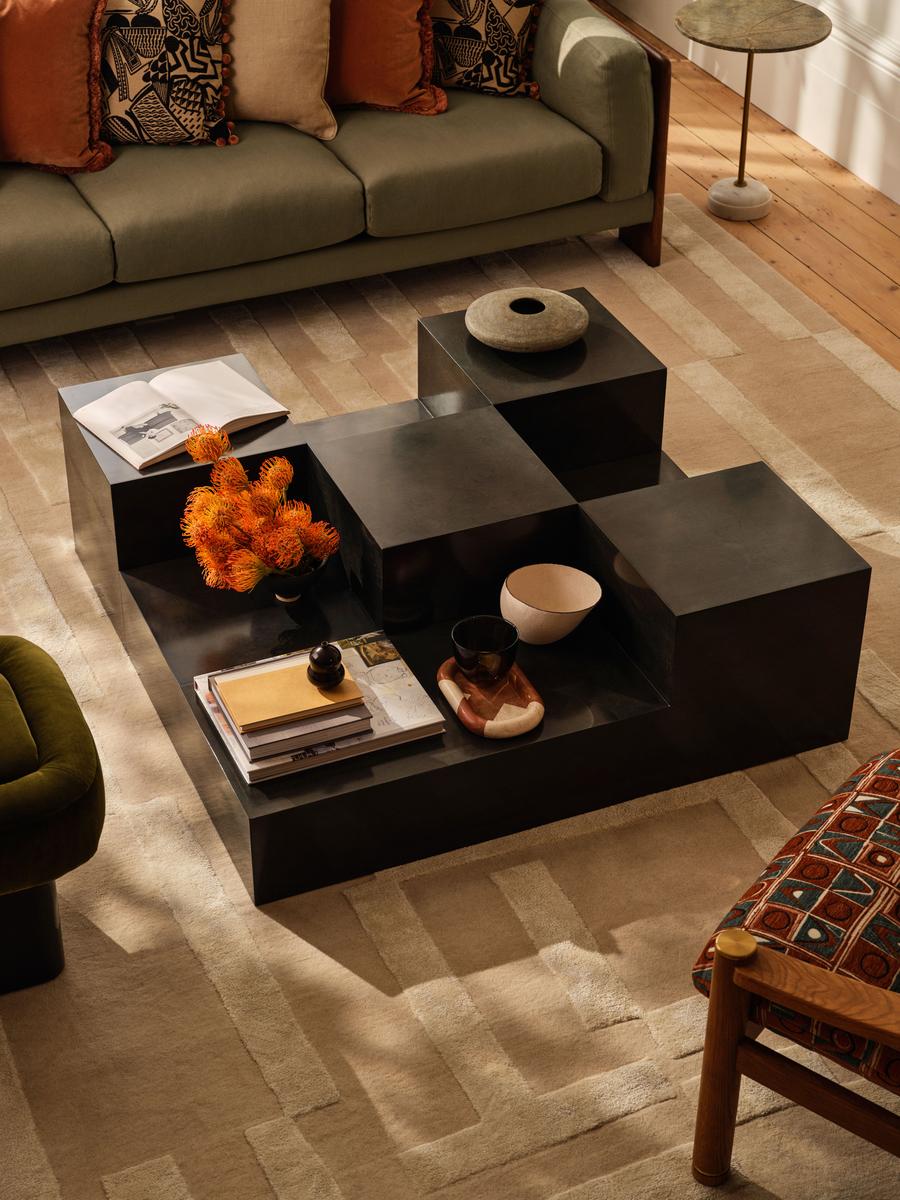
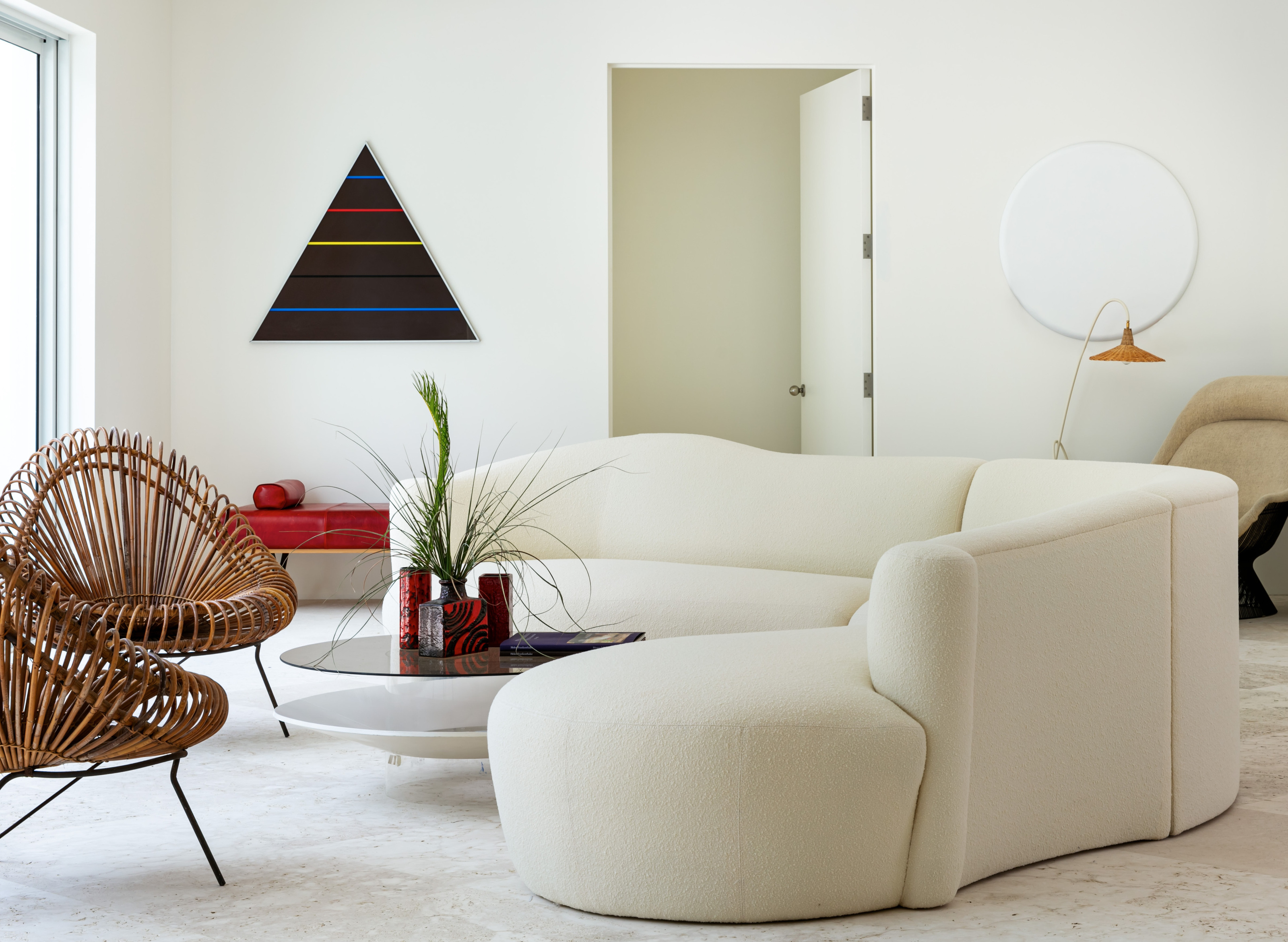
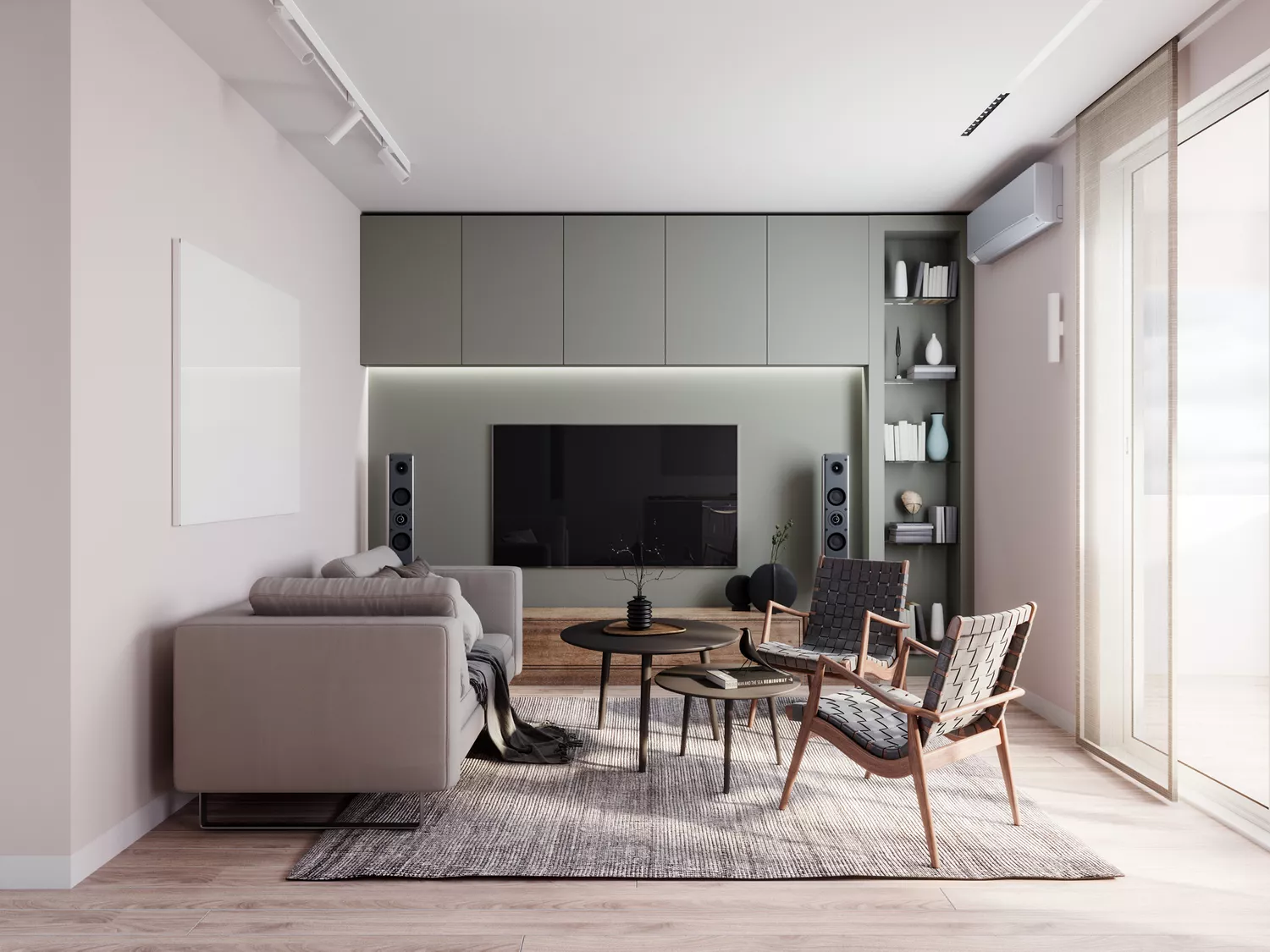
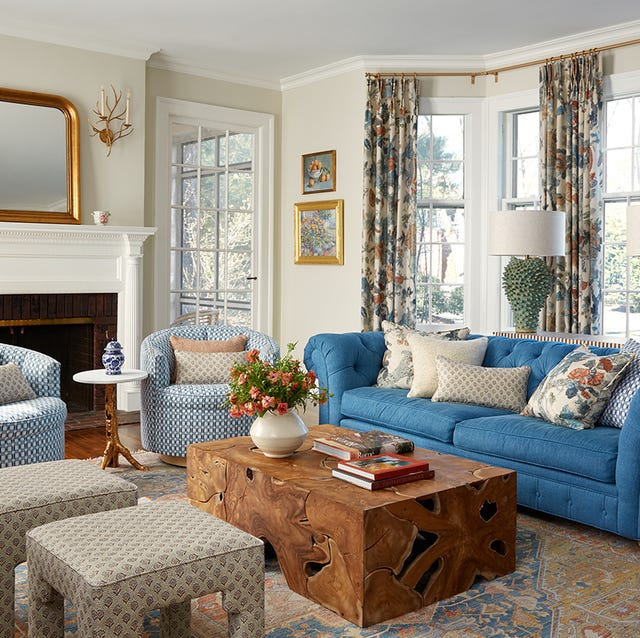
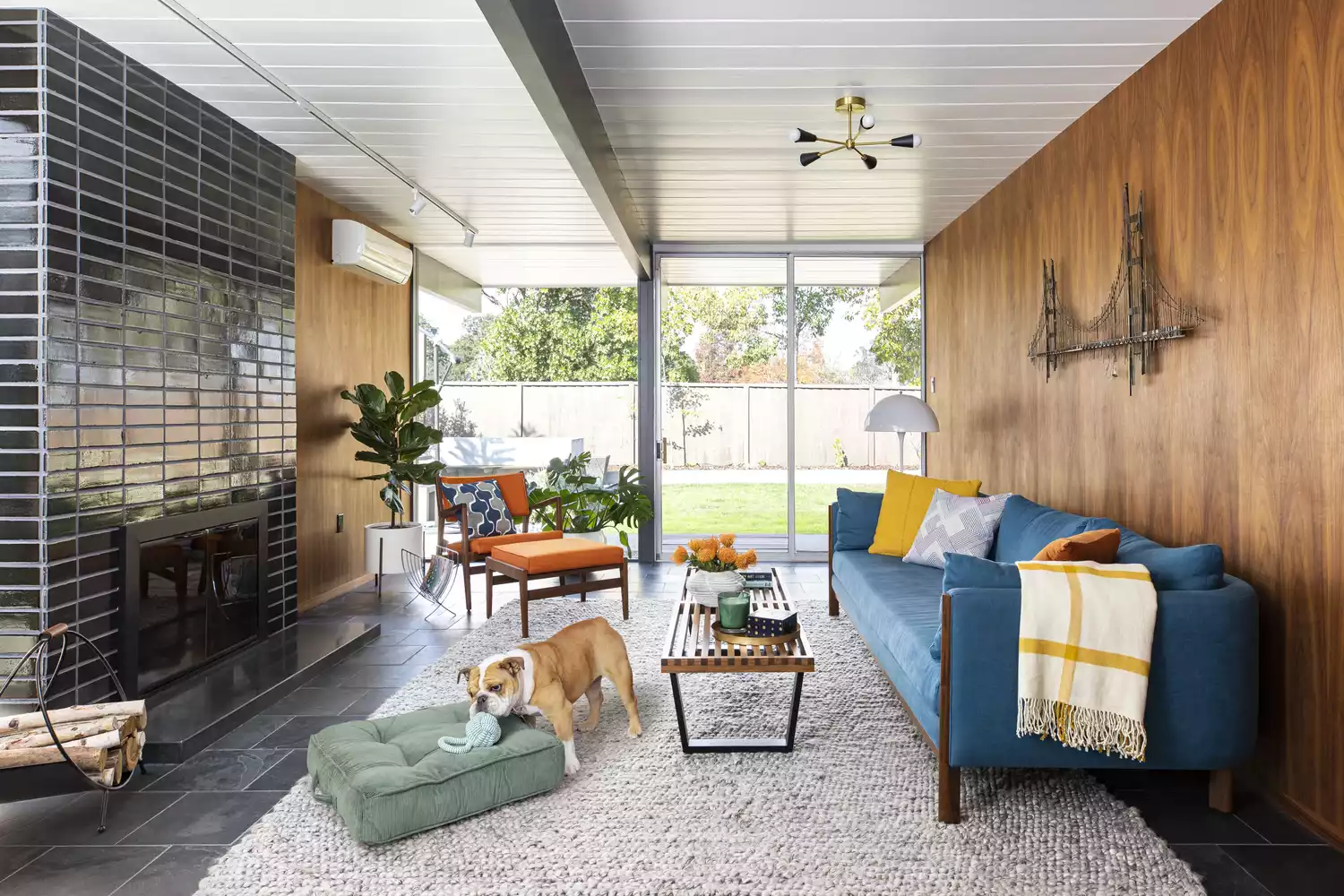
The third formula involves always considering scale. After accurately measuring the room, including all openings, the selection of furniture should prioritize pieces that fit the space proportionally. This avoids the common mistake of using oversized items in small rooms or undersized ones in large areas. For many designers, the coffee table serves as a foundational piece, around which other seating arrangements are planned, maintaining optimal distances for comfort and accessibility. This meticulous attention to scale ensures that the room feels harmonious and functional, rather than cramped or sparse.
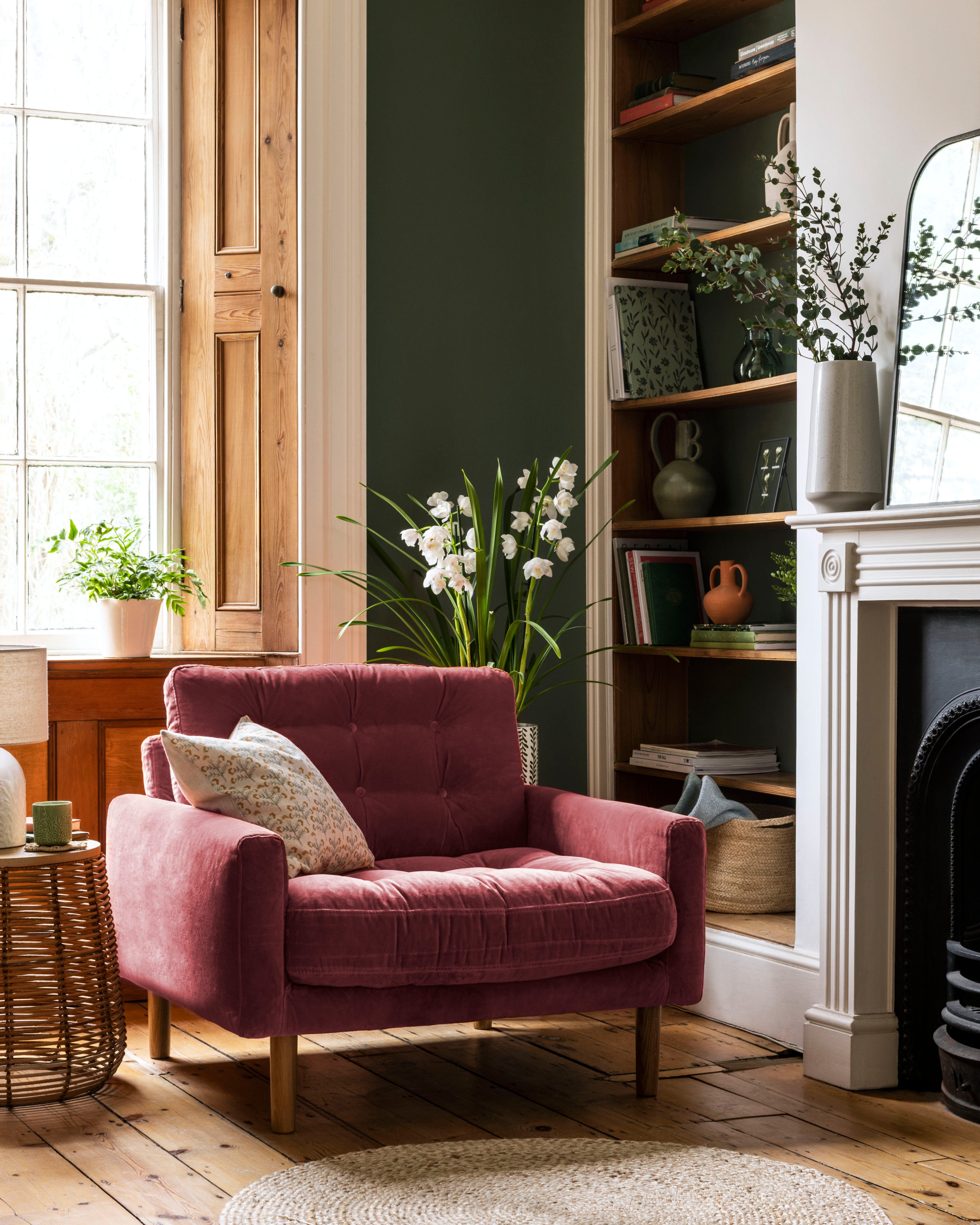
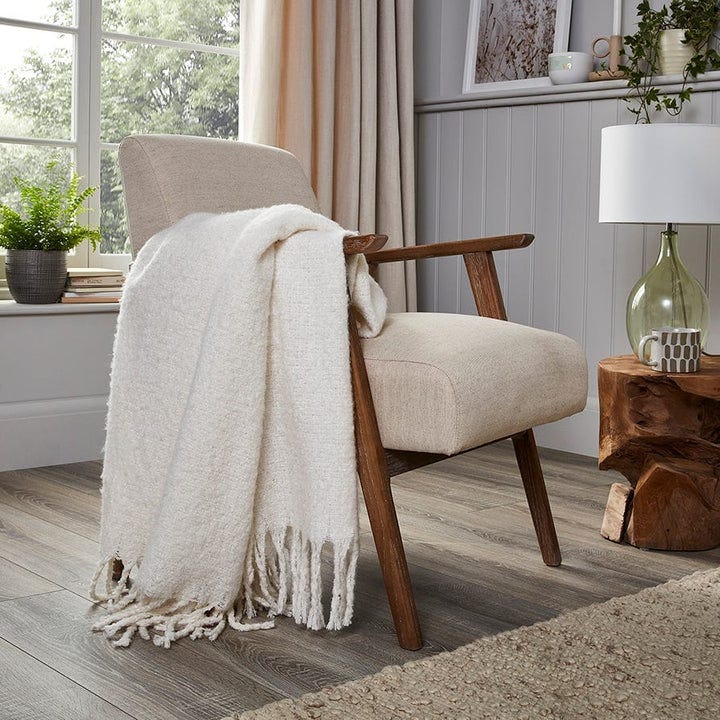
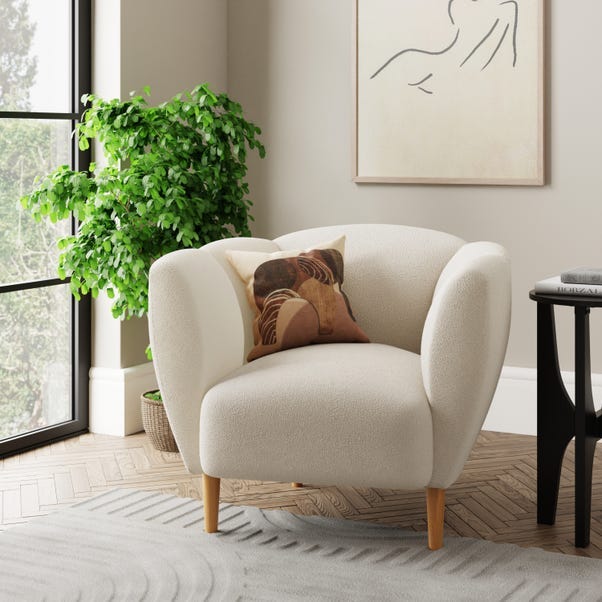
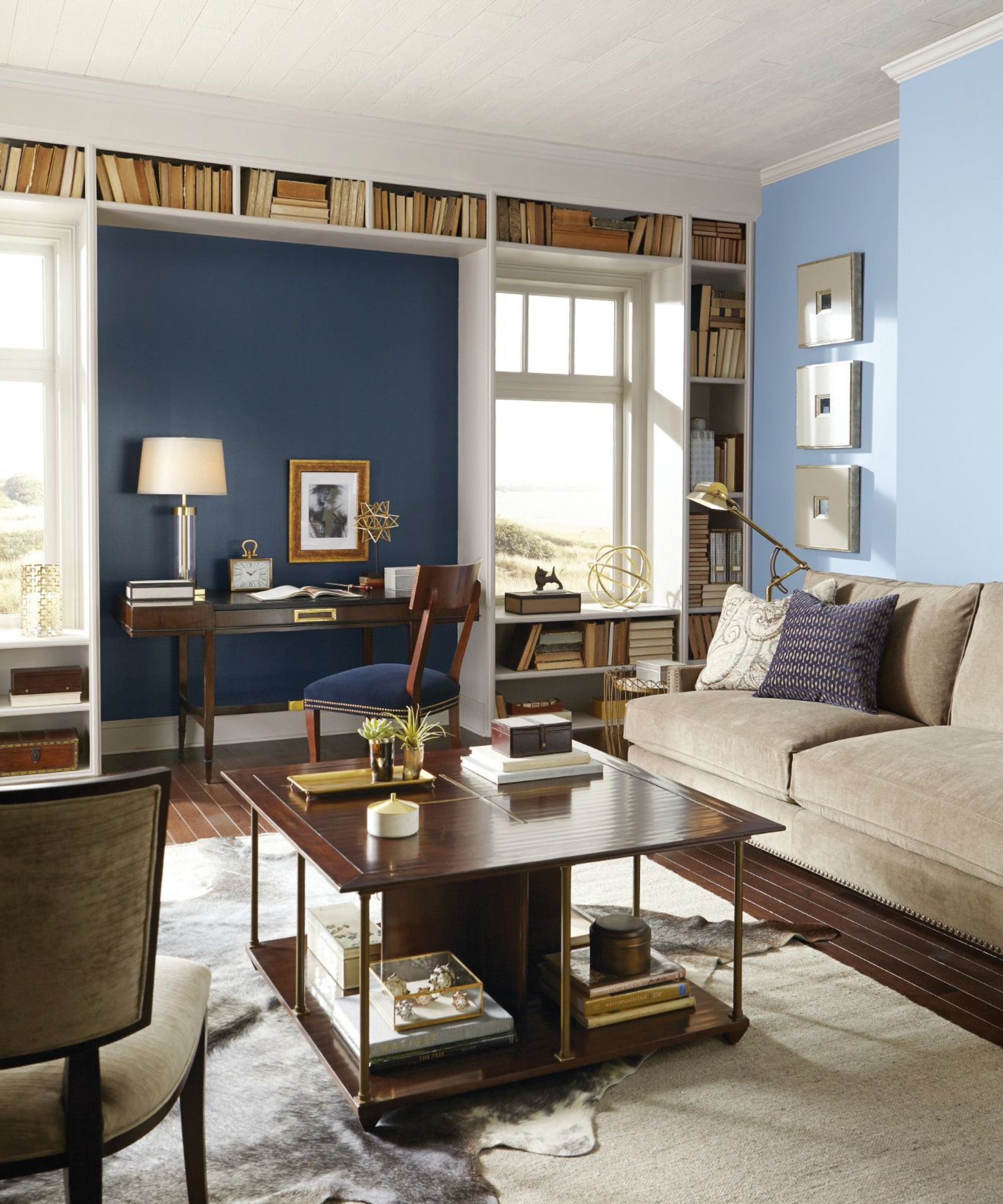
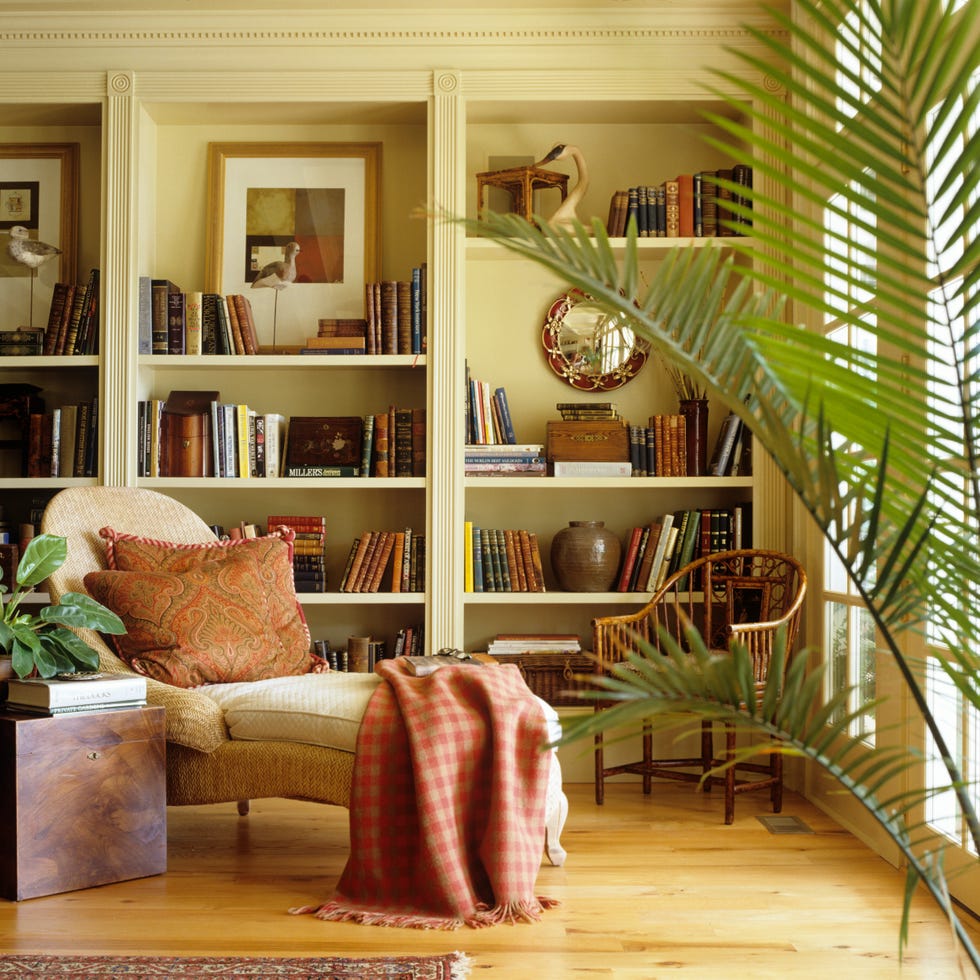
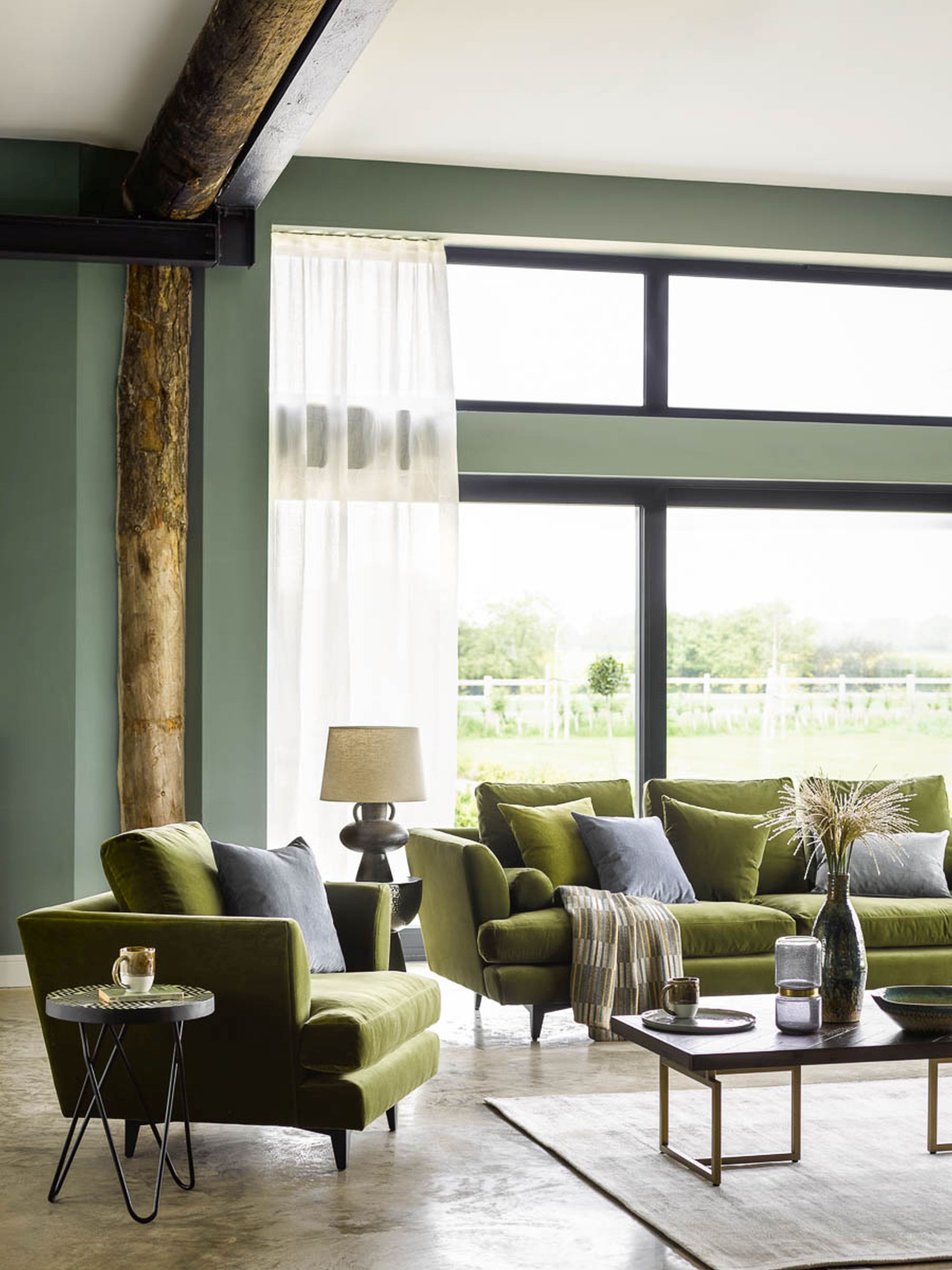
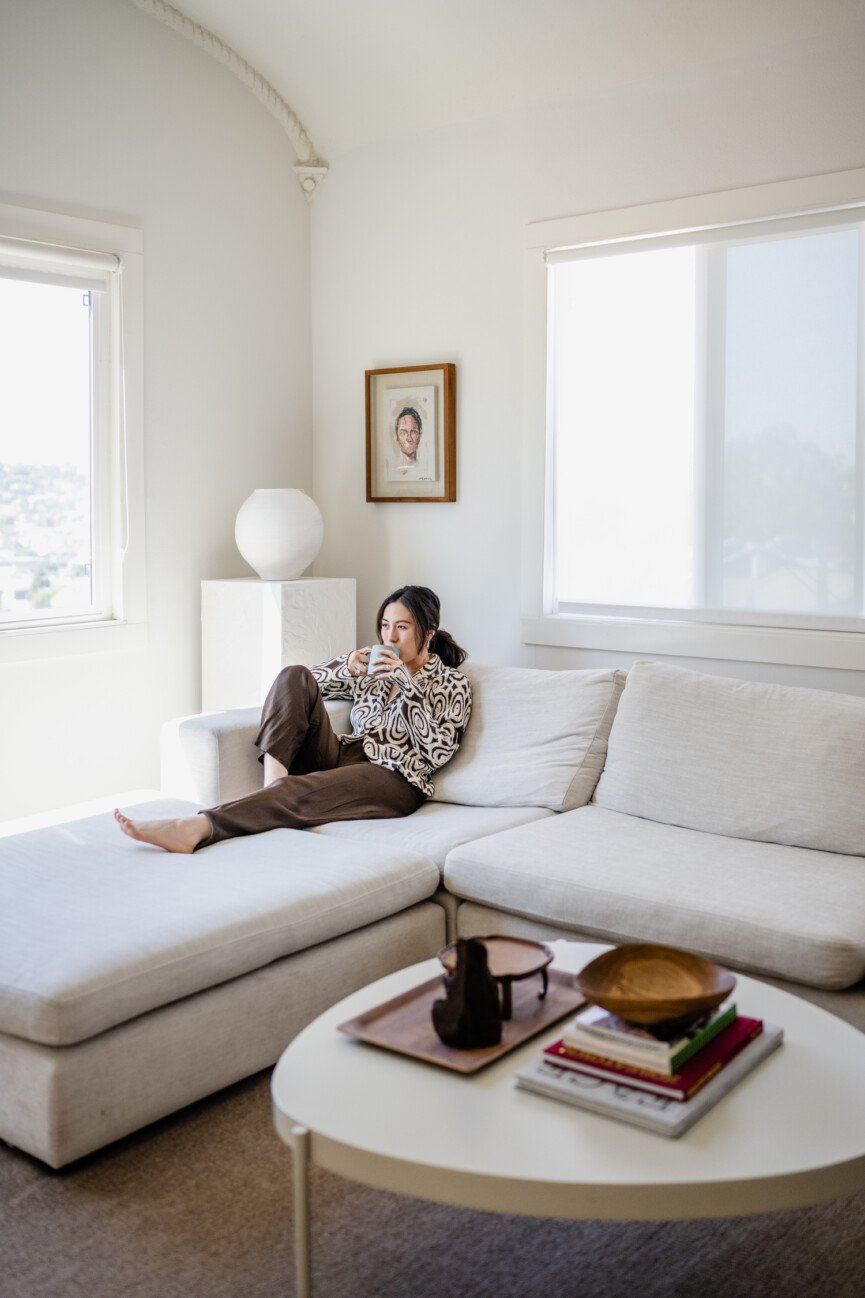
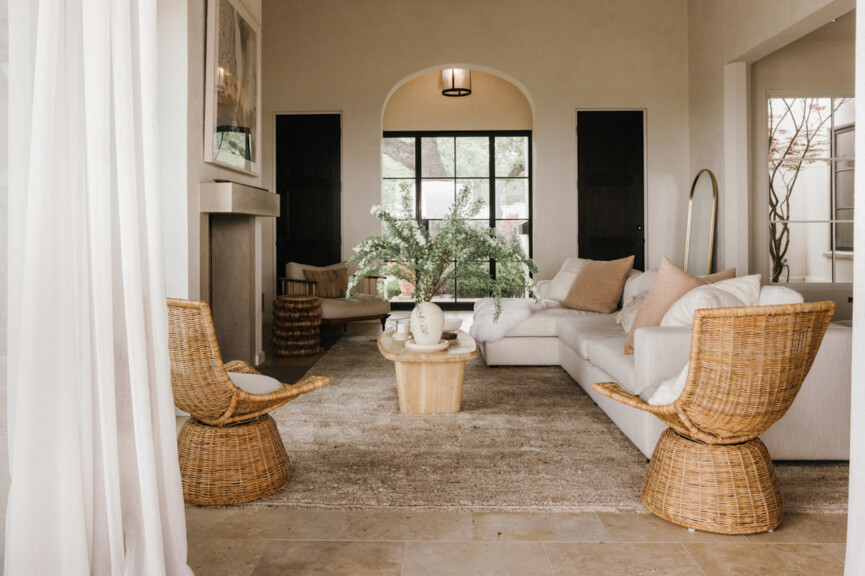
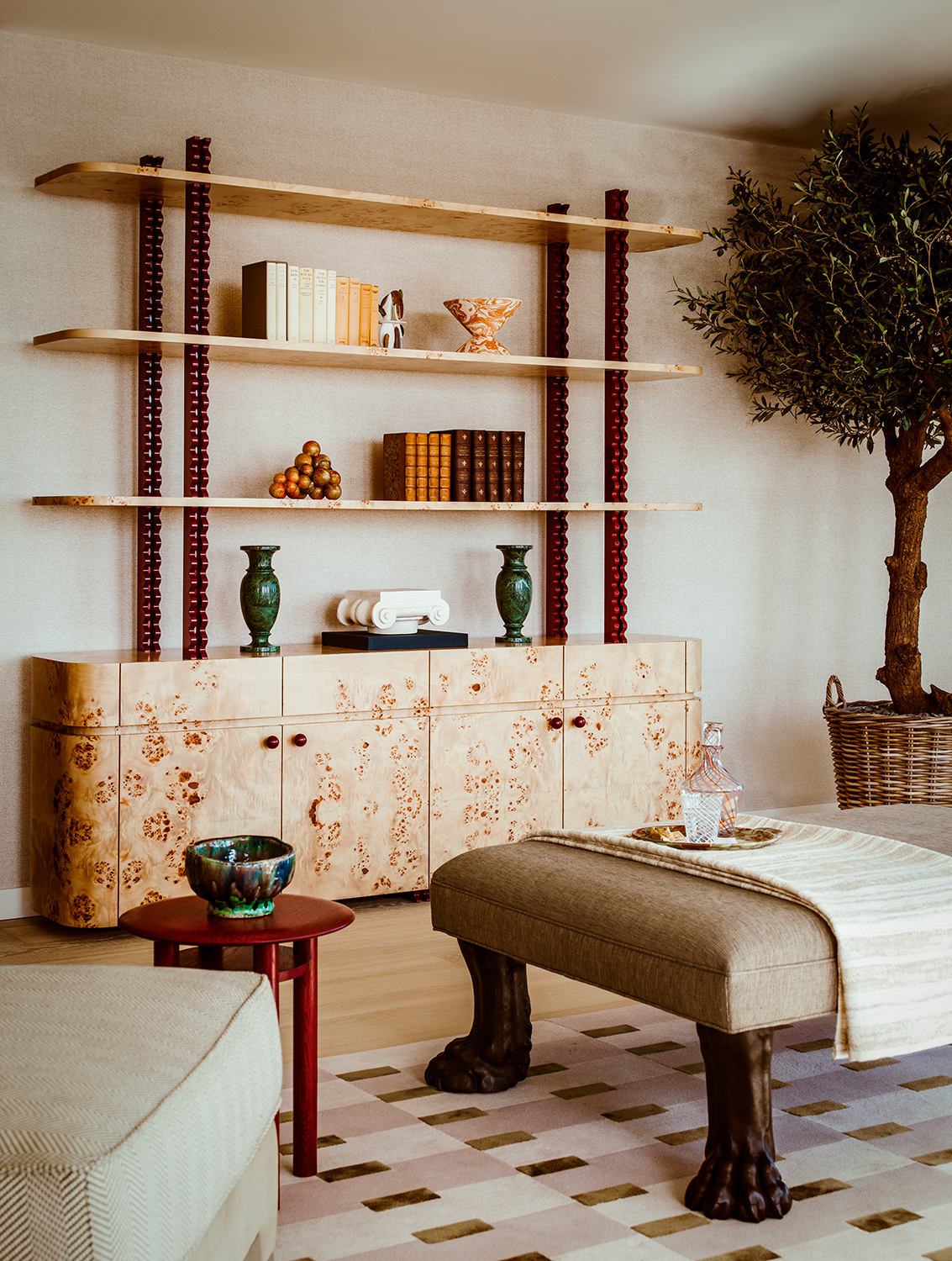
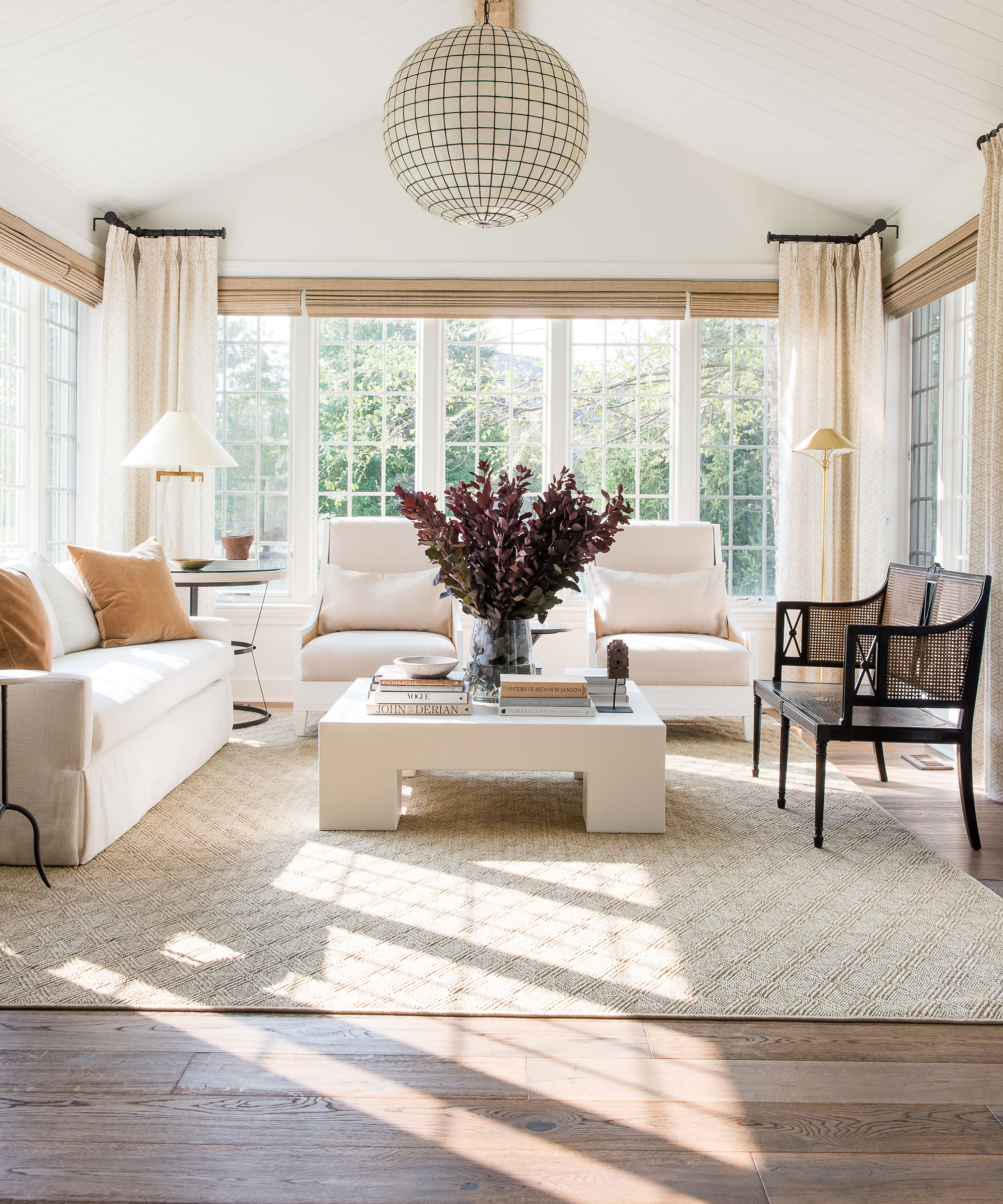
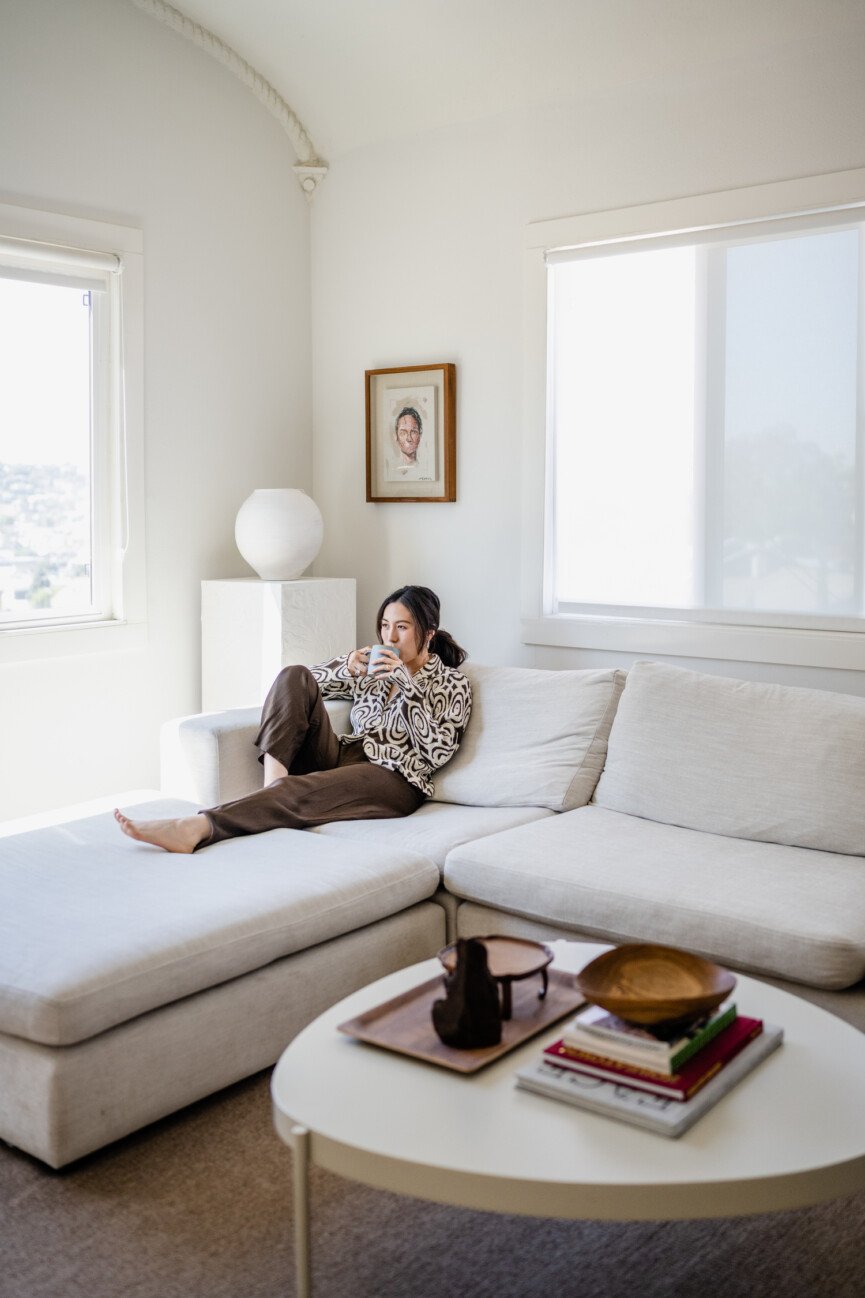
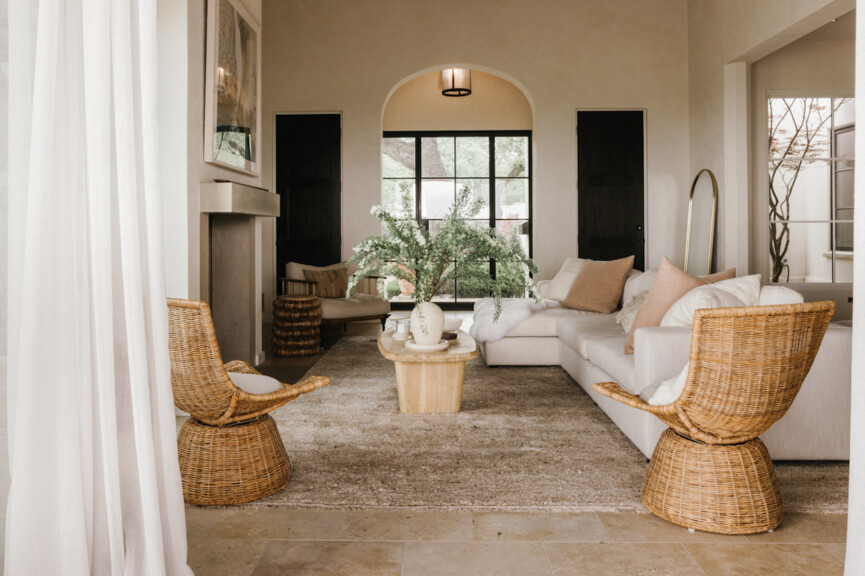
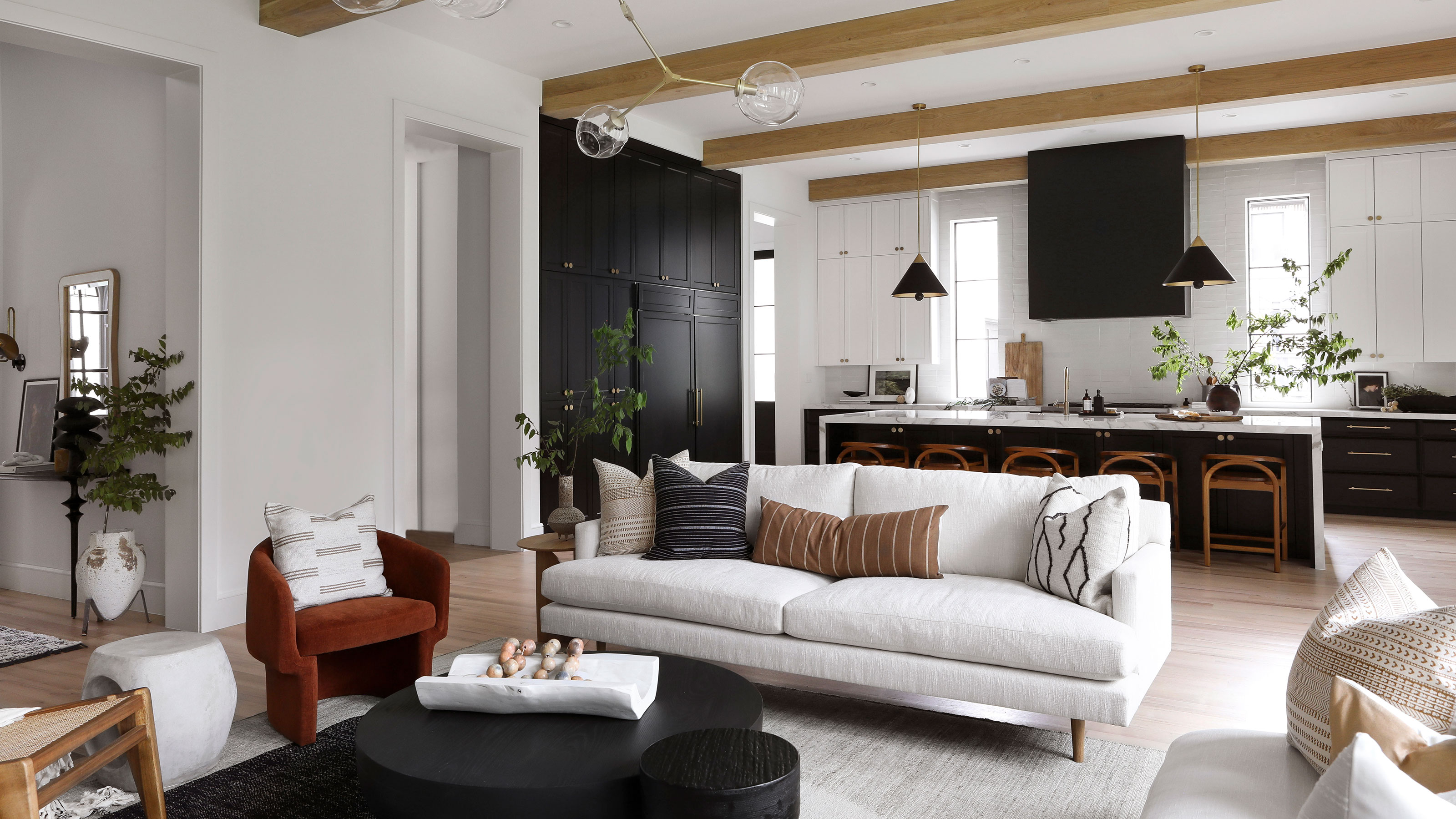
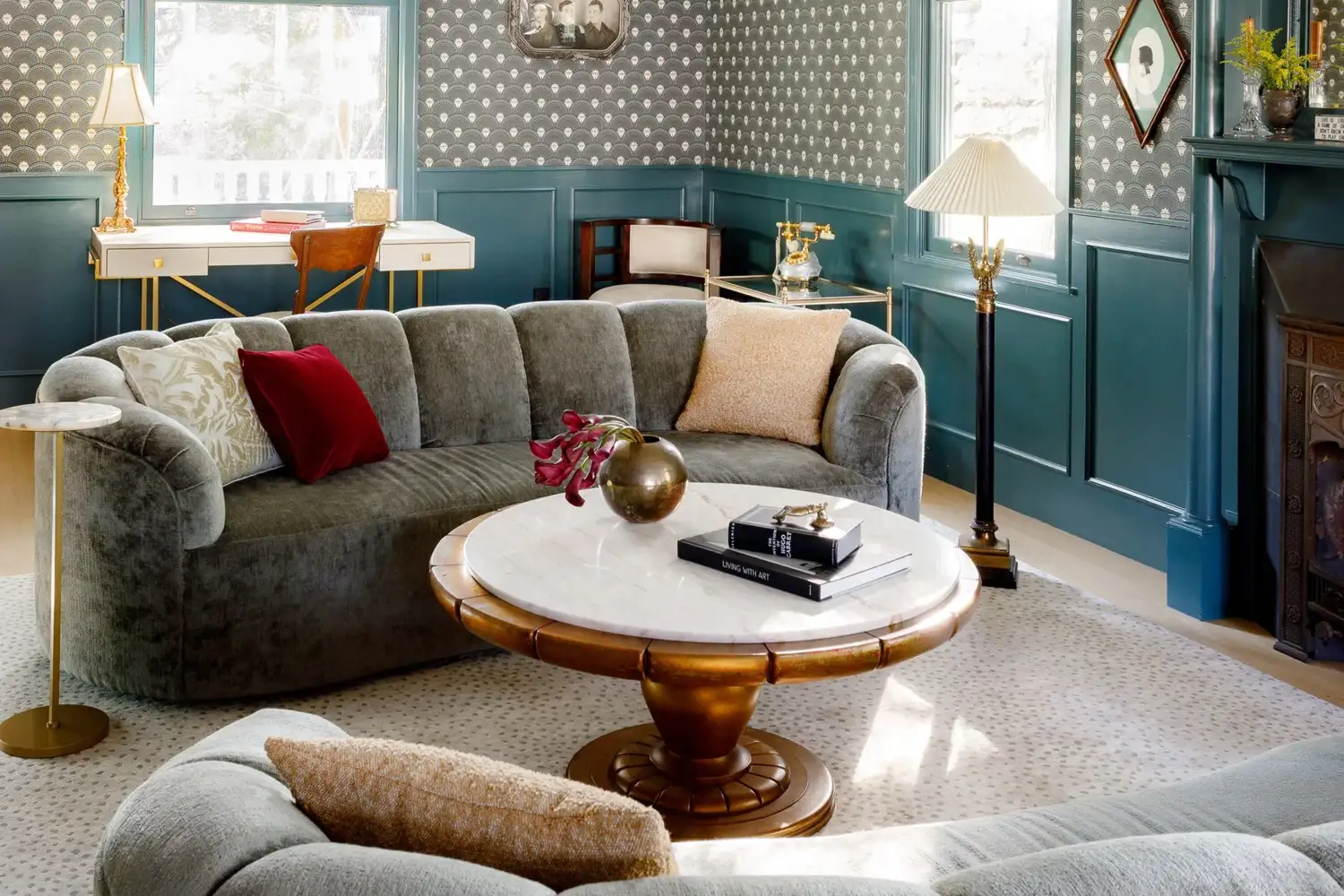
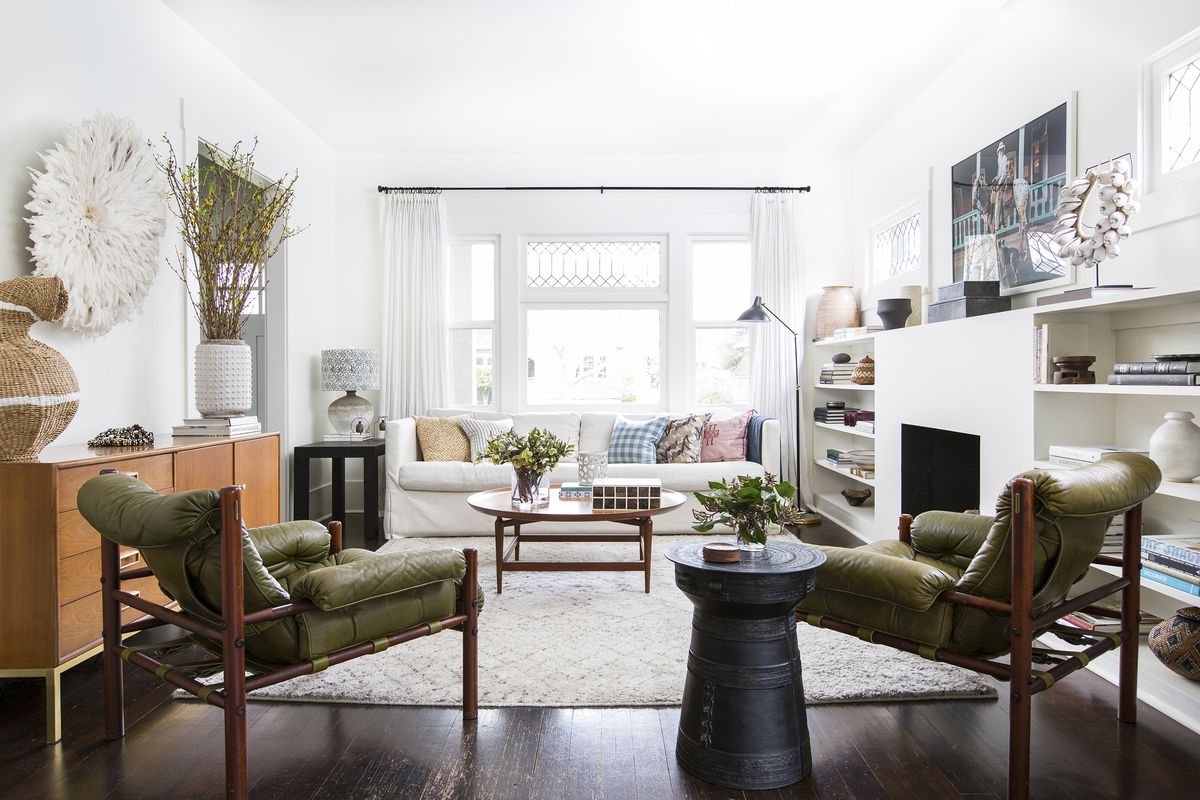
Fourthly, careful consideration of seating plans is paramount for fostering comfortable and sociable environments. Placing seats opposite one another, anchored by a central coffee table and an area rug, creates an inviting atmosphere for interaction. Additionally, designers suggest incorporating smaller, quieter seating areas, such as an armchair in a bay window, for individual relaxation. It is also recommended to move furniture away from walls when possible to create a more elevated feel and utilize wall space for other purposes. Mixing different types of seating, such as sofas and occasional chairs, adds elegance and adaptability to the room's changing functions, always keeping scale and proportion in mind to maximize seating without overcrowding.
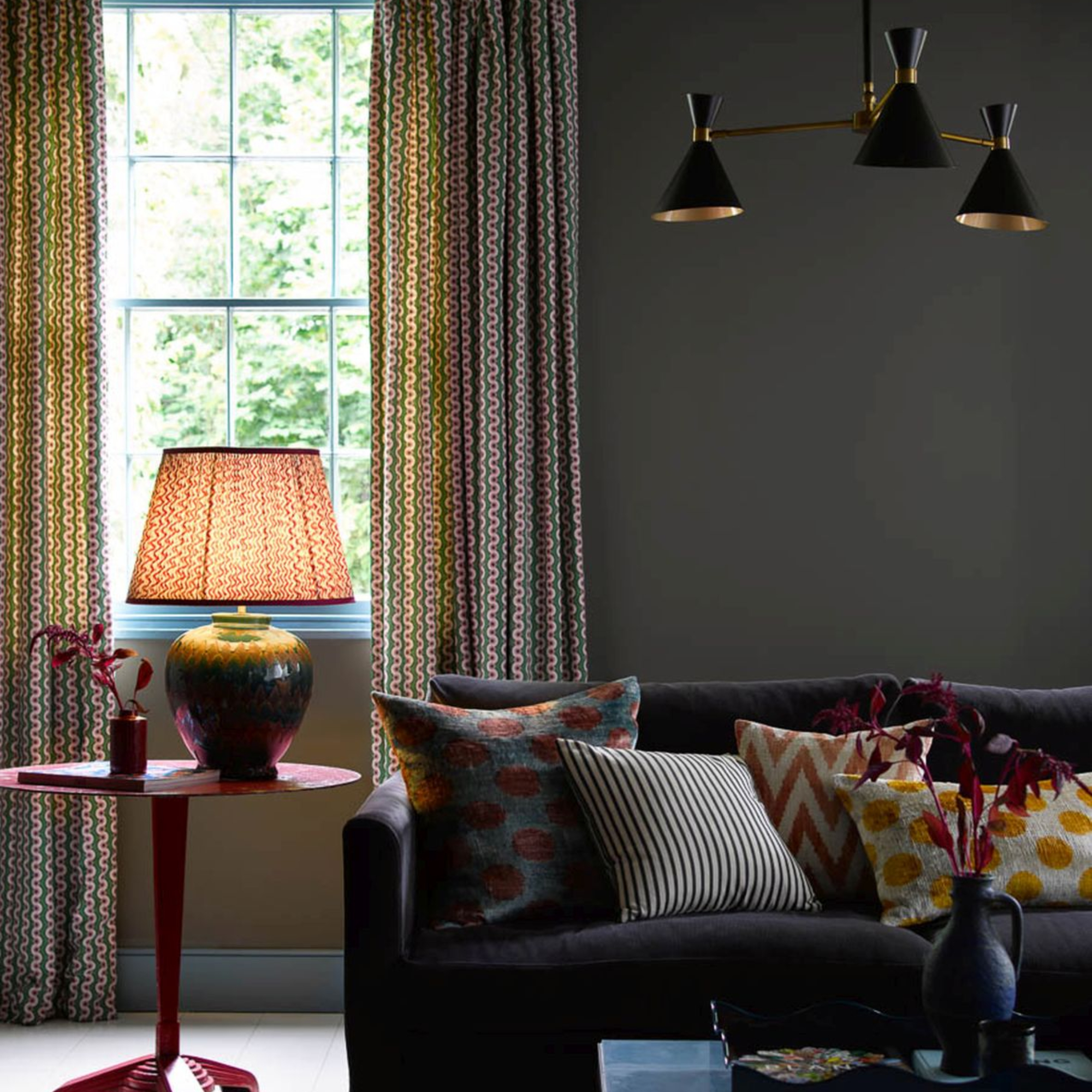
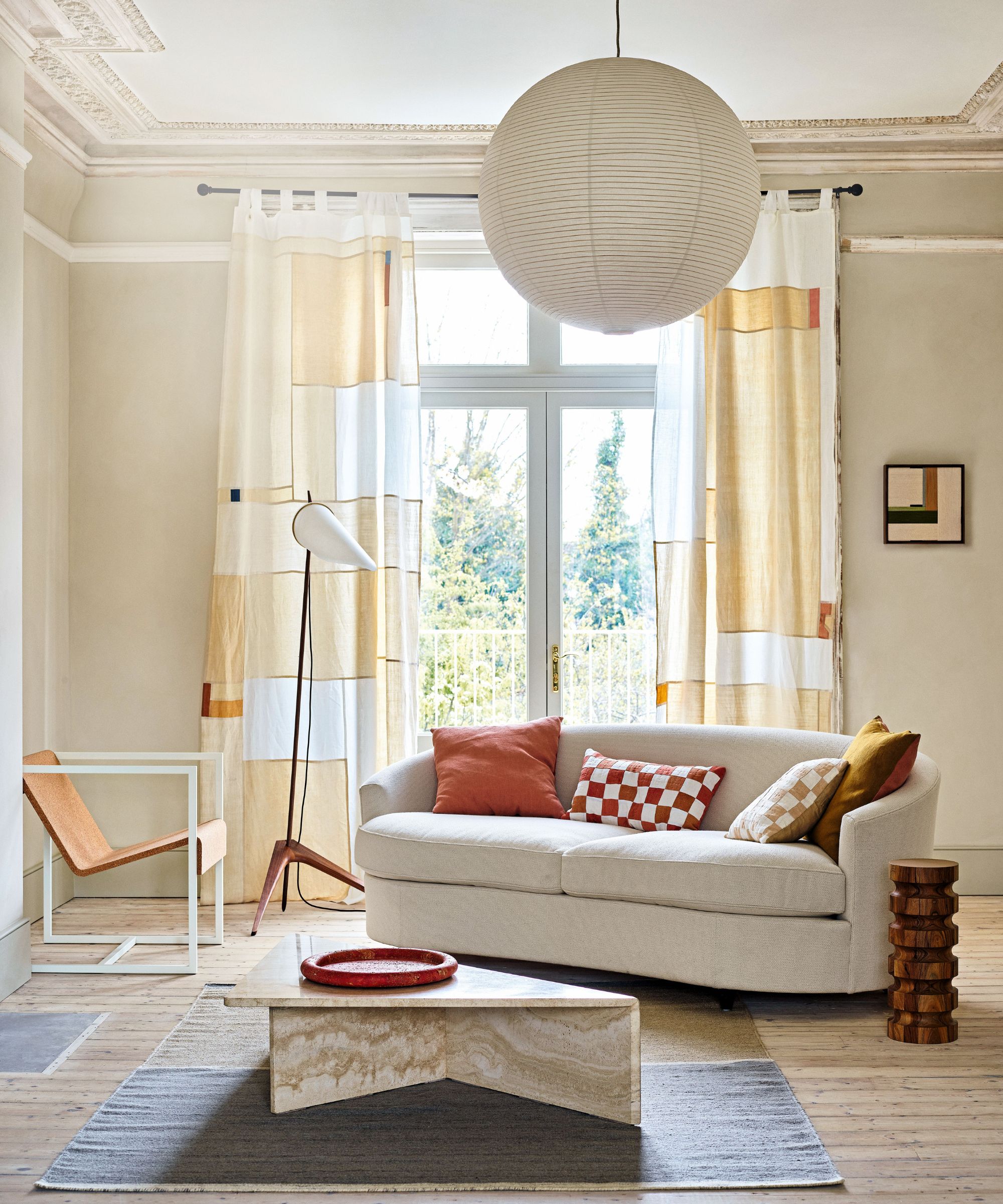
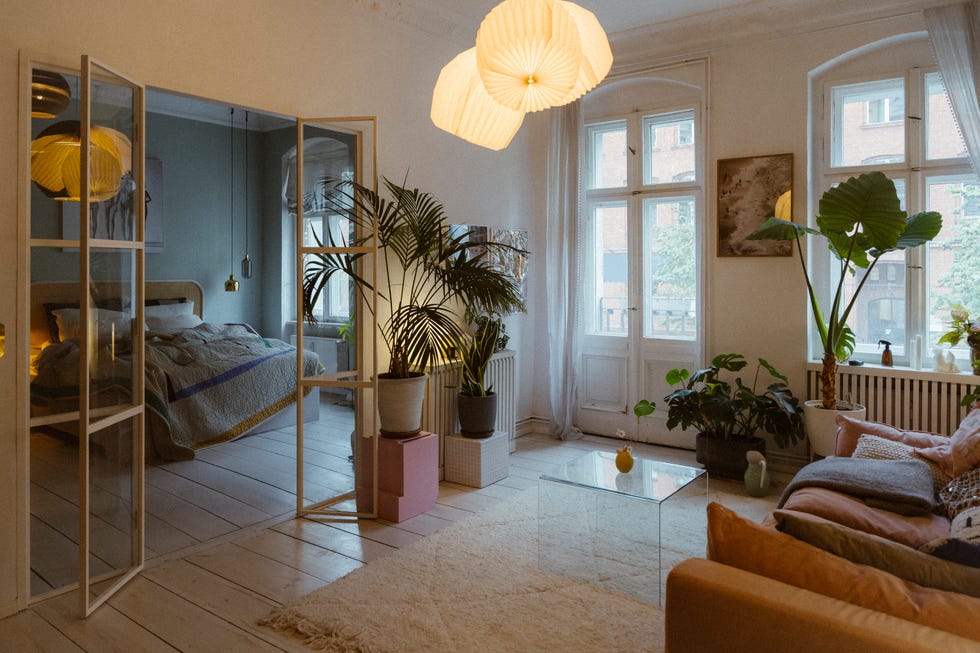
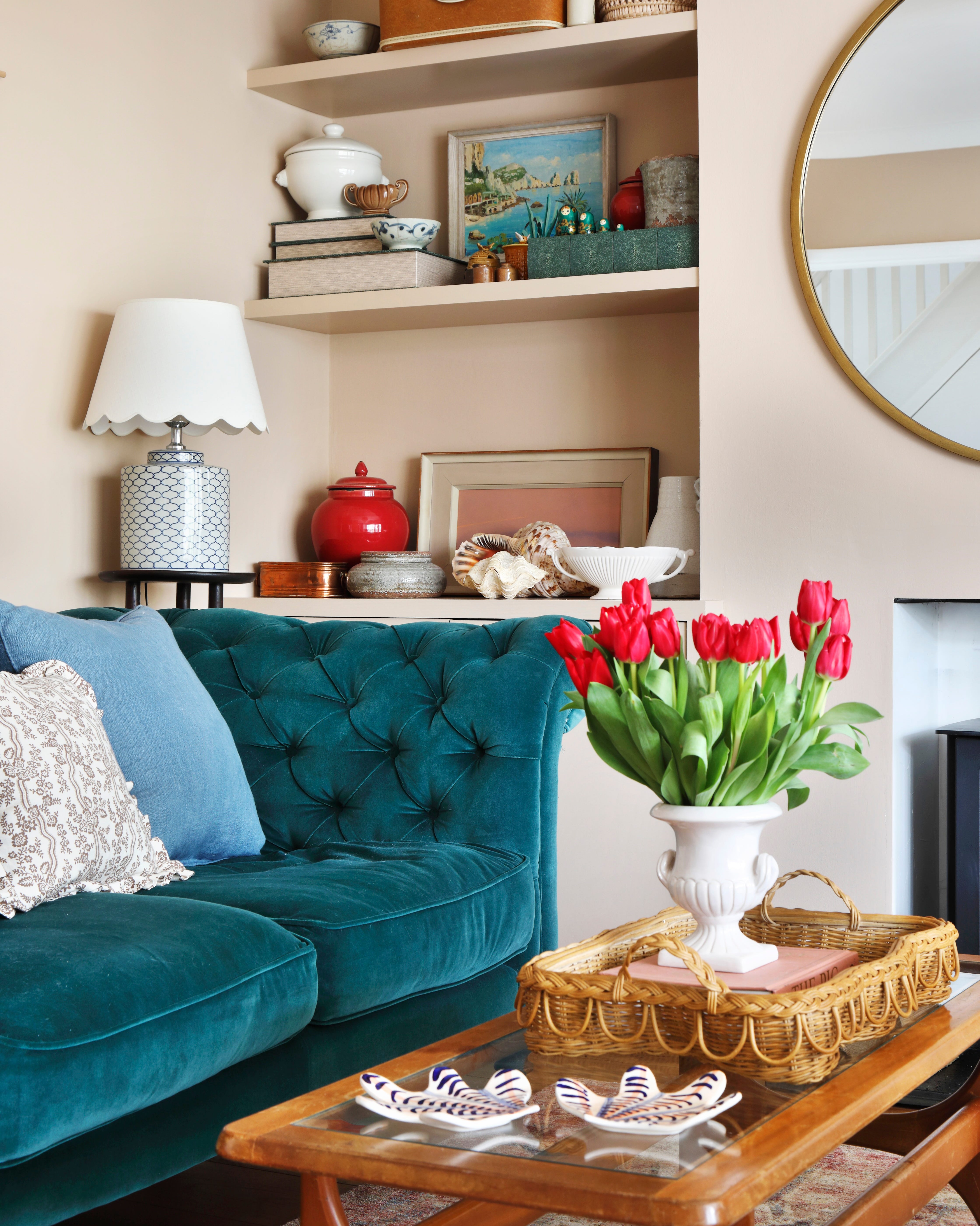
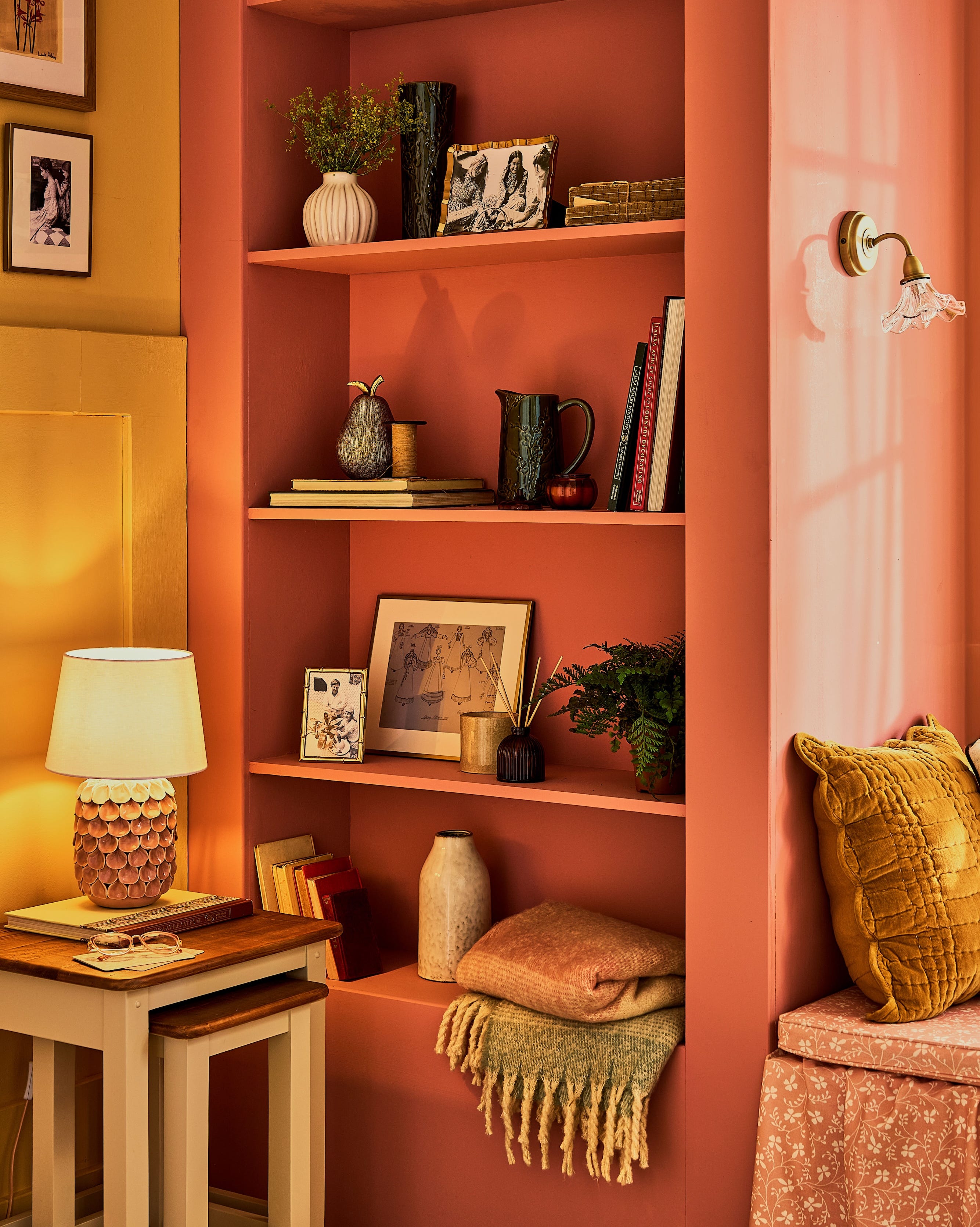
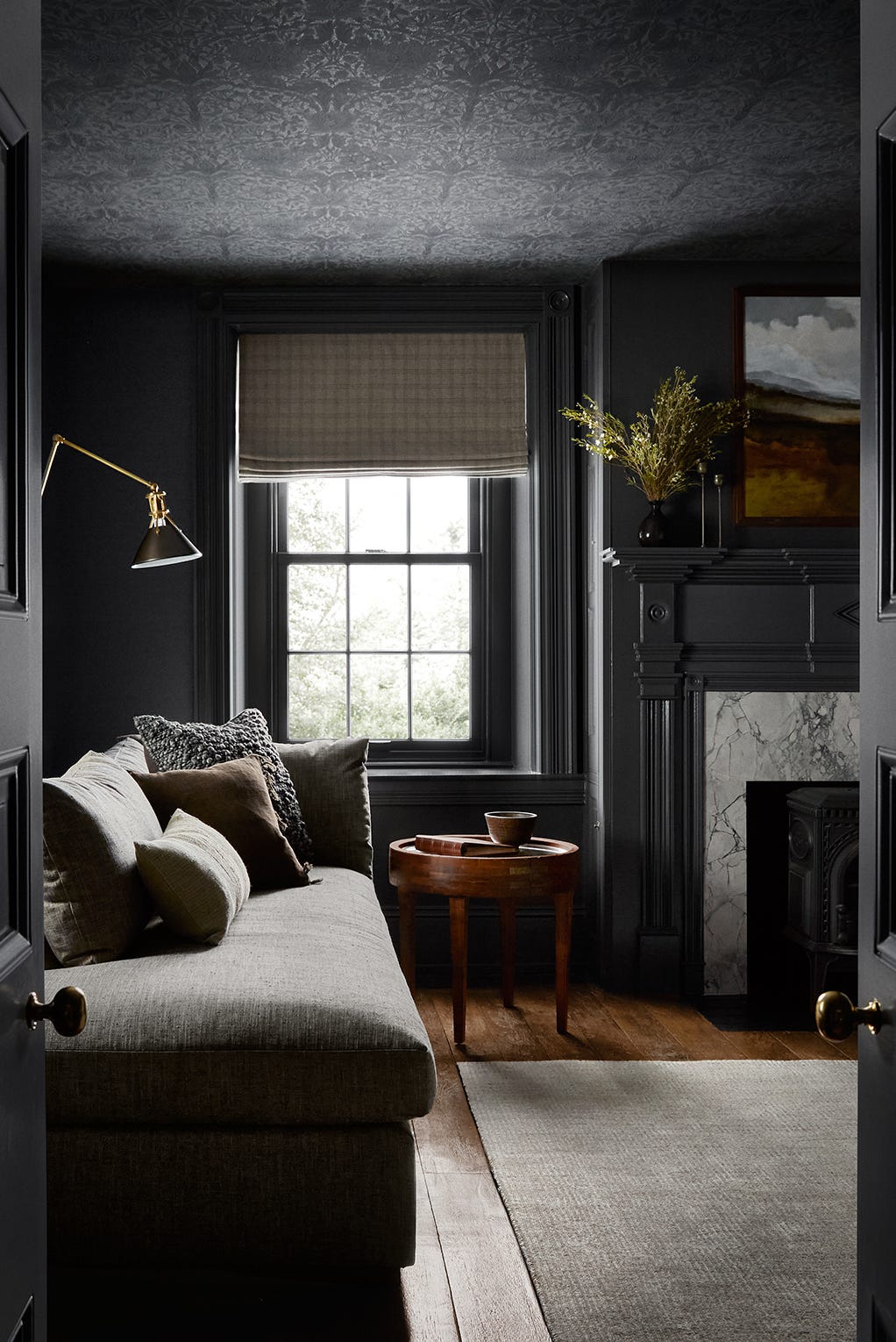
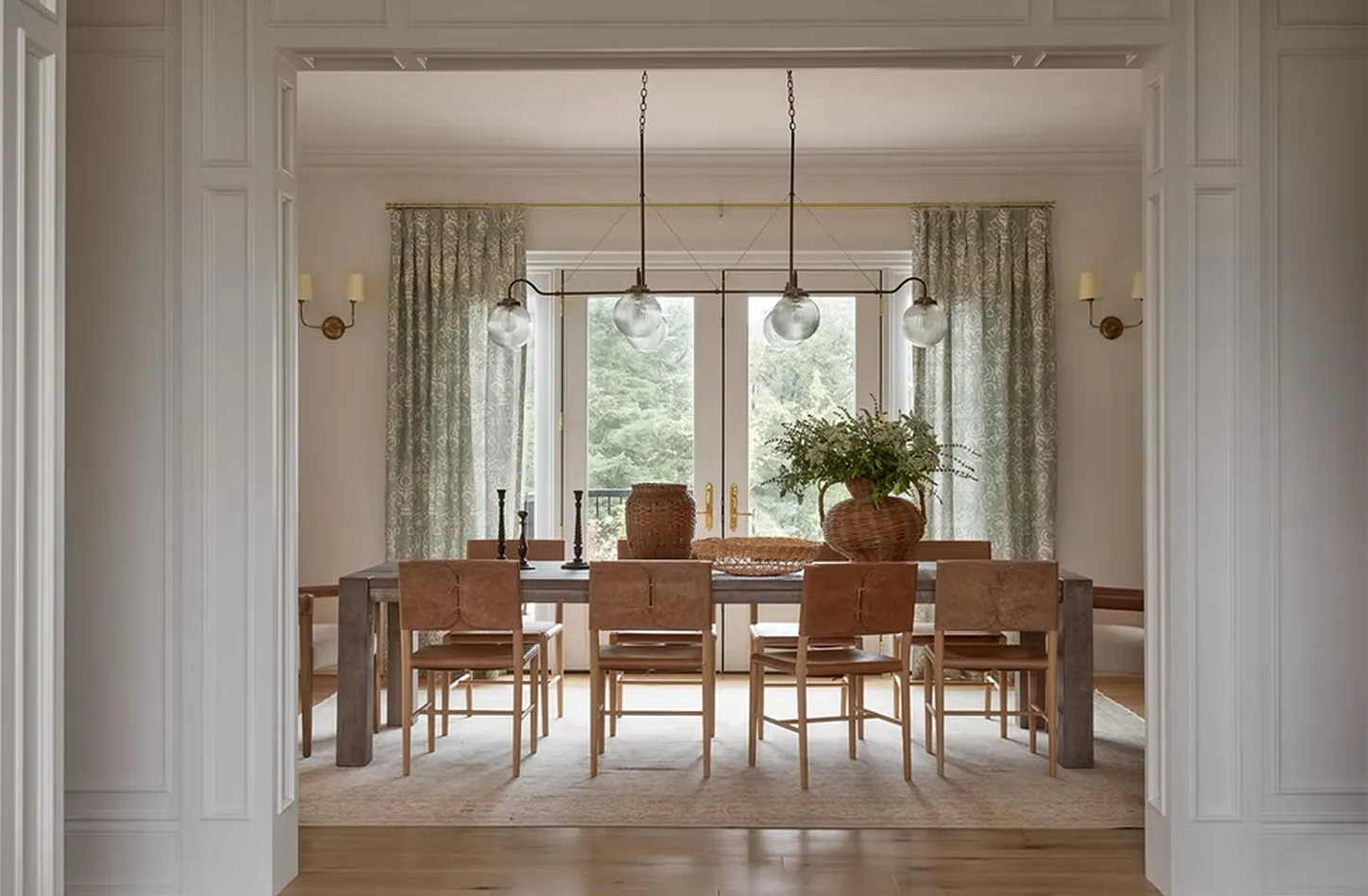
Fifth, layering lighting is a critical designer-proof rule for achieving versatile and inviting living rooms. This involves combining ambient lighting for general illumination, task lighting for specific activities like reading, and accent lighting to highlight decorative elements or architectural features. Avoiding sole reliance on overhead lighting is crucial for creating a warm and welcoming ambiance. A common guideline is to include at least three different light sources at varying heights to achieve a well-balanced and adaptable lighting scheme.
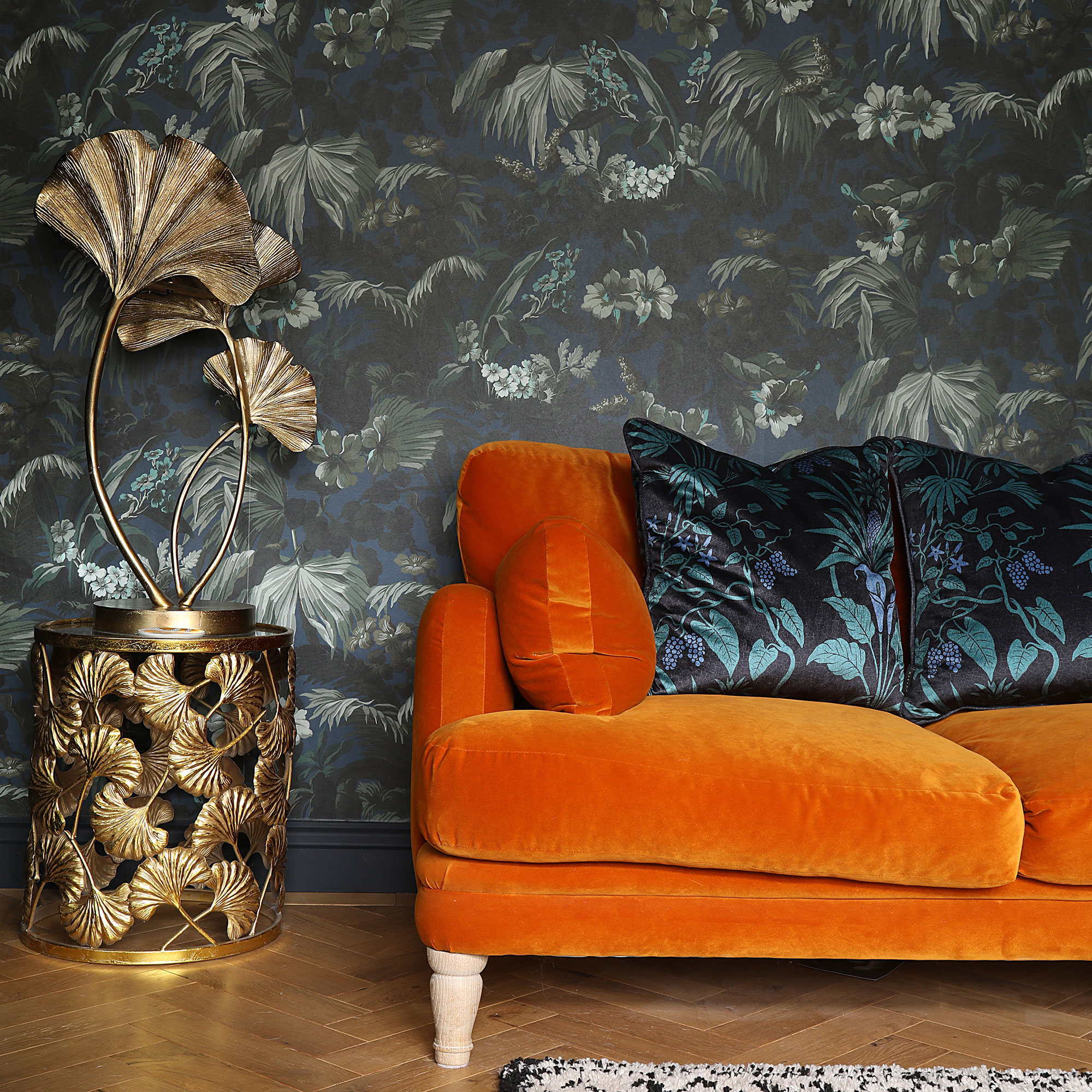
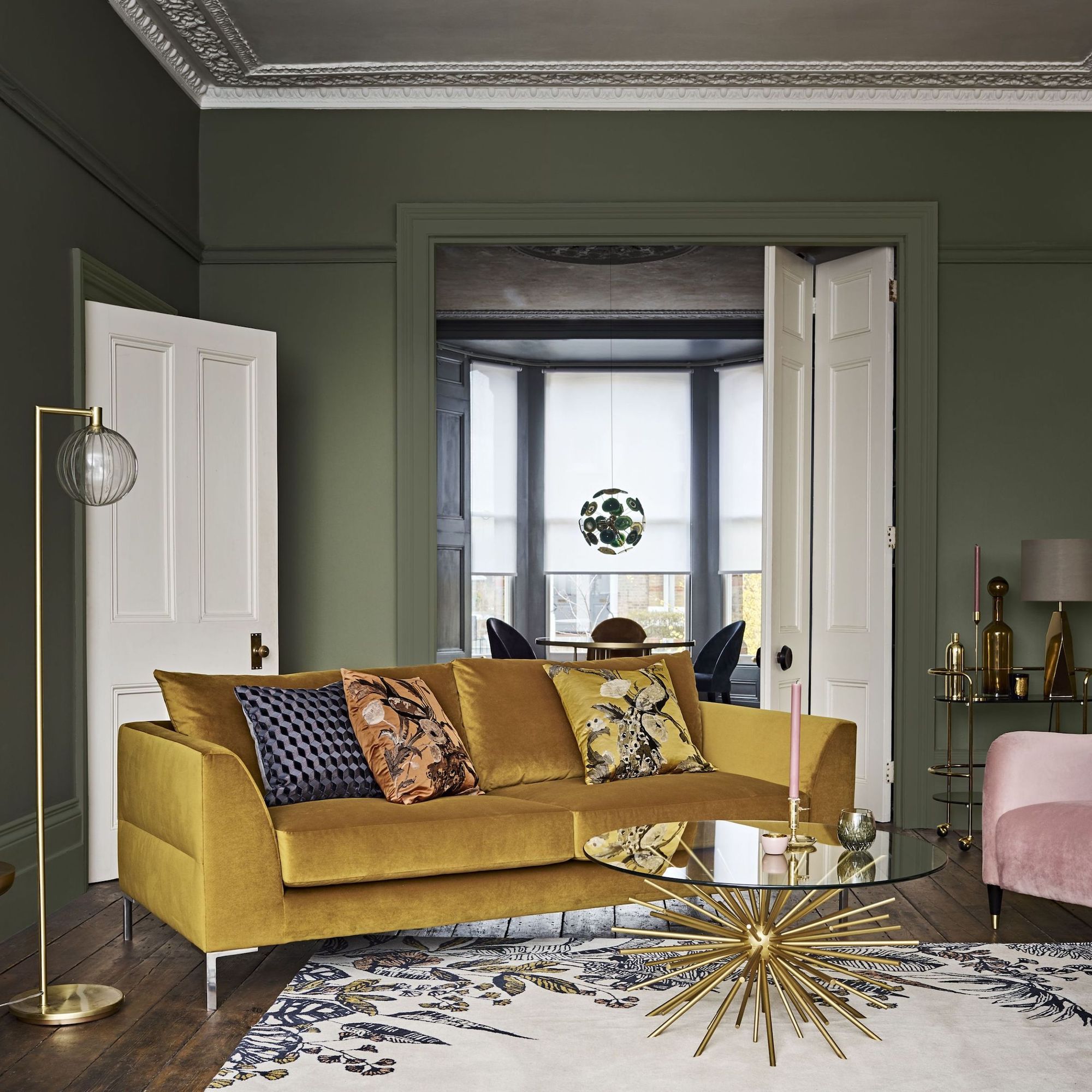
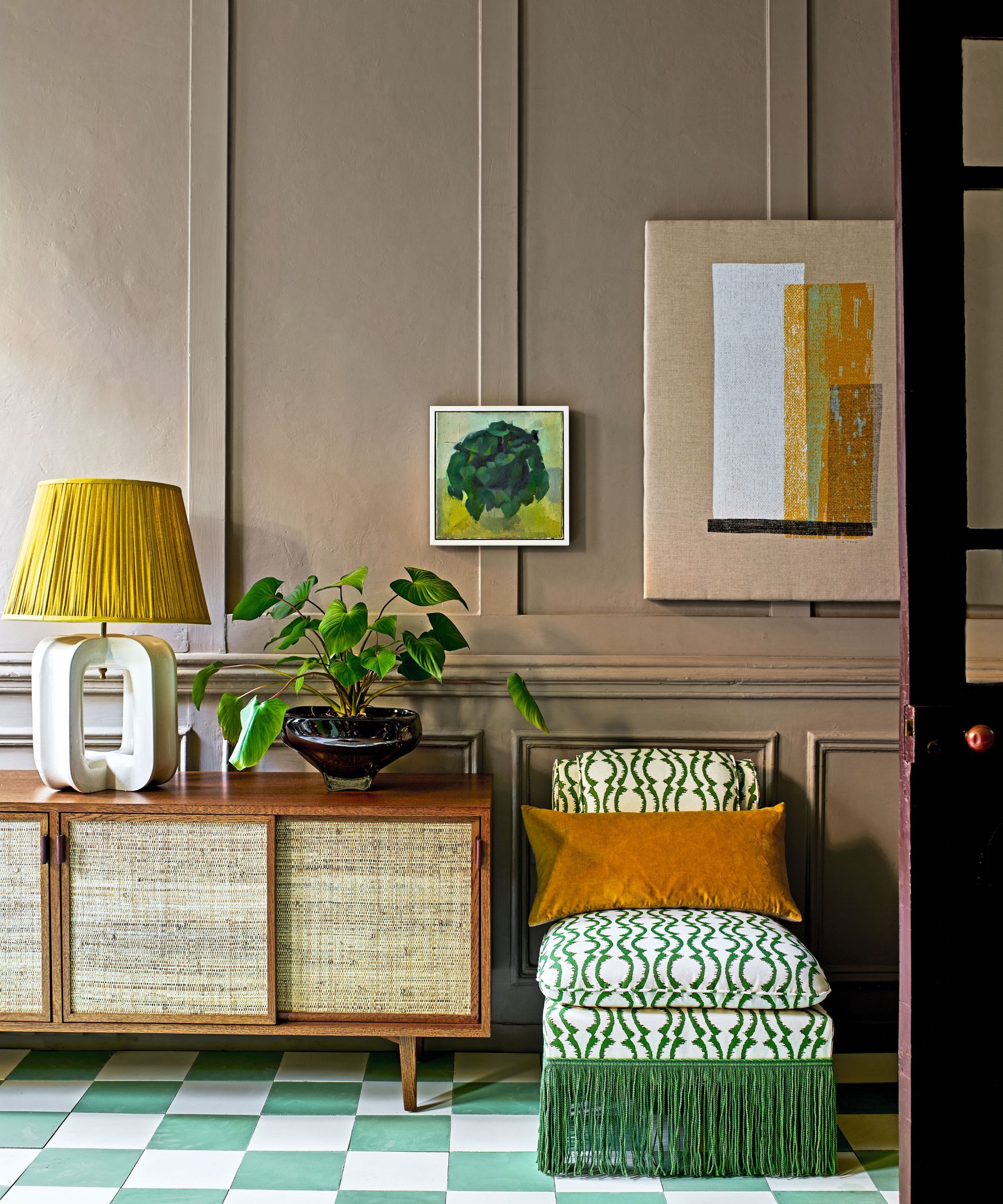
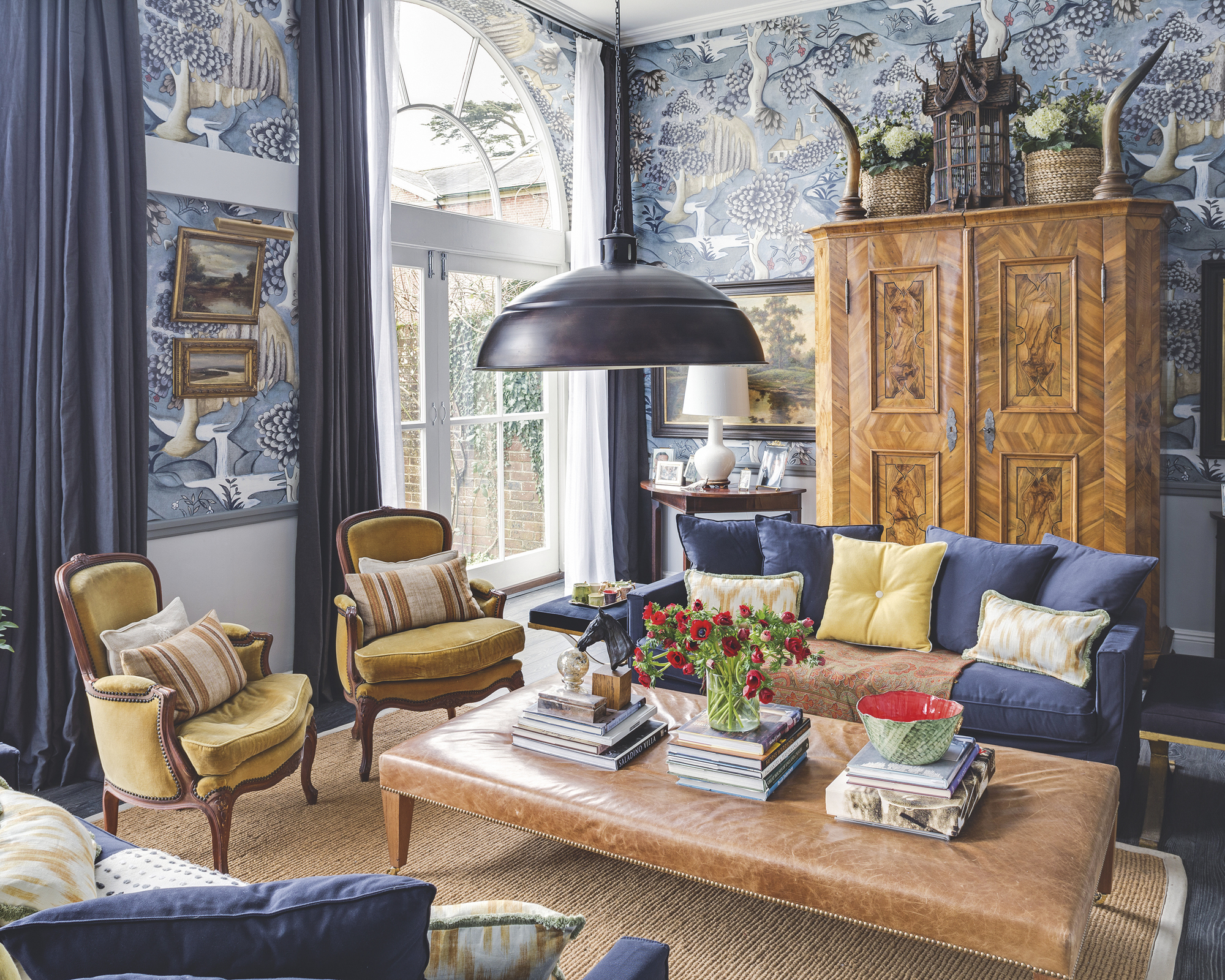
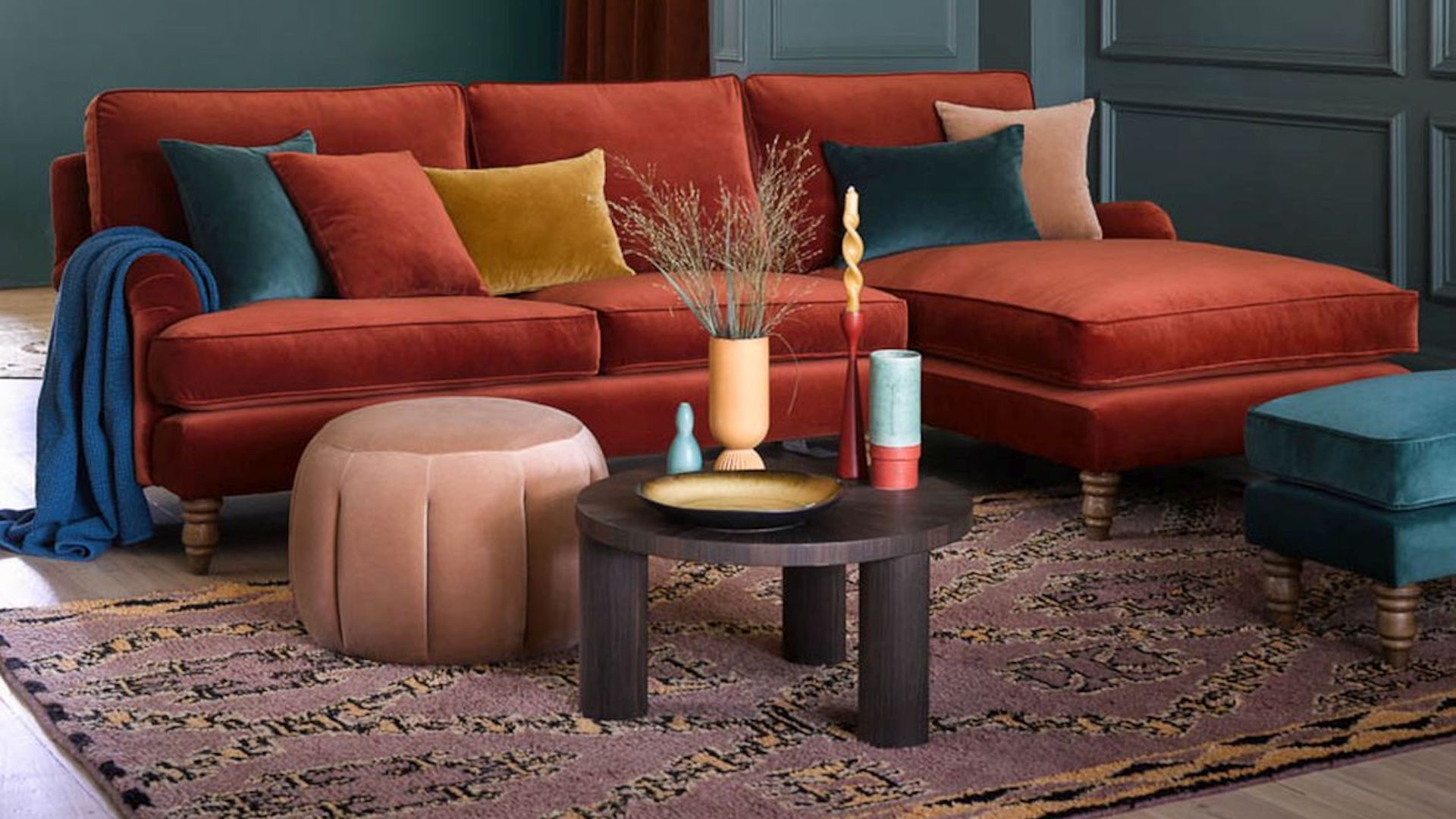
Finally, personalizing the space with pattern and color allows for the expression of individual style and desired ambiance. It is advised to test a variety of samples for wallpapers, paints, and fabrics in different lighting conditions and areas of the room before making final commitments. When introducing multiple patterns, maintaining a limited color palette of two to three main hues, complemented by a few accent colors, helps to ensure balance and cohesion. This thoughtful approach to color and pattern ensures the living room truly reflects the homeowner's personality while adhering to established design principles, resulting in a cohesive, beautiful, and functional space.
#LivingRoomDesign #InteriorDesignTips #HomeDecor #SpacePlanning #FurnitureArrangement #LightingDesign #ColorPalette #FocalPoint #LivingRoomDesign #InteriorDesignTips #HomeDecor #SpacePlanning #FurnitureArrangement #LightingDesign #ColorPalette #FocalPoint
0 comment in total
 No comments yet
You may also like
4 rules interior designers always use to plan the perfect living room layout - these tried-and-tested tricks work every time
Designers Share 4 Common "Mistakes" You're Making in Your Living Room—and How to Correct Them

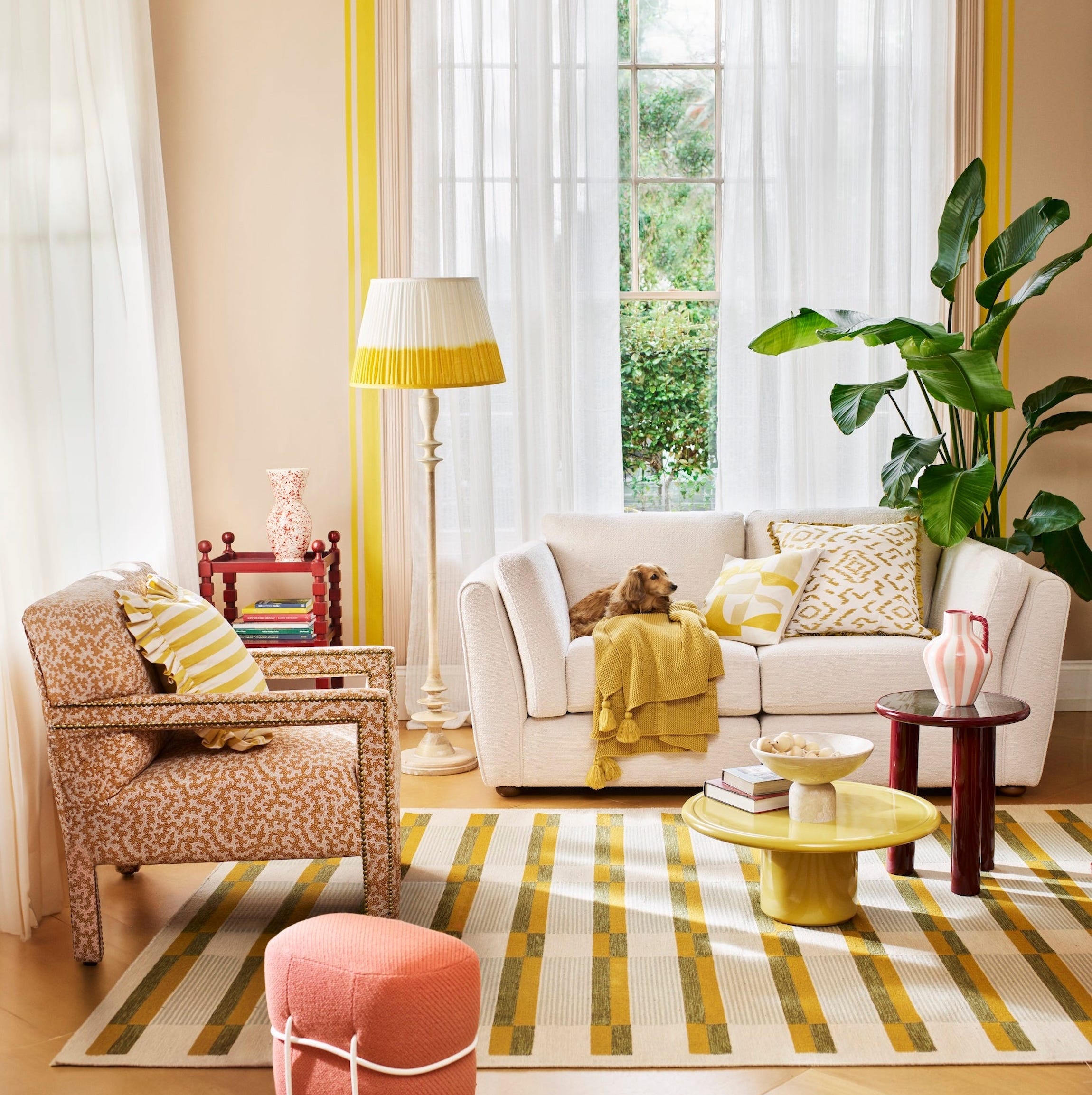
5 Living Room Design Mistakes You Didn't Know You Were Making
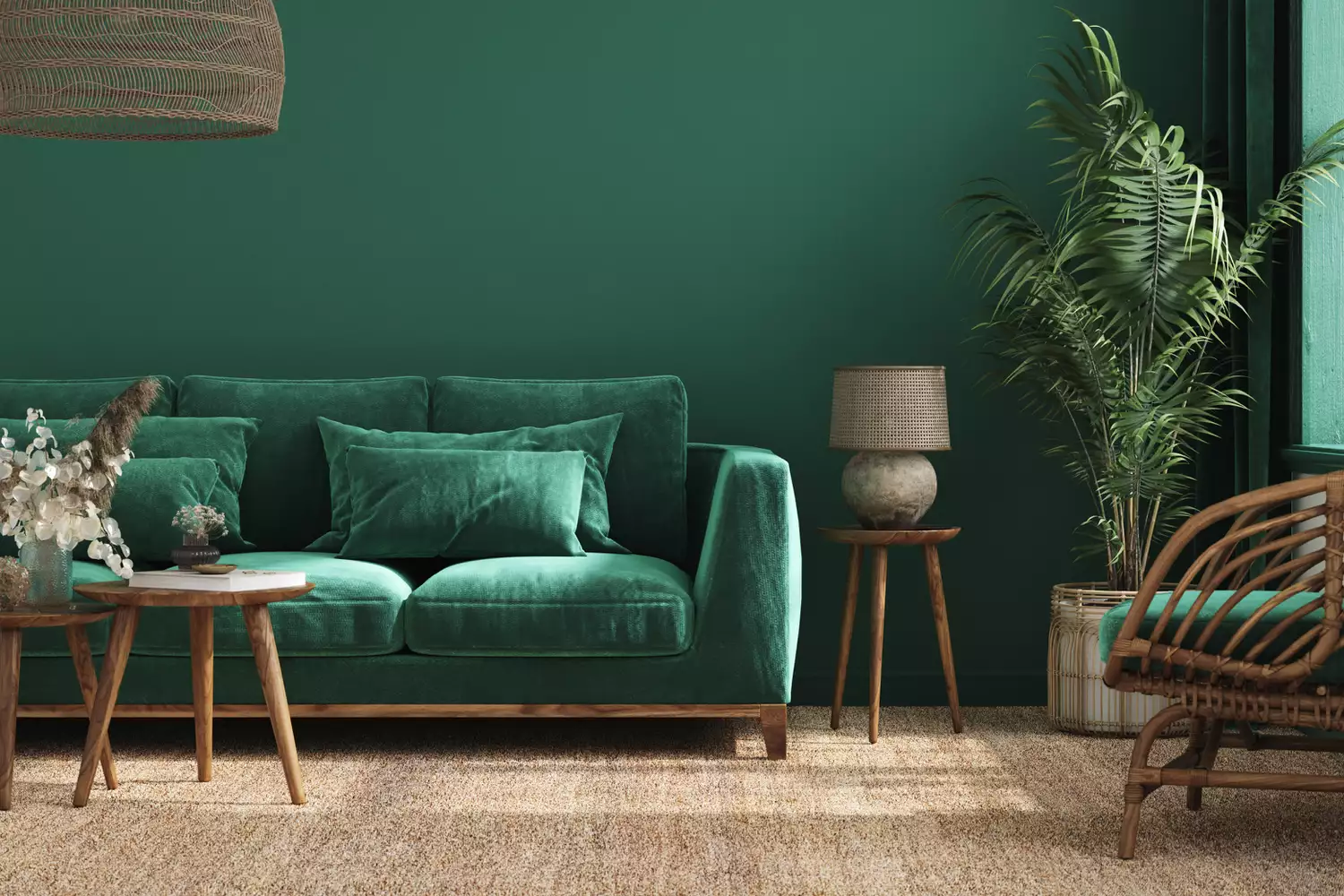
6 Golden Rules of Living Room Design for Creating a Cozy Yet Stylish Space, According to Pros

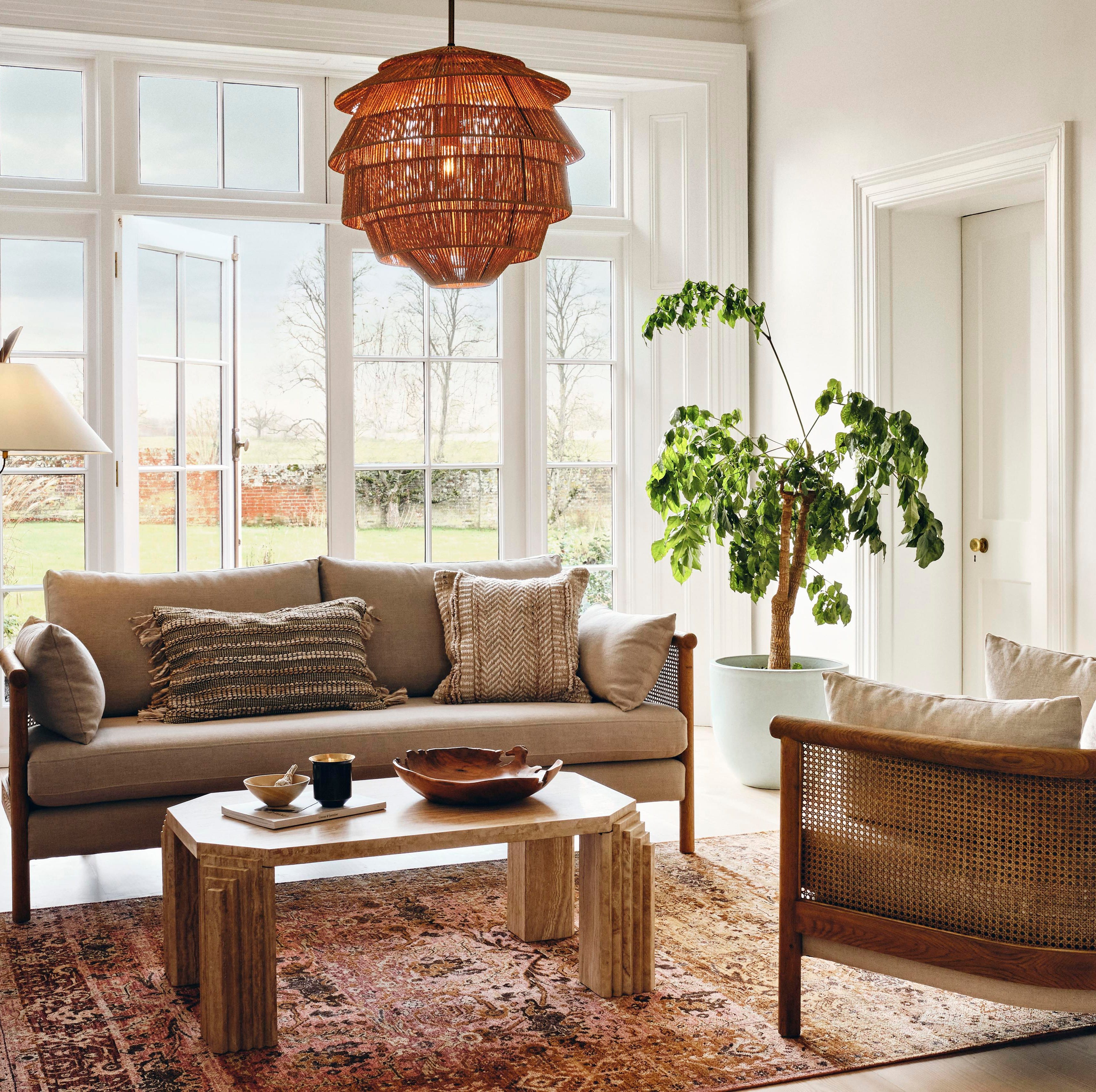
An interior expert reveals how to achieve the perfect living room – and the biggest mistakes made
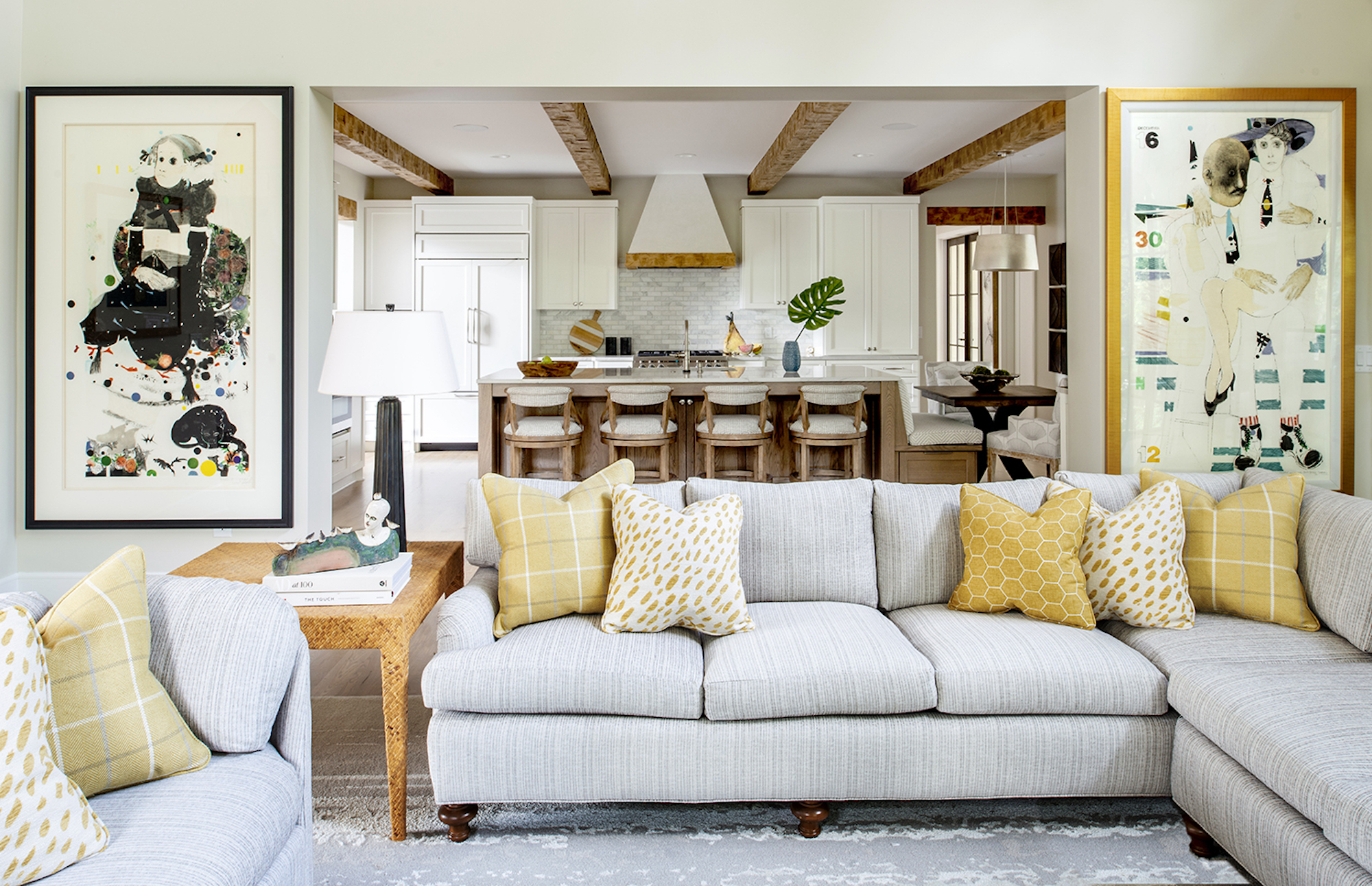
7 small living room layout mistakes design experts want you to avoid – and what to do instead
6 Styling Tricks Designers Always Use to Make Any Living Room Look Instantly Finished

How to Fix the Most Common Living Room Layout Mistakes

10 common living room design disasters experts warn against falling for
6 Small Living Room Layout Mistakes You Should Never Make, According to Designers
6 things making your living room furniture look cheap – explore the key mistakes to avoid and what designers do instead
Stunning Living Room Ideas Interior Designers Always Rely on

6 Genius Rules for Decorating Your Living Room That Designers Swear By
Designers Say This Is the #1 Living Room Mistake Everyone Makes
5 things interior designers say every living room should have in it – are you missing any?

6 Underrated Designer Secrets That Instantly Make Any Room Look Better
6 rules you should always follow when designing a soothing living room, according to a design psychologist
If You Don't Know the '18-Inch Seating Rule', It's What Could Be Making Your Living Room Feel Cramped, Unwelcoming, and Uncomfortable
How to design the perfect living room
11 Living Room Layout Mistakes Designers Want You To Stop Making