1/2
Courtyard Urbanism: Mixing the Best Parts of the City and the Suburb
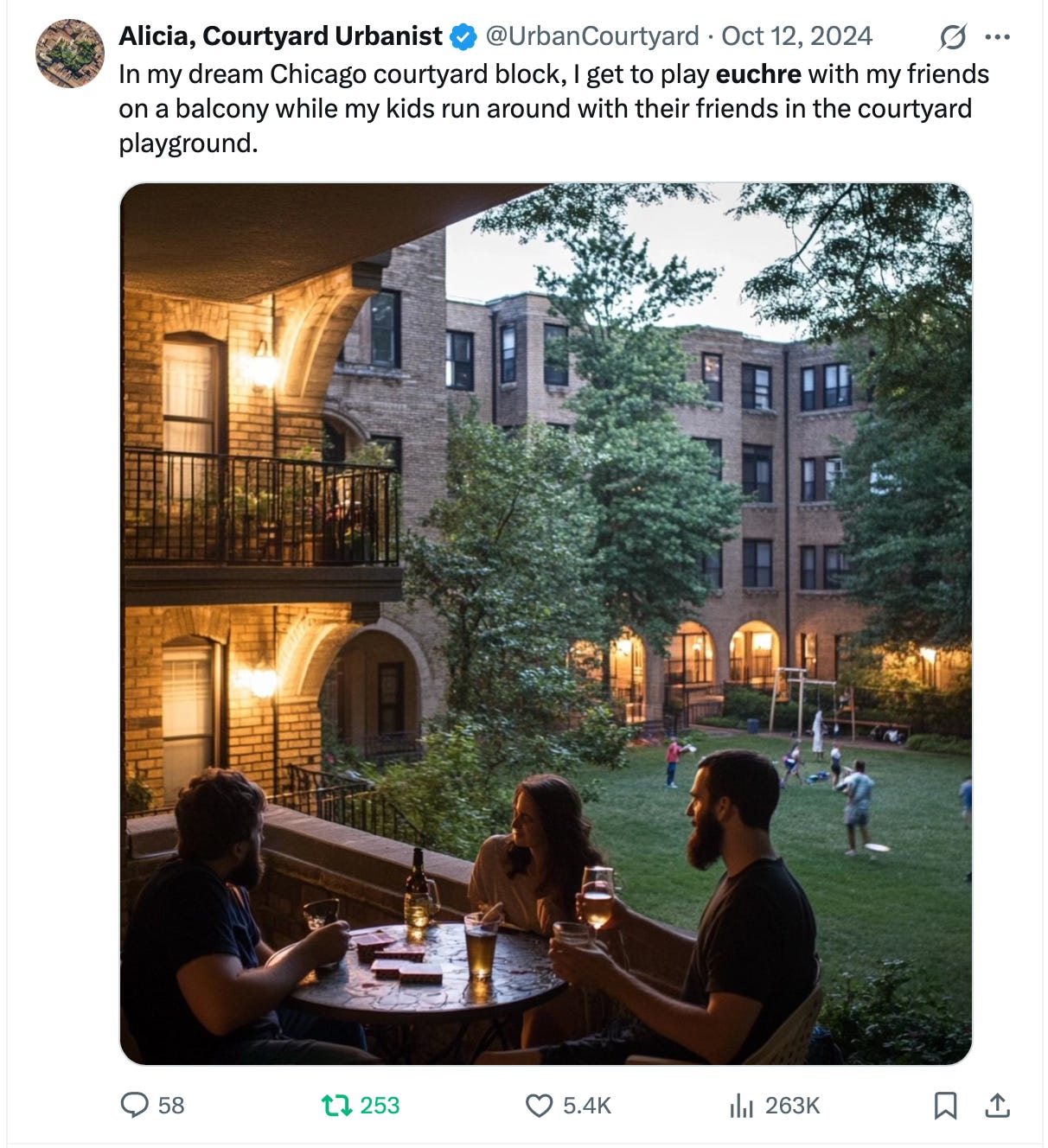
Dr. Alicia Pederson advocates for courtyard urbanism, a development style characterized by mixed-use buildings surrounding a shared courtyard, blending urban density with family-friendly living. This model, prevalent in Europe but largely absent in North America, aims to provide diverse households with access to both city amenities and private green spaces. Pederson, a Chicago-based writer, urban policy advocate, and mother of three, highlights the benefits of this approach through her social media presence on X (@Urbancourtyard), making complex urban planning concepts accessible and urgent.
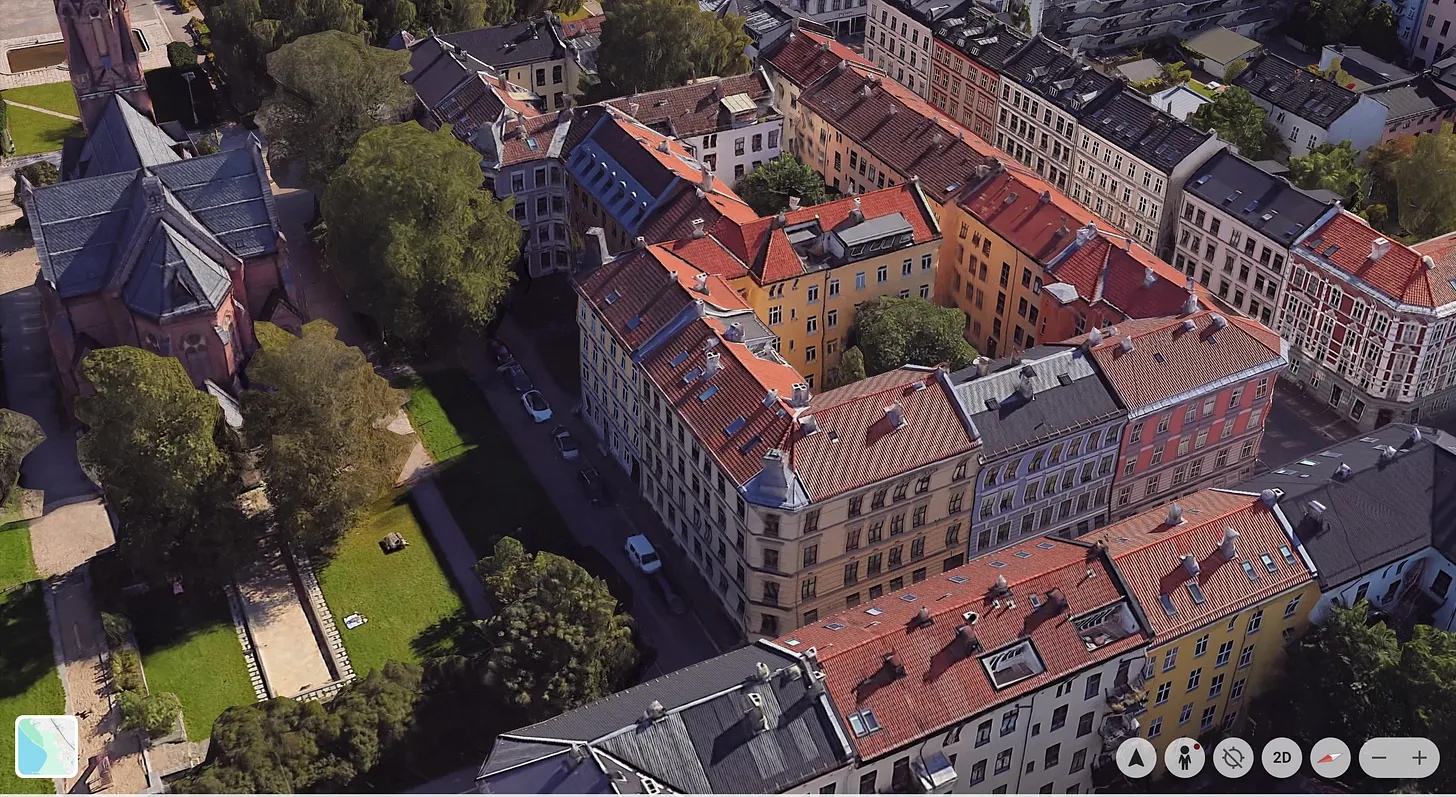
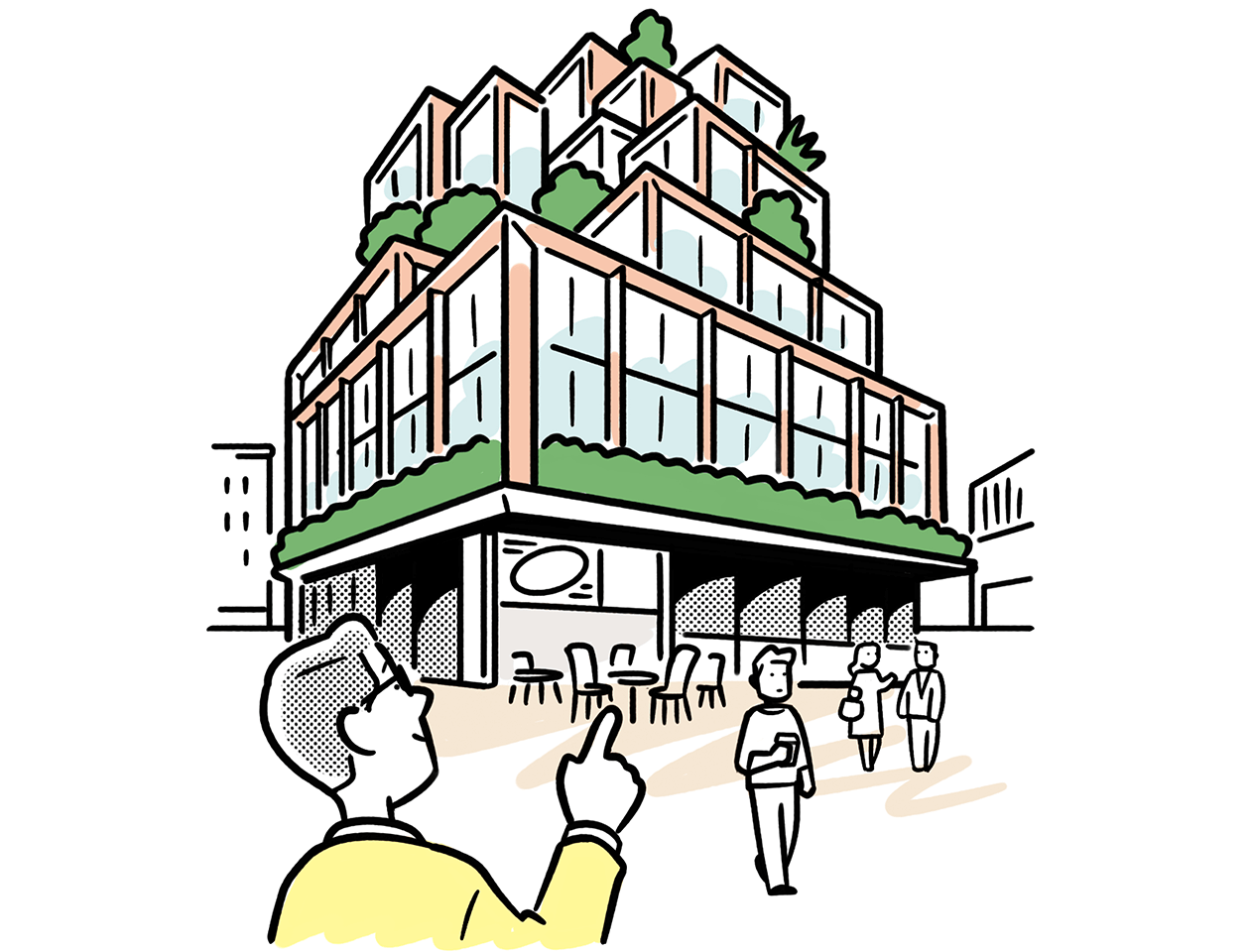
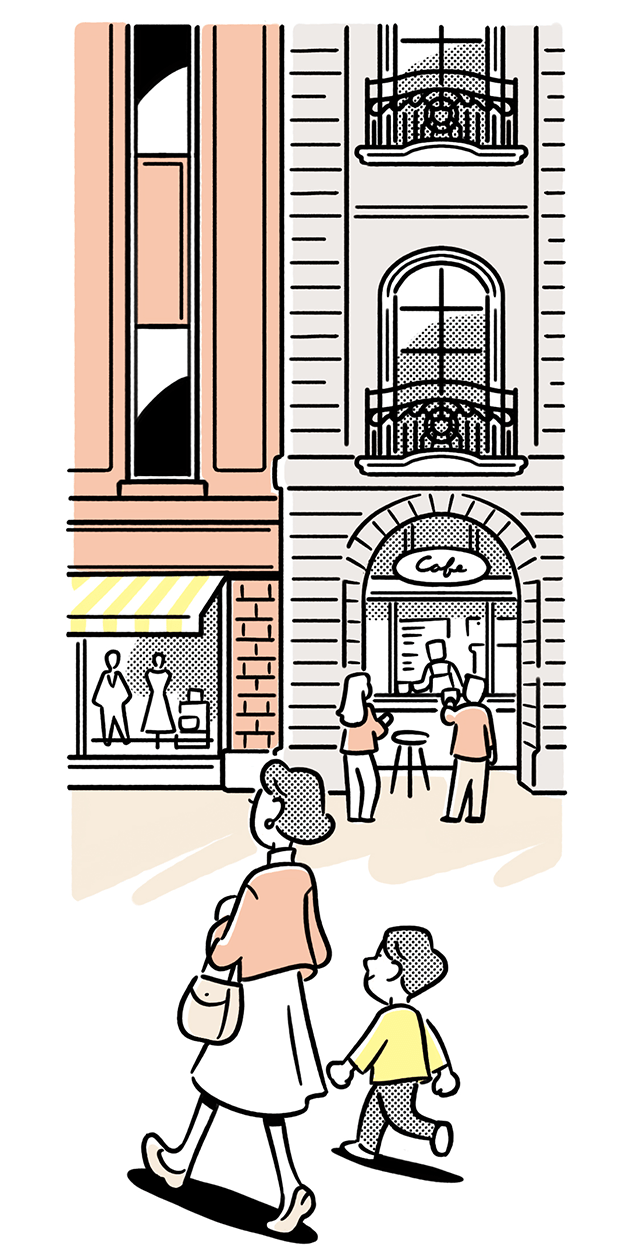
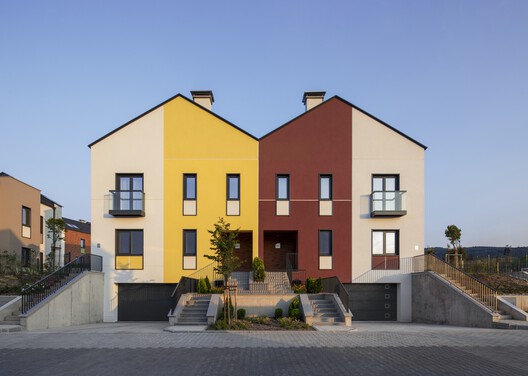
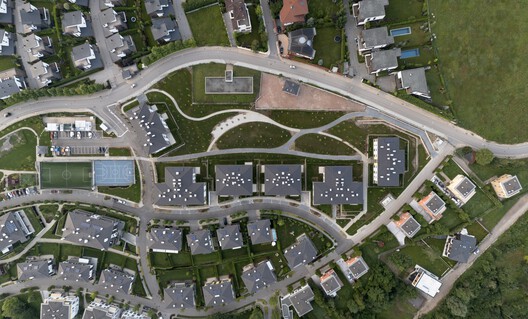
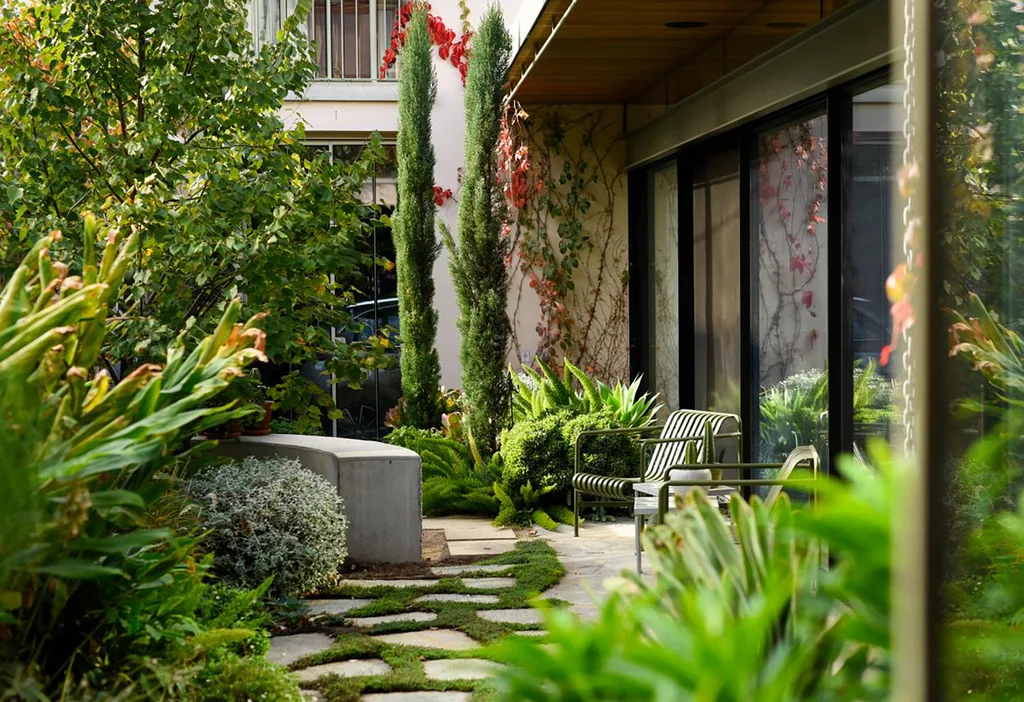
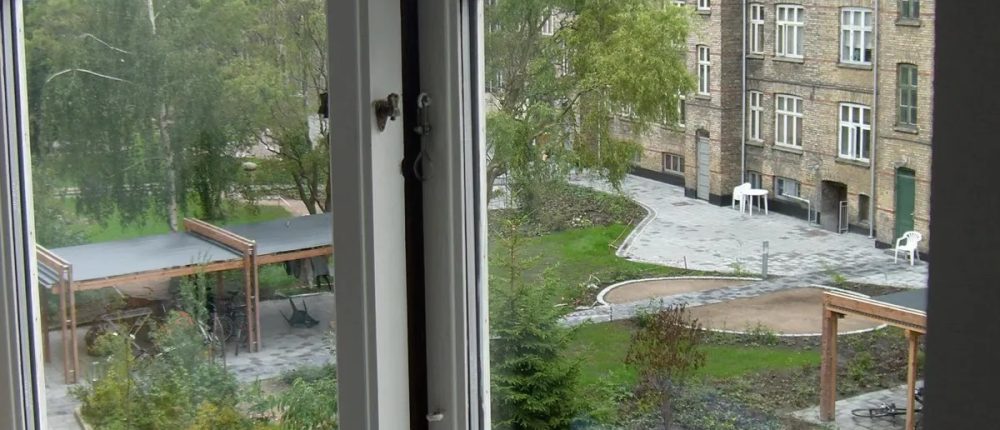
Courtyard urbanism involves city blocks featuring 10 to 15 discrete apartment buildings, typically four to six stories tall. These buildings are constructed wall-to-wall, framing a central courtyard. The ground floors often house commercial establishments, while the upper floors offer a range of apartment sizes, accommodating various household types and income levels. This design allows residents, particularly families, to enjoy a protected, semi-private yard within an urban setting, where children can play safely away from traffic and strangers. Pederson emphasizes that this offers an advantage over both traditional suburban backyards, by facilitating community interaction, and conventional urban living, which often lacks private outdoor space.
Her advocacy is deeply rooted in a personal experience living in Florence, Italy, where she observed a family benefiting from a courtyard block. They had access to a communal courtyard for their children to play in, alongside the vibrant city life just outside their front door. This experience challenged her American perception that one must choose between a large house with a yard and city living. Courtyard urbanism, she contends, offers a solution that combines the best aspects of both, providing a 'have your cake and eat it too' scenario for urban dwellers.
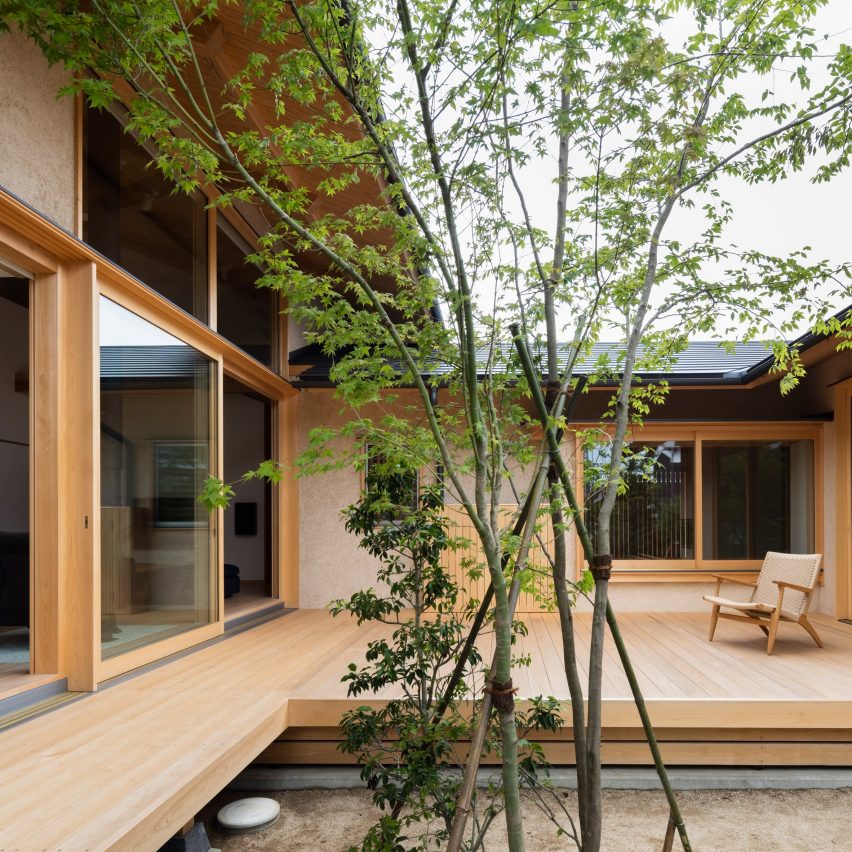
Pederson also addresses the varying degrees of privacy in courtyards. Some are entirely enclosed and exclusive to residents, while others, like those found in Berlin, might be open or gated for public access at certain times, hosting events such as concerts. This flexibility allows communities to adapt the courtyard design to their specific needs and preferences. She argues that to prevent these spaces from becoming sterile, a diverse mix of uses—residential, commercial, and institutional—is essential, alongside a wide range of residential unit types to foster social cohesion and resilience.
For communities interested in adopting courtyard urbanism, Pederson suggests a two-pronged approach: education and policy reform. Many Americans are unfamiliar with this development pattern, so raising awareness through local organizations and Strong Towns groups is crucial. For cities with existing density and mixed-use structures, the primary obstacles are often zoning and building codes. In Chicago, Pederson is working with an architectural firm to advocate for form-based codes and pre-approved building templates. Unlike traditional zoning that regulates land use, form-based codes focus on a building's relationship to the street, its height, and setbacks, regardless of its specific function. By pre-approving building designs and zoning, the aim is to reduce construction costs and permitting delays, making it more financially viable for developers to build these 'missing middle' housing types.
Pederson's journey to urban advocacy is unconventional, stemming from her academic background in Renaissance literature and her experience as a mother. Her involvement with local neighborhood organizations and her interactions with developers in Chicago provided her with practical insights into urban development challenges. She finds hope in the growing public interest in walkable, livable neighborhoods and the potential of social media to disseminate urbanism principles, fostering a more optimistic outlook for future urban development.
#CourtyardUrbanism #UrbanPlanning #MixedUseDevelopment #FamilyFriendlyCities #UrbanPolicyAdvocacy #ZoningReform #CommunityDevelopment #ChicagoUrbanism #SocialMediaAdvocacy #CourtyardUrbanism #UrbanPlanning #MixedUseDevelopment #FamilyFriendlyCities #UrbanPolicyAdvocacy #ZoningReform #CommunityDevelopment #ChicagoUrbanism #SocialMediaAdvocacy
0 comment in total
 No comments yet
You may also like
Courtyard Urbanism: What’s Missing From American Cities

Densification perfection – Milieu’s modern take on suburban living
Apartment Profile: Rittenhouse Hill

Yasminah Beebeejaun: Whose diversity? Race, space, and planning


Ten principles for designing vibrant and liveable mixed-use spaces
Gallery: Urban eclectic decor

15 inspiring suburban gardens

Inside AD’s October 2025 Issue: City Living

10 buildings with courtyard living spaces

How to get your townhouse design spot on for comfort and character
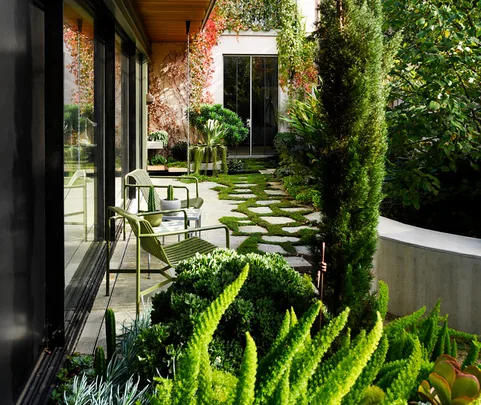
A private European-style courtyard garden
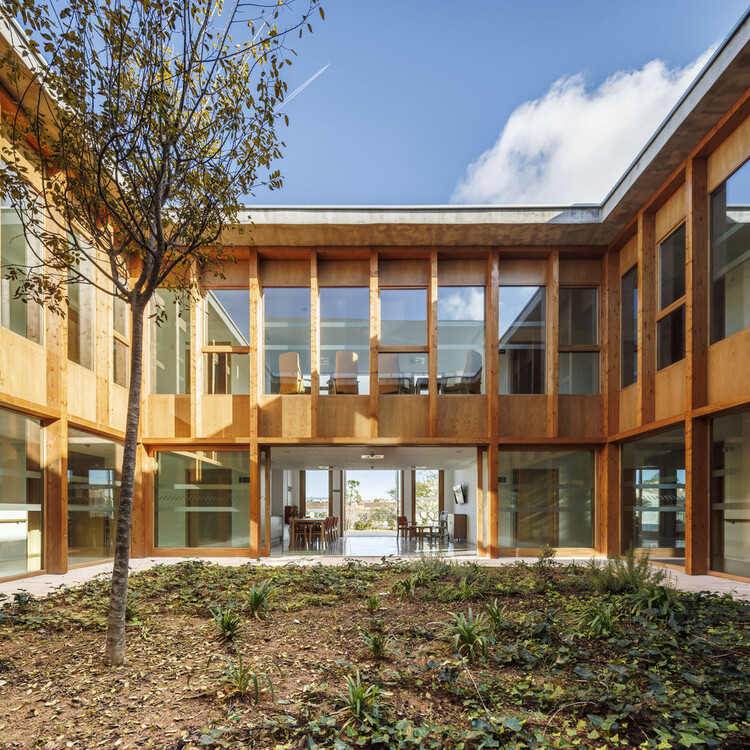
Courtyards, Gardens, and Terraces for Seniors: Residences that Integrate Community Life into the Natural Environment

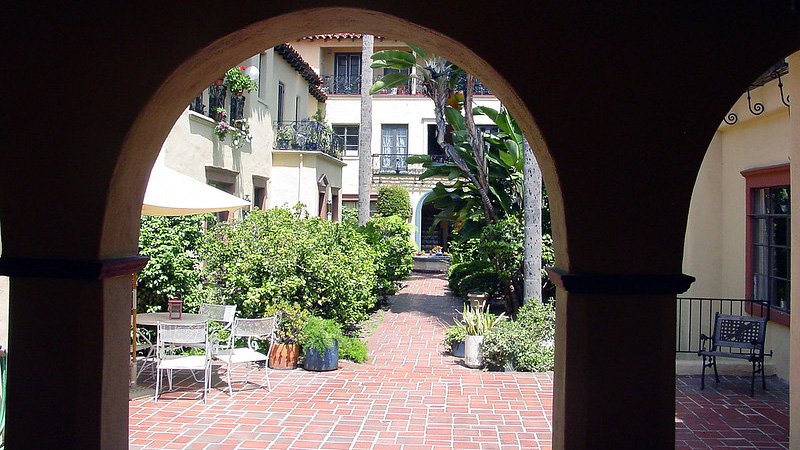
Can Courtyard Blocks Make Cities More Family Friendly?
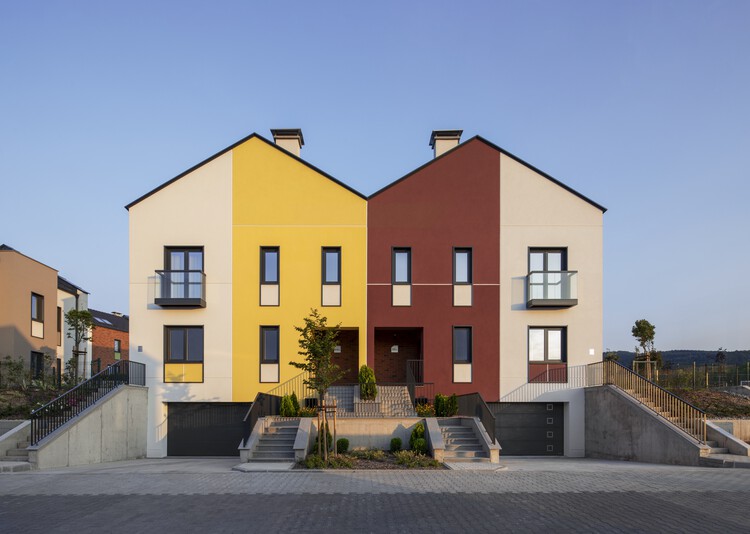
Case Studies in Community-Centered Living: Innovative Residential Design
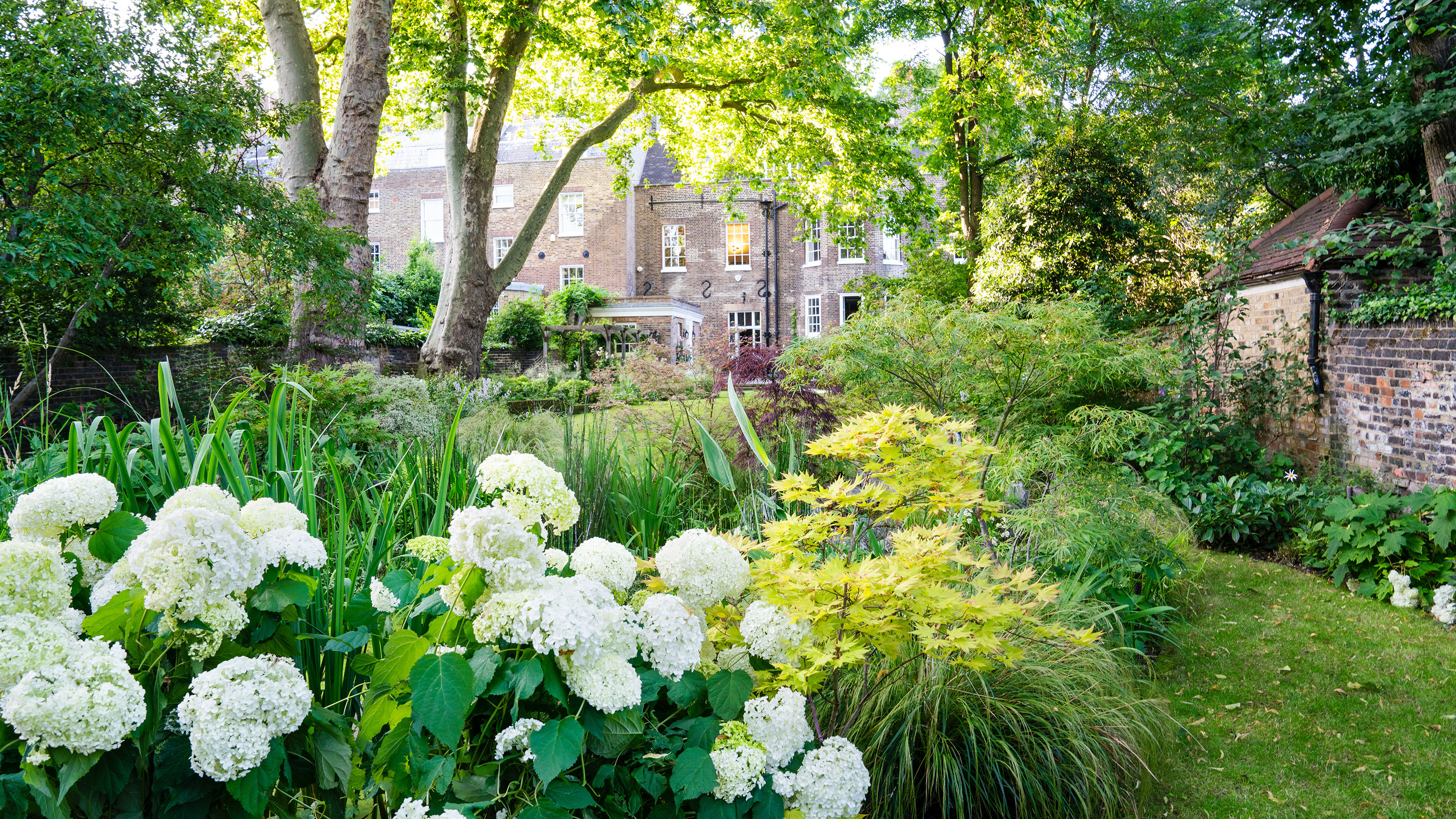
5 city garden design lessons we've learnt from this elegant urban plot

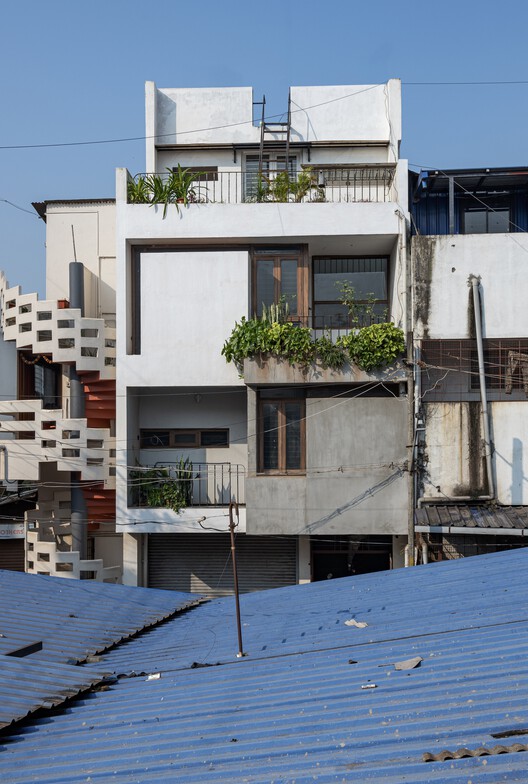
Compact House / Rahul Pudale Design
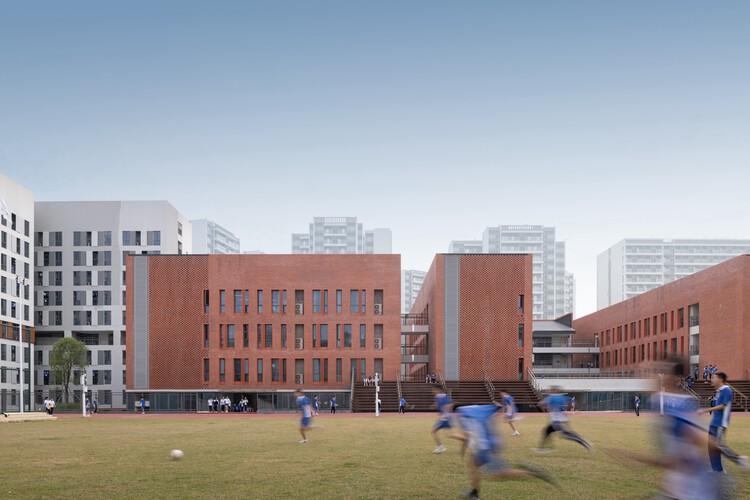
Courtyardism: A Vision for a More Balanced Urban Future in the Greater Bay Area by Wang Weijen Architecture
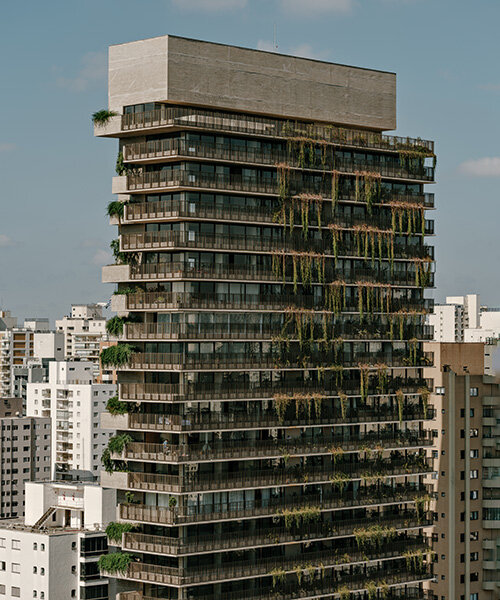
studio arthur casas wraps ribbed concrete tower with vertical gardens in são paulo
A designer's idyllic urban cottage where nature and intuition inform every detail
An inner-city courtyard garden that’s perfect for entertaining