1/5
Courtyard Urbanism: What’s Missing From American Cities
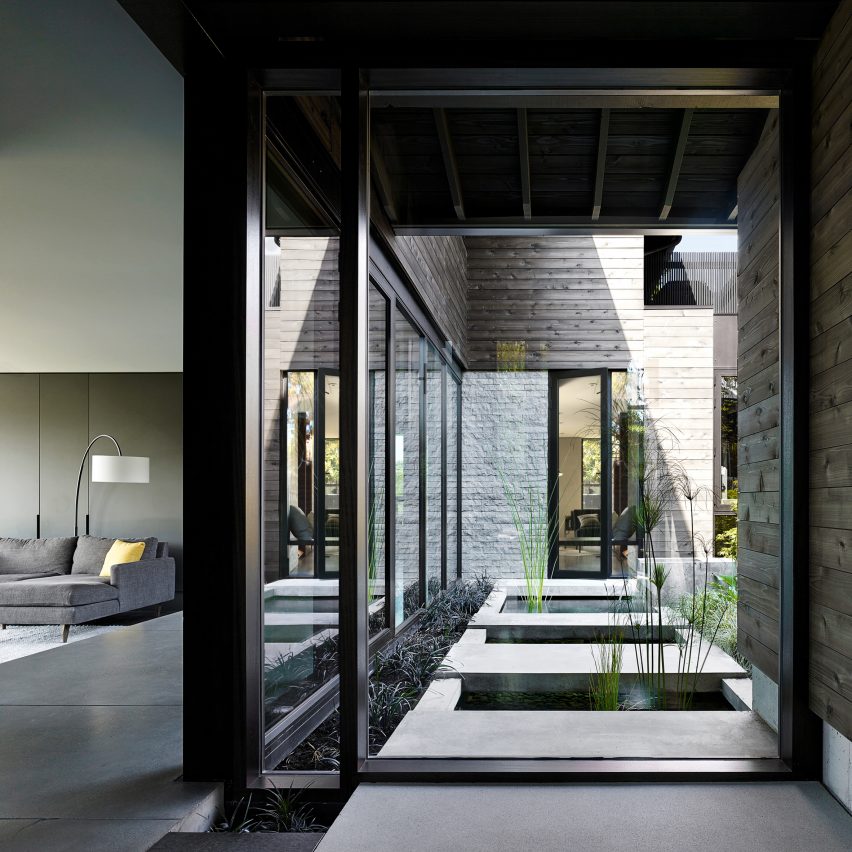
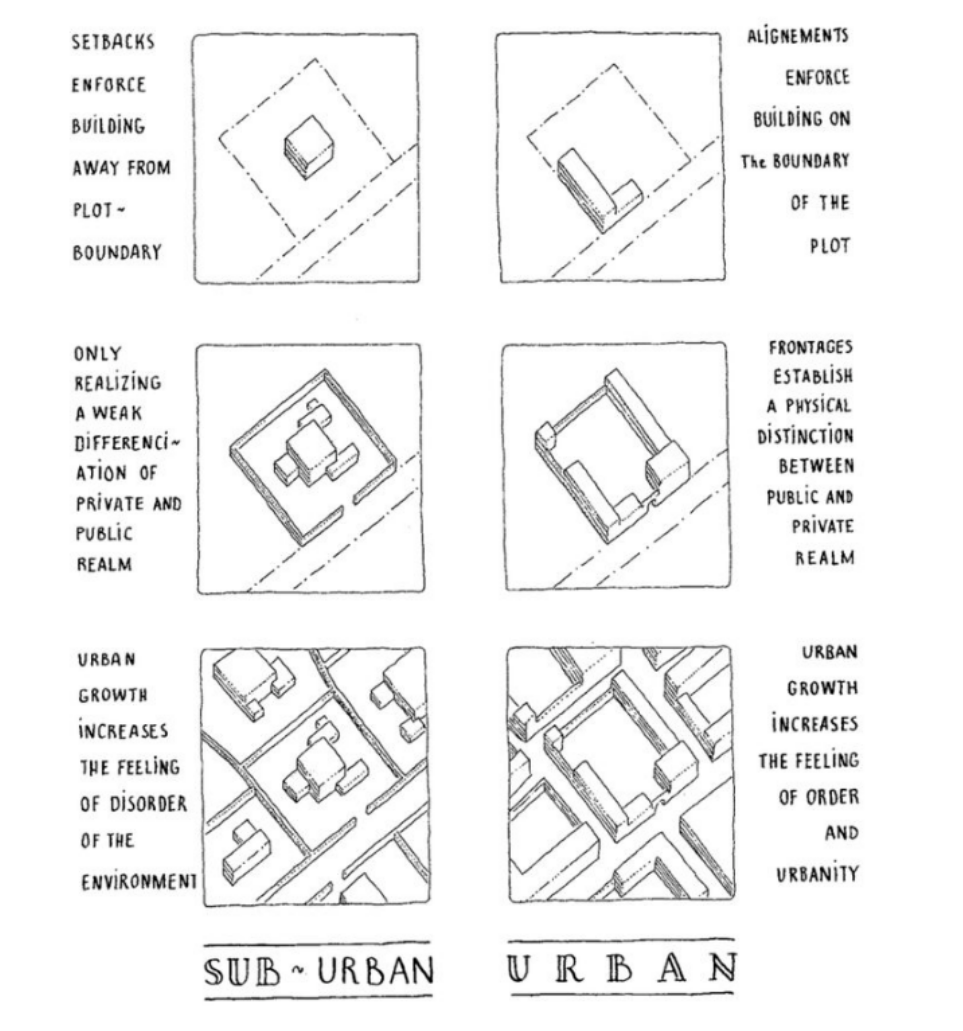
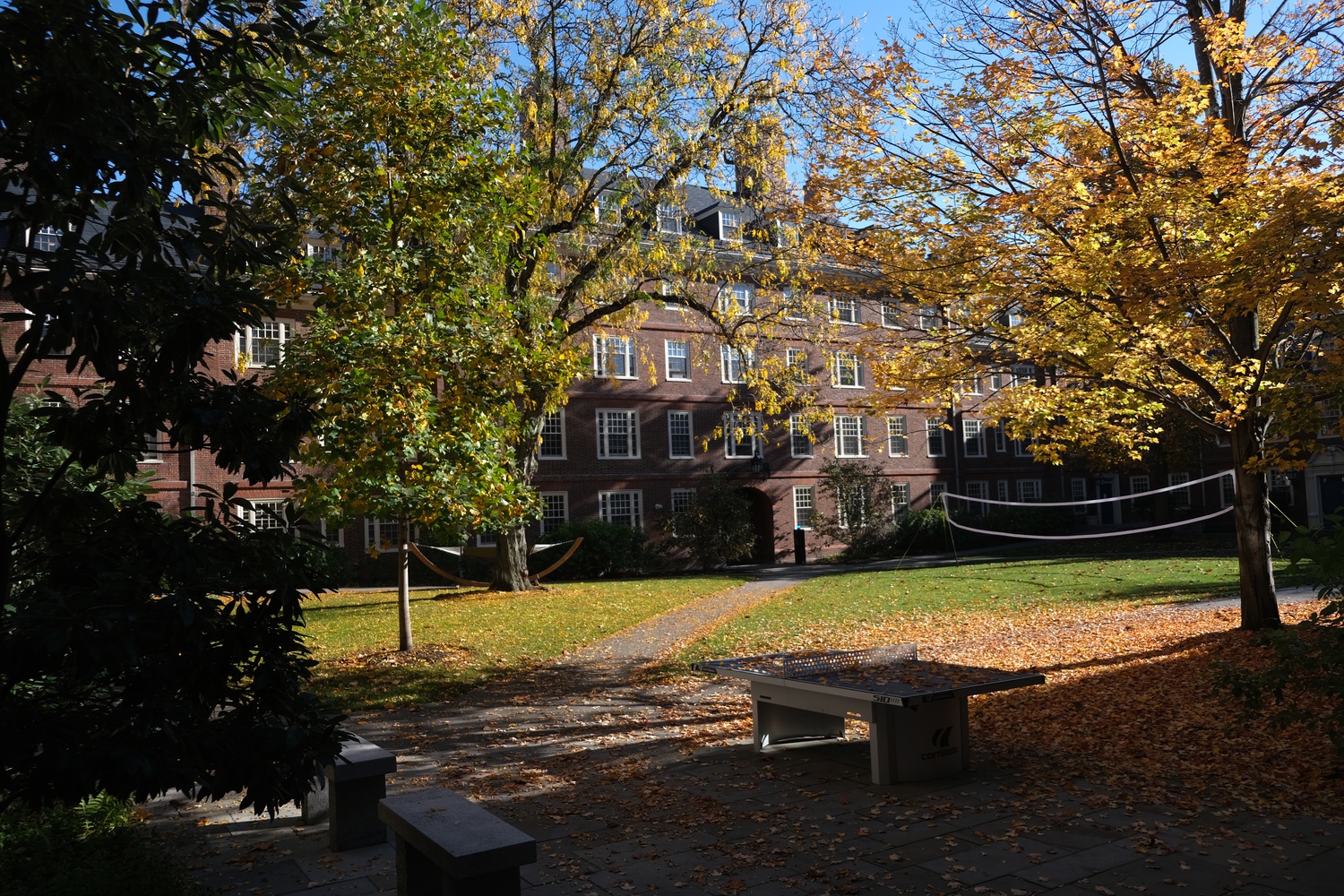
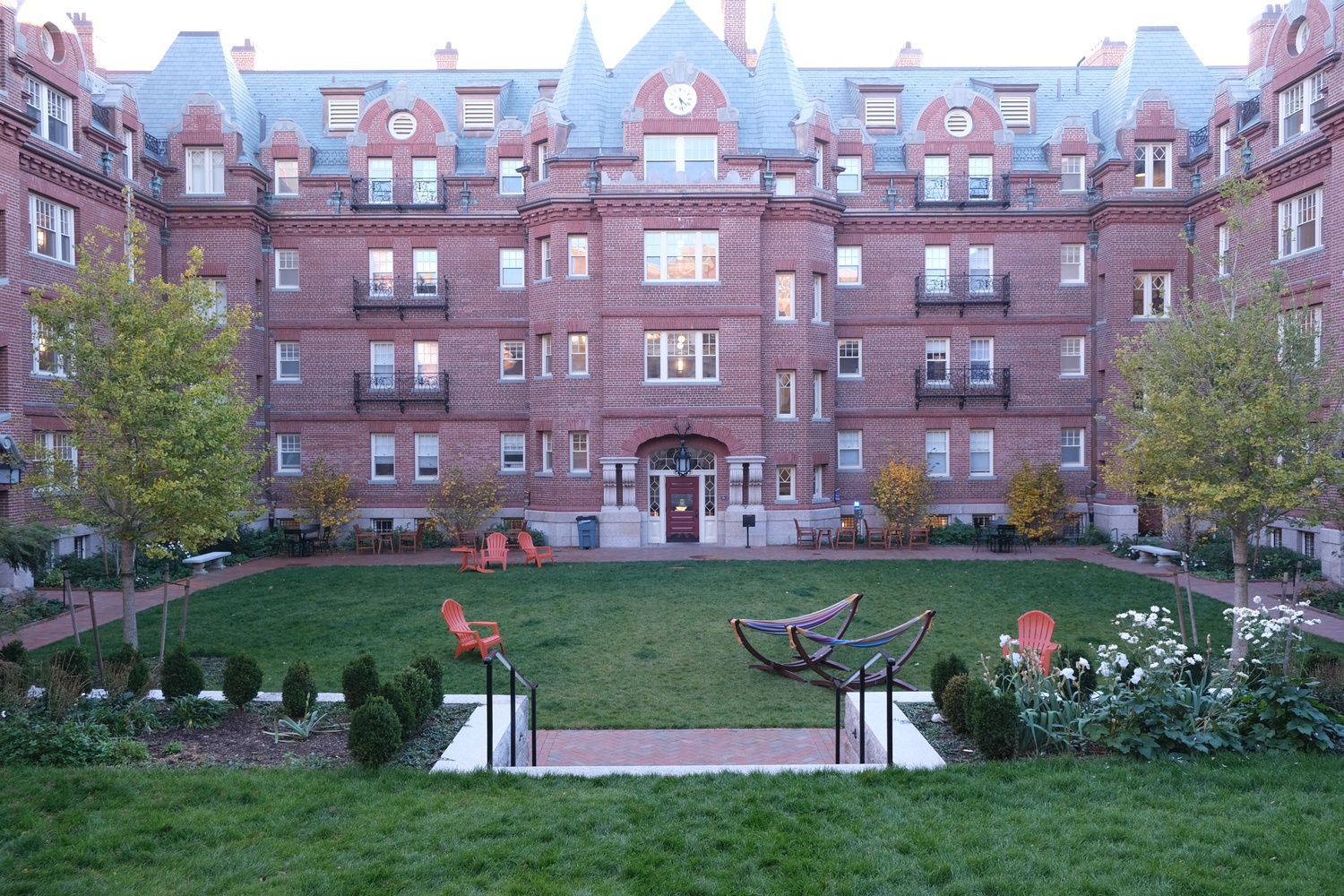
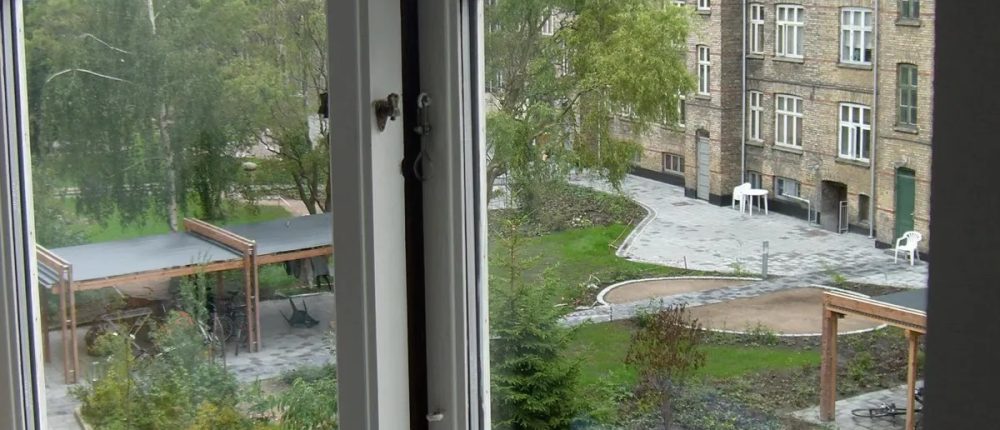
The author, Alicia Pederson, discusses her growing awareness of the real estate pressures that force families out of cities and into suburbs, and how urban planning and architectural norms contribute to these pressures. Living in Chicago's Lincoln Square neighborhood, she observed many families moving to the suburbs because they could not afford to stay in the city, where housing options were limited to small apartments or expensive single-family homes. This phenomenon led her to examine European urban models, specifically the perimeter block, also known as the courtyard block. In European cities, these blocks consist of 10 to 20 apartment buildings, typically four to six stories tall, built around a central courtyard. This design allows for spacious apartments that offer the functional equivalent of a 'big house with a yard,' while maintaining urban density and mixed-use characteristics essential for walkable and affordable neighborhoods.
Pederson contrasts this European model with American urban design, which she believes, shaped by zoning laws, building codes, and architectural conventions, prevents the kind of family-friendly density that supports thriving cities. Recognizing a gap in the discussion, she began publishing opinion pieces in 2024 for the Chicago Tribune and other outlets, and regularly posted on Substack. Initially, her focus was on local concerns, advocating for Euro-style courtyard blocks as a solution to Chicago’s 'family flight' problem. As her social media presence grew, she expanded her advocacy, arguing that building courtyard block housing can help depopulated American cities attract suburban families, yielding benefits for urban life, family well-being, and the cultural and civic fabric of the country.
Her engagement has extended beyond writing to direct involvement with her city and neighborhood through local urbanist groups, serving on a neighborhood organization board, and collaborating with elected officials and developers. This practical experience has deepened her understanding of urban development and helped build relationships to potentially construct a courtyard block building in her community. Pederson emphasizes the importance of making U.S. cities family-friendly, stating that cities need families to sustain public safety, support essential services, and maintain infrastructure. The exodus of families to suburbs has historically weakened urban economies, school systems, and property values. Bringing families back to cities could reverse declines in school enrollment, shore up public budgets, and revitalize urban life.
Conversely, families also need cities. Younger generations, unlike many Baby Boomers, increasingly value walkable, mixed-use neighborhoods, having experienced car-dependent suburbs lacking distinct architectural identity, public gathering places, social diversity, and access to arts and culture. Many millennial parents in Chicago, for example, choose to raise their children in the city, where their kids benefit from early independence due to proximity to schools, parks, friends, transit, and diverse social interactions. The author clarifies that she is an amateur in urbanism, with a background in literature (a Ph.D. in English with a specialization in Renaissance English and Italian texts). She sees her advocacy for courtyard urbanism as a continuation of her lifelong interests, specifically in the interplay between urban and rural life, as explored by writers like Machiavelli and Shakespeare. Her personal journey into urban advocacy began after pausing her academic career to raise her children, and she views this new endeavor as an unfolding narrative.
#CourtyardUrbanism #UrbanPlanning #FamilyFriendlyCities #HousingAffordability #UrbanDesign #Chicago #Density #ArchitecturalTypology #CourtyardUrbanism #UrbanPlanning #FamilyFriendlyCities #HousingAffordability #UrbanDesign #Chicago #Density #ArchitecturalTypology
0 comment in total
 No comments yet
You may also like
The Rise, Fall, and Return of the American Porch

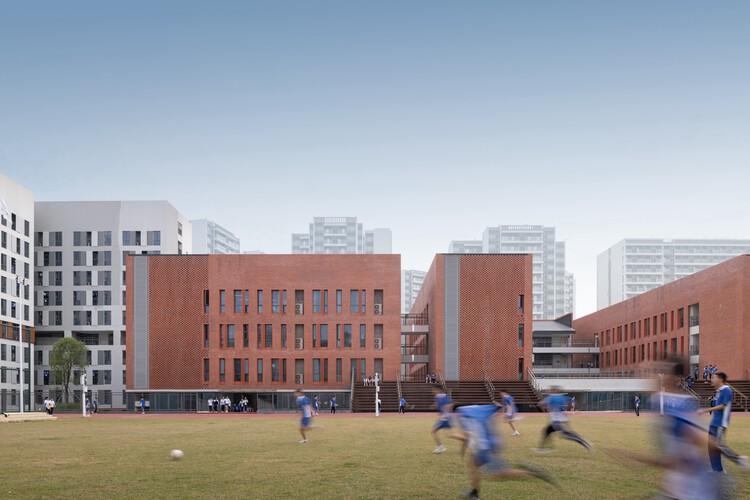
Courtyardism: A Vision for a More Balanced Urban Future in the Greater Bay Area by Wang Weijen Architecture


Courtyard House / cal30.arquitectos
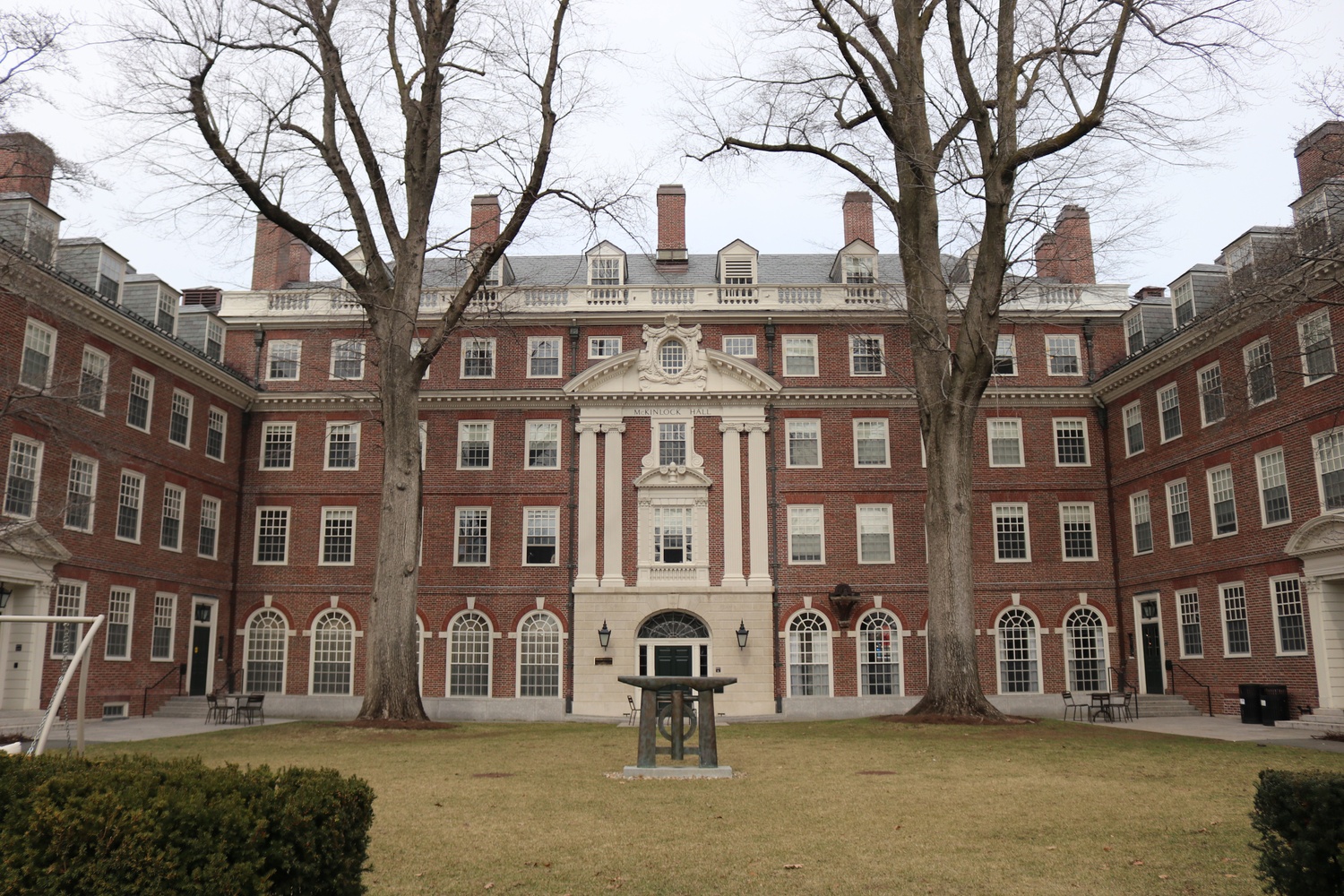
The Courtyards
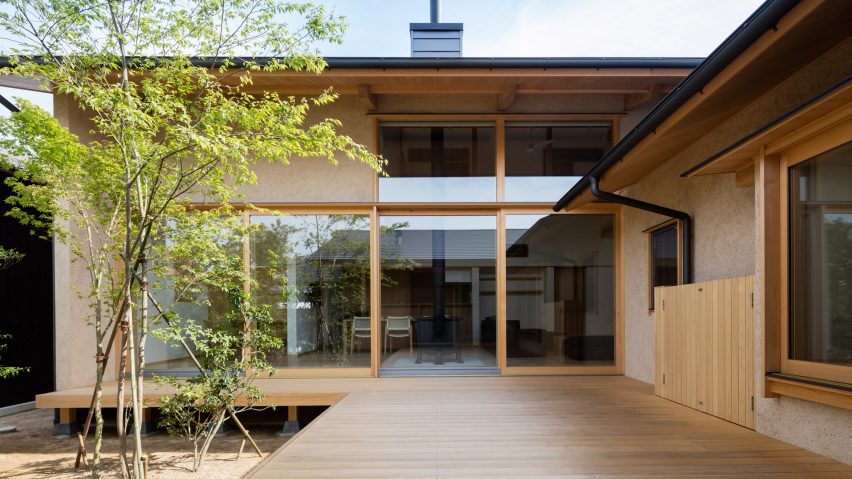
10 buildings with courtyard living spaces

20 Old House Styles No Longer Built Today
Micro Apartments Are the Future of Urban Living
What’s That Building? Chicago Icons: Bungalows

Can Courtyard Blocks Make Cities More Family Friendly?
Everything You Need to Know About Ranch-Style Houses


Courtyard Urbanism: Mixing the Best Parts of the City and the Suburb

A Sumptuous New York Town House Takes Center Stage

Gardens bookend Yo Ju Courtyard House in Washington by Wittman Estes
Spacious living in a narrow plot? 10 space-saving lessons we learned from a stylish NYC townhouse

10 Iconic Buildings and Spaces Designed by Columbia Architects

5 city garden design lessons we've learnt from this elegant urban plot