1/5
What’s That Building? Chicago Icons: Bungalows
This article, part of the "What's That Building?" series focusing on Chicago's iconic structures, delves into the unique architectural and cultural significance of Chicago bungalows. It highlights how these homes, prevalent in the city's "Bungalow Belt," represent a distinct era of urban development and a strong desire for homeownership among Chicago's diverse population.
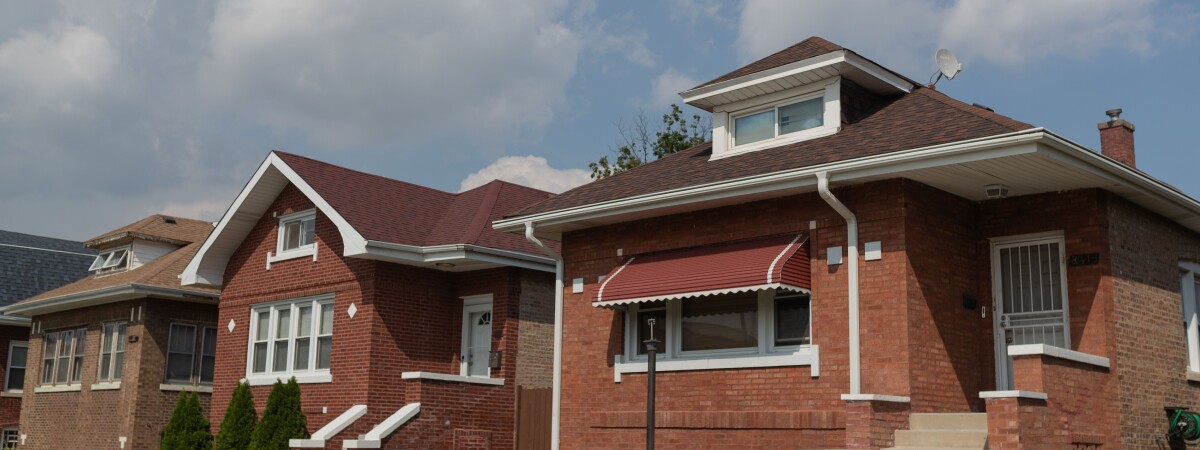
The article begins by setting the scene in Auburn Gresham, specifically the 8300 to 8500 blocks of South May Street, where a variety of Chicago bungalow styles can be observed. These include homes with different brick colors (red, yellow, brown), varying facade designs (flat or octagon), and entrance placements (front or side). The author notes how some bungalows have undergone subtle updates, preserving their historical streetscape, while others feature more dramatic alterations like "pop tops" (second-story additions) or permastone exteriors, sometimes resembling a "Flintstones house."
The "Bungalow Belt" is described as a large C-shaped area stretching from West Rogers Park on the Far North Side, through the West Side, and extending towards the Indiana State Line in South Chicago. This extensive zone contains approximately 80,000 bungalows, accounting for nearly one-third of all houses in the city. These homes were primarily constructed in the 1910s and 1920s to accommodate Chicago's rapidly growing population, driven by an influx of workers to its numerous factories. Between 1900 and 1930, the city's population nearly doubled, underscoring the critical need for affordable housing solutions like the bungalow.
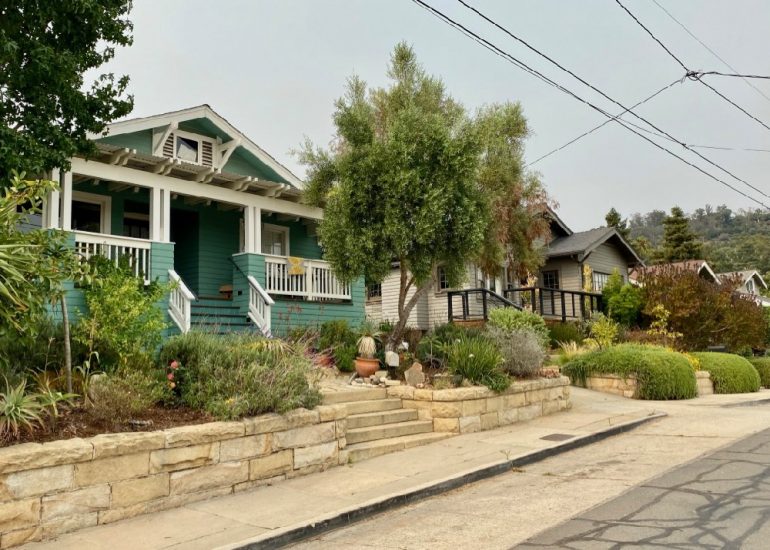
The Chicago bungalow's design is traced back to earlier influences. The term "bungalow" originated from British colonizers in India, who used a descriptive word for their low-roofed, shaded houses. This evolved to describe seaside homes in England and New England with similar heat-beating features. Southern California's late 19th-century population boom further popularized the Arts & Crafts-style bungalow, characterized by large eaves, cooling porches, and handcrafted interior details such as stained glass, built-in bookcases, and vintage tile work.
A key adaptation for the Chicago bungalow was its narrower front profile, designed to fit the city's standard 25-by-125-foot lots. This characteristic, combined with the sheer volume of construction, led to the distinctive, almost continuous streetscapes seen in many neighborhoods, where bungalows maintain a consistent alignment of sills, windows, and rooflines, yet offer individual variations in materials and decorative elements, preventing monotony. Architectural historian Carla Bruni is quoted, emphasizing that the Chicago bungalow's unique form created an entirely novel urbanism for the city.
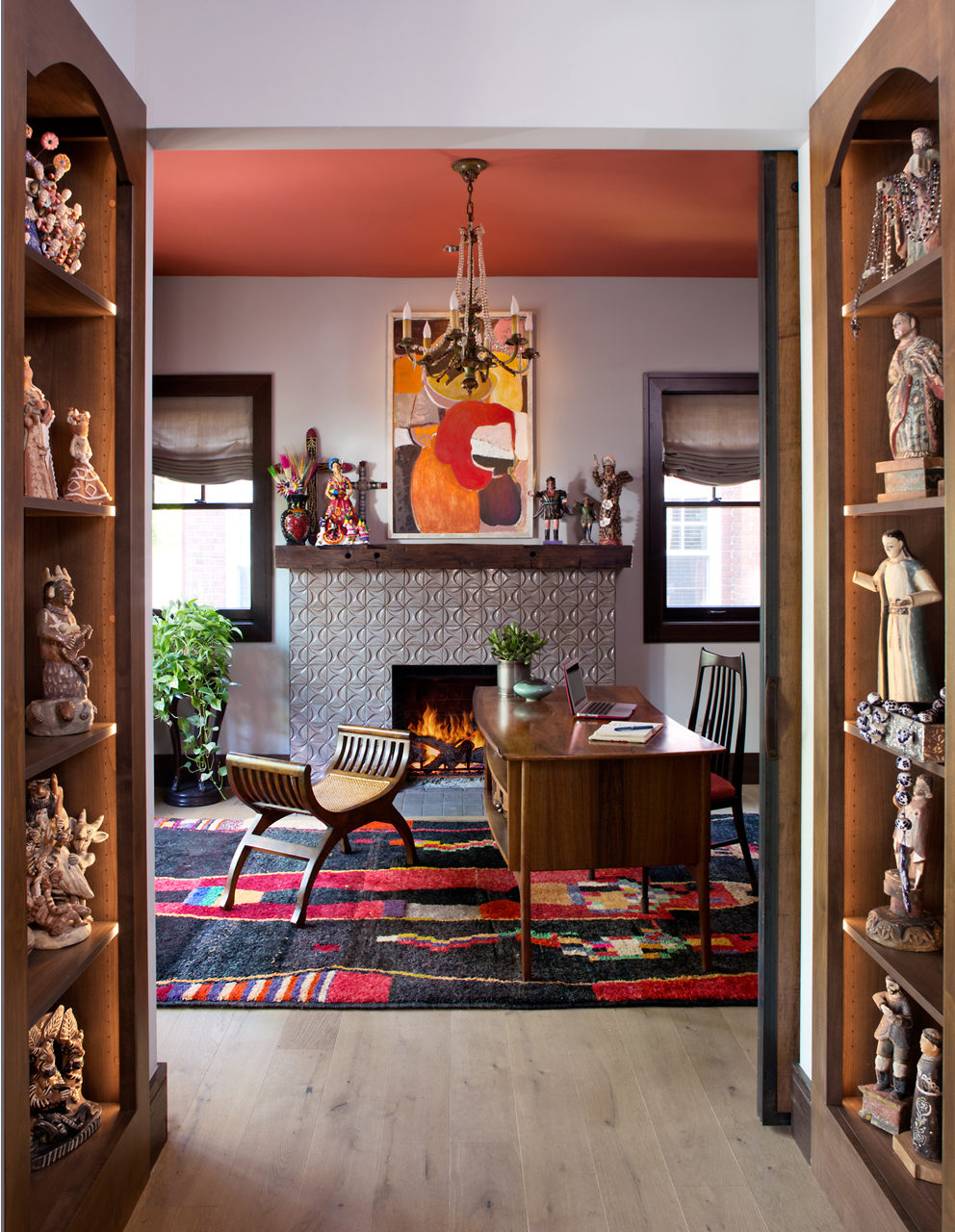
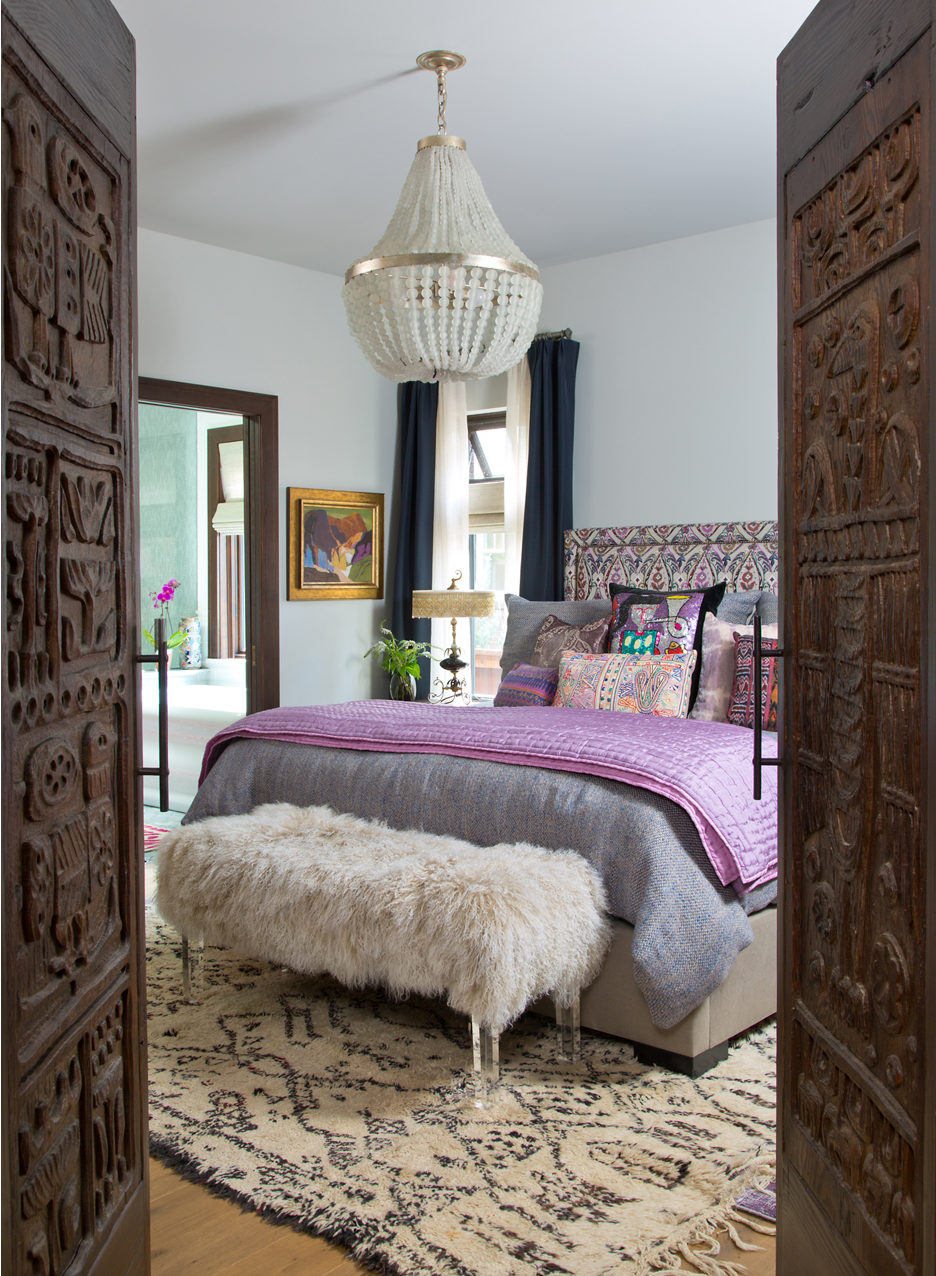
The article provides a specific example with Armrhad Johnson's bungalow, purchased in 2009. Johnson's home retained many original features, such as stained glass windows, a fireplace, and built-ins. He was fortunate that the original hardwood floors were preserved under carpeting and that the wood trim had not been painted over. However, like many older homes, it required significant updates to plumbing and electrical wiring, which were largely original to its 1921 construction. Johnson shares his ongoing experience with home improvement, noting that despite initial expectations, renovating a bungalow is a continuous project.
#ChicagoBungalow #Architecture #UrbanHistory #Homeownership #ChicagoLandmarks #ArchitecturalStyles #HousingMarket #CommunityDevelopment #ChicagoBungalow #Architecture #UrbanHistory #Homeownership #ChicagoLandmarks #ArchitecturalStyles #HousingMarket #CommunityDevelopment
0 comment in total
 No comments yet
You may also like
The Chicago Bungalow That Left Us Bemused and Confused

A Bungalow With Global Charm

Willow Place Colonnade Survivor With Marble Mantel Asks $3.45 Million
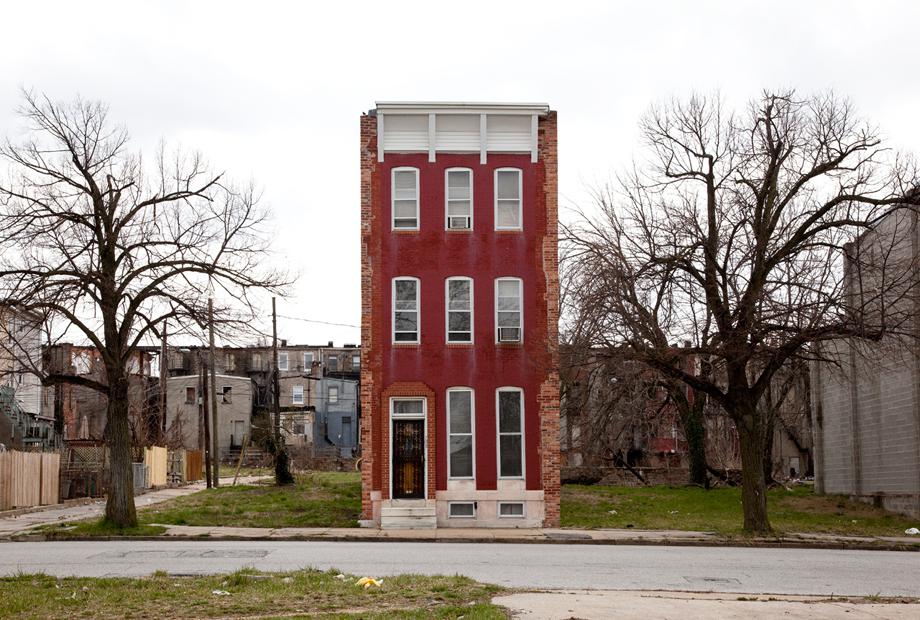
The Lonely Row Houses of Baltimore
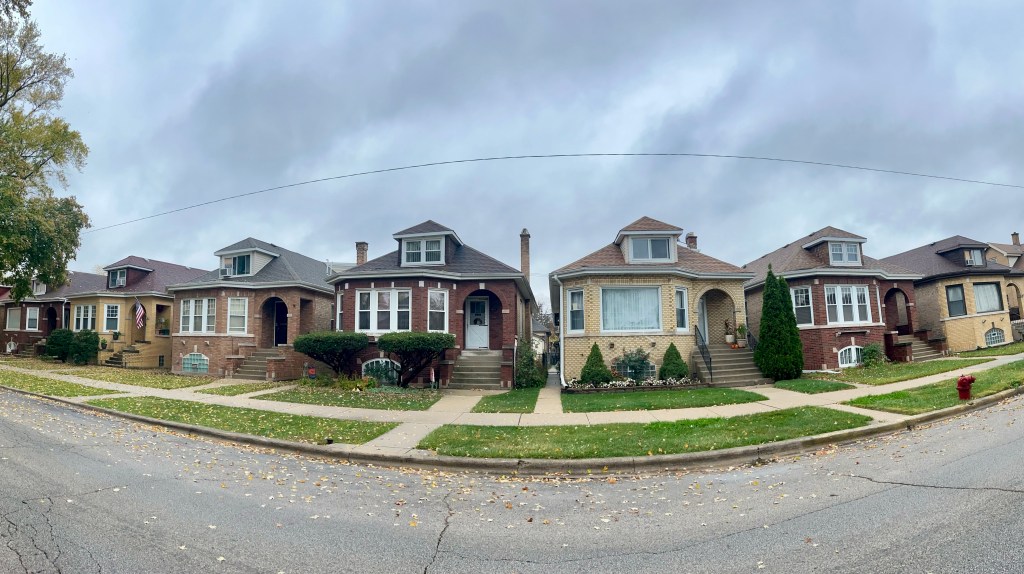
The Home Page | Chicago Bungalows, Frank’s Place, and Ojai Holiday Homes

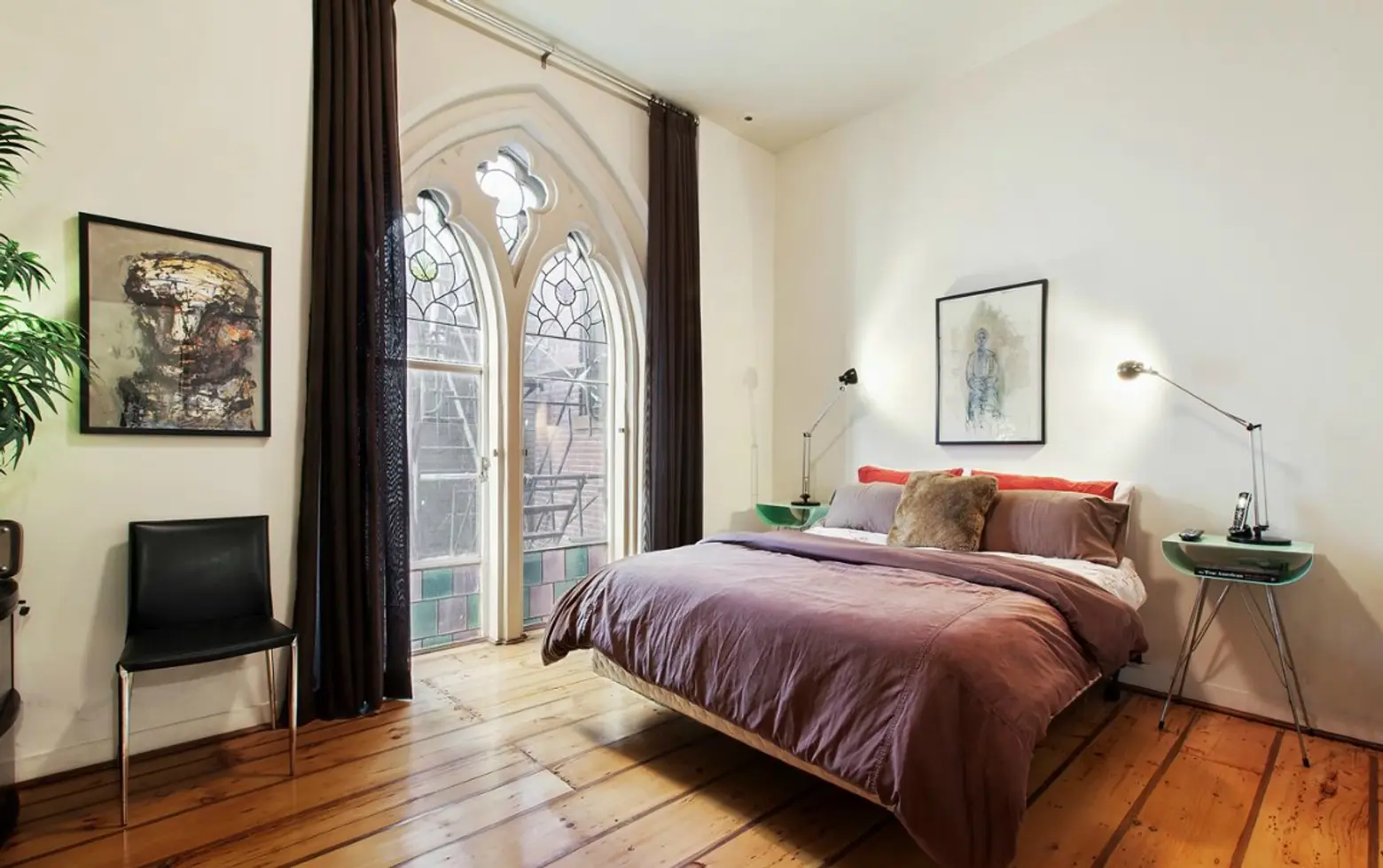
$2.2M Brooklyn Heights Loft with Gothic-Style Stained Glass Windows Is Simply Heavenly


Bungalow


All About New York’s Bungalow, From Chef Vikas Khanna and the GupShup Team

Brooklyn architecture: The Five Oldest Houses in Brooklyn Heights (Updated)

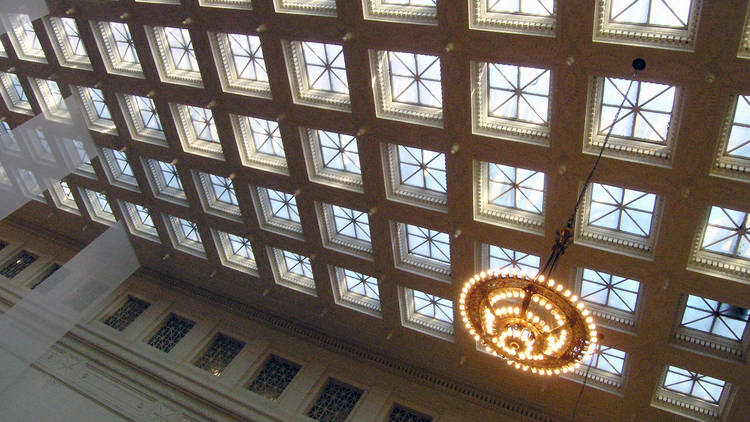
11 of the most beautiful ceilings in Chicago
Tour architect Paul Schweikher’s house, a Chicago midcentury masterpiece


A Chicago Apartment That Celebrates the Mix of High & Low
LondonHouse Chicago, Curio Collection by Hilton - Hotel Review
Cathedral ceilings help this California bungalow soar to new heights

Pineapples, Pinecones, and Acorns, Oh My – in the Greenwich Village Historic District
Brooklyn Heights Federal-Style Row House With Alice Ireys-Designed Garden Asks $7.495 Million
10 Iconic Buildings and Spaces Designed by Columbia Architects


House in Brooklyn Heights’ Picturesque Colonnade Row Asks $4.525 Million
A Sumptuous New York Town House Takes Center Stage

The Small Pleasures of Bungalow Haven