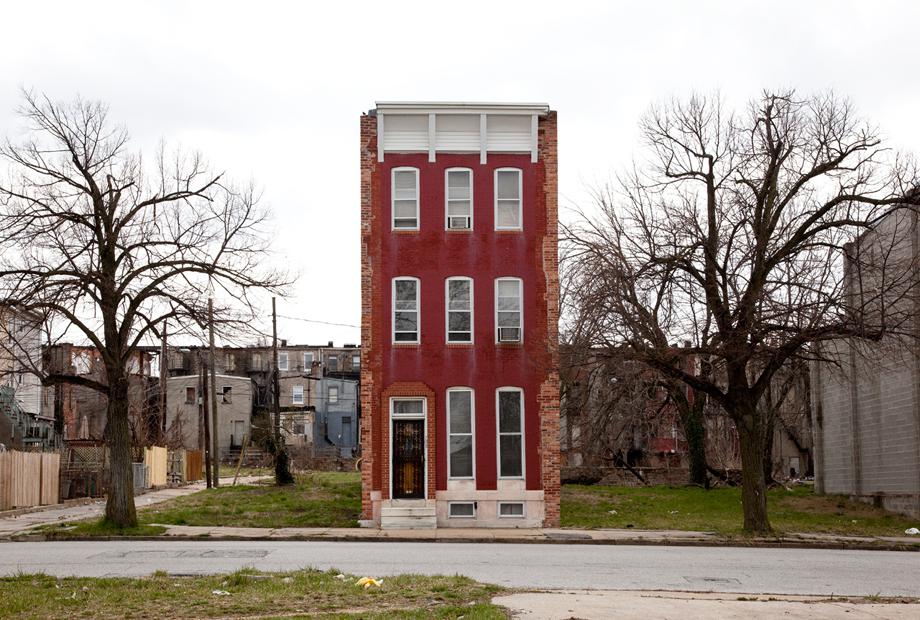
The Lonely Row Houses of Baltimore
Photographer Ben Marcin's series, "Last House Standing," documents the solitary row houses found in blighted sections of Baltimore, Camden, N.J., and Philadelphia. These homes, many over a century old, stand alone as remnants of once-vibrant rows, their neighbors having been demolished due to urban decay and redevelopment efforts. Marcin, a self-taught photographer, began this project after noticing these isolated structures in Baltimore, where he resides in a row house himself. He describes them as "amputees shorn of their former neighbors, yet still retaining architectural details and other touches, proclaiming the heights of an earlier era."
Marcin's approach to photographing these houses is formal and portrait-like, rather than purely documentary. This deliberate style emphasizes the isolation of the structures and allows viewers to appreciate their unique architectural details—such as elaborate cornices, old-style brickwork, and distinct tall windows—which might otherwise be overlooked in a continuous row. He aimed to both highlight these individual homes and maintain their environmental context. This method imbues the buildings with an almost proud demeanor, despite their solitary existence.
The inspiration for the project stemmed from the significant number of vacant homes in Baltimore, estimated at around 16,000, many of which are row homes built in the late 1800s. The city's plans include demolishing many of these to make way for green spaces and new housing developments. After documenting Baltimore's solitary row houses, Marcin expanded his search to other cities like Camden, N.J., and Philadelphia, utilizing Bing Maps' "bird's eye" feature to identify similar isolated buildings.
The photographer also draws a contrast between the durable construction of these historic row houses, built to last over a century, and modern housing, which he suggests is often designed to maximize developer profit rather than longevity. He reflects on the changing demographics and social patterns mirrored in the ownership history of his own row house, noting a significant increase in ownership turnover from the mid-20th century onwards. Marcin considers "Last House Standing" a completed project, having collaborated with his wife, Lynn, who has a background in photography and the gallery business, on the editing and selection of images.
The series offers a visual commentary on urban decay, the impermanence of structures, and the enduring beauty of historic architecture amidst change. It captures a moment in the life of these buildings, some of which are still occupied, even as city plans continue to reshape their surroundings. Marcin's work provides a unique perspective on the historical and social narratives embedded within the urban landscape through the lens of these remarkable, solitary homes.
#BenMarcin #LastHouseStanding #BaltimoreRowHouses #UrbanDecay #ArchitecturalPhotography #HistoricHomes #CityRedevelopment #SolitaryStructures #BenMarcin #LastHouseStanding #BaltimoreRowHouses #UrbanDecay #ArchitecturalPhotography #HistoricHomes #CityRedevelopment #SolitaryStructures
0 comment in total
 No comments yet
You may also like
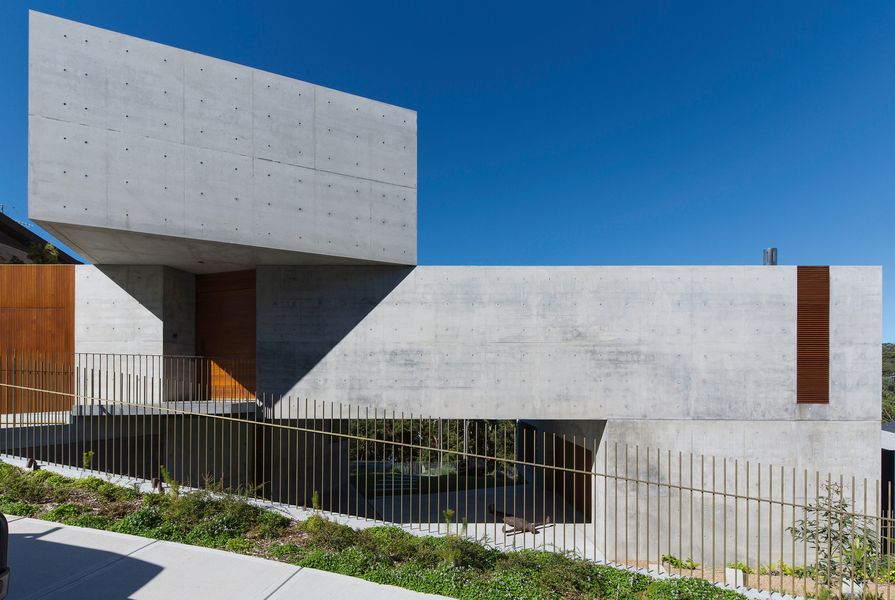
Vanishing point: Balmoral House


Single-Family With Tiny Door on Carroll Gardens’ Quirky Dennett Place Asks $2.05 Million
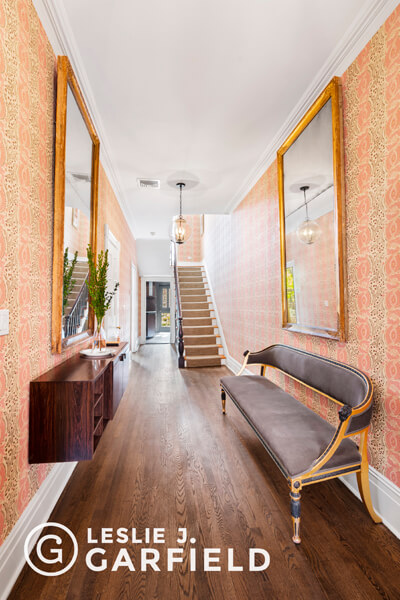
Brooklyn Heights Federal-Style Row House With Alice Ireys-Designed Garden Asks $7.495 Million
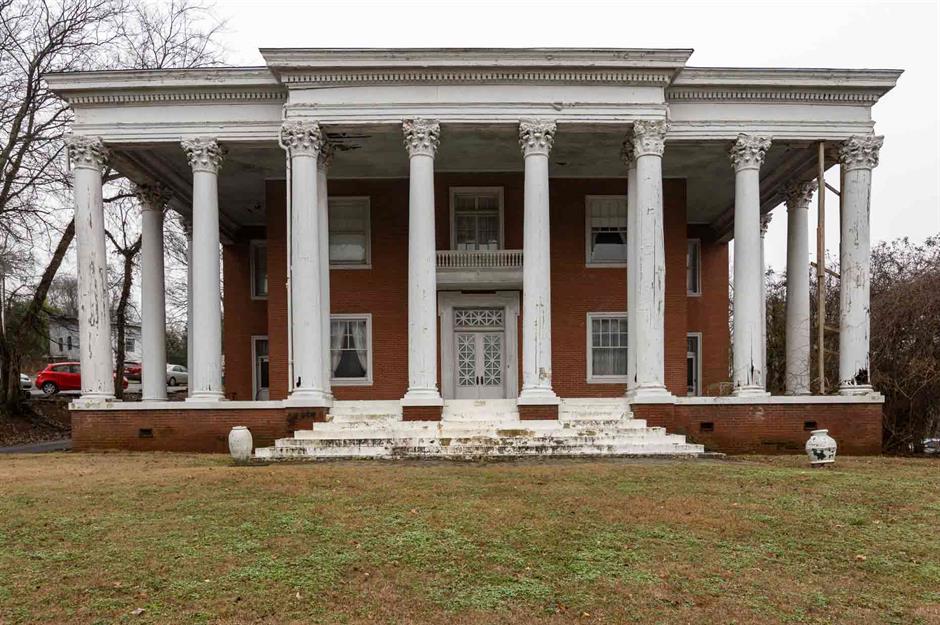
Tour this abandoned Alabama mansion filled with beautiful antiques | loveproperty.com

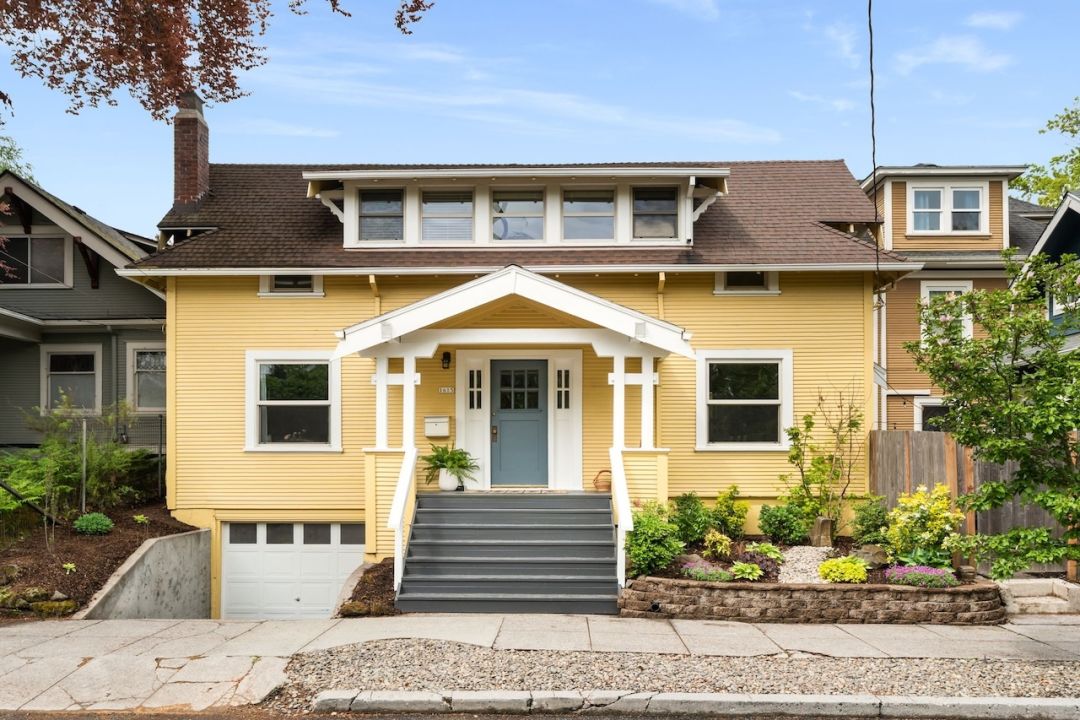
Property Watch: A ‘Portland Bungalow’ Just Off Hawthorne


Bay Ridge Row House With Wood Floors, Built-ins, Laundry, Yard Asks $4,500 a Month

HOUSE TOUR: One Of The Last Undisturbed Lofts In New York City


Willow Place Colonnade Survivor With Marble Mantel Asks $3.45 Million
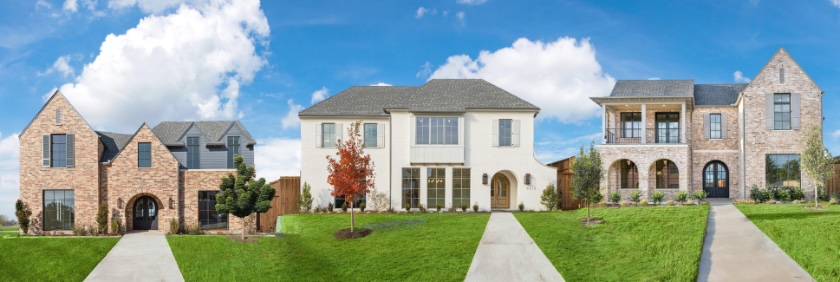
Robert Elliott Custom Homes Presents White Rock Bluffs in Lake Highlands

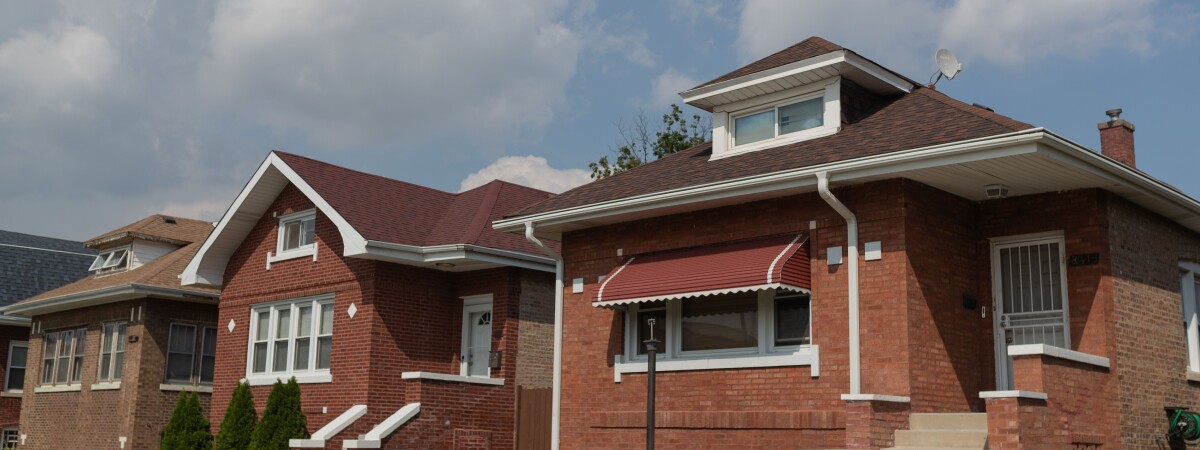
What’s That Building? Chicago Icons: Bungalows