1/10
Where to spend and where to save when planning a living room according to designers
The living room is a multifaceted space within a home, serving various purposes from relaxation to work, and thus requires careful planning to optimize its functionality and aesthetic appeal. This article provides expert advice on where to allocate more significant financial resources and where to economize when furnishing and decorating a living room. The recommendations are based on insights from designers and personal experiences with budget-conscious decorating.
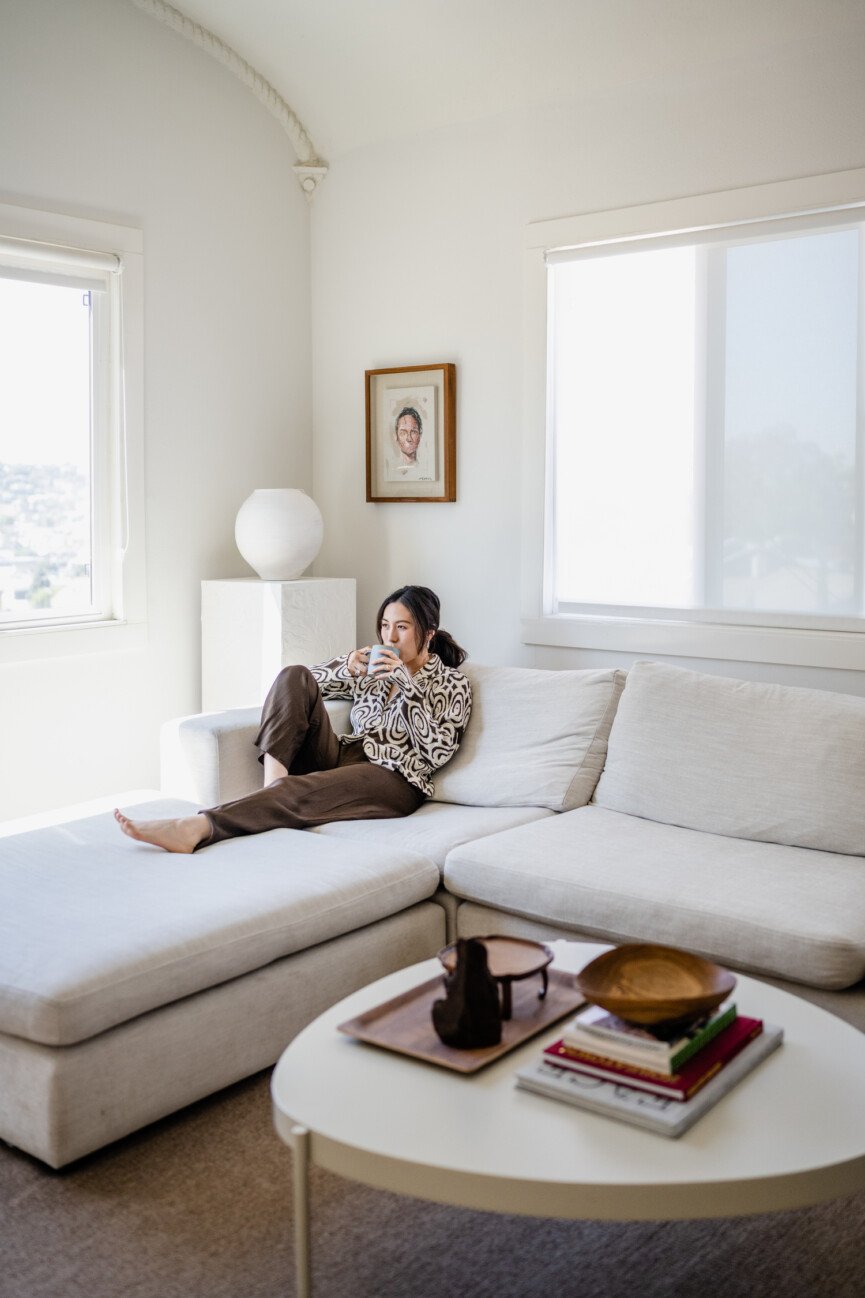
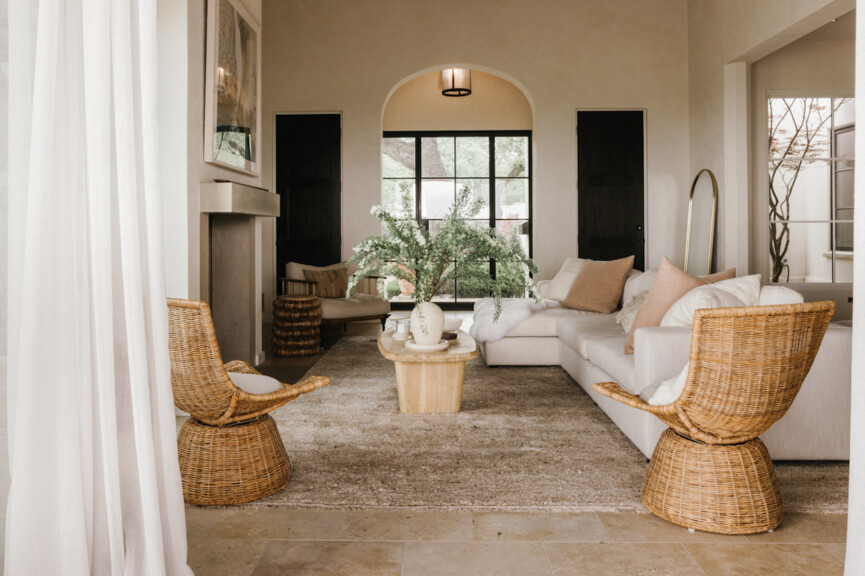
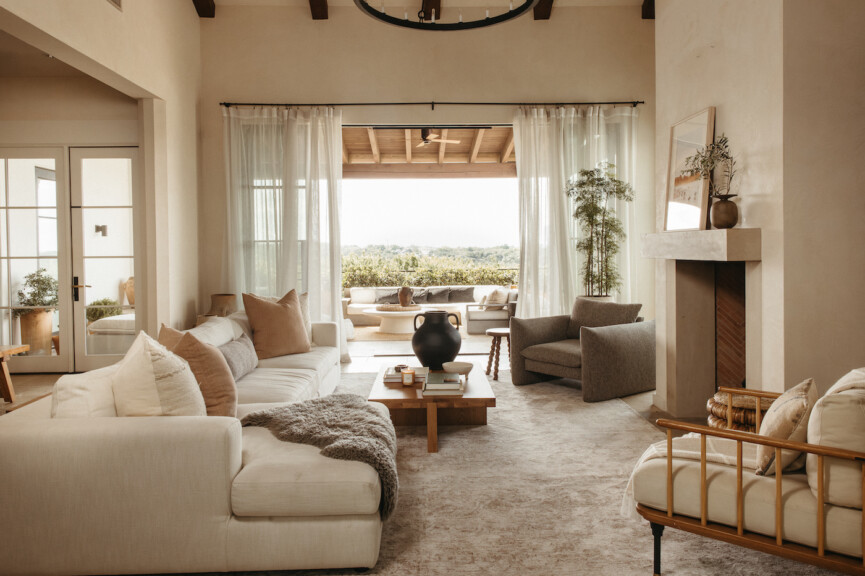
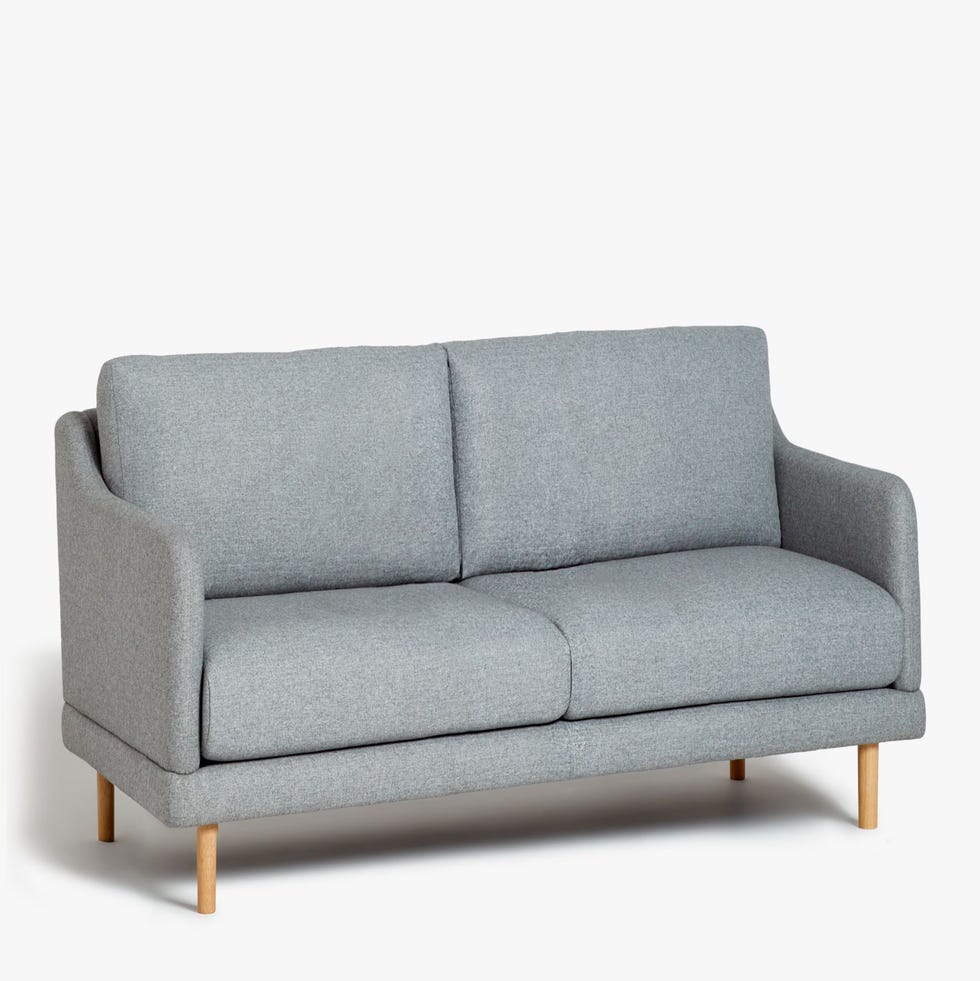
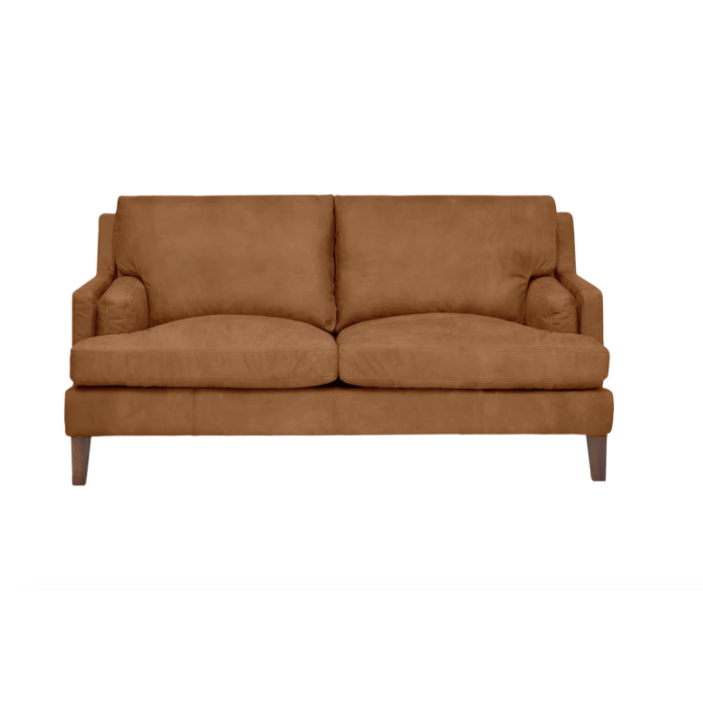
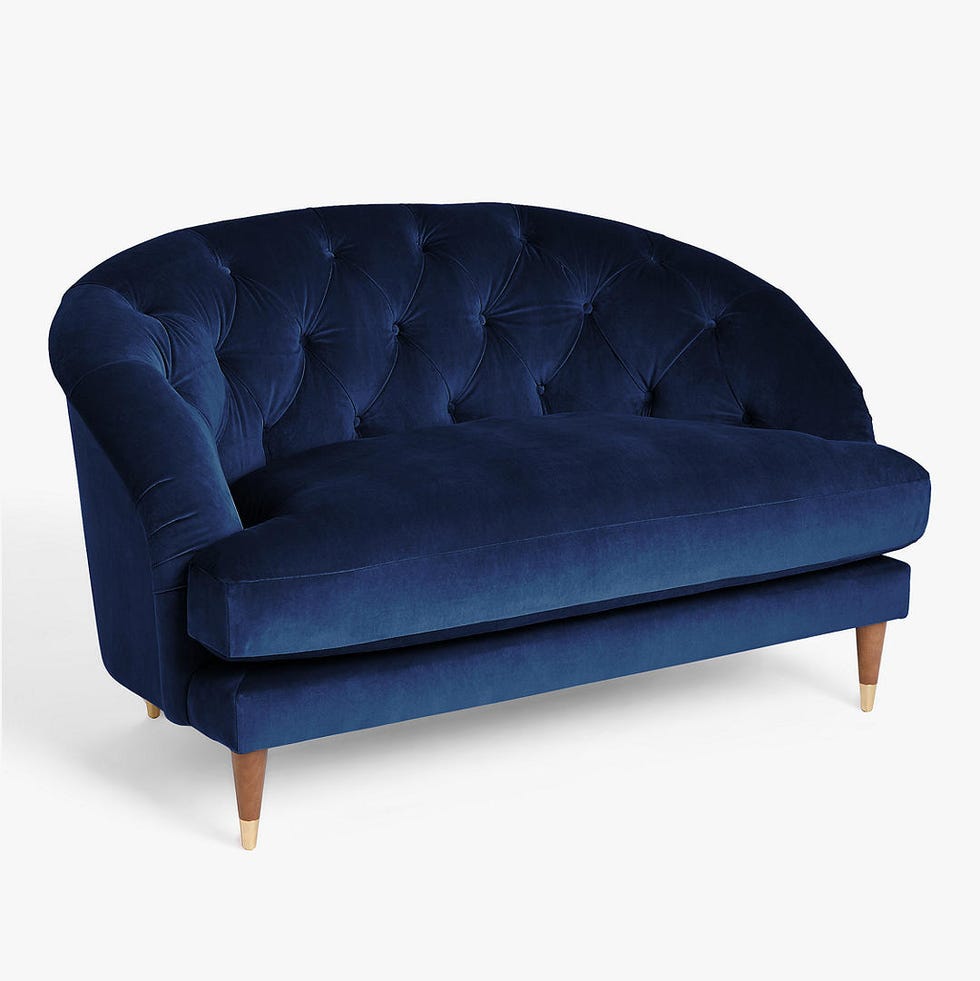
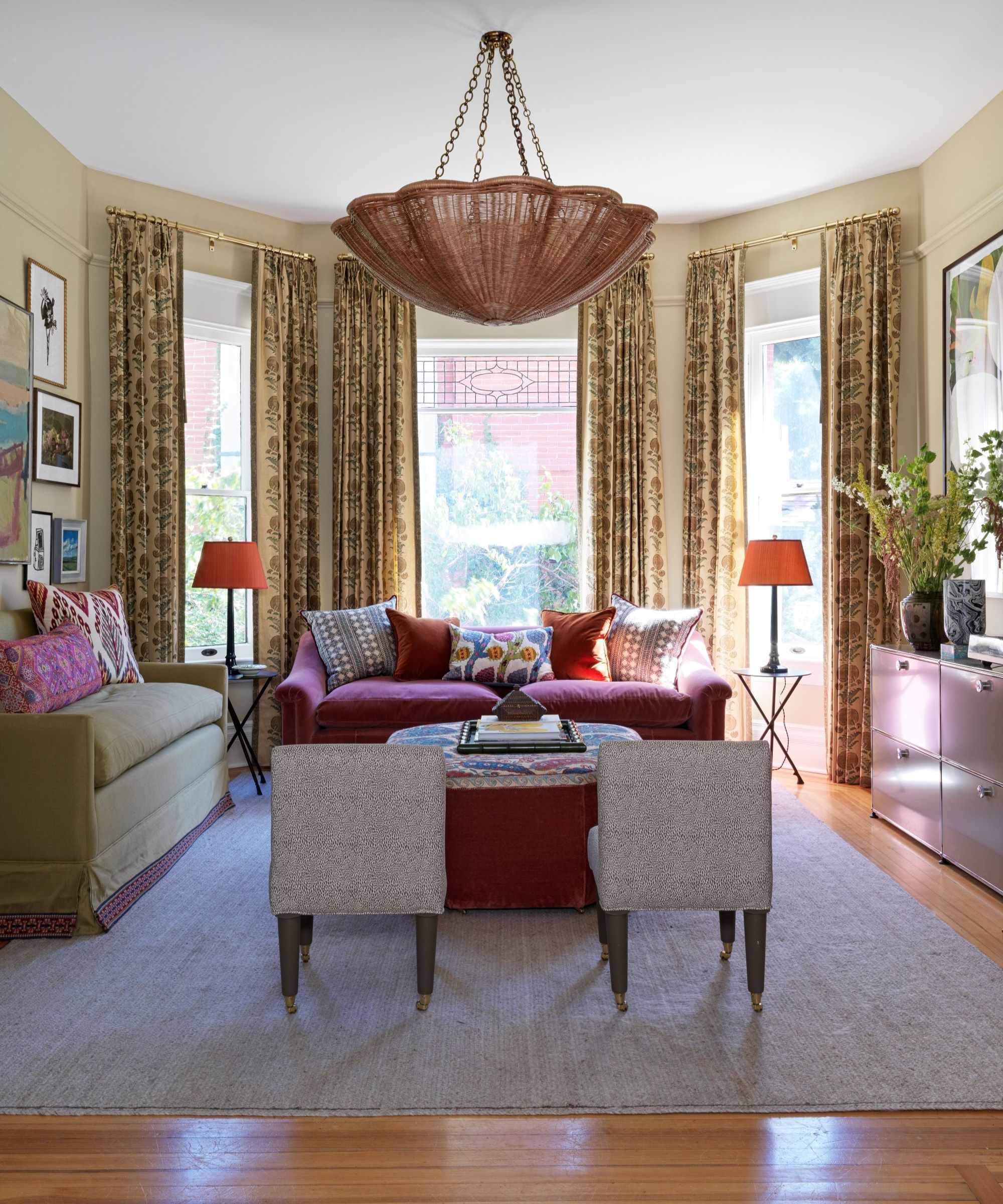
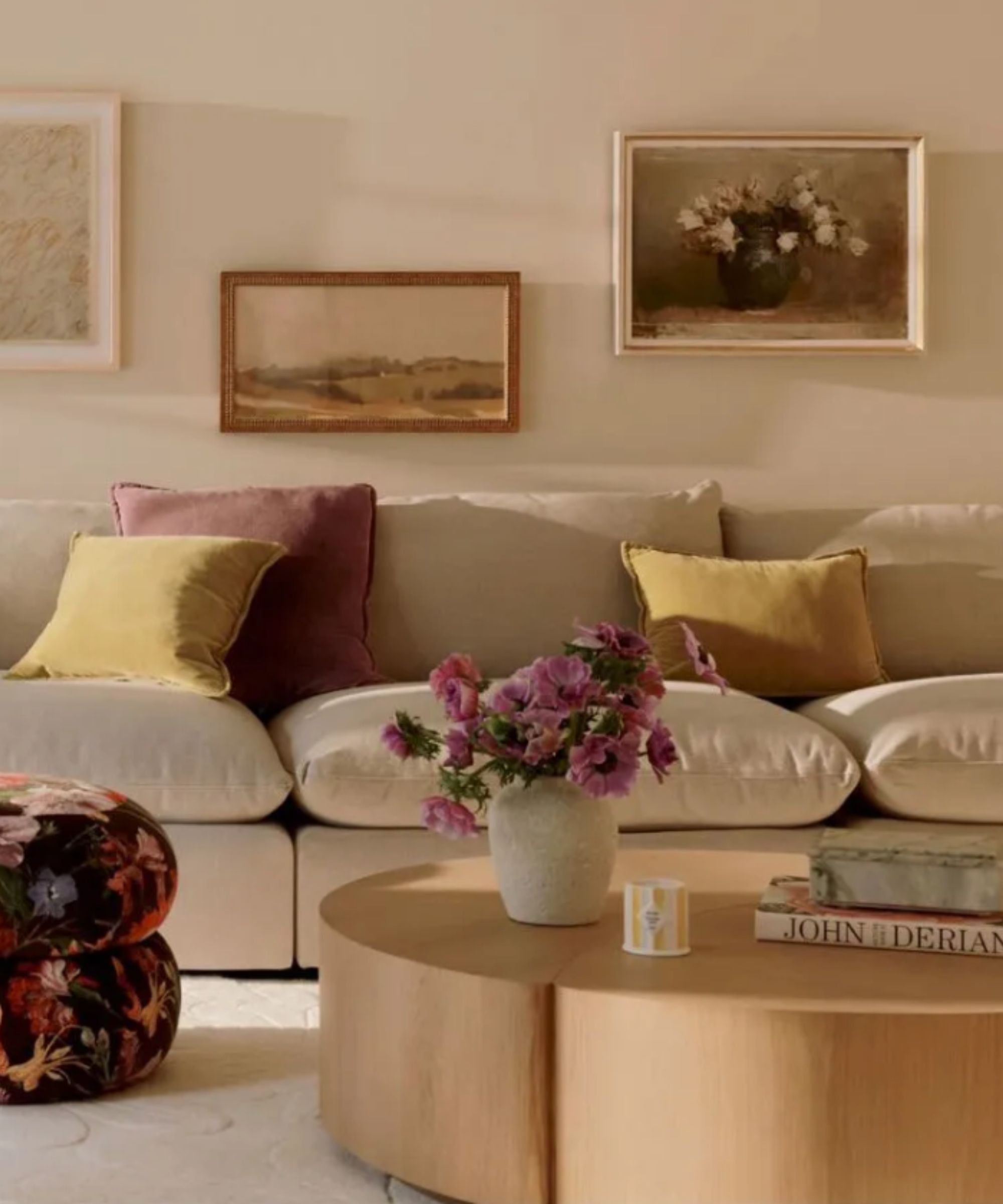
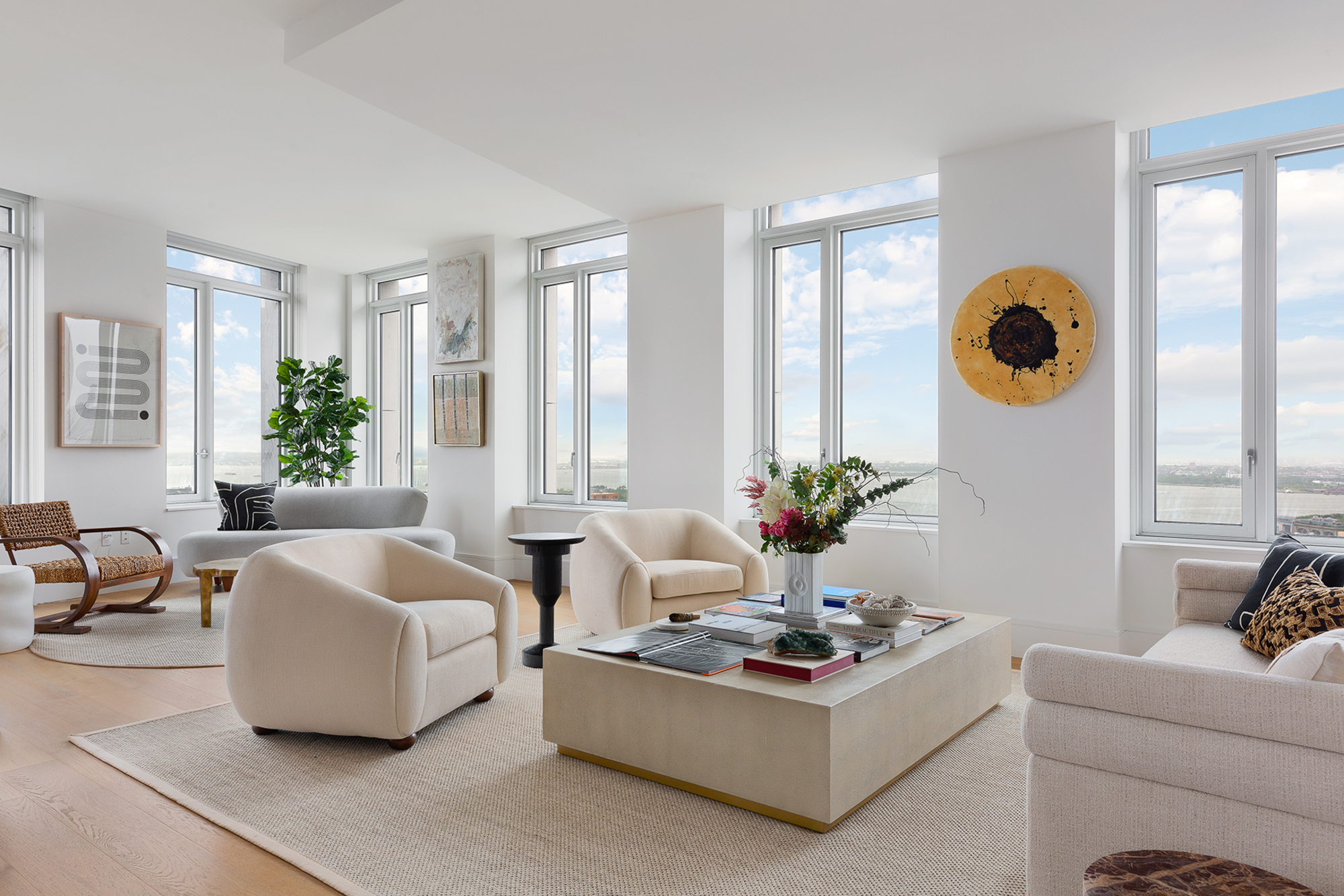
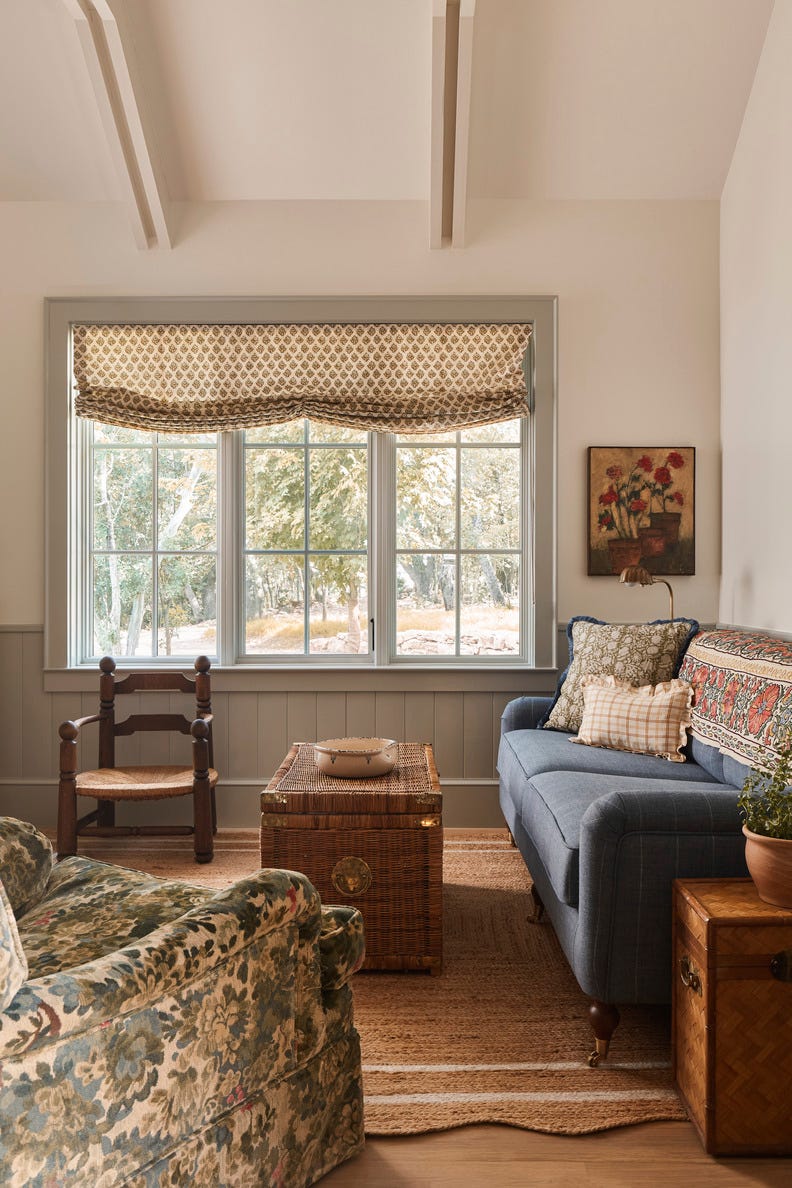
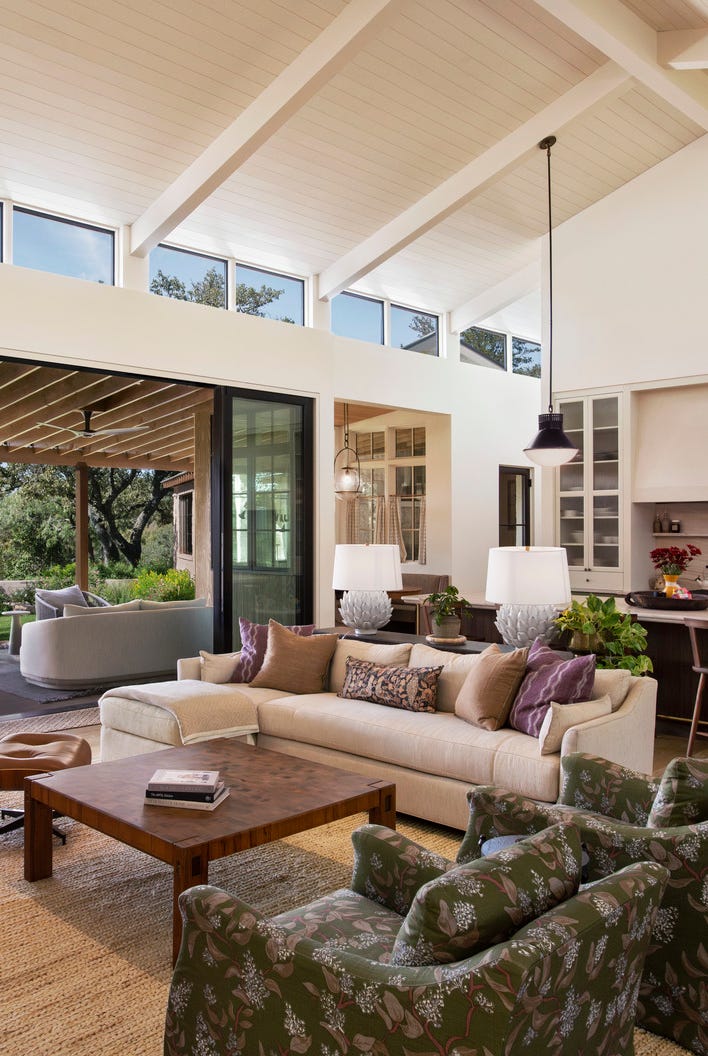
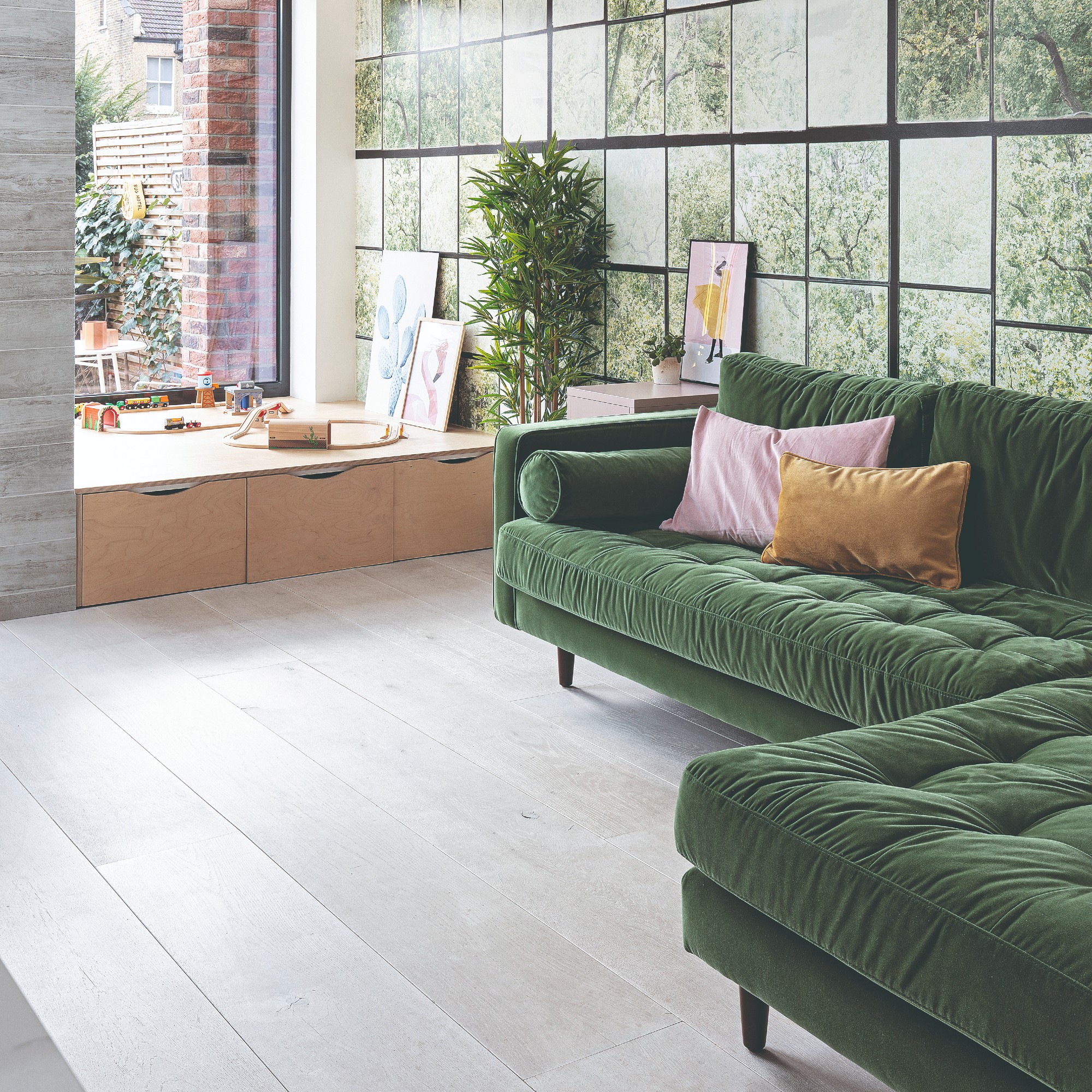
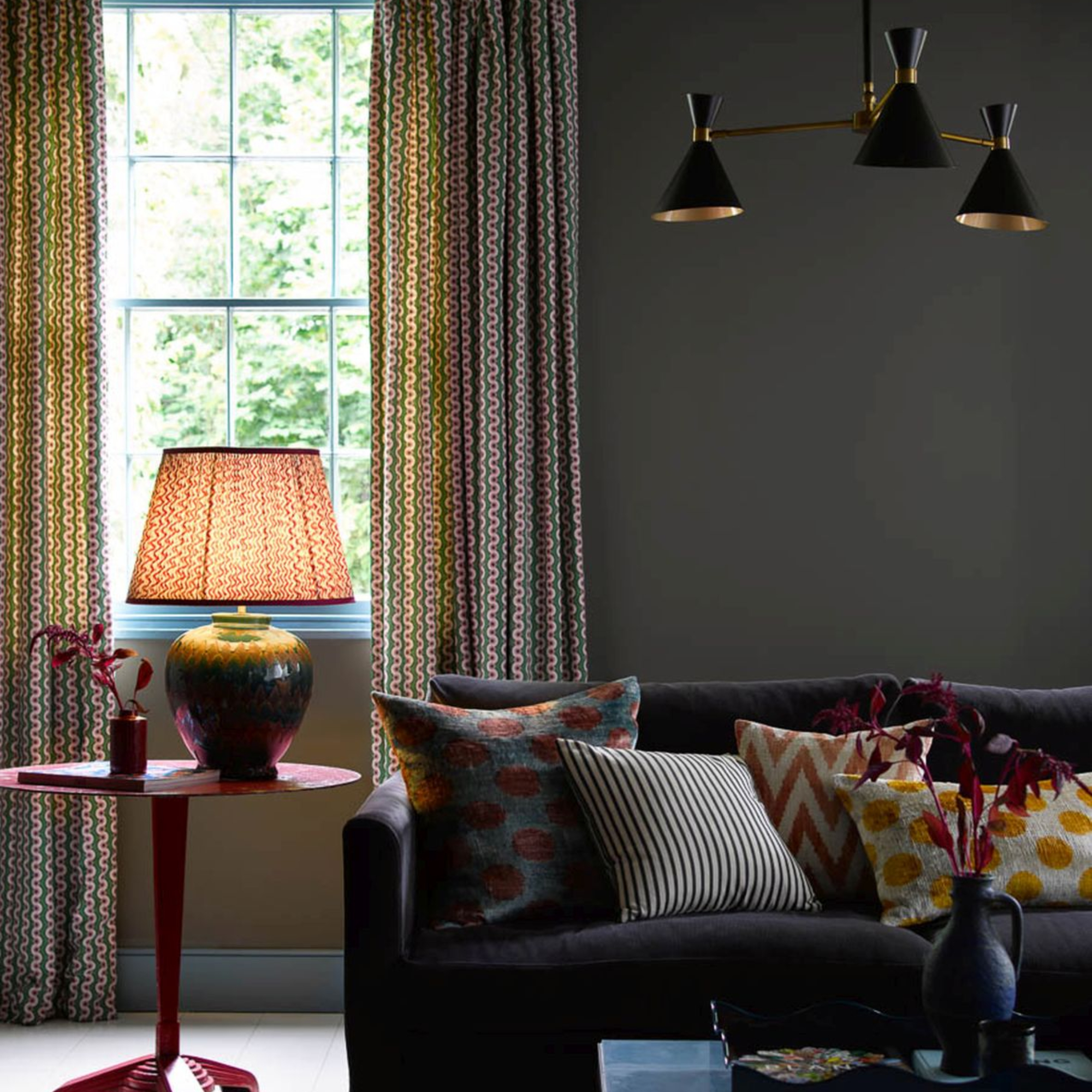
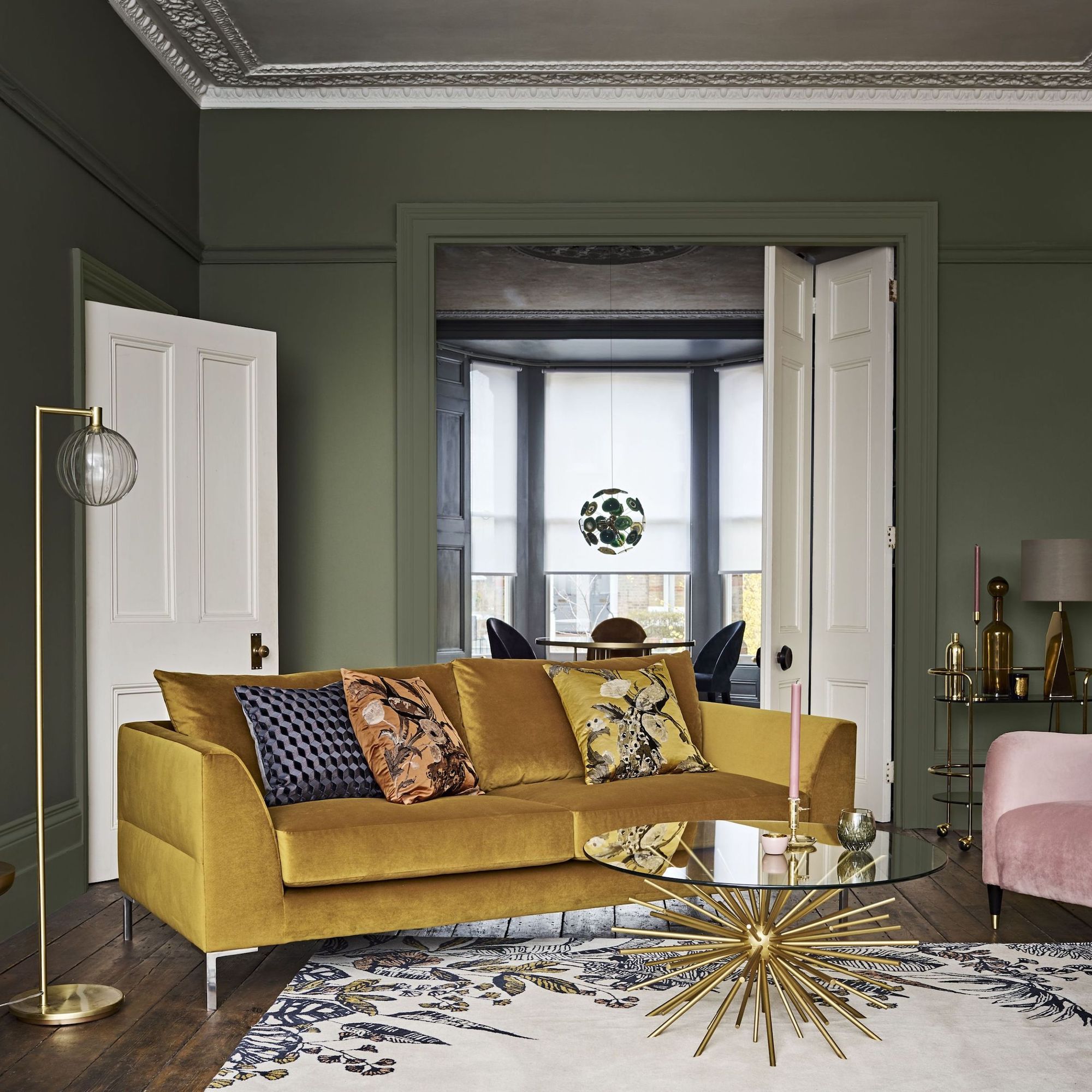
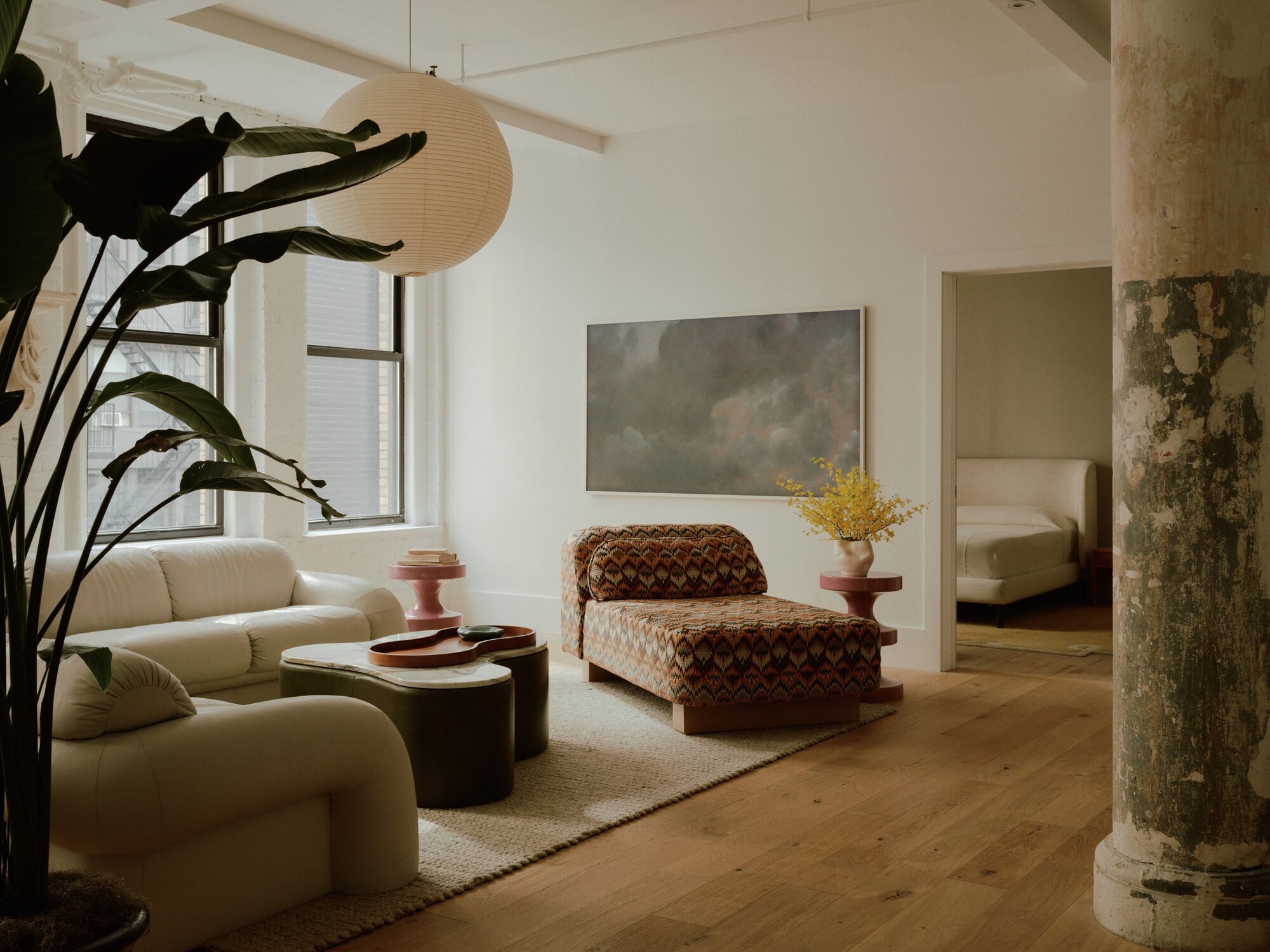
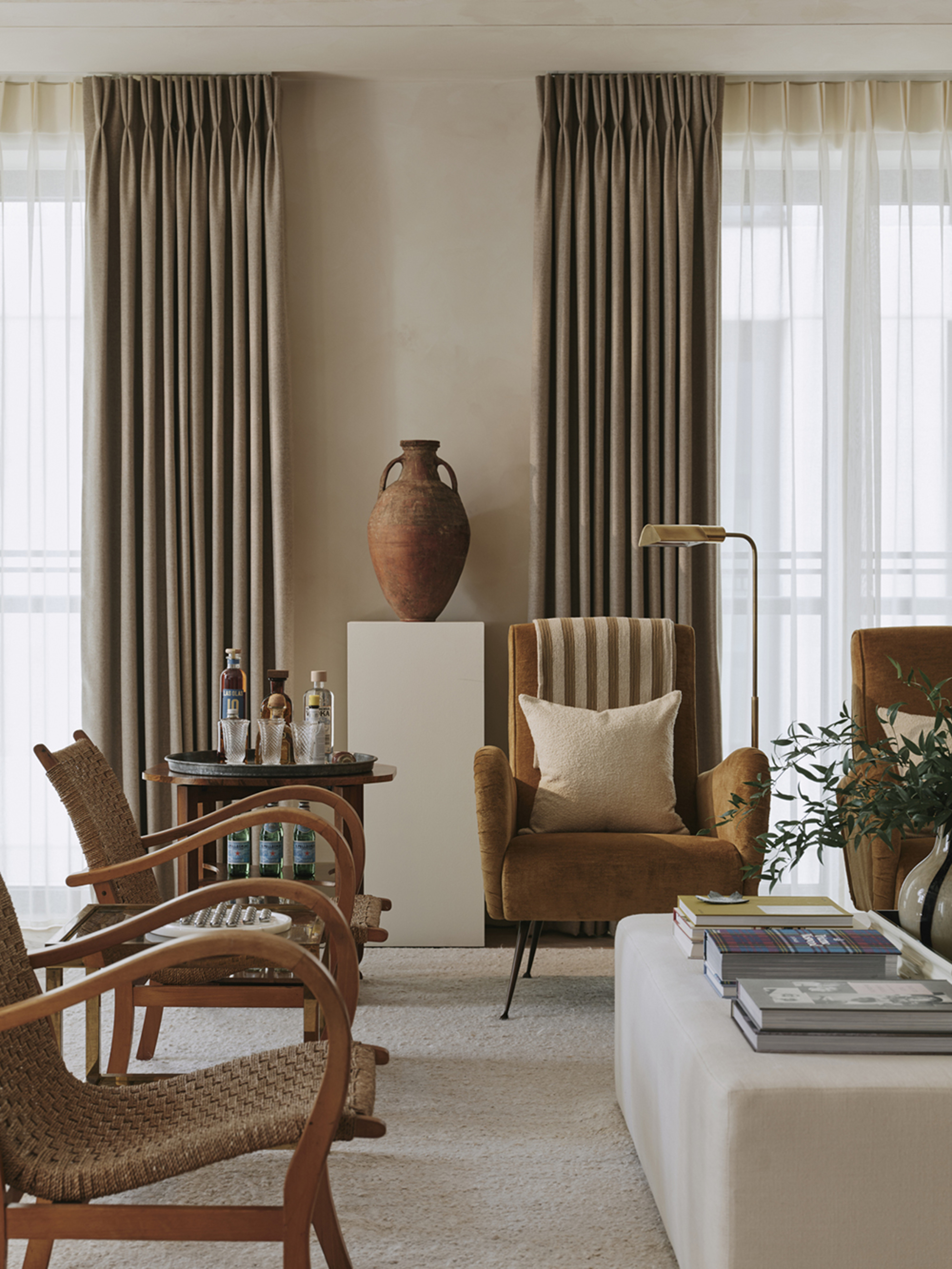
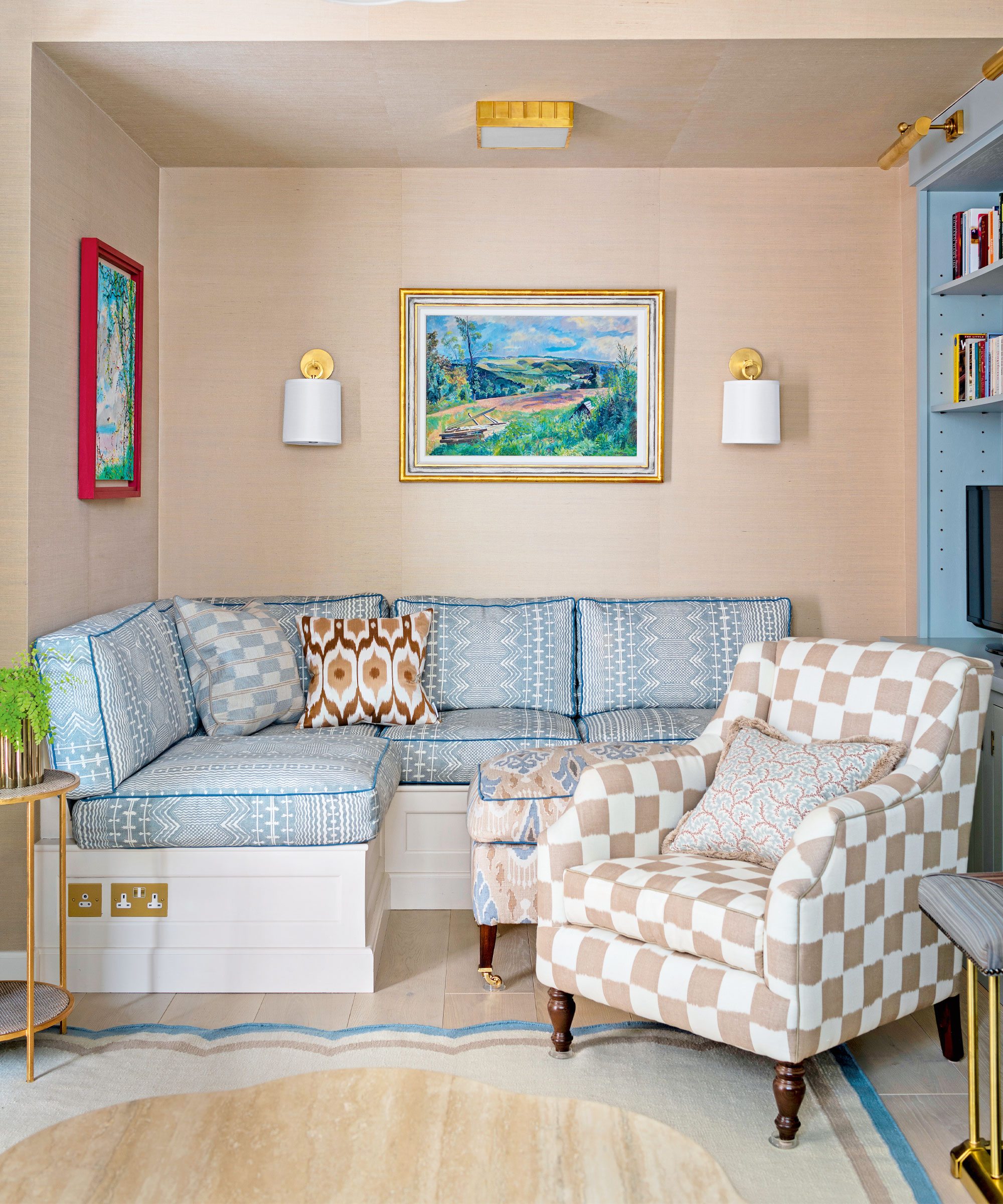
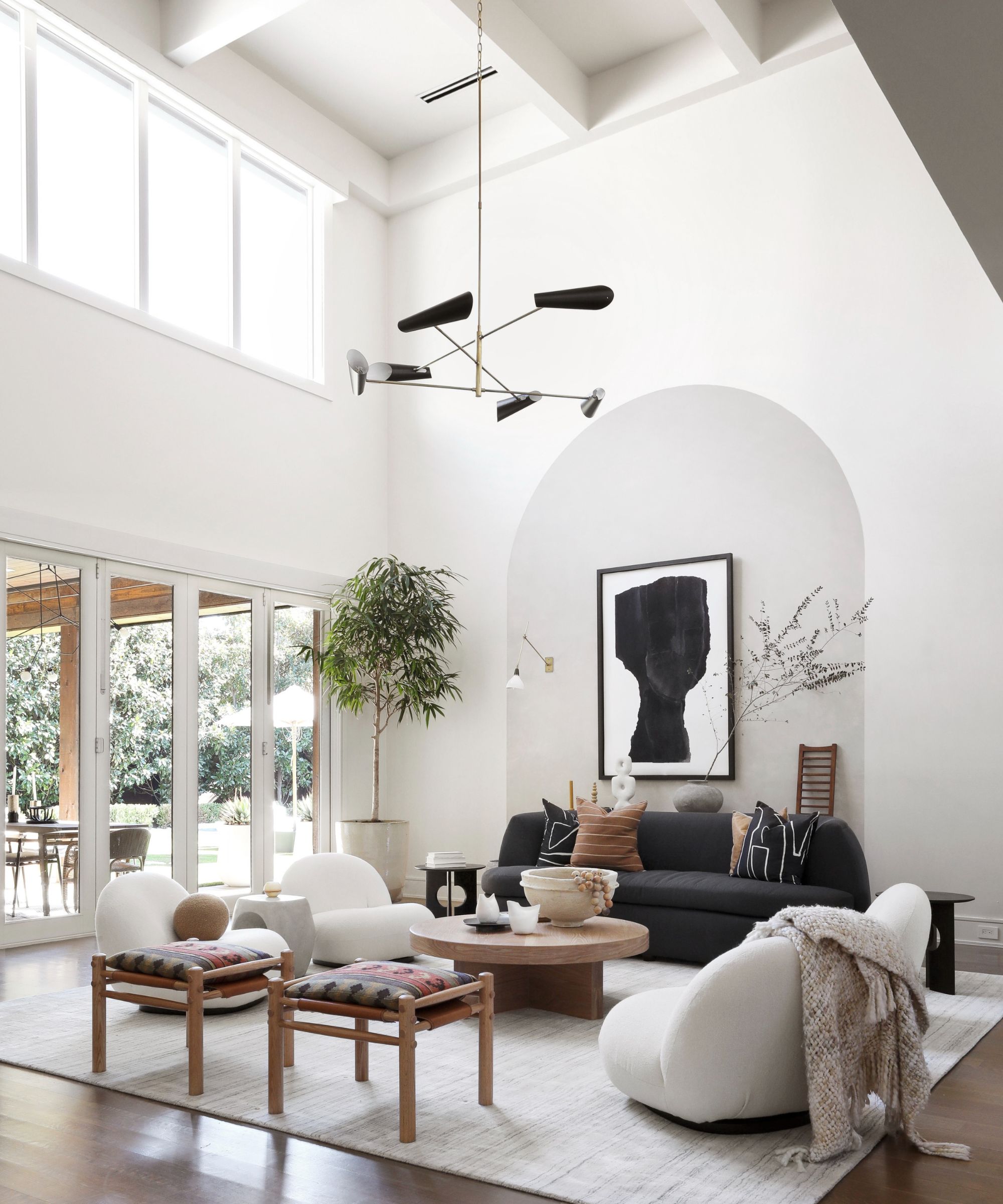
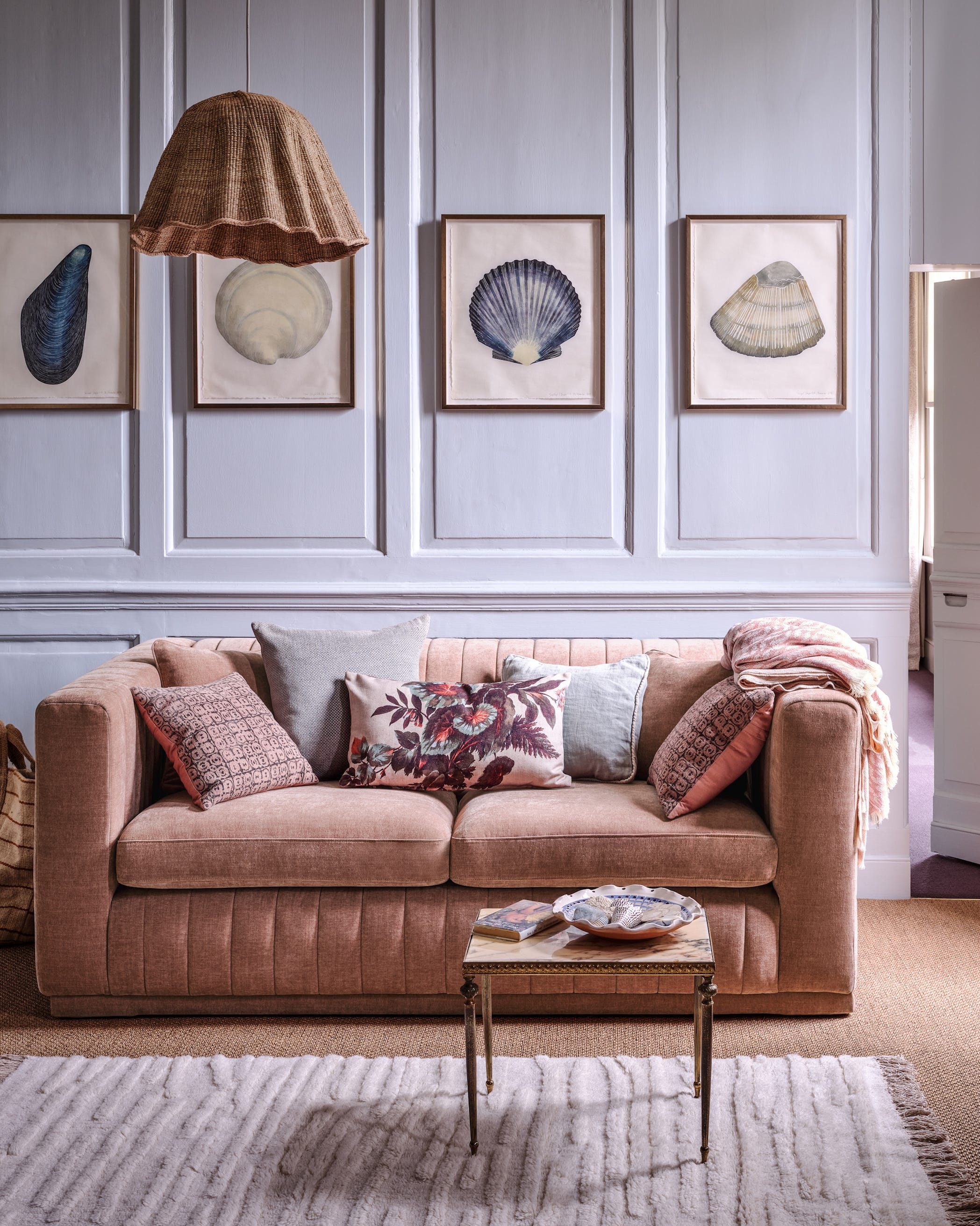
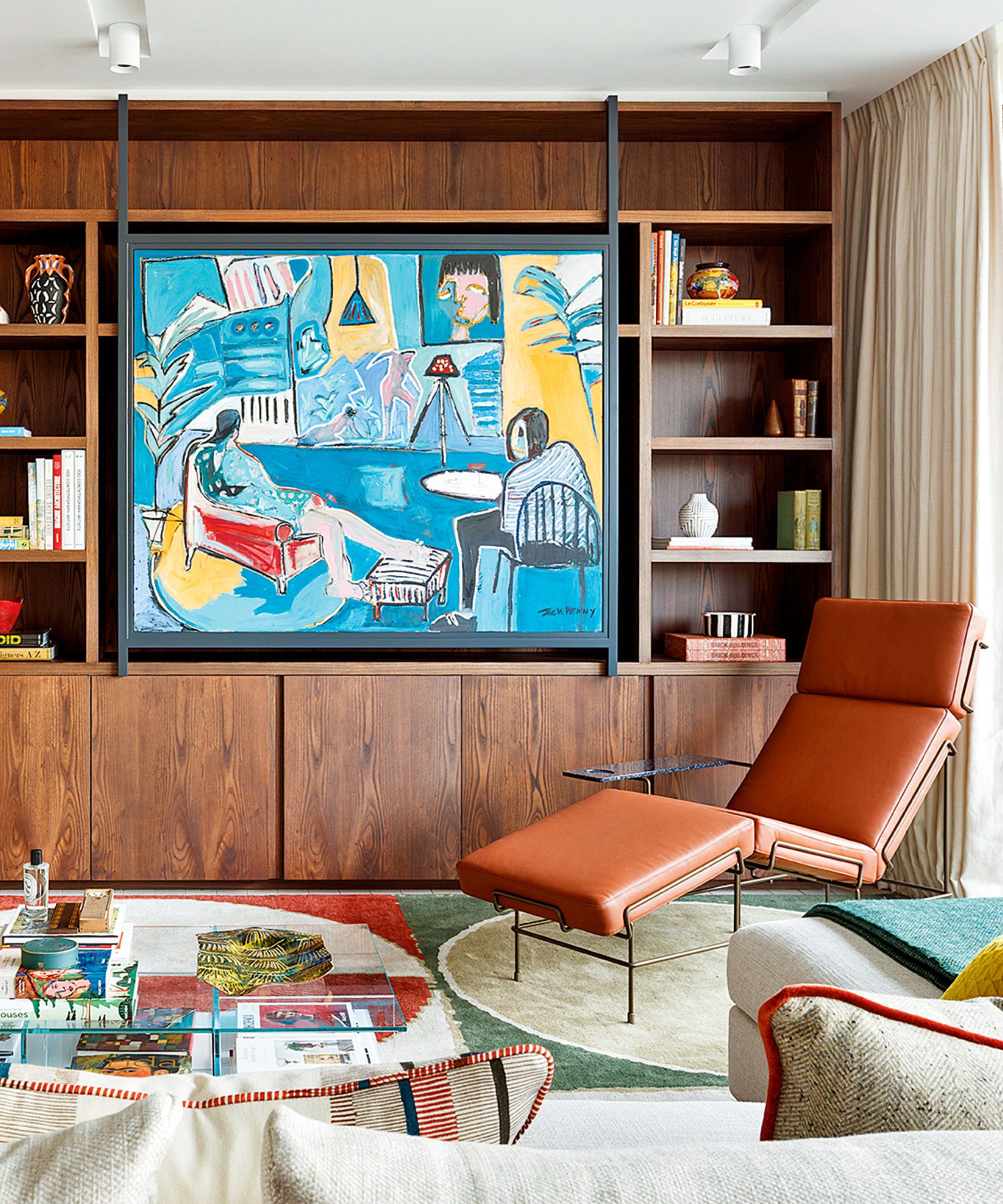
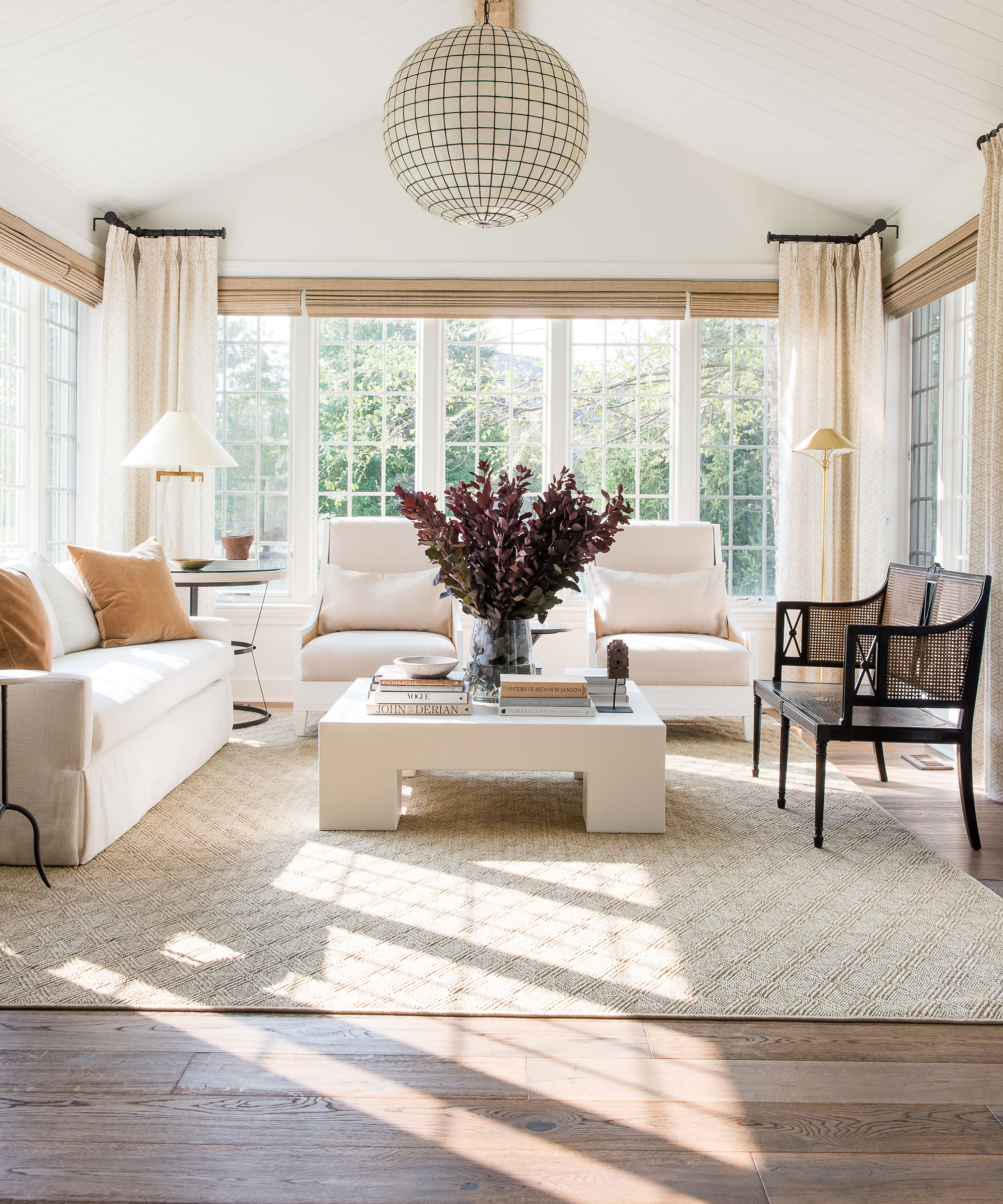
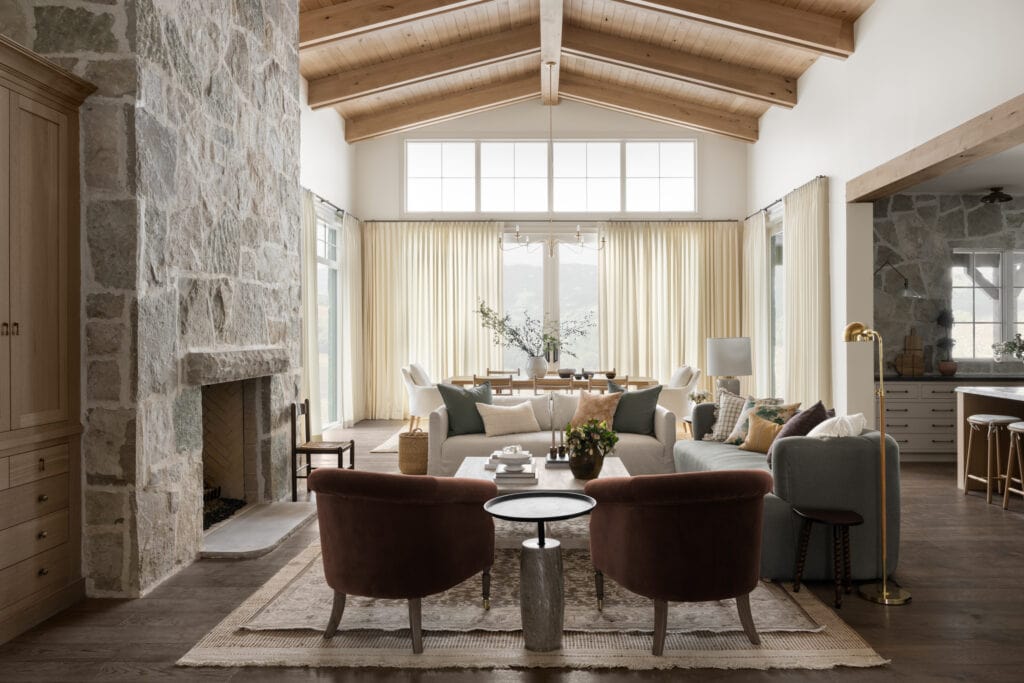
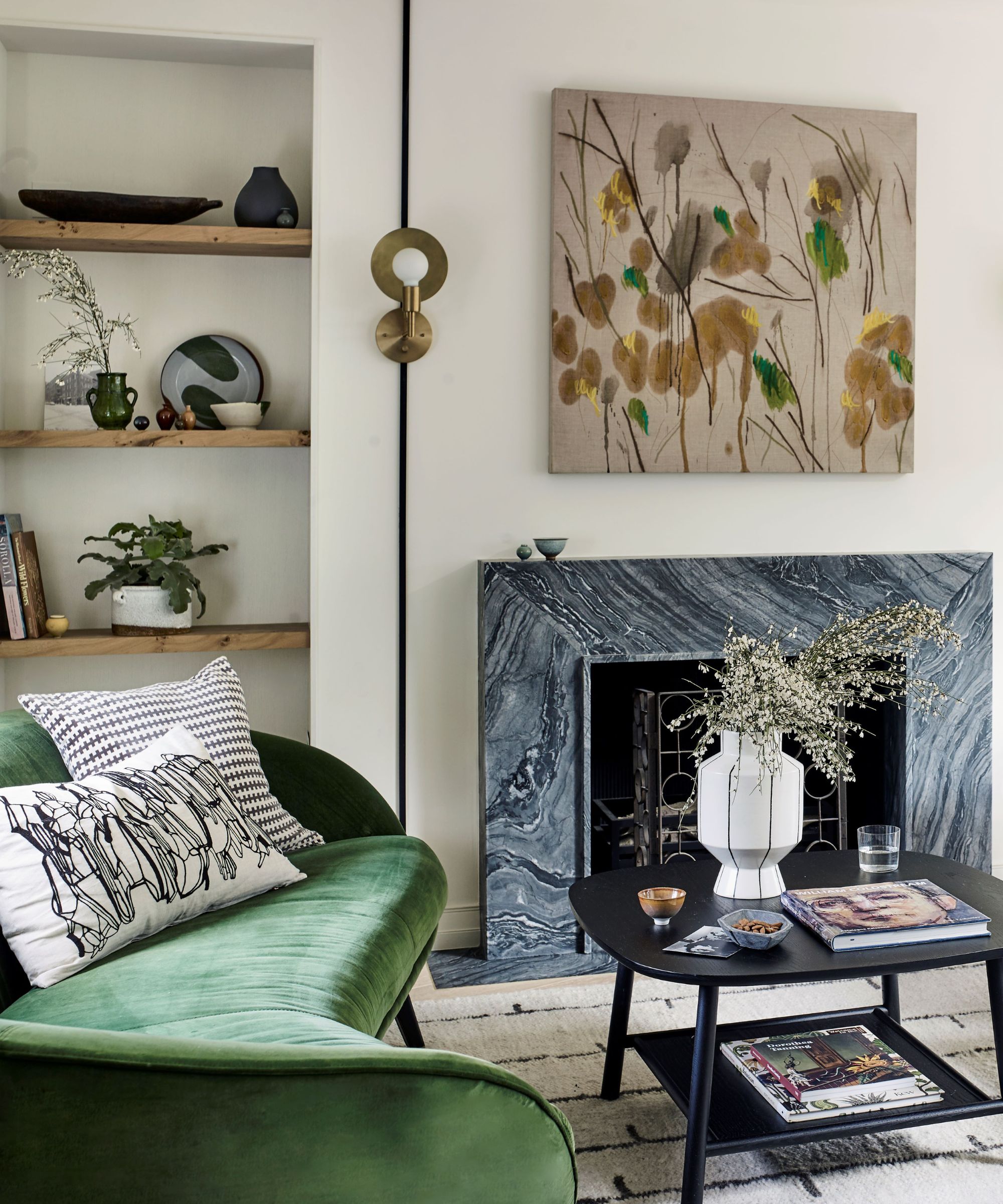
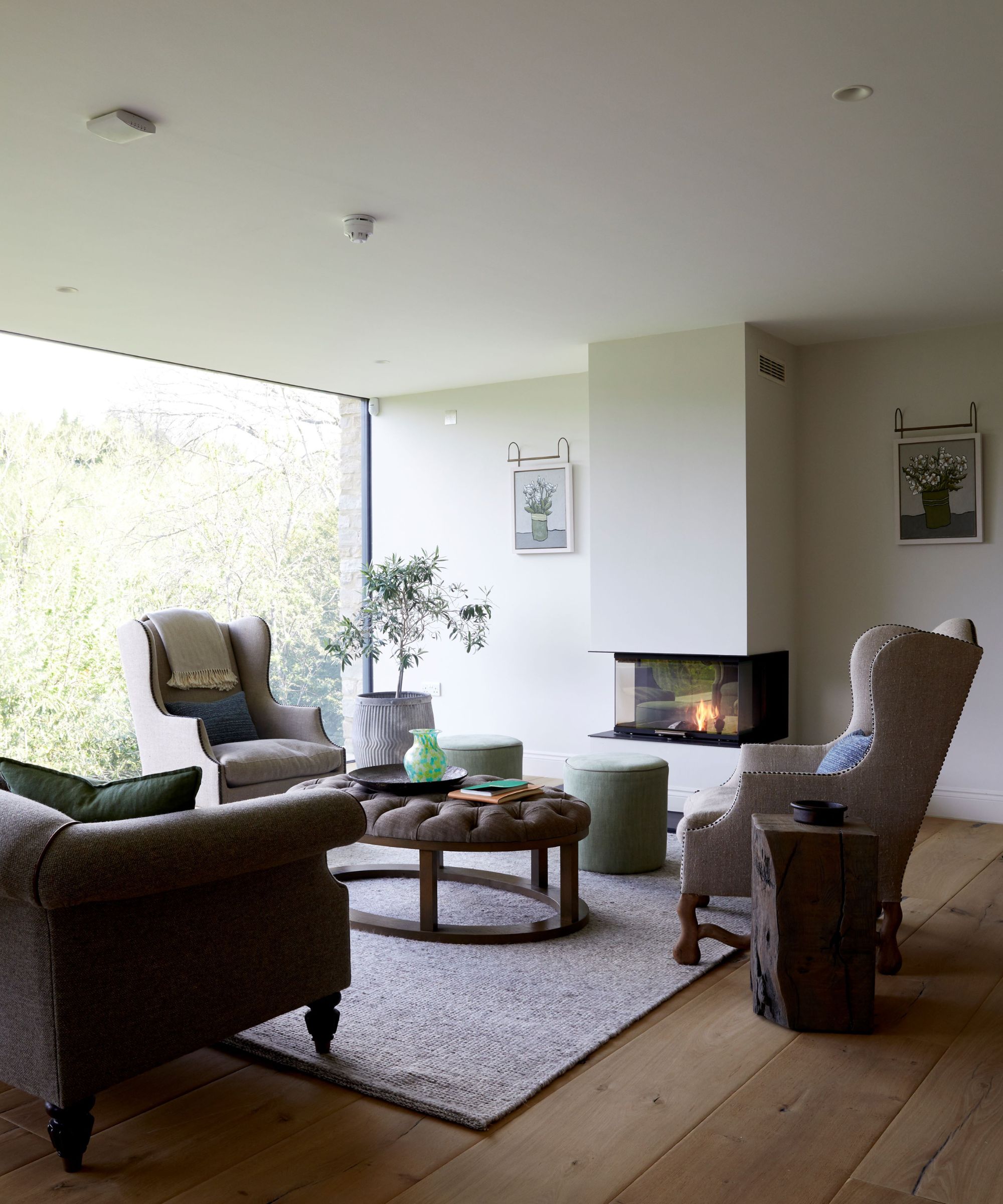
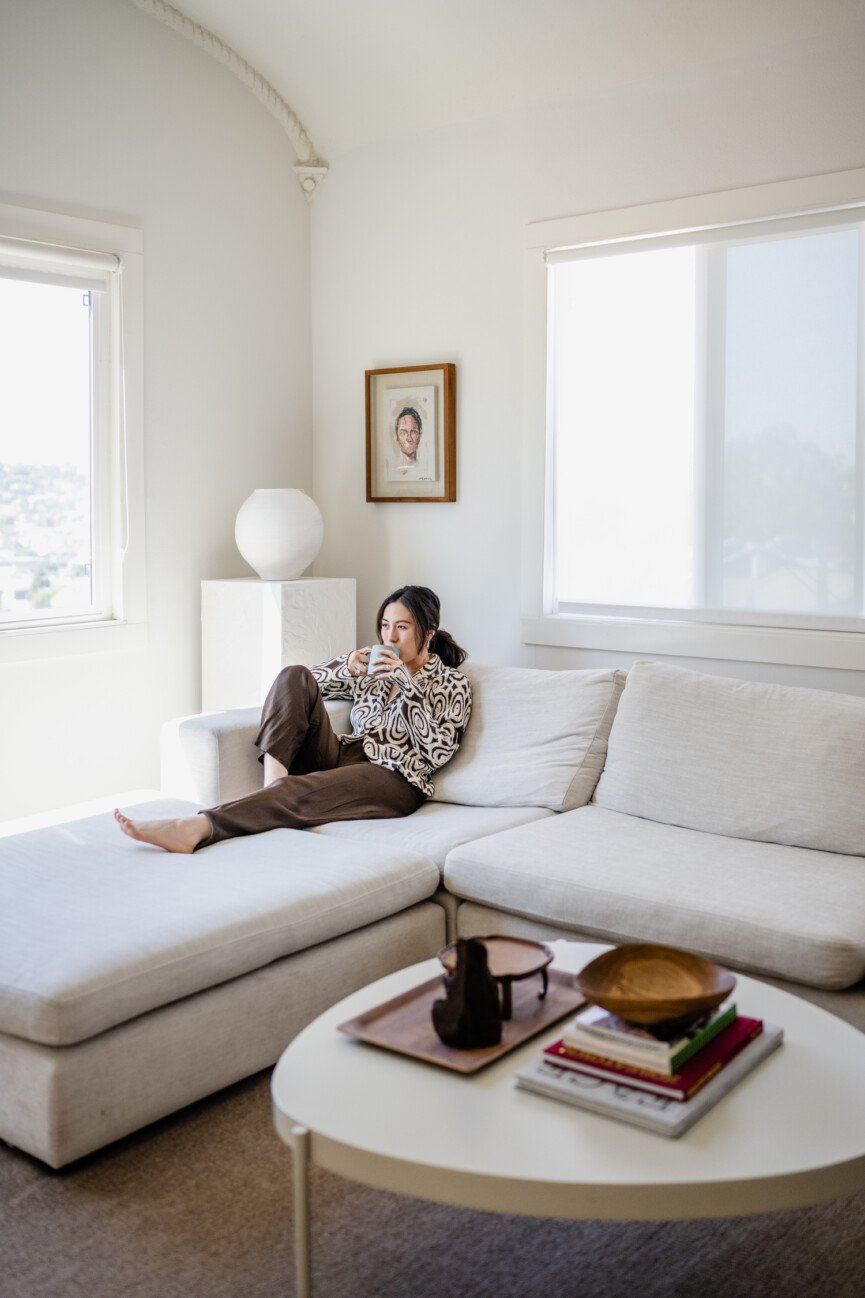
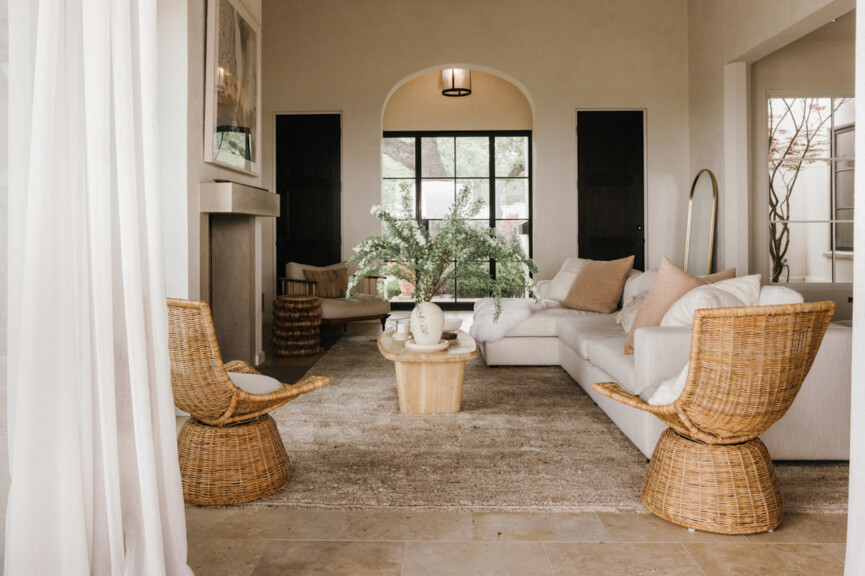
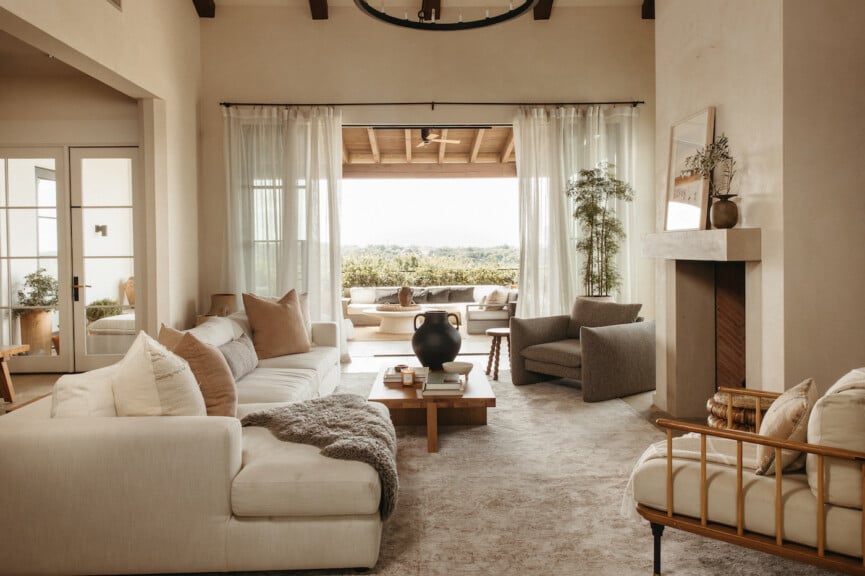
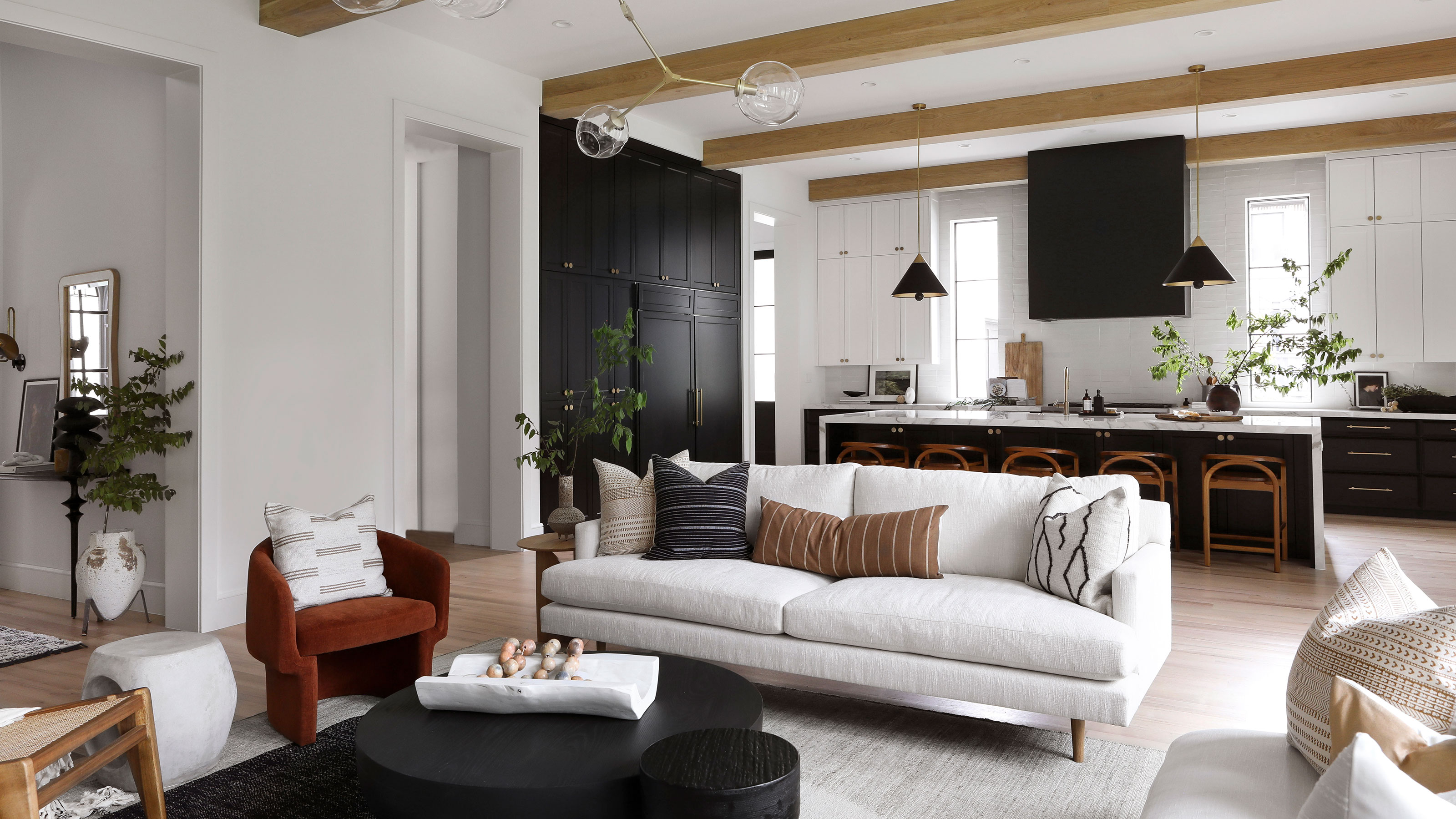
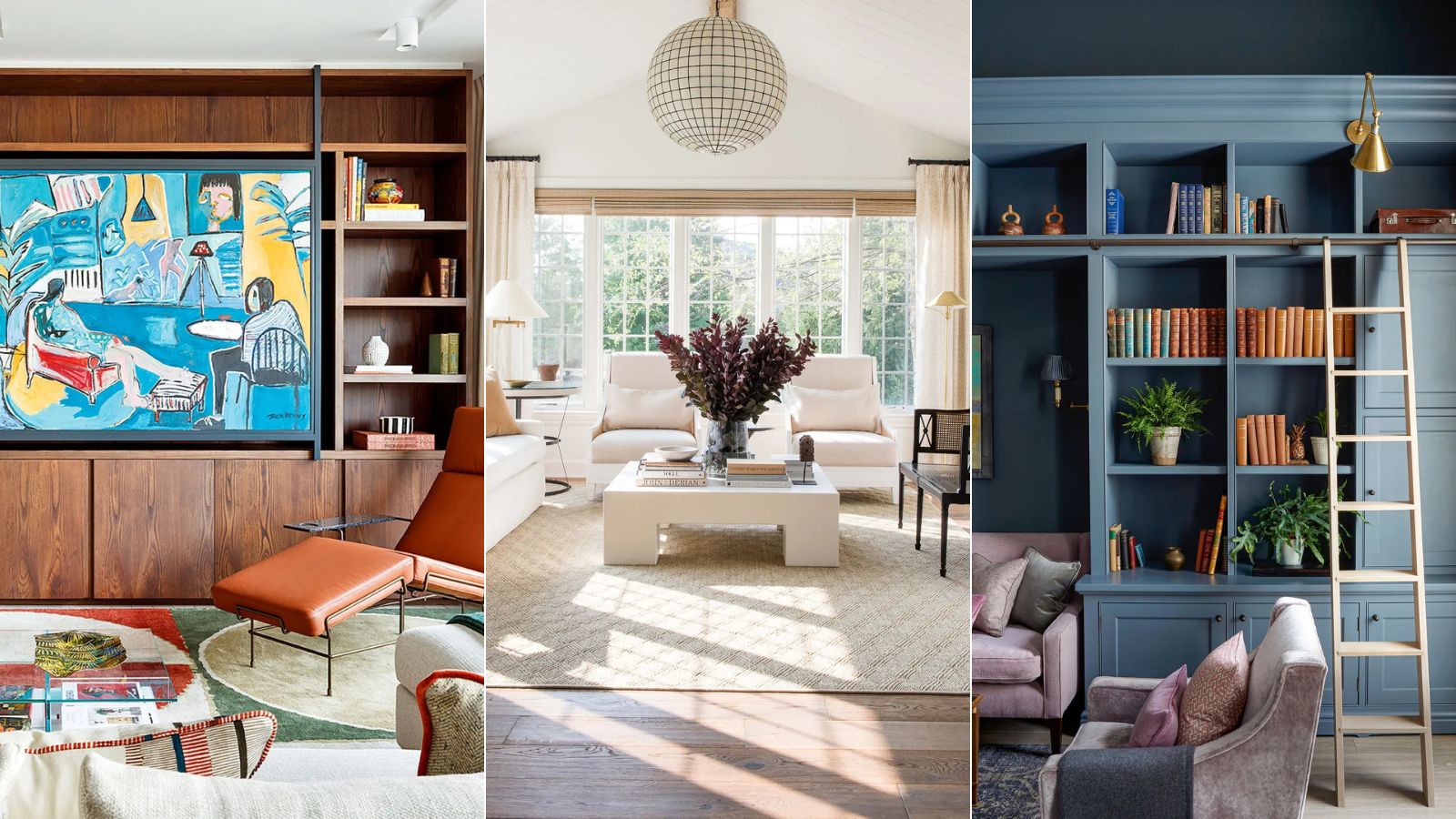
Investing in a high-quality sofa is presented as a primary recommendation. As the most frequently used piece of furniture, not only in the living room but potentially the entire house, a durable and comfortable sofa is essential. Experts suggest choosing a neutral or dark fabric to ensure longevity and adaptability to future redecorating efforts or relocation, allowing for personalized touches through accessories like cushions and throws. Beyond the sofa, the article emphasizes spending on one or two other key, timeless furniture pieces that will anchor the room. These include items such as area rugs, accent chairs, or media cabinets. The rationale is that these staple items are likely to be kept for an extended period, making their durability and aesthetic appeal crucial. Pre-budgeting for these items, even if they represent a splurge, is advised for long-term satisfaction.
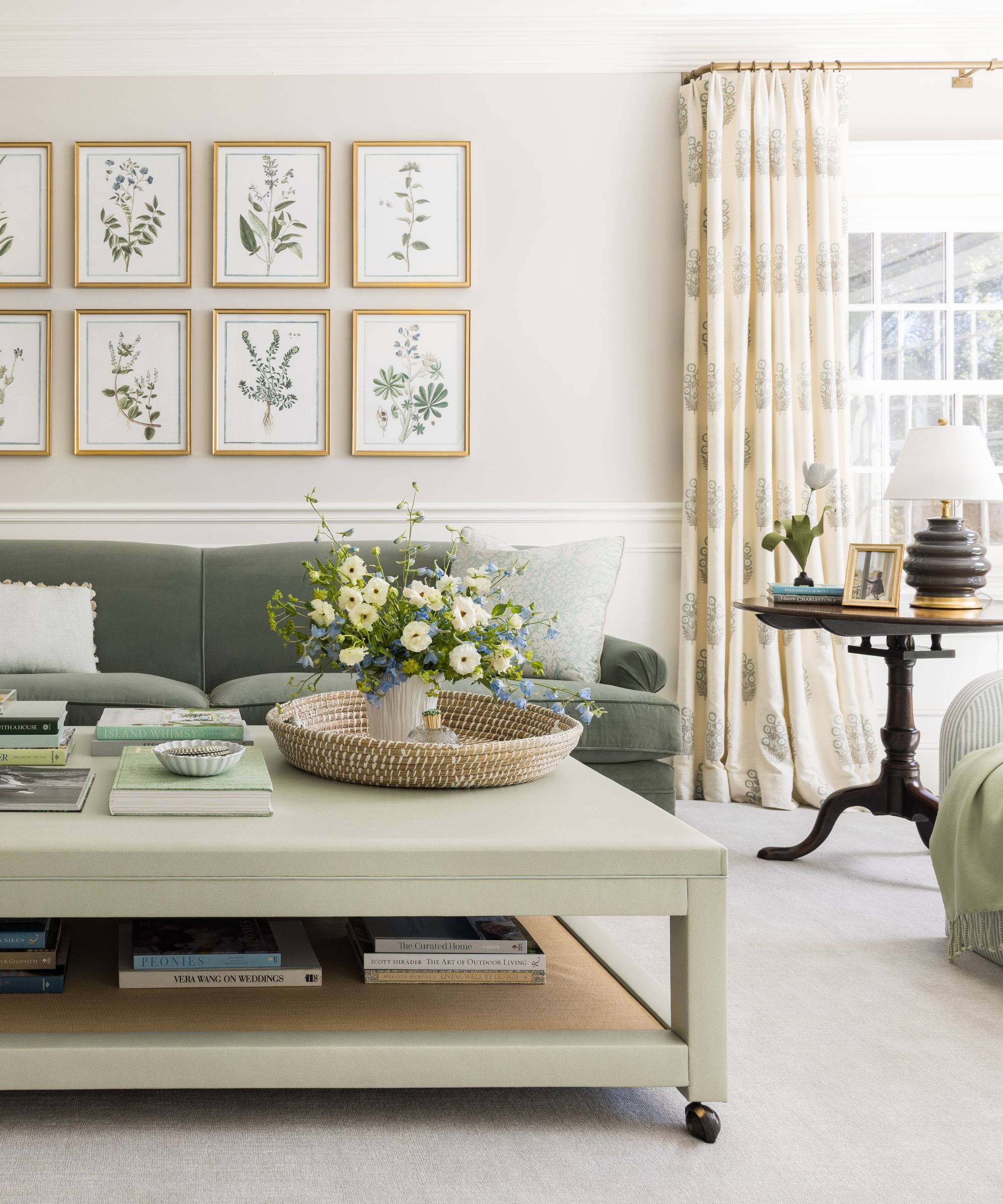
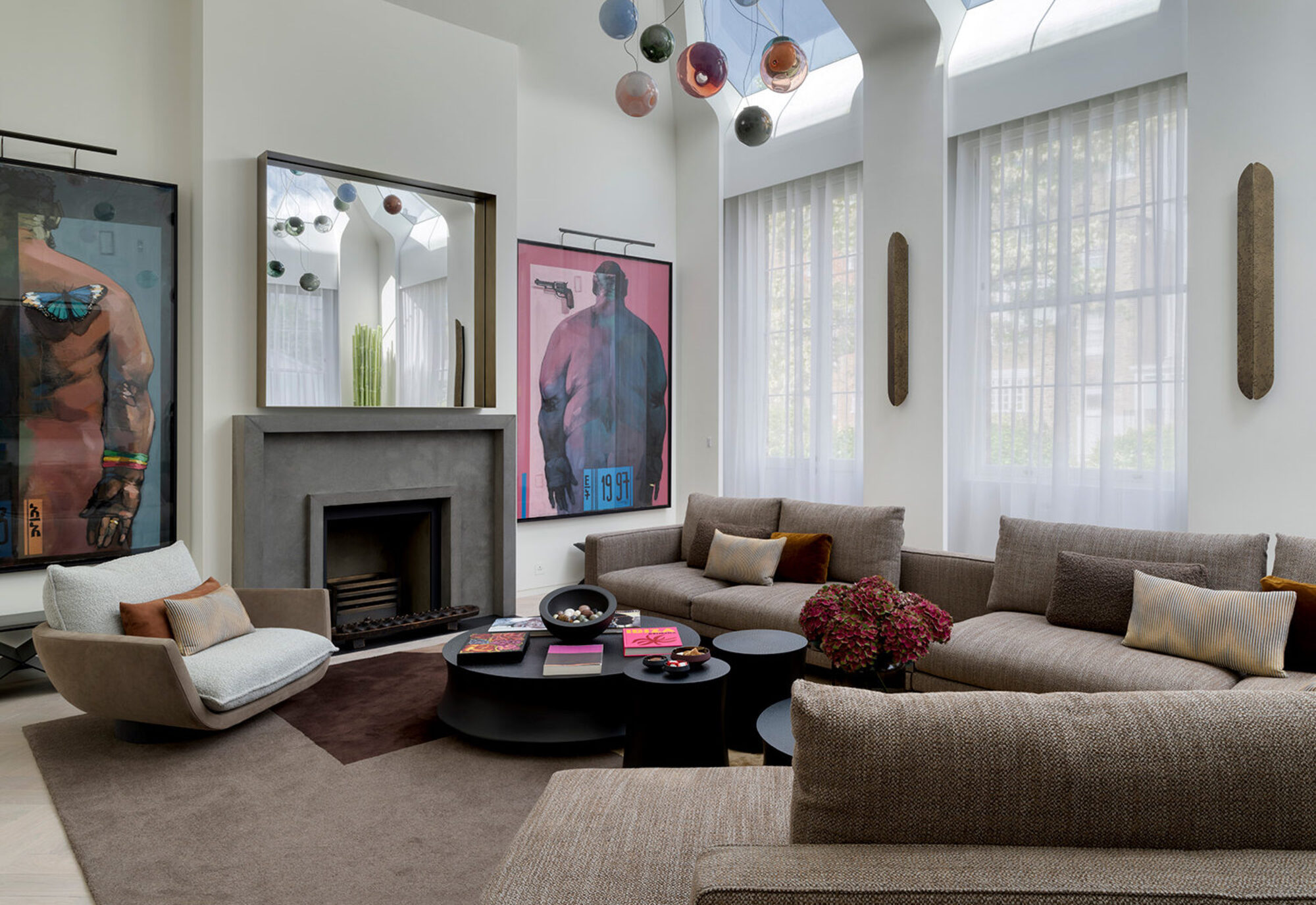
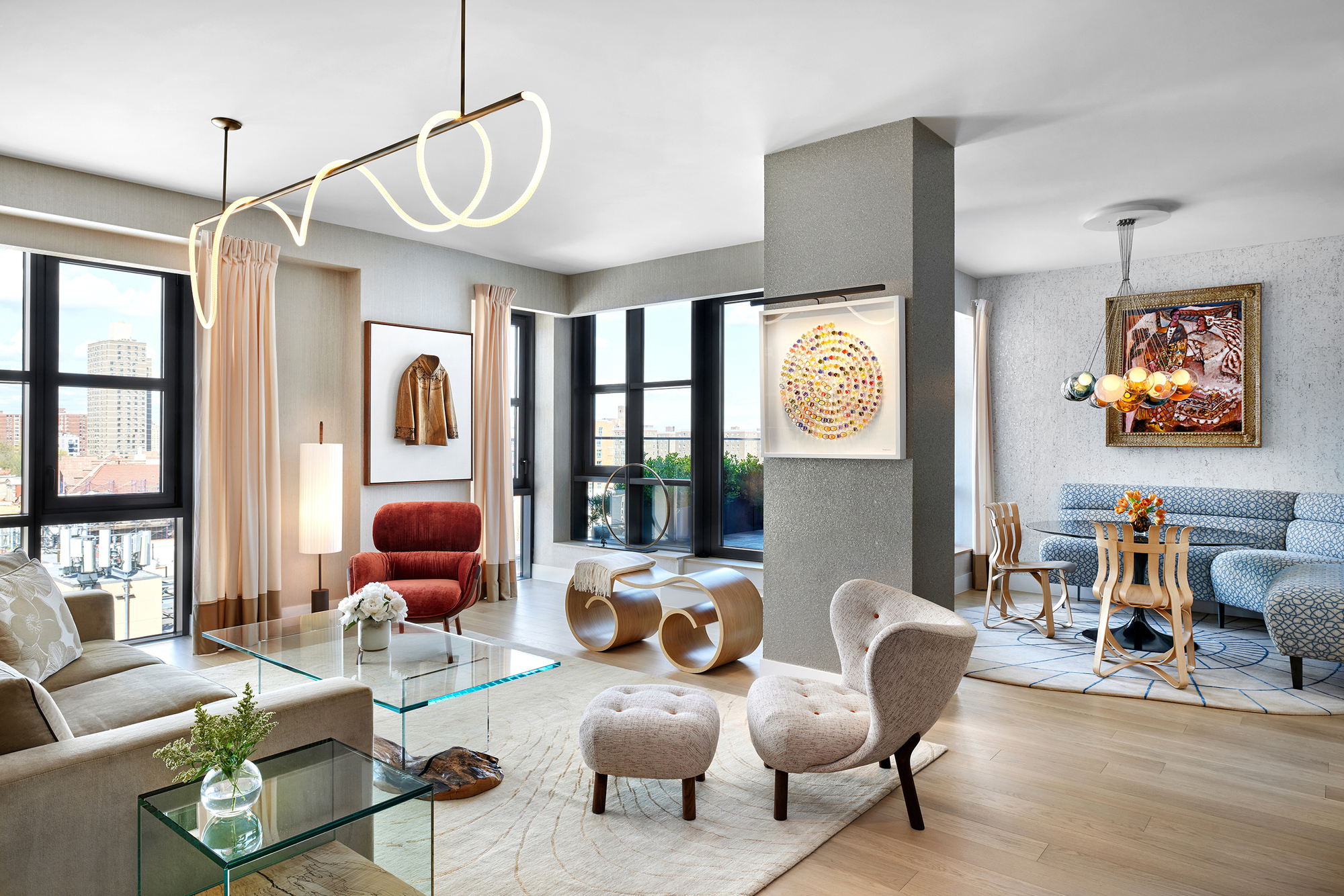
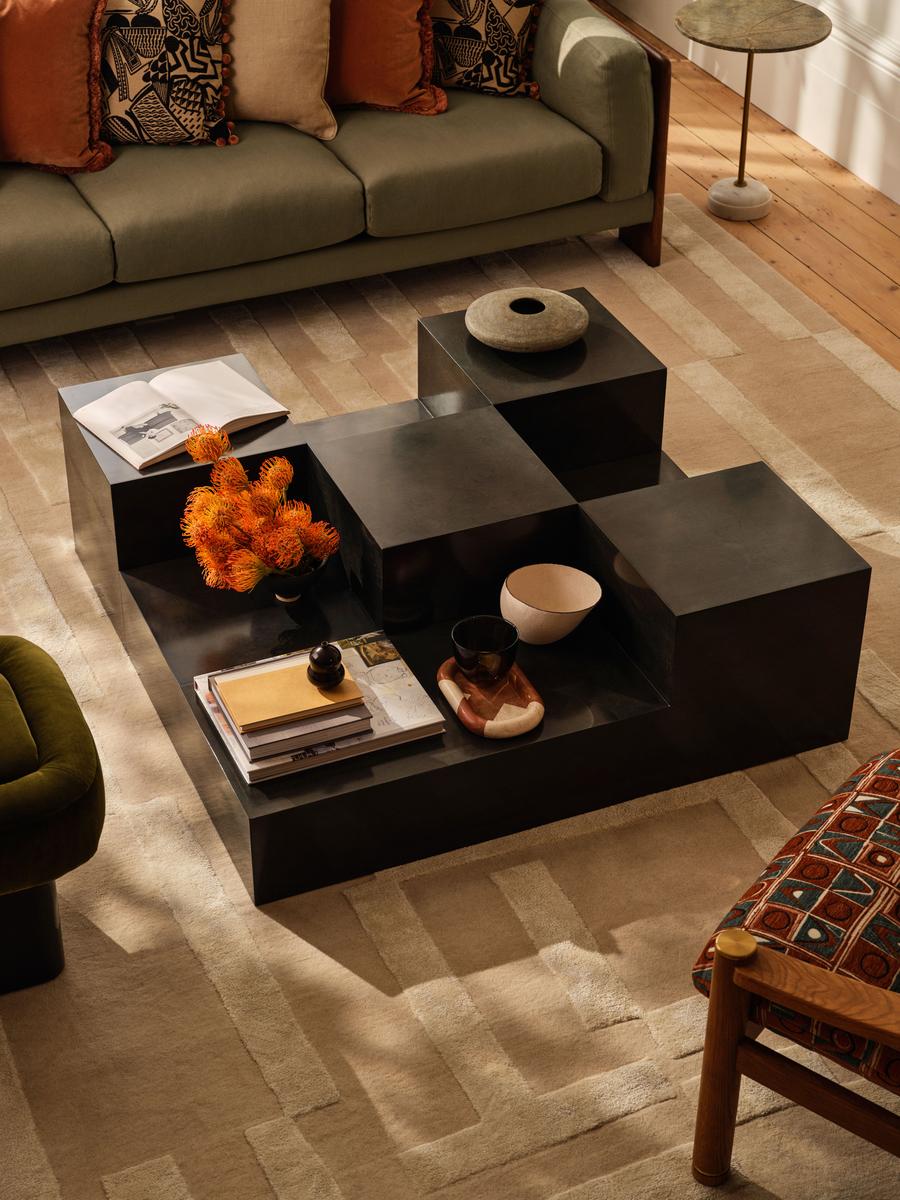
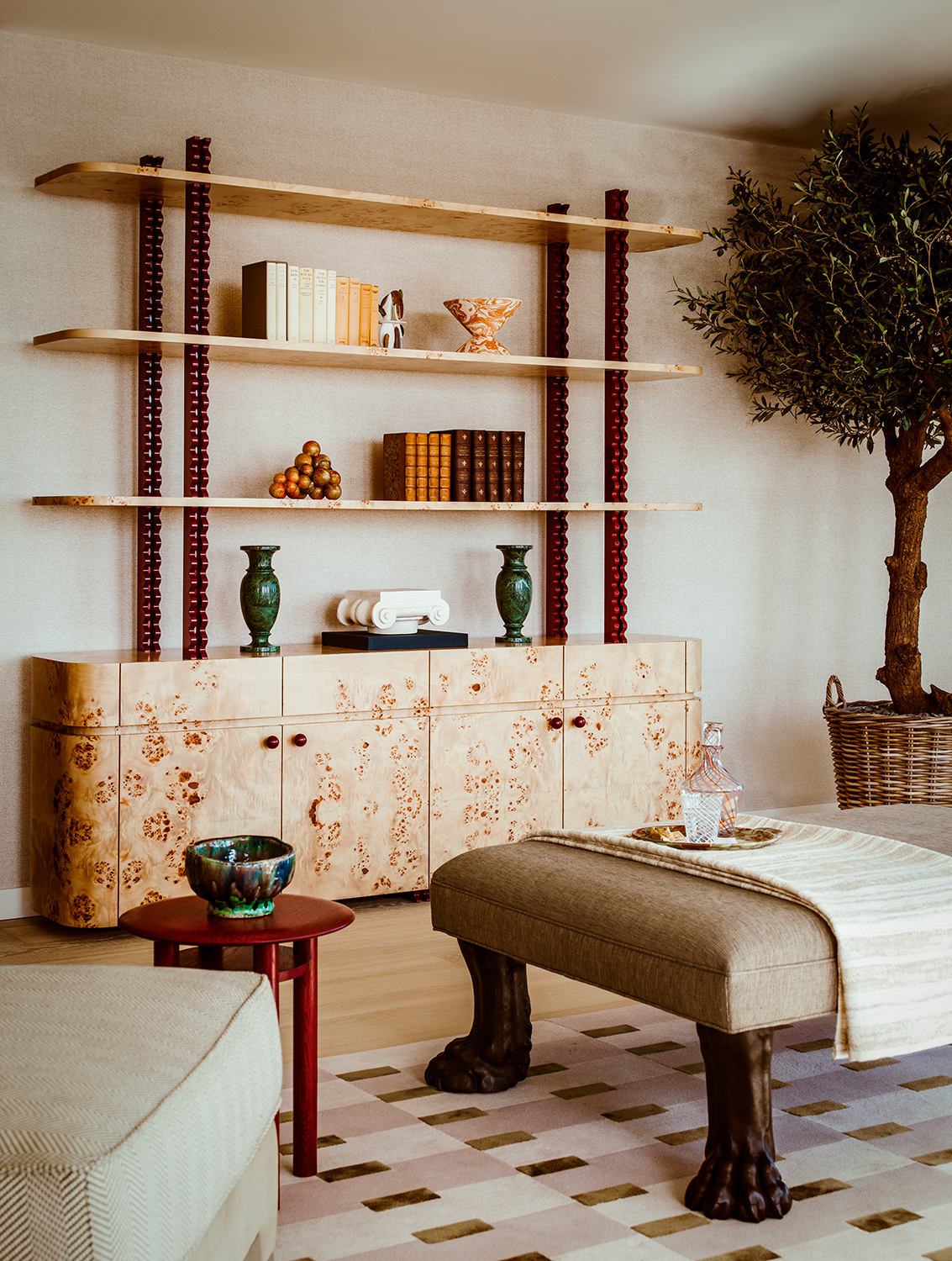
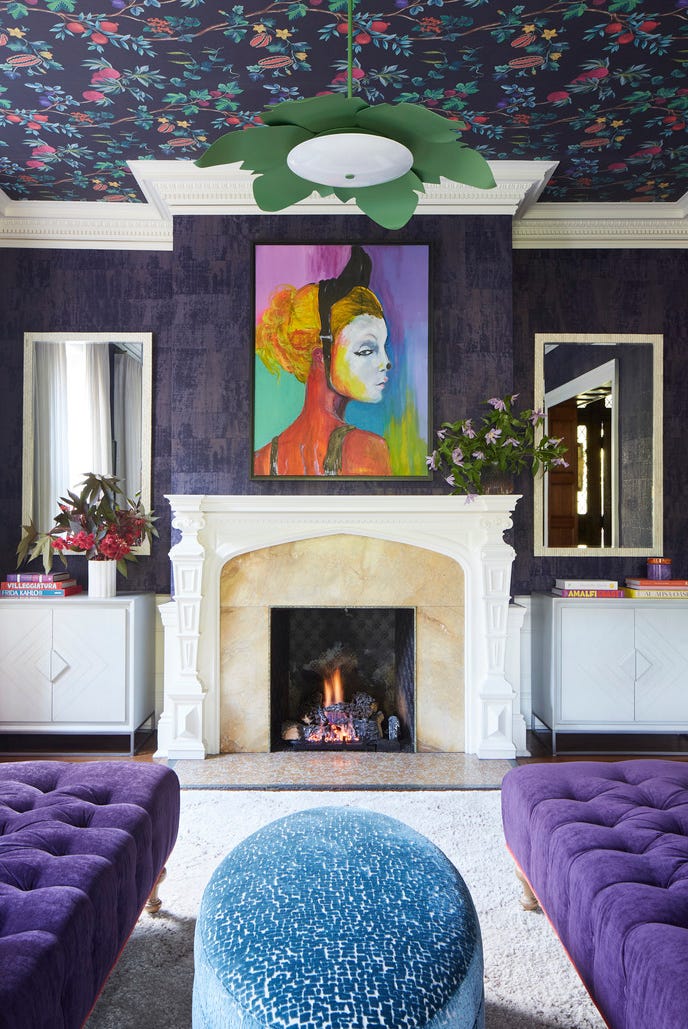
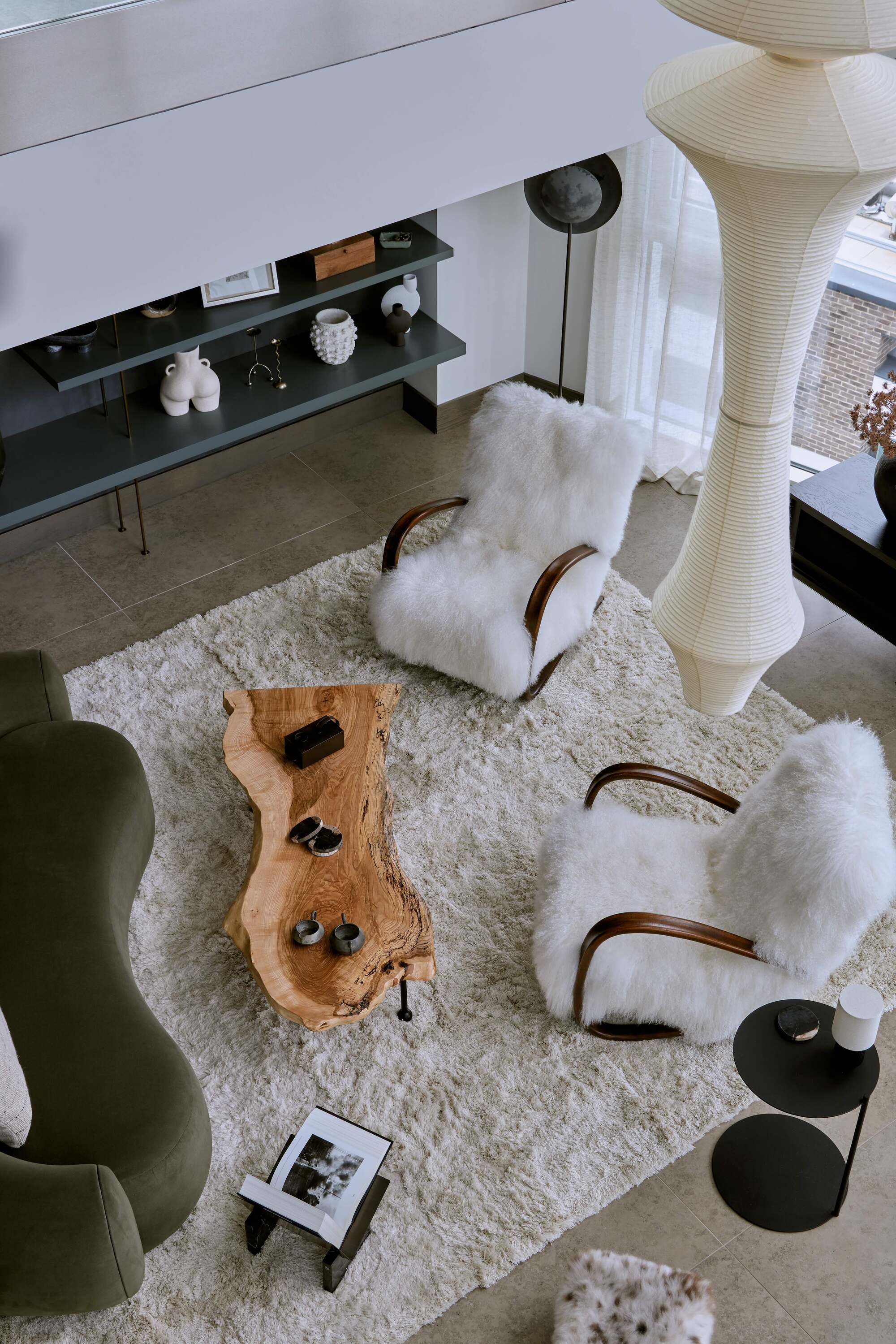
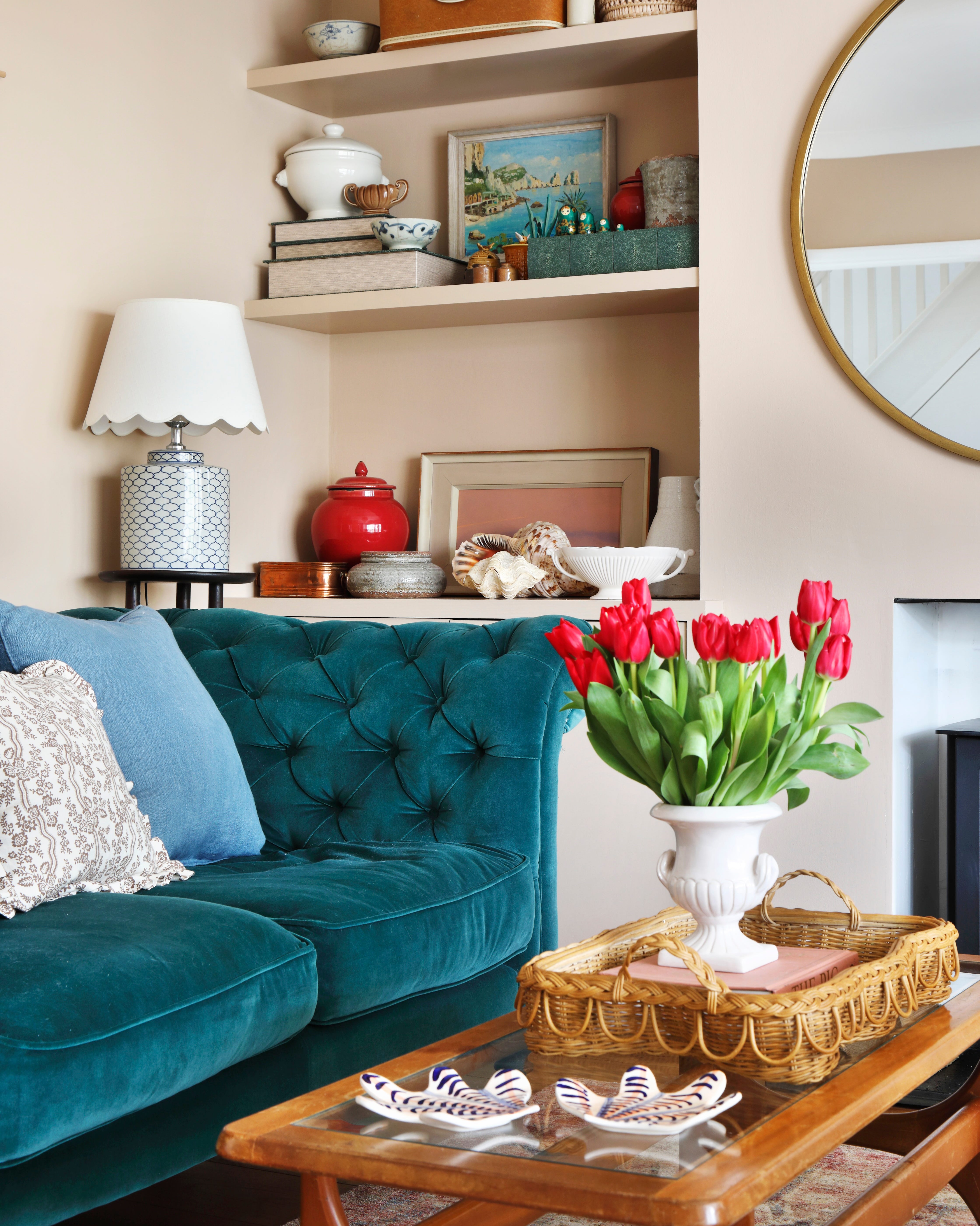
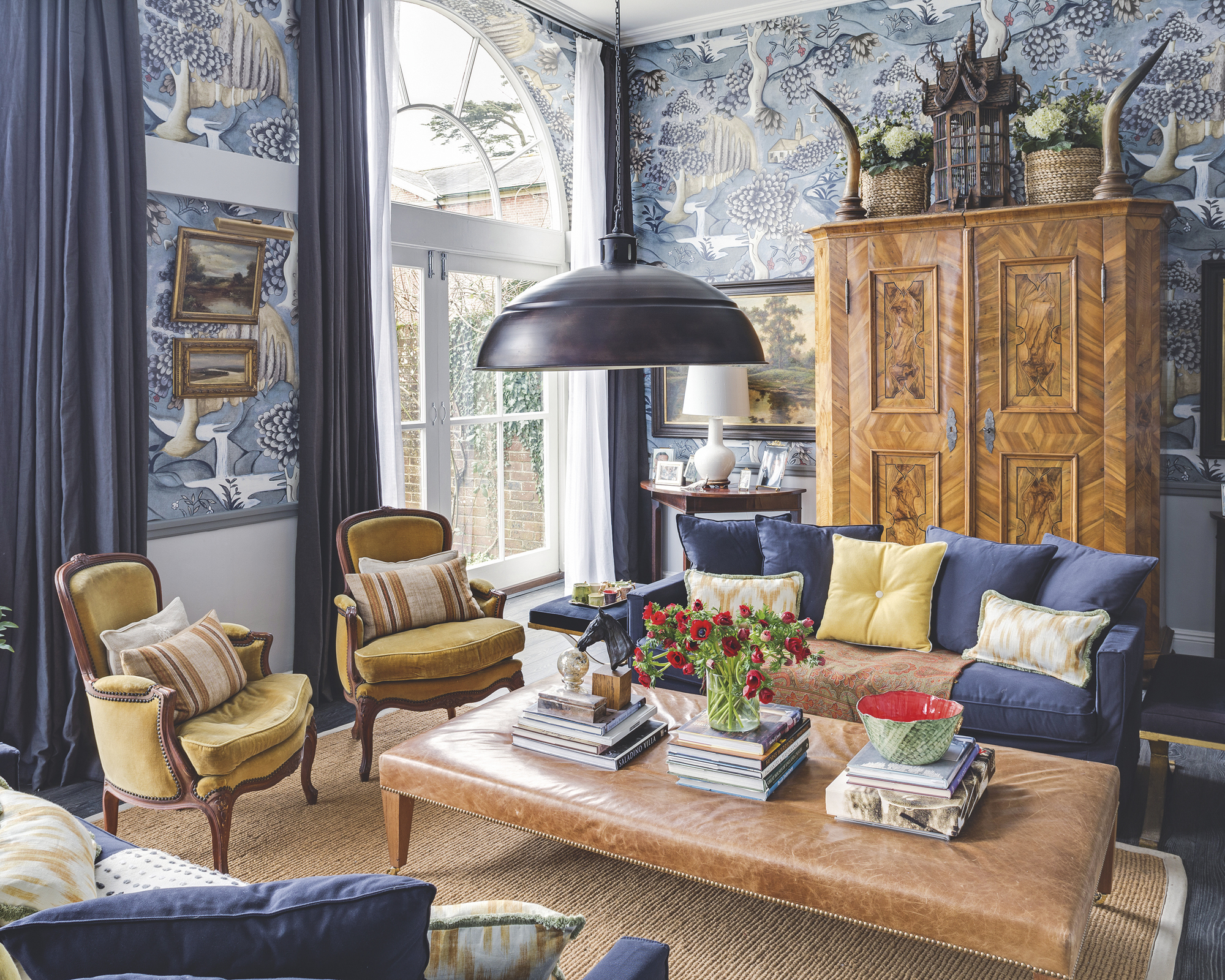
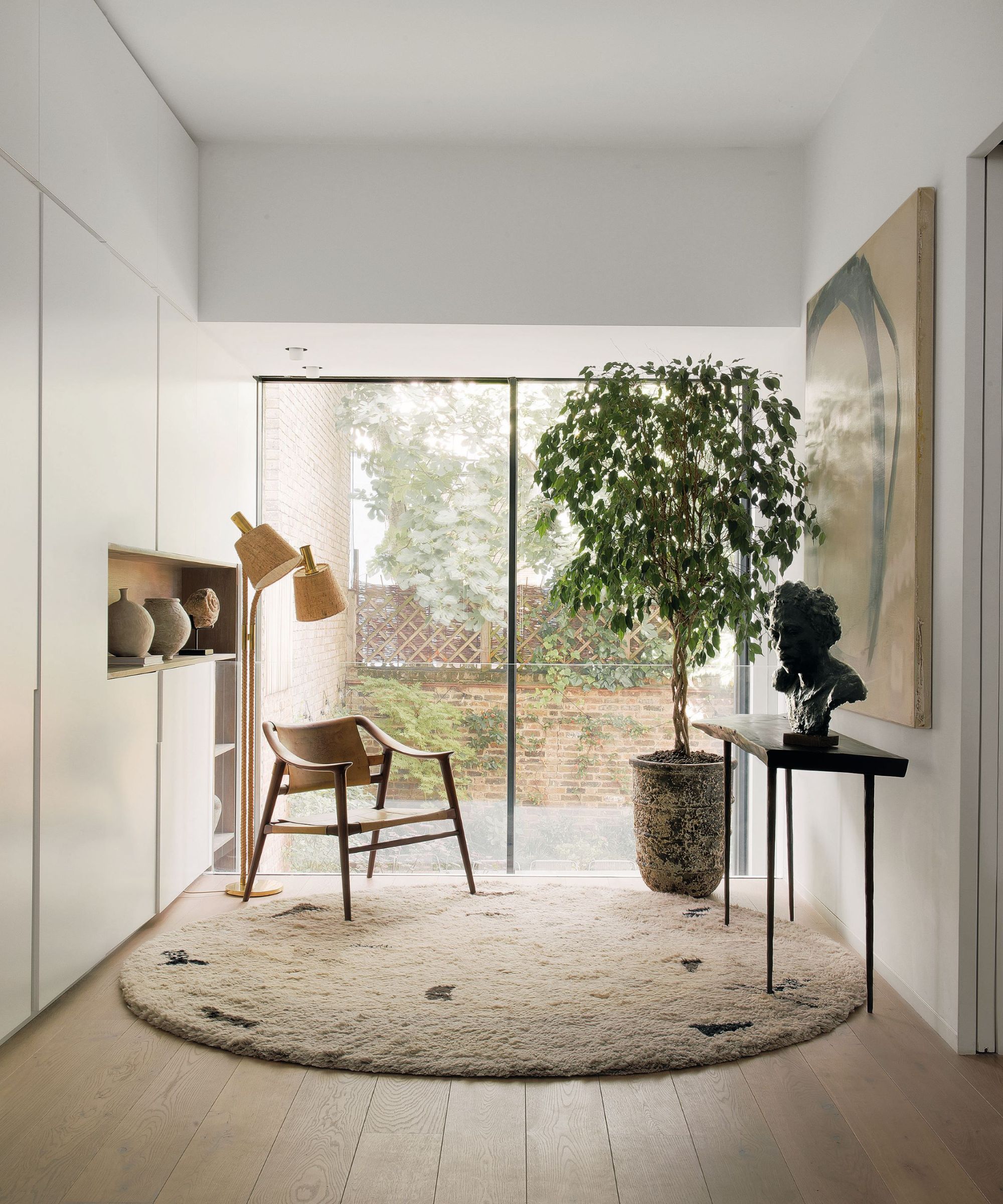
Artwork and vintage decor are also highlighted as worthwhile investments. These elements are capable of injecting unique personality into a living space. While antique pieces can be expensive, their timeless quality and potential for lifelong retention justify the cost, provided thorough research is done to ensure fair pricing. Another spending priority is on items that do not experience heavy wear and tear, such as side tables, lamps, and certain antiques. These items are less prone to damage from daily use by pets or children, and their flexibility in styling makes them valuable additions. Statement textural pieces, such as oversized stone vases or sculptural wooden coffee tables, are also recommended for investment, as they can serve as focal points and add character and warmth through natural materials and finishes.
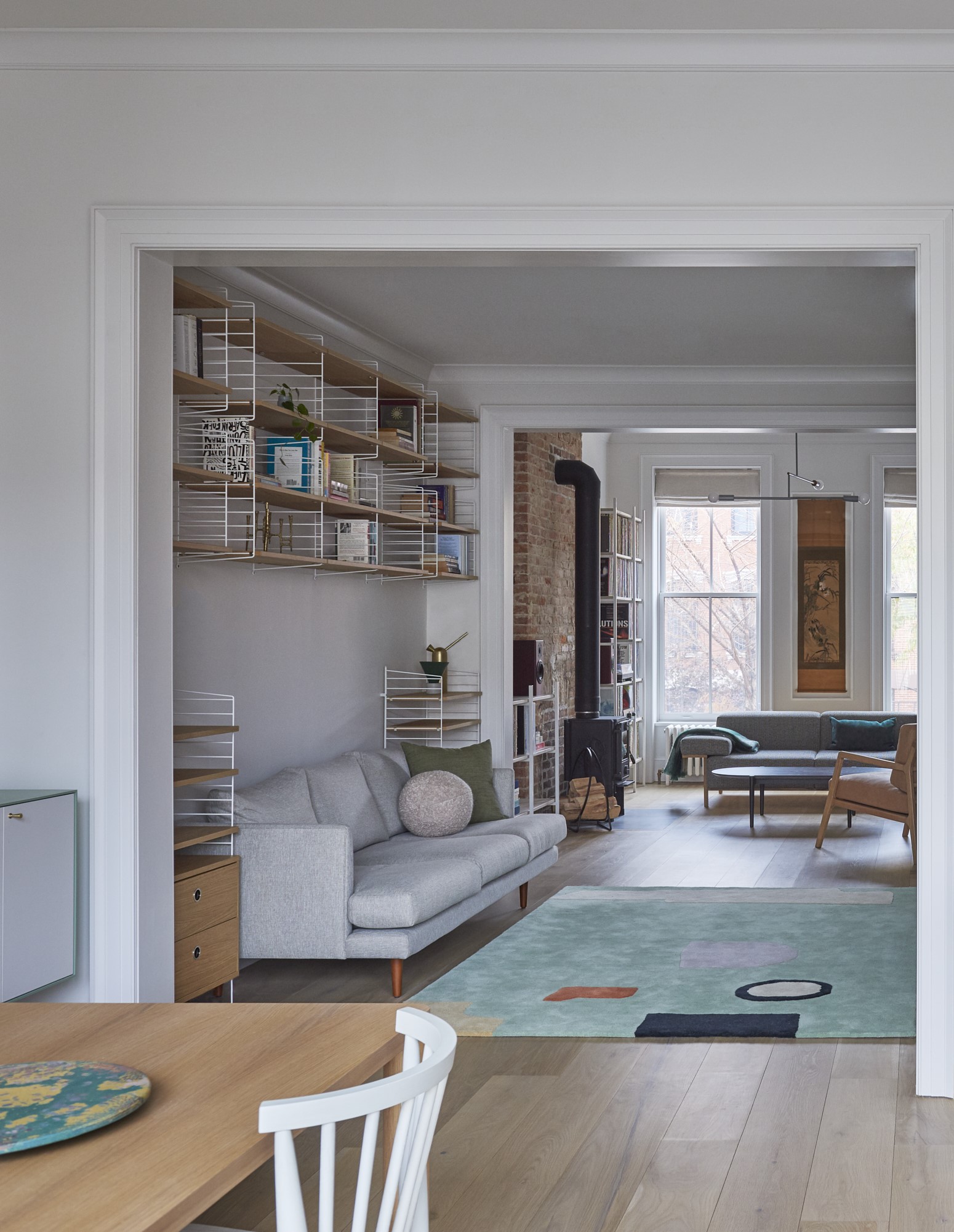
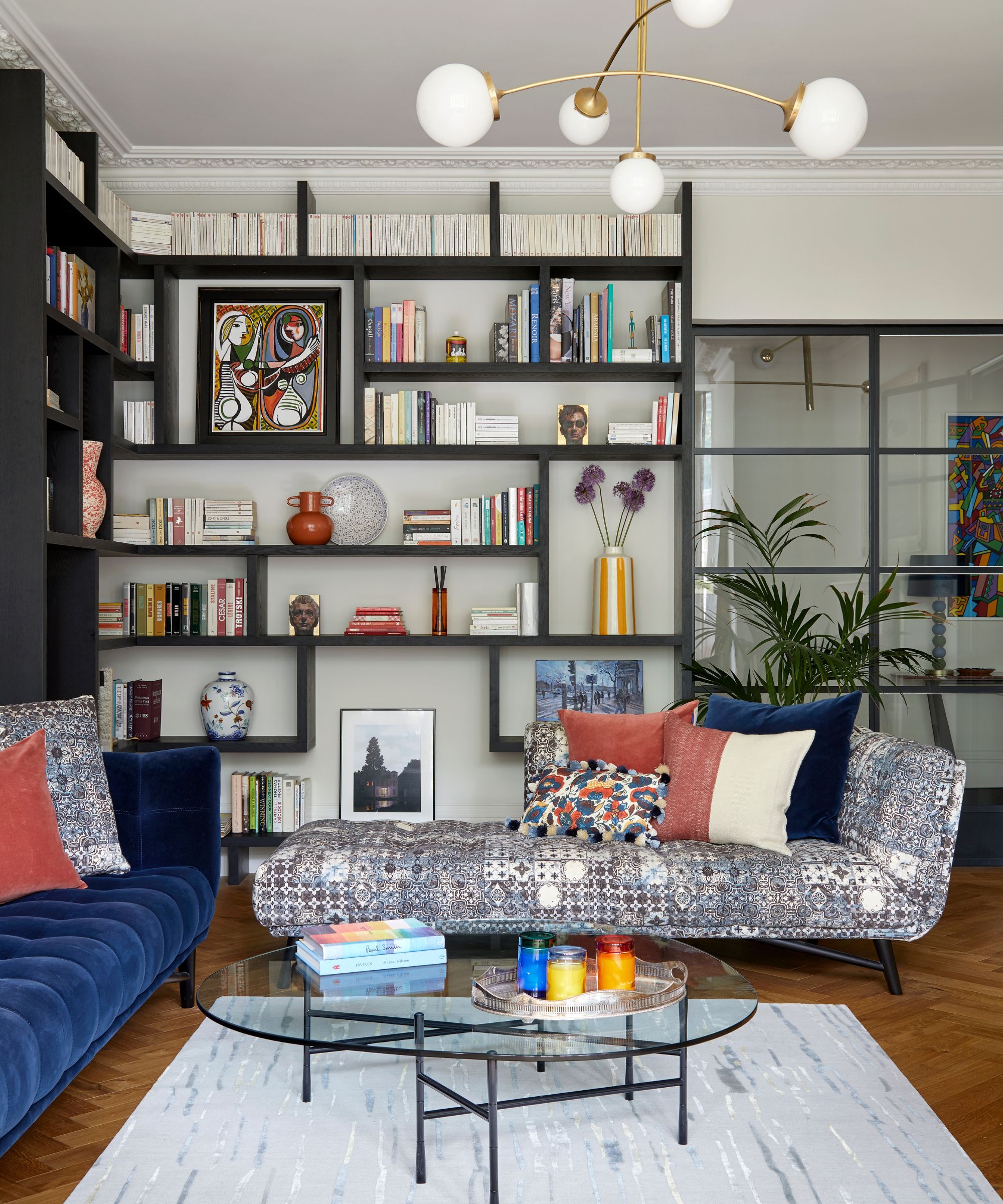
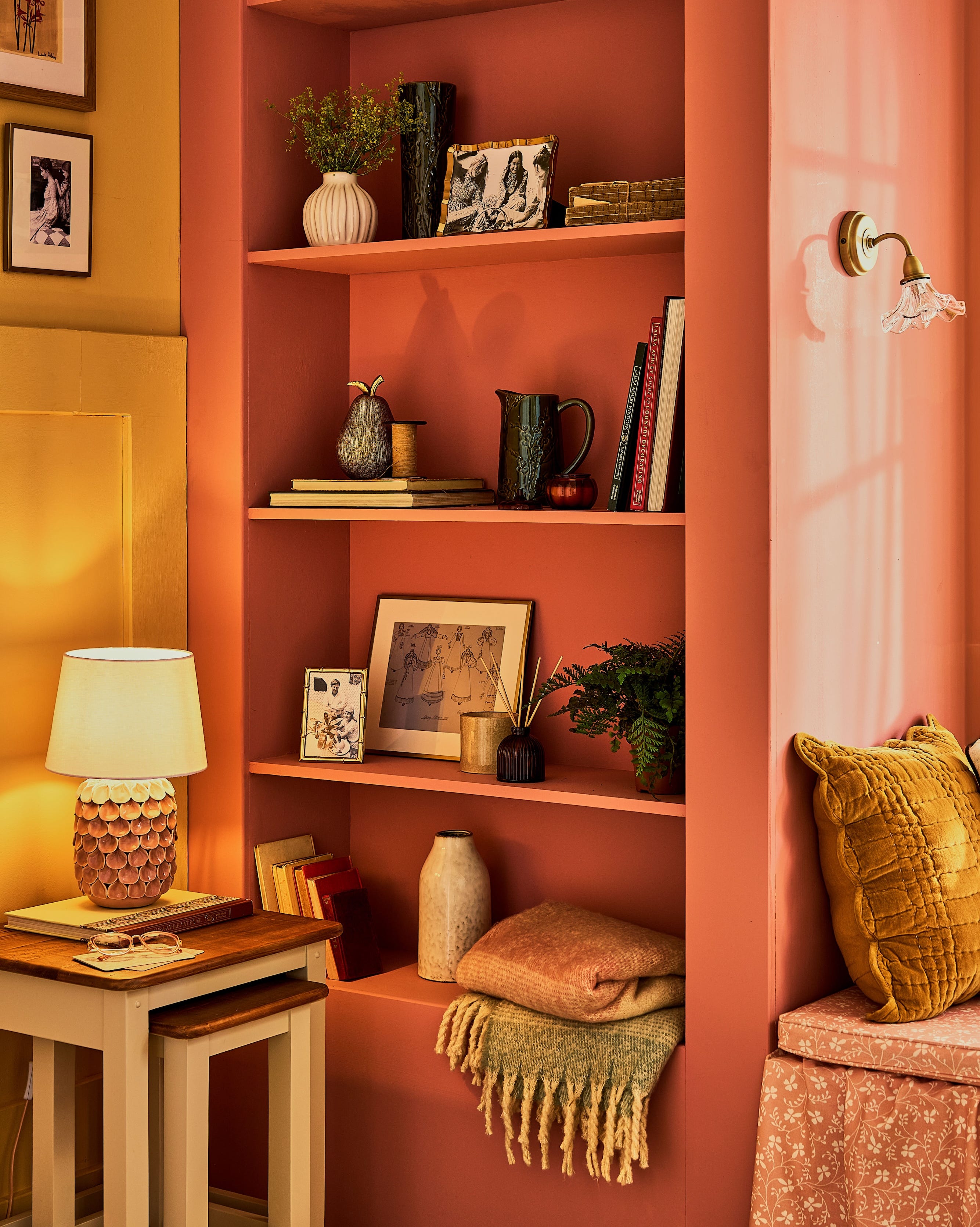

Conversely, several areas are identified where homeowners can effectively save money. Shelving, particularly freestanding bookcases, is suggested as an area for economizing. Opting for affordable, easy-to-install floating shelves can provide decorative display space without significant expenditure. Flooring is another category where cost savings can be achieved. While comprehensive flooring renovations can be costly, temporary fixes and DIY options are available. For instance, instead of installing a new carpet, homeowners can consider sanding and painting original wooden floors and then complementing them with contemporary, oversized rugs to add warmth and texture.
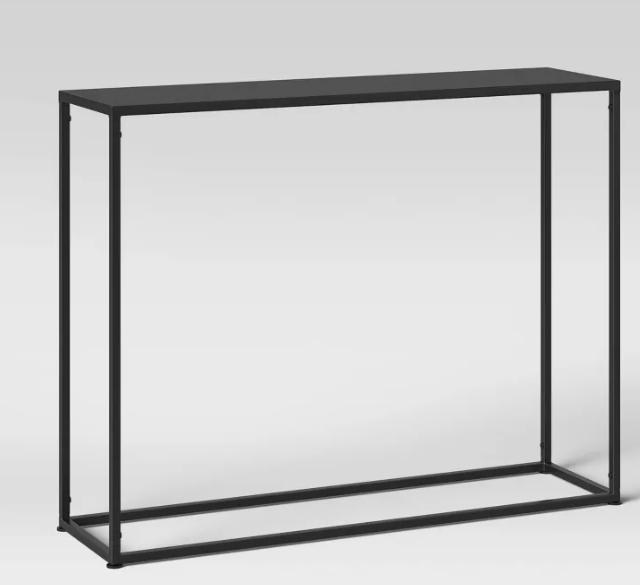
Finally, the article encourages saving money by exploring second-hand finds. Thrift stores and local vintage markets offer opportunities to acquire unique furniture pieces like coffee tables, console tables, or media units at a lower cost than new items, while still achieving a distinct aesthetic. Additionally, living room rugs are presented as an area to save, given their susceptibility to wear, spills, and stains. Rather than splurging on expensive rugs that might quickly get ruined, it is suggested to reserve luxury rugs for formal spaces and choose more affordable options for everyday living areas to reduce stress about potential damage.
#LivingRoomDesign #HomeDecor #InteriorDesign #BudgetDecorating #FurnitureInvestment #VintageDecor #SofaSelection #FlooringOptions #CostSavingTips #LivingRoomDesign #HomeDecor #InteriorDesign #BudgetDecorating #FurnitureInvestment #VintageDecor #SofaSelection #FlooringOptions #CostSavingTips
0 comment in total
 No comments yet
You may also like
How to Fix the Most Common Living Room Layout Mistakes

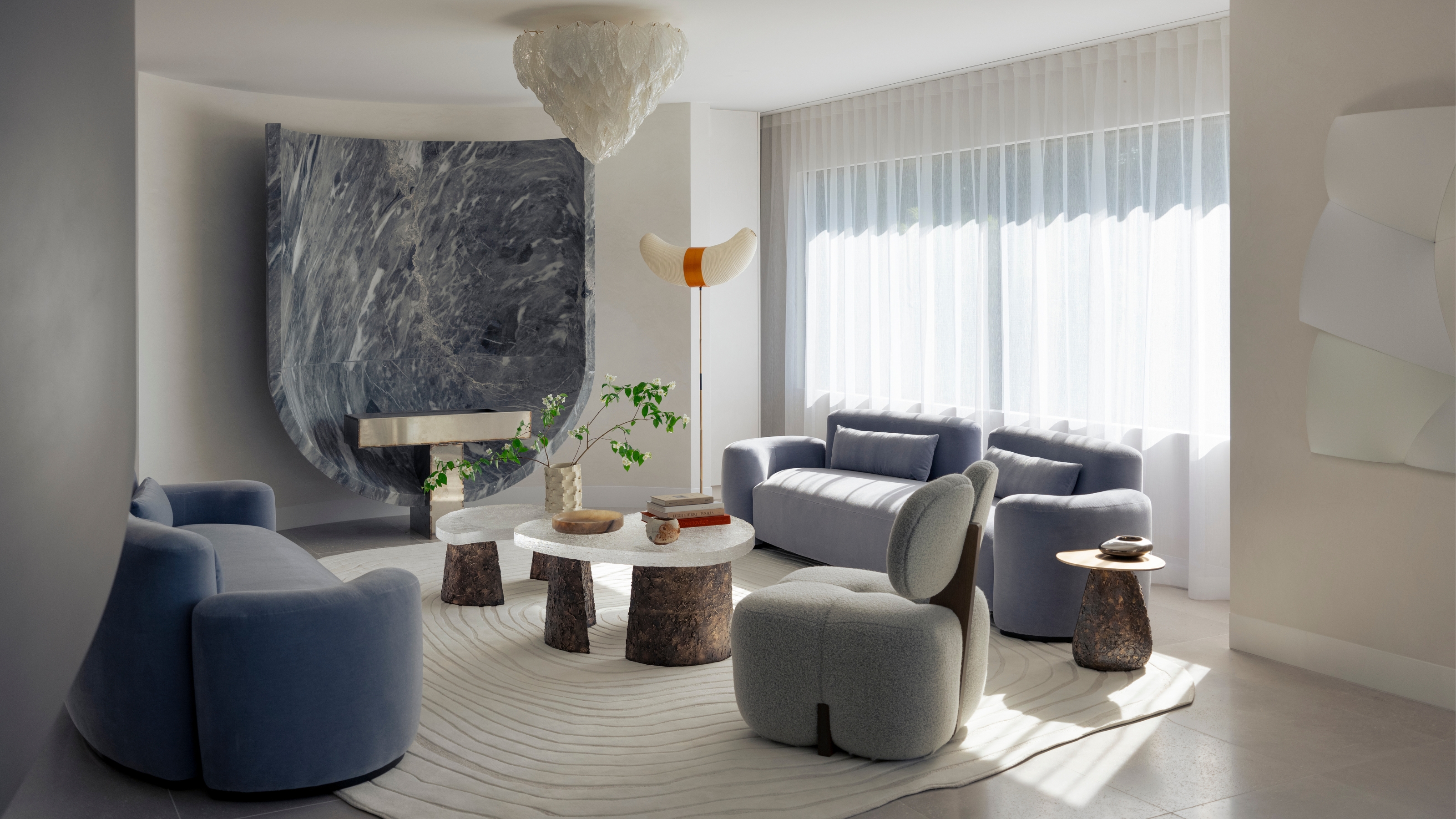
If You Don't Know the '18-Inch Seating Rule', It's What Could Be Making Your Living Room Feel Cramped, Unwelcoming, and Uncomfortable

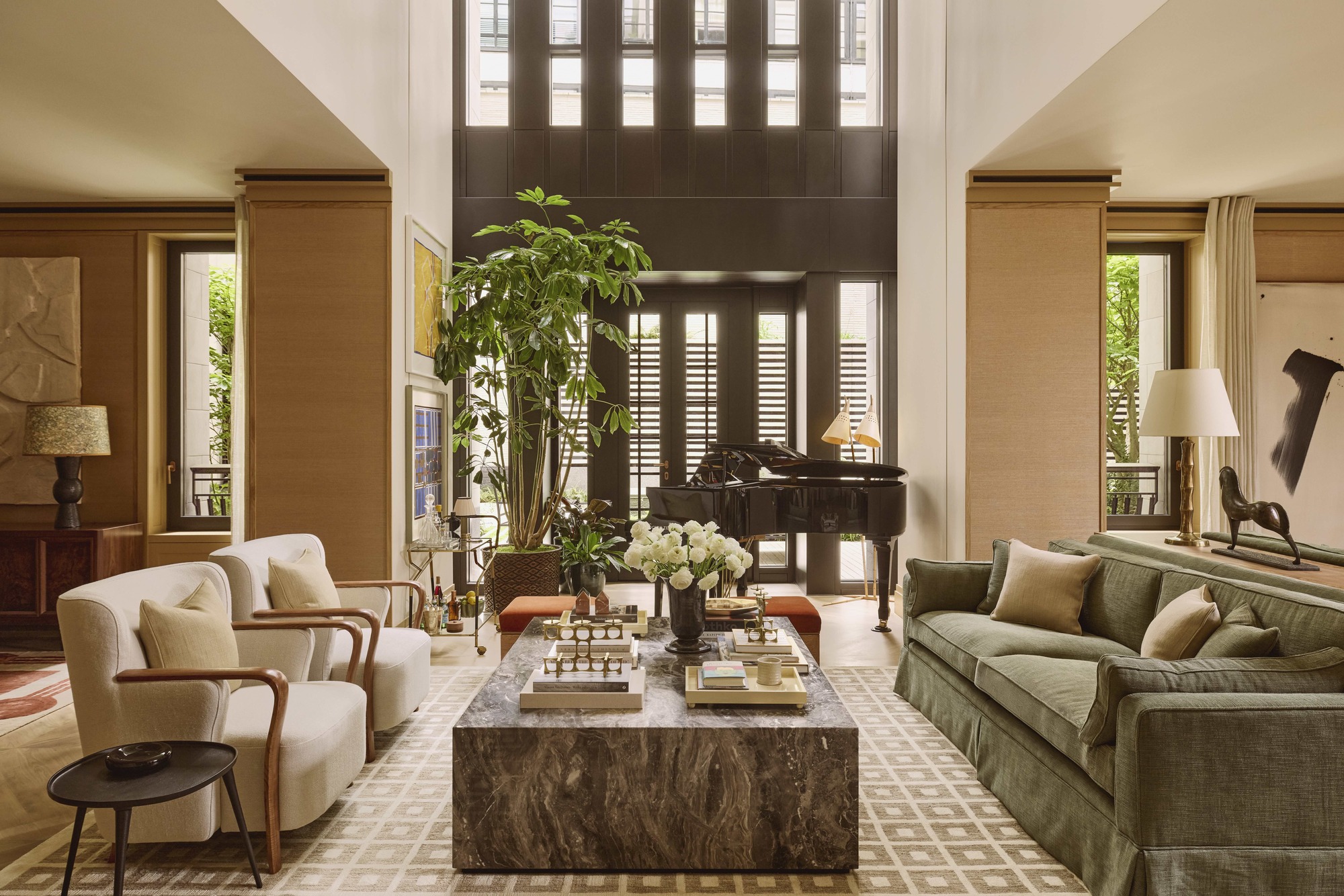
5 Genius Ways Interior Designers Know How to Adapt Your Living Room’s Layout When You’re Hosting a Lot of People

Five Things To Consider When Designing Your Living Room
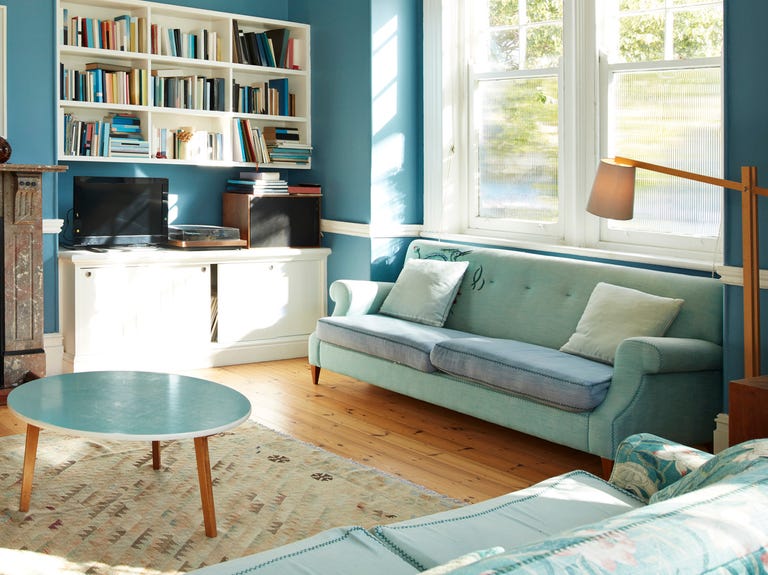
Design experts on their living room decor ideas

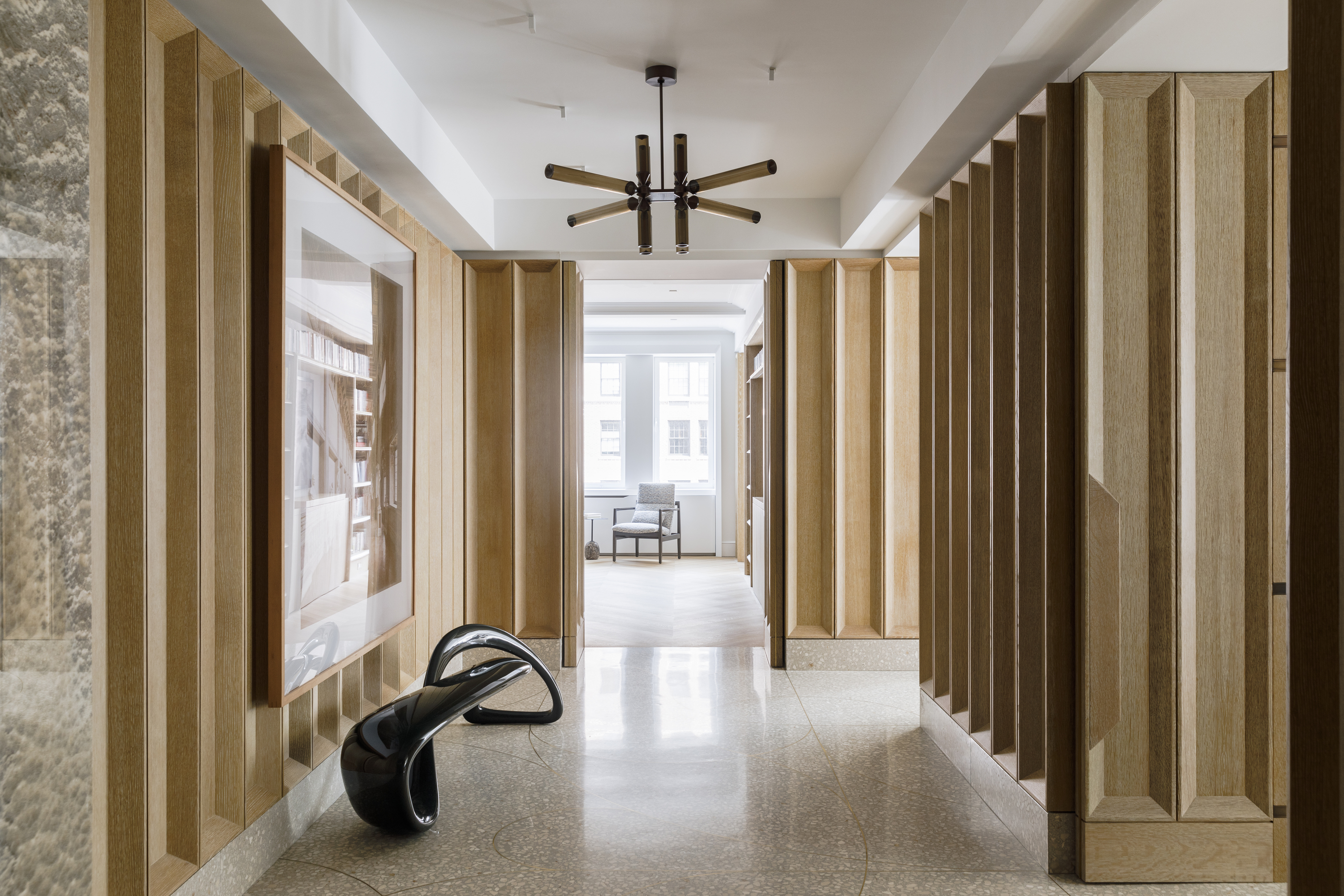
How to elevate your 'pass-through room' - experts make more of that unloved space you're ignoring
7 Things That Always Make Your Living Room Feel Cramped, According to Designers

Maximize your home decor budget — here’s where Dallas designers splurge and save

A guide to living room clearances, measurements, and spacing
The Designer Tip That Finally Made My Wide Living Room Feel Cozy and Complete
6 failsafe formulas designers always follow when planning a living room

Designers swear these 8 living room layout hacks will instantly elevate your space, no matter what the size
How to Decorate a Living Room From Start to Finish, According to Interior Designers

Easy Ways to Transform Your Living Room Into a Space You LOVE

5 Living Room Design Mistakes You Didn't Know You Were Making
Designers Say This Is the #1 Living Room Mistake Everyone Makes
9 Times Designers Made Awkward Living Rooms Work — And the Secrets Behind How They Did It
10 common living room design disasters experts warn against falling for
6 things making your living room furniture look cheap – explore the key mistakes to avoid and what designers do instead
7 Living Room Items Not Worth Splurging On, According To Designers