7 Things That Always Make Your Living Room Feel Cramped, According to Designers
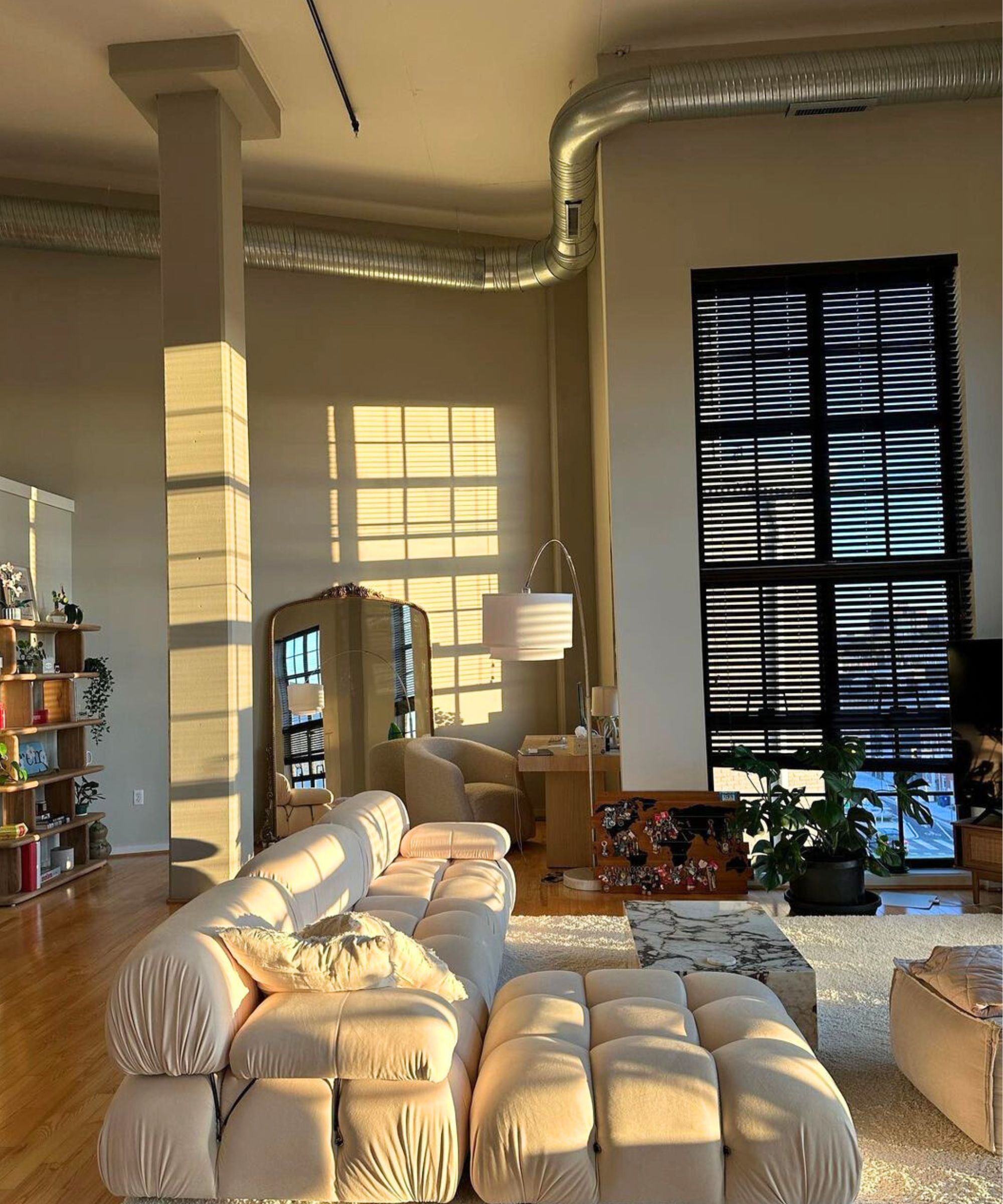
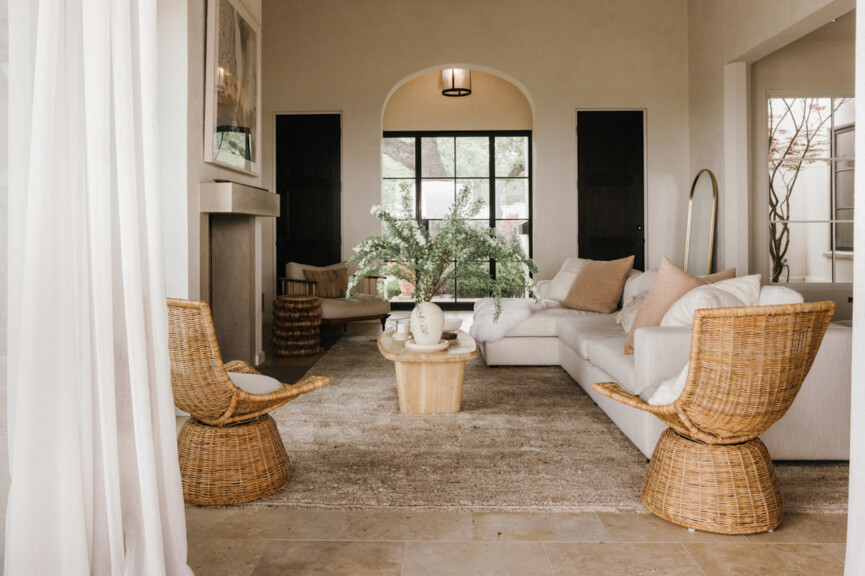
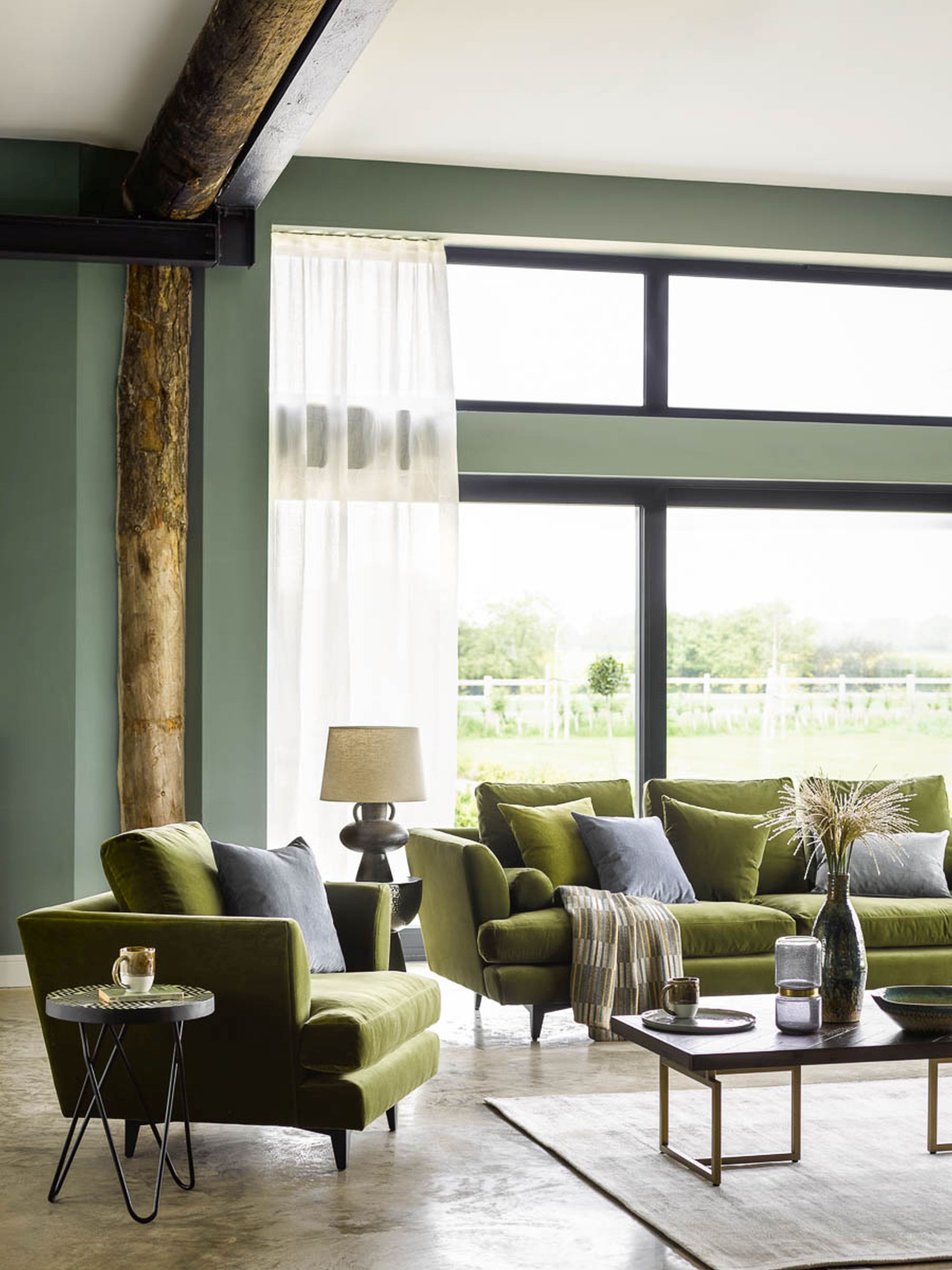
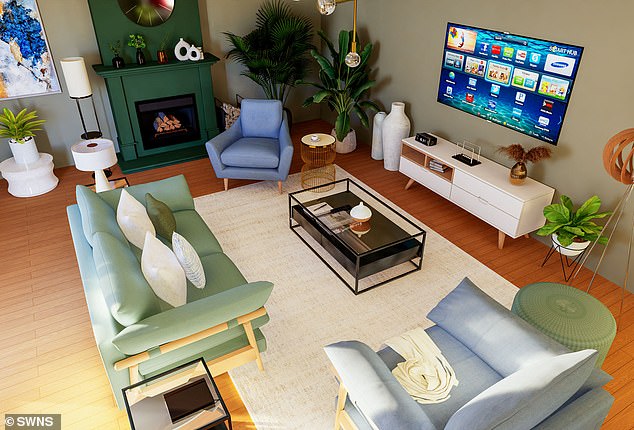
This article, drawing on insights from three interior designers—Carolyn Cerminara, Colleen Bennett, and Lauren Chapetto—identifies seven common factors that make a living room feel cramped, regardless of its actual size. The primary culprit is often oversized furniture. Designers emphasize the importance of selecting furniture proportionate to the room's dimensions, advising adherence to the 2:3 rule, where the largest piece should occupy two-thirds of the room's length, to maintain balance and flow.
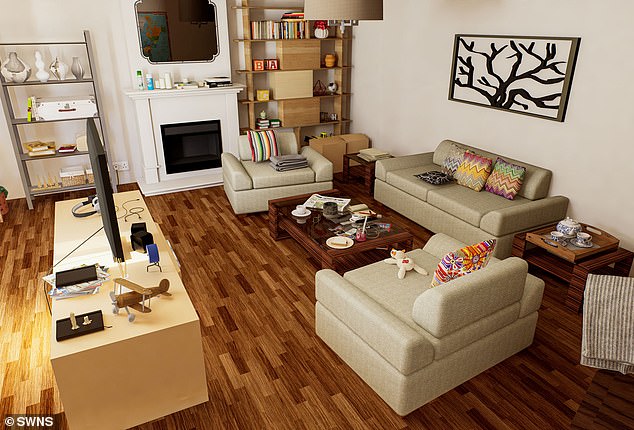
Another significant issue is an excessive amount of furniture. Even if individual pieces are appropriately sized, too many items can lead to congestion. Designers recommend ensuring adequate walking space between all furniture pieces and clear access to at least one major entry/exit point in the room to prevent a cluttered feel.
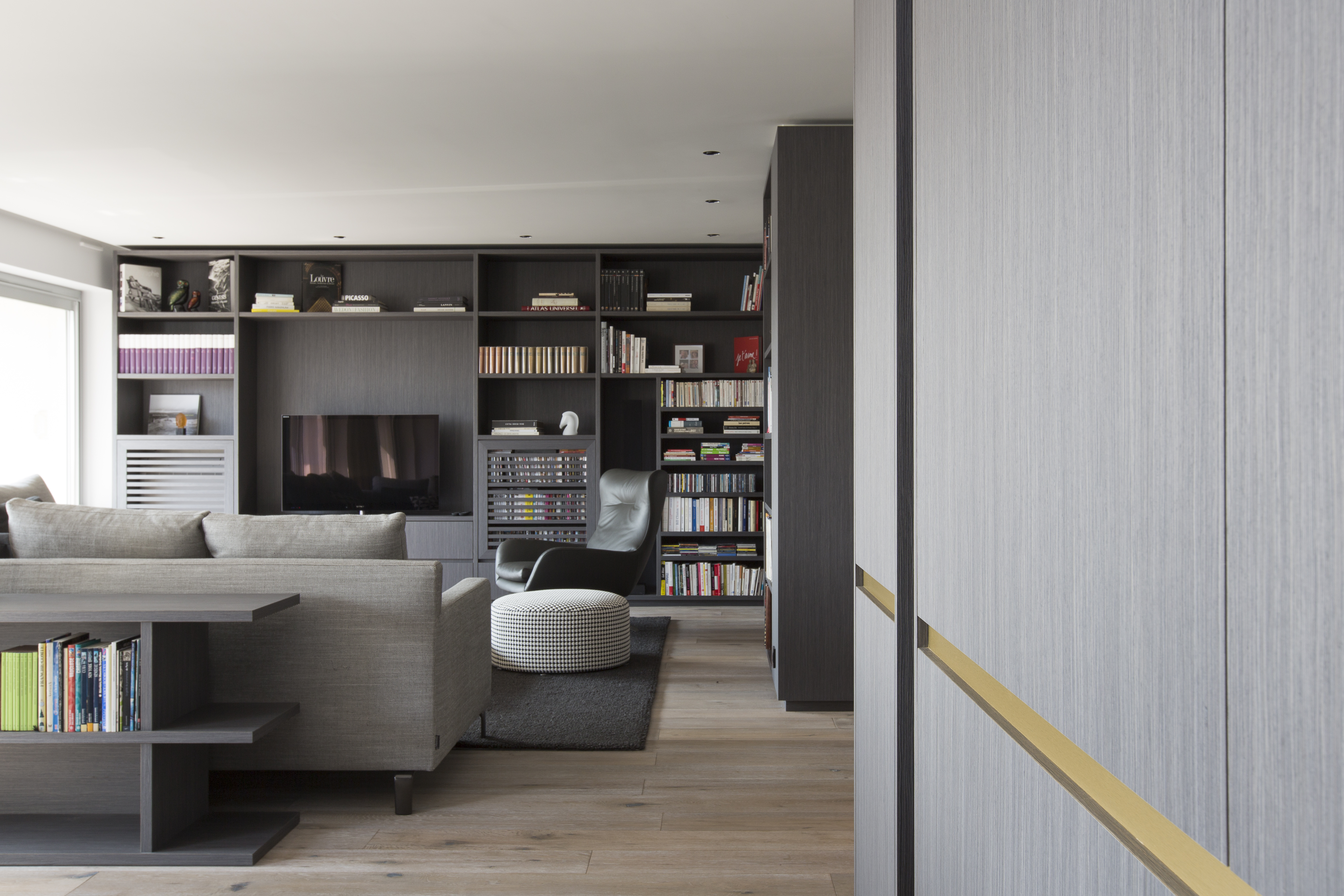
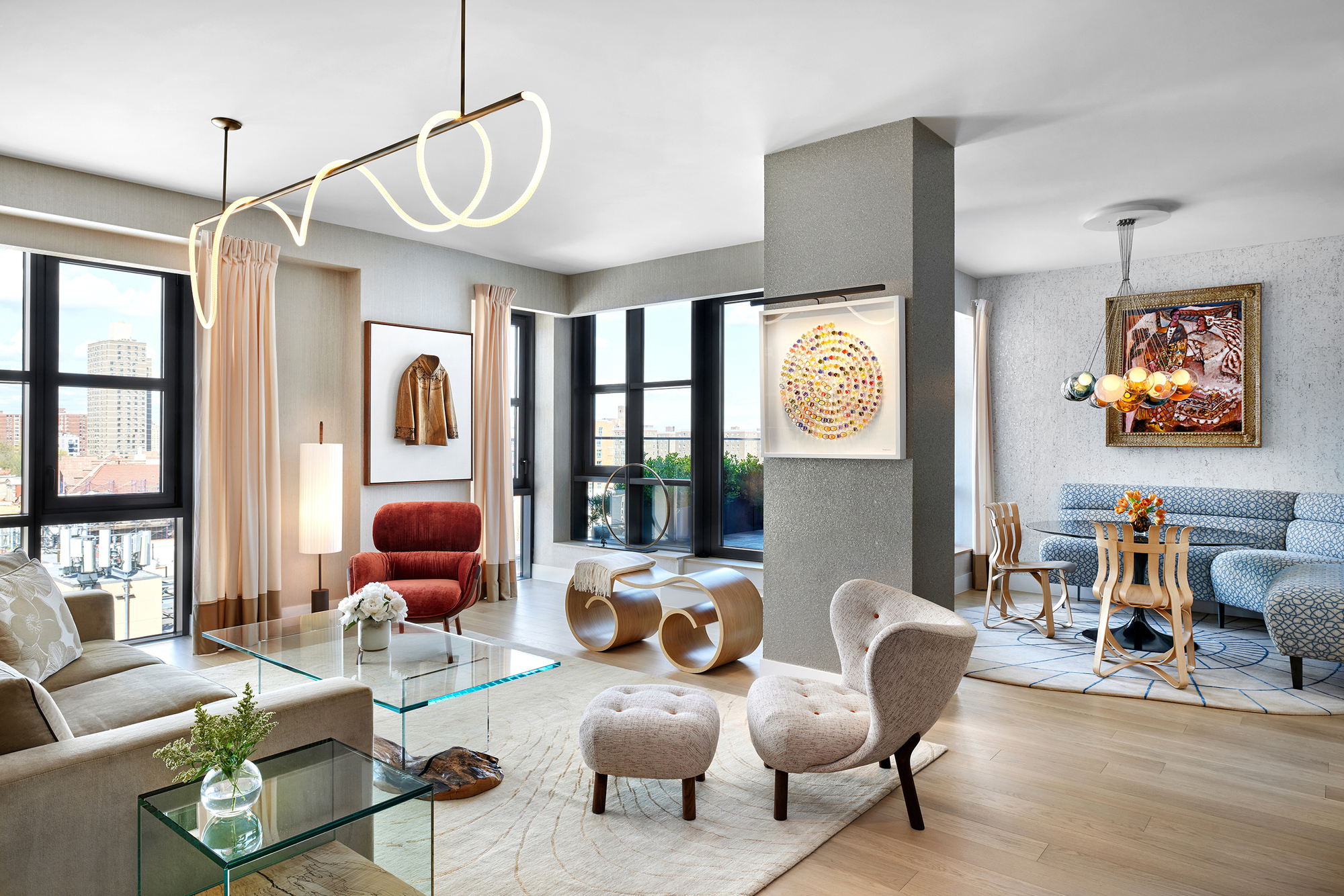
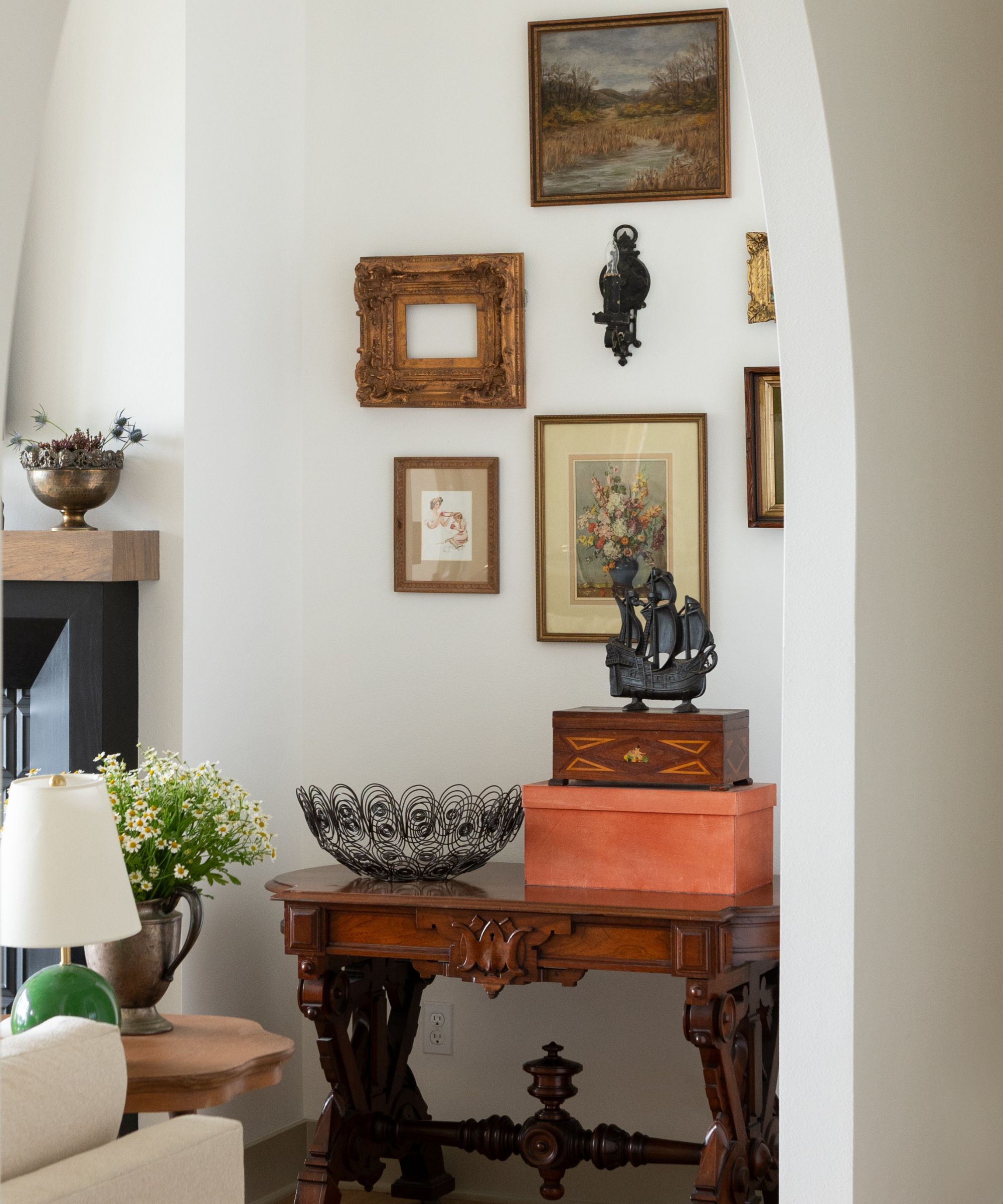
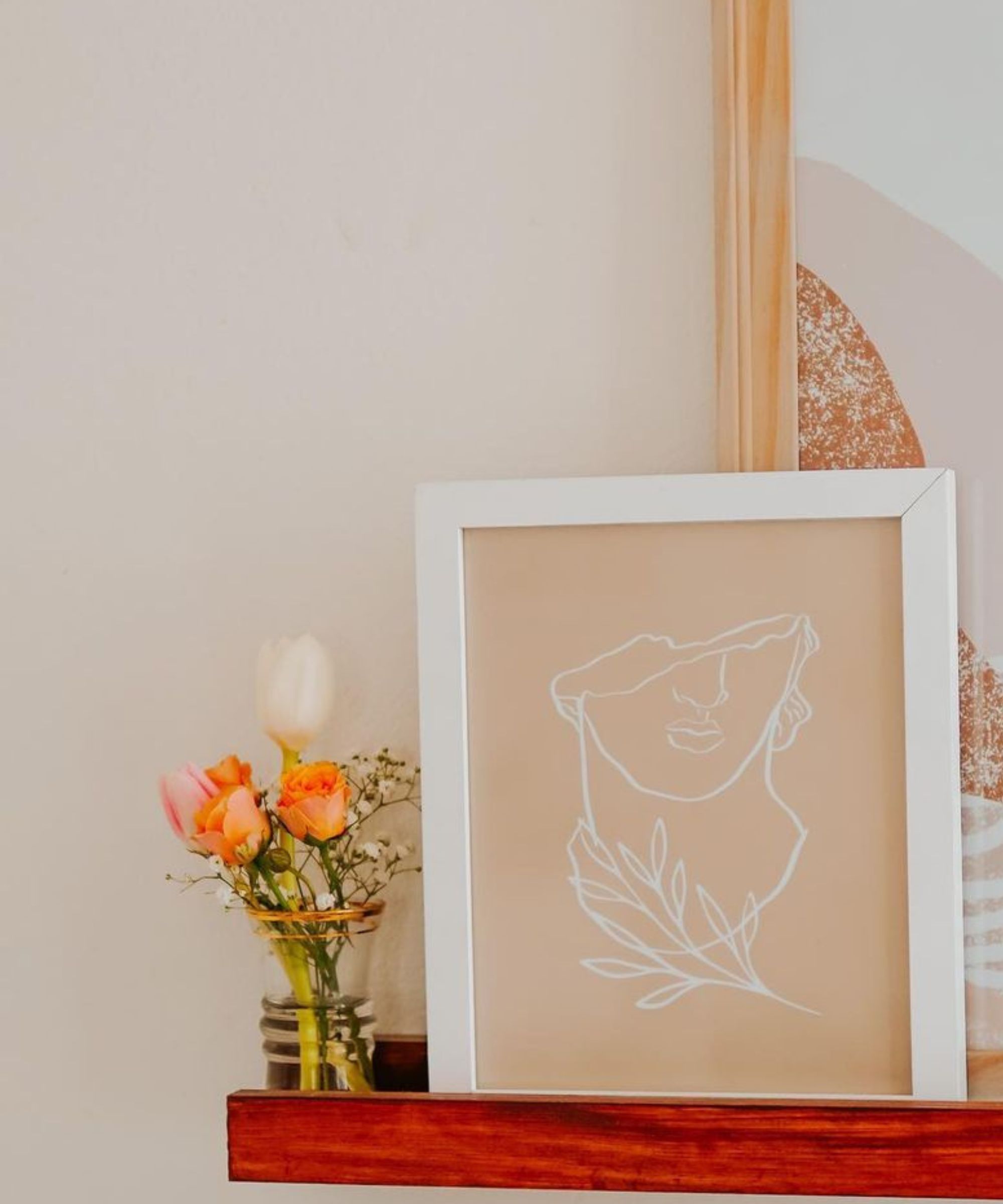
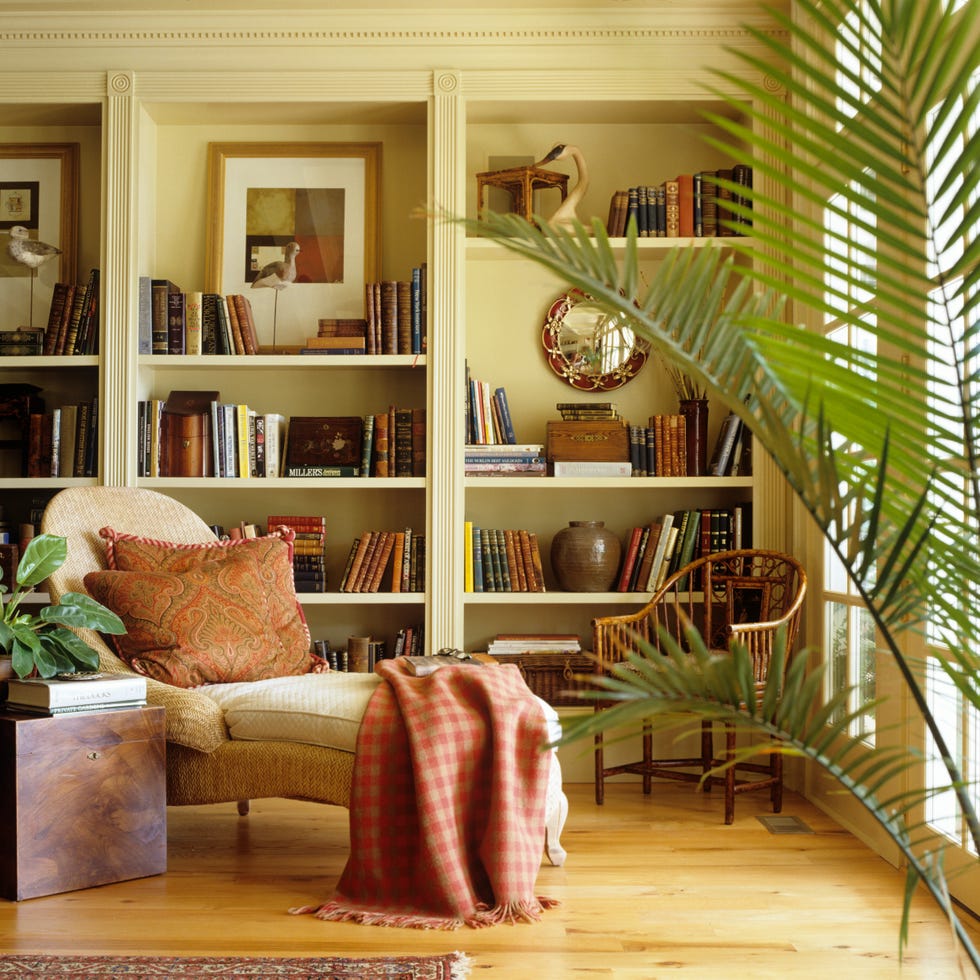
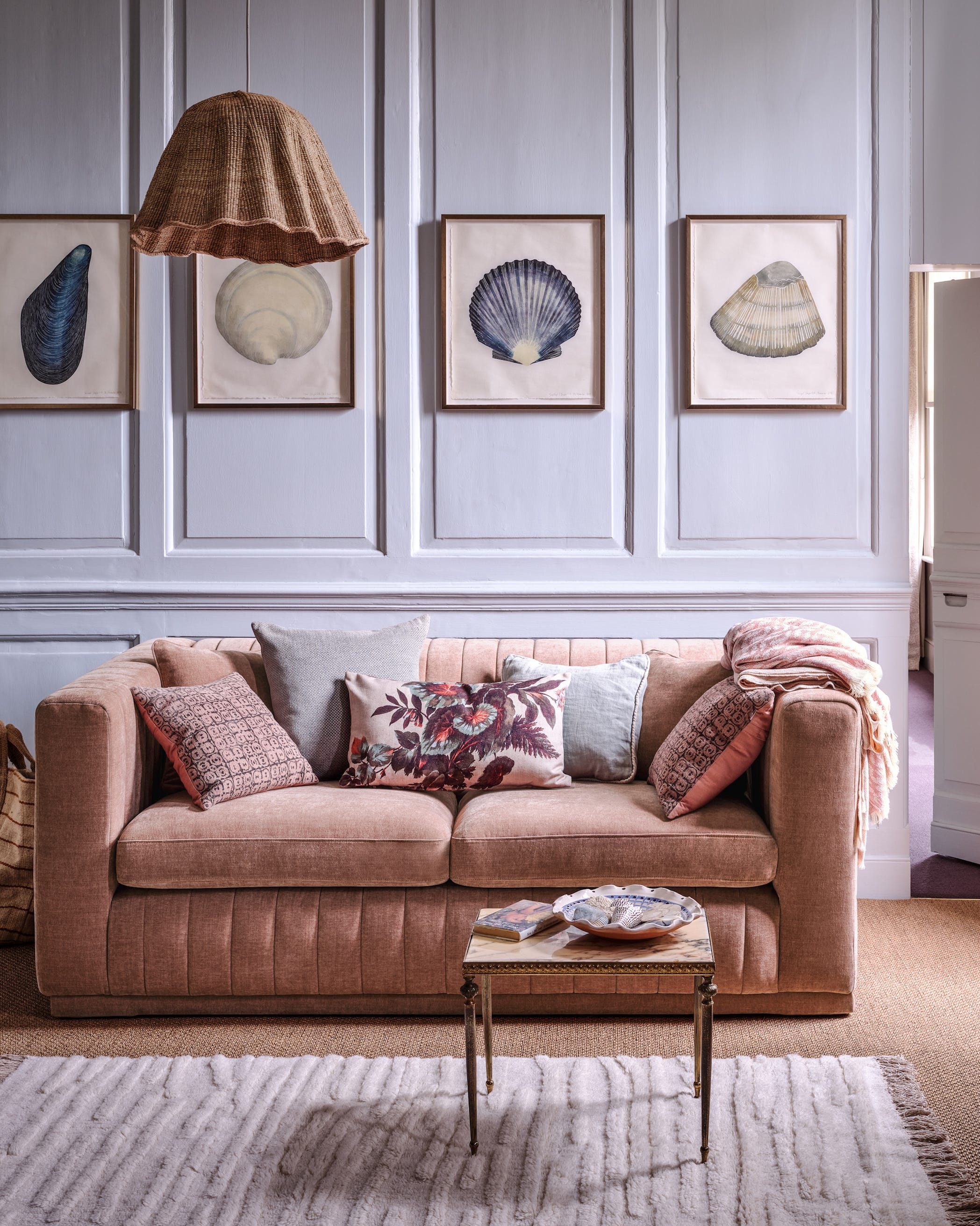
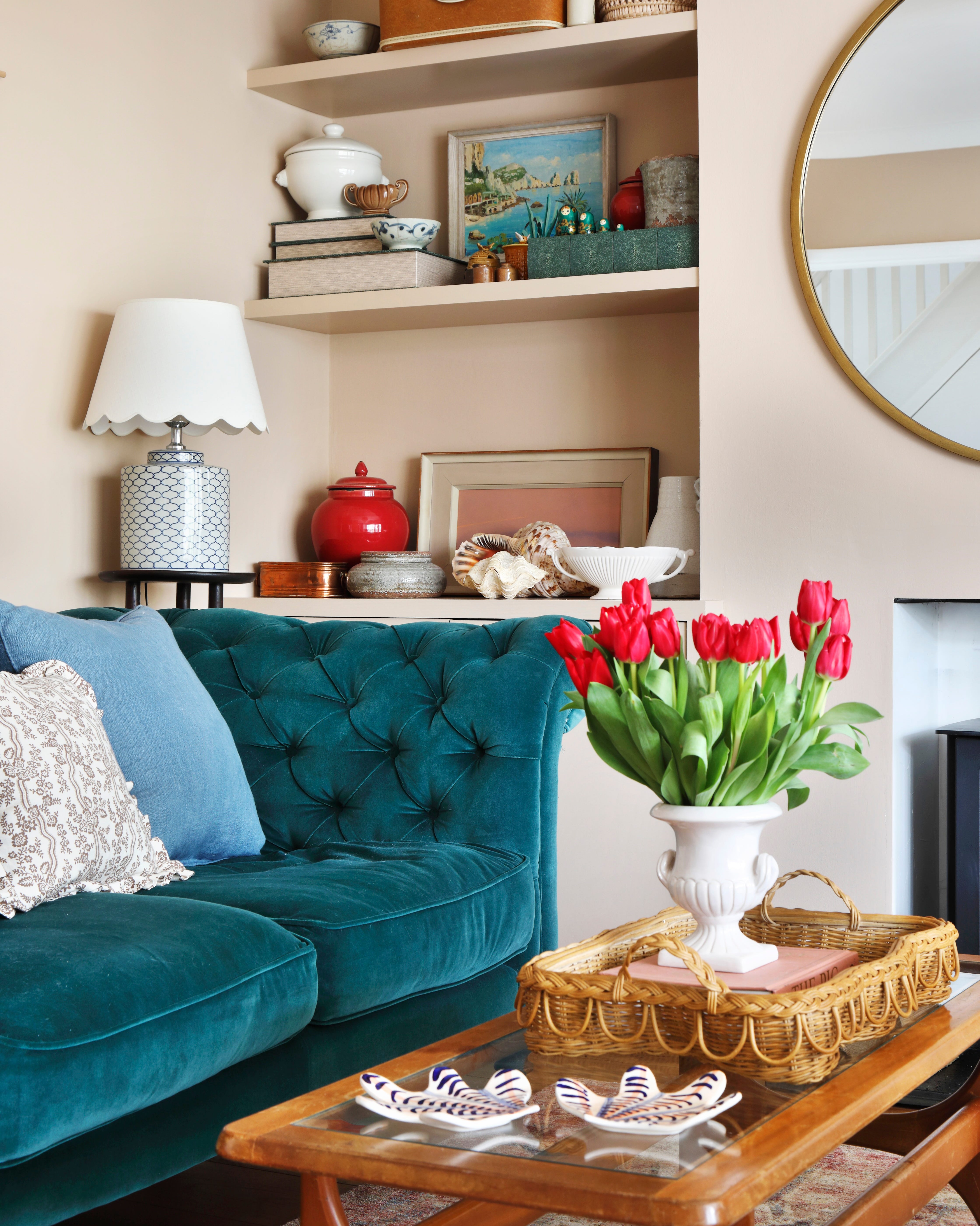
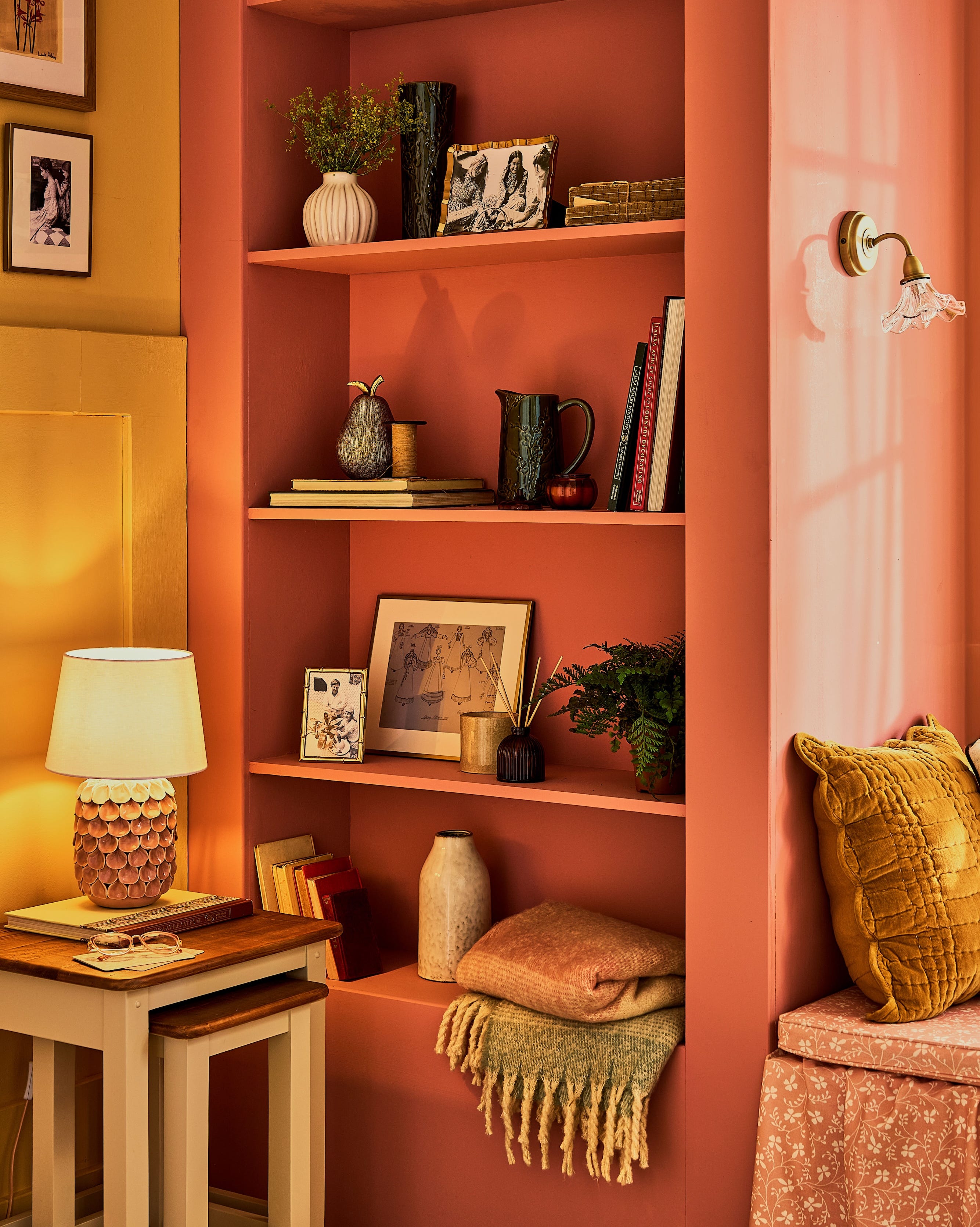
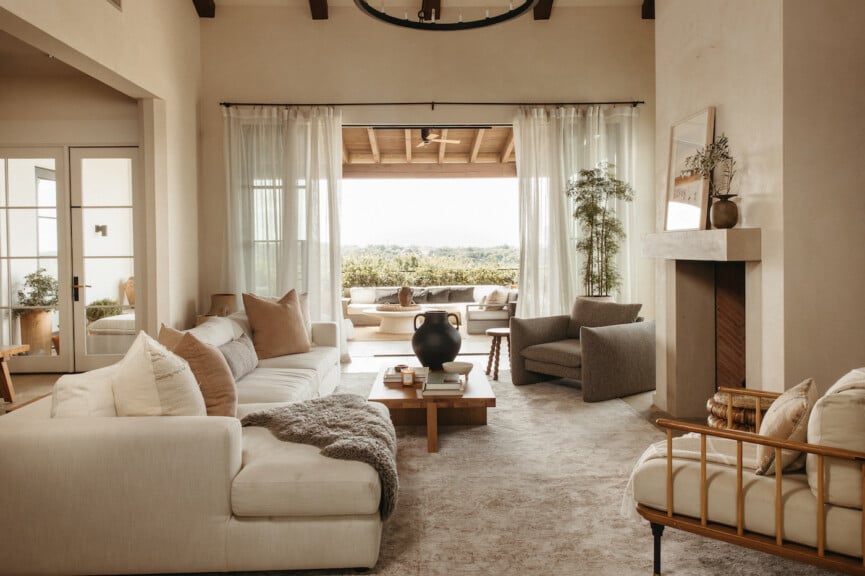
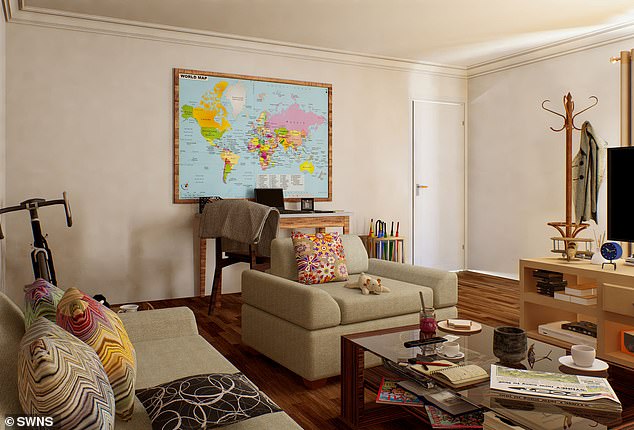
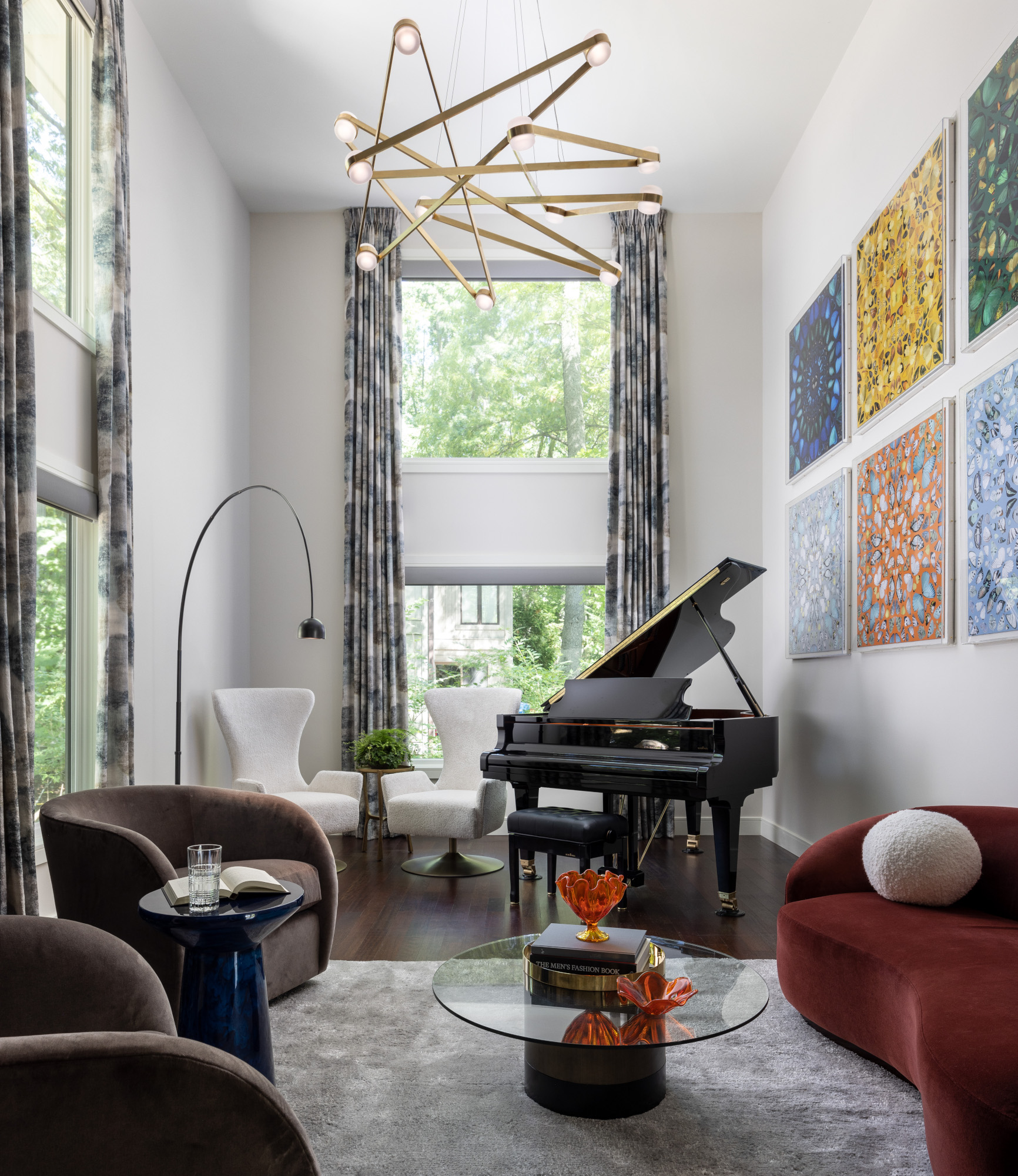
Over-accessorizing with too much decor also contributes to a cramped environment. While personalization is desirable, an abundance of decorative items can quickly make a space appear chaotic. A 'less is more' approach is suggested, focusing on a few impactful pieces rather than filling the room with unnecessary clutter. To combat this, designers advise utilizing vertical spaces for decor, such as tall bookcases, floor-to-ceiling curtains, or higher-hung artwork, to draw the eye upward and create an illusion of height.
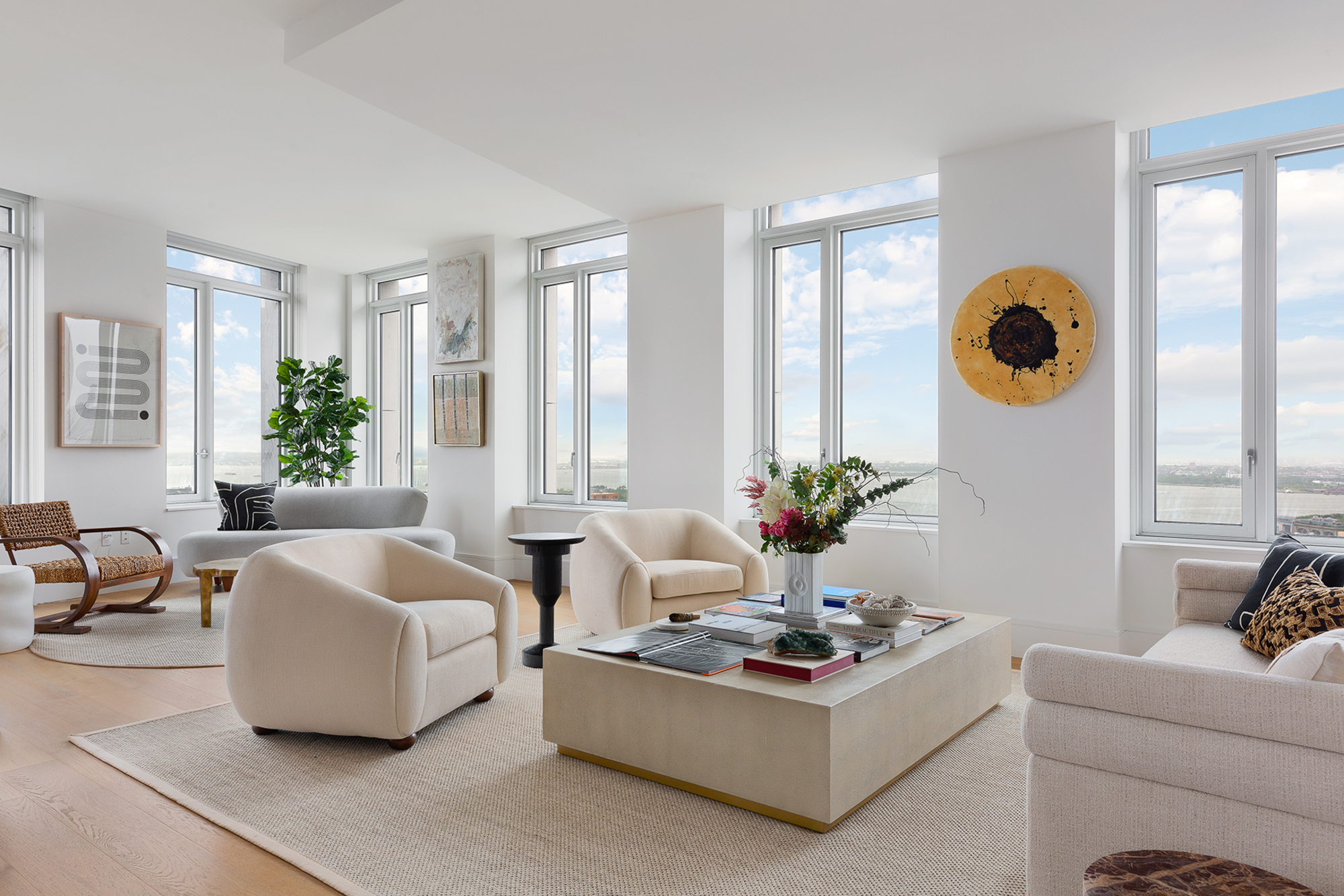
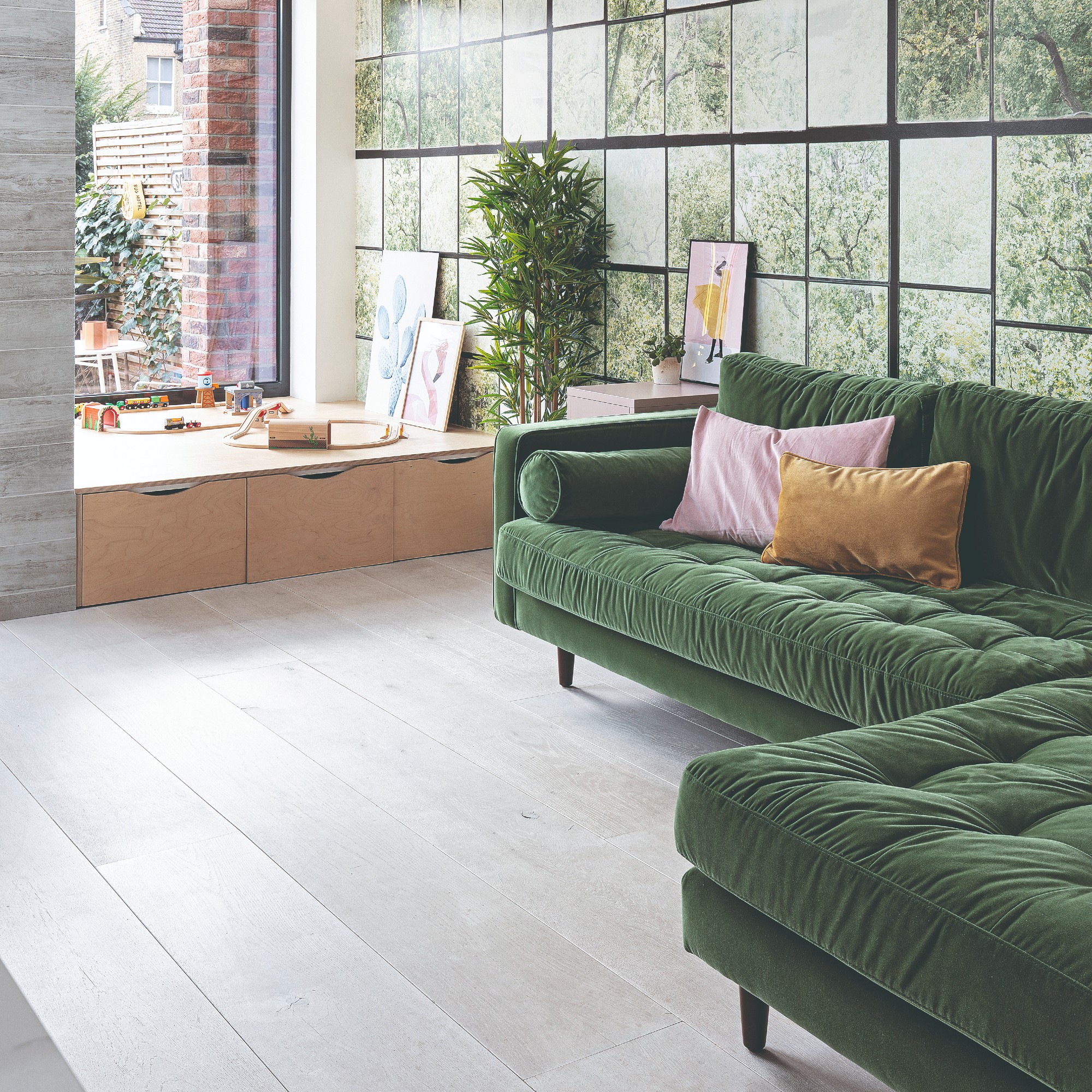
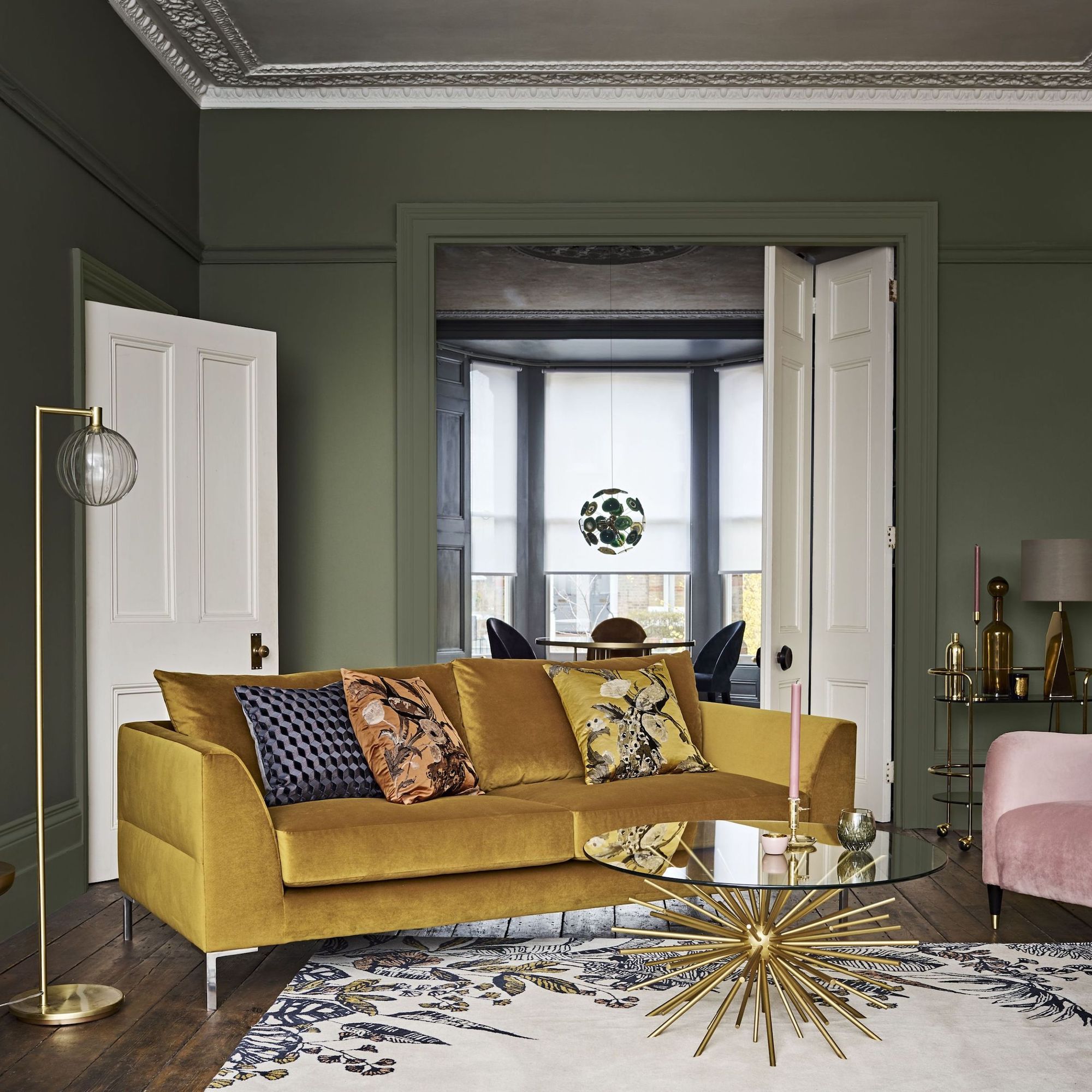
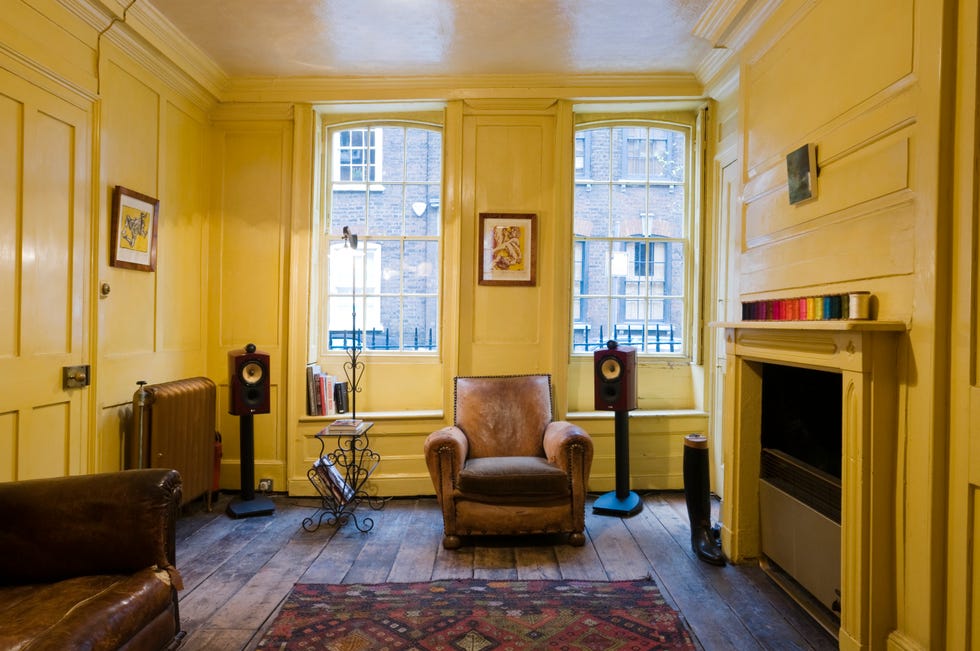
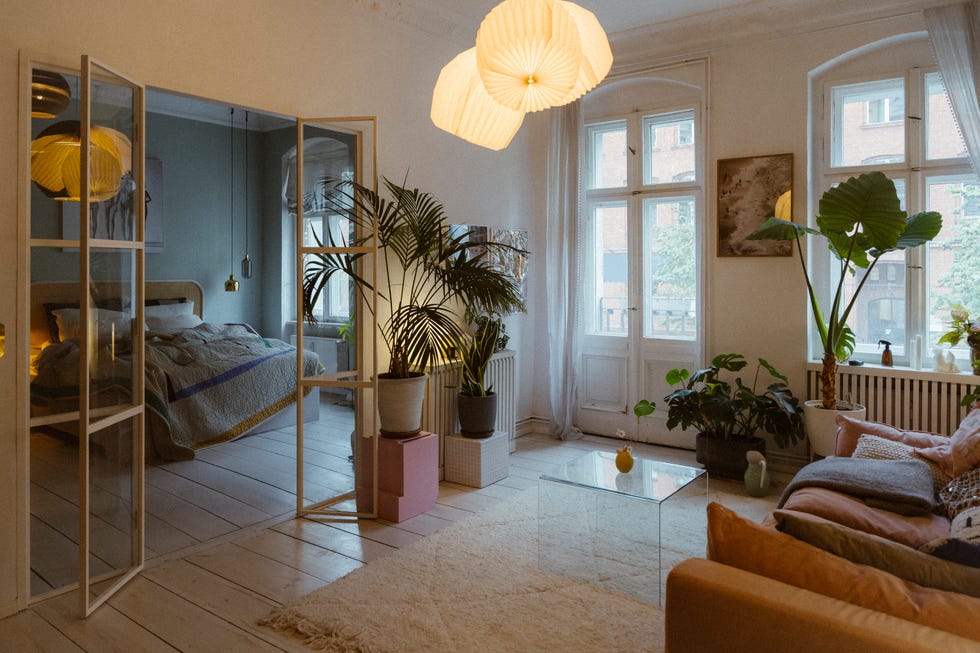
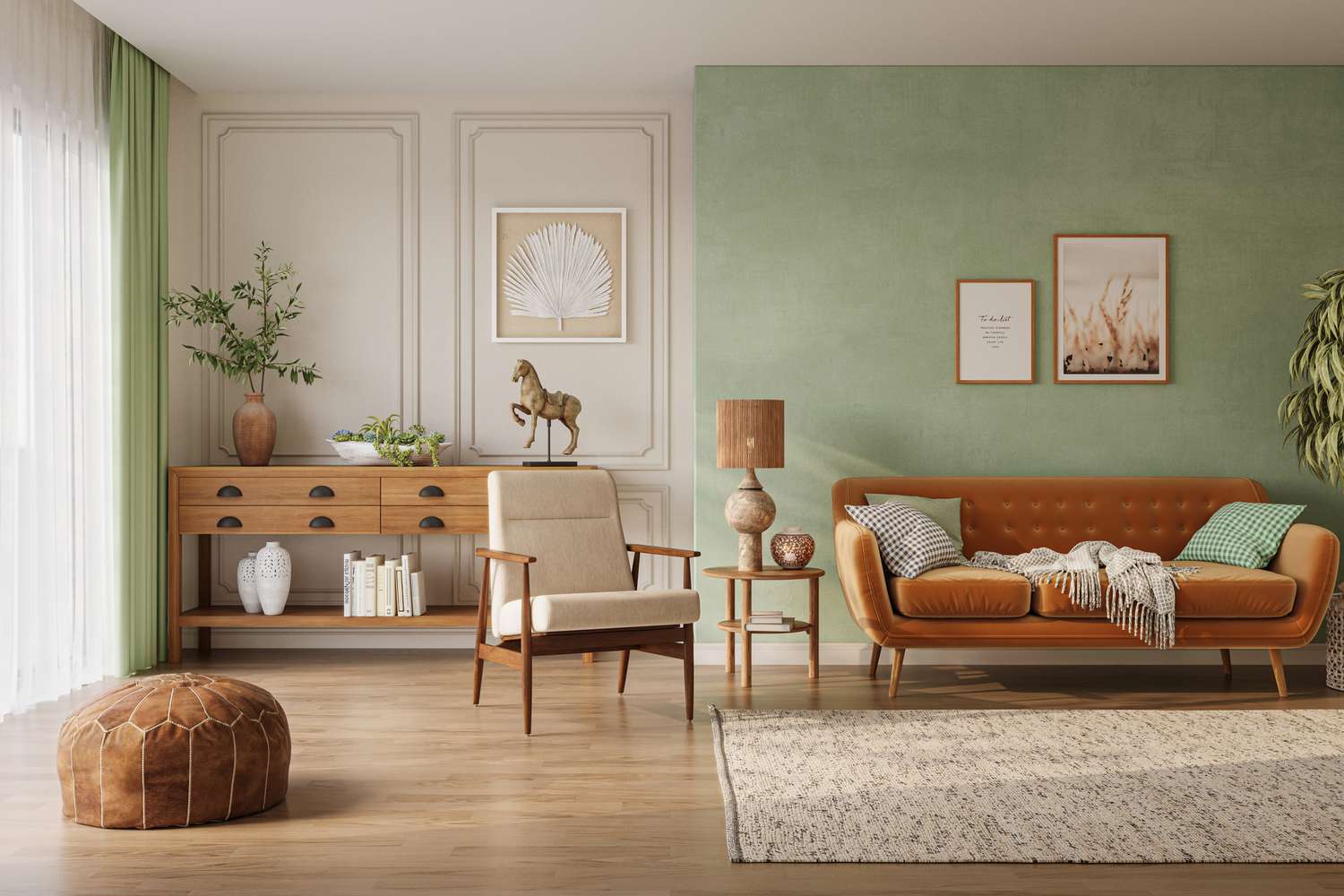
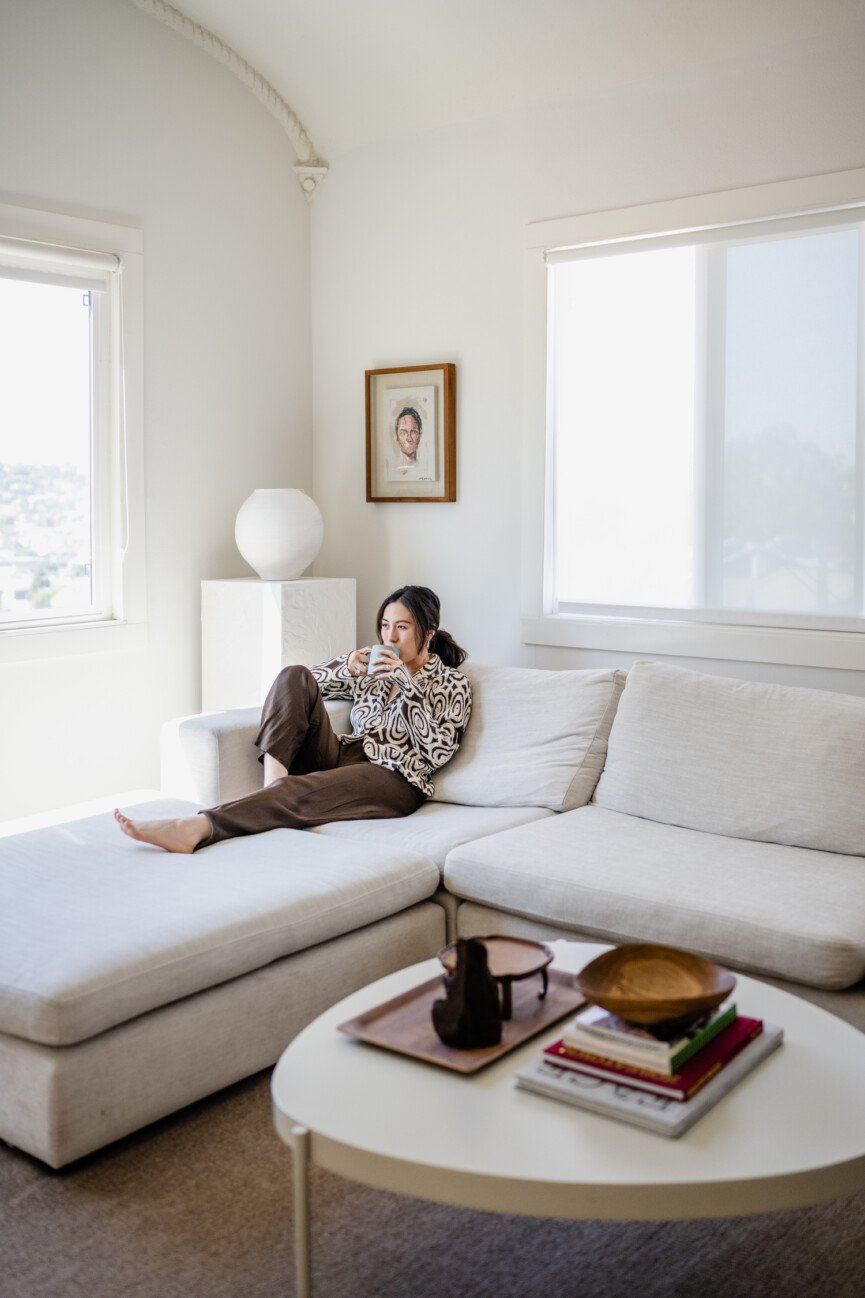
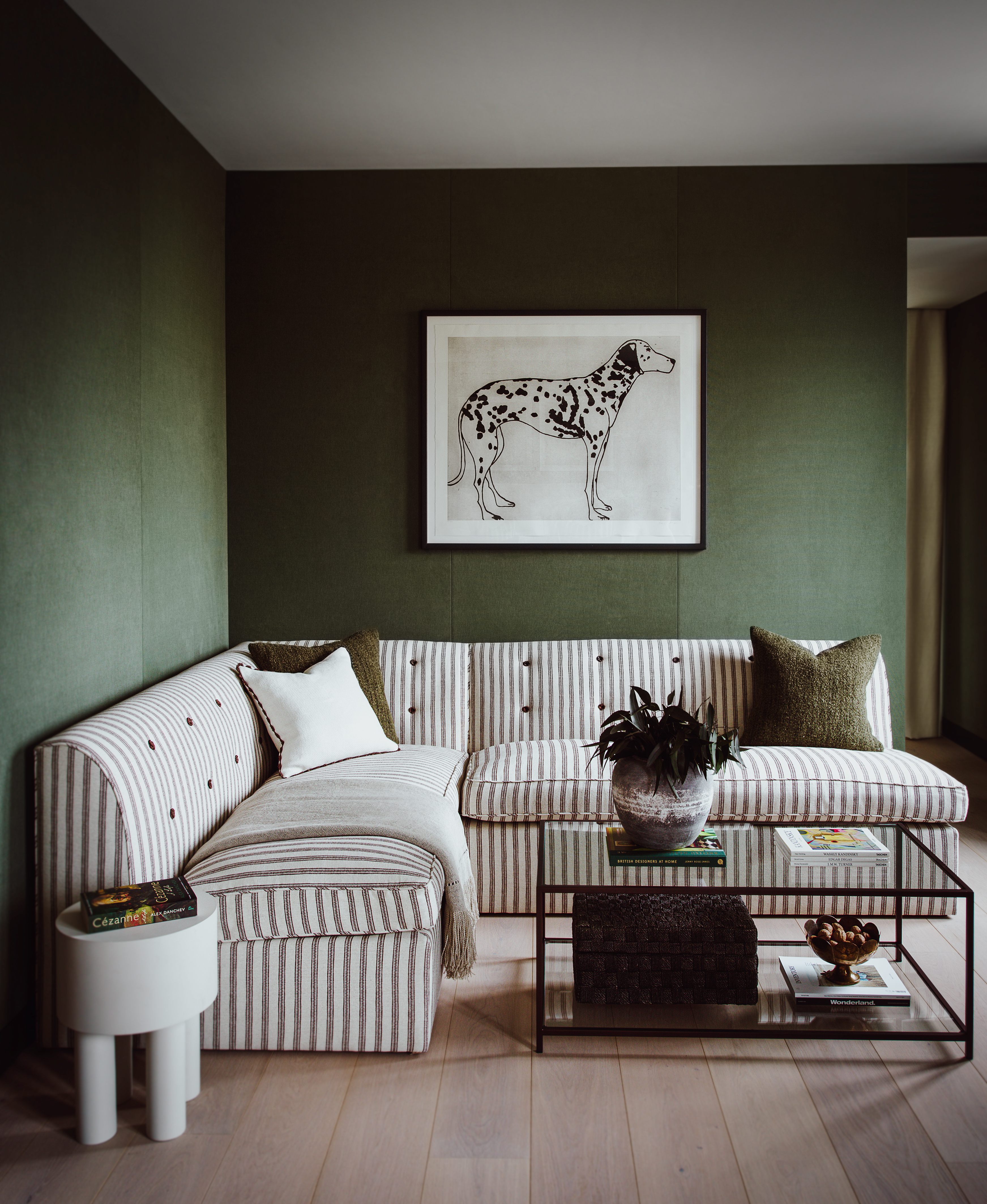
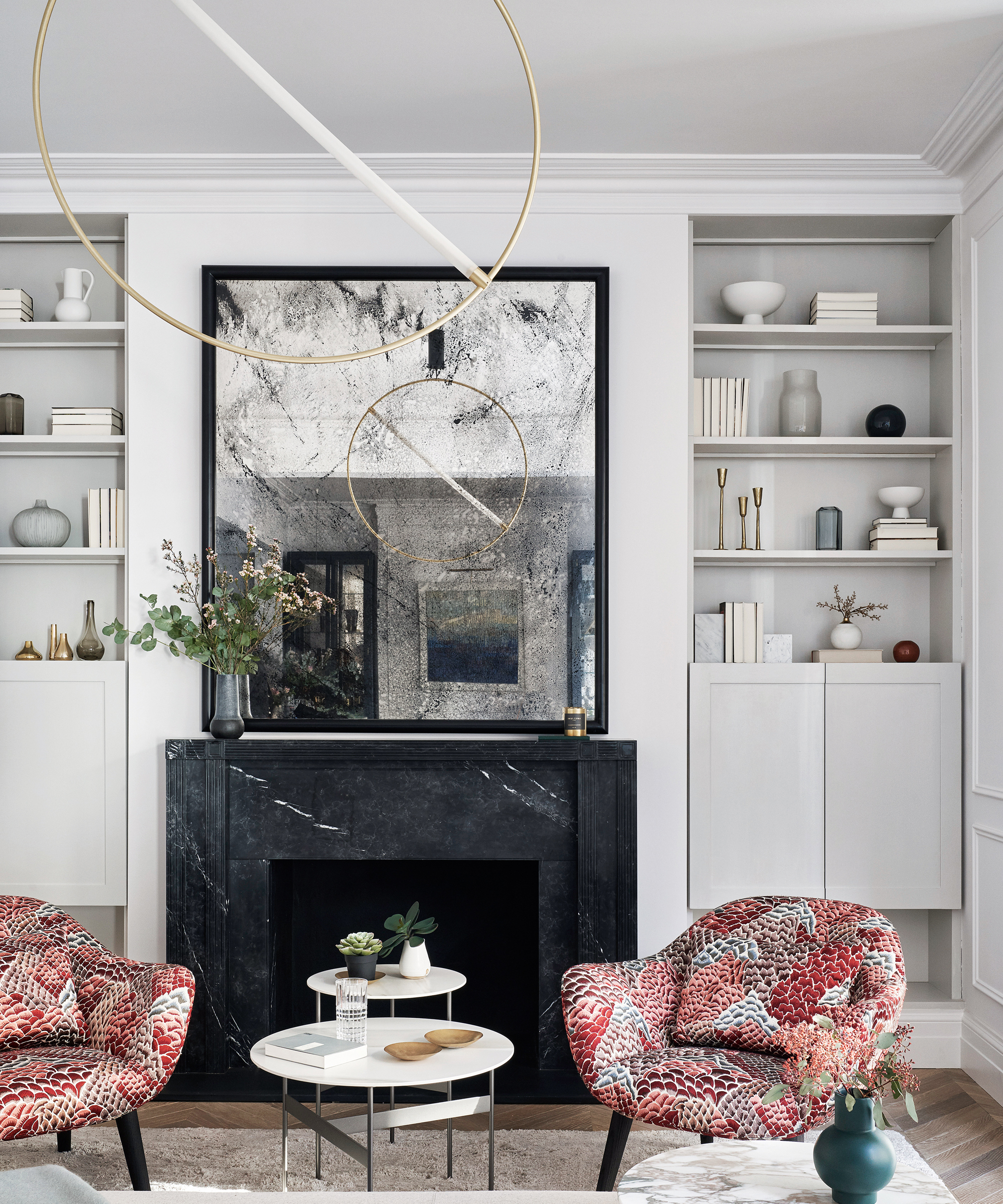
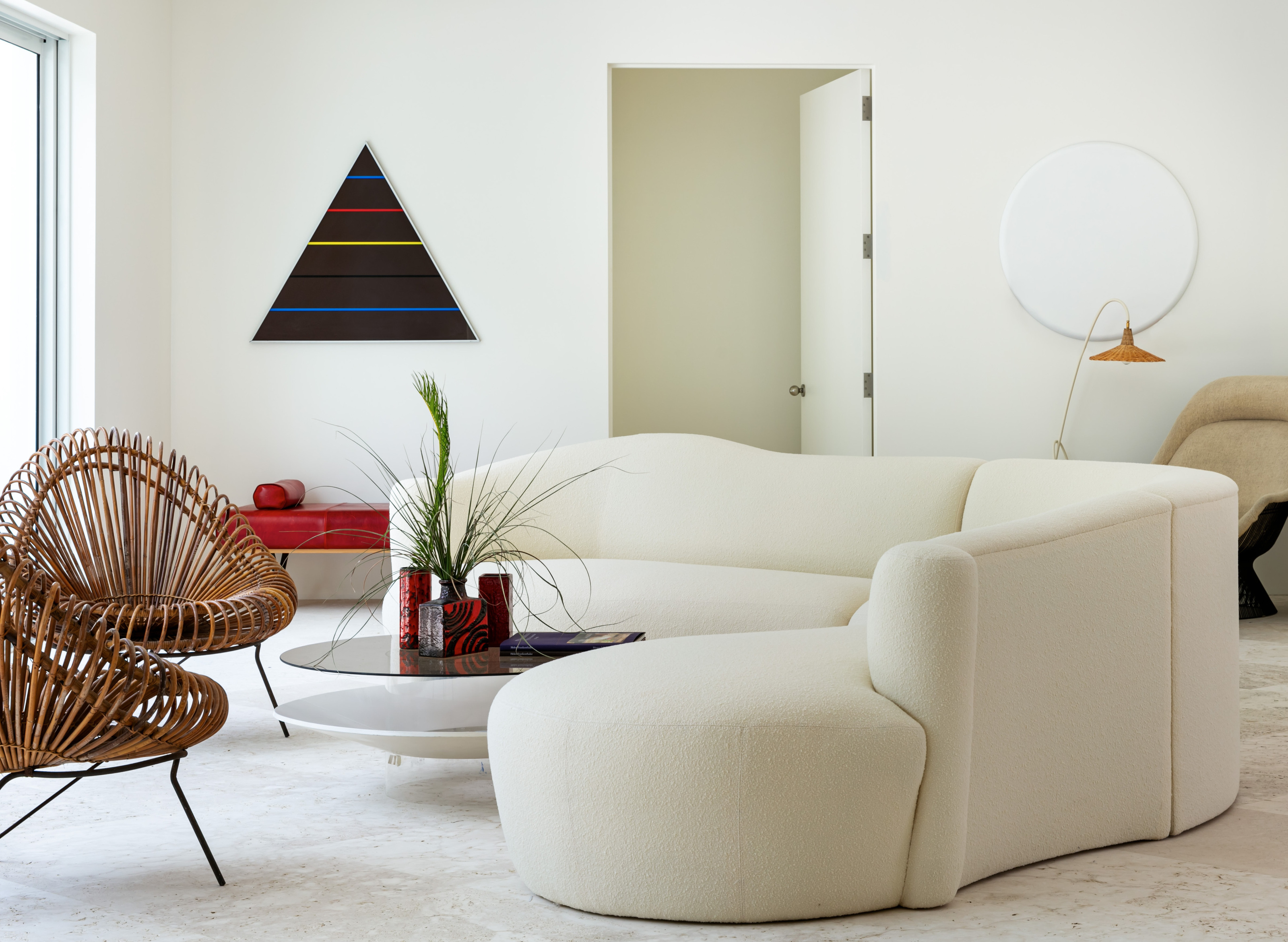
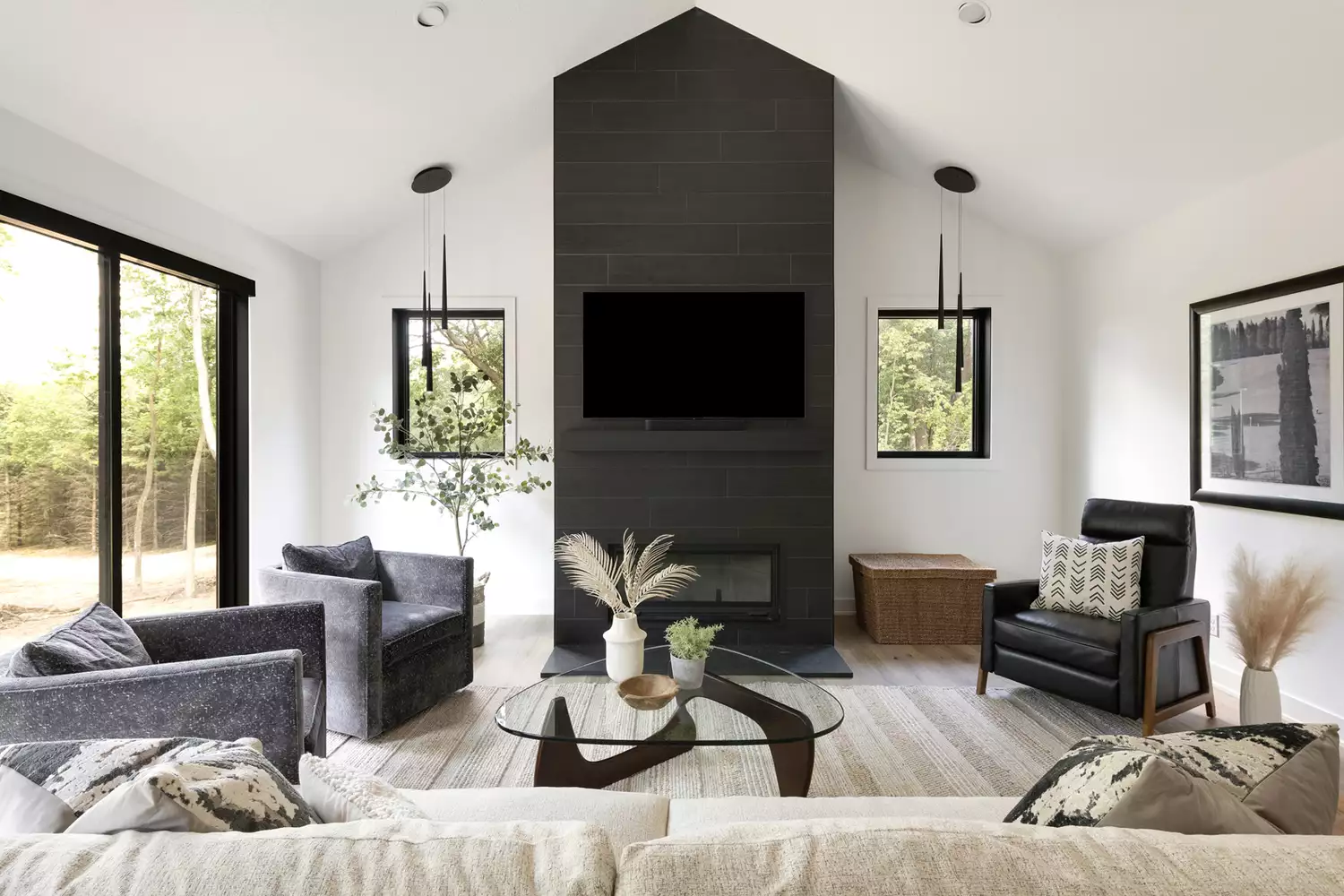
Dark paint colors are another factor that can make a living room feel smaller. While dark hues can create coziness, they absorb light, leading to an enclosed and cramped sensation. Designers recommend using light, neutral paint colors like whites, beiges, or soft grays to reflect light and visually expand the space. Incorporating mirrors or glass elements can further enhance light reflection and visual enlargement.
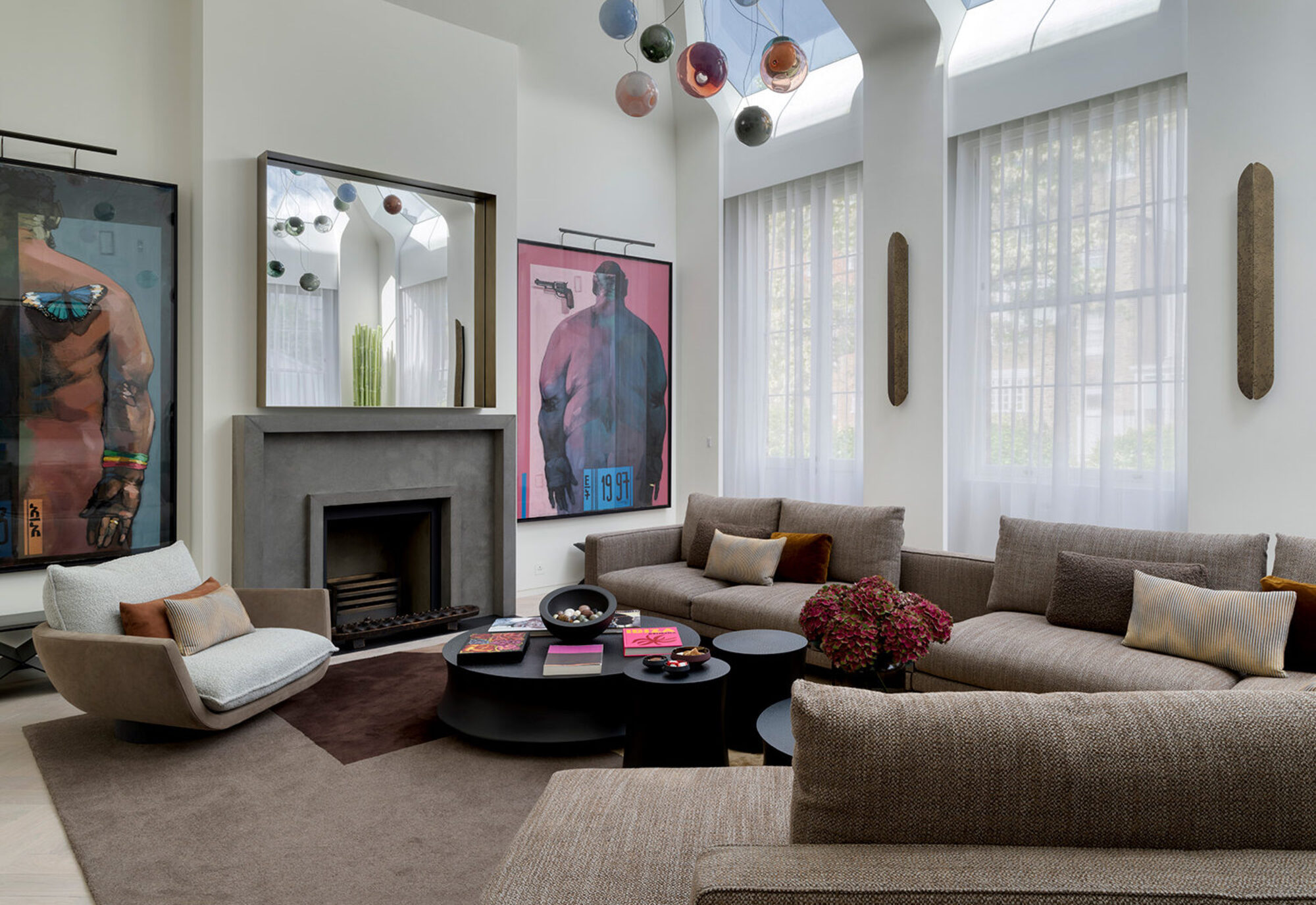
The use of small rugs can also contribute to a cramped feeling. A rug that is too small for the space can make the furniture appear disproportionately large and cause the entire room to feel confined. Selecting a properly sized rug is crucial for making furniture fit better and creating a more expansive feel.
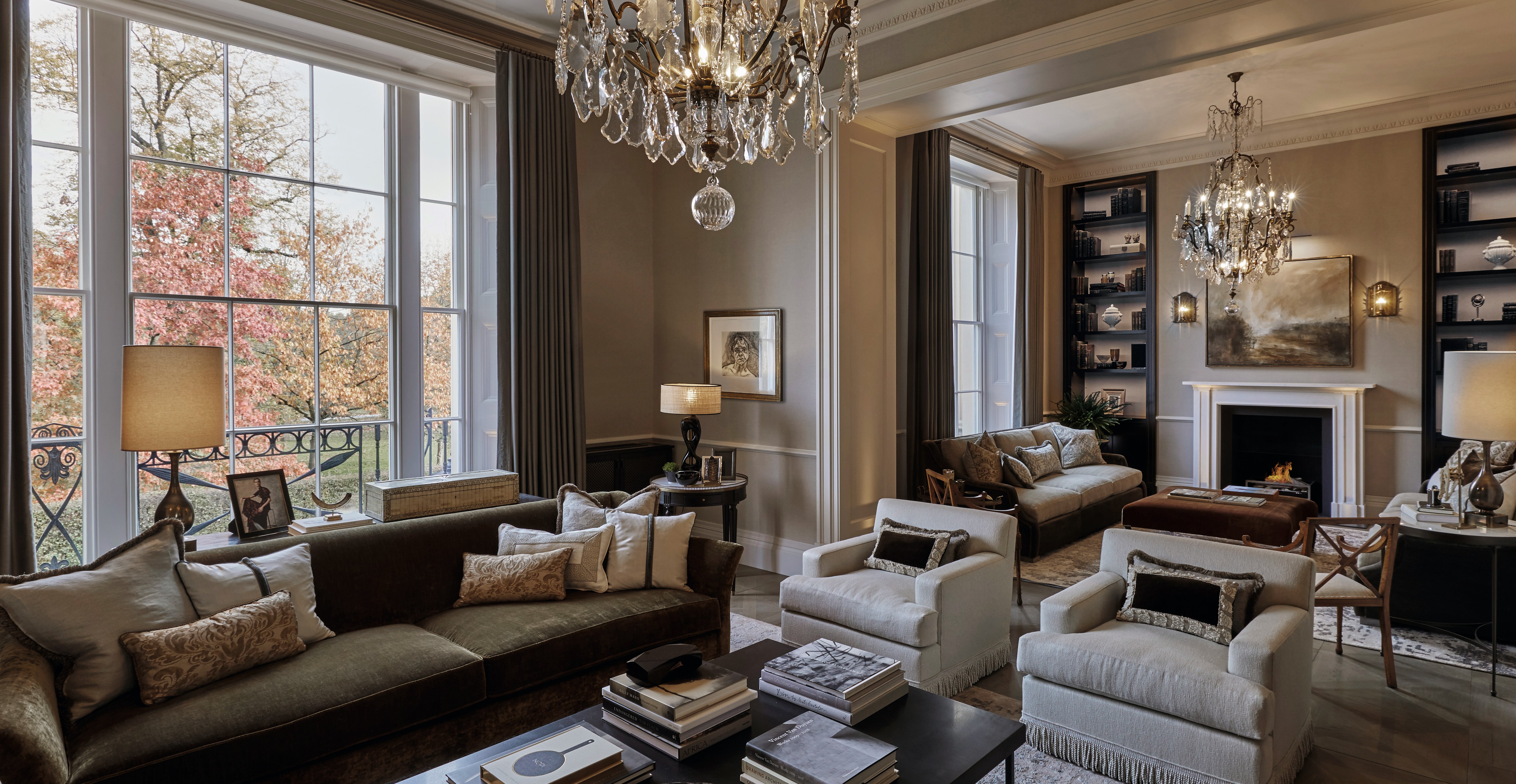
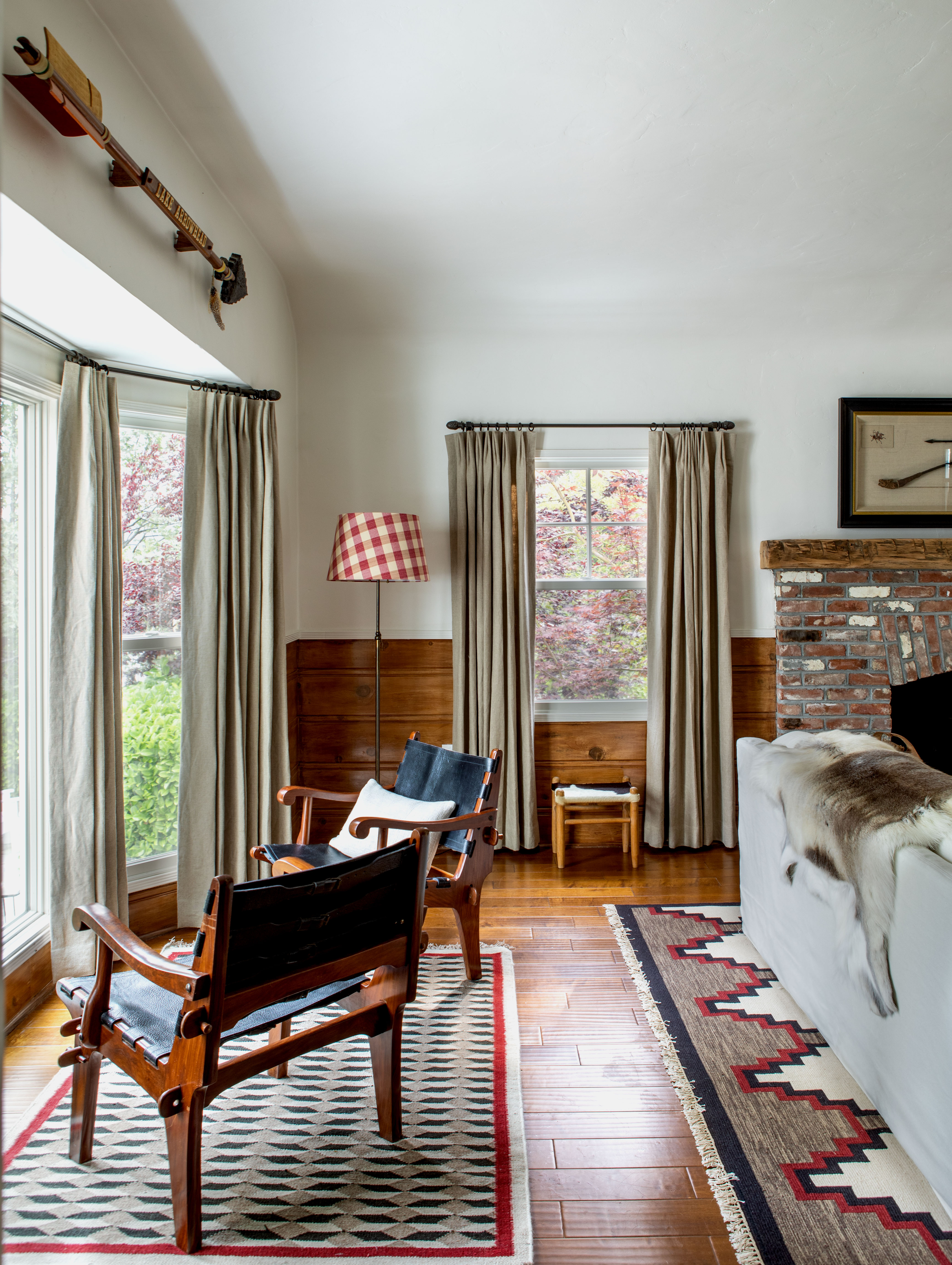
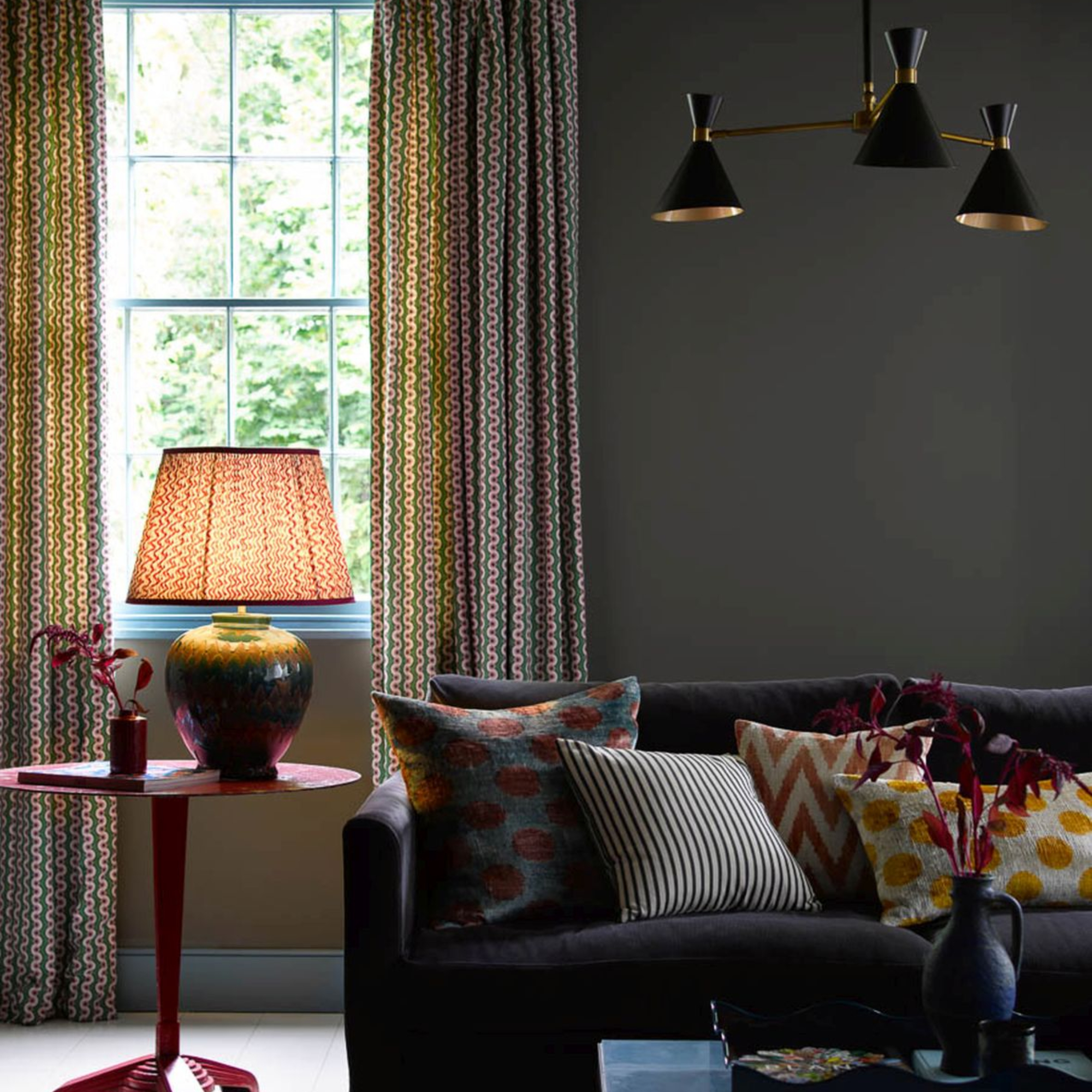
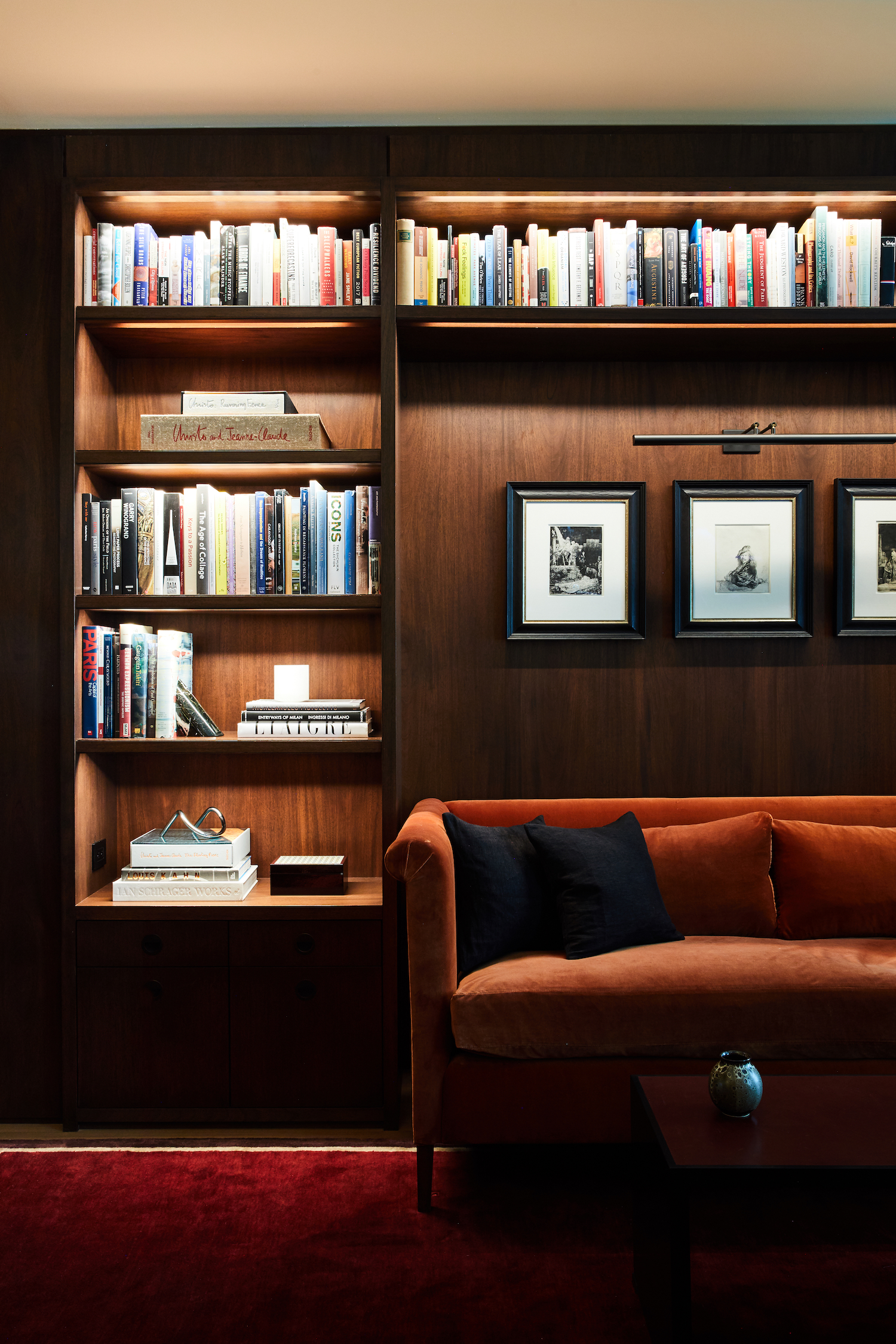
Heavy fabrics are identified as another element that can make a space feel closed in and dark. While dramatic, heavy materials require careful planning to avoid making a room feel suffocating. Designers suggest being mindful of the overall effect when incorporating such fabrics, especially when aiming for a moody aesthetic.

Finally, pushing furniture directly against walls is a common mistake. Although seemingly logical for creating more floor space, this arrangement can actually make a room feel disjointed and closed off. A more strategic layout that allows furniture to breathe and creates better flow is recommended. Multifunctional furniture, such as coffee tables with storage or sofa beds, is also suggested as a way to optimize space and maintain an open feel.
#LivingRoomDesign #InteriorDecorating #SpaceOptimization #FurnitureArrangement #HomeDecor #SmallSpaceSolutions #DesignTips #LivingRoomDesign #InteriorDecorating #SpaceOptimization #FurnitureArrangement #HomeDecor #SmallSpaceSolutions #DesignTips
0 comment in total
 No comments yet
You may also like
It's One of These 7 Sofa Layout Mistakes That Is Killing the "Flow" in Your Living Room

Here's What to Do With Those Awkward Spaces in Your House, According to Designers

From the Wrong Rug Size to Too-Short Curtains, Interior Designers Share Their Biggest Pet Peeves

6 Things That Are Making Your Closet Feel Cramped, According to Designers
9 Times Designers Made Awkward Living Rooms Work — And the Secrets Behind How They Did It
7 things interior designers never have in small living rooms

7 Things That Immediately Make Your Living Room Look Bad, According to Designers
6 Things That Make Your Entryway Look TACKY, According to Designers
Is your room missing something? These are the 7 simple buys that designers always recommend to their clients to instantly pull a space together
7 Things That Always Make Your Living Room Look Empty, According to Designers
5 Living Room Design Mistakes You Didn't Know You Were Making
Are YOU guilty of these living room layout mistakes? Decor expert reveals the 8 sins people make
5 Things That Always Make Your Home Feel Cramped, According to Designers

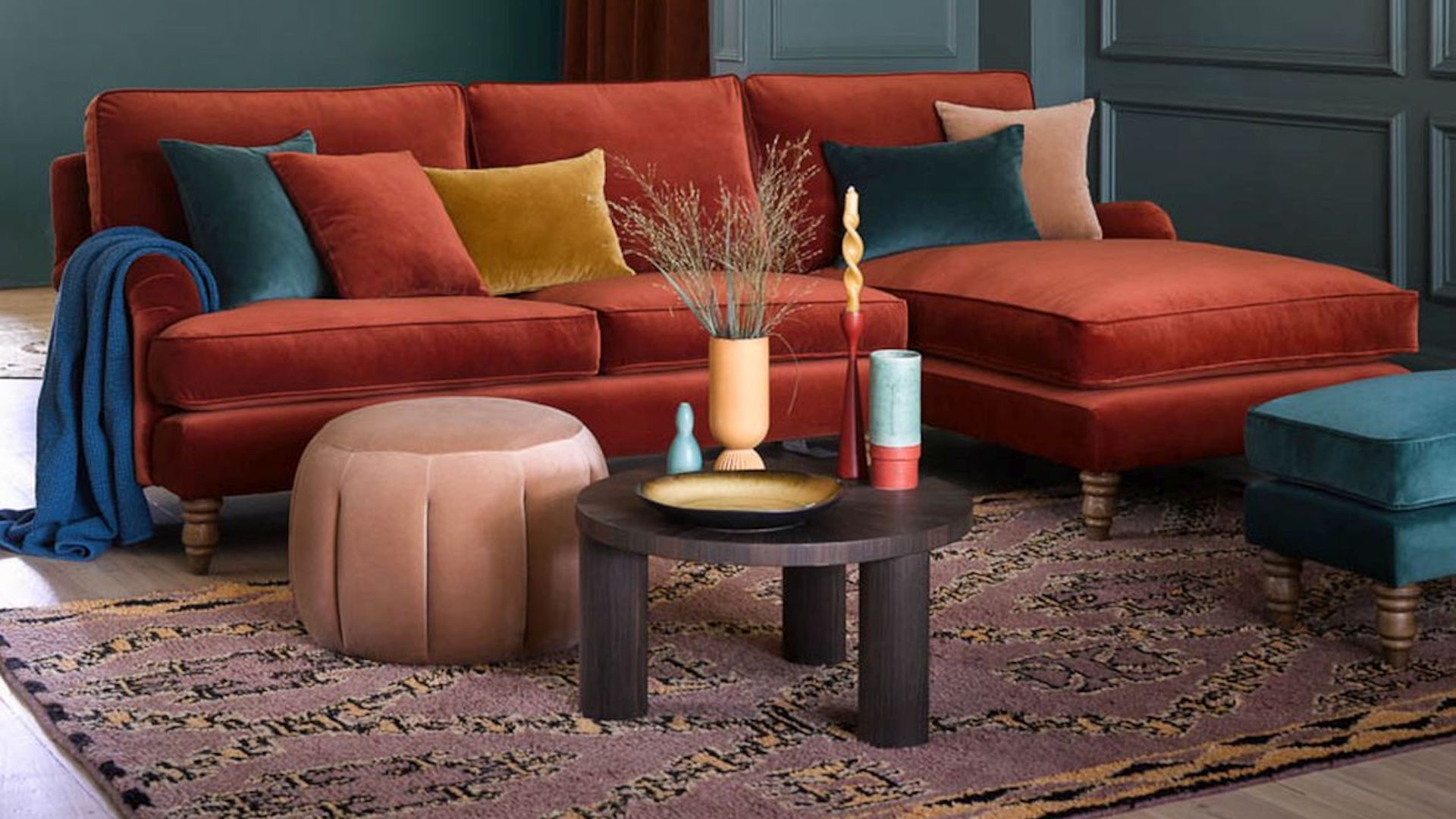
10 common living room design disasters experts warn against falling for
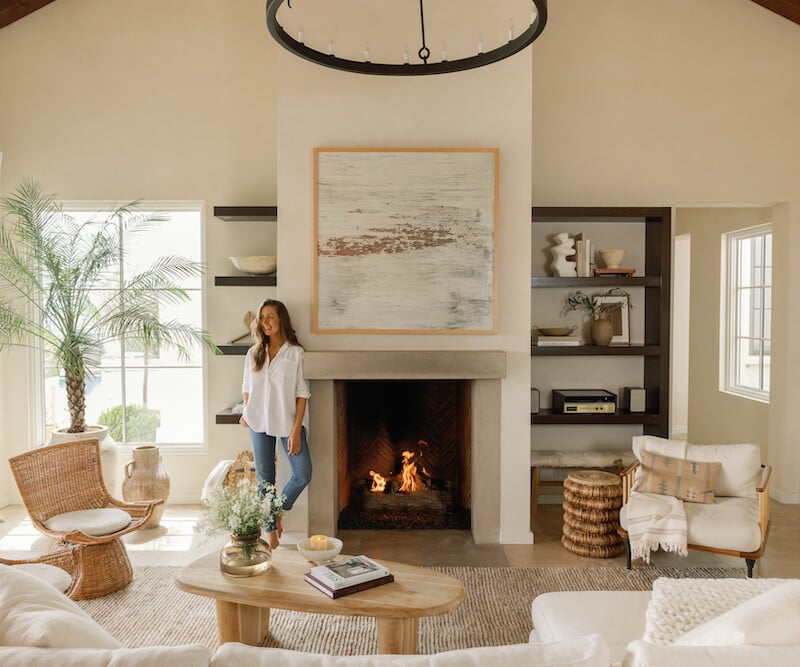
Designers Say This Is the #1 Living Room Mistake Everyone Makes
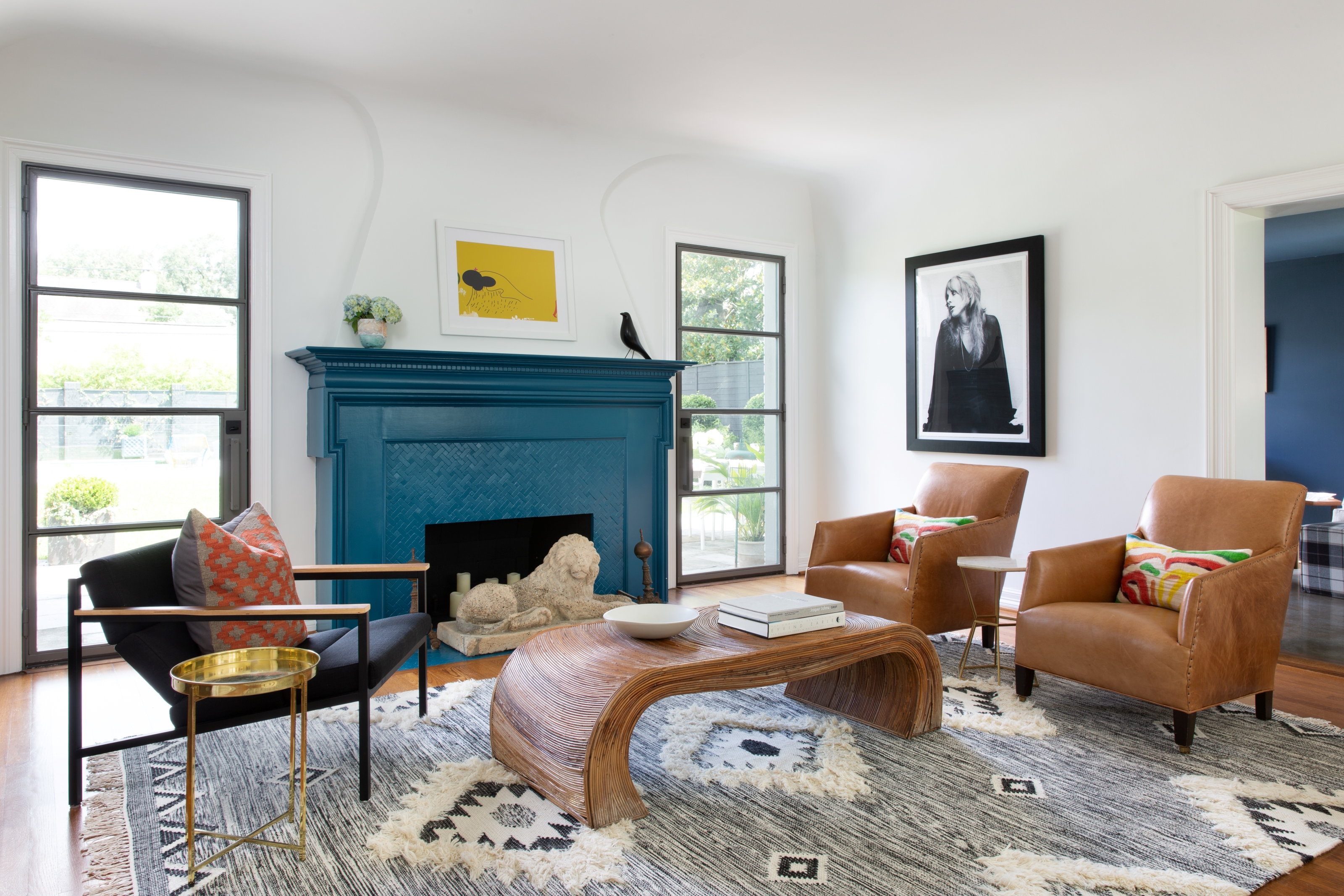
5 things interior designers say every living room should have in it – are you missing any?
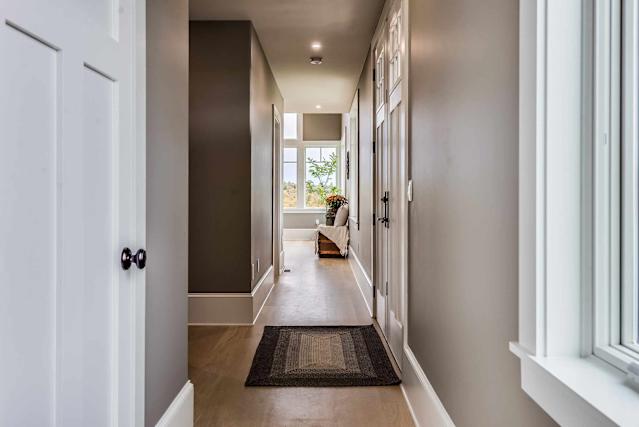
6 Things That Always Make Your Hallway Feel Narrow, According to Designers

Designers Share 4 Common "Mistakes" You're Making in Your Living Room—and How to Correct Them
7 small living room layout mistakes design experts want you to avoid – and what to do instead

7 Things That Are Making Your Living Room Look Bad, Designers Say—and How to Fix It