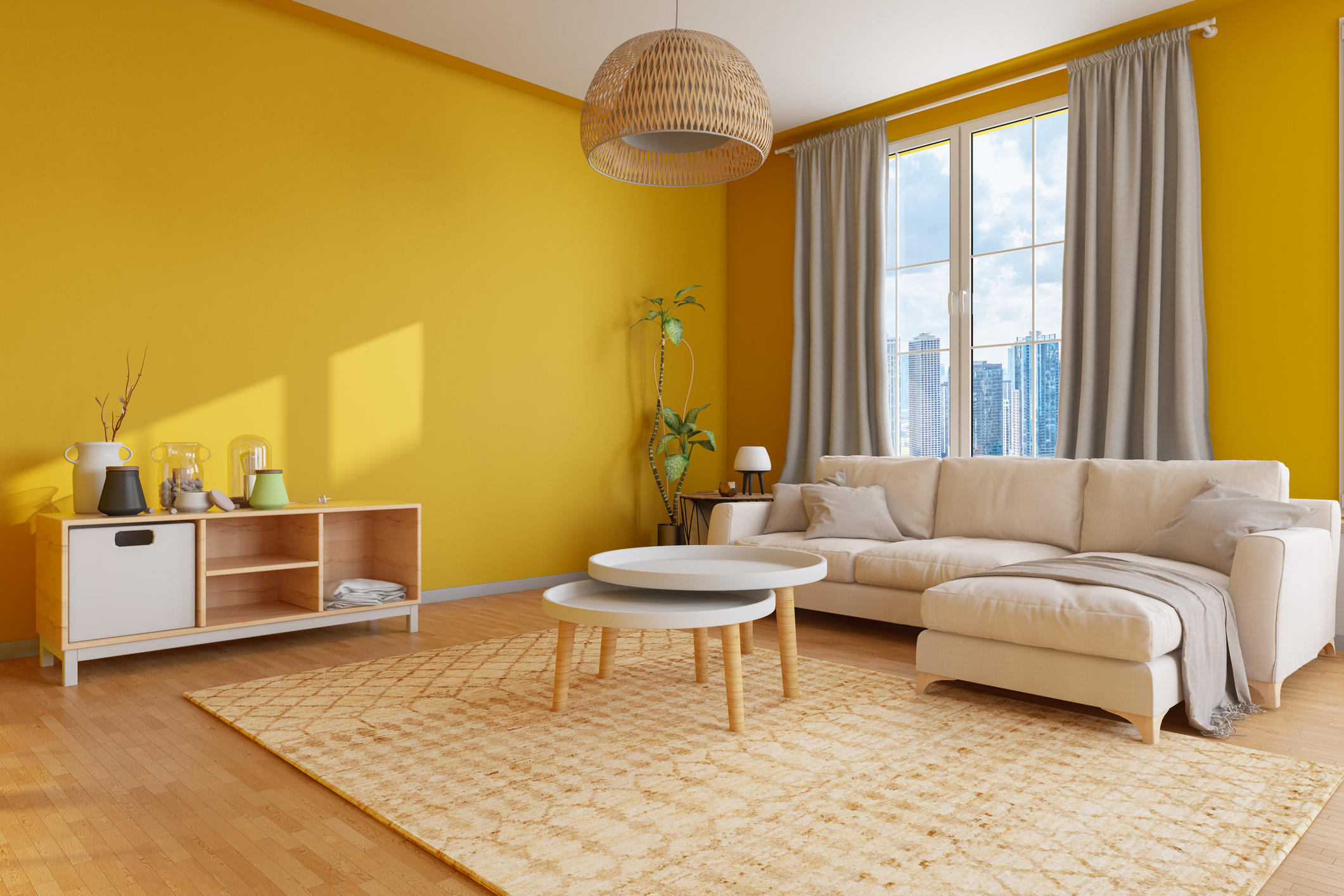
1/12
Using the New Olo Color Scientists Discovered in Your Home
The article discusses the recent scientific discovery of a new color named Olo. This color was not found in nature or on the traditional color wheel but was generated in a scientific lab setting using laser beams. Michael Rolland, a paint color expert and managing director of The Paint Shed, explains that scientists isolated the 'M' cone—one of the three cone cells in the retina responsible for color perception—and stimulated it with a laser. This manipulation allowed participants in the study to perceive a color not naturally visible to the human eye.
Olo is described as a shade of blue-green, significantly more saturated than any color encountered in the natural world, as stated by Professor Ren Ng, one of the researchers involved in its discovery. The article explores the implications of this discovery for interior design, prompting questions about how such an 'unnatural' color could be incorporated into home aesthetics. Interior designers and color experts weigh in on the practical application and inspiration derived from Olo.
Since Olo does not exist in nature, its integration into interior design is purely interpretive and inspirational. Interior designer Kathy Kuo suggests treating it like a vivid and deeply saturated turquoise. While there are no exact paint shades of Olo available commercially, Michael Rolland identifies NCS Color's S 1050-B80G as the closest existing formula. Other inspired paint colors mentioned include Farrow & Ball Arsenic, Little Greene Verditer, and Paint & Paper Library Deep Water Green.
The article cautions against excessive use of Olo-inspired shades due to their intense saturation, which can lead to 'color overload' even for those who favor maximalist styles. Rolland advises using these bold colors as features and pairing them with complementary, subdued shades to create a balanced aesthetic. He suggests incorporating them alongside neutral color schemes or very light gray-blues, citing Farrow & Ball's Pale Powder and Dulux Heritage Range's Linnet White as suitable companions.
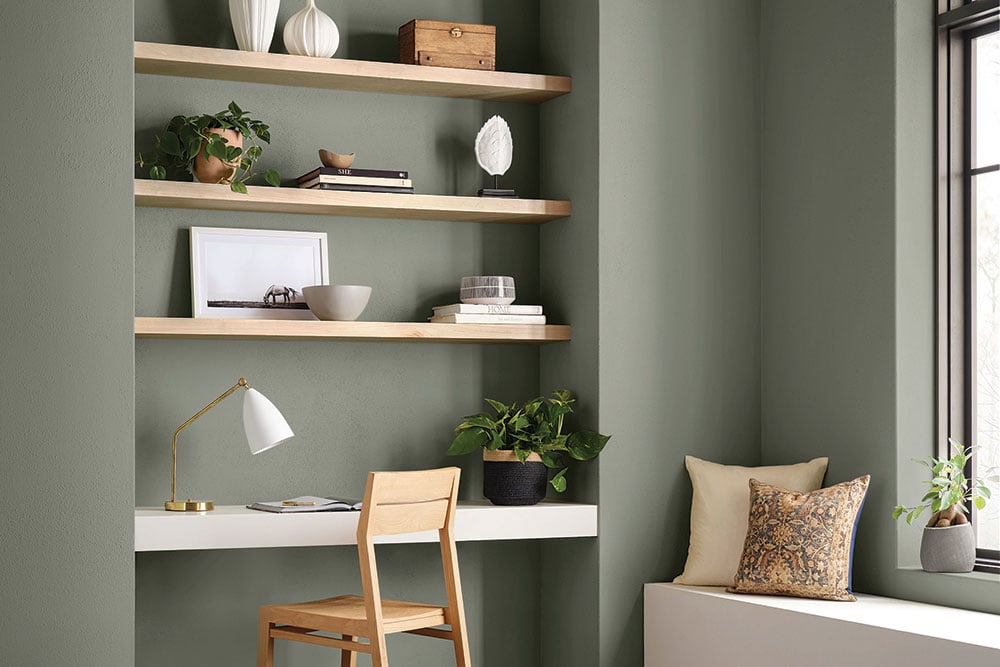
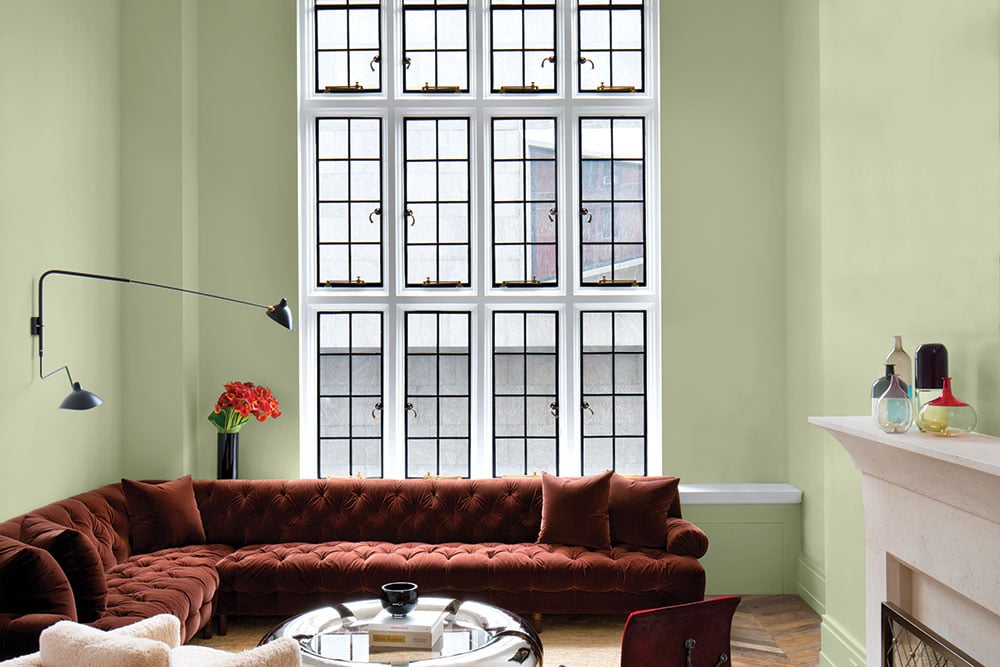
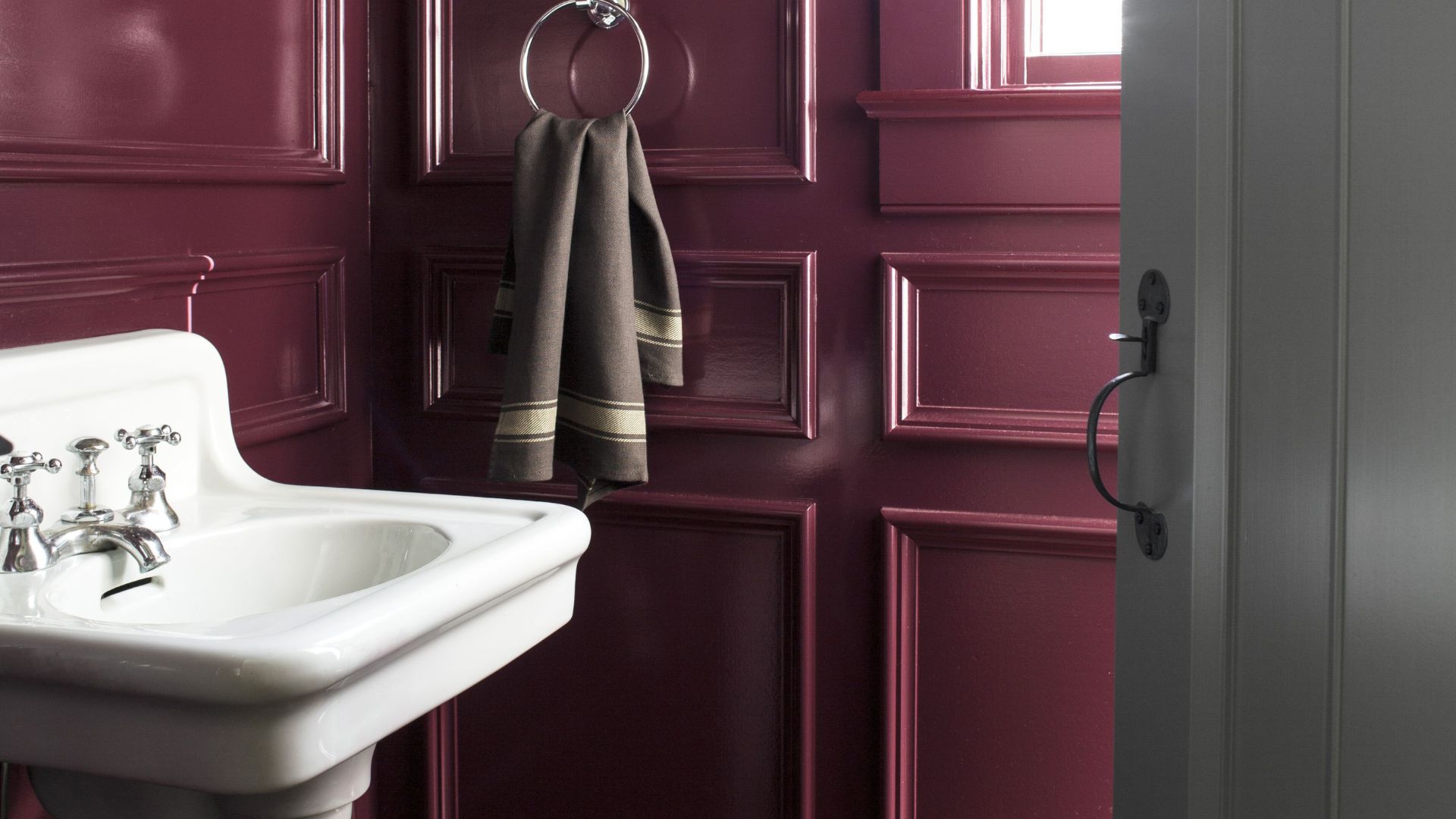
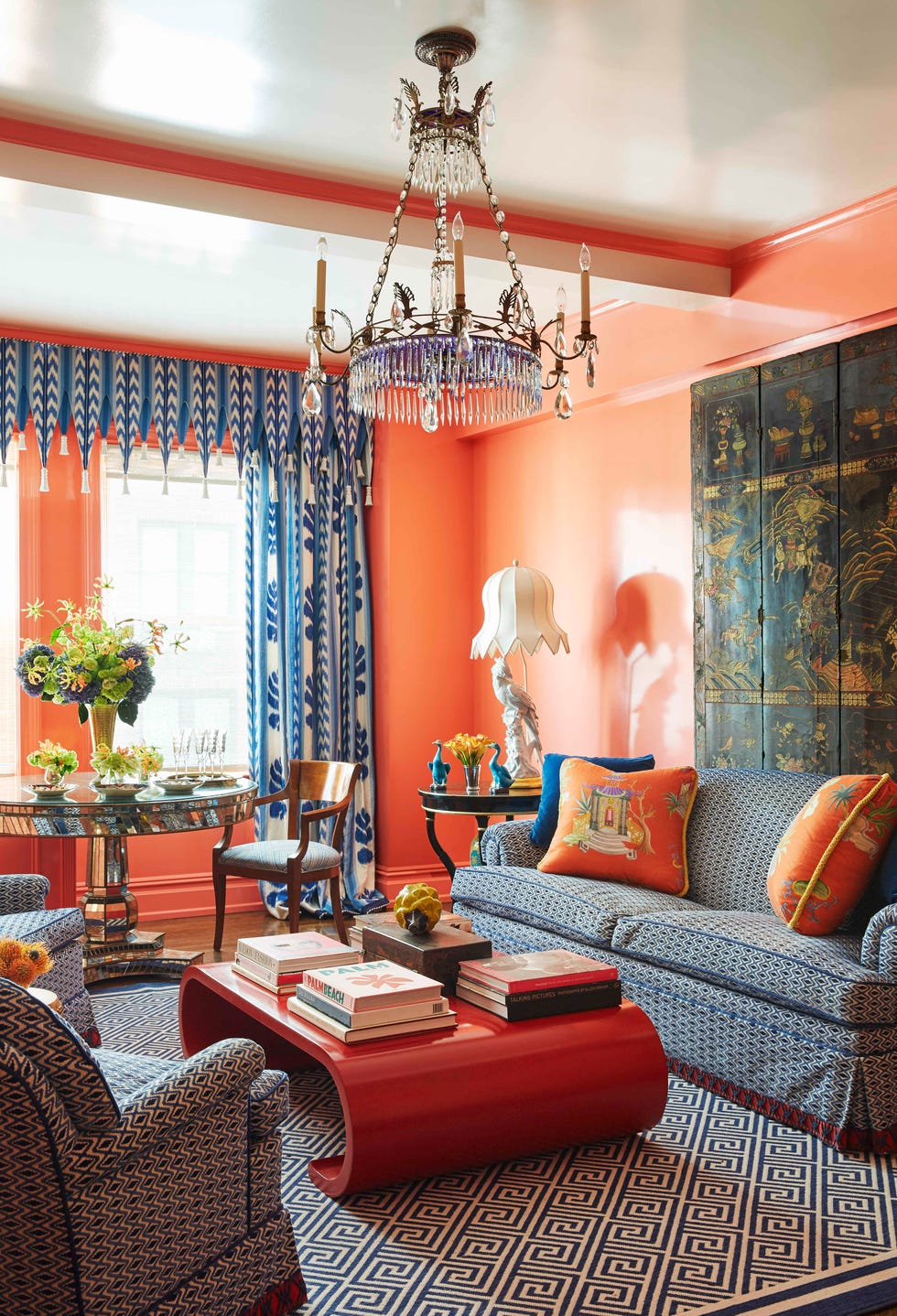
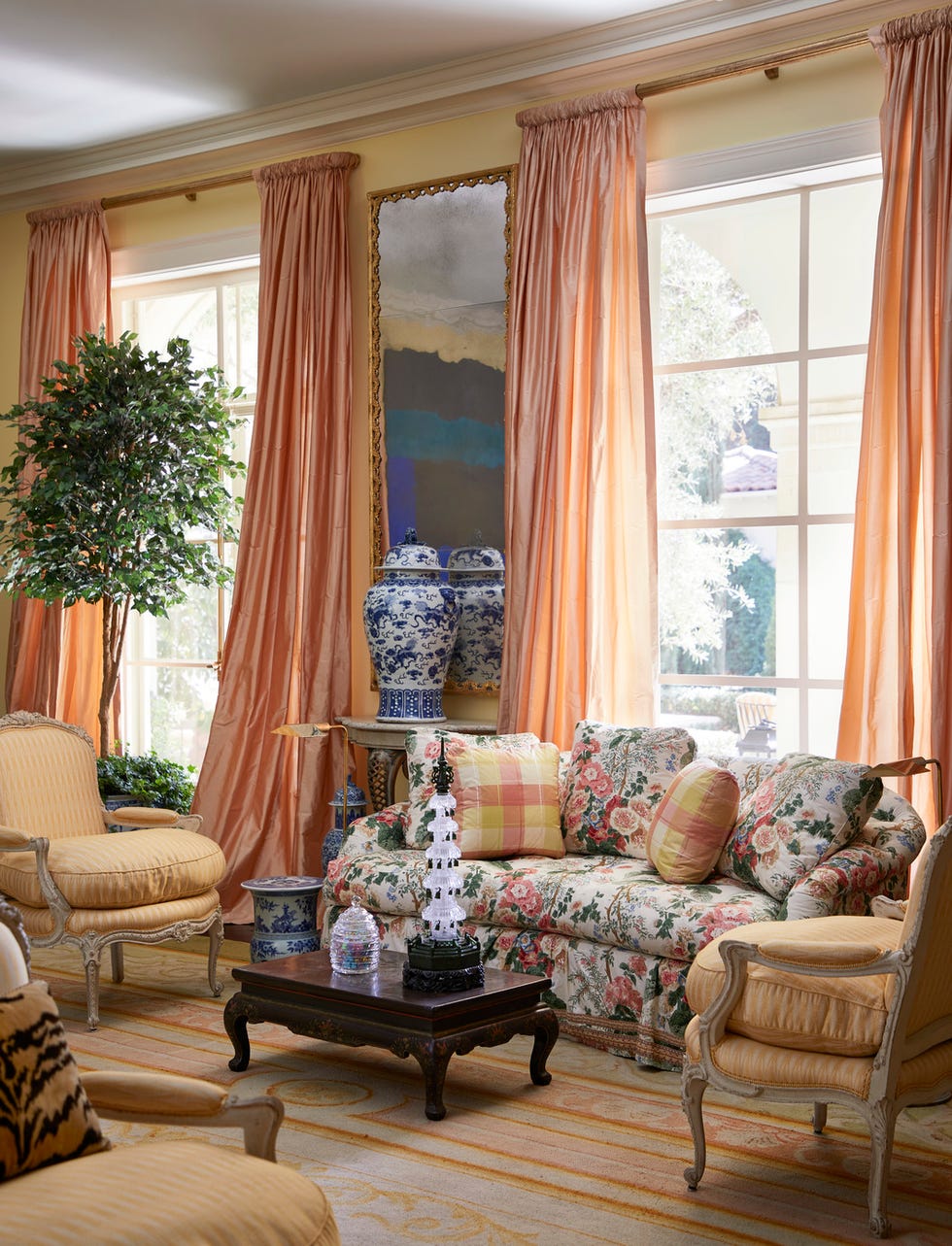
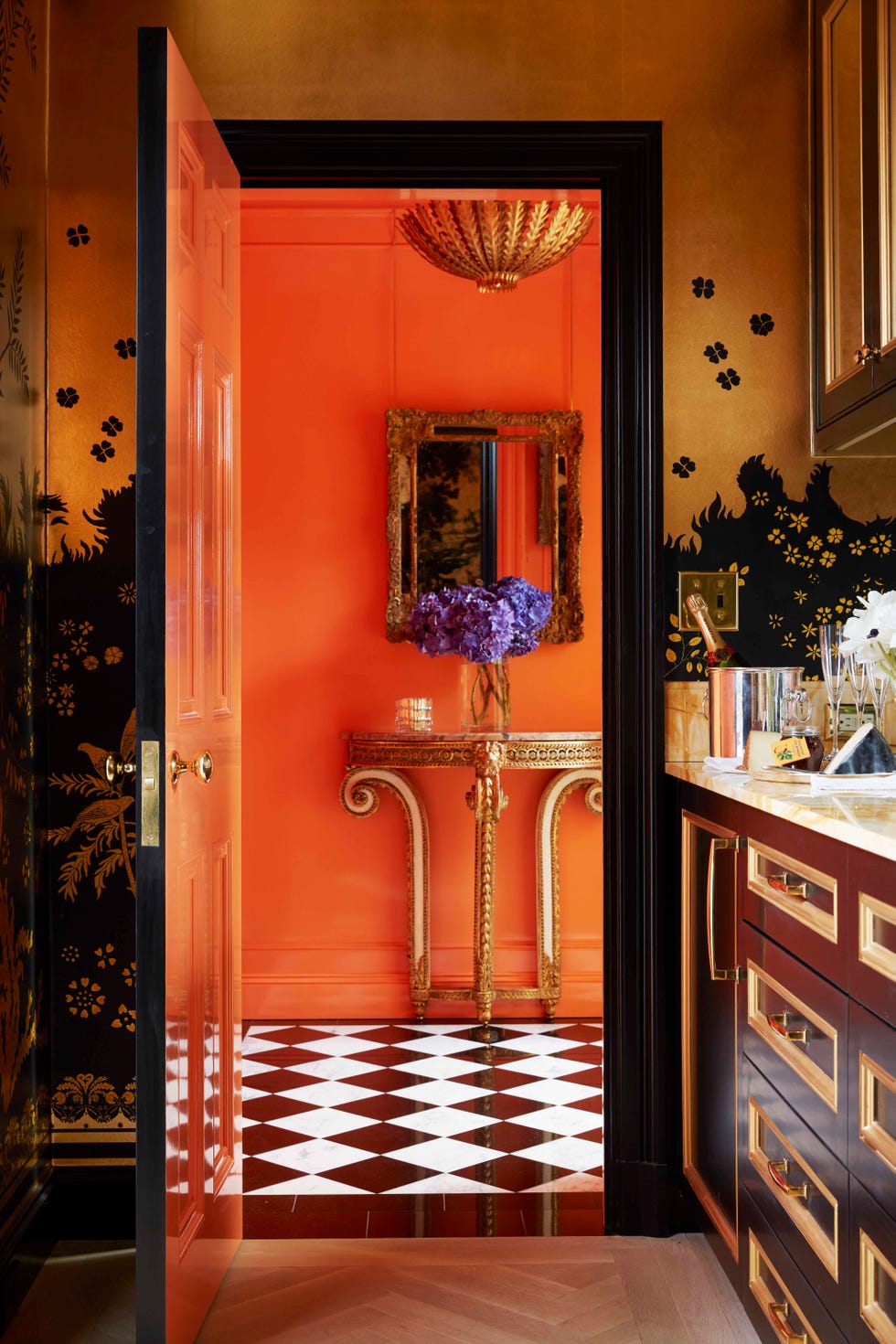
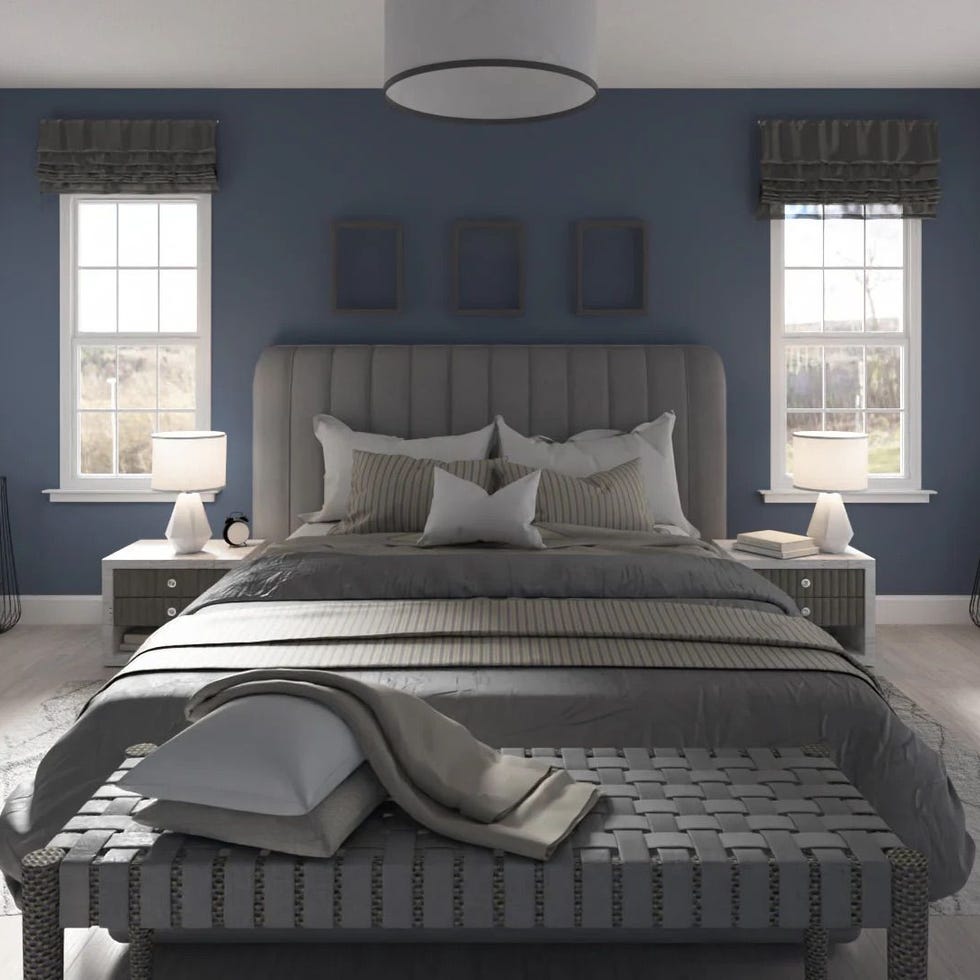
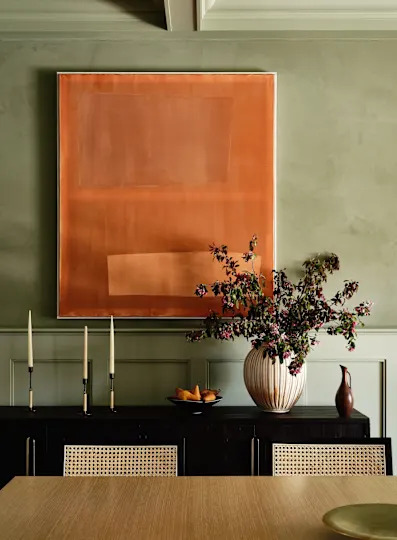
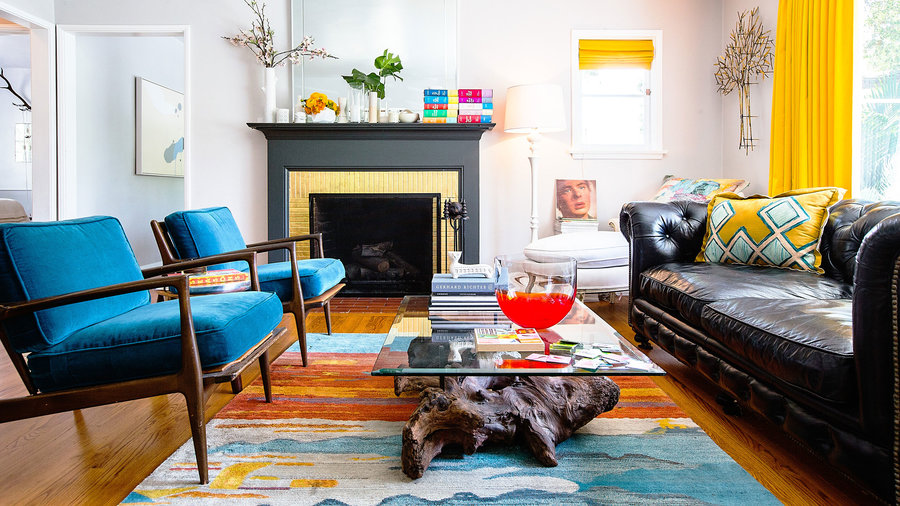
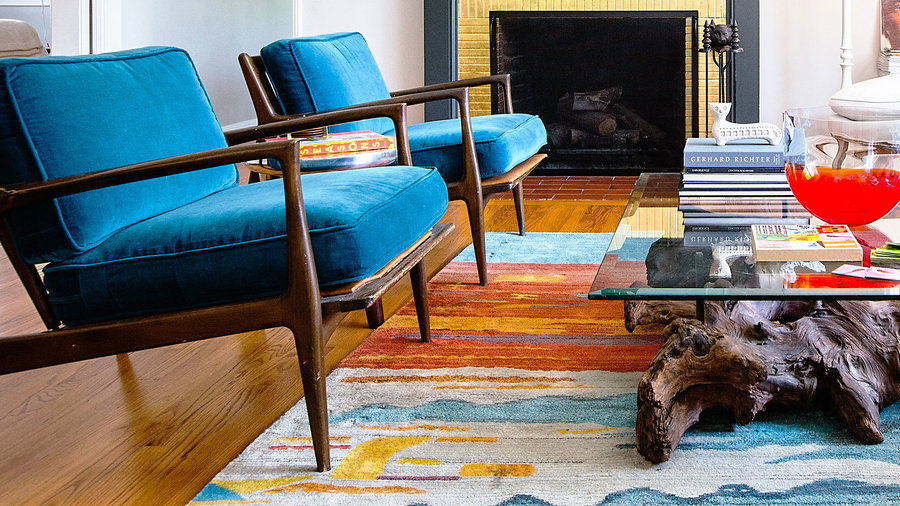
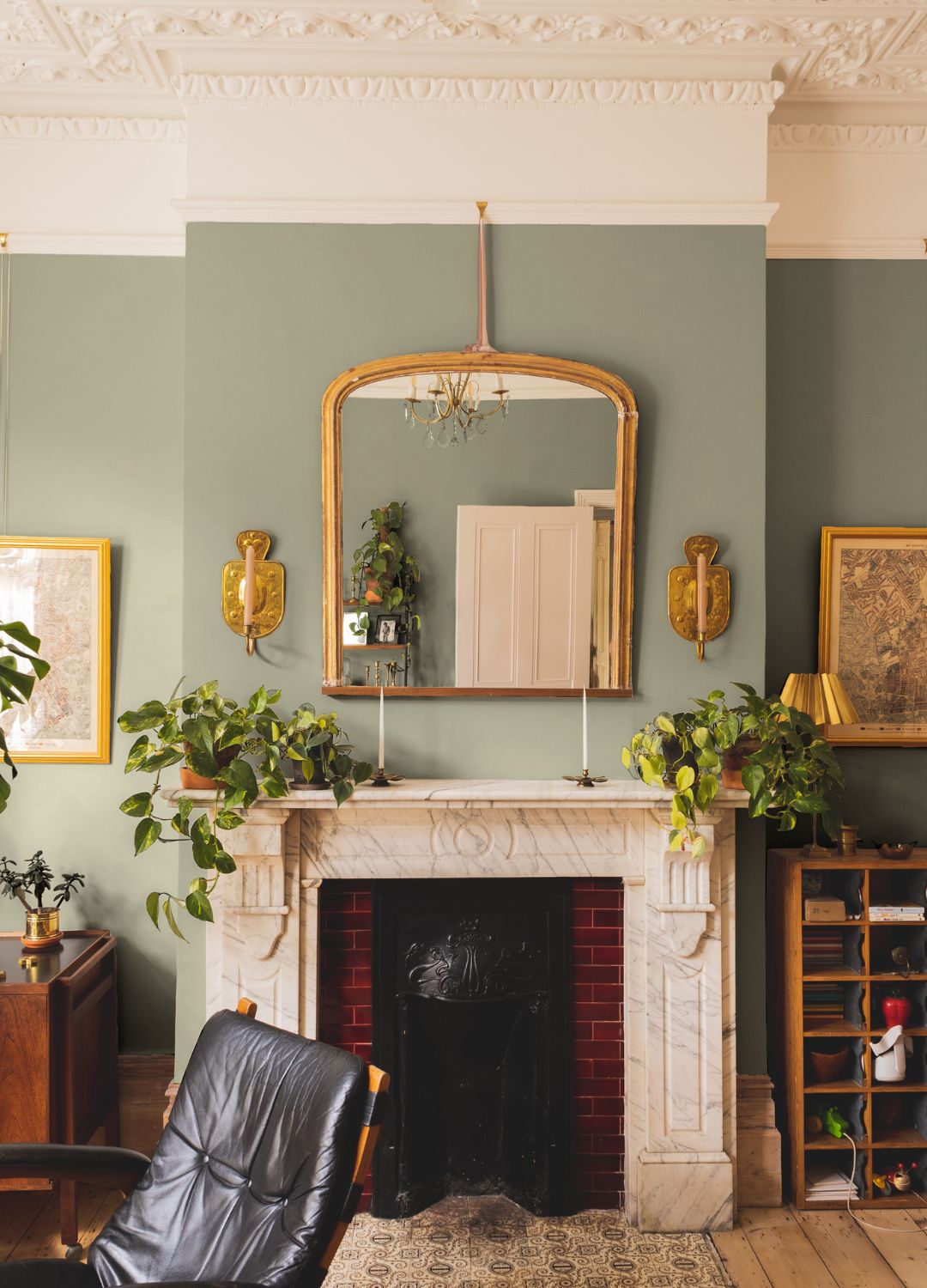
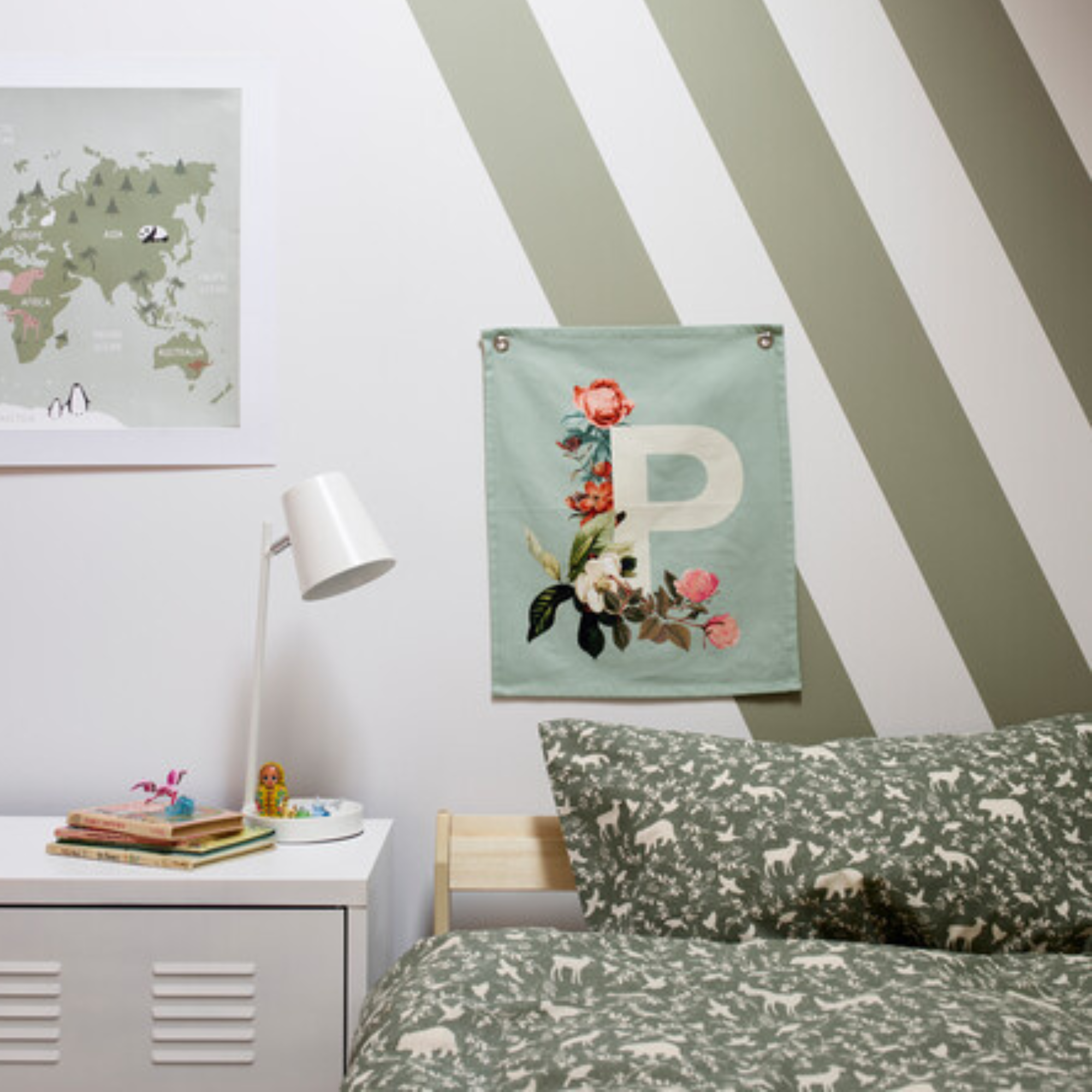
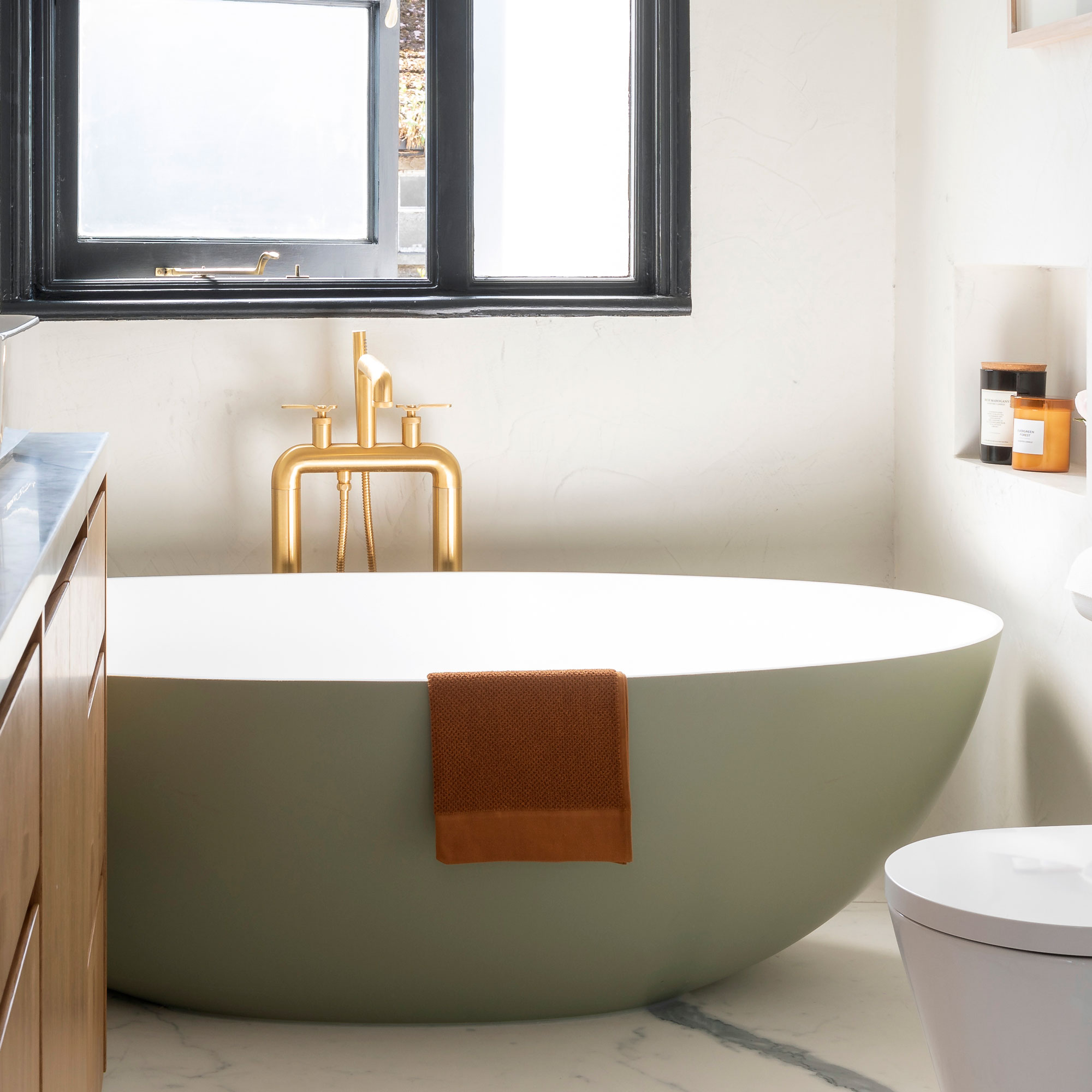
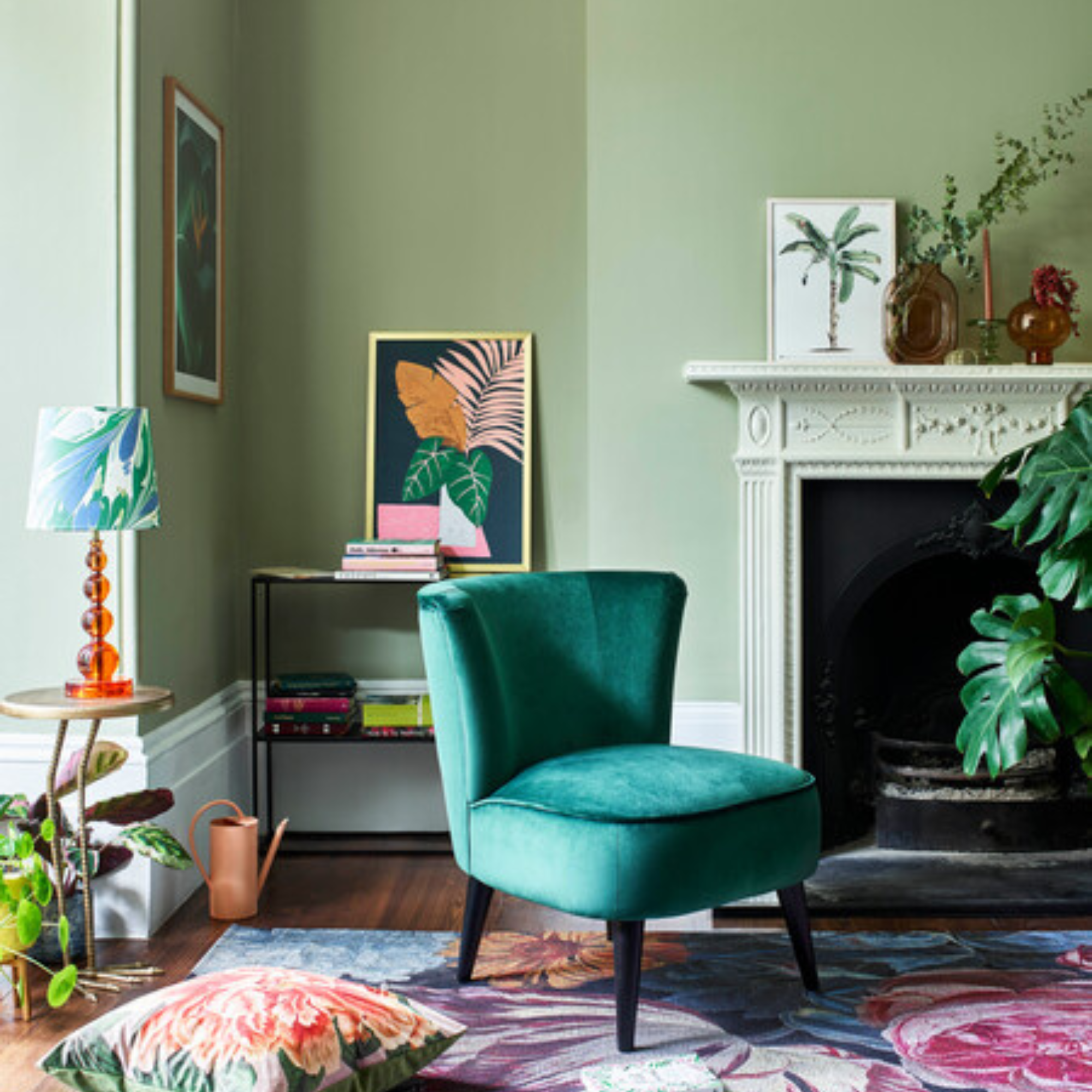
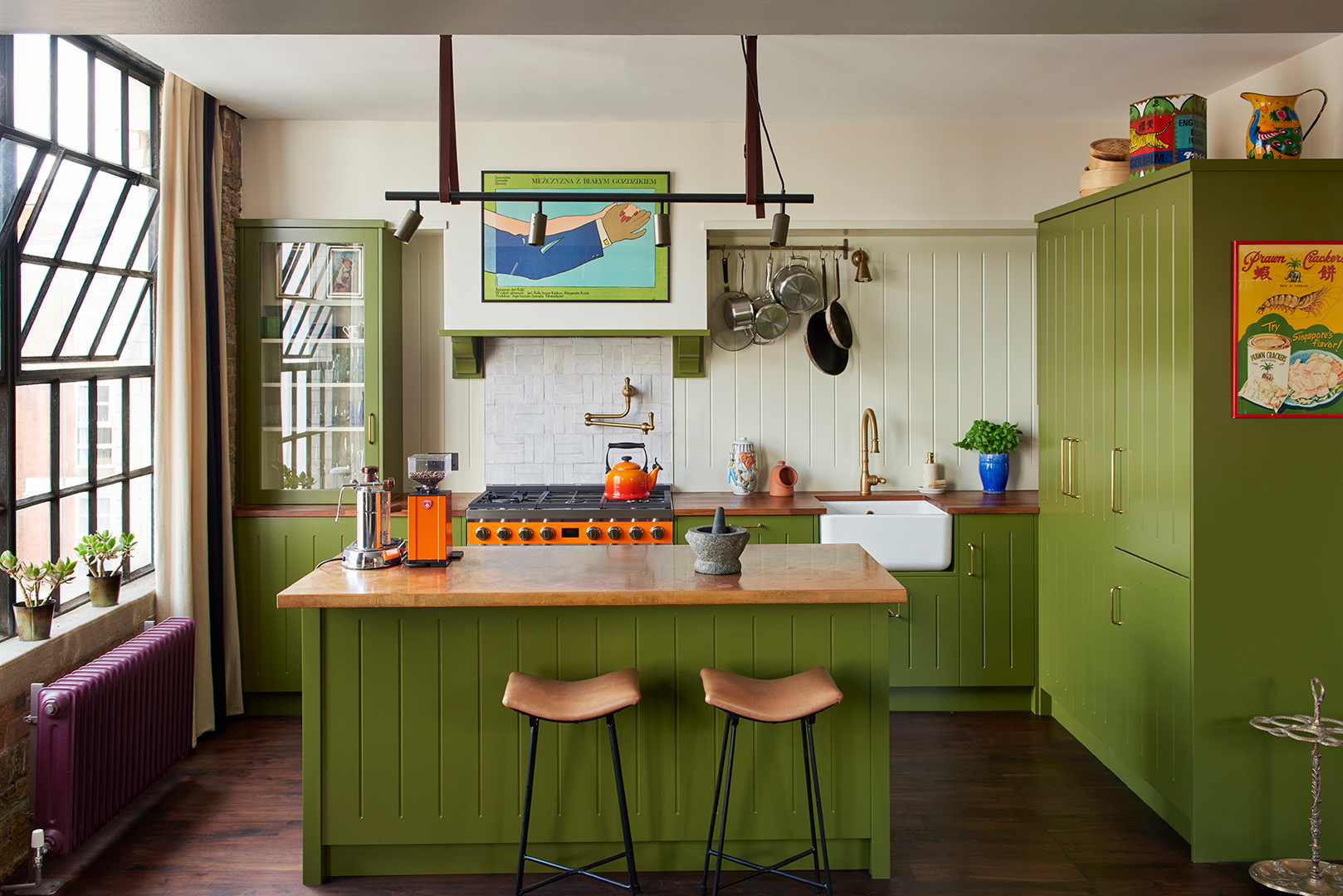
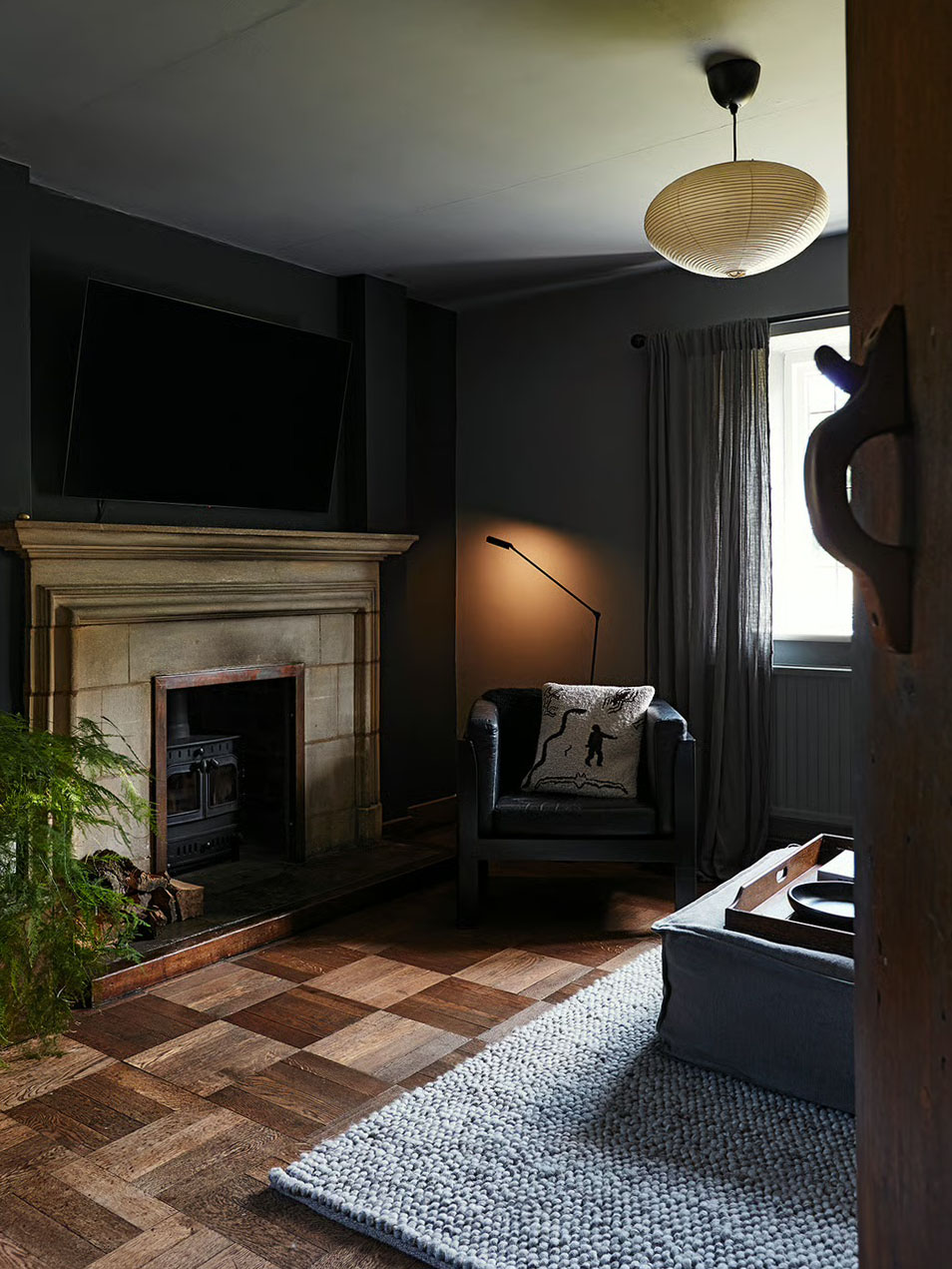
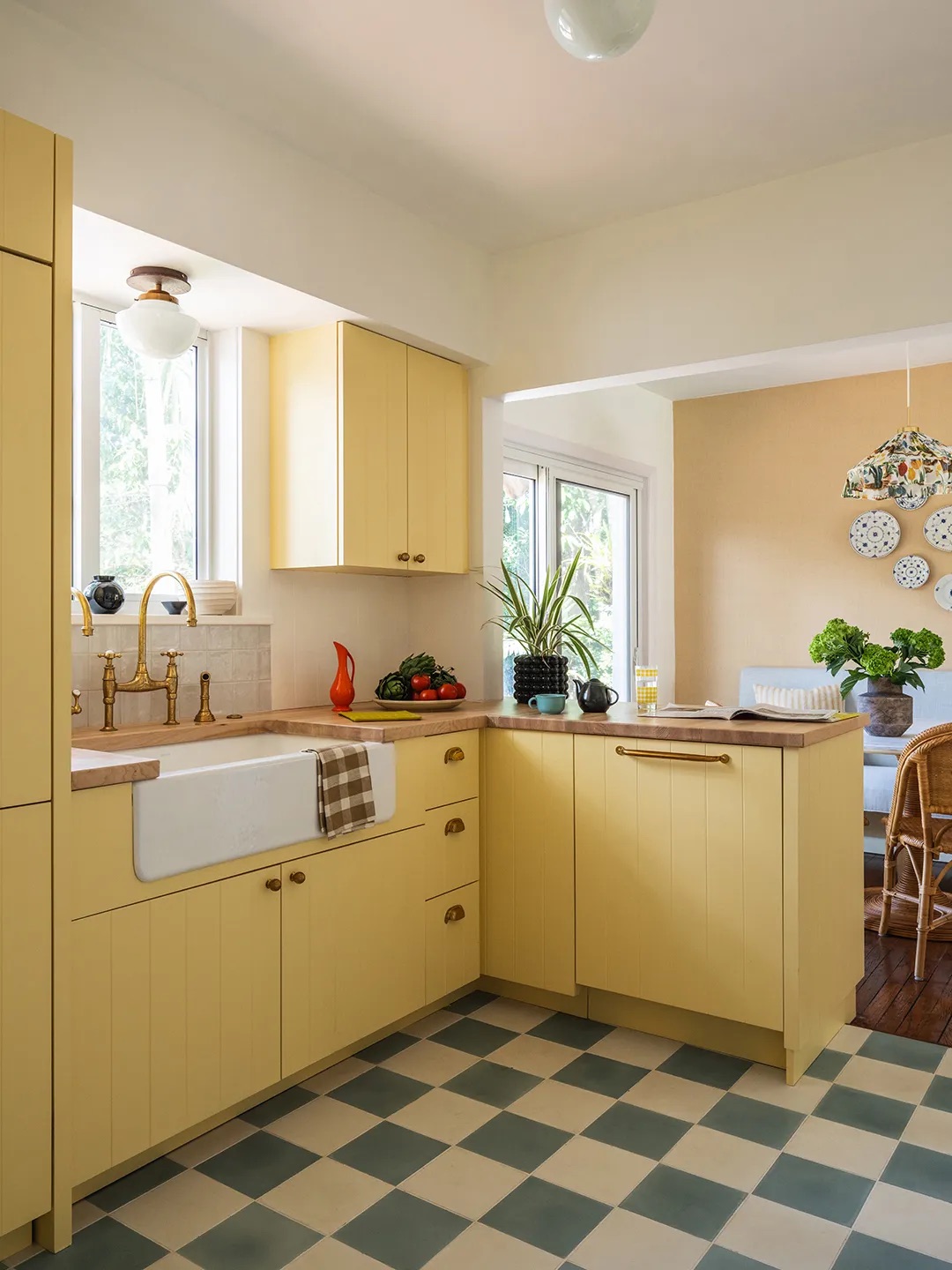
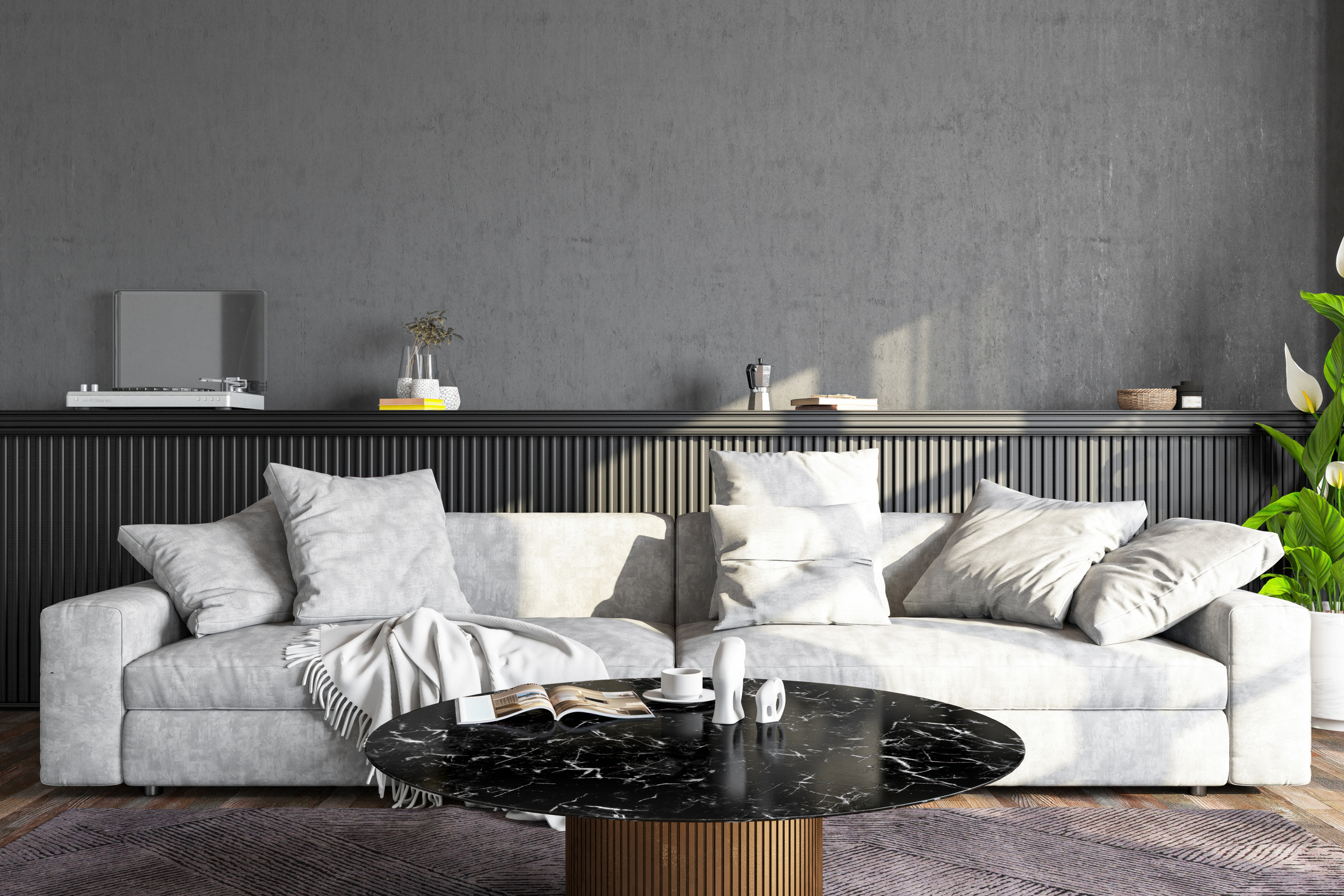
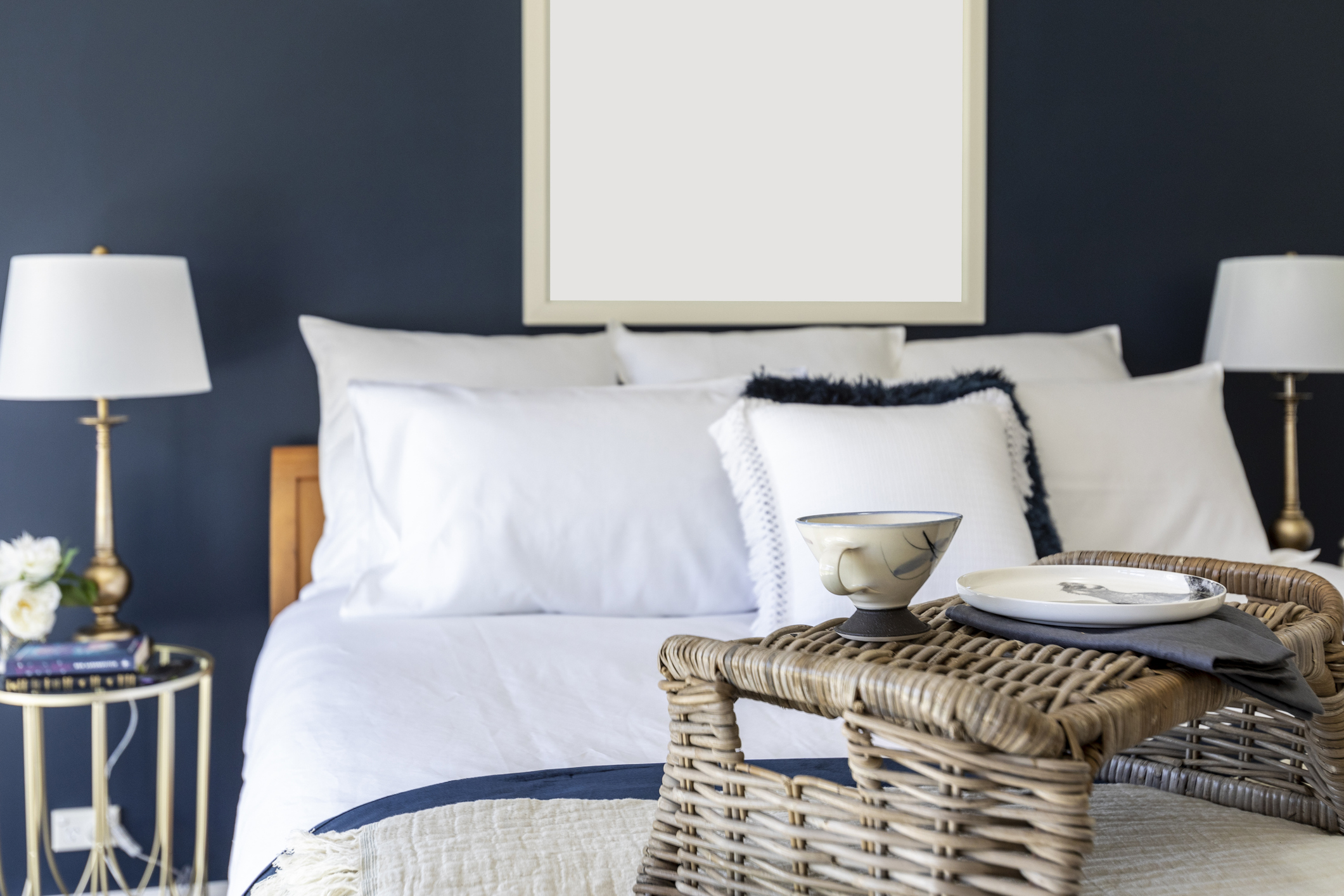
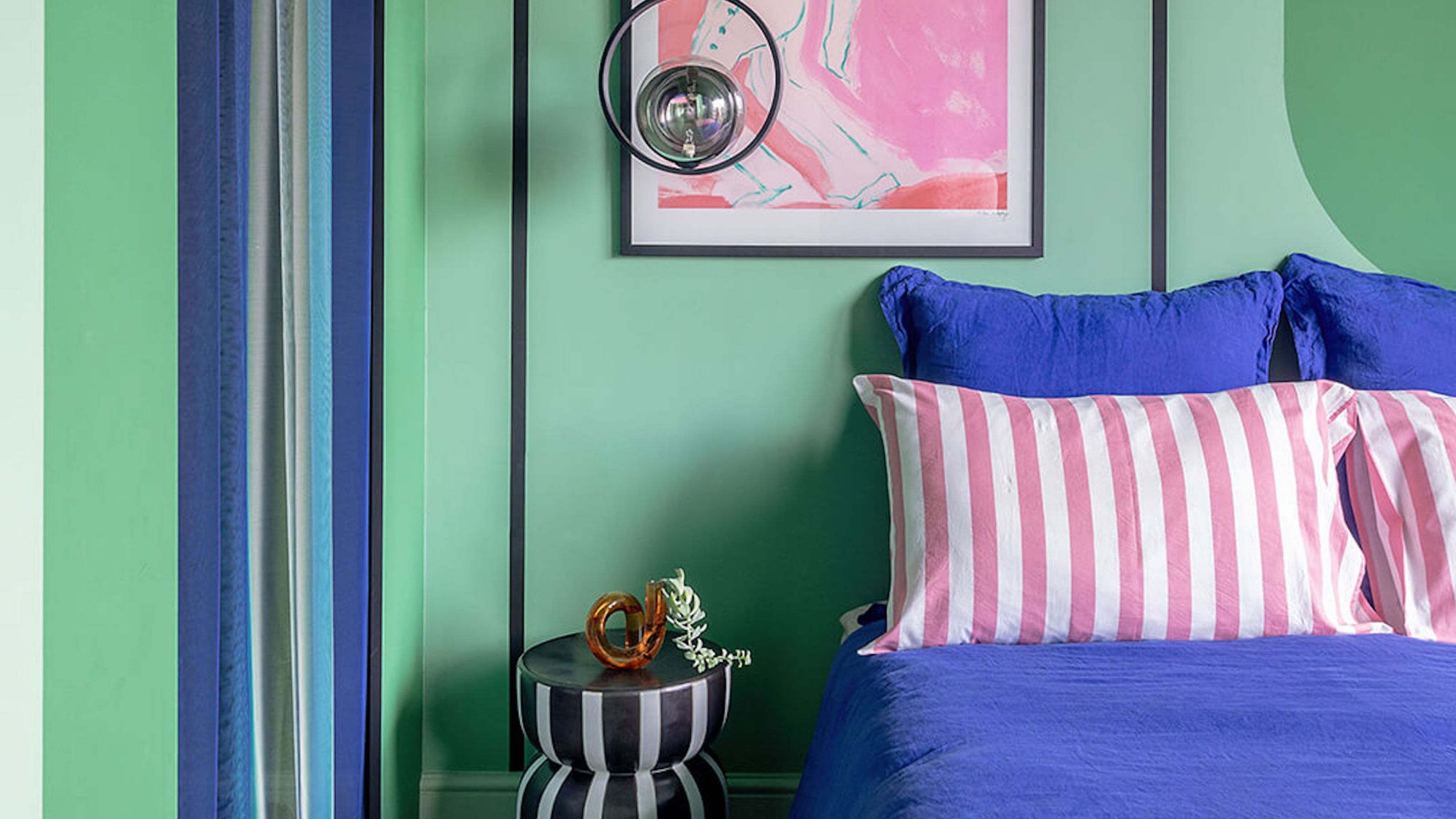
Examples of how to incorporate Olo-inspired colors in small doses include using them in decor items rather than large painted areas. The article also features illustrations of rooms that utilize vibrant teal and mint green shades, demonstrating how these colors can achieve a luxurious feel when combined with intricate textures and contrasting elements. Despite the excitement surrounding Olo's scientific discovery, experts generally recommend a more restrained approach to its application in home interiors, suggesting that softer, existing shades of teal and aquamarine might be more practical and visually comfortable.
#OloColor #ColorDiscovery #InteriorDesign #ColorTrends #PaintColors #ColorScience #HomeDecor #DesignInspiration #VisualPerception #OloColor #ColorDiscovery #InteriorDesign #ColorTrends #PaintColors #ColorScience #HomeDecor #DesignInspiration #VisualPerception
0 comment in total
 No comments yet
You may also like
9 home office colour schemes to inspire productivity and focus in your WFH space

Experts explain the 'colour drenching' trend – sharing 7 thoughtful ways to try it in your home

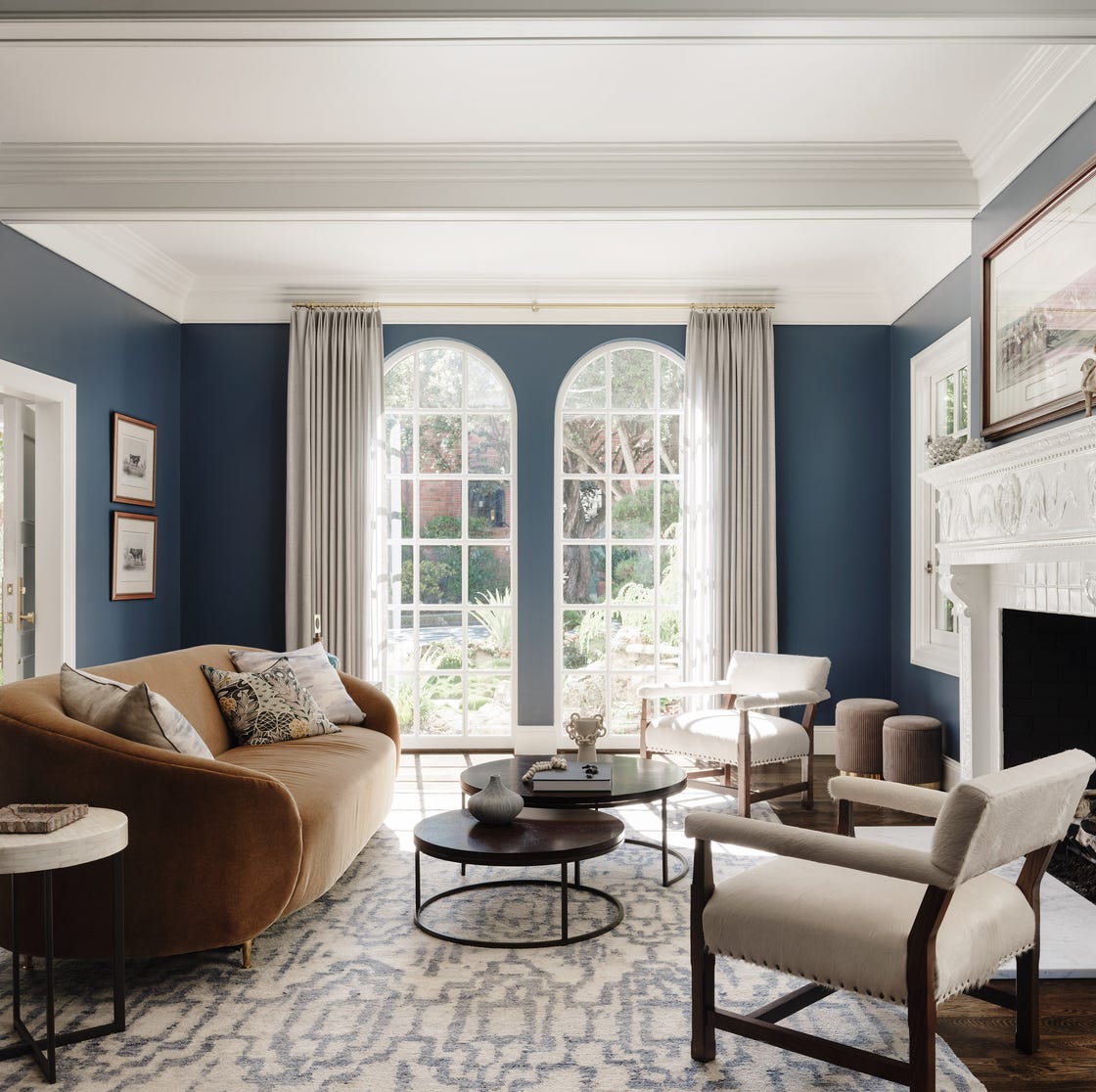
Lick Paint Will Transform the Mood in Your Home Through Color Psychology

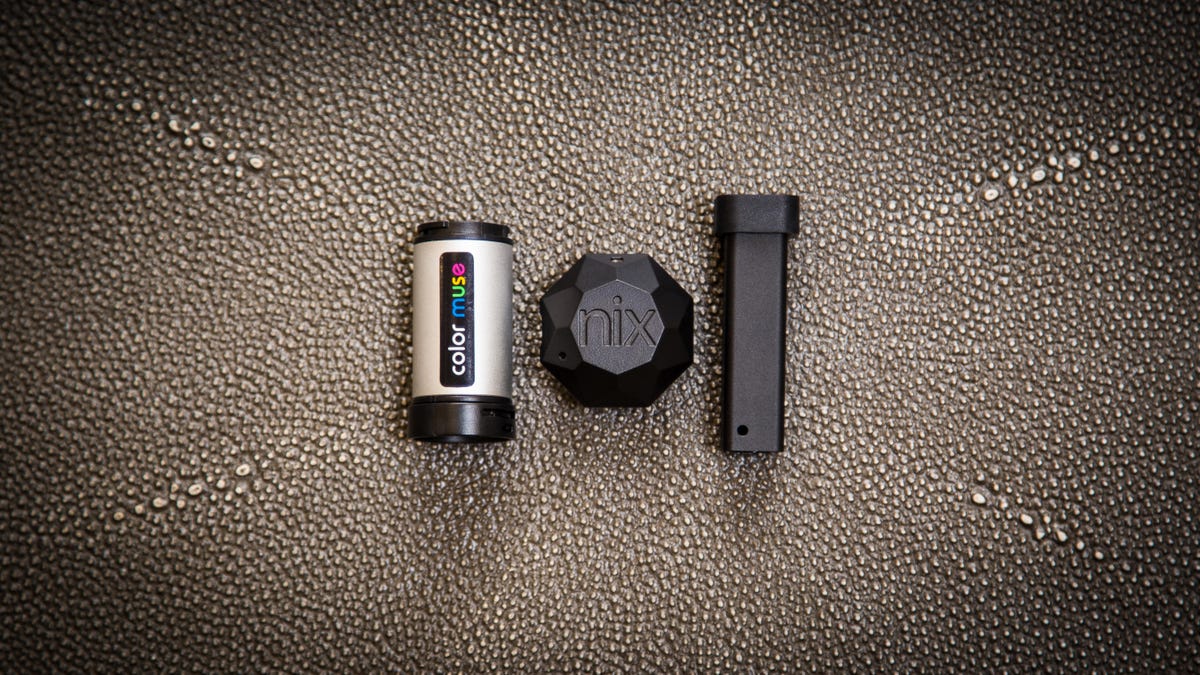
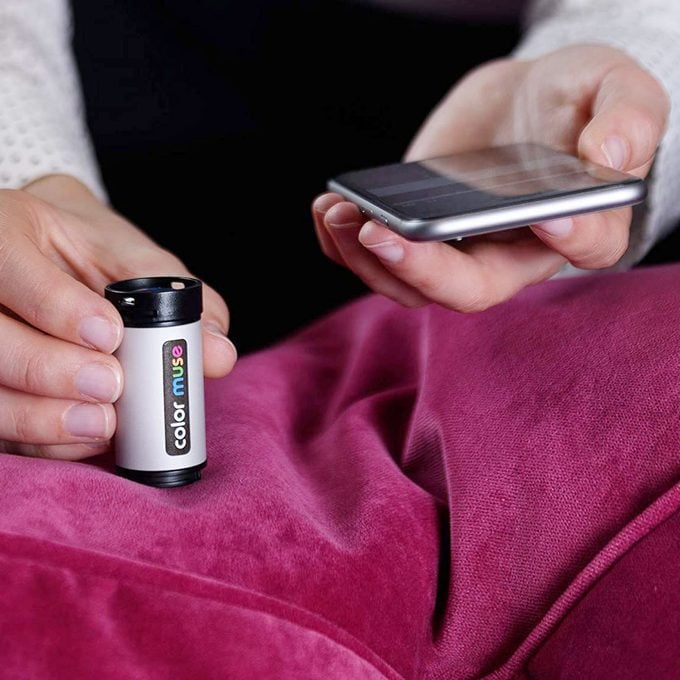
These color sensors take the pain out of paint matching

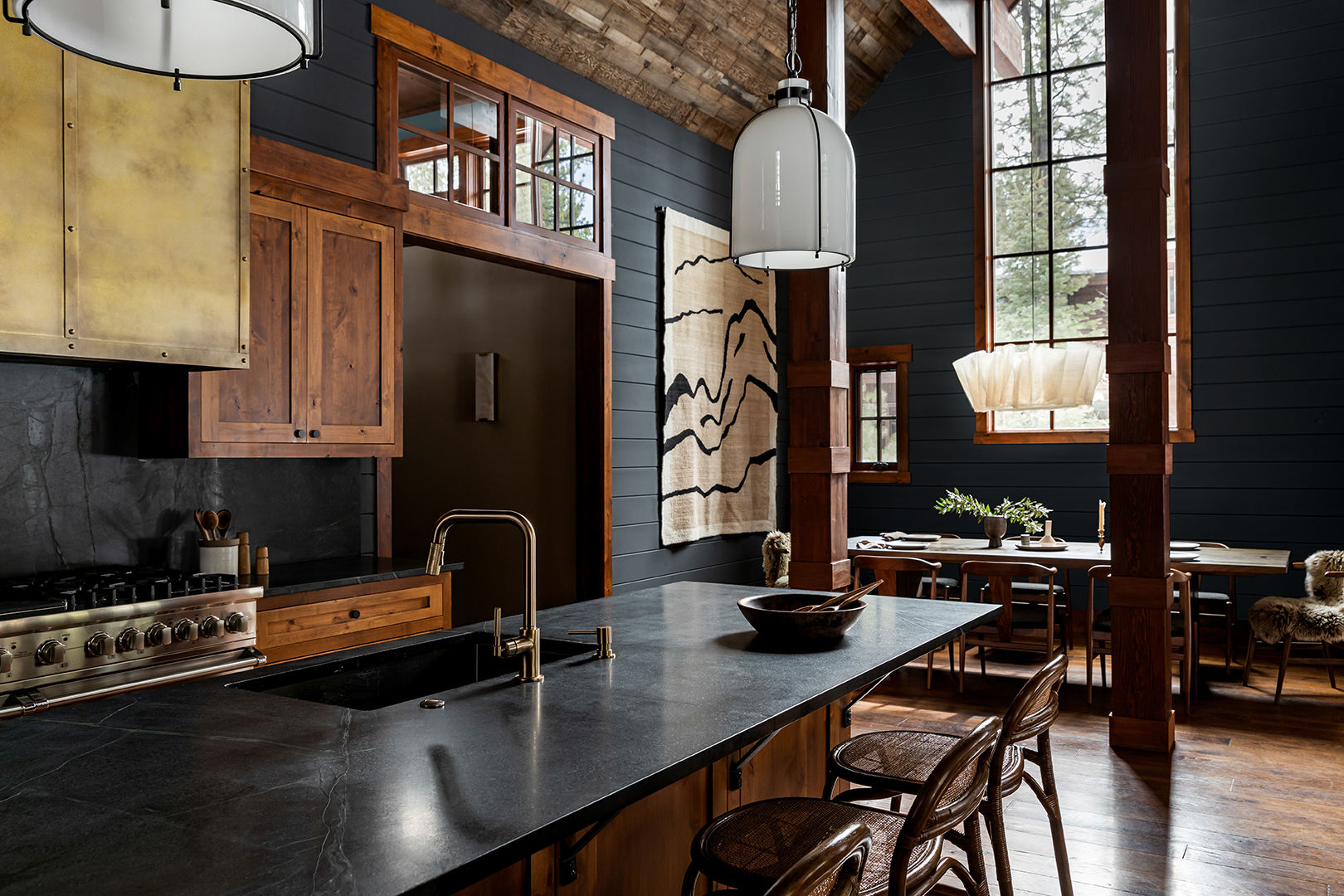
How to Use One of the Trickiest Paint Colors in Your Home


10 Paint Color Apps Every DIYer Should Know About

Discover the Kaleido™ Color Lab by Armstrong Flooring

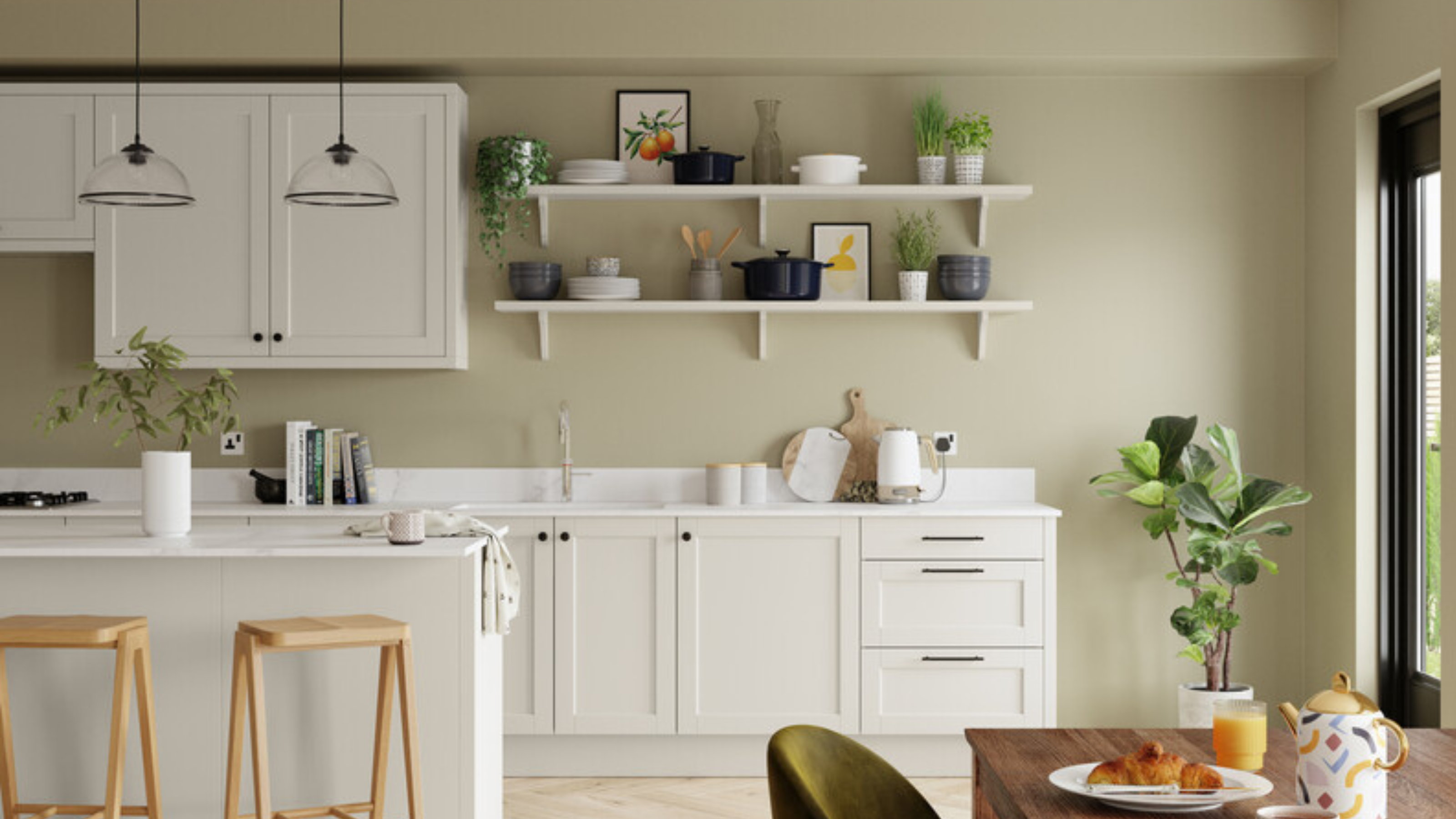
How to decorate with Dulux Overtly Olive – 7 easy tricks for using the ultimate versatile earthy green shade in any space
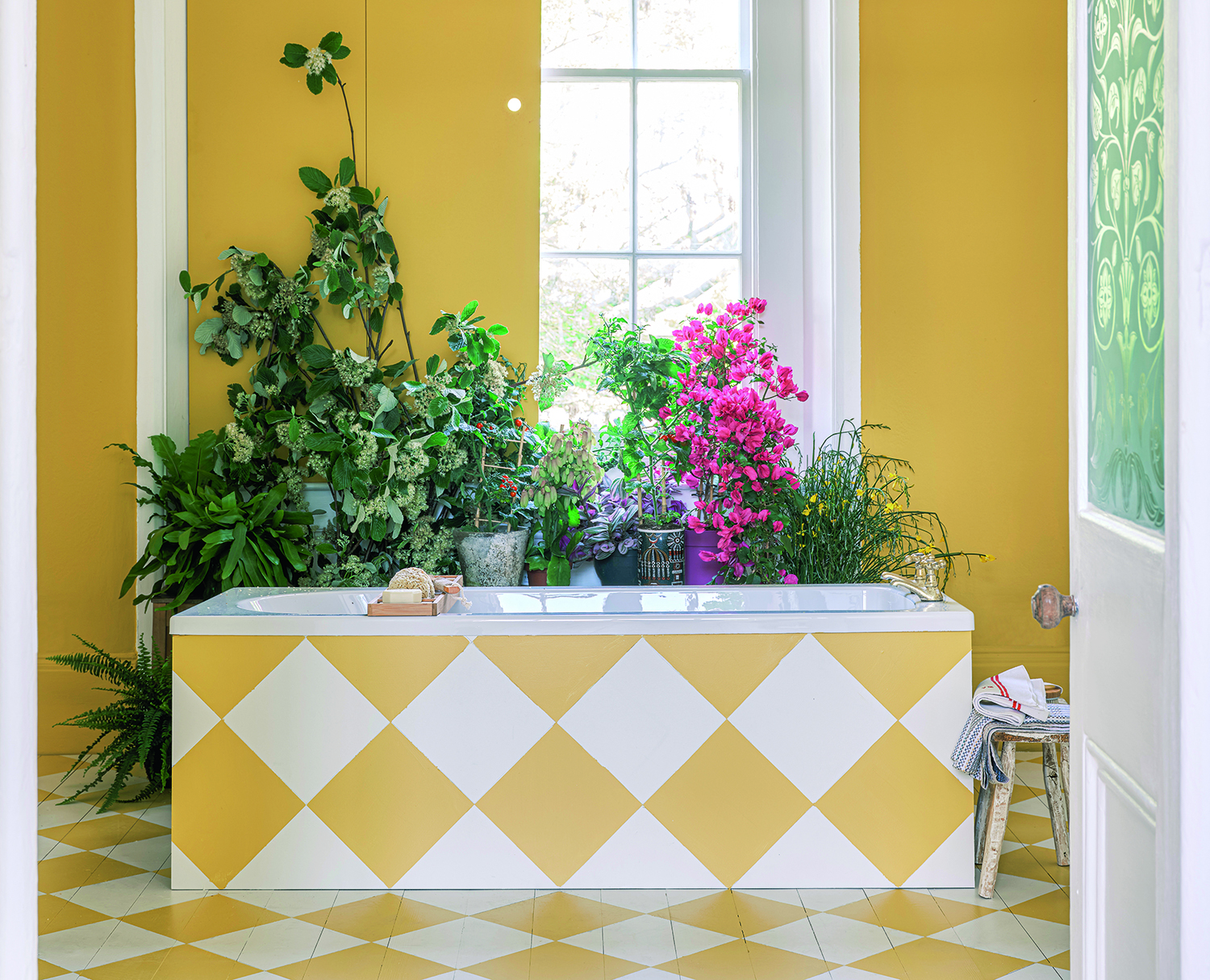
Farrow & Ball's Joa Studholme explains exactly how to use color at home for 2022
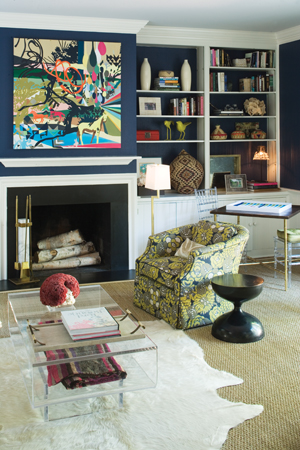
COLOR! How to Add to Your Home
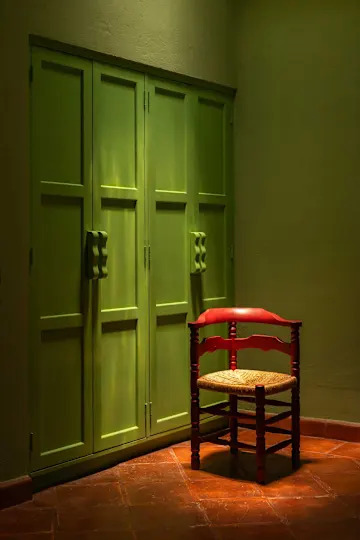
How to Make Orange and Green Work Together — It Can Be "Dynamic and Joyful", but Only If You Get It Right

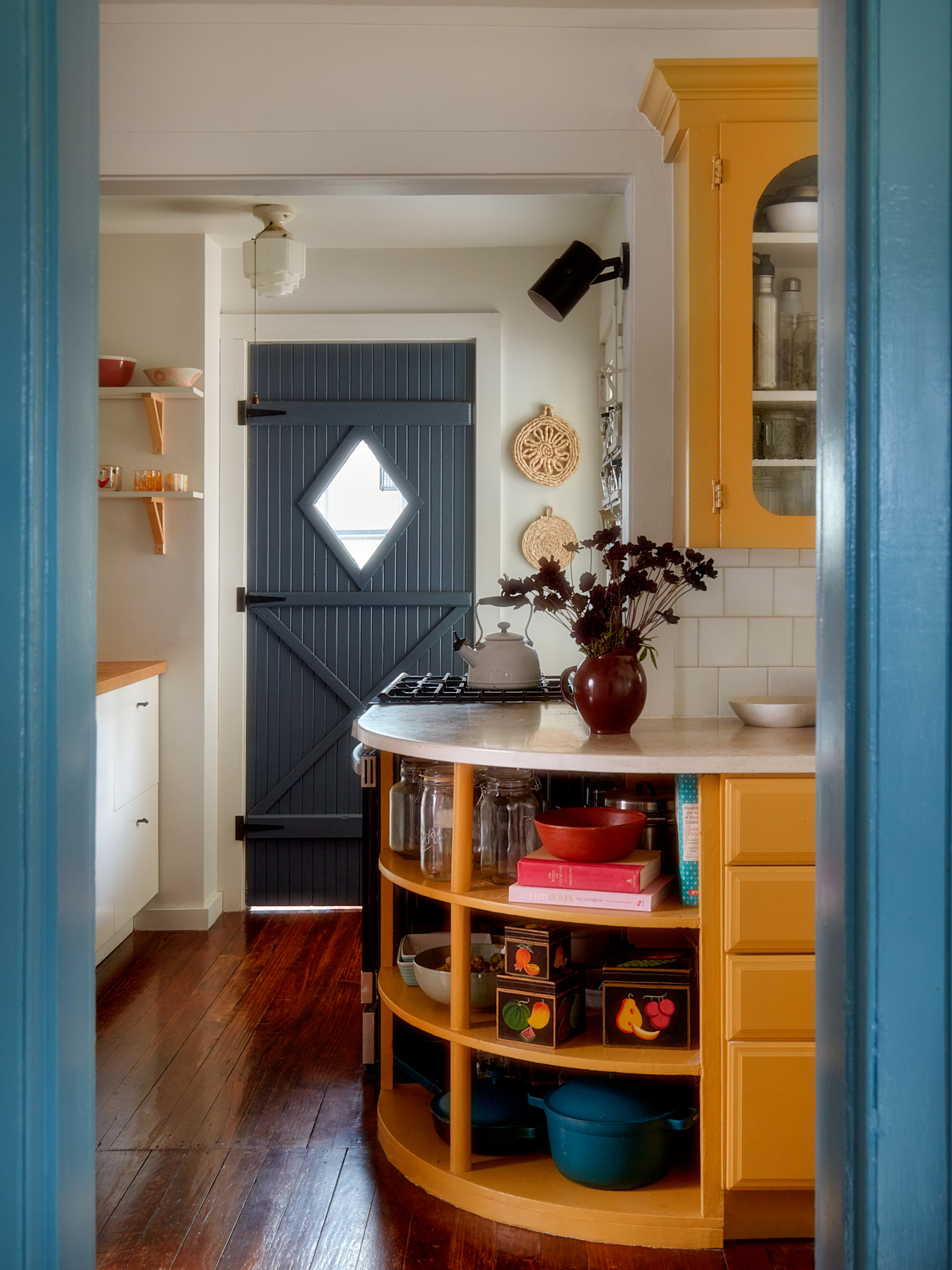
This Cheery Kitchen Color Could Hurt Your Home Value

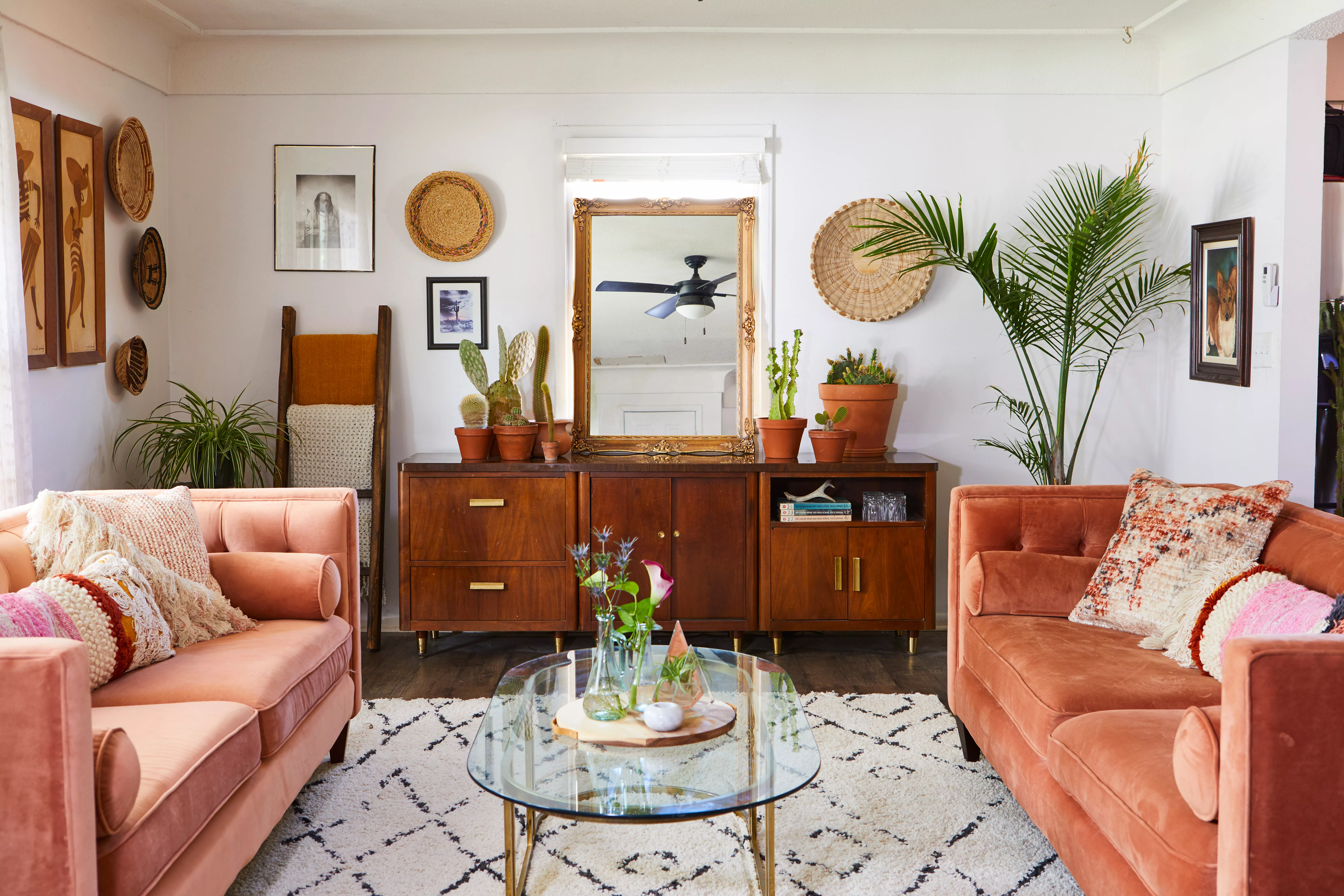
Getting Your Colors Done Isn't Just for Your Wardrobe—How to Use Them in Your Home
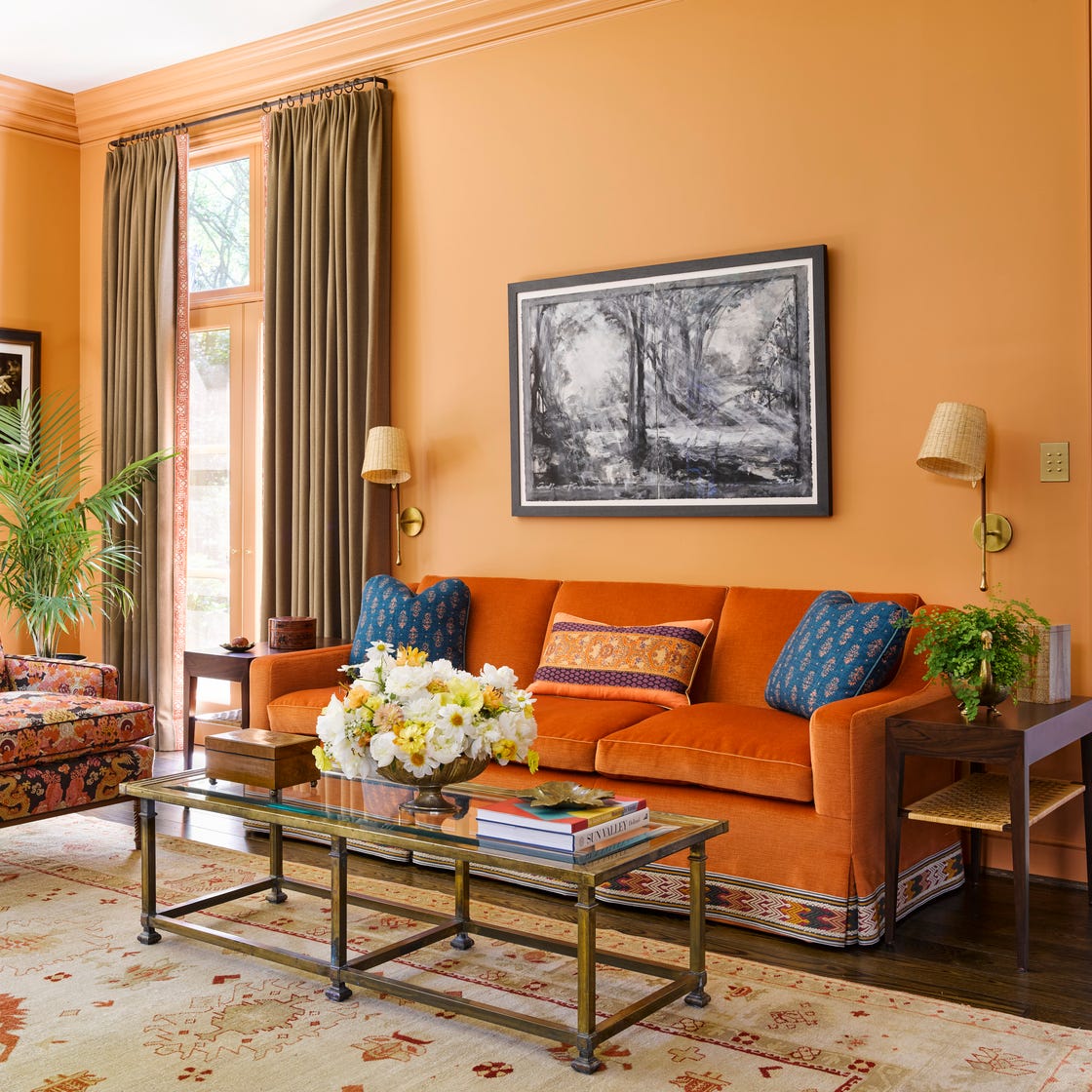
Orange Deserves a Spot in Your Home—Here's How Designers Use It


15 Ways to Add Bold Color to Your Home
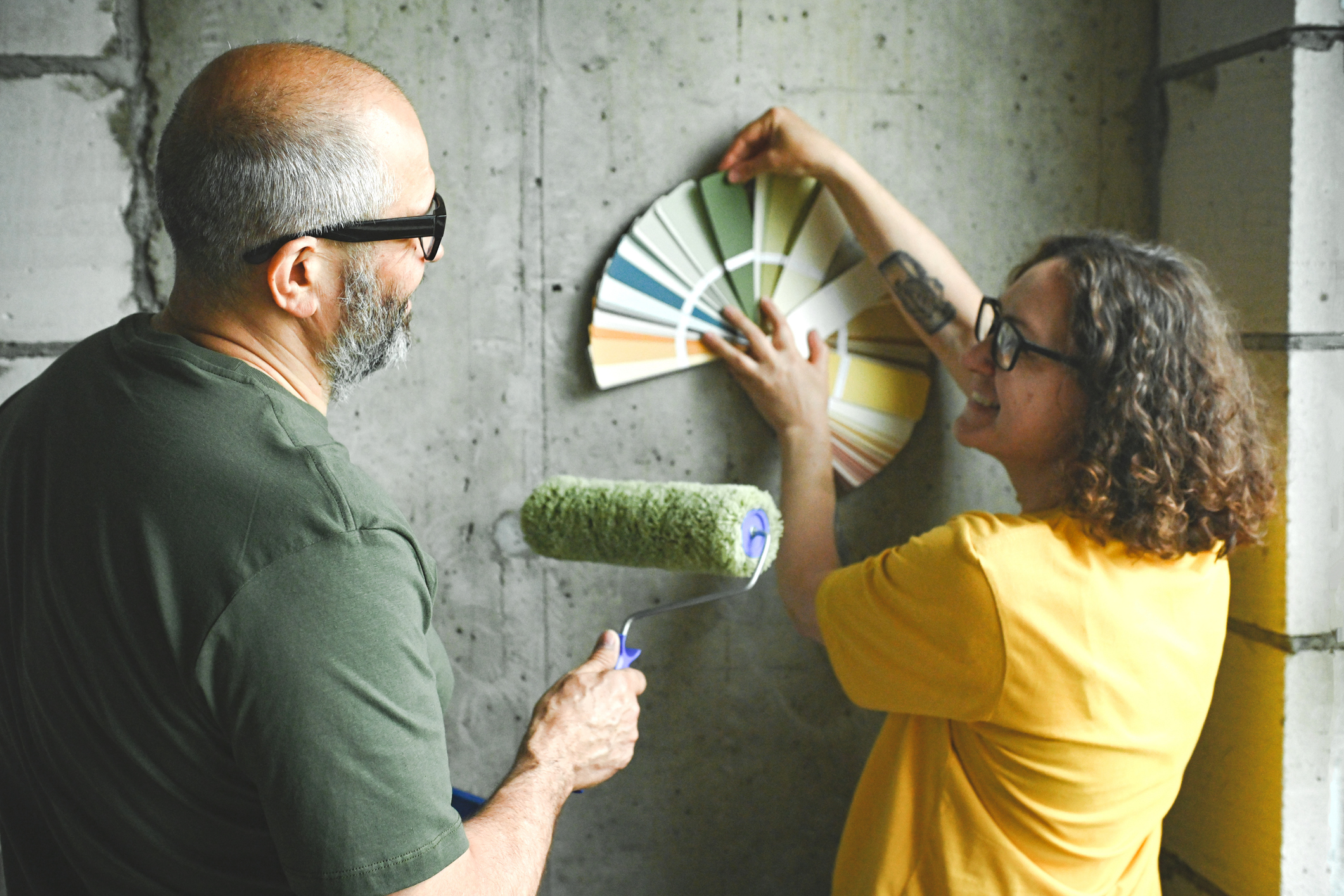
These Dark Interior Colors Can Sell Your House for More Money, According to Zillow

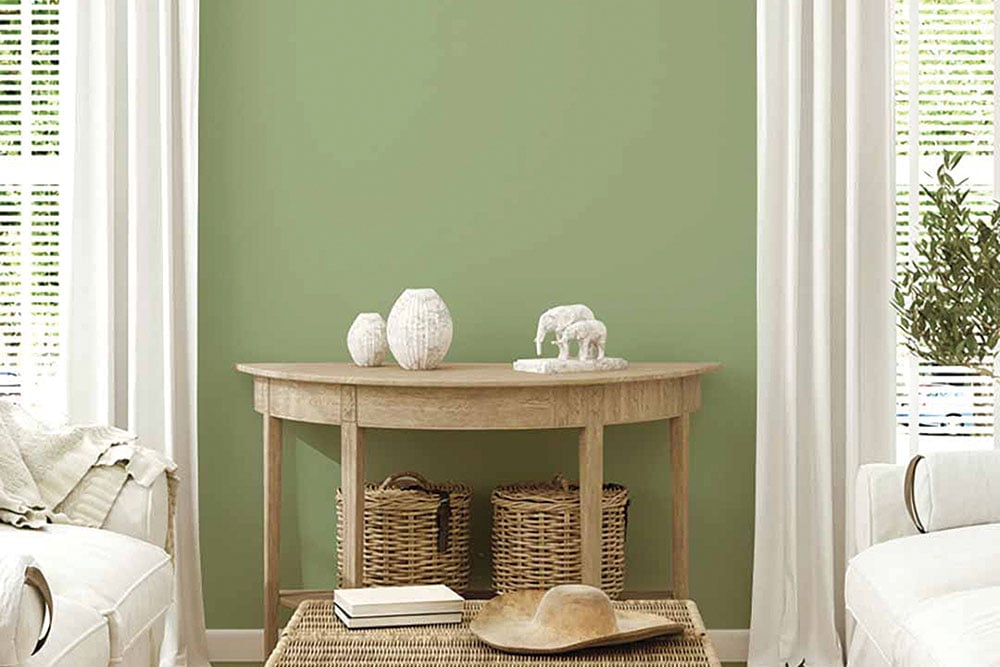
How To Incorporate The Latest Color Trends in Your Home

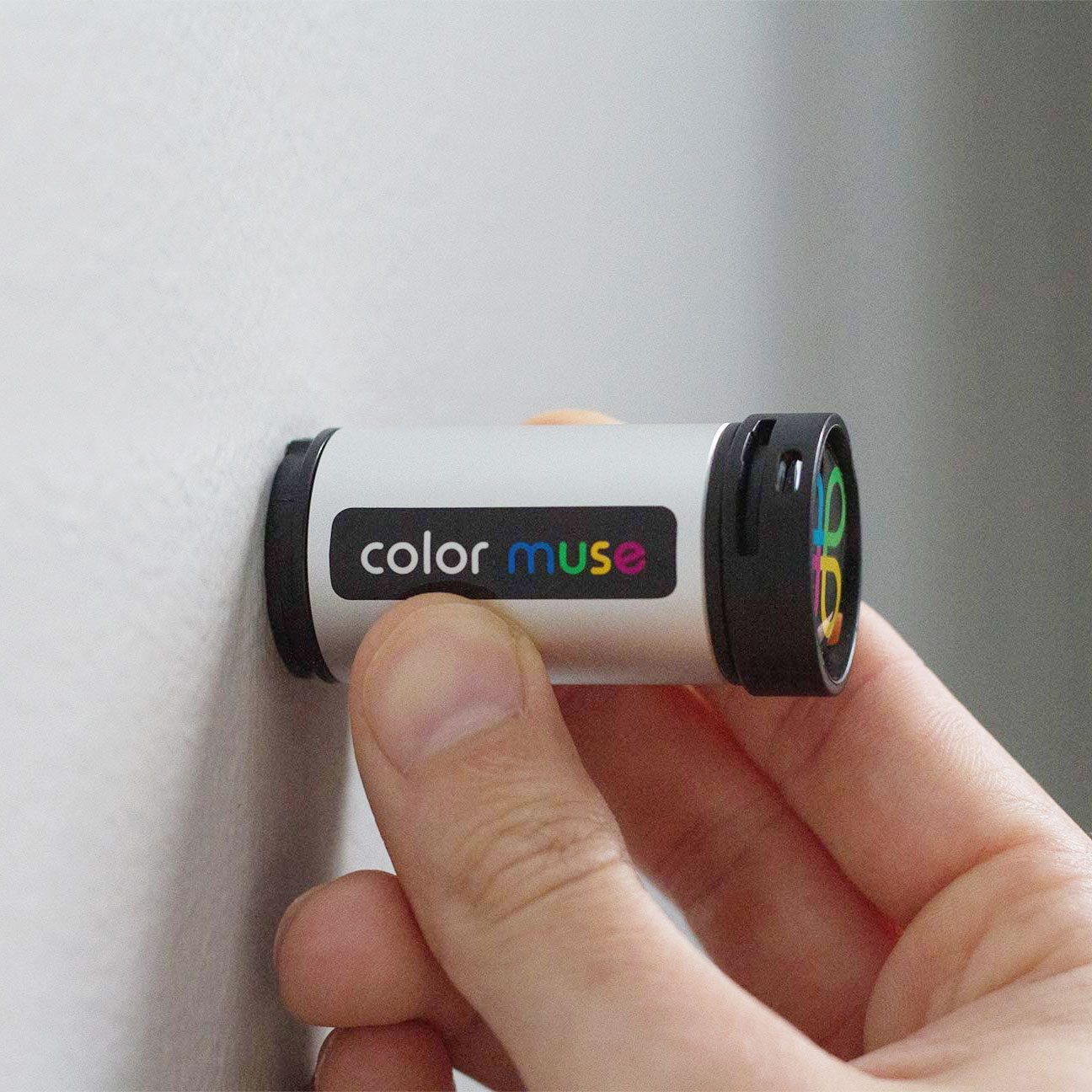
Never Guess a Paint Color Again, Thanks to This Hue-Matching Colorimeter

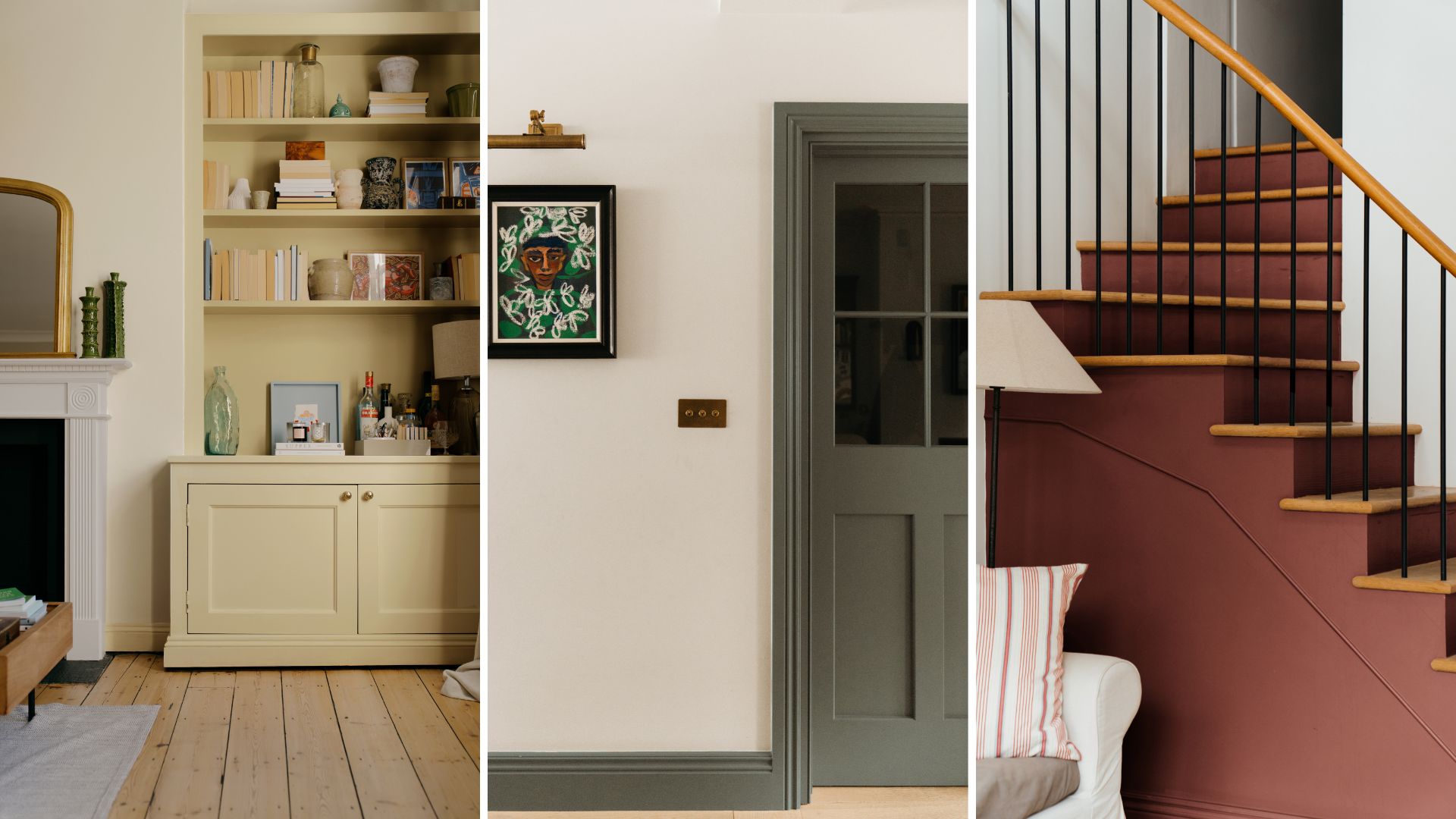
Make choosing paint easy with new 'natural light' colours

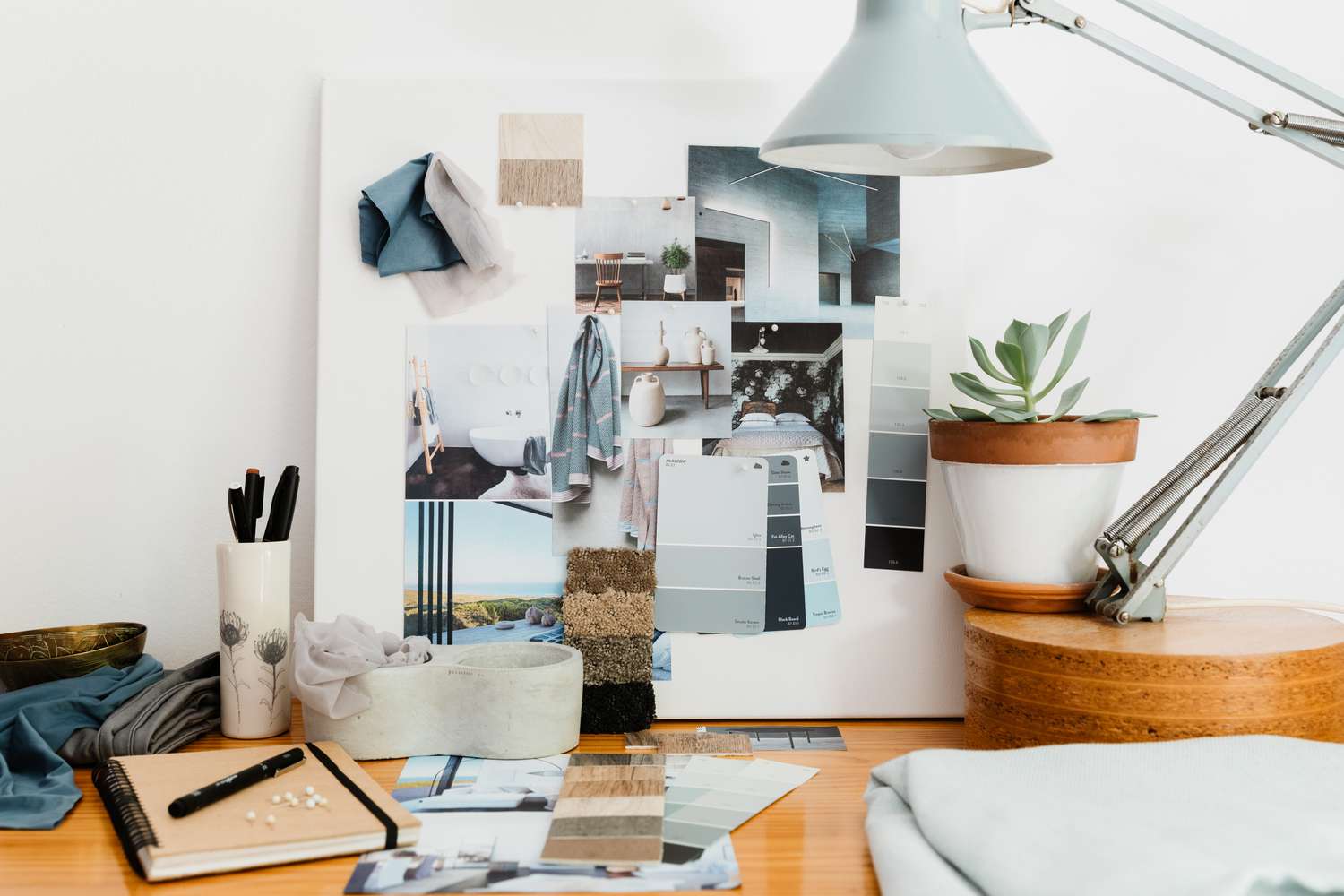
Discover Your Perfect Interior Color Scheme With These Online Tools