These color sensors take the pain out of paint matching
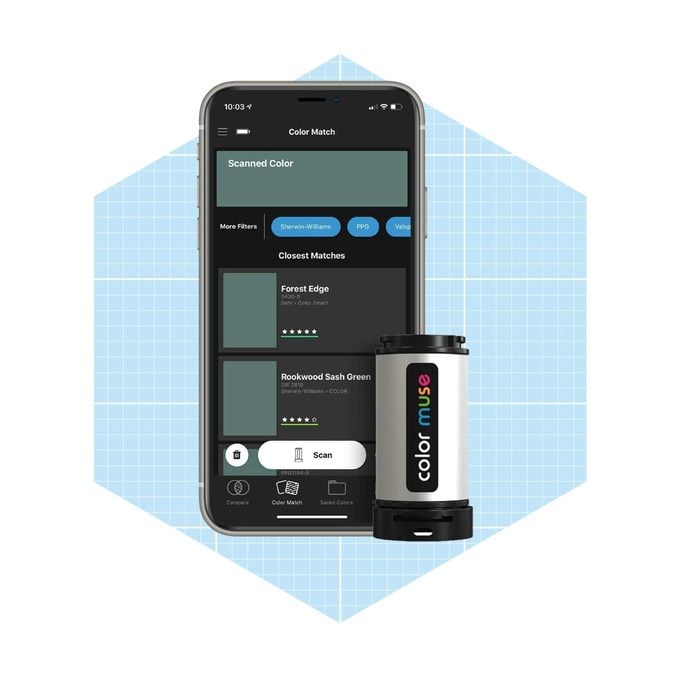
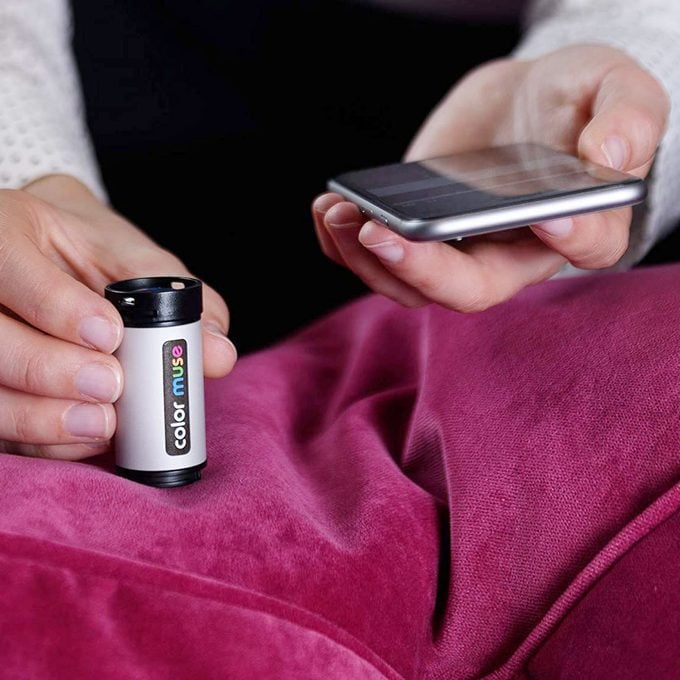
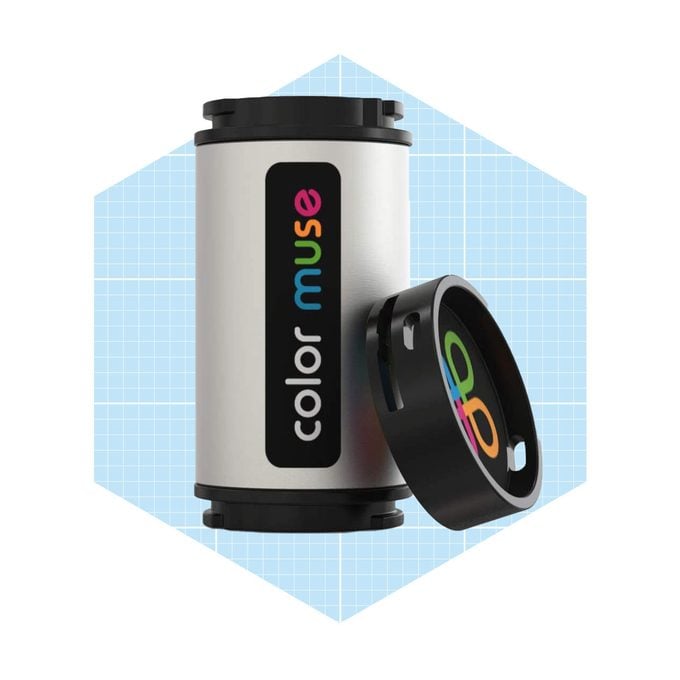
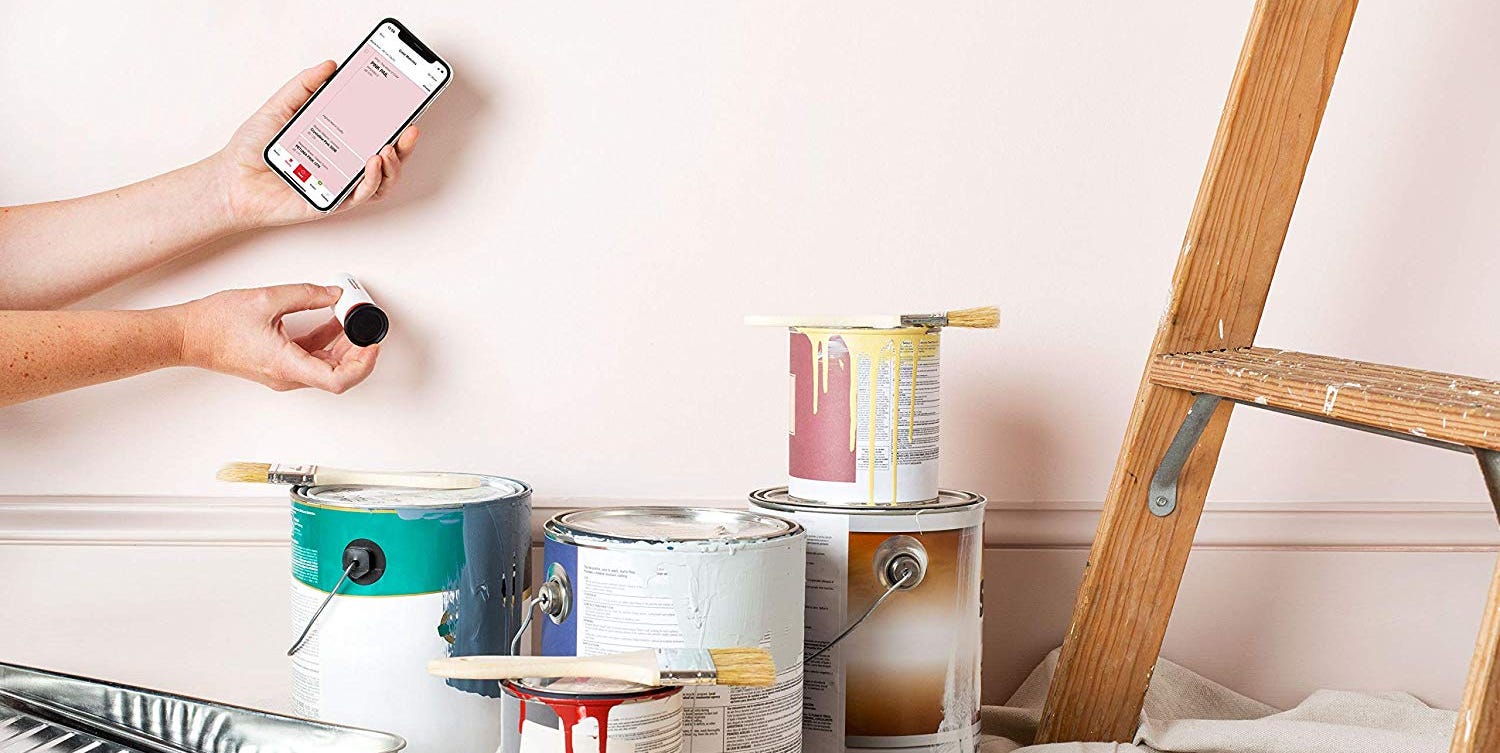
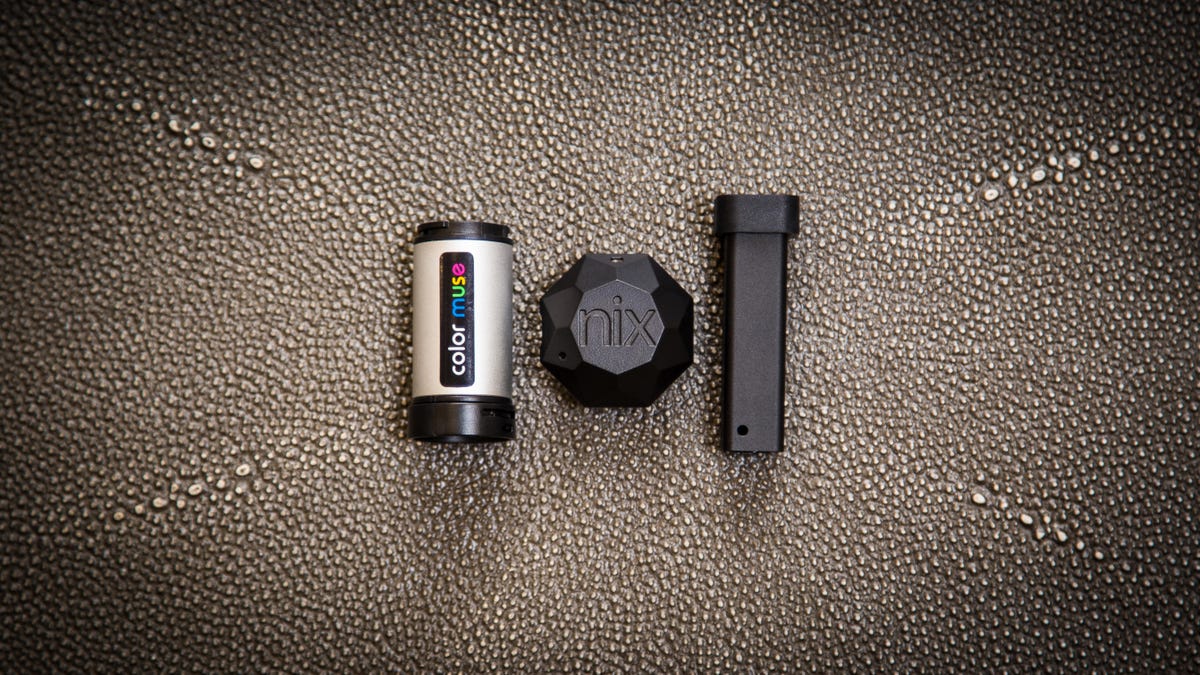
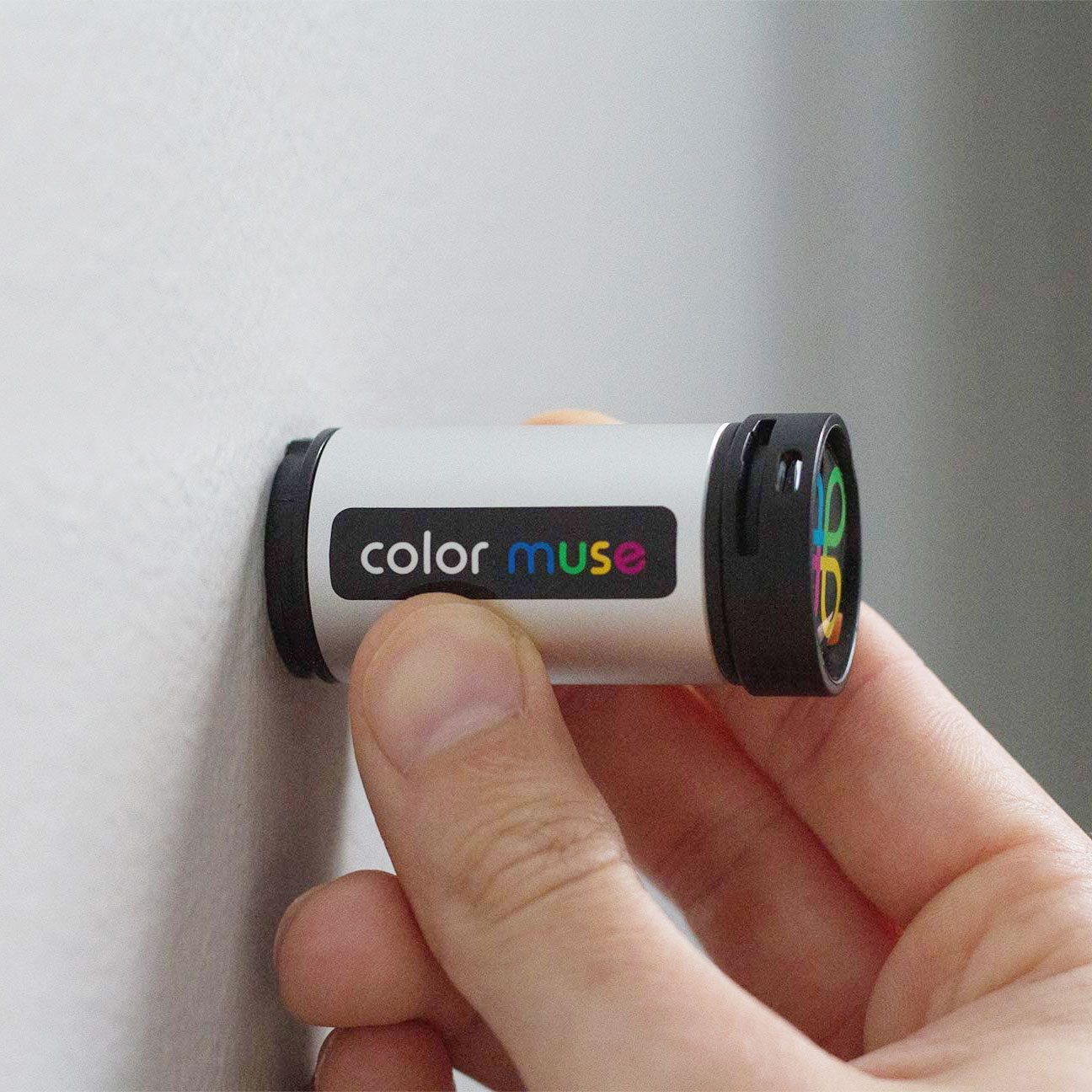
The author discusses the challenges of choosing and matching paint colors, drawing from personal experience with a new home. The article highlights the utility of color-capturing gadgets, specifically the Nix Mini, Color Muse, and Palette Pico, as a solution to this common dilemma. These devices scan surfaces, connect to companion phone apps via Bluetooth, and suggest matching paint colors from various brands.
The author details the functionality of these color sensors. They operate by pressing the sensor against a surface to block ambient light, then using an internal light source to read color wavelengths. These wavelengths are translated into digital RGB (red, green, blue) values, which define colors based on primary mixes. The article explains that paint colors are reflective, not additive like RGB, meaning there's an inherent translation step where errors can occur. The accuracy of color matching is quantified using the Delta E value, which measures the difference between a measured color and its real-world display. A Delta E of 0-1 signifies an invisible difference, while values above 6 indicate a very obvious difference.
The comparison of the three devices involved painting drywall sheets with six different paints each, covering white, red, and gray color families from various brands. The paints were applied over untinted drywall primer, with two coats each, and allowed to dry for 24 hours between applications. The testing included scanning each color five times per sensor—four corners and the middle—to ensure comprehensive data collection. The author also investigated the impact of paint sheen on color readings, finding that varying sheens (from flat to high-gloss) did not affect the sensors' reported color readings.
Each device's performance was evaluated based on its ability to identify the correct paint color and its accuracy in reporting RGB values. The Nix Mini, priced at $100, is highlighted for its strong performance and user-friendly apps, though it requires two separate applications for paint matching and RGB/CMYK/Hexadecimal values. The Color Muse, at $59, emerged as a close second due to its broad library of paint brands and integrated functionality within a single app. The Palette Pico, costing $49, performed well but was noted for its more limited paint brand library, with promises of future updates. While the sensors provided viable matches for all test colors, and consistently produced results within a shade or two of the actual color, the RGB value readings sometimes varied significantly from the official values.
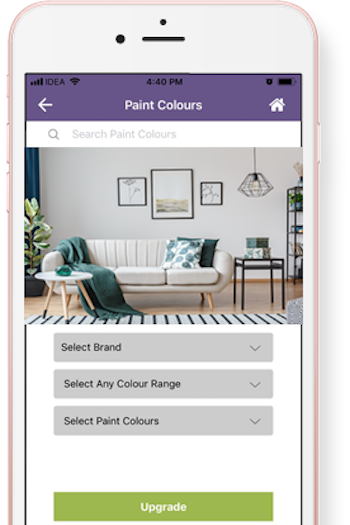
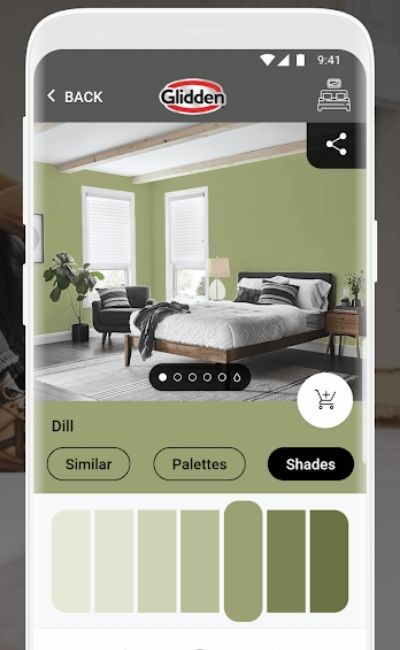
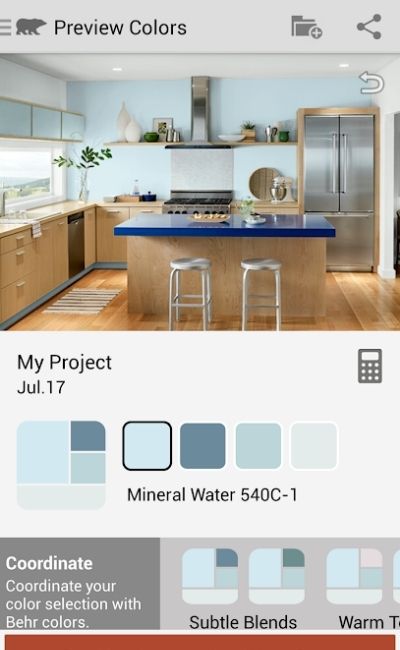
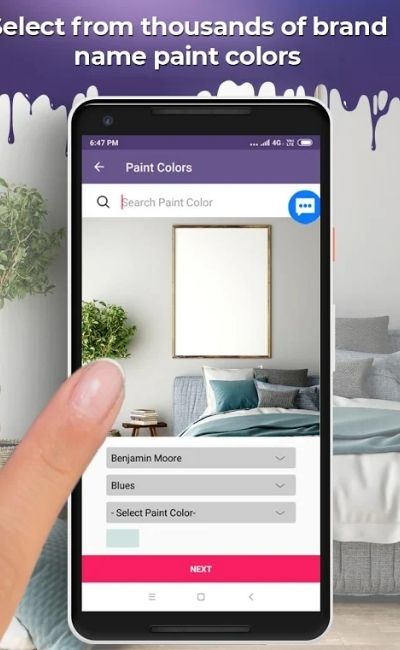
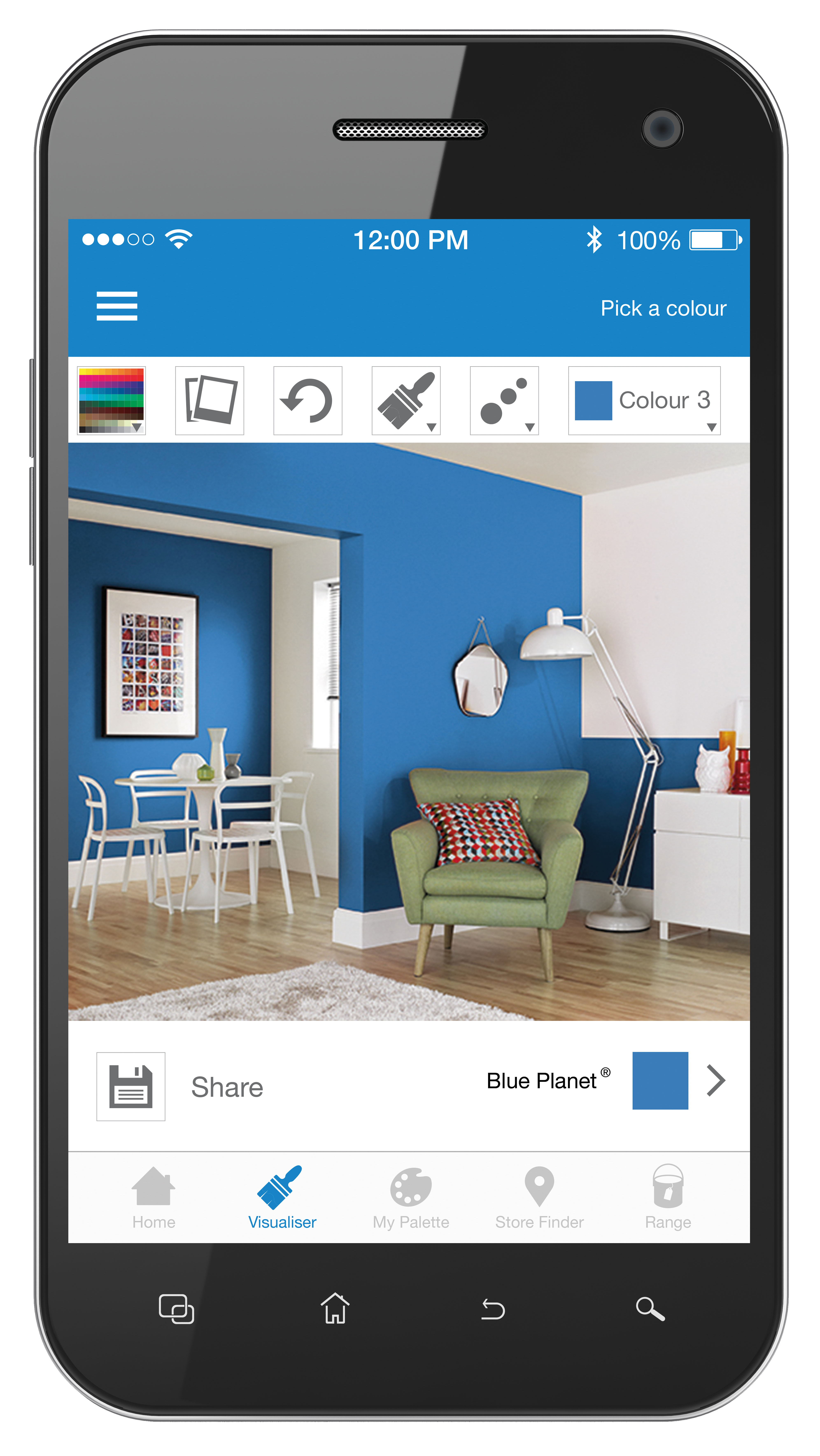
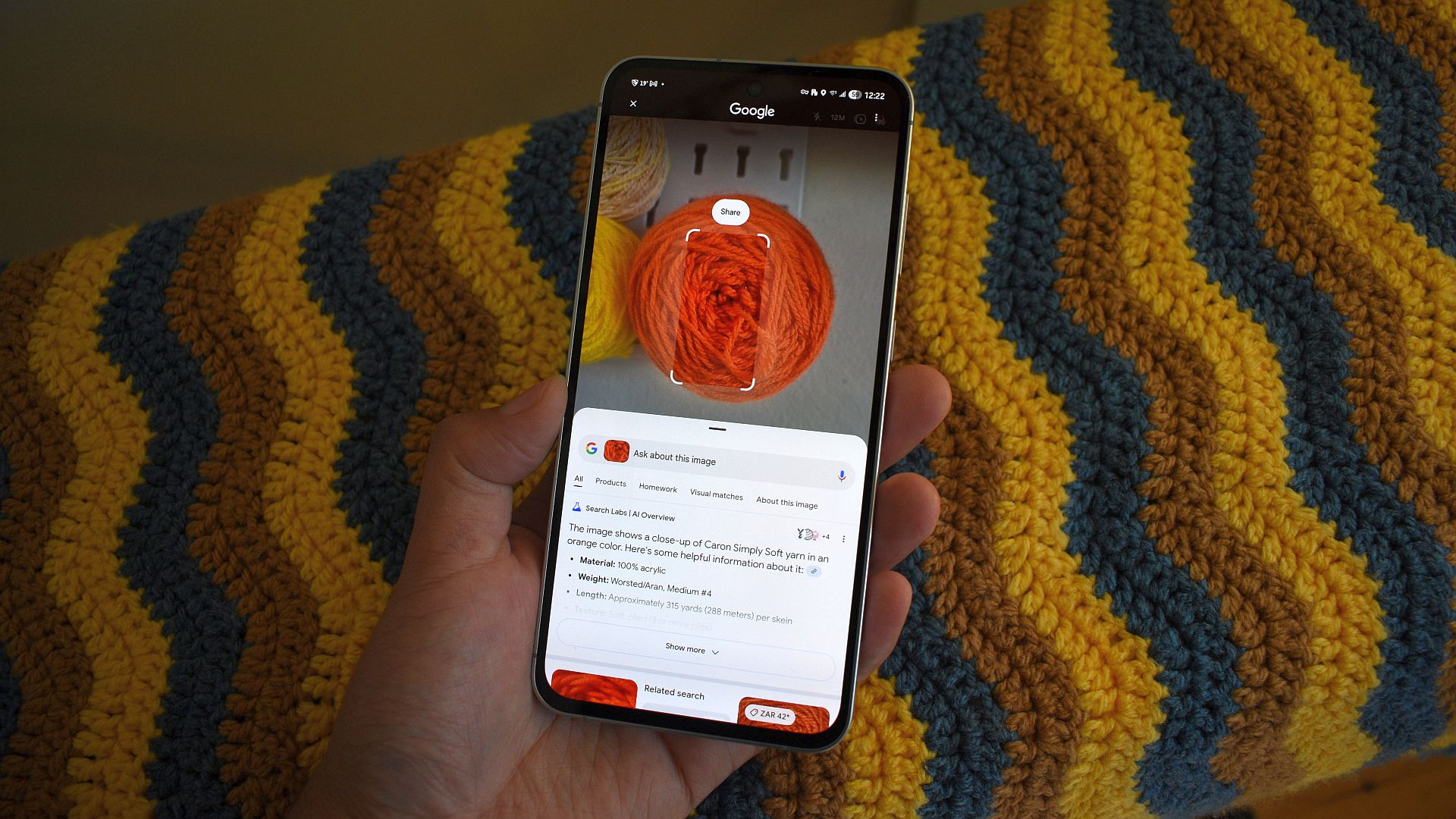
Finally, the article touches upon free mobile app alternatives offered by major paint brands. These apps allow users to match colors from photos, though their accuracy is limited by camera processing and ambient lighting conditions. The author concludes that while color sensors may be a significant investment for a single paint-matching task, they are invaluable for DIYers seeking to match multiple walls or draw color inspiration from various objects. The Nix Mini is ultimately recommended for its overall performance, followed closely by the Color Muse for its balance of results and convenience. The devices are shown to be effective for translating inspiration into practical paint choices across a range of materials, including clothing, furniture, and art.
#PaintMatching #ColorSensors #HomeImprovement #DIYProjects #InteriorDesign #NixMini #ColorMuse #PalettePico #SmartHome #PaintMatching #ColorSensors #HomeImprovement #DIYProjects #InteriorDesign #NixMini #ColorMuse #PalettePico #SmartHome
0 comment in total
 No comments yet
You may also like
Never Guess a Paint Color Again, Thanks to This Hue-Matching Colorimeter

Learn About a Color Company That Creates Modern Interior Paint

Designers LOVE Pairing These Unexpected Colors With This Sophisticated Hue

3 Ways to Identify and Match Any Paint Color, According to Experts
Make choosing paint easy with new 'natural light' colours

10 Paint Color Apps Every DIYer Should Know About

3 Ways to Identify and Match Any Paint Color, According to Experts

6 Paint Color Duos Designers Can't Get Enough of This Fall

It's Official: These are the Best Apps to Find Your Dream Paint Shades

It’s easier to match paint colors than you think
Use Crown's room visualiser app to make the right paint colour choice first time

'It's so effective at making your home work harder' – the latest paint trend endorsed by colour gurus
Best Paint-Matching Apps and Tools for iOS and Android Phones

The Color Combo You’re About to See Everywhere
130 New Paint Colors Just Dropped, Including an Ultra-Fast-Drying Exterior Finish

Designers Say These Unusual Paint Color Combos Will Transform Your Home

Ever Heard of a Split Complementary Color Palette? It's the Secret to Perfecting More Unexpected Pairings

Professional painters reveal the secret to color matching a paint shade from an image alone

We Found the Best Color Correctors for Dark Circles, Redness and More
Circle to Search has a hidden trick every color lover should know about