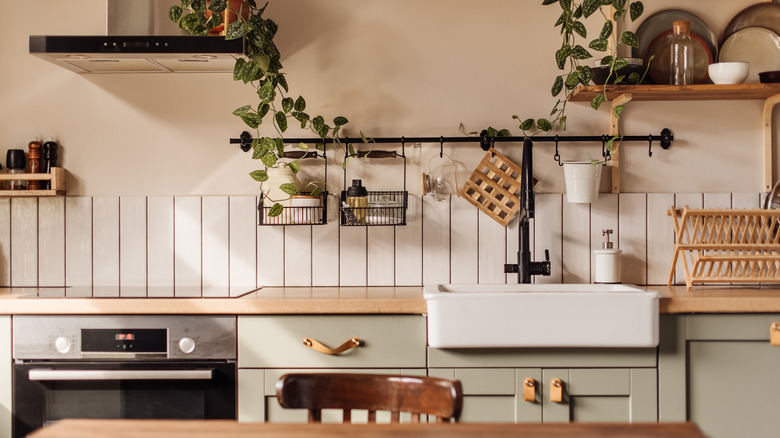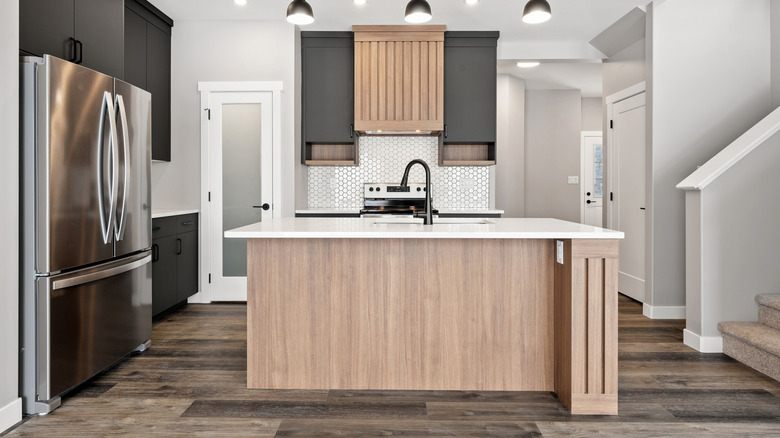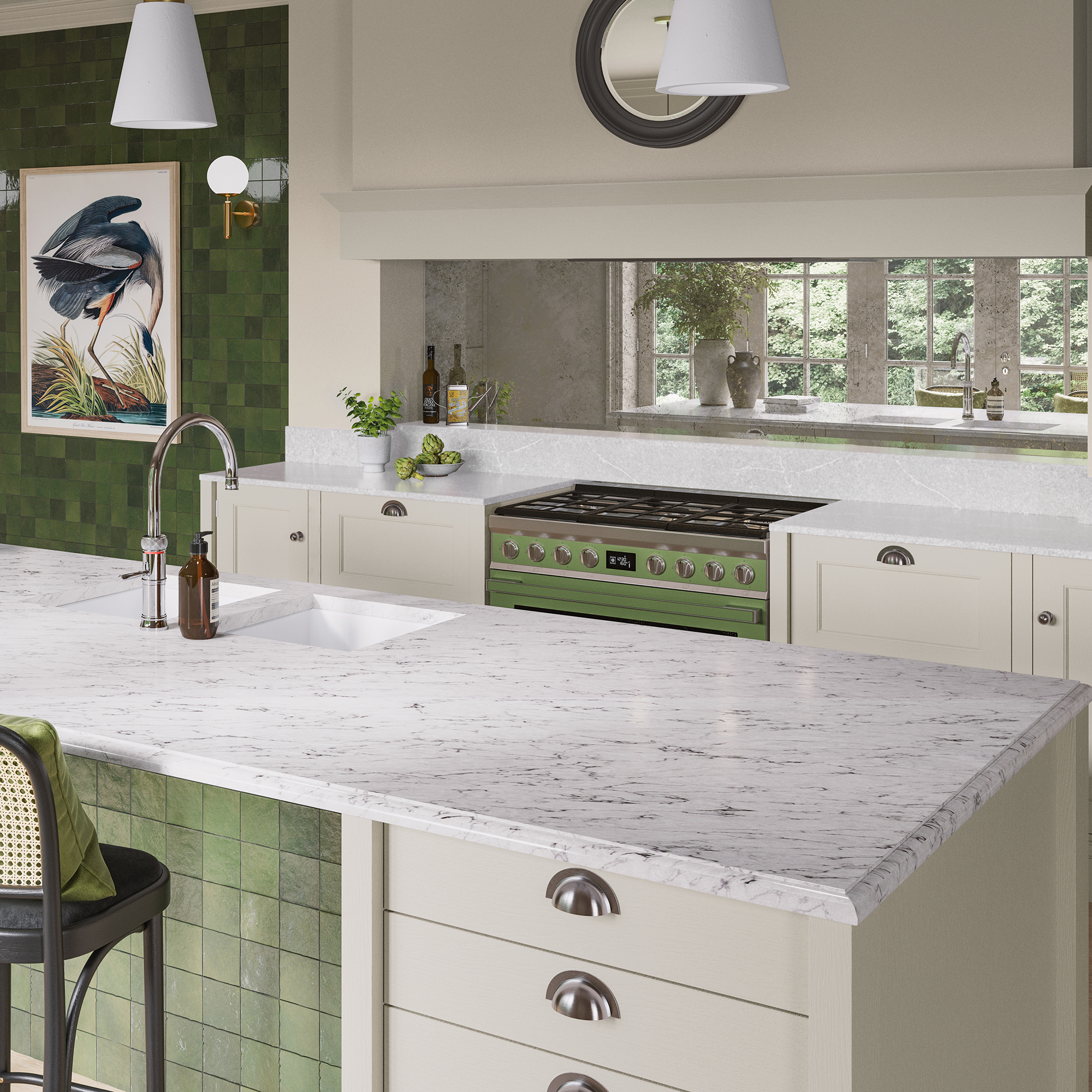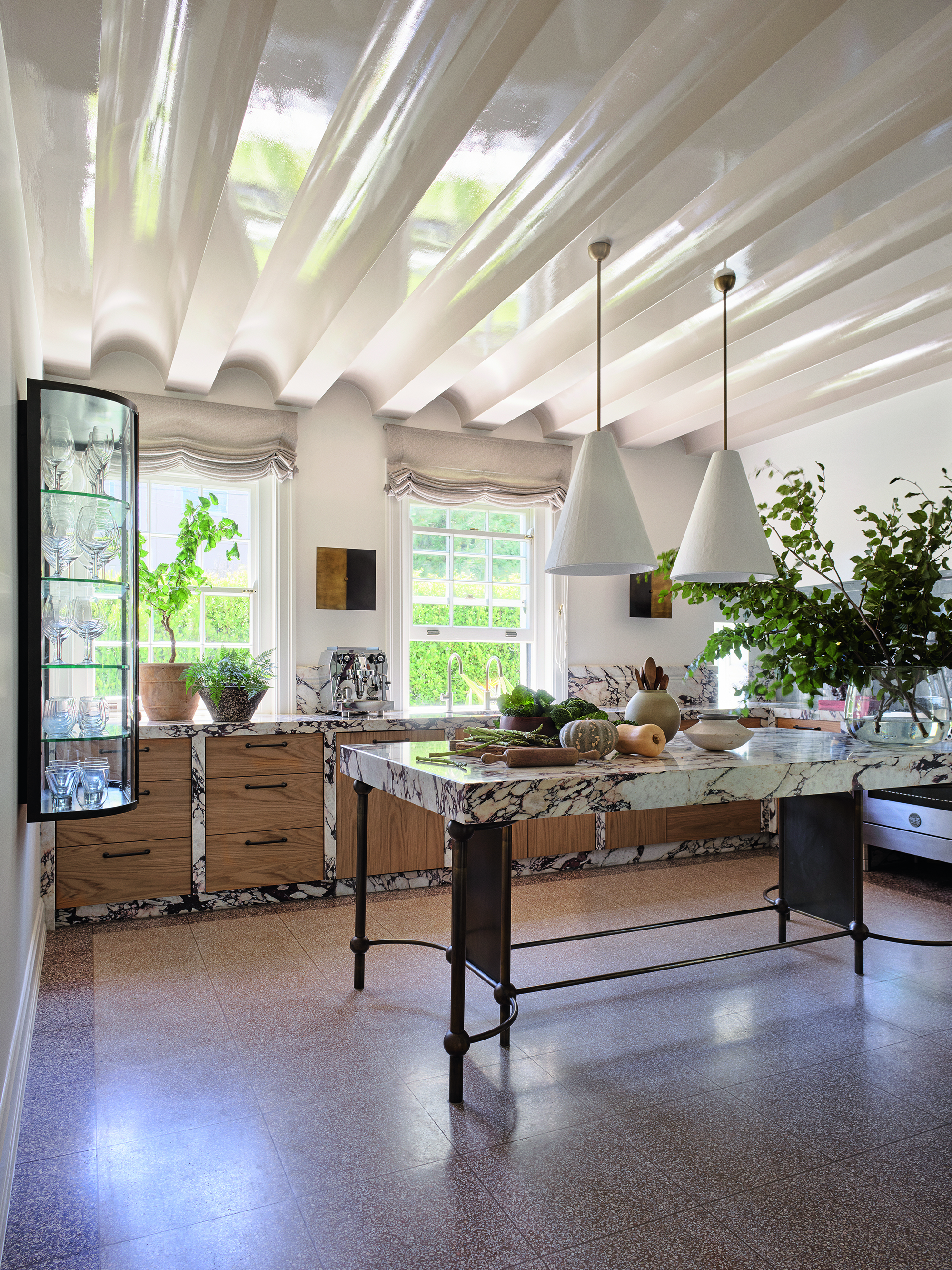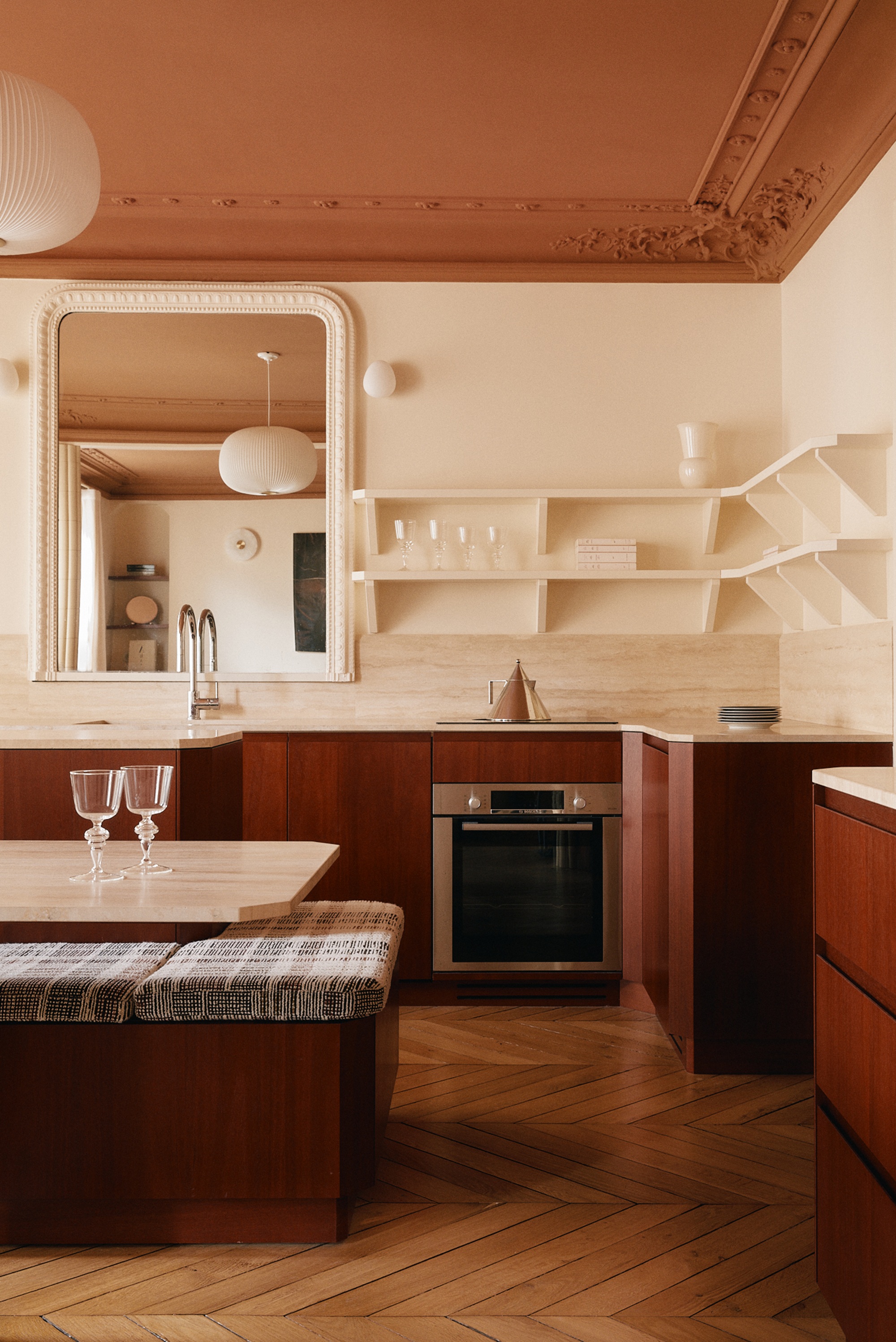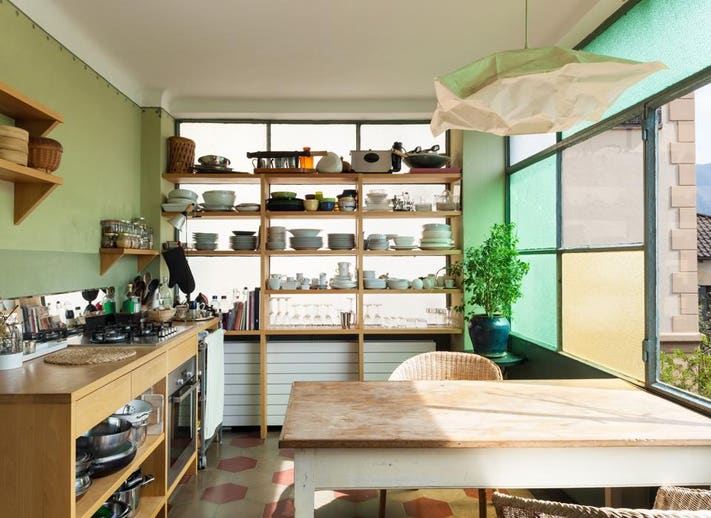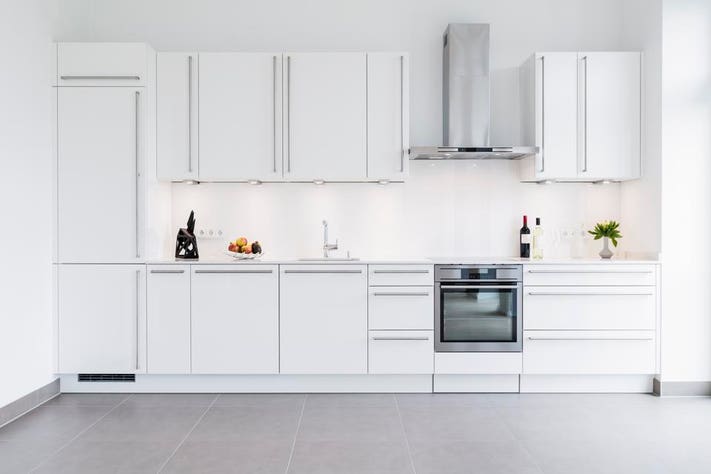
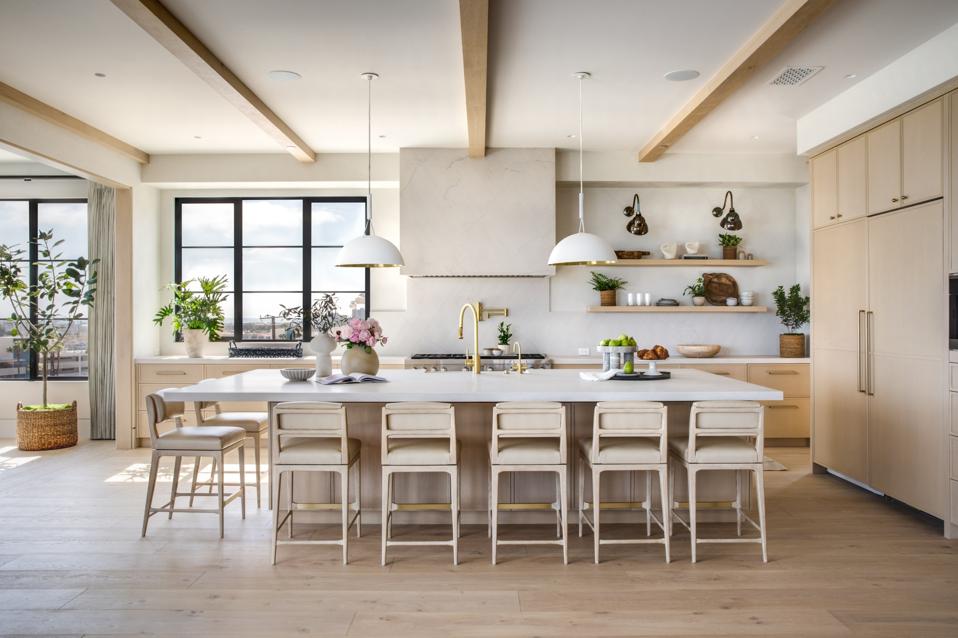
New Survey Highlights Longevity As A Kitchen Design Trend
A recent survey conducted by Houzz reveals a growing trend among homeowners to design kitchens with longevity in mind, adapting spaces to accommodate both current and future needs, particularly those of aging household members. This shift is driven by a wellness-focused, post-pandemic population and a rapidly aging society, leading to significant changes in kitchen design choices. The article compiles insights from eight leading design professionals across the U.S. to corroborate and expand upon Houzz’s findings.
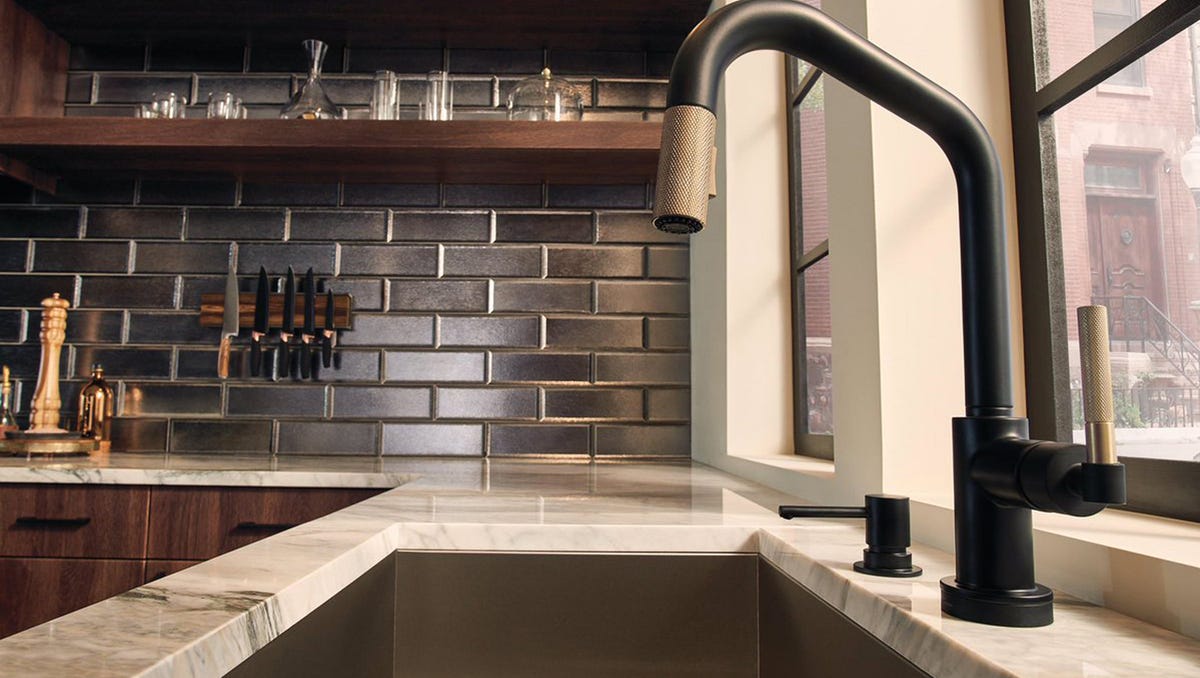
One prominent aspect of this trend is "Design Adaptations," where homeowners are incorporating features that enhance accessibility and ease of use. Designers like Seth Ballard note that nearly all their projects now include planning for aging in place, focusing on adaptability rather than strict universal design. This translates to the integration of cabinet pull-outs and organizers, ADA-friendly faucets, wider work aisles, and adjustable appliance heights. Elizabeth Lord-Levitt emphasizes functional modifications that maintain aesthetic appeal, such as easily reachable organizers and microwave drawers, alongside adequate walkway clearances for mobility devices like wheelchairs and walkers. Dana Lacuesta observes a high demand for organizational accessories in hard-to-reach areas and undercounter appliances. She also highlights the strategic use of LED task lighting, including undercabinet and toe-kick lighting, to improve visibility and overall kitchen experience for older adults. Kristin Harrison adds that clients prioritize functionality over sheer quantity of cabinets, favoring pull-outs for universal ease of use.
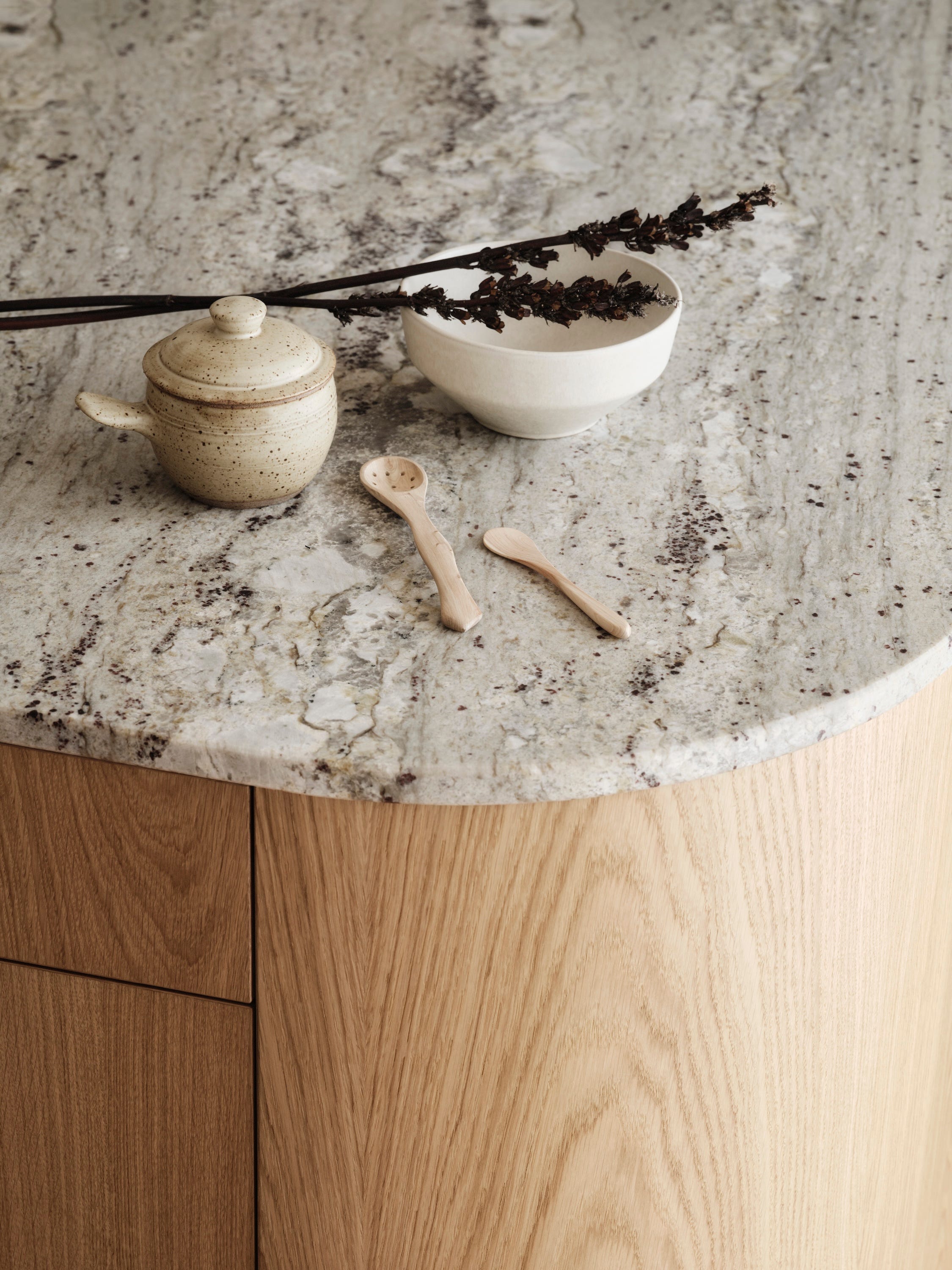
Another critical area is "Safety Choices." Homeowners are increasingly opting for safety-enhancing elements such as nonslip flooring and rounded countertops, cited by 37% and 34% of Houzz respondents, respectively. Cathleen Gruver points to mosaic flooring as an artistic yet practical nonslip option due to its increased grout lines. Michael Kaestner supports the adoption of nonslip flooring materials after removing common fall hazards like throw rugs. Elizabeth Scruggs reports requests for handle-less cabinets, rounded countertops, nonslip flooring in wet areas, and even elevators. She also specifies induction cooktops for safety and grab bars in wet zones. Alison Truelock notes a preference for natural wood or luxury vinyl flooring for its nonslip properties and softer feel underfoot. Harrison emphasizes that these safety features benefit not only older adults but also households with young children, addressing common safety concerns across different age groups.
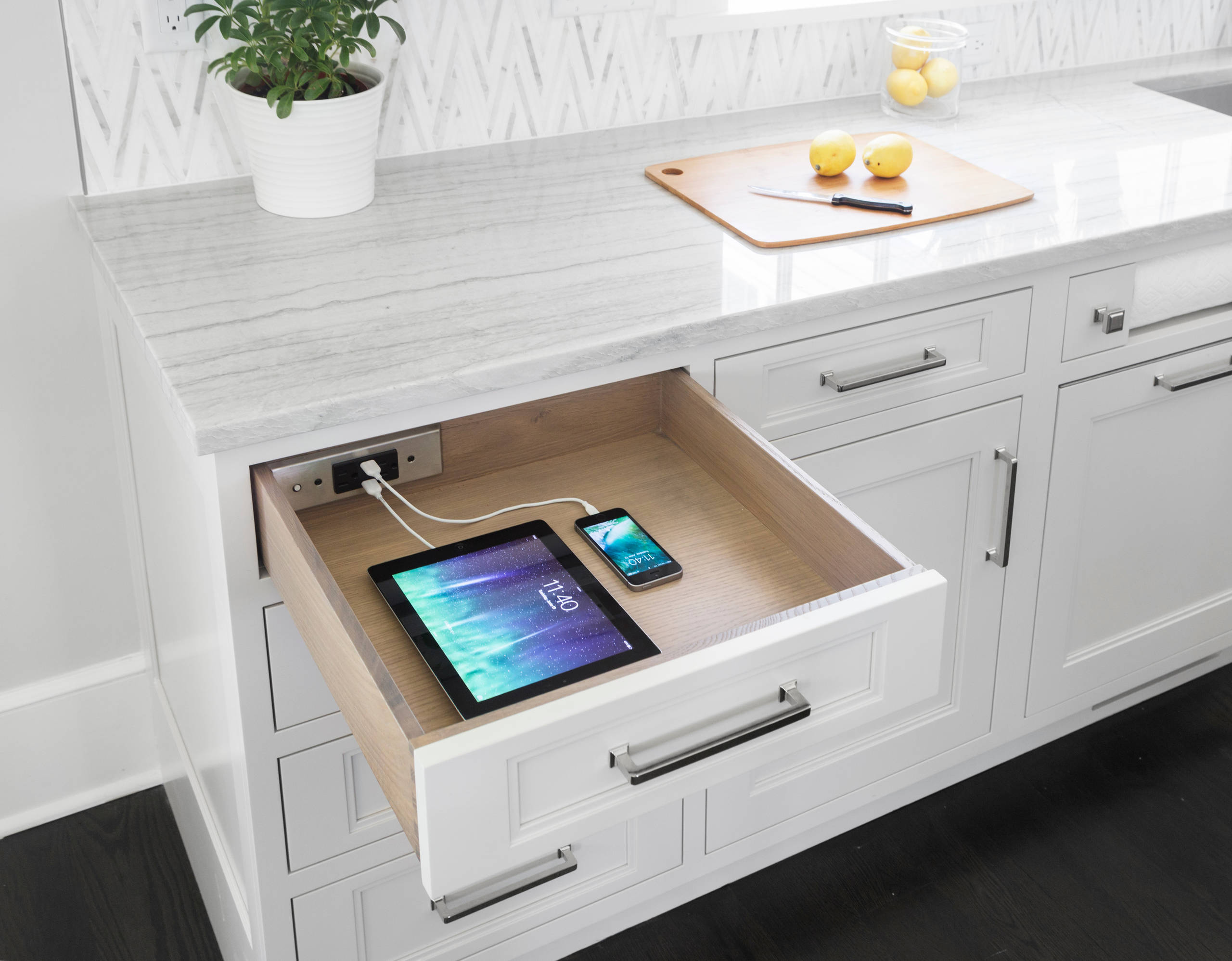
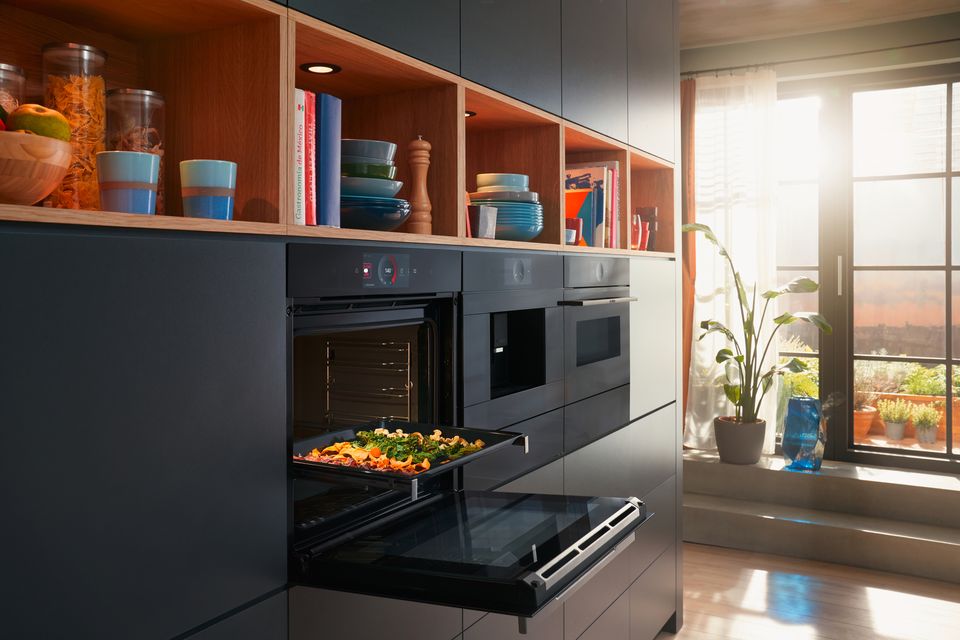
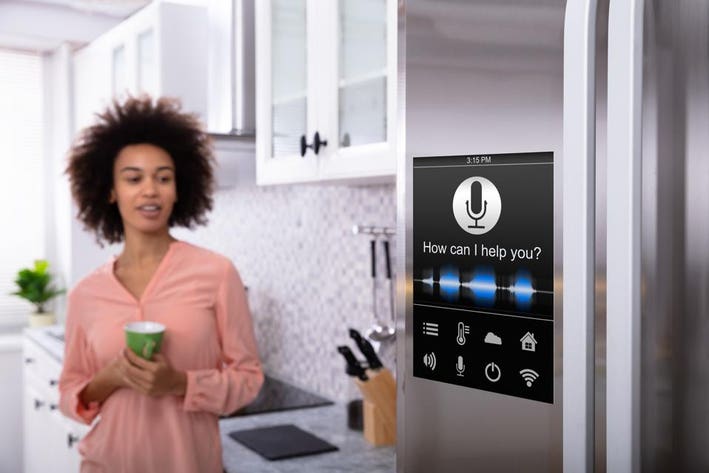
"Connected Appliances" represent a technological evolution in longevity-focused kitchen design. Houzz’s data indicates a 5-point increase in homeowners choosing high-tech appliances, with 44% making this choice. Nearly a third now select Wi-Fi-connected appliances (30%) and those controllable via smartphones and tablets (29%). Interest in touchscreen displays, smart-home connectivity, and integrated apps and cameras has also grown. Seth Ballard confirms that all his specified refrigerators include connectivity, 30% of lighting systems feature phone apps, and 35% of kitchen faucets are hands-free. He also incorporates phone-controlled skylights and window coverings in a significant portion of his projects. Kristin Harrison highlights the benefit for older clients of controlling ovens remotely and using sensors to prevent burning, particularly for those with a diminished sense of smell. Alison Truelock's clients value high-tech appliances for remote control, energy monitoring, and automated settings, enabling them to check on meals and food supplies from a distance. Cathleen Gruver’s clients seek automation for daily tasks, such as thermostats that send filter change reminders and refrigerators that track expiration dates or provide internal content images, enhancing convenience and control.
Overall, the survey and expert opinions suggest a comprehensive approach to kitchen design that prioritizes long-term usability, safety, and technological integration, reflecting a broader societal shift towards creating more adaptable and supportive home environments.
#KitchenDesign #KitchenTrends #WellnessDesign #InteriorDesign #SmartHomeTechnology #Accessibility #MultiGenerationalLiving #HomeRemodeling #KitchenDesign #KitchenTrends #WellnessDesign #InteriorDesign #SmartHomeTechnology #Accessibility #MultiGenerationalLiving #HomeRemodeling
0 comment in total
 No comments yet
You may also like
Top Designers Say These Kitchen Trends are Long-Lasting

13 Outdated Kitchen Trends You Can Leave In The Past
10 Kitchen Design Trends Going Out Of Style In 2025
'90s Wood Kitchens Might Be Back in Style, According to Designers

We Asked Kitchen Remodel Experts What Trends Are Actually Timeless

7 Kitchen Renovation Trends to Watch
Reflecting on Remodeling Choices in 2025

Kitchen Trends 2024: Revamp Your Kitchen In Style

This nostalgic kitchen trend is back and here to stay, according to experts
Kitchen Design Advice You Need To Hear Before You're Left With Feelings Of Regret
20 kitchen design trends you'll see everywhere in 2025, according to experts

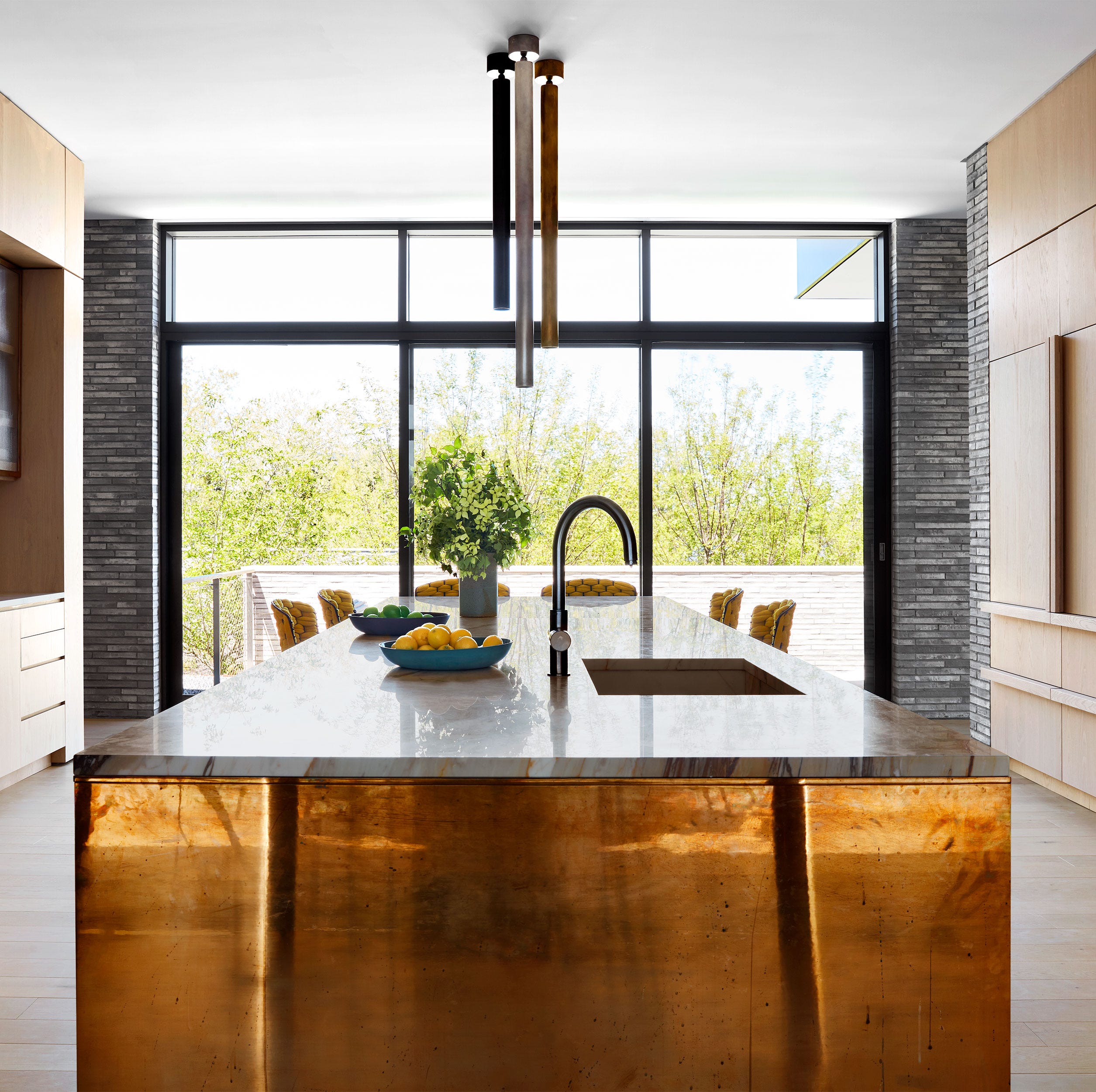
7 Kitchen Trends You’ll Be Seeing Everywhere This Year
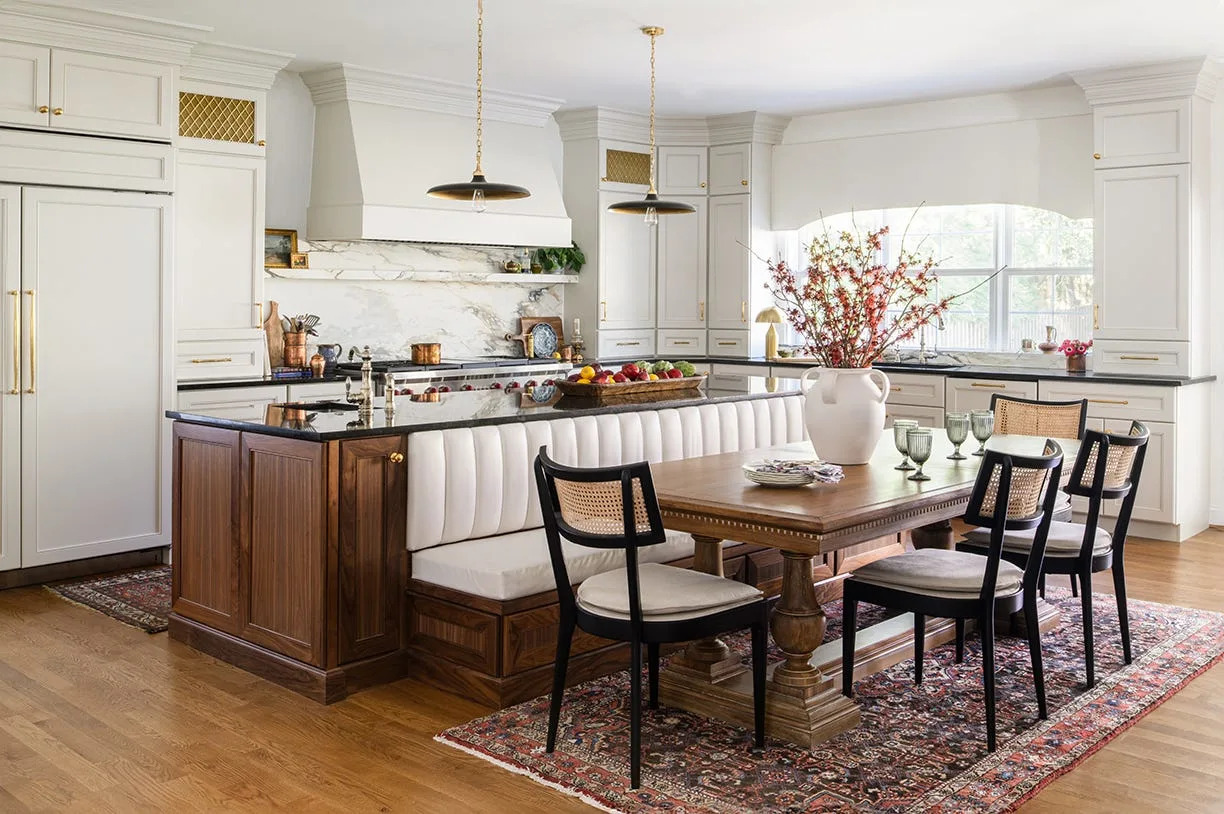
Design Experts Agree: This Kitchen Style Is Making a Major Comeback
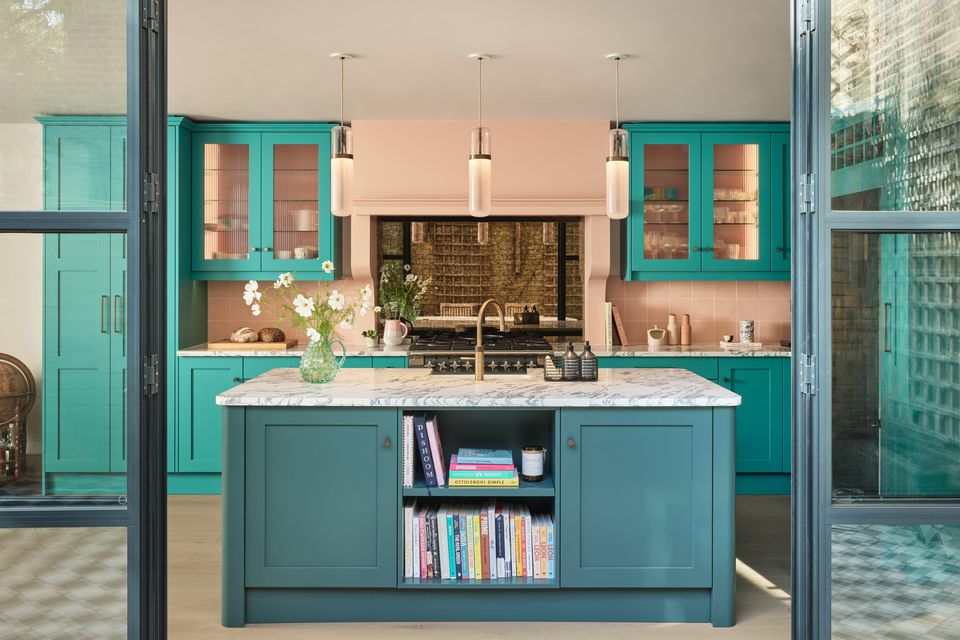
Top kitchen trends of 2024: Where to invest and what to avoid
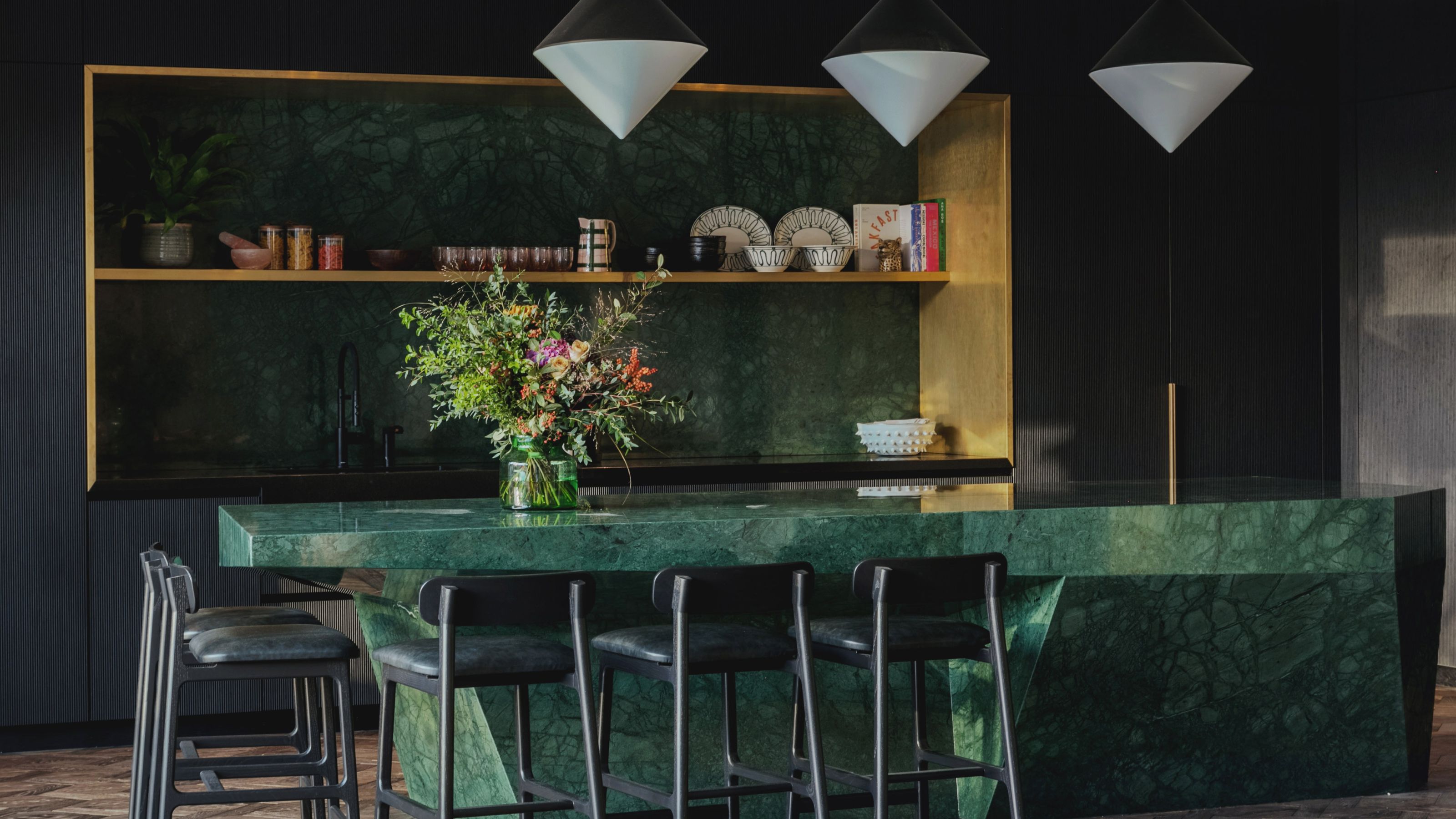
13 Trending Kitchen Islands That You'll See in All the Coolest Schemes Next Year

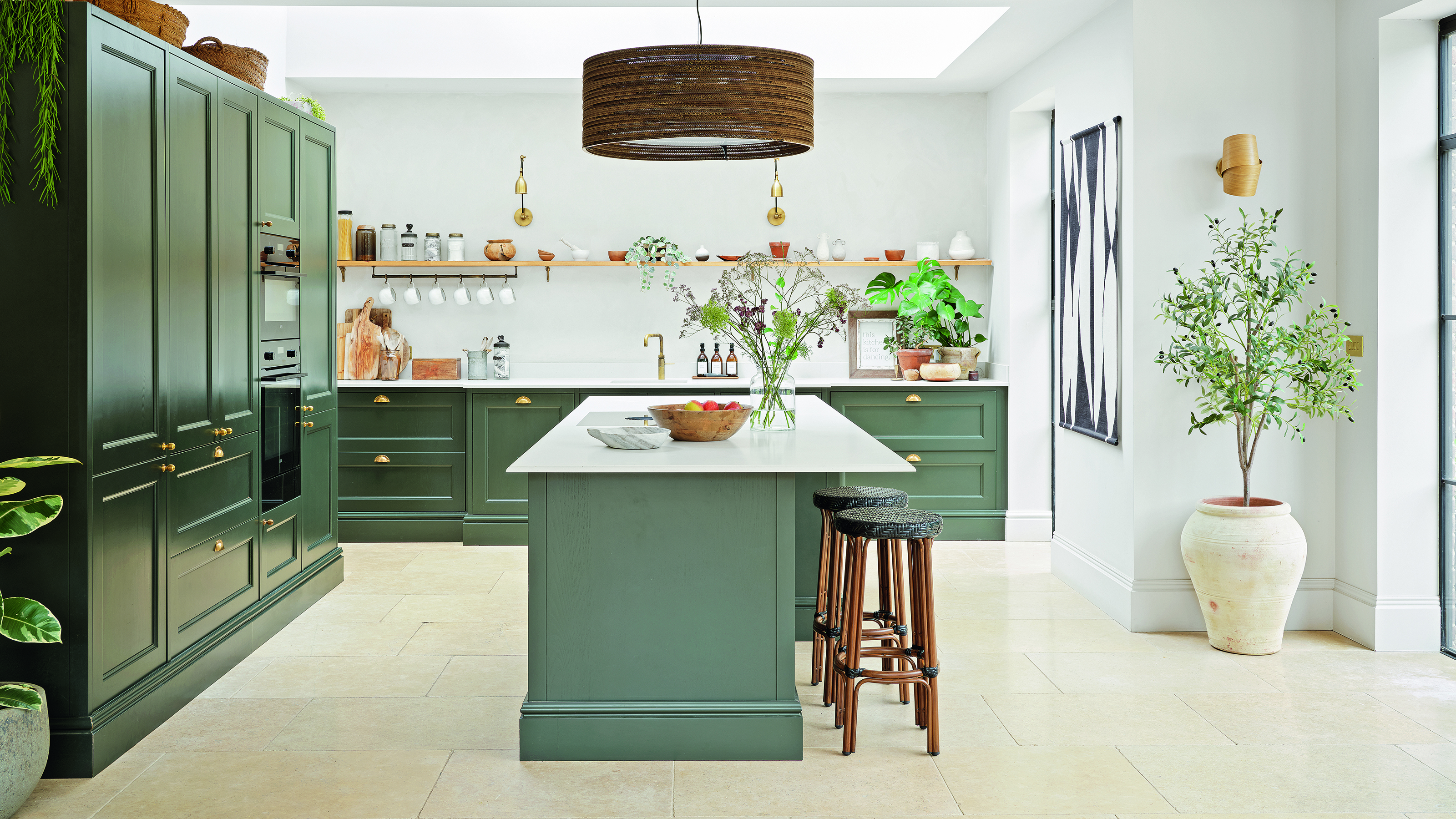
8 kitchen trends to watch in 2026 - this is what the pros predict will be big next year
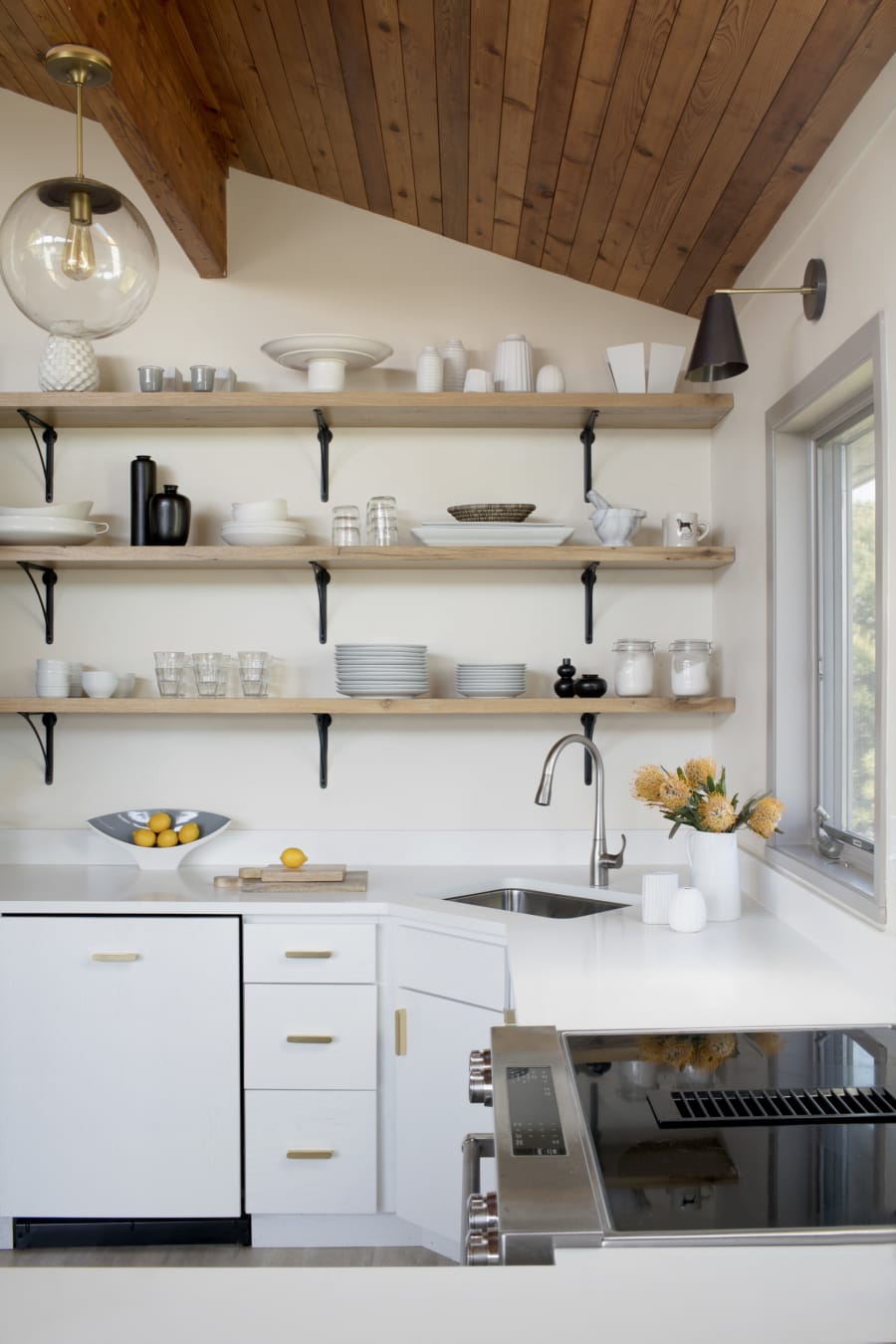
Timeless Kitchen Trends That Are Here to Stay (We Hope)

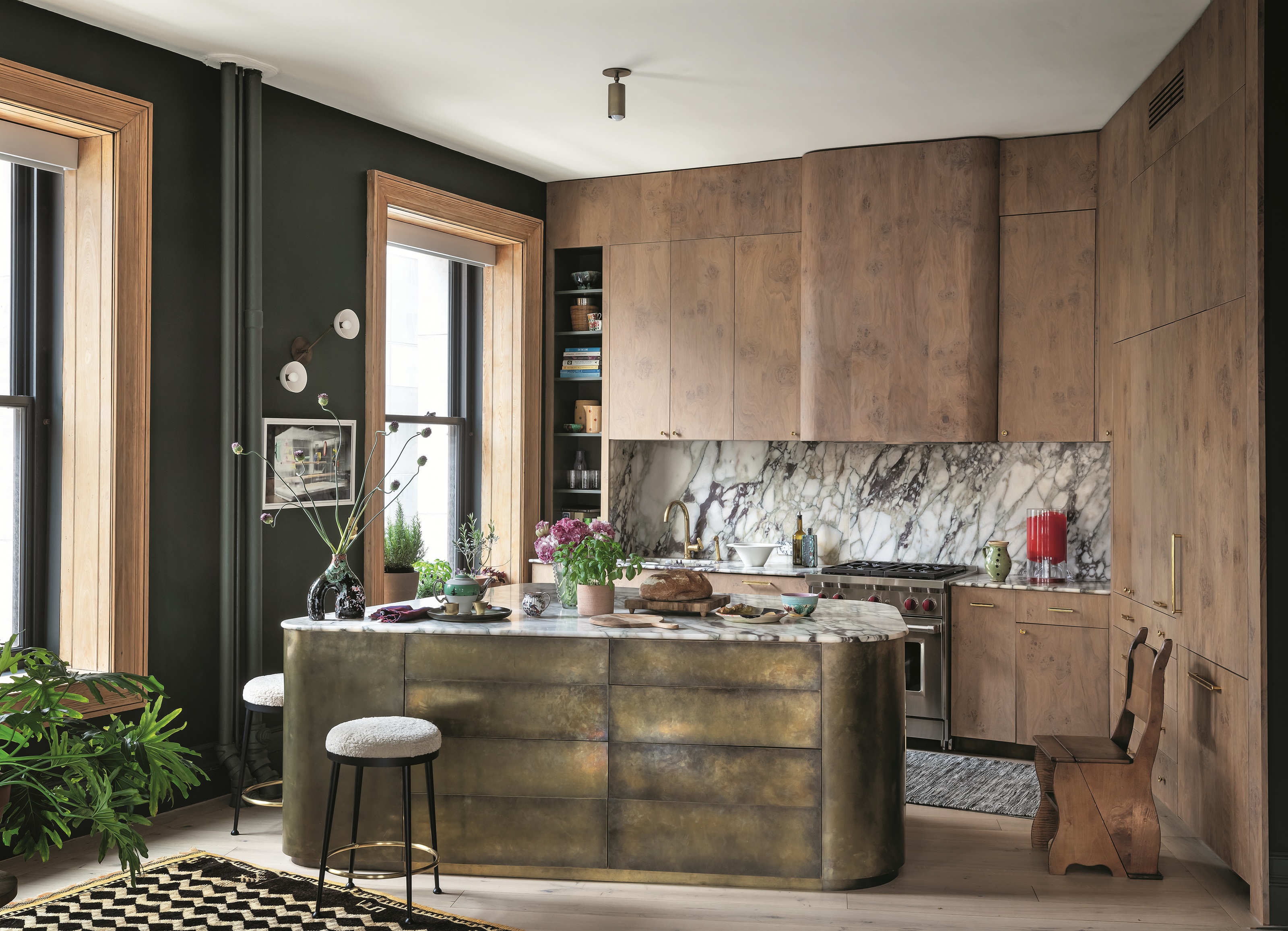
10 Kitchen Trends for 2026 to Know for Your Next Project |
12 "Outdated" Kitchen Trends You Should Ditch In 2025 (But You Probably Have)

Kitchen trends