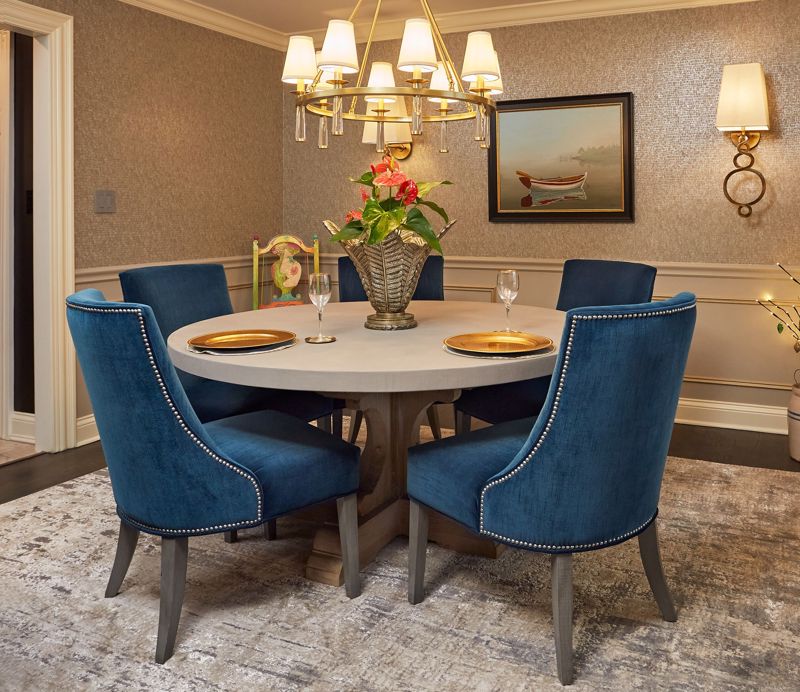
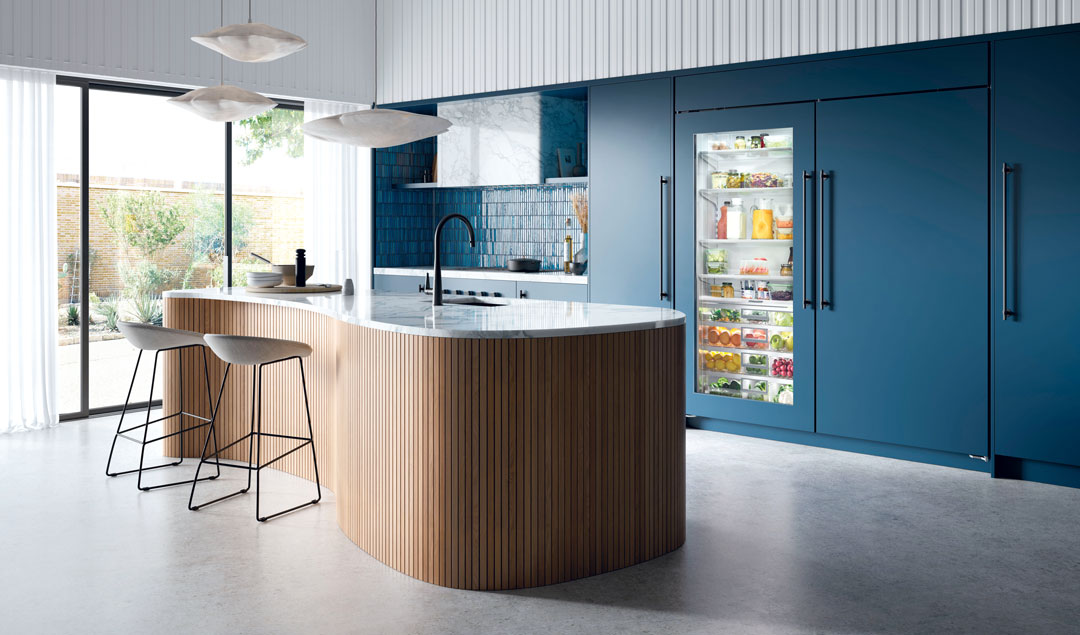
1/2
Reflecting on Remodeling Choices in 2025
The year 2025 witnessed significant trends in home remodeling, particularly in kitchens and bathrooms, driven by homeowners' increasing focus on wellness, technology, personalization, and functionality. This overview compiles insights from five industry professionals: Angie Roseman of Beazer Homes, interior designer Cara Woodhouse, Leif Lindner from IFA smart home expo, Amy Chernoff of AjMadison, and Nancy Keenan of DAHLIN Architecture | Planning | Interiors, co-founder of the America at Home study. Their observations provide a retrospective on the remodeling landscape of the year.
From a market perspective, Chernoff highlighted a substantial surge in luxury homebuilding, both primary residences and vacation homes, across the South, particularly in Florida, Georgia, and Texas. This led to a heightened demand for premium appliances. Financing options also became more crucial as homeowners navigated rising costs, with frenzied buying cycles often influenced by tariff-driven pricing. A demographic shift was also evident, as the America at Home Study revealed that younger generations (Gen Z) view homes more as flexible, functional spaces aligned with personal values rather than primarily long-term wealth-building assets, a departure from the perspective of older generations. This viewpoint necessitates tailored communication and specifications for younger clients. Both Beazer Homes and Cara Woodhouse Interiors noted a growing trend towards multigenerational households, impacting space planning to emphasize flexibility, privacy, and accessibility in kitchen and bathroom designs.
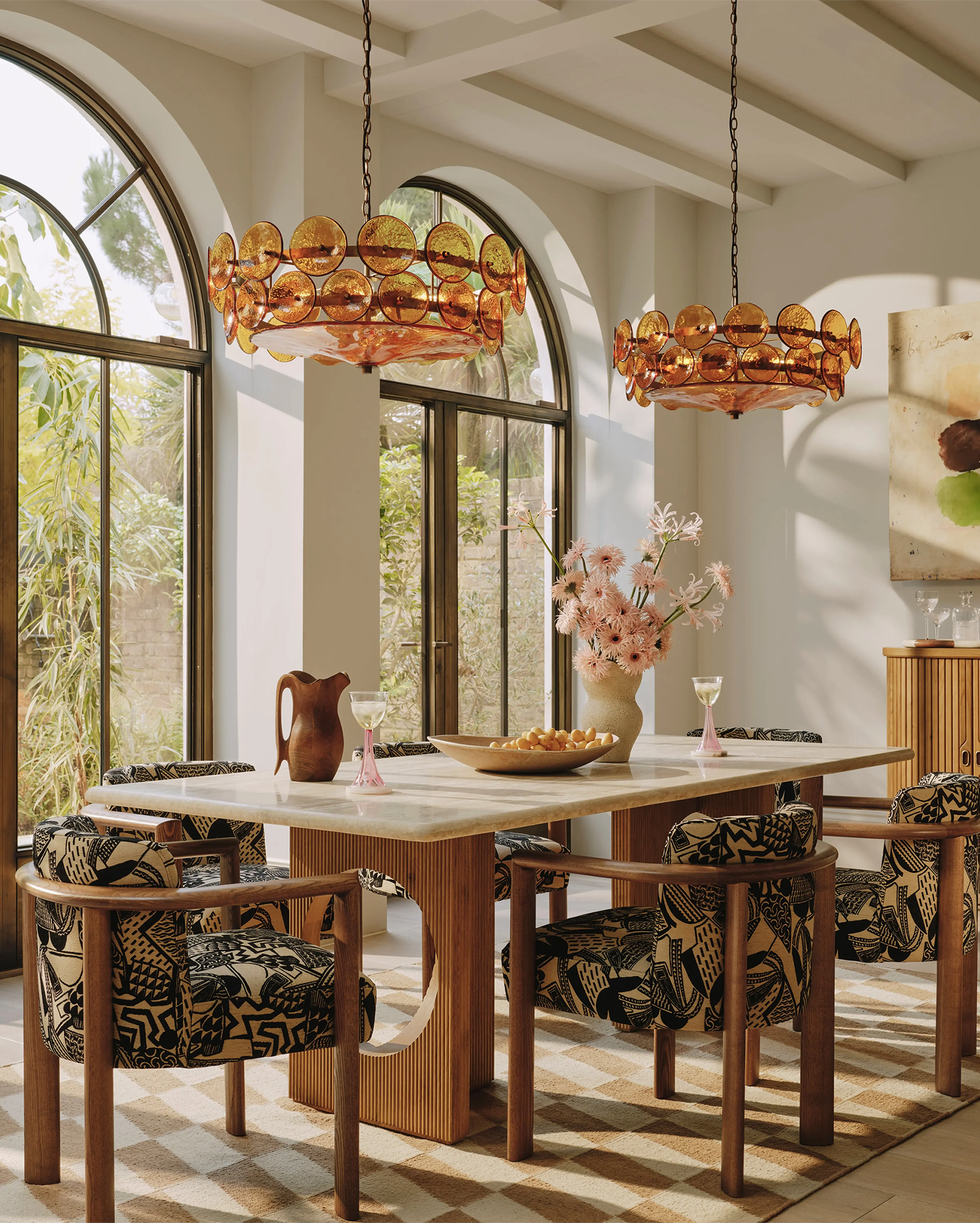
The homeowner mindset in 2025 was characterized by uncertainty, leading many to delay purchases or time them around sales events to circumvent price increases. Despite this, there was a consistent demand for wellness across financial, physical, emotional, and mental dimensions, even if satisfaction levels lagged behind aspirations. Homeowners sought personalization and simplicity, alongside a growing interest in sustainability, particularly among Millennial buyers who prioritized energy efficiency and eco-friendly materials without compromising comfort or quality. Upscale clients also demonstrated a preference for unique design elements and a “surprise factor,” such as architectural details, sculptural light fixtures, or unexpected color accents.
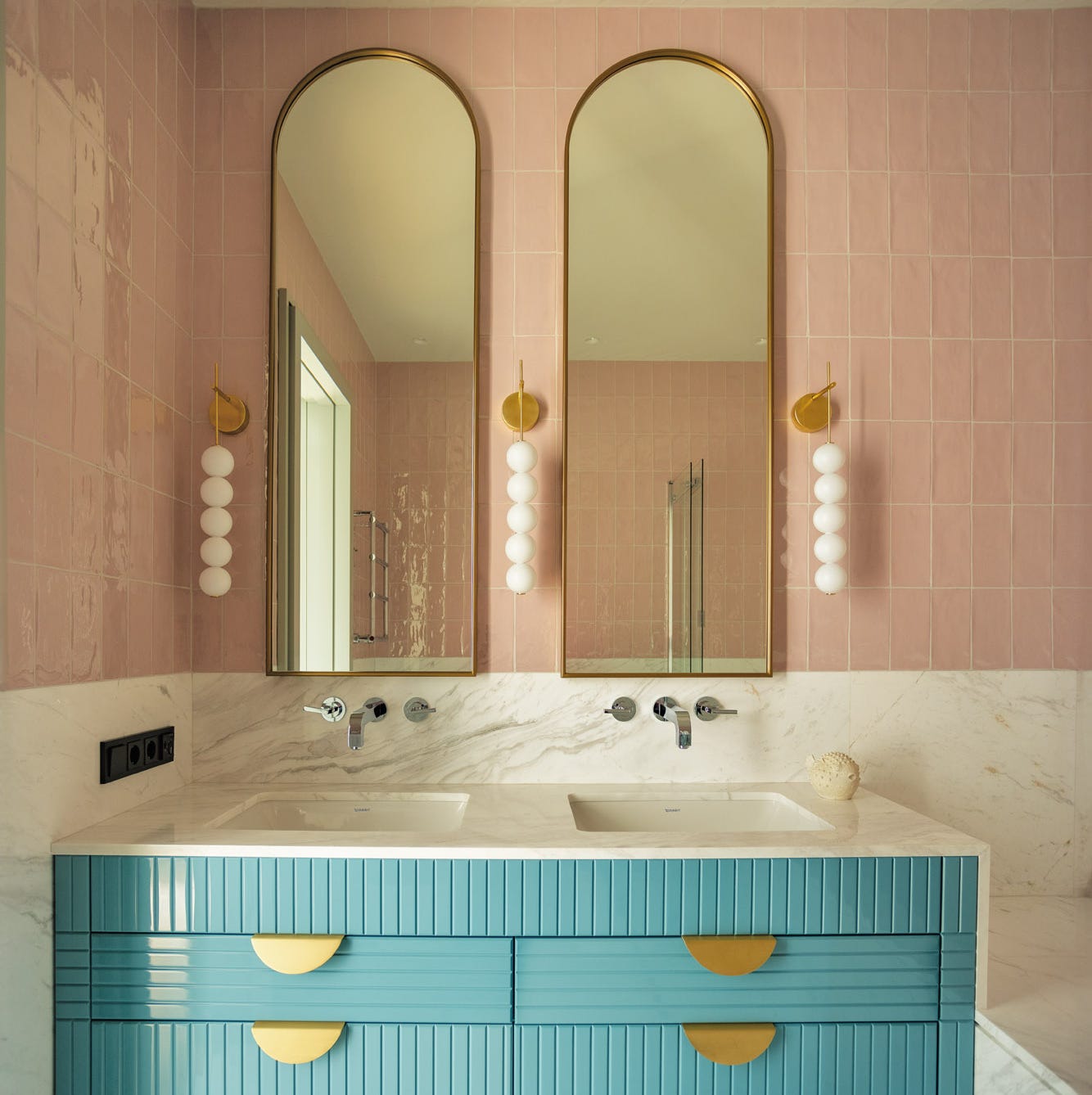
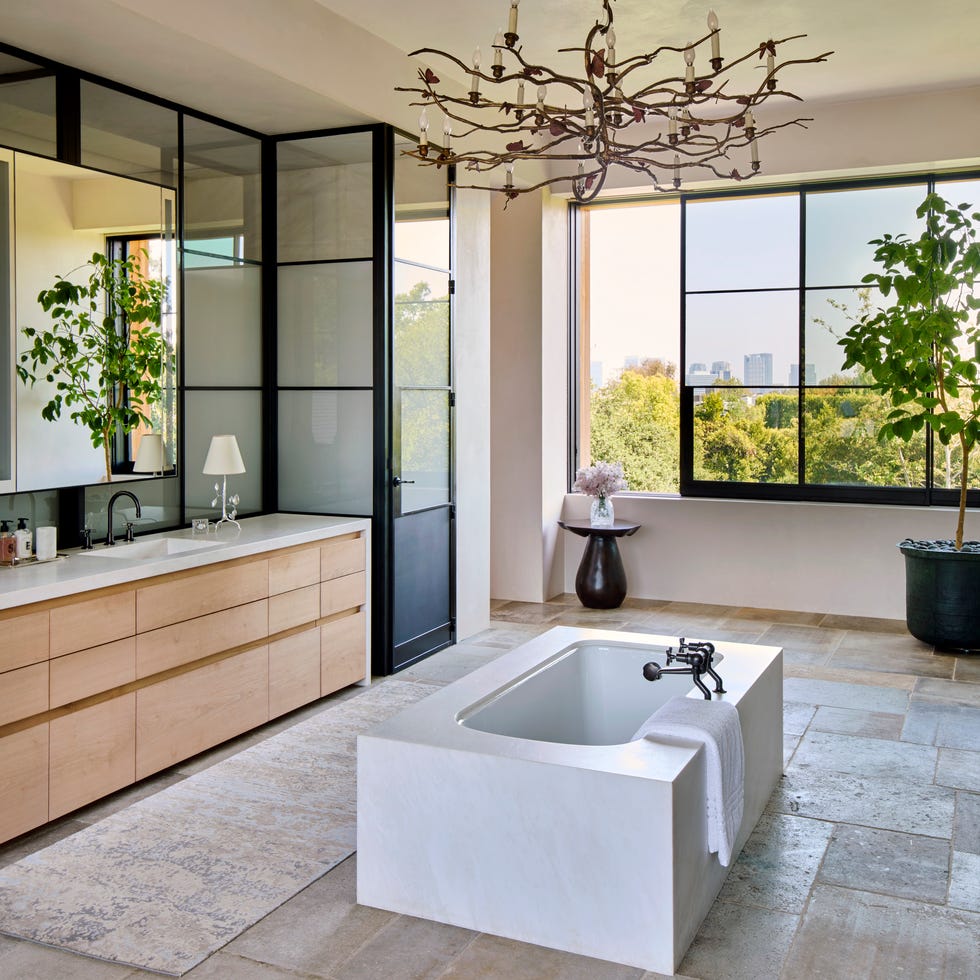
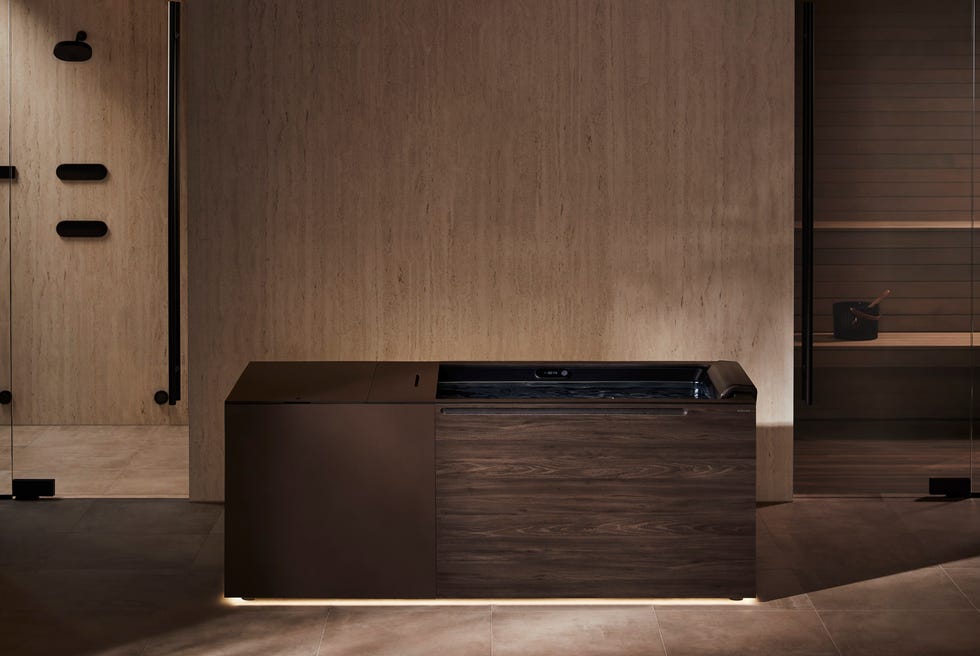
Wellness trends deeply influenced design decisions, with bathrooms evolving into private decompression spaces. Demand increased for spa-like features, natural lighting, and flexible layouts that support personal rituals and relaxation. Products like Zip Water HydroTap faucet systems, offering filtered, carbonated, and boiling water, saw sharp sales increases, reflecting a consumer desire for convenience, performance, and sustainability. Key drivers for home purchasing decisions included whole-home water filtration (70%), whole-home air purification (69%), and better-equipped kitchens for home cooking, indicating a strong expectation for homes to actively support physical and emotional well-being.
Technology continued its dominance, with smart home features becoming essential rather than optional, especially for younger homeowners. AI integration in smarter appliances saw a resurgence, delivering practical benefits and heightened interest at expos. Automated controls that anticipate and learn homeowner preferences, alongside seamless interoperability between brands through standards like Matter, became key discussion points. Sustainability also emerged in tech, with companies focusing on energy and water efficiency, leading to innovations like multifunctional appliances that merge household tasks and even recycle water. Touchless faucets also gained popularity in both kitchens and bathrooms.
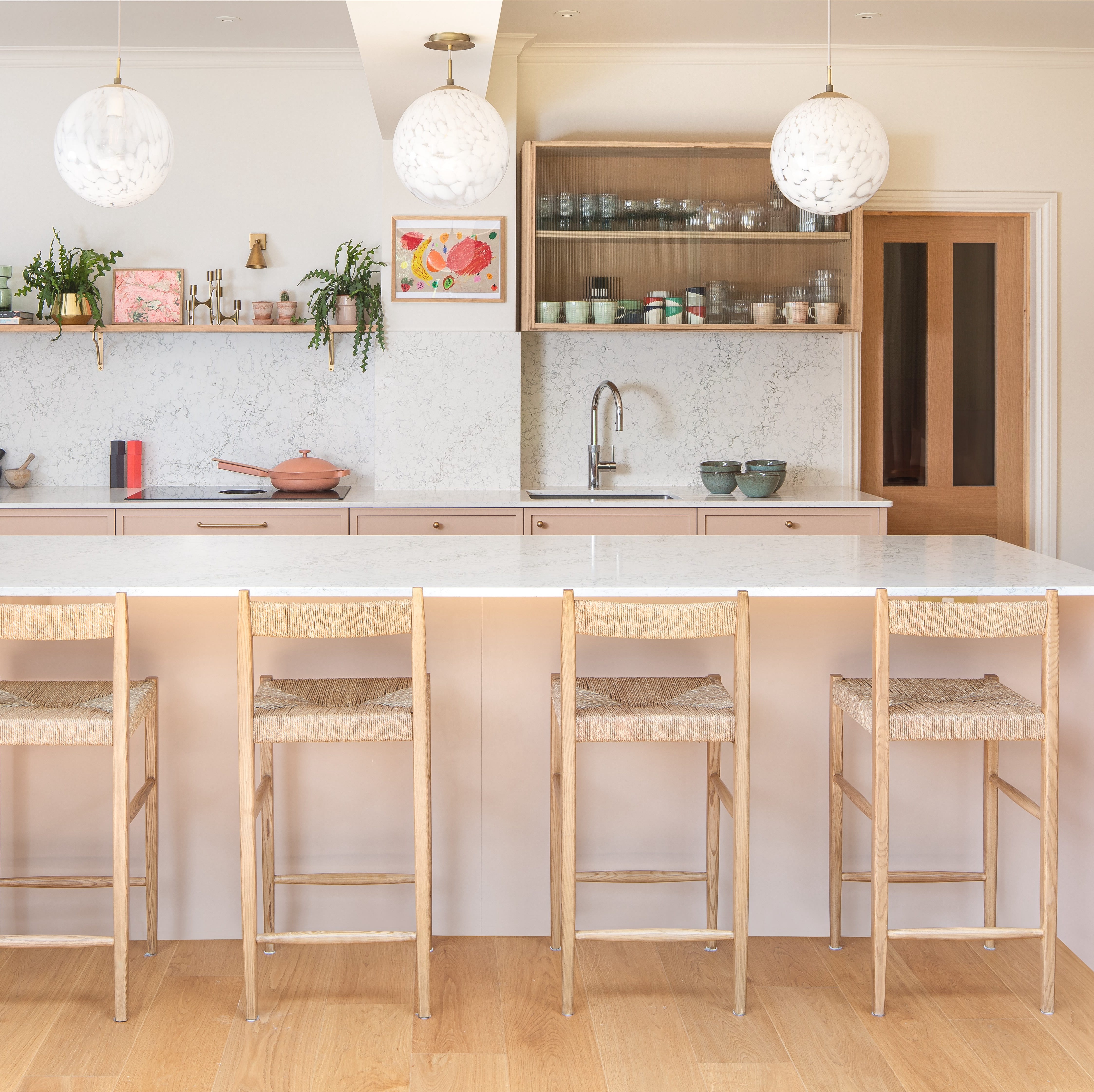
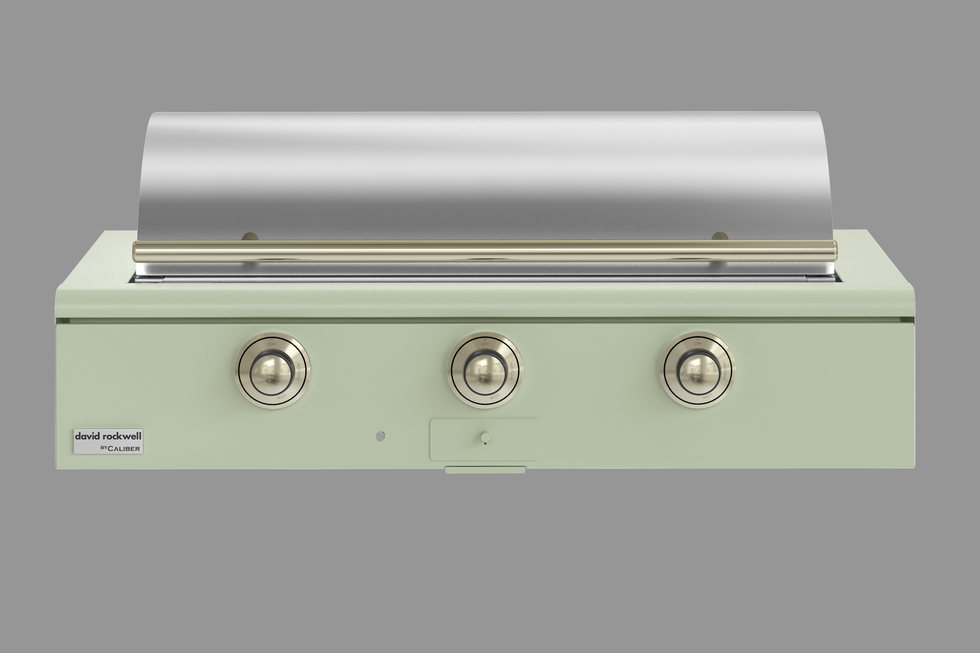
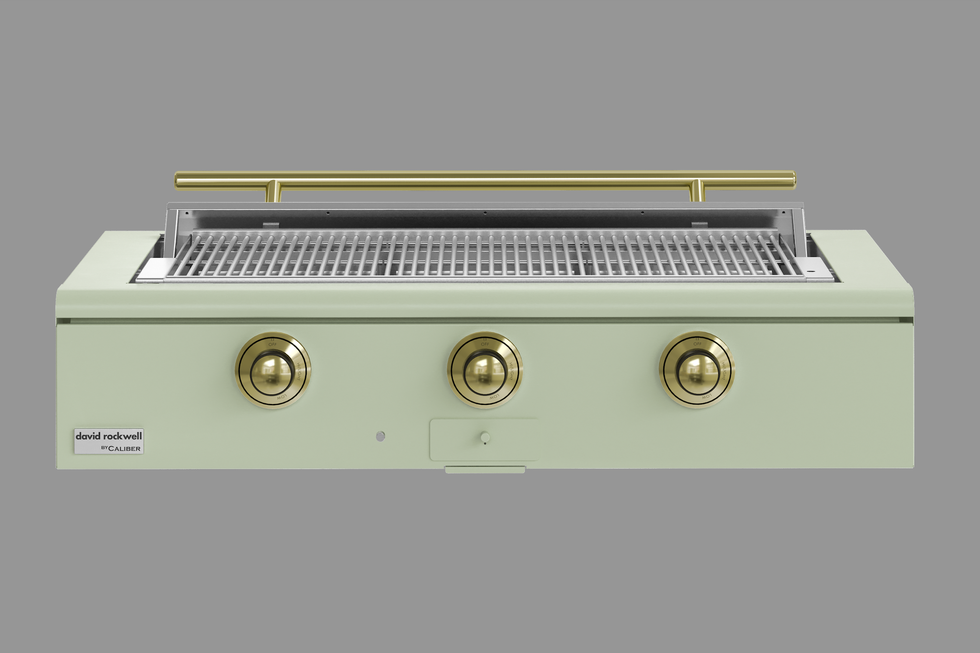
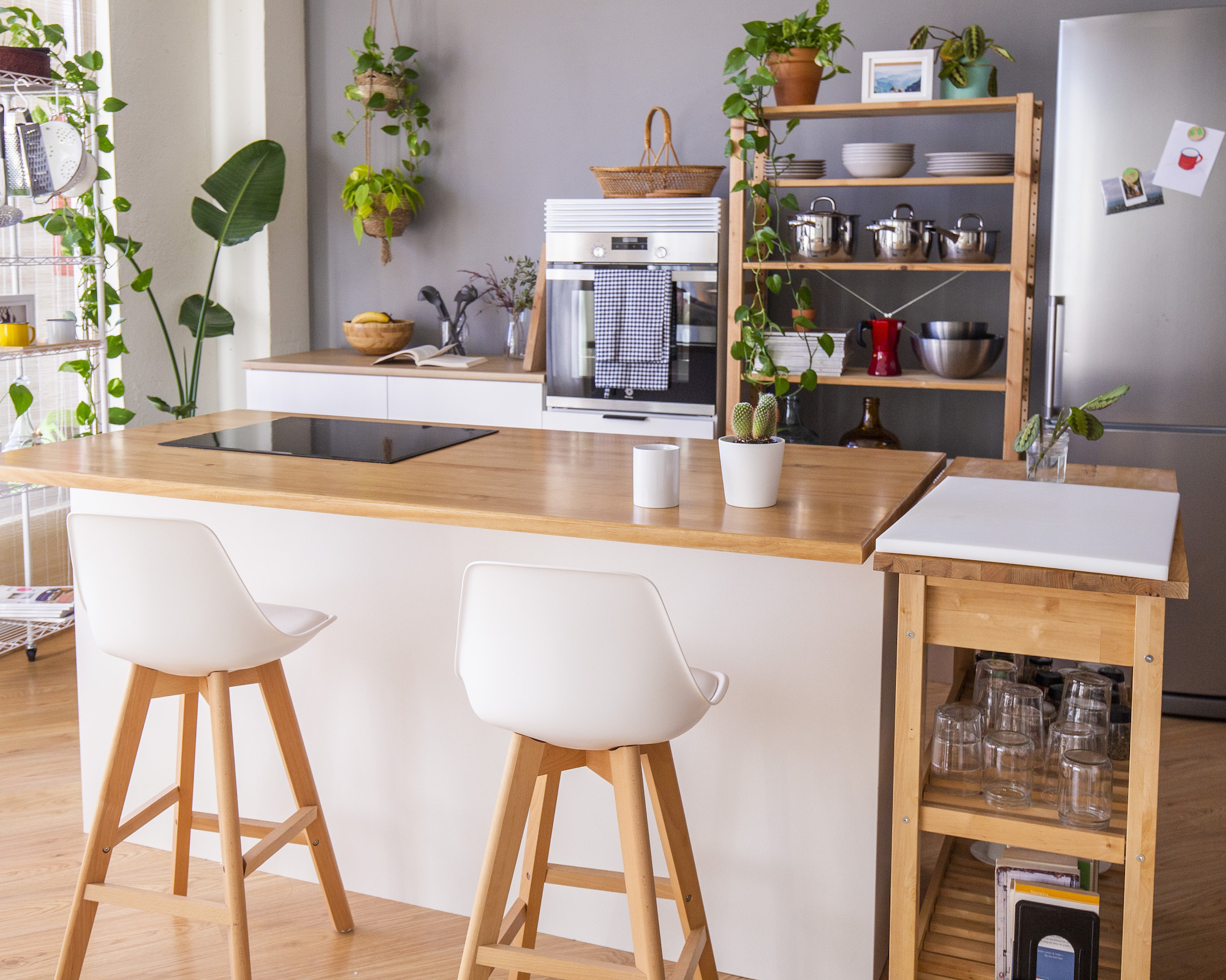
Kitchen trends highlighted their increasing importance as central to daily life, with cooking and baking topping the list of activities homeowners are doing more of. Appliances are expanding beyond traditional kitchen spaces into bars, outdoor kitchens, and wellness areas, emphasizing customization and modularity. Hidden or panel-ready appliances facilitated integration into cabinetry, reflecting a broader trend of appliances blending seamlessly throughout the home. Induction cooking also gained significant traction, with two-thirds of kitchen professionals predicting it would be the most popular cooking type in the next three years. Lastly, outdoor living evolved from a luxury to an expectation, with homeowners investing in comfortable, functional environments for year-round gathering and cooking. Durability, sustainability, and electrification were key concerns, with pizza ovens remaining a staple and new cabinetry materials blurring the lines between indoor and outdoor spaces. The industry concluded 2025 with optimism, with steady project pipelines underscoring a continuous demand for new kitchens and baths despite economic challenges.
#RemodelingTrends #KitchenDesign #BathroomDesign #HomeWellness #SmartHomeTechnology #Sustainability #MultigenerationalLiving #LuxuryHomebuilding #OutdoorLiving #RemodelingTrends #KitchenDesign #BathroomDesign #HomeWellness #SmartHomeTechnology #Sustainability #MultigenerationalLiving #LuxuryHomebuilding #OutdoorLiving
0 comment in total
 No comments yet
You may also like
If you don't yet know the home renovation trends for 2025, your project might just be missing out
Ready to Redecorate? 2025’s Top Design Trends Just Dropped

Design Forward: 4 Must-Know Interior Trends for 2025

5 Renovation Trends You're Going to See in Every Home in 2026, According to Pros


How to Revamp Your Home in 2025

10 Renovations Designers Want to See You Make in 2025

6 Renovation Trends You're About to See Everywhere in 2025, According to Designers
These Are the Home Design Trends You Need to Know About in 2025
The Pros Have Spoken: These Interior Design Trends Will Define 2025


Kitchen Remodeling in 2025
2025 Interiors trends according to an expert and the best pieces to shop now
5 outdated home decor trends interior designers want you to kiss goodbye in 2024, and what to do instead

Renovating for the Future: Trends That Will Shape Your Home in 2025
The 8 Renovation Trends Designers Say Will Shape Homes in 2025 and Beyond

The Biggest Interior Design Trends for 2025

Why Formal Living Rooms Will Be Back in 2025, According to Design Experts

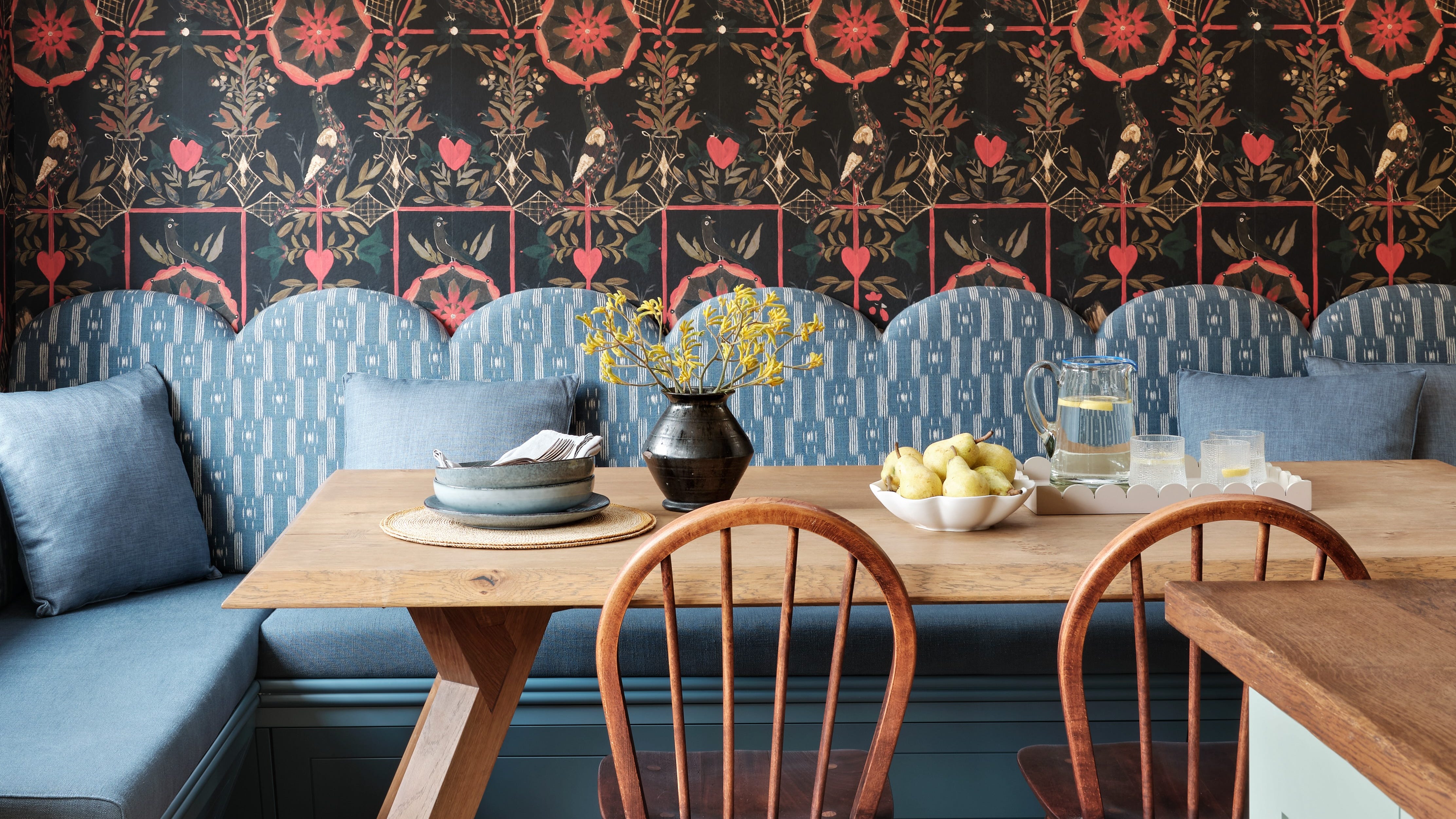
Renovating? The home design trends you’ll see everywhere in 2025
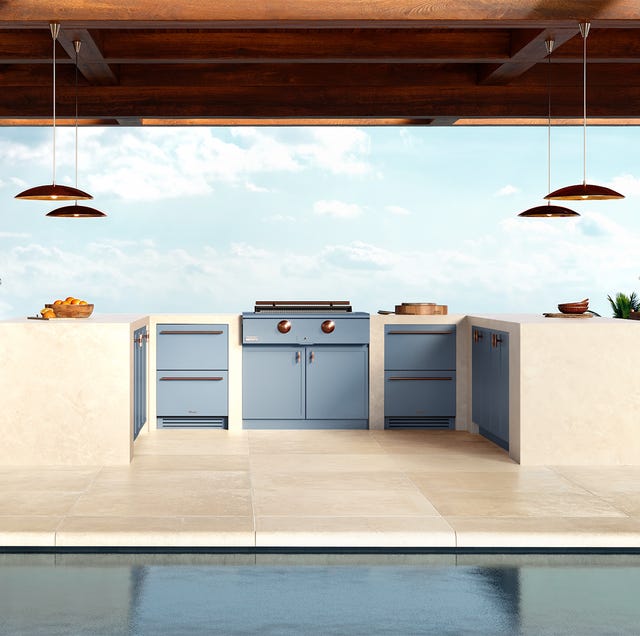
Experts Predict That Every Renovation in 2026 Is Going to Include One of These Upgrades

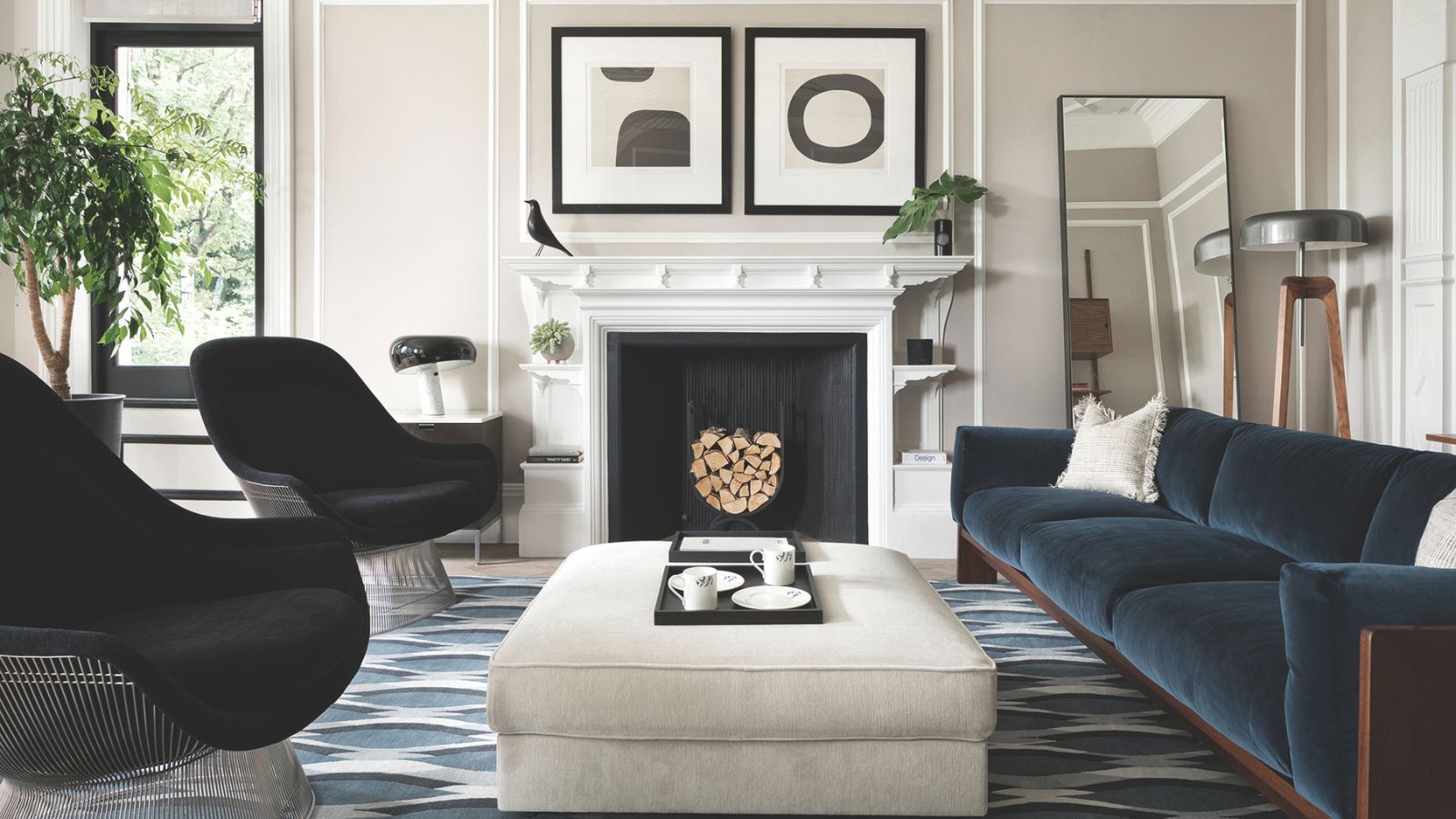
I asked interior designers what trends they are already sick of seeing in 2025
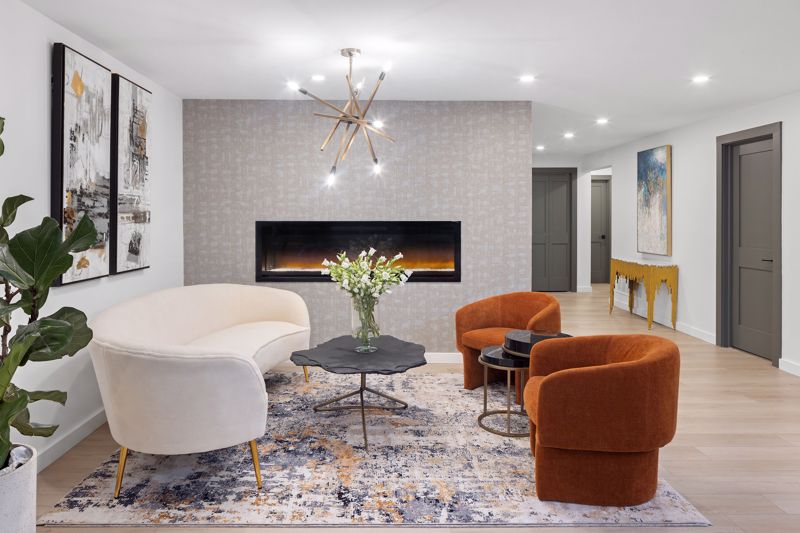
8 Interior Design Trends for 2025