'90s Wood Kitchens Might Be Back in Style, According to Designers
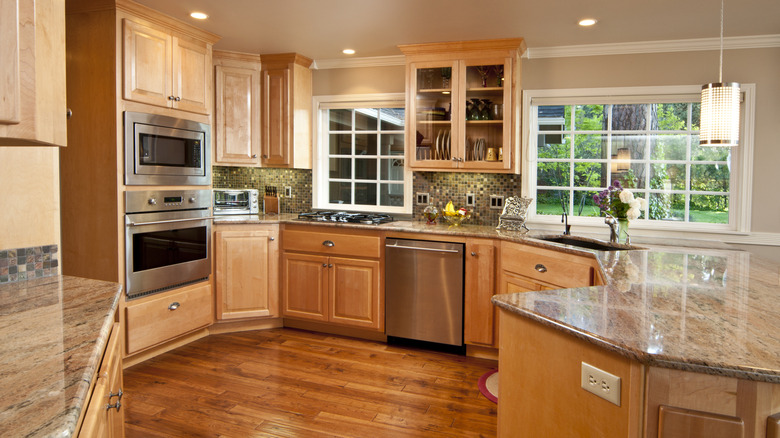
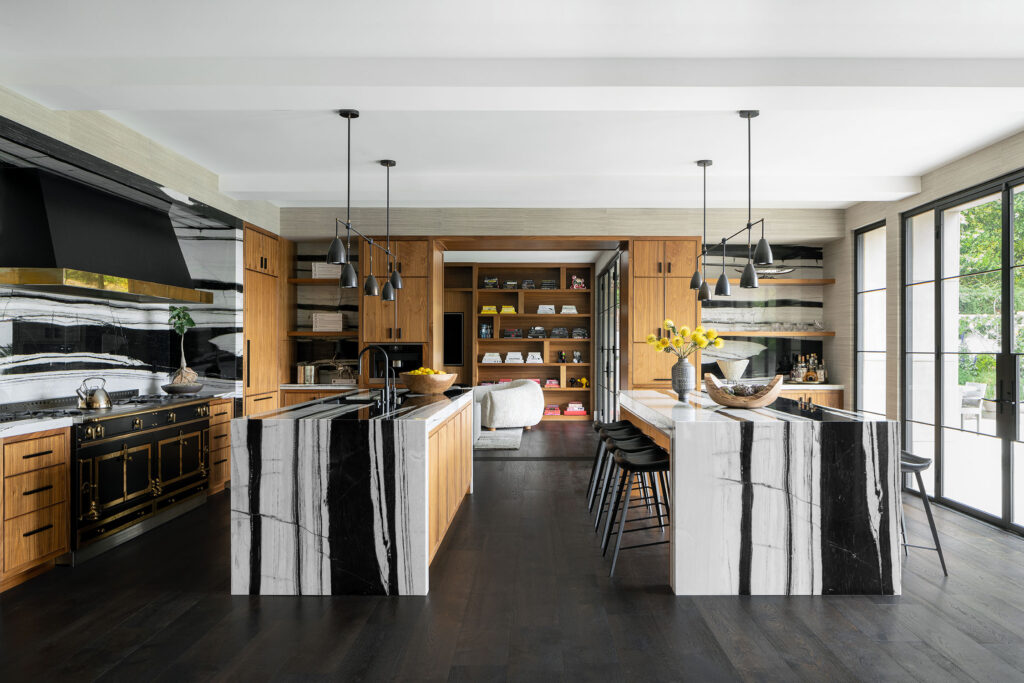
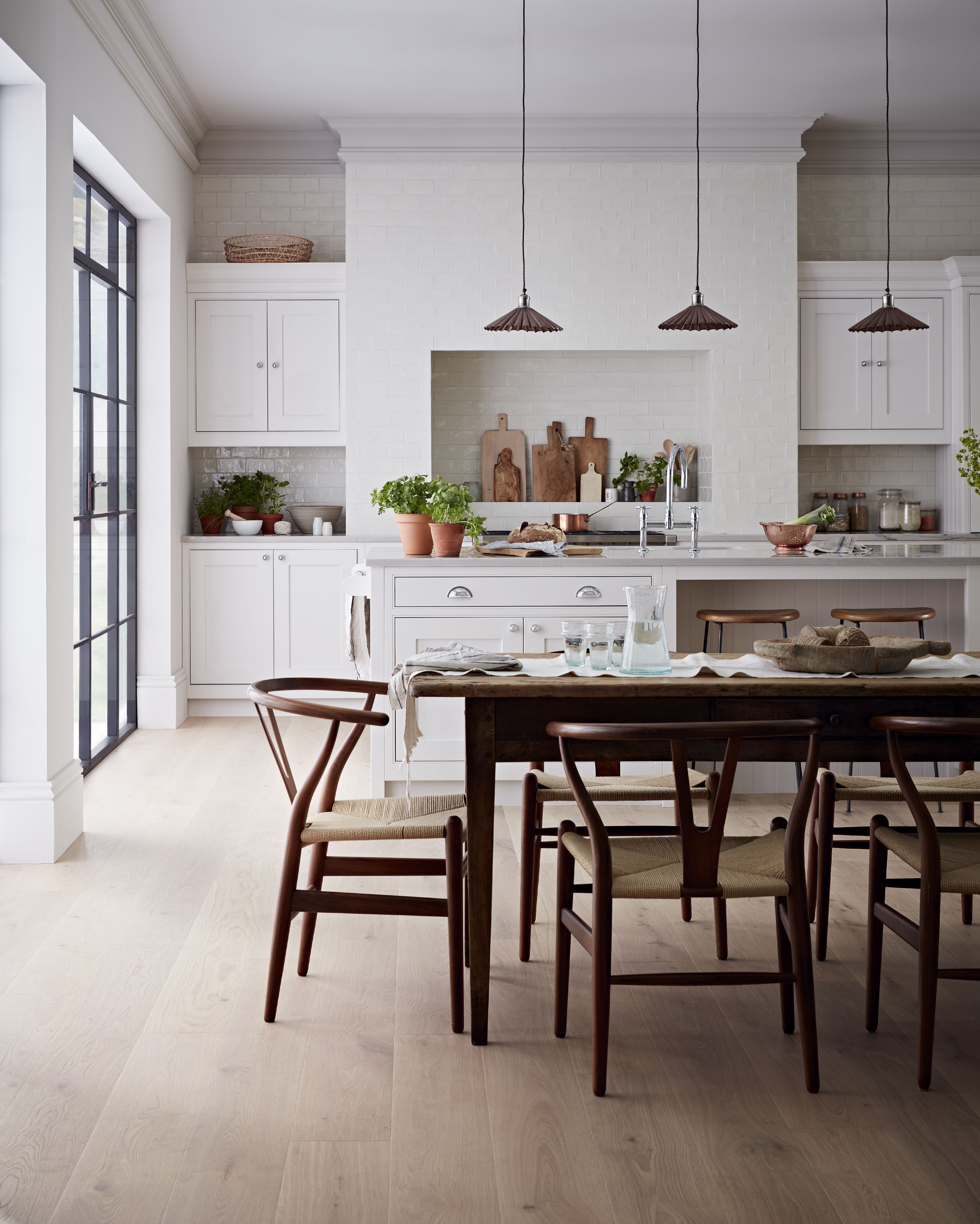
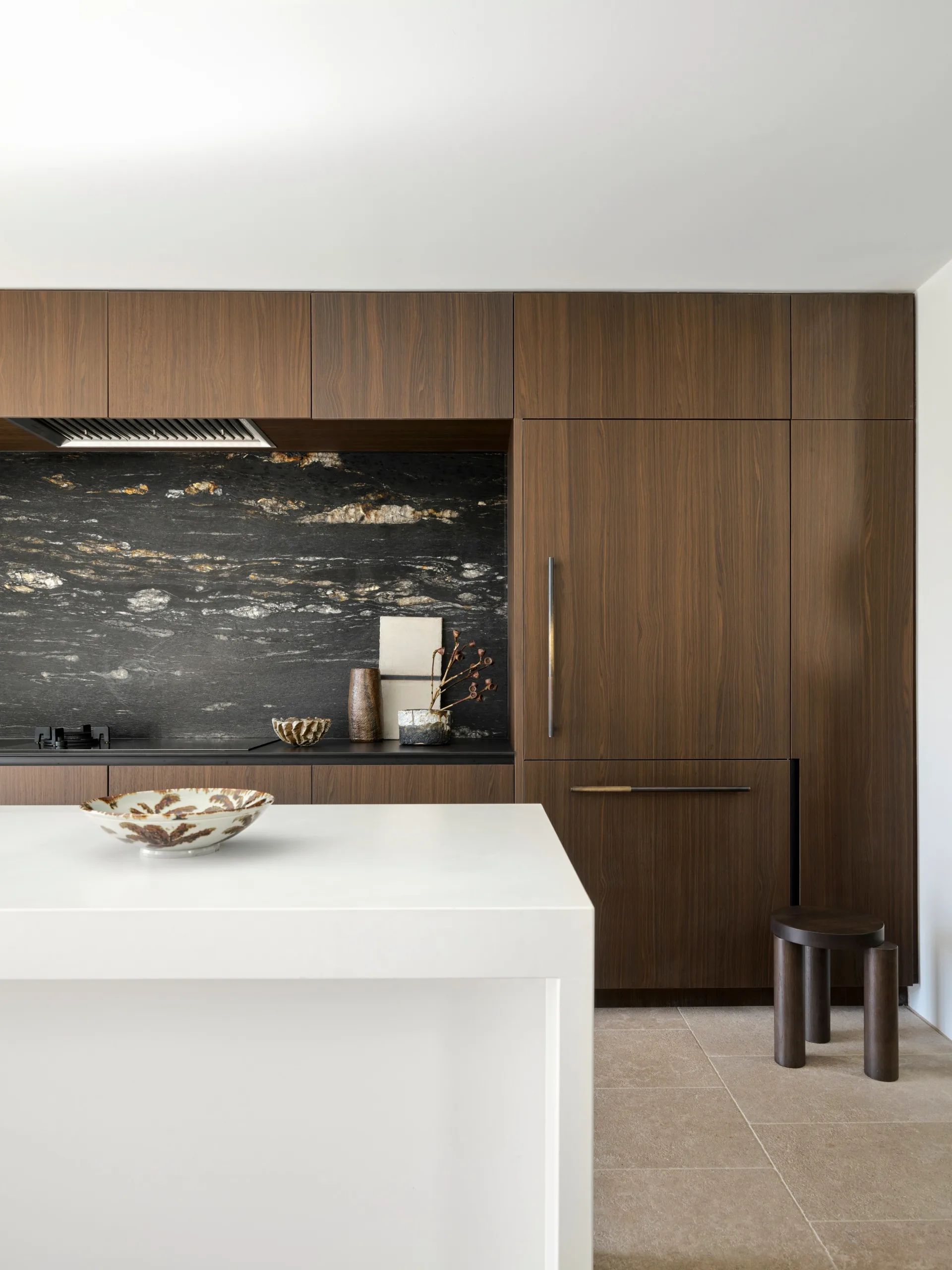
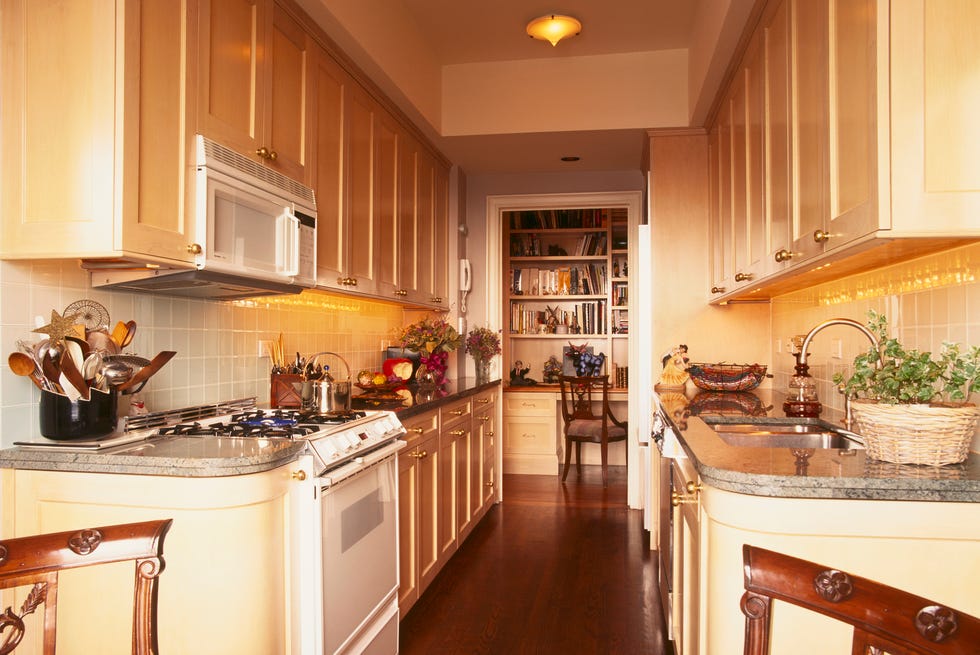
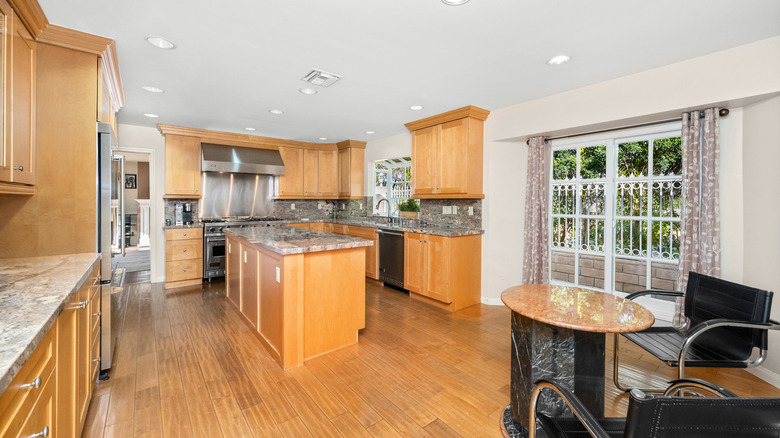
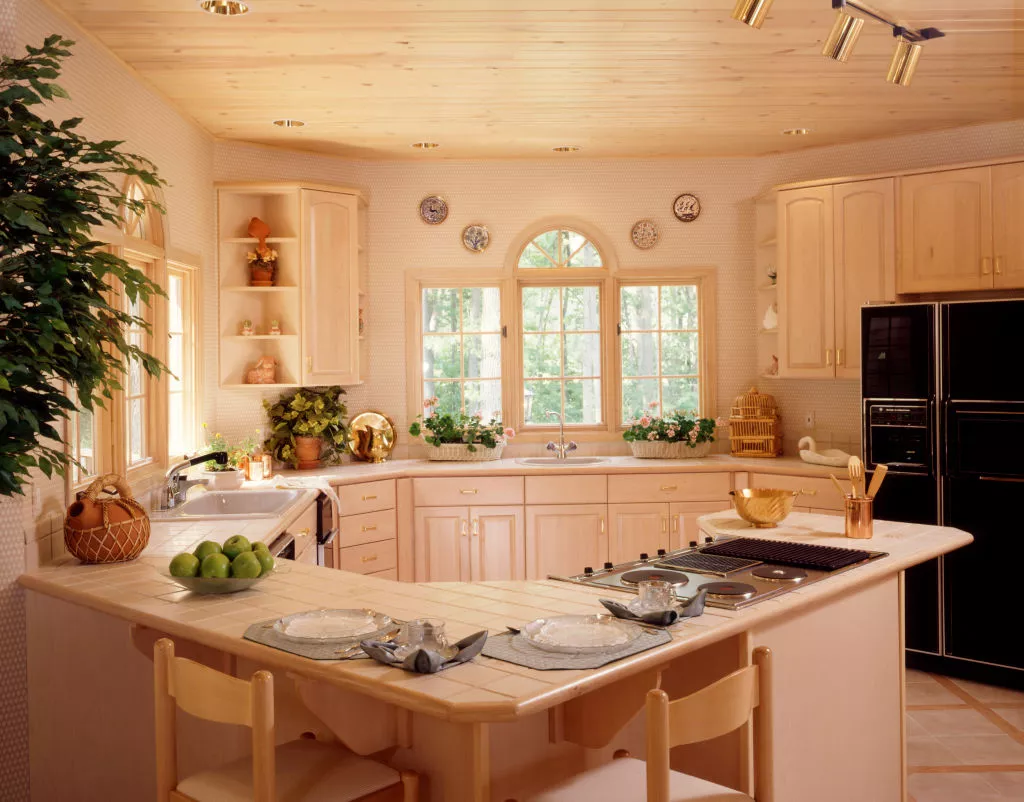
The article discusses the surprising resurgence of honey-colored and maple-hued cabinetry, reminiscent of kitchen trends from the late 1990s and early 2000s, after a long period dominated by all-white and minimalist kitchen designs. This trend offers homeowners with such kitchens an opportunity to update their spaces without a complete demolition. Design professionals provide insights and advice on how to successfully reincorporate and modernize these warmer, wooden tones.
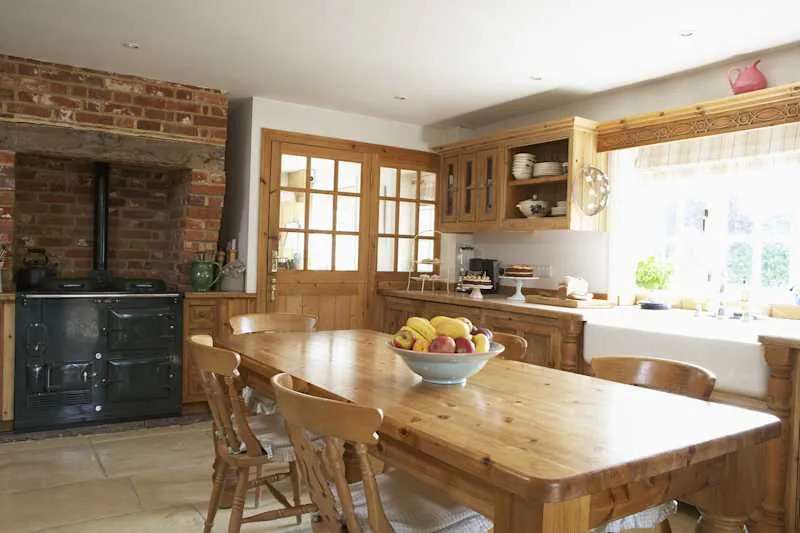
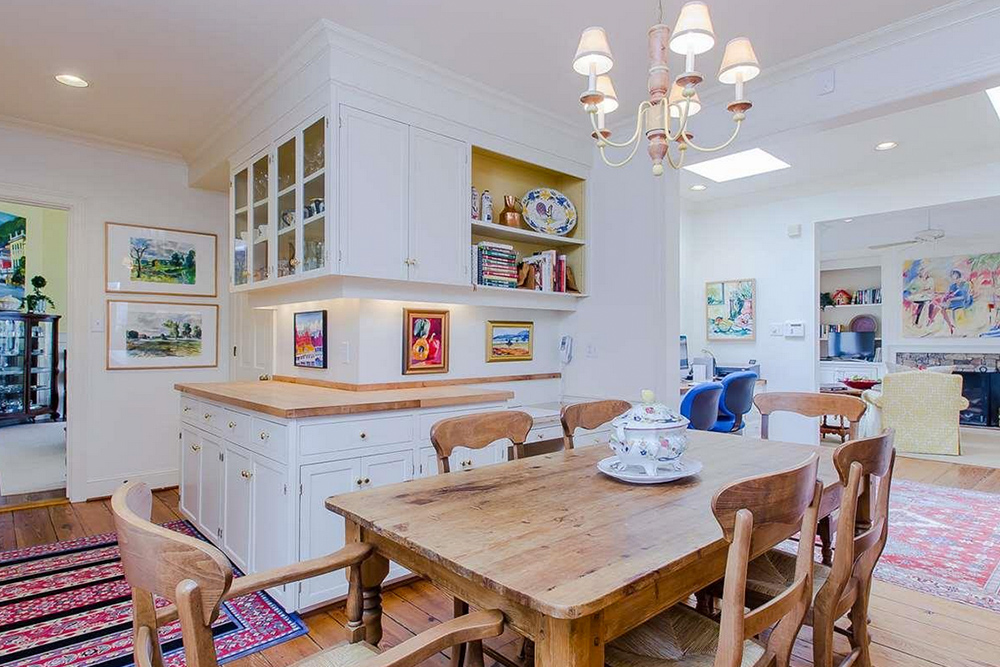
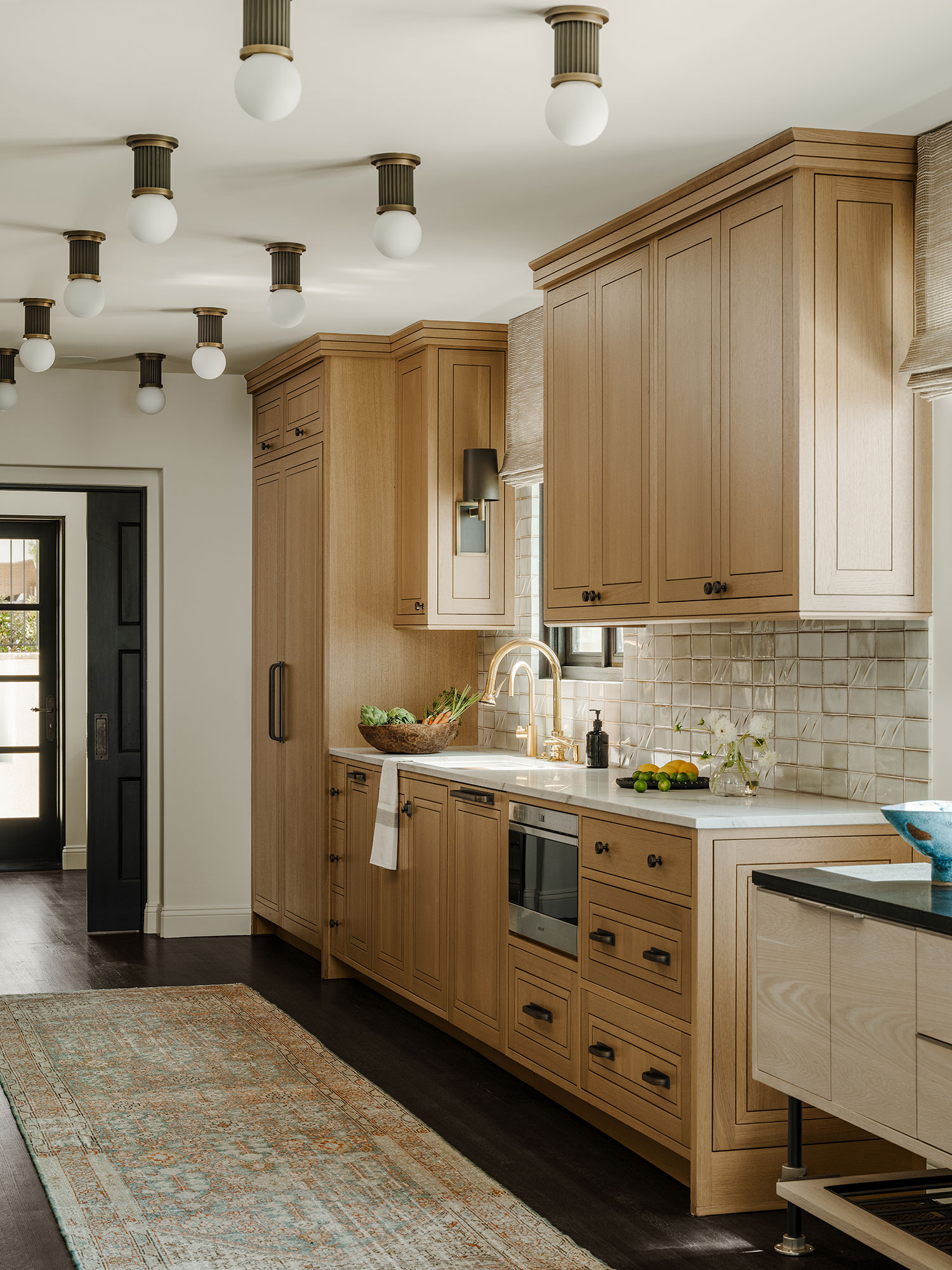
Priya Vij, founder of Hapny Home, confirms the growing interest in maple kitchens, highlighting their warmth, coziness, and nostalgic appeal. Beyond aesthetics, Vij notes the practicality of wooden cabinets, citing their sturdiness, temperature resistance, and ease of cleaning. This practical aspect contributes to their renewed popularity among both renters and homeowners.
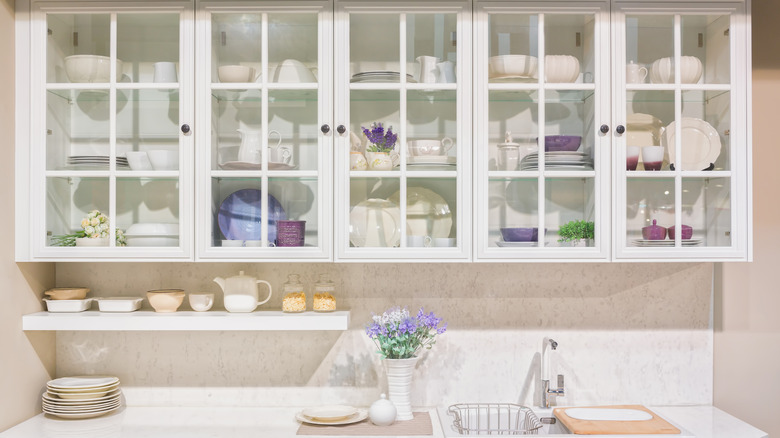
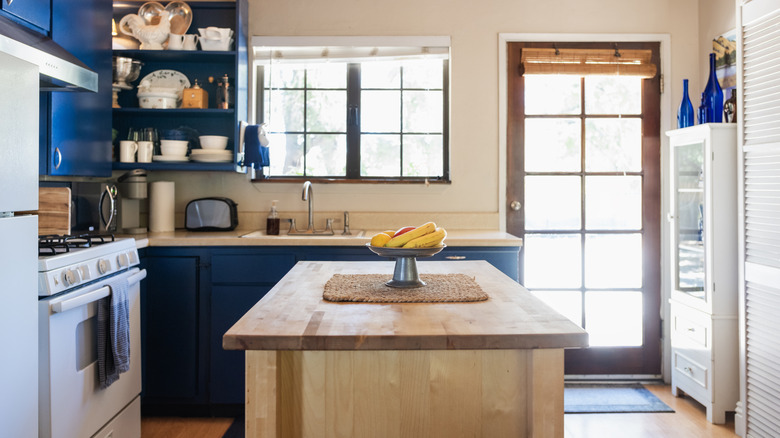
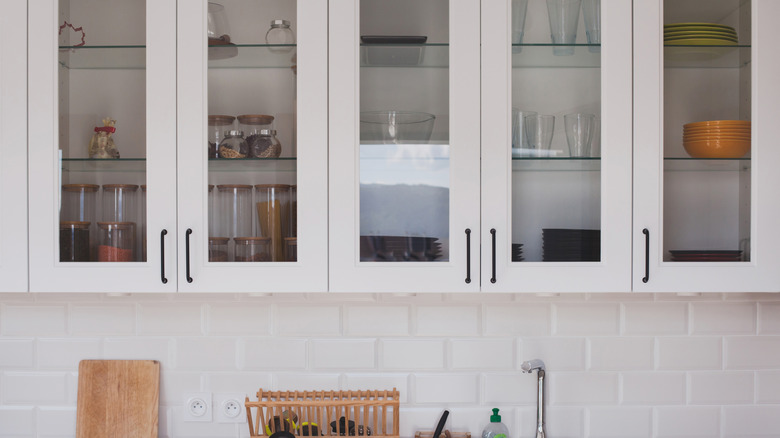
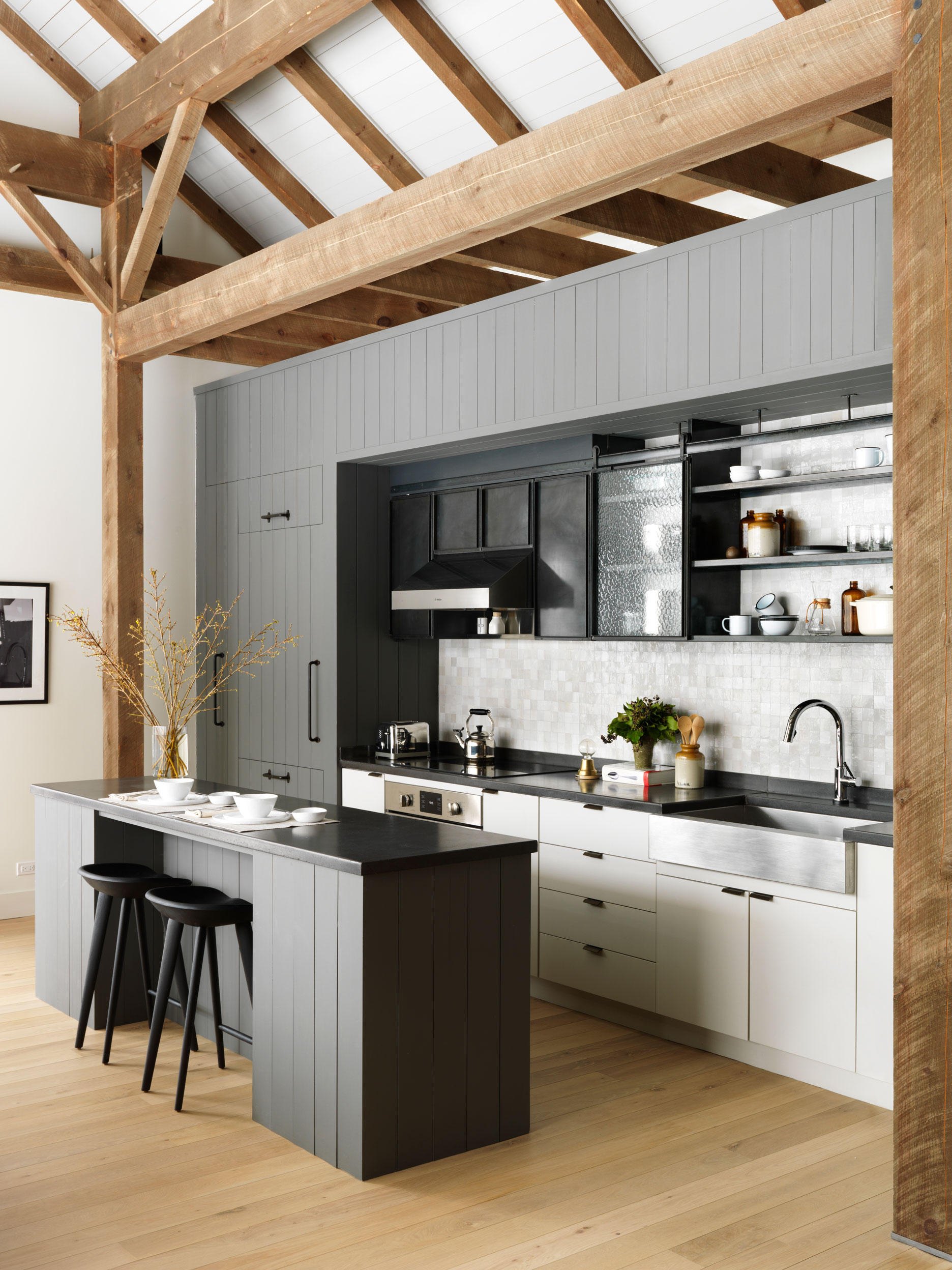
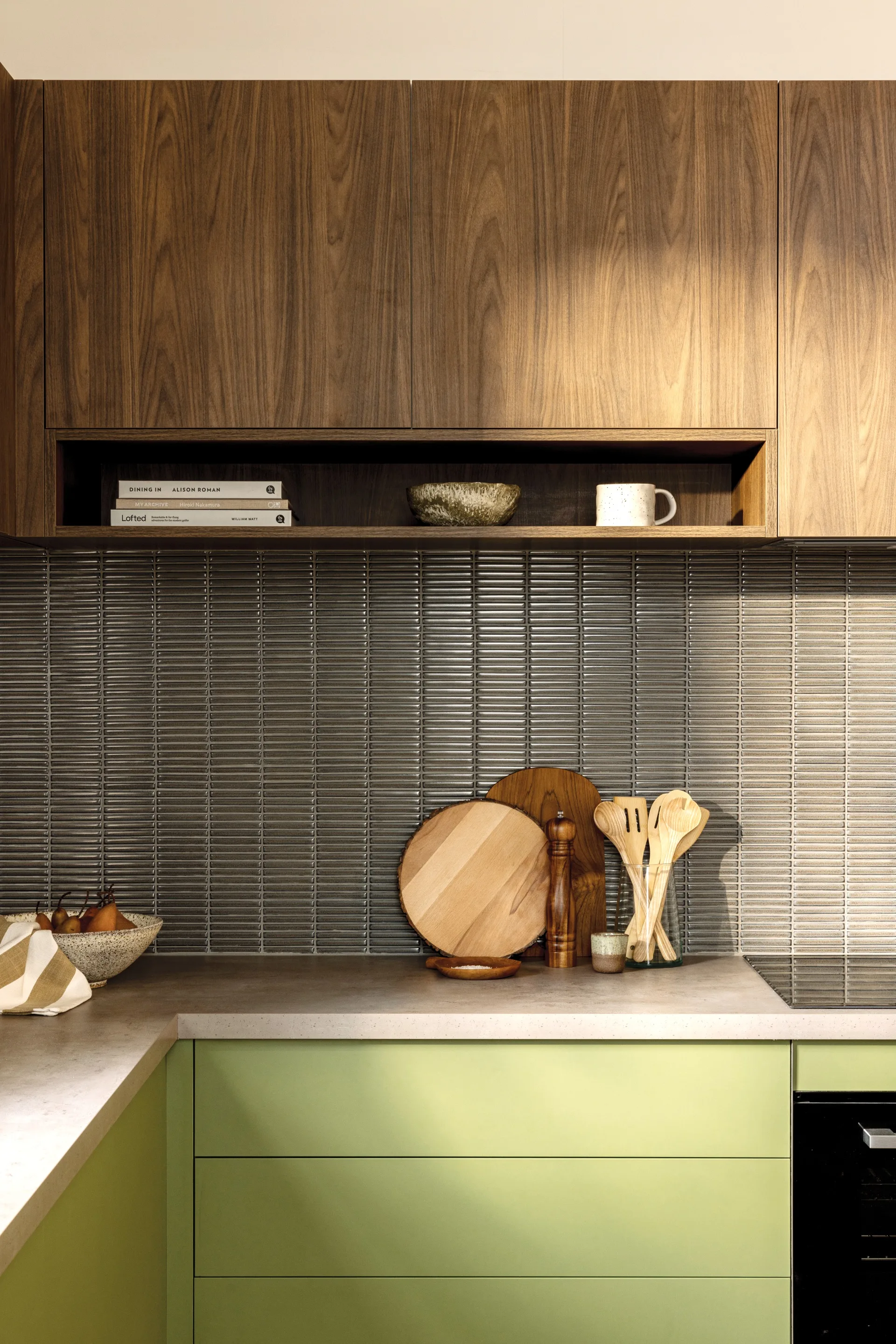
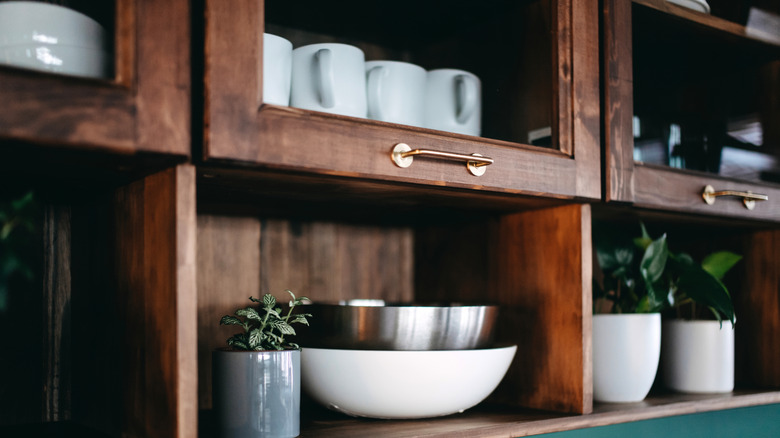
To effectively update existing wooden cabinets, Jodi Peterman, CEO of Elizabeth Erin Designs, suggests assessing the cabinet shape. She points out that kitchens from the 1990s often feature a mix of styles, where upper cabinets might appear dated while base cabinets are more contemporary. In such cases, Peterman recommends painting the upper cabinets and staining the base cabinets if needed. Alternatively, replacing dated upper cabinets with open shelving can provide a fresh, modern look and create opportunities to display attractive dishware or decorative items.
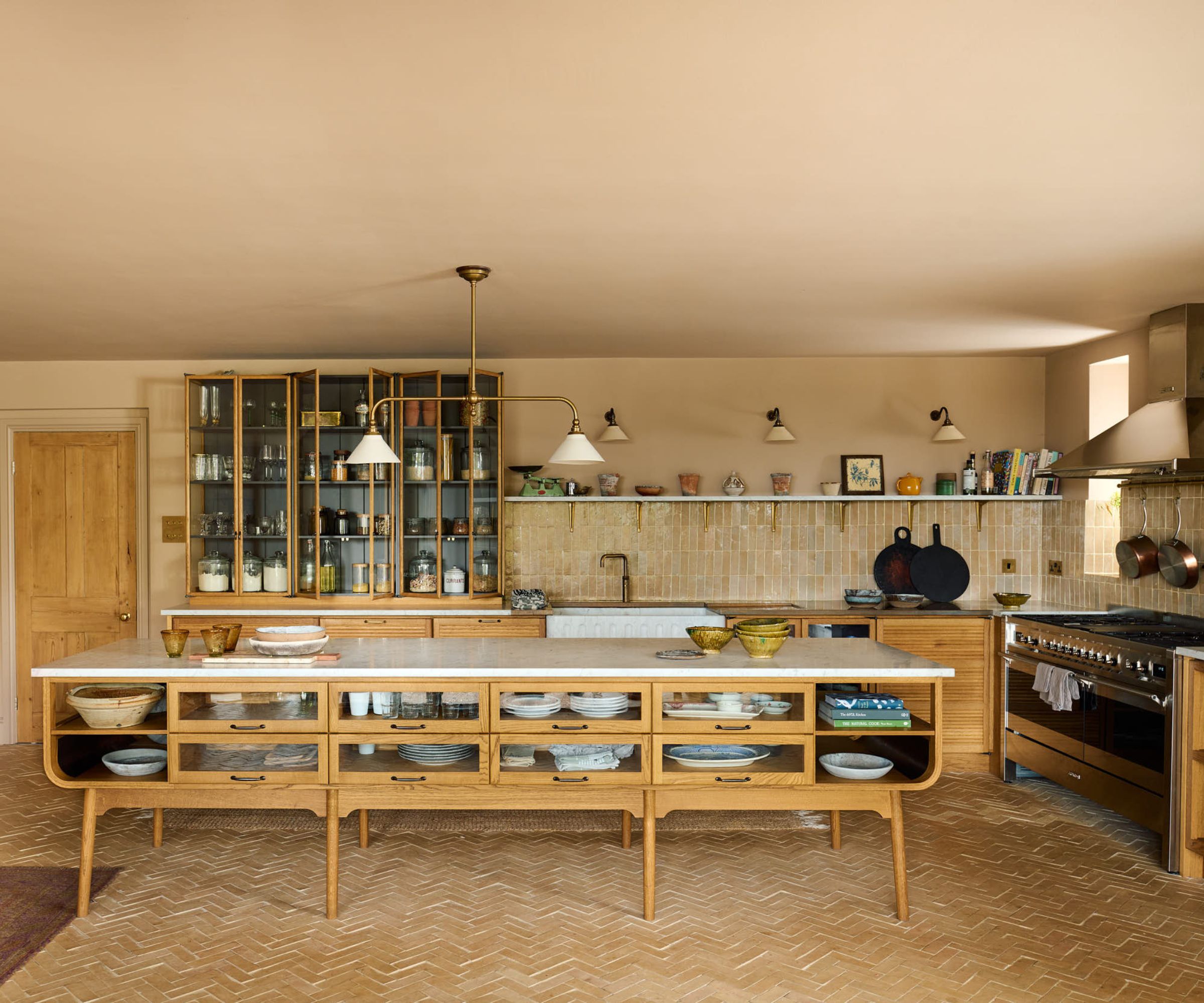
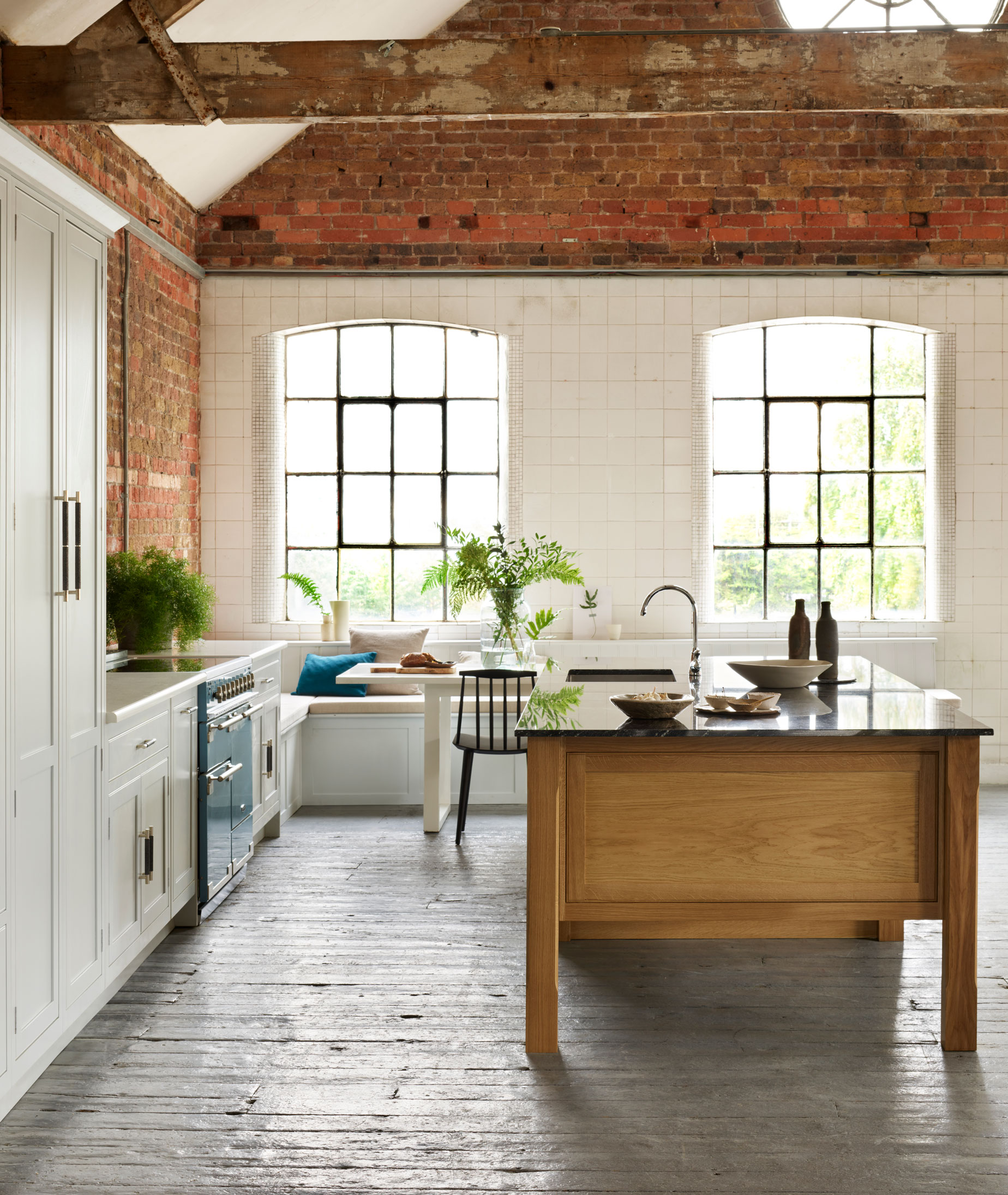
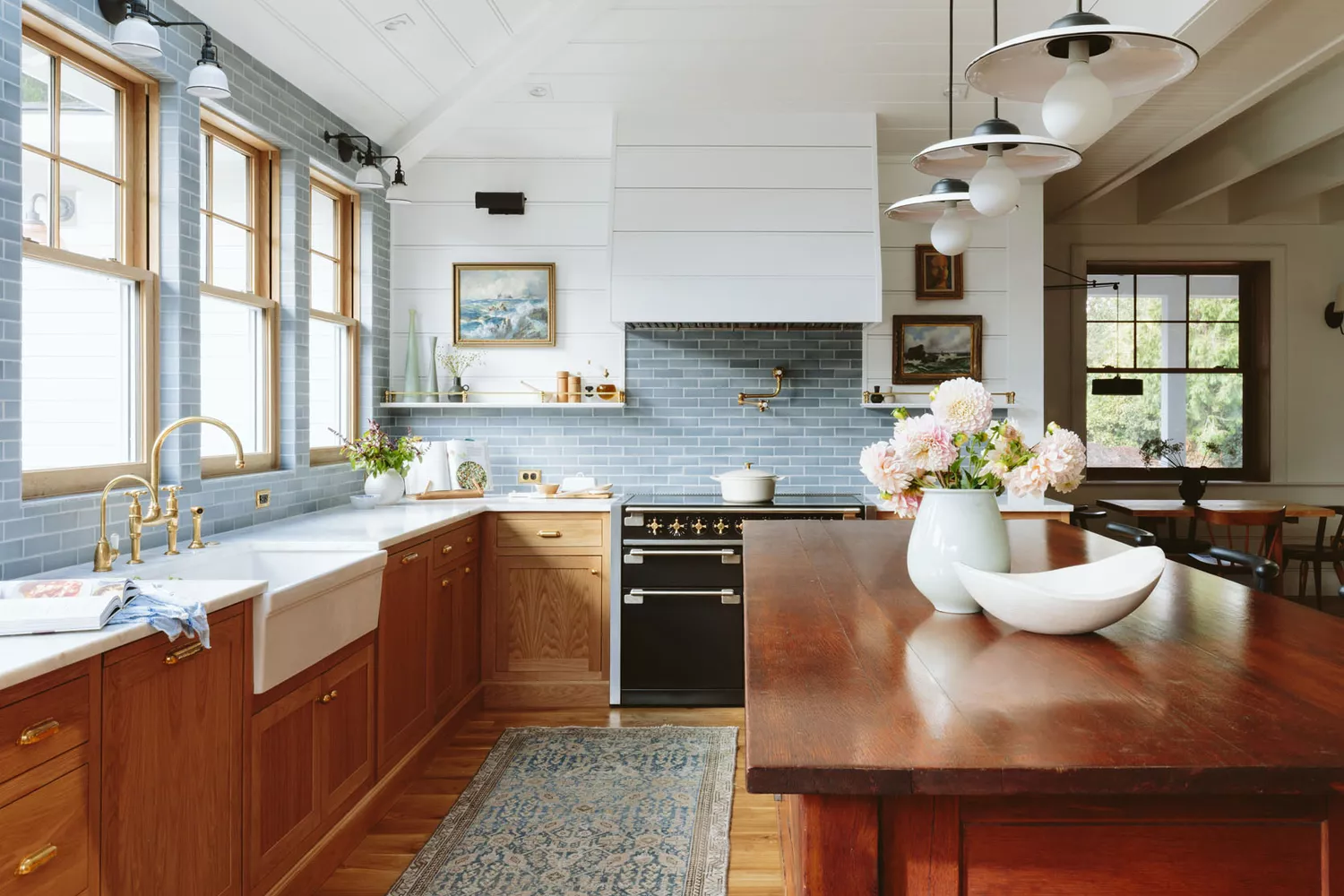
Peter Spalding, co-founder of Daniel House Club, explains that the versatility of warmer cabinetry is a key factor in its comeback. He notes that these cabinets complement various wall colors, including stark white, soft blues, and greens, especially when bathed in natural sunlight, making them adaptable to different design schemes.
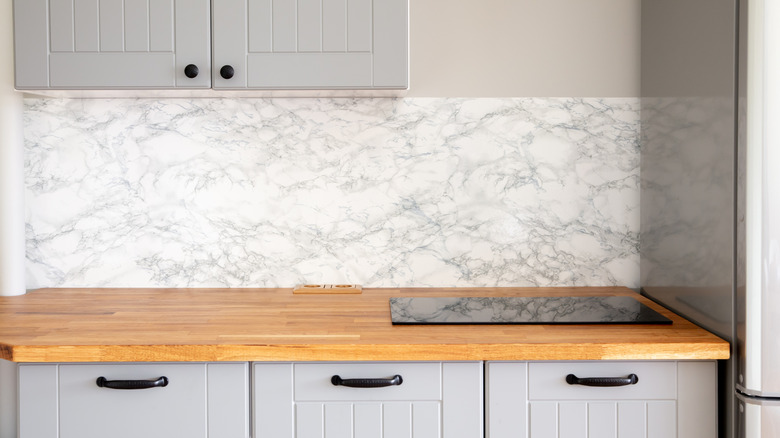
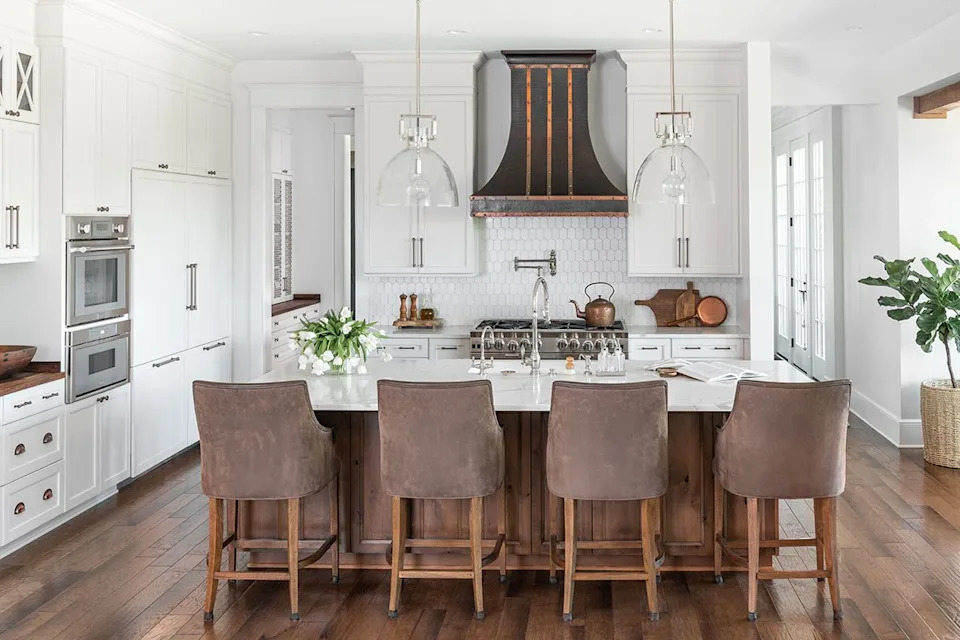
Matthew O’Grady, director of Thomas Matthew Kitchens, emphasizes that maple cabinets in good condition do not necessarily require demolition or painting. He suggests simple modernization techniques, such as upgrading hardware to contemporary brushed nickel or matte black minimalist designs. Other effective updates include installing crown molding or under-cabinet lighting, which can significantly alter the kitchen's appearance.
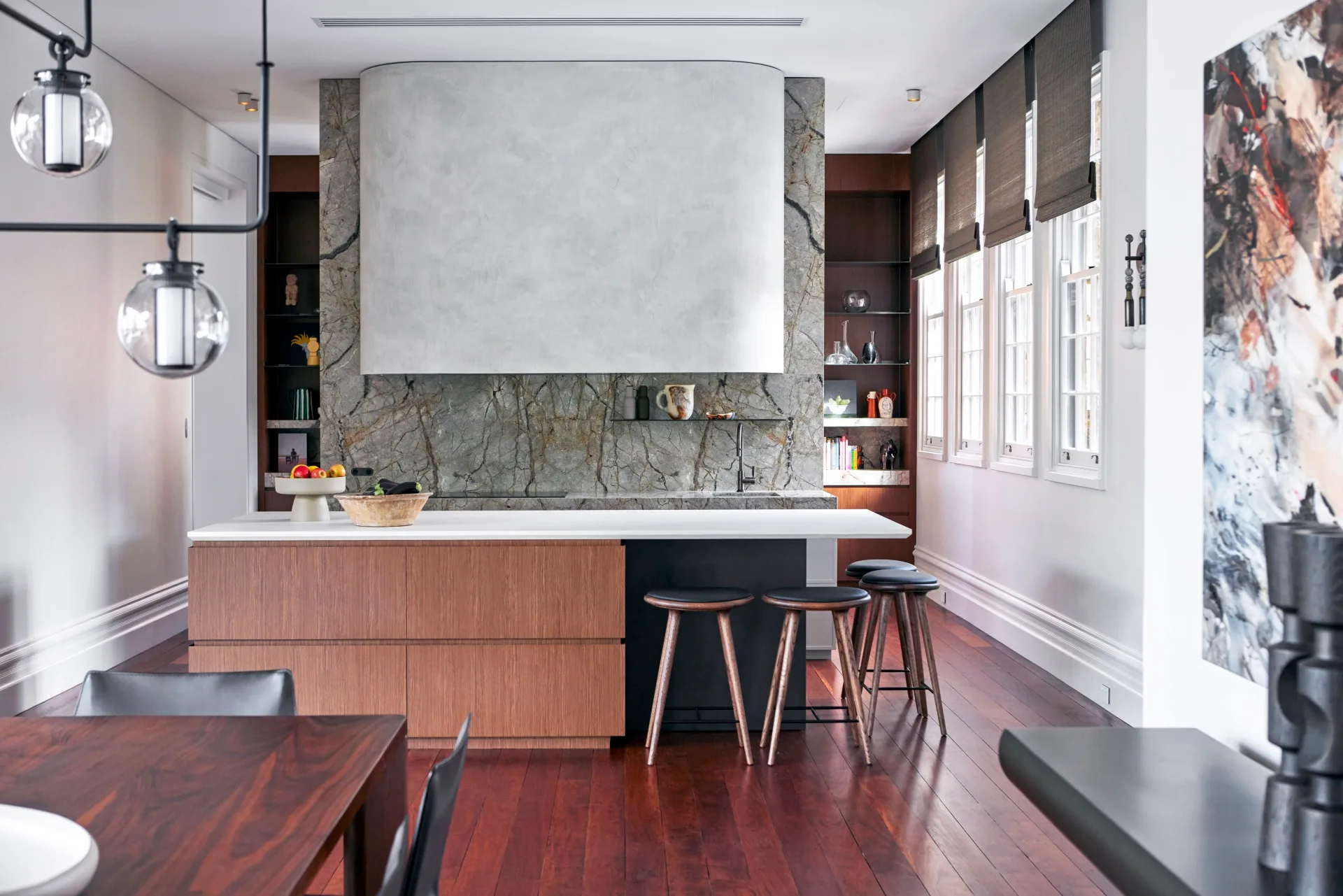
Spalding also advises treating wooden cabinets as an accent rather than allowing wood to dominate the entire space, a common characteristic of 1990s kitchens. Pairing maple cabinets with creamy light blue or soft gray-green walls can prevent the kitchen from looking dated. Stephanie Pierce of MasterBrand reinforces the importance of using a grounding neutral color, such as cream or white, to create a harmonious blend with existing 20-30-year-old cabinets.
For wooden cabinets with undesirable orange-based stains that were popular decades ago, Pierce suggests staining them with a more organic brown tone, provided they are true maple, which is easily stainable. This approach can achieve a more modernized aesthetic. Spalding offers a specific exception to embracing existing warm maple cabinets: if the cabinets are maple overlay kitchen cabinets with shaker-style doors, he recommends replacing them, indicating that certain styles are less conducive to modern updates. Overall, the article provides actionable advice for integrating and refreshing 1990s-era wooden kitchens into contemporary home designs.
#KitchenDesign #HomeDecor #CabinetryTrends #InteriorDesign #MapleCabinets #90sRevival #KitchenRenovation #DesignTips #HomeImprovement #KitchenDesign #HomeDecor #CabinetryTrends #InteriorDesign #MapleCabinets #90sRevival #KitchenRenovation #DesignTips #HomeImprovement
0 comment in total
 No comments yet
You may also like
This nostalgic kitchen trend is back and here to stay, according to experts
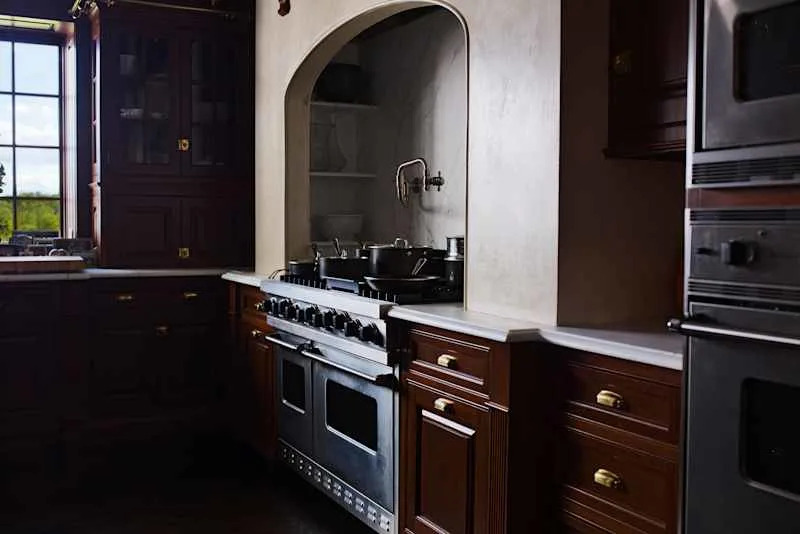
This Is the Old-World Interior Design Trend Taking Over Kitchens Again
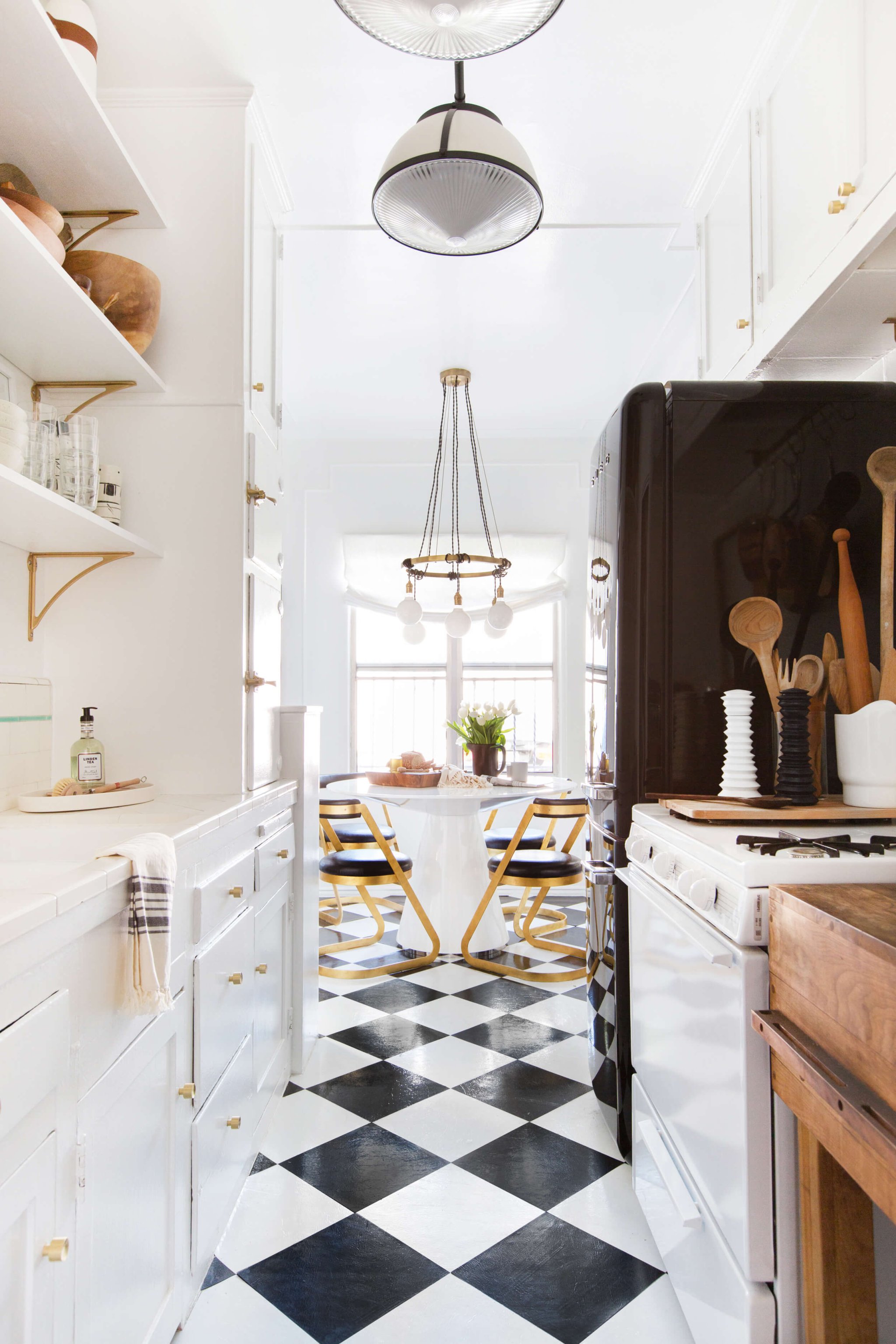
This “Dated” Kitchen Trend Is Back (and We’re Into It)
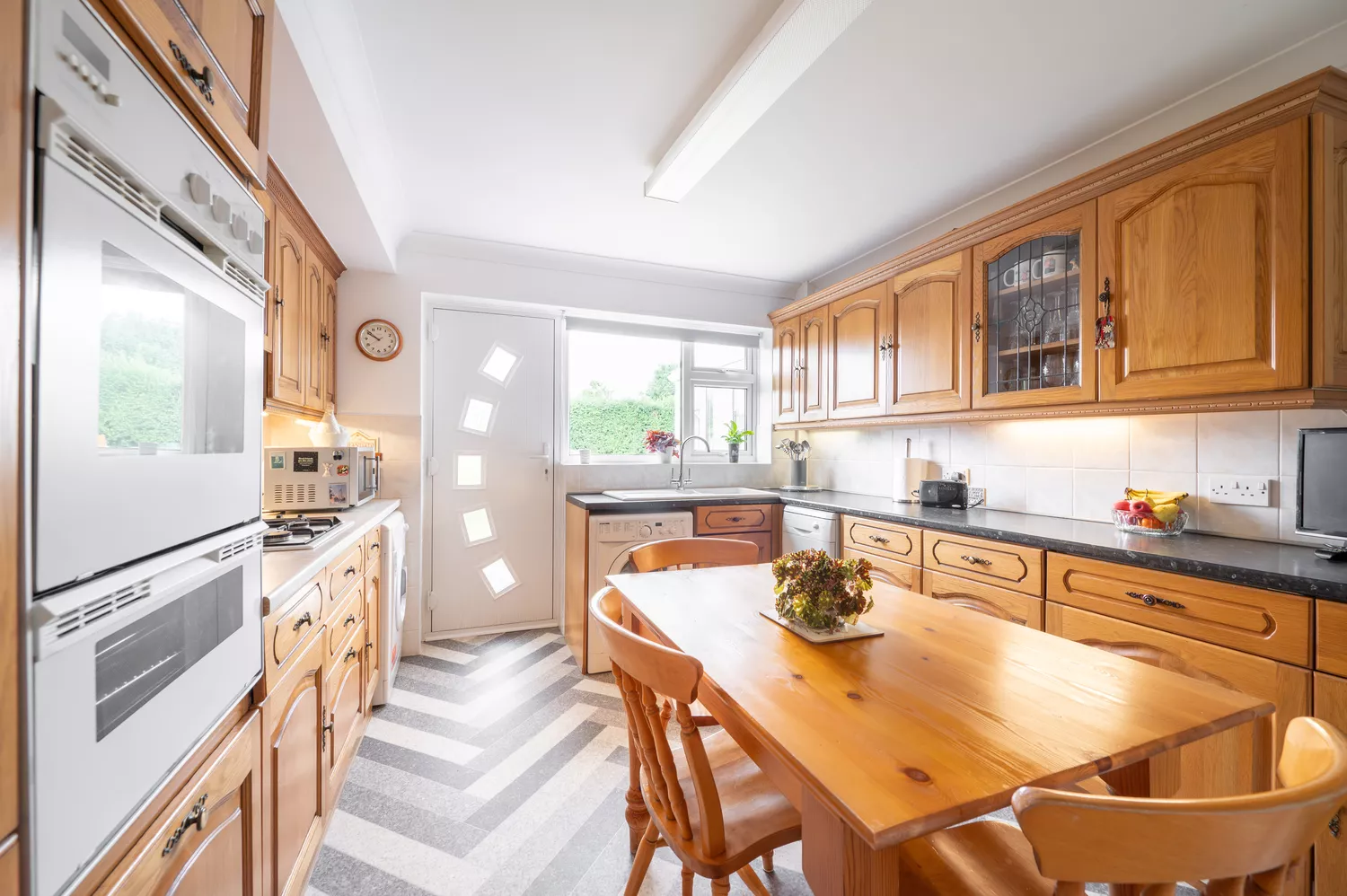
Designers Agree: This Outdated Cabinet Trend Is Making a Major Kitchen Comeback in 2026
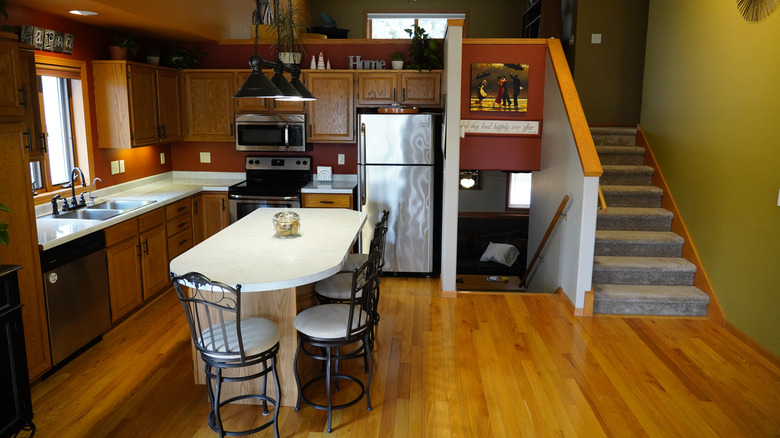
10 '90s Kitchen Design Trends We Think Need A Comeback

Surprise: 1990s Design Trends Are Coming Back
1990s Kitchen Trends We’re Falling In Love With All Over Again
How to Embrace Kitchen Trends That Won't Go Out Of Style

9 Kitchen Trends From The '90s That Are Making A Comeback

Design Experts Agree: This Kitchen Style Is Making a Major Comeback
The Surprising Retro Kitchen Design That's Making a Major Comeback

’90s Fashion is Back—But What About ’90s Interiors? Here’s What Designers Say

Wait, Are '90s Kitchens Back in Style? Why Designers Are Embracing Them Again
This Outdated Kitchen Design Style Is Coming Back (and That’s a Good Thing)
9 ideas to steal from the kitchens of the 1990s and how to make them actually look chic in 2025
Charming '90s Kitchen Color Schemes That Deserve A Comeback

10 Outdated Kitchen Trends Making A Comeback, According To A Design Expert
This Traditional Kitchen Detail is Making an Unexpected Comeback This Year

10 ways interiors experts introduce wood into a kitchen to boost its character
Like it or Not, 90s Décor Is Back and in Homes Everywhere, According to Interior Designers