1/23
Lion Mountain Park / TLS Landscape Architecture
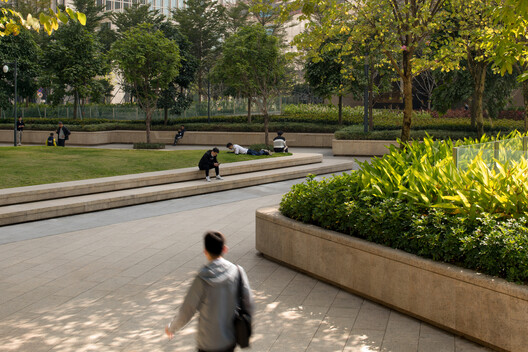
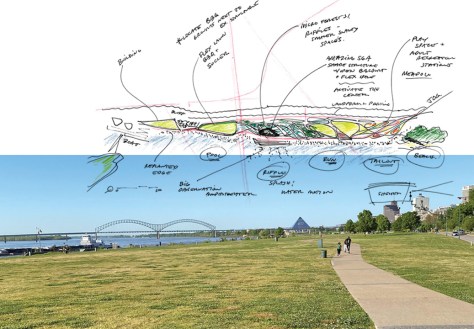
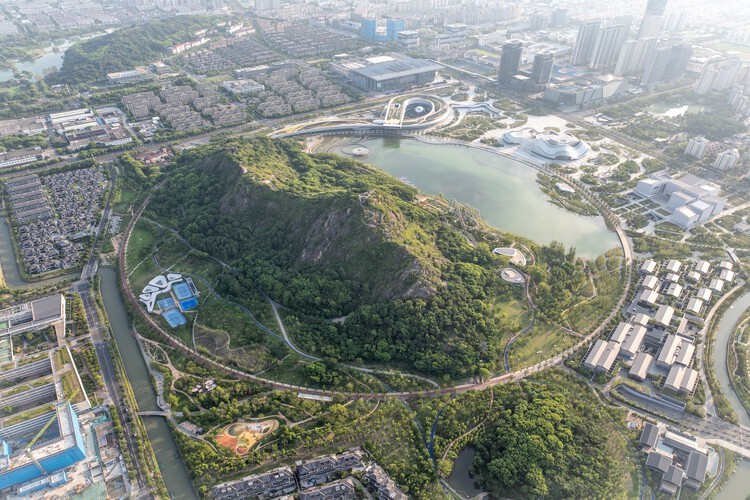
Lion Mountain in Suzhou, China, a significant historical and natural landmark, has undergone a major transformation following an international competition won by TLS Landscape Architecture in 2016. The area, previously degraded by a dilapidated amusement park, a small lake, and obtrusive advertisements on the mountain face, has been restored to its former glory over nine years of dedicated work, culminating in the park's completion. The project focused on rejuvenating the mountain's natural landscape and creating a new lake, park, and district that honor its heritage.
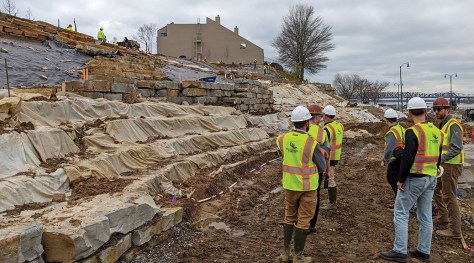
The redesign of Lion Mountain Park involved extensive environmental restoration, including the removal of all amusement park structures and an aerial tramway. The project introduced a new lake, significantly larger than its predecessor, which now serves as a central feature of the park. The design integrates the urban fabric of Suzhou with the natural environment, promoting ecological health and public access. The core vision was to provide a natural public amenity that resonates with the mountain’s historical and cultural significance, which includes ancient poetry carved into its trails. TLS Landscape Architecture, with Tom Leader as the lead landscape architect, spearheaded this comprehensive effort.
The park's development embraced several key design principles aimed at ecological restoration and sustainable urban development. A significant component of the project was the implementation of 'Sponge City' principles, with Jiangsu Zhuyan Design & Consulting serving as the specialist consultant. This approach manages urban stormwater, reduces flood risks, and enhances water quality through natural processes. The new lake and surrounding landscape are designed to absorb and filter rainwater, creating a more resilient ecosystem. The project also involved extensive planting of native species to restore biodiversity and improve air quality, contributing to a healthier urban environment.
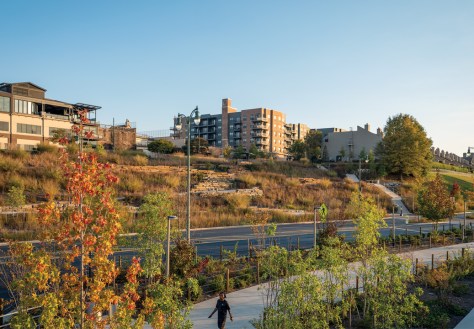
Architecturally, the park includes pavilions designed by Kuth Ranieri Architects, which blend seamlessly into the natural surroundings while offering functional spaces for visitors. These structures enhance the visitor experience without detracting from the natural beauty of the mountain and its restored landscape. The park is envisioned as a destination for both local residents and tourists, offering diverse recreational and cultural activities. Its pathways encourage exploration of the mountain’s trails, allowing visitors to connect with its historical inscriptions and panoramic views. The project has effectively transformed a previously underutilized and environmentally compromised area into a vibrant public space that celebrates nature, history, and modern ecological design.
The Lion Mountain Park project underscores the importance of thoughtful urban planning and landscape architecture in reclaiming and enhancing natural assets within a city. By addressing past environmental degradation and integrating sustainable design solutions, the park now serves as a model for urban regeneration. The collaboration between various design and consulting teams, including TLS Landscape Architecture, Suzhou Architecture Gardens Landscape Planning Design, and Jiangsu Zhuyan Design & Consulting, highlights a multidisciplinary approach to complex environmental and urban challenges. The project's successful completion provides Suzhou with a revitalized landmark that contributes to the city's green infrastructure and offers a valuable public resource.
#LandscapeArchitecture #ParkDesign #UrbanRegeneration #Suzhou #China #EnvironmentalRestoration #SpongeCity #SustainableDesign #PublicSpace #LandscapeArchitecture #ParkDesign #UrbanRegeneration #Suzhou #China #EnvironmentalRestoration #SpongeCity #SustainableDesign #PublicSpace
0 comment in total
 No comments yet
You may also like
This Park City Property Boasts Stunning Views and Elevated Amenities

An Architectural Feat in Silicon Valley Tames a Rocky Landscape

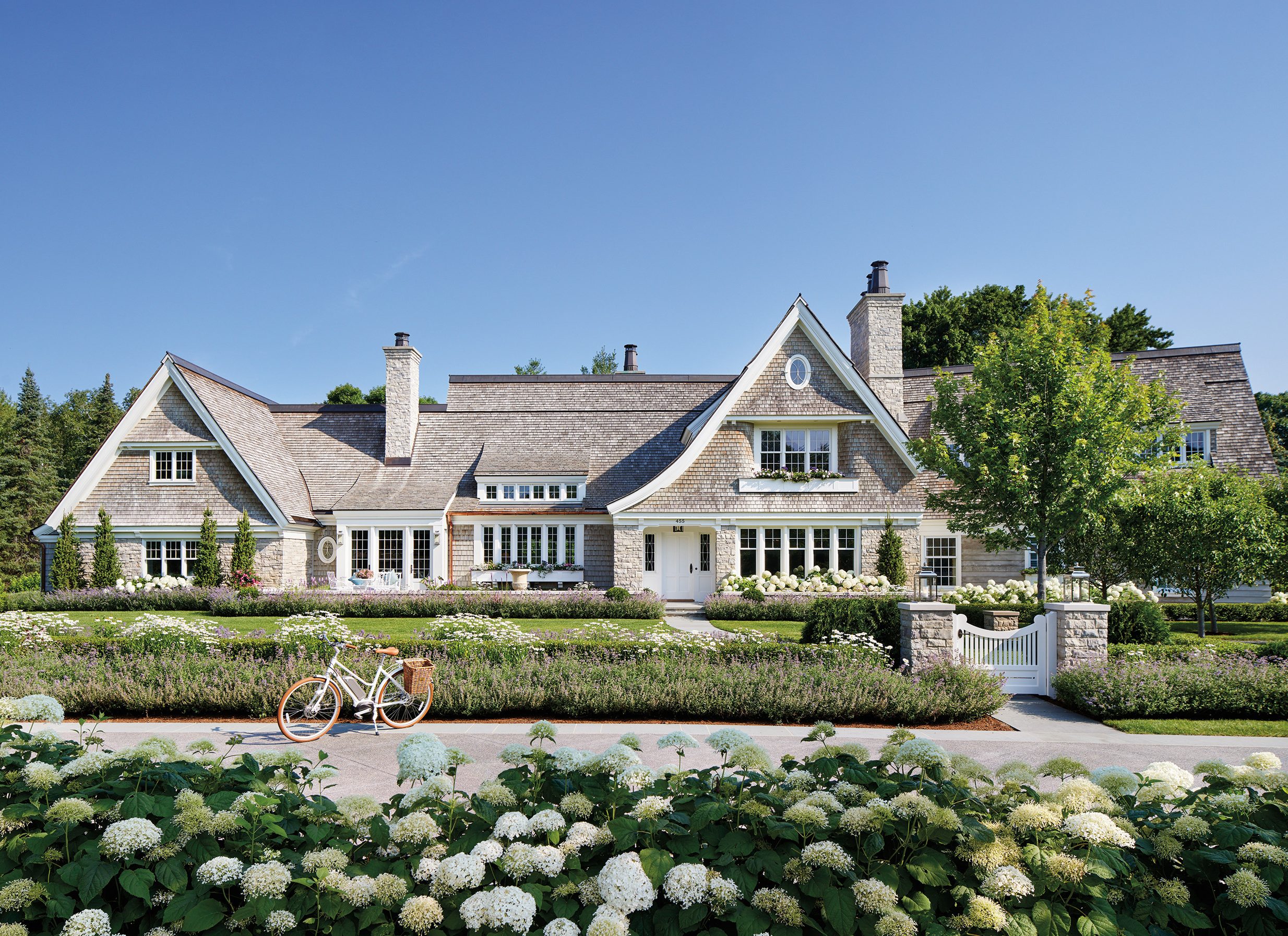
A Storybook-Style Transformation Near Lake Minnetonka


Projects with Passions: Three Landscape Architecture Analysts Nationally Recognized

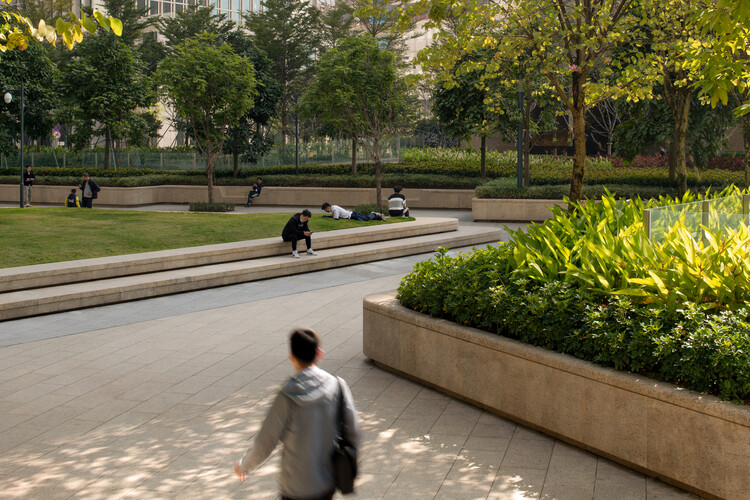
Landscape Design of Hony Tower / ASPECT Studios
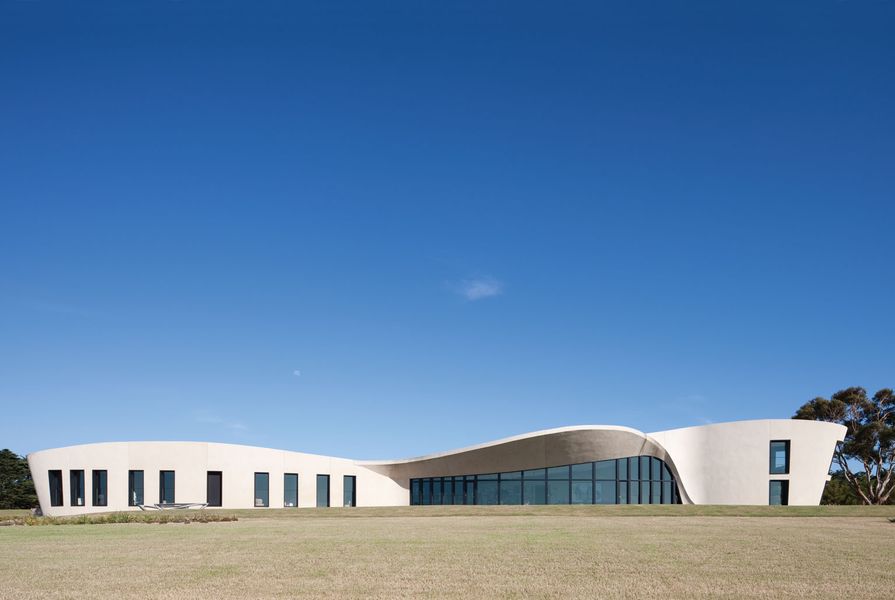
Flinders House
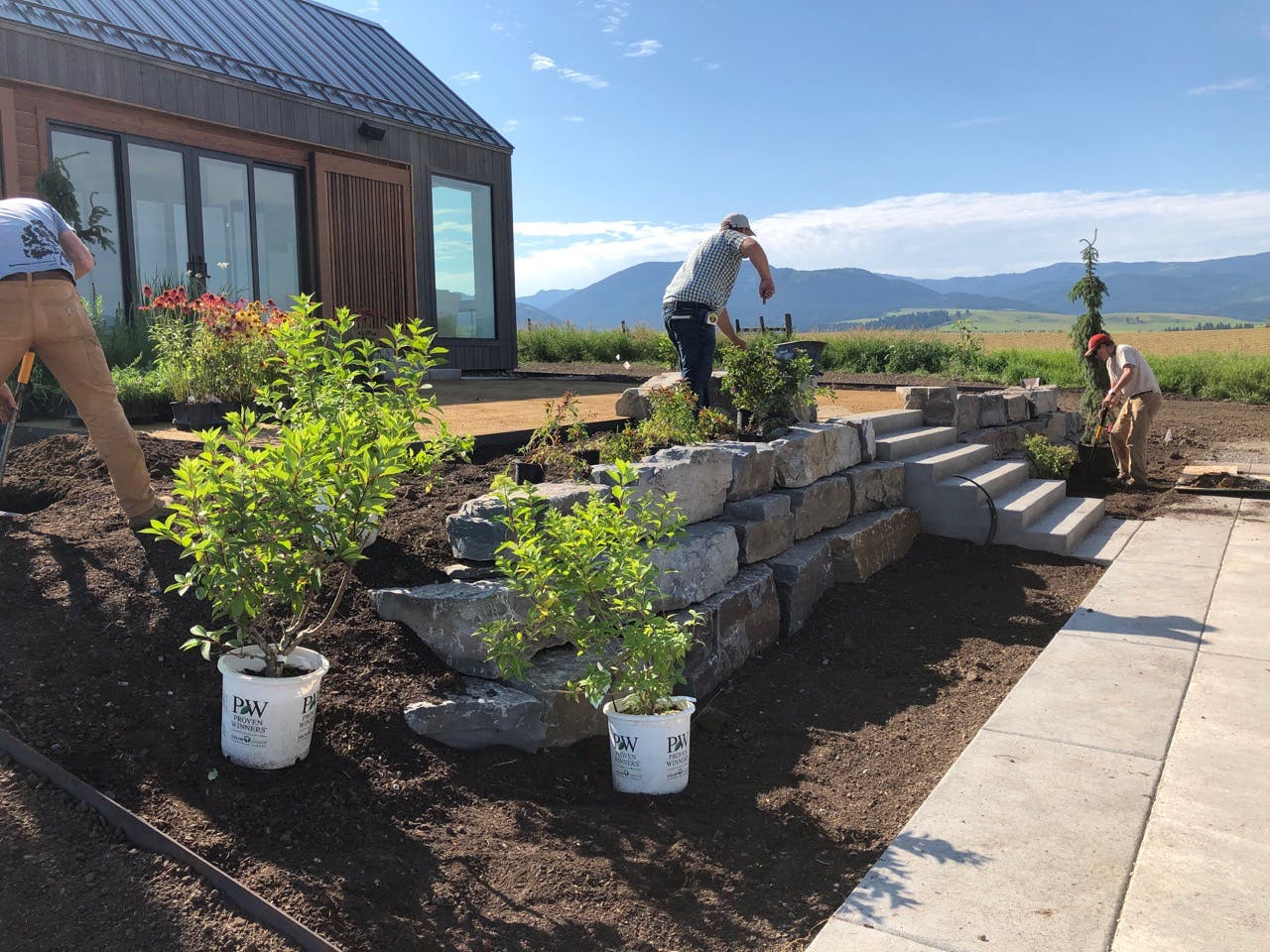
How to incorporate large rocks and boulders in landscape design

Ten Times Better

chinese resort by line+ embraces terraced mountain rhythms with varied-slope rooflines
This May Be One of the Most Beautiful Yards You’ll Ever See!

This Mountain Home Has Three (Yes, Three!) Patios for Taking in the Views

This Wyoming ranch home combines humble materials with forward thinking

ZEN Associates Designs and Builds Inspired North Shore Landscapes

Keeping It Weird
How SCAPE Flipped the Design Script In Memphis
Modern Craftsman in the Mountains

Lakeside Dream Home
Innovative landscape architecture and garden design around the world

This Christopher Architecture & Interiors home channels a refined elegance that is upscale yet approachable.
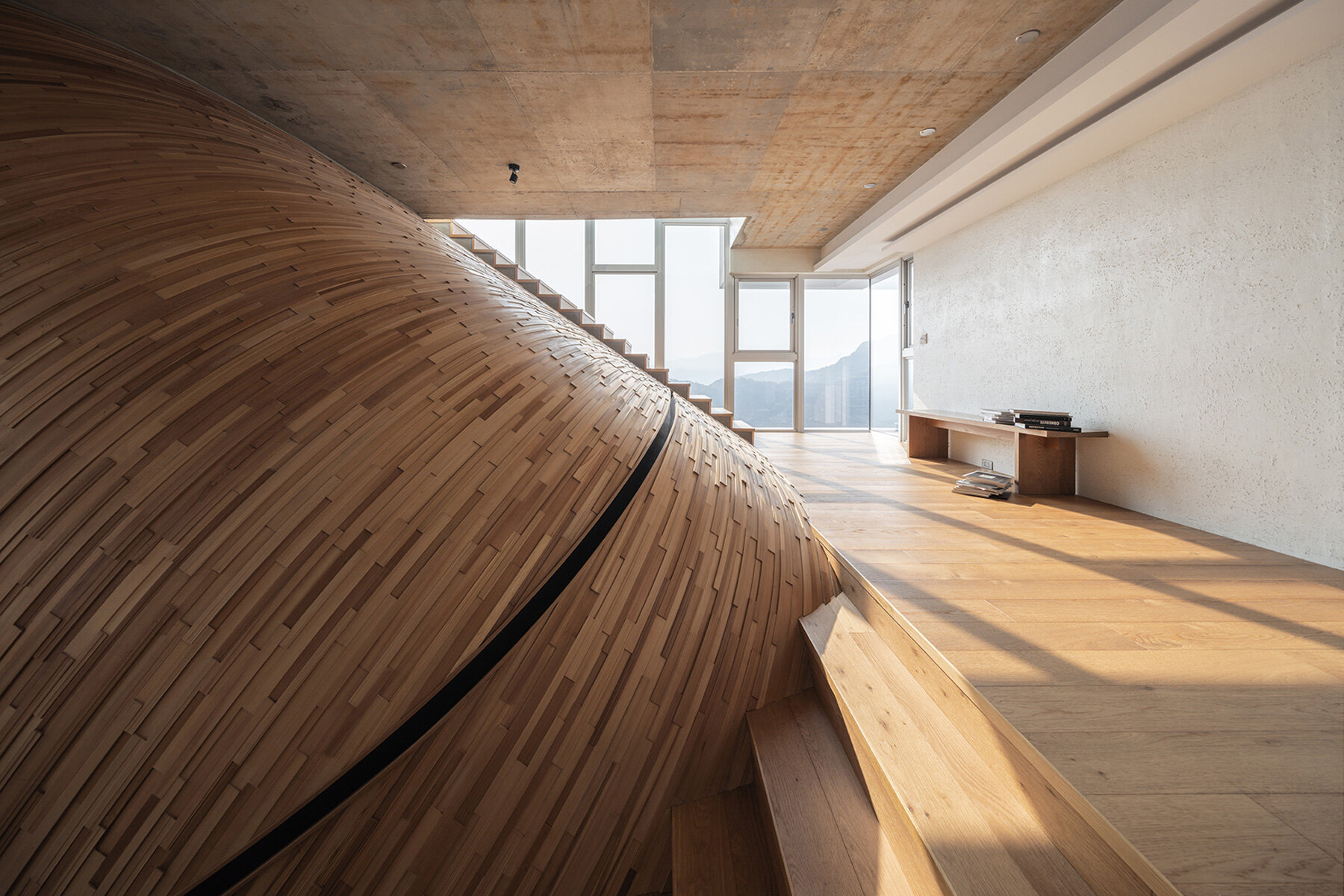
yuan architects organizes 'lan villa' in taiwan around dramatically curved wall