Japanese Architectural Designs that embody a zen, minimal way of living!
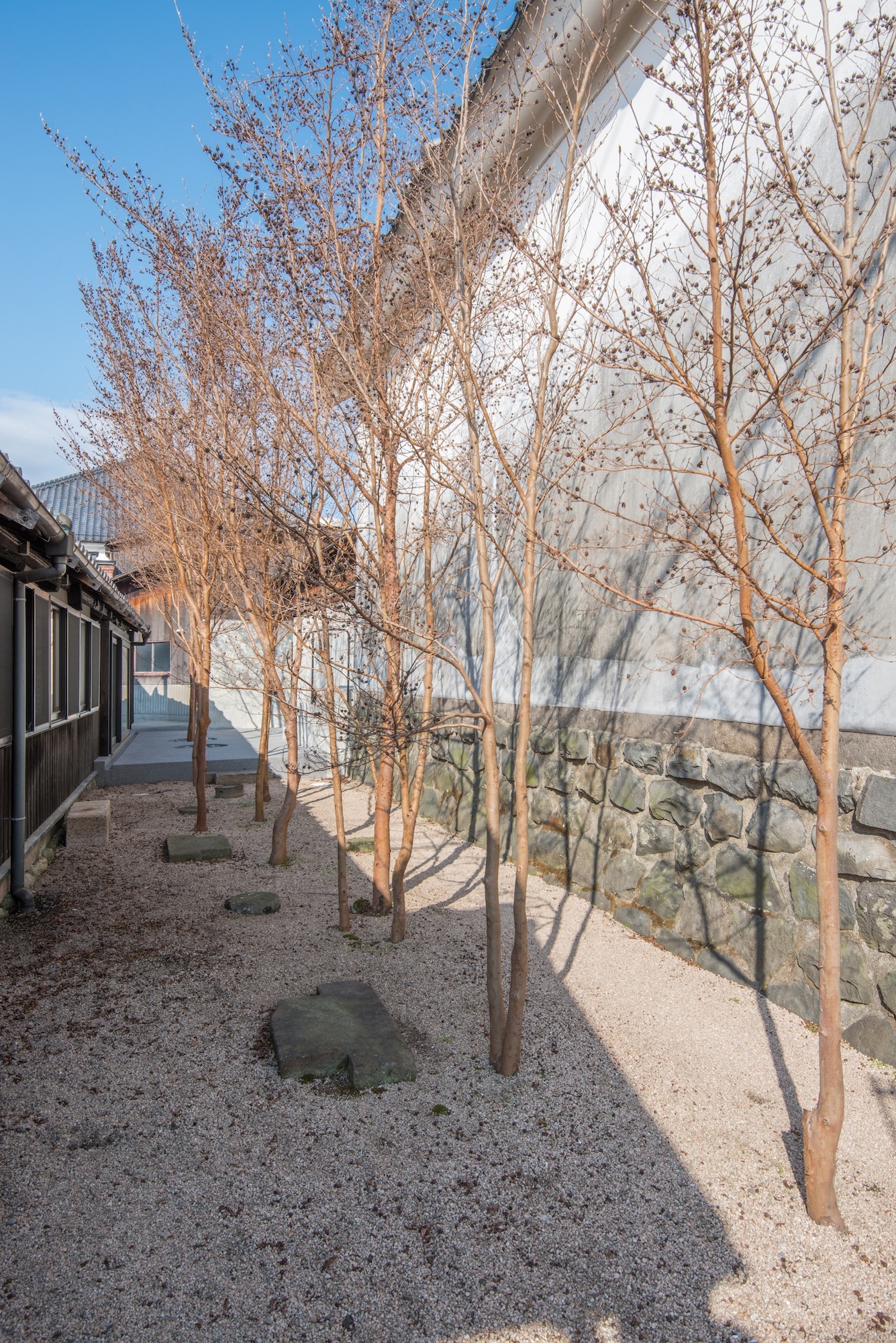
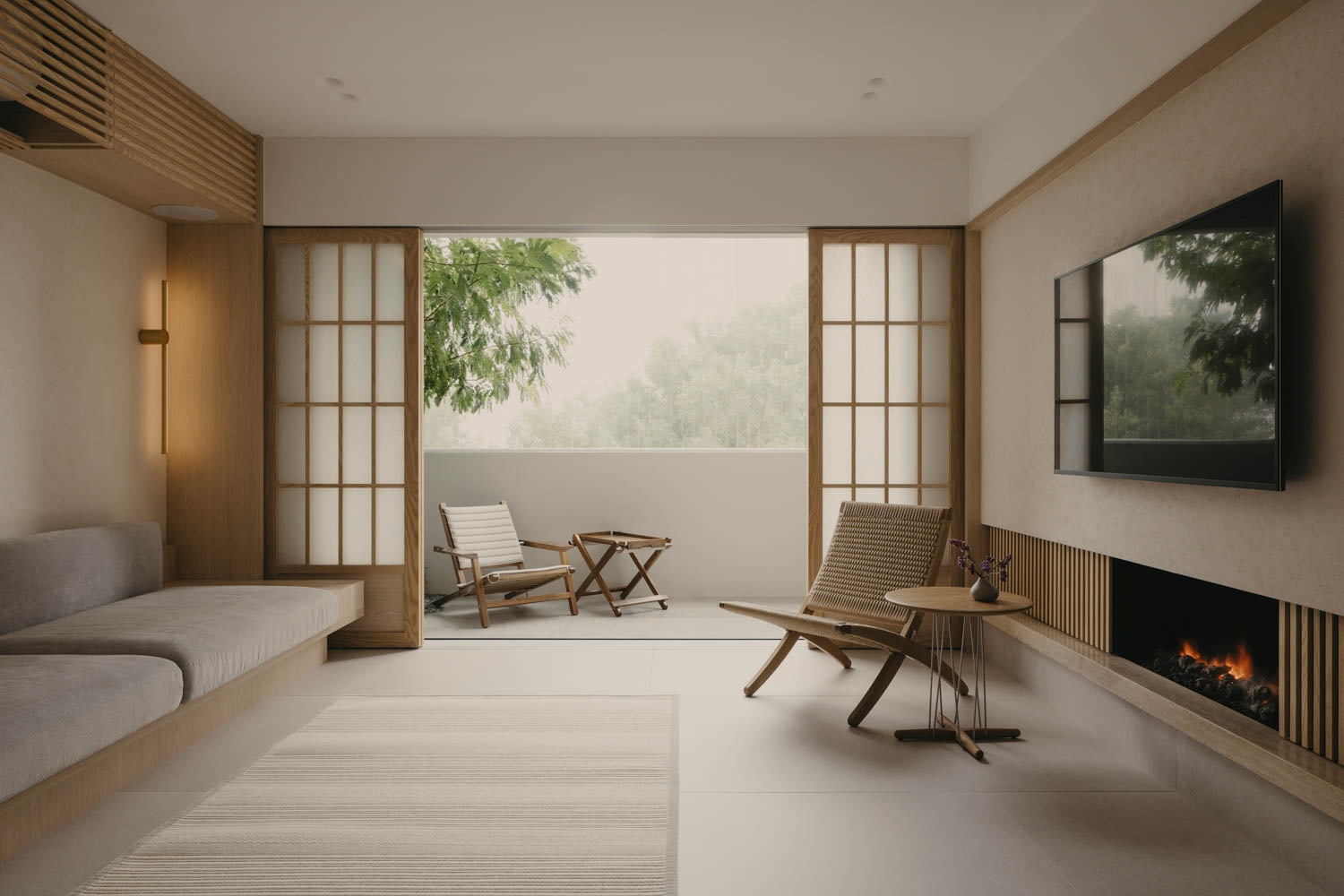
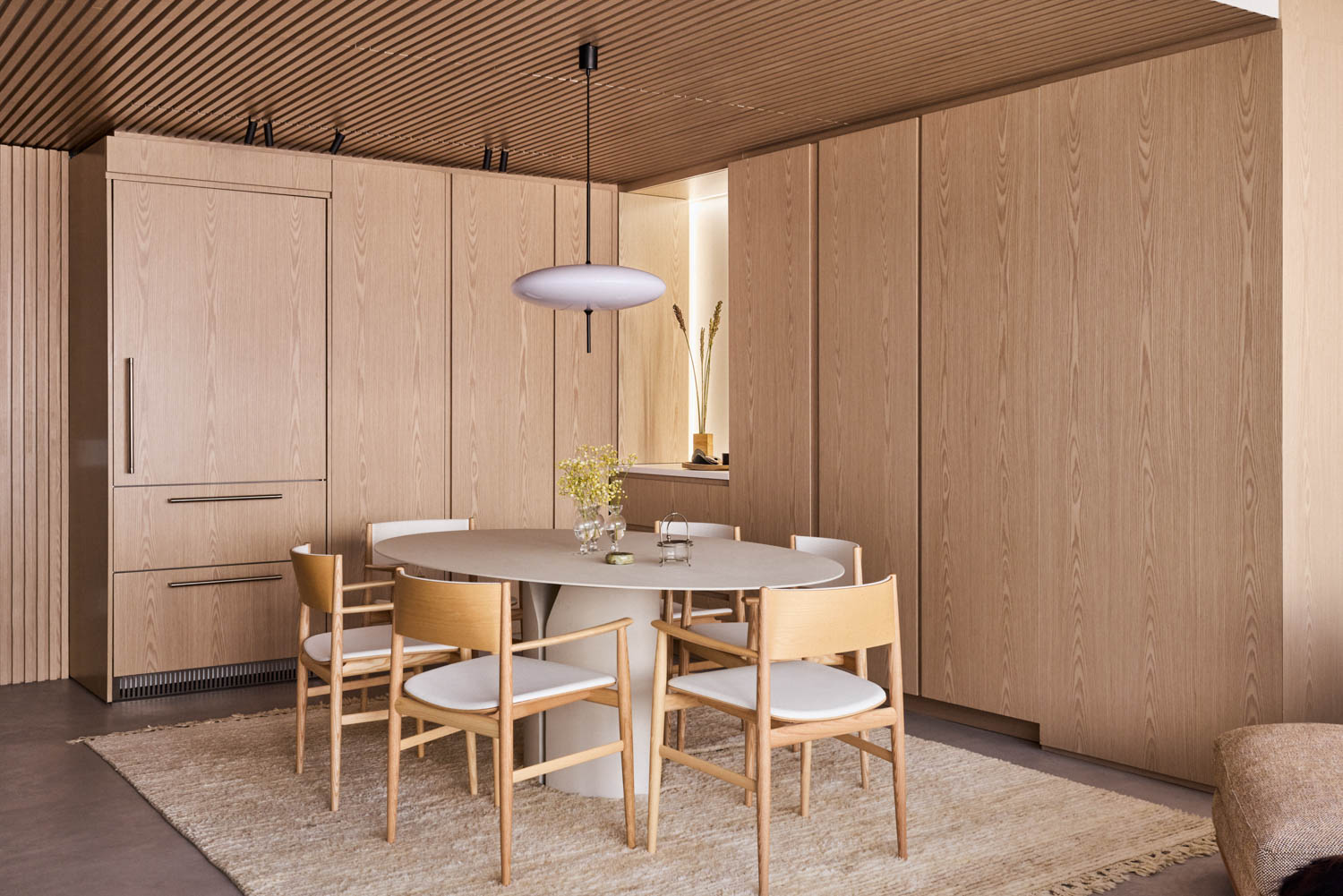
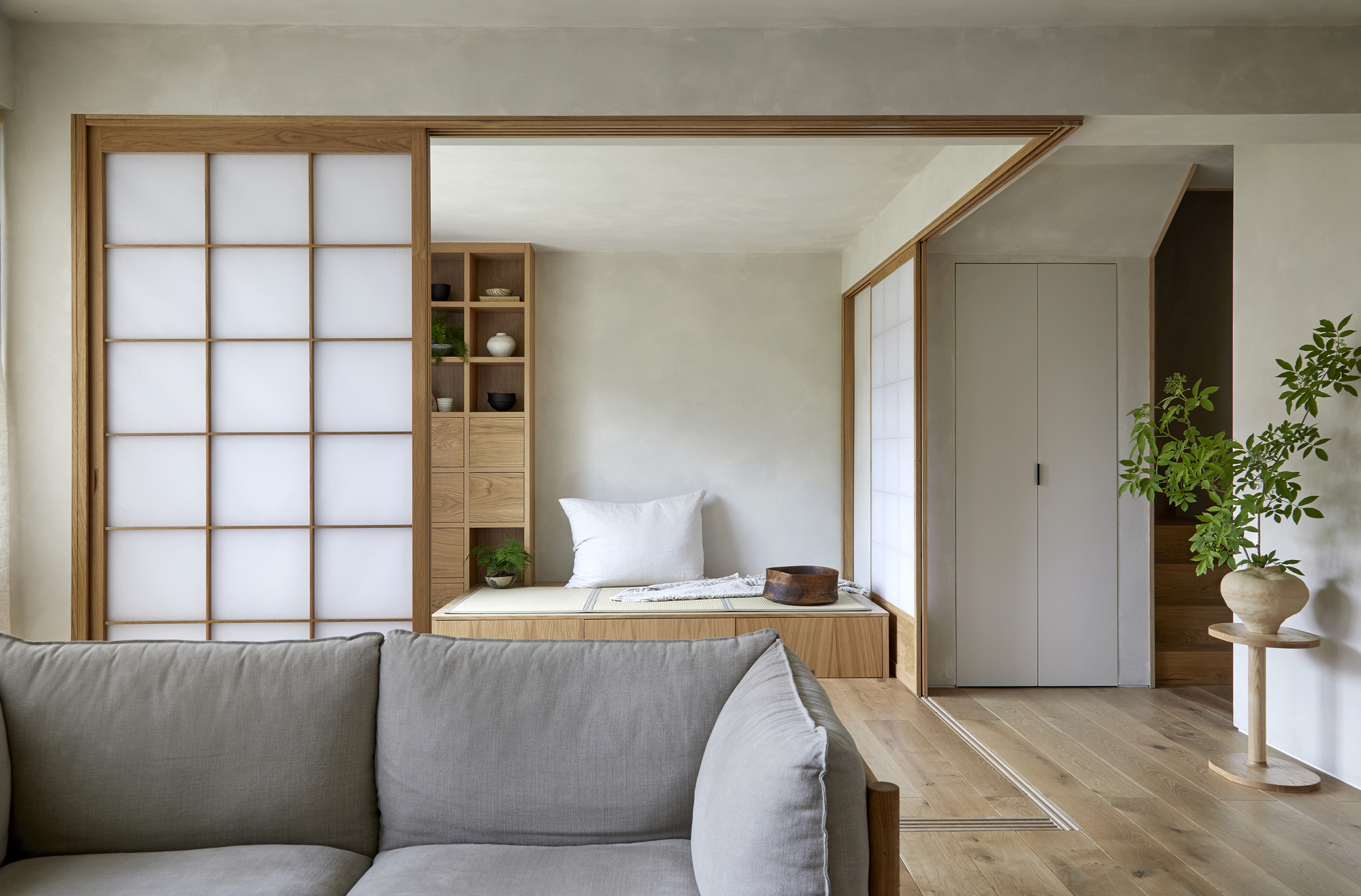
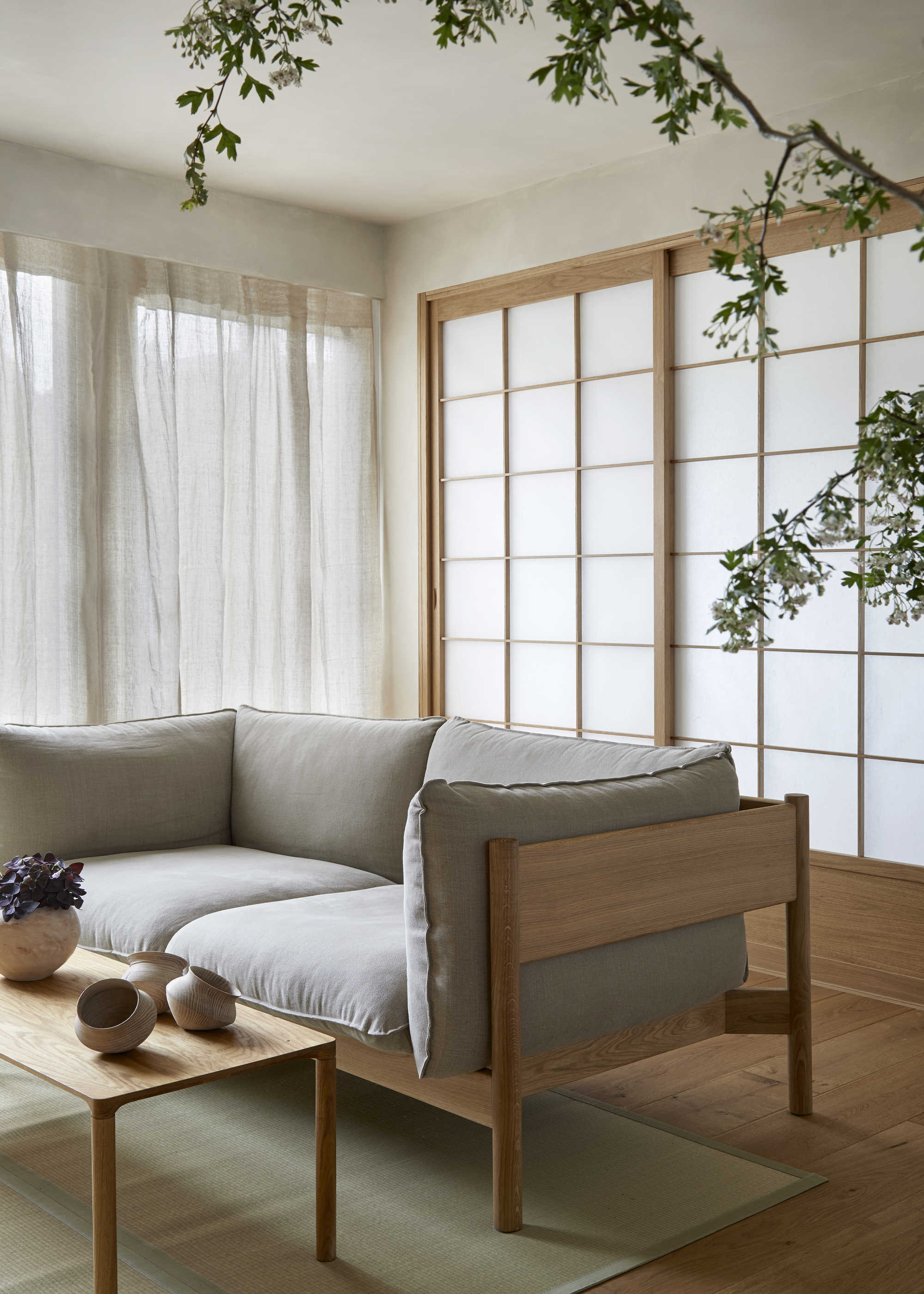
This article explores various Japanese-inspired architectural designs that embody a minimalist, zen, and harmonious way of living. It highlights several projects, each showcasing distinct features and design philosophies, while maintaining core Japanese architectural principles such as minimalism, elegance, the artful use of wood, and a connection to nature.
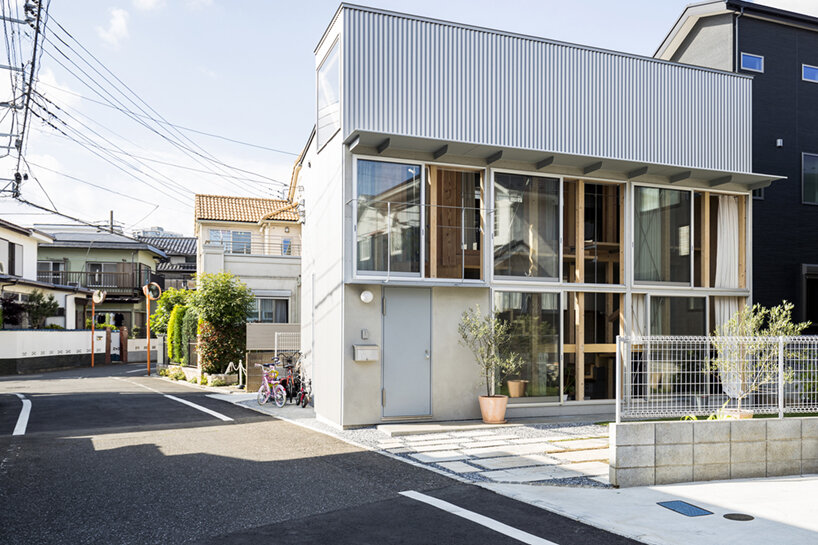
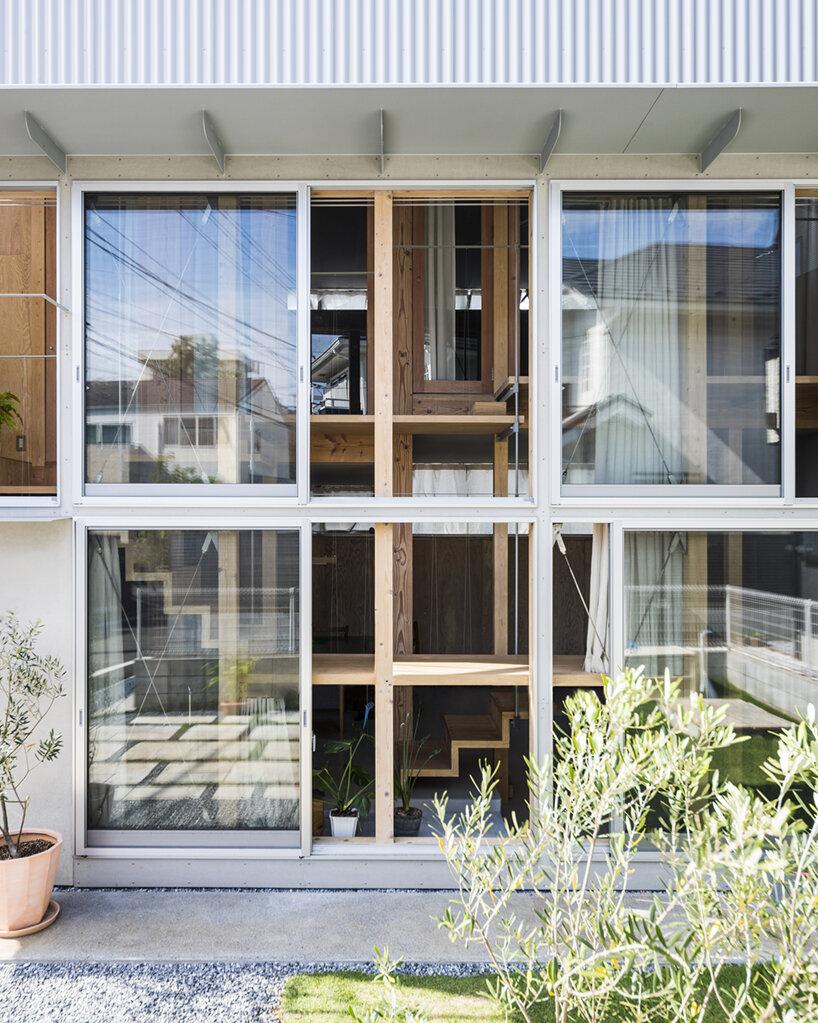
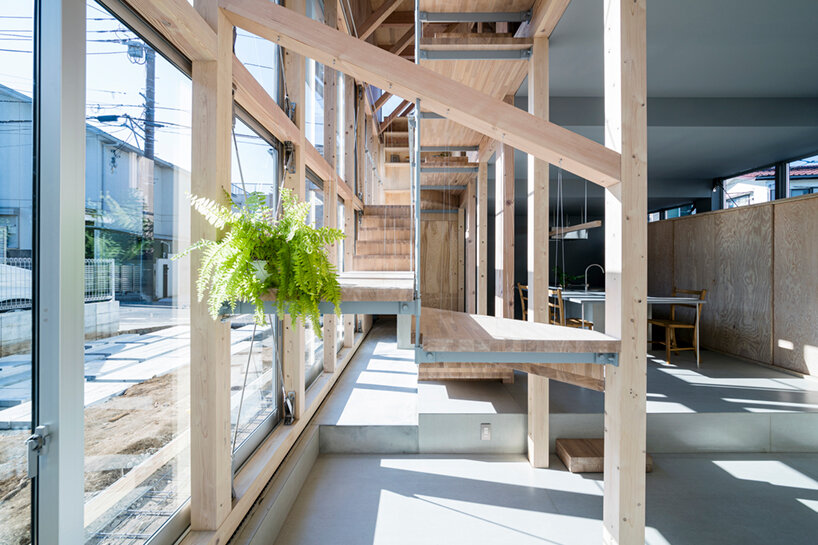
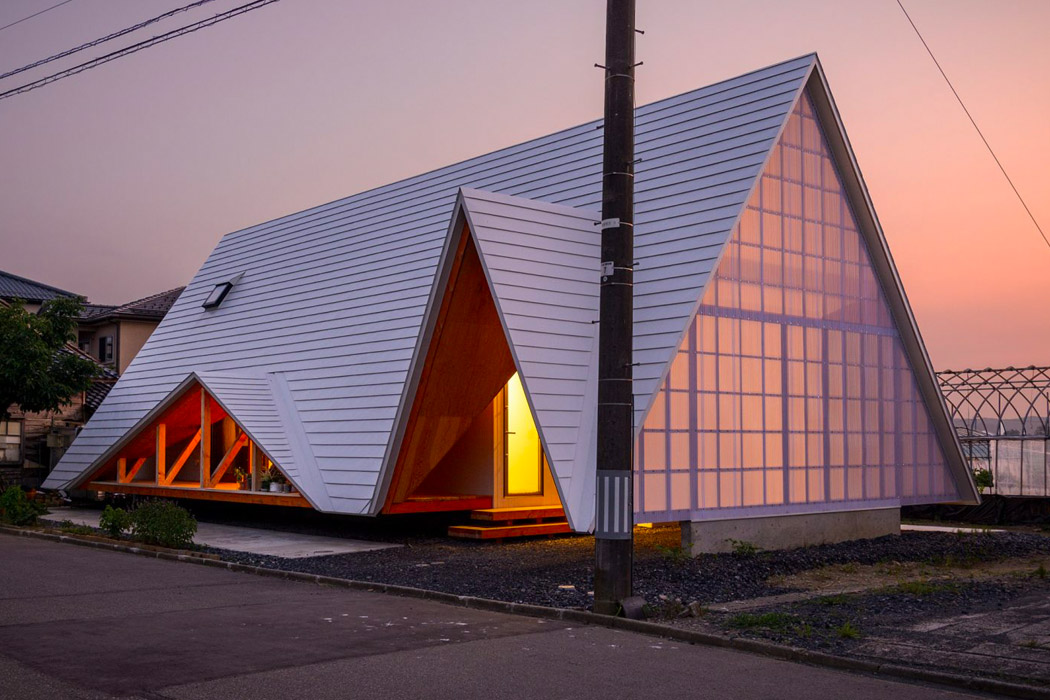
The first example is the 'Hara Hara' tent-shaped home designed by Takeru Shoji Architects in an agricultural village in Nagaoka, Niigata Prefecture. This two-story timber house features a sloping triangular roof and multiple openings, fostering a direct connection with the neighborhood. The client's desire for an open and welcoming home is met by a design that encourages free-flowing communication and community interaction, allowing gatherings to extend beyond the house itself.
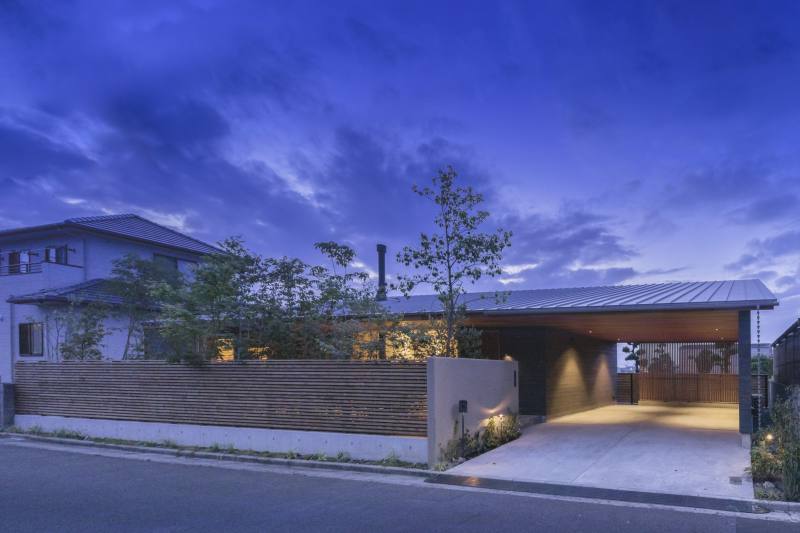
The 'House in Akashi' by Arbol presents a minimal timber bungalow characterized by three hidden interior courtyards. These courtyards serve practical purposes such as growing food and drying laundry, forming the central section of the home around which other rooms are oriented. Subtle openings in the wooden facade provide natural ventilation and light while maintaining privacy. The design emphasizes a fluid transition between spaces, with minimal use of doors, creating an open and continuous living environment.
The Harumi temporary pavilion by KKAA demonstrates an innovative use of Cross-Laminated Timber (CLT) panels over a steel frame. The CLT panels, known for their prefabricated, lightweight, and durable qualities, form a spiraling, multi-paneled facade. The design incorporates transparent copolymer film (TEFKA) to cover exposed gaps, protecting against adverse weather while maintaining the structure's aesthetic. The use of CLT also reflects a commitment to low environmental impact.
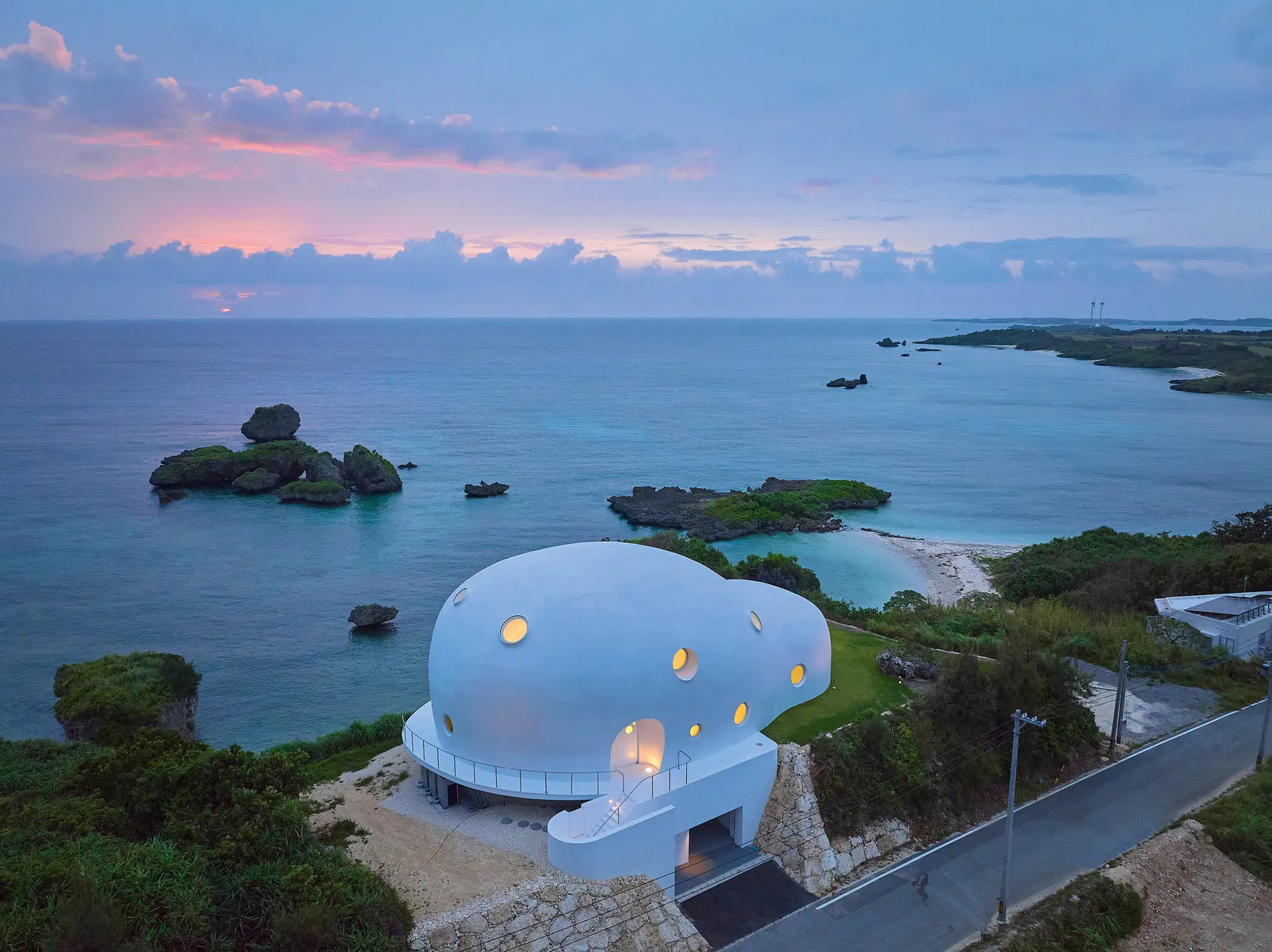
For Hokkaido, Japan, the 'YEZO' retreat is a sanctuary blending aesthetics with algorithmic design. Optimized for fabrication from a single mold to reduce ecological impact and manufacturing costs, its unique curved roof creates a spacious interior and channels a central chimney. The wooden roof structure, clad in regional black slate, utilizes sustainable GluLam timber beams suspended from a concrete chimney, emphasizing both natural materials and efficient construction.
The 'Zen Suite' offers an eco-luxury experience inspired by Japanese design. This prefabricated pod features a central circular space enclosed by curved wooden walls and tatami mats. Measuring 150 square feet with an additional 220 square feet of terrace, it provides sweeping mountain views. The spa-like bathroom, locally made to minimize waste, uses an Ozone system for water filtration and includes a circular bathtub designed to maximize views.
The Kyomachi House by Hearth Architects in Koga, Japan, elevates a simple home with an indoor garden that extends upwards to become a skylight. This central curved patch features tall plants, offering privacy from the street and promoting natural ventilation. The design allows residents to experience seasonal changes through a symbolic deciduous tree visible from throughout the house.
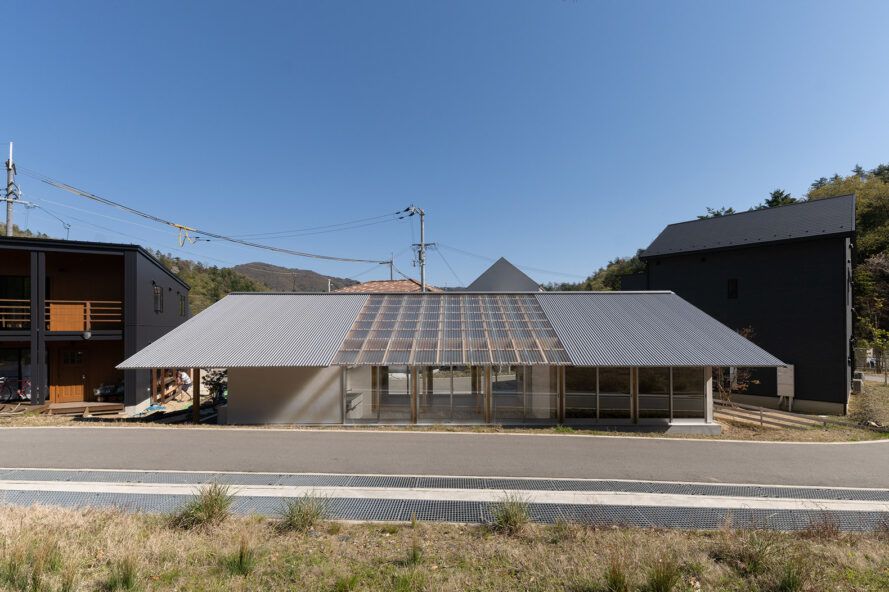
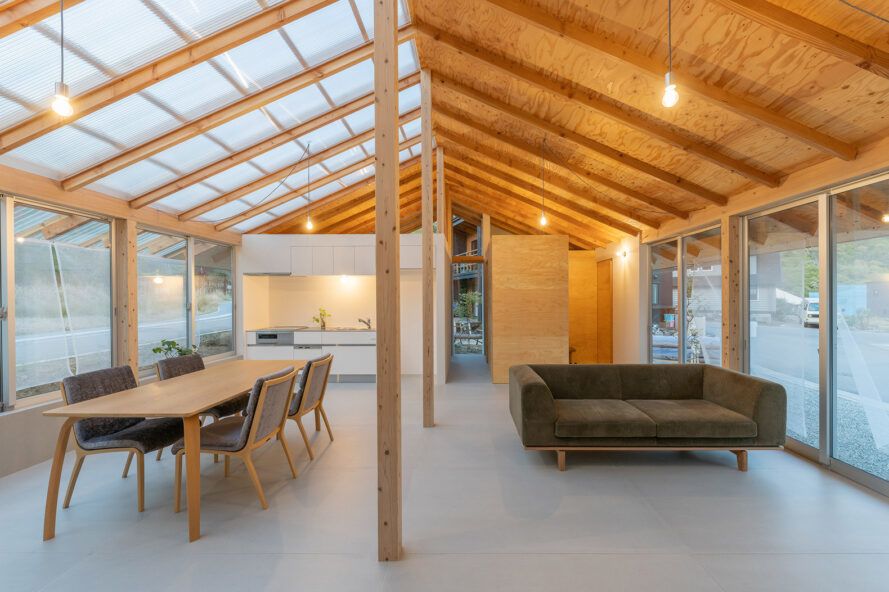
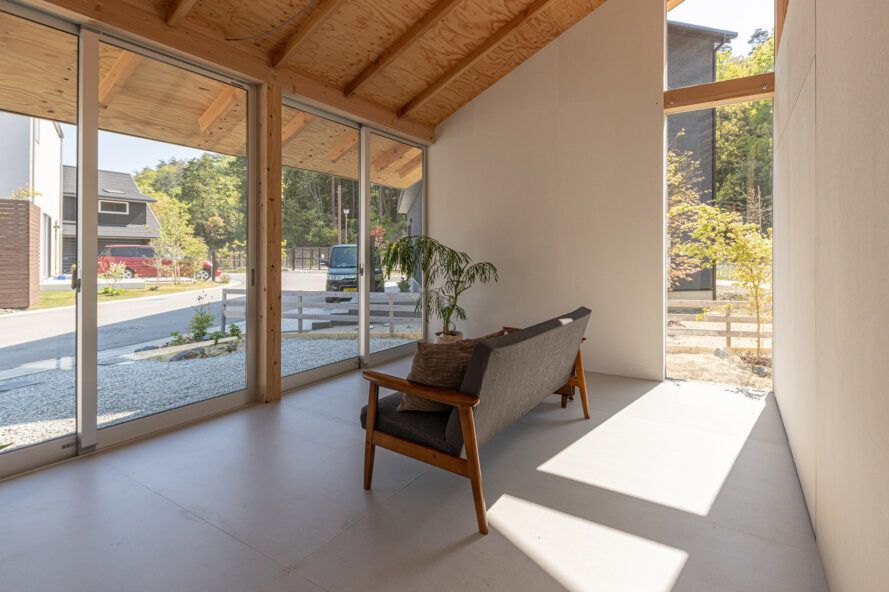
UENOA architects' 'GREEN BASE' is a minimal, transparent structure in Inzai City, Chiba Prefecture, designed for socializing and remote work, especially post-pandemic. Built at the request of a farmer for an inexpensive and technically reproducible structure, it uses vinyl cladding material. This choice ensures transparency, allowing occupants clear views of nature and facilitating activities like cooking harvested vegetables or evening gatherings.
Lastly, Kengo Kuma's work on the Portland Japanese Garden in Washington Park involved expanding the walkable area and incorporating sustainable features. The Jordan Schnitzer Japanese Arts Learning Center, a gallery within the garden, is noted. A key sustainable aspect is the living roof, which absorbs rainwater and reduces run-off, reflecting an integration of design with environmental responsibility.
The article showcases how Japanese architectural principles of minimalism, connection to nature, and thoughtful design are applied across various projects, from residential homes to public spaces and temporary structures, creating spaces that foster tranquility and functionality.
#JapaneseArchitecture #Minimalism #ZenDesign #SustainableDesign #TimberConstruction #IndoorGardens #CommunitySpaces #PrefabricatedHomes #ArchitecturalInnovation #JapaneseArchitecture #Minimalism #ZenDesign #SustainableDesign #TimberConstruction #IndoorGardens #CommunitySpaces #PrefabricatedHomes #ArchitecturalInnovation
0 comment in total
 No comments yet
You may also like
Wallpaper's favourite Japanese houses

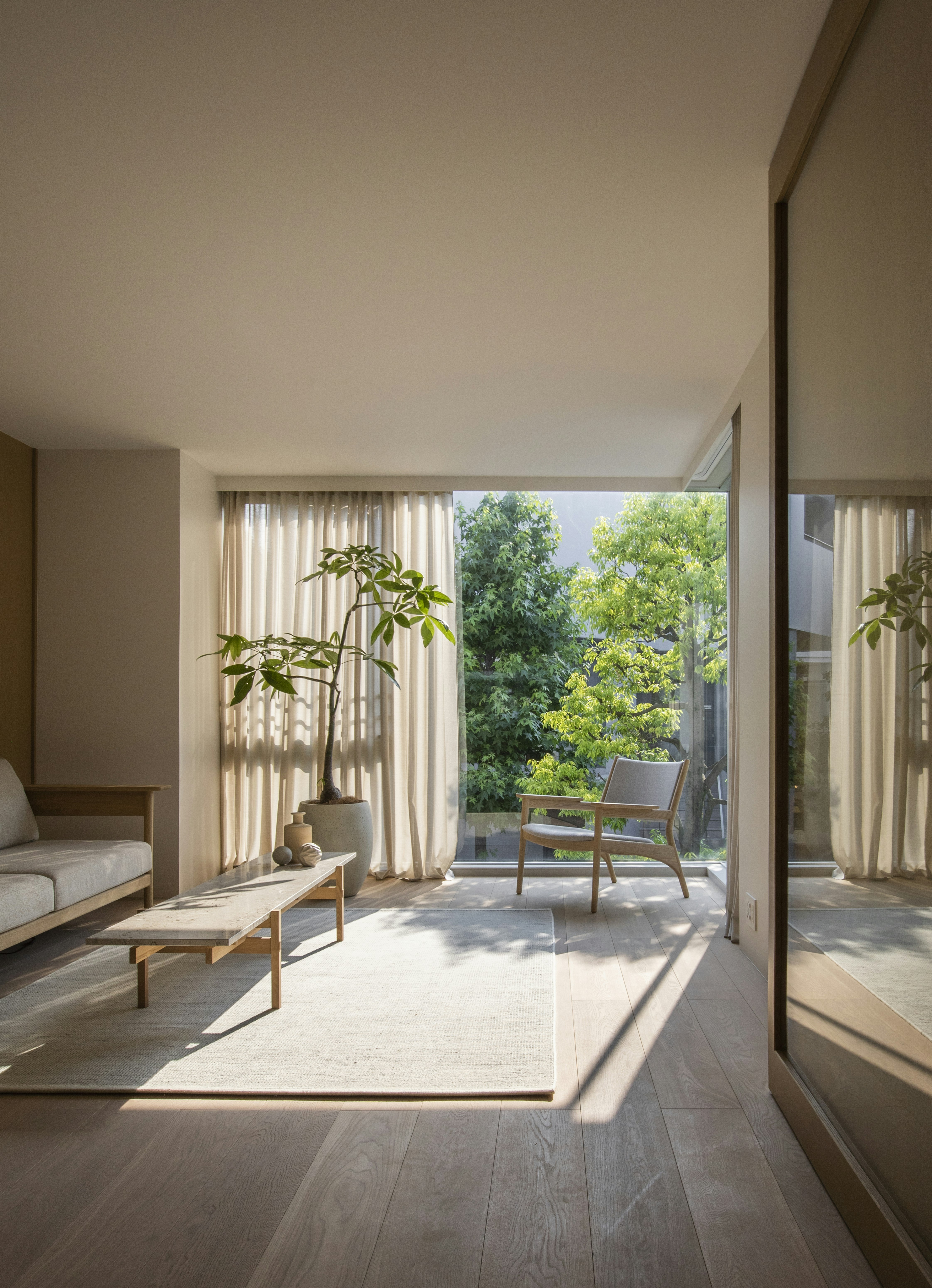
These Serene, Minimalist Apartments in Tokyo Are Filled With Light and Nature

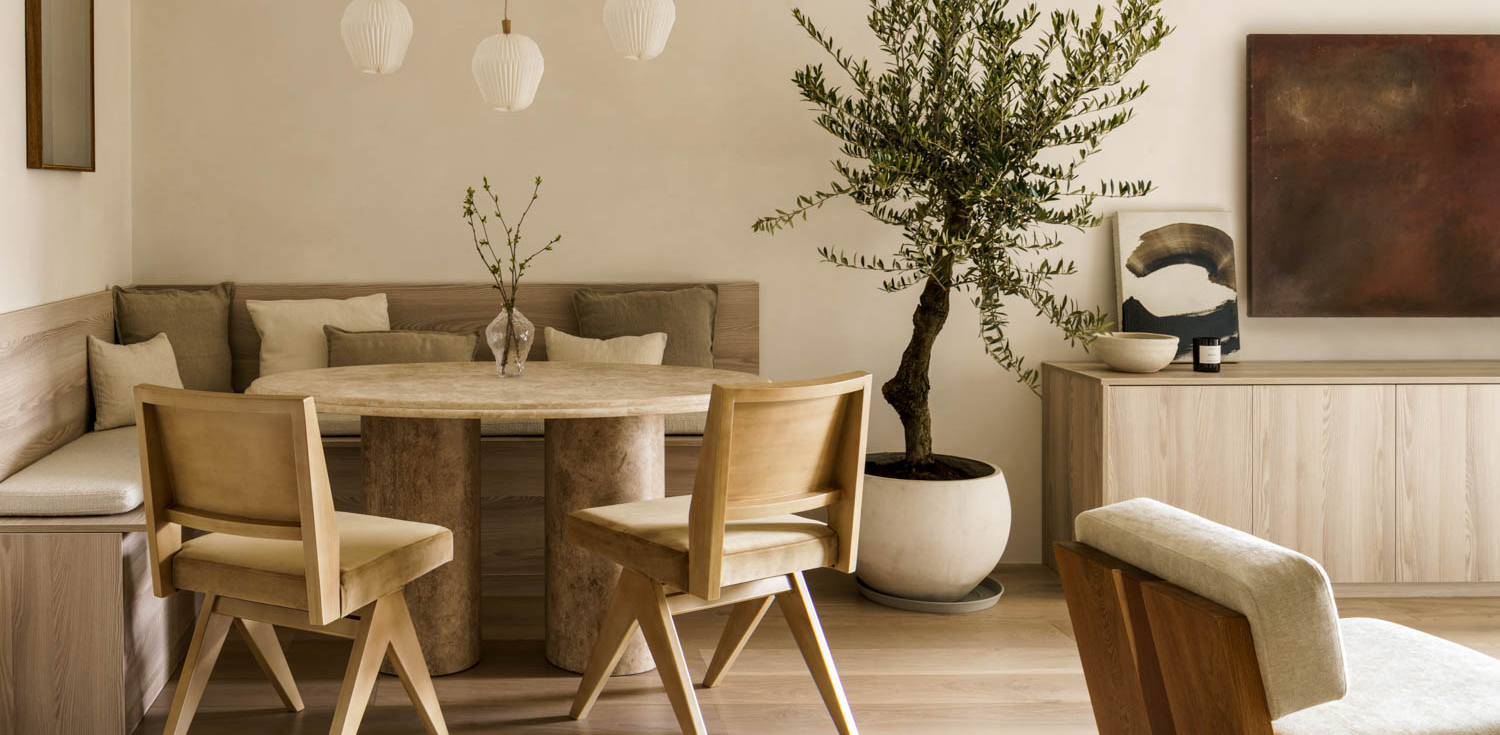
Elevate Your Space With These Inspiring Japandi Interiors

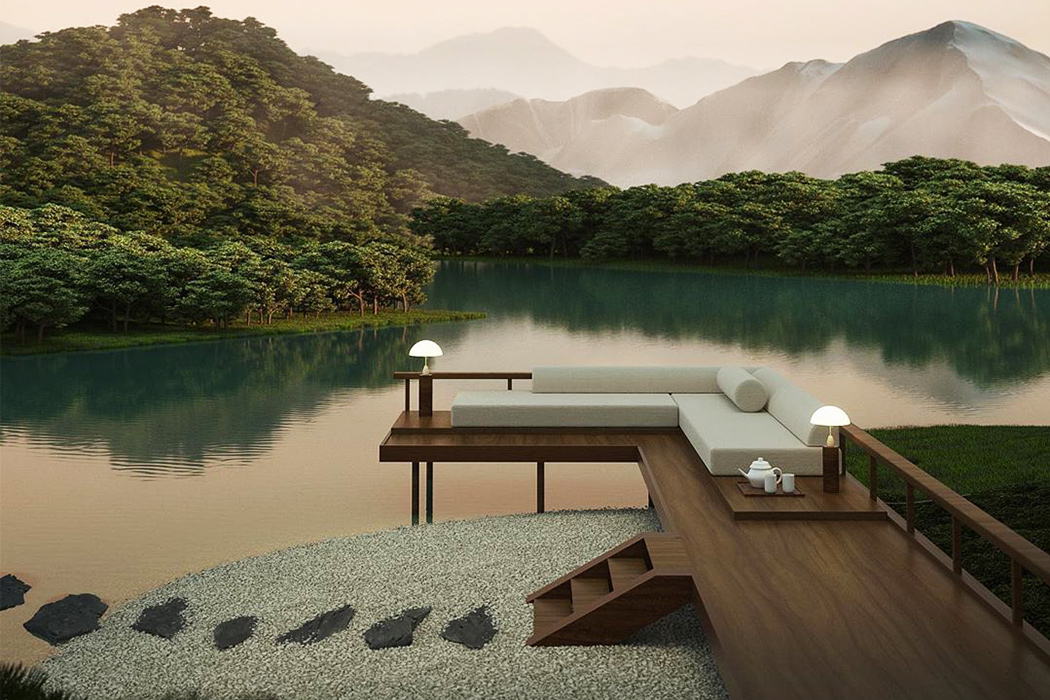
Architectural Design Renders that inspire you to create your own minimal happy space
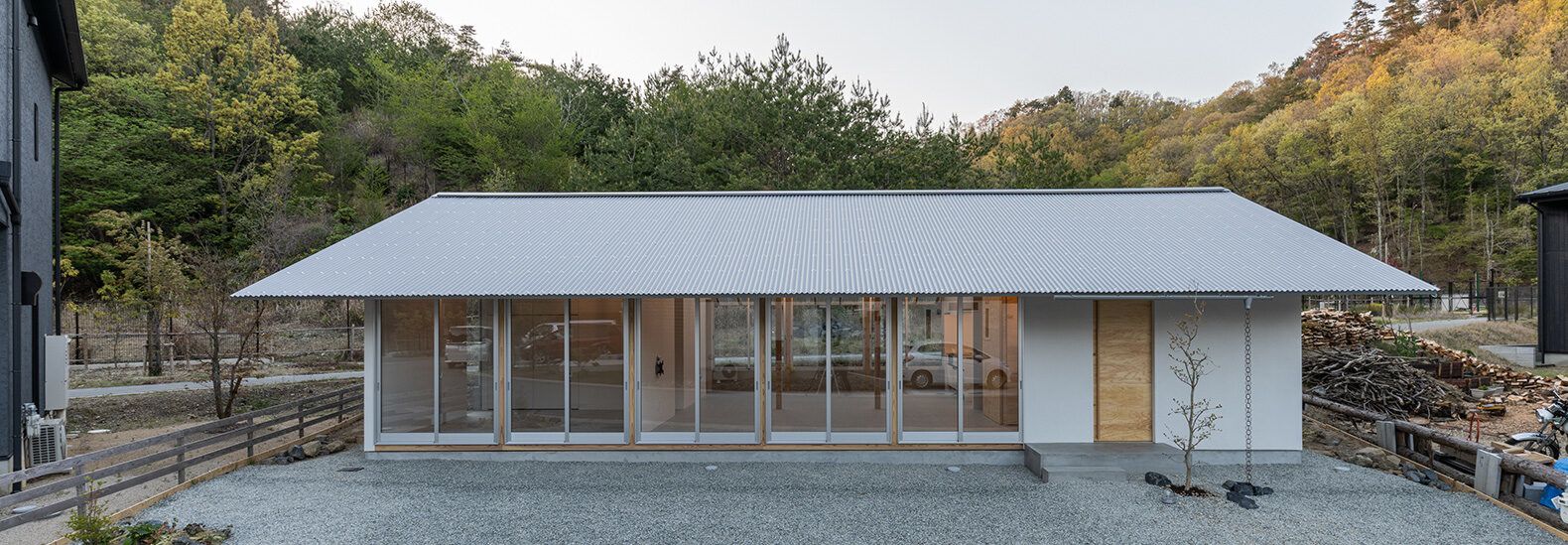
Minimalist House in Minohshinmachi focuses on nature
5 homes that bring serene Japanese-inspired design to life

Micro-Apartment In Bangkok Is Inspired By Japanese Inns And Embodies Japanese Minimalism + Zen
House in Tama / Cheng Hao Chung Architect

KIRI architects opens up this compact japanese house with a light-filled stair hall
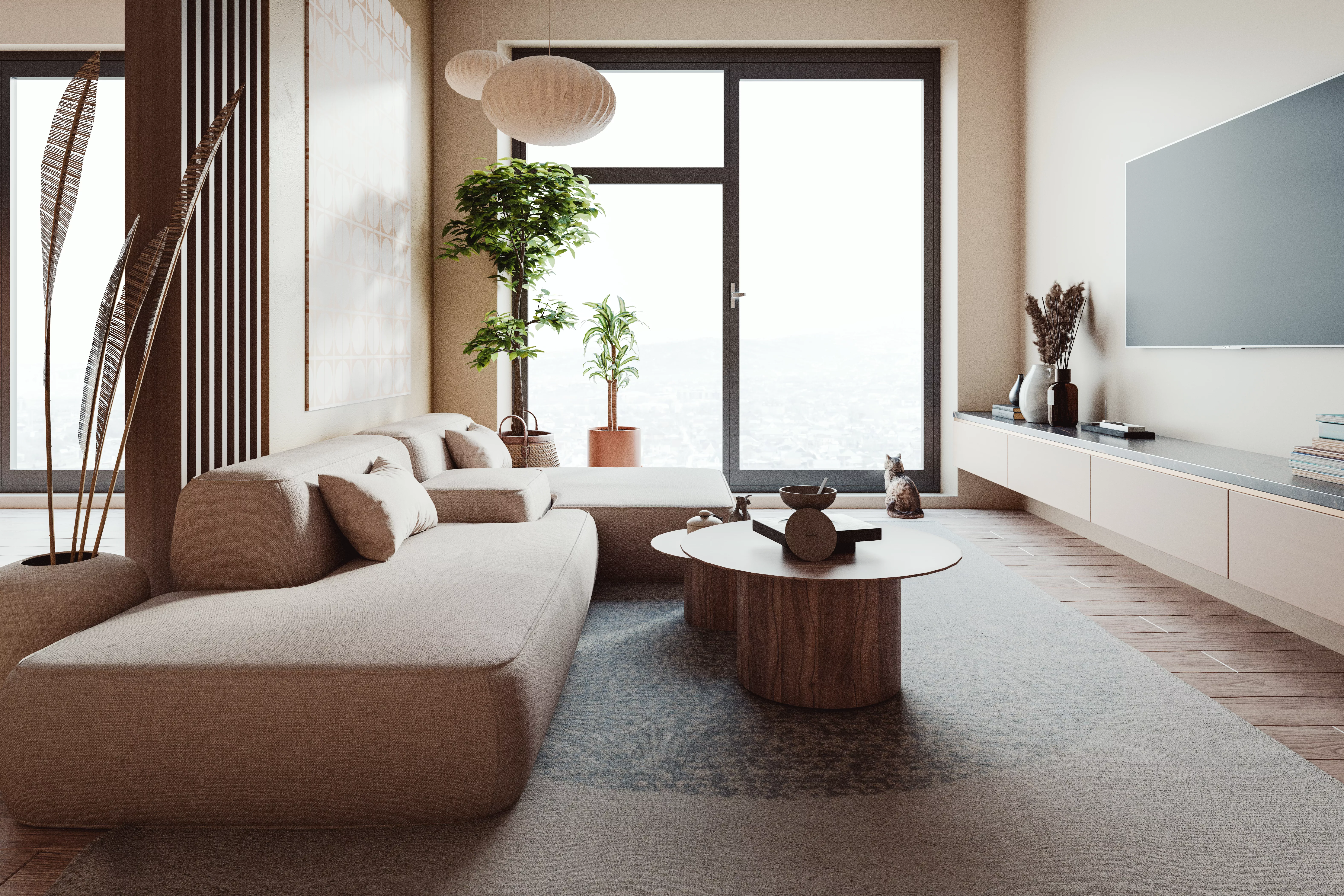
Japanese Living Room Design Is Trending—Here’s How to Achieve the Style

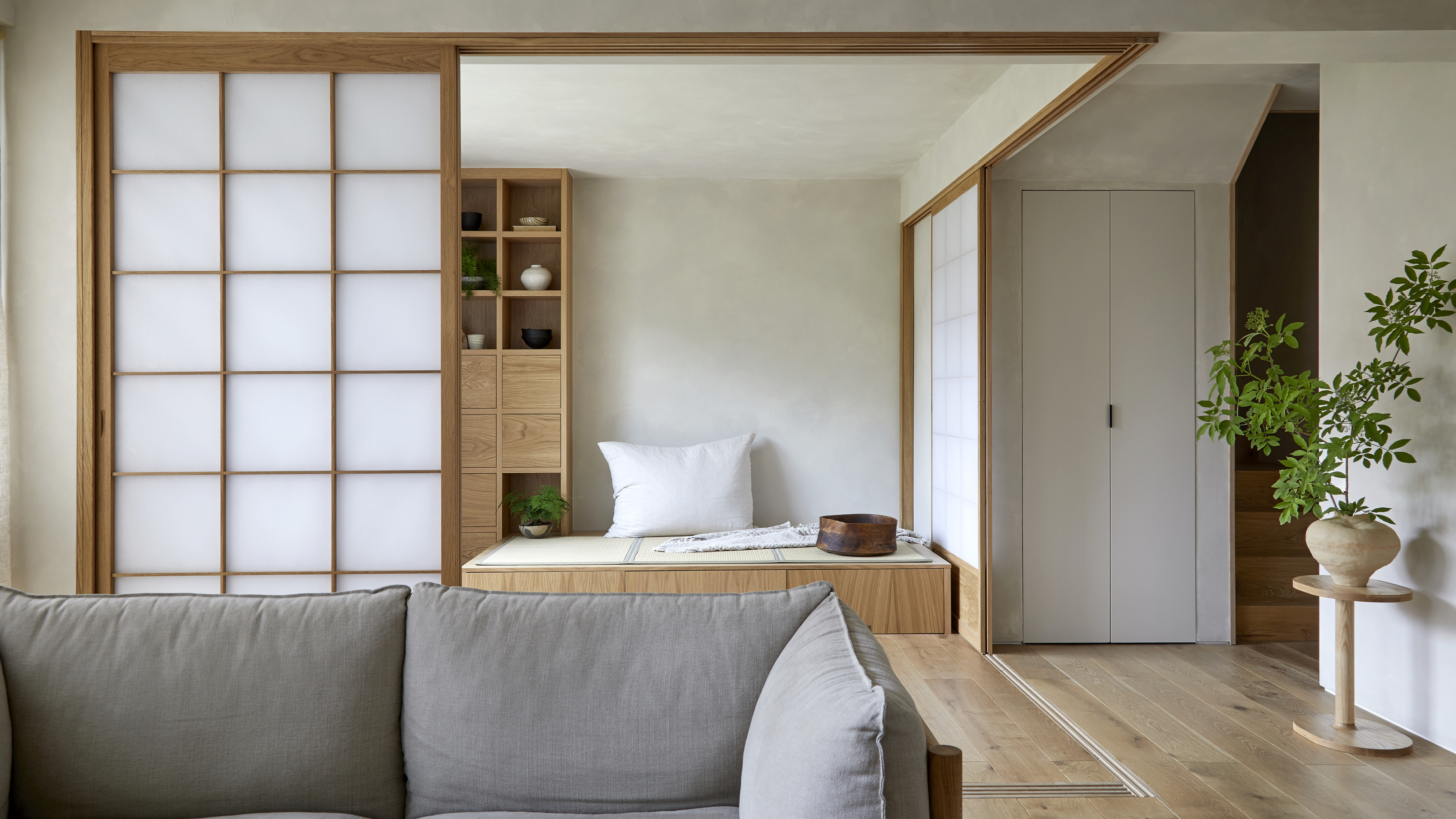
Muji Living Room Ideas — 5 Ways to Harness the Calming Qualities of This Japanese Design Style

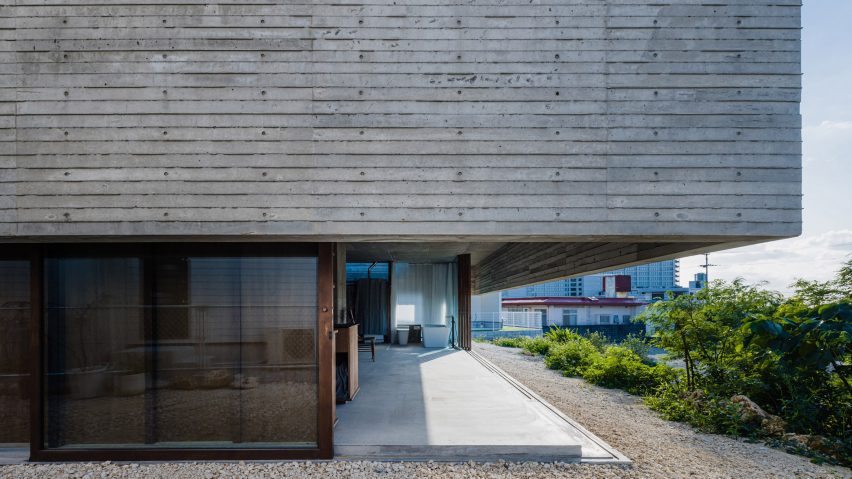
Single concrete column supports One-Legged House in Japan
black cedar and stone flooring adorn minimal residence in japan
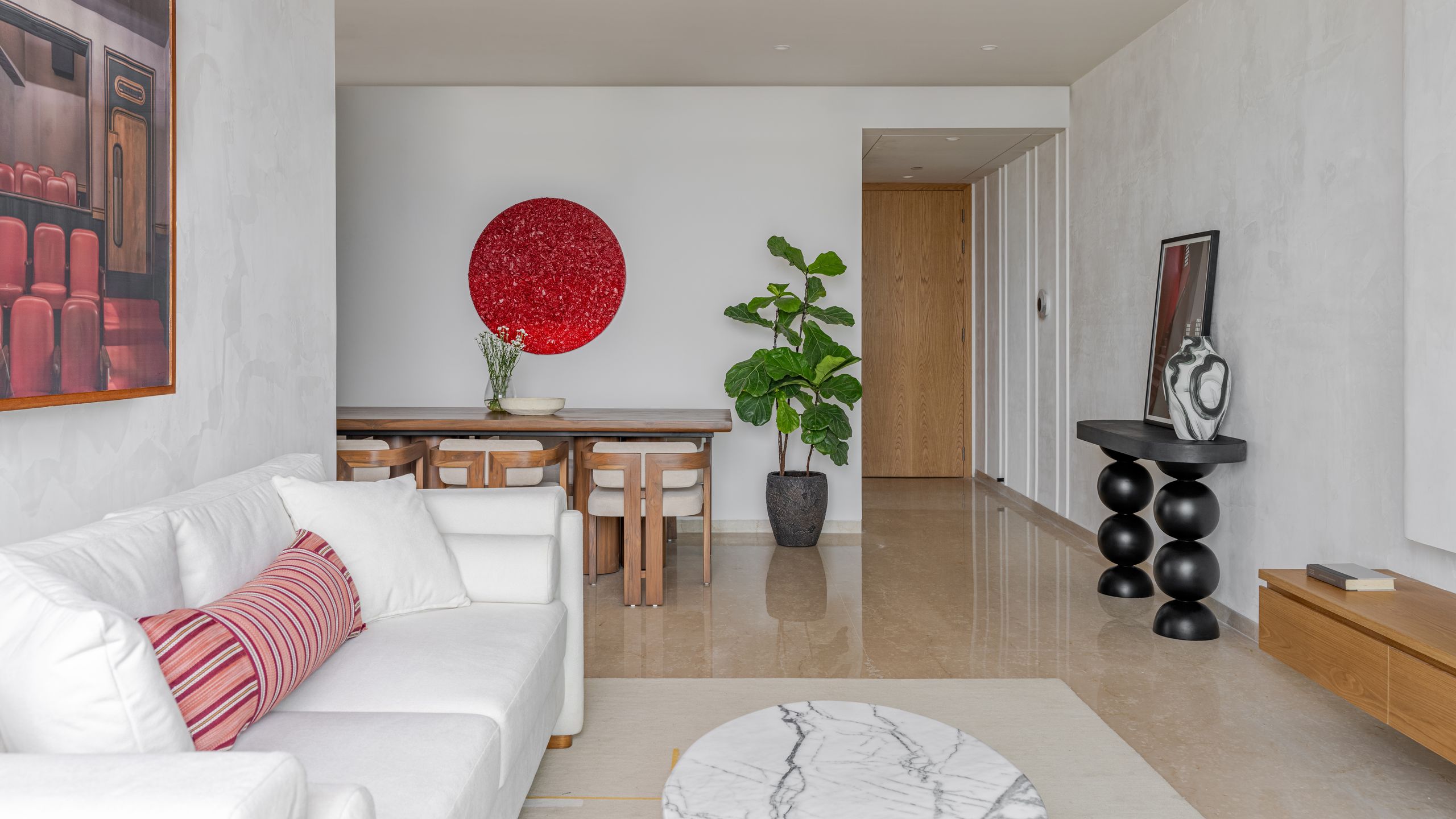
This 1,100-square-foot Mumbai home embodies a quiet stillness
7 Modern Japanese Hotels That Will Help You Find Your Zen
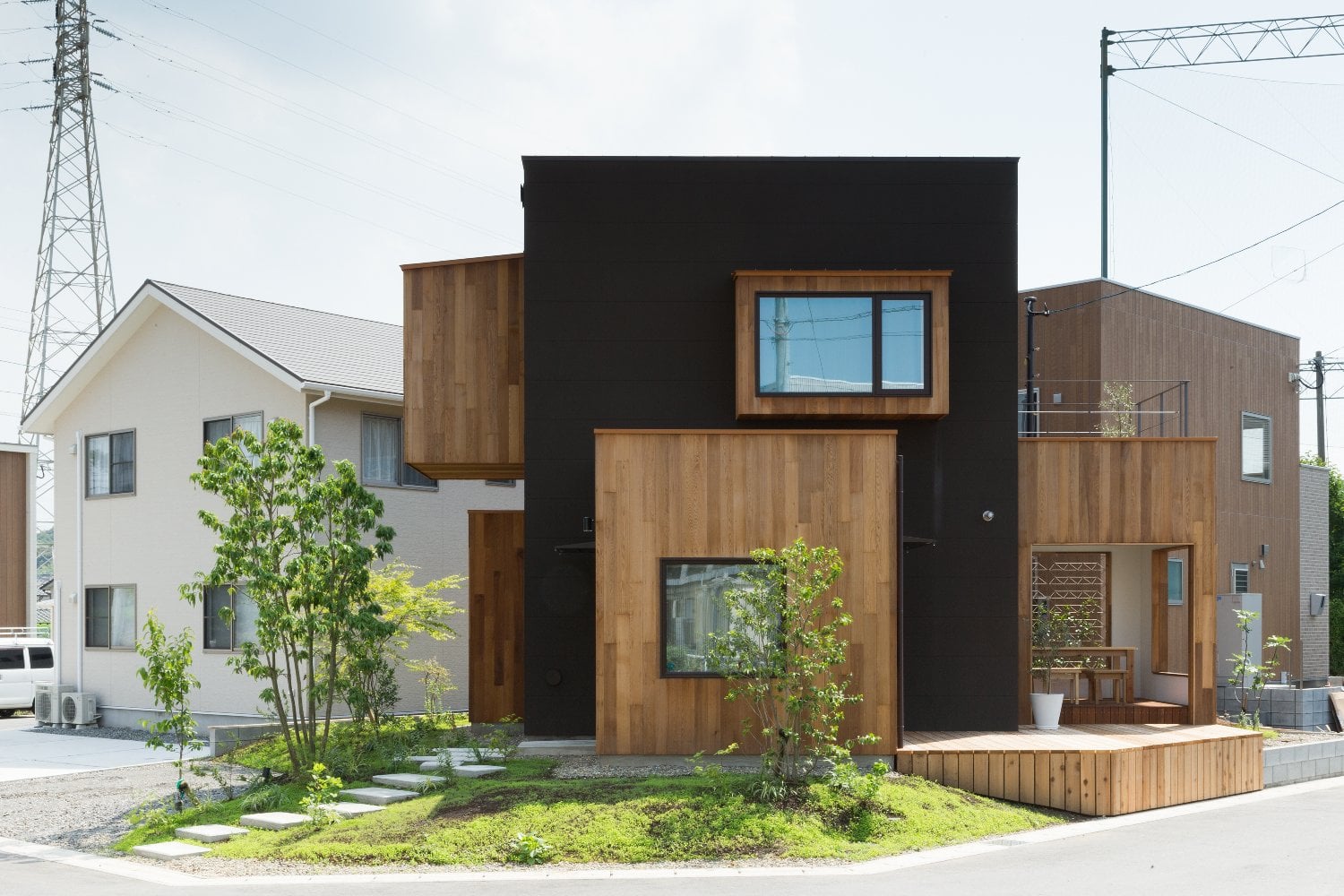
A Japanese Home That Transforms the Humble Window Sill

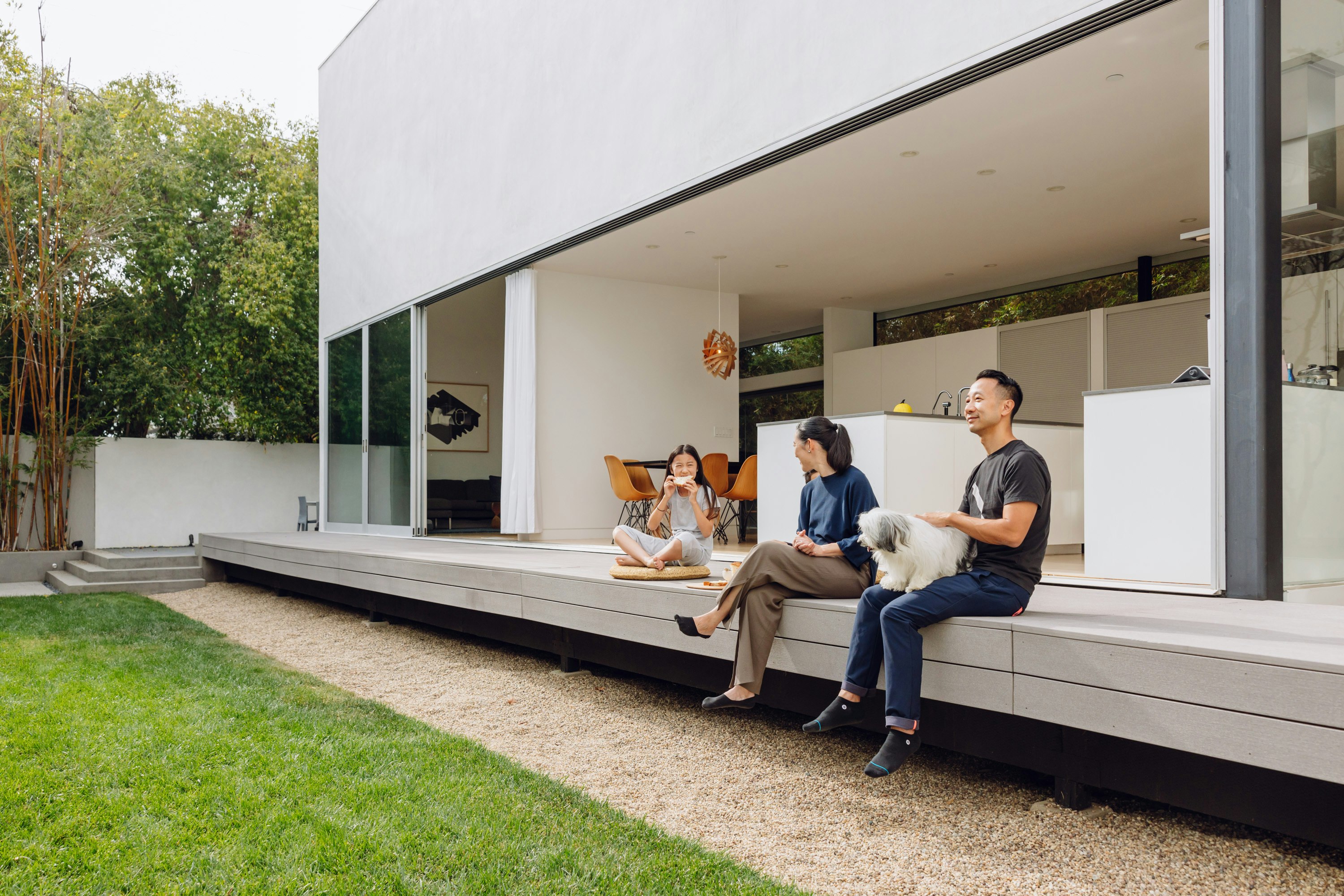
A Minimalist Home Full of Clever Design Tricks Appears to Levitate Above the Earth
This minimalist Japanese sake brewery conceals a zen secret garden

SHED Revives a Mid-Century House in Portland With Japanese Minimalism
Beyond Minimalism: Discovering the Soul of Japanese And Zen Aesthetics in Product Design