Beyond Minimalism: Discovering the Soul of Japanese And Zen Aesthetics in Product Design
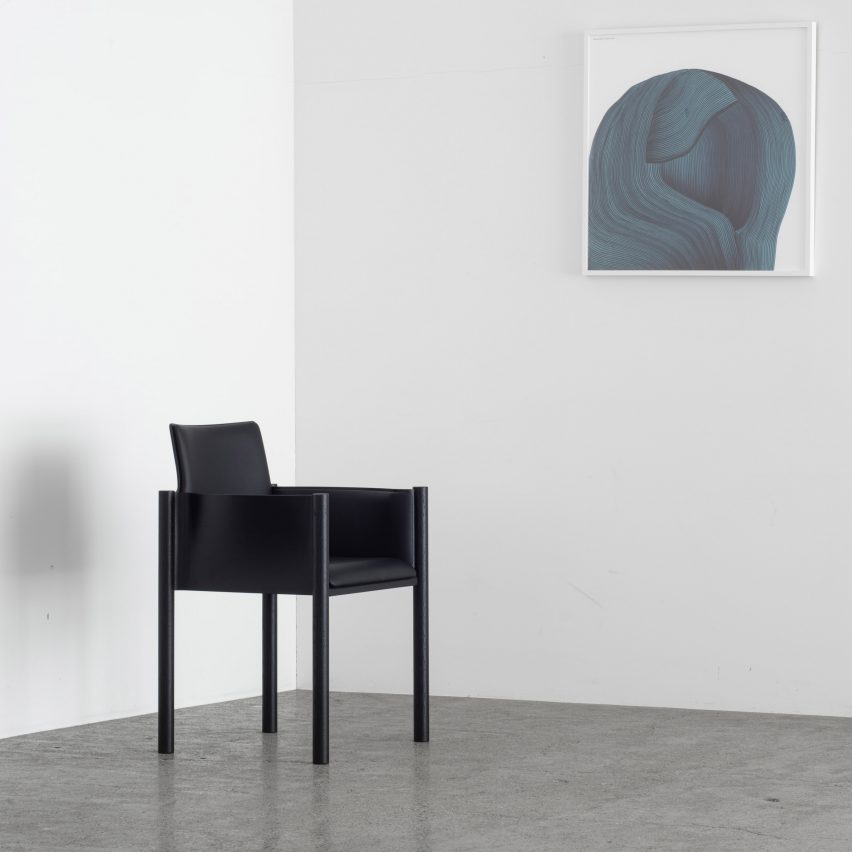
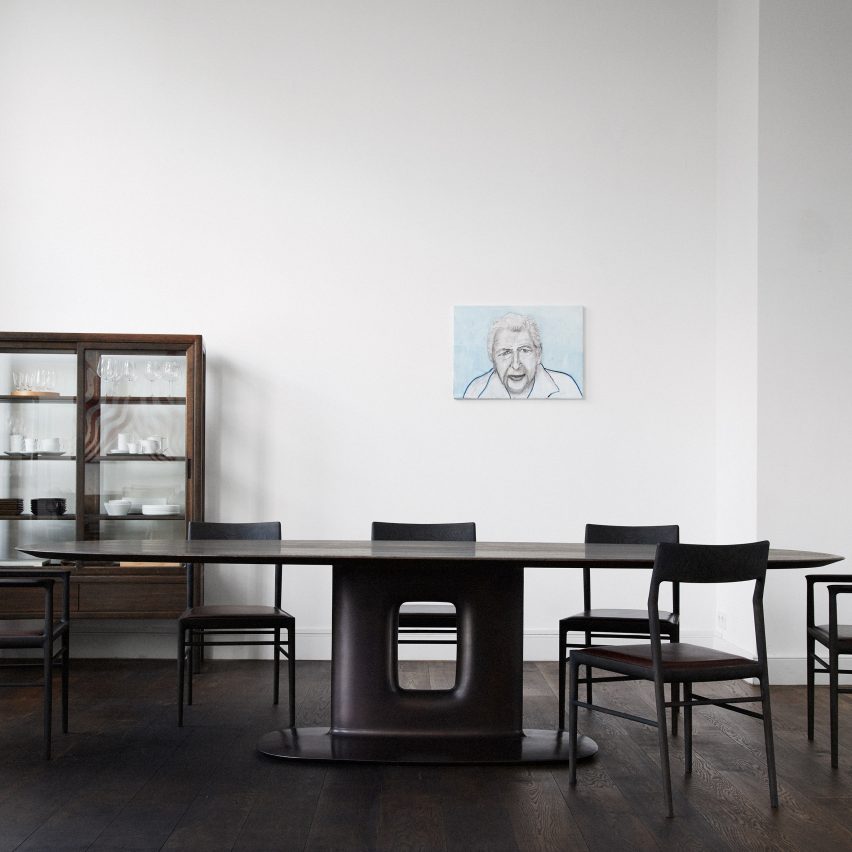
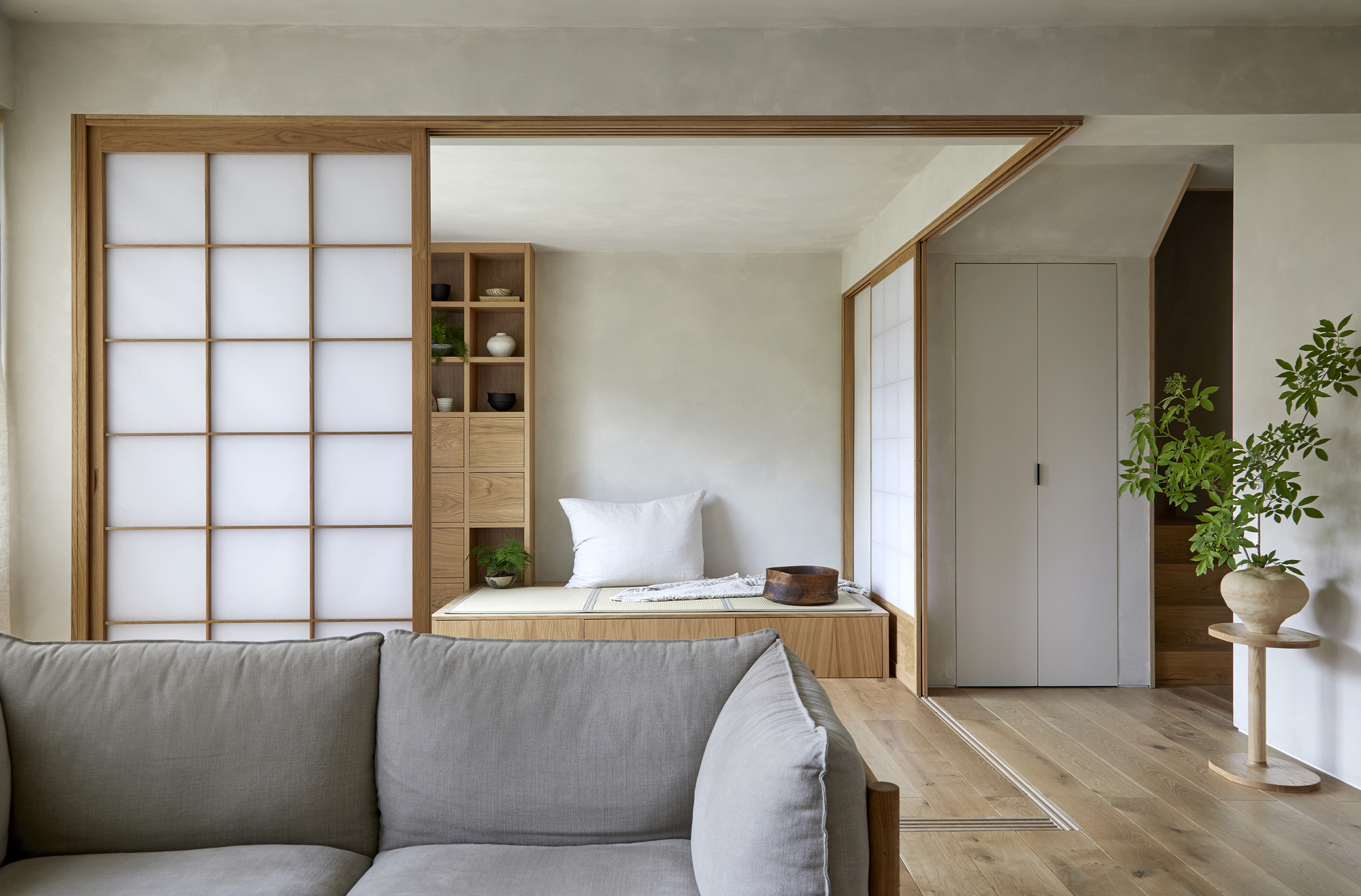
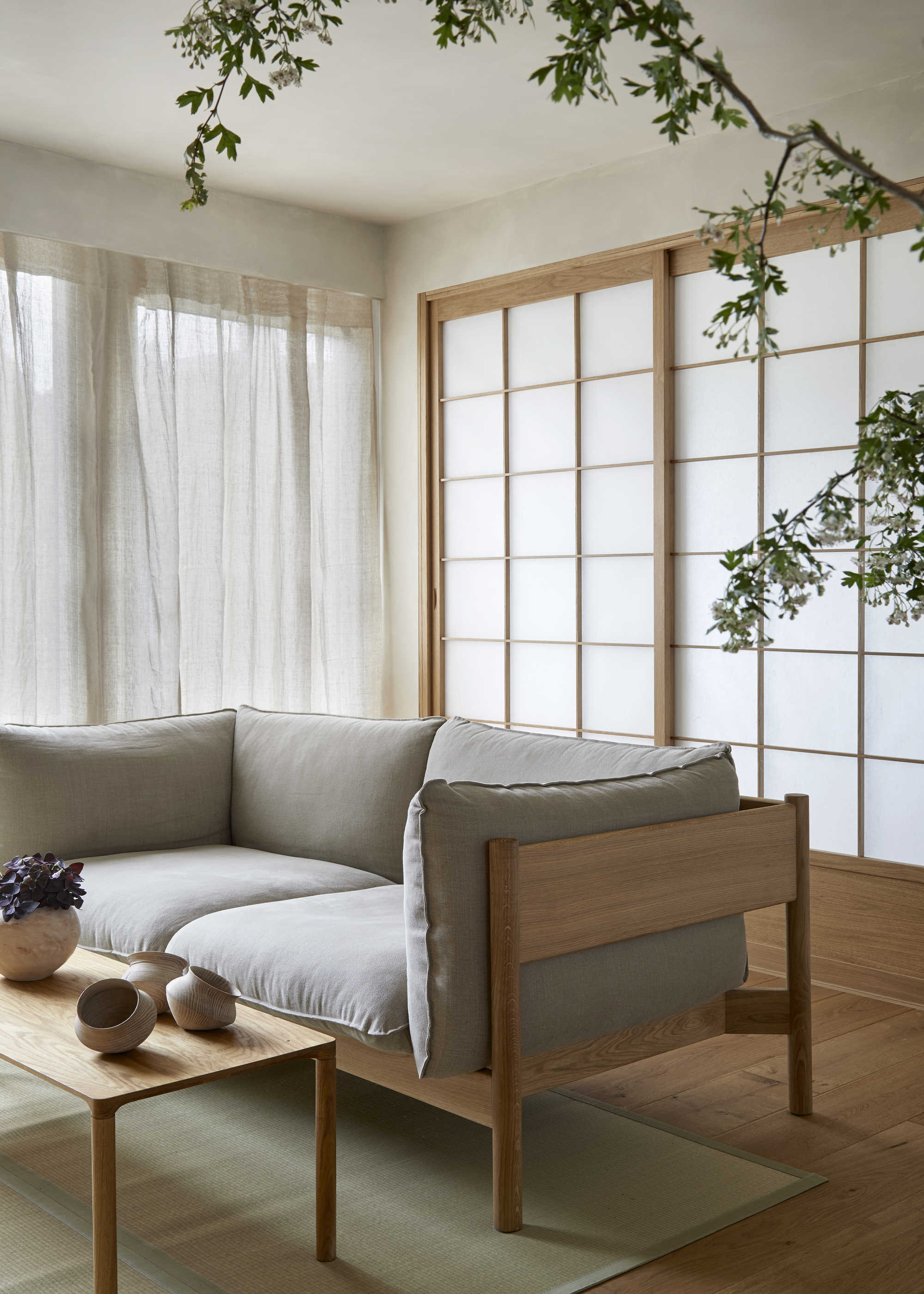
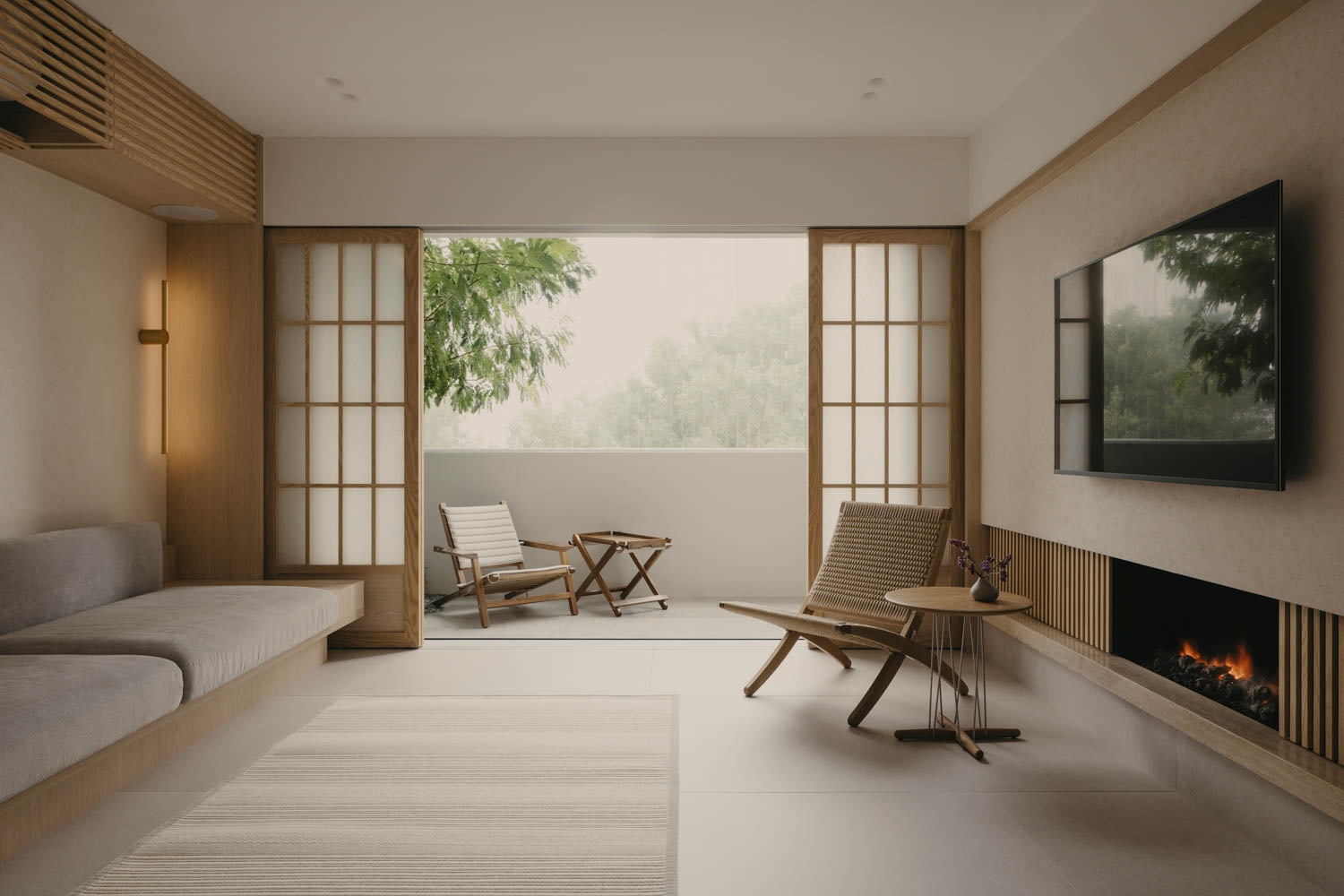
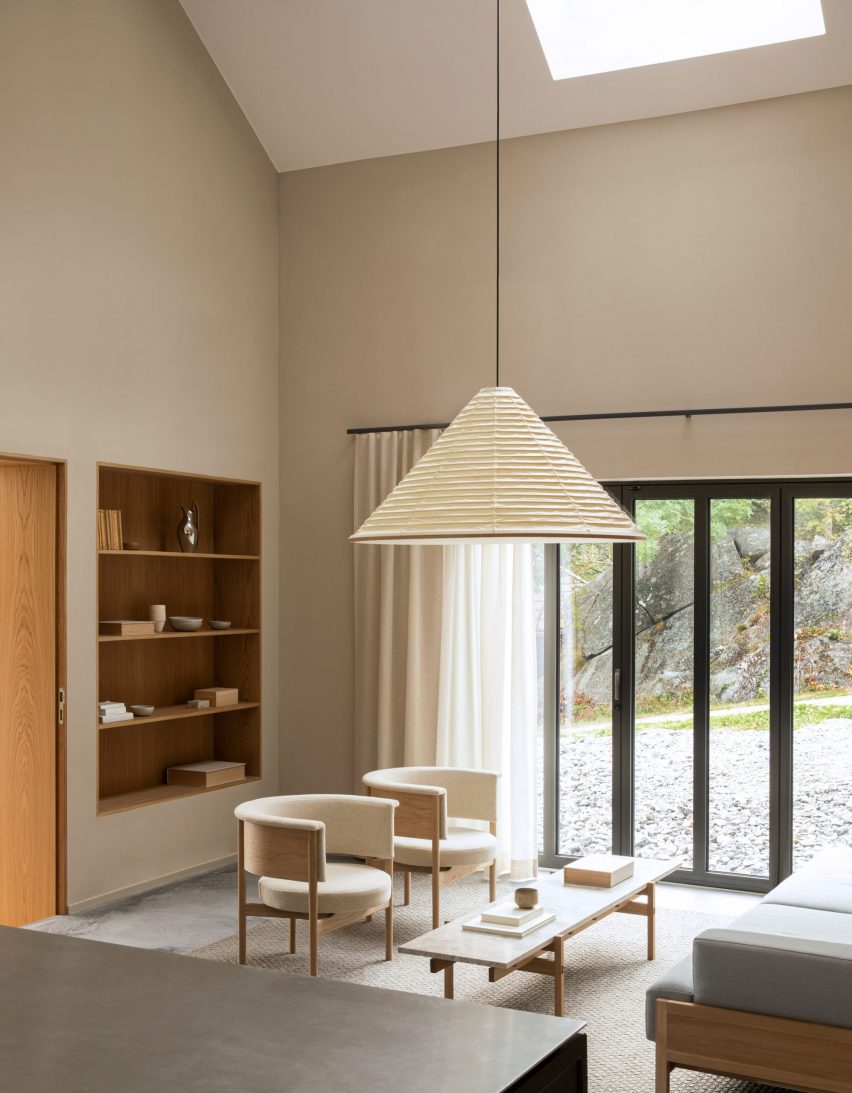
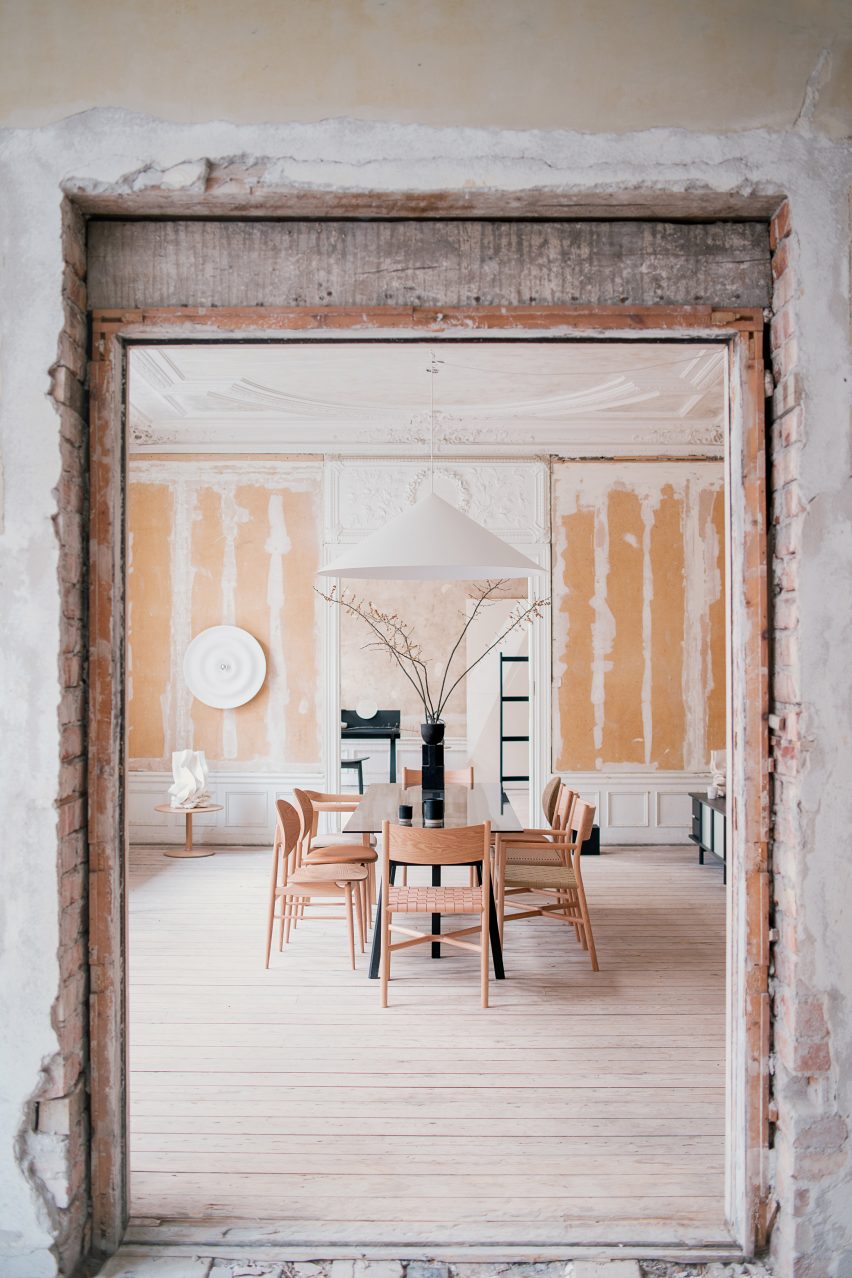

Zen aesthetics, deeply rooted in Zen Buddhist principles from China and Japan, emphasize simplicity, natural beauty, and tranquility in design. This approach prioritizes the elimination of excess, focusing solely on essential elements to foster harmony and balance, aligning closely with minimalist design principles of "less is more." Zen design is not merely about visual appeal but about establishing a profound connection with nature, promoting calmness, and encouraging mindful appreciation.
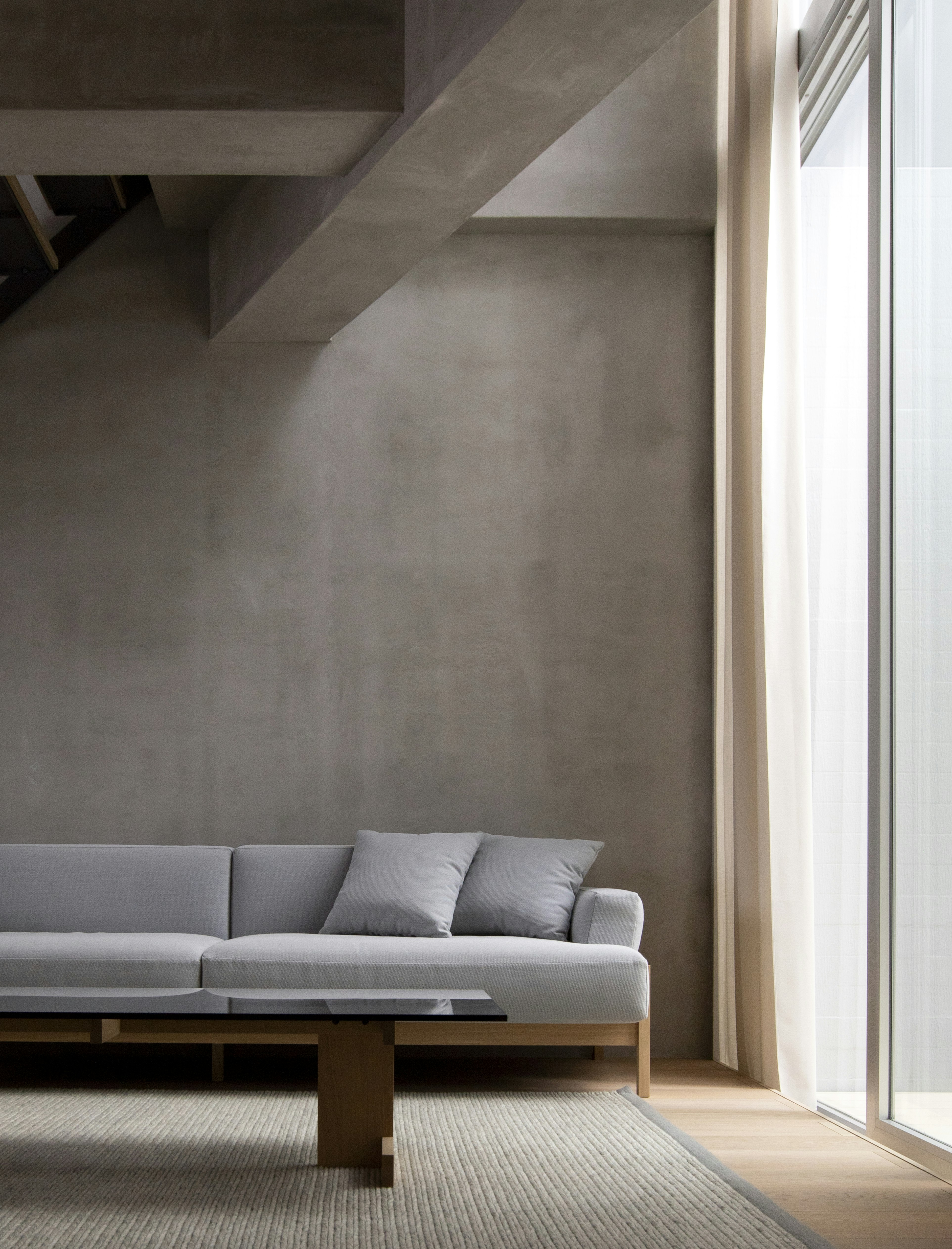
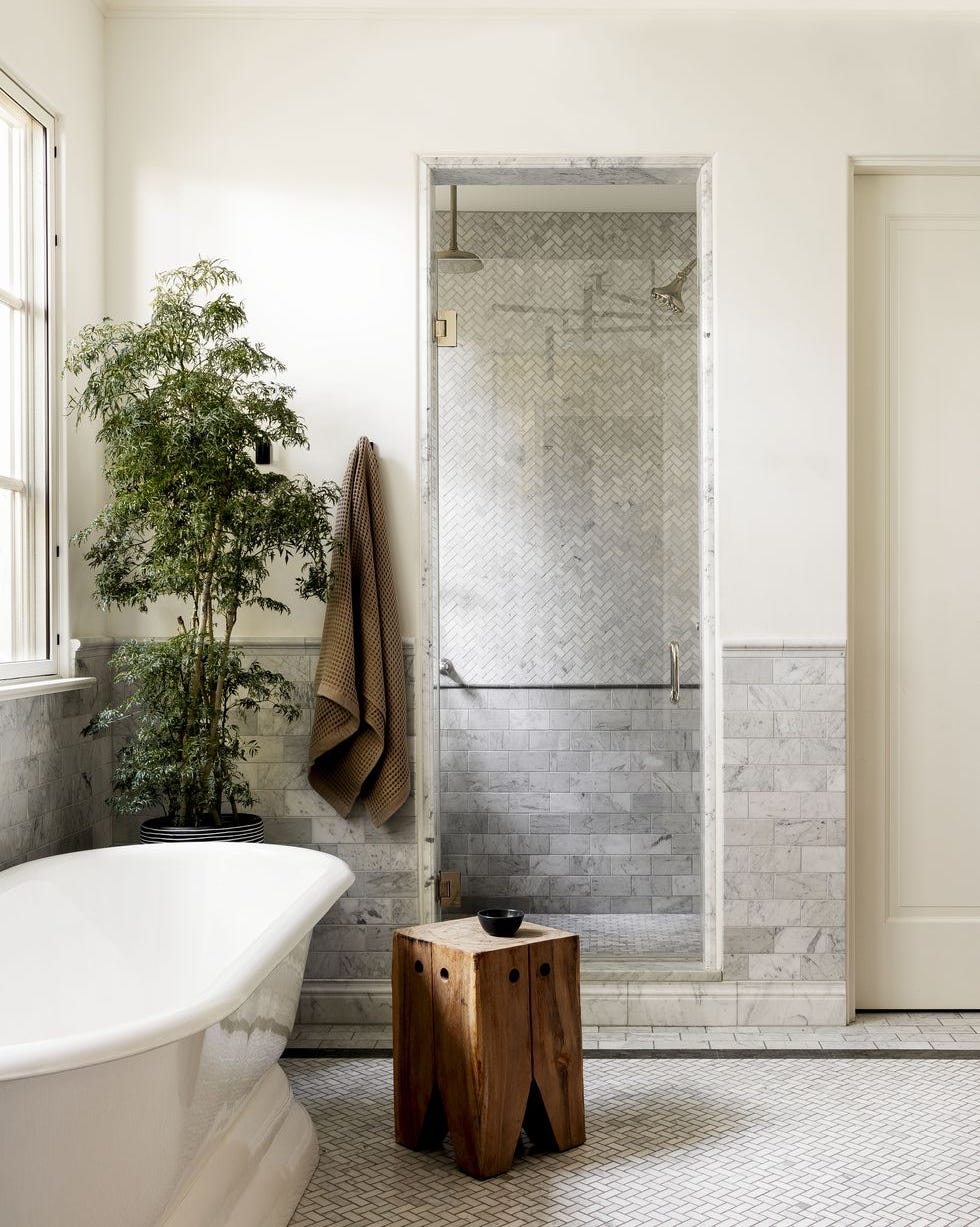
The relationship between Zen aesthetics and minimalist design is symbiotic. Both philosophies champion simplicity as a means to achieve clarity, favoring essential components and a subdued color palette. This shared focus creates environments and objects free from distraction, allowing the intrinsic beauty of form and material to emerge. Zen aesthetics enrich minimalism by introducing depth and tranquility beyond mere decluttering, integrating balance and mindfulness into every design aspect. Principles such as asymmetry (fukinsei) and naturalness (shizen) elevate minimalist designs, fostering a deeper connection between the user and the product, thereby promoting serenity and contemplation.
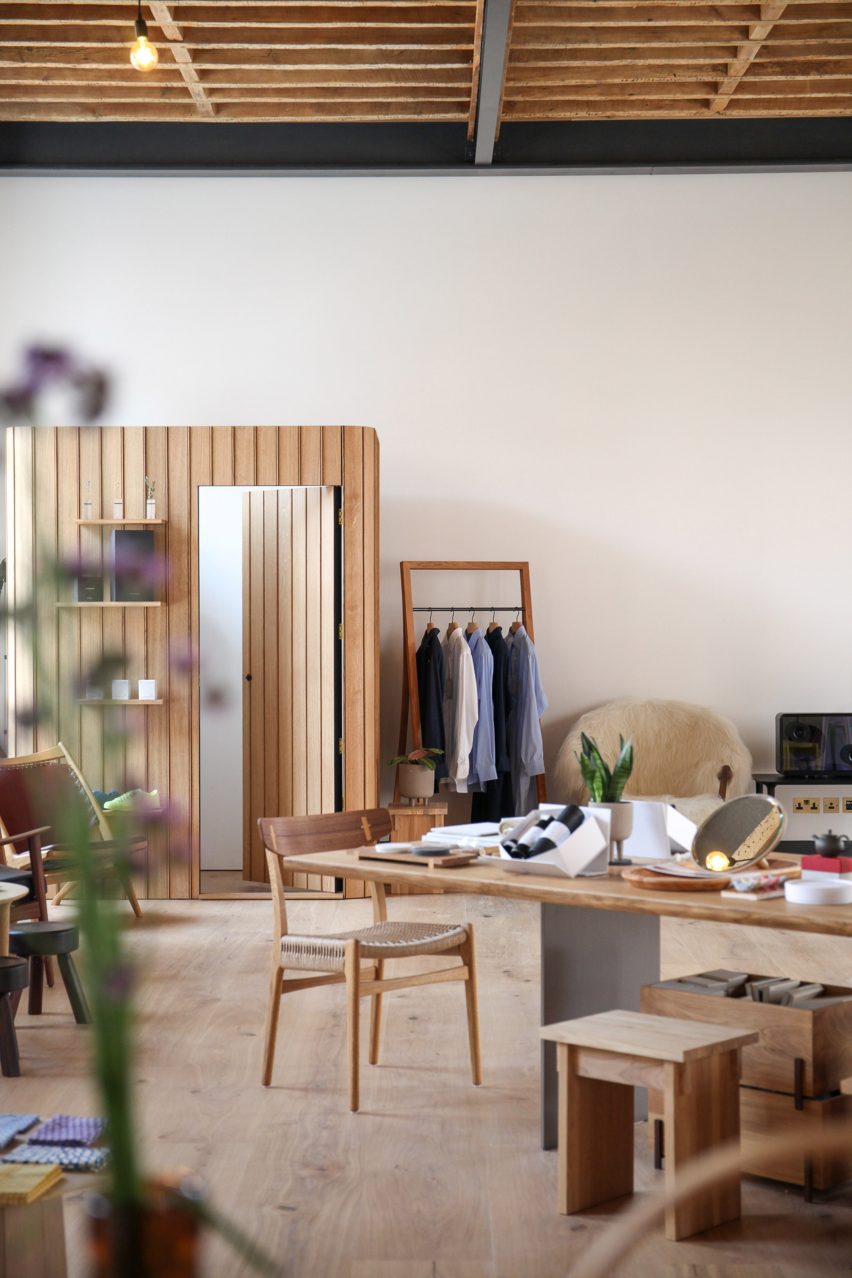
Functional design is a cornerstone of Zen aesthetics, emphasizing reduction, refinement, and a fuss-free approach where functionality takes precedence over superficial form. This philosophy reinforces the idea that essential elements should serve a practical purpose, resulting in designs with clean lines, minimal ornamentation, and intuitive usability. Furthermore, Zen aesthetics advocate for sustainable design, promoting longevity and durability in both form and function. An example is the Zenbrew coffee maker concept, which aims to transform the daily ritual of coffee making into a peaceful experience through its minimalist design, hourglass shape, and essential functionality, encouraging a mindful start or end to the day.
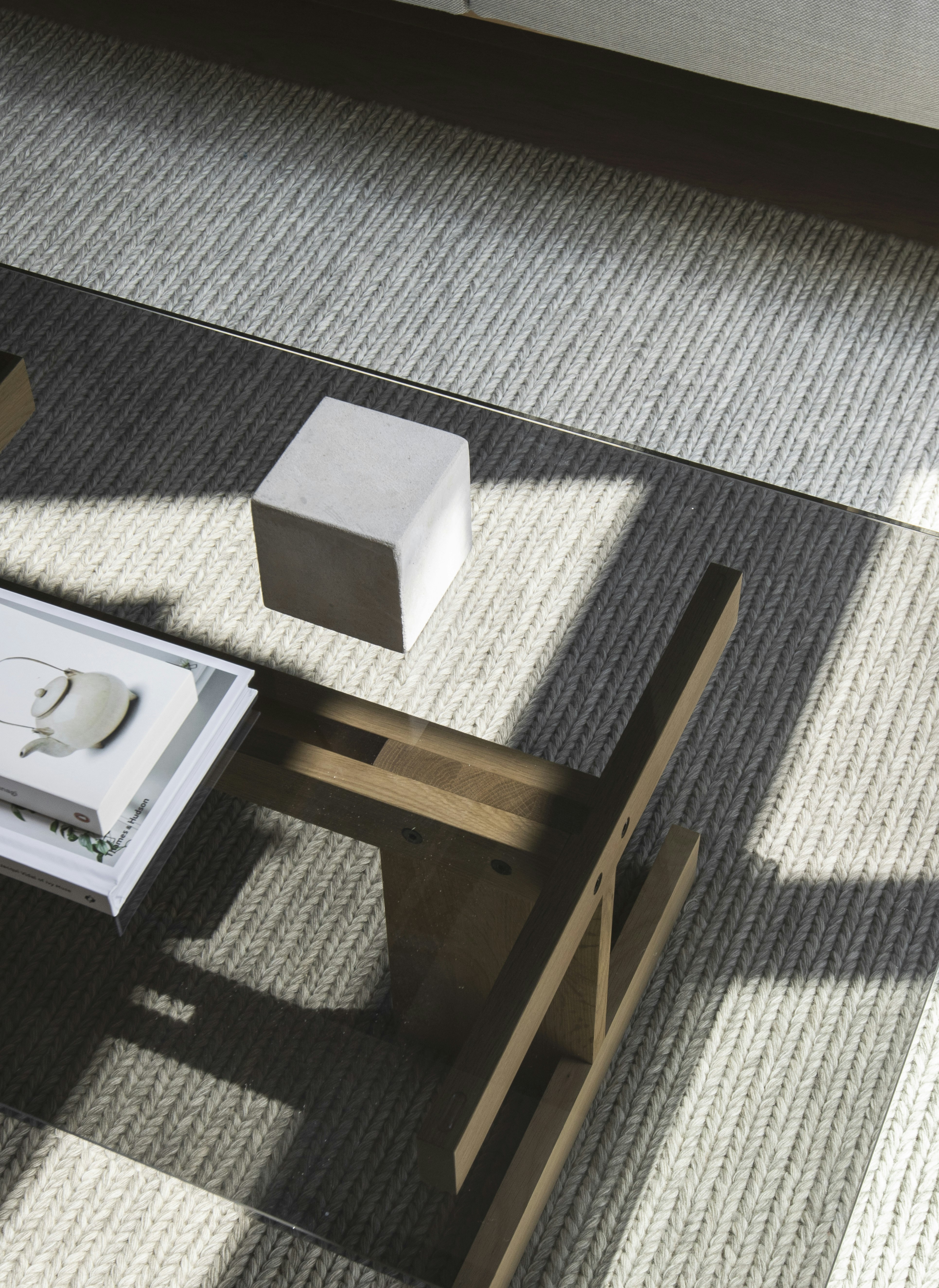
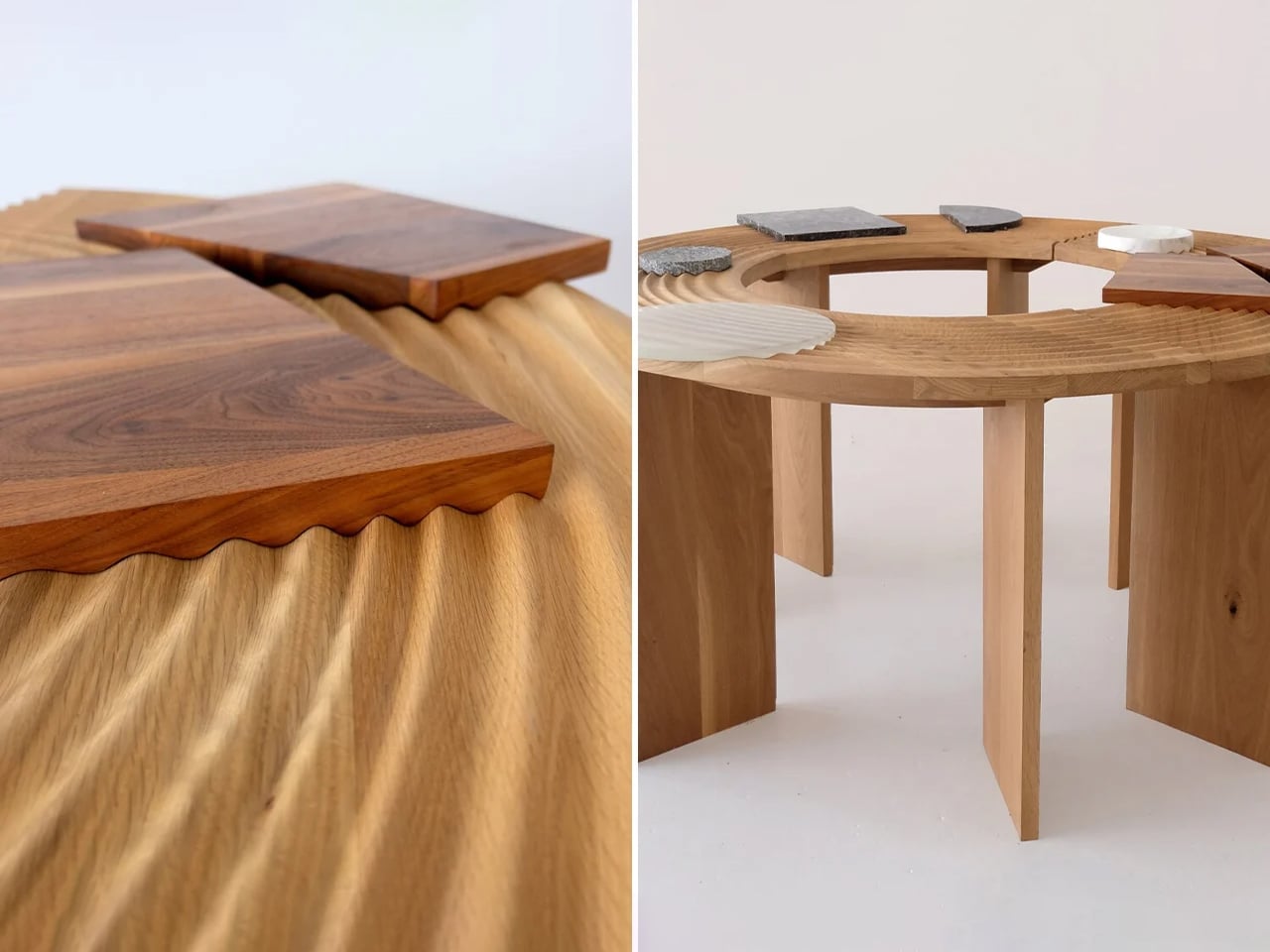
Balance and harmony are integral to Zen design, ensuring that various elements work together seamlessly. This involves visual distribution of weight to create stable compositions where no single part overwhelms another, and a pleasing balance between creativity and visual appeal to foster order and unity. The "Outside In" table, inspired by Japanese Zen gardens, exemplifies this by combining sinuous timber surfaces with hand-carved granite and marble elements that slide across grooves, offering adaptable surfaces and bringing a sense of tranquility to urban interiors.
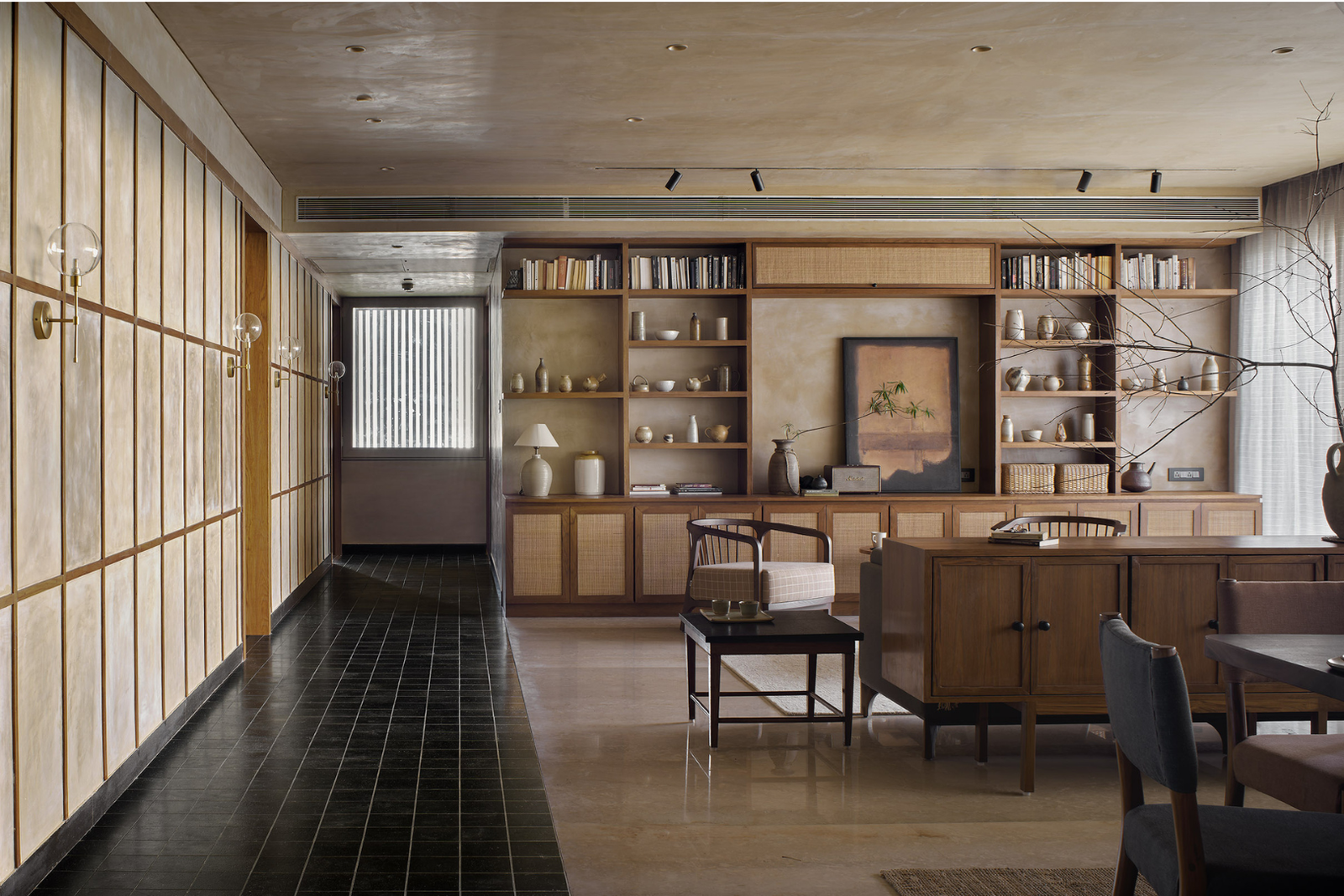
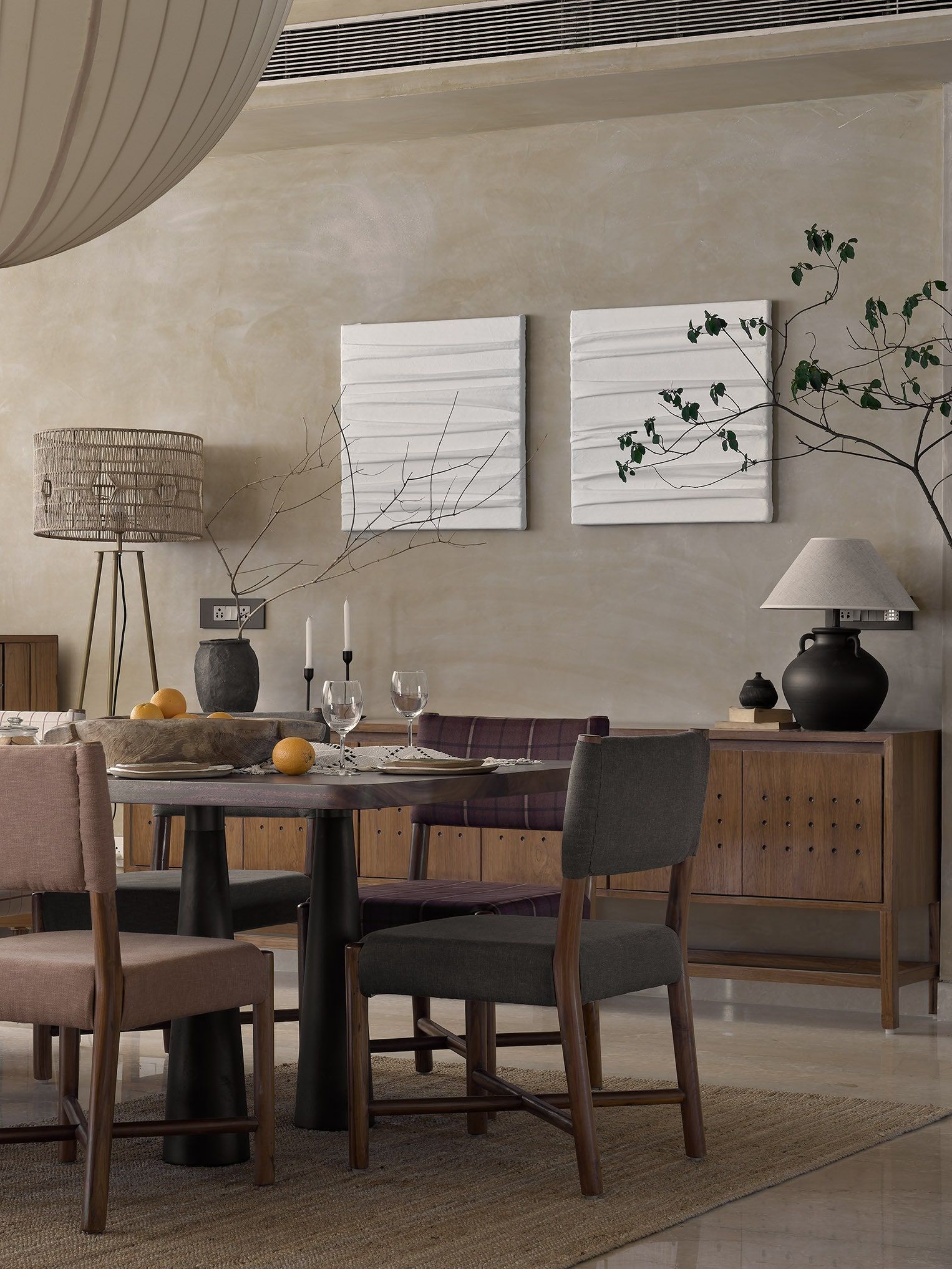
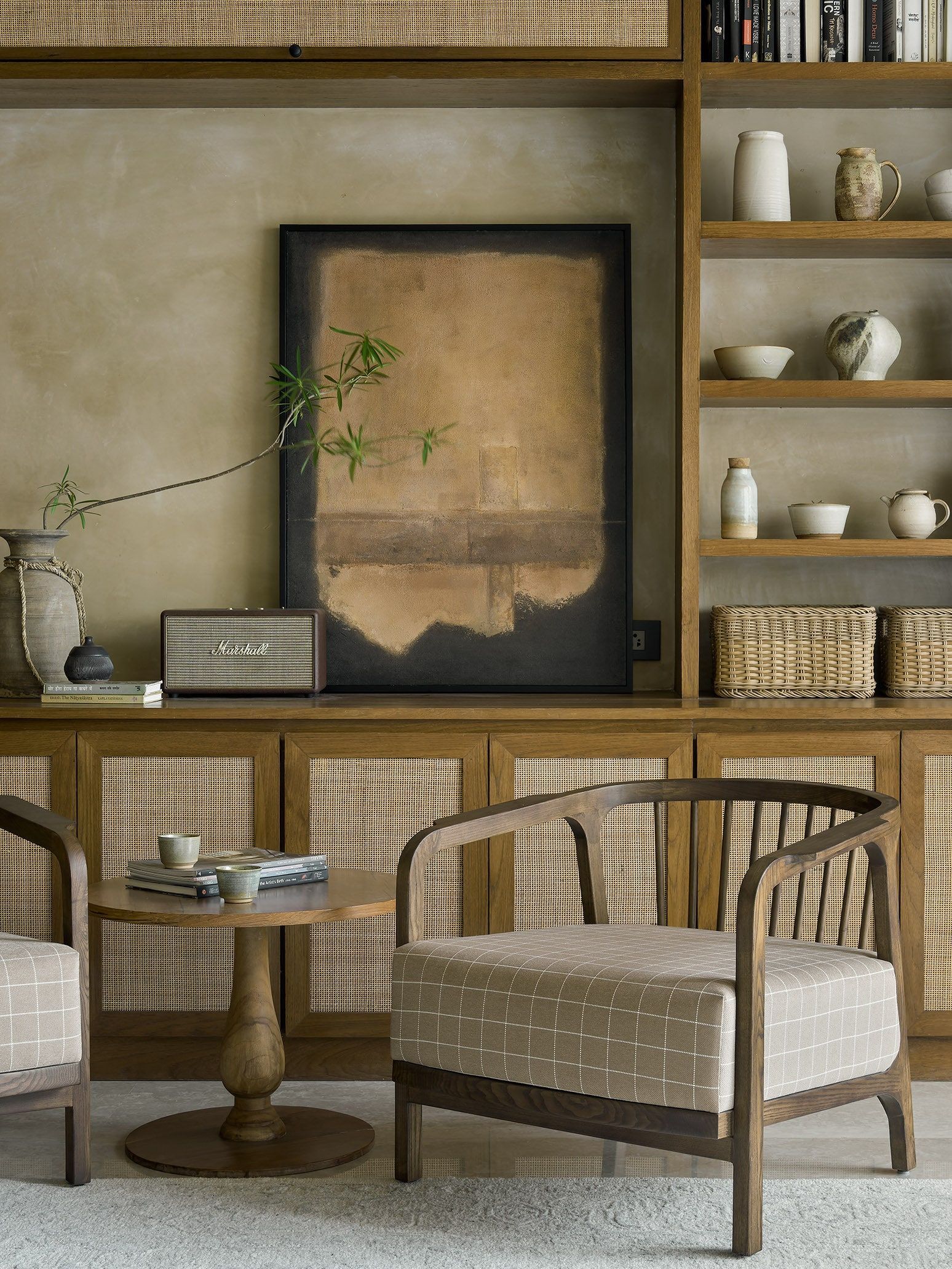
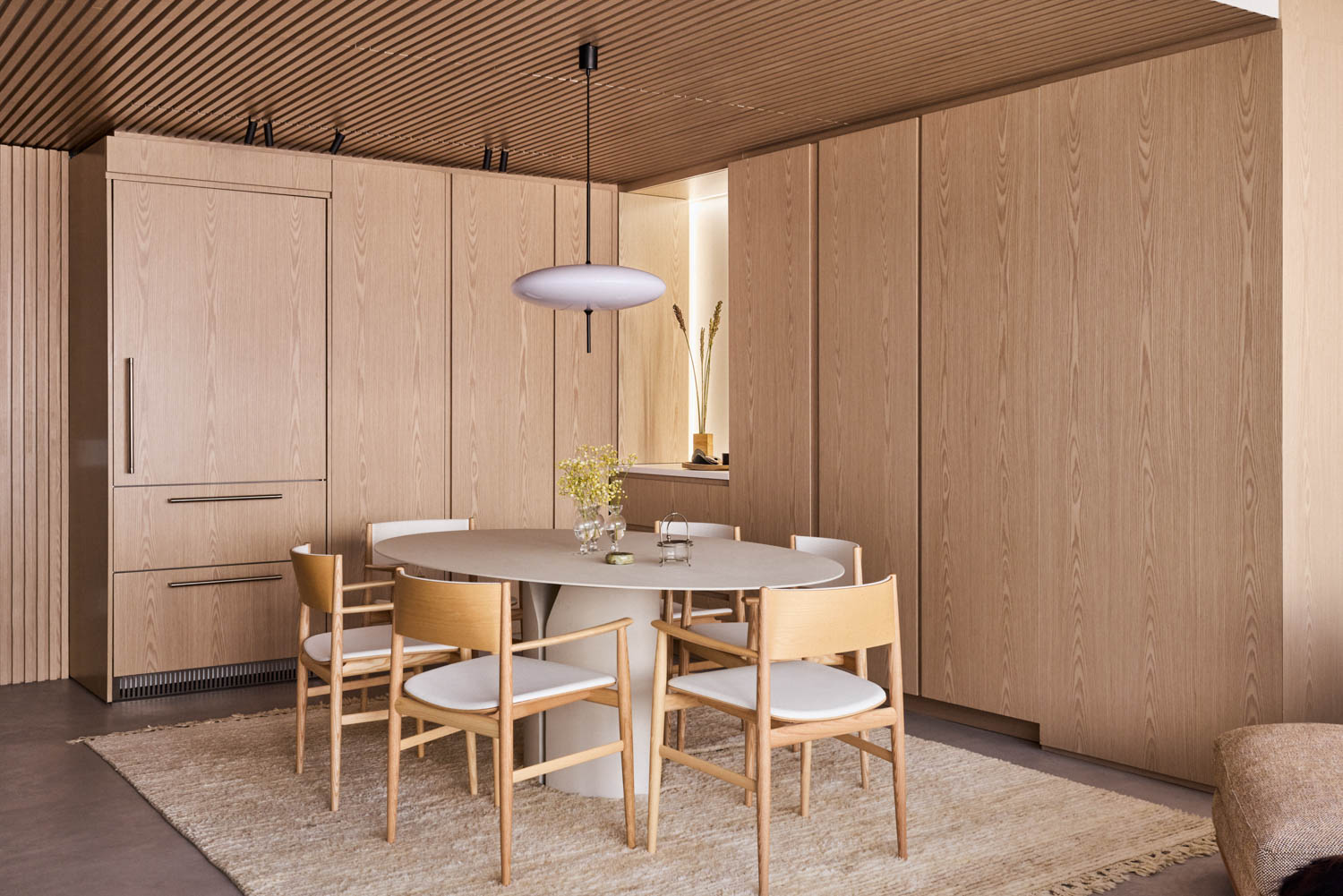
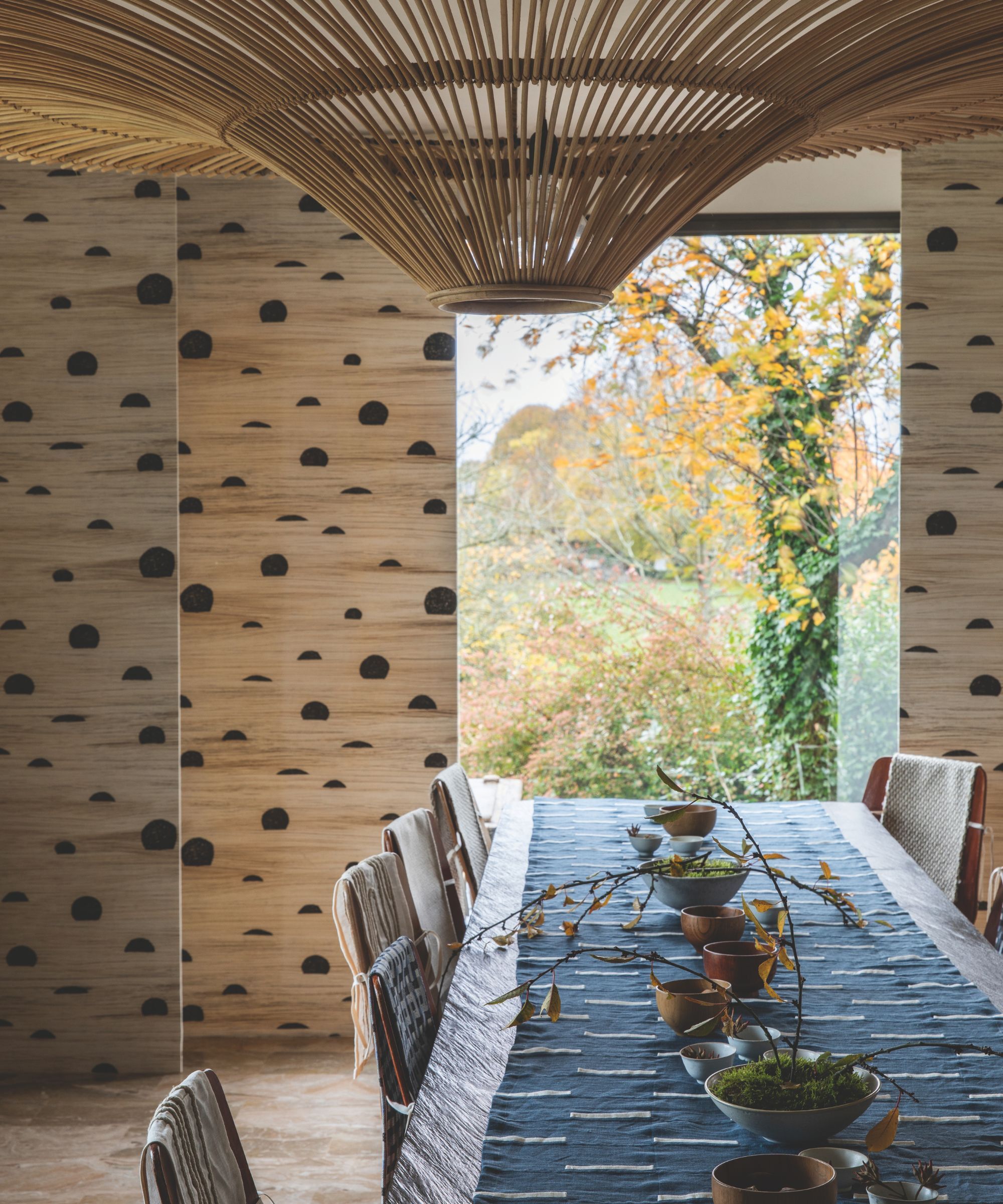
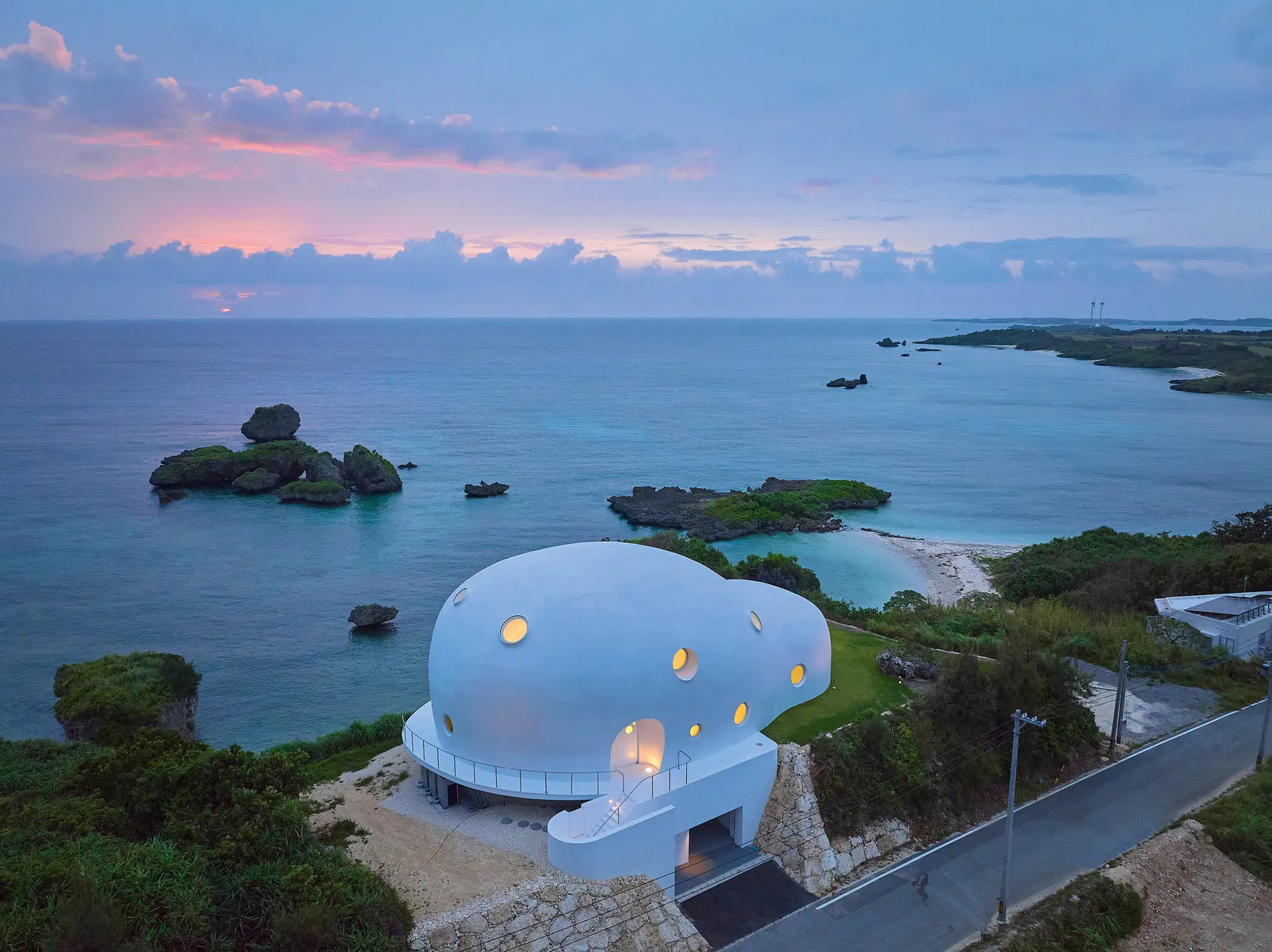
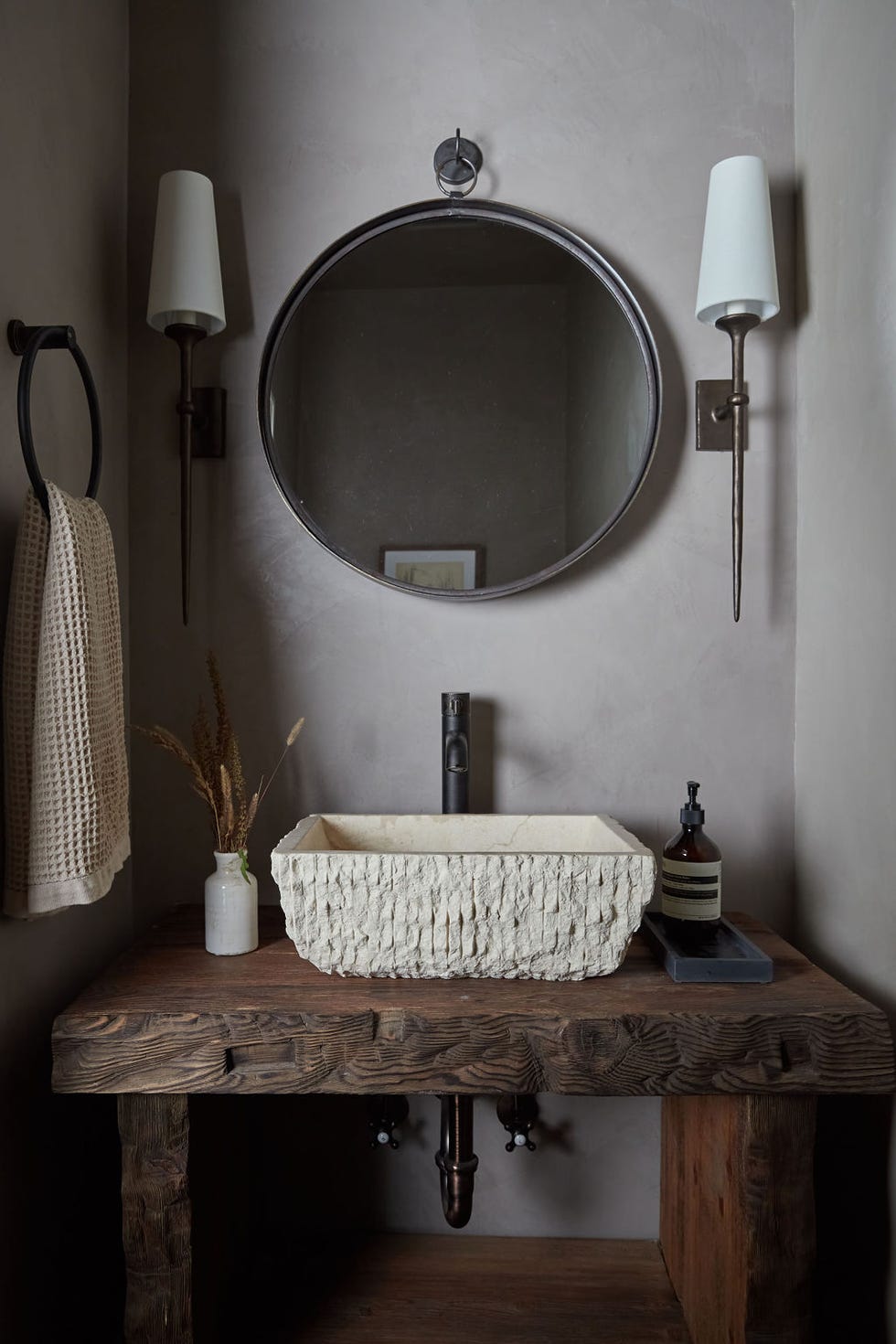
Nature-inspired design is another core aspect of Zen aesthetics, evoking calm through earthy textures and organic shapes. Materials like bamboo, wood, stone, and clay are commonly used to establish a connection with the natural world, complemented by a minimal color palette to promote tranquility. Sustainable practices, including the use of natural materials, energy-efficient designs, and waste minimization, are also vital. The Blom air purifier, with its organic, flower-like shape, illustrates this by blending nature-inspired aesthetics with advanced technology to enhance air quality and elevate space aesthetics, symbolizing harmony between nature and function.
Finally, Zen aesthetics embrace imperfections, a concept rooted in the Japanese philosophy of wabi-sabi. This encourages appreciation for the impermanence of things and celebrates flaws as authentic signs of natural growth and decay. In product design, imperfections like cracks, crevices, or patinas are valued for adding uniqueness and character, making each piece distinct. The Kintsugi-inspired notebook, which features gold screen-printed lines mimicking mended pottery, symbolizes embracing imperfection and the beauty of restoration, emphasizing self-acceptance and resilience. Crafted from sustainable bagasse, it further promotes renewal and mindful living.
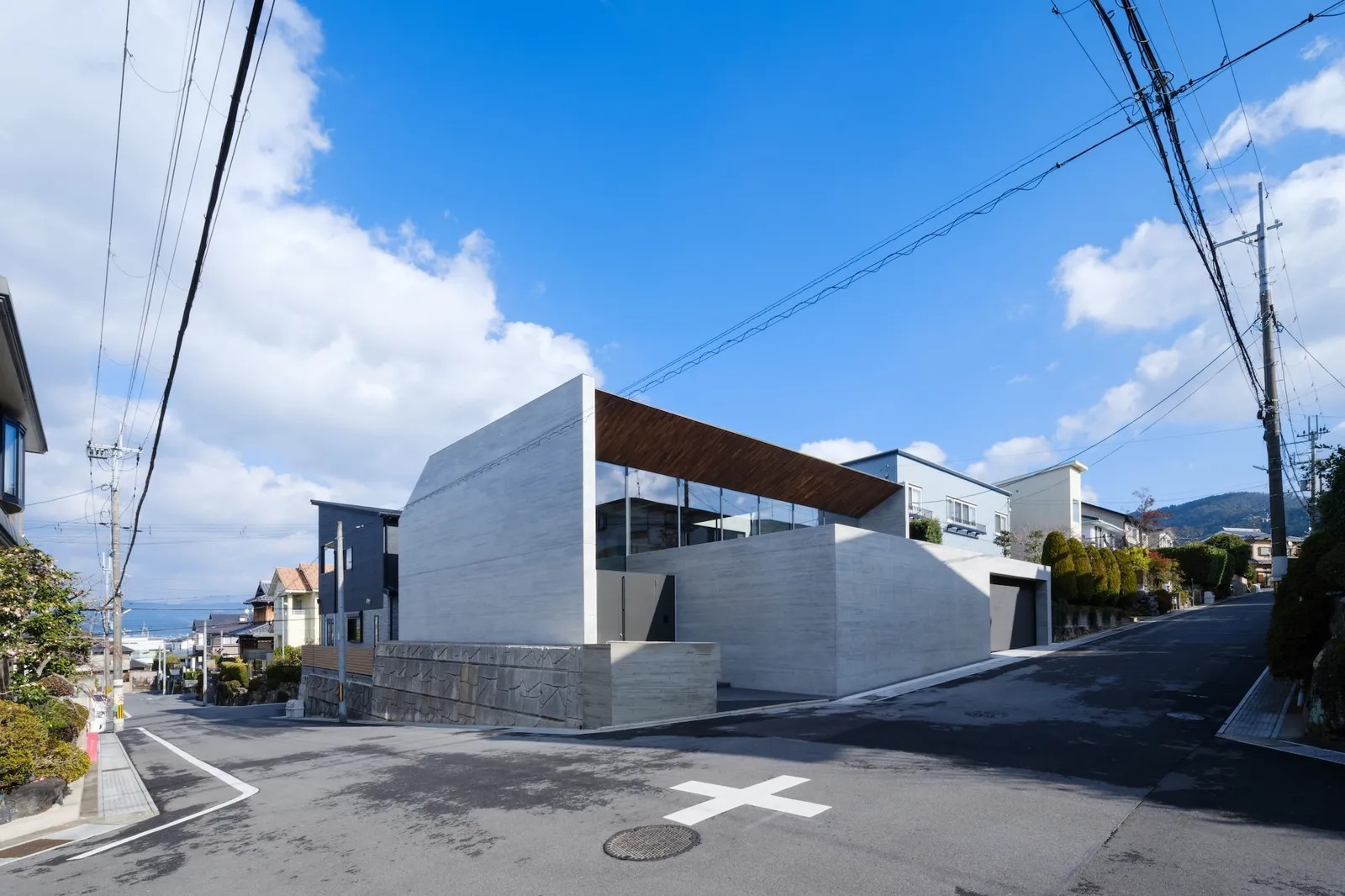
This integration of Zen aesthetics and minimalist design provides a profound approach to creating spaces and objects that nourish both mind and spirit. By focusing on functional elegance, natural harmony, and the beauty of imperfection, designers can create environments that are not only visually appealing but also foster clarity, tranquility, and intentional living, drawing upon ancient wisdom to address contemporary design challenges.
#ZenAesthetics #MinimalistDesign #ProductDesign #JapaneseDesign #SustainableDesign #FunctionalDesign #NatureInspiredDesign #WabiSabi #HomeDecor #ZenAesthetics #MinimalistDesign #ProductDesign #JapaneseDesign #SustainableDesign #FunctionalDesign #NatureInspiredDesign #WabiSabi #HomeDecor
0 comment in total
 No comments yet
You may also like
Ten furniture and lighting designs by Japanese brands and designers
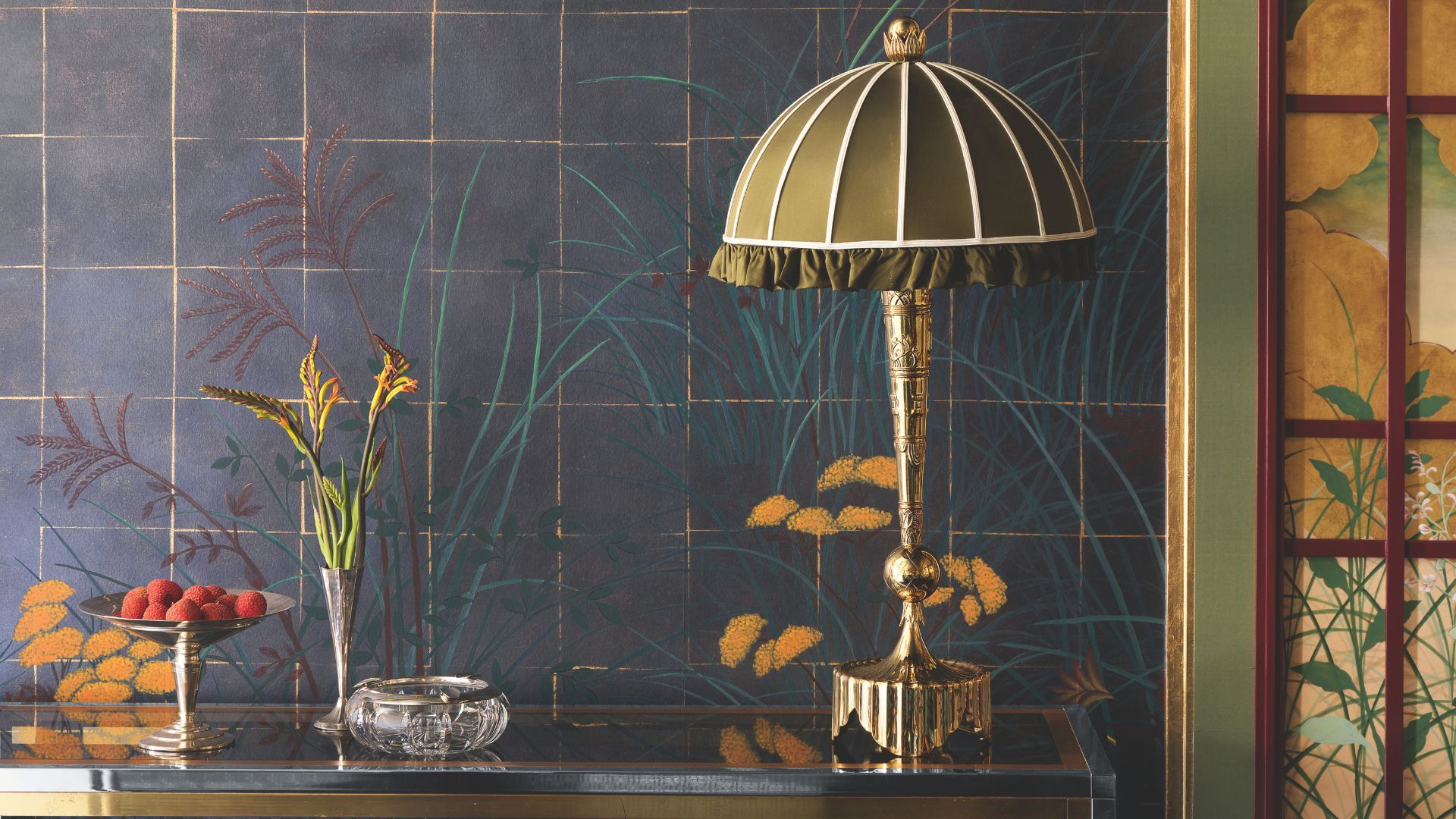
The Rise of Japanese-Inspired Interiors: Why Calm, Craft, and Simplicity Are Redefining Modern Design

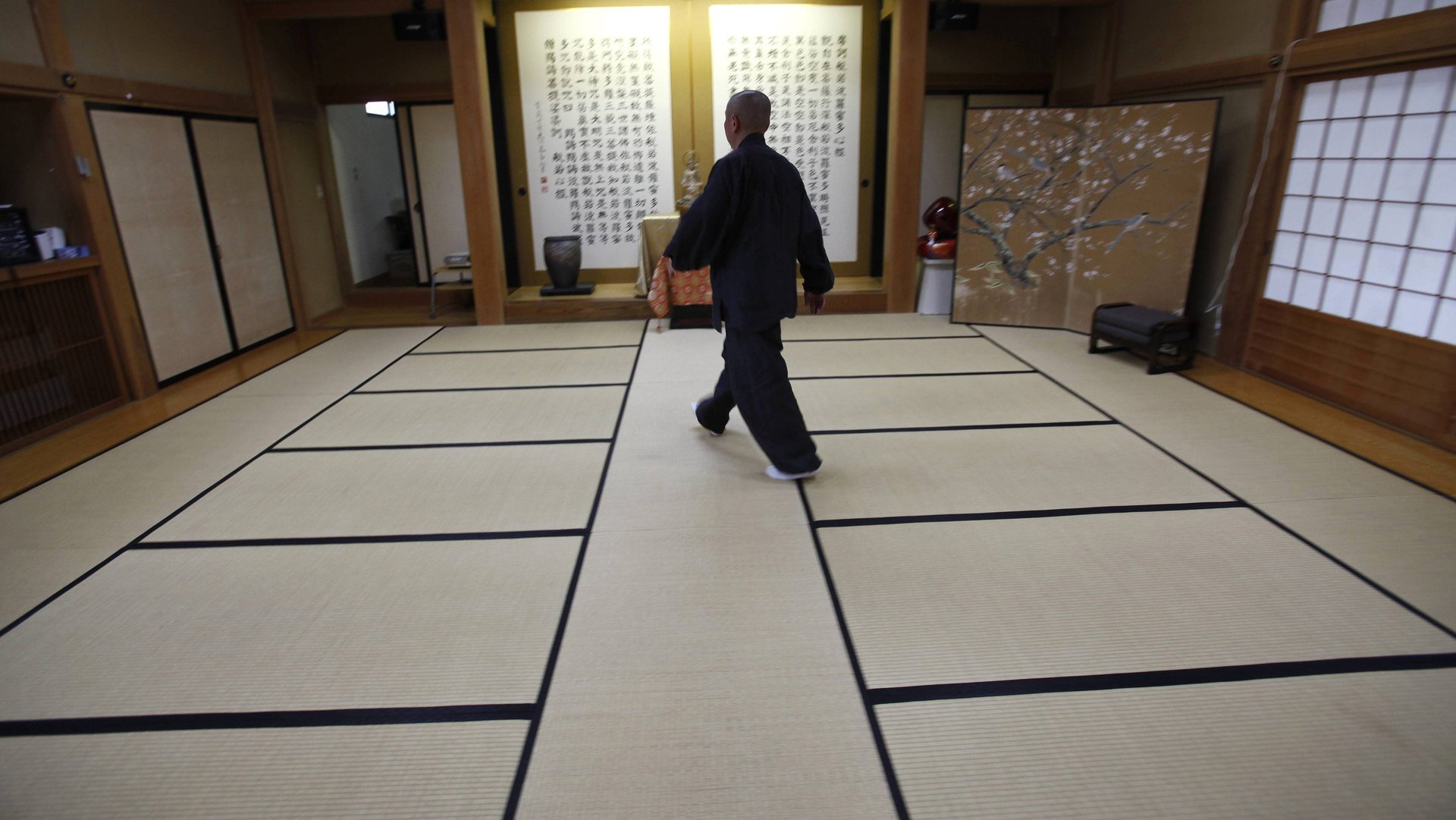
Emptiness—not minimalism—is the path to creativity, explains MUJI’s design philosopher

Can Middle East designers bring zen to spaces with Japanese aesthetics?
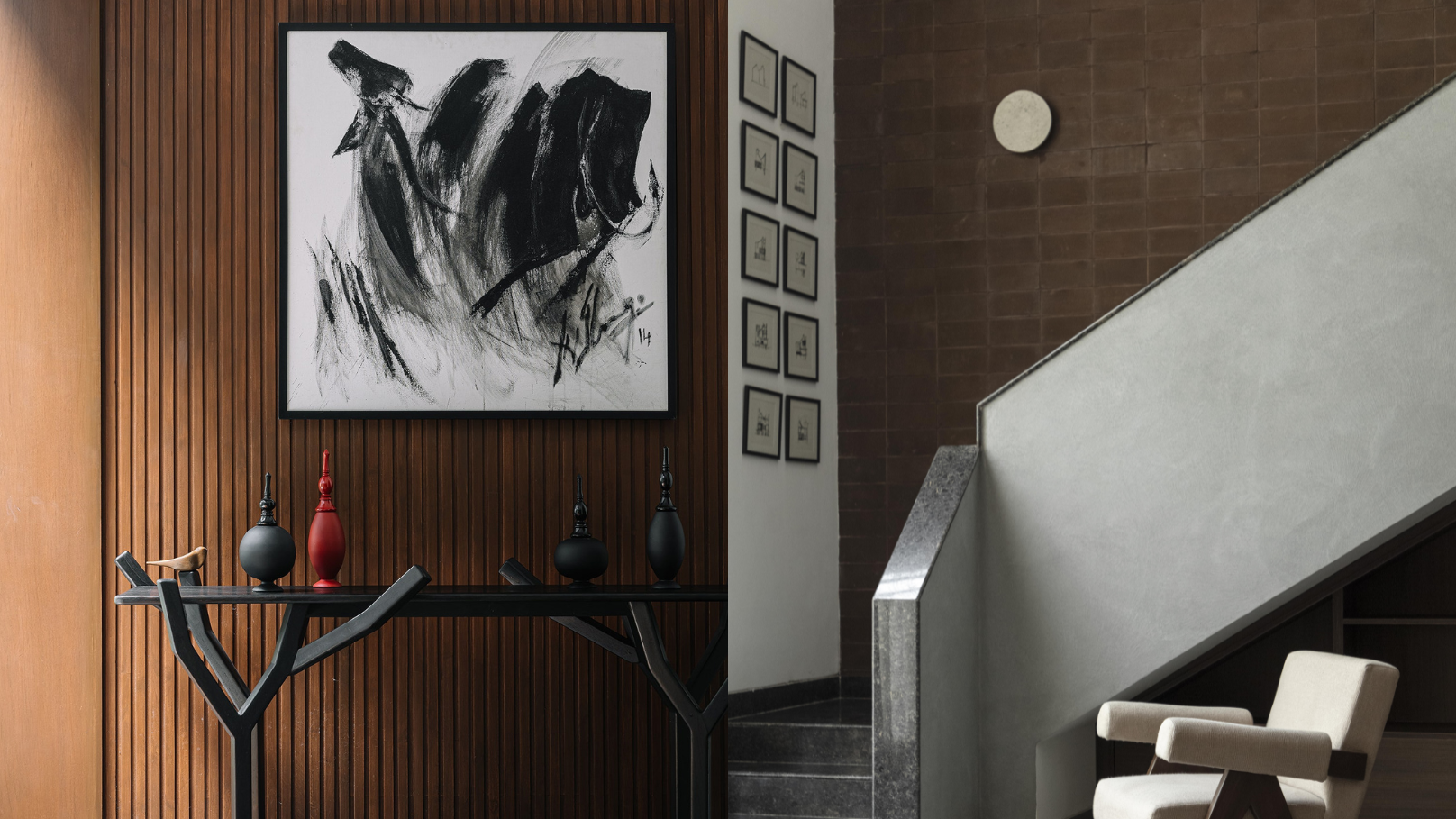
5 homes that bring serene Japanese-inspired design to life

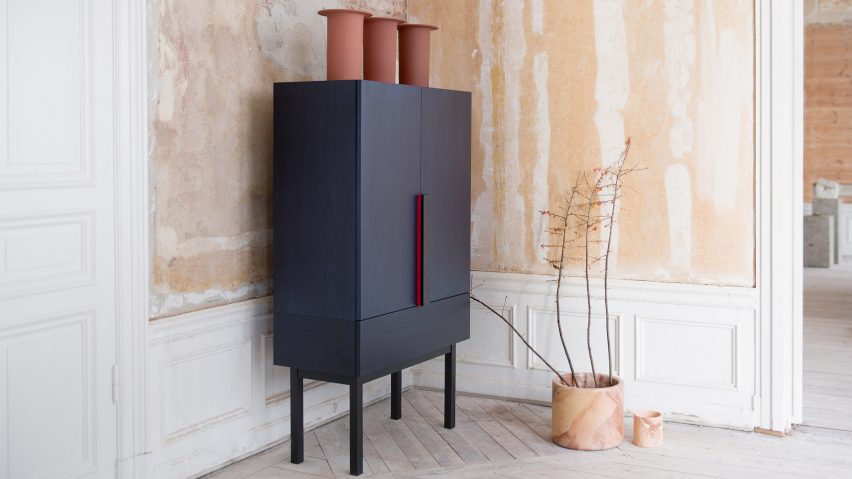
Seven "Japandi" interiors that blend Japanese and Scandinavian design
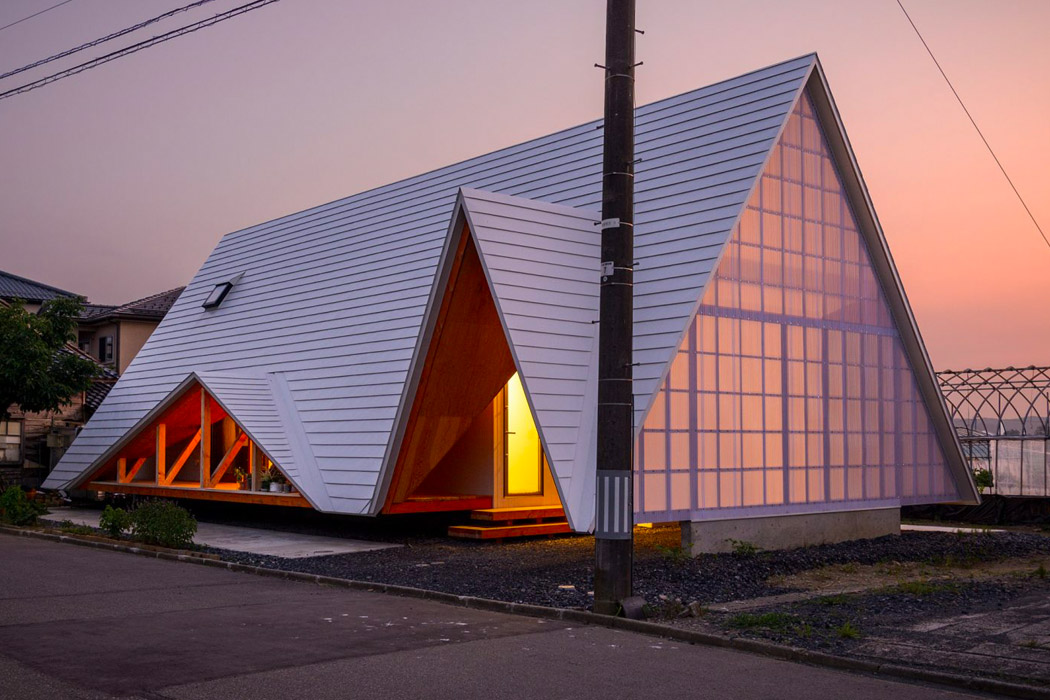
Japanese Architectural Designs that embody a zen, minimal way of living!
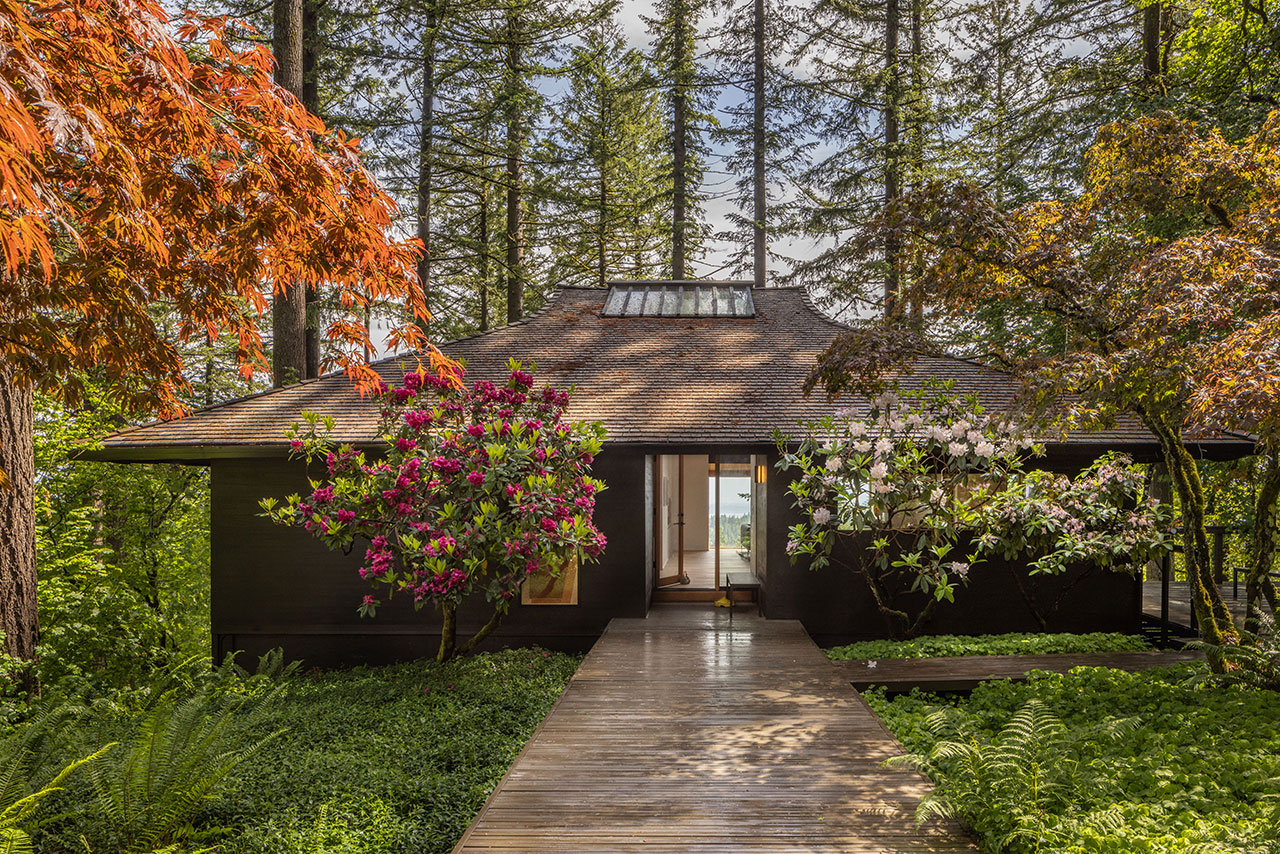
SHED Revives a Mid-Century House in Portland With Japanese Minimalism
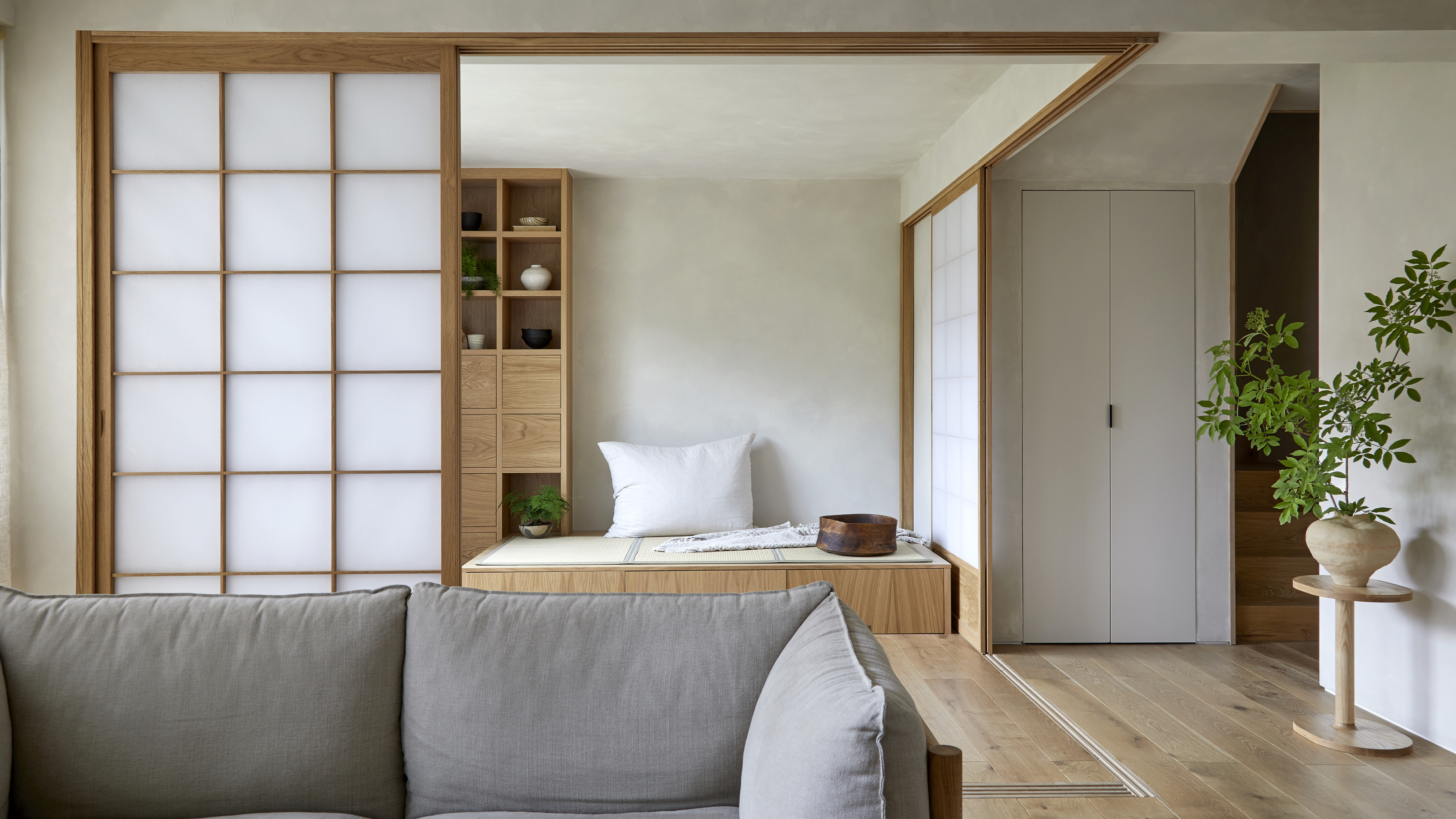
Muji Living Room Ideas — 5 Ways to Harness the Calming Qualities of This Japanese Design Style

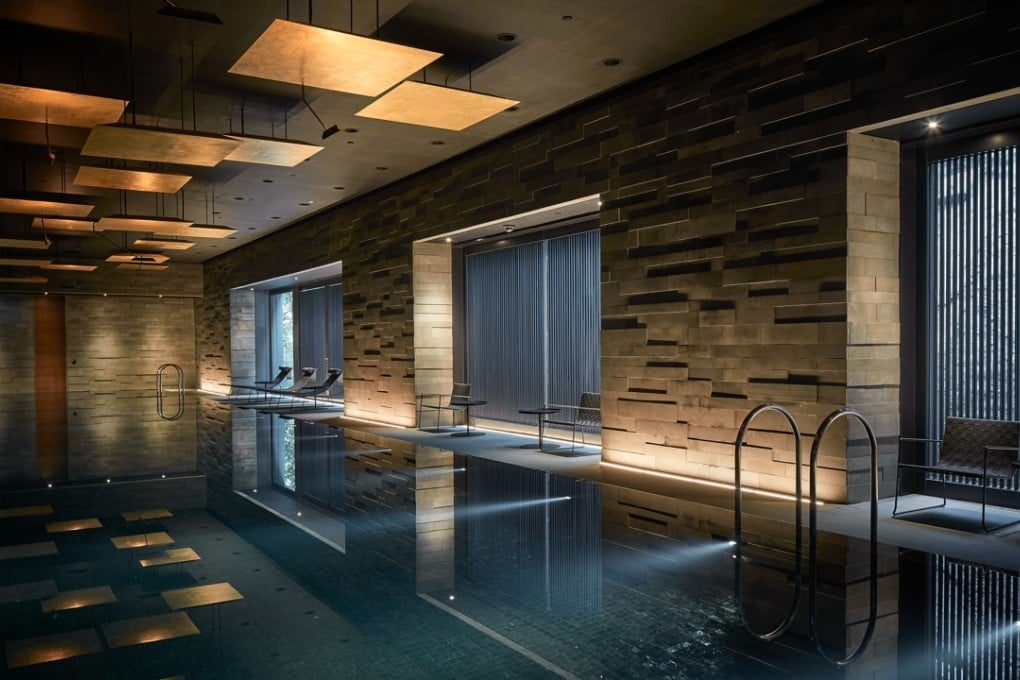
How Japan influenced Nordic design aesthetics and vice versa

A conversation with design visionary Naoto Fukasawa
Japan in Milan! See the highlights of Japanese design at Milan Design Week 2025

5 Best Japanese-Inspired Home Accessories Designed To Bring Nature & Tranquility Indoors
Wallpaper's favourite Japanese houses

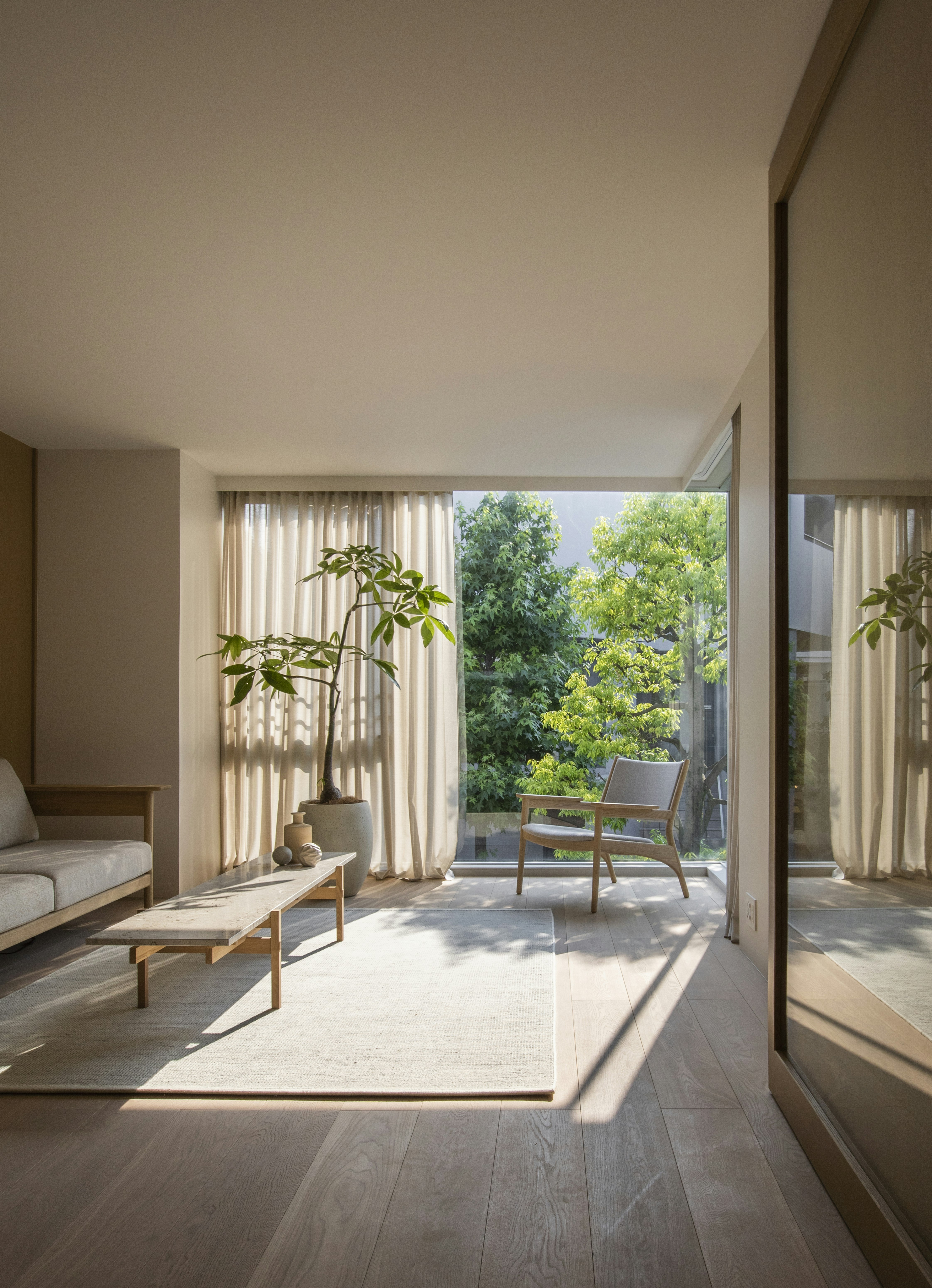
These Serene, Minimalist Apartments in Tokyo Are Filled With Light and Nature

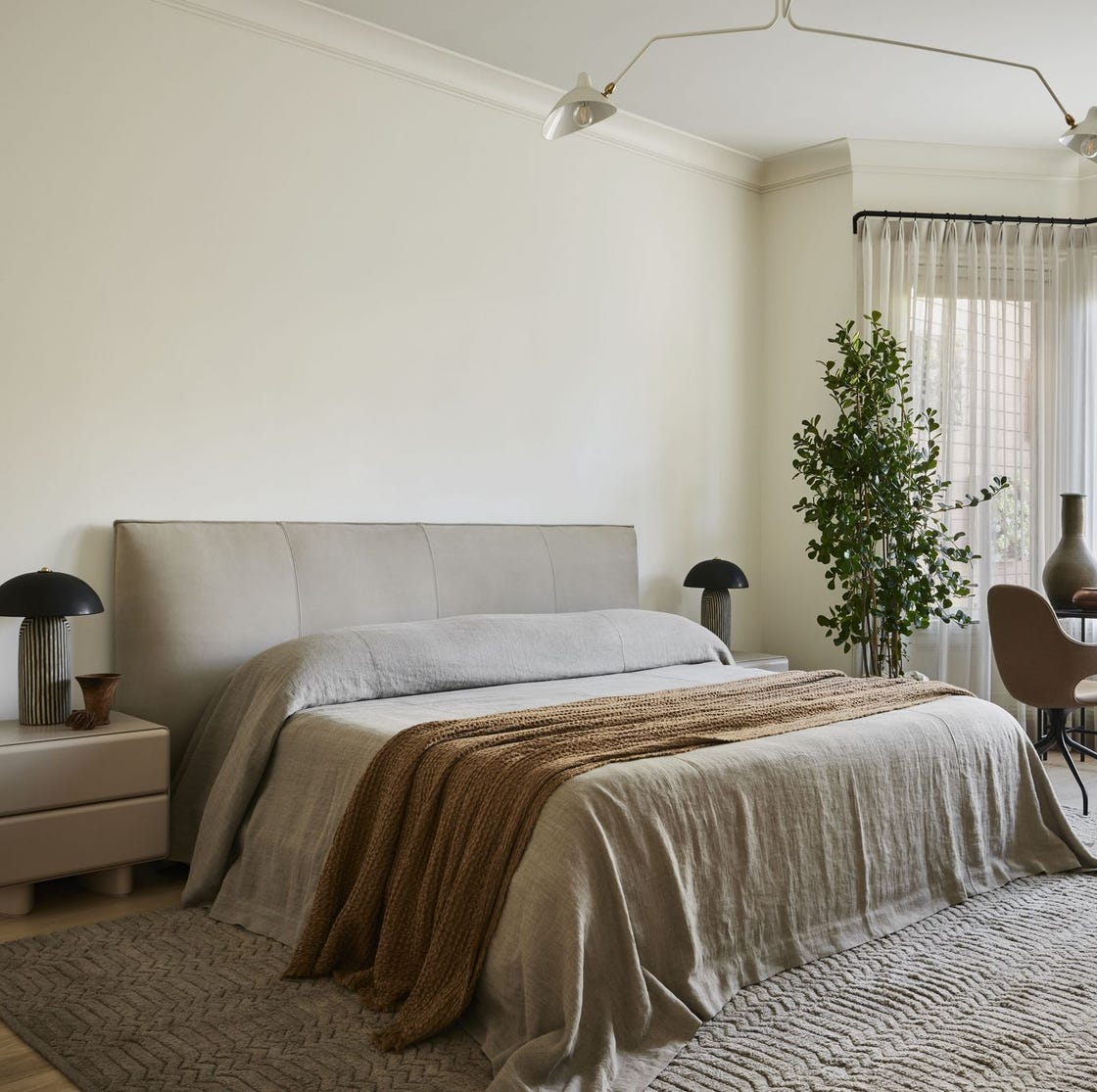
Why Designers Predict We'll Be Seeing Wabi Sabi Interiors Everywhere

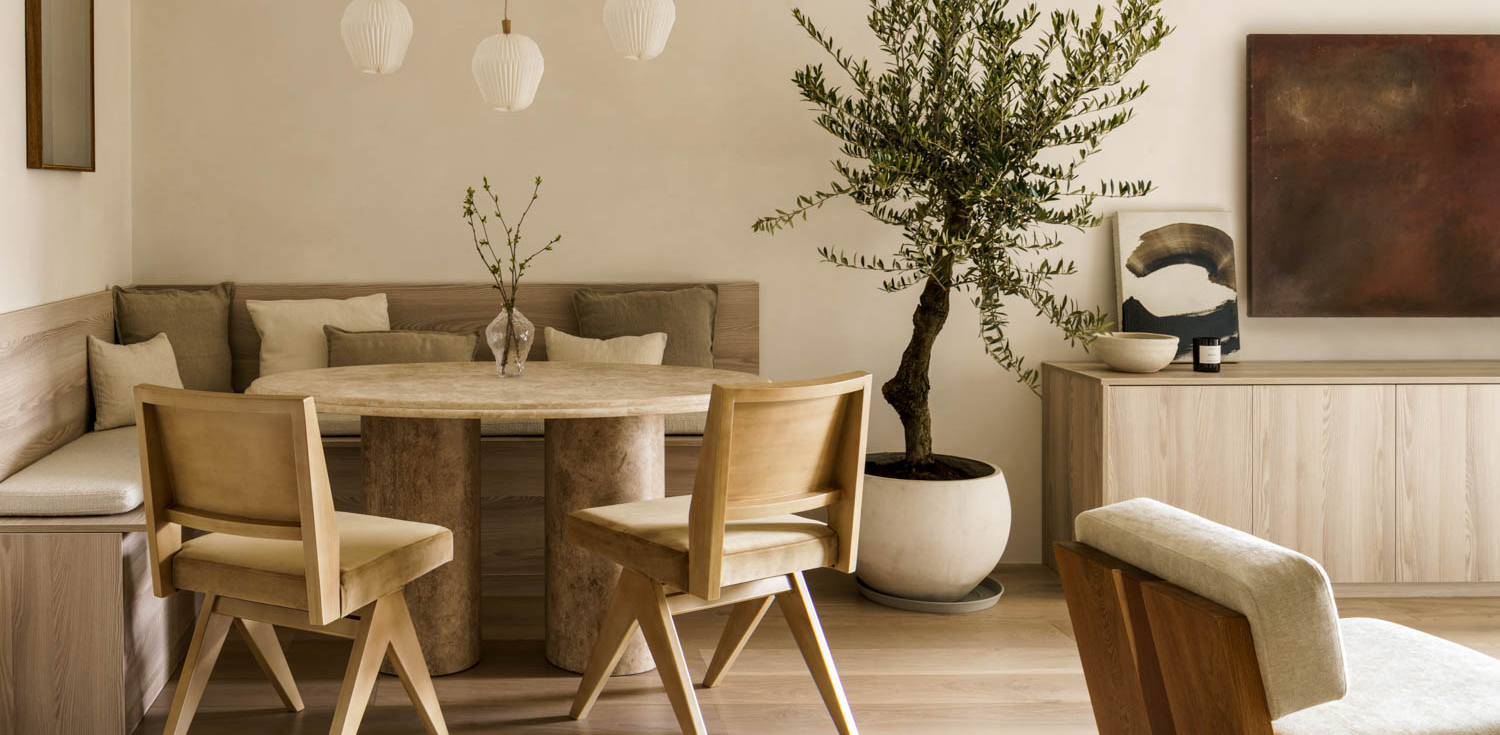
Elevate Your Space With These Inspiring Japandi Interiors

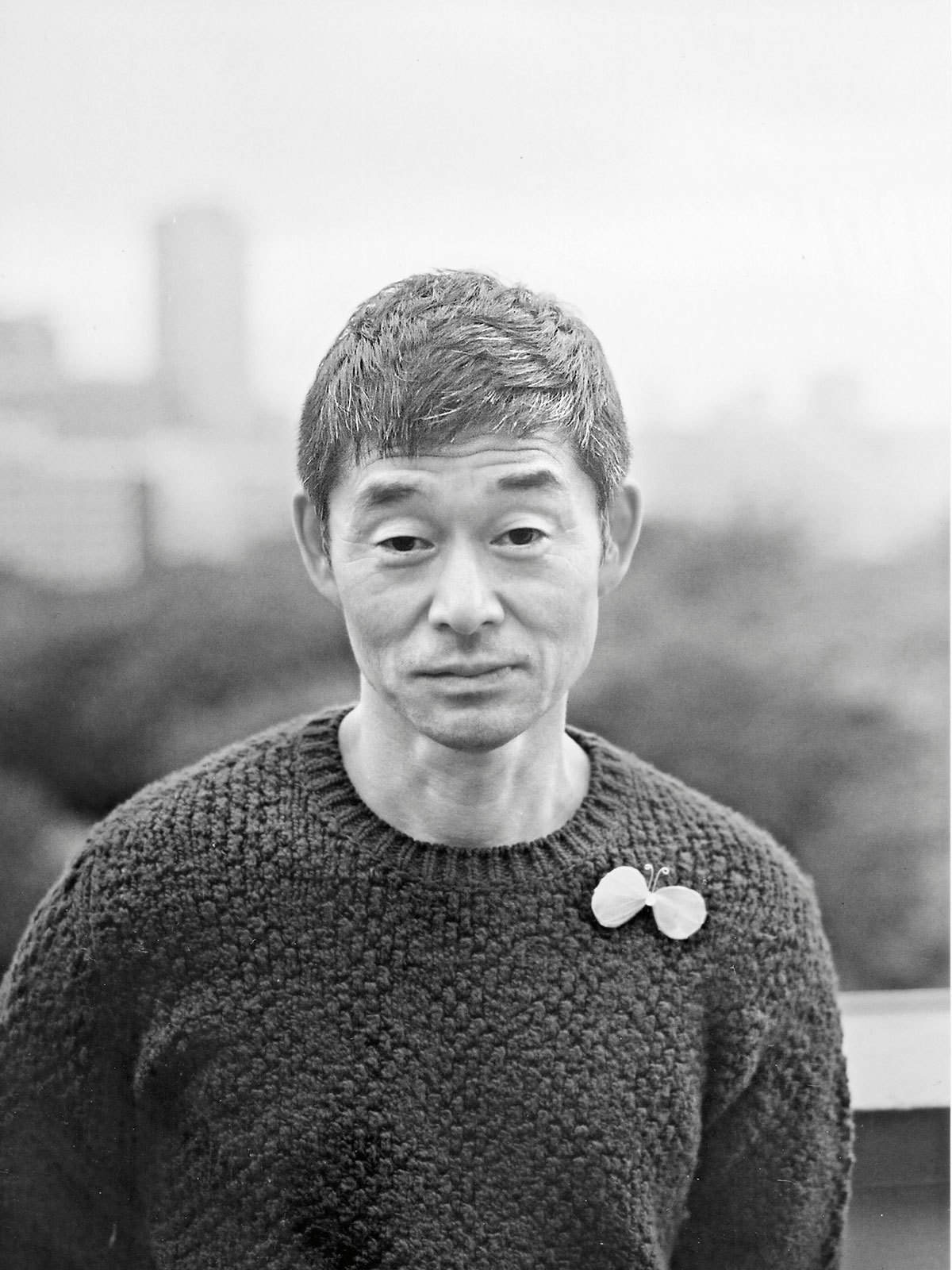
Akira Minagawa’s Japanese-Nordic Style Spans Fashion to Fabrics
A Minimalist Home Full of Clever Design Tricks Appears to Levitate Above the Earth

The Commercial Zen of Muji