1/13
Japan in Milan! See the highlights of Japanese design at Milan Design Week 2025
Milan Design Week 2025 showcased a significant presence of Japanese design and craftsmanship across various creative disciplines, ranging from furniture and lighting to unique homes and traditional tea caddies. This year's event highlighted an array of projects that blended traditional Japanese aesthetics with contemporary design principles, demonstrating a commitment to functionality, material integrity, and serene living.
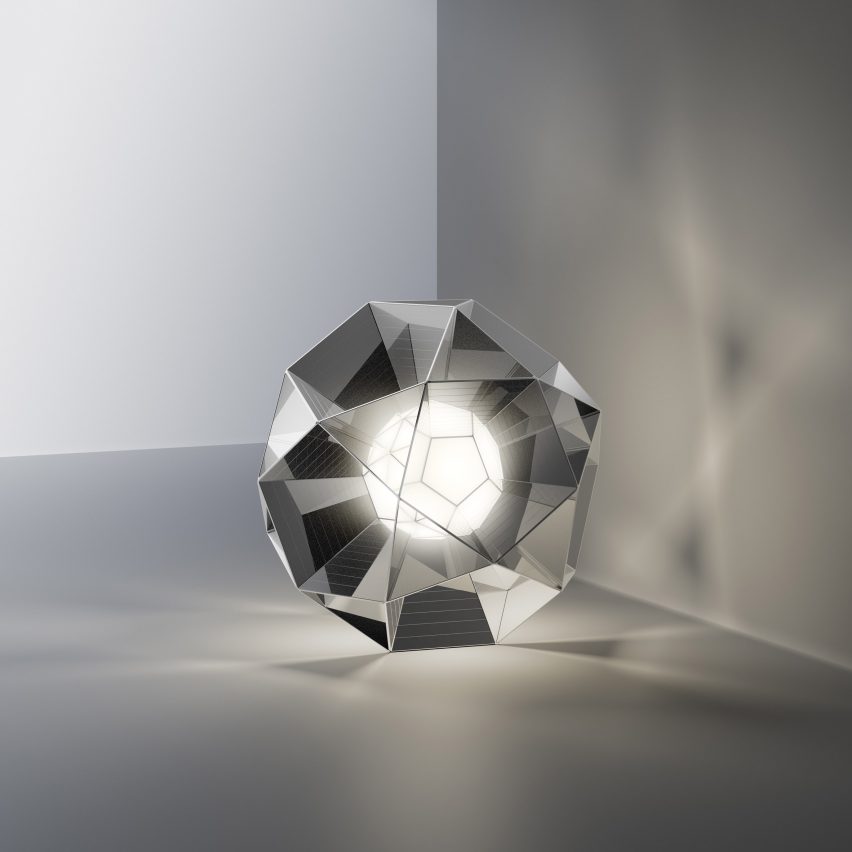
Among the standout exhibits was Nao Tamura’s ‘Vosco’ portable light for Ambientec. Tamura, inspired by timeless tools, crafted a light with a clean-lined solidity, featuring a cast iron top and a base made from Japanese walnut, maple, or oak. The design emphasizes utility and durability, incorporating a new Fresnel lens for uniform light diffusion across five levels, catering to diverse needs from a gentle glow to brighter illumination. Tamura's approach reflects a broader philosophical shift towards designing objects that are truly useful and enduring in a world already saturated with products.
Atsushi Shindo presented ‘Some Echoes,’ a lighting installation at Salone Satellite inspired by a deep forest. Crafted from hundreds of hand-split Japanese sawara cypress wood pieces, the installation diffused a warm LED light, mimicking the scattered light through trees. Shindo aimed to create a 'moment in time' rather than just an object, using natural materials to evoke a sense of tranquility and connection to nature.
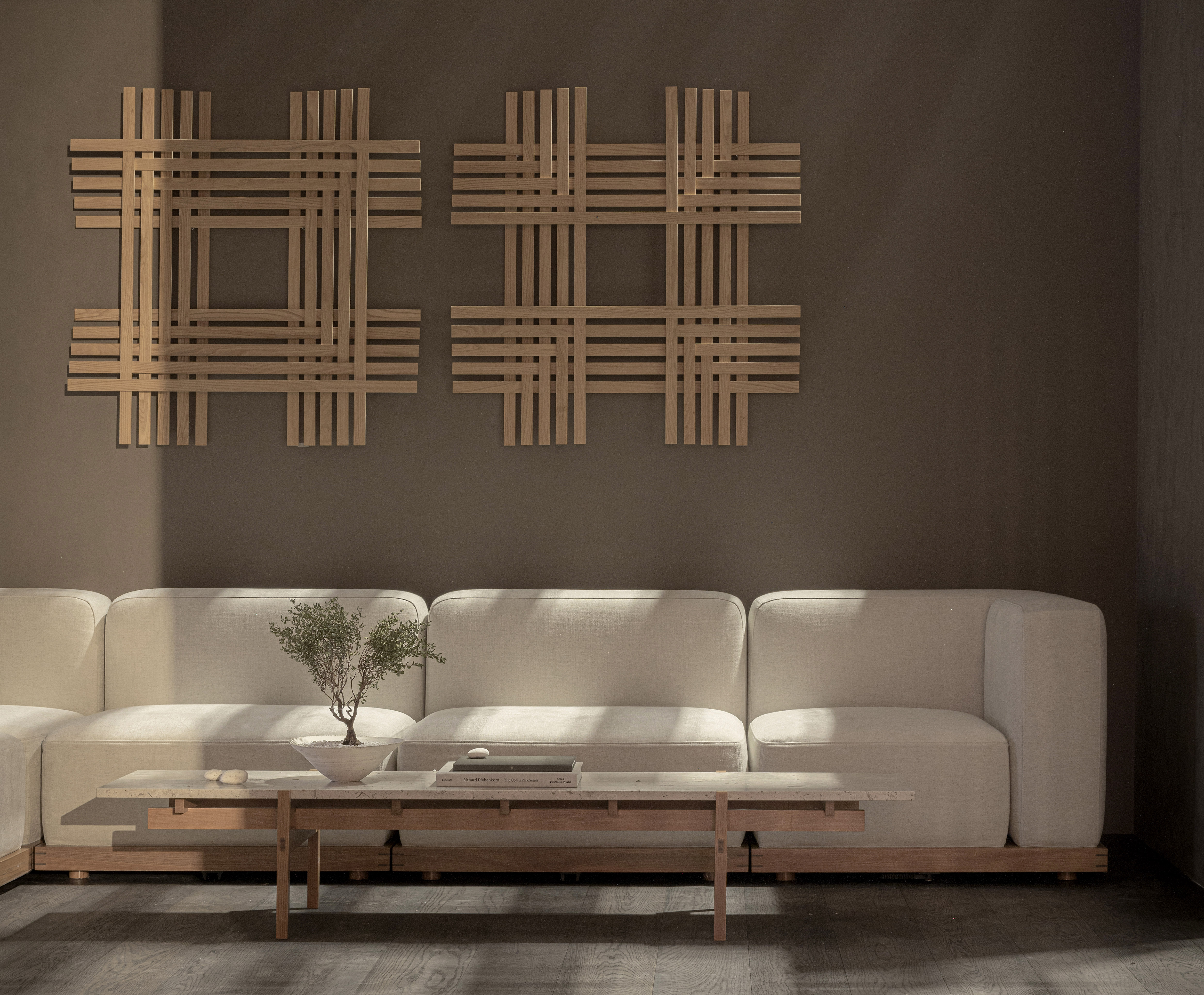
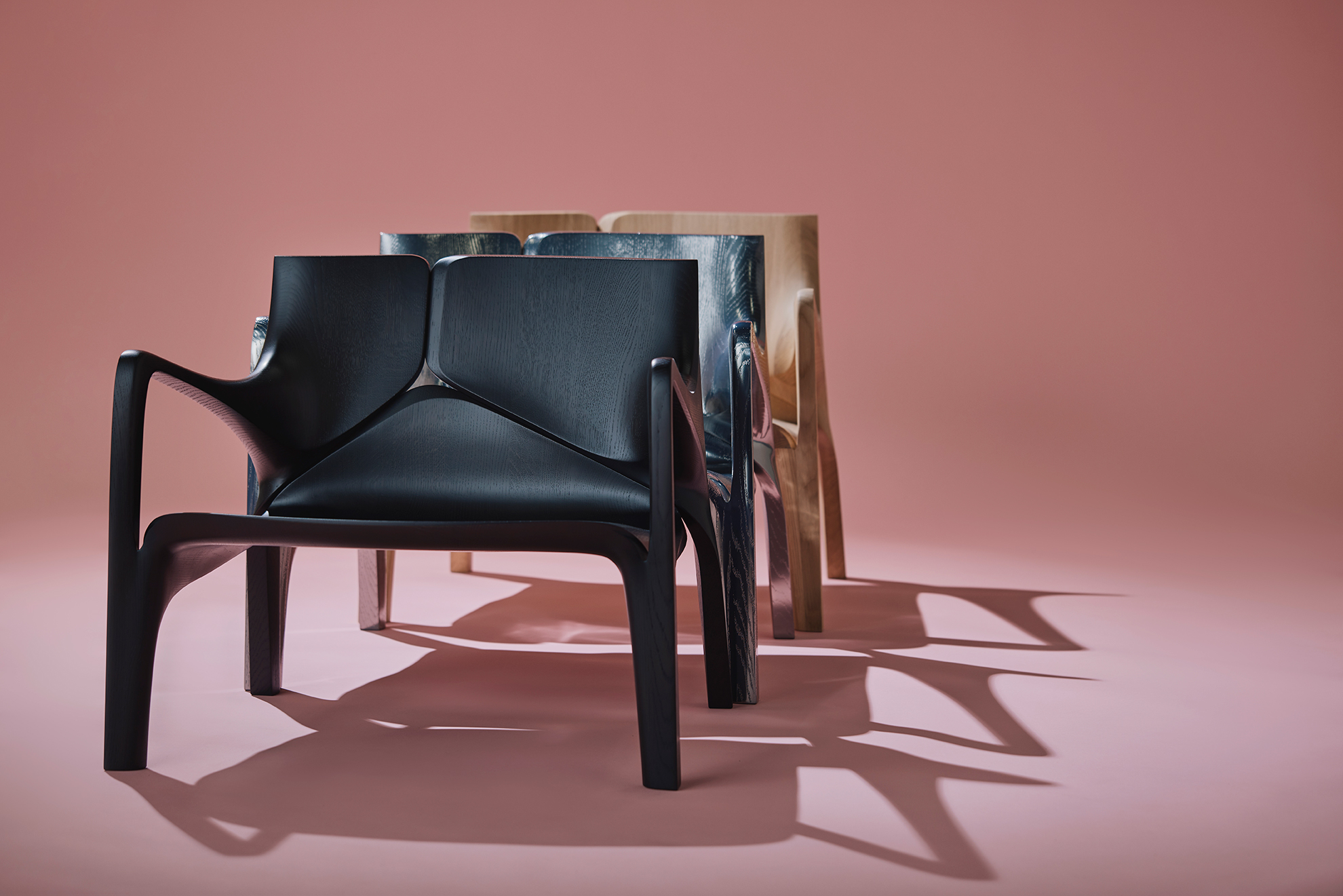
Kengo Kuma collaborated with Gandia Blasco to create ‘Hos,’ a furniture collection that explores the interplay between timber and textiles. The collection features rug-like textiles made from recycled PET fibers draped over structural wood frames, reminiscent of Japanese temple joinery. Kuma appreciated the rich texture and natural roughness of the recycled PET, using it to create a harmonious blend with wood. Additionally, Nao Tamura launched the ‘Dunne’ collection for Gandia Blasco, characterized by streamlined curves inspired by ocean waves.
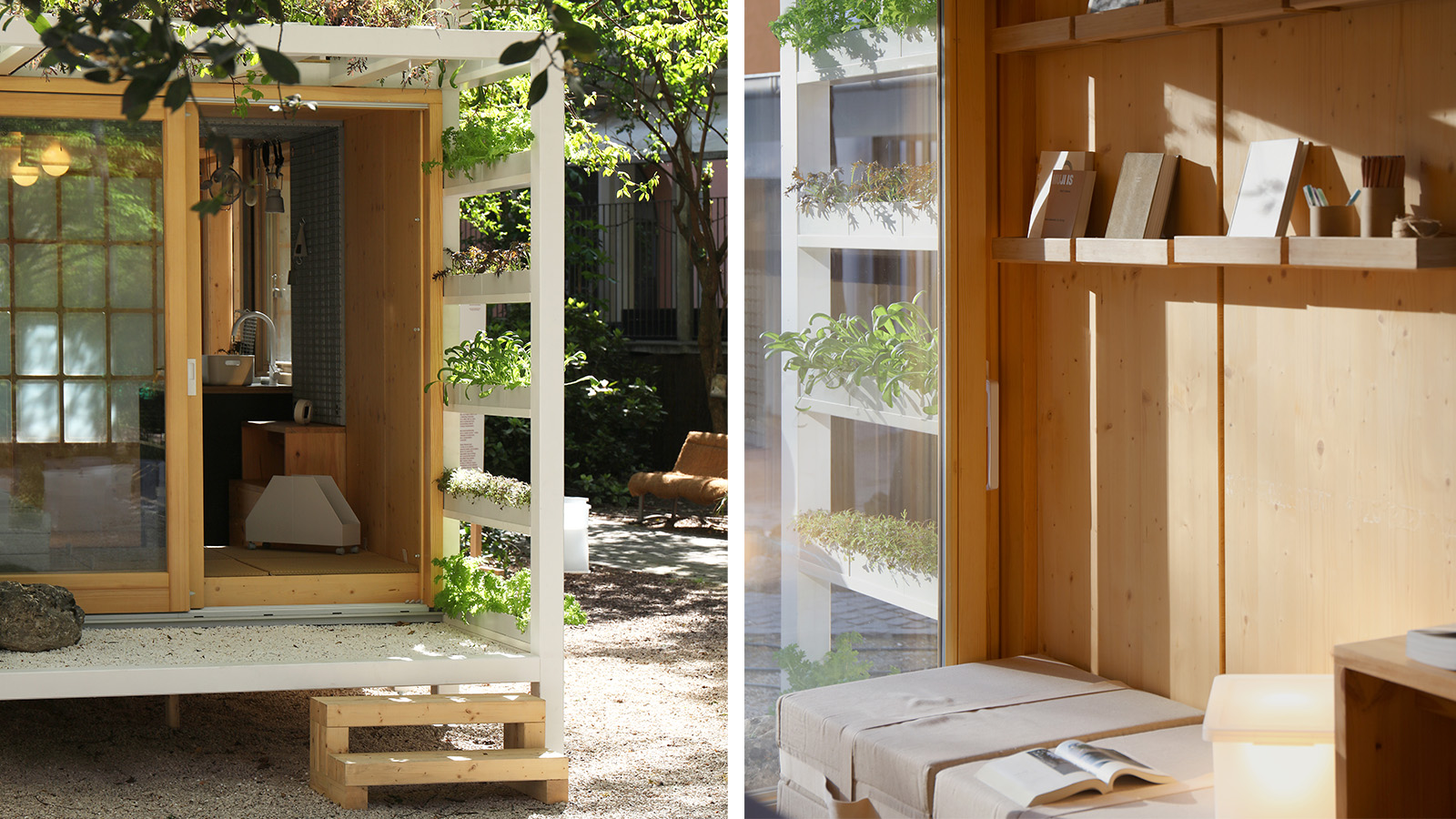
Muji, with Paris-based Studio 5.5, unveiled a modular micro-house during Milan Design Week. This manifesto for modern living was constructed from five functional ‘slices’ using bio-based and repurposable materials, including recycled textiles for insulation. The design prioritized sustainability and essentialist functionality, featuring natural ventilation, a white roof for heat reduction and rainwater collection, a deep window-side wooden bathtub in the 'ofuro' bathroom, and a mini Japanese 'niwa' garden. The interior boasted a metal grid system for adaptable storage and a tatami sleeping area, epitomizing micro-living efficiency.

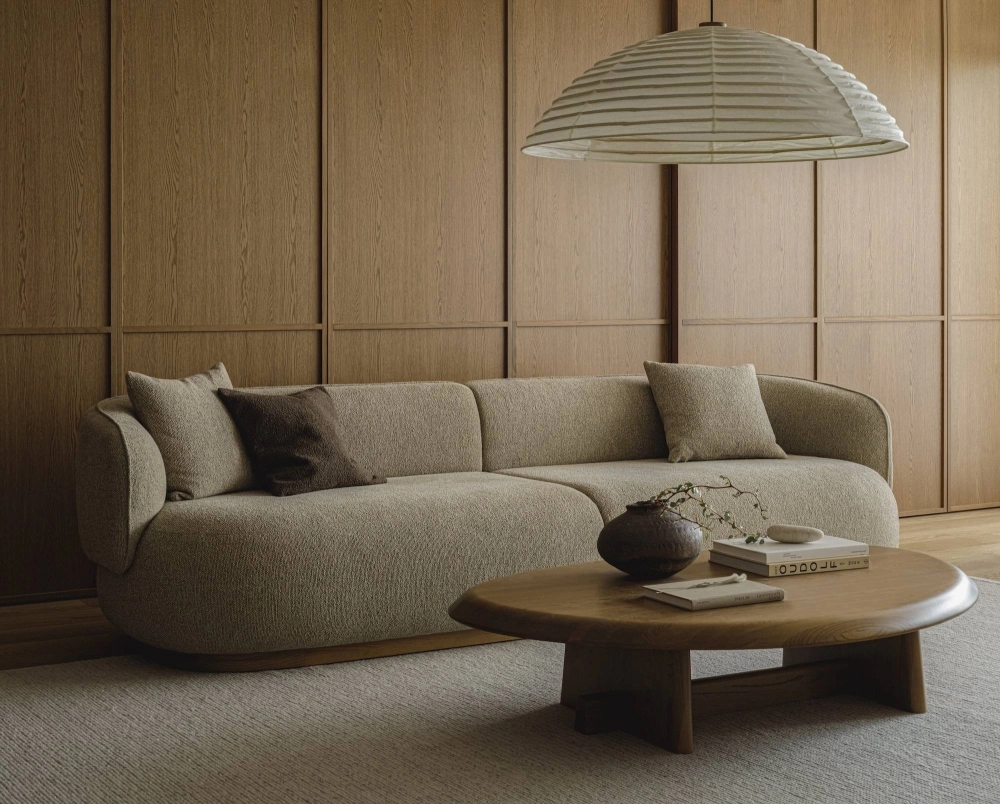
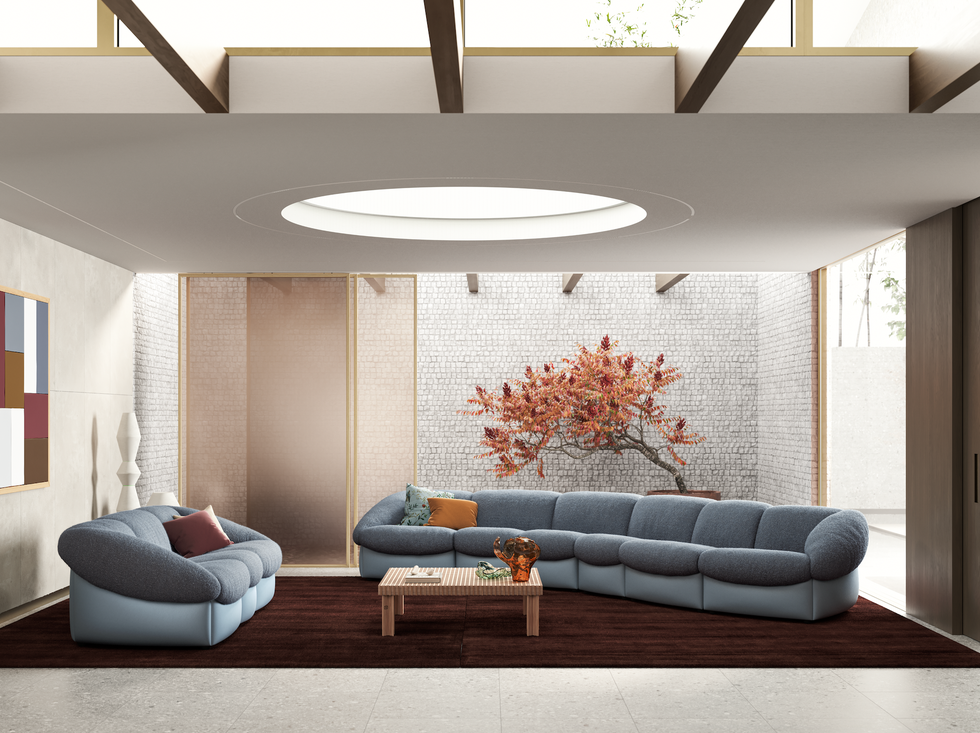
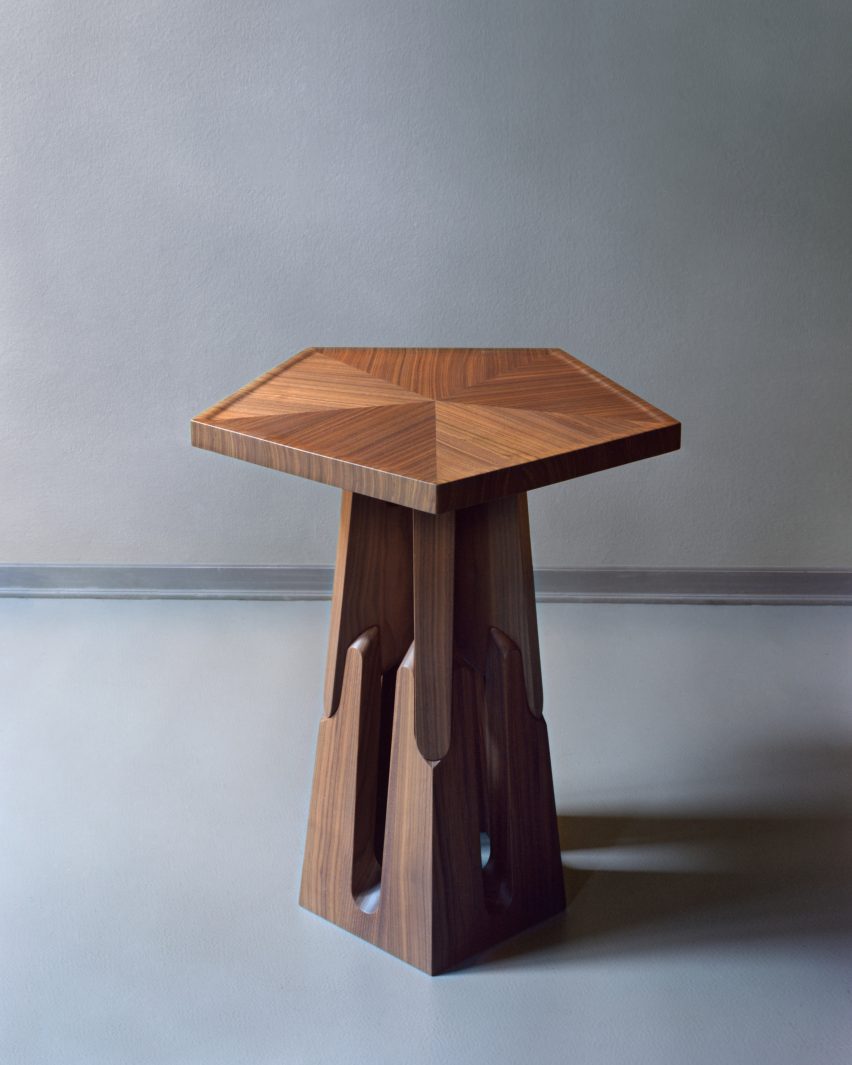
Maruni Wood Industry presented its 2025 collection, showcasing designs by Naoto Fukasawa, Jasper Morrison, and Cecilie Manz. Fukasawa's updated Hiroshima sofa included a new modular addition with an angled design, promoting comfortable conversations. Cecilie Manz introduced ‘Maku,’ a serene screen made from washi paper and hinoki cypress, designed as a versatile object that can function as a sculpture or a light source. Her expanded Shoto collection featured a high table and stools with softly rounded edges. Jasper Morrison's new Lightwood Sofa, with its circular wood armrests and soft cushions, emphasized lightness and a flat-packed design. His T&O collection also expanded to include high-end office furniture, reflecting a shift towards more inspiring workspaces.
Adal Look into Nature focused on revitalizing the tatami industry by reimagining igusa (rush grass) in contemporary forms. Their exhibition featured the Haori Armchair, with a traditional kimono jacket-shaped cover, and Nagare, undulating wall panels of woven igusa inspired by natural movements. Karimoku Case (KC), Karimoku New Standard (KNS), and Mas presented distinct approaches to design. KC showcased new work designed for specific spatial projects, emphasizing serenity and comfort. KNS and Mas created a lounge space with brightly colored furnishings and prototypes, including a new paper lamp and contemporary woven baskets, set against an urban film installation.
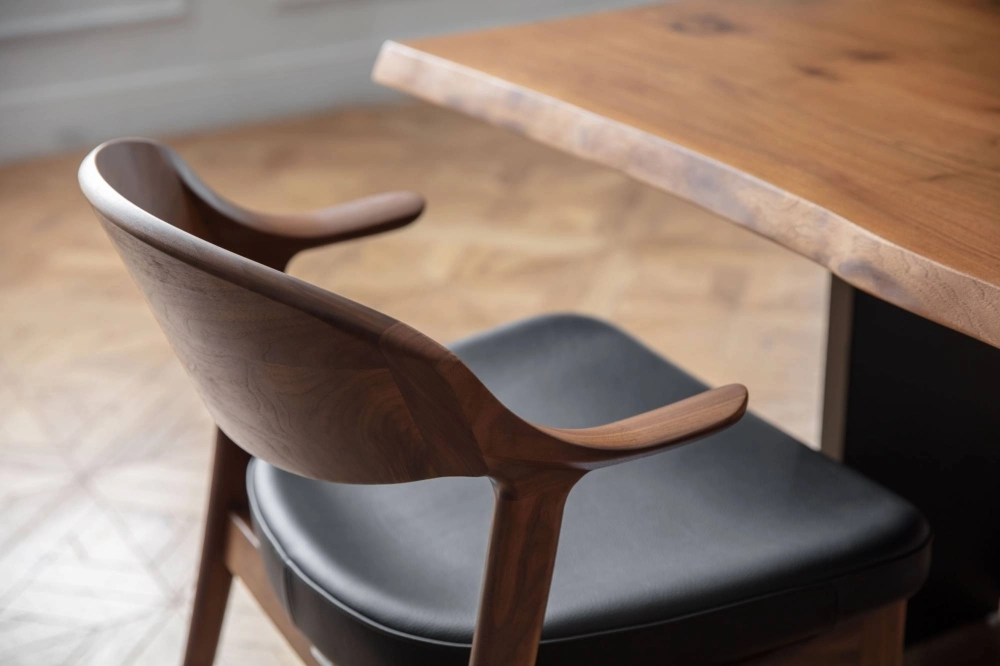
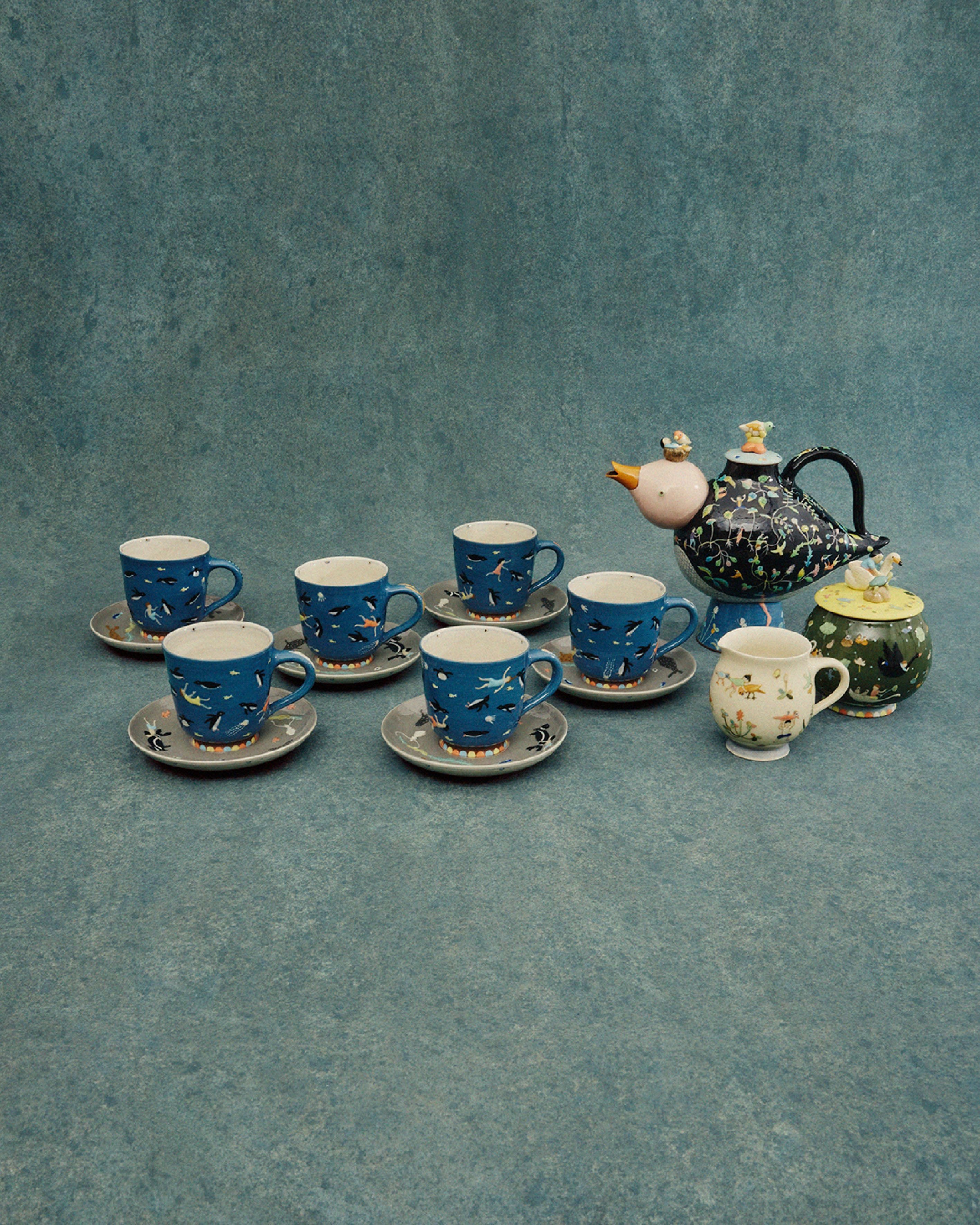
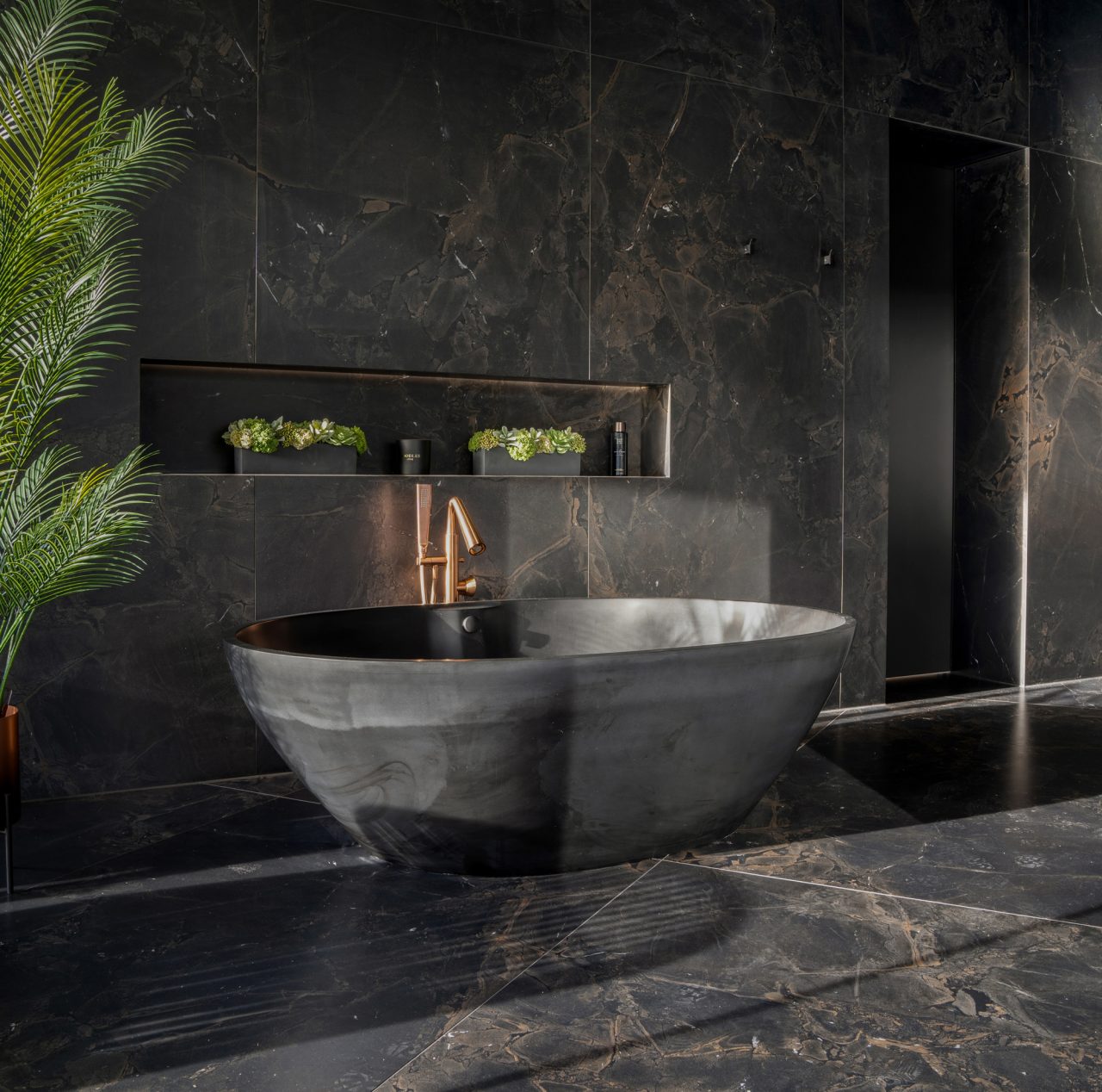
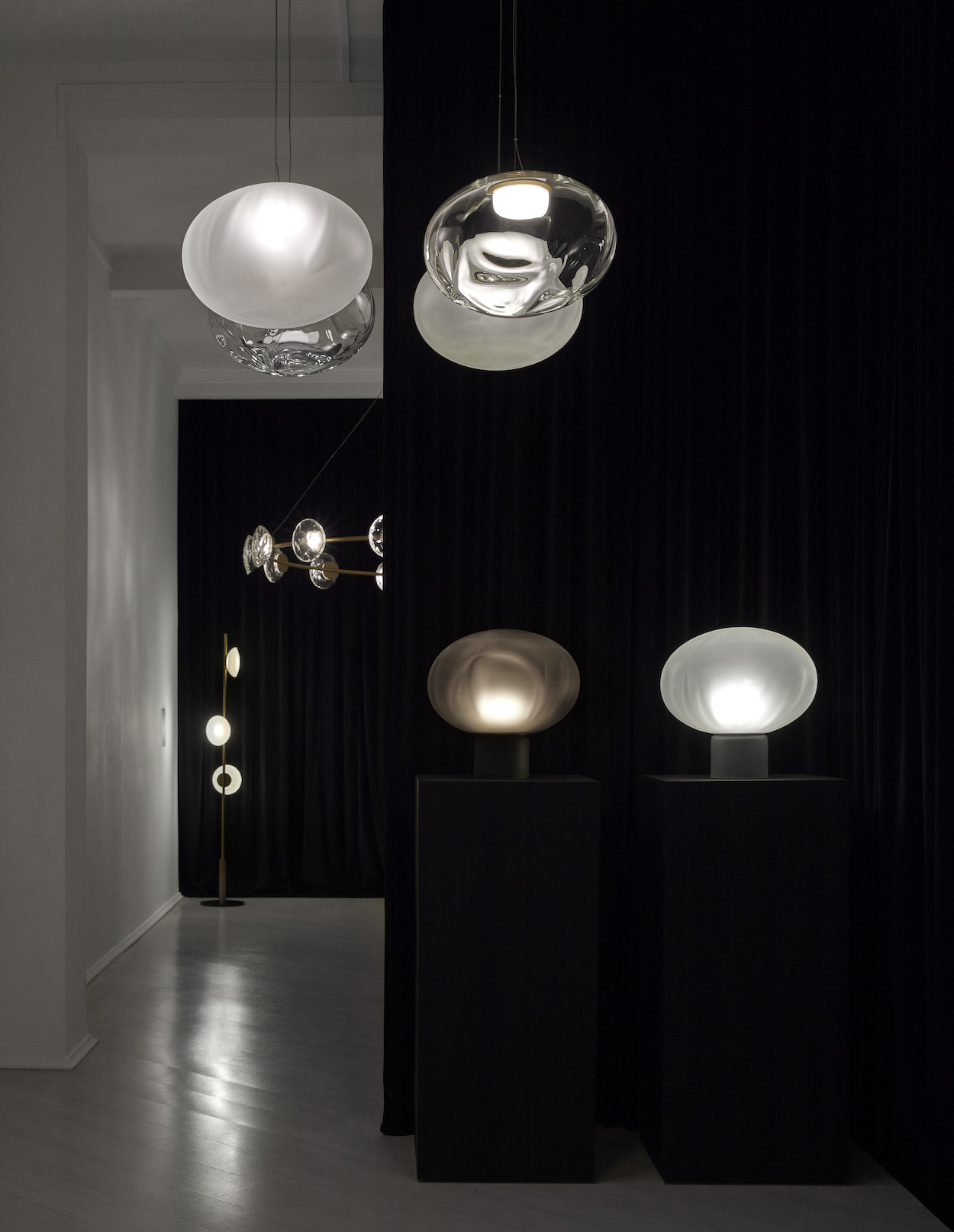
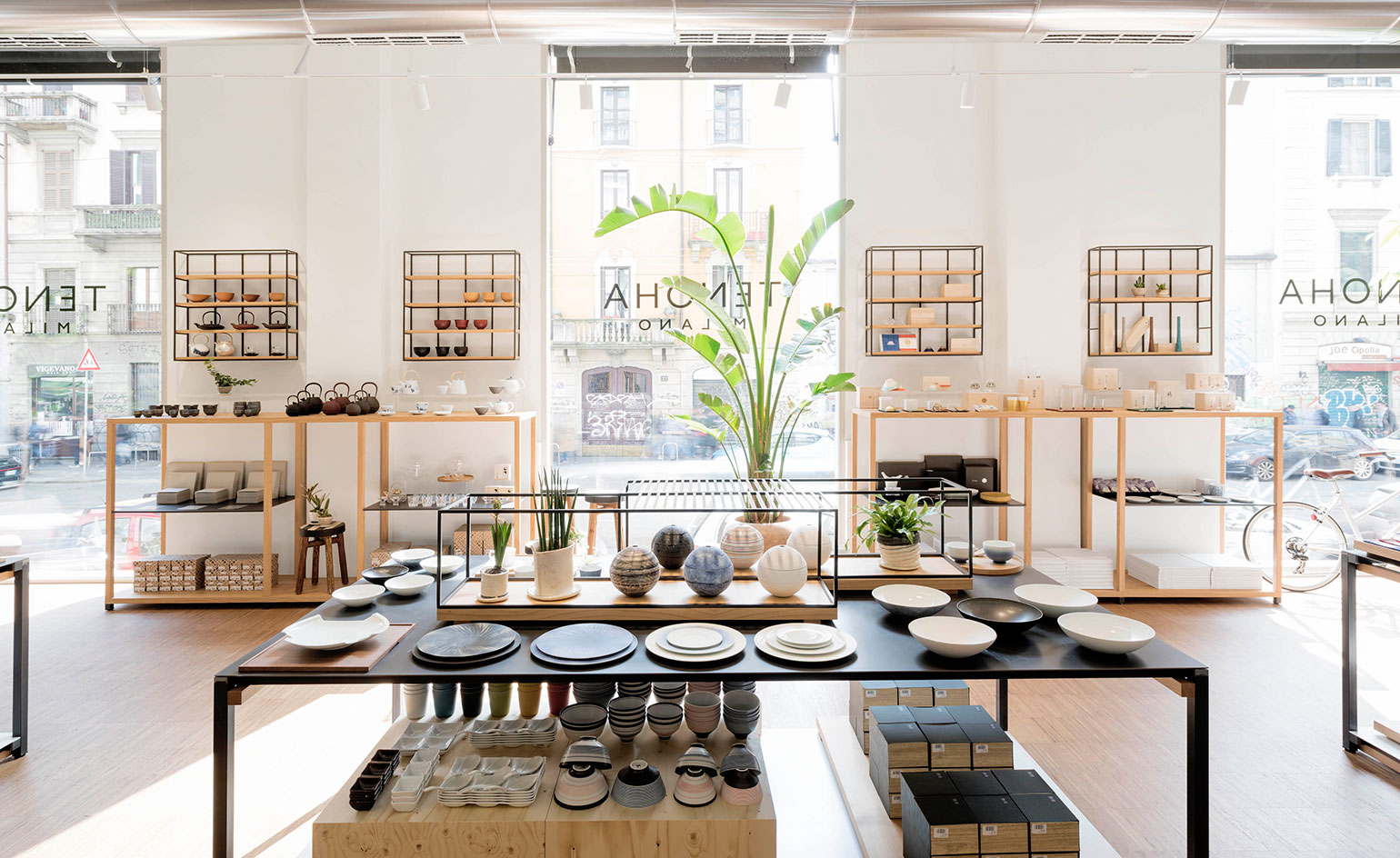
Yomosugaru, a new Japanese lighting brand, debuted minimalist outdoor lights inspired by nature. Highlights included Suiren (water lily) with flat circular lights, Shobu (iris) with brushstroke-like black forms, and Kodama, a contemporary interpretation of Japan’s tree spirits. Time & Style harmonized Japanese washi paper with Italian architecture in their renovated Largo Treves showroom, displaying their new 2025 collection of contemporary pieces in a serene setting. Hideo, specializing in high-quality freestanding bathtubs, exhibited luxuriously spacious white tubs made from eco-sustainable materials, such as Cristalplant Biobased Active. Finally, Kaikado, Japan’s oldest tea caddy makers, celebrated their 150th anniversary with a book and an exhibition of 150 tea caddies, alongside demonstrations of their craftsmanship. Nagano Interior showcased a new series of stools made from camphor wood, featuring playful finishes and a foldable wooden bookcase.
#MilanDesignWeek #JapaneseDesign #FurnitureDesign #LightingDesign #SustainableDesign #Craftsmanship #MinimalistDesign #InteriorDesign #ProductInnovation #MilanDesignWeek #JapaneseDesign #FurnitureDesign #LightingDesign #SustainableDesign #Craftsmanship #MinimalistDesign #InteriorDesign #ProductInnovation
0 comment in total
 No comments yet
You may also like
Japan in Milan: the best of Japanese design at Milan Design Week 2024
The Fashion Moments Everyone’s Talking About at Milan Design Week 2025

Creative Ideas From Milan Design Week

jin kuramoto's 'maki' chair for OFFECCT features a curved hollow backrest
Japan’s best and brightest designers set to shine in Milan
Moss-Core, Squishy Shapes, and 6 Other Trends We’re Super Excited About Right Now
16 iconic city monuments reimagined as backrests in CITYNG chair collection
kei atsumi on bridging ancient japanese joinery & 3D printing at dubai design week pavilion
Milan Design Week 2025: The Theatre of Design
tokyo fiber '09 senseware' exhibition at milan design week
Ten notable furniture designs by architects from Milan design week

What It’s Like to Do an Eight-Hour Sprint Through Milan Design Week

designboom's ultimate guide to milan design week 2025
The Biggest Design Trends of 2024—Spotted at Milan Design Week and Beyond


Add These Installations To Your Milan Design Week Itinerary

Japan meets Italy at Milan’s new zen co-working café

Salone del Mobile 2024: highlights from the fair and Milan Design Week

Ten furniture and lighting designs by Japanese brands and designers
9 Show-Stopping Installations Seen at Milan Design Week 2022

toshiba lighting systems at milan design week 09