1/13
The Biggest Design Trends of 2024—Spotted at Milan Design Week and Beyond
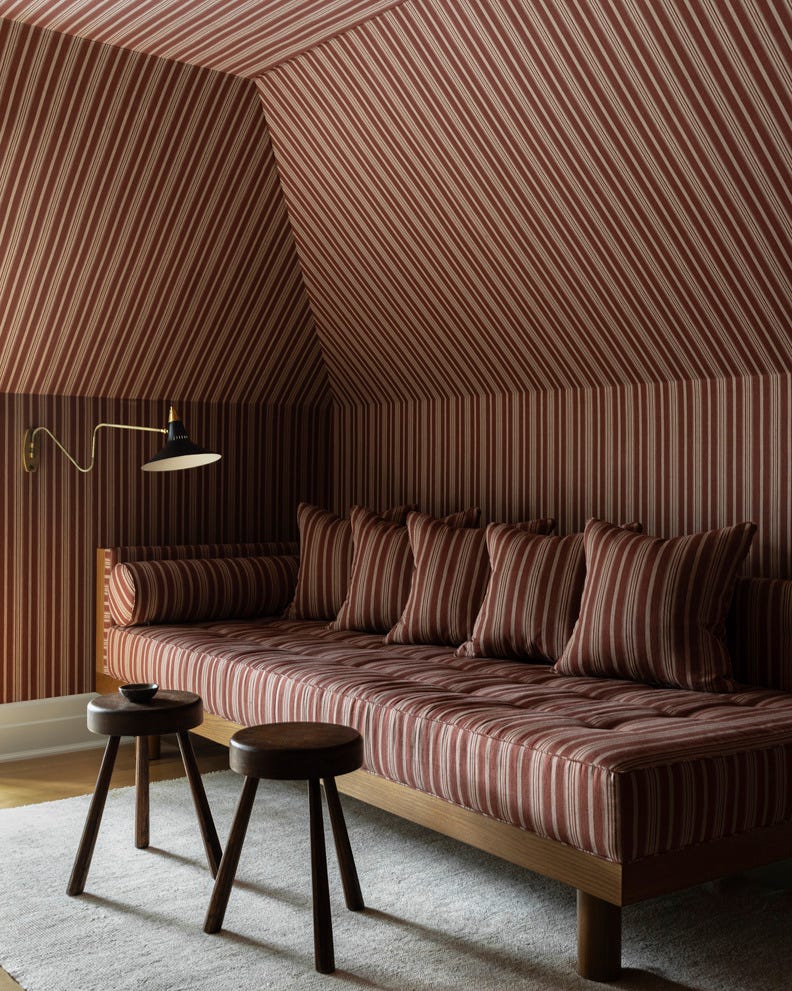
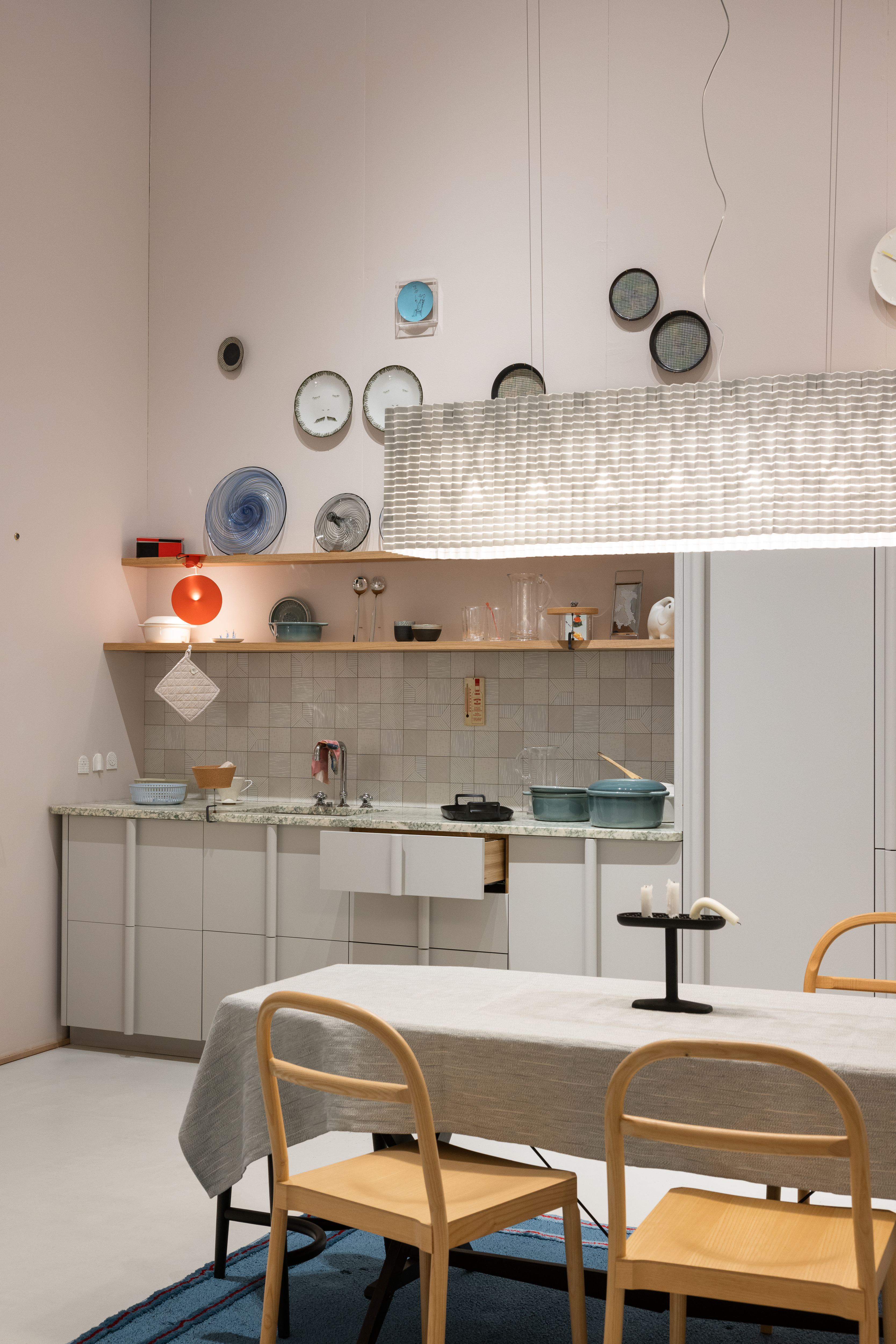
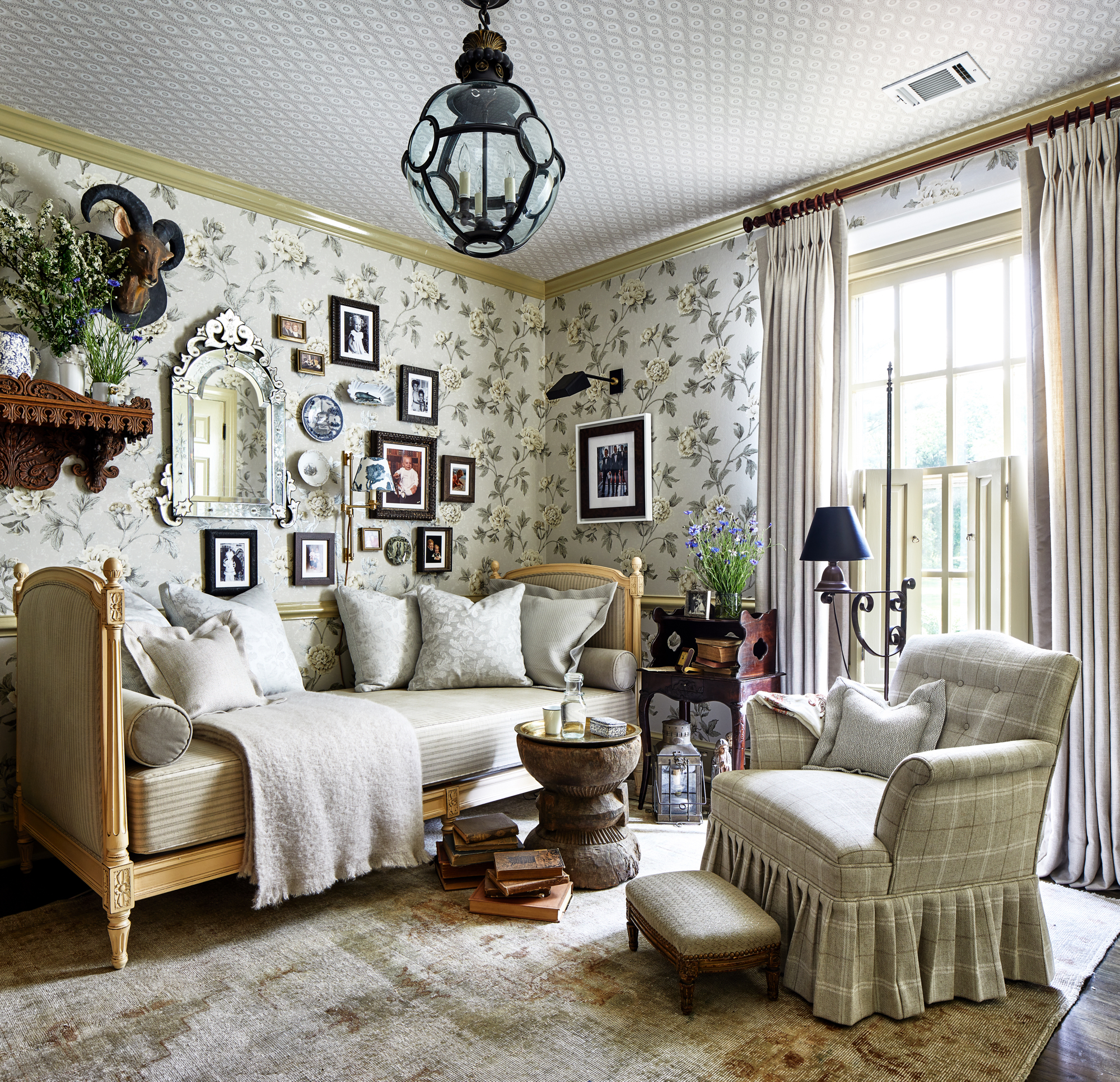
The year 2024 is characterized by a highly personalized approach to interior design, where nearly anything goes. This shift is evident in the rapid cycling of viral aesthetics on platforms like TikTok, including 'Unexpected Red,' 'Bookshelf Wealth,' and 'Mob Wife' trends. Design experts emphasize that personalization is paramount, with a growing focus on previously underestimated areas of the home such as hallways, pantries, utility rooms, and laundry rooms. Searches for 'handmade' and 'eclectic interior design vintage' items are steadily increasing on platforms like Etsy and Pinterest, reflecting a desire for unique, collected pieces rather than coordinated sets.
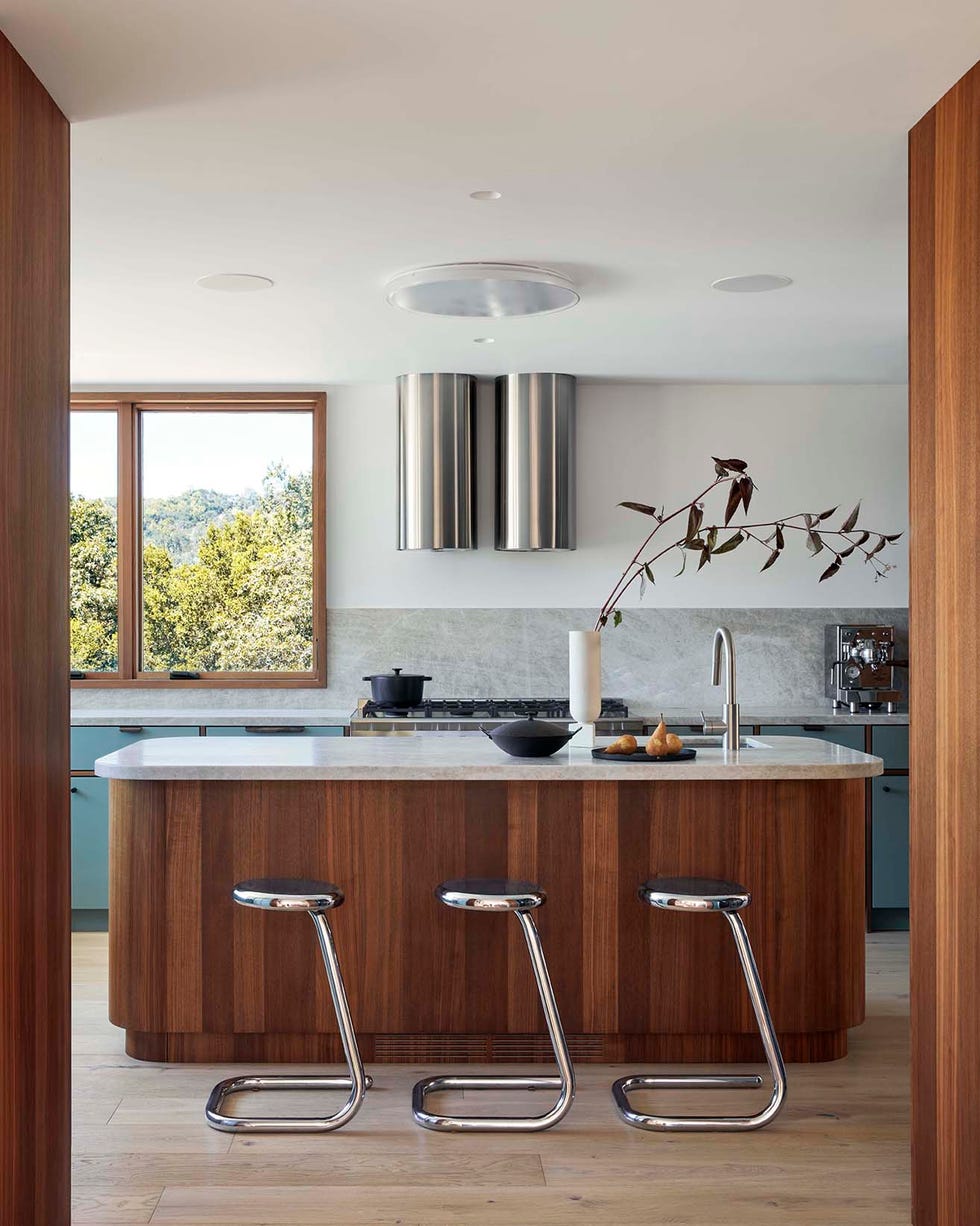
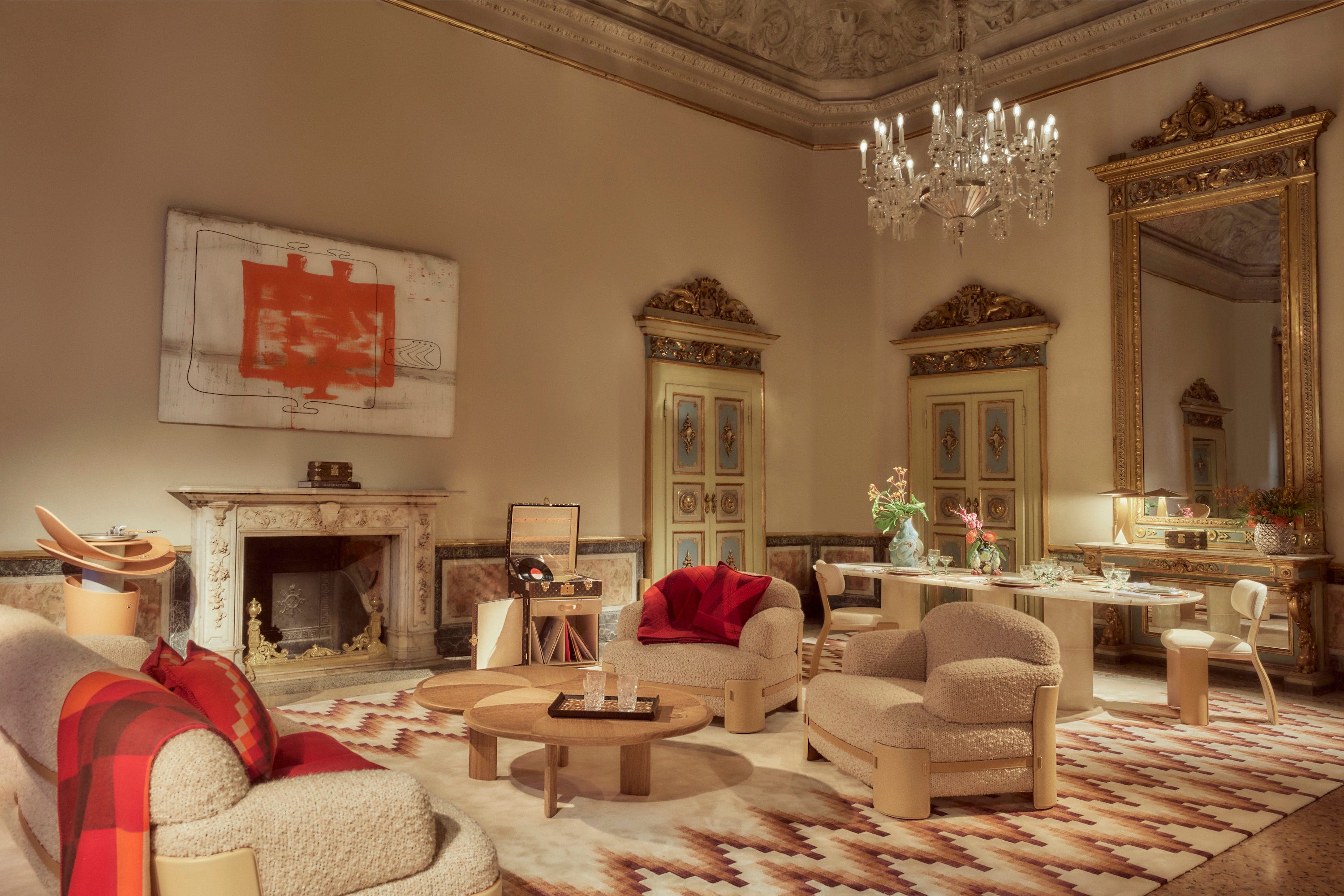
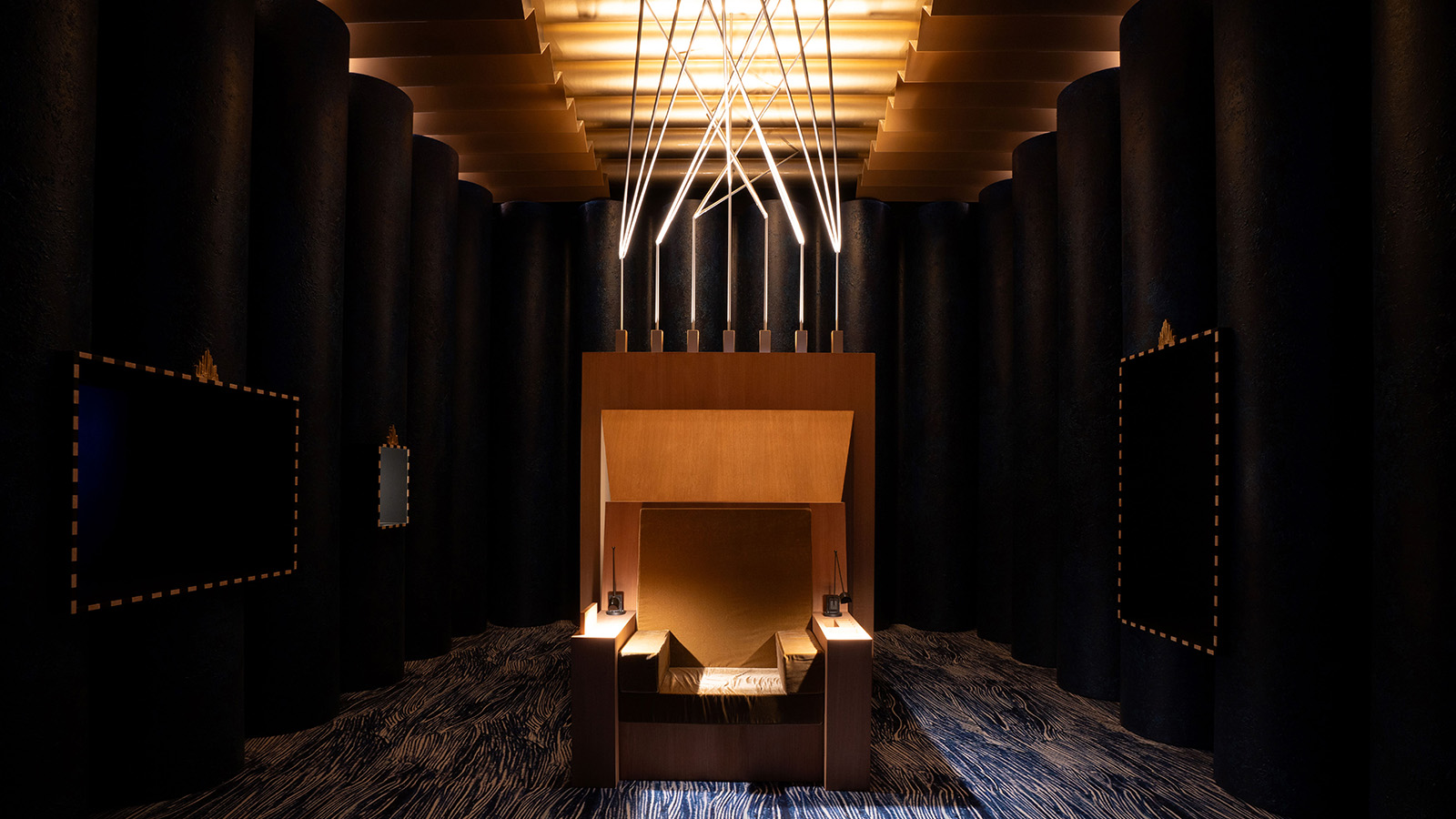
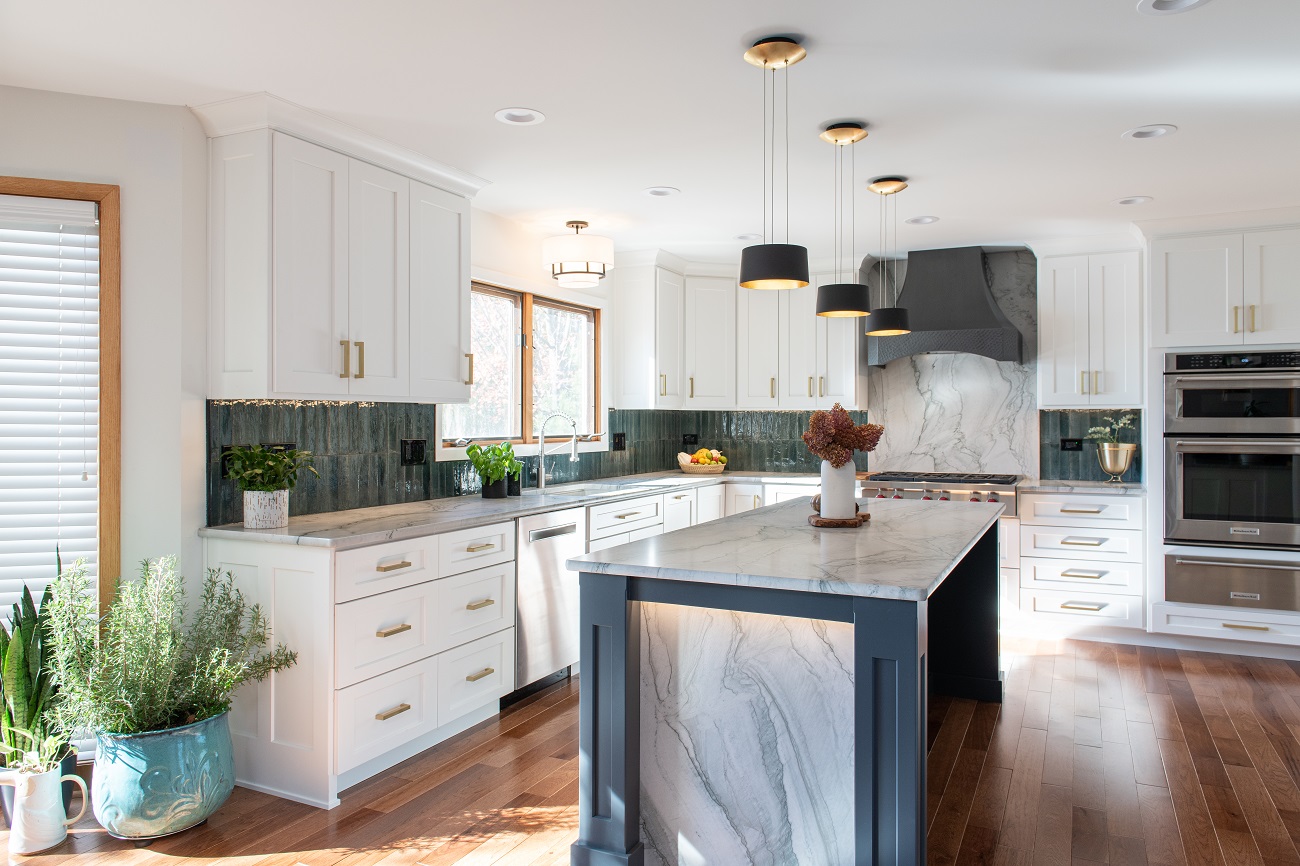
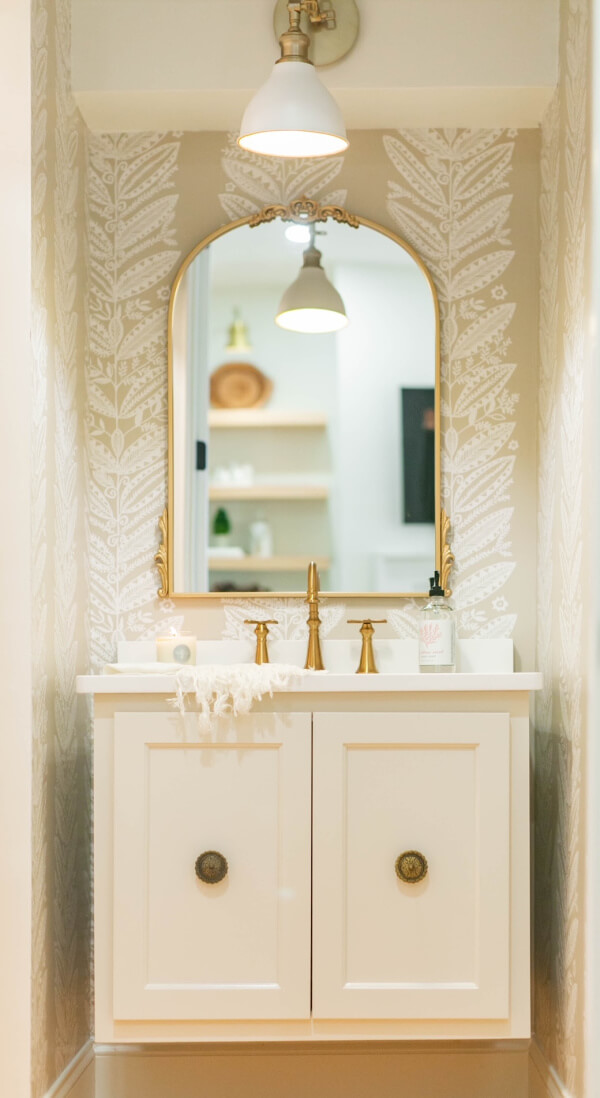
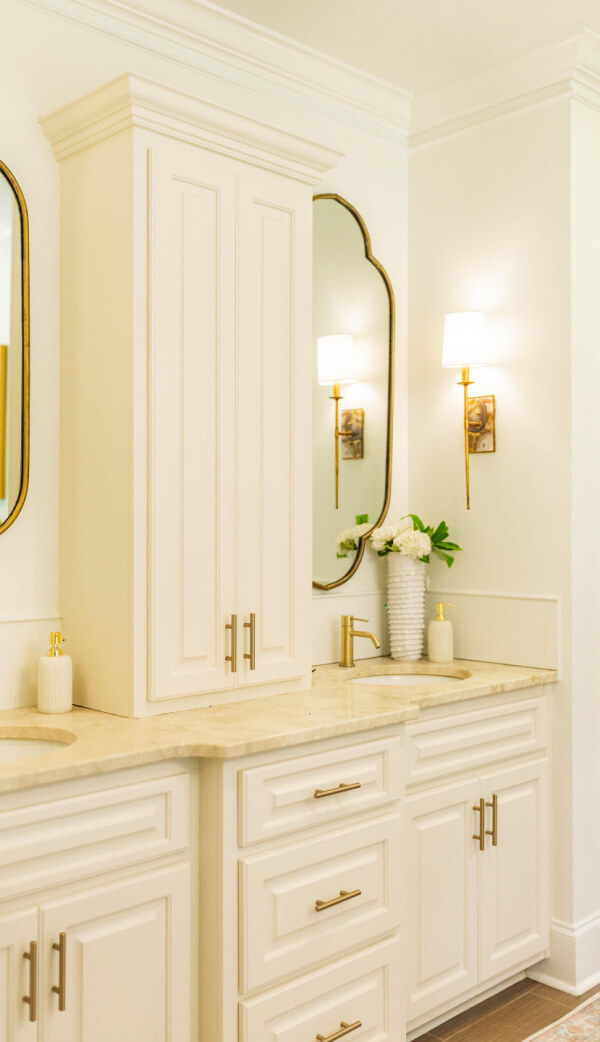
Key trends emerging from Milan Design Week 2024 and insights from ELLE DECOR A-List designers and industry experts include a move towards more luxurious and embellished furniture. Gold accents are becoming prominent, moving beyond traditional stone and leather palettes. Examples include Edra's new Minerals fabrics with glittering upholstery and Molteni&C;'s gold edition of the D.154.2 armchair. Armani Casa's new collection, inspired by Giorgio Armani's travels, also features significant metallic accents, such as gold leaf in stone surfaces and 24-karat gold hardware in kitchen ranges from Officine Gullo.
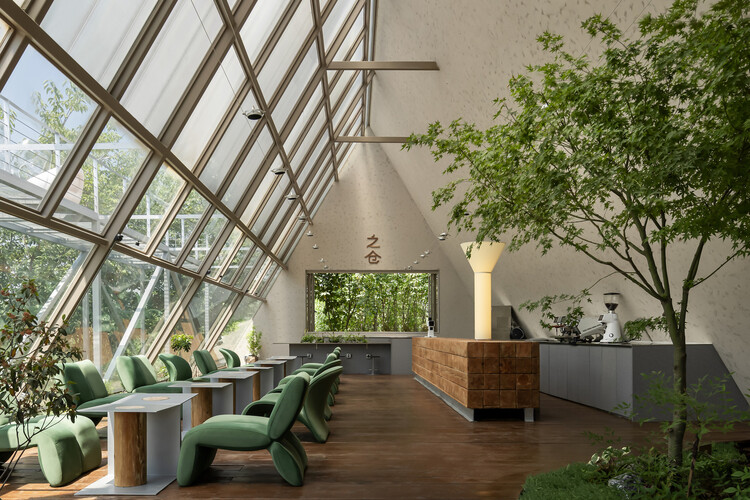
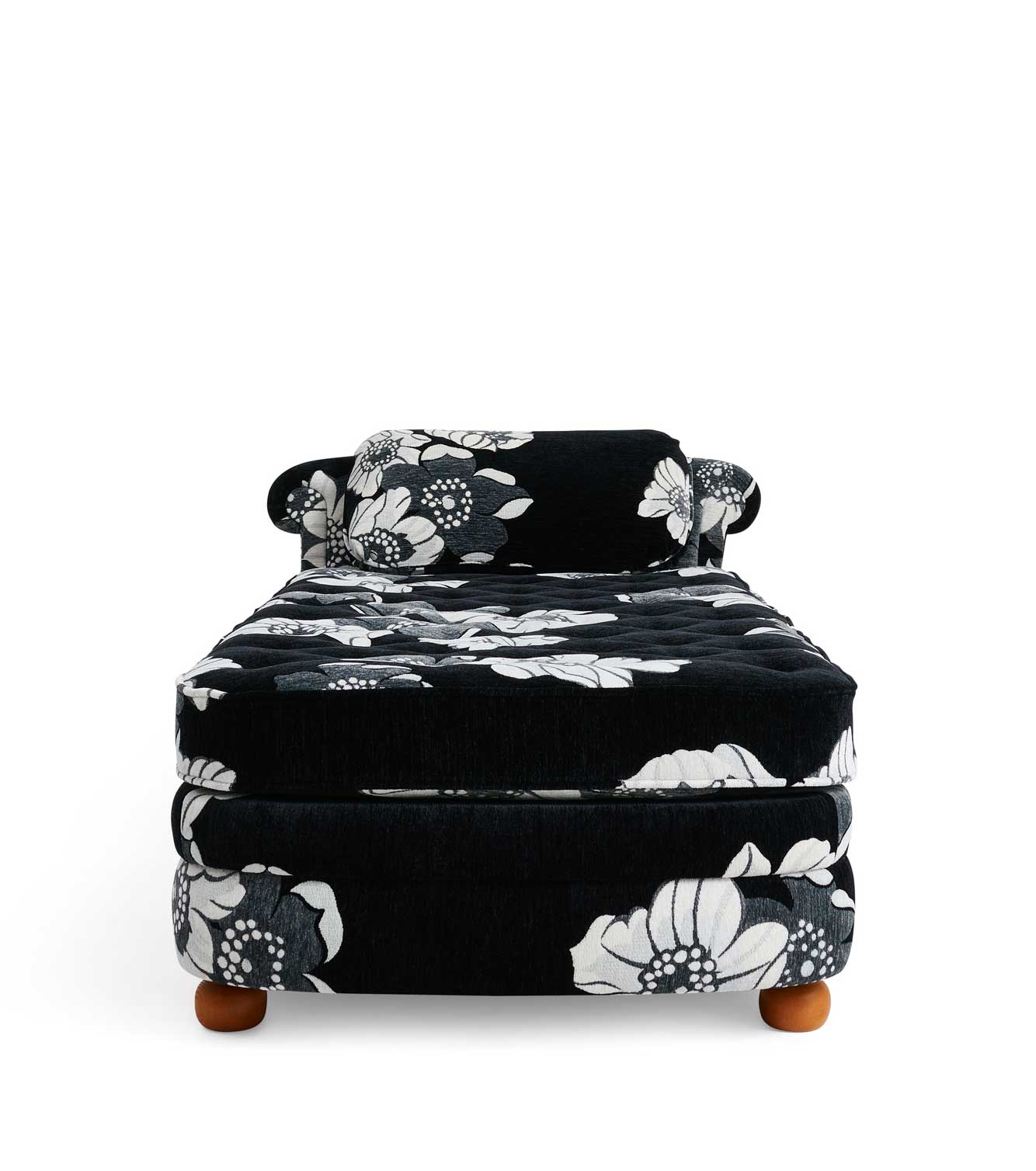
Outdoor furniture is also experiencing a surge, with an emphasis on rounded and squishy forms. This continues the trend of kidney bean-shaped furniture seen in recent years, now extending to outdoor sofas, armchairs, and cocktail tables. Brands like Dedon and Meridiani showcased curvy outdoor pieces, while De Padova introduced the 'Afternoons' collection with a woven basket aesthetic. Indoors, the preference for squishy, low armchairs and sofas is highlighted by Poltrona Frau's new 'Squash' collection by Faye Toogood and Minotti's Emmi armchair by Hannes Peer.
The aesthetic of the late 1980s and 1990s is making a comeback, replacing the long-standing fascination with the '70s. This era is remembered for its optimism and pop culture influences. Ikea is reissuing popular '80s designs like the Klippan sofa and Poäng lounge chair. Local firms are also drawing inspiration from this period, evident in collections featuring postmodern-ish chairs, lamps, and tables. Cork is gaining traction as a material of choice due to its sustainability, being biodegradable, chemical-free, durable, water-resistant, and renewable. Designers like Studio Dorian and Charlap Hyman & Herrero are incorporating cork extensively in interiors, covering walls and ceilings.
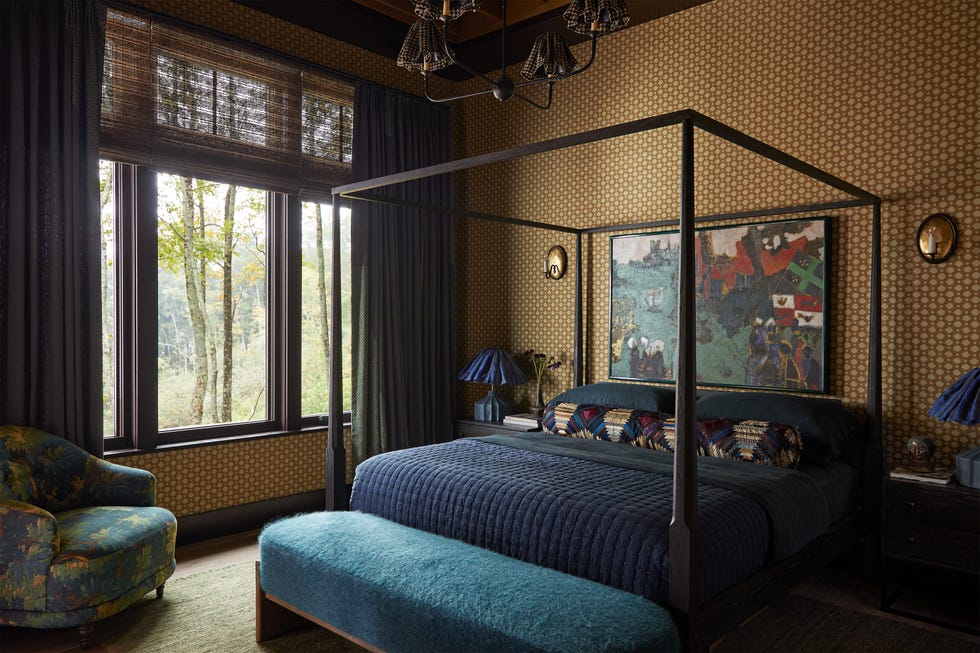
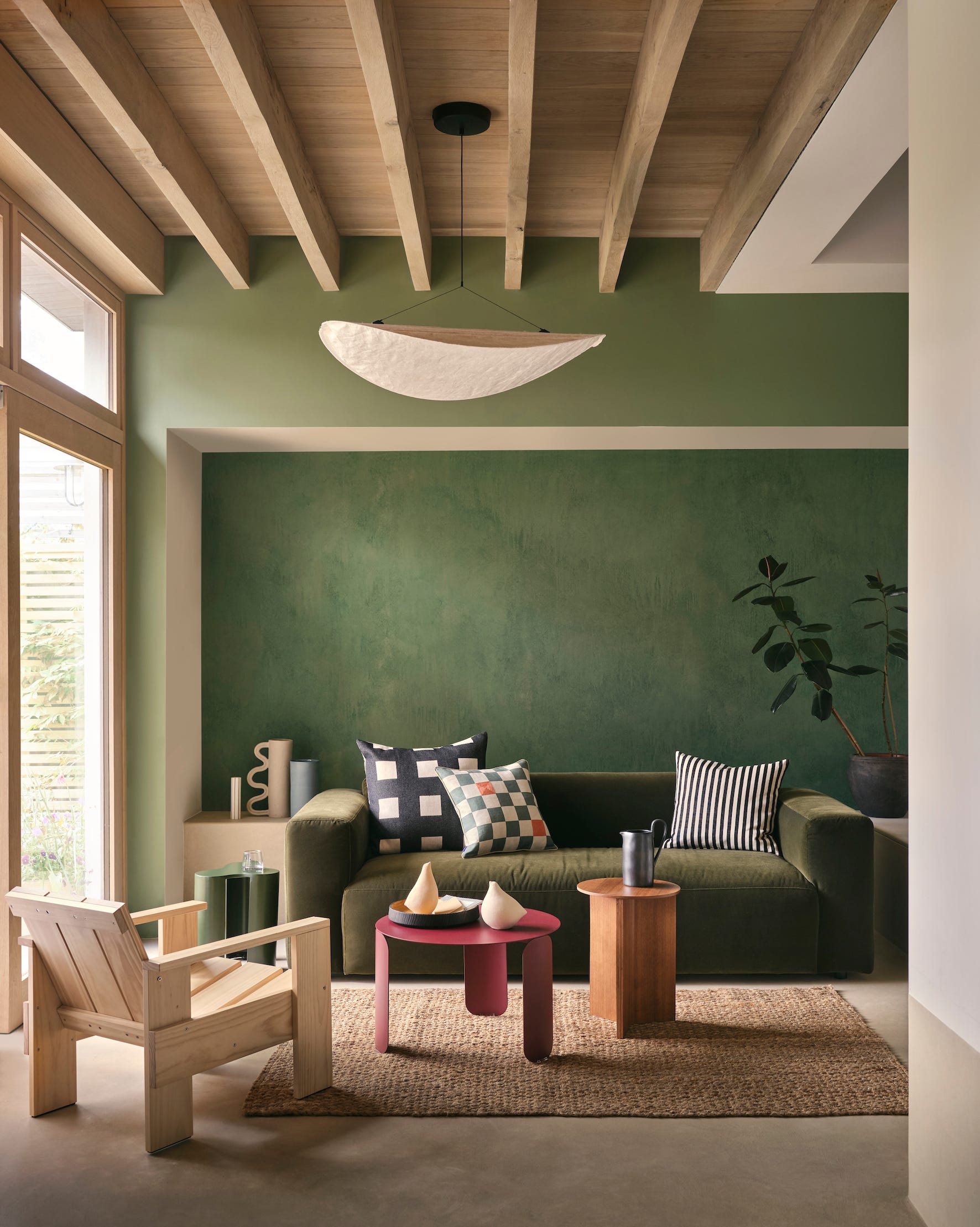
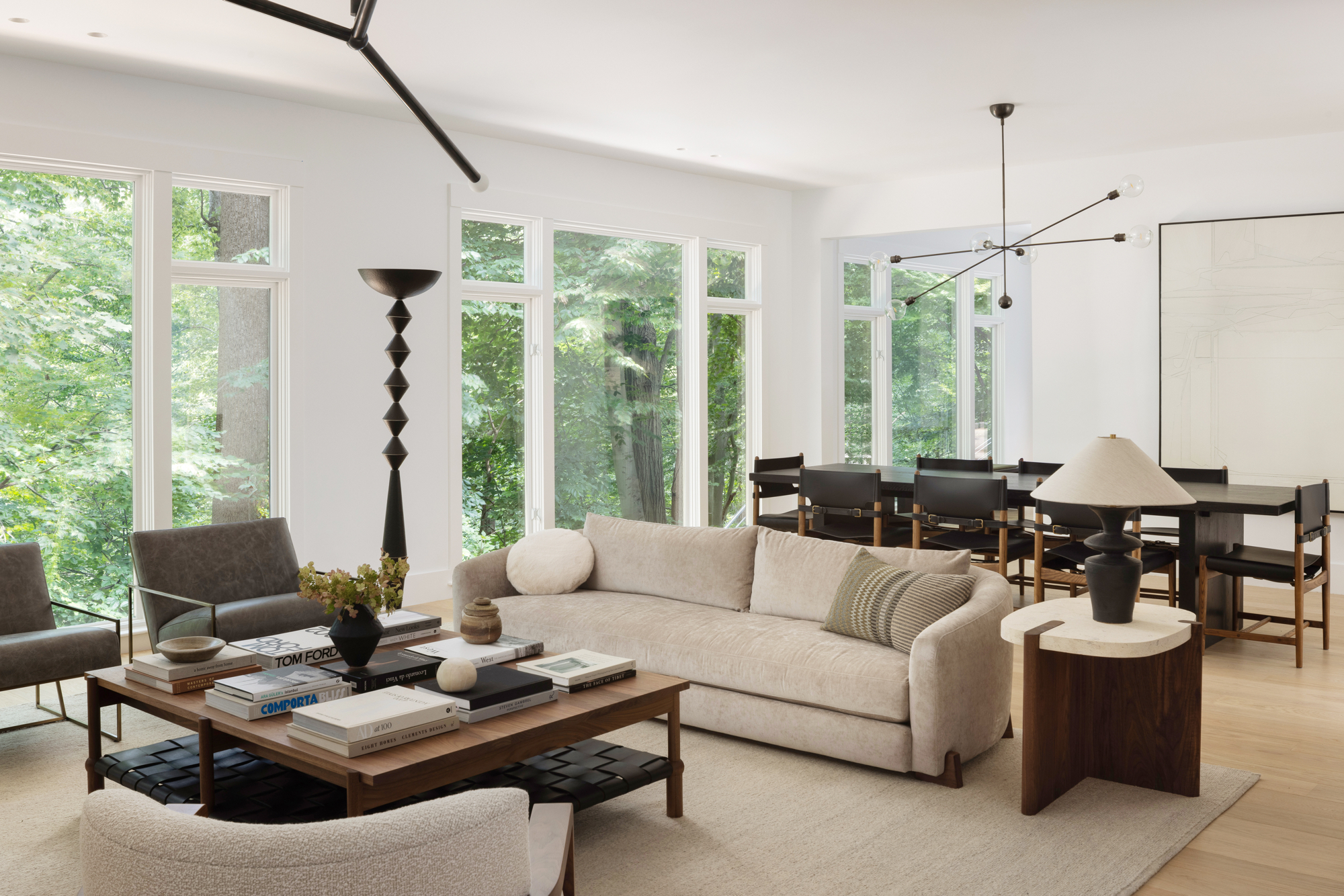
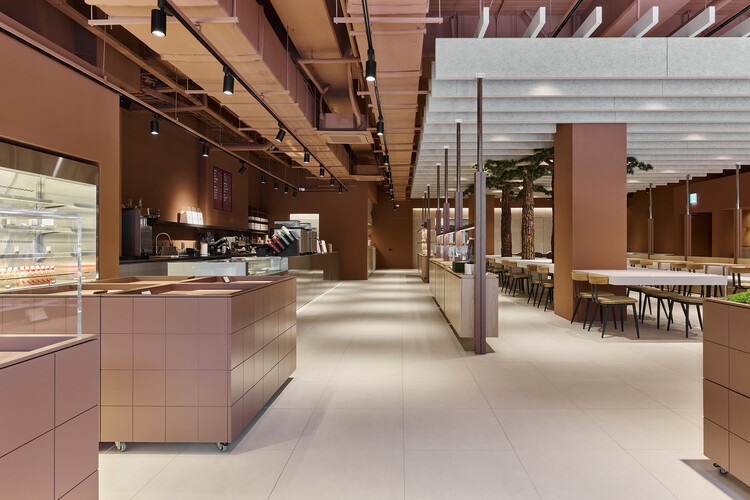
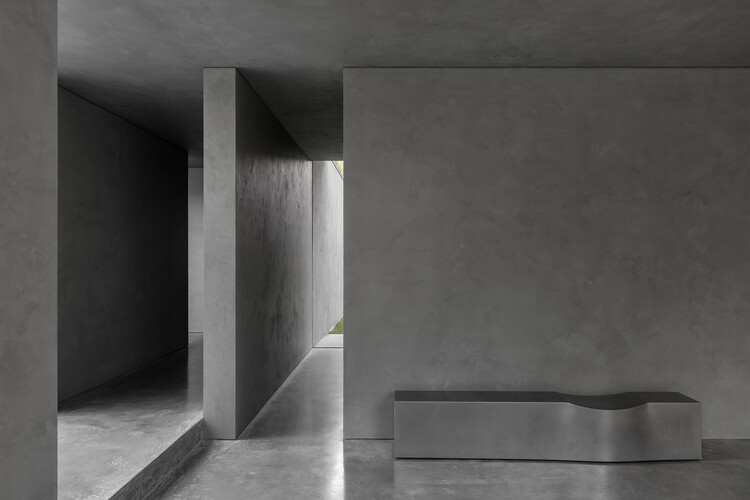
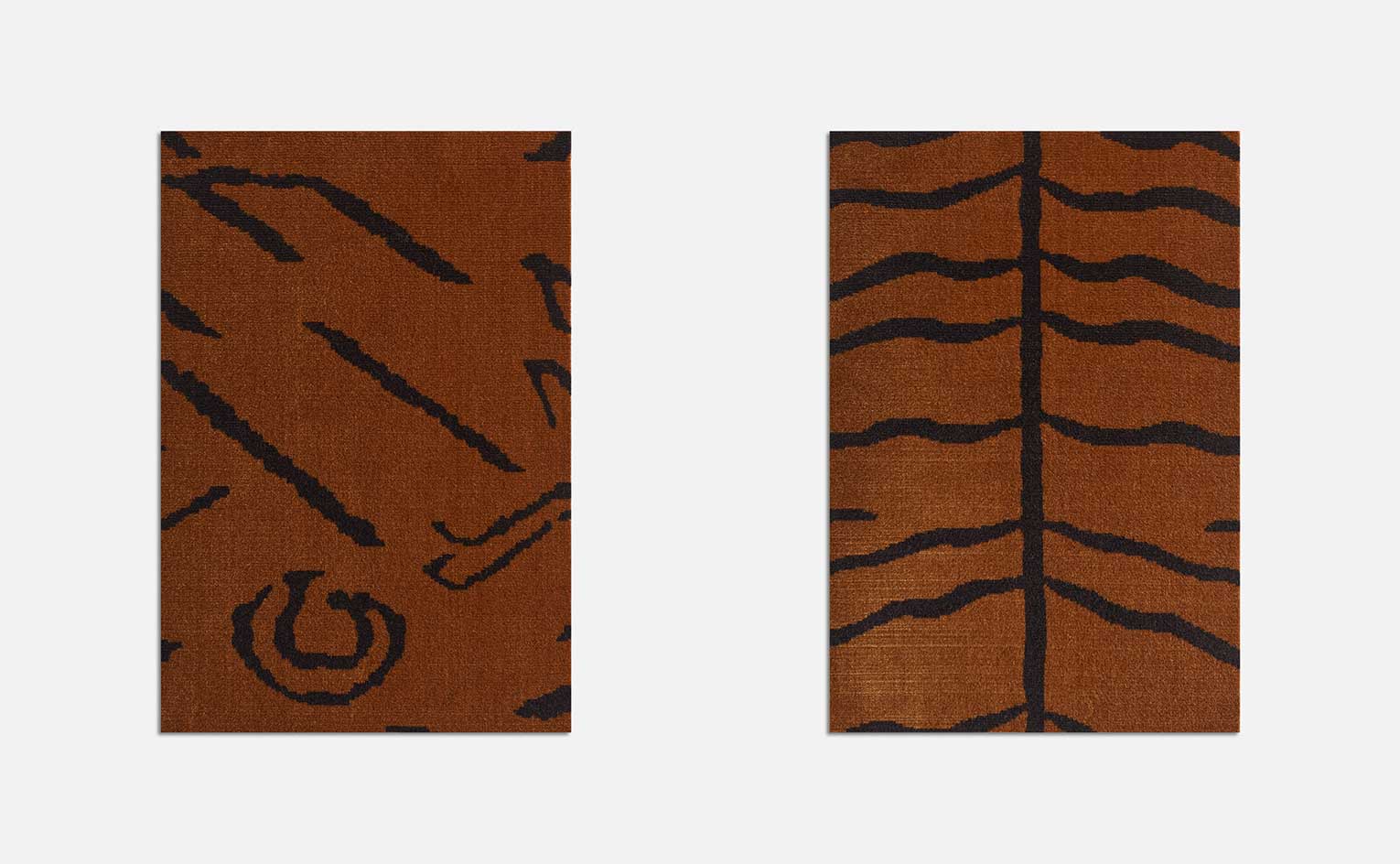
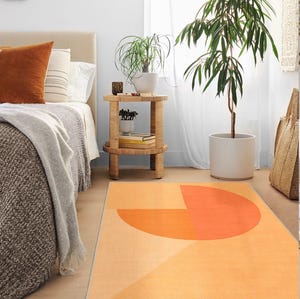
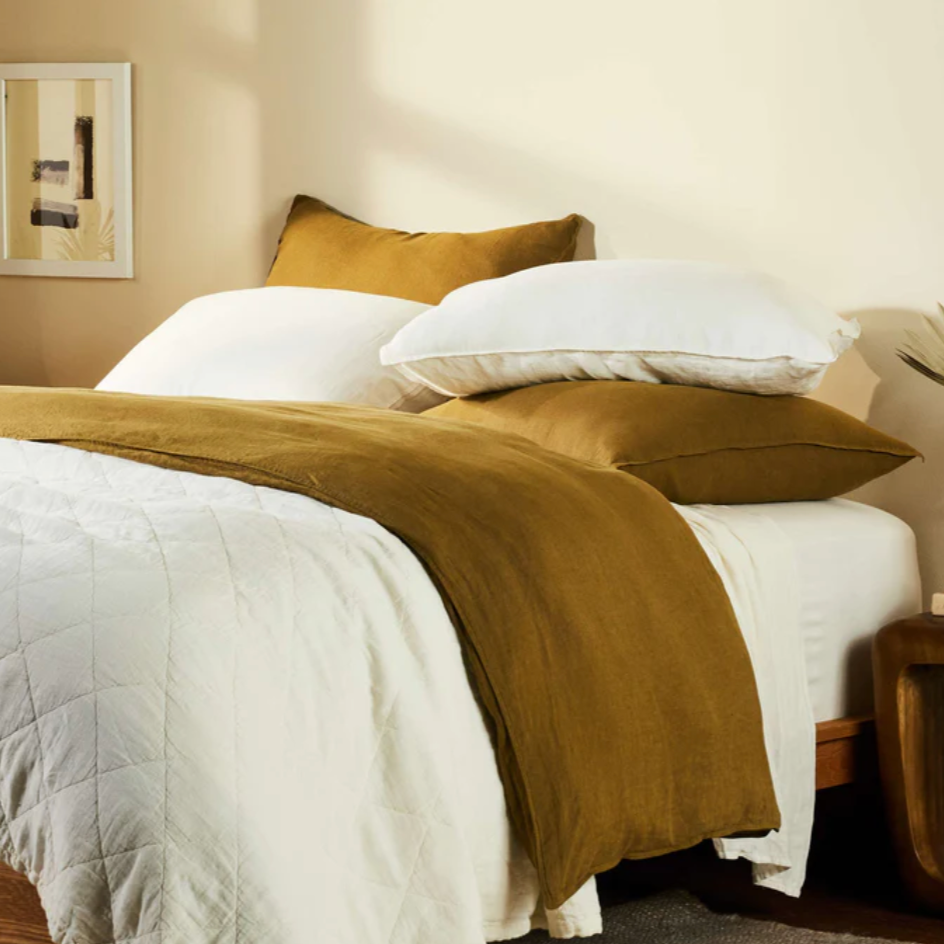
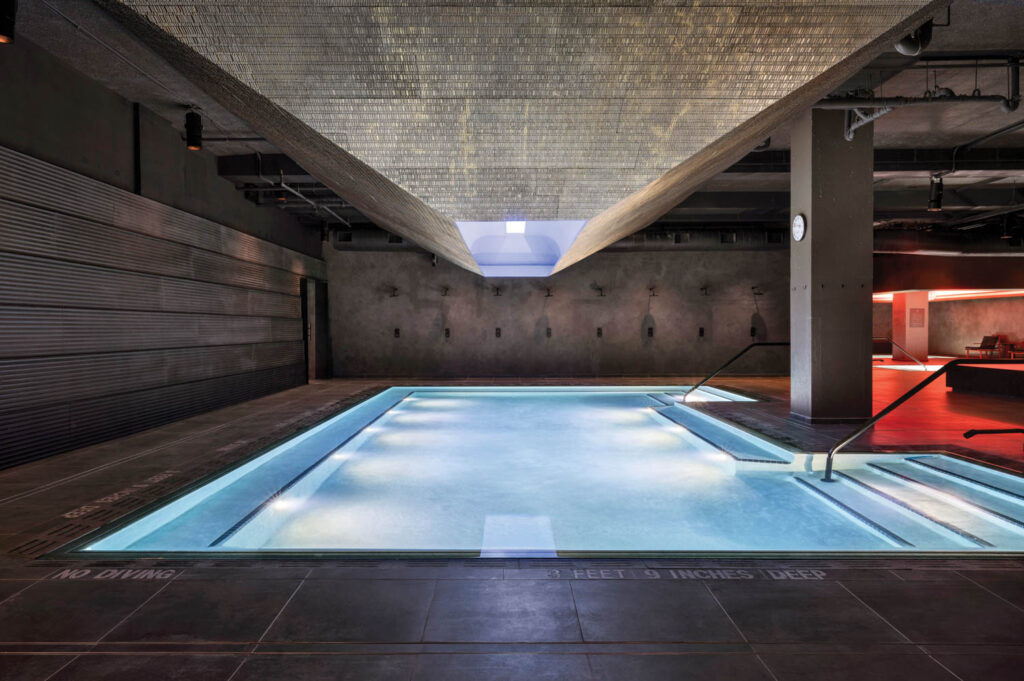
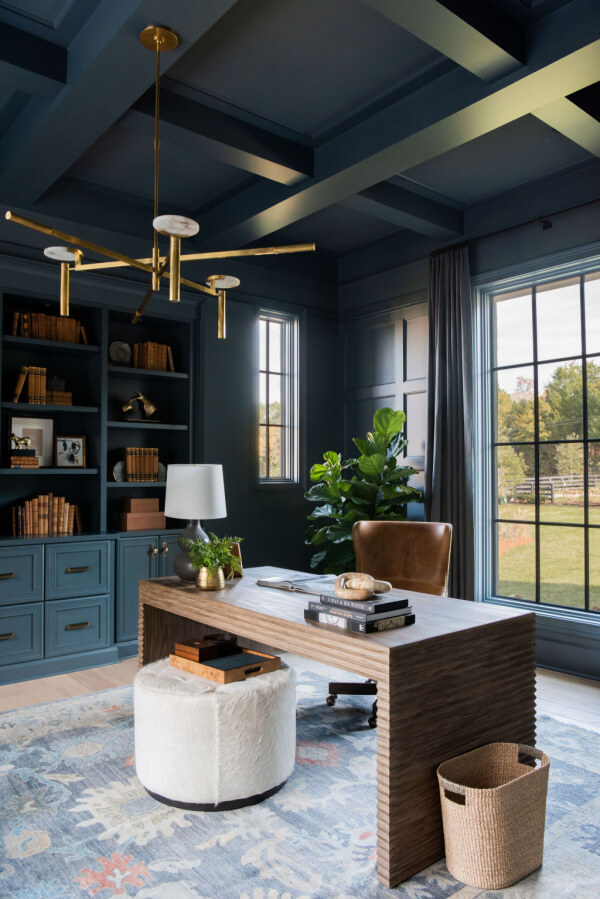
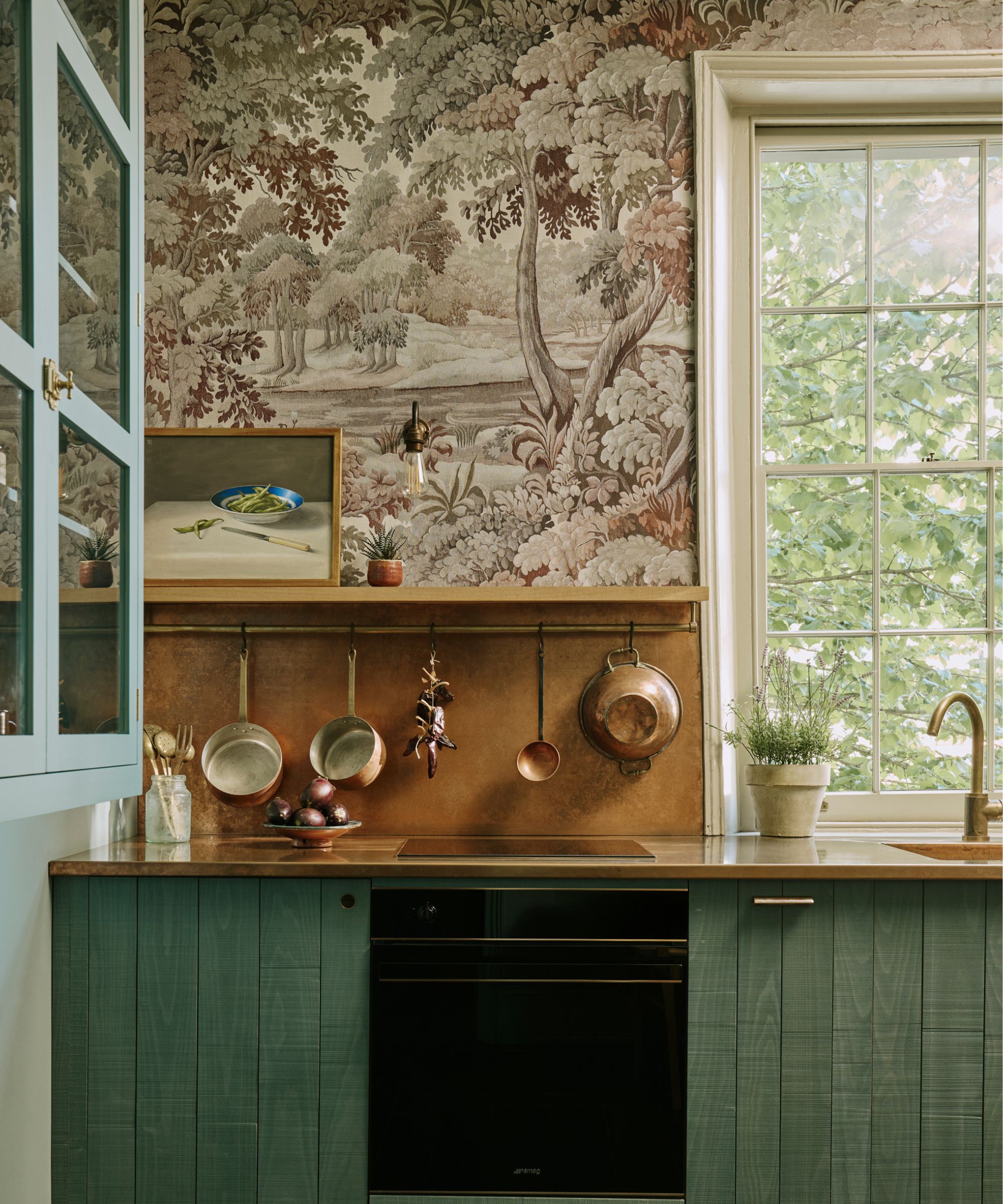
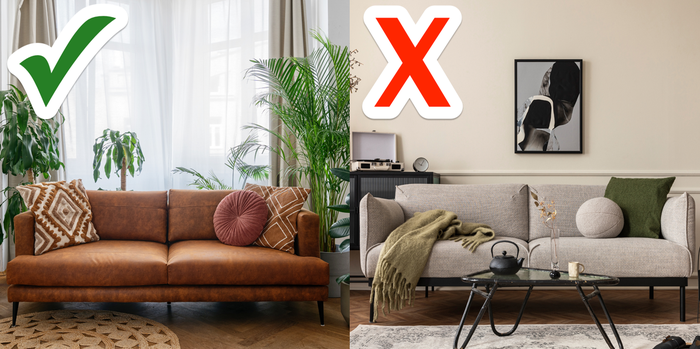
High-gloss walls are out, and textured surfaces are in. Designers are moving away from slick, reflective finishes in favor of brushed or hand-applied textures such as Roman clay, limewash, or hand-tooled plaster. This preference for texture also extends to natural materials, with designers exploring three-dimensional patterns in wood and manipulated stone surfaces. Brown is emerging as a significant statement color, replacing drab gray tones. Dark brown, yellow, and light brown are identified as top color trends, offering warmth and richness. Rug companies like Woven are incorporating chocolate browns, rust, and golden wheat tones into their designs.
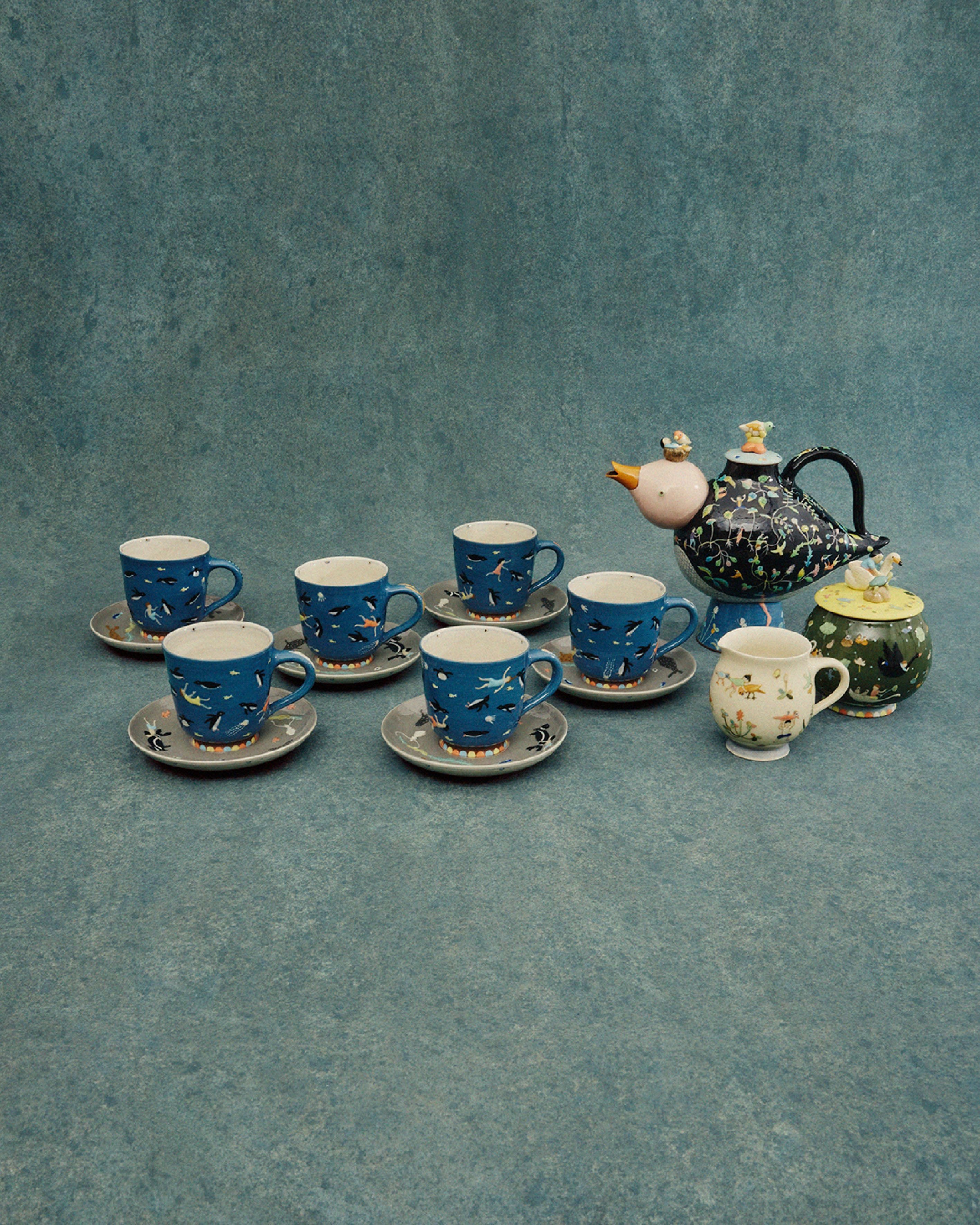
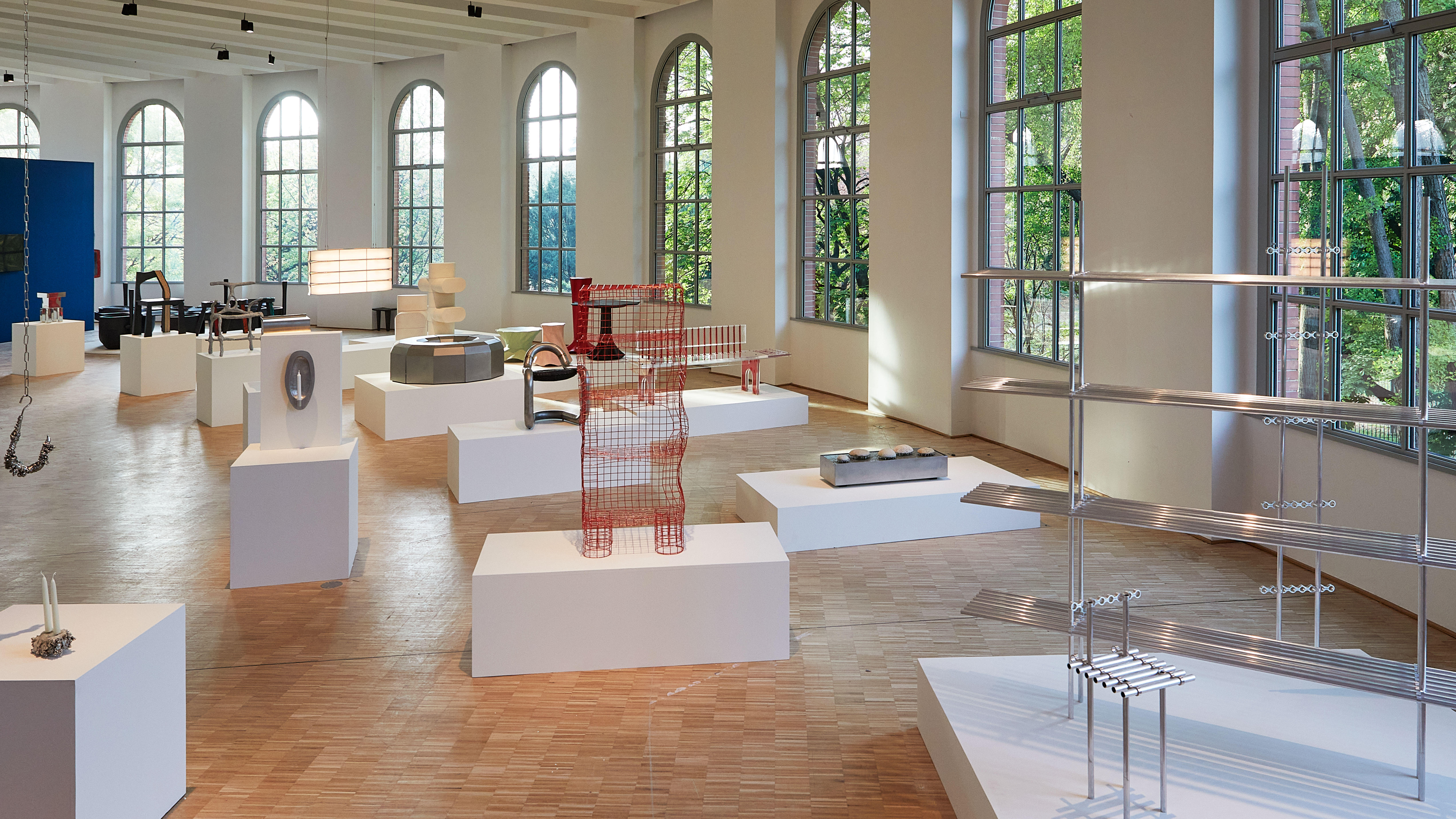
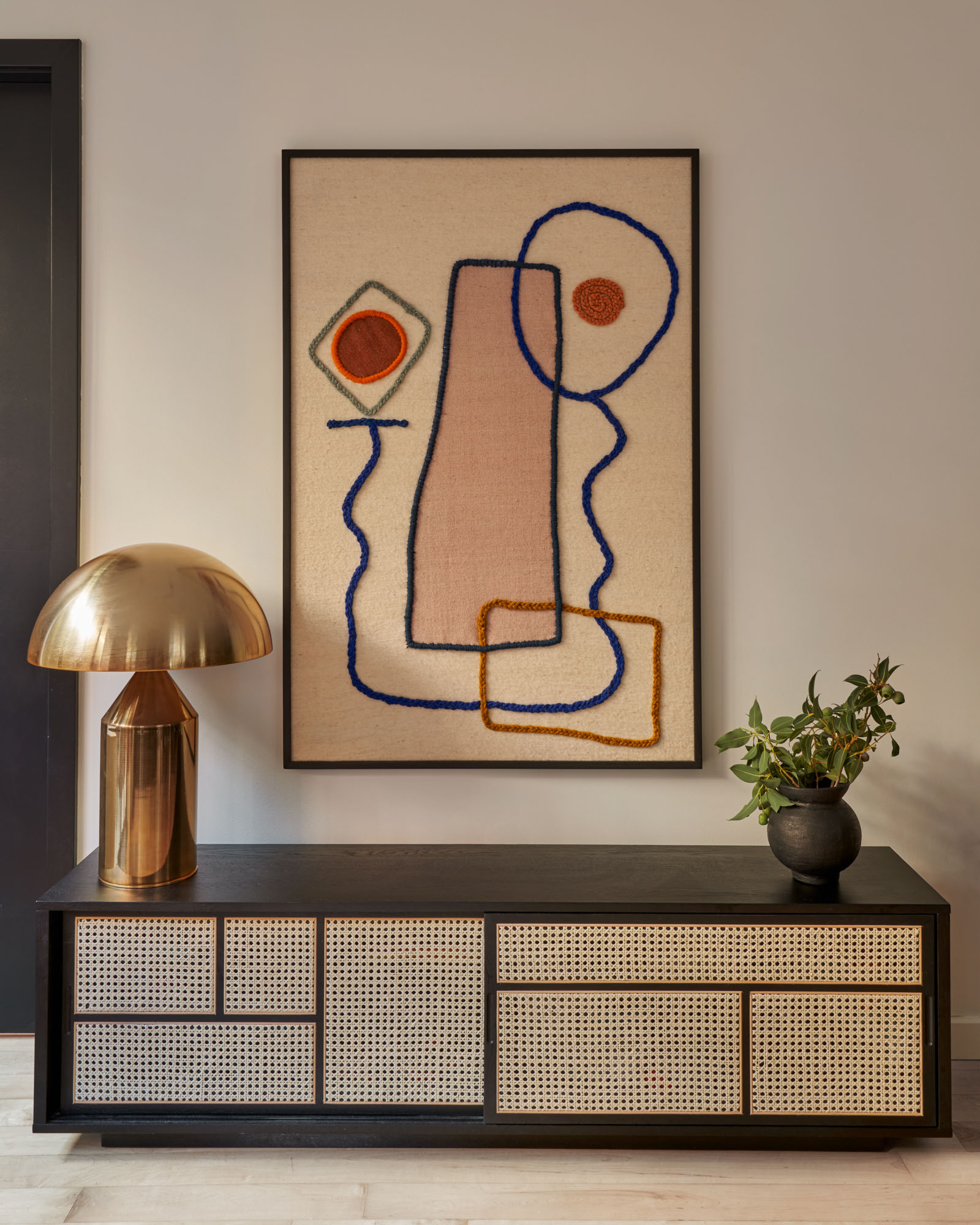
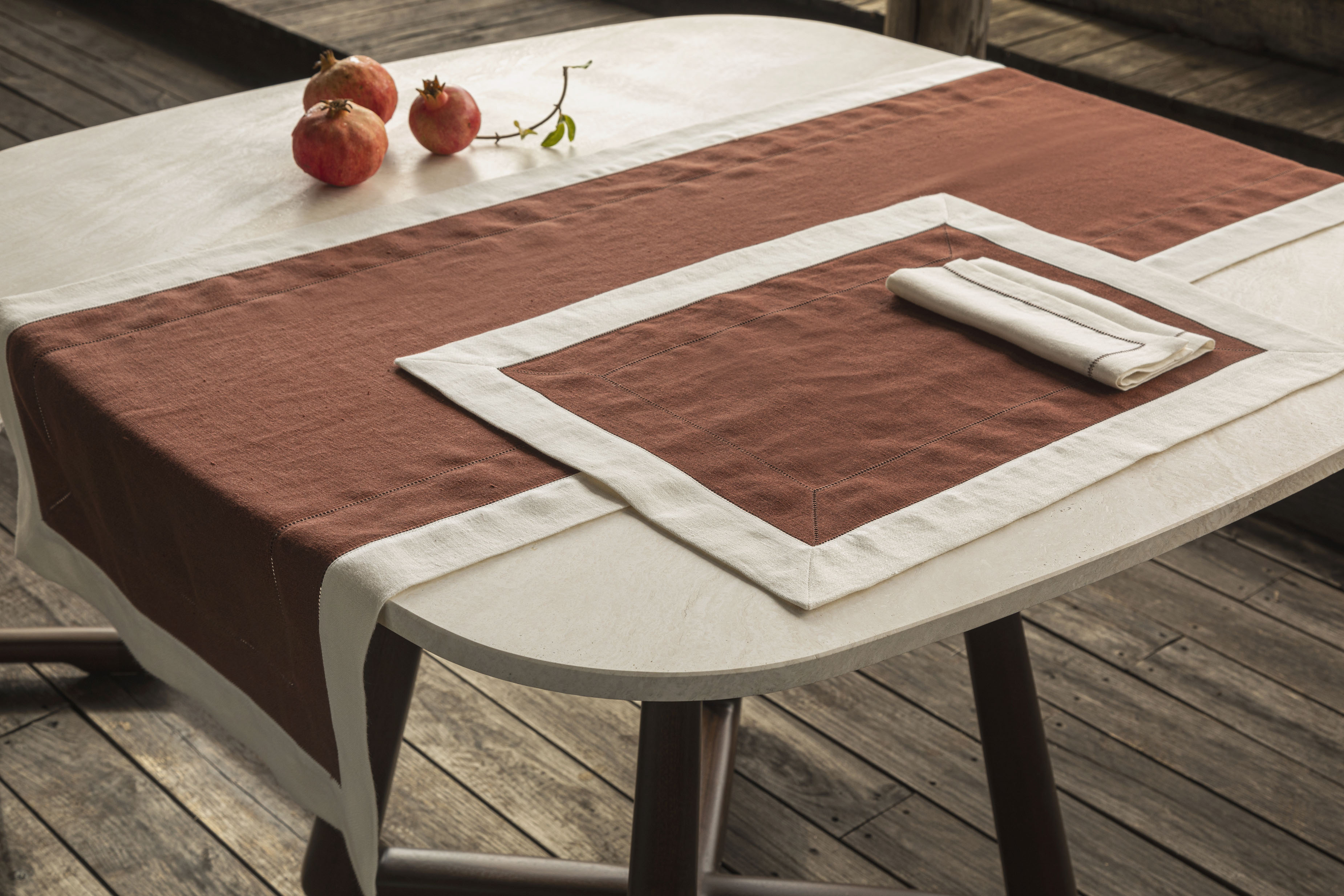
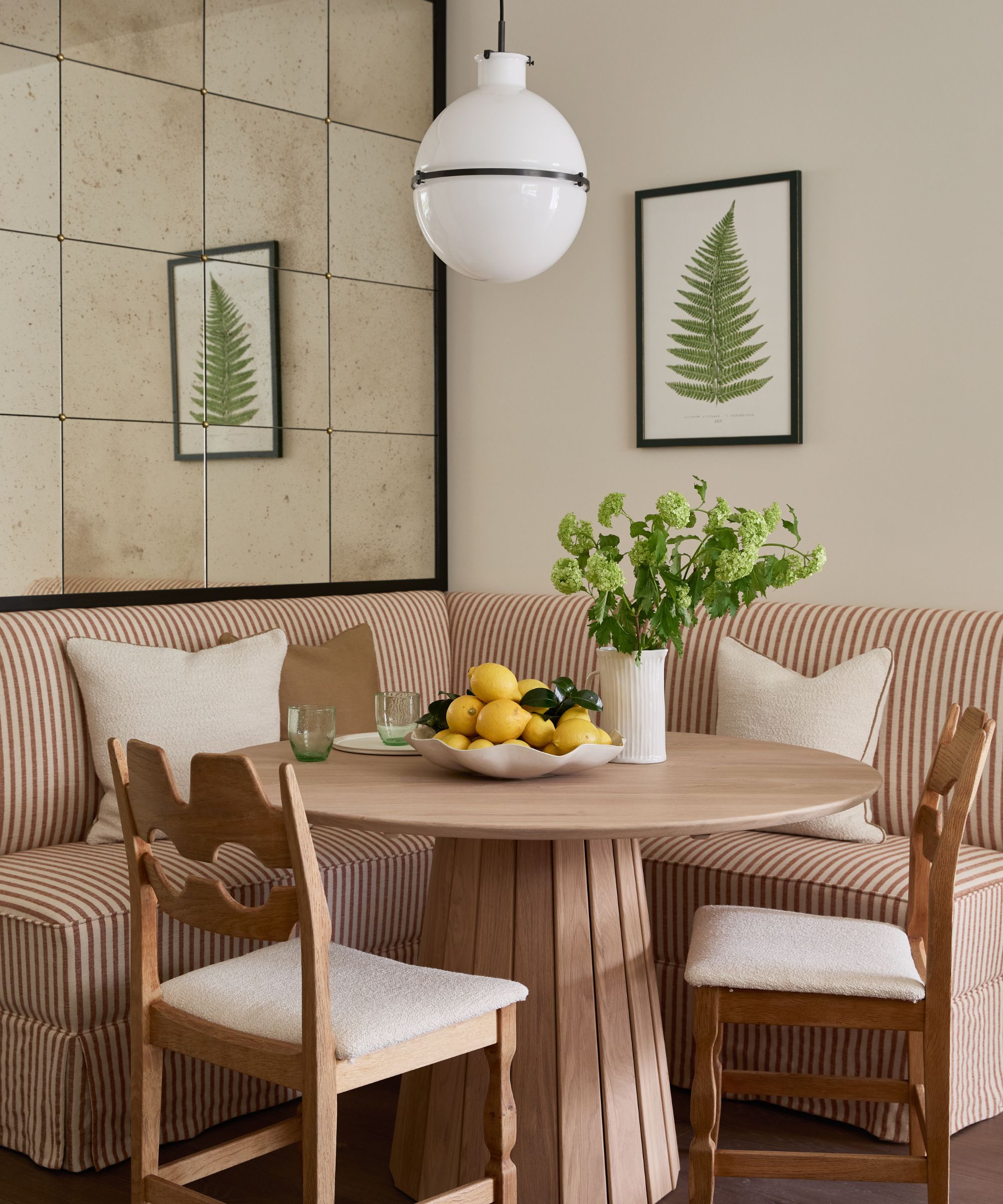
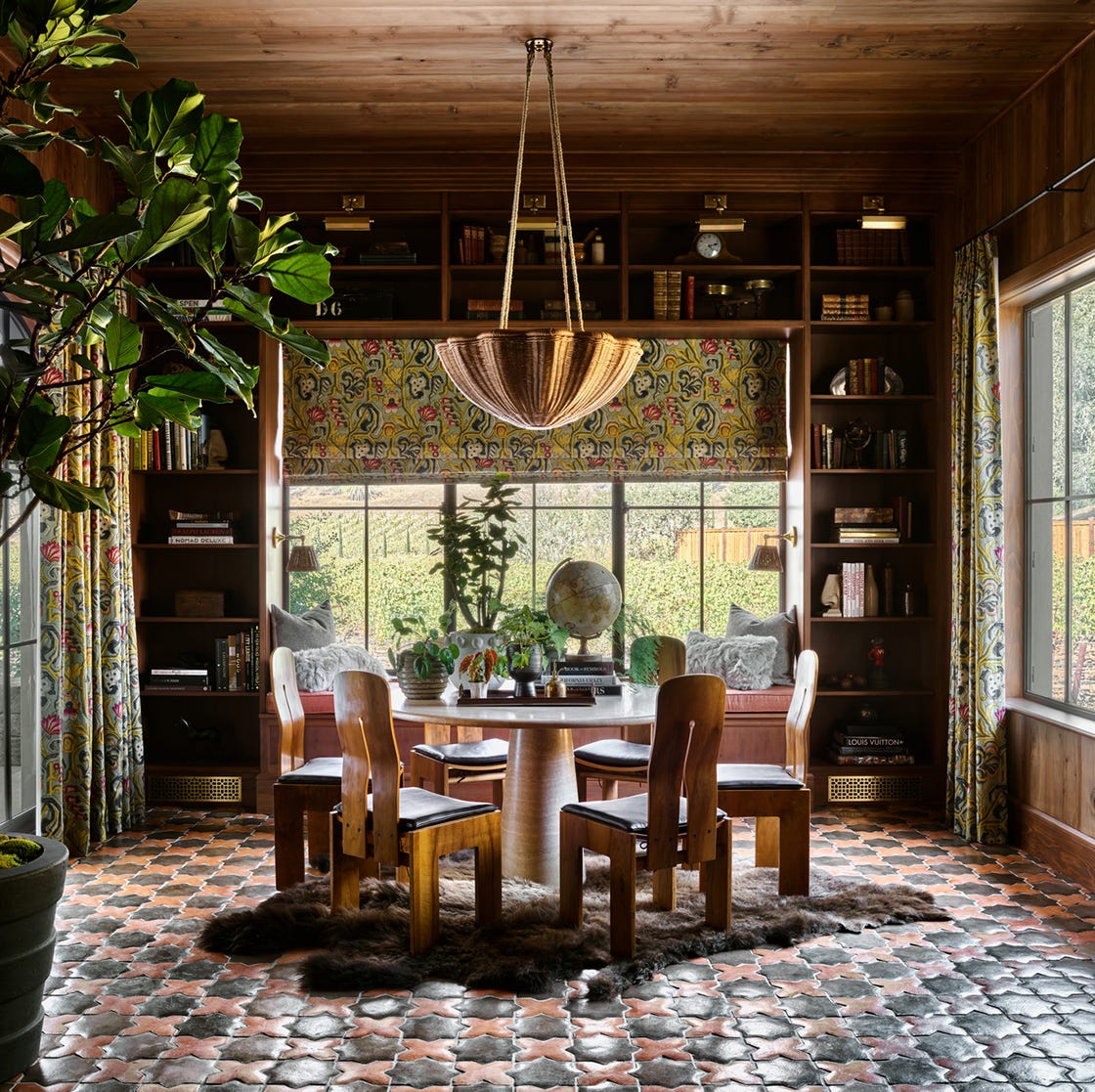
Terra-cotta tiles are experiencing a revival, with designers appreciating their sculptural opportunities and natural shades. Ceramic and terra-cotta were highlighted as popular materials in a 1stDibs survey, admired for their versatility across various design styles. Bouclé fabric remains popular, but with fresh updates. While a classic, new versions feature thicker pile and diverse colors, moving away from skimpy cream and off-white variations. The trend leans towards integrating curves and softer shapes into furniture design, seen in iconic pieces like Hans Wegner’s Wishbone chairs and Vladimir Kagan’s Serpentine sofas. Artisanal, handmade pieces are highly sought after, reflecting a desire for human touch and irregularity in design. This includes ceramic tile, hand-carved wood, and handblown glass, with a focus on celebrating imperfections in natural materials.
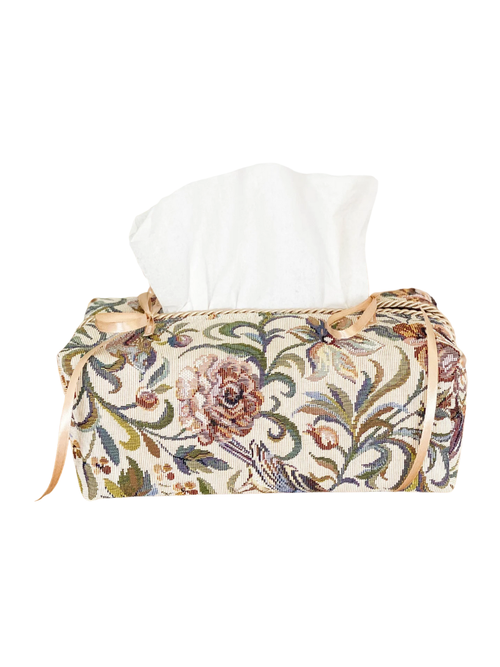
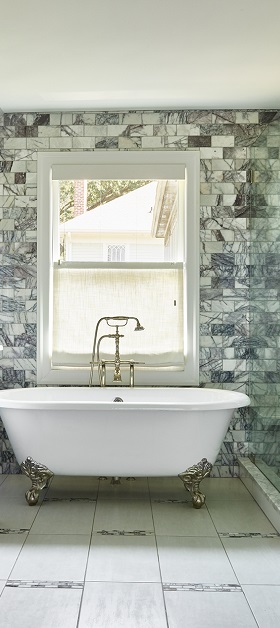
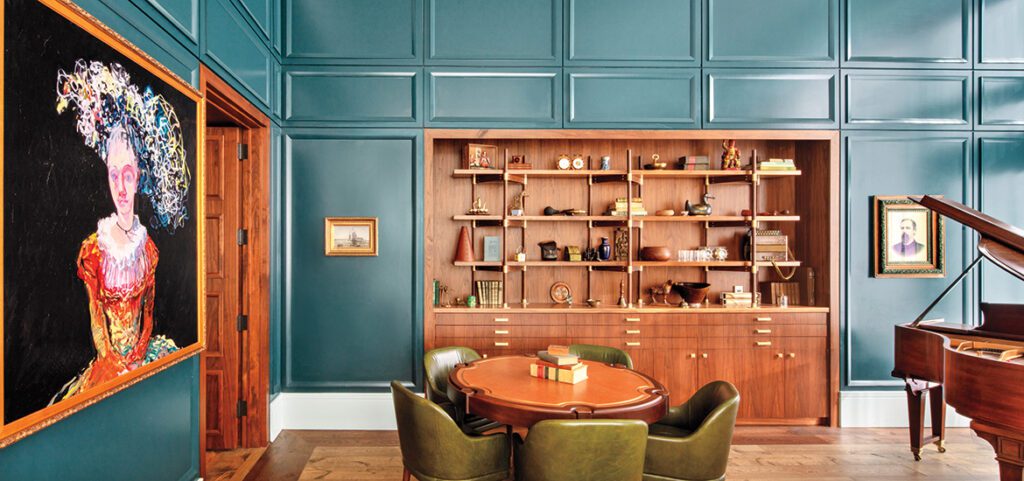
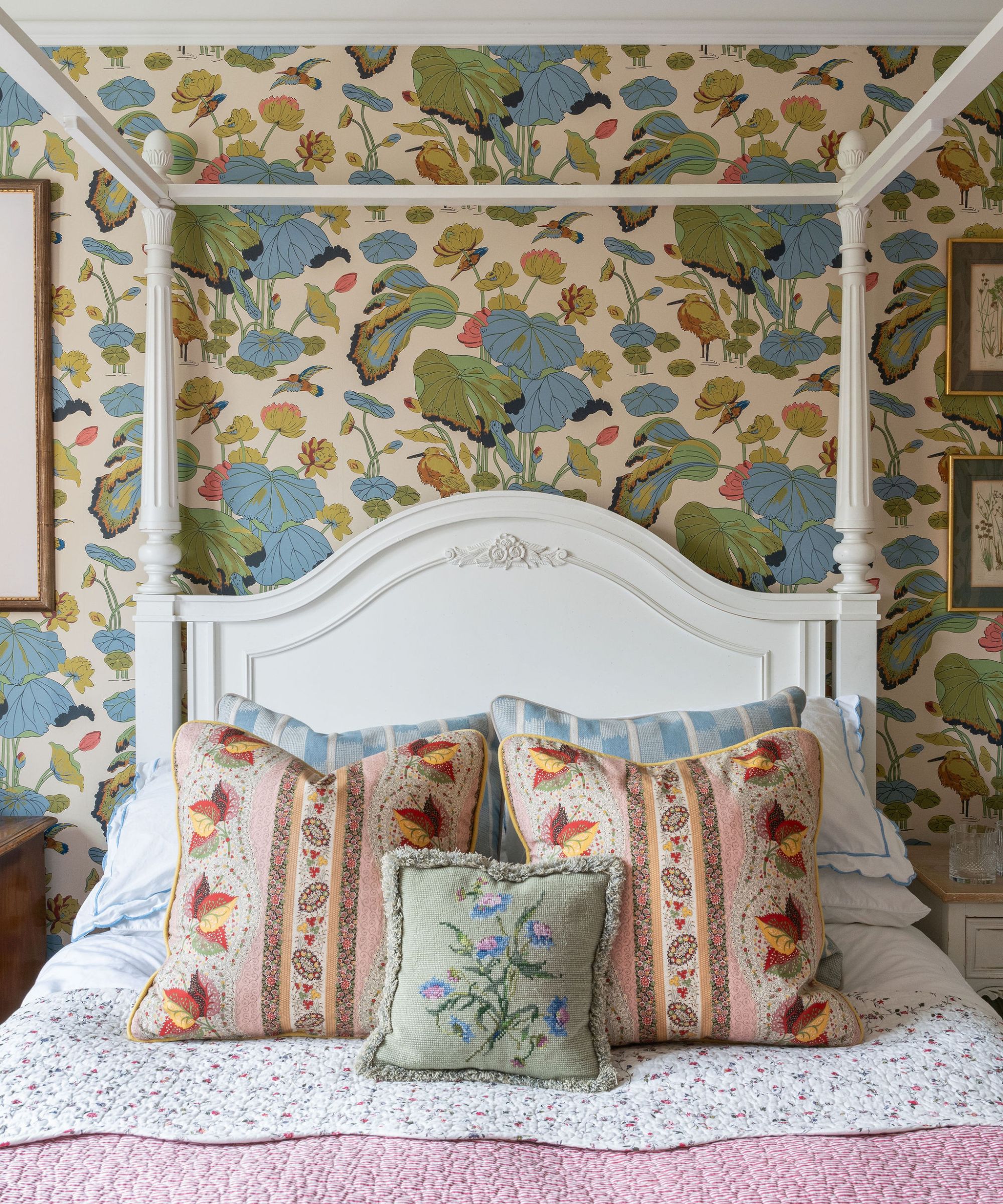
Finally, high-tech lighting is becoming an essential decorating tool, offering the ability to change light intensity and color, enhancing both ambiance and the display of art. Companies like Philips, AiSPiRE, and USAI Lighting provide programmable LED solutions. Sustainability continues to drive the adoption of alternative materials. Designers are prioritizing materials that are consciously sourced and environmentally friendly, such as furniture made from recycled cardboard or sawdust. Victorian-era details are also seeing a resurgence, with a modern interpretation that emphasizes architectural elements like beaded board, square and diamond shapes, crown moldings, and chevron floors, balancing ornate styles with cleaner, more geometric forms.
#InteriorDesign #HomeDecor #DesignTrends2024 #MilanDesignWeek #SustainableDesign #FurnitureTrends #ColorTrends #TextureInDesign #ArtisanalCraft #InteriorDesign #HomeDecor #DesignTrends2024 #MilanDesignWeek #SustainableDesign #FurnitureTrends #ColorTrends #TextureInDesign #ArtisanalCraft
0 comment in total
 No comments yet
You may also like
9 Design Trends From 2024 You’ll Still See Everywhere in 2025, According to Experts
Salone del Mobile 2024: highlights from the fair and Milan Design Week

Interior Designers Say These Decor Trends Will Be Everywhere in 2024
designboom's ultimate guide to milan design week 2025
The Fashion Moments Everyone’s Talking About at Milan Design Week 2025

Home-Design Trends You’ll See Everywhere in 2024

Designers Say These Furniture Trends Will Be Everywhere In 2024
Introducing Interior Design’s 2024 Rising Giants

The new interior design trends: 24 looks for 2024

2025 Design Trends We're Loving
Milan Design Week 2025: The Theatre of Design
8 Interior Design Trends to Watch in 2024

These Will Be the Biggest Design Trends of 2025
Interior Design Trends of 2024

This Centuries-Old Pattern Is the Next Big Design Trend for 2026 – Here Are 24 Pieces That Prove It

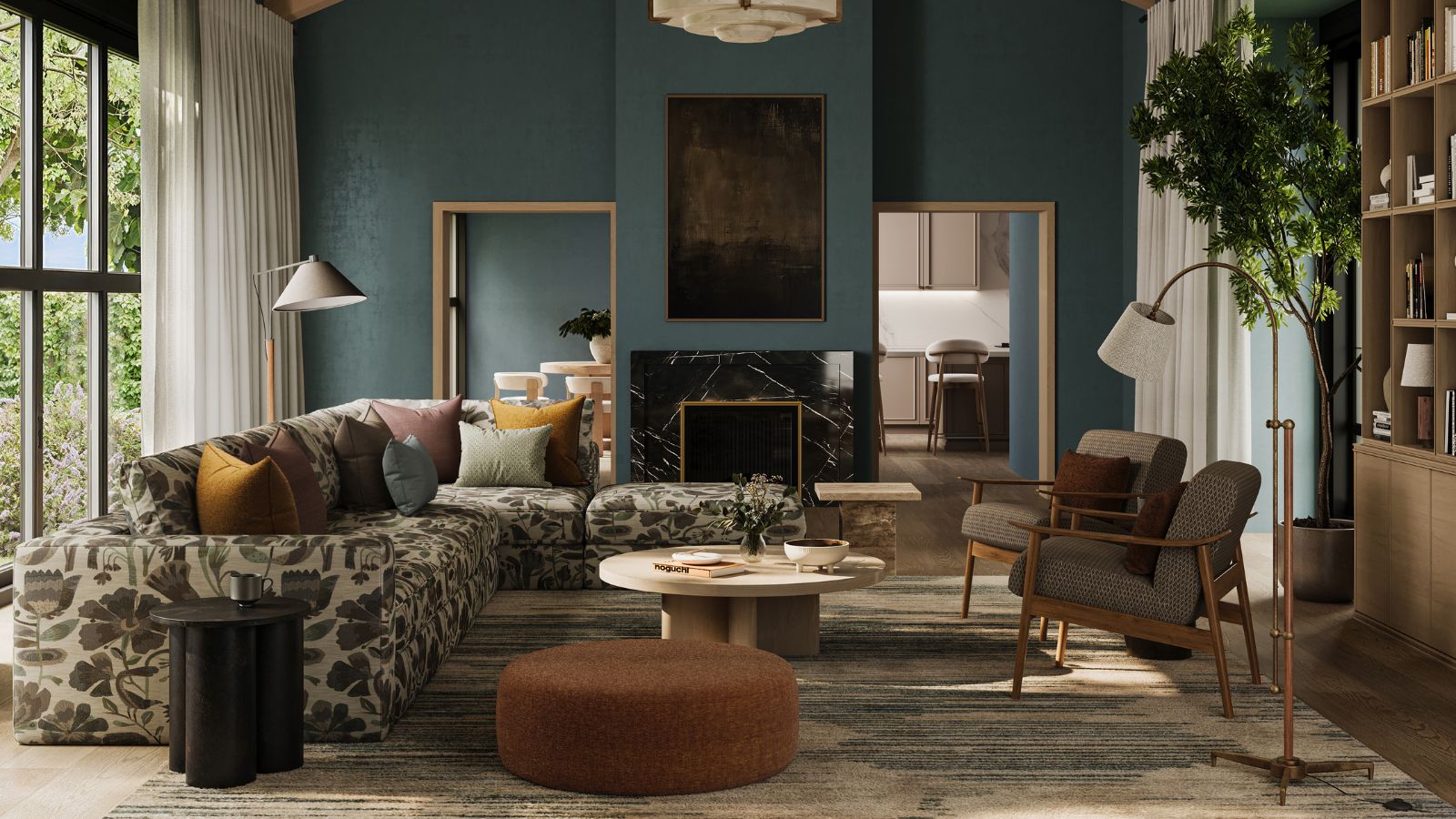
These are the biggest pattern trends designers are using in 2025 and beyond
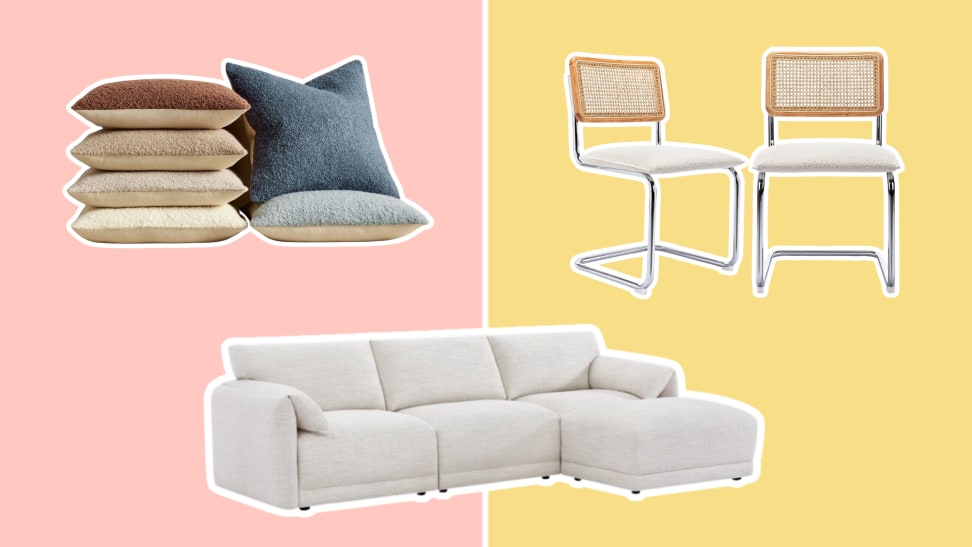
Boucle is one of 2024's biggest design trends

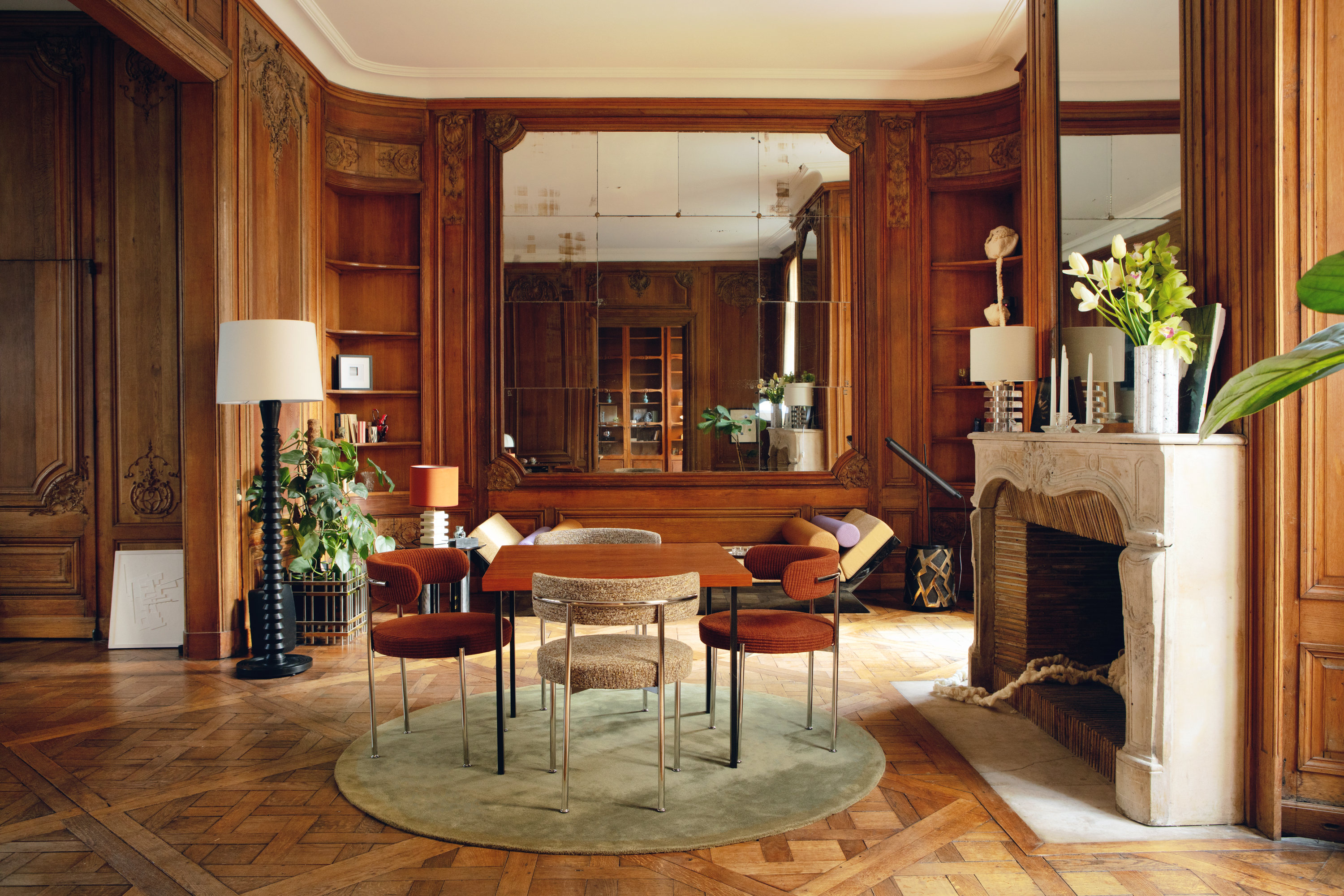
Paris Design Week 2024: the highlights

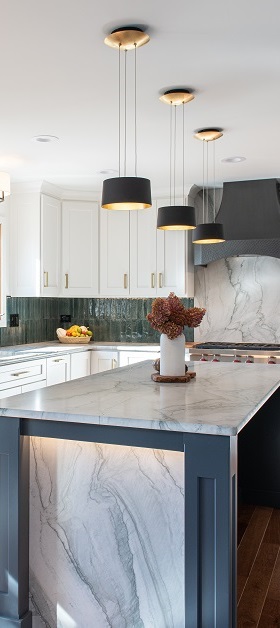
10 Home Design Trends Your Clients Will Love in 2024
7 interior-design trends you'll see everywhere in 2024, and 5 that'll disappear