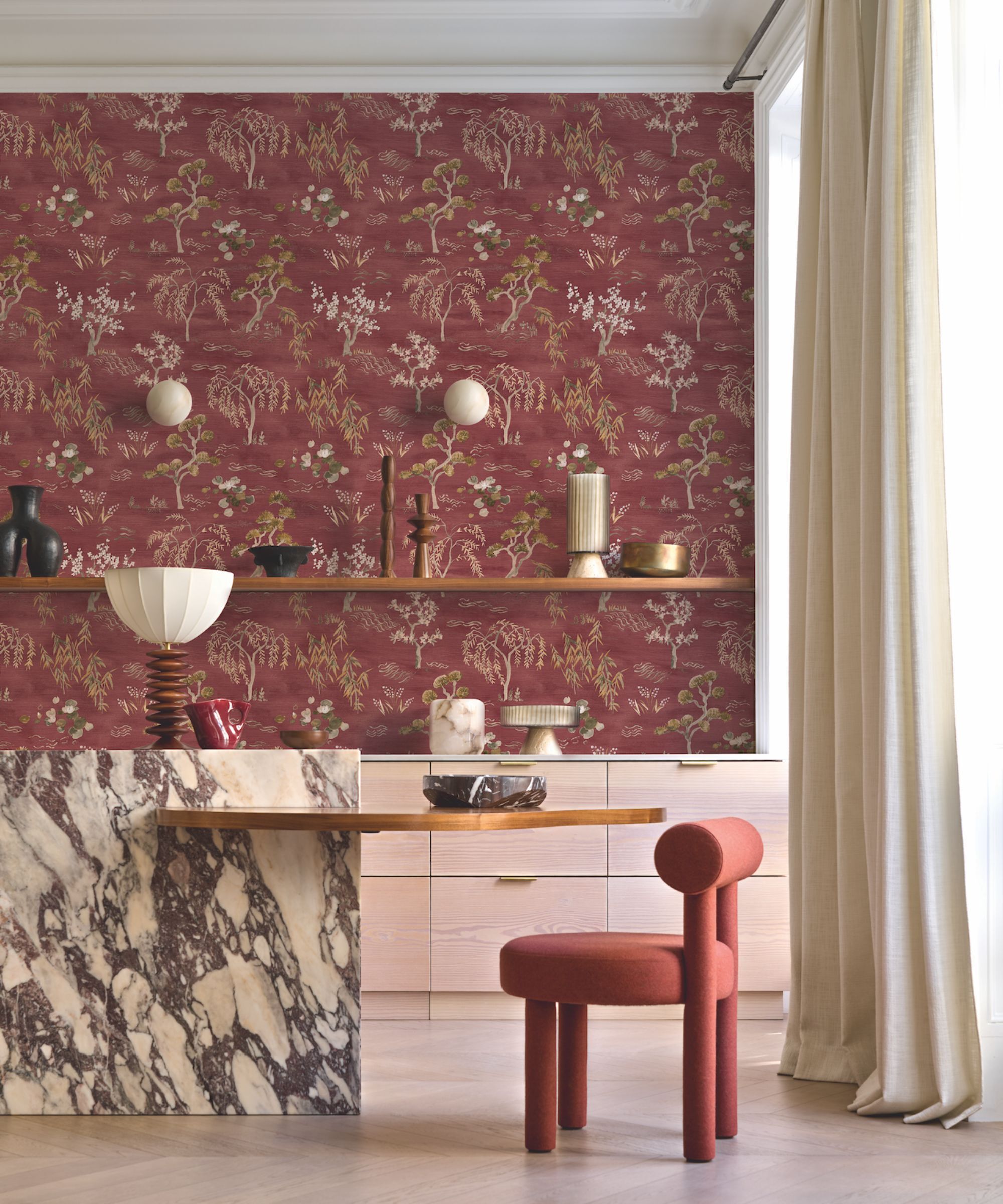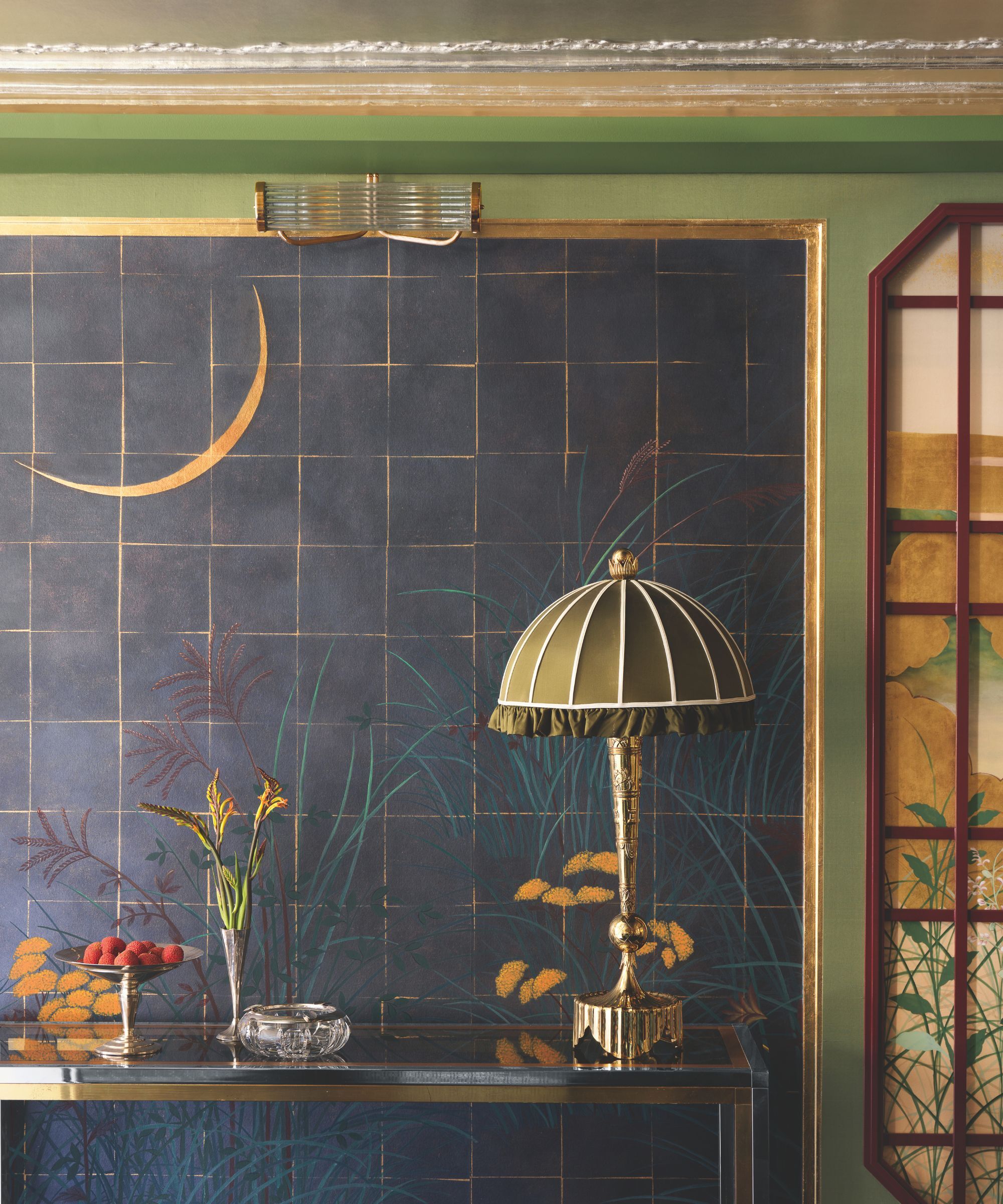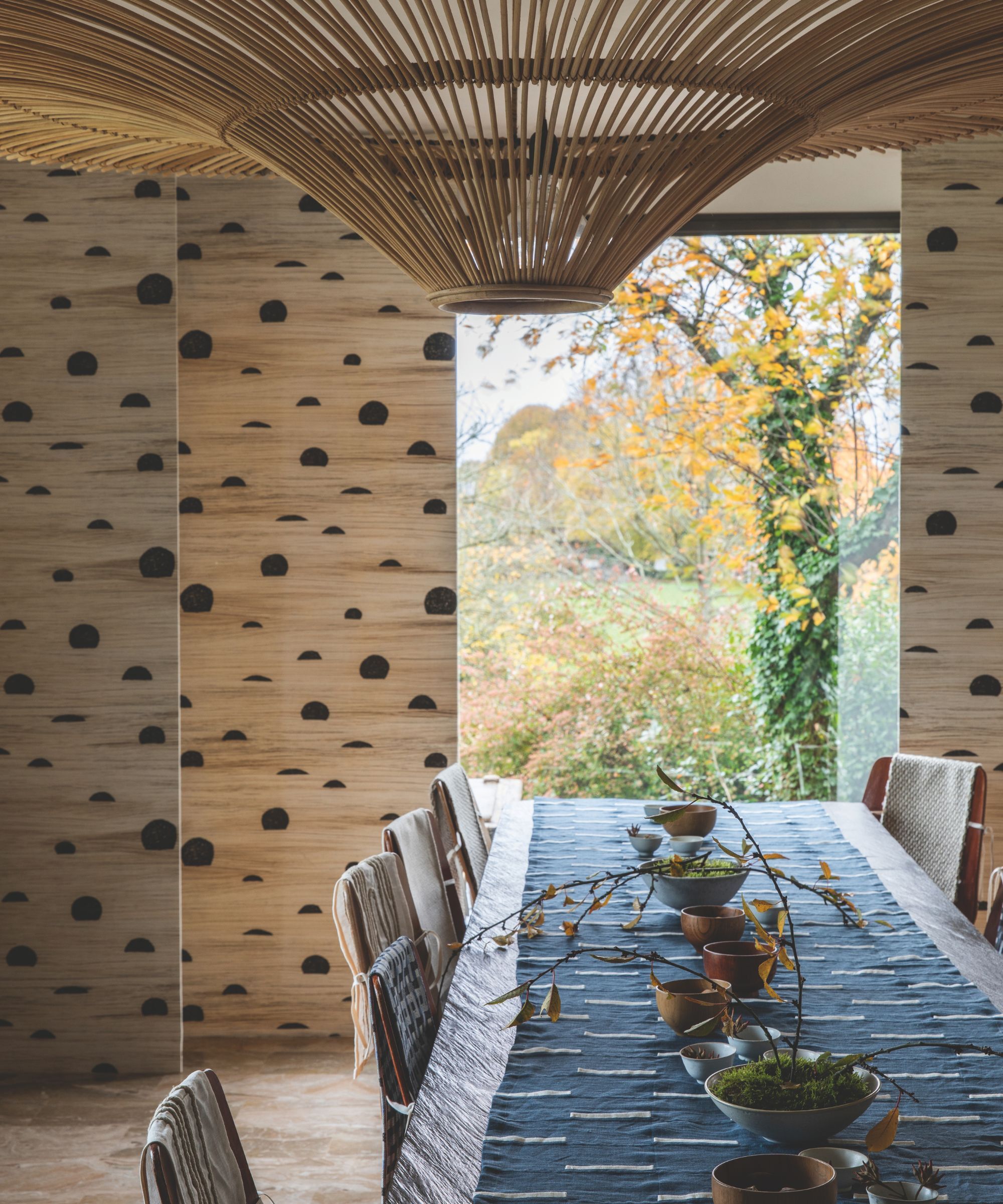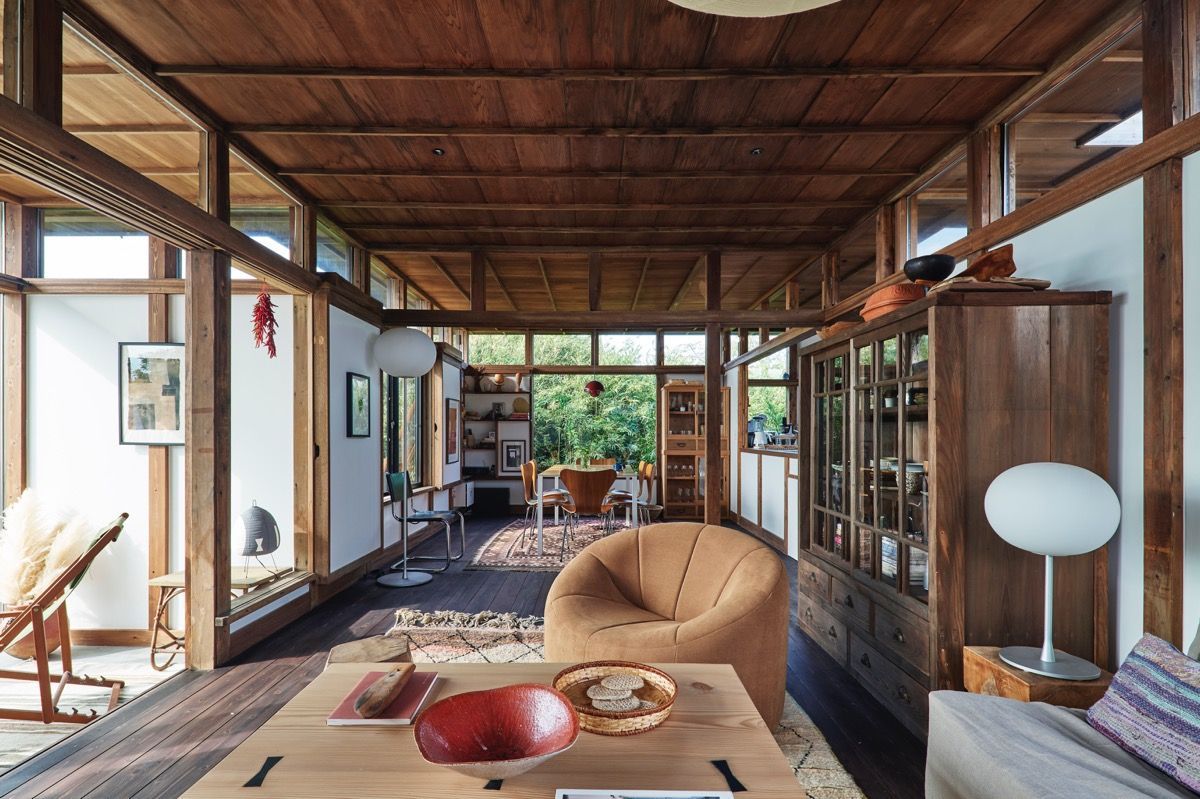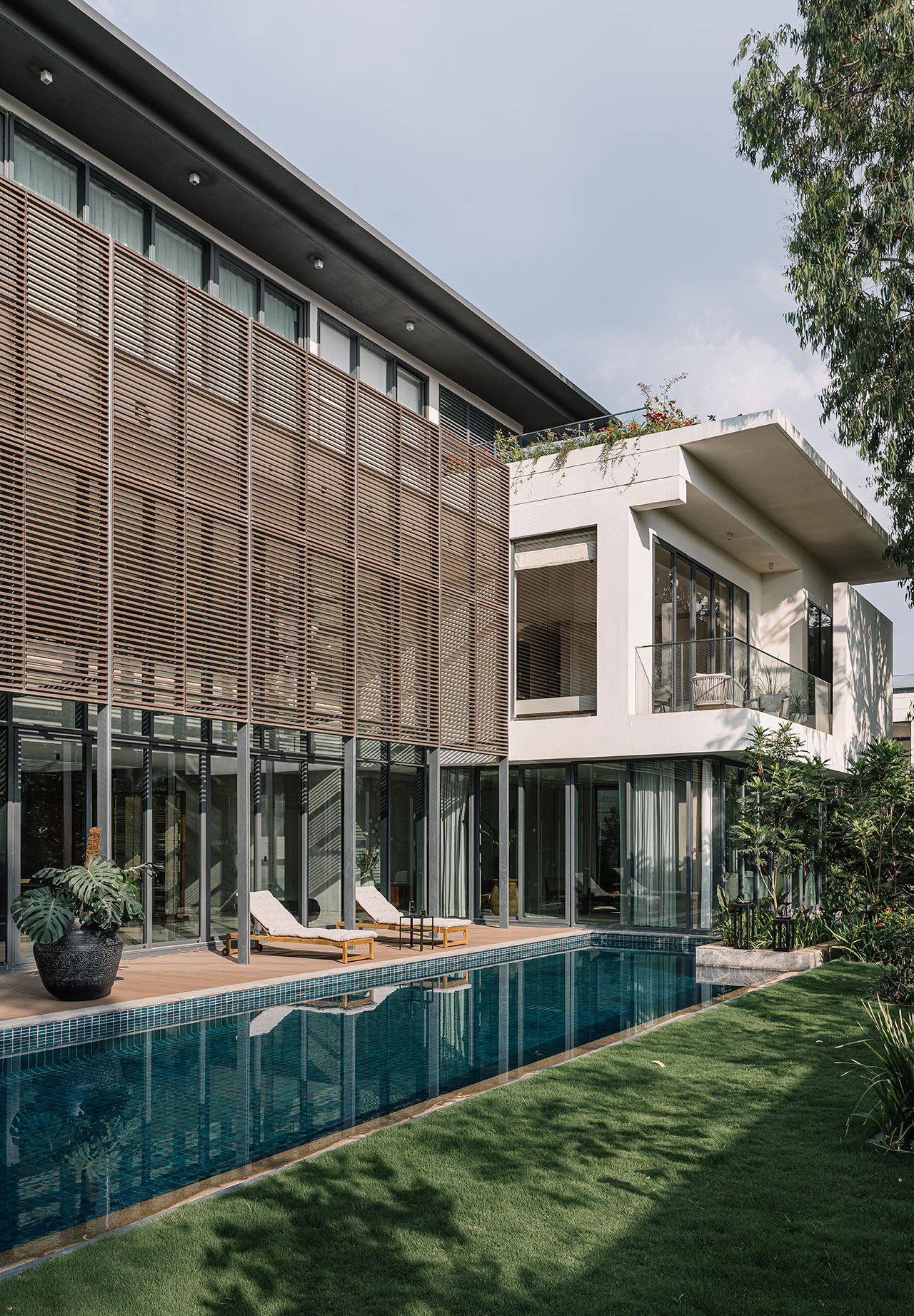
Can Middle East designers bring zen to spaces with Japanese aesthetics?
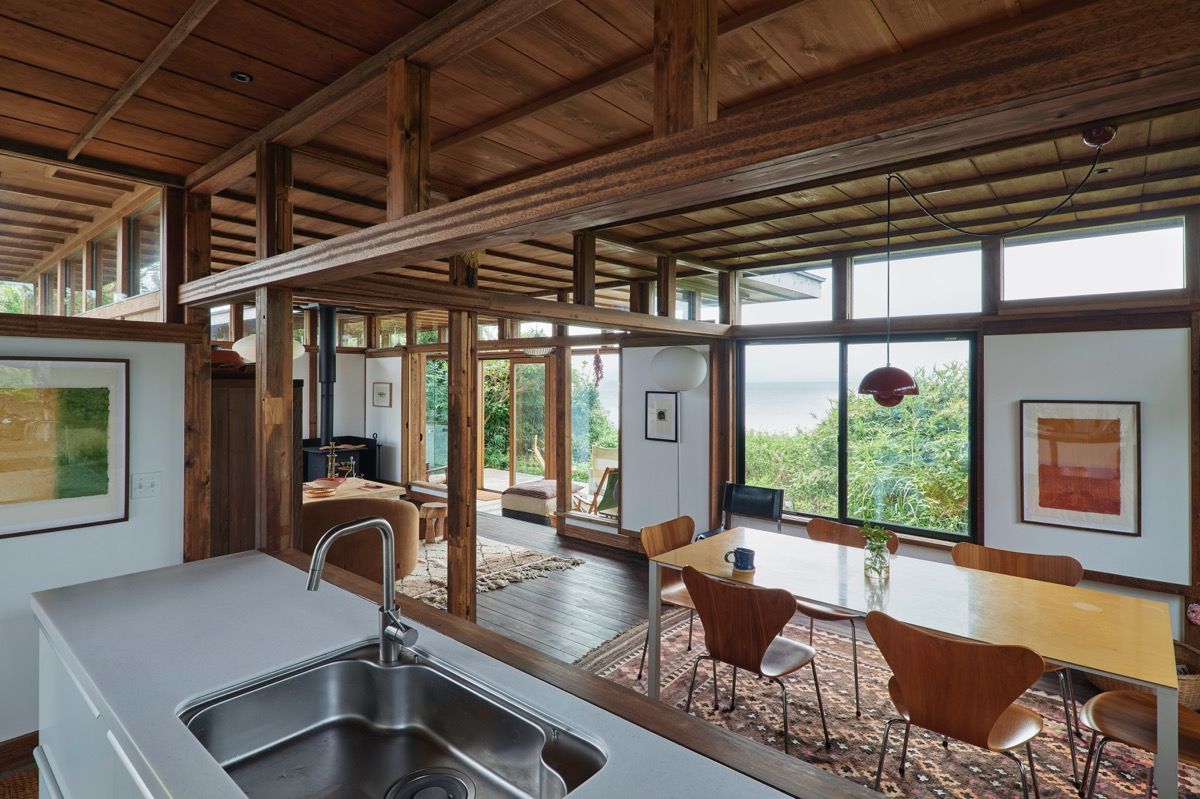
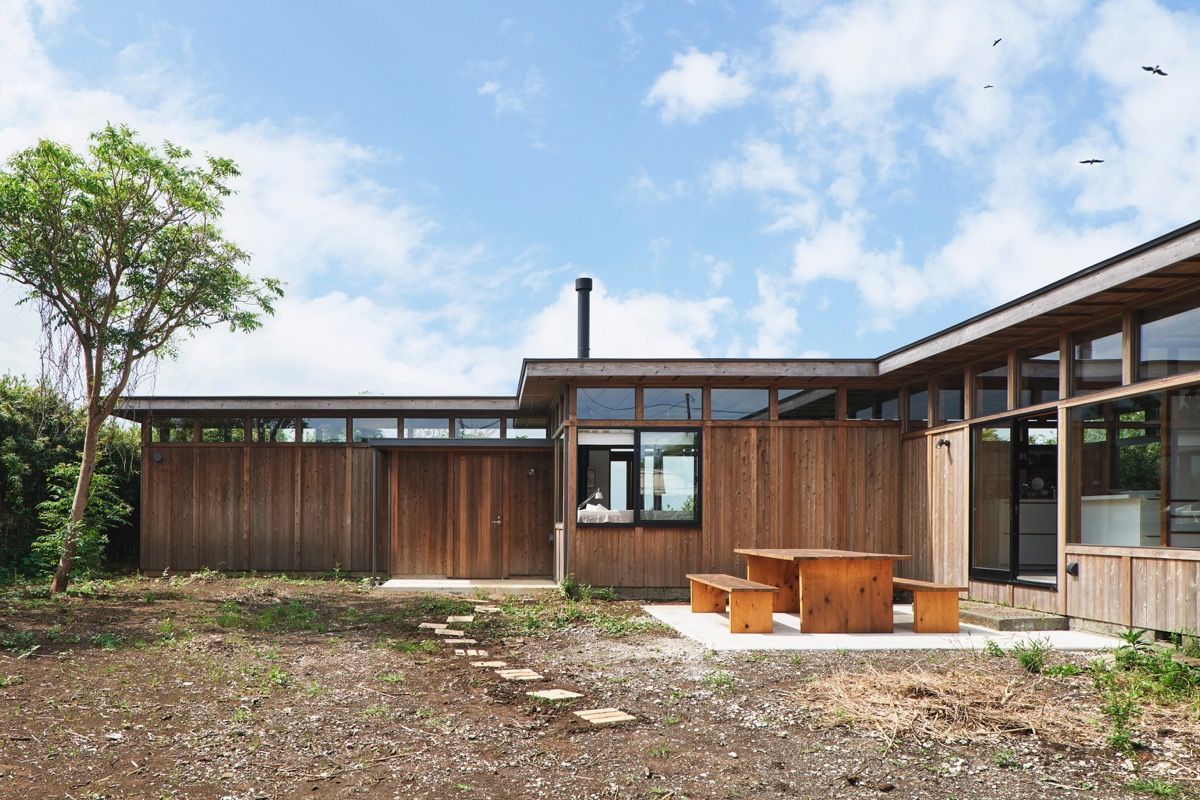
The article explores the potential for Middle East designers to integrate Japanese aesthetics, particularly the principles of Zen gardens, into their architectural and interior design projects. It highlights the tranquility and beauty found in Zen gardens and suggests that this subtle approach to design, which reveres nature and emphasizes the space between elements, can offer a valuable source of inspiration for environments with harsh weather conditions, such as those in the Middle East.
The discussion begins by contrasting the authenticity of nature with digital representations, emphasizing that natural elements like trees, shrubs, and water features, when thoughtfully arranged, provide a genuine respite. Japanese design's meticulous attention to the 'missing' or 'interstitial' space is presented as a key lesson. For Middle Eastern contexts, recreating miniature versions of natural landscapes within internal, ventilated spaces is proposed as a practical solution. This involves moving beyond conventional designs like centered round fountains to accurately mimic natural formations such as oceans, rivers, mountains, and hills in indoor settings. Nasser Abulhasan, Principal and Founding Partner at AGi architects in Kuwait, points out the significant social role of private homes in Kuwait due to severe weather, making interior landscapes and courtyards integral to the lifestyle.
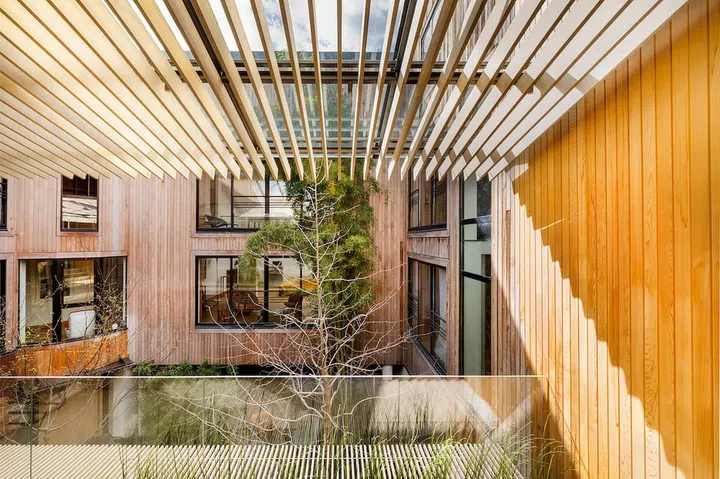
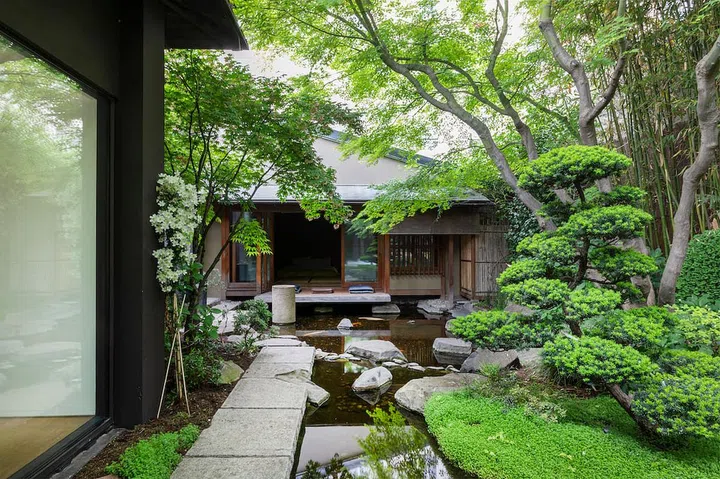
Japanese gardens are described as attempting to reproduce nature in a more natural order, in contrast to the symmetrically pruned gardens often found in the West. Specific examples are given for how natural elements are represented: horizontal stones as islands, vertical stones as mountains, trees and plants as forests, white gravel as oceans, and declining rocks as waterfalls. The article then extends this concept to exterior landscape arrangements and internal courtyard designs in the Middle East, emphasizing the importance of a deep understanding of local nature. Giovanna Carnevali, executive director of urban planning at NEOM, reinforces this idea by stating the need to "think in advance" and enhance and protect nature while urbanizing minimally. The Line project in Saudi Arabia's NEOM is cited as a successful example of creating an introverted habitat to thrive in an unaccommodating external environment, drawing parallels to Japanese internal courtyards and Machiya houses.
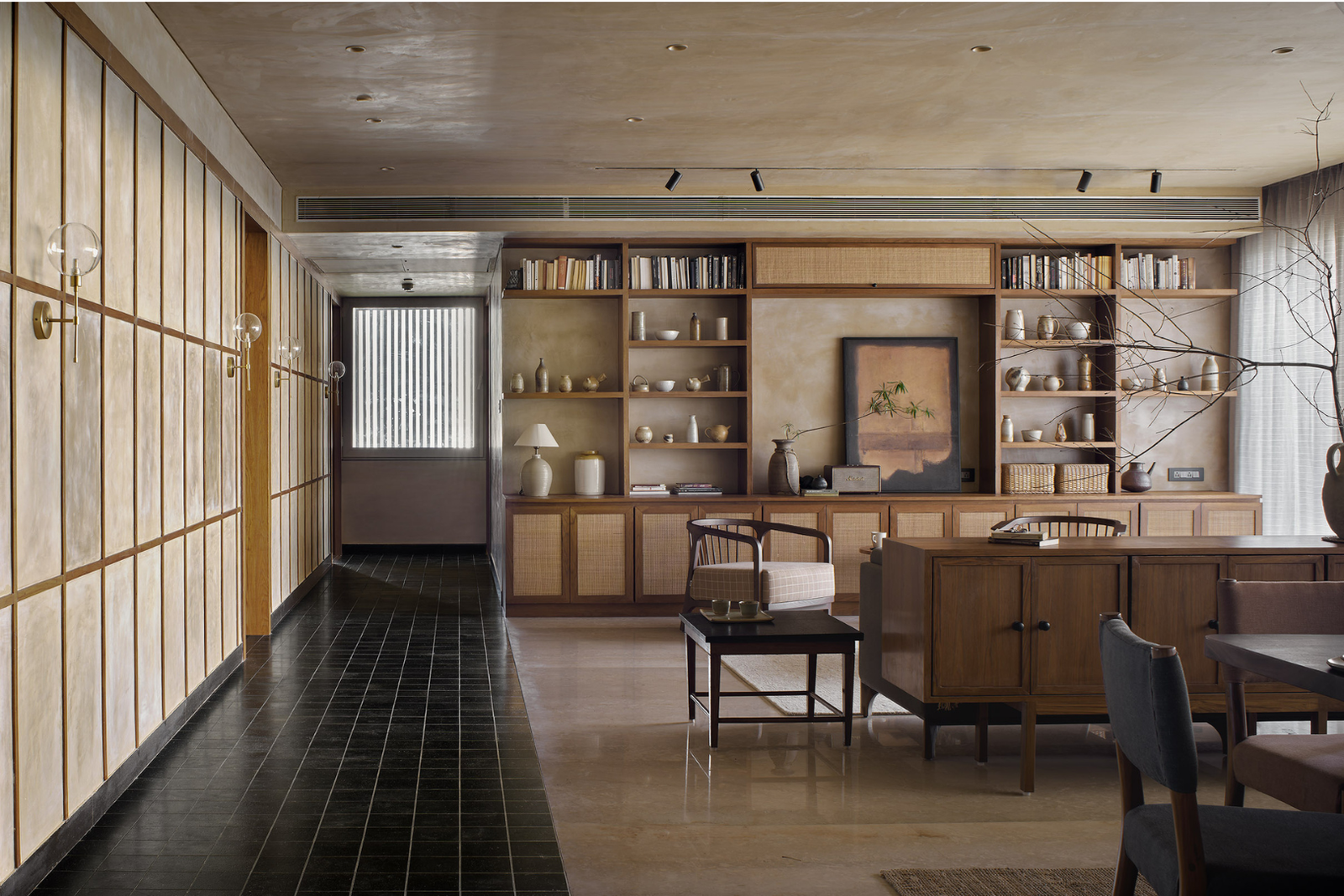
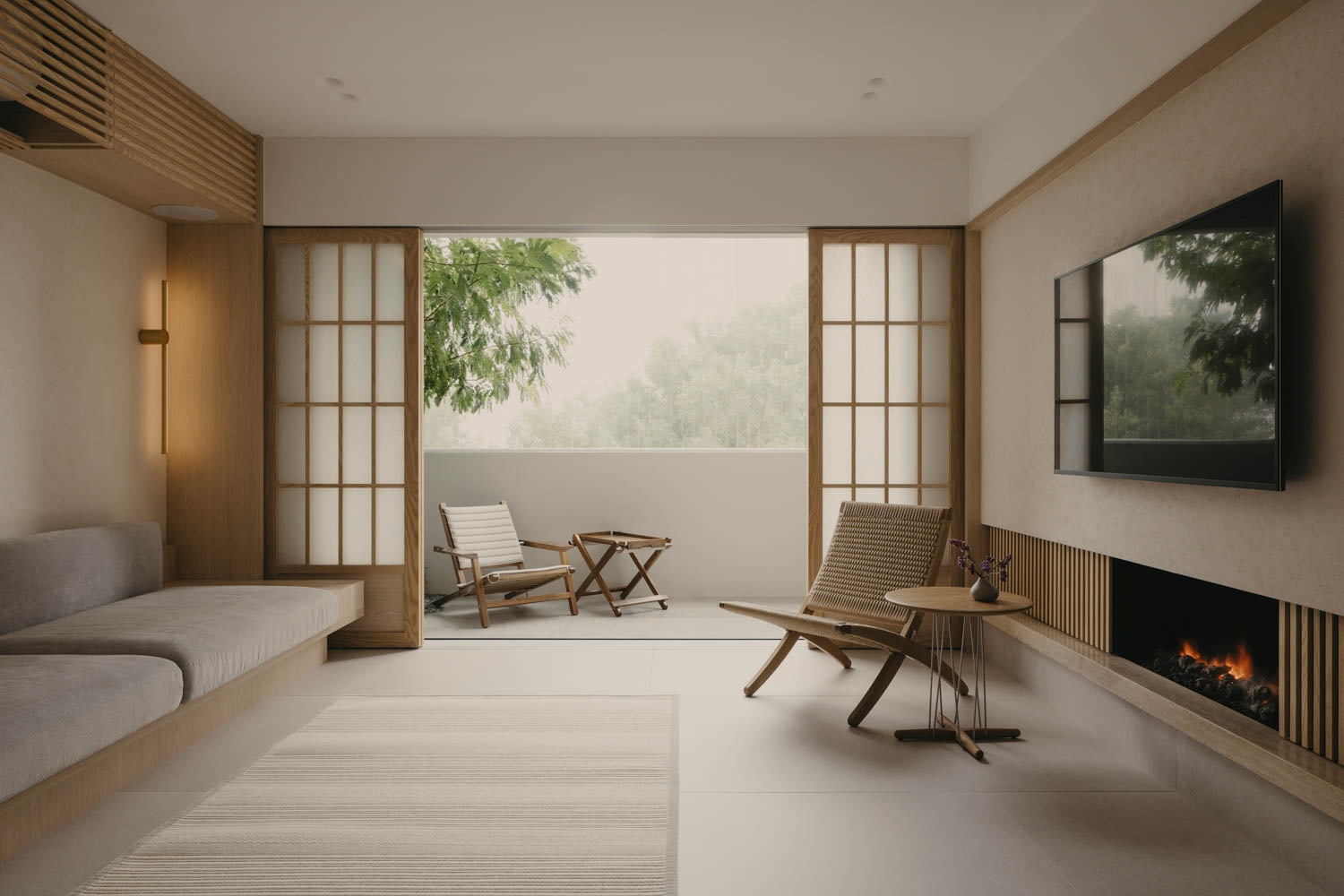
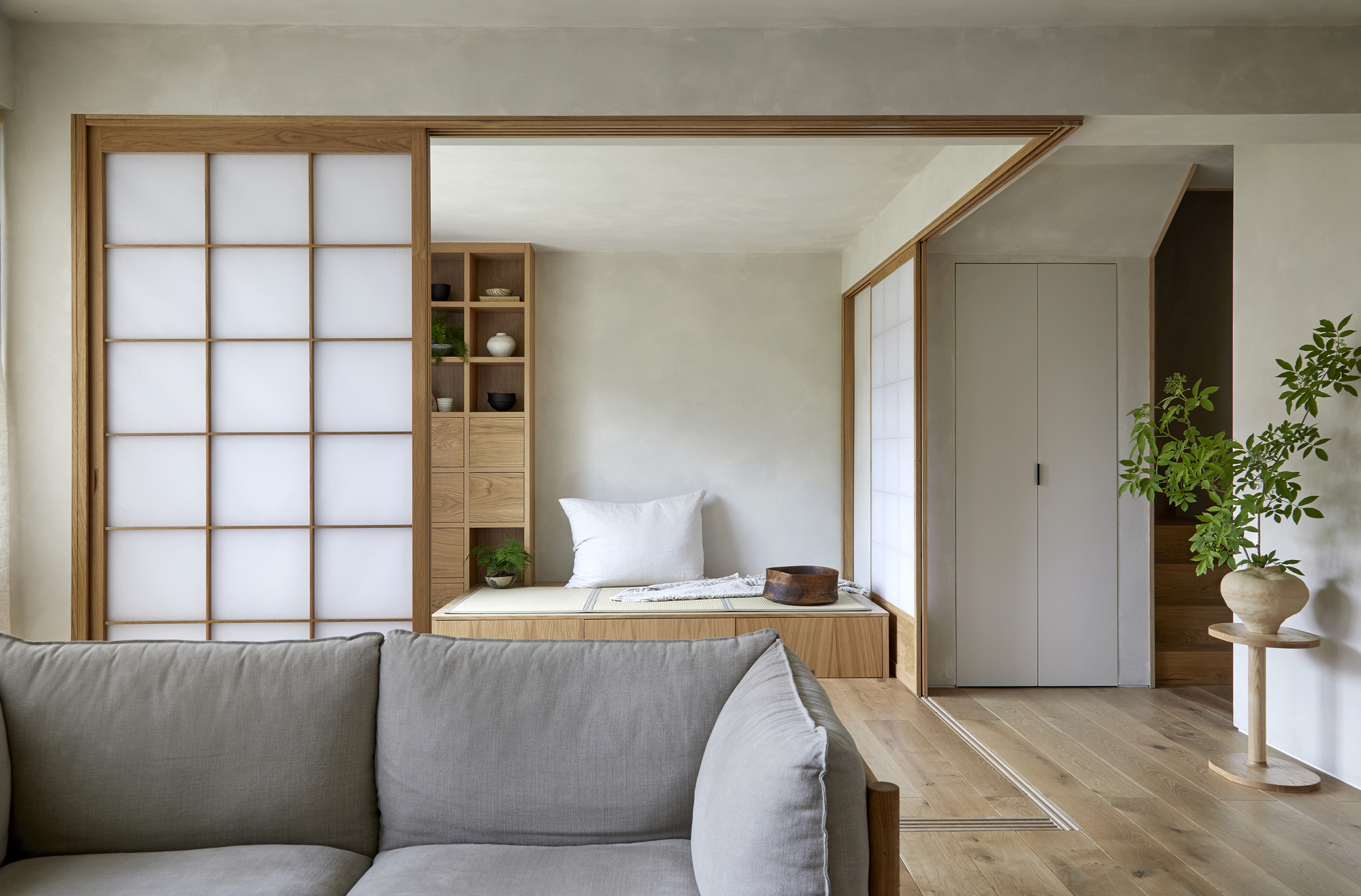
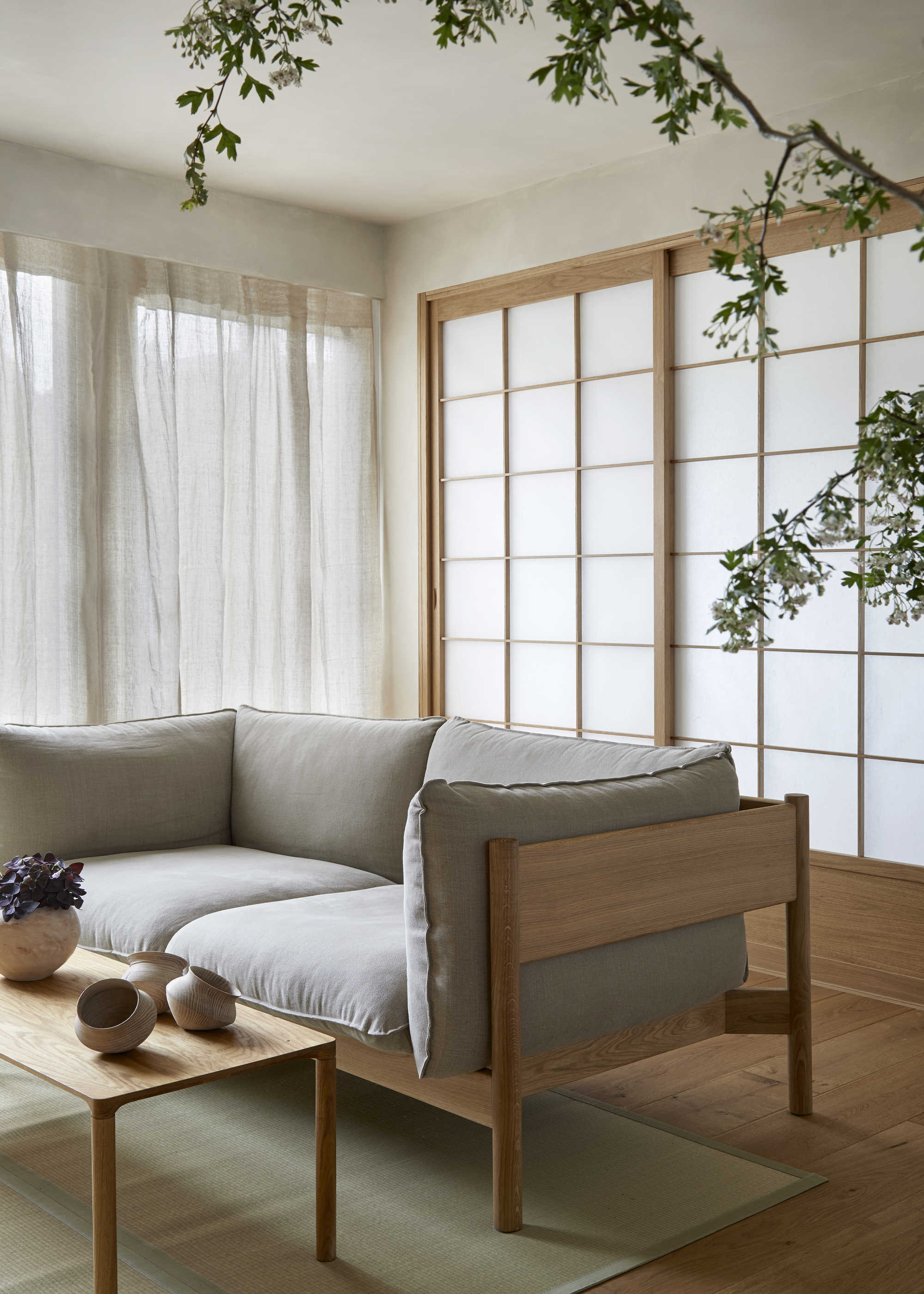
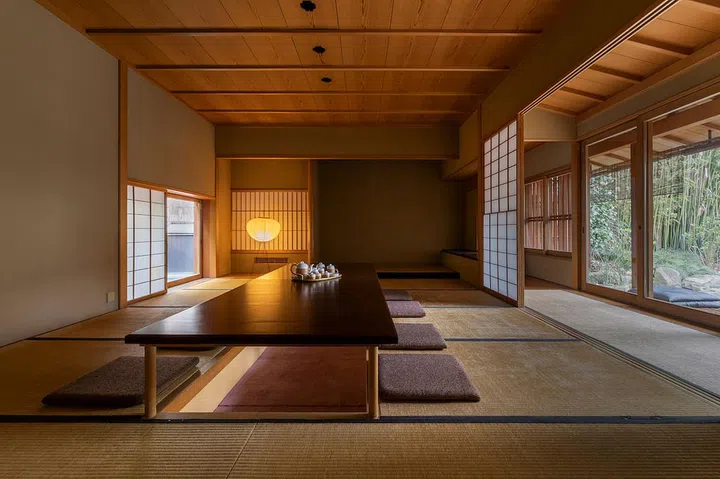
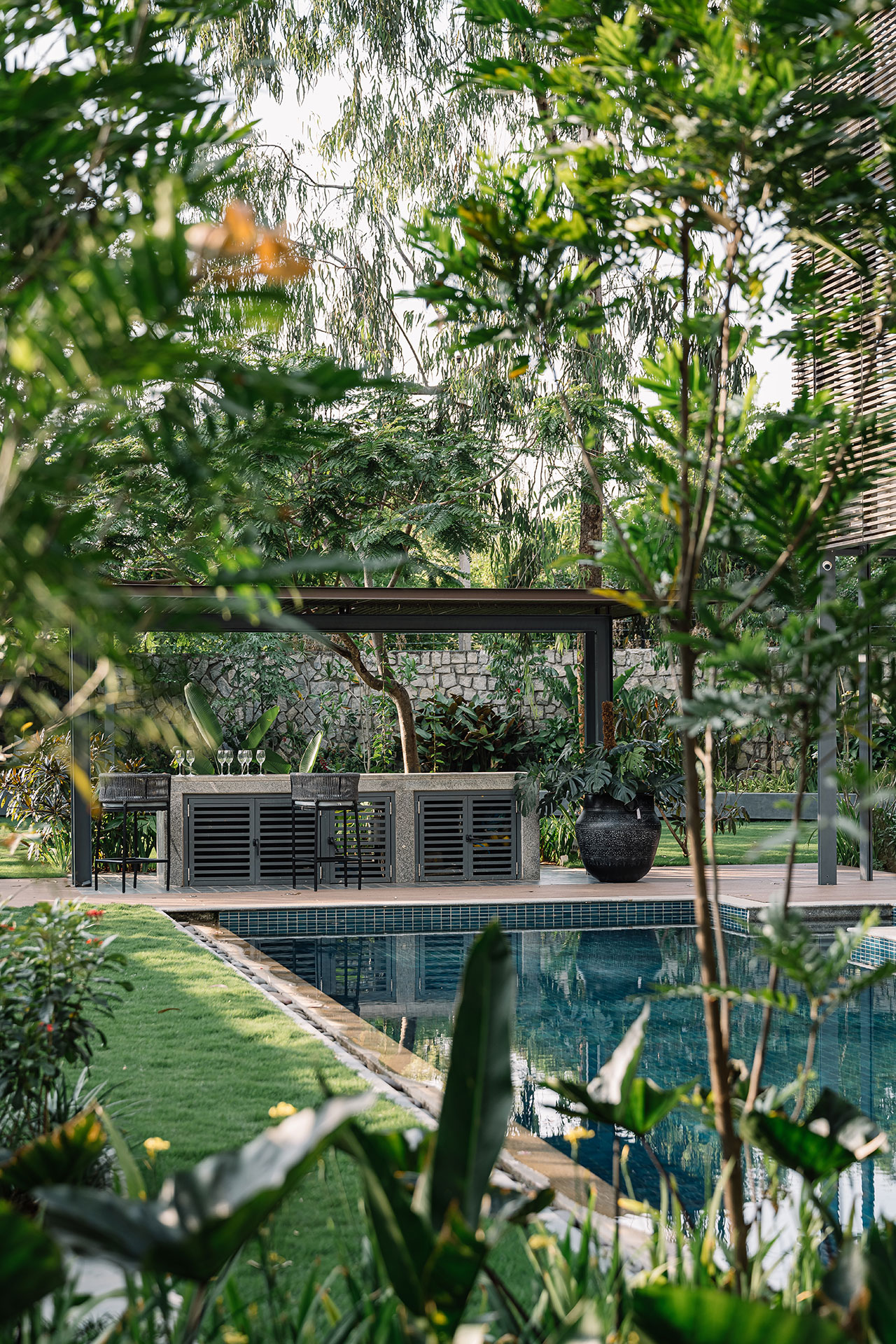
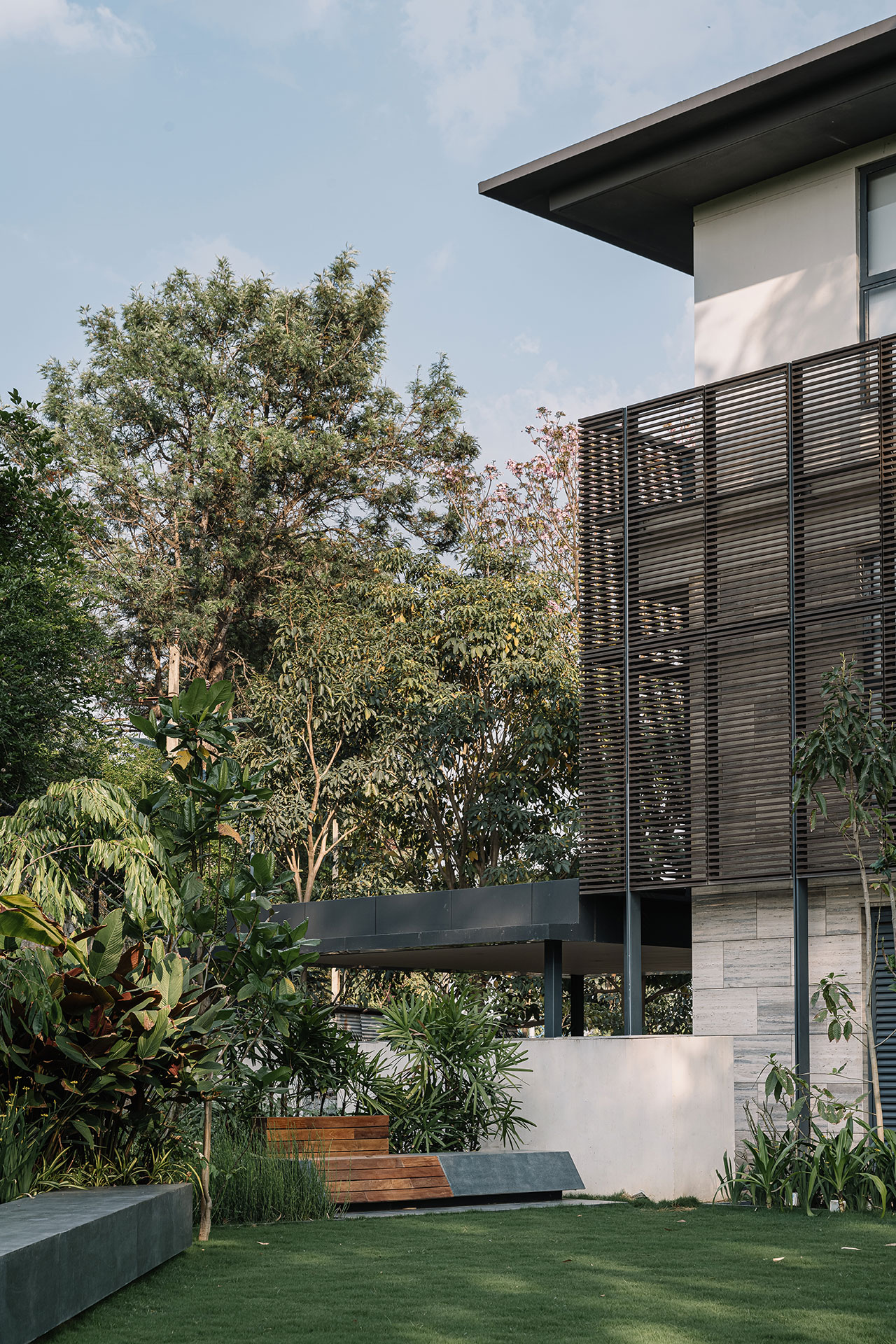
The article further explores how Japanese design elements can be adapted to the Middle Eastern context while respecting local culture. For instance, a Japanese Shoji screen framing a garden view could inspire an Arabesque patterned screen overlooking a garden that features an oversized fanous instead of a Japanese stone lantern, with local plants replacing bamboo and soft desert sand used instead of white gravel, raked to evoke the ocean's motion. Abulhasan stresses the importance of respecting the local context and introducing native vegetation appropriate for specific climatic conditions, advocating for tailor-made solutions that leverage the existing environment's potential. He notes that arid climates present a challenge but also an extraordinary opportunity for comprehensive strategies, as vegetation can act as a natural climate control, reducing temperatures and dust.
Beyond element selection, the article highlights the critical role of arrangement in Japanese Zen gardens, focusing on the careful placement, direction, sequencing, and balanced asymmetry of each component. This intellectual approach to design, borrowing from Zen garden principles, could foster unique, Babylon-like garden concepts that distill Middle Eastern cultural values. However, an alternative perspective is offered by Reem Fayyad, co-founder of GreenAtelier, who argues against the idea of rolling out "green carpets" in the desert, viewing the desert not as an unfortunate byproduct but as a unique, dynamic landscape that offers varied perspectives and an "empty template" for intellectual clarity and problem-solving. Ultimately, the article concludes that adopting intellectual attitudes from other cultures, such as the Japanese appreciation for emptiness, meticulous arrangement, cautious sequencing, and thoughtful proportions in Zen gardens, can benefit future landscape developments in the Middle East while preserving the locality's unique identity.
#JapaneseAesthetics #ZenGardens #MiddleEastDesign #InteriorDesign #LandscapeArchitecture #CulturalAdaptation #SustainableDesign #UrbanPlanning #EnvironmentalDesign #JapaneseAesthetics #ZenGardens #MiddleEastDesign #InteriorDesign #LandscapeArchitecture #CulturalAdaptation #SustainableDesign #UrbanPlanning #EnvironmentalDesign
0 comment in total
 No comments yet
You may also like
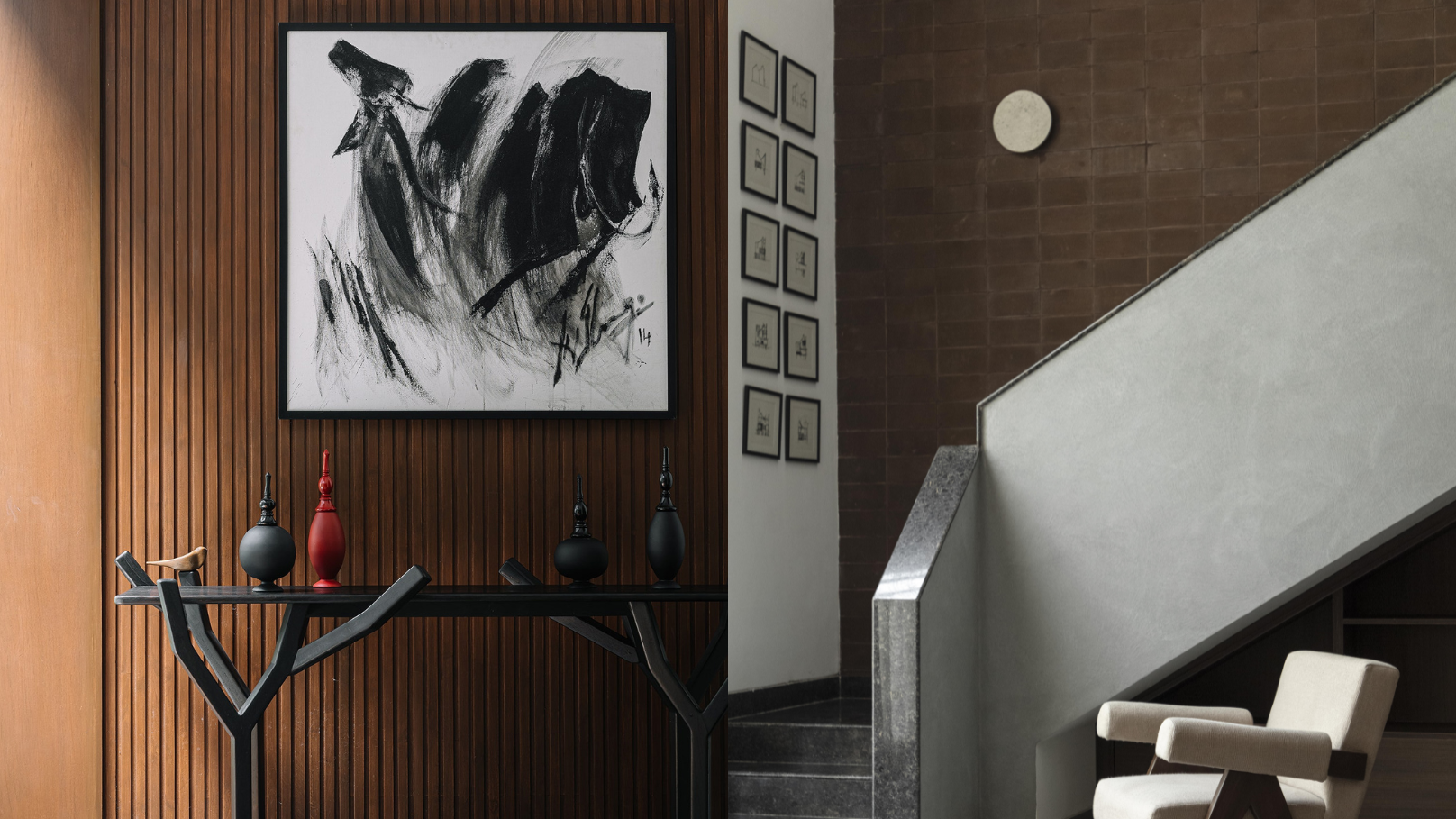
5 homes that bring serene Japanese-inspired design to life

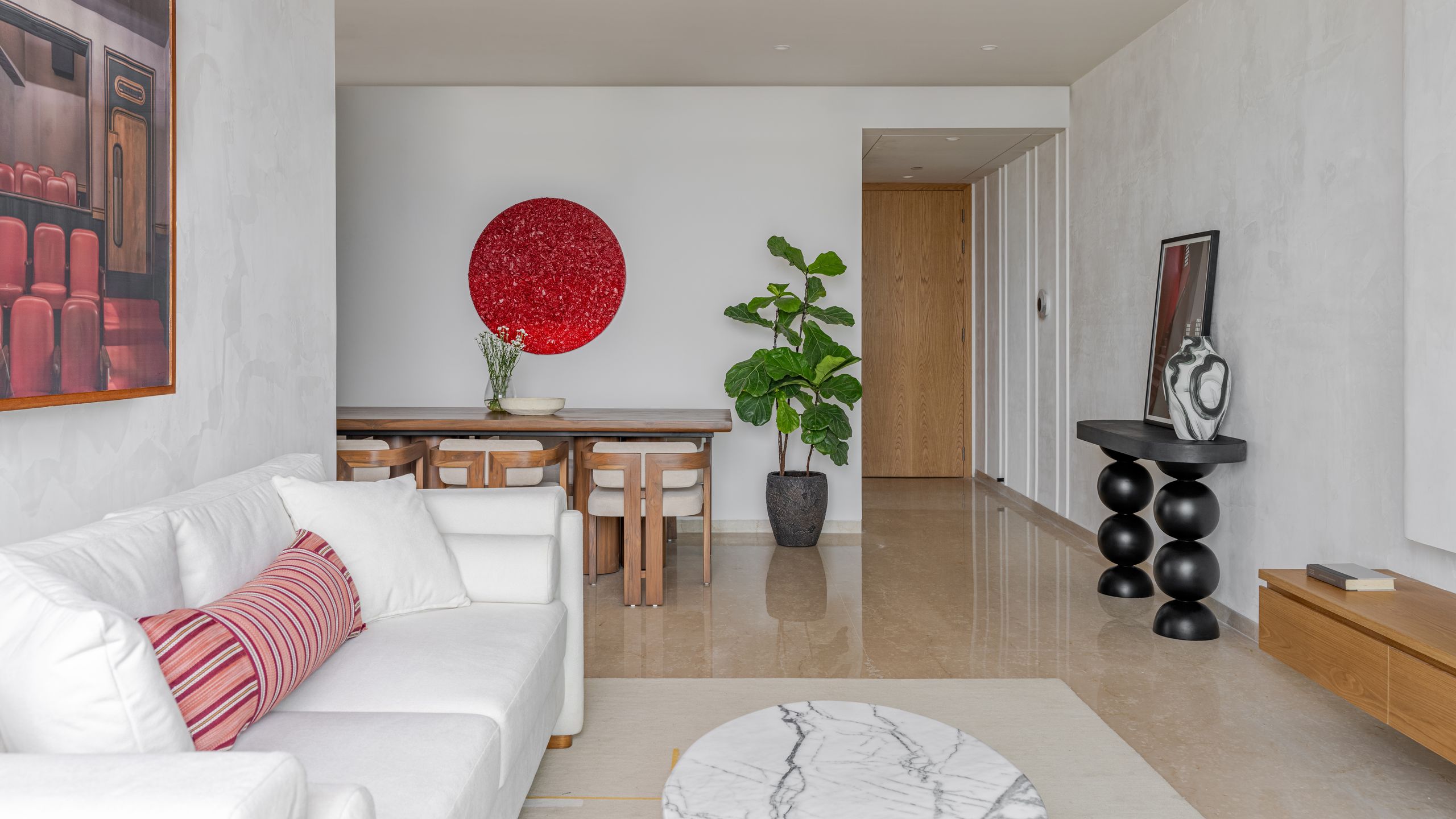
This 1,100-square-foot Mumbai home embodies a quiet stillness
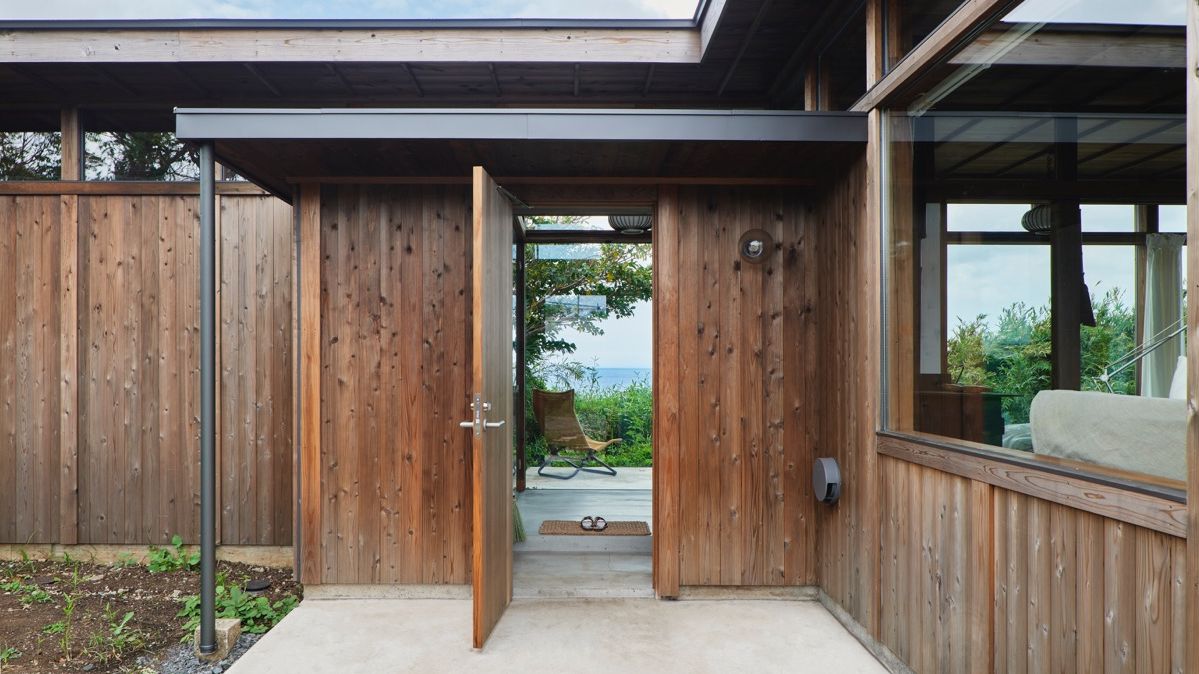
A 75-Year-Old Japanese House Was Transformed Into a Zen Weekend Hideaway

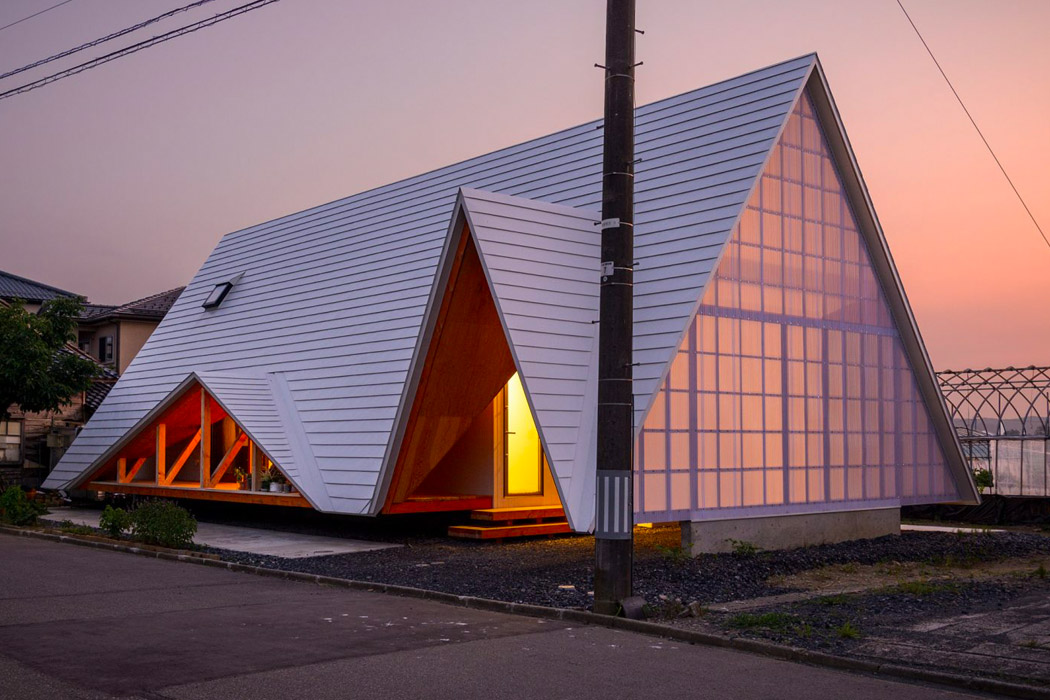
Japanese Architectural Designs that embody a zen, minimal way of living!

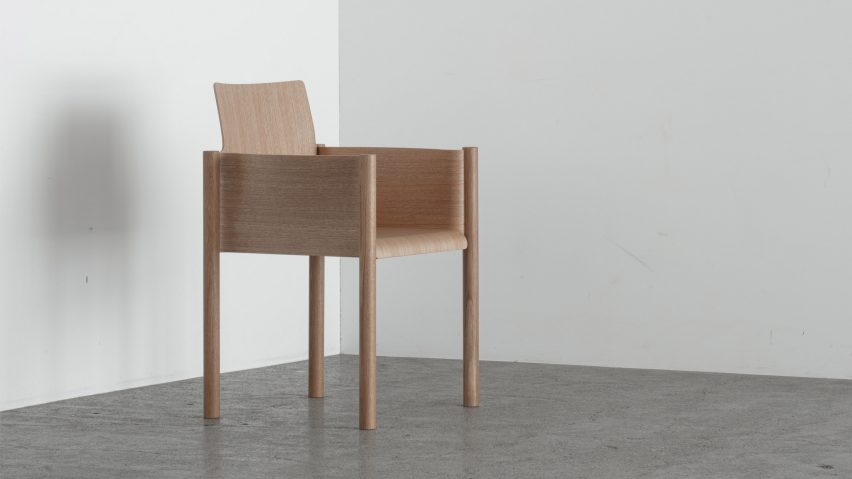
Ten furniture and lighting designs by Japanese brands and designers
This Japanese-Inspired Inn Is One of Mexico City's Best Kept Secrets

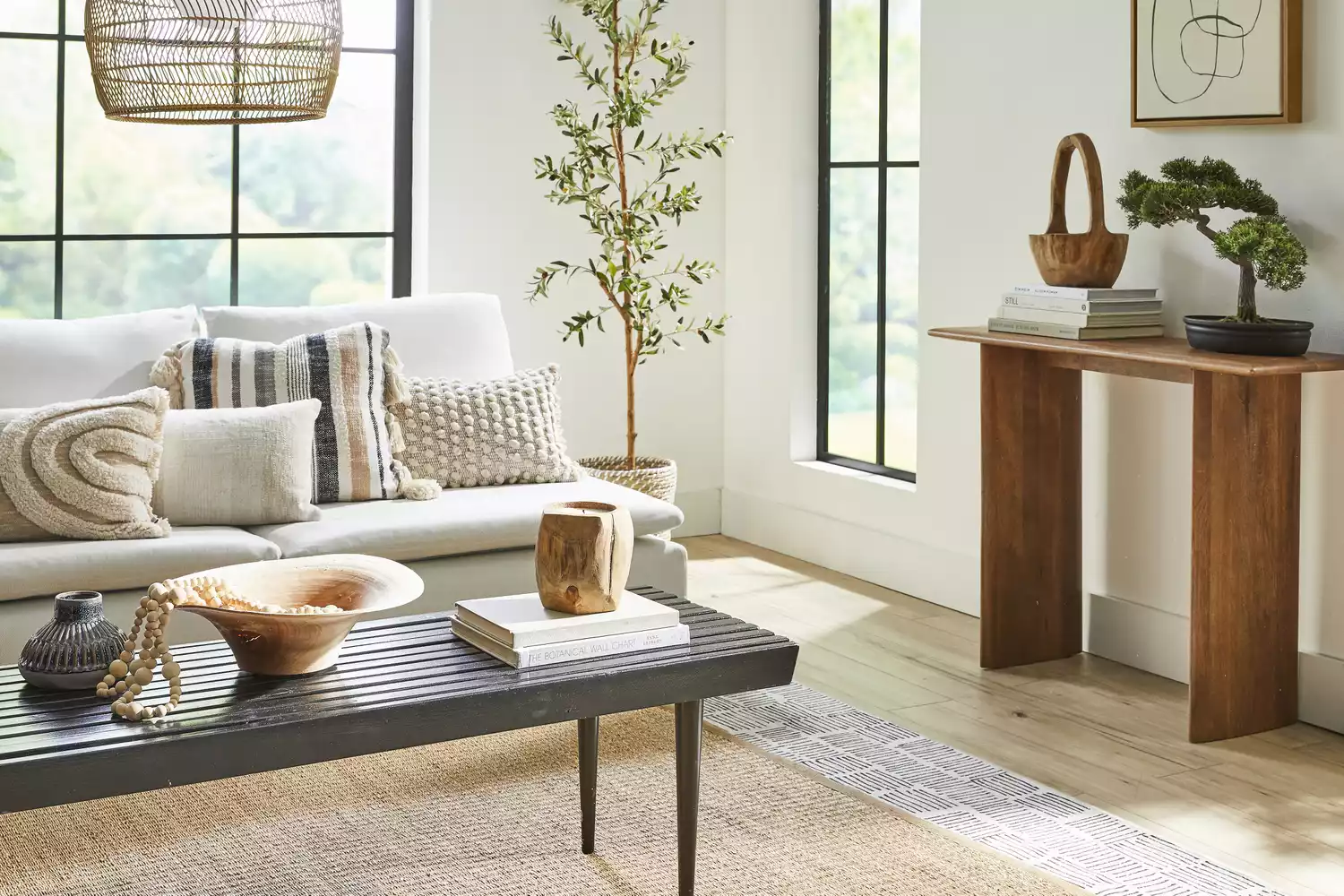
All About Japandi Design, a Mix of Japanese and Scandinavian Design

7 Modern Japanese Hotels That Will Help You Find Your Zen
Elevate Your Space With These Inspiring Japandi Interiors

How Japan influenced Nordic design aesthetics and vice versa

Revealed: the countries inspiring interior design trends the most


Tour 5 Japanese-Inspired Modern Homes That Embody Contemporary Elegance
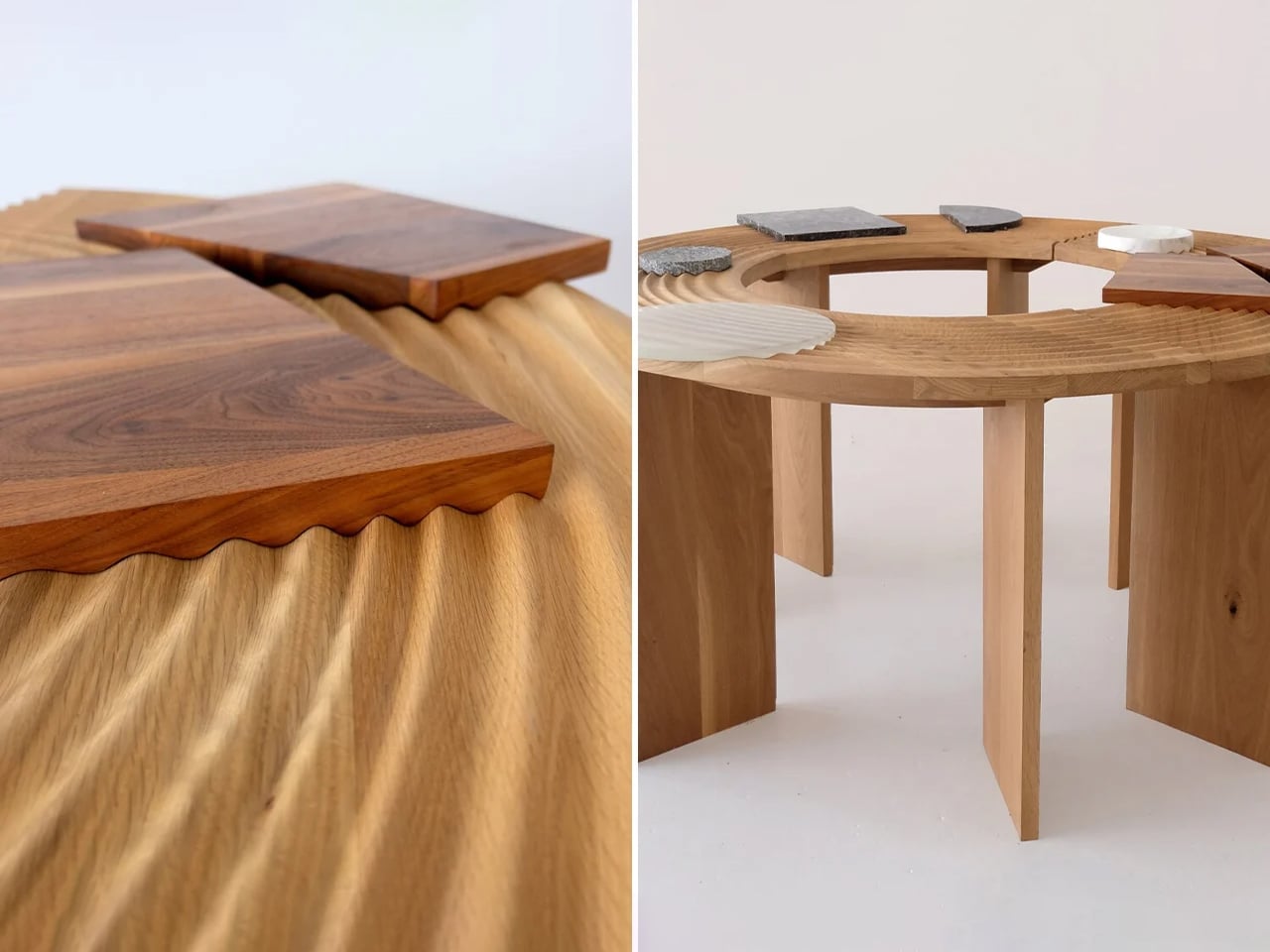
Beyond Minimalism: Discovering the Soul of Japanese And Zen Aesthetics in Product Design
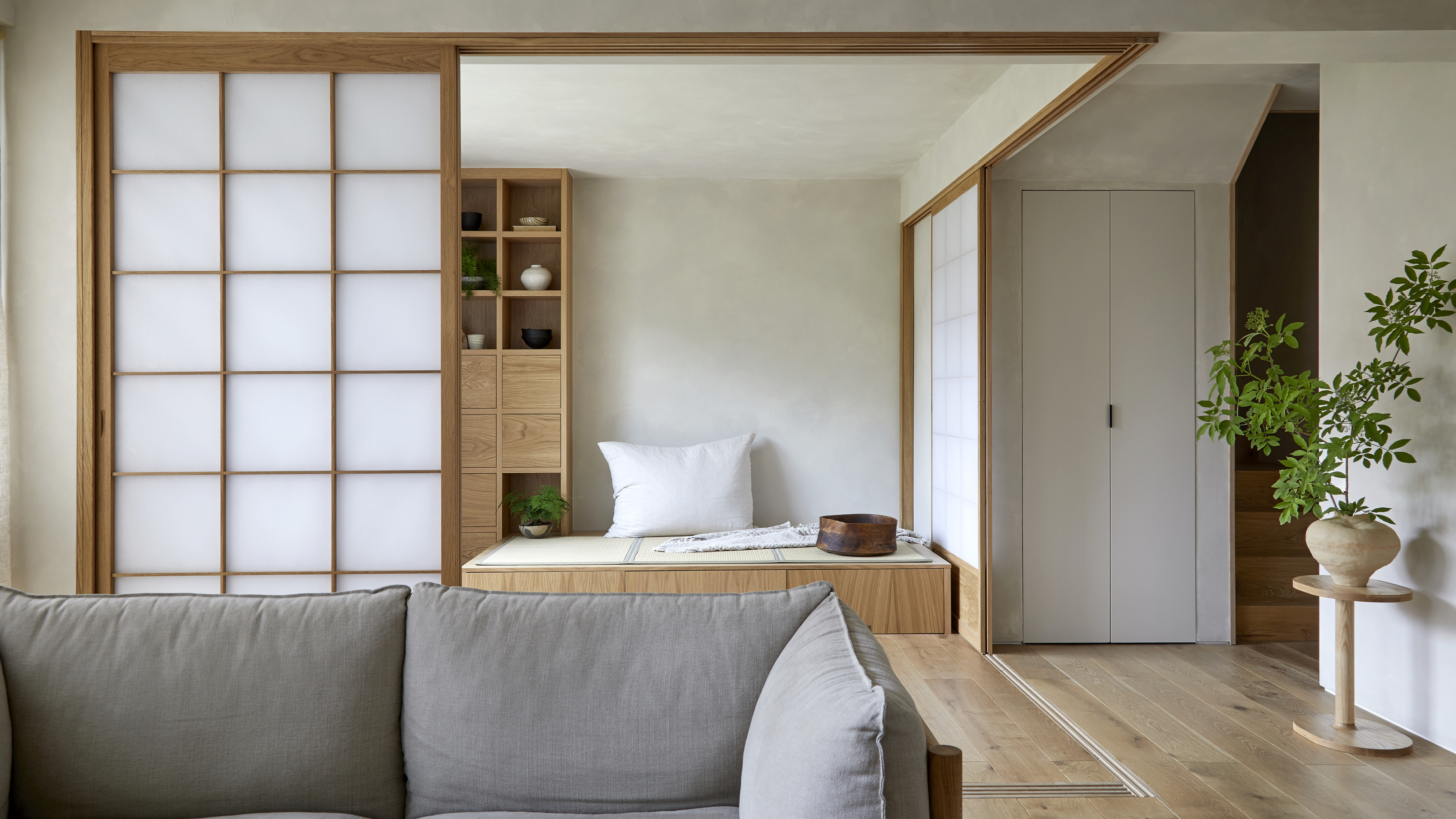
Muji Living Room Ideas — 5 Ways to Harness the Calming Qualities of This Japanese Design Style

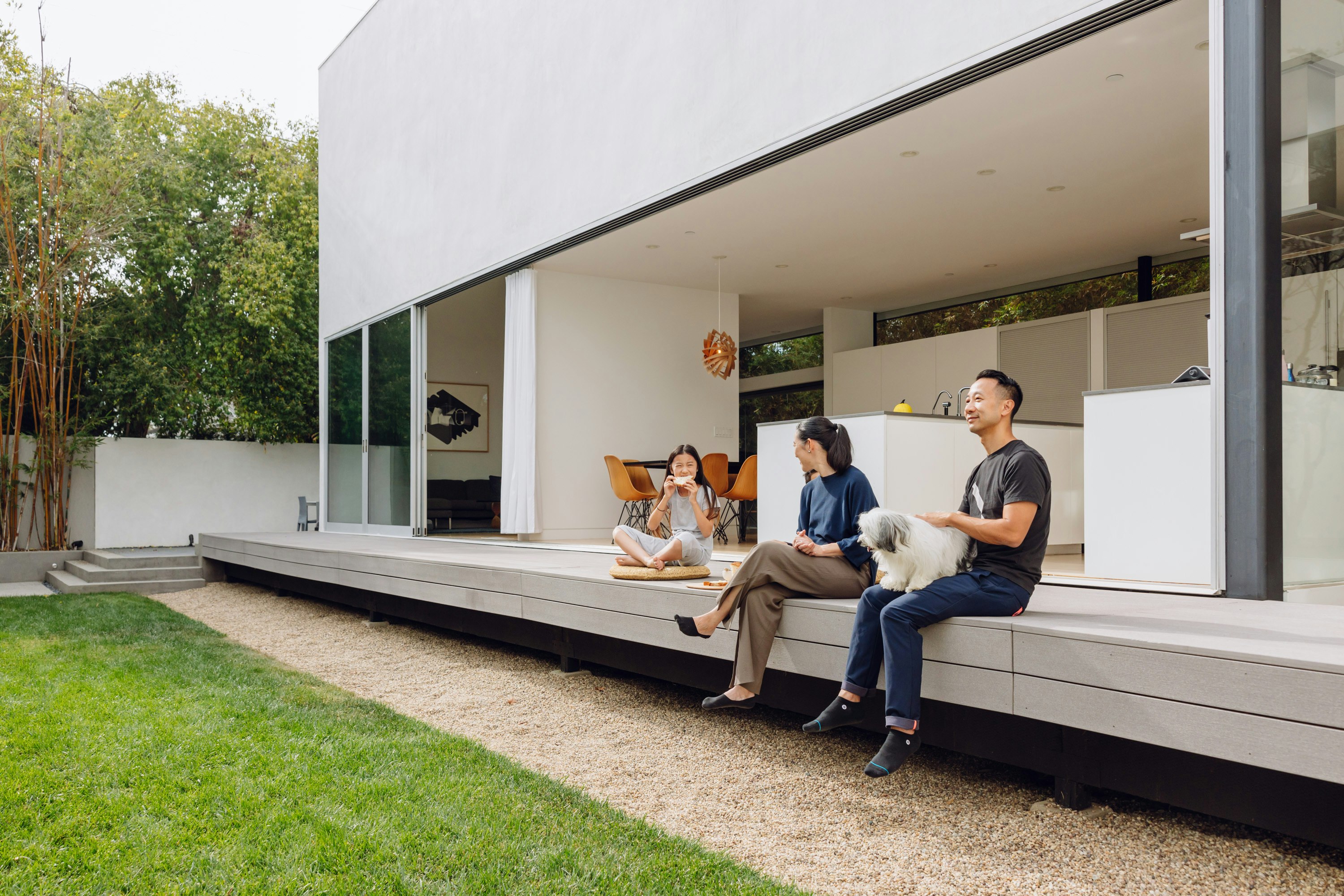
A Minimalist Home Full of Clever Design Tricks Appears to Levitate Above the Earth
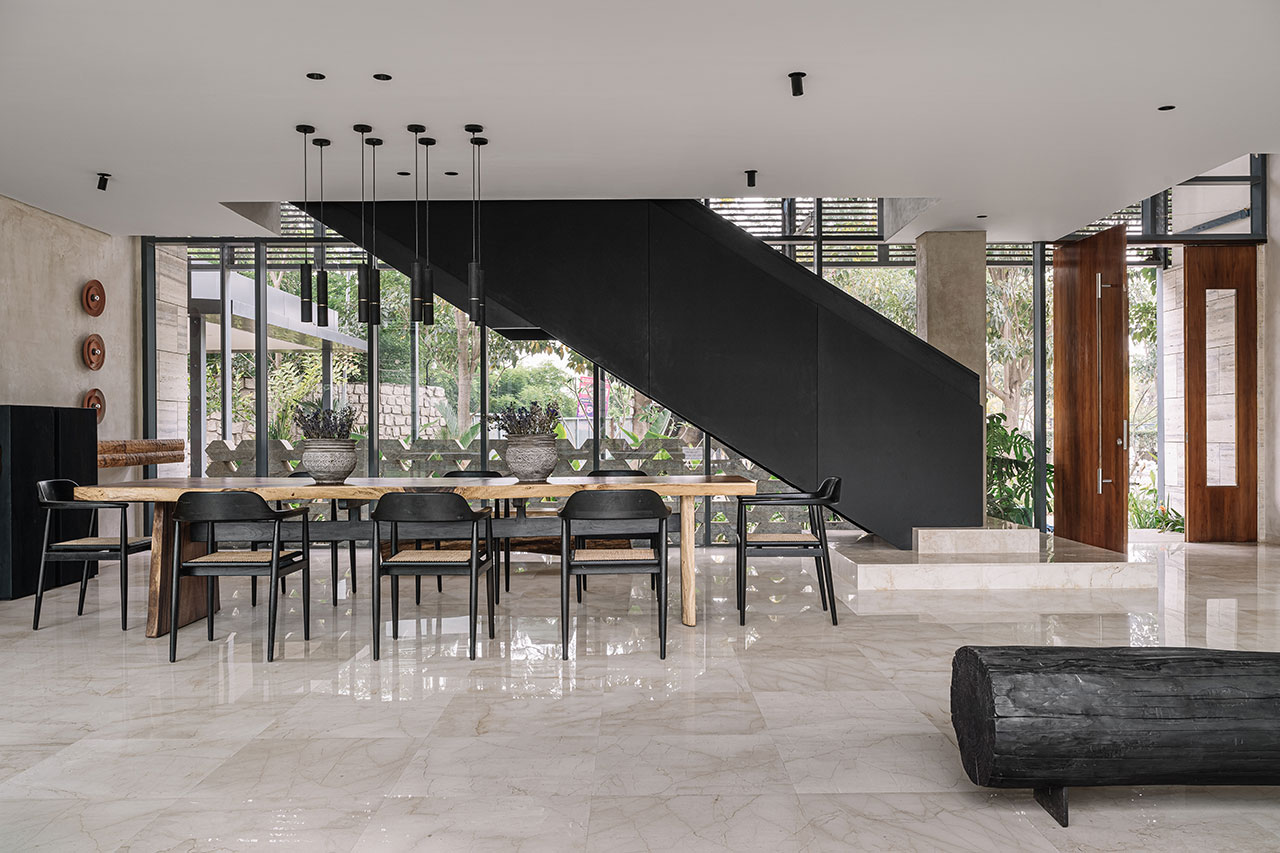
The Villa Tabebuia Offers Zen-Inspired Tranquility in Bangalore

Seven "Japandi" interiors that blend Japanese and Scandinavian design
The Rise of Japanese-Inspired Interiors: Why Calm, Craft, and Simplicity Are Redefining Modern Design

Late fashion designer, Kenzo Takada's personal Japanese home in the heart of Paris

Japandi merges the comfort of hygge with zen minimalism