1/12
Why Mid-Century Modern Interior Design Continues to Reign Supreme
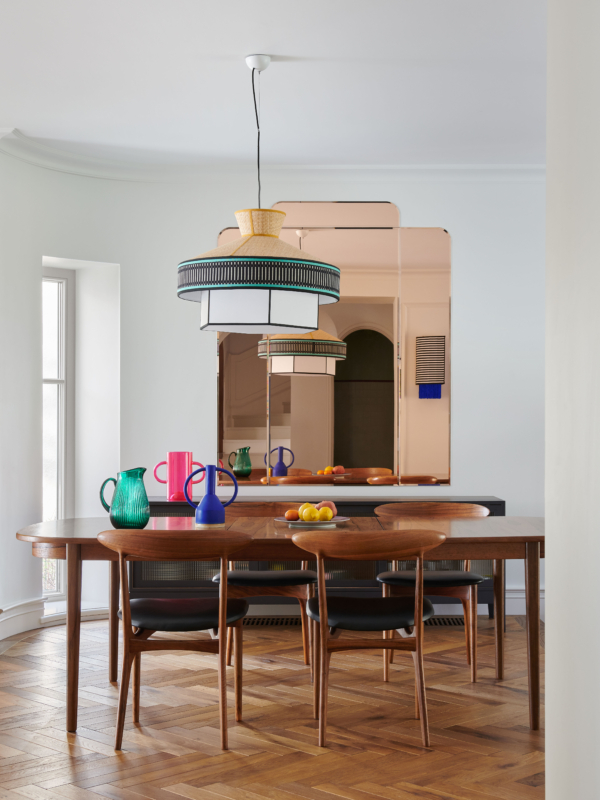
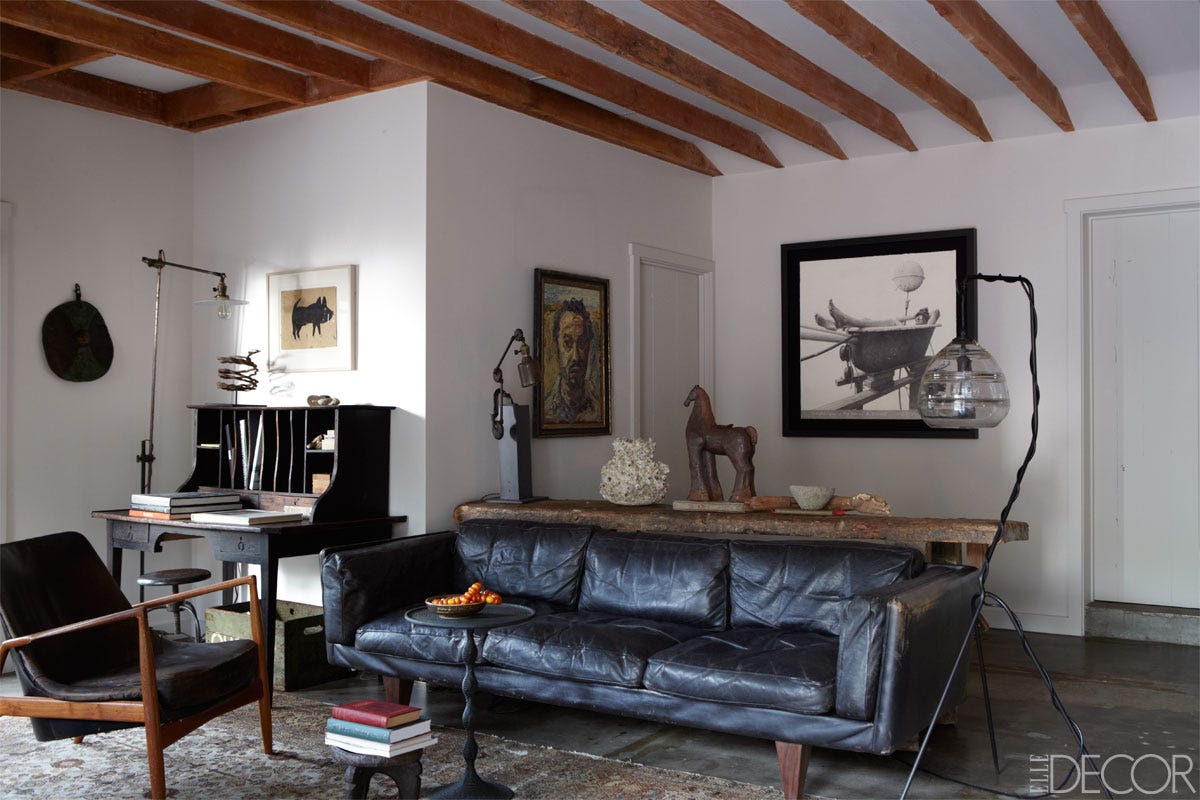
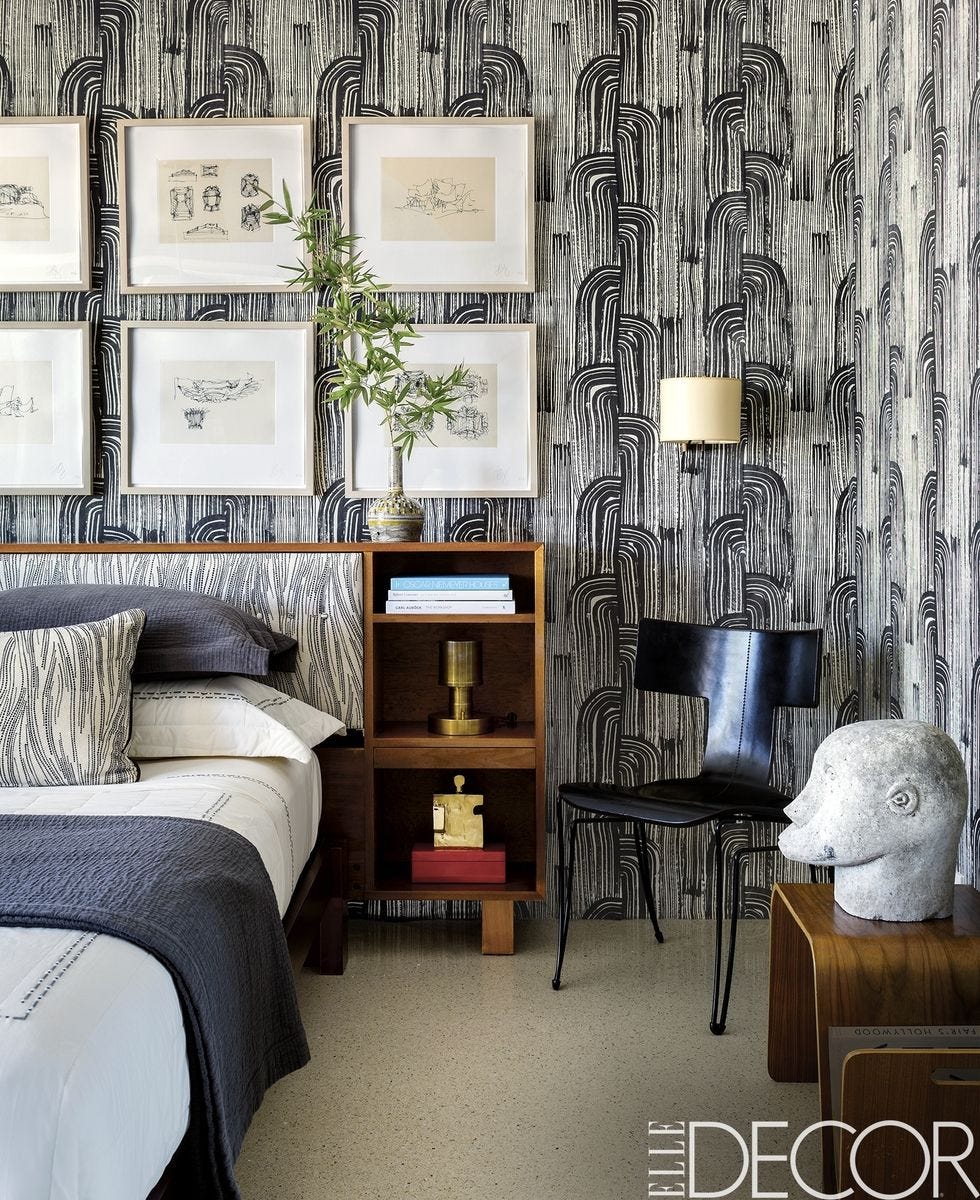
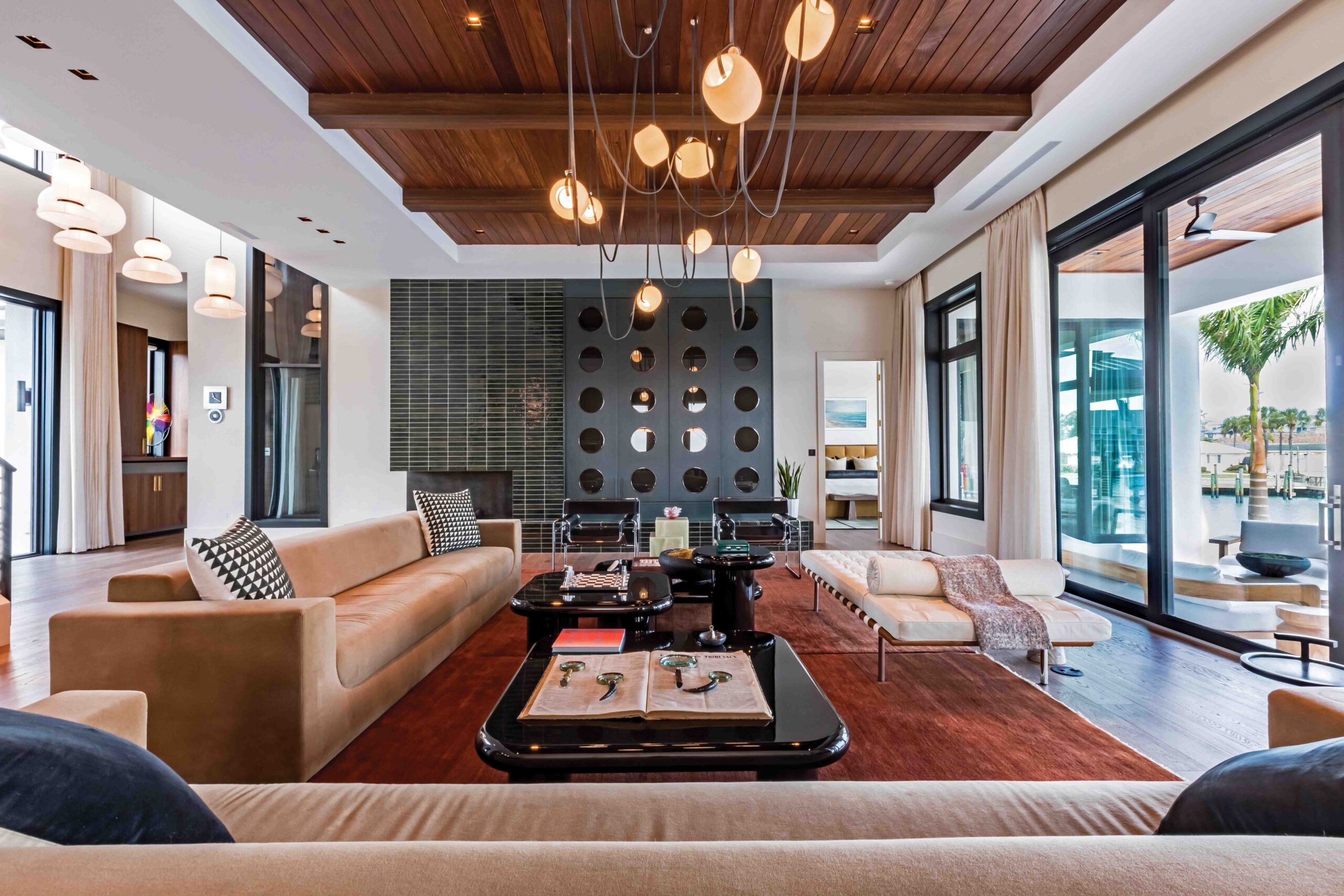
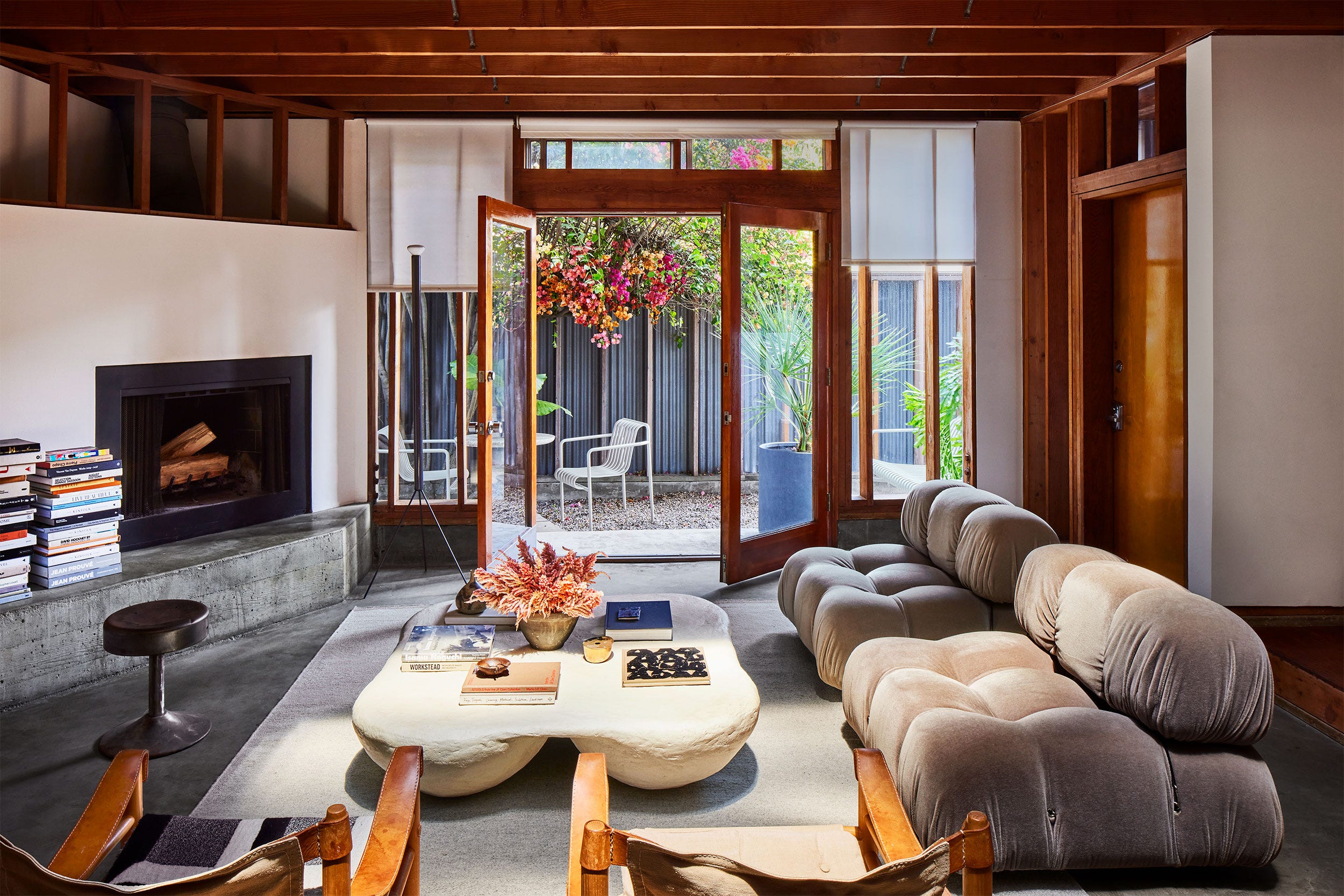
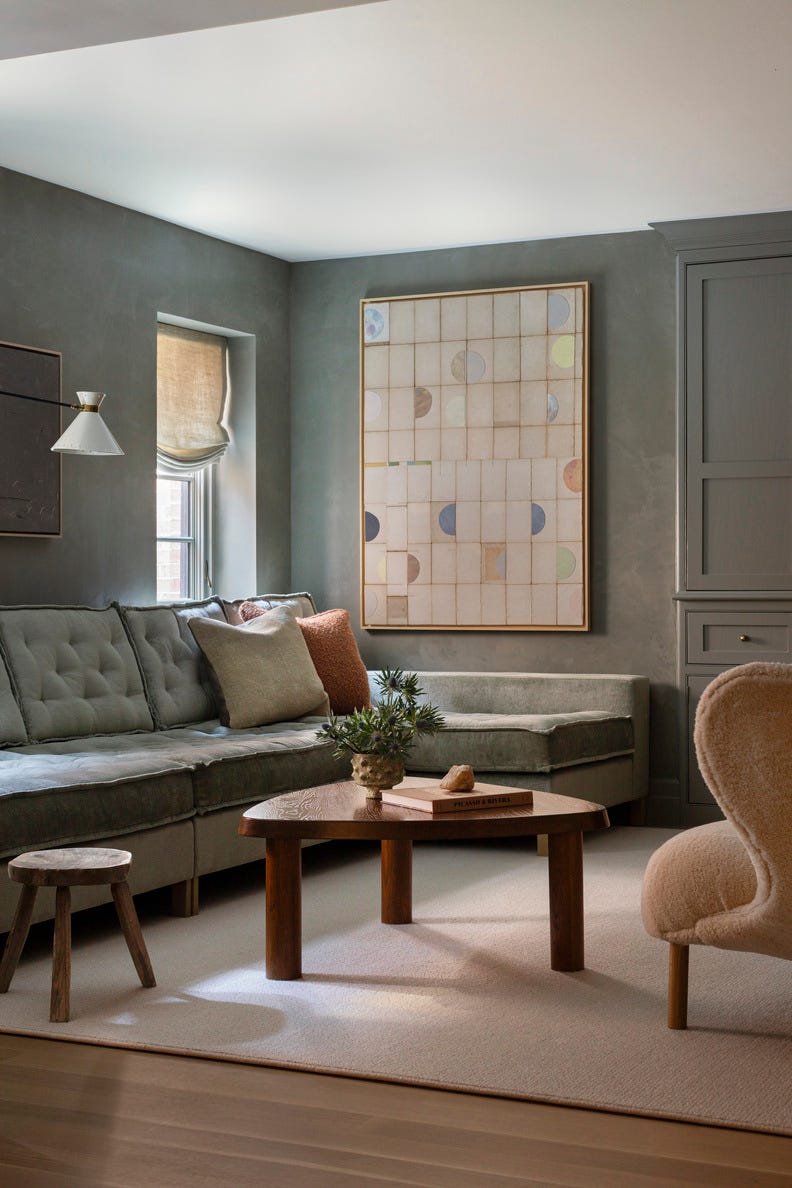
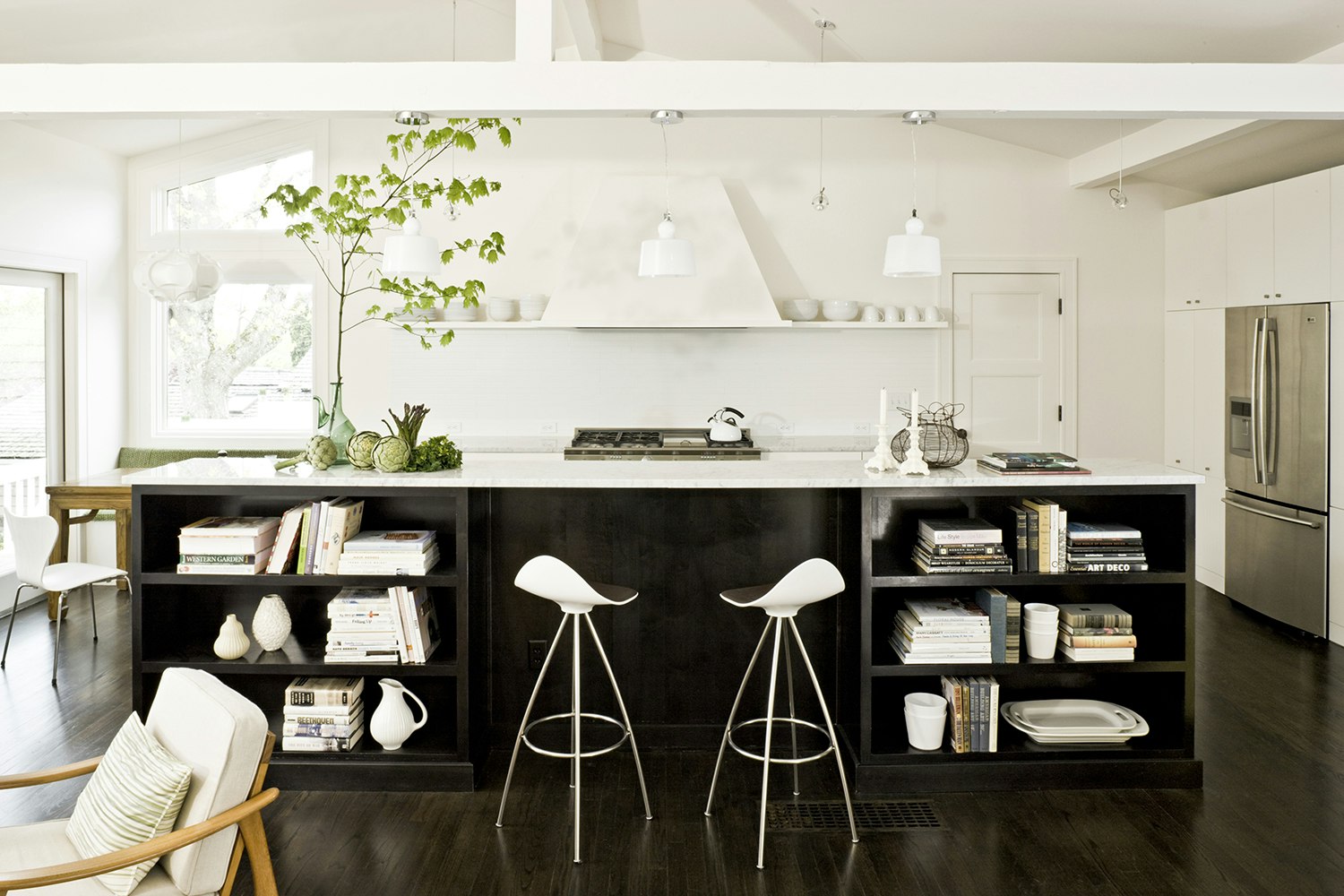
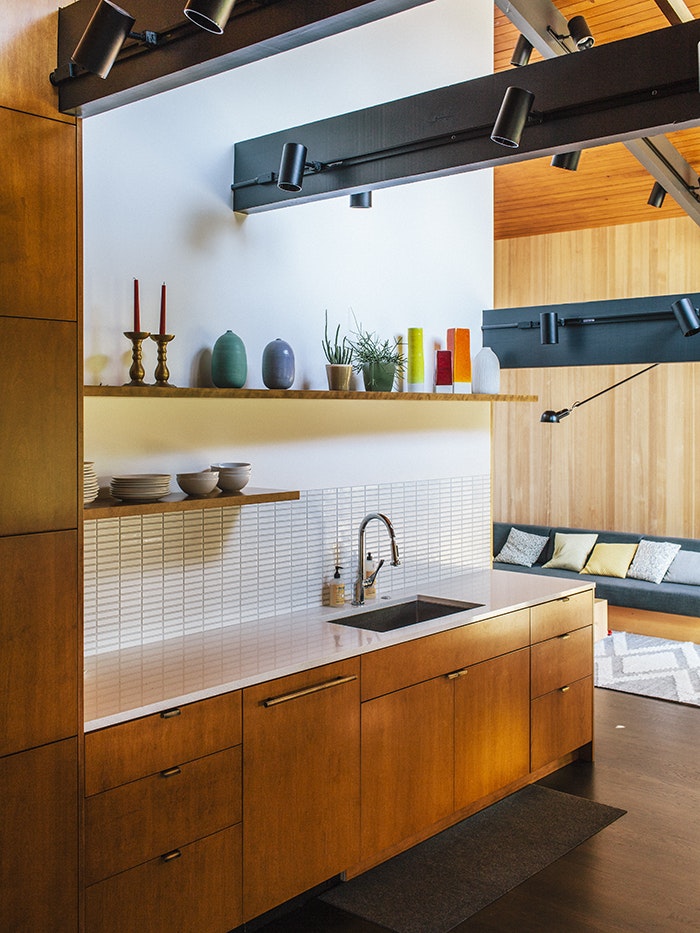
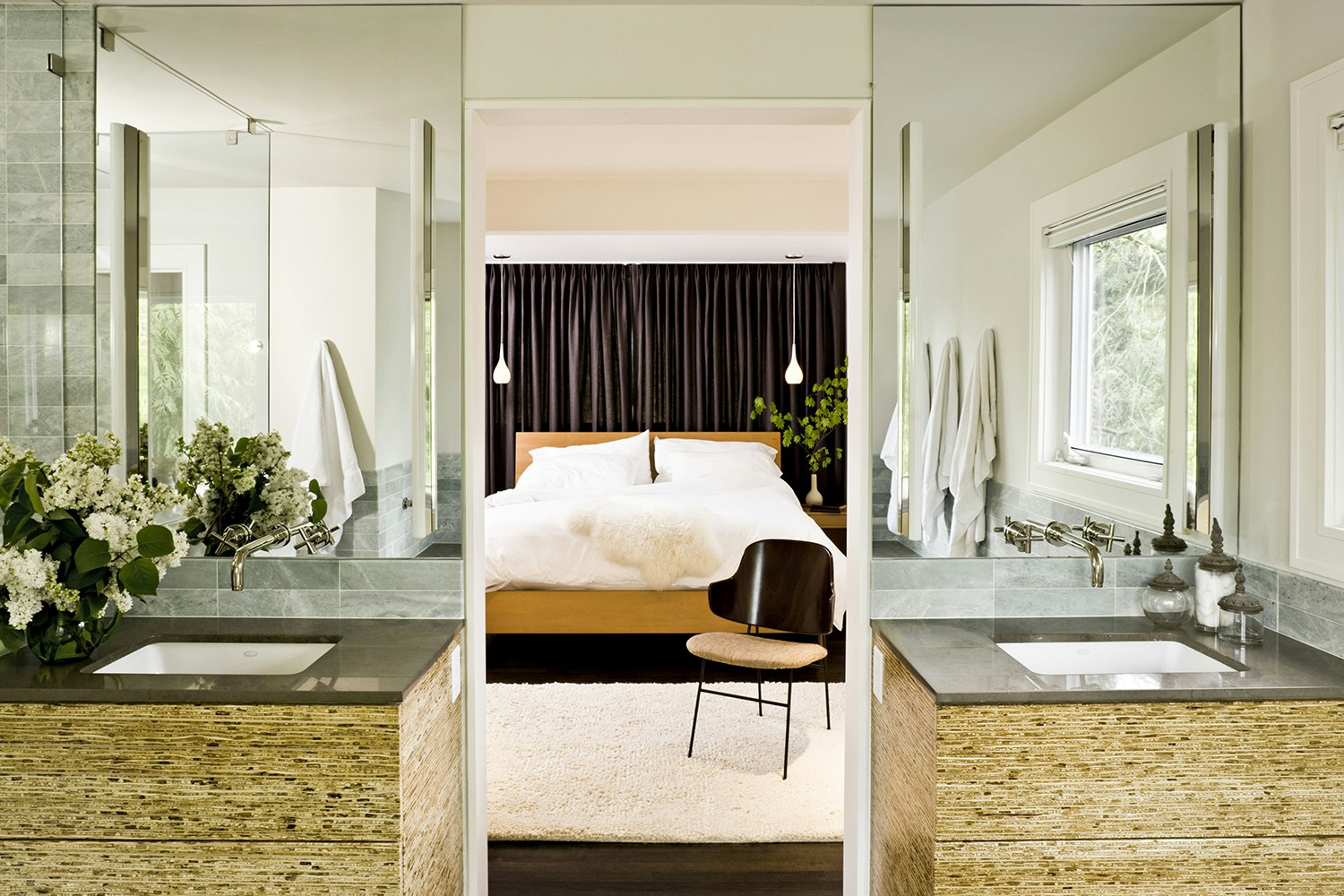
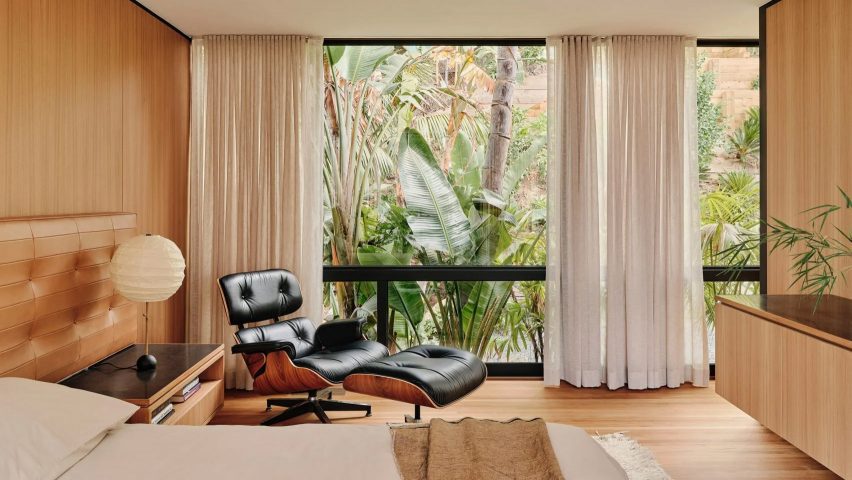
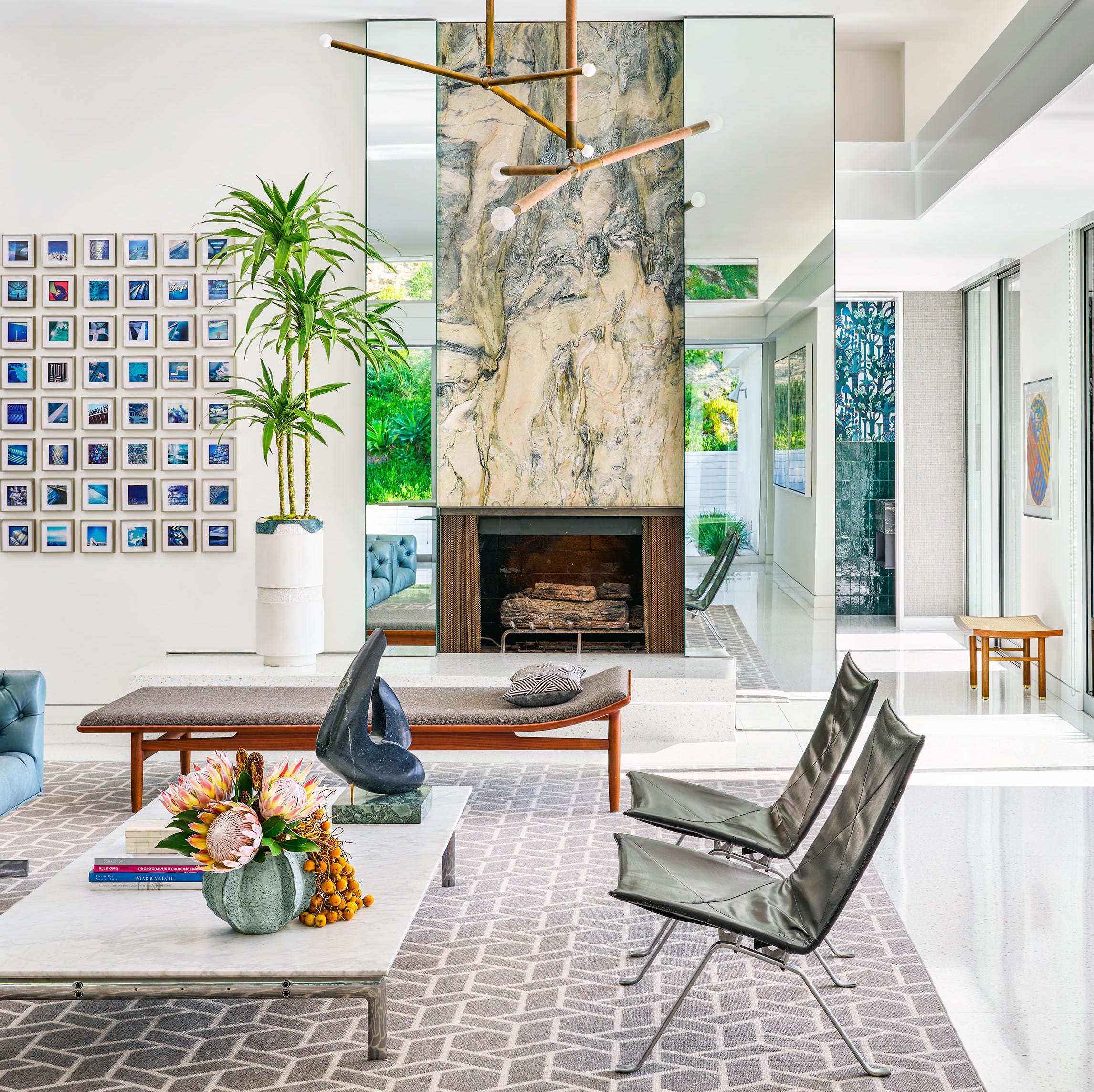
Mid-century modern interior design, a movement rooted in the mid-1940s and influenced by early 20th-century European design, has maintained its appeal and relevance into the present day. This enduring popularity stems from its core characteristics: sleek, pared-down designs, a strong emphasis on both function and form, innovative use of modern materials, and a deep connection to nature. The movement emerged post-World War II, driven by the necessity for mass production for returning veterans and advancements in technology.
Eames Demetrios, grandson of Charles and Ray Eames and Director of the Eames Office, attributes mid-century modern's lasting power to its problem-solving nature. He explains that designs like those by the Eameses were primarily conceived to address living problems and enhance the quality of life, with style being a secondary, albeit significant, outcome. Demetrios emphasizes that aesthetics can contribute to function, citing how Charles and Ray Eames created objects that were both visually pleasing and extremely comfortable.
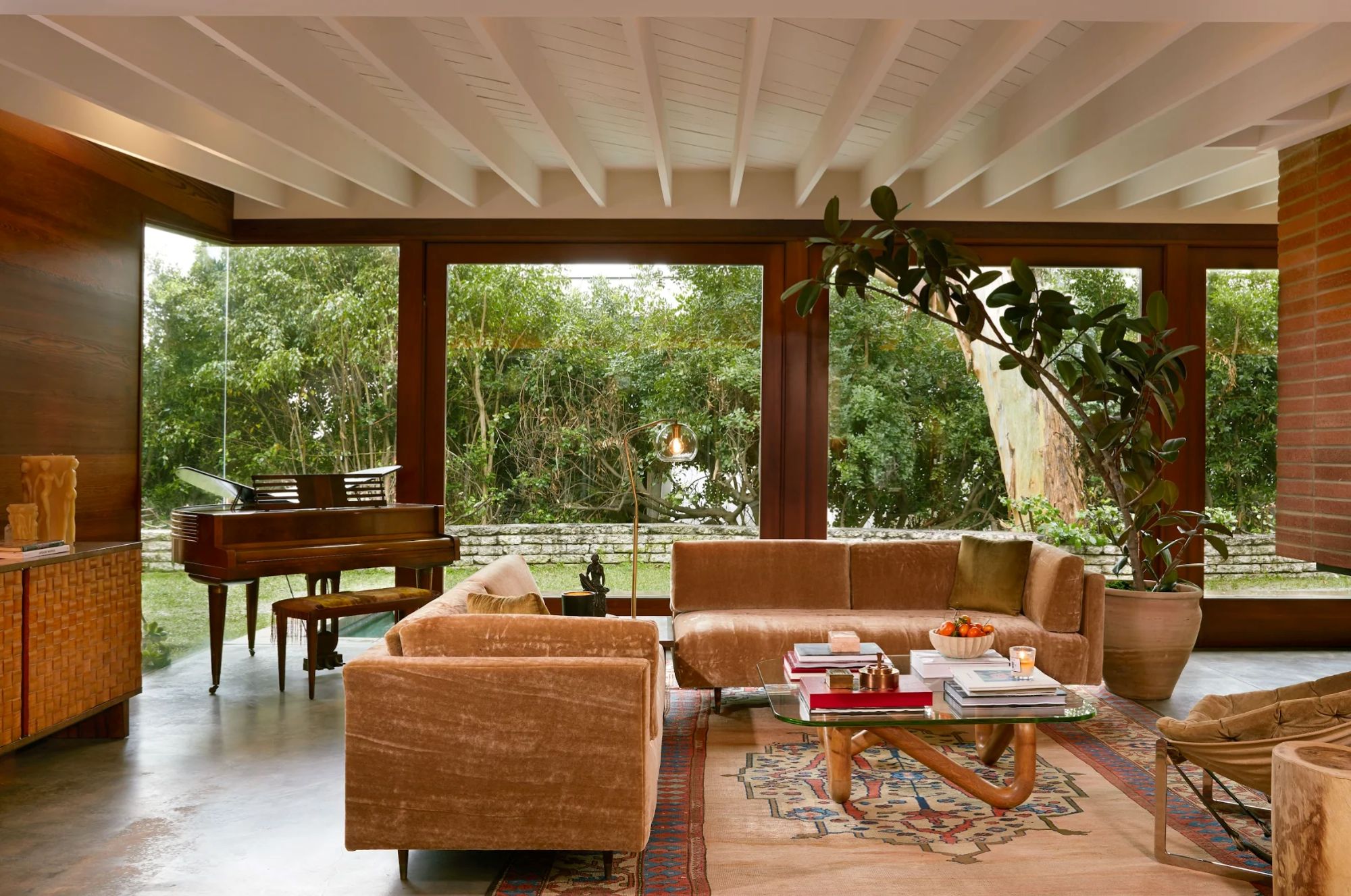
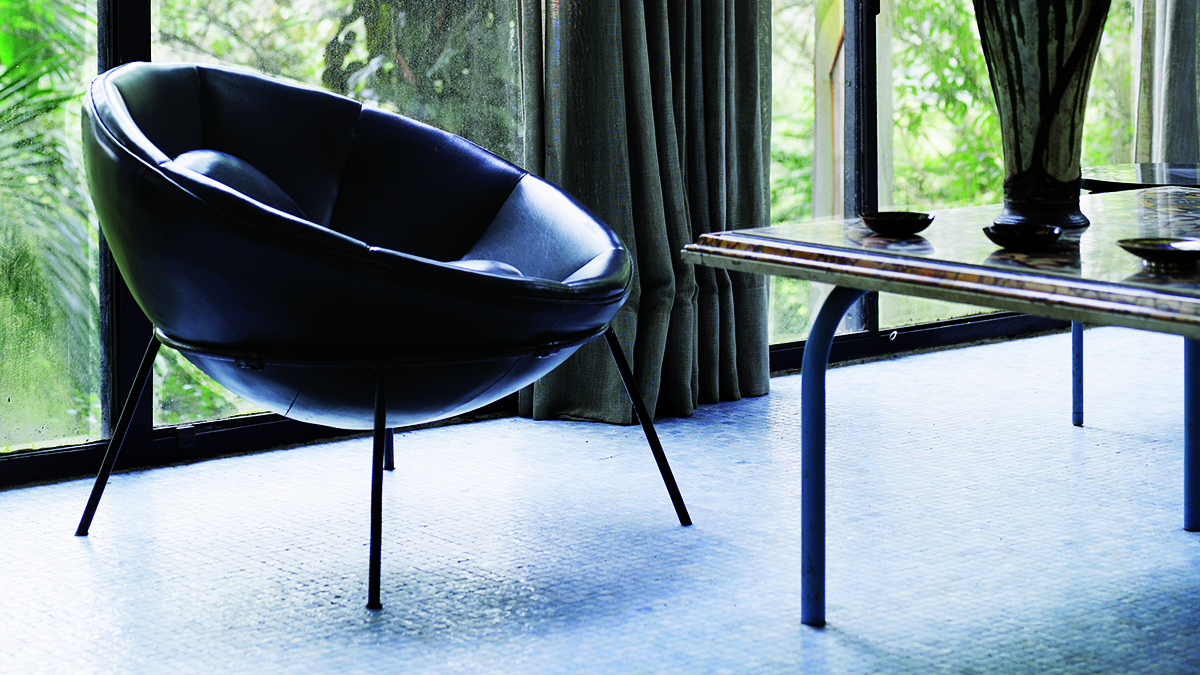
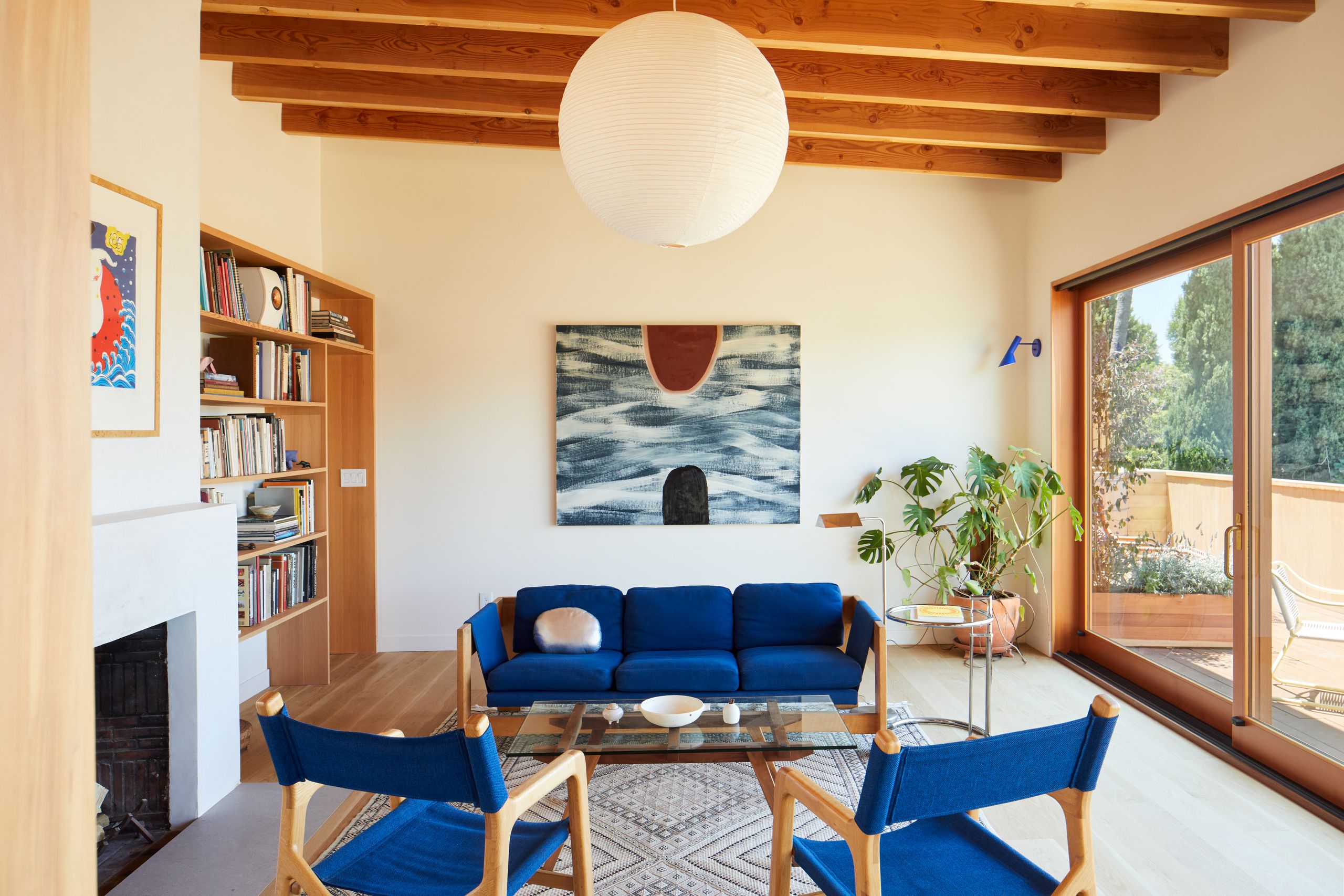
Jonathan Adler, a potter and designer whose collection draws heavily from the era, defines mid-century modern design as the removal of unnecessary ornamentation to reveal the essence of a design gesture. He argues that this clarity of vision is inherently communicative, which he considers a hallmark of good design. Molly Purnell, co-founder of the LA-based interior design firm Laun, highlights the movement's focus on integrating indoor and outdoor spaces as a key factor in its contemporary relevance. Her firm, inspired by mid-century modern principles, frequently incorporates large glass sliding doors to establish expansive views and an effortless transition to the outdoors, a priority for many modern clients.
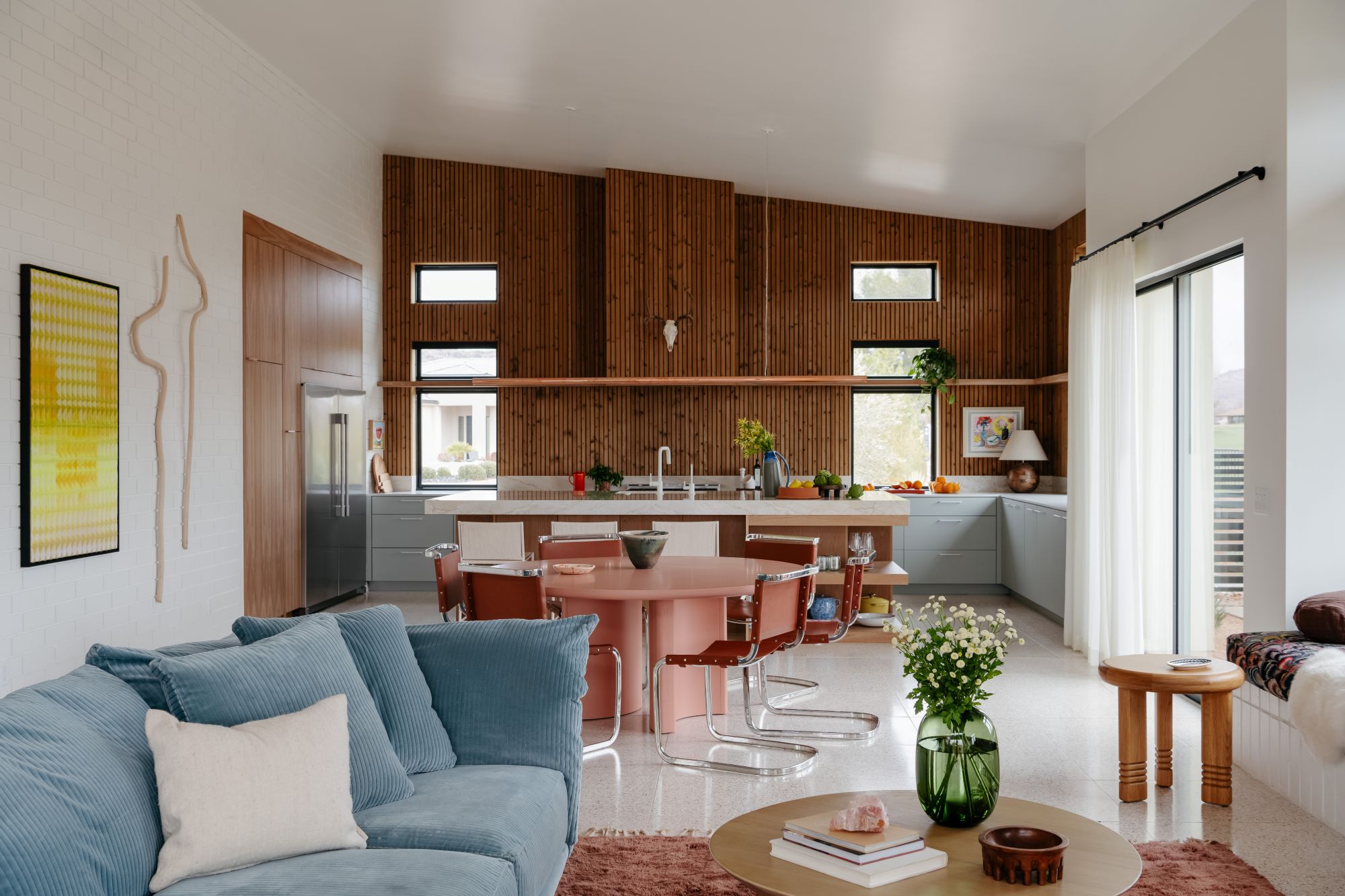
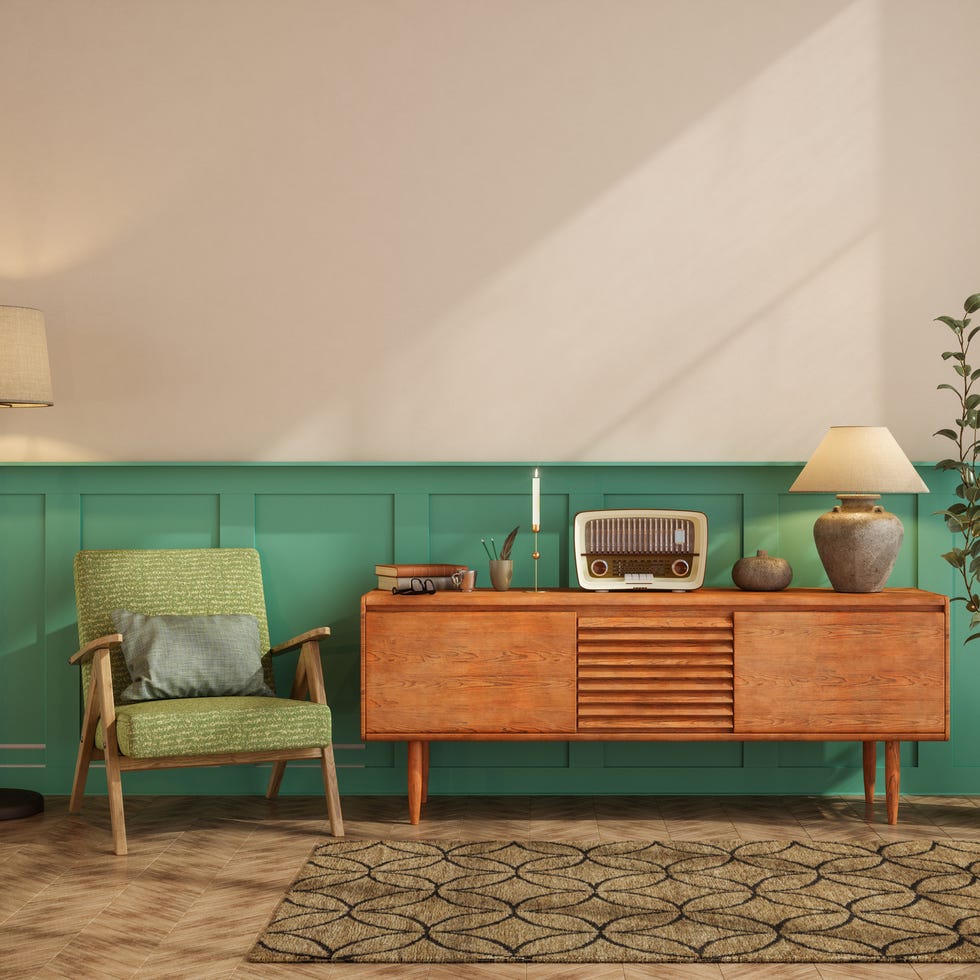
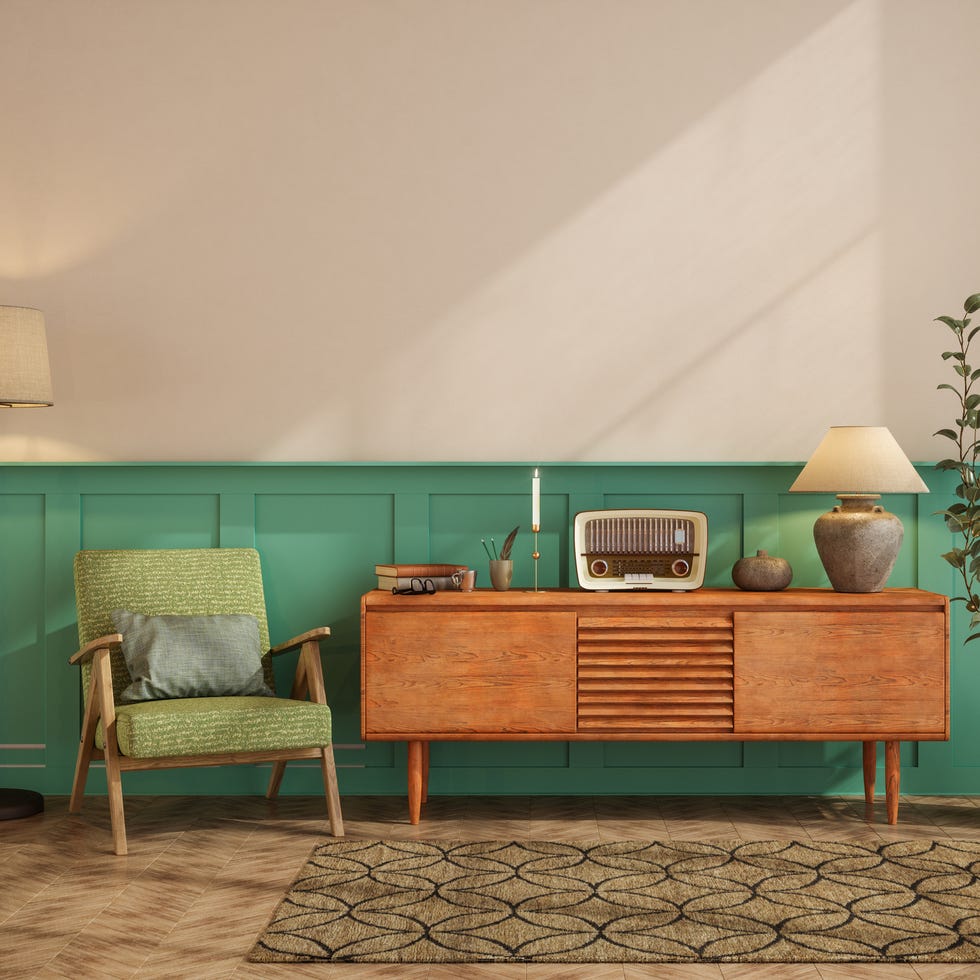

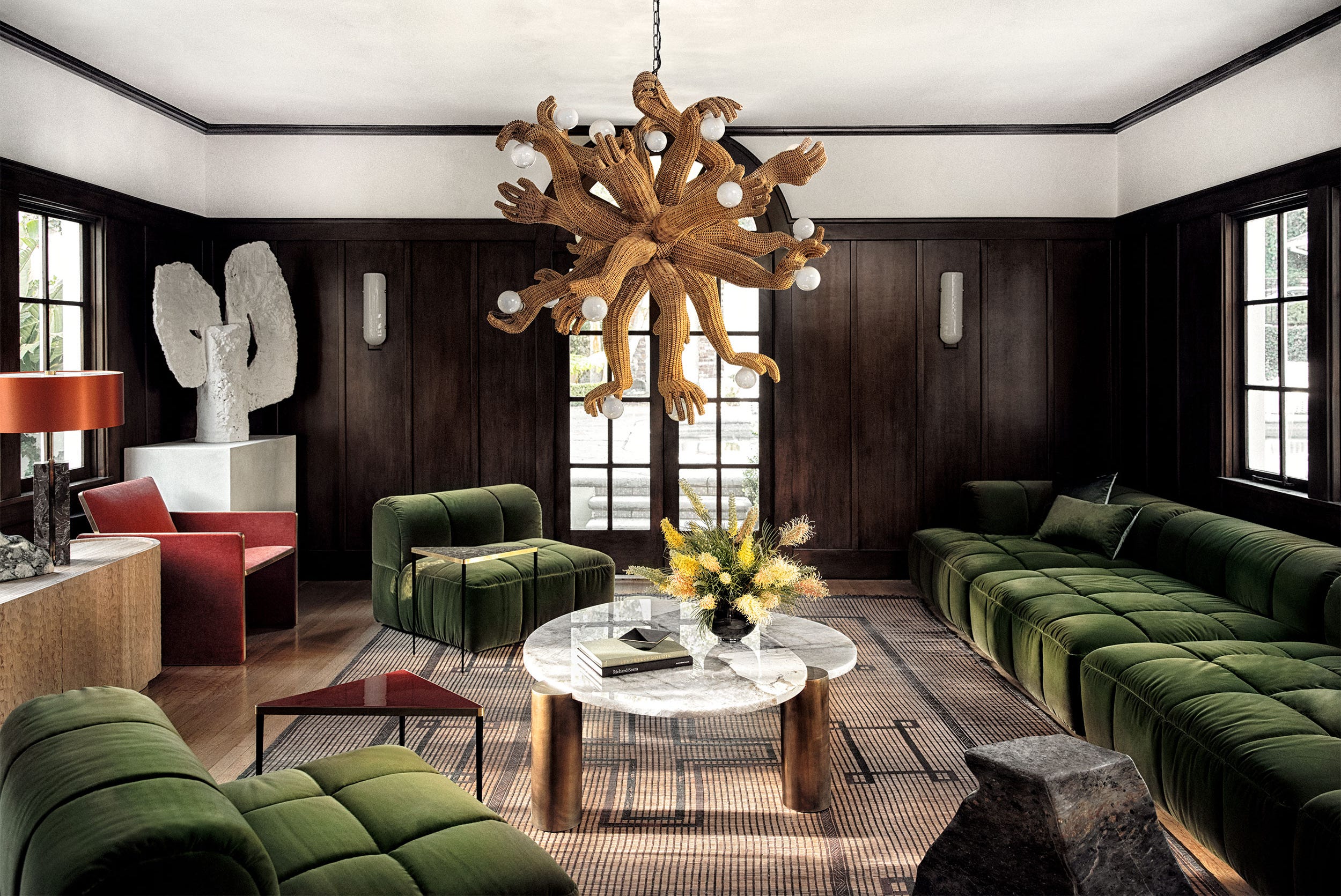
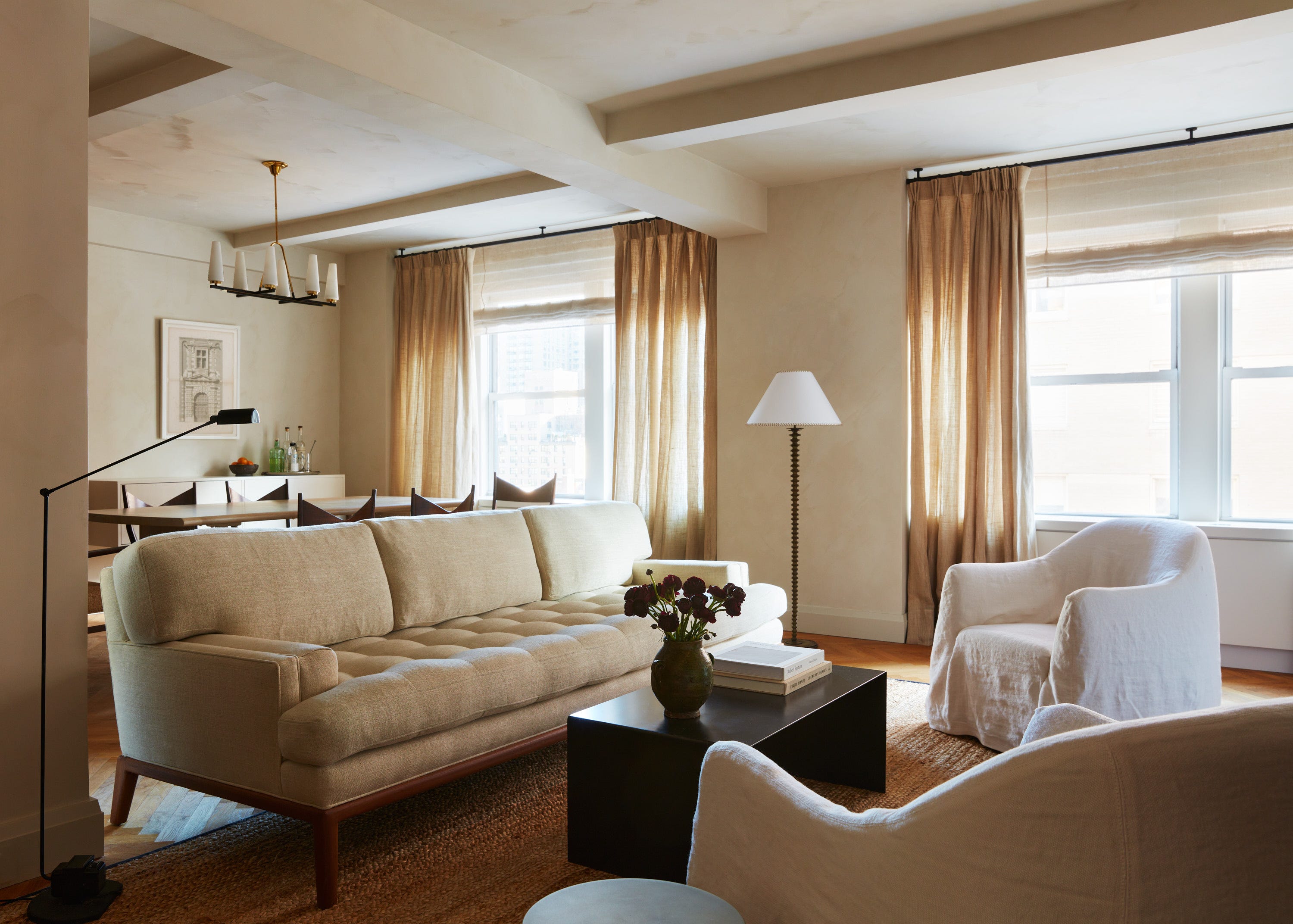
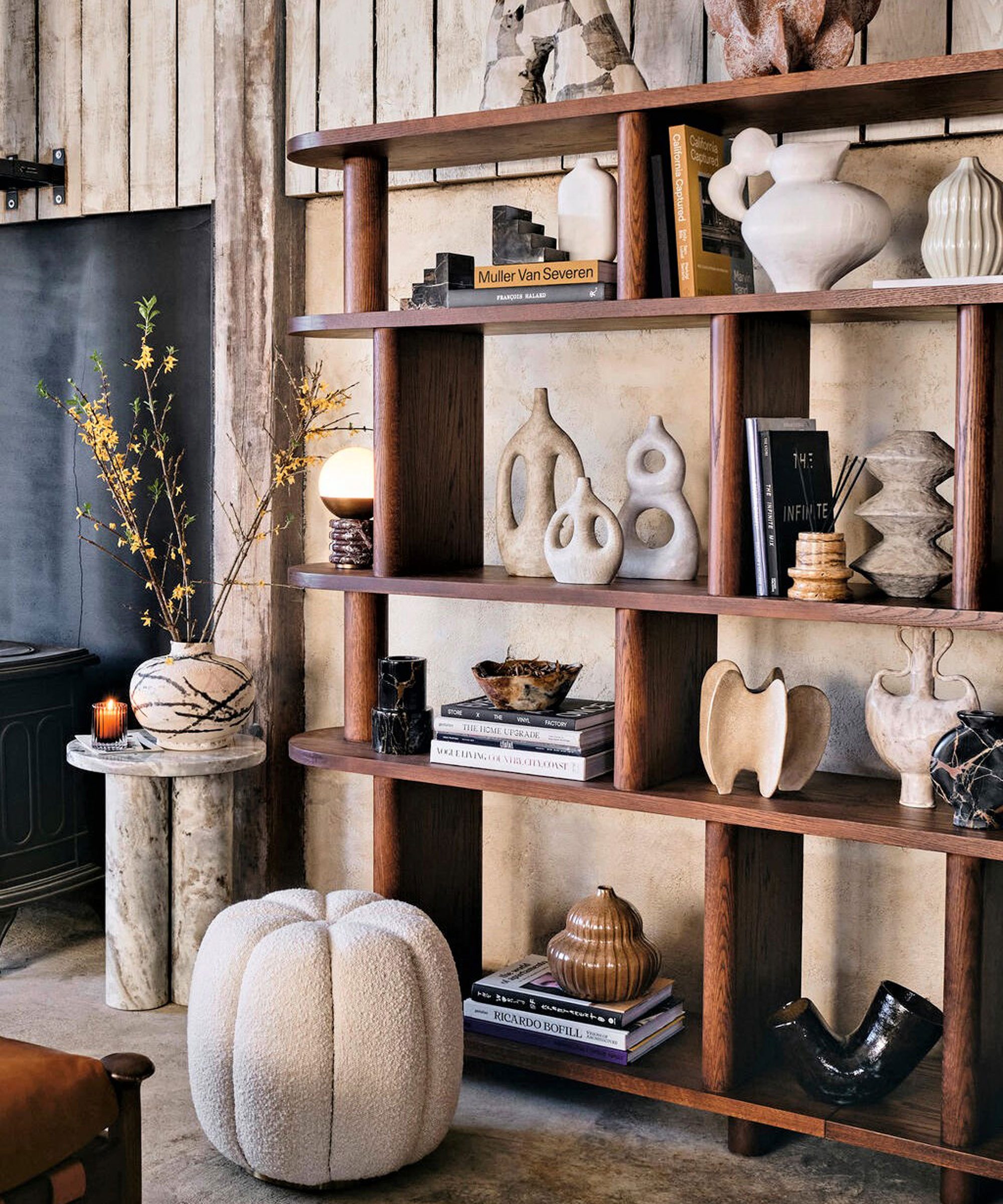
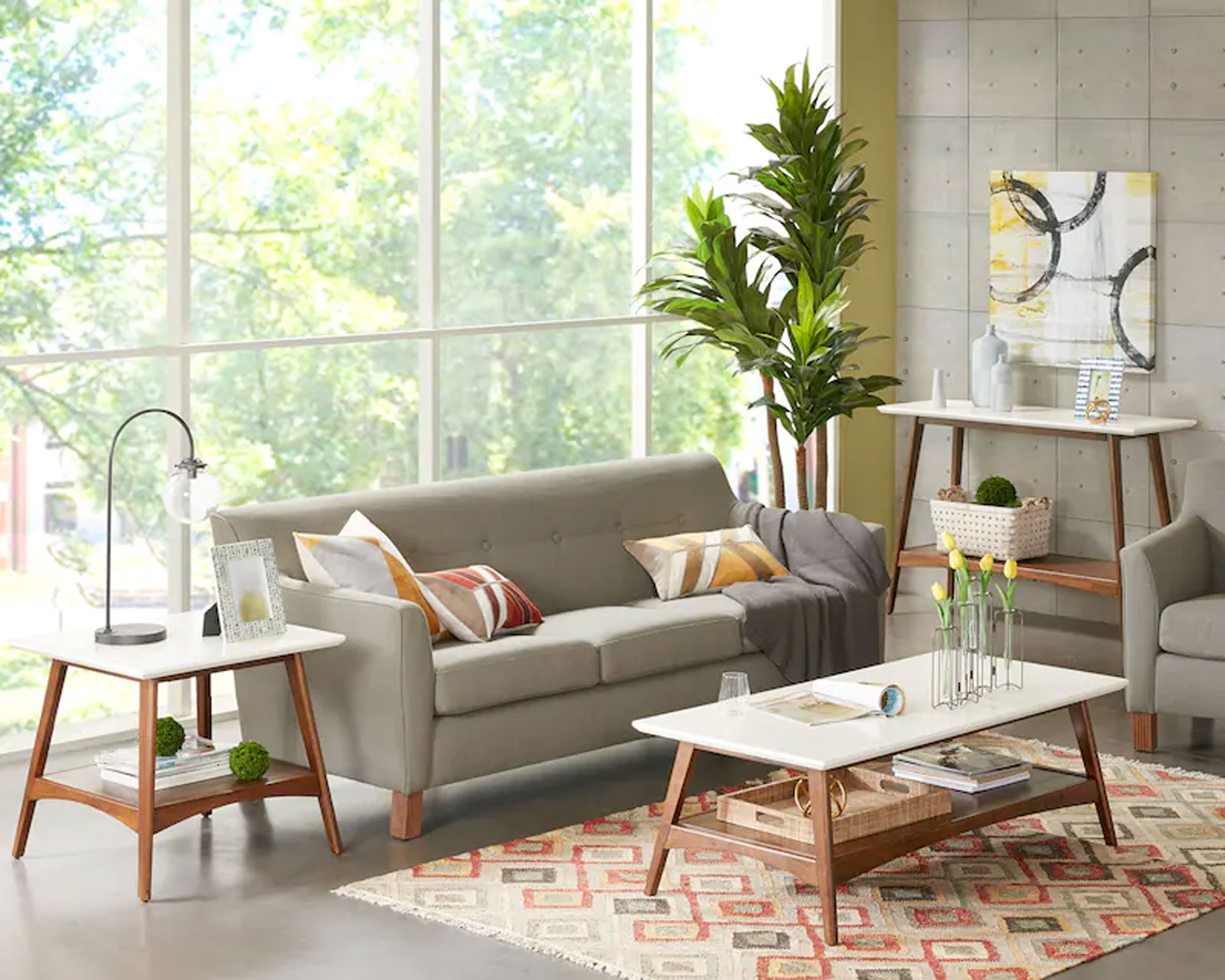
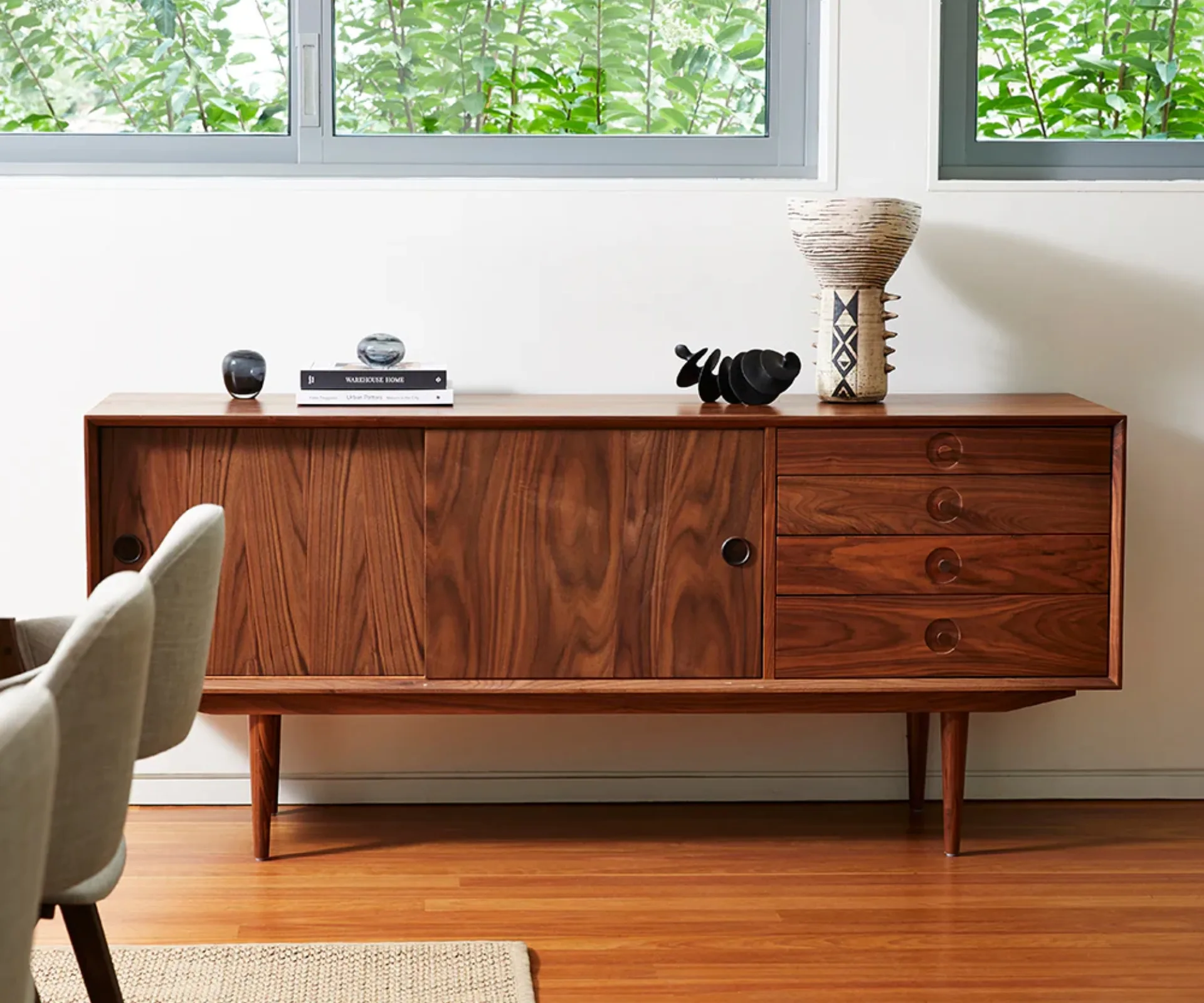
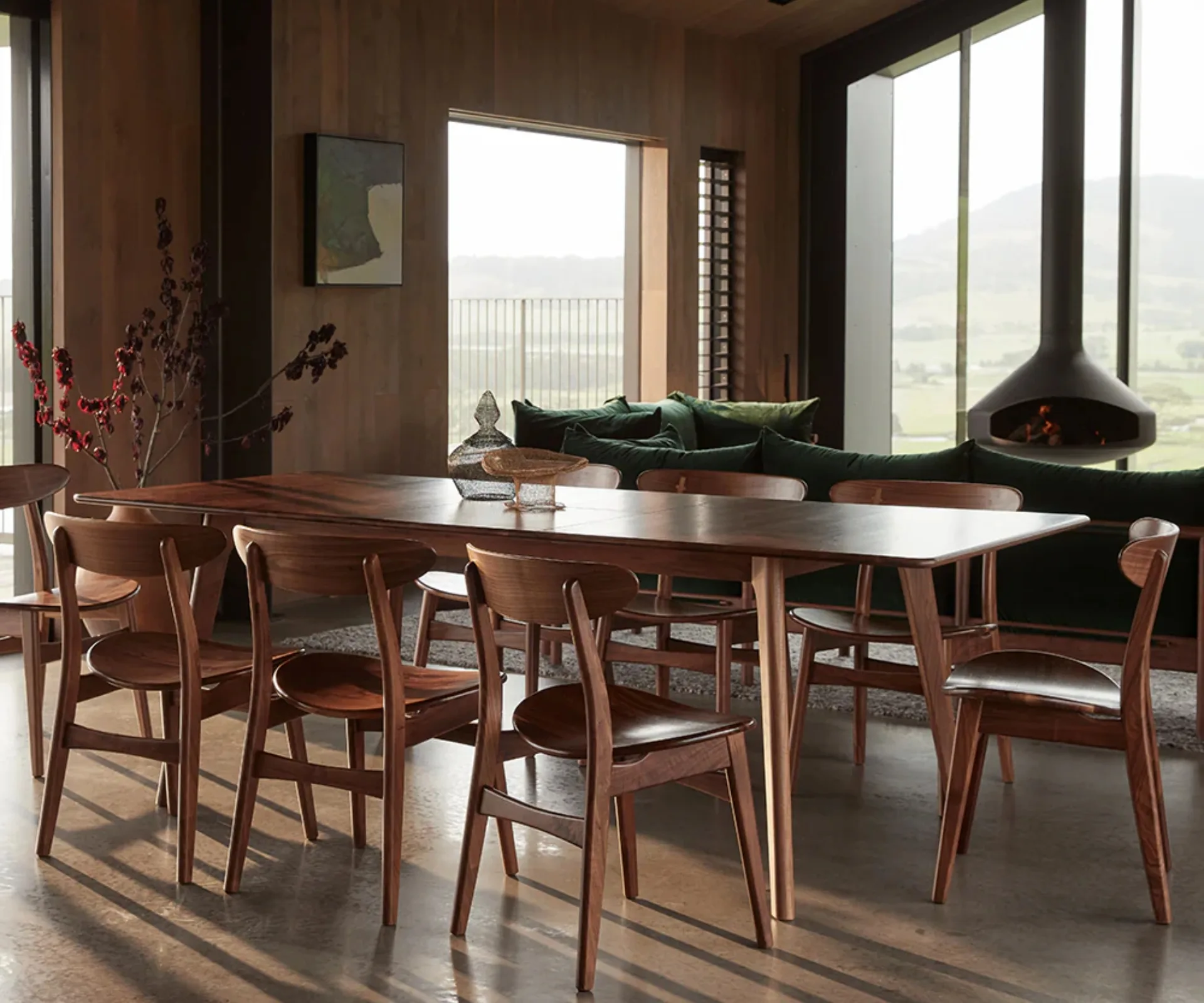
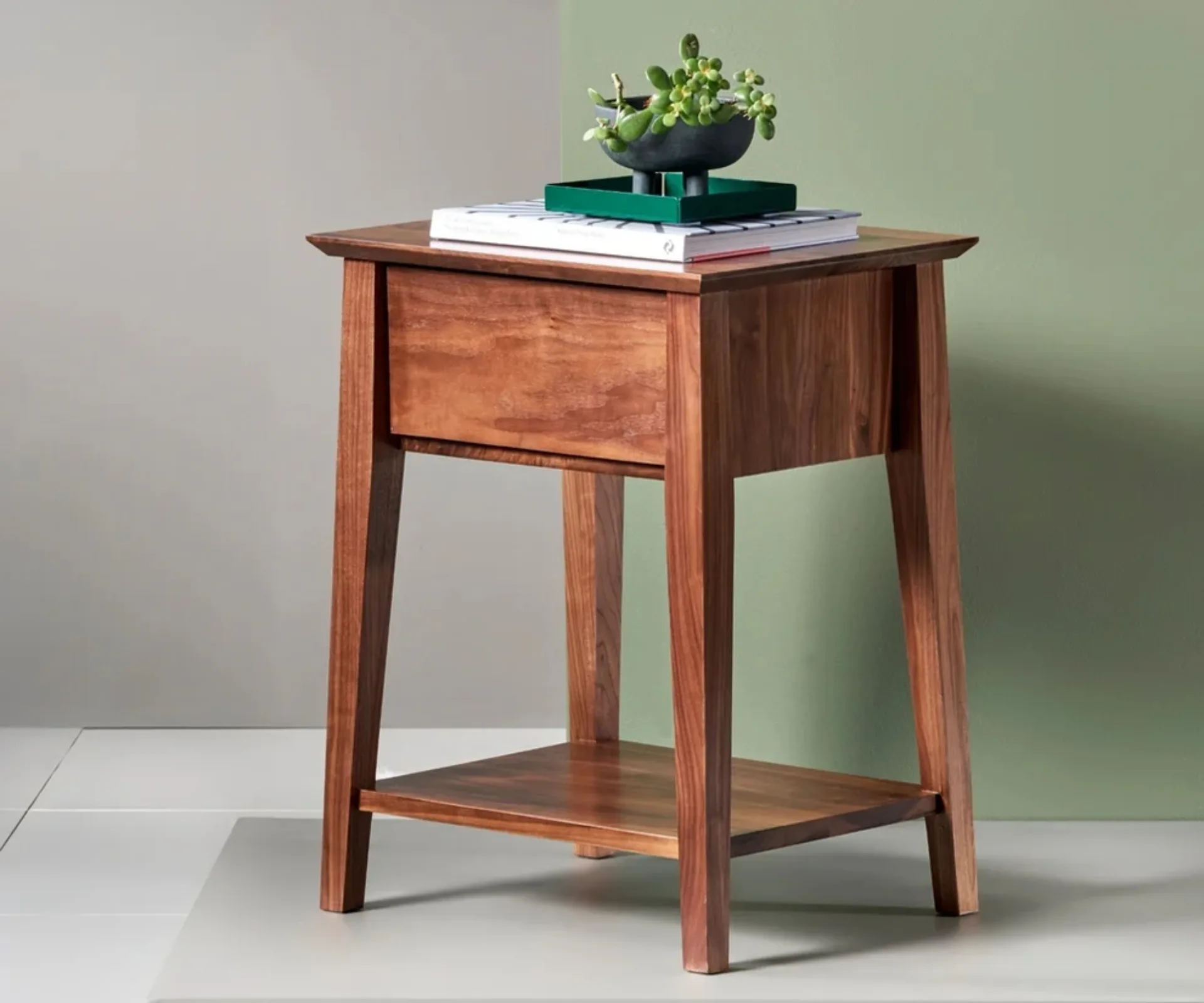
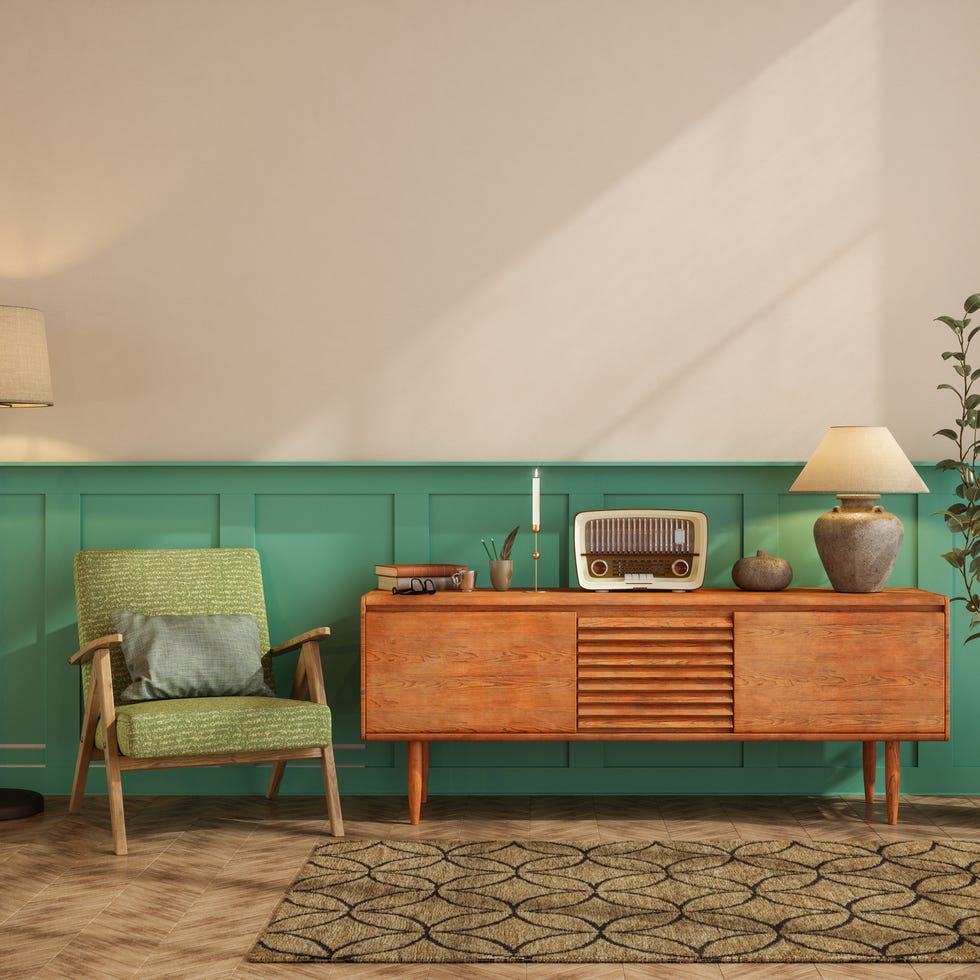
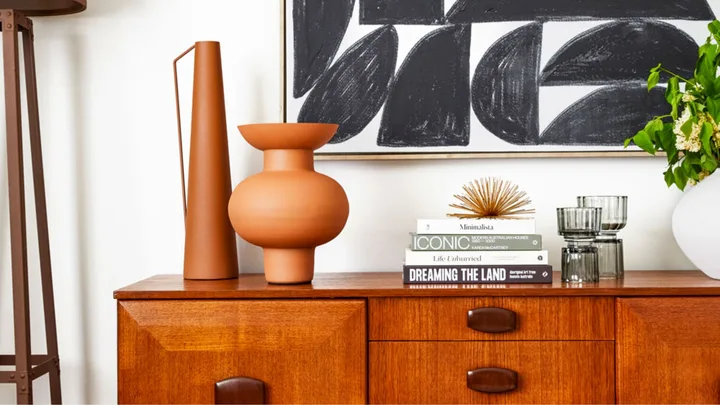
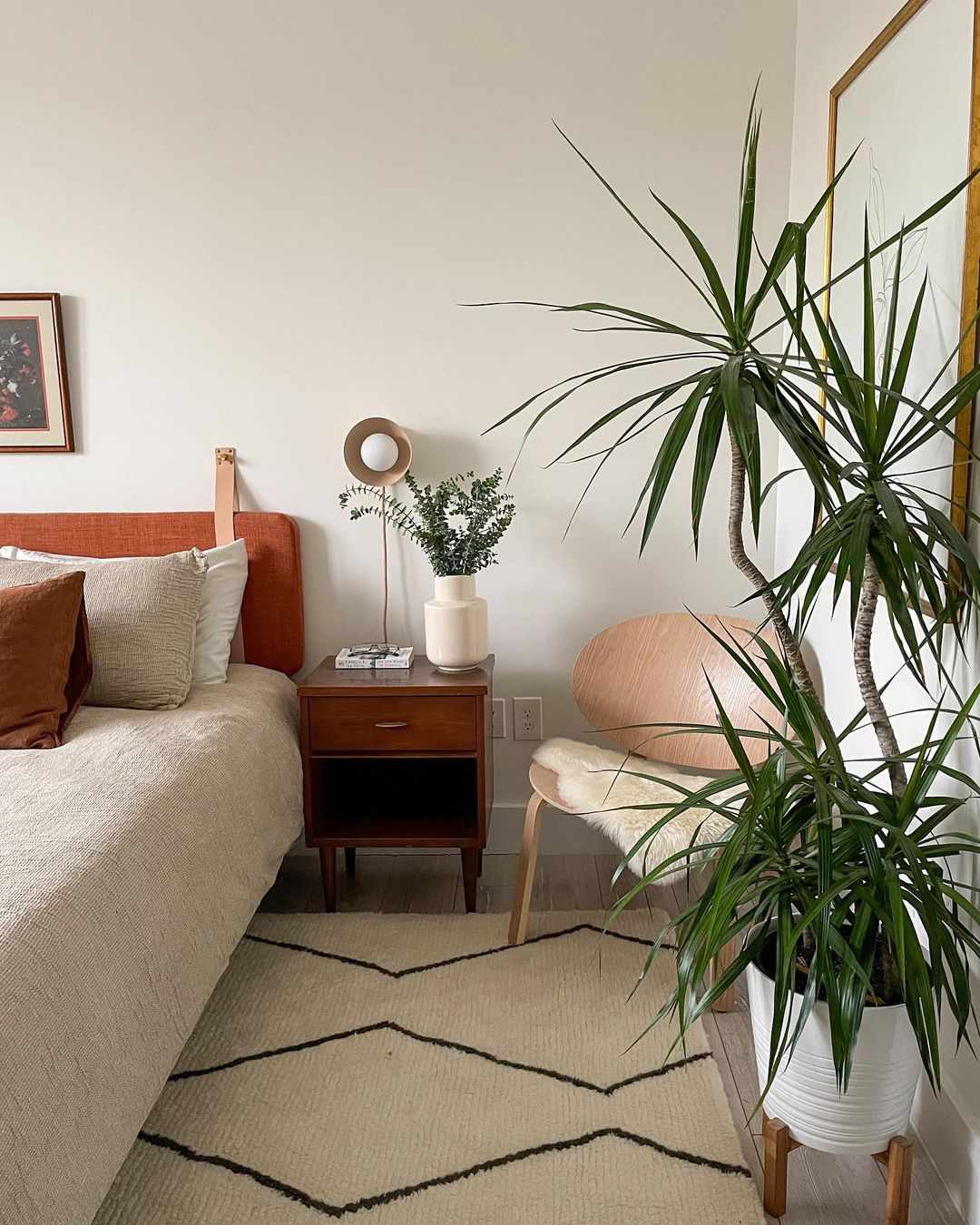
The defining tenets of mid-century modern interior design include functionality, prioritizing practicality over mere style; mass production, enabling democratic access without compromising craftsmanship; connection with nature, emphasizing indoor-outdoor living and natural elements; rich colors, used playfully as accents against neutral backdrops; and innovative materials, combining man-made elements like glass and plastic with natural ones such as warm woods, stone, and linoleum.
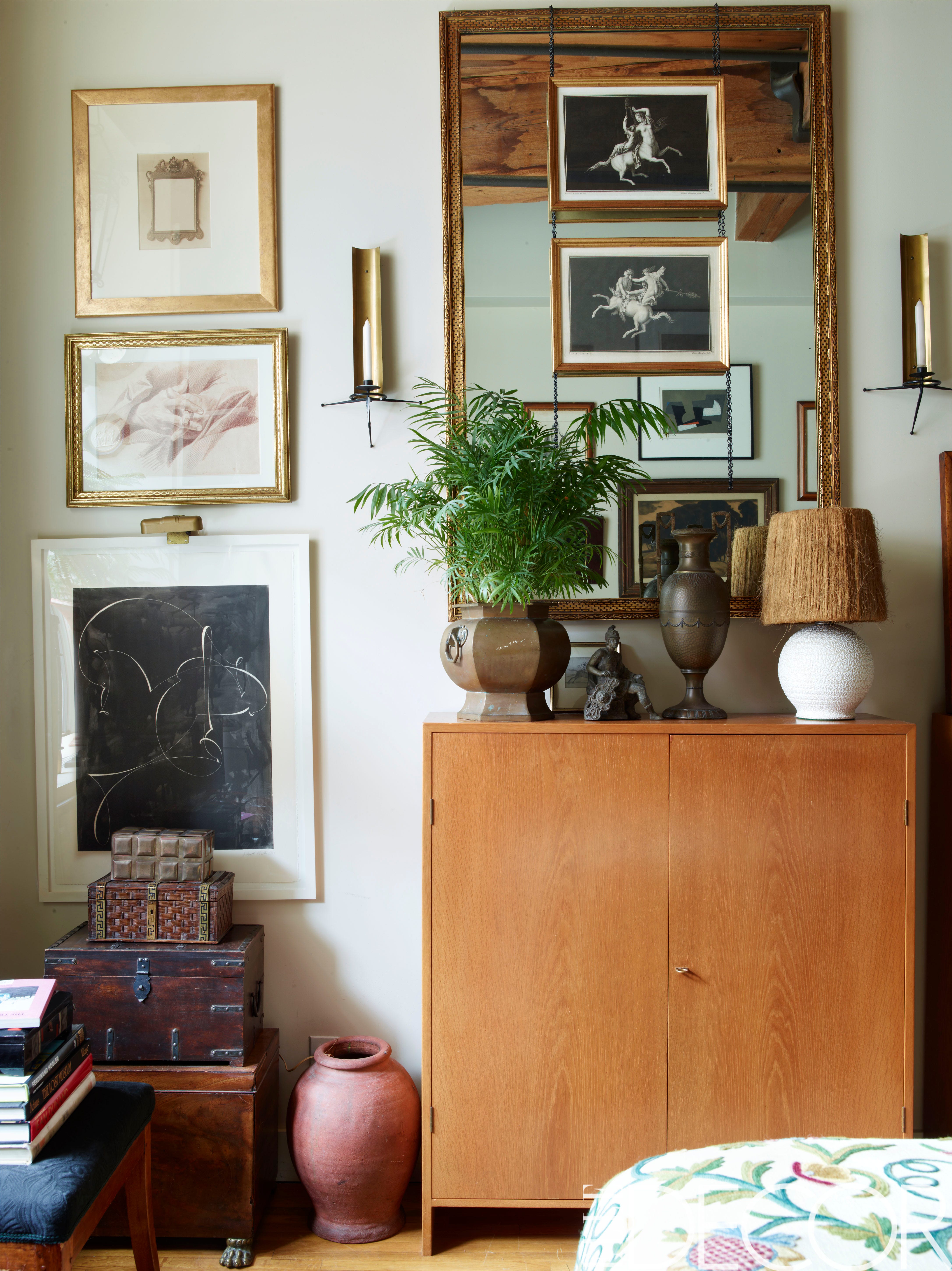
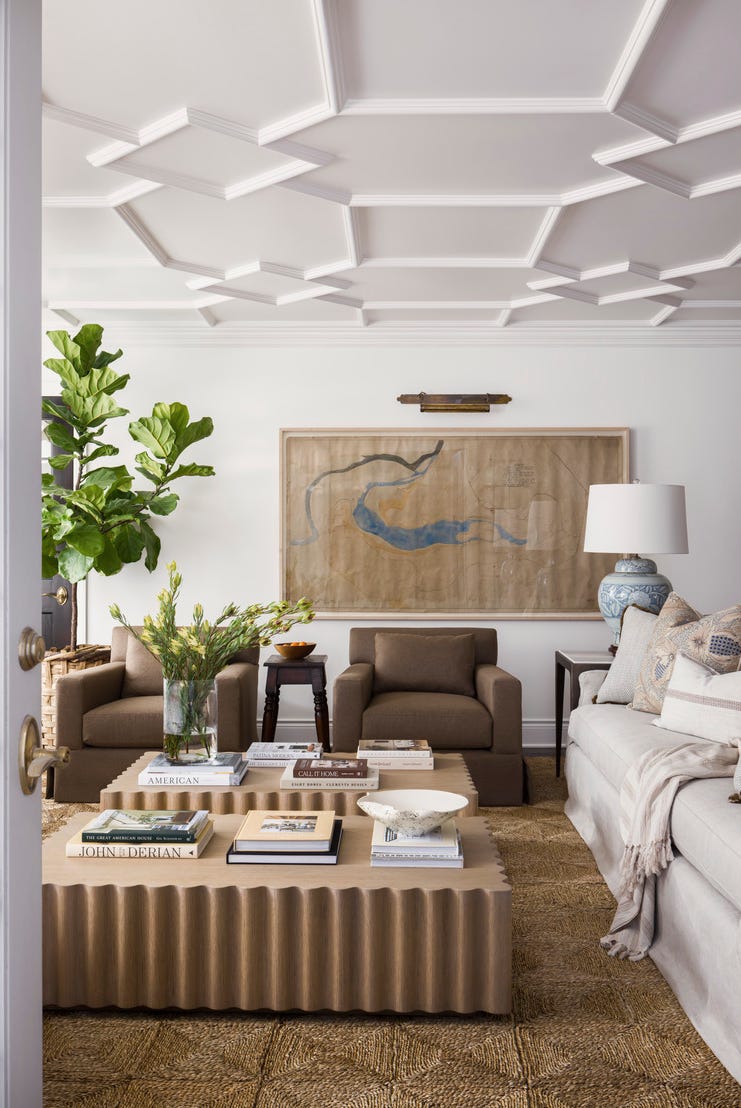
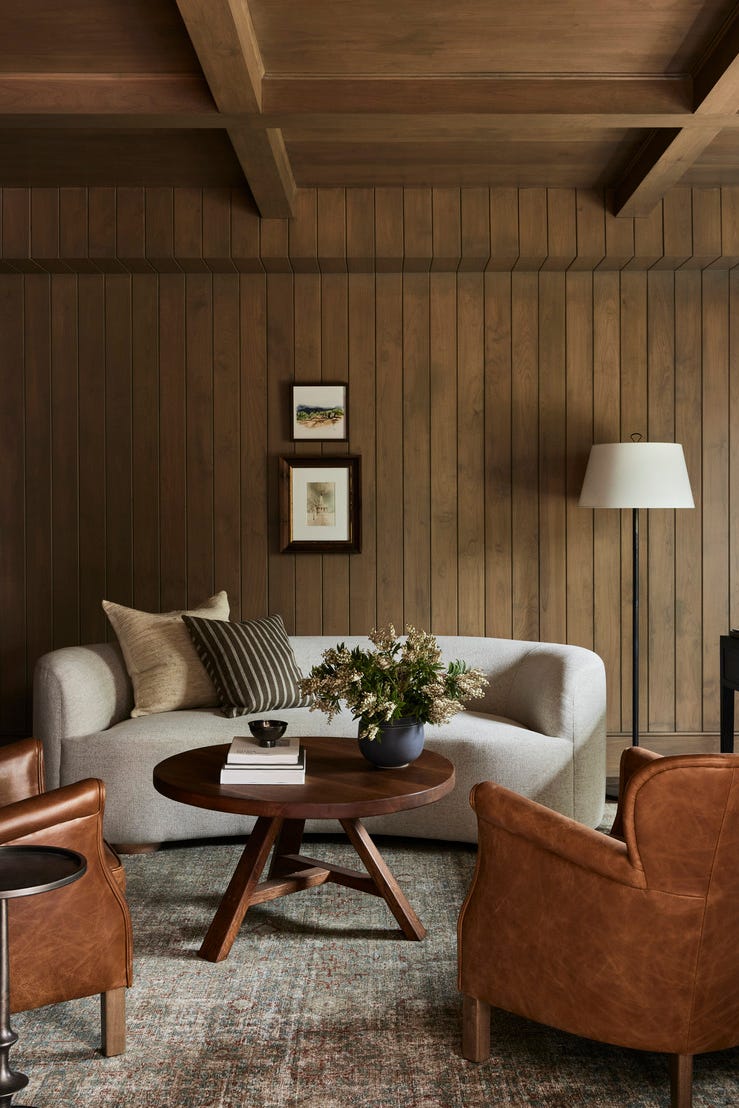
For those looking to integrate mid-century modern aesthetics into their homes without extensive renovations, starting with a few key furniture pieces is a practical approach. Demetrios notes that furniture, as "architecture at a scale you can handle," allows for the creation of a mid-century environment more affordably than structural changes. Mid-century modern designs are widely available, from vintage finds to contemporary interpretations, and their versatile, clean lines allow them to complement various aesthetic preferences. Purnell advises mixing mid-century pieces with furniture and decor from other periods to create a layered and dynamic look, rather than a strictly retro environment. Jonathan Adler offers concise advice: prioritize "low, loungey, and louche" elements and consider seat height as paramount, suggesting a simple modification of shortening sofa legs to achieve a desired effect.
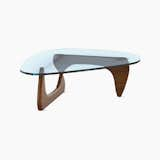
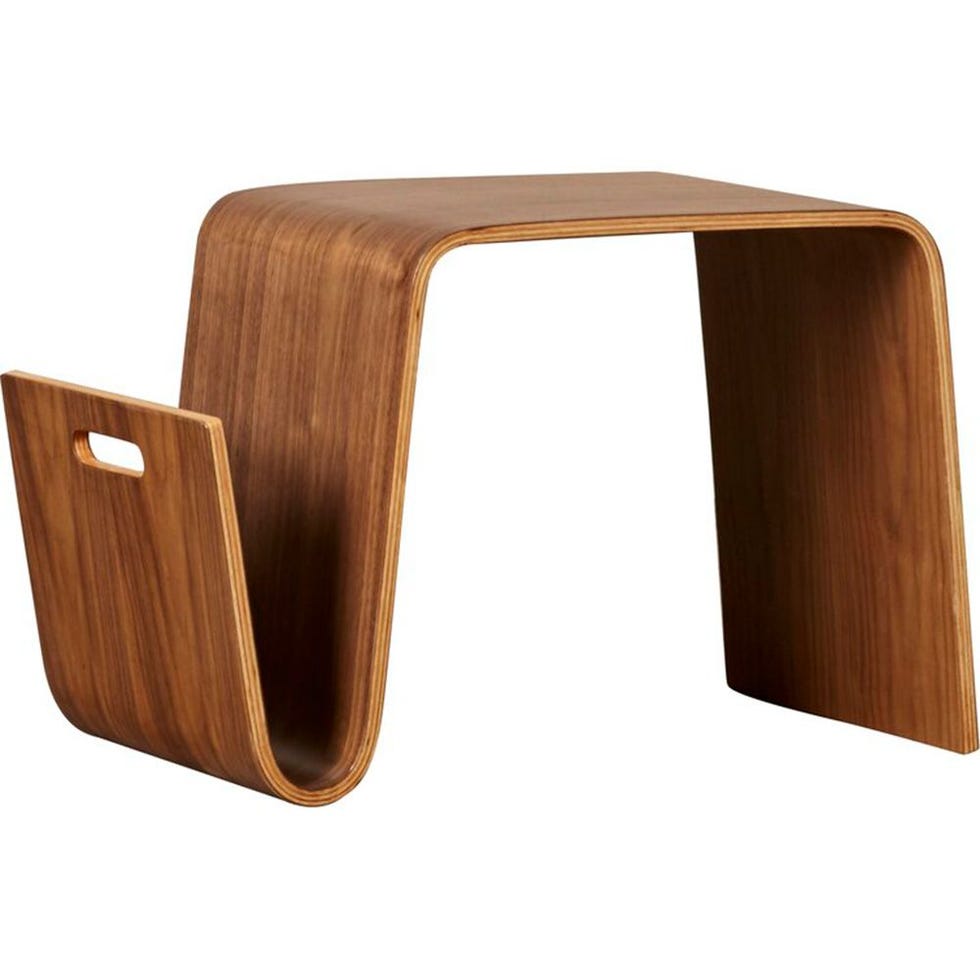
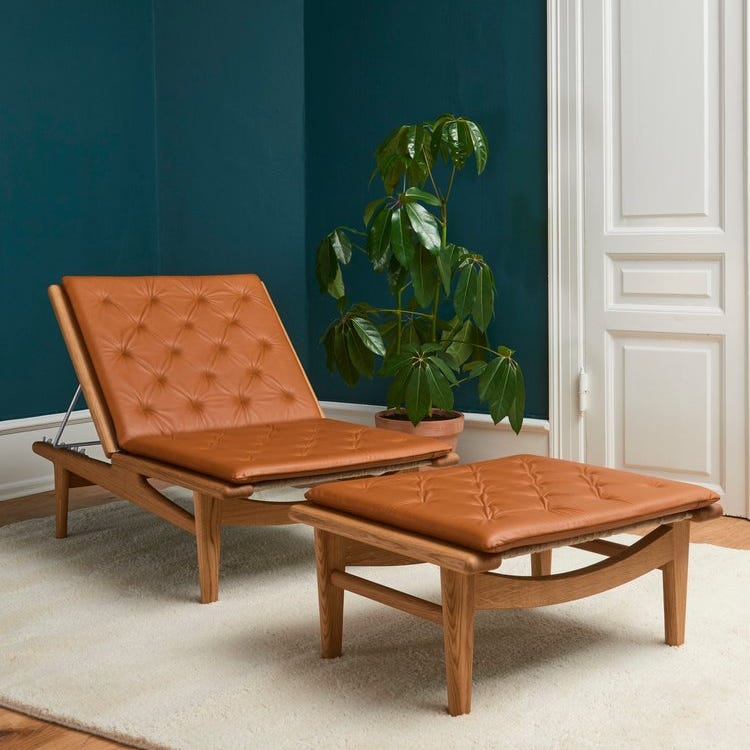
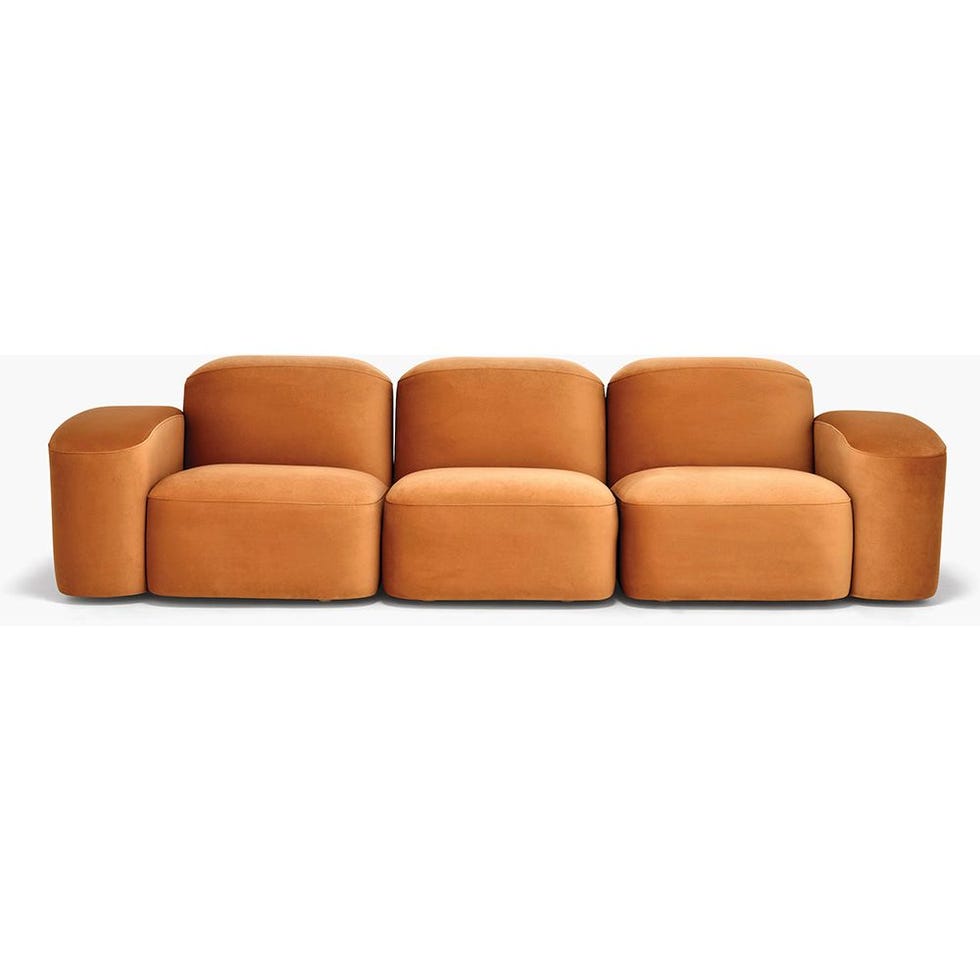
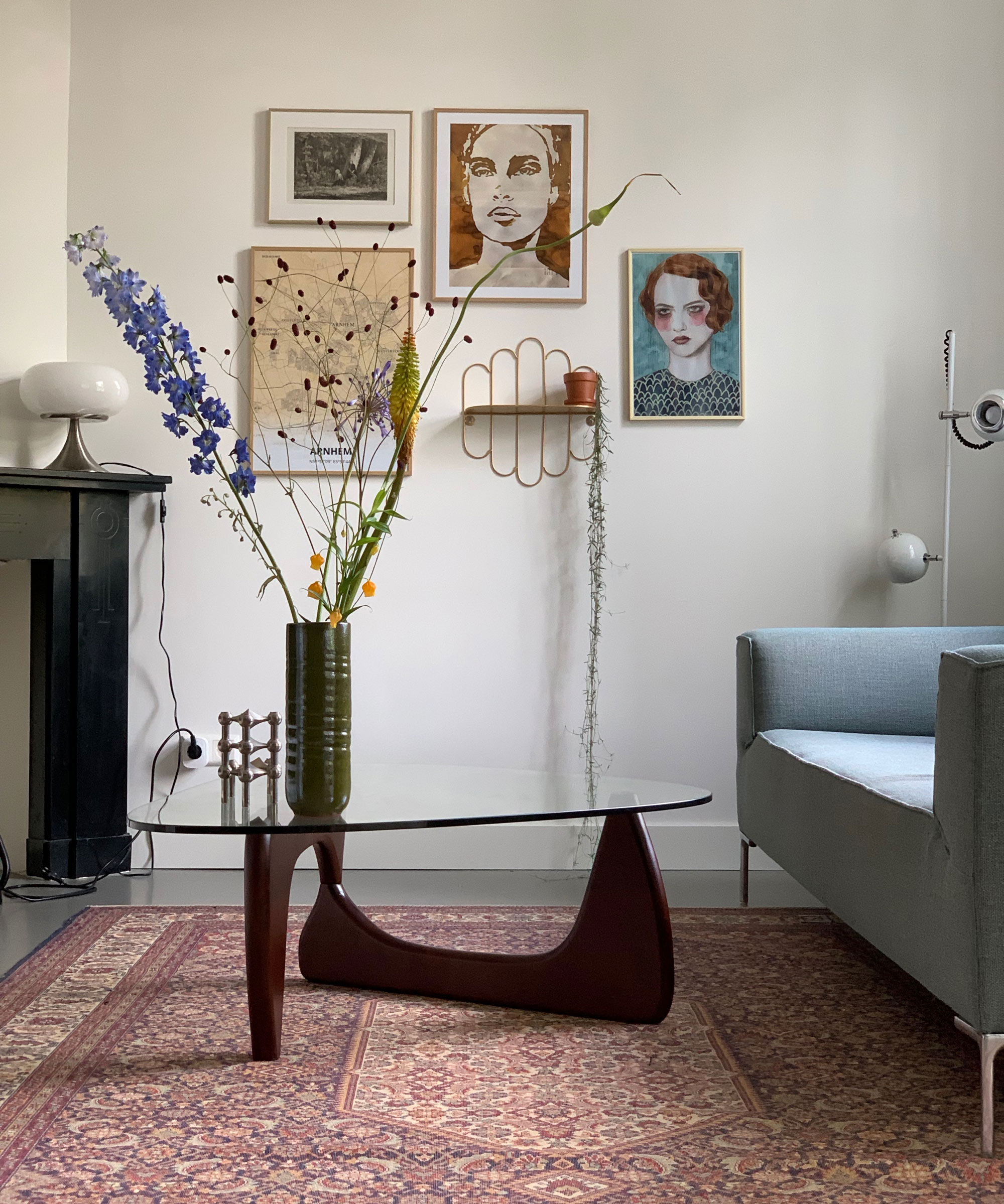
The article concludes by showcasing several iconic mid-century modern designs that homeowners can consider, including the Grashoppa Lamp by Greta M. Grossman, the Noguchi Coffee Table by Isamu Noguchi, the Big Sur Apartment Sofa by Jonathan Adler, the Eames Hang It All by Charles and Ray Eames, the Model 31 Lounge Chair by Florence Knoll, the Saarinen Dining Table by Eero Saarinen, and the 111 Navy Chair by Emeco.
#MidCenturyModern #InteriorDesign #HomeDecor #DesignTrends #FurnitureDesign #ArchitecturalInfluence #EamesDesign #JonathanAdler #LaunDesign #MidCenturyModern #InteriorDesign #HomeDecor #DesignTrends #FurnitureDesign #ArchitecturalInfluence #EamesDesign #JonathanAdler #LaunDesign
0 comment in total
 No comments yet
You may also like
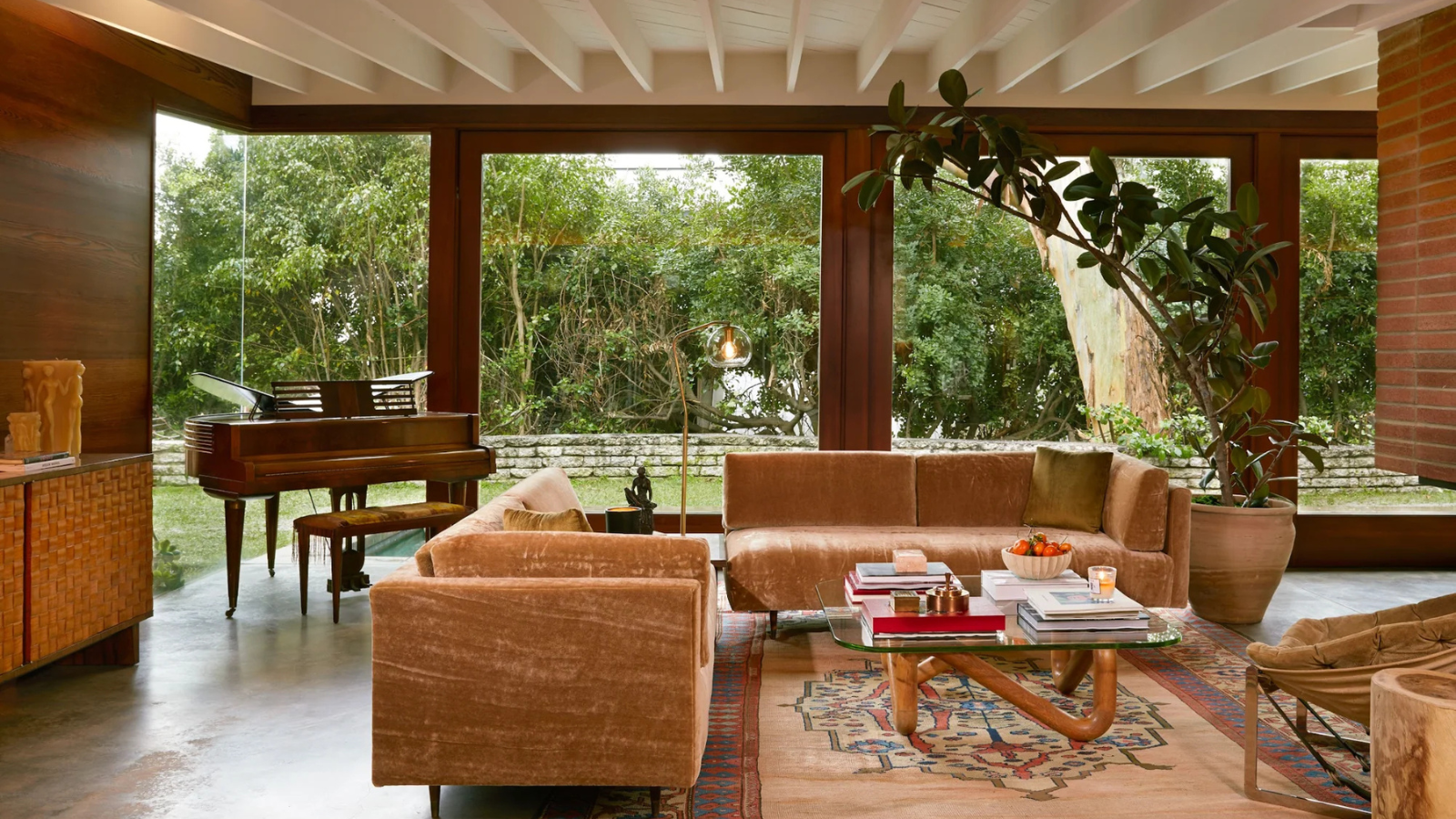
'Good design holds up' – 16 mid-century modern ideas that prove this design style will always be trending

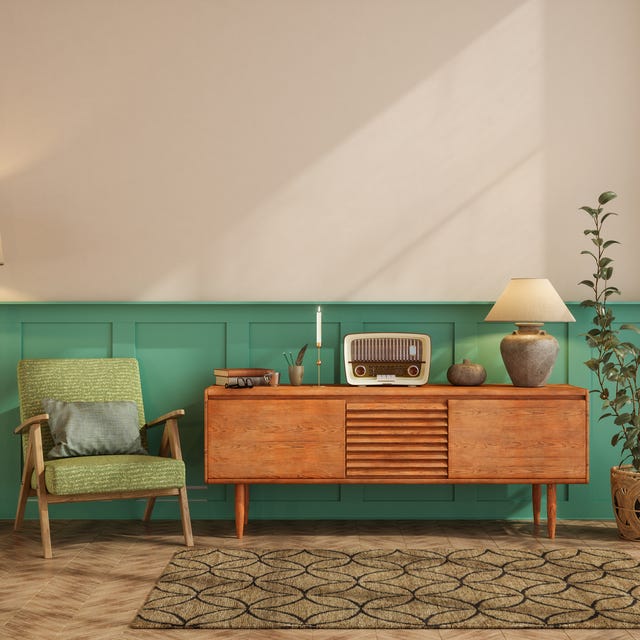
8 Home Trends That Are Tragically DEAD to the Design World

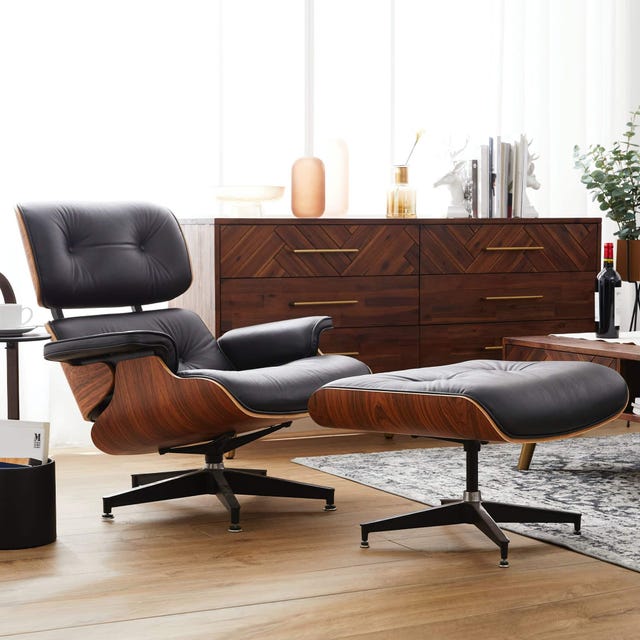
25 Midcentury Modern Furniture Pieces That Will Always Be in Style

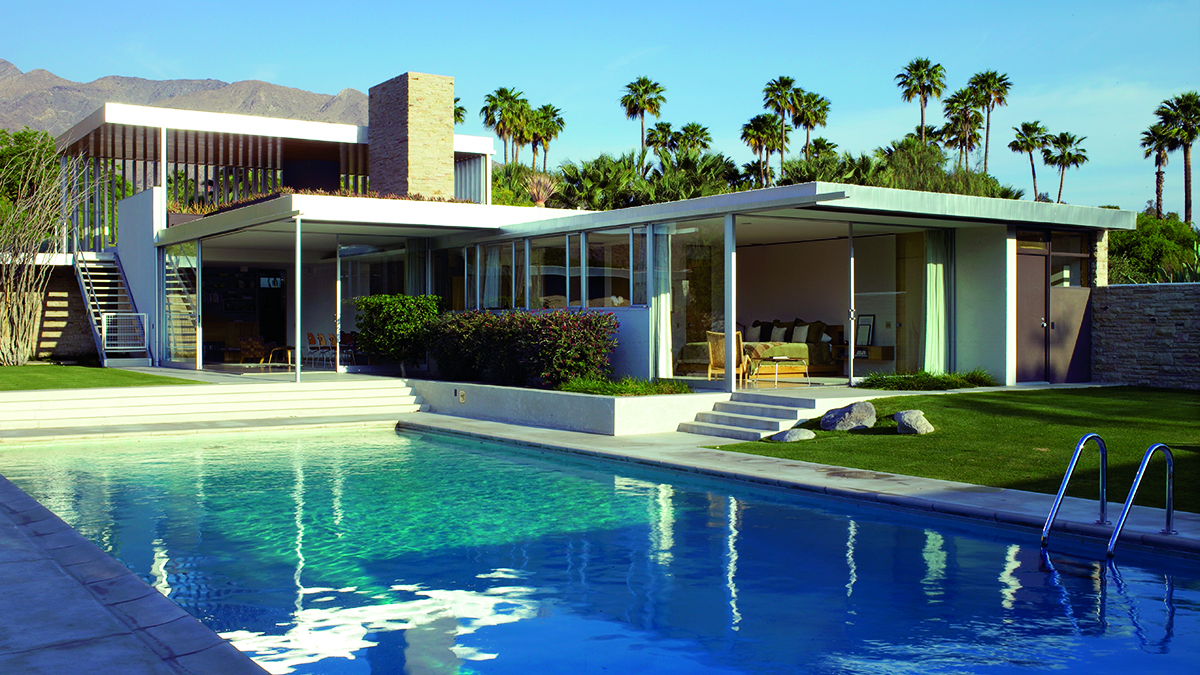
The enduring appeal of Mid-century Modern

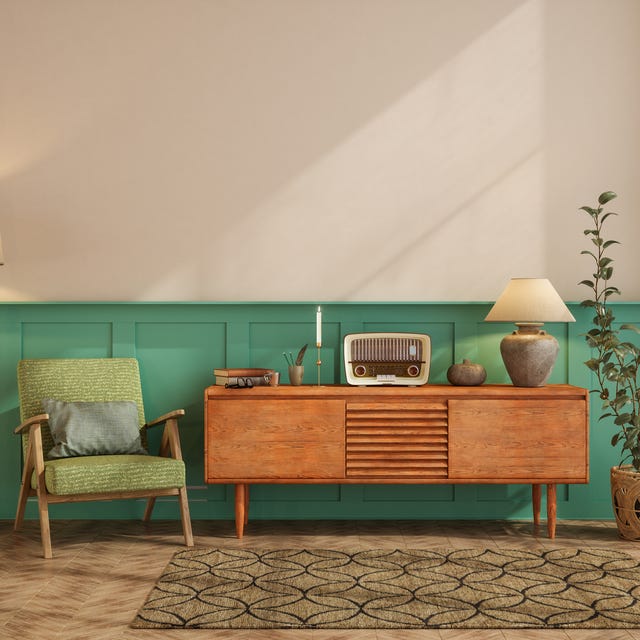
8 "Tacky" Home Trends That Are Tragically Dead to Designers in 2026

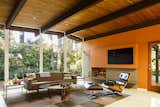
10 Classic Midcentury Pieces That Will Never Go Out of Style

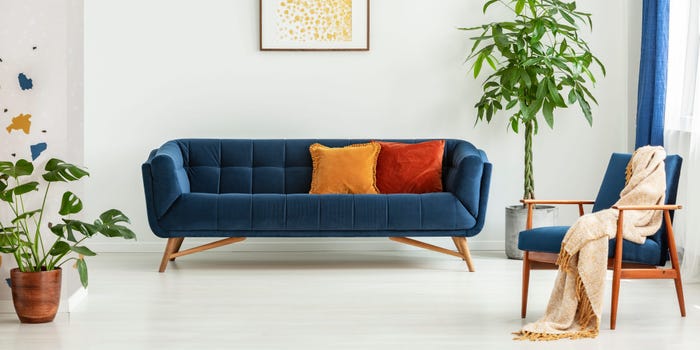
The 6 commandments of mid-century modern design
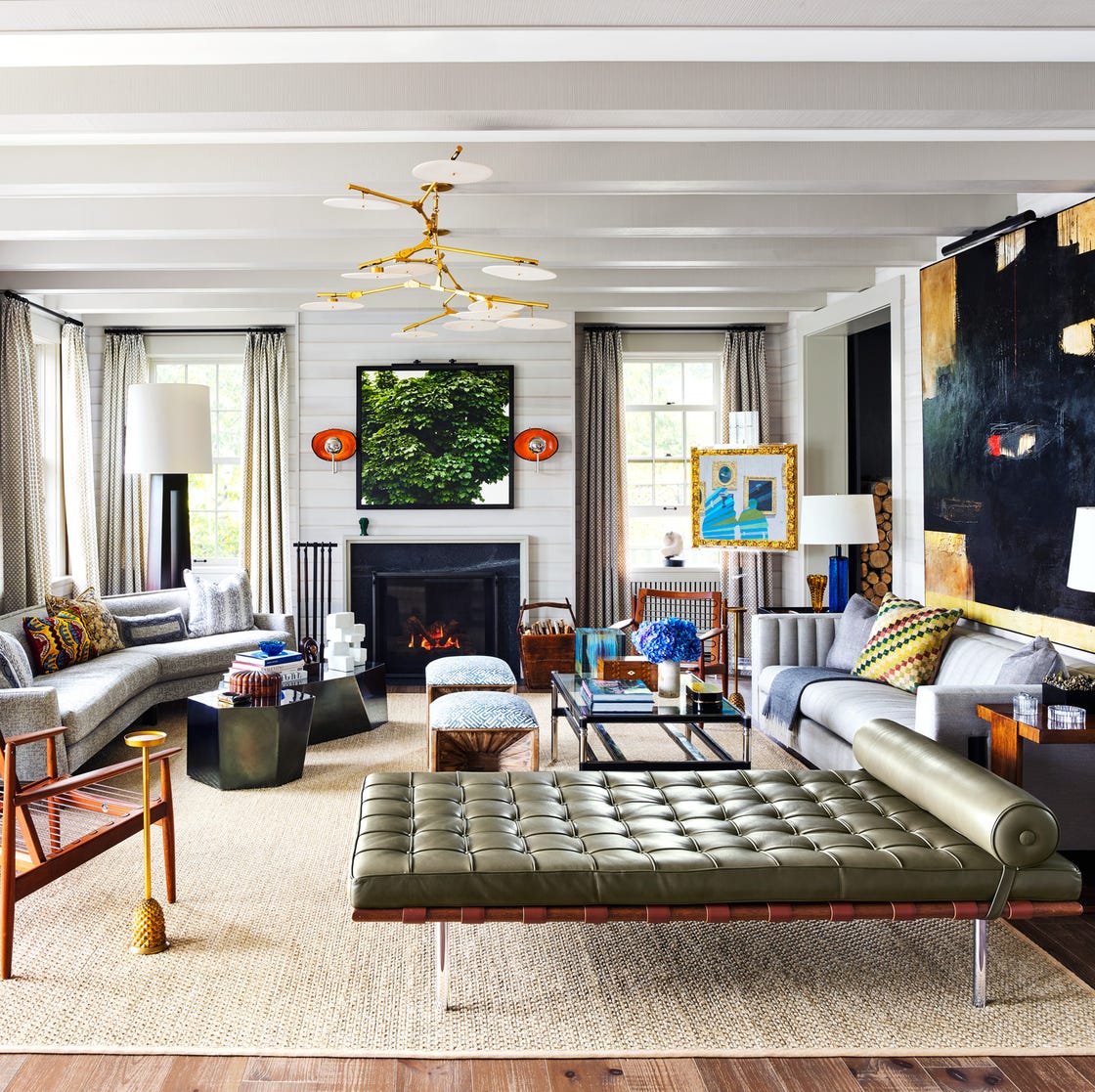
47 Midcentury Modern Living Rooms That Get the Retro Balance Right
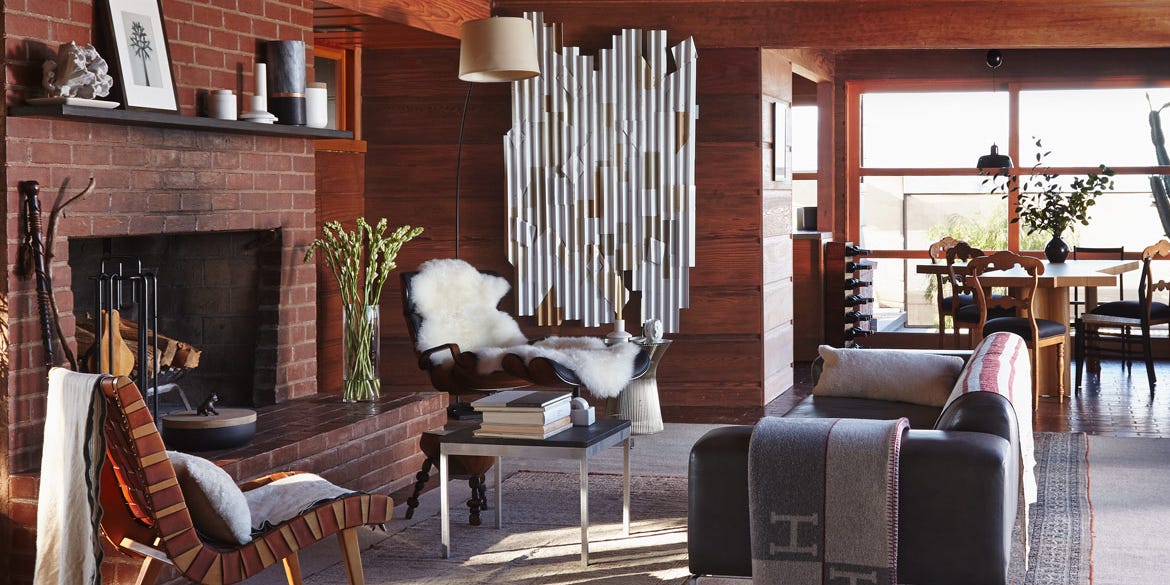
These 27 Stylish Rooms Do Mid-Century Modern Right
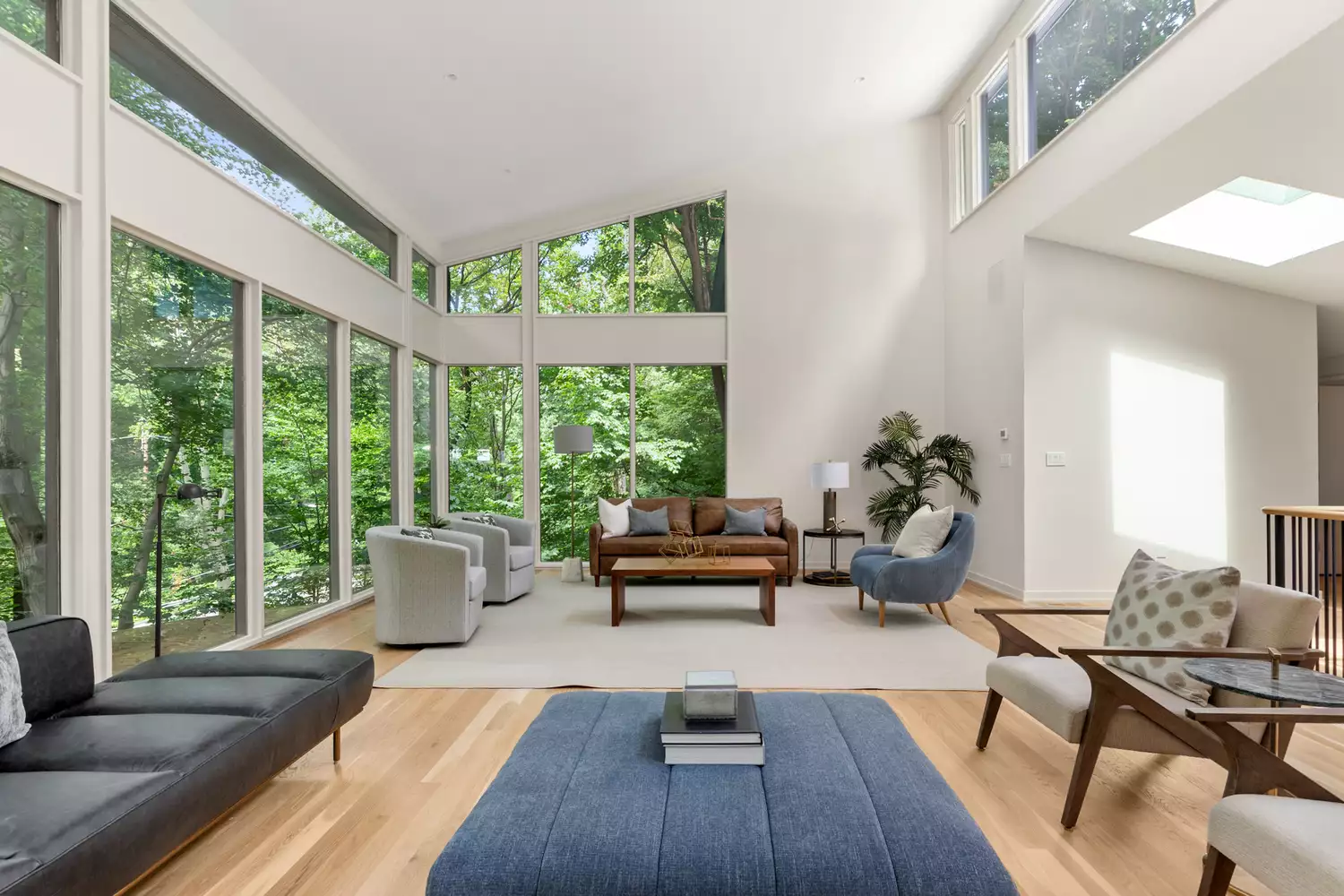
Is Midcentury Modern Decor Finally Out of Style in 2025? What Designers Really Think

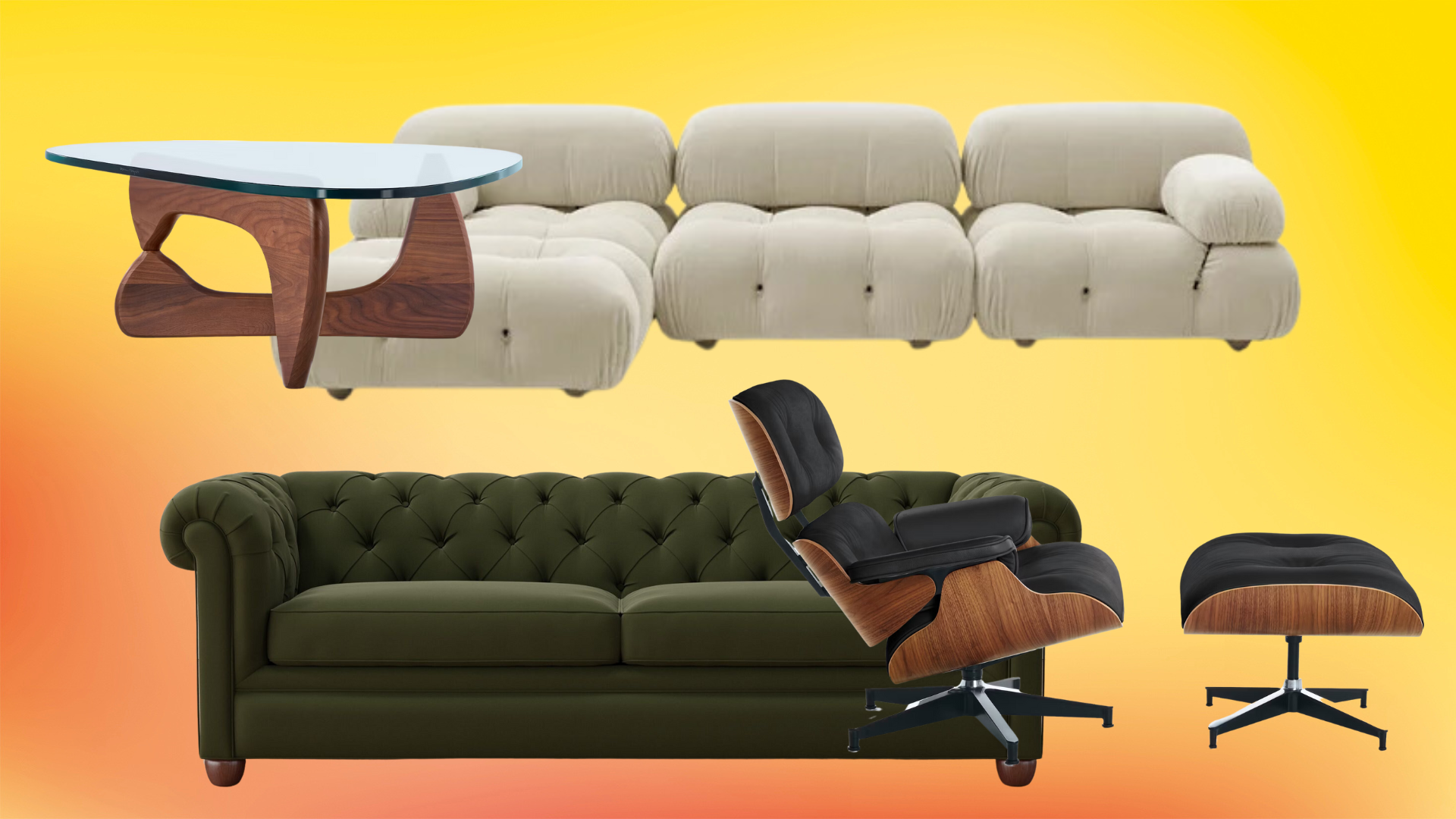
12 pieces of timeless furniture that will never go out of style |

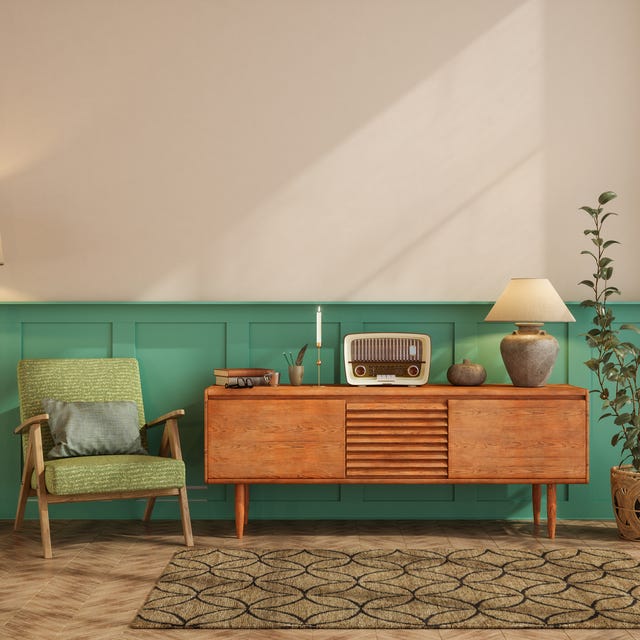
8 Tacky Home Trends That Designers Say Are TRAGICALLY Dead
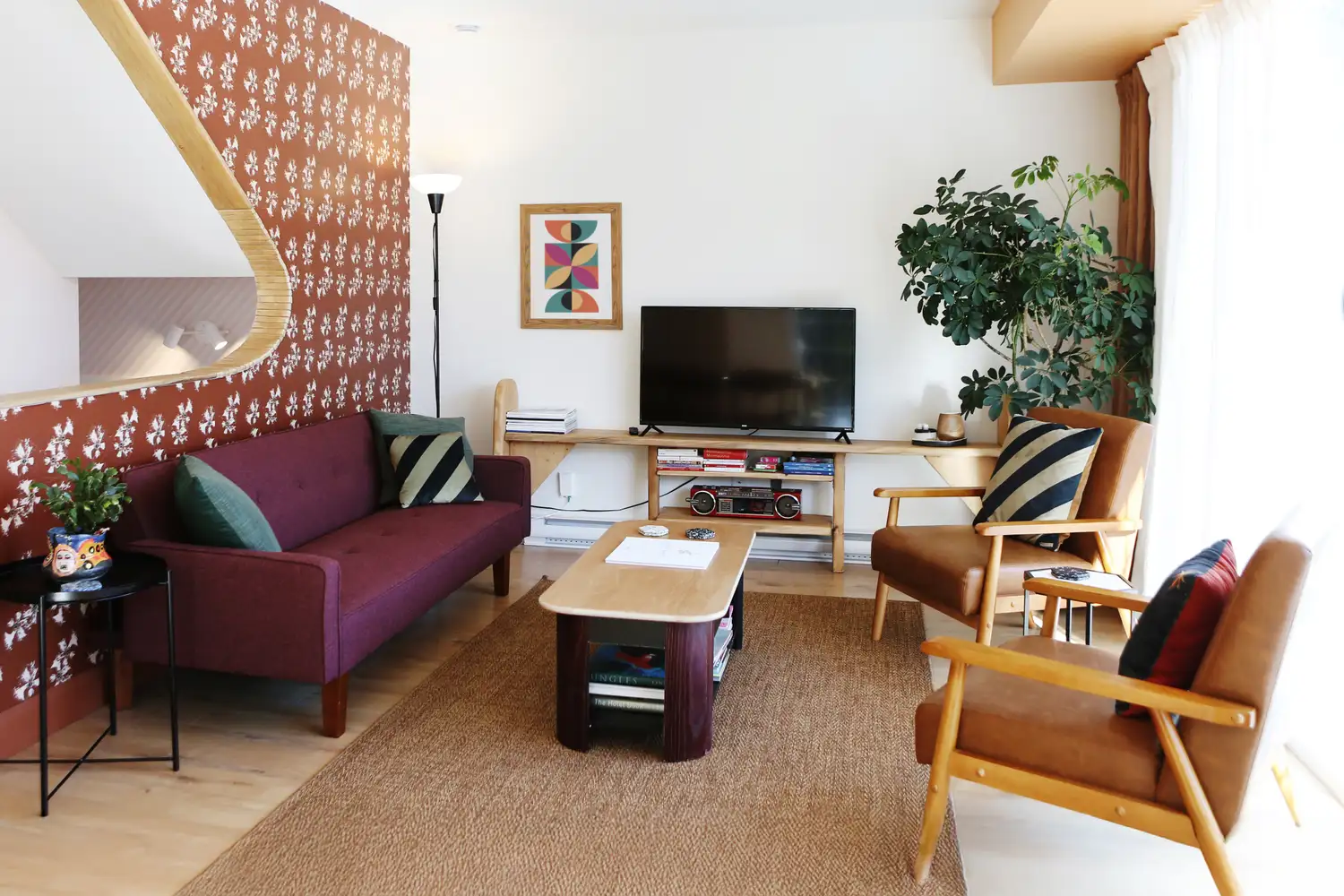
We Asked Designers If Midcentury Modern Is Out of Style—and Their Answer Might Surprise You
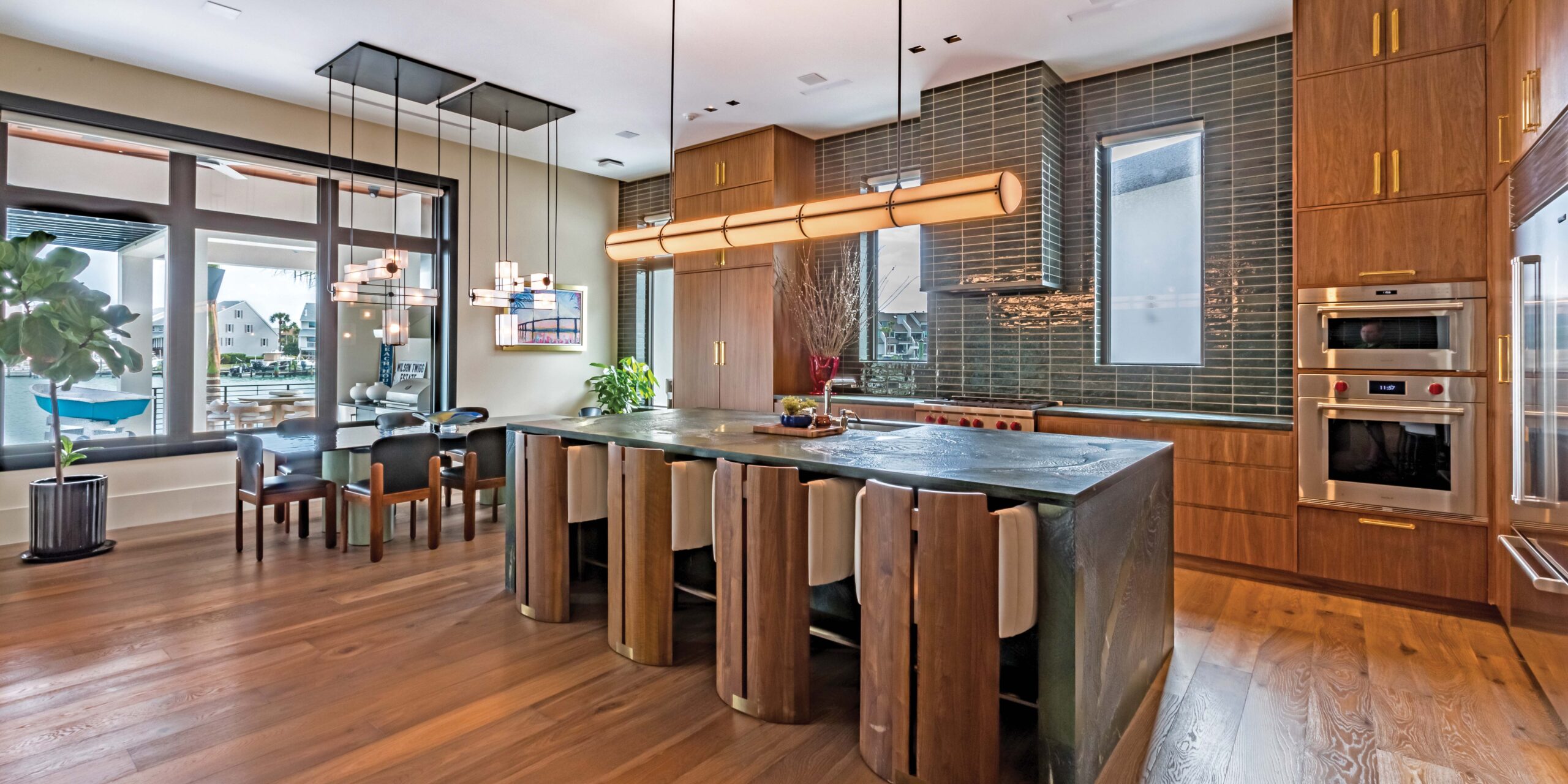
Home Design: Reinvented Midcentury Modern

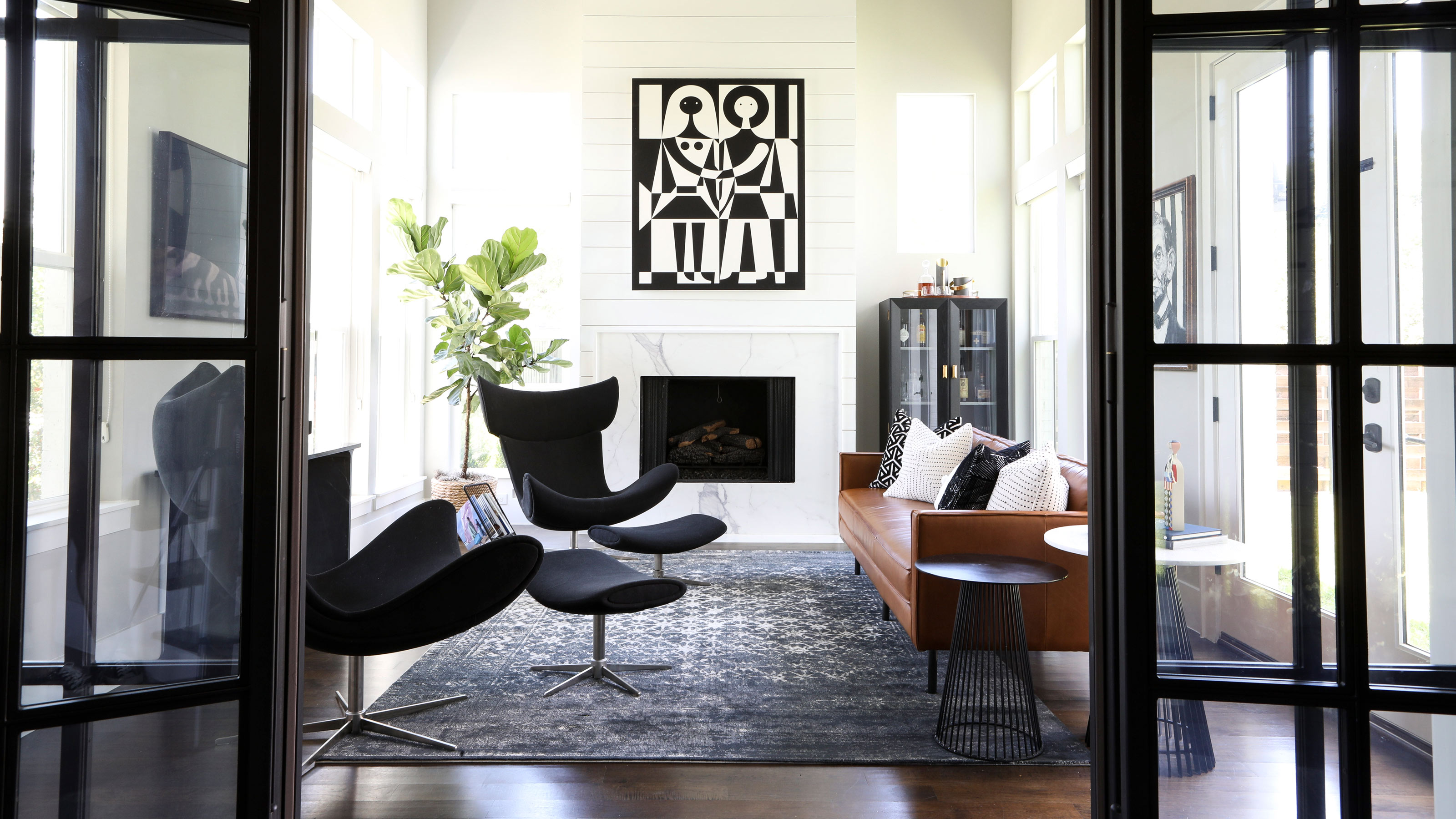
13 mid-century modern living room ideas for a sophisticated room refresh

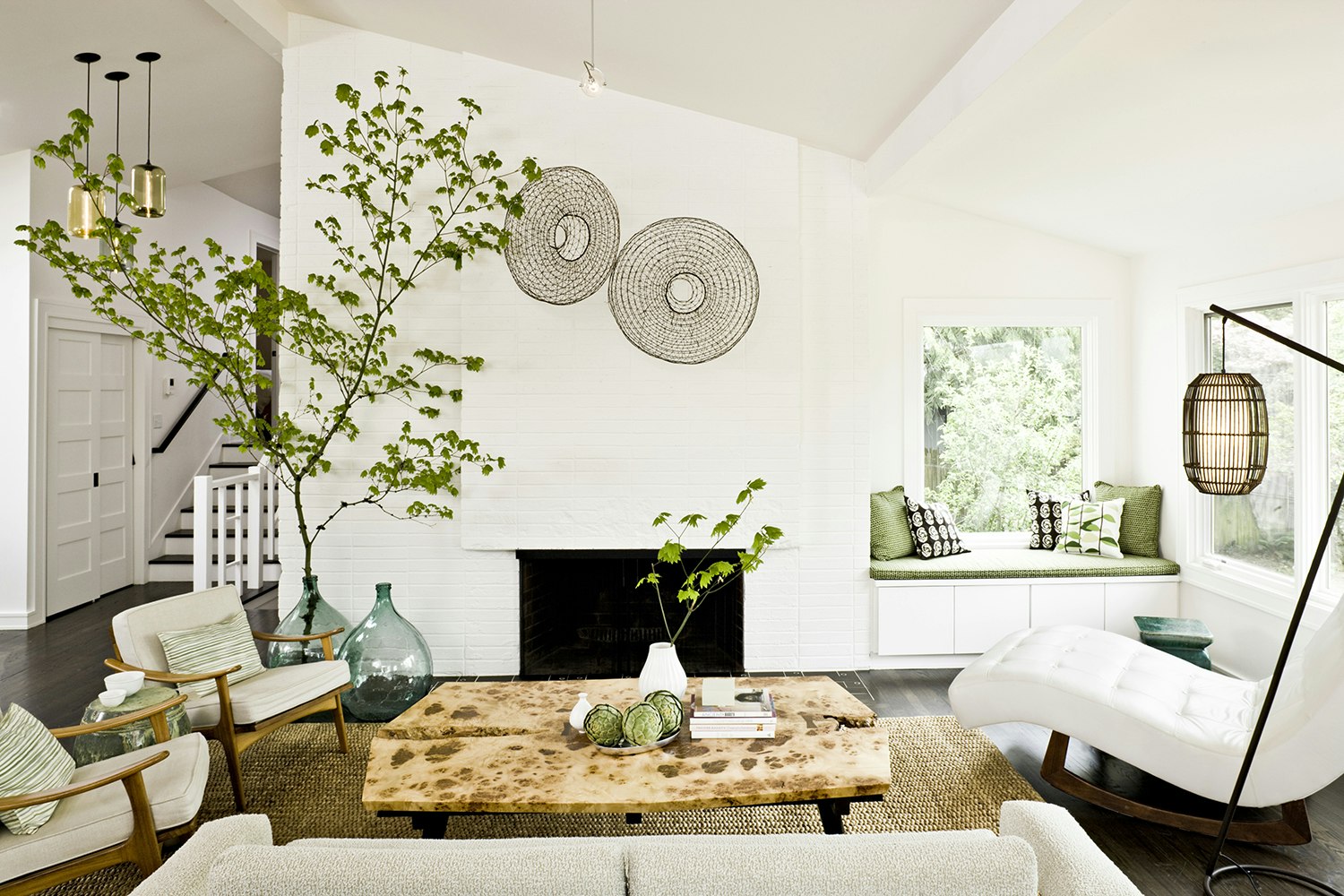
A Designer's Tips For Renovating a Midcentury Modern Interior
"I love mid-century modern but it makes me sad"
These Midcentury Modern Living Rooms Put Retro Back on the Map
How to do mid-century modern style in 5 easy steps

Here's What You Should Know About Midcentury Modern Style