1/6
How to do mid-century modern style in 5 easy steps
Mid-century modern design, known for its timeless appeal, practicality, and sleek lines, continues to influence contemporary interiors. Emerging after World War II and popular until the 1960s, this style emphasizes functionality and natural, rounded shapes. Notable designers like Charles and Ray Eames, George Nelson, and Arne Jacobsen are synonymous with mid-century furniture, while Australian brands such as Parker and Chiswell are highly sought after by collectors. The enduring popularity of this style is evident in modern interpretations by brands like Icon By Design, which infuse contemporary twists into classic pieces. Integrating mid-century modern aesthetics into a home involves five key elements.


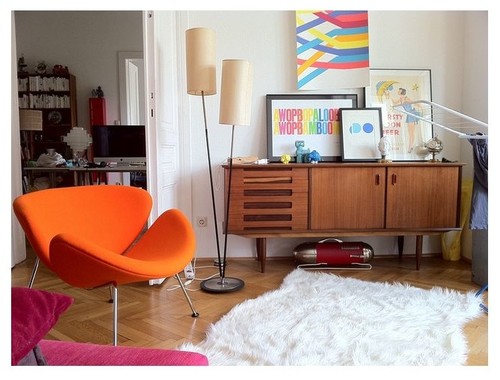
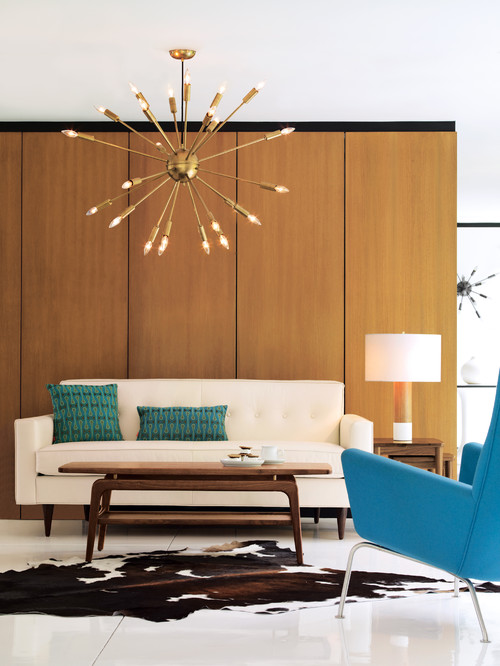

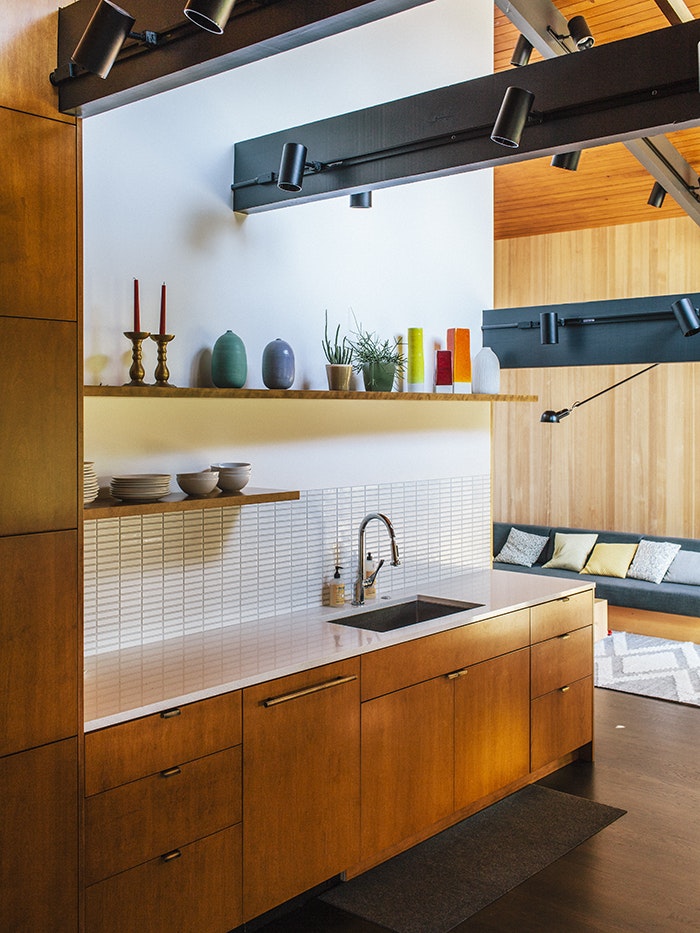
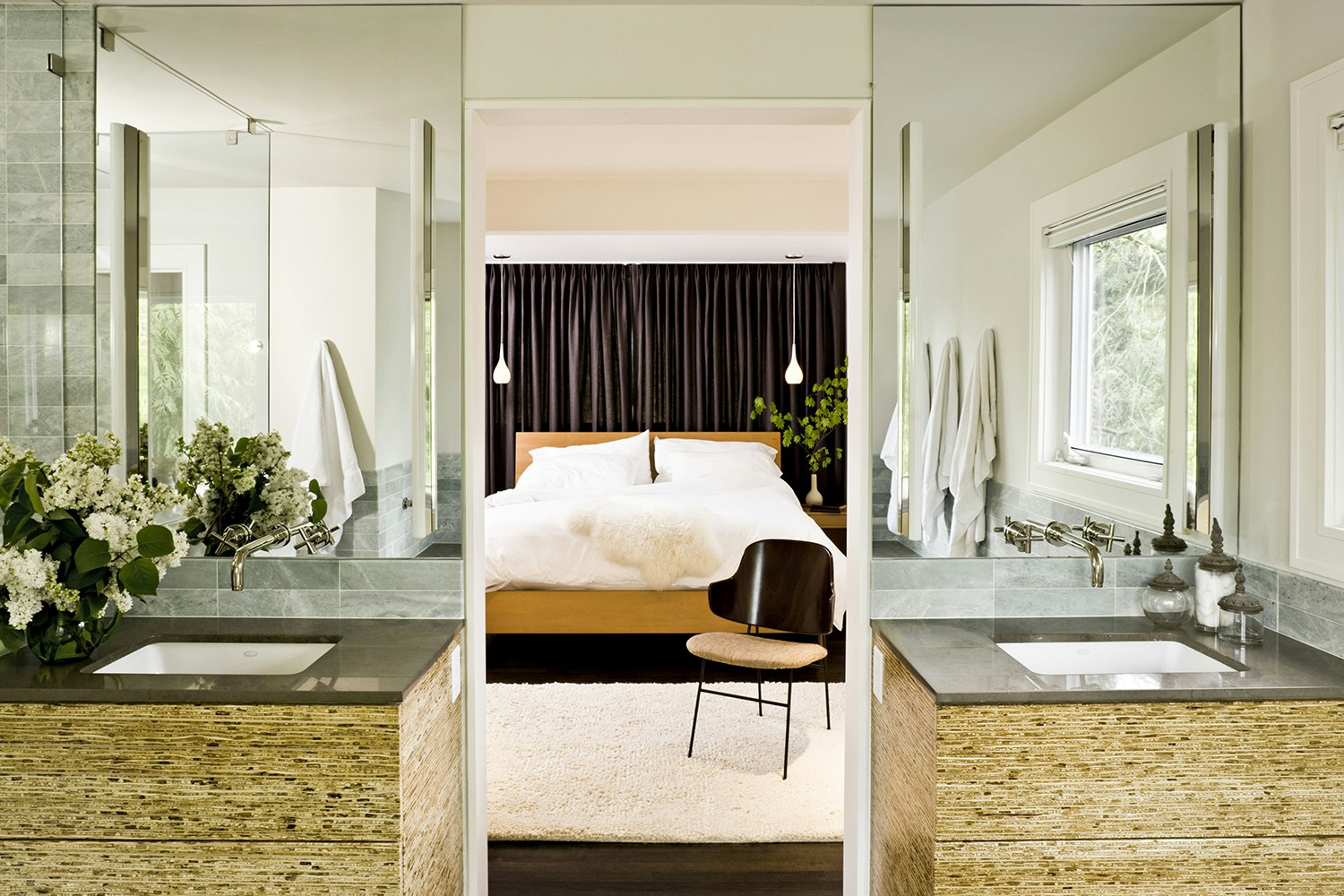
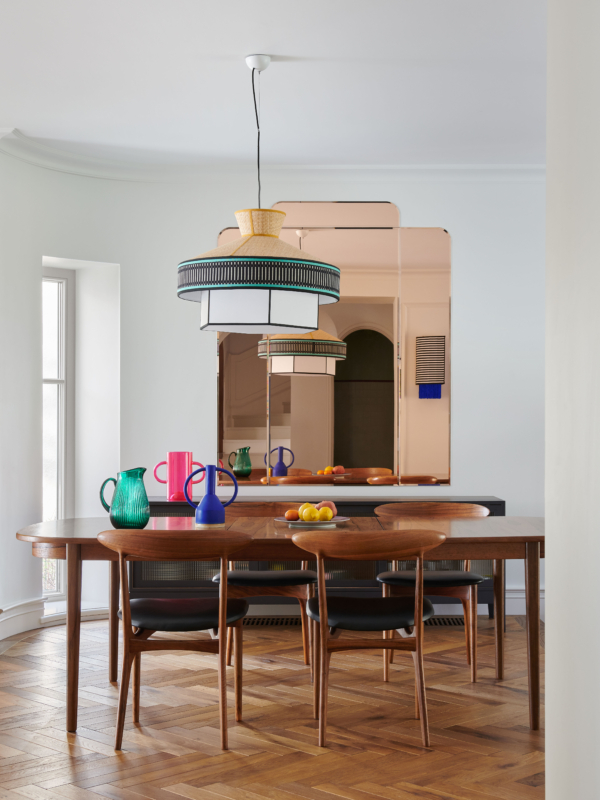
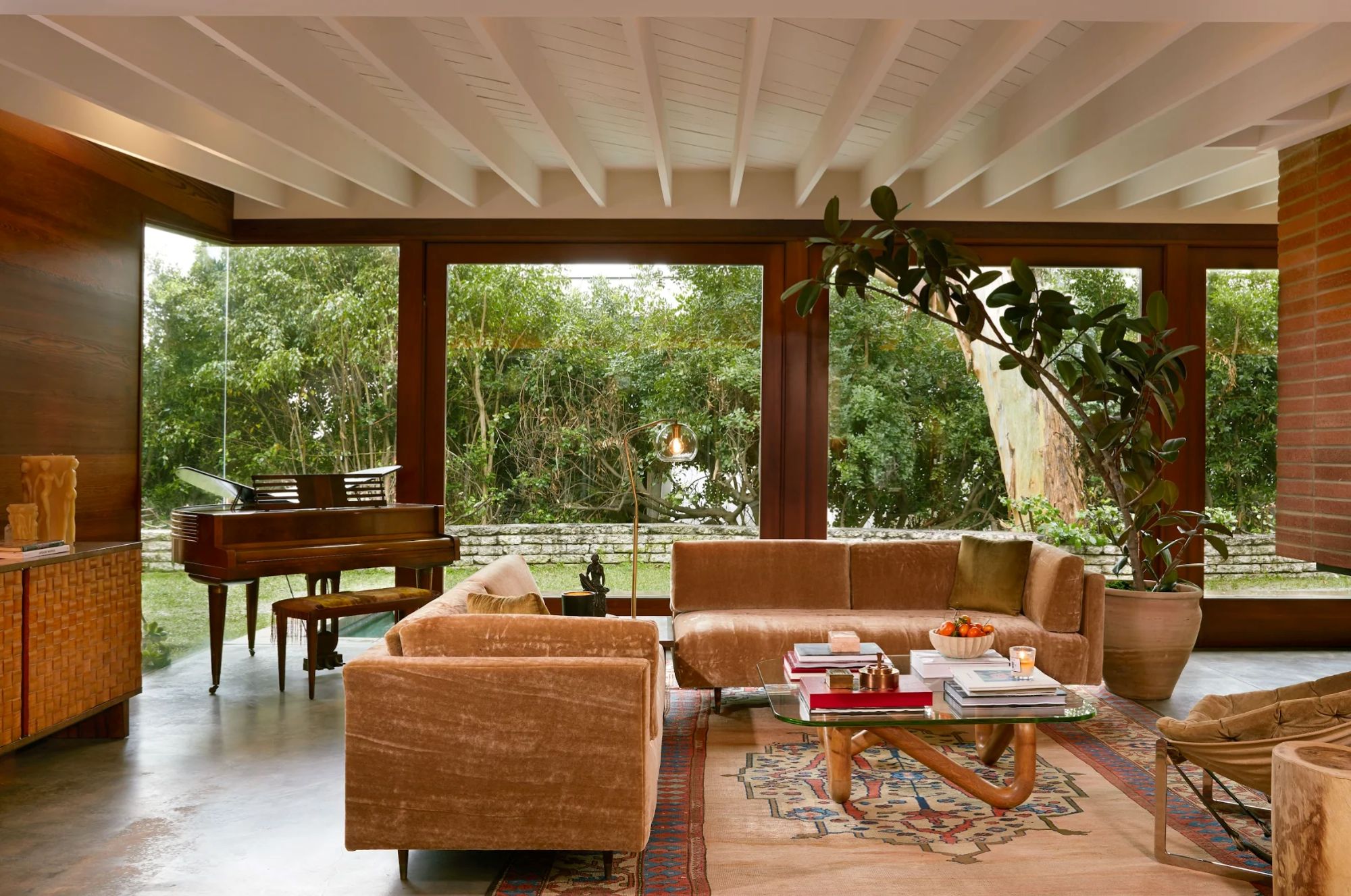
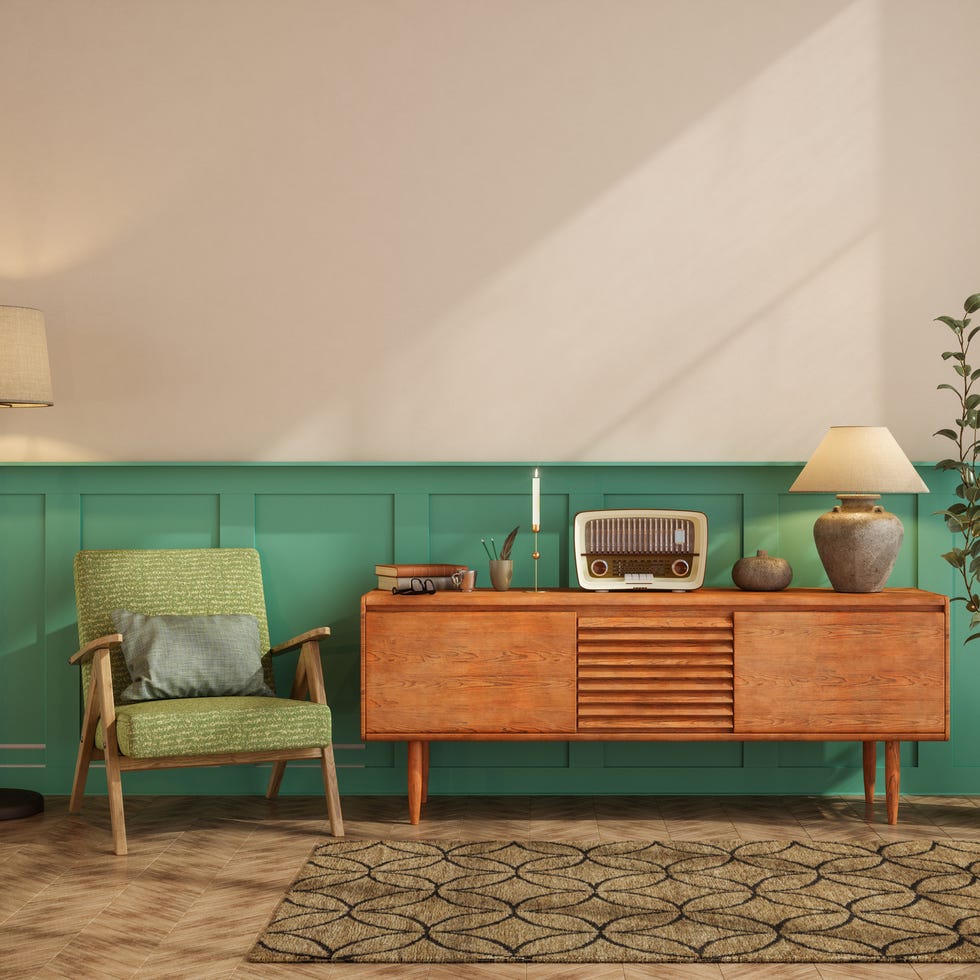
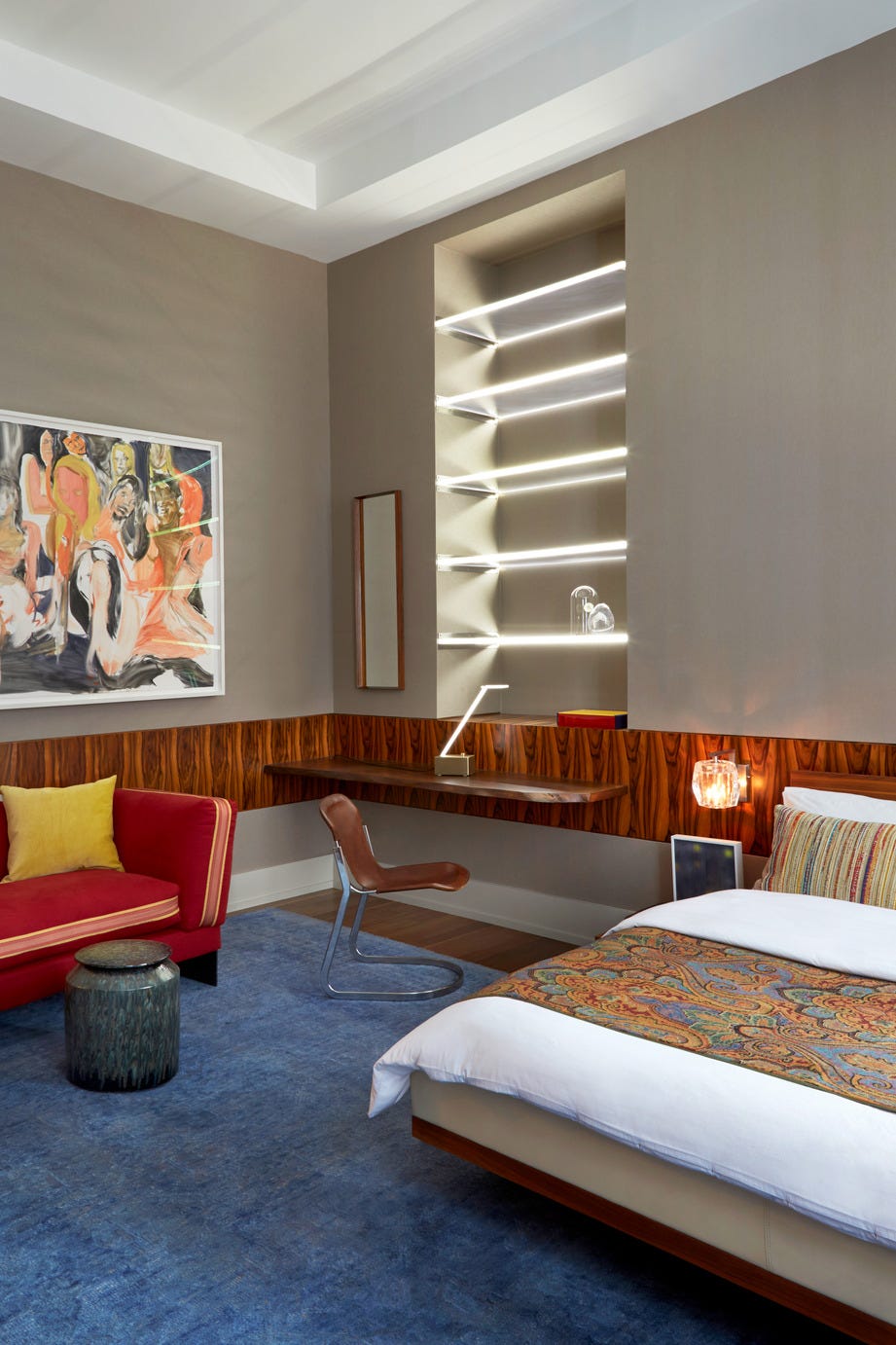
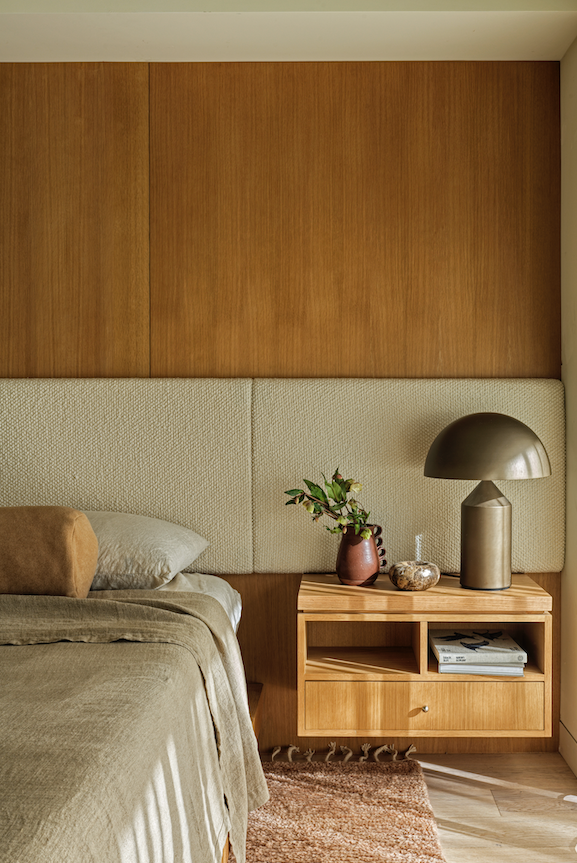
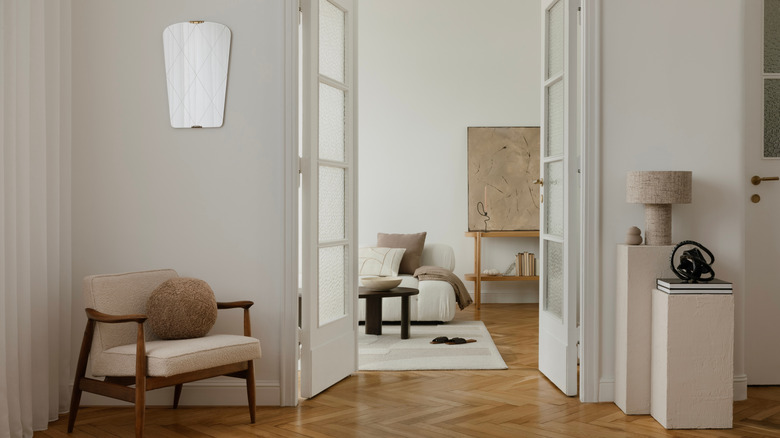
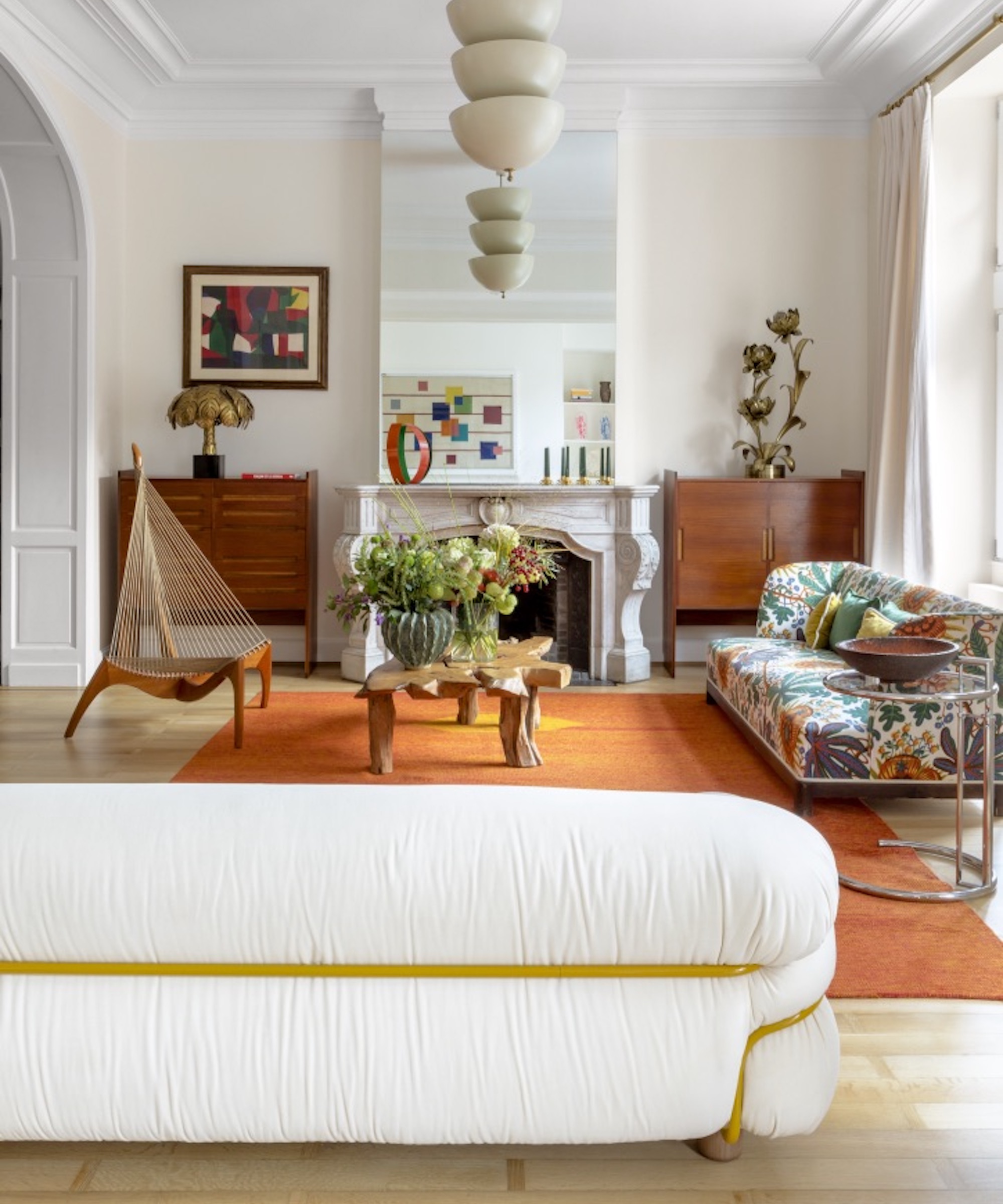
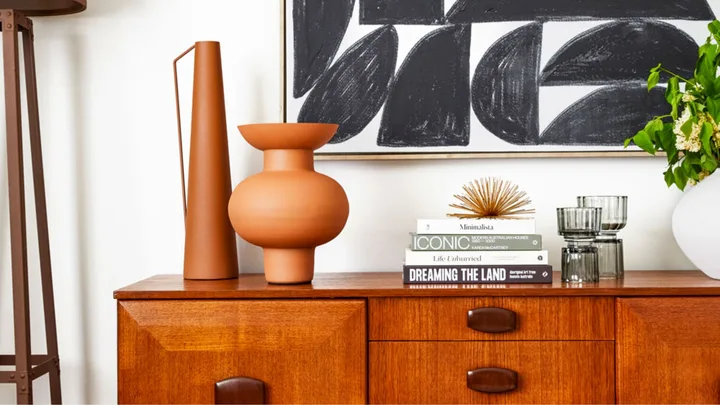
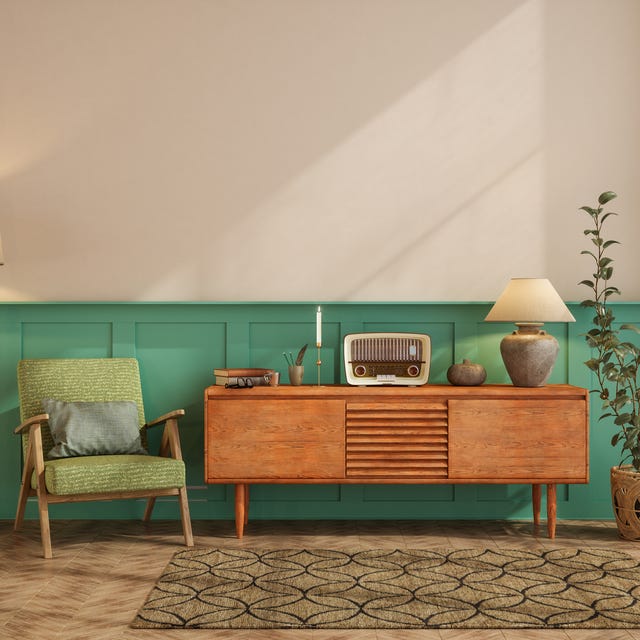
First, selecting the right furniture is crucial. Mid-century furniture often features rich, dark, and natural wooden finishes, particularly walnut, with rounded forms in chair backs, legs, and edges. Timber veneer is also a common material. Interior designer Nikita Crockett from Icon By Design suggests incorporating dark timber furniture to create a warm and inviting atmosphere year-round. Examples include the Jorgen sideboard in solid American walnut, characterized by two sliding doors and four drawers, and the Magnus extension dining table, also in solid American walnut, which can expand to seat eight guests. The Magnus table is praised for its timeless design, durability, and smooth rounded corners. For bedrooms, the Jolanda bedside table, made from solid American walnut, offers slim, sophisticated lines with tapered legs and a minimalist look. When purchasing vintage mid-century furniture, it is advisable to inspect for chips, deep scratches, water damage, and wobbles, and to ensure original finishes and fittings are intact.
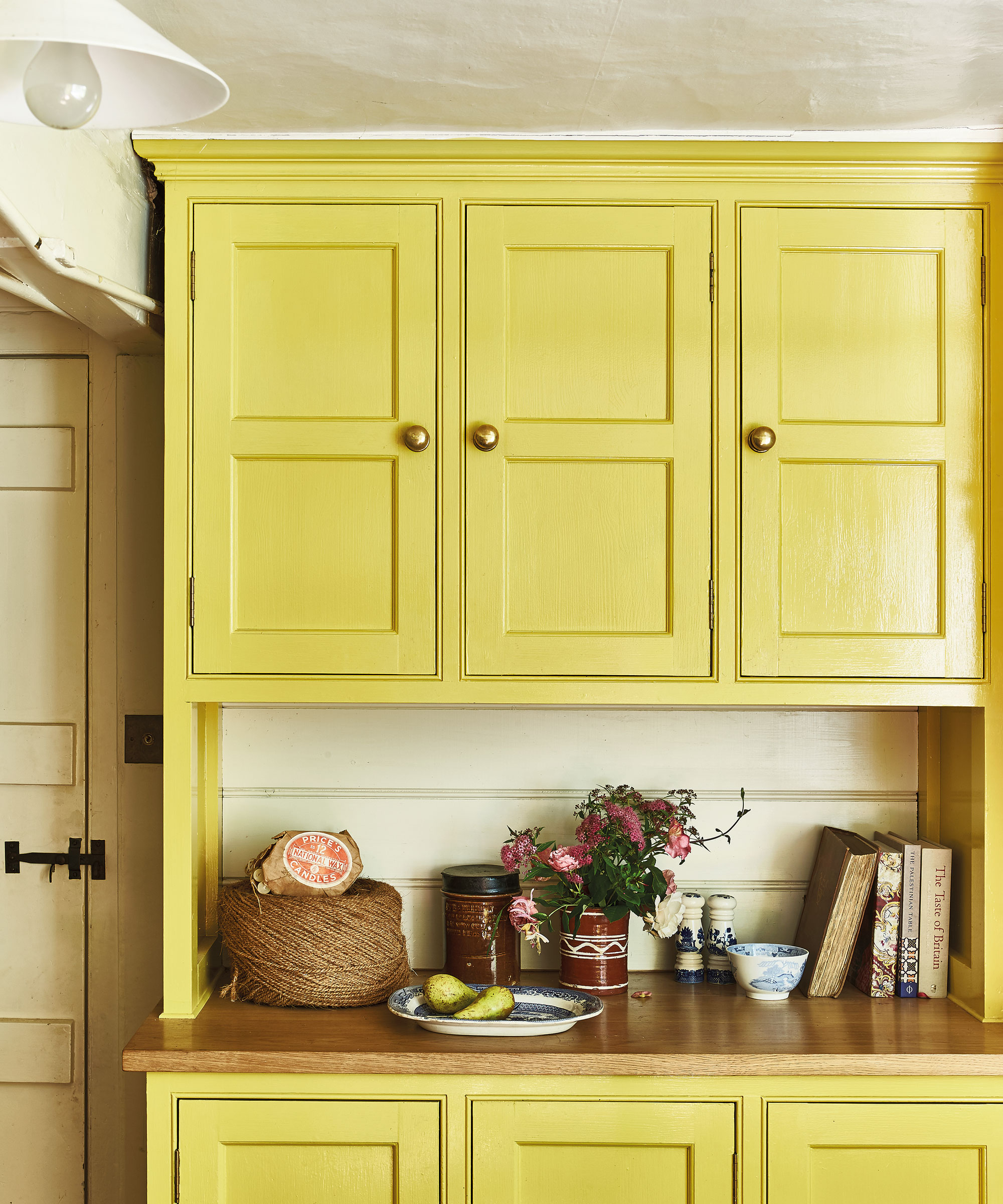
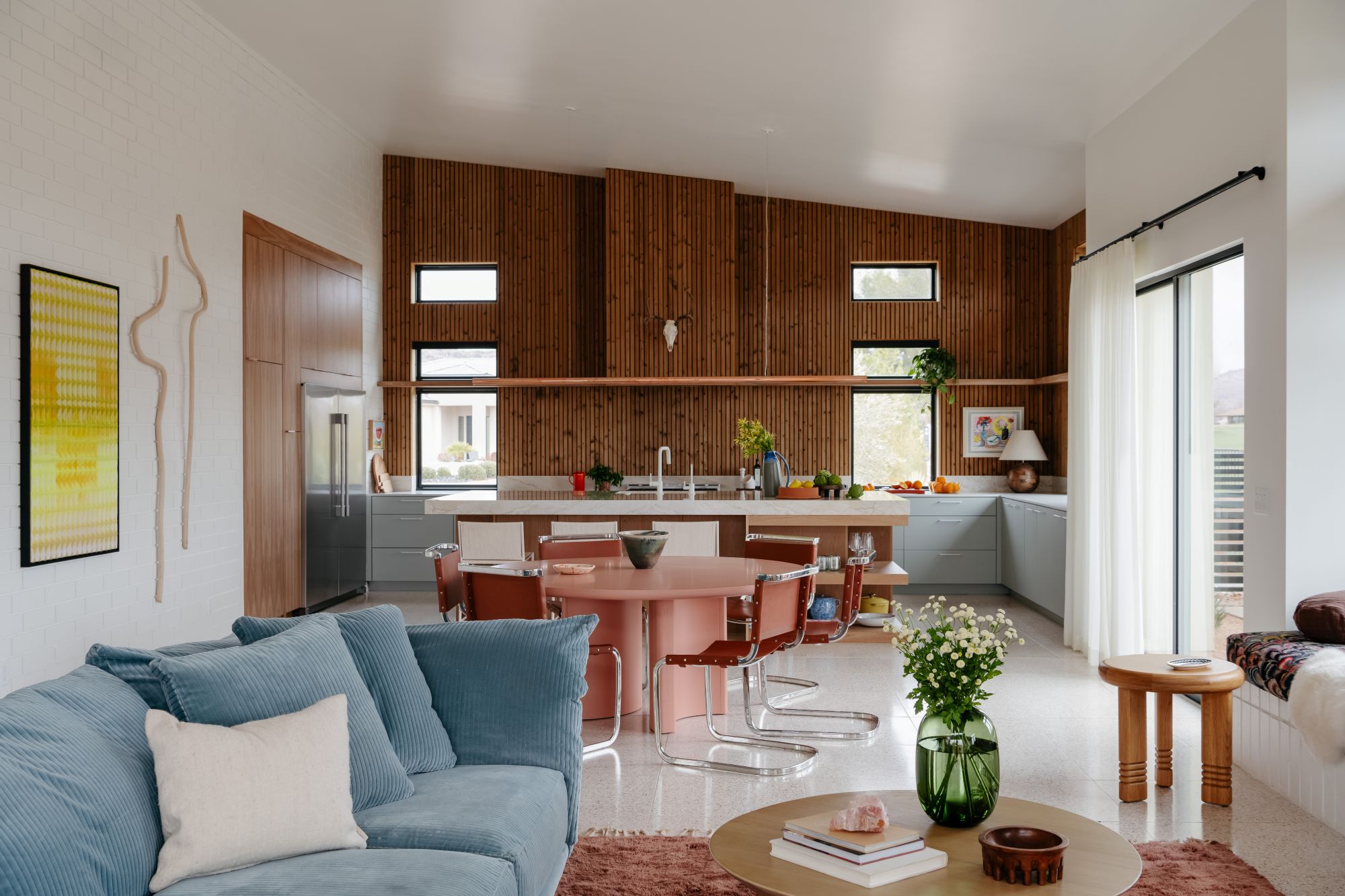
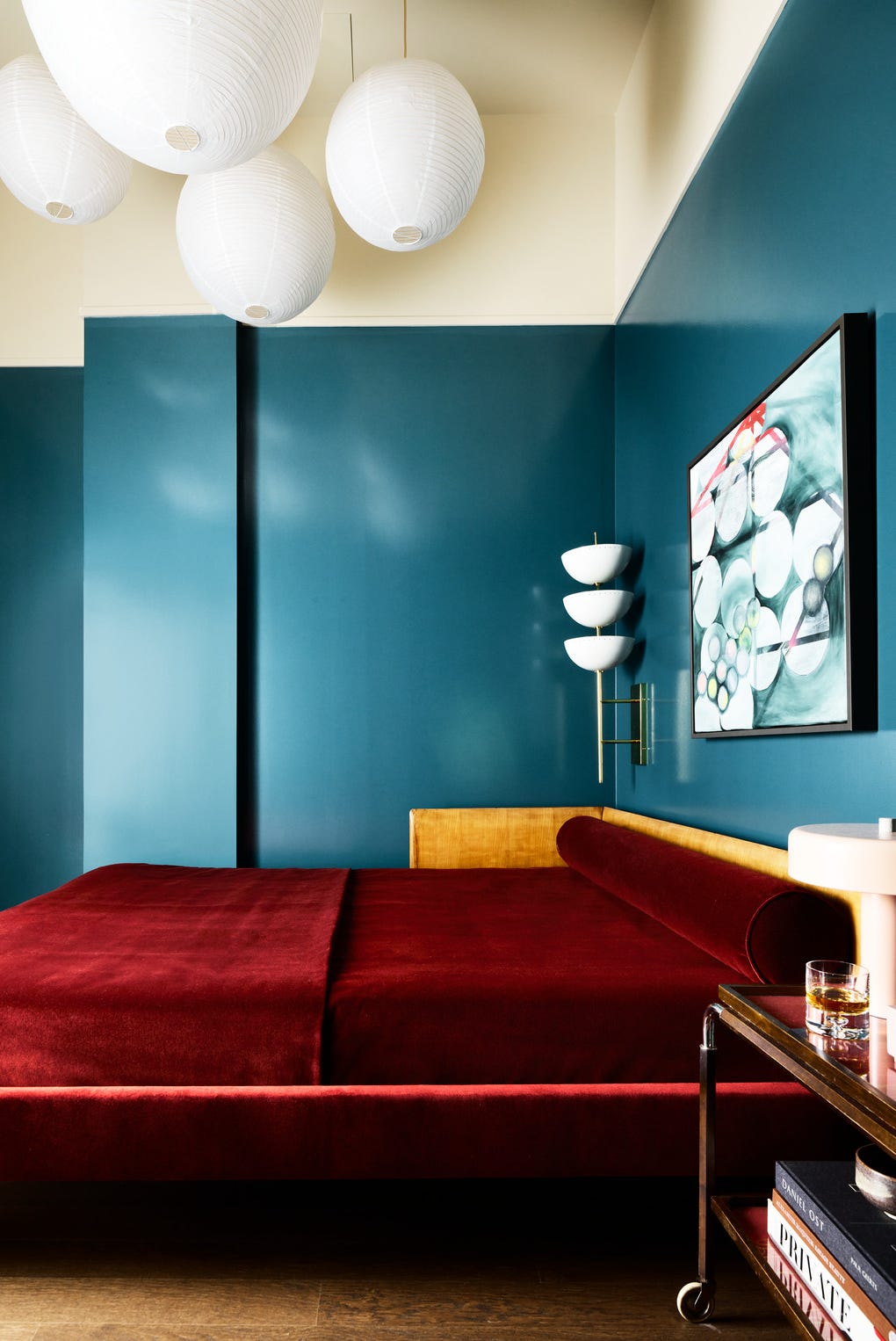
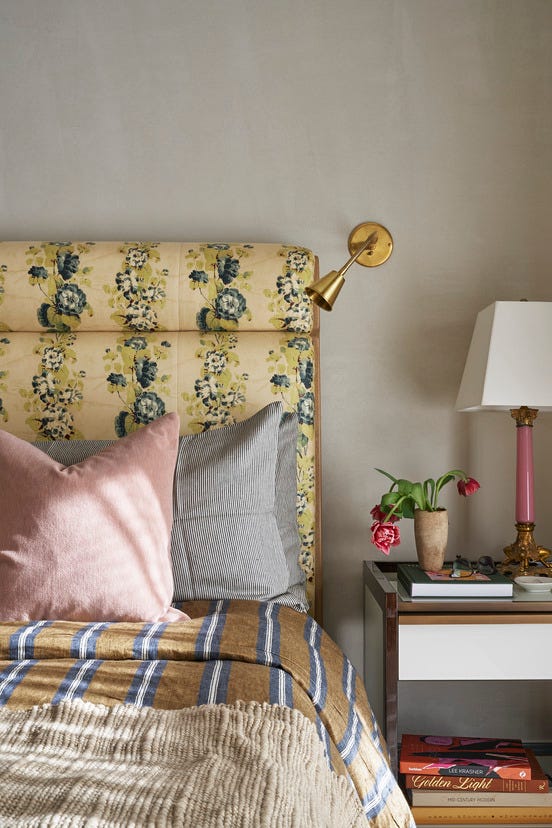
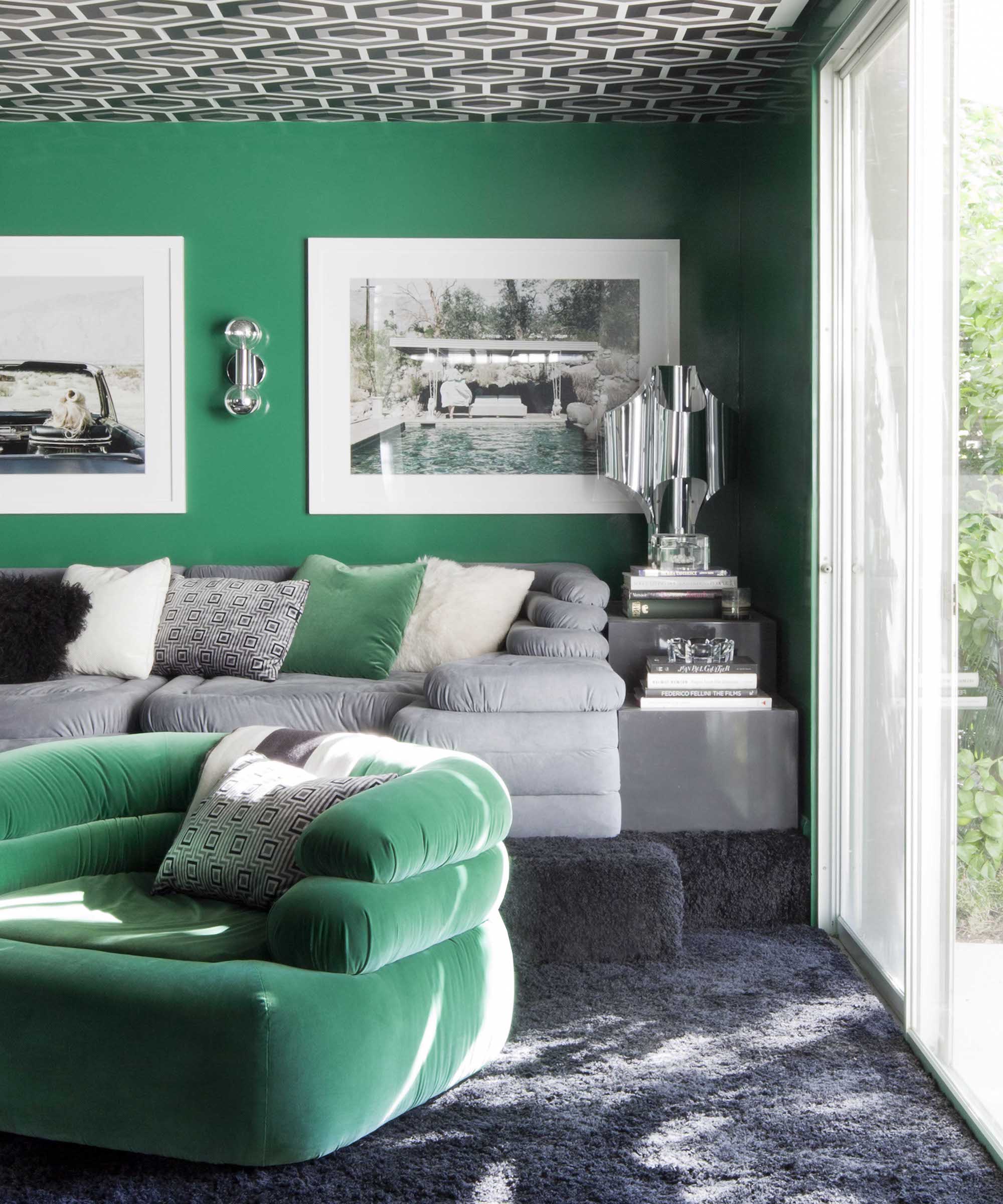
Second, choose an appropriate color palette. While the 1950s saw vibrant colors, the 1960s introduced more muted tones. Traditional mid-century schemes often feature olive green or dark red. For a modern or glamorous touch, pastel hues, pale pink, black, white, cream, navy, or shades of beige can be used.

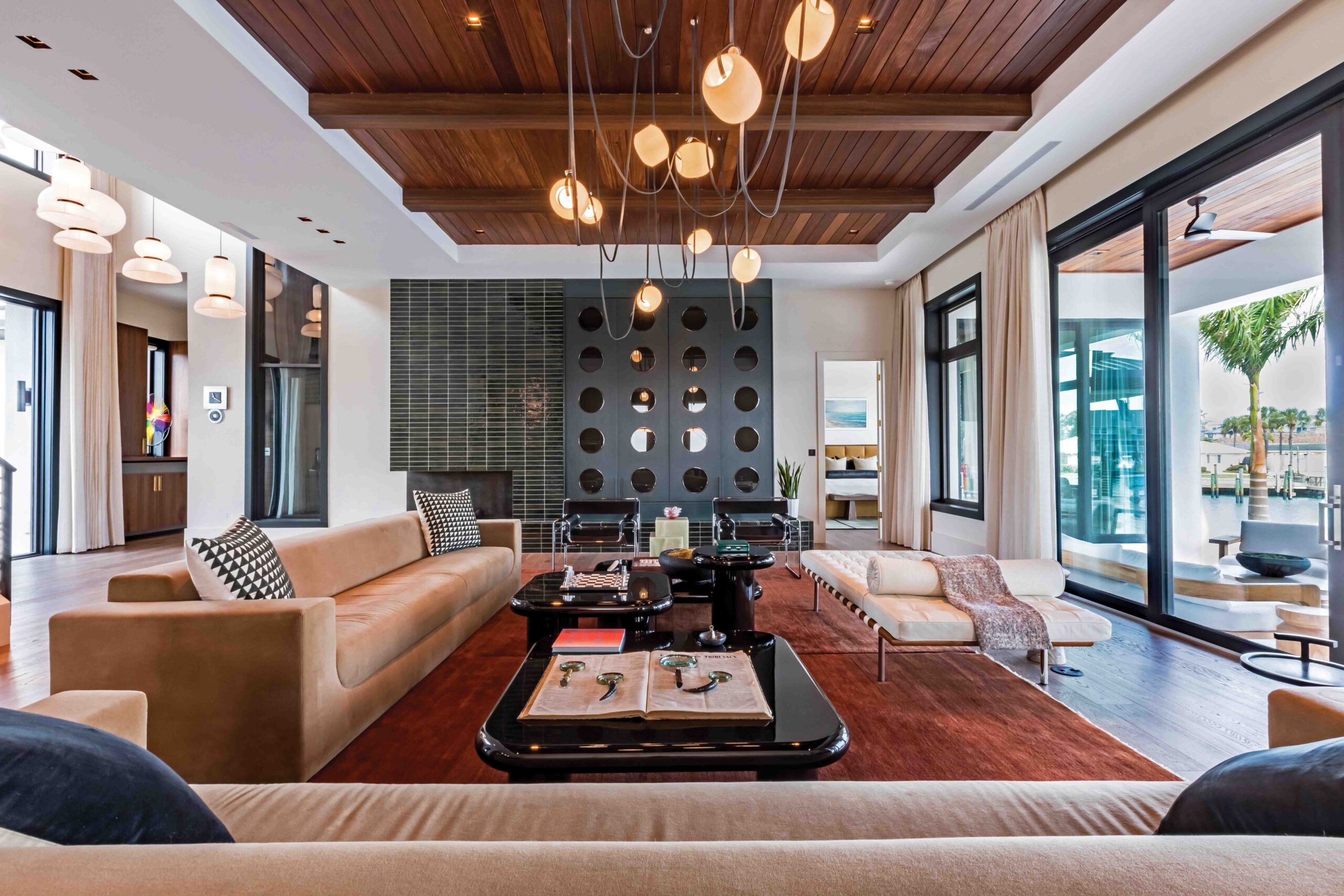
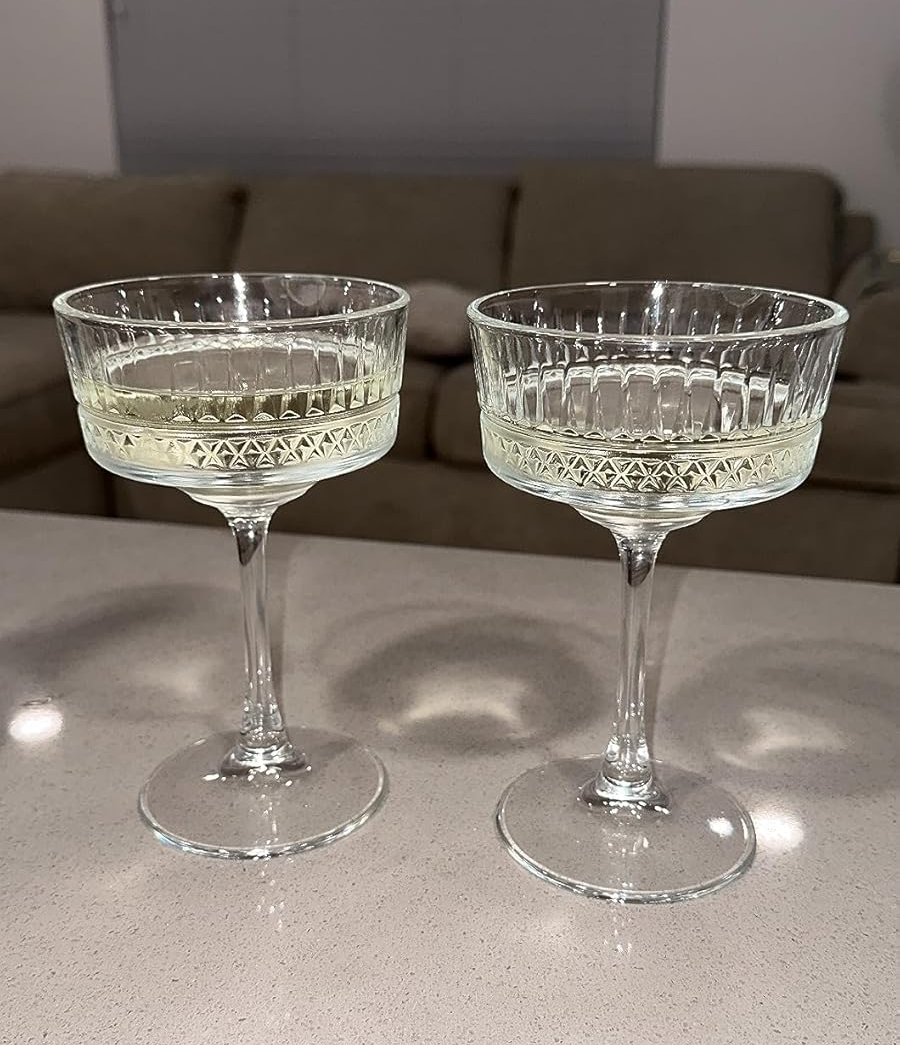
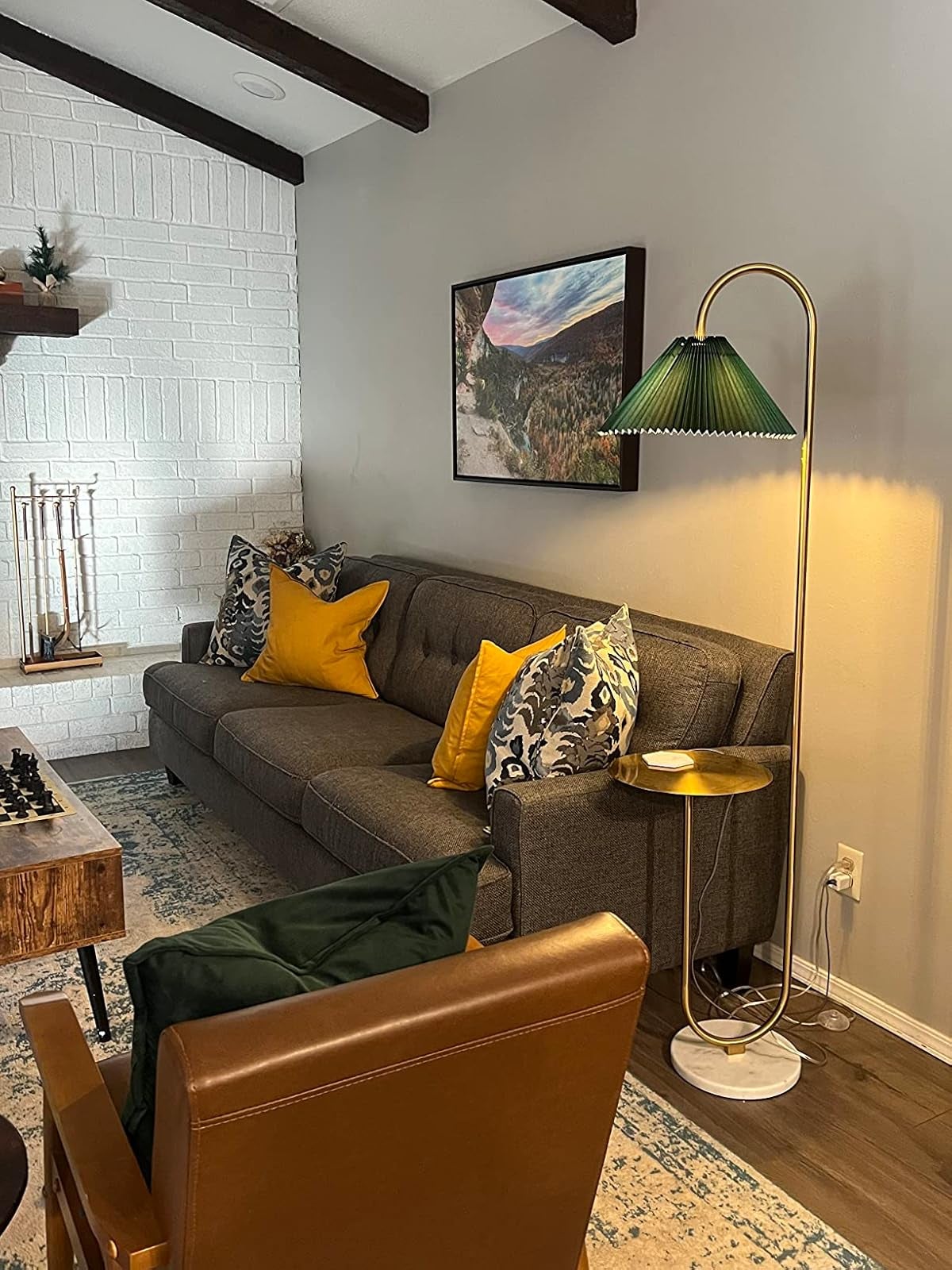
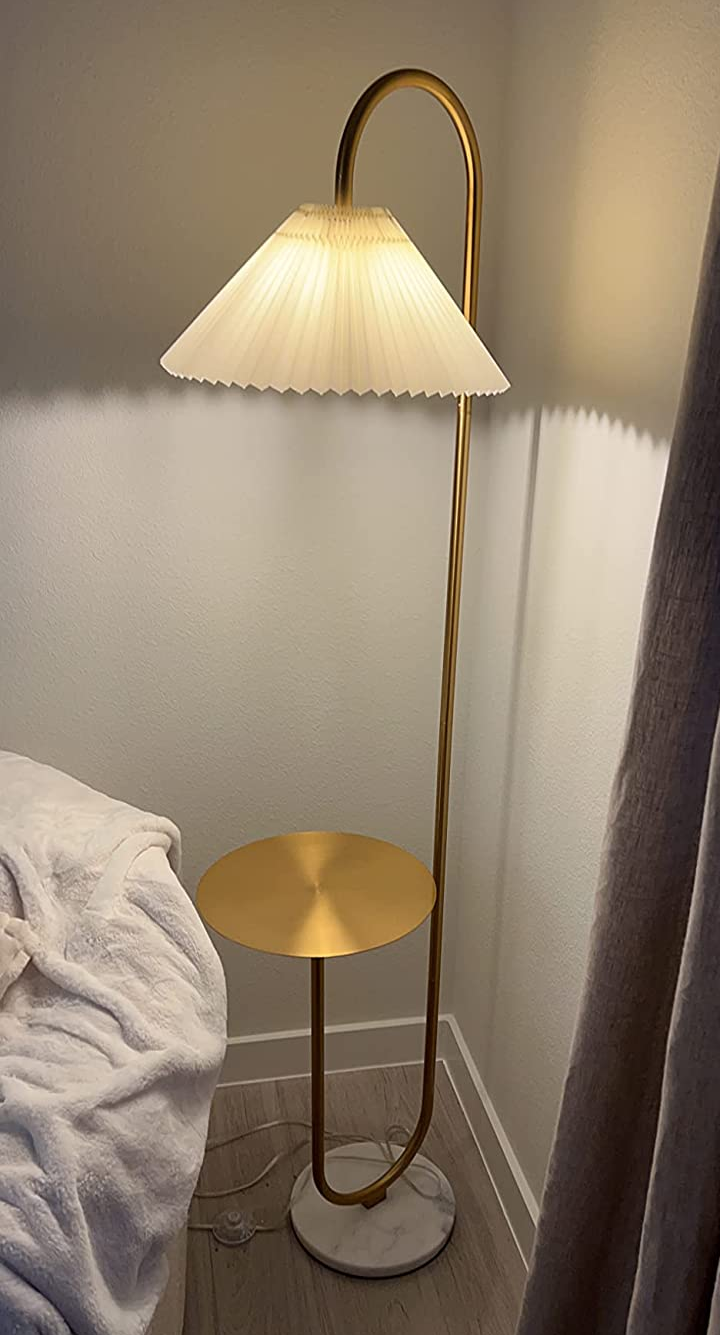
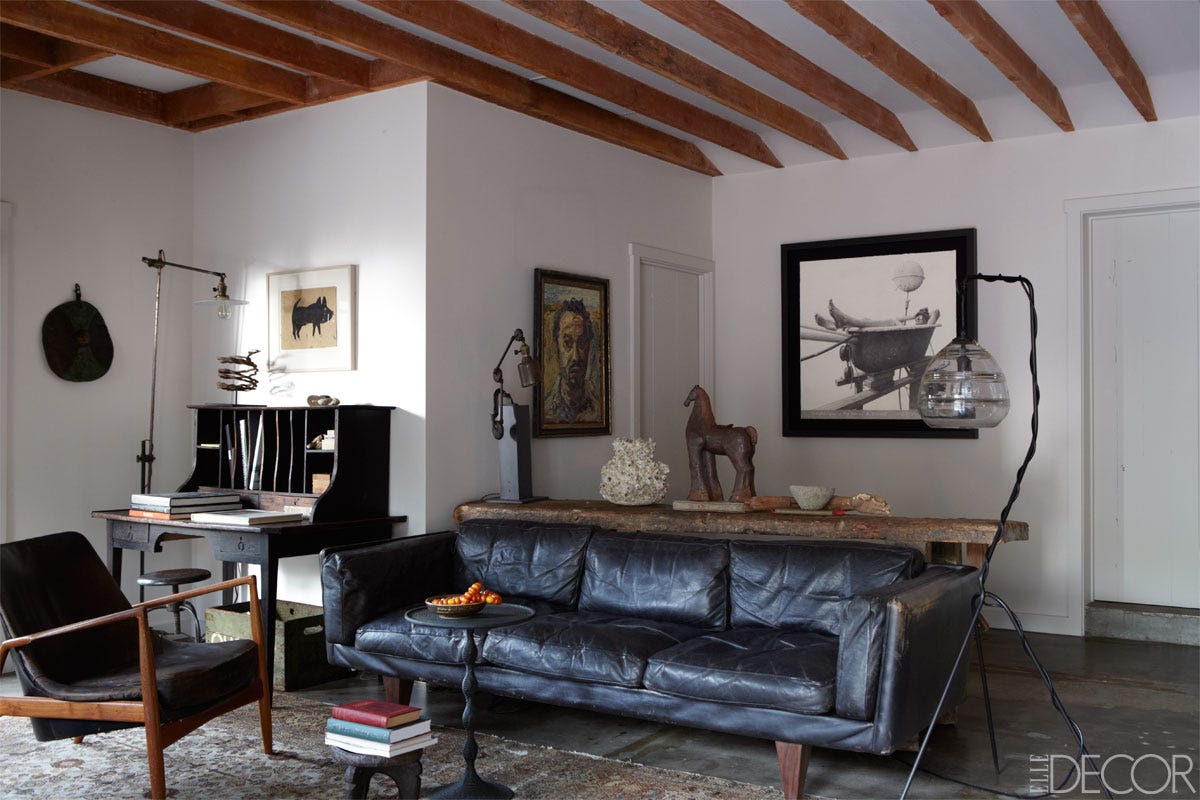
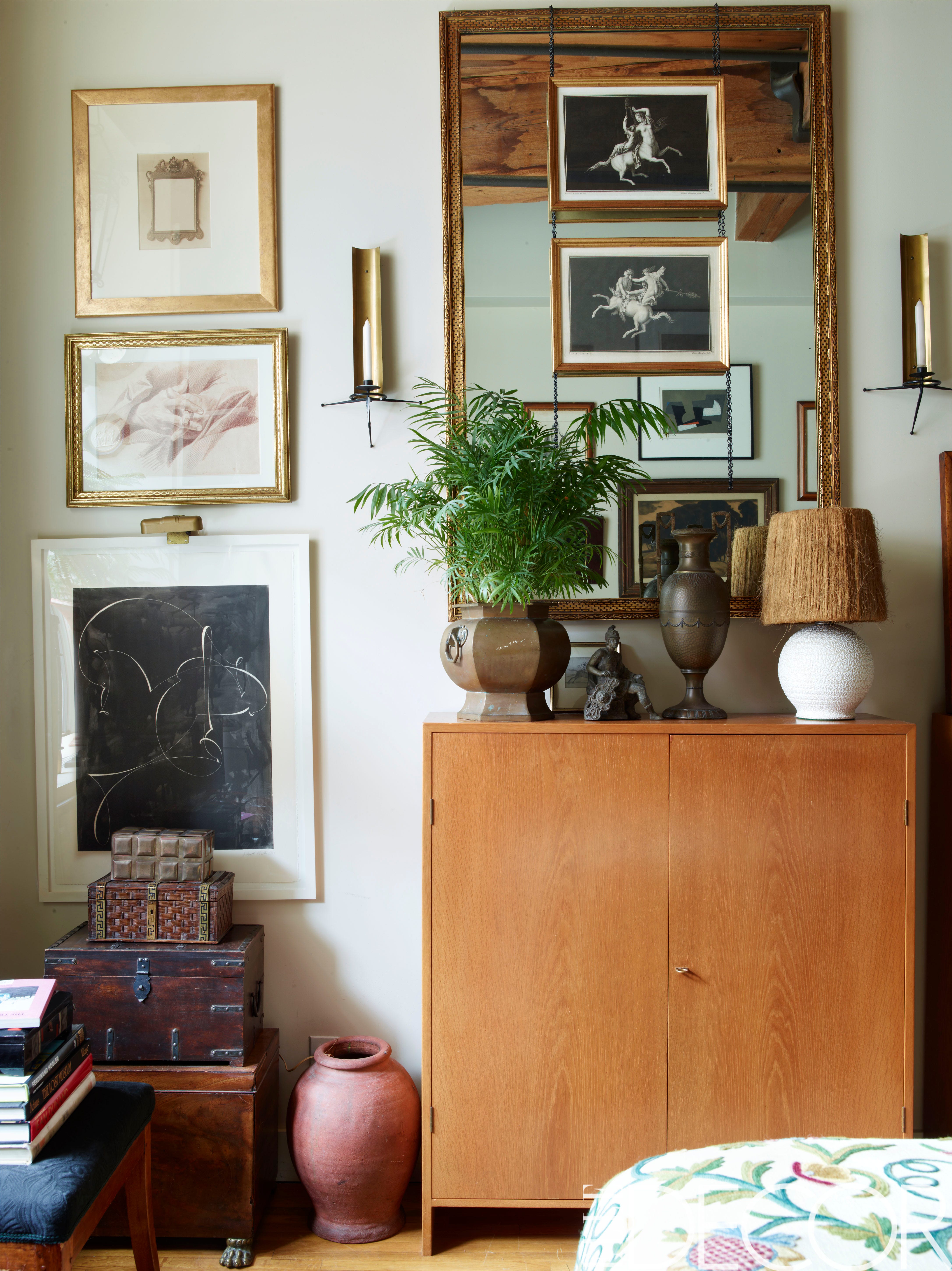
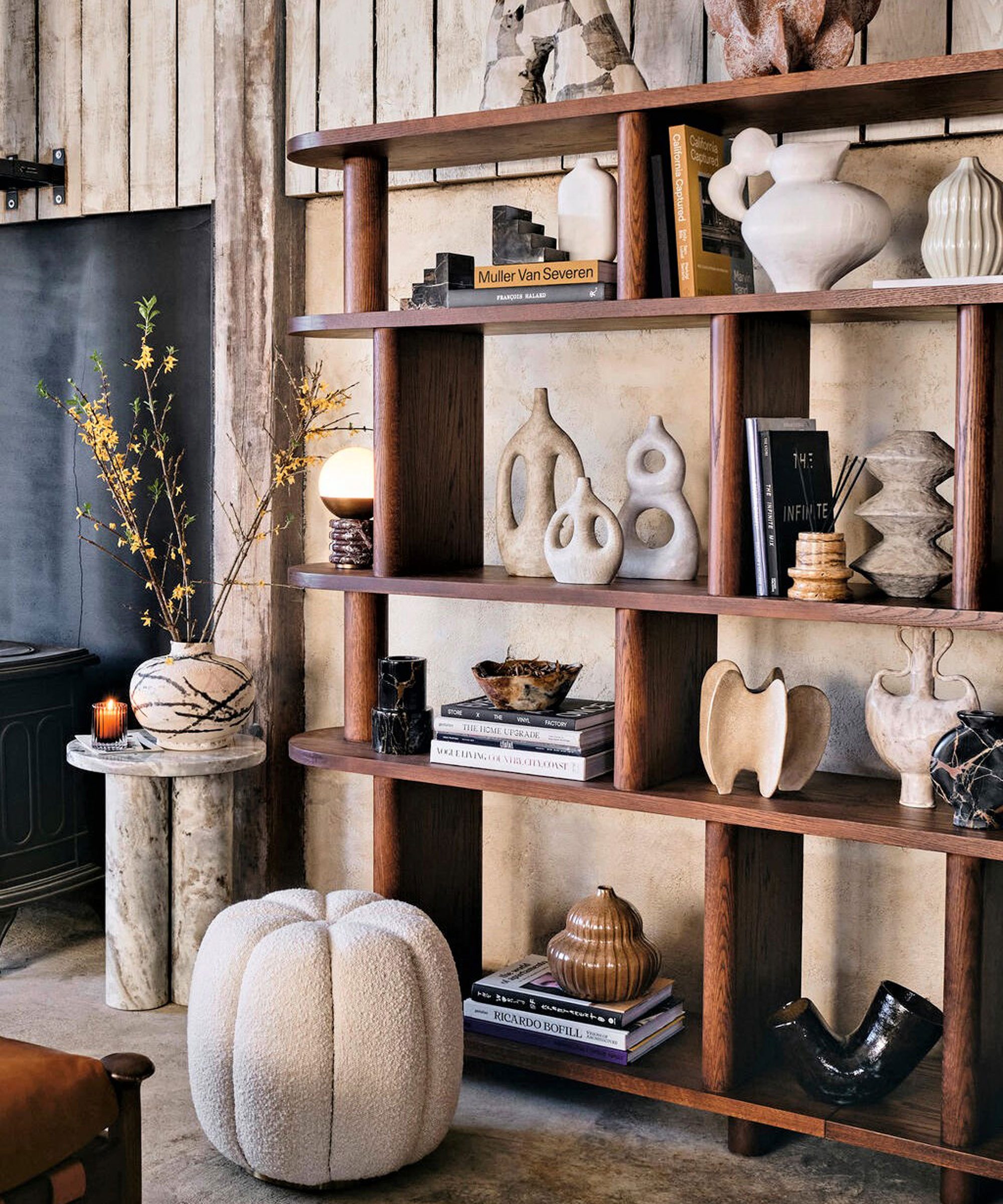
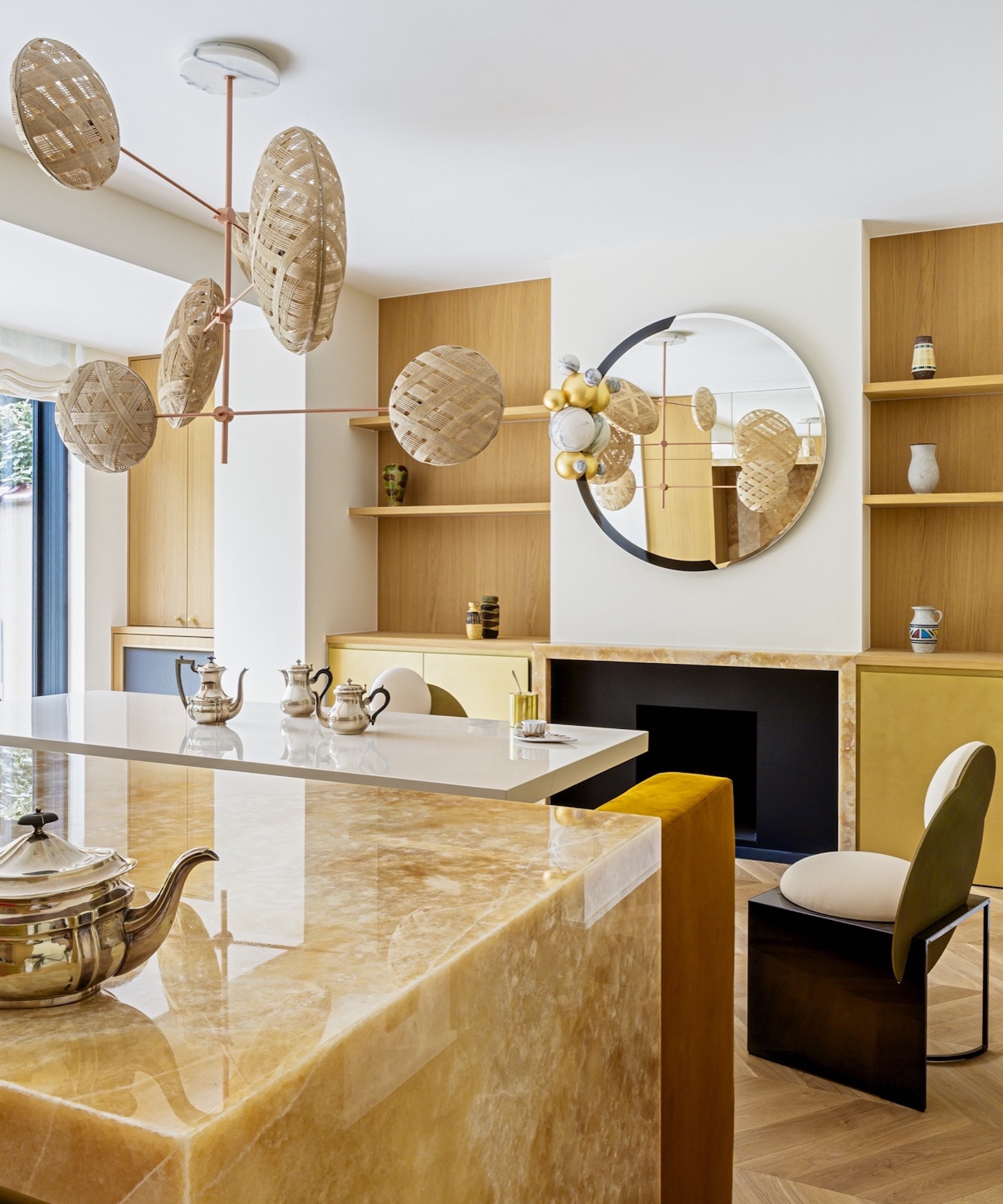
Third, accessorize with careful consideration. Lighting is a key element, with pendant lights or large architectural fixtures serving as artistic focal points. Metallic finishes are also common. Decorative objects like traditional candlesticks, simple gilded round mirrors, drinks trolleys, and old-fashioned embossed glasses enhance the mid-century vibe. Completing the look involves large, rounded floor and table lamps, indoor plants, and patterned rugs. Ceramics were also a popular choice during this era. Mid-century furniture in Australia frequently utilized woods such as Queensland maple, teak (especially from Burma and Thailand), and American walnut in the 1960s, with imported pieces often featuring beech, teak, and European oak.
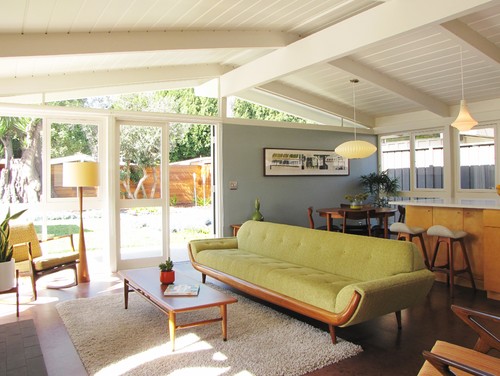
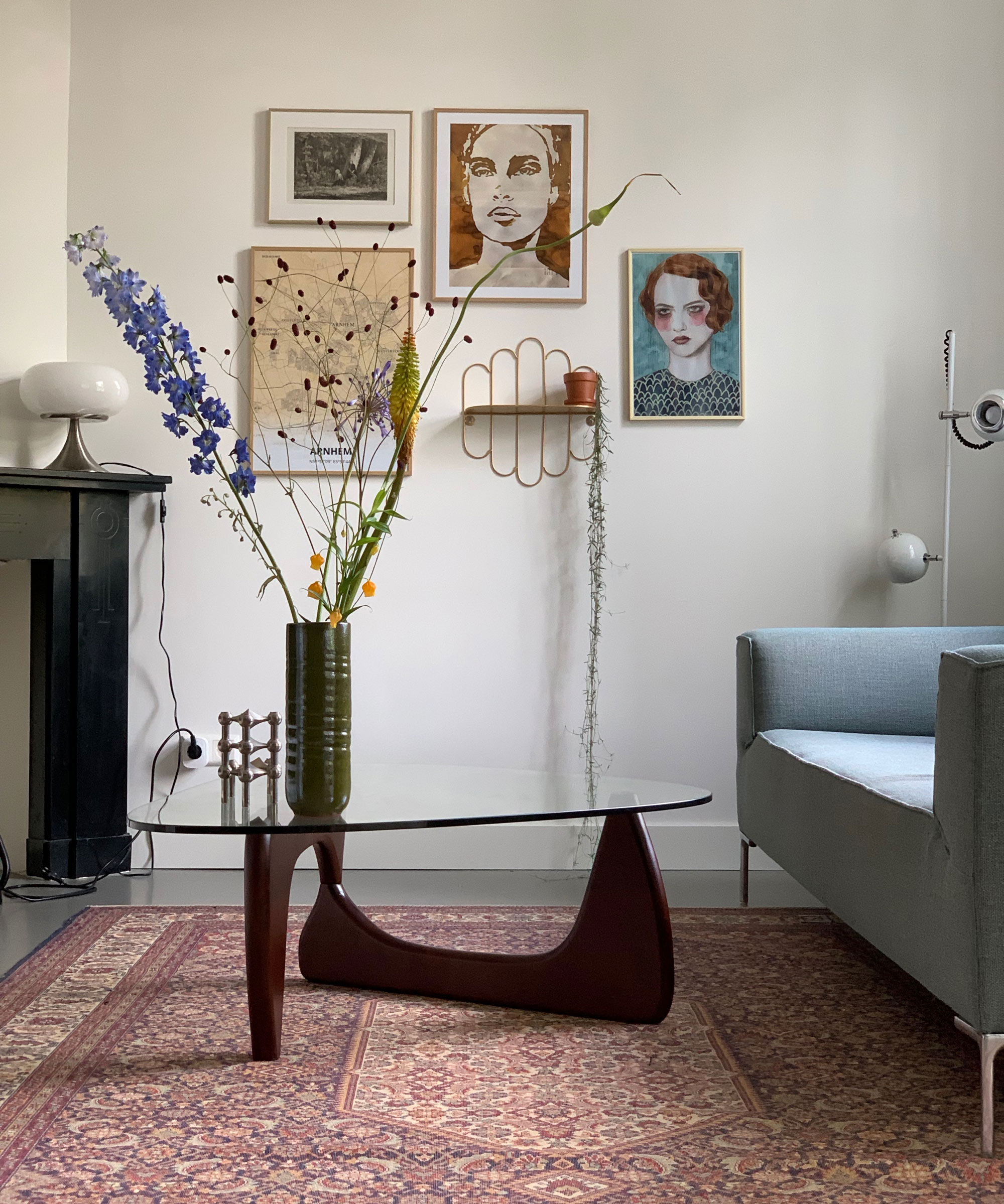
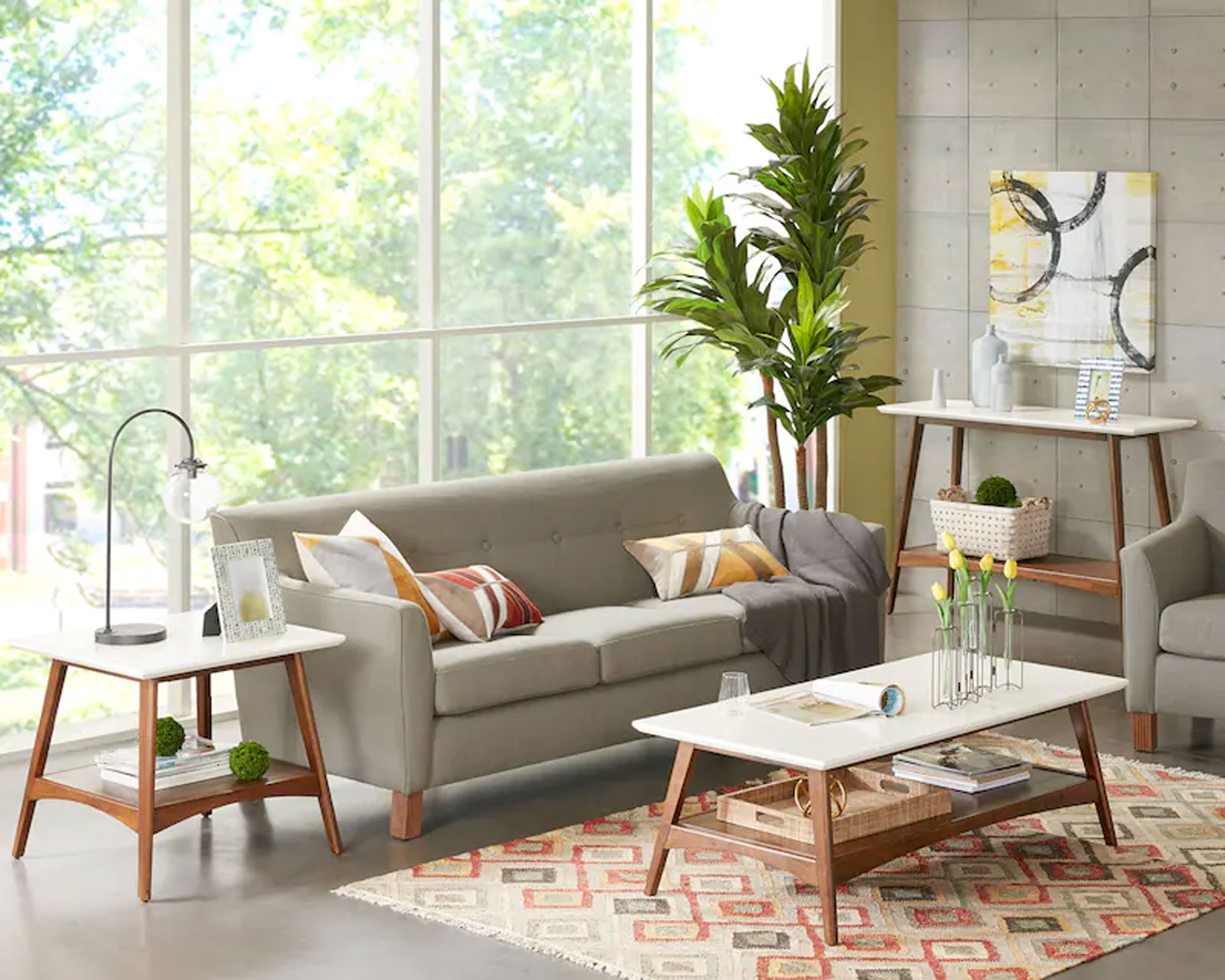
Fourth, arrange the space to create balance and visual interest. A well-designed mid-century interior incorporates a mix of heights to draw the eye both upwards and downwards. Each room should have a focal point, such as a large mirror, a prominent painting, or furniture arranged around a statement coffee table. Plants can be elevated with stands, and a low sofa and coffee table can be paired with a tall floor lamp, while a credenza provides a medium-height anchor.
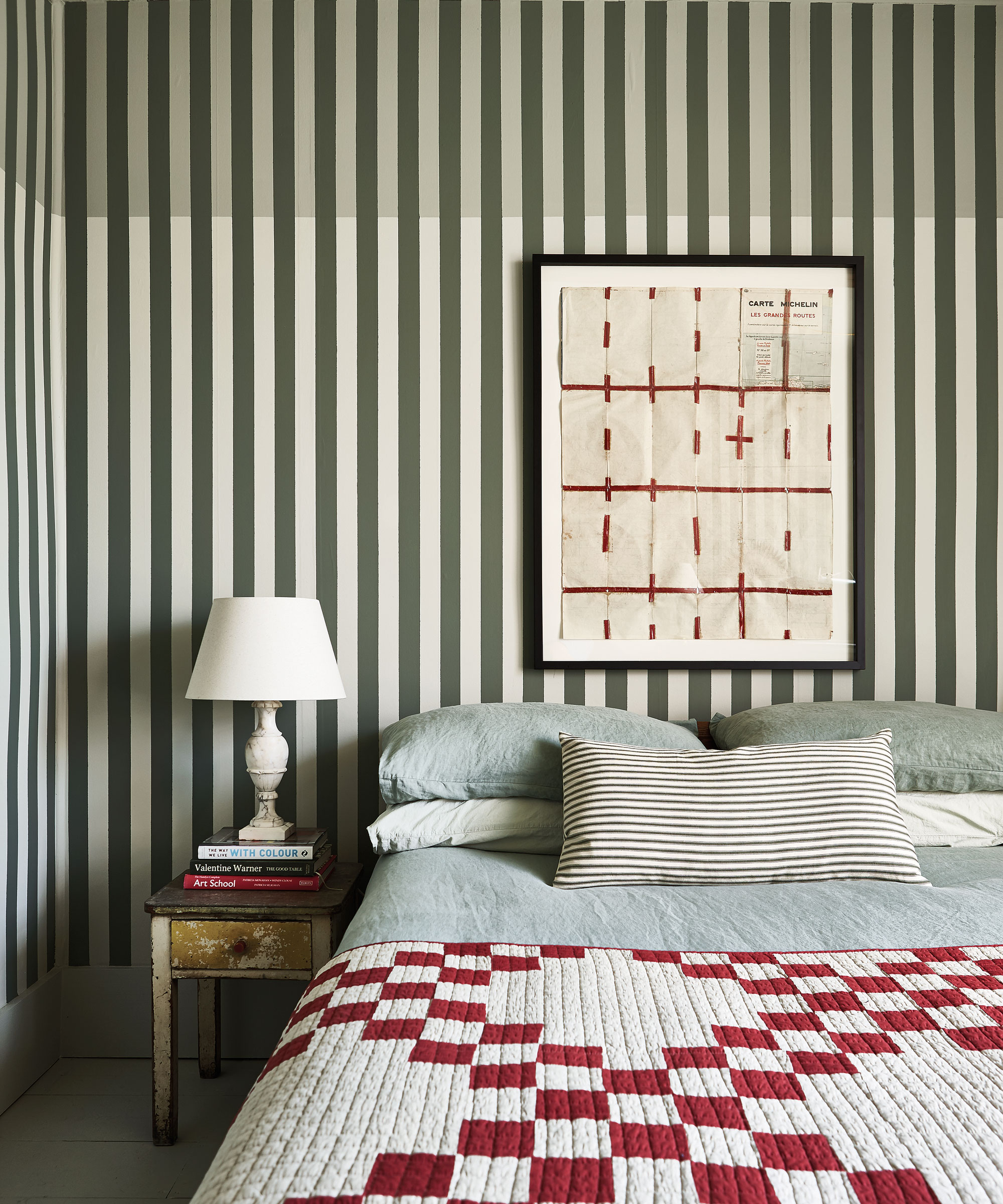
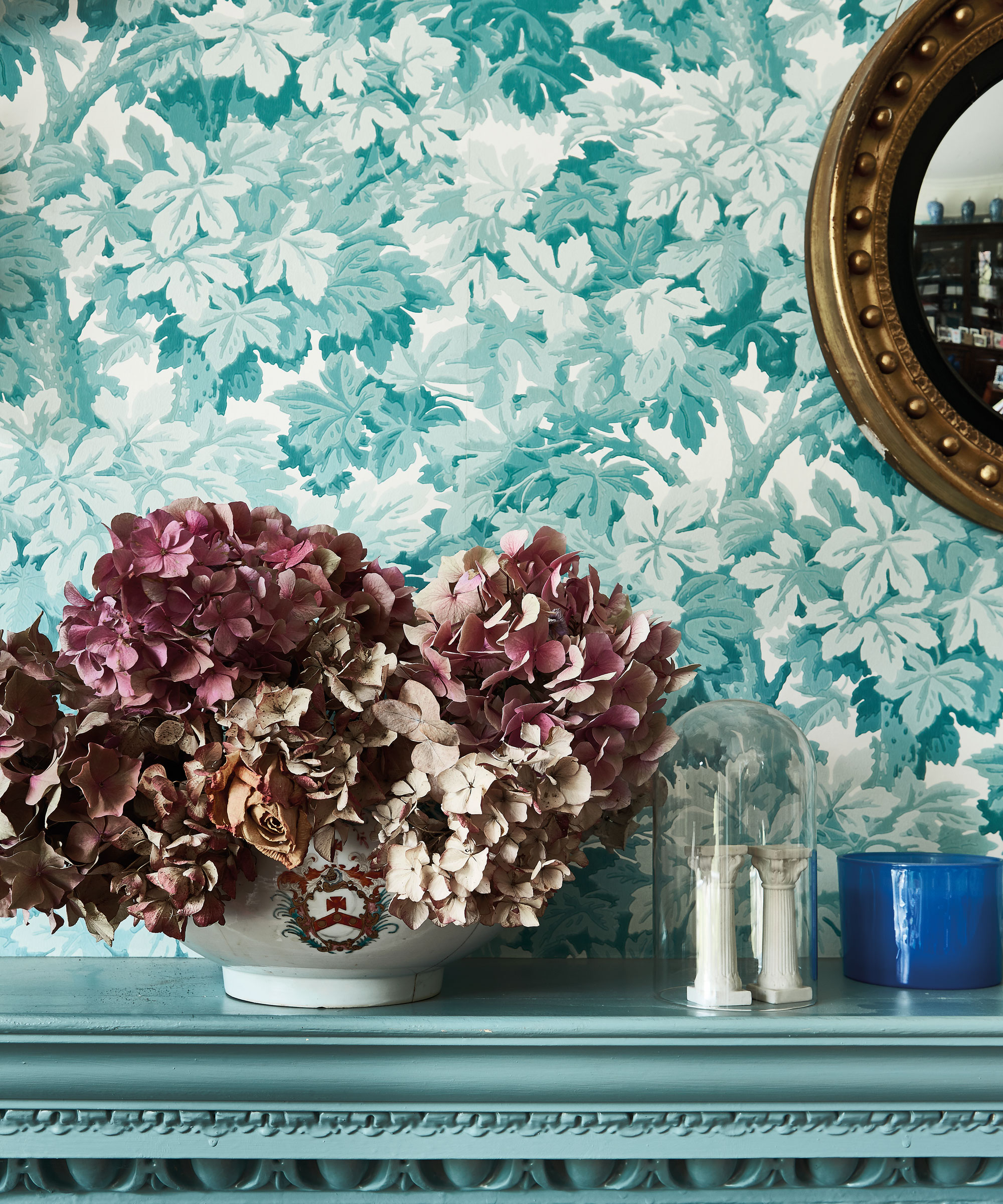
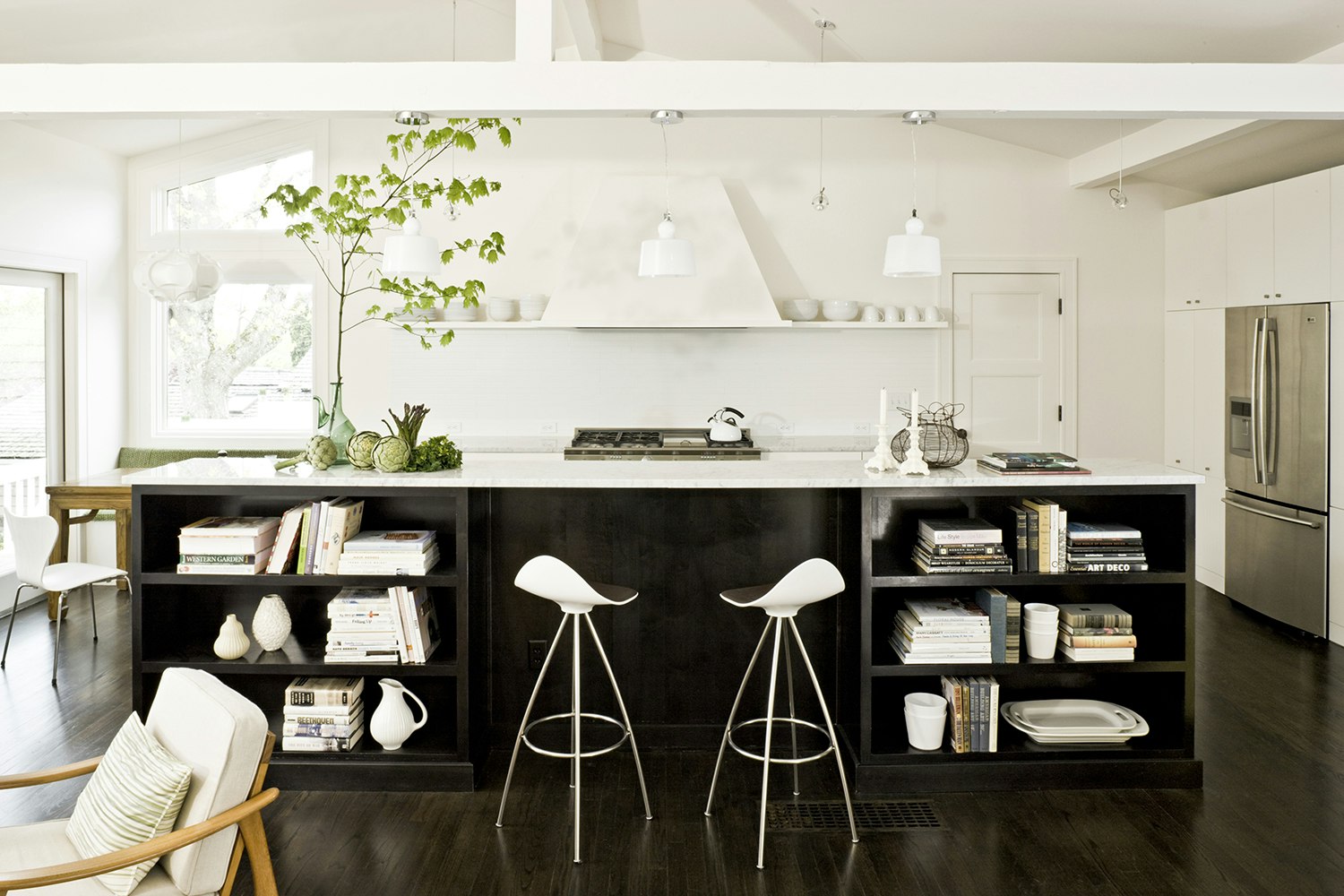
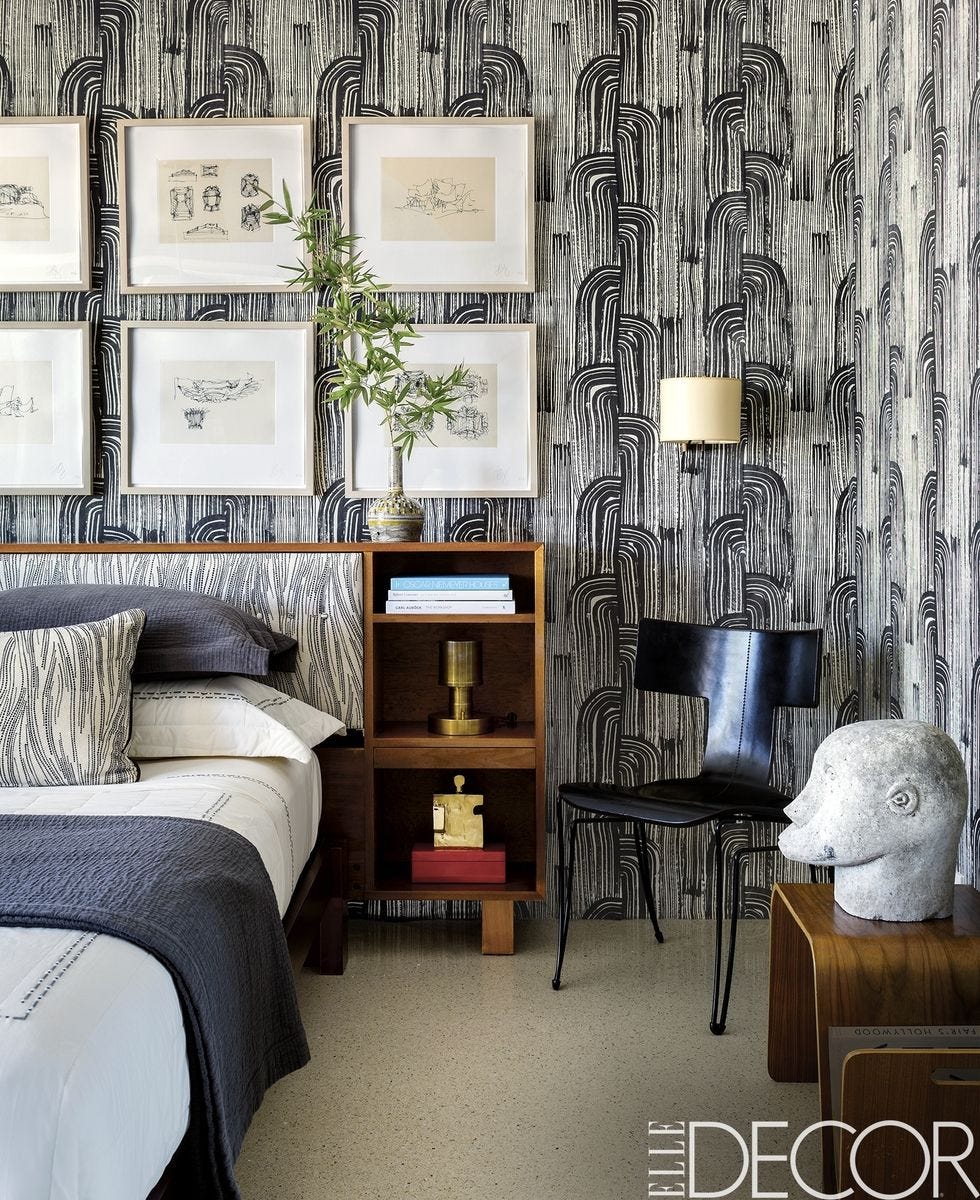
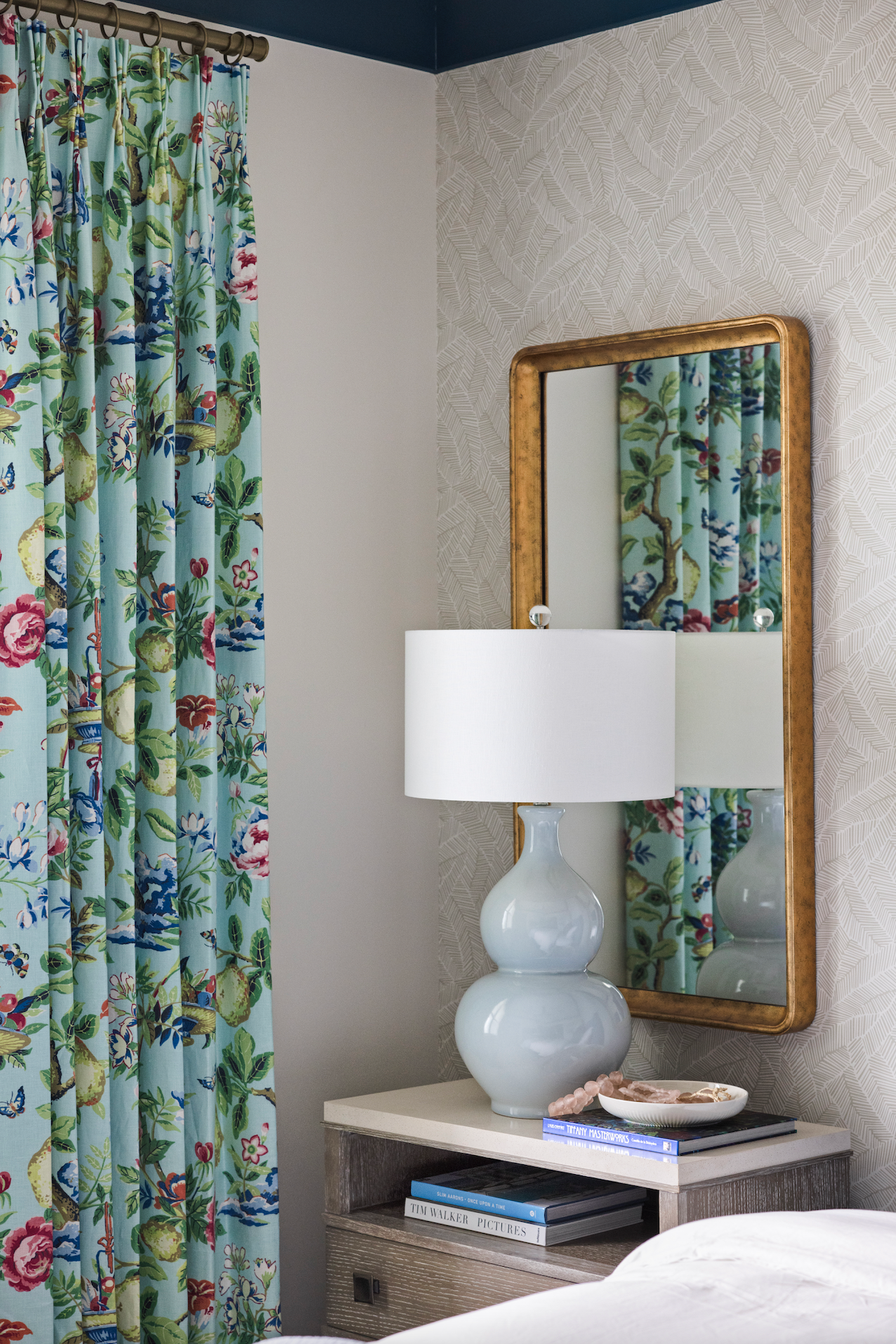
Finally, address wall decor. Many mid-century homes feature white walls and open-plan layouts. To further enhance the era's aesthetic, consider adding era-appropriate wallpaper or a graphic artwork that complements the room's color scheme.
#MidCenturyModern #InteriorDesign #HomeDecor #Furniture #DecoratingTips #TimelessStyle #DesignTrends #WalnutFurniture #ArchitecturalLighting #MidCenturyModern #InteriorDesign #HomeDecor #Furniture #DecoratingTips #TimelessStyle #DesignTrends #WalnutFurniture #ArchitecturalLighting
0 comment in total
 No comments yet
You may also like
9 Decorating Tips To Master The Mid-Century Modern Look

41 Home Products To Consider If You Love The Mid-Century Modern Look
12 Ways to Master the Modern Rustic Look
The 6 commandments of mid-century modern design
Modern heritage style – 5 ways to get the look

A Designer's Tips For Renovating a Midcentury Modern Interior

We Asked Designers If Midcentury Modern Is Out of Style—and Their Answer Might Surprise You

How To Paint Your Kitchen If You're Going For A Mid-Century Modern Design

Weekend Design: 5 Color Palettes for a Midcentury Modern Look

Midcentury Modern Style: An Approachable Guide to Inspired Rooms

8 "Tacky" Home Trends That Are Tragically Dead to Designers in 2026
10 Easy Ways to Incorporate This Old-Guard Style Into Your Space
Here's What You Should Know About Midcentury Modern Style
'Good design holds up' – 16 mid-century modern ideas that prove this design style will always be trending
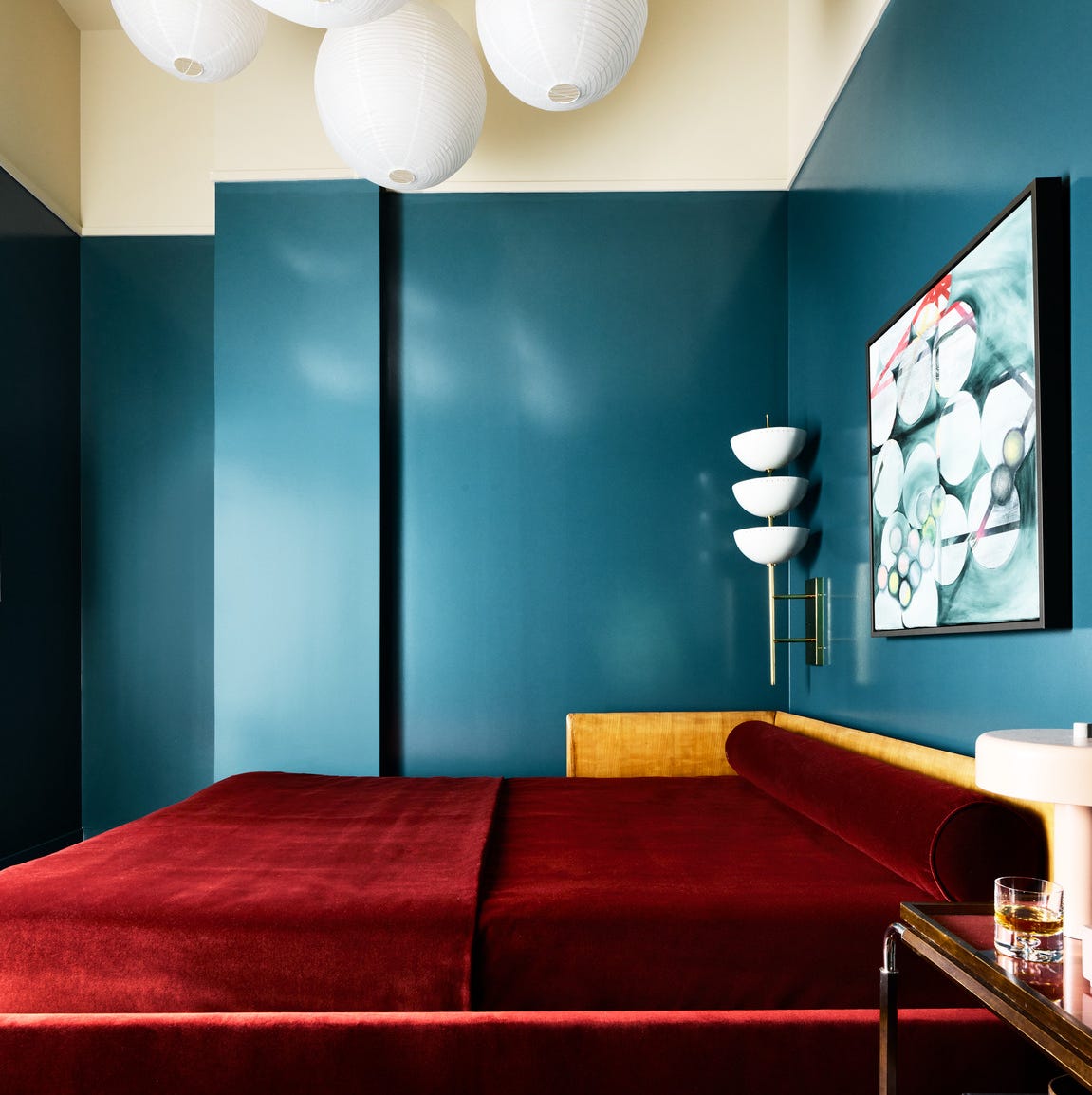
How to Design a Midcentury Modern Bedroom That Feels Current

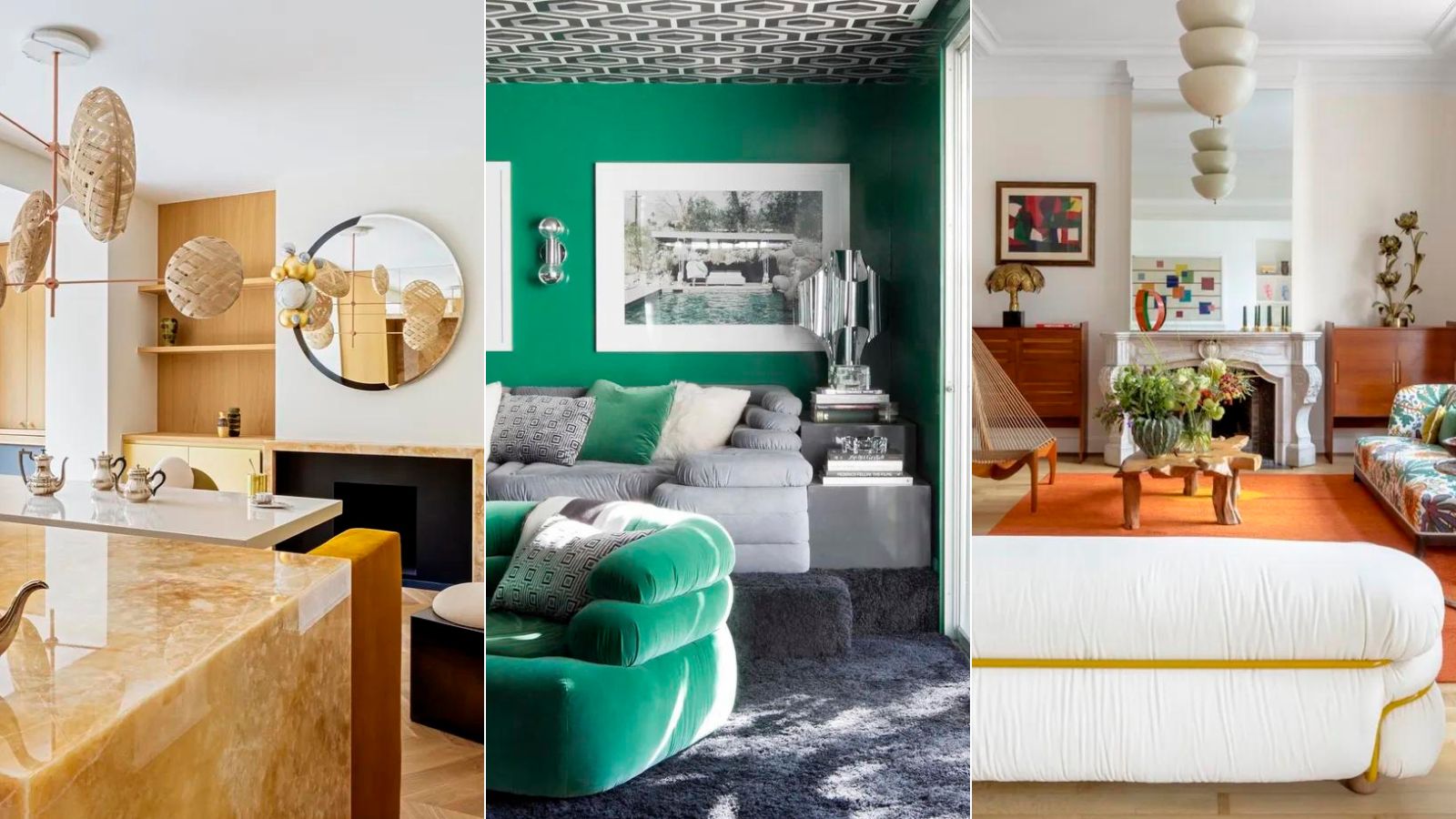
What colors create a mid-century modern color scheme? 10 retro combinations to try
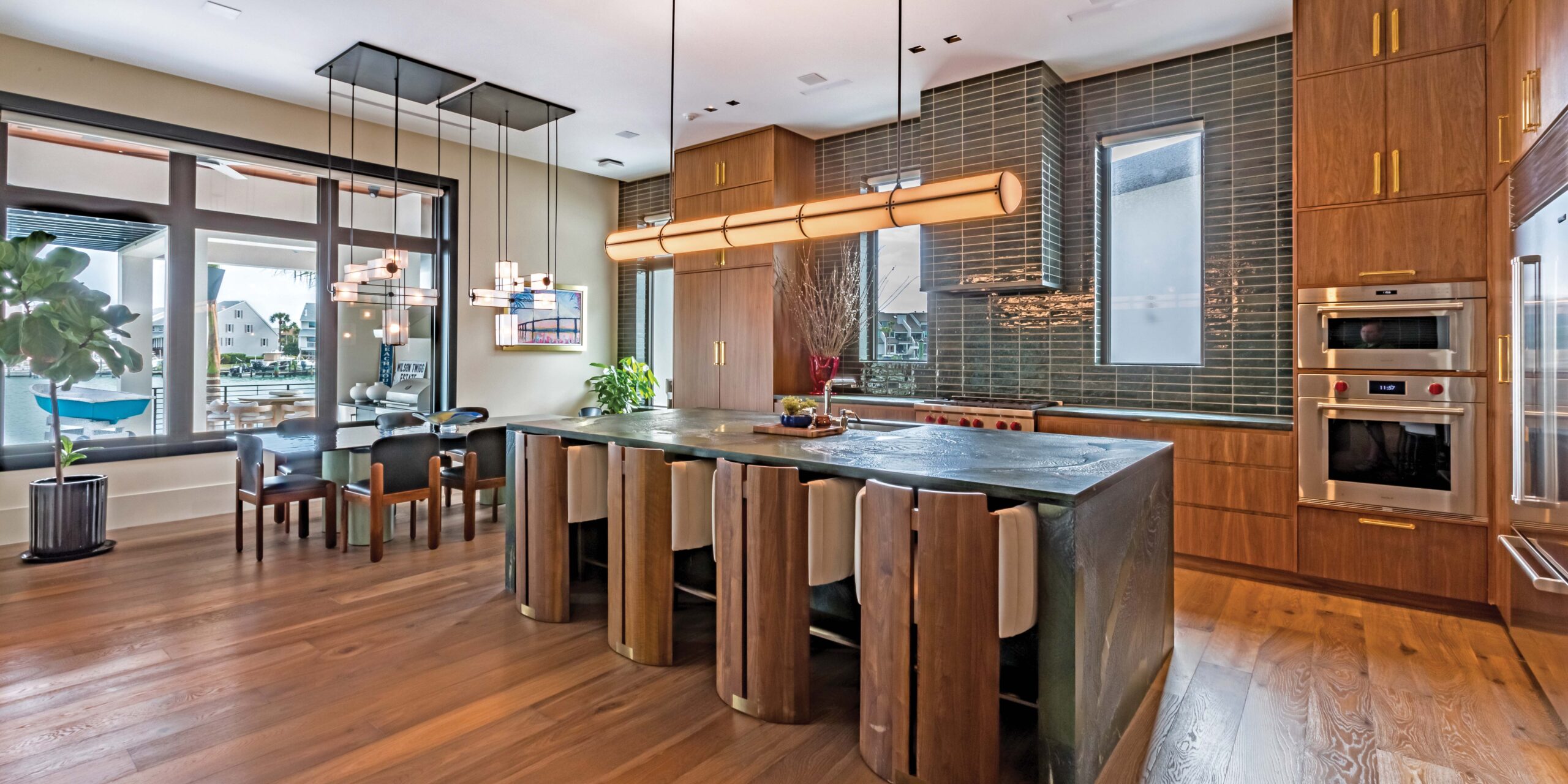
Home Design: Reinvented Midcentury Modern

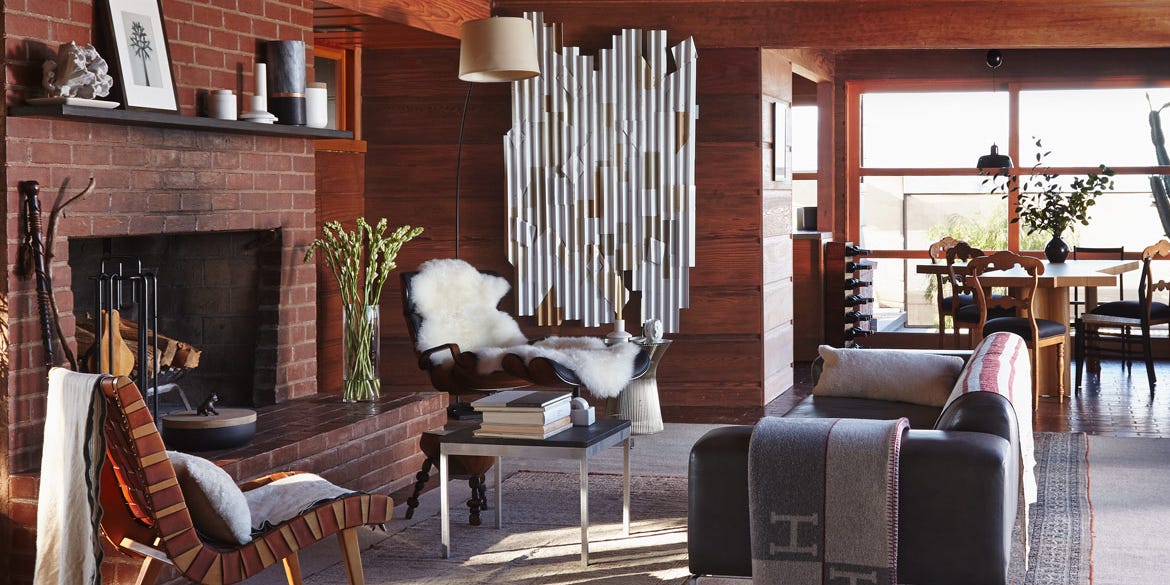
These 27 Stylish Rooms Do Mid-Century Modern Right
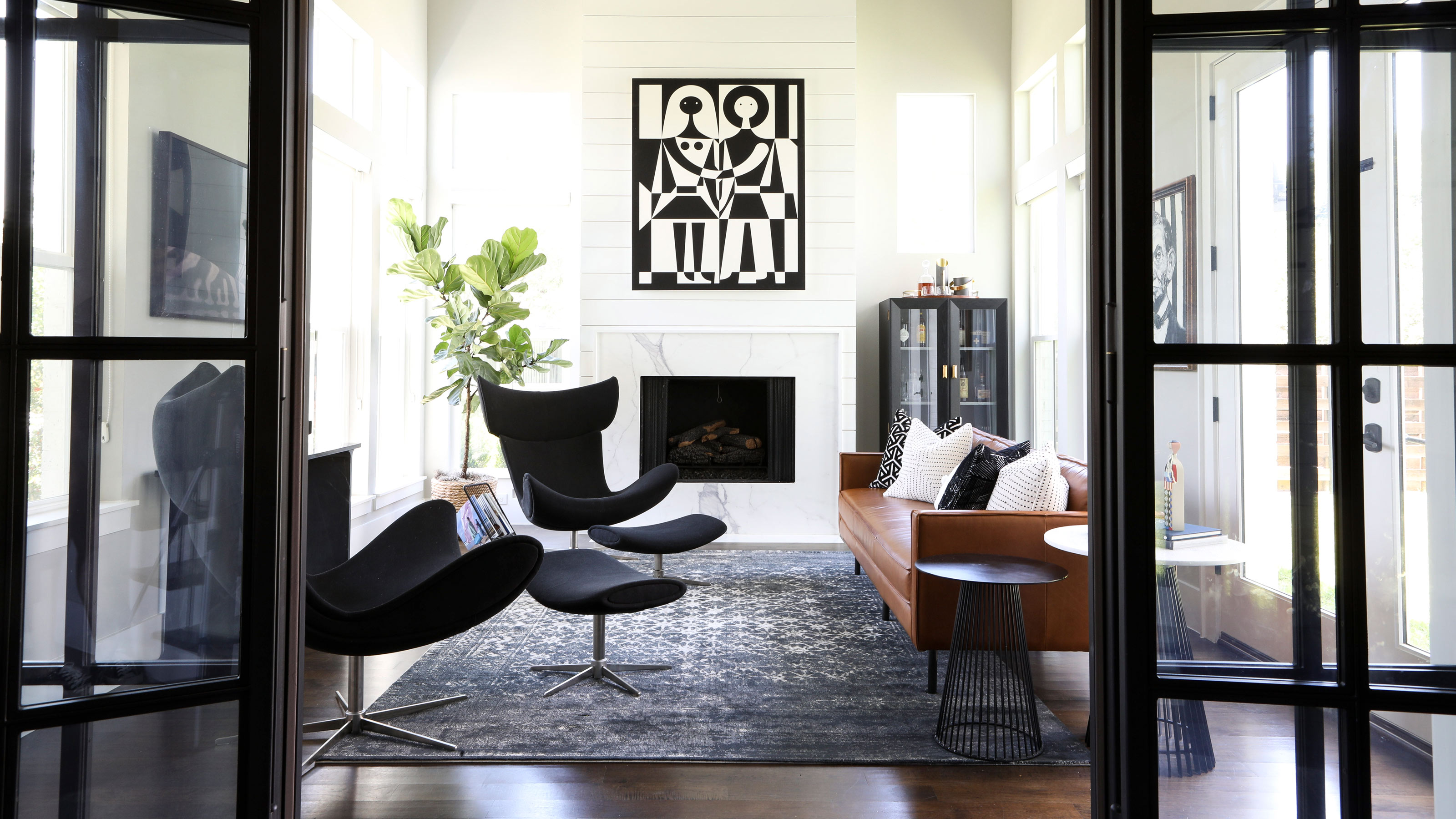
13 mid-century modern living room ideas for a sophisticated room refresh

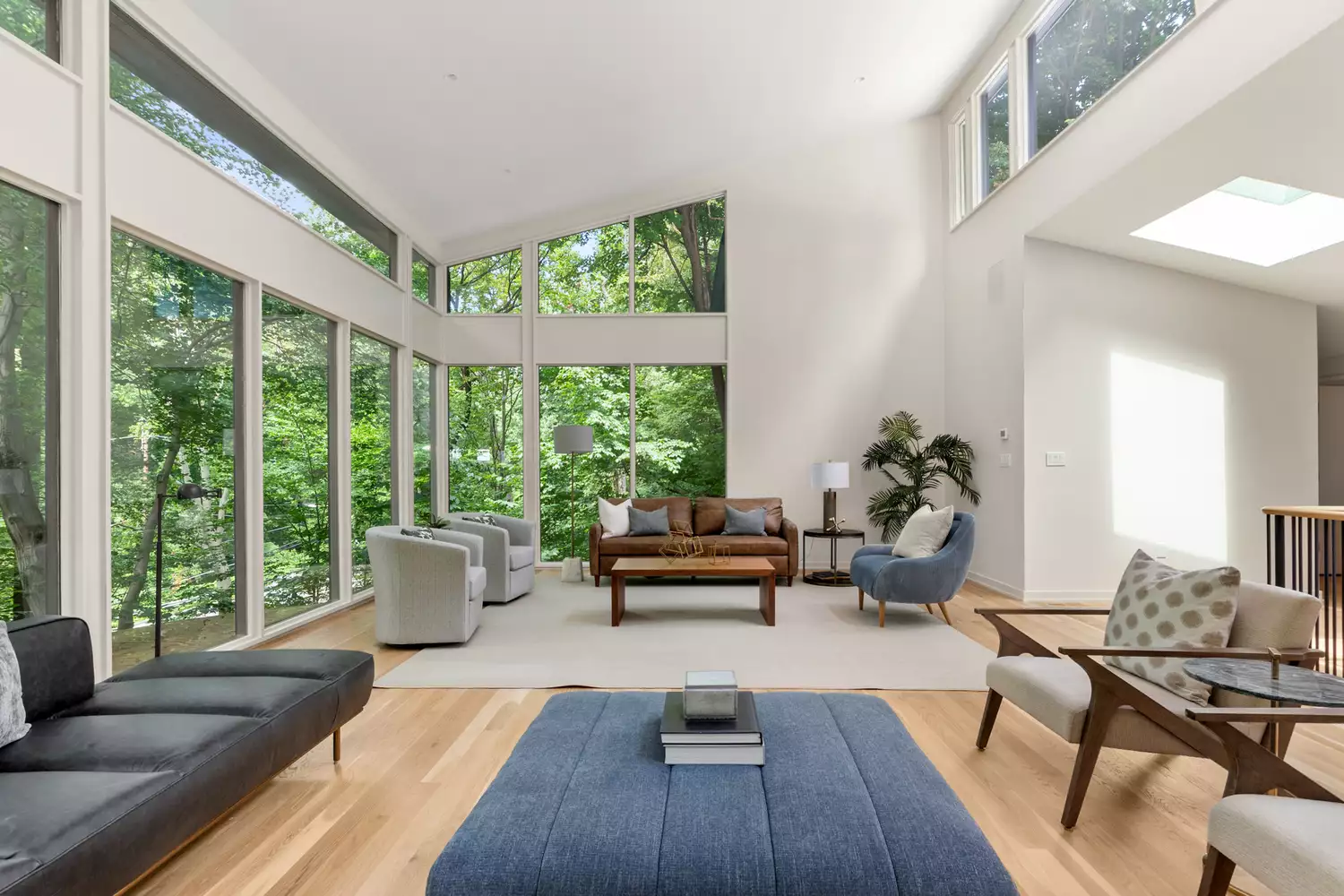
Is Midcentury Modern Decor Finally Out of Style in 2025? What Designers Really Think