1/5
A Designer's Tips For Renovating a Midcentury Modern Interior
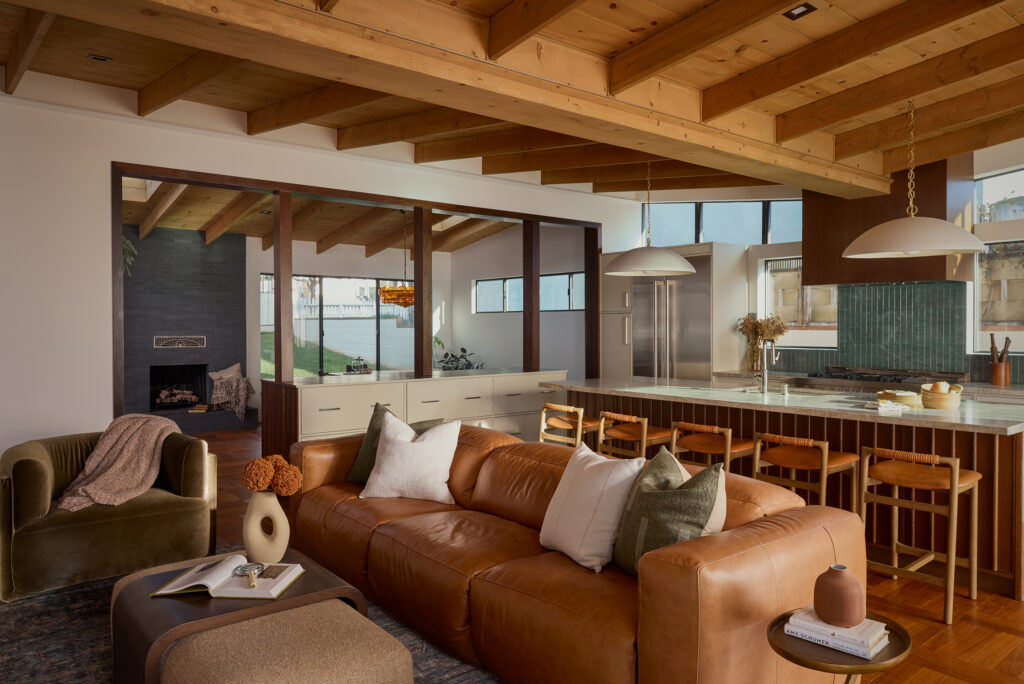

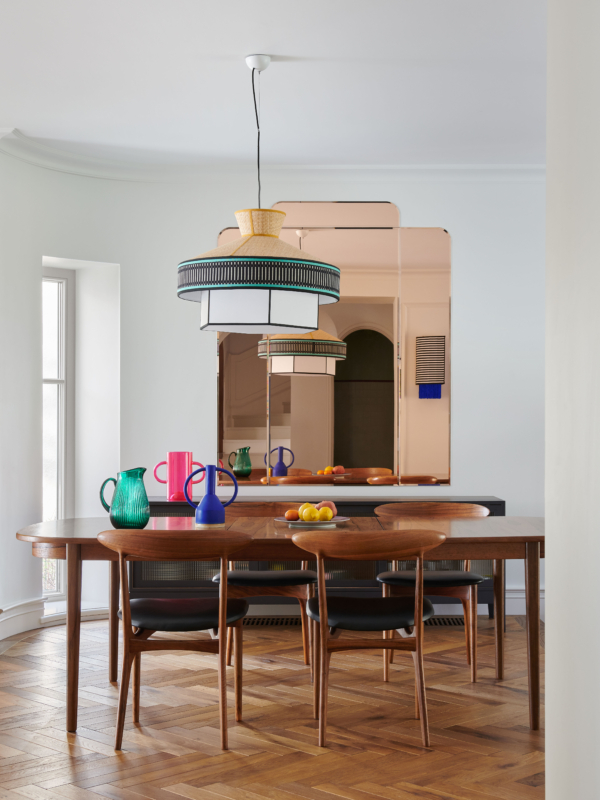
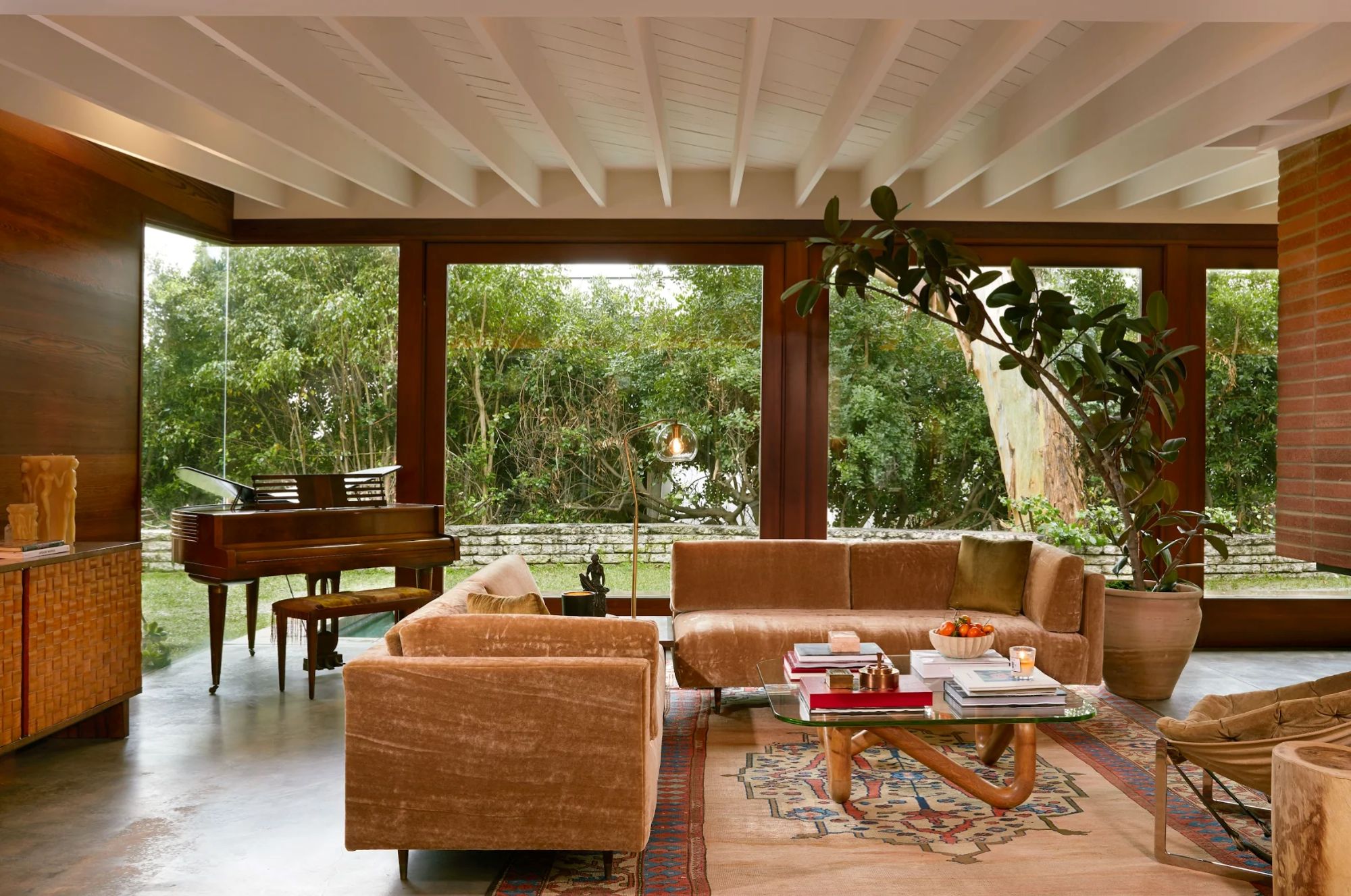
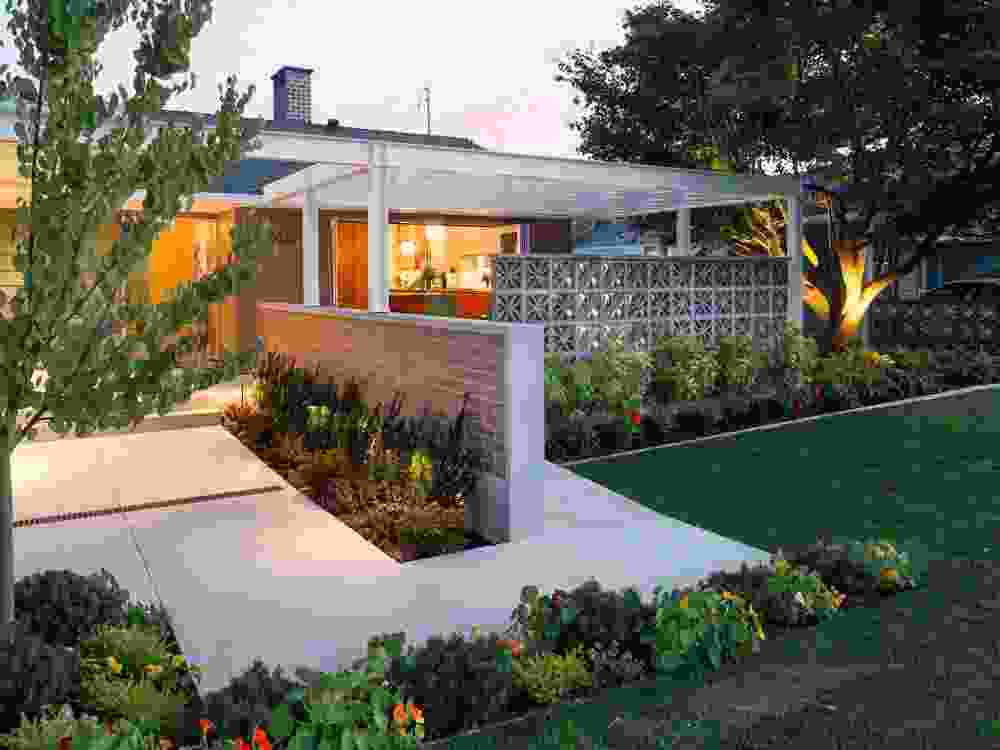
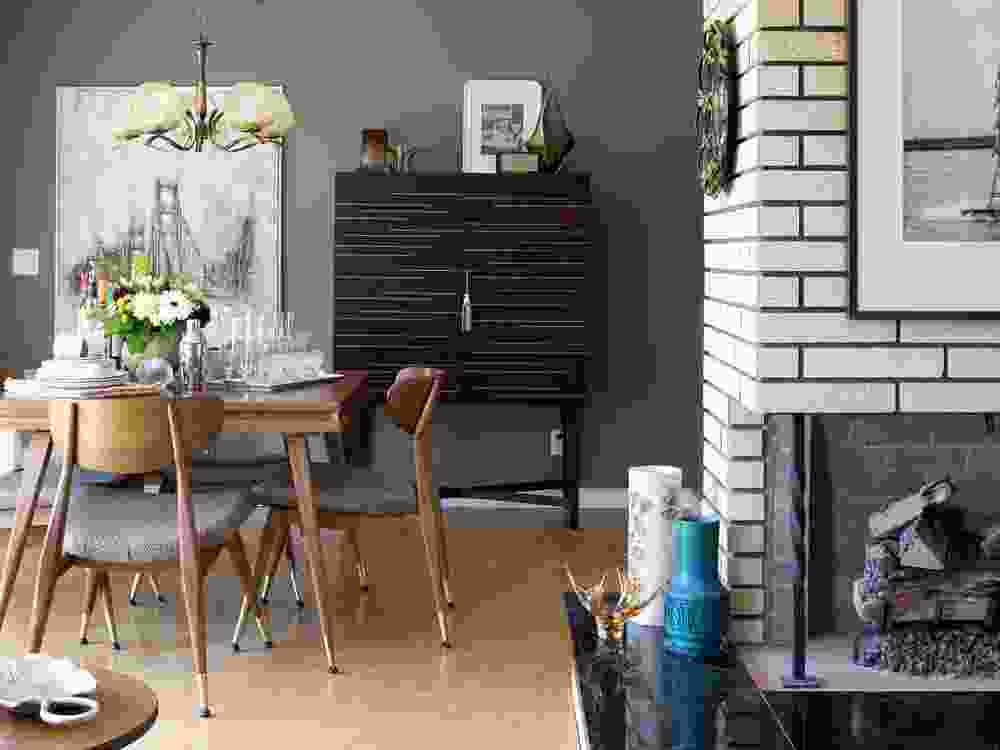
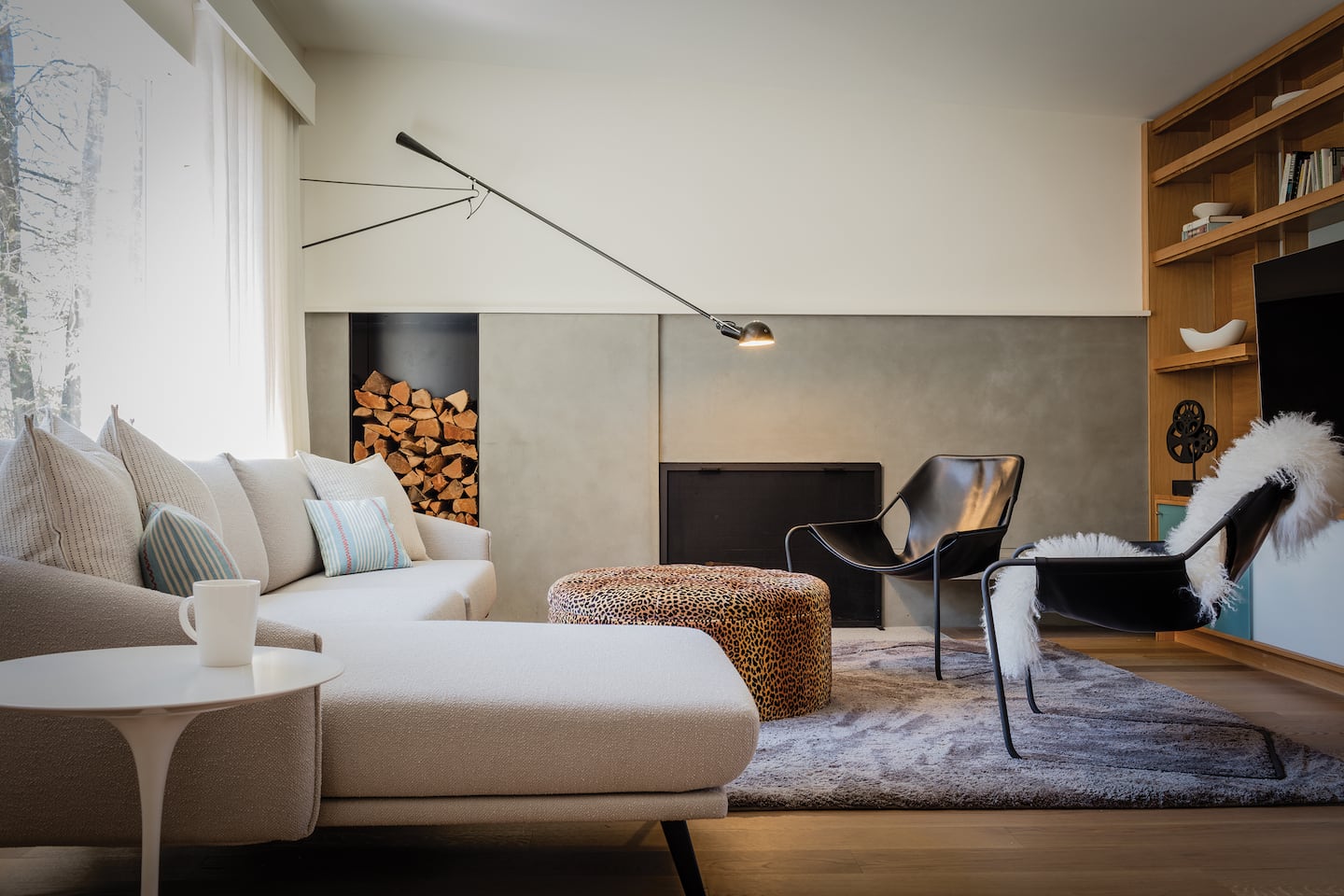
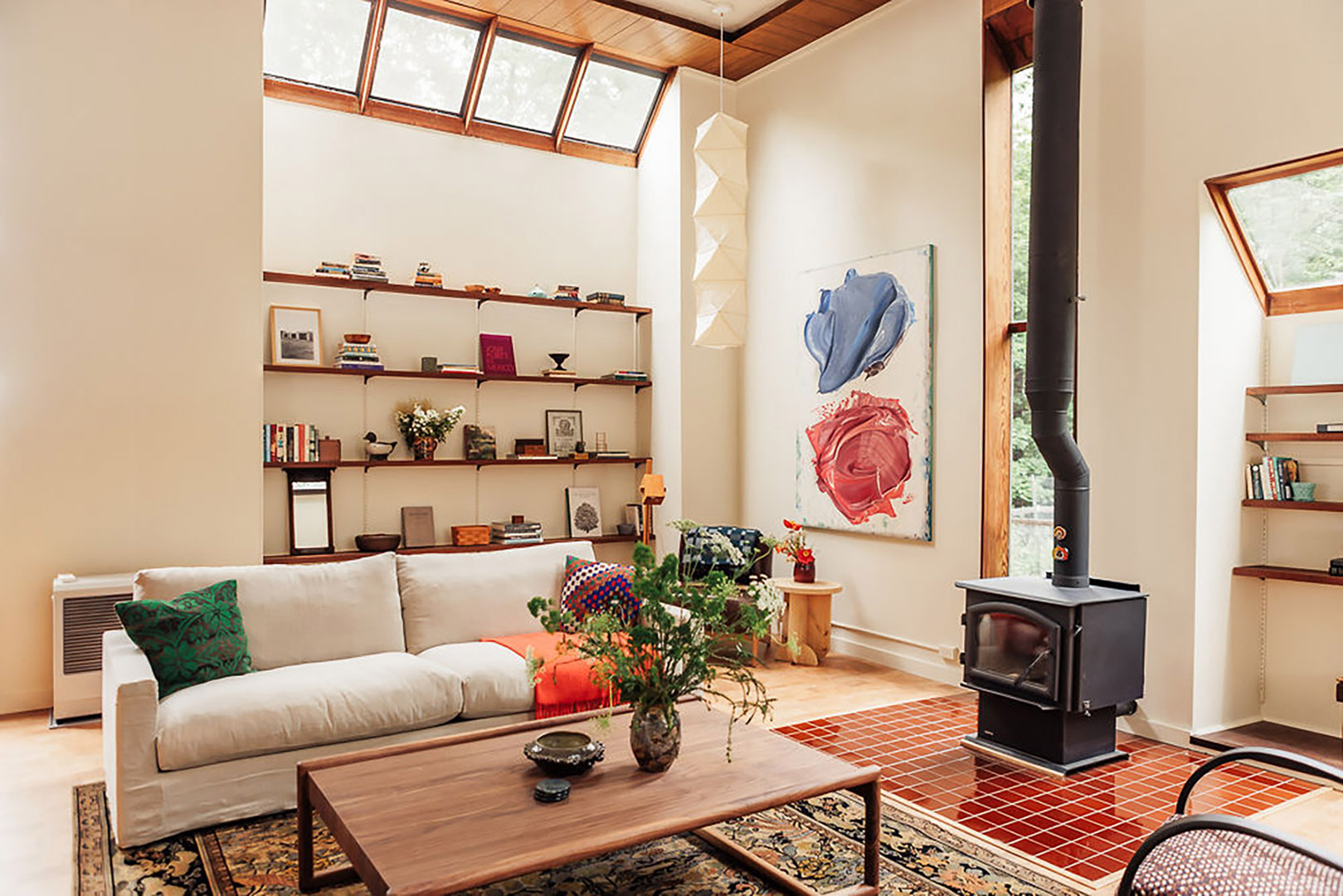
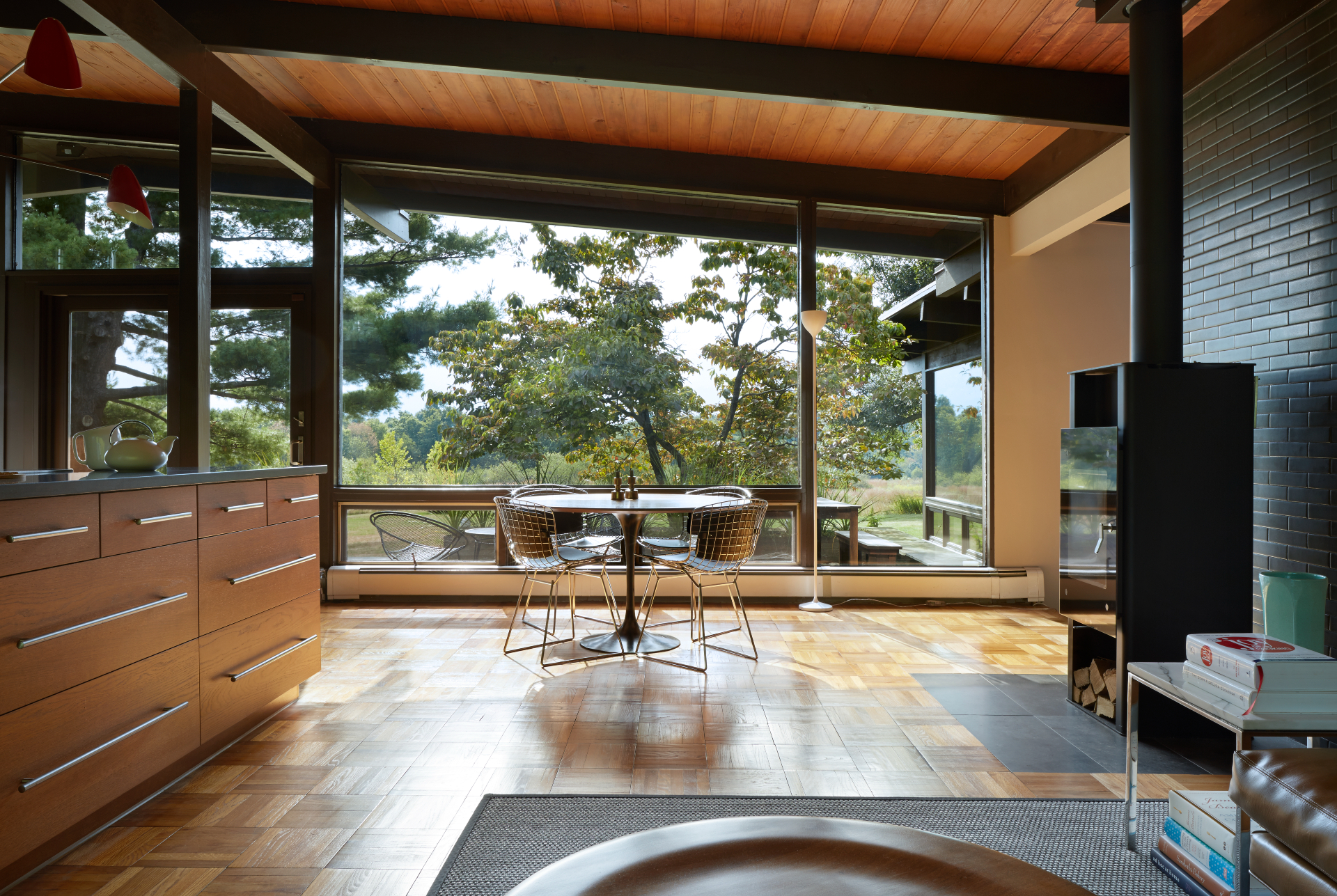
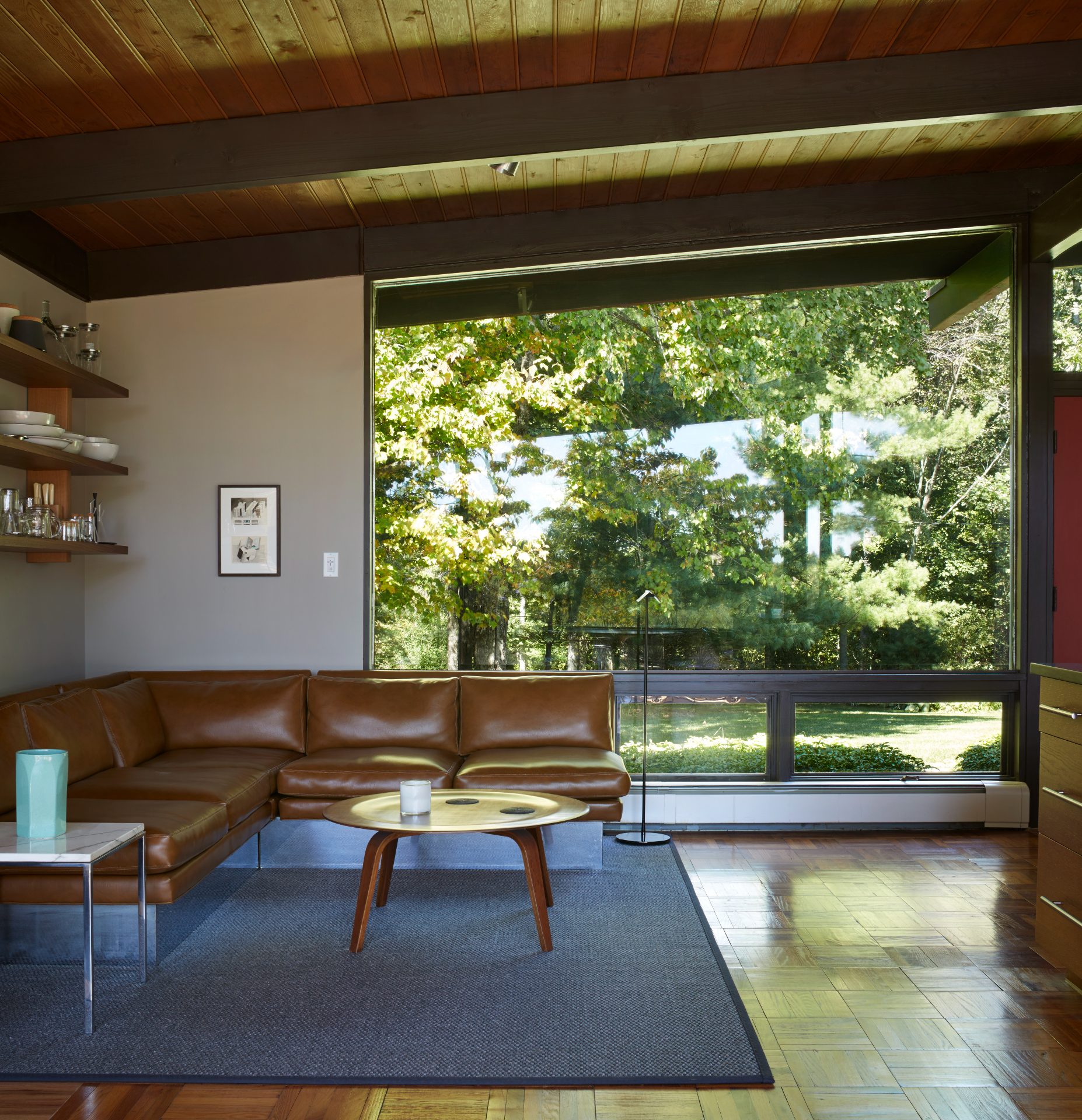
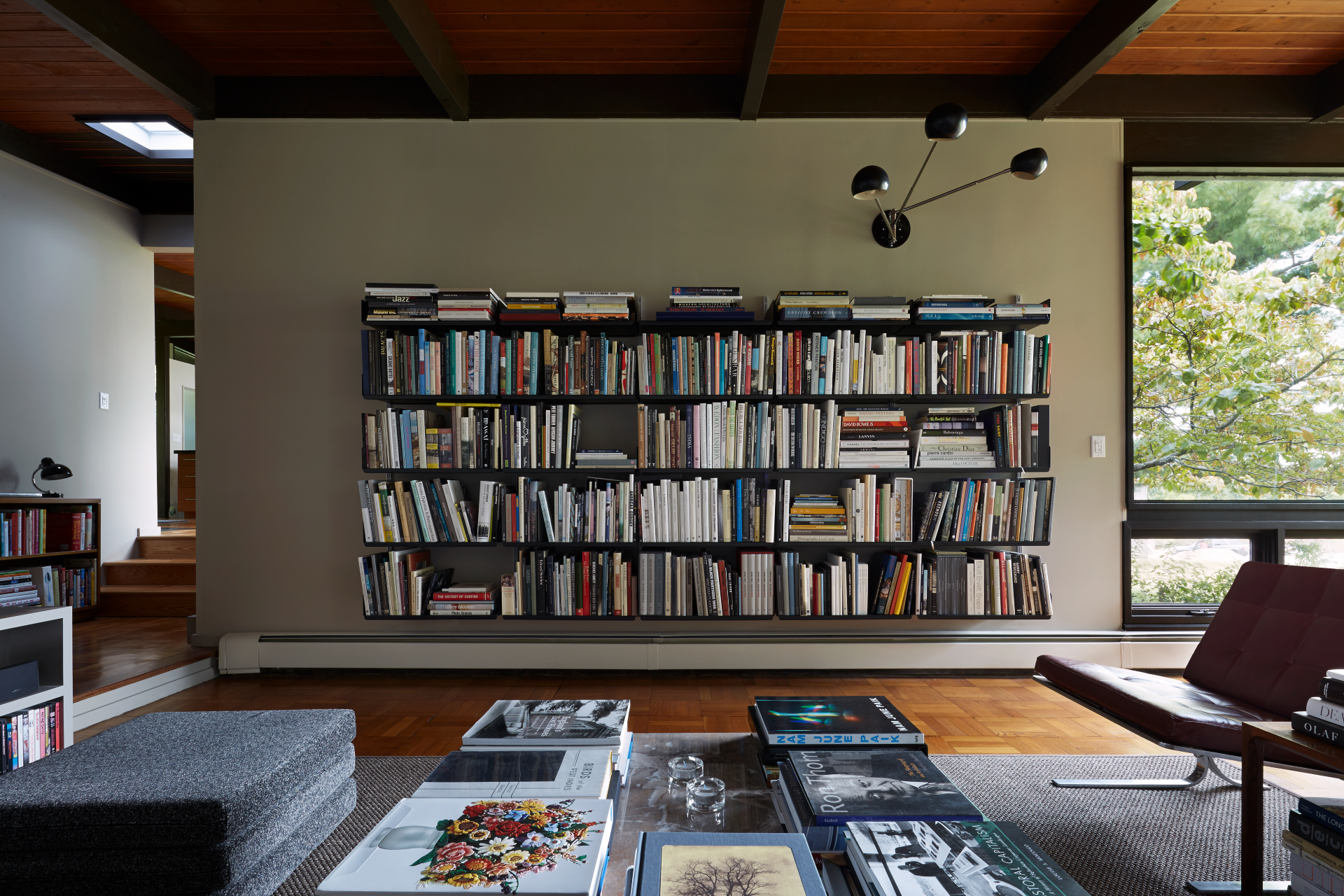
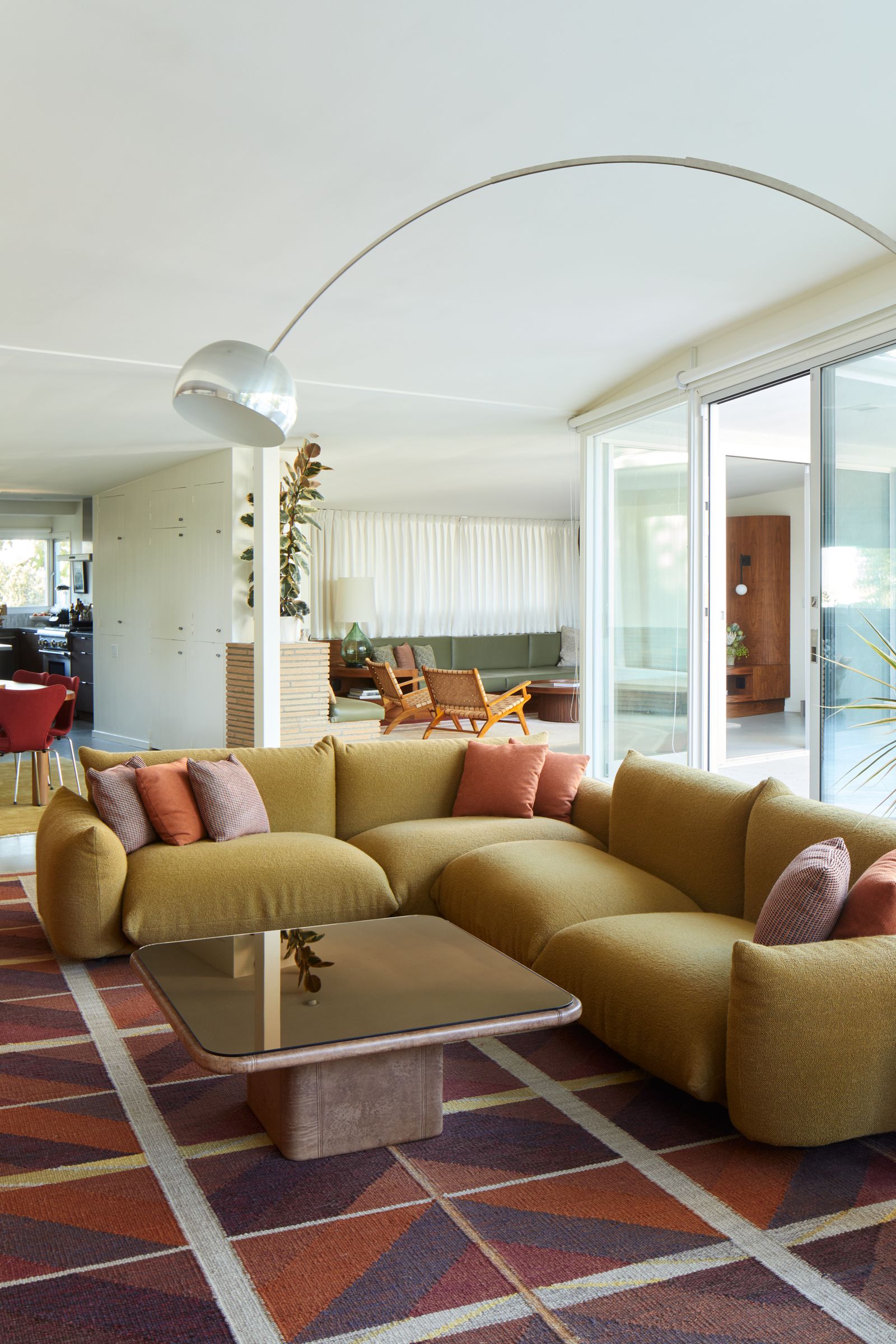
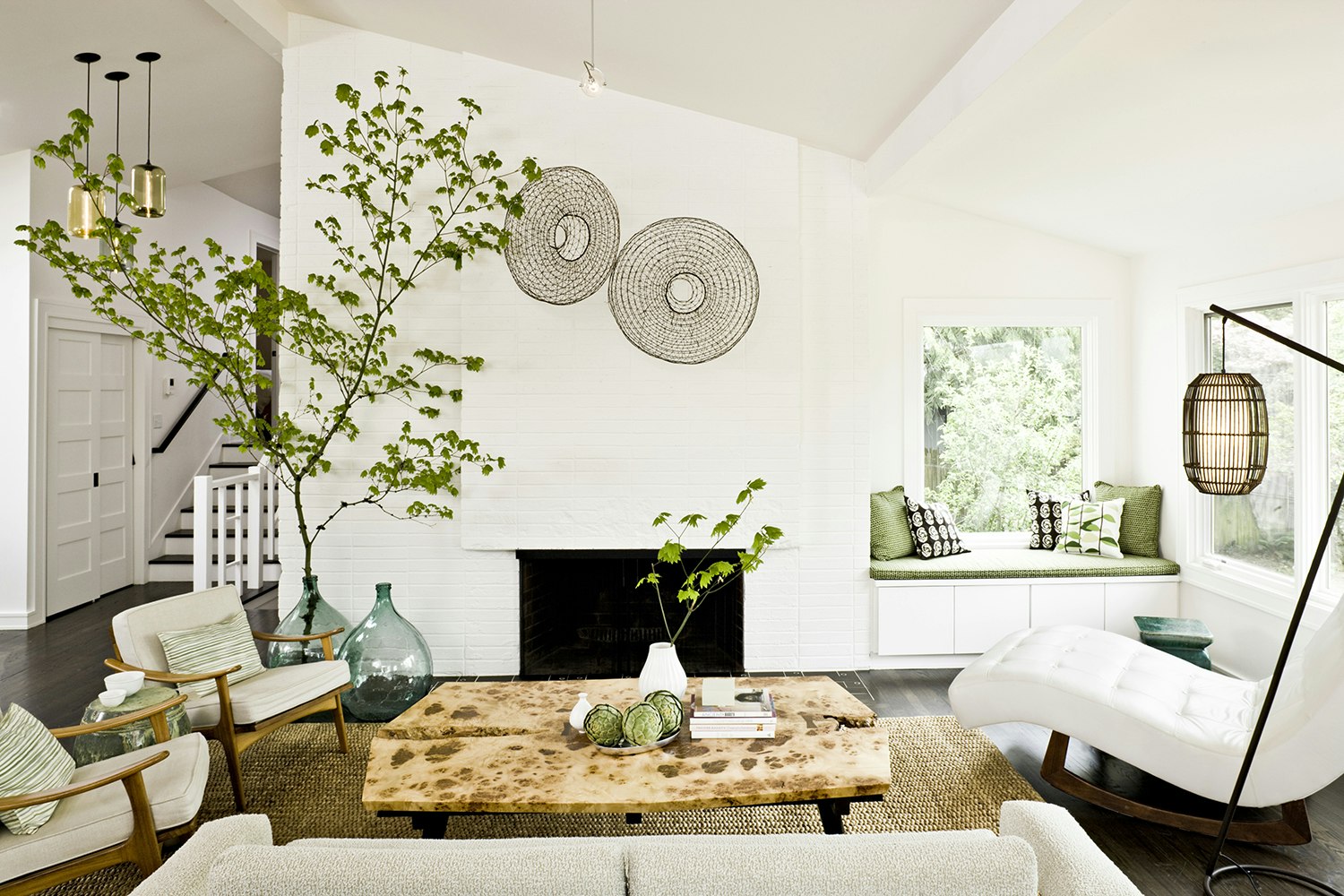
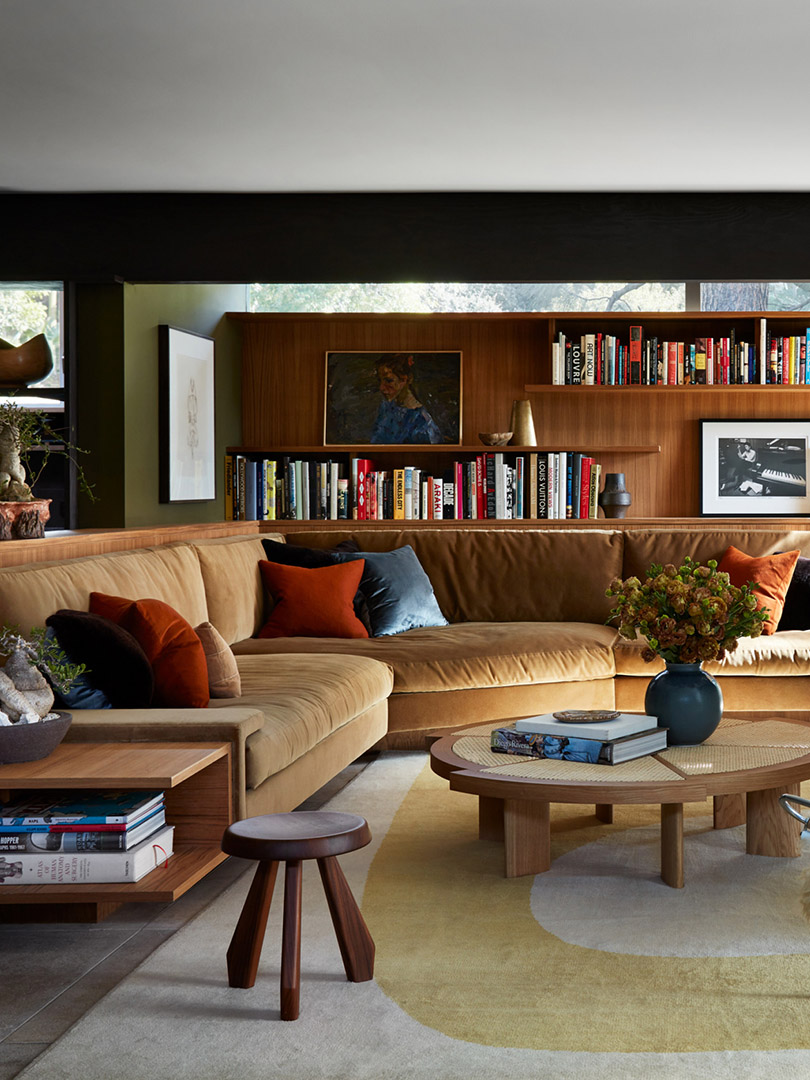
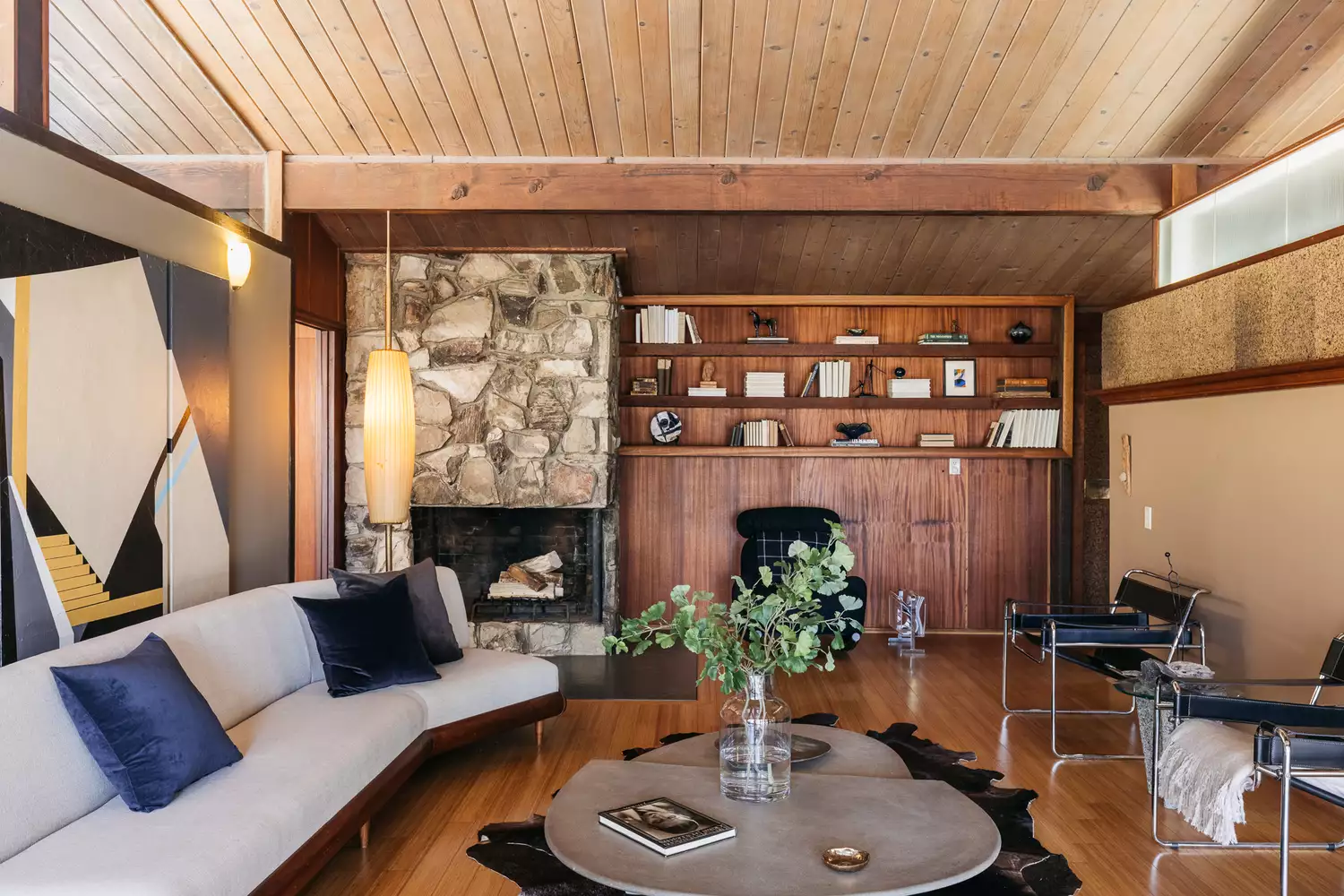
Interior designer Jessica Helgerson offers insights into tastefully updating midcentury modern homes without compromising their historical integrity. Her firm, in collaboration with architect Dale Farr, transformed a 1959 home in Portland, originally designed by William Fletcher, into a contemporary and comfortable family residence. Helgerson emphasizes a sensitive approach to renovations, aiming for an outcome that appears timeless rather than overtly remodeled, ensuring functionality while respecting the original design principles.
One key tip involves adopting subtle but functional changes. Helgerson states that their goal is to integrate modern functionality without creating a slavish recreation of the past. The ideal outcome is a house that looks as if it has remained untouched, seamlessly blending old and new elements.
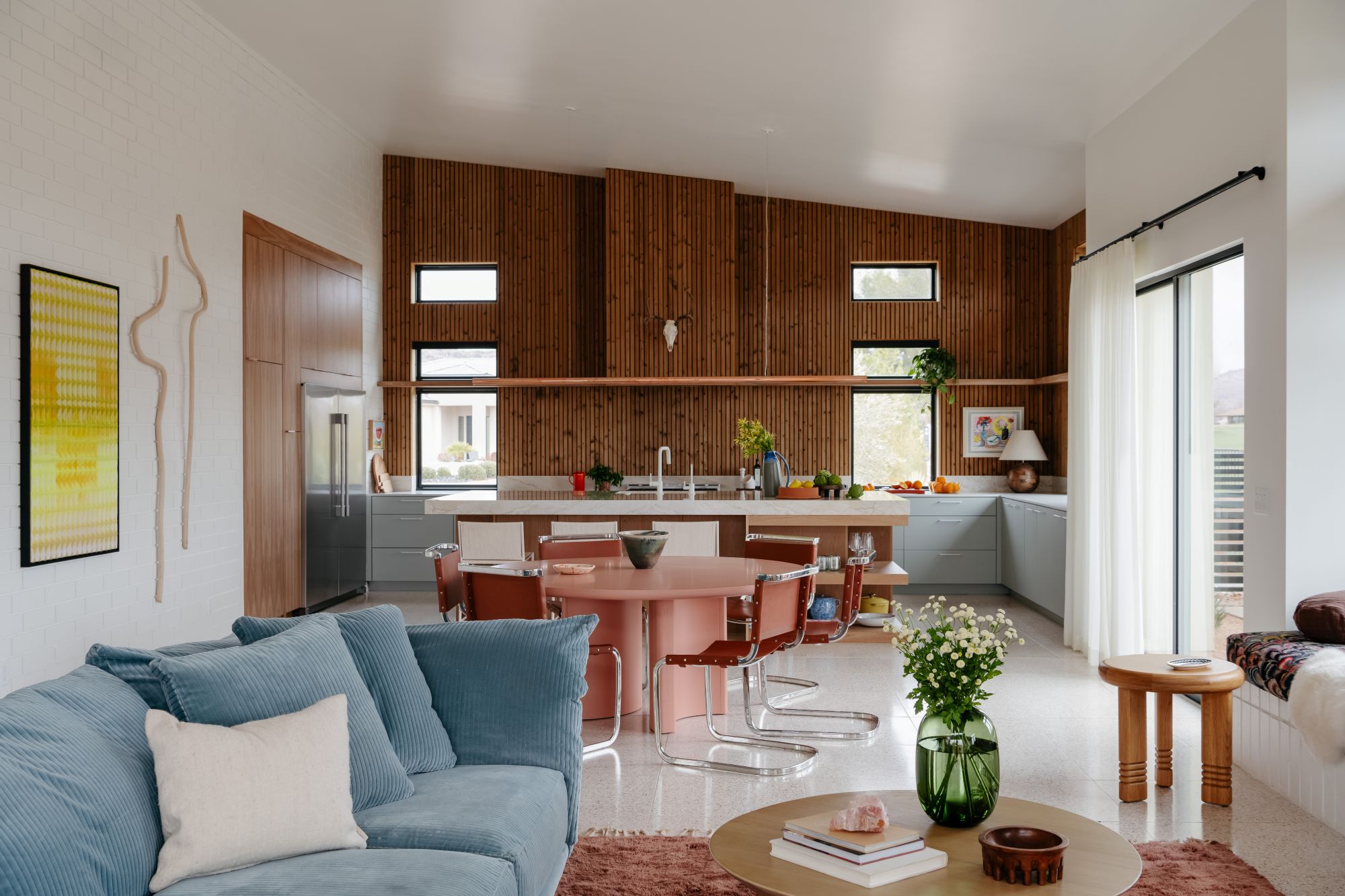
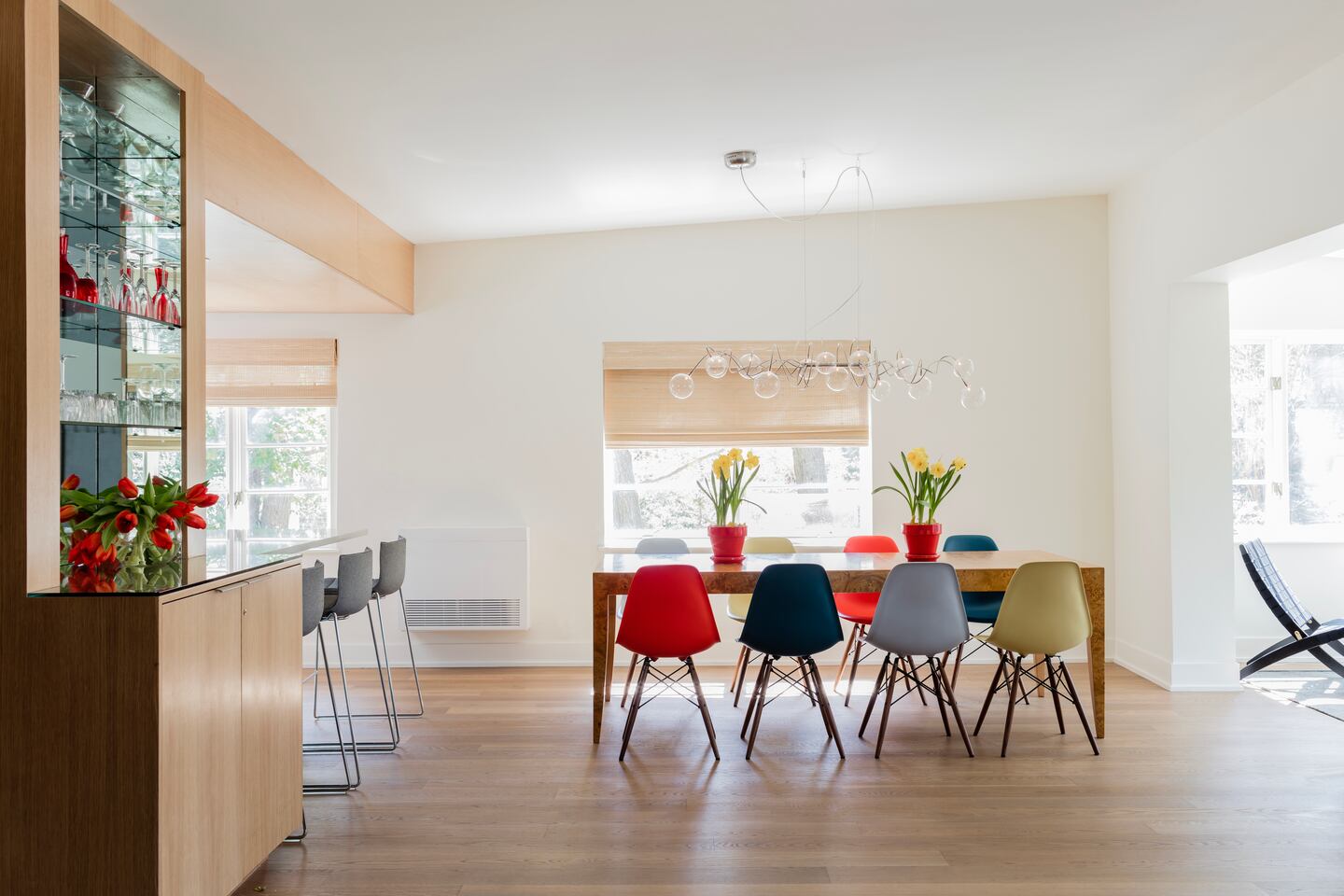
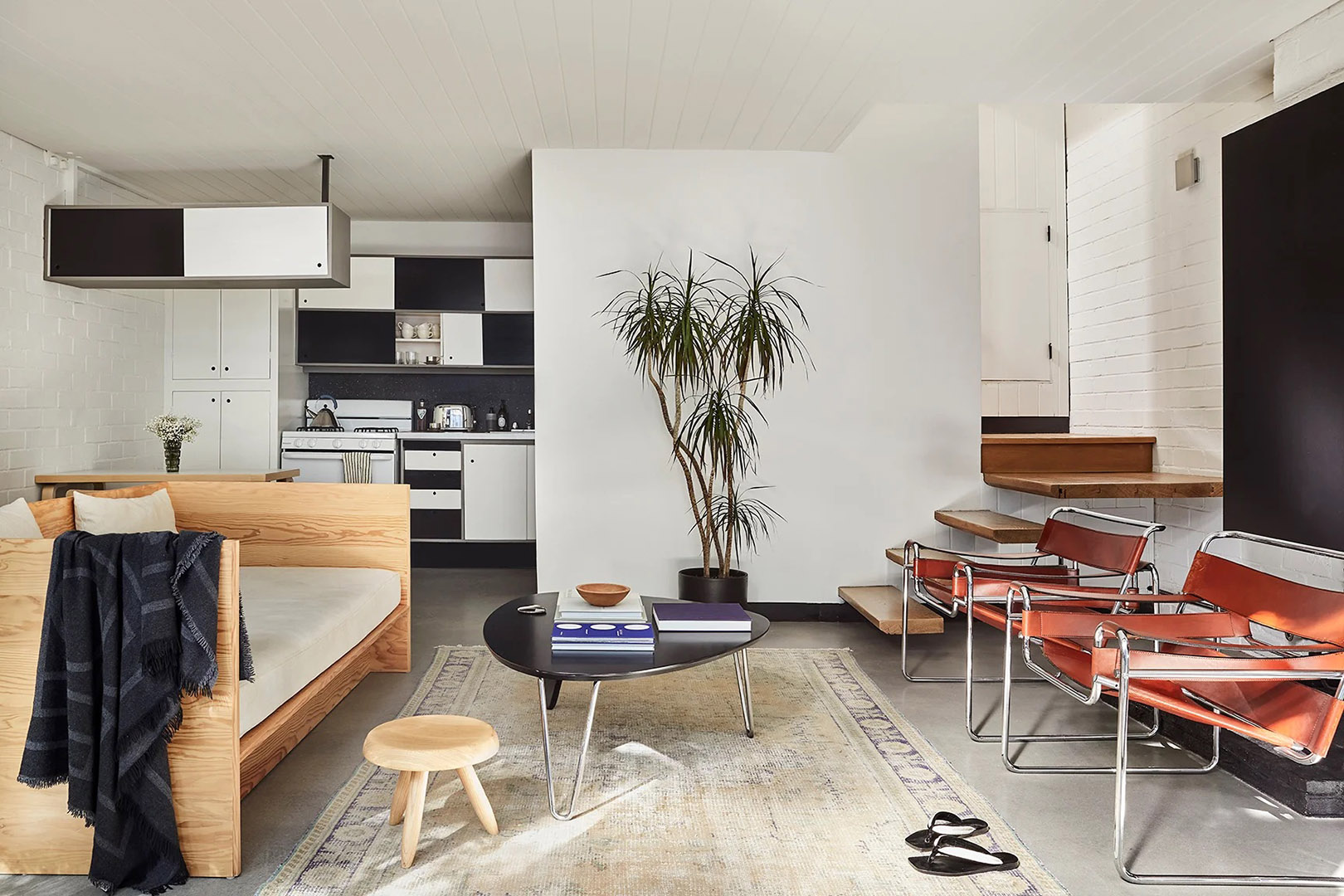
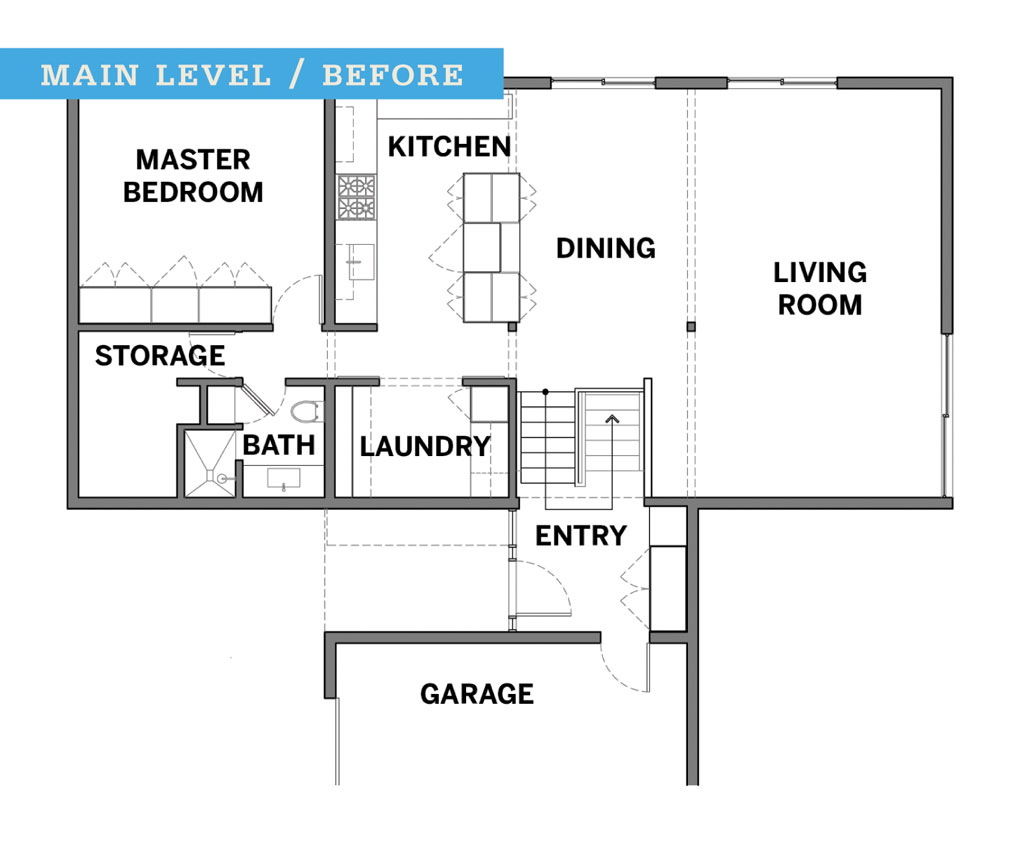
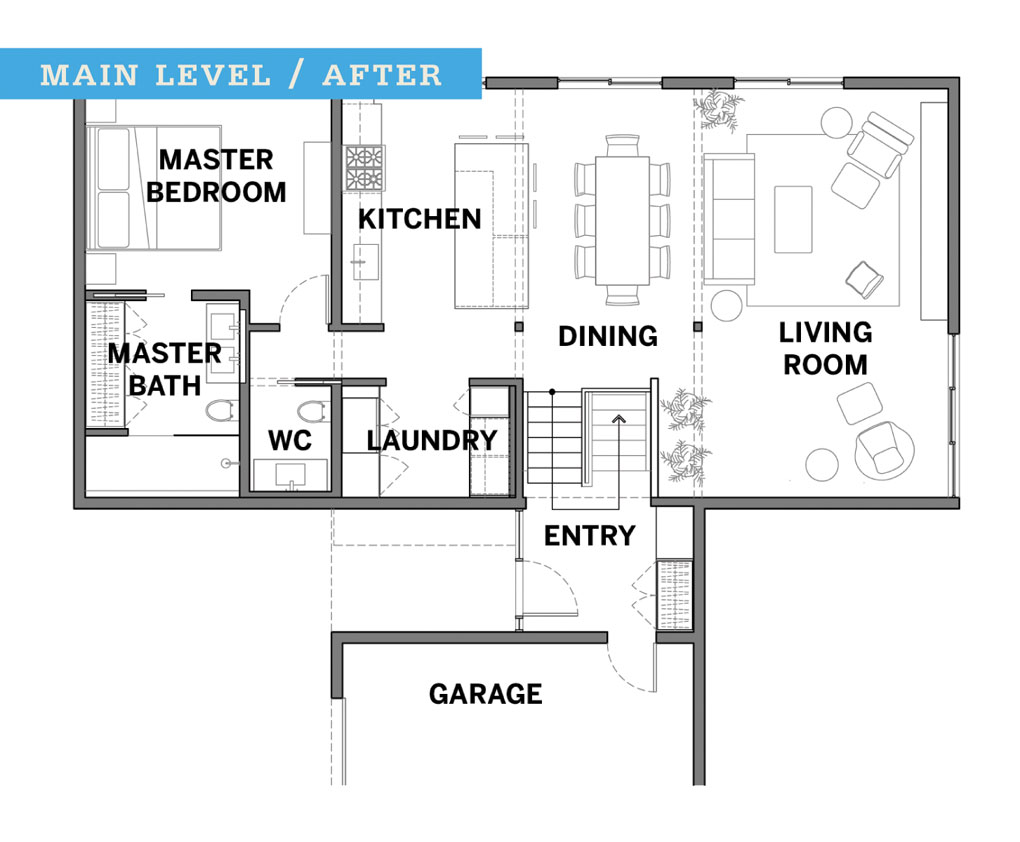
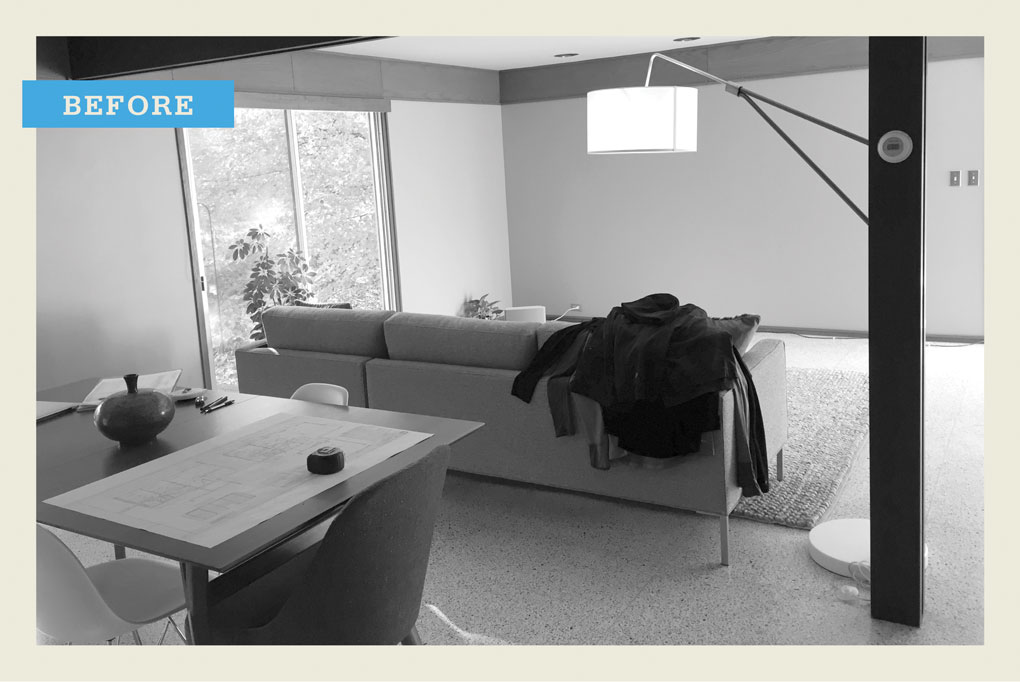
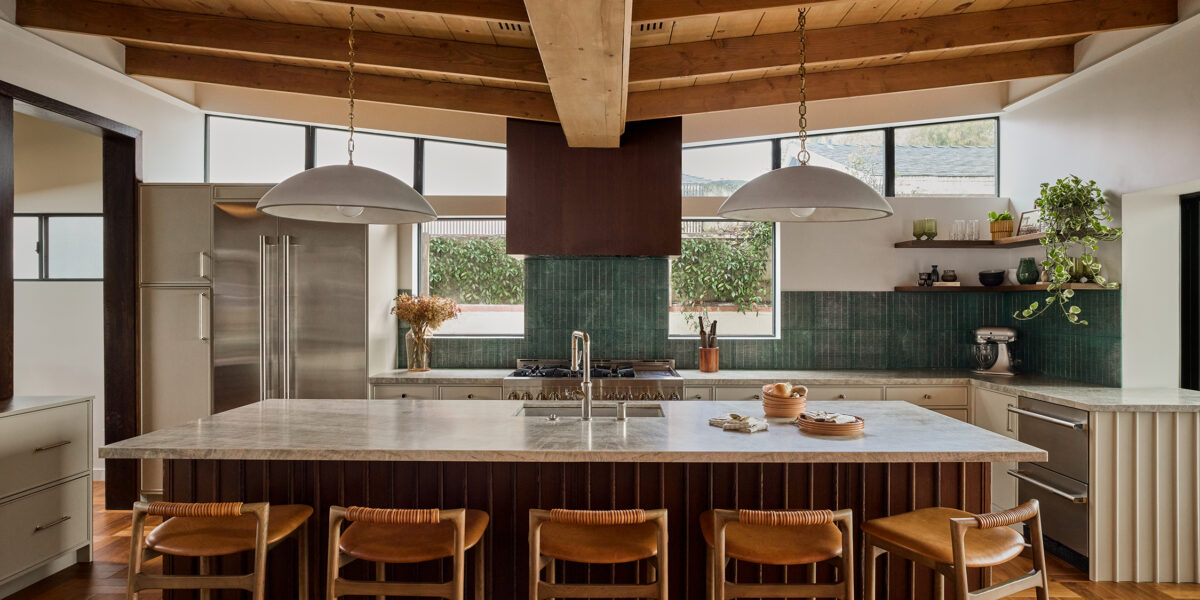
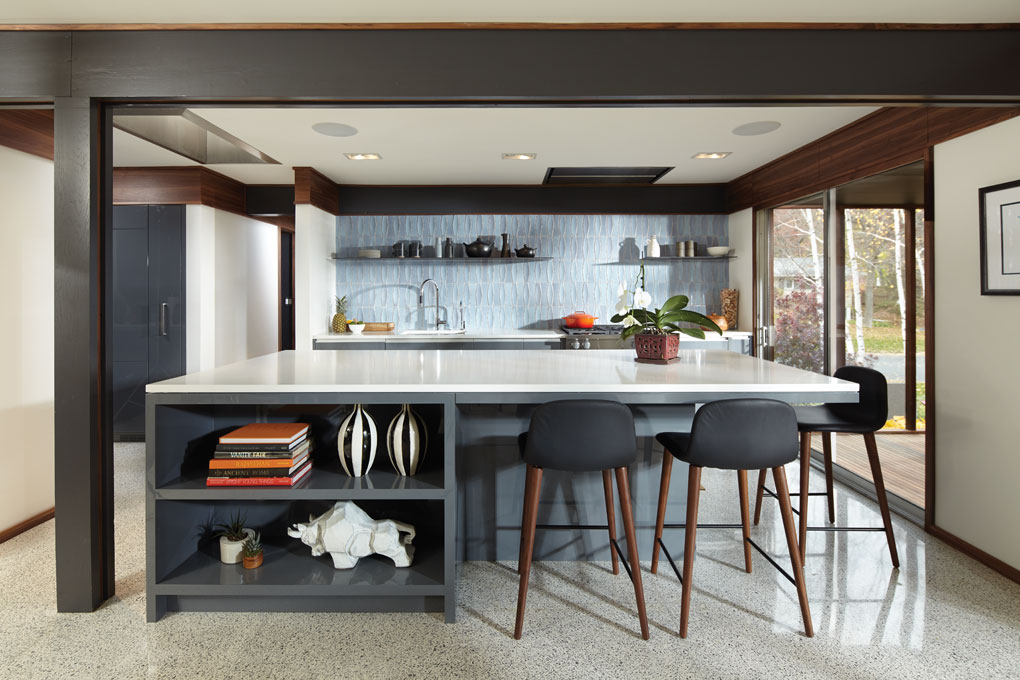
The concept of an open-plan living space is also a significant consideration. While midcentury homes initiated a move towards open layouts, they didn't fully embrace the concept, particularly regarding the kitchen. Helgerson notes that many clients seeking modern homes also desire a modern lifestyle, which often means an open-plan arrangement. This typically involves removing walls around the kitchen to integrate it more fully into the main living area, reflecting contemporary living preferences where the kitchen is a central, visible part of the home.
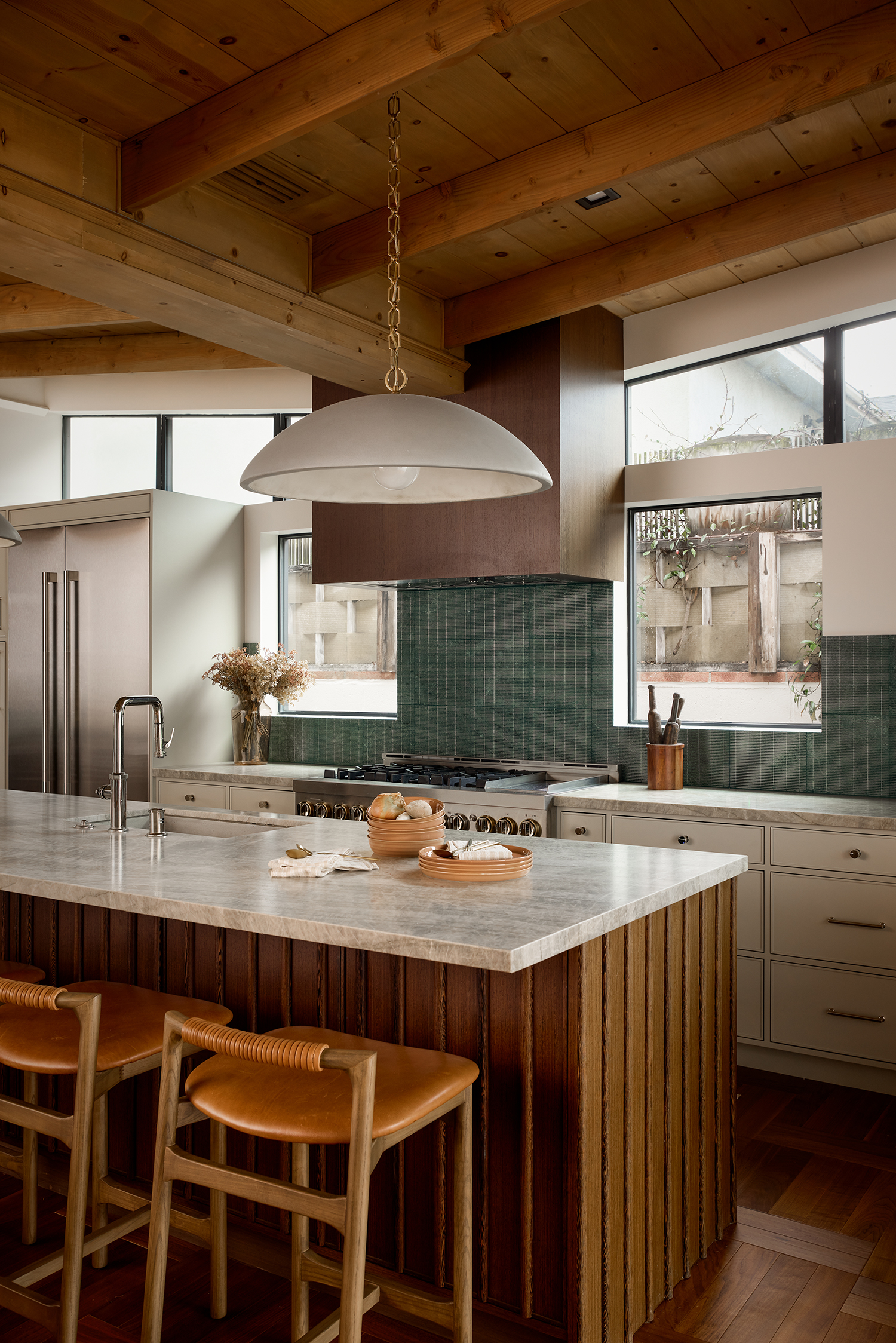
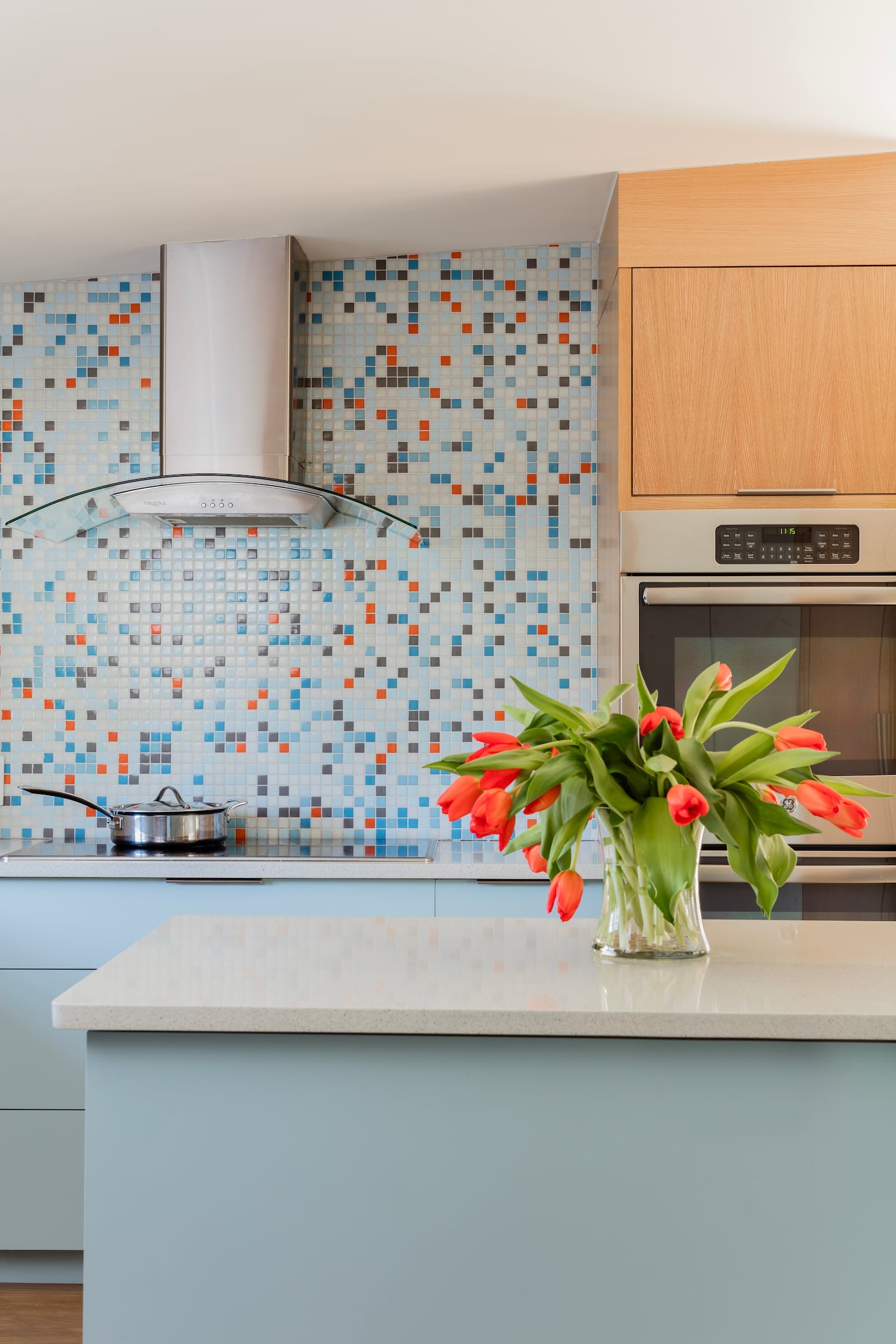
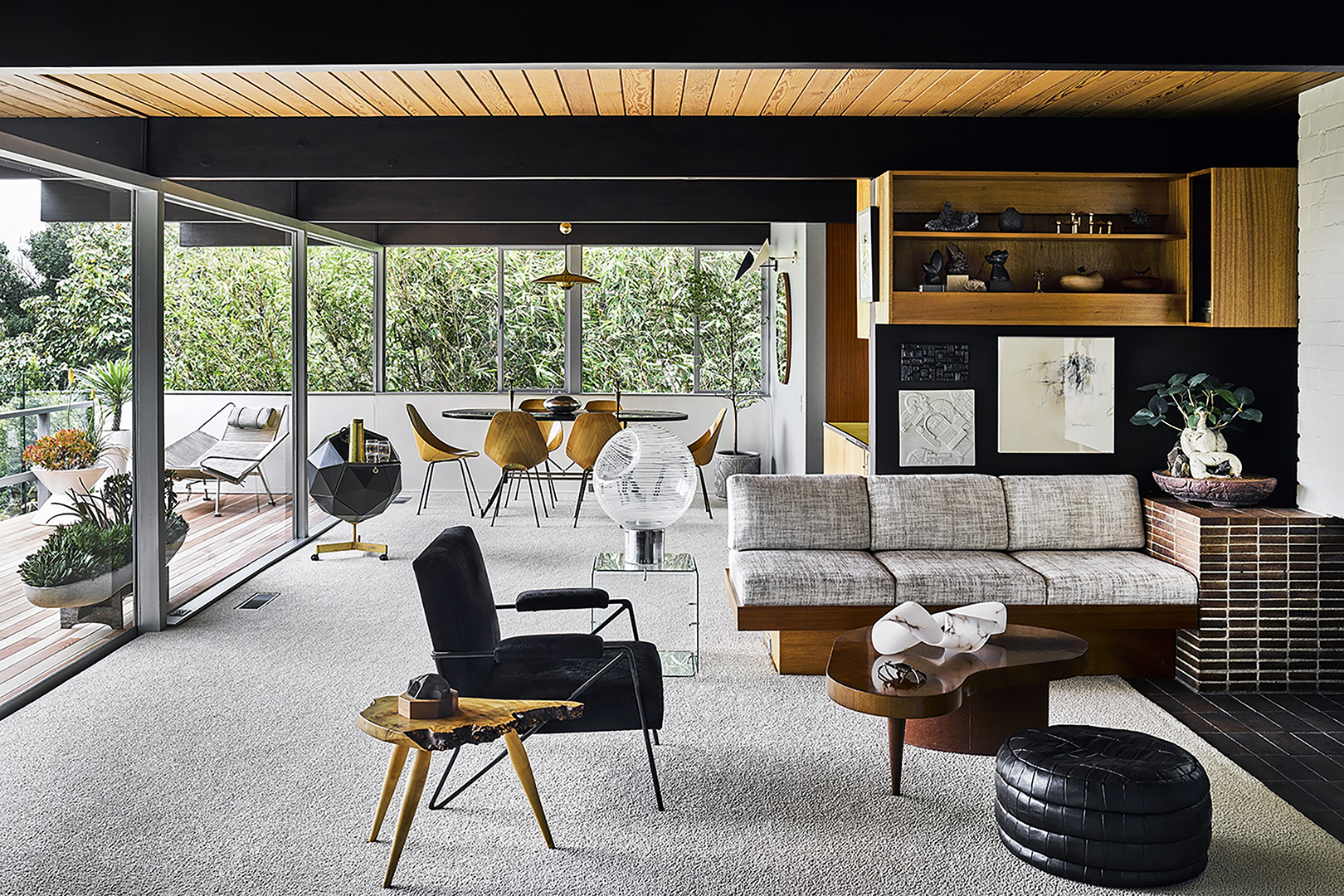
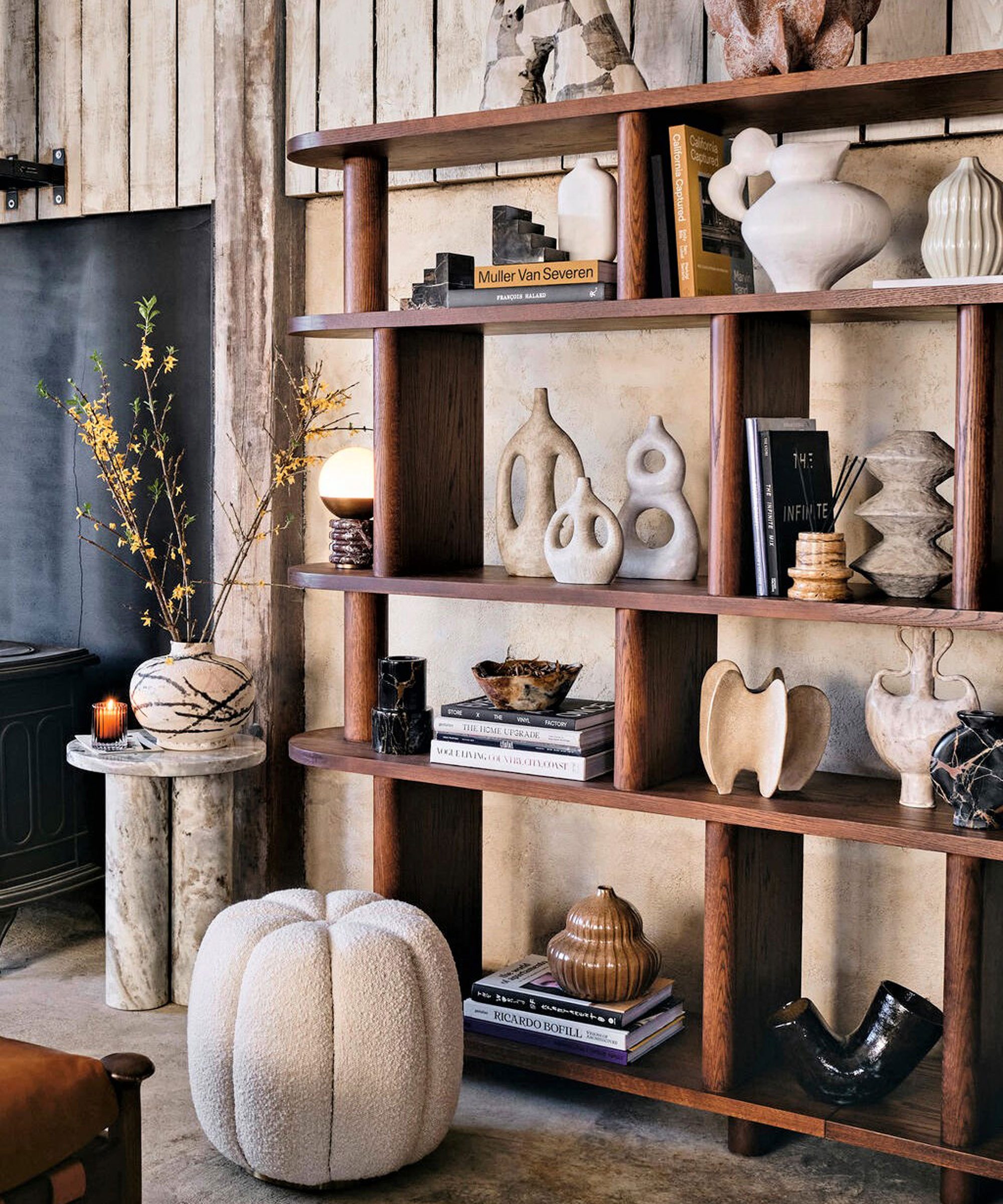
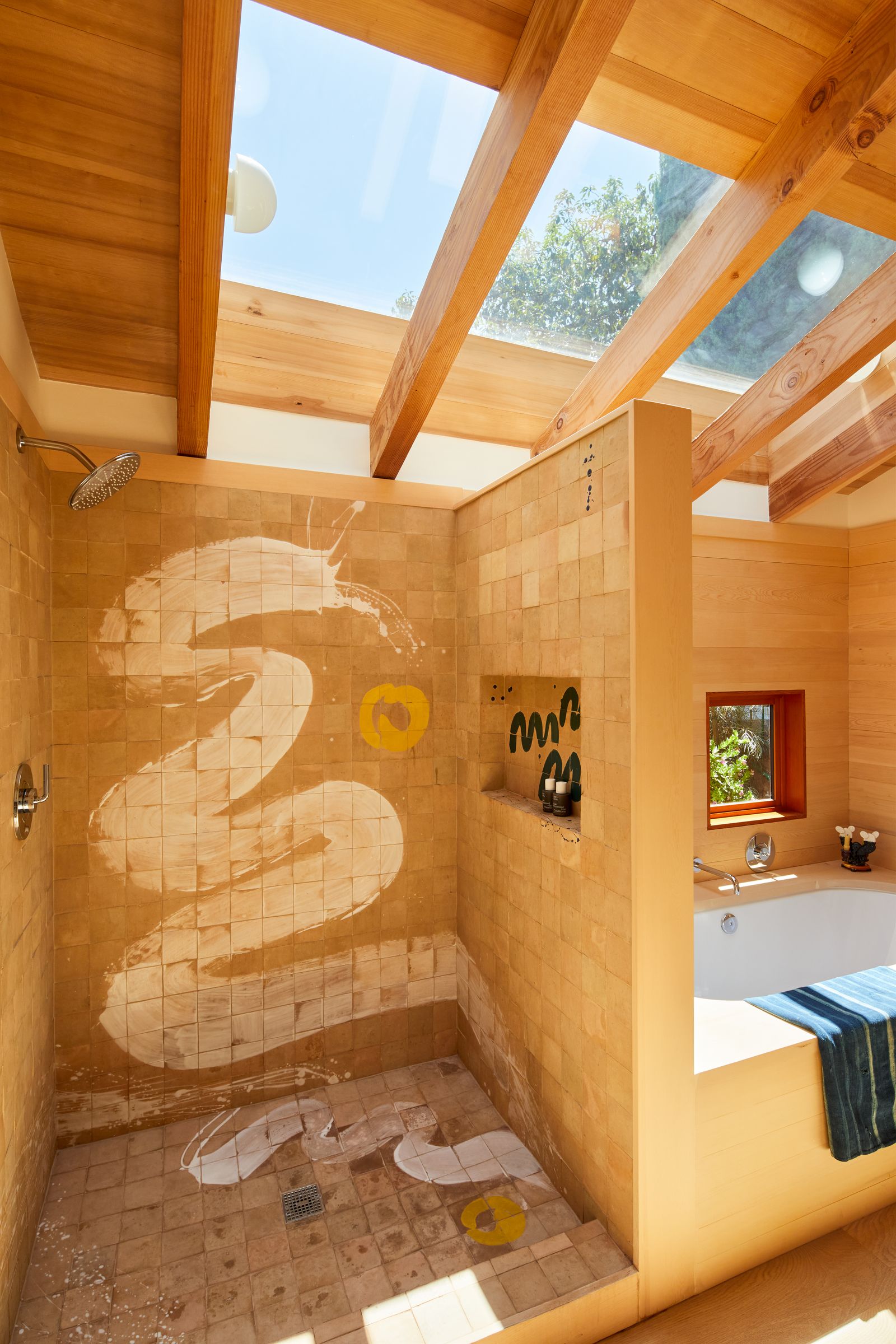
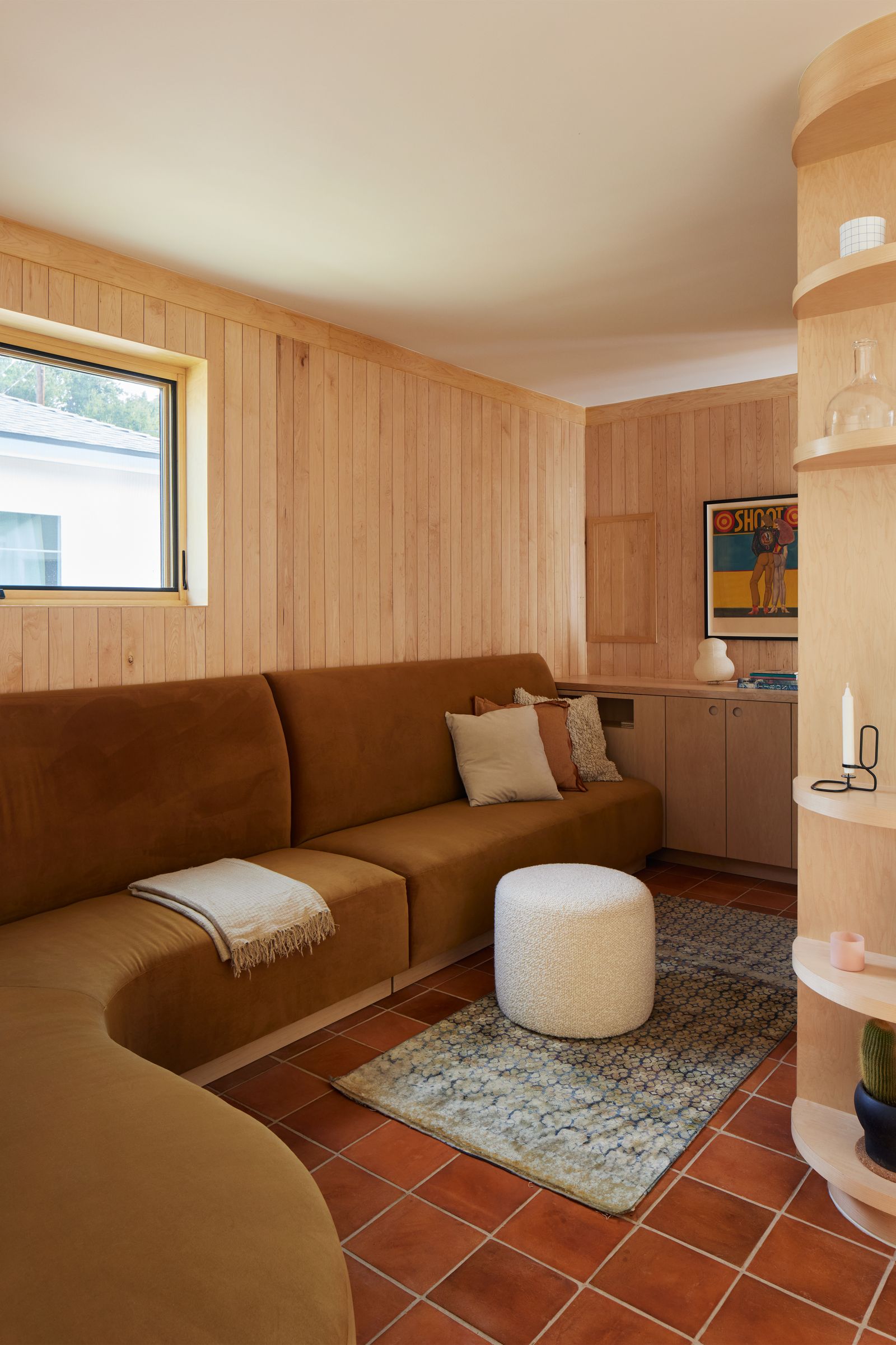
Material selection is crucial for maintaining the midcentury aesthetic. Helgerson advises thoughtfulness in choosing materials, acknowledging that the midcentury period offered fewer options than today. For tiles, she recommends brands like Heath and Ann Sacks, which offer appropriate styles. She also suggests avoiding marble and granite in favor of materials like travertine and natural wood, which are more in keeping with the midcentury design ethos. This selective approach ensures that new materials harmonize with the original character of the home.
The article also highlights the importance of considering the specific history of each structure. Helgerson differentiates between "personality-laden gems"—unique, architect-designed homes—and more typical ranch houses. She explains that ranch houses offer more flexibility for playful renovations, while architecturally significant dwellings demand a greater sensitivity to their original design programs. This distinction guides the renovation approach, ensuring that the modifications respect the home's individual heritage.
Finally, Helgerson advises a restrained approach to lighting. Her firm frequently uses track lighting, especially with sloped wood ceilings common in midcentury homes. She believes that lighting should appear to be of the era, focusing on simple shapes that complement the architecture rather than elaborate or overtly modern fixtures. This understated lighting strategy contributes to the overall authentic feel of the renovated space, enhancing its original charm without introducing jarring contemporary elements.
#MidcenturyModern #InteriorDesign #HomeRenovation #DesignTips #OpenPlanLiving #MaterialSelection #ArchitecturalHistory #LightingDesign #JessicaHelgerson #MidcenturyModern #InteriorDesign #HomeRenovation #DesignTips #OpenPlanLiving #MaterialSelection #ArchitecturalHistory #LightingDesign #JessicaHelgerson
0 comment in total
 No comments yet
You may also like
Home Design: Reinvented Midcentury Modern

These 27 Stylish Rooms Do Mid-Century Modern Right
8 Mid-Century Modern Living Rooms Without an Eames Chair in Sight

WA interior designers demystify home styles popular in the PNW

How This Dated Mid-Century Home Was Transformed into a Two-Story Stunner
These Midcentury Modern Living Rooms Put Retro Back on the Map


Great ideas from a mid-century home’s creative reno
A Midcentury Modern Revival for a 1960s Home

9 Decorating Tips To Master The Mid-Century Modern Look
We Asked Designers If Midcentury Modern Is Out of Style—and Their Answer Might Surprise You

8 "Tacky" Home Trends That Are Tragically Dead to Designers in 2026
Why Mid-Century Modern Interior Design Continues to Reign Supreme
Midcentury Modern Style: An Approachable Guide to Inspired Rooms

A mid-century modern Burnaby home gets an update

Retro revival: Mark Janson’s 1960s weekend home gets a modern twist

19 Laudable Midcentury Modern Renovations in Los Angeles
'Good design holds up' – 16 mid-century modern ideas that prove this design style will always be trending

Hints of midcentury modern design bring a Belmont ranch back to the future

13 mid-century modern living room ideas for a sophisticated room refresh

48 Midcentury Modern Living Room Ideas That Feel As On-Trend As Ever