1/21
How to Design a Midcentury Modern Bedroom That Feels Current
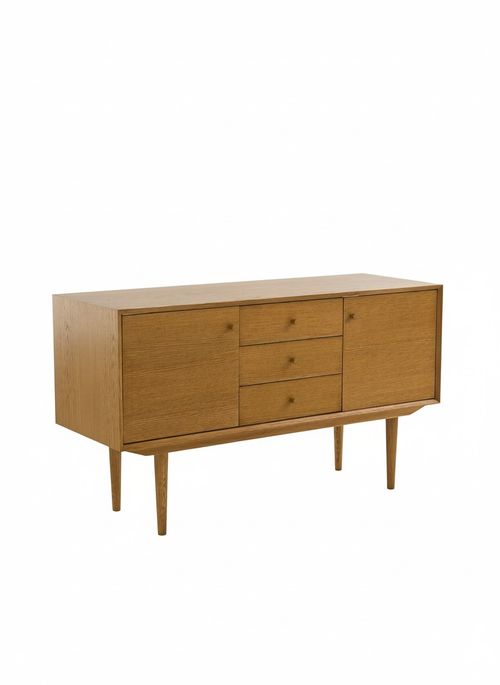
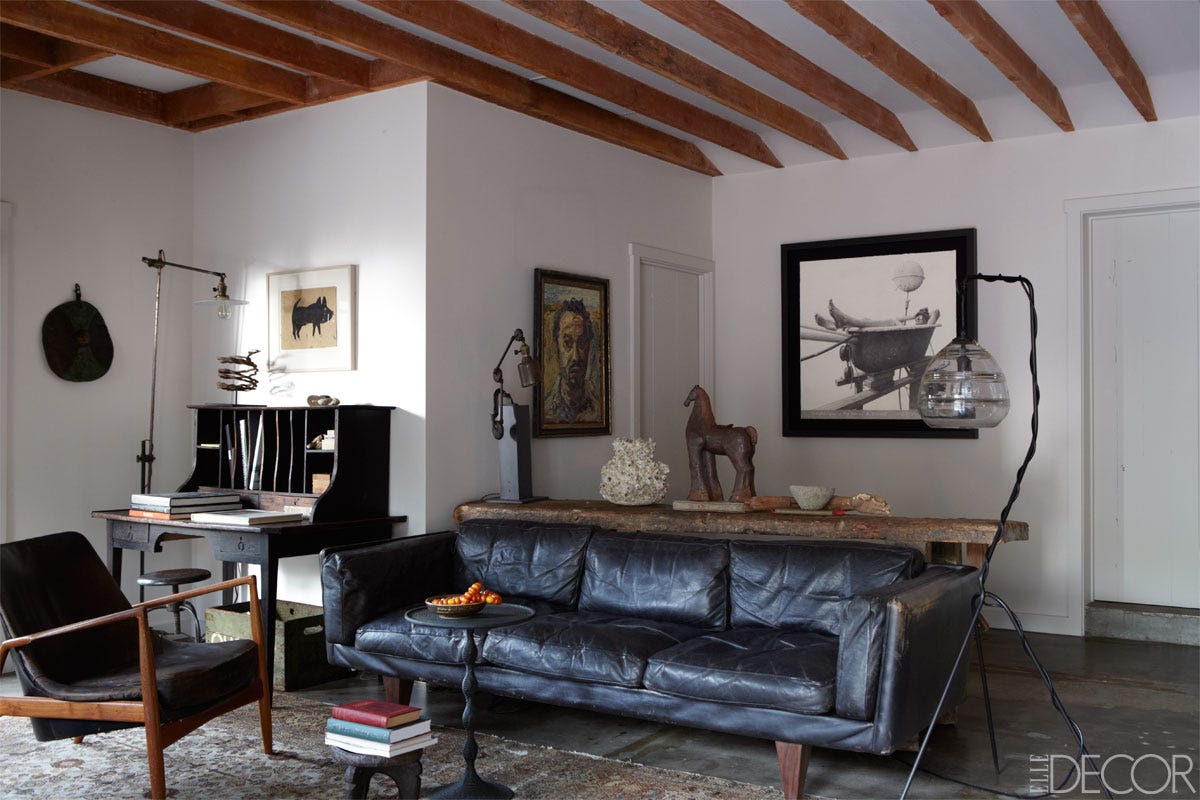
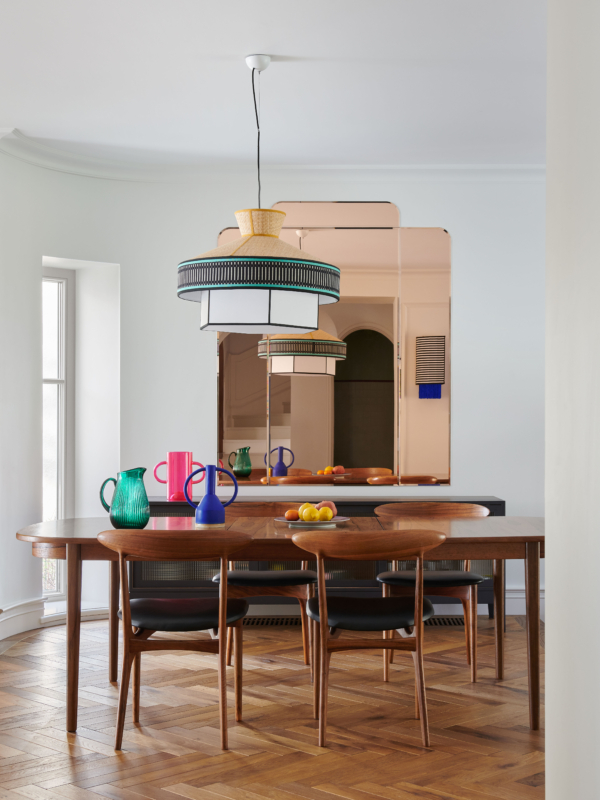
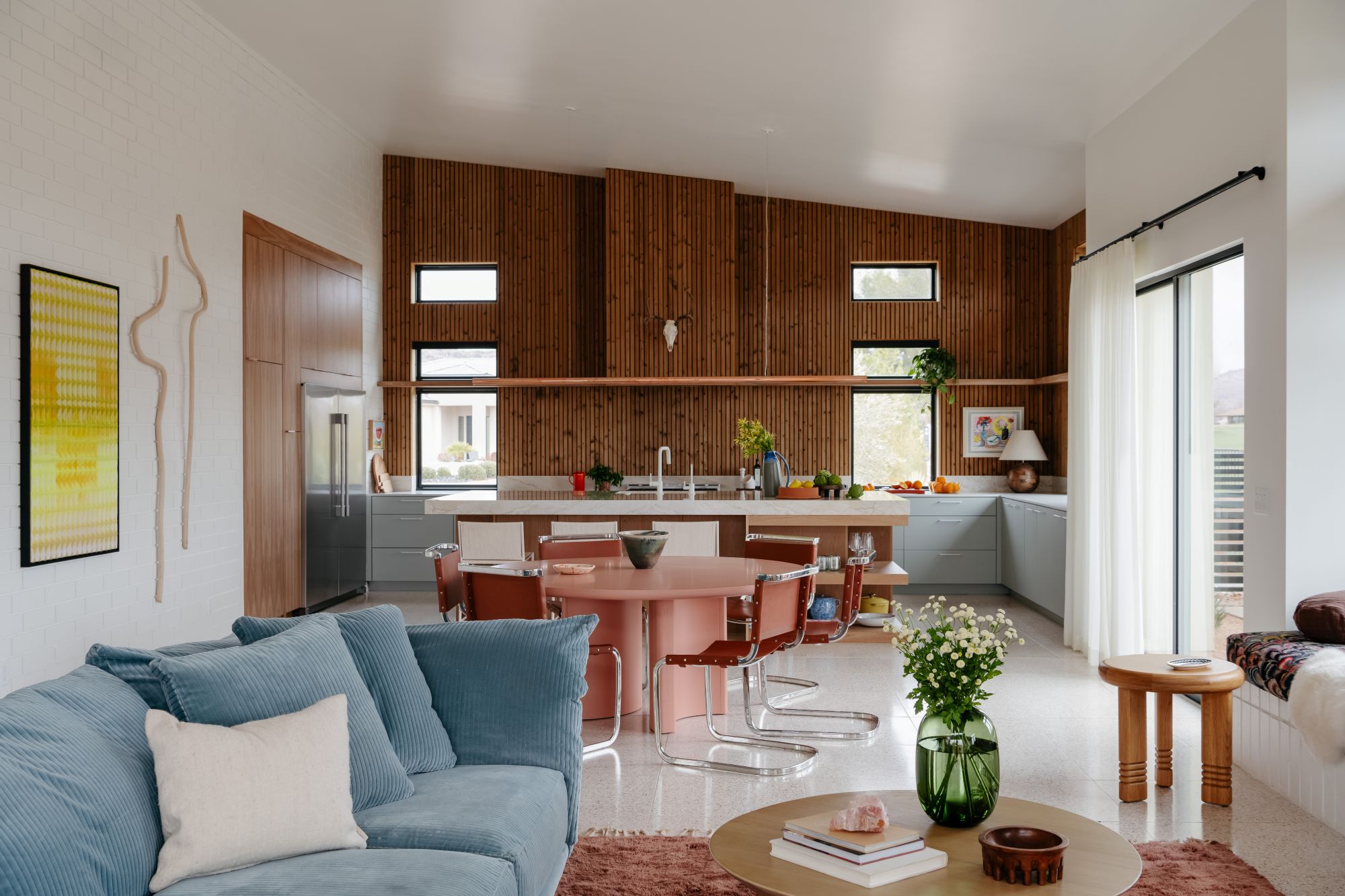
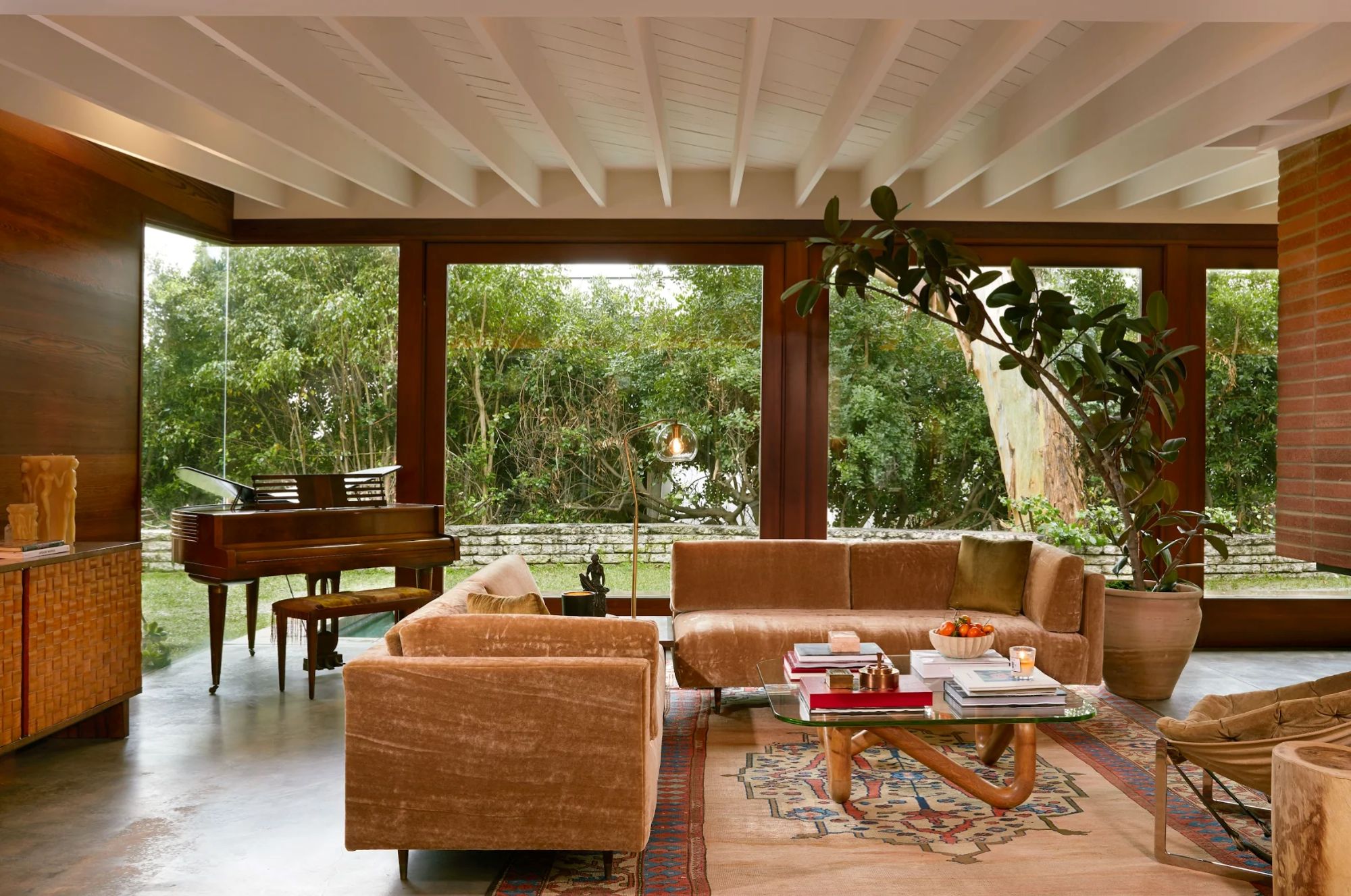
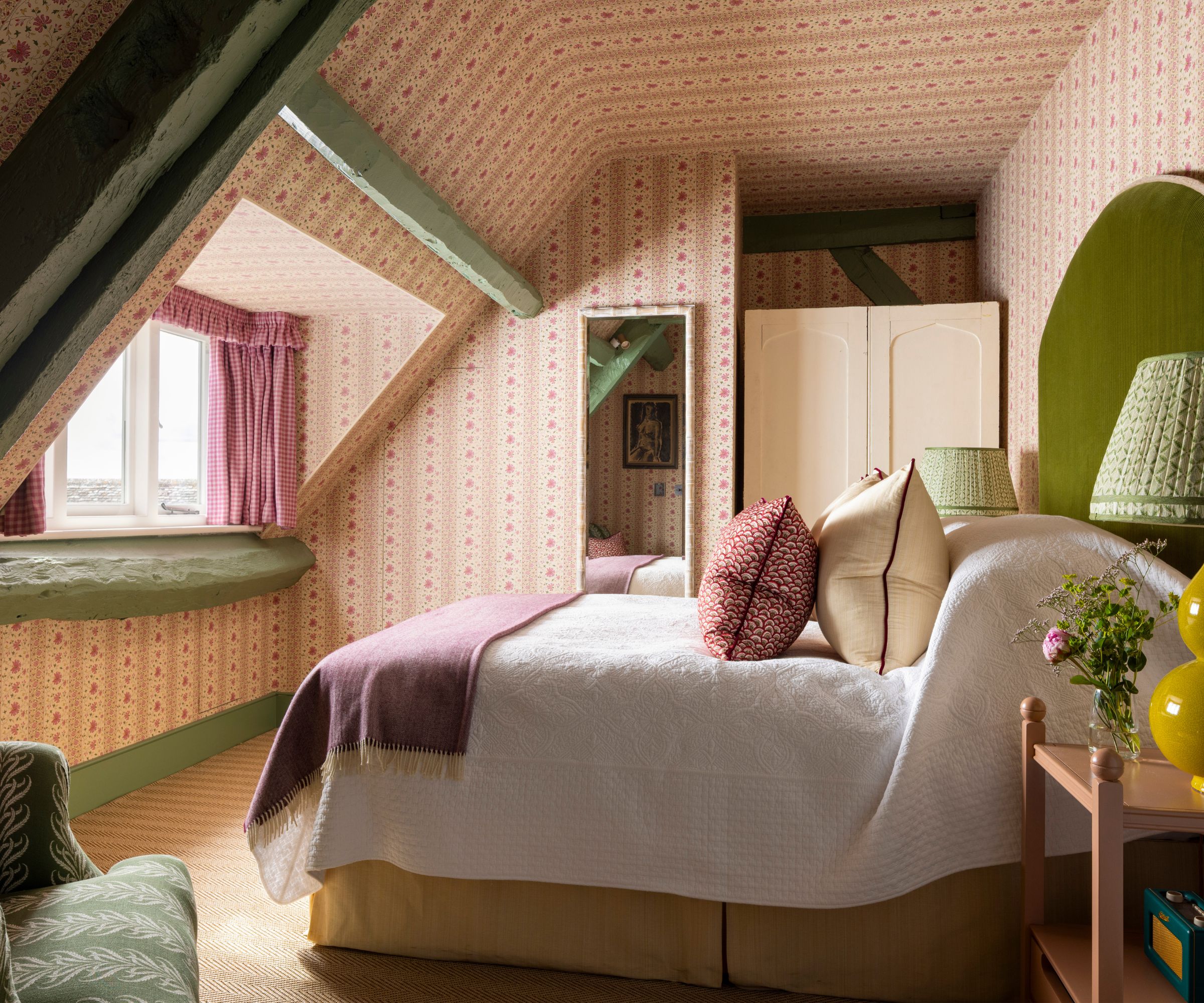
Midcentury modern design maintains timeless appeal due to its simplicity, functionality, and widespread availability. Originating from a period of progress and innovation in post-war America, its influence is still evident in contemporary furniture and decor. This design style is characterized by familiar furniture profiles, iconic lighting, and era-specific fabrics, which can be incorporated into bedrooms to create an authentic yet modern aesthetic.
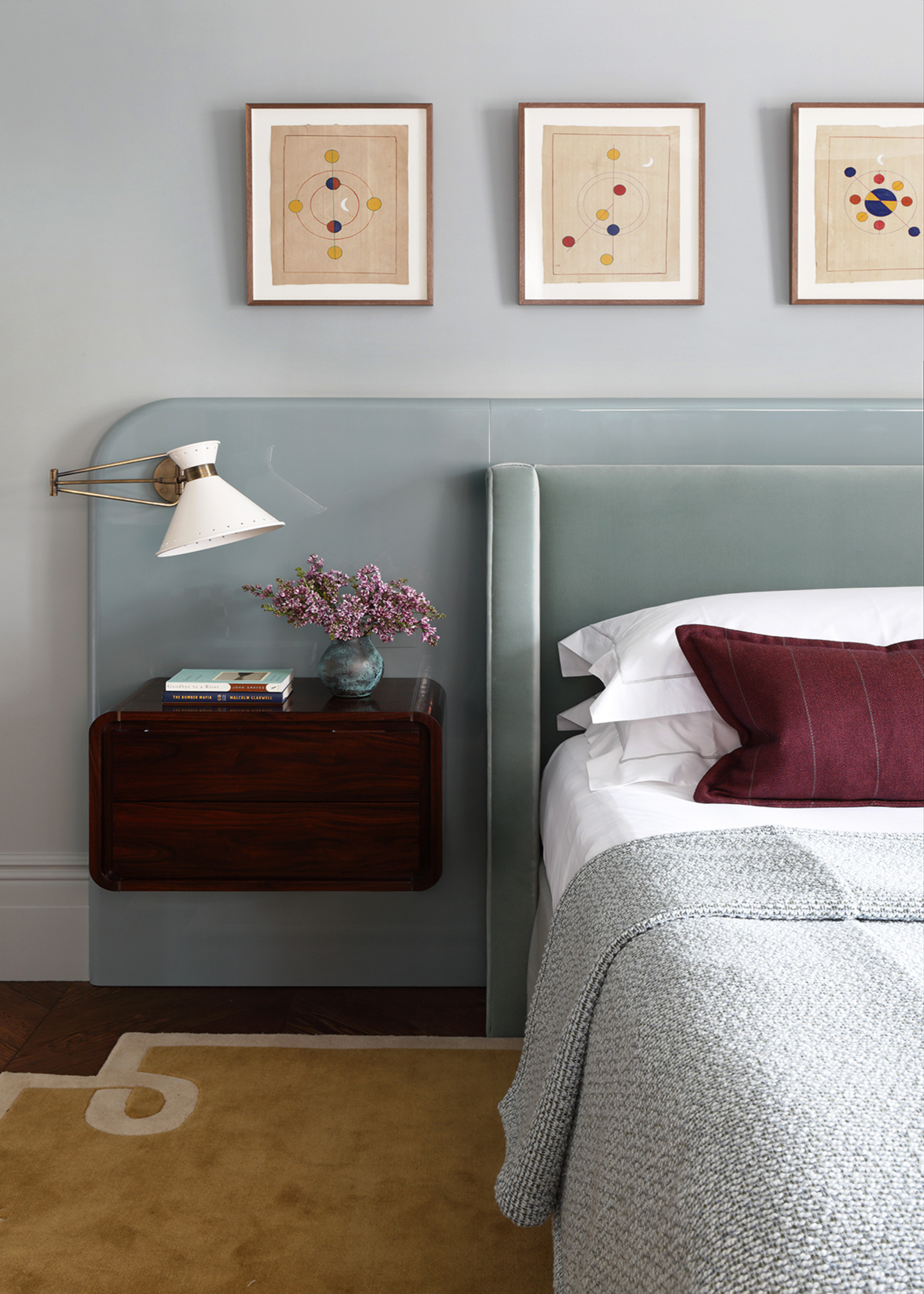
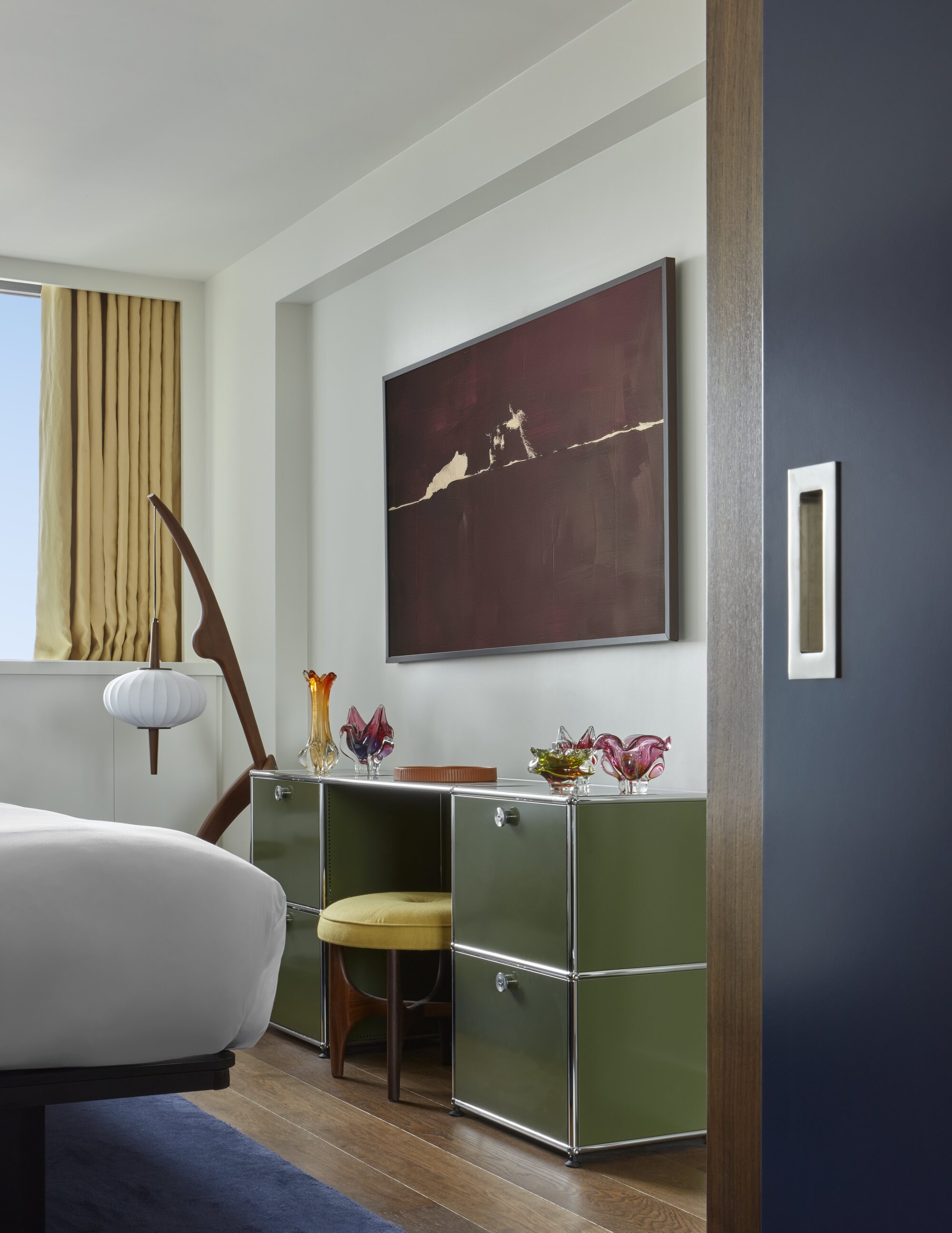
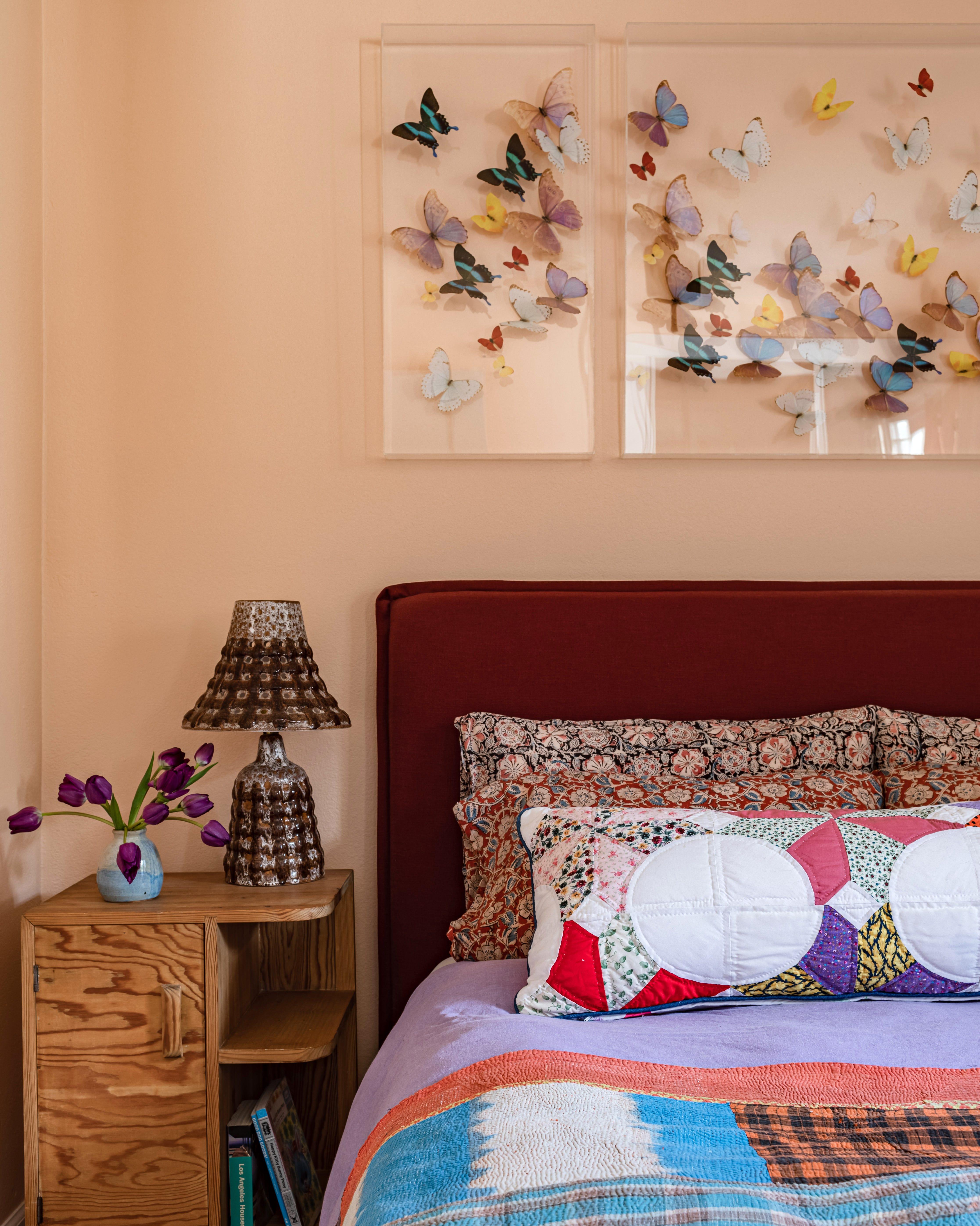
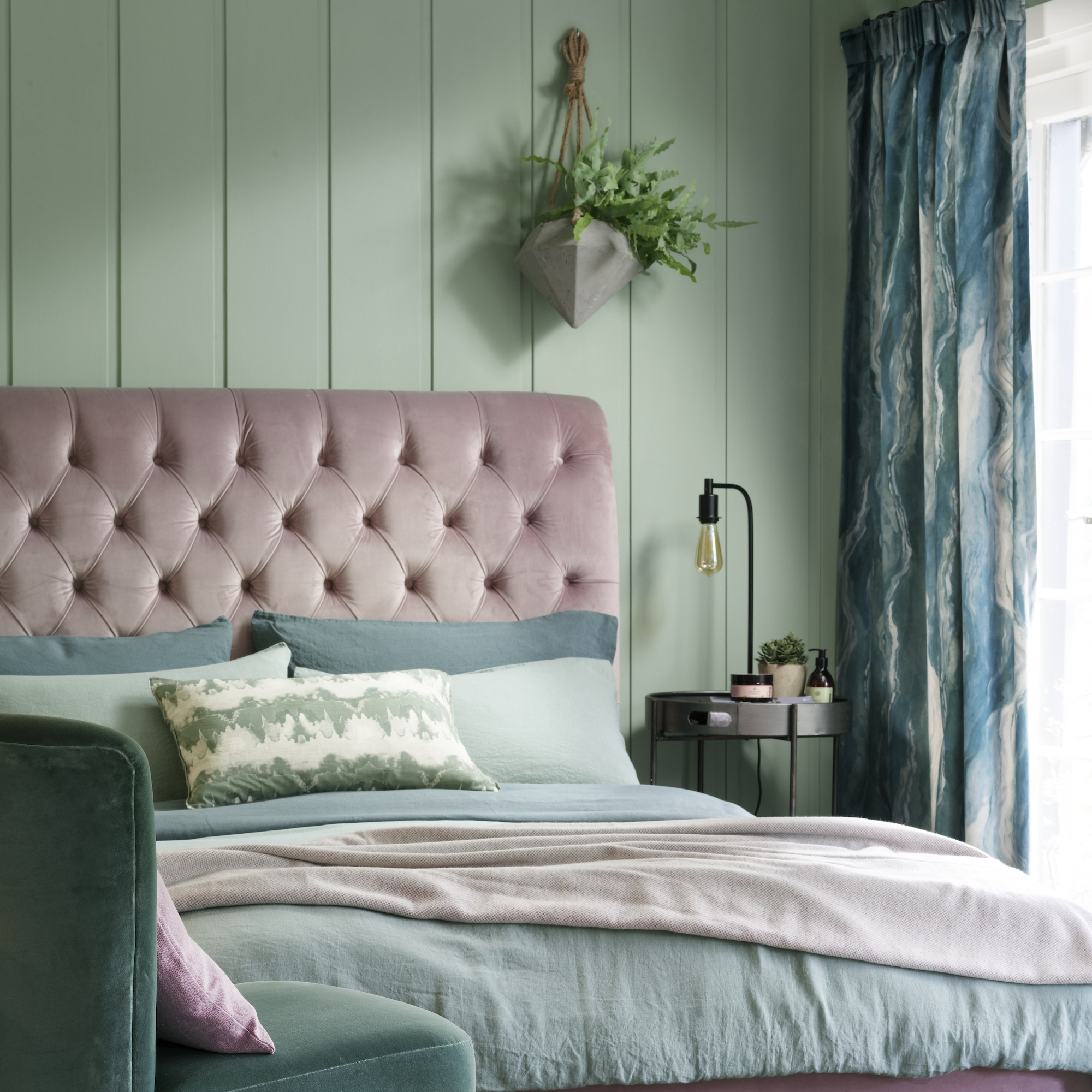
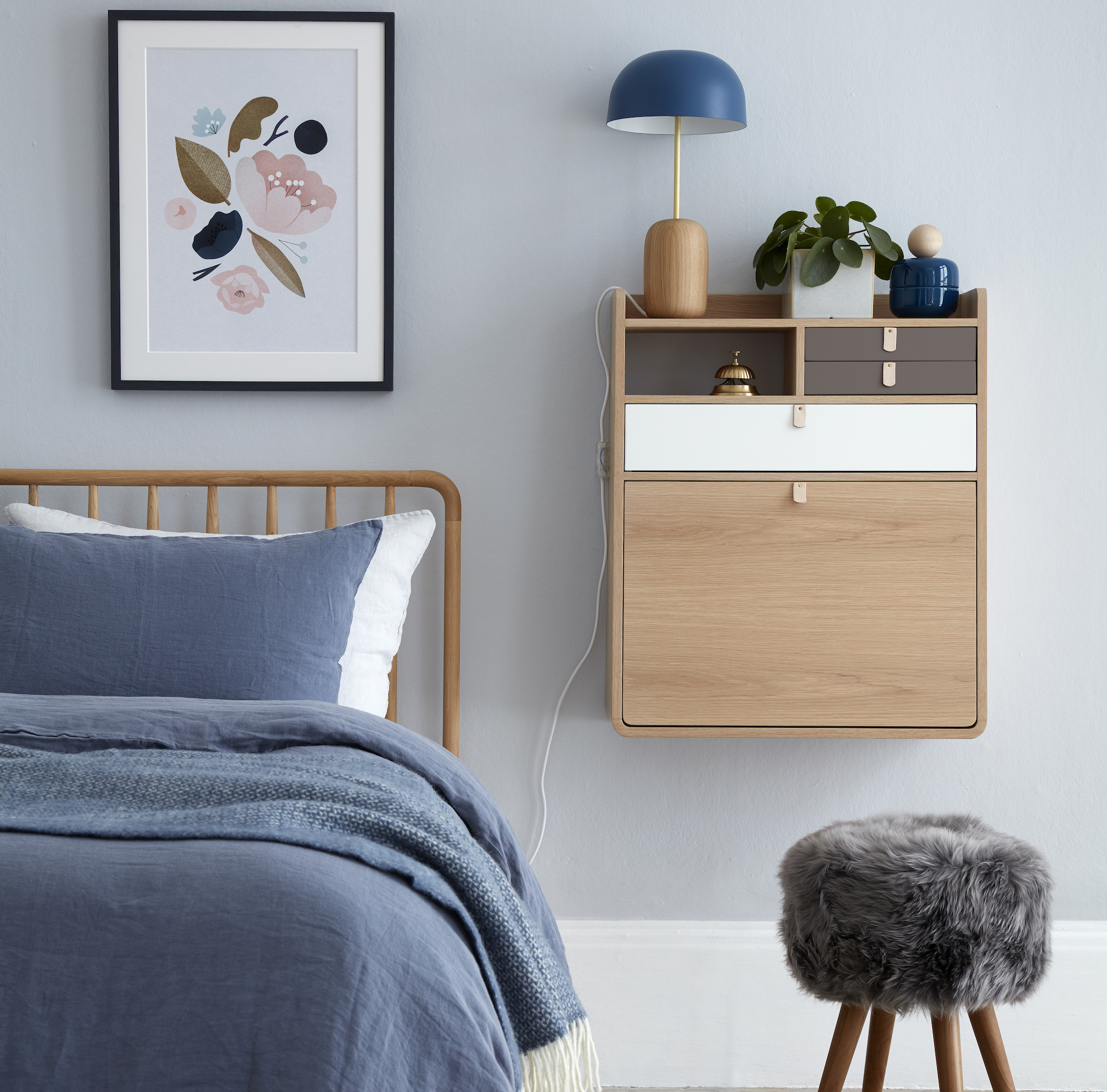
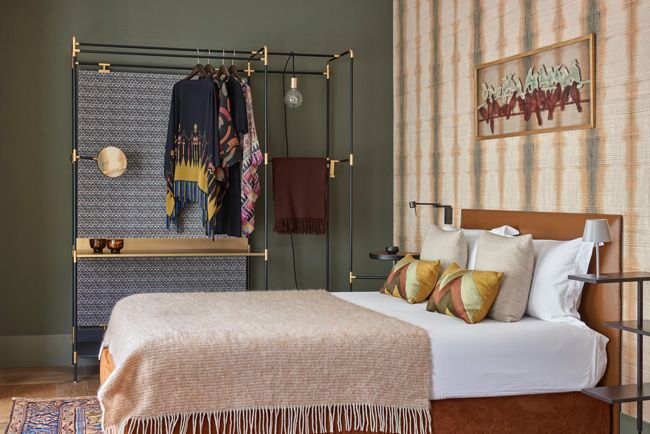
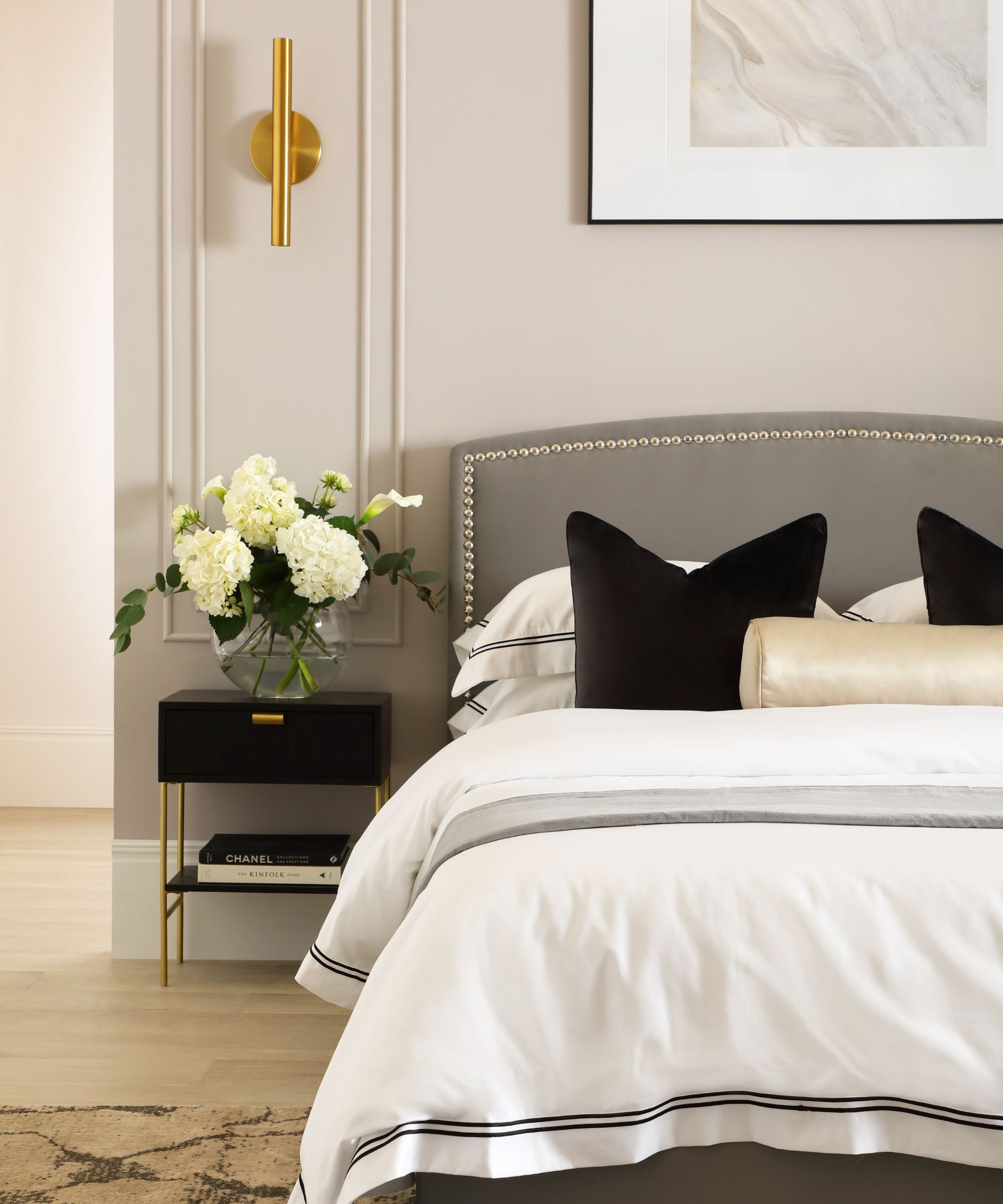
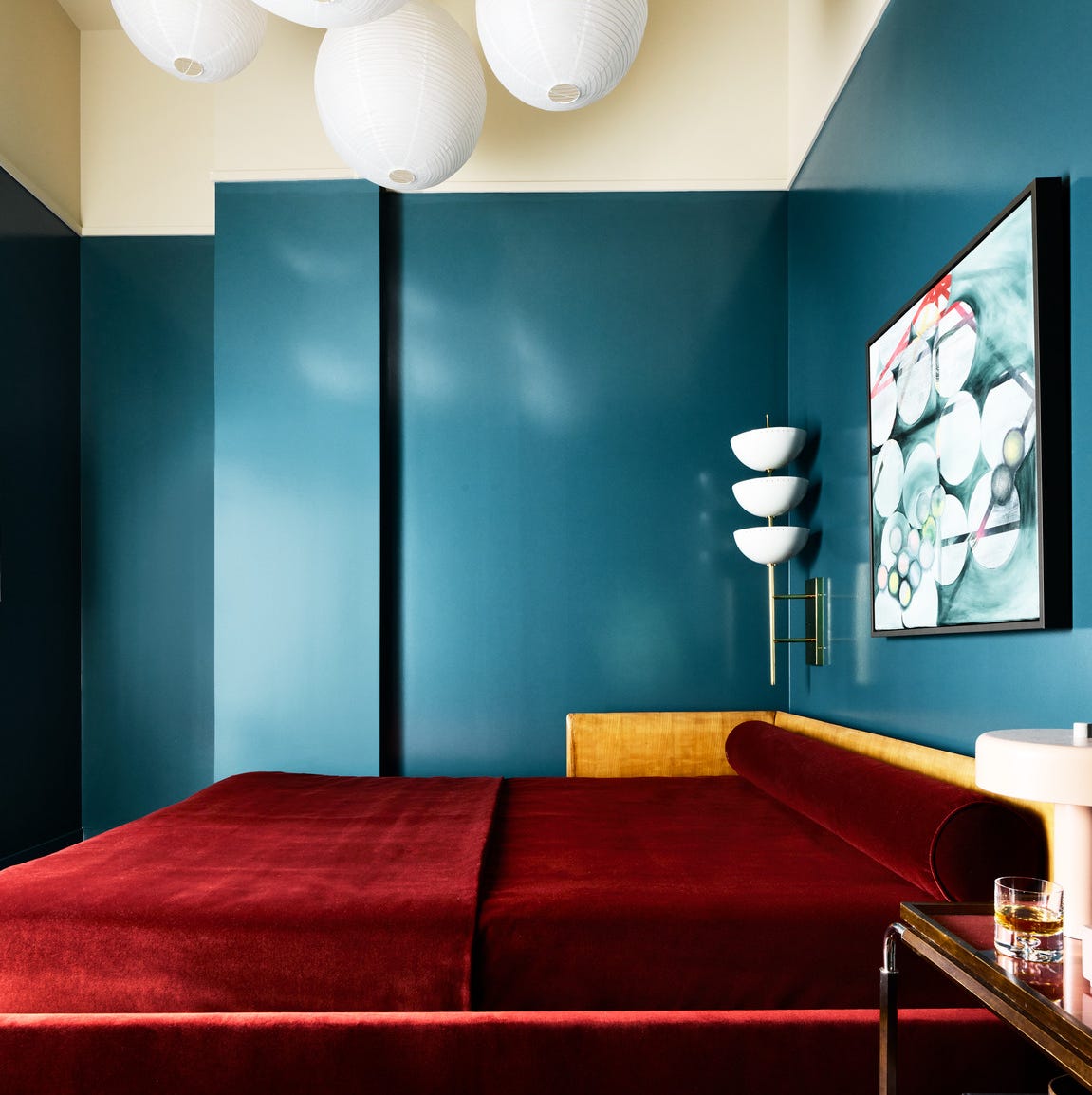
Maximizing functionality is a core principle of midcentury modern design, particularly beneficial for smaller spaces. Slim furniture pieces, such as floating desks and shelves, can serve multiple purposes as nightstands, vanities, or even work-from-home areas. The use of luxurious fabrics like velvet, often in rich colors such as burgundy, is another common element that helps integrate bedrooms into this design era. Era-inspired pendants and sconces by designers like Jonathan Adler contribute to a cohesive look.
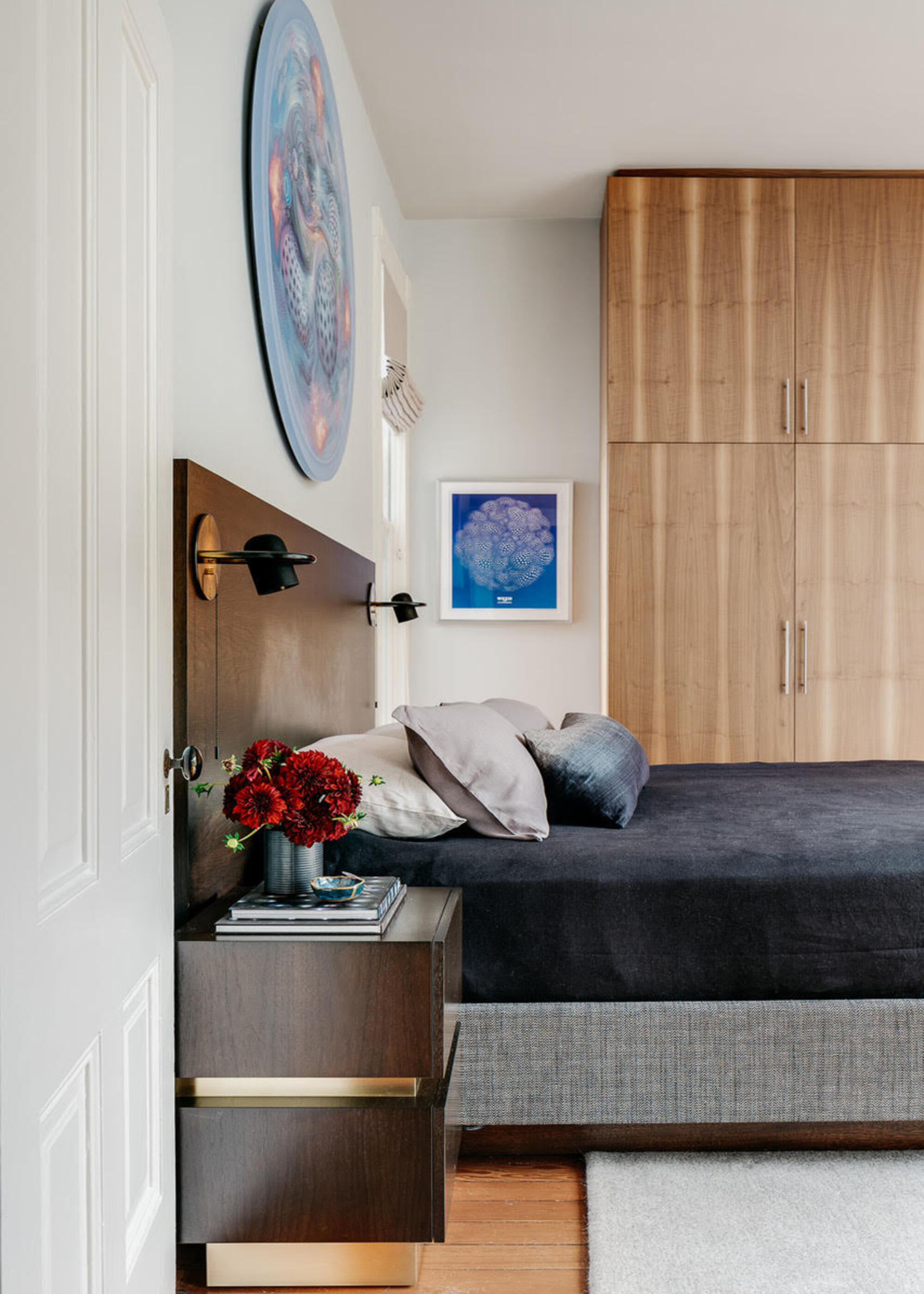
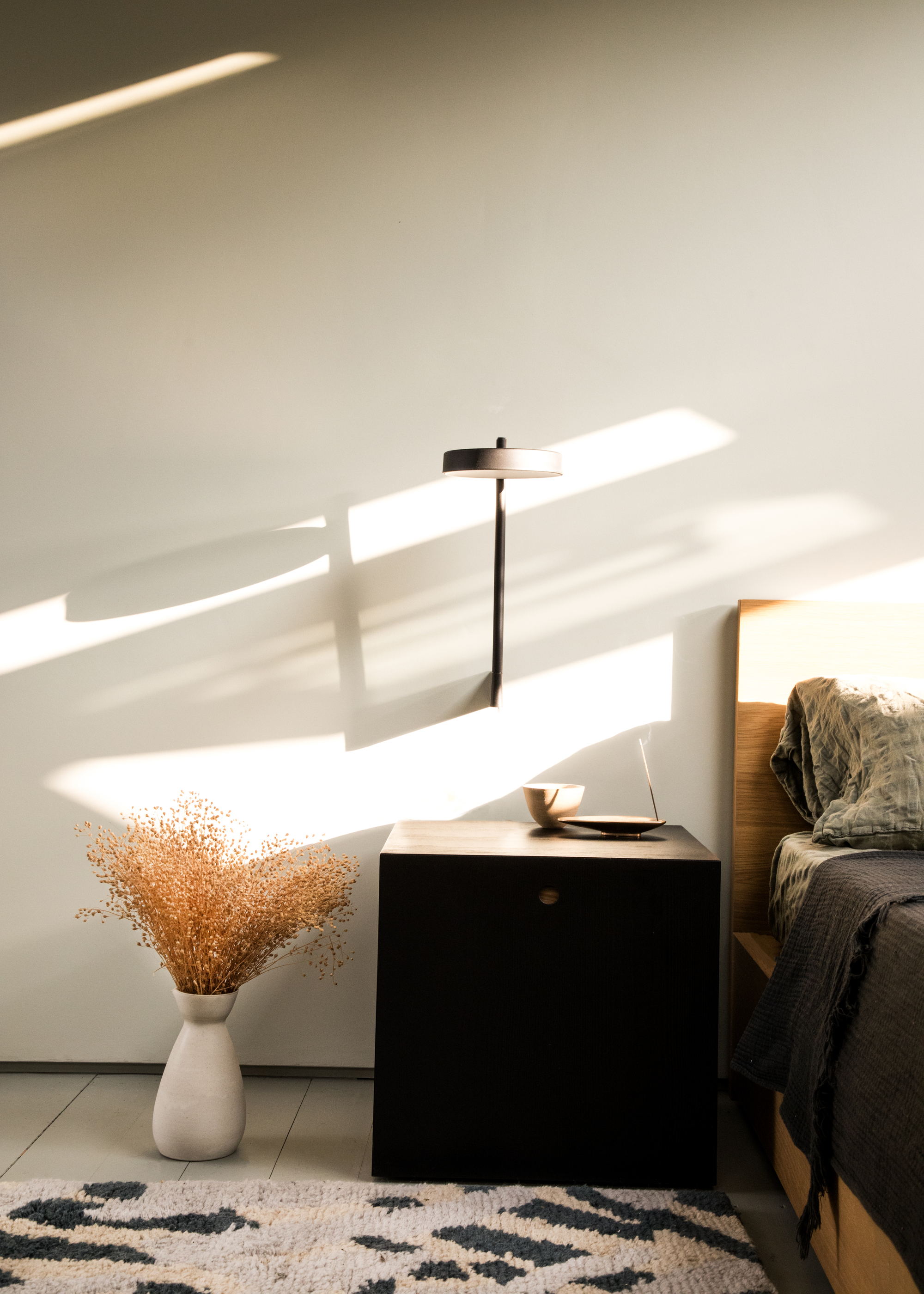
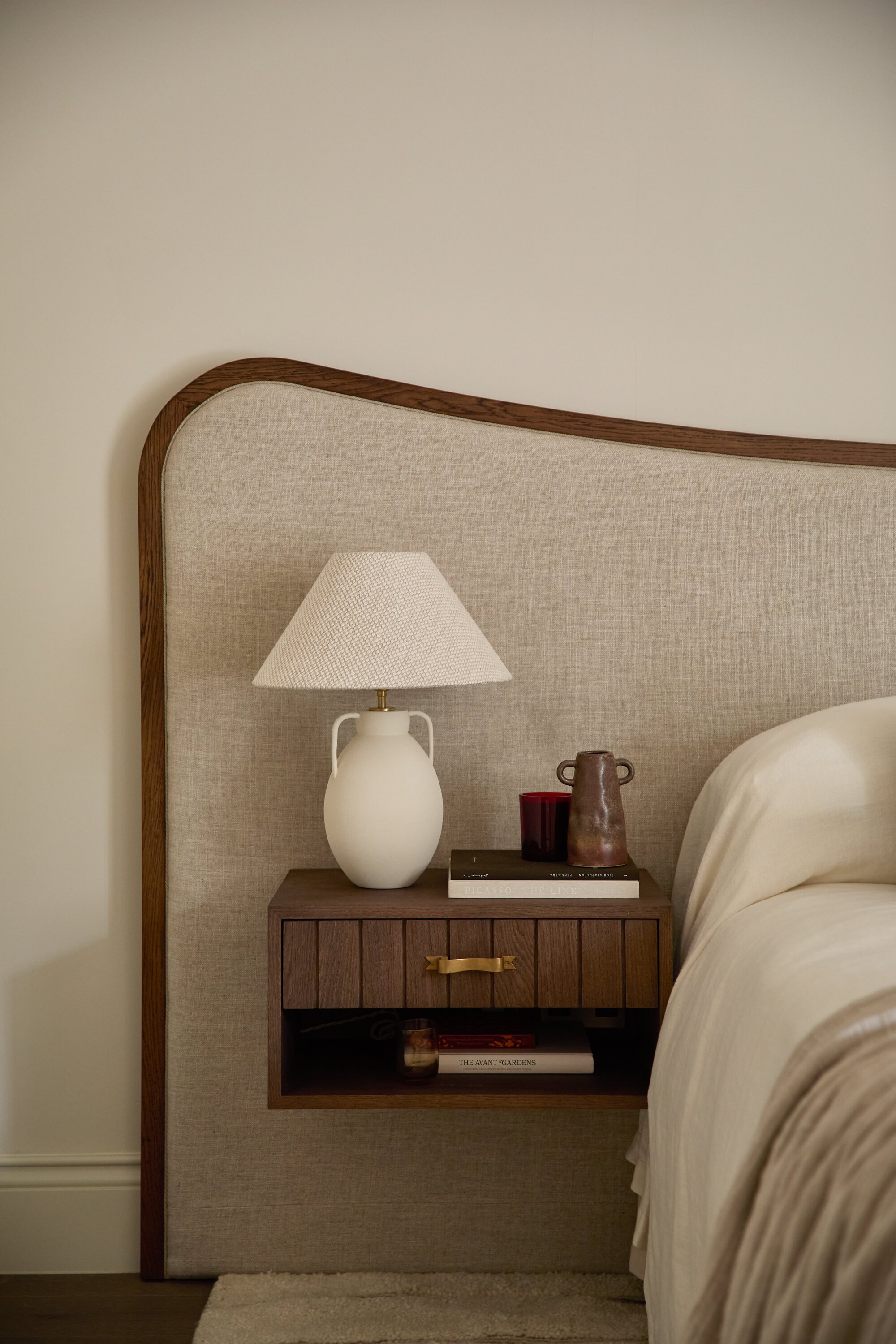
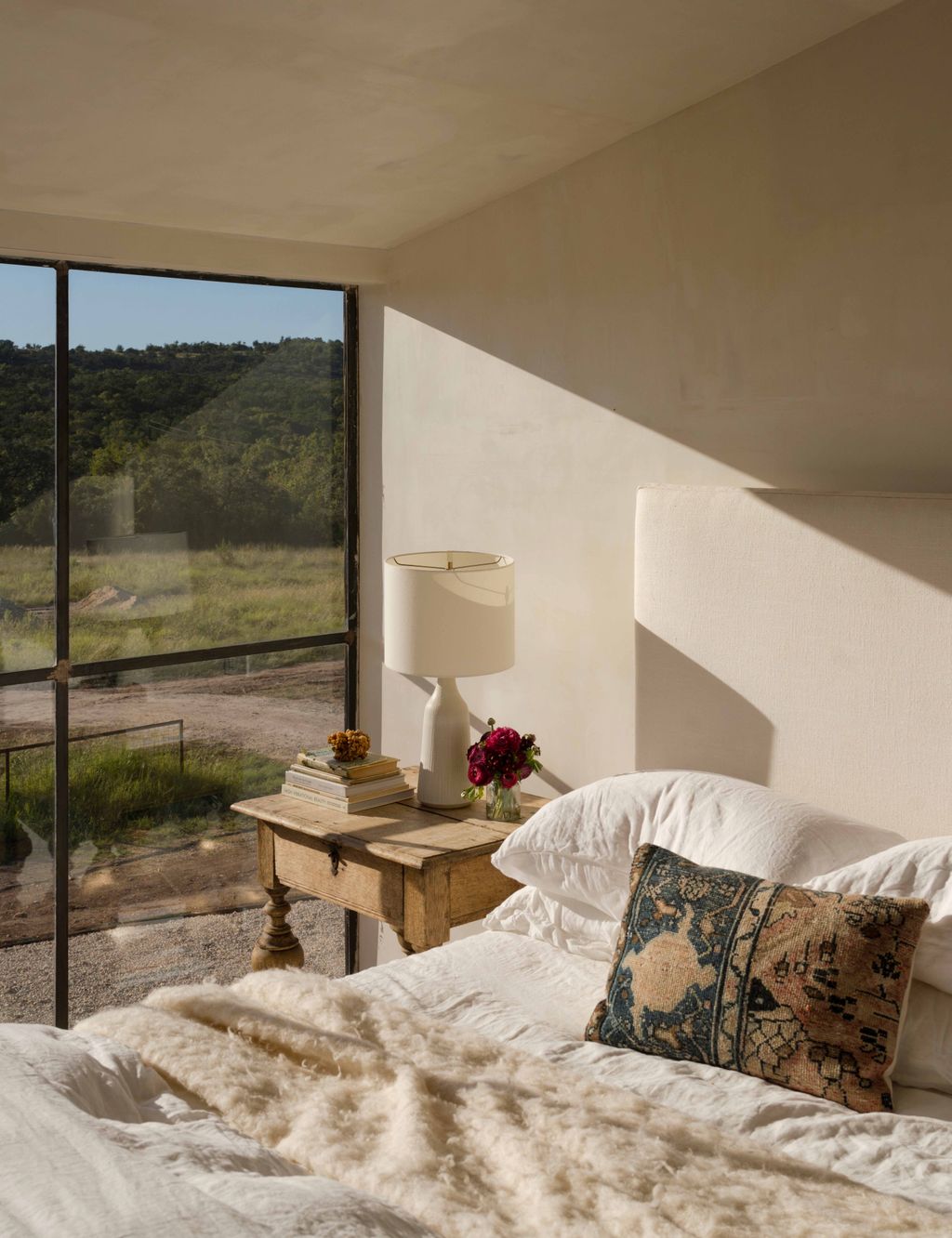
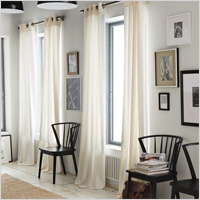
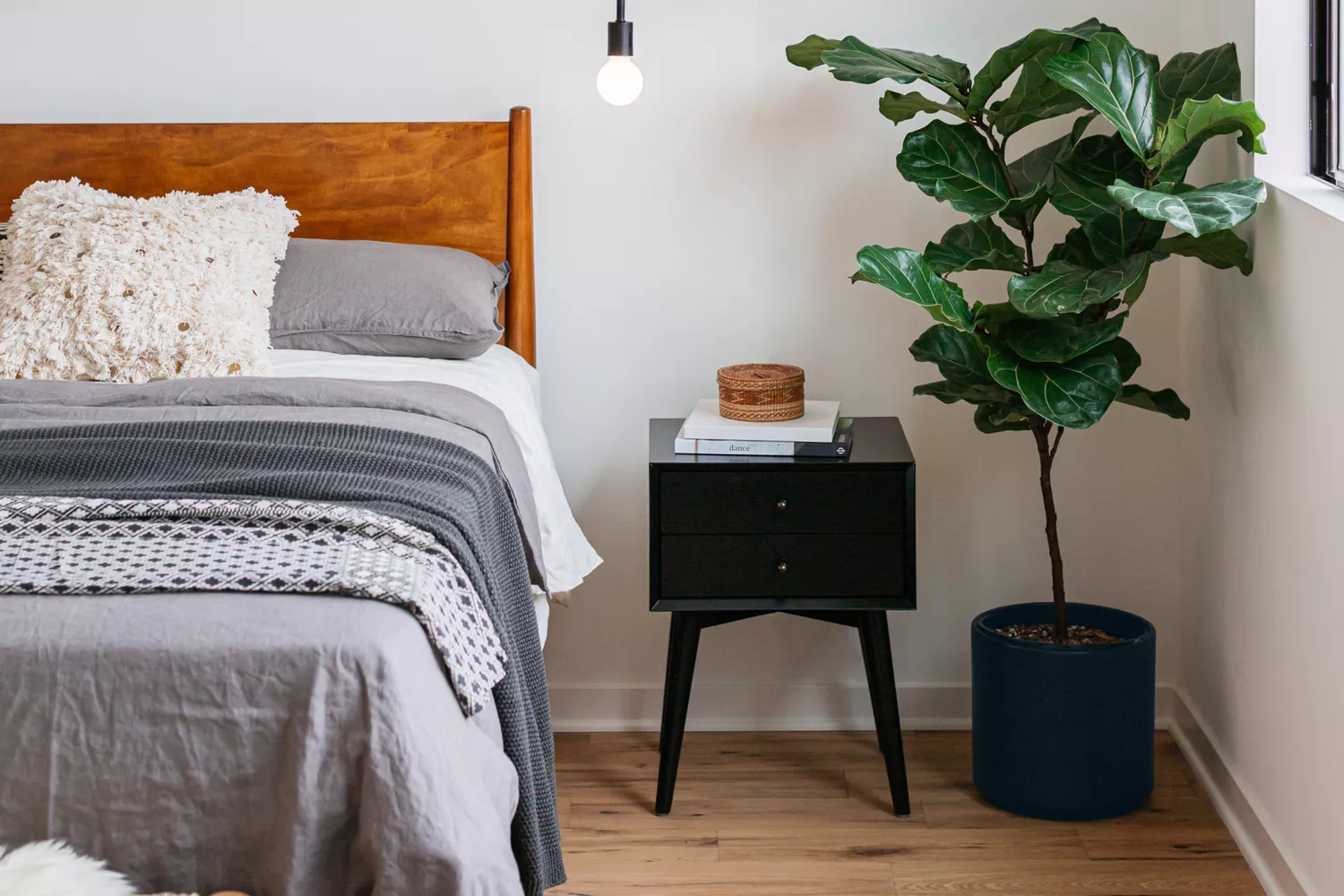
Natural light is a crucial aspect of midcentury modern design, often emphasized through large windows and narrow layouts. To enhance privacy while maintaining light, sheer curtains can be paired with low-profile blackout shades for optimal sleep. Floating nightstands exemplify the design's emphasis on functionality without bulk, offering practical solutions in compact bedrooms. These pieces typically feature simple shapes and classic midcentury finishes like walnut.
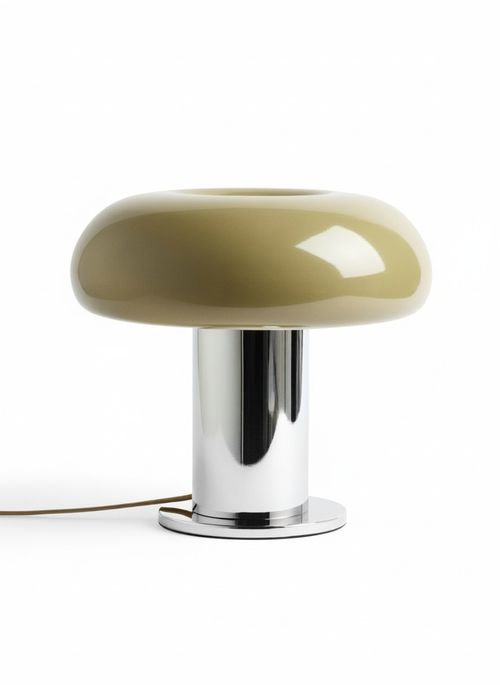
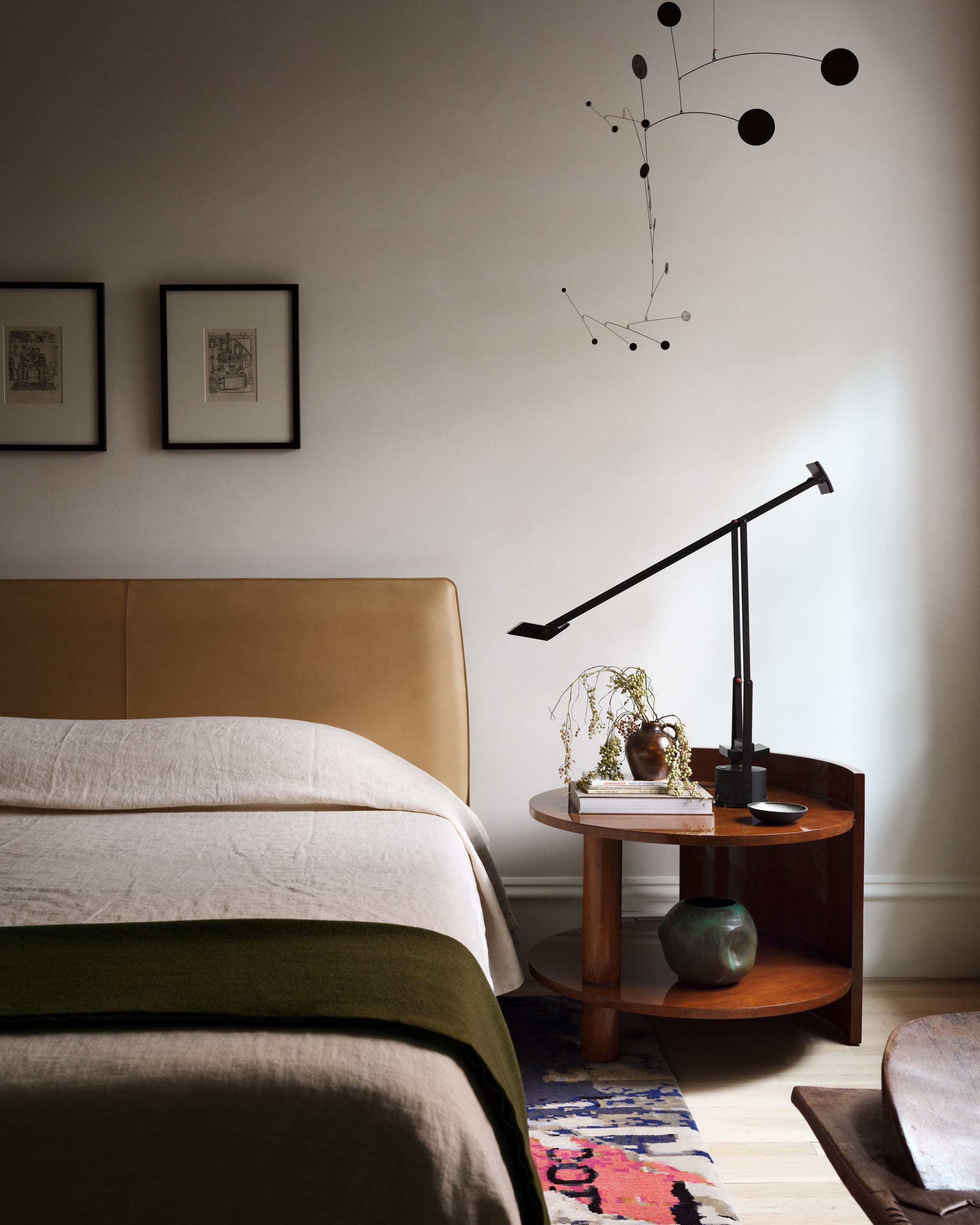
The concept of a lounge area, inspired by the 1970s "conversation pit" and its casual entertaining ethos, can be integrated into larger bedrooms using streamlined midcentury sofas. While traditionally associated with muted colors, midcentury modern design can also incorporate bold, high-contrast color palettes, such as fuchsia and teal, combined with iconic lighting fixtures like Danish flush-mount lights. Vintage accessories, including mushroom floor lamps and metal kinetic mobiles, are essential for reinforcing the design vibe and adding era-specific charm.
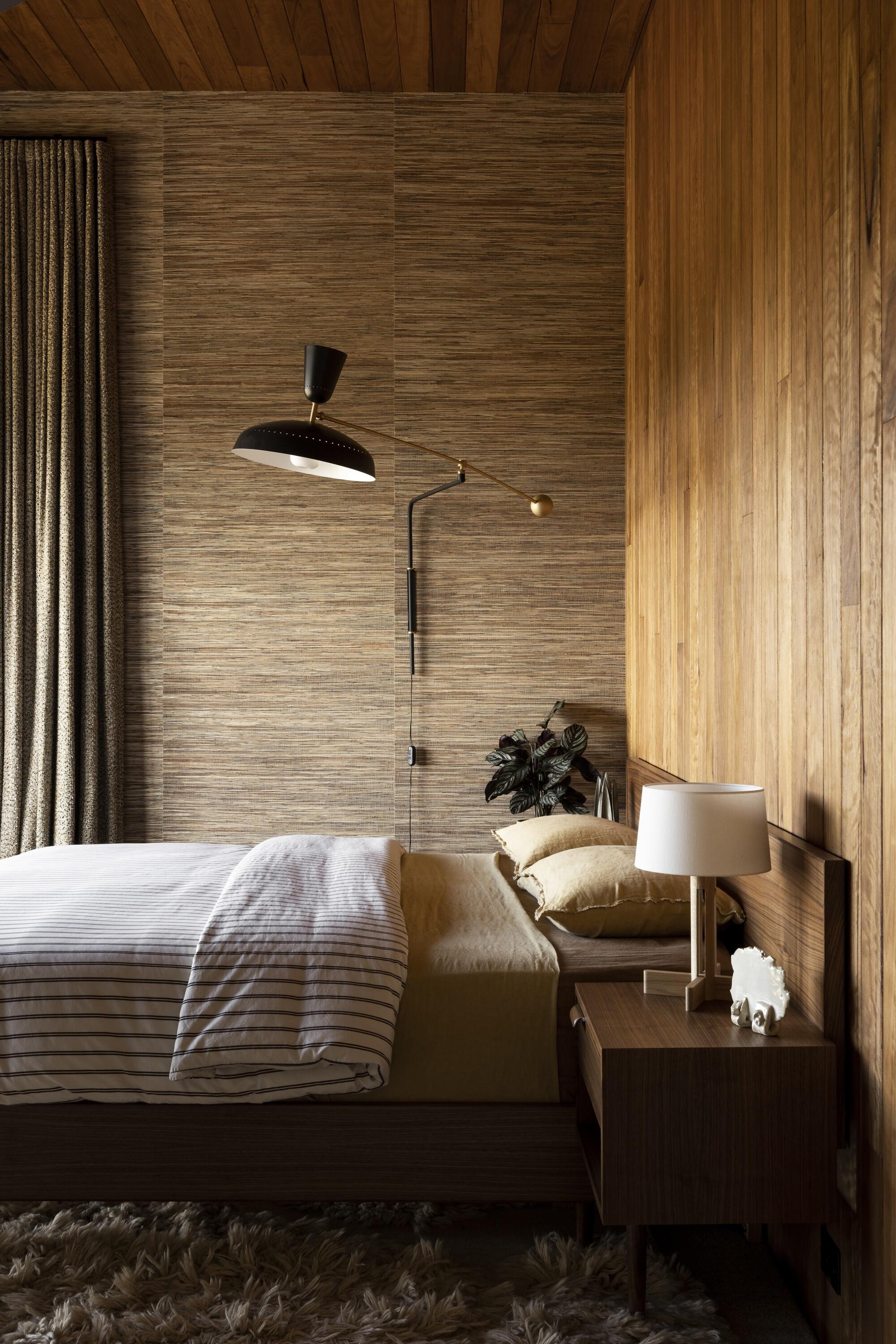
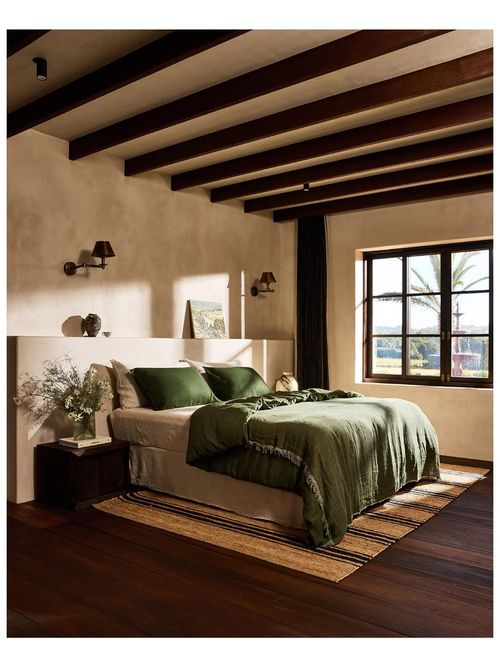
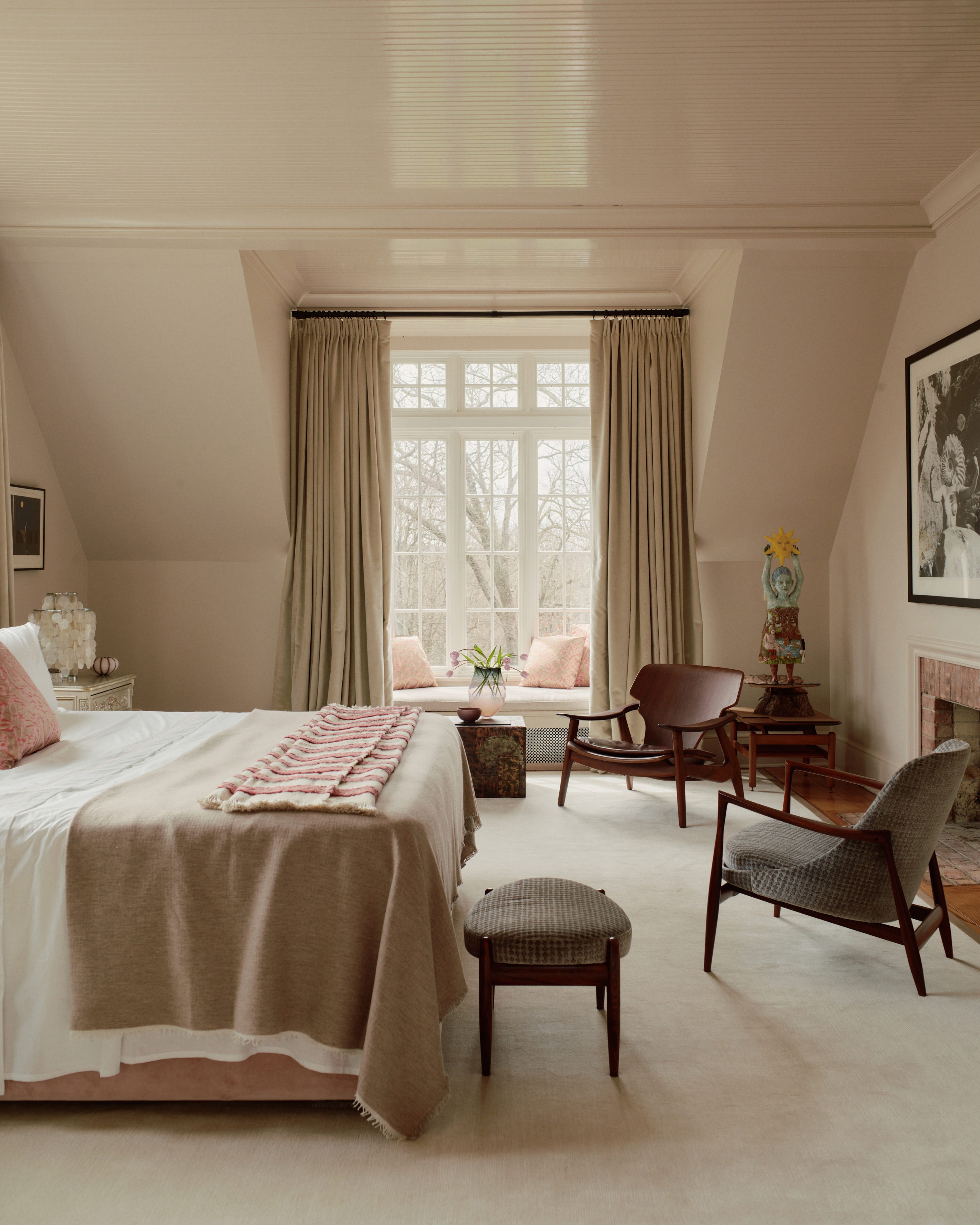
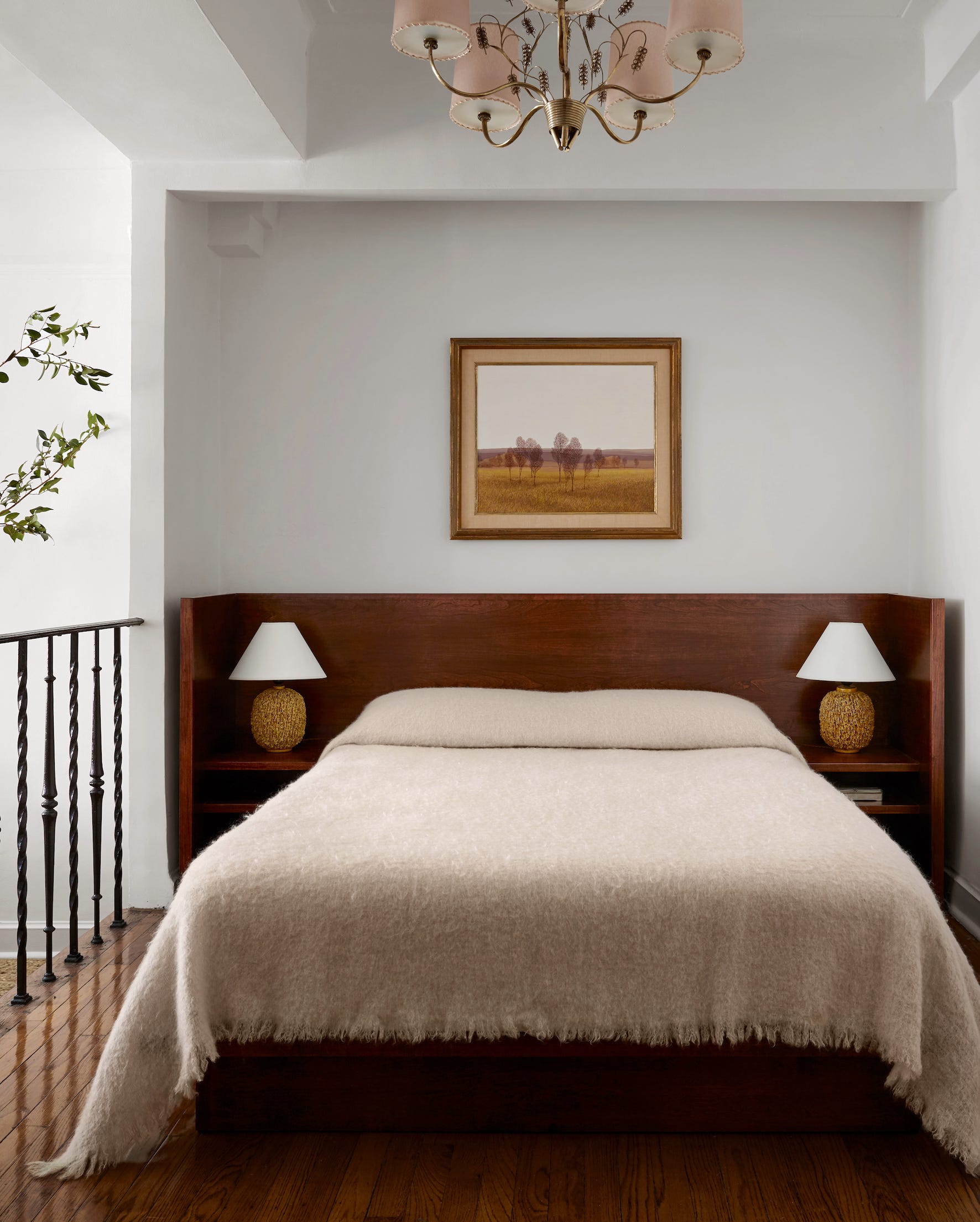
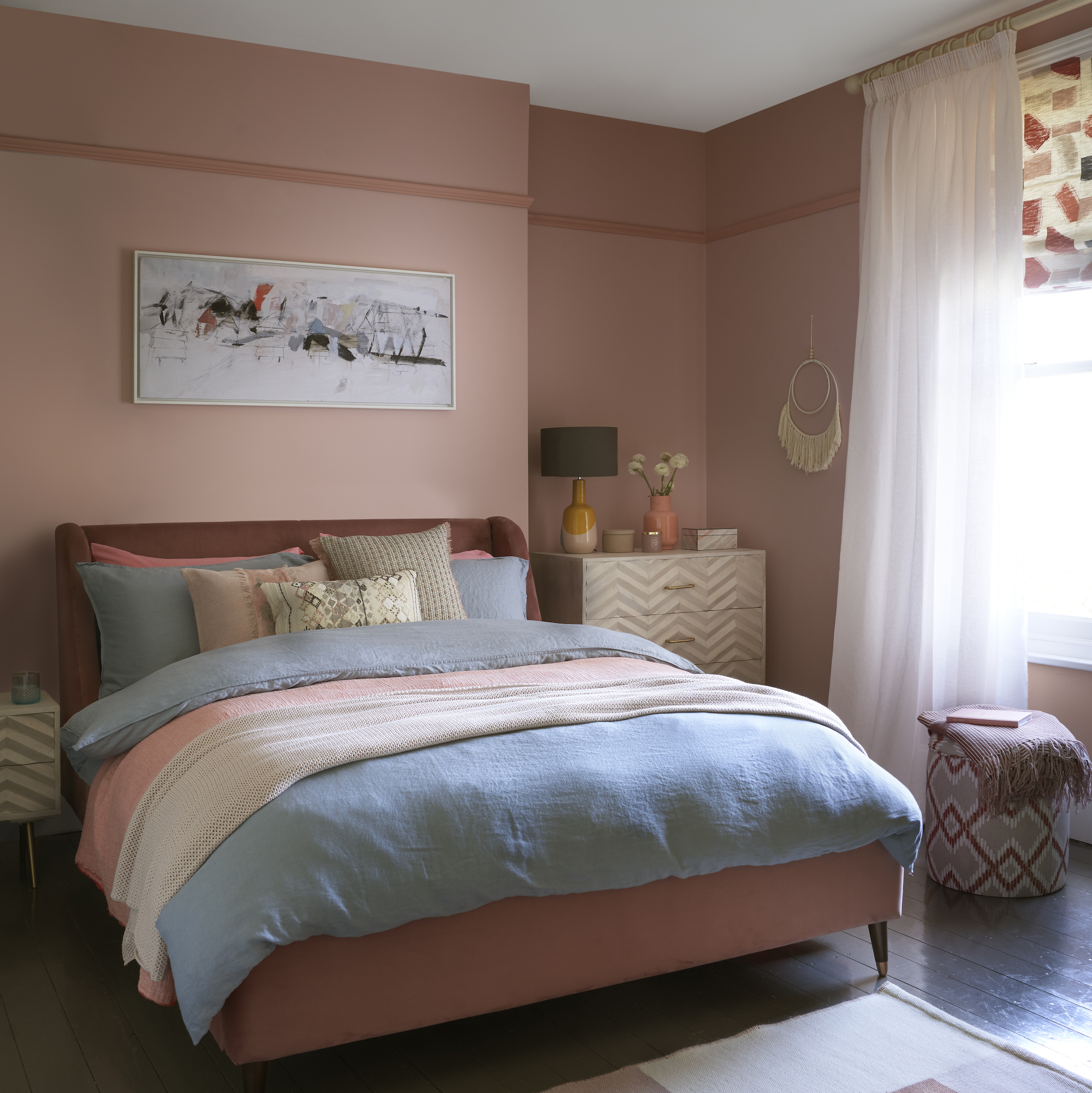
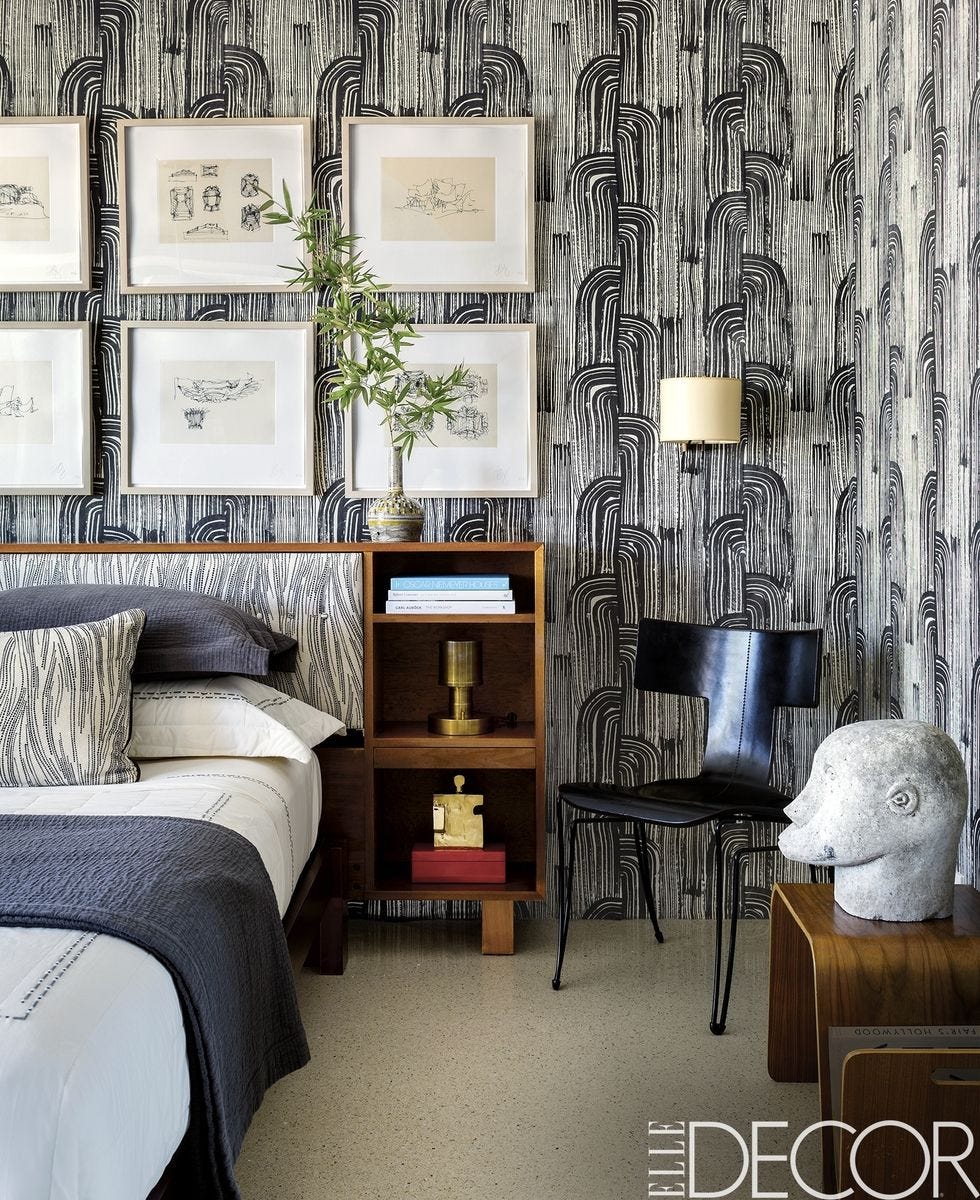
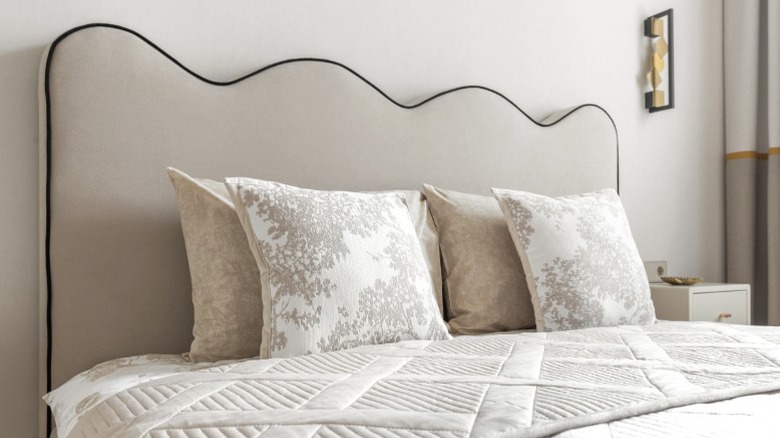
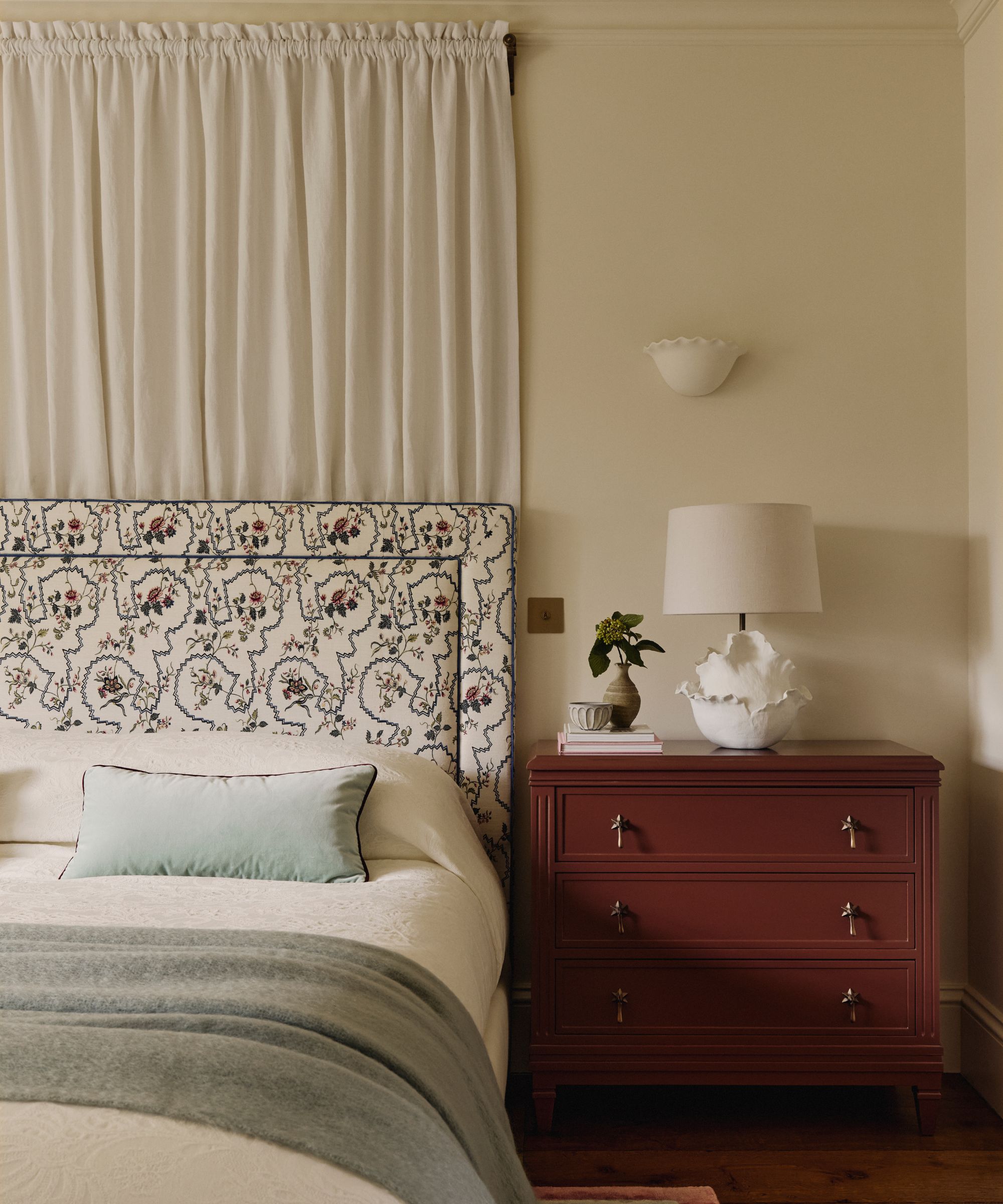
Replacing traditional bedside lamps with iconic swing-arm sconces not only adds visual interest but also frees up space on nightstands. Maintaining a tight color palette, often with serene shades like cream, taupe, ochre, and brown, allows the striking silhouettes of midcentury modern furniture to stand out. Integrating headboards directly into the wall is another common feature, marrying form and function to create a luxurious and eye-catching display. Architectural elements like clerestory windows can also reinforce the aesthetic, bringing geometric elegance and natural light into the space.
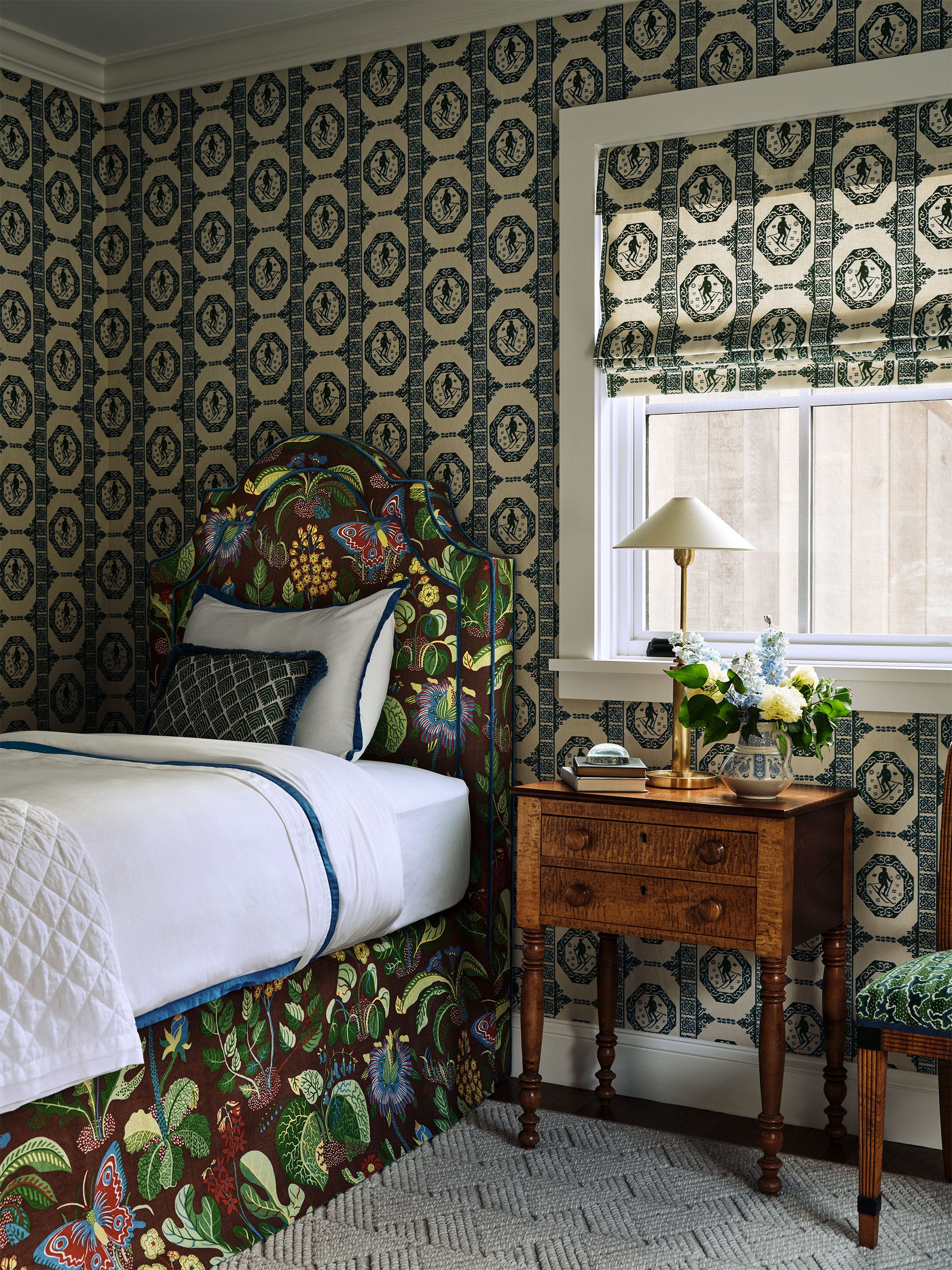
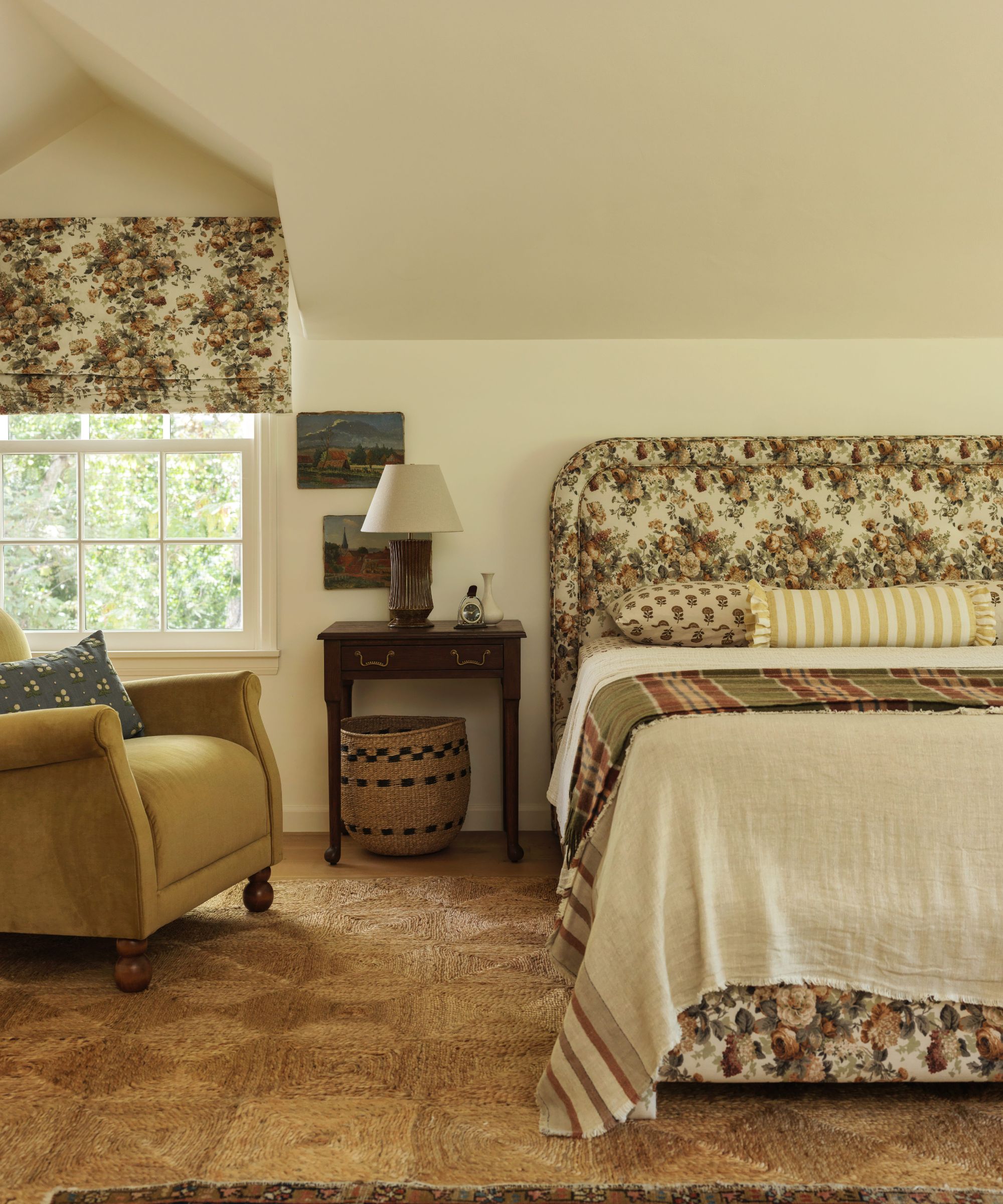
Period artwork, such as vintage travel posters, can channel an authentic midcentury vibe. Certain colors, including ochre, orange, brown, mustard, and particularly muted teal, are prominent in midcentury interiors and can create a relaxing atmosphere in bedrooms. Embracing bold, large-scale period light fixtures and channel-tufted velvet headboards can make a strong statement. Playing with textures like velvet, bouclé, mohair, and leather further enhances the design. Mixing up the scale of light fixtures, such as double-arm sconces and sculptural pendant lights, with simpler furniture pieces adds visual interest. Headboard-integrated nightstands offer a seamless and functional solution, and incorporating different styles or eras through art can prevent the room from feeling too thematic. Lastly, minimal or no window treatments are often preferred to maximize natural light and maintain a connection with nature, reflecting the core principles of midcentury modern design.
#MidcenturyModernDesign #BedroomIdeas #InteriorDesign #HomeDecor #FunctionalFurniture #VintageStyle #LightingDesign #ColorPalette #ArchitecturalElements #MidcenturyModernDesign #BedroomIdeas #InteriorDesign #HomeDecor #FunctionalFurniture #VintageStyle #LightingDesign #ColorPalette #ArchitecturalElements
0 comment in total
 No comments yet
You may also like
Mid-century modern bedroom ideas – 9 ways to channel this classic style with a current and contemporary feel

23 Modern Bedroom Ideas to Inspire a Makeover
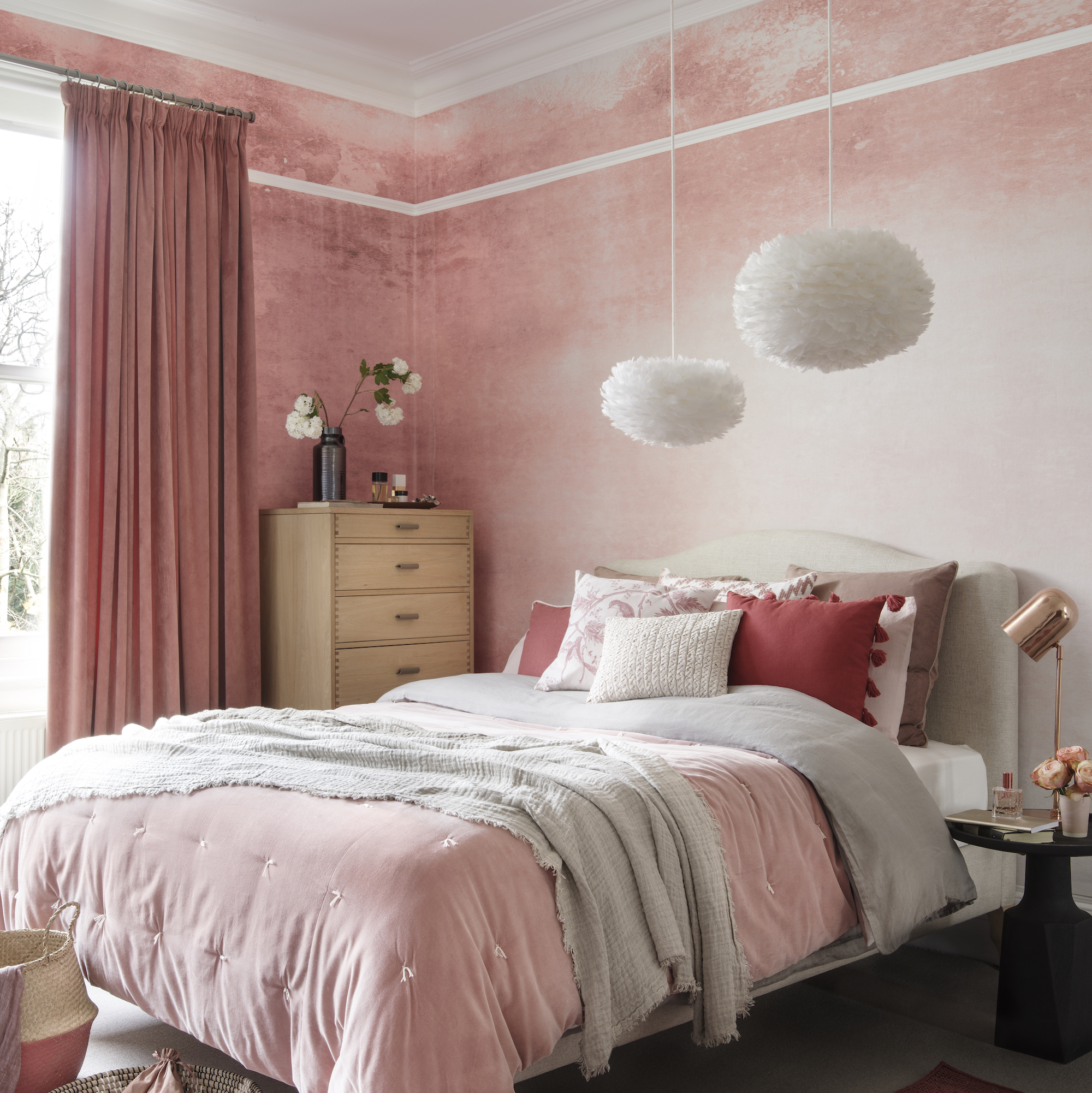
Modern bedroom ideas - wake up to 10 contemporary fresh styles
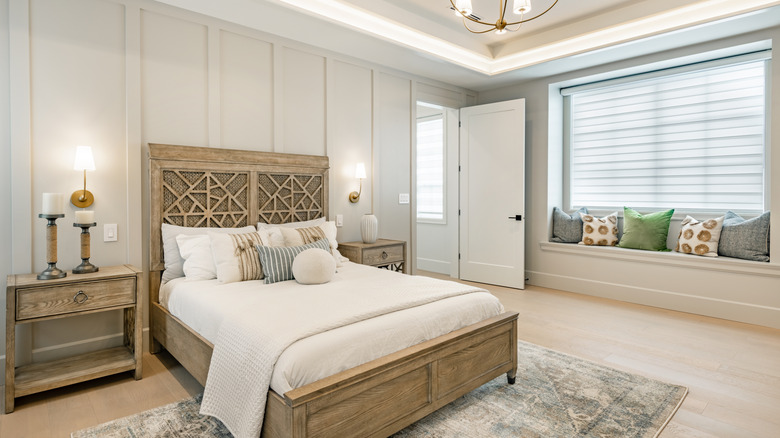
The One Piece Of Bedroom Furniture That Is Making The Room Look Outdated

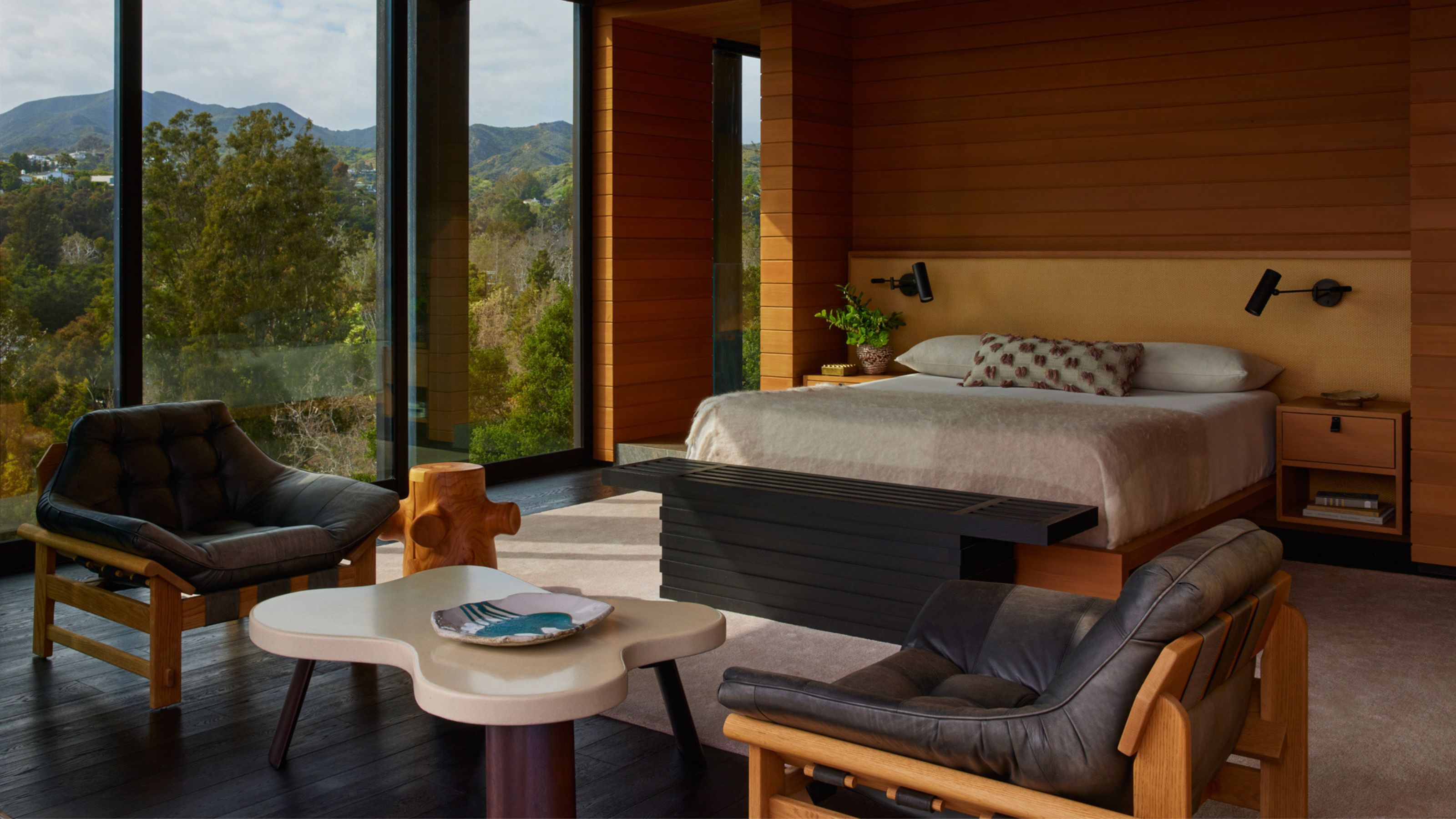
10 Mid-Century Modern Bedroom Ideas That Prove the Look Is Tranquil, Timeless, and Still Totally Relevant for Now

37 Modern Bedroom Design Ideas With Sleek and Serene Style

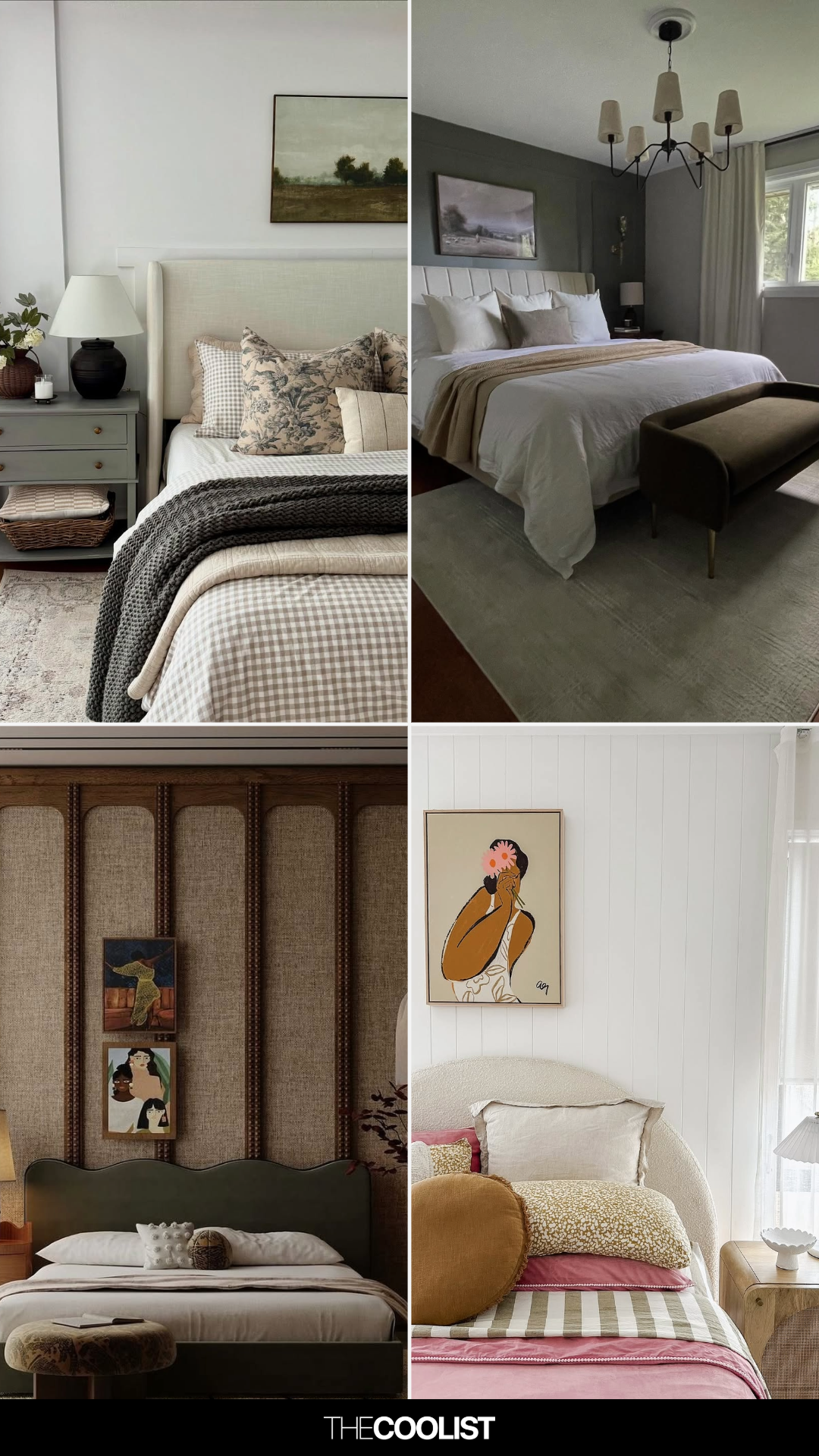
30 Bedroom Decor Design Ideas That Make Your Space Feel Styled Without a Full Makeover
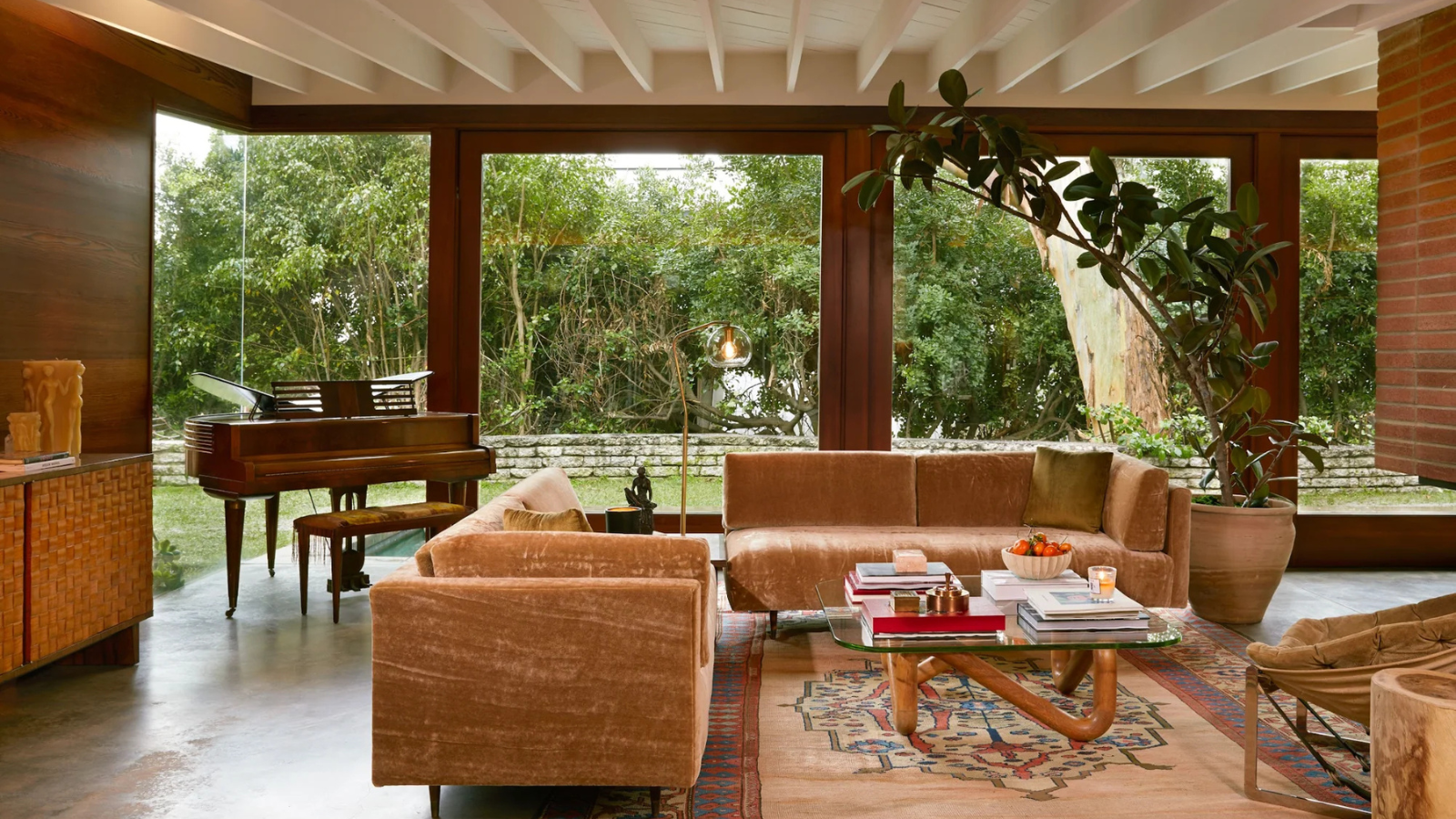
'Good design holds up' – 16 mid-century modern ideas that prove this design style will always be trending
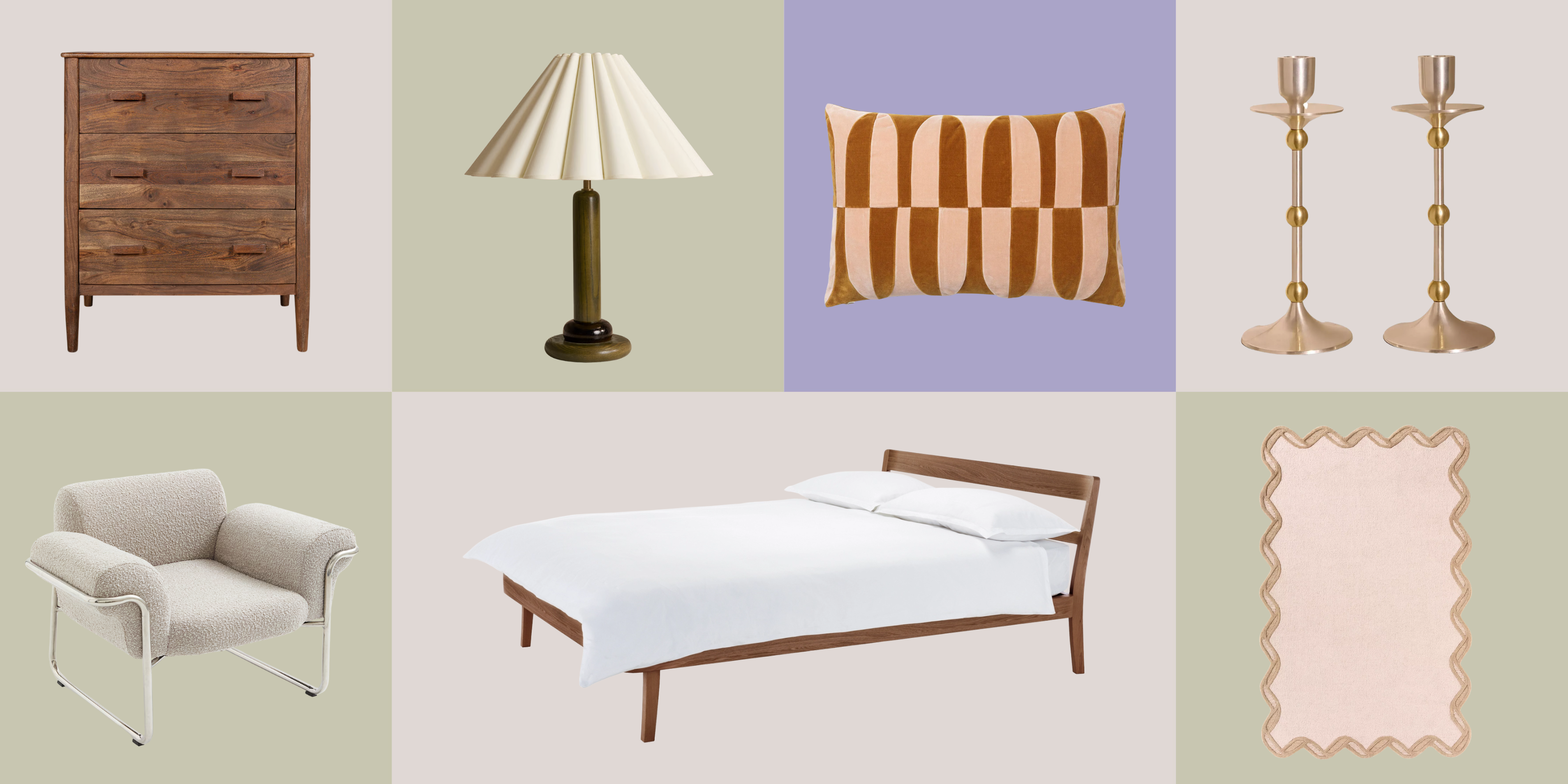
24 Buys That Feel Perfect for a Mid-Century Modern Bedroom, Picked by Our Stylists
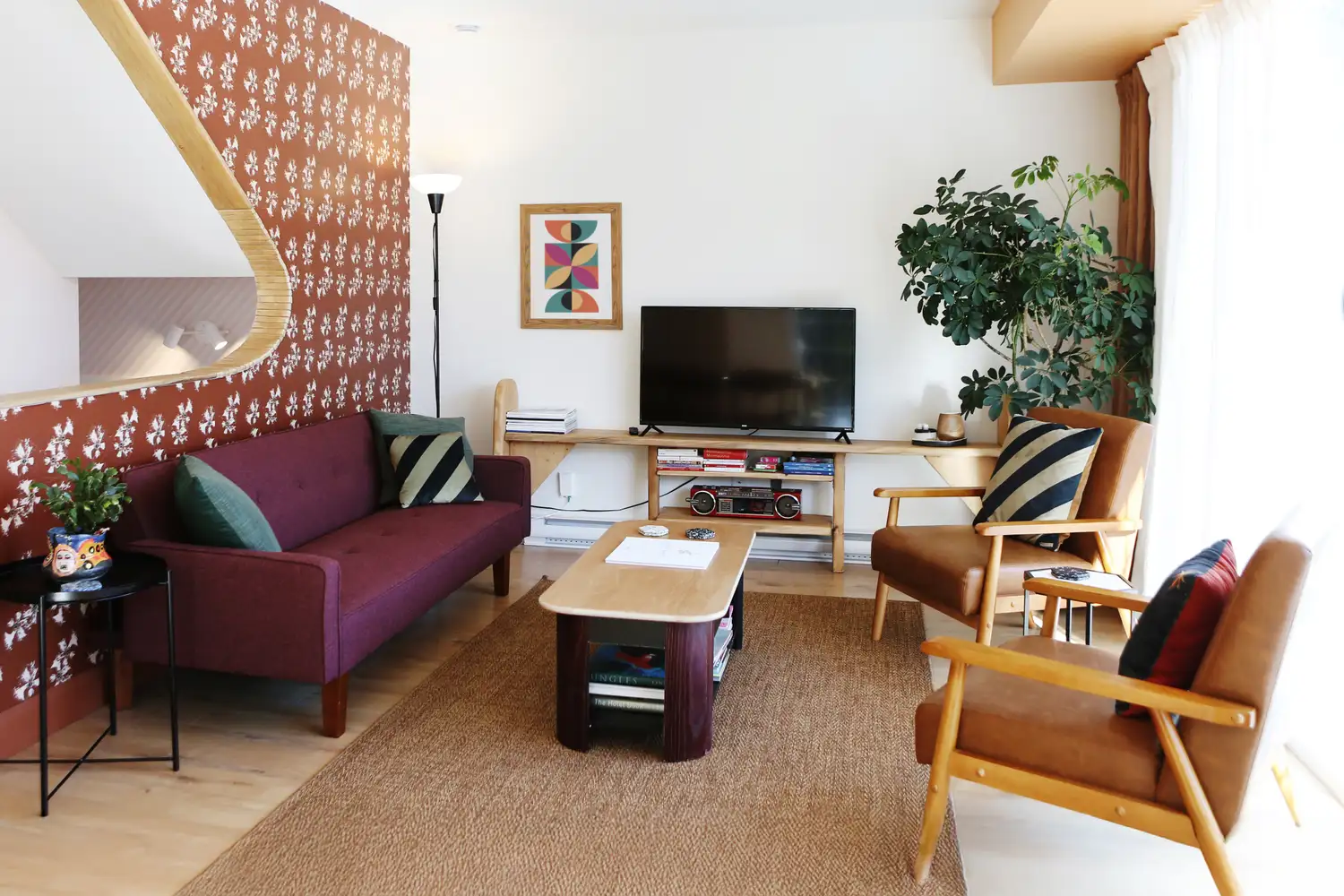
We Asked Designers If Midcentury Modern Is Out of Style—and Their Answer Might Surprise You

20 Modern Bedroom Design Ideas

These 5 Dated Bedroom Trends Are Giving Interior Designers Nightmares in 2026 – Here's Why You Should Avoid Them in Your Sleep Space
27 Midcentury Modern Bedroom Decorating Ideas That Will Always Be In Style
Ideas to update your bedroom

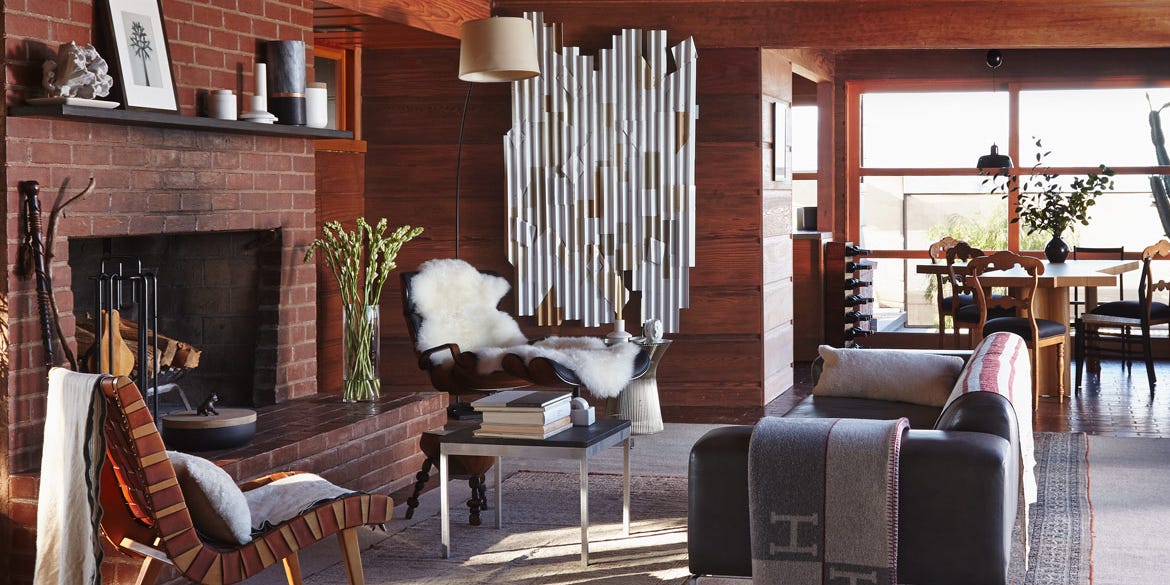
These 27 Stylish Rooms Do Mid-Century Modern Right
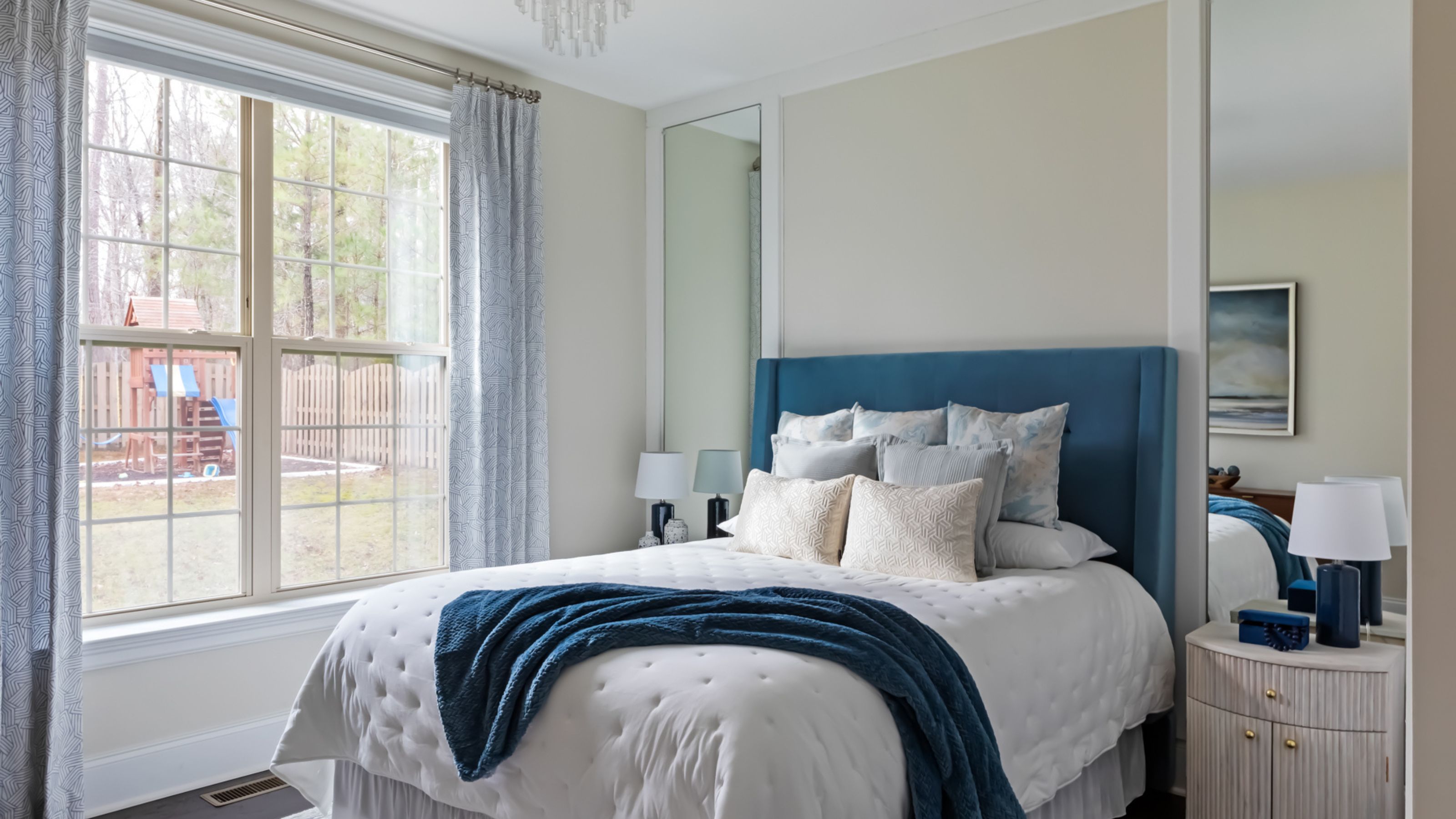
7 modern guest bedroom ideas to give your space the sleek hotel look

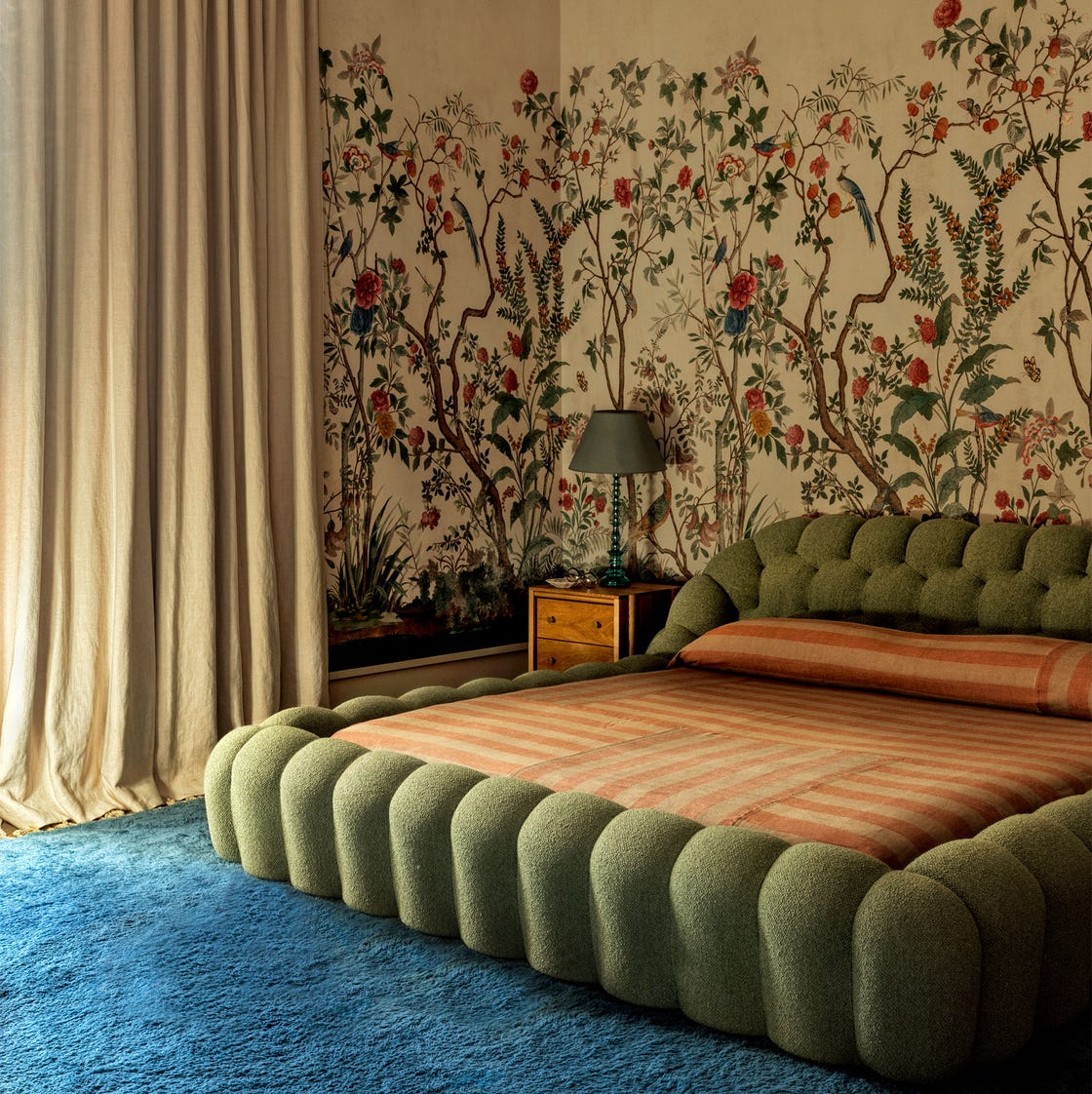
85 Modern Bedrooms You May Never Leave

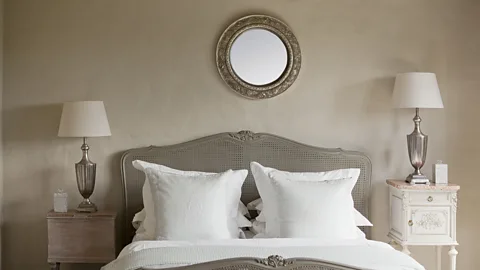
The evolution of the modern bedroom

11 genius modern bedroom ideas to transform your space

22 Beautiful Traditional Bedroom Ideas That Are Classic But Not Stuffy